



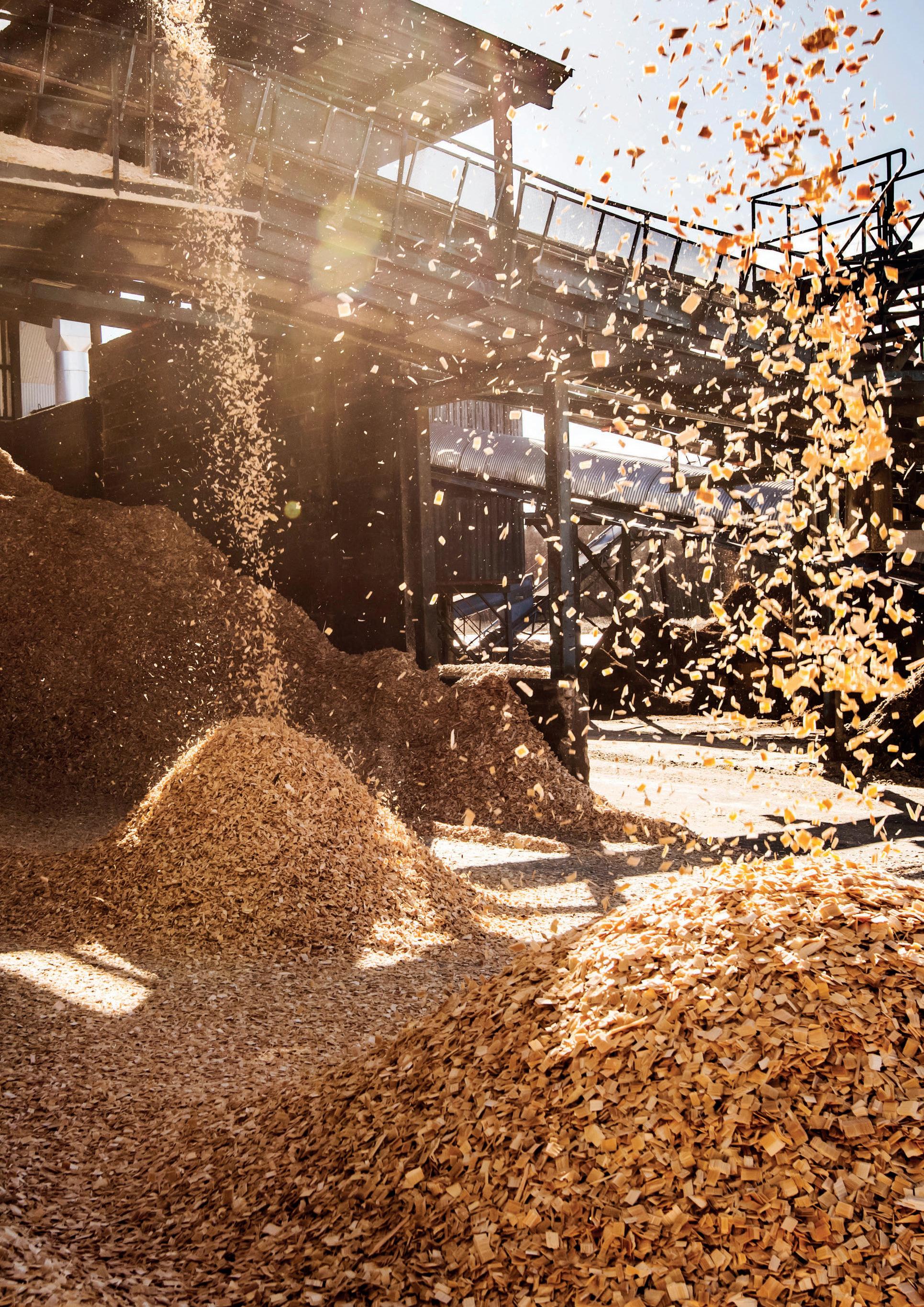




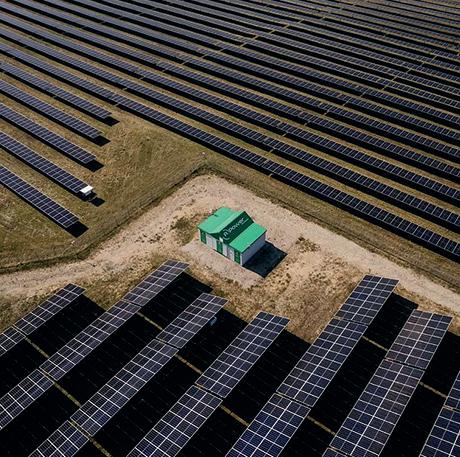



















Resource efficiency, flexibility and clean solutions are the key for success in changing energy markets. Based on our decades-long experience, we have the know-how to deliver the best solutions based on biomass, waste or on a mixture of different fuels.
Valmet’s proven automation solutions help you to optimize your energy production and our network of service professionals is ready to recharge your competitiveness both on-site and remotely. Explore valmet.com/energy
Welcome to the Spring issue of Forest Bioenergy Review incorporating PIM Renewable Energy at a time when, as we have seen in the news lately, China has been forging ahead with its solar installation programme, which is projected to overtake power generation from coal this year for the first time.
It is also projected that by the end of 2026, China’s combined wind and solar installations will account for nearly 50% of all the nation’s generated power. However, coal-fired power stations will remain as a reliable energy supplier for times when renewable sources are adversely affected by weather conditions.
Conversely, there also remains the problem of over capacity from wind and solar due to the lack of large-scale battery storage to feed back into the grid when necessary. This, of course, does not affect other renewables such as biomass or hydro power.
Looking to our Summer issue, we will be focussing on our annual biomass shipping, handling and logistics feature, combined heat and power production plus local, sustainable feedstock for power generation. The deadline for contributions is 13th May and they should be e-mailed to: pulppaperlogistics@virginmedia.com
Vince Maynard,
Publisher
PUBLISHER &
EDITORIAL DIRECTOR
Vince Maynard
KVJ Enterprises, Tralee, Hillcrest Road,
Edenbridge, Kent, TN8 6JS, UK
Tel: +44 (0) 1732 505724
Mobile: +44 (0) 7747 002286
E: pulppaperlogistics@virginmedia.com
CONSULTANT EDITOR
David Young
Tel: +44 (0) 1737 551687
Mobile: +44 (0) 7785 796826
E: youngeditorial1@btinternet.com
ISSN 2045-8514
Anthony Wiffen
ASTAC Business Publishing
Tel: +44 (0) 1460 261011
Mobile: +44 (0) 7851 612799
E: anton_print_1@mac.com
PRINTING
KNOCK OUT PRINT
+44 (0) 1892 823540
Unit 2 The Coppice, Petteridge Lane, Matfield, Kent TN12 7LP info@knockoutprint.co.uk www.knockoutprint.co.uk











On 19 February, construction began on Mersey Heat’s Phase 1C extension, bringing low carbon heating and hot water to three of Liverpool's most iconic waterfront buildings – the Cunard Building, George’s Dock Building and the Museum of Liverpool.
Representatives from The Peel Group, Ener-Vate, Vital Energi, Liverpool City Council, Liverpool City Region Combined Authority and National Museums Liverpool gathered at the construction site near the Cunard Building to mark the occasion.
The extension, developed by The Peel Group and district heat network specialist Ener-Vate, will add approximately 2 km of pipework to the existing Mersey Heat network, connecting to the low carbon Energy Centre on Sherwood Street, which
opened in October, 2025.
The project has secured approximately £2.2 million of funding through the Heat Networks Investment Project (HNIP) and £3 million through the Public Sector Decarbonisation Scheme (PSDS) across the three buildings. Once complete, the extension is expected to save around 8,600 tonnes of carbon emissions annually against gas.
David Tatton, Investment Director at The Peel Group, said: “Extending the Mersey Heat network to the Cunard Building, Georges Dock and the Museum of Liverpool demonstrates the growing appetite for low carbon infrastructure across the city. When we opened the Energy Centre last year, we always had ambitions to expand the network beyond Liverpool Waters, and today's ground-breaking shows
that vision becoming reality. These are buildings that really matter to Liverpool and connecting them to the heat network will play an important part in the city's journey to net zero”.
James Hadfield, Head of Project Development at Ener-Vate, said: “Connecting three of Liverpool's most recognisable waterfront buildings to the Mersey Heat network is a significant step forward for decarbonisation in the city. The public sector funding secured for this extension shows the confidence that Government has in heat networks as a solution for reducing carbon emissions from existing buildings. We're looking forward to seeing the pipework go in over the coming months and getting these buildings connected”.
Councillor Liam Robinson, Leader of Liverpool City Council and
Liverpool City Region Combined Authority Lead for innovation, said: “Seeing Liverpool’s commitment to net zero progress to three of our key landmarks is a huge step forward in assuring a cleaner future, and a great example of how public and private sector can work together to do that.
“Liverpool City Council has already launched the procurement process for a new programme focused on an even wider area of the city centre. By developing an additional district heat network, we’re expanding access to affordable, reliable heating and helping more households escape fuel poverty. This is about scaling up what works – protecting residents and businesses from rising energy costs and making sure warm, healthy properties are the norm, not the exception.”
More information: www.merseyheat.co.uk
German company Weltec Biopower GmbH and its French partner Agripower France can look back on almost 15 years of successful co-operation. During this period, the two biogas specialists have jointly completed more than 30 plant projects in France, including references such as Agrigaz Vire and SOBER 1 & 2 for the agro-industrial company BRETS. This successful partnership has now been extended.
The co-operation between Weltec and Agripower is characterised by reliable and practical collaboration: Agripower, with its integrated engineering office, acts as a general contractor for the implementation of biogas projects and invests in the expansion of existing plants. Weltec supplies tailor-made components and technical solutions made of stainless steel, a material synonymous with reliability, durability and manufacturing precision.
The two companies are united by the strategic goal of promoting sustainable energy concepts and actively advancing the transformation of energy and resources. In addition to developing new projects, the focus is on optimising existing biogas plants, increasing their efficiency and using proven and innovative technologies.
Four new projects are in the final planning stages for 2026. These plants are spread across France, reflecting the growing regional importance of this co-operation. In addition, both companies are currently exploring new markets in to bring their expertise and technologies to other regions.
During a visit to Weltec in Vechta, Guillaume Labarrière (Chief Executive Officer of Agripower), Cédric Chomette (Technical Director), Emmanuel Prouteau (Deputy Managing Director in charge of Sales and Development) and the Weltec team, led by Managing Directors Tobias Gerweler and Dirk Krumdieck, as well as Alain Priser
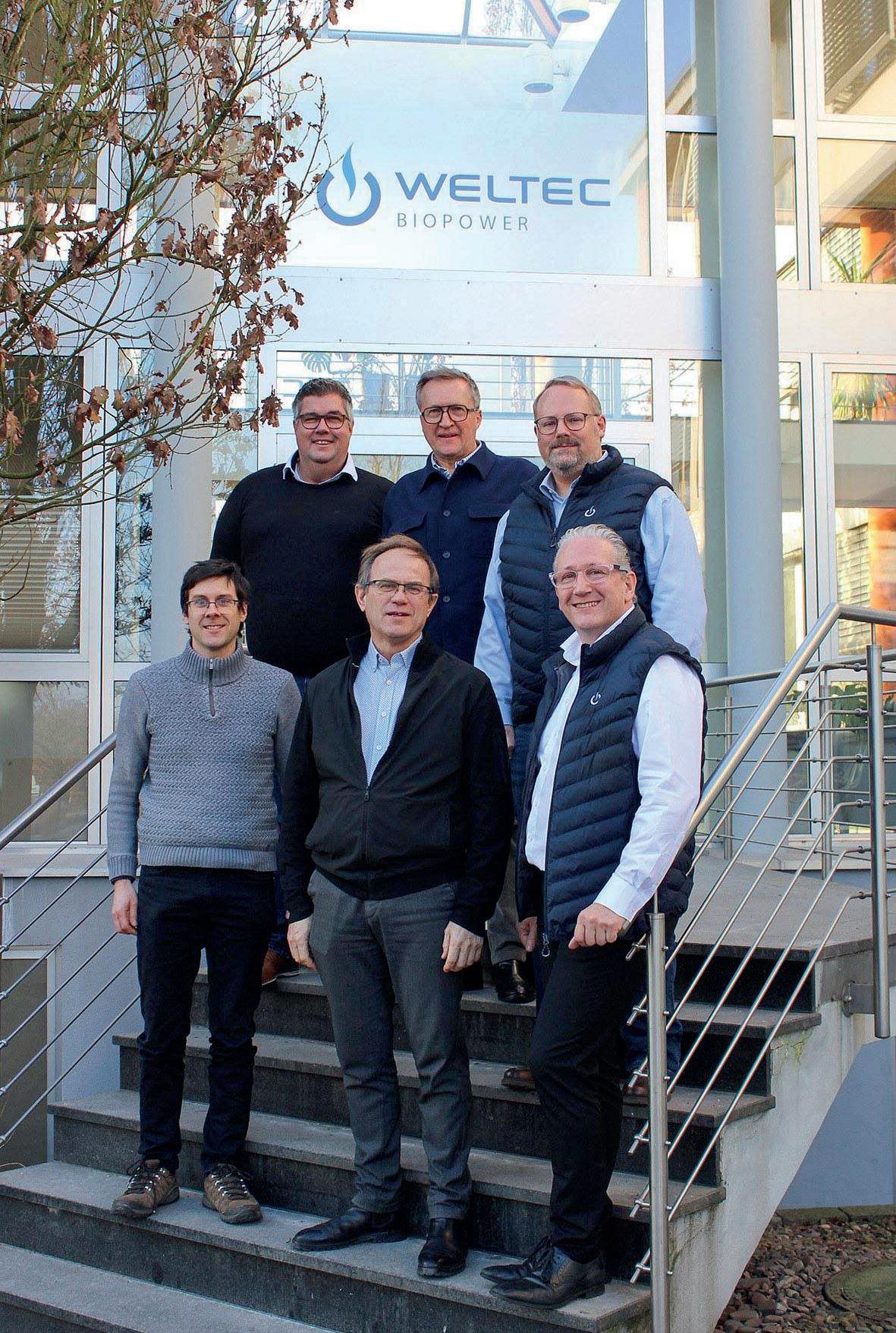
(International Sales Manager) and Carsten Hesselfeld (Head of Projects), discussed current and future projects. One of the highlights of the meeting was the signing of the new partnership agreement, through which both parties are consolidating their long-term co-operation and
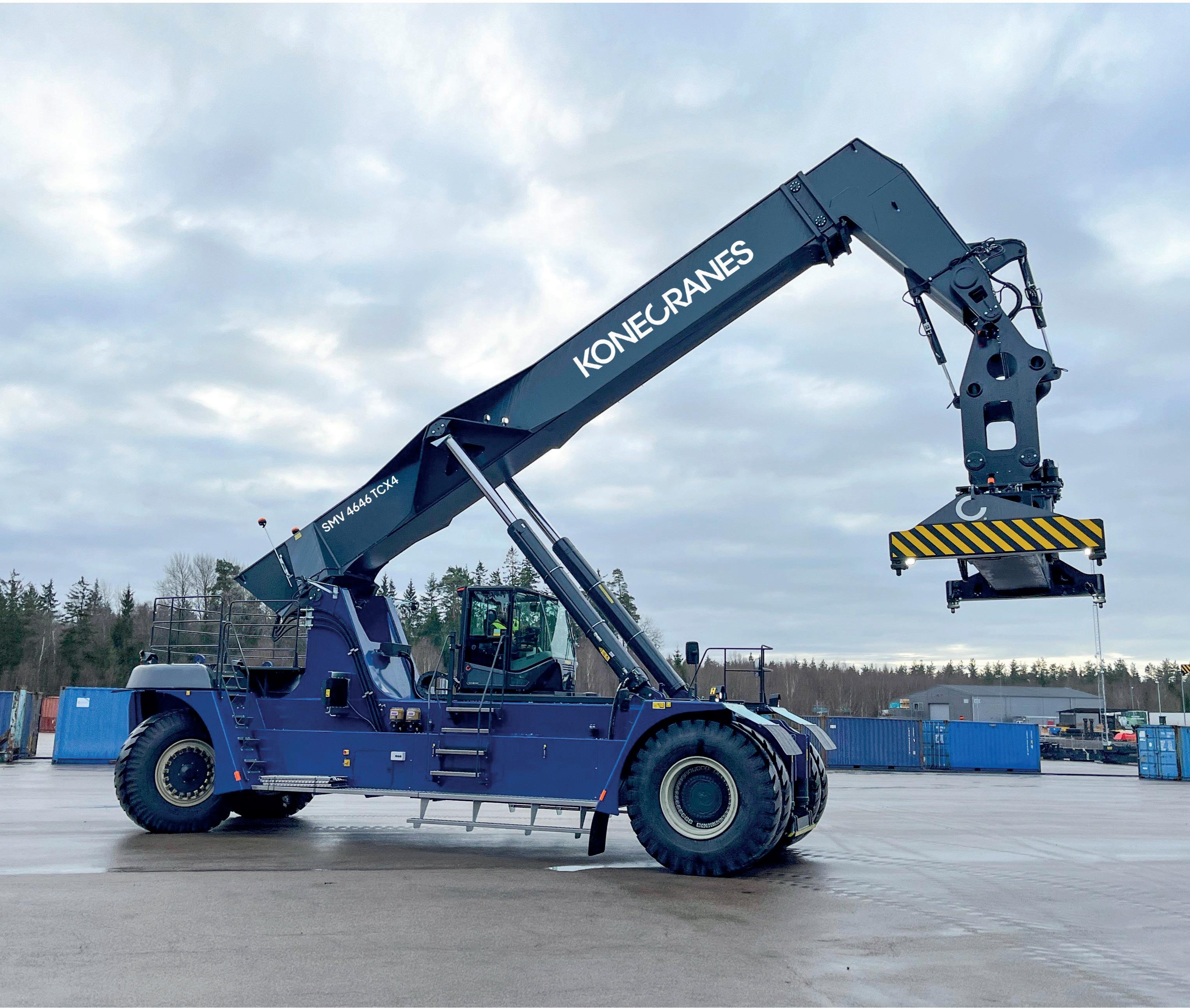
Anew UK customer has ordered a Konecranes reach stacker configured for barge handling to support 24/7 waste-to-energy operations in London, the first such order for this Konecranes model in the country. The order was booked in Q4 2025, with delivery scheduled for Q2 2026.
This exceptionally large and versatile machine – capable of reaching four metres below quay level with a barge lifting capacity of 37 tonnes – will handle waste containers moved by barge along the Thames River to a London
recycling and waste management facility. With a tidal range of more than seven metres on Spring tides, the River Thames presents rapidly changing water levels that make deep-reach barge handling essential. Delivery of the SMV 4646 TCX4 reach stacker will be handled through long-standing distributor Aprolis UK.
The machine has multi-role capabilities. In addition to barge operations, in terminal work the handler offers up to 45 tonnes capacity in the first and second rows, and impressive reach with four-high stacking capability,
including 41 tonnes in the third row and 32 tonnes in the fourth row. This combination of scale, power and adaptability makes it one of the most capable machines of its kind, ready to meet the complex demands of modern port logistics.
TRUCONNECT premium functionality provides condition monitoring data to support the customer’s 24/7 waste-to-energy operation, minimising downtime by enabling proactive maintenance planning. Konecranes assures uptime and machine availability through remotely connected machines, parts availability and
skilled local service provided by the UK distributor.
“Applications like wasteto-energy handling place very specific demands on equipment. This is why we’ve engineered the Konecranes barge handler to match the customer’s exact operating requirements. Our long-standing co-operation with Konecranes allows us to deliver these kinds of highly tailored solutions for challenging use cases,” said Andy Armitage, Sales Manager at Aprolis UK.
More information: www.konecranes.com








































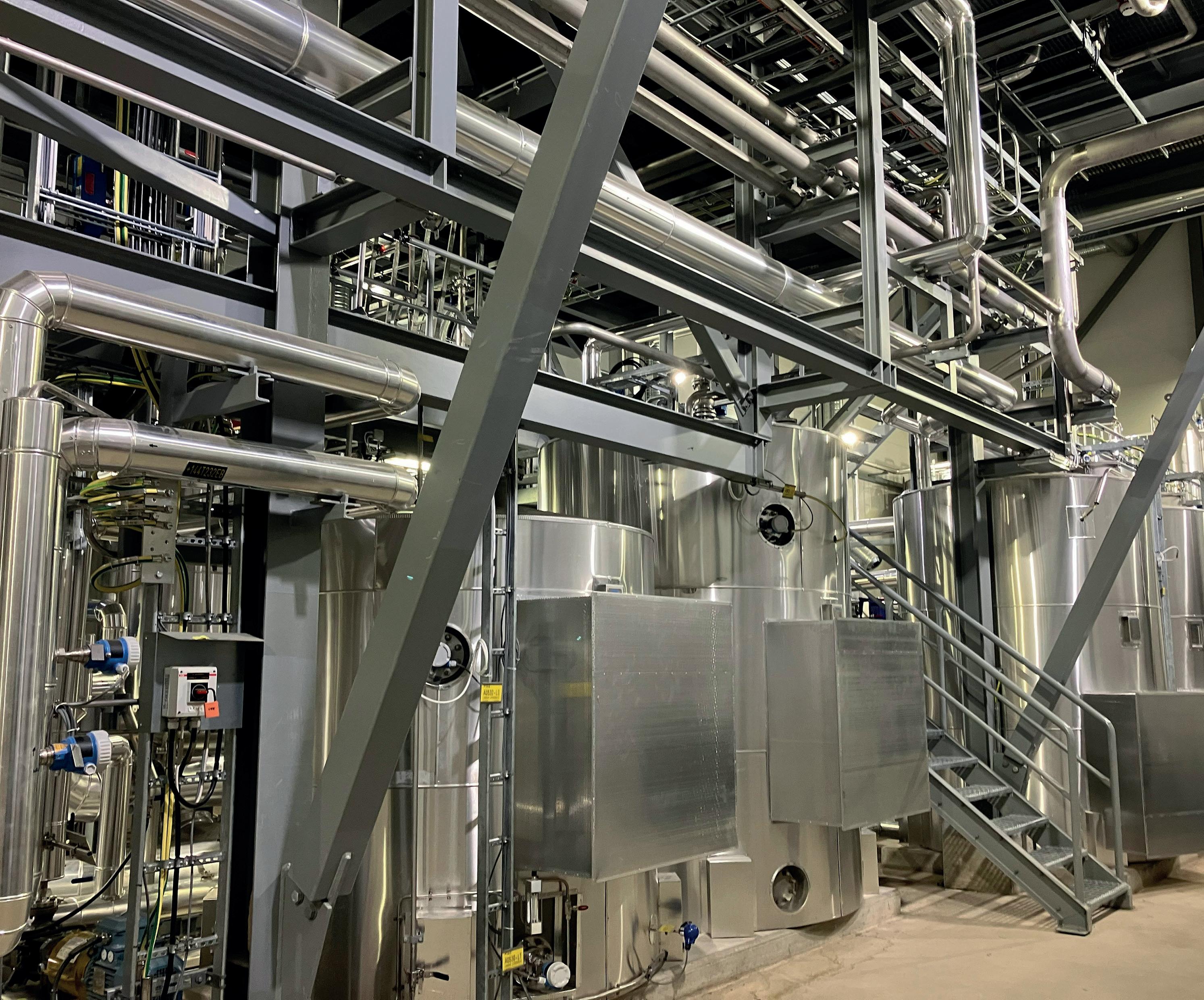
Metsä Group and ANDRITZ have successfully started up a new demonstration plant for lignin refining at Metsä’s Äänekoski bioproduct mill in Finland, marking an important step in the shift toward circular and renewable material solutions.
The plant will enable Metsä Group to add new lignin products to its offering, while ANDRITZ brings its LigniOxTM lignin recovery technology to demonstration scale. The project also involves Dow, a leading material science company, which collaborates with Metsä Group and ANDRITZ to develop bio-
based plasticisers for concrete and gypsum applications with modified lignin from the demo plant.
Lignin is a substance in wood that binds wood fibres together. In pulp production, lignin is separated from the fibres into black liquor and typically used as bioenergy. Using part of this lignin for chemical and material applications improves the mill’s resource efficiency and helps replace fossil-based raw materials.
According to Ismo Nousiainen, CEO of Metsä Fibre, a member of Metsä Group, the goal is to utilise wood raw material and side streams of pulp production as efficiently as possible and to create maximum
added value. He explained, “Lignin has traditionally been used as bioenergy. However, it also has a number of other potential uses where it can replace fossil raw materials. The purpose of the demo plant is to ensure the functionality of the lignin product's production process, as well as the product's characteristics and suitability for the market. If everything goes according to plan, the next stage would be the design and possible construction of a production-scale plant”.
As part of its commitment to circular solutions, ANDRITZ is developing concepts for lignin
Demonstration plant for lignin refining at Metsä’s Äänekoski bioproduct mill in Finland (picture courtesy of ANDRITZ).
recovery and modification to convert pulp mill side streams into value-added products. Kari Tuominen, CEO of ANDRITZ Oy, stated: “This project demonstrates how collaboration can reshape entire industries. Together, we’re unlocking lignin’s potential to deliver greener and innovative solutions for tomorrow and reduce reliance on fossil-based materials”. More information: www.andritz.com

Warsaw-based R.Power SA, a pan-European independent power producer with a fastgrowing, multi-technology portfolio, has entered into a long-term Virtual Power Purchase Agreement (VPPA) with worldwide technology leader Cisco Systems Inc. Facilitated through Sustainability Roundtable Inc’s Net Zero Consortium for Buyers, the agreement supports the development of four new solar projects located in Poland at Wydartowo, Bieżyce, Ostrzeniewo III and Nowy Zagór III, with a total contracted volume of 470 GWh.
The partnership demonstrates Cisco’s commitment to advancing renewable energy access through a range of projects. The 15-year VPPA, targeting a commercial operation date in 2027, represents a milestone in expanding solar capacity and strengthening Europe’s renewable energy landscape. It will help accelerate progress toward increasing use of clean-energy in the carbon-intensive Polish electrical grid. The projects represent purchasercaused renewable energy capacity, directly enabled by Cisco’s long-term commitment under the VPPA.
“Cisco’s leadership reflects the

growing role of global enterprises in catalysing regional renewable energy development,” said Jim Boyle, CEO of SR Inc. “This agreement showcases how corporate buyers can drive impact through diversified, highquality clean-energy investments.”
“We are proud to support the growth of renewable energy in Europe through this partnership," stated Evan Scott Brown, Renewable Energy & Utilities Manager, Cisco.
“This agreement not only aligns with Cisco’s commitment to powering a more resilient energy future, but also directly supports operational needs, including the expansion of our lab

facilities in Krakow. This collaboration is a powerful example of how partnership can increase clean energy access while providing business value.”
“Partnering with Cisco reinforces R.Power’s position as a leading multi-technology renewable energy producer in Central Europe. Cisco’s long-term commitment directly enables new solar capacity in Poland and supports the wider adoption of clean energy underway across the region,” agreed Rafał Hajduk, Chief Commercial Officer, R.Power.
More information: www.rpower.energy

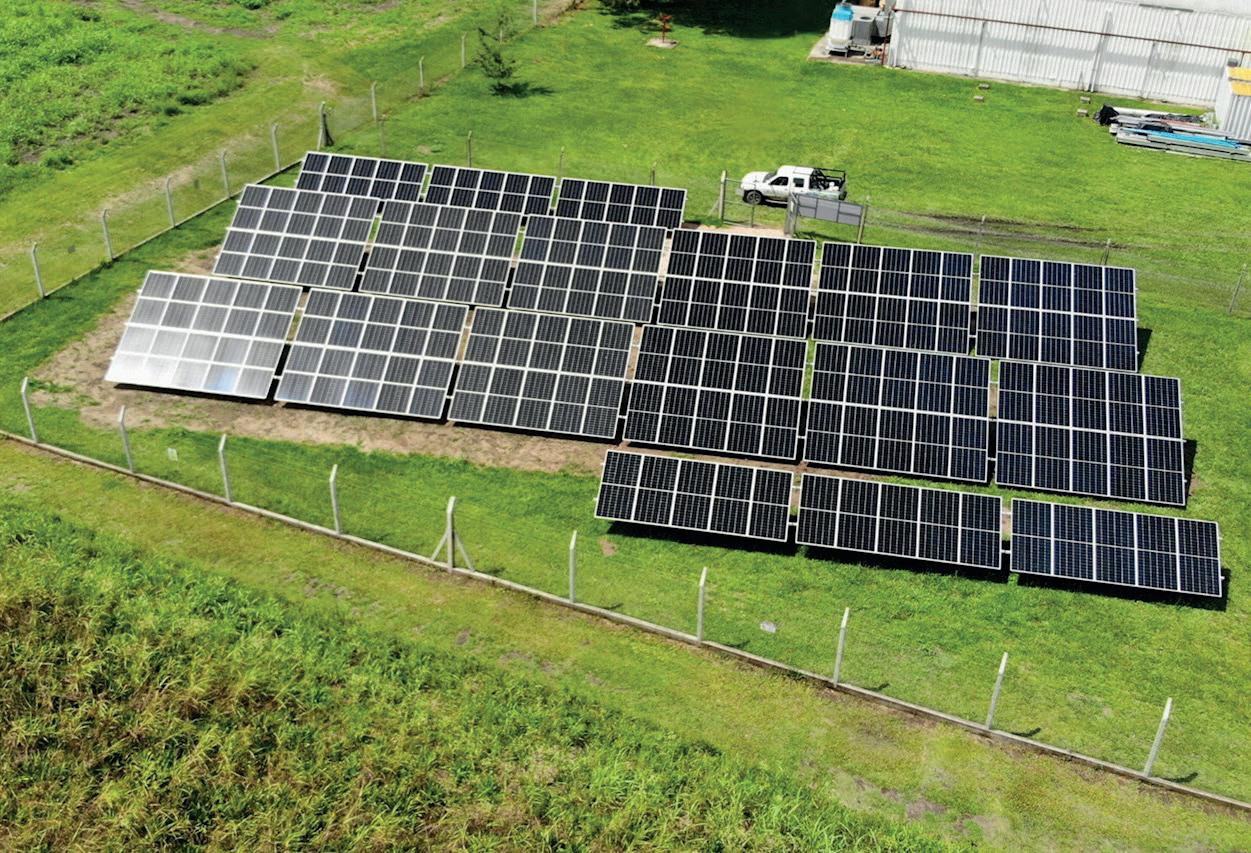
ABB’s electrification plant at Bella Vista, located in Argentina’s Tucumán province, has achieved a major sustainability milestone under ABB’s global Mission to Zero program. Bella Vista joins nearly 40 ABB manufacturing facilities worldwide that have achieved this milestone. Operating for 53 years and employing more than 150 people, the Bella Vista plant engineers and manufactures Miniature Circuit Breakers (MCBs), Residual Current Devices (RCDs), Contactors and Capacitors for low-voltage applications across Latin America. These technologies are engineered to protect electrical systems, ensure safe operation, control loads efficiently and stabilise power networks, giving customers reliable performance, greater energy efficiency and longterm operational resilience.
The site has reduced operational greenhouse gas (GHG) emissions, measured in CO equivalent (CO e), by 97% compared to its 2019 baseline. In 2024, this equated to 530 tons of CO e saved – roughly the annual emissions of 115 petrol-powered cars. This reduction was primarily enabled by renewable electricity use and on-site solar generation, supported by electrification, energy-efficient equipment and real-time digital energy management systems. The transformation builds on longterm operational discipline. The Bella Vista site has held ISO 50001 energy management certification since 2013, making it one of the early adopters of structured energy management systems in Argentina. The facility also operates under ISO 9001, ISO 14001 and ISO 45001 standards, embedding quality, environmental management and safety into daily operations.
Today, the plant operates entirely on renewable electricity, with 15% generated on-site through solar photovoltaic systems and the remaining 85% sourced through I-REC certified renewable energy from the grid. Fossil fuel use has been eliminated from day-to-day operations.
Electrification extends beyond energy supply. The Bella Vista site has transitioned to full electromobility, including an electric vehicle fleet, on-site charging infrastructure and an electric delivery vehicle supporting logistics operations. Inside the facility, high-efficiency IE4 motors and LED lighting throughout the plant further reduce energy demand.
Energy performance is continuously optimised through digital energy management, using advanced analytics and AI-supported monitoring to provide real-time
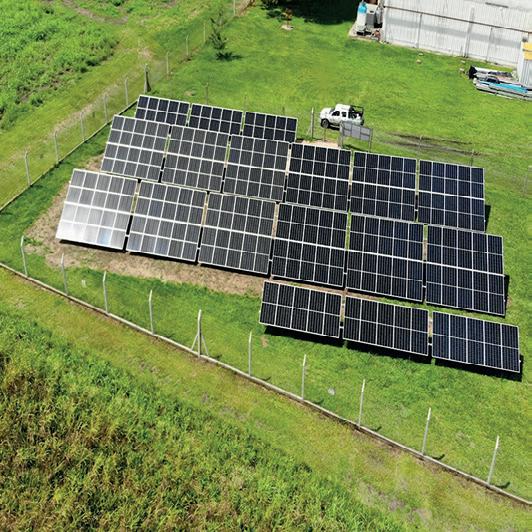
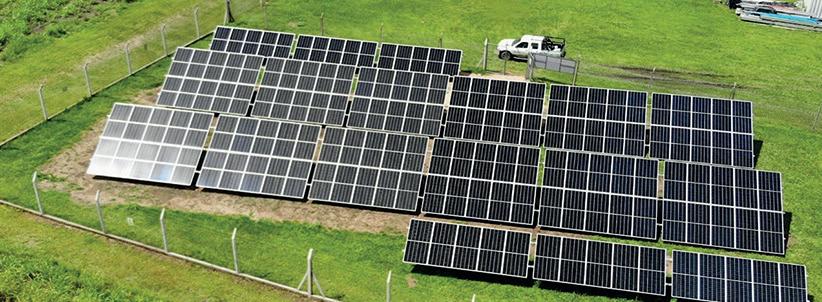
The Bella Vista plant generates 15% of its renewable energy through on-site solar power.
visibility into consumption and enable informed operational decisions.
“Bella Vista reflects our commitment to running operations that are both leaner and cleaner, because efficiency and sustainability must co-exist,” said Mike Mustapha, President, ABB Electrification’s Smart Buildings Division. “By combining renewable electricity, electrification and digital energy management, the team has significantly reduced GHG emissions while improving performance. That is what Mission to Zer is about: decarbonising operations without compromising safety, quality or performance.” More information: www.new.abb.com/ sustainability
Ampyr Solar Europe (ASE), a leading independent solar developer and IPP focused on accelerating the clean energy transition across Europe, has acquired the East Yorkshire Solar Farm (EYSF) project from BOOM Power Ltd.
EYSF is a major renewable energy initiative located in East Yorkshire, connecting to the substation next to Drax power station. The project will be one of the largest consented solar projects in the UK, designed to deliver approximately 530+ MWp of lowcarbon electricity – enough to power around 100,000 homes – supporting the United Kingdom’s ambitious climate and energy goals.
As a Nationally Significant Infrastructure Project, the solar farm received its Development Consent Order (DCO) in May, 2025, from the UK Secretary of State of Energy Security and Net Zero, marking a significant
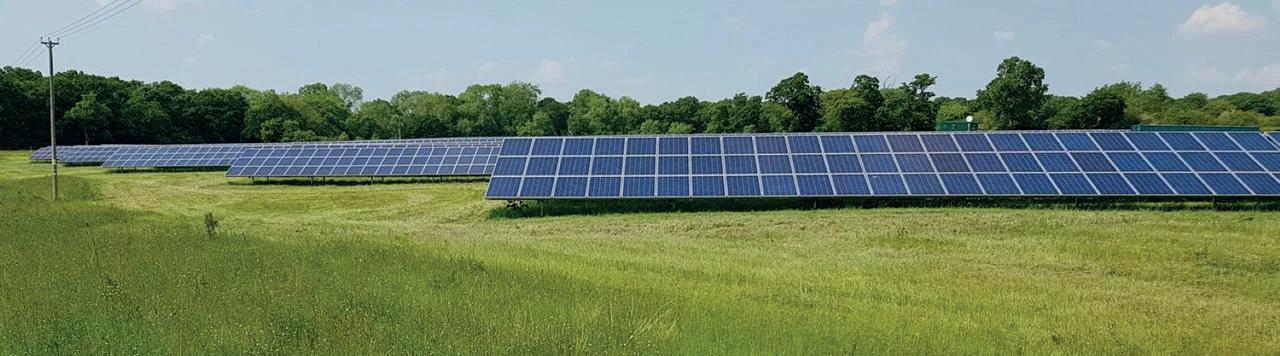
milestone for large-scale solar deployment in the UK.
“We are delighted to advance our strategic growth in the UK market with the acquisition of the East Yorkshire Solar Farm project,” said Tarun Agrawal, CEO of Ampyr Solar Europe. “This project adds significant capacity to our construction ready portfolio of photovoltaic/BESS asset and aligns with our mission to deliver highimpact renewable assets that support local communities, enhance regional energy security, and contribute to UK/
Europe’s decarbonisation objectives.
ASE now has a pipeline of over 2.5 GW of photovoltaic/BESS assets in the UK, part of an aggregate pipeline of over 7 GW across UK, Germany and The Netherlands.”
In addition to its environmental benefits, the project is expected to generate meaningful economic value for the region, including constructionphase employment opportunities and indirect support for local businesses.
Mark Hogan, Founder of BOOM Power, added: “East Yorkshire


Solar Farm is a flagship project for BOOM Power and reflects years of detailed development work, collaboration and engagement with our valued landowners and partners. Securing DCO consent was a major achievement and we are proud to have brought the project to this stage. BOOM Power will continue to be actively involved as the project moves into construction and subsequent energisation, planned for 2029”. More information: www.ampyrsolareurope.com
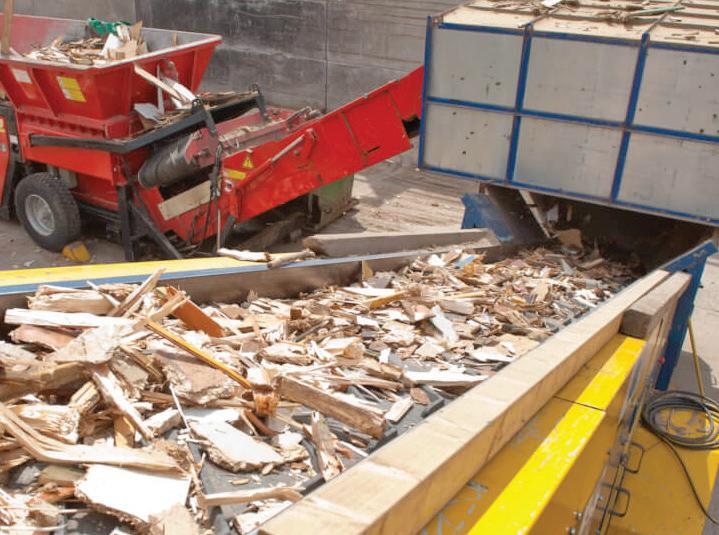


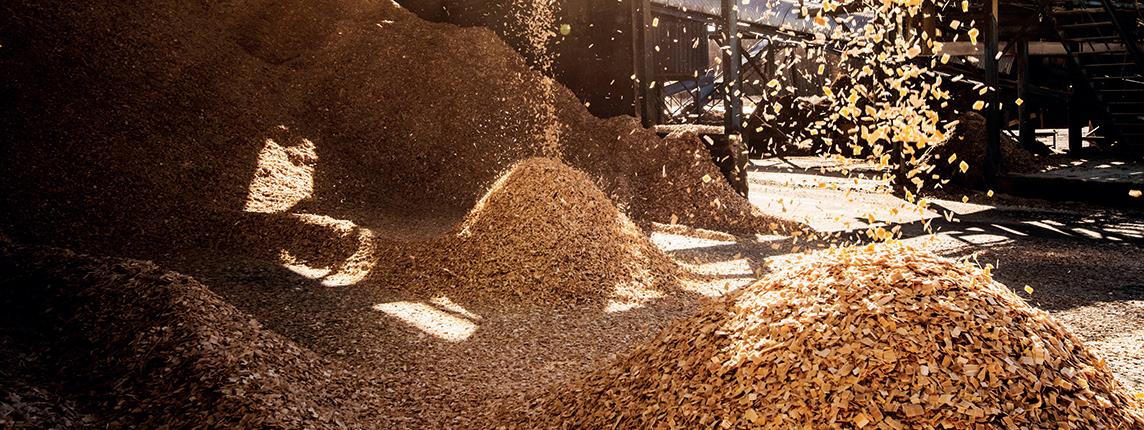
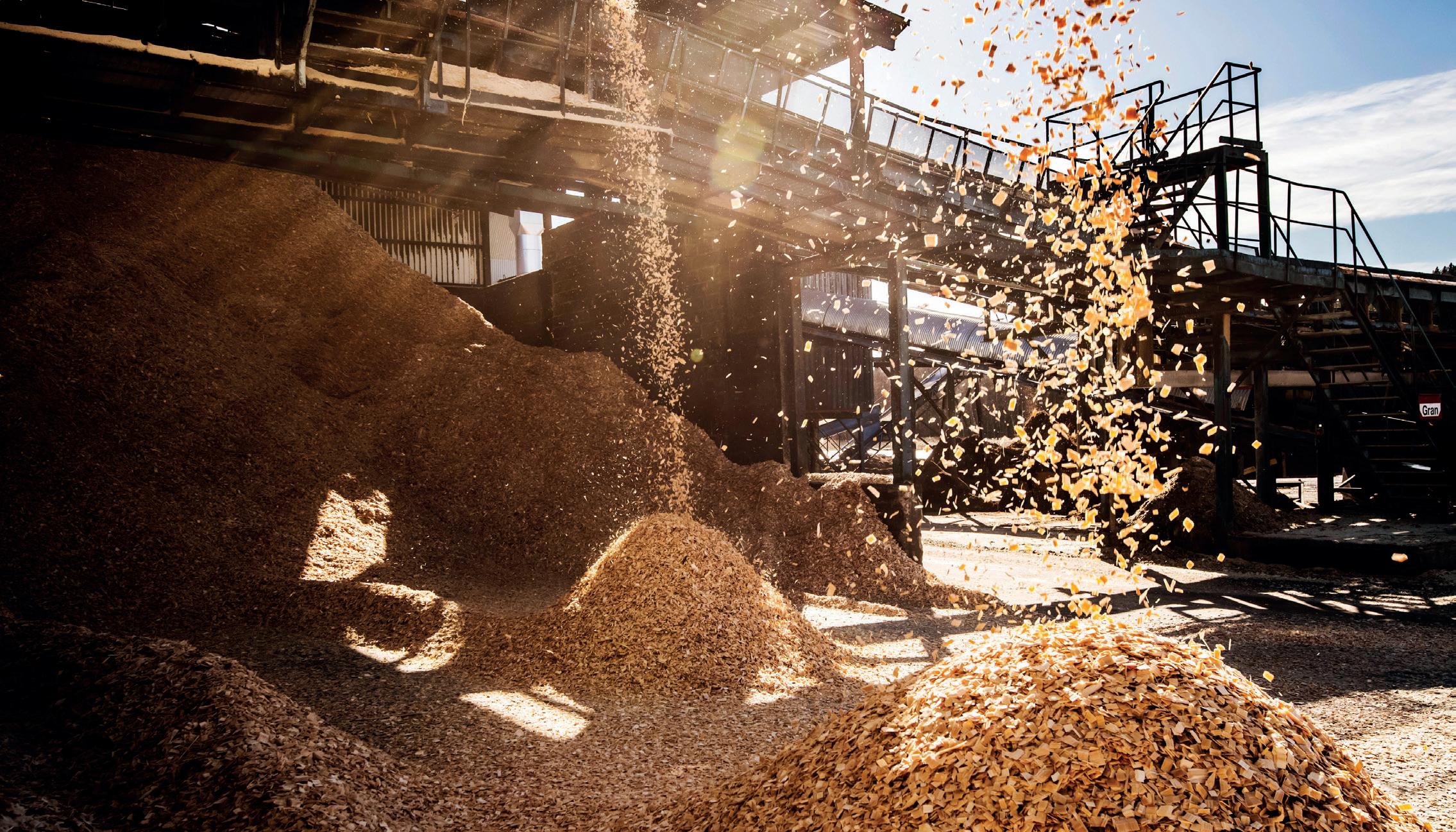
With pulp mills facing rising demand for high quality wood chips, along with constrained log supply in some regions, sawmills are well-positioned to capitalise on wood chip by-products as a valuable revenue stream. ANDRITZ has all the dedicated solutions for sawmill operators to optimise production, ensuring consistent delivery of premium wood chips to meet pulp industry needs.
According to Andreas Henning, Global Product Group Manager, ANDRITZ:
“Sawmills are often focused on their main revenue stream; sawn timber products. However, good quality wood chips from sawline side streams can offer a remarkable added revenue stream. The emphasis here is on high quality, as pulp mills will pay extra to ensure a
more productive and efficient operation.
“In addition to offering sawmills a valuable supplementary revenue stream, the wood chip market provides greater consistency in demand when compared to the sawn timber market. This stability enables sawmills to achieve more predictable financial returns, thus supporting long-term planning and reducing exposure to
fluctuations commonly experienced in traditional lumber markets.”
Adrian Yeoman, ANDRITZ Customer Service Manager for Australia and New Zealand, added:
“Furthermore, sawmill wood chips tend to be of a better quality and higher density as they usually come from the outside of the log, which makes them ideal for the pulping process”.
To take advantage of the added revenue stream, sawmills need to ensure chips are of the highest quality – and this is where ANDRITZ comes in. The company’s mission in the supply of chipping technology is to always work to improve chip quality, reduce operational costs, increase uptime and maintain consistent output.
“ANDRITZ takes a holistic approach to the supply chain in handling the sawmill side streams,” explained Henning. “We achieve the best results when it comes to chip quality by the design of our canter heads and knife systems, which are produced at our dedicated facility in Sweden.
“Our experience and know-how are completely focused on producing equipment with safe
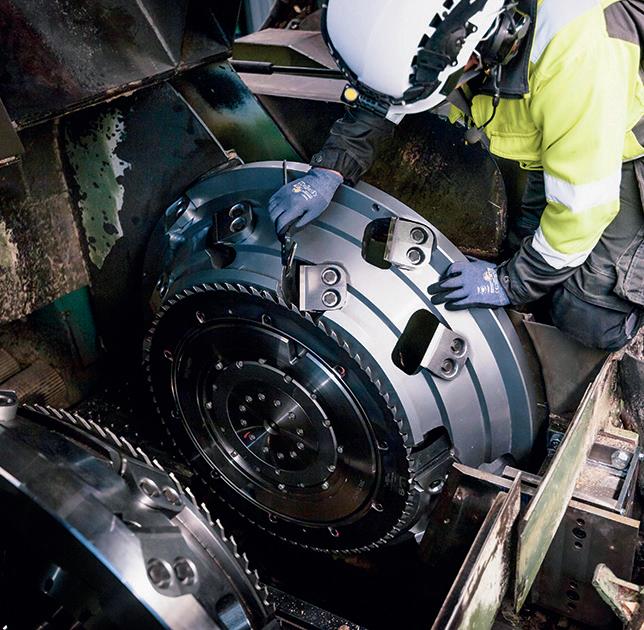
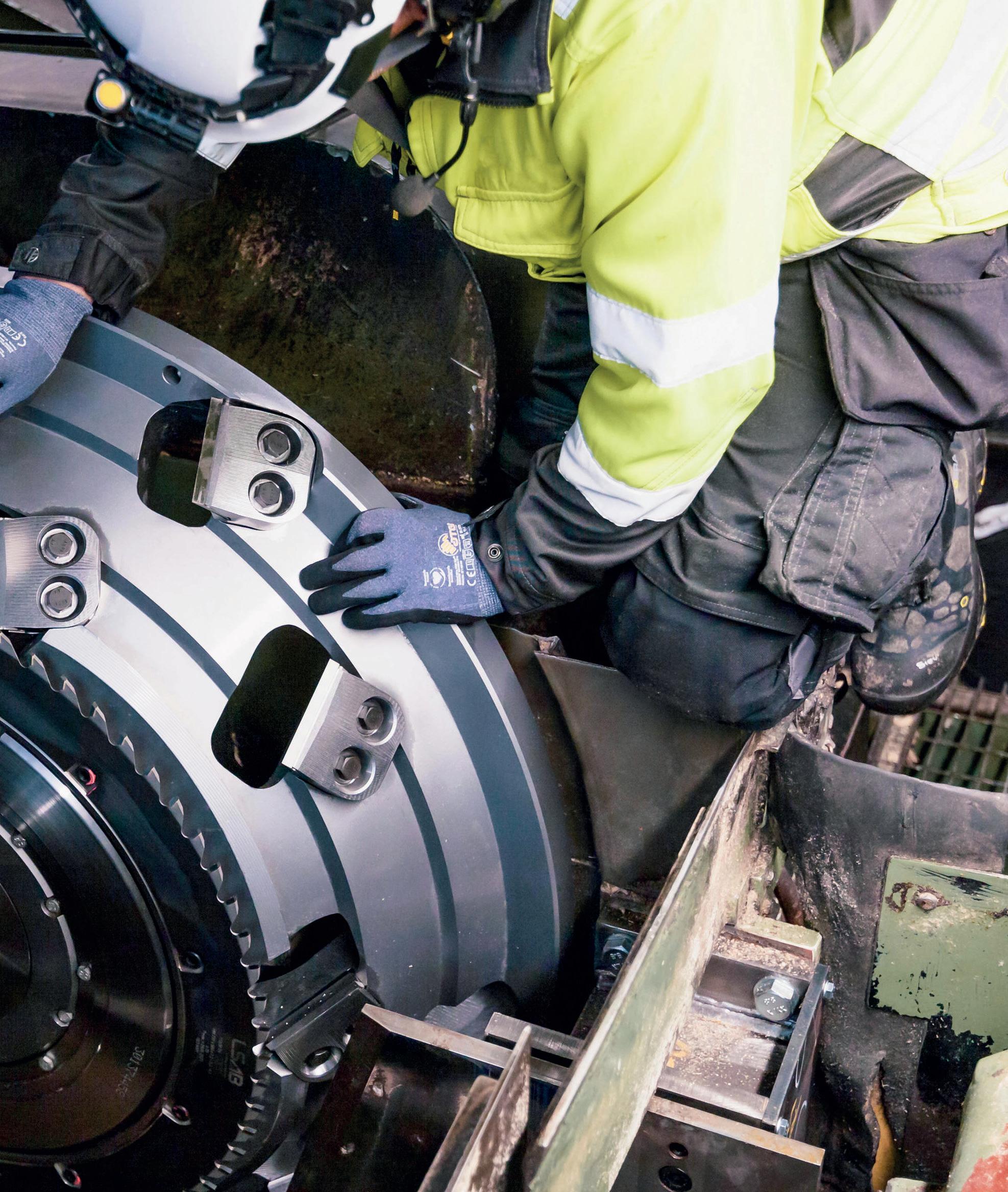
ANDRITZ PowerHead canter with TurnKnife system.
operation and maximised availability, which includes selecting different materials for wear characteristics according to the various wood species used in regions of the world.”
ANDRITZ sawmill products are designed and
manufactured specifically for the species of wood being processed at individual sawmills. Specialist technology includes debarking and chipping equipment, including its PowerHead canter and the well-known TurnKnife system. This equipment is in use at sawmills around the world – operating on various wood species in a variety of climates.
“ANDRITZ has a dedicated R&D group working on optimising chipping quality with different wood species,” said Yeoman. “There can be vast differences in knife wear between one species and another; therefore, we carry out intense trials on our customers’ raw material, as well as offer support at
the sawmill sites with ongoing optimisation.
“In the trials we have carried out, our standard knives can double the lifetime over conventional knives used at sawmills and our extreme wear resistant knives (EWR) can quadruple the lifetime. In a trial we carried out at the Napier Pine mill in New Zealand, we increased the lifetime of the knife from 20 to 80 hours by using EWR knives, which represents an excellent return on the customer’s investment.”
Sawmill technology from ANDRITZ has not
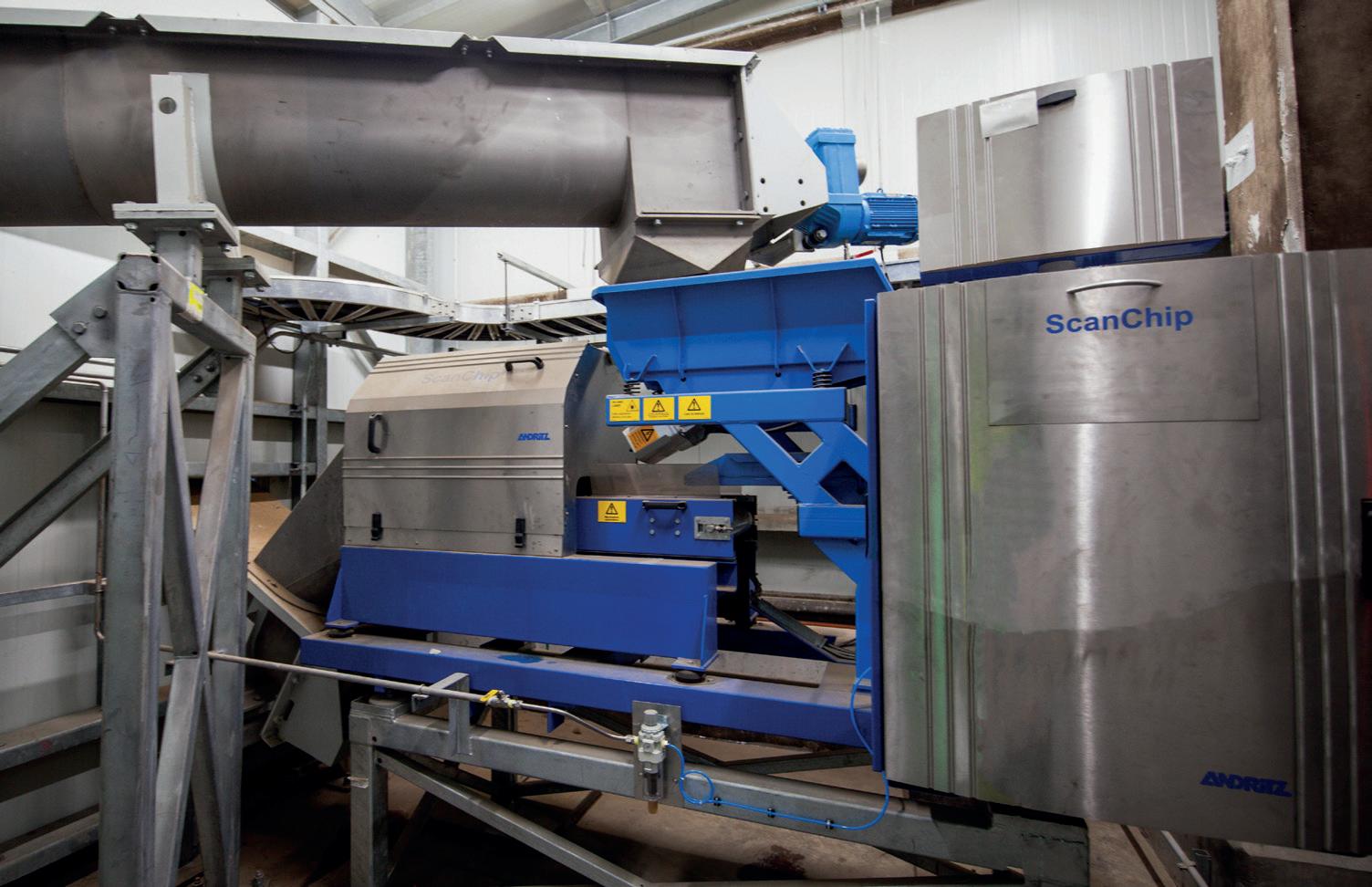
escaped the digital transformation. Technology available for chipping includes the SMART ScanChip Optical chip analyser, which uses image analysis technology to monitor chip quality in a fast and accurate way. The ScanChip system is designed as either an online version for integration with the sawmill’s control system or offline as a laboratory instrument.
Henning concluded, “Our chipping technology, whether the hardware of our knife systems or our digital solutions, revolves around producing the highest quality chips in the most efficient way and with the utmost safety. Working closely with our customers, ANDRITZ technology and know-how can make a huge difference when it comes to sawmills in terms of quality of chips, higher wood yield, safety, availability and sustainability.”
Safety is paramount when it comes to using ANDRITZ chipping technology, with the emphasis on minimising handling. Henning concluded, “Safety is extremely important when it comes to knife handling, both for our customers and our own personnel. We have designed our knives to be much lighter than conventional alternatives and they weigh grams as opposed to kilos. We also reduce the handling by using the knives until they have worn to the maximum, thus eliminating the need for regrinding”.
More information: www.andritz.com
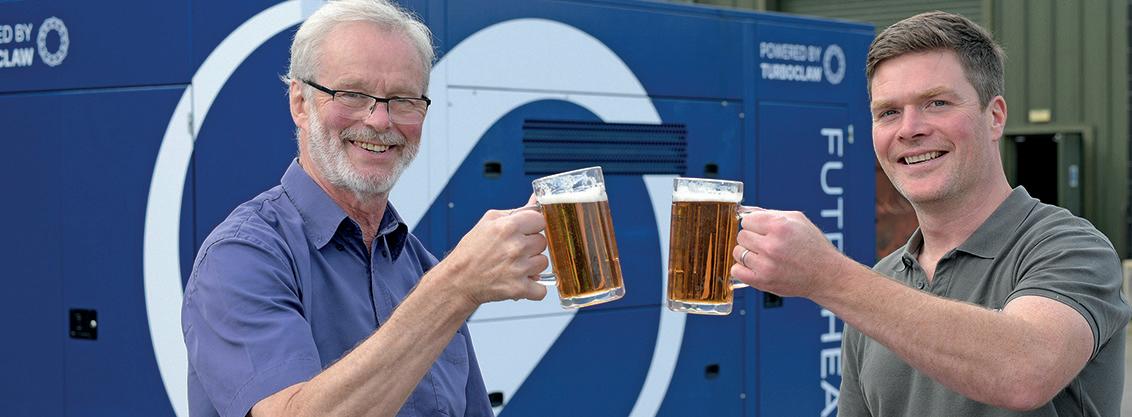
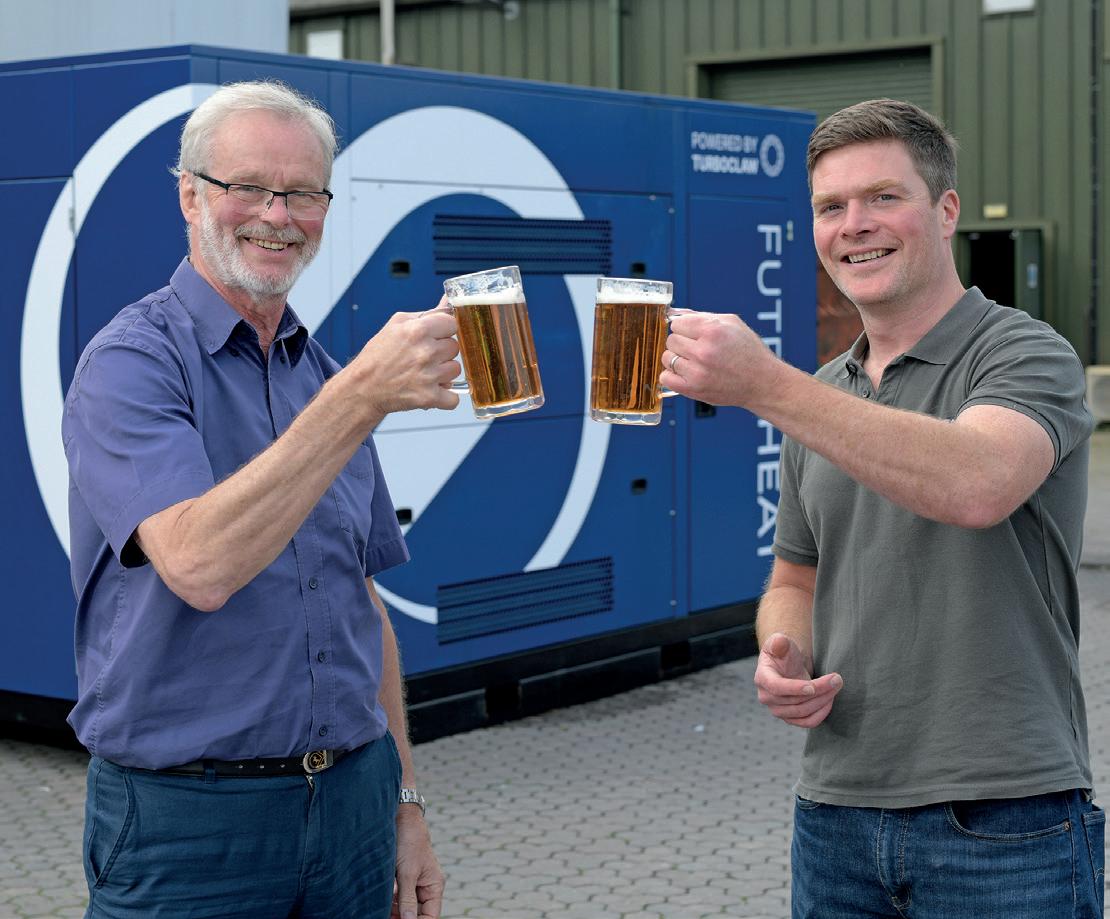
Apioneering heat pump project at a Sussex brewery is helping it to radically reduce energy use and costs – promising to slash bills for wort boiling by more than 65%. Last year, the family-owned Hepworth Brewery became the first in the UK to trial a new type of heat pump, developed by Surbiton-based start-up Futraheat, to deliver low-carbon heat to the brewing process.
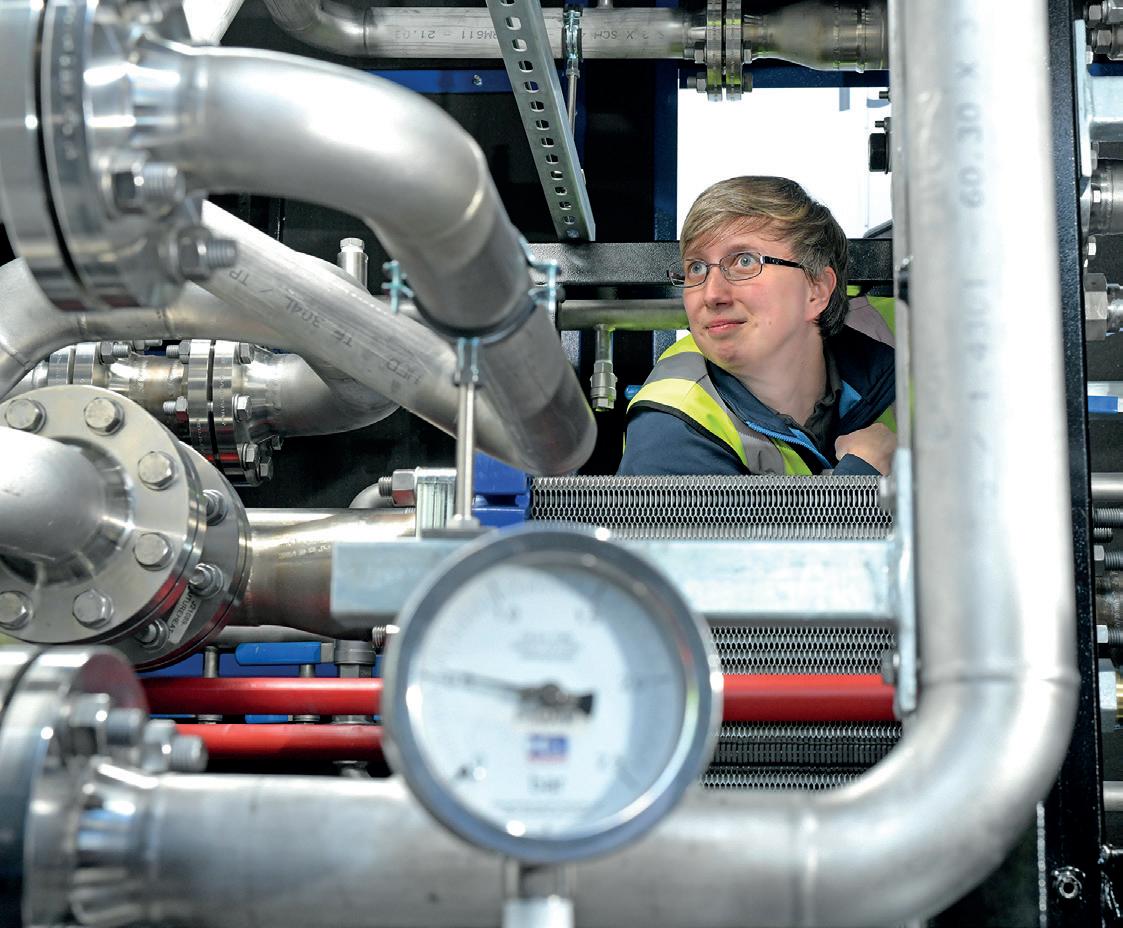
Heat, delivered through high temperature steam, is a vital component of brewing, and many other industrial processes, and is usually delivered by boilers running on gas or fuel oil. Unlike most heat pumps, which deliver hot water up to around 80 C, the Futraheat Greensteam 300 kW heat pump can produce steam up to 130 C. At Hepworth, the new system recovers waste heat at 100 C, previously vented to atmosphere, and upgrades it to process steam between 120-130 C. This steam is then resupplied to the brewing kettle, displacing the need for fossil-fuel derived heat.
Now, with months of operations under its belt, the heat pump has shown its potential to radically reduce the brewer’s reliance on a CO2-emitting oil boiler and allow it to switch much of its heat requirement for wort boiling to the electricallypowered heat pump. Figures published by The Carbon Trust and the Department for Energy Security & Net Zero, which part-funded the initiative, show the project has demonstrated: an 85.8% energy saving for the wort boiling process in the kettle compared to the existing fuel-oil boiler; a 91.2% reduction in CO2 equivalent; a 65.3% energy cost reduction; and consistent steam output at 125 C, matching brewing specifications, with a high Coefficient of Performance.
The project enabled the Greensteam 330 heat pump to move from technology readiness level TRL
5 to TRL 9, with over 70 hours of operation at kettle boiling conditions, equivalent to 35 brews and around 500,000 pints of beer production.
Futraheat is now looking with the brewery at how the pump could be integrated site-wide in future to maximise the offset of the fossil fuel generated heat used at the brewery.
The project is one of the initiatives being adopted by the brewer as part of its commitment to sustainability. Other measures include solar panels, a reed bed and a waste system, which converts organic matter in wastewater into biomethane.
Hepworth Brewery Chairman Andy Hepworth said: “Hepworth brewery partnered with Futraheat to apply for the UK Government’s Industrial Energy Efficiency Accelerator (IEEA) grant programme in support of our long-term roadmap to decarbonise operations. Following the successful adoption of solar PV for electricity and lower-temperature heat pumps to recover heat-energy from cooling beer, the company needed to look for solutions to the more challenging and largest energy use on site – the oilfired boiler used to produce steam for beer-wort boiling and other auxiliary processes such as cleaning.
“The project has shown that through offsetting the need for boiler
steam, the efficiency of the heat pump technology can deliver the expected CO2 and cost savings over the long-term. The next stage will see Futraheat upgrade the heat pump’s compressor to a full production model, which will then be used more extensively on site and lead hopefully to a final, permanent Greensteam heat pump solution at Hepworth.”
The key to the heat pump is a novel, patented turbo compressor, known as TurboClaw, which sits at the
heart of the Greensteam system and can boost temperatures by up to 60 degrees.
Futraheat CEO Tom Taylor explained, “Heat is a major component of a huge range of industrial processes, from pharmaceuticals to food and drink, and vast amounts of this is delivered by steam. Until recently, heat pumps have been both unaffordable and unable to deliver heat at the temperature that industry requires. This project demonstrates the technology can now be implemented within a brewery. We’re confident it can then be rolled out across a range of industries, in the UK and worldwide”.
The project has been delivered in partnership with Hepworth Brewery and the Department for Energy Strategy and Net Zero’s IEEA programme, managed by the Carbon Trust. Futraheat secured £2 million investment in 2023 from backers, including the Clean Growth Fund to develop and now plans to deploy their next-generation machine, which will incorporate two TurboClaw compressors to deliver heat up to 150 degrees.
More information: www.futraheat.com
On 3 February, Scottish Renewables, the industry body for renewable energy in Scotland, announced the appointment of three Directors to its Board.
Chosen by Scottish Renewables’ 380+ member organisations, the new Directors will each serve an initial three-year term. They will help guide the long-term success of Scottish Renewables and offer strategic leadership to the wider industry.
The successful candidates were as follows: Susie Lind, Partner – Energy and Infrastructure at CMS UK, has been re-elected to the Board. Susie has more than 20 years’ experience within the energy and legal sectors and recently joined CMS UK as a Partner in its Energy and Infrastructure


team, having previously served as UK Managing Director of the Nadara | BlueFloat Energy Partnership.
Gillian Noble, Managing Director – Onshore Origination and Development at ScottishPower Renewables, has been elected to the Board for the first time. Gillian has more than 25 years’ experience in the energy sector and currently leads the acceleration of onshore wind, solar and Battery Energy Storage System technologies at ScottishPower Renewables.
Jimmy Williamson, Executive Director –Sustainable Investment at The Scottish National Investment Bank, has also been elected to the
Board for the first time. Jimmy has more than 25 years’ experience within investment and structured finance and currently sits on the Bank’s leadership team with responsibility for net-zero investment origination.
Following this election, Iain Sinclair, Vice-Chair of Scottish Renewables and Executive Director at Energy Global, and Kate Turner, Group Director of Policy and External Affairs at Windward Energy, have stood down from the Board of Scottish Renewables while Adam Morrison, UK Country Manager at Ocean Winds, will step down as Chair in March, but remain on the Board.
More information: www.scottishrenewables.com

After an extensive recruitment process, market assurance provider Renewable Energy Assurance Ltd has appointed Jon Harley as its new Managing Director.
Jon brings an impressive track record to Renewable Energy Assurance, having held senior leadership roles at Gemserv (now Talan) where he was on the Board and spearheaded their energy delivery programmes and consultancy practice. Most recently, as General Manager of SSE Energy Solutions, he led major investments in energy infrastructure. Alongside his industry leadership, Jon has also coached senior leaders across well-known brands, supporting CEOs, board directors and executives to elevate their performance and impact.
A wholly-owned yet independent subsidiary of the Renewable Energy Association, Renewable Energy Assurance operates nine market schemes supporting the deployment of renewable energy

and growing the circular economy. Jon will lead Renewable Energy Assurance from 7 April and joins at an exciting time for the industry.
Philip Sellwood, Chair of Renewable Energy Assurance, said: “I am pleased that Jon will be joining us as our MD. He brings a wealth of experience across the whole energy sector and I am certain that the entire Renewable Energy Assurance team will benefit from his leadership”.
Jon Harley responded, “I’m delighted to be joining Renewable Energy Assurance and the wider REA Group. The organisation has a strong track record of delivering trust, confidence and clarity for consumers and businesses, and I see significant opportunity to build on this foundation – expanding our profile and impact across renewable energy and the circular economy in the years ahead”.
More information:
www.realschemes.org.uk





















Rethink Reduce Reuse






























ENABLING SUSTAINABILITY IN PULP & PAPER MILLS’ ENTIRE LIFECYCLE