



































































Few topics seem to divide the independent garage sector quite like MOT pricing. On one side are those arguing that the current maximum fee of £54.85 has become unsustainable. Indeed, if the fee had kept pace with inflation since its freeze in 2010, it would cost a little over £90. So the maximum price today represents a real terms discount of over £35. With increasing labour costs, investment in equipment, premises, training and compliance, it’s easy to understand why many testers believe the economics simply no longer stack up.
The strength of feeling has become clear in recent weeks, with calls from the IAAF for the government to introduce a minimum MOT fee to prevent what many see as a race to the bottom.
Yet the market tells a di erent story. It’s still possible to find MOTs advertised for £35 or less, often by larger national groups with the buying power and workshop capacity to absorb the loss. Many independents
simply can’t compete with that pricing without taking a hit.
That, in turn, fuels another long-running debate. When an MOT is sold as a loss leader, does it create pressure to recover the margin elsewhere? Some within the industry believe it can encourage unnecessary repair work or marginal failure decisions. Others strongly reject that suggestion, pointing out that the overwhelming majority of testers act professionally and with integrity. Importantly, there is little hard evidence either way, with much of the discussion based on anecdotal experience rather than data.
So, what is the answer? Should minimum pricing be introduced? Should the maximum MOT fee be increased? Or should garages simply be free to charge whatever the market will bear?
I’d genuinely like to know what you think.
We’re planning an MOT-focussed feature for the next issue of Aftermarket, due to be published in
September
after a very welcome summer break. If you’ve got a view –whether you’re an independent garage, a fast-fit operator, an MOT tester or somewhere in between –I’d like to hear it. Because until the industry can agree on what an MOT is actually worth, this debate isn’t going away.

I can be reached at chris@ aftermarket.co.uk and I will be interested to hear from all sides of the debate.
In the meantime, enjoy this issue, and enjoy the summer.
Chris Callander Editor
Editor
Chris Callander
chris@aftermarket.co.uk
+44 (0) 1732 671123
Head of Sales
Angela Lyus
angela@aftermarket.co.uk
+44 (0) 7823 736 629
Managing Director
Ryan Fuller
ryan.fuller@dfamedia.co.uk
Marketing Manager
Hope Jepson
hope.jepson@dfamedia.co.uk
Production Design
Anthony Wi en
production@aftermarket.co.uk
+44 (0) 7851 612799
Finance Department
accounts@dfamedia.co.uk
+44 (0) 1732 370 340




Published by DFA Media Group 192 High Street Tonbridge Kent TN9 1BE
+44 (0)1732 370340


ISSN 2516-9149
Aftermarket is published 10 times a year and is sent free of charge to applicants meeting the publisher’s criteria. All others may subscribe at £60 per anum, £120 Europe and £150 rest of the world. While every care is taken to provide accurate information, the publisher cannot accept responsibility for any errors or ommisions, no matter how caused. All rights reserved. No part of the publication may be reproduced or transmitted in any form or by any means without prior consent of the publisher. The views of contributors do not necessarily represent the views of the publisher.



















































































































































































































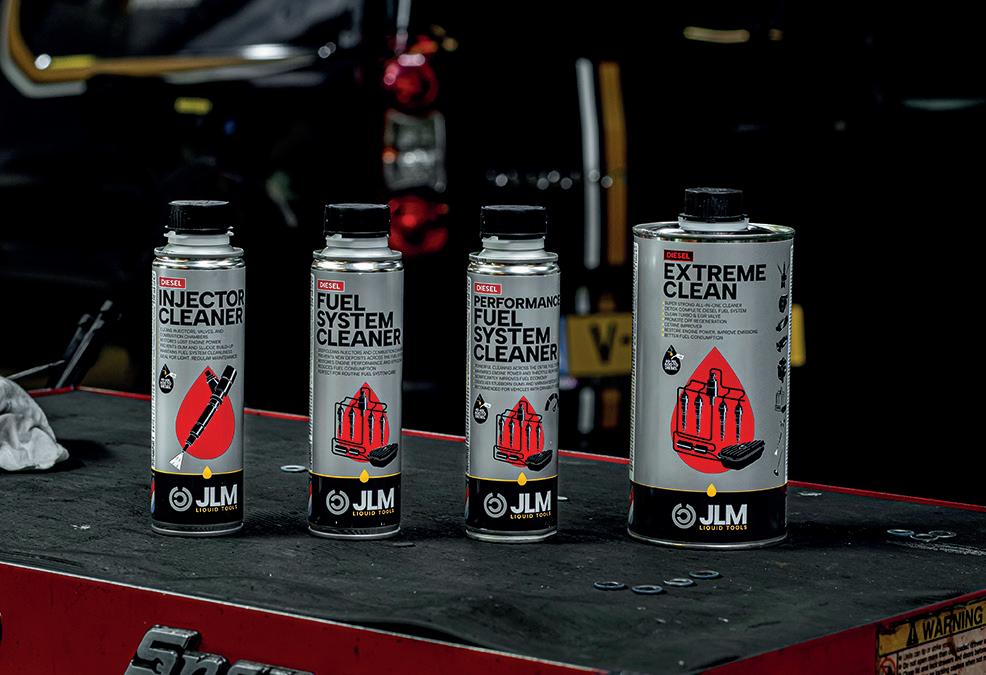

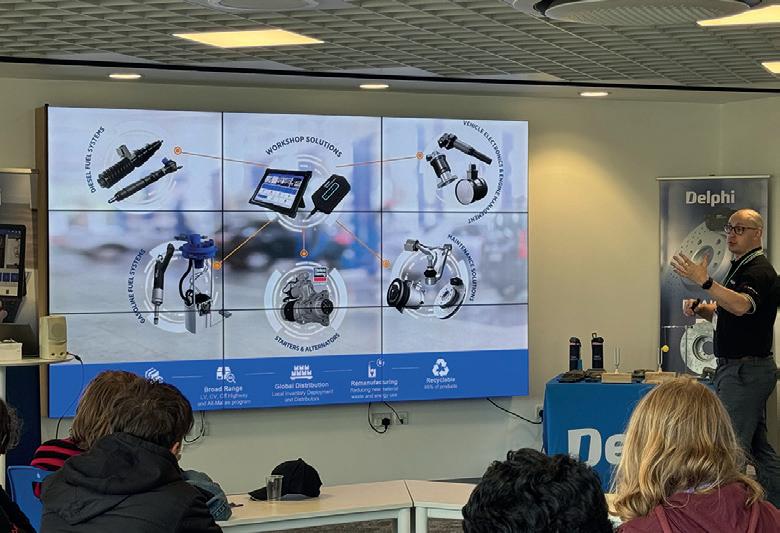
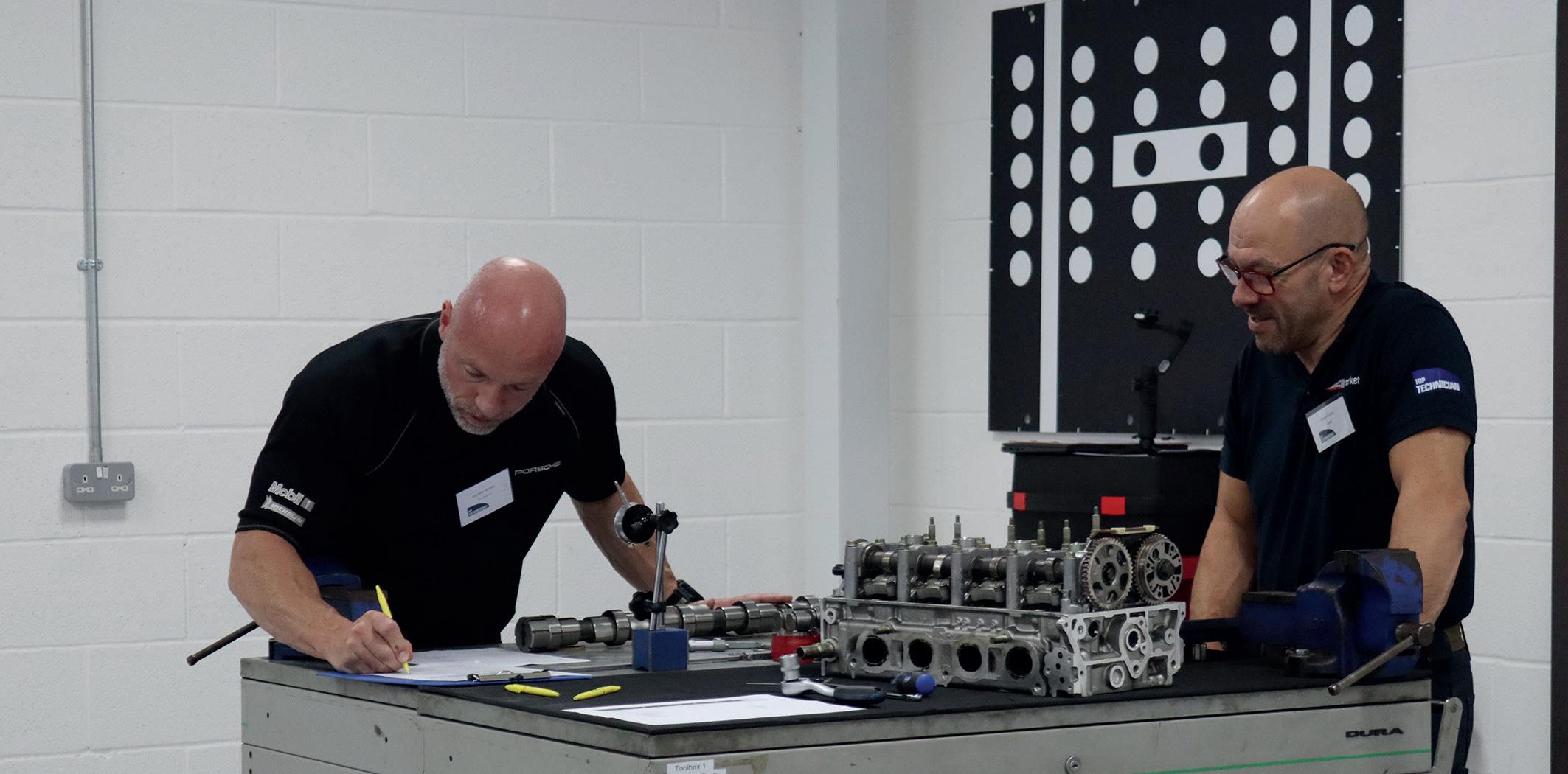
The 2026 Top Awards are now well underway, with Round 1 of the Top Technician competition having closed in June. Those who successfully made it through are now tackling Round 2, which runs until 31 July, as the search continues for the industry’s next Top Technician, Top Garage and Top Apprentice winners.
Widely regarded as one of the most respected accolades in the aftermarket, the competition is designed not just to identify the very best, but to encourage technicians, apprentices and businesses to measure themselves against the highest standards in the sector.
While a place in the live finals at Delphi Academy in November remains a major incentive, many past participants say the greatest benefit comes from the journey itself.
Ant Jhally, a judge in the 2025 Top
Garage competition, believes the process encourages businesses to take a closer look at how they operate.
“It’s an awesome way to audit your own business,” said Ant. “By entering, you have to look at your operations with fresh eyes. It forces you to evaluate things you might otherwise take for granted.”
Now in its second year, the Top Apprentice category continues to build momentum. With a strong focus on nurturing future talent, the competition is already helping young technicians develop confidence and ambition.
Troy Smith, one of last year’s standout Top Apprentice finalists, believes taking part has already had a significant impact on his career.
“I didn’t expect to make it as far as I did, but it’s been a massive confidence boost,” said Troy. “I met people I never would have otherwise, and it’s
The Top Awards has secured OMODA & JAECOO UK as a headline sponsor for 2026, marking a significant milestone for the competition. The agreement sees OMODA &J AECOO become the first vehicle manufacturer brands to support the awards at headline sponsor level.
The addition of OMODA & JAECOO further strengthens an already impressive line-up of industry backing for this year’s competition. The manufacturer joins a respected group of confirmed headline sponsors, including Snap-on, TOPDON UK, Varta,
Delphi, JLM Liquid Tools and Garage Hive.
The sponsorship reflects the awards growing profile and the increasingly important role the competition plays in recognising technical excellence while helping to develop the next generation of aftermarket talent.
Explaining the company’s decision to become involved, Luke Garratt, Training Specialist at OMODA & JAECOO UK Ltd, said: “As two of the UK’s fastestgrowing automotive brands, OMODA & JAECOO are building a nationwide dealer network and investing heavily
already made me set my sights on Top Technician once I’m qualified.”
Alongside the technical and businessfocused awards, the BEN Workplace Health & Wellbeing Award continues to recognise businesses that place the welfare of their teams at the heart of their operations, highlighting the importance of creating healthy and sustainable workplaces.
Top Technician and Top Apprentice entrants are now working towards securing a place in the Round 3 online essay assessments, which take place between 3 and 21 August. The results will determine who progresses to the inperson semi-finals on 3 October, where the top 10 competitors in each category will tackle a demanding series of 20-minute live fault-finding challenges.
For Top Garage entrants, the current stage will determine which businesses move on to the online semi-finals, running from 11 July to 14 August. Successful entrants will then be invited to present their businesses to the judging panel at the live finals at Delphi Academy on 14 November.
For those who missed this year’s entry deadline, organisers are encouraging members of the industry to attend the live finals and see the competition in action. Witnessing the standard on display could provide all the inspiration needed to step forward and enter in 2027.
in technical capability. Supporting the Top Awards allows us to recognise the technicians already delivering exceptional standards, whilst helping attract and develop the skilled people our expanding network will need.”
Looking ahead to this year’s competition, Luke added: “We hope to bring the perspective of a fast-growing, technology-led vehicle manufacturer, whilst encouraging more technicians to take part
“We also want to create further development and employment opportunities for our own network.”
Auto Windscreens has reported a 30% increase in the number of ADAS calibrations it carried out as part of its windscreen replacement work over the last 12 months.
While this growth partly reflects an overall 7% increase in windscreen repairs and replacements across the business, it has also shared that more than 40% of its
front windscreen replacement jobs now include an ADAS calibration.
Claire Church, Director of Service Delivery at Auto Windscreens commented: “The influx of new models with the latest technology, especially from China, has helped to drive the ADAS market to new heights.
“The ADAS market is likely to just keep on growing – new cars sold in the EU and
Entries are now officially open for The Blend Awards 2026. The winners will be announced during the evening awards ceremony on Saturday, 10 October 2026, at the Eastside Rooms in Birmingham, hosted by behavioural science and marketing expert Rory Sutherland.

Taking place as part of The Blend 2026, the awards celebrate businesses and individuals who go beyond day-today operations to raise standards, strengthen their teams, and deliver consistently high levels of service.
From operational improvements to customer experience innovation, the awards aim to recognise real-world impact across workshops of every size.
Entries can be submitted at www.theblend.events/ awards2026 and the deadline is 23:59 on Tuesday, 4 August. Finalists will be announced on 11 September, with winners to be named at The Blend on 10 October.
Northern Ireland must be equipped with specific ADAS as standard. Although this isn’t yet mandatory in the UK, many vehicles on the road now include at least one ADAS feature. It’s more important than ever that we work hard to raise awareness among drivers and the industry of the importance of proper calibration – undertaken at the right time and under the right conditions.”
Fleet Guy has hosted an event which brought together senior leaders from across the UK fleet sector to explore the future of fleet service, maintenance and repair and to put a focus on the importance of strengthening collaboration between fleet operators and the independent aftermarket.
Tim Guidotti, Founder of Fleet Guy, said: “It was a key milestone for us to get as many of the UK’s top 50 contract hire and leasing companies as possible in the room. Together, they look after 3.5 million vehicles in the UK, so their input is critical to evolving the partnerships between independent garages and fleet companies.”
Fleet Guy also used the event to share early details of the upcoming Fleet Guy Audit Hub – a new compliance platform designed to give garages a single place to report their compliance status and to give fleet companies confidence when selecting independent workshops for SMR work. There was agreement at the event that closer partnership is needed and that the Audit Hub will help to achieve this.
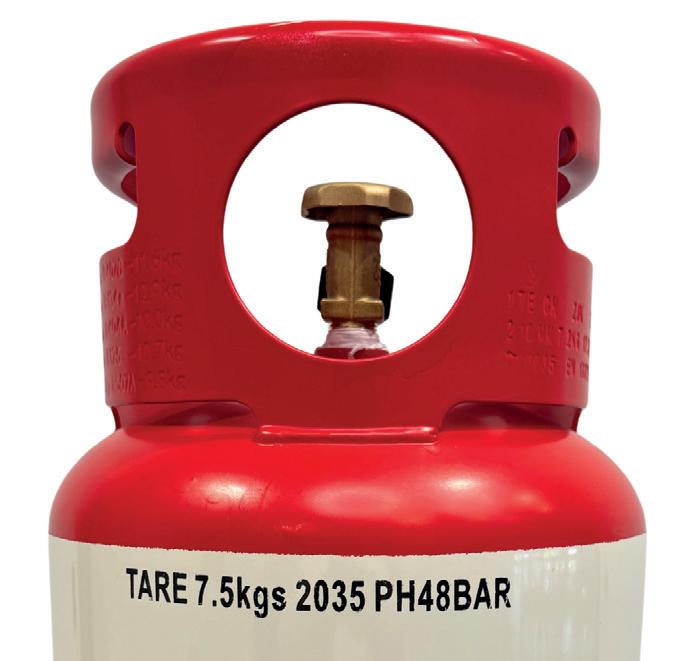
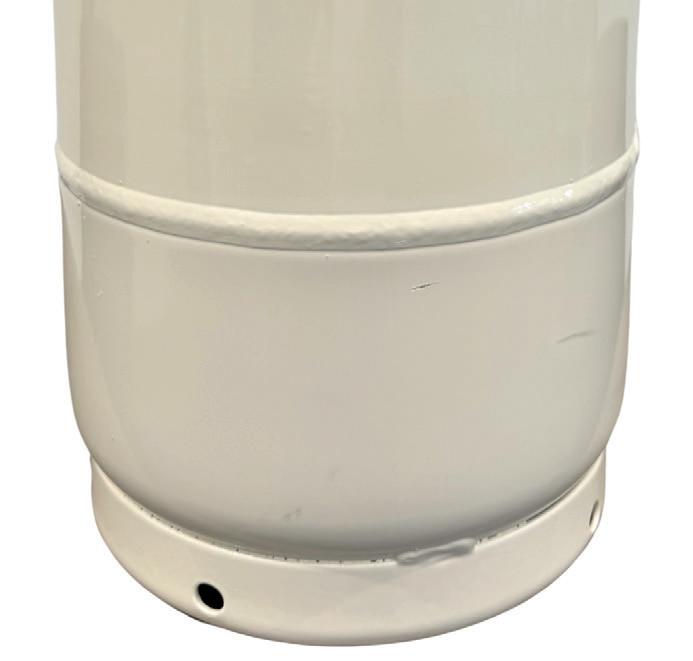
National Refrigerants has identified illegal and potentially non-compliant R1234yf refrigerant cylinders circulating within the UK market.
Investigations indicate that these cylinders originated from China and may contain illegally manufactured or otherwise unauthorised R1234yf refrigerant. Analysis suggests that the refrigerant may lack important stabilising additives designed to protect charging equipment and hose assemblies, increasing the risk of contamination, fouling, and damage to service equipment.
Further concerns have been identified regarding cylinder compliance. Reported issues include conflicting tare weight markings, missing contents weight information, and product labelling and
traceability details that may not meet UK compliance requirements. Potential noncompliance may also exist in relation to HMRC import regulations and UK Weights & Measures requirements.
In addition, the cylinders do not display the required UK Transportable Pressure Equipment (TPE) conformity marking (ρ). Cylinders manufactured or placed into service in the UK after 2021 must carry this marking and, without it, cannot legally be used in the UK.
National Refrigerants is strongly advising businesses not to purchase or use these cylinders and to report any suspected illegal or non-compliant products to the relevant authorities, including Trading Standards and the Environment Agency.
Protect your business, equipment
The UK-headquartered aftermarket hot-end emissions products manufacturer, BM Catalysts, is urging policymakers to consider the broader implications of the UK’s forthcoming steel trade measures as it fears knockon e ects throughout the automotive aftermarket.
The Government has confirmed that, from 1 July 2026, tari -free steel import volumes will be significantly reduced, with imports exceeding quota levels
subject to a 50% tari . While the intention is to strengthen domestic steel production and address global market pressures, businesses operating in highly specialised manufacturing sectors face several practical considerations.
BM Catalysts relies on carefully specified raw materials that meet the technical demands of modern emissions control systems. A key example is 409-grade stainless steel,


and customers by purchasing only legal and compliant refrigerants from trusted, reputable suppliers such as National Refrigerants.
which has long been the industry standard for hot end exhaust products due to its heat resistance, durability and suitability for automotive applications.
Maintaining consistent access to these materials is essential. Any disruption to supply, reduced availability or significant increase in procurement costs has the potential to increase manufacturing costs, extend lead times and place greater pressure on inventory planning, all of which may ultimately a ect UK manufacturers and their customers.
As discussions around implementation continue, BM Catalysts believes that ongoing engagement between government and manufacturing stakeholders is essential to ensuring the UK’s industrial strategy supports the entire value chain. A balanced approach can help safeguard domestic capability, maintain supply chain stability and protect the businesses that underpin the UK’s world-class manufacturing and automotive aftermarket sectors.
automotive people. The charity’s mental health section received 4,167 views, with SilverCloud, its digital mental health support platform, receiving 3,174 views. The website’s sections on interview skills guidance, redundancy rights, and financial advice were also among the most visited. Ben has also launched a new mental health self-assessment tool on its website in response to growing demand for support in this area.

Automotive industry charity, Ben’s, Year in Numbers report showed a growing demand for health, wellbeing and financial support across the sector.
Over the year covered by the report, Ben responded to 14,377 enquiries for support. A key standout was the growth
in the number of people approaching it with multiple issues at once. While the figures demonstrate the impact Ben is making, they also highlight the unmet need that still exists across the industry.
The most visited online support content reflected some of the biggest challenges currently a ecting
Rachel Clift, CEO at Ben, said: “Our latest report shows both the di erence Ben is making and the growing challenges facing people across the automotive industry. While we’re proud of the impact we’re having, we also know the need across the industry is far greater than the number of people currently accessing our services. Too many people still don’t know Ben is here for them. Our ambition is to treble our charitable impact by 2030 so we can help far more people earlier, before challenges escalate into crisis.”
The full report can be found at tinyurl.com/3kcmueww

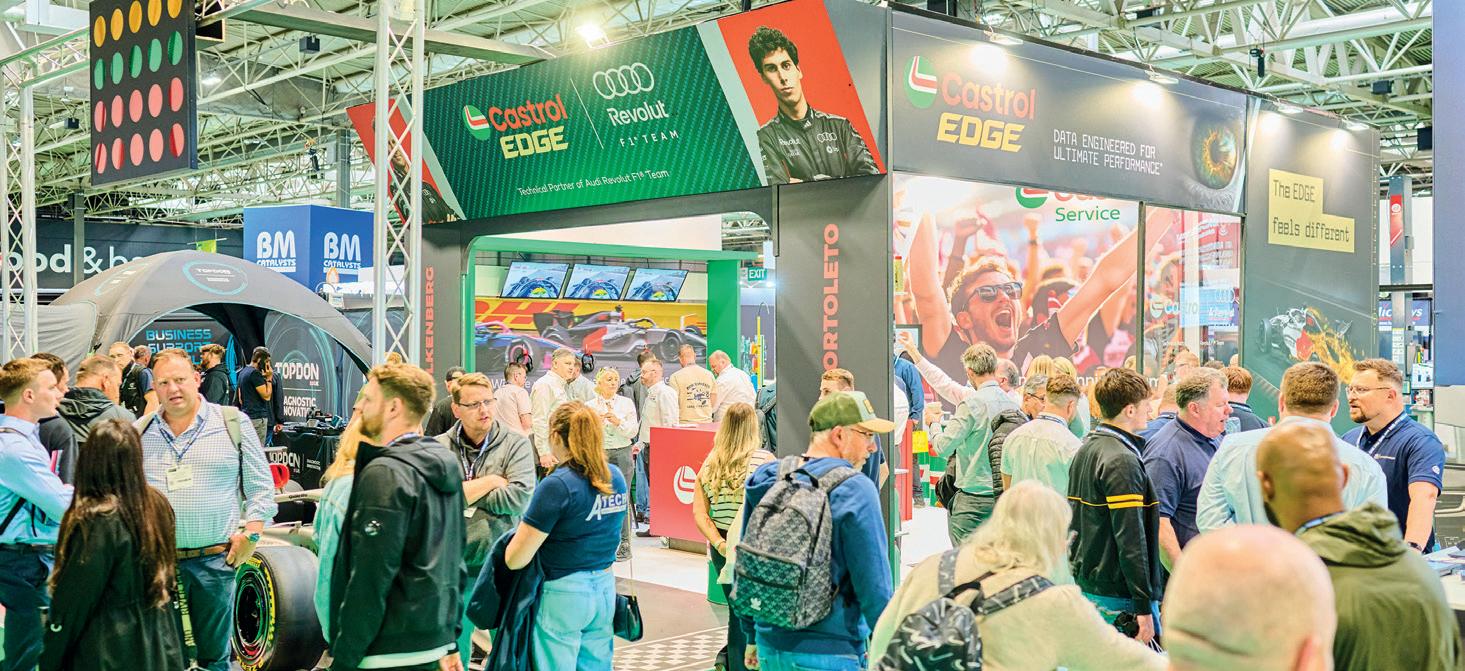
Garage owners, technicians and bodyshop professionals descended on the NEC Birmingham early in June as UK Garage & Bodyshop Event attracted what organisers described as its biggest attendance to date.
According to organisers, 6,098 visitors attended the 2026 exhibition – an 18% increase on the previous event – with more than 200 exhibitors showcasing the latest workshop equipment, diagnostic tools, replacement parts and business solutions.
Away from the exhibition floor, the seminar programme tackled many of the issues currently shaping the aftermarket. SERMI featured prominently, giving garages practical guidance on secure access to manufacturer repair information, while other sessions explored Right to Repair, access to vehicle data, the future of MOT testing and the skills needed to support increasingly complex vehicle technologies.
The event also highlighted the industry’s commitment to attracting new talent, with organisers reporting that more than 250 students attended through the official Student Programme to learn about career opportunities across the automotive aftermarket.
Joanne Knowles, Event Director at
Messe Frankfurt UK, said the event reflected “the strength, expertise and ambition of the UK aftermarket”, adding that bringing together suppliers, technicians, workshop owners and industry leaders created opportunities for collaboration and knowledge-sharing that could not be replicated elsewhere.
The opening day concluded with the Automechanika Birmingham Garage Awards, hosted by the Independent Automotive Aftermarket Federation (IAAF), which celebrated some of the UK’s leading independent garages and aftermarket professionals.
Among the evening’s winners, Uckfield Motor Services was named Garage of the Year, while EAC Telford collected the Multi-Site Garage and Best Marketing Garage awards. Cleevely Motors secured the Single-Site Garage title, Brian
Growing interest in ADAS calibration and advanced diagnostics was one of the clear themes to emerge from this year’s UK Garage & Bodyshop Event, backed up by reports from HELLA UK of strong engagement from independent garages looking to develop new technical capabilities and retain more high-value work in-house.
The company’s headline launch was the UK debut of the Hella Gutmann CSC-Tool PRO, a nextgeneration ADAS calibration system
that automates many of the setup and calibration processes, helping workshops complete calibrations more quickly and accurately.
HELLA also demonstrated its recently launched mega macs PLUS diagnostic platform, which provides advanced multi-brand diagnostics within a Windows-based tablet environment, alongside its established mega macs S 20 and mega macs X systems. Visitors were also introduced to macsRemote Services, enabling
Hale of Mechtronic was recognised as Auto-Mechanik of the Year, and Jacob Patterson received the Young Mechanik award. Darren Knight of Mike Knight Autos Birmingham was presented with the Lifetime Achievement Award in recognition of his contribution to the industry.
IAAF Chief Executive Mark Field said the record number and quality of entries demonstrated the professionalism and innovation that exists throughout the independent.
The exhibition’s organisers also reported strong exhibitor engagement, saying that 78% of exhibition space for the next UK Garage & Bodyshop Event in 2028 had already been reserved. Before then, the sector will reconvene at Automechanika Birmingham, which returns to the NEC from 8–10 June 2027.
garages to access specialist remote coding and programming support on a pay-as-you-go basis.
Julian Goulding, Head of Garage Equipment at Hella Gutmann, said the strong interest in the CSC-Tool PRO reflected the growing demand for practical solutions that make ADAS calibration faster, simpler and more accessible for independent workshops.
The level of engagement throughout the show suggests that technologies once viewed as specialist are rapidly becoming mainstream investments as independent garages look to keep pace with increasingly complex vehicles.
The Motor Ombudsman used the recent UK Garage & Bodyshop event as the platform to launch its latest tyre safety campaign. Chris Callander spoke to Paul Brown from Lindleys Autocentres, the campaign’s spokesperson, about the vital role independent garages play in helping motorists understand why a cheap tyre is not always good value.
With household budgets under continued pressure, it is no surprise that many motorists are looking for ways to reduce the cost of maintaining their vehicles. For some, that means considering part-worn tyres. On the surface, they can appear to offer easy savings, but independent garages have an important role to play in helping customers understand that the cheapest option is not always the best value.
That message sits at the heart of The Motor Ombudsman’s WORN-WARN campaign, which recently received the 2026 TyreSafe Online and Social Media Award in recognition of its efforts to raise awareness of the risks associated with buying second-hand tyres. The campaign, backed by TyreSafe and supported by Motor Ombudsmanaccredited Lindleys Autocentres, aims to provide motorists and garages with practical information to encourage safer purchasing decisions.
The campaign follows research commissioned by The Motor Ombudsman, which found that nearly one-third of UK adults would consider buying part-worn tyres if their current tyres needed replacing, with twothirds of those citing cost as the main motivation. Among motorists aged 25 to 34, that figure rises to almost half. At the same time, 69% admitted they did not know what a tyre’s Department of Transport (DOT) code meant, while 43% were unaware that, legally, part-worn tyres must be permanently marked as such.
For Paul Brown, General Manager of the Tyre Division at Lindleys Autocentres, those findings reflect what technicians see every day.
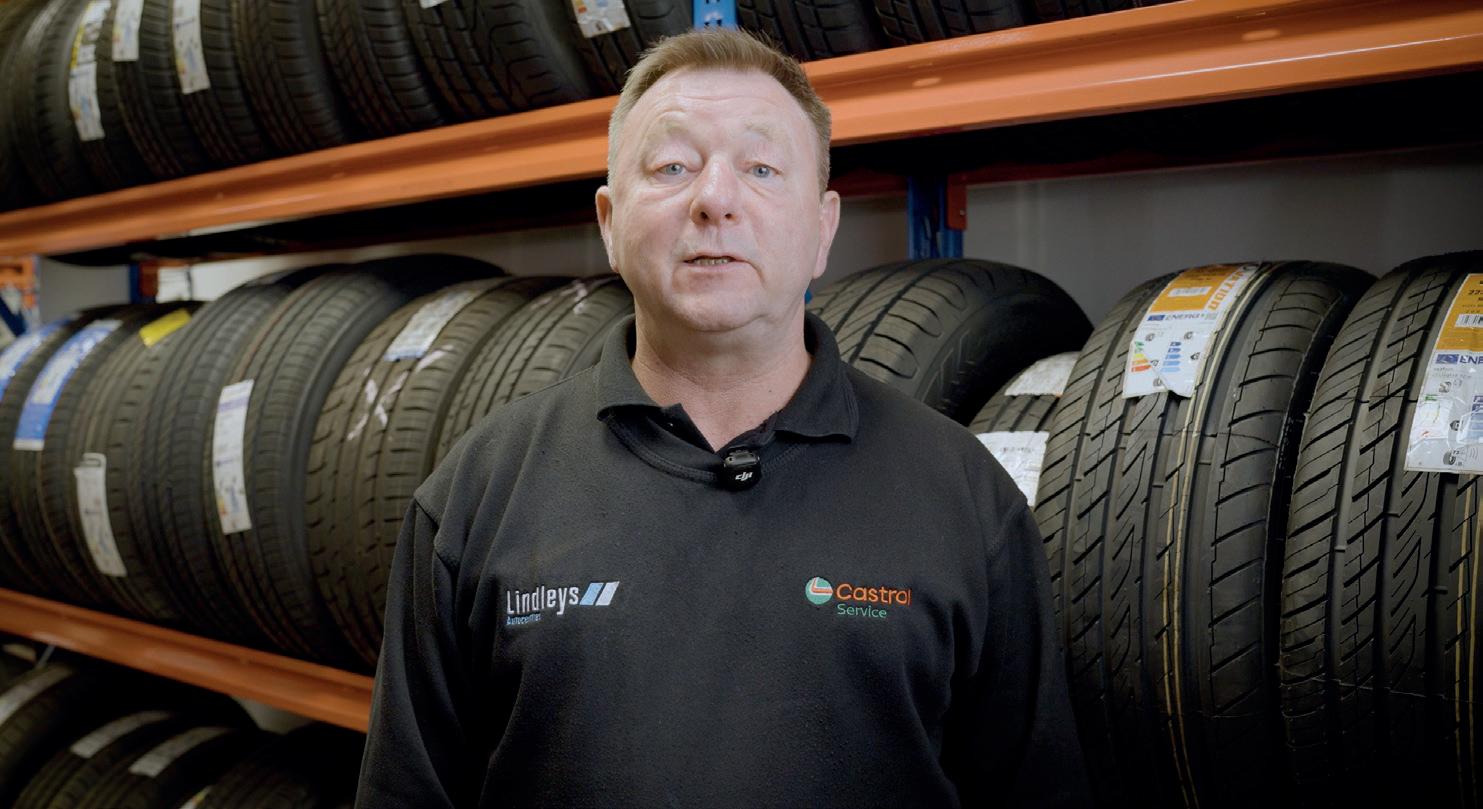
“People often judge a tyre by its tread depth alone,” he explained. “What they can’t see is its history. A tyre could have suffered impact damage, been involved in an accident, been repaired incorrectly or simply deteriorated with age.”
Paul pointed out that tyres can still appear to have plenty of usable tread despite being more than a decade old, with cracking and degradation only becoming apparent to a trained eye. Even tyres that have been stored rather than used should be carefully inspected once they are more than five years old.
While part-worn tyres are legal when sold in accordance with strict regulations, Paul believes many motorists are unaware of what they should be looking for. Correct labelling, tyre age and evidence of previous repairs are all factors that should be checked before a purchase is even considered.
For many independent garages, that creates an opportunity to add value beyond simply fitting replacement tyres. Every service, MOT or tyre inspection provides a chance to explain how to
read a DOT code, identify signs of deterioration and discuss why the unknown history of a part-worn tyre can present a risk.
Paul also believes garages should help customers understand that a brand-new budget tyre will often represent a safer option than a premium part-worn tyre with an unknown past.
“We’re not telling anybody what they can and can’t buy,” he said. “It’s about giving people the information they need to make the right choice.”
As cost pressures continue to influence motorists’ buying decisions, conversations like these are likely to become increasingly important. Campaigns such as WORN-WARN provide garages with useful educational resources, but it is the advice given across the workshop counter that will ultimately help customers make informed decisions about one of the most safety-critical components on their vehicle. www.themotorombudsman.org/Tyres
As the vehicle parc evolves with a growing number of vehicles which are electrified, connected, or equipped with advanced technologies entering the market, Nick Connor, CEO of the Institute of the Motor Industry (IMI), argues that workshops that invest now will be best placed to win work, retain customers and protect their businesses in the future.
If you’re an independent workshop owner, it’s easy to understand why EV and advanced vehicle technology training isn’t always at a top priority.
Right now, you’re dealing with rising costs, recruitment challenges, productivity pressures and customers who need their vehicles back as quickly as possible. And for independents, many of those vehicles will be petrol or diesel and probably only feature limited advanced driver assistance systems (ADAS). When faced with a choice between investing in training and equipment that generates immediate revenue versus training that may not deliver an obvious return for months or even years, many businesses understandably focus on the here and now.
The problem is that the vehicle parc isn’t standing still. While many workshops are responding to today’s workload, the vehicles entering the market are steadily changing the shape of tomorrow’s.
The market has already changed
In April, the UK passed a major milestone with the registration of its two millionth battery electric vehicle (BEV). In May, BEVs accounted for 27.3% of all new car registrations, while hybrids and plug-in hybrids represented a further 26.7% of the market. Together, electrified vehicles now account for more than half of all new vehicle registrations in the UK. This matters because today’s new vehicles are tomorrow’s aftermarket workload.
Every vehicle entering the market will eventually require servicing, maintenance, diagnostics, repair
and calibration. Increasingly, those vehicles will contain high-voltage systems, sophisticated electronics and connectivity and advanced driver assistance systems ADAS that require specialist knowledge and safe working practices.
The question is no longer whether these vehicles will reach independent workshops. The question is whether your workshop will be ready when they do.
In reality, many workshops are already working on vehicles that incorporate high-voltage systems, connectivity, hybrid technology or safetycritical ADAS features. Modern vehicles are evolving rapidly.
ADAS technology that was once limited to premium vehicles is now commonplace across the market. Features such as automatic emergency braking, lane-keeping assistance, adaptive cruise control and collision avoidance systems are becoming standard. While there is a natural tendency to delay
Nick Connor, CEO of the Institute of the Motor Industry (IMI)



investment until demand becomes impossible to ignore, that approach carries its own risks.
By the time EVs represent a significant proportion of a workshop’s workload, trained technicians may be harder to recruit, training demand may be higher and competitors may already have established a reputation for servicing these vehicles. Customers who have found a workshop they trust rarely move back simply because a competitor eventually catches up.



ADAS is changing the conversation While much of the industry focus currently is on electrification, ADAS may prove to be an equally significant challenge for the aftermarket. Unlike many traditional vehicle systems, ADAS is directly linked to safety-critical vehicle functions. Incorrect calibration following a windscreen replacement, suspension repair, wheel alignment or accident repair can a ect how a vehicle brakes, steers or responds to hazards. This is no longer simply a technical issue. It is a customer safety issue. As these systems become more widespread, workshops need to be able to
demonstrate that the people working on them have the appropriate competence and training. That makes qualifications and recognised standards increasingly important from both a business and liability perspective.
The growing importance of technician competence is also attracting attention at policy level. In May, the IMI brought together industry leaders, legal experts, fleet operators and Shadow Secretary of State for Transport Richard Holden MP to discuss the future of workforce safety in the automotive sector. The panel unanimously concluded that, as vehicles become increasingly reliant on electrification, connectivity, automation and advanced safety systems, there is a growing need for demonstrable, auditable competence across the workforce.
Participants called for the government to consider making recognised standards such as IMI TechSafe mandatory across key technology areas, including EVs, ADAS, connected vehicles and alternative fuels. The discussion also highlighted a broader shift taking place across the
industry, one which sees competence no longer simply a matter of professional development. Instead, it is increasingly being viewed as a critical element of road safety, consumer confidence and regulatory readiness.
Too often, training is viewed as a cost, but the most successful businesses tend to view it di erently. IMI TechSafe provides a recognised benchmark that demonstrates technician competence across modern vehicle technologies, including EVs, hybrids, hydrogenpowered vehicles, connected and ADASequipped vehicles. For workshop owners, it delivers several benefits.
It provides confidence that technicians can work safely on increasingly complex
vehicles. It helps demonstrate that the business is taking reasonable steps to manage risk and meet professional standards. It provides reassurance to customers and insurers. Most importantly, it enables workshops to continue accepting work as the vehicle parc evolves. This is becoming increasingly important because the skills pipeline is not keeping pace with vehicle technology.
The IMI estimates that around 74,700 technicians currently hold an EV qualification, representing approximately 35% of the UK’s technician workforce. However, demand is forecast to outstrip supply, with a potential shortfall of more than 43,000 EV-qualified technicians by 2035. For workshops, that presents both a challenge and an opportunity.
Businesses that invest early will be better positioned to attract customers, recruit talent and di erentiate themselves from competitors. Those who delay may find themselves competing for an increasingly limited pool of qualified technicians.

We're a charity built by this industry to bring the next generation of talent into it — supporting apprentices, helping employers take them on, and making automotive repair visible to young people who've never considered it as a career.
When you become an AutoRaise member, you're part of that mission. And we'll help you shout about it.
Your membership includes: Your AutoRaise Member badge and digital assets for your website, email and social media



Ready-made social media templates — post, tag us, and we'll amplify you to our network







the future of the trade.



Full access to the Member Toolkit with modules covering recruitment, funding, onboarding, mentoring, HR and more Access to the AutoRaise member community forum Join the businesses investing in Membership is
Alan Outhwaite, Head of the Technical Review Panel at the Verification of Lubricant Specifications (VLS), discusses the particular lubrication challenges posed by hybrid vehicles.
Hybrid vehicles have grown in popularity in recent years and are likely to remain an important part of the vehicle parc for many years to come, despite the current 2035 ban on sales of new hybrid cars. For some motorists, hybrids o er the perfect balance – harnessing the benefits of battery power without the range anxiety of battery electric vehicles. Despite their similarities to internal combustion petrol and diesel engines, hybrid vehicles have some critical di erences. The duty cycle of hybrid vehicles is quite di erent, with many switches between power sources.

We expect lubricants to do more, under greater stress
appears, the driver must not ignore it but take immediate action.















combustion petrol and diesel engines, hybrid di vehicles more stop-starts as the vehicle switches between power sources. In hybrids, the engine may need to start suddenly at high speed, when the vehicle may already be travelling


at 60 mph, having used battery power to begin the journey. Such high-powered cold starts give the engine no time to reach operating temperature, increasing the risk of thermal shock and wear, as the oil hasn’t had time to circulate through the engine to protect moving parts while the engine slowly builds up. Hybrid vehicles are likely to warm up more slowly in general. Typically, an internal combustion engine (ICE) takes up to 10 minutes to reach operating temperature, depending on its use. A hybrid vehicle could take 25 minutes. On shorter journeys, the vehicle may have arrived at its destination and been switched o before it even reaches temperature.
Hybrid vehicles are likely to warm an internal combustion engine
Along with lower viscosity, hybrid vehicles tend to require oils with lower High-Temp High-Shear (HTHS) values to further increase fuel economy. Workshops must also use the appropriate specification engine oil, looking beyond the viscosity to the actual performance specification. Modern high-power-density petrol engines can require specialist lubricant chemistries to minimise the chance of events such as low-speed pre-ignition (LSPI). Backwards compatibility with other applications cannot be assumed, so an oil suitable for a new hybrid vehicle may not necessarily be suitable for the older hybrids being serviced in workshops.





vehicle could take 25 minutes. its destination and been reaches temperature. the risk of fuel dilution and corrosion and increased wear.

















critical that motorists the recommended oil change intervals. If
This longer warm-up period provides more time for water and fuel to accumulate in the sump, increasing the risk of fuel dilution and emulsification, which could lead to corrosion and increased wear. It is therefore even more critical that motorists and mechanics follow the recommended oil change intervals. If an oil warning light
If at all unsure which engine oil to use, it is always worth taking the time to double-check with the vehicle handbook and the OEM. Workshops should also monitor OEM updates regarding changes to service intervals and oil change intervals. These are both likely to be more frequent than with conventional ICE-powered vehicles, as the oil has to work in a hostile environment with regular short, cold journeys.



Hybrid vehicles are relatively new compared to ICE vehicles. OEMs are, in some cases, still learning about duty cycles and their e ect on lubricants. Motorists can no longer assume their vehicle requires service every 12,000 miles or 12 months. As we expect lubricants to do more, under greater stress, they may need more regular replacement.
Alan Outhwaite, Head of the Technical Review Panel at the Verification of Lubricant Specifications
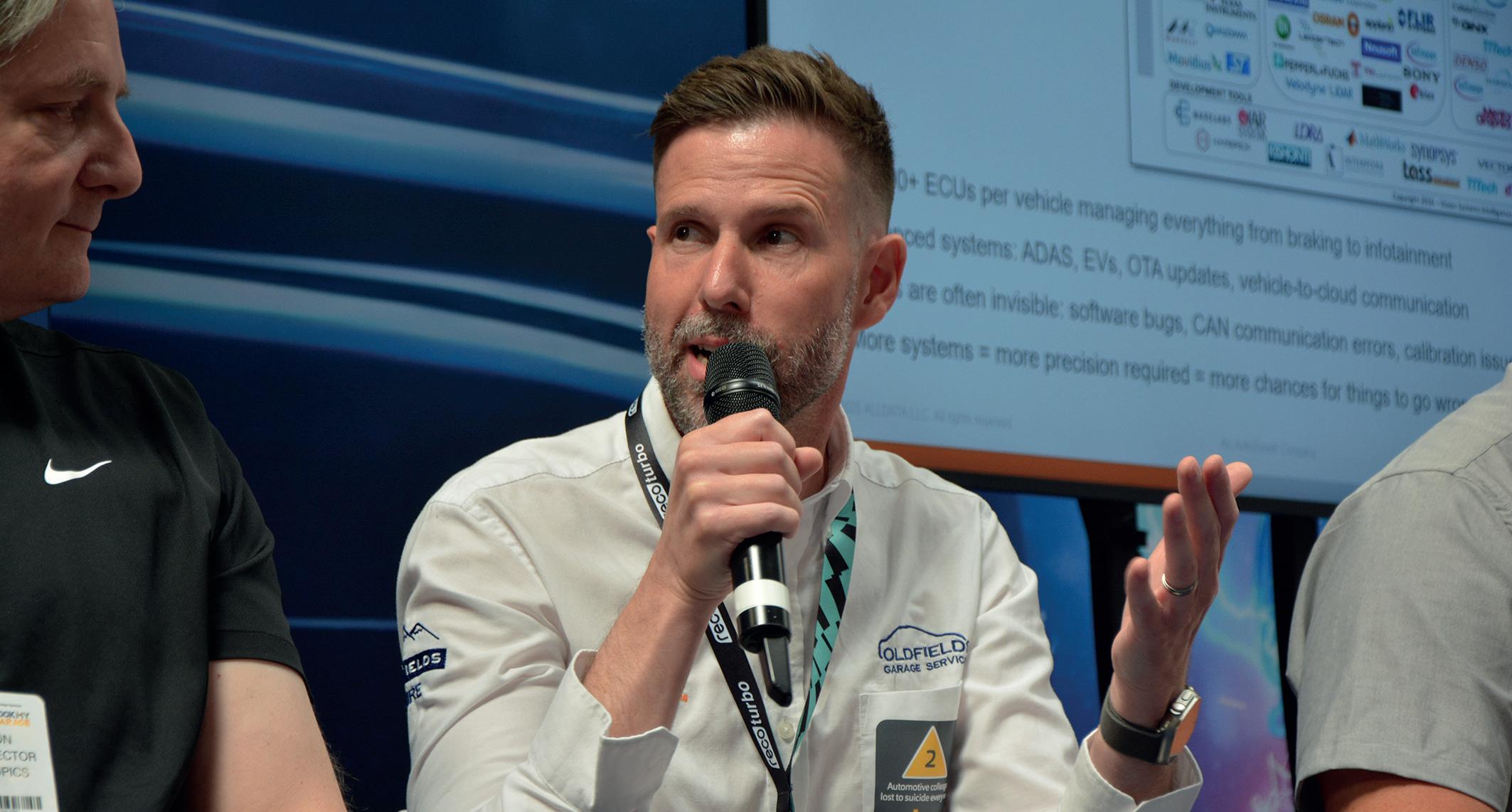


With the 2026 trade show season in full swing, award-winning garage owner and peer mentor Tim Benson o ers his professional advice to help fellow independent workshops maximise their time away from the garage.
Drawing on the real-world operational principles that has helped Leominster-based Oldfields Garage secure seven major awards in just 18 months, Tim is sharing a 10-point blueprint designed to turn trade show attendance into a strategic business investment.
Tim, who continues to run his own garage business alongside his role with Oldfields Automotive Consulting, believes many workshops miss the full potential of these events by failing to plan e ectively.
“A good event is not just a day out,” said Tim. “Done properly, it gives you ideas, energy, and actions you can bring
straight back into the business. Whether you are a regular attendee or heading to your first show, having a strategy ensures you and your team come back with something useful.”
Over the past five years, Oldfields Garage has increased its average invoice value by 68% to £364, while maintaining an impressive five-year average Net Promoter Score (NPS) of 94. Tim says the same operational clarity that drives these results should also guide how garage owners approach trade events.
The advice follows a landmark 2025 for Oldfields Garage, which saw the business named ‘Top Garage’ in the 10+ employee category of Aftermarket
Magazine’s Top Awards, for the second time in three years.
“We’re proud of what we’ve achieved, and a big part of that is staying curious about new technology and better ways of working,” said Tim. “Taking the time to talk to manufacturers and peers at these events is how we stay at the forefront of the industry.”
For garages looking to raise standards, improve e ciency, or enhance customer experience, Tim Benson o ers hands-on guidance through Oldfields Automotive Consulting.
www.oldfieldsconsult.co.uk
● Get there on time: Maximise your day. It can take time to get your bearings in a large venue.
● Make a plan: Note down the specific suppliers, people, or talks you want to see.
● Wear the right gear: Choose comfortable shoes and smart, branded clothing to represent your business.
● Don’t just stick with your group: Start conversations with new people to find the best value.
● Ask questions: Don’t just nod along; events are for learning, not for pretending you know it all.
● Split up to cover more ground: Divide your team so you can attend di erent talks and visit more stands simultaneously.
● Take notes: Write things down as you go, you will hear more than you can possibly remember.
● Keep an open mind: Stay curious. The best ideas often come from things you weren’t looking for.
● Talk to suppliers: A good conversation with a manufacturer can open doors to better support or new opportunities.
● Share what you learned: Create a simple action plan when you get back to the workshop to turn ideas into results.
Modern petrol vehicles rely on the EVAP (Evaporative Emission Control) system to prevent fuel vapour from escaping into the atmosphere. When faults occur, technicians often face general EVAP‑related DTCs, returning engine lights, and the risk of misdiagnosis or unnecessary parts replacement. However, by using a structured approach, technicians can locate leaks quickly and eliminate guesswork.
The EVAP system is composed of multiple interdependent components that work together to capture and control fuel vapours. Understanding each part is essential for accurate diagnostics.
The canister stores vapours in activated charcoal, with some designs integrating the vent valve and filter. The purge solenoid controls vapour flow to the intake, which is critical for purge flow control and during leak tests. The vent valve is an electronic on/off valve which admits filtered air in normal operation and closes to seal the system during leak tests. Its typically low mounting height makes it vulnerable to dust, salt and moisture, and contamination is a very common UK failure pattern. Finally, the fuel tank pressure (FTP) sensor reports tank pressure/vacuum to the ECM. The plausibility of this reading is crucial when validating a leak test result.
There are a number of reasons why EVAP issues can occur. The tanks and EVAP lines are located under the vehicle, collecting debris, salt, and moisture. Models with rough‑road capability can sustain physical damage to the tank from impacts. Dust or salt ingress can cause sticking or blocked vents, leading to refuelling cut‑off, poor sealing, or ‘false leak’ symptoms. Plus, some electrical faults can be misinterpreted when purge or vent circuit DTCs are electrical, not ‘leak size’ indicators.
Common DTCs related to EVAP issues include P0440 – General EVAP fault, P0442 – Small leak, P0455 – Gross leak, P0456 – Very small leak and P0457 – Fuel cap loose or missing.
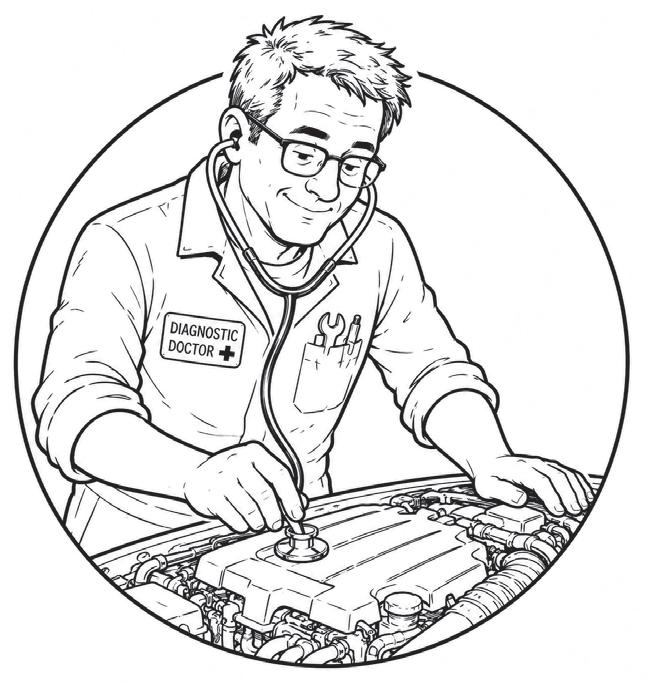
However, it’s worth noting that electrical faults do not indicate leaks, and correct interpretation prevents wasted time and unnecessary parts replacement. For example, electrical purge/vent valve faults (P0443, P0446) are circuit issues, not system leaks.
Many technicians still clear codes first, losing freeze‑frame context. Avoid this – those conditions (light‑throttle cruise, coolant temp >80°C) are clues to when the self‑test ran and when to reproduce it on a road test.
The first step in any diagnosis of EVAP related issues should be a DMTL self‑test to establish whether a leak exists. Then, if one is indicated, there are a number of techniques which can be used to trace leaks.
Smoke testing using dedicated tools such as the Snap on Smart Smoke EVAP Machine, can help visualise vapour leaks that would otherwise remain invisible. However, it is extremely important not to use compressed air for this step, as oxygen combined with hydrocarbons can create a significant ignition risk. With a scan tool, it is possible to activate
Why do EVAP faults appear after steady driving?
Most EVAP self‑tests run only when the engine is warm and driven steadily
Can a gas analyser be used for EVAP leak detection?
Yes – use an MOT emissions analyser such as the Sun DGA6000 LINK in free‑running mode to pinpoint the leak area.
Should I still check the fuel cap first?
Yes – but if the fault returns, continue with system tests.
Why do EVAP comebacks happen?
Often due to skipped steps or clearing codes too early and losing freeze‑frame clues.
How do I distinguish electrical faults from leaks?
Use active tests. Purge/vent electrical codes (e.g., P0443/P0446) are circuit issues, not leak sizes.
Why do vent valves fail so often?
They sit low and take on contamination and moisture.
What’s the golden rule for EVAP work?
Self‑test → smoke → sniff → electrical checks, then verify on road test.
purge and vent valves, monitor sensor responses, and confirm whether the system seals correctly under command.
Then, if required, Hydrocarbon (HC) sni ng can be carried out with a gas analyser such as an MOT emissions analyser in free-running mode, to detect elevated HC at the leak site.
Finally, with the leak identified and the necessary repairs carried out, it is important to road-test the vehicle and reproduce the self test conditions that triggered the original DTCs and confirm that no codes return.
Not all EVAP issues are caused by leaks, though. In an example involving a Mazda 6 vehicle with the 2.5L engine (14 Sept 2009 – 2 May 2011), a customer reported that the fuel tank would not refill and that the fuel nozzle repeatedly clicked o immediately during refuelling, with no obvious drivability concerns.
It turned out that the EVAP canister vent line had become blocked by spider webs and debris inside the hose near the vent valve. This obstruction prevented normal tank ventilation during filling,
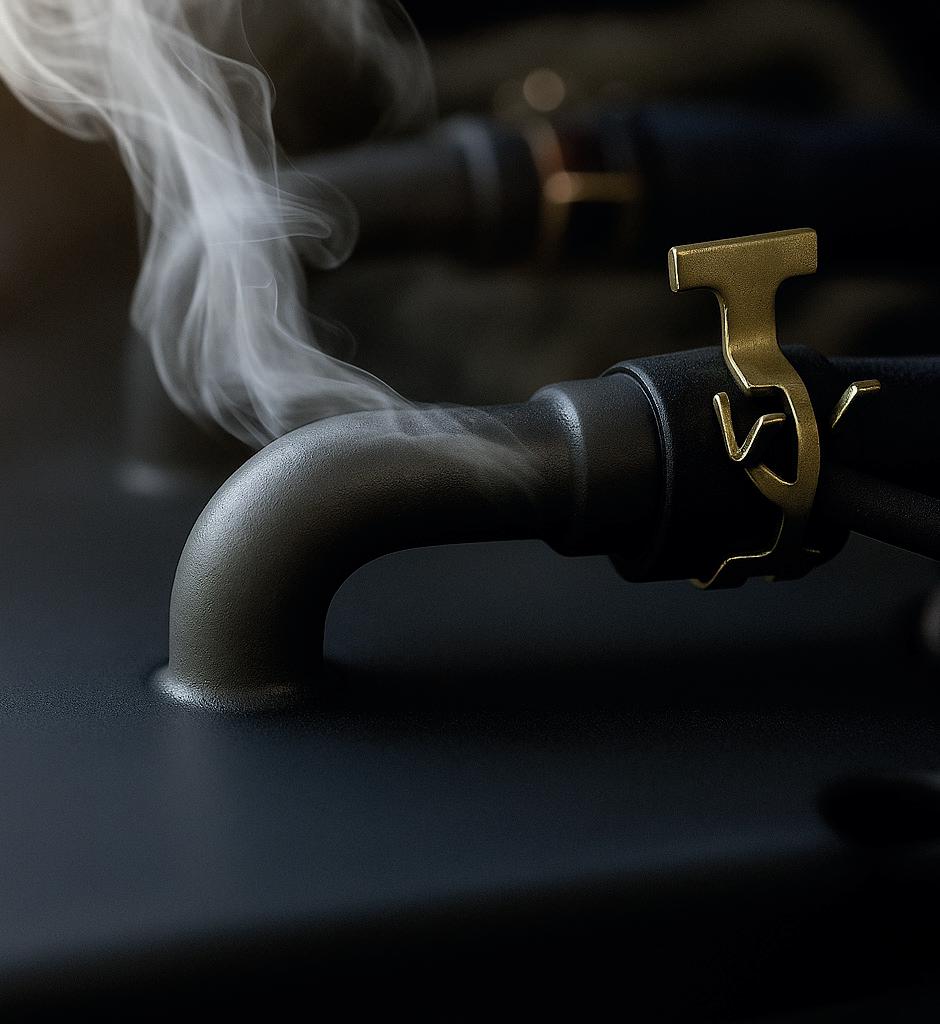
creating excessive negative pressure inside the tank.
The consequences of this type of blockage can include premature pump shut-o during refuelling, the risk of tank deformation or cracking and potential fuel-lean conditions. In fact, this is an issue covered under Mazda safety and emissions recall 7214C.
In this example, it required the removal of the EVAP canister and vent hose and the inspection of the vent line for internal
blockage. The line needed a thorough cleaning, although in some cases the hose/canister assembly needs to be replaced. Then the proper tank venting and retest refuelling operation could be confirmed before the relevant EVAP system functional tests (e.g., purge valve leak tests) were run to ensure no secondary faults remain.
A repeatable, structured diagnostic process is essential for solving EVAP faults e ciently and preventing comebacks. Lead with the DMTL pump run test to establish ‘leak/no-leak,’ then use smoke + HC sni to pinpoint the source and validate with simple electrical checks where needed.
Further detail and background on this topic can be found on the Aftermarket website via the link below, where you can also submit your own diagnostic dilemmas for the Diagnostic Doctor to explore.
tinyurl.com/DD0726
17,274 Average Circulation per issue, July 22 - June 23. ABC. See it. Believe it. Trust it.

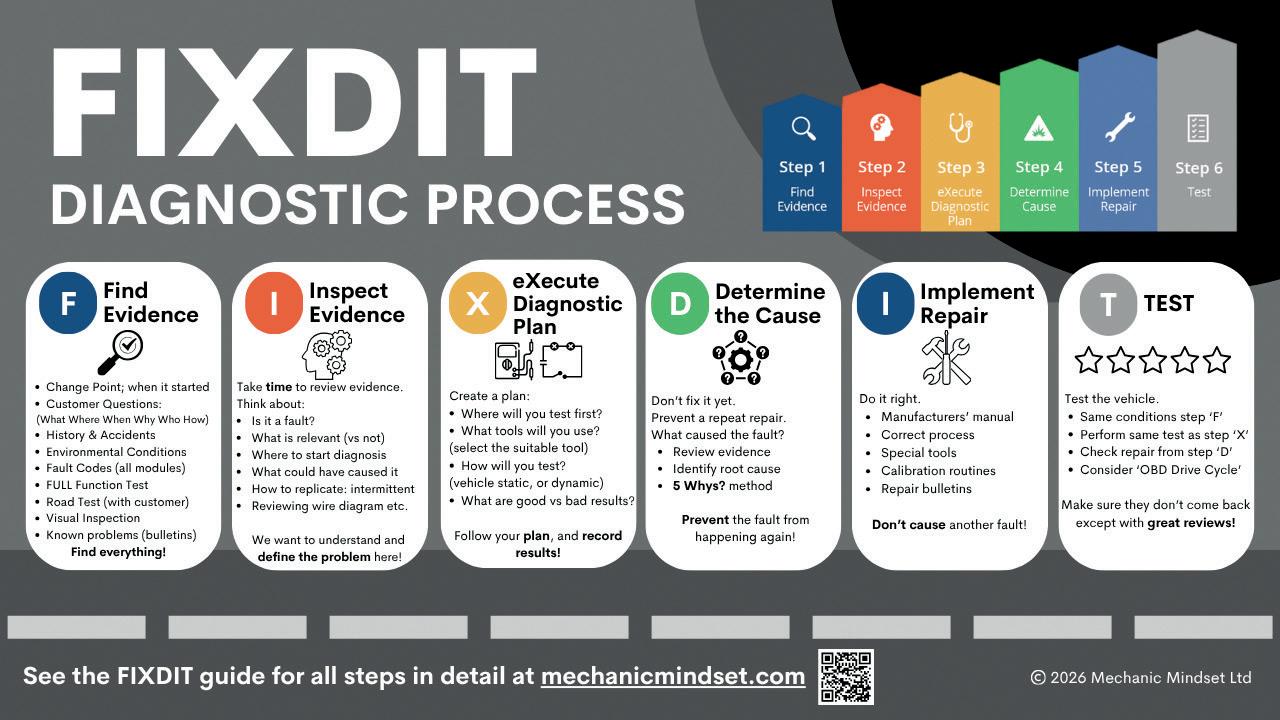
In the first of a series of articles, Darren Quinn from Mechanic Mindset takes us through his ‘FIXDIT’ framework, designed to provide a simple, memorable way to apply the critical stages required for a successful diagnostic routine. This month, we explore the first stage, ‘Find evidence’, with future issues set to cover the subsequent stages: ‘Inspect evidence’, ‘eXecute diagnostic plan’, ‘Determine the cause’, ‘Implement repair’, and ‘Test’.
Successful diagnostics has never been about luck. The best technicians follow a process. Whether diagnosing an intermittent electrical fault, a drivability issue, or a complex network communication problem, the same fundamental stages must be followed. The challenge is that many technicians don’t consistently apply them. Steps are skipped, assumptions are made, and testing begins before the problem is fully understood. So it is essential to start with the foundation of every successful diagnosis: ‘Find evidence’.
Before testing begins
When a vehicle arrives with a fault, most technicians feel an immediate urge to start testing. Scan tools come out, fault codes are checked, and measurements begin. It feels productive. It feels like diagnostics.
But in many cases, the biggest diagnostic mistake occurs before a single test lead is connected.
The mistake is failing to gather
enough evidence.
Modern vehicles are incredibly complex. A single customer complaint may involve multiple control modules, network communications, software strategies, environmental conditions, and intermittent operating states. If technicians begin testing without first fully understanding the problem, they risk heading down the wrong path from the very beginning.
At Mechanic Mindset, we teach that diagnostics is not a process of testing first. It is a process of investigation first.
One of the most valuable sources of evidence is standing right in front of you: the customer.
Unfortunately, this is often the most overlooked part of the diagnostic process. In a busy workshop, conversations can become rushed. Customers may be interrupted, assumptions are made, and important details are missed.
Professional technicians understand that customer questioning is not
administration. It is evidence gathering.
Consider two di erent approaches.
“Does the engine warning light come on all the time?” Or. “Can you explain exactly what happens when the problem occurs?”
The second question encourages the customer to provide context, timing, conditions, and observations that may never emerge from a simple yes-or-no answer.
Intermittent faults particularly depend on this information. A customer may reveal that the fault only occurs after motorway driving, during heavy rain, when towing, or on cold mornings. These details can dramatically change the direction of the diagnosis.
The goal is not simply to hear the complaint. The goal is to understand the circumstances surrounding the complaint.
The second source of evidence is the vehicle itself.
Before reaching for advanced test equipment, technicians should perform a thorough initial inspection and complete a function test. Many faults leave clues long before any measurements are taken.
A full function test is about far more than simply confirming the customer’s complaint. Professional technicians assess all related systems and record both what is working and what is not. This is important because systems that operate correctly can often be just as valuable as those that have failed.
For example, if several electrical systems are inoperative while others continue to function normally, that information can help identify common power supplies, grounds, modules, or network pathways that remain
unaffected. Every observation helps build a clearer picture of the fault.
Alongside the function test, technicians should carry out a careful visual inspection of the vehicle. Signs of water ingress, damaged wiring, corrosion, loose connectors, aftermarket modifications, fluid contamination, and physical damage can all provide valuable evidence.
Experienced technicians also learn to engage all of their senses during this stage. An unusual noise, an abnormal vibration, a burnt smell, or signs of moisture inside the vehicle may all point towards the conditions that contributed to the fault.
The more evidence collected during this stage, the easier it becomes to identify patterns, establish direction, and build an effective diagnostic plan.
Fault codes are evidence, not answers
outside of its expected operating parameters. It does not automatically identify the failed component.
Yet many technicians still fall into the trap of reading a fault code and immediately replacing the part it names.
Professional diagnostics requires a different mindset.
Fault codes, freeze-frame data, event histories, live data values, and network information are all forms of evidence. They help build a picture of what the vehicle is experiencing, but they should never be viewed as the final answer.
Another common mistake is clearing fault codes too early.
Once evidence has been erased, it may never be recoverable. Freeze-frame data that could have identified operating conditions at the moment of failure may be lost forever.
technicians attempt to solve a fault they have not fully understood. If the initial complaint is poorly defined, every stage that follows becomes more difficult.
The technicians who consistently solve difficult faults are rarely the ones who rush into testing first.
They are the ones who gather the best information. They ask better questions. They observe more carefully. They preserve evidence. They build a complete picture before making decisions.
In the next article, we’ll explore the second stage of the FIXDIT process: ‘Inspect evidence’. This is where technicians begin analysing the information they have gathered, identifying patterns, eliminating distractions, and turning evidence into a logical diagnostic direction.
To download a copy of the FIXDIT guide,
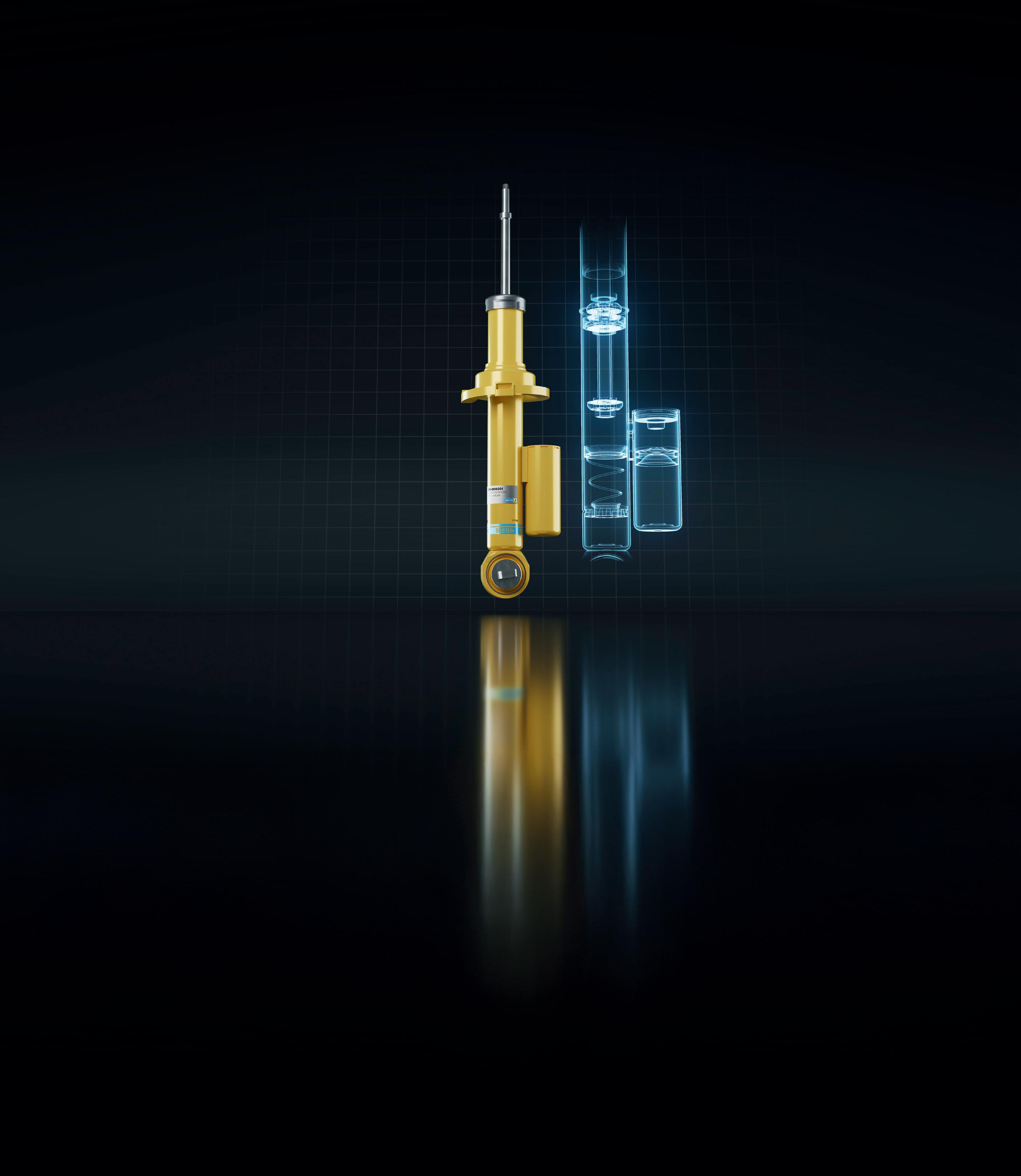
We bring premium OE to the aftermarket
At BILSTEIN, we are proud to be one of the leading shock absorber manufacturers for premium automotive brands and the aftermarket. Cutting-edge valve technologies and damping systems, ranging from active to passive, guarantee unrivaled top performance and reliability. Our above-OE quality standards elevate the trust of OEMs, distributors, and workshops worldwide. We ensure the ultimate driving experience to maximize customer satisfaction.
Scan for more Explore BILSTEIN’s expertise and innovative solutions now!





Join Us at the Top Awards Finals Day on 16th Nov 2026


Finals Day is the pinnacle event of the Top Technician and Top Garage competition, bringing together the best in the industry. Open to all garages and technicians, this exciting day allows visitors to watch finalists complete their practical tasks and interviews, demonstrating their expertise and skills.
The event also features supplier showcases, providing hands-on access to the latest tools and technologies, as well as informative seminars covering key industry topics. Whether you’re a participant or a spectator, Finals Day offers a unique opportunity to engage with the automotive community, learn something new and celebrate a dedication to excellence.






















































































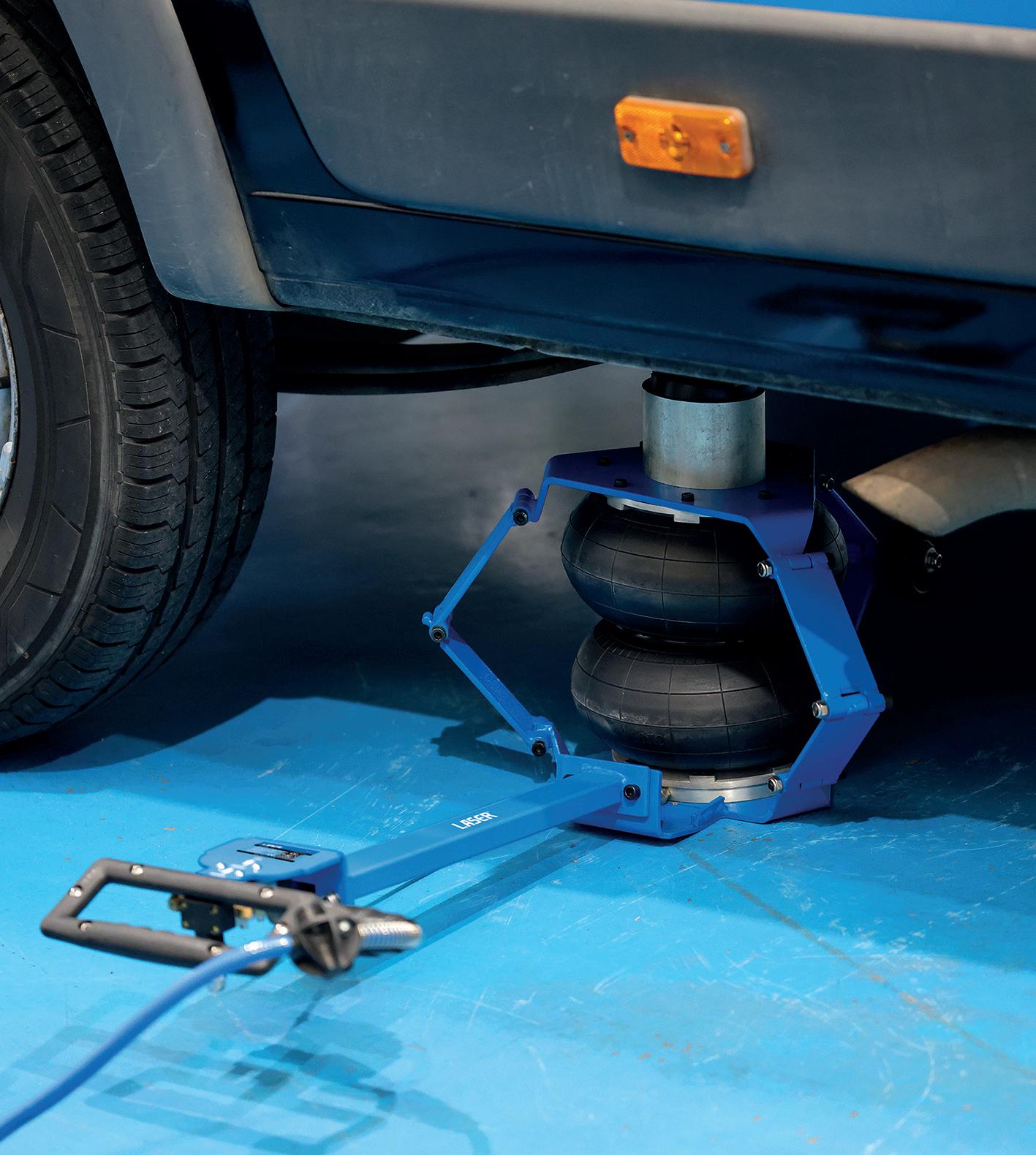
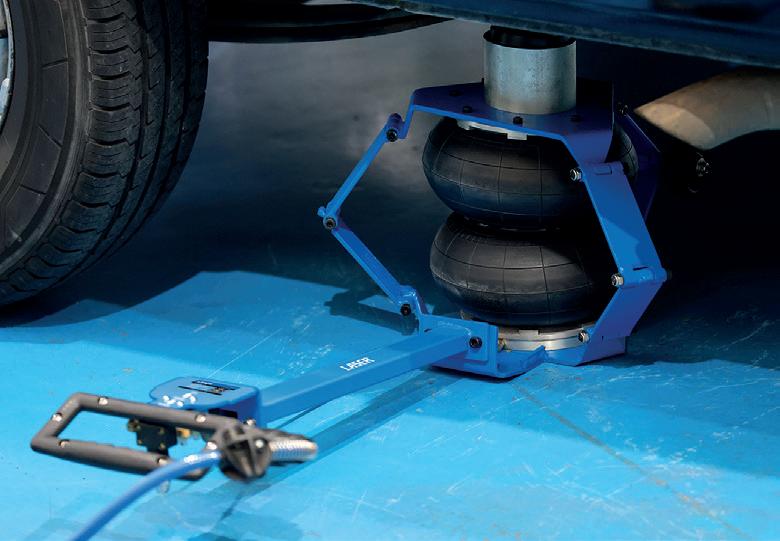
Laser Tools has added a host of new products to its extensive range, including two new pneumatic air jacks giving workshops a fast, controlled and cleaner alternative to manual trolley jacks for routine lifting tasks. Available in 2-tonne and 3-tonne capacities, they feature an external skeleton frame design that keeps the jack upright, prevents side-load sticking, and helps deliver safer, more controlled operation.
The company has also introduced a larger-capacity manual vacuum extractor with a 15-litre capacity in response to customer demand for a solution that can handle the increased oil capacities of newer vehicles, such as Ford Transit engines.
A new mini angle grinder, part of Laser Tool’s 50th anniversary air-tool range, combines compact dimensions with high-speed pneumatic performance for grinding and cutting work in restricted-access areas. Designed around a highoutput 0.3HP air motor, the compact grinder operates at up to 18,000rpm and is intended for use with standard 75mm (3”) grinding and cutting discs.
Also part of the company’s 50th anniversary celebrations are three socket and bit sets which combine professional-quality chrome vanadium tooling with Laser Tools’ LocSoc magnetic socket rail system, designed to prevent sockets and bit holders from falling off during transport, storage or workshop use.
And, designed for technicians who appreciate high-quality hand tools built for long-term professional use, is a new stainless steel ratchet set that combines premium materials, fine-tooth mechanisms and corrosion resistance in a compact four-piece kit covering 1/4”, 3/8” and 1/2” square-drive ratchets, together with a 1/4” hex-drive bit ratchet.
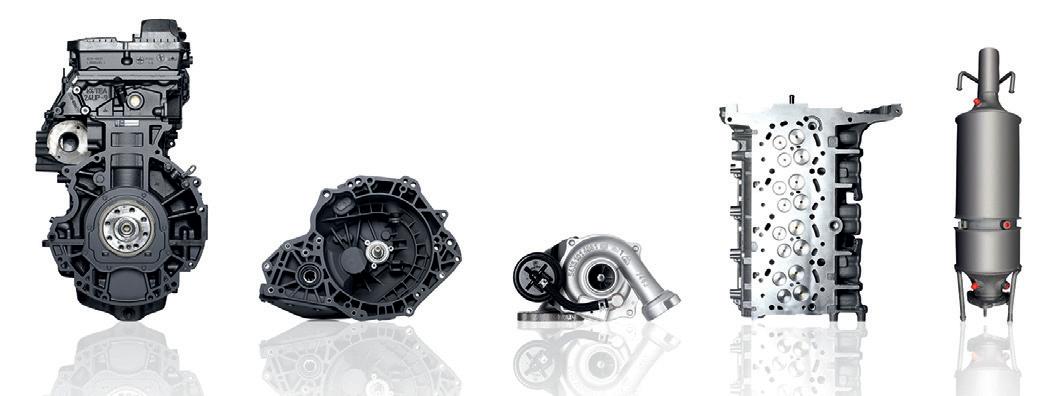
Ivor Searle is a leading UK producer of quality remanufactured automotive major units, offering an all makes programme of petrol and diesel engines, cylinder heads, gearboxes and turbos for cars and LCVs. Costing up to 40% less than OE, the Ivor Searle product range covers over 90% of the UK’s vehicle parc. Ivor Searle also offers a customer own unit engine remanufacturing service for virtually any car or LCV application. Remanufactured products also offer workshops a more sustainable choice, as considerably less energy and materials are used in the remanufacturing process.
All Ivor Searle engines, cylinder heads, and gearboxes are covered by a 12-month unlimited mileage parts and labour warranty, while a two-year warranty covers all turbochargers. The remanufacturer holds comprehensive stocks across all product lines to ensure first-class customer service and minimise vehicle downtime. Free next-day UK mainland delivery is also provided for stock items ordered before 3.30pm. Ivor Searle has an extensive UK-wide distributor network, so no matter where you are, you’re never far away from a quality Ivor Searle product.
The CT100 is a compact professional-grade circuit tester from TOPDON that offers fast, accurate electrical diagnostics across a wide range of vehicle systems.
Intermittent electrical faults, voltage drops and weak connections that evade a basic continuity check can keep a vehicle on the ramp for hours. The CT100 is designed to solve these challenges. A built-in load bulb allows circuit integrity to be tested under real operating conditions, replicating the electrical load a component would experience in use. This makes it possible to identify weak connections and voltage drops that only reveal themselves under load, faults that a standard test light or basic multimeter would not detect.
Voltage measurement covers a DC range of 3.3 to 65V with an accuracy of plus or minus 0.1V, making it suitable for both 12V and 24V vehicle architectures.
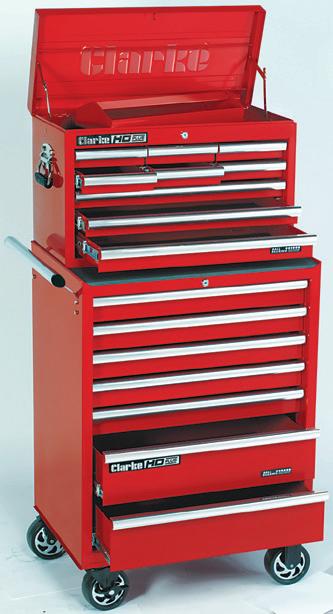
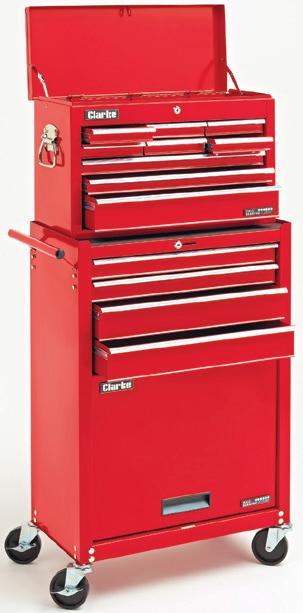
NAPA Auto Parts UK and Ireland has launched a limited-edition Isle of Man TT MilwaukeeTOOLGUARD Filled Toolbox.
www.napaautoparts.co.uk/branch-finder.
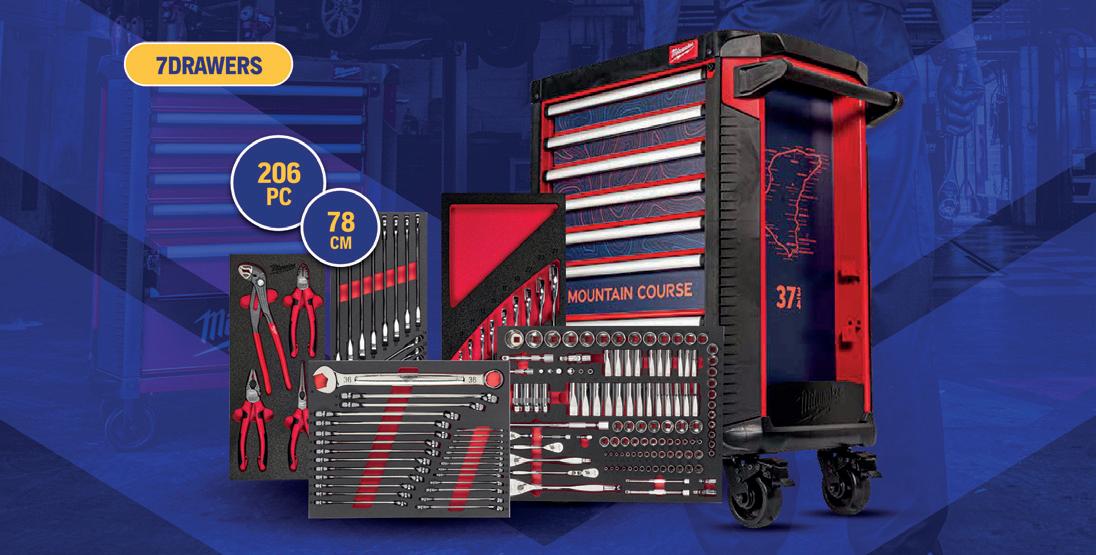
Celebrating the legendary Isle of Man TT, the special edition 30” (78cm) steel storage cabinet features exclusive 2026 Isle of Man TT graphics and comes pre-filled with essential automotive tools, neatly organised in precision-cut foam inserts for maximum e ciency and easy access.
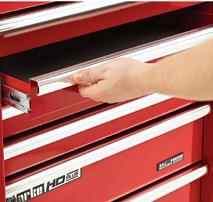
The filled cabinet provides a complete automotive maintenance solution, including a 119-piece ratchet and socket set, a 27-piece combination spanner set, a 15-piece metric ratcheting combination spanner set, a10-piece double openend spanner set, and a 4-piece pliers set, including combination pliers, side cutters, long nose pliers, and water pump pliers.
The toolbox is available to order through local NAPA Auto Parts stores.
A number of manufacturers and distributors have announced significant additions to their product ranges in recent weeks. Here are the highlights.
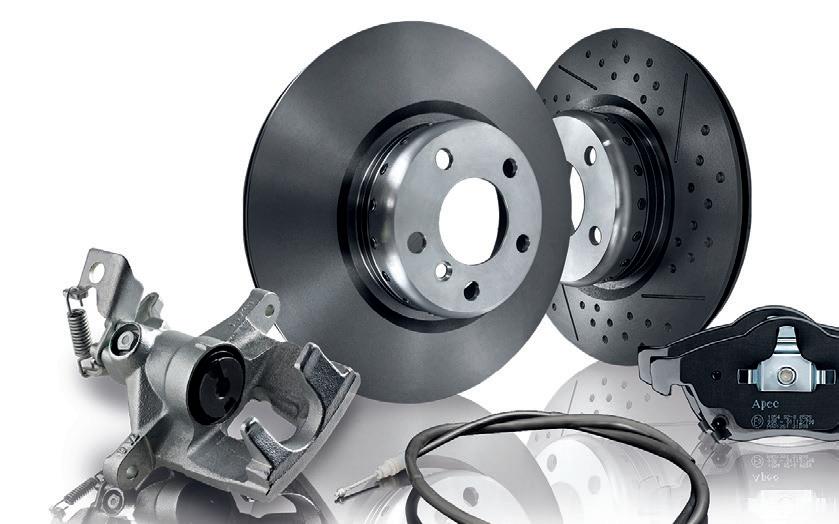
Apec has introduced 49 new braking products. Additions to the Apec Red lineup include a rear brake pad set for the 2023 and newer BMW iX2, front brake calipers for the 2012–2015 Honda CR-V, and front brake calipers for the 2020 and newer Vauxhall Mokka-e. Additions to the high-performance Apec Black range include a front brake disc for the 2020 and newer Land Rover Defender.
Select Automotive has added 61 new parts to its product portfolio, including 51 new window regulator references and ten new steering knuckles. Window regulators for the secondgeneration Audi A5 Convertible and the Range Rover L405 and Range Rover Sport L494 are now available. As are window regulators and panels for the Mercedes Vito/V-Class W447 from 2015, and front window regulators and motors for the third and fourth generation Honda CR-V. Steering knuckles for selected VW Up!, Seat Mii, and Skoda Citigo models are also now available.
Among 65 new additions from First Line are 15 new steering and suspension parts, 11 new transmission references, five friction components, three cables, four filters, one cooling addition and 26 new turbo hoses.
Highlights include a ball joint for the Fiat 500e, a suspension arm for Audi A6, A7, Q5, Q7 and Q8 models and a suspension arm bush for a Lexus ES application.
A drive shaft, suitable for a variety of Mitsubishi models, has also been added, as have brake discs for the Genesis GV60, Hyundai Ioniq and Kia electric vehicles.
There is also a gear cable for Citroën Berlingo and Peugeot Partner and Rifter models, an air filter for Nissan Qashqai and X-Trail applications and a fuel filter designed for a variety of Jaguar models as well as the Range Rover Velar.
GS Yuasa has introduced six new Enhanced Flooded Battery


(EFB) references, extending coverage to 80 additional vehicle models – more than 300,000 additional registered vehicles in the UK.
Delphi has added 38 new references in braking, 14 for steering & suspension and one in fuel management.
Braking additions o er coverage for Mercedes-Benz Sprinter and Volkswagen Crafter models and Citroen, Peugeot and Fiat vehicles, including the Jumper, Relay, Ducato, Boxer and Manager. Plus, new control arms are available to fit a wide range of BMW and MINI models.
Hot end emissions products manufacturer BM Catalysts has introduced 21 new part references covering 114 fitments with coverage for approximately 4.1 million vehicles across Europe. The additions include ten catalytic converter references, one selective catalytic reduction unit, a range of four front and connecting pipes and three pressure pipe references.
FAI Auto Parts has made 20 new additions to its product o ering. Included are a timing chain kit, which covers a wide range of BMW, MINI and Toyota models from 2013, an oil pump covering a number of Dacia, Mercedes, Nissan, Renault and Smart applications, and a rocker cover gasket suitable for MAN and Volkswagen applications, including TGE Bus and Crafter models from 2015. A suspension arm, suitable for Ford Focus models from 2018 to 2025, has also been added.
Links to all the suppliers mentioned can be found on the aftermarket website via the web address below.
Chris Callander offers a round-up of the highlights set to make Automechanika Frankfurt a valuable destination for the aftermarket trade this September. Over the page, you will find selected highlights from exhibitors attending the event.
One hundred years ago, visitors to a trade exhibition in Frankfurt were introduced to something that would eventually become a familiar part of everyday life – the city’s first traffic light. While that pioneering piece of traffic management technology might seem a long way removed from today’s connected vehicles and software-driven mobility systems, it serves as a reminder of how quickly automotive technology can evolve.
Fast forward a century and Automechanika Frankfurt is once again preparing to put the future of mobility and the aftermarket under the spotlight when the event returns from 8-12 September 2026.
Positioned as the world’s leading trade fair for the automotive service industry, the event continues to attract manufacturers, suppliers, workshops, retailers and service providers from around the globe. And this year’s edition places a particular emphasis on the technologies, skills and business opportunities that are expected to shape the aftermarket over the coming years.
One of the most significant developments for 2026 is a new partnership between Automechanika Frankfurt and the Association of International Motor Vehicle Manufacturers (VDIK). Through the new Road to Automechanika initiative, the organisations are encouraging discussion around some of the biggest topics facing the sector, including vehicle data, aftermarket business models, fleet services, accident repair management and the wider mobility transition. Future technologies will also feature
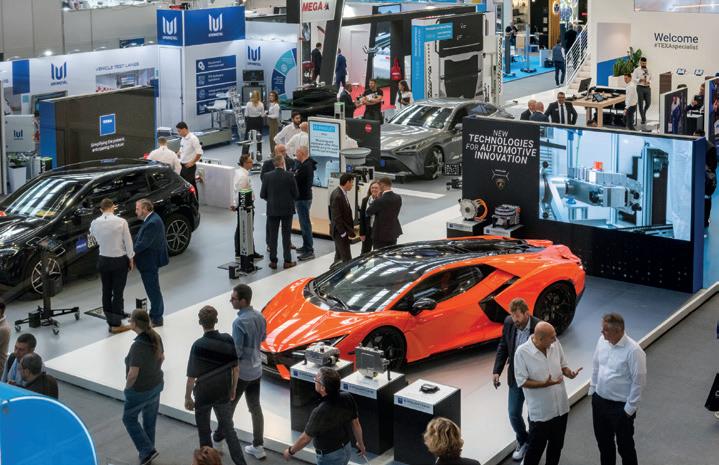
prominently at the event. A new HighTech4Mobility forum will explore topics including software-defined vehicles, advanced driver assistance systems (ADAS), autonomous driving, cybersecurity, data management and in-car entertainment. The aim is to bring together software specialists, vehicle manufacturers, suppliers and aftermarket businesses to discuss how these developments could influence future workshop operations and service opportunities.
Away from the conference programme, visitors will find plenty of opportunities to see technology in action. The new Automechanika Pitlane promises live motorsport demonstrations and appearances, while the Experience Park will feature attractions including monster trucks, a Unimog course and a vehicle rollover simulator. The Future Mobility Park will also offer test drives in electric and alternative-fuel vehicles.
Classic vehicles are set to enjoy a higher profile too. Through the newly established Classic Alliance, supported by organisations including FIVA, Bosch, DAT, Eucon and ROWE, Automechanika is looking to strengthen links between the classic vehicle sector and the wider aftermarket. With growing interest in restoration, maintenance and specialist
services, the initiative aims to highlight potential opportunities for workshops and retailers while providing a platform for networking and knowledge sharing.
The future workforce is another major focus for the event. Following its debut in 2024, AMBITION returns in a larger format and moves into Frankfurt’s iconic Festhalle. Designed to engage younger generations with automotive careers, the initiative combines interactive activities, workshops, live talks and demonstrations with input from industry associations, employers and education providers. Visitors attending on the opening day will also have the chance to hear from explorer, innovator and sustainability advocate Dr Bertrand Piccard during the event’s CEO Breakfast. His keynote address will focus on innovation, sustainable technologies and the opportunities created by technological change, before industry leaders from companies including Castrol, Continental, Mann + Hummel, Schaeffler and ZF discuss the challenges and opportunities facing the sector.
Alongside these new features, exhibitors will be showcasing the latest developments in areas including electrics and electronics, battery technology, charging infrastructure, thermal management and connected vehicle systems.
Whether visitors are looking for technical insight, new business opportunities or simply a better understanding of where the aftermarket is heading next, Frankfurt looks set to offer plenty of reasons to make the trip.
tinyurl.com/3yf3ncv8

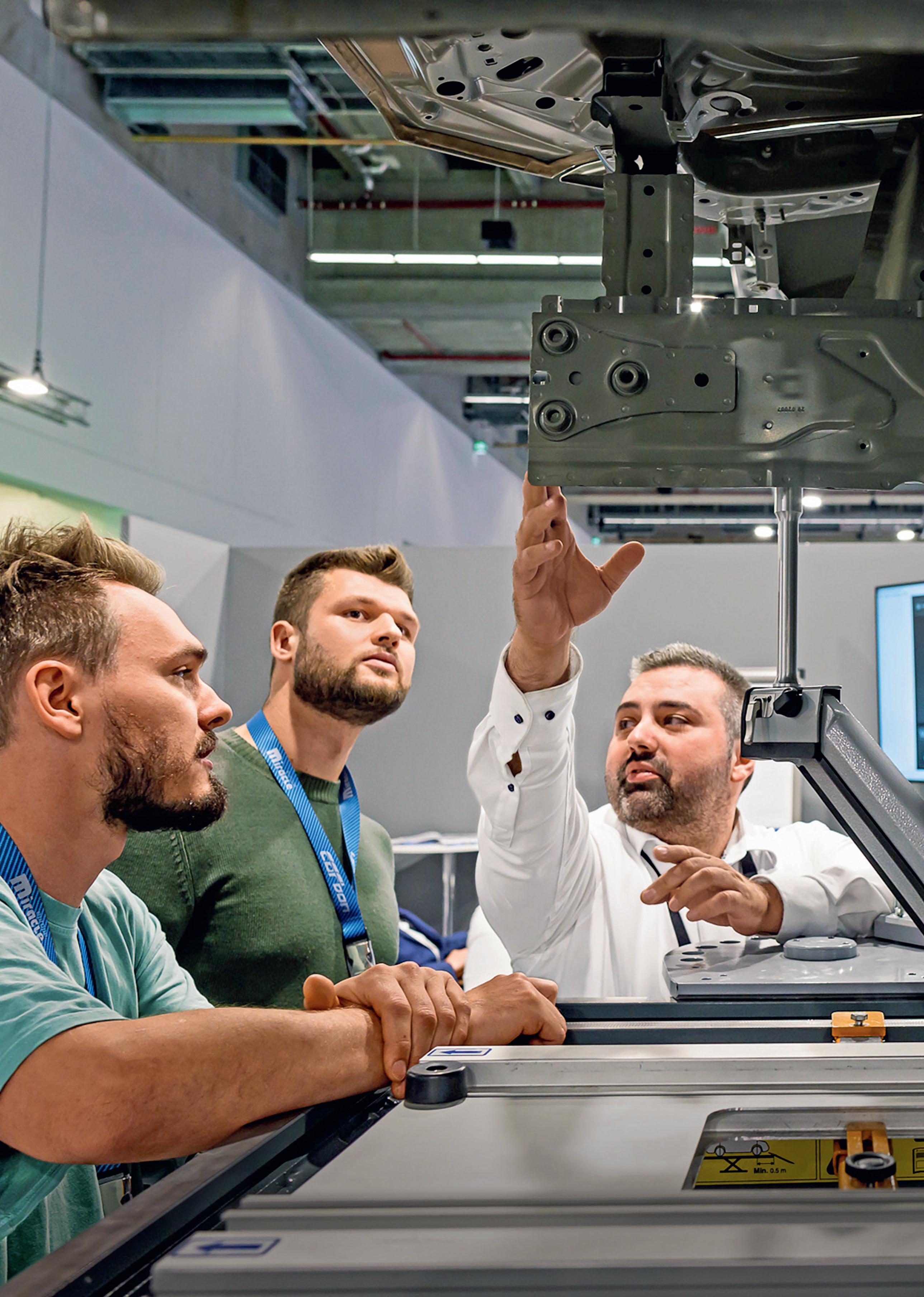

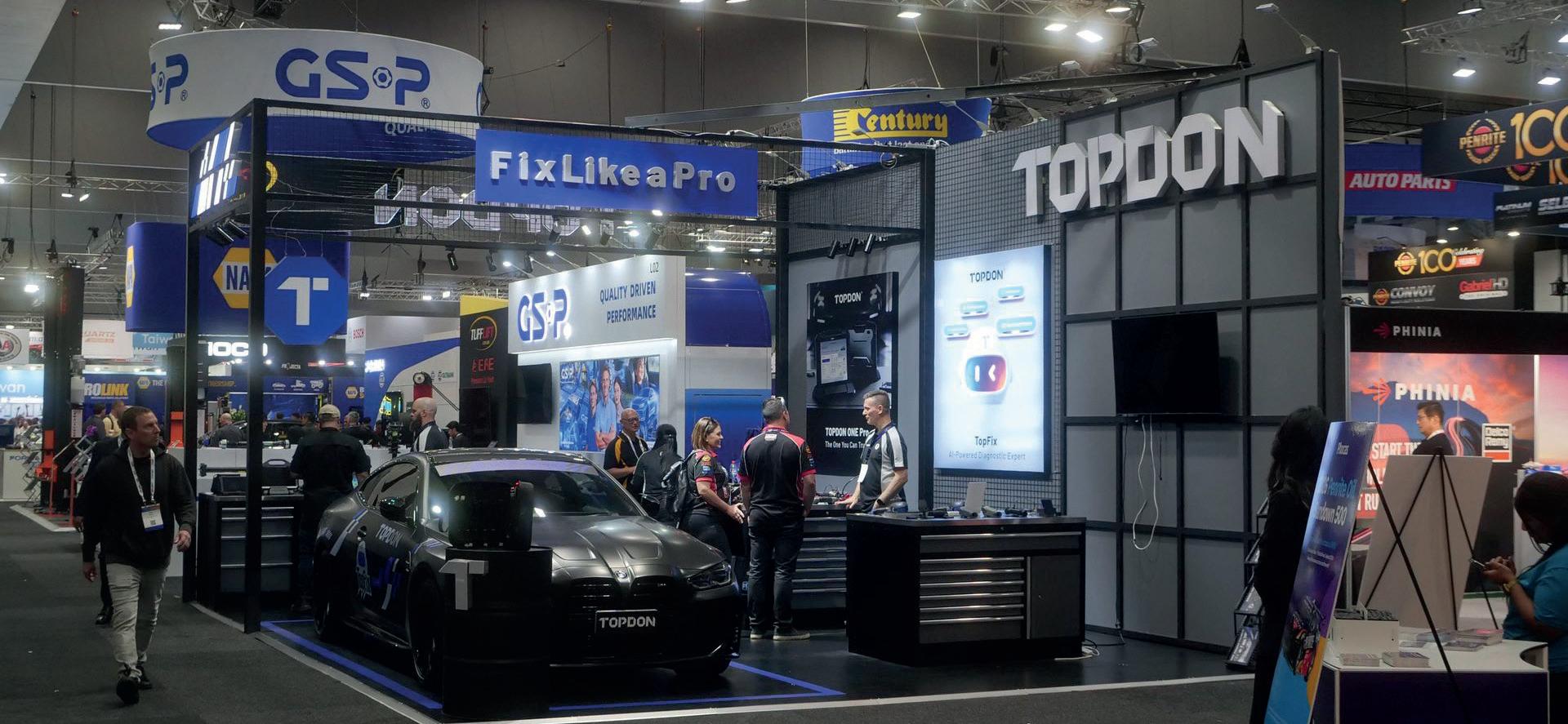
If you are heading to Automechanika Frankfurt on September 8-12, you will find an amazing collection of new and exciting products and solutions; here’s just a selection of what the show’s 1,000+ exhibitors will have on show for the independent aftermarket sector.
Battery technology specialist, Exide Technologies (Hall 4.1, Stand D55) will showcase its Exide AGM light-vehicle battery range. The stand will also host expert-led sessions, practical training and product insights to offer a perspective on emerging trends.
Exide specialists will showcase the growing xEV portfolio and introduce tools and services designed to support customers in an evolving market. The company will also feature its recently updated CV range.
Filtration expert, MANN+HUMMEL (Hall 3.0, Stand D55) will highlight developments from its aftermarket brands MANN-FILTER, FILTRON and WIX Filters. The organisation says the stand will put a focus on technologies that enable greater efficiency and more sustainable filtration solutions – from developments in cabin air filtration to applications for e-mobility.
Melett (Hall 4.0, Stand A37) will share stand space with BMTS, following its recent acquisition, and will highlight the companies’ complementary strengths and support for the global turbocharger aftermarket.
Melett will highlight how its product portfolio supports high-quality turbocharger repair, delivering reliable performance across a wide range of applications.
Visitors to MEYLE (Hall 4.0, Stand D41) will be invited to experience live automatic transmission oil change demonstrations which showcase practical workshop expertise and hands-on product application and aim to underline the growing importance of Automatic Transmission Servicing (ATK) as a key business opportunity for independent workshops.
In addition, MEYLE will present its OE-compliant air suspension solutions
for premium vehicles. The stand will also feature a range of new product developments and solutions across steering and suspension, braking systems and drivetrain applications.
The Nissens Group (Hall 3, Stands D91/E90/E88) invites visitors to explore its expanding energy vehicles portfolio, covering over 2,000 SKUs across thermal and engine management, delivering coverage of the EV and plug-in hybrid EV car parc, as well as the fast-growing Chinese segment.
The team will be on hand to demonstrate how Nissens Smart Parts deliver plug and play aftermarket solutions based on advanced reverse engineering, ensuring seamless integration with vehicle CAN/ LIN architectures and enabling efficient, reliable repairs.
TOPDON Europe (Hall 9, Stand F35) will showcase ONE Series diagnostic tools, including new launches – ONE Lite and ONE Plus. The range delivers full system diagnostics and troubleshooting, maintenance functions, advanced protocol support, ECU coding capability and coverage across 120 vehicle brands.
Also on show will be its battery service tools, thermal imaging cameras, and solutions for commercial vehicle and motorcycle applications. The stand will feature hands-on demonstrations across
all product categories, including purposebuilt heavy-duty solutions.
UFI (Hall 4.0, Stand D71) will demonstrate its increasingly strong ties to Formula 1. It currently supplies all 11 teams with various filters, customised for each racing team.
The company will introduce its new line of oil filters for automatic transmissions, which will include 50 part numbers by the end of the year, covering around 70% of the European car parc. Where required, the part numbers are offered in kits containing the transmission oil suction filter, pressure filter, gasket, drain plug and all the necessary accessories to facilitate service operations.
Battery distributor Veloris (Hall 4.1 Stand G51) will be revealing its new branding and combined offering, showing how its transition from Ecobat Battery to Veloris has allowed it to combine its rich history with the ability to adapt to fast-changing conditions. The organisation also hopes to demonstrate the scale of the business, which in the automotive sector includes original equipment suppliers such as Bosch, Exide and VARTA alongside its own brands in the form of Lucas, Numax and VMF.
To see a full list of exhibitors and to book your ticket to attend, click on the link below.
tinyurl.com/mr4bkxz5













































































































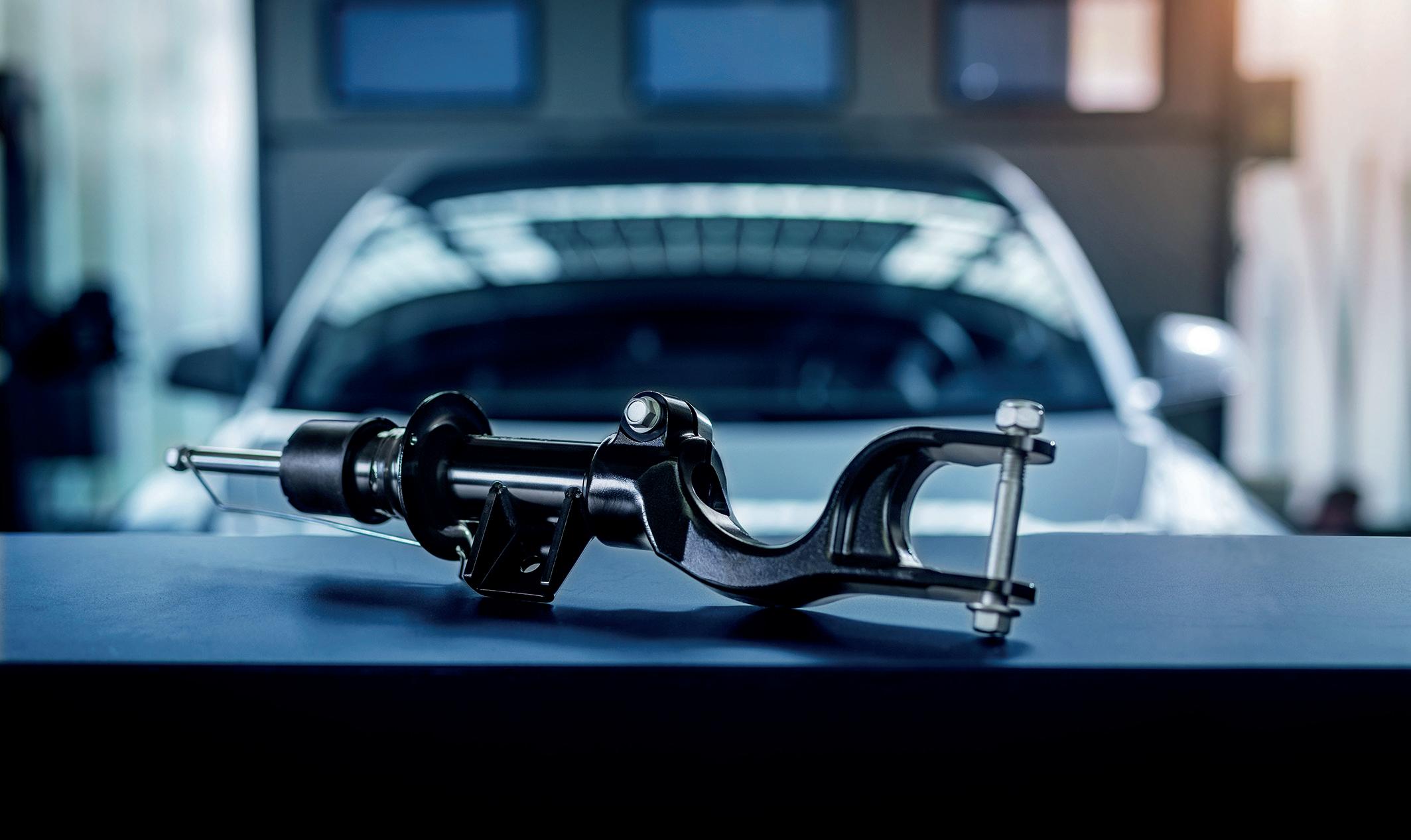



MEYLE has expanded its portfolio to include a new shock absorber set suitable for the Tesla Model Y, complementing its existing range for the Tesla Model 3 and addressing a growing gap in the market.
According to MEYLE, its new shock absorber for the Tesla Model Y combines enhanced driving comfort with reliable stability. In addition, a modified design of the front shock absorber helps to reduce installation time in the workshop.
“As an SUV, the Model Y brings considerably more weight onto the road than a conventional saloon and is often subject to high levels of stress in everyday driving. This is also reflected in the suspension,” explained Sönke Schwenck, Head of Cooling, Filter and Damping at MEYLE. “Feedback from the Tesla community, along with consumer reports, shows that the driving experience, particularly in the earlier models, is often perceived as uncomfortable. We have addressed both issues in our product development, o ering improved performance and greater comfort, without compromising on driving stability.”
This introduction presents a strong business opportunity for the independent aftermarket. Shock absorbers typically fail at around 80,000 kilometres, depending on driving conditions and individual usage patterns. This creates
significant potential, particularly for vehicles such as the Tesla Model Y.
In addition to high-quality materials, MEYLE says its new shock absorbers feature optimised characteristics that absorb bumps in the road more e ectively than OE components, a claim backed up by independent testing by DEKRA, which confirmed the greater stress resistance of the shock absorber fork. The more balanced damping characteristics also help reduce stress on surrounding suspension components, such as the control arms and bearings – an important factor, as these components are prone to wear in the Model Y.
To meet the specific demands of electric vehicles, the shock absorbers also feature a corrosion-resistant cathodic dip coating. A specially
formulated oil ensures consistent damping performance even at low temperatures, which is particularly relevant for northern European markets. A reinforced housing and a 16mm piston rod further enhance durability under demanding conditions.
The front shock absorber features a two-piece C-shaped design, based on the bracket of the Tesla Model 3, which has been further developed and adapted specifically for the installation requirements of the Tesla Model Y. While the OE part must bypass the tight space surrounding the drive shaft, the MEYLE shock absorber can be installed from the side. An extended piston rod thread, the included installation materials and an oval socket spanner help to speed up installation, saving workshops time and increasing profitability.
MEYLE’s new shock absorbers for the Tesla Model Y are suitable for all model years and have been available from specialist retailers since May this year.
www.meyle.com/en/









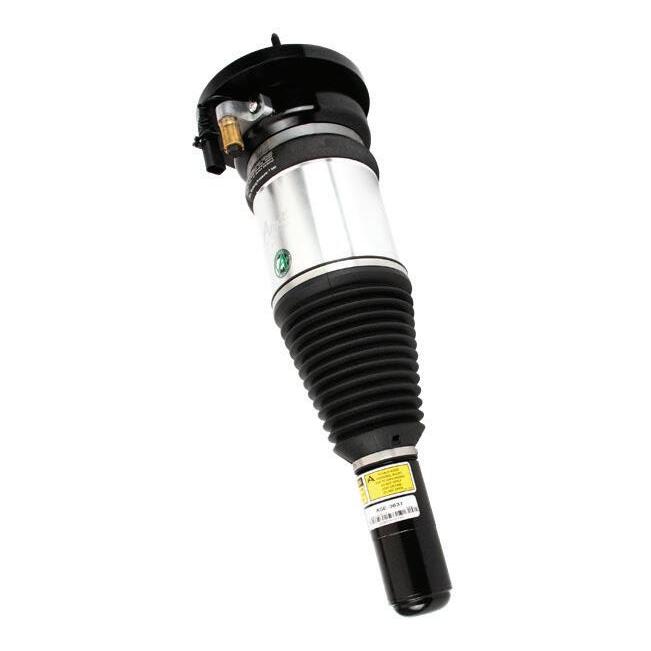







Aftermarket component supplier, Comline, believes the independent aftermarket will see a rise in electric vehicles (EVs) entering the workshop for steering and suspension work, not just because the UK EV car parc continues to grow at record rates, but because EVs place more demand on components.
The rise in vehicle weight, primarily due to the substantial battery packs in EVs, is a significant contributing factor. These battery packs exert a constant load on steering and suspension components, especially during cornering, braking, or driving on uneven road surfaces. Consequently, there’s increased stress on joints, leading to accelerated wear and tear if the components aren’t adequately designed to withstand the load.
The way an EV is driven can also affect steering components; for instance, electric motors deliver instant torque, which can generate sudden and repeated forces during acceleration.
In another example, regenerative braking, which is used more frequently in an EV than a conventional braking system, creates repeated deceleration forces. These are transferred through the chassis and steering system. Over time, these load patterns can accelerate wear on tie rod ends, ball joints, and related components, highlighting the importance of highstrength materials, tight tolerances, and robust manufacturing and testing.
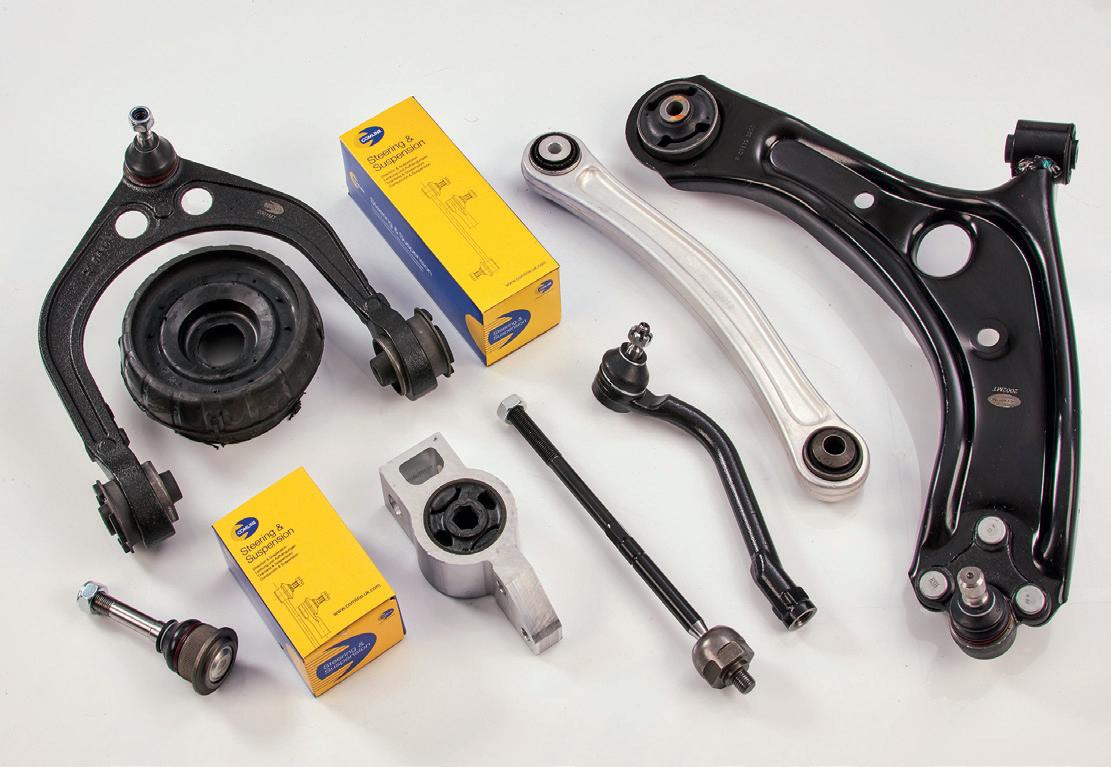
Comline understands that reliable, easy-to-fit parts are important to both motor factors and workshops. By technicians fitting dependable steering and suspension components, motorists can expect their vehicle to maintain correct steering geometry and enjoy smooth handling behind the wheel.
Meanwhile, independent garages should be confident of fewer returns, reducing customer call backs and improving loyalty.
www.comline.uk.com
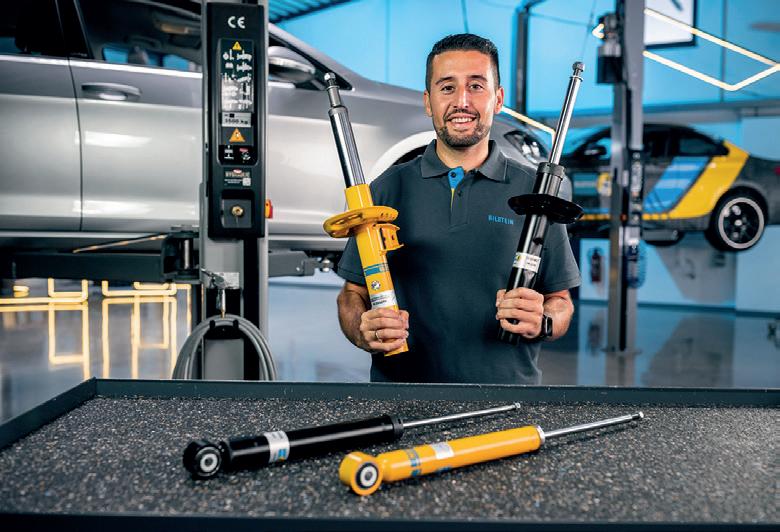
Even for experienced mechanics, the differences between the various shock absorber programs aren’t always immediately obvious. To overcome this, BILSTEIN has clustered its shock absorber portfolio according to drivers’ preferences: Do they want to replace worn-out or defective shock absorbers with ones that exactly match the OEM’s requirements, do they want an upgrade of the OEM-intended driving behaviour, or do they intend to lower their car?
BILSTEIN supplies many (premium) vehicle manufacturers with the highest quality shock absorbers and suspension systems as original equipment and therefore knows exactly what the OEMs require. Its BILSTEIN B4 OE replacement shock absorbers are manufactured on the same production lines as OE products and meet original equipment quality standards.
BILSTEIN has also developed vehicle-specific damper tuning for its yellow BILSTEIN B6 shock absorbers, resulting in higher performance than regular OE shock absorbers –even under heavy loads. Since they don’t compromise ride comfort while significantly improving driving safety, they are an upgrade for drivers who frequently push their vehicles to their limits.
The BILSTEIN B8 series, the sports shock absorber, combines the performance of the B6 highperformance shock absorber with a specially shortened design for lowering and for use with sport springs. The result: optimal and consistent damping force with improved handling, even under heavy loads and stress. Other B8 applications are designed for raised and off-road vehicles, or for challenging use in poor road conditions.
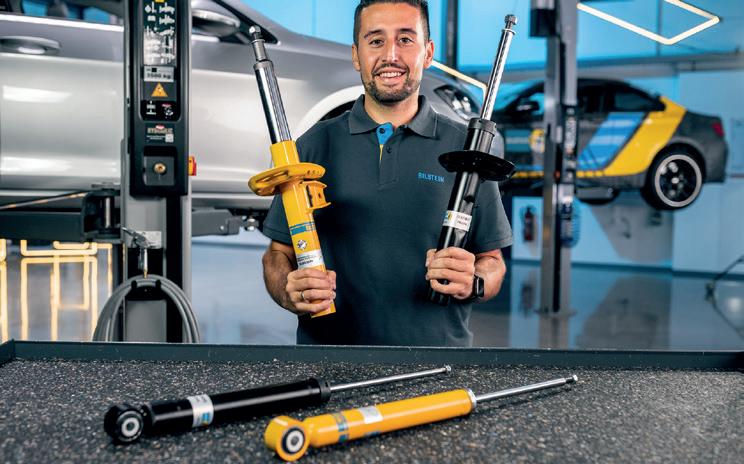
Discussing a driver’s preferences is an opportunity for a workshop to deepen customer relationships and generate additional business. By recommending corresponding products and offering choices, the workshop can demonstrate know-how while improving customer satisfaction.
bilstein.com/en/
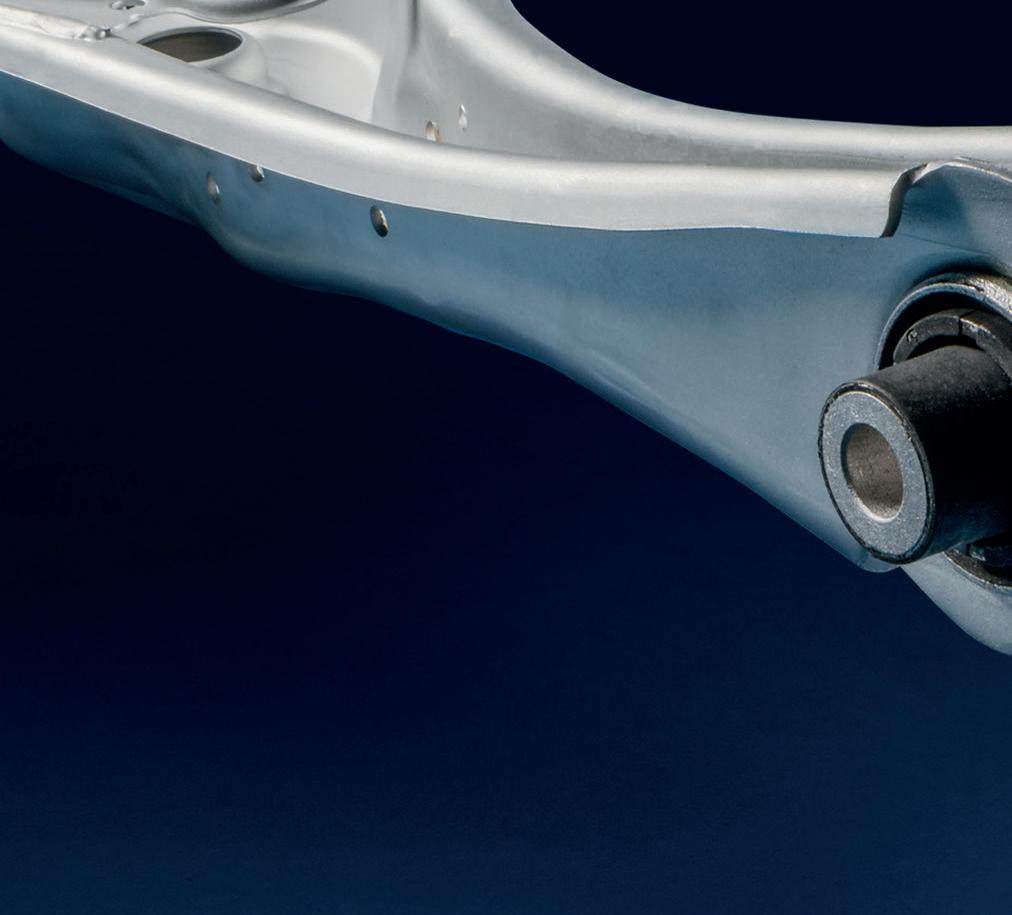
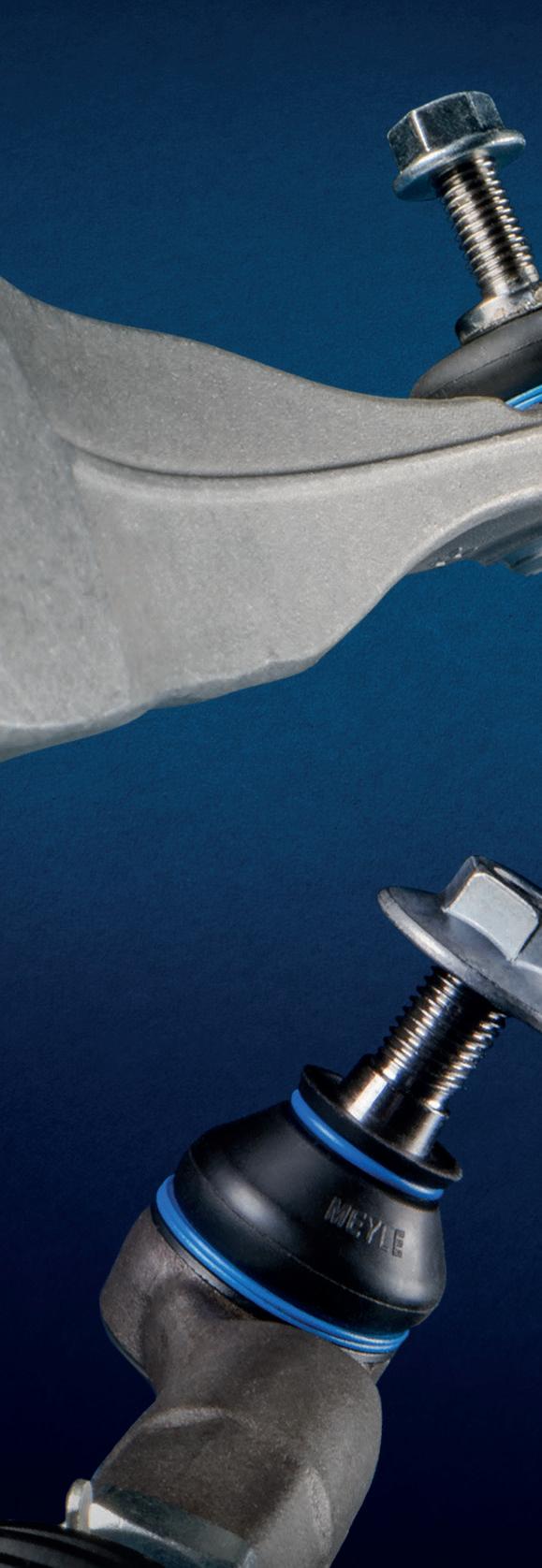
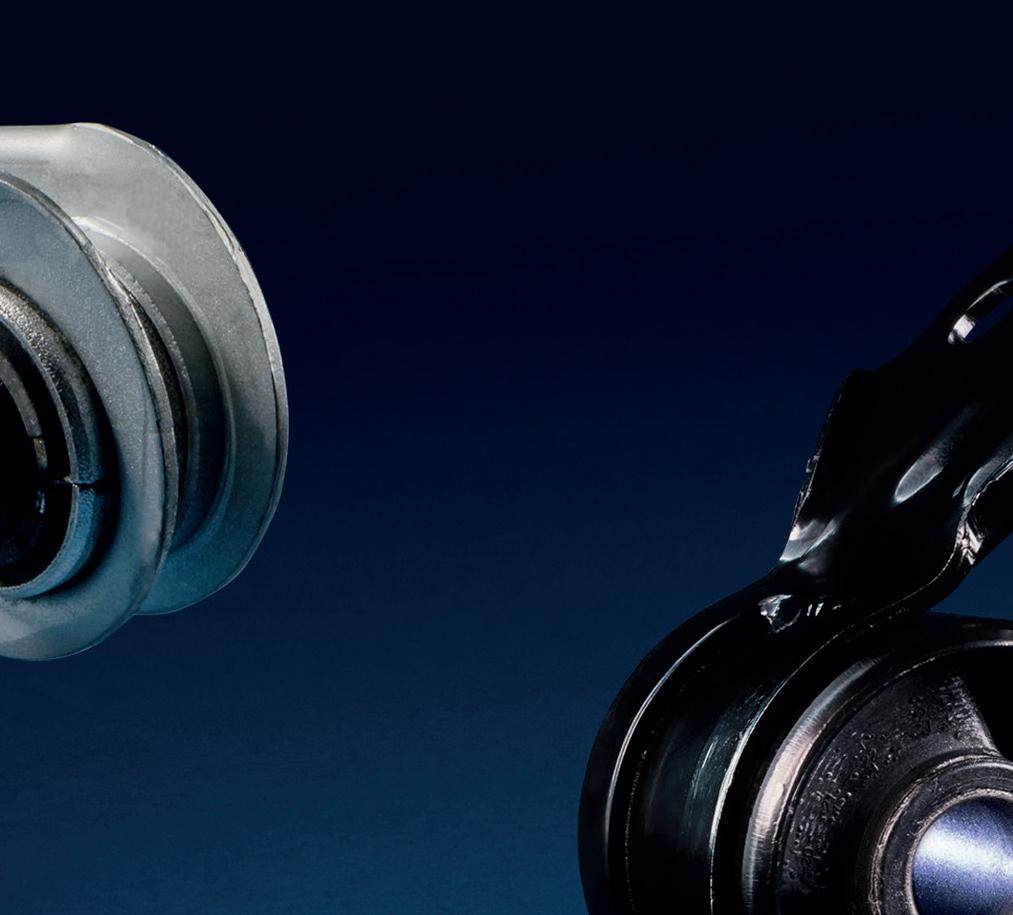
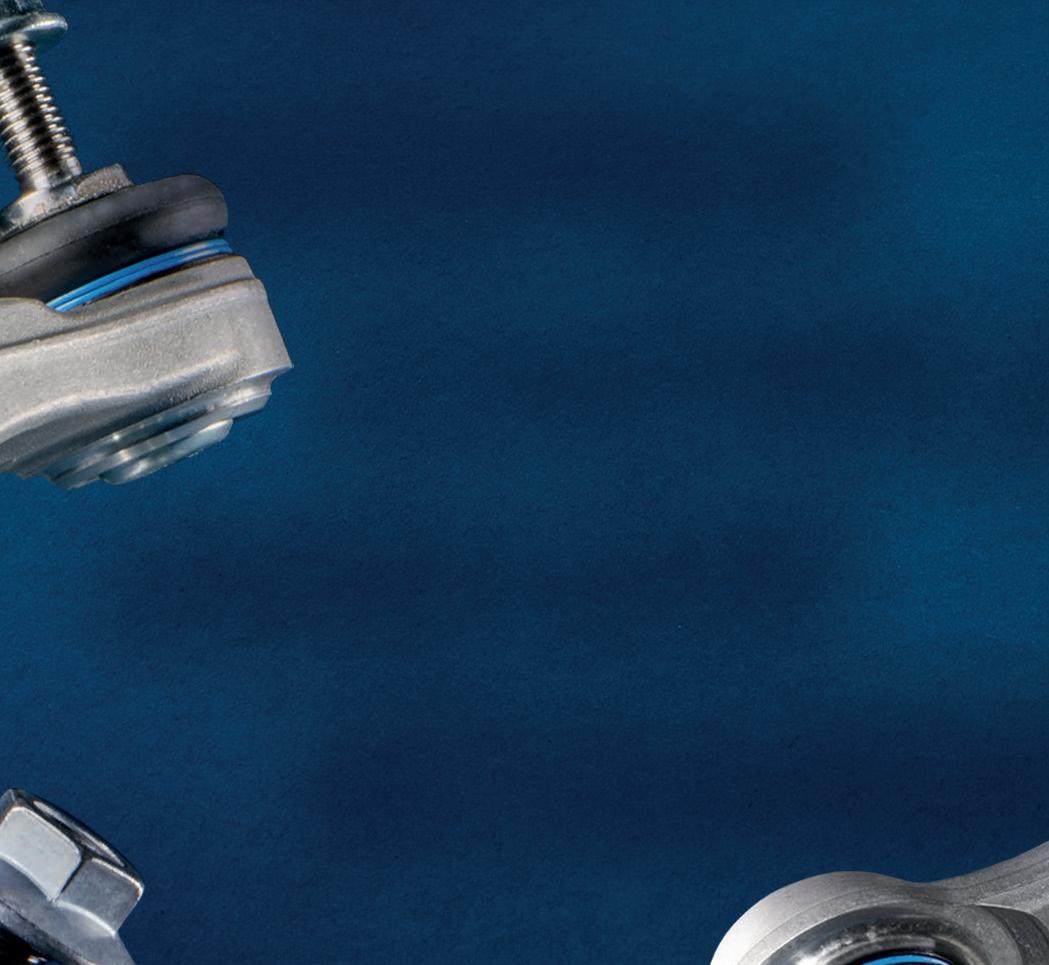



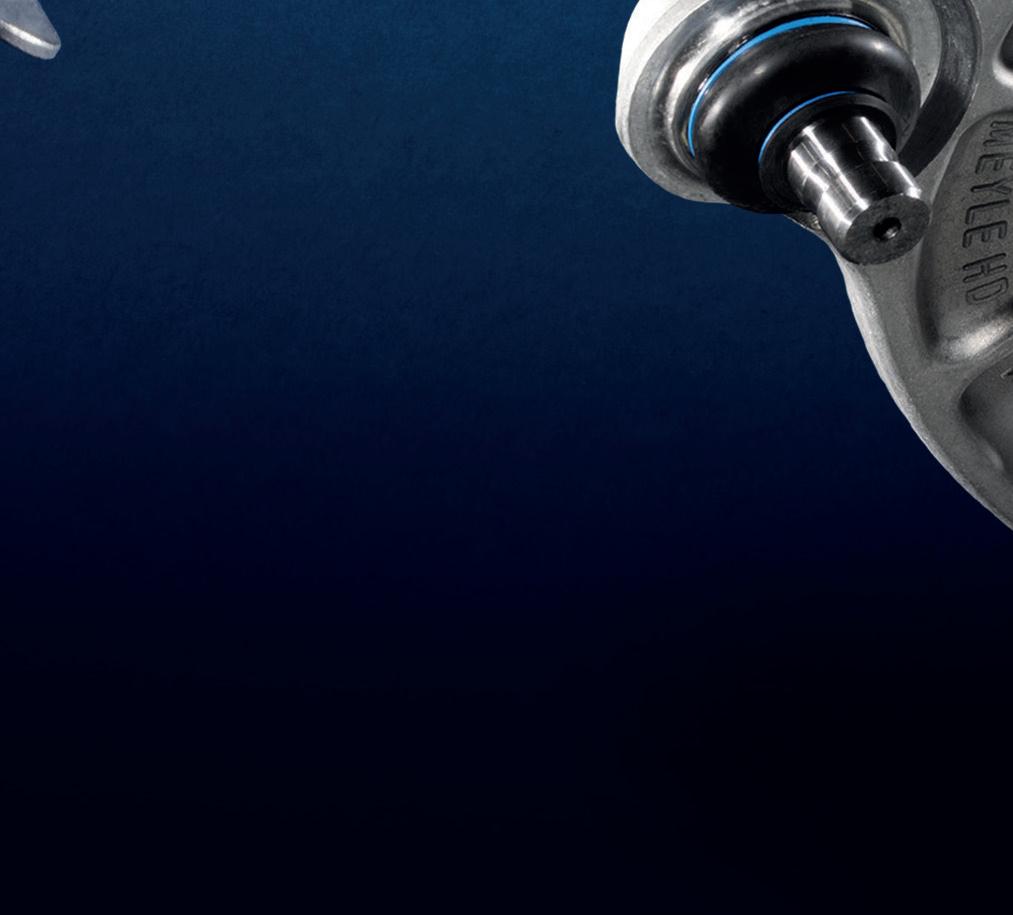
It’s no wonder that our MEYLE steering and suspension parts are groundbreaking, as our development process incorporates both extensive expert knowledge and decades of experience, resulting in innovative solutions that speak for themselves.



LEARN MORE
LKQ Euro Car Parts is aiming to help independent garages save time, improve their online presence and win more work with its new garage management system, Launch Control.
Independent garages have never had more opportunities to attract new business, but making the most of them can be a challenge. Customers increasingly expect to find a workshop online, read reviews, book appointments digitally, and receive professional-looking estimates and invoices. At the same time, rising costs and tighter margins mean garage owners have little time to juggle multiple software packages or spend hours on administration.
It is against this backdrop that LKQ Euro Car Parts has introduced Launch Control, a new garage management system (GMS) developed by aftermarket software specialist Alex Lindley. Rather than trying to be another complex workshop management platform, Launch Control has been designed around what its developers describe as “outrageous simplicity”, bringing together the core digital tools many independent garages need into a single, affordable package.
At its heart, Launch Control combines four key elements: a garage management system, digital vehicle health checks, a customer website and an online booking tool. Together, they are intended to help workshops manage jobs more efficiently while presenting a more professional image to existing and prospective customers.
Speaking to Aftermarket, Gavin Sparks, Head of GMS at LKQ Euro Car Parts, said many independent garages are still missing opportunities because they simply do not have the time to manage their digital presence.
“We search online for almost everything now,” he said. “Motorists are doing exactly the same when they’re looking for a garage. If your website is out of date, your reviews aren’t visible, or customers can’t easily book with you, you’re making it harder for people to choose your business.”
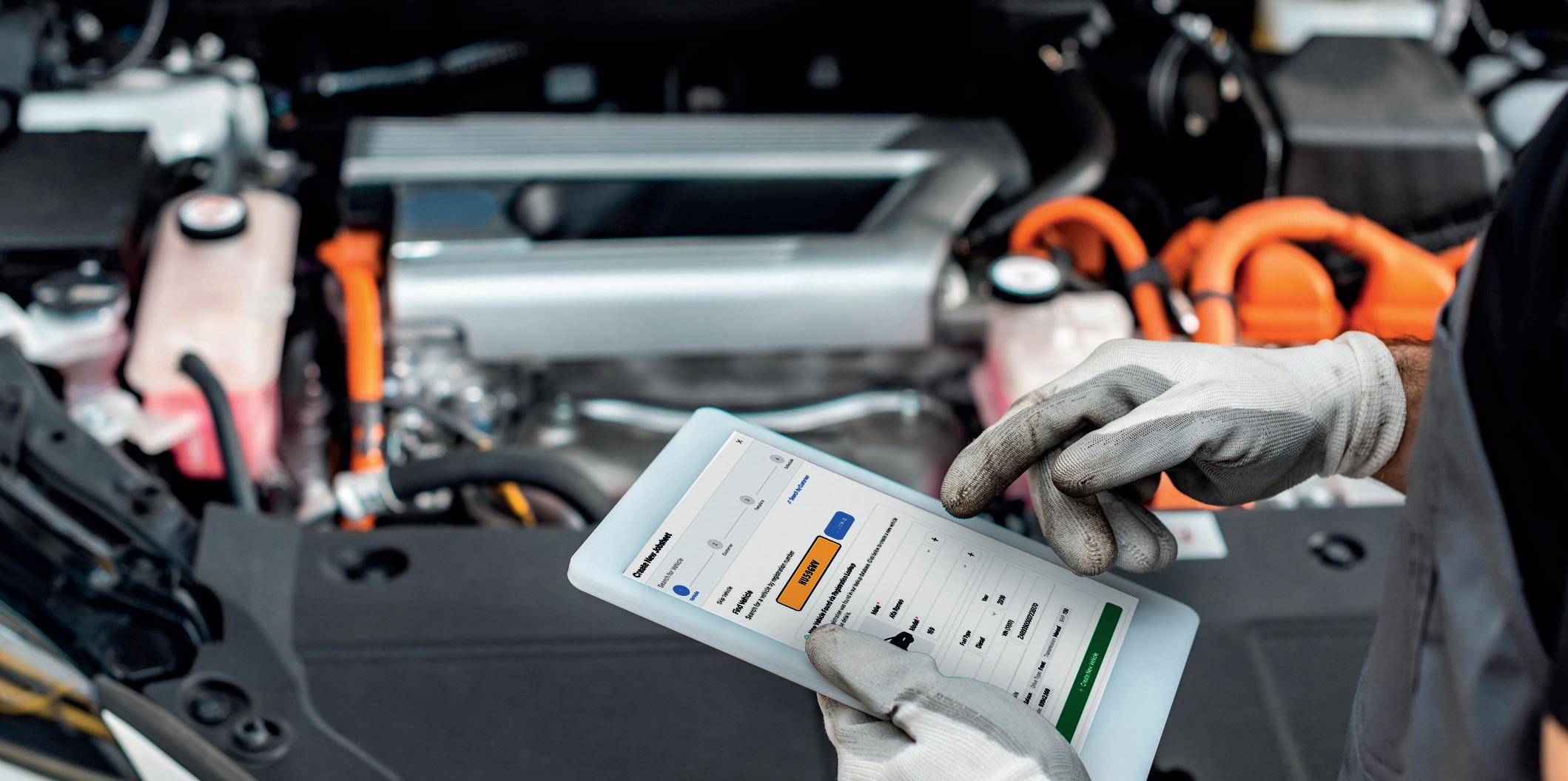
Launch Control aims to remove many of the barriers that have traditionally discouraged smaller workshops from adopting a management system. Instead of lengthy installation and training, garages can set up the software using a guided wizard, adding details such as their logo and labour rates, and begin creating estimates and invoices within minutes.
The platform also integrates directly with the LKQ Euro Car Parts catalogue, allowing users to identify a vehicle, access repair data, check real-time parts availability and pricing, and add components directly to customer estimates without switching between multiple systems. And importantly, workshops are not restricted to fitting only parts supplied by LKQ Euro Car Parts, allowing them to continue specifying alternative brands where appropriate.
Beyond workshop administration, much of the emphasis is on improving the customer journey. Every Launch Control user can generate a professional website complete with an online booking facility, while integrated vehicle health checks allow technicians to record inspections digitally, complete with photographs where required. Artificial intelligence (AI) tools can also help garages create
customised health-check templates, giving workshops a practical starting point without replacing technicians’ judgement.
Gavin believes these kinds of automated processes can become one of the most valuable members of the business.
“Digital systems don’t take holidays, and they don’t forget to follow up with customers,” he explained. “If you’ve identified work that needs doing in three months’ time, the system can remind the customer automatically, helping garages secure work that might otherwise be lost.”
For many workshops, adopting digital systems can feel like a significant step. However, Launch Control’s approach reflects a growing recognition that technology is no longer just about improving efficiency behind the scenes. It is increasingly about helping independent garages compete for customers before a vehicle even arrives on the forecourt.
In a market where professionalism, visibility and convenience are becoming just as important as technical expertise, bringing those elements together in one straightforward platform could prove an attractive proposition for many independent workshops.

The UK’s leading comparison site for MOTs, servicing and repairs, launched its first AI website assistant for garages at the UK Garage & Bodyshop event in June.





Intelligent Website Assistant is a book ing‑first digital assistant that sits on a garage website. Operating 24/7, the AI assistant reduces telephone call volumes while increasing confirmed bookings with a seamless online customer journey. This enables garage staff to focus on the day’s workload, deal with complex issues and undertake high value conversations.

More than just a chatbot, it is a website booking assistant built specifically for garages that have their own website, powered by BookMyGarage, where it uses the garage’s live pricing, avail ability, lead times & bespoke FAQs to guide customers from first question to completed booking confirmation.
Customers interact with the assistant in the same way they would with a member of staff. They can ask service or repair questions, enter their registration to receive vehicle‑specific answers, view accurate prices and available dates, ask follow up questions, complete an end to end booking, and receive an instant booking confirmation. Designed to hold natural conversations rather
than take part in a scripted Q&A, the AI assistant delivers a human style rather than robotic experience for the customer.

Garages can choose one of three products Chat Bot (Text); Voice Bot; and Video Avatar Bot. All variants share the same intelligence, booking logic and and the garage’s real-time pricing and availability.
Chat Bot is a text‑based Q&A functionali ty included with websites and is the ideal entry level automation choice. Voice Bot holds conversations with consumers (without visuals), providing higher in teraction capabilities than text at a lower cost than the video option. Video Avatar Bot is the premium flagship offering in the new AI product line up. With the ability to speak naturally to customers, its strong engagement features will be a key differ entiator for garages keen to punch above their weight and standout against the competition.



We have developed a genuine booking assistant - by using real-time data and availability, both garages and customers can be confident that a real booking has been made with full transparency. By designing three different levels, garages can take their first steps on their AI journey knowing the feature can grow with their business, because the same intelligence is deployed across all products.
“Once we embarked on our own AI journey, we were committed to creating something that makes a noticeable difference in streamlining garage operations and ultimately capturing more bookings from their own website – 24/7.”

Jessica Ruddick Chief Marketing Officer at






Klipboard, a specialist in business management software with solutions supporting the independent garage sector, explores how integrating AI technologies into your systems can bring benefits to your business and to your customers.
Automotive businesses are under constant pressure to do more in less time. More bookings, more vehicles and higher customer expectations – but with tighter margins, limited workshop capacity and no room for delays.
The challenge for many automotive teams isn’t a lack of systems; it’s being able to find what they need quickly enough to keep work moving.
That’s where AI is starting to make a practical di erence.
Most garages, dealerships and service centres already have the tools they need – workshop systems, parts catalogues, customer records and service schedules.
But in day-to-day operations, friction still appears.
Service advisors spend time identifying the right parts, technicians wait for information or availability to be confirmed, and workshop schedules are often adjusted manually while customer updates take longer than they should.
These aren’t strategic issues; they’re
operational ones. And they happen throughout the day.
The real impact of small delays
Individually, these delays seem minor, but over time, they compound.
A few extra minutes identifying a part, a delay in confirming availability, or time spent switching between systems instead of progressing a job adds up. Multiply that across the workshop, and the impact becomes clear.
Jobs can take longer to complete; workshop capacity can be reduced; customer expectations aren’t met as quickly as desired; and revenue opportunities can be missed.
This is where operational e ciency becomes critical.
Where AI fits in AI isn’t about replacing systems or introducing new complexity.
It works best when it’s embedded directly into the systems automotive teams already use to help them find information more quickly, reduce
manual e ort and make better dayto-day decisions about jobs, parts and scheduling.
In practice, that means moving from: “Let me check” to “here’s the answer” One of the biggest challenges in automotive is identifying the right part quickly and accurately.
Traditionally, this involves navigating catalogues, cross-referencing data and relying on experience.
AI can simplify this.
It uses the information you already have, such as vehicle details, service history and previous orders, to help bring back the right options more quickly. Teams spend less time searching and more time getting on with the job.
Workshop e ciency depends on coordination, so parts availability, technician time and job scheduling all need to align.
AI can help bring these elements together by making it easier to see what’s happening across jobs, parts and schedules in real time. That can make
it easier to plan the day and keep work moving through the workshop.
Customer expectations in the automotive aftermarket industry continue to rise, with increasing demand for faster responses, clearer updates, and more reliable timelines.
AI can help teams respond more quickly, so they can answer questions while the customer is still on the phone. Whether it’s checking availability, confirming a booking or providing an update, responses can become faster and more consistent.
In many aftermarket businesses, knowledge often sits with a small number of people; those who know how to navigate systems, find parts or interpret data.
AI can also help to distribute that knowledge more e ectively.
By making information accessible in a simpler, more intuitive way, more of the team can make decisions with greater
confidence. That can improve resilience, reduce bottlenecks and help the whole operation run more smoothly.
For automotive businesses, the value of AI should show up in everyday work.
Parts should be identified more quickly, workshops should run more e ciently, customers should receive faster, clearer responses, and teams should spend less time searching and more time getting jobs done.
Individually, these improvements may seem small, but together, they can create a business that is faster, more responsive and better able to deliver consistent service.
The most e ective and practical use of AI in the automotive aftermarket isn’t as a separate tool. It’s built into the systems that already run the business, working with the data that is already available, within the controls already in use and inside the
systems the teams already know.
Automotive operations aren’t getting simpler. More vehicles, more services and higher customer expectations are placing increasing pressure on teams.
The businesses that succeed will be those that can move faster without losing accuracy, keep workshops running e ciently and give their teams better access to the information they need.
AI is becoming part of how that happens. It is no longer a future concept; it is here, and it is a practical way to improve how work gets done every day.
Klipboard’s solution, Klipboard AI, is built directly into automotive workflows, helping teams identify parts faster, plan work more e ectively and deliver better service. If you are facing any of the challenges outlined above in your business, now may be the time to see how AI can make a di erence.
tinyurl.com/ftsesetc




Mark Softley, Laser Tools Technical Director, discusses the challenges independent garages face with emerging vehicle technologies, the solutions to such challenges and how investing in the right equipment and tooling – often dedicated to specific vehicles and tasks – can future-proof your workshop.
As vehicles evolve and new technologies emerge, there are key areas for independent garages to focus on, and one in particular is modern engine design.
Modern engines need to keep up with ever increasingly stringent emissions laws, and this has led to significantly more complex engine designs.
A good example is engines like the VAG COD series, which has led to the requirement for a different process for timing the engines. There has been a significant move away from the use of just pins and clamps, and the aftermarket needs to keep abreast of these changes and adapt to them.
Specialist tools, like our timing kit suitable for VW Group 1.0, 1.2, 1.4 and 1.5 TSI petrol engines, have been designed specifically for this task. The kit has been developed to allow the user to align, set and check the camshaft timing of the Volkswagen Group EA 211, 4-cylinder TSI petrol engine without the need to resort to computer-based alignment tools –saving time and money in the workshop.
The transition to EV, PHEV and Hybrid drivetrains is probably the biggest challenge facing garages in the modernday aftermarket. A good starting point for any garage looking to get involved with EV work must be training, followed by specialist vehicle-specific tooling. Having staff trained to the correct level is vitally important, as even the simple task of putting an EV on a 2-post ramp can present problems. However, with Level 2 and 3 training, technicians will be well equipped to carry out general levels of servicing with confidence and technical understanding. As long as they use the correct equipment.
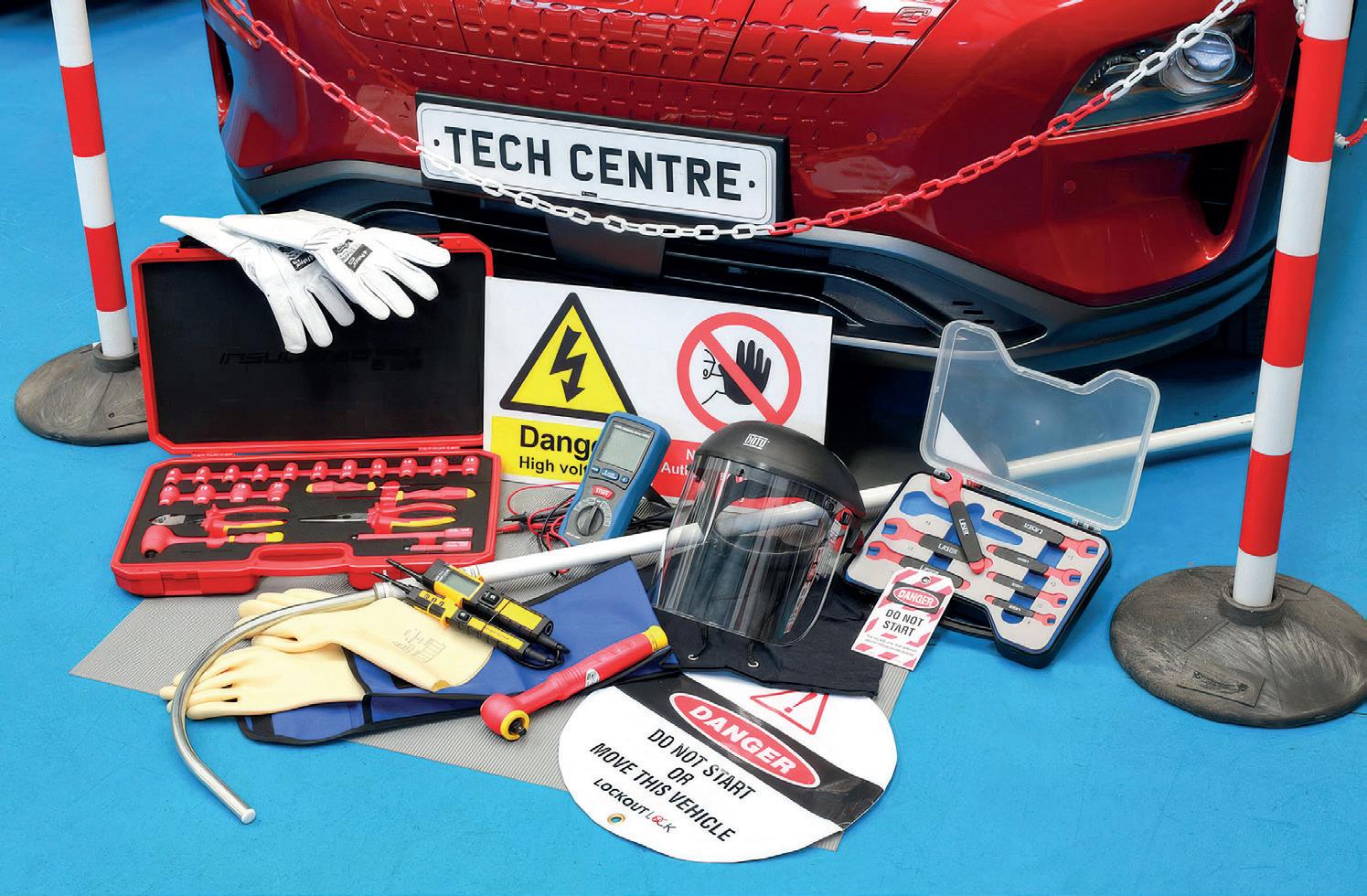
Specifically designed EV tooling and health and safety kits are also essential, and we were among the first aftermarket tool suppliers to develop them thanks to our early involvement with OEMs. As a result, we have been able to create suitable packages for independent workshops and pass on the technical expertise and knowledge we have developed.
Our range features insulated socket sets, torque wrenches, spanner sets, and other high-voltage tools and test instruments. We also have products designed to ensure safer working practices in the workshop, vital for garages looking to make the transition to becoming an EV specialist autocentre.
It’s also worth remembering that while EVs don’t have all the moving parts associated with traditional ICE vehicles, they do have brakes, suspension, drive shafts, steering components, etc.–all easily worked on by independent garages.
However, some of those parts, such as brakes, will bring different challenges to
EVs compared to traditional ICE vehicles. Most EVs rely heavily on regenerative braking, reducing the use of conventional friction brakes and potentially leading to corrosion and brake pad seizure. And some manufacturers are now using rear drum brake systems on certain EV models, which also require specialist tooling for correct servicing and adjustment.
Specialist and vehicle-specific tools can help today’s modern independent garages carry out repairs and diagnostics more accurately, efficiently and safely, particularly as modern vehicles become increasingly complex. They also reduce the risk of misdiagnosis or component damage, enabling garages to complete work to manufacturer standards and build greater customer confidence. So rather than considering them an unwelcome cost, today’s modern garages should start thinking of them as an investment. tinyurl.com/2tjzk25s

















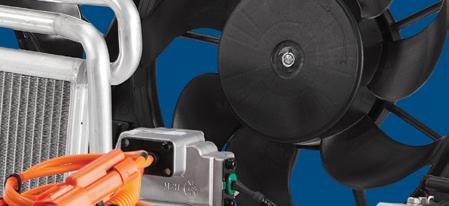
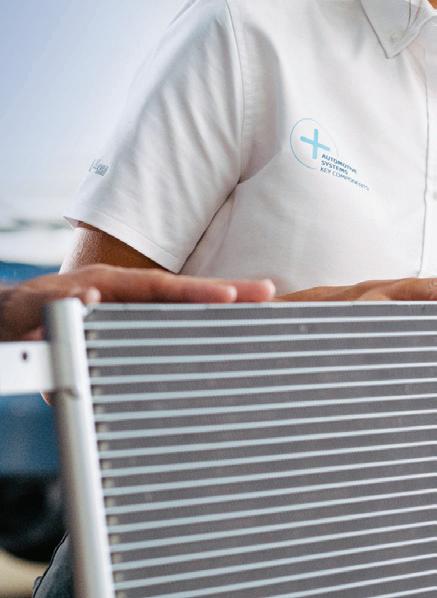
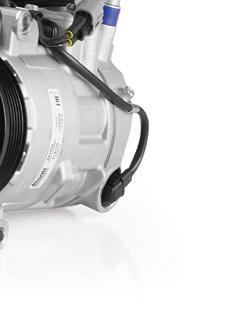

As emissions regulations continue to tighten, modern diesel vehicles rely heavily on advanced exhaust aftertreatment technologies. Two systems in particular: Diesel Particulate Filters (DPFs) and Selective Catalytic Reduction (SCR) are now standard across the majority of Euro 6 applications, as Denso explains.
For workshops, understanding how Diesel Particulate Filters (DPFs) and Selective Catalytic Reduction (SCR) interact, and how they are influenced by upstream engine components, is essential for accurate diagnostics and successful repairs.
DPF: More than just a filter
The DPF is designed to trap soot particles generated during combustion, preventing them from entering the atmosphere. However, this is only part of the story.
A DPF can only function effectively if the combustion process upstream is controlled and optimised. Factors such as injection timing, fuel atomisation and combustion efficiency all directly influence soot production.
Modern common rail systems, including injectors and pumps, play a crucial role here. Precision fuel delivery ensures cleaner combustion, reducing the load on the DPF and extending its service life. Poor injector performance, by contrast, can lead to excessive soot build-up and repeated DPF issues.
Regeneration, whether passive or
active, is critical to maintaining filter performance. However, repeated failed regenerations often point to underlying engine or sensor-related faults rather than a problem with the filter itself.
SCR: Precision control of NOx
While the DPF addresses particulate matter, SCR systems are responsible for reducing nitrogen oxide (NOx) emissions. This is achieved through the injection of Diesel Exhaust Fluid (AdBlue) into the exhaust stream, where it reacts within the catalyst.
SCR systems rely heavily on accurate
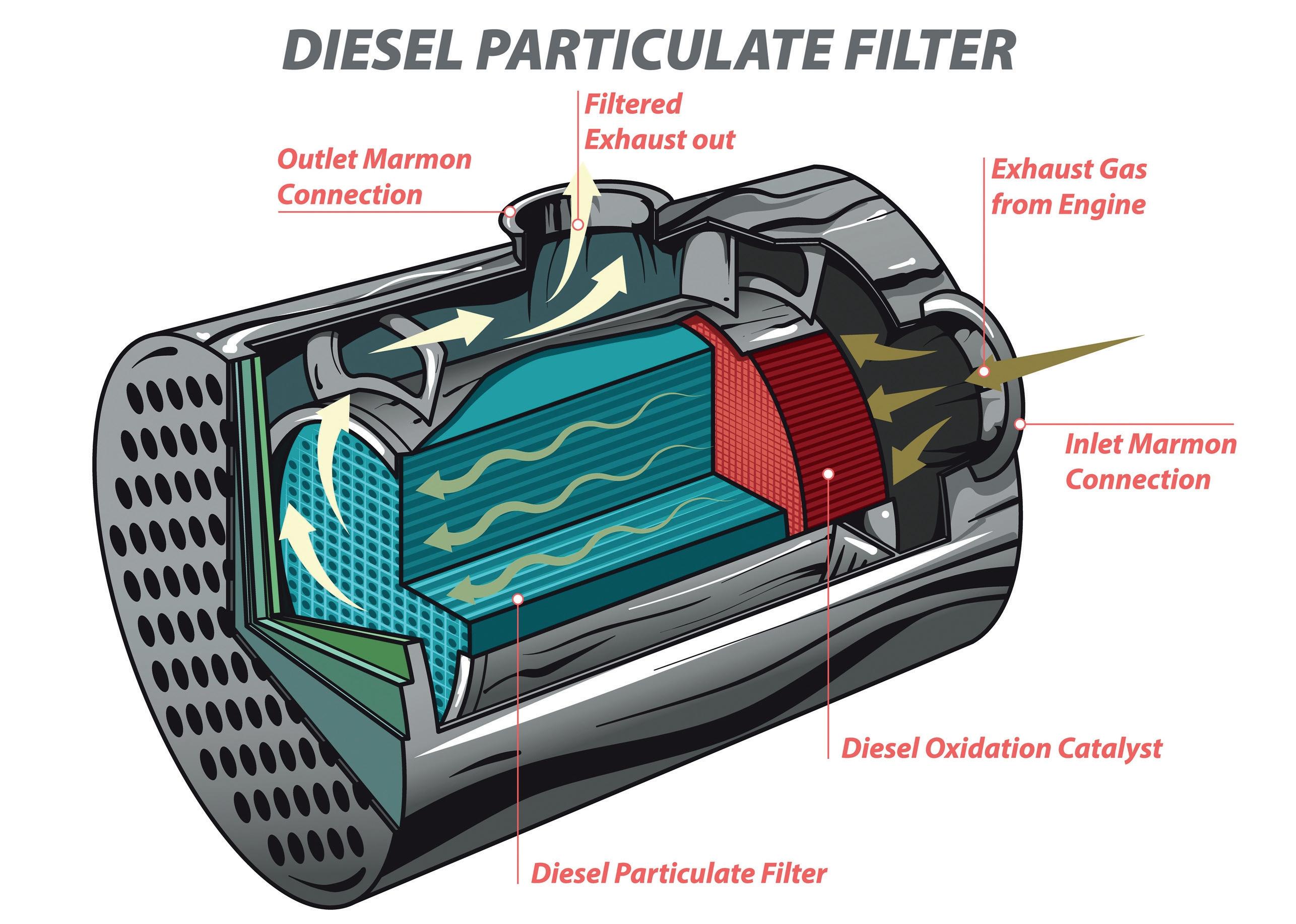
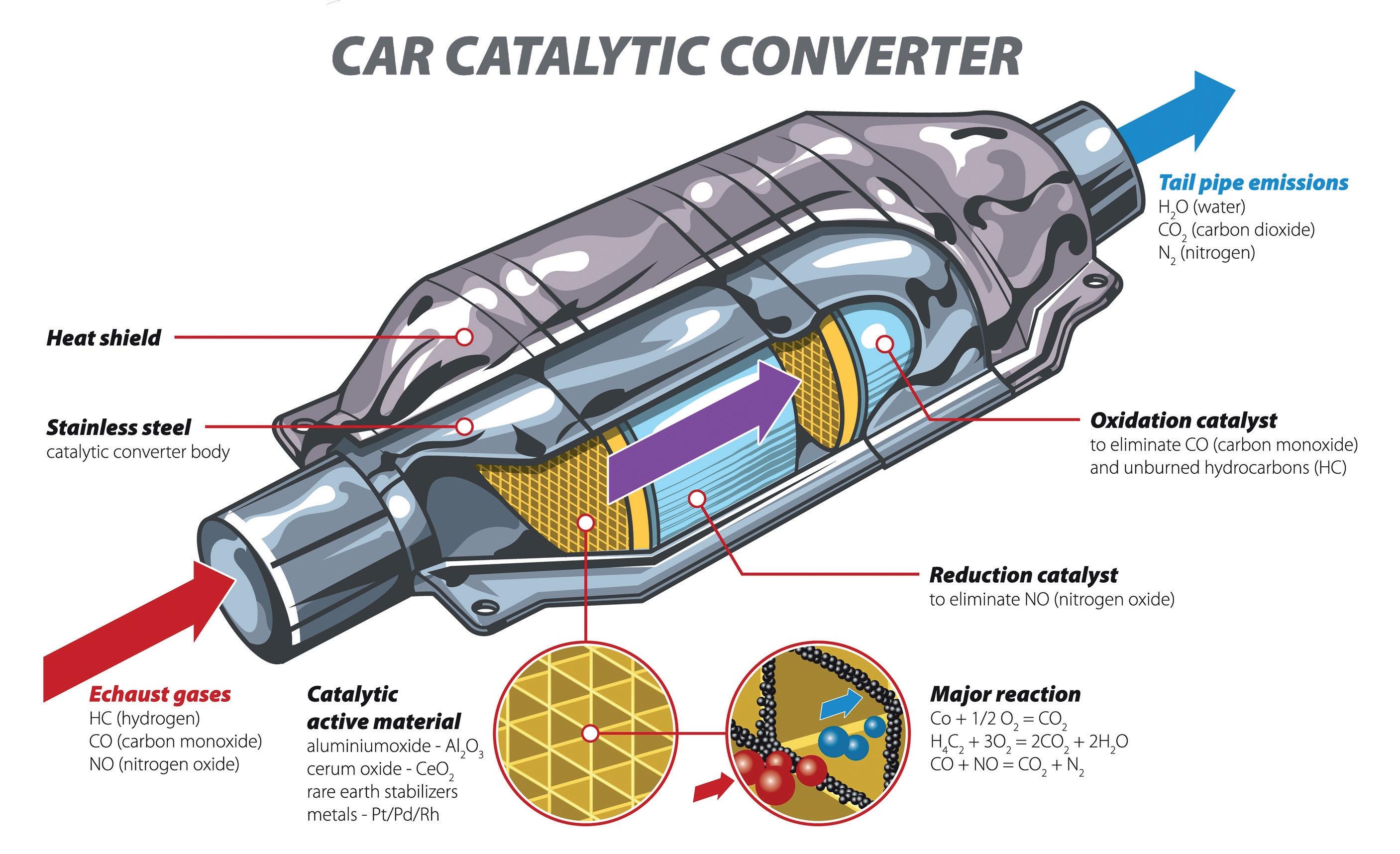
data and precise dosing. Multiple sensors such as NOx sensors, temperature sensors, and pressure sensors, feed information to the engine control unit to ensure correct operation.
Even minor inaccuracies in these inputs can trigger warning lights, reduced engine performance or vehicle derating. In many cases, the issue is not with the SCR catalyst itself, but with the sensor network or dosing system controlling it.
The role of sensors and engine management
Both DPF and SCR systems depend on a network of sensors and engine management components working in harmony.
Key components include:
l Exhaust gas temperature sensors (EGTS)
l NOx sensors
l Mass air flow (MAF) and manifold absolute pressure (MAP) sensors
l Lambda (oxygen) sensors
l Fuel system components such as common rail injectors and pumps These are not isolated parts, but they form an integrated system that directly influences emissions performance.
DENSO has developed a wide range of engine management and diesel components, including sensors, injectors and fuel system parts designed to match
OE specifications and operate as part of a complete system.
For workshops, this OE alignment is particularly relevant when replacing components in emission-critical systems, where tolerances and response times are key.
One of the most common pitfalls in dealing with DPF and SCR faults is replacing components without identifying the root cause.
For example, a blocked DPF may be the result of poor combustion caused by worn injectors, an SCR fault may originate from incorrect temperature readings or sensor failure, and excessive AdBlue consumption may point to incorrect dosing rather than a catalyst issue.
Therefore, a structured diagnostic approach is essential. It is important to retrieve and interpret fault codes and live data, verify sensor readings against expected values, check fuel system performance and injector condition and assess driving patterns and regeneration history.
Understanding the interaction between fuel injection, sensor feedback and aftertreatment systems is key to achieving a first-time fix.
As diesel technology becomes increasingly complex, workshops
are expected to diagnose and repair systems that are highly integrated and electronically controlled.
This is where OE-derived expertise becomes critical. Manufacturers like DENSO, who design and supply components such as common rail systems, sensors and engine management technologies, bring a system-level understanding that is directly relevant to the aftermarket.
For technicians, using components designed to work within these tightly controlled systems can help ensure consistent performance, compliance with emissions standards and reduced risk of repeat failures.
DPF and SCR systems cannot be viewed in isolation. Their performance depends heavily on combustion quality, sensor accuracy and engine management.
For today’s workshop, success lies in understanding the complete system, not just the symptom.
With the right diagnostic approach, and by using quality components that meet OE specifications, technicians can improve repair accuracy, reduce comebacks and keep modern diesel vehicles operating cleanly and efficiently.
www.denso-am.eu
Aftermarket hot end emissions product specialist, BM Catalysts, looks at the important role played by Diesel Particulate Filters and how there is more to maintaining them than you might initially think.
Despite the increasing focus on electrification, diesel vehicles continue to represent a significant proportion of the UK car parc, particularly within the used vehicle, LCV and commercial sectors. As these vehicles remain in service for longer, correct maintenance of Diesel Particulate Filters (DPFs) has become increasingly important for both emissions’ compliance and overall engine performance.
A DPF is designed to capture soot particles produced during diesel combustion before they are released into the atmosphere. As soot accumulates within the filter, exhaust backpressure gradually increases, meaning the system must periodically carry out regeneration to burn the soot away and restore normal flow through the exhaust.
Passive regeneration occurs naturally during sustained motorway or higher-speed driving between 20-40 minutes. Here, exhaust gas temperatures climb high enough to oxidise soot continuously. However, many modern diesel vehicles now operate predominantly in urban or stop-start conditions, preventing exhaust temperatures from reaching the levels required for passive regeneration. In these cases, the engine management system initiates active regeneration by increasing exhaust temperatures through post-injection fuel strategies and altered combustion timing.
When issues emerge
Maintenance issues arise when these regeneration cycles are interrupted repeatedly, particularly during short journeys. Incomplete regeneration allows soot loading to increase rapidly, eventually triggering dashboard warning lights,
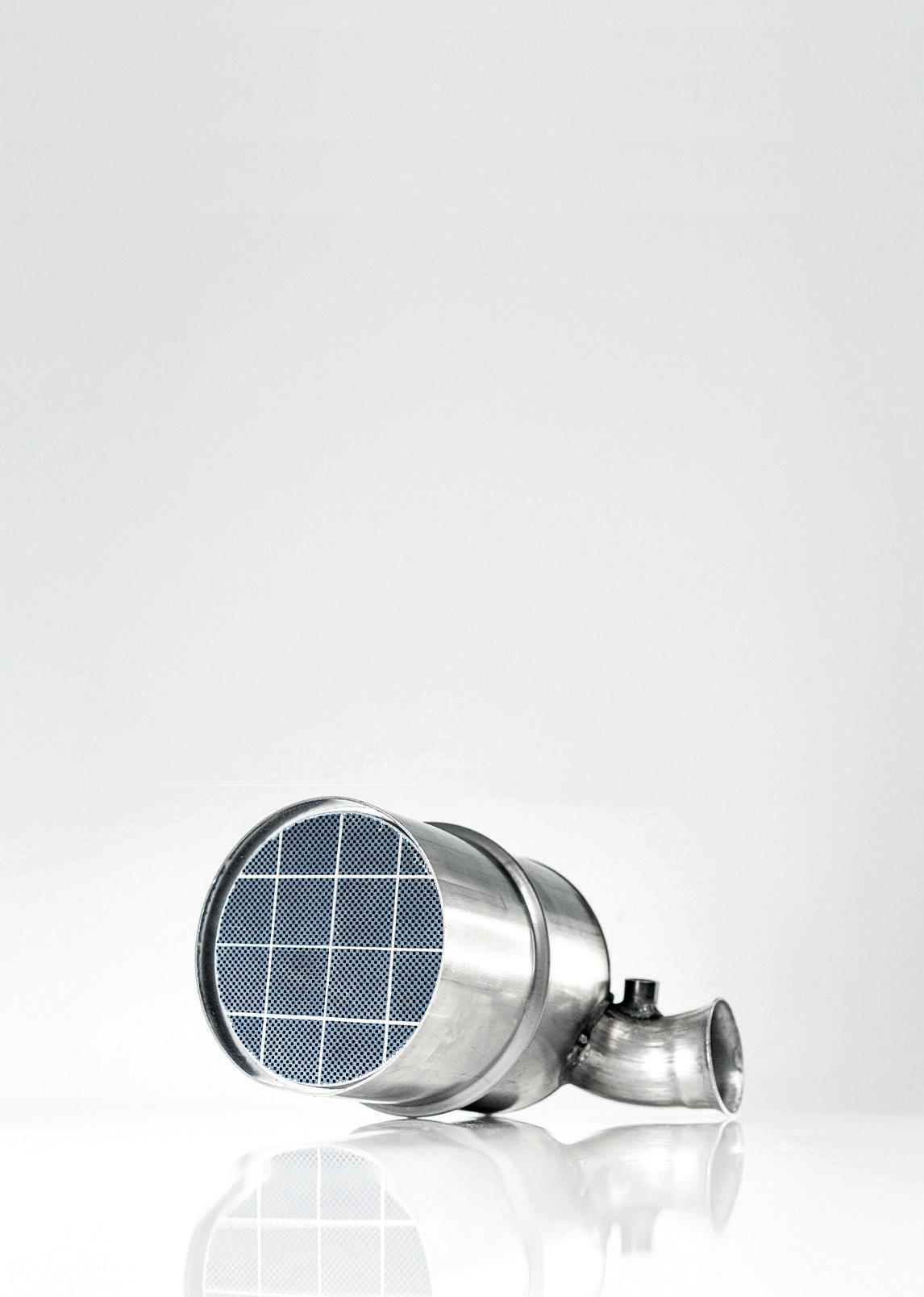
DPF servicing requires a full

reduced engine performance, increased fuel consumption and, in severe cases, limpmode. Excessive soot loading can also increase thermal stress within the DPF substrate, potentially leading to cracking or melting of the internal ceramic structure.
Importantly, DPF failure is often the result of wider engine or exhaust system faults rather than the filter itself. Faulty injectors, turbocharger ine ciency, EGR valve problems, blocked pressure pipes and failed di erential pressure sensors can all a ect soot production or prevent accurate monitoring of the regeneration process. Ultimately reducing long-term DPF e ciency and service life.
For workshops, successful DPF servicing requires a full system diagnosis rather than simple component replacement. Di erential pressure readings, exhaust temperature sensor data and regeneration history should all be assessed before replacement decisions are made. Associated components such as pressure pipes, gaskets, clamps and mounting hardware should also be inspected carefully, as leaks or sensor inaccuracies can lead to repeat failures. As diesel vehicles remain on UK roads for many years to come, preventative maintenance, accurate diagnostics and technician education will continue to play a vital role in ensuring reliable DPF operation and long-term emissions compliance.
bmcats.com/products

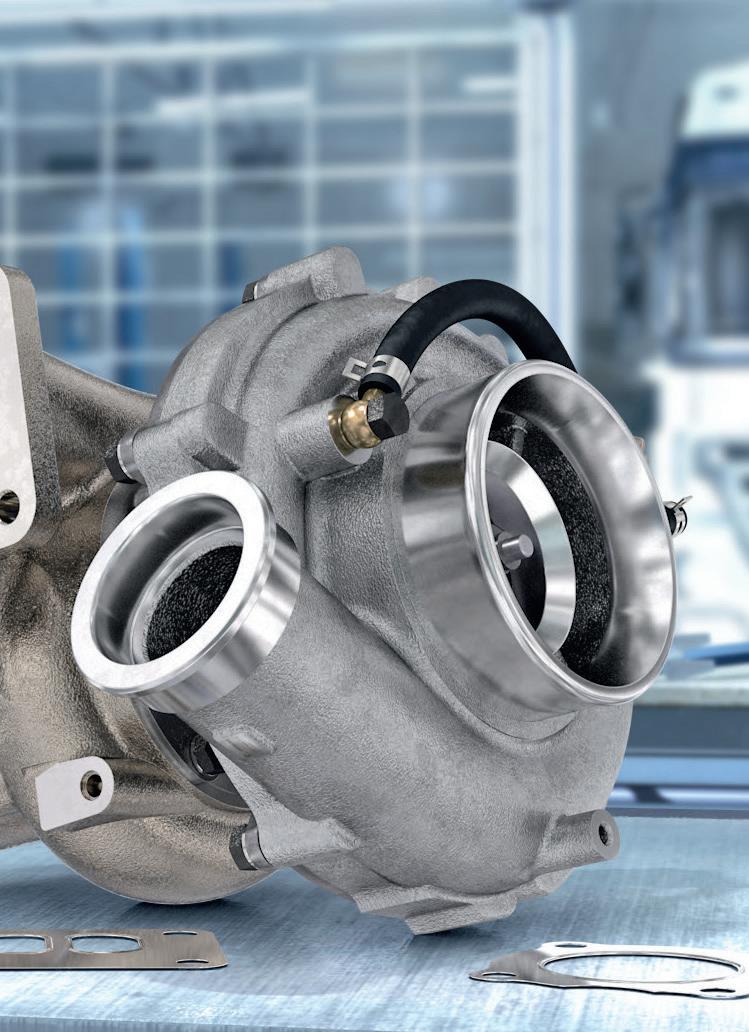


www.ms-motorservice.com

































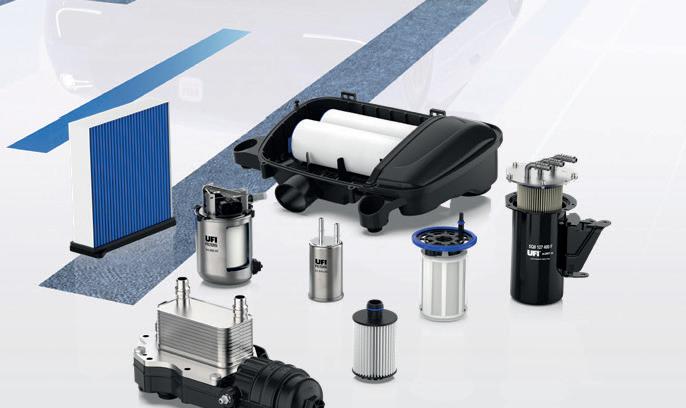
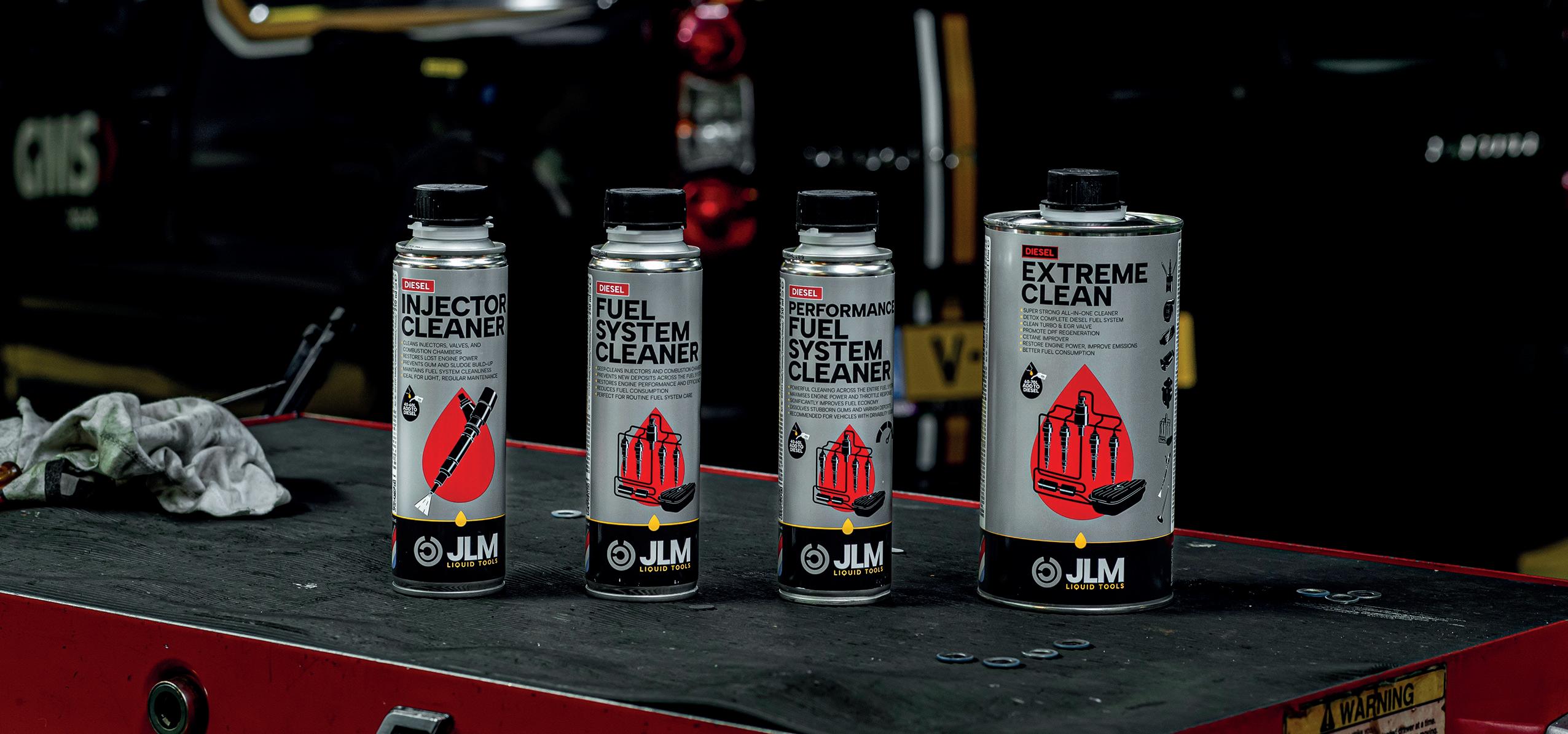

Vehicle additives specialist, JLM Lubricants, explains how, while most of its products are for workshop use only, there are some that can be sold to customers for use between workshop visits – o ering added value to the customer and added revenue for the workshop.
Modern diesel emissions control systems are remarkable.
In some environments, the emissions, especially particulates, are cleaner than the ambient air intake. Warming to this theory, a report by fleetlogistics.com stated that ‘real world tests carried out by Emissions Analytics found that the latest generation of diesels can take polluted air in urban areas and make it cleaner than before, by running it through their diesel particulate filters.’
This is not a statement you would expect to see given the current climate, which is too critical of diesel vehicles in favour of EVs. It’s worth sharing.
Granted, this finding applies to newer, cleaner diesels where the various emission control systems and combustion processes are operating at or close to original factory specifications. However, it’s not that these engines are producing significantly lower emissions; it’s simply that the emissions are trapped within the engine and exhaust system. This stops their automatic expulsion into the atmosphere. The DPF periodically enters a regeneration phase, which allows the trapped carbon (soot) particles to be safely burnt o .
But this process does not trap all the particulates.
As they circulate around the engine, they contaminate other components,
including the EGR valve, the turbo, and the air intake. This causes rough idling, increased fuel consumption, loss of power and eventually the ‘Check Engine’ light. Soot contamination is also compounded when oil mist, gradually mixed with soot, creates thick deposits, especially in the air intake. This e ectively strangles the engine, reducing performance and e ciency.
It may be rosy at the exhaust end, but the engine tells another story. This slow build, performance-sapping contamination eventually causes a costly breakdown for the motorist. This can be avoided with a simple, low-cost, preventative maintenance programme, initiated by you as a time-served technician.
Recommending high-quality professional fuel additives for customers to use between workshop visits will remove low-level contamination before it builds to dangerously high levels. One dose every three months or 3,000 miles should do the trick. Motorists can, of course, switch to premium fuel, but with fuel prices rising, it is prohibitively expensive.
JLM Lubricants is a trade-trusted brand, used by thousands of top-flight technicians worldwide. Whilst most of the JLM range is for workshop use only (including the professional DPF cleaning toolkit for on-vehicle DPF cleaning), some
JLM additives can be sold to customers for use between workshop visits. The range includes additives which remove soot from the DPF, plus contamination from the EGR valve, turbo, injectors, and exhaust valves. Developed in the Netherlands, JLM Lubricants is rated and recommended by technicians because its additives contain a higher concentration of active ingredients. Keenly priced, they o er value by doing the job right, first time. Take the JLM Diesel Extreme Clean; it targets the EGR valve and the entire fuel system – the turbo, injectors, valves – and it boosts DPF regeneration. For air intake contamination, JLM’s cleaning fluids and sprays use a powerful detergent action to safely remove soot and oil contamination and restore performance.
Incorporating these trade-trusted additives into routine service and supplying some as top-ups in between workshop visits will keep customers happy and boost your bottom line. Motorists don’t know what’s happening under the bonnet, often until it’s too late and the damage is done.
Reassuringly, research has shown that customers trust their technician’s advice and recommendations. They’ll thank you for keeping their motor on the road, running more e ciently with manageable repair bills.
www.jlmlubricants.co.uk
With water pumps increasingly driven by timing control systems rather than the auxiliary system, Dayco UK’s National Technical Manager, Glen Goldstone, shares key points and best-practice advice to ensure the process of replacing them is a complete success.
On removal of an existing pump, all the old coolant should be drained and the system flushed to remove any debris before being replaced with the vehicle manufacturer’s (VM’s) specified coolant, mixed with deionised water (not ordinary tap water), in the correct ratio.
In common with both timing and auxiliary belt replacement, installation of the new water pump must be done following the VM’s stated process, with the pump’s gasket fitted correctly, without using any sealant, unless it is stipulated and then only using the correct formulation and in the quantity the VM indicates. In addition, before installation, the mating surface of the engine must be clean and free from debris.
Before a pump is installed, it must
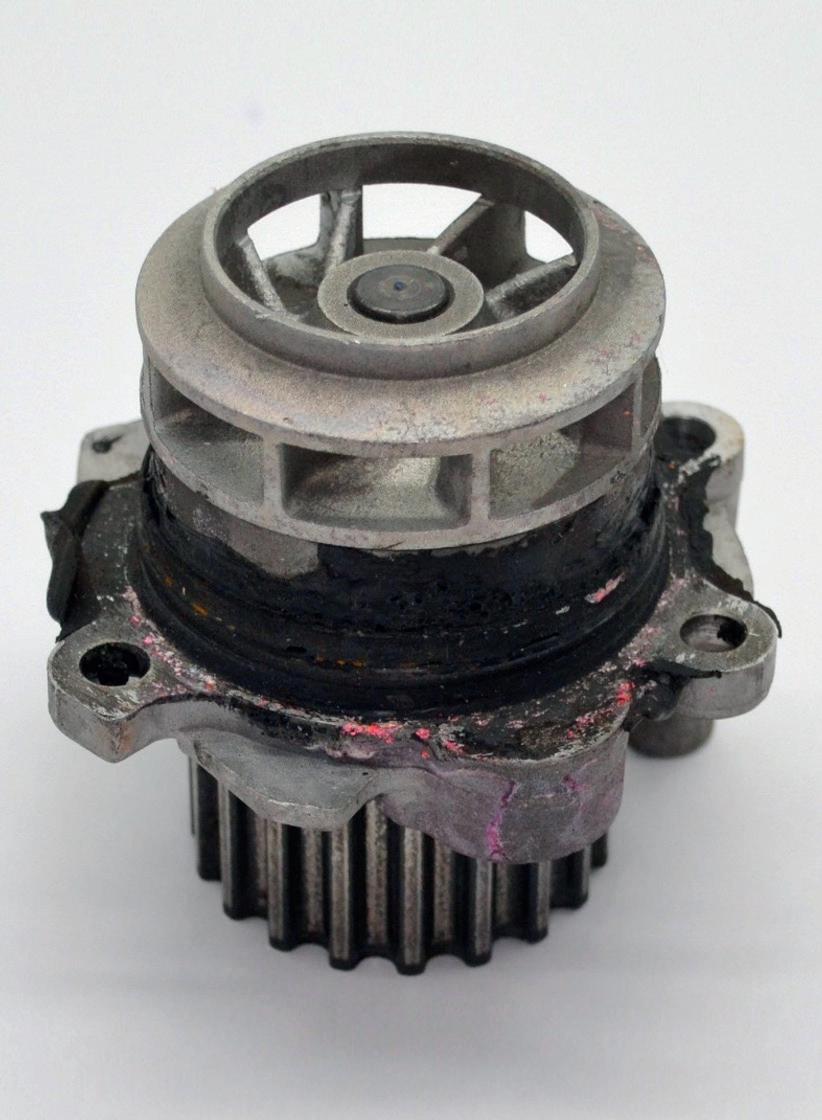
This water pump failed due to a compromised O-ring seal and a misaligned timing belt.
be primed with coolant, but the pulley should not be rotated beforehand, and then once primed, only in the correct direction. Then care must be taken to ensure there is no misalignment, and, when in place, the free movement of the pulley should be checked before being tightened.
It is vital that the correct VM’s tightening procedure is followed and the torque values are respected, because failure to follow the precise installation procedure can lead to a number of issues, including in the timing belt system, risking damage to the engine. In addition, if the pump is not evenly fastened, its flange can become distorted or break, and the gasket can leak.
It is also important not to overlook the VM’s coolant installation procedure, which may stipulate the use of specific tools, such as a vacuum bleeding tool, to make sure the correct amount of coolant is pushed into the system.
Once the system is full, it should be bled/purged to eliminate air bubbles or air pockets because an air pocket trapped behind the pump or air bubbles trapped inside its impeller chamber can affect the pump’s dynamic seal, causing premature wear and leading to coolant leaks and ultimately bearing failure.
For more modern vehicles, the cooling system could consist of multiple water pumps, both mechanical and electrical, with the further addition of electrical one-way valves. In these applications, once the system has been sealed and the new coolant added, the vehicle should be connected to a suitable diagnostic tool, and the system can then be purged electronically.
In some cases, more modern water
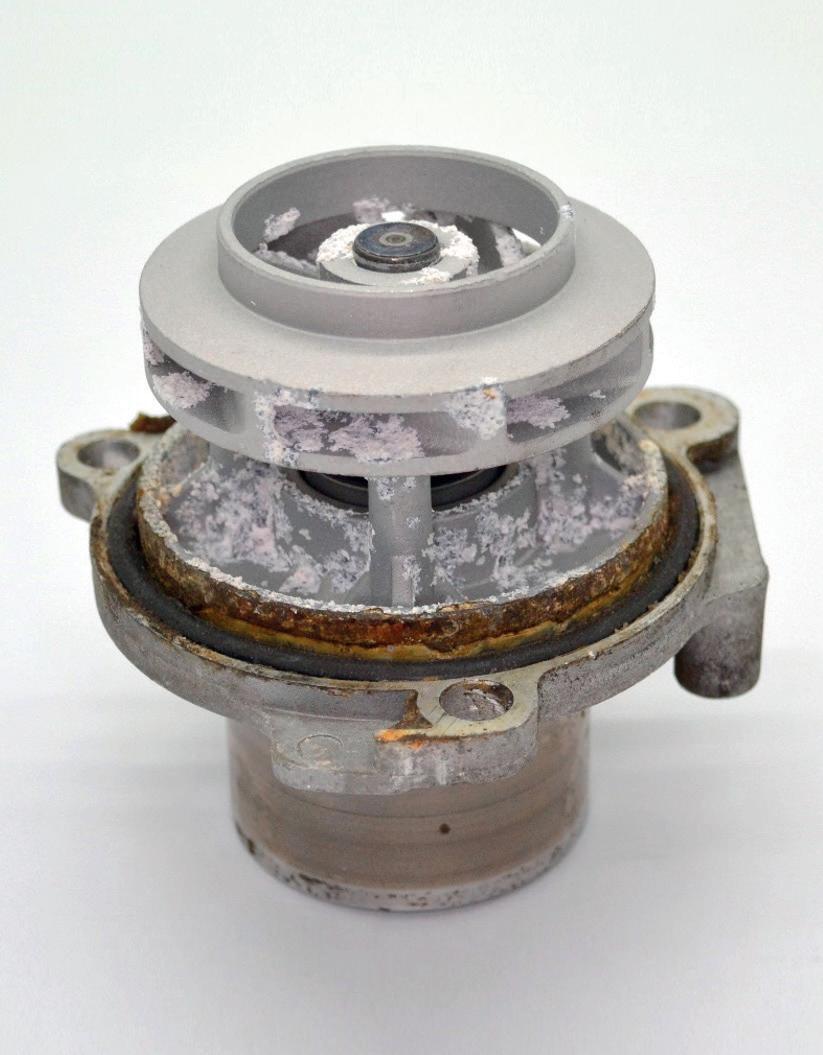
The failure of this water pump was caused by just tap water being used in the cooling system.
pump construction includes coolantblocking shields designed to allow the engine to heat up quickly after start-up. This type of pump will utilise internal moving components, cavities and solenoid valves that can become contaminated and blocked if unclean coolant is re-used or if the system is not purged correctly.
To help independent workshops ensure a best-practice replacement that avoids comebacks, Dayco offers its OE products as complete kits for many popular applications, ensuring that all the parts and accessories necessary to perform a full and successful job are included in the box. While products in Dayco’s wide range of timing belt kits are referenced as KTB (timing belt kit) and KTBWP (timing belt kits, complete with water pump).
www.dayco.com
Combustion engines depend on an efficient cooling system to maintain an optimal operating temperature. The smallest problem with the cooling system function can lead to serious engine damage, running into the thousands. Even vehicle scrappage. Yet it doesn’t have to be this way, as Mike Schlup from Kalimex, pioneer of the K-Seal Coolant Leak Repair brand, explains.
The spiralling cost of living is forcing motorists to find costeffective solutions to keep their vehicles on the road. Avoiding expensive vehicle breakdowns is a priority, so dealing with cooling system issues early helps them to keep the lid on their finances.
The most common causes of cooling system failure are radiator leaks, block leaks, head and head gasket failures, plus water pump and heater matrix leaks. Encouraging customers to check coolant levels regularly and keep an eye on the temperature is an easy ask. Then it’s about ensuring they report any problems to their trusted technician asap, so all issues are dealt with professionally and effectively before heading into the finance overboard zone.
Left unchecked, a poorly functioning cooling system can lead to increased fuel combustion, piston damage, and, in the worst-case scenario, a terminal diagnosis with head gasket or block failure. Quite often, the best solution is to repair the damaged component, whether that’s a leaky radiator, water pump or even a failed head gasket. Some repairs, however, can run into four figures. Because motorists now keep their cars for longer, the cost of repair can in some cases exceed the vehicle’s value. At this point, the workshop or technician can recommend a coolant leak repair additive to help seal the leak internally, without resorting to an engine strip-down.
Coolant leak repair products have been around since the invention of the watercooled engine. Stories still abound of motorists cracking eggs into the radiator, using old coffee grounds or industrial
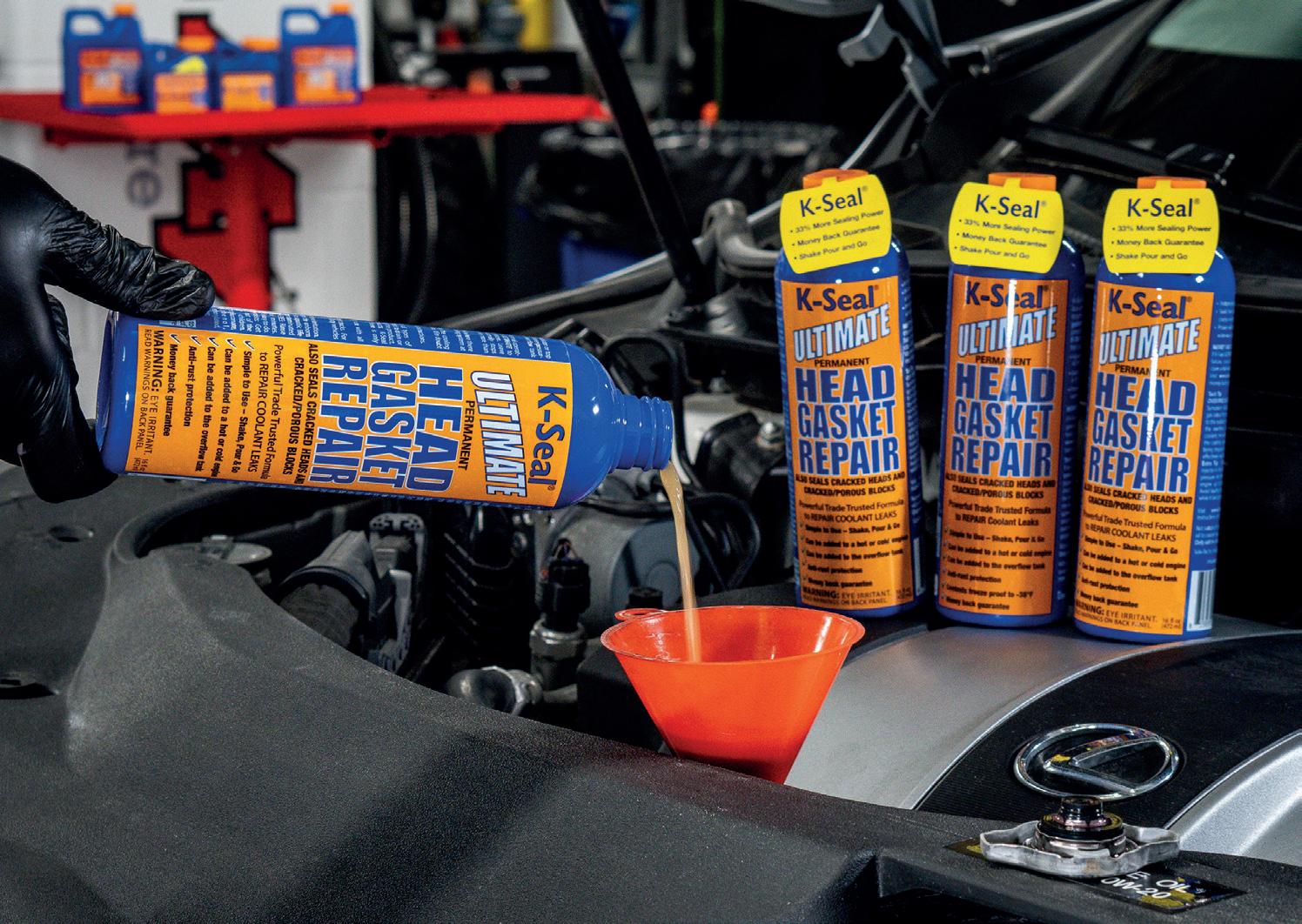
chemicals such as sodium silicate in vain bids to seal the leak. Thankfully, things have advanced somewhat, and today standards exist to ensure that modern coolant leak additives perform effectively and safely. A coolant stopleak product should seal where there’s a leak, but it should not block any part of the cooling system. It should also safely mix with any antifreeze or additives already in the cooling system.
Two standards exist to control the performance of coolant stop-leak products. ASTM D-3147 covers the requirements for sealing leaks. It also stipulates that a stop-leak product must seal leaks up to 0.63mm in size but must pass through holes of 0.8mm or greater (mesh test) without clogging or gelling. CID A-A-52624A is intended for compatibility testing of antifreeze
products. With K-Seal Permanent Coolant Leak Repair, the testing was conducted independently by Brighton University’s Engineering Division. K-Seal was proven to meet the standards and perform as specified.
As a time-served technician, you want to recommend the very best stopleak product to customers; one that’s up to the task, independently tested and verified, and minus marketing hype. K-Seal is a global brand, the bestselling multi-purpose coolant leak repair product in the USA. Here in the UK, it’s recommended by nine out of ten motor factors. Fundamentally, the science behind independent testing demonstrates beyond question that an approved product will fix leaks where required, without causing further problems with the cooling system.
www.kseal.com
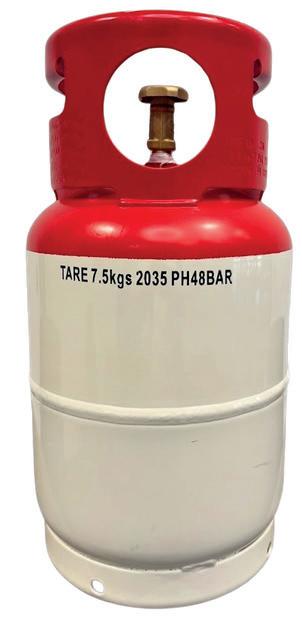


recently been
Investigations indicate that these cylinders originated from China and may contain unauthorised R1234yf refrigerant Analysis has reportedly confirmed that the refrigerant does not originate from an approved licensed manufacturer
ILLEGAL REFRIGERANT NON-COMPLIANT CYLINDER MISSING UK TPE MARKING
The refrigerant is believed to be illegally manufactured.
Reports indicate that it may lack stabilising additives used to help protect charging equipment and hose assemblies
Use of unauthorised refrigerant may increase the risk of contamination within service equipment
The cylinder displays conflicting tare weight information.
The contents weight is not displayed as required under transport regulations
Product labelling and traceability information may not meet UK compliance requirements
Cylinders manufactured or placed into service in the UK after 2021 must carry the UK Transportable Pressure Equipment conformity marking (ρ).
Cylinders without the required marking cannot be legally used in the UK



Do not purchase or use the product.


Report suspected or non-compliant refrigerants to National Refrigerants, Trading Standards Authority, or the Environment Agency. WHAT
Verify cylinder markings and labelling before purchase.

Environmental targets are tightening, and vehicle technology is increasing in complexity; therefore, according to the remanufacturer Autoelectro, the automotive aftermarket must rethink how it defines sustainability – and why availability, quality and long-term trust matter just as much as carbon reduction.
Autoelectro, a family-owned remanufacturer, believes sustainability is no longer simply about going green but about creating a resilient aftermarket that can support increasingly advanced vehicle systems well into the future.
Autoelectro’s Harnek Bhogal believes remanufacturing offers a critical solution for an aftermarket facing rising complexity in rotating electrics, particularly as the market transitions towards 48V systems with mild-hybrid and plug-in hybrid technology.
Harnek said: “People often think sustainability is just an environmental conversation – but for us, it’s broader than that. It’s about longevity, quality, trust and ensuring there is always an answer for the customer.”
While environmental responsibility is increasingly important for larger businesses facing ESG targets and legislation, for Autoelectro, the biggest commercial value of remanufacturing lies in supply resilience.
Remanufacturing protects the aftermarket from potential supply chain disruptions that could affect imported products.
“We’re less vulnerable to external shocks because we remanufacture in Britain and maintain our own component stock,” Harnek added. “If a shipment is delayed overseas, businesses relying purely on imported products could struggle. We’re different because we can still manufacture, remanufacture or even rebuild a customer’s own unit if necessary.”
The remanufacturing specialist argues this flexibility is becoming increasingly important as complex applications emerge and low-cost aftermarket alternatives are either unavailable or commercially unviable.
“There are some modern 48V MHEV applications that simply won’t come from overseas because the volumes and manufacturing complexity don’t make financial sense,” Harnek explained. “That’s where remanufacturing fills the gap.”
Autoelectro acknowledges that price is an emotive topic, but urges against viewing remanufacturing purely through the lens of price.
“We acknowledge that premium remanufactured units can carry high
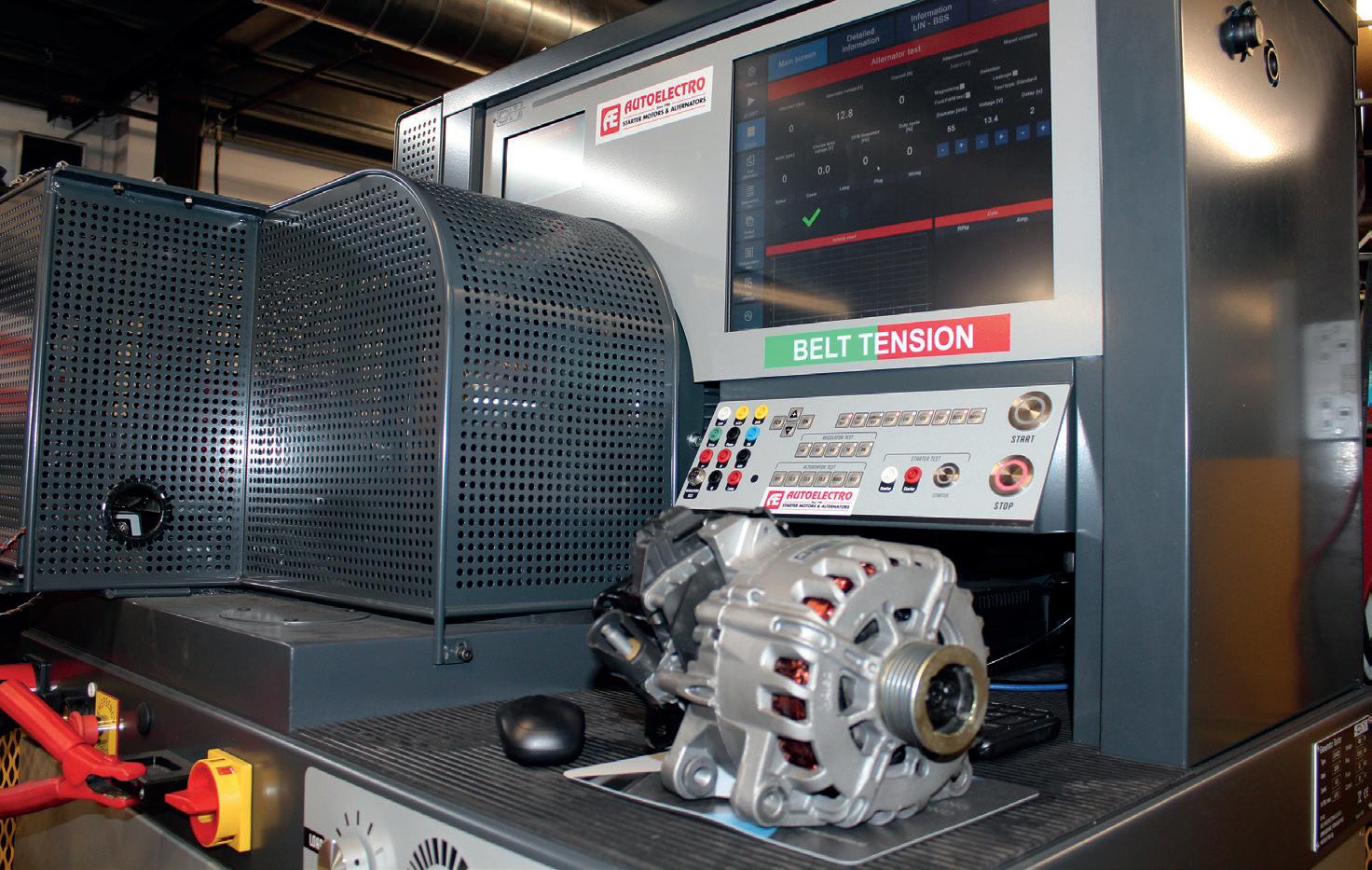
upfront costs, but we’re confident the real value lies in protecting sales opportunities and customer loyalty,” Harnek continued. “If a factor says no because its supplier doesn’t have the product, the customer doesn’t disappear – they simply go elsewhere. And once another supplier solves that problem, they suddenly have the opportunity to win all the customer’s future business as well.”
Autoelectro believes this is where remanufacturing continues to play a vital role within the aftermarket.
“We are confident we will always have an answer,” Harnek said. “That’s the sustainable part of remanufacturing, not just environmentally, but commercially.”
Despite Autoelectro’s optimism, the company acknowledged that the UK remanufacturing sector has shrunk significantly in recent years, with several major remanufacturers either downsizing or exiting the market altogether.
Harnek believes this trend reflects the growing complexity and cost of modern vehicle systems rather than declining demand.
He said: “Everything on vehicles is becoming more expensive – hybrid systems, batteries, electronics, software. Rotating electrics are just one part of that wider technological shift.”
However, Autoelectro insists remanufacturing will remain essential as vehicle parc complexity increases.
Harnek concluded: “The aftermarket still needs remanufacturers to cover the difficult applications. If remanufacturing disappears, those customers are forced straight back to dealer-only pricing. That’s bad for factors, bad for garages and bad for motorists.”
www.autoelectro.co.uk
Cut costs, not quality. Remanufactured Stellantis onboard chargers available now.
Cost effective remanufacturing solutions for the automotive industry ACTRONICS is on hand as your trusted partner for high-quality automotive electronics remanufacturing.
Our remanufactured products are plug and play, come with a 2-year warranty, and can save you up to 80% compared to new replacements.
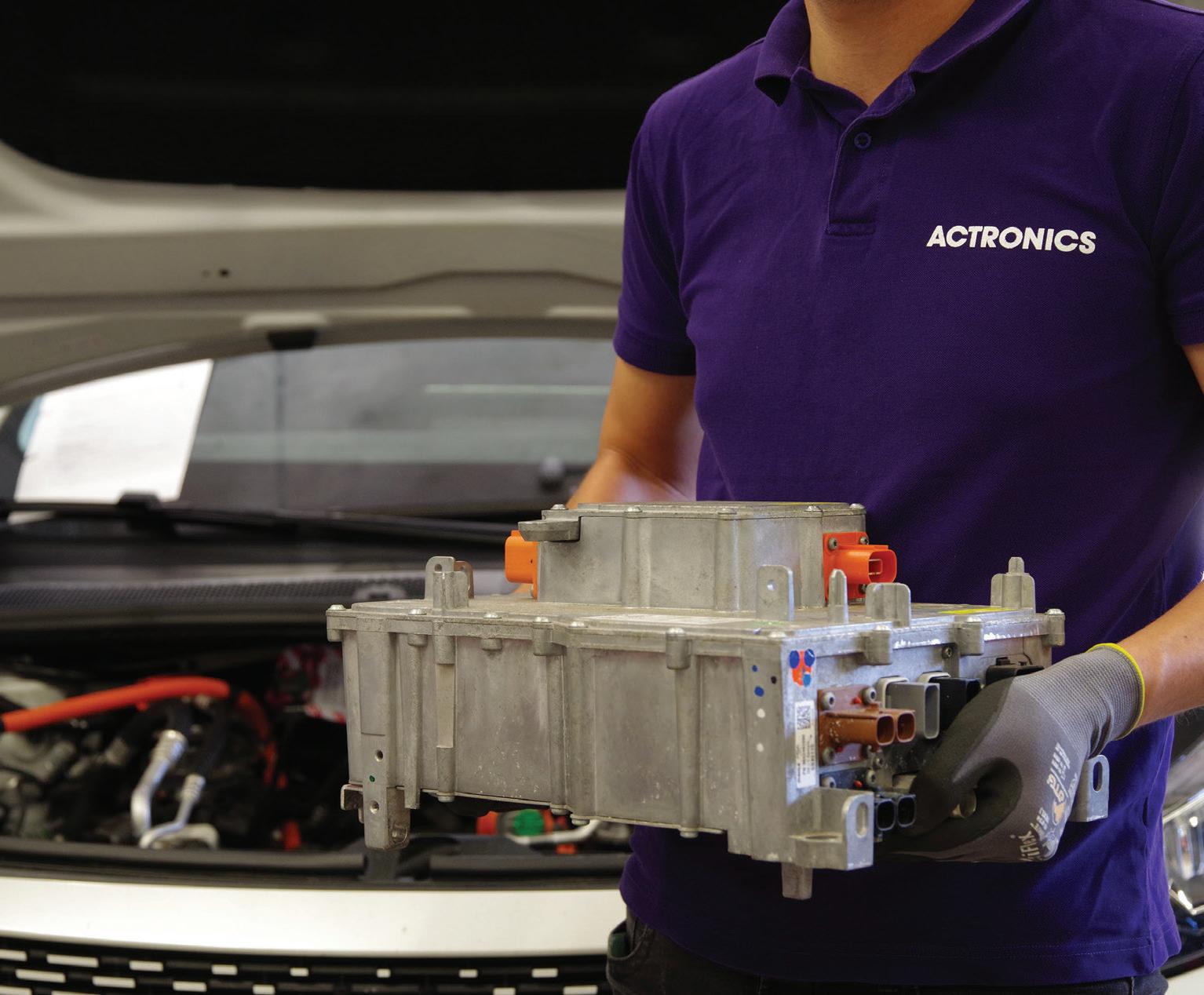


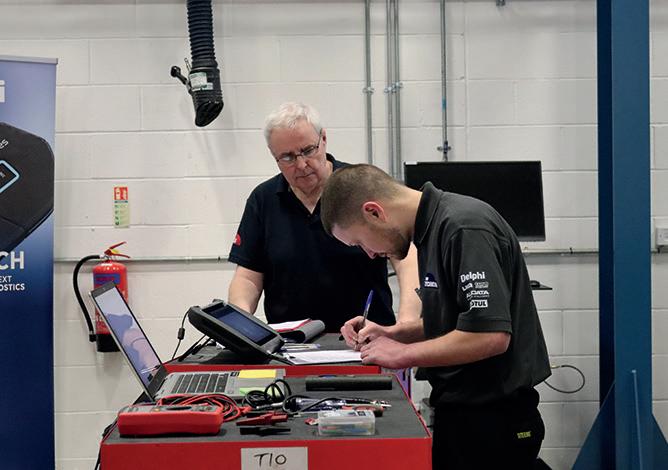
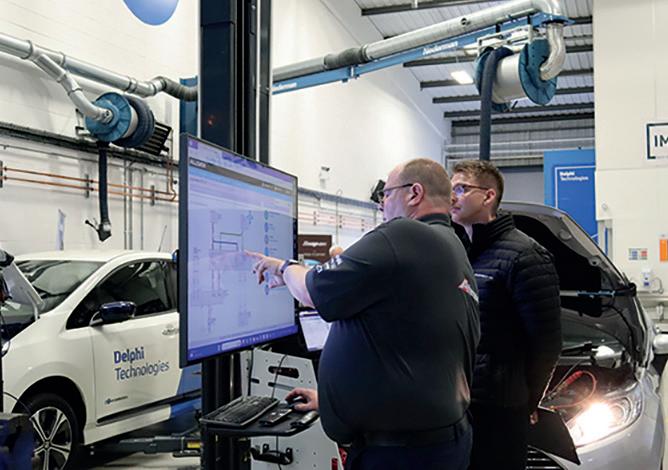


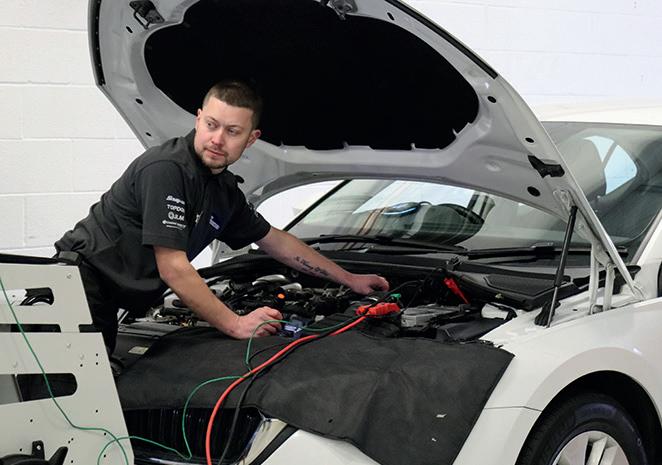






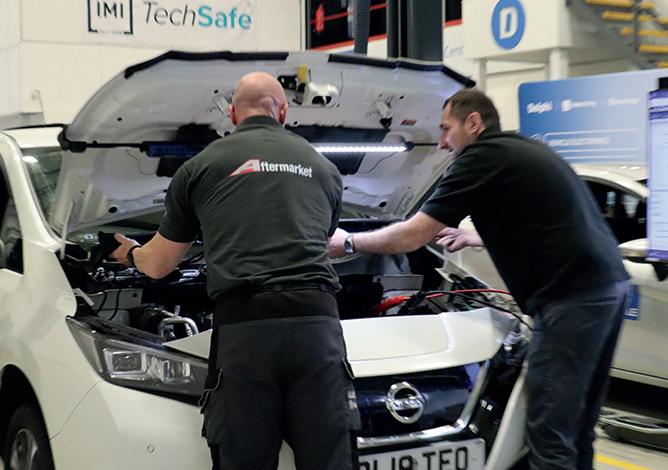

Delphi has engaged with more than 100 students at Leicester College in a move designed to help inspire the next generation of automotive professionals. The company recently visited Leicester College to deliver insight sessions to two groups of Level 2 and Level 3 students studying automotive qualifications.
The sessions provided students with a detailed introduction to Delphi, offering an overview of the company, its products and the career opportunities available within both the business and wider automotive sector.
Alongside brand education, the Delphi team shared practical industry knowledge and discussed the evolving future of the industry, including the technological advancements and opportunities shaping the aftermarket of tomorrow.
By engaging with students early in their careers, Delphi wants to help bridge the gap between education and industry. This approach aims to ensure that future technicians are better equipped with the knowledge, awareness and confidence
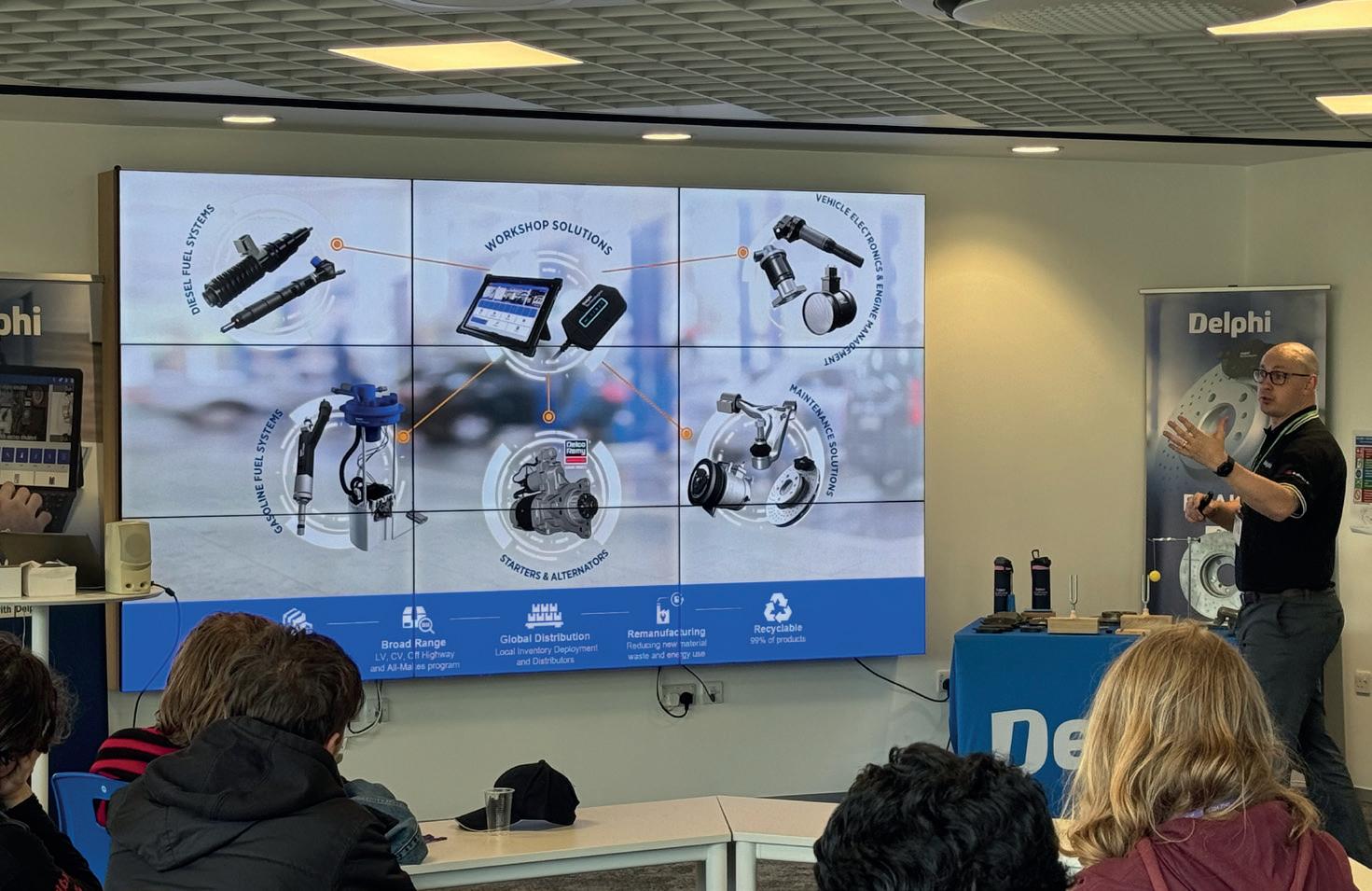
needed to thrive in a rapidly evolving sector. At the same time, it is designed to also highlight that careers in the automotive industry extend far beyond technical roles, across marketing, sales, finance and human resources.
Commenting on the initiative, Kenny Kay, Technical Support Lead at Delphi, said: “The future success of our industry depends on attracting, developing
and supporting the next generation of technicians.
“Engaging directly with students allows us to share our experience, showcase the opportunities available within the sector and help them understand the exciting future that lies ahead for automotive technology.”
www.delphiautoparts.com.
A new strategic partnership between Valeo Service UK and LKQ Academy has been established, aiming to equip technicians with the skills needed to keep pace with the rapid evolution of modern vehicle technology.
The collaboration is set to deliver structured training through Valeo Tech Academy, supporting the industry’s transition towards electrification, ADAS and increasingly complex diagnostics.
The training follows a three-stage approach, beginning with digital modules to build foundational knowledge, followed by regional handson sessions using real-world fault scenarios and advanced simulators, and concluding with follow-up webinars to reinforce learning once technicians are back in the workshop.
“This partnership ensures technicians have access to structured training that reflects everyday workshop life and
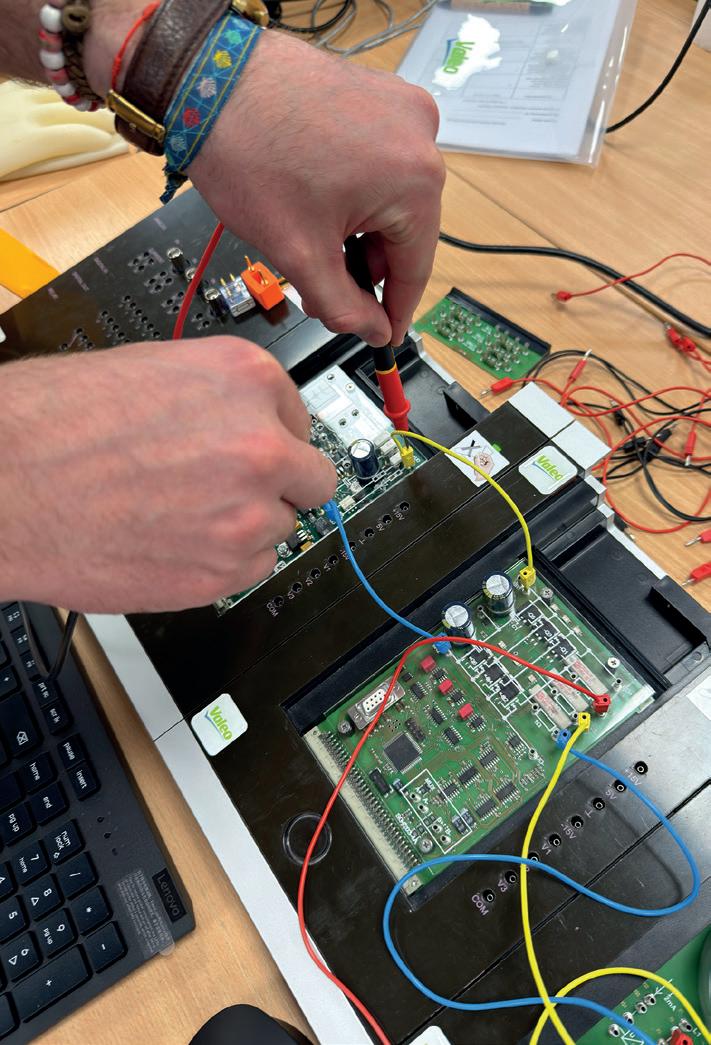
prepares them for the technologies they’re seeing every day in the bay,” said Valeo technical trainer Stewart Lynch.
Training will cover electrification, driver assistance systems and new powertrain technologies across all makes and vehicle architectures.
Delivered through Valeo Tech Academy, the programme is brand-agnostic, providing technicians with practical, day-to-day skills.
“Through LKQ Academy, our focus is on giving technicians practical skills, confidence and support that they can take straight back into the workshop,” added Lee Chapman, Head of Support and LKQ Academy at LKQ Euro Car Parts.
“By partnering with Valeo Tech Academy, we’re combining leading technical expertise with accessible, high-quality training that helps our customers reduce diagnostic time, work safely on newer vehicle systems and build long-term capability for the future.”
tinyurl.com/4hbsaba3
Our round-up of the latest industry appointments. Send your people and recruitment news to the editor:
As part of the continued expansion of its equipment division, A1 Diagnostic Solutions, A1 ADAS Group has appointed Ant Lunt as Regional Sales Manager. Ant has over two decades of motor trade experience, including knowledge of wheel alignment, workshop equipment, diagnostics and MOT testing equipment.
Based in the North West, Ant will primarily support customers across the North of England. His appointment forms part of a wider
restructuring of A1’s sales operation as the business continues to invest in expanding its equipment supply, installation, training, and technical support offerings.
“Ant’s reputation within the industry speaks for itself. He brings a huge amount of experience, technical understanding and customer-focused thinking to the team. One of the first things he did after joining us was spend time with customers and visitors on our stand at the UK Garage and Bodyshop Event. The feedback we received about him was
Julian Hynd has become Chairman of the Board at car repair comparison site FixMyCar, in the first board appointment since a management buyout in March.
Julian brings over 30 years of executive experience and a strong background in strategy and technology to support the business’s future plans. He has operated at board level for many years in roles such as CMO at Volkswagen Financial Services Commenting on the appointment, Amanda Webb, CEO at FixMyCar, said: “Having someone like Julian come on the journey with us demonstrates how
chris@aftermarket.co.uk
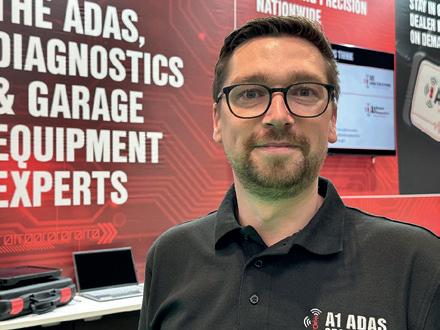
exceptional and reinforced why we wanted him to join the business,” said Adam Molloy, Operations Director at A1 ADAS Group. “Workshops and bodyshops are faced with more choice than ever when it comes to equipment investment, but not all advice is equal. Our role is to help customers make informed decisions, invest in the right solution for their business and know they have ongoing support behind them long after the sale.”

strong our brand is and reflects the exciting opportunities we have ahead of us. FixMyCar has been through some significant changes, and Julian’s experience and knowledge will be a great asset to guiding the business towards the growth we plan to achieve. We look forward to collaborating with him to define FixMyCar’s long-term vision and strategy.”
Dave Brookfield, currently VP of Human Resources at LKQ Europe, has been appointed as interim CEO of LKQ UK & Ireland with immediate effect while a search for a permanent successor gets underway, following the news that Kevan Wooden is stepping down from the role.
Dave brings almost two decades of experience in the automotive
aftermarket to the role. He joined LKQ 16 years ago and was previously on the UK & Ireland leadership team, working on the operational development of the business before moving to his current position at LKQ Europe.

Lewis Wykes has joined First Line Ltd as UK Sales Manager. He has 22 years of automotive aftermarket experience, gained through a variety of senior sales and account management positions, with responsibilities including developing national sales strategies, managing key customer relationships and leading teams to deliver sustainable growth.

In his new role, Lewis will lead First Line’s UK sales function, working closely with customers and internal teams to strengthen partnerships, identify new opportunities and support the company’s continued growth ambitions.
Commenting on his appointment, Lewis said: “My focus will be on building strong relationships across our customer base, supporting the sales team and implementing strategies that deliver measurable growth.”
Solutions to all of the puzzles on this page can be found in the Features/Tea Break section of Aftermarket online, see the link below. But no peeking until you’ve put your word and numeracy skills to the test first. Good luck! https://aftermarketonline.net/category/tea-break/























Across 4 - Stopped temporarily (6) 7 - Household cooling devices (8) 8 - Unit of current (3) 9 - Cab (4) 10 - Post (6) 11 - Gets smaller (7) 12 - Type of shelf (5) 15 - Mild and pleasant (of weather) (5) 17 - Empty (7) 20 - Rotates quickly (6) 21 - Entice (4) 22 - Put down (3) 23 - Denial of something (8) 24 - Very enthusiastic (6)
Down 1 - Deliver a sermon (6) 2 - Advocacy of women’s rights (8) 3 - Made to individual order (7) 4 - Sacred hymn or song (5) 5 - Had in common (6) 6 - Type of basic aerial (6) 13 - State of being the same (8) 14 - The rubbing of muscles (7) 15 - Manservant (6) 16 - Legal practitioner (6)
- Destroy (6) 19 - Pointed part of a fork (5)




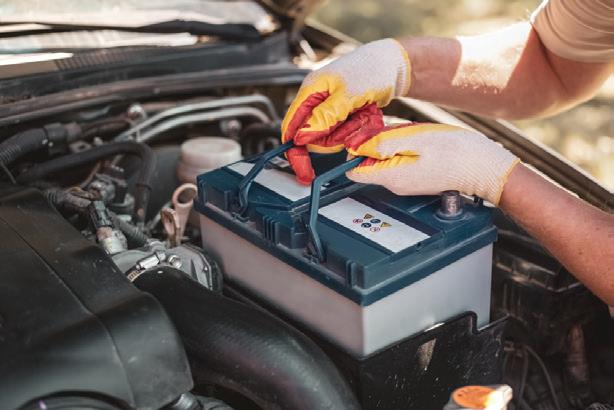

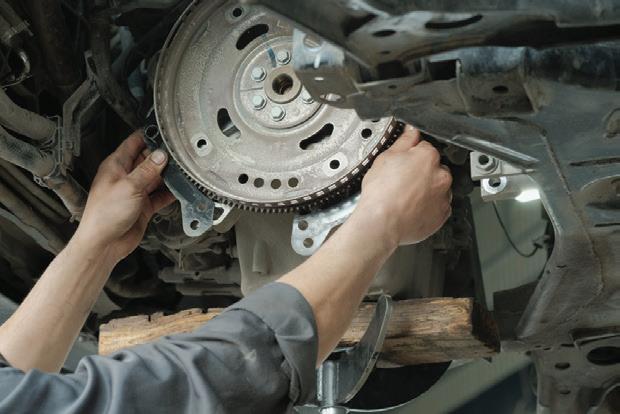
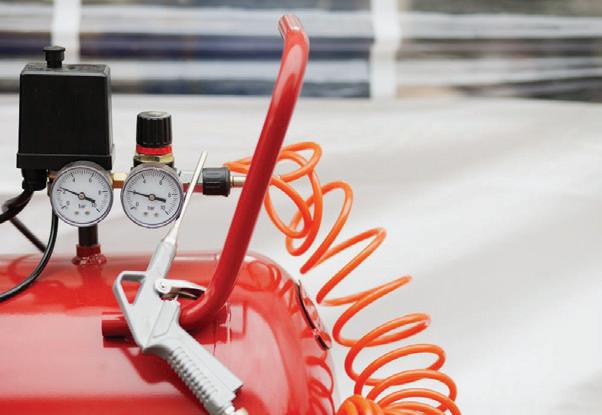




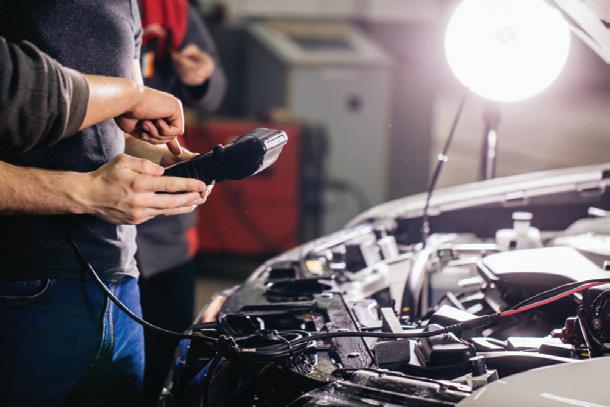








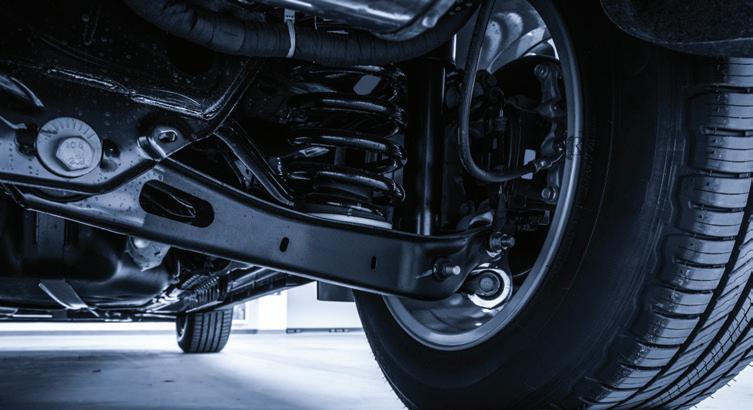
To ensure your company name is “in the mix” when customers are looking to buy, contact: angela@aftermarket.co.uk for details of the promotional packages available.






















TUESDAY 15TH DECEMBER 2026
Join us for the automotive event of the year!
With 600+ industry professionals, live entertainment, great food and fundraising at the heart of it all.
Tickets start from £400 per person.