Uluwatu Surf Lessons for First-Timers:
Safety, Tips & Mistakes
Taking your first surf lesson in Uluwatu can feel equal parts exciting and intimidating Known for its dramatic cliffs and world-class waves, Uluwatu is one of Bali’s most iconic surf destinations. But for first-timers, it’s not just about jumping on a board and riding waves it’s about understanding the environment, staying safe, and building the right foundation from day one
If you’re planning your first surf lesson here, knowing what to expect can make all the difference
Understanding Uluwatu’s Surf Environment
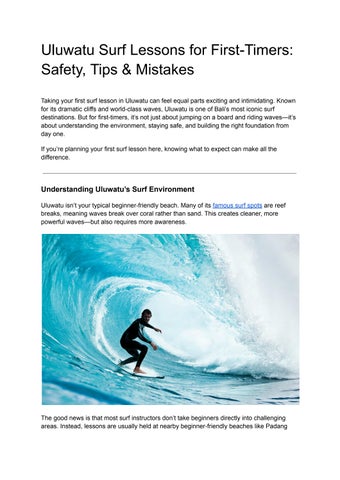
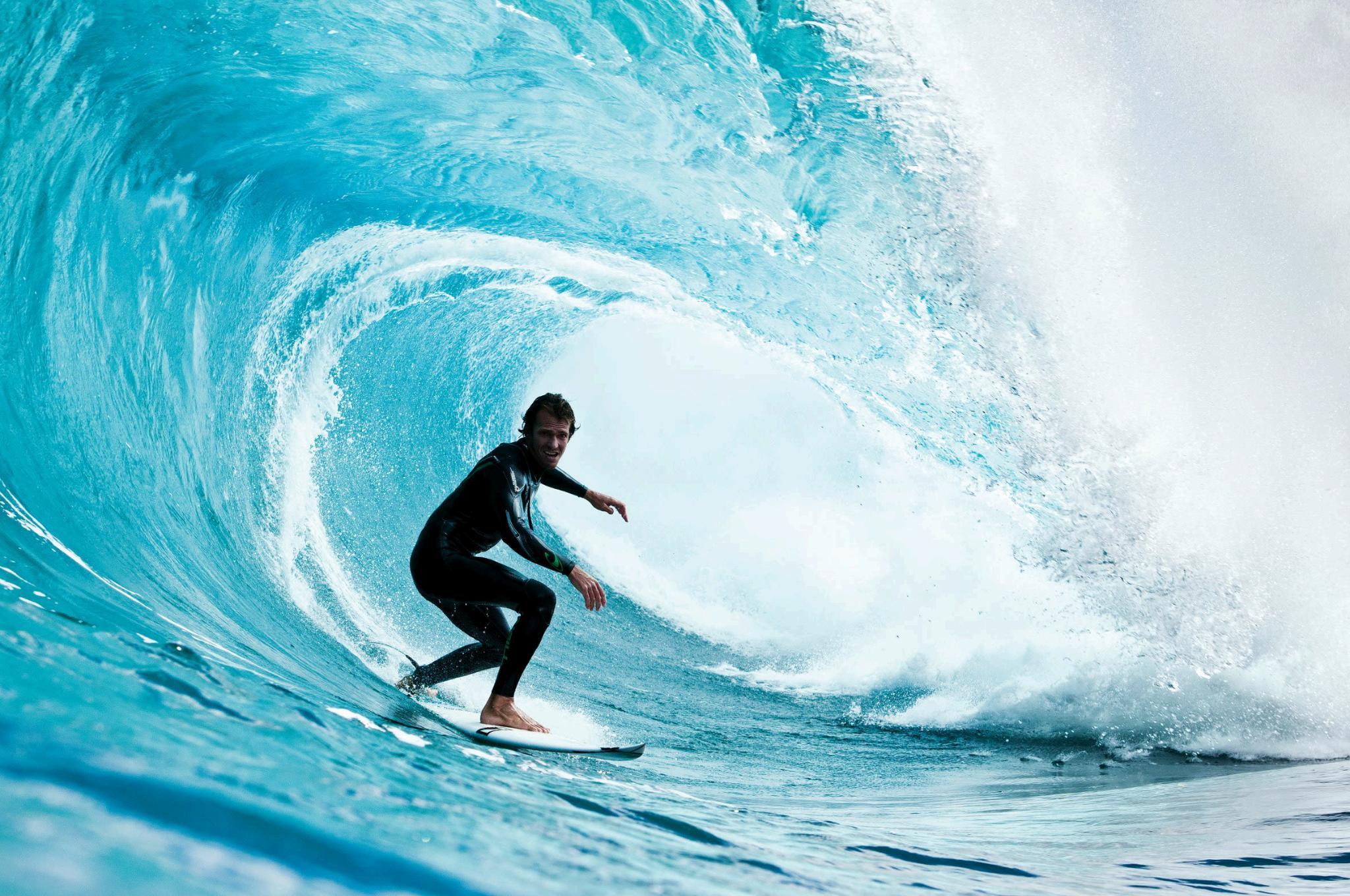
Uluwatu isn’t your typical beginner-friendly beach Many of its famous surf spots are reef breaks, meaning waves break over coral rather than sand This creates cleaner, more powerful waves but also requires more awareness.
The good news is that most surf instructors don’t take beginners directly into challenging areas. Instead, lessons are usually held at nearby beginner-friendly beaches like Padang
Padang (Baby Padang), Dreamland, or Balangan, where waves are smaller and more forgiving.
Still, the ocean here has energy Respecting it is the first step toward a safe and enjoyable lesson
Safety Comes First
Safety should always be your top priority during a surf lesson, especially in Uluwatu A professional instructor will start with a land briefing, covering basic techniques and ocean awareness before you even enter the water
Key safety points include:
● Listening to your instructor: They’ll guide you on where to stand, paddle, and catch waves safely
● Knowing how to fall: Wipeouts are part of surfing. Falling flat and away from the board reduces injury risk
● Being aware of your surroundings: Other surfers, incoming waves, and your position in the water all matter
● Understanding entry and exit points: Some areas require specific paths to avoid reef or strong currents
Even in beginner zones, staying alert is essential.
Essential Tips for First-Time Surfers
1. Focus on the Basics
Your first lesson isn’t about looking cool it’s about learning fundamentals Expect to spend time practicing paddling, popping up (standing on the board), and balancing
Getting these right early makes everything else easier
2 Choose the Right Board
Beginners usually start with long, soft-top boards They’re more stable, easier to paddle, and safer during wipeouts Trust your instructor’s recommendation rather than choosing based on appearance.
3. Be Patient with Progress
Many first-timers expect to stand up instantly. While it can happen, it’s not guaranteed. Progress in surfing comes step by step sometimes wave by wave
Celebrate small wins, like catching your first wave or improving your balance
4. Time Your Lesson Wisely
Surf conditions in Uluwatu change throughout the day. Early mornings are typically calmer, with cleaner waves and fewer crowds ideal for beginners
Your instructor may adjust timing based on tides and weather, and that flexibility is a good sign
5 Protect Your Skin
The tropical sun in Bali is strong, and surf sessions often last a couple of hours Wearing a rash guard and applying reef-safe sunscreen helps prevent sunburn and irritation
Common Mistakes Beginners Make
Ignoring Ocean Conditions
Some beginners focus only on the lesson itself and ignore the ocean But understanding wave patterns, tides, and currents is part of learning to surf Pay attention it will improve both safety and performance
Standing Up Too Early
A common mistake is rushing to stand up before the wave has enough momentum This often leads to falling off the board. Timing is everything in surfing, and patience pays off.
Holding Onto the Board During Wipeouts
It’s natural to want to cling to the board, but this can be dangerous. Letting go safely during a fall reduces the risk of the board snapping back toward you
Not Asking Questions
Surfing has a learning curve, and no one expects you to know everything If something feels unclear whether it’s technique or safety ask your instructor It’s part of the process
Choosing the Cheapest Lesson Without Research
Not all surf schools offer the same level of quality Overcrowded groups, inexperienced instructors, or poor equipment can affect your experience. It’s worth choosing a reputable school, even if it costs a bit more
Building Confidence in the Water
For many first-timers, the biggest challenge isn’t physical it’s mental The ocean can feel unpredictable, and fear of falling or failing is normal
Confidence builds gradually The more time you spend in the water, the more comfortable you’ll feel with waves, balance, and timing. A supportive instructor makes a huge difference here, helping you stay calm and focused.

Why Uluwatu Is Still Worth It
Despite its challenges, learning to surf near Uluwatu is a unique experience The scenery alone towering cliffs, turquoise water, and stunning beaches adds something special to every session.
More importantly, starting your surf journey here teaches respect for the ocean from day one. You’re not just learning a sport; you’re learning how to read and adapt to a powerful natural environment.
Final Thoughts
Your first surf lesson in Uluwatu won’t be perfect and it doesn’t need to be You might fall, miss waves, or feel unsure at times That’s all part of the journey
What matters is approaching it with the right mindset: stay patient, prioritize safety, and enjoy the process With the right guidance and expectations, your first surf lesson in Uluwatu can be the beginning of something much bigger a lifelong connection with the ocean