WHHQ 81: National Anniversaries, Memories of Covering the Bicentennial by Ann Compton
WHITE Celebrating
Board of Directors
chairman
John F. W. Rogers
vice chairperson
Teresa Carlson
treasurer
Gregory W. Wendt
secretary
Anita B. McBride
president
Stewart D. McLaurin
Eula Adams, Gahl Hodges Burt, Merlynn Carson, Jean M. Case, Ashley B. Dabbiere, Wayne A. I. Frederick, Deneen C. Howell, Tham Kannalikham, Barbara A. Perry, Nicole Sexton, Ben C. Sutton Jr., Tina Tchen
national park service liaison: Director of the National Park Service
contributors
alan capps is an adjunct professor at George Mason University and the United States Naval Academy and a regular contributor to White House History Quarterly. His area of specialty is Anglo-American history.
ann compton served as an ABC News White House correspondent for more than forty years, from 1974 to 2014.
charlotte seale is the editorial and production manager for books at the White House Historical Association.
gary j. walters is a former chief usher of the Executive Residence at the White House and author of White House Memories, 1970–2007: Recollections of the Longest-Serving Chief Usher published by the White House Historical Association in 2025.
Benjamin C. Sutton Jr., Tina Tchen of the National Trust for Historic Preservation, and Secretary of the Smithsonian Institution
ex officio: Archivist of the United States, Director of the National Gallery of Art, Librarian of Congress, President of the National Trust for Historic Preservation, and Secretary of the Smithsonian Institution
directors emeriti: John T. Behrendt, John H. Dalton, Knight Kiplinger, Elise K. Kirk, Martha Joynt Kumar, James I. McDaniel, Robert M. McGee, Ann Stock, Gail Berry West
white house endowment and acquisitions trust
chairman: Frederick J. Ryan, Jr.
John T. Behrendt, Anita B. McBride, James I. McDaniel, John F. W. Rogers
white house history quarterly
founding editor
William Seale (1939–2019)
editor
Marcia Mallet Anderson
editorial and production manager
Jennifer I. Wojeck
associate vice president of publishing
Lauren McGwin
editorial director
Rebecca Durgin Kerr
consulting editor
Ann Hofstra Grogg
consulting design
Pentagram
editorial advisory
Bill Barker
Matthew Costello
Mac Keith Griswold
Scott Harris
Joel Kemelhor
Jessie Kratz
Jonathan Pliska
Mark Ramsdell
Rebecca Roberts
Lydia Barker Tederick
Bruce M. White
the editor wishes to thank The Office of the Curator, The White House
james h. johnston is a lawyer and writer in Washington, D.C. His writings include the books, Murder, Inc., The CIA Under John F. Kennedy (2019); and From Slave Ship to Harvard, Yarrow Mamout and the History of an African American Family (2016).
joel kemelhor has been a writer / producer for It’s Academic for more than fifty years. Now the contributing editor, he continues to provide and review questions for the show, whose contestants are secondary school students.
jennifer i. wojeck is the editorial and production manager of the White House History Quarterly.
jamie wyeth is an American artist born and raised in Chadds Ford, Pennsylvania.
the editor wishes to thank The Office of the Curator, The White House issn: 2639-9822 House . area the books, Under Kennedy to and an African American (2016). 1970–2007:
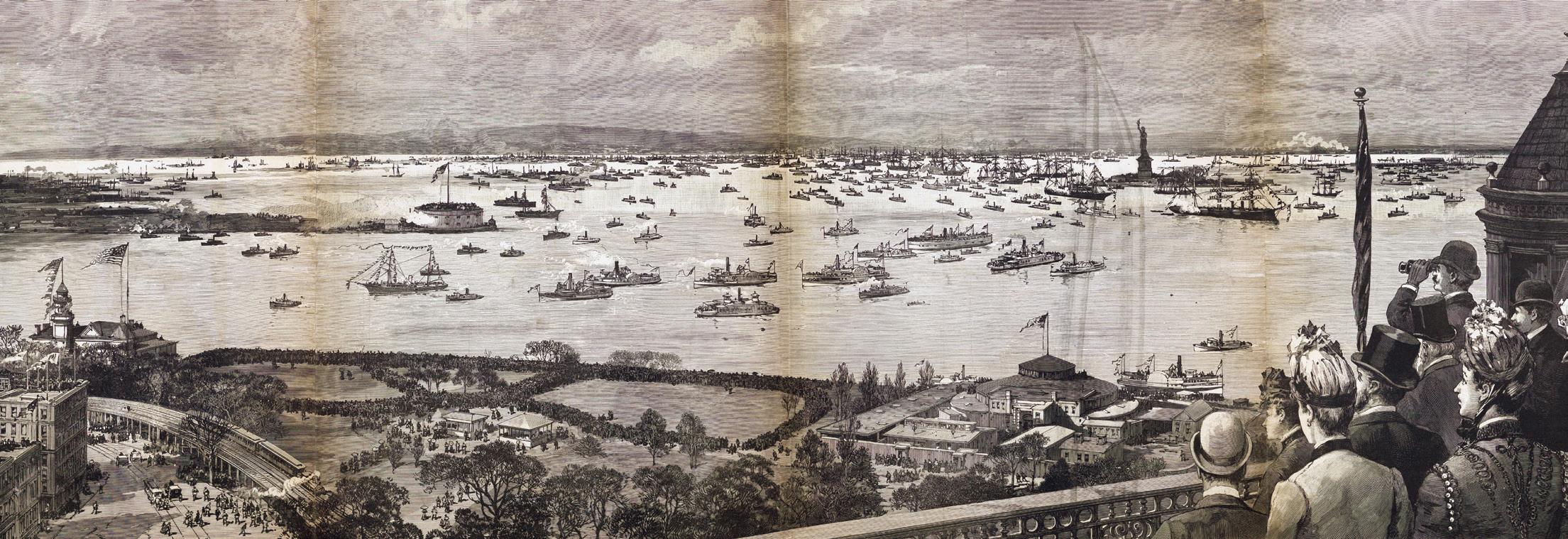
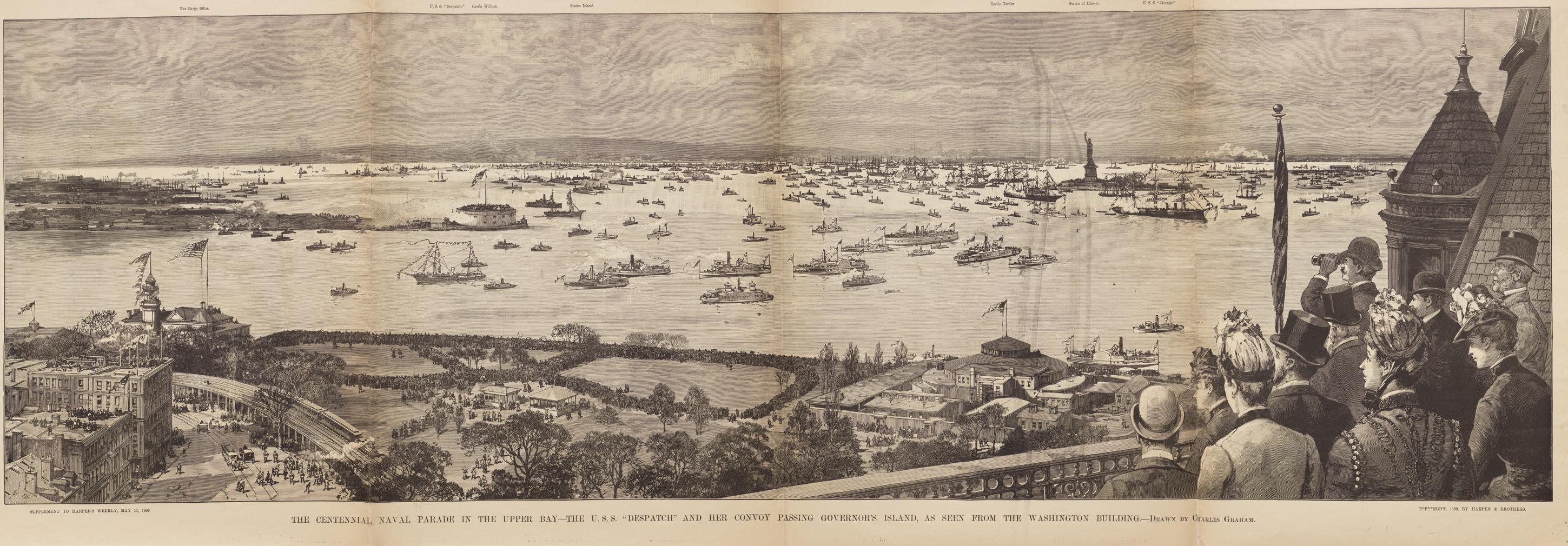
Crowds turn out to view the Centennial Naval Parade in New York Harbor, one of a series of grand events staged to celebrate hundredth anniversary of the U.S. presidency. This illustration, published in Harper’s Weekly, May 11, 1889, captures the USS Despatch carrying President Benjamin Harrison across New York Harbor and past the Statue of Libery en route to New York City to participate in the celebrations.
Crowds turn out to view the Centennial Naval Parade in New York Harbor, one of a series of grand events staged to celebrate hundredth anniversary of the U.S. presidency. This illustration, published in Harper’s Weekly, May 11, 1889, captures the USS Despatch carrying President Benjamin Harrison across New York Harbor and past the Statue of Libery en route to New York City to participate in the celebrations.
62
ann compton
4
Celebrating the Nation’s Birthdays
FOREWORD
marcia mallet anderson
Celebrating the Nation’s Birthday
marcia mallet anderson
THE MEANING AND MAKING OF THE 2026 OFFICIAL WHITE HOUSE
6
A TIME CAPSULE IS BURIED TO CELEBRATE THE BICENTENNIAL OF THE WHITE HOUSE CORNERSTONE
62 A TIME CAPSULE IS BURIED TO CELEBRATE THE BICENTENNIAL OF THE WHITE HOUSE CORNERSTONE
gary j. walters 66
gary j. walters
THE MEANING AND MAKING OF THE 2026 OFFICIAL WHITE HOUSE
CHRISTMAS ORNAMENT:
CHRISTMAS ORNAMENT: Created in Celebration of America’s Semiquincentennial
marcia mallet anderson
Created in Celebration of America’s Semiquincentennial
20
marcia mallet anderson
20
A FOURTH OF JULY CELEBRATION IN BOSTON THROUGH A STRANGER’S EYES
charlotte seale
A FOURTH OF JULY CELEBRATION IN BOSTON THROUGH A STRANGER’S EYES
charlotte seale
AMERICA’S FIFTIETH
24
AMERICA’S FIFTIETH BIRTHDAY
alan capps
34
THE CENTENNIAL OF THE U.S. PRESIDENCY
jennifer i. wojeck
48
MEMORIES OF COVERING
JOURNEY, JULY 4, 1976: Weather Threatened But America Was Ready to Celebrate
ann compton
PRESIDENT GERALD R. FORD’S BICENTENNIAL JOURNEY, JULY 4, 1976: Weather Threatened But America Was Ready to Celebrate
66
CAPTURING THE SUNRISE ON THE TWO HUNDREDTH ANNIVERSARY OF THE WHITE HOUSE
jamie wyeth
CAPTURING THE SUNRISE ON THE TWO HUNDREDTH ANNIVERSARY OF THE WHITE HOUSE
jamie wyeth
74
74
CARRIERS OF TRADITION:
The U.S. Navy Celebrates 250 Years as Ships Named for Presidents Observe Holidays and National Events
CARRIERS OF TRADITION: The U.S. Navy Celebrates Years as Ships Named for Presidents Observe Holidays and National Events
joel kemelhor
joel kemelhor
82
82
PRESIDENTIAL SITES FEATURE: Harry Truman’s Independence: “The Center of the World”
PRESIDENTIAL SITES FEATURE: Harry Truman’s Independence: “The Center of the World ”
james h. johnston
92
REFLECTIONS
We Hold These Truths . . .
stewart d. m c laurin
stewart d. m c laurin
Celebrating the Nation’s Birthdays
as the nation’s semiquincentennial year begins, this issue of White House History Quarterly celebrates the 250th birthday of America’s independence with a look back at milestone national anniversaries in the context of White House history. As we travel through time we make stops in the eighteenth, nineteenth, twentieth, and twenty-first centuries, at semicentennial, centennial, and bicentennial celebrations, not only of Independence Day but also of the presidency and the White House itself.
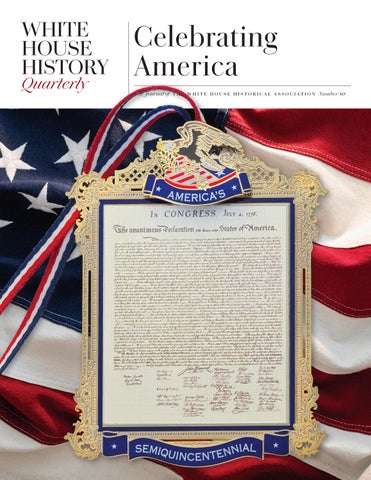
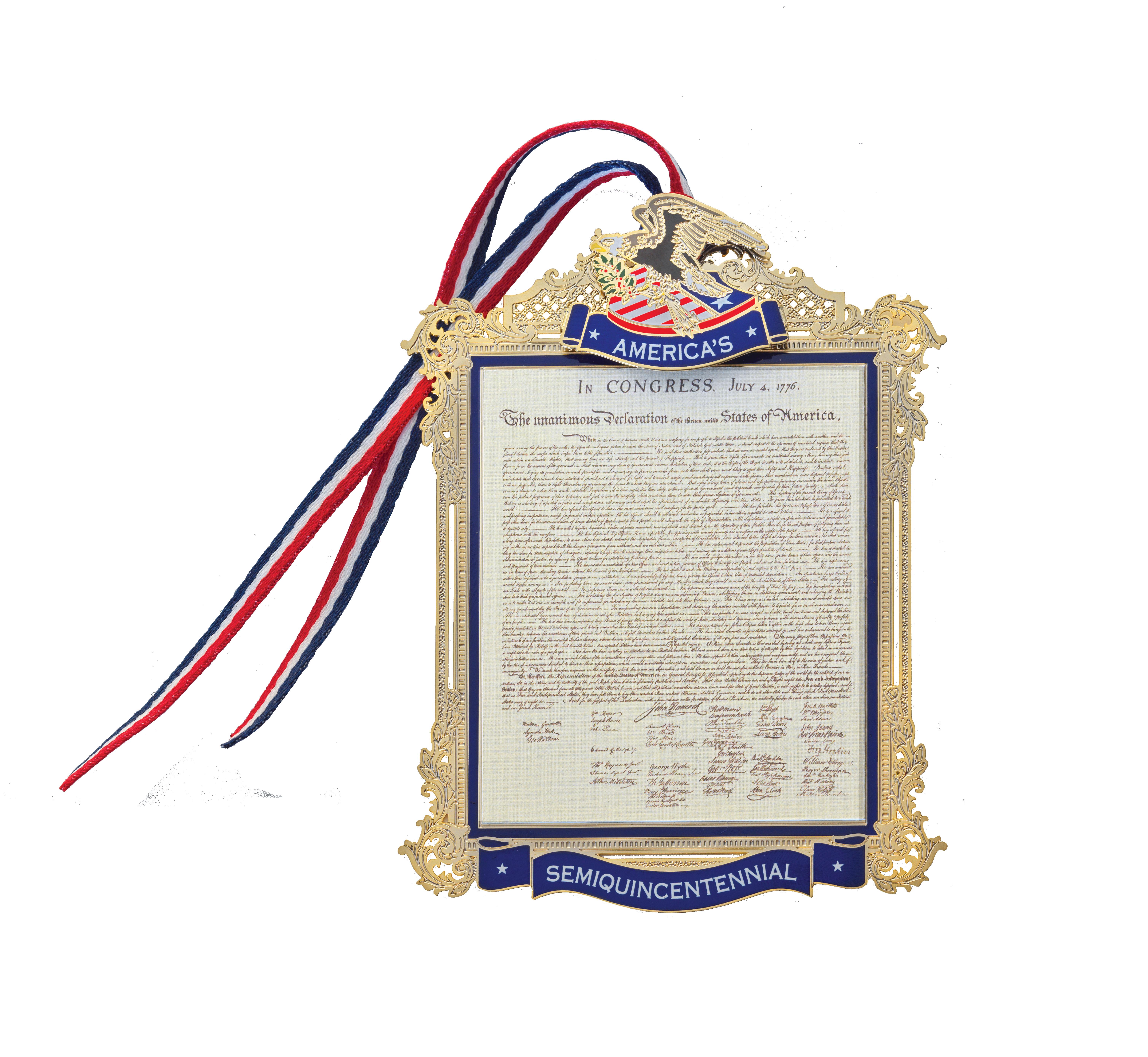
We begin in the present day by exploring the meaning and making of the recently launched Official White House Christmas Ornament. The forty-sixth in the series, the 2026 ornament fittingly pictures a facsimile of the original Declaration of Independence now preserved in the National Archives. The ornament, destined to hang on perhaps a million or more Christmas trees in the United States and abroad for years to come, is in keeping with the intention of the Second Continental Congress, which, immediately following the formal signing of the document, ordered that it be reproduced, read publicly, and distributed widely.
Charlotte Seale takes us back to the eighteenth century and shares the reaction of a “stranger in America” to one of the earliest Independence Day celebrations. She explains that Charles Janson, an Englishman who happened to arrive in Boston in 1793 on the eve of the nation’s seventeenth anniversary, had hoped to avoid the public festivities but instead witnessed flags flying, guns firing, drums beating, and a military parade. Janson’s 1807 book would ultimately preserve not only this scene but would present the first known published image of the President’s House.
Historian Alan Capps takes us into the nineteenth century to July 4, 1826, the nation’s fiftieth anniversary. The date was consequential not only for marking a half century of independence but also for the deaths of two Signers of the Declaration, second President John Adams and third President Thomas Jefferson—an astonishing coincidence.
Jennifer Wojeck reminds us that the nation would never forget the significance of not only July 4, 1776, but also of other milestone dates such as April 30, 1789. She
such 1789.
Birthdays
takes us to New York City on the centennial of George Washington’s first Oath of Office, following President Benjamin Harrison as he traces Washington’s steps to Federal Hall in a days-long celebration filled with naval reviews, balls, parades, a worship service, and speeches. Journalist Ann Compton brings the narrative into the twentieth century, sharing her own memories of traveling with President Gerald R. Ford on July 4, 1976, the nation’s two hundredth birthday. It was a day, Compton explains, that America was ready to celebrate its success story. Compton witnessed Ford complete an ambitious seven page itinerary, which began with prayer at St. John’s Church and continued with events in Valley Forge, Philadelphia, and New York Harbor, before culminating with a viewing of fireworks from the Truman Balcony.
of President
The first-person accounts continue with memories of two White House bicentennials. Former White House Chief Usher Gary Walters details events hosted by President and Mrs. George H. W. Bush in 1992 when the bicentennial of the White House cornerstone was memorialized with the installation of a time capsule on the South Grounds. Then artist Jamie Wyeth shares his experience on the South Grounds in 2000, when he was cleared in at 5:00 a.m. to make preparatory sketches for his painting, Dawn, The White House, 2000. Wyeth had been commissioned by the White House Historical Association to celebrate the two hundredth anniversary of life in the White House, which began on November 1, 1800, when President John Adams took up residence. With this special account of how he created his painting, Wyeth publishes his preparatory sketches for the first time.
Joel Kemelhor takes us out to sea to explore the U.S. Navy’s traditions for celebrating national anniversaries and the role played by carriers named for presidents.
The named
For our Presidential Sites Feature, James H. Johnston takes us to his hometown, Independence, Missouri. Founded in 1827 and named for the Declaration of Independence, Independence is described by Johnston as the “quintessential American small town.” He remembers growing up there at the time when President Harry S. Truman was a neighbor and sitings of the president were both commonplace and unforgettable.
Truman was a neighbor and sightings of the president
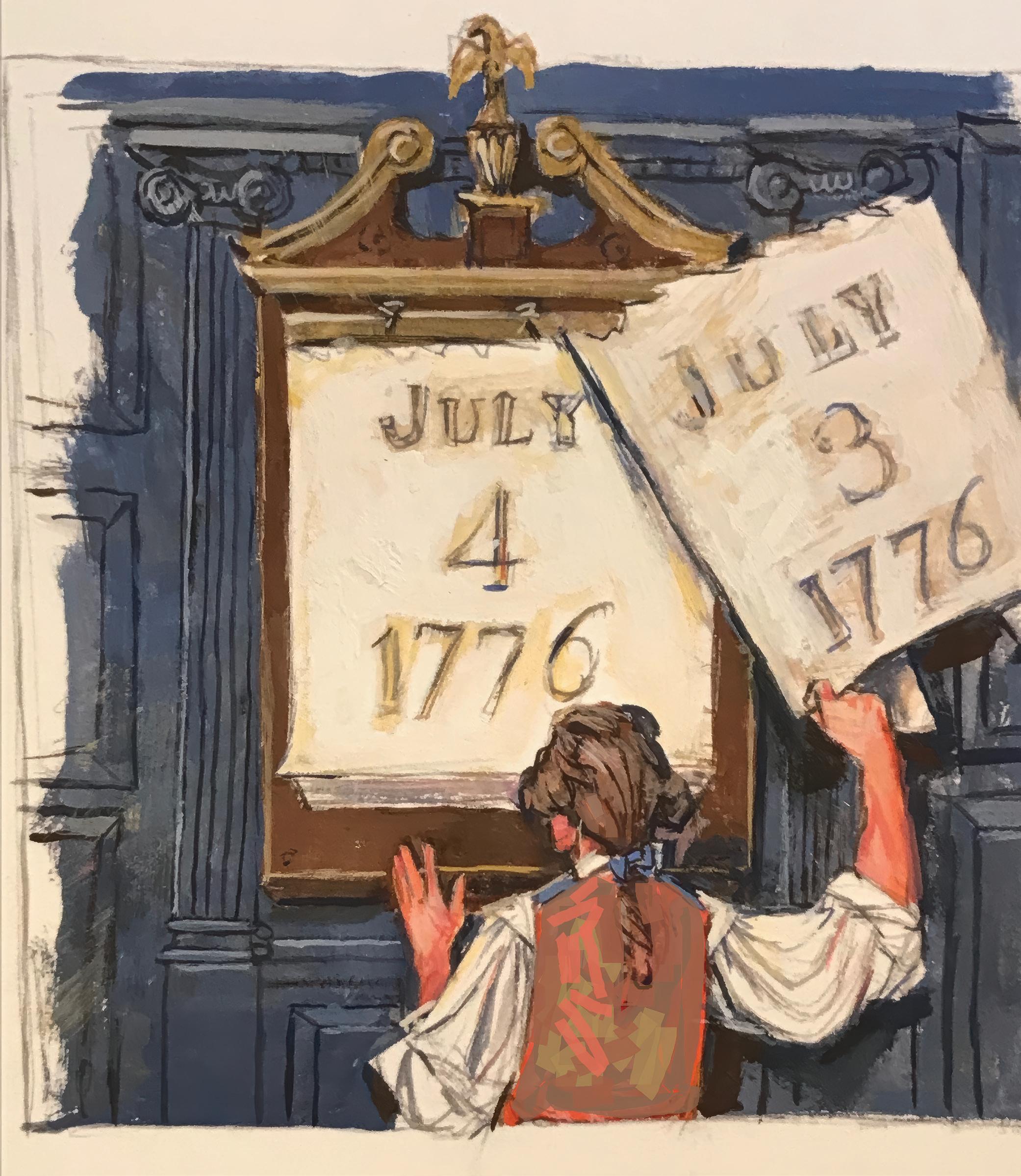
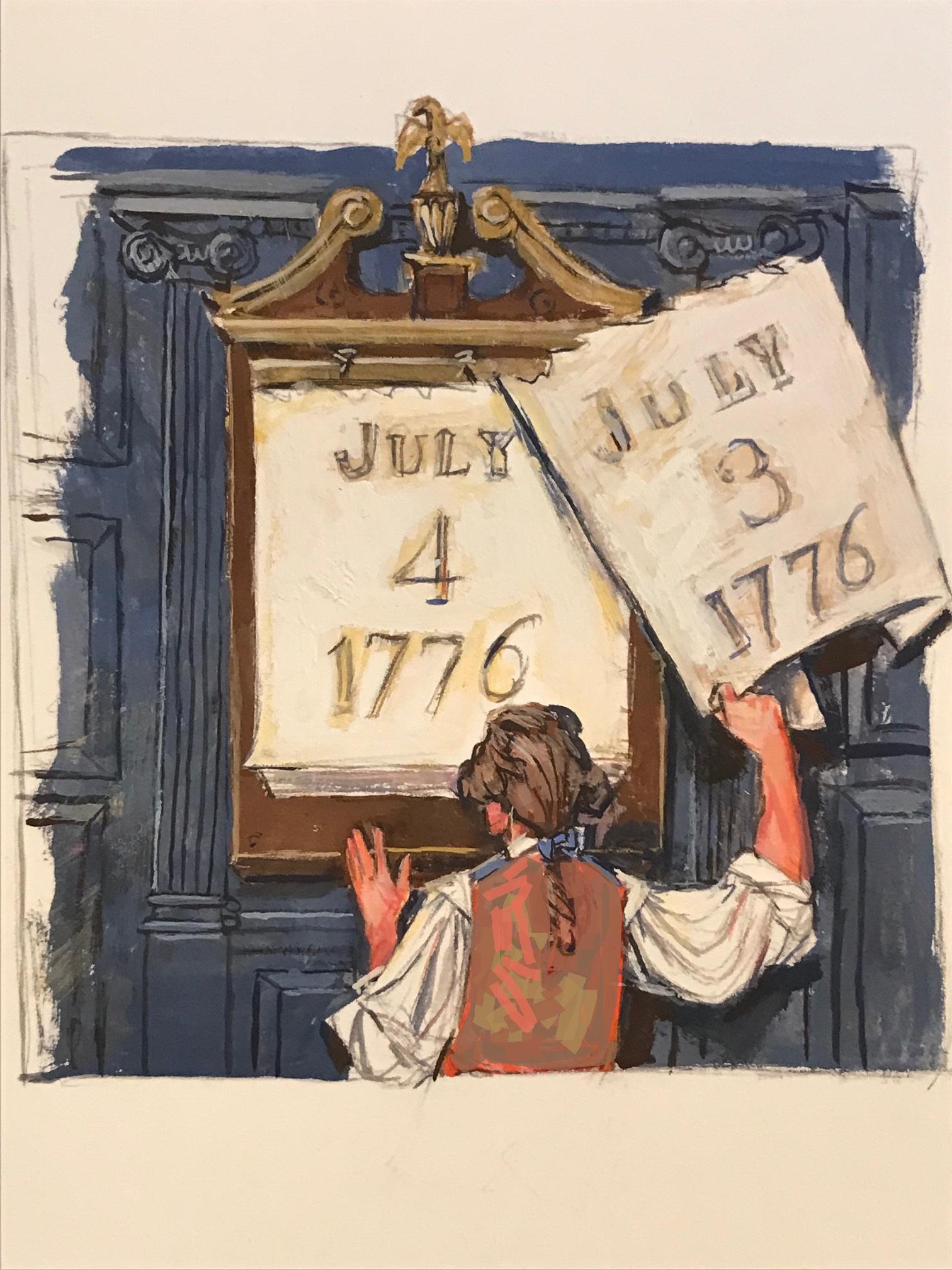
Artist John Hutton imagines the moment the page in the calendar is turned to July 4, 1776, in the Assembly Room of the Pennsylvania State House, now known as Independence Hall, in Philadelphia where the Second Continental Congress debated and ultimately signed the Declaration of Independence.
Artist John Hutton imagines the moment the page in the calendar is turned to July 4, 1776, in the Assembly Room of the debated and ultimately signed the Declaration of Independence.
Please note that the following is a digitized version of a selected article from White House History Quarterly, Issue 80, originally released in print form in 2026. Single print copies of the full issue can be purchased online at Shop.WhiteHouseHistory.org
No part of this book may be reproduced or distributed in any form or by any means, electronic or mechanical, including photocopying, recording, or by any information storage and retrieval system, without permission in writing from the publisher.
All photographs contained in this journal unless otherwise noted are copyrighted by the White House Historical Association and may not be reproduced without permission. Requests for reprint permissions should be directed to rights@whha.org. Contact books@whha.org for more information.
All rights reserved under international copyright conventions.
ANN COMPTON
previous spread and left
america was ready to celebrate. Its two-hundred-year success story had introduced democracy to the entire globe. The planning of the Bicentennial had been ten years in the making, and when the day arrived, Gerald R. Ford, the thirty-eighth president of the United States of America, rose before dawn to embark on what would be a momentous July 4, 1976.
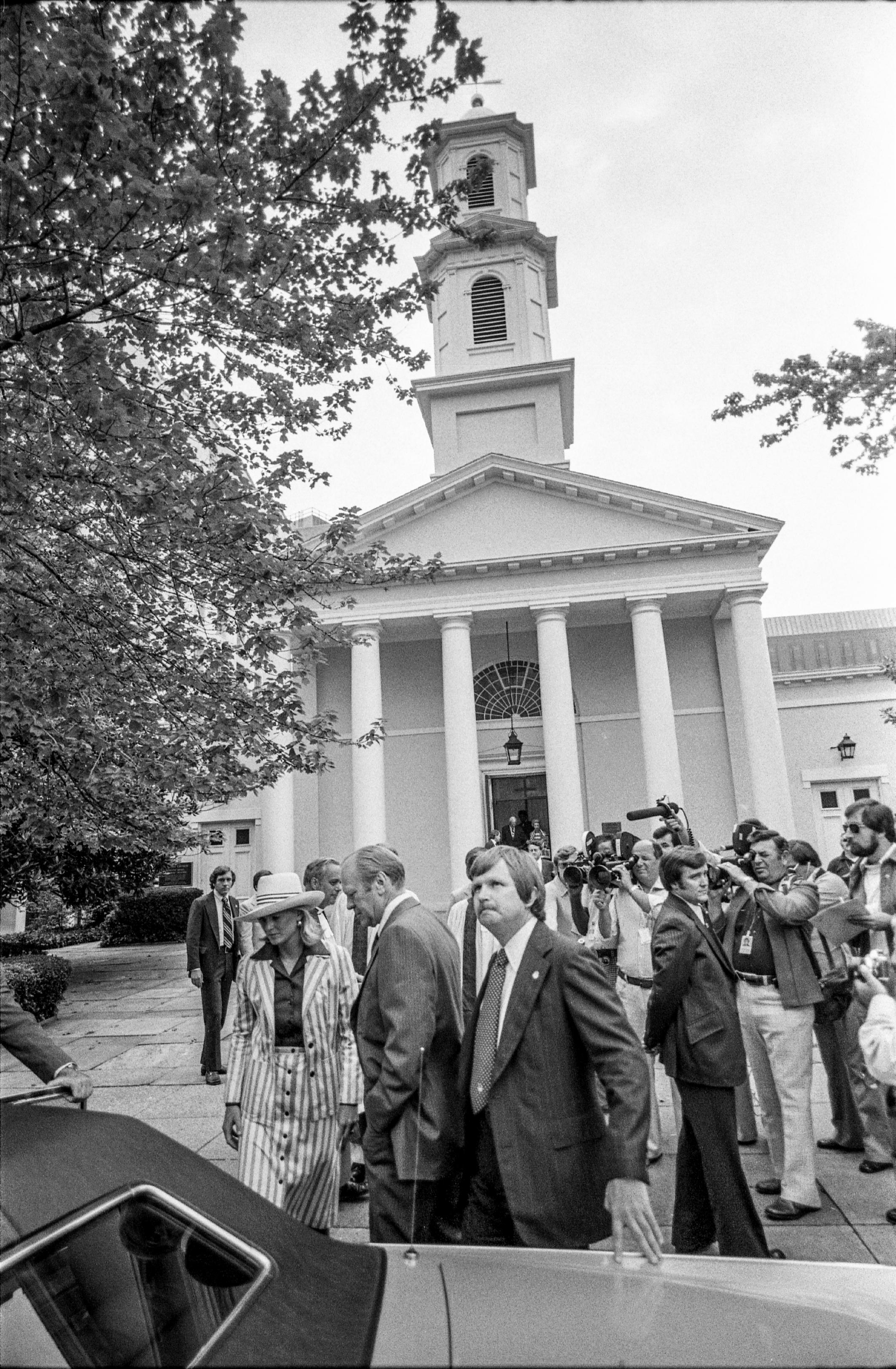
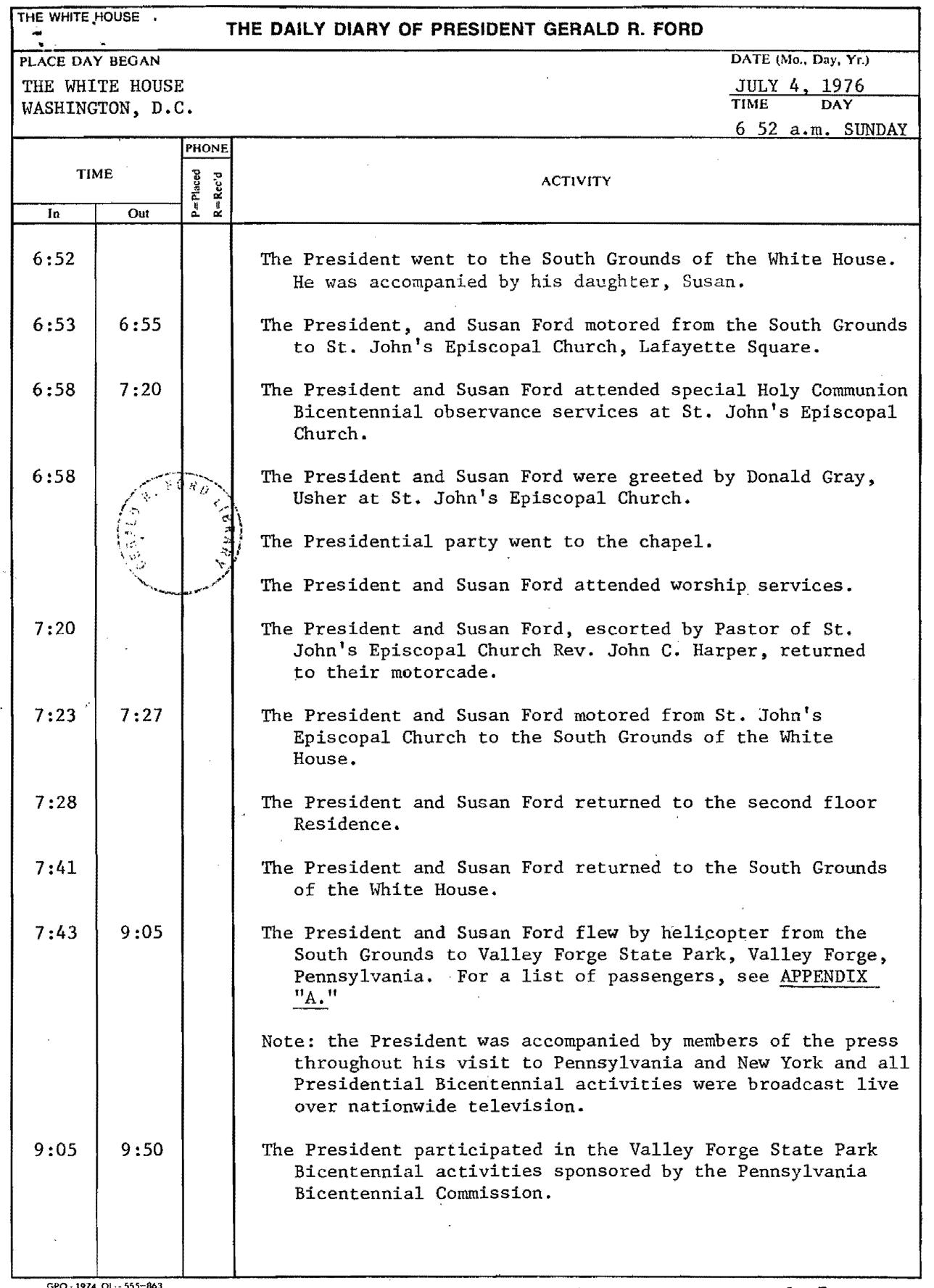
At 6:53 a.m. President Ford left the White House to kneel in prayer at St. John’s, the historic church across Lafayette Park where generations of presidential families have worshipped. He was bringing his own unusual chapter in American history with him that day. Less than two years earlier Gerald Ford had become the only president ever to assume the office without being elected to the executive branch. During the turbulent Watergate scandal he was promoted by a vote in Congress to the vice presidency. Then President Richard Nixon became the only president ever to resign in disgrace, ushering Vice President Ford into the Oval Office.
I arrived a few weeks later as a young ABC
News correspondent assigned to cover the new president wherever he went. President Ford and I both arrived at the White House as the nightmare of Watergate came to a close, the divisive Vietnam War finally ended (badly), and the economy was in deep distress. But America was determined to make this a moment to celebrate what was thriving: democracy.
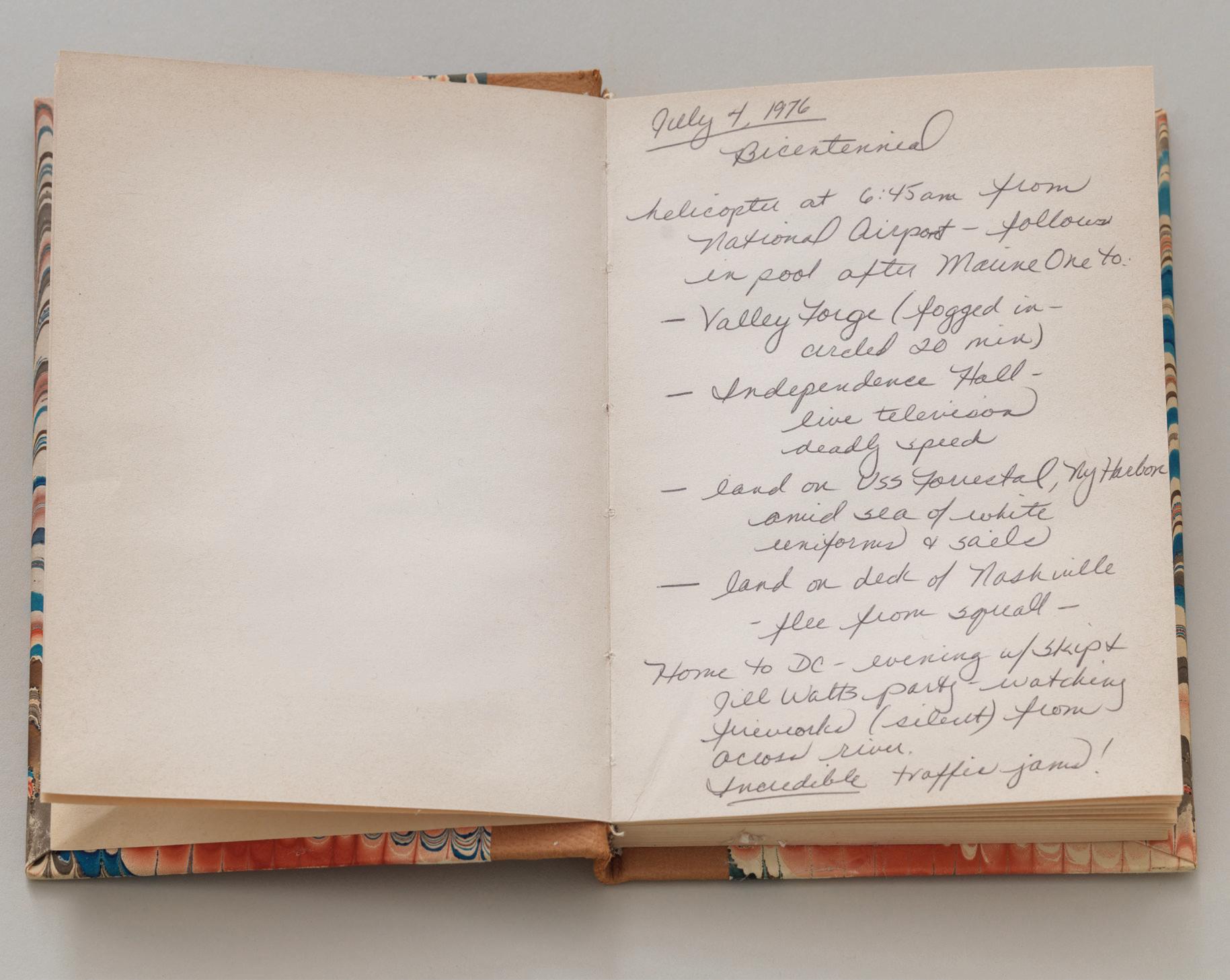
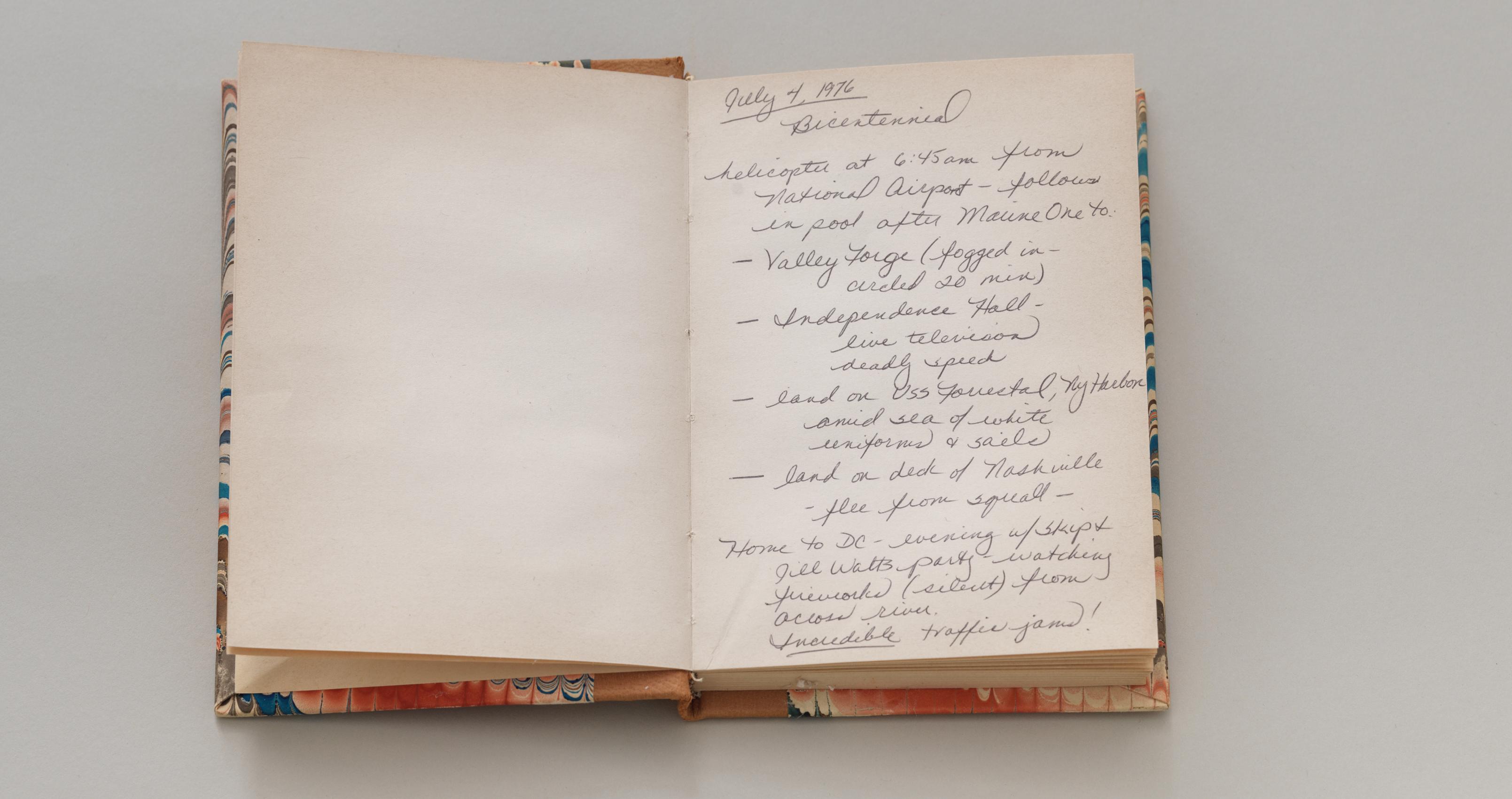
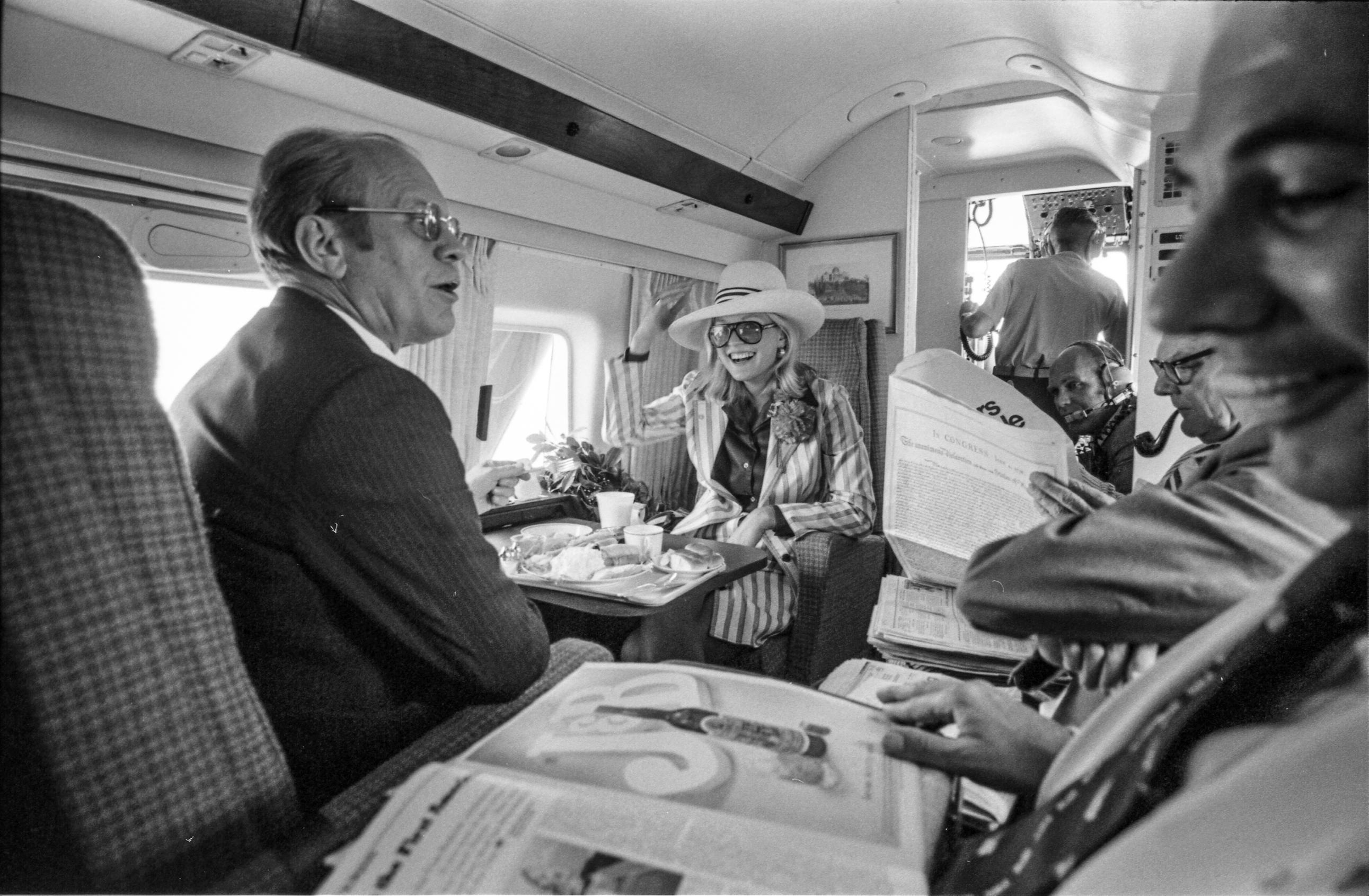
President Ford along with his teenage daughter Susan traveled back in time on his twentiethcentury Marine One helicopter to trace three stops in American Revolution history. I was the television pool correspondent in the back-up helicopter sharing details of the day with the press corps back in Washington. And writing in my own small diary late that night.
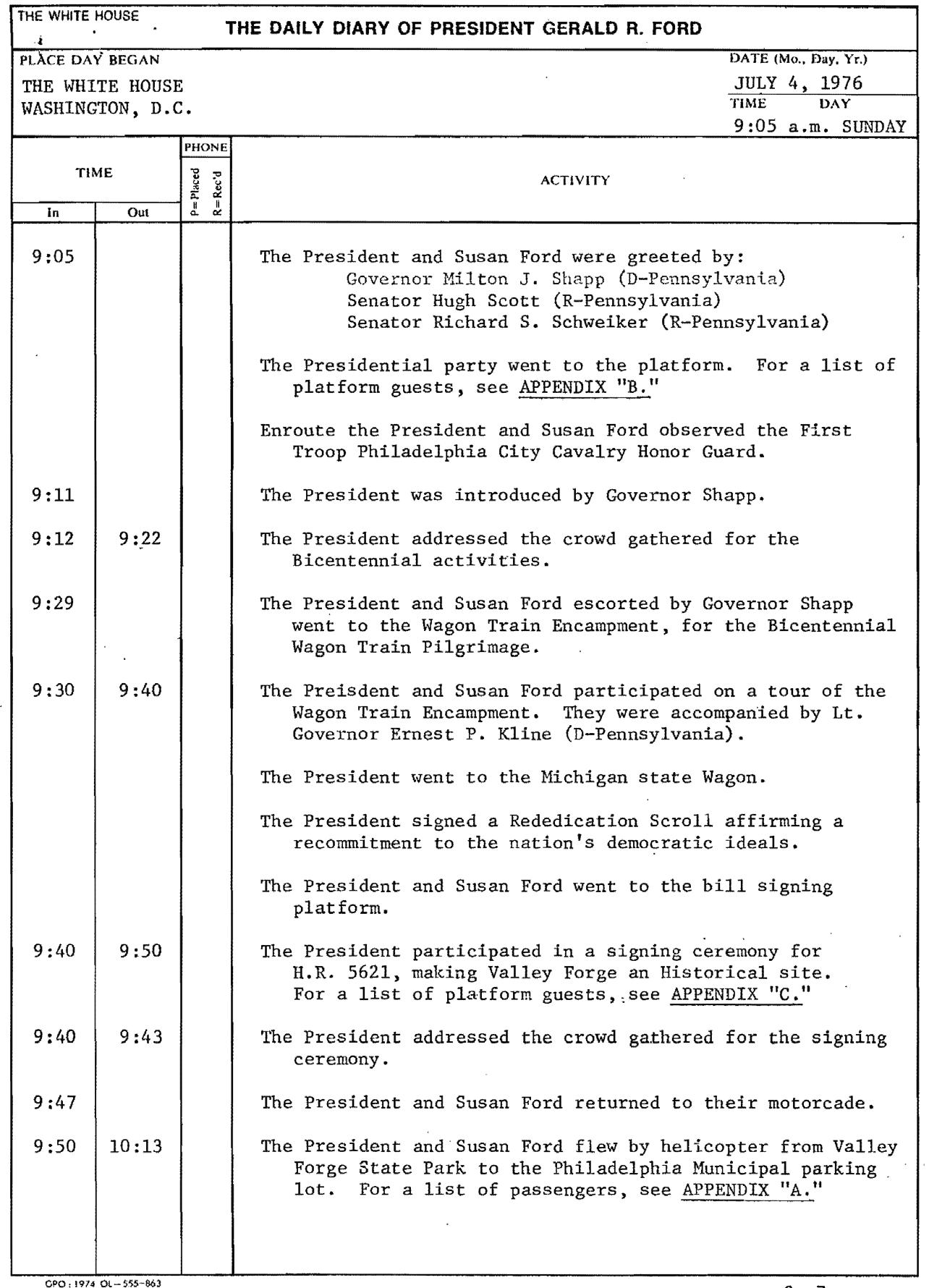
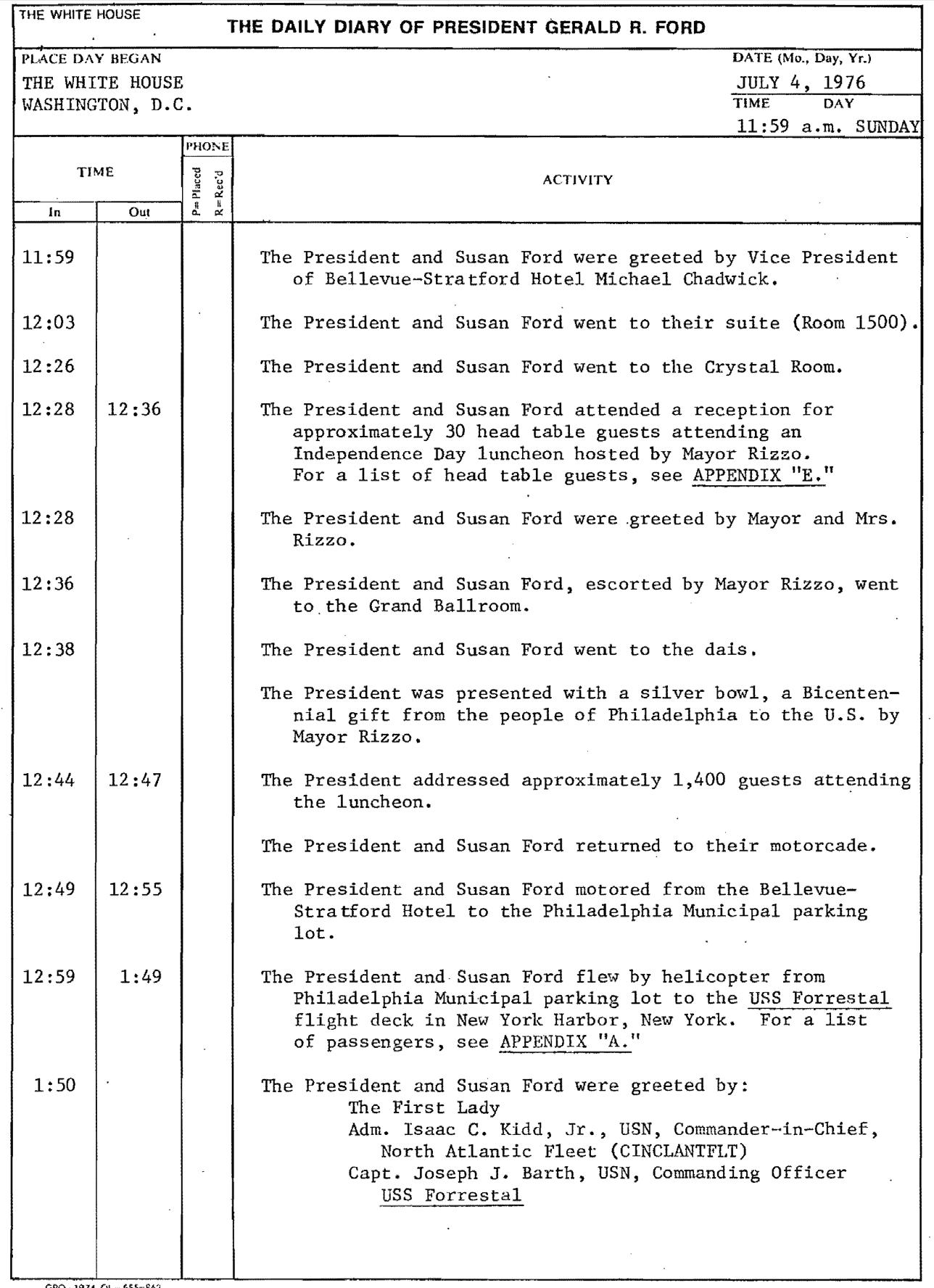
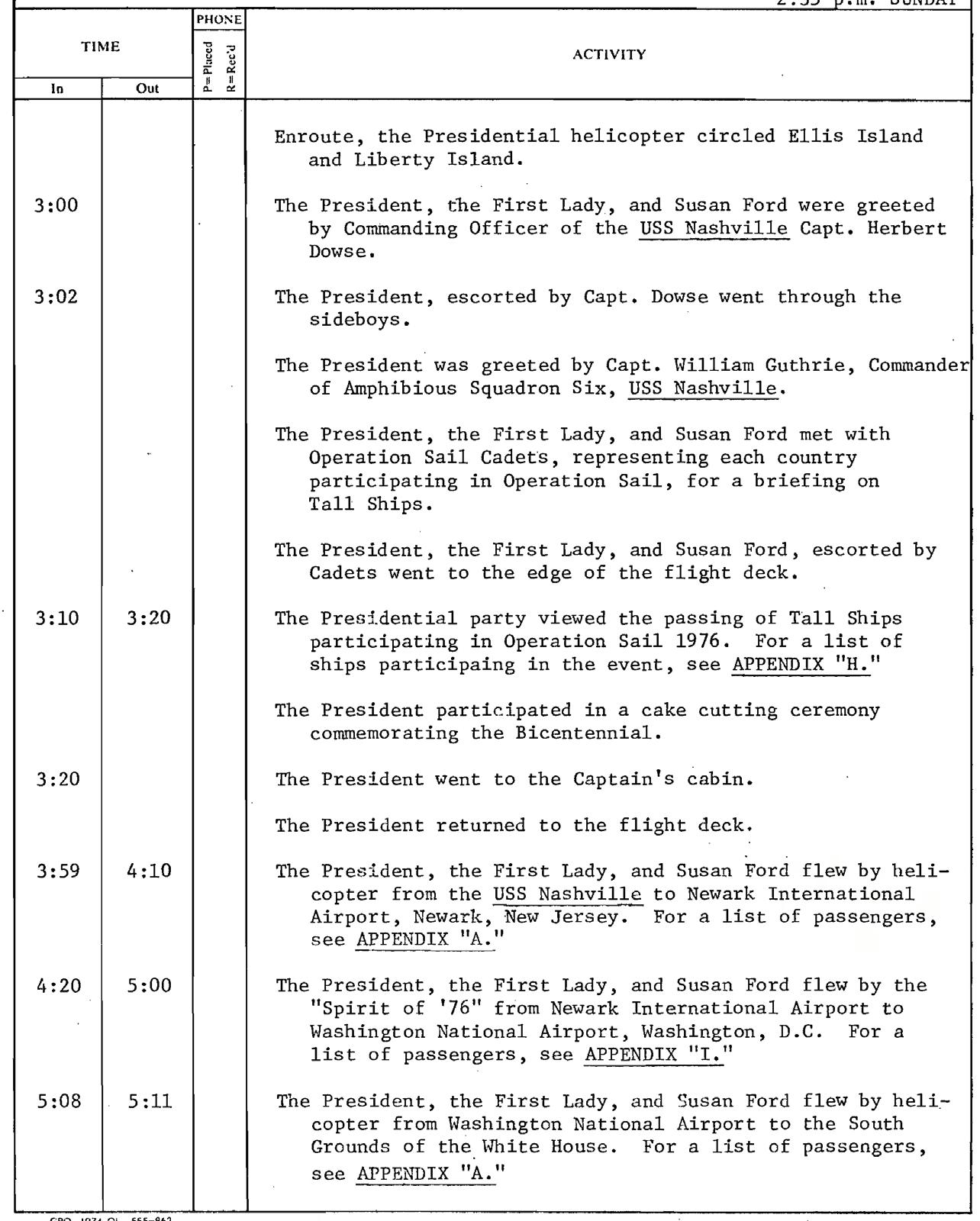
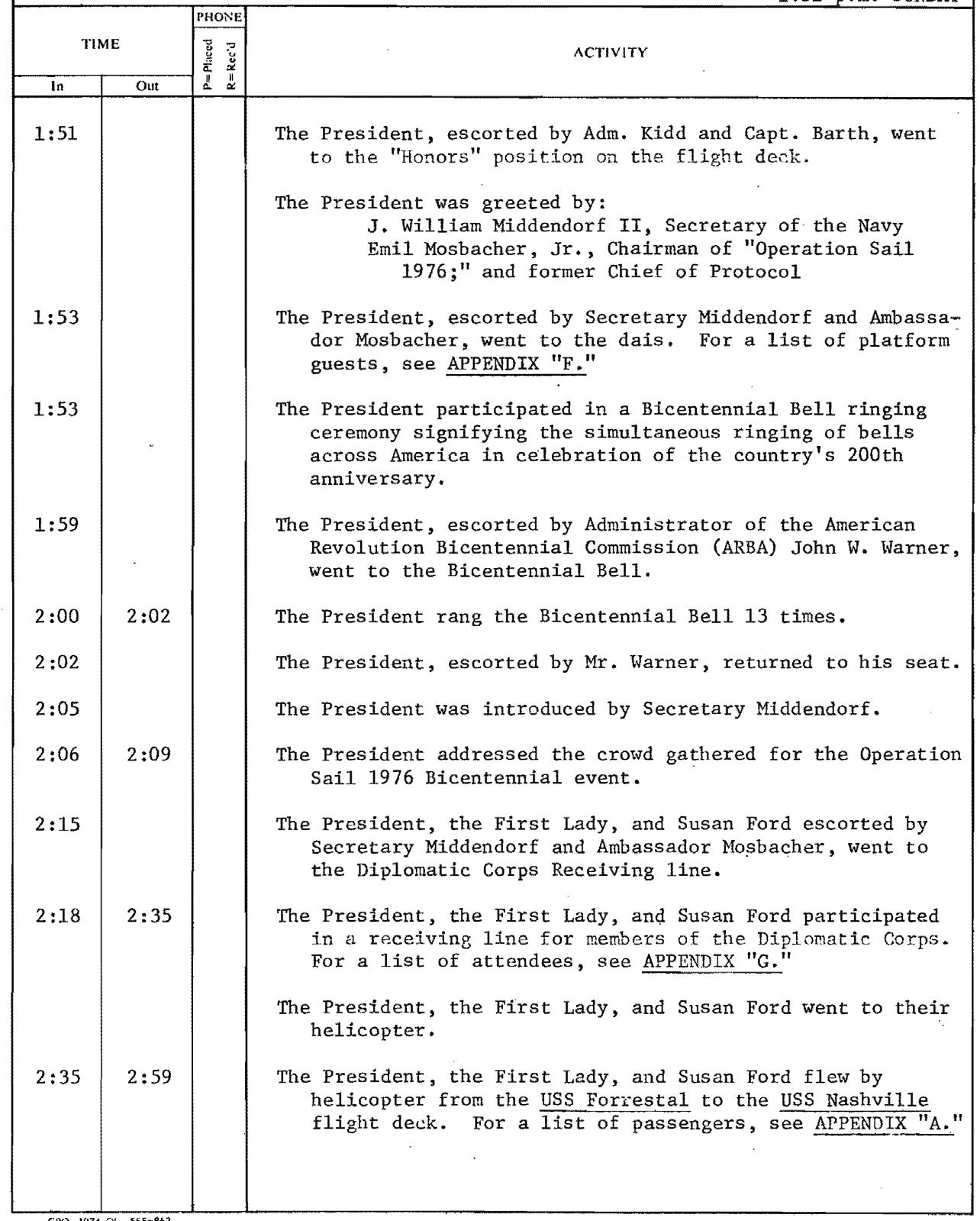
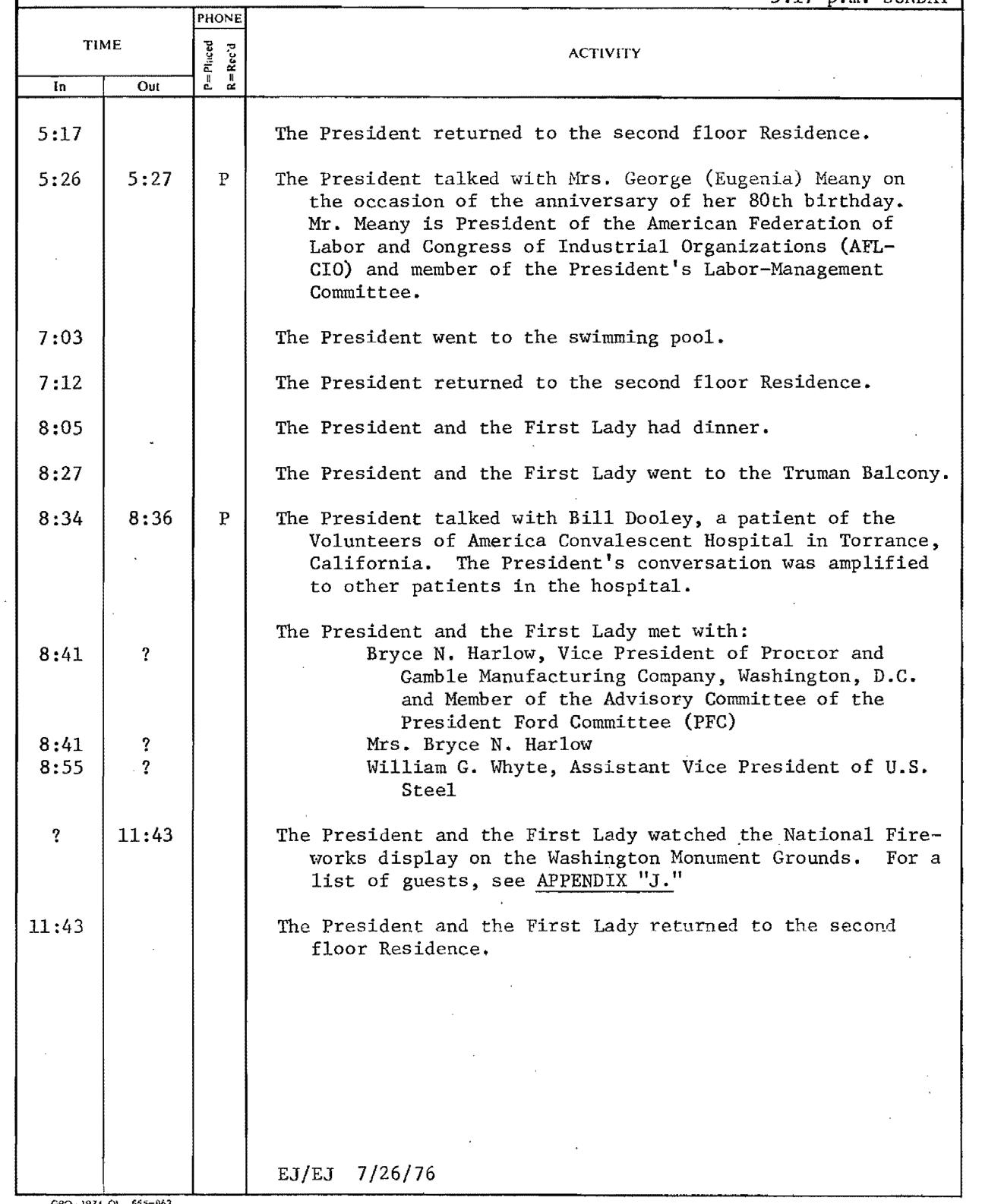
An official White House diarist keeps an unpublished minute-by–minute account. Everything for a president is timed down to the very minute. Except the weather.
lished minute-by–minute account. 1 Everything for a president is timed down to the very minute. Except the weather.
With on Ford’s historic Forge, Philadelphia, New York Harbor. noted from during ABC’s anchored (page
“flee of where Ford 48).
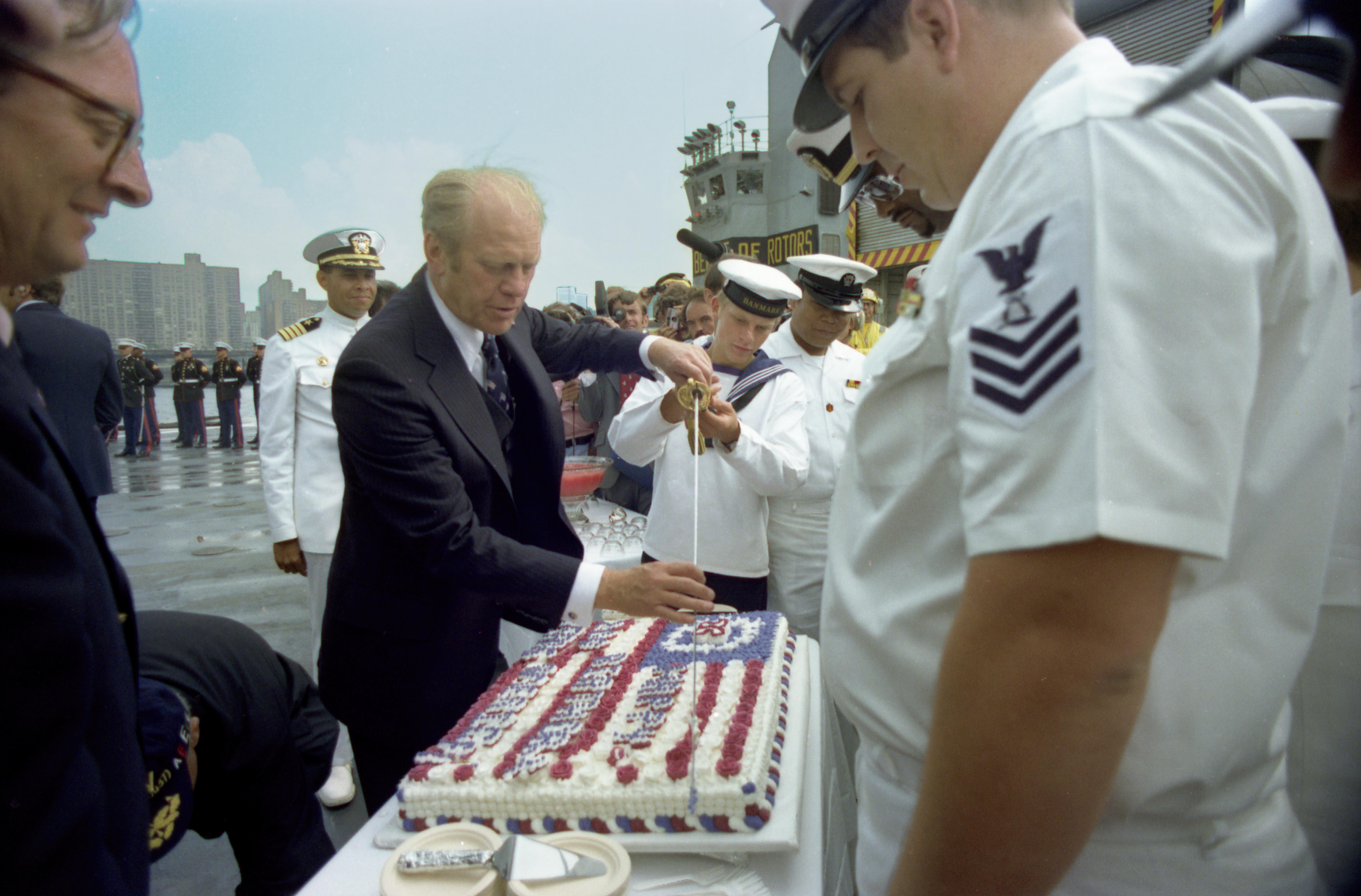
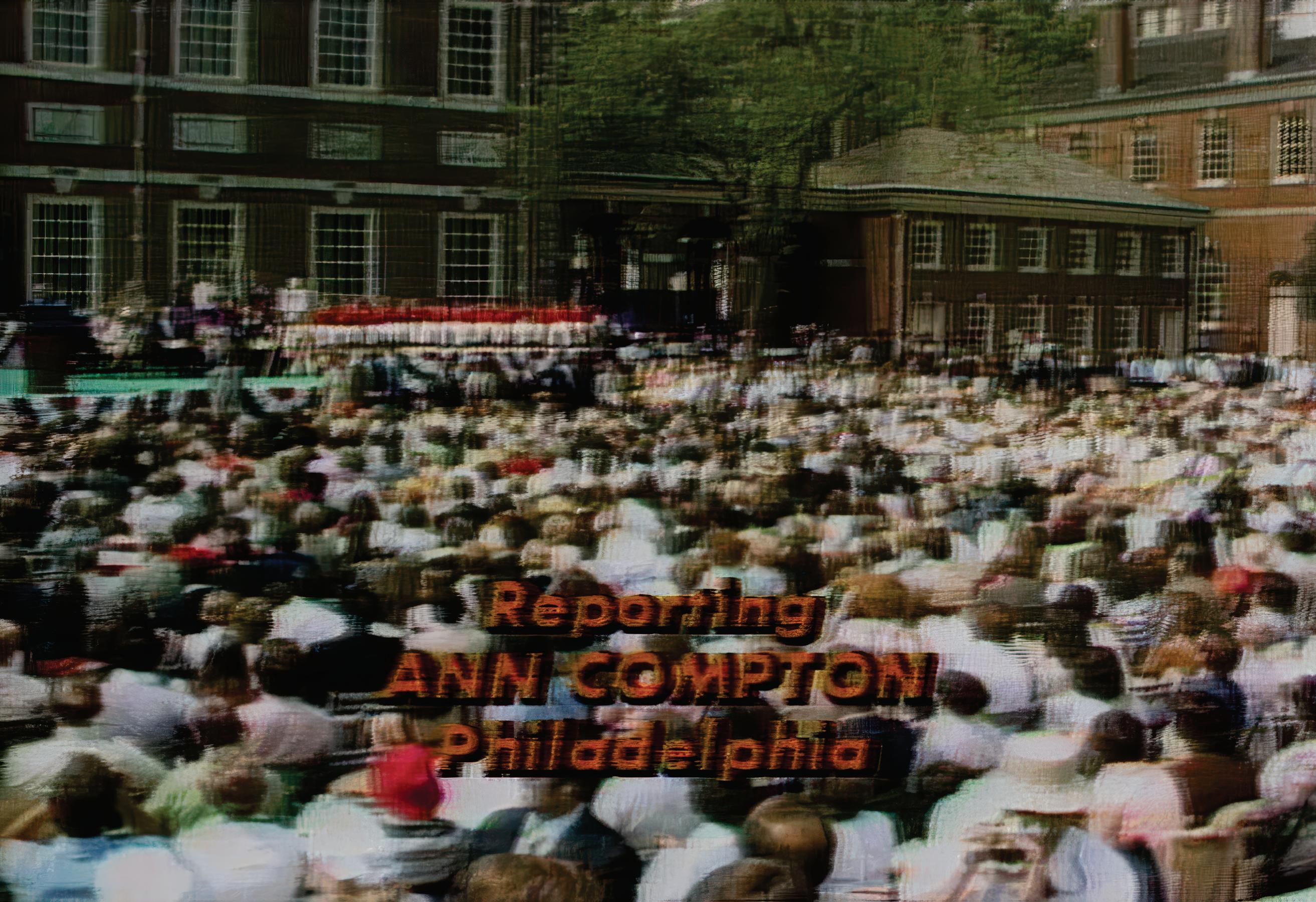
With a brief diary entry made on July 4, 1976, Ann Compton described her day in the press pool covering President Gerald Ford’s historic journey to Valley Forge, Philadelphia, and New York Harbor. She noted her live television report made from Independence Hall during ABC’s coverage anchored by Harry Reasoner (page 49) and that she had to “flee from squall” on the flight deck of the USS Nashville, where Gerald Ford cut a Bicentennial cake (page 48).
PHOTO
right and below President Ford began the Bicentennial day with prayer at St. John’s Church (right) before departing on Marine One (below) to undertake a three-stop journey to historic Revolutionaryera American landmarks. He was accompanied from the outset by his teenage daughter Susan and joined at New York Harbor, the third stop, by First Lady Betty Ford.
The President’s Diary
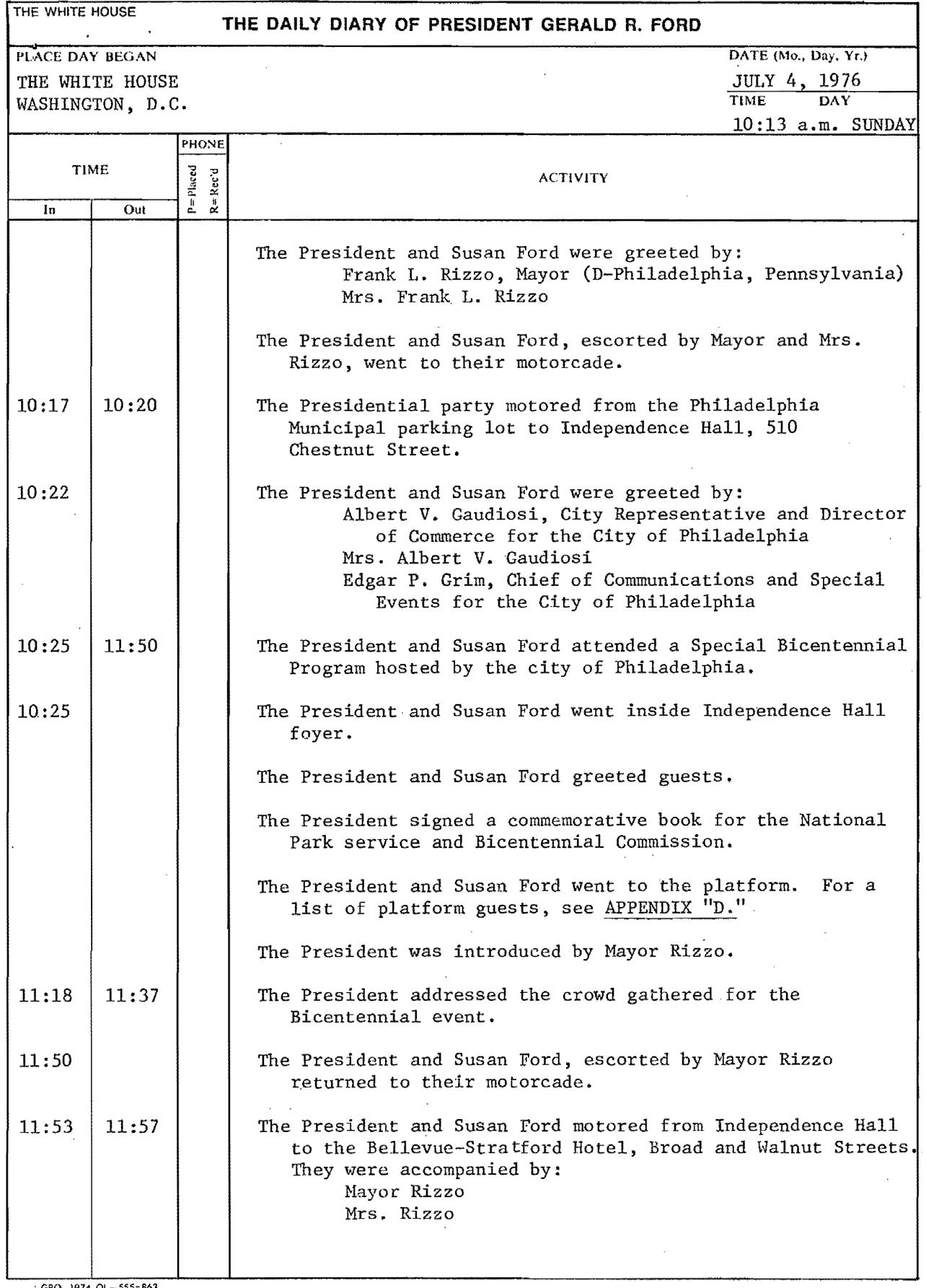
A minute-by-minute account of President Ford’s Bicentennial Day activities preserved in the Gerald R. Ford Presidential Library fills seven pages. Unlike the author’s diary, the weather is not mentioned, but included are such details as the president’s hosts and guests, his transportation, speeches, signings, cake cuttings, bell ringings, and crowd sizes.
above
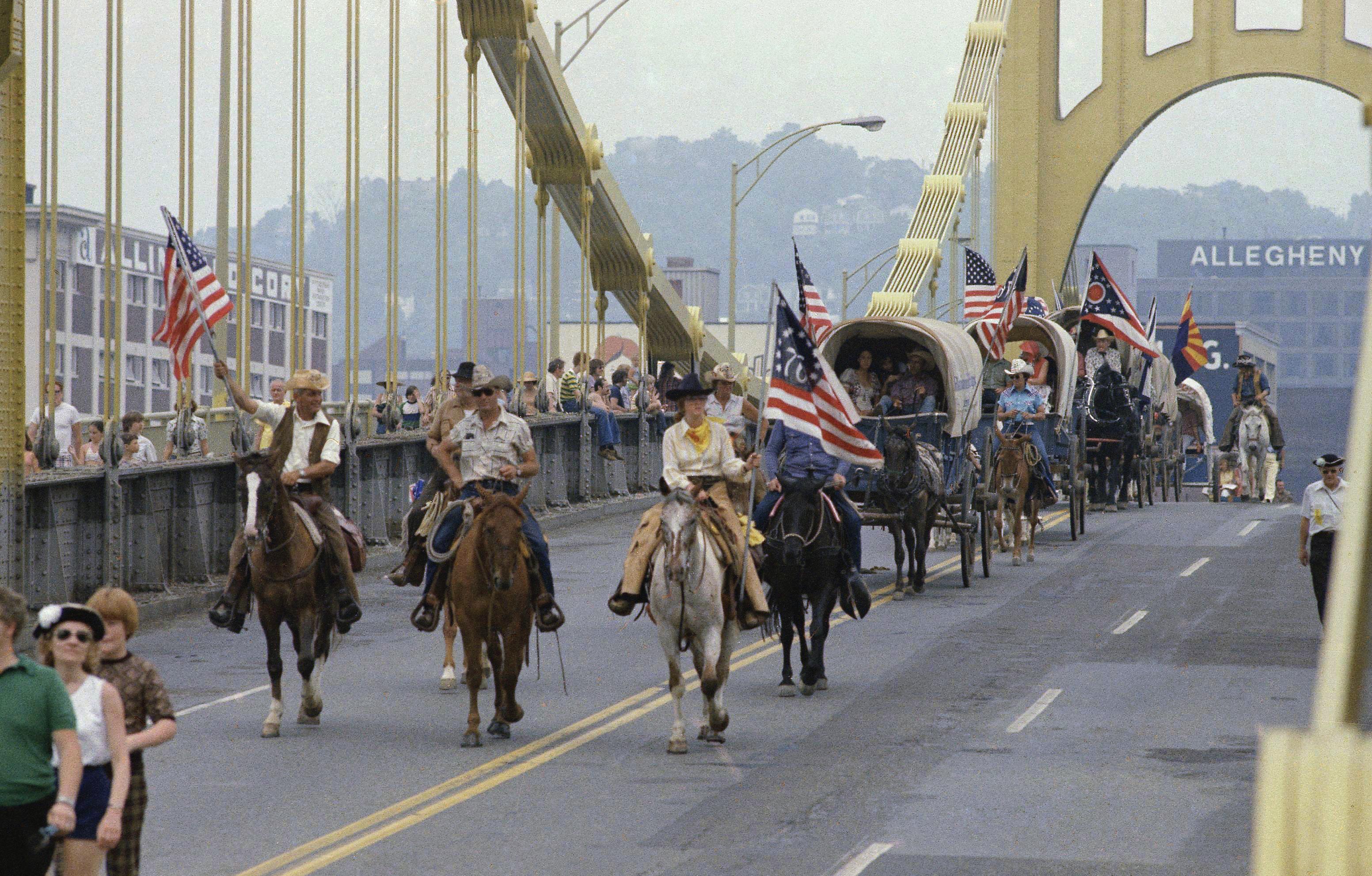
The Bicentennial Wagon Train crosses the Allegheny River in downtown Pittsburgh, headed for Valley Forge and the nation’s two hundredth birthday celebration, June 14, 1976.
opposite and right
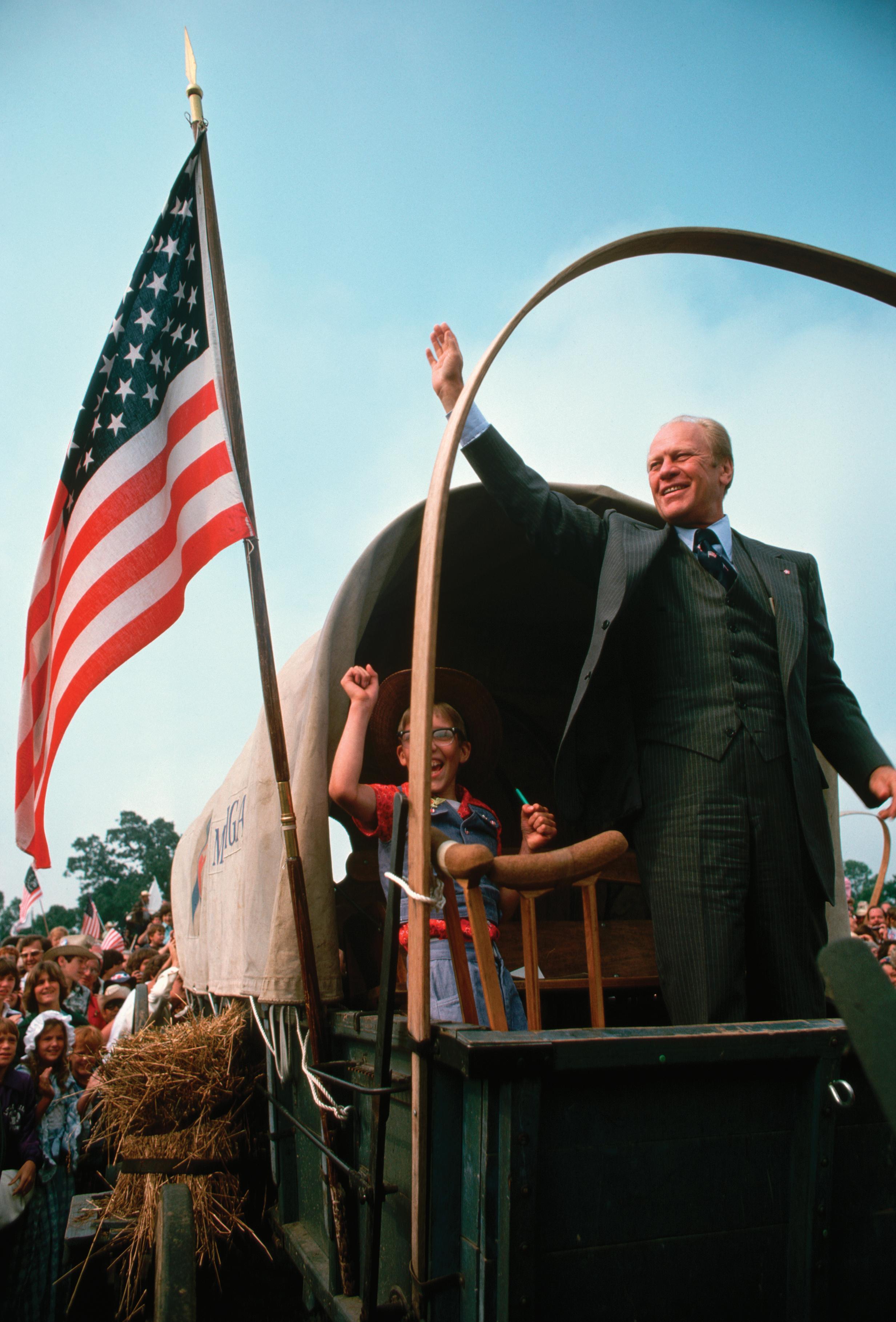
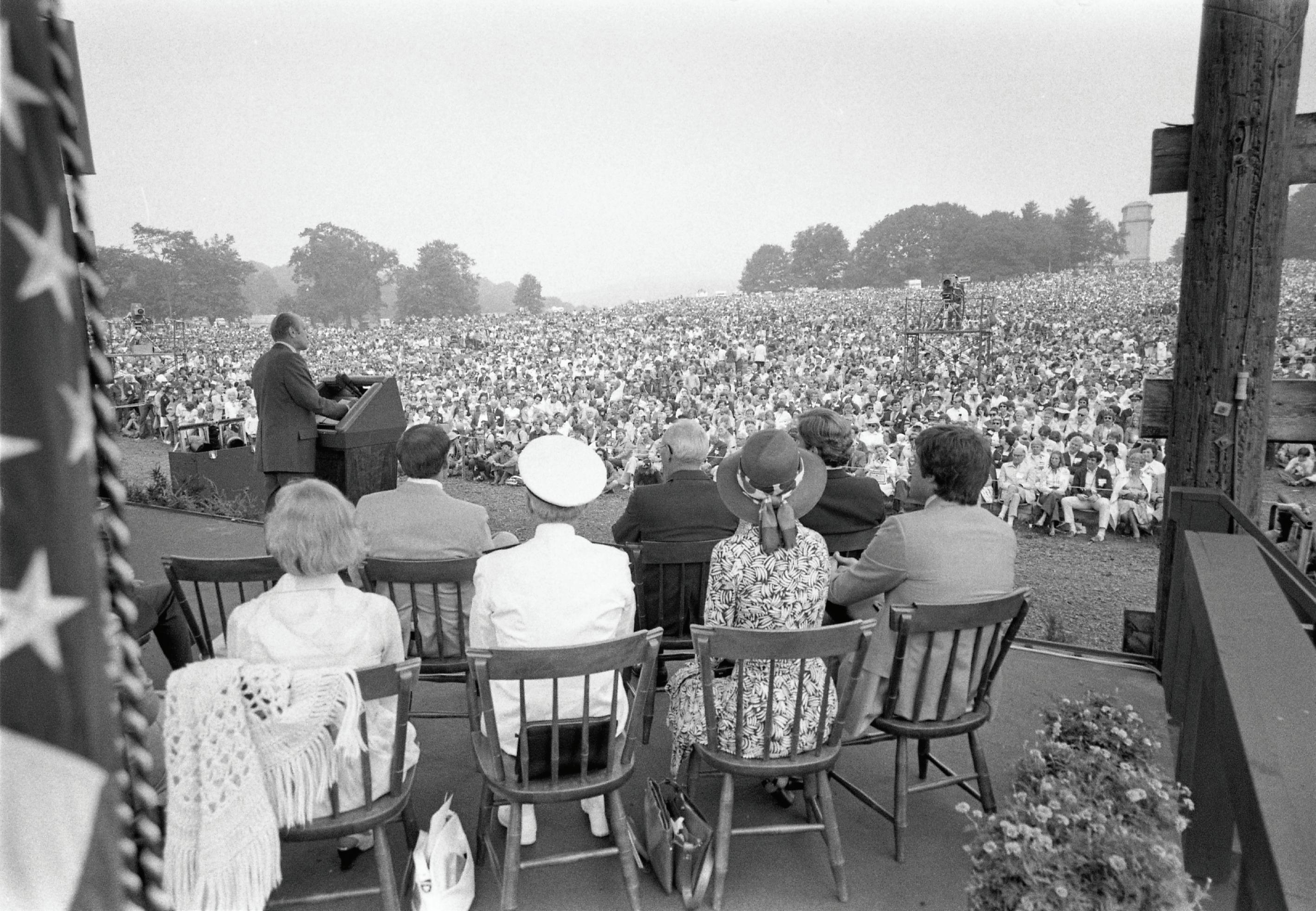
At Valley Forge President Ford addressed a large audience (right) and boarded a Bicentennial wagon from his home state of Michigan.
PHILADELPHIA
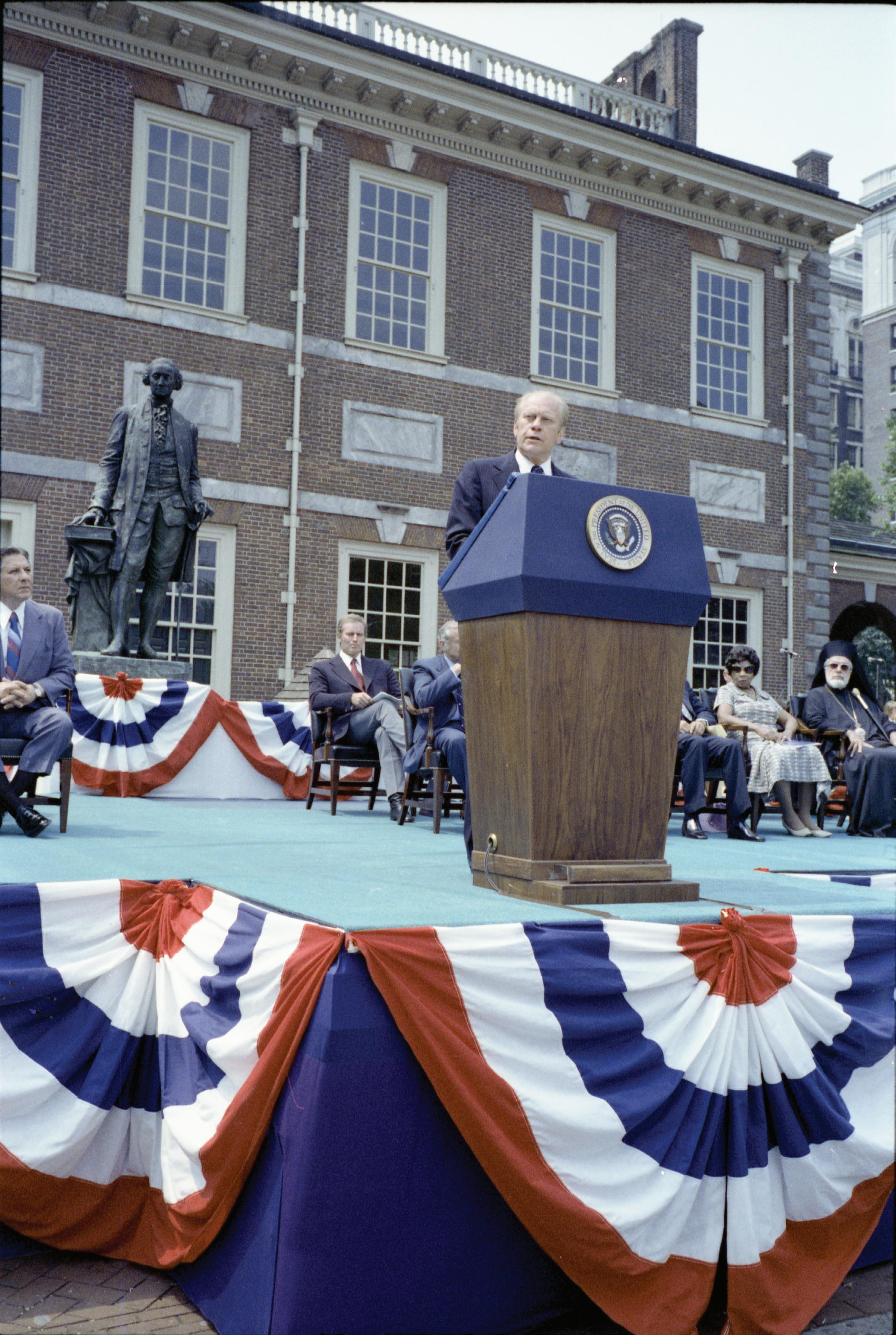
Next, a quick hop by helicopter to historic Philadelphia and Independence Hall, where the Declaration of Independence had been signed that very day two centuries earlier. Inside, President Ford signed not parchment but a commemorative book. Then he emerged to the large crowd outside in the noonday sun, some dressed in colonial costumes, for his only official address for the anniversary. The president chose to look forward, and he summoned all Americans to remember that such precious free doms must be constantly nurtured. “Liberty is a living flame to be fed,” he warned, “not dead ashes to be revered.” The president ended by beckoning the crowd to “join me now in a moment of silent prayer and meditation in gratitude for all that we have received.”2
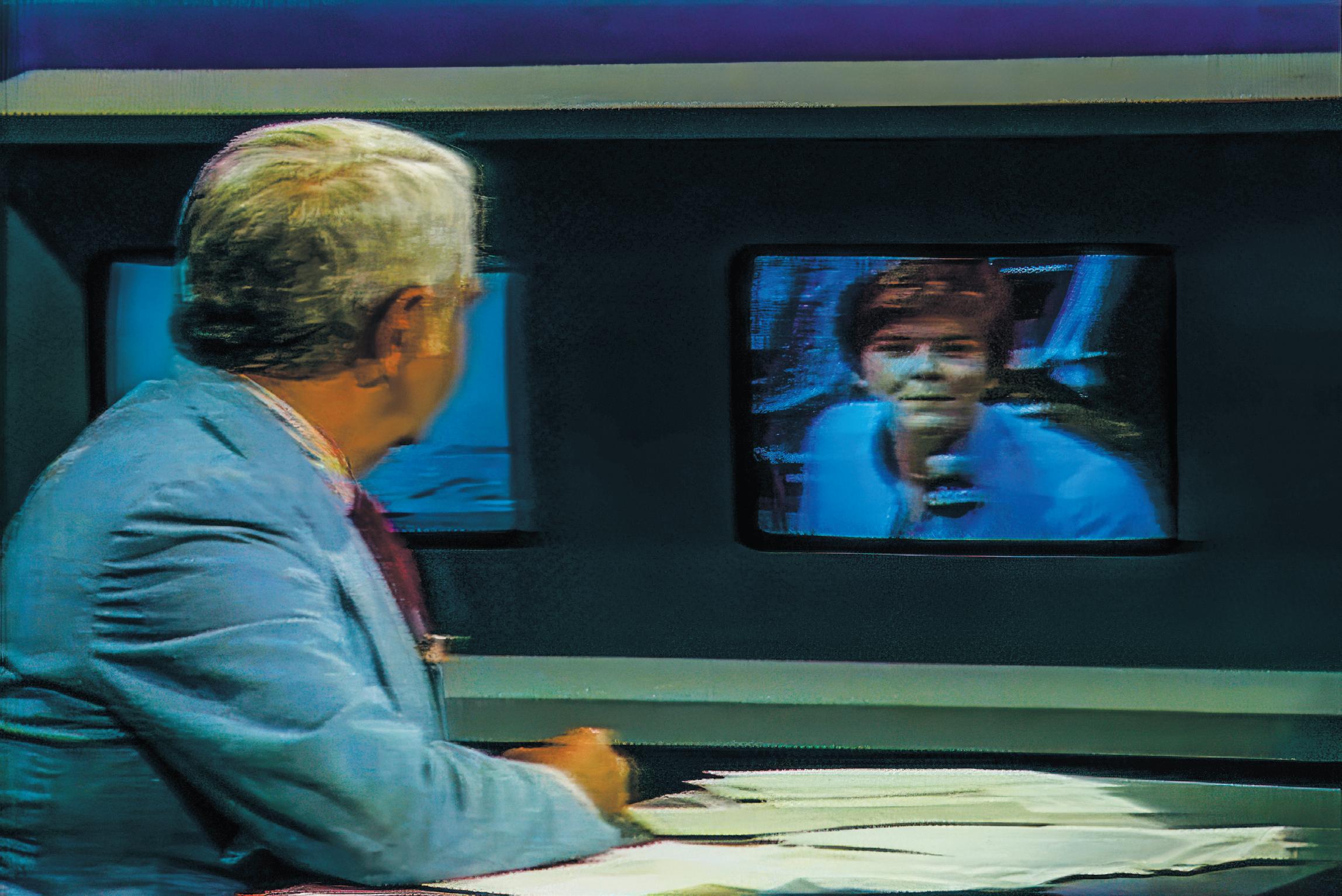
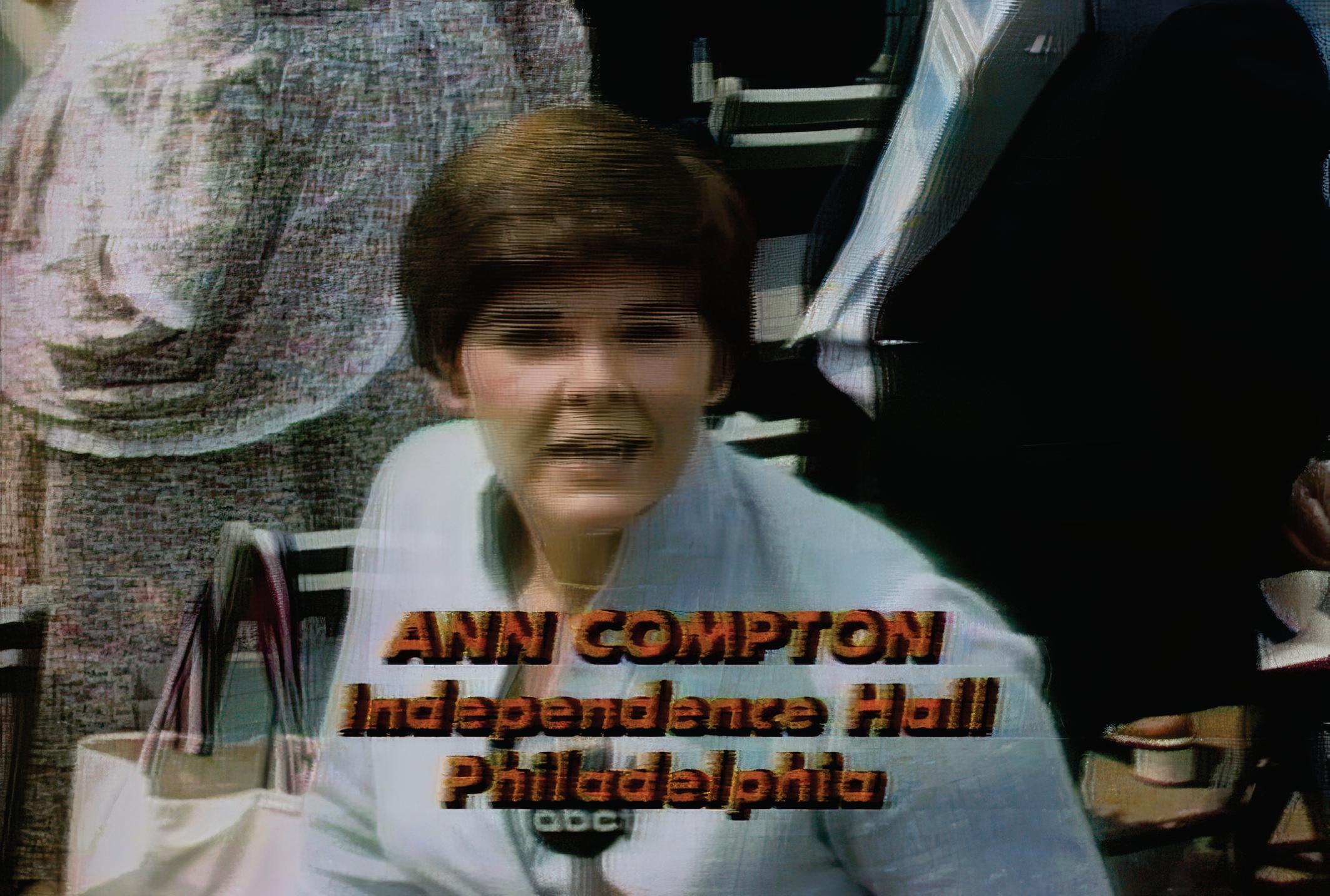
I was always thrilled to be the pool reporter see ing the action up close, but this trip also won me a front-row moment. I reached a live ABC News camera in the crowd so that anchor Harry Reasoner in New York could interview me about the presi dent’s delight at the patriotic crowds.
left and opposite
Two stills from the ABC News archive capture the scene in Philadelphia (left) as Ann Compton reports on the ceremony at Independence Hall where President Ford was introduced by Mayor Frank Rizzo. Ford reminded the crowd (opposite) that “Liberty is a living flame to be fed.”
NEW YORK
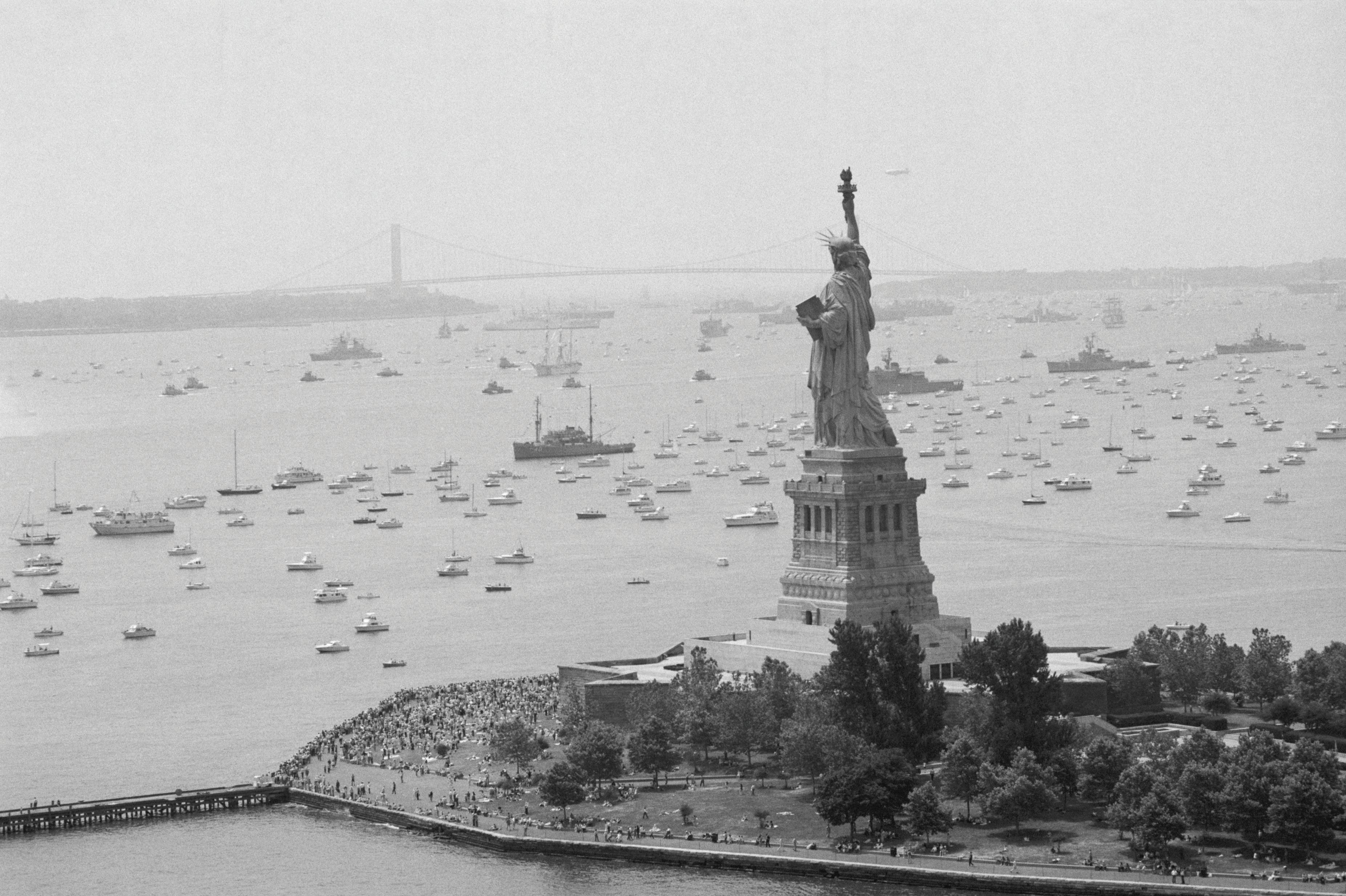
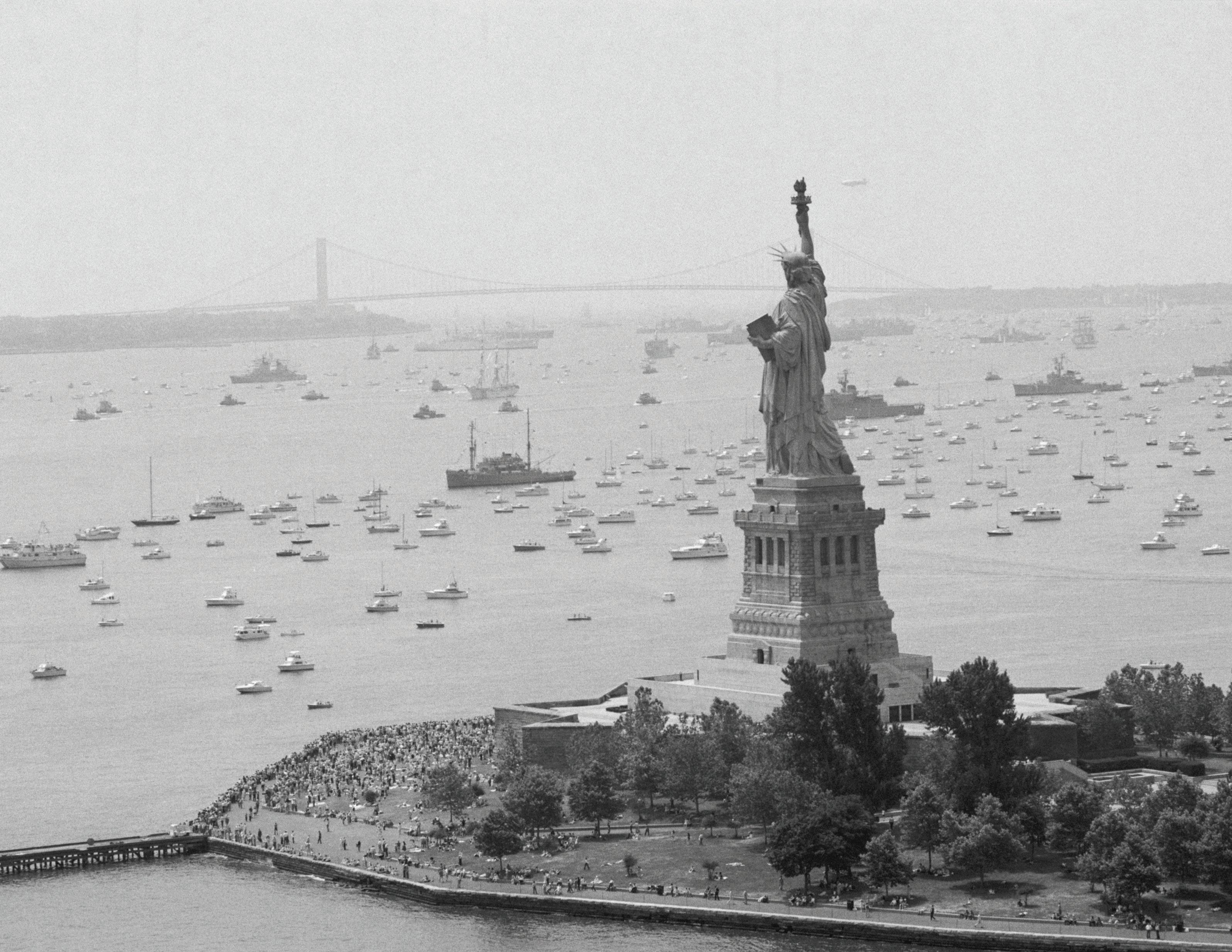
America did not celebrate alone on this anniversary. At the third and largest tribute that afternoon, it seemed the whole world showed up in a stunning display of eighteenth-century naval power and twenMarine One descended into New York Harbor brimming with tall masted ships, their sails unfurled, their sailors in array on the highest rigging. It was an international frenzy of more than two hundred ships of all sizes and speeds.
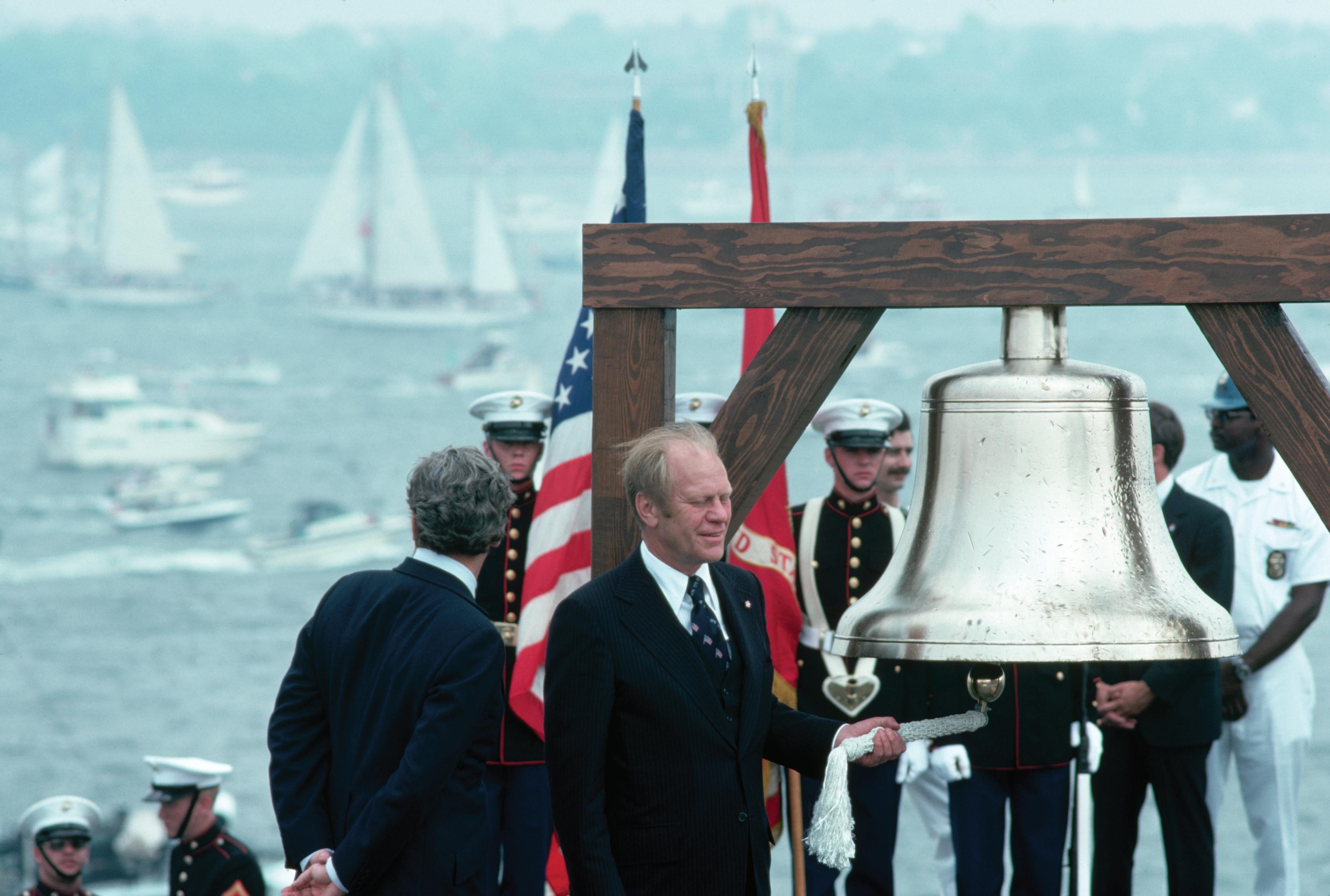
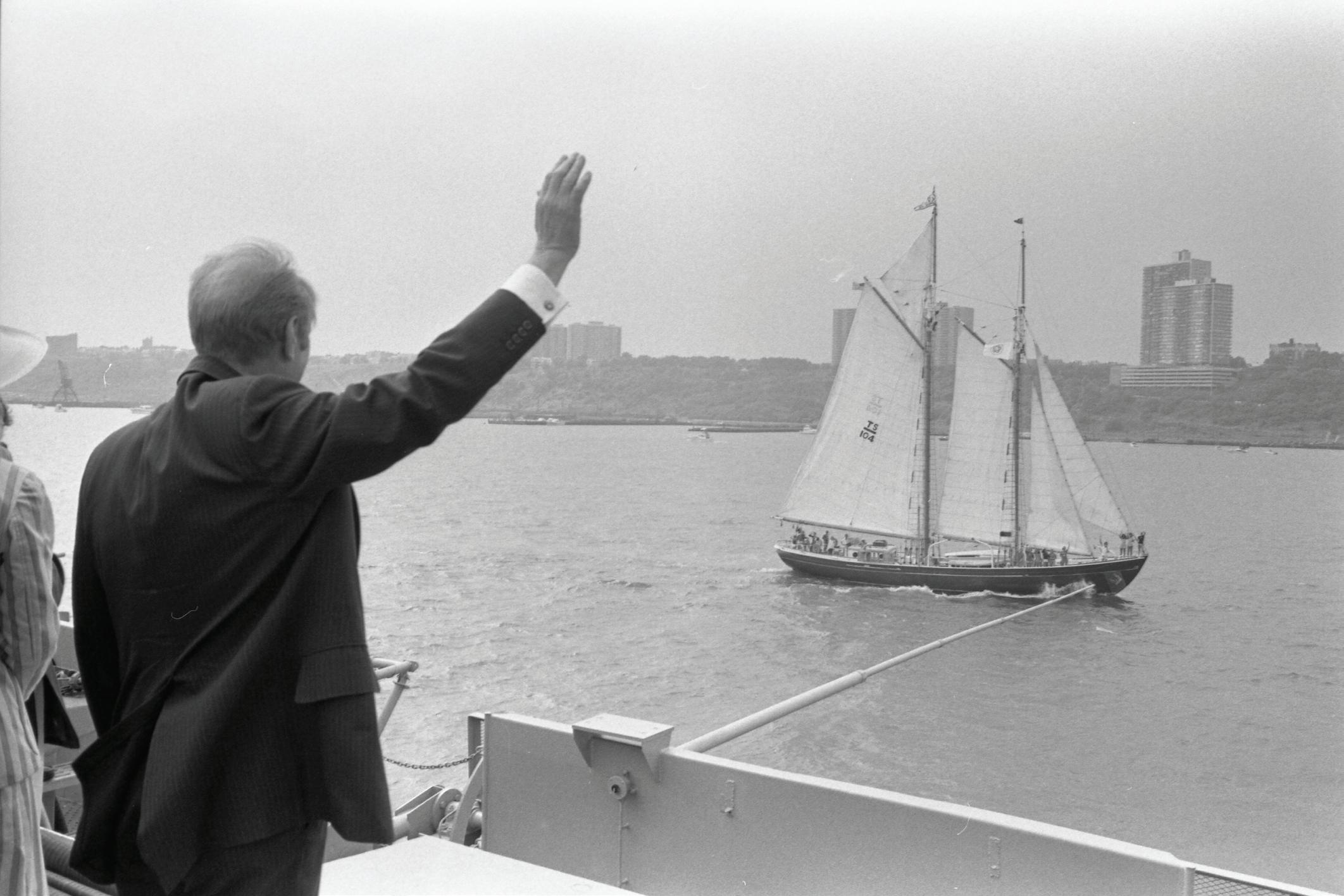
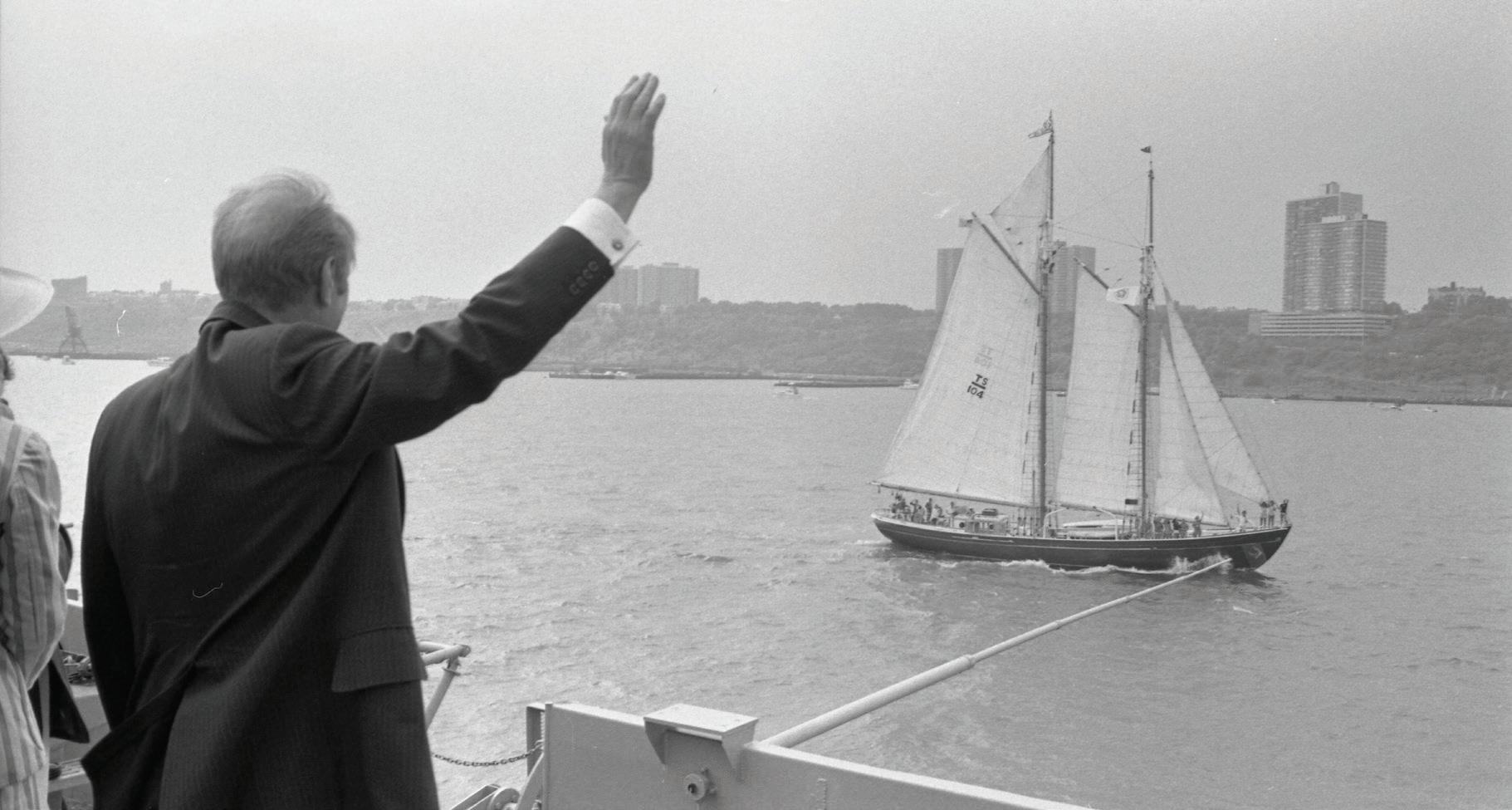
Daughter Susan Ford, who was turning 19 then, remembers looking out across the crowded harbor in awe. “It was super impressive,” she said. “To see them in person and the masses of them. That’s where your patriotism really hits your heart.”3 On the deck of the historic USS Forrestal, America’s first “supercarrier,” President Ford led a moment of celebration for the entire nation at exactly 2:00 p.m. He rang a Bicentennial Bell thirteen times in honor of the original thirteen states. Bells across the country were encouraged to echo with peels of their own, from sea to shining sea. Back on Marine , President and Mrs. Ford and daughter Susan circled Ellis Island and the Statue of Liberty, then set down for the celebration’s final salute aboard , watching as the procession of ships passed in review. Once again the weather wanted a share of the celebrity. A sudden squall moved through New York Harbor, leaving many of
above
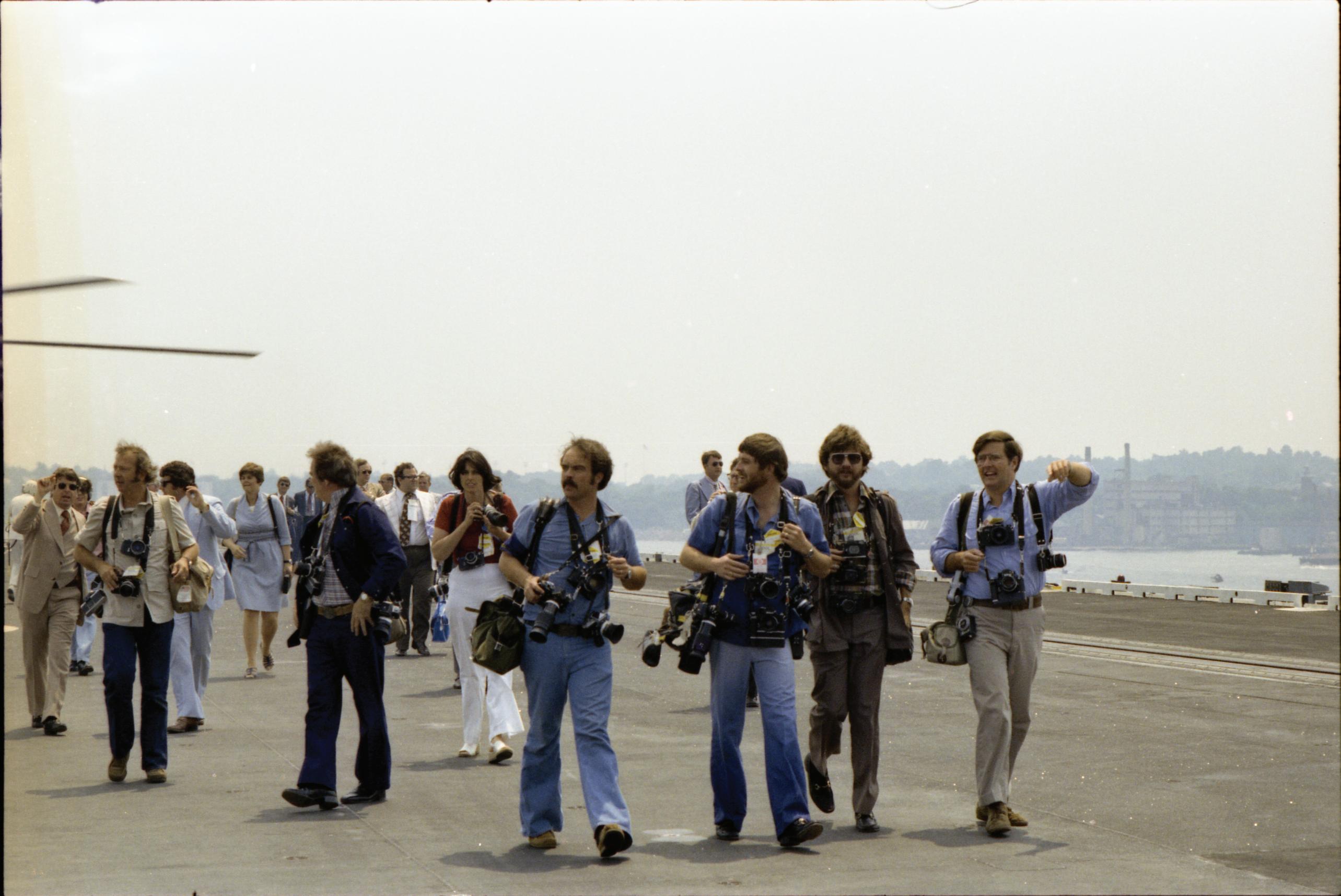
Ann Compton is seen (back row in blue dress) crossing the flight deck of the USS Forrestal with other members of the press pool.
left
At exactly 2:00 p.m., President Ford rang the Bicentennial Bell aboard the USS Forrestal thirteen times while bells all across America were rung simultaneously.
above and right
Looking out from Marine One (above) and the USS Nashville (right), President Ford viewed the celebratory Bicentennial
Looking out from Marine One (above) and the USS Nashville (right), President Ford viewed the celebratory Bicentennial
Operation Sail, a nearly 18-milelong procession of more than one thousand sailing ships, boats, and naval units that moved up the Hudson River.
Operation Sail, a nearly 18 mile long procession of more than one thousand sailing ships, boats, and naval units that moved up the Hudson River.
RETURN TO WASHINGTON
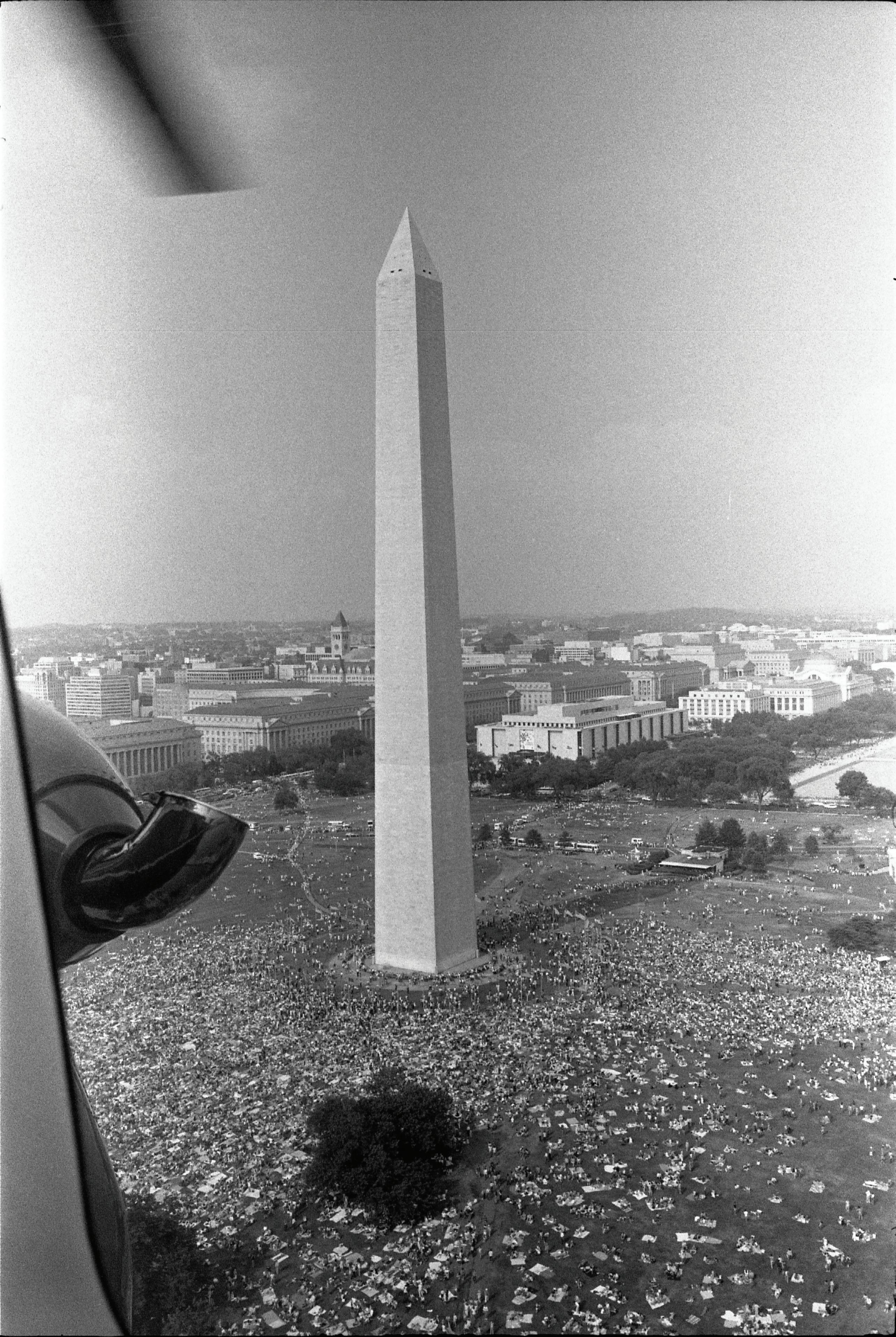
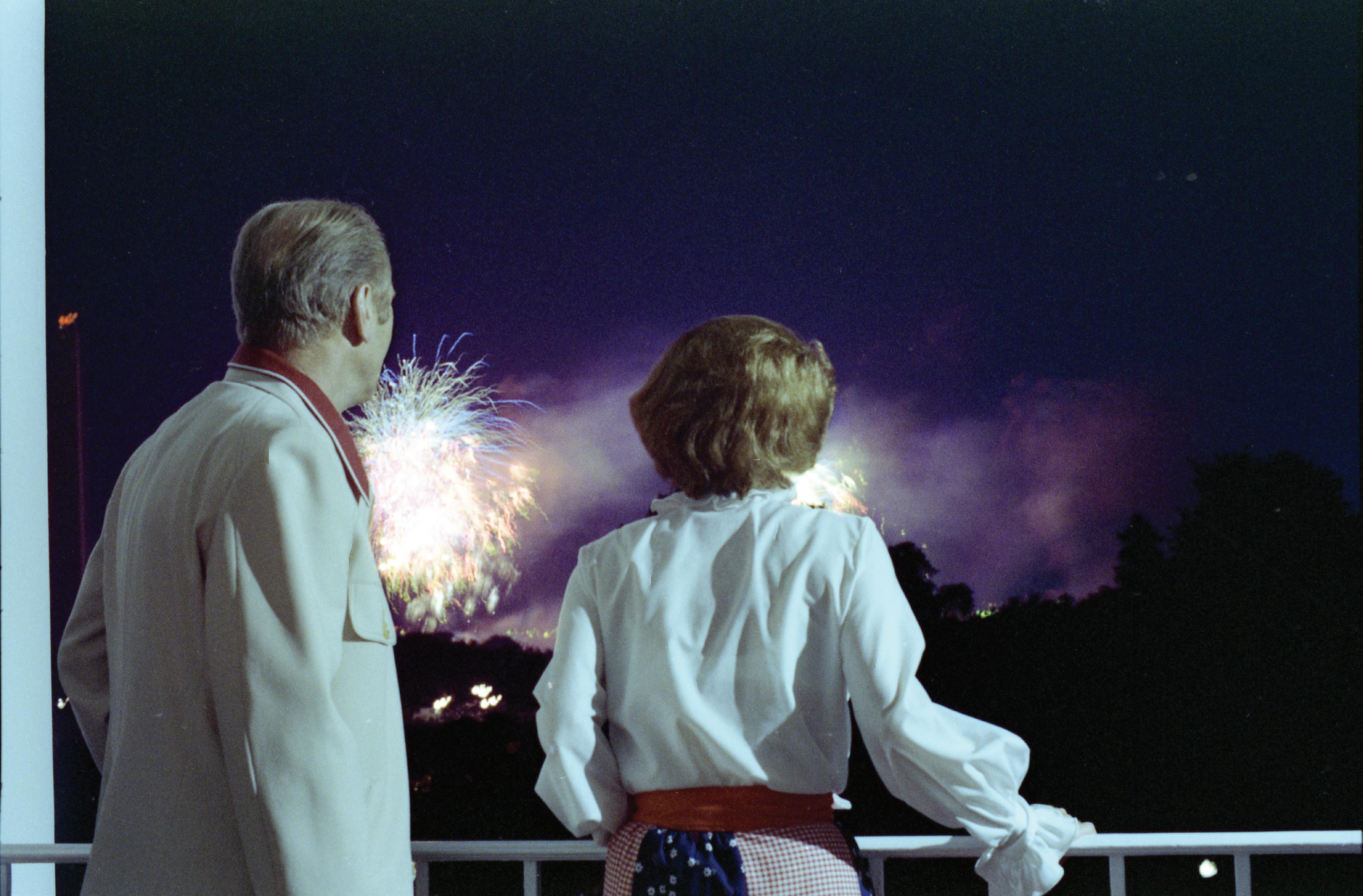
Returning to the White House aboard Marine One in the late afternoon, the Fords would have had a glimpse (opposite) of the crowds gathering on the National Mall to celebrate the Bicentennial and watch the fireworks, which began at sunset. The President and Mrs. Ford enjoyed the fireworks from the Truman Balcony (above) with invited guests.
The official tributes on land and sea had been exhilarating. The president and his family flew back to Washington, D.C., for the tradition most every American community still cherishes on every Fourth of July: a summer sunset.
Evening skies darkened. Then came the crackling excitement of fireworks bursting to illuminate the kind of pride and gratitude Americans feel for their country. Susan Ford told me that looking back at what she saw as she was celebrating her nineteenth birthday has a much deeper meaning now. “It takes age and maturity to see how we got to where we are now,” she reflected. And
for the Semiquincentennial in 2026? “I’m going to see it with my 19-year-old granddaughter,” Susan told me, with the hope the 250th will allow her granddaughter “to respect and relish that we live in a free world.”4
notes
1. Gerald R. Ford, President’s Daily Diary, July 4, 1976, Gerald R. Ford Presidential Library and Museum website, www.fordlibrarymuseum.gov.
2. Remarks of Gerald R. Ford in Philadelphia, Pennsylvania (Bicentennial Celebration), July 4, 1976, Ford Library website.
3. Susan Ford Bales, interview by author, October 18, 2025. Susan Ford would turn 19 on July 6.