
Refreshing Drinks to Keep You Cool
(NC) If you’re looking to elevate your mixing game this season, strawberries are a simple but impactful ingredient. Naturally sweet and vibrant, they add flavour, visual appeal and nutritional benefit. For instance, according to Health Canada, just one cup of strawberries provides approximately 95 per cent of the recommended daily value of vitamin C, along with essential fibre, potassium and folate.
Whether muddled, blended or infused, strawberries bring a bright twist to beverages that feel both indulgent and nourishing. Here are some recipes to try:
BASIL STRAWBERRY LEMONADE
Prep time: 5 minutes Servings: 4
INGREDIENTS
1 quart (946 ml) water
1/2 cup (125 ml) sugar
1 lb (450 g) strawberries – rinsed
1/2 cup (125 ml) fresh basil leaves
1 pinch salt
DIRECTIONS






1 cup (250 ml) lemon juice – freshly squeezed






1. Combine all ingredients in a blender and blend at high speed for just 20 seconds.
2. Pass through a strainer and keep refrigerated until ready for the party.
3. Serve over ice with slices of lemon, strawberries and basil leaves as garnish.
The combination of fresh basil, lemon juice, and strawberries creates a balanced drink that is both refreshing and rich in antioxidants.



STRAWBERRY AGUA FRESCA WITH CHIA
Prep time: 15 minutes Servings: 5
INGREDIENTS
2 tbsp (30 ml) chia seeds
4½ cups (1125 ml) of water 12 strawberries hulled ¼ cup (60 ml) sugar
2 lemons
1 cup (250 ml) ice
DIRECTIONS

Prep time: 5 minutes Servings: 2
INGREDIENTS
8 fresh strawberries, hulled
½ cup (125 ml) ice cubes
¼ cup (60 ml) water










SPARKLING STRAWBERRY GINGER REFRESHER



½ inch (1.3 cm) piece of fresh ginger grated or zested



1 can lemon-flavoured, or flavour of your choice, sparkling water
DIRECTIONS
1. In a blender, add strawberries, ginger, ice cubes and water. Blend to combine into a smooth slushy, about 1 minute.
2. Pour strawberry slushy evenly into two glasses. Top each glass with half of the lemon sparkling water, and if you like, an extra squeeze of lemon.
The subtle spice of ginger enhances the natural sweetness of the fruit, resulting in a balanced and invigorating sip.





1. Add chia seeds to ½ cup (125 ml) of water and refrigerate for at least 10 minutes.
2. Place 8 strawberries, sugar, juice from one lemon and 1 cup (250 ml) of water into the blender. Blend until puréed.
3. Pour 3 cups (750 ml) of water into a large pitcher. Add the strawberry purée and chia mixture and stir until fully combined.
4. Slice remaining strawberries and one lemon (including peel) and add to pitcher.
5. Pour ice into pitcher. Serve cold and garnish with strawberries and mint.
Blending strawberries with water, lemon and chia seeds results in a cooling beverage packed with fibre and nutrients that support heart health. It’s especially appealing on warm days when you need something both energizing and refreshing.
Find more drink recipes at californiastrawberries.com.






















































Eco-Friendly Lawn Care
SIMPLE TIPS FOR A HEALTHIER YARD AND A HEALTHIER PLANET

For decades, the lush green grass lawn has been a symbol of pride and good urban landscaping. Yet beneath its tidy appearance lies an environmental cost that many homeowners never consider. Traditional grass lawns require significant amounts of water, fertilizer, fuel, and maintenance, making them one of the least eco-friendly features in many residential landscapes.
One of the biggest environmental concerns is water consumption. During our South Georgian Bay hot summer months, lawns often require frequent watering to stay green. This places pressure on local water supplies, especially during periods of drought or water restrictions. A healthy ecosystem should be able to thrive with natural rainfall rather than constant irrigation. Automatic sprinklers systems often waste water when not required. Grass lawns also provide very little habitat for wildlife. Unlike native plants, flowering shrubs, and naturalized gardens, a monoculture of turf grass offers few food sources for pollinators such as bees, butterflies, and other beneficial insects. As pollinator populations continue to decline worldwide and especially in our region, replacing portions of lawns with native plants can make a meaningful difference.
Another issue is the use of fertilizers and pesticides. These products can wash into rivers, lakes, and groundwater during rainstorms, contributing to water pollution and harming aquatic ecosystems in our rivers and Georgian Bay. Thanks to Ontario ban of chemical pesticides for cosmetic use, homeowners and lawn care companies can only use lower-risk biopesticides and natural active ingredients. Still, excess nutrients from fertilizers can promote harmful algae growth in waterways, affecting fish and other wildlife.
The climate impact of lawns is often overlooked. Gas-powered lawn mowers, trimmers, and leaf blowers emit greenhouse gases and air pollutants. Frequent mowing also consumes time and energy while producing emissions, including from lawn care companies, that contribute to climate change. In contrast, naturalized landscapes require less maintenance and help store carbon in the soil.
Fortunately, homeowners can take simple steps to create a more environmentally friendly yard without sacrificing beauty.
Tips for Eco-Friendly Lawn Care:
• Reduce lawn size: Convert portions of your yard into native gardens, pollinator habitats, or groundcover plants.
• Choose native species: Native plants are adapted to local conditions and generally require less water and maintenance.
• Reduce watering: use water wisely, especially in drought times, water your lawn deeply and less often.
• Mow less frequently: Allow grass to grow slightly taller, which promotes deeper roots and improves drought resistance.
• Leave grass clippings on the lawn: They naturally return nutrients to the soil and reduce the need for fertilizer.
• Avoid chemical pesticides and fertilizers: Use compost and organic and natural ingredients alternatives whenever possible.
• Plant trees and shrubs: They provide shade, improve biodiversity, absorb carbon, and help cool urban areas.
A perfect lawn may look attractive, but a more natural landscape can be even more beautiful while supporting wildlife, conserving resources, and helping combat climate change. By rethinking our relationship with grass lawns, we can create healthier communities and a more sustainable future for generations to come.
Engage with Wasaga Beach Climate Action Team
Wasagabeachclimateaction.com info@wasagabeachclimateaction.com
Submitted by Gerard Dusastre
Hand-Held Dinners
SALMON BURGERS WITH PEPPERED BACON
Servings 4
Prep Time 13 minutes
INGREDIENTS
1/2 cup mayonnaise
1 1/2 tablespoons lemon juice
1/2 teaspoon lemon zest
salt pepper
4 Salmon Burgers

INSTRUCTIONS
1. In small bowl, combine mayonnaise, lemon juice and lemon zest. Season with salt and pepper. Set aside.
2. Cook salmon burgers according to package directions. When almost cooked through, top each with slice of cheese, cover and cook until melted.
3. Spread cut sides of buns with mayonnaise and top bottom buns with arugula. Cover with salmon burgers, bacon, pickles and top buns.
CHEESEBURGER TURNOVERS
INGREDIENTS
1 pound ground beef
1/2 cup onion chopped
2 tablespoons ketchup
1 tablespoon mustard
1 can flaky biscuits
1 cup shredded cheese dill pickle slices halved 1 egg beaten

INSTRUCTIONS
1. Heat oven to 375° F.
2. In large skillet, cook ground beef and onion until beef is thoroughly cooked and onions are tender. Drain. Stir in ketchup and mustard.
3. Separate biscuit dough. On ungreased baking sheet, flatten biscuit dough to form 6-inch rounds. Spoon beef mixture onto one side of flattened dough. Sprinkle with cheese. Top with dill pickle half. Fold dough over filling. With fork tines, press dough edges to seal. Cut two slits in top of dough to release steam.
4. Brush each turnover with egg wash.
5. Bake 18-22 minutes, or until deep golden brown. culinary.net





























When Plans Change
We like to think we’ve got things figured out.
We check the forecast, make the plans, pack what we need, and head out expecting the day to go a certain way. There’s a quiet confidence in that—like if we prepare well enough, things will just… cooperate. And sometimes they do. But not always.
Sometimes the weather forecast changes. The plan unravels. Something unexpected rolls in and throws everything off course.

And just like that, we’re adjusting. Nature does this without agitation. It doesn’t cling to the original plan. It responds in real time—bending, adapting, moving with whatever shows up. Humans tend to take a different approach. We resist.
We replay how things were “supposed” to go. Because life isn’t always about sticking to the plan. Sometimes it’s about how you handle it when the plan falls apart. Which brings us to this month’s insight.
Weathering the Storm Storms have a way of showing up uninvited—just when you’ve packed a
Sunday is Family Day!

picnic or planned a beach day. But here’s the thing: storms don’t last forever. Sure, they’re messy, inconvenient, and might ruin your hair, but they also teach us resilience. Trees bend in the wind, rivers carve through rock, and you? You adapt, grow, and come out stronger on the other side.
Think about it—how do you handle life’s downpours? Are you running for cover, or are you grabbing your boots and splashing through the puddles?
Storms might shake your world, but they can also clear the air.. So, when the thunder rolls, ask yourself: What strength will I uncover by weathering this storm?
If that landed at all, here’s where it gets useful—see how you’d answer the questions below.
Observe: Ever notice how the world slows down as a storm rolls in? The air shifts, the sky darkens, and everything seems to pause before the chaos begins.
Pay attention to the little things: the way raindrops splash against the ground, the rustle of leaves as the wind picks up. Notice how the world adapts to the storm’s rhythm.
Ask Yourself: How do I react when life throws me a curveball (or a lightning bolt)? Do I run for cover, or do I dig in and face the storm head-on?
Write It Down: Jot down your thoughts about your own personal storms. What strength did you find in tough times? And hey, if you’re feeling adventurous, maybe even make a mental note to grab your boots and dance in the rain next time—because why not?
Storms interrupt things.
Plans change. What felt certain suddenly isn’t.
But look around when a storm rolls through.
Trees bend. Grass flattens, then rises again. Water finds a new path. Nothing in nature argues with what’s happening.
It adjusts.
And in that, something gets revealed.


Golf & Country Club
Adults must be accompanied by Juniors (17 & under).
9 Hole Walking Green Fee $15 per Golfer.
After your round, stop by The Hills Restaurant for a bite!
408
What holds. What bends. What you’re capable of when things don’t go the way you expected.
Because resilience isn’t something you figure out ahead of time. It shows up while you’re in it.
So when things feel unsettled, remember—you’ve been here before. Stand steady. Stay with it. See what unfolds.
And remember—sometimes the most powerful thing you can do is Shut Up and Listen
Raven Murphy is a local speaker, author, storyteller, and educator whose connection to the natural world shapes everything she creates. From guiding immersive outdoor experiences to producing story-driven albums and podcasts, her work inspires people to step away from the noise and reconnect with what actually matters.

Her latest books, Shut Up and Listen: A No BS Guide to Unlocking Nature’s Wisdom in 31 Days, and Shut Up and Listen – Snow, Slush and Sanity: A Guide to Redefining Winter in 31 Days, are now available at Amazon.ca and through her website at www.ravenspeaks.ca, where you’ll find everything she offers—all in one place.
Submitted by Raven Murphy
What’s Up? Georgian Bay
Post Construction Cleaning
After a renovation or building project there is usually a big mess to clean up. Post construction cleaning is a special cleaning project. This project needs special attention, proper tools and time! It has to be done right: to remove all the trash and mess and to bring everything up to standard. Leftover dust and debris can settle in hard-to-reach places, creating long-term maintenance issues or even health risks.
TOOLS
Using the right tools will make your cleaning easier, more precise and faster.
• industrial vacuum with HEPA filter
• microfibre cloths
• cleaning gloves
• window squeegee/scraper
• ladder/step tool
• garbage bags
DEBRIS REMOVAL
This is the first and most important step to bringing your home back to a desired state of cleanliness. Usually the contractor/builder is responsible for completing this task. However if you do your own renovation or construction it waits for you to execute it.

1. Safely clear out large, leftover building materials, scraps and packaging. Sort and salvage any reusable hardware or lumber.
2. Use a vacuum with a HEPA filter or a shop vac to clean up construction dust. Clean vents, pipes, walls and ledges.
Once the site debris removal is done, it may look clean. But there is often a layer of residue; sometimes it’s visible, sometimes not. This stage is the preparation for the detailed cleaning. Fine dust, scuff marks on the floor or paint stains need to be eliminated! It’s not only for health and safety reasons but it has to be functional for the occupants. That’s why post construction cleaning is a very essential step to take back the space.
SURFACE DETAILING
• Wipe down cabinet tops, fans, light fixtures, cabinet surfaces, shelves, walls, switches, baseboards. Use a damp microfibre cloth with a gentle cleaning product to clean walls, outlets and baseboards.
• Degrease and remove any paint spatters, scuffs, glue, caulking or mortar residues from glass fixtures and floors. Use a plastic scraper to remove any residue. Be gentle to avoid damaging surfaces.
• Wash the windows and frames with a squeegee and a non-abrasive cleaner.
• Clean all the washroom drains and grilles of any blockage.
• Clean, sanitize, disinfect and polish all washroom fixtures.
• Polish and shine all stainless steel, brass, copper and other metal fixtures. FLOOR CARE
1. After a thorough vacuuming, scrub and polish all floors to eliminate any remaining drywall dust and adhesive marks.
2. Clean out the ventilation grilles where dust can hide from your eyes!
3. Fine silica dust might linger in the air for a while. If so you have to repeat your meticulous dusting and vacuuming one more time.
Post construction cleaning takes time. It makes your space look better and healthier removing all the construction dust and debris.
If you are not able to do it call a professional cleaning company to help you. Always ask for references!
Edit Baker
Green Cleaner Canada grcleaner@gmail.com 519-938-1702
















Global Rhythms, Local Stages
The Collingwood Music Festival has a grand history of performance and community spirit. Some of these memories will be showcased through a photography exhibit, by award-winning photographer Tjalling Halbertsma.
Halbertsma’s images tell the story of how CMF became a vibrant cultural cornerstone. You’ll see musicians on stage, candid smiles of the students and supporters—a tribute to everyone who has championed the cause from the beginning. The exhibition will be hosted in the Pressroom Gallery at 65 Simcoe Street, Collingwood.
Free and pay-what-you-can performances:
Master Classes, July 6 to 10, Osler Bluff Ski Club, Blue Mountains. We have the opportunity to see exceptional young musicians, under 25 years of age, receiving instruction from the best instructors/performers. These sessions pull back the curtain on the discipline and passion required to reach the highest levels of excellence, offering a fly-onthe-wall perspective. Just drop in and be inspired, yourself.
Master Class faculty are:

Nhapitapi: a Shona word meaning sweet sounds. This dynamic six-piece ensemble of Zimbabwean musicians, singers, and dancers bring an irresistible energy to the stage. Their music is a kaleidoscopic journey that expertly weaves ancestral rhythms with contemporary African diasporic flavours. Grounded in the healing and sacred sounds of the mbira (thumb piano) and marimba, the group creates a musical magic that travels seamlessly from the ancient voices of the African continent to modern Afro-jazz, funk, and reggae. Designed for the whole family, a Nhapitapi performance is as much a visual spectacle as it is a musical one. They will be performing at the Collingwood Amphitheatre the evening of July 6th at 7 p.m. Free or pay-what-you-can.
CSMF_Nhapitapi_TjallingH-32 *Photograph by CMF photographer Tjalling Halbertsma
Canadian pianist Daniel Vnukowski (pronounced Vnoo-koff’-skee) who has performed throughout Europe, North America, South America and Asia in prestigious concert halls. Dedicated to giving back to the country that nurtured him as an artist, Vnukowski founded “Piano Six – New Generation” to perform outreach concerts for remote communities in Canada and the “Collingwood Summer Music Festival”. Since November of 2021, Vnukowski has been radio announcer of the Classical Jukebox on the New Classical FM, the only full-time classical radio station in English-speaking Canada.
The Gryphon Trio, in which the members are dedicated arts advocates. Roman Borys served as Artistic Director of the Ottawa Chamber Music Society for over a decade and was recently appointed Artistic & Executive Director of Music Toronto. Annalee Patipatanakoon, a faculty member and Chair of the Strings Performance Area at the University of Toronto, and Jamie Parker, who holds the Rupert E. Edwards Chair in Piano Performance, continue to influence Canada’s music landscape through their leadership roles and teaching.

Artistic Director and Founder of the Collingwood Summer Music Festival, Daniel Vnukowksi. This Polish-Canadian pianist has toured throughout North and South Americas, Asia and Europe. His insightful interpretations of the standard classical music repertory are supplemented by creative projects. In addition to participating in fundraising projects for humanitarian causes, he has performed many outreach concerts for remote communities throughout Canada.
Daniel-Vnukovski *Photograph from CMF files
Sharon Lee is a violinist devoted to music of our time. Lee has a long list of impressive accomplishments and credits, including performing in the world premieres of roughly 200 new works. She collaborates with contemporary ensembles like Toy Piano Composers and Tapestry. She also performs original Prog Rock with the Dévah Quartet as a YAMAHA and D’Addario Canada Artist, and has backed legends such as Barbra Streisand and Earth, Wind & Fire.
Gino Quilico’s: In 1990, he was one of the few Canadians to be appointed Goodwill Ambassador to the United Nations High Commissioner for Refugees. Quilico has performed more than thirty roles at the opera and on all the most prestigious opera stages in the world: Metropolitan Opera (New York), La Scala (Milan), the Paris Opera, to name a few. He has always had the promotion of lyrical art at heart while being a worthy representative of Canadian culture. This involvement was highlighted when he was awarded the title of Officer of the Order of Canada in recognition of his talent and dedication to this cause.
Juno and Dora award winning mezzo soprano Andrea Ludwig is an artist of tremendous depth, musicality and scope. Her charm, warmth and easy sense of humour are perfect for the stage and her vibrancy makes her a favourite to all her audiences. Her versatility and ability to interpret many styles are impeccable. Ludwig also accompanies and coaches student choirs in group settings.
The Master Class sessions wrap up with a performance at First Presbyterian Church in Collingwood on July 10 at 7 p.m. No charge to attend or pay-what-you-can.
July 6, 7 p.m. at the Collingwood Amphitheatre: Nhapitapi, a dynamic six-piece ensemble of Zimbabwean musicians, singers, and dancers who bring their energy to the stage via Afro-jazz, funk, and reggae.
July 8, 7 p.m. at the Collingwood Amphitheatre: Tamar Ilana & Ventanas. This is a Toronto-based ensemble offering a high-energy fusion of Flamenco dance and music, Sephardic love songs, and Balkan dance tunes. They’ll present traditional material with lyrical original melodies and instruments including Flamenco guitar, Middle Eastern darbuka, Greek oud (ancestor of the guitar), and classical violin.
July 10, 7 p.m. at the Collingwood Amphitheatre: Niawenkowa. Sisters, aunties, daughters, mothers and grandmothers from the Wolf Clan family of the Kanienkehaka Nation. Their performance includes songs, a water drum and horn rattles.
July 12, 8 p.m. at Creemore’s Village Green: Symphony Under the Stars: Magic, Movies & Musicals. The Kindred Spirits Orchestra brings songs from Wicked and The Phantom of the Opera to life under the summer sky. Bring your family, your picnic blanket and your sense of wonder for a night of drama, romance, and musical brilliance! 181 Mill St, Creemore, Ontario.
July 18, 5 p.m.; Registration required. Gospel music workshop at First Presbyterian Church, 200 Maple Street, Collingwood. This workshop is helpful for those who are looking for a ‘way in’ to this exciting genre. Participants of the workshop will join the choir for one of the songs during the evening concert. Register at: https://collingwoodfestival.com/ event/enjoying-the-journey/
Submitted
by Don Beaulieu
Friends are the people who love you No matter how odd you may be
When you’re in an evil and foul mood They back off, and allow you to be
Friends are the people who’ll back you No matter how foolish you’ve been For they know that the person that you are Isn’t really the clown they’ve just seen
Friends are the ones who will help you When Life’s rigours have beaten you down A gesture, a word, may be all that it takes To lift you up, and bring you ‘round
Friends are the ones who defend you When you’re not there to speak for yourself A true friend will always protect you As if he defended himself
Friends are the people who trust you Because you trust them in return Friendship and trust are inseparable A fact that you early must learn
Friends are a gift sent from Heaven A gift that’s more precious than jewels The people who think they can live without friends Are the very worst kind of fools
So cherish the friends God has sent you And value them at their full worth For you’ll never have anything more precious During all of your stay on this Earth
Robert G. Adams - October, 1996





Home & Garden












BEAT THE HEAT WITHOUT BREAKING THE BANK








(NC) When summer reaches its hottest stretch, staying cool can feel like a full-time job. The air conditioner runs nonstop, but the house still feels warm and stuffy. During a heat wave, energy use—and costs— can rise quickly. A few thoughtful changes can help your home feel more comfortable while managing how much energy it uses.
To help homeowners stay cool and efficient this summer, Enbridge Gas Ontario has some practical tips:
HELP YOUR AIR CONDITIONER DO LESS WORK. A clean AC filter makes a big difference. When you replace your filters regularly, your system doesn’t have to work as hard to cool your home. It’s also a good idea to have your air conditioner serviced by a qualified HVAC contractor to make sure everything’s running efficiently.
If you have a central air conditioner, make sure the outdoor unit is free from grass, leaves and other debris. Clear airflow helps your system run efficiently and last longer.
KEEP THE MIDDAY HEAT WHERE IT BELONGS, OUTSIDE. Sunlight beaming through your windows can quickly warm up your home. Closing curtains or blinds during the hottest parts of the day helps block the sun’s hot rays and keeps indoor temperatures more comfortable without having to turn up the air conditioning.
SKIP THE OVEN AND FIRE UP THE BARBECUE. Using your oven while it’s hot out can increase the temperature in your kitchen and throughout your home. Instead, consider cooking dinner outside on a natural gas barbecue. You’ll keep extra heat out of the house while enjoying easy summer meals and a cooler kitchen.
TAKE CONTROL OF YOUR TEMPERATURE. A smart thermostat can help you stay comfortable while using energy more efficiently. You can set a schedule that cools your home when you’re there and eases off when you are away. Many models also let you adjust the temperature remotely, so you’re not cooling an empty house during the workday. There are plenty of ways to stay comfortable and energy-smart this summer. You can find more tips to help your household save energy at enbridgegas.ca/ontario.

4 SIMPLE HOME PROJECTS TO REFRESH YOUR SPACE THIS SUMMER
(NC) With the cost of living on the rise, many homeowners are skipping big renovations and opting for smaller, smarter updates instead. A few DIY refreshes can make your home feel brand new, create a great space for summer hosting and even add value, all without breaking the bank.
Something to note: Some major updates can affect your home’s replacement value, so you should check with your insurer before starting. Some providers, such as Belairdirect, have apps that let you review your coverage, get a quote in minutes and make updates easily, all from your phone. That way, you can move forward with confidence and get straight to the fun part:
1. GIVE YOUR SPACE AN INSTANT FACELIFT. You don’t need a full renovation to make your home feel fresh. A coat of paint or swapping outdated cabinet hardware, door handles and light fixtures can make a big visual impact and are easy to do yourself.
2. SET THE MOOD WITH SMARTER LIGHTING. Good lighting changes how a space looks and feels. You can get brighter, longer-lasting light at a lower energy cost by replacing incandescent bulbs with LEDs. Outside, solar pathway lights or string lights can instantly create a warm, inviting atmosphere, perfect for that casual summer get-together.
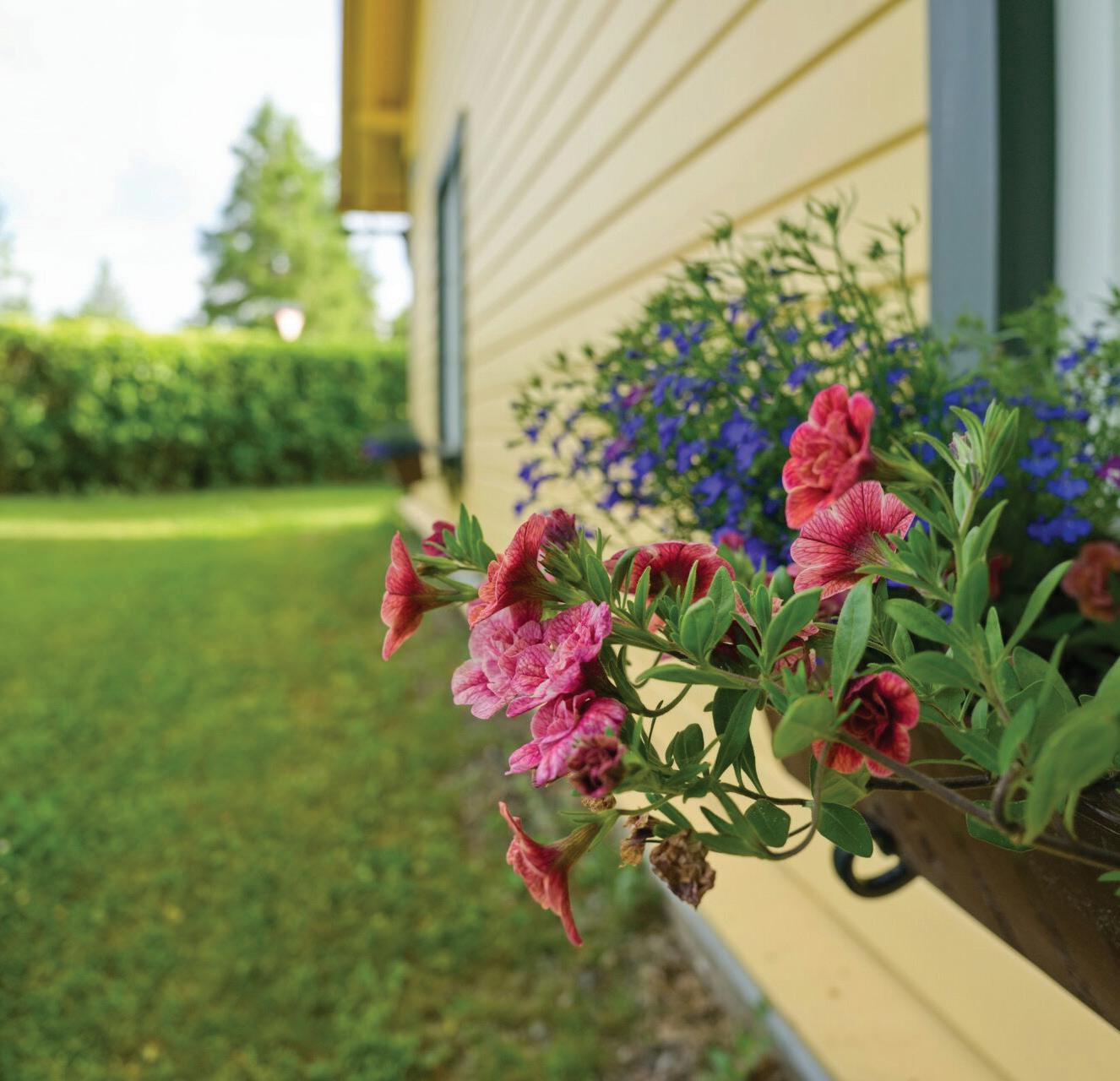
3. CREATE YOUR OWN BACKYARD RETREAT. Pick one area and make it feel like an extension of your home. You can add shade with a canopy or umbrella, bring in comfortable seating, lay down an outdoor rug to define the space and add planters or flowers for a pop of colour.
4. KEEP THE COOL AIR IN. Check windows, doors and doorframes for small gaps that let cool air escape. Weatherstripping or caulking is a simple, affordable fix that helps keep your home comfortable year-round. A programmable thermostat can also help manage heating and cooling automatically when you’re not home. With a little creativity and a weekend or two, you can make your home feel like new again. Find more home tips at belairdirect.com.





















The Heart Behind the Music
For Jeff Cunningham, the recipe includes good meals, exceptional music and community spirit.
There is a familiar face in Wasaga Beach, associated with food and music. Jeff Cunningham has spent the past 9 years at Stacked Pancake house and 5 years before that at Mosley Street Grill. He receives a lot of recognition for those jobs wherever he goes. One claim-to-fame is his singing of “Happy Birthday”, in a very vocallytheatrical manner self-described as Pavarotti style. That began as something meant to be a one-off for a 16-year olds birthday. It has become a legend, oft requested. The story goes:
It began when a mother and the birthday teen were at the restaurant. Mother was hoping to “embarrass her daughter” with the staff singing “Happy Birthday”, or some other corny fuss or funny hat. The venue did not have a policy for singing or a comical tradition for birthdays. But Cunningham said “I’ll figure something out”. He became a one-man spectacle: part singer, part embarrassment, all improvisation. That routine is now requested in the restaurant (news of the event leaked, eh?) and just about anywhere in town. That is an example of Cunningham’s bent on
providing joy to those around him.

Jeff Cunningham of Wasaga Beach is enjoying easing back into performing and recording his songs. With his roots in the 1990s era, his cover tunes take in a wide range of popular songs and performers. Voice, guitar, piano and harmonica are his instruments of choice. His years of performing, night after night for over a decade explains his confident, professional delivery on-stage persona today. We see him here with pooch Eddie, named him after Eddie Vedder from Pearl Jam.
*Photograph credit to Kerrie Fitzhenry.
More recently, there has been a resurgence of a life in music for Cunningham. He’s been out of the spotlight, literally for a while, but is regaining inspiration to perform and record music. One could say he’s been through a few stages



and Wasaga Beach is fortunate to witness his latest musical aspirations take shape.
Recently, Cunningham has appeared near-weekly on the Wednesday open stage at The Hive Restaurant and Pub and has performed at the Wasaga Beach Legion to a very appreciative crowd. There was a time he performed almost every night of the week. That basically wore him out after 13 years. Now, he’s game for gigging again, but not with the frequency of his past.
He also wants to record his songs. “I want to share my music, I’d love for people to just hear it and enjoy it.” he says, without much concern for generating income through it. The man has positive energy to spare.
This love of music hit him early in life. Piano was his first instrument. A simple Casio keyboard confirmed his interest and allowed him to exercise his ear for music, when he was 5 years old. It wasn’t long before his family and neighbour realized the potential and dedication he had. The neighbour gifted him a real piano. He was enrolled in Royal Conservatory lessons. The technical, classical, theory stuff did
not inspire him much. Cunningham could do it, but he wanted to play the popular numbers he heard his father playing.
The music he listened to on the radio in the 1990s inspired him. But it was guitar music. Pearl Jam, Soundgarden, Weezer, et cetera, were among the big names. An acoustic guitar came into his life at age 14. He lost his original guitar and the piano to a devastating house fire. Fortunately, insurance and his mom saw that he was not without instruments for long.
Performing with a band, as a duo, solo in bars, lounges, resorts and busking in Thailand, has given Cunningham perspective in addition to the rich musical experiences he’s enjoyed, and sometimes tired of. This gives him an excellent foundation of attributes to go at music again, on his terms and his terms only. He’s not a creative snob, but knows better now, what is good for him mentally and physically.
Keep your ears peeled for the highly talented Jeff Cunningham in the southern Georgian Bay area, whether he’s on stage or at the restaurant, serving up music and meals with equal care.
Submitted by Don Beaulieu



















































Summer Treats
CHOCOLATE AND STRAWBERRY GREEK YOGURT BARK

Recipe courtesy of Milk Means More
INGREDIENTS
3 cups plain non-fat Greek yogurt
1/3 cup honey plus additional for drizzling, divided (optional)
1 teaspoon vanilla
1/4 cup melted dark chocolate
1/2 cup strawberries
1/2 cup dark chocolate chips
INSTRUCTIONS
1. In medium bowl, combine Greek yogurt, honey and vanilla.
2. On parchment-lined baking sheet, spread Greek yogurt mixture to 1/4-inch thickness. Drop spoonfuls of melted chocolate onto yogurt and use toothpick to drag in circles. Press strawberries and chocolate chips into yogurt. Freeze at least 3 hours.
3. Remove from freezer and break into pieces.
PEANUT BUTTER ICE CREAM SANDWICHES

Recipe courtesy of Peanut Butter Lovers and the Georgia Peanut Commission
INGREDIENTS
24 fresh baked chocolate chip cookies about 3 inches in diameter, cooled 1 1/2 cups creamy or crunchy peanut butter
1 1/2 quarts vanilla ice cream slightly so ened chopped peanuts for topping (optional) mini chocolate chips for topping (optional) toasted coconut for topping (optional)
INSTRUCTIONS
1. On 12 cookies, top sides down, spread layer of peanut butter. Add one scoop of ice cream to each. Create sandwiches by topping with remaining cookies.
2. Roll edges of ice cream in chopped peanuts, mini chocolate chips or toasted coconut, if desired. Place on baking sheet in freezer and freeze until firm.
3. Serve slightly frozen.
PICNIC CHERRY LIMEADE
Recipe adapted from “Southern Living”
Servings 10 Time 10 minutes
INGREDIENTS
1 jar whole red maraschino cherries 10 ounces, chilled
6 limes divided
1 bottle lemon-lime soda 2 litres, chilled
1/2 cup tart cherry juice chilled
DIRECTIONS
1. Drain maraschino cherries, reserving syrup. Set whole cherries aside.
2. Juice four limes to yield 1/2 cup juice; thinly slice remaining limes.
3. In large pitcher, stir cherry syrup, lime juice, soda and tart cherry juice. Add lime slices.
4. Transfer to container with tight-fitting lid for transport. Serve over ice and garnish with reserved whole cherries.
















Mind. Body. Spirit.


Tips to Manage Arthritis-Related Morning Stiffness
(NC) Mornings can be the hardest part of the day when you’re living with arthritis. At rest, joints can stiffen up—either because they haven’t been moving and lubricating properly, or because inflammation builds overnight. The result is pain, stiffness and a slow start.
Here are eight practical, expert-backed tips from Arthritis Society Canada to help you loosen up and take control of your mornings.
1. START MOVING BEFORE YOU GET UP While still in bed, gently move your joints through a comfortable range of motion for five to 10 repetitions. This can loosen the joints and reduce some of the pain and stiffness before getting up. An occupational therapist or physiotherapist can help tailor movements to your needs.
2. USE HEAT TO YOUR ADVANTAGE A warm bath or shower in the morning can work wonders on stiff joints. Heating pads, electric blankets, or even a microwaved bag of rice may also be helpful. A programmable thermostat set to your preferred temperature 30 minutes before you wake up can also help make starting your day easier.
3. TRY TOPICAL RELIEF Warming creams, gels or oils can provide temporary relief by soothing sore joints or reducing inflammation. For hands, try applying mineral oil, wearing loose rubber gloves and soaking them in hot water while gently moving your fingers.
4. CHECK YOUR SLEEP SETUP A supportive mattress and the right
pillow can help keep your body aligned, reduce strain on your joints, and prevent awkward positions that contribute to morning stiffness. If you tend to clench your hands or bend your wrists, a splint can help keep joints in a more neutral position overnight.
5. UPGRADE YOUR TOOLS Small changes at home can make a big impact. Ergonomic tools like lever-style door handles, adaptive kitchen gadgets or utensils with larger grips can reduce strain on stiff hands and make everyday tasks more manageable.
6. PRIORITIZE SLEEP Poor sleep doesn’t just make you tired, it can also increase pain sensitivity. Creating a consistent sleep routine and improving sleep quality can help reduce both pain and stiffness in the morning.
7. EAT RIGHT Choose anti-inflammatory foods and avoid sugars and processed foods. Boosting your intake of foods with omega-3 fatty acids and antioxidants that have been proven to reduce inflammation is another way to support your joint health.
8. KEEP MOVING Too much activity can leave you sore the next day, but too little can increase stiffness. Aim for a balance of movement throughout the day, including flexibility, strength and light endurance exercises to keep joints mobile.
Get more arthritis pain management tips at arthritis.ca/healthy-living.
Keep Kids Healthy During Extreme Heat
(NC) Summers in Canada bring more than just afternoons of swimming or family barbeques and picnics: they also bring the risk of extreme heat.
Extreme heat can be dangerous for everyone, but especially infants and young children. Here are some important things to know about keeping kids healthy during the heat.
Why are kids at risk? Given the unique physiological characteristics of children’s bodies and their high dependency on caregivers, they’re likely to be at risk during extreme heat events.
What can happen? Heat illnesses are mainly caused by overexposure to heat or overexertion in the heat, and if not prevented, can lead to longterm health problems and even death.
Stay alert for symptoms of heat illness. They include:
• changes in behaviour (sleepiness or temper tantrums)
• dizziness or fainting
• nausea or vomiting
• headache
• rapid breathing and heartbeat
• extreme thirst
• decreased urination with unusually dark yellow urine
If you see any of these signs during extreme heat, immediately move the child to a cool place and give them water.
If you’re caring for a child who has a high body temperature and is unconscious, confused or has stopped sweating, call 911 or your local emergency number immediately.
While waiting for help, cool the child right away by:
• Moving them to a cool place.
• Applying cold water to large areas of the skin or clothing.
• Fanning the child as much as possible.
What can you do to keep your child safe?
Keep them cool. If you have an air conditioner, use it to keep cool.
• Prepare meals that don’t need to be cooked in your oven.
• Block the sun by opening awnings and closing curtains or blinds during the day.
• If safe, open your windows at night to let cooler air into your home.
• Limit your time in the sun.
If you are breastfeeding your child, breast milk will provide adequate hydration, but remember to keep yourself hydrated so you can produce a sufficient amount of milk.
If your home is extremely hot: take a break from the heat and spend time with your child in a cool place. It could be a tree-shaded area, swimming facility, spray pad or an air-conditioned spot such as a shopping mall, grocery store or public library.
• Bathe your child in a cool bath until your child feels refreshed. Always supervise your child in the bath.
• If using a fan, keep it at a safe distance from the child and aim the air flow in their direction.
The summer is an important time for kids. Staying healthy and safe doesn’t have to mean denying your children their summer fun, just having that fun with the right precautions. You can learn more at canada. ca/heat.
Vaping vs. Smoking
WHAT CANADIAN PARENTS SHOULD KNOW
In this editorial, I decided to research and access statistically significant facts from Health Canada and Statistics Canada / Canadian Tobacco and Nicotine Survey.
• Today’s teens are far more likely to vape than to smoke cigarettes. Vaping delivers nicotine quickly and can lead to rapid addiction, while smoking — though less common in youth — remains the greatest long term threat to health (cancer, COPD, heart disease).
• Preventing nicotine dependence now protects brain development, lung health and future wellbeing.
Here are some important comparisons that clearly show how these products can affect our teens.
Prevalence: Vaping is currently the dominant nicotine product among Canadian teens; cigarette smoking among youth is much lower.
Addiction & Brain: Nicotine in e-cigarettes (often as nicotine salts) can rapidly create dependence and may harm adolescent brain development (attention, impulse control, mood).
Lungs & Acute Harms: Vaping aerosols contain ultrafine particles and flavour chemicals that irritate airways, can worsen asthma and have been linked to acute lung injury; long term vaping risks are still being studied. Smoking causes well documented chronic lung disease and far higher lifetime cancer risk.
Heart & Vessels: Smoking clearly raises heart attack and stroke risk; vaping shows short term cardiovascular effects but long term outcomes are uncertain.
Gateway & Population Impact: Some studies show youth who vape have higher chances of later trying cigarettes, though causation is debated. Because youth smoking is low, the immediate priority is stopping nicotine initiation via vaping.
Let’s consider what parents can do to support their teens when dealing with these devices and possible addiction. The first thing is to do your own research. As I mentioned, Health Canada and Statistics Canada can give you more detailed information about the effects of vaping and smoking on our children and teens.
Another thing to do is to start a calm conversation with your teen. Ask what they know about vaping and smoking. Remember to listen without judgment. Then explain addiction and brain risks. If appropriate, share the research with your teen. Consider sharing some of the details with your children from ages 10 and up. Remember knowledge is power.
Setting clear limits are important. Enforce no nicotine rules, check for disposable or USB style devices, and avoid keeping flavoured vapes at home.
As always encourage healthy alternatives including sports, hobbies, spending time with friends and families. It also might help for your teen to learn coping skills for stress.
Seek help if needed. Don’t be hesitant to connect with your doctor and your child’s school team if your teen is suffering. Addiction is a challenging issue to overcome. Surround your teen and your family with the resources that will help during this challenging time.
Resources (Canada)
• Health Canada — Vaping risks and youth guidance.
• Statistics Canada / Canadian Tobacco and Nicotine Survey — youth vaping and smoking data.
Submitted by Wendy
Hunter, Registered Psychotherapist Whunter63@gmail.com
















SUMMER WHEELS

SIMPLE STEPS FOR SELLING YOUR CAR
(NC) With many of us feeling the increased cost of living, more Canadians are looking for ways to ease financial pressure. The used car market is still competitive, so selling a vehicle while demand is high can be a smart move. Here are some simple steps to follow for a successful sale:
1. GET YOUR CAR READY. This is a good opportunity to give your vehicle a full inside-and-out clean and to have it inspected. A good cleaning helps it look its best, and an inspection can uncover hidden issues before a buyer does. There are a number of documents you can have ready in advance to help reassure potential buyers and make the sale easier:
• owner’s manual
• used car history report or used vehicle information package
• repair receipts
• registration certificate
• warranty (or “as is” documentation)
2. SET YOUR PRICE. You can use resources and pricing tools, such as the Canadian Red Book, to help estimate the value. Another tactic is to compare listings for the same year and model in your area, including dealership prices. Keep in mind that the number of kilometres on your vehicle will affect what price you can expect. It’s a good practice to set a price that leaves room for negotiation while not pricing yourself out of the market.
3. ADVERTISE THE SALE. You have several platforms and options available for setting up an online ad. If there’s a site or platform you’re already familiar with, that’s a good place to start. Taking photos in good lighting from a variety of angles can help boost your car’s curb appeal.
MIKE’S TIRES

4. NEGOTIATE WITH THE BUYER. It’s important to be open-minded, polite but confident when dealing with prospective buyers. They’ll likely make offers that are below your sale price, so expect some haggling to get to a number you can both agree on. One way to protect yourself during the sale is to have the buyer sign a down-payment agreement, which helps solidify their commitment.
5. UPDATE YOUR INSURANCE. Once the sale completes, you’ll need to contact your insurer and update your car insurance. Some providers, such as Belairdirect, offer live agents who can guide you on what to update and when, which makes the process simpler and can help you avoid gaps in your coverage.
Selling a vehicle can feel intimidating, especially the first time, but taking things step by step can make it more manageable. You can find more automotive tips at belairdirect.com.



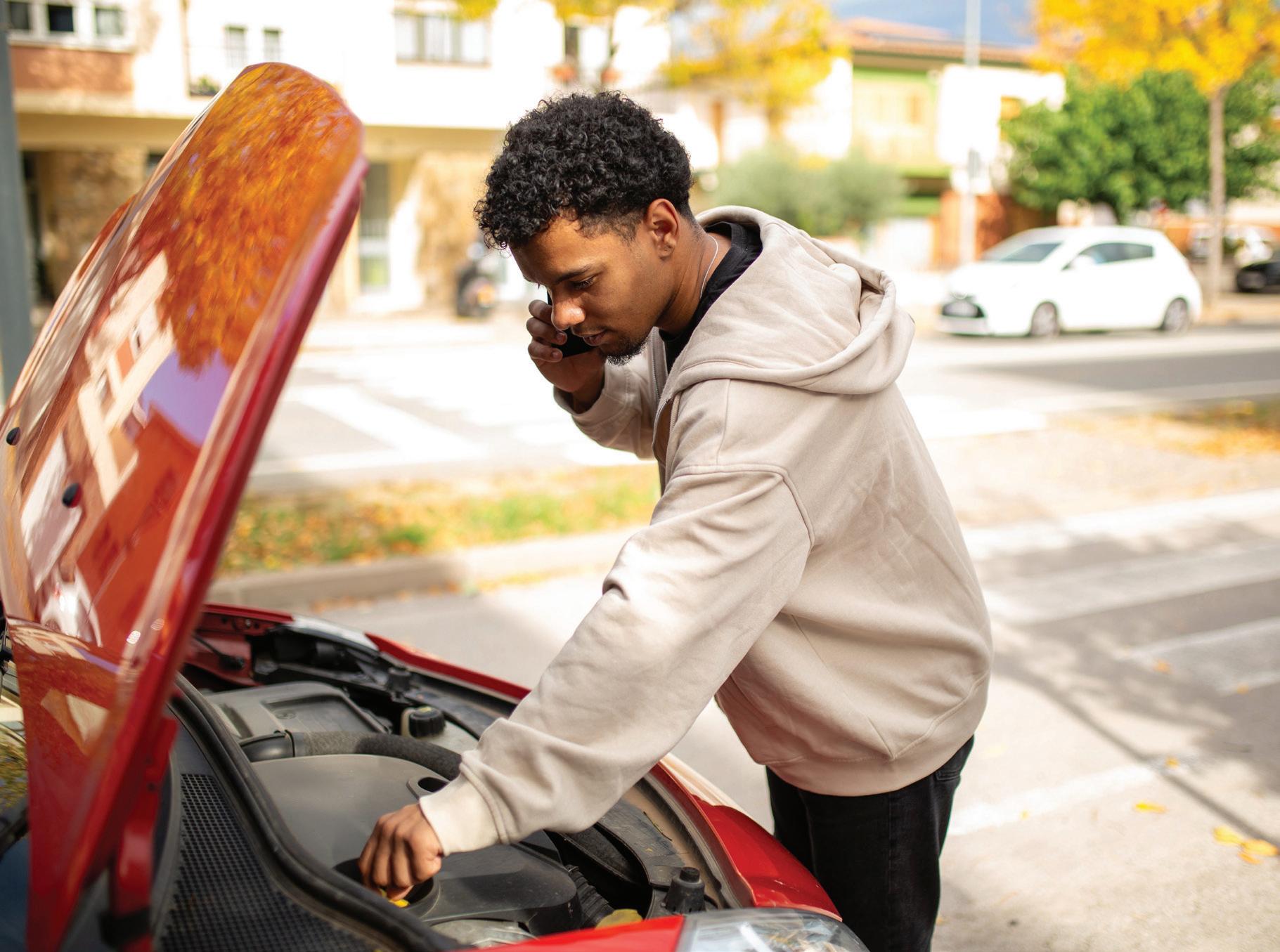
Stay Safe While Boating This Summer
(NC) With the boating season underway and summer here, it’s time to brush up on how to keep you and your family safe out on the water this season. No matter how experienced a boater you are, safe boating takes careful attention. Here are some helpful tips from the Boating Office at Transport Canada:
REMEMBER THE “RULES OF THE ROAD ”As a boat operator, it’s your responsibility to keep a constant watch for other boats and hazards. Knowing what actions the “stand on” and “give way” vessel should take are key to avoiding collisions. Keep in mind that even if you have the right of way, you still need to be ready to take quick action. You can stay safer by avoiding shipping lanes and larger vessels such as ferries, cruise ships and bulk carriers whenever possible. Larger vessels move faster than they seem like they can and take a long time to stop or alter their course. Remember that the captain of a larger ship may not be able to see you if you’re too close, so always keep a respectful distance away.
CHECK AND MAINTAIN YOUR BOAT Making necessary repairs early can help you avoid more costly fixes down the line and keep you from getting stranded on the water if your boat dies. At least once a year check your boat from bow to stern. Check the hull for any signs of damage, tune up the engine and look at the electrical cables, batteries, and fuel lines for signs of damage or leaks. Make repairs using only ignition-protected parts and materials that are suitable for use in marine environments.
USE YOUR NAVIGATION LIGHTS AT NIGHT They let others see where you are and which way you’re facing—the back light is always white, and the lights at the front are always red to port and green to starboard. Regularly check to make sure that your navigation lights work properly. Remove anything that prevents your lights from being seen clearly and make sure you don’t have other lights on that could confuse other boats in the area. Remember: other boaters also rely on your navigation lights to see which way you’re facing, so they need to easily see the colours of your front lights.

ALWAYS STAY SOBER ON THE WATER Stepping off the highway and into the channel, it can feel like different rules apply—but they don’t. Boating under the influence of alcohol, cannabis, other drugs and even prescription narcotics, is illegal, irresponsible and can be deadly. By keeping the party on the dock, you can keep yourself and everyone around you safe.
CHECK FOR VESSEL OPERATION RESTRICTIONS Follow all posted speed limits and the universal shoreline speed restriction, which is 10 kilometres per hour within 30 metres of shore on all waters in Ontario, Manitoba, Saskatchewan, Alberta and the inland waters of British Columbia and Nova Scotia.
FUEL UP SAFELY Boats running out of gas is one of the top reasons boaters call for assistance. It’s easy to avoid by always checking your fuel levels before leaving the dock. Remember the golden rule: 1/3 to go, 1/3 to return, and 1/3 in reserve.
When fueling, always mop up spills and watch for leaks to avoid fire hazards. Also keep in mind that gas vapours are extremely explosive and are difficult to remove if they accumulate. Always run your blower for at least four minutes before starting your motor.
MAINTAIN YOUR SAFETY EQUIPMENT—AND USE IT Of the boating drowning deaths last year, 85 per cent weren’t wearing their lifejackets. Of that number almost a quarter had lifejackets on board but couldn’t get to them in time. Take care of your lifejacket or PFD, and wear them whenever you leave dock so that they can take care of you.
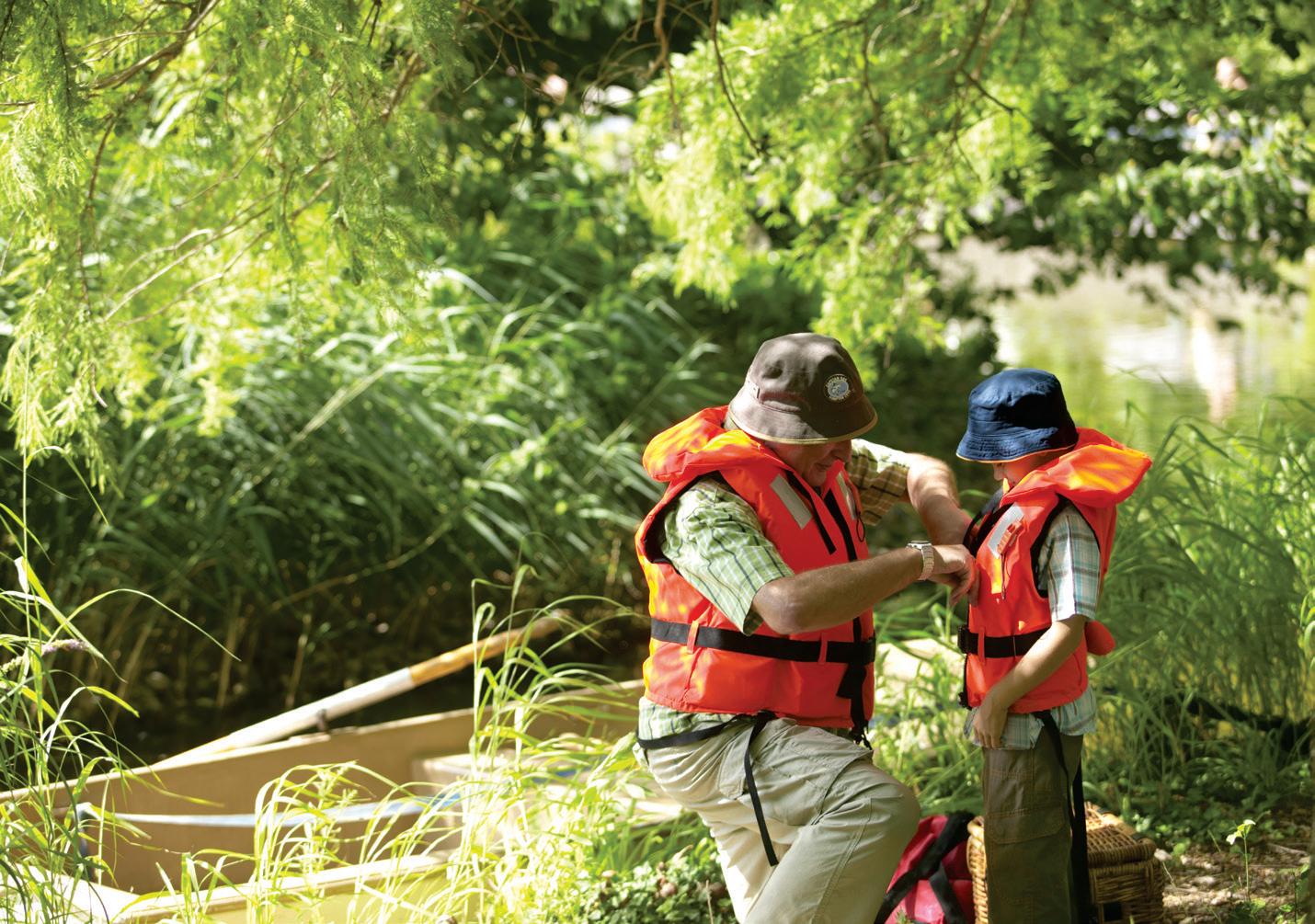
BE PREPARED Ensure all required safety equipment is on board, works well and is within easy reach. If you find missing or broken equipment, fix or replace it before you go. Check fuel levels before leaving the dock.
TAKE A BOATING SAFETY COURSE Learn basic boating safety knowledge and understand the “rules of the road.” If operating a motorized boat, get a Pleasure Craft Operator Card or another approved form of operator competency — it’s the law. Also remember, have your proof of competency on board the boat while underway.
LICENCE YOUR BOAT In Canada, all boats with a 10 horsepower or greater motor must be licenced. To get or update your pleasure craft licence, apply online through the Transport Canada website or mail in an application. This licence is subject to a fee and is good for five years. Lifetime licences will be phased out over the next few years - you can look up expiry date on the website as well. In an emergency, search and rescue personnel can use that license number to access information about your boat. Remember, the law requires your licence be kept up–to-date and on board with the number marked on both sides of the bow of your boat.
ALWAYS KEEP PROPER WATCH Sharing the waterway is everyone’s responsibility. As the operator of a boat, it’s your responsibility to keep a constant watch for other boats and hazards on the waterway. Knowing what actions the “stand on” and “give way” vessel should take are key to avoiding collisions.
When operating, always avoid shipping lanes and larger vessels, such as ferries, cruise ships, and bulk carriers whenever possible. Larger vessels move faster than they appear and take longer to stop or alter their course than you might expect.
KNOW THE WATERWAY Reefs, stumps, rocks, changing water levels and sandbars are all examples of hazards you need to know about. Carry local marine charts if available or ask someone who knows the area about any hidden dangers. Always be on the lookout for hazards in any channel, even familiar ones. Remember: changing water levels can bring hazards closer to the surface.
RESPECT THE LIMITS OF YOUR BOAT Follow the guidelines on the boat’s compliance label. Don’t overload or carry more weight or people than listed.
Learn more about safe boating at canada.ca/boatingsafety
Happy Canada Day!
ADVENTURE BASEBALL BOATING
CAMPFIRE
CAMPING
CANADA DAY
CONCERT DIVING FAMILY FLAG
FREEDOM
HAMBURGERS
HAPPINESS HEAT
JULY PARK
PEACHES PLAY SANDALS SMORES VACATION

Diverse and Delightful
Local musician and music teacher Lesley Joosten thrills in providing local youth the opportunity to not only hone their music skills, but to provide them with opportunities to perform in a professional setting. Music fans in the southern Georgian Bay area may recognize Joosten as the conductor of the Beaver Valley Concert Band, a choir leader, a percussionist, perhaps as a flautist with local band Mixed Groove, and much more.
Last month, true to her supportive nature and positive force in our community, Joosten presented a performance at Collingwood’s Trinity United Church (where she is the choirmaster) succinctly titled Youth in Concert. The main act was local teenager Cadence Brassard, an accomplished and still ascending organist. She played the church’s splendid pipe organ. Her numbers were interspersed by other performers under Joosten’s tutelage, offering vocal, flute and saxophone.
The organ is a Keates three manual (what many of us would call keyboards), with the top manual being called a swell organ, the middle one is the great organ and the lower one is the choir organ. This is referring to placement, onebelow-the-other, not tonal range. Some organs may have more manuals and as most do, there is one more which is played by foot; it is the bass end of the aural spectrum and called a peddleboard. Another complex looking bit of the organ are the rows of drawknobs flanking the manuals, determining the tone of each organ, by being pulled out or pushed into position. I’m sure Brassard would be able to point out a few other controls she employs when playing. It is a very adaptive instrument to play and she knows all the subtleties.
Classical guitar was almost Brassard’s main instrument. Then, she discovered piano. At age 9 she met an organist and, long, lovely story short; Organ has become her passion. She spends hours practicing every day, on this very organ, of late.
After an introduction by Paul Sloan (Music director and organist at Trinity), Brassard performed the same piece she presented for her university audition, “Comes Autumn Time” by Leo Sowerby (May 1895–July 1968). He was an American composer and church musician, winning the Pulitzer Prize for music in 1946. Brassard described the composition as inspiring, beginning with a grand fanfare and moving into “...a very whimsical jazz, which is something you don’t hear a lot on the organ”. Brassard alternated on stage with the other musicians over the course of the concert. This was an excellent format, featuring her, and allowing others to share their talent and gain stage experience while offering the attentive audience a wide variety of styles.
Following Brassard’s opening number, solo saxophonist Kael Huibers was introduced by Joosten. She said he’s “...a natural. I heard him the first time playing solo and I thought ‘This guy needs to be performing somewhere’”. Huibers is a member of the Georgian Shores Concert Band and has been performing solos with them. He presented a number by Zacharia A. Johnson called “Piece en forme di Czarda. This classical piece was inspired by

The featured performer of the Youth in Concert event was Cadence Brassard, pictured here at the Keates pipe organ at Trinity United Church in Collingwood during her performance. Hailing from The Town of Blue Mountains, Brassard is ecstatic to have near-daily practice time on this particular organ. She appreciates the support of everyone involved to allow her this opportunity.

Kael Huibers is seen here with his alto saxophone at the Youth in Concert event in Collingwood. He is a graduate of Georgian Bay High School in Midland, Ontario. He has been involved in bands on alto, tenor and soprano saxophones. Being part of a classical ensemble during his final year of high school led him to pursue that style with more intent. He is recognized for his natural musical ability.

Libby Dutchession is seen here, in performance. A Wasaga Beach native, she began playing the flute when she was 5. For the past three years, she has been enjoying private flute lessons with Lesley Joosten. Dutchession has been a part of the Collingwood Collegiate Institute symphonic band and has performed solos for charity.
traditional Hungarian folk dance and offered much dynamic. He was accompanied on piano by Paul Sloan.
Libby Dutchession is a young flautist and music student of Joosten’s. She plays at a grade eight Royal Conservatory of Music level. She is also involved in theatre, dance and is on her school’s track team. Her musical contribution to the afternoon was “Valse de Roses” by Earnesto Koehler. This composition is described as a “...dramatically beautiful and romantic flute piece”. Dutchession was accompanied by Greg Gibson on piano.
Soprano Sally Bruce rounded out the talent roster for this afternoon concert. Her accomplishments are many and her notoriety continues to grow. She participated in the Ontario Music Festivals Association competition held in June, taking first place in her category.
She sang a couple of songs at the Youth Concert: “Deh Vieni, Non Tardar!”, which may be familiar as Suzanne’s aria from the opera Le Nozze di Figaro” by W. A. Mozart. Also, “Le filles d Cadix” (Bolero) by Leo Delibes. Bruce was accompanied by Mila Filatova on the piano.
Proceeds from this concert supported Home Horizon and the Trinity Music Programme. Their mandate is: “Home Horizon creates a community where youth who are at risk of or experiencing homelessness are supported and empowered with the resources and skills to transition into adulthood. As a community, we break the cycle of youth homelessness with hope, safety, and growth”.
Music programmes at Trinity United Church include weekly involvement in Sunday worship as well as various presentations throughout the year, a Christmas cantata and a winter talent show called January Thaw. The music is always expanding and offering new and enlightening events for its congregants and the community at large.
Submitted by Don Beaulieu

Soprano Sally Bruce began singing lessons at 6 years old. Currently she is studying classical voice repertoire from Royal Canadian Music grade 9 to ARCT (Associate Diploma) advancing in classical and romantic material. Bruce has a long list of prestigious performances and accolades including a full scholarship at the Glenn Gould School at the Royal Conservatory of Music in Toronto. In mid-June she won first place at the Ontario Music Festivals Association competition, in the category: Classical Voice, Senior Level, Ages 17–18.