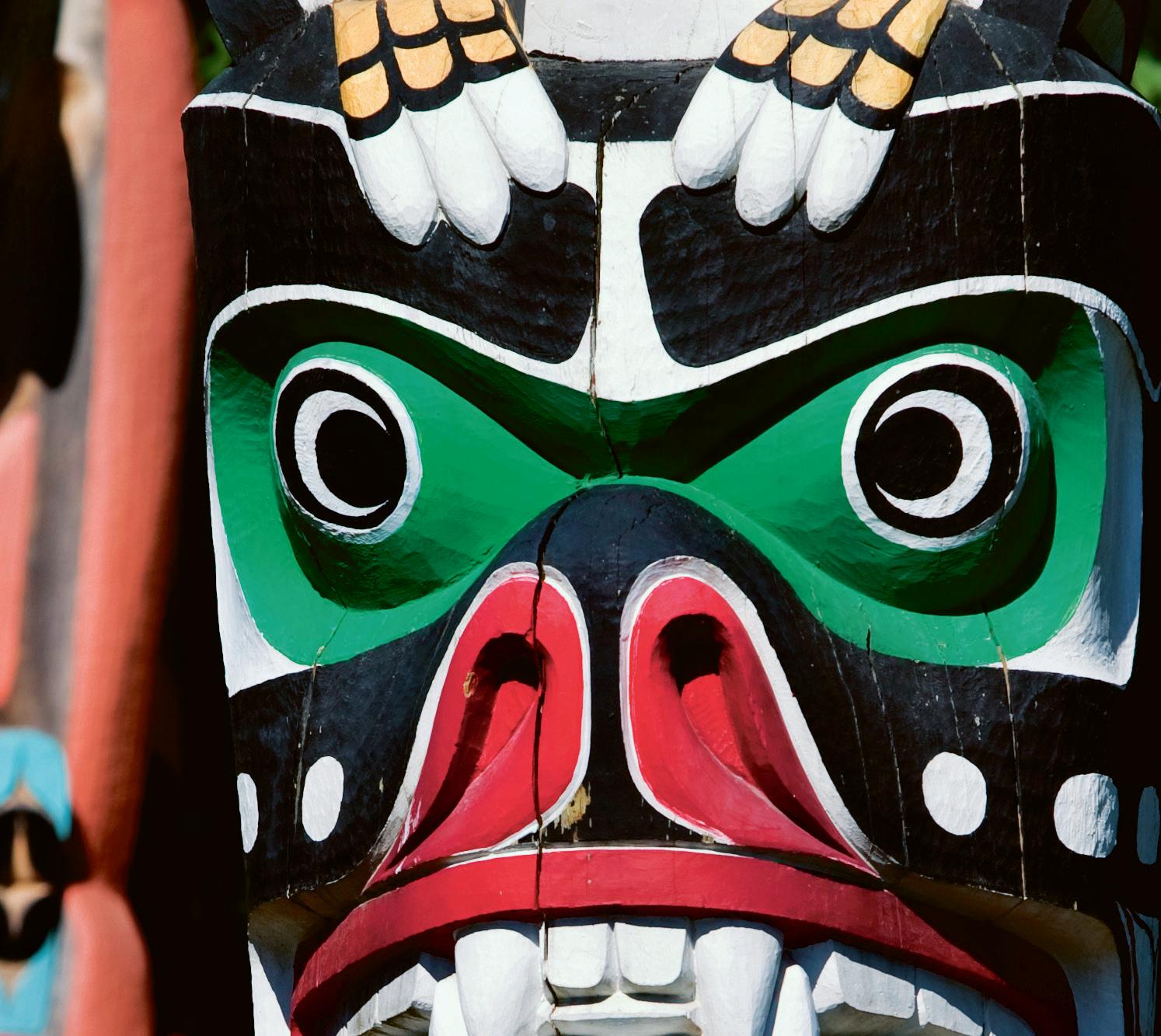
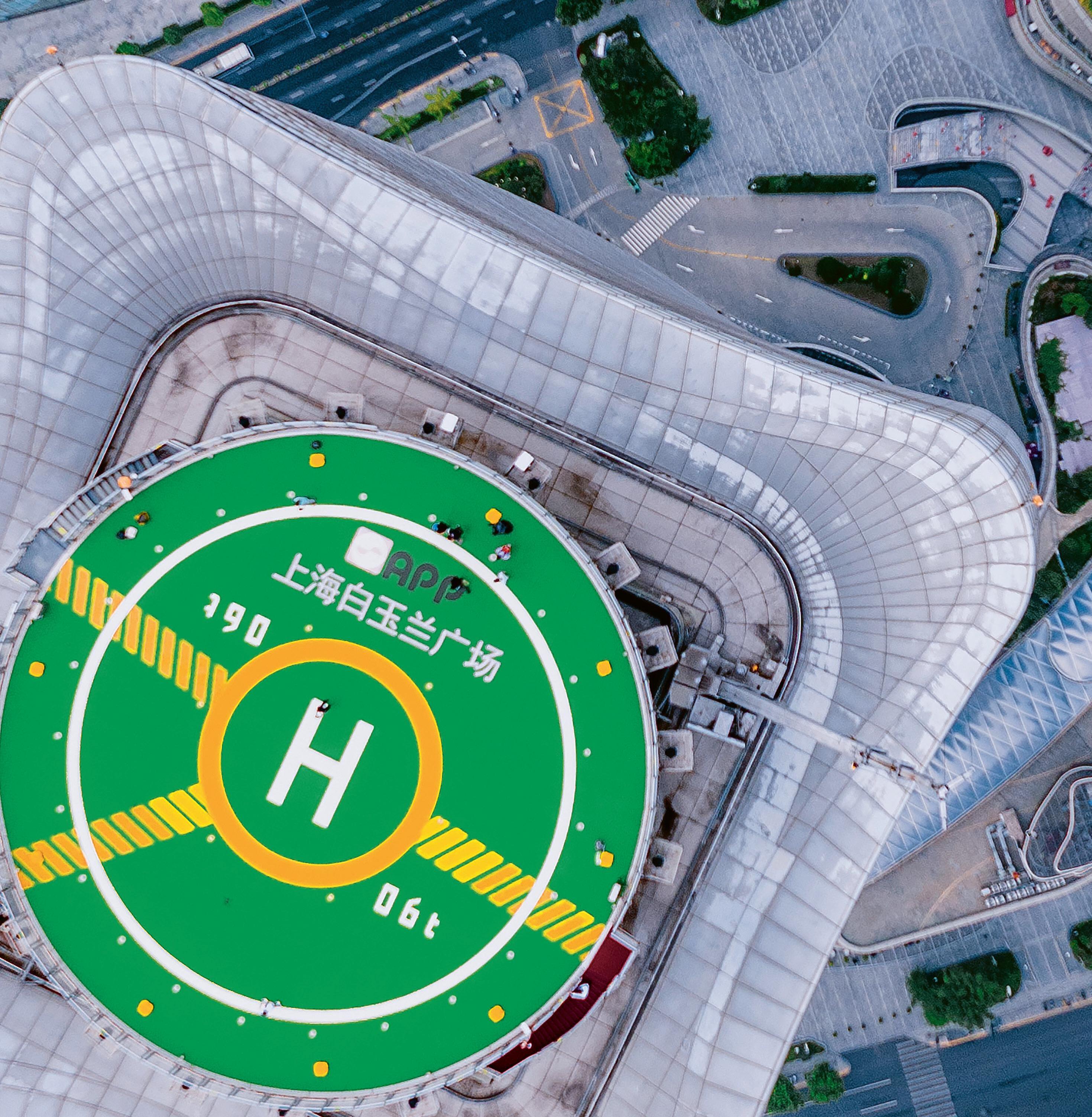
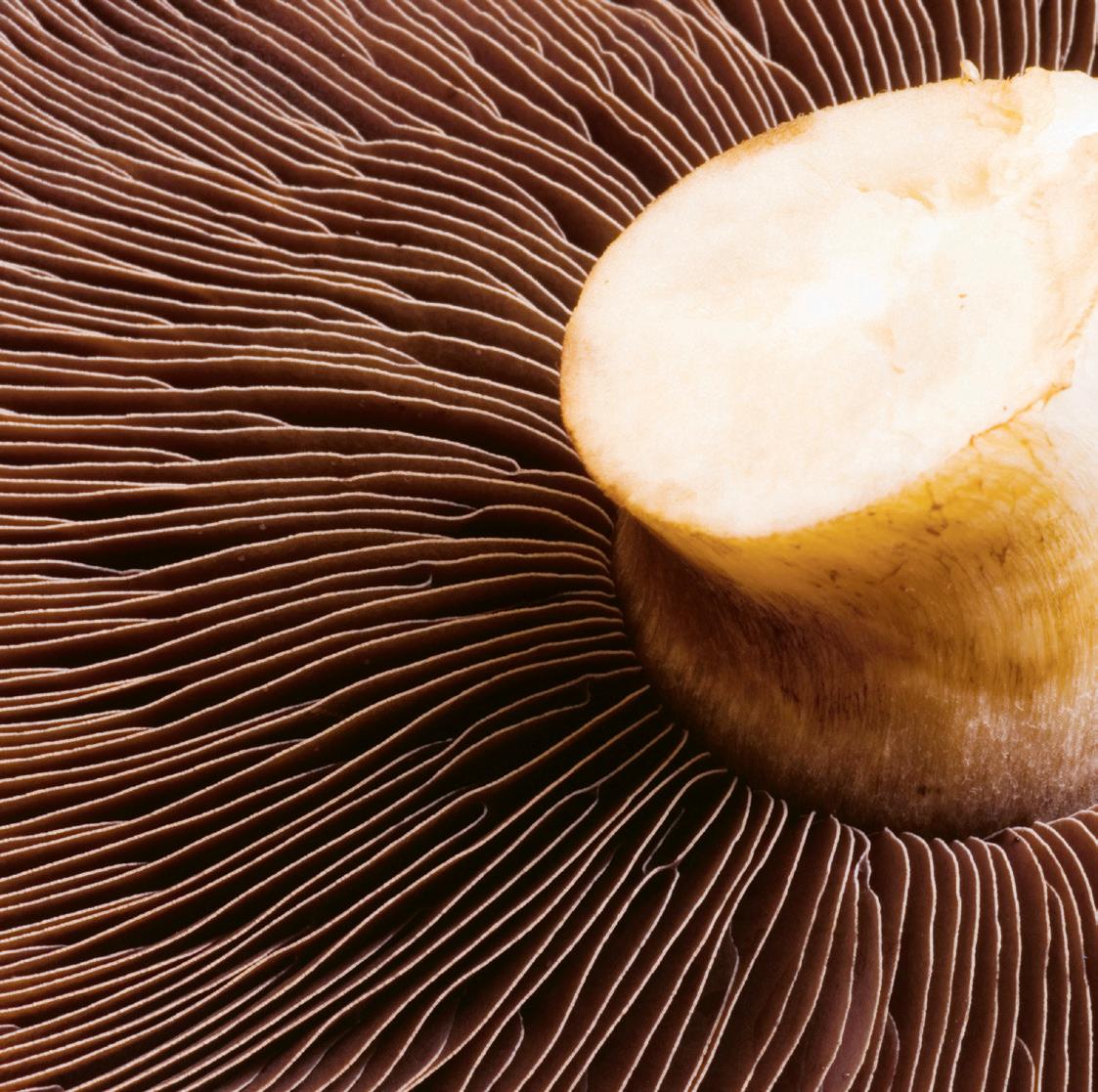
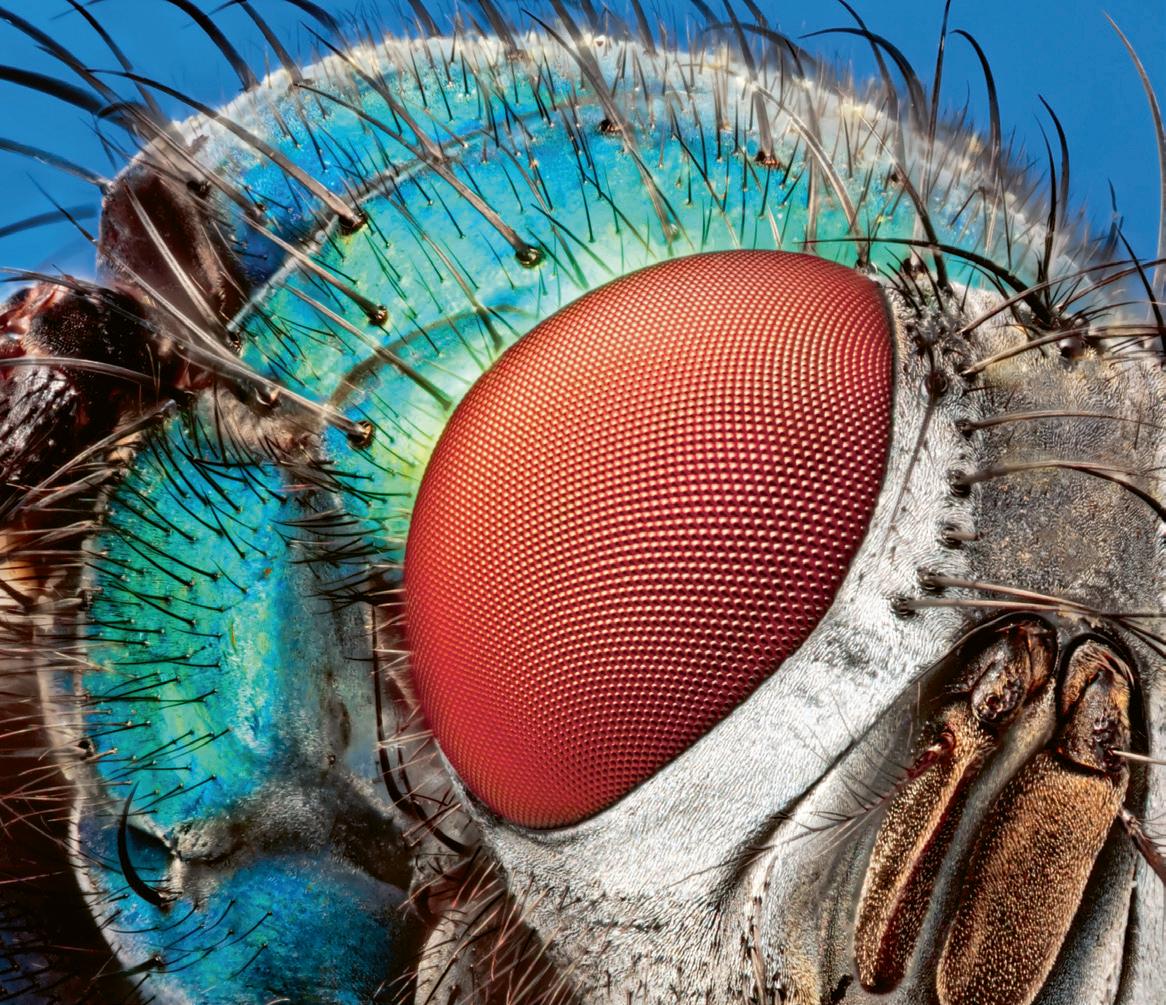
See amazing photos from around the world on page 4, including these daring skydivers.
IN NUMBERS
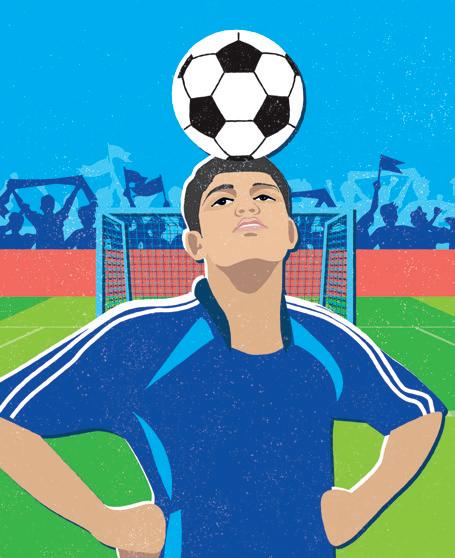
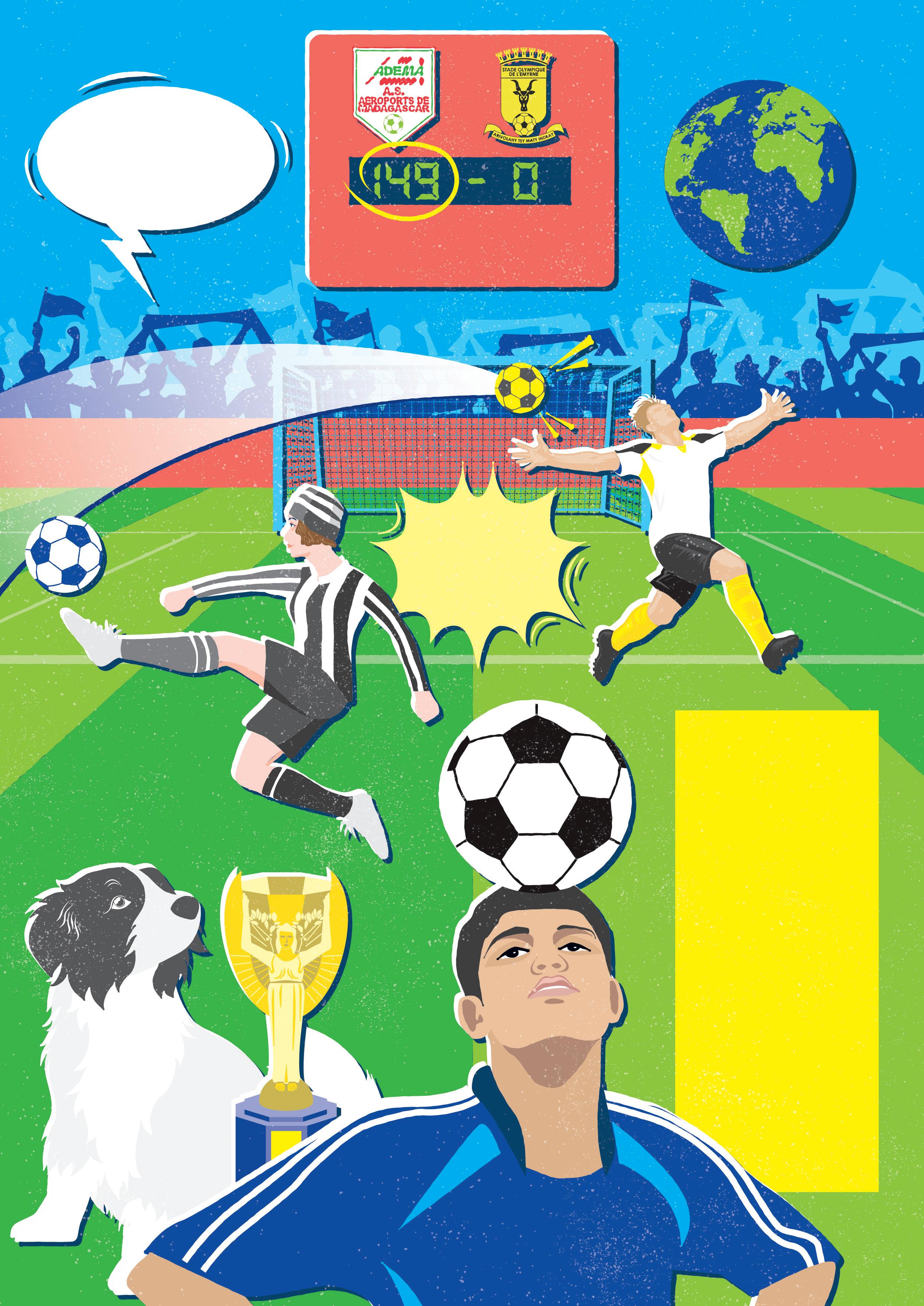
What’s the longest someone has balanced a soccer ball on their head? Discover the answer to this and other soccer facts on page 43
REGULARS
WORD UP!
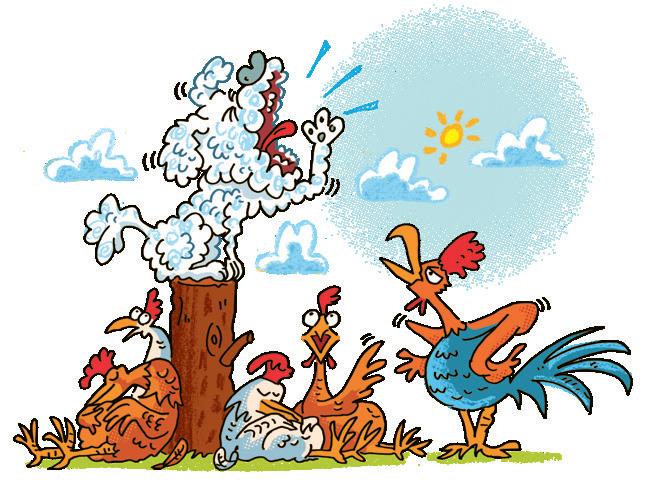
How has the internet changed the way we communicate? Learn about emoji, leetspeak, and more on page 16.
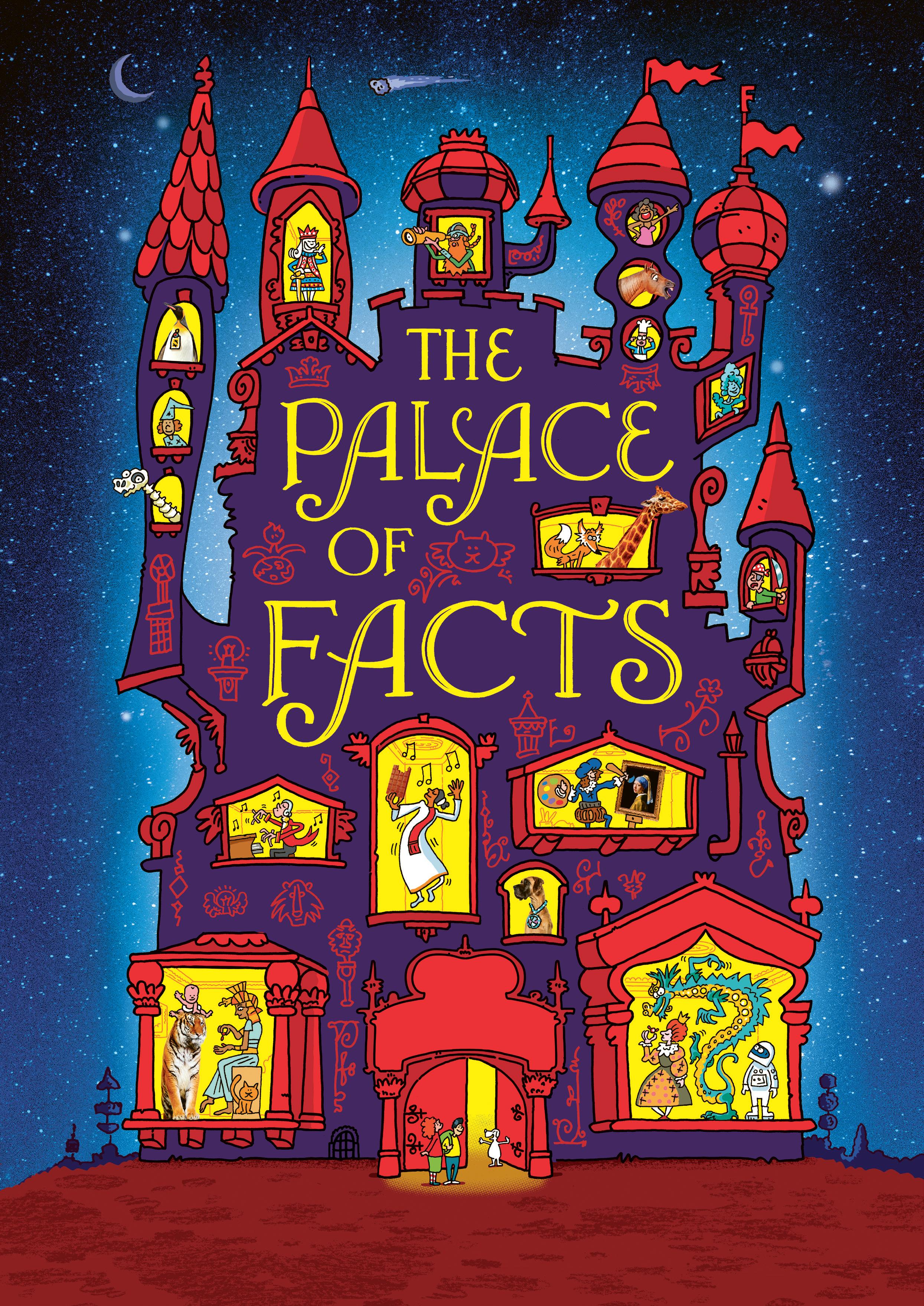
THE PALACE OF FACTS
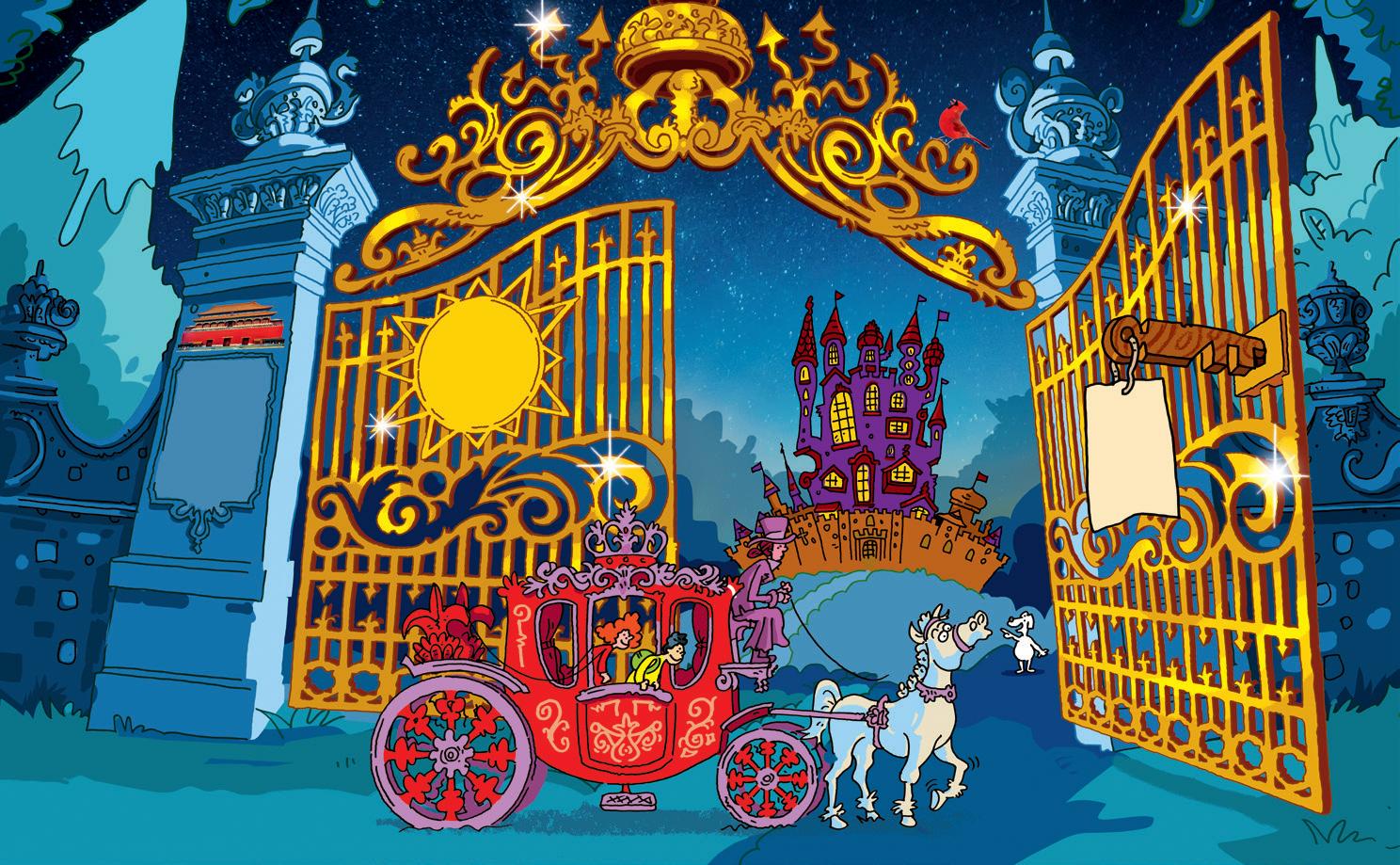
Take a tour of The Palace of Facts on page 51, where strange and fascinating facts await.
EUREKA
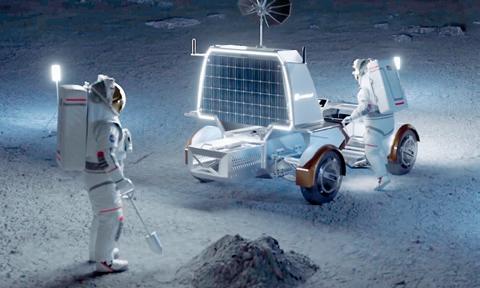
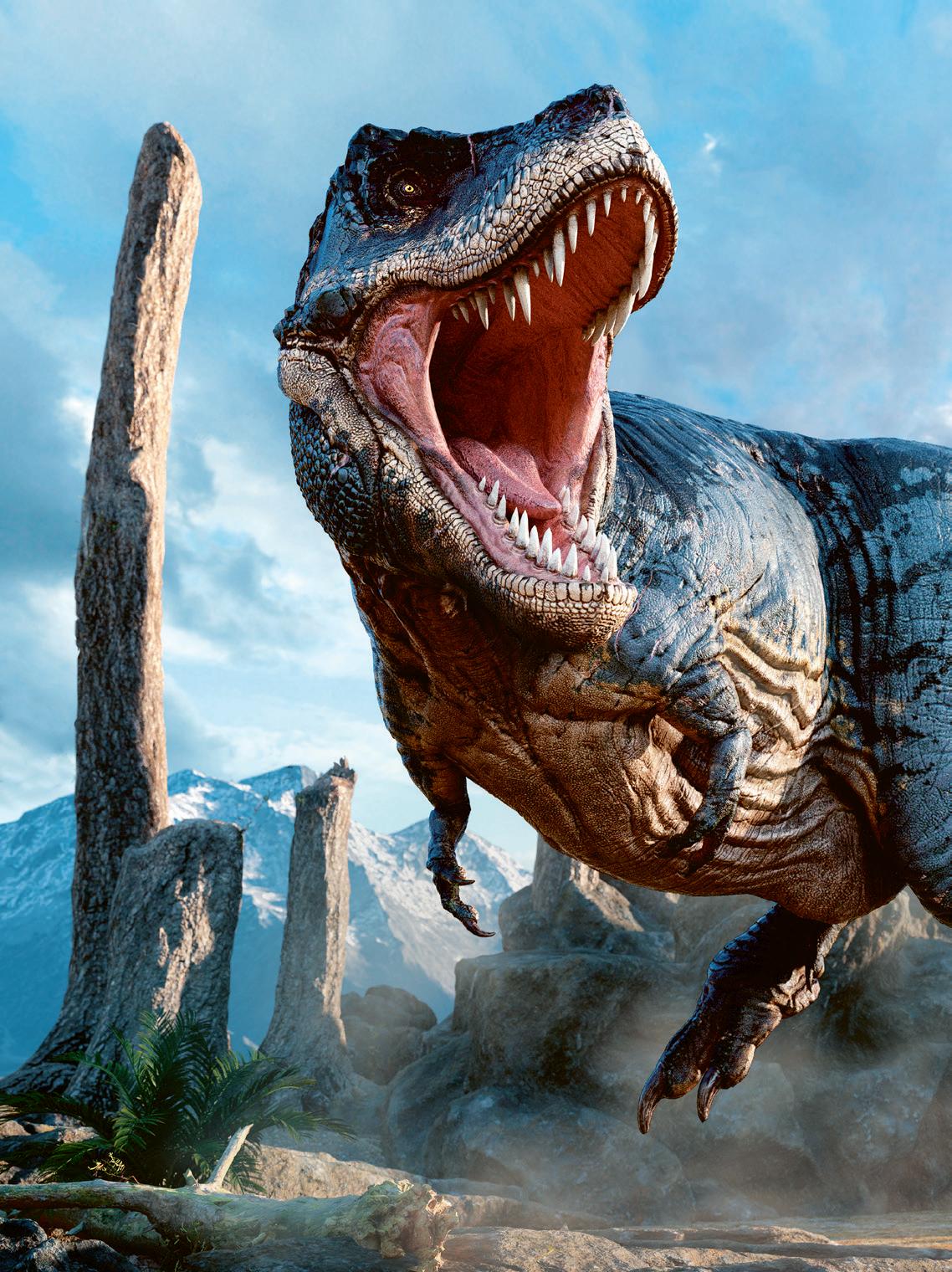
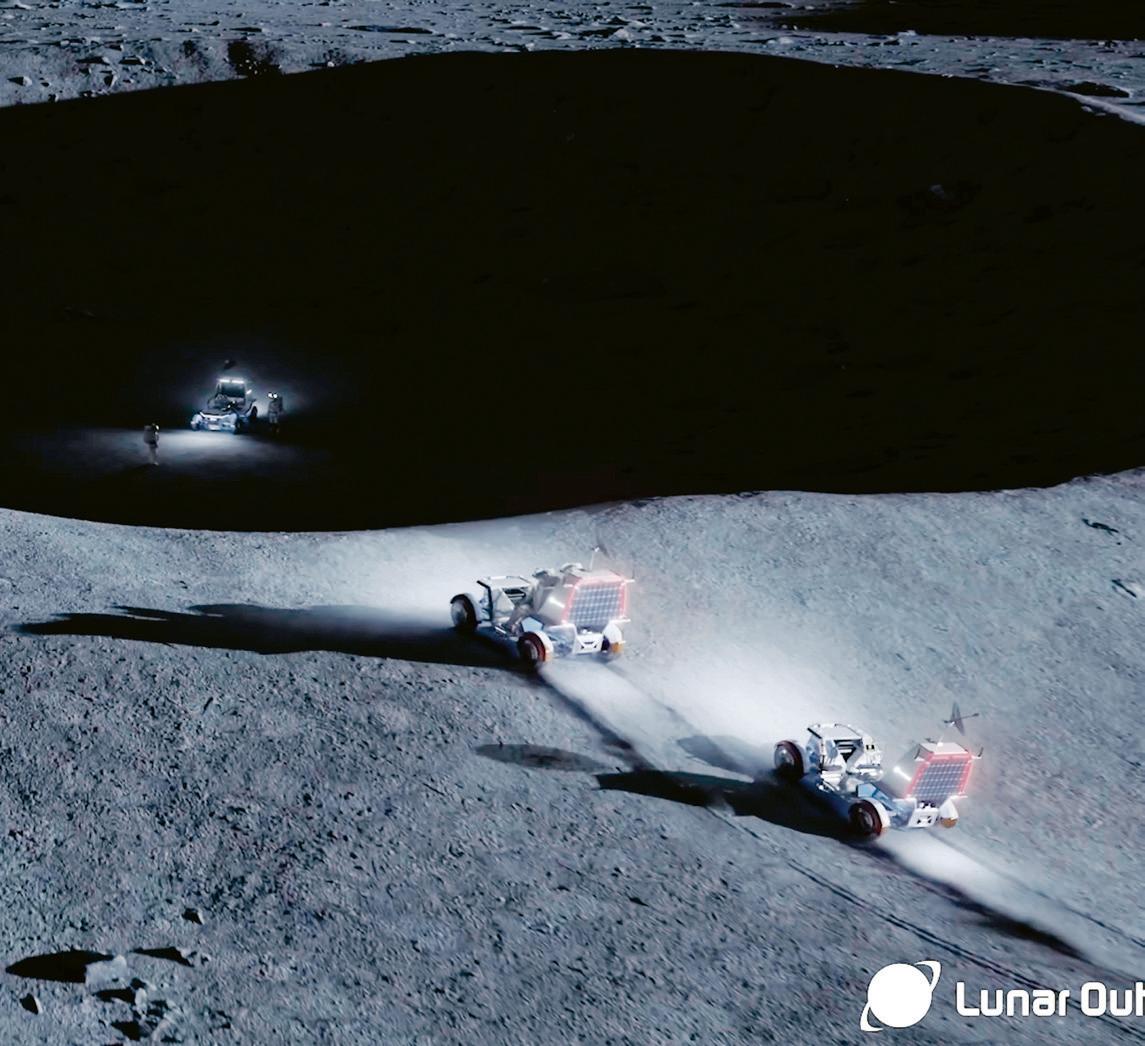
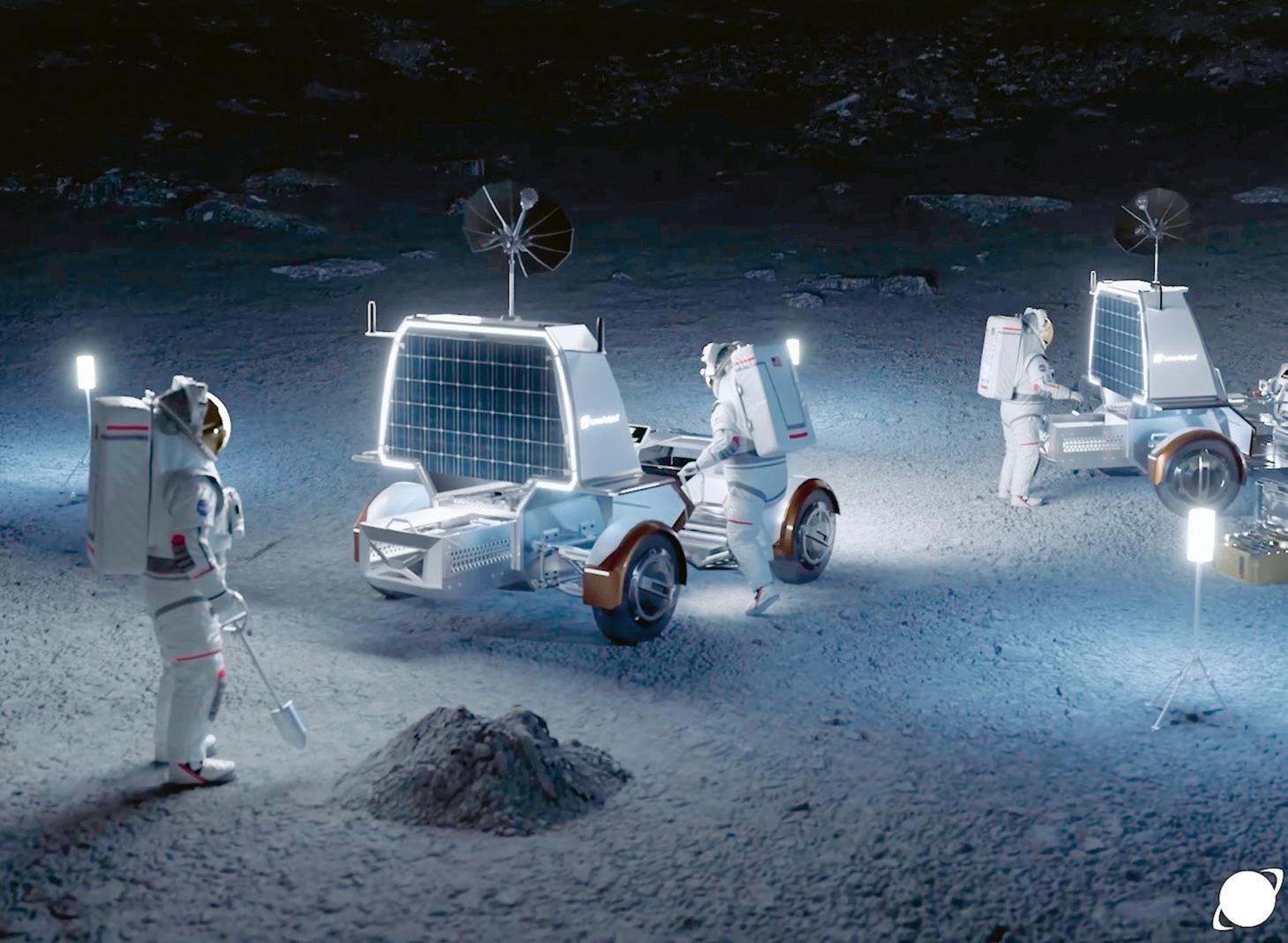
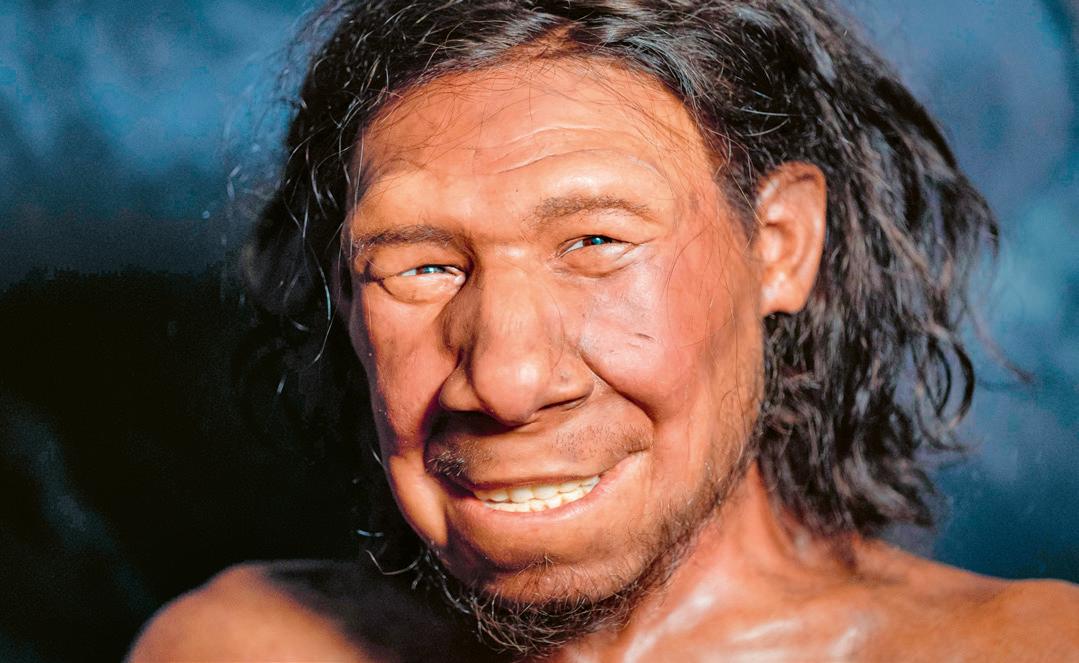
Turn to page 10 to find out about the latest scientific discoveries, including new NASA Moon rovers and why T. rex had little arms. MAP IT! Page 12 PUZZLES & GAMES Page 27
SEND IT IN
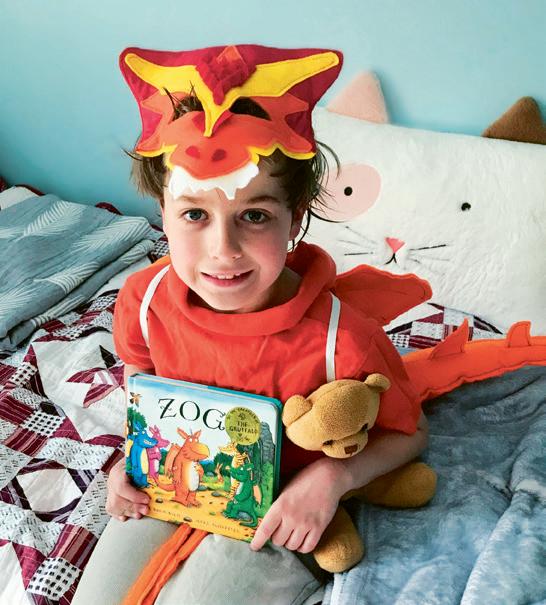
Check out our readers’ gallery on page 64, including this amazing Zog the dragon, and marvel at our reader’s fact of the month.
EYE DON’T BELIEVE IT!
Can you see black dots flashing between the squares below? Find out what you’re really looking at on page 13.
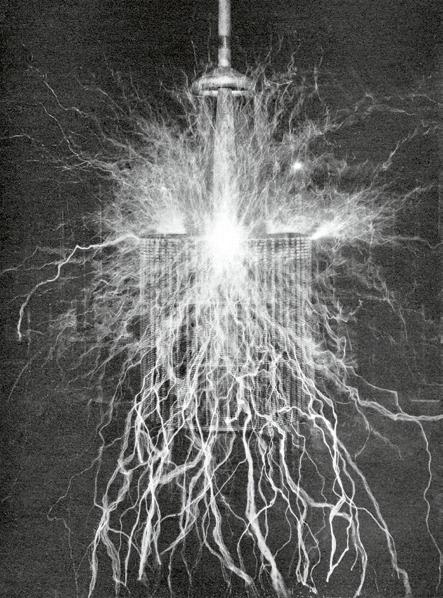
THINK DIFFERENT
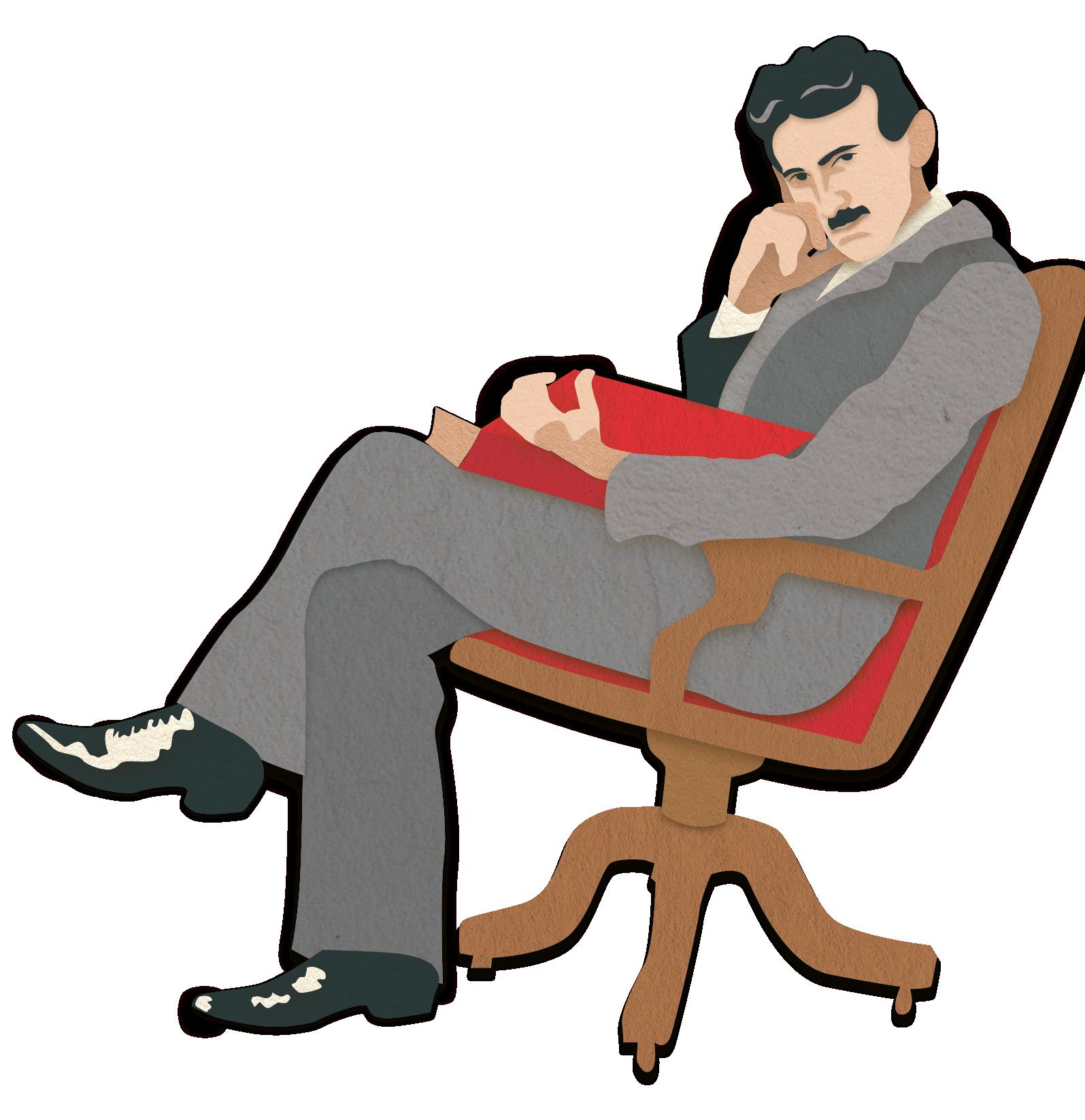
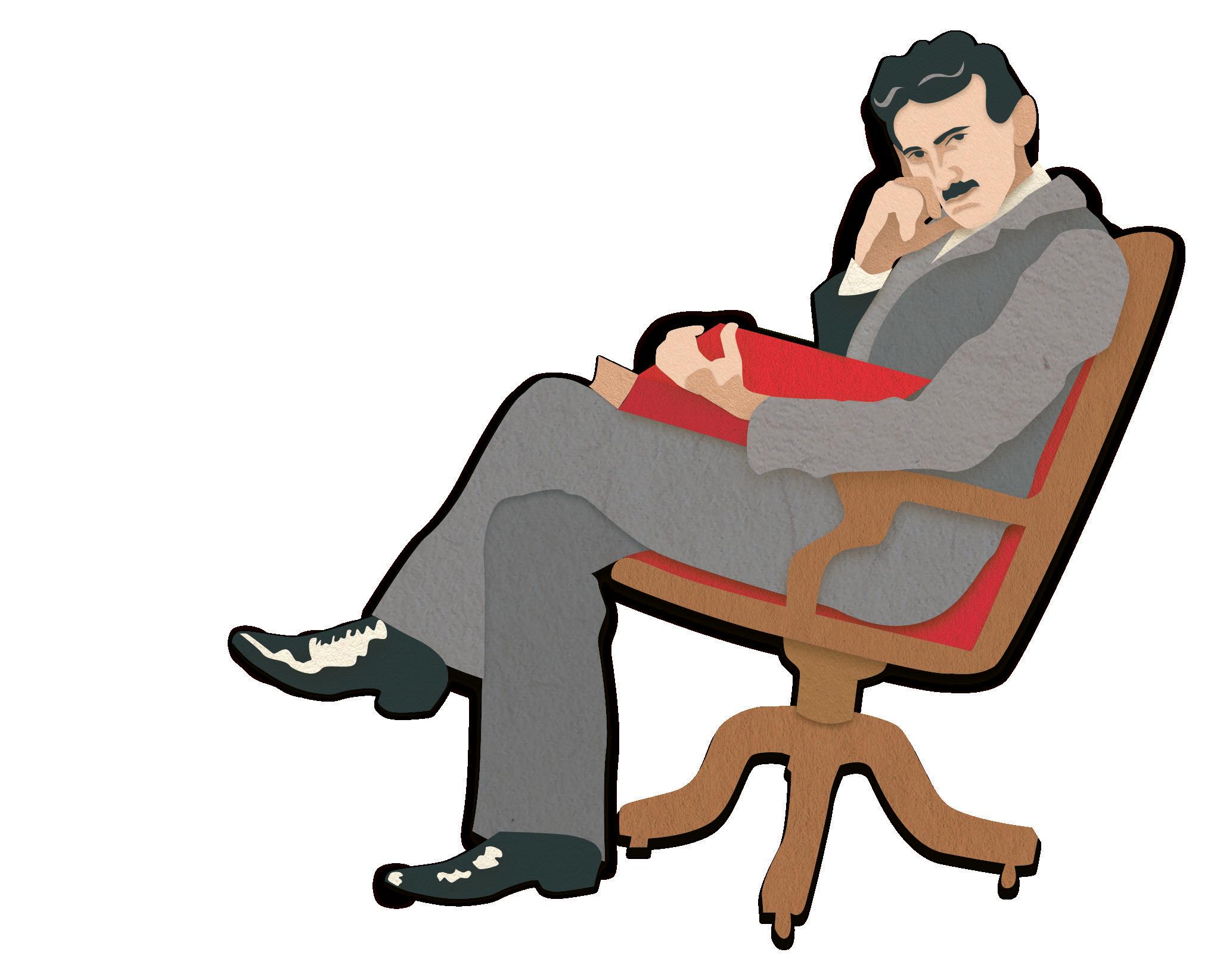
Meet inventor Nikola Tesla on page 26 and discover how his ideas changed the
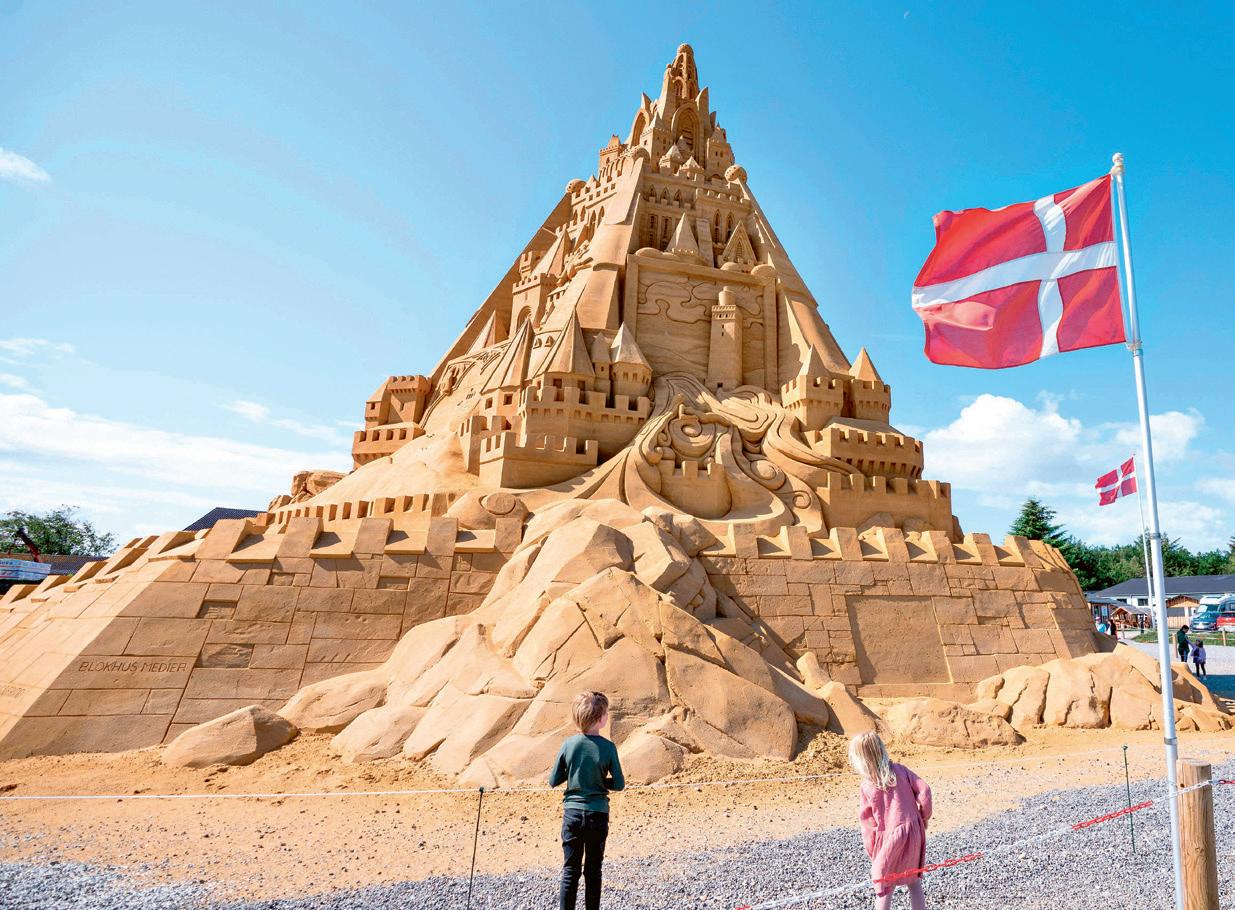
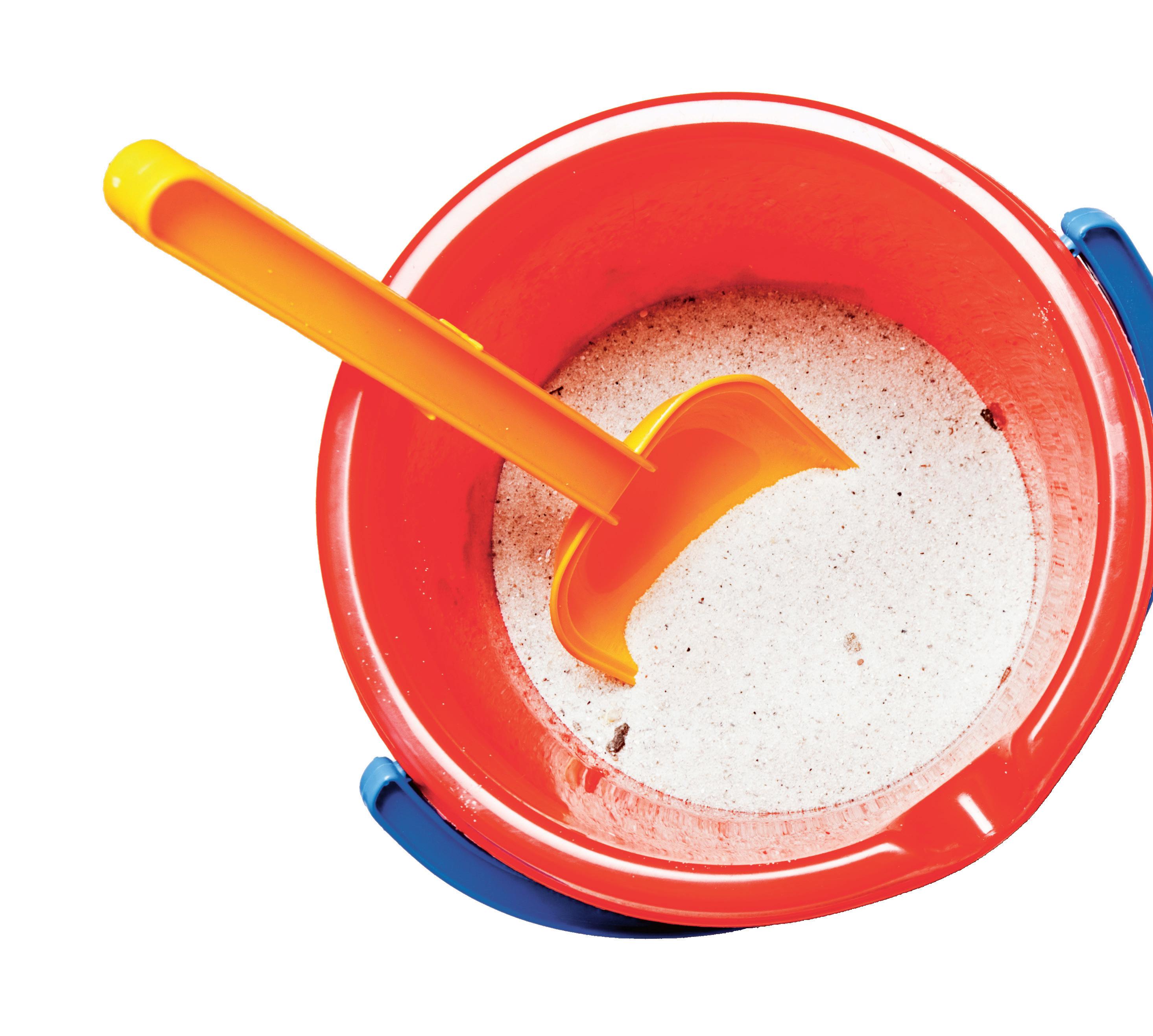
Grab your bucket and shovel and meet us on page 14 to learn all about sand.
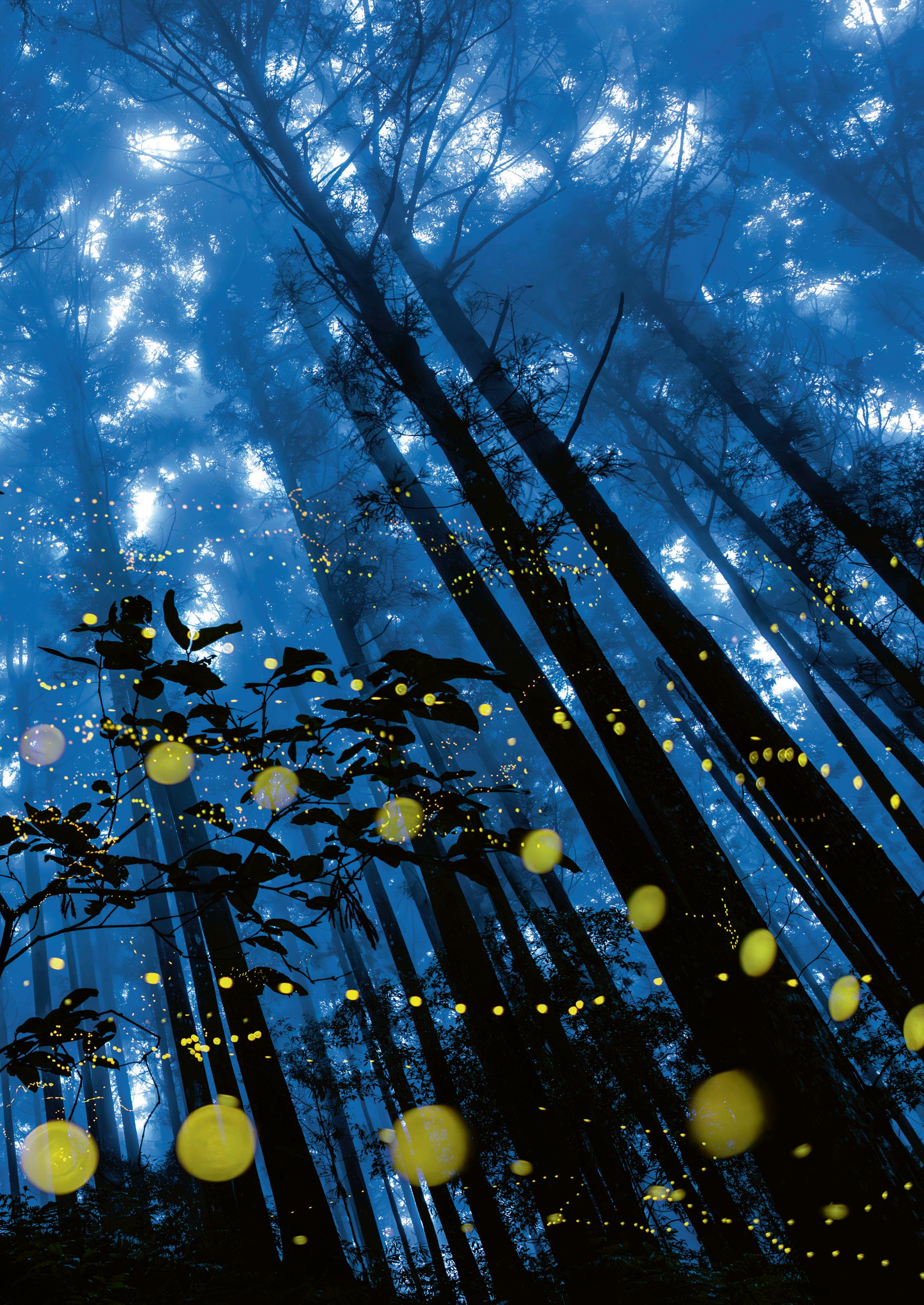
LIGHTS IN FLIGHT
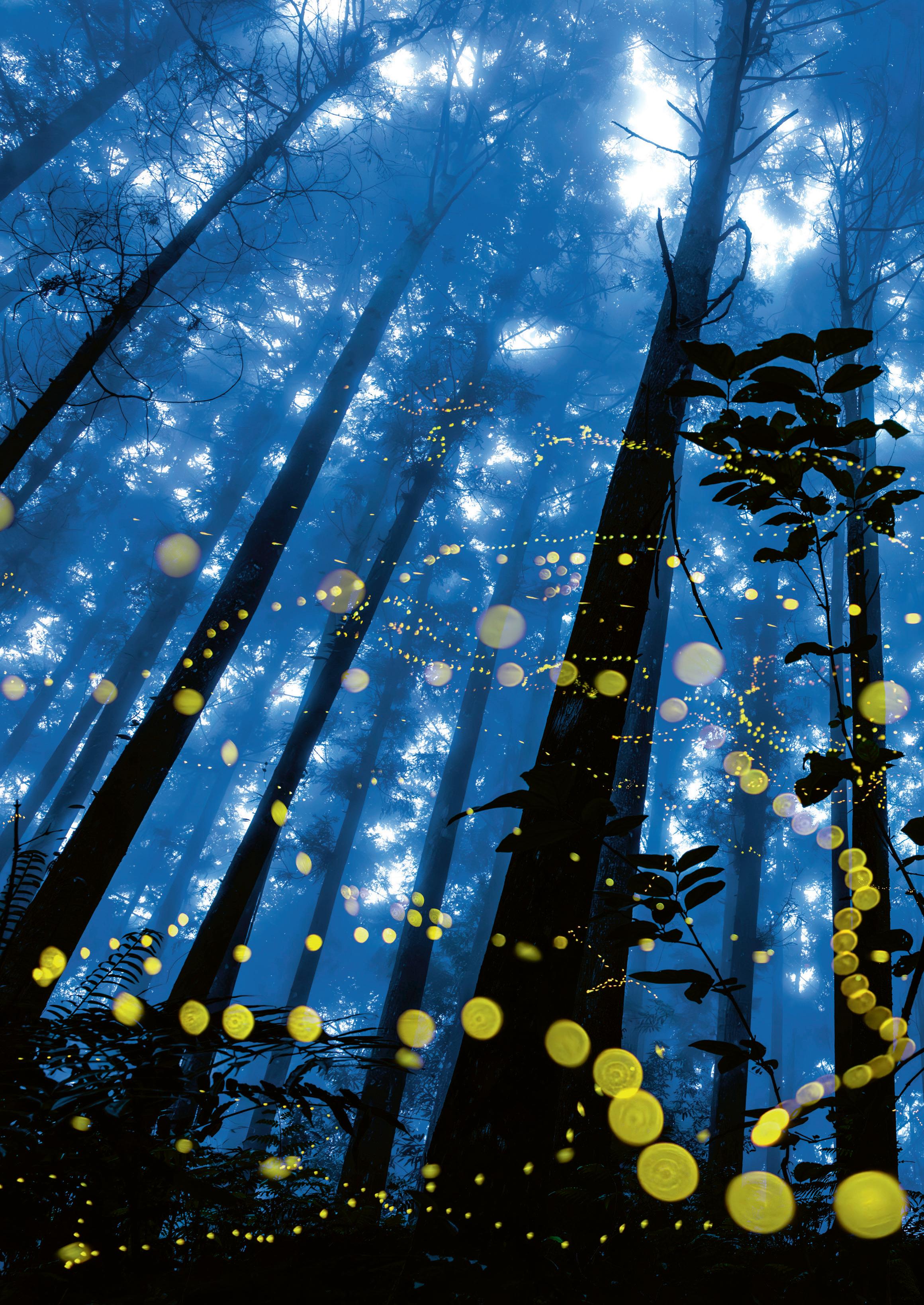
This spectacular firefly show in a Taiwanese forest was captured at dusk. Fireflies light up to attract mates and warn off predators. They do this through a chemical reaction inside their bodies.
LANDSCAPE PHOTOGRAPHER OF THE YEAR/SHIRLEY WUNG
SNAP IT!
Astonishing photos from around the world
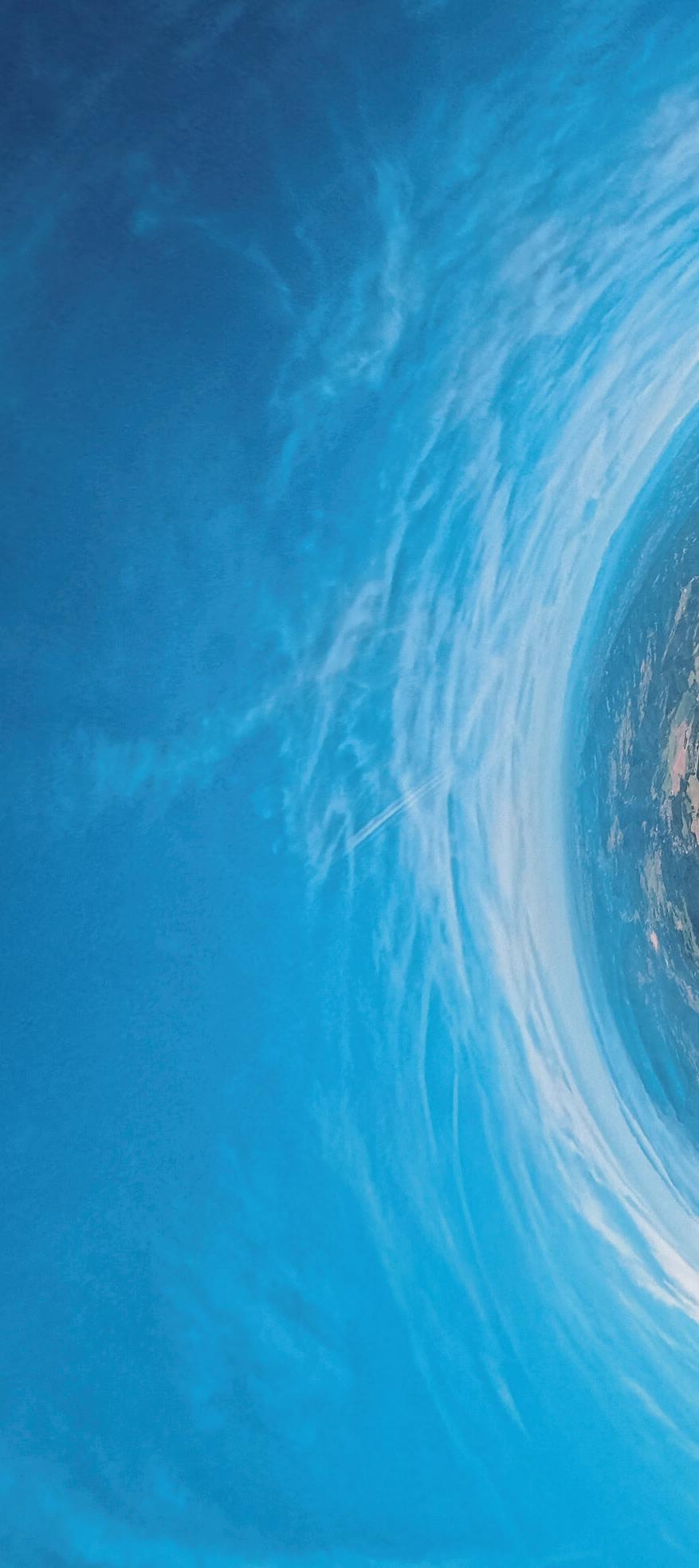
DON’T LOOK DOWN!
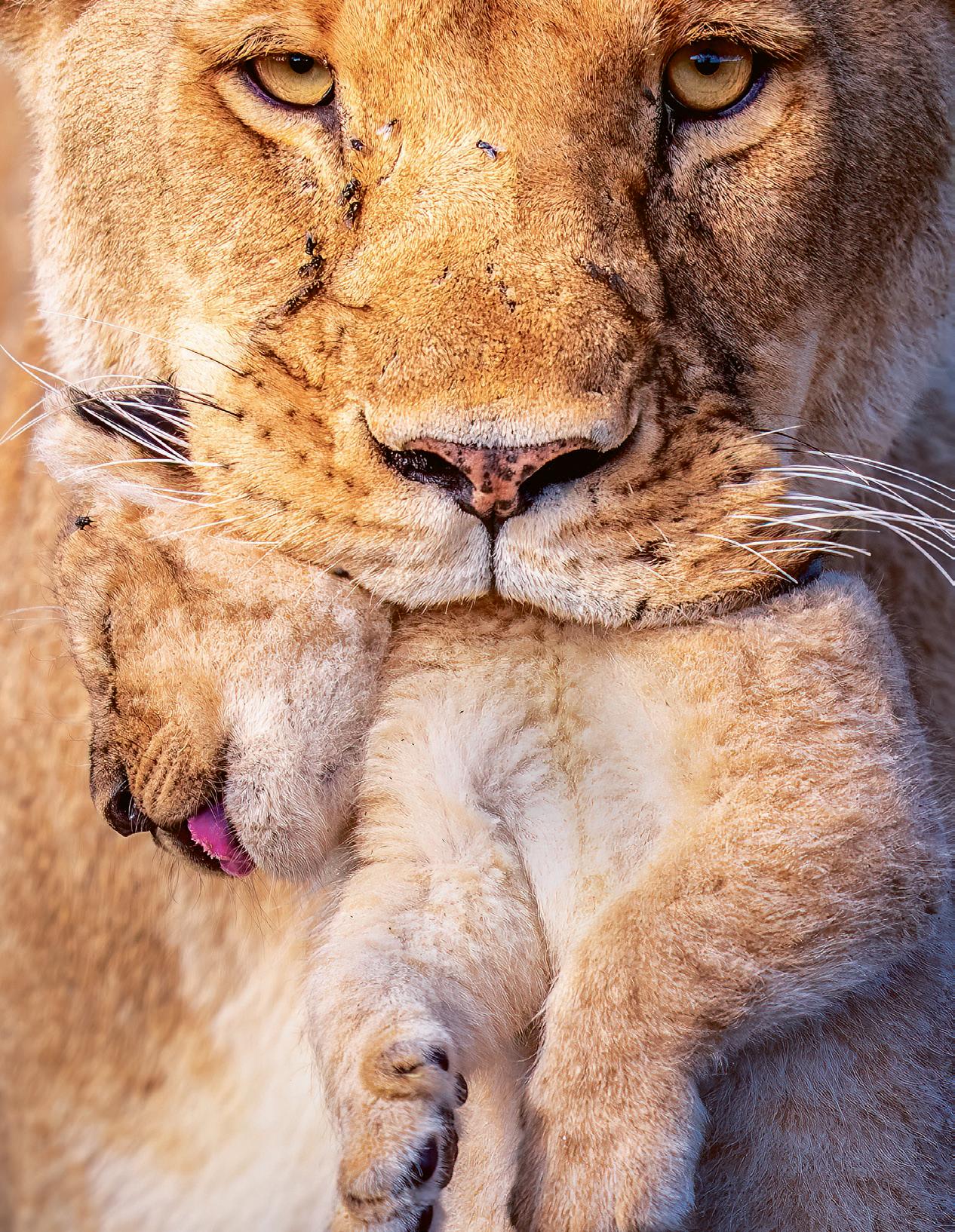
EASY DOES IT
This lioness was spotted carrying her sleeping cub in a wildlife conservancy in Kenya. Lions usually have two or three cubs, so mothers need to keep an eye on them!
WORLD NATURE PHOTOGRAPHY AWARDS/ELIZABETH YICHENG SHEN
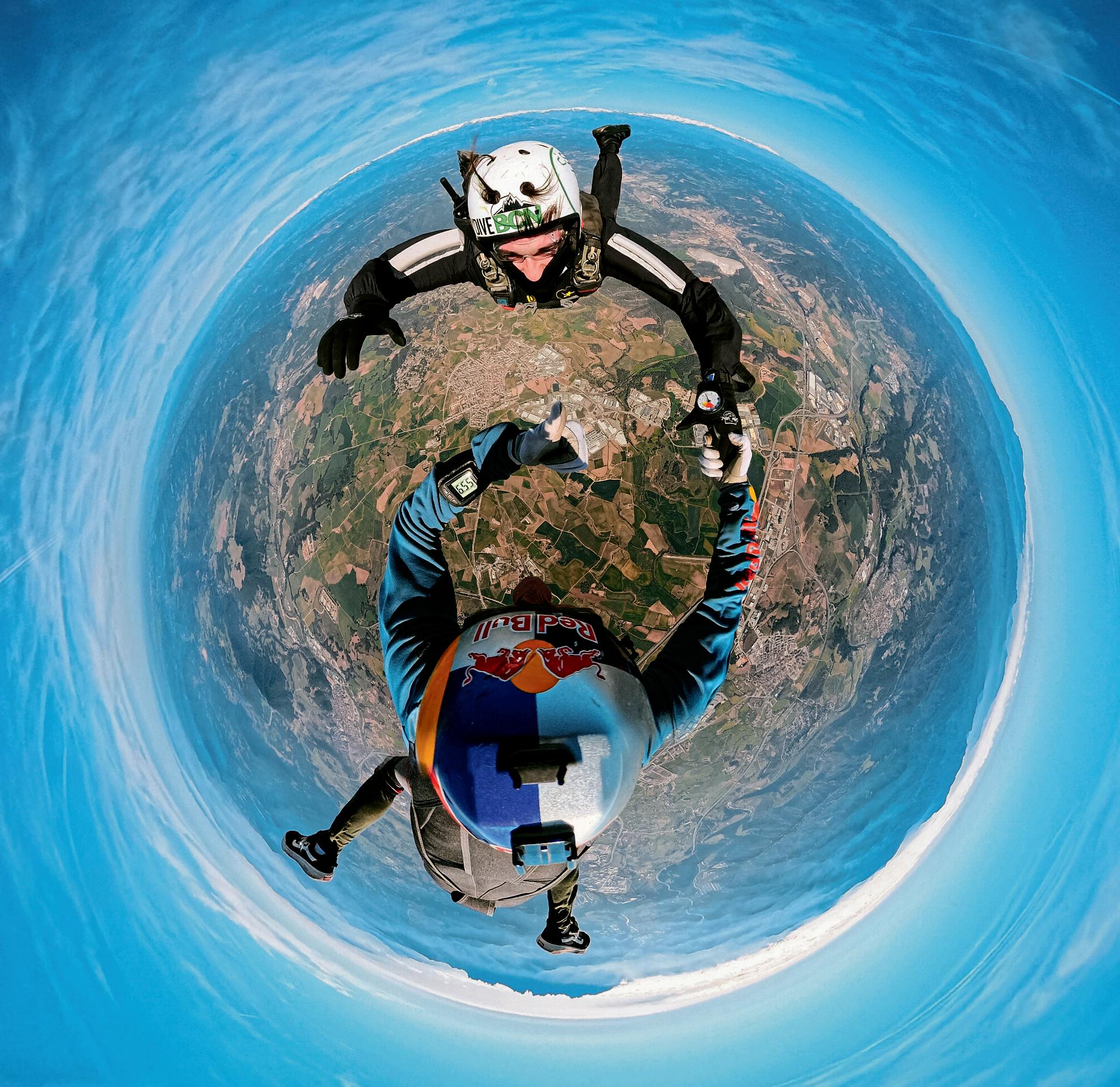
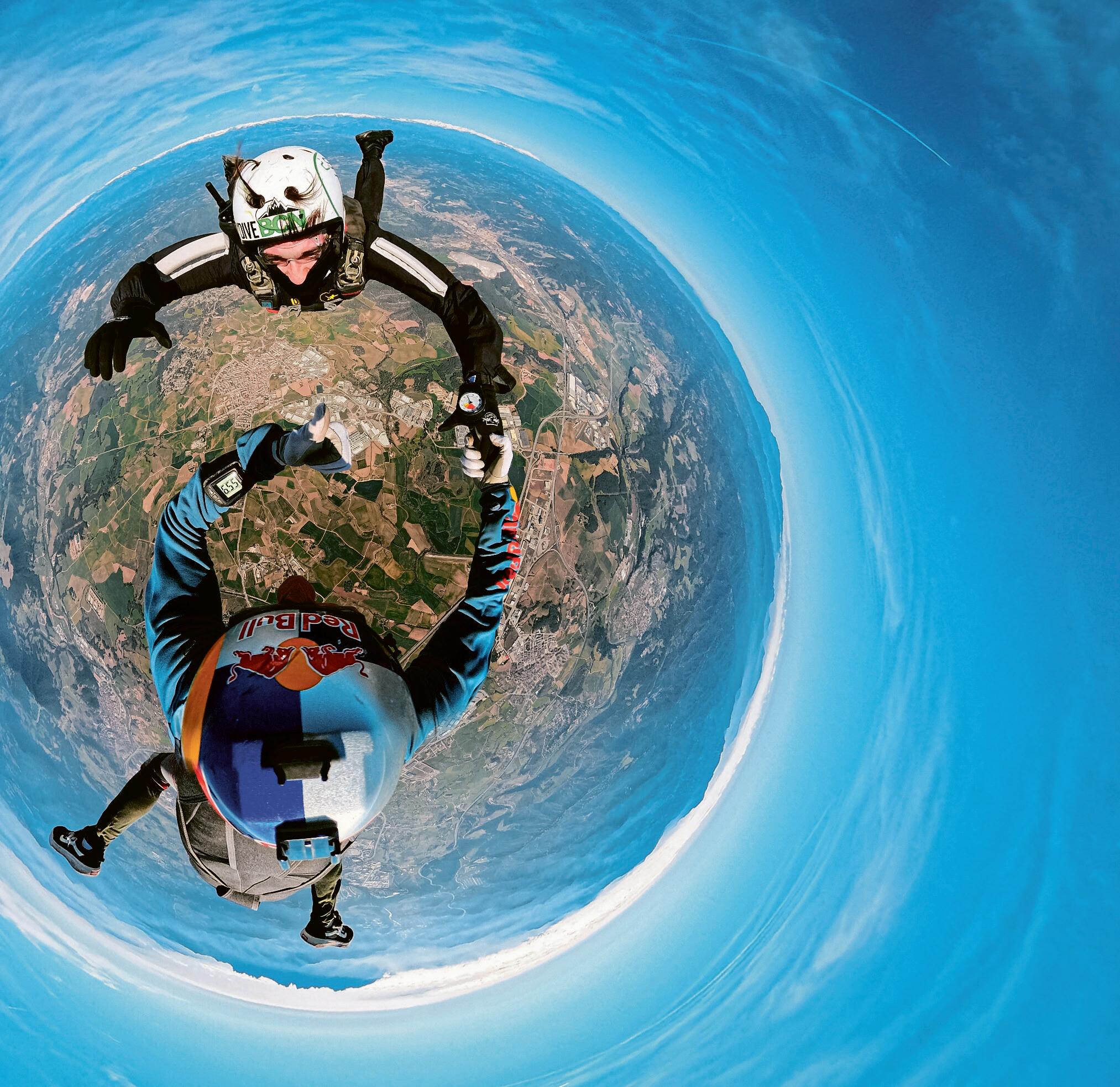
This mindboggling photo was snapped during a skydive over Barcelona in Spain. It was the first solo dive for popular Italian YouTuber Lollo Lacustre (top), who did five backflips in free fall before meeting up midair with Spanish extreme sports athlete Dani Roman (bottom).
RED BULL CONTENT POOL/ GABRIELE SEGHIZZI
TIME FOR A REFILL?
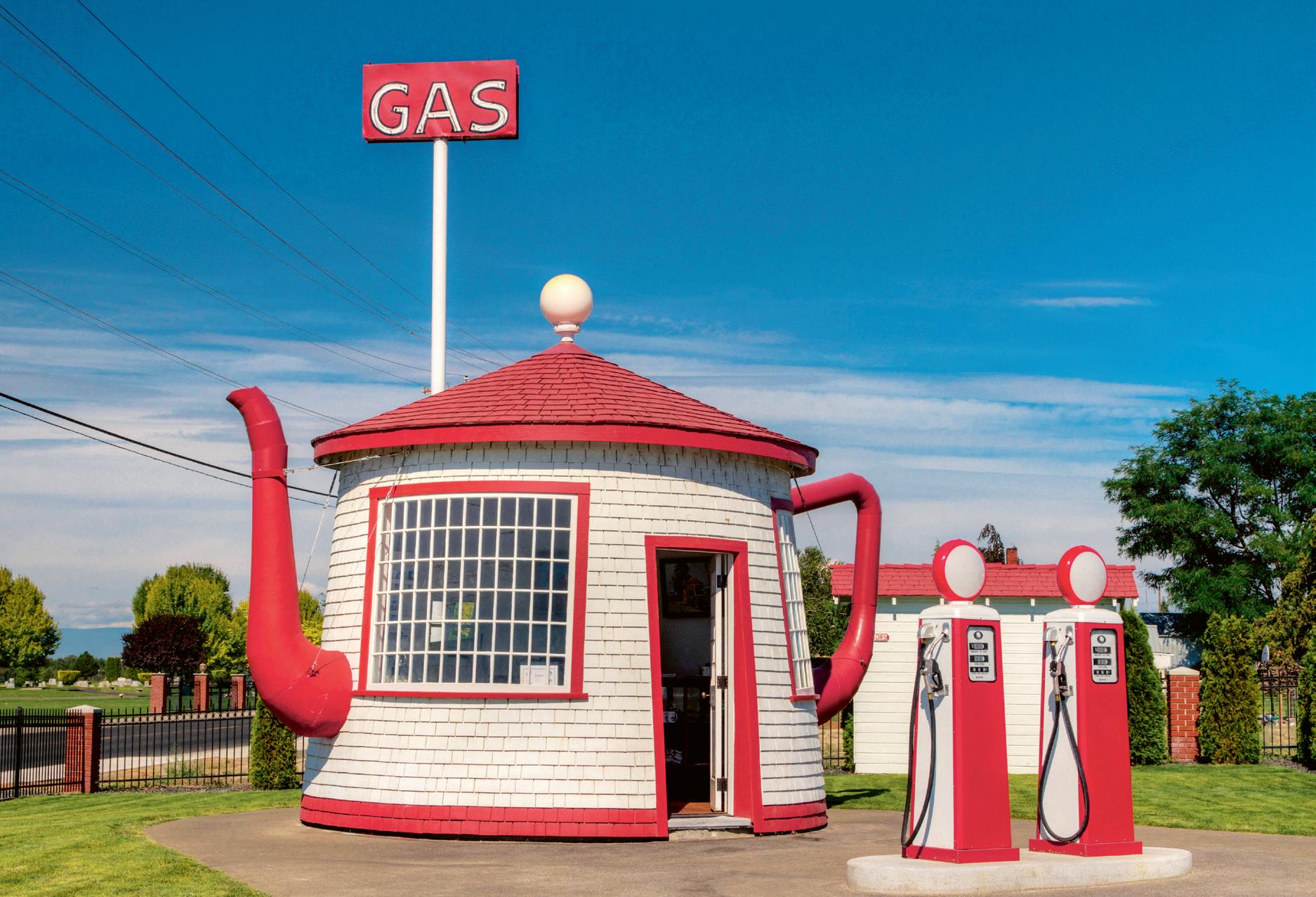
This giant teapot, built in 1922 in Zillah, Washington, was once a working gas station. Many fun and unusual buildings were constructed as the US highway system expanded in the 1920s and 1930s. After the station closed in 2006, it was purchased by the city of Zillah. It is now used as a visitor center.
SNAP IT!
RED SKY AT NIGHT
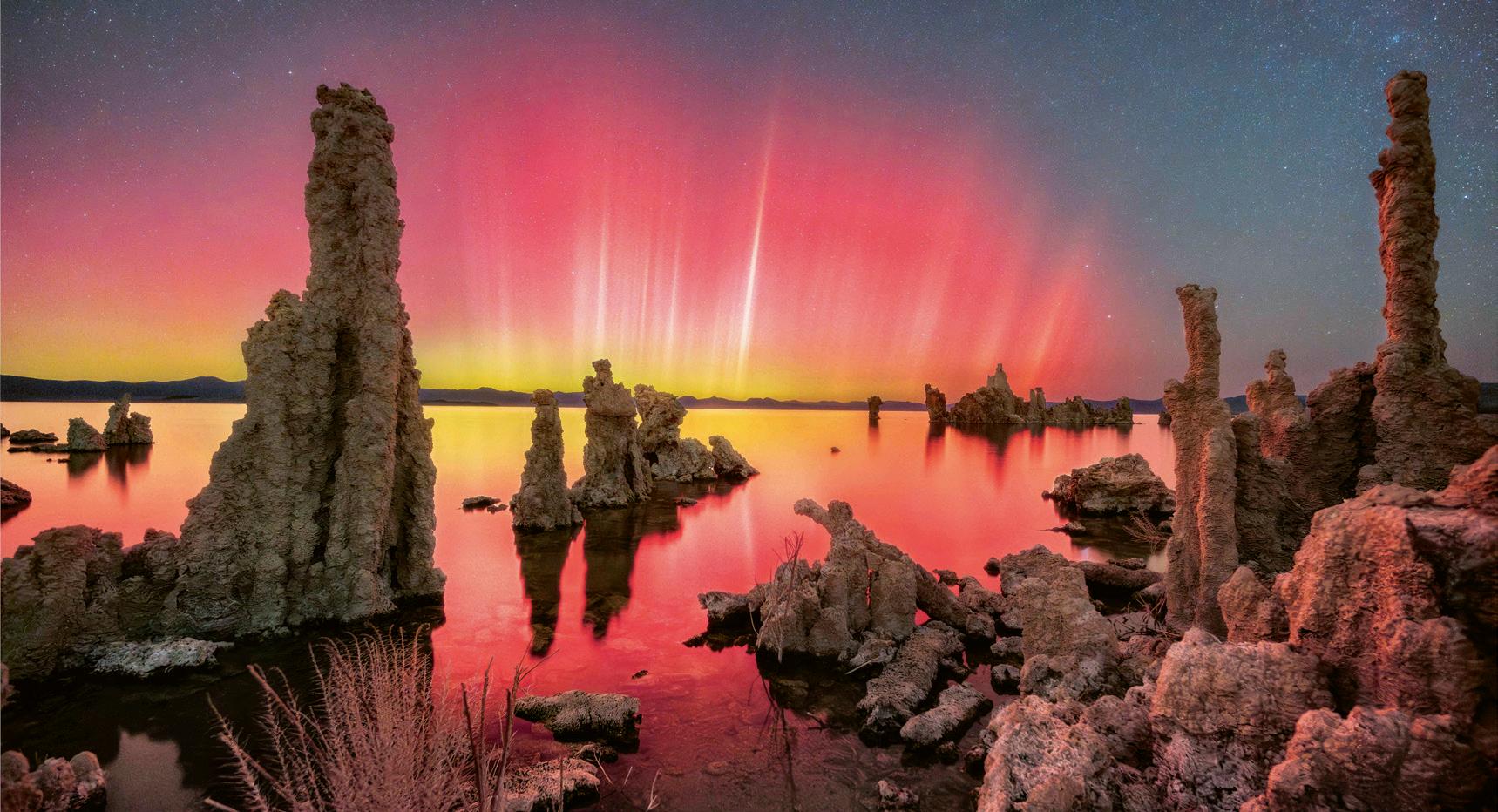
Most photos of the Northern Lights appear green, but the aurora can come in different colors, such as the glowing red seen here over Mono Lake in California. The reddish color is caused by the altitude of the aurora and the types of gases colliding with solar particles.
ASTRONOMY PHOTOGRAPHER
Prepare to be amazed (and amused!) by the unusual facts crammed into these irresistible lists.
STRANGE LAWS
Twenty bizarre rules from all around the world
Most places around the world have sets of laws for residents to follow. Some of these rules were written centuries ago and are no longer relevant today, while others are not commonly known. Some laws may have been passed to tackle a problem unique to the place.
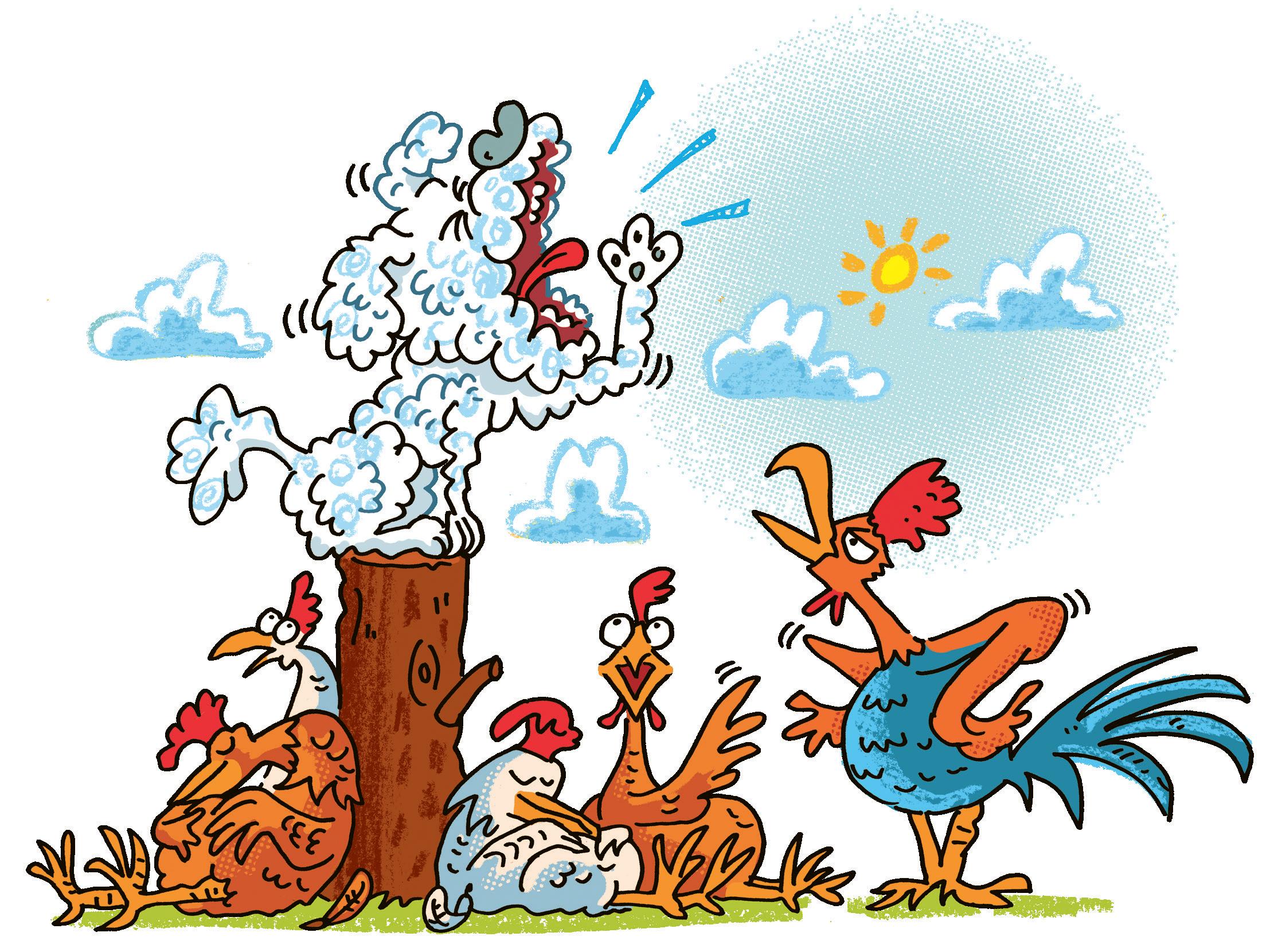
1 In the city of Gainesville, Georgia, it has been illegal to eat fried chicken with anything but your hands since 1961. No knives, forks, or spoons are allowed.*
2 In several Caribbean countries, including Barbados, Saint Vincent, and Saint Lucia, you are not allowed to wear clothing featuring a camouflage print.
3 In the UK, the Salmon Act of 1986 states that it is illegal to hold salmon “under suspicious circumstances.” This means that it is against the law for a person to receive a salmon that has been illegally fished. The maximum penalty is two years in prison.
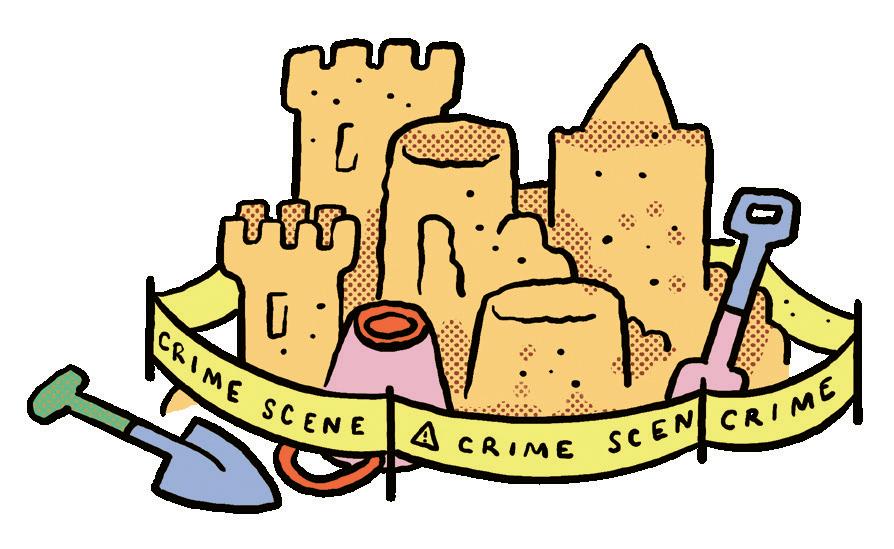
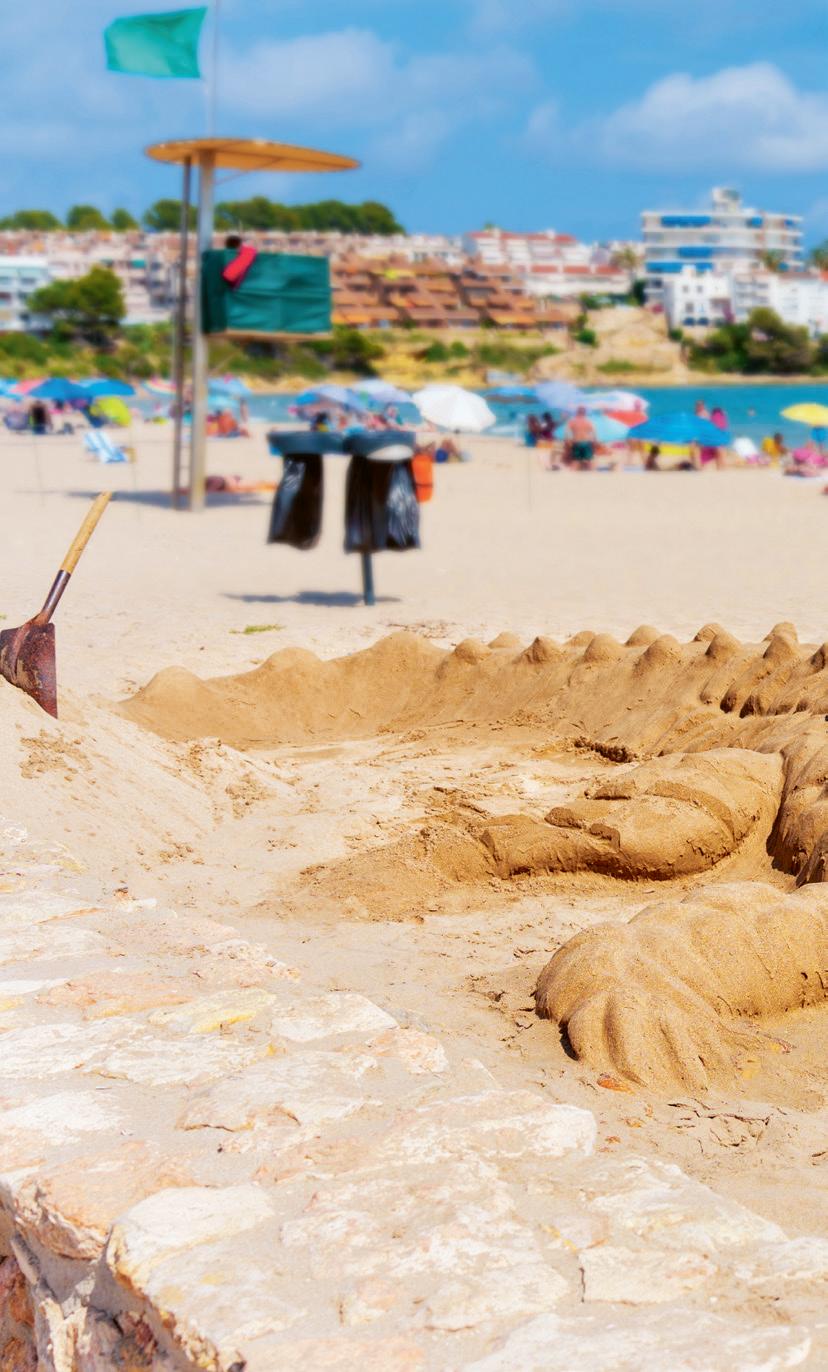
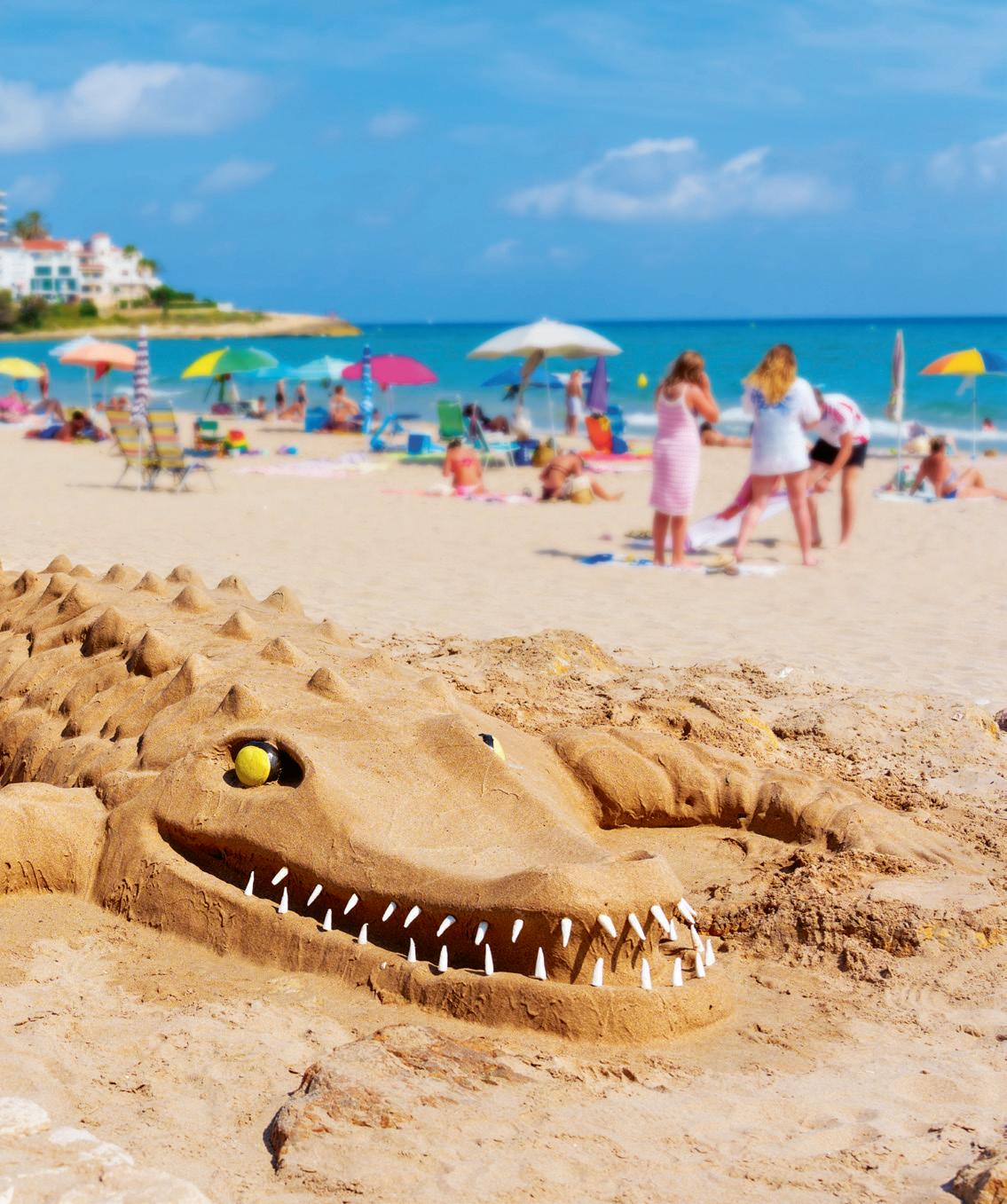
4 On the Spanish island of Mallorca, anyone caught building an “unauthorized sandcastle” faces a €100 ($115) fine.
5 In Thailand, it is forbidden to step on money. This is because it implies
10 On the Pacific island of Samoa, it is illegal to forget your wife’s birthday.
a lack of respect for the king of Thailand, whose portrait appears on all Thai money.
6 In Switzerland, it is forbidden to go hiking naked. Nude hikers risk an on-the-spot fine.
7 In Equatorial Guinea on the west coast of Africa, it is illegal to name a child Monica.
8
In the city of Milan, Italy, it is a legal requirement to smile at all times.
9
In South Africa, you are not allowed to wrestle a bear.
11 In Germany, it is against the law to run out of gasoline while driving on the highway.
12
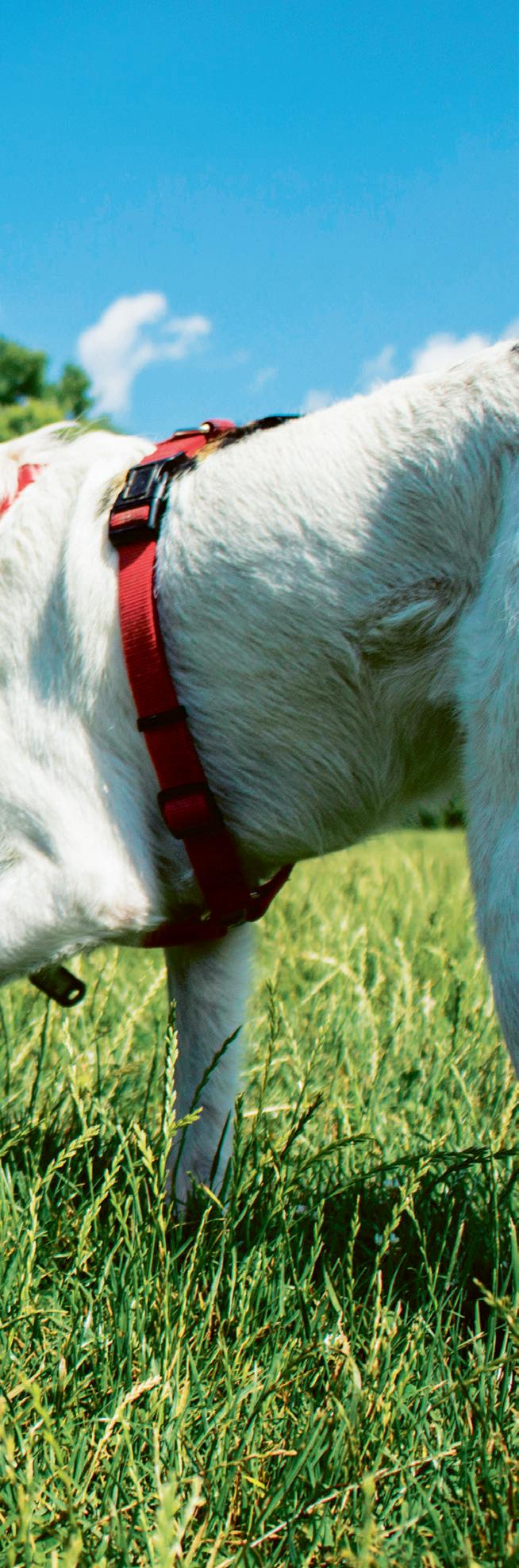
The city of Turin, Italy, passed a law in 2005 saying that dog owners must walk their pets at least three times a day—or face a €500 ($580) fine.
13
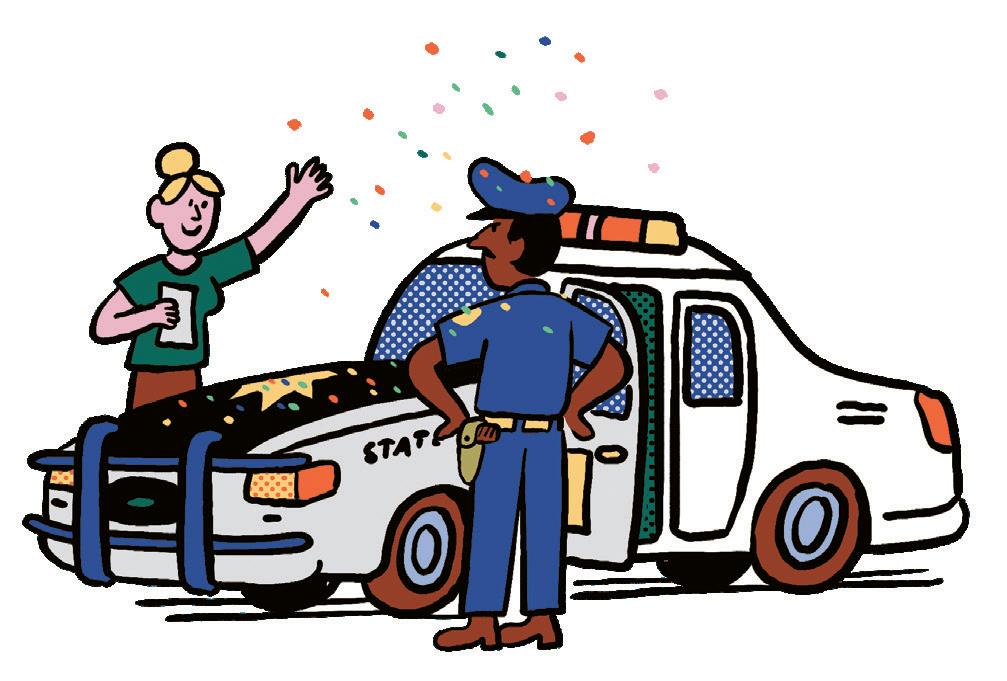
In the city of Mobile, Alabama, it is against the law to throw confetti or spray silly string.
14 At least 35% of all music played on the radio in Canada must be by Canadian musicians. The rule was made to stop US artists from stifling Canadian talent.
Above: dogs in Turin, Italy, must be walked three times a day.
15 In Madagascar, pregnant women are not allowed to wear hats.
16 In Scandinavia, car headlights must be turned on at all times— including during the day.
17 In Mexico, you’re not allowed to take your feet off the pedals while cycling.
18 In Portugal, peeing while swimming in the sea is banned. (Though it would take a very clever detective to catch you.)
19 In Piazza San Marco, Venice, Italy, it is illegal to feed a pigeon.
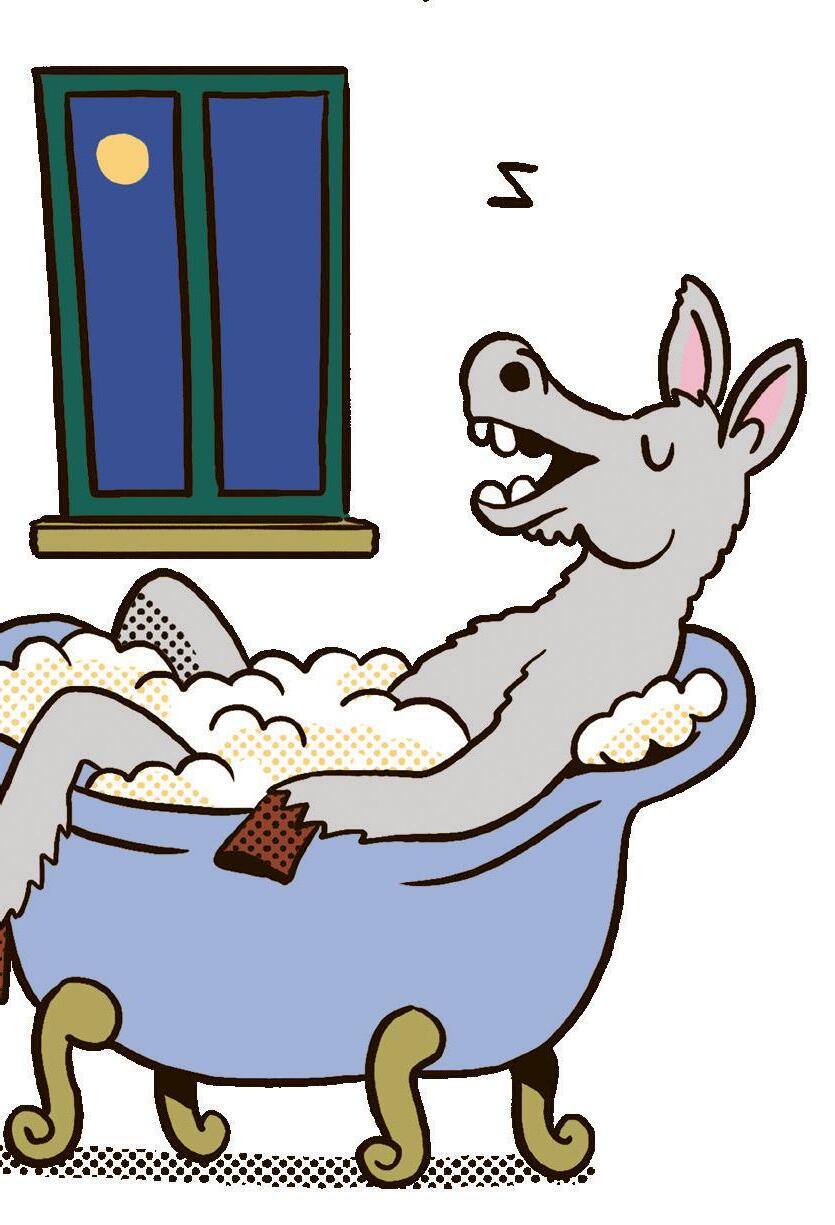
20 In the state of Arizona, it reportedly used to be against the law to let a donkey sleep in your bathtub after 7 o’clock in the evening.**
*The last person to fall “fowl” of this law was Ginny Dietrick in 2009. As a joke set up by a friend, she was arrested by Gainesville police chief Frank Hooper for eating fried chicken with a fork on her 91st birthday. Dietrick was pardoned and released as soon as she’d finished her chicken.
**This law, passed in 1924, was aimed at a merchant in Kingman, Arizona, who had allowed a donkey to sleep in his bathtub. When a local dam broke and the city was flooded, the donkey was washed a mile down the valley. The donkey (and tub) survived, but the local people spent so much time rescuing it that they passed a law to stop the same thing from happening again.
Making a Splash
The ten tallest waterfalls in the world
3,212 feet
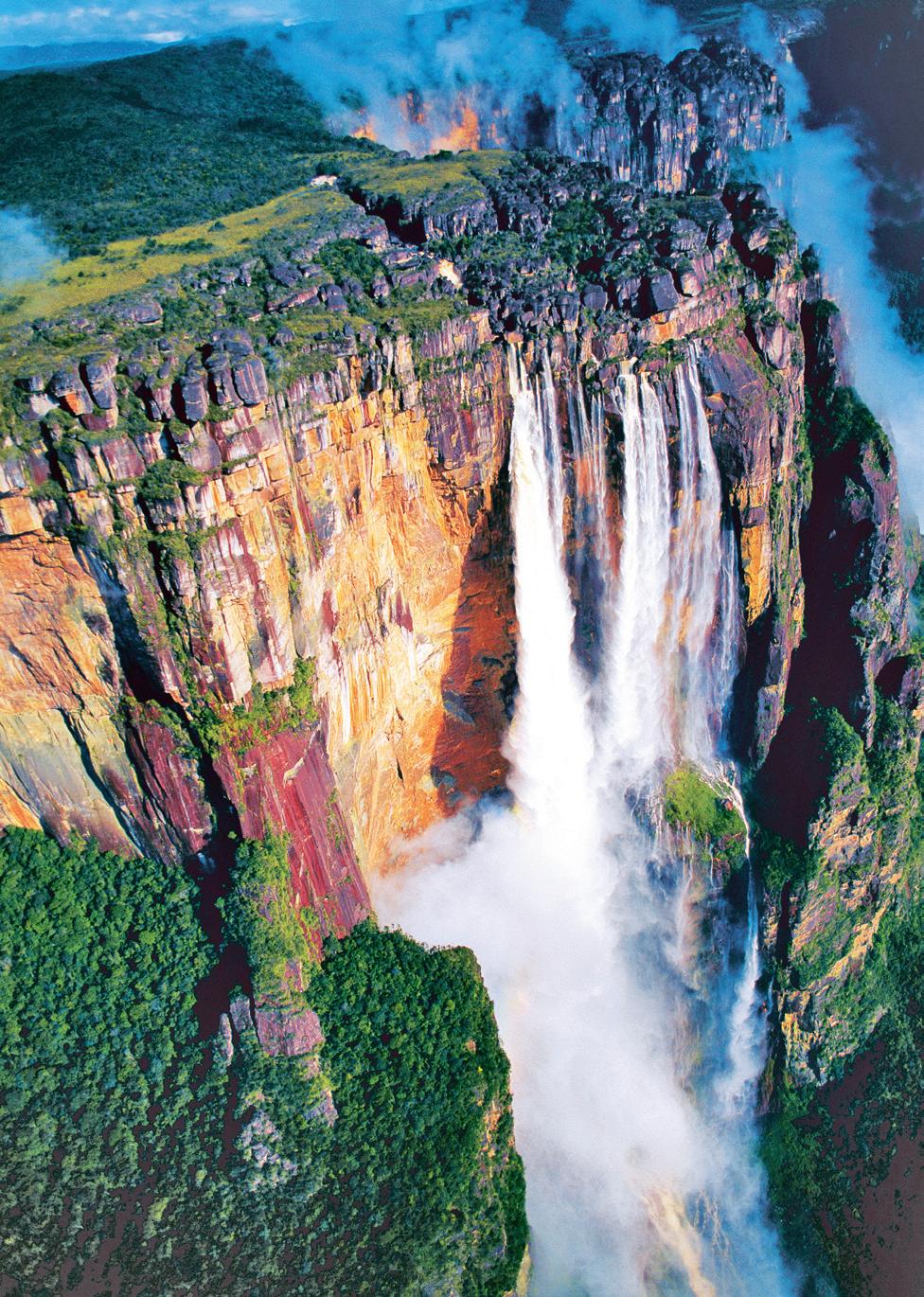
Angel Falls, Venezuela Angel Falls is almost exactly three times taller than the Eiffel Tower in Paris, France. In fact, it’s so tall that, in warmer, drier weather, all the water cascading over the top evaporates into a fine mist before it hits the bottom.
3,110 feet
Tugela Falls, South Africa
To reach the top of Tugela Falls, you have to climb a series of chain ladders bolted to the cliff face.
3,051 feet
Mattenbachfälle, Switzerland
2,999 feet
Tres Hermanas Falls, Peru
This three-tiered waterfall sits deep inside a remote national park in Peru that can only be reached by plane or helicopter.
2,953 feet
Olo‘upena Falls, Hawaii Olo‘upena Falls pours down the tallest sea cliffs in the world, falling almost directly into the Pacific Ocean below.
2,940 feet
Yumbilla Falls, Peru
The word Yumbilla comes from the Quechua language and means “heart in love.” The waterfall takes its name from one of its cascades, which is shaped like a heart.
2,838 feet
Vinnufallet, Norway
2,835 feet
Skorga, Norway
2,756 feet
James Bruce Falls, Canada
2,756 feet
Pu‘uka‘oku Falls, Hawaii Listified! by Andrew Pettie and illustrated by Andrés Lozano is out now.
Angel Falls is the world’s tallest waterfall.
Eureka!
The latest astonishing discoveries, inventions, and scientific breakthroughs.
Driving on the Moon!
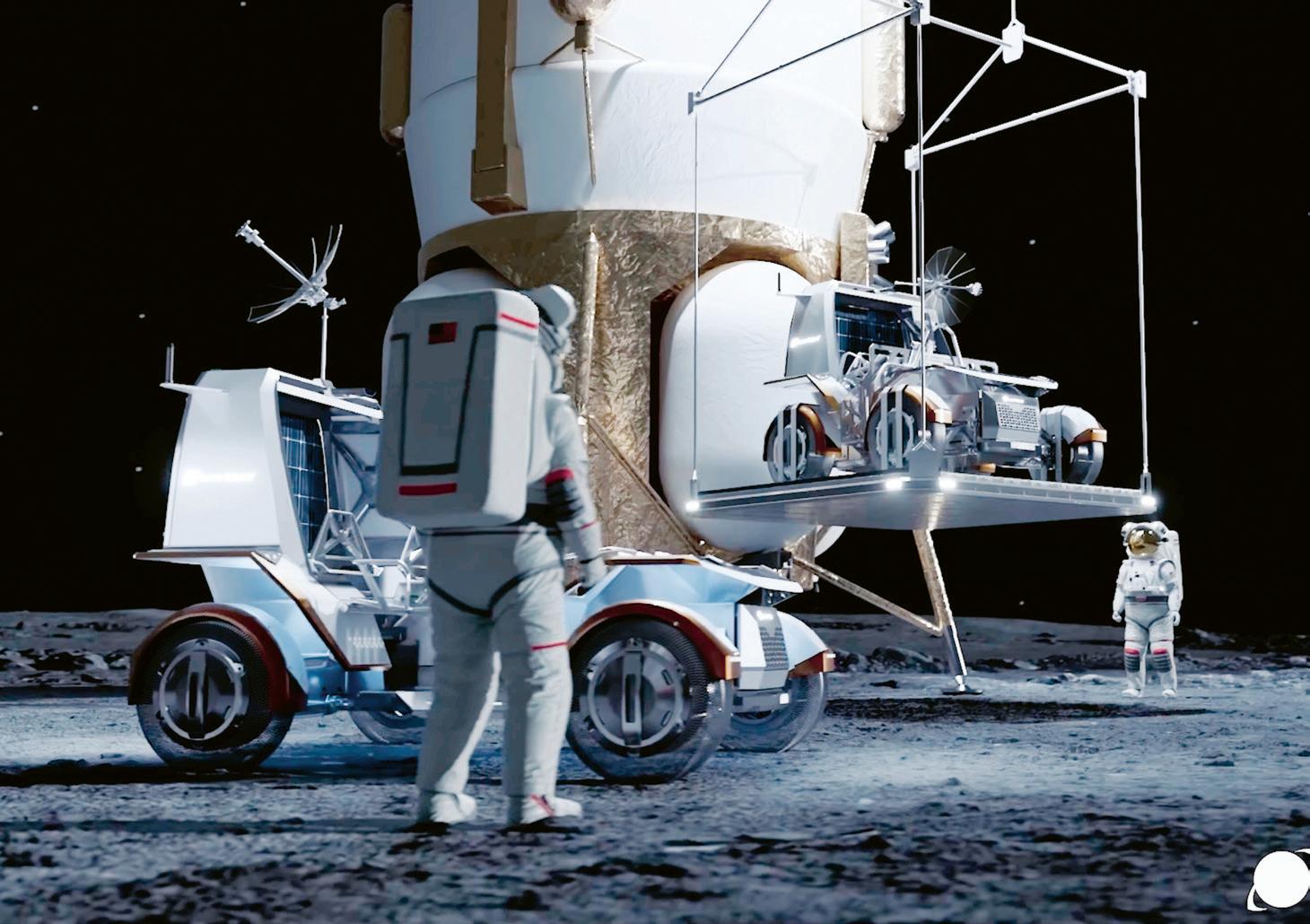
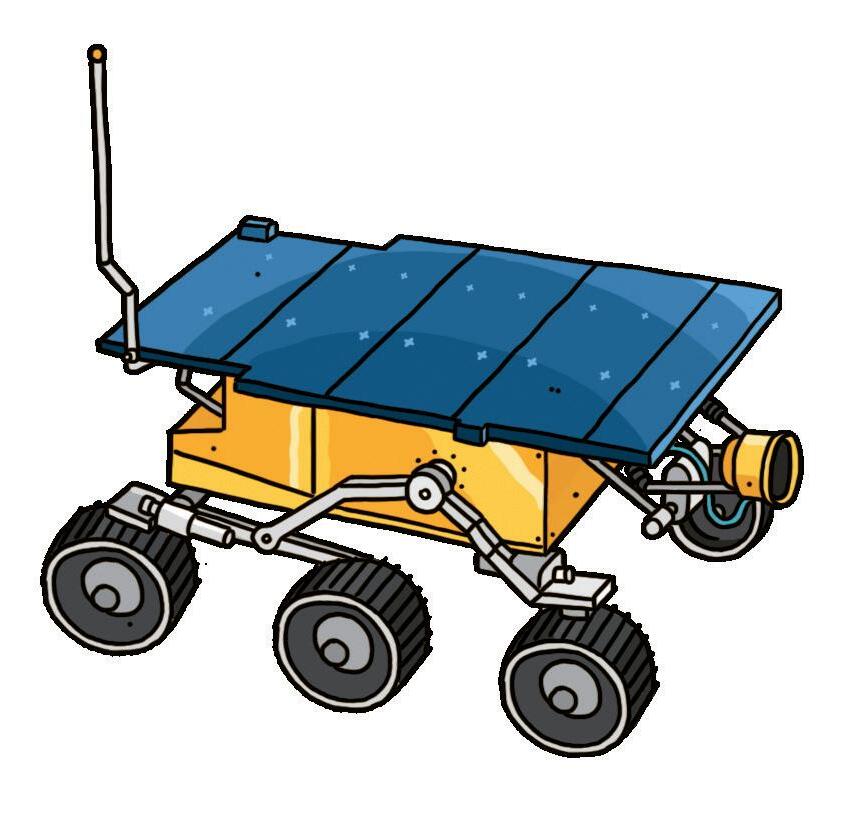
NASA has unveiled new plans for Moon rovers—and even a permanent Moon base! The space agency hopes to have astronauts living and conducting scientific experiments on the Moon in the 2030s. Over the next few years it will send rovers and other equipment to run tests and make sure they can survive on the Moon.
?
Whydoes gold stayshiny
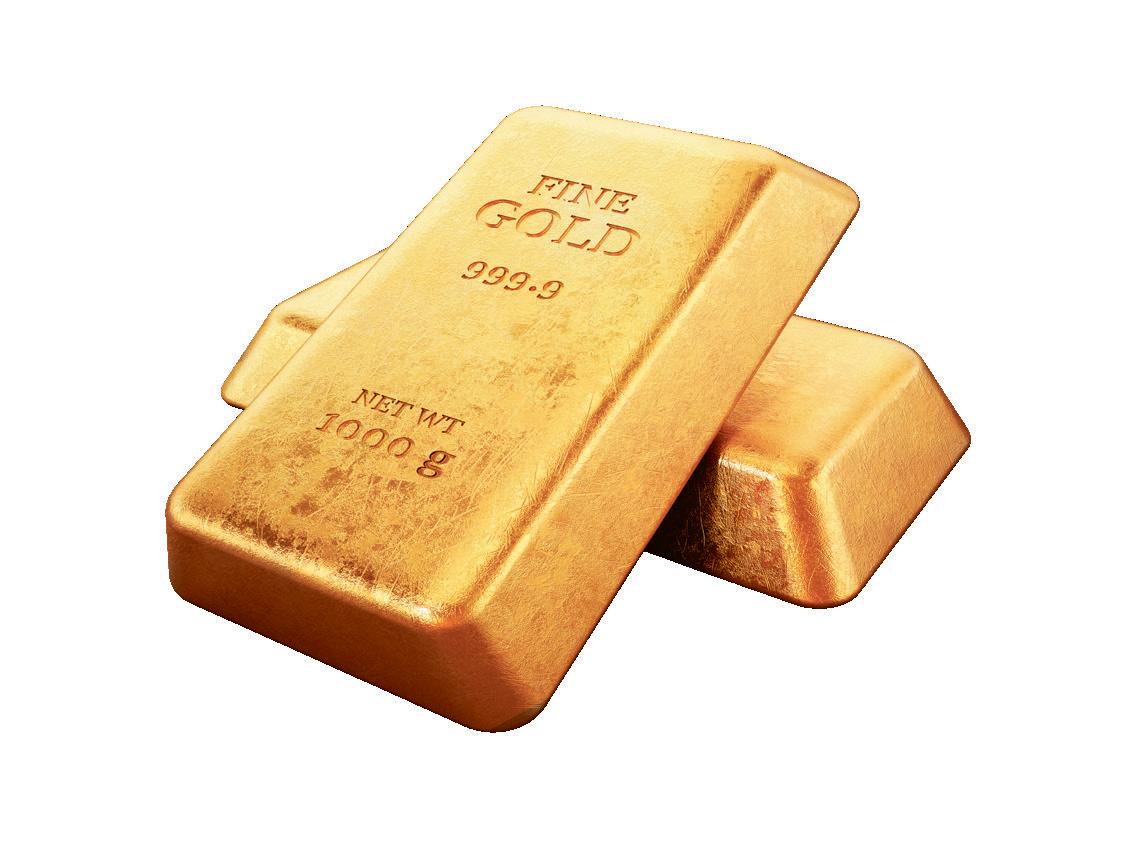
You may have noticed that some metals change over time —silver tarnishes and copper turns green. But gold usually keeps its shine. For a long time, scientists did not fully understand why gold’s surface behaves differently from other metals. Now they have a clue: its atoms. When a piece of gold is cut, its atoms rearrange into a stable pattern on the new surface. If scientists can control this effect, they may be able to use gold in new ways in chemistry.
Rovers are brought by space rocket.
Astronauts can use rovers to explore.
Why T. rex had tiny arms…
Solar panels help power the rovers.
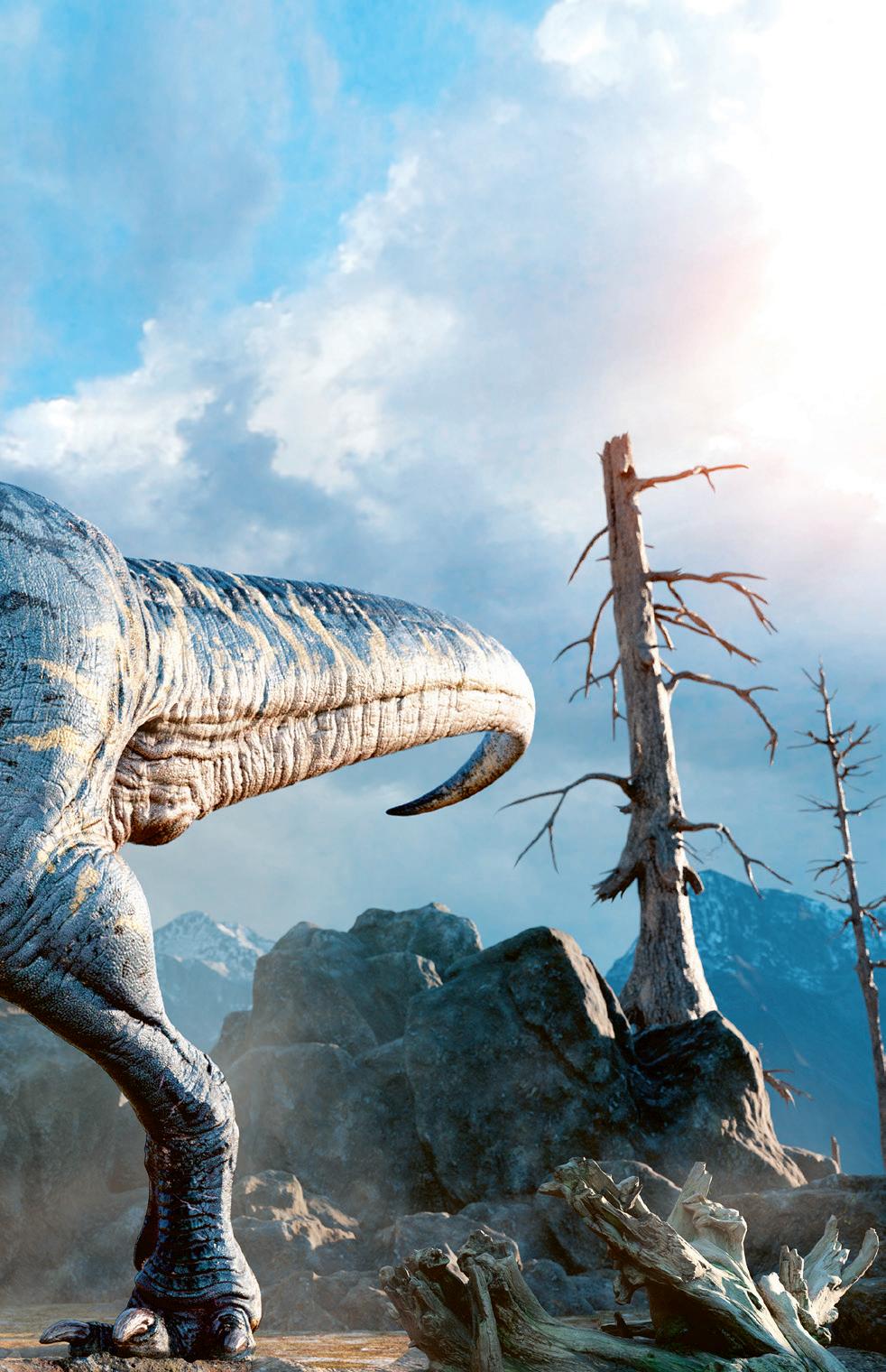
Scientists think they may finally have an answer to this long-pondered question: T. rex had such small arms partly because its head was so enormous! By studying dinosaur limbs and skulls, researchers worked out that dinosaurs with powerful jaws had small forelimbs, and because they could capture and subdue prey using their jaws, they didn’t need their arms as much.
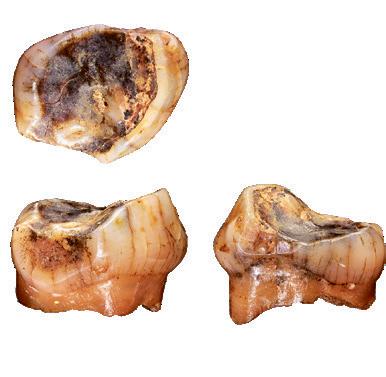
Scientists have discovered that dentistry may have a much longer history than previously thought! A 59,000-year-old Neanderthal tooth, found in a cave in Siberia, Russia, shows evidence of drilling to treat a dental cavity.
Without modern pain relief medicines, it would have been a very difficult procedure —but researchers think that it may have eased the Neanderthal’s pain and helped keep the tooth usable for many years afterward.
Size today: about 2,625 mi2
DID YOU KNOW?
Before it began to shrink during the 1960s, the Aral Sea covered a larger area than the entire US state of West Virginia.
THE SHRINKING ARAL SEA
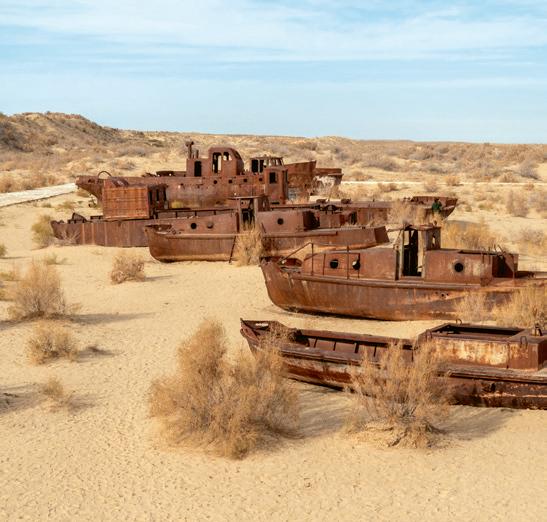
The Aral Sea lies in Central Asia, between Kazakhstan and Uzbekistan. It is called a sea, but it is really a huge salt lake with no outlet to the ocean. Until the 1960s, it was one of the world’s largest lakes. Then the rivers that fed it, the Amu Darya and Syr Darya, were diverted into canals to irrigate cotton and other crops across the dry plains. With far less water flowing in, the lake began to shrink and grow saltier. By the 2000s, it had split into smaller lakes. Its old seabed became the Aralkum Desert, a vast salt flat, where salty dust can be blown into towns, and ships were left stranded far from any water.
DID YOU KNOW?
The name Aral comes from a Turkic word, Araldenghiz, meaning “Sea of Islands,” because the lake once had more than 1,000 islands.
Size before 1960: 26,255 mi2
Size around 1999: about 11,080 mi2
VANISHING FISH
Muynak was once a busy fishing town next to the Aral Sea. As the water retreated, the harbor was left inland and boats were stranded in the sand. Rising salt levels killed off many fish species, and the fishing industry collapsed, though fish have started to return in the North Aral Sea.
50 miles
Muynak
Aral
KAZAKHSTAN
Amazing optical illusions that trick your brain…
Illusion BELIEVE IT! EYE DON’T
Scintillating
Let your eyes wander across the grid above. Don’t stare at one place—just look around. Do you see black dots flashing in and out where the grey lines cross? Now look directly at one of those flickering dots. It vanishes! Look at any dot straight on and it’s white. Look away, and it appears to turn black again. So why do you keep seeing black dots where there aren’t any?
It’s because of a difference between your central vision and your peripheral vision—what you see at the edges of your gaze. When a white dot sits in your line of sight, your eye reports
Grid
back accurately: it’s white. But the dots around it, the ones your eyes aren’t focusing on, are processed by the edges of your visual field, which pick up less detail. Something about the way the grey lines meet at the intersections confuses your visual system and fills the gap with a dark flash. Scientists have been trying to explain this illusion since it was first described in 1994. They still don’t have a settled answer. Now tilt your head to the side and watch what happens: the flickering weakens and almost disappears. Scientists can’t fully explain this effect either!
The science of sandcastles!
Grab your bucket and shovel to discover the fun and fascinating science of sand.
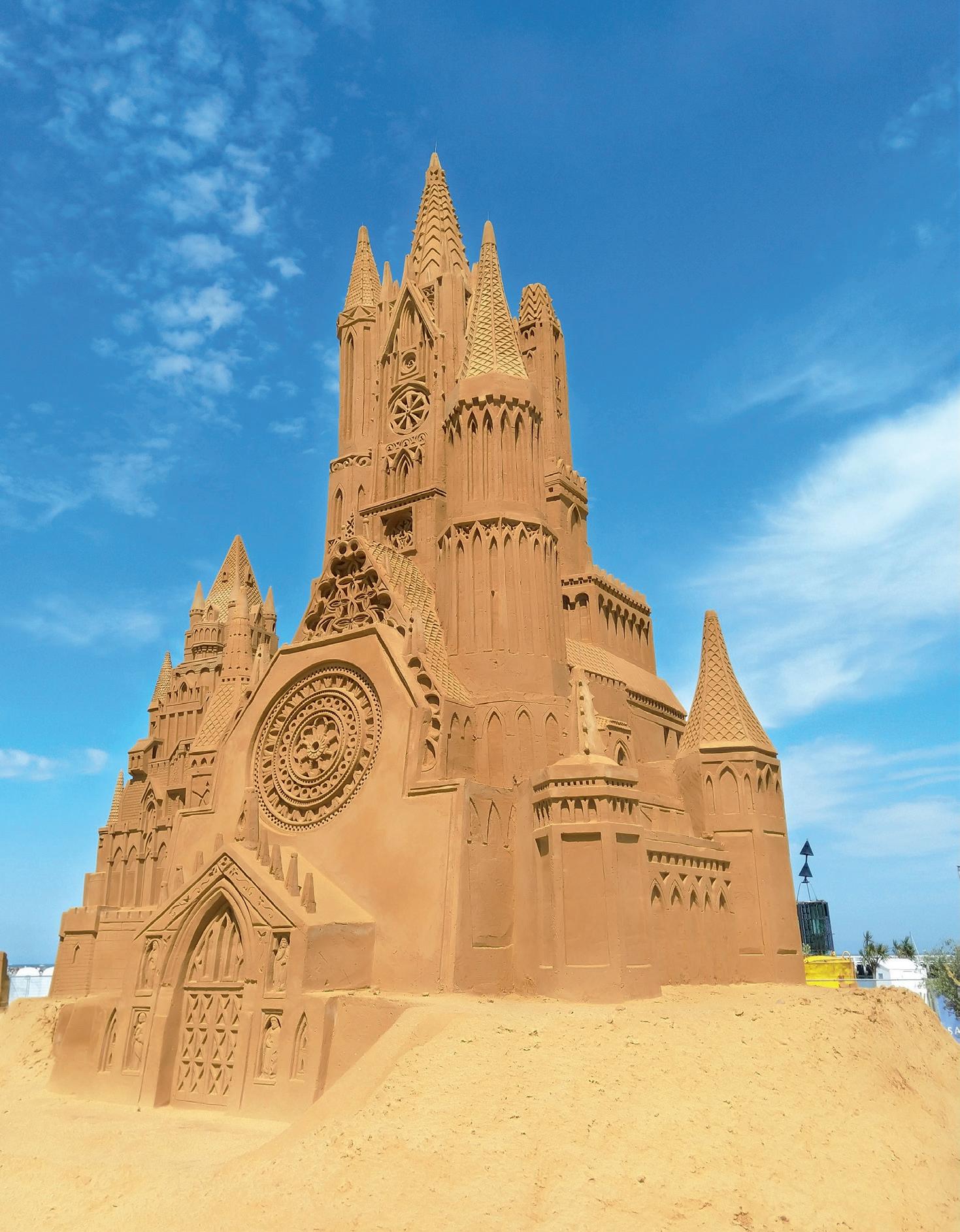
It’s summer in the Northern Hemisphere, and millions of families are heading to beaches, lakefronts, and riverbanks. And even if you’re nowhere near water, a sandpit or sandbox will do the job. Sand is so satisfying—it runs through your fingers, squelches between your toes, and can be packed into almost any shape you can imagine, from castles and animals to historical figures. You’ve
WHAT IS SAND MADE OF?
probably built something from sand before, but did you know that there’s a perfect ratio of sand to water to build the strongest sandcastles? Or that sand comes in a surprising range of colors? Read on to find out more sandy science!
SEND
IT IN!
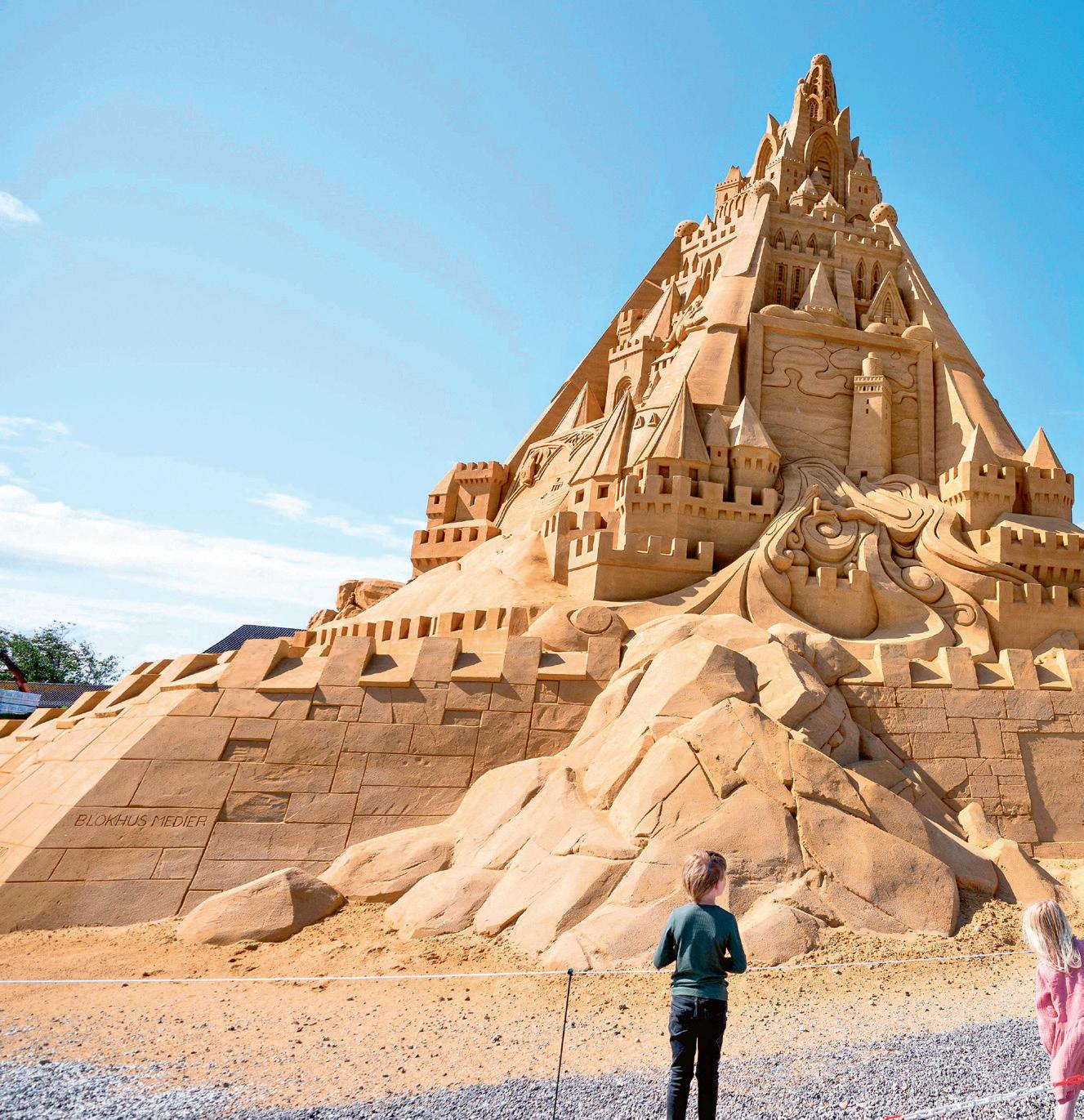
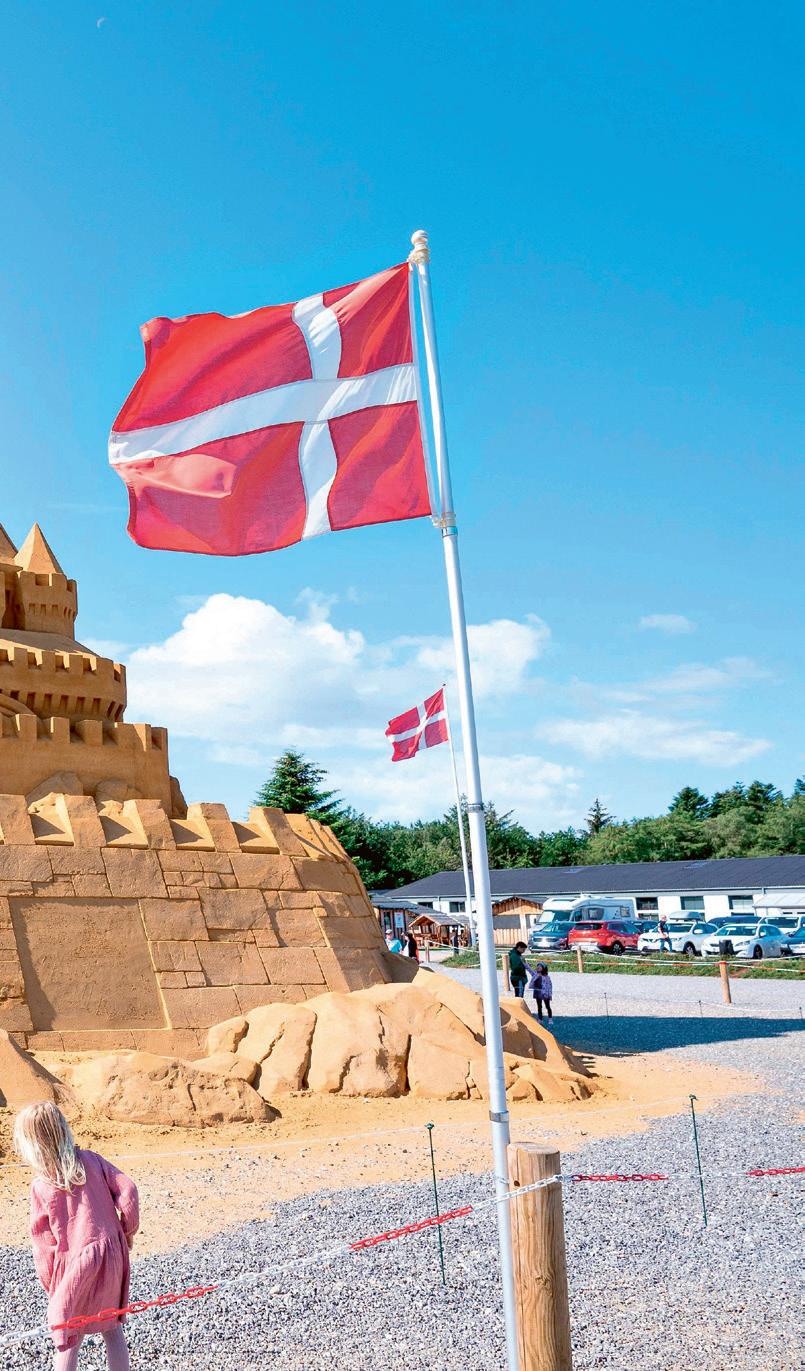
The world’s largest sandcastle, pictured here, was built in Denmark in 2021. It was 69 feet tall and was made of nearly 5,500 tons of sand!
Plus, send us your sandcastle and sand sculpture photos for a chance to be featured in a future issue of the magazine.
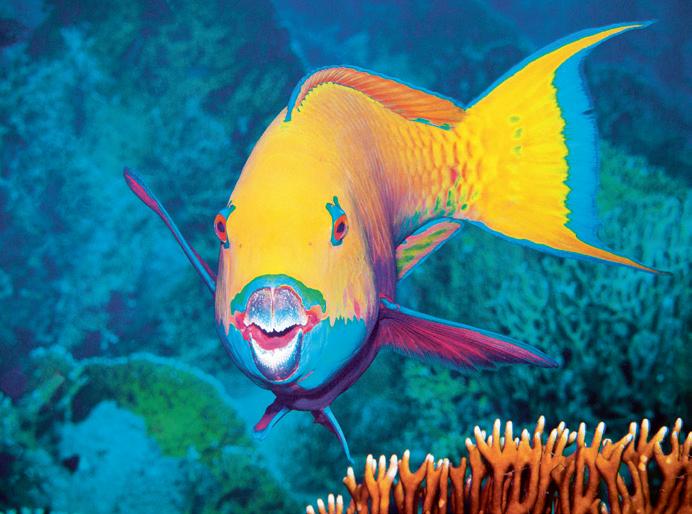
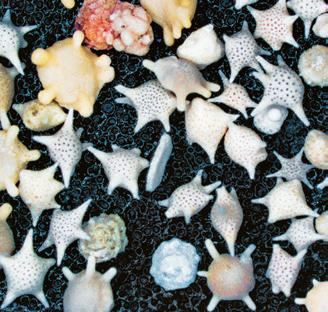
Sand is made of many different things. Some is ground-down rock —quartz, feldspar or even volcanic rock, which creates jet-black sand. In Bermuda, pink sand mostly comes from the crushed shell-like remains of tiny single-celled creatures called foraminifera. And many tropical beaches are almost entirely made of parrotfish poop! The fish scrape algae from coral, swallow chunks of rock and reef in the process, and excrete the remains as fine white sand. A large parrotfish can poop out as much as 200 lbs of sand in a year!
Parrotfish scrape algae from coral and poop out reef material as white sand.
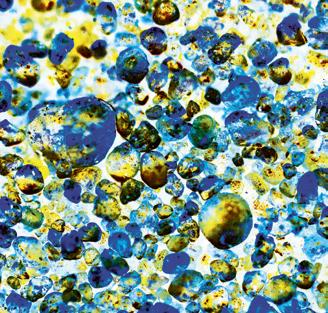
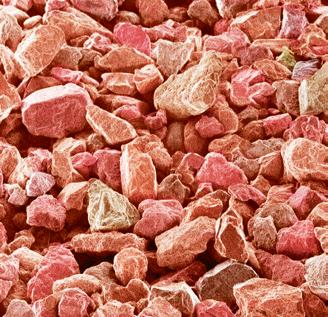
UNDER THE MICROSCOPE
This “star sand” is made up of the skeletons of tiny foraminifera.
This river sand is made up of fine multicolored pieces of quartz.
This beach sand is made up of tiny rocks, magnified here 25 times.
HOW TO BUILD THE PERFECT SANDCASTLE
The secret is a combination of two forces working together. Surface tension—the property that lets insects walk on water—makes water molecules cling to each other. Capillary action —the same force that draws water up through a plant’s roots— pulls that clinging water into the tiny gaps between grains, where it acts like glue. The perfect recipe? Eight parts sand to one part water.
Just enough water Water fills the tiny gaps between the grains of sand, and capillary action binds the sand together.
WHEN LIGHTNING STRIKES!
There are an estimated 7.5 billion billion grains of sand on all Earth’s beaches combined!
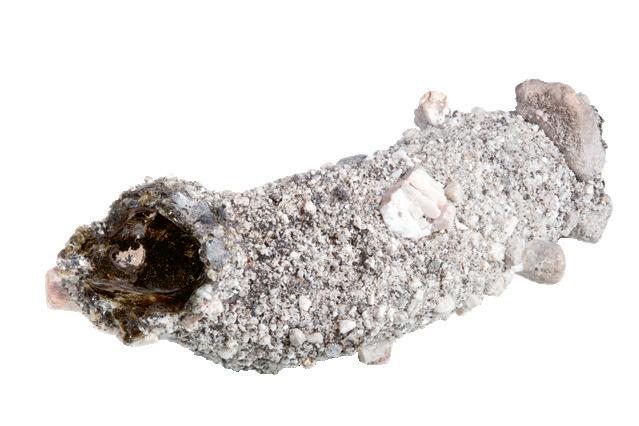
When lightning hits sand, the air around the bolt can exceed 54,000°F—more than five times hotter than the surface of the Sun. That’s easily hot enough to melt sand, which liquefies at around 3,100°F. The result, if the conditions are right, is a fulgurite—a hollow glass tube that traces the exact path
the bolt took as it traveled down through the sand. Fulgurites are usually just a few inches long. One extraordinary fulgurite was excavated in Florida in 1996— its two branches each measured around 16 feet long!
Too much water Water completely surrounds every grain, pushing them apart. The sand loses its grip and flows like a liquid.
W U ! R
THIS MONTH: internet language
By Alison Eldridge, Illustrations by Susanna Hickling
The internet has changed daily life around the world. From online shopping to video calls, life looks very different from just a few decades ago. It has also changed the way people communicate. When we speak face to face, body language, facial expressions, tone of
voice, and volume all help to shape the message. But with email, social media, and text messages, much more communication now happens in writing. So people have invented new ways to show meanings that can
otherwise get lost on the screen. For example, have you ever seen someone TYPE IN ALL CAPS to show they are shouting? What about using a winking emoji to let you know something was a joke? Let’s take a look at some ways that internet language has become a rich form of communication that is all its own.
EMOJI
Emoji are small pictures that can be inserted into text. They originated in Japan in the late 1990s: e means “picture” and moji means “character”. In 2008, Apple introduced an emoji keyboard for the iPhone in Japan, and emoji have exploded in popularity since then.
LEETSPEAK
Leetspeak is another internet language. It is a way of spelling words with numbers or symbols that look like letters. For example, number 1 looks like a lowercase L, 3 looks like a backwards uppercase E and 7 looks a bit…
…like an uppercase T with its top partly cut off. That is why some people write leet as “1337” The symbol @ can stand for a lowercase a, and $ can look…
…like an S, so cats could become “c@7$”. This way of typing was invented in the 1980s, probably as a way to hide or disguise words posted on online message boards.
EMOTICONS
Emoticons are symbols, usually faces, made from letters, numbers, and punctuation marks on a keyboard. For example, :) is a smiley face turned on its side. :( is a frowning
face. <3 forms a heart. In Japan, kaomoji are a popular type of emoticon. Kaomoji characters face out at the reader and use a wide range of keyboard characters.
c@7$ 1337
INTERNET ABBREVIATIONS
Abbreviations are a handy way to type quickly. They were especially useful in the early days of texting, when messages had strict character limits. Here are some popular abbreviations. How many do you know?
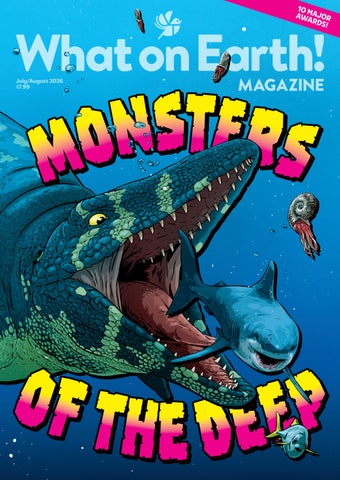
Millions of years ago, all kinds of amazing and terrifying beasts swam in Earth’s oceans. From armored giants to bizarre bottom-dwellers, let’s meet some of the most extraordinary creatures ever to swim the seas.
Illustrations by Vector That Fox
When we think about prehistoric creatures, most of us think first of the dinosaurs. But while dinosaurs were ruling the land, equally fantastic and often even more terrifying creatures were ruling the oceans.
Some of these creatures were distant relatives of animals we know today—sharks, octopuses, lizards, and snakes. And like dinosaurs, many of them were truly massive. At the time the giants pictured here were alive, the oceans were full of food, so predators could grow huge. There was fierce competition, too—and in that race, size mattered.
But not only size. Armor, teeth, and tails could all make the difference between hunter and hunted.
Some of these creatures would have been unrecognizable to us today—animals so strange that scientists spent years arguing about which end was which! Others looked surprisingly familiar. What they all share is that they actually existed, swimming through the ocean hundreds of millions of years before humans evolved.
So dive in as we meet these monsters of the deep—large, small, ferocious, and fast, and far stranger than anything you could make up!
DID YOU KNOW?
Prehistoric creatures are known for their size— but the largest animal ever to live is the blue whale!
MONSTERS OF
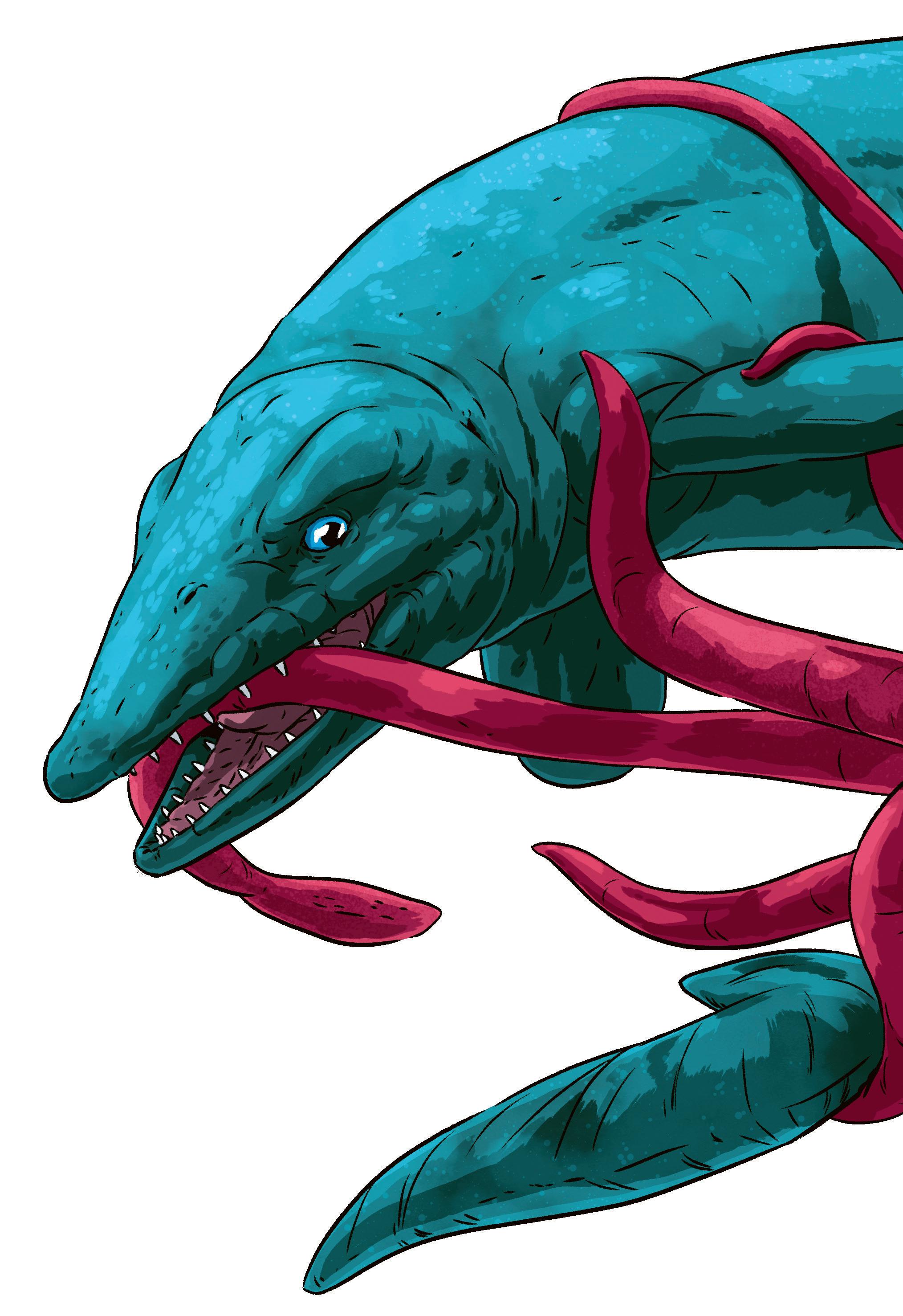
TYLOSAURUS
Lived about 80 million years ago
Length about 43 feet
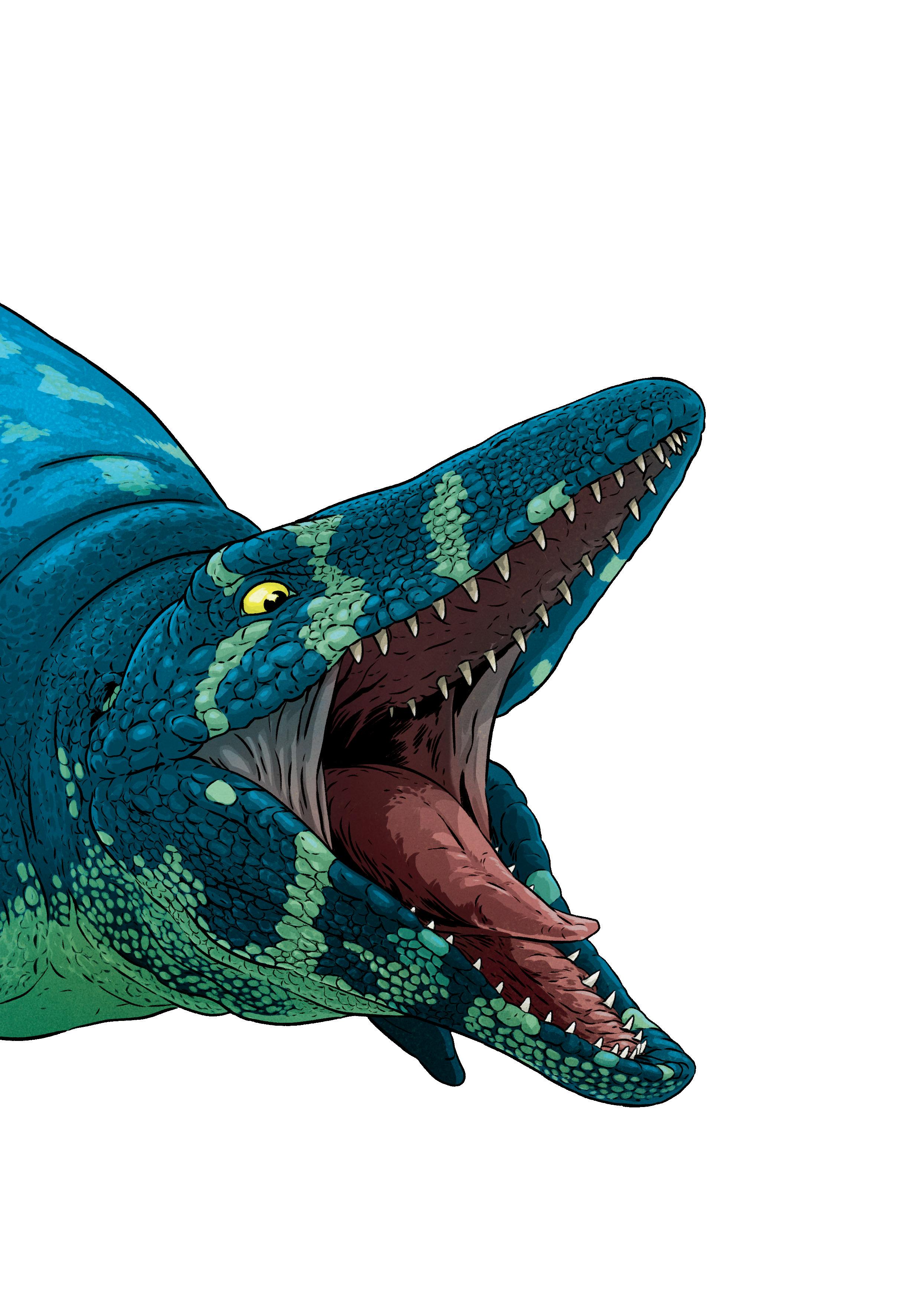
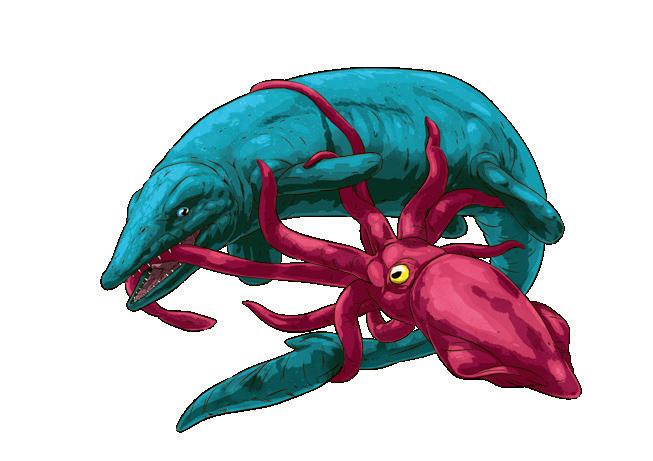
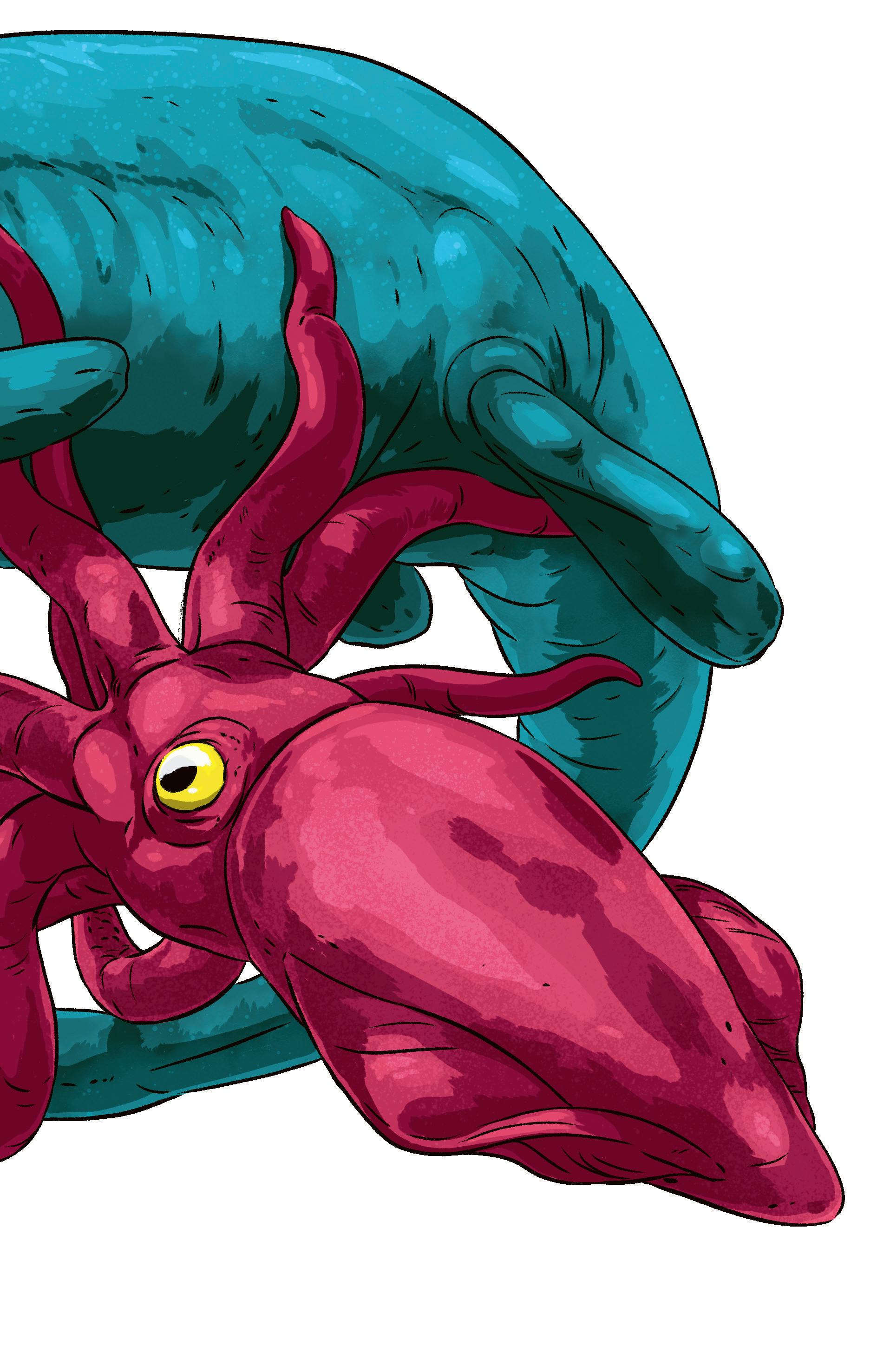
One of the deadliest predators of its time, the giant mosasaur Tylosaurus had a long snout packed with razor-sharp teeth, which it used to catch prey, including birds, fish, and other giant marine animals—like this Tusoteuthis. Tylosaurusrex— named after the most fearsome dinosaur of all—is sometimes called the T. rex of the oceans: notoriously ferocious, with serrated teeth built for ripping. Tylosaurus was also massive— about as long as a school bus!
TUSOTEUTHIS
Lived about 80 million years ago
Length about 36 feet
This enormous cephalopod looked much like today’s giant squid, though it was probably more closely related to octopuses. It probably had huge eyes and eight long arms, but no one can say for certain. The only part of octopuses and squid that usually fossilizes is an internal bonelike structure called the pen, which supports the body. Everything else is lost as the body decays over time.
OF THE DEEP
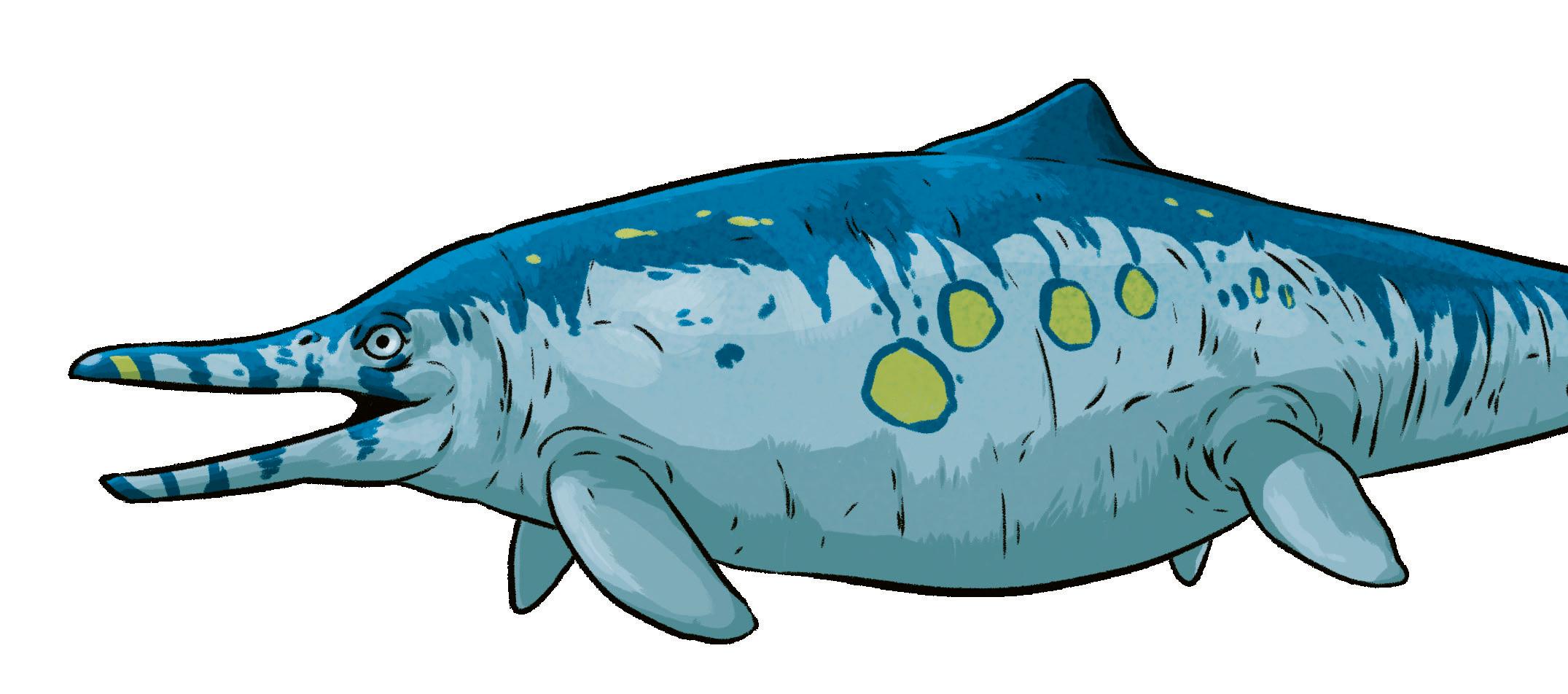
TEMNODONTOSAURUS
Lived about 200 million years ago
Length about 40 feet
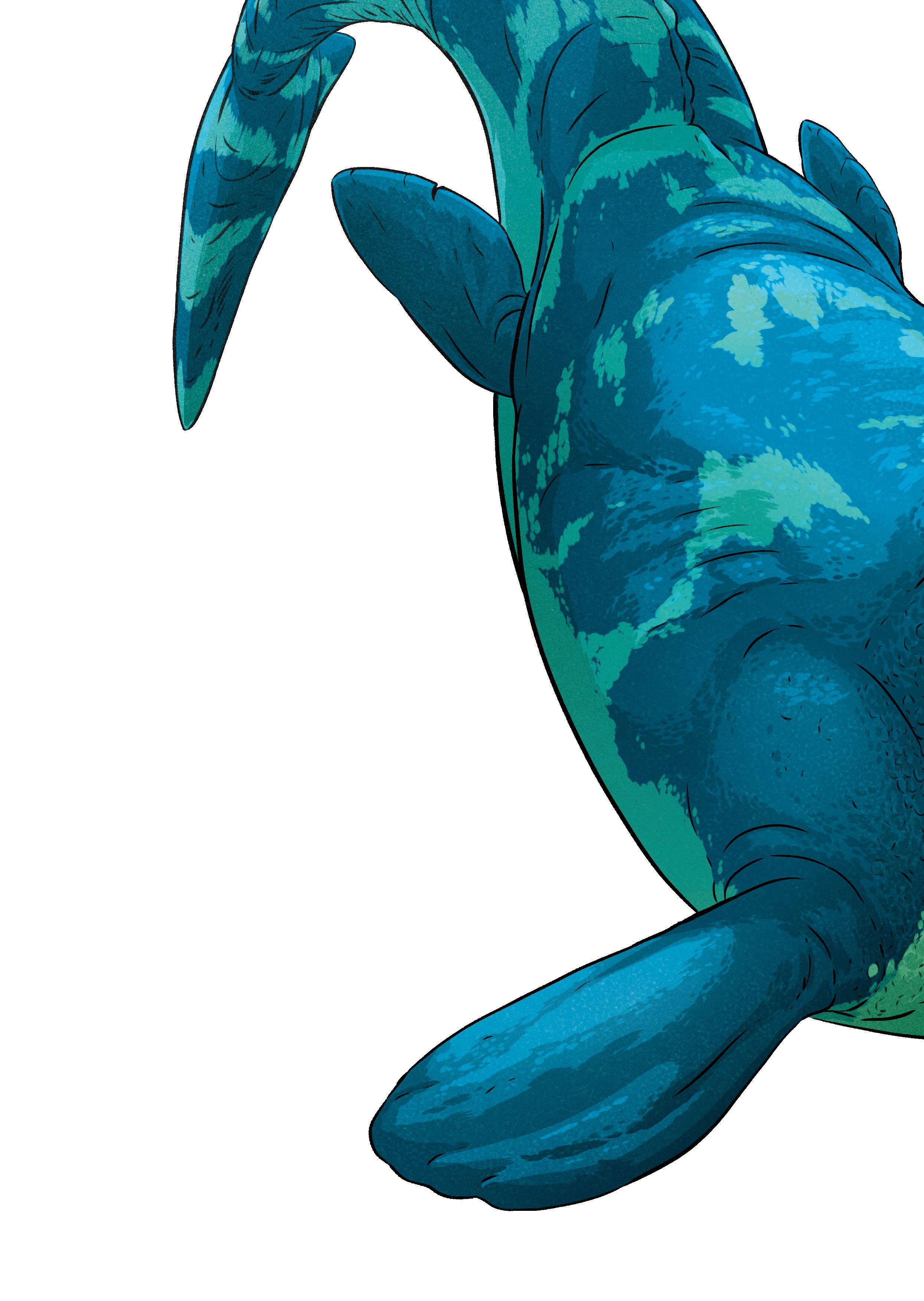
The first ichthyosaur ever scientifically described, Temnodontosaurus was similar in build to today’s dolphins but not related to them. It was also more than three times their size!
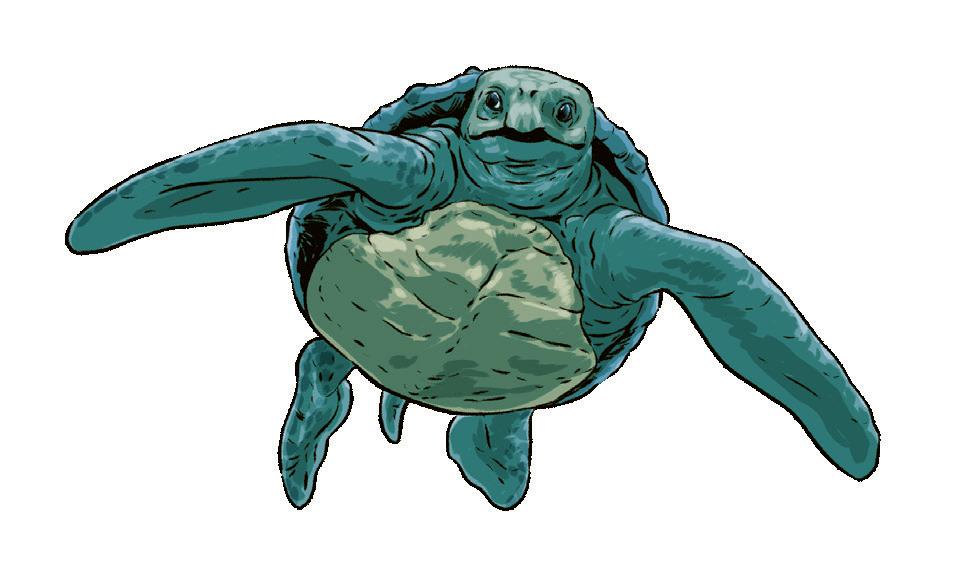
ARCHELON
Lived about 75 million years ago
Length 15 feet
Archelon is the largest turtle yet discovered, measuring about 15 feet long and weighing more than 2 tons. In comparison, the largest modern turtle, the leatherback, grows to about 6 feet long.
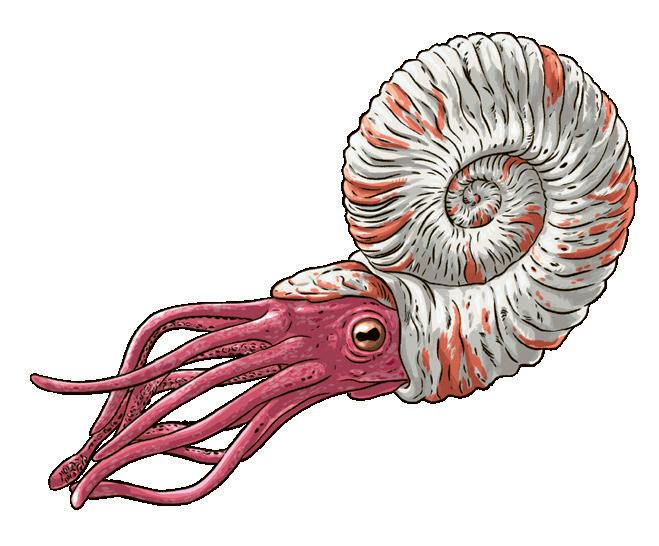
AMMONITE
Lived more than 65 million years ago
Length 6 feet (across the shell)
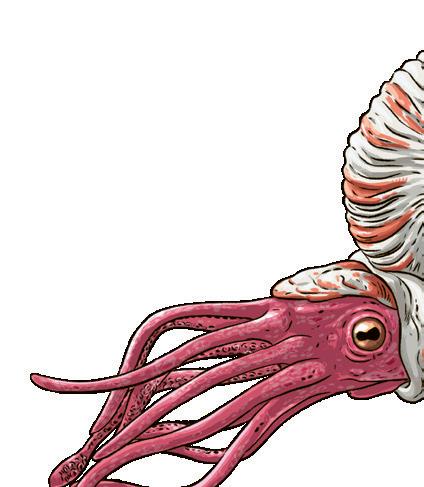
While they look very similar to today’s chambered nautilus— aside from being much bigger!— ammonites are more closely related to squids and octopuses, which are the nautilus’s distant cousins.
OCEAN GIANTS
Meet five prehistoric ocean giants—and see how they measure up against similar modern animals, which are shown in pink at the same scale.
Bottlenose dolphin (11 ft)
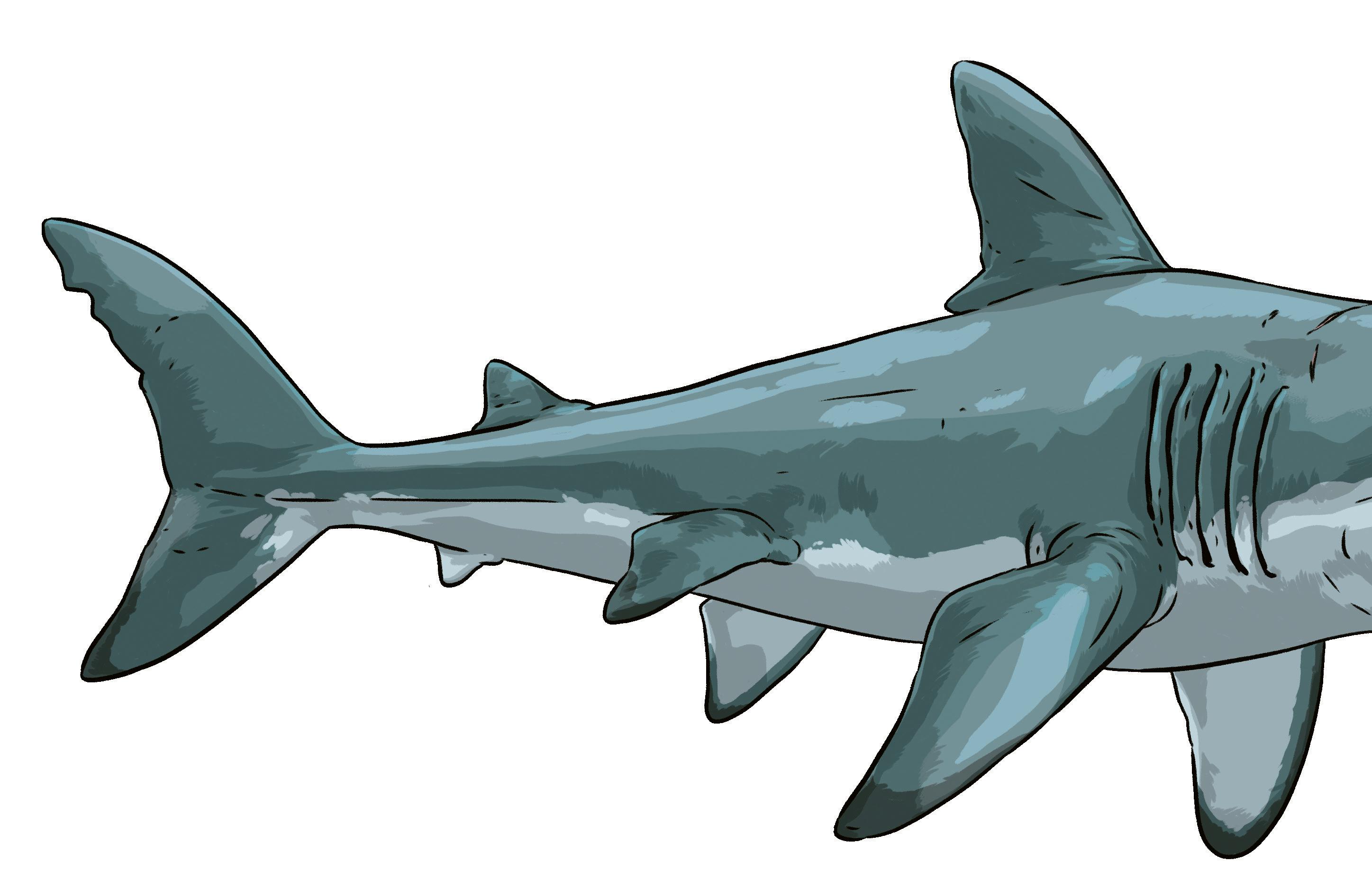
Great white shark (16 ft)
Human diver (5.75 ft)
Leatherback turtle (6 ft)
Chambered nautilus (8 in)
GIANTS
MEGALODON
Lived about 23 million years ago
Length 50–60 feet
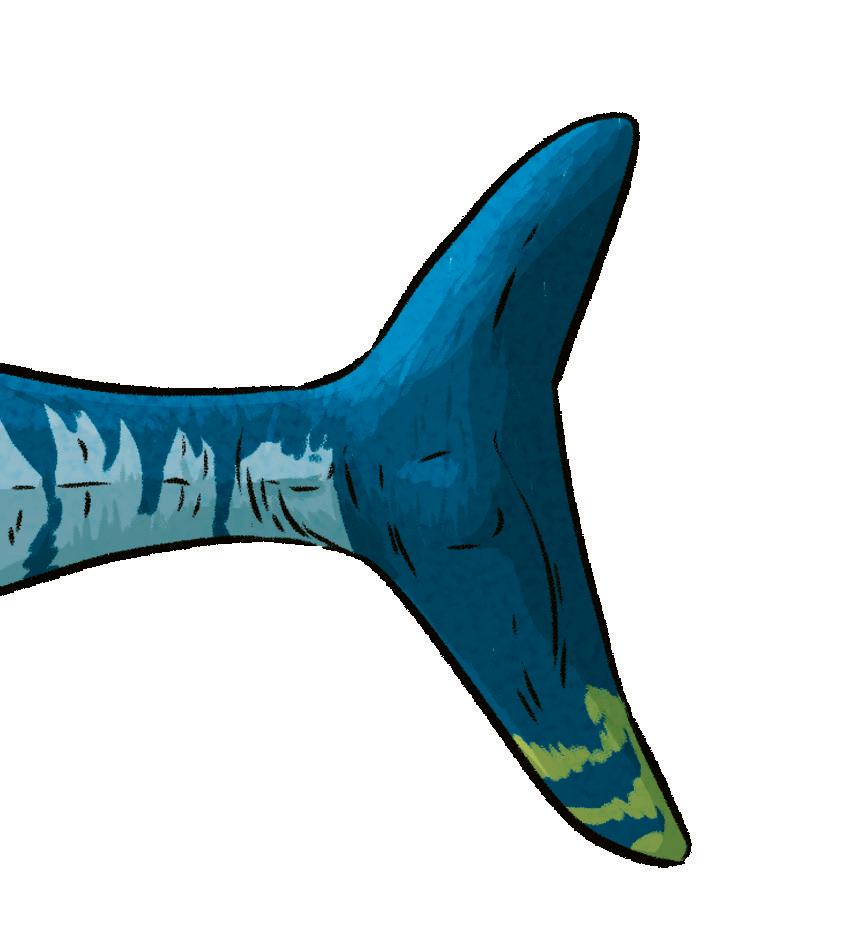
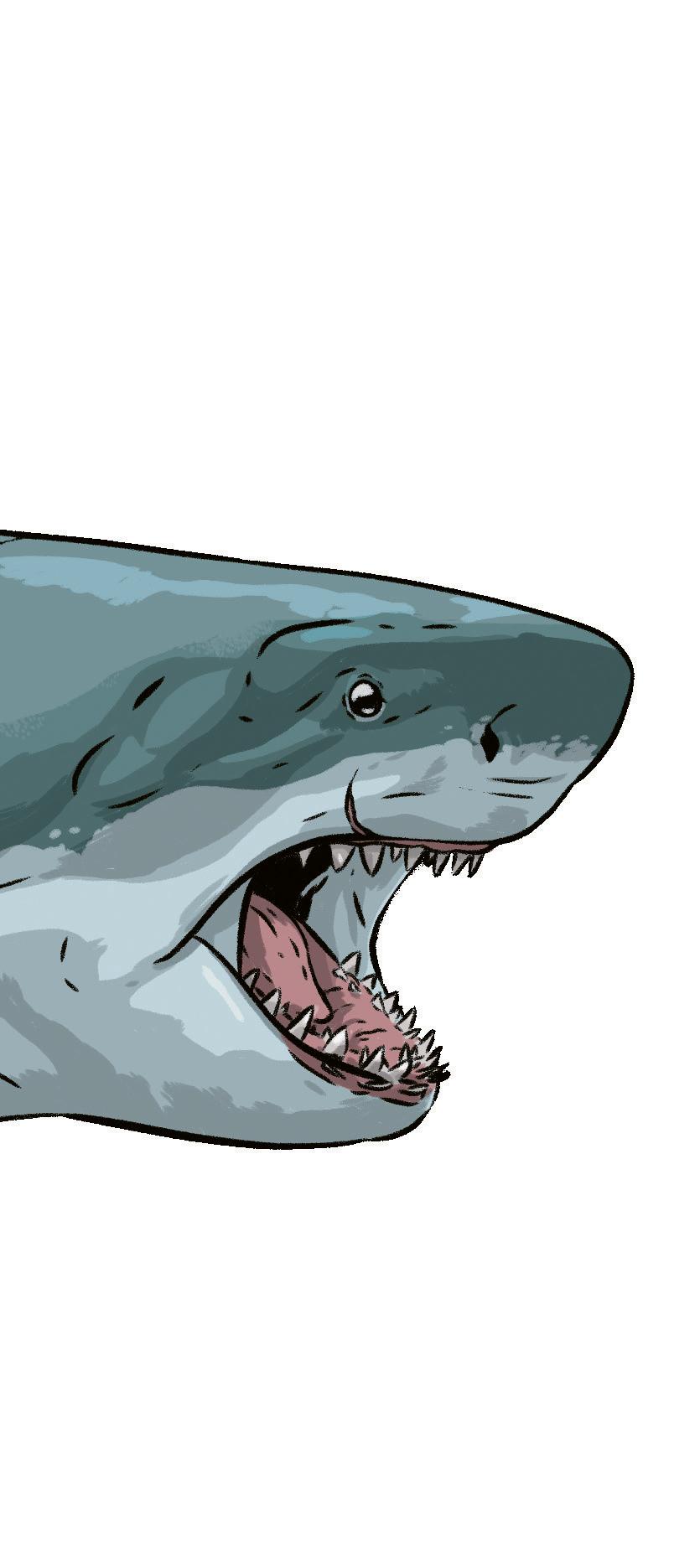
Megalodons were nearly three times as big as today’s great white sharks, and could open their jaws ten feet wide—that’s wide enough to swallow a car!
DID YOU KNOW?
Megalodon’s bite force has been estimated to be 10 times stronger than a great shark’s!white
NANAIMOTEUTHIS HAGGARTI
Lived about 85 million years ago
Length up to about 60 feet
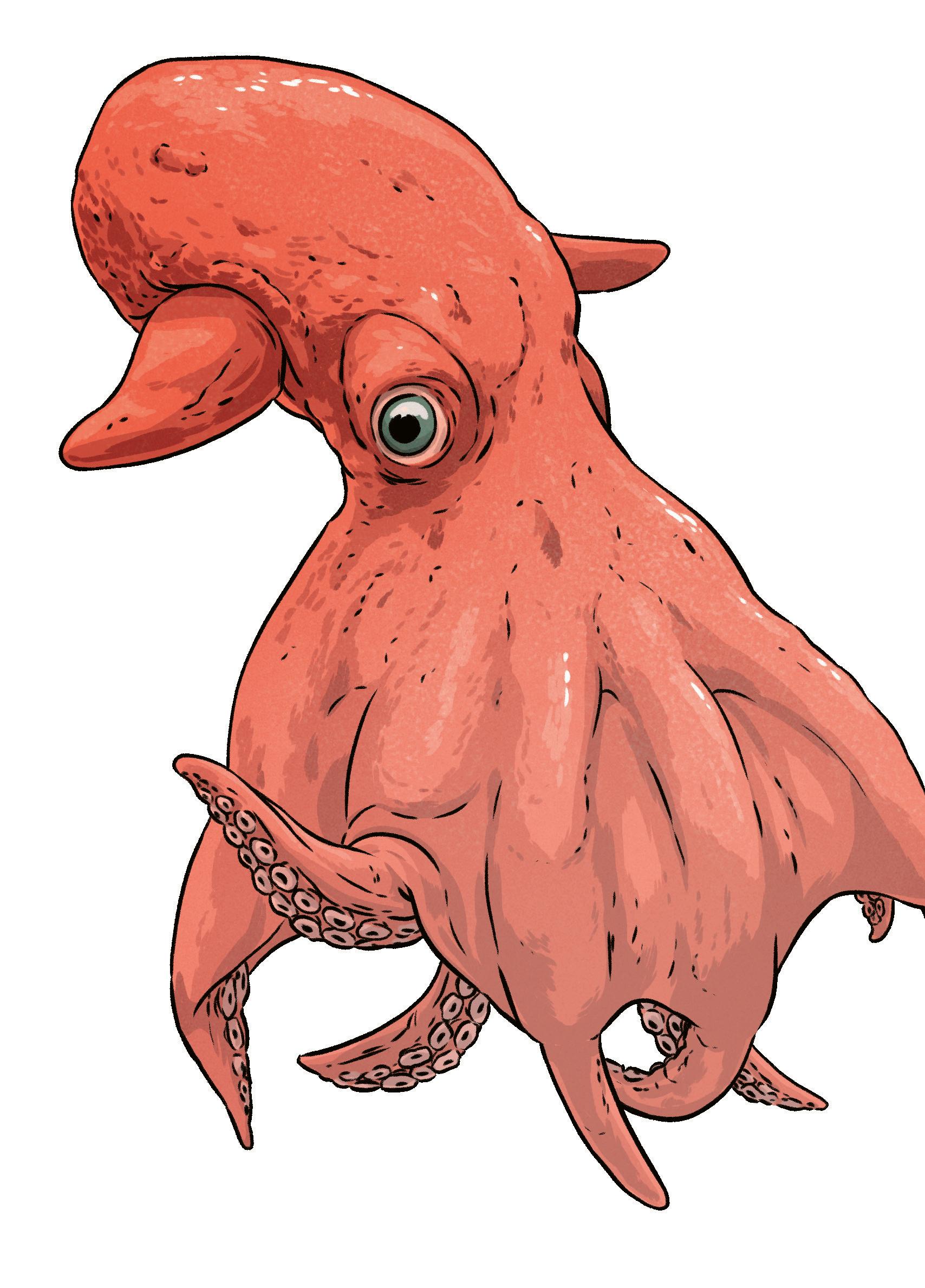
This prehistoric giant may have been one of the largest cephalopods ever to live. It was more than four times as long as today’s largest octopus, the giant Pacific octopus. It was also a fearsome predator, rivaling the terrifyingly toothy mosasaurs.
Giant Pacific octopus (15 ft)
BENEATH THE WAVES
Here is a selection of the extraordinary marine animals that thrived in and around prehistoric oceans, featuring some of our favorites from different periods of Earth’s past.
DUNKLEOSTEUS
Lived about 380 million years ago
Length about 30 feet
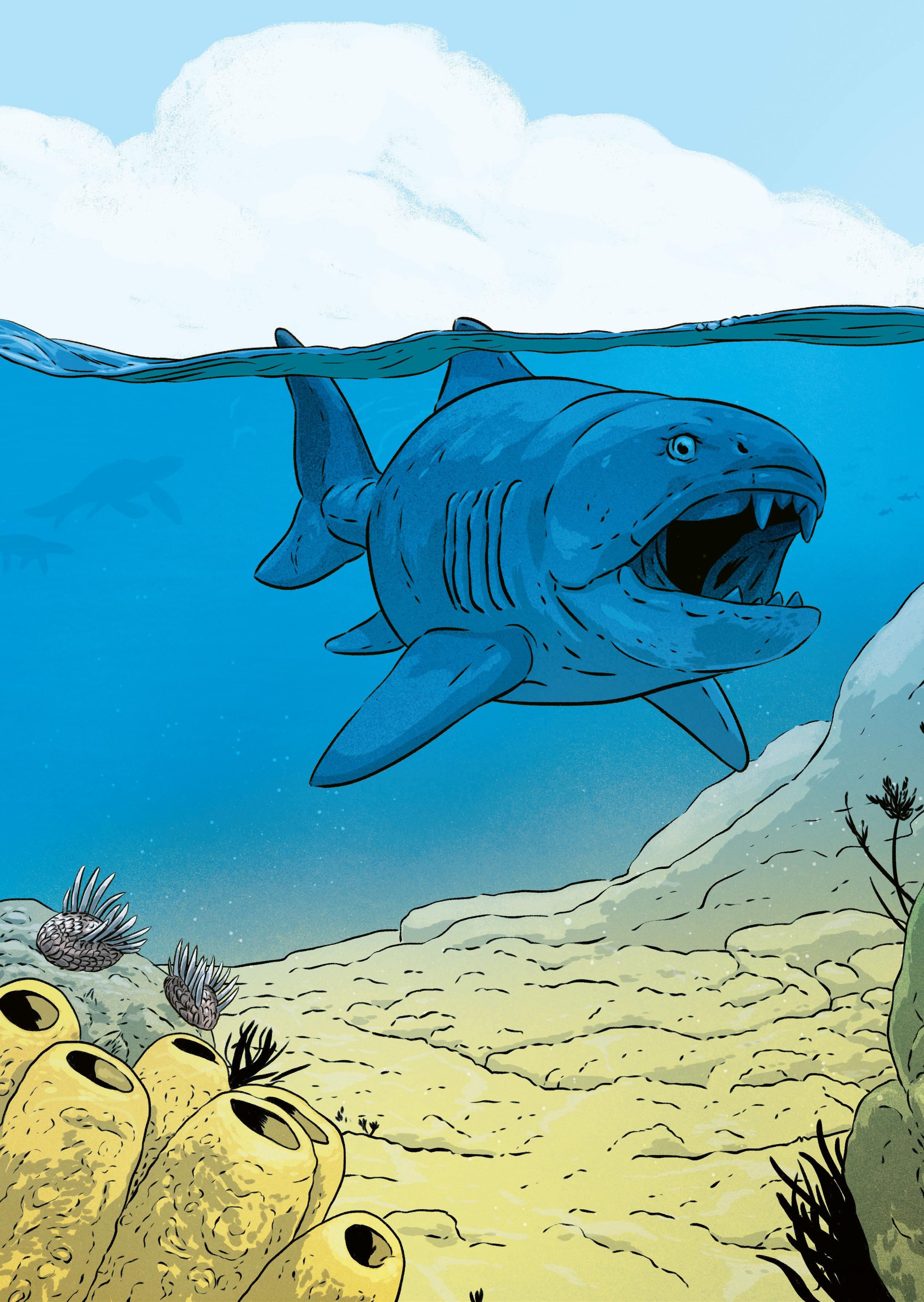
Massive and covered in armor, Dunkleosteus was one of the larger fish of its time. The strength of its bite may have been comparable to that of a T. rex!
DORYASPIS
Lived about 400 million years ago
Length 6 inches
Doryaspis had a long hornlike spike projecting from its mouth, which scientists think may have helped it stir up sand to find prey.
WIWAXIA
Lived about 520 million years ago
Length 2 inches
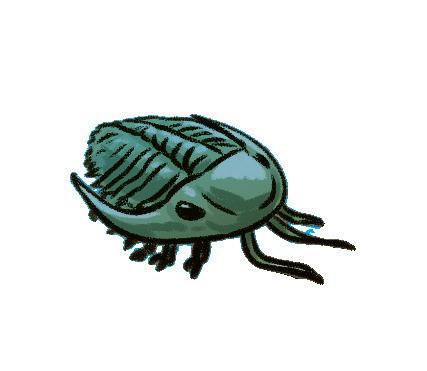
TRILOBITE
Lived about 520 million years ago
Length from 0.5 inches to 2.3 feet
Countless trilobite fossils have been found all over the world. Trilobites survived on Earth for nearly 300 million years.
These soft-bodied creatures were protected by scales and spines. Scientists think they may have been mollusks, like today’s snails.
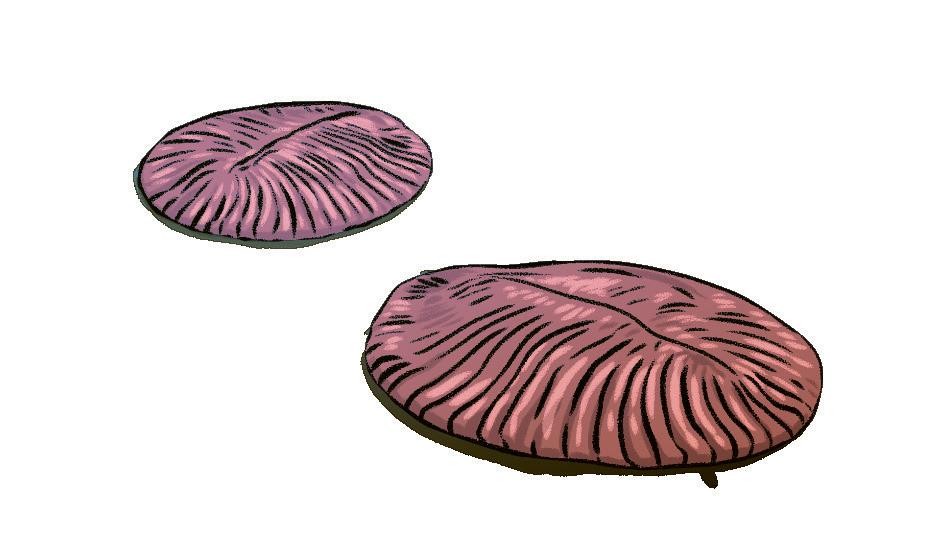
DICKINSONIA
Lived about 540 million years ago
Length up to 3 feet
Flat, blobby Dickinsonia is one of the earliest animals ever to have lived. But scientists still don’t know what kind of animal it was!
TANYSTROPHEUS
Lived about 242 million years ago
Length up to 20 feet
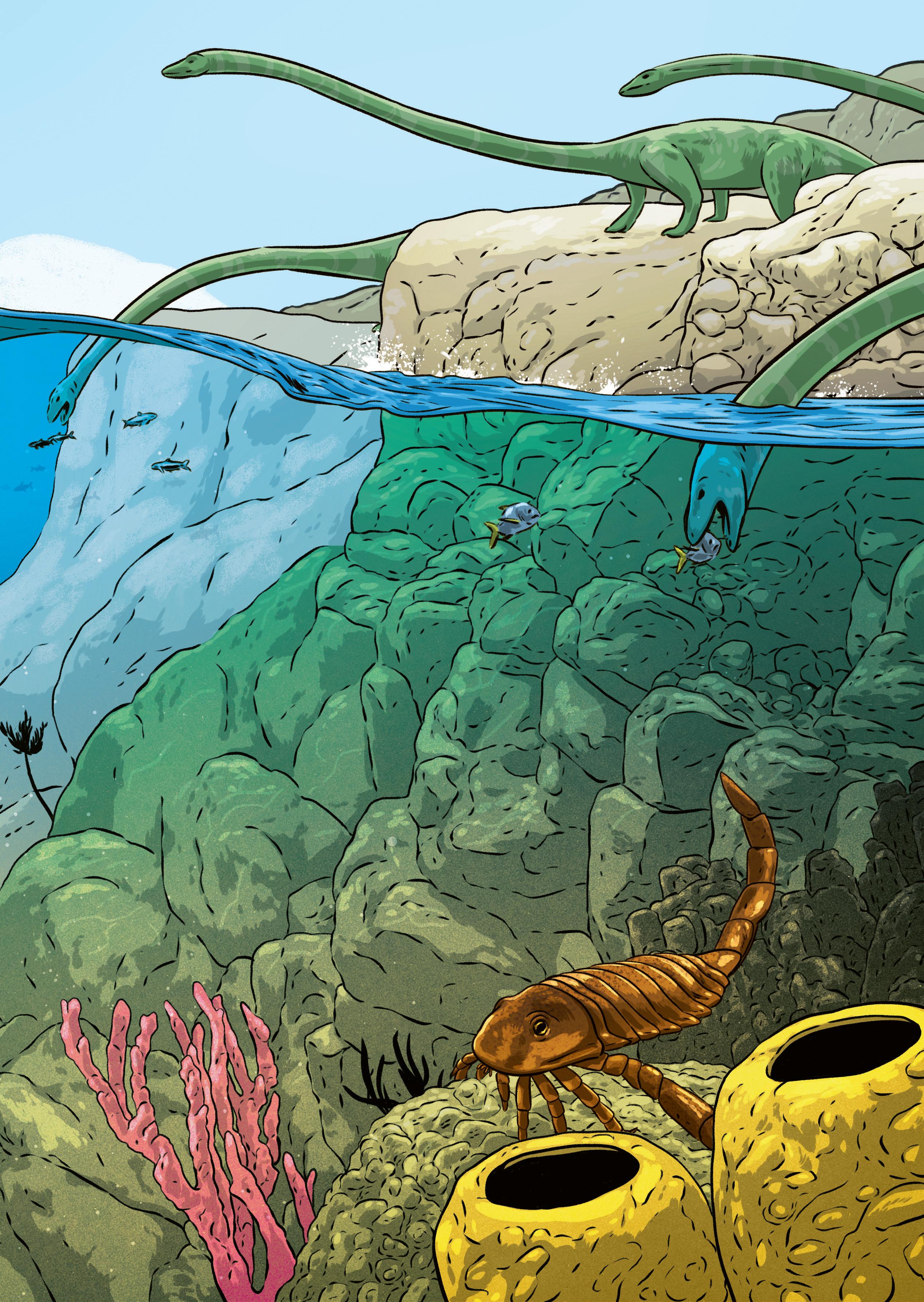
This reptile had a neck so long it made up half its body length. Fossil evidence suggests Tanystropheus could swim, hunting fish in shallow seas.
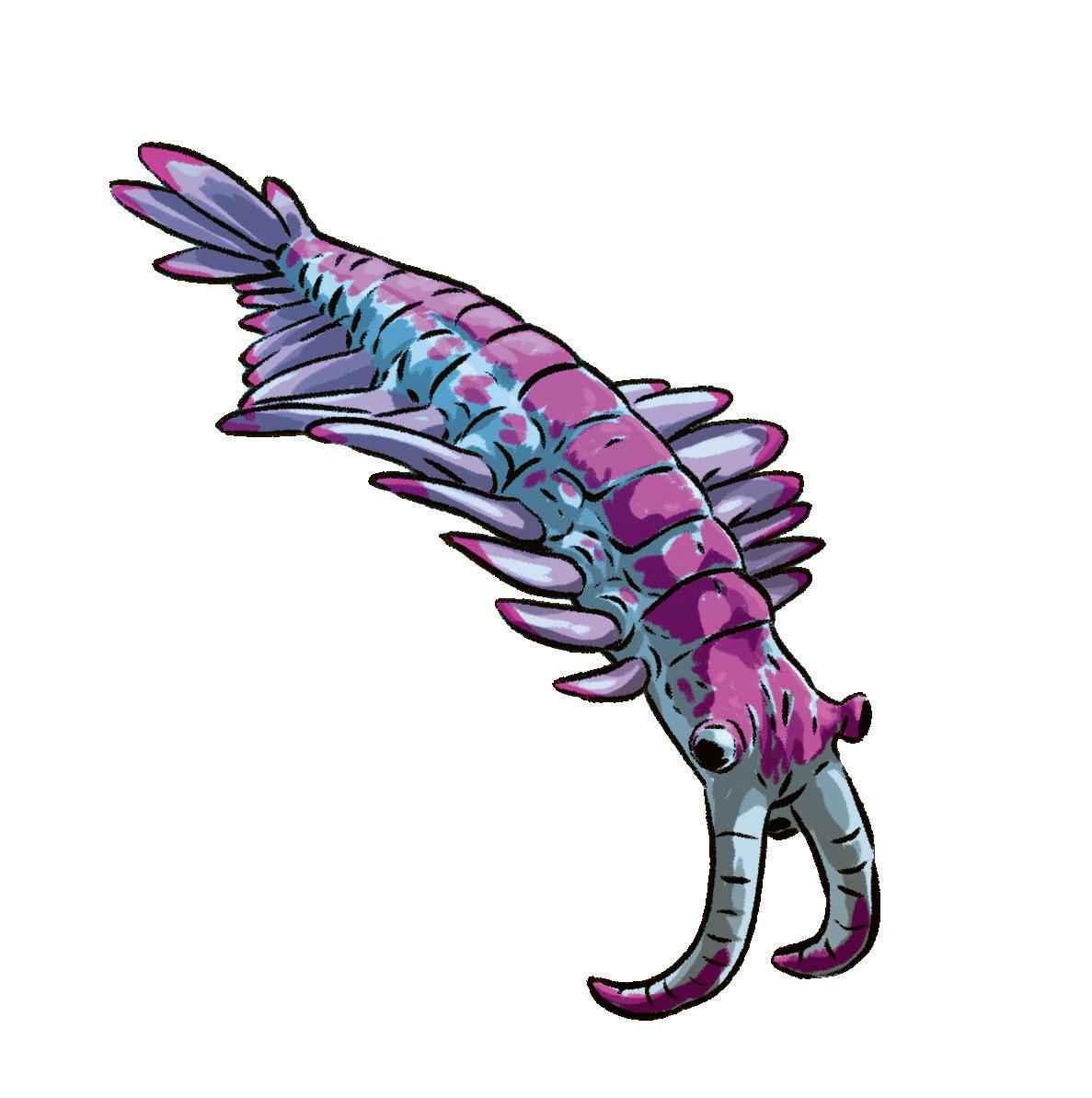
ANOMALOCARIS
Lived about 520 million years ago
Length 14–24 inches
Anomalocaris, which means “unlike other shrimp,” was one of the biggest animals of its time—even though it was only about the size of your arm.
EURYPTERID
Lived about 480 million years ago
Length from 0.75 in to 8 ft
These scorpion-like creatures included one of the largest known arthropods, Jaekelopterus, which reached 8 feet long!
WEIRD CREATURES
Some prehistoric sea creatures looked familiar. Others looked like nothing alive today. Meet eight truly weird—and wonderful—monsters of the deep.
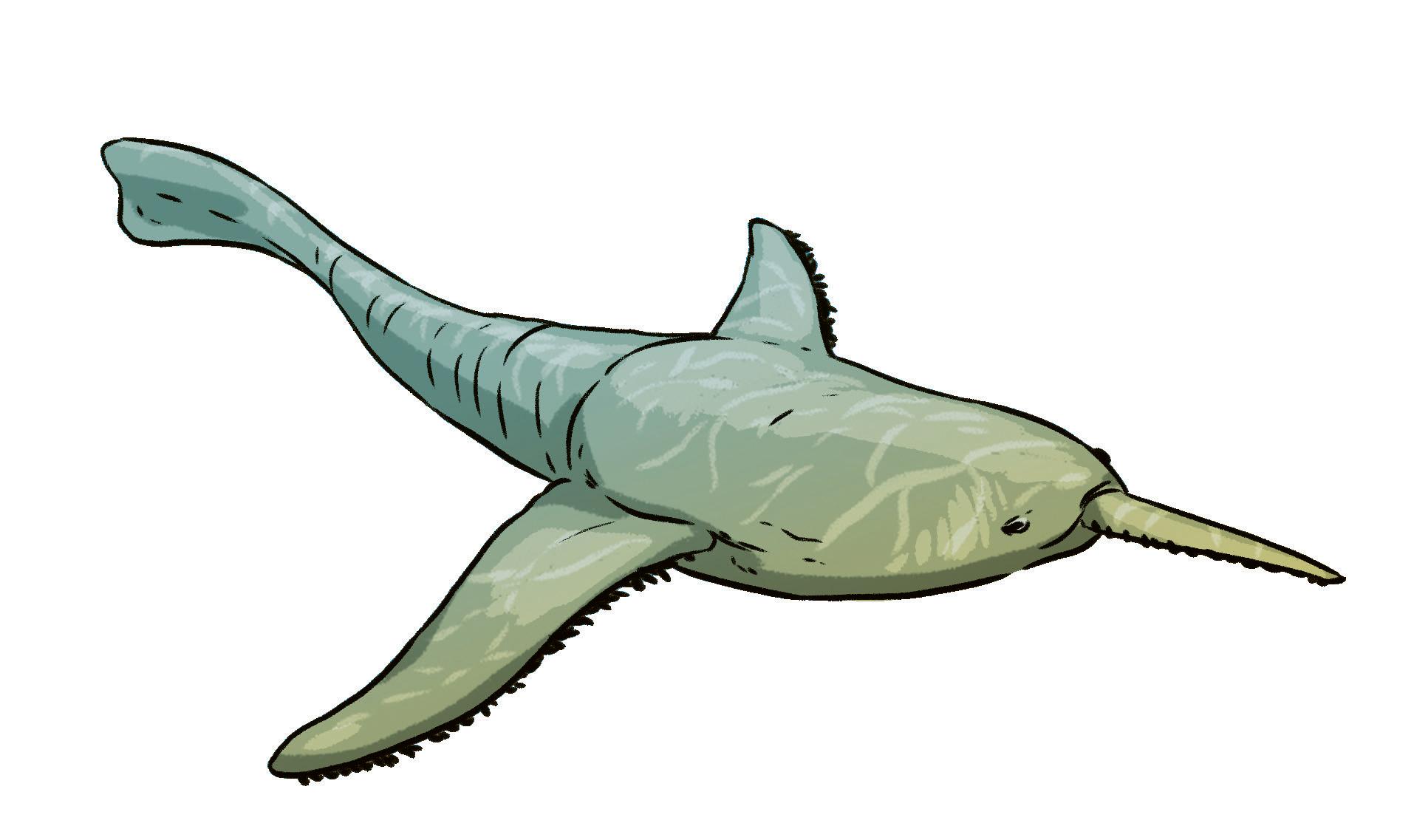
STETHACANTHUS
Lived about 370 million years ago
Length 2.25–10 feet
OPABINIA
Lived about 505 million years ago
Length 1.5–3 inches
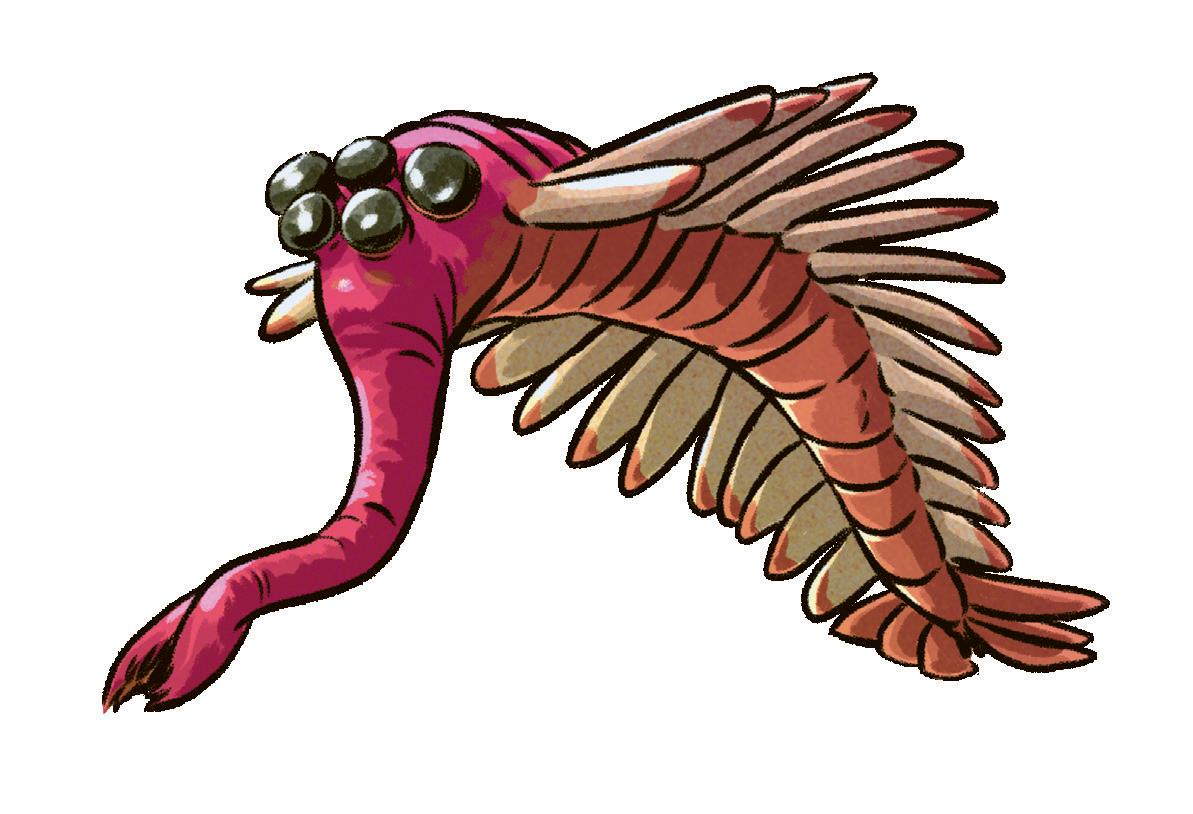
This peculiar sea-dweller is thought to have searched the ocean floor for prey such as worms, which it scooped up with a clawed proboscis that was a bit like an elephant’s trunk. Opabinia had five eyes and a mouth that faced backward!
MARRELLA
Lived about 520 million years ago
Length 2 millimeters–1 inch
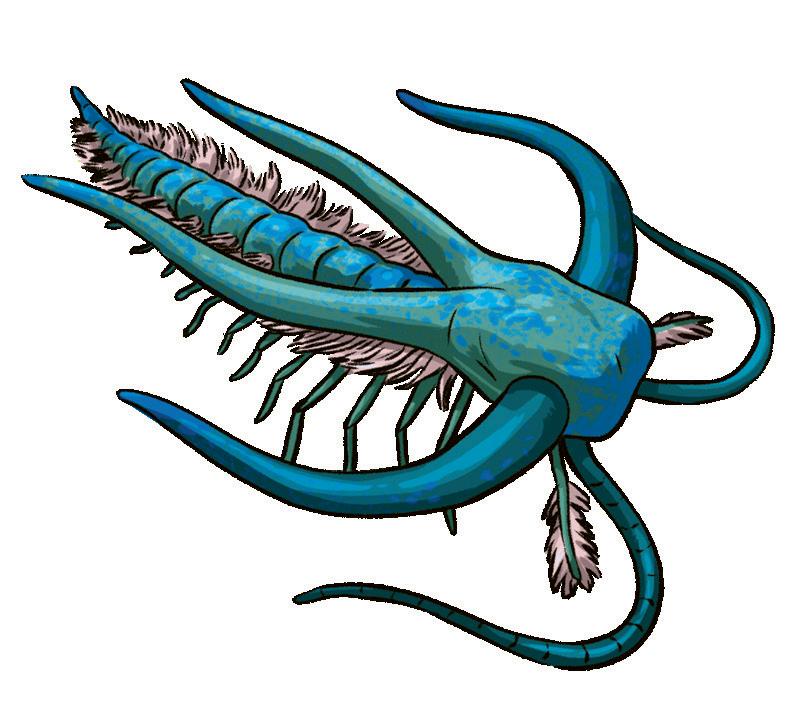
Bottom-dwelling Marrella is one of the most common fossils found in the Burgess Shale, an important site in Canada. More than 25,000 specimens have been found there. Paleontologists think it may have had a shiny, rainbow-like surface.
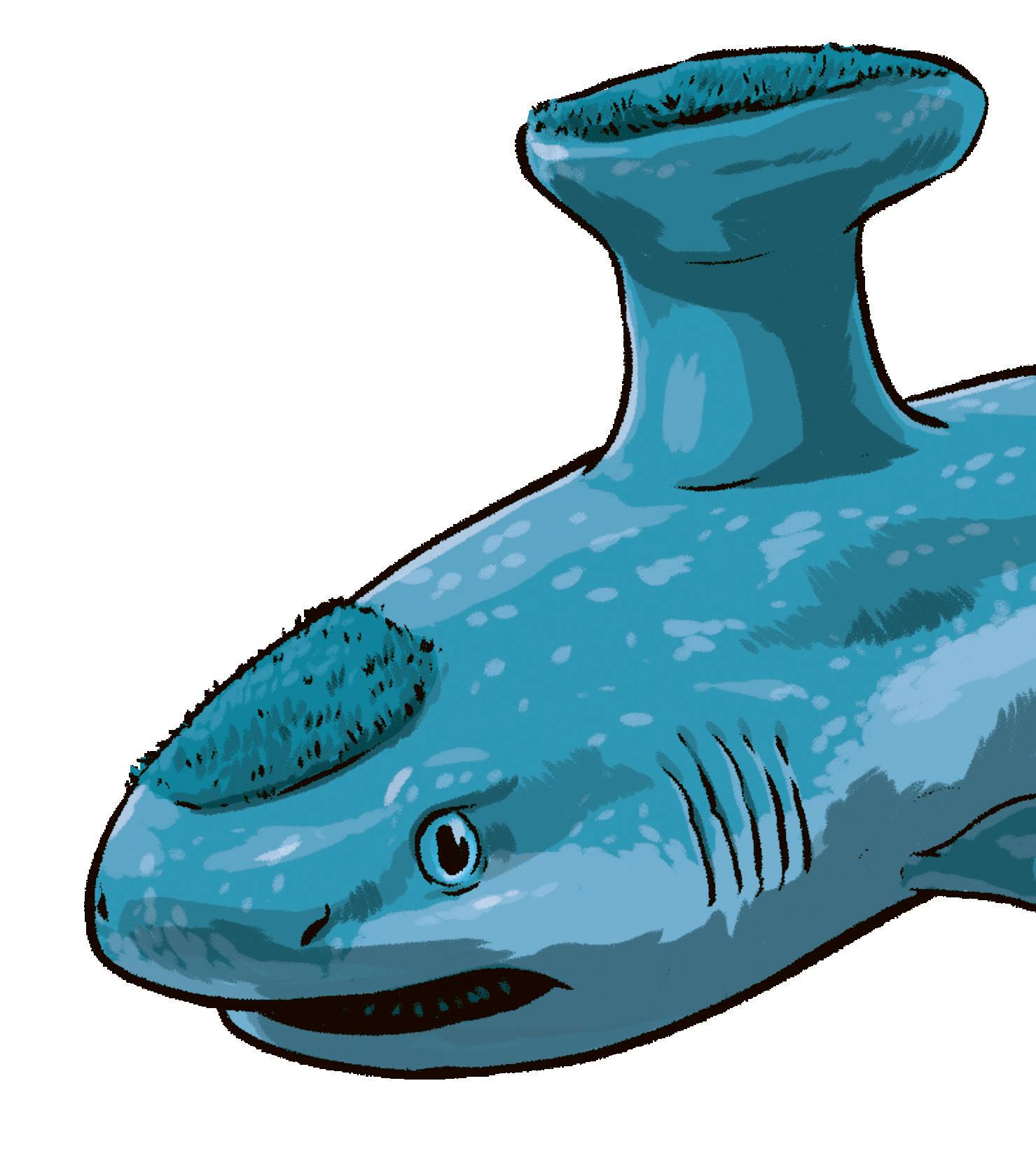
Stethacanthus looked like a modern shark, but instead of the triangular dorsal fin, it had a fin shaped like an ironing board sticking out of its back! The fin and snout had patches of tooth-shaped scales, perhaps used to impress rivals or mates.
SACABAMBASPIS
Lived about 460 million years ago
Length 10–14 inches
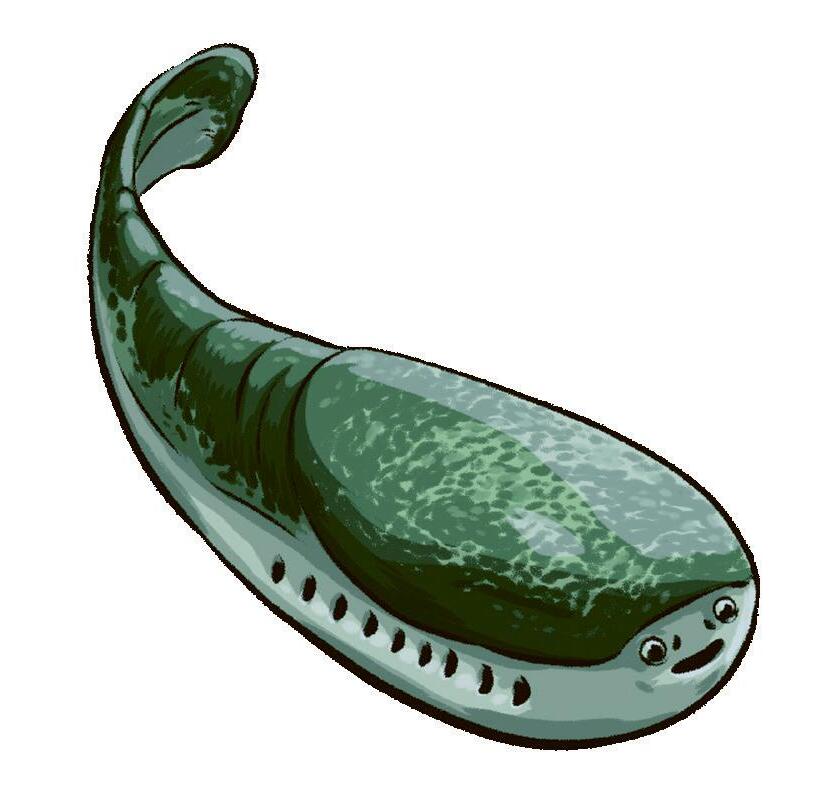
The jawless fish Sacabambaspis looked like a large tadpole, with a big head and a flat, wriggling body. Its head was armored with plates and its eyes were positioned right at the front. A model of it went viral on the internet because it was so cute!
CREATURES
SACCORHYTUS
Lived about 540 million years ago
Length 1.3 millimeters
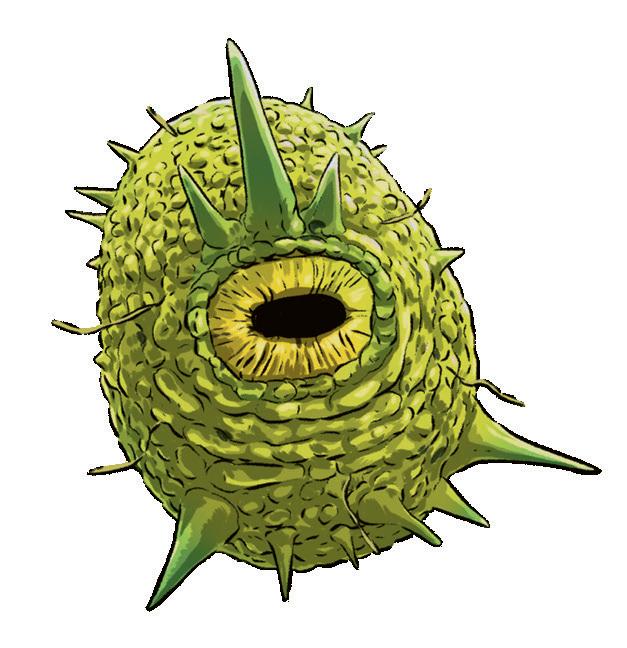
It’s no wonder this creature’s name comes from the Latin and Greek words for “bag” and “wrinkle.” The spiky, bag-like Saccorhytus was mostly made up of a mouth—which it probably ate and pooped from!
HELICOPRION
Lived about 290 million years ago
Length 16–40 feet
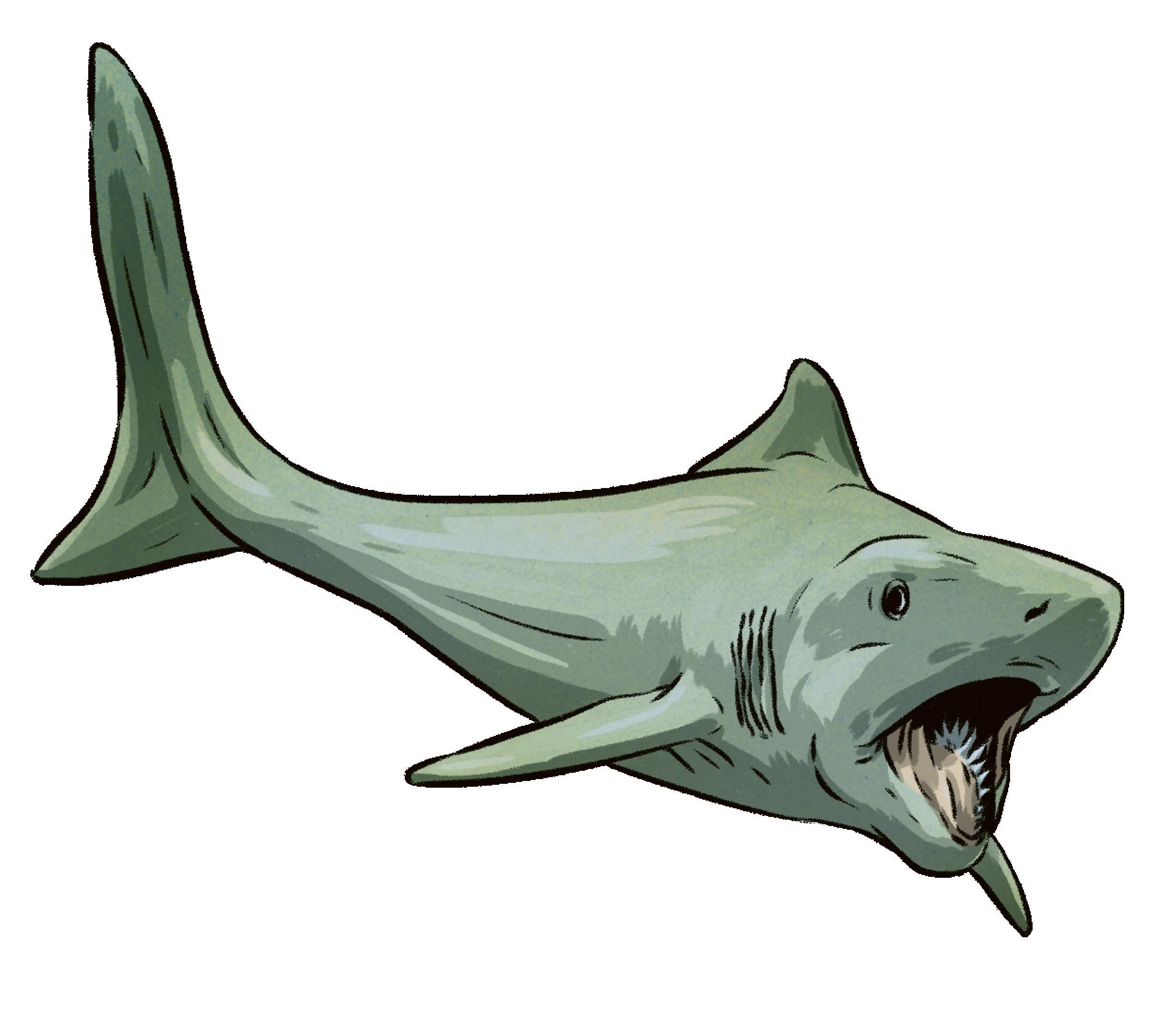
Like Stethacanthus, Helicoprion looked like today’s sharks—with one key difference. In its mouth, it had a spiral-shaped whorl of teeth that looked a bit like a buzzsaw!
HALLUCIGENIA
Lived about 505 million years ago
Length 0.3–2 inches
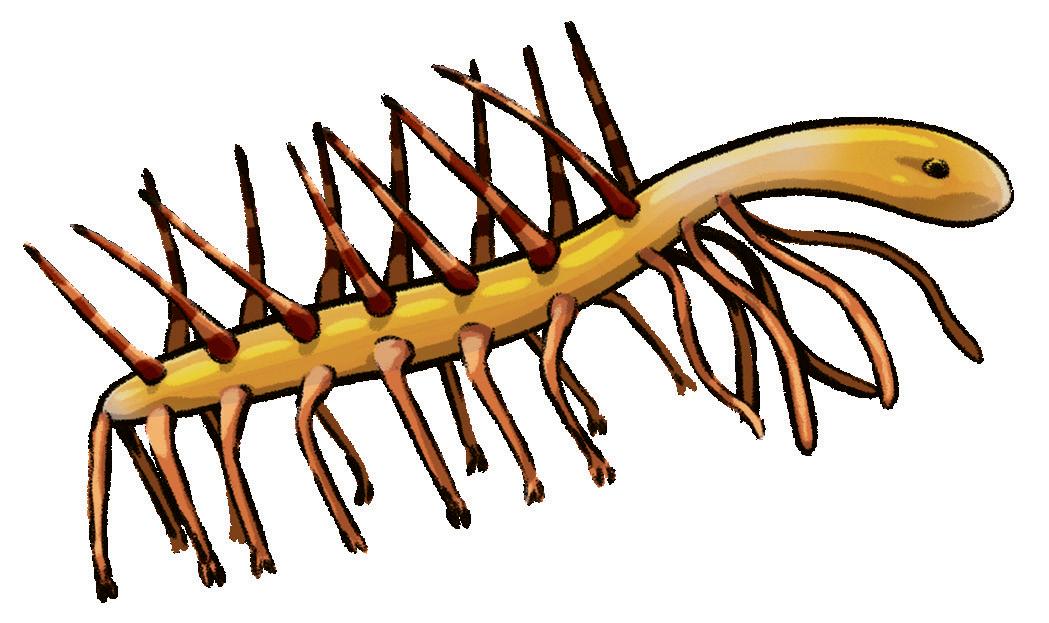
It took scientists years of looking at fossils of this strange creature to figure out which way was up! They now think it had rows of spines on its back and seven or eight pairs of legs, all ending in claws.
TULLY MONSTER
Lived about 300 million years ago
Length 3–14 inches
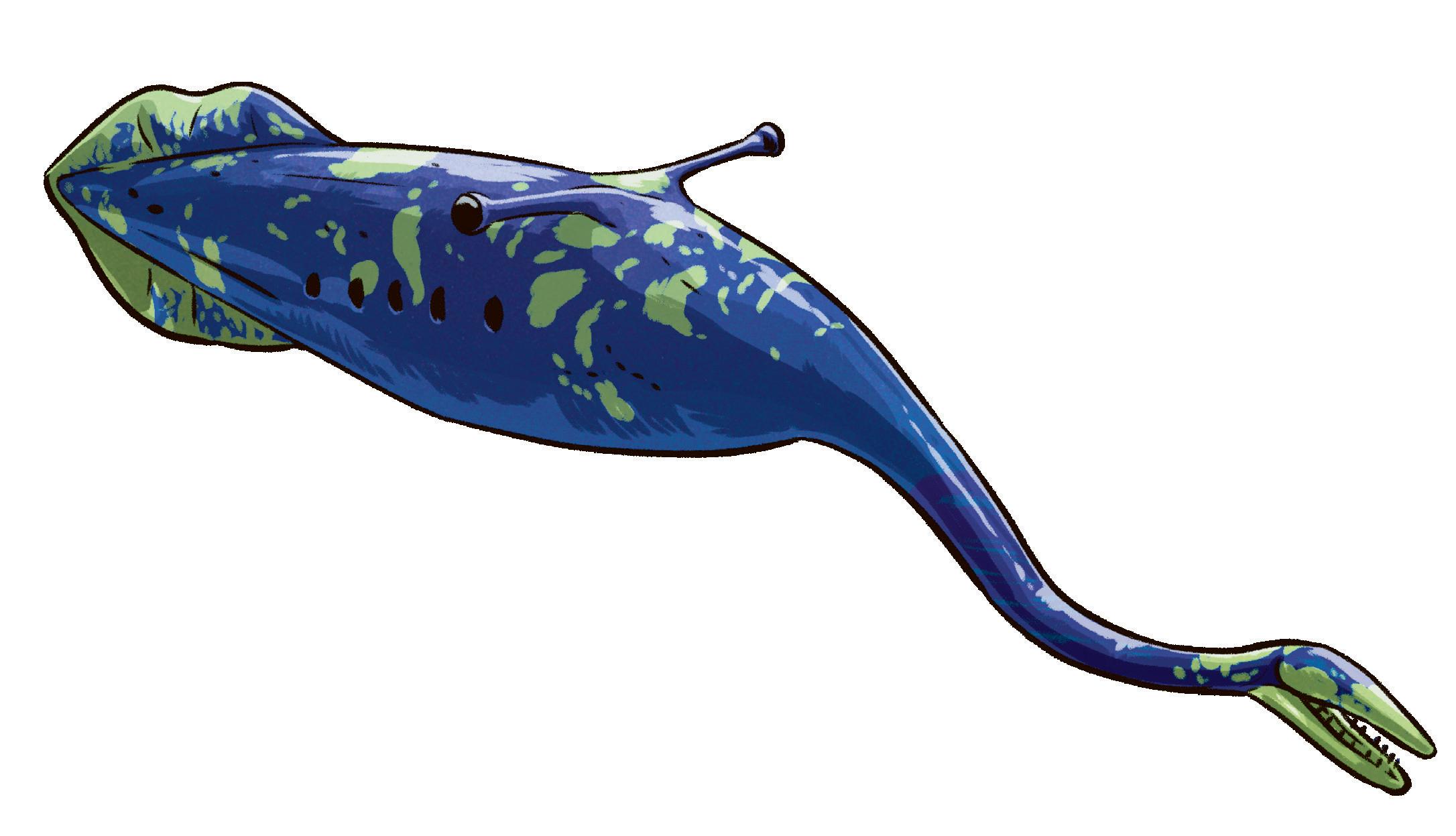
The Tully Monster (or Tullimonstrum gregarium, if you’re a scientist) was named after its discoverer, Francis Tully. Scientists still argue over what kind of animal it was—but some think it may have been an ancient relative of today’s lampreys.
WHO WAS NIKOLA TESLA?
Nikola Tesla was an inventor who helped bring electric power into the modern world. He did not invent electricity, but he discovered brilliant new ways to control it, move it, and use it.
WHEN AND WHERE DID HE LIVE?
Tesla was born in 1856 in Smiljan, in what is now Croatia. His mother, Djuka, invented her own household tools, and Tesla later said she was the spark behind his interest in invention. After studying engineering in Europe, Tesla moved to the United States in 1884. He spent much of his career in New York, where he died in 1943.
HOW DID HE THINK DIFFERENTLY?
Original people who changed the world. This month: inventor Nikola Tesla. Illustration by Esperanza Hickling
An electric oscillator inside Tesla’s laboratory.
power over long distances.
Tesla said he could imagine how machines worked and test inventions in his head before building them for real. His most important work was with alternating current, or AC. Direct current flows one way. AC changes direction many times a second, which makes it easier to send electric
Tesla designed AC motors and systems that helped prove electricity could be carried from power stations to towns and cities. He also invented the Tesla coil, a device that can generate spectacular bolts of high-voltage electricity. He experimented with wireless signals, and in 1898 he
When I get
an idea,
I start at once building it up in my imagination.
Nikola Tesla
astonished a crowd in New York with a radio-controlled model boat. Some people thought it was controlled by magic. In fact, Tesla had invented remote control.
HOW DID HIS IDEAS CHANGE THE WORLD?
Tesla’s AC system became one of the foundations of modern electricity. It helped carry power from Niagara Falls
to Buffalo in 1896. Today, AC power helps to run homes, trains, lights, and screens. Not all of Tesla’s ideas succeeded. His wireless tower at Wardenclyffe, in New York, was abandoned before it was completed. Yet his name still stands for bold ideas about electricity. That is why one of the world’s best-known electric car companies is named after him.
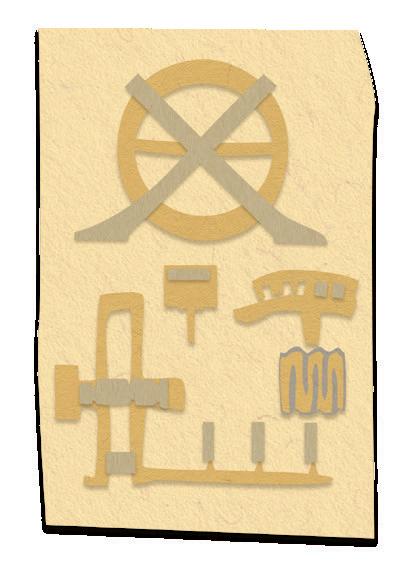
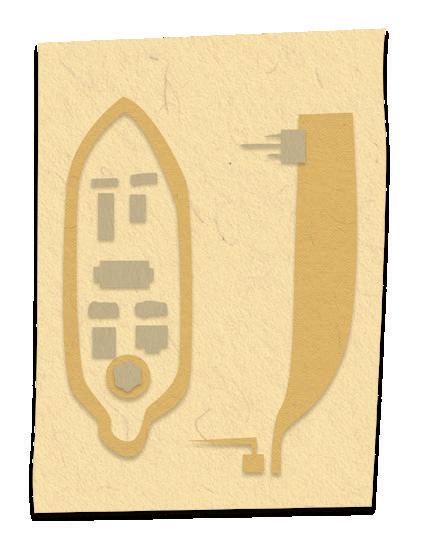
P UZZ L ES &
G A M ES!
Inside this 16-page activity section, you will find quizzes to do, puzzles to solve, and fun activities to try. And don’t worry if you get stuck— all the answers are on page 42.
Science
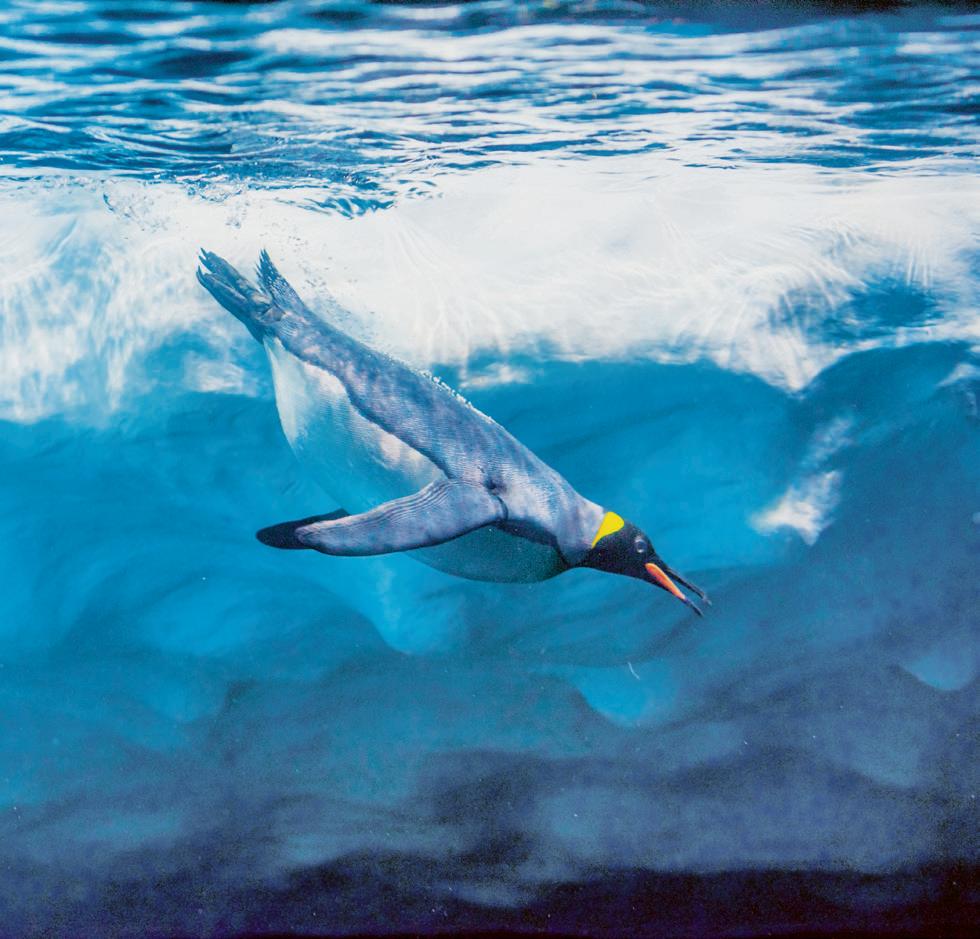
1 Approximately how deep can king penguins dive when hunting underwater?
a. 100 feet
b. 500 feet
c. 1,000 feet
d. 2,500 feet
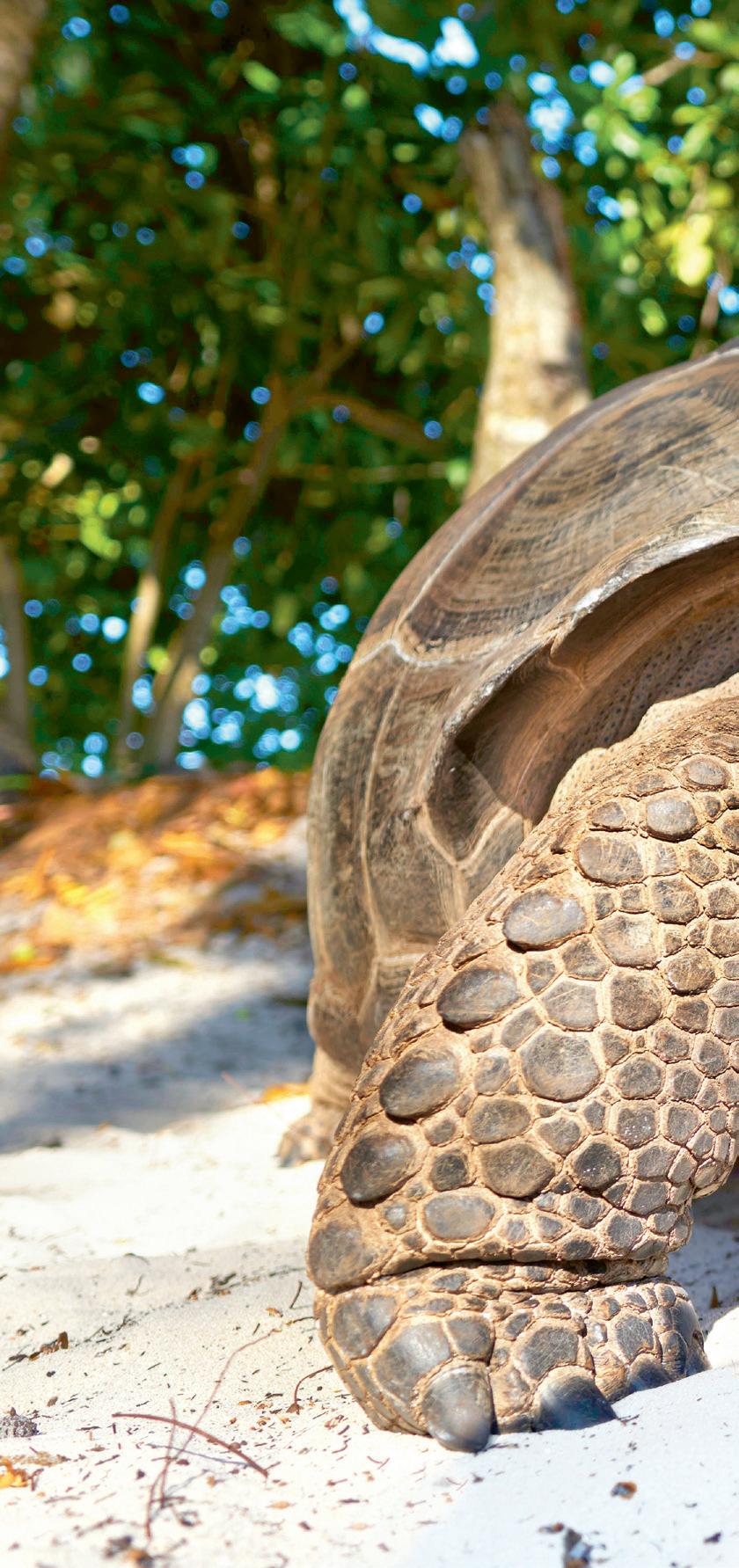
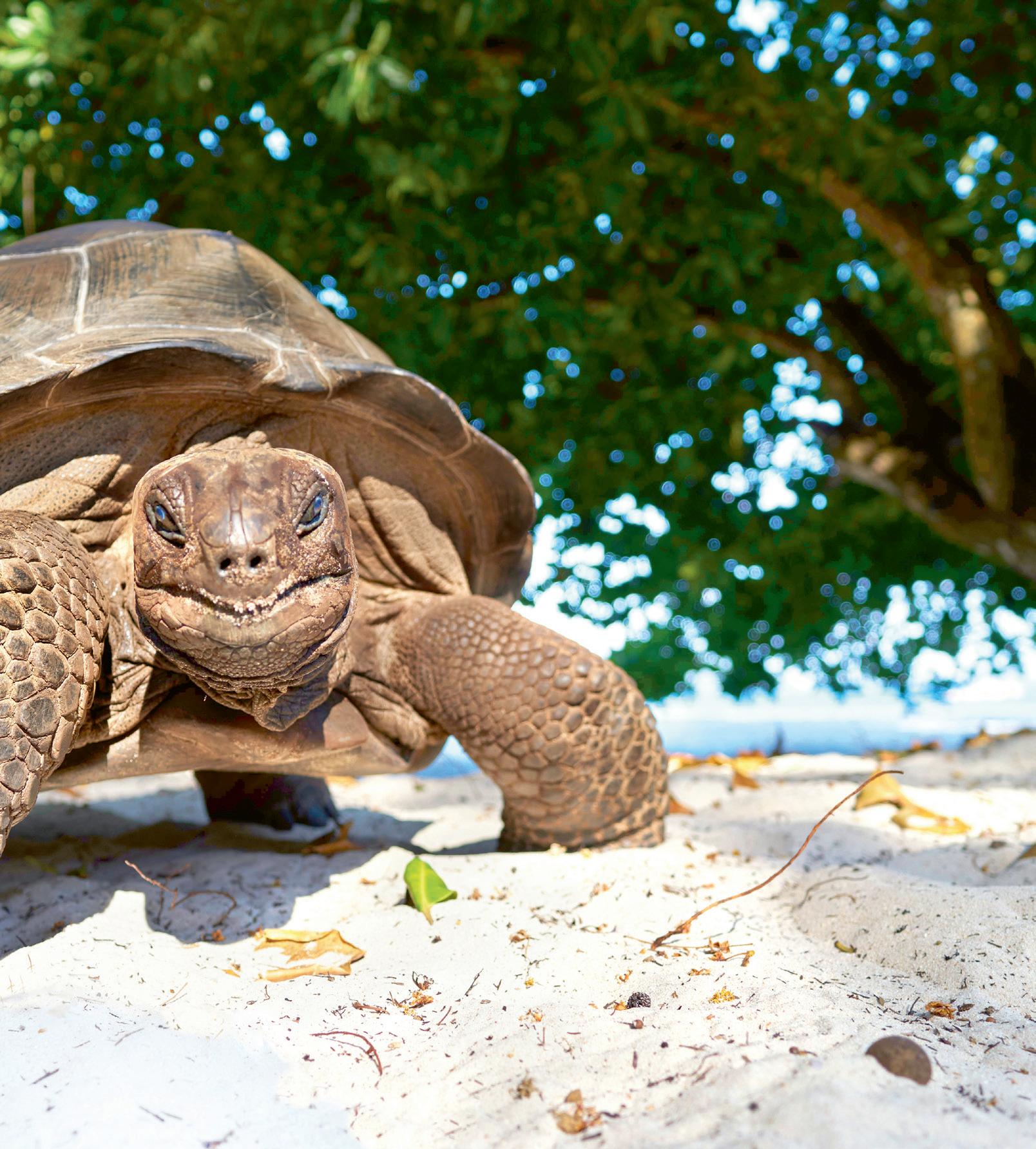
2 Aldabra giant tortoises have an unusual way of drinking water from shallow rock pools. How do they do it?
a. By scooping water up with their lower jaw
b. By sucking it up through their nostrils
c. By absorbing it through the skin on their neck
d. By waiting for rain to fall into their mouths
3 Which mammal builds dams across rivers?
a. Beaver
b. Otter
c. Muskrat
d. Badger
ANIMALS ANIMALS
4 Which marine animal has blue blood, three hearts, and a doughnut-shaped brain?
a. Squid
b. Crab
c. Octopus
d. Cuttlefish
d. A business 1 2
5 Which of these terms is used as a collective name for a group of ferrets?
a. A scrum
b. A wriggle
c. A sack
NAME THE FOOTPRINT
Can you match the four animal footprints below to the animals that made them? Study the prints closely—and remember that they are not drawn to scale.
PERIODIC TABLE OF ELEMENTS
Draw a line to connect each pair of dots. You can’t use diagonal lines and the lines can’t cross or touch each other. You must fill the whole grid with lines but only one line is allowed in each square.
EMOJI IDIOMS
Each of the four emoji sequences below represents a common phrase. Can you figure out which phrase it is in each example?
A
B
C
D
ODD ONE OUT
Look closely at the four purple patterns below. Three of the patterns are exactly the same, but one is slightly different. Can you spot which pattern is the odd one out?
HUMAN BODY
Change the word MIND to LAKE in 4 moves by changing one letter at a time. Each new word you create by changing a letter must be an actual word. Then try changing GRIP to CLAM.
1
Approximately how many times does the human heart beat in a single day?
a. 10,000
b. 100,000
c. 1,000,000
d. 10,000,000
2 Every time you breathe, a large sheet of muscle below your lungs moves up and down. What is this breathing muscle called?
a. Biceps
b. Diaphragm
c. Hamstring
d. Triceps
3 Your pupils (the black circles in the middle of your eyes) change size depending on the light around you.
What do they do in bright light?
a. Get larger
b. Get smaller
c. Change color
d. Disappear
4 Which part of your body contains the hammer, anvil, and stirrup bones?
a. Ear
b. Nose
c. Hand
d. Foot
5
Approximately how many red blood cells—which are the cells that carry oxygen around the body —does the body produce every second?
a. 20,000
b. 200,000
c. 2,000,000
d. 20,000,000
HUMAN WORLD
1
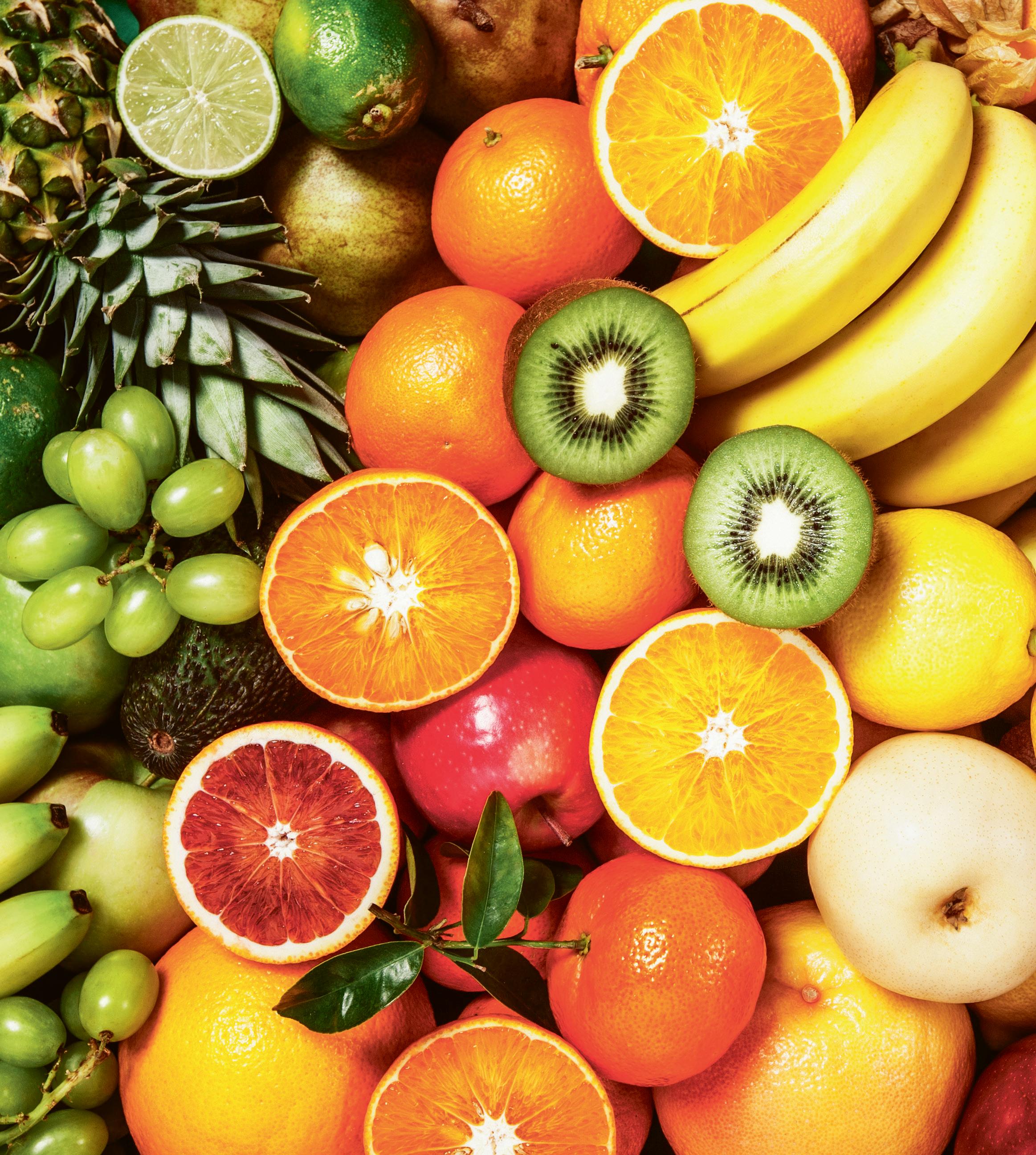
What is the most widely produced fruit in the world?
a. Banana
b. Apple
c. Grape
d. Orange
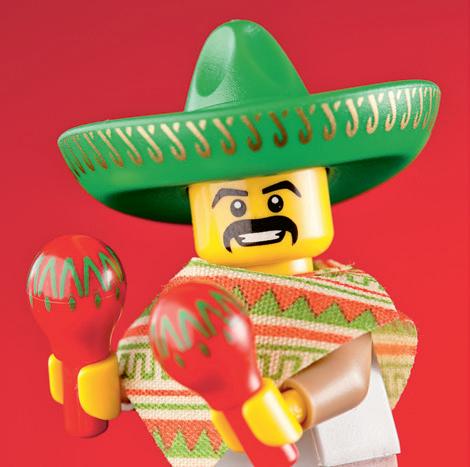
2 Approximately how many LEGO bricks are produced each minute in LEGO’s factories?
a. 680
b. 6,800
c. 68,000
d. 680,000
a. Astrolabe
b. Abacus
c. Almanac
d. Altimeter
4 In some courtrooms, a judge may use a small wooden hammer to call for attention. What is this hammer called?
3 Long before calculators and computers, people used counting frames with beads to help them add, subtract, and keep track of numbers. What is the name of this ancient calculating tool?
a. Gavel
b. Chisel
c. Easel
d. Baton
5 Roman numerals are still used on some clocks and buildings, and to number the chapters of books. Which number does the Roman numeral X represent?
a. 5
LINK WORDS
A link word is a word that can be added to the end of one word and the start of another word to create two new words. For example, the word FRIEND can be added to the end of GIRL to create GIRLFRIEND, and also added to the start of SHIP to create FRIENDSHIP.
GIRL
Can you think of link words that fill the gaps below and create two new words in each case?
50 2
b. 10 c. 20
CHANGING ROOMS
Can you find your way through our maze of square rooms? Enter through the door marked with the red arrow, then try to find your way to the exit by going through the correct sequence of open doors. Good luck!
NUMBER TRIANGLES
In the triangles below, the numbers inside the red circles are the sums of the two numbers in the connected white hexagons. For example: Can you figure out which number should appear in each of the hexagons? All the numbers in the hexagons are between 1 and 10, and a number can only be used once in each of the triangles.
PICTURE QUIZ
Can you figure out what you are looking at in each of these six photos?
Fill all the empty squares so that every row, column, and 3x2 box contains each of the numbers 1 to 6.
Can you spot these 20 people and things hidden in the parade scene above? Don’t worry if you get stuck—all the answers are on page 42.
Illustration by Esperanza Hickling
1
How cold is the universe in the empty space far from any star?
a. −100°F
b. −275°F
c. −450°F
d. −630°F
2
What are the Moon’s darker regions called?
a. Craters
b. Maria
c. Highlands
d. Rilles
3 Which gas makes up most of the planet Venus’s atmosphere?
a. Carbon dioxide
b. Oxygen
c. Hydrogen
d. Nitrogen
4
What type of object will our Sun eventually become when it reaches the end of its life in roughly 5 billion years?
a. A black hole
b. A white dwarf
c. A supernova
d. A neutron star
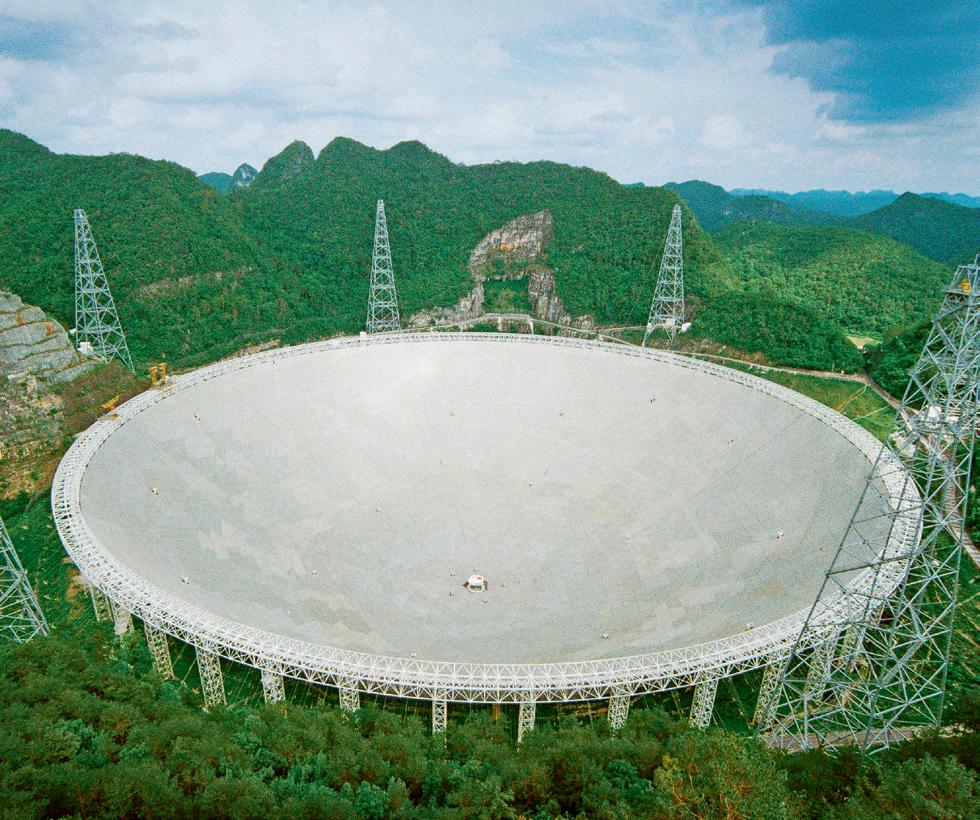
5 The FAST telescope in China is the world’s largest single-dish radio telescope, with a dish 1,600 feet wide. Approximately how many soccer fields would fit inside it?
a. 7
b. 17
c. 27 d. 37
4
GRAB BAG GRAB BAG
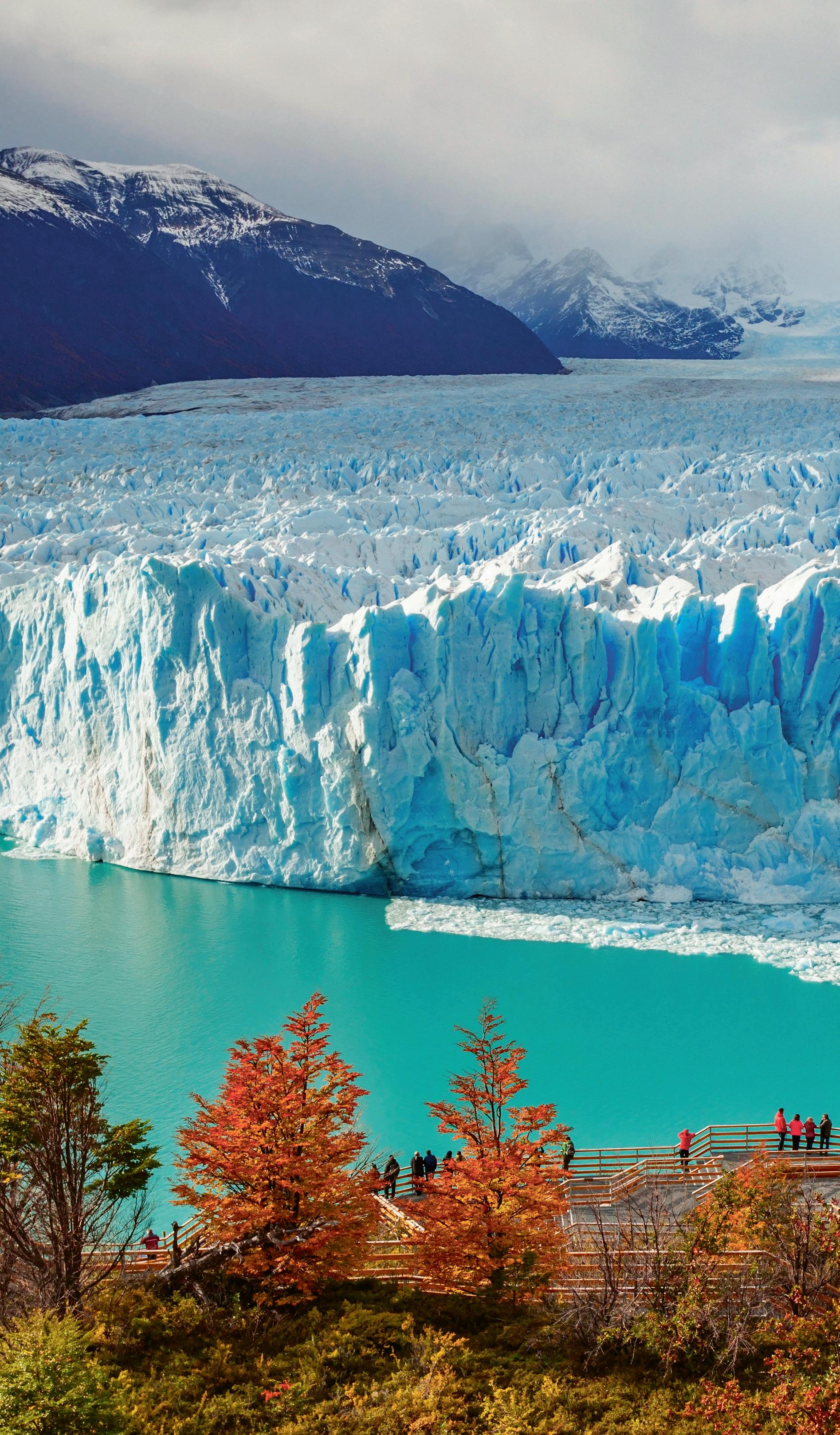
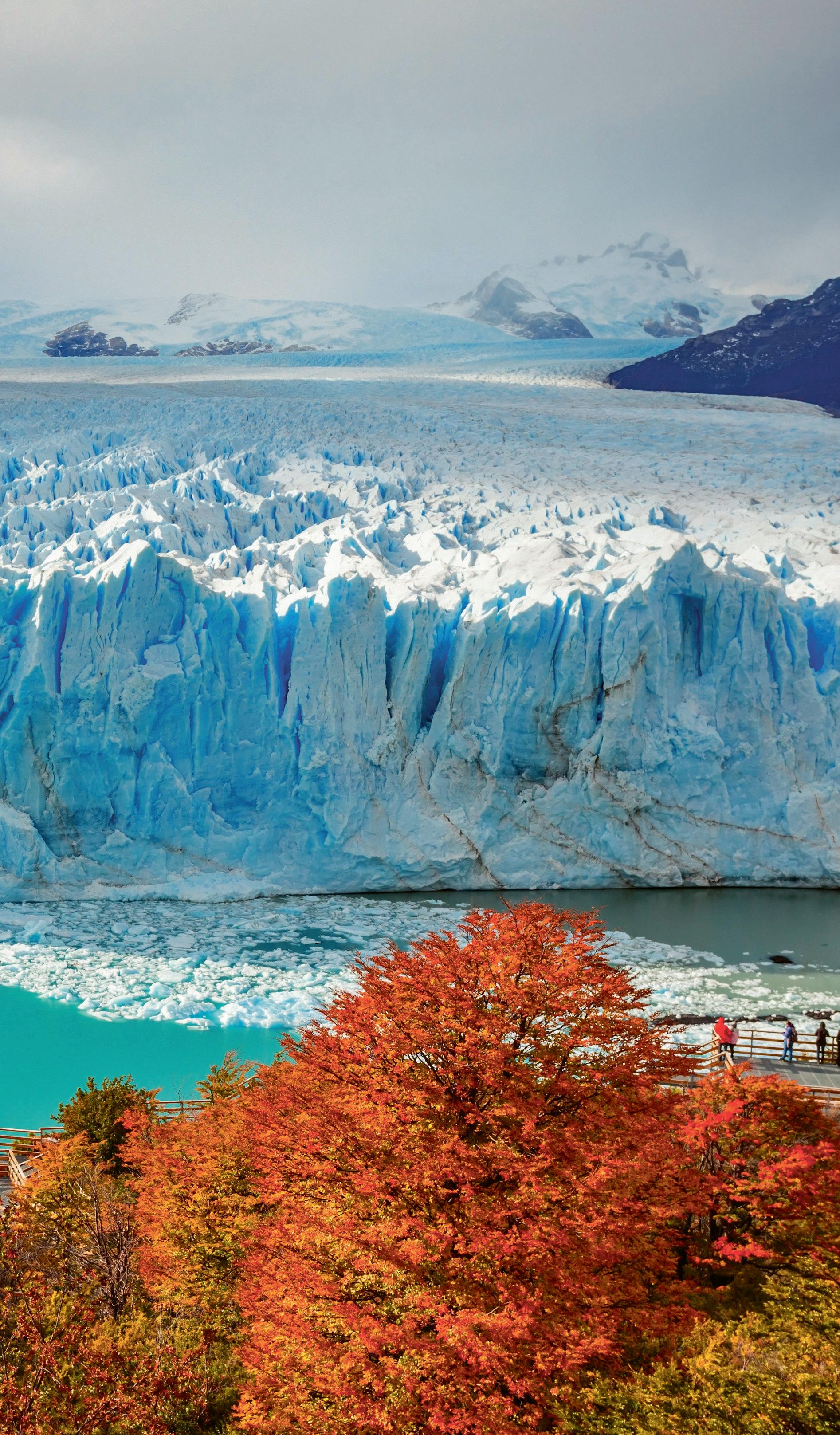
1 Glaciers are found on every continent on Earth except one. Which continent has no glaciers?
a. Africa
b. South America
c. Asia
d. Australia
2 In written music, notes can sit on a set of five horizontal lines. What is this set of lines called?
a. Staff
b. Clef c. Scale
d. Chord
3 What does the “e” in the Japanese word emoji mean?
WORD WHEEL
a. Picture b. Sound
c. Letter
d. Number
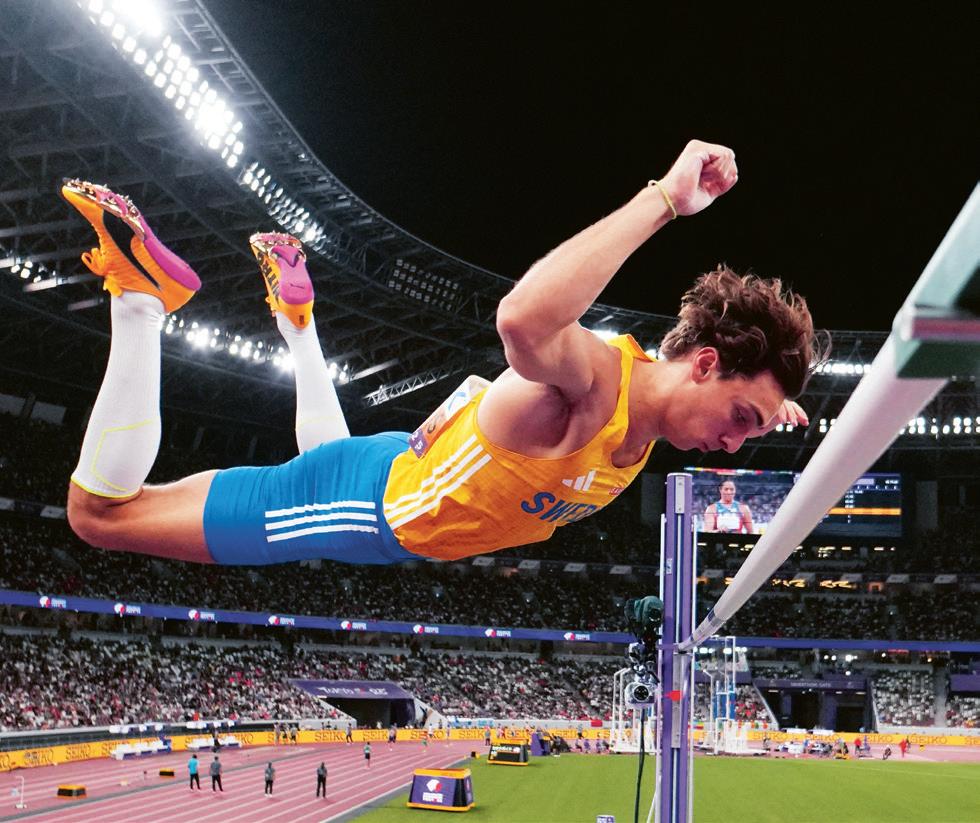
4 Before the introduction of fiberglass poles, what material were vaulting poles most commonly made from?
a. Plastic
b. Oak
c. Bamboo
d. Rubber
5 Which bird lays the largest eggs?
a. Emu
b. Swan
c. Eagle d. Ostrich
Use the word wheel to help find the answers to the eight clues below. All the answers contain the middle letter, and each letter can only be used once.
Clue: a frightening or unpleasant dream that can wake you suddenly in the night (9 letters).
Answer:
Clue: a very hard type of rock often used to make monuments and statues (7 letters).
Answer:
Clue: to move from one place or country to another, often with the seasons (7 letters).
Answer:
Clue: a person, thing, or situation that is mysterious and hard to understand (6 letters).
Answer:
Clue: the layer of tissue at the back of the eye that is sensitive to light (6 letters).
Answer:
Clue: an official song chosen to represent a country, team, or organization (6 letters).
Answer:
Clue: the number of pawns each player starts with in a game of chess (5 letters).
Answer:
Answer: I M T A R H G N E
Clue: a tiny living thing that can enter the body and cause illness (4 letters).
MISSING LETTERS MISSING LETTERS
Add the same single letter between both sets of words so that the letter completes the words before the lines and starts the words after them. For example, in the pair PI LUE and PLU OOD, the missing letter is G.
PI LUE PLU OOD G G
This creates the words PIG and GLUE from the first pair, and PLUG and GOOD from the second pair.
MEA AMP, BOW ION
WAR —ITE, FAR— ATCH
CAR —IME, WAI— OWER
STIN OAL, DRA LUM
CUBE IT! CUBE IT!
The six-sided shape below can be folded up to form a cube. Only two of the cubes below it can be made by it. Which cubes are they?
1
1
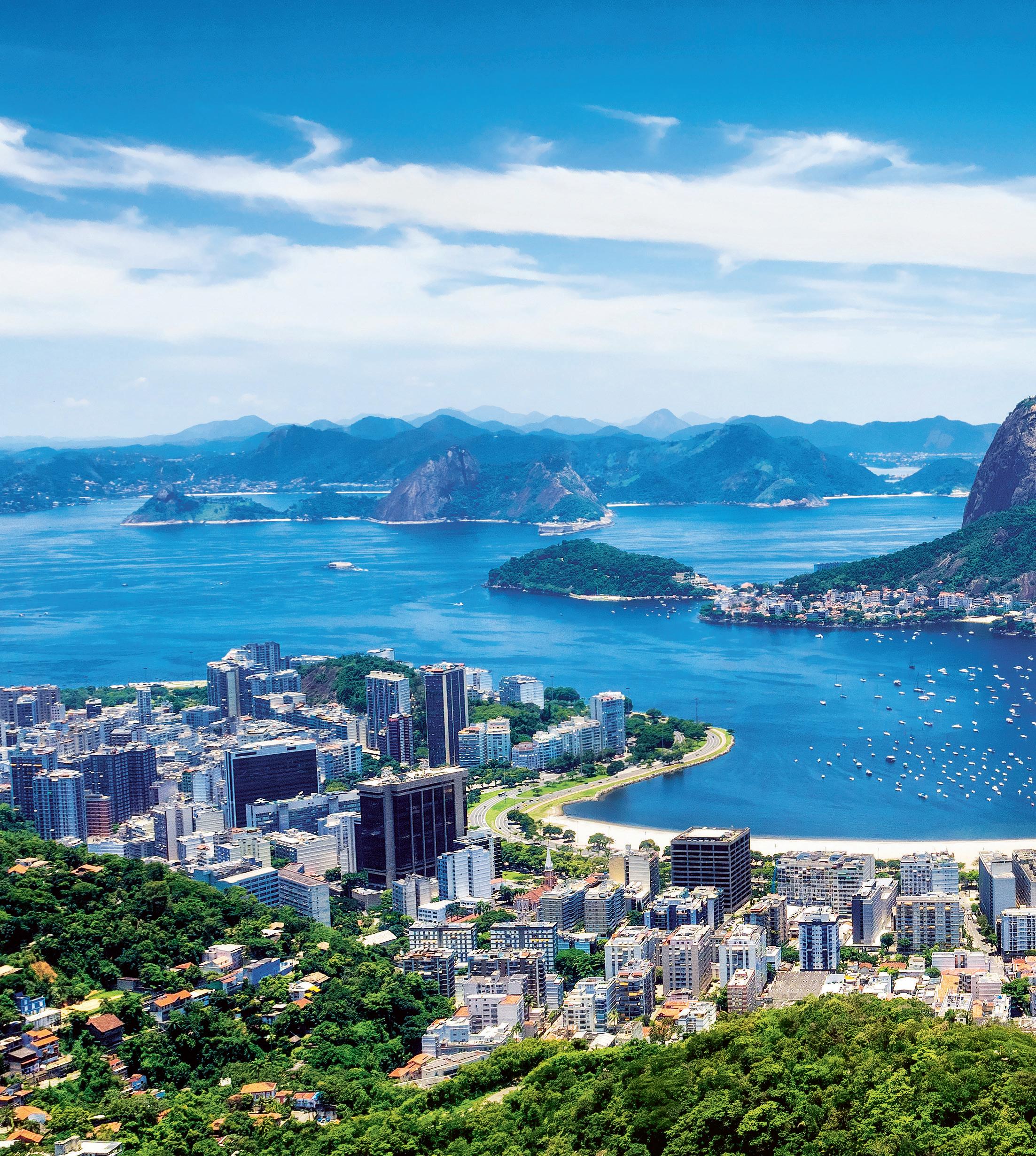
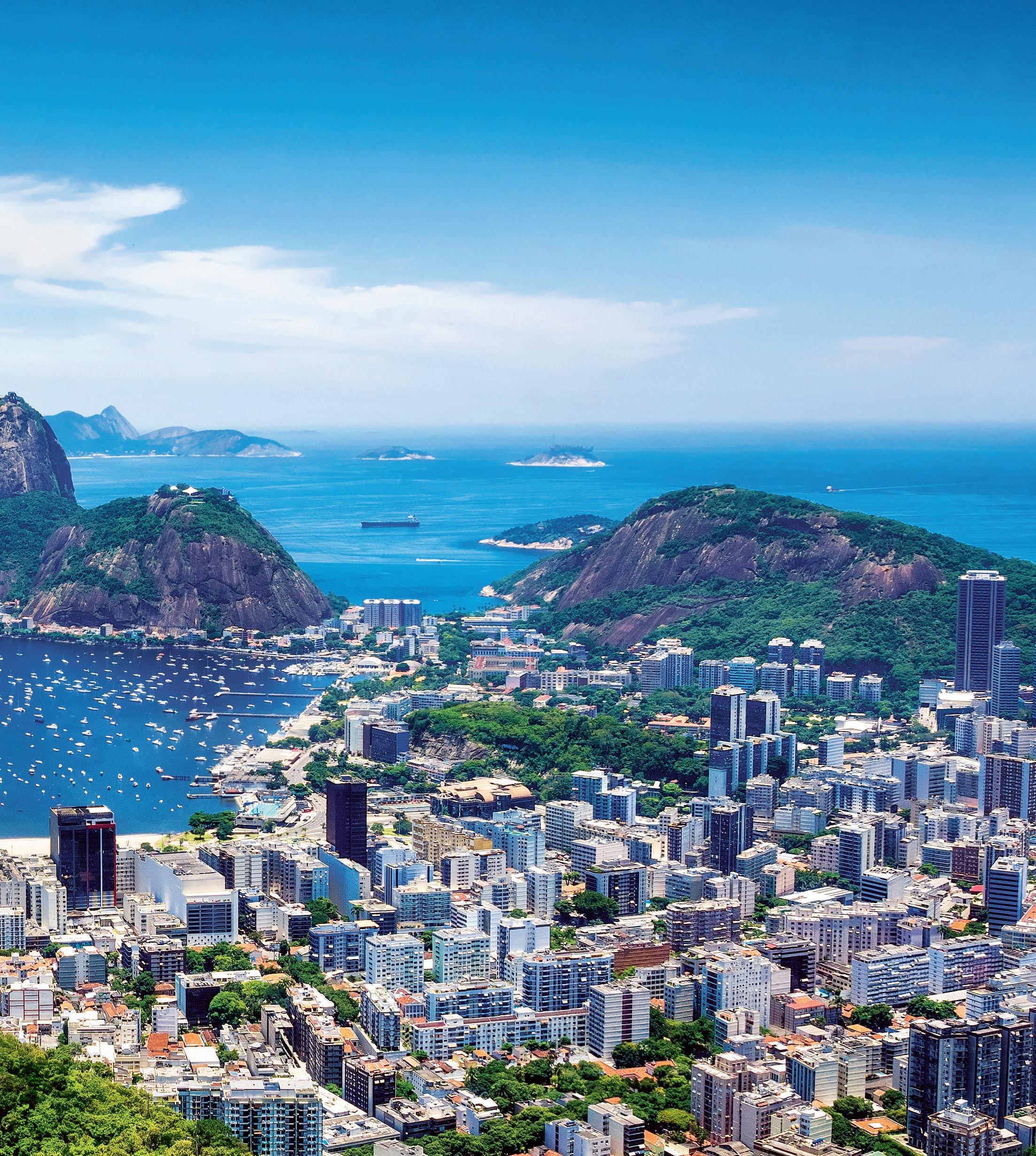
What is the name of the huge statue that overlooks the city of Rio de Janeiro in Brazil?
Clue: the city, but not the statue, is pictured above.
a. The Copacabana
b. Christ the Redeemer
c. The Colossus of Rio
d. The Angel of Rio
2
How many countries does the Equator pass through?
a. 3
b. 13
c. 23
d. 33
3
At 5,770 miles long, the Trans-Siberian Railway is the world’s longest single rail system. Which country does it mostly run through?
a. China
b. Kazakhstan
c. Mongolia
d. Russia
4
The national flag of which country is shown on the right?
4
a. Pakistan
b. India
c. Morocco
d. Türkiye
5
The city of Venice is famous for its beautiful canals, bridges, and boats, with few ordinary roads in its historic center. In which European country is Venice found?
a. France
b. Spain
c. Italy
d. Croatia
NAME THE COUNTRY
Can you recognize these countries beginning with “S” from their silhouettes?
Fill in the missing numbers so that every row and column includes the numbers 1, 2, 3, and 4. Use the inequality signs as clues and make sure numbers always obey the inequality sign between them. This means that the arrows between the numbers always point towards the smaller number. Here is an example:
In the three squares shown above, the number A must be less than 3 and greater than the missing number B. We know that all the numbers must be between 1 and 4, so A must be 2 and B must be 1.
SAFARI WORD SEARCH
Can you find 20 things you might see on safari in Africa in our giant word search? Good luck!
NAME THE CHARACTER
Can you identify the four Disney animated characters shown in silhouette below?
HIDDEN ANIMALS
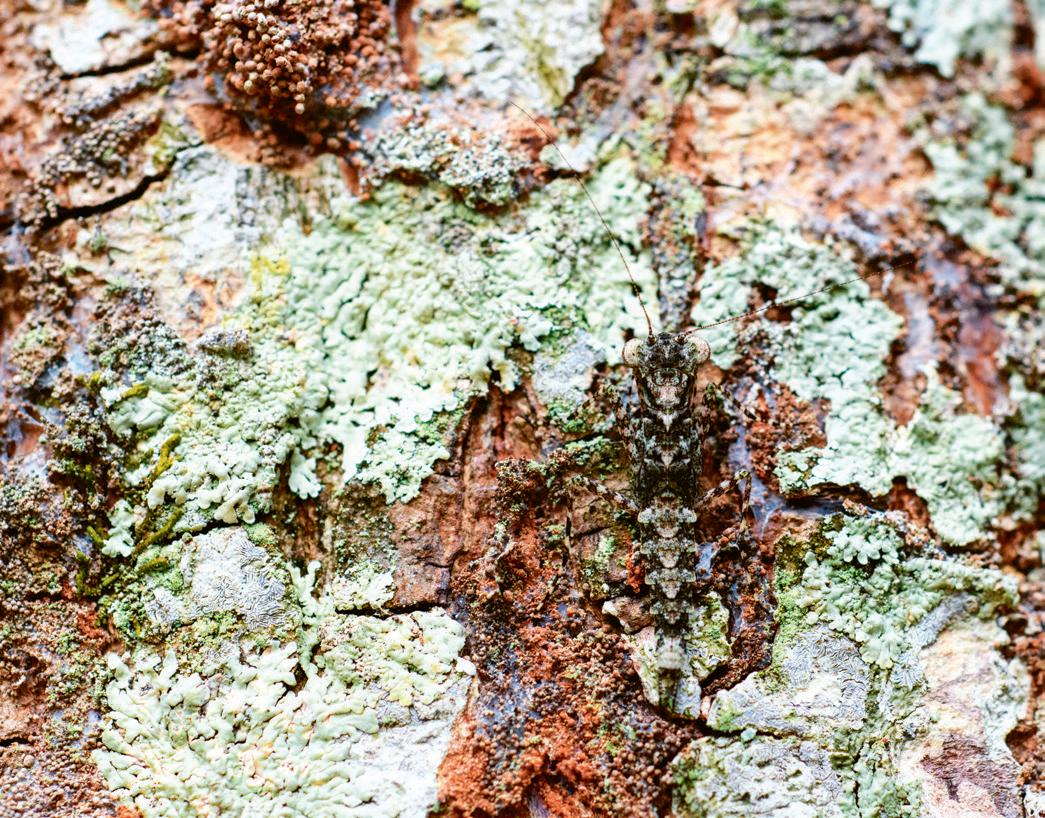
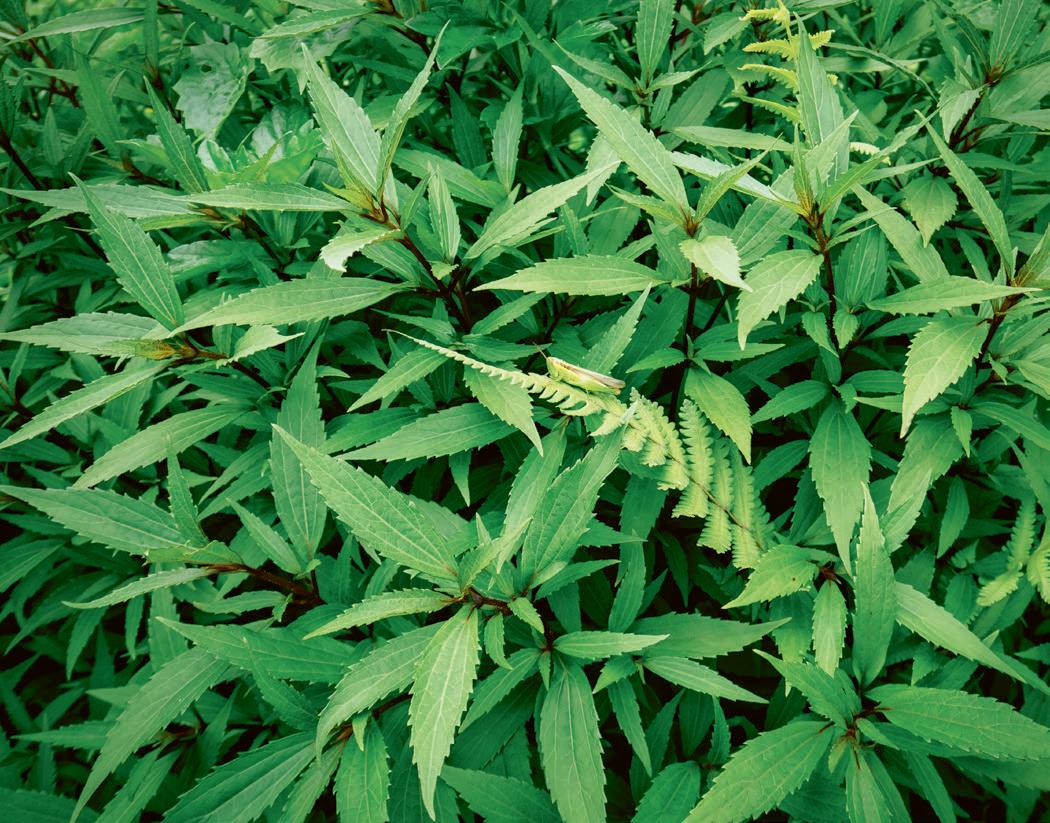
Four sneaky animals are hiding somewhere in these photos. Can you find them?
ANSWERS ANSWERS
the Footprint
Changing Rooms
Name the Country
A Spain
B Sri Lanka
C Sweden
D South Africa
Name the Character
A Chicken Little
B Wreck-It Ralph
C Pocahontas
D Tigger
Safari Word Search
Picture Quiz
Hidden Animals
Treasure Hunt
Emoji Idioms
A. Quiet as a mouse, B. Don’t put all your eggs in one basket, C. Hold your horses, D. Bring home the bacon. Quiz
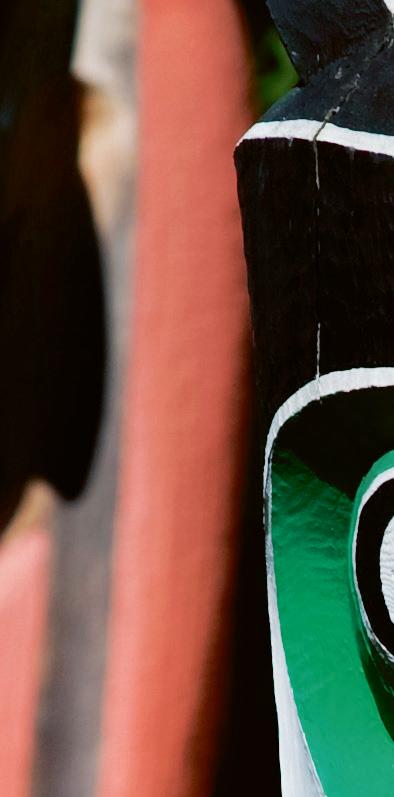
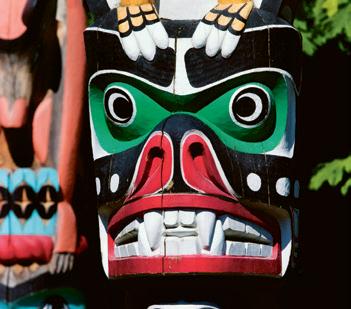
Totem pole
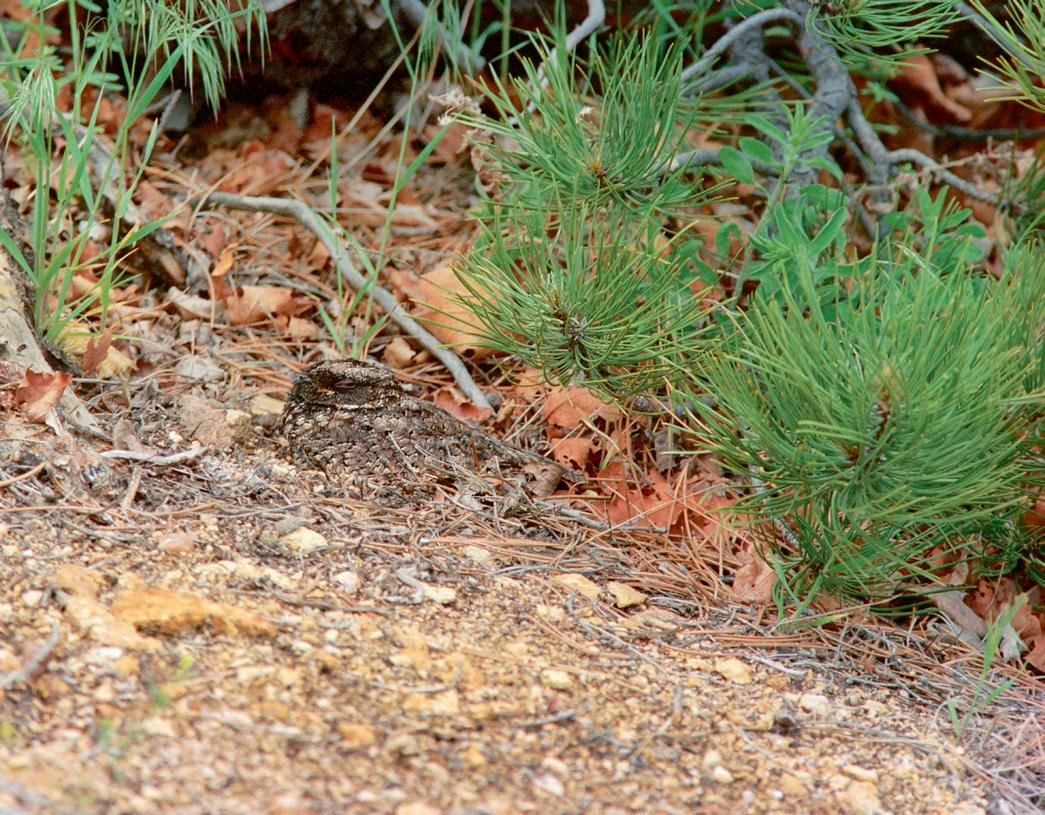
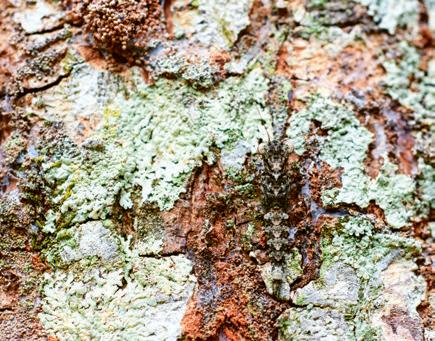
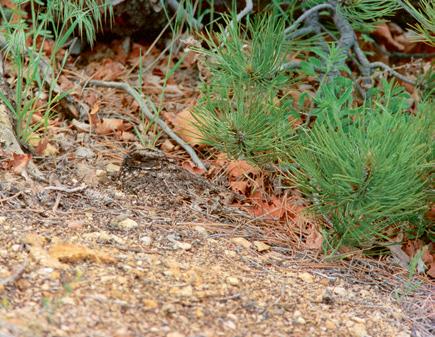
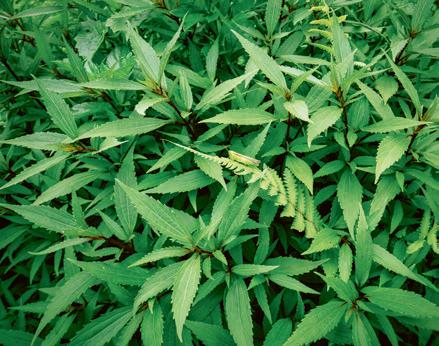
A. Mantis C. Common nighthawk
Grasshopper
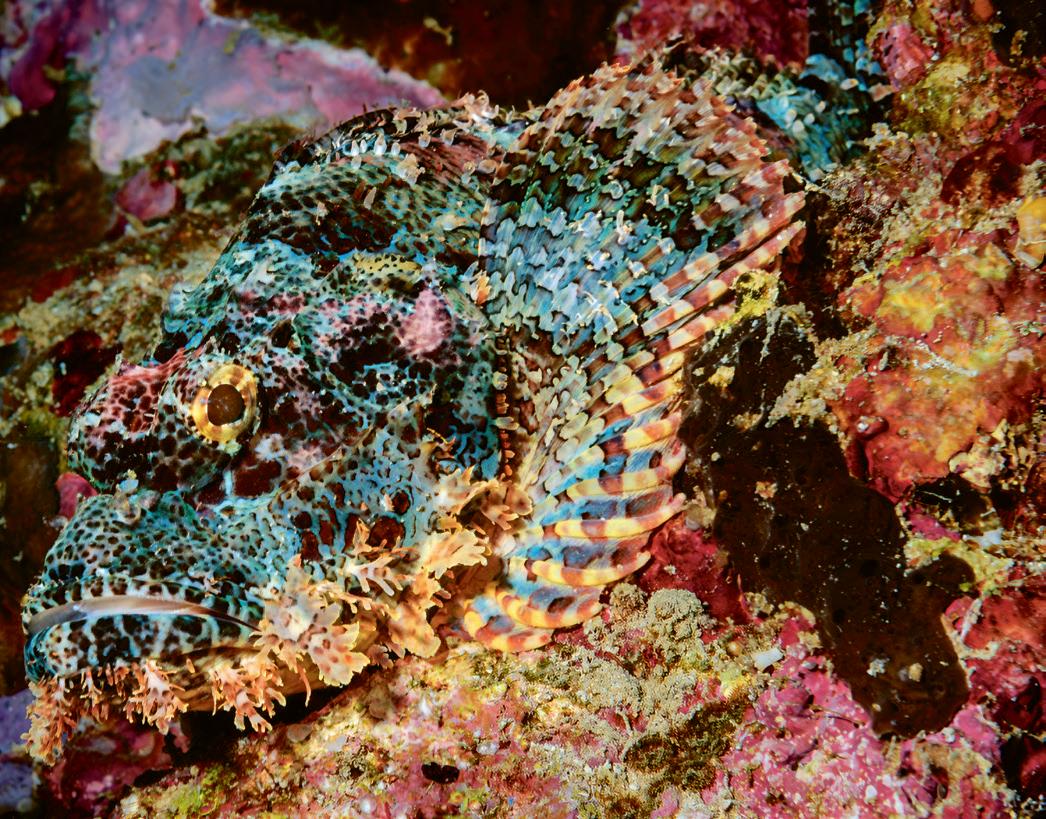
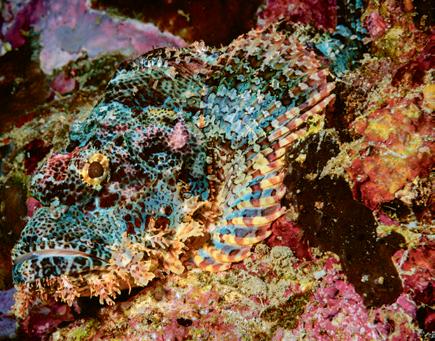
Scorpionfish
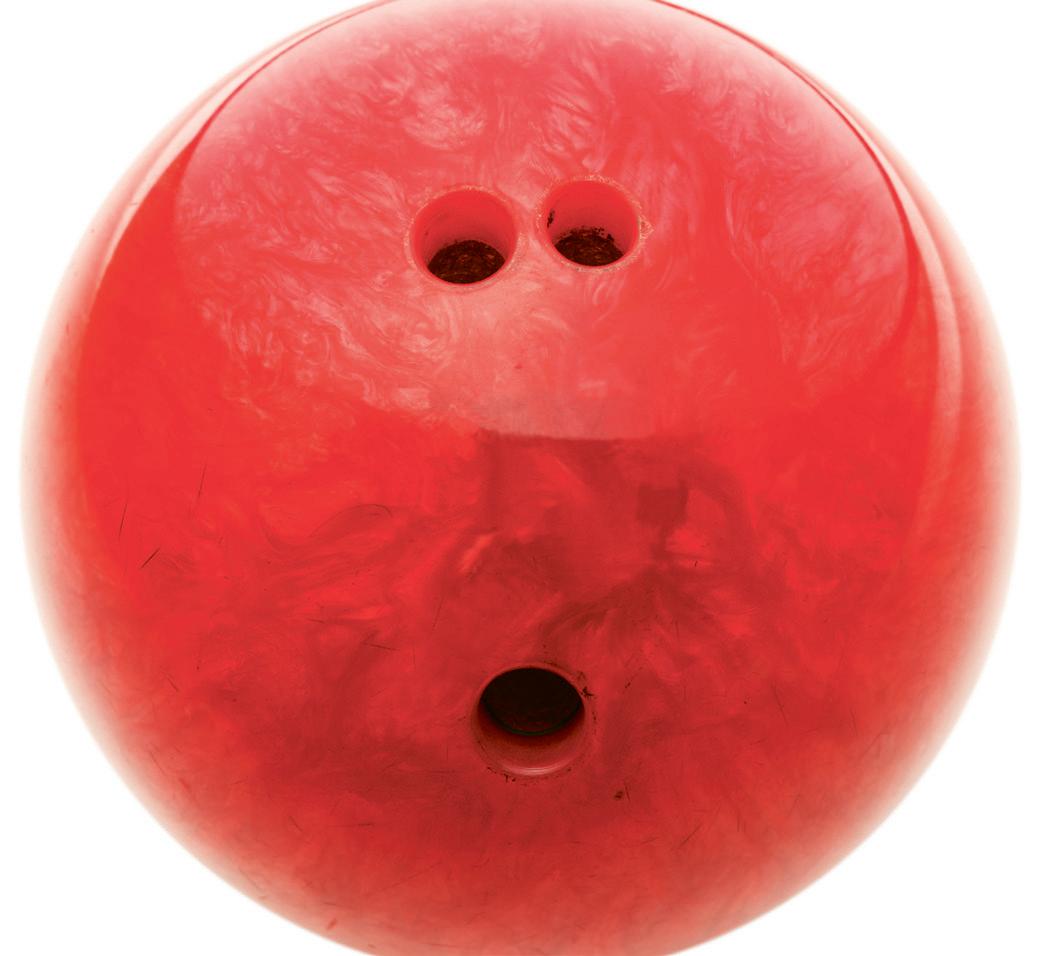
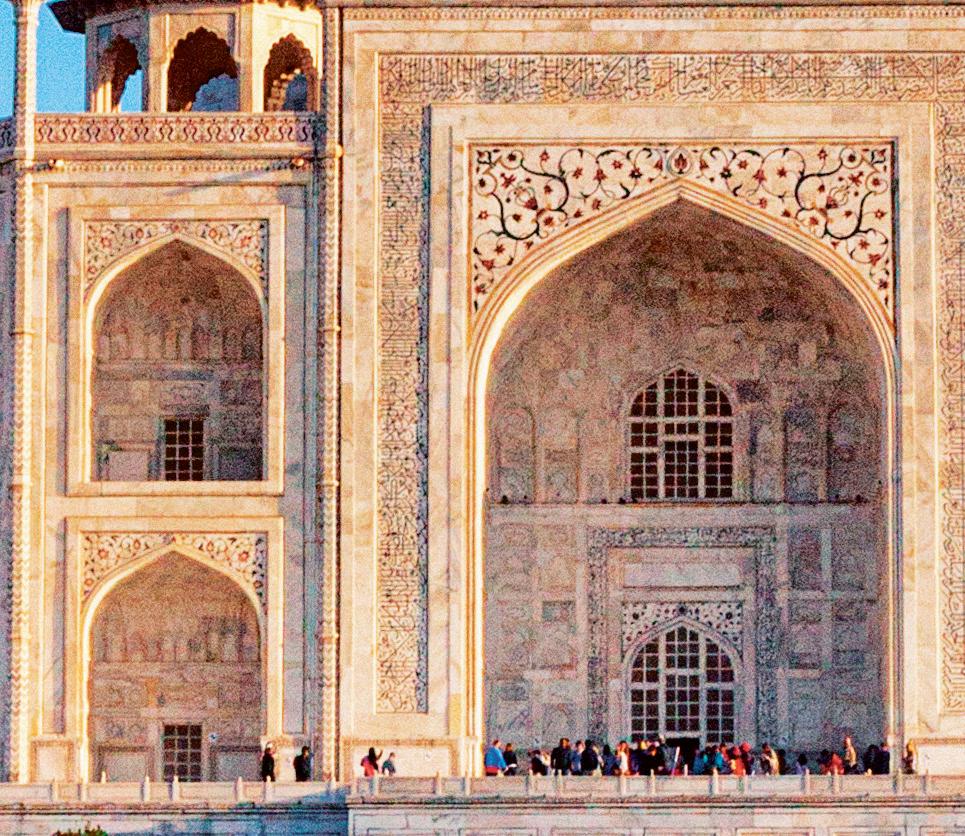
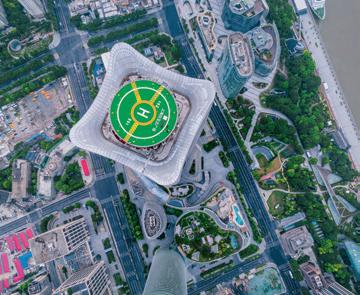
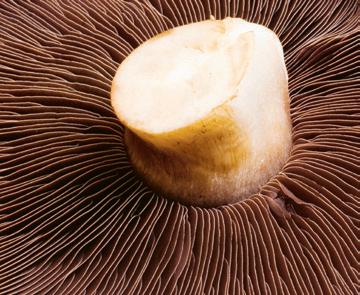
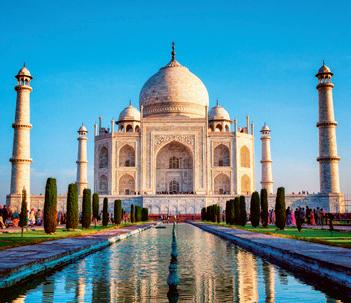
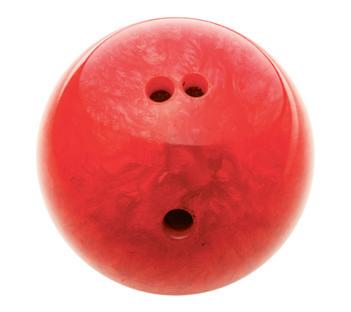
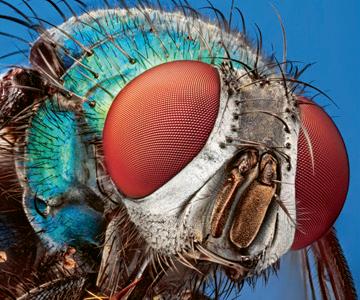
The Taj Mahal Mushroom Bowling ball Fly
Name
A. 2, B. 3, C. 4, D. 1.
43.56
The time in seconds of the longest recorded shout of “Goooal!”—or “Tor!” in German —by a Borussia Dortmund fan in 2016.
265 million
INNUMBERS... TOR!
The number of goals in the highest-scoring game in soccer history—AS Adema beat SO l’Emyrne 149–0 in Madagascar in 2002.*
SOCCER
80 mph
The fastest recorded soccer kick, by Spain’s Francisco Javier Galán Marín in 2001.
986
The number of goals scored by Lily Parr, the first great star of women’s soccer, who was famous for striking the ball harder than most male players of her day.***
32
3.69
The time in seconds of the fastest goal in top-flight soccer.**
1966
The year the World Cup trophy was stolen in London—and found under a hedge a week later by a dog named Pickles.*****
30 miles
*Every single goal was an own goal. The losing team scored them all on purpose, kicking the ball into their own net again and again as a protest against a referee’s decision.
**It was scored by Australia’s Damian Mori in 1995, straight from the kick-off.
***Parr starred during a boom in the women’s game: after the men’s league shut down during the First World War, women’s factory teams drew enormous crowds of more than 50,000 spectators.
****These are 20 six-sided hexagons and 12 five-sided pentagons.
*****Pickles was given a medal and a year’s supply of dog food, and was invited to join the England team’s victory dinner after they won the tournament.
The greatest distance traveled with a soccer ball balanced on the head, by India’s Manoj Mishra in 2016.
20 eureka moments!
Travel through time with breakthroughs that changed science, technology, and the way we understand the world.
250 BCE
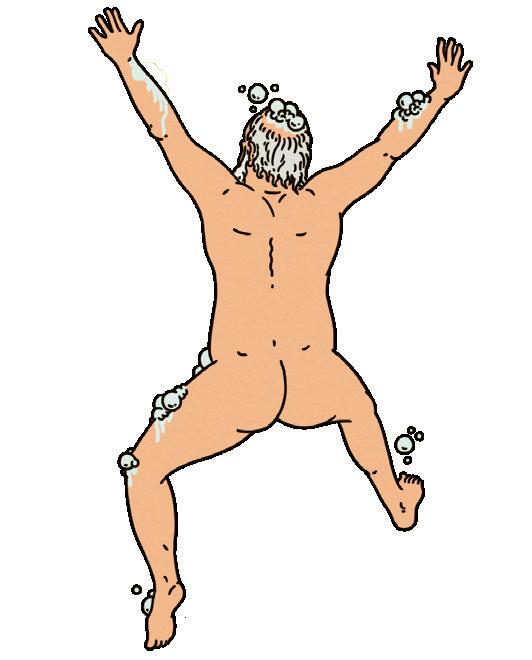
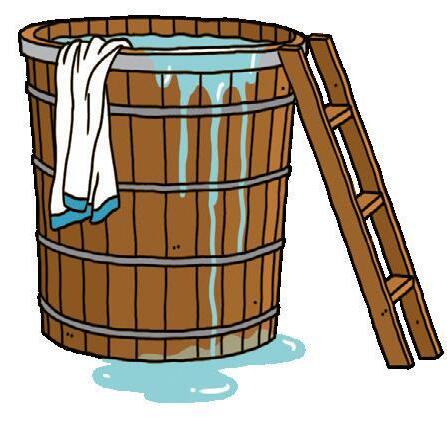
The Greek mathematician Archimedes is said to leap from his bath shouting “Eureka!” (“I have found it!”) when he realizes that an object placed in water is pushed up by a force equal to the weight of the water it displaces—a discovery that is now known as Archimedes’ principle.
700 CE
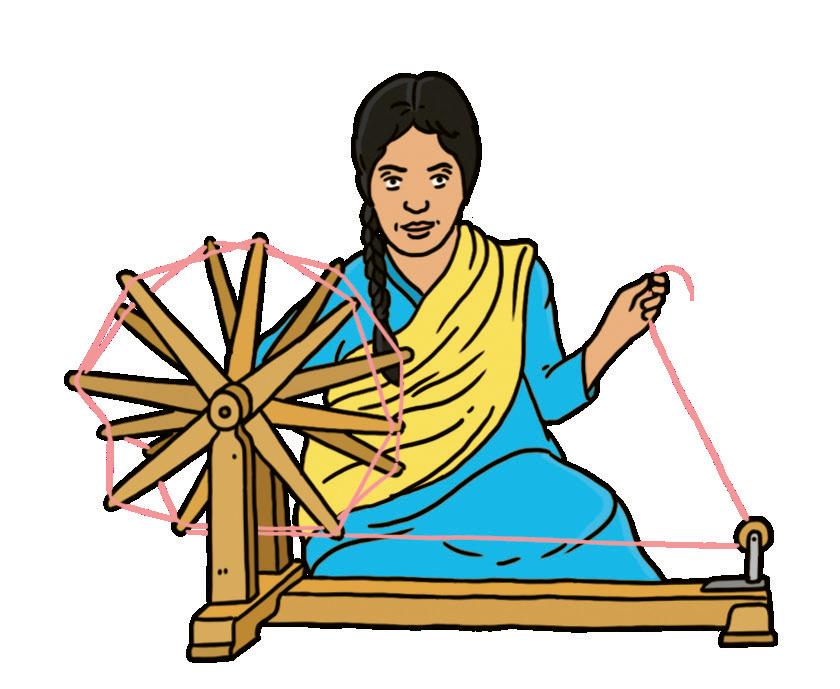
Spinning wheels are thought to have been invented in India. They turn fibers such as wool or cotton into yarn, which can then be woven into cloth.
1903
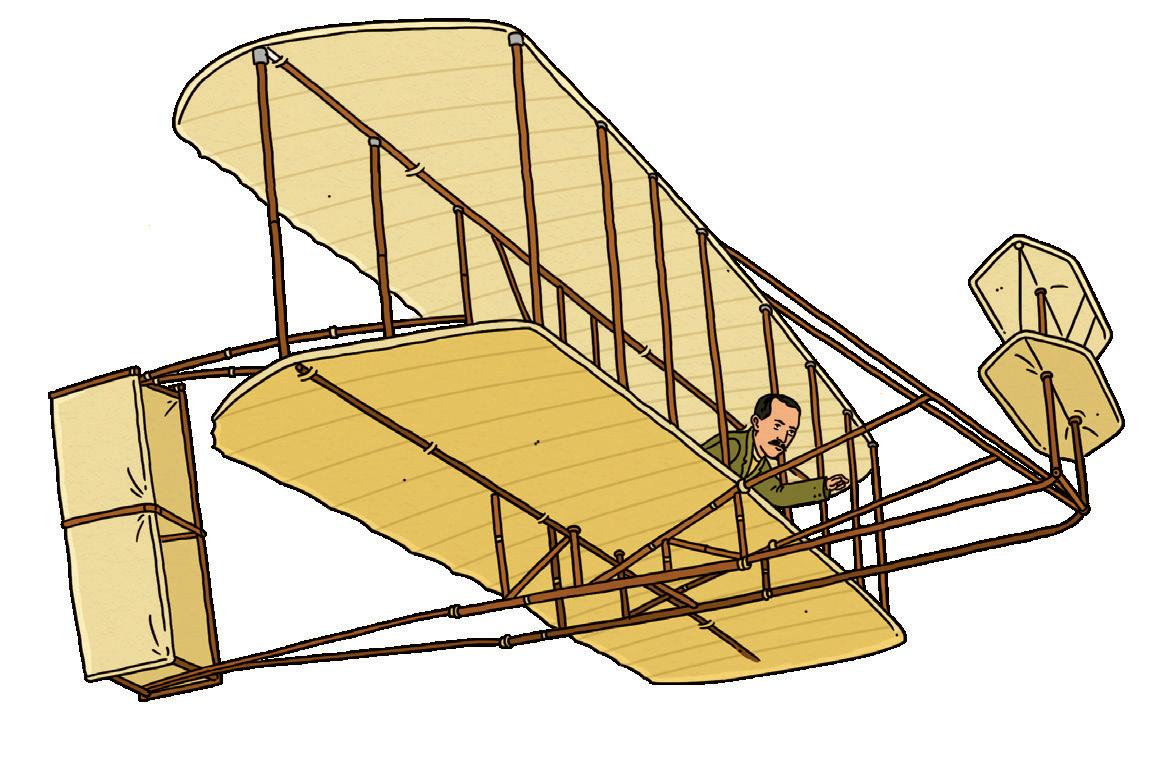
American bicycle-makers Orville and Wilbur Wright make the first powered, heavier-than-air flight at Kitty Hawk, North Carolina, in their aircraft, the Flyer.
1908
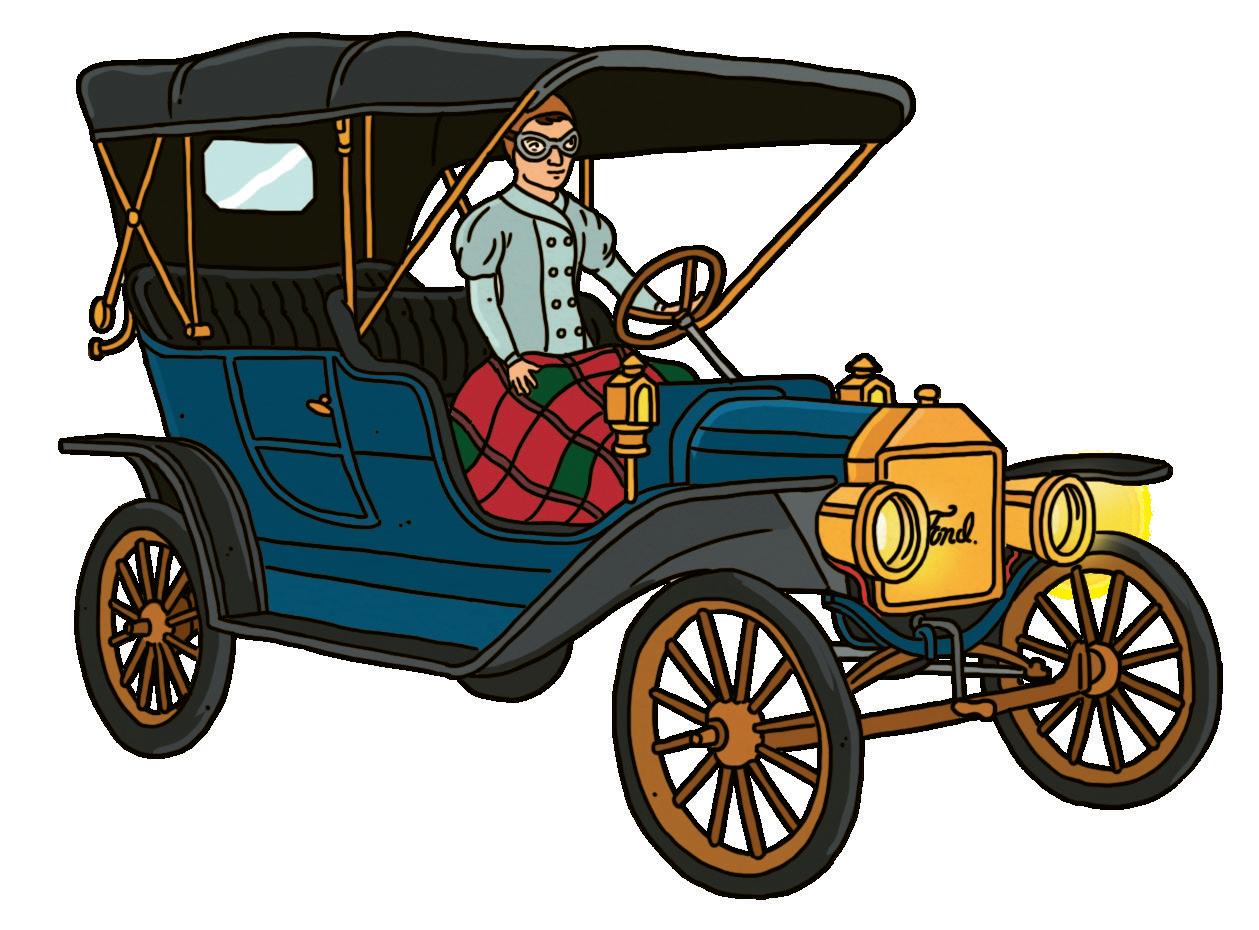
American industrialist Henry Ford launches the Model T, an affordable car that later rolls off moving assembly lines in huge numbers.
1600
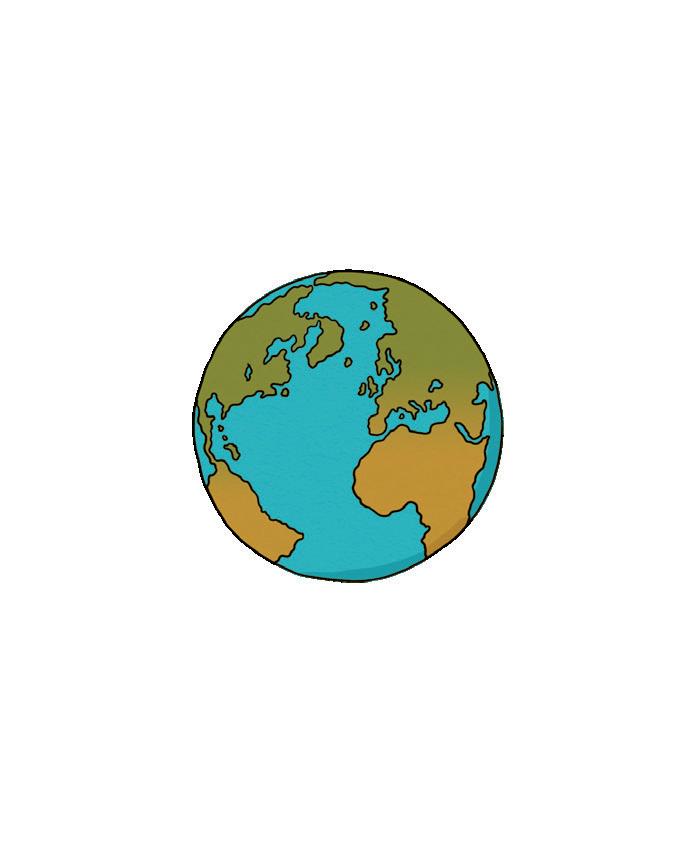
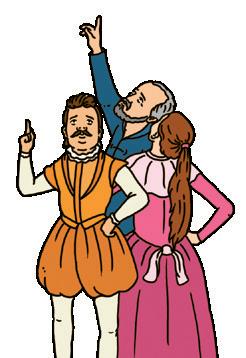
William Gilbert, physician to Queen Elizabeth I, argues that the Earth is a giant magnet and coins the term “magnetic pole.”
1903
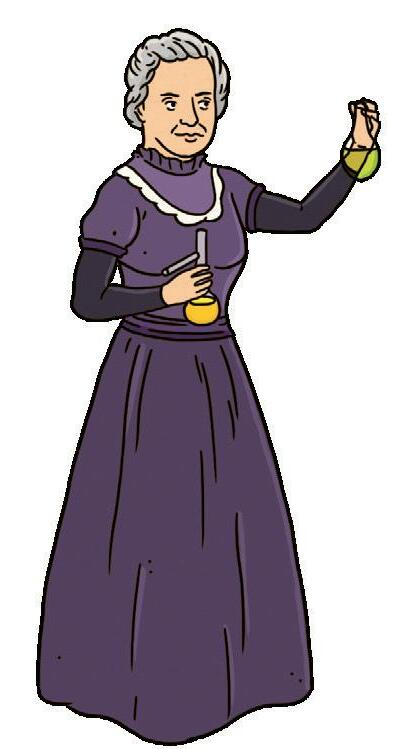
Polish-born physicist Marie Curie shares the Nobel Prize in Physics with her husband, Pierre Curie, and French physicist Henri Becquerel for their work on radioactivity.
1932
1925
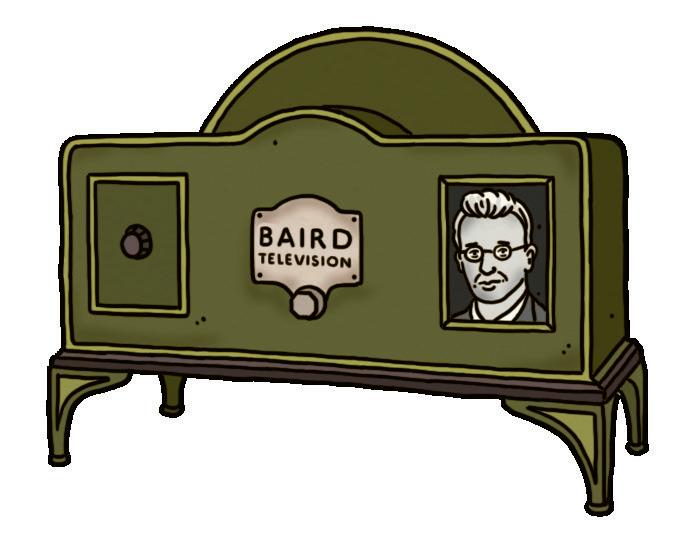
Scottish inventor John Logie Baird makes the first public TV demonstrations at Selfridges department store in London.
c.1600
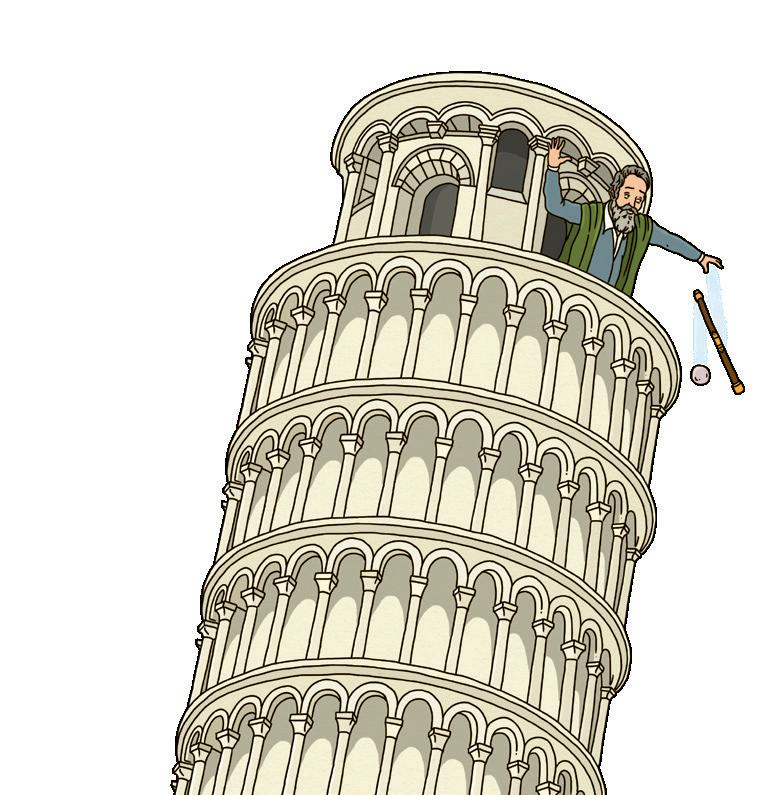
Italian scholar Galileo Galilei challenges Aristotle’s ideas about motion. He studies pendulums and falling objects and, according to legend, tests his ideas by dropping objects from the Leaning Tower of Pisa.
1869
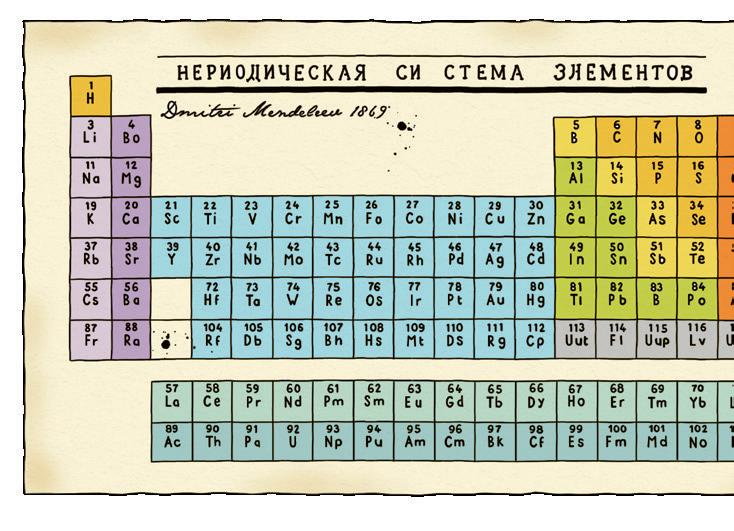
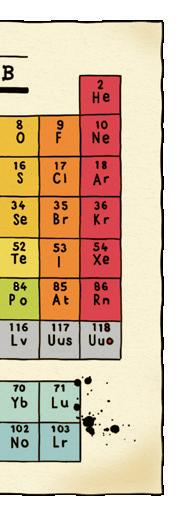
Russian chemist Dmitri Mendeleev finds a pattern linking the chemical elements. His periodic table groups elements with similar properties and helps scientists predict undiscovered elements.
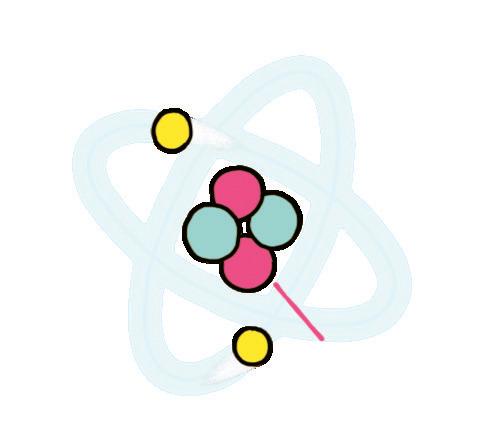
British physicist James Chadwick discovers the neutron, helping scientists split atoms for nuclear power.
1944
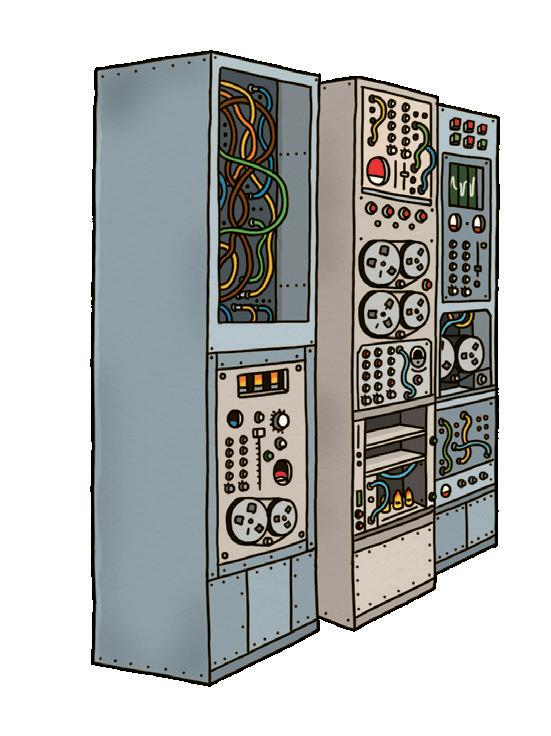
British engineer Tommy Flowers develops Colossus, an early digital computer used by codebreakers in the Second World War.
1620
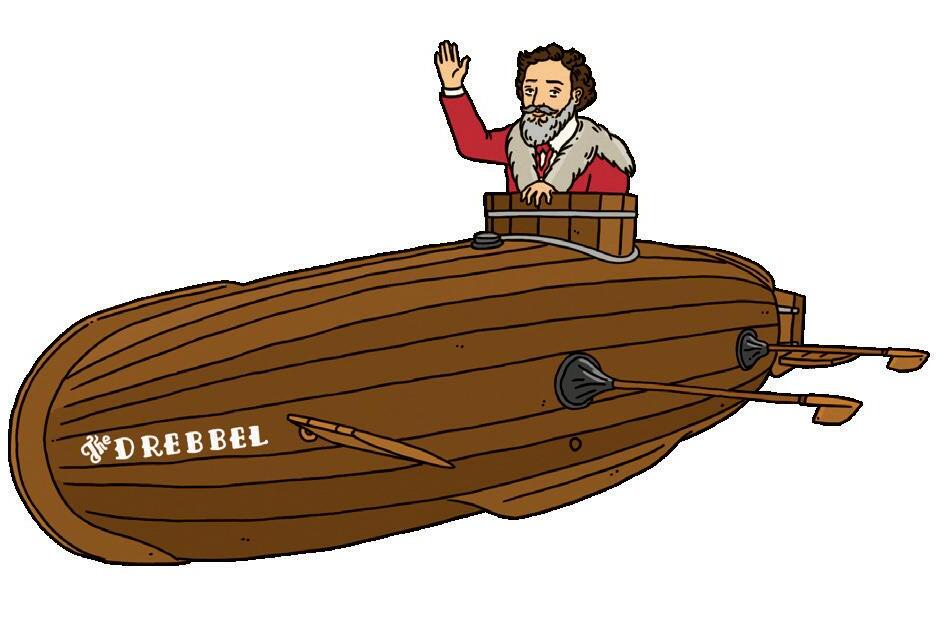
Dutch inventor Cornelius Drebbel builds the first working submarine and tests it in the River Thames. Powered by oars, it is said to have traveled underwater in front of King James I.
1628
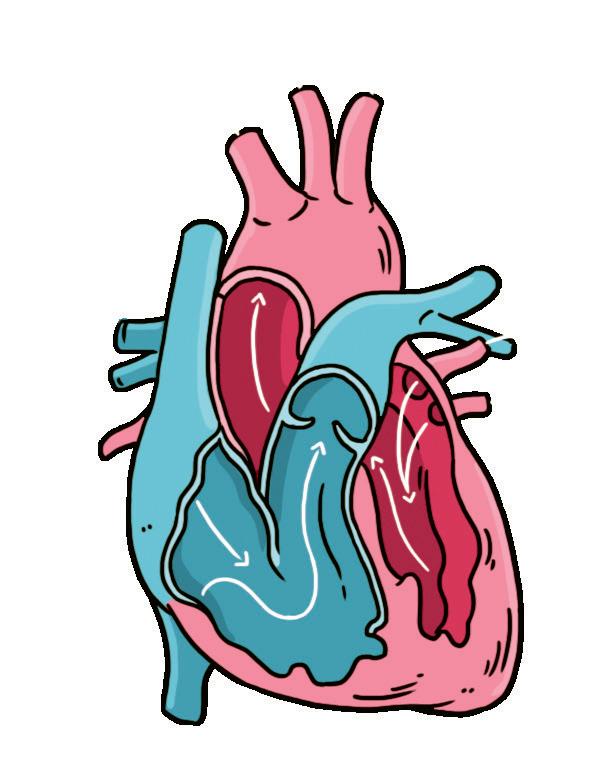
Royal physician William Harvey shows that blood circulates around the body, flowing away from the heart through arteries and returning through veins.
1866
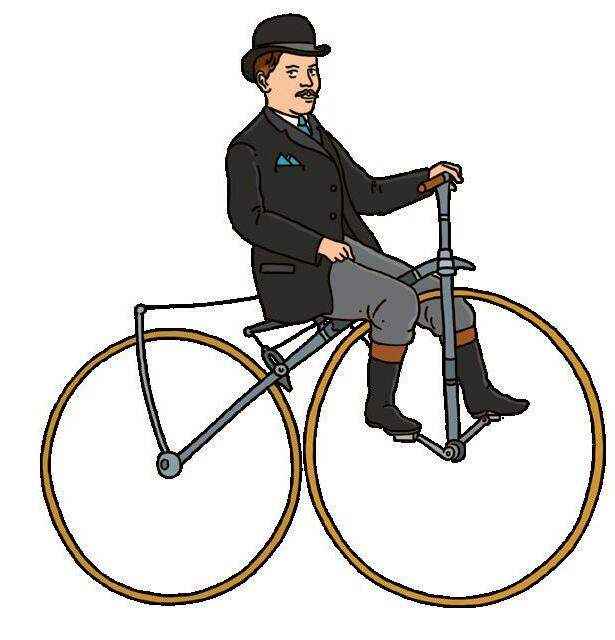
French mechanic Pierre Lallement patents an early bicycle with pedals and rotary cranks attached to the front wheel, helping create the pedal-powered bicycle.
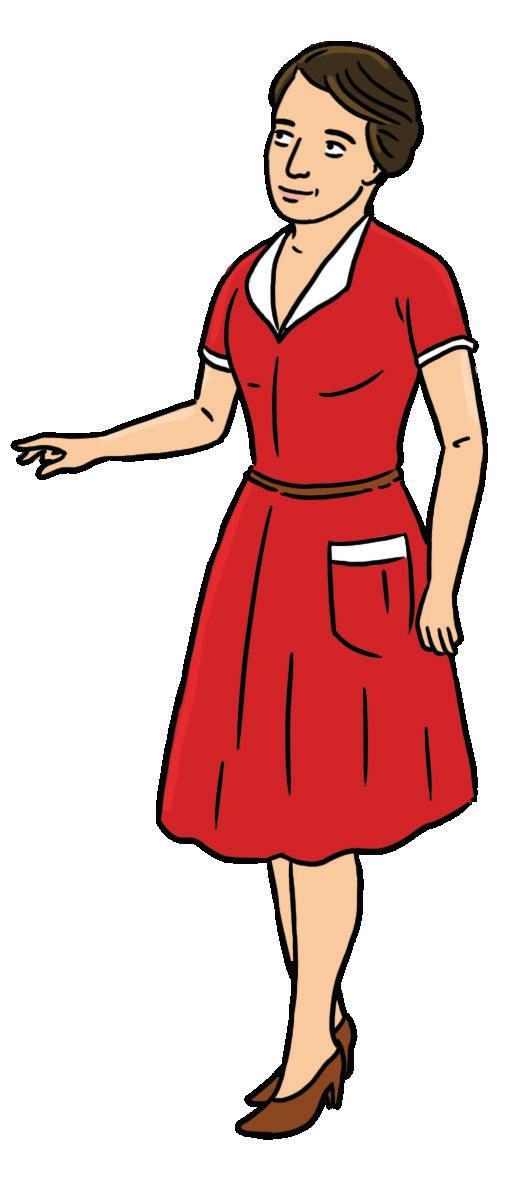
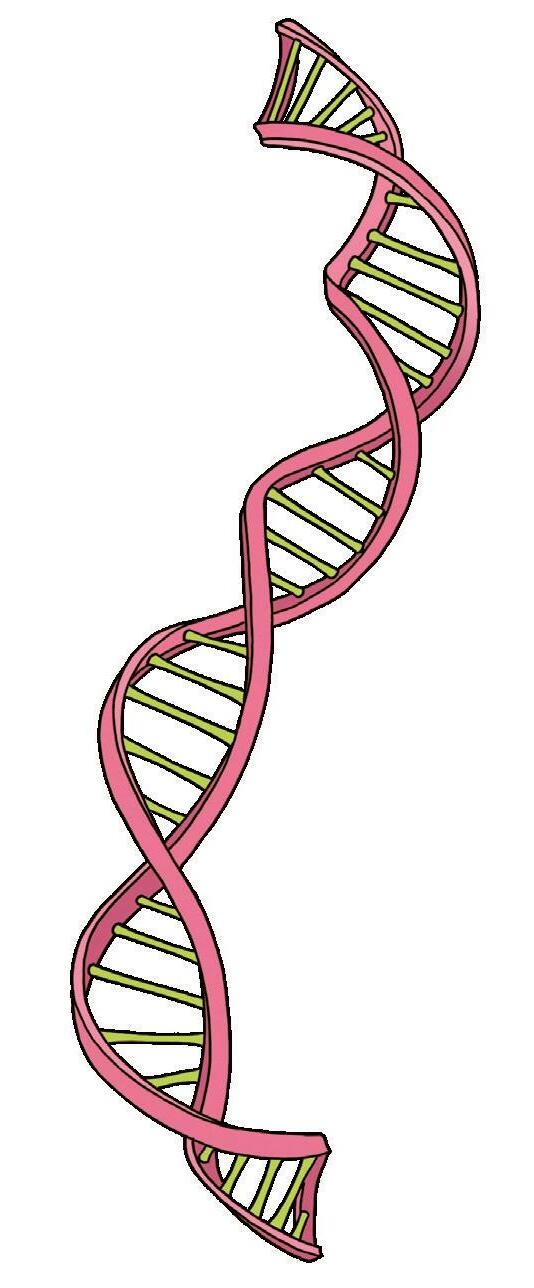
1953
British scientist Francis Crick and American scientist James Watson publish their DNA double-helix model, using X-ray evidence from British chemist Rosalind Franklin. It shows how genetic information is copied and passed on.
1687
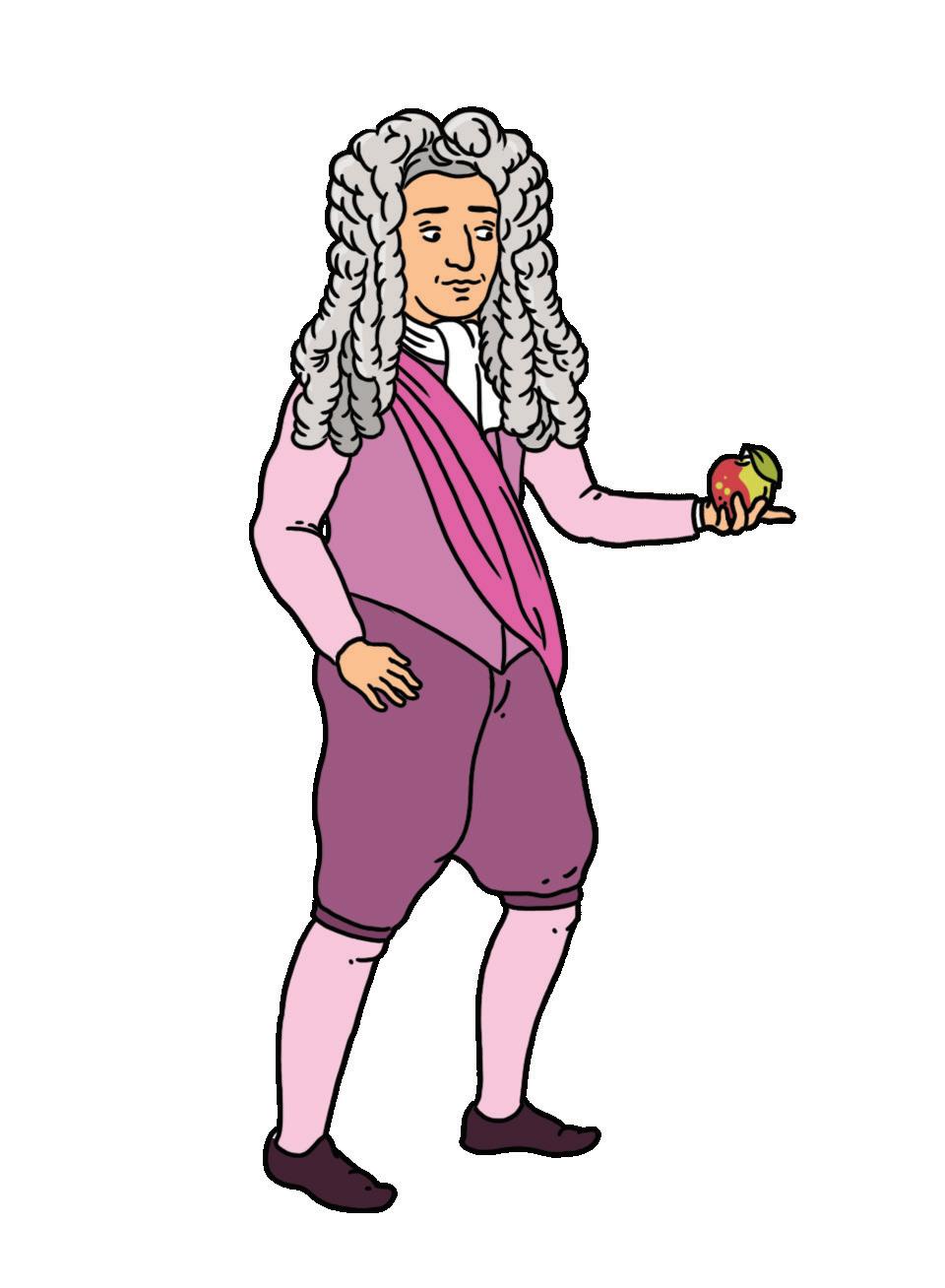
English scientist Isaac Newton publishes his law of universal gravitation. He is said to have started thinking about gravity after seeing an apple fall from a tree. His ideas explain why apples fall and planets orbit the Sun.
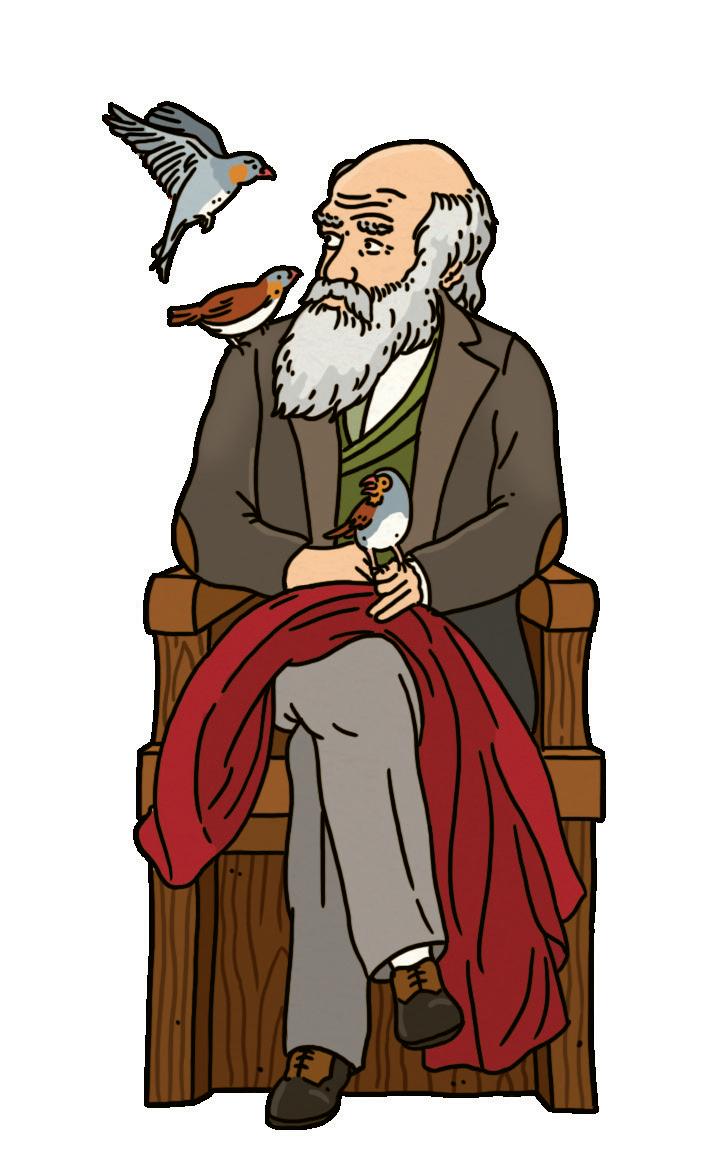
1859
English naturalist Charles Darwin publishes On the OriginofSpecies, setting out his theory of evolution by natural selection and showing that living things share common ancestry.
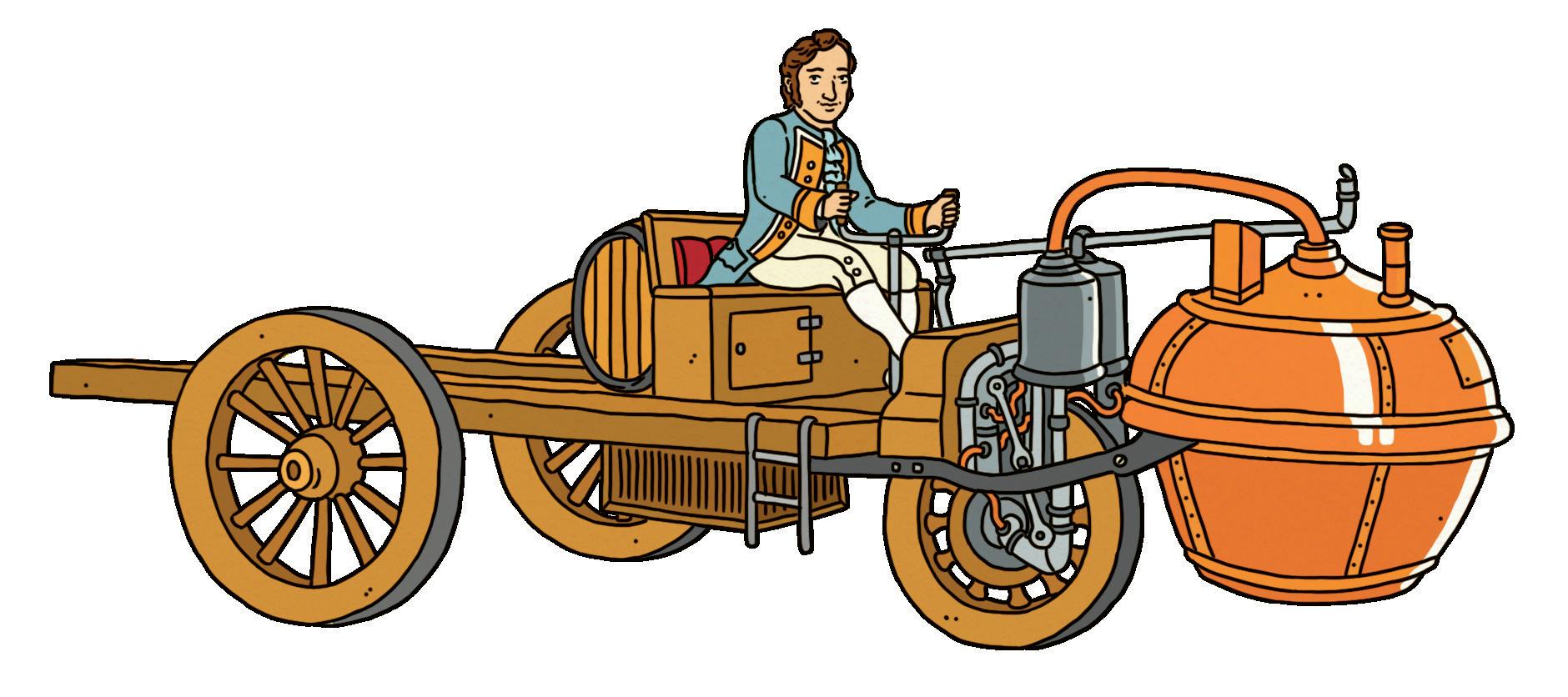
1769
French inventor NicolasJoseph Cugnot builds a steam-powered wagon, one of the earliest selfpropelled road vehicles.
1997
NASA’s Mars Pathfinder mission lands on Mars, carrying Sojourner, the first rover to explore the planet’s surface. It helps investigate Mars’s ancient watery past.
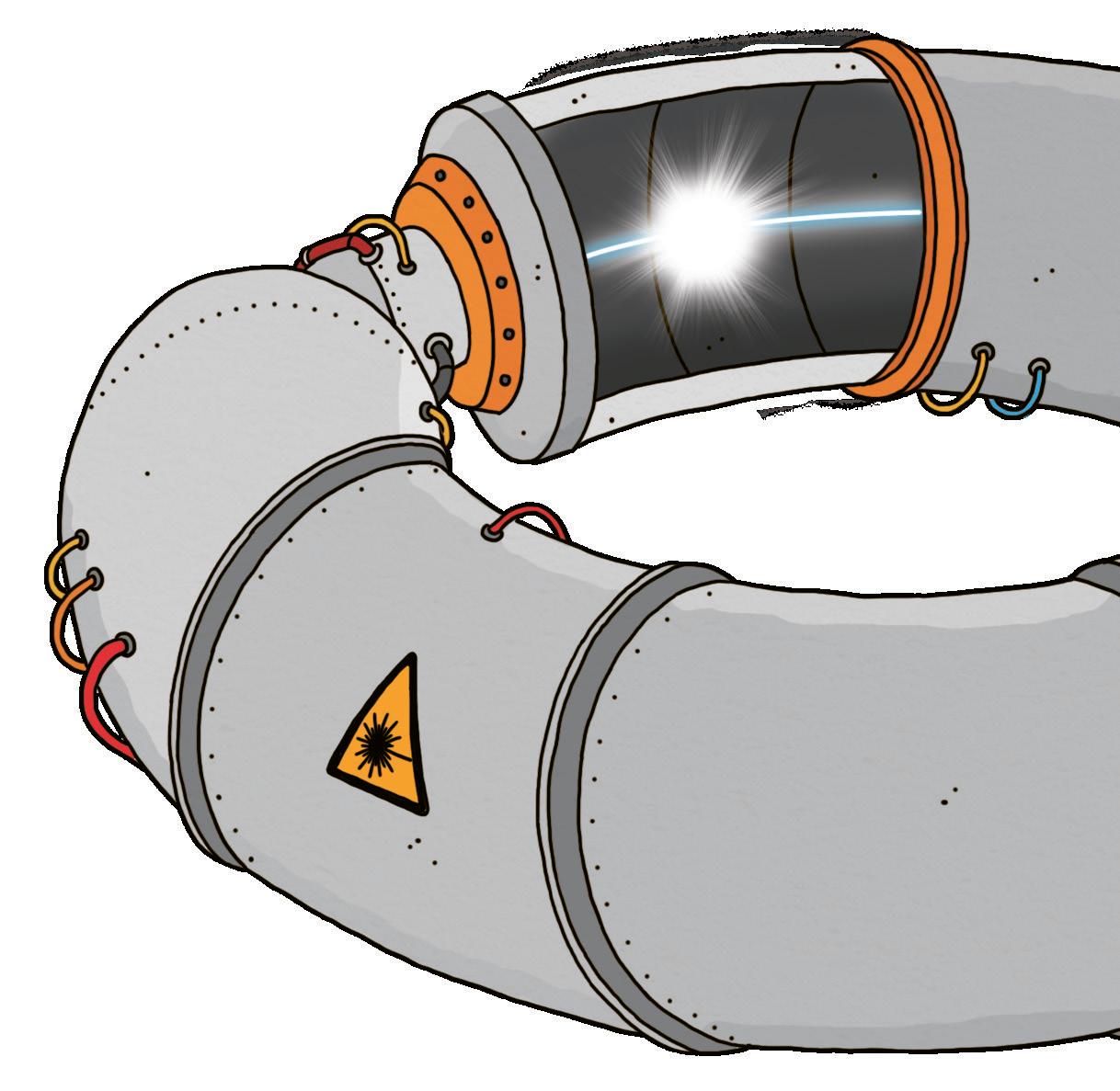
2022 Scientists fire up the upgraded Large Hadron Collider (LHC). The 17-mile underground machine smashes protons together at record energies, helping researchers test the laws of particle physics and search for new discoveries.
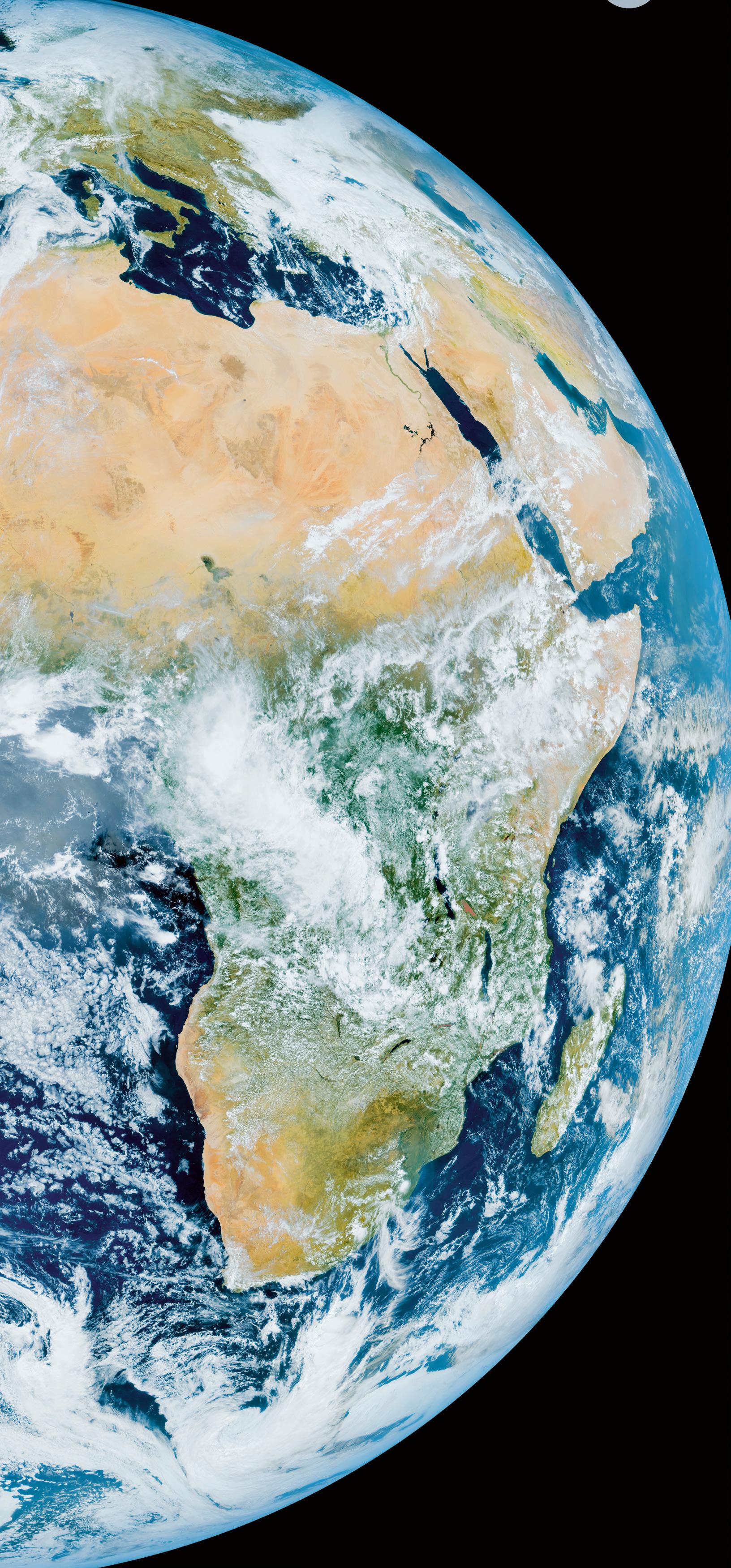
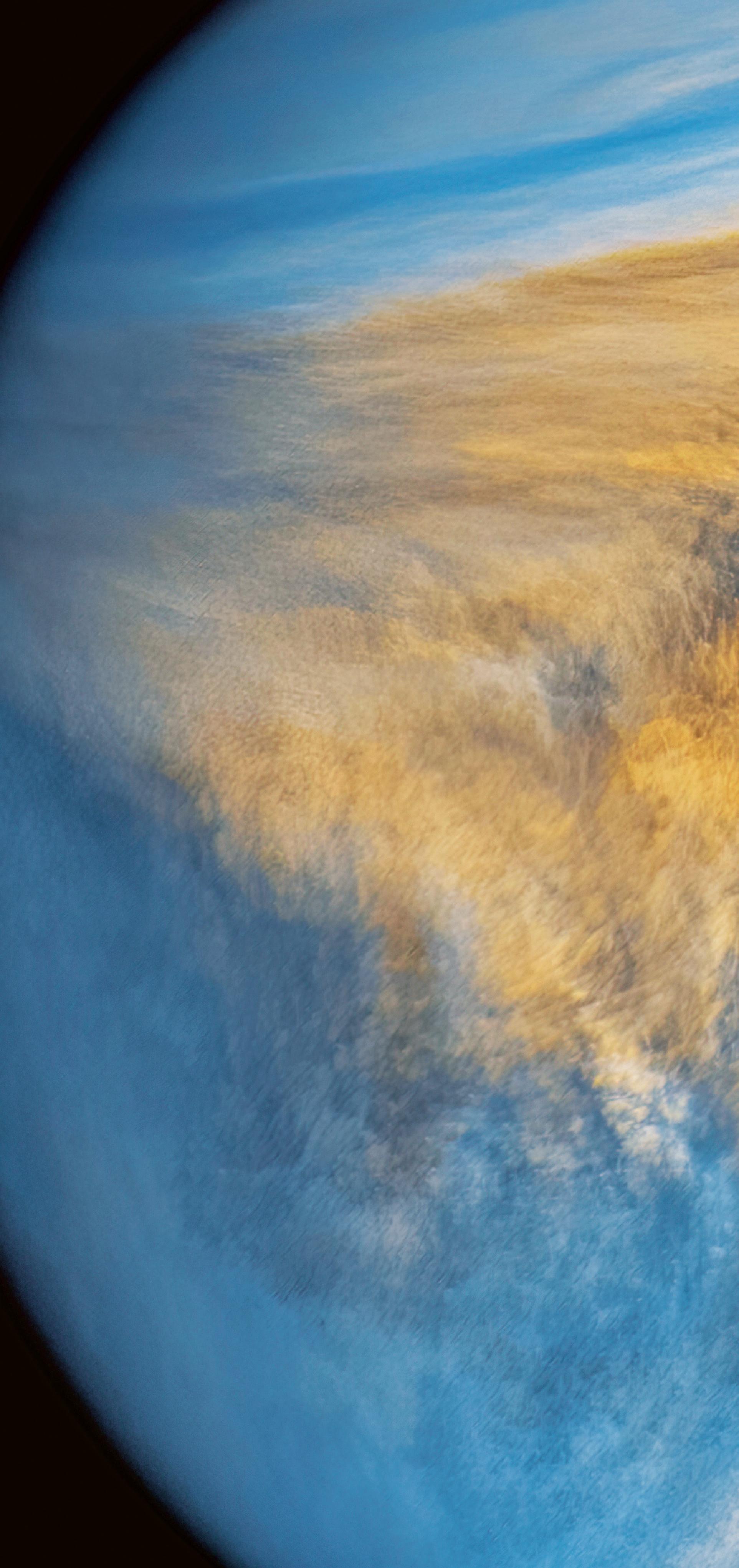
Earth and Venus are so similar in some ways that they are often referred to as twins—although you wouldn’t know it to look at them! The second and third planets from the Sun, they come the closest together in their orbits and are a similar size. Let’s take a closer look at some ways these fascinating “twins” are both alike and different.
EARTH VS KEY FACTS
SIZE
7,926 mi in diameter, only about 5% bigger than Venus. Mass: 5.97 × 1024 kg, which is about 23% more massive than Venus.
TEMPERATURE
On average, 59°F. Compared with boiling-hot Venus, most of Earth is pleasantly cool.
SURFACE
About 71% water, 29% land. Earth has more than 1,500 potentially active volcanoes on land—far fewer than Venus.
SPIN
Spins once on its axis every 23.9 hours. Earth spins in the same direction as most of the planets, which is called prograde.
ATMOSPHERE
About 78% nitrogen, 21% oxygen. Earth’s atmosphere is thick enough to keep the planet suitable for life.
MAGNETIC FIELD
Strong magnetic field that protects it from harmful particles from the Sun and space.
MOONS 1
Earth is the only known planet that has liquid water on its surface today, and the only planet we know of that supports life.
Earth has a natural greenhouse effect, which traps heat in the atmosphere and keeps the planet habitable.
Earth’s magnetic field is generated by liquid metal moving inside its core. This magnetic field protects Earth from harmful particles from the Sun and outer space.
The tilt of Earth’s axis gives many places
their seasons, as the Northern and Southern hemispheres take turns leaning towards and away from the Sun.
Earth is the largest of the four rocky inner planets of the solar system.
Earth is the densest planet in the solar system, partly because it has a large, iron-rich core.
The surface of Earth is constantly being refreshed and remade by volcanoes, many of which lie underneath the ocean, where lava helps build new rock on the seafloor.
KEY FACTS
SIZE
7,521 mi in diameter, which is only about 5% smaller than Earth. Mass: 4.87 × 1024 kg, about 18% less massive than Earth.
TEMPERATURE
On average, 867°F. Humans could never live on Venus—it’s hot enough to melt lead!
SURFACE
Volcanic plains, with no liquid water. Venus has about 85,000 known volcanic features.
SPIN
Spins once on its axis every 5,832 hours.
Venus spins in the opposite direction of most planets, which is called retrograde.
ATMOSPHERE
About 96.5% carbon dioxide, 3.5% nitrogen. Venus’s atmosphere is very thick. It has a pressure about 92 times Earth’s, which could crush a submarine.
MAGNETIC FIELD
No magnetic field like Earth’s to protect it from harmful space particles.
MOONS 0
VENUS VS
Venus is the hottest planet in the solar system. It is much hotter even than Mercury, which is closest to the Sun. This is because Venus’s thick atmosphere traps heat and keeps the planet boiling hot all the time.
Some scientists think Venus may have once had liquid water on its surface, although there is none there today. It would evaporate instantly.
Venus spins backwards compared to most other planets. On Venus the Sun rises in the west and sets in the east—but you
can’t see the Sun because of all the thick clouds.
Venus takes about 243 Earth days to spin once on its axis, but only 225 days to orbit the Sun. So a day on Venus lasts longer than a year!
Venus and Mercury are the only planets in our solar system that have no moons.
The axis of Venus is tilted so that, from our perspective, the planet appears to spin upside down.
Venus has the most circular orbit in our solar system.
MakeyourownFRIENDSHIP
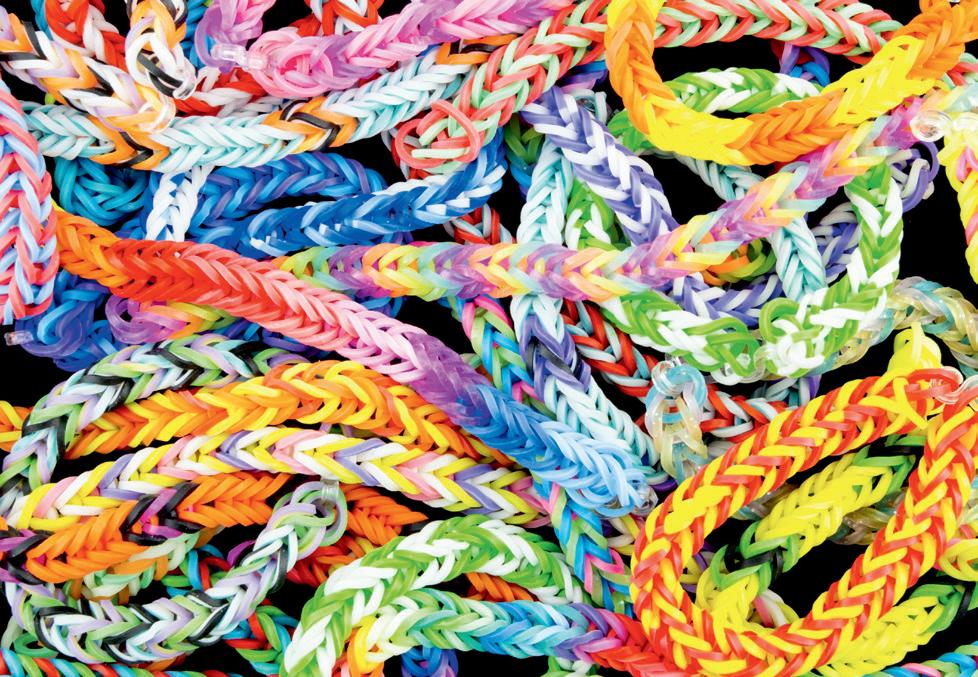
Friendship bracelets are a perfect craft for the holidays, as they are portable and easy to make. You can make them for yourself or give them away to friends!
People have given tokens of friendship for centuries, from ancient Norse cultures exchanging weapons and clothing to 18th-century Americans swapping locks of hair. Today, one of the most popular friendship gifts is a handmade bracelet, usually made from string, beads or rubber bands in colorful patterns.
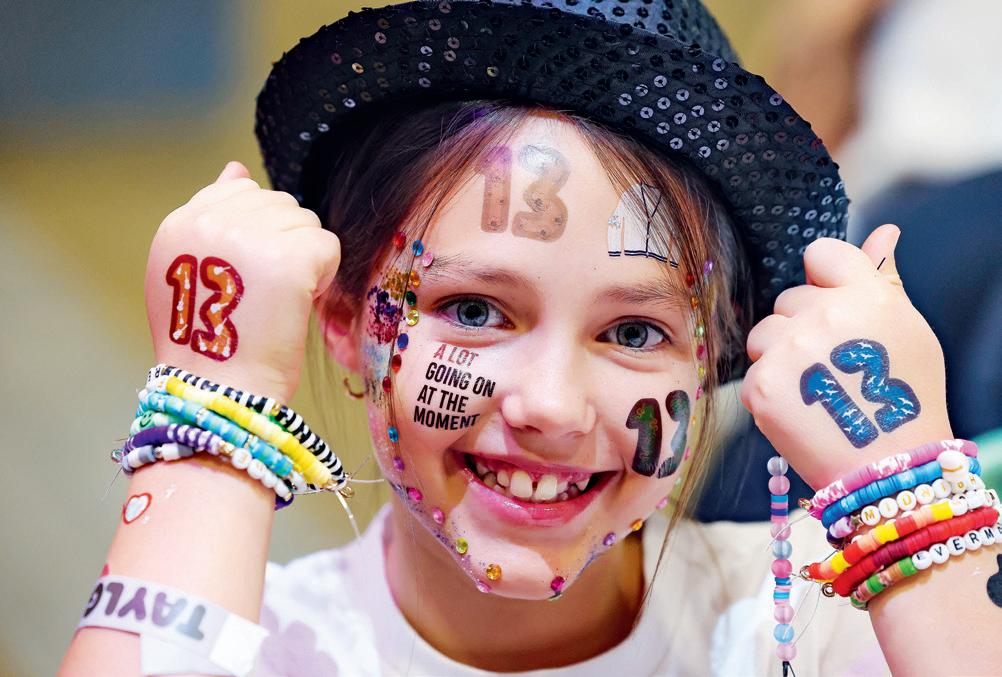
Woven friendship bracelets may have begun in Central America, and some patterns used today are inspired by Maya weaving techniques. The bracelets we recognize today first became popular in the 1960s, then were regularly made and traded by children in the 1980s and 1990s. Now they are popular again, thanks in part to Taylor Swift fans.
1. BRAIDED BRACELET
1 2 3
Pick three colors of string. Measure each one so it goes around your wrist at least twice, then cut it to that length.
Line up the strings, then fold them in half, holding on to the loop. Tie a knot just below the loop.
weaving continues today.
Some people say that when you tie a bracelet on a friend, they should make a wish. Then the bracelet should be worn all the time and never taken off until it wears out and falls off naturally. When the bracelet falls off, the wish is supposed to come true! So, are you ready to make one? Whether it is for a friend, a Swiftie swap, or just for fashion, here are a few patterns to get you started.
Secure the loop to a tabletop with tape, or to your pants or a pillow with a safety pin.
4
Separate the colors so you have three sections of two strings each. Then start braiding from the left.
5
Take the left strand (green in our example) over the middle strand, which is blue. Now the green strand is in the middle.
Traditional Mayan
BRACELETS!
Beads and more!
Top Tip
Embroidery floss is made up of six strands. Keep the strands together and treat them as one string, so that your bracelet is thick enough.
There are many ways to make bracelets, using string, yarn, beads, or other materials. One popular style is made by threading beads on elastic cord, sometimes with letters spelling out a message. These bracelets are sometimes called “kandi,” perhaps because they look a bit like candy necklaces. You can also make bracelets with Sillybandz, which are silicone rubber bands that can be woven together. Some people even make bracelets out of flowers! What else could you find around your house to make a bracelet with?
What you need
Colorful string, thread, or cord —embroidery floss is ideal
6 7 8
Now take the right strand (purple in our example) over the middle strand, which is green. Now the purple strand is in the middle.
Take the left strand (blue) over the middle strand, which is purple.
Keep going: right over the middle, left over the middle, and so on until you reach the end.
9
When you reach the end, tie another knot, leaving a few inches of loose string.
Something to hold your string in place, such as a clipboard, safety pin, or piece of strong tape
10
To turn it into a bracelet, tie the loose ends around the loop at the other end.
Scissors
Multicolored Sillybandz make fun bracelets!
2. CANDY STRIPE
1
Pick six colors of string and cut them all to roughly the distance from your hand to your shoulder.
To create the pattern, take the first strand on the left (purple) and bend it over the top of the second strand (yellow), creating a shape that looks like the number 4.
Repeat steps 5–7 to create a second knot with the first strand around the second. Always make two knots before moving on. 2 9 10 11 12 3 4 5 6 7 8
Start again with the new first strand on the left (yellow). Continue to repeat the pattern until you reach a length that wraps all the way around your wrist (or your friend’s wrist, if giving the bracelet away).
Now move on to the next strand (pink). Repeat the number 4 shape (from step 5) and tie two knots.
Wrap the first strand under the second strand and bring it up through the space between them.
Line up all the strings and tie a knot about 2 inches from the top. Repeat the knotting process on every strand until the color you started with ends up at the end of the pattern.
Hold on to the second strand (yellow) and pull the first strand (purple) up until it is tight.
Secure the knot to a tabletop with tape, or to your pants or a pillow with a safety pin.
Separate the strings into the order you want your pattern to appear.
To finish, braid the ends for about 2 inches, and then tie a knot. Undo the starting knot and braid the other end, then tie the ends together around your wrist.
Swifties Swap
Friendship bracelets have had a surge in popularity among fans of Taylor Swift. In her song “You’re on Your Own, Kid”, Swift sings: “So make the friendship bracelets / Take the moment and taste it / You’ve got no reason to be afraid.” Inspired fans made bracelets that they began swapping at Taylor Swift shows and screenings. The trend has since spread, with fans giving bracelets to other celebrities and athletes.
A Swiftie shows off her bracelets.
WEL C OME
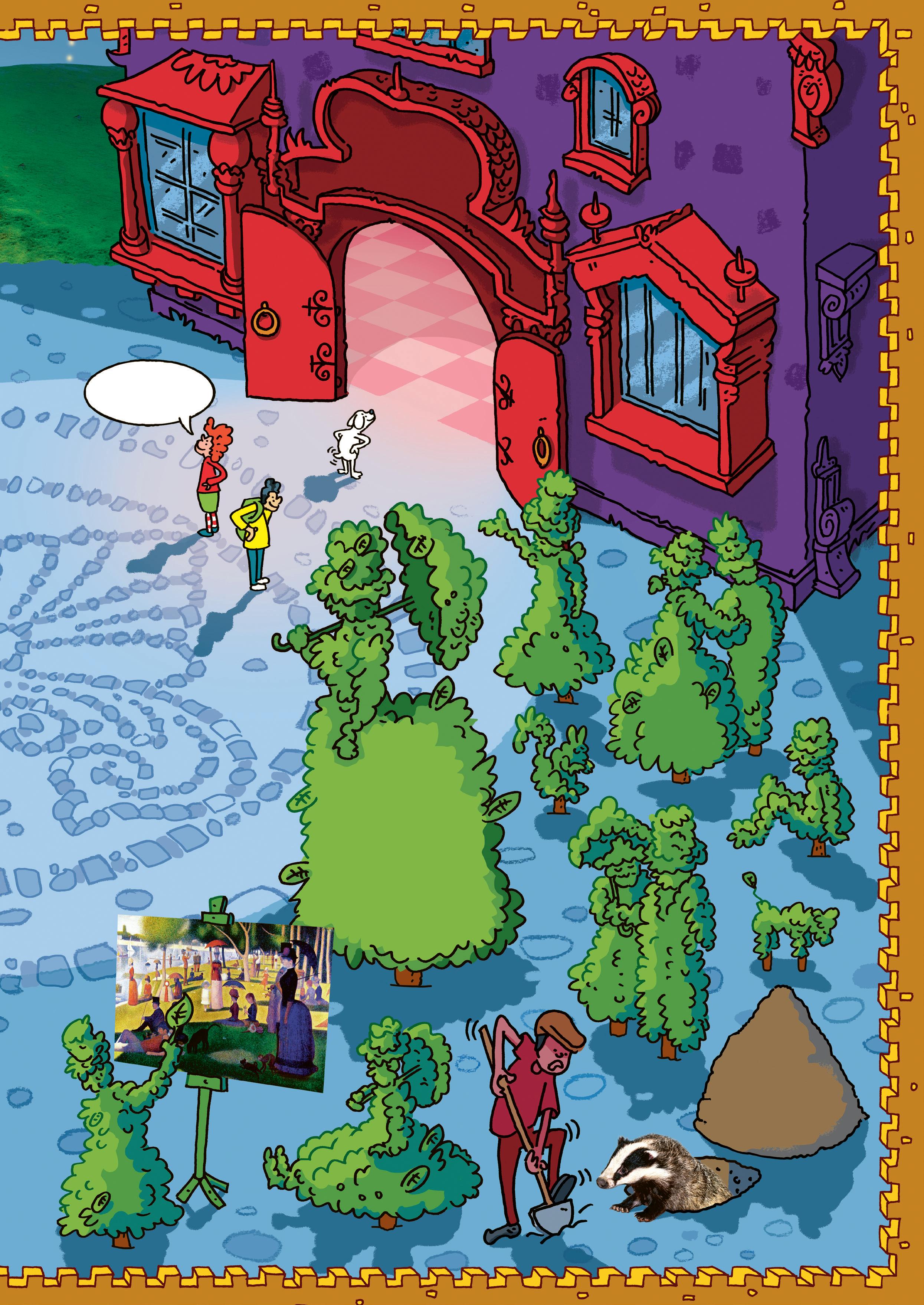
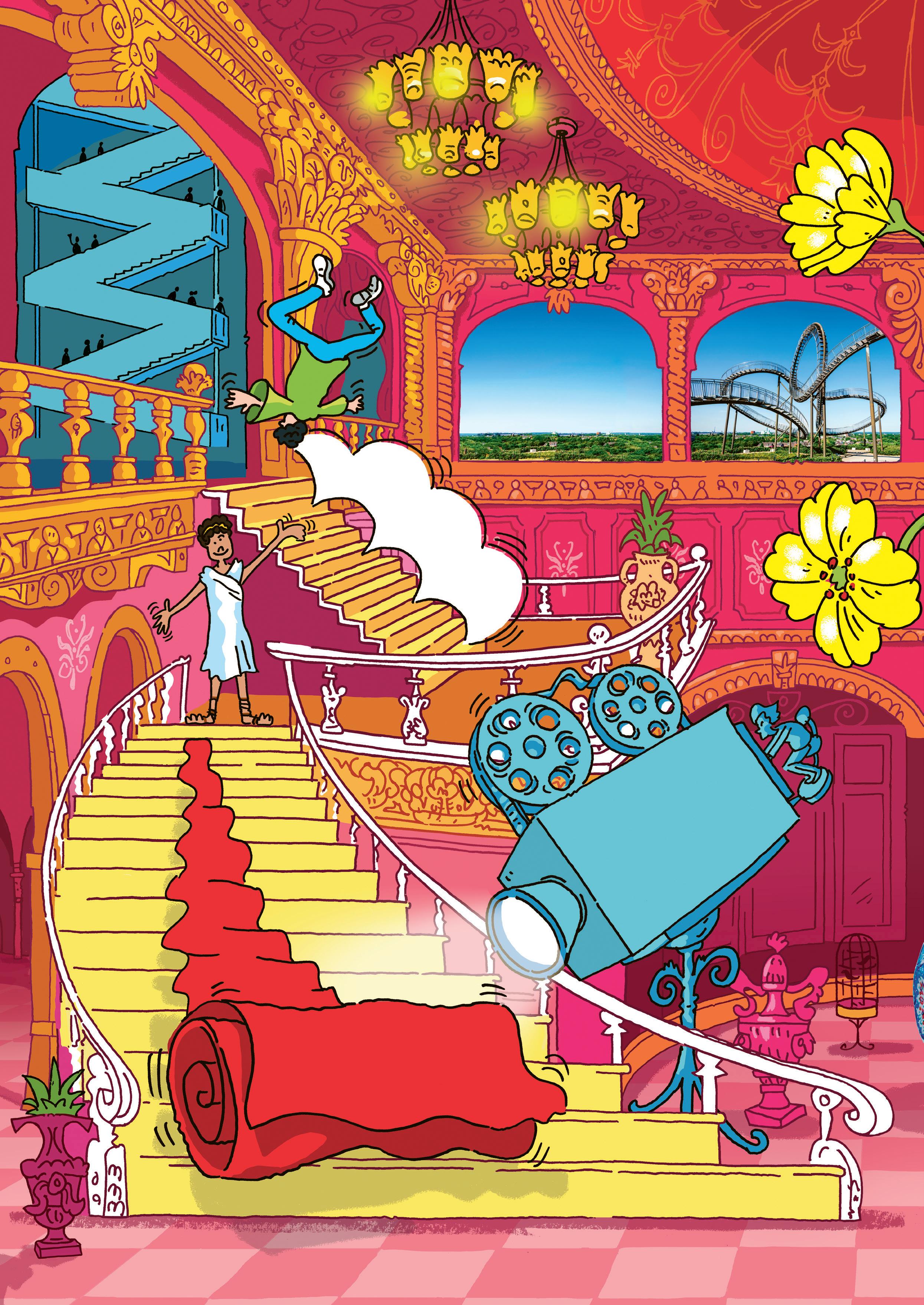
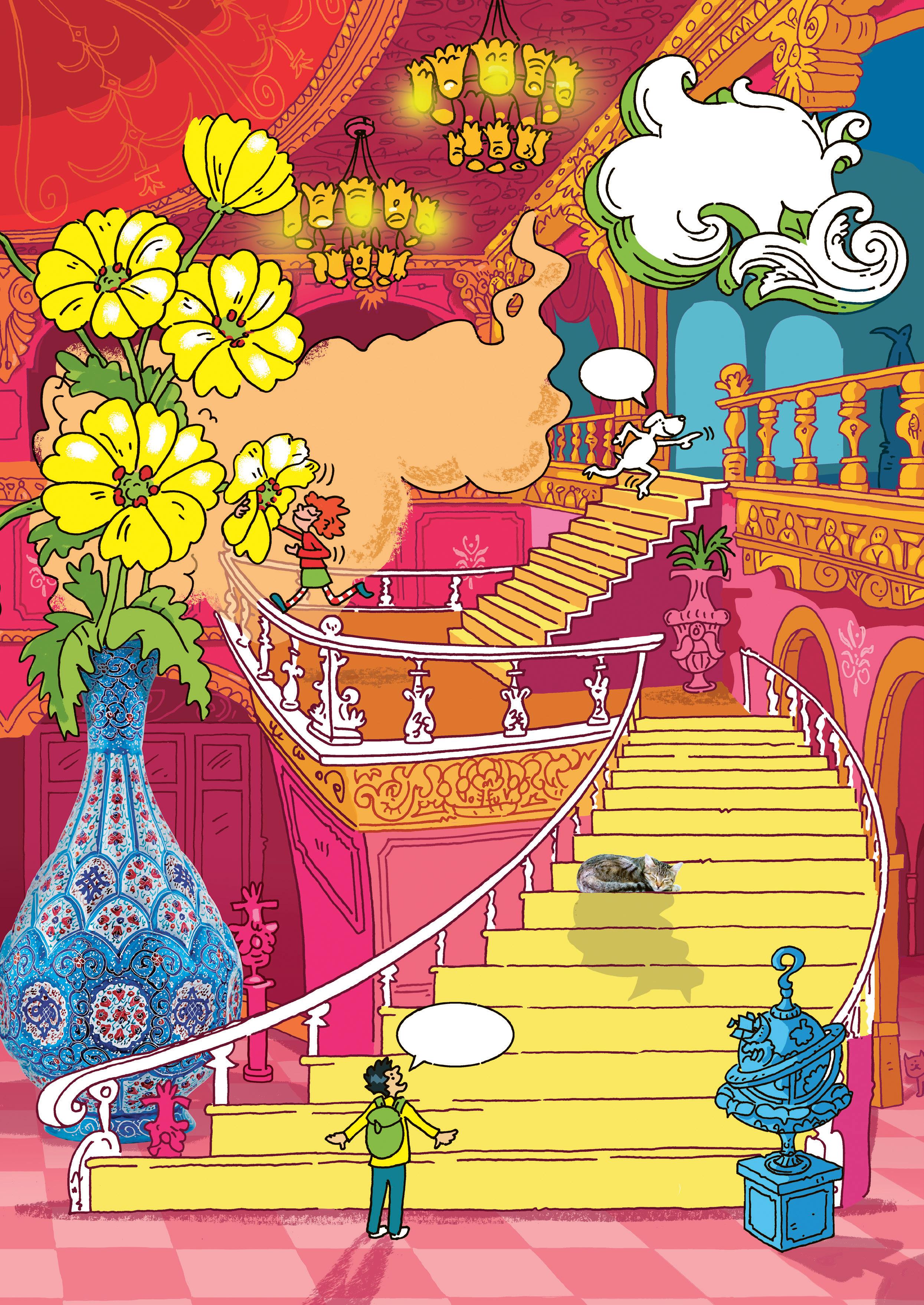
Prepare to enter the Palace of Facts, where fascinating facts await you in every room!
By Kate Olesin, Illustrations by Andy Smith
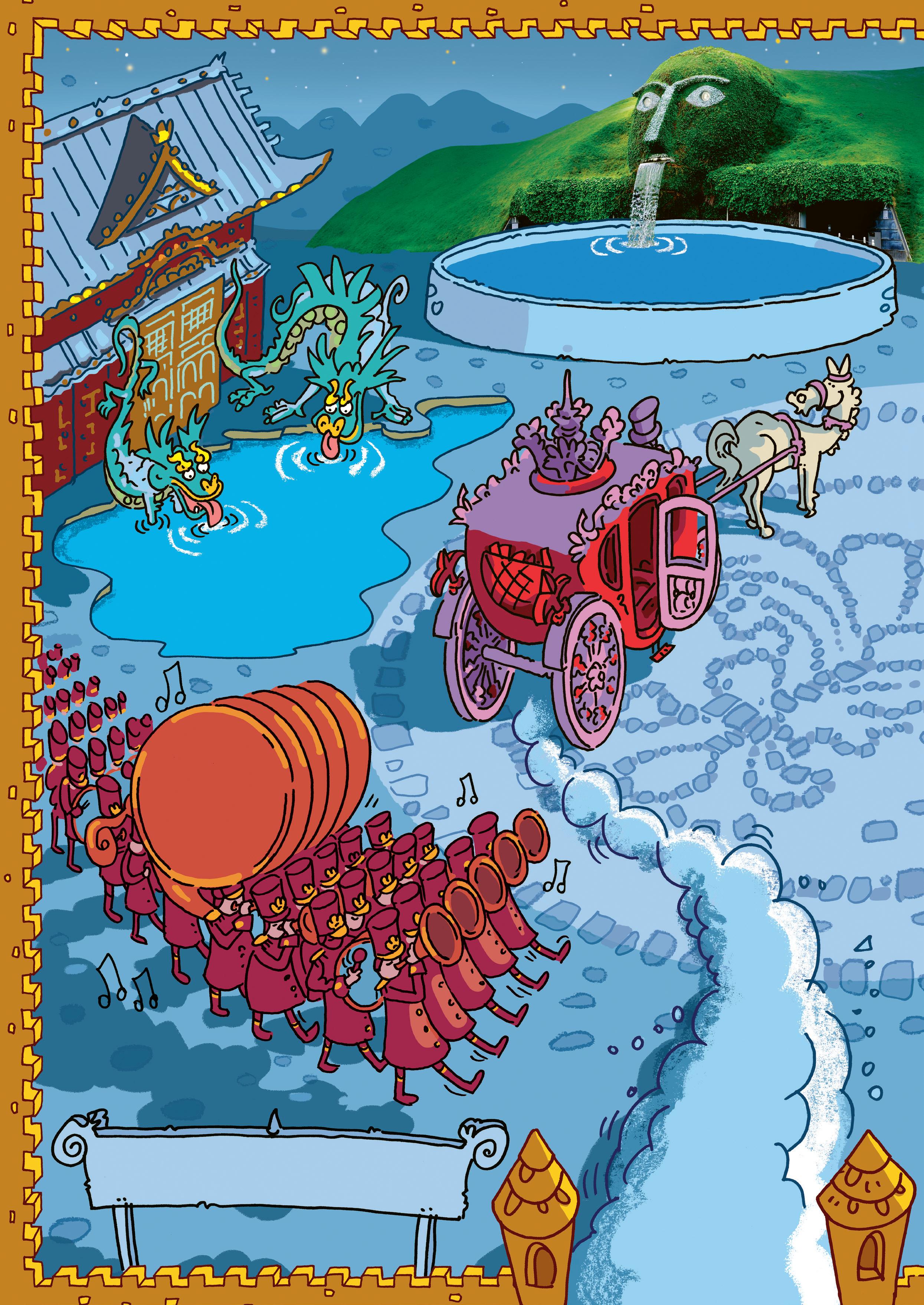
According to legend, the two dragons carved on the pillars of a gate at the Ueno Toshogu Shrine in Tokyo, Japan, visit the shrine’s pond to drink.
The biggestever marching band had over 12,000 members!
o u rt ya r d
A fountain in Austria has a waterfall spilling out from the mouth of a giant whose eyes are made of crystals.
They’re expecting us!
A topiary park in Ohio uses bushes instead of paint to recreate a famous French painting of people relaxing by a river.
A badger can dig faster than a person with a shovel.
The Palace of Facts, written by Kate Olesin and illustrated by Andy Smith, is out in
PICTURE! PICTURE! THE BIG THE BIG
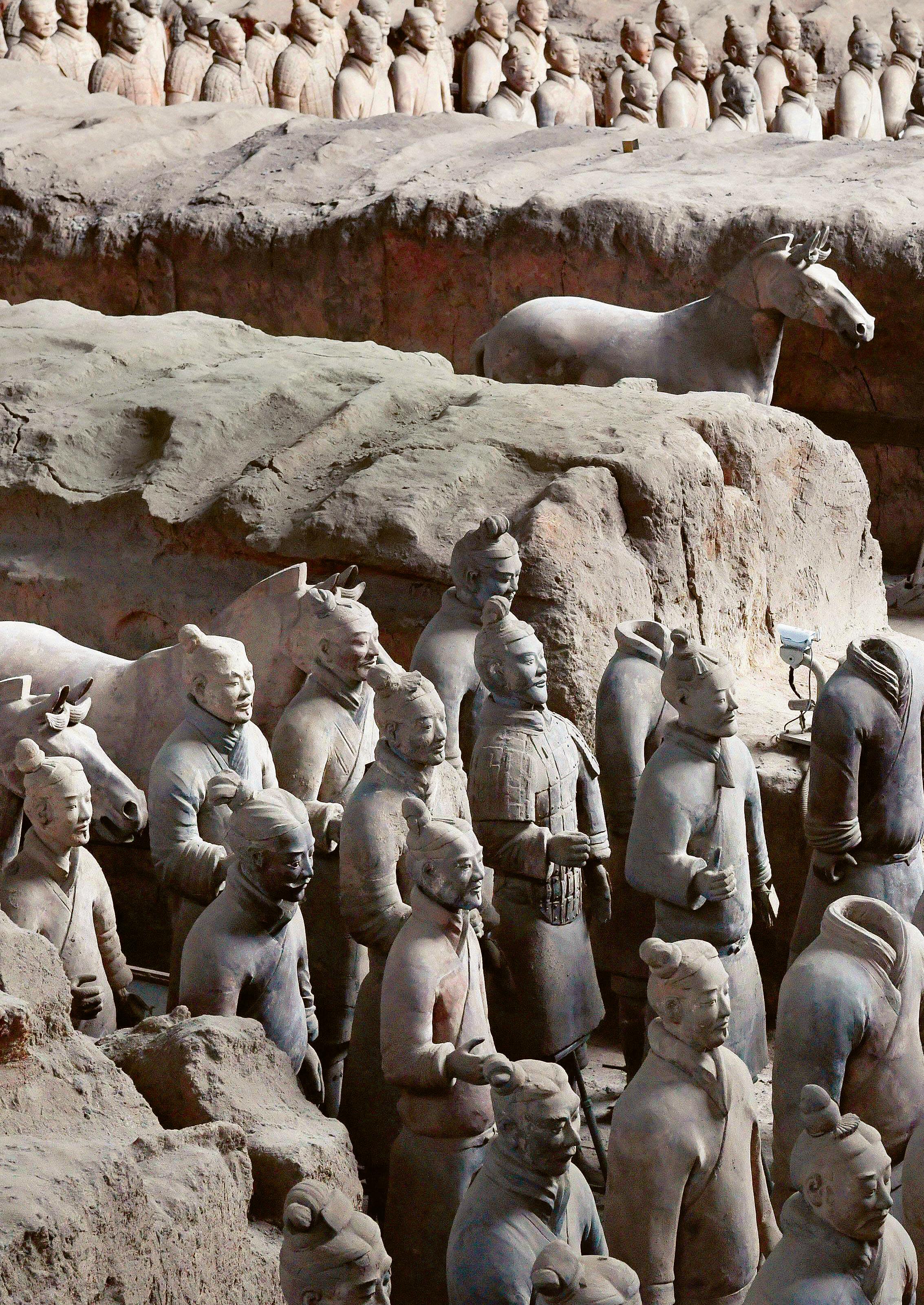
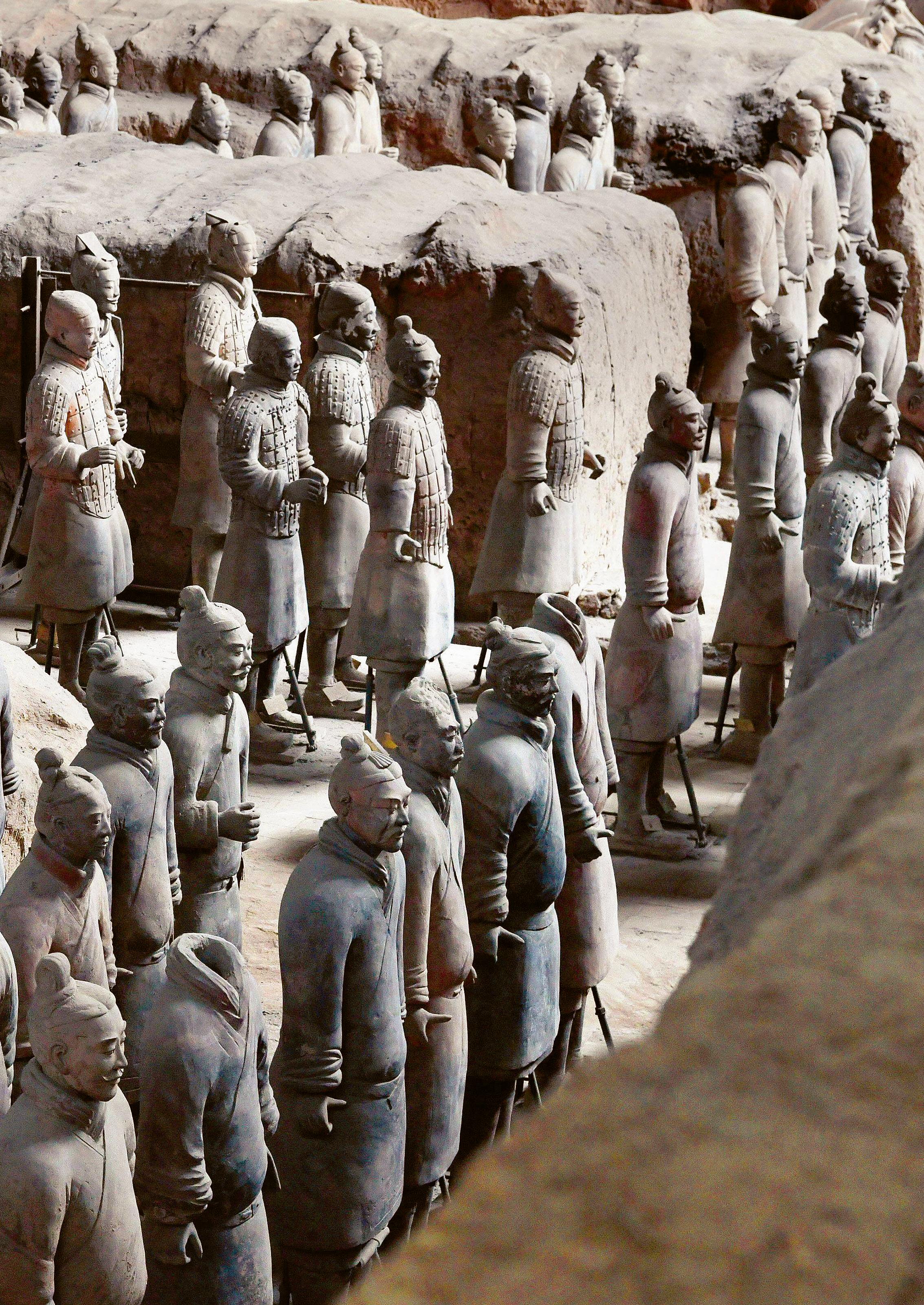
In 1974, archaeologists began to unearth around 8,000 life-size terracotta (clay) figures buried near the tomb of a powerful ruler called Ying Zheng. Ying Zheng conquered rival kingdoms and united much of what is now China under his rule in 221 BCE. He called himself Qin Shi Huang (“First Sovereign
WALLS
Partition walls inside the pits were built to bear the weight of the earth above and prevent the soldiers from being crushed. They also divided the soldiers into different army units.
PAINT
The figures were modeled by hand and painted in bright colors. Most have now lost their color, but traces can still be seen on some of them.
Emperor”). The figures were the Terracotta Army, made to guard him in the afterlife. Each figure was assembled from individually crafted clay parts, then fired and placed with extraordinary precision. Let’s take a look at some of the most impressive features of this remarkable feat of ancient craftsmanship.
ANIMALS
More than 600 clay horses stand with the army. Elsewhere in the tomb complex, archaeologists have found sculpted animals as well as the bones of sacrificed animals.
CIVILIANS
Most of the figures are soldiers, but some were made to represent officials, performers, and acrobats —there to serve and entertain emperor Qin Shi Huang in the afterlife.
SOLDIERS
Most of the army is made up of soldiers, including archers, charioteers, infantry, and a rear guard. They carried bows, spears and swords—some of which were still sharp when the army was discovered!
DID YOU KNOW?
The Terracotta Army was discovered by local farmers while digging a well in 1974.
FACES
The discovery of at least eight different face shapes suggests that several basic molds were used. Artists then added individual details so that no two faces look exactly alike.
THE TERRACOTTA ARMY
Experts think Qin Shi Huang employed as many as 700,000 workers across 40 years to create his vast tomb complex, including the Terracotta Army, which he believed would protect him in the afterlife. It was a lot to build—and a lot to uncover! Archaeologists are still excavating the site. To get a sense of the scale, the graphic shows the section of Pit 1—one of three main pits—that has been excavated, and the figures found inside.
wall (dashed lines are unexcavated)
Earth
War chariot drawn by four horses
Unarmored warrior Armored warrior (facing direction indicated by point)
Yum! How the human body digests food
When you eat a meal, it takes between 24 and 72 hours for the food to pass through the digestive tract, which starts at the mouth and ends at the anus. Here we follow food on this epic journey, in an extract from Encyclopedia Infographica.
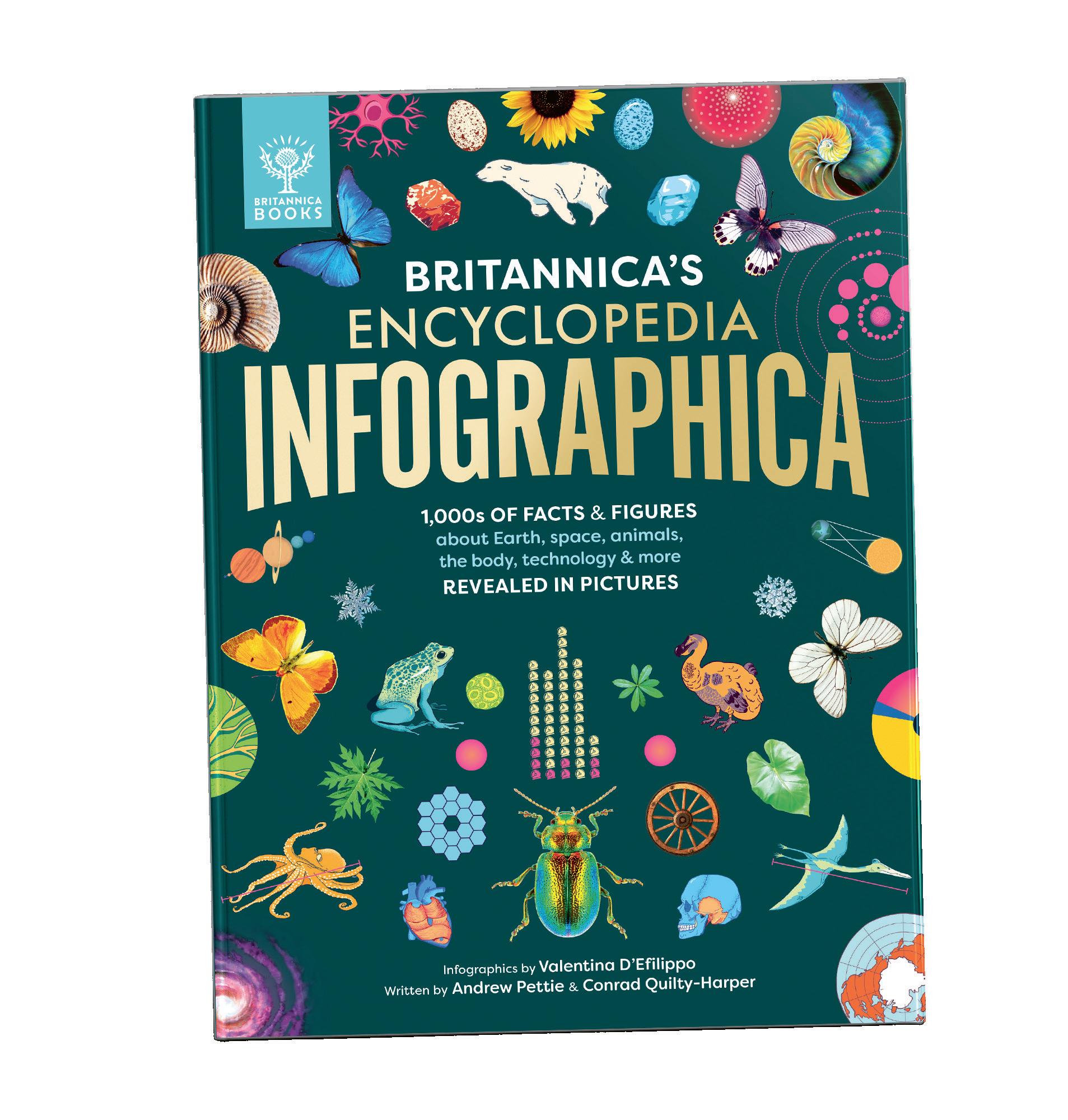
Infographics by Valentina D’Efilippo
MOUTH
The digestive process starts in the mouth. Your teeth break food into smaller pieces while your saliva moistens it, making it easier to swallow.
ESOPHAGUS
From the throat, food enters a thin tube, the esophagus, and travels down to the stomach.
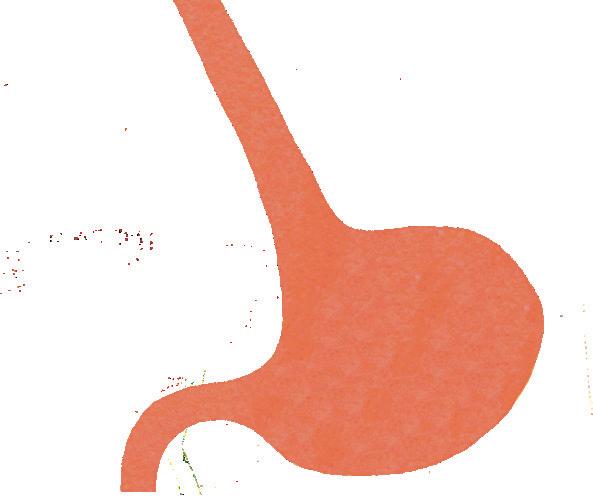
STOMACH
Inside the stomach, acid and enzymes kill off harmful bacteria and break down food so it is easier to digest.
LARGE INTESTINE
Food materials that your body can’t easily break down (mainly fiber from plants) pass into the large intestine. Water is also absorbed into the blood here.
APPENDIX
The appendix is a tube attached to the large intestine. What it does (if anything) is debated.
RECTUM
Undigested bits of your food then pass into the rectum to be stored as feces (aka poop).
ANUS
The anus is the opening at the very end of the digestive tract through which poop leaves the body.
Bye-byeapple. Seeyouinaday or two!
THROAT
After swallowing, food travels down your throat.
SMALL INTESTINE Carbohydrates, proteins, fats, and other nutrients in food are digested here to be absorbed into the blood.
HOW LONG IS THE DIGESTIVE TRACT?
So that the digestive tract takes up less space inside your body, most of it is curled up on itself like a big ball of spaghetti. However, if you stretched the digestive tract of an adult all the way out to its full height, it would be more than thirty feet tall. That’s roughly the height of a three-story building! Here is the average length of each part of the digestive system compared to an average human adult’s height. 30 ft
ESOPHAGUS 10 in MOUTH 4 in THROAT 5 in STOMACH 13 in SMALL INTESTINE 264 in 5 ft 7 in APPENDIX 3 ½ in
LARGE INTESTINE 59 in RECTUM 5 ½ in ANUS 1 ½ in
DID YOU KNOW?
Your digestive system has its own nervous system, which is referredsometimes to as the “second brain.”
THE LARGEST STAR IN THE UNIVERSE IS 1,708 TIMES WIDER THAN THE SUN.
THE AMOUNT OF MUCUS YOU MAKE OVER YOUR LIFETIME COULD FILL 209 BATHTUBS .
KOALAS SLEEP 10 TIMES AS MUCH AS AFRICAN ELEPHANTS.
—YA Books Central
“This
—Youth Services Book Review
In1977, a radio t e lescope inOhio detect e d a 7 2dnoces ecapsmorflangis os has never b een detected a g a .ni dnA sa rof tahw surprising th a t an astronomer w r o t e “ !woW ” no
caused t h e mysteri o u s !woW“ ” …langis
tI.tuotnirpeht
Why does my tummy rumble?
Inside your tummy are your intestines, a long, winding tube that absorbs all the things the body needs from food, such as vitamins, so your body can use them. The intestines squish and squeeze anything left over, and they’re rumbling all the time. When you’re hungry, your stomach makes even more rumbly noises. It’s sweeping away leftover bits of food, so it’s clean and empty and ready for your next meal.
When we eat and drink, we also swallow air, which is a gas. Most food and drinks contain gases, too. All these gases gurgle and bubble up and can pop out as a burp!
Squish! Rumble! Squelch!
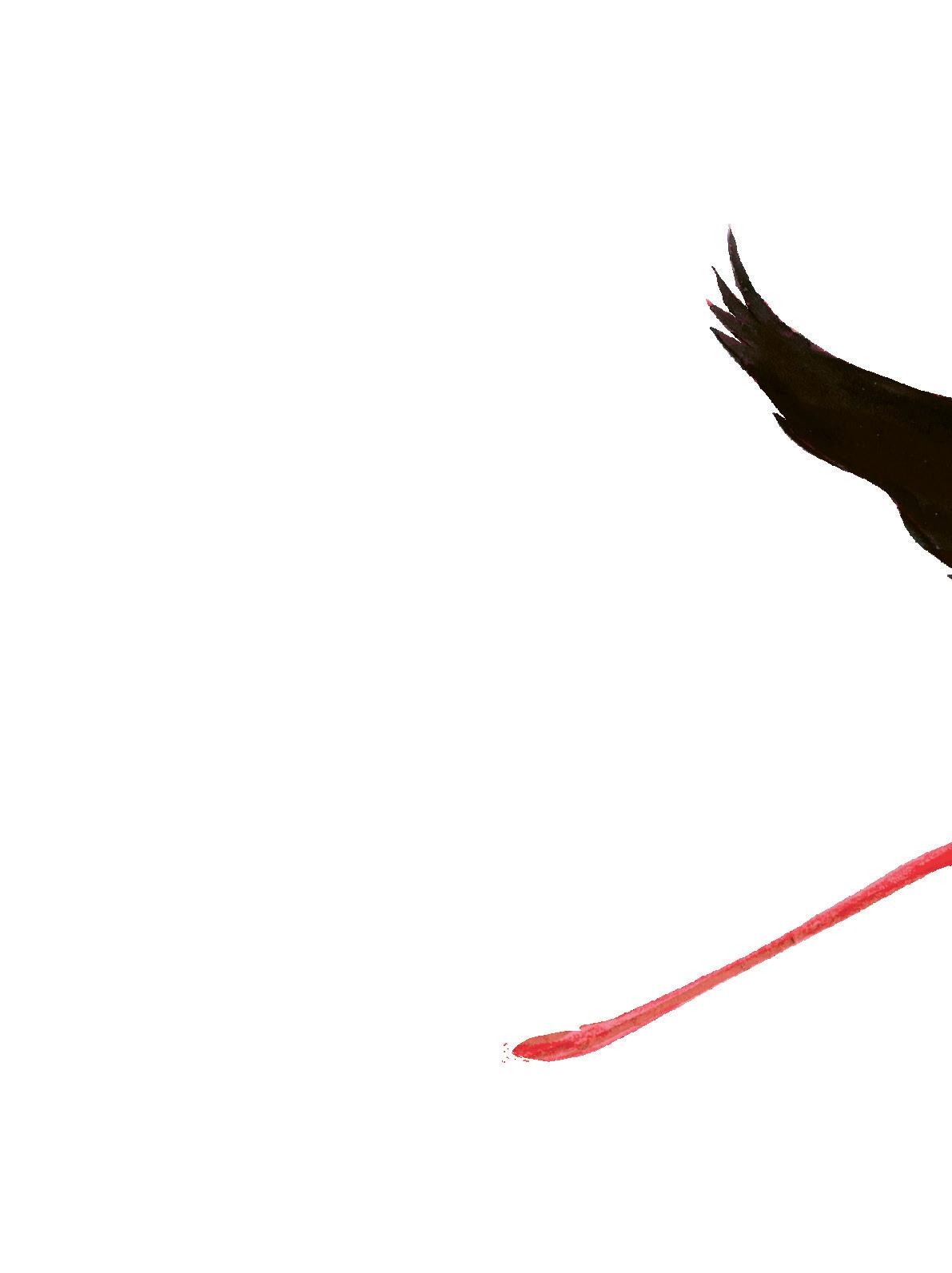
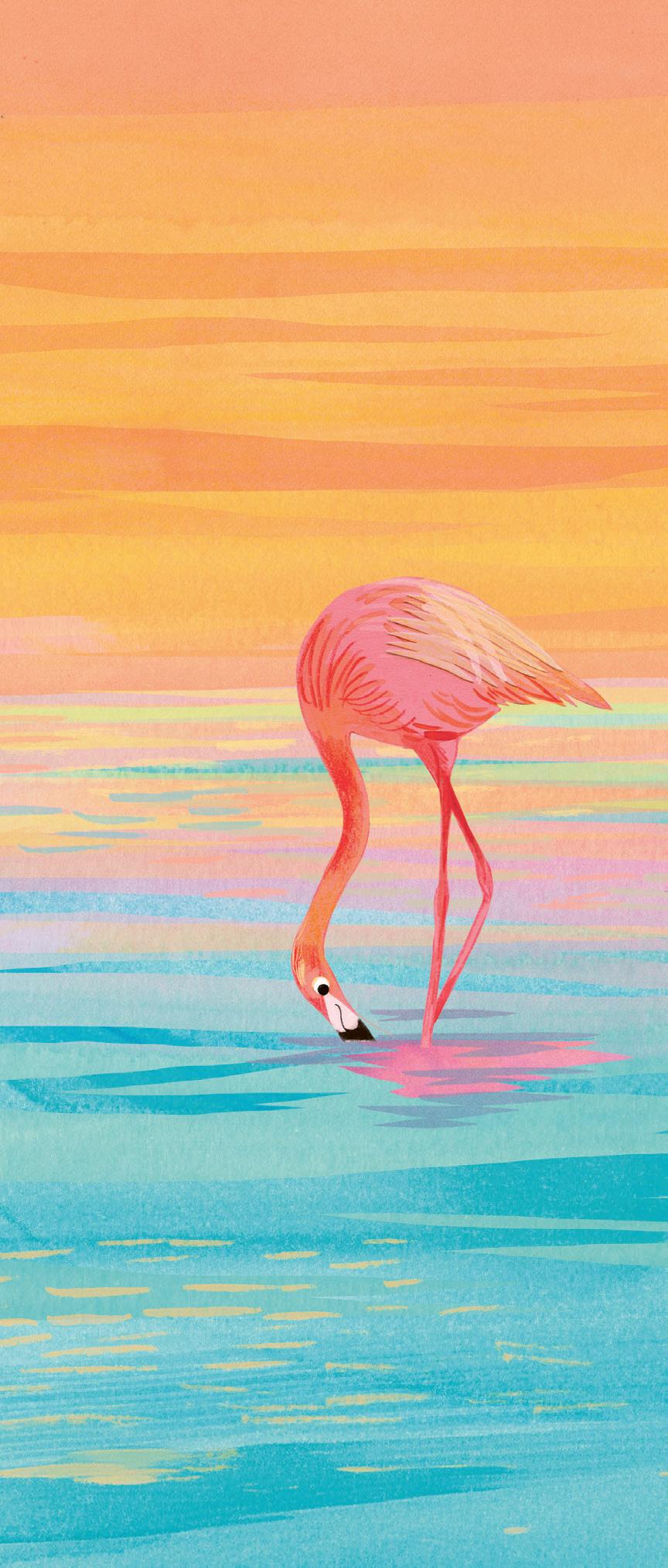
Flamingos feed with their heads upside down! Their beaks and tongues are able to separate out their food from the mud and water.
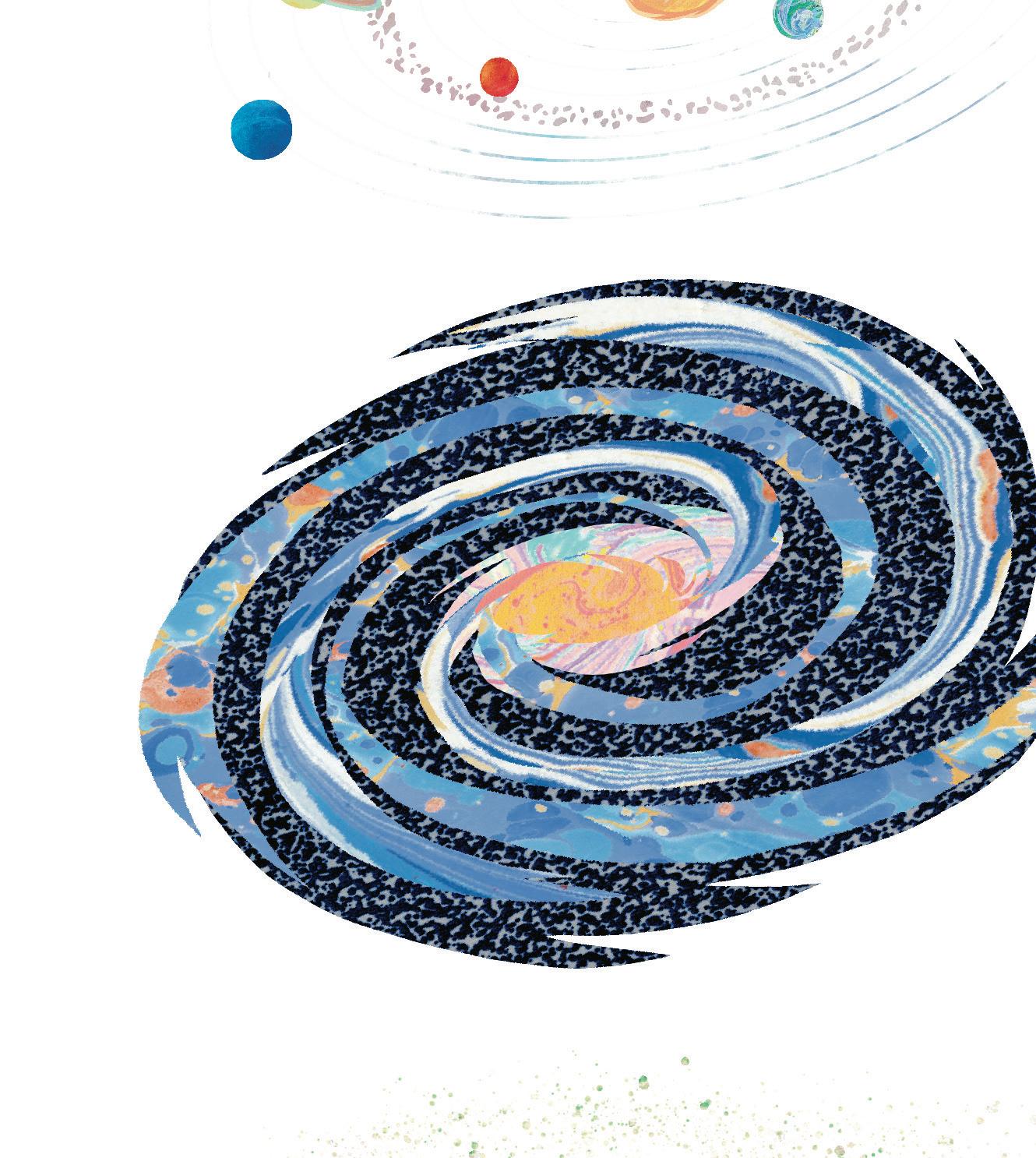
The Milky Way is one of trillions of galaxies.
How big is the universe?
It’s not easy to measure the universe because, ever since time began around 13.8 billion years ago, it’s been getting bigger and bigger! What scientists know for sure is that our planet, Earth, is just a tiny part of our solar system, which is a group
Our solar system is in a galaxy called the Milky Way.
of eight planets, at least five dwarf planets, hundreds of moons, 1.3 million asteroids, and 3,900 comets. They all travel around our only star —the Sun. But that’s not all. Our solar system is part of a galaxy called the Milky Way, which is estimated to contain
up to 400 billion stars. The universe is made up of trillions of galaxies that astronomers are still counting.
FASCINATING FACT
You could fit all the planets in the solar system in the space between Earth and the Moon!
Earth
We live on planet Earth, which is part of the solar system. The solar system is made up of the Sun and everything that travels around the Sun, including Earth and seven other planets.
First Big Book of Why, writtenby SallySymes andStephanie Drimmer,and First Big Book of How, writtenby SallySymes and Saranne Taylor,are out now.
Whyare famingos pink andorange?
Flamingos are born a rather dull gray. But they turn pink or orange because of what they eat. They gobble up algae, larvae, and shrimp, which contain carotenoids —pigments that turn things an orangey-pink color.
When flamingos absorb these carotenoids, their feathers and skin become colorful, too.
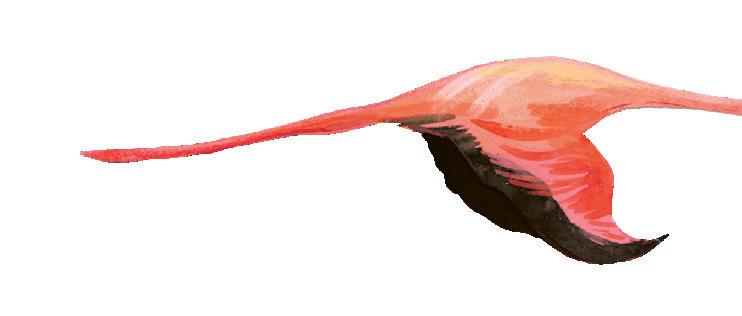
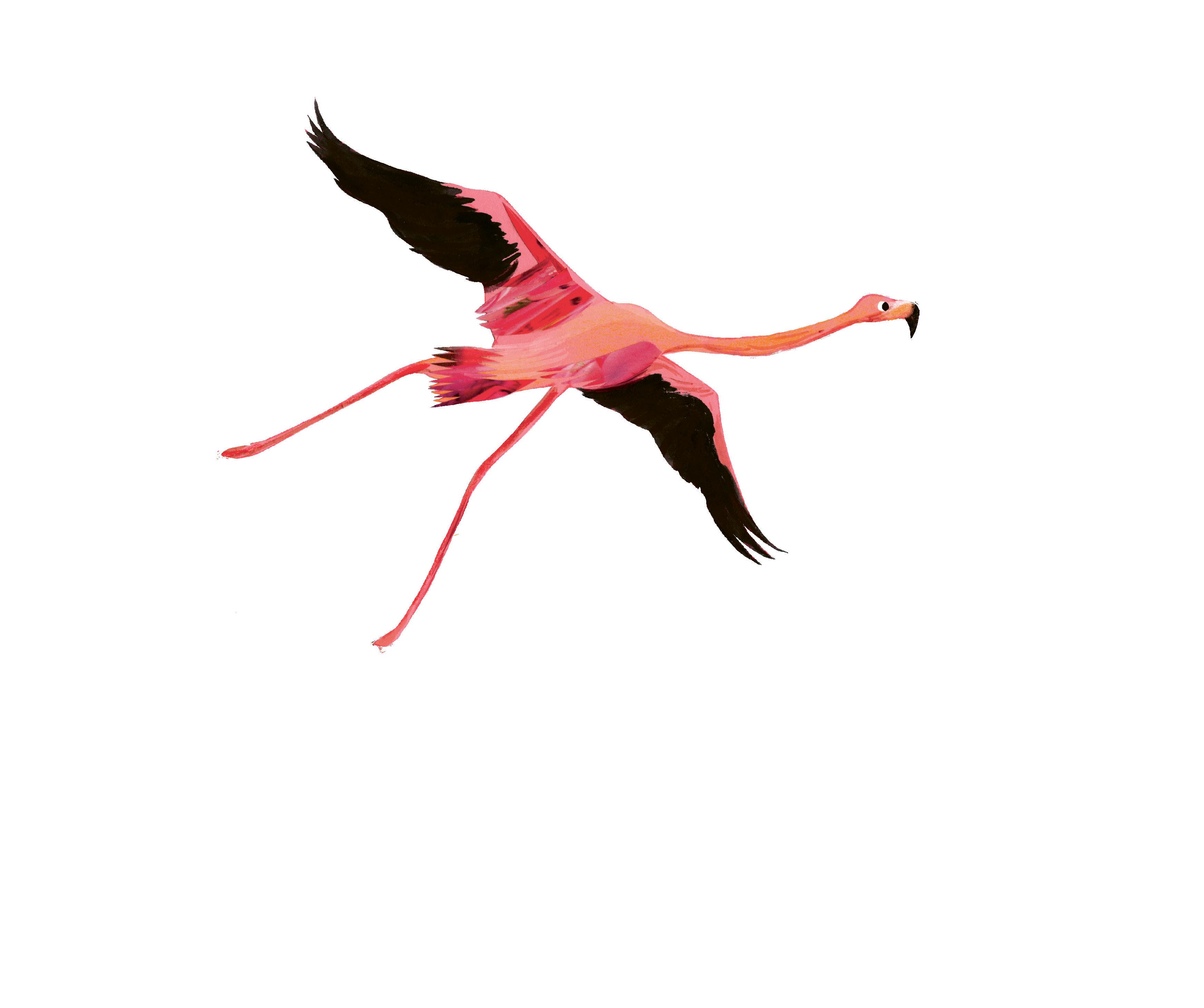
You may think flamingos are all pink, but the feathers beneath a flamingo’s wings are black. You can see them when the birds are flying.
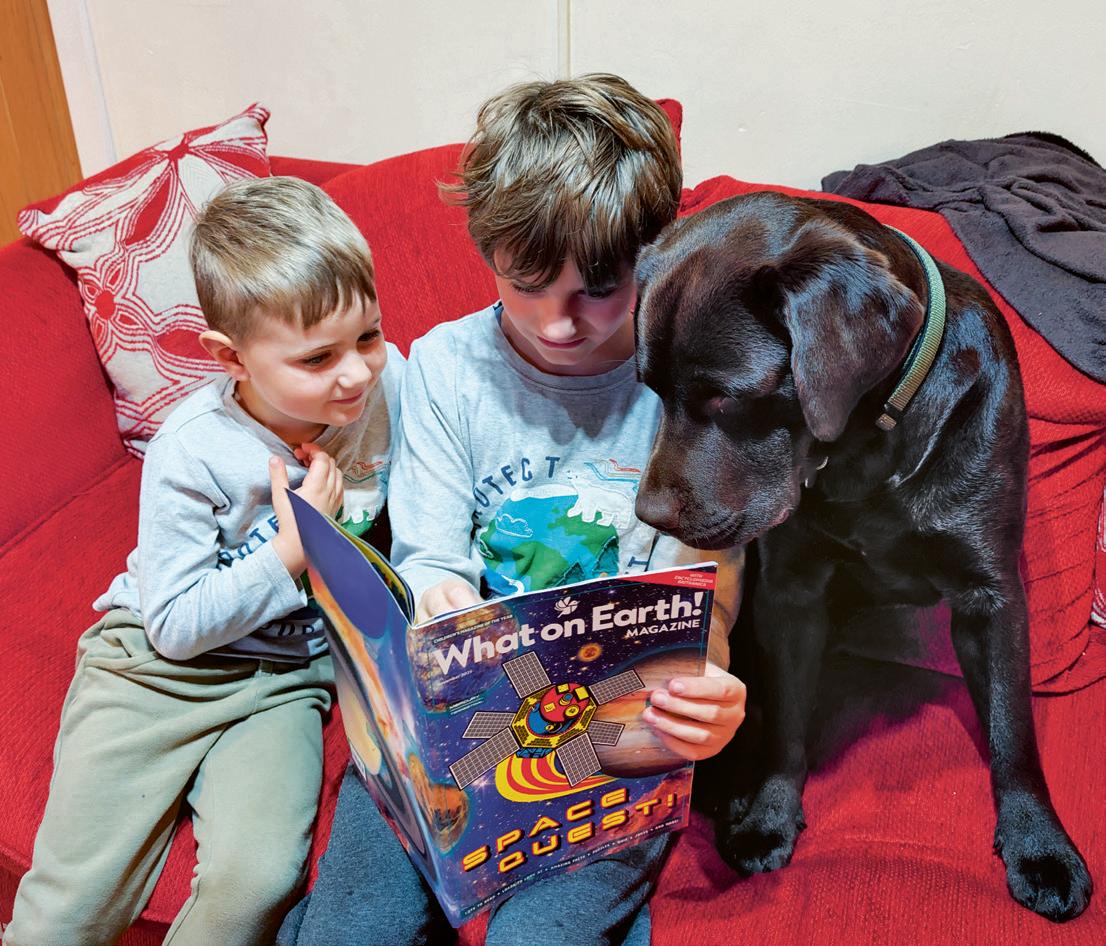
Duncan, Struan, and Fonzo are all enjoying reading about space probes. Has Fonzo spotted Laika the space dog?
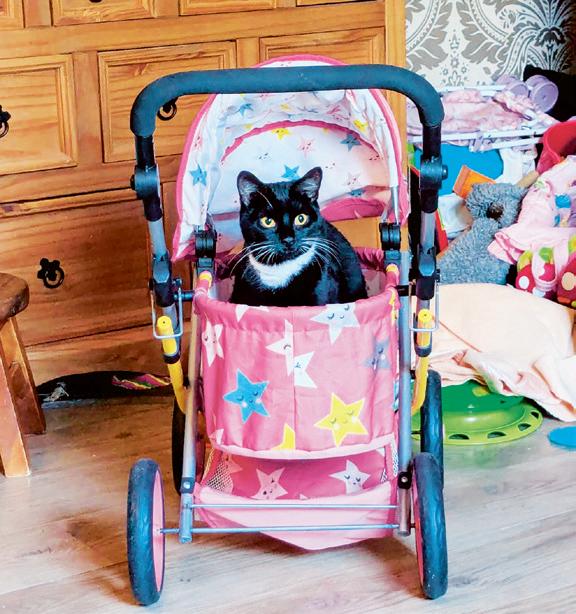
Thanks to Romarin for sending us this sweet photo of his kitten in a stroller. Aww!
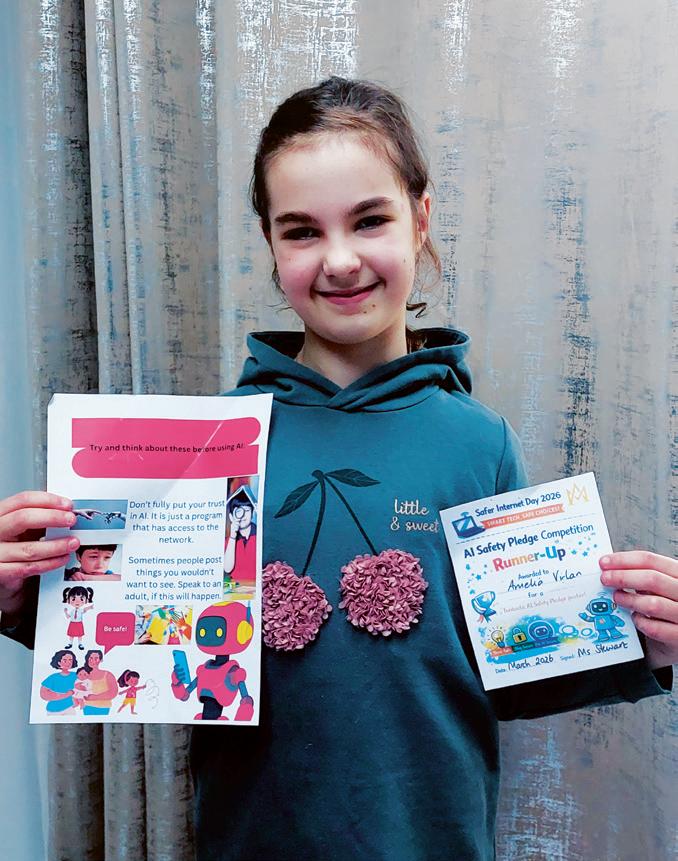
Congratulations to Amelia for winning a prize for her AI poster. We hope you enjoyed our June cover story, Amelia!
From space probes to book costumes, meet the readers, pets, and posters brightening up Send It In this month.
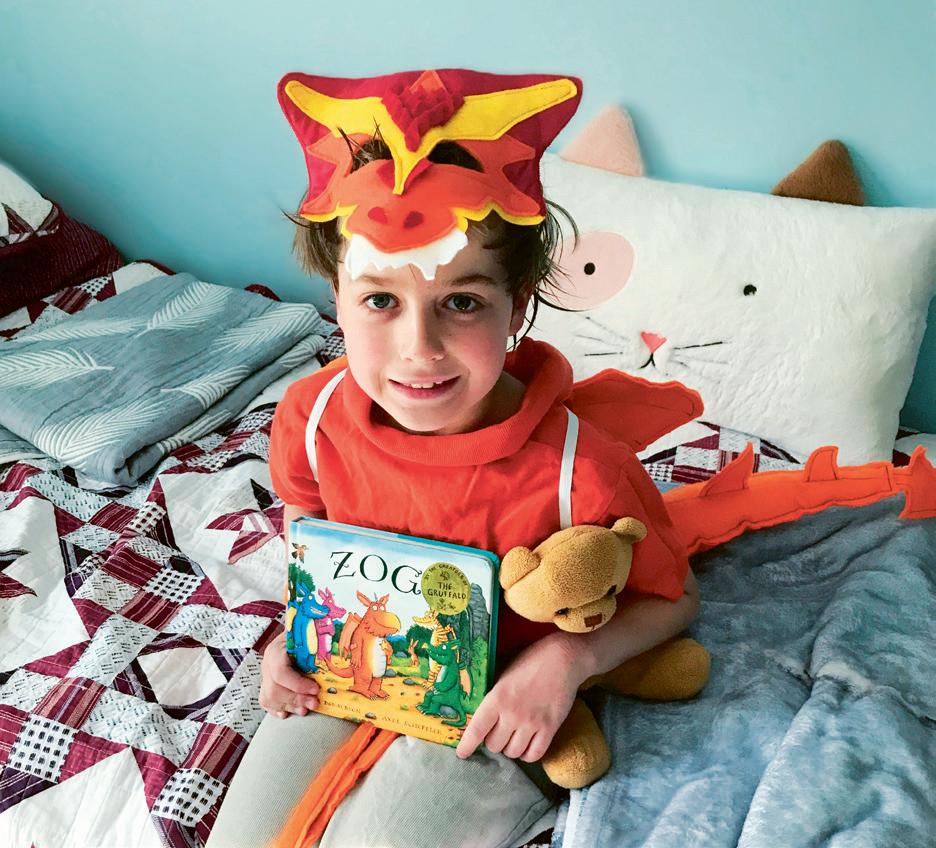
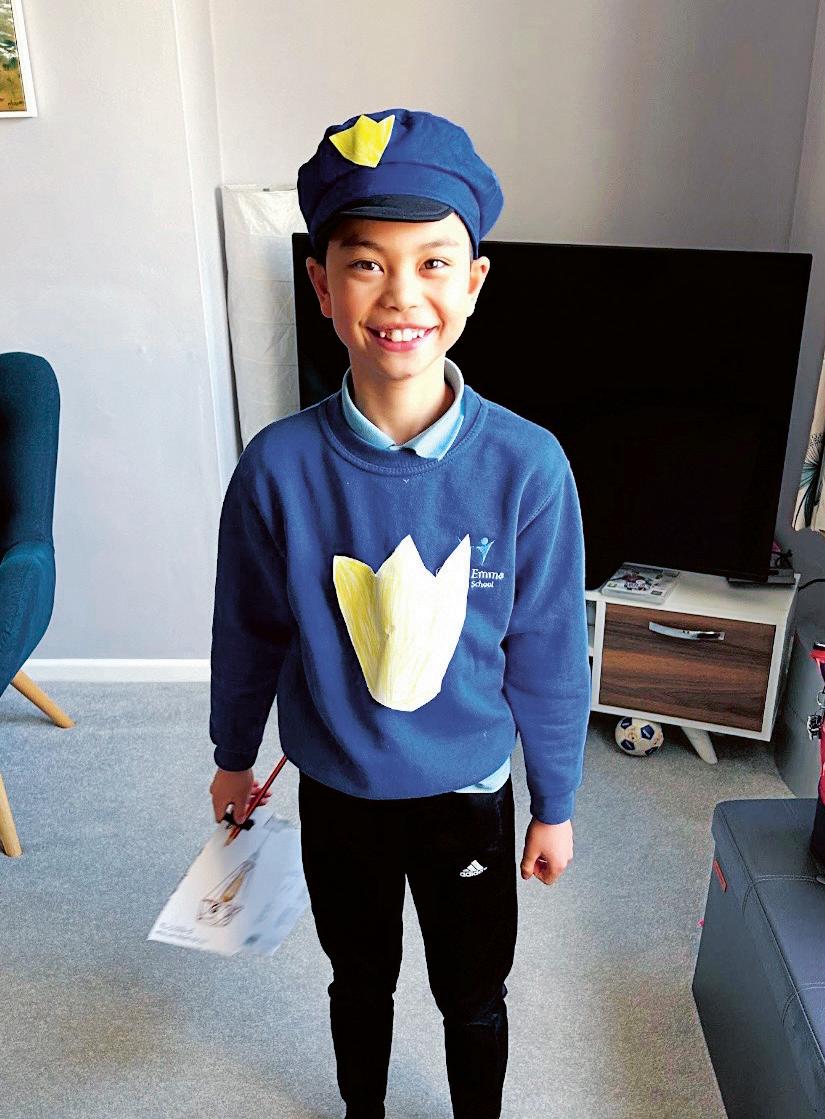
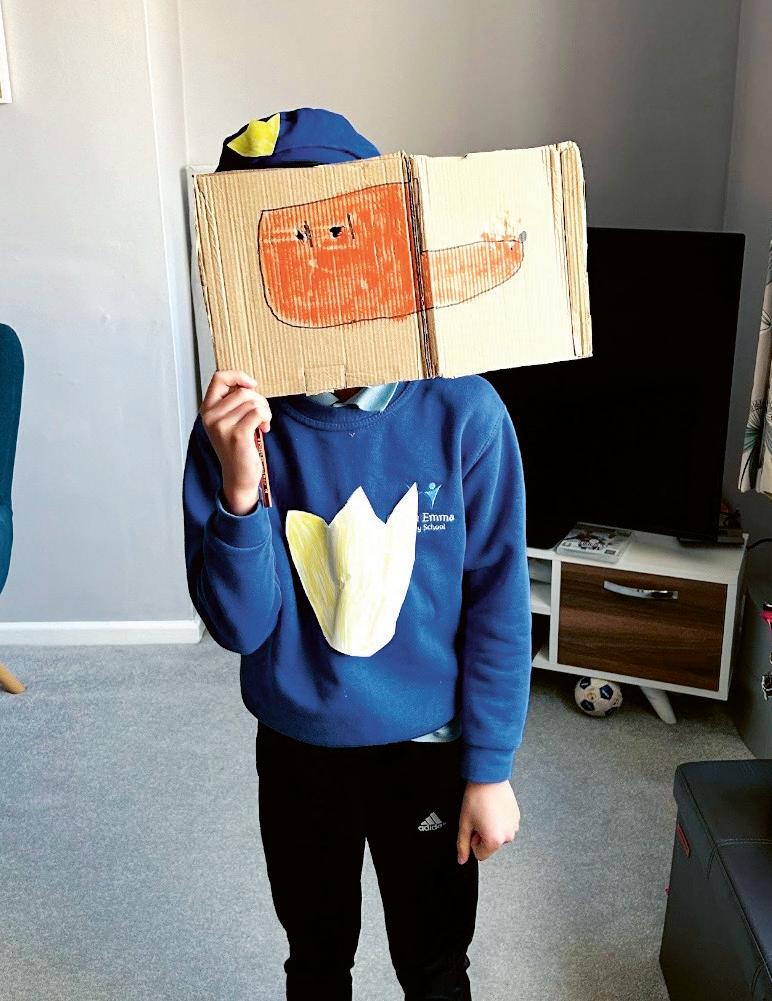
Alex is in fire-breathing mode as Zog, the accidentprone dragon from Julia Donaldson’s brilliant books.
Did you recognize George’s costume in the top picture? The bottom one solves the mystery—he’s Dog Man!
HOW YOU CAN STAR IN A FUTURE ISSUE
We’re always on the lookout for amazing readers (and their pets) to star in future issues of What on Earth! Magazine. So why not send us an email with something fun or creative—such as a photo, a drawing, or your favorite fact or joke? Email it to us at letters@ whatonearthmag.com and you could see your name, photo, amazing fact, or drawing featured on these very pages!
Published by
What on Earth! Magazines Ltd. in association with The Washington Post
Editor-in-Chief
Andrew Pettie
Editor
Alison Eldridge
Art & Design Director
Mark Hickling
Senior Designer & Illustrator
Susanna Hickling
Production
Sarah Epton
Contributors
Vector That Fox (including the cover), Andy Smith, Valentina D’Efilippo, Kate Olesin, Conrad Quilty-Harper, Dan Knight, Andrés Lozano, Sally Symes, Stephanie Drimmer, Saranne Taylor, Esperanza Hickling, May
With thanks to The whole team at What on Earth Publishing, Gregg Fernandes, Bryant Despeaux, Sydney Wuhrer
2026 What on Earth Magazines Ltd. All rights reserved. No part of this magazine may be reproduced or transmitted in any form, including photocopying, without permission in writing from the publishers. Awards
Deputy
What on Earth! Magazine, Issue 11, July/August 2026 (ISSN 2976-7601),
published 10 times for
by The Washington Post, 7171 Wimsatt Rd, Springfield, VA 22151. Periodicals postage pending at Merrifield, VA.
on Earth! Magazine, c/o The Washington Post, 7171 Wimsatt Rd, Springfield, VA 22151.