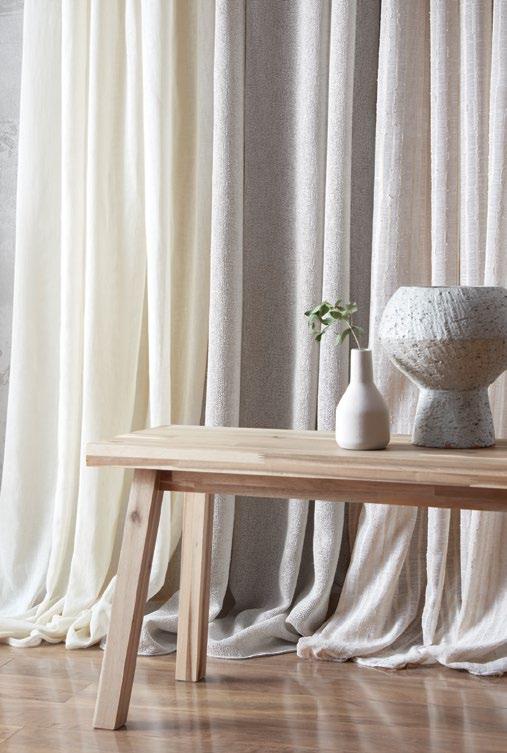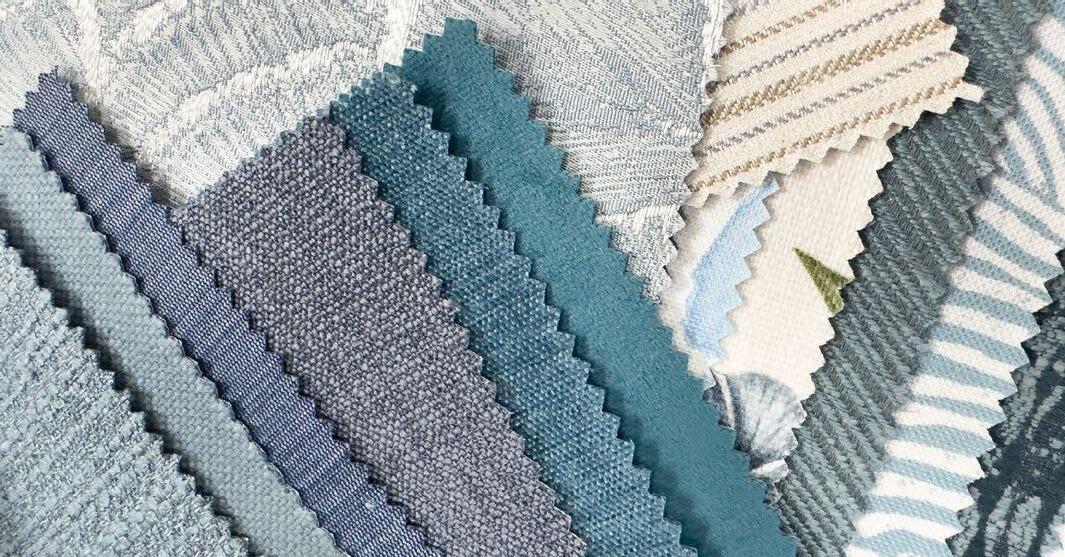
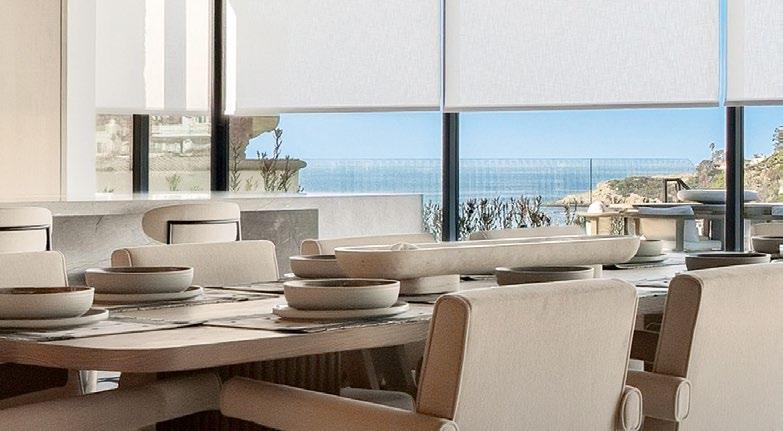
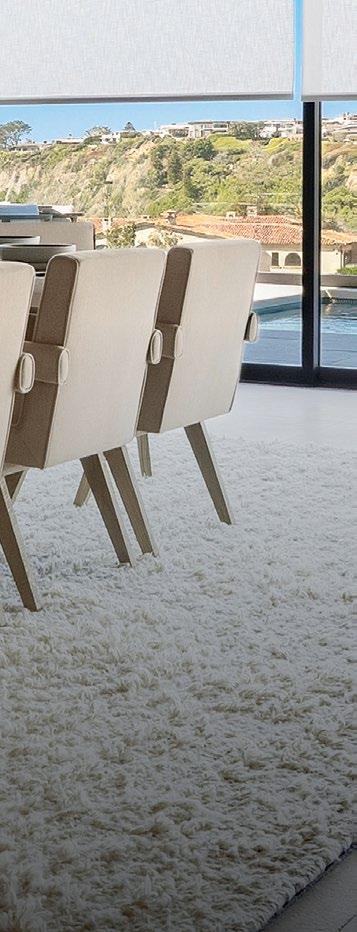
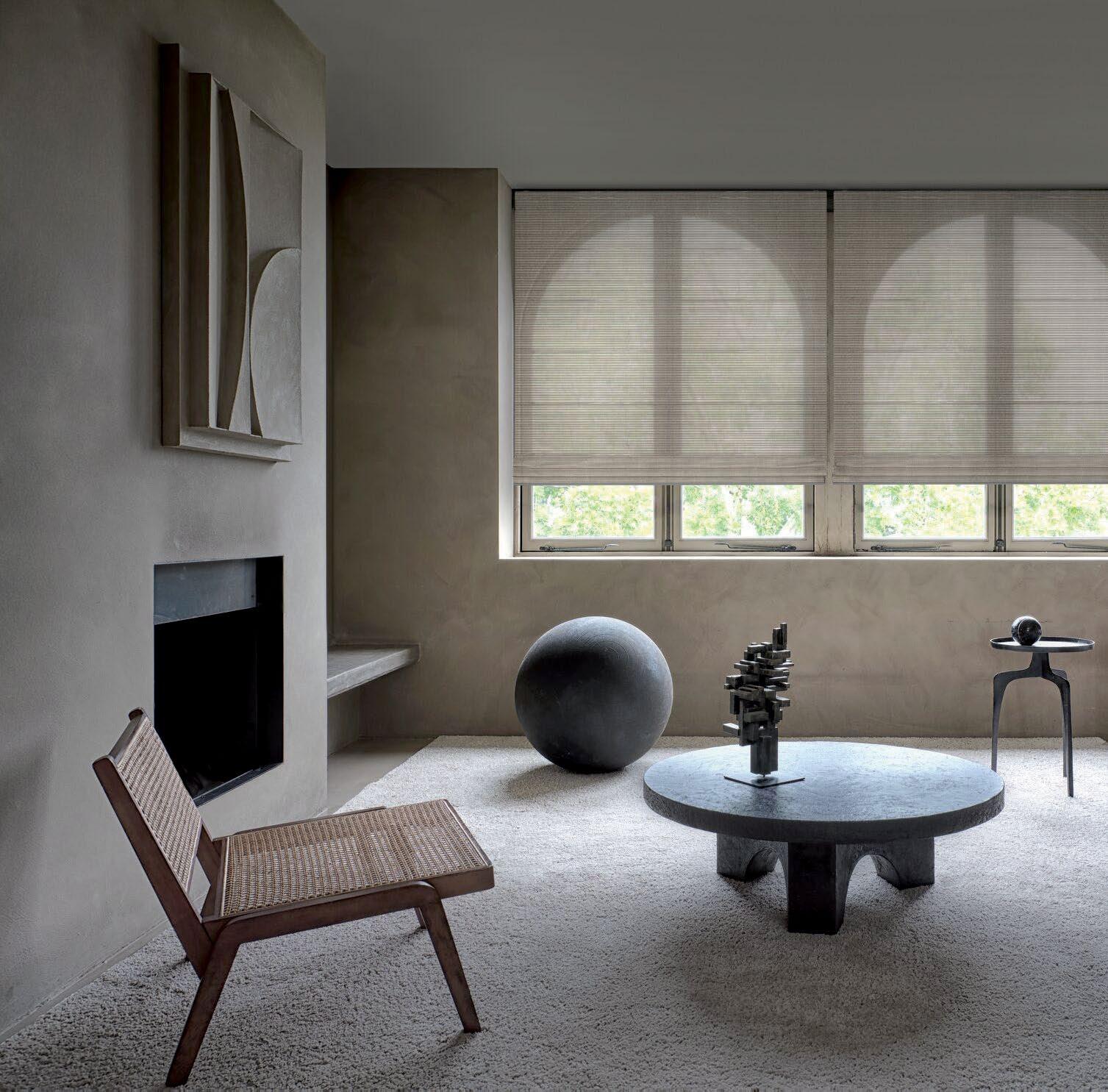
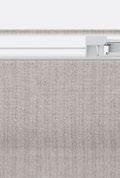
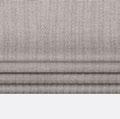
Curated fabrics and premium roman systems, designed to work seamlessly together. From Motionblinds motorization to the new cordless and child-safe Balanced Roman configuration, it’s fully compatible with our regular Roman system. For larger windows and expansive installations, the Roman XL system delivers the same elevated aesthetic on a grand scale. Refined design, effortless everyday use.

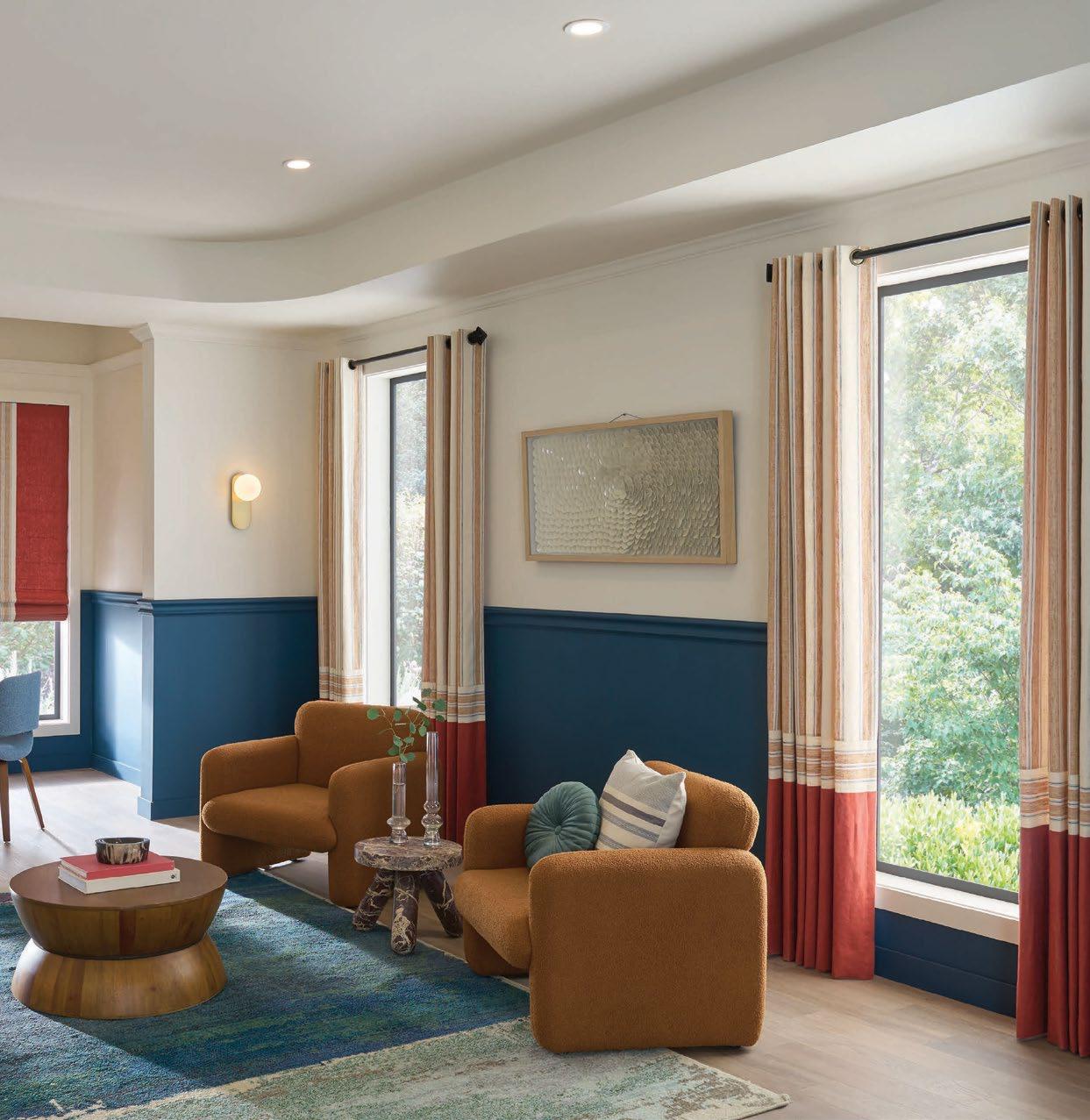
Our goal is to deliver quality products, unmatched dealer support, and proven tools to help you win. This means as your Best Dealer Partner, we’re committed to delivering the Best Experience that you can pass on to your client base and ultimately, grow your business.
Backed by a long-respected history of quality manufacturing, Springs’ family of brands features a complete good/better/best portfolio that spans all consumer segments and price points.
Graber is committed to being your best dealer partner. That’s why we’re steadfastly focused on o ering an engaging product porfolio of blinds, shades, shutters, drapery, and motorized products engineered and crafted to provide comprehensive design solutions that meet your customers’ needs. We’re also committed to manufacturing excellence, comprehensive training, and di erentiated dealer programs including a compelling Premium Partners program, consumer rebates, and consumer financing options. And we back it all up with a best-in-class dealer support system, featuring our industry-leading customer service program that includes text support and dependable remake and warranty policities that demonstrate our unwavering commitment to both your clients—and your success.
To learn more about becoming a Graber dealer, visit graberblinds.com today.
Horizons window coverings are made to your exact specifications and can even feature materials you’ve provided. Our state-of-theart workroom is located in Waukegan, Illinois, which allows us to meet the high standards we’ve set for craftsmanship—all while providing personalized service designers know and love. We strive to o er window treatments that are as functional as they are beautiful through a variety of lift options, design modifications and manufacturing techniques.
Call Customer Service at (800) 858-2352 or email us at customerservice@horizonshades.com to start your next project with Horizons today.
VOLUME 48, ISSUE 2
Managing Director | Ania Munzer ania@wf-vision.com
Managing Editor | Lindsay Brown lindsay@wf-vision.com
Art Director | Brandon Bennett bbennett@studiobtm.com
Copy Editor | Maude Campbell maude@wf-vision.com
Event Manager | Shannon Flaherty shannon@wf-vision.com
Sales Executive | Nancy Nix nnix@wf-vision.com
Marketing Coordinator | Tracy Herold tracy@wf-vision.com
Jenna Gaidusek, Justin Gianola, John MacKenzie, Roger Magalhaes, Oliver Schreiber, Linda Tully, Michele Williams
SUBSCRIPTIONS
651-330-0574 • info@wf-vision.com

ON THE COVER:
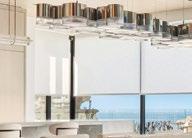
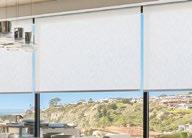
Designer: Morrison Interiors
Fabrication: Lutron
Dealer and Installer: Solè Shades
Photography: Michael Khein, One of a Khein Media
Window Fashion VISION magazine makes every attempt to credit each person involved in the process of creating a window covering and will not be responsible for crediting any person whose name, company or participation did not surface during the information-gathering process. Crediting disputes between parties other than VISION magazine are solved at the discretion of those involved.
Window Fashion VISION (ISSN 08869669) (USPS 708930) published bi-monthly by BridgeTower Media, LLC, 14311 Reese Blvd STE A2 #266 Huntersville, NC 28078, Tel 651-330-0574. Visit our website at WF-VISION.com. Periodicals postage paid at St Paul, MN. Postmaster: Send address changes to Window Fashion VISION, 14311 Reese Blvd STE A2 #266 Huntersville, NC 28078. Allow 60 days for address change. Subscription rates: $22/yr. U.S. and possessions; $29/yr. Canada; $90/yr. Foreign (includes airmail postage). Copyright © 2026 by BridgeTower Media. Reproduction in whole or in part without written permission prohibited. Canadian Publications Agreement Number: #40036514. Canadian Return Address: 14311 Reese Blvd STE A2 #266 Huntersville, NC 28078 MARCH + APRIL 2026, VOLUME 48, ISSUE 2.


For magazine updates, go to Facebook.com/wfvisionmagazine
Keep up with all the news @WFVMagazine
Follow us and re-pin at Pinterest.com/wfvisionmagexpo
Follow us on Instagram @wf_visionmag












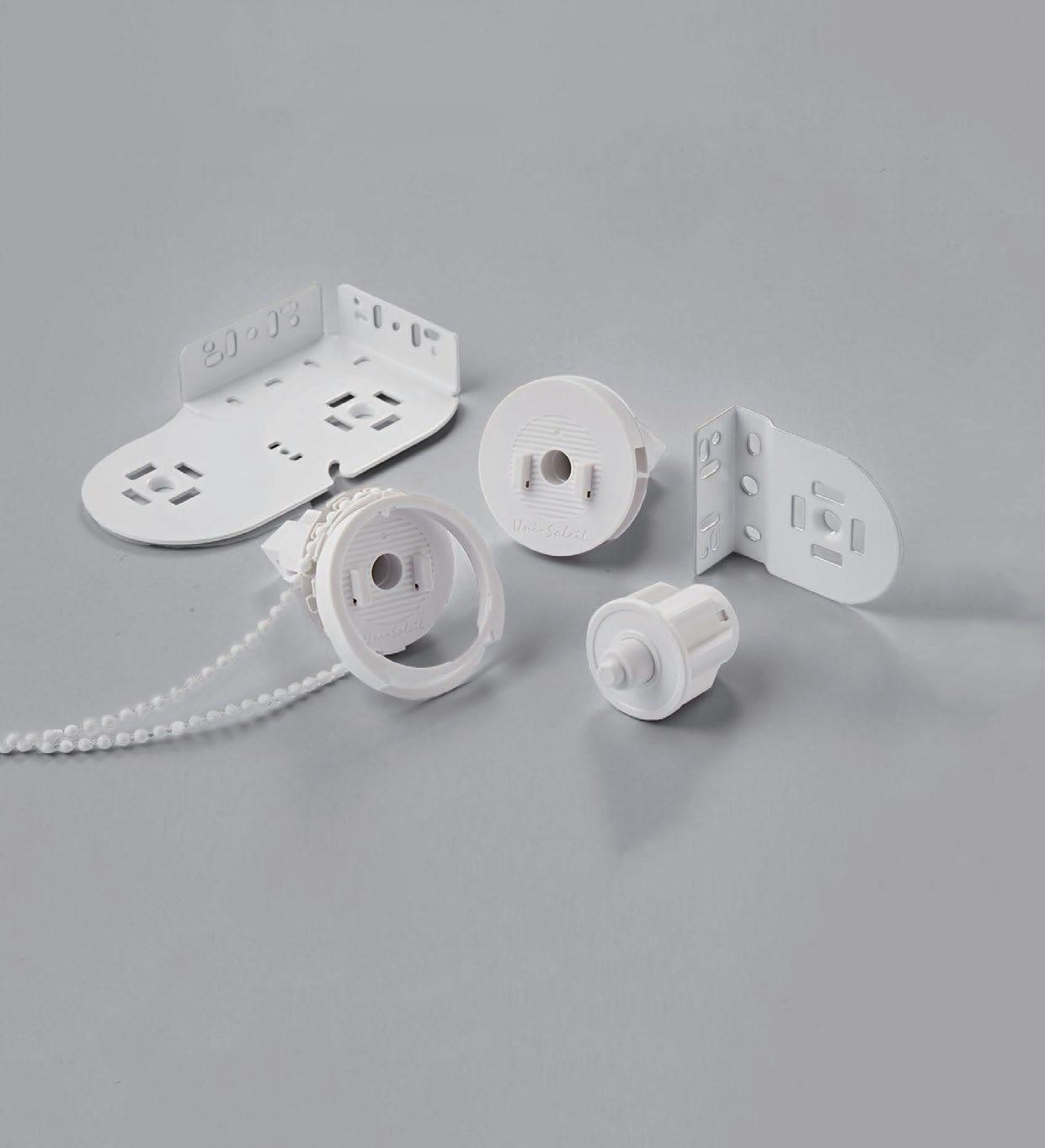
The award-winning Opulence Series pairs trusted functionality with refined design, delivering a premium finish without added complexity.
Easy to install and elegant in any space, it’s a smarter, sleeker, more stylish standard for roller shade hardware.





Thirty years. That is how long the International Window Coverings Expo (IWCE) has been bringing this industry together.
Soon we’ll all be heading to Raleigh to celebrate the 30th anniversary of the IWCE. Three decades of education, innovation and connection have helped shape businesses across the country. Trade shows are about new products and packed show floors, yes. But they are also about momentum. They are where ideas sharpen, partnerships form and businesses evolve. That energy carries straight into our Better Business Issue. Inside, we focus on what helps companies grow smarter, not just bigger. From building stronger teams to exploring commercial opportunities, these pages are about refining your approach and strengthening the foundation behind the scenes. Beautiful design may win attention, but strong systems build staying power.
We will also celebrate this year’s Grace Awards in Raleigh, recognizing the projects and professionals raising the bar. The work may capture attention, but it is the structure, teamwork and follow-through behind it that sustain success.
That is what connects it all. Education. Recognition. Community. Better business is not built in isolation. It is built through shared knowledge, high standards and a willingness to keep improving.
Here’s to 30 years of the IWCE, to celebrating excellence and to building businesses ready for what is next.
We look forward to seeing you in Raleigh!
Cheers, Ania Managing Director
Lindsay Managing Editor
Step into the Roaring Twenties with this classic cocktail, then join us at the Golden Soirée Welcome Party on Tuesday, April 21, as we celebrate the start of IWCE in true Gatsby fashion. Party starts at 5:30 p.m.!
Ingredients
2 ounces gin
¾ ounce freshly squeezed lemon juice
½ ounce honey syrup
Lemon twist, for garnish
Instructions
1. Add the gin, lemon juice and honey syrup to a shaker filled with ice. Shake until well chilled.
2. Strain into a chilled cocktail glass.
3. Garnish with a lemon twist.














Understanding
Gianola
Gaidusek
Magalhaes
with a Plan By Michele Williams
Your guide to the International Window Coverings Expo (IWCE) in Raleigh, North Carolina, April 21–23. Explore event highlights, discover the latest trends and products, and prepare for valuable networking opportunities throughout the show!





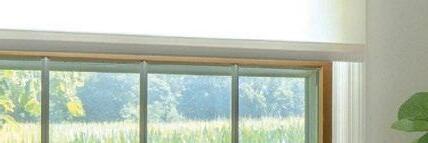





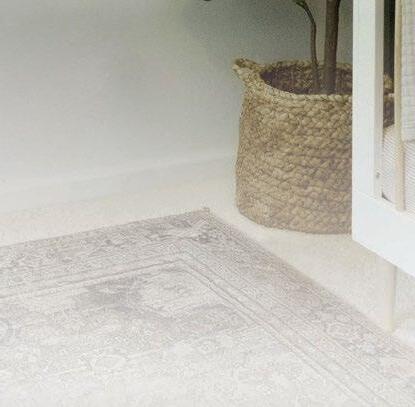








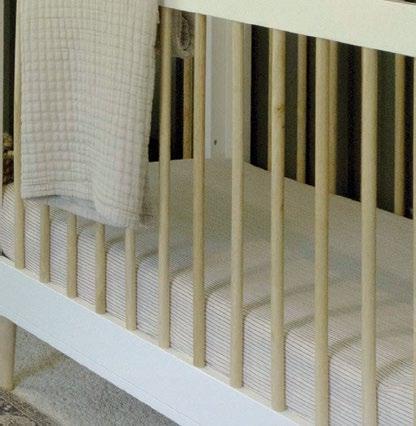







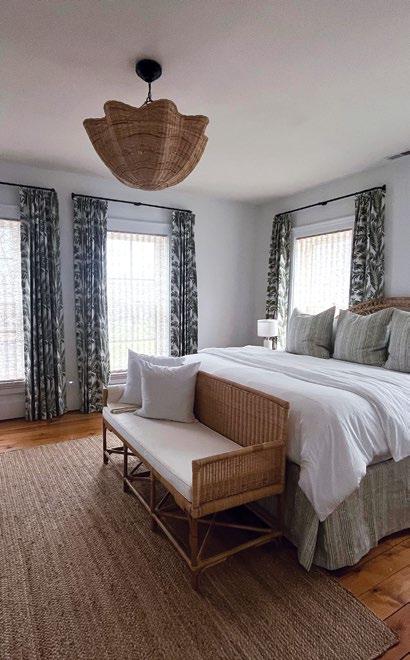
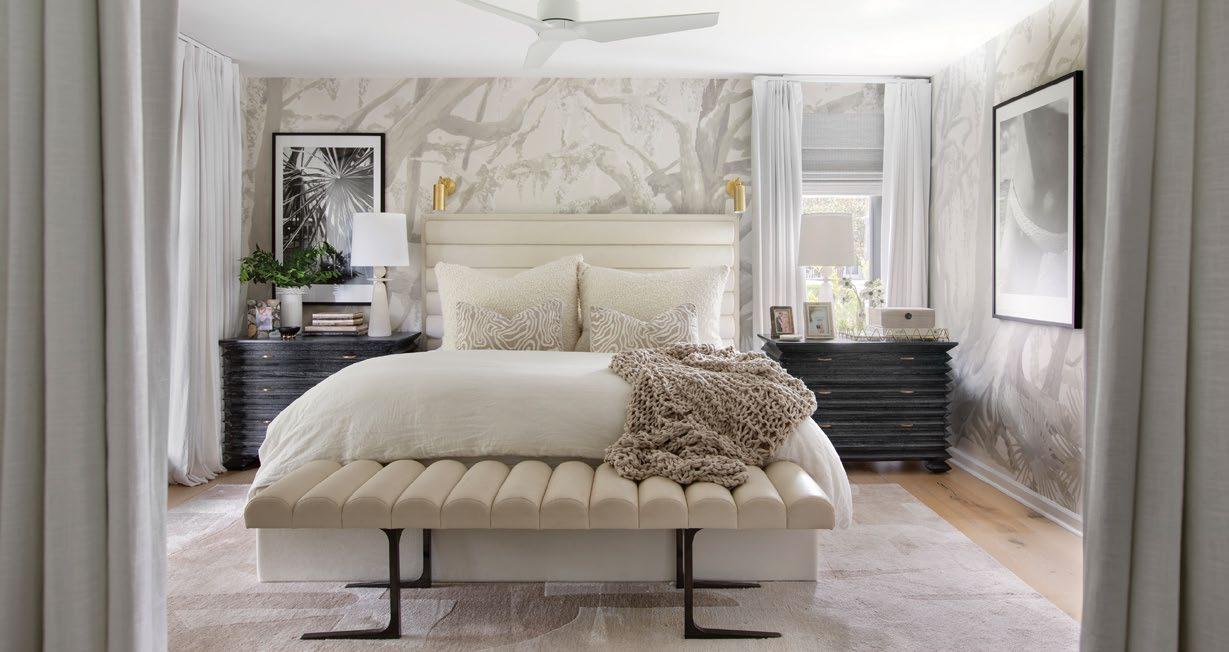
With sweeping views of the Pacific Ocean, this private residence in Dana Point, California, was designed with a singular priority: let the views breathe. From the earliest stages of construction, window treatments were treated as part of the architecture itself. Built from the studs with intention, the home incorporates recessed pockets and concealed niches that quietly house roller shade systems, preserving clean sightlines while delivering effortless control over light and privacy.
Throughout the home, light-filtering shades provide a subtle framework for daily living. In the great room, the treatments act as a soft veil, diffusing sunlight without sacrificing the coastal panorama. In the bedrooms, the shades pair with bespoke drapery to create layered comfort, balancing openness with intimacy. The effect is understated but impactful, allowing natural light to shape each space while maintaining a sense of calm.
Automation plays a starring role, though it never announces itself. Solè Shades, working in collaboration with Morrison Interiors, integrated motorization seamlessly into the architecture, concealing mechanisms and wiring within the structure itself. The result is a home that responds intuitively to its environment, adjusting light and atmosphere with quiet precision.
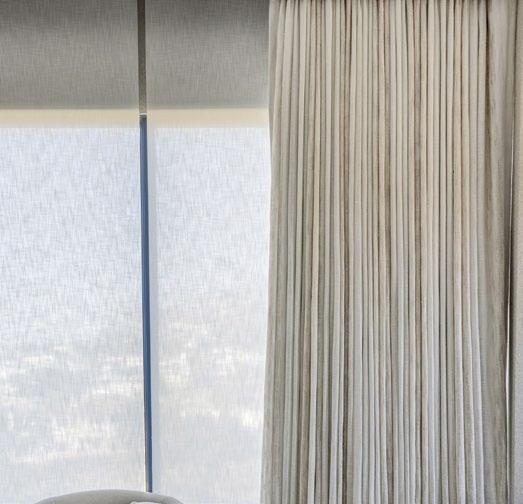
Designer: Morrison Interiors
Fabrication: Lutron
Retailer and Installer: Solè Shades
Photography: Michael Khein, One of a Khein Media
Insolroll’s Engineering and Design Enhancements for 2026
Improved adjustability, durability, and smoother operation
Enhanced operation, sleek Dual Shade Systems, and next level digital printing
Exciting new fabric additions to our unique curated collection
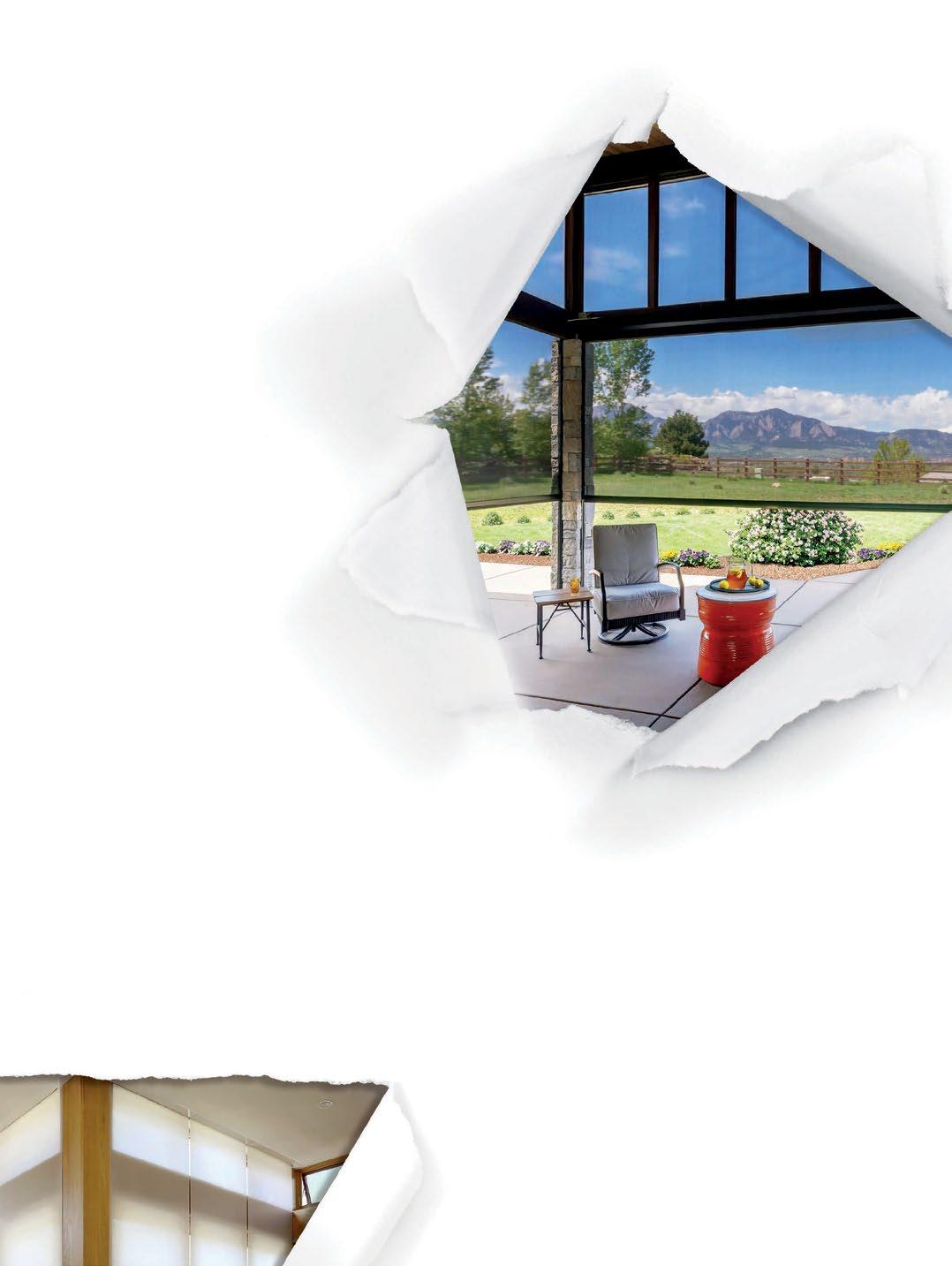
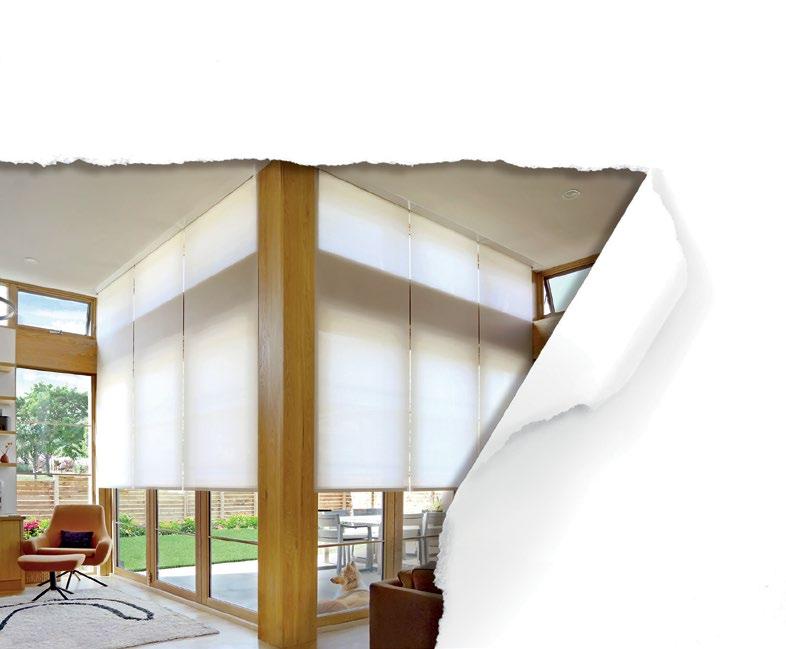

& Noteworthy


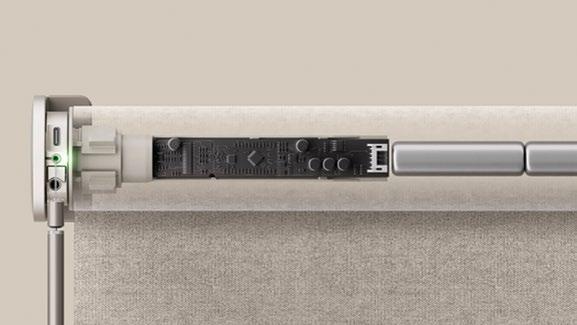
Fresh off two Window Fashion VISION Readers’ Choice Awards, Motionblinds grows its CM-45 motor family with three smart, accessible options designed for modern shade systems. The lineup includes Matter and Thread integration for connected homes, Bluetooth control for everyday ease and a pull-only version that delivers motorization without remotes or apps. Built for both residential and commercial settings, the CM-45 series offers smooth performance and flexible control, creating a futureready foundation for comfortable interiors.
Motionblinds.com
Flowers take center stage outdoors in Flowering Outdoors: Gardens & Parties, where Margot Shaw teams up with Lydia Somerville to celebrate alfresco living at its most expressive. Lush photography captures terraces, balconies and garden rooms styled with container plantings and party-ready florals, while practical tips make it simple to re-create the magic at home. It’s equal parts inspiration and entertaining guide for anyone who believes flowers belong everywhere.
RizzoliUSA.com

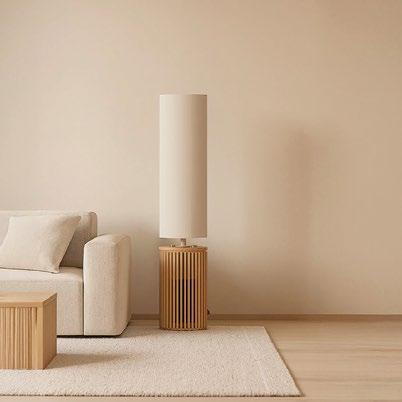
The Auli 2.0 combines clean air and ambient light in a sculptural piece designed to live comfortably in plain sight. Standing just under 4.5 feet tall, the purifier quietly captures dust and pet hair through a HEPA system while functioning as a sleek floor lamp. It’s a thoughtful blend of form and function that keeps spaces feeling refreshed without sacrificing style.
AuliAir.com



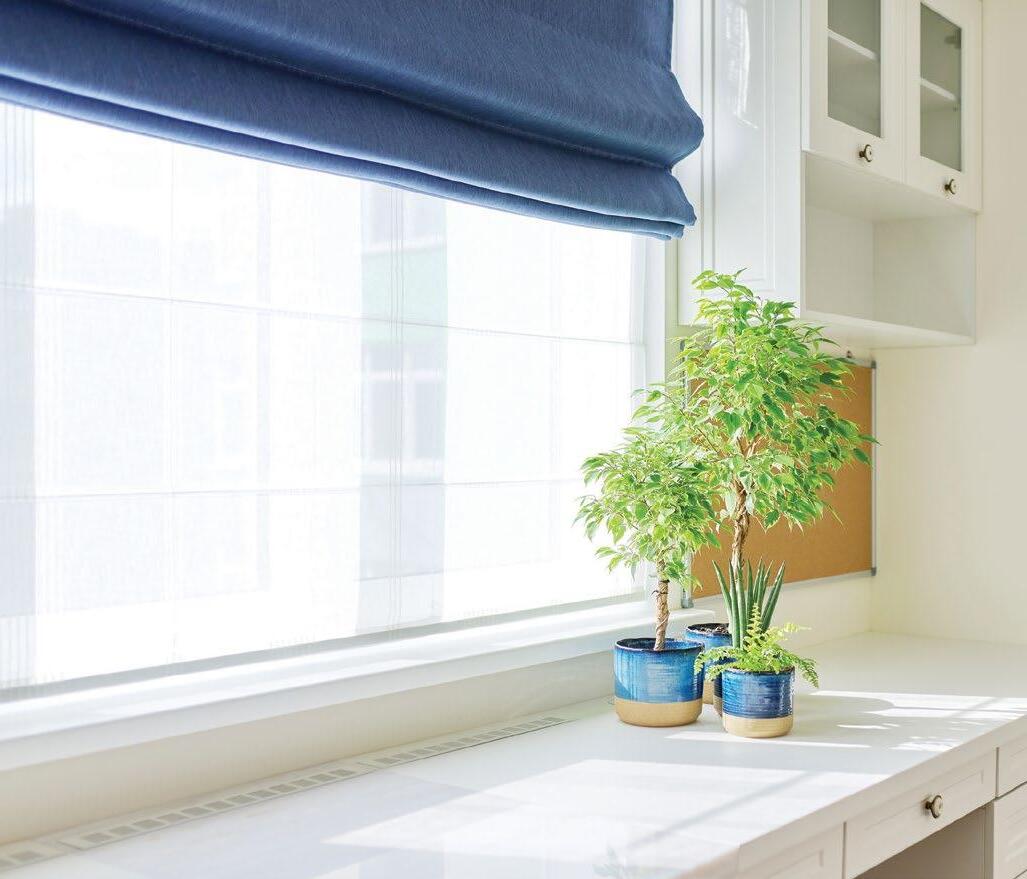






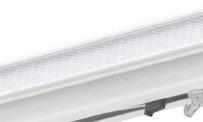


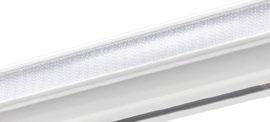
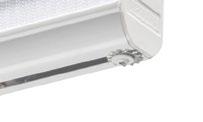

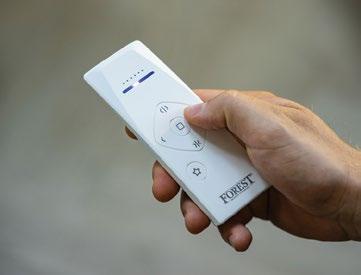
BEST IN CLASS. BETTER THAN EVER. You know the Forest Roman Blind System, RBS®, as the most widely used and recognized roman shade system in the industry. Now, discover the convenience and durability of our new battery powered motor. With a 6-8 hour charge, enjoy reliable performance for up to 6 months. Set up is simple and the operation is intuitive via wall switch, remote, home automation system, or smartphone app.



& Noteworthy
Draper At Home introduces Elevate, a cordless shade system designed for spaces where manual operation is preferred without sacrificing performance. Powered by patented BalanceFit technology, the shades deliver smooth, quiet movement and consistent precision through repeated use. Compatible with multiple Draper At Home hardware styles, Elevate blends child-safe functionality with flexible design options, offering a streamlined solution that adapts easily to a range of interiors.
DraperAtHome.com

English Garden Charm
Pindler’s Heritage Collection expands with three new prints that channel the romantic spirit of the English countryside in peak season. Floral and woodland motifs unfold across a softly washed linen blend, bringing warmth and character to interiors while remaining easy and livable. The prints join the collection’s embroidery and trim offerings to create a palette that feels collected, inviting and quietly whimsical, whether layered together or featured as a focal accent.
Pindler.com

Next Chapter
Forest Drapery Hardware introduces its 2026 catalog with updates that move custom window hardware toward cleaner lines and smarter performance. New Amsterdam Square and Rotterdam Rectangle rails expand the brand’s architectural offerings, while added motor options for roller and roman shades bring greater flexibility to modern installations. At the center is Motor 2.0, an upgraded system engineered for smoother, more reliable operation across core collections, reinforcing Forest’s focus on refined innovation.
ForestDH.com


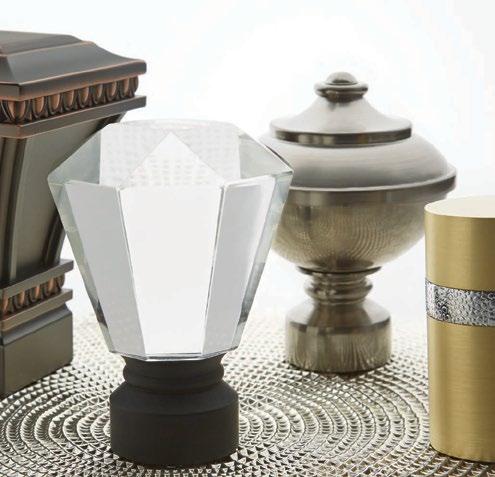

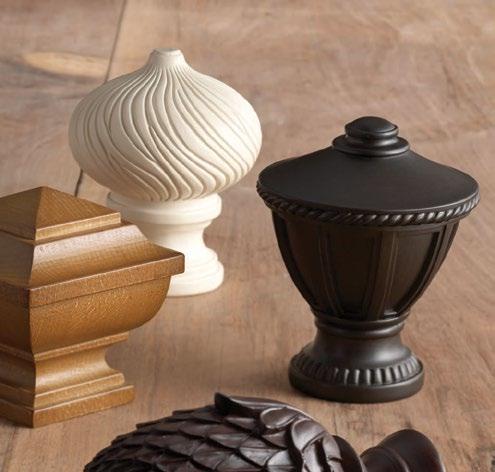
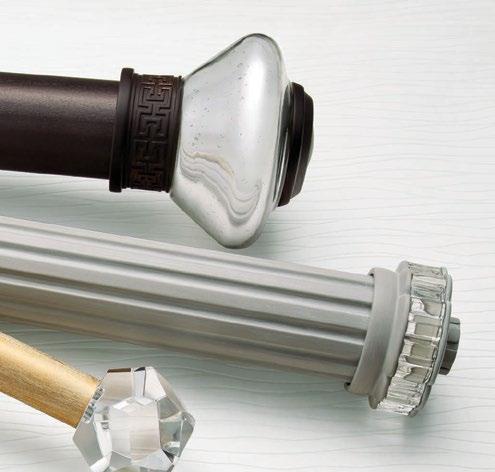
Elevate your next project Explore the Brands
BY LINDA TULLY
With this tutorial, bringing a showstopping custom arched cornice to life can become a reality. Follow along as Linda Tully shares her step-by-step instructions for creating this arched statement piece. A full video tutorial with detailed explanations for each step will be posted on Linda’s YouTube channel, YouTube.com@TullyDraperyShop, for those who prefer to follow along visually.
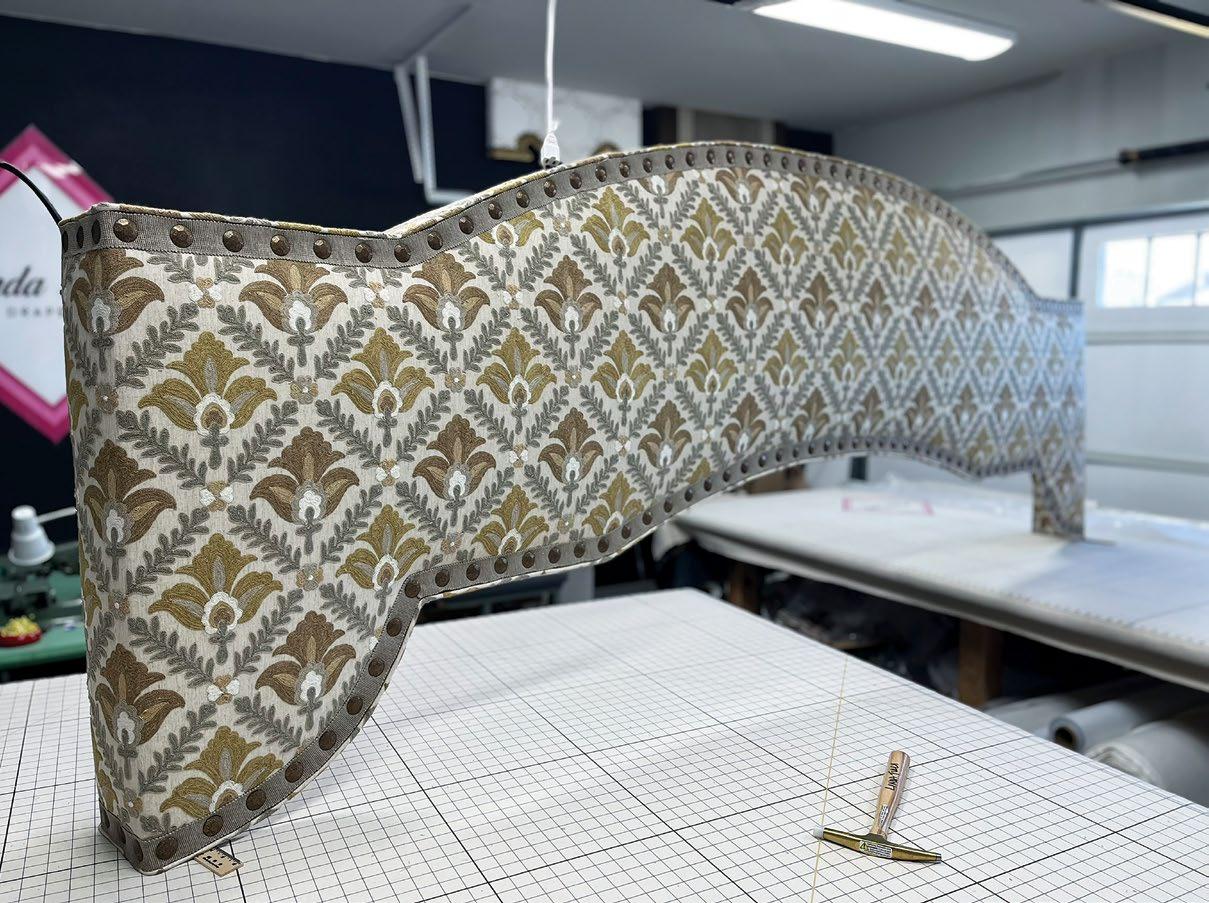
Step 1: Sketch the arched cornice design to scale. This sketch serves as both your visual guide and your work order reference throughout the build.
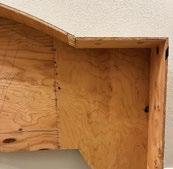
Step 2: Build the cornice frame. Construct the cornice frame using your scaled drawing as a guide. Make sure all the joints are square and the arch is smooth and symmetrical.
Step 3: Cover the frame with batting and interlining. Pay special attention to the arch and corners so there are no flat spots or ridges.
Step 4: Cut fabric and plan placement. Lay out the crewel fabric and plan the pattern placement carefully. Center any major motifs along the arch or face of the cornice.
Step 5: Match the pattern and seam fabric together.
Step 6: Line fabric up on the cornice and pin into place.
Step 7: Staple fabric to the cornice frame. Clip the fabric at corners and along curved areas up to the frame.
Step 8: Make the welt. Create custom welt cord using the same fabric to coordinate with the face of the cornice.
Step 9: Staple the welt.
Step 10: Add tack strip. This ensures consistent spacing and provides a firm base for installation.
Step 11: Glue nail trim on the face, top and bottom.
Allow time for the glue to set before proceeding.
Step 12: Hammer in nailheads.
Step 13: Wrap dust cap fabric to the back. Cover the back of the cornice with dust cap fabric, securing it neatly for a clean, finished appearance from all angles.
Step 14: Wrap the returns.
Step 15: Wrap the facing to the back.
Step 16: Add lining and gimp. Apply the final lining and decorative gimp to complete the cornice and conceal any remaining staples or construction points.























Located in Temple, Texas, Linda Tully creates bespoke window treatments and bedding specifically designed and fabricated for every project through her workroom, Tully Drapery Shop. She first started in the business with Custom Coverings drapery workroom in 2000. She is a former IWCE speaker and has won many awards. Many of her award-winning rooms have been published in books and magazines. Linda is accomplished at designing, selling and fabricating all styles of window treatments. She has lived and worked in the interior design industry in nine states in the U.S., giving her valuable knowledge about regional styles and architecture. TullyDraperyShop.com













BY JUSTIN GIANOLA
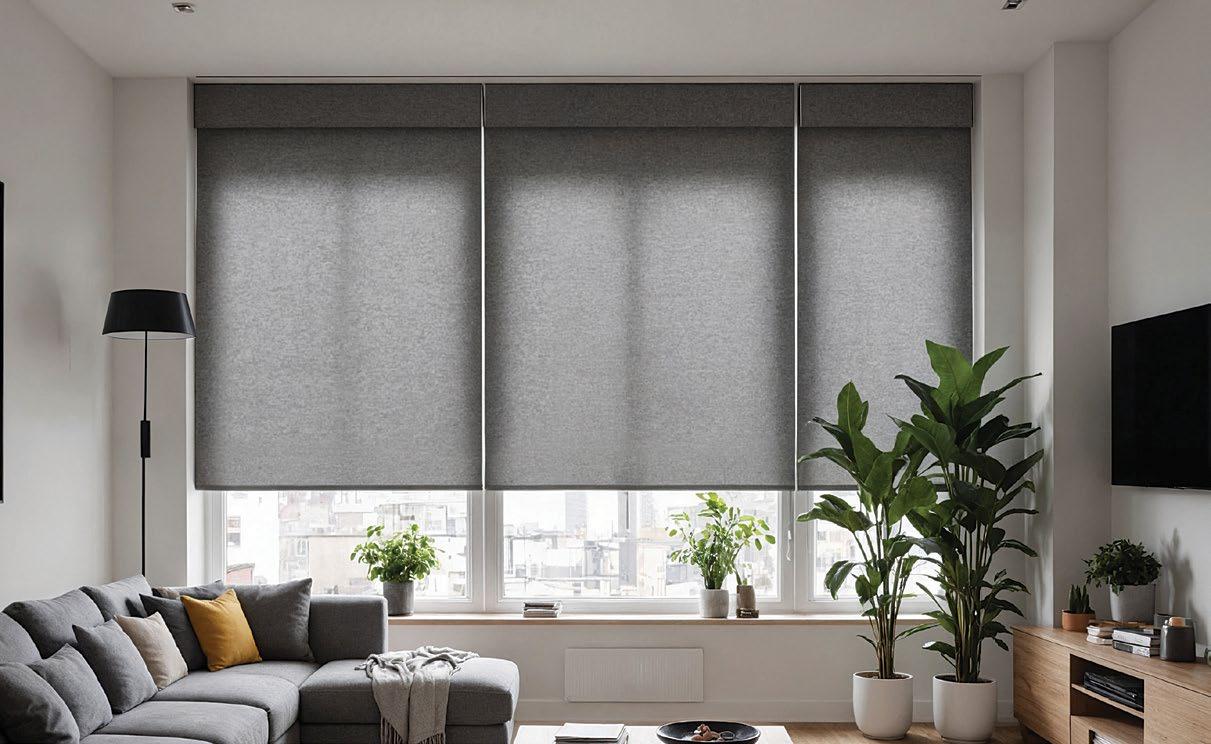
We no longer live in a world where motorized and automated window treatments are considered a luxury. They are quickly becoming an expectation. The familiar selling points still apply, including security, energy savings, child safety and that undeniable “wow” factor, but the conversation has shifted from optional upgrade to everyday convenience.
At the same time, the market has expanded. Today’s motor lineup spans every price tier, from wand motors and costeffective remote options to high-end systems built for full home automation.
So, the real questions are no longer about whether motorization belongs in the conversation, but how it leads it:
• Do you present automation as the starting point?
• Are entry-level motors quietly replacing manual sales?
• Are margin dollars being left behind by holding on to outdated control options?
Consumers have already made the shift. The industry now faces a simple reality. Ease of control matters, time is valuable and technology has reshaped everyday expectations. You no longer pull strings to turn on lights or hand-crank car windows. Why should managing daylight at the window feel any different?
Here are four key considerations when positioning
motorization for your customers.
With technologies emerging to make home automation easier every day, it is no longer necessary to invest heavily to control shades by voice, app or remote. Platforms such as Matter have made smart home devices more compatible than they were even five years ago, helping systems work together more seamlessly.
When motorization is presented as the standard offering, customers see it as the baseline rather than the splurge. This also helps reduce decision fatigue. After spending time selecting fabrics and design details, most clients do not want to sort through five control options. Simplifying that step can make the process smoother and the sale stronger.
Evaluate each customer on a case-by-case basis and ask a simple question that can often be answered with a quick home tour: Are they tech-savvy or tech-averse? If they lean toward a manual solution, this is the moment to introduce entry-level motor options. Done right, you make life easier for the customer and increase your margin contribution.
You can earn a high margin percentage on a low-cost clutch and make only a few dollars, or you can earn a lower margin percentage on a cost-effective entry motor and generate a higher dollar contribution. The rough estimates below are not meant to represent real-world costs but to illustrate the value of focusing on margin dollars rather than margin percentages when evaluating revenue growth.
In this example, the focus is on the dealer-to-consumer channel, but the same exercise can apply across the supply chain. For this scenario, the wand motor is used as the entry-level solution, which can be found online by consumers for under $90.
option that lets us keep the cassette style and include automation.”
In this scenario, combining both options increases your margin contribution compared to selling just one or the other.
Motorization is is quickly becoming the standard for window treatment control. Leading with automation aligns with customer expectations while helping fabricators, dealers and installers drive higher-value projects and stronger margins.
Motorization is not just the future of window treatments. It is a smarter, more profitable way to sell today. V
Keep in mind that, depending on shade size, the same motor can often be used to lift everything from a small shade to one measuring about 90 inches by 90 inches. As shades get larger on manual systems, the mechanisms required to lift them also increase in cost.
So, how do you convince a customer to move from the low price point of a clutch-operated shade to even an entrylevel motor?
Start at the top. Think about full integration with other smart devices throughout the home and identify what technologies customers already use. Do they have children? Pets? Work your way down through the more advanced and higher-priced motorization options.
If you find yourself at risk of losing a sale to a manual shade, introduce an entry-level motor and keep it close in cost to the manual option. One of two things will happen. Either the customer chooses the motor and thanks you later for standardizing technology, or they choose the manual shade and your margin dollars remain higher. If you price a clutchoperated shade within $10 of an entry-level motorized option, it becomes a win-win.
If a customer is debating between a top treatment and automation, build enough flexibility into your pricing model to offer both at the same price as one manual option.
“Ms. Jones, earlier you were leaning toward cassette shades because you liked the fabric-wrapped look, but you weren’t sure about motorization. I have another motor

Justin Gianola is the senior business development manager of motorization for Automate/Rollease Acmeda, where he leads strategic initiatives to drive growth and innovation in smart motor and control solutions. With a strong background in and passion for technology, Justin works on market-leading solutions. His core philosophy is “we are all in this together,” which he implements by focusing on user-centric experiences. The easier it is for the end consumer, the easier it is for everyone else.


Every spring, we talk about clearing things out. Closets, storage rooms, old samples that somehow multiplied when no one was looking. But for many design businesses, the real clutter isn’t physical. It’s digital.
Over the past few years, businesses have added tools quickly. Scheduling software, note takers, project platforms, marketing apps and AI tools that promised to save time but quietly added complexity. Individually, each tool made sense. Collectively, they often created more work, more cost and more confusion.
If this spring’s focus is better business through smarter practices and stronger growth, the best place to start is not by adding something new. It’s by cleaning up what you already have.
Before thinking about AI or automation, start with a simple exercise. Write down every technology tool your business uses.
Email. Calendar. File storage. Accounting software. Scheduling tools. Project management platforms. Meeting software. Note-taking apps. Marketing tools. Any AI tools you’ve added recently.
Most business owners are surprised by how long this list becomes. For the majority of businesses, the core of daily operations already runs on either Microsoft 365 or Google Workspace. And this is where a major shift has quietly happened.
AI is no longer something separate. It’s already built in. Microsoft Copilot is now integrated directly into Outlook, Word, Excel, Teams and your calendar. Google Gemini is infused into Gmail, Google Docs, Sheets, Drive and Calendar.
That means AI can already help you:
• Find emails instantly instead of digging through inboxes
• Summarize long email threads and draft responses faster
• Schedule meetings without endless back-and-forth
• Pull meeting notes and action items
• Search files intelligently across your entire system


BY JENNA GAIDUSEK

How smarter AI use builds a better business
And, in most cases, you’re already paying for this. Often for your entire team. This is where many businesses go wrong. They assume AI means signing up for another platform, when the smarter move is learning how to turn on and use what’s already there.
Better business doesn’t come from stacking more tools. It comes from maximizing fewer tools.
Once you’ve listed your tools, the next step is writing down your workflows. Not the ideal version. The real one.
How does a new client inquiry come in? Where does it get stored? How are meetings scheduled? Where do notes live? How are follow-ups handled? How does information move between team members?
Seeing this on paper reveals friction points immediately. It also highlights where multiple tools are doing the same job.
The goal of AI in business is not to eliminate human involvement. It’s to remove friction.
If one tool can replace three others, that’s progress.
If your email platform can now handle scheduling, summaries and search, that’s progress. If your existing system can reduce the time your team spends looking for information, that’s progress.
Every tool you keep should clearly do at least one of the following:
• Save significant time
• Reduce errors or miscommunication
• Improve clarity for your team
• Replace another tool entirely
If it doesn’t, it’s a candidate for removal. This kind of consolidation often results in immediate cost savings, but more importantly, it creates mental clarity. Fewer platforms mean fewer logins, fewer training gaps and fewer points of failure.
Technology decisions are not just financial decisions. They’re people decisions. Your employees are the most important part of your business. Introducing AI without context or support can create stress instead of efficiency. AI should feel like an assistant, not an obligation. Instead of saying, “We’re using this now,” start with:
• Why this tool exists
• What problem it solves
• How it makes daily work easier
When AI is framed as a way to reduce busywork rather than monitor performance, adoption happens more naturally. A simplified tech stack is also easier to teach, easier to support and easier to scale as your business grows.
The AI market is loud right now. New tools launch weekly, each promising faster growth, better results or competitive advantage. But better business is not about being everywhere. It’s about being intentional.
Before adding a new tool, ask:
What problem does this solve?
What will it replace? Who needs to use it?
Does it integrate with what we already have?
If the answers aren’t clear, pause. Growth does not require complexity. In fact, complexity often slows growth down.
The businesses growing the smartest right now are not the ones with the biggest tech stacks. They are the ones that trimmed aggressively, consolidated systems and trained their teams deeply on fewer tools.
Spring-cleaning your tech stack may not feel exciting, but it is one of the most impactful business moves you can make this year.
Before adding something new, look at what’s already there. Learn it. Use it well. Optimize it. Better business starts with clarity. And clarity usually begins with subtraction. V

Jenna Gaidusek is a visionary entrepreneur, an interior designer and one of the most trusted voices in the world of design technology. As the founder of AI for Interior Designers™, Jenna has dedicated her career to helping creative professionals navigate the fast-changing landscape of artificial intelligence with practicality, confidence, clarity and a healthy dose of curiosity. Learn more at AIForInteriorDesigners.com.


What to confirm before stepping on-site to avoid delays, mistakes and callbacks


BY ROGER MAGALHAES


In aviation, even seasoned pilots rely on checklists before takeoff, not because they lack expertise, but because experience shows small oversights can have major consequences.
Window covering installation is no different. After more than two decades in this industry, I’ve seen the costliest mistakes rarely happen during installation. They occur beforehand, when missed details, unchecked assumptions and rushed preparation lead to delays, callbacks and lost profit.
A simple Preflight checklist often separates a smooth, profitable install from a long day that ends with, “We’ll have to come back.” Whether you’re an installer, dealer or workroom managing a team, these are the critical steps to confirm before takeoff.
1. Measurements: Confirm, Don’t Assume
Even veteran installers can fall into the trap of trusting measurements without double-checking. Before leaving the shop, verify:
Inside vs. outside mount (and that it matches the order)
Finished dimensions vs. rough openings
Control side, stack direction and handle placement
Site-specific obstructions (molding, tile, trim depth, window cranks)
For Dealers and Workrooms: Make it standard practice for your team to review measurements before every install.
2. Product Check: Inspect Before You Load
Never assume the label tells the whole story. Before loading the truck or van:
Open and inspect every product


Confirm fabric/color, hem style, hardware finish and controls
Verify quantities and room assignments
Check for all brackets, screws, spacers, valances and returns
For Dealers and Workrooms: Implement a policy that requires installers to sign off on a complete product check list. This extra step prevents avoidable return trips and protects your margins.
3. Site Readiness: Is the Job Truly Ready?
Not every “ready to install” job is actually ready. Confirm with the client or project manager:
Construction is complete in the install area (ask for photos)
Painting, tiling, floors and trim work are finished (truly)
Furniture is moved or protected (most client won’t do it)
Power is available (if needed)
Pets, access and parking are addressed
For Dealers and Workrooms: Set clear expectations with clients about site readiness. Provide a checklist in advance and confirm readiness before dispatching your team.
4. Tools and Equipment: Bring the Right Gear
Every project has unique demands. Before departure, ask yourself:
Do I need ladders, scaffolding or lifts?
Are specialty tools required (laser level, impact driver, anchors, chop saw)?
What surfaces am I working with: drywall, concrete, tile, steel or wood?
Do I have the correct fasteners for the job?
For Dealers and Workrooms: Maintain an updated inventory and ensure every installer is equipped for the job at hand. Encourage team members to report missing or damaged tools before the day starts.
5. Documentation: Know What Was Promised Installers often pay the price for unclear sales communication. Review:
The signed order and scope of work
Notes about special requests or expectations from clients
What is (and isn’t) included in the scope of work
Installation responsibilities vs. client responsibilities
For Dealers and Workrooms: Facilitate clear handoffs between sales and installation. Make sure every installer has access to the latest documentation and understands client expectations.
6. Timeline Reality Check
Rushing almost always costs more than it saves. Before starting, consider:
Is the scheduled time realistic for this scope?
Do I need help for heavy lifts, large panels or motorized systems?
Is there a backup plan if things run too long?
For Dealers and Workrooms: Build buffer time into your scheduling and encourage your team to speak up if a timeline seems unrealistic. Protect your staff from burnout and your business from costly callbacks.
7. The Mental Check
This is the most overlooked step. Before walking in, ask yourself:
Am I focused?
Am I rushed, distracted or frustrated?
Am I mentally present for this job?
For Dealers and Workrooms: Foster a culture where installers feel supported and empowered to take a moment to reset before stepping on-site. A calm, prepared team not only does better work, but they represent your brand at its best.
Why This Checklist Matters
Callbacks aren’t just inconvenient, they’re expensive. They consume labor, fuel, scheduling flexibility and goodwill. Most critically, they erode profit quietly, one “small issue” at a time. The best installers and managers aren’t faster because they rush. They’re faster because they prepare.
Preparation reduces friction, builds trust and protects margins. Whether you’re a one-man operation or managing multiple crews, a Preflight checklist creates consistency— and consistency is what turns good installers and good managers into great businesses.
Because in this industry, success isn’t just about what you install. It’s about how you show up every single time to deliver your best. V

Roger Magalhaes is the chief owl installer at Trading Up Consulting, owner and project manager of Shades In Place and iInstallation iInstructor for the WFCP Certification Program. He offers installation training and business coaching to people already in the window treatment industry and newcomers looking to gain an edge to be successful.








In less than a decade, PowerShades grew from an idea sparked by a technical gap in the market into a disruptive force in motorized window treatments. Founded by Ryan Chacon and Jason Turner, the company reimagined how shades could be powered and controlled, introducing the industry’s first Power over Ethernet (PoE) motor paired with cloud-based automation.
That innovation and leadership approach, rooted in trust and long-term vision, led to PowerShades’ acquisition by Springs Window Fashions in September 2025. Window Fashion VISION spoke with Chacon and Turner about building from scratch, scaling with intention and the leadership lessons that shaped their journey.
WINDOW FASHION VISION: Looking back on the early days, what gave you the confidence to build PowerShades from scratch?
RYAN CHACON: From the start, we saw clear gaps in innovation. The industry had been slow to adopt new technology, and we believed there was an opportunity to change how motorized shading systems were powered and controlled. Introducing the first Power over Ethernet shade motor, paired with cloud-based automation, confirmed we weren’t just building another product. We were creating a true disruptor.
JASON TURNER: We didn’t originally plan to start an

Ryan Chacon and Jason Turner on building PowerShades, leading through innovation and knowing when to scale
BY LINDSAY BROWN
automated window covering company. While helping a partner integrate shades into an energy management system, we saw outdated control methods and realized PoE didn’t exist. That revealed an opportunity, and once we explored it, moving forward felt like the obvious choice.
WFV: What key moments most shaped the company’s growth?
JT: That’s easy: CEDIA 2019. Our first CEDIA show showed us that we were on to something. We had a little booth in a terrible location (but with a great message), and it was an absolute feeding frenzy. We did so many interviews, met so many new dealers (now friends), that we realized we had created something the industry had truly been waiting for.
WFV: As the business scaled, how did your roles as leaders evolve?
RC: As the company grew, I learned that scaling successfully meant hiring people who were better than me in their respective roles. I had to unlearn the instinct to do everything myself and instead focus on empowering others. Trusting those individuals to own their responsibilities, while providing the right tools, guidance and support, was critical to sustaining growth.
WFV: How would you describe your leadership styles, and how did they work together?
RC: My leadership style is centered on giving people autonomy within their roles. I see my responsibility as setting
the direction, guiding the ship and removing obstacles so others can succeed. Jason and I complemented each other well by dividing responsibilities and tackling challenges from different angles. That divide-and-conquer approach allowed us to move quickly and stay focused.
JT: We both focus on playing people to their strengths: get people in the right role and let them do their job. Over the years, we have complemented each other, filling in our weaknesses and continuing to grow.
engineering degree. Watching my mom grow her business and be an entrepreneur had a significant influence on my life. It was a little bit of a full-circle moment when we were able to take our training and experience in a variety of other industries and apply it to a historically nontechnical product. It was a proud moment to show my mom the impact we were having on her industry.
WFV: What lessons from those early experiences still guide you today?
RC: One of the most important lessons I’ve learned is not to lose sight of the original goal. Along the way, I’ve made plenty of mistakes, but each one provided an opportunity to learn and improve. Staying focused on the bigger picture while remaining adaptable has been key.
JT: To realize that it isn’t sustainable to always operate on the bleeding edge of technology. Of course, we need to keep innovating and launching new products, but reliability and mature, stable products certainly make it easier to sleep at night.
“ My leadership style is centered on giving people autonomy within their roles.”
—Ryan Chacon, General Manager, PowerShades
WFV: How did you see yourselves as leaders within the industry?
RC: We saw ourselves as visionaries, especially around innovation. When we pitched new ideas, not everyone immediately understood the vision, but we believed in where the industry was heading and were willing to push boundaries. Our goal wasn’t to be first for the sake of it. We wanted to introduce innovation that would positively impact the industry.
JT: We viewed ourselves as leaders in technology, partly because we were new to the industry and didn’t realize how difficult our work was for others. We’ve always felt like a small startup compared to the larger players, so being courted and ultimately acquired validated that we had built something meaningful.
WFV: Jason, how did growing up around your mother’s drapery workroom influence your path?
JT: Very impactful. I worked in my mom’s business in high school and some in college before getting my electrical
WFV: What led to the decision to sell the company, and why was the timing right?
RC: We recognized that Springs Window Fashions was a company with strong values, great people and exceptional capabilities. Their manufacturing scale, sales organization and leadership team positioned them as an ideal partner. We knew that, together, we could accelerate growth far beyond what we could achieve independently.
WFV: How has your definition of success evolved, and what advice would you give owners building for the long term?
RC: Today, I define success as being a leader rather than a follower, especially when it comes to innovation. My advice to other business owners is simple: Never lose sight of your goals. Stay focused on your vision, learn from your mistakes and be willing to challenge the status quo. That long-term mindset makes all the difference.
JT: Ultimately, our impact on the industry has been the biggest indicator. They say imitation is the sincerest form of flattery; seeing multiple companies try and launch a PoE motor to compete with ours has been the textbook definition of that phrase. We developed something that didn’t exist, and now it is becoming a necessary offering in a huge market segment. V

Because not every kind of growth is good for your business
BY MICHELE WILLIAMS




Maybe you have been there or have heard the horror stories. You are running a somewhat profitable business and you try some new marketing tactics or say yes to more opportunities. Suddenly, the phone is ringing, and clients seem to be coming from all directions. This can feel very exciting and overwhelming all at once.
To keep up with all this business, maybe you quickly hire and bring on staff. Sorry, we don’t have enough time to train you fully, but watch and try to catch on as best you can. Still too much work? OK, let’s outsource so we can meet the dates we promised.



“ The sweet spot to intentional growth is the intersection of the strategic plan and the fi nancial plan.”
Is your heart beating a little harder and do your palms feel sweaty? Mine do just reading this. Growing without a plan can be overwhelming and can cost you much more than a steady, defined growth strategy. More revenue does not always mean more net profit. The cost to produce and implement must be taken into consideration.
In 2010, Crystal Nail Salon out of Chicago, Illinois, sold more than 5,100 manicure-pedicure vouchers on Groupon. The marketing machine was on and humming. However, when it was time to deliver on the actual services, they fell into operational paralysis and could not meet demand or expectations. This led to poor reviews and showcased how being “too successful” could destroy a business.
“ Businesses that don’t have a clear plan of where they are going, along with goals to achieve, can often be derailed by good projects instead of better or best projects.”
The sweet spot to intentional growth is the intersection of the strategic plan and the financial plan. Crafting a plan that is very clear on what your business is trying to attain with regards to growth, clients, brand promise and actual deliverables is the first step. The strategic plan should be a guide to identifying the needs of the company moving forward and provide a pathway to accomplishing the goals to meet this future state.
The financial plan should be an additional plan that aligns with the strategy, goals and desired outcomes. For example, if your strategic plan has you needing to hire a new person in 2026, then the financial plan has to account for the hiring and salary costs associated with this new hire. This money must be protected for what it was intended to do. If the money is spent in a different way, understanding the impact to the strategy is key.
Looking at capacity, similar to the example above with Crystal Nail Salon, and knowing how much work your firm can manage will allow you to have guardrails on the yes and no that you give to potential projects. Then, taking those projects and aligning them with the work that you want to be known for will give you a clearer yes on which projects might be yours. Once you have the understanding that a project could be a clear yes, create the financial plan for the project. Forecast the budget needed and the costs that will occur. If the project does not bring in the profit margins needed to support the company goals as indicated in the strategy, then take a beat and see if this is really a good fit.
Businesses that don’t have a clear plan of where they are going along with goals to achieve can often be derailed by good projects instead of better or best projects. And before you know it, the resources are being utilized on less-than-
ideal projects bringing in less than ideal profits—all while growing the business.
And the outcome is usually exhaustion. Back to the Crystal Nail Salon debacle. They tried to hire because they could not handle the influx of customers. And once the deluge of work was done, they did not need all those they hired, so firing came next. Their reputation took a hit, and they operated at a loss to try to fulfill the purchase of the client. At the end of the day, no one was satisfied and felt good about the transaction.
Growing your business without a well thought out plan that intersects with your financial, marketing, operations and human resource plans is a recipe for this same type of disaster.
So, what can you do? Ask yourself these questions:
1. Go back to basics. Look at your foundation and be clear on who the business is, what you do, who you do it for and how you do it.
2. Identify your future state. What are you working toward? Define this as granularly as you can to avoid confusion.
3. Be very focused in your planning to make this future state happen. Create goals and tasks that align while working with ideal clients. Say no if this alignment is not ideal.
4. Ensure all areas of the company support the overall company plan. This means budgeting, hiring, marketing, internal and external operations, and communications. Every part of the business should be working toward the same goals and staying on the same page.
5. Monitor and measure the indicators that alert you to being on the right path in all areas of the company.
Enjoy the success that comes with a well –thought out and planned growth strategy. Plan to go where you want to go with your business and be radically focused on achieving those goals. Profitability awaits! V

Michele Williams is the owner of Scarlet Thread Consulting and Metrique Solutions, where she helps interior designers, workrooms and window covering professionals build stronger, more profitable businesses. Known for her financial expertise and strategic insight, she guides entrepreneurs through pricing, operations and growth planning. Michele’s work blends data-driven clarity with practical coaching, empowering clients to run resilient, confident businesses.
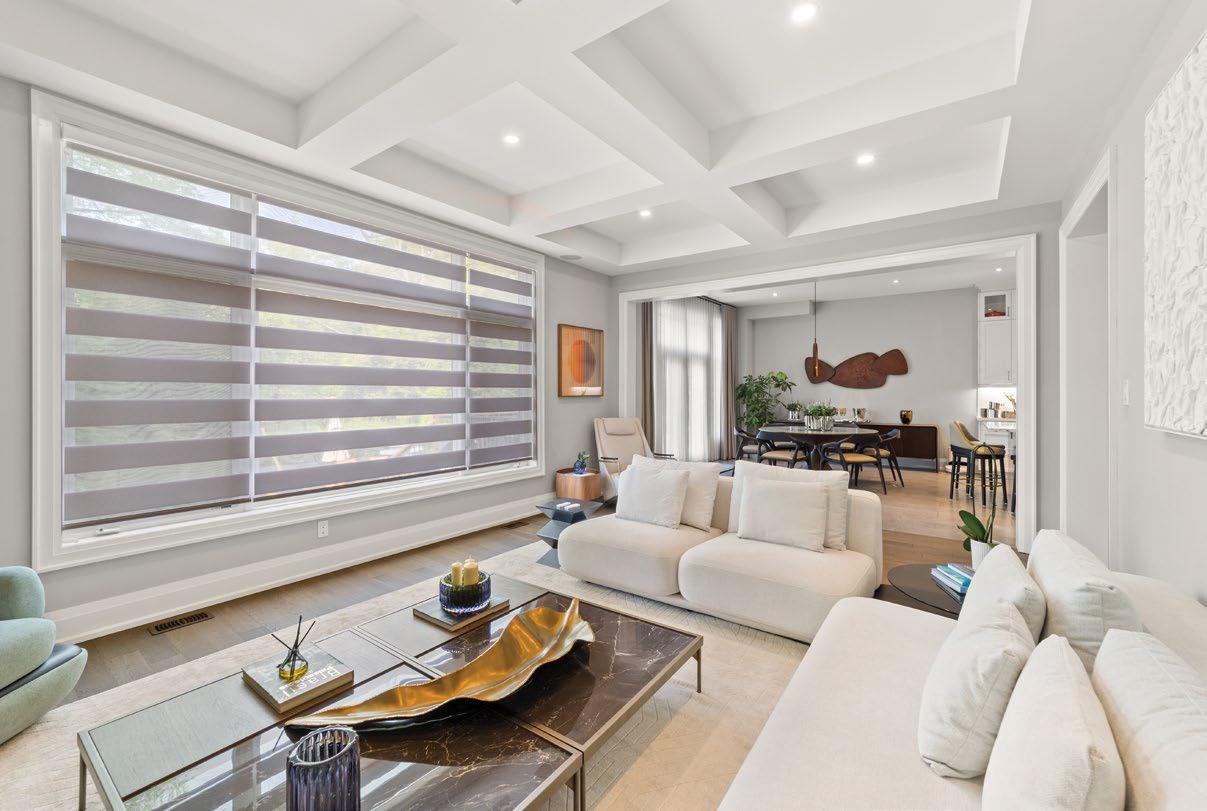


When Bruno De Micheli set out to open a showroom for Boost Blinds in Toronto, Ontario, he skipped the retail strip and looked for something that felt like home.
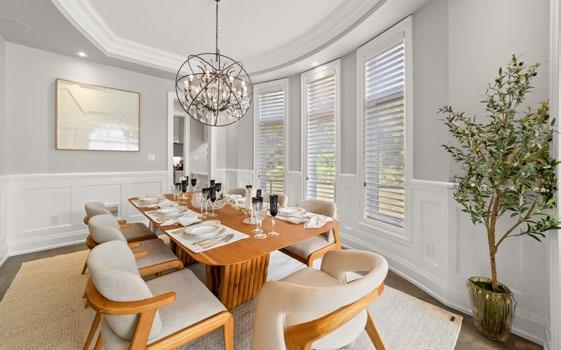
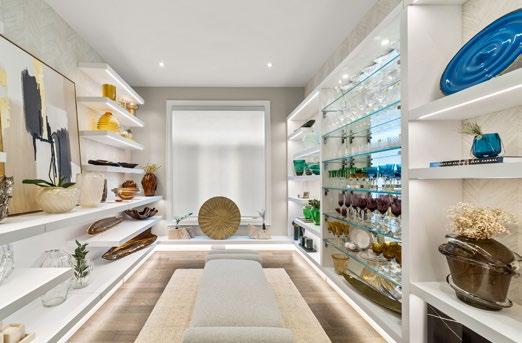
Instead of a conventional storefront lined with sample walls, he built his sales environment inside a fully furnished, showhousestyle space where window treatments are installed at scale and operate in real time. Clients do not flip through binders. They walk through rooms. They watch drapery stack at full height. They press a button and see motorized shades move across actual windows.
“My main goal was to create a space that functioned as a true design and sales environment, not just a sample library,” De Micheli said. “I wanted clients to experience window treatments at scale, especially drapery and motorized shades, the same way they would in a real home.”
In doing so, De Micheli moved away from the traditional showroom model and toward something more immersive. Rather than focusing on comparison, the space emphasizes experience. As client expectations evolve and automation becomes standard, that

ONE FULLY IMMERSIVE ENVIRONMENT IS REDEFINING THE SHOWROOM EXPERIENCE. IS THIS THE NEXT ERA OF THE SHOWROOM?
distinction feels increasingly relevant.
For decades, the typical window treatment showroom was designed for selection. Walls displayed fabric books and hardware options. Samples were clipped into boards. Clients chose materials in miniature and imagined how they might translate to full-scale windows. The format worked, but it depended heavily on visualization.
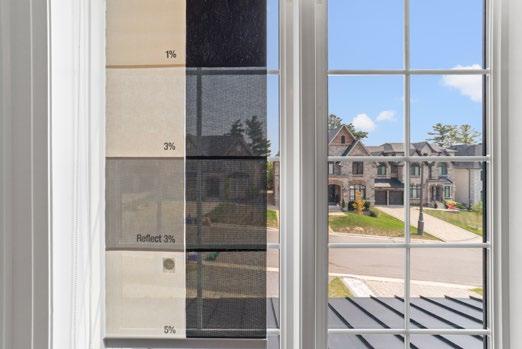
De Micheli’s concept reduces that guesswork. Full-height drapery installations, layered treatments and live motorization demonstrations allow clients to see products performing in proportion. Blackout, sheer and decorative fabrics are installed together, showing how they function as a system rather than as isolated elements.
“The biggest impact came from building full-height installations and real room settings instead of relying on small sample displays,” he said. “Being able to show clients ceiling-mounted tracks, layered drapery and motorized shades in realistic proportions immediately builds confidence and shortens the sales process. It turns abstract
choices into visual decisions.”
That shift changes the tone of the sales conversation. When clients can physically interact with a shade or watch layered treatments move together, decisions tend to feel clearer. Upgrades are easier to understand. Value becomes visible rather than theoretical.
Trust, De Micheli said, has been one of the most meaningful outcomes.
“
“Being able to show clients ceilingmounted tracks, layered drapery and motorized shades in realistic proportions immediately builds confidence and shortens the sales process.”
— Bruno De Micheli, Boost Blinds
“The biggest advantage is trust. Clients see quality, scale and execution in person, which reduces hesitation and increases upgrade decisions. It also allows for better collaboration with designers and builders.”
That collaborative element is becoming central to the next phase of his strategy. Boost Blinds is relocating its showroom to Midtown Toronto, prioritizing proximity to designers, architects and urban clients. The goal is not simply increased visibility but stronger dayto-day interaction.
“Our original showroom proved the concept, but we learned that accessibility and proximity to designers, architects and urban clients matters just as much as the space itself,” De Micheli said. “That is why we are now relocating to Midtown Toronto, where the showroom can function more as a daily sales and collaboration hub rather than a destination visit.”
The immersive model requires thoughtful integration. A concept showroom must operate as part of the company’s workflow, supporting how the team presents, collaborates and closes projects. In De Micheli’s case, the space is used actively in
nearly every client interaction, reinforcing its role as a working environment rather than a static display.
The traditional showroom is not disappearing, but it is evolving. In De Micheli’s case, building inside a showhouse was less about making a statement and more about aligning the space with how he sells. That alignment may ultimately be what defines the next generation of showrooms. V

Behind every smooth install and happy client is a team that knows what it’s doing. Here’s how to build one that can carry the business forward.
1. Define roles before you hire.
Hiring reactively often leads to confusion, overlapping responsibilities and unmet expectations. Before posting a job, identify the exact problems the role is meant to solve and how success will be measured. Owners aren’t simply bringing in extra hands. As Jeff Brannon, CEO/President of Integrity Blinds & Shutters, who leads a team of over 35 employees, explained, “You’re not hiring to get help. You’re hiring to build a company that can run without you in every room, on every call and at every install.”
2. Create repeatable processes.
Consistency shouldn’t depend on who happens to be on the job. Standard operating procedures for measuring, fabrication, installation and client communication protect quality and reduce errors. Systems remove guesswork, clarify expectations and allow teams to perform reliably under pressure. Repeatable workflows also make training more effective, helping new employees integrate faster and keeping service standards consistent as the business grows.
“
You’re not hiring to get help. You’re hiring to build a company that can run without you in every room, on every call and at every install.”
—Jeff Brannon, Integrity Blinds & Shutters
3. Hire for mindset, not just skill.
Technical abilities matter, but long-term success depends on attitude, reliability and adaptability. Candidates who demonstrate curiosity and ownership tend to grow with the business. Many owners hesitate to delegate, Brannon noted, because they built the company themselves and believe no one can perform at their level. That hesitation can keep leaders trapped in daily operations instead of stepping back to guide growth.
4. Treat onboarding as a structured process.
A rushed introduction sets employees up to improvise instead of perform. A thoughtful onboarding plan with
documented expectations and accountability shortens the learning curve and improves retention. Consistency is critical. As Brannon said, “Say what you mean and mean what you say. If you don’t hold people to standards, they know it.” Clear expectations and uniform accountability prevent uneven performance from taking root.
5. Delegate outcomes, not just tasks.
Delegation should focus on results, not just activity. Clear expectations paired with accountability empower employees to take ownership while freeing owners to lead strategically. Leadership growth plays a major role in this shift. Brannon emphasized that “the business will never outgrow the leader,” underscoring that owners who are willing to evolve create space for their teams to expand responsibilities with confidence.
6. Hire ahead of burnout.
Waiting until workloads become overwhelming often forces urgency-driven hiring decisions that prioritize speed over fit. While this may provide short-term relief, rushed staffing frequently creates training

gaps and inconsistent performance. Strategic hiring allows time for thoughtful onboarding and integration, protecting both service quality and employee morale.
Strong teams rely on steady communication, not occasional performance conversations. Regular check-ins create space for coaching, clarification and recognition, helping employees adjust before small issues escalate. Feedback that is consistent and constructive builds confidence and reinforces expectations, ensuring everyone understands how their work contributes to broader goals.
8. Align team structure with business growth.
As a company evolves, roles that once worked may no longer support increased volume or complexity. Periodically reassessing responsibilities and workflow prevents growing pains from turning into operational bottlenecks. Revisiting structure regularly reinforces the kind of intentional leadership Brannon advocates when building a company designed to operate beyond the owner. V






















Understanding the realities, rewards and requirements of expanding your window treatment business into commercial projects
BY JOHN MACKENZIE
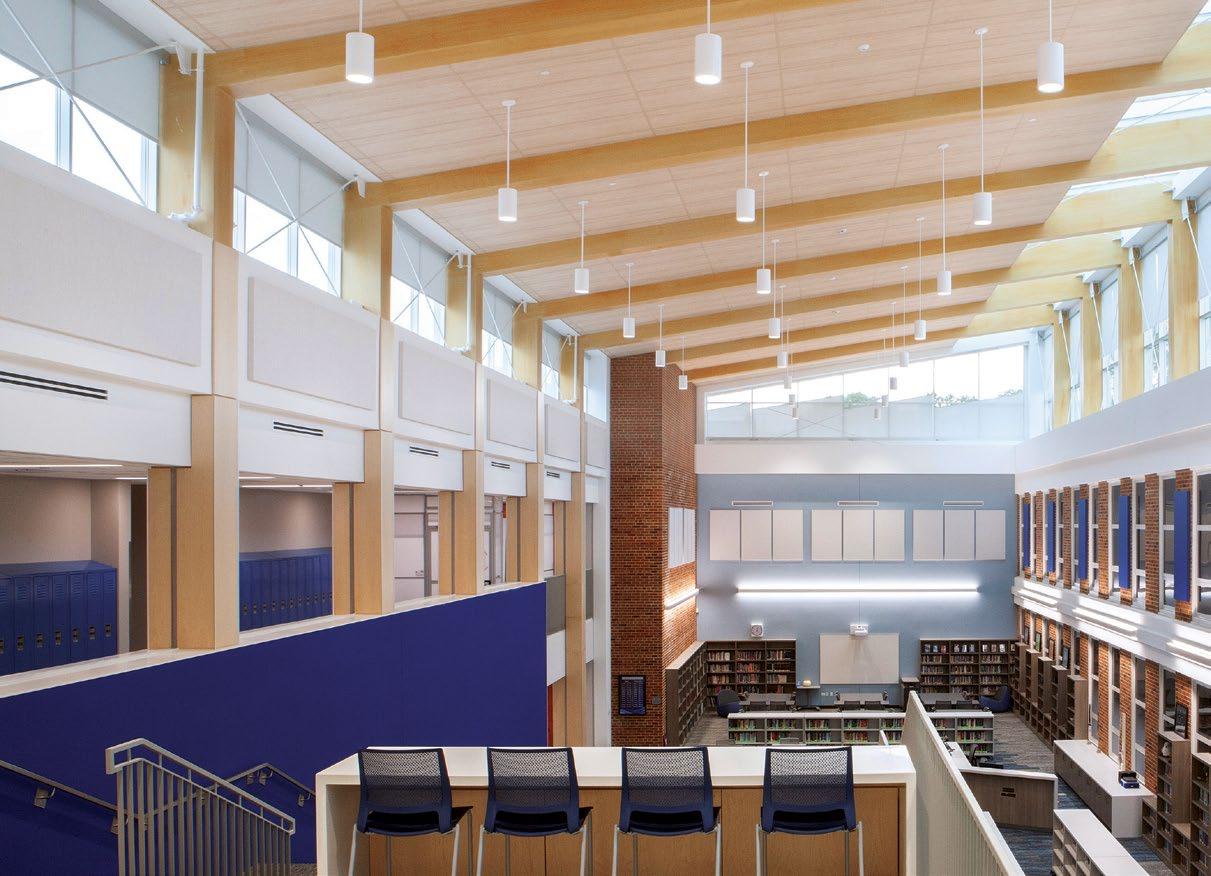
If you’ve spent your career in the window treatment industry serving primarily residential customers, chances are you’ve considered commercial work at some point. While many of the products overlap with residential projects, commercial work operates differently and can feel intimidating at first. Understanding what commercial work involves, what it takes to succeed and why expanding into this sector may be worth considering can help clarify whether the move makes sense for your business.
Commercial projects range widely, from small retail spaces to high-rise buildings or even entire campuses. Not every opportunity will be the right fit, but commercial work can help stabilize your business during slower periods or even become your primary focus.
One of the biggest advantages is that commercial projects are often less sensitive to market fluctuations such as inflation, interest rates or shifts in consumer confidence that can slow residential demand. Because many commercial builds involve years of planning, they tend to move forward even during challenging economic cycles. While some projects may stall, construction timelines for schools, restaurants and office buildings typically cannot be postponed as easily as a homeowner delaying an upgrade.
Another benefit is the potential for repeat business. A strong performance on one project can position you as a trusted subcontractor for future work with the same general contractor. Architects who value your expertise may also recommend your services or rely on you as a preferred shading partner. Some commercial projects involve hundreds or even thousands of shades. While margins can be slimmer than residential work, the ability to install large
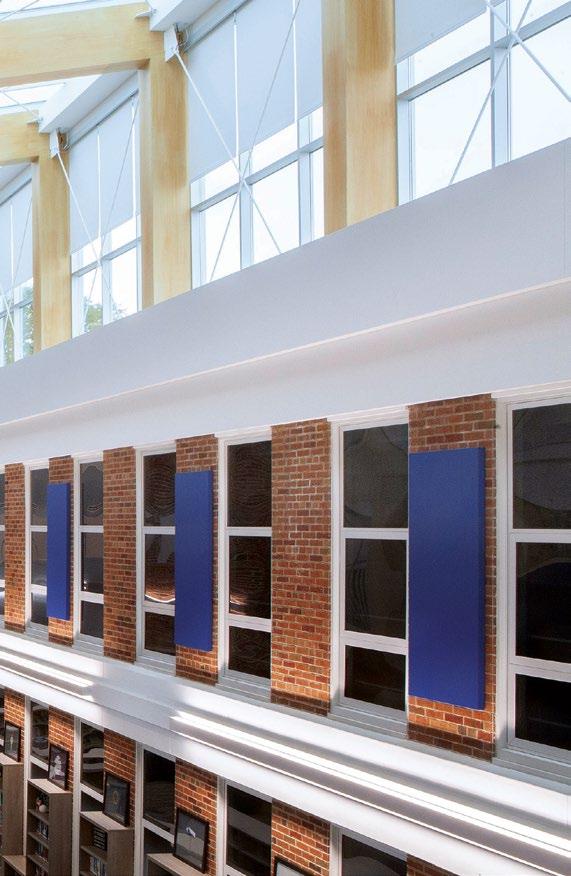
quantities efficiently can create meaningful revenue opportunities.
Of course, commercial work comes with trade-offs. Margins are generally tighter, so securing a higher volume of work is important. Larger projects often involve extended lead times, sometimes a year or more, making pricing negotiations more complex. Cash flow management is also critical, as you may need to cover materials and labor well before payment is received. Established credit lines with vendors and financial institutions can make a significant difference.
Staffing needs may also expand. Dedicated estimators, project managers or accounting personnel are often necessary for commercial success. Installation crews may require additional certifications, background checks or specialized training depending on the project. Commercial work also demands strict adherence to safety standards, detailed documentation and contractual obligations, as
well as firm project timelines that may carry penalties if missed.
Commercial projects are commonly sourced through job reporting services, invitations from general contractors or architect referrals. Reporting platforms such as Dodge Reports provide access to project documents, bid opportunities and communication channels with contractors. Building relationships with local general contractors is equally valuable. Many maintain subcontractor lists that require prequalification, including experience, company size and insurance documentation. Industry events, appreciation gatherings and community activities provide opportunities to strengthen these connections.
Architect outreach can also open doors. Educational presentations, such as AIA-approved lunch-and-learn programs, position you as a knowledgeable resource. If you partner with national manufacturers, they may offer ready-made programs you can co-present. Facility tours or hosted meetand-greet events further demonstrate your capabilities and build confidence in your operation.
Winning a commercial bid is only the beginning. After contract execution, your team will assemble a comprehensive submittal package that includes drawings, room schedules, wiring diagrams, finish samples and installation timelines. Coordination with the general contractor, architect and other trades is ongoing throughout construction, often requiring regular meetings to maintain alignment.
Lead time management is critical. Because shades are typically installed late in the construction process, early delays can cascade. Clear timelines ensure all parties understand when products will be measured, ordered and installed, minimizing friction during the final stages.
For companies new to commercial work, the process can seem daunting, but it can also be highly rewarding. Beginning with smaller projects, such as a café or retail space, provides valuable hands-on experience and insight into commercial workflows. Conversations with peers, manufacturers and suppliers can offer perspective and training opportunities. V

as an installer nearly 20 years ago and went on to work in both the residential and commercial sides of the industry. His true passion lies in product design and innovation.
Custom shading helps Longwood Gardens fine-tune heat and light inside its dramatic glass conservatory, creating an ideal environment for a global plant collection

Even plants that thrive in warm climates have their limits. Inside a glass conservatory, sunlight can quickly shift from nurturing to overwhelming. At Pennsylvania’s Longwood Gardens, one of the country’s most celebrated public gardens, custom Draper shading plays a quiet but essential role in maintaining that balance. The system supports a modern interpretation of the classic glass house designed to protect a global collection of plant life.
“Planting a garden of any sort symbolizes hope. Hope in tomorrow. Hope that something beautiful is about to happen.” Though often misattributed to Pierre du Pont, the sentiment reflects the philosophy that shaped Longwood Gardens in the early 20th century and continues to guide its evolution today.














When today’s stewards partnered with architecture firm WEISS/MANFREDI to reimagine the 1,100-acre horticultural destination in southeastern Pennsylvania, preserving that spirit was central to the vision, honoring history while embracing modern engineering.
The centerpiece of Longwood Reimagined is the new 32,000-square-foot West Conservatory, which is home to a Mediterranean garden featuring plants from not only the Mediterranean, but also South Africa, Chile, Australia and coastal California.
But even tropical plants can get too hot. To keep that from happening, operable glass panels and custom shading were part of the solution. The steel and glass structure’s asymmetrical roof peaks and arching beams and columns, which give the impression of the rolling hills and trees of its Brandywine Valley home, made this a tough task.
“What makes the West Conservatory so unique is the amount of customization that was required to go into it. It’s a very unique solution that we needed to provide that’s going to balance both the light and the heat gain for these plants to be able to continue to thrive in this environment,” said Corey Smith, commercial sales account representative — Mid-Atlantic U.S. for Draper, Inc. “Each window has seven unique angles. There are 295 shades that are unique and each one is operating in sync as well as individually.”
“For the custom engineering components, for fabrication, for lead time delivery and shipping, it all really proved beneficial in this project to be located in the U.S.,” said Smith. “I don’t know of many other manufacturers that would be able to take on a project like this.”
Draper worked closely with Goodwin Brothers Shades and Specialties throughout the project to make sure the shading solution was a proper fit for the job.
“The complexity of this project is really what stands out. To be able to install shades in this type of environment— and to get them to work correctly—that was the hard part about this,” said Matt Sanderoff, director of operations, Goodwin Brothers. “There’s not an off-the-shelf solution for this. Any shade to work and roll correctly needs to be plum level working in coordination with the rollers. So, every bracket, shade, cover is custom. We are not typically in this type of outdoor arena with open humidity, open elements, water, plants.” V
What does it mean to have buzz? Companies like to overuse buzzy words like “innovative” or “sustainable.” But Graber has one buzzword they elevate above all the rest— and it’s one not many other companies dare to claim.
Best is a word that gets thrown around a lot. As in, best quality, industry-best, or best-in-class service. Yep, we’ve said those things, too. But our “best” is focused on two critically dependent things: 1) We offer the Best Experience and 2) We are your best dealer partner. These are not two separate thoughts. We cannot provide one without being the other. And while we use these two phrases consistently, it’s not what we aspire to do. It’s everything we do. Period.
“So the ‘Best Experience’ is, I think, one of the best slogans in the industry. But a slogan is only as good as the company that stands behind it. And Graber has proven over the years that they stand behind the ‘Best Experience’.”
Rick Ford Co-Owner, The Blind Broker
We often define it in three simple words: loyalty, support, and commitment. But it’s deeper than that. It means truly listening to your feedback— and taking it to heart. Creating relationships that leave no doubt of our commitment to helping you grow your business. And completely transforming our business culture to one of a purely customerbacked mindset. Without your belief in our commitment to being your Best Dealer Partner, all promises to deliver the Best Experience inevitably fall short.
Here are a few of the things we’ve done to show you why the word best hits us differently.
1 We have a truly engaging, thoughtful product portfolio that’s been completely revitalized to close key gaps and create comprehensive solutions that meet all your customers’ needs.
2 We identified opportunities and prioritized excellence in our manufacturing process, improving our on-time shipments to 95% and cutting our remakes in half.
3 Best-in-class dealer support. There’s one of those cliché phrases again. But the truth is, we work hard to enhance our customer service program and warranty policies to prove our unwavering commitment to your customers.
Additionally, we’ve created unique programs like new consumer financing options and a compelling Premium Partners program that rewards dealers for their success, as well as continuously enhancing our comprehensive training program to ensure you have the expertise you need to sell. And then, of course, there’s family.

Scan this code to hear testimonials from some of our most valued dealer partners.
Graber is part of the Best Experience Company. Springs Window Fashions is North America’s premier window covering company and this tagline represents the essence of who we are. Our comprehensive portfolio of brands represents all price points for custom indoor and outdoor window treatments and awnings—and all of them are committed to the same purpose.
To us, it’s not just a buzzword. It’s who we are at our very core. It means being committed to delivering the best— always. And it means seeing the Best Experience all the way through—from the first homeowner conversation to the finished install—and every step in between.
Content Sponsored By Graber
CORDLESS MANUAL SHADES TAKE A LEAP FORWARD
CCordless shades with one-touch operation are an increasingly popular solution as consumers seek child-safe manual options that look and perform better than existing technologies.
New Elevate shades from Draper At Home deliver the safety, durability and performance your clients have been clamoring for, taking the home manual shading experience to a new level.
Elevate is an upgraded cordless manual shade operator from Draper At Home that delivers smooth control and lasting
balance. Engineered with patented BalanceFit™ Technology, Elevate offers consistent, quiet operation and resists drift and aging over time, an important improvement over traditional torsion spring models that often require frequent readjustment.
Elevate is also designed with child safety in mind and complies with the latest ANSI/WCMA standards for cordless window coverings, offering peace of mind without sacrificing performance. Elevate redefines manual shade control by bringing precision, ease of use, superior engineering and safety to every window.
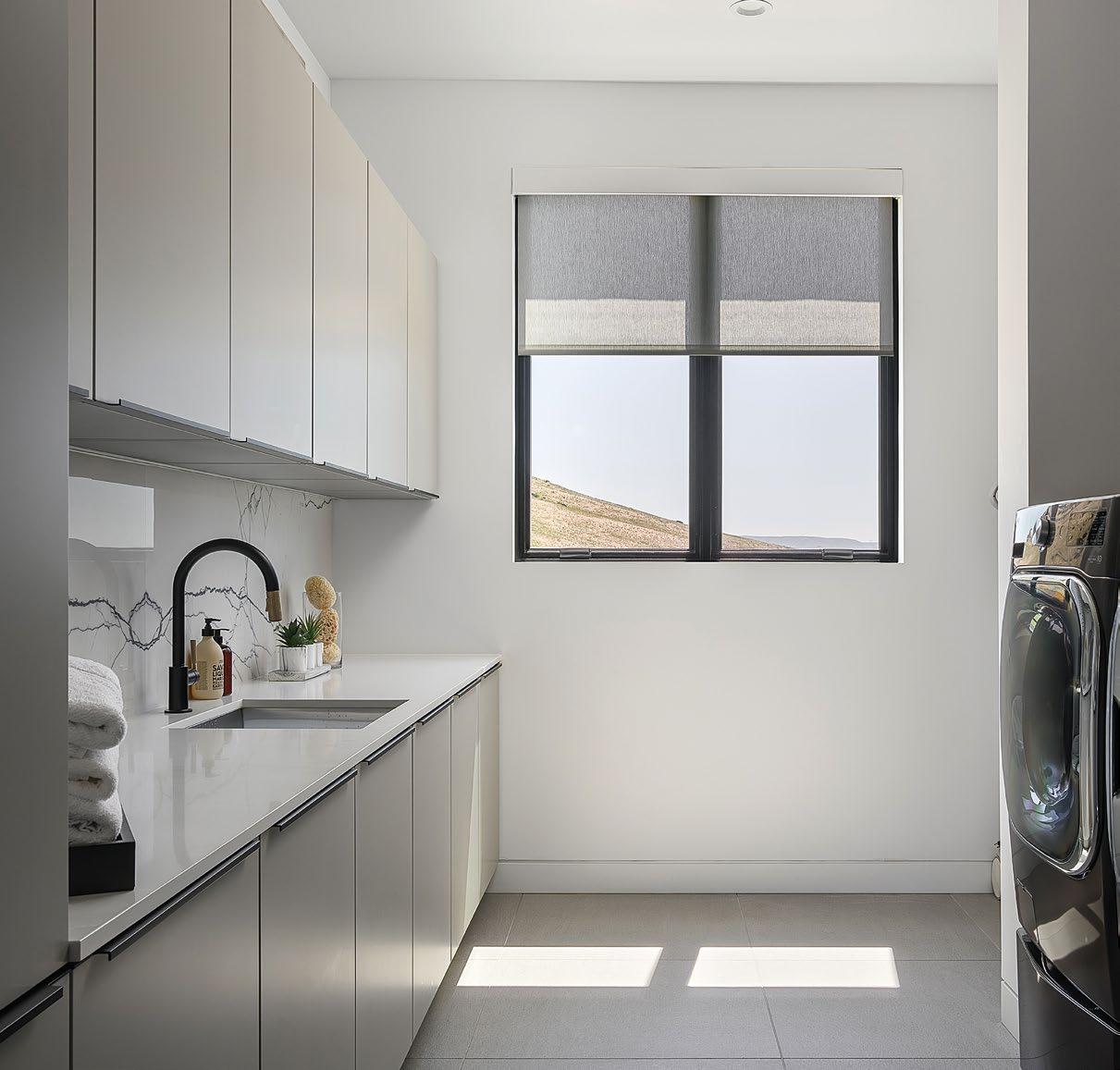
Beyond Design is our promise. To go further than aesthetics; delivering comfort, control and convenience. To blend beauty with purpose, and style with substance. Draper At Home designs for those who see their home as a reflection of who they are and who they aspire to be.
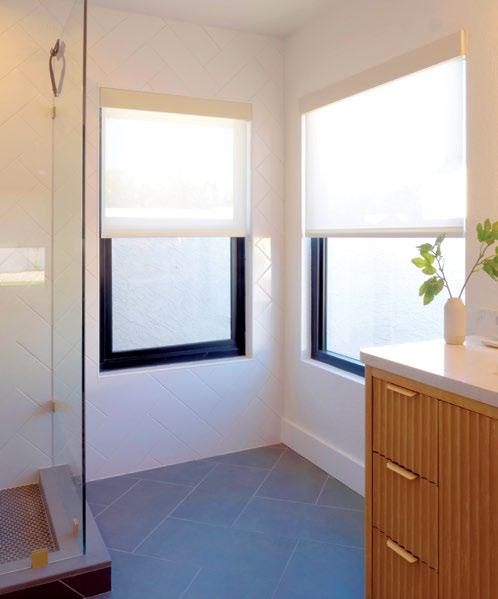
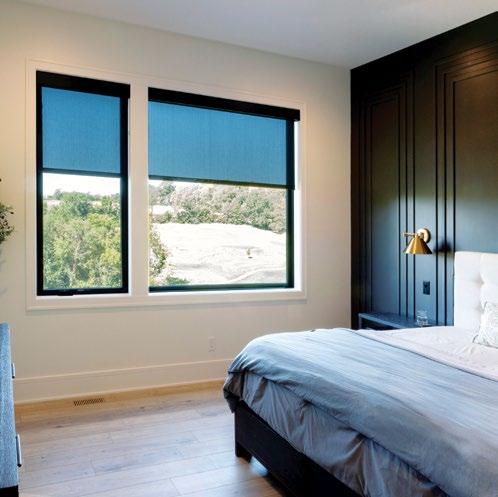
Some of the most obvious locations for cordless manual shades have been an issue in the past because of concerns over window size. But Elevate solves that problem, with an unmatched capacity for narrower widths and taller heights. Elevate shades can be as narrow as 12 inches and as wide or tall as 96 inches.
Despite this wide range of sizes, Elevate shades require minimal adjustment. The Elevate operator is engineered to stay set, even with daily use, saving time, frustration and service calls.
Elevate shades are available with most Draper At Home hardware, including FlexShade® Elevate, FlexStyle® Elevate and FlexStyle® Cassette Elevate. They will perfectly match motorized shades in other parts of the home for a seamless aesthetic!
• FlexShade®: Designed for ease of use, durability and low maintenance, it’s an ideal choice for both commercial and residential settings. With hundreds of fabric options in multitudes of colors, textures and opacities, it offers customizable style to suit any decor.
• FlexStyle®: Designed to meet the standards of fashionable homeowners. The alluring, stylish hardware is available in nine finishes and every FlexStyle® shade is custom-manufactured and hand-inspected in our world-class factory located in Spiceland, Indiana.
• FlexStyle® Cassette: Designed for ease of installation and style, these shades are shipped fully assembled for an uncomplicated install while offering the perfect finishing touch to any room. Choose FlexStyle® Cassette for a strong, durable build that provides an elegant, luxurious aesthetic.
When it comes to choosing the right shade fabrics, some cordless manual shades leave you with few options. But Elevate shades are strong enough and large enough to overcome those limitations. Elevate has options if your main concern is interior design, functionality, heat control, glare control, privacy or a combination of factors, thanks to our close partnership with leading weavers like U.S.-based Phifer and Mermet USA!
Elevate the manual shade user experience well beyond cordless shades of years past, eliminate the dangling bead chain and bring elegance and simplicity into every corner of the modern, well-designed home. Introduce your clients to Elevate shades today!
Content Sponsored by Draper At Home


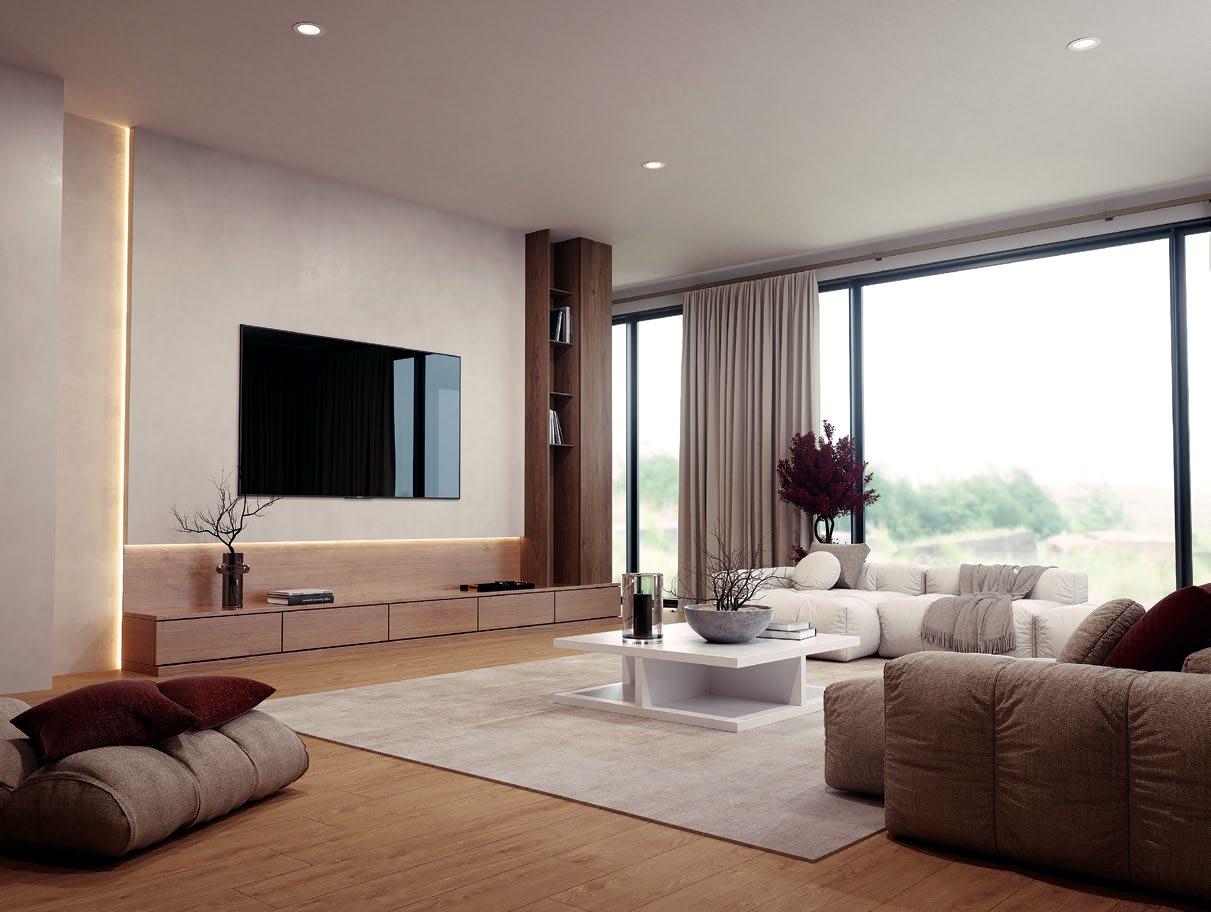
When it comes to curtain sets, most people only think about the design, but for Vesta, that’s just the beginning of the world of curtain sets, which extends far beyond appearance and functionality. In addition to hand-picked designs, the focus is on the highest quality and durability. Another focus of the diverse collection is on simple and convenient operation, which can be individually adapted to different needs and offers extra comfort in all situations. That’s why the familyowned company from South Carolina is particularly pleased to present a new and practical cord control technology.
The new cord control technology is equally suitable for light and heavy curtains, and its flexibility makes it ideal for window decorations that are difficult to access. Whether the installation is curved, across corners or for very high curtains, cord control technology can be used in all conceivable scenarios. Equipped with a cord control, the decorations can be operated smoothly, comfortably and quietly, with no effort and without touching the fabric. This protects against dirt and mechanical stress and keeps curtains looking good at all times. Another plus is the curtain set’s uniform appearance, with no interruptions, as the invisibly integrated technology operates discreetly and reliably in the background.
The product update comes from BÜSCHE, a traditional manufacturer and long-standing Vesta partner from Germany, which is impressing customers worldwide with its new MCT 2.0 technology. This enables the cord guide to be integrated directly into the profile, guaranteeing smooth installation and operation of the highest quality. Components attached to the side of the profile are no longer necessary; they achieve visual perfection and make it impossible to distinguish technologically equipped window decorations from standard ones when viewed from the front. Curtain sets can also be motorized in the same way. Behind the curtain, window decorations can be moved to the desired position at the touch of a button, almost silently. Various motors enable existing smart home systems to be child’s play and promise maximum ease of use.
The integration of the technology directly into the profile is a key feature we would like to emphasize again. Until now, the standard practice has been to add cord pull or motor technology via additional components, resulting in a visible interruption to the curtain set. Some manufacturers even require that motors be mounted on the wall or ceiling. Thanks to this German innovation, which is also patent-pending in the USA, even small-profile shapes can be easily fitted with a cord control or motor, without the need for additional fastenings. This adjustment is performed on-site by Vesta using a CNCcontrolled milling machine from BÜSCHE, ensuring maximum flexibility, precision and shorter delivery times.
Vesta is so enthusiastic that there are several upgrade designs to choose from: round, rectangular and square profiles, as well as an unusual design award winner. A wide range of finishes completes the package and makes a strong statement for individual solutions with sophisticated design.
A closer look at how Vesta’s technology evolves from traditional cord systems to seamlessly integrated, motor-ready solutions

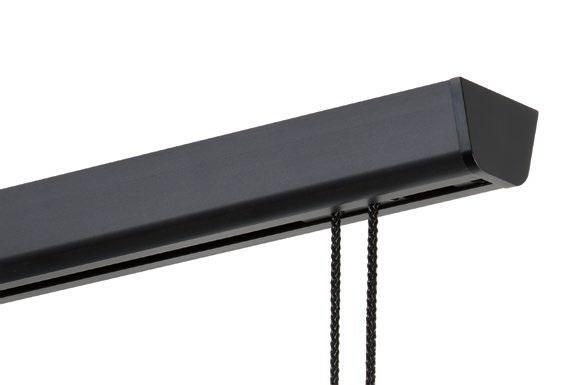
A classic side-mounted system that delivers reliable manual operation, with visible hardware guiding the cord along the profile.
Cord guidance is built directly into the profile for smoother operation and a clean, uninterrupted appearance at the window.
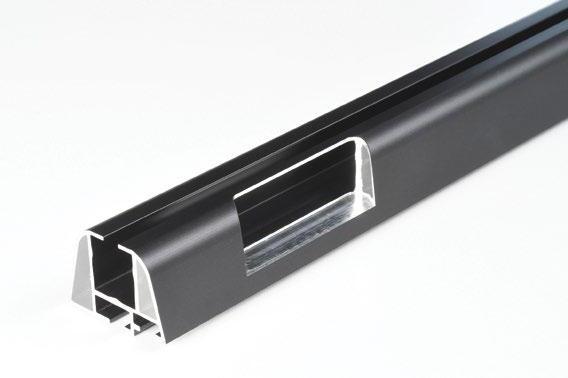
Precision on-site milling allows motors to be integrated into even slim profiles, enabling quiet, touch-of-a-button control without added components.














Tuesday, April 21, 2026
Registration: 7:30 AM – 6:00 PM
Seminars: 9:00 AM – 4:30 PM
Welcome Party: 5:30 PM – 7:30 PM
Wednesday, April 22, 2026
Registration: 8:00 AM – 6:00 PM
Seminars: 9:00 AM – 12:00 PM
Exhibit Hall: 9:00 AM – 5:00 PM
Grace Awards: 5:30 PM – 7:00 PM
Thursday, April 23, 2026
Registration: 8:00 AM – 3:30 PM
Seminars: 9:00 AM – 2:30 PM
Exhibit Hall: 9:00 AM – 4:00 PM

Dear Industry Colleagues,
It is my great pleasure to welcome you to the International Window Coverings Expo (IWCE) 2026 in beautiful Raleigh, North Carolina.
This year marks a significant milestone as we celebrate the 30th anniversary of IWCE — three decades of bringing our industry together to learn, connect and grow. As the window covering industry continues to evolve through smart technology, advanced materials, changing consumer expectations and expanding opportunities across residential and commercial markets, IWCE remains the place to stay ahead. As the only in-person event dedicated 100% to the window covering industry, IWCE is designed with one goal in mind: to help you run a stronger, more successful business. Here, you’ll gain practical insights, discover innovative solutions and return home energized with ideas you can put into action immediately.


Over the next three days, you’ll experience an unmatched program built to move your business forward:
• 40+ expert-led seminars covering design, fabrication, installation, motorization, business strategy and more
• 10 CEU accredited seminars to support your professional development
• 200+ exhibitors showcasing the latest products, technologies, materials and innovations
• Inspiring keynote presentations from industry leaders and business experts
• High-impact networking events and celebrations, including the Grace Awards
• Valuable opportunities to connect with peers, partners and the innovators shaping our industry’s future
For 30 years, IWCE has been powered by the passion, creativity and entrepreneurial spirit of professionals like you. Your commitment to excellence continues to elevate our industry, and this year, we celebrate that momentum together. We are honored to welcome you to Raleigh and look forward to an inspiring, productive and unforgettable IWCE experience.
Warm regards,
Ania Munzer Managing Director

9:00 - 10:00 Swag Draping Master Class



Join us at Workroom Central for hands-on demos and creative connects!
10:00 - 11:00 Tailored Layers: The Art of Comforters, Scaldinos & Dust Ruffles
11:00 - 12:00 Perfect Pillow Edges: Demystifying Flat Flanges & Mitered Corners
12:00 - 1:00 Traditional British Hand-Sewing Techniques for Curtains
1:00 - 2:00 Upholstery Essentials: Mastering Hand Tools for Dining Chair Seat Transformation
Gregory & Sandra VanSickle
2:00 - 3:00 Buying a Workroom: Dream Move or Reality Check? Moderator: Sandra VanSickle Panelists: Jill Ballew, Cade Smith, Cam Tims and Linda Tully
3:00 - 4:00 Mastering English Craftsmanship: Embellishment Techniques for Soft Furnishings
4:00 - 4:30 Fan-Folding Drapery Panels
4:30 - 5:00 In the Frame: Hands-On Phone Photography Tips to Showcase Your Drapery Process Nicole Bedard
9:00 - 10:00 Roman Shade with Cordless System Bon and Separate Liner
10:00 - 11:00 Mastering Window Assessment and Measurement: Achieving the Perfect Fit, Style & Purpose for Your Window Treatments ...................................Victoria Hammond
11:00 - 11:30 Pleats for Tight Spaces
11:30 - 12:30 The Pagoda Cornice: Constructed Using Chipboard
12:30 - 1:30 Fabric-Covered Lampshades
1:30 - 2:00 Expanding Your Workroom: Intro to Light Upholstery
Hershey
2:00 - 3:00 Traditional British Hand-Sewing Techniques for Roman Blinds — No Visible Stitches on the Face Side Olga Kott
3:00 - 4:00 Faux Roman Shade Valances: From Styles to Mounting Techniques Linda Tully
& Ears
Hands-On
Eyes & Ears
Eyes & Ears, 30-Minute Workroom Table
9:00 – 12:00 From Hesitation to Yes: A Blueprint for Confident Sales Conversations
9:00 – 10:15
Scaling Through Leaders: Creating a High-Performing Management Team
9:00 – 10:15 A Global Trend Report: What’s Next for Window Coverings
9:00 – 10:15 From Posts to Profits: Building a Sales-Driven Content Calendar
9:00 – 10:15 Motorization 101: Beginner's Guide to Power, Control & Automation
10:30 – 11:45 Email Marketing Playbook: Nurture More Repeat & Referral Clients
10:30 – 11:45 Beyond Beige: Using Color with Confidence in Luxury Interiors
10:30 – 11:45 Designer/Workroom Collaboration: Stronger Together
10:30 – 11:45 Sharpen Your Competitive Edge
Kathy Pace, Elevated Design Sales
Madeleine MacRae, Accent Software
Deb Barrett, Window Dressings
Madison Cole, Creekmore Marketing
John MacKenzie, Cronopower
Audra Tomme, Creekmore Marketing
Elle Cole, Elle Cole Interiors
Sandra VanSickle, Sew What’s New
Madeleine MacRae, Accent Software
12:00 – 1:15 Keynote Luncheon Winning with Window Treatments + Book Signing Eric Ross, Eric Ross Interiors
1:30 – 2:45 Beyond the Drill: 101 Pro Lessons for Flawless Installations
1:30 – 2:45 Wellness at the Window
1:30 – 2:45 Analyze an Income Statement Three Ways
1:30 – 2:45 Commercial Shading 101: How to Bid, Win & Deliver Projects
3:00 – 4:15 Pretty Yet Profitable
3:00 – 4:15 AI Meets ROI: Smarter Marketing Wins for Your Business
3:00 – 4:15 Efficient Workroom Space Planning: Knowing When (and How) to Scale
3:00 – 4:15 Managing Cash Flow
9:00 – 12:00 Motorization 2.0: Power, Precision & Profitability
9:00 – 10:15 The AI Advantage: Tools to Work Smarter, Not Harder
9:00 – 10:15 Business Benchmarks: Your Path to Profitability
9:00 – 10:15 Color Alchemy: How Designers Are Blending Hues for Tomorrow’s Interiors
9:00 – 10:15 The Trust Factor: Winning Clients in a Skeptical Market
10:30 – 11:45 From Confusion to Confidence: Window Treatments Demystified
10:30 – 11:45 Panel Discussion: Building Your Dream Design Business: Journey of Three Bold Firms
10:30 – 11:45 Beyond You: Scaling Your Business with Systems & Successors
10:30 – 11:45 The Softer Side: Easy Steps to Installation Confidence
1:00 – 2:00 From Motorization to Smart Control by Somfy
1:00 – 2:00 Turning Physics Upside Down: The Physical Challenge of Interior
Solar Shading by RHODETEC
2:00 – 3:00 Understanding the Importance of Electrical, Electronic, and Wireless Safety Certifications by Rollease Acmeda
9:00 – 10:00 Breakfast Keynote Start Strong, Scale Smarter: The Designer’s Path to Multi-Seven-Figure Success ............................................
10:30 – 11:45 The Psychiatrist’s Couch (Roleplay Session)
10:30 – 11:45 Beyond the Swatch: The Art ofVisualAuthenticSocial Media Storytelling
10:30 – 11:45 On the Horizon: Innovations & Trends in Window Treatments
10:30 – 11:45 Panel Discussion: Inside the Motorization Movement
1:00 – 2:15 FUTURE SMARThome
1:00 – 2:15 Search Smarter: Winning with AI-Era SEO & Content
1:00 – 2:15 Smart Moves: Advancements in Motorization
2:00 – 3:00
Roger Magalhaes, Shades In Place, Trading Up Consulting
Deb Barrett, Window Dressings
Michele Williams, Scarlet Thread Consulting
John MacKenzie, Cronopower
Eric Ross, Eric Ross Interiors
Audra Tomme, Creekmore Marketing
Linda Tully, Tully Drapery Shop
Michele Williams, Scarlet Thread Consulting
O’D McKewan, Smart Shade Services
Deb Barrett, Window Dressings
Vince Nigara, Exciting Windows
Elle Cole, Elle Cole Interiors
Kathy Pace, Elevated Design Sales
Vita Vygovska, Vitalia Inc.
Vicky Serany, Southern Studio Interior Design Panel, Bria Hammel, Bria Hammel Interiors, Christi Barbour, Barbour Spangle Design
Linda Tully, Tully Drapery Shop & Hannah Brendel
Roger Magalhaes, Shades In Place, Trading Up Consulting
Phil de Encio, Ben Walek, Nero Yasokumar
Jörg Wolfram, CEO of RHODETEC
Daniel Niemirka, Mike Schratz, and Ralph Vasami
Vicky Serany, Southern Studio Interior Design
Deb Barrett, Window Dressings
Nicole Bedard, Nicole Bedard Photo & Video
Vita Vygovska, Vitalia Inc.
O’D McKewan (Moderator) + Panel
Deb Barrett, Window Dressings
Audra Tomme, Creekmore Marketing
O’D McKewan, Smart Shade Services
Nicole Bedard, Nicole Bedard Photo & Video



Coulisse
Booth 1015
Experience absolute silence with next-generation motorized shading engineered to reduce noise at the source. CM-03, CM-05 and CM-45 motors deliver up to 15 dB quieter performance through vibrationisolating components and tuned acoustics. As industry leaders, Motionblinds by Coulisse continues to innovate solutions that elevate comfort and wellbeing in every space.
Motionblinds.com
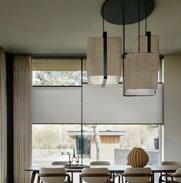
Booth 1201
US Custom Shades showcases an expanded lineup of motorized roman, roller and honeycomb shades, along with drapery track systems featuring premium Coulisse fabrics and components. Powered by Motionblinds and Somfy, these solutions deliver seamless smart integration, quiet performance and modern flexibility, giving dealers and designers stylish, reliable options for today’s market.
US-CustomShades.com





Booth 1235
What if interior shading could stop heat before it enters the room?
RHODETEC
Shade Films, engineered in Germany and integrated into interior roller systems, reflect radiation back outward through the window before it turns into heat. The result is reduced glare, over 99% UV protection, preserved daylight and clear outward views. With up to 83% solar reflection and 30% cooling energy savings, shading becomes measurable energy performance.
RHDTEC.com

Booth 207
MyBlindCo Enterprise is an all-in-one ERP manufacturing solution for window treatment manufacturers. Manage inventory, cost-plus pricing, cut sheets, labels and production from one powerful portal. Give dealers exclusive access to a dealer portal for quoting and submitting orders directly into your system, with easy payment processing and streamlined workflows built for speed, accuracy and scale.
MyBlindCoApp.com

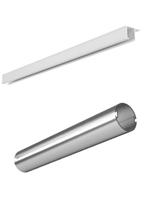
Booth 725
Supplyed is a manufacturer of affordable, high-quality drapery and shade hardware built for installers, designers and customers. The company offers batons, carriers, components, motorization solutions and workroom supplies, all designed, extruded and molded in-house. With custom fabrication and OEM services available, Supplyed delivers products engineered for long-term durability, consistent quality and reliable performance.
Supplyed.com

Booth 1115
TEXTON introduces its newest COLOR roller shade line, COLOR SEQUEL—a collection that expands how color lives in roller shades. With the largest selection of colors and designs in the industry, COLOR SEQUEL moves easily between bold expression and quiet restraint, giving designers a broader palette for modern interiors.
Texton.com


Booth 413
Lantex delivers what matters most: eight-day turnaround, exceptional order accuracy and minimal freight damage, all at a strong value. No backorders. Reliable delivery. Confidence with every order. Safety and convenience are built into every product collection, so performance is never in question. Available through a trusted distributor network. Stop by the booth to see how partners grow. LantexUSA.com
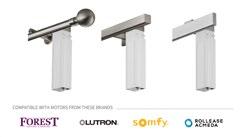
Booth 401
The launch of Motor 2.0 sets a new standard for motorized drapery rods. Thanks to cutting-edge technology and absolute precision, the motor connection recess is now integrated directly into the profile, removing the need for a separate motor housing. Motor 2.0 achieves a flawless, unified finish while offering a broader selection of finishes and finials, all while preserving the reliable functionality you expect.
ForestDH.com


Booth 625
Introducing Shade Sense Outdoor, a new program designed to help you expand into the fast-growing outdoor living category. Featuring motorized awnings and screens, performance-driven fabrics, fast U.S.-based manufacturing and best-in-class support, Shade Sense Outdoor makes outdoor products easier to sell, easier to install and easier to support, unlocking new revenue opportunities with confidence. ShadeSenseOutdoor.com
Booth 317
Twitchell’s Woven Blackout is a dense jacquard fabric engineered for exceptional privacy and total darkness. Its tightly woven construction delivers superior light control, making it the perfect indoor solution for bedrooms, theaters and spaces requiring complete blackout. Available in five rich colors and a generous 118" width, this versatile fabric blends performance with style to meet today’s design and functional needs.
TwitchellCorp.com

Booth 1109
Introducing a White finish to the AriA H-Rail Traverse program, designed to complement ceiling-mounted, streamlined track systems that blend seamlessly into architecture. Available in both 1 1/8" and 1 3/8" collections, this finish pairs with coordinating accessories for a polished look. Launching spring 2026. Explore cost-effective motorization options, including R-TEC Automation and Automate, for modern convenience and effortless control.
RowleyCompany.com

Booth 915
Crafted with REPREVE performance fiber made from recycled plastic bottles, SheerWeave RE-USE offers architects, designers and specifiers a sustainable, design-forward solution that supports green building goals without sacrificing style. Thoughtfully designed for commercial and residential spaces, this 100% PVC-free interior shading fabric delivers the look, feel and performance of traditional sun control materials while helping conserve energy and natural resources. Available soon in eight stylish colors and three openness factors.
Phifer.com


Booth 601
Somfy introduces the next generation of drapery motors with the Glydea ULTRA 50 WireFree Zigbee. This lithium-ion motor supports versatile mounting positions for multiple drapery configurations. Zigbee 3.0 technology enables seamless integration with the TaHoma switch, enhancing smart functionality for users while simplifying motor setup for installers.
SomfyPro.com
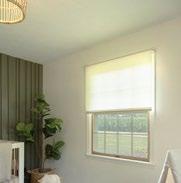
Booth 301
New Elevate manual window shades from Draper At Home elevate the manual shade user experience with the next generation of cordless operation. Elevate shades use BalanceFit Technology, an advanced internal control system, for super-smooth operation. They also provide narrow widths, better longterm performance, larger sizes and fewer field adjustments. Elevate is available with all Draper hardware: FlexShade Elevate, FlexStyle Elevate and FlexStyle Cassette Elevate. DraperAtHome.com
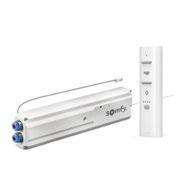
Booth 601
Somfy’s TDBU 45 WireFree motor and Ysia TDBU remote provide an easy-to-install solution for operating window coverings with top-down, bottom-up functionality. A discreet lithium-ion battery and Zigbee 3.0 technology support simple installation and compatibility with TaHoma pro and other connected systems. The Ysia TDBU remote delivers intuitive, marketleading control for precise operation.
SomfyPro.com
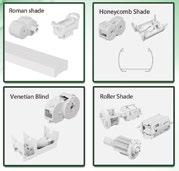
Booth 1136
Leafy develops innovative cordless mechanisms for blinds and shades, blending functionality and aesthetics across a wide range of highquality products. Applications include venetian, roller and zebra shades, roman shades and honeycomb shades. Designed for smooth performance and modern appeal, these cordless systems support both form and function in today’s window covering solutions.
LeafyCN.com
At US Custom Shades, we’re proud to carry the complete U.S. collection of Coulisse fabrics and components. Precision fabrication across roller, roman, honeycomb, drapery, and panel track systems. Seamless motorization powered by Motionblinds and Somfy.







1201 N.W. 65th place, Fort Lauderdale, FL 33309 954-388-5014 us-customshades.com







No Heat. No Glare. Clear View.

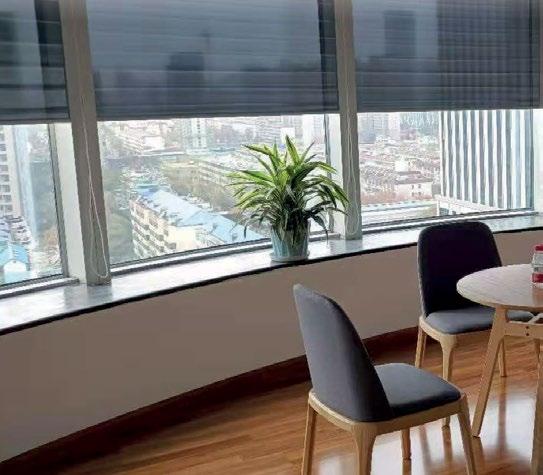
Visit Us | April 22–23, 2026 Booth 1235
Live Seminar
April 22 | 1–2 PM | Room 302A
Turning Physics Upside Down The Physical Challenge of Interior Solar Shading









CHRISTI BARBOUR Founder and Partner, Barbour Spangle Design
HANNAH BRENDEL Lead Drapery/Window Treatment Maker, Tully Drapery Shop
KATHY CRAGG PACE Sales Strategist, Elevated Design Sales
MADELEINE MACRAE
CEO and Co-founder, ProQ Systems




DEB BARRETT Owner, Window Dressings
ELLE COLE Founder, Elle Cole Interiors


BRIA HAMMEL CEO and Creative Director, Bria Hammel Interiors
ROGER MAGALHAES Shades In Place Inc. and Trading Up Consulting


NICOLE BEDARD Owner, Nicole Bedard Photo & Video
MADISON COLE Social Media Manager, Creekmore Marketing
JOHN MACKENZIE CEO and Co-founder, Cronopower
MCKEWAN Product Coach, Smart Shade Services
VINCE NIGARA CEO and President, Exciting Windows
AUDRA TOMME Head Account Manager + Marketing Strategist, Creekmore Marketing

ERIC ROSS Eric Ross Interiors Founder + Principal
LINDA TULLY Owner, Tully Drapery Shop NEW

VITA VYGOVSKA CEO, Vitalia Inc.


SANDRA VANSICKLE Owner, Sew What’s New LLC


VICKY SERANY Southern Studio Interior Design Founder + Principal
MICHELE WILLIAMS Owner, Scarlet Thread Consulting




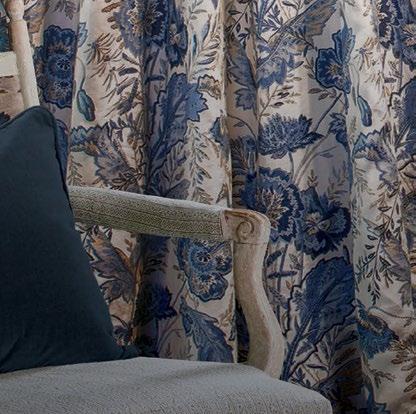
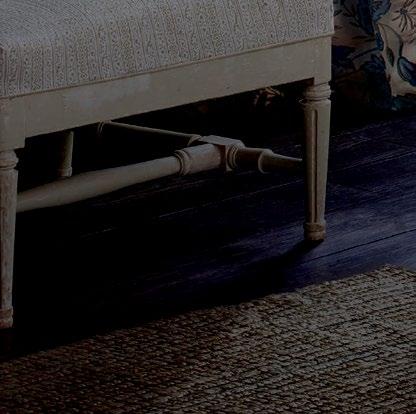
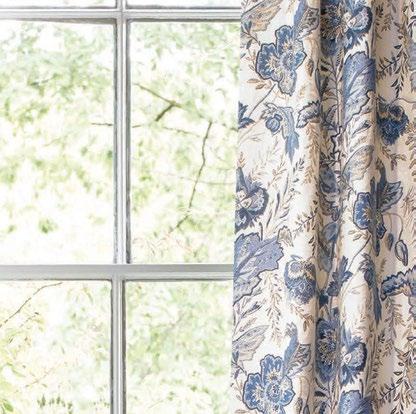
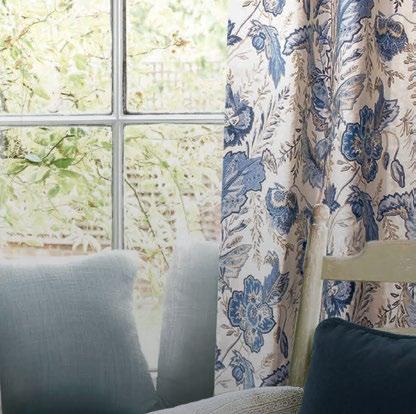
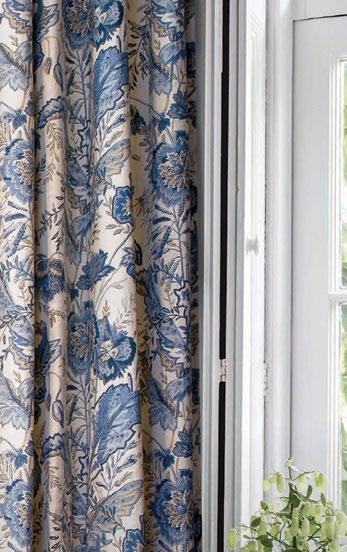
Dallas Market Center is the premier destination for designers, decorators, retailers, and design firms serving residential, boutique, contract, hospitality, and luxury interior design - offering open daily access to unparalleled resources.
Lightovation | JUNE 24-27, 2026
Design + Build Day | JUNE 24-27, 2026

Dallas Design Week SEPTEMBER 15-17, 2026
From milestone celebrations to can’t-miss keynotes and hands-on experiences, IWCE 2026 is packed with special events designed to educate, connect and inspire. Add these highlights to your schedule.
MONDAY, APRIL 20
Golden Hour with WCAA
6:00 PM – 8:00 PM Marriott Hotel, University Ballroom
Kick off IWCE week with an evening of connection and celebration as WCAA honors the show’s 30th anniversary.
TUESDAY, APRIL 21
Keynote Luncheon
12:00 PM – 1:15 PM Winning with Window Treatments + Book
Signing
Eric Ross, Founder and Principal, Eric Ross Interiors
Join celebrated designer Eric Ross for a keynote luncheon focused on building a profitable, design-forward business. Registration required
IWCE Welcome Party
5:30 PM – 7:30 PM

The Golden Soirée: Celebrating 30 Years Step into Gatsby-inspired glamour as IWCE kicks off its 30th anniversary in style. Attire: 1920s-inspired glamour. Tickets required.
WEDNESDAY, APRIL 22
Grace Awards
5:30 PM – 7:00 PM
For three decades, the Grace Awards have recognized outstanding designers and workrooms for excellence in custom window fashion. Tickets purchased at registration.




THURSDAY, APRIL 23
Keynote Breakfast
Start Strong, Scale
Smarter: The Designer’s Path to Multi-Seven-Figure Success
Vicky Serany, Founder and Principal, Southern Studio Interior Design
Vicky Serany shares candid insights into scaling a design business with intention, leadership and proven systems. Registration required.




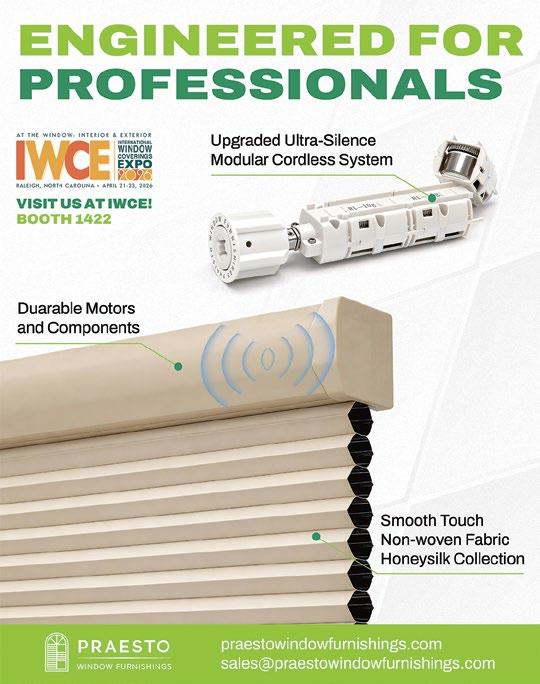


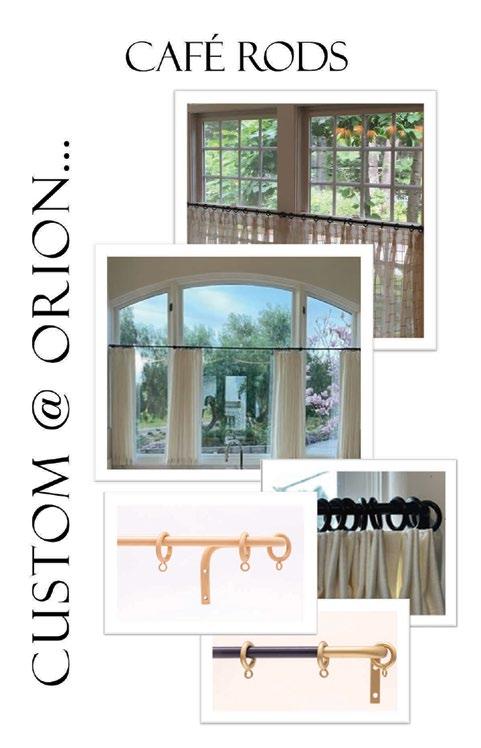
What’s old is new again. Café curtains are having a moment, these classic curtains that only cover the lower half or two-thirds of a window have been given new life. There is a certain timelessness to cafes –even modern spaces are showing up with cafes on the window. That’s because you get the best of both worlds - the curtains let in light and provide just enough privacy while bringing color and texture into the space.
The refreshed Café Collection now includes 13 finials, Café French Rods, two rod sizes - ½” and 5/8”- square or round, brackets, rings and accessories. All available in our Iron Art and Italian Collection finishes or custom color with the Custom Palette Program.
Visit us at Booth #109



sales@ironartbyorion.com | www.ironartbyorion.com | 877.476.6278


The IWCE mobile app is ready to download!
Stay informed and connectedwith this free app.
• Create a personalized schedule of exhibitors, seminars and events.
• Connect with exhibitors using in-app matchmaking.
• Receive real-time show news and alerts.
• View maps and product listings to easily navigate IWCE.
• Network with industry professionals and make new connections.
• Cast your vote for the People’s Choice Awards.
• Participate in show games and win big prizes!










Inside the revival of Grace Richey Clarke and the craftsmanship shaping its next chapter









Picture it: Chicago, the 1920s. Homemaker Grace Richey Clarke, fresh from farm life and newly transplanted to the city, suddenly had more idle time than she knew what to do with. Seeking an outlet for her restless energy, she turned to weaving. Pillows, tablecloths and curtains followed, and what began as a simple pastime soon wove its way into a thriving career and a legacy that continues nearly a century later.
“ Grace’s story reveals her tenacity, dedication to her craft and drive to build her small business…long before women-owned businesses were recognized or thriving.”

























— Carolyn Kalantari, client manager
That early hobby quickly outgrew its humble beginnings. Grace hired weavers and seamstresses, trained her daughter and built a woman-owned business rooted in skill, discipline and beauty. Known as GRC, the studio grew into a thriving enterprise whose techniques were passed down through generations of women. By the 1950s, the company had reached $1 million in gross profits, an extraordinary achievement for its time.
Grace’s success unfolded during a pivotal era for women in business. As American men left for World War II, women stepped into new roles, building enterprises fueled by creativity, independence and resilience. Alongside designing and weaving for affluent clients, Grace dedicated herself to service. She taught knitting and sewing to women involved in Bundles for Britain, a volunteer initiative that produced clothing and blankets for soldiers overseas.
Newspaper accounts describe her studio as both a place of artistry and instruction, where beauty and generosity coexisted.
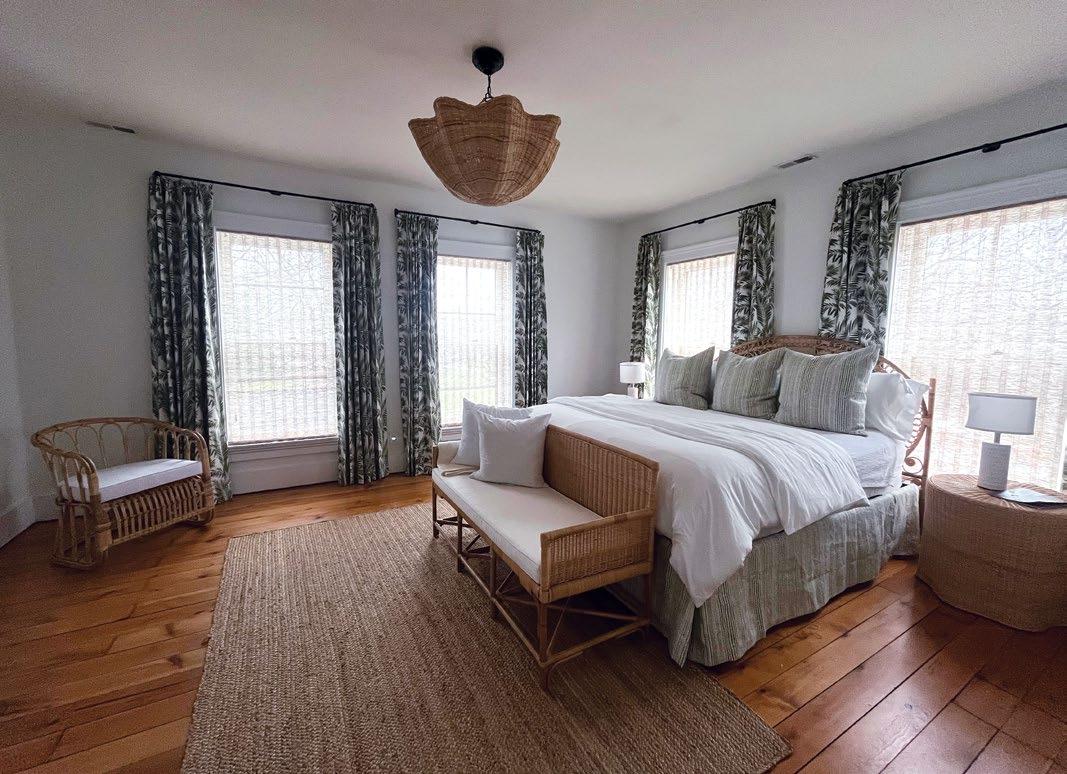

— Carol Zschiedrich, production manager

“ GRC woven shade techniques have been passed down through generations and are a piece of history worth keeping alive.”

Today, that legacy is being thoughtfully carried forward by Susan Clark.
After more than 25 years manufacturing and selling curtains and roman shades for the luxury market, Susan acquired Grace Richey Clarke in 2023. Specializing in high-end, handwoven blinds, GRC has long been known for its craftsmanship. The decision felt less like a business expansion and more like a natural evolution, as the company’s values aligned seamlessly with Susan’s own philosophy.
“In a world where products are plenty and fine hand workmanship is becoming less common,” Susan explained, “bringing the history of this handmade product to light, along with its origin, is an important step in ensuring that our craft endures and thrives.” A crucial part of that story, she added, is recognizing that GRC was born from the creativity and business mind of a woman far ahead of her time.
Under Susan’s leadership, GRC is experiencing a rebirth. The company has returned to women ownership and operation, emerging as a modern startup rooted in a legacy brand.
The brand’s American-made woven shades are defined by varied
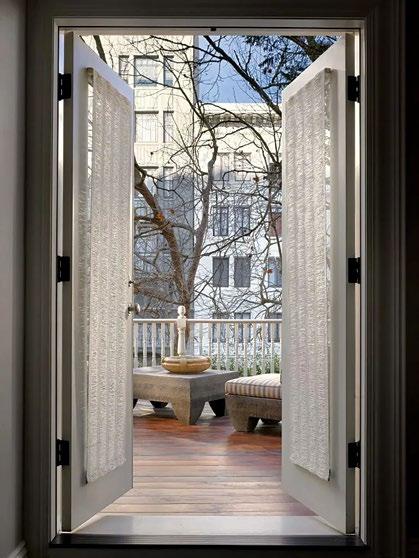
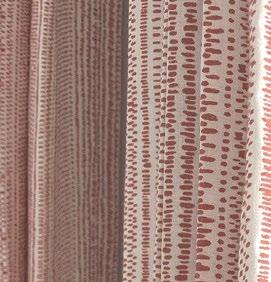


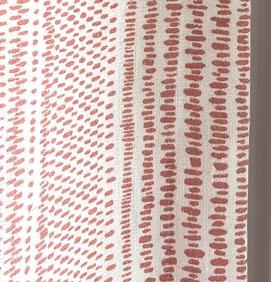
texture, earthy tones and light-filtering properties, finished with a lacelike edge that balances beauty and durability. GRC’s classic weaving techniques and methods allow the studio to adapt to changing color palettes and functional needs while preserving the integrity of the craft.
Because the handwoven shade category remains highly specialized, education plays a central role in the company’s growth. With few players in the space, helping clients understand long-term value is essential. “Educating our customers is part of the sales side of this business that is equally challenging as well as exciting,” Susan said. “It’s important for clients to understand the lasting benefits of investing in a product like ours that will last for years and years.
Susan is joined by her sister, Carolyn Clark Kalantari.
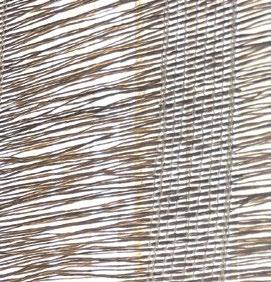
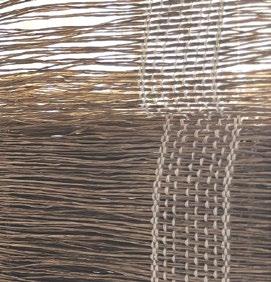
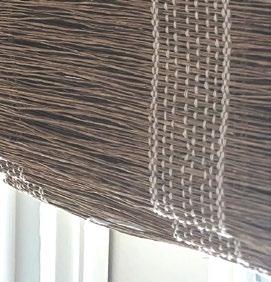
When Susan purchased GRC, Carolyn immersed herself in the company’s history, uncovering decades of articles documenting Grace’s life and work.
“These stories revealed her tenacity, dedication to her craft and drive to build her small business,” Carolyn explained. “She did this in the 1920s and ’30s, long before women-owned businesses were recognized or thriving.” Today, Carolyn serves as a bridge between heritage and execution, guiding clients through product selection, production and installation while supporting installers across the country.
At the heart of production is master weaver Carol Zschiedrich, a third-generation weaver and nearly 30-year GRC employee who serves as production manager. Carol began weaving as a child, learning from her grandmother and father as soon as she was
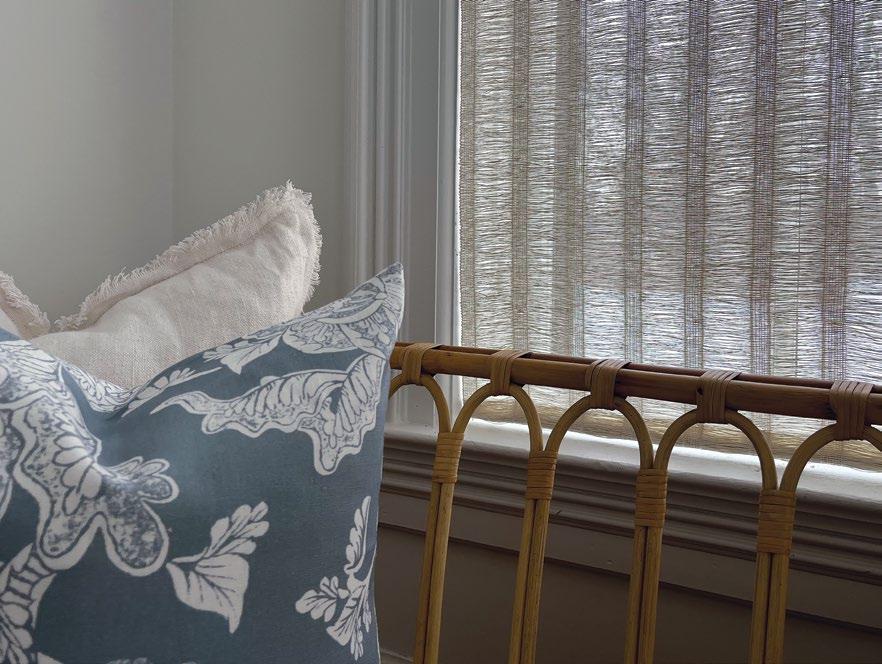
tall enough to reach the loom. That early foundation evolved into a lifelong craft, and her current chapter includes training the next generation of weavers. “GRC woven shade techniques have been passed down through generations and are a piece of history worth keeping alive,” Carol said. “Each shade we make shares our art form and story with another family or business.”
While tools and markets evolve, the company’s core values remain unchanged. Creativity, quality and collaboration continue to define the studio, along with a belief in empowering others through skill and shared knowledge. Much like Grace once envisioned, GRC functions as both workshop and community, where craftsmanship is
practiced with intention and passed forward with care.
For Susan, stewardship of GRC is both a responsibility and a privilege. She is not simply restoring a brand but safeguarding a lineage of women who built something enduring with their hands, patience and purpose.
Almost a 100 years after Grace first picked up a loom, the work continues, woven forward with care. Each blind remains a testament to time, touch and tradition, carrying the imprint of the artisan as much as the design itself. In honoring that legacy, Susan and her team ensure that what began as one woman’s craft endures as a living, breathing studio dedicated to beauty made by hand. V

“ This product was born from the creativity and business mind of a woman far ahead of her time.”
— Susan Clark, owner, Grace Richey Clarke
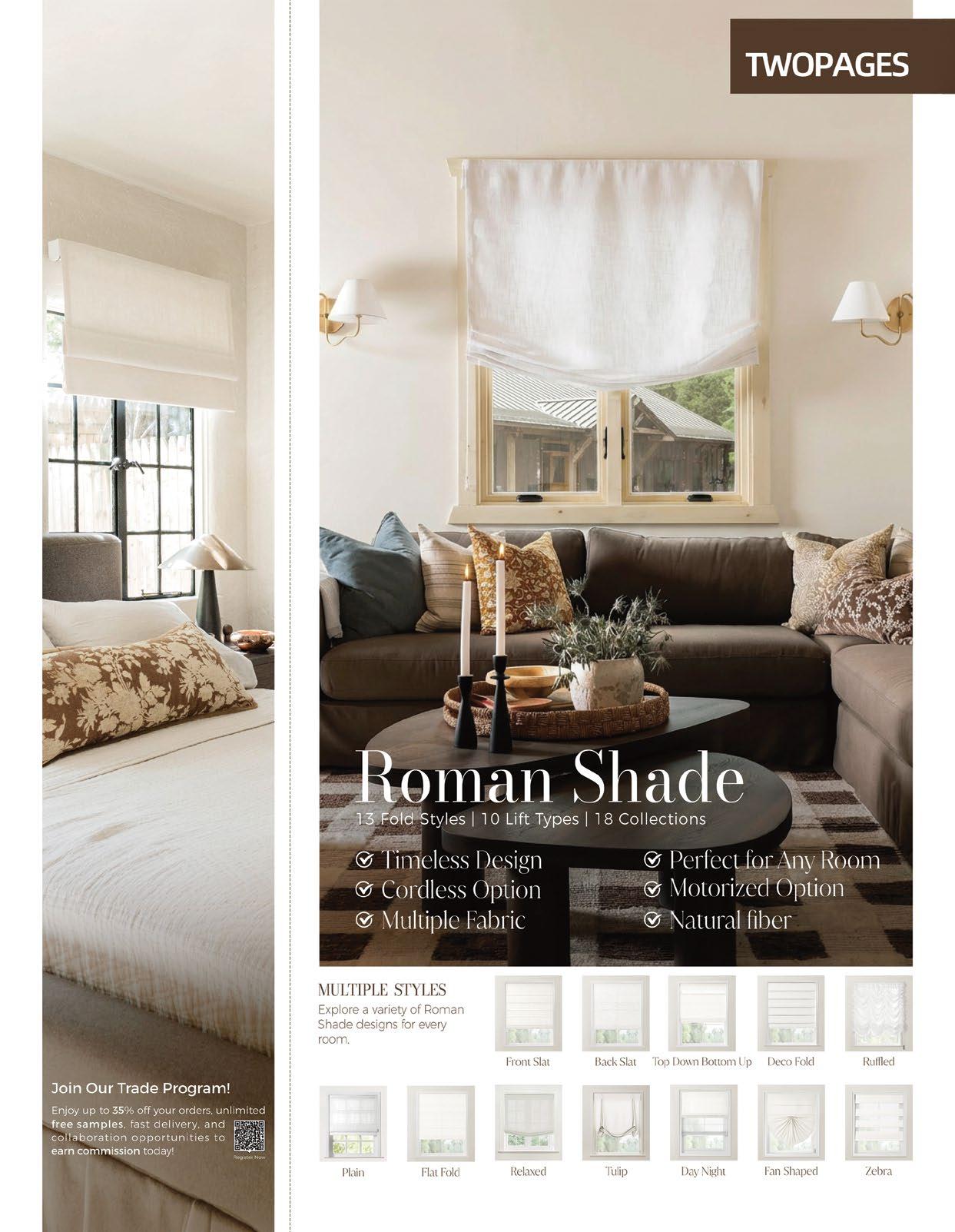

BY MARIE ROONEY-HARDWICK, MARKETING DIRECTOR, FABRITEC
When I was young, I remember how sunlight slipped through fabric at our windows—how it shifted, softened and shaped the room. I didn’t know it then, but I was witnessing a tradition that stretches back thousands of years: fabric as architecture, fabric as art.
Nearly 2,000 years ago, Roman sailors worked beneath the Colosseum, pulling ropes and working pulleys to unfurl the velarium , a vast linen canopy that shaded 50,000 spectators. It wasn't just spectacle; it was engineering genius. With fabric, light and motion, the Romans mastered control of their environment on a breathtaking scale. The velarium , in fact, worked much like Fabritec’s Cablestar-EX system: fabric guided by retention cables, folding gracefully under precise control.
But even before that great amphitheater rose from Roman soil, there was fabric dancing in Mediterranean light. In 450 B.C., merchants hung hemp and linen from wooden frames, not for beauty, but for breath—protection from
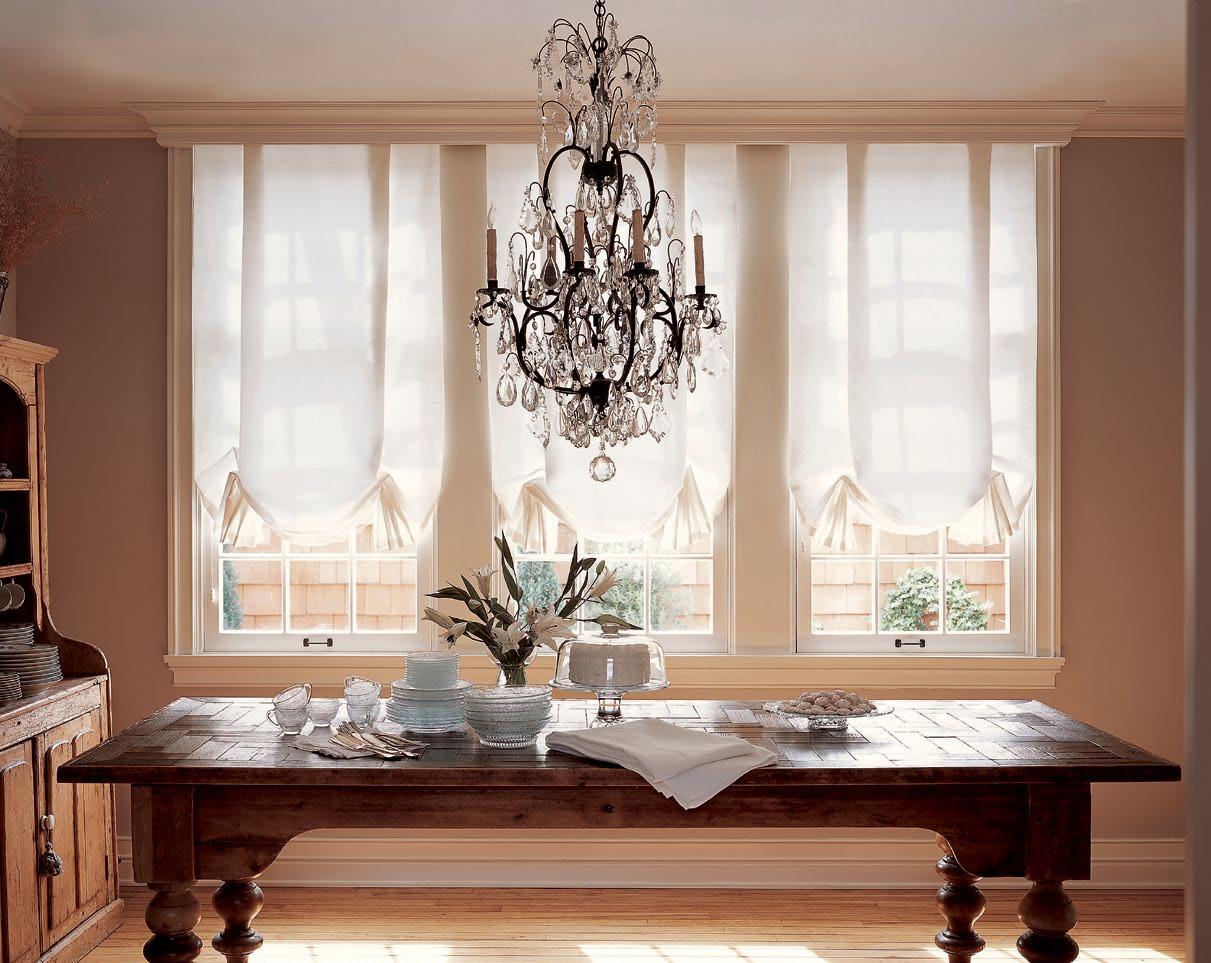
the dust that choked the bustling forums, relief from sun that burned like bronze. The wealthy soon discovered what the common people knew: Fabric could transform space itself. They called these early window treatments artilene , and with them, turned simple openings into passages of controlled light, privacy made poetry.
Those first roman shades weren’t just coverings. They were whispers of status, promise of comfort. The finest fabrics found their way to the finest homes, and in those pleated folds lay the seeds of everything Fabritec does today.
Then came the long sleep.
When Rome fell, so did the dreams woven into those ancient fabrics. Medieval windows shrank behind fortress walls, thick drapes replaced delicate shades and, for centuries, the Roman vision lay buried beneath layers of heavy cloth and forgotten ingenuity. Even when the Renaissance brought beauty back to the world—when velvet and silk returned to noble windows, embroidered with gold thread and royal ambition—it was ornament, not innovation. The soul of the roman shade, its perfect marriage of function and grace, remained lost.
The 18th century tried to remember. Grand neoclassical homes reached for Roman elegance, and the growing merchant class discovered the quiet sophistication of pleated fabric at their windows. The Industrial Revolution brought better mechanisms, smoother cords, pulleys that sang instead of groaned. By the 20th century, mid-century modern designers celebrated the roman shade’s clean lines, its honest functionality. New weaving techniques transformed familiar fibers—cottons that felt like air itself, linens that fell in perfect folds, materials both ancient and revolutionary.
But still, something was missing. For all those centuries, countless inventors tried their hand at window coverings, yet the roman shade stayed unchanged: elegant, yes, but sleeping. The ghost of the velarium haunted every fold, waiting for someone to wake it up.
Then, in 1973, Gerry Castellaw founded Fabritec, and something stirred.
Gerry didn’t just build a business—he answered a calling. Fabritec looked at those ancient roman shades and saw not what they were, but what they could become. They didn’t just re-create roman shades, they completed them. Fabritec refined their precision until every pleat and curve fell like a prayer, innovated their mechanics until they moved like music, wrote the entire lexicon of modern roman shade design. Every style you see anywhere—they dreamed it first, perfected it first, gave it to the world. Fabritec are not just makers of roman shades. They are their authors.
When they crossed seas to find the best motorized
systems, when they developed technologies that would make those Roman sailors weep with wonder, they weren’t just advancing a product. They were keeping a promise made 2,000 years ago beneath the velarium , that fabric and engineering, beauty and function, could dance together in perfect harmony.
Today, in Fabritec’s workroom, ancient dreams take modern form. Every roman shade they craft carries the DNA of that first velarium , the soul of those first artilene . Their master artisans don’t just work with fabric, they work with time itself, stitching together centuries of human longing for controlled light, for beauty that serves, for windows that don’t just open onto the world but transform our relationship with it.
Fabritec stands as the country’s foremost roman shade workroom not because they’re the biggest or the loudest, but because they’re the keepers of the flame. Fabritec has taken the legacy of Rome, the vision of their founder, and built something that would make those ancient engineers nod in recognition. Call it an empire if you will, but more than that, it is love. Every cut, every measurement, every stitch is the work of artisans who see fabric not as material, but as memory, not as covering, but as continuation.
And now, they stand at the edge of another new era. The next wave of roman shade innovation is being designed by a new generation. Just as the velarium once transformed a city by proving that humans could choreograph light itself, Fabritec continues to transform the spaces people covet most, showing that some dreams are too beautiful to abandon, too perfect to leave unfinished.
The Romans started the story. Fabritec is still writing it.
The velarium was a spectacle. A Fabritec roman shade is a tradition—of innovation, of craft, of continuity. Because some ideas are so powerful, they last for 2,000 years. And some companies are worthy of carrying them forward.
Known for their sleek simplicity and adaptability, roller shades transition effortlessly between residential and commercial spaces, indoors and out, offering reliable light control wherever they’re installed.
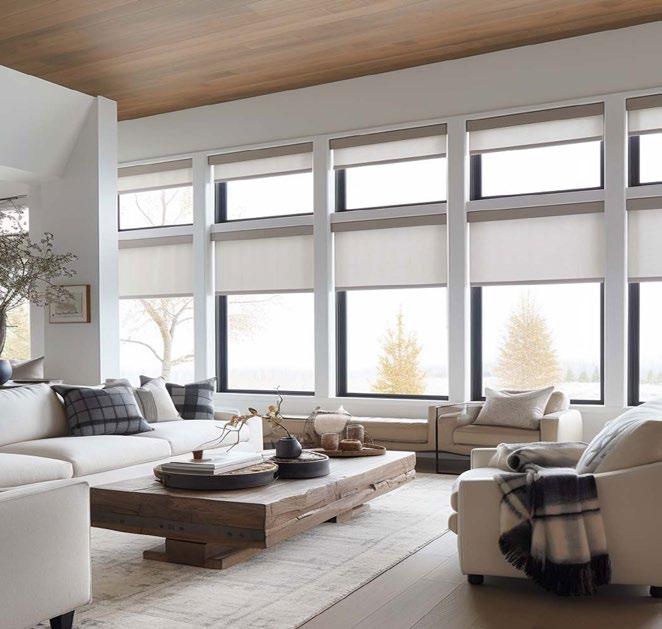
Commercial Appeal?: Absolutely. Durable, scalable and easy to customize, roller shades deliver clean light control for offices, hospitality and high-traffic spaces.
Where It Shines: Living spaces, kitchens, offices and layered window treatments where a clean foundation matters
The Eco Angle: Solar fabrics reduce glare and heat gain while preserving daylight, helping interiors stay comfortable and energy conscious.
Why It’s Everywhere: Minimal lines, flexible opacity options and seamless motorization make roller shades an easy favorite across design styles.
The Look: Clean, crisp and effortlessly modern with a barely there profile
The Backstory: Roller shades began as painted cloth panels in 18th-century Europe before spring-loaded hardware made them easier to operate. As fabrics evolved, the simple design became a go-to solution for homes that favored both beauty and practicality.
What It’s Made Of: High-performance fabrics ranging from airy solar weaves to decorative textiles and room-darkening materials
What Sets It Apart: A compact rolling design provides efficient light control while preserving an uncluttered window appearance.










































BY OLIVER SCHREIBER
A sales rep once arrived at an in-home window treatment appointment five minutes early. When the homeowner opened the door, the rep immediately complimented the home, asked where shoes should go and waited to be invited inside. They spent the first few minutes chatting about how long the family had lived there and what they liked—and didn’t like—about the existing blinds. No samples came out. No measuring tape appeared.
An hour later, the homeowner placed the order. Not because of a fabric choice or a promotion, but because, as they later said, “It just felt easy.”
In window treatment sales, homeowners often believe the decision comes down to fabric, function or price. Sales professionals know the truth: the direction of the sale is usually decided long before samples come out or measurements begin. In most cases, it happens in the first five minutes.
Those opening moments walking up to the home, stepping inside and exchanging introductions set the tone for everything that follows. You’re being evaluated as someone the homeowner feels comfortable inviting into their personal space.
Small details matter more than many reps realize. Wiping your shoes, asking where to set your materials and waiting to be invited faurther into the home are actions that send subtle but powerful signals. They communicate awareness and







professionalism. Homeowners often decide within minutes whether you “get it” or not.
Building rapport comes before discussing product. The first five minutes are not the time to lead with features, or energy-efficiency ratings. They’re about connection.
A casual question about what prompted them to look at new window treatments often reveals the real motivation behind the appointment. Are they replacing outdated blinds? Solving a privacy issue? These insights frequently surface before the formal consultation even begins. Reps who listen early position themselves to recommend instead of pitch.
Window treatment sales offer a unique advantage: the home itself provides context. In the first few minutes, you can observe decor style, color preferences and how thoughtfully the space has been curated.
This isn’t about judging budget or taste. It is about alignment. Presenting solutions that don’t match the homeowner’s lifestyle or aesthetic is one of the fastest ways to lose credibility. The first five minutes help you calibrate your recommendations.
Homeowners want leadership, not pressure. Strong reps use the opening moments to calmly outline the process without rushing or sounding rehearsed. This light structure reduces anxiety. When homeowners understand what to expect,
they relax. That comfort makes them more receptive later when pricing and decisions come into play.
Every homeowner asks the same question in those first five minutes, even if they never say it: Can I trust this person in my home?
Trust isn’t built with product knowledge yet. It’s built through patience, eye contact and genuine curiosity. When homeowners feel rushed, talked over or “sold to” too early, they disengage emotionally, even if they remain polite throughout the appointment.
By the time samples hit the table, the homeowner has already formed an opinion. They may not have chosen a product yet, but they’ve decided whether they’re leaning toward yes, no or maybe.
In sales, success isn’t about being the most knowledgeable person in the room. It’s about being the most present, especially in the moments that matter most. Get the first five minutes right, and the rest of the appointment has a chance to work in your favor, and you get another win in the Sold! Column. V

Oliver Schreiber began his sales career over 30 years ago and is CEO of Beltway Blinds in Washington, D.C., Maryland and Virginia. He leads a team that generated more than $11 million in sales last year. He has been a speaker at the International Window Coverings Expo, has received awards for being the largest-volume dealer with Alta Window Fashions and sits on the National Advisory Committee for a window covering group, Exciting Windows! » BeltwayBlinds.com
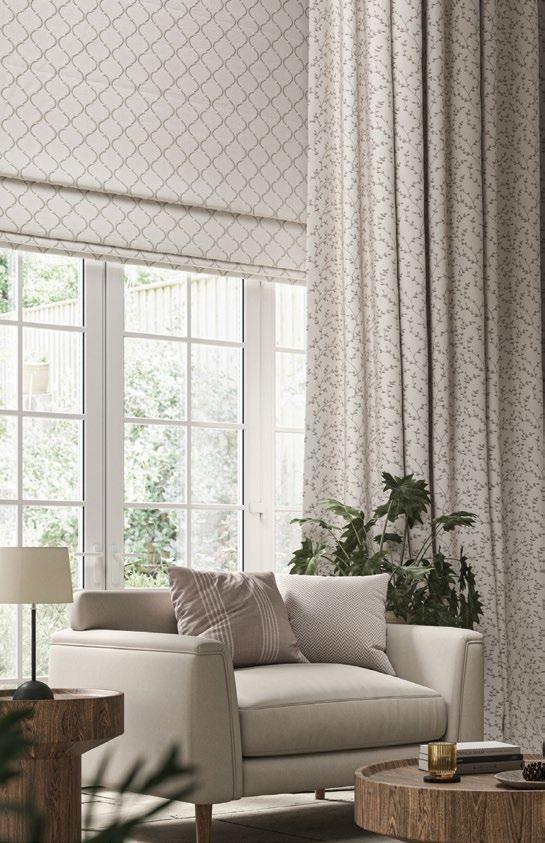
Introducing Highland Park Beverly Drive. A TEXTON-exclusive collection featuring an expanded palette, refined textures, and elevated finishes for Roman shades and drapery. Crafted to deliver a sophisticated, custom experience—all within a single book. Thoughtfully curated for dealers and designers, this collection blends versatility, quality, and timeless style. A New Era of
VISIT US AT BOOTH #1115
Come see Highland Park in person!