




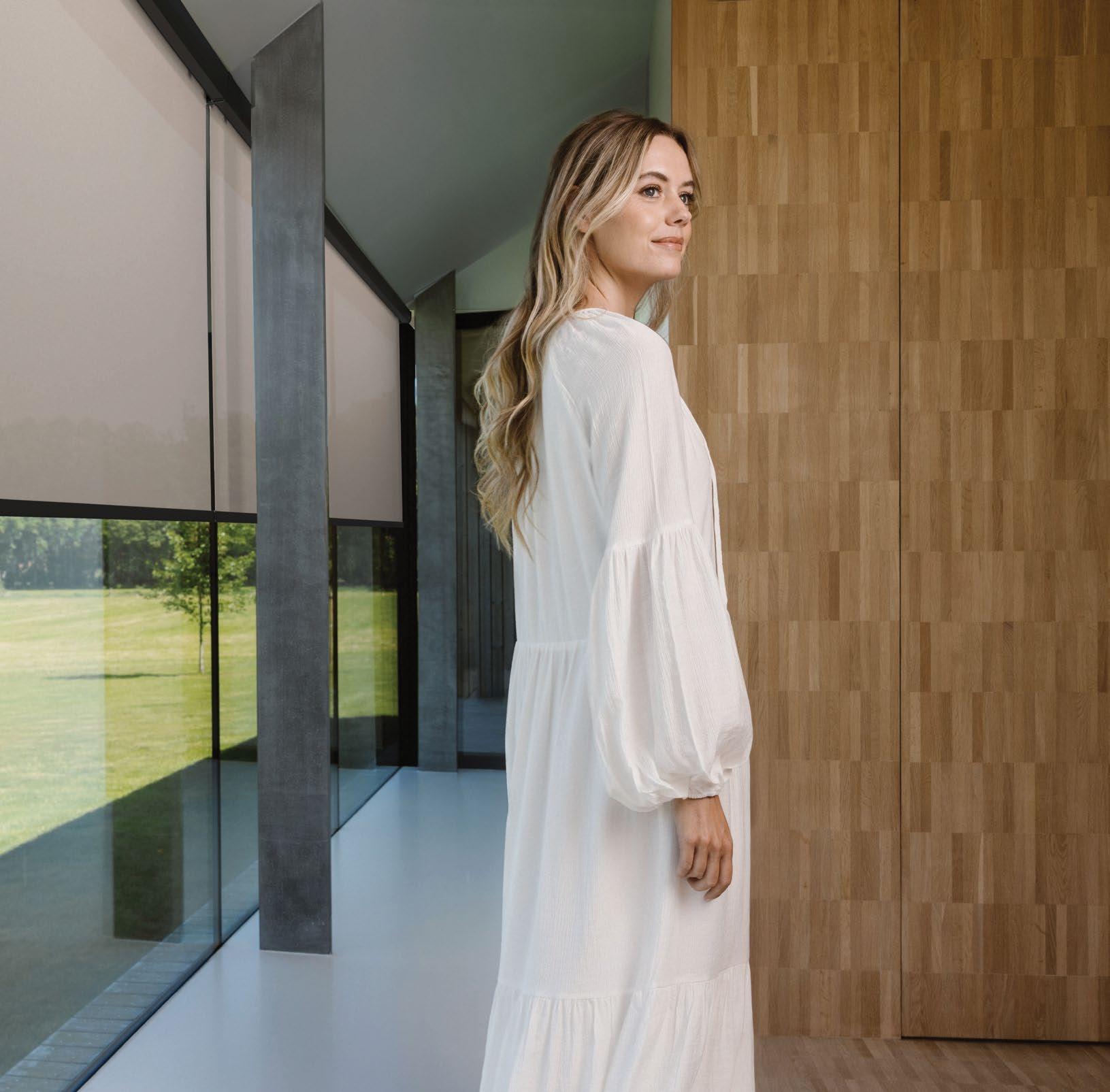
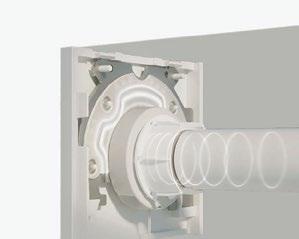
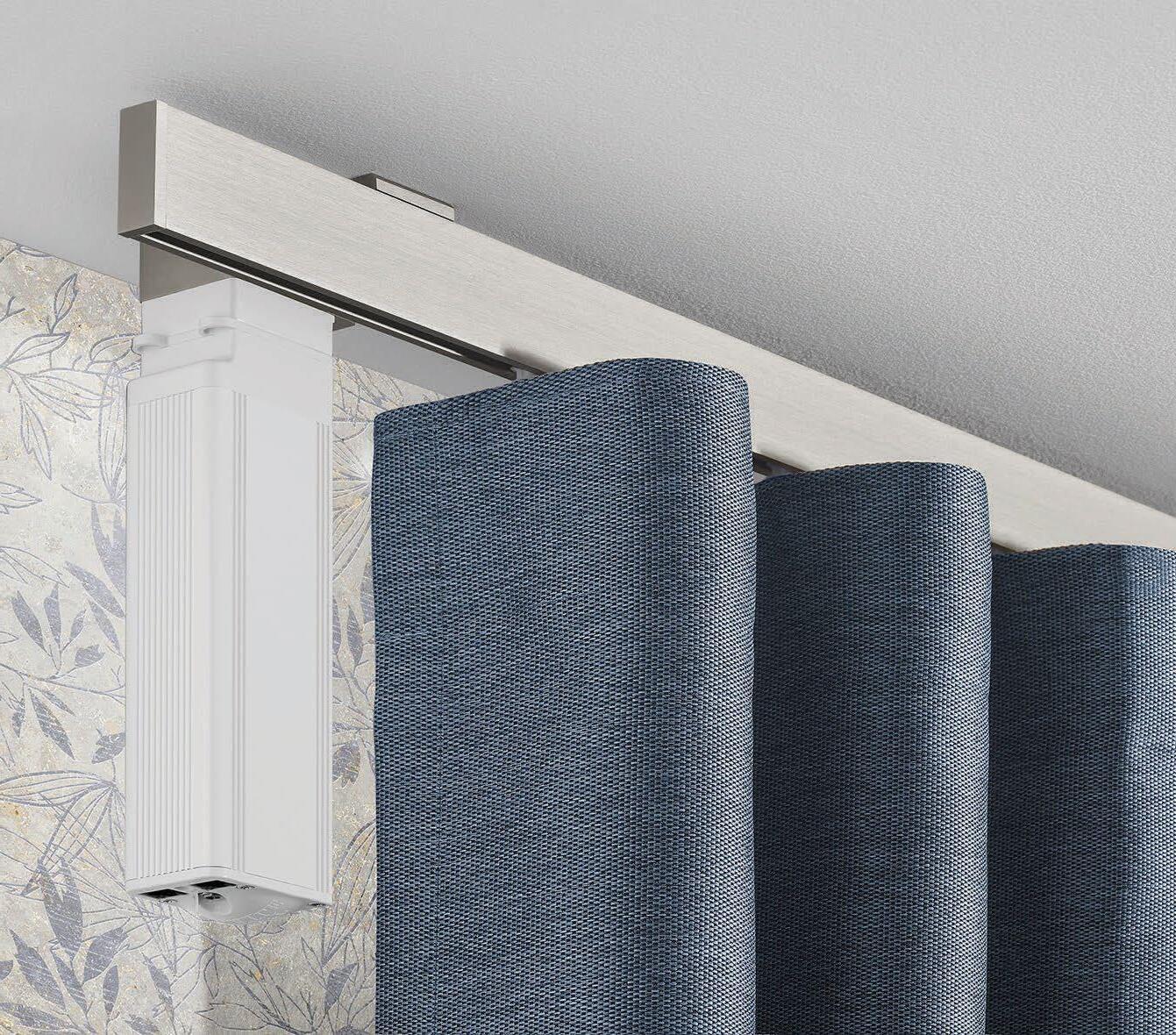
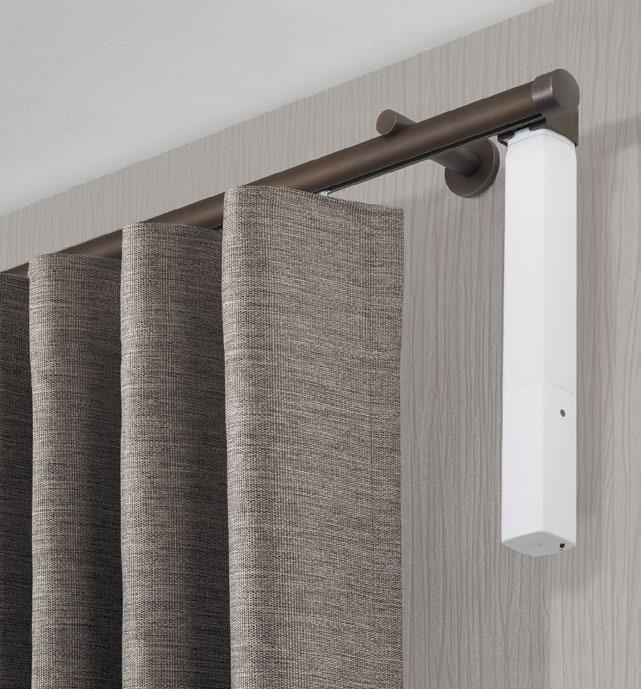
Coulisse’s WCMA award-winning motorized shading concept. Recognized as Best New Style Concept in Motorization & Automation.
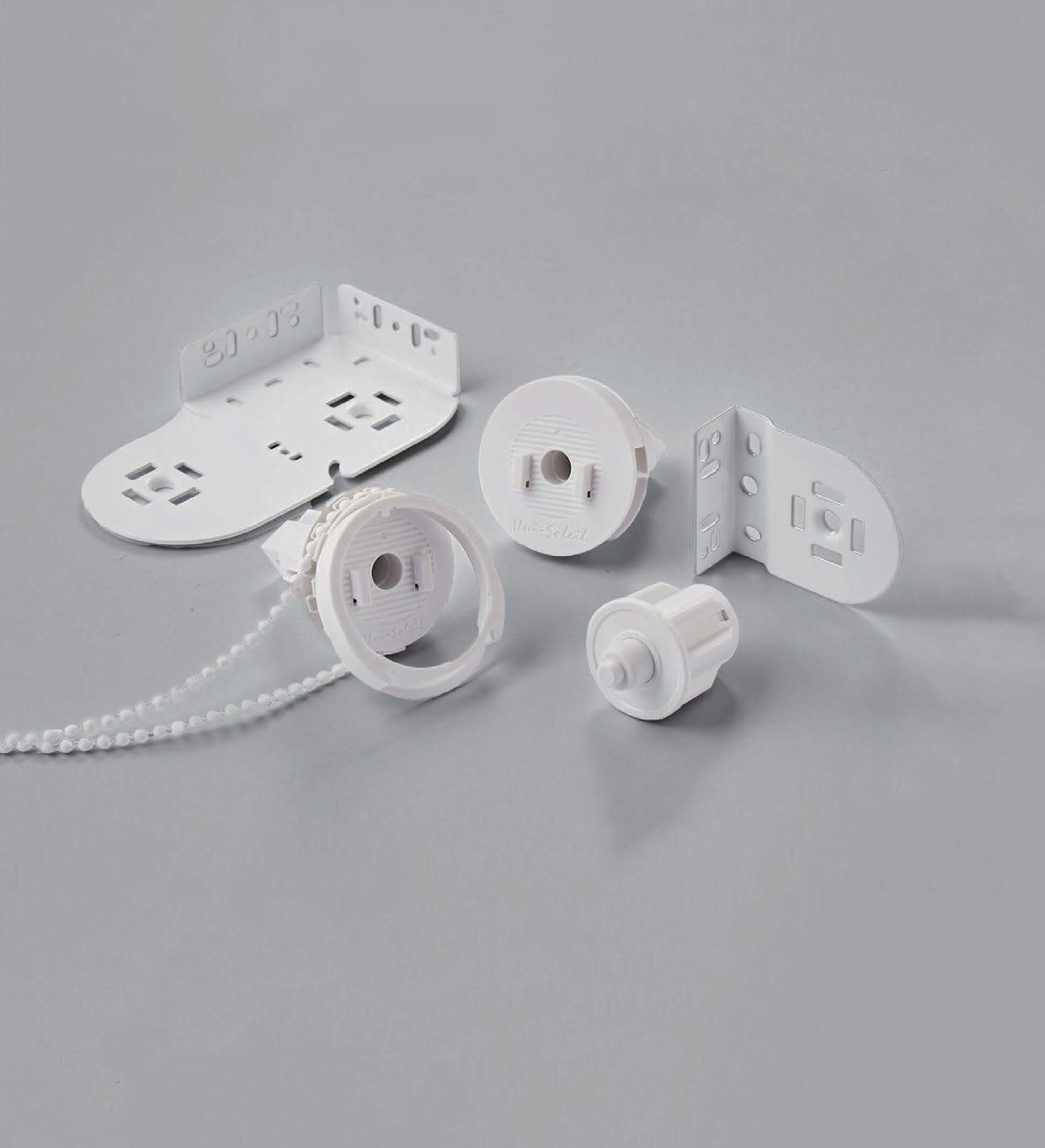
Patented silent brackets, precision-fit drive plugs, and acoustically tuned motors. Engineered for smooth, click-free motion. Up to 15 dB quieter than standard.
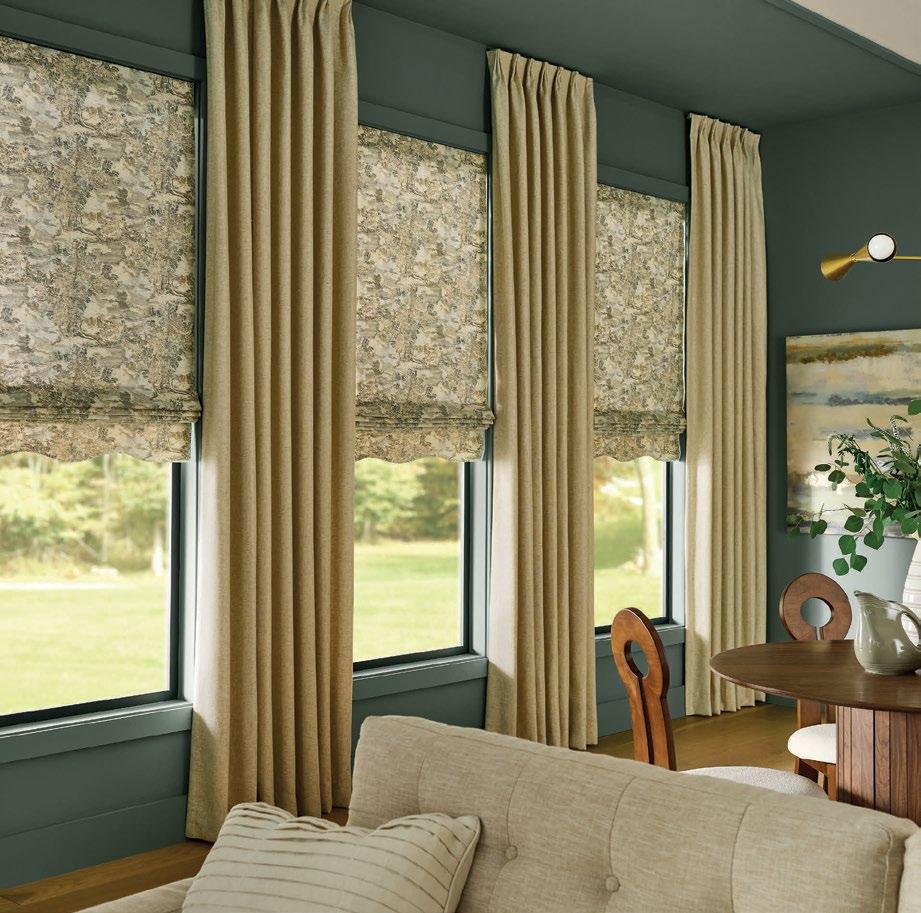
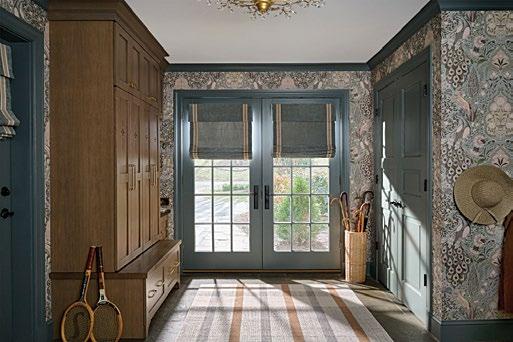
From beautiful draperies, statement side panels and soft Roman shades to finishing details like top treatments and throw pillows, our team of craftsman bring your designs to life crafting high-quality window treatments. Whether you choose from our hundreds of in-house fabrics or provide your own, Horizons can help you create the perfect soft treatment for any space, color palette or design aesthetic.
Ready to start designing?
department
H o r i z o n s
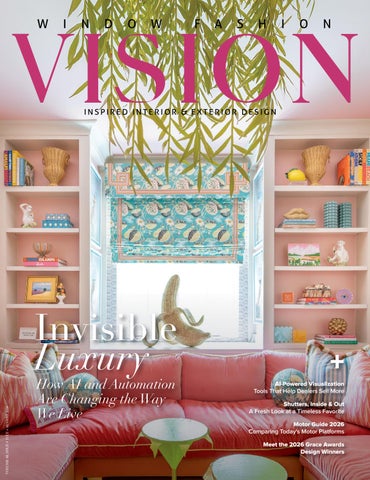
VOLUME 48, ISSUE 4
Publisher | Ania Munzer ania@wf-vision.com
Managing Editor | Lindsay Brown lindsay@wf-vision.com
Art Director | Brandon Bennett bbennett@studiobtm.com
Copy Editor | Maude Campbell maude@wf-vision.com
Event Manager | Shannon Flaherty shannon@wf-vision.com
Sales Executive | Nancy Nix nnix@wf-vision.com
Marketing Coordinator | Tracy Herold tracy@wf-vision.com
Tiffany Burlew, Justin Gianola, Stephen Kuscsik, Daniel Niemirka, Kathy Cragg Pace, Michael Schratz, Oliver Schreiber, Linda Tully, Ralph Vasami
SUBSCRIPTION SUPPORT
866-456-0405 • wfvision@bridgetowerhelp.com
Window Fashion VISION magazine makes every attempt to credit each person involved in the process of creating a window covering and will not be responsible for crediting any person whose name, company or participation did not surface during the information-gathering process. Crediting disputes between parties other than VISION magazine are solved at the discretion of those involved.
Window Fashion VISION (ISSN 08869669) (USPS 708930) published bi-monthly by BridgeTower Media, LLC, 1633 New Garden Rd Unit #163, Greensboro, NC 27410. Visit our website at WFVISION.com. Periodicals postage paid at Columbia, SC 29292, and additional entry offices.
POSTMASTER
Send address changes to:
Window Fashion Vision Subscription Services PO Box 494 Lincolnshire, IL 60069-0494
Subscription rates: $22/yr. U.S. and possessions; $29/yr. Canada; $90/yr. Foreign (includes airmail postage). Copyright © 2026 by BridgeTower Media. Reproduction in whole or in part without written permission prohibited. Canadian Publications Agreement Number: #40036514. Canadian Return Address: Window Fashion Vision, PO Box 494, Lincolnshire, IL 60069-0494 JULY + AUGUST 2026, VOLUME 48, ISSUE 4.



Designer: Lindsey Gilley Interiors
Fabrication: Rachel Leuck, Gotcha Covered of Sugar Land Photography: Eyeleen L Photography
For magazine updates, go to Facebook.com/wfvisionmagazine
Keep up with all the news @WFVMagazine
Follow us and re-pin at Pinterest.com/wfvisionmagexpo
Follow us on Instagram @wf_visionmag

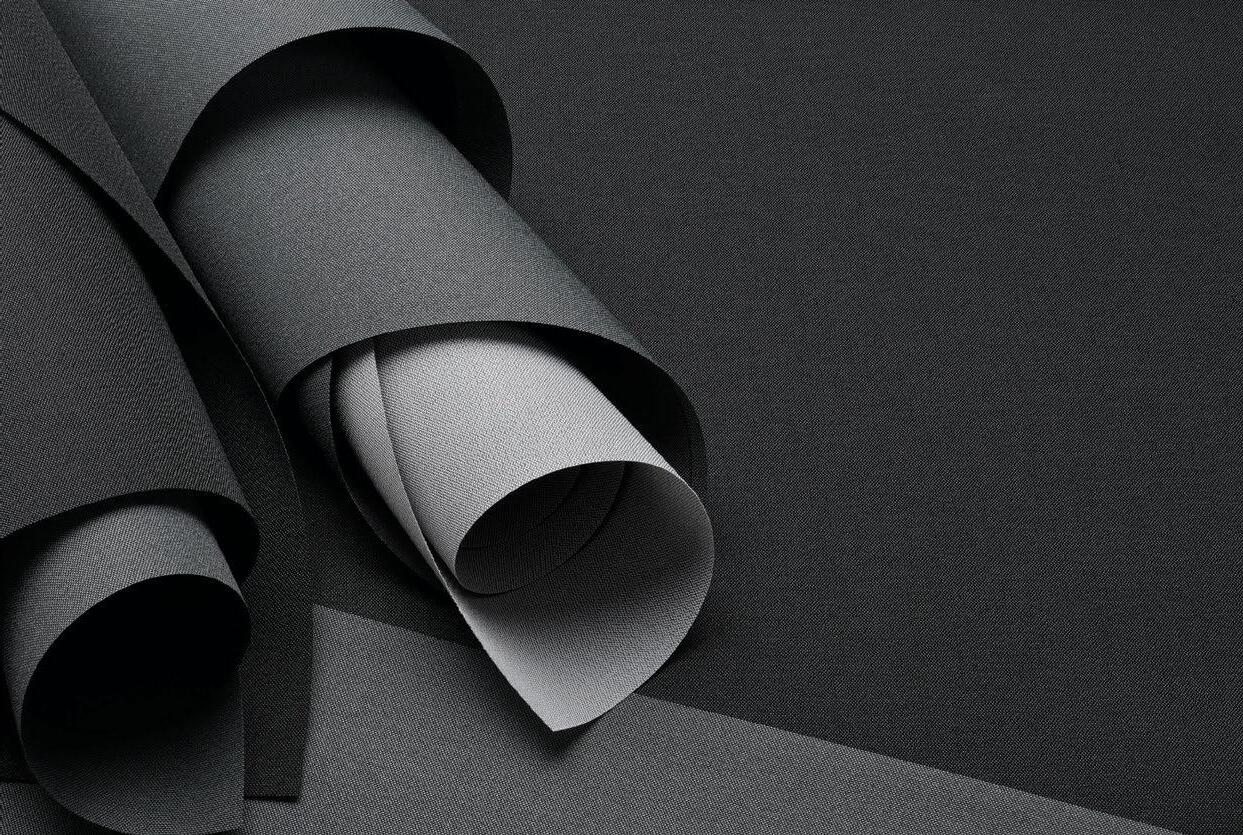
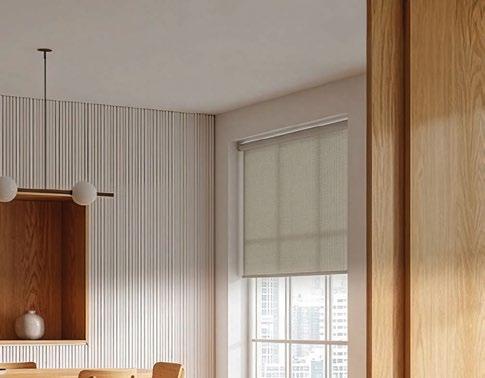
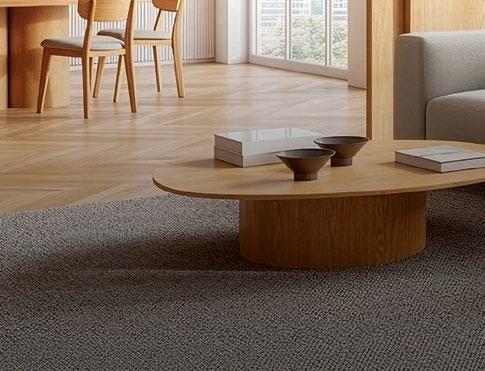


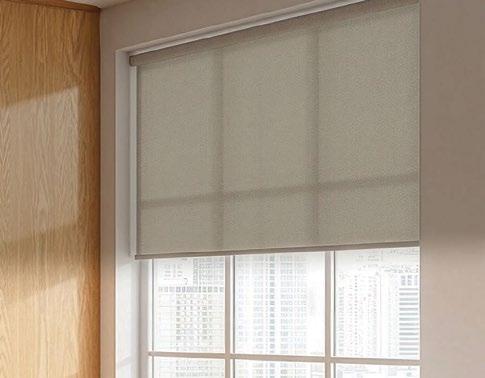
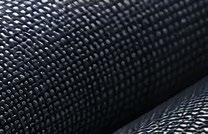
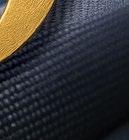
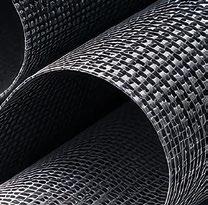
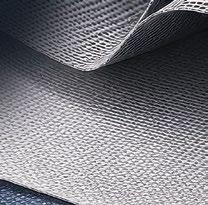
Elevate modern interiors with Texstyle’s Ambient Edge, an attractive PVC free solar screen available in 1% and 3%. Designed for dependable light control and glare reduction, its lightweight composition supports larger applications with ease.
Cradle to Cradle Certified®, it reflects a thoughtful approach to material health and environmental responsibility.

Technology has a way of becoming part of our lives before we even realize it. What at one time felt futuristic quickly becomes expected, and today that shift is happening across the industry.
This issue takes a closer look at the innovations shaping the future of shading. In “The Next Evolution of Automation,” we explore how motorization is becoming more connected, intuitive and integrated into everyday living. “Quiet Luxury” examines the growing demand for hidden hardware, quieter motors and seamless experiences, while “The Future of Daylight” looks at how automated shading can support comfort, wellness and better use of natural light.
Innovation brings responsibility, too. In “The New Safety Checklist,” we explain the electrical safety standards and certification requirements that matter more as motorization becomes more common.
Not every advancement is completely new. In “A Classic Investment,” we show how shutters are changing with new materials, more ways to customize and better performance. We also celebrate the 2026 Grace Awards design winners, whose projects prove that innovation goes beyond technology. Thanks to creativity, skill and new ideas, these designers keep moving the industry ahead.
Whether it comes from technology, design or creativity, innovation is opening new doors for both professionals and homeowners. We hope this issue inspires you with new possibilities and gets you excited for what’s ahead.
Cheers, Lindsay Brown Managing Editor

&
These new design books belong in your beach bag

Peace in the West
William Peace shares 10 remarkable homes that celebrate the landscapes, architecture and enduring spirit of the American West.
Margot Shaw explores the art of outdoor entertaining, offering inspiration for creating beautiful gardens, gatherings and everyday moments.

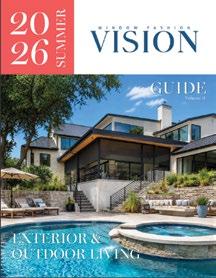

Everybody Loves Stripes: Decorating Between the Lines
The legendary Schumacher design house presents a master class on one of the world’s most iconic interiors motifs.
the Inspiration Going!
















NOTE By Lindsay Brown
How
& Noteworthy
That’s Interesting
ARTISAN ATELIER
Step-by-Step Tutorial: Installing an Invisible Zipper By Linda Tully FULL FRAME: ARTIFICIAL INTELLIGENCE
Picture the Possibilities By Lindsay Brown 20
Motor Matchup By Justin Gianola 20
Candlelight Systems
The Fear Factor By Kathy Cragg Pace
How to Sell Time Outside By Oliver Schreiber
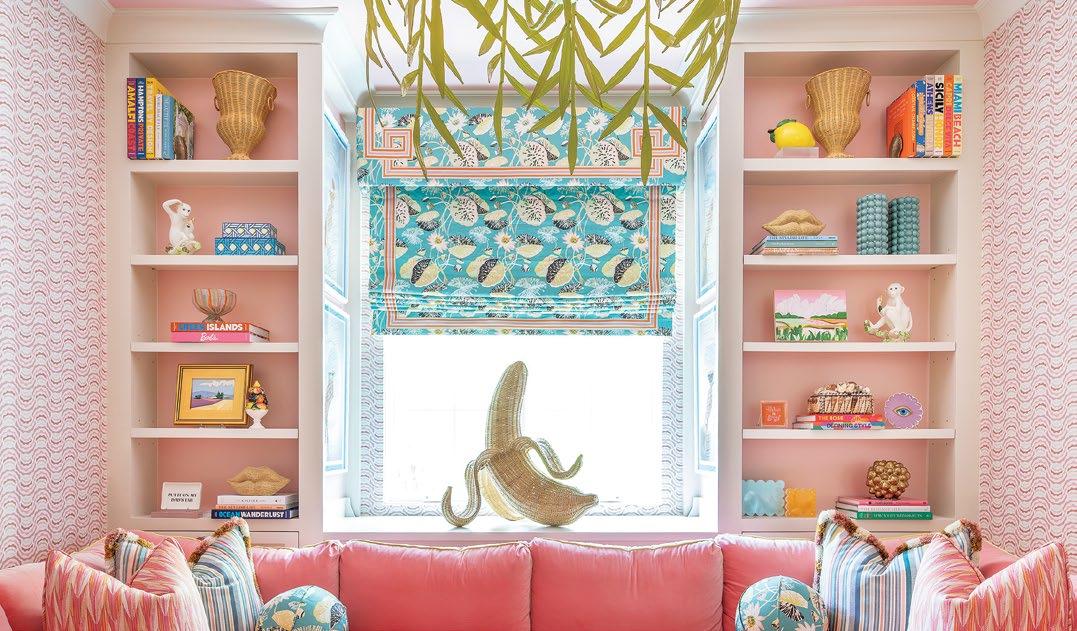
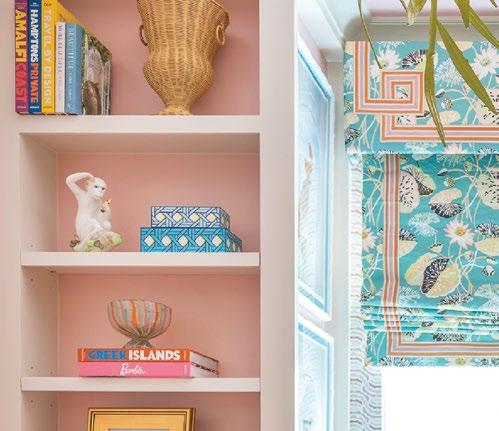
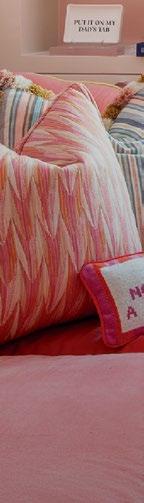
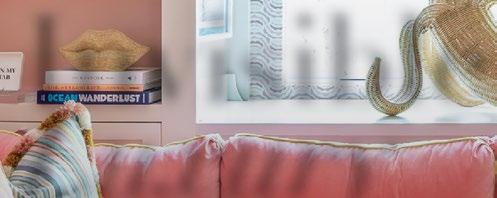
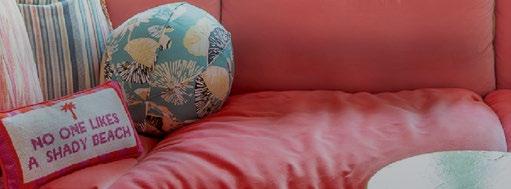
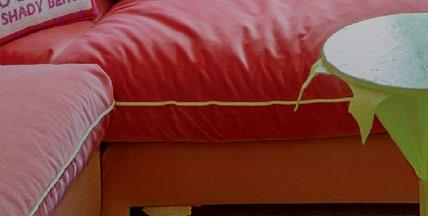
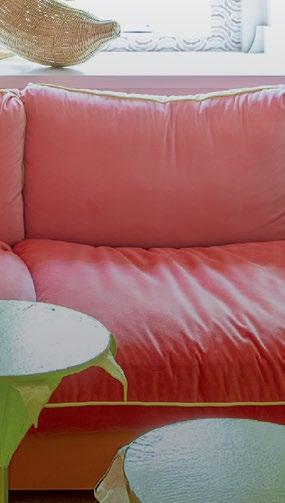
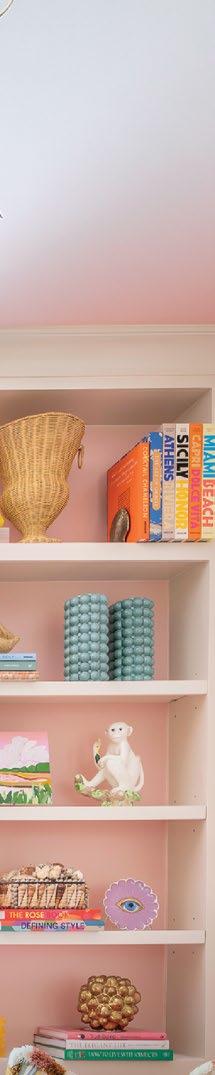
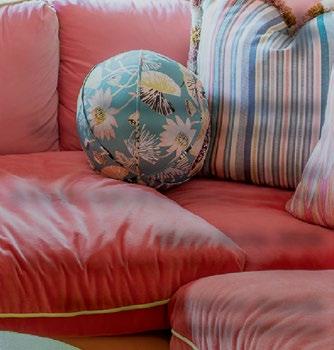
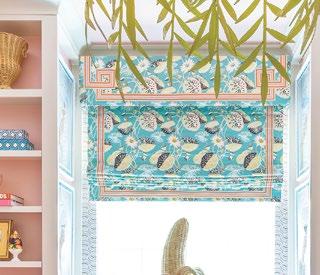
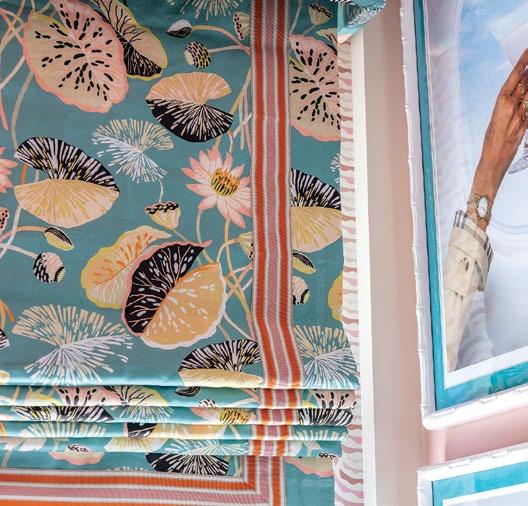
Bright, playful and unapologetically fun, this Houston, Texas, lounge was designed as a colorful retreat where the homeowners’ teenage daughters can gather with friends, curl up with a book or simply enjoy a space that feels uniquely their own.
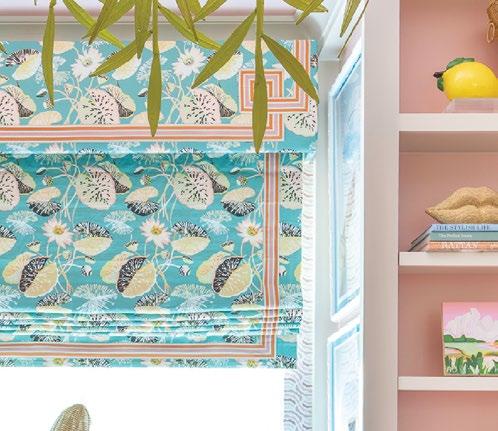
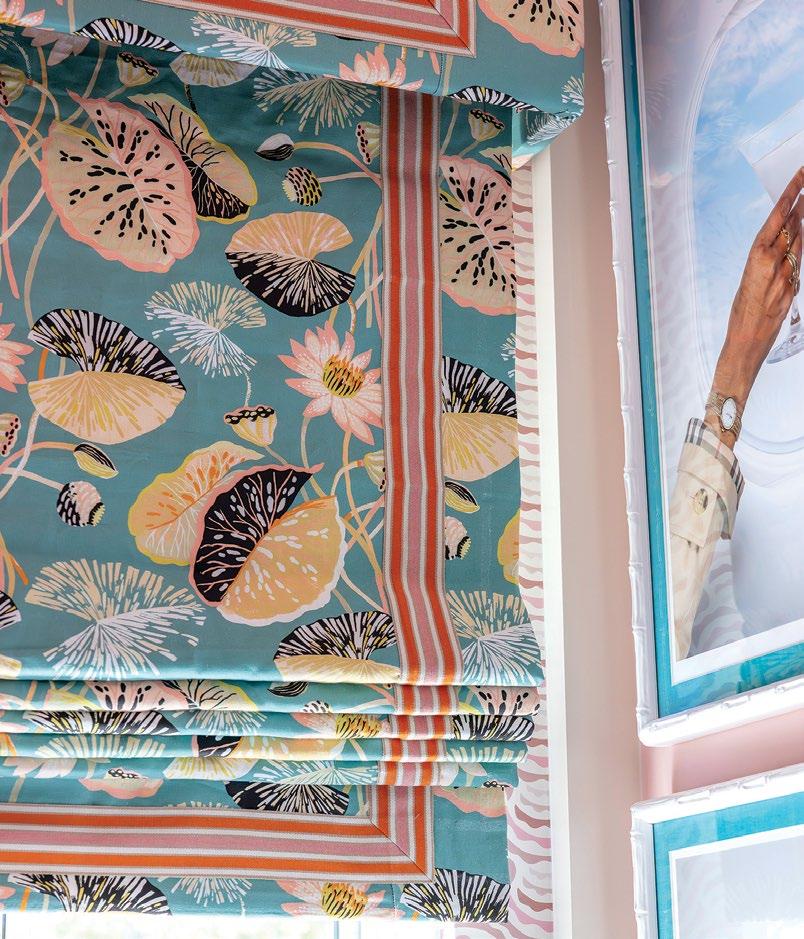
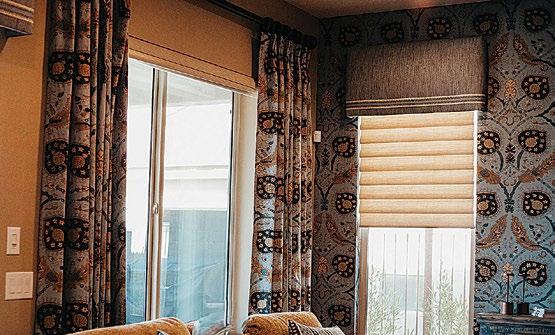
Designed by Lindsey Gilley Interiors and Gotcha Covered of Sugar Land, the room layers pattern, texture and personality at every turn. At the window, a custom cornice and motorized roman shade create a tiered focal point. A bold Greek key border introduces structure and graphic definition, while Sarah Gordon’s Lily Pad fabric in Jade & Rattan brings color, movement and personality. Finished with cheerful trim from Fringe Market’s Outback Tapes collection, the treatment feels perfectly at home among the room’s playful palette and eclectic details.
Function was equally important. Powered by a Rollease Basic 28mm DC motor, the roman shade allows the girls to easily control light and privacy without climbing over the room’s oversized sectional. The motorized system is concealed behind the decorative cornice, preserving the custom appearance while delivering modern convenience.
The project earned Rachel Leuck of Gotcha Covered of Sugar Land the 2026 Grace Award for Motorization, recognizing the seamless integration of technology, craftsmanship and design. Hidden beneath layers of color, pattern and trim is a motorized system that makes the space easier to use without sacrificing an ounce of personality.
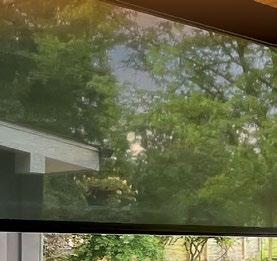

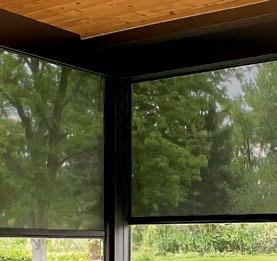

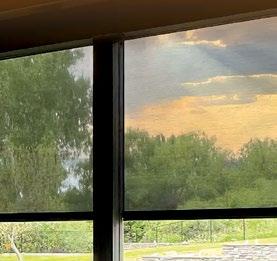












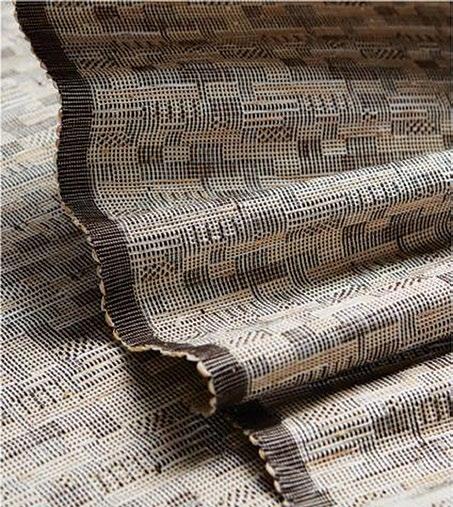
Acclaimed designer Amy Meier brings her signature blend of understated luxury and natural beauty to a new collaboration with Hartmann&Forbes. Influenced by Japanese minimalism and Scandinavian simplicity, the assortment includes handwoven window coverings and wallcoverings crafted from bamboo, ramie, banana fiber and paper. Rich in texture and artisanal detail, each design offers a refined, organic approach to contemporary interiors.
HartmannForbes.com
Designed for larger motorized shading installations, Motionblinds’ CM-60V2 Power Panel streamlines power management for 24V DC motors. Supporting up to 20 motors across five channels, the dedicated power supply panel helps simplify wiring while delivering reliable performance. With four outputs rated at 3 amps each, it offers an efficient solution for commercial and residential projects requiring multiple motorized shades.
Motionblinds.com
Graber is expanding its Somfy-powered Zigbee motorization platform across additional shade styles, including bottom-up cellular, pleated, classic roman and top-down/bottom-up cellular shades. Designed to simplify smart shading throughout the home, the system offers seamless integration with major smart home platforms, two-way communication for shade and battery status, QR-code setup and convenient USB-C charging. Soft start and stop functionality adds a polished finishing touch to everyday operation.
GraberBlinds.com
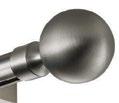
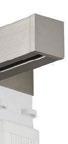
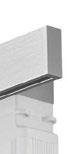
FOREST DRESDEN, FRANKFURT AND STUTTGART MOTOR 2.0 RODS ARE COMPATIBLE WITH THESE MOTOR BRANDS:






THE NEW STANDARD IN MOTORIZED DRAPERY: Thanks to cutting-edge technology and absolute precision, the Motor 2.0 CNC machine mills out the necessary recess for the motor connection directly into the rods. A separate motor housing is no longer required. The result–visual perfection in a flawless, consistent color while offering a broader selection of finishes and finials! The material savings is friendly to the environment. To top it off, you can choose the motor brand you would like to use.
& Noteworthy
Under the Sea
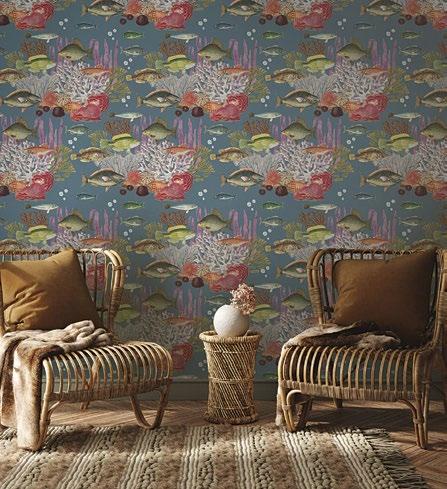
Spain-based textile house Gastón y Daniela brings its signature sense of color and whimsy to Origen Dos, a striking wallcovering inspired by the beauty of the ocean. Featuring an illustrated underwater scene filled with fish and shells, the design adds personality, movement and a worldly perspective to interiors. Kravet.com
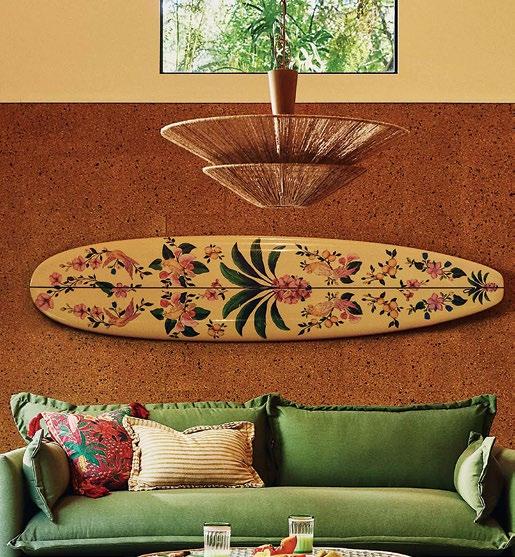
A long-standing partnership between Anthropologie and FARM Rio expands beyond fashion with a vibrant home collection inspired by the colors, patterns and energy of Brazil. Created for indoor-outdoor entertaining, the assortment includes tabletop pieces, textiles, rugs and decorative accessories featuring tropical motifs, lush foliage and FARM Rio’s signature banana print. The collection blends Anthropologie’s artistic aesthetic with FARM Rio’s free-spirited approach to living.
Anthropologie.com
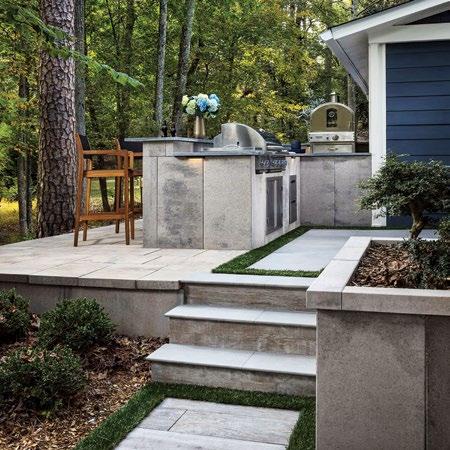
As outdoor living continues to evolve, homeowners are embracing the “party patio,” a flexible gathering space designed to connect indoor and outdoor living. Belgard’s Artforms modular outdoor kitchen system supports the trend with customizable components that make it easy to create cooking, dining and entertaining zones. Streamlined installation and flexible configurations help transform patios into highly functional spaces for everyday living and impromptu get-togethers alike. Belgard.com
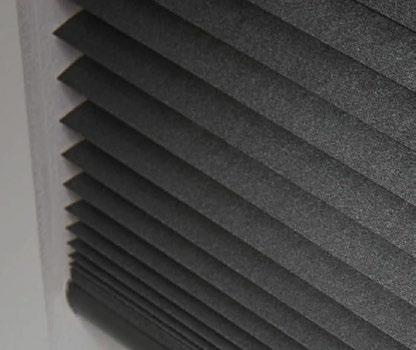
Curated designer fabrics + custom-built systems, assembled in the USA and exclusive to the trade.
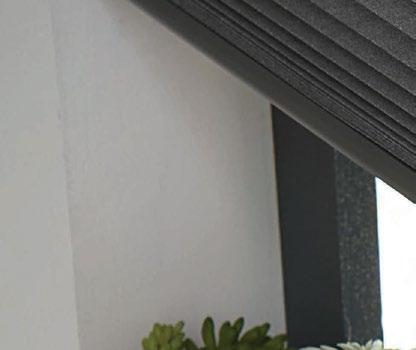

R-TEC Automation® Motors

Motorization Components
Built for seamless integration. Powered by advanced technology and professional-grade performance.
EXPLORE NOW AND EMPOWER YOUR BUSINESS!

Remotes, hubs, brackets, power, mounting hardware— all engineered for compatibility and easy installation.




BY LINDA TULLY
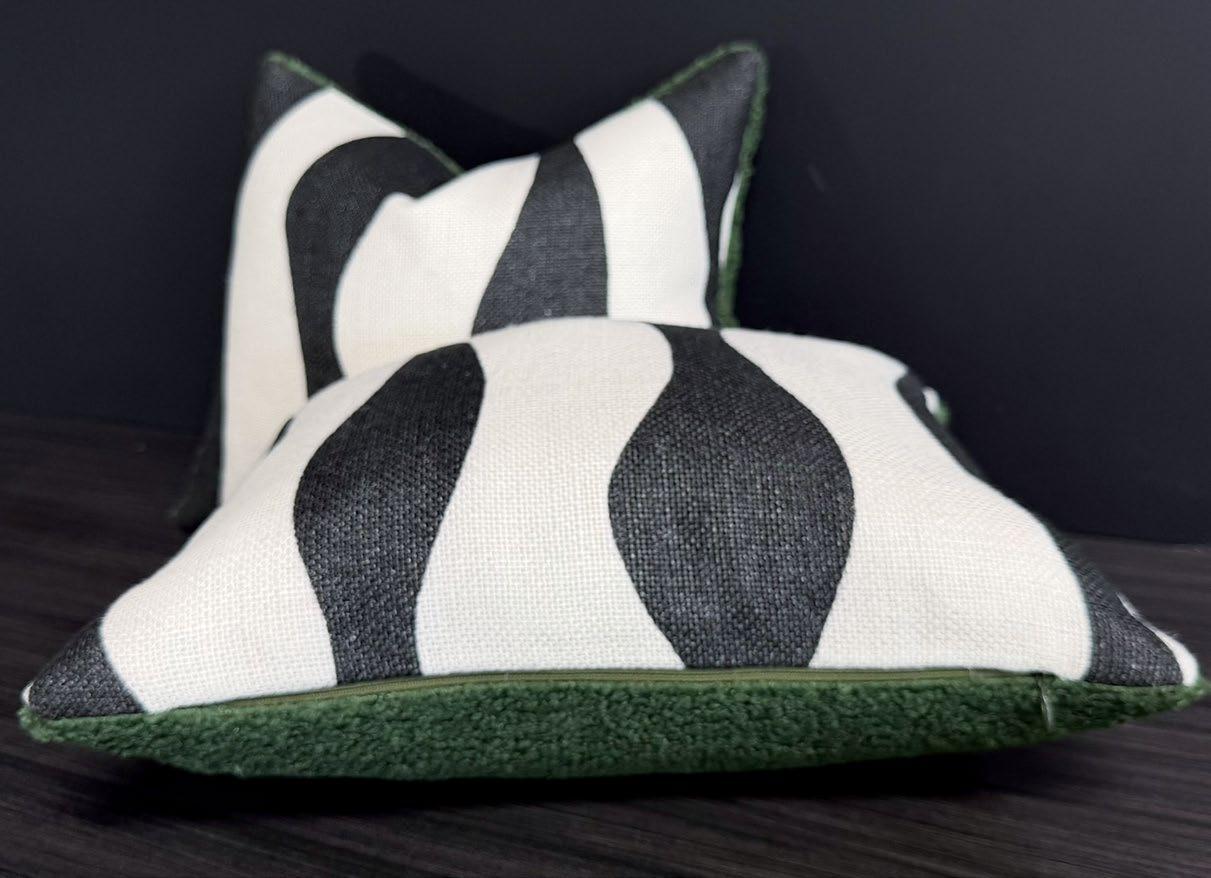
An invisible zipper creates a clean, professional finish while allowing the focus to remain on the fabric and trim details. Follow along as Linda Tully shares her step-by-step instructions for installing an invisible zipper when making a pillow. A full video tutorial with detailed explanations for each step will be posted on Linda’s YouTube channel, YouTube.com/@TullyDraperyShop, for those who prefer to follow along visually.
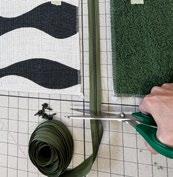
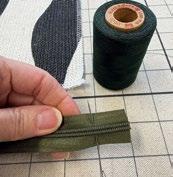
Step 1: Cut the zipper longer than the pillow.
Step 2: Insert the slide and pin the left side to prevent the slide from coming off.
Step 3: Stitch the right end to permanently prevent the slide from coming off.
Mark the Pillow and Zipper Placement
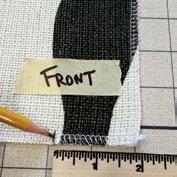
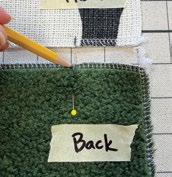
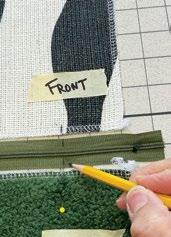
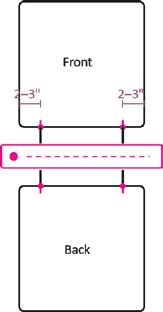
Step 4: Mark the pillow front 2 to 3 inches in from each corner.
Step 5: Line up the pillow back and mark it at the same exact spots.
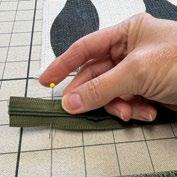
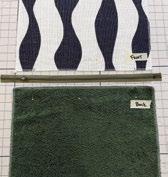
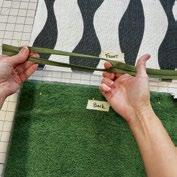
Step 6: Lay the zipper between the pillow front and back, with the slide on the left and the zipper face down (you will see the teeth).
Marks set 2-3" in from each corner slide on the left. The zipper face is down.
Step 7: Mark the zipper at the same exact spots on both ends, front and back.
Step 8: Slide the zip slide so it is past the pencil mark on the left.
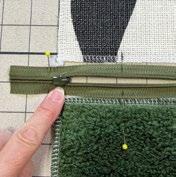
Step 9: Pick up the zipper—leaving it face down—and move it into position on the pillow front. The side of the zipper closest to you will be the part you sew to the front of the pillow.
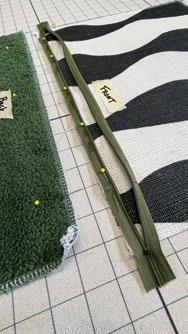
Step 10: Open the zipper to prepare to pin it to the pillow. Match the marks on both sides of the pillow and zipper, then pin it into place.
Sew the First Side of the Zipper
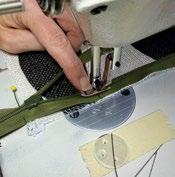
Step 11: Begin sewing the zipper at the first mark and backstitch it. Sew close to the zipper teeth—but not too close, or it will not work—stopping at exactly the opposite mark.
Step 12: Test the zipper before proceeding. Sew the second side of the zipper.
Sew the Second Side of the Zipper
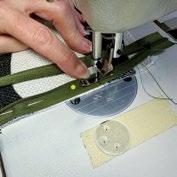
Step 13: Match the pillow back to the opposite side of the zipper, pin it in place and repeat the sewing process in Steps 10-11.
Step 14: Clip loose threads, test the zipper again and leave the slide in the center of the opening.
Finish the Pillow
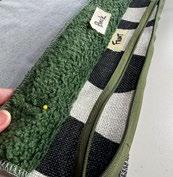
Step 15: Sew each corner to the pencil marks to trap the zipper ends. Pin the remaining three sides and stitch them closed.
Step 16: Turn the pillow right side out, check the corners and press. Stuff the pillow and enjoy the finished result!

Located in Temple, Texas, Linda Tully creates bespoke window treatments and bedding specifically designed and fabricated for every project through her workroom, Tully Drapery Shop. She first started in the business with Custom Coverings drapery workroom in 2000. She is a former IWCE speaker and has won many awards. Many of her award-winning rooms have been published in books and magazines. Linda is accomplished at designing, selling and fabricating all styles of window treatments. She has lived and worked in the interior design industry in nine states in the U.S., giving her valuable knowledge about regional styles and architecture. » TullyDraperyShop.com

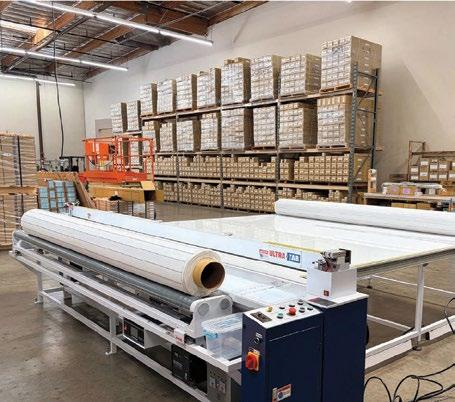
EHANCE YOUR PRODUCTION EFFICIENCY AND PRODUCT QUALITY WITH





for a for



&






BY LINDSAY BROWN


How AI-powered visualization platforms are helping dealers shorten the sales cycle, increase customer confidence and sell more premium products
Window treatment visualizers have existed for years, but a new generation of artificial intelligence-powered platforms is changing how dealers and designers sell. Rather than simply showing homeowners what a shade might look like in a room, today’s tools are helping customers compare options, understand automation and make purchasing decisions with greater confidence. For dealers, that can mean shorter sales cycles, fewer objections and more opportunities to introduce premium upgrades.
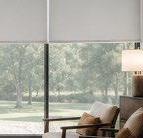

takes the experience a step further by analyzing room characteristics such as color palette, lighting and furnishings to generate personalized product recommendations.
“ The
biggest challenge in selling window treatments is often helping homeowners visualize the fi nished result.”
The biggest challenge in selling window treatments is often helping homeowners visualize the finished result. Fabrics, openness factors, motorization options and smart home integrations can be difficult to explain through samples and brochures alone. AI-powered visualization platforms help bridge that gap by replacing imagination with realistic previews. When customers can see products in their own homes, they tend to feel more confident moving forward and are often more willing to explore upgraded solutions.
One platform helping lead this shift is Viewa. The company combines generative AI, 3D modeling and augmented reality to create realistic product previews within a homeowner’s space. Through its Viewa Surface platform, customers can upload a room photo and instantly see how different shades, shutters and draperies will look in their homes. The platform’s Virtual Design Guru, Instyl,
Beyond visualization, Viewa is designed to help dealers create a more engaging shopping experience. The platform integrates with existing websites and allows customers to explore products directly within a browser, eliminating the need for additional apps or software. Realtime analytics also provide insight into customer engagement and product preferences, helping dealers better understand how shoppers interact with their offerings.
By reducing guesswork and helping homeowners make decisions more confidently, the platform can shorten the path from browsing to buying while creating a more informed sales conversation.
The Blind Bots expands beyond visualization by combining realistic room renderings with customer education and sales automation tools. Dealers can upload their own product catalogs, giving homeowners the ability to explore the exact products, fabrics and configurations available through that business. AI-generated visualizations

Builds Confidence
For customers, the experience makes complex decisions easier. For dealers, it creates opportunities to answer questions, demonstrate value and keep prospects engaged throughout the buying journey.
When homeowners can see products in their own spaces, they spend less time wondering and more time deciding.
Reduces Decision Fatigue

Visual comparisons help narrow options and simplify product selection.
Demonstrates Value
Features such as motorization, automation and premium fabrics become easier to understand when shown visually.
Shortens the Sales Cycle
Fewer questions and clearer expectations can lead to faster approvals.
Encourages Upgrades
Clients are often more willing to invest in premium solutions when they can visualize the end result. Creates a Better Experience
Interactive consultations feel more engaging and memorable than traditional presentations.
transform those selections into room-specific previews, while before-and-after sliders allow customers to compare fabrics, textures and styles directly within their spaces.
The platform’s video-rendering engine takes the experience a step further by bringing blinds and shades to life, showing how fabrics move, how light filters through materials and how products transform a room throughout the day. The platform also incorporates lead-generation and engagement tools that support dealers throughout the sales process, helping prospects move from inspiration to specification with greater confidence.
The benefits extend well beyond aesthetics. When homeowners can clearly see the finished result, they are often more comfortable making decisions and investing in upgrades. For dealers and designers, visualization platforms can help reduce decision fatigue, shorten the sales cycle, improve close rates and create opportunities to upsell motorization, automation and smart home integration.
As artificial intelligence continues to evolve, visualization platforms are becoming more than design tools. They are transforming into sales tools that help homeowners make informed decisions while giving dealers more effective ways to communicate value. The result is a more engaging customer experience, a smoother consultation process and a clearer path from inspiration to installation. V




BY JUSTIN GIANOLA, Senior Business Development Manager At Rollease Acmeda
Manufacturer
Roller Shades, Retractable Awnings, Exterior Screens, Pergolas
Roller Shades, Roman Shades, Drapery, Exterior



Roller Shades, Roman Shades, Awnings, Exterior
Roller Shades, Awnings, Exterior, Pergolas
Roller Shades, Roman Shades, Cellular Shades, Drapery, Exterior
Roller, Roman, Cellular and Drapery. Awnings, Exterior and Pergolas launching in 2027
AC, DC, Solar Battery
AC, DC, Battery, PoE
Battery, Smart Power DC, AC


Proprietary Gaposa RF (434.15 MHz) Alexa, Google
BTX RF (433 MHz), BTX Smart by Bond, Zigbee, Matter, Contact Closure, PoE Via Third-Party Platforms
433 MHz Via Bond Bridge
Li-ion Battery, AC, DC 433 MHz, Wired 485
Google, Alexa
Li-ion Battery, DC, AC
433 MHz, Zigbee, Z-Wave, Matter, BLE
Siri, Alexa, Google
Li-ion Battery, DC, AC Matter, BLE, 433 MHz Apple, Google, Alexa, Samsung





A side-by-side look at the technologies, integrations and capabilities driving today's motorized shading systems.


Remotes, Wall Switches, Sensors, Hub/App, LinkIt Integration, ELEMENT Smart Remote





Remotes, Wall Switches, Wi-fi hub, Smart by Bond Control, Other Third-Party Integrations

–Third-Party Only
Wand Control, Remotes, Wall Switches, Light & Wind Sensors


SENSE obstacle detection motors paired with solar motorization, with a 50 Nm solar motor option for larger exterior jobs


Multi-control adaptable motor design and Li-ion and RF functionality on all PoE motors


UL, CE, cRUus, FCC
Remotes, Bond Bridge, Yubii Home, Nice Shade Controller

Remotes, Sensors, Pulse Pro Hub
dB



Adjustable motor speeds
Smart Power technology enables battery or hardwired operation – ✓
Remotes, Wall Switches, Sensors, Hub, Manual Pull Override 39 dB $$



Bi-directional communication provides real-time shade position, battery, and signal status
Native Matter and Thread connectivity enables integration with smart home platforms without a bridge or gateway * Noise levels are typical operating range. Specifications subject to change. Contact manufacturers for details.
ETL, FCC, RoHS, UKCA, CE



For more than four decades, Candlelight Systems has built a reputation for tackling complex shading, lighting and integration projects with precision, planning and a commitment to whiteglove service
BY LINDSAY BROWN
When Tom and Tari Harhay founded Candlelight Systems in 1984, the custom window covering industry looked very different. Motorization was still in its infancy, smart home technology didn’t exist and fully integrated shading and lighting systems were years away from becoming mainstream. Yet from the beginning, the San Clemente, California-based company built its business around innovation, technical expertise and personalized service.

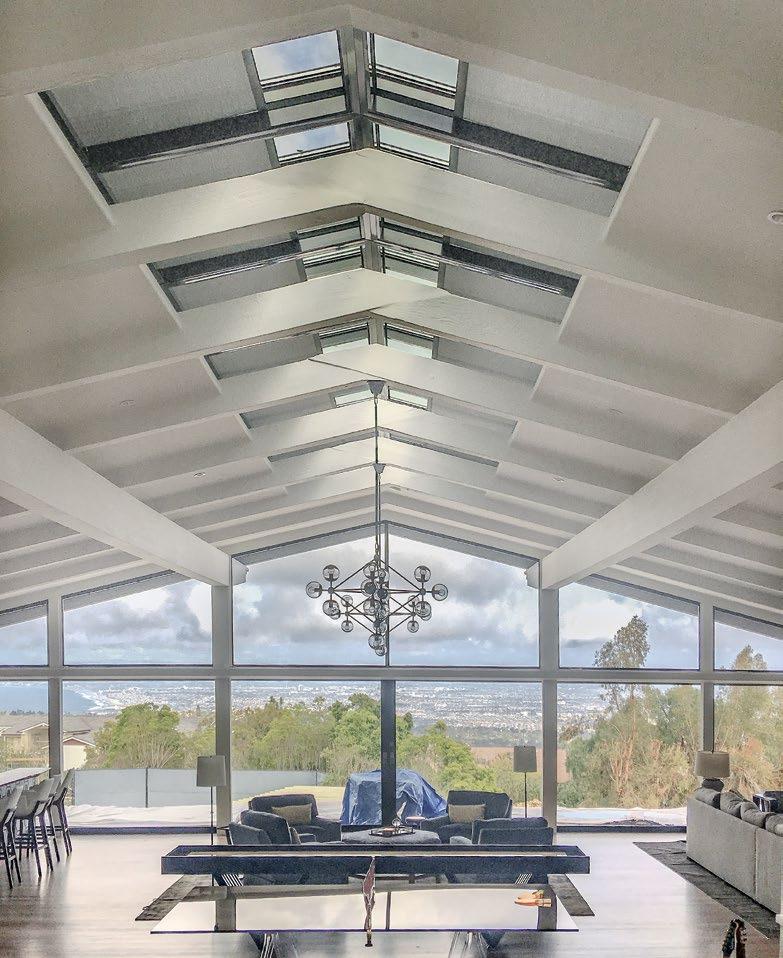
Today, Candlelight Systems is one of the largest wholesale distributors in the United States, specializing in motorized shading, lighting control and home automation. The company employs 15 team members and works closely with homeowners, interior designers, architects and contractors to deliver customized solutions that blend technology, functionality and design.
“We deliver custom, innovative shading and lighting solutions along with system integration services,” said Tom Harhay. “From lighting design to motorized shades, we are a full-service distributor dedicated to making homes and offices more functional, beautiful and environmentally sustainable.”
As a Lutron Hall of Fame Dealer and Lutron Diamond Dealer, Candlelight Systems has earned a reputation for handling projects that require more than simply selecting a product. The company works across motorized shades, custom drapery systems, advanced lighting control and system integration, approaching every project with a focus on understanding how clients live, work and interact with their spaces.
Building Relationships
Every project at Candlelight Systems begins with a conversation. The team meets personally with each client, either in the showroom or on-site,
to better understand the project’s goals before recommending products, fabrics and technology solutions. Detailed field measurements, architectural drawings and decades of industry knowledge help guide the process from concept to completion.
That consultative approach extends well beyond the initial sale. Throughout production and installation, the team remains in close communication with clients, helping manage expectations and ensuring every detail is accounted for before installation day arrives. The objective is to create solutions that enhance functionality, aesthetics and sustainability while delivering a seamless customer experience.
For a company known for complex shading, lighting and automation projects, preparation is often the most important step. Candlelight Systems specializes in coordinating shading, lighting and automation systems that often involve multiple trades, technologies and moving parts. Rather than waiting for challenges to arise, the team focuses on identifying potential issues early and developing solutions long before installers arrive on-site.
“We put a lot of time and effort into project planning and strive to be proactive rather than reactive,” said Harhay.
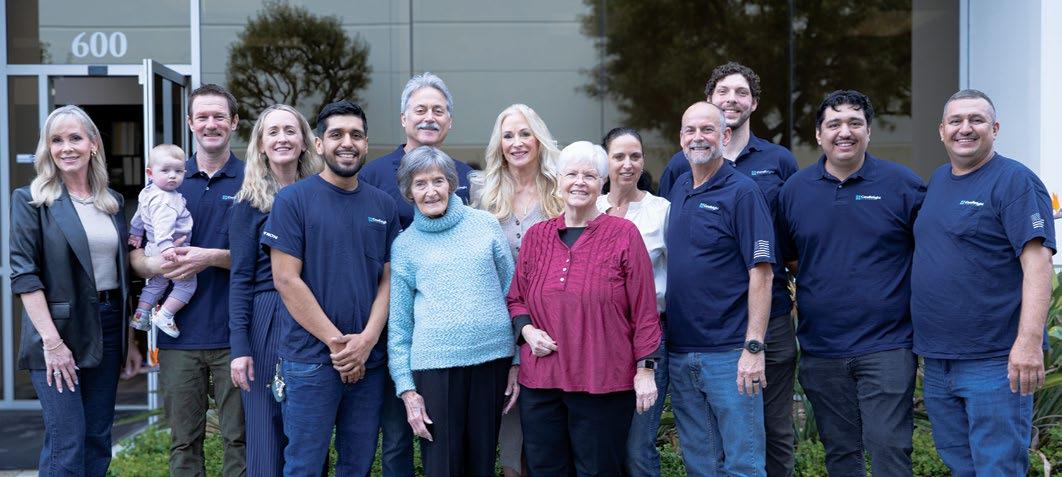
“Our entire team is trained to think outside the box … there is always a solution and we never give up.”
That commitment to preparation has helped the company navigate everything from unique architectural conditions to highly customized installations. Every project presents its own challenges, but the team’s process remains consistent: evaluate carefully, communicate clearly and prepare thoroughly.
Luxury projects rarely succeed without strong partnerships behind the scenes. Over the years, Candlelight Systems has built strong relationships with architects, builders, electricians, AV specialists and interior designers, creating a collaborative network that helps ensure successful outcomes for clients.
The company’s expertise in advanced systems, including Lutron HomeWorks, RadioRA2, Ketra and Hyperion Solar Adaptive Shading, allows project managers to coordinate effectively with other trades while helping designers bring their vision to life.
“Collaboration is key,” said Harhay. “We identify opportunities, share best practices and generally look out for one another because we all have the same goal: satisfied clients.”
That collaborative mindset has become one of the company’s defining characteristics and a key reason clients and trade partners continue to return.
No matter how much planning goes into a project, unexpected challenges can still arise.
“Complex designs and installations are our trademark,” said Harhay. “Since every one of our designs is custom-crafted, and no two jobs are ever alike, challenges can arise on even the most detailed and thought-out projects.”
The team approaches every project with a problem-solving mindset, empowering employees to think creatively and use every available resource to find solutions.
“Our entire team is trained to think outside the box and is empowered to use all tools and resources available to them to find fast and effective solutions for our clients,” said Harhay. “There is always a solution and we never give up.”
That philosophy has helped Candlelight Systems build a reputation for tackling projects that require technical expertise, detailed coordination and a willingness to solve difficult problems. Whether working on a single motorized shade or a fully integrated smart home, the objective remains the same: deliver a seamless experience from start to finish.
More than 40 years after opening its doors, Candlelight Systems continues to approach every project with the same focus on preparation, collaboration and problem-solving that has guided the company’s success.
While technology and project requirements continue to evolve, the company’s approach remains rooted in careful planning, strong partnerships and a willingness to keep learning.
The team also encourages professionals who are new to complex installations to lean on industry relationships and seek guidance from experienced peers. V

BY LINDSAY BROWN
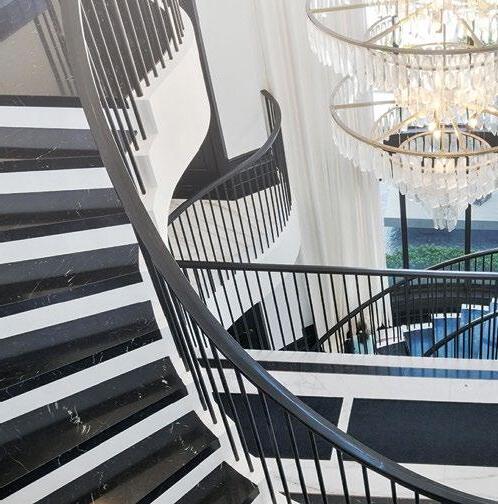
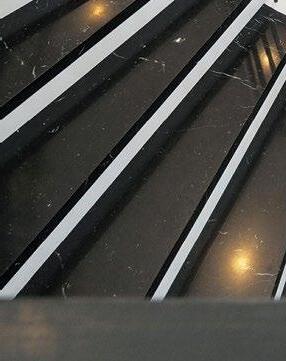
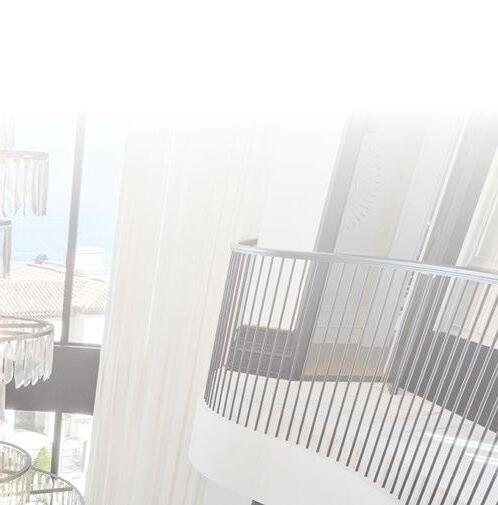
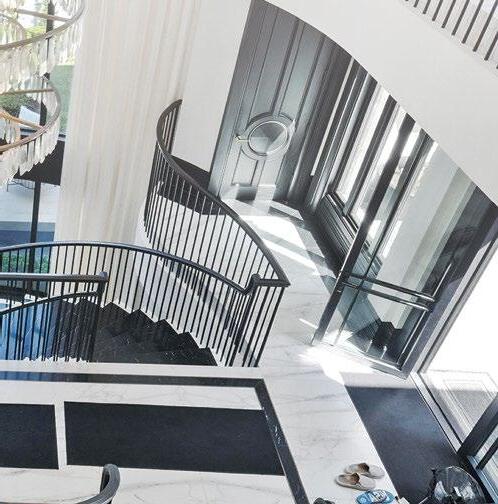
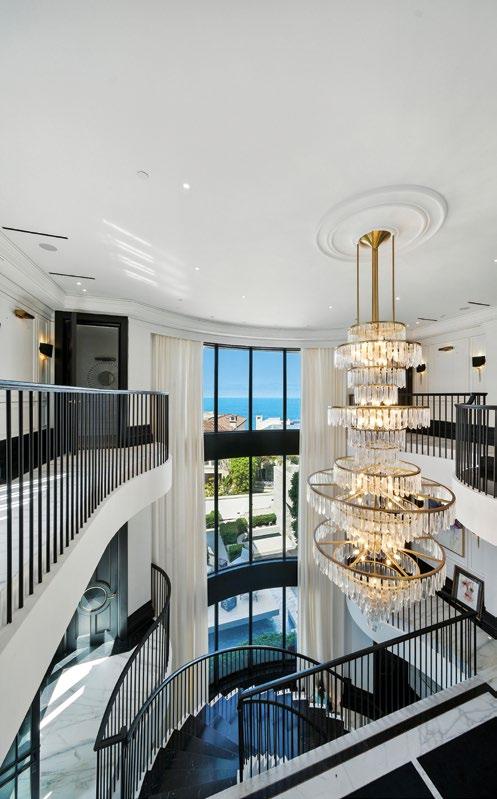
Location: Dana Point, California
Designer: Michelle Caruso
Products: Lutron Motorized Custom Curved Drapery Track, JF Fabric
Installer: Candlelight Systems, Jony and Robert Garduno
Photographer: Derek Ireland, Ireland Photography
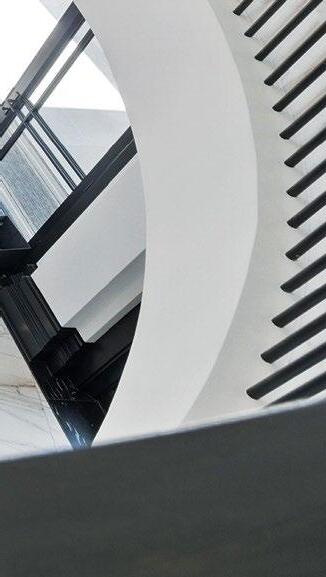
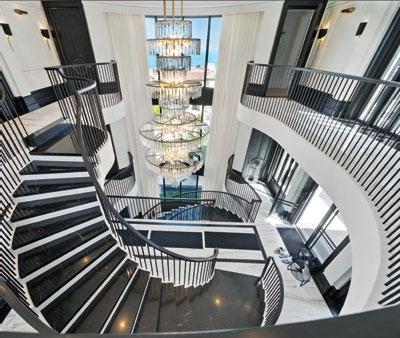
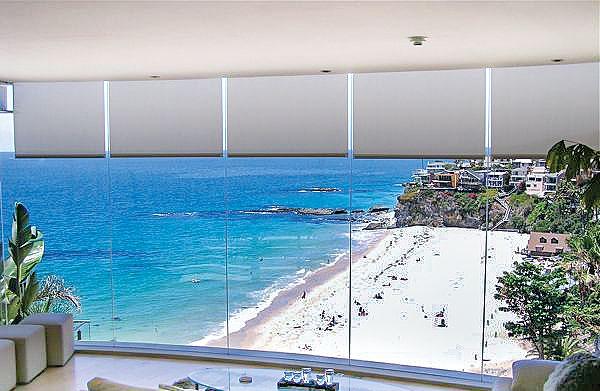
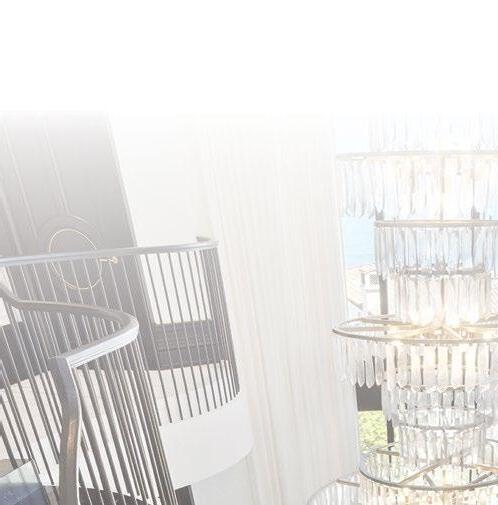
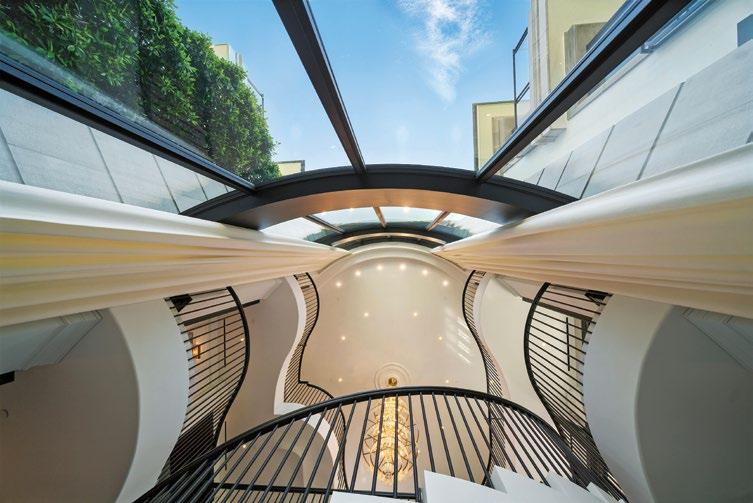
When a Dana Point, California, homeowner wanted privacy and sun control for a soaring entryway, the solution required more than a beautiful fabric and motorized track. The project called for a custom 33-foot-high motorized drapery system that would complement the home’s dramatic architecture while providing effortless operation.
Working with designer Michelle Caruso, Candlelight Systems specified a Lutron motorized custom curved drapery track paired with JF fabric. While the design itself was straightforward, accessing the installation area proved to be the project’'s biggest challenge.
Traditional lifts were unable to safely reach the mounting location due to the height of the track, proximity limitations and the home’s stair configuration. To overcome the obstacle, Candlelight Systems erected professional three-story scaffolding over a two-day period, creating safe access for installers Jony and Robert Garduno to complete the installation.
The result is a seamless motorized drapery system that delivers privacy, light control and a striking visual statement, proving that with enough planning and determination, even the tallest challenges can be overcome. V


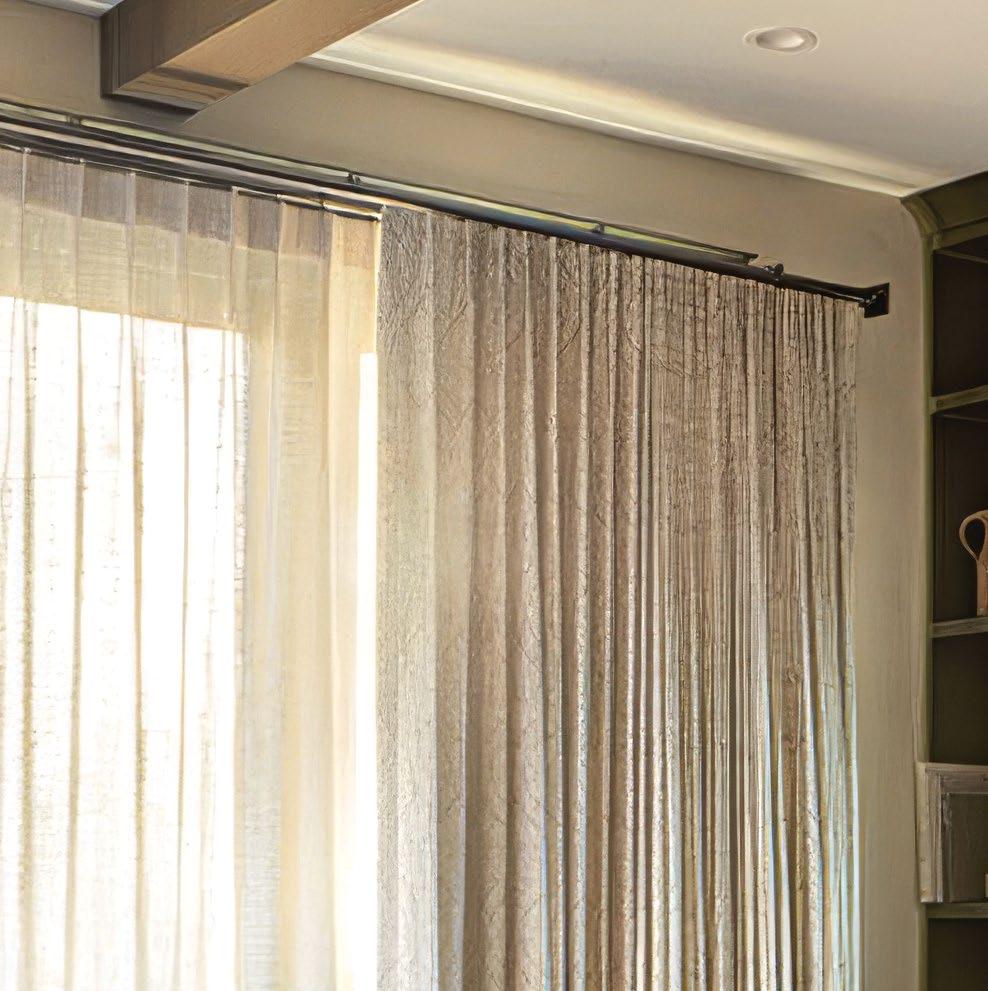

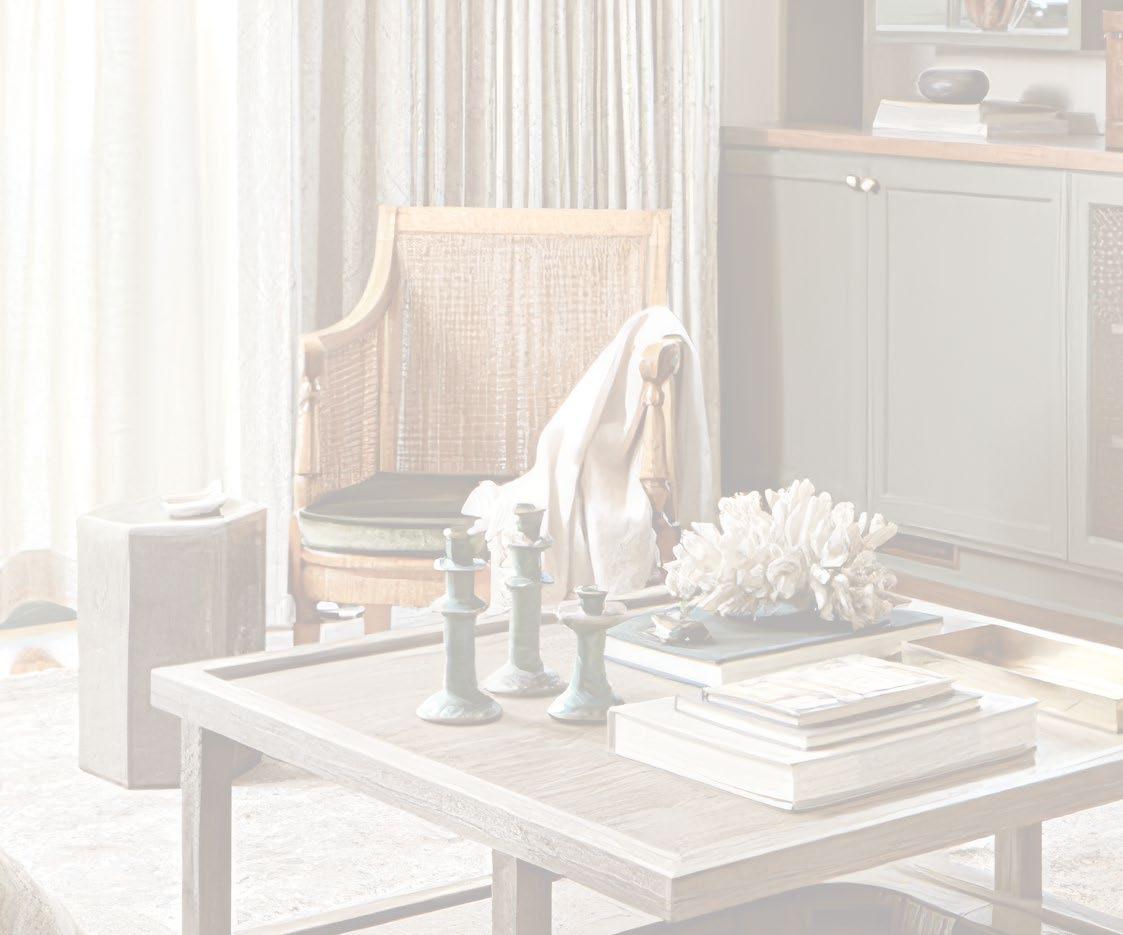
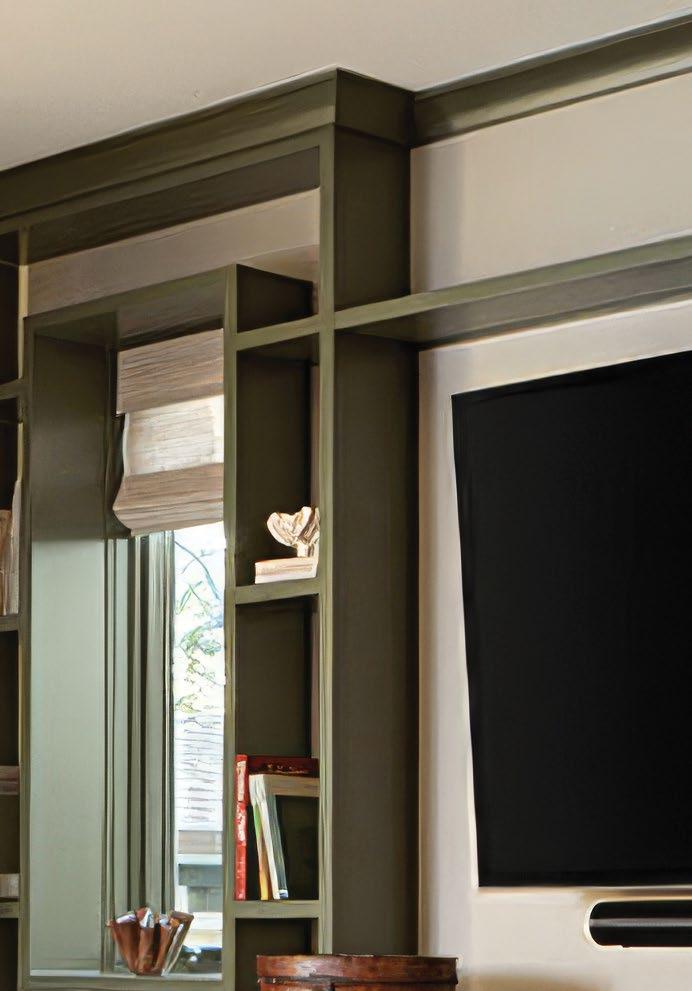
As motorization becomes mainstream, integration, personalization and connected living are reshaping homeowner expectations
Homeowners no longer view smart technology as a novelty. From lighting and thermostats to security systems and voice assistants, connected devices have become a standard part of everyday living. As those expectations grow, window covering professionals have an opportunity to position automated shading as an essential component of the intelligent home rather than simply another product upgrade.
For years, motorized shades were viewed as a luxury feature reserved for high-end homes. Today, automation is becoming increasingly accessible, and homeowners are beginning to expect window coverings to work seamlessly alongside the other technologies they use every day.
“Shading automation has evolved considerably since its inception, most significantly in the last three to five years,” said Ben Woodall, general manager of Pesca Holding. “In the early days of automation, it was positioned as either extreme luxury or to facilitate safety and accessibility. With the advancement of technology, motorization accessibility has grown and is now a more common expectation across all markets.”

As automation becomes more commonplace, the conversation is shifting from simply moving shades to creating connected living environments.
Today’s homeowners live in a world of smartphones, streaming platforms, voice assistants and AI-powered tools. As a result, they increasingly expect every aspect of the home to feel connected and intuitive.
“The natural progression of the automated shading market will ultimately need to fall in alignment with the human technological expectation: connected, robust and simple,” Woodall said.
This shift is creating new opportunities for dealers to expand the way they talk about automation. While convenience remains an important selling point, today’s homeowners are also interested in personalization, energy management, wellness and integration with other connected technologies. Automated shading is becoming part of a larger conversation about how homes function and how technology can improve daily life.
At the same time, Woodall cautioned against focusing solely on features and functionality. “It’s very important not to lose the user experience in the race to catch the latest technologies.”
As connected homes become more sophisticated, ease of use may ultimately become just as important as the technology itself.
For many dealers, discussions of automation still begin and end with convenience. Remote controls, apps and scheduling features remain valuable benefits, but they are no longer the entire story.
As consumer awareness rises, dealers have an opportunity to position automated shading as part of a broader home ecosystem that includes lighting, HVAC systems, security platforms and voice-control devices.
And as motorization becomes more accessible, homeowners naturally begin expecting more advanced functionality, integration and personalization.
Rather than selling a motor, professionals can sell convenience, energy management, personalization, wellness and integration. Automated shading becomes part of a larger lifestyle solution rather than an upgrade.
Instead of focusing solely on how a shade operates, dealers can discuss how automated shading works alongside lighting, HVAC and other connected systems to manage daylight, support energy efficiency and simplify daily routines.
This shift allows dealers to move beyond product specifications and focus on the lifestyle benefits homeowners increasingly value.
“The natural progression of the automated shading market will ultimately need to fall in alignment with the human technological expectation: connected, robust and simple.”
—Ben Woodall, Pesca Holding
Today’s automation systems are becoming significantly more sophisticated. While basic scheduling remains popular, connected shading systems can now communicate with weather services, solar tracking tools, lighting controls, HVAC systems and other technologies. This allows homes to respond dynamically to changing conditions throughout the day.
As AI and automation platforms become more sophisticated, those systems are increasingly capable of making contextual decisions based on environmental conditions, homeowner preferences and data gathered from connected devices throughout the home.
For example, an automated shading system may adjust depending on the sun’s position, local weather conditions and interior temperatures to automatically regulate heat gain, reduce glare and improve comfort. The goal is to create homes that respond to people rather than requiring people to constantly manage technology.
“You start to have an environment that works around your lifestyle preferences, as opposed to a hard schedule,” Woodall said. The same systems can also coordinate artificial lighting and other connected technologies, delivering a more personalized experience while helping support overall home performance.
For some dealers, the rapidly changing pace of technology can feel overwhelming. The growing number of motors, control platforms, communication protocols and integration options has created more choices than ever before. While that flexibility benefits consumers, it can also create uncertainty for professionals trying to determine which solutions best fit their businesses.
“Dealers and retailers need not be afraid of the technological changes because they are coming,” Woodall said. “Partner with someone who can help show you that the changes are actually quite easy to maneuver as long as you have the right partners standing at your side.”
The goal is not to become a technology expert overnight. Instead, it is about developing partnerships
that make advanced solutions easier to understand, sell and support.
As connected living continues to evolve, collaboration is becoming increasingly important. Companies like BTX, Bond and Modern Atomics each contribute expertise in different areas of the connected home ecosystem, from shading automation and fabrication to software integration and power management. Together, they are working to create solutions that remain both sophisticated and easy to use.
According to Woodall, the partnership developed around a shared commitment to delivering a better experience for dealers, installers and homeowners alike. “Both Bond and Modern Atomics have done an incredible job designing and developing solutions that are extremely complex and sophisticated, and yet still deliver a package that is incredibly intuitive for all,” he said.
“We believe in a contribution model, not a competition model,” he said. “Through a true partnership model, a world of abundance becomes available for everyone, and everyone benefits, especially the end users.”
Over the next several years, homeowners are expected to place even greater emphasis on connected living. Woodall anticipates continued growth in bidirectional communication systems, increased adoption of Power over Ethernet (PoE) solutions and greater demand for technologies that work seamlessly across multiple platforms. At the same time, AI-driven automation, voice control and intelligent home management tools will continue shaping homeowner expectations.
As those expectations evolve, homeowners will increasingly expect window coverings to function as part of a broader connected ecosystem. “The demand will extend beyond just the shade capabilities themselves. They will need to work seamlessly with the rest of the home,” said Woodall. “Lighting, AV, HVAC, solar tracking and so on.”
The challenge for manufacturers and dealers alike will be delivering those advanced capabilities without sacrificing simplicity. As automation continues to evolve, the opportunity for window covering professionals extends far beyond selling another motorized shade. Homeowners increasingly expect window coverings to function as part of a broader connected ecosystem, creating new opportunities for dealers who can confidently discuss integration, intelligent automation and the benefits of connected living. Those conversations may ultimately become one of the industry’s most powerful differentiators in the years ahead. V
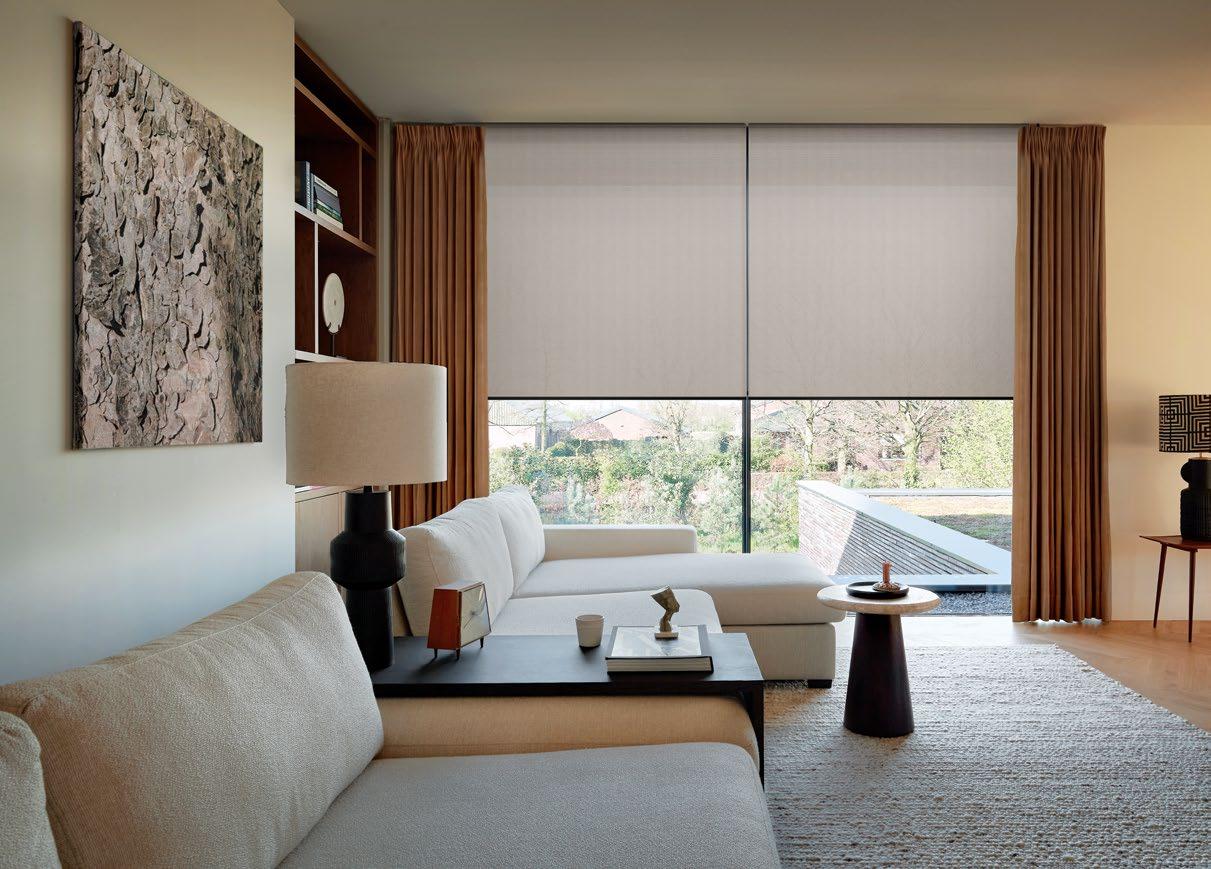
As automated shading becomes more common, homeowners are placing greater emphasis on how technology looks, sounds and feels within the home. While convenience remains important, consumers increasingly expect motorized solutions to blend seamlessly into their surroundings rather than draw attention to themselves.
For manufacturers, that expectation is driving a new wave of innovation. Across the industry, companies are refining everything from motor design and power options to hardware and controls. The goal is no longer simply to automate a shade. It is to create a solution that delivers convenience, comfort and performance while remaining virtually invisible to the homeowner.
As smart home adoption continues to grow, aesthetics are still a top priority. Homeowners want connected products that improve a space’s design rather than compete with it, and manufacturers are responding accordingly.
Today’s motorized shading systems offer a growing range of design-forward solutions, including color-
matched components, streamlined headrails, concealed brackets and fabric-wrapped cassettes. These new innovations help shades integrate more naturally into surrounding architecture while limiting the visual impact of hardware and controls.
“The best smart home technology is the kind you never have to think about,” said Jop Vos, Coulisse’s managing director of Americas. “We want every element of the installation to feel intentional.”
This emphasis on seamless design is helping motorization draw a larger audience. As automated solutions become easier to specify and install, dealers can offer sophisticated shading systems that complement a room’s aesthetics without giving up functionality.
The evolution of motorization is not limited to what homeowners see. Increasingly, it is also about what they hear.
While motorized shades have long delivered convenience, manufacturers are committing significant resources to quieter motors, improved mounting systems and vibration-reduction technologies that create a more
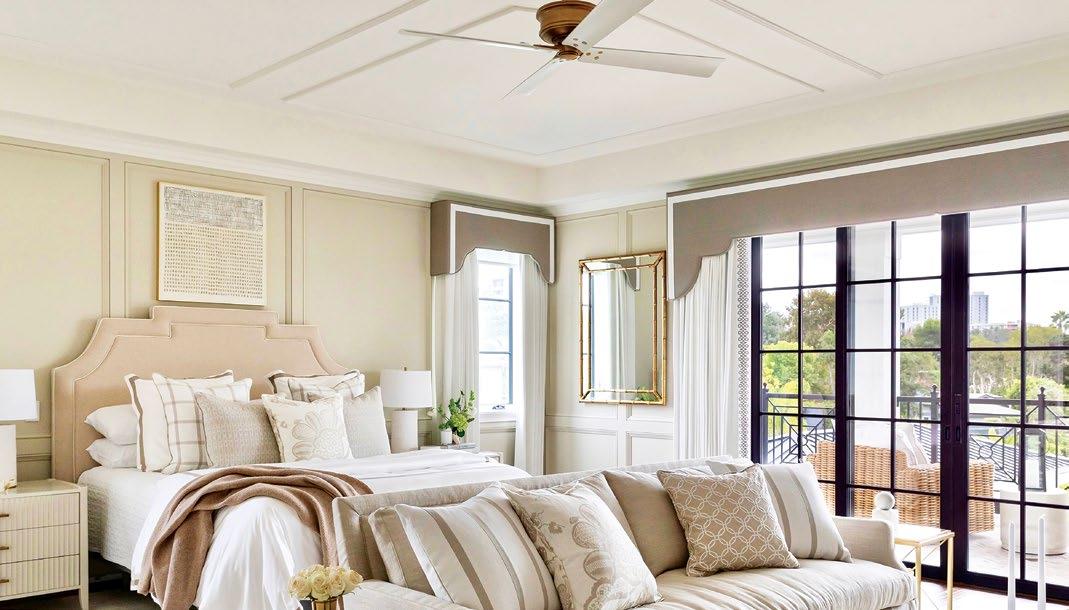
refined user experience. What was once considered an acceptable level of operational noise is being replaced by systems engineered to operate with minimal interruption.
According to Coulisse, its Absolute Silence technology can reduce operating noise by up to 15 decibels compared to standard motorized systems. “Noise is one of those friction points that people only notice when it’s gone,” Vos said. “Once a home is truly quiet, there’s no going back.”
As wellness, comfort and user experience continue to affect purchasing decisions, quieter operation is becoming an increasingly important differentiator. For dealers, it also creates another opportunity to demonstrate the value of premium motorization solutions outside convenience alone.
Rechargeable and wire-free technologies are also helping bring motorization to a wider range of projects.
Battery-powered motors eliminate the need to perform extensive electrical work, making automated window coverings easier to incorporate into both new construction and retrofit applications. Faster installations, fewer visible components and greater placement flexibility are helping dealers introduce motorization in spaces where hardwiring may have previously been difficult or cost-prohibitive.
Manufacturers continue to improve battery performance, charging options and overall reliability, expanding the number of products and applications that can benefit from rechargeable power. Since this technology
advancement, solutions that were previously considered premium upgrades are becoming practical options for a much larger segment of the residential market.
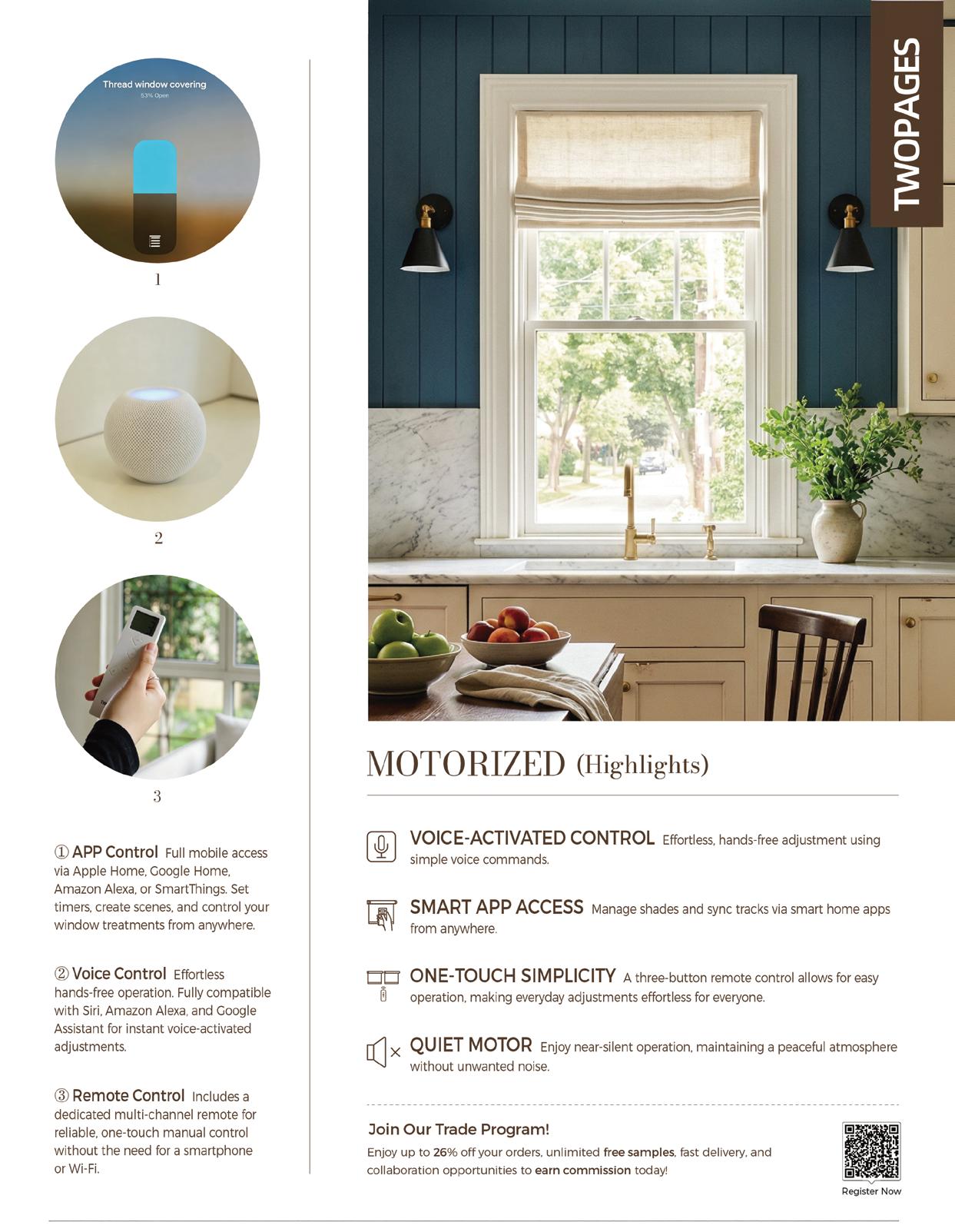
Connectivity remains important, but manufacturers are increasingly focused on simplifying the user experience. Homeowners want technology that feels intuitive and effortless, whether controlling shades through an app, a voice assistant or an automated schedule.
Emerging standards such as Matter, along with improvements in app design and interoperability, are helping reduce complexity for both dealers and homeowners. The emphasis is shifting from simply connecting devices to creating systems that work reliably in the background with minimal effort from the user.
The result is a more seamless experience where technology supports daily life without becoming the focal point. “A home that manages light intelligently is a home that supports the people living in it,” Vos said. “That’s ultimately what invisible technology is about, not the hardware, but the quality of life it creates.”
As manufacturers continue to refine motors, power options and controls, the industry’s focus is shifting from making automation possible to making it disappear.
From hidden hardware and quieter operation to wirefree power and intuitive controls, today’s innovations are helping technology fade into the background while enhancing the overall homeowner experience. The most successful smart shading solutions may ultimately be the ones homeowners notice the least. V
automated shading supports wellness, comfort and healthier homes
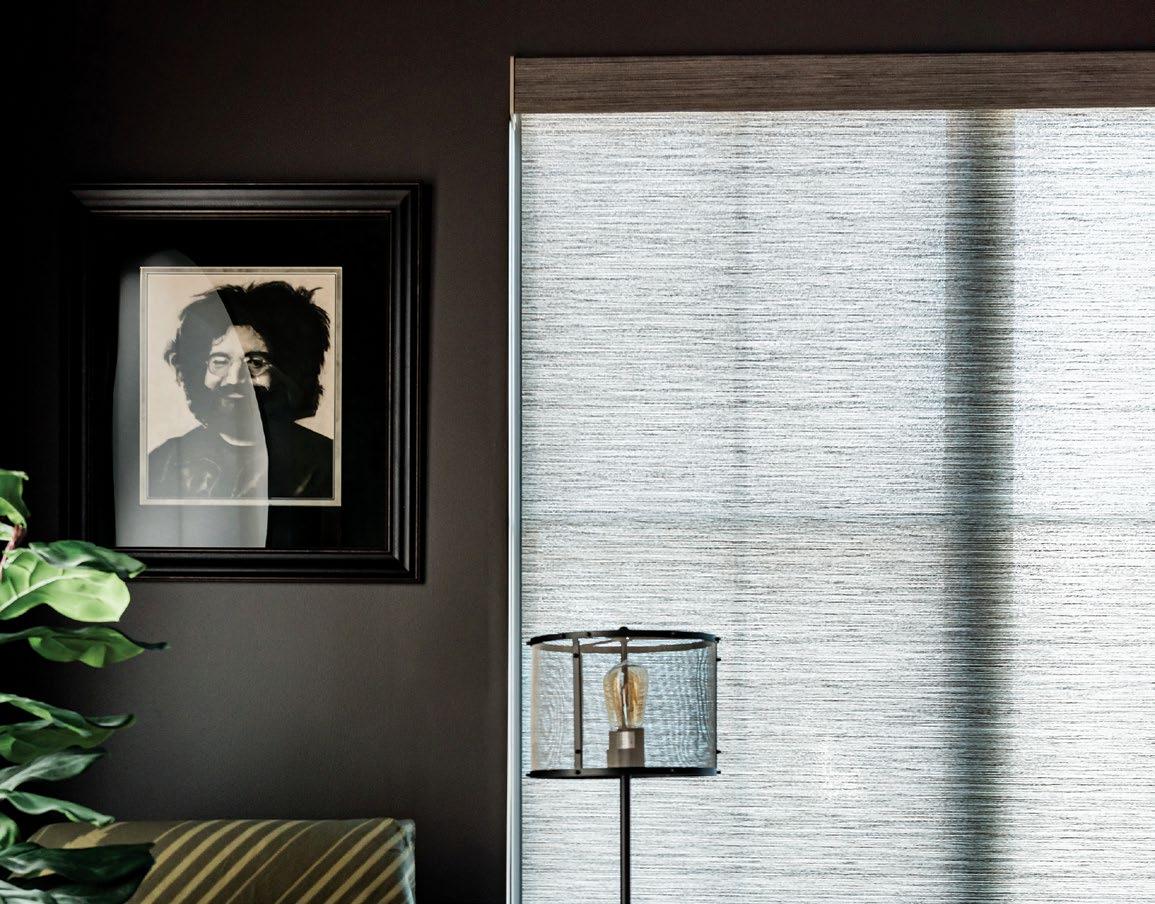
Natural daylight remains one of the most desirable elements in residential design, but excessive sun exposure can create challenges. Glare, UV damage and heat gain can affect both comfort and the longevity of furnishings and finishes.
“Automated shades can be programmed to adjust automatically during certain times of day to help block out the sun when it is at its peak,” Flynn said. “Set it once and forget about it. Automated shades will do the work of regulating heat, glare and UV damage, so you don’t have to.”
Automated shading can also help create more consistent indoor temperatures by managing solar heat gain throughout the day. “By proactively managing sunlight, you can keep your spaces more comfortable and reduce strain on HVAC systems,” Flynn said.
In regions with intense sun exposure, automated lightfiltering shades help protect interiors while preserving natural light and outdoor views.
For years, the conversation around automated window treatments focused primarily on convenience. Today, homeowners are increasingly viewing automated shading as a tool for supporting comfort, wellness and quality of life.
As awareness grows around the impact of natural light on daily living, automated shades are helping homeowners create environments that feel more comfortable and responsive throughout the day.
“While convenience remains a benefit of automated window treatments, another huge benefit is their contribution to everyday well-being, including assisting with better sleep and creating spaces that invite rest,” said Erica Flynn, creative director at Graber.
As homeowners become more aware of the relationship between daylight management, indoor comfort and technology, automated shading is increasingly being viewed as part of a broader strategy for creating healthier living environments. This shift is also reflected within the design community. According to Lutron’s 2026 Living with Light Trend Report, 56% of residential interior designers and architects say their final designs include automated shades, while an additional 43% recommend them to clients.
“Looking forward, automated shading will play an even bigger role in supporting healthy living environments,” Flynn said. “Advances in technology will only allow shades to become even more responsive to desired home atmospheres in terms of sun exposure and natural light optimization.”
The future of daylight is not simply about controlling the sun. It is about creating homes that actively support comfort, wellness and everyday living. V




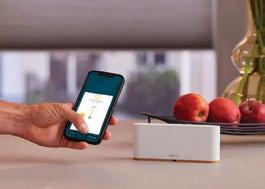
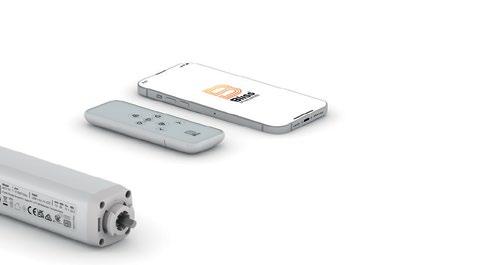
Effortlessly control up to 60 Somfy Zigbee and 40 RTS motorized shades with the TaHoma® switch. The intuitive TaHoma® by Somfy app puts scheduling, adjusting limits or remotely accessing smart shades at your fingertips—plus, it’s ready for smart home expansion with third-party integrations via the Somfy Synergy™ API.





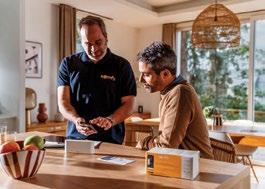



A comprehensive remote monitoring and troubleshooting tool for the Somfy Zigbee ecosystem, helping dealers minimize in-home visits and save time.





The Somfy Zigbee ecosystem o ers tools that enhance manufacturer and dealer operations while boosting smart home customization for homeowners.


A modern, intuitive interface that centralizes and customizes all smart home operations across multiple systems and technologies. Tahoma® by Somfy



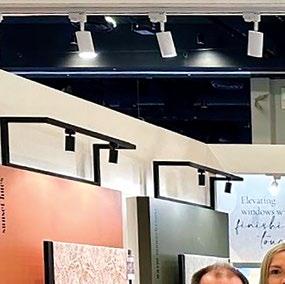
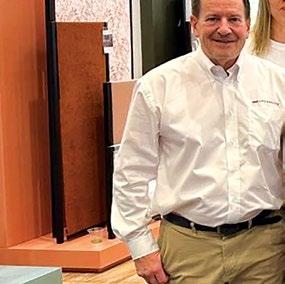
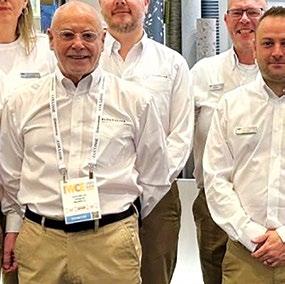

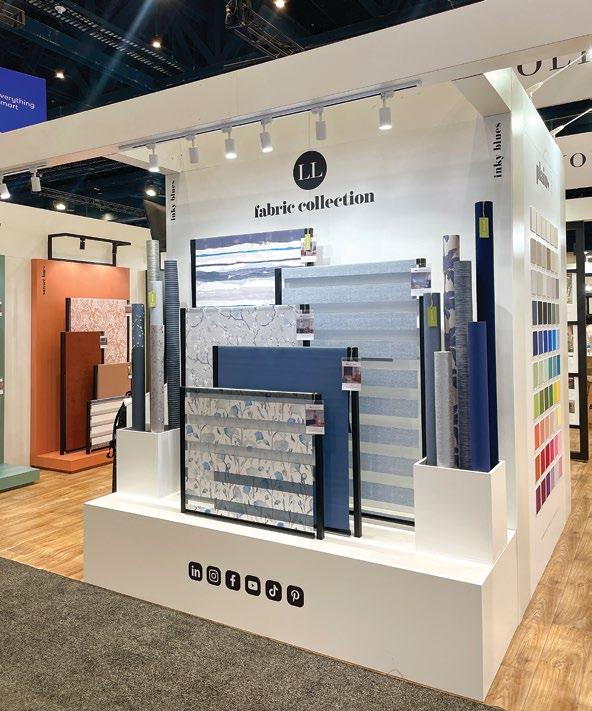
AT IWCE 2026, LOUVOLITE SHOWCASED NEW SYSTEMS, FABRICS AND AUTOMATION SOLUTIONS WHILE EARNING INDUSTRY RECOGNITION ACROSS MULTIPLE CATEGORIES.
Louvolite returned to the International Window Coverings Expo (IWCE) 2026 in Raleigh, North Carolina, with a clear focus on showcasing the latest systems, fabrics and components designed to support the continued evolution of the North American market. The event provided an important platform to demonstrate how Louvolite innovations are helping to transform manufacturing efficiency, product performance and design capability across the region.
Throughout the exhibition, Louvolite showcased a wide portfolio
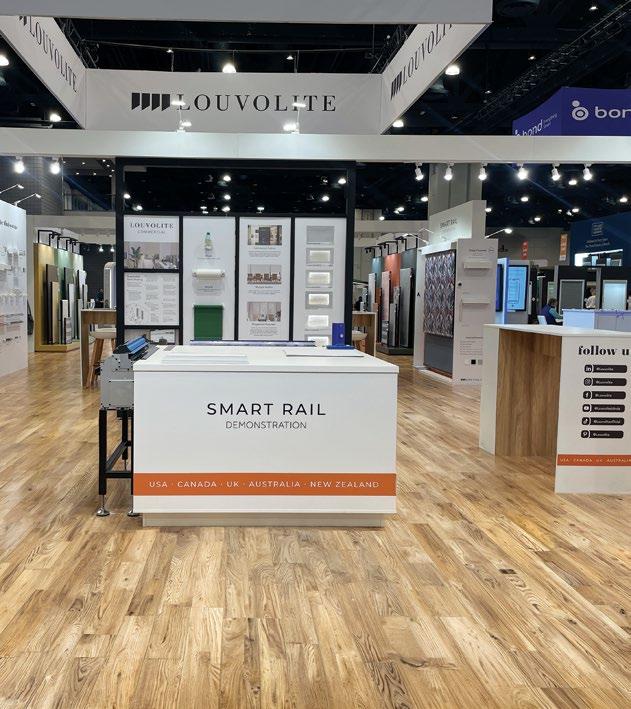
of systems and products, including Perfect Fit™, Smart Rail®, Urban Shutters and Louvolite One Touch motorization. Alongside these systems, visitors were also introduced to a comprehensive range of on-trend and high-performance fabric collections, demonstrating the breadth and depth of the Louvolite offering across both residential and commercial applications.
IWCE also gave Louvolite the opportunity to offer attendees an exclusive first look at several products set to launch this summer. There was considerable excitement and anticipation ahead of what
promises to be a significant period of new product activity.
We were delighted to be recognized with five industry awards across key categories. These included awards for Smart Rail®, Chain Safe Pro, sustainability initiatives, point-of-sale merchandising, and motorization and automation systems.
A standout highlight once again was Smart Rail®, which continues to represent a step change in roller blind manufacturing. Its ability to increase production speed, deliver a consistently high-quality fabric finish and reduce remake rates drew strong interest from manufacturers focused on improving operational efficiency and quality control.
Also attracting considerable attention was Chain Safe Pro, Louvolite’s latest tension cord tidy. Designed by installers, for installers, the device is fitted under tension to allow the chain to run smoothly while incorporating a safety mechanism that prevents operation if not correctly installed. This ensures reliable performance while supporting full child safety compliance.
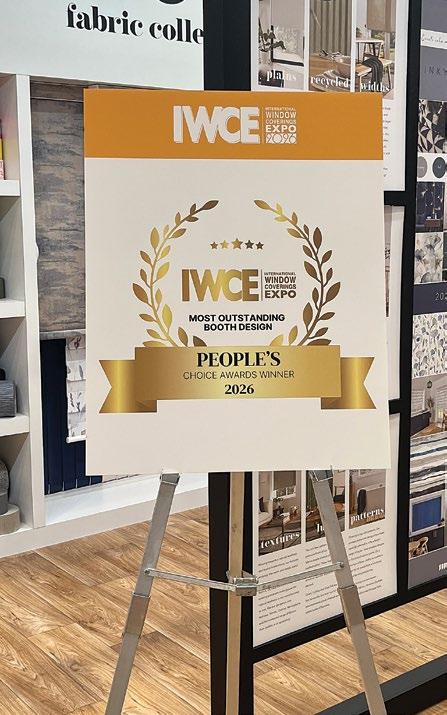
To round out an outstanding event, Louvolite also took home IWCE’s most outstanding booth design award. This was a fitting conclusion to a show that reinforced the company’s position as a leading force in the industry.
Motorized awnings for all-day comfort
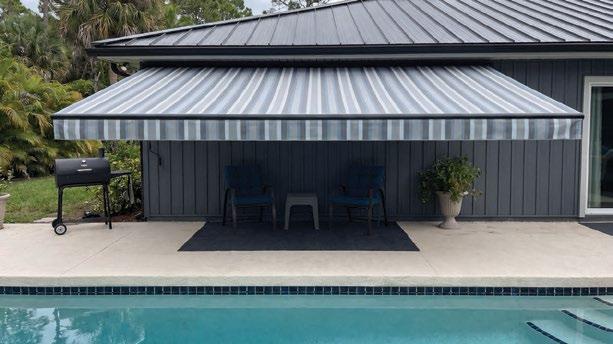
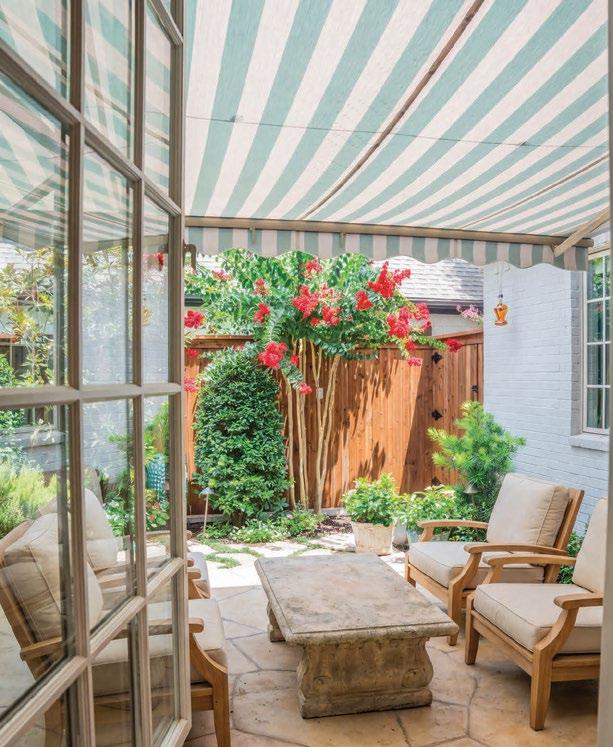


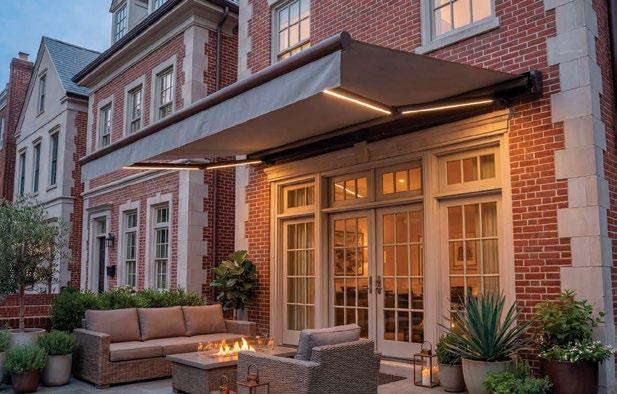
For a limited time, trade partners can save up to 30% on complete motorized awning units in celebration of America’s 250th, featuring best-selling Sunbrella® fabrics.
It’s the perfect opportunity to introduce outdoor shading solutions to your clients and discover how easy it is to start selling awnings.
•
•
•
•
•






































CELEBRATING 250 YEARS OF AMERICAN DREAMS REALIZED 1776 – 2026






















TO WORK WITH OUR ARTISANS







RAY (ADR 2026)





Luxury and Efficiency, Perfectly Shaded
Experience a new standard of luxury with Linère , where exquisite design meets the effortless sophistication of smart living.

We’ve been able to attract a higher-end client on a regular basis, raising our average sale from around $4,500 to a little over $11,000. It has really changed our business all around and it’s all thanks to EW!”
— JAMES, EXCITING WINDOWS MEMBER
















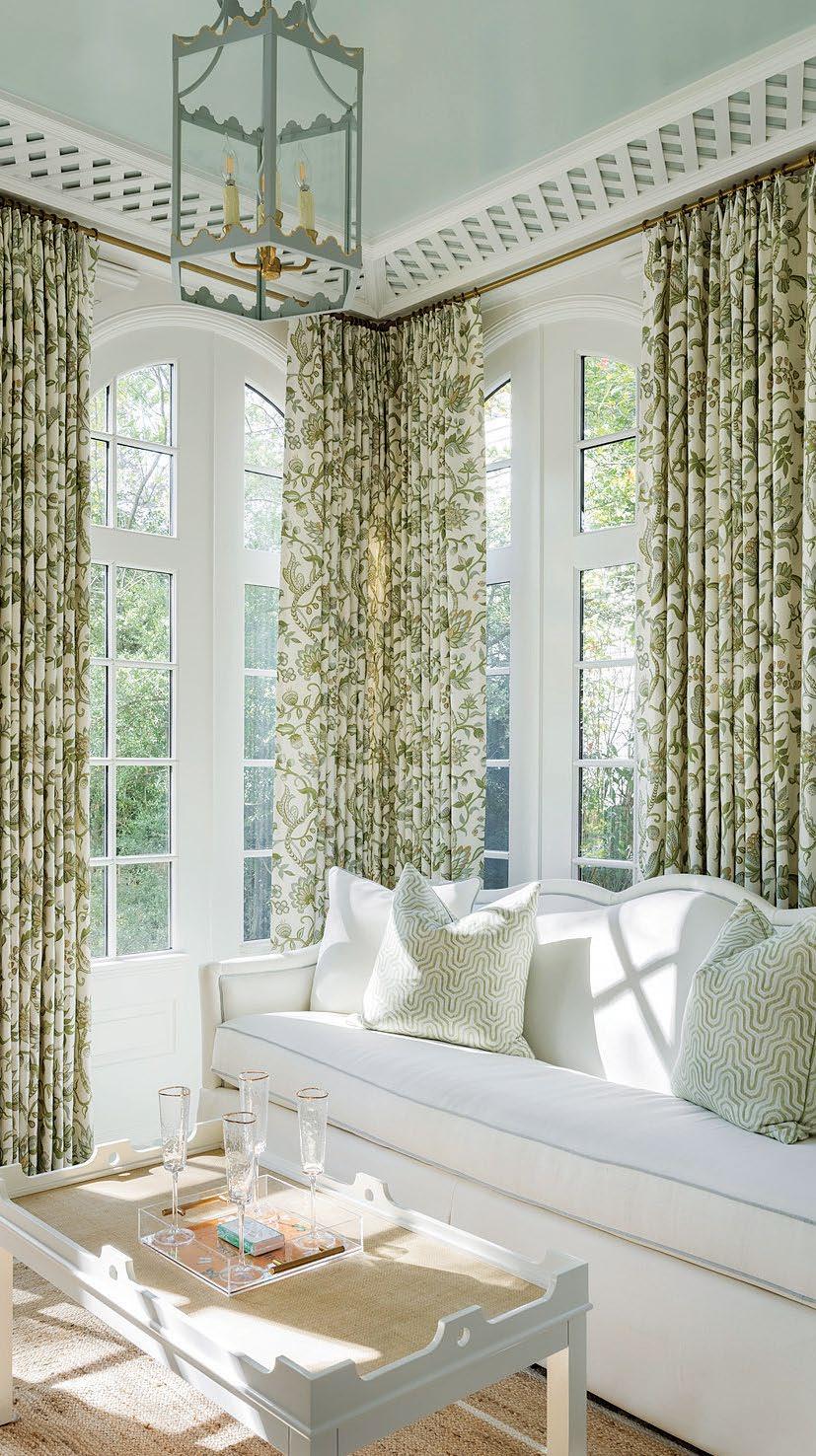
Meet the winning projects from the design category of the 2026 Grace Awards, where creativity, craftsmanship and technical expertise came together to create truly exceptional spaces

Amy Hunley


Amy Hunley of The Drapery Room transformed a recently enclosed sunroom with custom drapery that balances architectural beauty and everyday function. Extensive latticework, arched windows and a challenging corner configuration required a thoughtful approach, particularly given the room’s west-facing exposure and need for sun control. Using continuous vintage gold hardware from Crown Hardware, Hunley created a seamless installation that flows effortlessly across multiple windows. Custom-lined and interlined panels in Elizabeth Eakins’ Adeline Locke fabric feature precise pattern matching and tailored double tack top pleats, resulting in a refined treatment that enhances the room’s character while delivering timeless appeal.
















Alicia Osenenko
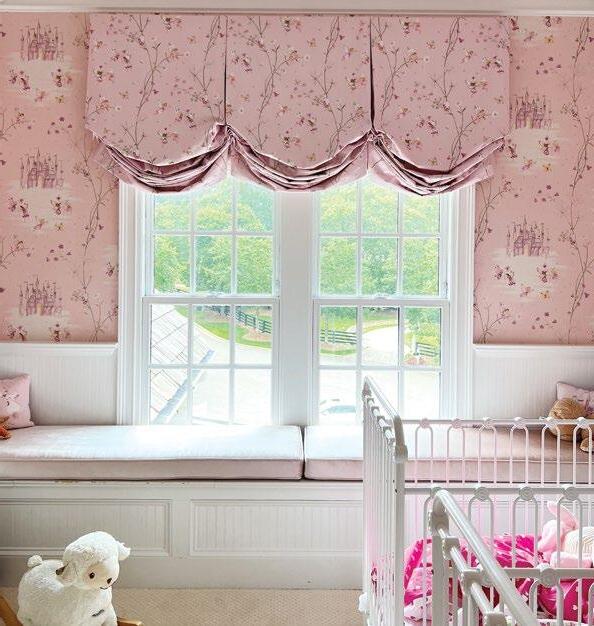
Alicia Osenenko of Rose Quartz Interiors transformed a bedroom for young twin girls with a custom balloon-style valance that feels both whimsical and sophisticated. Crafted from custom-printed fabric, the treatment echoes the room’s wallpaper, creating a cohesive, storybook-inspired design. Sculpted balloon sections add softness and movement, while carefully aligned pattern placement ensures a seamless look across multiple windows. Hidden beneath the top treatment, a motorized blackout roller shade provides privacy, darkness and child-safe operation without disrupting the design. Blending imagination with technical precision, the treatment delivers a layered solution that is as functional as it is enchanting.







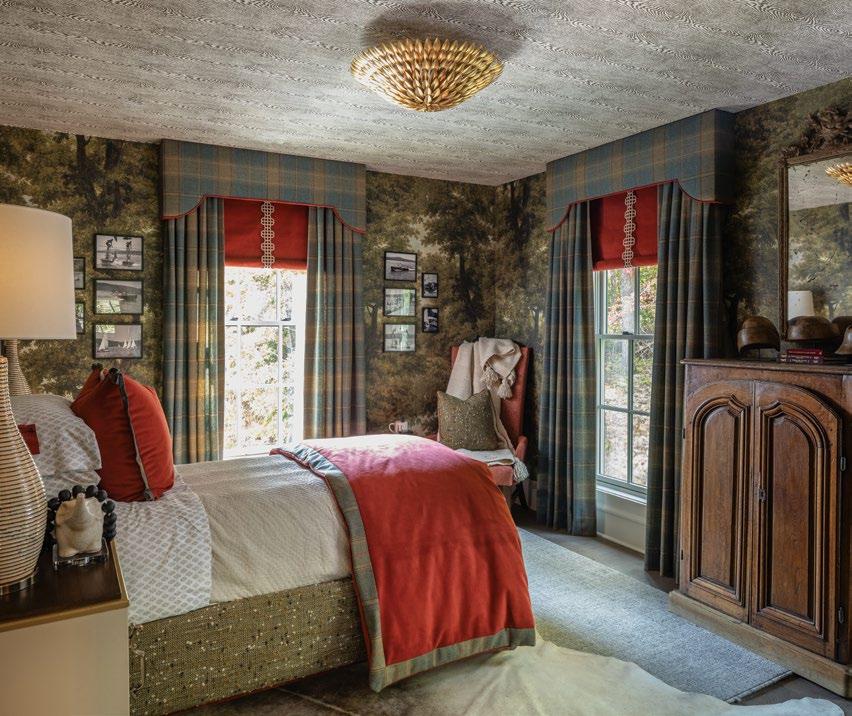












Working within a compact footprint, Beverly Baribault created a bedroom that feels both sophisticated and inviting. A custom upholstered headboard spans much of the wall, incorporating integrated side tables that maximize storage without sacrificing style. Custom cornice boards, roman shades and stationary panels frame picturesque lake views, while layered fabrics from Kravet, Thibaut, Brunschwig & Fils and Mulberry add richness and depth. Paired with dual wallpapers and a custom bedcover that blends solids and plaids, the design brings together bold color, texture and pattern in a space that feels balanced, serene and thoughtfully composed. furnishings for a look that’s cohesive, luxurious and timeless.


Adam




Ben MacKenzie

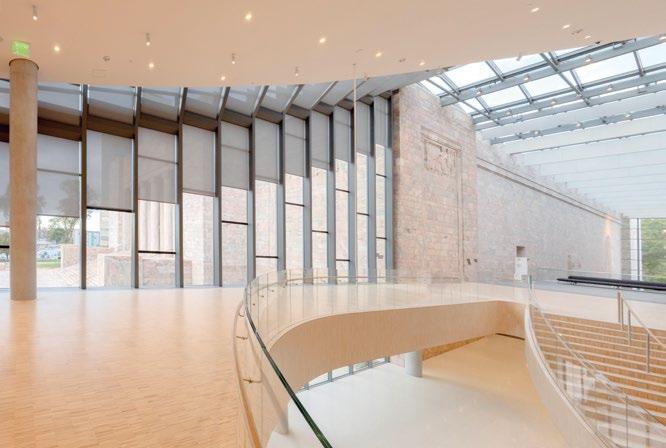
For the expansion of a major contemporary art museum, Adam and Ben MacKenzie of National Commercial Shading Solutions delivered a highly customized daylightcontrol solution worthy of the building’s ambitious architecture. Designed to protect priceless artwork while preserving the architect’s vision, the project incorporated Guillaume Janssen tensioned shading systems, Draper skylight shades and integrated Somfy and Draper motorization throughout the 42,000-square-foot addition. A dramatic dual-angled facade required custom top-down and bottom-up tensioned shades concealed behind a faceted fascia, while curved curtain walls and expansive skylights demanded precise coordination between shading, lighting and structural systems. Customfabricated brackets, curved light-block channels and concealed pocket systems allowed the shading solution to integrate seamlessly into the building’s architecture.











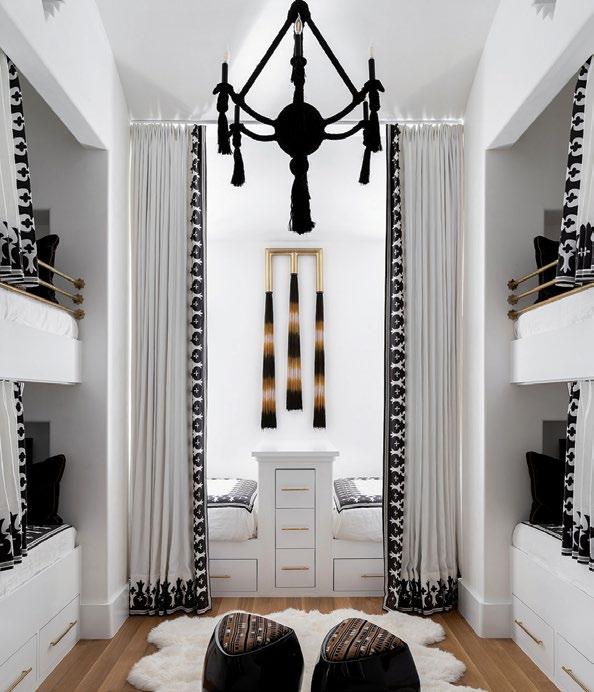






What began as a simple bunk room project quickly evolved into a highly customized space layered with bespoke details. Working alongside Katie Kirby Interiors, Amy Hunley of The Drapery Room used a Schumacher embroidered fabric as the unifying element, carrying the motif throughout the blackout bunk curtains, custom bedding and decorative accents. Privacy drapery between queen beds and a velvet room divider added both function and sophistication, while precise trim placement and embroidery alignment ensured continuity throughout the space. The thoughtful mix of function and craftsmanship transforms the room from a simple sleeping area into an immersive retreat for guests.



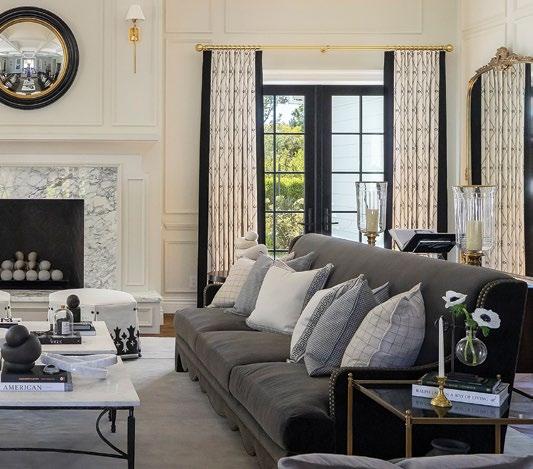
Audrey Kennedy of AGK Design Studio created a California home that embraces luxury through thoughtful restraint and impeccable detailing. Custom drapery panels frame the French doors, adding softness and texture while complementing the home’s crisp architectural millwork. A refined palette of layered neutrals, tailored furnishings and carefully selected accents creates visual depth without overwhelming the space. The design strikes a delicate balance between sophistication and livability, proving that luxury is often defined not by excess but by the careful consideration of every element within a room.


Kostelecky






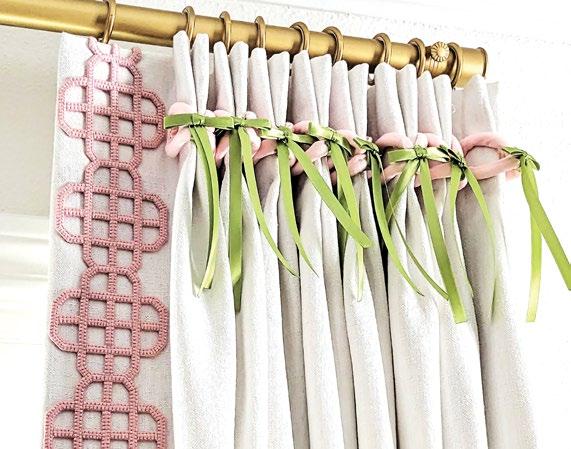
Tasked with creating a charming nursery before her client’s daughter arrived, Susan Kostelecky of SK Designs turned to custom details to bring the vision to life. Simple white drapery panels complement the room’s existing shutters, while decorative banding, custom pink crossover accents and playful ribbon bows add layers of texture and personality. Inspired by floral artwork selected as the room’s color muse, the treatment incorporates touches of pink and green that feel whimsical yet refined. Matte gold hardware coordinates with the room’s cabinetry, adding a subtle shimmer that enhances the overall design.











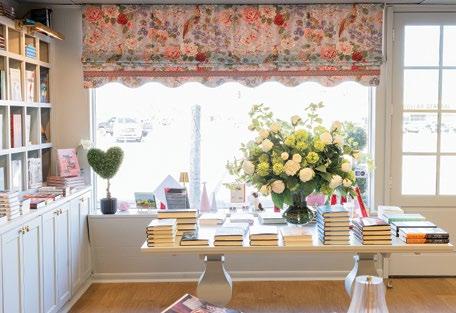
When a historic downtown bookstore underwent a complete renovation, Marcia Boatwright was asked to create window treatments that would help draw customers inside while complementing the space’s vintage charm. Two oversized, 104-inchwide windows presented a unique opportunity. Rather than serving a traditional function, they became decorative focal points through custom non-operable roman shades crafted from a whimsical Colefax and Fowler floral fabric. Thoughtful pattern placement across the expansive windows, scalloped bottom edges and Brimar Greek key trim lend the treatments a storybook quality that feels perfectly at home among shelves of books and toys. Outside, fade-resistant blush-striped Sunbrella fabric adds curb appeal, helping transform the storefront into an inviting destination along Main Street.

Michael DeGra
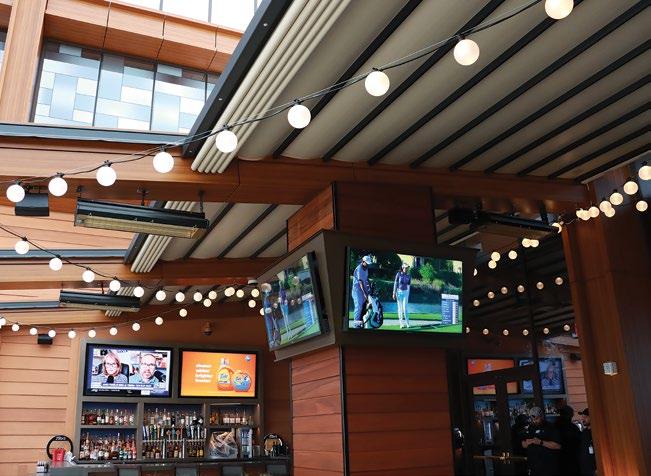
To help a major Pacific Northwest hotel expand its year-round dining and entertainment offerings, Michael DeGraff of DE-EL Enterprises installed a 100-by-22-foot KE Gennius T1 motorized retractable awning system across the property’s sports bar. Powered by Somfy motorization, the four-awning installation can operate as a single system or independently, providing flexible protection from sun and weather while preserving expansive waterfront views. The project presented numerous challenges, including tight timelines, complex coordination with multiple trades and strict flooring load limitations that required the use of scaffolding in place of lifts. Completed just days before the venue’s opening, the installation transformed the space into a versatile, four-season destination for guests.














a seamless appearance. The homeowners’ daughters to
Working with Lindsey Gilley Interiors, Rachel Leuck of Gotcha Covered of Sugar Land helped create a colorful “Ladies Lounge” designed for the homeowners’ teenage daughters. A custom Greek key cornice crowns the window, requiring careful alignment and proportion to achieve its crisp, architectural look. Beneath it, a motorized roman shade in a lively Sarah Gordon fabric introduces pattern, color and personality. Integrating motorization beneath the decorative cornice required precise planning to conceal the hardware while maintaining a seamless appearance. The automated shade allows the homeowners’ daughters to adjust light and privacy with the touch of a button, eliminating the need to climb over the room’s couch.
Michael DeGra
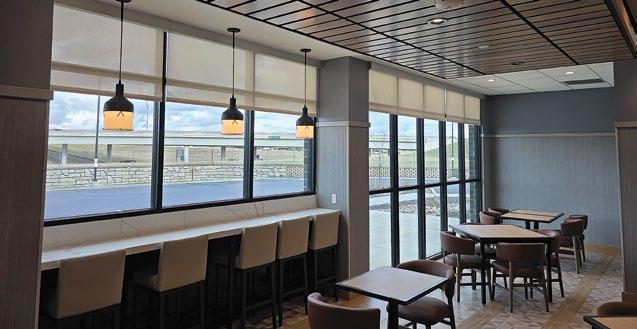
When DE-EL Enterprises was invited to bid on a new Hyatt hotel in Post Falls, Idaho, construction was already well underway, leaving little time to develop a compliant shading solution. The four-story project included 151 guest rooms along with a street-level lounge, restaurant, conference spaces and bar, requiring a coordinated approach across multiple areas of the property. Michael DeGraff and his team partnered with ZMC to specify a 5.5-inch dual shade system with side channels that met Hyatt’s brand standards and functional requirements. To secure corporate approval, a working sample was hand-delivered to Hyatt’s Chicago headquarters. Once the project was awarded, the team faced motorization and wiring conflicts that required creative problem-solving and close coordination with multiple trades. Despite the late start and evolving site conditions, the installation was completed on schedule.


These standout designers impressed our judges with their creativity, craftsmanship and attention to detail.
Curtains & Draperies
Laurie Coffey
Laurie Co ey Custom Interior Design
Top Treatments
Lindsey Putzier
Lindsey Putzier Design Studio
Combination
Maria Bortugno
B Designs Interiors
Decorative Hardware & Trim
Leigh Skinner Anderson
Willow Drapery & Upholstery
Soft Shades
Stacey Pelfrey
Beverly Baribault Design Group
Specialty
Leigh Skinner Anderson


Willow Drapery & Upholstery
Whole-Room Integration













Mary McCormick
Flourishing Design Window Treatments






Tasked with blending her clients’ European furnishings with desert and Western influences, Sandy Beach-Kester of The Twisted Dogwood created a home rich in character, color and personal expression. From the emerald green grass cloth ceiling in the entry hall to the custom window treatments, motorized shades, furnishings and eight carefully selected wallcoverings, every element was chosen to support the homeowners’ vision. Custom upholstery, tailored draperies and thoughtful space planning help balance the home’s open floor plan while introducing warmth and intimacy. The layered design reflects a lifestyle that feels collected rather than decorated, celebrating the clients’ travels, history and individuality.
Motorization
Irina Otto
IRICHKA
Outdoor Living
Caryn O’Sullivan
Drapery Street
Commercial
Arthur Melkumov and Dzhuna Meskhi
Walls Studio
Luxury
Alicia Osenenko
Drapes & Decor











AS MOTORIZATION GROWS, UNDERSTANDING ELECTRICAL SAFETY STANDARDS AND CERTIFICATION REQUIREMENTS HAS NEVER BEEN MORE IMPORTANT
By
Tiffany Burlew, Regional Product Manager — Appliances, UL Solution, Stephen Kuscsik, Principal Engineer, UL Solutions, Daniel Niemirka, Window Fashions Global Business Line Product Manager, Somfy Systems, Inc., Michael Schratz, Chief Product Officer, Rollease Acmeda, and Ralph Vasami, Executive Director, Window Covering Manufacturers Association


BY TIFFANY BURLEW



The window covering industry has a long legacy of prioritizing safety, primarily around cord-related risks. While the introduction of motorization largely solved that problem, it has also raised new variables and concerns.
Because modern motorized shades are complex, integrated electrical systems, they may pose risks such as fire, electric shock or radio-frequency interference if not designed, assembled, installed and evaluated properly.
As a result, motorized shades are subject to a wide range of electrical safety standards intended to help reduce the risk of injury, loss of life and property damage in residential and commercial settings. Compliance with these standards may be required by laws, local codes, retailers or distributors, insurers, architects, internal company policies and other authorities.
However, not all motorized shade components or products on the market are certified or comply with these requirements. A product may appear compliant at first glance but fail to meet applicable requirements, introducing safety risks, business and personal liability exposure, and reputational harm.
Knowing which standards apply—and, more importantly, how to verify certification or compliance—is critical for the entire value chain in reducing the risk of harm to consumers and helping organizations manage their own safety and compliance risks.
Having products certified to safety standards through a third-party entity validates compliance with the applicable requirements. On the other hand, selling noncertified window coverings can expose a business to significant financial and reputational risks, including:
• Fines and financial penalties: The U.S. Consumer Product Safety Commission may assess civil penalties for violations. In certain circumstances, compliance failures may also result in personal liability for business owners, decision-makers and stakeholders.
• Product recalls: For products that are determined to be unsafe or noncompliant, manufacturers may be required to conduct corrective actions, including recalls. These can be costly for manufacturers and dealers/installers that must manage customer notifications, repairs, replacements or refunds.
• Market access and lost opportunity: Many architects, builders and project owners specify certified products as a condition of use. In addition, local and state code may prohibit the use of noncompliant products within certain jurisdictions.
• Competitive disadvantage: Offering noncertified products may place fabricators, distributors and retailers at a disadvantage compared with competitors that can document compliance with recognized safety standards.
• Reputational harm: Safety incidents, enforcement actions or recalls can generate negative media attention and longterm damage to brand perception, potentially affecting customer trust, loyalty and future sales.
• Insurance impacts: Following a safety incident, insurers may deny claims, increase premiums or decline coverage altogether. In some cases, knowingly installing or selling noncompliant products—or failing to verify certification— may affect policy coverage. Recalls, litigation or regulatory penalties can also make insurance more difficult or costly to obtain.
• Legal liability: In the event of a safety incident, the entire supply chain may face litigation. Such liability claims can be costly to defend and resolve. In severe cases, the financial impact may significantly affect business operations or viability.
Because motorized window coverings incorporate mechanical, electrical, battery-powered and wireless technologies, no single safety standard addresses every potential risk. Instead, compliance relies on a framework of requirements that may include Underwriters Laboratories (UL) standards for electrical safety, National Electrical Code (NEC) requirements for wiring and installation, International Air Transport Association (IATA) regulations for lithium-ion battery transport and storage, Federal Communications Commission (FCC) rules for wireless devices and Occupational Safety and Health Administration (OSHA) requirements in certain commercial applications. Understanding how these standards intersect can help manufacturers, dealers and installers avoid compliance gaps and reduce risk.
If safety certifications are so important, why are uncertified products still on the market?
Some may meet the technical design objectives but lack formal certification, while others may not comply at all. In some cases, vendors may unintentionally sell uncertified products due to misunderstandings or incomplete information. In other instances, misleading labels or claims may create confusion about certification status.
Some certifications may be voluntary, depending on the product, its intended use, and where and how it is sold or installed.
Yet even when compliance with and/or certification to an applicable standard is not explicitly required by law, compliance is often driven by market expectations. Architects, design firms, distributors, retailers, installers, insurers and project owners may require products evaluated by an accredited third-party certification body to help reduce risk and meet insurance or inspection requirements.
As a result, while it may be technically possible to manufacture a product without certification, actually selling, installing, insuring or obtaining approval for that product may be difficult or impractical.
Certified products carry markings that help identify their certification status and key product information. To verify certification status:
• Look for the certification marks: Certification markings must be placed on the product itself, commonly using adhesive labels, but molding the mark into the enclosure, laser etching or directly ink printing on the product surface are also permitted. Manufacturers may also include markings on product packaging or in accompanying documentation.
These markings typically include:
o The certification mark
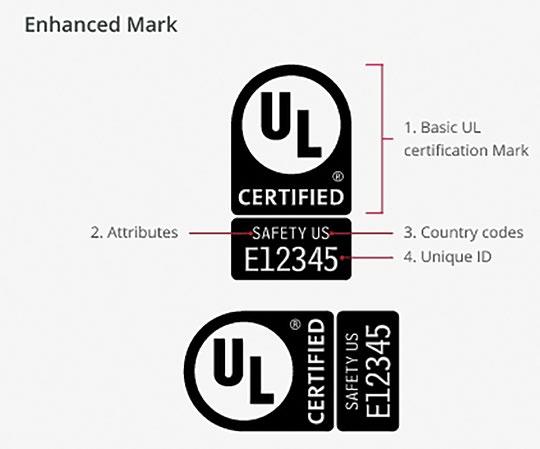
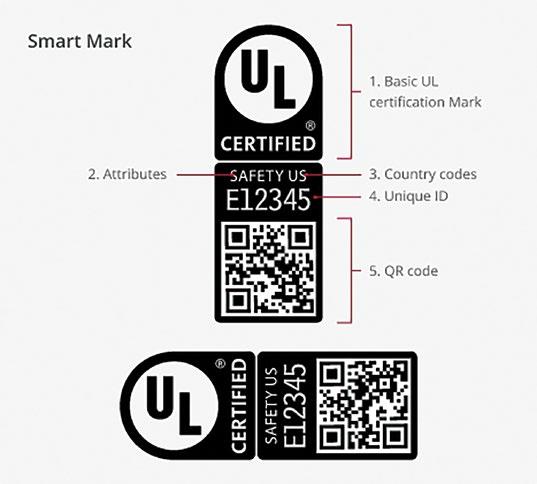
o The word “certified” or “listed” for complete products or components
o A file number or certification identification number
o Manufacturer name and model number
o Electrical ratings
o FCC identification number, when applicable (for products that include wireless functionality)
o Applicable warnings or safety instructions
• Verify using a relevant certification database: For example, the Product iQ database, available at online, provides publicly accessible certification information. Users can search by keyword, company name, model number, category description, or UL Certification ID or file number, when available.
• Search the FCC database: To confirm Part 15 compliance, search the FCC’s online Equipment Authorization database using the product’s FCC ID.
• Scan the label: Some markings include a QR code. When scanned with a smartphone or tablet, the code links to online certification information associated with the product.
• Field evaluation: If a product is installed without verifiable certification, it may be field evaluated by a thirdparty certification body through an on-site inspection, documentation review and, where necessary, limited testing. Since this can involve additional cost and may affect installation approval timelines, field evaluation is a contingency option rather than a preferred approach. Verifying certification earlier in the supply chain is more efficient and helps reduce risk.
For a motorized window covering to be certified or listed, the applicable components may need to be recognized individually and then evaluated together as part of the full shade assembly.
Understanding the distinction between certified (listed) products and recognized components is important throughout the value chain.
• Individual components may be UL Recognized if tested and verified compliant with UL requirements. They are approved for use as part of a complete end product, subject to specified conditions of acceptability, ratings and limitations.
• A complete, stand-alone product may be UL Certified or listed.
Use of pre-evaluated recognized components can help streamline the certification process, but it does not inherently satisfy certification requirements, including for batteries. The finished product must be evaluated as a whole and bear the appropriate certification or listing mark.
Certification status is best verified during procurement. Buyers should request clear, specific documentation from suppliers, such as:
• Are your products certified to applicable safety standards?
• Are the lithium-ion batteries used in your products evaluated to applicable standards, such as UL 2595 or UL 2054, where required?
• Can you provide UN 38.3 test reports and safety data sheets for the lithium-ion batteries used in your products, where applicable?
• Can you provide certification documentation or references issued by the certifier?
• For products that use coin cell batteries, are they compliant with applicable requirements, including Reese’s Law?
• For products that incorporate wireless functionality (such as motors, remotes and hubs), are they compliant with FCC Part 15?
A lack of documentation, incomplete or unclear responses, absence of visible certification marks or use of marks from organizations that are not certifiers warrants further review. Proceeding without adequate verification can increase compliance, liability and reputational risks.
Not all labels or certification claims are legitimate. In some cases, markings or statements may be incomplete, misleading, or inaccurate and some suppliers may promote products using language or symbols that imply compliance without formal certification.
The following claims or conditions should prompt closer review:
• “Designed to meet UL Standards”: Design intent alone does not indicate that a product has been evaluated or certified.
• Look-alike logos and markings: Markings that resemble UL Marks or other certifiers’ marks and logos but lack required elements may indicate unauthorized or improper use.
• CE marking presented as a substitute for U.S. certification: CE marking indicates the product meets applicable European Union directives, which does not confer compliance with U.S. standards.
• No certification or listing mark on the finished product: Recognition of internal components alone does not indicate complete product certification.
• Inconsistent labeling or claims: Any discrepancies between the product, instructions, packaging, sales materials or websites warrant further review.
A structured approach to compliance can help mitigate risk and prevent issues from escalating. Common best practices include:
• Standardizing certification requirements: Define certification expectations in specifications and contracts, and use checklists for vendor onboarding, purchasing and preinstallation review.
• Maintaining approved product and supplier lists: Pre-evaluate products and suppliers with documented certification histories, and limit substitutions without supporting documentation.
• Training internal teams: Support teams’ understanding of certification requirements, where to find marks and how to confirm authenticity.
• Maintaining a response plan: Establish internal roles, communication protocols and escalation steps—along with guidance on actions to avoid—before an issue arises.
For more than a century, safety standards have played a critical role in reducing risk to people and property. While these compliance requirements can appear complex, consistent attention to certification and standards supports long-term safety and helps businesses and their stakeholders manage risk.
Rather than viewing compliance as an obligation, organizations may consider it a core element of sound risk management and competitive advantage. Sourcing and selling products that are appropriately certified supports customer safety and helps organizations maintain operational continuity, employee protection and long-term business resilience. V
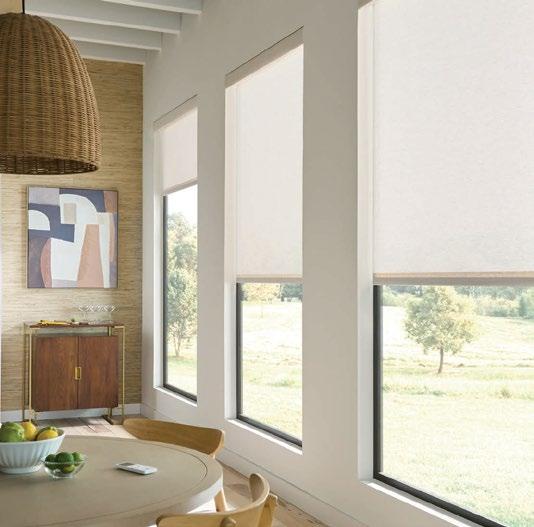













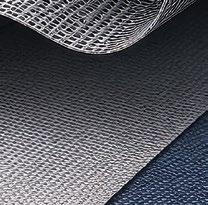
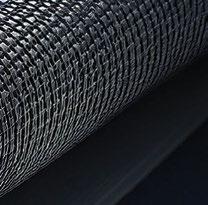
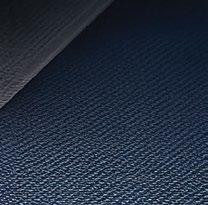
Since 1999, we've focused on a single craft: manufacturing world-class solar screen fabrics.








We compete on the quality of our fabrics



NK Alkenz was among the companies that helped commercialize and popularize polyester-core pvc solar screen. Over 25 years, we've built our reputation through consistent quality, innovation and service.












What modern sales professionals are learning about hesitation, trust and decision confidence
BY KATHY CRAGG PACE



By the time many clients say, “We need to think about it,” something important has already shifted in the room. Just moments earlier, the conversation felt easy. The client was engaged and smiling. The ideas felt exciting, and the transformation felt real.
And then something changes when it’s time to decide. Suddenly the energy feels different. Questions appear. Certainty softens. The client mentions getting a few other quotes, they want to talk it over or they need more time.
Most of us who sell have been taught to hear those moments as objections. But often, they are something else entirely. They are signals that the client is no longer trying to decide whether they like the design. They are trying to decide whether the decision itself feels safe.
That distinction matters more than many professionals realize. In many cases, questioning the price is simply fear wearing a more socially acceptable costume.
For years, traditional sales training framed hesitation as resistance to overcome. If the client stalled, the assumption was that the salesperson needed better closing techniques, or a more compelling presentation of value.
But modern clients do not respond particularly well to pressure, especially inside their homes. In fact, pressure


often amplifies the very thing creating hesitation in the first place.
Because underneath many delayed decisions are deeply human fears: fear of regret, fear of making the wrong choice, fear of overpaying, fear of trusting the wrong person or fear of making an expensive decision they cannot easily undo.
Modern homeowners are navigating constant information, endless online opinions, rising costs and decision fatigue. Even confident clients can become surprisingly cautious at decision time when the investment feels significant. What appears on the surface as indecision is often an attempt to feel certain before moving forward. That realization changes the emotional posture of the entire sales conversation.
Instead of viewing hesitation as something to push through, modern sales professionals are beginning to see it as information. Not rejection. Not failure. Not proof the client “just wants the cheapest price.” But evidence that the client still needs clarity, confidence or emotional safety somewhere in the decision-making process.
Ironically, many professionals unintentionally make this moment harder because they wait too long to guide the deeper decision conversation. In traditional models, much of the focus remains on the design itself: products, measurements, mounting location, fabrics, functionality.
Then, near the end of the appointment, the financial and emotional weight of the decision finally lands all at once.
For the client, it can feel overwhelming. For the professional, it can feel frustrating and confusing. After all, the client loved everything moments earlier. But beautiful ideas alone don't create decision confidence.
Your clients are not simply buying products for their homes. They are evaluating risk and imagining future outcomes. They are deciding whether they trust themselves—and the person guiding them—to move forward comfortably.
One of the biggest shifts happening in modern sales conversations is what I call the “stretch to connect.” Not surface-level rapport. Not scripted relationship-building, but a willingness to slow down to understand how a client lives, what matters to them, and what they hope will feel
“ Most professionals were trained to respond to hesitation after it appears. Very few were taught how to create the conditions that help clients feel confi dent before that moment arrives.”
different in their home when the project is complete.
This is where many professionals unintentionally shortcut the conversation. They move quickly into solving problems, presenting products and offering solutions before fully understanding the emotional context surrounding the decision itself.
When clients feel personally understood something important begins to happen. Their guard lowers. The conversation becomes more collaborative. Trust deepens.
Most professionals are trained to respond to hesitation after it appears. Few are taught how to create confidence before that moment arrives. That may be one of the biggest transformations happening in modern sales conversations.
The strongest professionals are no longer relying solely on presentation skills or product knowledge. They are becoming students of decision confidence. They understand that clients need more than information. They need clarity around investment before emotional attachment outruns reality. They need to feel respected throughout the process rather than managed through it.
This is especially important in design-focused industries, where purchases are both emotional and financial.
Clients are more informed than ever, but they are also more guarded. They do not want to feel pushed toward a decision. They want to feel guided through one.
Professionals who create that experience are finding something remarkable: clients become more receptive, conversations become more collaborative and decisions happen with far less friction. Not because clients are being convinced, but because they are becoming confident.
The future of sales transformation does not belong to the professionals who push harder. It belongs to those who understand hesitation more deeply. Because when clients feel safe, respected and genuinely understood, decisions move forward differently. Not through pressure. But through trust. V

Kathy Cragg Pace is a sales strategist, coach and educator specializing in modern in-home sales conversations across the design and home improvement industries. Through her Modern Sales Mastery coaching and training programs and tools, she helps design professionals create more trust-centered client experiences that lead to greater confidence, stronger relationships and more consistent yes decisions—without pressure-based selling tactics. Kathy is the creator of resources including the Why Clients Hesitate Guide and The VALUE Path to Yes™ framework. Learn more at » KathyPace.com

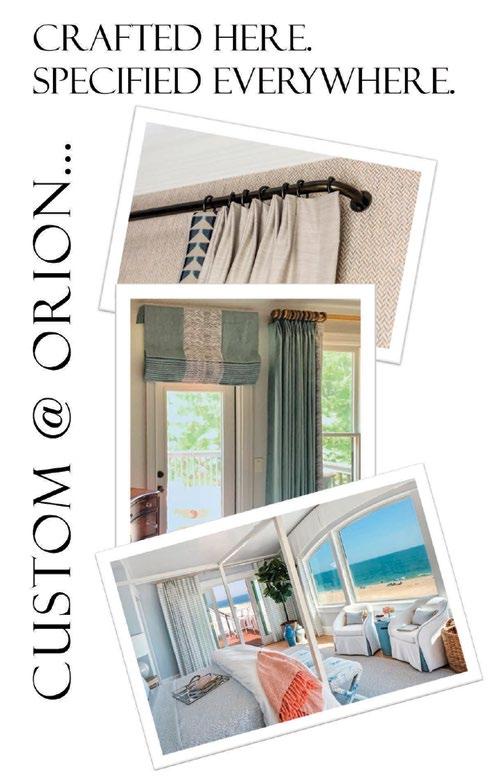
As America celebrates its 250th birthday, we proudly celebrate the makers, artisans, and manufacturers who continue a tradition of craftsmanship that has shaped our nation.
Exceptional design begins with exceptional craftsmanship. Every Orion decorative hardware collection we create is proudly designed and manufactured in America with a commitment to quality, innovation, and attention to detail.
For designers, that means dependable lead times, exceptional customization, and products crafted to meet the demands of today’s interiors.
For 250 years, American ingenuity has built remarkable things. We’re honored to be one of them.


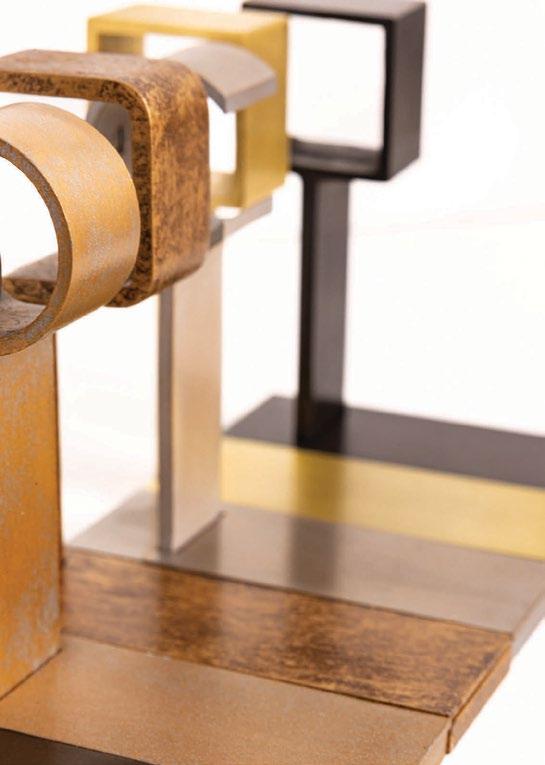
Morgik is proud to announce our new line of Vanish Brackets that hide the visible mounting screws. The brackets are available in brass, steel and stainless steel for all of our standard, traverse and fascia rods in all of our quality finishes.



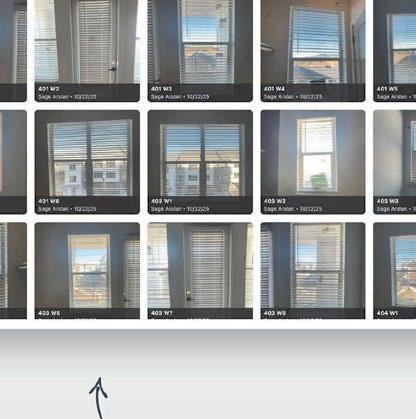
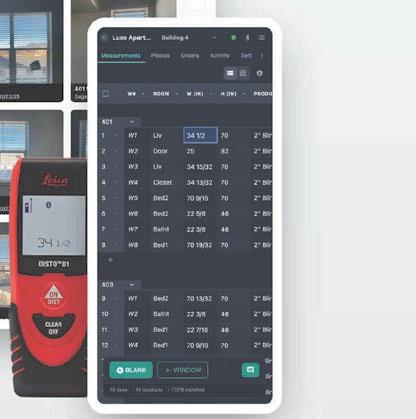



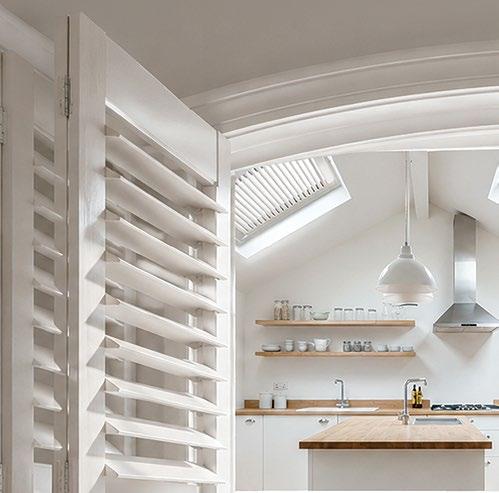
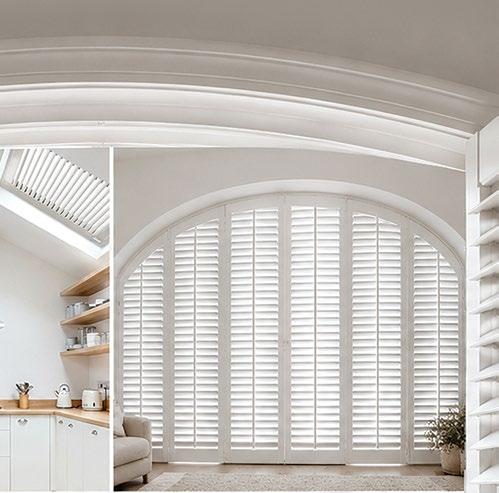
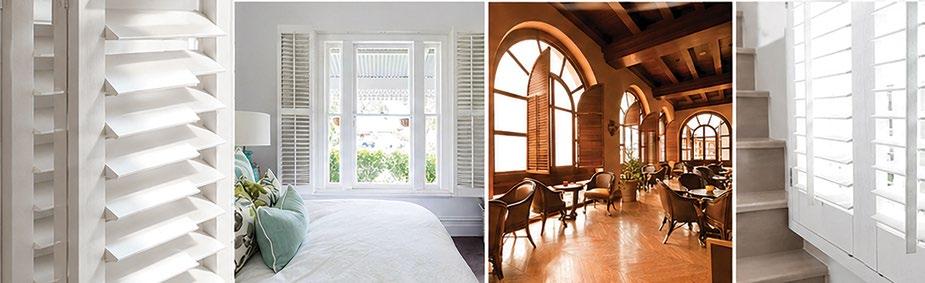
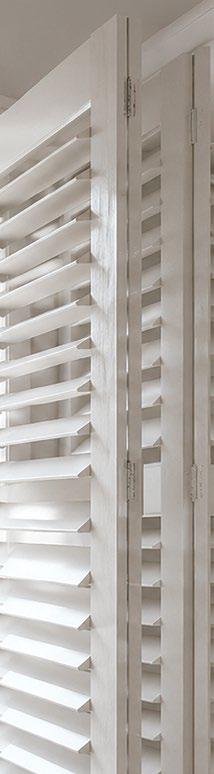
Interior shutters combine elegance, practicality and lasting value. Despite changing design trends, they remain a go-to choice for homeowners looking for classic style and better energy efficiency. For dealers and designers, shutters are a versatile, high-value choice for all kinds of projects. Ongoing innovation in materials, finishes and automation continues to keep shutters at the forefront of the market.
Shutters can be made to fit almost any window—including specialty shapes and large openings—and manufacturers have responded by expanding their customization capabilities. Arches, circles, ovals, angles, skylights, French doors and other specialty shapes can now be accommodated, while advances in materials and construction allow for larger panel sizes and wider spans than ever before.
In addition, many polymer shutter products are designed to withstand moisture and humidity, making them well-suited for bathrooms, laundry rooms and other damp environments where traditional wood products may not be ideal. This versatility allows dealers and designers to specify shutters throughout the home, even in spaces that may present challenges for other window treatment categories.
“Shutters are the ultimate combination of elegance and functionality,” said Viken Ohanesian, CEO of ShutterSmart. “Tilting the louvers gives you precise light control throughout the day.”
Because shutters are built solidly, they help improve comfort and efficiency. They add an extra layer that keeps out heat in summer and holds in warmth in winter, which can help your HVAC
system work less. This sturdy build also helps block outside noise and gives you better privacy.
Energy performance continues to be a key selling point. Because shutters fit tightly within the window opening and create an additional insulating barrier, they can help improve comfort and reduce heat transfer throughout the year. According to the U.S. Department of Energy, wood shutters can achieve R-values of 3 to 4, making them among the most energy-efficient window treatment options available.
According to Texton, a closed-shutter system can nearly double the insulating performance of a typical single-pane window, helping reduce heat gain in the summer and heat loss during colder months.
“Shutters are one of the fastest-growing categories in window coverings, and for dealers they are one of the most profitable,” Ohanesian said. “Consider four windows: in blinds that might be a $1,000 project, but the same four windows in shutters can turn it into a $2,000 project.
“The opportunity professionals most often overlook is positioning,” he continued. “Too many present shutters one window at a time instead of as a whole-home upgrade that delivers lasting energy savings and adds resale value. When you sell the long-term value and not just the covering, the conversation and the project size both grow.”

Although shutters are known for timeless design, ongoing innovation keeps shaping the category. Manufacturers are introducing new materials, finishes and construction methods that enhance durability, efficiency and usability while maintaining the expected appearance.
Manufacturers are also adding convenience to shutters with motorization and smart home technology. Norman’s PerfectTilt G4 motorized shutters offer quiet, energy-efficient motors, remote control and app-based scheduling. The system includes an integrated solar panel, making it ideal for hard-to-reach areas such as skylights where manual operation is impractical. Design updates like hidden tilt systems and streamlined frames are giving shutters a more contemporary look without sacrificing functionality.
Despite their popularity, misconceptions about shutters persist. Some homeowners believe they are too expensive or outdated.
“What we wish more clients understood is that shutters are an investment, not simply a purchase,” Ohanesian said. “They pay back in energy savings, durability and added home value over the years, which is exactly what makes them worth it.”
As homeowners continue to prioritize customization, efficiency and longevity, shutters remain one of the smartest investments in window coverings. V
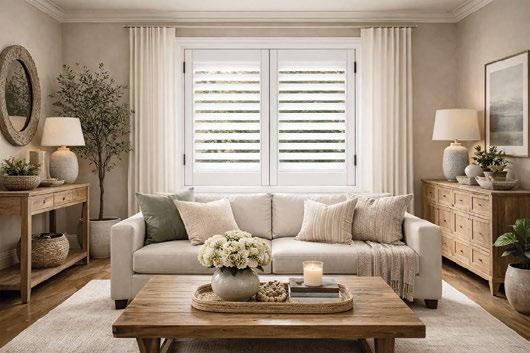


Whether they’re adding architectural character indoors or boosting curb appeal outside, shutters continue to be one of the most versatile and enduring window treatment categories
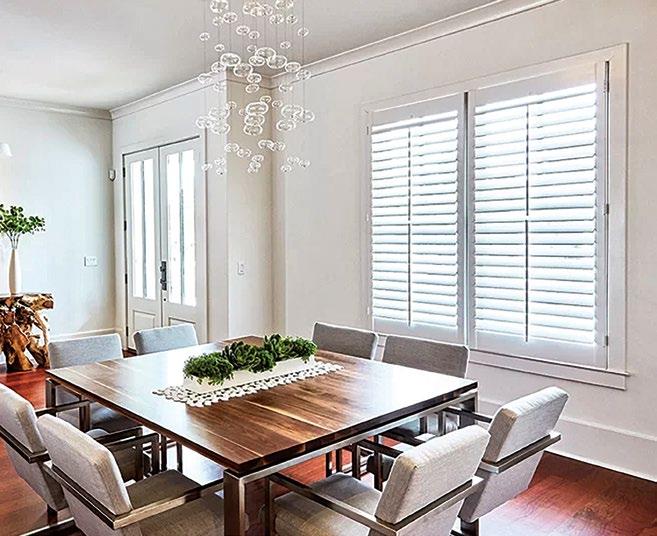
The Look: Architectural and eye-catching, adding depth, dimension and character to a home s exterior
What It’s Made Of: Wood, composite materials, aluminum, vinyl and stormrated systems
The Backstory: Long before air conditioning and modern glass windows, exterior shutters were used to protect homes from weather, provide ventilation and increase security.
What Sets It Apart: Exterior shutters can serve both decorative and functional purposes, offering shade, privacy and, in some applications, storm protection.
Where It Shines: Coastal homes, patios, porches and architectural projects where curb appeal and performance matter equally
The Eco Angle: Operable exterior shutters can reduce solar heat gain before sunlight reaches the glass, helping keep interiors cooler and reducing cooling demands.
Why It’s Everywhere: Homeowners continue to gravitate toward products that combine beauty with function, and exterior shutters deliver both while enhancing a property’s architectural identity.
The Look: Tailored and timeless with a built-in, architectural appearance
What It’s Made Of: Hardwood, composite materials, engineered wood and vinyl
The Backstory: Interior shutters have been used for centuries to manage light, airflow and privacy, evolving from a practical necessity into a design staple.
What Sets It Apart: Adjustable louvers provide precise control over light, privacy and views while maintaining a clean, structured appearance.
Where It Shines: Living rooms, bedrooms, kitchens, bathrooms and specialty-shaped windows
The Eco Angle: Their insulating design helps reduce heat gain and heat loss, contributing to year-round comfort and energy efficiency.
Why It’s Everywhere: Few window treatments offer the same combination of permanence, durability and classic style. Interior shutters complement everything from traditional homes to modern interiors.
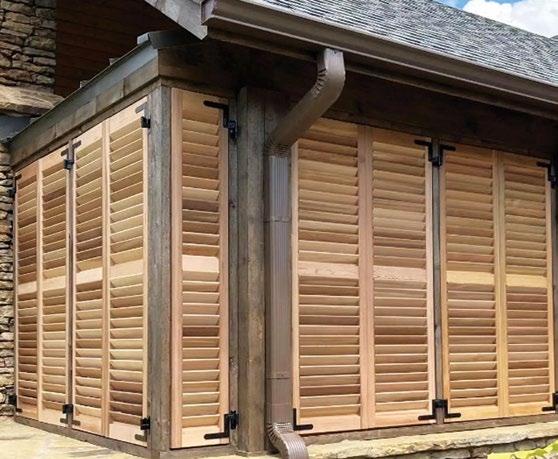



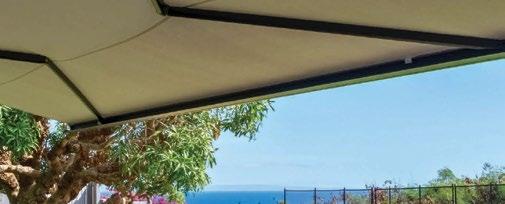

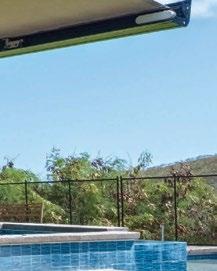

Transform your portfolio with Sol-Lux, the leading manufacturer of premium outdoor retractable shading solutions.
Designed to elevate every home’s outdoor living experience, our awnings and drop screens are fully customizable, beautifully engineered, and built to enhance your bottom line. Your Next High-ROI Category Starts Here.












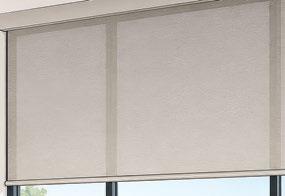
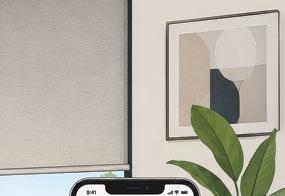
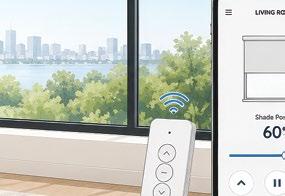

BY OLIVER SCHREIBER
For many in-home sales professionals, motorization is often still treated as an optional upgrade, a feature discussed near the end of the presentation, almost as an afterthought. That approach leaves money on the table.
Today’s homeowners are increasingly comfortable with smart home technology. They control lighting, thermostats, security systems and entertainment devices from their phones or through voice assistants. Automated window treatments fit naturally into that ecosystem, yet many sales professionals hesitate to make automation a central part of the conversation.
The reality is simple: Discussing motorization early and confidently can significantly increase average ticket size while helping you stand out from competitors who continue to focus solely on fabrics, colors and price.
The first key is changing how automation is presented. Instead of positioning it as an expensive add-on, position it as a lifestyle solution. Homeowners rarely get excited about motors, batteries or control systems. They get excited about convenience, comfort, safety and luxury. When meeting with a client, don’t start by explaining technical specifications. Start by asking questions:
• Do you have hard-to-reach windows?
• Do you have young children or pets?
• Do you enjoy smart home technology?
Each answer creates an opportunity to demonstrate how automation solves a real
problem. When clients connect motorization to their daily routines, the conversation shifts from cost to value.
One of the most effective sales techniques is simply demonstrating the product. Watching a shade move at the touch of a button creates an emotional response that brochures and verbal descriptions cannot match. If you carry demonstration samples, make sure at least one of them is motorized, and use them. If you have video examples, show them. The goal is to help the homeowner visualize the experience of living with automated shades every day.
Another important strategy is to present motorization as the default option rather than the premium option. This doesn’t mean pressuring customers. It means confidently including automation in your initial recommendations and allowing the client to decide whether to scale back if necessary. Automotive dealers don’t start by showing customers vehicles without air conditioning or power windows. Those features are expected because they improve the ownership experience. Automated window treatments are quickly moving in the same direction, particularly in larger homes, new construction projects and luxury renovations.
The financial impact of this approach can be substantial. Adding motorization to even a portion of a project can increase average order values significantly. Beyond the immediate sale, automation often leads to additional products, expanded room coverage and future referrals.
The long-term trend is also impossible
to ignore. Smart home adoption continues to grow, and manufacturers are making automation more accessible, reliable, and user-friendly than ever before. Batterypowered options have reduced installation concerns, while integration with popular smart home platforms has made operation remarkably simple. As a result, the question is no longer whether automation belongs in the sales conversation. The question is whether sales professionals are prepared to lead that conversation. The most successful in-home consultants understand that they are not simply selling window treatments. They are selling comfort, convenience, privacy, energy efficiency and lifestyle enhancement.
When automation becomes a regular part of every presentation, three things happen: average sales increase, clients perceive greater value and sales professionals position themselves as trusted experts rather than product vendors. In a competitive marketplace, that distinction matters. The salesperson who confidently discusses the future of window treatments is far more likely to earn both the sale and the customer’s trust. Present automated options and you may just find an increase in the average sale in the Sold! Column. V

Oliver Schreiber began his sales career over 30 years ago and is CEO of Beltway Blinds in Washington, D.C., Maryland and Virginia. He leads a team that generated more than $11 million in sales last year. He has been a speaker at the International Window Coverings Expo, has received awards for being the largest-volume dealer with Alta Window Fashions and sits on the National Advisory Committee for a window covering group, Exciting Windows! » BeltwayBlinds.com
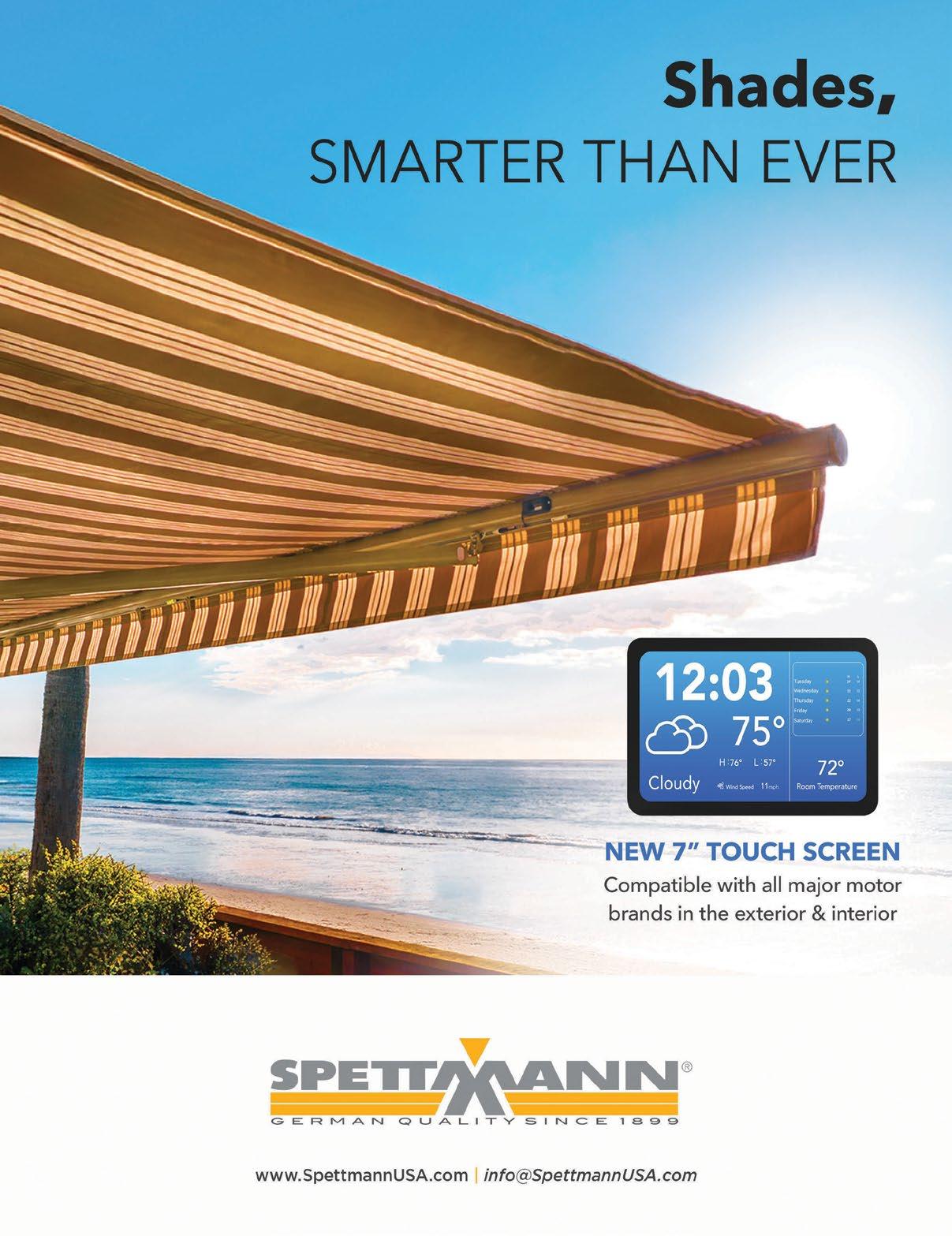
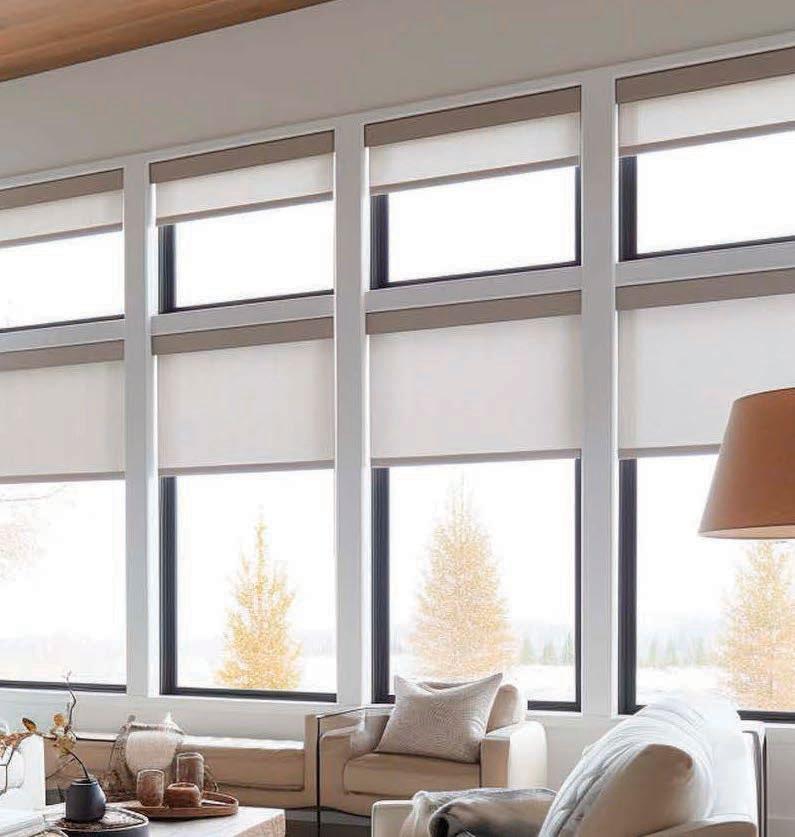
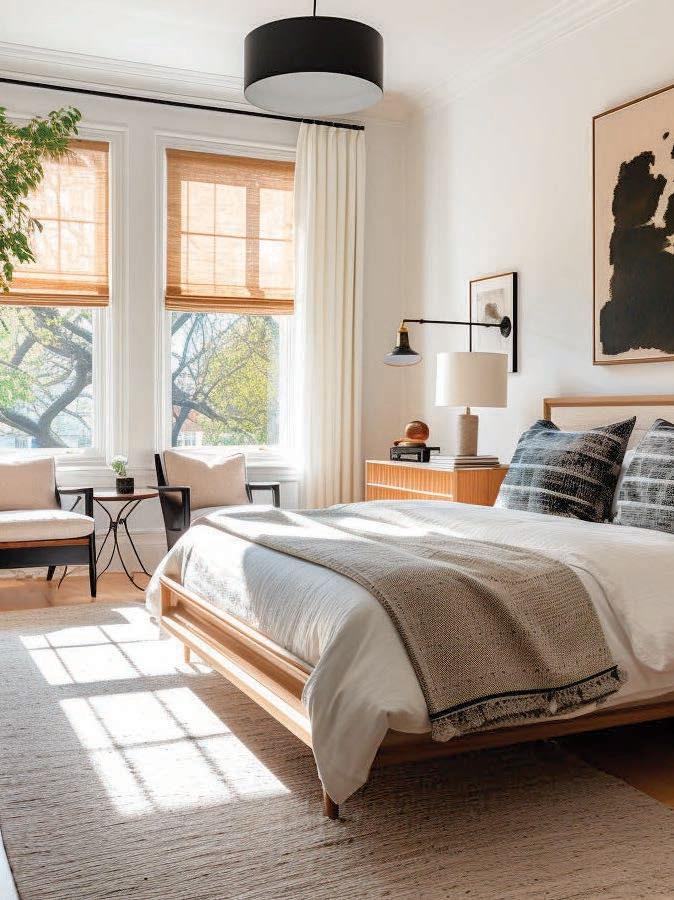
Transform your TEXTON shades into a seamless part of your smart home with the Bond Bridge Pro; designed for effortless control and modern living.
Any of TEXTON’s award-winning shades can be controlled within one seamless interface.