Contents
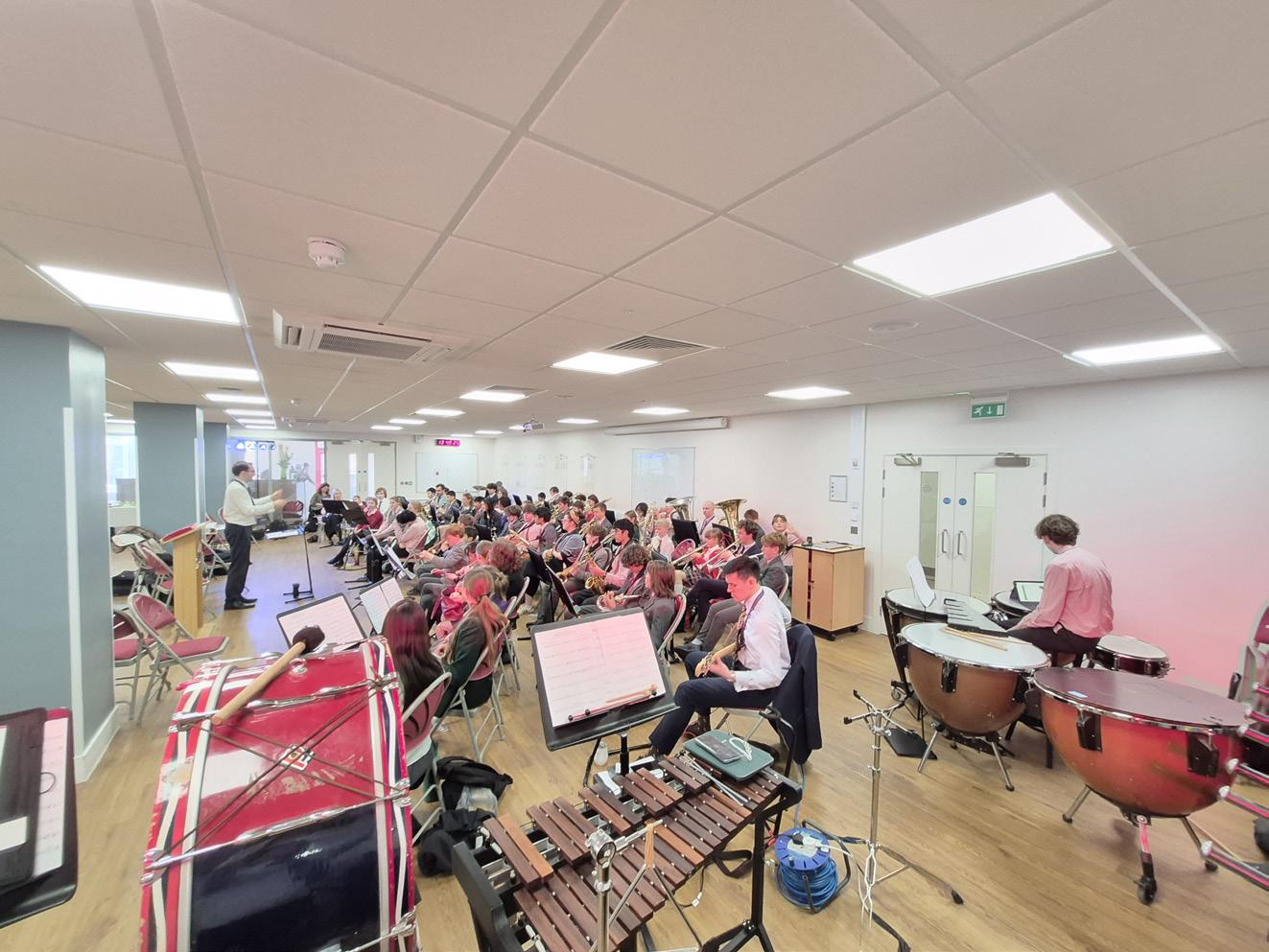
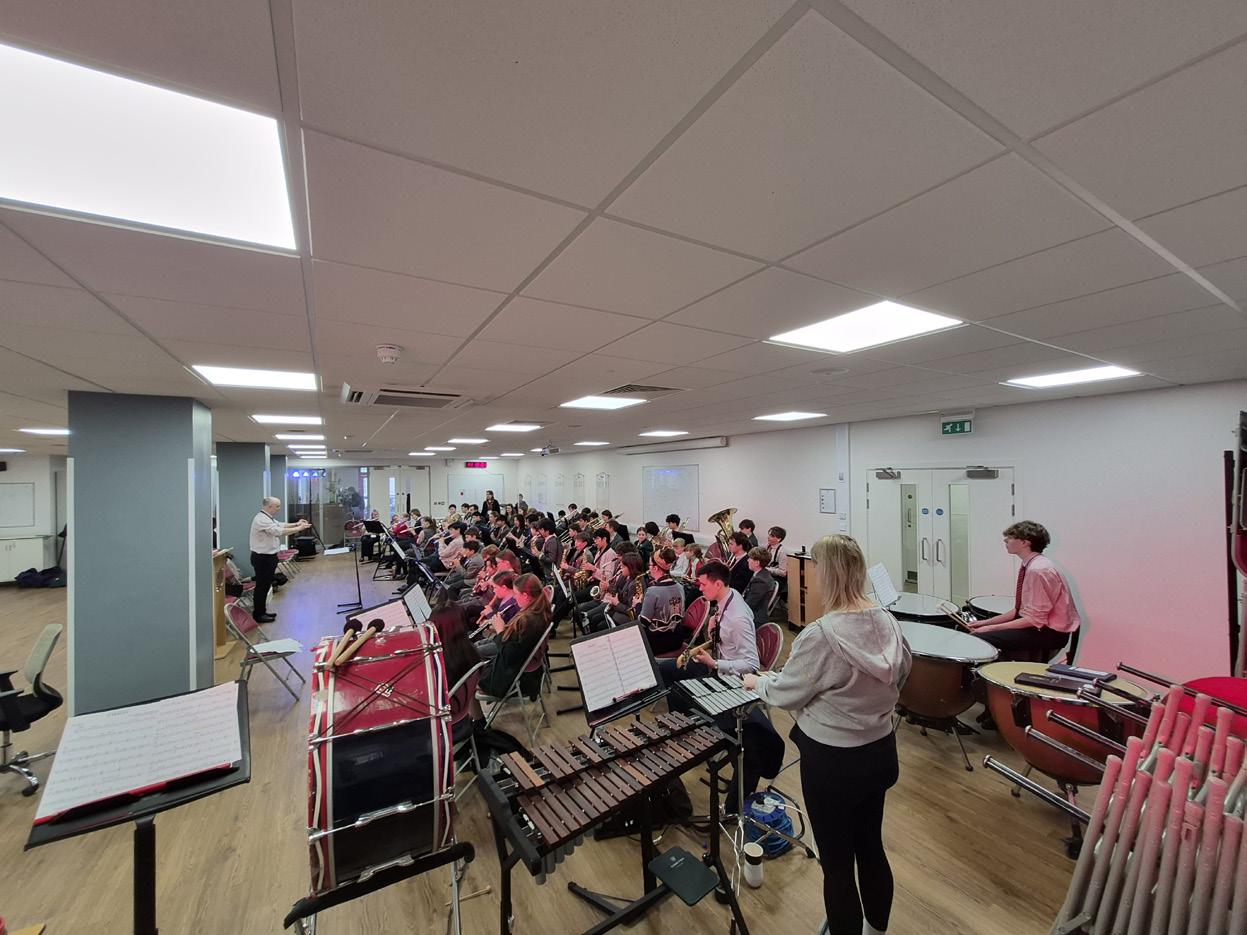
Wetherby Brass and Wind Day - Alexander M, Year 9
Wetherby Celebrates World Book Day!
The History of World Book Day - Yunus A, Year 8
Orwell Youth Prize - Henry C, Year 8
World Book Day QuizOrestes M, Year 9
Orwell Youth PrizeDomenico C, Year 10
Prefect Dinner - Felix W, Year 13
An Argument as to Why Oceania Should Not Be a Continent - Domenico C, Year 10
International Women’s DayZain S, Year 13
Skiing - Luca D, Year 10
Shakespeare in Action! - Alex Z, Year 7
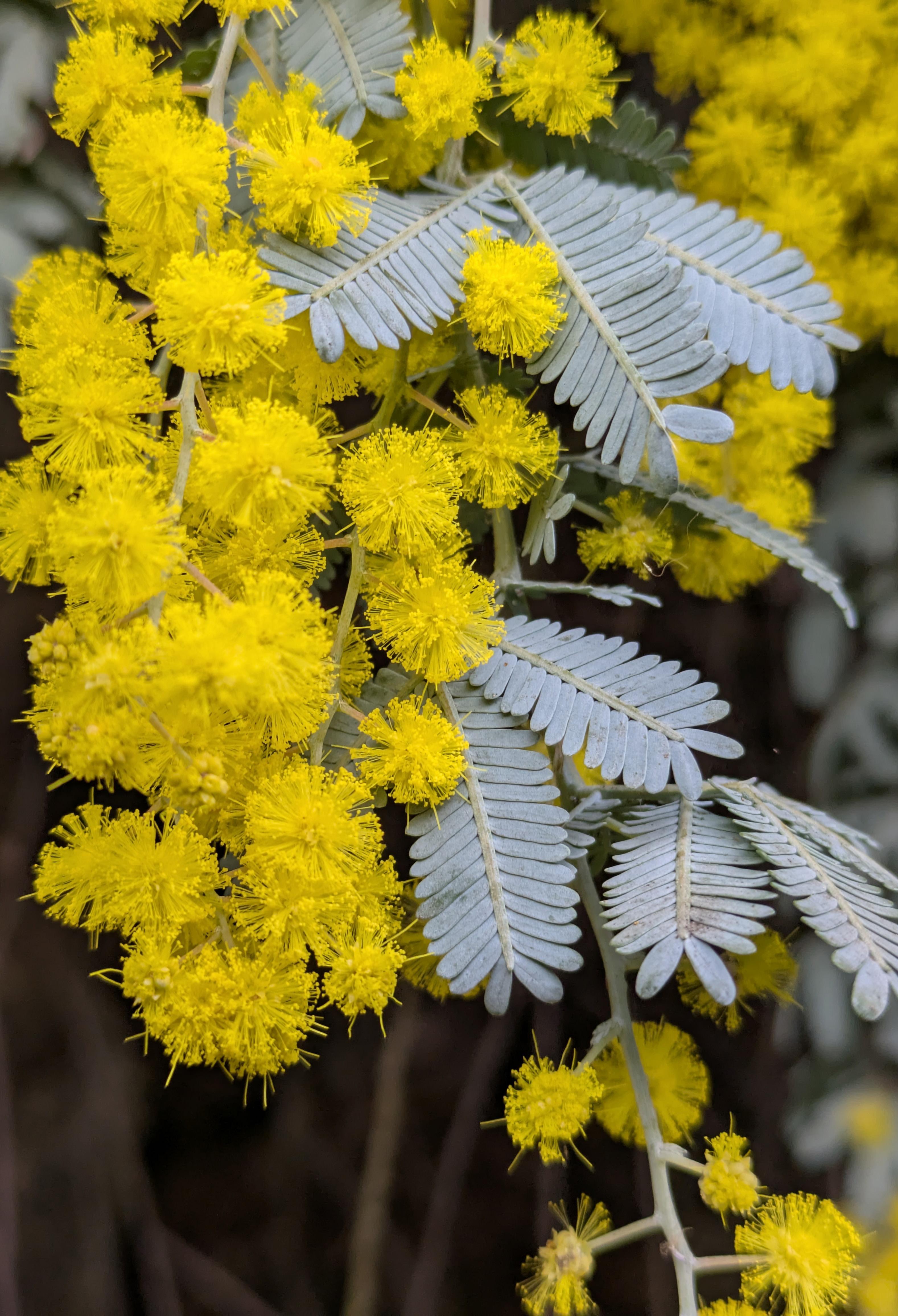
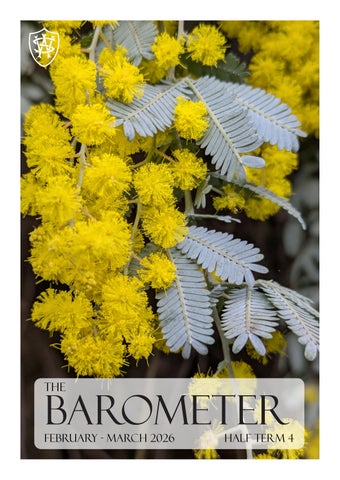
Cover photograph - Jack A, Year 10
Sixth Form Spanish Trip - Ben C, Year 12
NBA Recap - Henry Cr, Year 8
Premiere League - Mark A, Year 7
Alexander M, Year 9 writes...
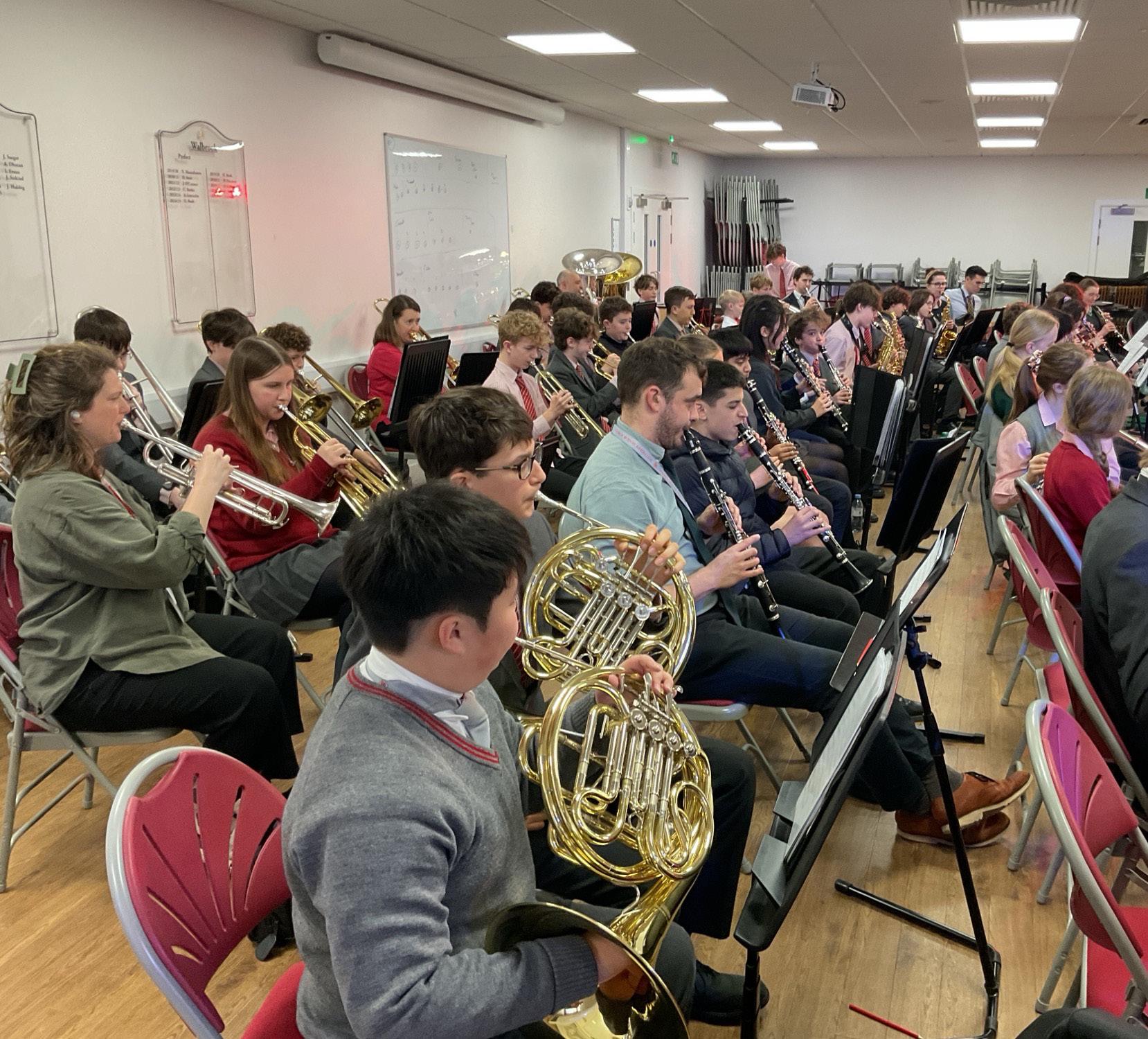
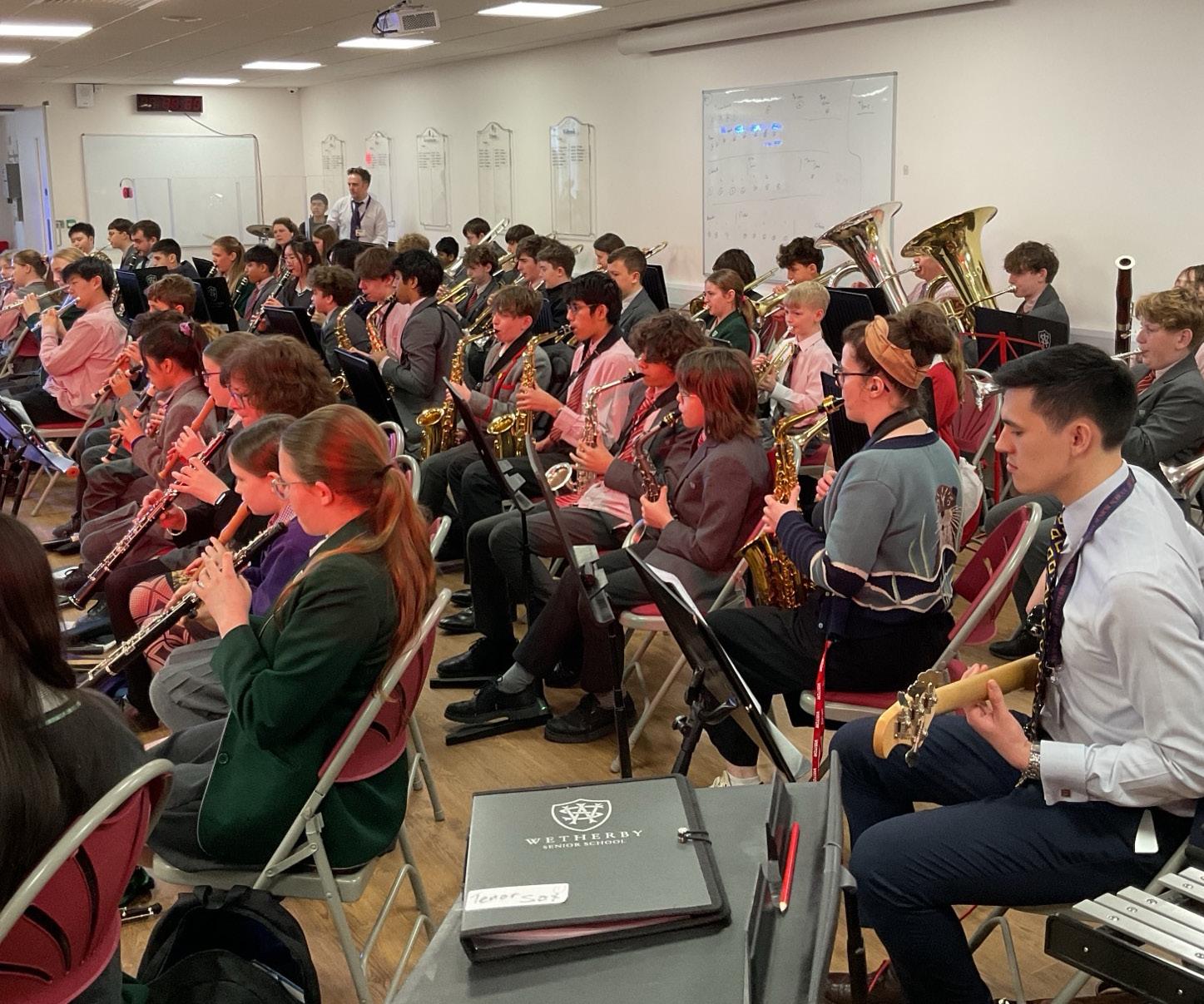
Wind & Brass Day at Wetherby
On Wednesday 4th March, Wetherby Senior held another annual Wind & Brass Day, where musicians from many different schools came together to play four great pieces of music. Starting at 9am and ending with a concert at 4pm, everyone worked as hard as they possibly could.
The first piece was probably the most well known of them all: the Avengers theme. Composed by Alan Silvestri, it consists of a strong bass line, with the famous tune played by the trumpets, horns and clarinets. The piece is strong and uplifting, as it needs to show the heroism of the film’s famous protagonists.
The second performance was
a song called Caravan, which appears in the film Whiplash. It consists of many changes in dynamics, with fortepianos followed by crescendos being a recurring feature of the piece.
The third song was A Bridge Too Far. It is the theme song from a 1970s film of the same name, about the Second World War and the construction and destruction of bridges by different forces to make way for troops. The song itself features many changes in tempo, a tune played by the trombones and trumpets, and begins with a bass line played by the tuba and bassoon.
The final piece was the theme from Pixar’s The Incredibles. It is a very upbeat and dramatic piece, using the brass section to deliver powerful bass lines, along with quieter sections featuring the flutes and clarinets, and even a solo from the saxophones.
Overall, the day was successful, ending with a concert that many people came to see. I am sure everyone who was involved is looking forward to the 10th anniversary of this day next year.
Yunus A, Year 8 writes..
On 23rd April 2026, we will celebrate our 30th International World Book Day. Also known as the Day of the Book, World Book Day is an annual event organised by UNESCO (the United Nations Educational, Scientific and Cultural Organization). To fully understand World Book Day, why we celebrate it and where it came from, we must first understand the humble beginnings of the book.
The word book comes from the Old English bōc, similar to the Old Norse bók and the Old Saxon bōk. In the Slavic languages, the word буква (bukva), meaning letter, is cognate with the word for beech. It is thought that some of the earliest Indo-European scripts may have been carved into beechwood.
But how did the leather-bound, fresh-smelling bundles of paper that we have come to love today come about? To answer that question, we must travel to the 14th century, where the German inventor Johannes Gutenberg created the movable printing press. He took inspiration from the Tang dynasty in modern-day China, which had been printing with wooden blocks since the 7th century. This sparked a revolution in information and a rise in literacy, with major printing houses being established in cities such as Venice, Rome, Paris, as well as in England and the Netherlands.
At first, much like today, book printing was a business, so the
most popular book of that time was the one most widely used in Europe: the Bible. This led to the production of the “Gutenberg Bible”. However, due to the poor quality of the parchment used, many original copies have been lost, making the remaining ones extremely valuable, with one of the most recent sales reaching 25–30 million dollars at auction.
While the tradition of celebrating literature began more recently, the idea of a “World Book Day” dates back as far as 1922. It was started by Vicente Clavel, head of the Cervantes publishing house in Barcelona. The day was intended to honour Cervantes and boost book sales. It was first celebrated on 7th October 1926, Cervantes’s birthday, before being moved to 23rd April 1930, the date of his death. This also coincided with St George’s Day (Catalan: Diada de Sant Jordi), the day of the region’s patron saint. In Catalonia, World Book Day merged with this existing celebration, where
it remains popular and is also known as the Day of Books and Roses.
In 1995, UNESCO selected 23rd April as World Book Day because it marks the anniversary of the deaths of William Shakespeare and Inca Garcilaso de la Vega, as well as several other notable authors. On 2nd March 1997, the UK and Ireland decided to celebrate it on the first Thursday of March, which fell on the 5th this year. Organisers made this change to avoid clashes with Easter school holidays and St George’s Day.
Interestingly, Shakespeare and Cervantes are often said to have died on the same date, but not on the same actual day. At the time, England used the Julian calendar while Spain used the Gregorian calendar, meaning Shakespeare died 11 days after Cervantes. On the Gregorian calendar, Shakespeare died on 3rd May and Cervantes on 22nd April (although he was buried on 23rd April), helping to cement this date in history as World Book Day.
Henry C, Year 8 writes...
John was a 13-year-old boy who seemed to get into trouble more often than not. Bob, however, his classmate, never seemed to get into trouble at all, and this really got on John’s nerves.
It was just going to be a normal, boring Tuesday: double Physics, English, Maths, Geography and French. As John was walking to school, he had an idea. An evil idea. A perfect, evil idea. He would frame Bob for stealing. He could finally get his revenge on Mr Perfect himself.
“But how will you do it?” asked Timmy, his best friend and partner in crime.
“It’s simple, really,” explained John. “You will sneak into the staff room,” putting the emphasis on ‘you’, proving his selfishness.
“Then steal Miss Stewart’s computer and meet me on the top floor at lunchtime to hand it to me.”
Timmy looked at him with concern on his face. He might not have been the sharpest tool in the shed, but he did have more compassion than John, and he knew what was right from wrong.
“Holy guacamole, John, this sure seems like a lot of work just to spite someone,” Timmy told him.
“If you don’t do it, I’ll tell everyone you were the one who stole Evan Burger’s watch!”
(About a month ago, the headteacher’s son’s watch had been
stolen by John but, to this day, no one knew who had stolen it except Timmy.)
“Er… fine, I’ll do it,” Timmy said reluctantly.
As they reached the school gates, Bob approached them. Little did he know John was about to get him into the biggest trouble of his life.
“Hi John, hi Timmy,” Bob said with a smile on his face. Bob is always so smiley, thought John. That was what really annoyed him about Bob.
If I didn’t know better, I’d think John was jealous of Bob’s good grades and kind attitude, but what do I know? I’m just the narrator.
What could’ve happened?
As Timmy finished his lunch, he headed to the top floor and thought about how he would do it. Or at least, that is probably what he should have been thinking, as right now he was thinking about how he would beat Zelda: Breath of the Wild later. He went up to the top floor and snuck into the staff room to take the laptop, but before he did, he took one of the caramel doughnuts on Mr White’s desk. He grabbed the laptop, put it in his bag, and turned the corner, where he saw John.
“Have you got it?” John asked Timmy.
“Yes, I do, but is lying really what we want to do? Not telling the truth?” Timmy asked, taking it out of his bag.
“Yes! Finally, I’m the happiest man alive! WOO HOO!”
John handed the laptop to the receptionist, who told the teachers that Bob had stolen it. Bob got a two-week suspension and got into trouble with the police. After all, they thought he had stolen it.
What happened
Timmy told Bob the truth, and they both decided to stay away from John. They told Miss Stewart the truth about her laptop, and John got expelled.
In his new school, he got better grades and became one of the most well-behaved students. John went on to attend a great university. In a strange way, he was happy Timmy and Bob told the truth.
Orestes M, Year 9 writes…
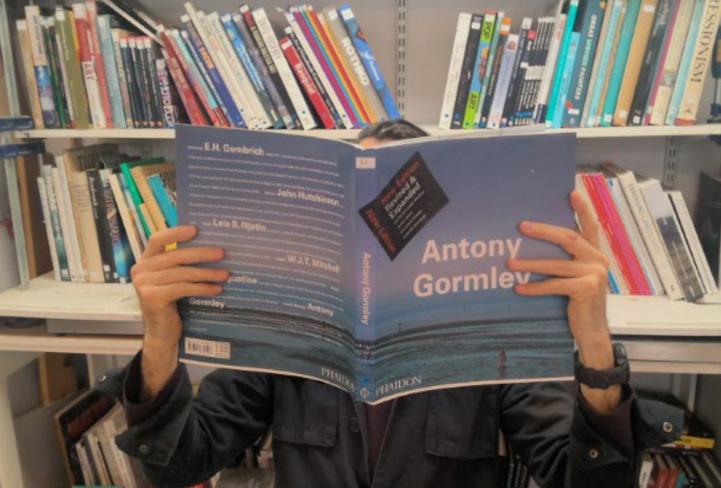
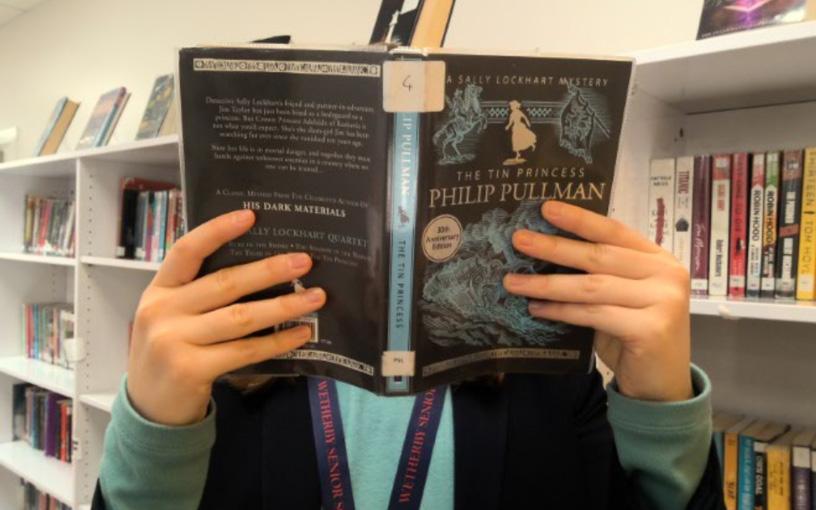
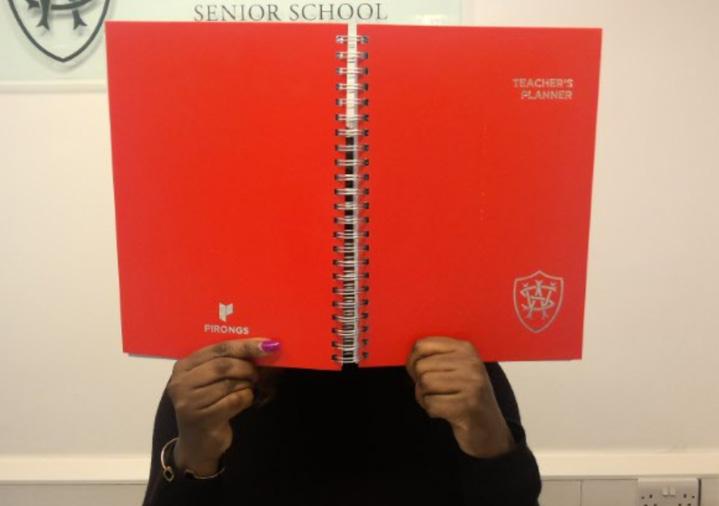
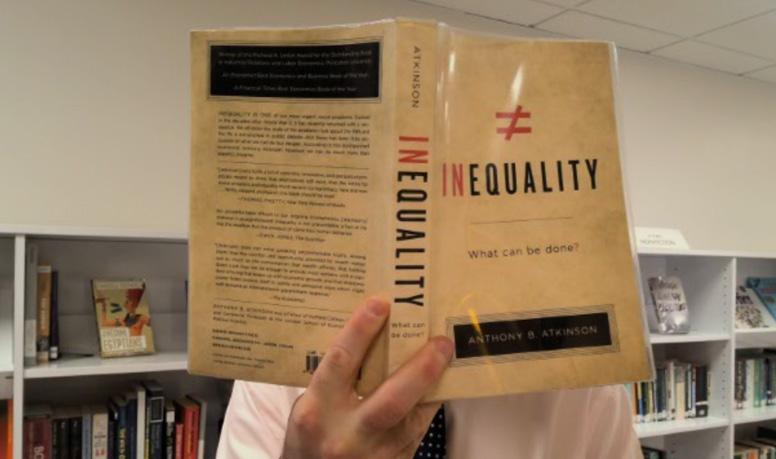
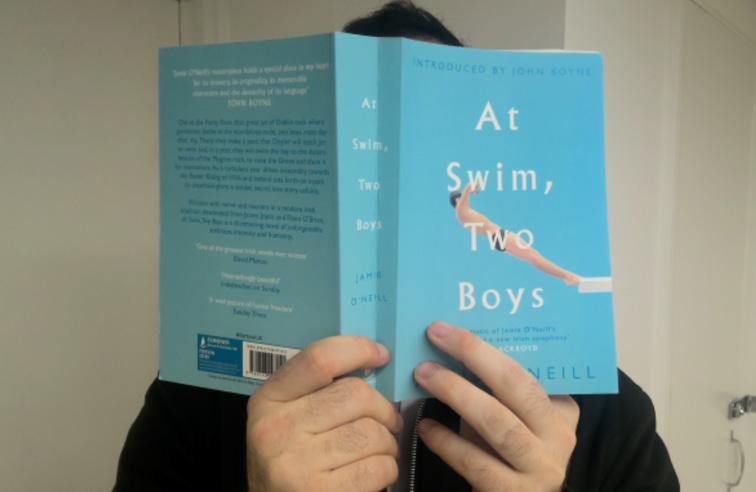
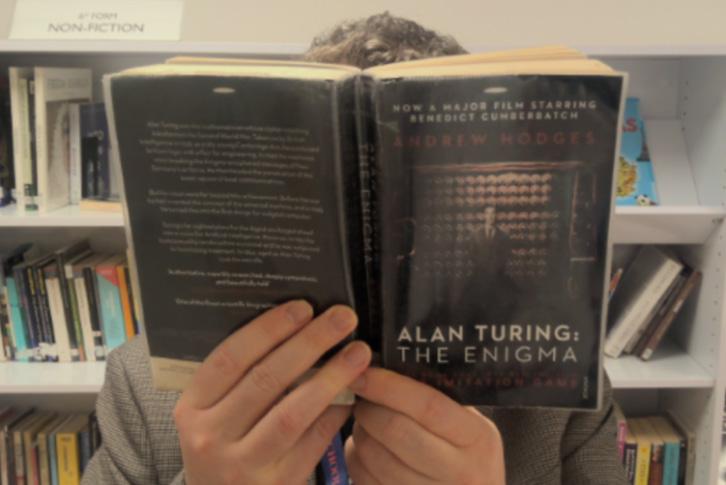
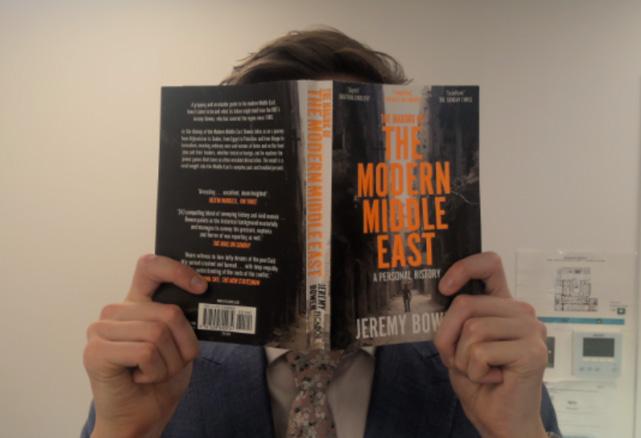
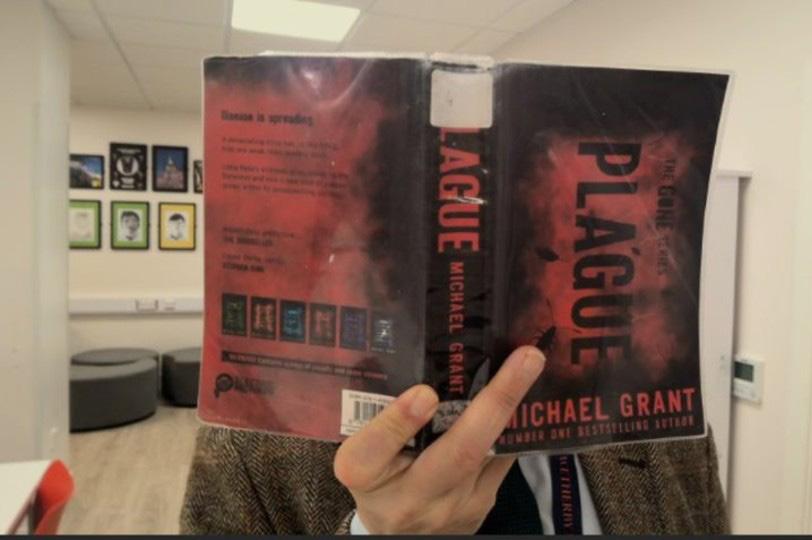
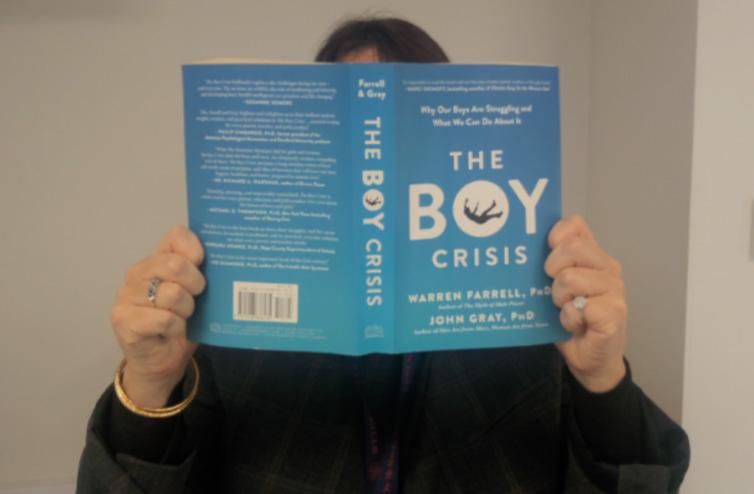
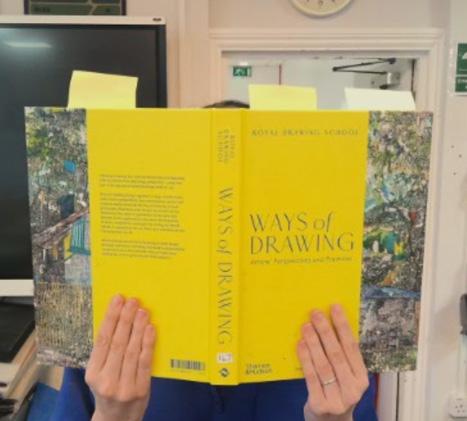
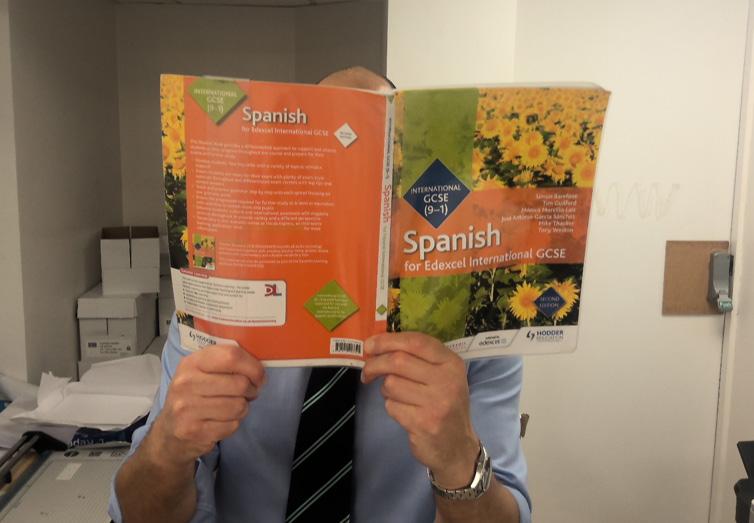
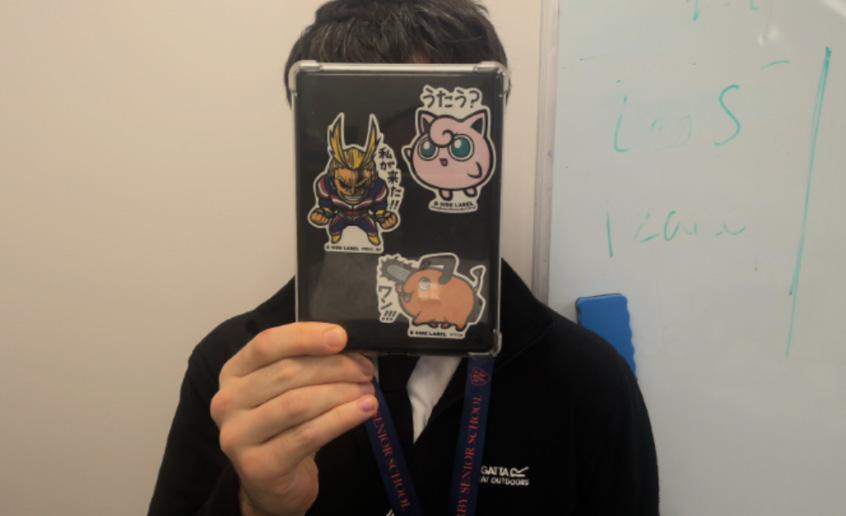
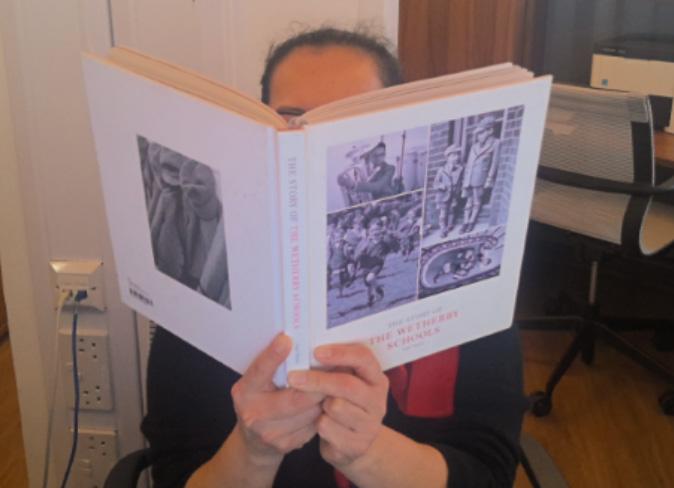
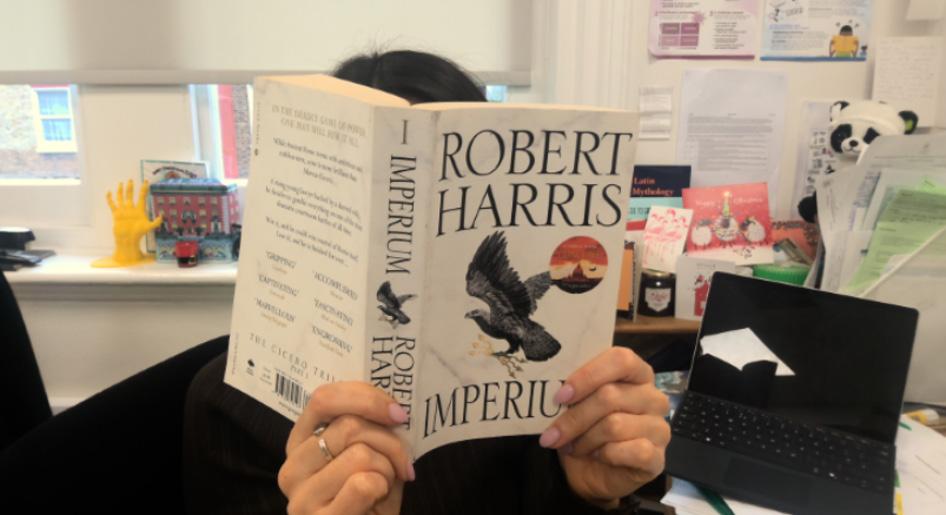
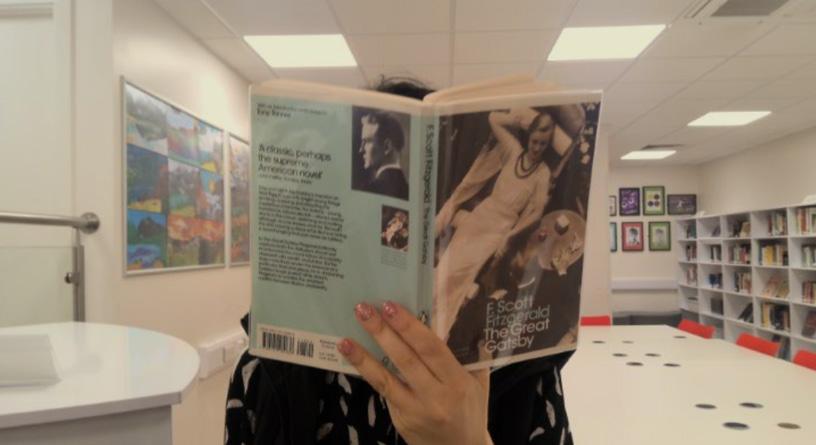
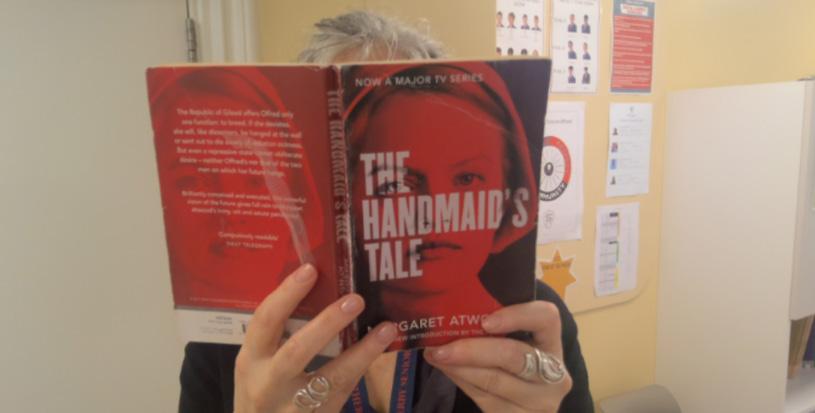
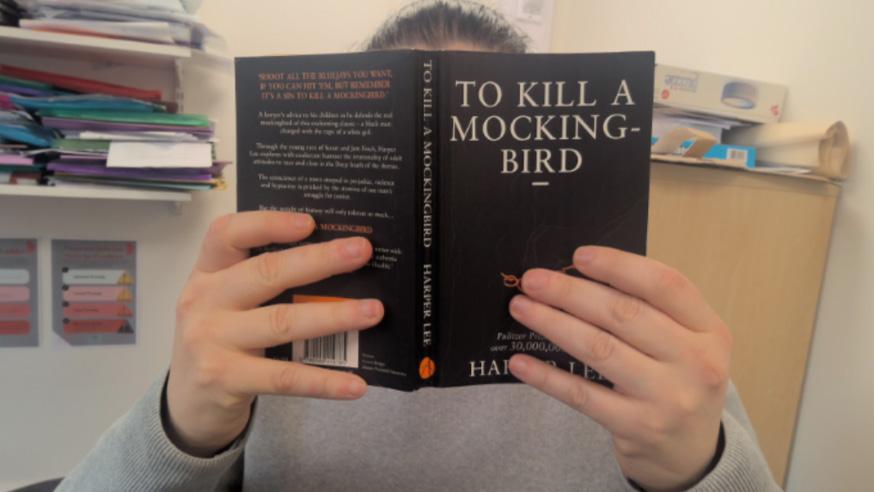
World Book Day began with a lively form-time quiz, where everyone had fun trying to guess which teacher was hiding behind each book. One boy in 9C was hilariously convinced that all twenty-five teachers were Mr Stokoe. After the first round, we moved on to Guess the Author and finally finished with an emojithemed quiz. The whole morning was full of energy, laughter and friendly competition. It was enjoyed by everyone across the school.
Domenico C, Year 10 writes...
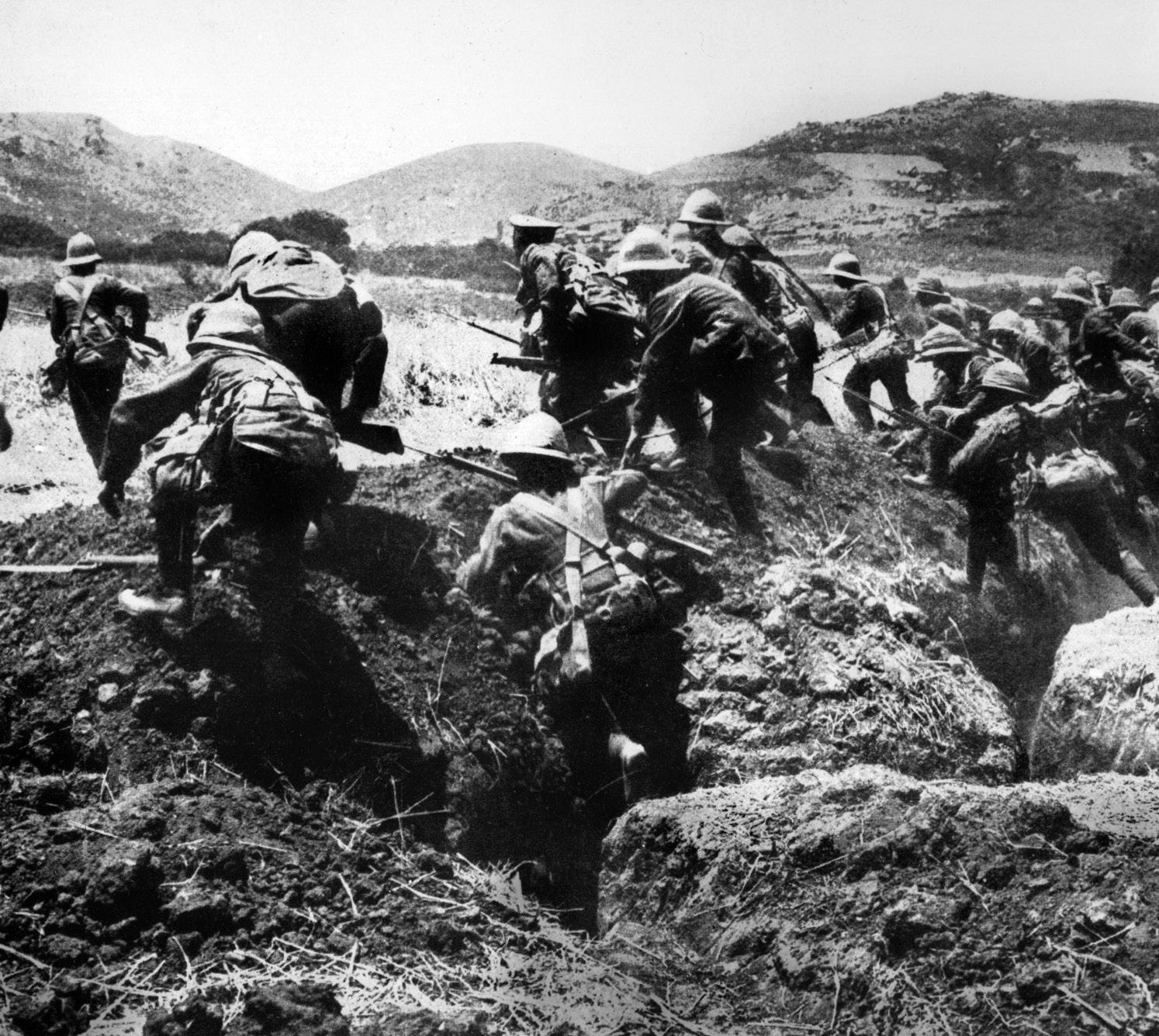
Entry 1: 5th August 1915, circa 4pm, Gallipoli
I have just arrived in Gallipoli, Türkiye. The Daily Telegraph flew me in from Cairo. They believe it is an opportunity to honour these distinguished fighters, the faces of Britain.
Upon landing and disembarking, I was greeted by a liaison officer. I did not ask for his name and only referred to him as “Sir”. He was a fairly stocky man, with a thick moustache and hickory-shaded eyes, his khaki-coloured uniform standing out against the terracotta dirt but blending with the lowhanging olive trees surrounding us. We both singed under the burning sun of the Mediterranean, sweat spots dappling our clothing. Despite the heat haze straining my eyes, I staggered to the vehicle departing for the front and watched as the officer faded into the surrounding trees.
Whilst travelling, I noticed a slow but steady decline in the lushness that greeted my arrival, culminating in the front line, where reddish-brown tones were replaced by the brown of subsoil, soon to be bleached by the unrelenting gaze of the sun. Anatolian shrubbery lay flattened and consumed by the starving earth on which we now stood. The birds, once transmitting messages between one another like radio communication, were silent, or absent. I tried asking a few soldiers with whom I was travelling some questions, but it seemed they knew about as much as I did.
After making my acquaintance with various senior members at the front, I descended into the trench wherein I would be situated. From the exhaustion of the day, I quickly forgot their faces. When I looked back at them from afar, their features dissolved into the boiling air, leaving faceless entities, souls lost to the mirage of heat. All I could remember from the encounter were their eyes, scoping one another, slightly dilated; I put it down to stress.
A similar trend occurred whilst I navigated the trench. I frequently bumped into or looked at oncoming men, their faces lasting only an ephemeral moment in my mind before being replaced by the next. Over the few hundred metres of trench I had to navigate, this created something akin to a film reel, each abstracted face serving as a frame, each step taken a revolution of the film wheel, before being lost to the realms of fatigue.
Eventually, I reached the dugout to which I was assigned. I was to share it with a commanding officer, my mattress and sheets adjacent to the walls of dirt. Tomorrow, I intend to try to interview some soldiers, perhaps during lunch. The sun has fallen and the heat has given me reprieve. I end my first entry here.
Entry 2: 6th August 1915, Time Unknown, Gallipoli
It was in the depths of night when I awoke, though when, I could not tell, and when I rose I immediately knew what was about to happen. The distant rumbling
of artillery and footsteps grew ever louder, war drums beating louder than my throbbing heart, beckoning for blood to be spilt. How eager I was to see this, to see men fight courageously against the Ottoman horde, lay the “Sick Man of Europe” to rest, return to the homeland as heroes and hoist the Union Jack against the never-setting sun. In spontaneous excitement, I prepared myself and slipped outside the dugout, evading those who would have kept me away.
That night, the stars shone brightly, like floodlights for the empyrean audience above us, illuminating every aspect of the terrain, though the sea of slouch hats and headwear kept the soldiers’ faces dim. The affixing of bayonets and loading of ammunition nearly drowned out the movement of a battalion towards us. We all listened attentively. The soldier nearest to the dugout knelt in the subsoil, murmuring words of prayer, sweating hands grasping a small, glinting charm. We all stayed silent, every trembling of the ground from what I think was creeping artillery signifying another moment shielded from danger. The tremors stopped. The rumbling stopped. The marching stopped. The stars shone as the world stood still.
Such a serene moment was shattered by the shriek of a whistle. Ahead of me, a sea of men rose, heads faced down and arms swinging with the load of a rifle. The hill we fought on was steep, rugged and clear. The patriotic heart within me withered away as I saw father after father, son after
son, brother after brother torn away from their families forever, spending their final moments in an artillery crater rather than with loved ones. Pulses of patriotism faded into nothingness as I broke into a cold sweat, though the night was warm. My feet were locked into position like a bayonet fixed to a rifle, until I was released by a hard shove and fell into the dugout. A soldier had pushed me in. I glanced up at him; he looked back, his face shadowed. As he ran out of the dugout, I heard an explosion right outside, and the entrance collapsed.
Entry 3: 6th August 1915, circa 8am, Gallipoli
I was eventually rescued as dawn broke. I realised my stay here was to end very soon. Behind the trench, I noticed the hasty construction of a pit and a collection of coffins adjacent to it. The pile stood out against the relatively flat plain. The front, once filled with soldiers, was now swarmed with all the available medics, but I could not bear to watch their procedures. I am to be sent back this afternoon. There, I will put into words what blood could not.
Entry 4: 7th August 1915, circa 11pm, Gallipoli
Upon arriving, I immediately set to work writing, and I sent my article for publication in two days. The Daily Telegraph sent it to the Press Bureau, who ruled that it would lower morale and harm the war effort. Earlier this morning, I saw a man signing up to join the army, but I could not see his face.
Felix W, Year 13 writes...
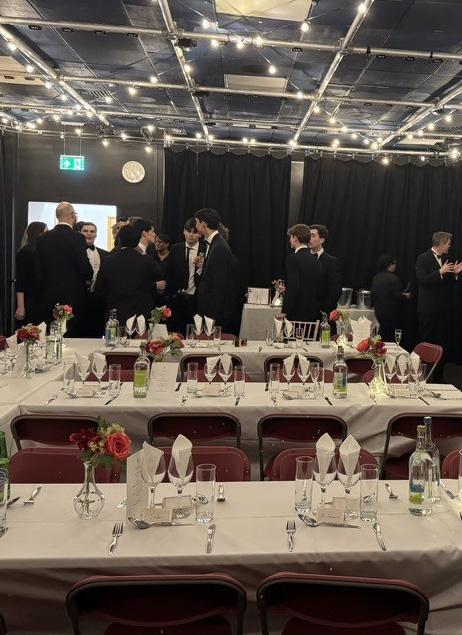
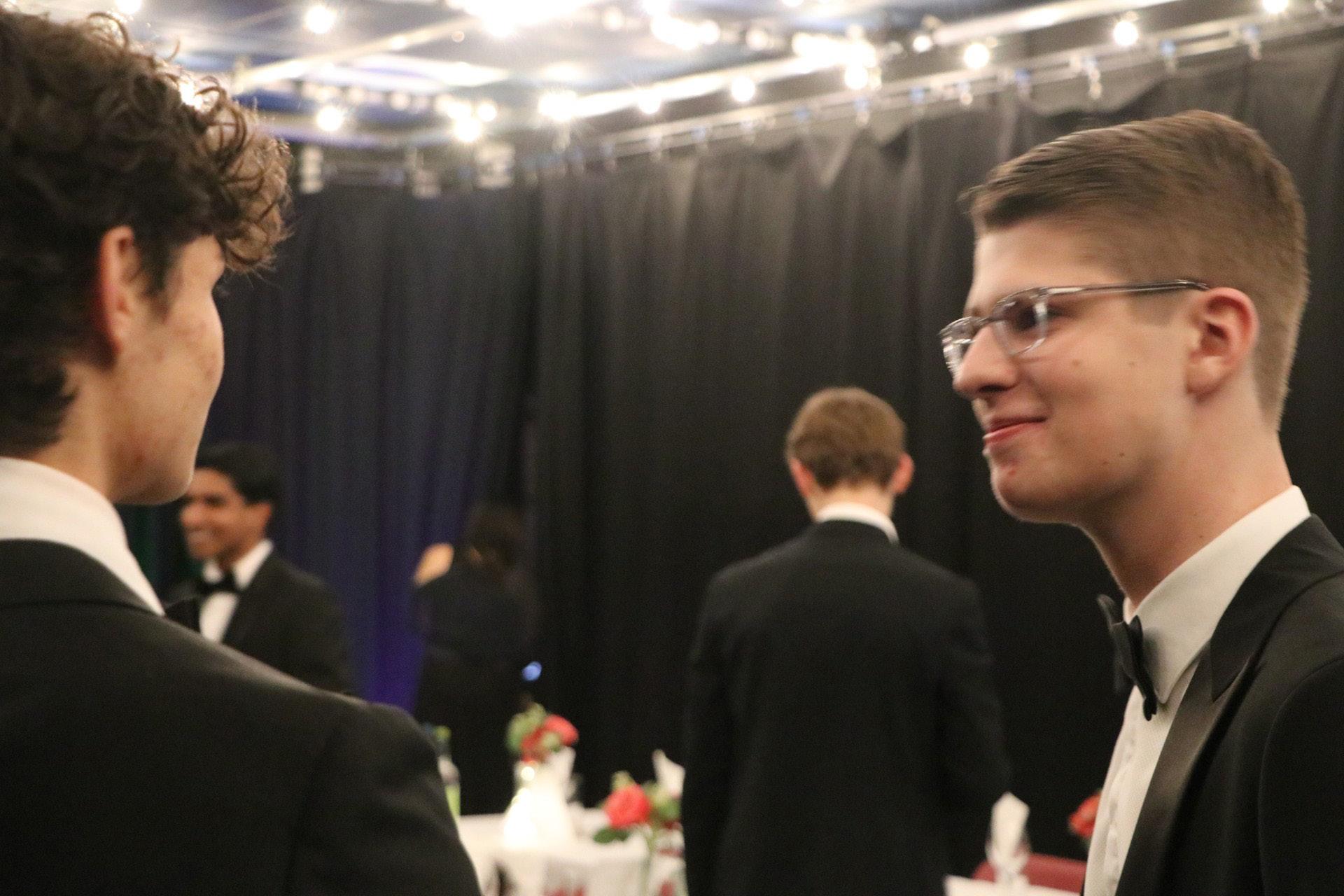
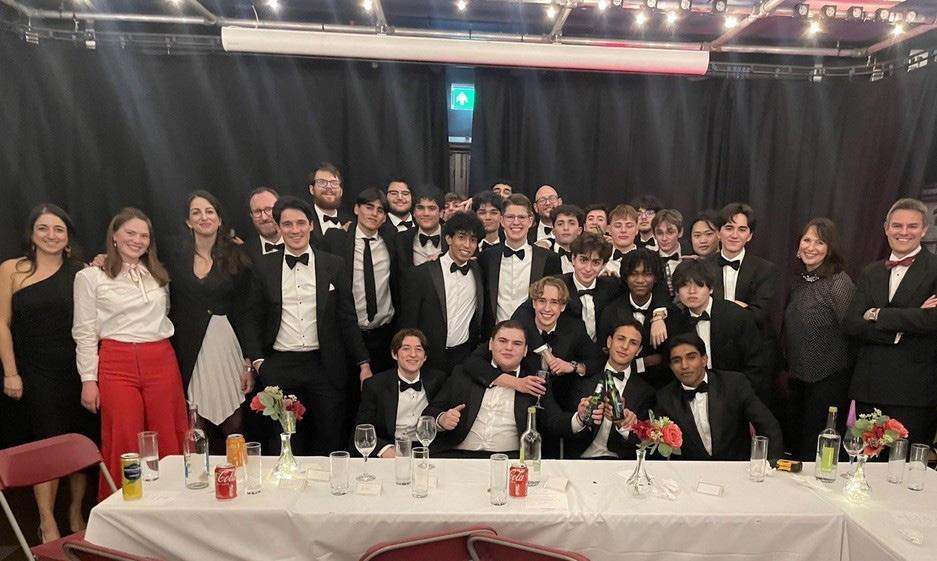
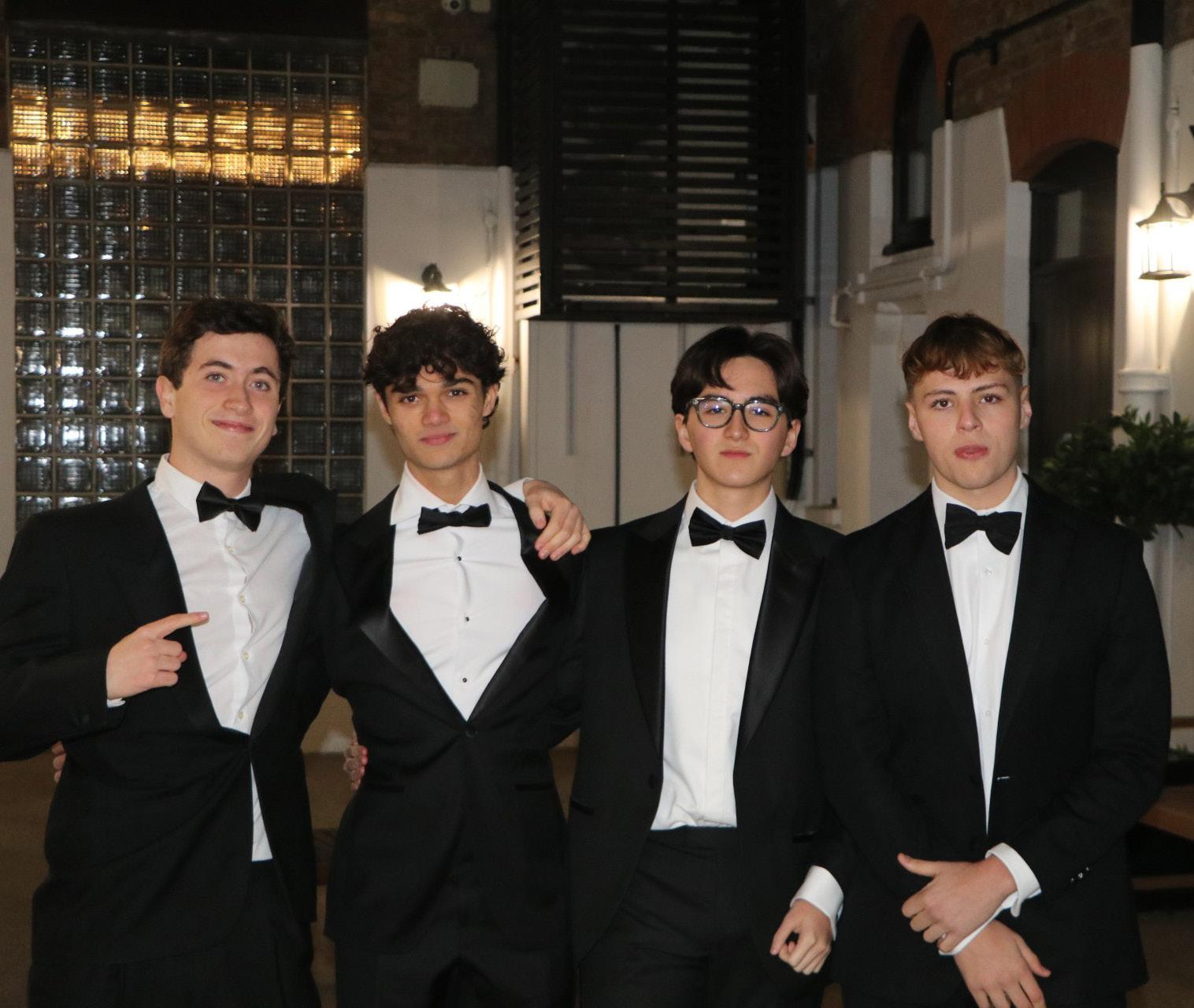
The annual Prefect Dinner returned last Friday with the same glitz and glamour as always. The event brought together students and staff to celebrate the hard work and dedication of the school’s 2025–26 prefect team. The Drama Studio was transformed for the occasion, turning into a restaurant, bar and event space. The strict black-tie dress code had all students and staff dressed sharply in their tuxedos.
The dinner itself was certainly celebratory. Over a delicious multi-course meal, prefects and teachers enjoyed polite conversation and the chance to reflect on the year. One of the highlights of the evening was the rotating seating plan, which changed after every course. This meant that by the end of the night, everyone had had the opportunity to sit with and mingle with the entire group.
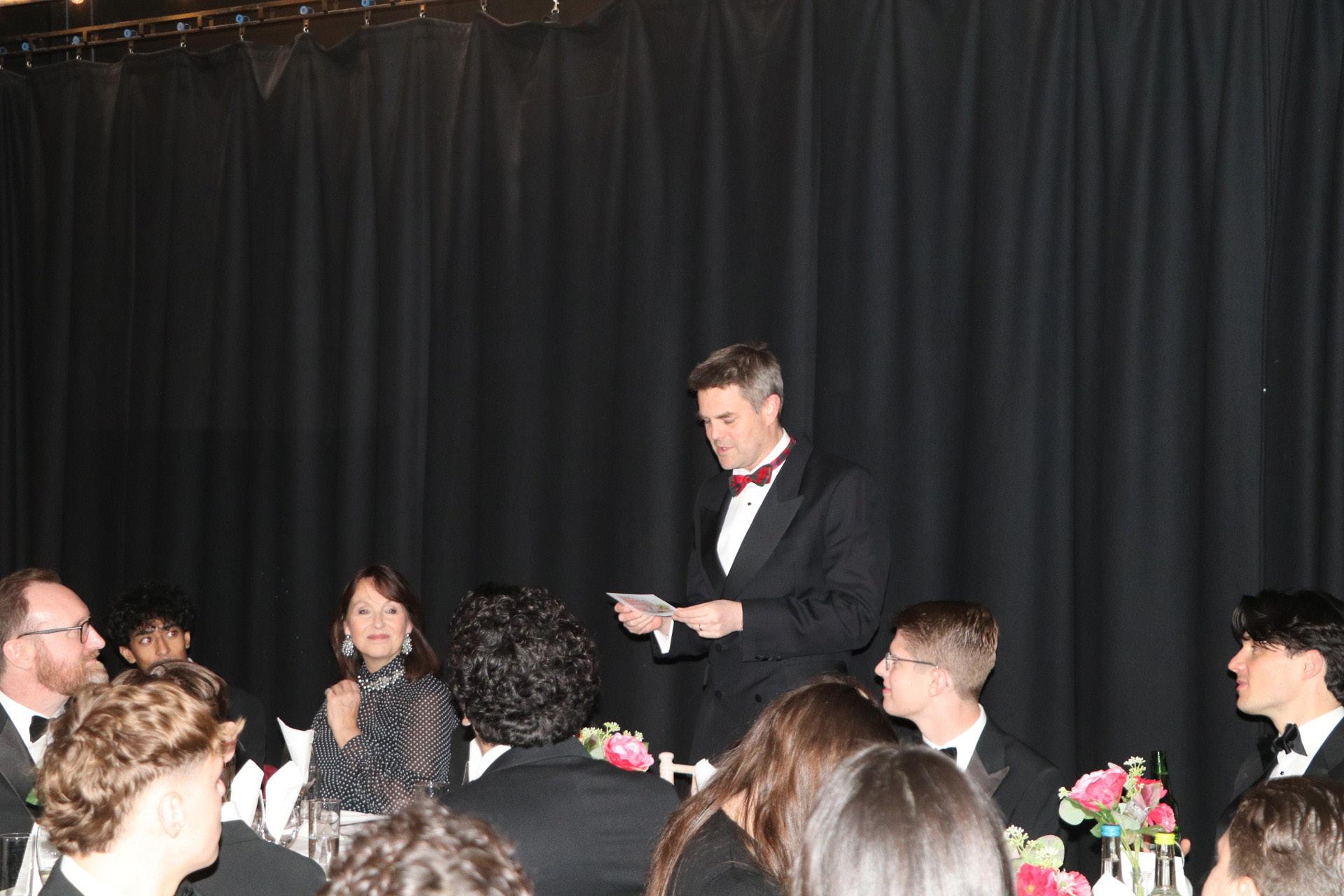
There were speeches and toasts galore throughout the evening. Mr Garvey and Ms Maroudi each raised a glass to recognise the dedication shown by all 25 prefects over the course of the year. They spoke about the many ways in which prefects had supported the school community, from helping to organise events to setting an example for younger students. They also mentioned how much prefects do behind the scenes.
Later in the evening, Felix, the Head Boy, delivered a speech reflecting on the accomplishments of the prefect team across the year. His remarks highlighted the
contributions of each individual boy, and he gave thanks to the staff who have supported them throughout.
As the evening drew to a close and the tiramisu was served, the Deputy Head Boys raised a final toast. Glasses were lifted once more to a successful year and to the efforts of everyone involved.
As the prefects conduct their last duties in the coming weeks, be sure to thank them and wish them all the best for the next part of their journey.
Ben C, Year 12 writes...
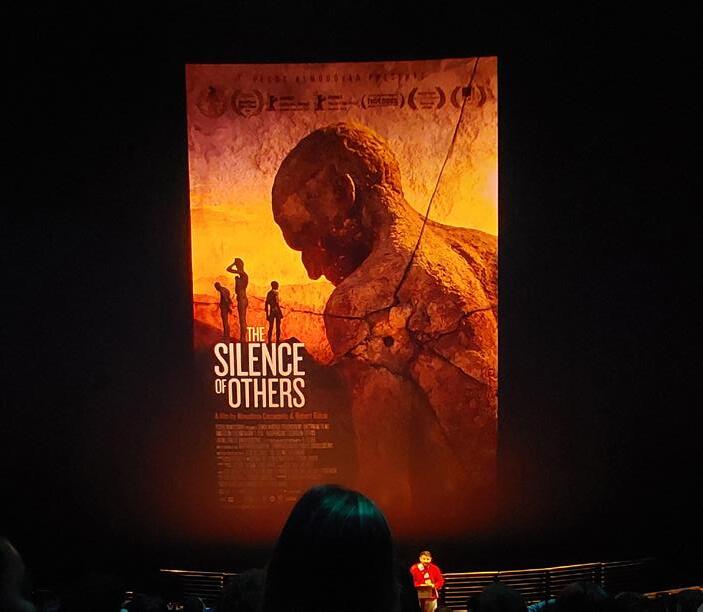
On Tuesday 10th March, the Year 12 Spanish class attended an exciting lecture and screening at the BFI IMAX in Southbank, where we had the opportunity to learn more about both the Spanish and Chilean dictatorships of the 20th century. The day began with a screening of Almodóvar’s documentary, The Silence of Others, which follows a group of individuals campaigning for Franco regime war criminals to be brought to justice, something that Spain’s 1977 ‘Amnesty Law’ prevents.
Following Franco’s death and the end of his dictatorship, Spain began to enter a transition to democracy. Two years after his death, Spanish parliamentary members passed a law centred around the idea of forgetting and moving on, pardoning any crimes committed by both the Republicans and, mainly, the Francoists during the Civil War and the dictatorship. This means that for the families of regime victims, of whom there are hundreds of thousands, perpetrators of war crimes and crimes against humanity cannot be brought to justice in Spain.
Those involved in the documentary, nearly all of whom are first-hand victims of Francoist violence or relatives of those killed, seek judicial help from an Argentinian judge, who attempts to extradite criminals to Argentina where they can be legally tried, albeit to no avail. Despite this, through their activism, the survivors are able to raise awareness and encourage local
leadership to recognise the atrocities of the past, rather than gloss over such a brutal and significant part of Spanish history, which still lives within the memory of many who grew up under the regime’s oppression.
We then focused on comparing the Francoist regime with that of Pinochet, both formed following coups d’état. Franco’s dictatorship lasted 36 years, during which as many as 200,000 political opponents and civilians were murdered, ending only with his death. However, that of Pinochet lasted for less than half that duration, until a plebiscite was held to allow the people to determine whether they would transition to democracy, in which the majority voted yes.
Another key aspect of the documentary was relatives’ struggle to exhume the remains of those killed by the regime, who were often buried in mass, unmarked graves. Local authorities in rural Spanish towns have only just started to allow families to recover the remains of their loved ones, over 50 years since the end of the regime. The Amnesty Law also discourages, if not prohibits, young Spaniards from being taught in school about the events of both the Spanish Civil War and life under Franco’s regime – something Ms García attested to – making the Amnesty Law a significant example of historical whitewashing.
As a History A Level student, I found this trip particularly interesting, as Spanish and Latin American history is often overlooked in the English
curriculum outside of Columbus’s voyage of discovery. Perhaps what most shocked me was that, until 1975 (only 50 years ago), a fascist dictatorship still existed in Europe, a political movement many think ended following the Second World War and the defeat of the Axis powers. It was perhaps Franco’s neutrality and level of dissociation from other European fascist leaders, as the tide of the war turned against them, that prevented more drastic international action against the regime. However, Franco was more than willing to deport Spanish Jews to Nazi Germany and support Hitler with volunteer troops and munitions. Additionally, the documentary pointed out that the Western world aligned with Franco due to shared fears and hostility towards communism.
Interestingly, as both Ms García and the documentary mentioned, the issue of acknowledging this period of Spanish history remains a polarising one today. Franco’s remains were only recently removed from his monumental mausoleum, ‘The Valley of the Fallen’, near Madrid in 2019, a decision that was met with backlash from Franco supporters but was welcomed by those who felt it signified recognition of his violent and divisive legacy.
Ben C, Year 12, escribe...
El martes 10 de marzo, la clase de español del año 12 asistió a una interesante conferencia y proyección en el BFI IMAX de Southbank, donde tuvimos la oportunidad de aprender más sobre las dictaduras española y chilena del siglo XX. El día comenzó con la proyección del documental de Almodóvar titulado El silencio de otros, que sigue a un grupo de personas que hacen campaña para que los criminales de guerra del régimen de Franco sean llevados ante la justicia, algo que la “Ley de Amnistía” de 1977 en España impide.
Tras la muerte de Franco y el fin de su dictadura, España comenzó a entrar en la transición hacia la democracia; dos años después de su fallecimiento, los miembros del parlamento español aprobaron una ley centrada en la idea de olvidar y seguir adelante, perdonando cualquier crimen cometido tanto por los republicanos, pero principalmente por los franquistas, durante la guerra civil y la dictadura. Esto significa que, para las familias de las víctimas del régimen —de las cuales hay cientos de miles—, los responsables de crímenes de guerra y crímenes contra la humanidad no pueden ser llevados ante la justicia en España.
Los participantes en el documental, casi todos víctimas directas de la violencia franquista o familiares de quienes fueron asesinados, buscan ayuda judicial de una jueza argentina, que intenta extraditar a los criminales a Argentina para que puedan ser juzgados legalmente, pero sin éxito. A pesar de ello, mediante su activismo, los supervivientes
logran concienciar y animar a las autoridades locales a reconocer las atrocidades del pasado, en lugar de pasar por alto una parte tan brutal y significativa de la historia de España, que aún vive en la memoria de muchos que crecieron bajo la opresión del régimen y la soportaron.
Luego nos centramos en comparar el régimen franquista con el de Pinochet, ambos surgidos tras golpes de Estado. La dictadura de Franco duró 36 años, durante los cuales hasta 200.000 opositores políticos y civiles fueron asesinados, y terminó solo con su muerte. Sin embargo, la de Pinochet duró menos de la mitad de ese tiempo hasta que se celebró un plebiscito para permitir que el pueblo decidiera si quería una transición a la democracia, en el que la mayoría votó que sí.
Otro aspecto clave del documental fue la lucha de los familiares por exhumar los restos de quienes fueron asesinados por el régimen, cuyos cuerpos a menudo fueron enterrados en fosas comunes sin marcar. Las autoridades locales en pueblos rurales de España solo recientemente han comenzado a permitir que las familias recuperen los restos de sus seres queridos, más de 50 años después del fin del régimen. La Ley de Amnistía también desalienta, si no prohíbe, que a los jóvenes españoles se les enseñe en la escuela sobre los acontecimientos tanto de la guerra civil española como de la vida bajo el régimen de Franco —algo que la Sra. García confirmó—, lo que convierte a la Ley de Amnistía en un claro ejemplo de blanqueamiento histórico.
Como estudiante de Historia en A Level, encontré este viaje
particularmente interesante, ya que la historia española y latinoamericana suele pasarse por alto en el currículo inglés fuera del viaje de descubrimiento de Colón. Quizás lo que más me sorprendió fue que, hasta 1975 (hace solo 50 años), todavía existía en Europa un régimen dictatorial fascista, un movimiento político que muchos creen que desapareció tras el final de la Segunda Guerra Mundial y la derrota de las potencias del Eje. Quizás fue la neutralidad de Franco y su cierto distanciamiento de los otros líderes fascistas europeos, cuando el curso de la guerra empezó a volverse en su contra, lo que evitó acciones internacionales más drásticas contra el régimen; sin embargo, Franco estuvo más que dispuesto a deportar judíos españoles a la Alemania nazi y a apoyar a Hitler con tropas voluntarias y municiones. Además, el documental señaló que el mundo occidental se alineó con Franco debido a sus miedos y hostilidades compartidos hacia el comunismo.
Curiosamente, como tanto la Sra. García como el documental mencionaron, la cuestión de reconocer este periodo de la historia española sigue siendo hoy un tema polarizador. Los restos de Franco fueron retirados solo recientemente de su monumental mausoleo, el “Valle de los Caídos”, cerca de Madrid, en 2019, una decisión que provocó una reacción negativa por parte de los partidarios de Franco, pero que fue bien recibida por quienes consideraron que esto representaba cierto reconocimiento de su legado violento y divisivo.

Henry Cr, Year 8 writes...
The Boston Celtics have managed to remain among the top teams in the league so far this season, with a strong win-loss record and a top spot in the Eastern Conference. The Celtics have Jaylen Brown leading them, even though their star, Jayson Tatum, has been injured throughout the season with an Achilles tear.
OKC have been one of the most thrilling teams to watch in the league this year, playing among the top teams in the Western Conference. With young point guard Shai Gilgeous-Alexander leading the MVP race, the Thunder have been impressive with their offence, defence, and the development of their young players.
They have had a great year with their young roster. The Pistons, led by guard Cade Cunningham, have been displaying great potential along with strong team performances. The Pistons
continue to focus on developing their young squad while also gaining experience to go far in the play-offs.
MVP race:
Victor Wembanyama
In the 2025–2026 NBA season, Victor Wembanyama has continued to grow into a superstar for the San Antonio Spurs, scoring, shot-blocking, and playing at a high level every night. He is one of the most promising young stars in the game because of his incredible size, skill, and ability to excel at both ends of the court, and he has a real chance at MVP this year.
Luka Dončić
Luka Dončić has been shining on the Lakers this season. He is renowned for his incredible scoring, playmaking, and basketball intelligence, dominating games on a nightly basis. A clutch performer, he remains another strong MVP candidate.
Anthony Edwards
Anthony Edwards has continued to establish himself as one of the league’s brightest young stars. The Minnesota Timberwolves guard
has combined explosive scoring with improved playmaking and defence, leading his team in key moments. His athletic drives, clutch shooting, and growing leadership have made him central to Minnesota’s success and strengthened his reputation as a future MVP contender.
Best rookies:
Cooper Flagg
One of the most hyped prospects in years and often ranked near the top of rookie ladders, he has quickly become a key player for his team with strong scoring and defence.
V. J. Edgecombe
He is having a phenomenal rookie year playing for the Philadelphia 76ers. The young shooting guard has demonstrated his ability right from the start, including a record-breaking 34-point debut performance in the early stages of the season. He has been averaging approximately 15 points, 5 rebounds, and almost 4 assists per game.

Mark A, Year 7 writes...
The Premier League is known as one of the best and toughest football leagues of all time, with dominant teams such as Manchester City, Manchester United, Chelsea, Arsenal, Liverpool and several others. As the season is coming to an end in around two months, the Gunners (the nickname for Arsenal) are the current league leaders and are ahead of Manchester City by seven points. Arsenal have recently been known as “set-piece FC” because of their constant goals from free kicks and corners. Surprisingly, Man City have been dropping points, and with just a few games left, it looks like the trophy could be heading to the Emirates Stadium.
Manchester City are in second place as they try to overcome the Gunners and crush their dreams after Arsenal last won the league title twenty-one years ago. Pep Guardiola’s Man City last won the league title in 2024, and in 2023 they did the impossible by winning the treble: the FA Cup, Premier League and Champions League.
On the other hand, Michael Carrick’s Manchester United are battling for a spot in the Champions League with Chelsea, Liverpool and Aston Villa, and their team has changed since Ruben Amorim was sacked. For example, they have beaten Arsenal, Man City and Liverpool. Manchester United also have three new brilliant attackers: Bryan Mbeumo from Brentford, Matheus Cunha from Wolverhampton Wanderers, who currently sit
bottom of the Premier League, and Benjamin Šeško.
Aston Villa are another team battling for a Champions League spot, although they recently lost heavily to Chelsea 4–1 and were also beaten by Manchester United at Old Trafford. In my opinion, Aston Villa have a strong enough team to finish in the top four, as they have crucial players such as Ollie Watkins, Morgan Rogers, Emiliano Martínez, Matty Cash and many more.
The former Premier League winners, Liverpool, are currently in fifth place, despite their outstanding players and manager Arne Slot. This summer, Liverpool signed Hugo Ekitike, who has been starting games all season due to his goal tally. However, Liverpool recently lost 2–1 away to Wolves at Molineux Stadium and also dropped points against Tottenham at home, despite another outstanding free kick from Dominik Szoboszlai. Let’s see what Liverpool can bring towards the end of the season.
In sixth place are Chelsea, who are the current world champions after their 3–0 victory in the summer against PSG, the former
Champions League winners. In January, Chelsea made the controversial decision to sack their former manager, Enzo Maresca, which left supporters in shock. This led to a month of protests and frustration among fans. Despite this, Liam Rosenior has stepped in from Strasbourg and impressed Chelsea supporters with his tactics and the team’s overall performance. Currently, Chelsea have 48 points. The Blues (the nickname for Chelsea) made some outstanding signings this summer, including the eighteenyear-old right winger Estêvão, who is known for his intelligence on the ball and Brazilian flair, and João Pedro, a striker known for his high-quality finishing and goalscoring ability.
Sitting just behind Chelsea, three points adrift, are Brentford. Their campaign this season has surprised many football fans as they push for a place in the Europa League. If not, they could even challenge for a Champions League spot. Their Brazilian striker Igor Thiago has shown his ability, consistently scoring in games. The main question is: can Brentford qualify for Europe?
Domenico C, Year 10 writes...
Introduction
Oceania is the smallest continent in the world. It is the union of Australasia, Melanesia, Micronesia and Polynesia. It has the second smallest population of all the continents and the smallest GDP (excluding Antarctica for both points).
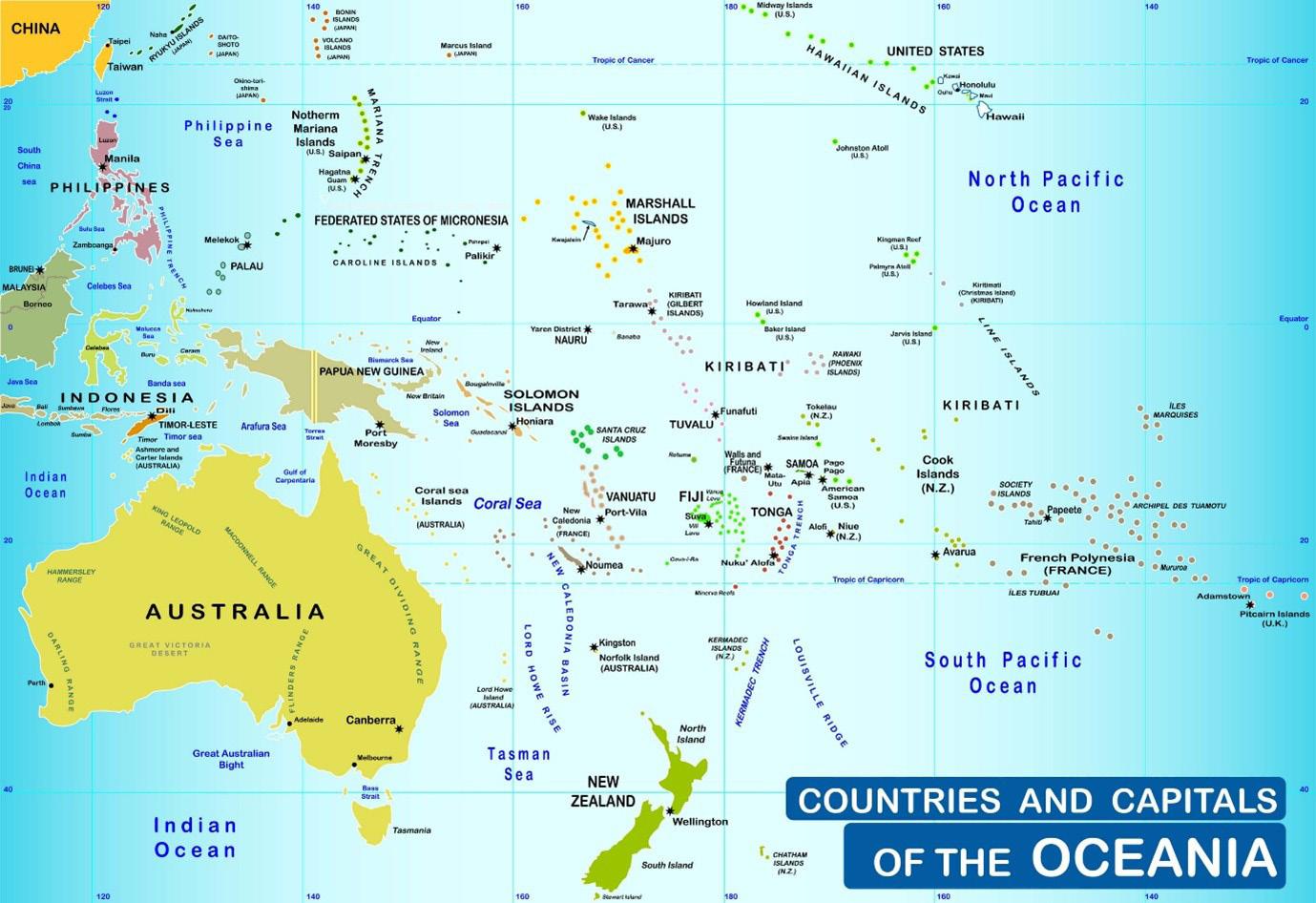
(Above: Map of Oceania. For any future countries or territories discussed, you can observe this map along with others.)
The term Oceania comes from “Terres océaniques” (oceanic land), which was eventually shortened to “Océanie” in
1812. Humans first reached the landmass around 50,000 years ago from South East Asia. It was first opened to European influence in the 1500s by Iberian explorers, began to be mapped by the Dutch in the 1600s, while Captain Cook’s major exploration of the region took place in the late 1700s.
What makes a continent?
This question is heavily based on how one interprets a continent. It is generally understood that there are seven continents, being the following:
• North America
• South America
• Europe
• Asia
• Africa
• Antarctica
• Oceania
However, this is variable, as there are no strict international conventions on what defines a continent. For example, North America and South America could simply be considered “America”, and the same could be argued for Europe, Africa and Asia.
Therefore, a continent shall be defined as:
• A large and mainly continuous landmass
• Having similar fauna and flora throughout
• Primarily centred around a single tectonic plate or defined
by a geographical feature (e.g. the Ural Mountains)
They will not be defined by the following:
• Political borders
• Cultural similarities (whether linguistic, ethnic or otherwise)
Why it makes no sense to classify Oceania as a continent
The idea of Oceania being a continent is not based on distinct geographical reasons. Rather, as already stated, Oceania is a grouping of numerous islands and regions and is therefore more a human construct than a geographical one. In this region, there are still many debates as to its borders. Some examples include:
• Is Australia the continent?
There is confusion as to whether Australia is the continent and Oceania is the region, or vice versa. It is well known that Australia is by far the largest part of this classification, comprising around 86% of the region’s area. It is also the only part with the size to call itself a continent. Its
diameter is larger than that of the Moon, meaning that if overlaid, portions of Australia would exceed it. Furthermore, the next biggest landmass in Oceania, Papua New Guinea, is around 16 to 17 times smaller, and the fourth largest, the Solomon Islands, is over 270 times smaller than Australia.
• Is Zealandia a continent?
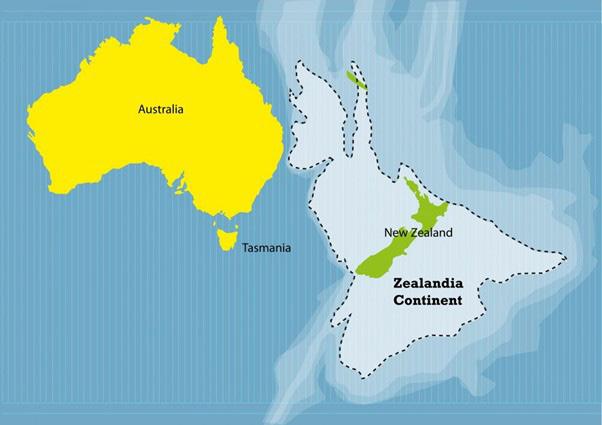
Zealandia is considered by many to be the eighth continent. This includes New Zealand and the French overseas territory of New
Caledonia, which are both in Oceania. Despite 94–95% of its landmass being submerged, it meets many of the requirements of a continent geographically (according to the Geological Society of America), including:
• High elevation relative to ocean crust
• Distinct geology
• Thick and dense crust
If Zealandia is recognised as the world’s eighth continent, it would shift Oceania towards being
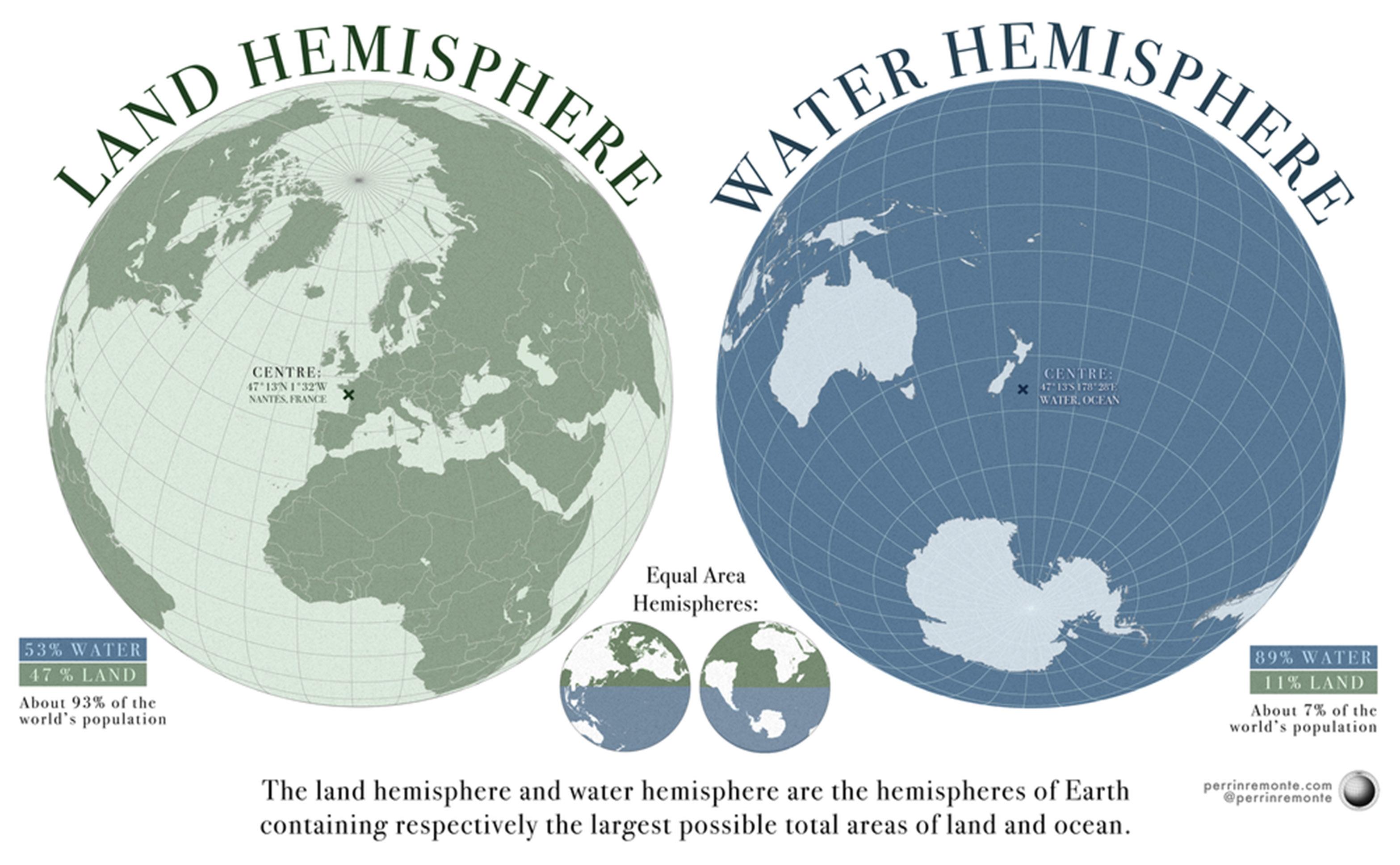
Above: A map showing the Land and Water Hemispheres, something to note is the proximity of the centre to New Zealand
viewed as a regional grouping rather than a continent.
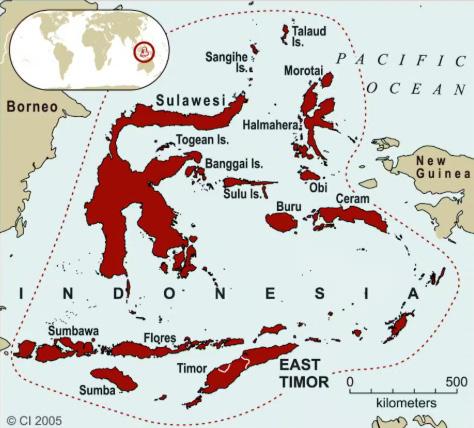
• Indonesia, Timor-Leste and the Wallace Line
Indonesia and Timor-Leste are generally seen as South East Asian countries, especially since both are members of ASEAN and much of their culture comes from the region. However, around 21.6% of Indonesia consists of the western part of New Guinea (West Papua), which falls within Oceania due to its ethnic ties to Melanesia. This alone does not define continental boundaries, but it raises questions about how much of Indonesia could be considered part of Oceania.
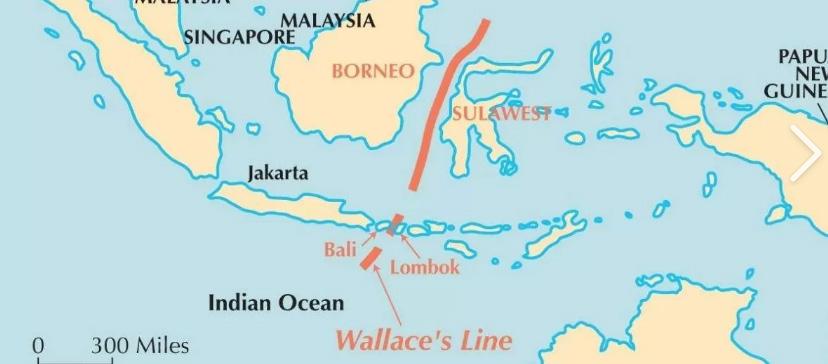
A more accurate indicator could be the Wallace Line. This is an imaginary line that splits Indonesia in two across the Strait
of Lombok (the body of water between Bali and Lombok). It is a major faunal boundary, separating Asian species to the west and Australasian (and therefore Oceanian) species to the east. This boundary is also supported by geological evidence, as it follows a trench that has long acted as a barrier between the two regions.
If this line is taken as the indicator of whether a landmass belongs to Asia or Oceania, then all of Timor-Leste and much of Indonesia (known as Wallacea) could be included in Oceania. However, these areas are widely recognised as Asian, suggesting that Oceania lacks a clear geographical definition in this respect. There is further disagreement, as other lines, such as the Weber and Lydekker lines, place the boundary further east. Overall, these differences show
that natural boundaries do not align neatly with the concept of Oceania.
• Mainly ocean
Oceania contains far more water than land, especially as the centre of the “water hemisphere” lies close to New Zealand. This makes it difficult to classify as a continent, since all other continents are largely continuous landmasses. Oceania, by contrast, is made up of thousands of islands separated by vast bodies of water. Additionally, places such as Hawaii are considered part of Oceania despite being thousands of kilometres away from its central regions, further complicating its classification.
• Fragmented plates
Oceania does not lie on a single
tectonic plate. While Australia sits on the Indo-Australian Plate, many Pacific islands lie on the Pacific or Philippine Plates. This contrasts with continents such as Africa or South America, which are more clearly associated with single tectonic plates.
Remedy and conclusion
These arguments suggest that Oceania should not be classified as a continent. Instead, it should remain a regional classification, potentially refined in the following ways:
• Include Wallacea – Despite being a transitional zone between Asia and Oceania, Wallacea is more closely linked to Oceania biogeographically, which supports
its inclusion.
• Four-way partition – Oceania could be divided into four clearer geographical groupings:
• Australasia – Australia and New Guinea
• Zealandia – New Zealand, New Caledonia and surrounding islands
• Pacific island group – Stretching from Palau to Hawaii
• Wallacea – Including TimorLeste and eastern Indonesian islands such as Sulawesi, Lombok and Flores
Alternatively, if divided by cultural or ethnic groupings, Oceania would remain as:
• Australasia – Australia
• Melanesia – New Guinea, Solomon Islands, Vanuatu and New Caledonia
• Micronesia – Federated States of Micronesia, Palau, Kiribati, Nauru and the Marshall Islands
• Polynesia – New Zealand, Samoa, Tonga, Tuvalu, Cook Islands, French Polynesia, American Samoa, Hawaii, Easter Island, Tokelau, Wallis and Futuna, and Rotuma
Despite these suggested changes, it is still clear that Oceania is not a continent. These refinements simply improve its usefulness as a regional classification. The only certainty is that Australia is a continent, and it can also be argued that Zealandia may be one, despite 95% of it being submerged.
Zain S, Year 13 writes…
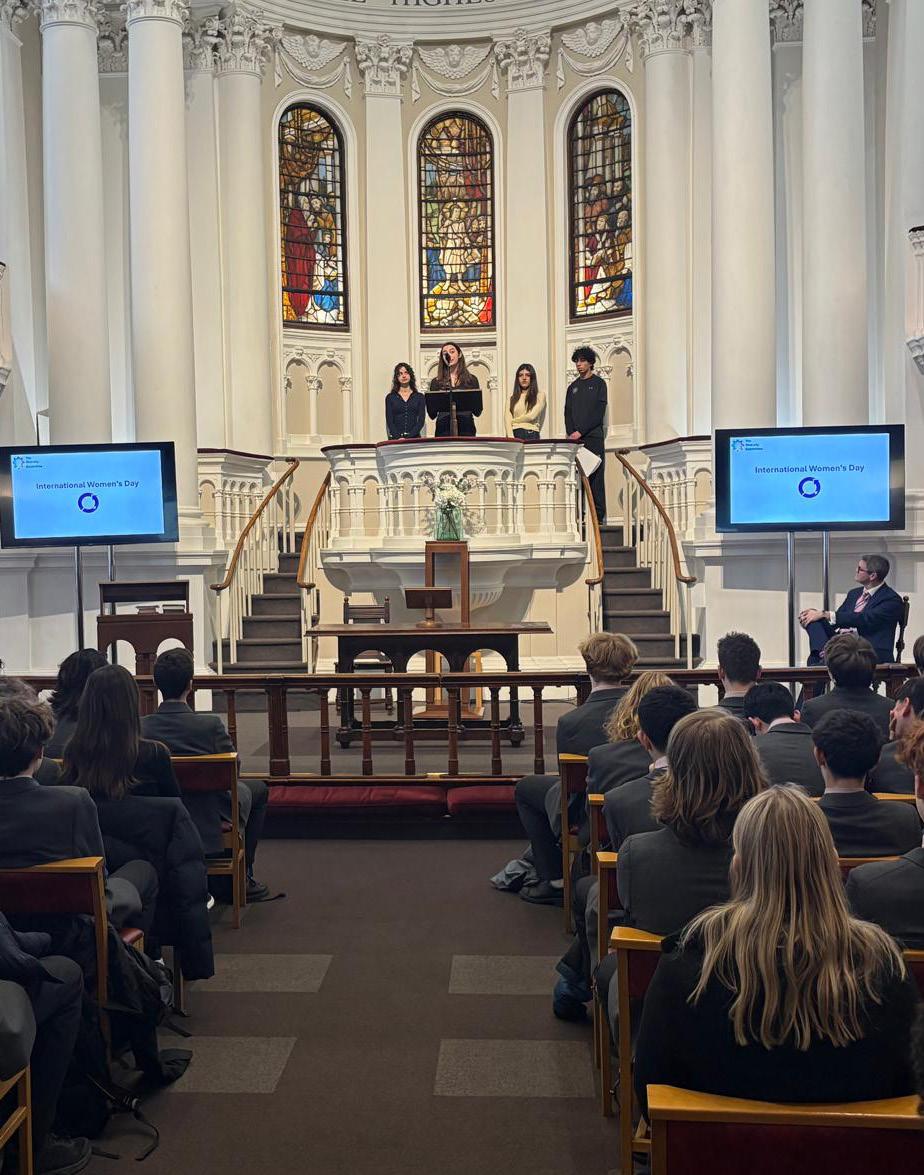
This year, for International Women’s Day, the Diversity Committee led a joint assembly with Queen’s College London, a local all-girls school. After a few weeks of planning, we decided that the best focus for the assembly would be the differences in how IWD is celebrated in all-girls schools compared to allboys schools, as well as what they wanted us, as an all-boys school, to understand about IWD.
After a brief introduction from myself, Rania from QCL spoke about the connections that QCL has with the Girls’ Human Rights Hub (GHRH), through which many students have had opportunities to promote gender equality and challenge harmful social norms and practices. One particularly impactful example of this was the fundraising work they took part in to tackle domestic abuse in the UK. Additionally, students were able to meet influential female figures across a range of industries and were given the chance to propose fundraising initiatives with their guidance.
Ellie explained that their mission is to ensure young women are included in decision-making at all levels, working globally to challenge harmful social norms. The scale of their impact is already significant; in just four years, the GHRH has reached over 381 million people across 30 countries through both physical events and social media.
Katia then shared her personal experience of attending an event at a barristers’ chambers, where
she had the opportunity to speak to some of the most influential female figures in the UK. This reinforced her view that, while progress has been made, true equality has not yet been achieved. She addressed the “online zeitgeist” and the false rhetoric that feminism is anti-men or emasculating. Instead, she urged us to see feminism as a universal cause, emphasising that small changes in awareness and openmindedness are just as valuable as large gestures.
Closing the assembly, I reflected on our own responsibility at Wetherby. As an all-boys school,
the culture we create and the standards we set for one another matter. A recent survey conducted by King’s College suggested that young men are more likely than older generations to hold certain negative attitudes. We have a collective opportunity to challenge these stereotypes and ensure that we contribute to a society where women are treated with fairness and dignity.
The Diversity Committee is looking for new members, so please email or speak to Miss Nash if you would like to get involved.
Luca D, Year 10 writes...
Skiing can be defined as the utilisation of skis (traditionally made of wood, but more recently of sturdier and lighter carbon-Kevlar) to freely and easily move across snow for transport, recreational use, or competitively as a winter sport.
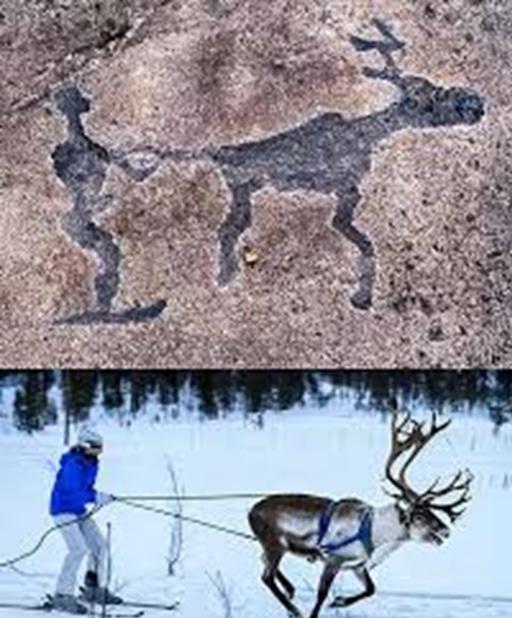
Skiing has a history of nearly 5000 years. While modern skiing may have emerged from Scandinavia, cave paintings representing rudimentary forms of skiing date back over 100 centuries. However, this has not been proven and remains a debatable topic. The word “ski” comes from the Old Norse word skíð, meaning “to split wood or firewood”. Many asymmetrical skis were used in Scandinavian countries— specifically Finland and Sweden— until at least the late 19th century. They worked by having a long, straight ski on one foot for gliding along the snow, and a short ski on the other foot for thrusting yourself forwards. The underside of this short ski could be covered in animal skin to increase friction between the ski and the snow. The long ski, however, would be covered in animal fat for reasons similar to modern-day ski waxing. Skiers would use a single long wooden stick in an early fashion similar to modern-day ski poles.
There are many different types of skiing, predominantly Alpine, Nordic, and Telemark.
Alpine skiing is what most people think of when you mention skiing. Also known as “downhill skiing”, Alpine skiing usually takes place
on a piste (tracks where you can ski), typically in a ski resort. It is mainly characterised by the fixed binding at both the toe and heel of the skier’s boots. It branched off from Nordic skiing in the 1920s when the invention of ski lifts meant that hiking was no longer needed to get up mountains.
Nordic skiing is mainly recognised by the lack of a fixed binding at the heel. People use Nordic-style skis instead of Alpine-style skis for cross-country skiing and ski jumping. Cross-country skiing is usually practised in underdeveloped backcountry areas, while ski jumping is practised in areas reserved exclusively for it because of the large amount of space required.
Telemark skiing is a technique named after the Telemark region in Norway. The equipment is
extremely similar to that of Nordic skiing, where the bindings are not fixed at the heels. However, the skis themselves are often similar to Alpine skis. The technique involves lifting the heel of the inner ski, allowing you to turn while the outer ski slides forwards in the snow.
Technique has evolved throughout the years as ski geometry and technology have changed. Early techniques included the Telemark, stem, and stem-Christie, as well as the more popular snowplough and parallel turn techniques. New designs like the Elan SCX have allowed the modern carve turn, where you shift the skis onto their edges in the snow, allowing their geometry to bend into an arc and naturally turn. This is efficient because the parallel turn and stem-Christie both created drag when turning; the carve turn solved this problem.
Alex Z, Year 7 writes...
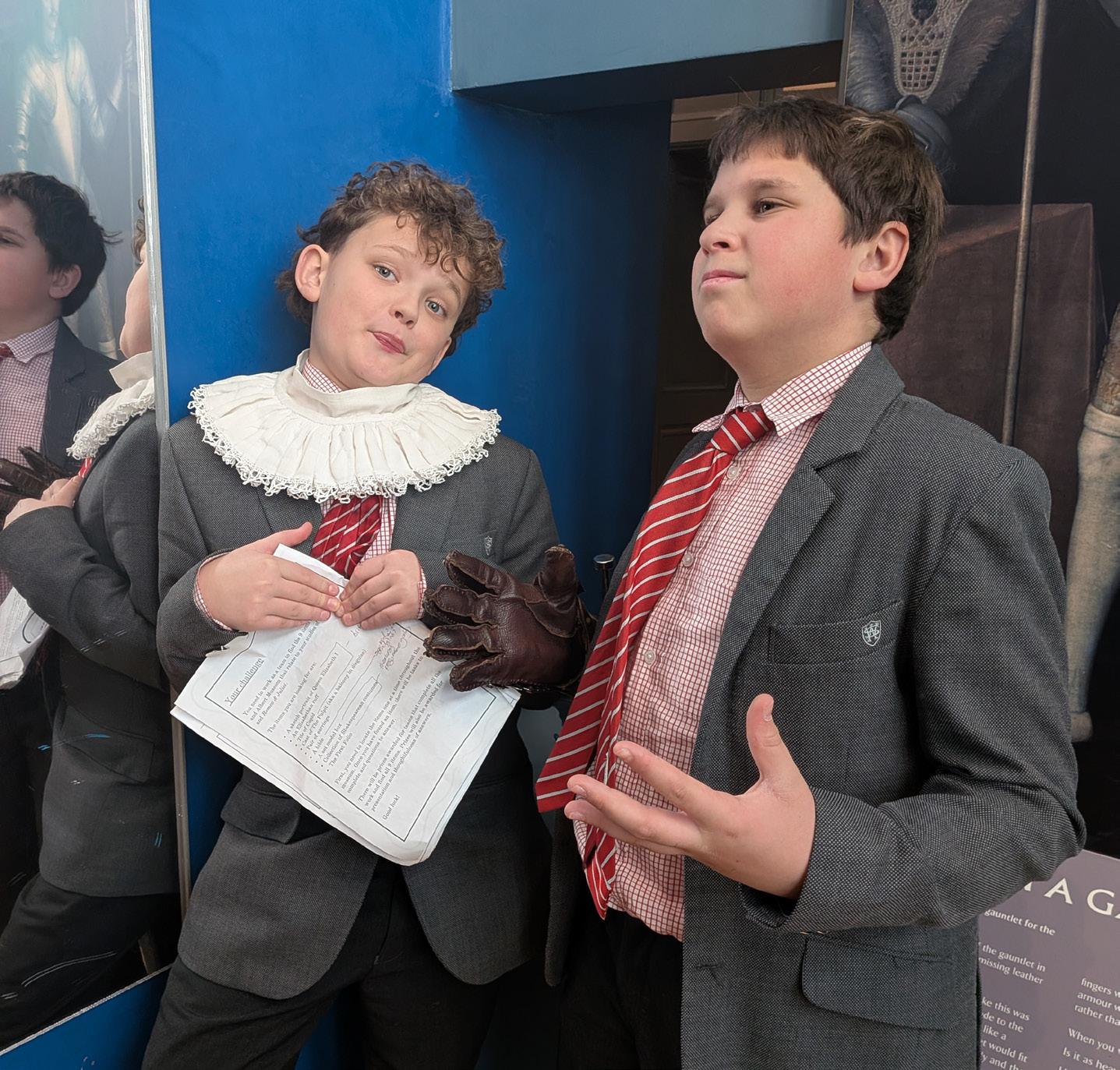
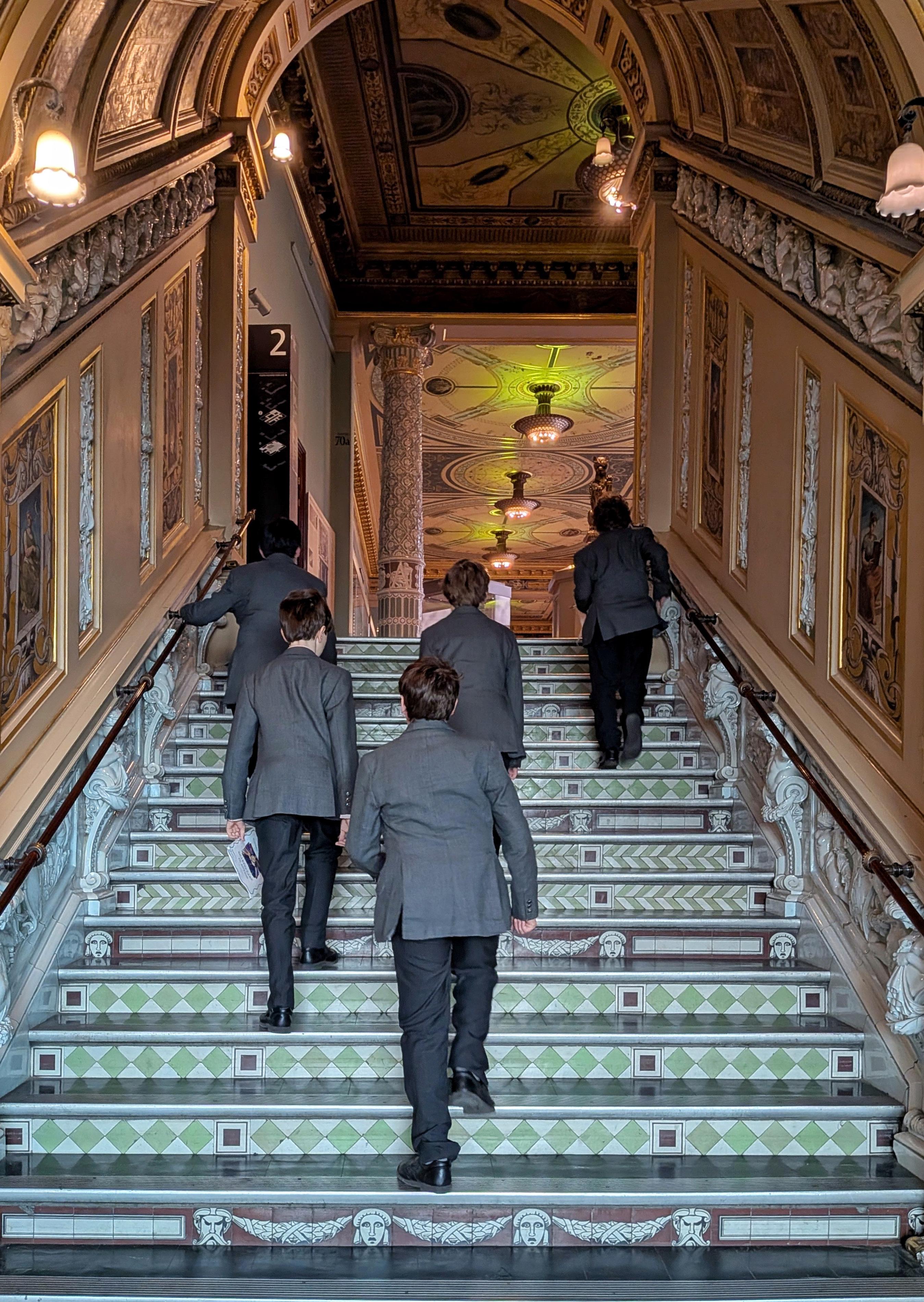
On Wednesday 18th March, Year 7 enjoyed a Shakespeare in Action day, which began with a scavenger hunt in the Victoria and Albert Museum. We had to find a series of objects, such as earrings, costumes and a portrait of Elizabeth I. All of these objects are related to Romeo and Juliet, which is the play we are currently studying in English.
We had to locate the items all over the museum and make notes and drawings of the objects. My favourite gallery was the Jewellery Gallery, as I enjoyed seeing jewellery from different eras and reading about who had owned the pieces. The gallery was dark, with illuminated cases, which I think created the perfect environment to view the sparkling jewels.
In the Britain 1500–1900 Gallery, I saw lots of Renaissance and medieval sculptures, furniture and tapestries. I also tried on an Elizabethan ruff. I think I would like to wear a ruff all the time because it was comfortable and would keep my neck warm.
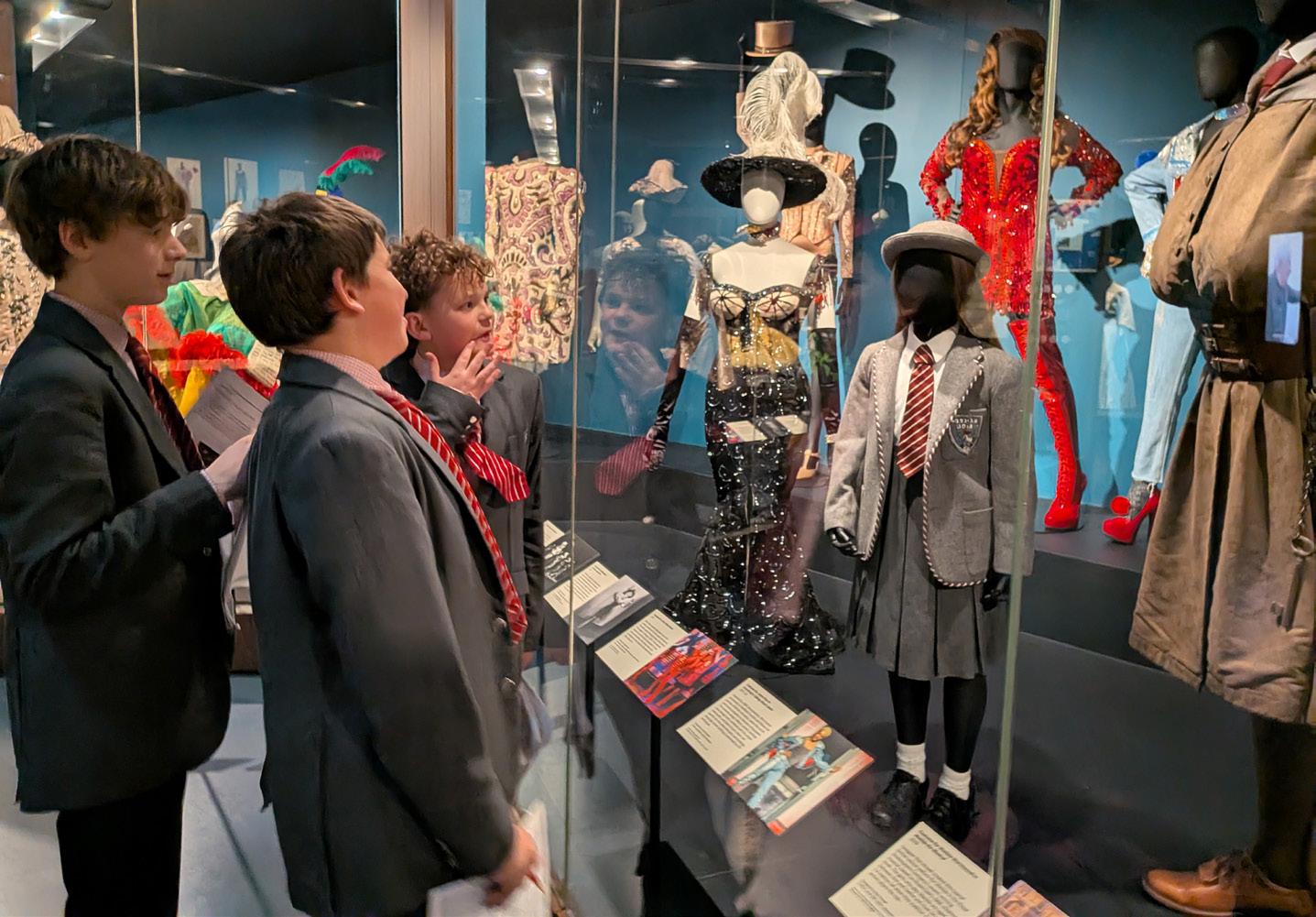
In the Theatre and Performance Gallery, I saw Matilda’s school uniform from the stage play, and she had the same tie as us! I also saw a Stormtrooper costume and costumes from Wicked, as well as five from Shakespeare plays.
I really enjoyed looking at Shakespeare’s First Folio, which is one of the original copies of around 50 that were published. It is very old, dating from 1623, and without it we would have lost 18 of Shakespeare’s plays. We also
watched part of a musical and made up a dance routine.
We travelled back to school on the Tube in time for lunch and then spent the afternoon taking part in a workshop with a professional Shakespearean actor, who helped us to explore Romeo and Juliet
and work through some of the scenes we have been studying in lessons. The day was tiring but rewarding, and I had so much fun. I would love to go back to the Victoria and Albert Museum, and I would recommend it to anyone, especially if they are interested in Shakespeare!
Do you have something you’d like to write about?
Is there a passion or interest you’d like to share with others?
Is there a cause you would like to draw attention to?
Would you like to report on school events?
Are you a great photographer or artist?
Send your articles (and images to go with them) to nicola.bradley@wetherbysenior.co.uk, or ask to be added to the team on Teams where you can submit it directly.
A submission deadline will be set each half term, so get writing so your article can be included!