What’s New in Food Technology & Manufacturing June 2026
CAROLYN JACKSON EDITOR
I’m looking forward to reconnecting with you all at foodpro 2026 from 26–29 July at the Melbourne Convention and Exhibition Centre (MCEC).
Held every three years, foodpro showcases the latest technology and innovations in food and beverage processing, packaging, science and technology from hundreds of exhibitors across the sector.
In this special issue of What’s New in Food Technology & Manufacturing magazine, you can read details about some of these products on show and find out about what’s happening at this must-attend event for the industry.
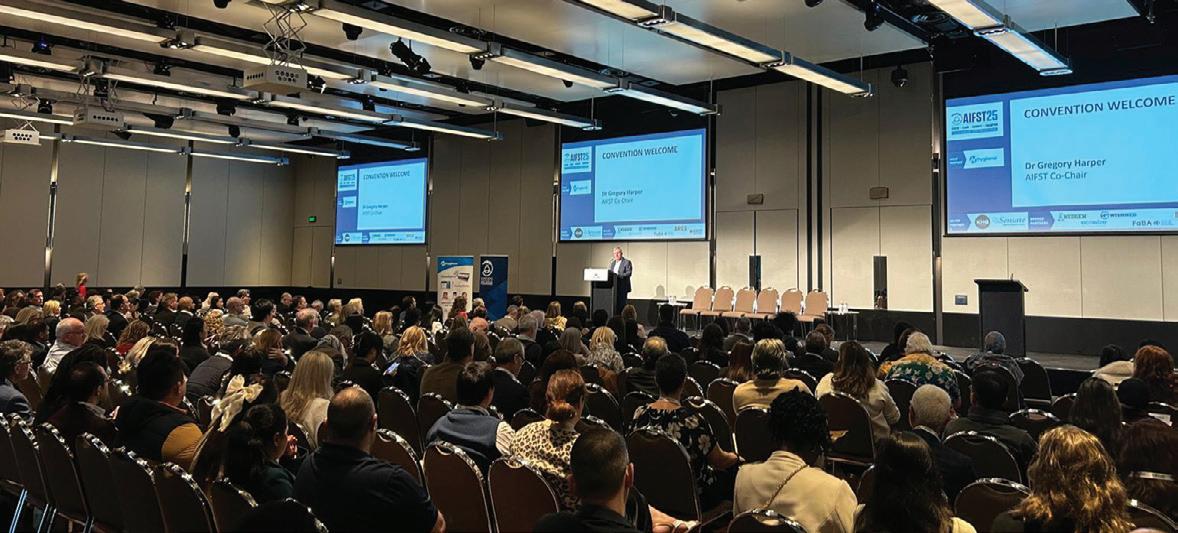
Running concurrently with the four-day event is the two-day Australian Institute of Food Science & Technology’s annual convention from 27–28 July. The theme of AIFST26 is ‘Grow, Learn, Connect and Champion’, which is designed to spark new thinking, strengthen collaboration and drive meaningful conversations about building a more sustainable, resilient and inclusive food system. Read more on page 24.
Visitors to the event will also have the chance to take part in AIP-led mini training courses and forums, covering key topics in food packaging innovations, sustainable packaging design and regulations, food waste and the intersection with packaging, and more. Read more on page 22.
The WF Media team is looking forward to meeting you all at our stand AK31 If you don’t already receive this free magazine and its thrice-weekly eNewsletter that are designed to keep you up to date with all the latest food and beverage industry news, please take a minute to register online at www. foodprocessing. com.au/subscribe.
44
52
Want to contribute?
We welcome submissions from the food industry across Australia and New Zealand that will be considered for possible inclusion in the bi-monthly print publication and our daily web page. If you have a story you think would be of interest, please send an email to wnift@wfmedia.com.au.
foodpro 2026: Australia’s food manufacturing industry gathers in Melbourne
Overview for foodpro 2026
Australia’s food and beverage manufacturing sector is heading to Melbourne this July for foodpro 2026 — the country’s leading trade event for processing, packaging and innovation. Running from 26–29 July at the Melbourne Convention and Exhibition Centre (MCEC), the four-day event is shaping up to be the most significant gathering the industry has seen in years, with the 2026 edition a full 20% larger than its 2023 predecessor in terms of exhibitor numbers.
With 400+ exhibitors and 9000+ expected attendees spanning food manufacturers, processors, packaging specialists, R&D teams, supply chain leaders and sustainability managers, foodpro 2026 offers four days of live demonstrations, expert-led sessions and highvalue industry networking. Free to attend for industry professionals, registration is now open at foodproexpo.com.
What’s new in
Innovation Stage
2026
With a completely new program and industry leaders speaking, the Innovation Stage brings thought leadership and live presentations directly to the show floor. Featuring up to five sessions per day, the program spans next-generation automation, sustainability breakthroughs and emerging food manufacturing technologies — all free to attend for registered visitors. It’s a practical, high-impact addition for professionals looking to stay ahead of what’s next without stepping off the show floor.
AIFST Convention co-location
For the first time, foodpro will run alongside the Australian Institute of Food Science and Technology (AIFST) Convention on Monday, 27 and Tuesday, 28 July. Bringing together food science professionals, researchers, regulators and industry stakeholders, the AIFST Convention sits within the broader foodpro week — giving food technologists and R&D teams a compelling reason to make the trip to Melbourne. The pairing of cutting-edge supplier solutions with peer-level scientific discourse is a genuine drawcard for the food science and technology community.
PIDA Awards Gala Dinner
2026 marks the first time the Australasian Packaging Innovation & Design (PIDA) Awards Gala Dinner will be held alongside foodpro,
26–29 July
MCEC Melbourne. Visitor registration is free and now open at foodproexpo.com.
on Tuesday, 28 July. Celebrating the region’s most forward-thinking packaging designs from across Australia and New Zealand — and serving as the exclusive entry point for the WorldStar Packaging Awards — the PIDA Gala adds a prestigious industry celebration to what is already a packed week. Packaging professionals attending foodpro will be able to see finalists and winners up close on the show floor throughout the event.
Industry Connect Evening
Opening night on Sunday, 26 July features the Industry Connect Evening at Melbourne Public, set along the Yarra River. Over drinks and canapés, exhibitors and visitors can connect with peers in a relaxed setting before the show floor opens — a smart way to warm leads, strengthen relationships and hit the ground running come Monday morning.
A week built for the whole industry
The broader foodpro week also features the Australasian Institute of Packaging (AIP) delivering mini training courses and seminars on packaging innovation, sustainability and regulatory compliance throughout the event. Combined with the Innovation Stage program, the AIFST Convention, the PIDA Gala and the Industry Connect Evening, foodpro 2026 delivers a depth of professional development and networking that extends well beyond the show floor.
Across 10 exhibitor segments — including processing equipment, packaging solutions, ingredients, beverage equipment, intelligent and digital factories, sustainability and more — the event connects buyers with suppliers across the full food and beverage value chain. From production managers evaluating automation investments to R&D teams sourcing novel ingredients and sustainability leads benchmarking new packaging materials, foodpro is where the decisions that shape Australian food manufacturing get made.
Organised by Diversified Communications Australia
Floorplan
Look who's exhibiting
Company Name Stand
Accuweigh E50
Addverb AK16
Adept Conveyors AK22
Advance Pump Systems K23
Aegimesh Lda M33
Aerobelt Australia AH40
Aerofloat Wastewater AE33
AFGC IH3
Agrifood Technology F39
Ahrens & Vaughan Constructions C12
AIFST IH2
AIP/ALS/Fillpack K2
Air Liquide Australia Q30
AK System Gmbh W43
ALDUS Tronics G34
ALFT Packaging Company P42
Alligator Automations AH24
Allround Packaging V36
Alpha MOS A33
ALS Food & Pharmaceutical D36
ALVI Technologies Pty Ltd A28
AM360 Pty Ltd AD40
Ambe Phytoextracts Pvt. Ltd F12
Ammega Australia H22
Anaeron Pty Ltd RH4
Anglo Industrial Coatings AG32
Anhui Lesui New Material Co., Ltd J44
Anqing Zhongchuang Eng. Co., Ltd J50
Anysort F22
Apex Epoxy Flooring AE39
APG Workforce AA49
APLEX Technology Inc. AE4
Aqseptence Group Pty AH22
Aquatiq Y39
Area Safe Products Y50
Argus T22
Armstrong Dynamics AK27
ASAFE Australasia Pty Ltd J22
Ashworth Bros., Inc. S40
Atlas Copco Rental Q44
Atturra AG2
Au2mate Australia Pty Ltd H34
Auger Enterprise Co., Ltd Q43
Auspress Systems AG22
Ausquip Industrial Hose AJ42
Australasian Institute Of Packaging (AIP) AH1
Australian Beverages Council IH7
Australian Chicken Meat Federation IH4
Australian Industrial Vacuum AJ8
Australian Meat Industry Council IH6
Australian Water Networks G22
Australian Wrapping Company AB40
Company Name Stand
Australwest AB1
Avant Group A22
Axflow L8
AXIS Supply Chain AH27
Azelis G8
B&B Foodpak U36
Baotou Dongbao Bio-Tech Co Ltd C9
Barentz Australia H8
Barnco Pty Ltd AB16a
Barrier Pack Co., Ltd K39
Barry Callebaut Australia D4
BFM Australia N30
Bio Med Ingredients Pvt. Ltd B21
bioMérieux B33
Bio-Rad Laboratories D39
Biosan International Pty Ltd A18
Biosys Australia F33
Biotec Solutions Ltd T13
Biszon Flexipack Sdn Bhd U51
BOC R18
Bodva Pty Ltd B11
BOGE Compressors P51
Brenntag Australia Pty Ltd D16
BSI Group B30
Bucher Unipektin Ag P21
Bunzl Australia & New Zealand R40
Bürkert Fluid Control Systems S22
Busch Anz Pty Ltd AG42
Butler Techsense Australia B39
C.M.T. SRL E30
CAPS Australia AA43
Carmi Flavors G16
CBS Foodtech Pty Ltd CBS Y28, Z28
Centric Software Hong Kong Ltd E34
Chemcloud AK8
CHEP J28
Chung Shan Machinery Works P45
Citysoft International AK2
Clayton Industries L36
Cleaning Edge Solutions AK39
Clifford Trading L34
Cobot AG28
Coldshield Group Pty Ltd W8
COMAT E49
Combilift AD28
Confoil S39
Contech L16
Continental Q40
Contrak Container Company J16
COPAR Smart Packaging V43
Coperion Oceania AK44
Coregas V39
Details correct at the time of printing.
Look who's exhibiting
Company Name Stand
Cospak L22
CRC Industries Q50
Cryodry E33
CSB System Australia Pty Ltd AG4
Cuddon Freeze Dry AB51
Cumulus Automation AK6
Daily Sealing System Co., Ltd P43
Dairy Industry Association IH5
Dallas Group Of America, Inc. F28
Dangshan Haisheng Pectin Co., Ltd G50
DBCE D2
Demem Pumps H18
Detectamet Detectable Products L24
Detpak P28
DFS Group Australia AJ34
diligence D28
Directus International Ltd N50
DKSH Performance Materials C8
DNV Australia Pty Ltd C30
Doehler Australia Pty Ltd B16
Dolav H29
Dotmar Engineering Plastics AC34
DST Dryer V51
DuBois Chemicals Australia AG41
Dura Blade Limited U44
Dura Vision Lighting J24
Dynapumps AG7
Ebro Armaturen Pacific Pty Ltd J30
ECI Solutions B8
Eco Packaging Direct M46
Eco-Agri Australia Pty Ltd C28
Edwards Group E40
Eleco AK12
Elementar Australia Pty Ltd A40
ELGI Equipments Australia AJ28
Elisa Systems D34
Emery Industries Pty Ltd AH28
Emydex Technology AC28
Endress+Hauser W16
Ennio International Z40
Epak (Jiangsu) Co., Ltd G43
Epson AJ18
Eriez T40
Esdan Plastics AK29
Esko Australia Pty Ltd R34
Eurofins Food Testing Aus C34
Evo Energy Technologies F30
Evoguard Hst Maschinenbau J4a
Existco Plant Control System AH2
Eye Lighting Australia AF12
Fine Pack Z51
Finest Industrial Co. Ltd AD36
Company Name Stand
Fishbowl AJ40
Flavorpac Co Ltd F46
Flexco N28
FLEXOPACK AB28
Flo-Max Pumps AG44
Flovision AJ4
Flow Power AJ17
Flowcrete AE42
FMCG Industry Solutions AJ22
Focus Trading X16
Food & Drink Business/ PKN IH1
Food Industry Services AB16
Food Machines, Ecs, Hydroheat E28
Food Pro Pty Ltd AE9
Food Techno Engineering W44a
Foodcare | UPAC N2
Foodmach A37
Foodmate Co., Ltd H49
Foods Connected Australia AK3
Foshan Jingyi Import & Export Co., Ltd H40
Foshan Land Packaging Machinery Co., Ltd J39
Fosroc ANZ AJ27
FOSS M18
FPS Food Process Solutions M22
Freelance Robotics And Robotiq AJ49
Freemen Nutra Group Oceania B7
Fresh Life Packaging Aus W51
FRINKS.AI AH43
Frontmatec AD22
FUCHS Lubricants Australasia AG37
G&M AU Pty Ltd J33
G&S Foods Ltd B23
G.M. Steel Fabricators Ltd AK9
Gansu Dunhuang Seed Fruit & Vegetable Products Co., Ltd J49
GEA Australia Pty Ltd AF22
GECM AK35
GELITA Australia F8
Gensei Global Industries Co.,Ltd H51
Global Machinery & Supplies Australasia R2
Gordon Brothers Industries M7
Govisually AK42
Graintec Formula Foods D22
Graphite Energy AH32
Gren Innovation Pty Ltd N40
Grundfos H16
Guardian Bandsaw Pty AK21
Hach Pacific C39
Hall Food Equipment X21
Hammelmann Australia K8
Hanamaruki Foods Inc. A9
Hangzhou Ruixue Intelligent Technology Co., Ltd J40 Details correct at the time of printing.
Zhongnuo Biotechnology Development Jiangsu Co., Ltd G51
ZYWIE Health Inc. A27
Innovation stage seminar program
12 sessions across four days from 26–29 July 2026
SUNDAY, 26 JULY:
12:00 – 12:45 PM
Digitisation in Food Manufacturing
1:00 – 1:45 PM
Improving Yields, Energy Efficiency, and Quality in Potato Processing through PEF and AI-Based Process Control
Kevin Hill
Elea Technology Gmbh Application Support Manager
3:00 – 3:45 PM
From Weeks to Minutes: How AI Agents Are Rewriting the Rules of Food Label Compliance
Kiran Kumar GoVisually CEO
4:00 – 4:45 PM
Unlocking Uptime: Advanced Power Quality Technologies for Food & Beverage Manufacturing
Daniel Mitchell
Hexeis
Energy Solutions, Applications & Growth Strategy Manager
MONDAY, 27 JULY:
10:00 – 11:00 AM
AIP Panel Discussions
Food manufacturers are relying more on digitisation to optimise their processes and reduce cost and bottlenecks along the supply chain. Software solutions such as ERP, MES, automation projects and AI can help businesses achieve those goals and create real competitiveness.
Pulsed Electric Fields (PEF) is a non-thermal technology inducing electroporation to improve texture and processability of tubers, fruits and vegetables. In the potato industry, it reduces breakage, starch loss, frying time and oil uptake while increasing yield. PiCon, an AI-based inline control, is designed to optimise PEF efficiency in real time.
Most food brands have spent the last decade adding more reviewers, more spreadsheets, and more approval steps to reduce labelling risk. Yet recalls, rework, and compliance errors continue to happen. What changes when AI reviews every label? This session explores how GoVisually is helping brands shrink review cycles from weeks to minutes, reduce risk, and reshape the future of label compliance — with real-world examples and a live demonstration of agentic AI in action.
Power quality is a hidden risk across food and beverage manufacturing — impacting yield, safety, uptime and compliance. Drawing on real data from Hexeis’ Energy Infrastructure Management System (EIMS), this session shows how voltage conditioning and harmonic filtering deliver measurable ROI and strengthen site resilience.
3:30 – 4:15 PM
Cooling Innovation in Action: The Future of Cold Chain Technology for Food and Beverage
Ester Gomez
Heuch Cooling Solutions Business Development Manager
The AIP will be hosting four panel discussions on the Innovation Stage at foodpro, which will bring together leading technical packaging experts covering a broad range of topics including the latest global and regional regulatory framework for extended producer responsibility, design for recycling vs design for circularity, innovative materials and trends in food and beverage packaging design, sustainable packaging design, fibre alternative, data and digitalisation and more. The experts will offer global, regional and local perspectives to the discussion.
Explore the latest innovations in cold chain technology for the food and beverage industry. This session covers advanced cooling solutions for food and beverages, featuring real-world insights from engineering and baking experts on improving efficiency, product quality and production performance.
TUESDAY, 28 JULY:
11:00 – 11:30 AM
Food Future 2035: The Critical Decade
Todd Redwood
BSI Group
Global Managing Director – Consumer, Retail and Food
12:00 – 12:45 PM
Automation That Delivers: Lessons from Food Industry Leaders Panel
2:00 – 2:45 PM
Leveraging AI in Formulated Goods: Accelerating Innovation and Ensuring Compliance
Phillip Wills
Centric Software
Sales Manager, Formulated Goods, ANZ
3:00 – 3:45 PM
Why Tackling Food Loss and Waste Deserves Our Attention and How We Can Help Build a More Sustainable Future Together
Rachel Ng
DNV
F&B Manager (SEA & Oceania)
4:00 – 4:45 PM
Shop Floor to the Top Floor: Closing the Manufacturing Productivity Gap with Connected Workforce
Leigh Fletcher
QAD Redzone (on behalf of Atturra) VP of APAC
WEDNESDAY, 29 JULY:
1:00 – 1:45 PM
Are we detecting salmonella fast enough to act? Panel
The global food system is entering its most defining decade. This session explores converging pressures, from climate and geopolitics to nutrition and safety, and what they mean for businesses and policymakers. Discover the strategic shifts, innovations and collaborations needed to build resilient, sustainable food systems by 2035.
Senior leaders from Detmold, Lactalis and Woolworths come together for a practical, peer-led discussion on how leading food and FMCG organisations are scaling automation across supply chain and operations — sharing real outcomes, lessons learned, and what it takes to move beyond pilots into enterprise impact.
Discover how AI-powered PLM is transforming formulated goods development. This session explores how food and beverage brands use Centric Software to accelerate innovation, ensure regulatory compliance and improve cross-functional collaboration.
This session underscores the importance of tackling food loss and waste across the supply chain and its impact on businesses, communities and the planet. It introduces practical actions, including The Pledge certification, to drive awareness and foster sustainable habits through industry-wide collaboration.
Australian food manufacturers are under pressure from labour shortages, rising costs and margin compression — yet productivity gains remain elusive. This session explores how Connected Workforce platforms empower frontline teams with real-time visibility, AI-driven insights, paperless processes and measurable results — delivered in as little as 90 days.
Join a panel of ANZ industry, regulatory and scientific experts to explore how salmonella risk is challenging current microbiology workflows. Through real-world examples, discover how faster detection supports earlier decisions, strengthens prevention and delivers measurable improvements in compliance, efficiency and cost.
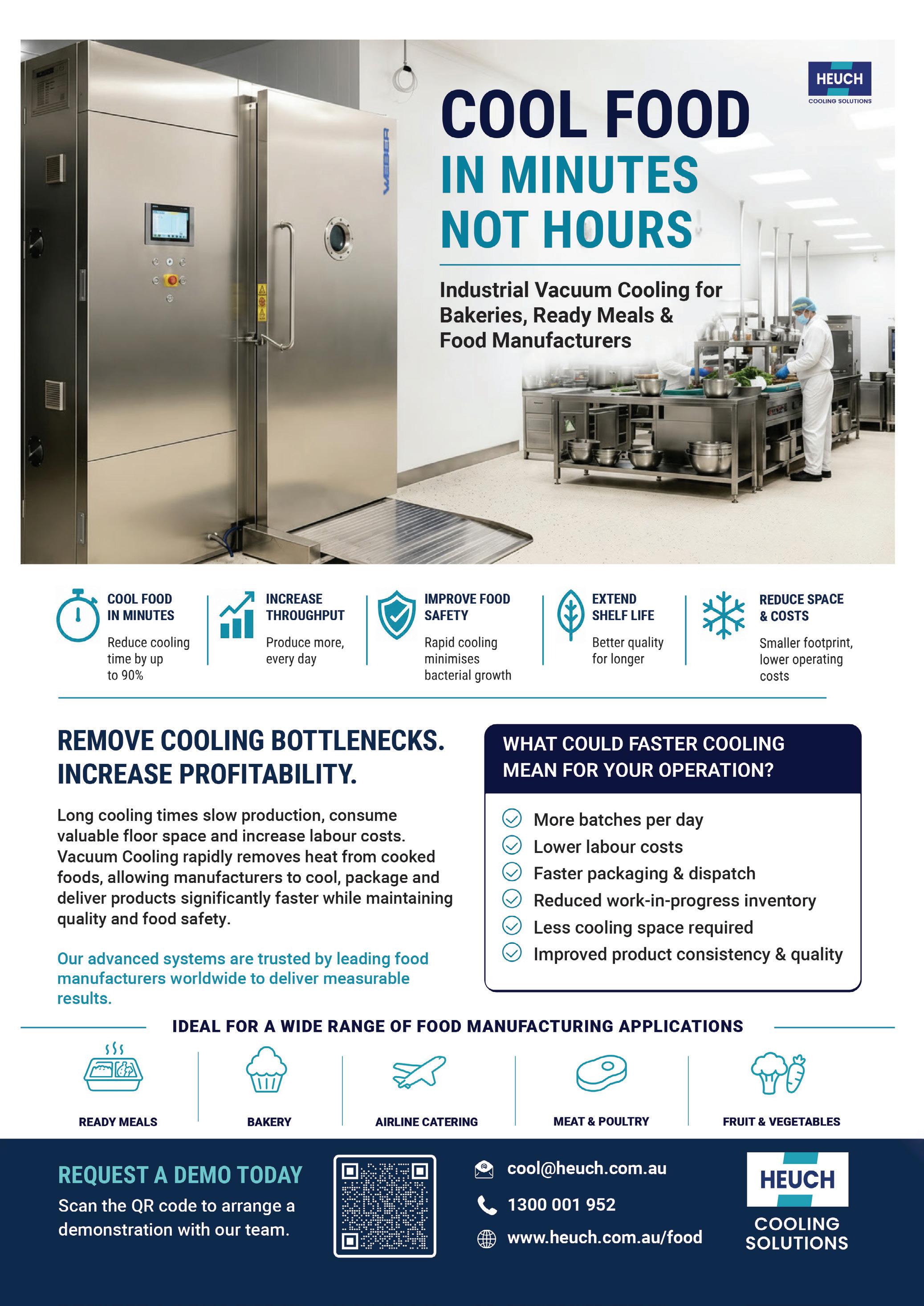
Vacuum Cooling. The fix to your cooling bottleneck.
For many food manufacturers, cooling is one of the most expensive and time-consuming stages of production. Products may be baked, cooked or processed efficiently, only to spend hours waiting before they can be packed, stored or dispatched. During that time, valuable floor space is tied up, labour is waiting, production flow slows down and existing chilling systems continue consuming significant energy.
Vacuum cooling offers a smarter way forward.
Instead of relying only on traditional blast chillers, ambient cooling or large cooling rooms, vacuum cooling rapidly removes heat from suitable products inside a sealed chamber. By lowering the pressure, moisture evaporates from the product and draws heat out quickly and evenly. For food applications, cooling times can be reduced from hours to minutes, helping food businesses increase throughput, move products through production faster, reduce bacterial growth and pack quicker.
The impact can be significant.
Manufacturers using vacuum cooling are often looking to reduce pressure on existing chilling infrastructure, lower energy demand, improve product consistency and
recover valuable production space. In some operations, vacuum cooling may reduce the need for oversized or ageing chilling systems altogether, allowing businesses to rethink how much more they can achieve within their current facility.
For cooked food and ready-meal producers, it helps products reach target temperatures faster after cooking, supporting food safety, packaging speed and production flow. For bakeries, this means faster cooling before slicing, packing or dispatch. For gluten-free and specialty bread manufacturers, vacuum cooling supports better structure, consistency and handling. For fresh produce, it removes field heat quickly to protect freshness, shelf life and quality. For turf and horticulture, controlled cooling helps increase shelf life and protect product condition after harvest and during transport.
But the real value is not just the machine. It is the expertise behind it.
Heuch Cooling Solutions is Australia’s leading specialist in industrial vacuum cooling for food, fresh produce, turf, bakeries and cooked food applications. Through our partnership with Weber Vacuum Group, we bring proven Dutch technology to Australian
businesses, backed by more than 20 years of international vacuum cooling experience across Europe, North America and Asia.
We also support customers beyond installation. Through our local and global network, businesses gain access to specialist application knowledge, master baker programs, chef-led training and ongoing technical support. This helps teams understand how vacuum cooling can be applied to their specific products, processes and production goals.
Alongside vacuum cooling, Heuch also provides a wide range of food and beverage cooling solutions, including blast freezers, blast chillers, industrial ice makers, cool rooms and custom-engineered refrigeration systems designed to suit specific facility layouts and long-term operational requirements.
For food businesses looking to reduce cooling bottlenecks, improve efficiency and get more from their existing operation, vacuum cooling is not just another cooling option. It is a chance to rethink what your production line can achieve.
To learn more or request a demonstration, contact Heuch Cooling Solutions.
Heuch Cooling Solutions
www.heuch.com.au/food
AIP ELEVATES PACKAGING DISCUSSIONS AT FOODPRO 2026
Over four dynamic days, foodpro 2026 will bring together the full spectrum of food manufacturing and packaging with more than 400 exhibitors, cuttingedge displays, and hands-on learning opportunities for attendees. Visitors will also have the chance to take part in AIP-led mini training courses and forums, covering key topics in food packaging innovations, sustainable packaging design and regulations, food waste and the intersection with packaging, and more.
As one of the leading Association Partners for foodpro, the Australasian Institute of Packaging (AIP) has developed an action-packed week for anyone who is interested in learning more about packaging for the food and beverage industries.
During foodpro, the AIP will be offering six educational sessions including two mini training courses, four packaging panel discussions, a walking tour of the show, and an Australasian Packaging Innovation & Design (PIDA) Award showcase with the winners being announced on 28 July. The AIP will also have an exhibition stand.
AIP Packaging Panel Discussions x4
— Monday, 27 July
The AIP will be hosting four panel discussions on the Innovation Stage at foodpro, which will bring together leading technical packaging experts covering a broad range of topics, including the latest global and regional regulatory framework for extended producer responsibility, design for recycling vs design for circularity, innovative materials and trends in food and beverage packaging design, sustainable packaging design, fibre alternative, data and digitalisation, and more. The experts will offer global, regional and local perspectives to the discussions.
AIP Packaging Training Courses x2
— Tuesday, 28 July
• Training Course 1. Unboxing Accessibility: Easy to Open, Reclose, Grip & Handle Packaging Design
• Training Course 2. Future of soft plastics and flexible packaging: Sustainable Trends & Innovations
On 28 July, the AIP will be running two mini training courses which are designed for the micro and SME sector, as well as the multinationals. The training courses are a paid program so all attendees will need to register early. Visitors can attend one or two courses and attain a Certificate of Completion and points towards the Certified Packaging Professional designation.
Register to attend here.
Australasian Packaging Innovation & Design (PIDA) Awards — showcase and gala dinner — Tuesday, 28 July 2026
The AIP will be running the annual Australasian Packaging Innovation & Design (PIDA) awards on 28 July across the road at The Aviary, Crown Complex. Coordinated by the AIP, the Australasian Packaging Innovation & Design (PIDA) Awards are designed to recognise companies and individuals who are making a significant difference in their field in Australia and New Zealand. The PIDA Awards are the exclusive award program for all Australia and New Zealand entries into the prestigious WorldStar Packaging Awards, which are coordinated by the World Packaging Organisation (WPO). All of industry is invited to join the gala awards ceremony. The AIP will also have a unique
PIDA showcase area at foodpro for everyone to visit and see the 2026 round of finalists. Winners will be announced at foodpro on 29 July.
AIP expert walking tour for foodpro — Wednesday, 29 July 2026
The AIP will have an expansive Education team attending foodpro, so they will be guiding walking tours of the show for AIP Members and industry colleagues, as well as for all of the students that the AIP has across the Diploma in Packaging Technology, the Certificate in Packaging, the Fundamentals of Packaging Technology course and the Master of Food & Packaging Innovation degree. Anyone is welcome to join the walking tour with the AIP experts, visit AIP member stands, and discuss key trends and innovations that are being showcased. This walking tour will also include the Australasian Packaging Innovation & Design (PIDA) showcase and announce the winners of the 2026 round.
All attendees who participate in the AIP educational program will receive a Certificate of Attendance and points towards the Certified Packaging Professional (CPP) designation.
The AIFST26 annual convention brings science and industry together
AIFST26, the Australian Institute of Food Science and Technology’s flagship annual convention, will take place on Monday, 27 and Tuesday, 28 July 2026 at the Melbourne Convention & Exhibition Centre (MCEC), running concurrently with foodpro 2026.
The co-location of AIFST26 with foodpro 2026 will bring food science and technology professionals, researchers, regulators, manufacturers, students and industry leaders together with Australia’s broader food manufacturing, processing and packaging community.
Together, the events will create an expanded platform for knowledge sharing, collaboration and connection across the full food and beverage value chain — from research, regulation, product development and food safety through to manufacturing, processing, packaging, technology and commercial application.
With the theme ‘Grow, Learn, Connect and Champion’, AIFST26 is designed to spark new thinking, strengthen collaboration and drive meaningful conversations about building a more sustainable, resilient and inclusive food system.
Across two days of plenary and concurrent sessions, the convention will feature more than 50 speakers from across the agrifood sector. Key focus areas will include food safety, advances in health and nutrition, sensory and consumer science, food security and resilience, advanced processing, education, food policy and regulation, innovation and sustainability.
AIFST is proud to welcome Tom Black from the Department of Agriculture, Fisheries and Forestry to open this year’s convention, reflecting the importance of food science and technology in supporting Australia’s agrifood capability, resilience and future growth.
The program will feature the prestigious JR Vickery Address, to be delivered by Professor Ling Zhi Cheong, Professor in Food Science and Assistant Dean (Enterprise and Innovation) at University of Melbourne, looking at the future of food through a
27–28 July 2026
Melbourne Convention & Exhibition Centre (MCEC) www.aifst.asn.au/AIFST-2026
traditional and innovative lens. The broader keynote program will also cover nutrition, innovation, food safety, sustainability and AI.
AIFST CEO Fiona Fleming said AIFST26 provides an essential platform for the food science and technology community to connect, learn and contribute to the future of the sector.
“AIFST26 brings together the people, science and ideas helping shape the future of food. The Convention is an important opportunity to explore the latest developments across the agrifood science community, share expertise, strengthen collaboration and champion the role our profession plays in building a safe, sustainable and innovative food future,” Fleming said.
AIFST26 attendees can expect a comprehensive technical program, expert speakers, panel discussions, networking opportunities and access to the broader foodpro exhibition environment.
Key benefits of attending AIFST26 include:
• staying up to date with the latest trends, research and innovations
• opportunities to collaborate across academia, research and industry
• deeper understanding of emerging industry trends and market shifts
• networking with sector leaders and likeminded professionals
• Continuing Professional Development points for AIFST members
For more information, visit www.aifst.asn. au/AIFST-2026.
Testing beef trim sampling cloths for Escherichia coli O157:H7, STEC, and Salmonella species with harmonised enrichments
Introduction
Ensuring the safety of beef trim is paramount to public health and industry compliance. United States Federal Regulations mandate rigorous testing procedures to detect potential contaminants in beef products, prominently focusing on pathogens such as Escherichia coli O157:H7 and non-O157 Shiga toxin-producing E. coli (STEC) serotypes, along with Salmonella species. This includes a zerotolerance policy for the presence of STEC, including E. coli O157:H7 in beef trim. Although presence of Salmonella in beef trim is permitted, beef product manufacturers are required to monitor and control the presence of Salmonella at their sites and in their products. These stringent regulations aim to prevent foodborne illnesses and uphold the quality standards expected by consumers.
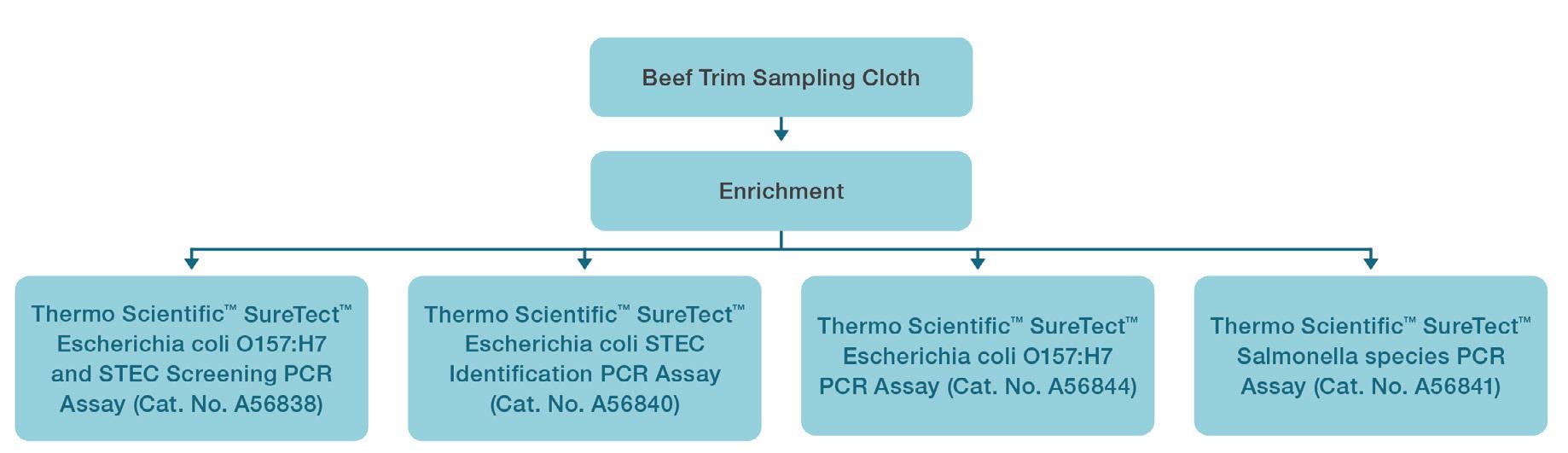
To meet these critical requirements, we offer a comprehensive suite of solutions designed for the rapid and accurate detection of these pathogens from beef trim sampling cloths in as little as ten hours (Figure 1).
The performance of these assays has been verified according to AOAC Appendix J method validation guidelines. The assays are designed to offer high specificity and sensitivity, ensuring dependable results in a timely manner. By leveraging our advanced PCR technology, food manufacturers and relevant laboratories can enhance their testing protocols, protect public health, and maintain compliance with regulatory standards.
Figure 1. Overview of beef trim sampling cloth testing with SureTect PCR Assays.
Methods of verification
The study was conducted according to AOAC Appendix J method validation guidelines. The SureTect PCR Assays related to STEC and E. coli O157:H7 were compared to the USDA FSIS MLG 5C.03 reference method. The SureTect Salmonella species PCR Assay was compared to the USDA FSIS MLG 4.14 reference method.
To provide flexibility, beef trim sampling cloths were tested both with and without neutralizing Buffered Peptone Water (nBPW). The enrichment steps for all four SureTect PCR Assays were harmonized to offer end users streamlined protocols to meet their testing requirements (Table 1).
Enrichment protocols
In addition, the sampling cloths were artificially contaminated with both Salmonella and STEC, simulating a worst-case real-world scenario. This methodological approach provided a robust evaluation of the harmonized enrichment performance, ensuring detection of both pathogens is possible, even in a co-infection scenario.
Study results
The PCR assay workflows met AOAC performance requirements and there were no statistically significant differences observed when comparing to the gold standard reference methods (Table 2).
Matrices
SureTect STEC Screening and Identification, SureTect
Beef trim sampling cloth without nBPWa 1x cloth and 225 mL pre-warmed BPWb, 8–24 h at 41.5 ± 1°C
Beef trim sampling cloth with nBPW (25 mL) 1x cloth in 25 mL nBPW and 200 mL pre-warmed BPW, 8–24 h at 41.5 ± 1°C 1x cloth in 25 mL nBPW and 200 mL mTSBc, 15–23 h at 42 ± 1°Cd
a.
Beef trim sampling cloth with nBPW (25 mL)
a. Enrichment AOAC Performance Tested Method SM Certified; b. Enrichment AOAC Official Method of AnalysisSM approved; c. dPOD = Difference in Probability of Detection; d. CI = Confidence Intervals (95%); e. nBPW = neutralising Buffered Peptone Water; f. BPW = Buffered Peptone Water; g. mTSB = modified Tryptone Soya Broth; h. Paired with USDA FSIS MLG 5C.03 and MLG 4.14.
Conclusions and significance
Ensuring the safety of beef trim through rigorous testing is crucial for public health and industry compliance. Our comprehensive suite of solutions offer a robust and efficient workflow for detecting E. coli O157:H7, non-O157 STEC serotypes, and Salmonella species from beef trim sampling cloths.
A single sample enrichment for all four PCR assays streamlines the testing process, enhancing efficiency. Additionally, the coinoculation of sampling cloths with both Salmonella and STEC simulates the worst-case real-world scenario, proving method performance and ensuring reliable detection.
The methods meet AOAC acceptability requirements by demonstrating no statistically significant differences in performance compared to the relevant reference method, showcasing their high specificity and sensitivity. The SureTect Escherichia coli O157:H7 and STEC Screening PCR Assay and SureTect Escherichia coli STEC Identification PCR Assay were certified by AOAC Performance Tested MethodsSM for the enrichments described in Table 2, while the
SureTect Salmonella species PCR Assay has been approved by AOAC Official Methods of AnalysisSM for the same enrichments.
Furthermore, the simplicity and ease of use of these assays make them ideal for food safety professionals seeking dependable and timely results.
Through advanced PCR technology, Thermo Fisher Scientific aids in safeguarding public health and maintaining compliance with stringent regulatory standards.
Learn more at thermofisher.com/suretect
Thermo Fisher Scientific thermofisher.com
Table 1. Choice of harmonized protocols for beef trim sampling cloth enrichment
nBPW = neutralizing Buffered Peptone Water; b. BPW = Buffered Peptone Water; c. mTSB = modified Tryptone Soya Broth; d. USDA MLG enrichment protocols.
Table 2. POD results at fractional level in beef trim sampling cloth testing
WEIGHING AND GRADING SYSTEM
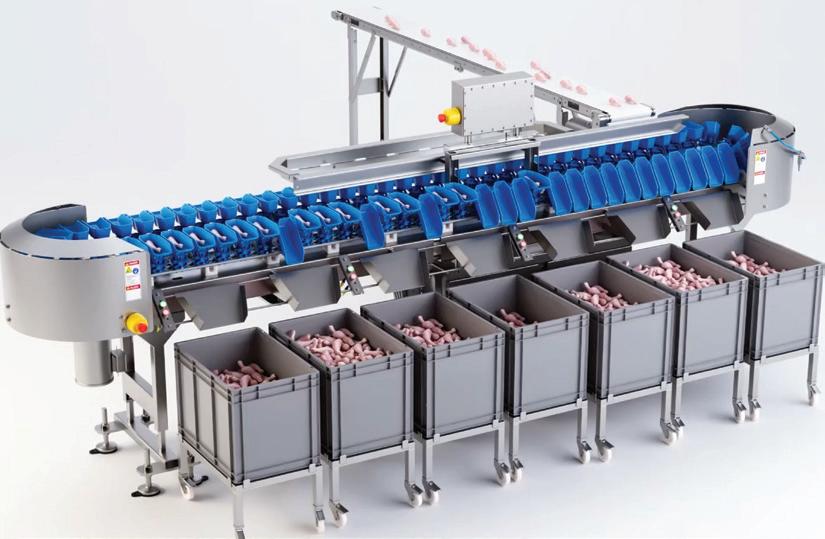
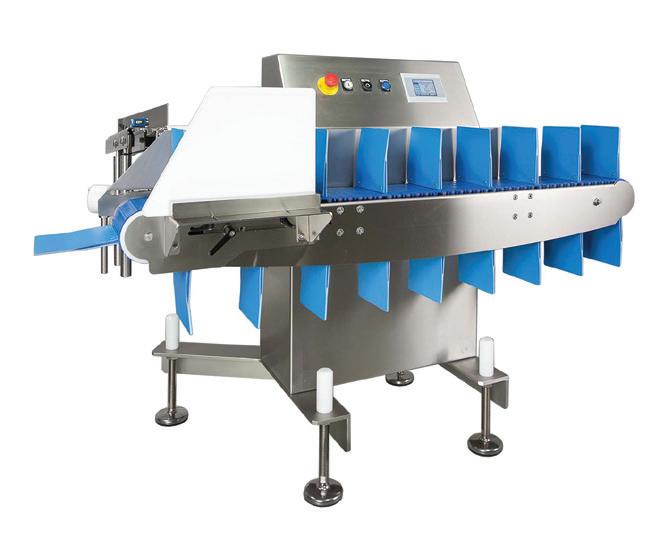
Linco Food Systems will present the BAADER TrueGrader 1810, a weighing and grading system designed for processors handling fresh or IQF products. The unit uses individual cups to carry and weigh product, supporting consistent handling of pieces that need accurate weight separation for packing, batching or downstream processing.
The BAADER TrueGrader 1810 handles product from 10 to 350 g per piece and fresh or frozen items up to 200 mm long. Its published capacity is up to 250 pieces per minute, with weighing accuracy stated as less than ±1 g per deviation. The compact footprint is suitable for plants where floor space is limited, with machine dimensions listed as 4191 mm long, 1092 mm wide and 1874 mm high.
Features include simple eight-drop grading, individual trays that allow product to slide off, proximity-sensor detection, a one-motor design, no photoeyes and no modular plastic belts. Optional equipment includes an infeed system, batch reset buttons, packing or bagging chutes, buffers, box shelves, takeaway conveyors and BAADER Edge gateway data readiness for real-time grading information. Linco Food Systems www.linco.com.au
MODULAR FILLING AND PACKAGING MACHINE
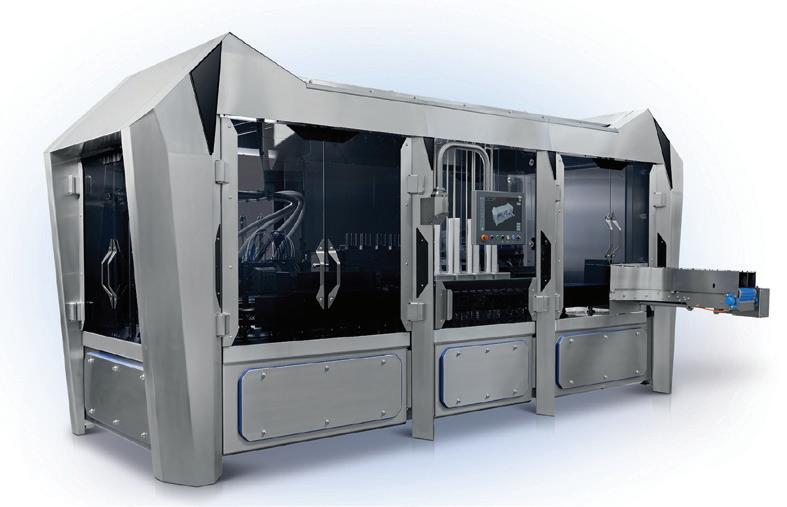
The Dosomat MOVE by Waldner Germany represents more than a technical upgrade in filling and packaging — it signals a broader shift in how manufacturers must think about production in a rapidly evolving market. At its core, the system reflects a growing industry demand for agility, efficiency and sustainability, all delivered within a single, modular lifecycle solution.
What stands out is its emphasis on flexibility. In an era where batch sizes shrink and product variation expands, the ability to switch formats quickly and produce even batch size one efficiently is no longer optional, it is essential. The Dosomat MOVE by Waldner directly addresses this, as it has been designed to enable manufacturers to stay competitive without sacrificing productivity.
Equally important is its focus on operational efficiency and reliability. By reducing system complexity and minimising downtime through independent lane control, the system is designed for stable output and improved overall equipment effectiveness (OEE).
Beyond performance, the system responds to rising sustainability expectations with lower energy consumption, reduced waste and lifecycle cost optimisation.
Esko Australia Pty Ltd www.eskoaust.com
PREMADE POUCH PACKAGING MACHINE
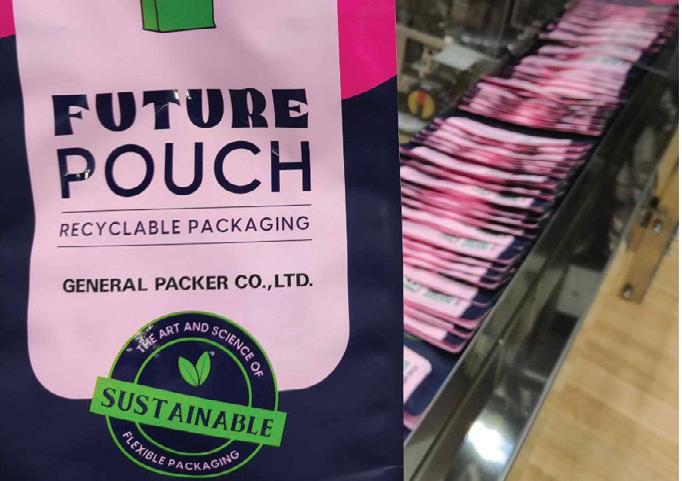
Delivering a practical and affordable step into automated pouch packaging, the General Packer X10-ST is designed to improve production efficiency, packaging consistency and line flexibility for food manufacturers. Combining reliable servodriven performance with a compact footprint, the X10-ST automates the filling and sealing of premade pouches across a broad range of food applications.
Capable of running 15–60 packs per minute depending on product and pouch configuration, the machine is engineered to reduce manual handling while maintaining stable pouch transfer and consistent seal quality. Supporting fill volumes up to 1 kg and pouch sizes ranging from 100–230 mm wide and 130–380 mm long, the machine provides flexibility for manufacturers packaging snacks, frozen products, powders, fresh produce and convenience foods.
Operators can benefit from a simple touchscreen control interface that allows fast changeovers, streamlined parameter adjustments and simplified operation during production. Constructed from food-grade stainless steel, the machine is built for hygiene, durability and reliable performance in demanding food manufacturing environments.
Select Equip www.selectequip.com.au
CRYOGENIC INJECTOR
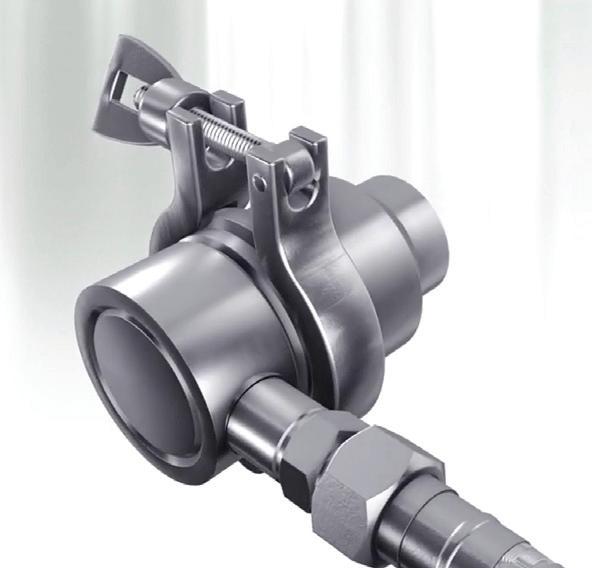
Air Liquide is displaying the CRYO INJECTOR-CB3 at foodpro 2026, a patented, stainless steel cryogenic injector designed for bottom-injection temperature control applications. Engineered in accordance with European Hygienic Engineering & Design Group (EHEDG) guidelines, the injector features stainless steel food-contact surfaces and a self-sealing design to prevent food blockages.
The unit is used for batch processing in the meat, poultry, fish and seafood sectors. It retrofits onto single-wall mixer/grinders and mixer/blenders, and can be installed in configurations ranging from 2 to 16 injectors. For new machinery, control integrates into the existing PLC panel, while an optional electrical control panel is available for used equipment.
The CRYO INJECTOR-CB3 is compatible with both liquid nitrogen (ALIGAL 1) and liquid carbon dioxide (ALIGAL 2), achieving a flow rate of 12 kg/min for either cryogen. Operators can switch between the two gases by changing the internal calibrated insert.
Air Liquide Australia Limited www.airliquide.com.au
AUTOMATED SAUSAGE PRODUCTION SYSTEM
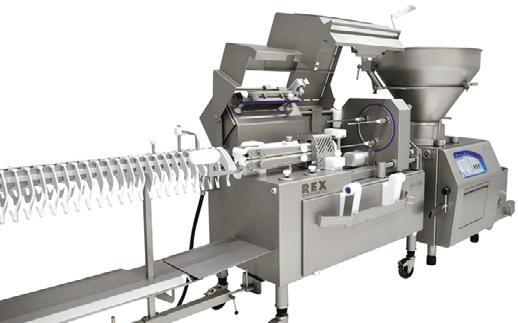
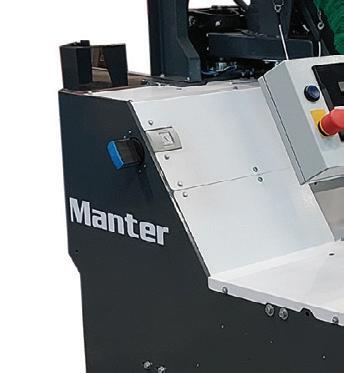
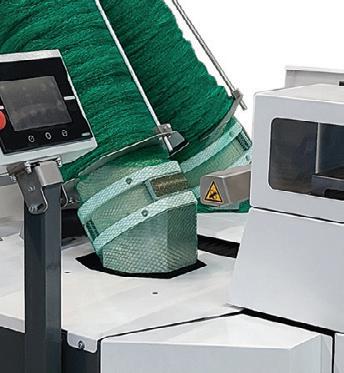
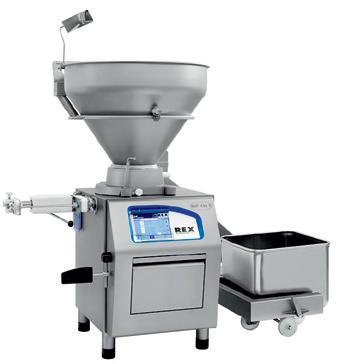
The REX AKS 65M is an automated sausage production system configured with a REX vacuum filler and RHS 330 hanging system.
The system is designed to maintain productivity through automatic casing loading utilising a casing magazine and turret with three linking tubes. This enables continuous production with casing changes completed in under two seconds.
The AKS 65M processes natural, collagen and artificial casings and is suited to applications requiring consistent output across extended production runs.
The system is designed to provide a complete solution that can help to increase output and streamline production.
CBS Foodtech www.cbsfoodtech.com.au
COMPRESSED AIR IN THE FOOD AND BEVERAGE INDUSTRY
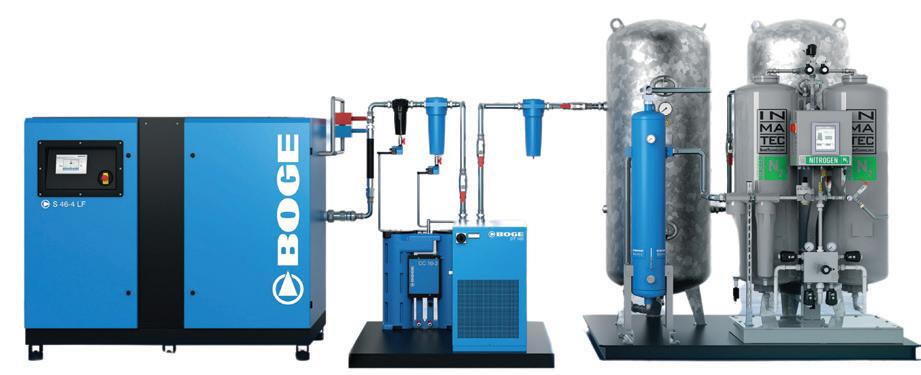
Class 0 oil-free compressed air is essential for producing food that is safe for consumers. BOGE has several compressor technologies that are designed to provide reliable protection against contamination.
Process filtration plays a critical role in maintaining product quality, ensuring safety and meeting regulatory standards in industry. For critical applications within the plants, users need ISO 8573-1 Class 0 oil-free air to ensure the highest standards of quality and safety.
Onsite nitrogen and oxygen generation: contact with oxygen must be avoided in various production steps in the manufacture of beverages such as fruit juice and beer. In this context, there is a risk of microbial infections as well as oxidative and enzymatic reactions. This can lead to quality losses or to spoilage of the beverages. By blanketing production and storage tanks with nitrogen, this risk can be minimised or eliminated.
MAP (modified atmosphere packaging): food packaging is also often made in the presence of a shielding gas. This is designed to increase durability for transport and extend the use-by date. Packaging under a modified nitrogen atmosphere is designed to keep food fresh and durable for longer without the addition of preservatives. This MAP method is mainly used for oxygen-sensitive foodstuffs such as meat, fish, nuts, yoghurt, cheese, pasta, bread, salad and vegetables.
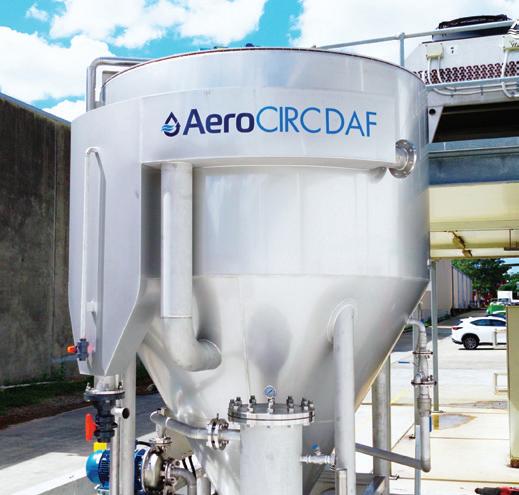
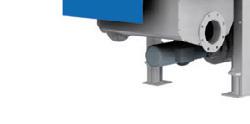
Food and packing processors need reliable trade waste treatment that keeps production running smoothly and minimises maintenance. Aerofloat has refined its Dissolved Air Flotation systems to meet these exact demands, culminating in the 4th generation AeroCIRC DAF. The system translates technical design into direct operational advantages. The 60-degree hopper bottom features a radial scraper to deliver a self-cleaning process, significantly reducing manual labour.
To easily manage fluctuating daily production flows, a concentric adjustable weir is designed to provide precise level control. Because facility space is highly valued, an integrated saturator keeps the equipment footprint exceptionally tight. Furthermore, integrated stainless conduits, isolators and pneumatics are designed to ensure a clean installation, cutting down on site disruption.
Available in 20 and 30 m3/h capacities, the AeroCIRC DAF is built for the heavy demands of modern food and packaging manufacturing.
Exhibiting at foodpro 2026 on stand AE33, Aerofloat creates custom wastewater treatment solutions suitable across all business types in the food and beverage industry. Its patented technology uses traditional techniques combined with clever engineering, to create low-maintenance, compact and cost-effective solutions.
The Epson ColorWorks CW-C4010 brings on-demand colour label printing to the kitchen, bar or packaging area. Designed for food and beverage environments, it enables restaurants, caterers and producers to print vivid, high-resolution colour labels for ingredient, allergen or branding applications directly onsite.
Its compact footprint and durable pigment inks make it suitable for compliance labelling, specialty products and craft food packaging where professional presentation and accuracy matter.
In fast-paced environments where things shift on the fly, businesses demand dynamic label printing solutions to help maximise the mobility and efficiency of operations. Epson’s ColorWorks on-demand colour label printer has expanded connectivity and compatibility, improved image quality, remote management tools, and increased ink capacity.
The label printer is compatible with the gamut of major middleware programs as well as ZPL II, SAP, Windows, Mac and Linux, allowing smooth integration with virtually any existing workflow. It also has optional Wi-Fi connectivity.
To ensure labels have scannable barcodes, legible text and meet branding requirements, the ColorWorks CW-C4010 is designed to deliver crisp, photo-quality images and barcodes, and up to 1200 dpi resolution with variable droplet sizes. Epson Australia Pty Ltd www.epson.com.au
Bin Robot Unloader and Tipping
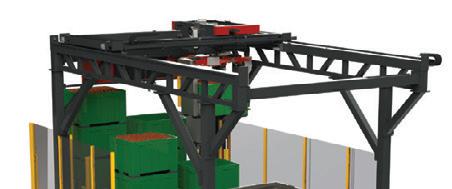
Automates produce tipping across multiple lines, e ciently managing various bin sizes while delivering continuous, controlled product flow. Reduces labour requirements and ensures reliable, low-cost operation.
Optical QualityGrader
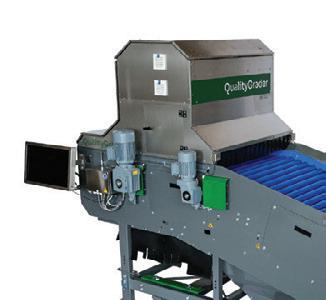
Automatically sorts out wireworm, scab, damage, misshapen produce, growth cracks, discoloration, stones, clods, rhizoctonia, and aged produce from the harvest.
Micron Filter XL
Ultra-fine, high-capacity filtration system for wash water recycling, removing fine organics and debris to improve water quality and enable reuse across processing lines.
MoNo Clipper
Packaging machine for tubular net, closed with a recyclable mono-material PE bag and label. Equipped with a printer and label feeder for wine glass or clip-to-clip labels.
VACUUM AND MAP PACKAGING SOLUTION
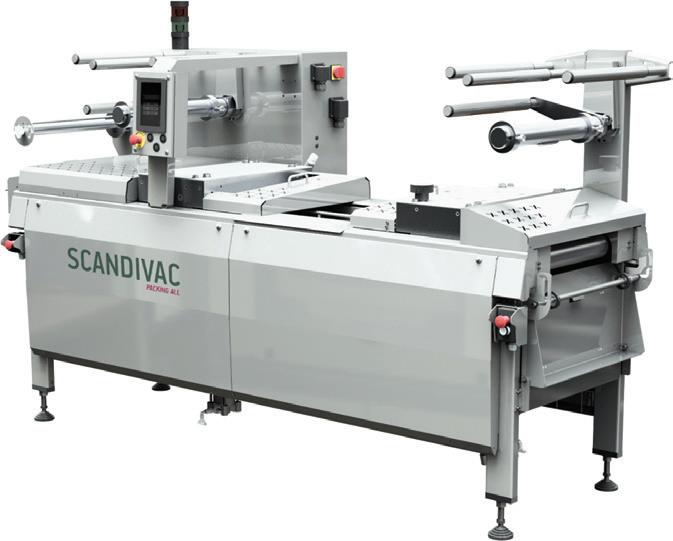
The Scandivac SC140 thermoforming machine, supplied and supported in Australia by VACPAC, is a compact, budget-conscious vacuum and MAP packaging solution designed for businesses that need European-engineered performance without the footprint or cost of large-scale industrial systems. Its small size makes it suitable for small production facilities, boutique food manufacturers, butchers and growing operations where space is limited but efficiency is essential.
Despite its compact design, the machine is engineered to deliver precision and reliability. Built with robust stainless-steel construction and high-quality components, it can provide consistent forming, sealing and vacuum performance across a wide range of packaging applications. This helps to ensure professional results and extended product shelf life while keeping operating costs manageable.
One of its key advantages is its accessibility. The SC140 is positioned as a lower-capital investment entry into thermoforming automation, which is designed to help smaller operators move away from manual packaging without overextending their budgets. Its efficient film usage and streamlined operation can also further reduce ongoing consumable and labour costs.
The machine is backed by VACPAC’s local Australian support network, with users benefiting from responsive service, installation assistance and ongoing technical expertise.
Vacpac Engineering www.vacpac.com.au
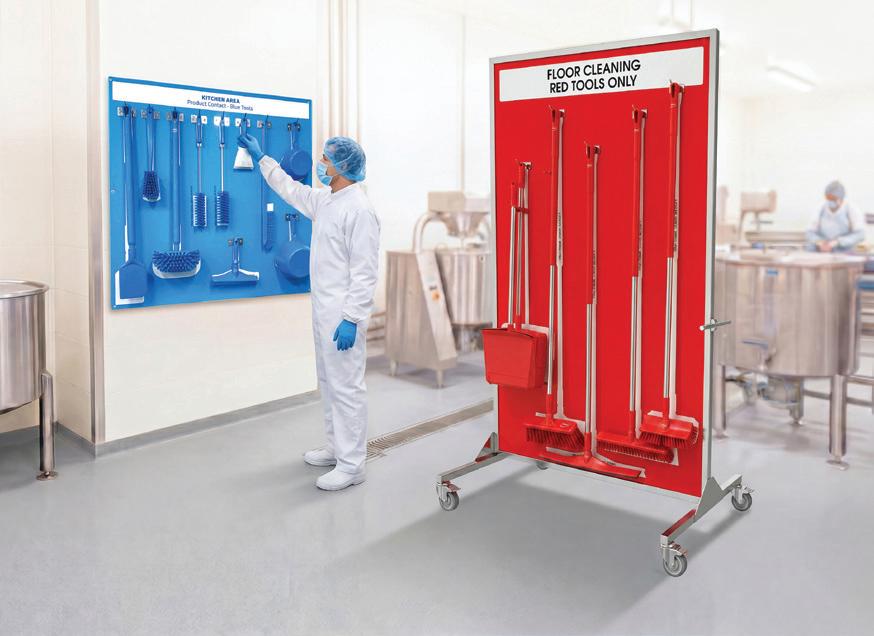
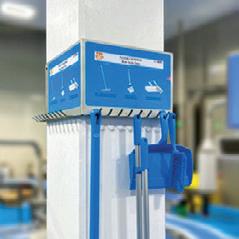
CUSTOM SHADOW BOARDS
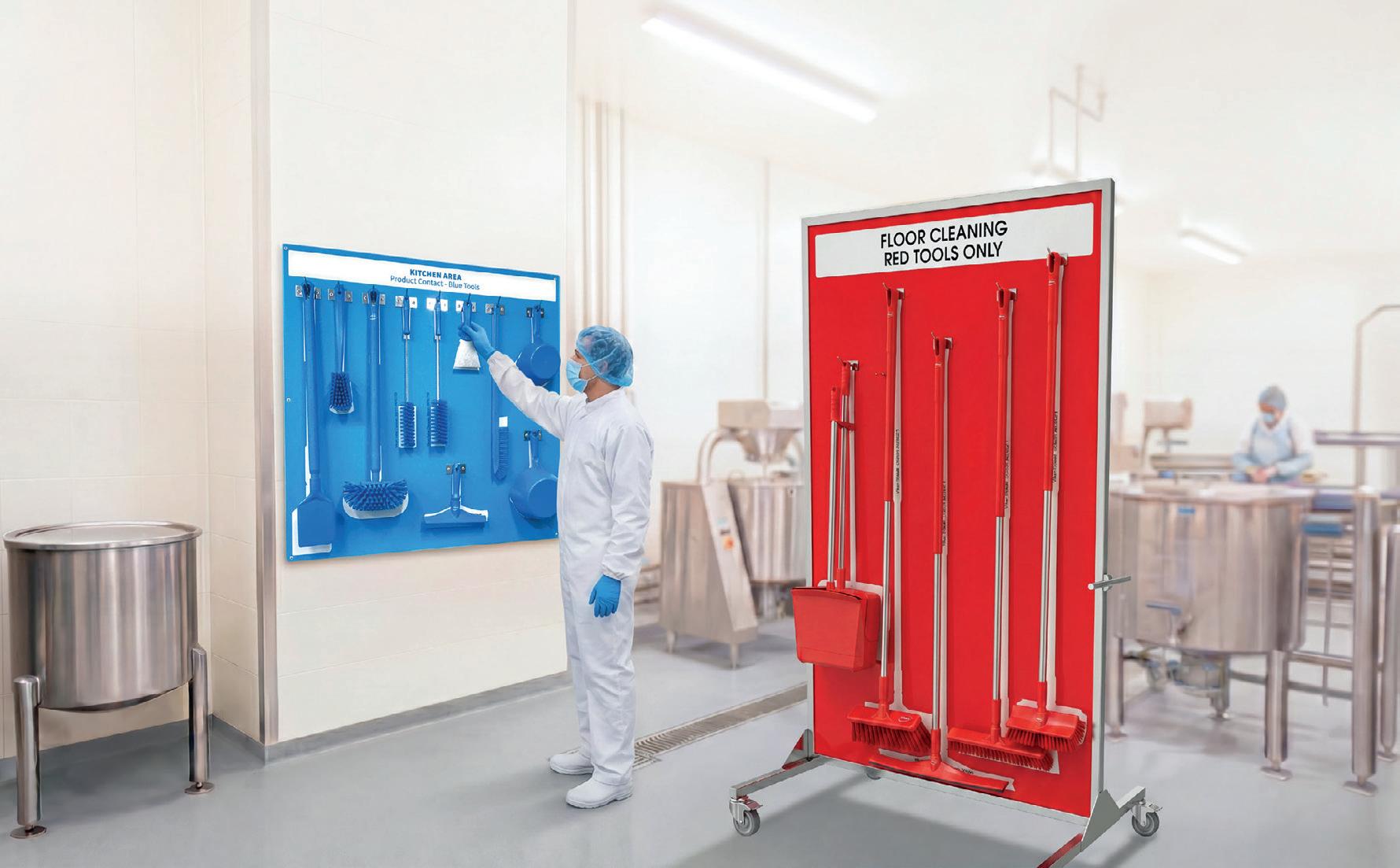
Wells Hygiene custom 5S shadow boards are widely used in the food & beverage sector across Australia and New Zealand.
In today’s F&B environment, rising audit scrutiny, labour constraints and heightened consumer expectations are forcing manufacturers to rethink how consistency is achieved on the factory floor.
Rooted in the lean manufacturing “5S” framework — Sort, Set in Order, Shine, Standardise and Sustain — shadow boards are designed to provide benefits beyond organisation to reinforce hygiene zoning, reduce cross-contamination risk and improve audit readiness.
As businesses expand their use, feedback remains overwhelmingly positive. Shadow boards are designed to reduce costs, boost safety and make compliance easier.
WR&D Wells Pty Ltd www.wrdwells.com
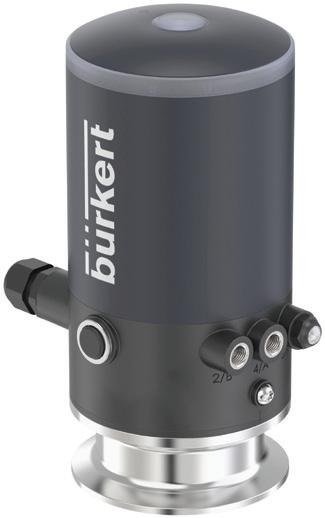
UNIVERSAL CONTROL HEADS FOR HYGIENIC AND ASEPTIC PROCESS VALVES
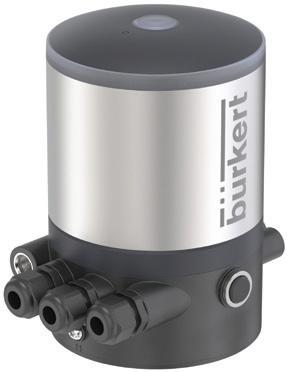
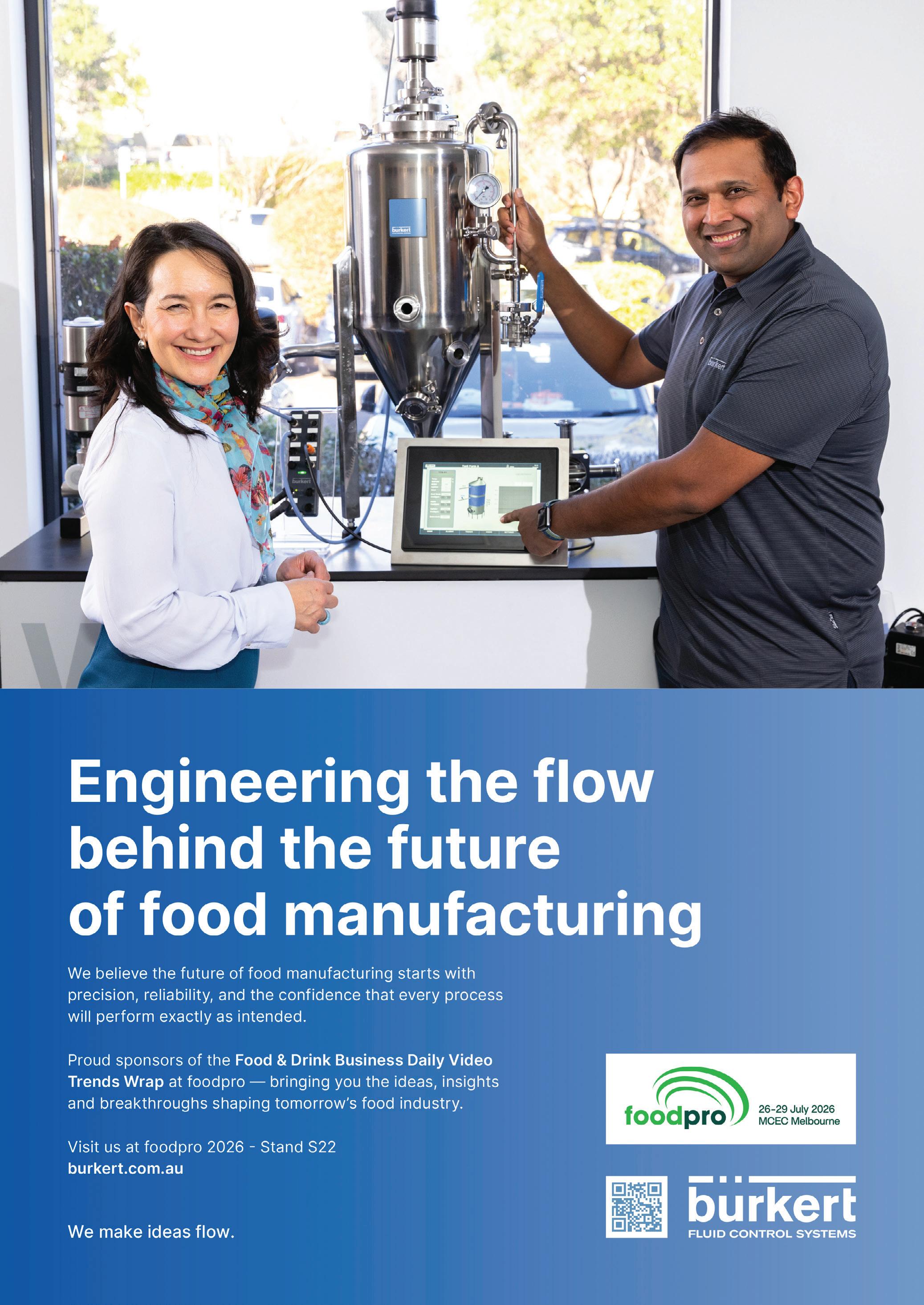
At foodpro 2026, Burkert Australia will debut its next-generation universal control heads for hygienic and aseptic process valves. Developed for food and beverage plants looking to standardise valve automation, the new range provides a universal, non-proprietary solution that fits virtually any hygienic or aseptic valve type or brand. A simple two-device program covers everything from butterfly and single-seat valves through to complex double-seat designs, reducing spare-part inventories and simplifying maintenance and training.
Integrated, high-visibility LED indication gives operators instant feedback on valve status and diagnostics, supporting faster fault-finding and higher line availability. An intelligent, fully parameterisable cleaning function with pulsed actuation targets cleaning media precisely where they are needed, cutting water, chemical and energy consumption while safeguarding product quality.
With robust IP ratings for demanding washdown environments, the universal control heads are designed to help food processors increase efficiency, sustainability and process reliability across the plant. Visit Burkert Australia on stand #S22 at foodpro 2026 to see the new control heads in action. Burkert Fluid Control Systems www.burkert.com.au
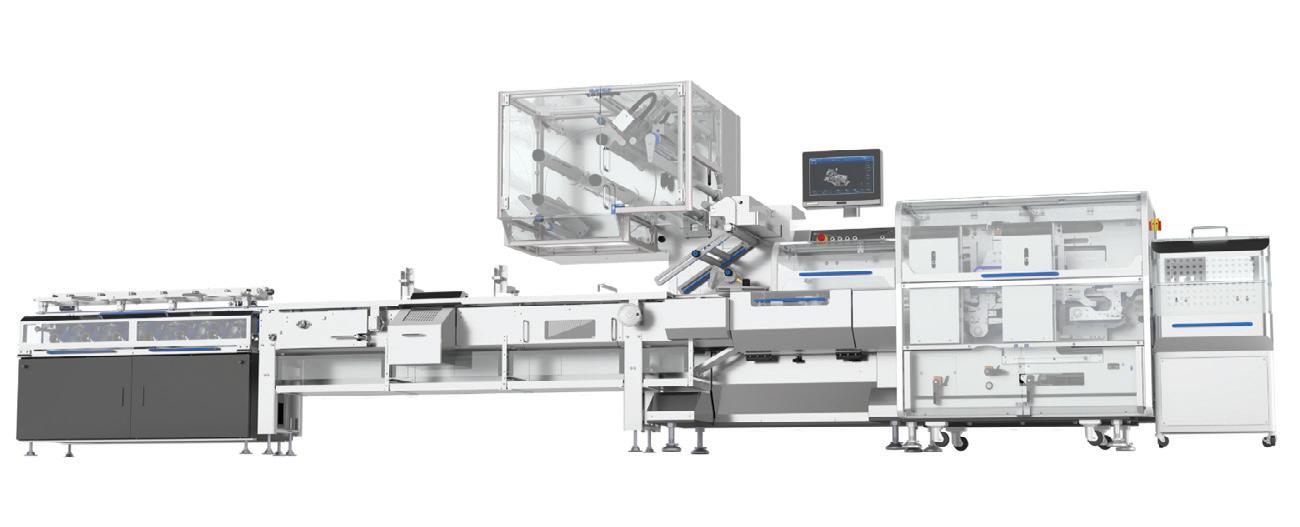
FLOW WRAPPING TECHNOLOGY
Perfect Automation is introducing a new level of flexibility and performance to Australian packaging lines with the Omori flow wrapping technology — engineered to deliver speed, precision and quality pack presentation across a wide variety of products.
Designed for demanding production environments, the system can handle high-speed production. These capabilities are paired with intelligent film control and reduced vibration to help manufacturers achieve good airtight seals while minimising product damage and material waste.
A key advantage of the technology is its ability to maintain smooth, accurate wrapping even with challenging products. Gentle product handling combined with film tracking is designed to ensure premium presentation without sacrificing production speeds.
Key features include: high-speed wrapping performance; flexible handling of loose and trayless products; film control for reduced wastage; gentle wrapping for fragile or soft products; self-diagnostic functionality for rapid troubleshooting; and modular build for customisation.
Omori Wrappers are developed with production versatility in mind, allowing manufacturers to adapt quickly to changing product formats and packaging requirements. Combined with integrated automation capabilities and in-house engineering support, the solution is designed to help operations maximise efficiency while reducing downtime.
Perfect Automation www.perfectautomation.com.au
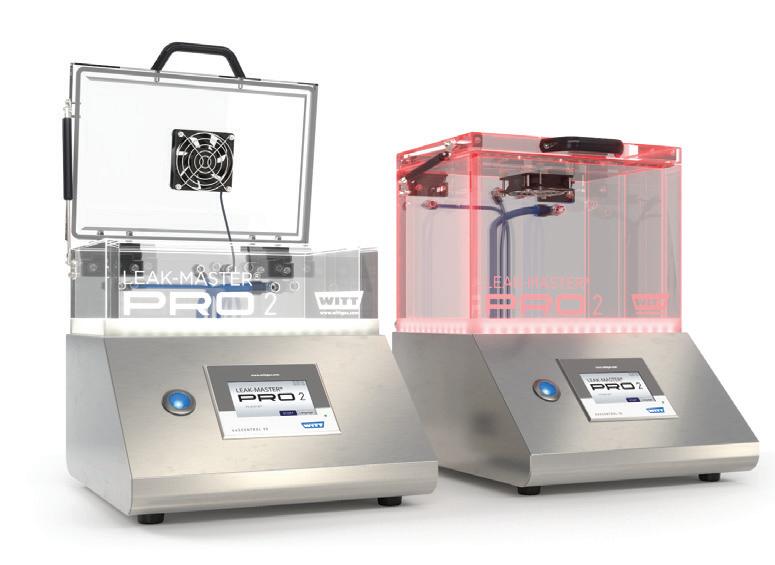
PACKAGE LEAK DETECTOR
The WITT Leak Master PRO 2 is a non-destructive leak detector for packages based on CO2 technology. It is designed to detect even the smallest of leaks with a highly sensitive and ultra-fast CO2 sensor.
Detecting micro-leaks in modified atmosphere food packaging using non-contact CO2 technology, the device is designed to help verify seal integrity and reduce product quality risks.
Features include: visual indication of leak detection ‘Pass/Fail’ via LED red/green chamber illumination; and a standardised and repeatable test process with data administration designed for optimal quality guarantees.
The device is designed to quickly verify modified atmosphere stability in flexible and rigid packaging with accuracy.
Niche Gas Products www.nichegas.com.au
STANDS
PORTION CUTTING SYSTEM
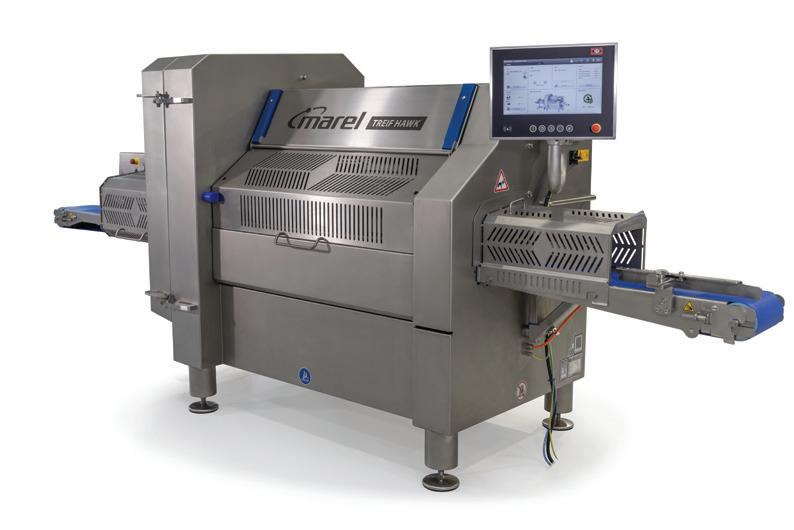
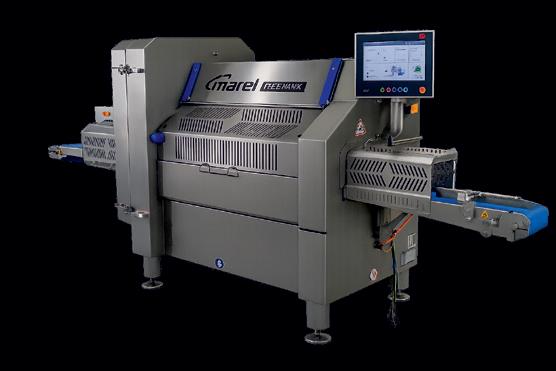
The Marel TREIF Hawk is a portion cutting system for fresh, tempered and cooked meats as well other protein applications.
Utilising a vision system, the system enables portioning to a fixed weight or to a fixed thickness. It is suitable for thin cutting, with thicknesses down to 3 mm possible.
The Hawk supports singulation, shingling or grouping of portions depending on line requirements. A gripper and down holder are included as standard to stabilise product during cutting.
The system can process selected bone-in products, subject to species limitations. A belt infeed supports loading during cutting, while product scanning provides density-based portion control. Proportional face cut settings define the exposed face proportion on each initial cut.
The flexible cutting system is suitable for a wide range of applications.
CBS Foodtech www.cbsfoodtech.com.au
ROBOTICS FOR CONTAINER DISTRIBUTION
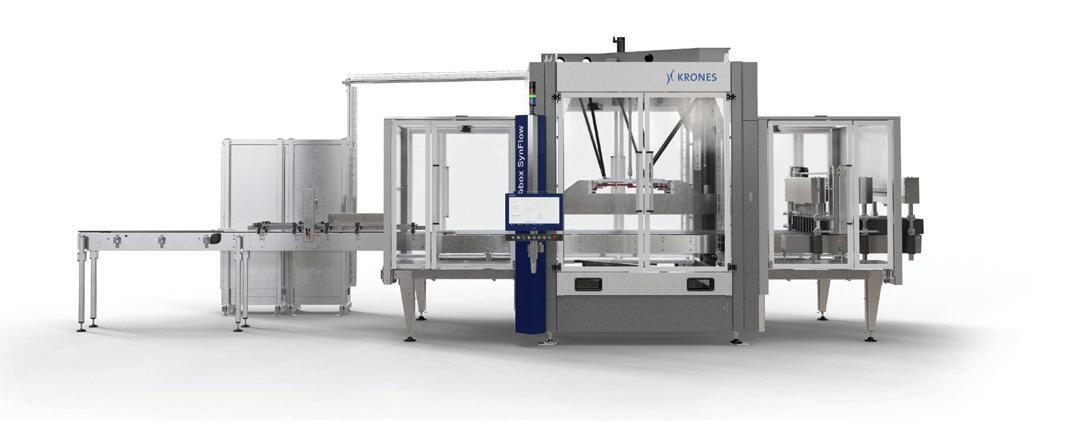
The Robobox SynFlow modular system from Krones uses robotic technology to gently distribute containers into designated lanes.
Normally, containers are directed into the packer by way of guide systems, which work according to preset patterns. However, that can often result in the individual lanes being filled inconsistently, such as when there are gaps in the flow of containers. At some point in a production batch, operators will inevitably have to manually intervene in order to keep the packaging process running smoothly right down to the last bottle.
Krones has now developed a new concept for container distribution. The Robobox SynFlow uses a tripod robot to purposefully group the incoming containers. Thanks to intelligent robotics, the system works out exactly how many containers are present in the line and can make on-the-fly adjustments to close gaps, thus it is designed to ensure that the packer is supplied with just the right number of containers at all times.
It is available in two designs. The smaller version, for handling up to 55,000 containers per hour, uses a single tripod robot and is appropriate when a single flow of containers is fed into the packer. A second, larger version is suitable for lines with, for instance, two labellers running. With two tripod robots, it can handle up to 105,000 containers per hour. Both set-ups can serve three to nine lanes in the Variopac Pro.
The system is suitable for all common container types (glass, PET bottles, cans) and diameters (from 40 to 125 mm), and can also handle specially shaped containers. Positive-fit precision grippers guide the containers gently to their intended position. They can even turn the containers to orient the labels just right within the pack.
Krones www.krones.com
Driving food safety through digital traceability and transparency
In today’s highly competitive food industry, manufacturers face increasing pressure to deliver not only high-quality products but also full transparency, traceability and compliance with strict safety regulations. For companies like Snackmaster Tiefkühlprodukte GmbH & Co. KG, these challenges are amplified by growing demand and the need to scale production efficiently without compromising quality.
Founded in 1980 in Germany, Snackmaster specialises in frozen potato products supplied to both retail and wholesale markets. The company produces under its own brands as well as private labels for major retailers. This positioning places Snackmaster at the heart of a supply chain where consistency, traceability and food safety are non-negotiable.
As demand for its products continues to rise, Snackmaster has reached a point where traditional production set-ups were no longer sufficient. Existing systems, although reliable, were fragmented across multiple machines and suppliers. This created inefficiencies in operation, maintenance and data handling. To address these challenges,
the company turned to its longstanding technology partner, the German product inspection specialist Wipotec.
The collaboration between Snackmaster and Wipotec spans nearly two decades, with product control systems still operating after more than 18 years. This longevity reflects not only robust engineering but also the importance of reliability in food production environments, where downtime can have significant operational and financial consequences.
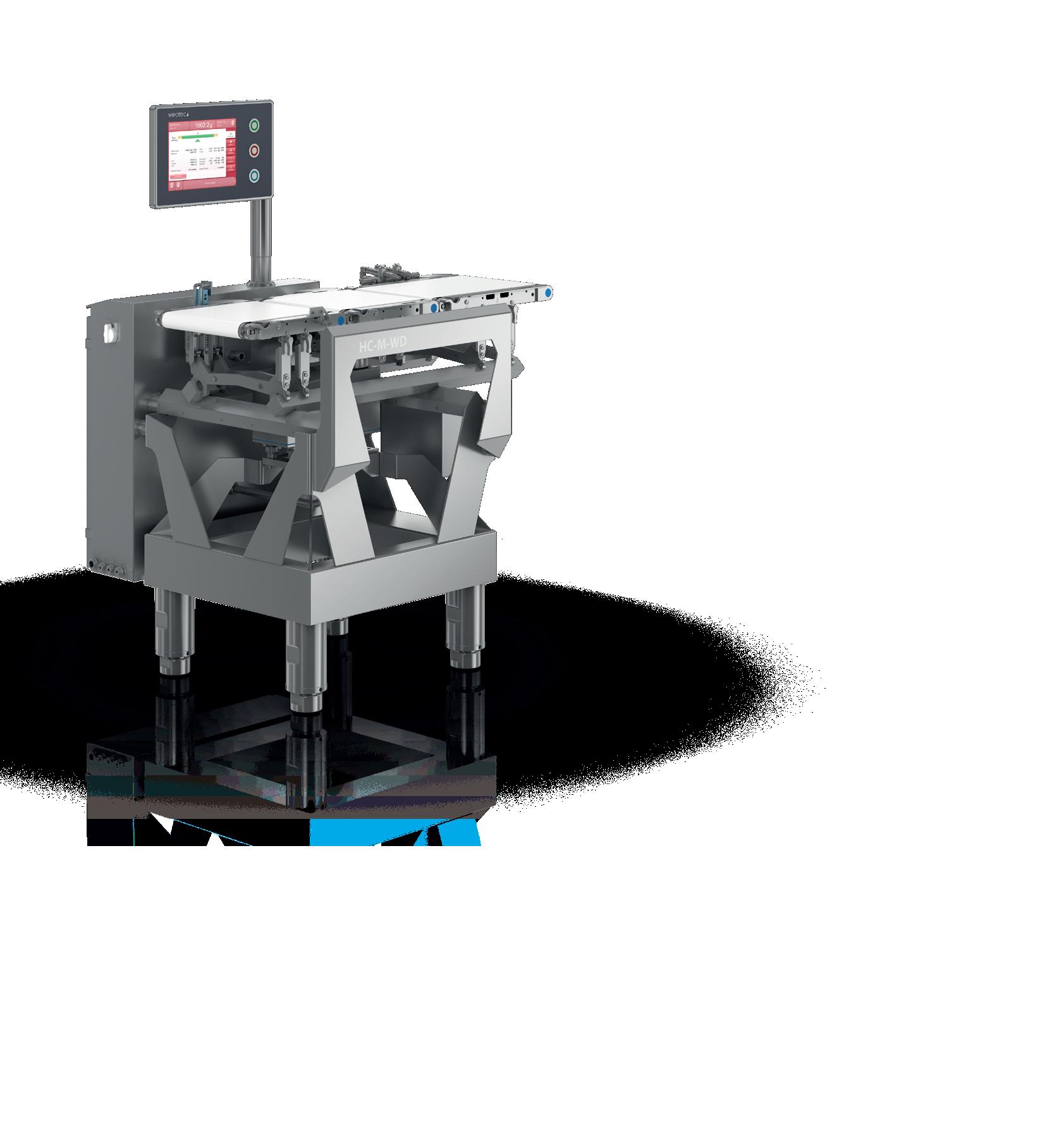
At the core of Snackmaster’s latest upgrade is the integration of multiple quality assurance processes into a single, compact system. Previously, tasks such as date coding, print inspection, metal detection, checkweighing and product rejection were
handled by separate machines. Today, these functions are unified within Wipotec’s TQS (Track & Trace Quality System), streamlining operations and reducing complexity on the production line. This saves space, simplifies set-up, is quicker to use and makes even complex tasks such as camera inspection much easier. “We retrofitted cameras on several lines ourselves. Training and programming them for different products involves many challenges. With Wipotec, all of this is already integrated, making it much simpler,” said Deputy Technical Manager at Snackmaster Ralf Bistritzky.
This integration is particularly relevant in the context of modern food safety requirements. Regulatory frameworks increasingly demand end-to-end traceability, ensuring that every product can be tracked back to its origin. Accurate marking of batch numbers, expiration dates and other key data is essential not only for compliance but also for rapid response in the event of recalls.
In this regard, Snackmaster is preparing for the next step in digitalisation: the adoption of high-resolution 2D codes, such as QR codes, printed directly on packaging. These codes can store significantly more
information than traditional linear barcodes, enabling enhanced traceability and consumer transparency. Retailers are already pushing for such capabilities, anticipating future regulatory and market requirements. The higher and reliable print quality they have reached now with the Wipotec solution enables in-line printing of high-resolution 2D codes with variable data. “Retailers have already asked us whether our lines are ready to print 2D codes, for example for bestbefore dates. So far, we can only do this on the line equipped with the Wipotec TQS system,” Bistritzky said.
Equally important is the role of inspection technologies in safeguarding product integrity. Metal detection and X-ray inspection systems are critical in identifying foreign bodies, a key risk in food production. Combined with precise checkweighing, these technologies are designed to ensure that every product meets both safety and quality standards before leaving the factory.
VFFS PACKAGING SYSTEM
Another notable aspect of Snackmaster’s modernisation is the implementation of RFID-based user access. This feature enhances operational security by ensuring that only authorised personnel can access specific system functions. In an industry where human error can have serious consequences, such controls add an additional layer of protection.
Digital connectivity is also playing an increasingly central role. With connectivity solutions like Wipotec’s Comscale (quality data management system), Snackmaster aims to centralise data across machines, lines and even production sites. This enables real-time monitoring, performance analysis and continuous improvement, all of which are essential in maintaining competitiveness in a fast-evolving market.
Snackmaster’s journey illustrates a broader trend in the food industry: the convergence of automation, data and safety. By investing in integrated systems
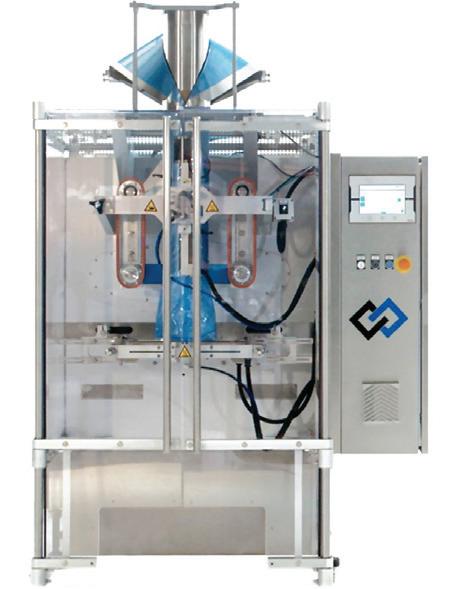
The PurPak Edge NX+ is the latest generation of i4.0 intermittent motion VFFS packaging technology, purpose-built for high-care food manufacturing environments where hygiene, washdown capability and operational efficiency are critical.
A high-resolution camera verifies the data that has just been printed in order to discard faulty products immediately. Wipotec’s Traceable Quality System can be expanded with several modules, and all these functions are perfectly synchronised and can easily be controlled via a central user interface.
and future-ready technologies, companies are not only improving efficiency but also strengthening its ability to meet the highest standards of food safety and traceability. For Snackmaster, Wipotec is not just a reliable supplier, but also a partner with whom future steps in automation, connectivity and quality assurance will be pursued. “I give Wipotec my full recommendation, a perfect 10 out of 10,” Bistritzky concluded.
In a sector where trust is paramount, such investments are not optional. They are fundamental to ensuring that consumers receive safe, high-quality products every time.
Wipotec Australia will be at foodpro 2026 in Melbourne from 26–29 July (Stand AC16), showcasing its complete range of control and inspection solutions for the food manufacturing industry.
Wipotec Australia Pty Ltd info.au@wipotec. com www.wipotec.com/au/marking Wipotec Australia Pty Ltd www.wipotec.com/au
Engineered with a fully enclosed IP65-rated compact frame, the machine is designed from the ground up to withstand demanding washdown procedures while maintaining high-speed packaging performance. Unlike conventional systems that require modifications for hygienic environments, the Edge NX+ is designed to deliver high-care capability as standard — making it suitable for food manufacturers operating in meat, seafood, dairy, frozen and ready-meal applications.
Despite its compact footprint, the system achieves outputs of up to 110 cycles per minute while maximising production per square metre of factory space. Its intermittent motion platform, servo-driven jaws, direct-drive servo pull belts and constant web tensioning system are designed to ensure stable film control, accurate sealing and good bag presentation across a wide range of packaging materials and bag formats.
Supporting PP/OPP, PE, paper, compostables, mono-materials and barrier films, the machine is designed to provide manufacturers with the flexibility to transition towards more sustainable packaging materials without sacrificing machine performance. Pillow, pillow with gusseting, block bottom and quad bag formats are all supported on a single platform.
The machine also incorporates Industry 4.0 functionality. Select Equip
www.selectequip.com.au
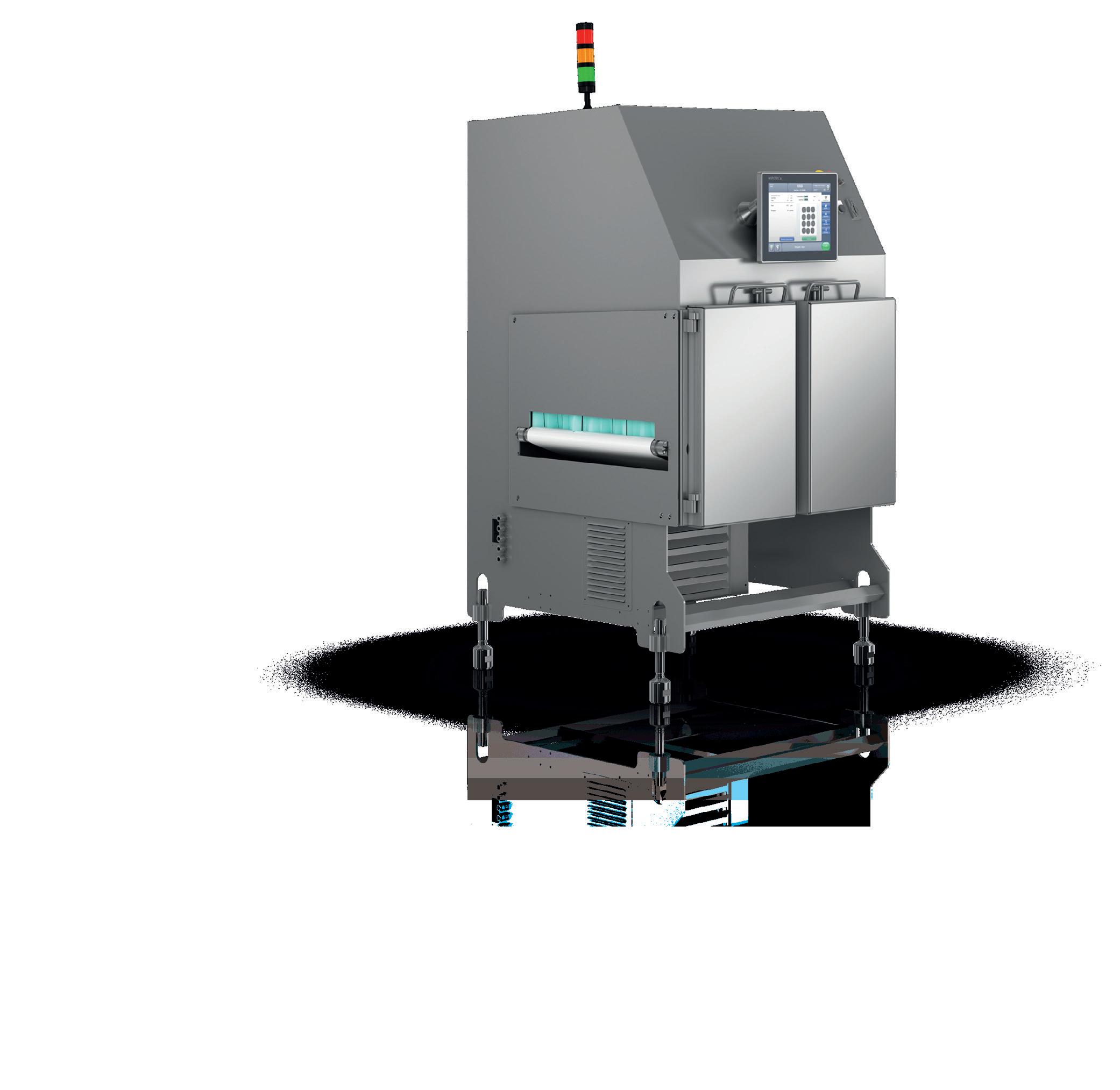
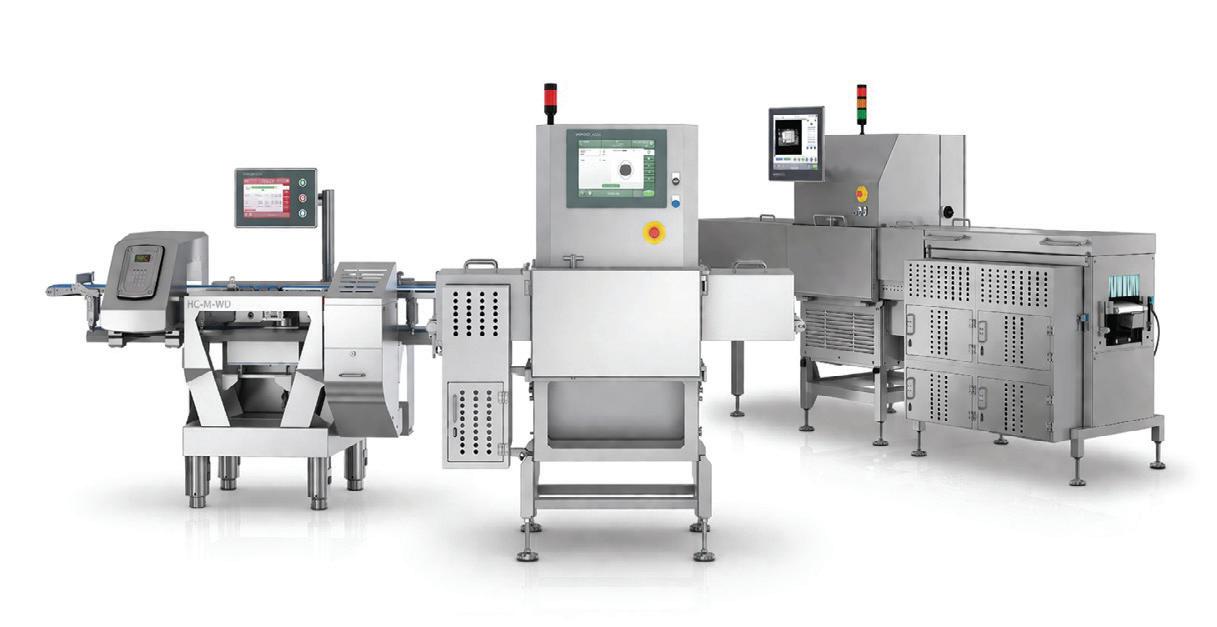
Wipotec’s comprehensive range of control and inspection solutions.
Mixing up the flavour
GEA is constructing a large-scale mixing plant for flavour production for Symrise AG at its main site in Holzminden, Lower Saxony, Germany.
Symrise is one of the world’s leading suppliers of fragrances and flavours for food and beverage products. The flavours produced — including vanilla extracts, citrus oils, meat flavours and menthol-based essences — are used both for internal processing and as ingredients supplied to the food and beverage industry. They appear in a wide range of end products, from yoghurt and confectionery to savoury ready meals and beverages.
The turnkey process technology from GEA is designed to help the company increase its production capacity, enhance flexibility and meet the highest requirements for hygiene and material quality.
Challenge: complex raw materials with specific requirements
Symrise processes a wide variety of raw materials at its Holzminden site — from alcohol-based solutions to viscous syrups. This places high demands on technology and safety. Ethanol-containing products require explosion-proof design (ATEX), while powders pose additional dust explosion risks. Substances such as citrus oils are aggressive to certain materials and require special seals. The viscosity range, from water-like liquids to syrupy consistencies, and temperatures between –20 and +80°C, demand precise process control. In addition, strong-smelling menthol blends, kosher recipes and sweet flavours must remain completely separated. The new plant meets these diverse requirements within a fully integrated concept.
Expanded capacity for flavour production
At the heart of the new building is a spacious mixing area where raw materials from the adjacent tank farm or from containers are transferred to the mixing tanks via vacuum conveying. Powders are added through a dedicated filling nozzle. The homogeneous mixtures are then transferred to cooling tanks for maturation or directly to the filling line. The plant is connected to a cleaning and steaming system.
The plant features a heat recovery system for CIP return flows, which reuses part of the process energy and reduces energy consumption per batch. Additional measures, such as water-saving CIP cleaning and optimised insulation, further cut water and energy use. Heat recovery not only
improves efficiency but also helps meet environmental regulations, as wastewater is cooled to below 30°C.
Customised design for complex liquid food processing
The diversity of the flavours processed places equally high demands on process control, material selection and complete product emptying to minimise losses. GEA developed customised solutions, leveraging the flexibility of its components — such as hygienic seat valves with bellows and sampling valves designed to remove even the last product residues. These solutions were designed in close cooperation with the user and refined through 3D planning to integrate into the plant’s confined space.
“This project demonstrates how vital customised solutions are for demanding applications,” said Dr Lukas Schnöing, Liquid Food expert and Project Manager at GEA. “Our experience in processing complex liquid products, combined with precise project management and the ability to engineer tailored solutions, made this plant possible.”
Thanks to its flexible design, both existing and new formulations can be implemented quickly and efficiently — a decisive advantage when responding to market trends such as natural flavours and cleanlabel products.
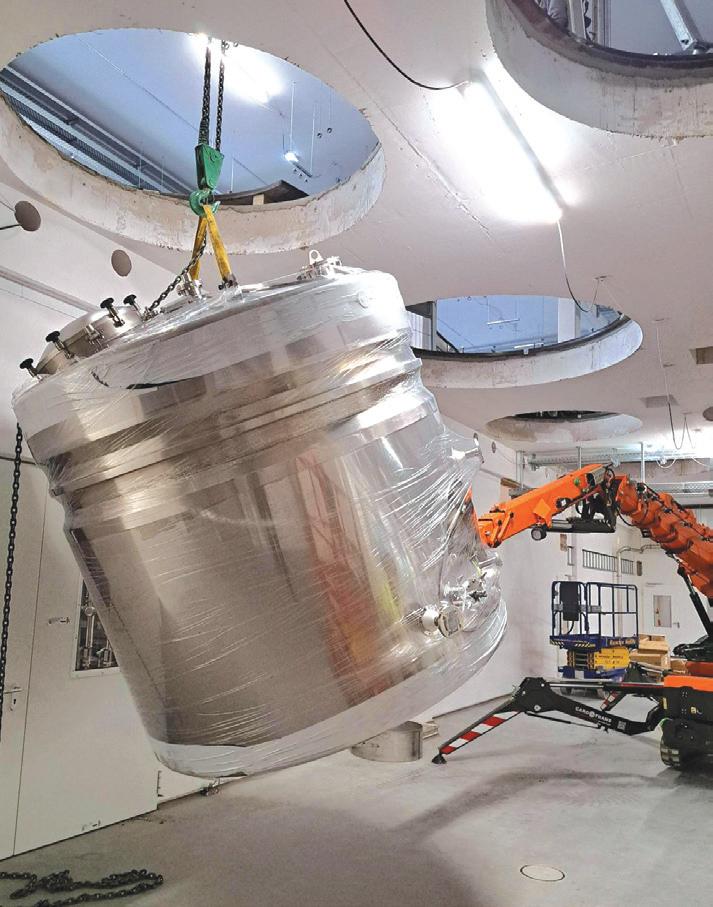
Installation of the plant is already underway, with commissioning planned for some time between March and May 2026.
“The production of liquid flavours is one of Symrise’s core competencies. The new plant increases our capacity by up to 50% and significantly shortens our delivery times,” said Karsten Zota, Factory Manager Liquid Compounding at Symrise. “This makes us more flexible and enables us to better serve growing customer demand.”
GEA Group www.gea.com
Installation of the GEA mixing plant to expand flavour production at Symrise in Holzminden. Image credit: GEA
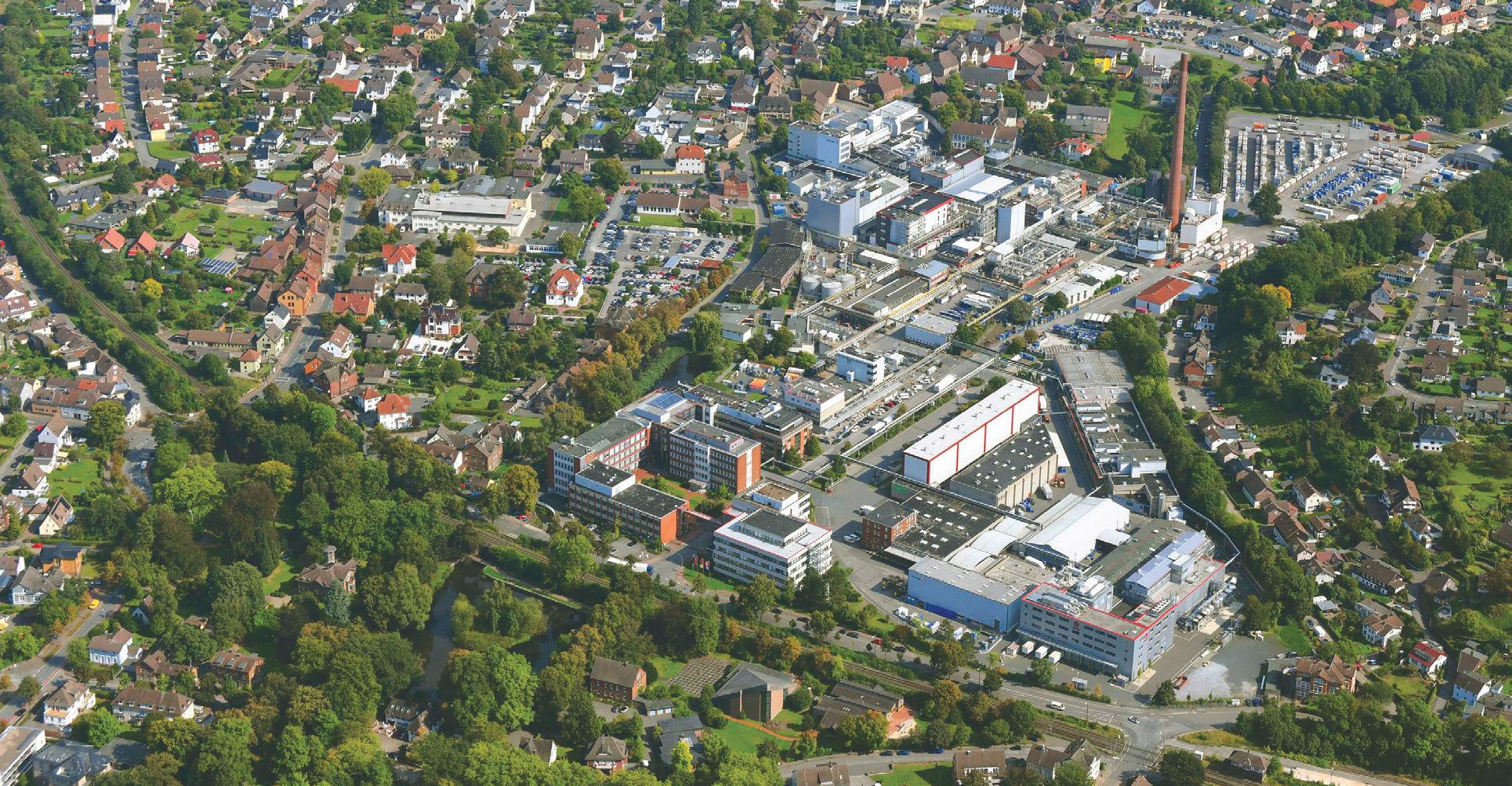
Image credit: Symrise
FOOD PROCESSING AND MATERIALS HANDLING EQUIPMENT
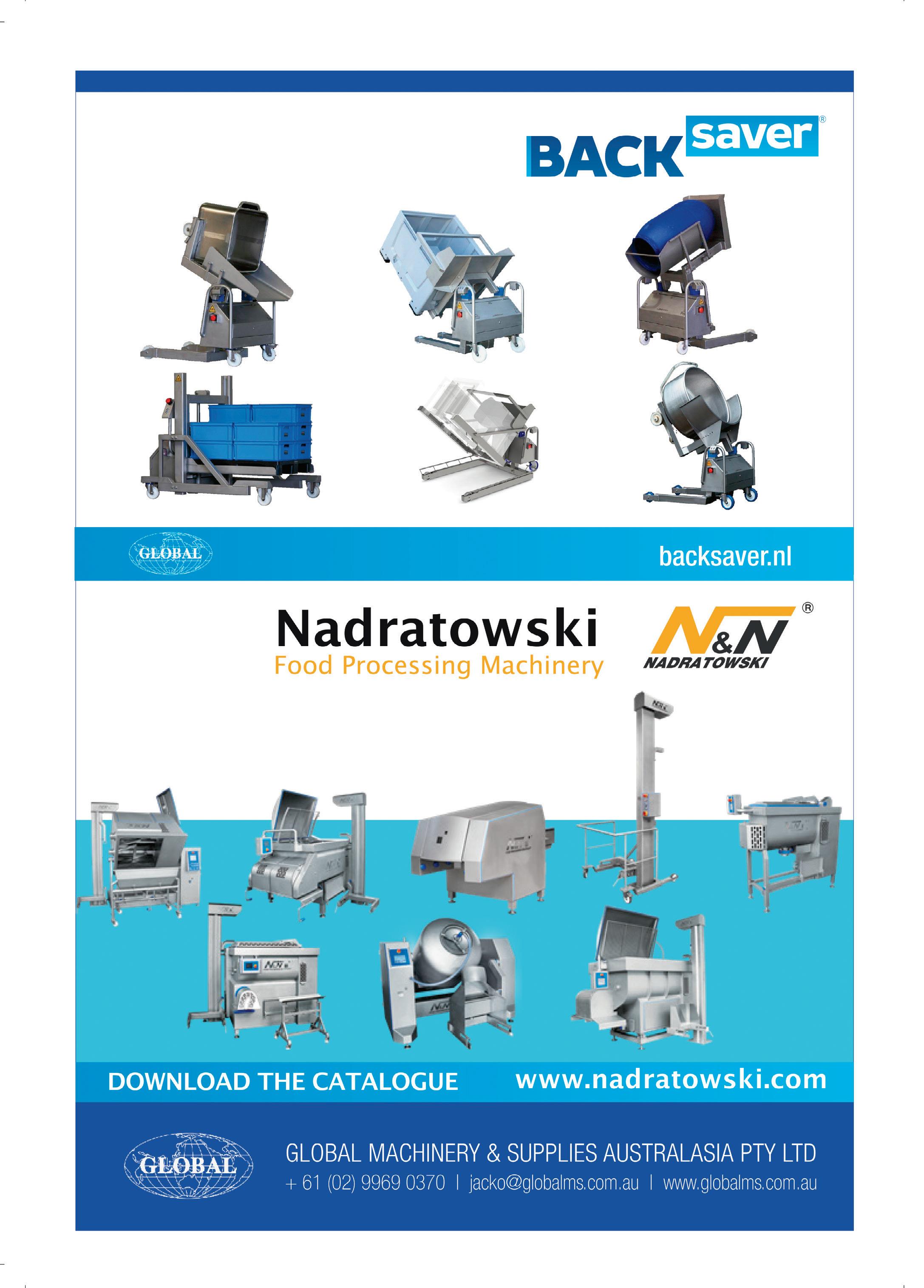
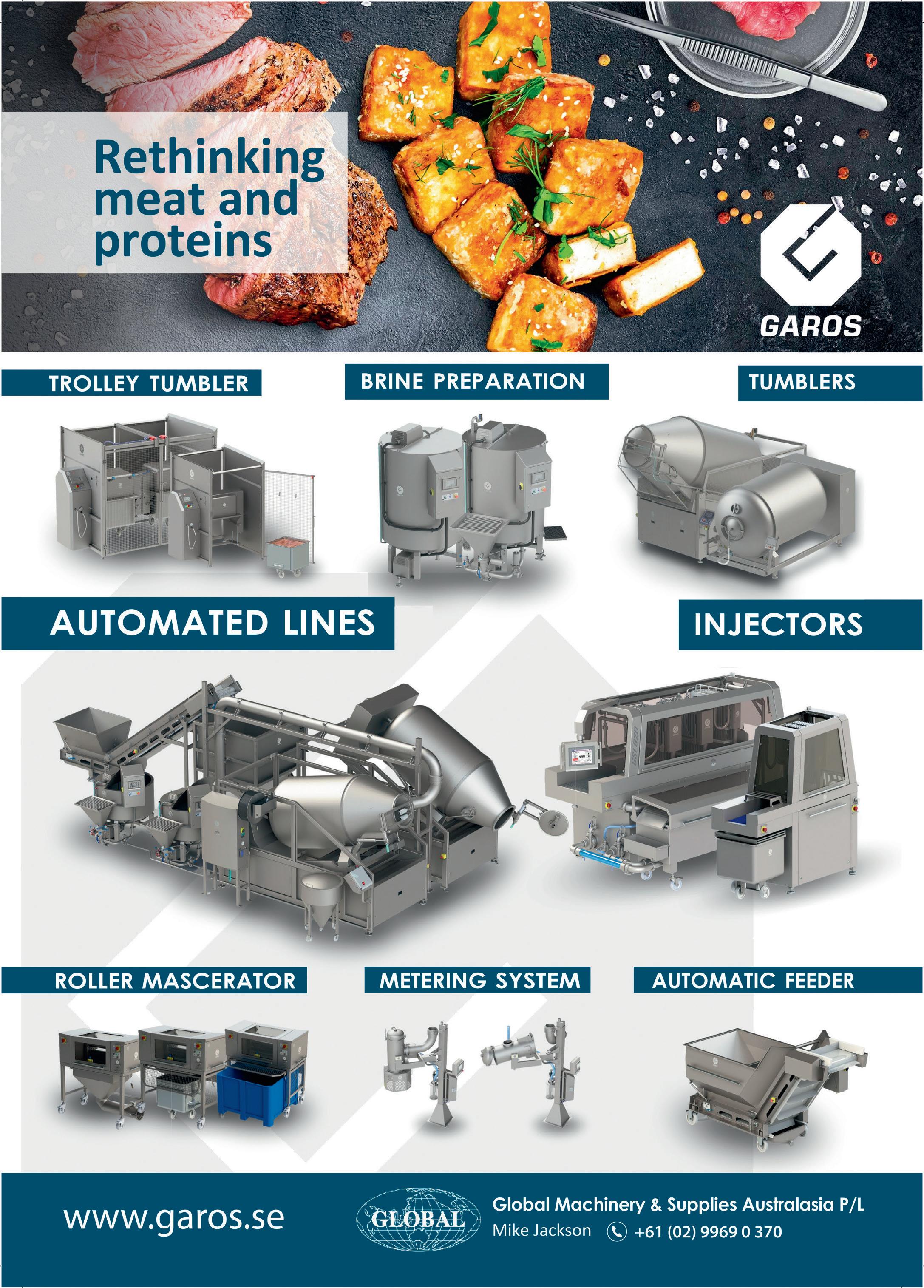
The Global Machinery & Supplies team will be exhibiting the latest releases of equipment for the food industry from three major European family-owned companies at foodpro 2026. Representatives from Backsaver, Nadratowski and Garos will be available at their stand R2.
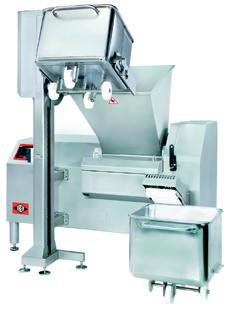
Four mobile Backsavers will be on display; two of which are newly released models. The BSMNT-LT is designed for lift and tipping 200 or 300 L Eurobins at 110 degrees with adjustable height chute discharging between 1300 to 1055 mm for loading vacuum massagers/injectors or similar machines. The BSMBR-LT is capable of tipping 800 L tubs and Eurobins at a discharge height of over 1200 mm. The BR-LT has specially designed inserts in the chute when using Eurobins to prevent product dropping down each side.
While there are a number of Nadratowski machines operating in Australia and New Zealand, this will be the first time its equipment has been exhibited in Australia. The 900 L high-performance intermeshing twin shaft vacuum mixer is equipped with the latest HMI which gives intime performance data of the machine and full diagnostic information during processing.
Garos will show its latest higher speed GBT 300 Trolley Tumbler design with a new HMI and reversible rotating mixing the trolleys — still with the 170 L “head” which is designed for thorough efficient mixing or marinading. Following its release at IFFA 2025, the new Garos GSI injectors now has numerous upgrades, including being equipped with servo drives to adjust injection height of various products and a new HMI. Locally available components and parts are also available for the Garos machines.
Global Machinery & Supplies Australasia Pty Ltd www.globalms.com.au
INTEGRATED PLANT CONTROL FOR FOOD MANUFACTURING
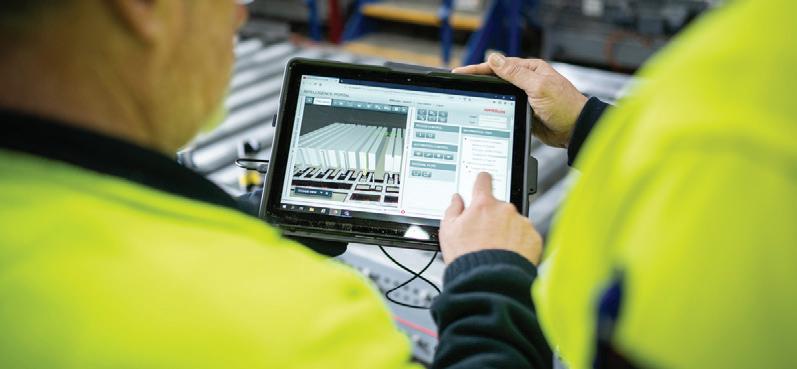
ExPCS (Existco Plant Control System) is a fully integrated software and hardware platform purpose-built for food manufacturing and processing operations. Designed specifically for random-weight environments, the system is used across meat, poultry, seafood, bakery, fresh produce and broader food manufacturing industries.
ExPCS is designed to unify production, inventory, QA, traceability, sales, dispatch and reporting into one connected platform; replacing disconnected spreadsheets and standalone systems with a single source of operational visibility. Real-time factory floor data is captured through mobile scanning workflows and integrated industrial hardware, helping reduce manual data entry and improve accuracy across operations.
The platform provides end-to-end GS1-compliant traceability from goods receival through to finished product dispatch, alongside digital QA and audit trail capabilities supporting compliance programs including HACCP, SQF, BRC, FSMA and GFSI. Additional features include triple dimension inventory control, production yield and costing visibility, dispatch planning, proof of delivery, wholesale web ordering, retail Point of Sale integration and live operational dashboards.
Backed by 25 years of industry experience, ExPCS is designed to scale from single-site facilities to multi-site food manufacturing enterprises. Existco Pty Ltd www.expcs.com.au
END-TO-END PROCESSING AND PACKAGING SOLUTIONS
At foodpro 2026, Tetra Pak Oceania will demonstrate how innovation moves beyond ideas and into real, scalable manufacturing outcomes — helping food and beverage manufacturers unlock new growth opportunities and bring products to market faster.
Tetra Pak’s integrated approach connects product development, processing, filling, packaging and services into a single end-to-end system, enabling manufacturers to reduce complexity and accelerate innovation, entering new categories and scaling successful products at speed.
At its stand, delegates will be able to explore market-ready technologies and engage with experts, to see firsthand how Tetra Pak’s solutions, including AI-powered Factory OS, are designed to accelerate speed to market, and improve efficiency and future operations.
Tetra Pak’s integrated processing and packaging solutions, combined with deep category expertise and co-creation capabilities, are designed to help food makers move from concept to commercialisation faster, capturing emerging opportunities.
Innovation, collaboration and co-creation will be at the heart of Tetra Pak’s foodpro presence, reflecting its belief that the future of food and beverage manufacturing depends on strong partnerships across the value chain.
Tetra Pak www.tetrapak.com/en-anz
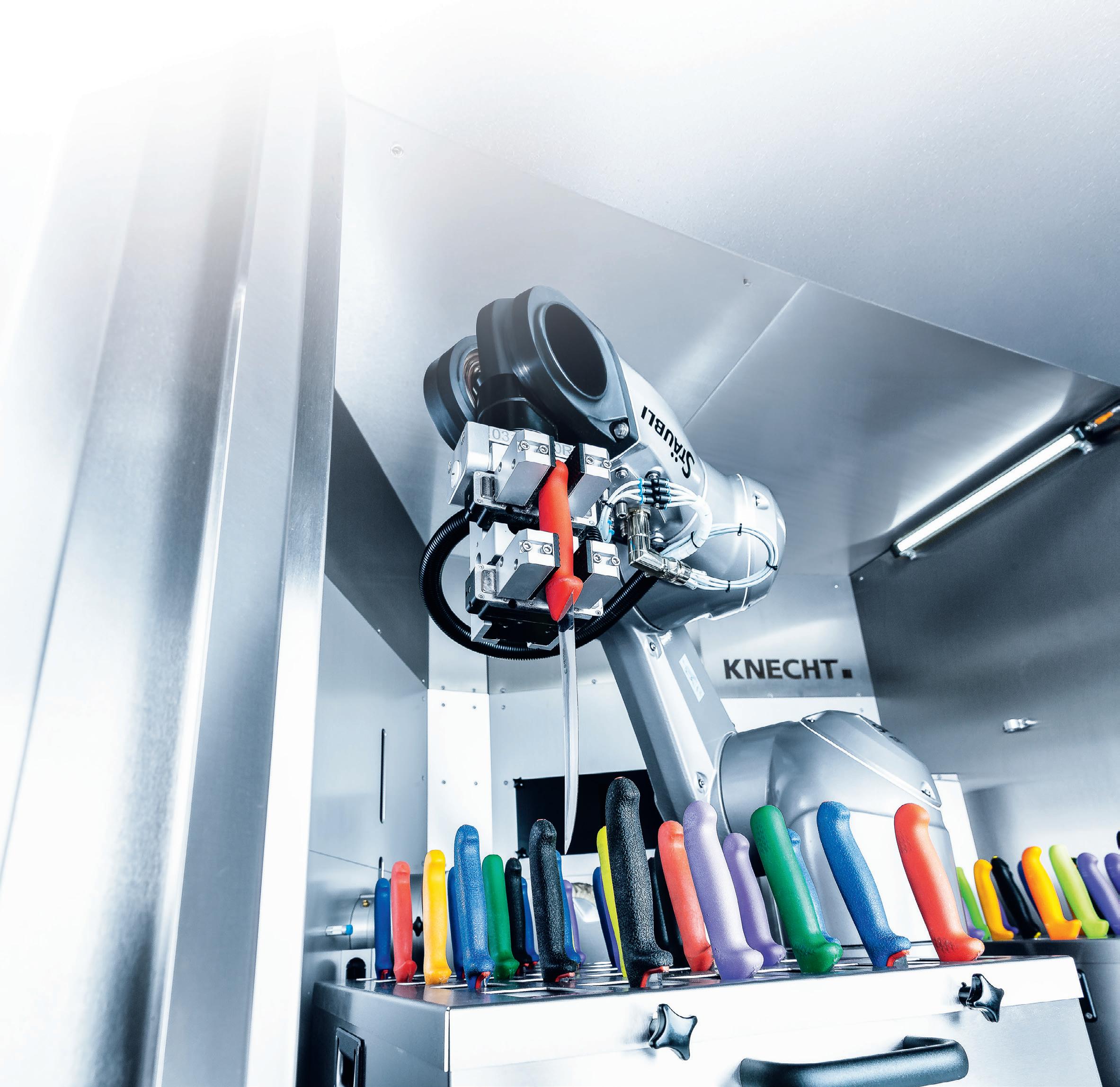
KNIFE SHARPENING MACHINE
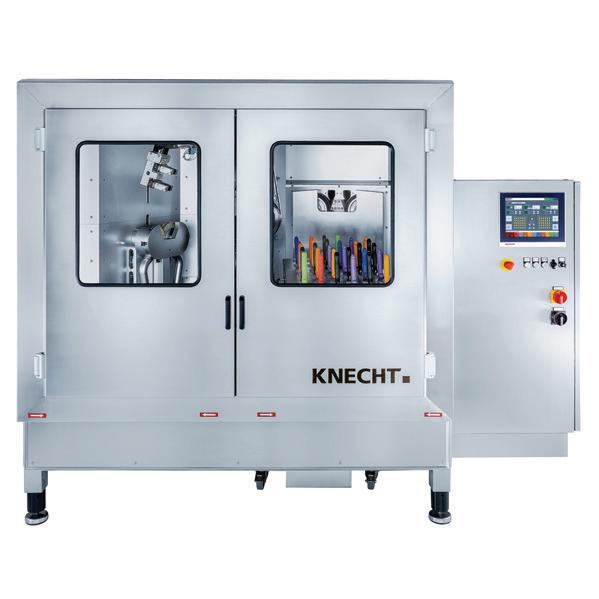
Designed for large abattoirs, meat and food processing operations, the KNECHT E 50 R is a fully automatic knife sharpening system built to handle the demands of high-volume production environments.
Sharpening up to 780 hand knives per 8-hour shift with only 1–2 hours of personnel deployment required, the E 50 R is designed to deliver consistent, precision results. The user simply loads 60 knives randomly into the magazine; the machine does the rest.
Each knife is individually scanned at the measuring station, with its unique shape converted into CNC data. The gripping arm then sharpens, deburrs and polishes each knife to spec, ensuring blade shape is maintained through every re-sharpening cycle.
Key benefits include: claimed to increase meat yield by more than 0.5%; claimed to reduce RSI and knife-related injuries by up to 80%; handles hand knives of various shapes and sizes; and integrated suction and water cooling are designed to reduce emissions and protect operator respiratory health.
Highgate Group www.highgategroup.net.au
BANDSAW WITH SAFETY STOP
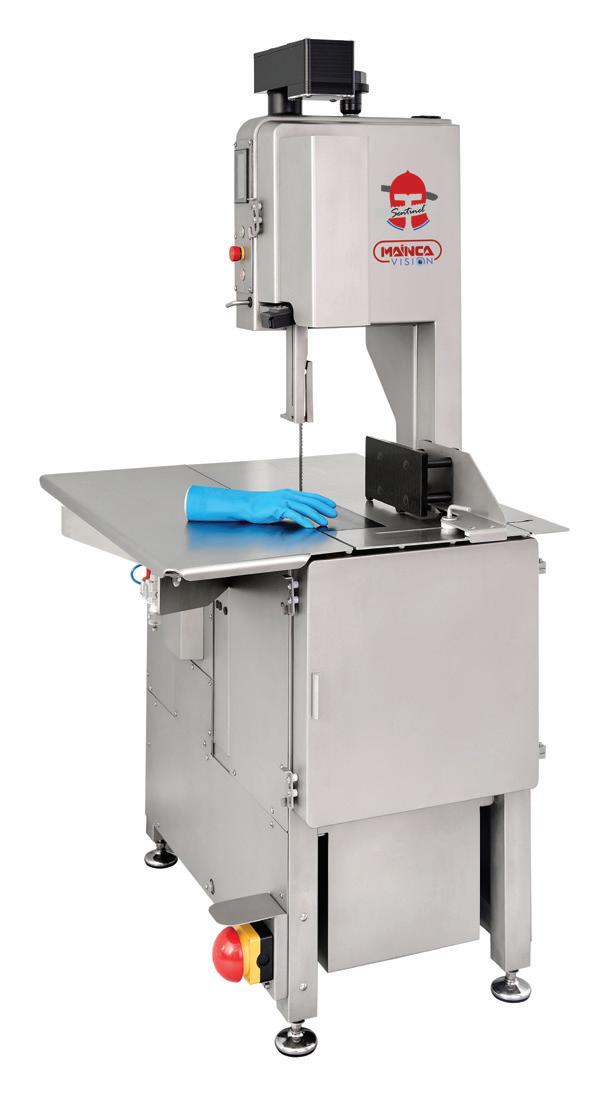
The MAINCA BS-2800 SENTINEL is a bandsaw with a safety stop mechanism designed to prevent most major injuries associated with the use of a bandsaw. It offers two levels of protection: a colour detection camera at the top of the saw as standard, and a magnetic sensor in the table as an option. Combined with these is a pneumatic braking system to stop the wheels immediately.
MAINCA’s pneumatic brake is durable and does not result in broken blades. It has a record of making over 3000 emergency stops without replacing any part.
With a cutting height of 360 mm and a cutting width from column to blade of 280 mm, there is ample space for operators to perform the tasks required by modern butchers.
Correct use of the saw requires an operator to wear SENTINEL detectable gloves, which will be registered by the camera or table sensor when in range.
It also features a touch panel with interface for adjusting different settings, such as the detection areas, user registration, emergency stop records and glove check frequency.
Requirements include: an 8-bar compressed air line and a three-phase power connection sufficient for a 2.9 kW motor. Options include: an upgraded 4 kW motor; a halfsliding table; a foot emergency stop; glove sensor on the table; and built-in compressor. Barnco Pty Ltd www.barnco.com.au
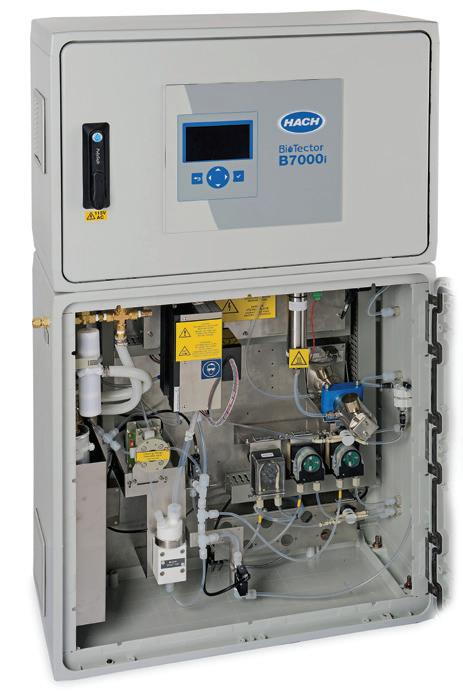
MONITORING MATERIAL LOSSES IN FOOD PROCESSING OPERATIONS
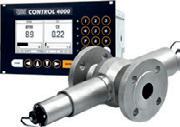
The food industry has long faced and continues to struggle with the challenge of controlling material losses, which impact production costs and compliance with waste regulations. Food processing plants with onsite wastewater treatment plants (WWTPs) must manage waste regulations that encompass not only wastewater but also lost raw materials.
To address this issue, the Hach Dairy BioTector B7000i TOC analyser was developed specifically for the dairy industry. Typically, lost product levels can be reduced by a conservative 15% using TOC monitoring. There is a direct correlation between levels of lost product and wastewater loading. According to Hach, users regularly report greater than 15% reduction to wastewater loading as a result of using TOC monitoring, with some users reporting as much as a 40% reduction.
A BioTector analyser automatically self-cleans all parts of the analyser, thus preventing clogging, sample contamination and inaccurate results. It only requires calibration and preventative maintenance in six-monthly intervals. According to Hach, the analysers have delivered consistently high performance in dairy applications, meeting uptime of 99.86%.
Hach Pacific Pty Ltd www.au.hach.com
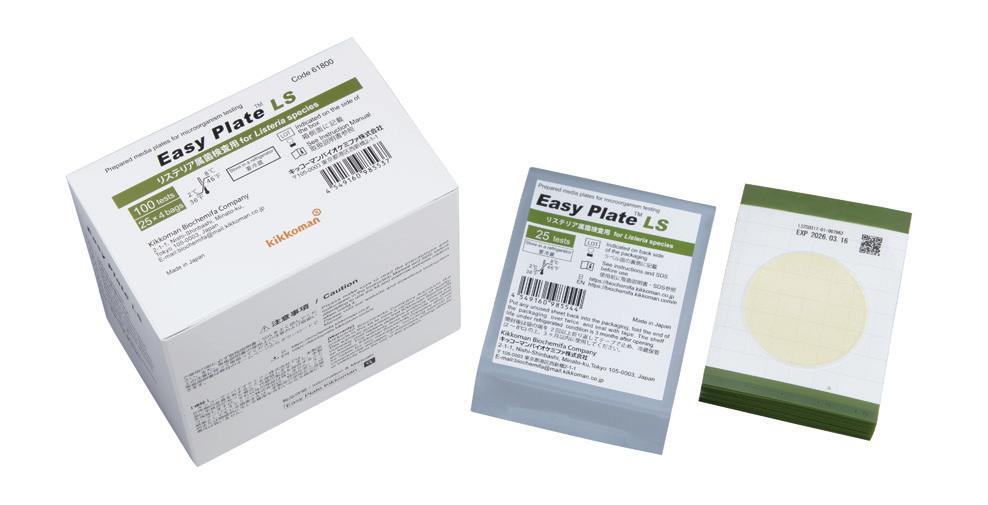
ENVIRONMENTAL LISTERIA TESTING
Environmental monitoring for Listeria is critical in food manufacturing; however, traditional microbiological testing methods can be time consuming and labour intensive, and require significant incubator space. Easy Plate Listeria is designed to provide a simpler and more efficient solution for detecting Listeria spp. in food processing environments.
Part of the Easy Plate range, Easy Plate Listeria uses a ready-to-use dehydrated media plate design that eliminates the need for agar preparation or spreaders. Simply apply 1 mL of sample, close the cover film and incubate.
Easy Plate Listeria delivers quantitative results in just 24 hours, while many conventional Listeria culture methods can require 48 hours or longer. Unlike simple presence/ absence tests, Easy Plate Listeria provides an actual microbial count, allowing users to better assess contamination levels and determine risk severity.
Compared to traditional petri dishes, the Easy Plate systems can reduce incubation space requirements by up to 95% and significantly reduce laboratory waste. In-house environmental testing can also help to reduce testing costs compared to outsourcing microbiological analysis to external laboratories.
FMCG Industry Solutions Pty Ltd www.fmcgis.com.au
ANTIBIOTIC RESIDUE TESTING
The Charm EZ Protect+ System is designed to bring rapid, reliable antibiotic residue testing to the dairy industry. Built for one-step residue monitoring, it uses patented incubate-and-read technology to deliver results in as little as 30 seconds, with one- and three-minute options that speed up receiving bay operations and help reduce CO2 emissions.
Several built-in features guard against operator error. ROSA barcode interpretation instantly identifies test type, incubation time and temperature. A new sloped optics module helps prevent pipetting mistakes, and guided protocols walk users through ‘accept’ or ‘reject’ decisions on every sample.
The system also includes a range of preventative controls. An advanced lock-out function activates when controls fall out of specification. Encoded expiration dates block the use of expired tests. Daily truck log reports are emailed automatically to QA and plant managers, and instant alerts notify them when antibiotic or aflatoxin M1 positives turn up. The system connects easily to existing LIMS, ERP and cloud databases through Wi-Fi, Bluetooth or cellular, and scales up to six simultaneous tests for highvolume operations.
Rowe Scientific Pty Ltd www.rowe.com.au
Post-harvest solution to meet export demand for carrots
Ivankovich Farms packs more than 2 million m2 (500 acres) of onions, carrots and potatoes, with about 7000 tonnes of carrots harvested from its own farms yearly. The family operation plants, harvests and packs carrots 12 months of the year in Myalup, Western Australia. 90% of its production is aimed at the export sector in the Middle East.
The challenge
It takes 30 days for Ivankovich Farms’ carrots to get from Perth to the Middle East ports, and another week to get to supermarket shelves after arrival. Getting the washed and cooled-down carrots into a refrigerated container quickly after harvest is the only way to ensure a quality product is presented to end buyers. Anthony Ivankovich, General Manager, explained that the time had come to review the packhouse operation to meet the challenges of exporting a perishable product over a long distance.
“We had grown too fast for our previous packing shed,” he said. “We were running two shifts to keep up with demand. We used two coolrooms to reduce the temperature of the produce, but carrots tended to dry out, the power consumption was high, and there was a lot of time lost waiting for the carrots to reach the right temperature prior to shipping. We really wanted to streamline our produce flow to reduce operating costs and to improve the quality and shelf life of our produce for our export customers. We also wanted to build a packhouse that would allow future growth in demand.”
The solution
Ivankovich Farms invested in a new and bigger building. Wyma was contacted to look at the arrangement inside the shed, which included a range of new and existing equipment. Ivankovich said, “We enjoyed working with Wyma. They listen to the grower. They are accommodating and our ideas were implemented. We didn’t look much further as we knew they were the best for carrot-handling equipment.”
Wyma designed the new packhouse with two flow paths. The first is for the carrots harvested on the farm, which have to go through a dirt-removal process outside the shed and then through a barrel washer to enter the polishing stage with a minimal level of dirt. The second flow path, for prewashed carrots purchased from outside growers, begins with a Wyma Wet Hopper to remove any loose dirt that may remain.
Both flow paths converge at the Wyma
“About 85 tonnes are washed, cooled, sized and binned within six hours. They are then packed into boxes, stacked on pallets and stored in the coolroom at 0.5 to 1.5°C until the refrigerated container arrives to pick them up on the same day.
hours in the Wyma Hydro-Cooler. The time and power savings that have resulted are significant. Our quality concerns have disappeared. The carrots look fresher and last longer because it is a rapid cooling method that does not dehydrate the produce.”
Mega-Polisher. “The Mega-Polisher offers a much better clean and polish than what we had previously. It completely removes the silver lining on the carrots no matter what their shapes are,” Ivankovich said. “It is also a set-and-forget machine. It does its job at minimal power and labour input, and maintenance is easy. There are a lot of adjustments possible, so we enjoy its flexibility, and its large capacity means we can accommodate for future growth if needed.”
A Wyma Screen Sizer is the next piece of equipment in the line to remove any broken carrots prior to entering the cooling phase. Carrots then enter the Wyma Hydro-Cooler at 24 to 26°C, and come out at a 1.5°C core temperature in approximately 20 minutes. Ivankovich has no doubt about the worth of this investment.
“It could take 20 hours for about 65 tonnes of carrots to drop down to the right temperature prior to shipping,” he said. “Now, we can cool 120 tonnes in seven
Ivankovich Farms opted for an indirect cooling system, using glycol as a secondary refrigerant through the evaporator coils of the Hydro-Cooler. An integrated and centralised refrigeration system separate from the main line uses a primary gas loop to cool down the glycol and recirculate it to the Hydro-Cooler. One of the main reasons for using a secondary refrigerant was to prevent risks of toxic contamination or flammability in the main line, which could be present if using a primary refrigerant such as ammonia. Ivankovich Farms also requested a larger tank structure to be able to add coils and expand cooling capacity in the future.
Past the Hydro-Cooler, an existing Lift Roller Sizer and three Vibrating Length Sizers direct produce to 10, 15 and 20 kg boxes and 1 kg pre-pack bags.
Optimal polishing, rapid and effective cooling, and a complete streamlining of operations have resulted in “a fresher product that gets to our customers faster”,
Ivankovich said. The carrots are harvested at 5.30 am, and they start coming into the packhouse at 6.30 am. About 85 tonnes are washed, cooled, sized and binned within six hours. They are then packed into boxes, stacked on pallets and stored in the coolroom at 0.5 to 1.5°C until the refrigerated container arrives to pick them up on the same day.
The results
Ivankovich said the new set-up has brought significant benefits beside optimal freshness and shelf life.
“Our employees are happier. We now run one shift only, they have shorter days [and] they operate reliable machinery. Everybody wants to play with the big Mega-Polisher.”
The line has also brought down washing costs per unit of produce because there is no wasted handling. Similarly, water consumption per kilogram of product washed has reduced by about 50%. The Wyma Recycling System on the MegaPolisher and the water filtration on the Hydro-Cooler have contributed to this significant achievement in a country where water consumption is strictly regulated.
Wyma Solutions www.wymasolutions.com
WAREHOUSE MANAGEMENT SOFTWARE
As food and beverage manufacturers navigate rising customer expectations, labour challenges and omnichannel growth, intelligent warehouse software is becoming a decisive competitive advantage. Swisslog’s SynQ software is designed to sit at the heart of automated intralogistics, bringing together warehouse management, execution, material flow and automation control into one unified platform.
Built to orchestrate people, processes and robotics across complex food and beverage operations, the software connects inbound receiving through to order fulfilment and dispatch. The platform leverages real-time data, analytics and AI-driven decision support to help retailers optimise inventory, improve picking accuracy and maintain consistent service levels during peak demand.
For food, beverage and e-grocery environments where speed and flexibility are critical, SynQ’s dynamic inventory management provides clear, real-time visibility of stock movements and levels. Intelligent algorithms enable faster stock allocation and replenishment decisions, supporting better availability and reduced operational waste.
The software integrates seamlessly with Swisslog solutions such as AutoStore and third-party equipment, synchronising automated systems across multiple layers of the warehouse to maximise throughput and efficiency.
Equally important is usability. Guided workflows, consistent interfaces and rapid onboarding help manufacturers manage high-turnover workforces while maintaining productivity. With deployment options both on-premises and in the cloud, SynQ can scale as manufacturers expand networks or introduce new fulfilment models.
Swisslog Australia & New Zealand www.swisslog.com.au
STAND X44
PRODUCT STACKER
The Buhmann SERVOFEED PF200 MK2 is a compact and flexible pack stacking unit designed to optimise manual packing stations and improve end-of-line production efficiency.
Positioned typically behind checkweighers and metal detectors, the unit automatically stacks individual packs into precise formations ready for carton, tray or crate loading. Designed around Buhmann’s ‘Plug & Produce’ philosophy, the system can also be integrated into fully automatic lines during maintenance periods, seasonal promotions or flexible production runs.
The unit is designed to deliver gentle and precise product handling while supporting alternating stack patterns and multiple pack formats with quick belt changeovers and minimal operator intervention. Its compact, space-saving design, mobile configuration options and no compressed air requirement make it an efficient automation upgrade for manufacturers looking to reduce manual handling without major line modifications.
Capable of handling up to 120–130 packages per minute, the unit is suitable for a wide range of food packaging applications where flexible production support and ergonomic manual packing assistance are essential. Applications include: meat and protein products, poultry, seafood, dairy and cheese, bakery products, fresh produce and vegetables, and pet food products.
Select Equip www.selectequip.com.au
COMPACT DICER FOR FRUIT AND VEGETABLES
The Little Gem Aspire from Urschel is a compact dicer designed to deliver versatile slicing, strip cutting and dicing for processors of fruit and vegetables.
Developed for small to medium-sized processing operations, the dicer combines multiple cutting capabilities within a compact footprint. Designed to support operational flexibility across a wide range of fresh produce applications, the machine delivers precise cuts while supporting efficient operation, ease of use, and a low total cost of ownership.
Suitable for a variety of fruit and vegetable applications, the dicer can process products including onions, potatoes, apples, carrots, tomatoes, beetroot and mango. The machine is capable of producing slices from 2–20 mm, along with a range of strip cuts and dices up to 20 mm.
As processors continue looking for ways to maximise production flexibility without increasing line footprint, compact equipment capable of handling multiple cutting applications within a single machine is becoming increasingly valuable.
Engineered for a low total cost of ownership — from initial investment through to ongoing operation — the Little Gem Aspire is designed to support efficient processing while simplifying operation and maintenance requirements.
It also has a compact footprint to support efficient line integration and multiple cut styles from a single machine.
The machine also incorporates Urschel’s StatiCut knife assembly technology, designed to simplify changeovers between cut sizes while reducing the number of parts requiring maintenance and inventory. Patented Urschel cutting technology is designed to further support precise cuts, consistent product quality and operational performance.
In Australia, New Zealand and Africa, Heat and Control is the exclusive representative of Urschel equipment, offering cutting sets, spare parts and product testing services. Heat and Control Pty Ltd www.heatandcontrol.com
CHICKEN BREAST DEBONING EQUIPMENT
The JBT Marel ATHENA chicken breast deboning system can handle a wide variety of chicken breeds with their different shapes and weights ranging from 300 to 1500 g at a speed of 6000 per hour. Based on the data of the measurement module at the start of the process, the other modules will set themselves to handle each individual breast, minimising the need for (manual) trimming afterwards.
The system is designed to reduce labour requirements by fully automating deboning operations from start to finish, including the final harvesting process. It positions fillets onto a conveyor belt for singulated presentation to downstream equipment, eliminating the need for manual handling. The system automatically adjusts all settings so no hand wheels, levers or other mechanical tools are required.
Through the HMI screen, operators can select the appropriate recipe and required end product type. With a single touch on the screen, the recipe can be changed from regular broiler to concept chicken. All modules then automatically adjust to the weight and characteristics of the incoming flock.
End products are delivered according to specification while making optimal use of available resources. When the recipe is switched, for example, the system can stop producing butterflies with tenderloins attached and start the production of half fillets without tenderloins.
Using the data collected at the processing plant, the system’s integrated software gives real-time insight into line occupancy, loader efficiency and the machine’s general health status. It also monitors performance per product carrier in terms of product loss, successfully completed deboning steps, carrier damage and more.
All the data stays with the fillet after it has been released from the product carrier and passes automatically to downstream processes, making for a holistic approach to breast meat processing.
JBT Marel jbtmarel.com
METAL DETECTOR
The Eriez X8-SF Simultaneous Frequency Metal Detector expands the company’s PrecisionGuard X8 inspection platform with technology engineered to improve detection performance and reduce false rejects in demanding food processing applications.
The device incorporates simultaneous frequency capabilities, transmitting and receiving multiple frequencies at once to adapt to variations in product characteristics. This approach is designed to help overcome inconsistencies in conductivity and composition, often referred to as ‘product effect’, which can limit the effectiveness of conventional metal detectors.
By using a broader frequency spectrum, the device can deliver more stable inspection performance across a wide range of food products, including fresh meat, poultry and dairy. The result is improved sensitivity to metal contaminants while reducing unnecessary product waste caused by false rejects.
Like all models in the X8 line, the X8-SF features a robust hygienic design, an intuitive touchscreen interface, and integrated data capture to support traceability and compliance. Each system also includes Eriez’s Quality Retail Compliance Kit (QRC) as standard, providing automated performance verification, audit-ready reporting and documented inspection records to help processors meet strict retail and regulatory requirements. Eriez Magnetics Pty Ltd www.eriez.com
MOBILE BAG DUMP STATION
The FLEXICON Mobile Bag Dumping Station with glove box, bag compactor and flexible screw conveyor transfers material manually dumped from hand-held sacks into elevated process equipment or storage vessels across multiple plant locations dust-free. The system isolates bulk material from the operator and plant environment throughout opening, dumping and compaction of bags, and the conveying of material downstream.
The self-contained system’s frame is equipped with locking wheel casters, ensuring stability during heavy load transfers while allowing the unit to be easily rolled into storage or for cleaning when not in use.
Using built-in rubber gloves, operators retrieve bags through a hinged door on the hood’s sidewall, placing them onto a grate for opening and emptying without direct skin contact. Emptied bags are then passed through a second hinged door on the opposite sidewall into the integrated bag compactor, streamlining disposal.
The dust collector maintains negative pressure within the enclosure, and a dual-cartridge filtration system captures dust generated during dumping, bag disposal, and compaction. Filters are easily accessible via a removable interior baffle and feature quick-disconnect fittings for fast replacement.
PROCESS CHILLERS FOR FOOD AND BEVERAGE APPLICATIONS
Quality food requires quality temperature control. That’s why MTA chillers and heat pumps are specifically designed for the food and drink industry.
The TAE G air cooled process chillers are specifically designed for use in the most demanding industrial applications.
TAE G is the result of MTA’s commitment to the green transition of energy systems, obtained by combining its process chillers with the use of environmentally friendly R513A and R454B refrigerants, as an alternative to R410A.
The chiller configuration includes an accumulation tank and a pump integrated into the unit as standard, thus offering a plug & play solution which is recognised throughout the world. A wide range of options, combined with wide operational limits, allow TAE G to adapt to a large variety of process cooling applications.
MTA Division www.mta-au.com
HYPERSPECTRAL CAMERAS
The xiSpec ultra-compact hyperspectral cameras from Ximea are designed for both snapshot mosaic and line-scan imaging, delivering precise spectral data in a miniature and robust form factor. Designed to be the smallest in class and weighing a mere 32 g the cameras combine extreme low power consumption and acquisition of hyperspectral imaging (HSI) raw data at very high frames per second.
Operating across a 460–960 nm wavelength range, the cameras provide 15 to 150 spectral bands and support high-speed data acquisition via USB3 or PCI Express, with compatibility across Windows, macOS, Linux, ARM, and NVIDIA Jetson platforms.
The cameras enable rapid capture of hyperspectral data for demanding applications. Their lightweight, rugged design makes them well suited to mobile and embedded systems, including drones, UAVs and handheld devices. Applications span precision agriculture, remote sensing, environmental monitoring, optical sorting and food inspection. SciTech Pty Ltd www.scitech.com.au
As Australia’s food and beverage manufacturing sector looks towards the near future, one factor is impossible to ignore: climate. The past year has been a stark reminder that floods, fires and other extreme weather events are no longer rare disruptions, they’re the new normal, reshaping the landscape of food production, processing and distribution.
Recent floods in Queensland and devastating bushfires in Victoria have exposed just how vulnerable our food and beverage supply chains are to climate shocks in Australia. These events have disrupted transport routes, delayed ingredient deliveries and forced temporary shutdowns of processing facilities. The result? Not just short-term shortages and price hikes, but a fundamental challenge to the reliability and resilience of Australia’s largest manufacturing sector.
Australia’s food and beverage industry, which employs over 270,000 people and contributes more than 32% of all manufacturing turnover, is now facing unprecedented pressure to adapt. Key sectors such as dairy and grain processors, beverages, plant-based innovators and meat producers, are all grappling with the reality that climate risk is business risk.
In this climate-challenged environment, reliability isn’t just a competitive edge, it’s a lifeline. Manufacturers need partners and systems they can trust, no matter what the weather brings. This is where Burkert Australia can help. Its automation solutions are designed for resilience, precision and uptime, qualities that are now essential for food and beverage manufacturers navigating a future of climate uncertainty.
Weathering the storm
Climate resilience and reliability in Australia’s food & beverage manufacturing
Burkert’s hygienic instrumentation and automation systems are designed to meet the world’s strictest standards (FDA, EC1935/2004, NSF), supporting everything from fermentation and batching to clean-in-place (CIP/SIP) and plant-based protein processing. Its technologies, like the contactless FLOWave flowmeter and predictive ValveInsight maintenance tool, enable real-time monitoring, reduce waste and help safeguard product quality, even during extreme weather events.
As climate risks intensify, the sector’s leaders are those investing in climate resilience, adopting technologies that enable real-time monitoring, predictive maintenance and rapid response to supply chain shocks.
Looking ahead, Australia’s food and beverage manufacturers must future-proof their operations, not just for efficiency and compliance, but for survival.
At Burkert, sustainability is deeply rooted in its company culture and strategy. It has set an ambitious vision for a regenerative economy, aiming not just to minimise harm but to generate positive environmental impacts and support natural cycles. Its sustainability strategy, aligned with the UN Sustainable Development Goals, commits to CO2 neutrality in Scope 1 and 2 by 2028 (with a 33% real reduction from 2023), reducing the carbon footprint of its products, and fostering diversity and inclusion in its workforce.
For its customers, this means partnering with a supplier whose solutions help decarbonise operations, improve energy efficiency and conserve resources, all while ensuring process reliability and compliance. Its global sustainability program and local initiatives ensure it delivers sustainable value, not just promises.
Burkert said it is proud to stand with the industry, helping build a more resilient, sustainable and future-ready food system for Australia.
Burkert’s climate-resilient solutions will be exhibited at foodpro 2026 on stand S22.
Burkert Fluid Control Systems www.burkert.com.au
Swisslog Executive Vice President & Managing Director, APeC, Steven Xie (pictured centre), will work closely with the Swisslog Australia and New Zealand leadership team, including (left to right) Joao Marinho – Director of Solutions Design & Engineering, Steve Dimitrovski – Director of Sales, Lyn Osbourne – Director of People & Organisation, Grant Beringer – Director of Operations, Franz Wiebe – Director of Customer Service, and Jay Villaflores – Finance Manager
New Swisslog APeC structure delivers greater resources to Australia and New Zealand customers
Swisslog, a global leader in automated intralogistics solutions, is strengthening the resources available to its Australian and New Zealand (ANZ) customers through a new structure for the Asia Pacific excluding China (APeC) region.
This integration allows Swisslog to align more closely across markets and adds strengths to existing Australian and New Zealand service and management teams, which continue as currently, providing outstanding service to the market, and allows for more direct access for Australia and New Zealand to expertise developed in Swisslog’s broader Asia Pacific operations, including global software expertise.
The broader APeC region will be overseen by experienced leader Steven Xie, who will serve as Executive Vice President and Managing Director, based in Malaysia. Steven, who first joined Swisslog in 2017, has a handson approach that includes a close involvement with all countries and their teams.
“Both the ANZ and Asia Pacific regions have experienced strong growth and continued success, so there is good sense in sharing across regions the expertise and lessons learned from projects of all sizes and requirements,” says Xie.
“Swisslog will maintain a local leadership team in ANZ, as well as sales, engineering, service, and support staff so that customers always have a local contact for any stage in a warehouse automation project,” he adds.
“We will then draw upon highly qualified resources, shared innovation, and regional expertise that strengthens our ability to deliver complex automation solutions across the region.”
Dual Managing Directors for Australia and New Zealand
Lyn Osbourne, Director of People & Organisation, ANZ, and Grant Beringer, Director of Operations, ANZ, have been appointed as dual Managing Directors
for Australia and New Zealand. This dual Managing Director structure reinforces Swisslog’s commitment to strong governance, accountability, and responsible leadership, ensuring Swisslog continues to operate as a trusted and ethical corporate citizen across the ANZ region.
“The ANZ region has been performing well, with some flagship accounts, as well as new customers seeing the value in our whole-of-lifecycle approach,” says Xie.
“With Lyn and Grant as dual Managing Directors, and Steve Dimitrovski as Director of Sales, the ANZ team is in great hands, and I look forward to our continued collaboration under the new strengthened regional structure,” he adds.
Futureproofing warehouse automation with whole-of-life approach
Across the region, Swisslog is rolling out its “Ready for the Next” strategy, which highlights its role as a true lifetime automation partner, not just a solution provider.
“We are ready for anything that might happen next with our customers, from adapting to seasonal peaks, to a change in product lines, to expansion to meet growth.
Swisslog has the flexibility, experience, and service backing to meet our customers’ needs efficiently and productively,” says Xie.
“We take an outcomes-based approach to warehouse automation projects. Rather than try to sell a specific solution, we gain a deep understanding of our customer’s needs now — and in the future — and use our local and global expertise to find the ideal solution,” he adds.
Local delivery with regional insights Under the new APeC structure, Swisslog ANZ customers will gain tangible operational advantages, including:
• Enhanced access to specialist engineering and technical expertise
• Greater collaboration across regional project teams
• Improved scalability for large and multisite automation projects
• Shared innovation and best practice across Asia Pacific markets
• Stronger coordination across supply chains and service networks
“Importantly, Swisslog’s project delivery, service operations, and customer support functions in Australia and New Zealand remain locally based. The company continues to maintain dedicated teams across sales, project management, customer service, and lifecycle support within the ANZ market,” says Xie.
“We understand that successful automation projects rely on deep local knowledge — from regulatory requirements and safety standards to operational nuances within specific industries. That local expertise remains firmly in place.”
“By aligning ANZ more closely with neighbouring Asia Pacific markets, Swisslog is better positioned to respond quickly to evolving customer requirements and to support long-term growth across the region.”
“Our commitment to Australia and New Zealand remains unwavering,” says Xie. “This structural evolution strengthens our ability to serve the market. We are locally led, regionally supported, and focused on helping our customers build smarter, more resilient operations for the future.”
About Swisslog
Swisslog designs, manufactures and optimizes automated logistics solutions across the supply chain, powered by our modular SynQ software platform. With a global team of passionate employees and a portfolio of best-in-class technologies, we partner with customers from solution design through lifecycle.
Swisslog Australia & New Zealand www.swisslog.com.au
Technology report
Muting in practice: when safety becomes a vulnerability
Muting allows the safety function on machines or systems to be temporarily bypassed so that material can be fed in or out through protective devices such as light curtains or laser scanners without interrupting the production process.
Personal safety must be guaranteed at all times. Muting applications repeatedly reach their limits in practice, however, allowing incorrect operation and manipulation. In such cases, alternative security concepts are required.
Unconscious risks
Various types of muting are used in industrial automation: 2-sensor, 4-sensor, time-controlled or sequence-controlled processes. The international standard DIN EN IEC 62046 regulates the requirements for entry and exit stations with muting and stipulates in particular:
• Muting must be activated via at least two independent bridging signals
• Muting must offer protection against foreseeable incorrect operation or manipulation
The standard thus defines clear requirements for the implementation of muting applications. In practice, however, it is not always fully complied with — either because the specific application requirements are not fully known and may therefore differ from real-life conditions, or because risky compromises are deliberately made to achieve high process stability. As a result, safety functions become less effective, and manipulation or incorrect operation are more likely. For operators, this means an unconsciously increased liability risk and potentially serious consequences for employee safety.
Hazard 1: Safety gap due to
‘pallet muting’
In automated systems, meshed containers or other objects that are difficult for muting sensors to detect are often fed onto or
discharged from pallets (Figure 1). The openings in the mesh structure prevent the muting sensors from generating a stable switching signal, making it impossible to mute the safety device. In practice, the pallet itself is sometimes used as a muting trigger (Figure 2) — a procedure that is not permitted. A person could, for example, place an empty pallet in the safety device and thereby deliberately disable the protective device.
Solution: Smart Process Gating (SPG)
This safety gap can be reliably closed with Smart Process Gating (SPG). The bridging function is activated by two independent control signals without external muting sensors. The gating on the safety light curtain is activated by:
• a CS switching signal (control signal) from the system control as the first (initiation) signal;
• a PFI protective field interruption signal,
compact and space-saving system design, as no additional muting sensors are required directly upstream or downstream.
triggered by the transported goods in the light curtain protective field, as a second (verification) signal.
The gating function is activated by the correct sequence of CS switching signal and protective field violation and is monitored by the light curtain. Shortly before the transported goods enter the protective field, the process control system (PLC) sends the CS switching signal to the safety light curtains. The timing must be set so that the distance between the transported goods and the protective field is less than 200 millimetres, preventing another person from passing through immediately before the goods. If the transported goods enter the protective field within four seconds, the light curtain uses its own PFI signal and suppresses a safety shutdown. Gating ends either automatically immediately after the conveyed material has passed through and the protective field has been cleared, or by resetting the CS switching signal via the PLC. This method enables a particularly
Hazard 2: Safety gap due to incompletely loaded pallets
If a pallet is only partially loaded, or if the transported objects are significantly narrower than the conveyor system, a gap will occur during muting. A person can enter the danger zone through this gap without the safety function being triggered. To close the safety gap, the standard limits the maximum permissible clearance next to the transported goods to 200 millimetres. In real-world applications, however, passage gaps are often significantly larger, making it easy to bypass the protective device.
Solution: Access guarding with dynamic format adaptation
This hazard can be eliminated by means of access protection with dynamic format adjustment. Here, two safety laser scanners generate a joint, closed, vertical protective field. In addition, distance sensors installed on both sides of the conveyor belt detect
Leuze is exhibiting at: foodpro 2026
DATES: 26–29 July 2026
MCEC Melbourne. Stand G30
the position and width of the goods on the pallet — alternatively, this can also be determined using the scanners’ integrated measuring function. The safety system uses this information to release a corresponding area in the protective field through which the transported goods can be conveyed without interruption. Access to the sides of the goods remains secured in accordance with standards. After the transported goods have passed through, the protective field is automatically closed again. If a person is walking or driving alongside them, this is also reliably detected. This safety solution’s innovative safety concept enables Performance Level d in accordance with EN ISO 13849-1.
Leuze electronic Pty Ltd www.leuze.com.au
iStock.com/onurdongel
Figure 4: Access guarding with dynamic format adaptation.
Figure 3: Excessive distance during muting: a person could enter the danger zone unnoticed alongside the transported goods.
Figure 2: Muting on pallet.
Figure 1: A pallet cage is loaded onto a pallet.
A selection of some of the latest food products and packaging solutions hitting the supermarket shelves both here and overseas.
Snack flavour inspired by drink trend
Australian manufacturer SnackHQ has two new flavours of its Pick Me Up 100-calorie snack bar: Strawberry Matcha and Choc Brownie. snackhq.com.au
Protein boost with
your coffee
Moccona has introduced a protein–coffee mix, Moccona Protein Latte and Moccona Protein Caramel Latte, with 10 g of protein per serve and available in a multi-serve tin. www.moccona.com.au
Six-pack of beer with sauce
For a limited time in the US, the HEINZ x Heineken six-pack will be available. It includes five Heineken beers and one bottle of HEINZ Tomato Ketchup. www.kraftheinzcompany.com and www.heineken.com
Well-rounded
package for beer
Together with DS Smith and KHS, and based on SCA’s patented Arcwise technology, Carlsberg has launched an eye-catching multipack with rounded corners in Poland, with further projects in the pipeline. www.dssmith.com and www.khs.com/en
Scoopable and creamy herbs
Kad Bnei Darom uses next-gen processing technology to create the Cuca frozen culinary herbs and spreads in eight varieties that can be scooped straight from the freezer. www.kad.co.il/en
Craving for coconut water
Founded by a Melbourne startup and born from a pregnancy craving, the COCO HIT’s range of five SKUs across two formats is 100% natural, vegan, dairy-free and gluten-free, with no added sugar and no artificial colours, flavours or preservatives. cocohit.com.au
Westwick-Farrow Media A.B.N. 22 152 305 336 www.wfmedia.com.au
Head Office Unit 5, 6-8 Byfield Street, North Ryde Locked Bag 2226, North Ryde BC NSW 1670 Ph: +61 2 9168 2500
Editor: Carolyn Jackson wnift@wfmedia.com.au
Publishing Director/MD: Janice Williams
Art Director/Production Manager: Linda Klobusiak
Circulation: Alex Dalland circulation@wfmedia.com.au