
















CAROLYN JACKSON CHIEF EDITOR

CAROLYN JACKSON CHIEF EDITOR
hile consumers continue to seek out indulgent food, they are increasingly looking for sweet treats that also align with their healthier lifestyles and environmental values. In demand are sweet treats with added benefits such as sugar-free and protein-rich recipes with sustainably sourced organic ingredients that are packaged in environmentally friendly material.
In our confectionery feature, we take a look at some of the latest packaging and processing solutions designed to handle sweets, which often place high demands on equipment due to high fat content, sticky surfaces, temperature-sensitive recipes and high standards placed on appearance and shelf life.
In terms of processing, we examine how sieving solutions are designed to handle the demands of powder ingredients, including confectionery mixes, bakery ingredients and micronutrients. In the packaging sector, recyclable paper-based barrier materials have come a long way, so we look at some solutions available for chocolate and other treats.
On the food science level, we explore the development of a sweetener alternative called rare sugar that offers the same sweetness, texture and baking properties as raw sugar without the calories and environmental demands. At RMIT’s recently launched Food Innovation Hub, we also delve into one of its latest innovations that uses ultrasound to extract protein from discarded cauliflower leaves. The development has potential for upcycling food waste into a future protein ingredient.
There’s so much more, so please enjoy!
We welcome submissions from the food industry across Australia and New Zealand that will be considered for possible inclusion in the bi-monthly print publication and our daily web page. If you have a story you think would be of interest, please send an email to wnift@wfmedia.com.au.
Westwick-Farrow Media
A.B.N. 22 152 305 336 www.wfmedia.com.au
Head Office Unit 5, 6-8 Byfield Street, North Ryde Locked Bag 2226, North Ryde BC NSW 1670 Ph: +61 2 9168 2500
Editor: Carolyn Jackson wnift@wfmedia.com.au
Publishing Director/MD: Janice Williams
Art Director/Production Manager: Linda Klobusiak
Circulation: Alex Dalland circulation@wfmedia.com.au
Copy Control: Ashna Mehta copy@wfmedia.com.au
Advertising Sales Manager: Kerrie Robinson krobinson@wfmedia.com.au
If you have any queries regarding our privacy policy please email privacy@wfmedia.com.au
Printed by Ive Group
Print Post Approved PP100007395 ISSN No. 1039-8414
NOTICE:
All material published in this magazine is published in good faith and every care is taken to accurately relay information provided to us. Readers are advised by the publishers to ensure that all necessary safety devices and precautions are installed and safe working procedures adopted before the use of any equipment found or purchased through the information we provide. Further, all performance criteria was provided by the representative company concerned and any dispute should be referred to them. Information indicating that products are made in Australia or New Zealand is supplied by the source company. Westwick-Farrow Pty Ltd does not quantify the amount of local content or the accuracy of the statement made by the source.







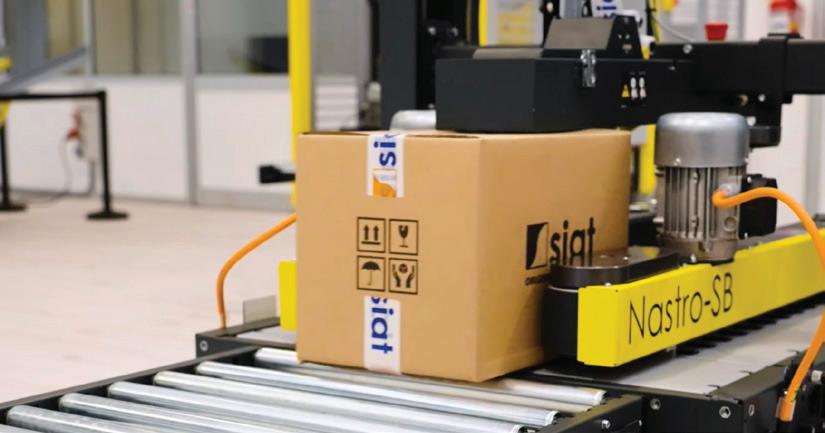
Packserv, an Australian manufacturer and supplier of packaging machinery, has been appointed as the Australian distribution partner for Italian packaging equipment manufacturer SIAT’s range of end-of-line packaging equipment.
Through this agreement, Packserv will now supply and support SIAT’s range of packaging equipment, including case erectors, case sealers and pallet wrappers designed to improve packaging efficiency, consistency and line automation.
By incorporating SIAT’s solutions into its portfolio, Packserv can now provide fully connected modular production lines that integrate filling, capping, labelling, printing, conveying, case erecting, case sealing and pallet wrapping, providing a scalable approach to packaging automation.
“We are pleased to be a distribution partner of SIAT, extending our offering into end-of-line automation,” said Nathan Wardell, Managing Director of Packserv. “This addition allows us to deliver complete packaging lines, giving customers greater flexibility to scale production, improve efficiency and reduce manual handling across their operations.”

Pure Foods Tasmania Limited (PFT) announced to the ASX on 25 May 2026 that Robert Knight has been appointed to the role of Chief Executive Officer and Managing Director, effective 1 July 2026.

Back in October 2024, Knight was appointed as Director of PFT and has therefore played an active role in the operational and strategic direction of the business. In June 2025, he relocated to Hobart from Melbourne to take up the role of Sales and Marketing Director. Since that time, he has played a central role in a number of key commercial and strategic initiatives across the business, including:
• increasing the company’s Coles store footprint from approximately 300 to 800 stores;
• re-establishing Costco;
• relaunching the company’s Potato & Gravy product;
• securing ranging in Drakes of the full Tasmanian Pâté product range; and
• having principal involvement in the acquisitions of Elato and Brilliant Food Australia.
The Board said it believes Knight’s appointment provides PFT with strong alignment between management, shareholders and the Board at an important stage in its development.
Knight said: “I look forward to working closely with the Board, staff, customers, suppliers and shareholders as we enter this next phase.”
Danone announced on 22 June 2026 that it has entered into two definitive agreements that will enable it to expand its presence in the Asia–Pacific (APAC) region in the healthy nutrition space.
Firstly, it plans to acquire Melbourne-based company MADE Group, which has a portfolio of health-focused food products — including high-protein ready-to-drink products, gut-health yoghurts and coconut-based products — and an established presence across Australia, New Zealand and South-East Asia.
Complementing this acquisition, Danone also announced it will acquire the remaining 49% stake in its fresh dairy joint venture with Saputo Dairy Australia. Through this partnership, Danone has established a presence in functional yoghurts in Australia, with three brands: YoPRO, Activia and Ultimate.
Antoine de Saint-Affrique, Chief Executive Officer of Danone SA, said: “With its strong portfolio of brands and healthy nutritional products, focusing on gut health and protein, MADE shows an impressive track record of rapid and profitable growth. We share the same belief in health through food and are excited to welcome them into the Danone family.”
Amanda Butler, Chief Executive Officer of MADE Group, said: “Today marks an exciting next chapter for MADE. Danone shares our commitment to health and a passion for innovation, and we are excited about what comes next. Together we will access new infrastructure, capabilities and R&D expertise to accelerate our growth across the region. We are proud of what the team has built, and excited about what comes next.”
The transactions are subject to customary closing conditions, including regulatory approvals, and are expected to be completed in the second half of 2026.

Global specialty ingredient solution provider Barentz has announced that Additive Solutions has been officially rebranded to Barentz, completing its integration across Australia and New Zealand.
Barentz and Additive Solutions joined forces in Australia and New Zealand back in 2014, and Additive Solutions was then fully acquired by Barentz in December 2024. This rebranding marks the final chapter of a successful partnership that began over a decade ago.
Founded in 2009, the Additive Solutions team operates from its Melbourne head office to provide technical expertise in ingredient solutions to specific market segments, including health and nutrition, bakery, culinary, confectionery, dairy, fats and oils, meat, pet food, nutraceutical, sports nutrition and infant formula markets.
“Rebranding to Barentz is a natural next step in our journey,” said Andrew
On 2 June 2026, LION announced a proposal to close the James Boag’s Brewery in Launceston in November 2026.

The company said the Launceston brewery is currently operating at about a fifth of its capacity due to long-term decline in the national beer market. This combined with significant cost inflation has meant that this brewery is no longer viable.
LION CEO & Managing Director Anubha Sahasrabuddhe said: “We know this is difficult news for our Boag’s Brewery team and the broader Launceston community. I sincerely apologise for the negative impact this announcement will cause.
“This proposal is no reflection on the incredible capability, passion and commitment of our brewery team members, and the many more who have come before them, who have worked hard to operate the brewery as efficiently as possible despite decreasing volumes.”
The proposed closure would impact the roles of 42 people employed at the James Boag’s Brewery.
Consultation conversations are now taking place with team members to work through the proposed impacts, before a final decision is made and redeployment opportunities across LION’s brewing network are explored.
If the proposal is implemented, the James Boag’s beer brand will continue to be brewed at other breweries within the LION network.
Sullivan, Managing Director Australia & New Zealand at Barentz. “We’re maintaining the relationships and expertise our customers rely on, while connecting them to greater global resources and a broader portfolio. For our principal partners, it brings together Barentz’s global strength with Additive Solutions’ deep local market knowledge and trusted relationships, a powerful combination for future growth.”
Marc Duchene, Regional CEO Asia-Pacific at Barentz, said: “The rebranding of Additive Solutions to Barentz is a significant milestone in our APAC growth strategy. By fully integrating our Australia and New Zealand operations under the Barentz brand, we are better positioned to leverage our regional scale. This move ensures that our partners in ANZ benefit from a seamless global network that remains deeply rooted in our expertise.”
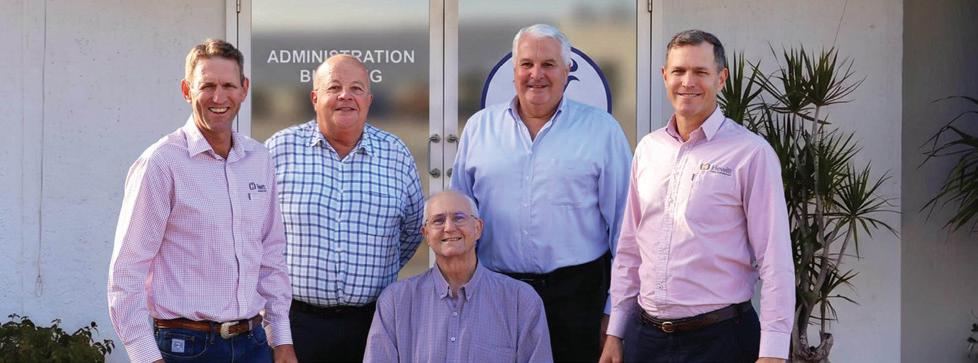
Australian organic meat producer Hewitt has entered into an agreement to acquire family-owned Australian beef processing company Nolan Meats.
Established in 1987, Hewitt is a family business that has grown to become one of Australia’s largest organic meat producers. In 2014, brothers Mick and Ben Hewitt took over the running of the business —implementing environmental, social and governance actions (carbon, biodiversity, natural capital and regenerative agriculture) throughout their supply chains. This included using sustainable recyclable paper-based trays for its Cleaver’s brand of meat, which is certified organic, carbon neutral and free range with high animal welfare standards.
Founded in 1958, Nolan Meats is an Australian integrated export beef processing company located in Gympie, Queensland. The family business has been focused on producing quality grain-fed beef for delivery to retailers, further processors, wholesalers and international markets. Beef products from its abattoir are distributed around Australia and exported to many markets, including Japan, Korea, Malaysia, the Middle East, Taiwan and the US. Hewitt’s acquisition of Nolan Meats remains subject to customary conditions and applicable regulatory approvals.
Following the transfer of ownership, the Nolan Meat operations will continue at the existing facility in Gympie, Queensland.
The transaction is expected to be completed in the second half of 2026.

Mondelēz International has celebrated the 50th anniversary with new technology installed at its Scoresby confectionery factory, located in Melbourne’s east.
For 50 years, the factory has been making some of Australia and New Zealand’s favourite lolly brands, including Cadbury Pascall Clinkers, Sour Patch Kids and The Natural Confectionery Company.
Part of a broader $30 million investment since 2022, the new technology at the factory will support the production of over 120 products in a range of formats, including portioned mini-bags. It will also help the lolly maker respond quickly to changing consumer demand, including trends driven by social media.
Mondelēz International Australia, New Zealand and Japan President Toby Smith said the Scoresby facility has been an important part of Australia’s manufacturing legacy as well as its future.
“We are incredibly proud of our 50-year manufacturing legacy at Scoresby and the jobs we have created for hundreds of Victorians in Melbourne’s east over the decades,’’ he said.
“Our continued investment in the Scoresby factory and our team demonstrates our confidence in Australia’s ongoing capacity to manufacture the lollies we know and love right here.”
By 2035, Mondelēz International anticipates that 50% of its growth will come from chocolate and the other half from non-chocolate products.
The Victorian Government has announced that George Weston Foods is investing another $92 million to expand its operations across Victoria.
The investment will expand the scope of the Mauri flour mill in Ballarat to include a warehouse and production facility.
The government announcement said that it is supporting this investment and also future upgrades throughout the George Weston Foods network in Victoria, including its Tip Top bakery operations.
The new mill under construction now is set to open later in 2026.

Ingredion Incorporated, a US-based global provider of ingredient solutions to the food and beverage and industrial segments, has announced an offer for the acquisition of Tate & Lyle PLC, a UK-based specialist in sweetening and fortification ingredients. The transaction offer implies a total enterprise value of approximately £3.7bn.
The acquisition will bring together two complementary ingredients businesses, broadening Ingredion’s specialty ingredients platform across texturants, sugar reduction and fortification, and adding capabilities in multi-ingredient systems and recipe development. The combined group will have an expanded geographic supply network across the Americas, Europe, the Middle East and Africa, and Asia–Pacific.
“Combining Ingredion and Tate & Lyle’s complementary portfolios establishes a global leader in ingredient solutions with the innovation expertise and geographic reach that will help create the future of food,” said Jim Zallie, chairman, president and CEO of Ingredion. “The combined business will be better positioned to serve customers’ needs for the development of great-tasting, healthier and affordable food products that consumers demand. This compelling combination will create exciting new possibilities for employees and generate significant value for all stakeholders.”

Commenting on the announcement, David Hearn, chair of Tate & Lyle, said: “Looking forward, we believe the next chapter with Ingredion will create a business with even greater potential, greater scale, and increased investment in innovation in support of customers. The Board of Tate & Lyle believes Ingredion’s offer represents an attractive opportunity for shareholders to crystallise value in cash, and that it will be an excellent steward of Tate & Lyle. The Board therefore unanimously recommends Ingredion’s offer to Tate & Lyle’s shareholders.”
Under the terms of the transaction, it has been reported that Tate & Lyle shareholders will receive 595 pence per share.
Ingredion said it intends to finance the acquisition through a combination of existing cash resources, new debt financing and, to the extent required, a drawdown on a fully committed bridge financing facility.
Completion of the acquisition is expected to take place in the second half of 2027, subject to the satisfaction of various conditions — including, among others, approval by Tate & Lyle shareholders, sanction of the Scheme by the High Court of Justice in England and Wales (the “Court”), and the satisfaction or waiver of the antitrust conditions.




The Australian packaged ice cream, sorbet and gelato landscape is led by Bulla, which maintained the highest market presence across all tracking metrics throughout the four months — according to Conjointly Brand Tracker using data from December 2025 to April 2026. Peters sits in second position according to Conjointly metrics.
Source: conjointly.com
While chocolate production prices have been rising, market researchers estimated the market for chocolate confectionery alone at around US$173bn. The market is expected to grow to over US$300bn by 2034 which represents an annual increase of almost 7%
Source: interpack
The average volume per person in the global confectionery market is expected to amount to over 10 kg in 2026.
Source: www.statista.com
While there has been sluggish growth in the Australian confectionery market, due to health-driven consumer behaviour and economic uncertainty, the Australian confectionery market recorded revenues of over $3bn in 2024.
Source: www.marketresearch.com


ynthetic biologists and bioprocess engineers at The University of Queensland are creating rare sugars in ‘microbial cell factories’ at the $70 million UQ Biosustainability Hub, which was officially launched on 17 June 2026.
Led by Dr Axayacatl Gonzalez and his team at UQ’s Biosustainability Hub, the project is harnessing natural processes to produce a variety of rare sugars — which are considered to be a ‘healthy’ low-calorie alternative to raw sugar.
According to Gonzalez, these rare sugars offer the same sweetness, texture and baking properties as raw sugar, but the cost of sourcing and processing rare sugars has prevented wider usage in food and beverage products so they are aiming to scale up the process.
“These rare sugars occur in some fruits, and they are increasingly coveted as alternative food and beverage sweeteners by the hospitality and commercial food industries,” Gonzalez said.
“The health benefits are clear, and the sugar industry clearly identifies this as an opportunity to diversify their offering, but large-scale production is currently limited.
“The good news is we are able to harness natural processes in our lab to produce a variety of rare sugar molecules, using fermentation technologies which provide a sustainable alternative for the manufacturing of these molecules directly from raw sugar.”
Gonzalez’s project involves an industry partnership with MSF Sugars and begins with bacteria commonly found in Queensland cane fields.
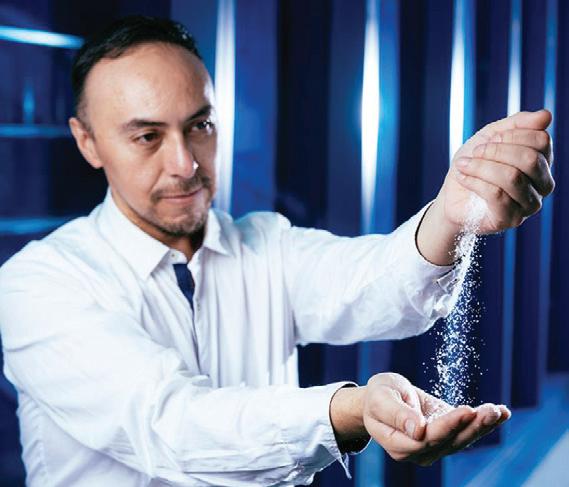
Australia’s Food and Beverage Accelerator (FaBA) R&D scientist Dr Nathan Zhong engineered the bacteria’s metabolism to create microbial cell factories that can produce rare sugars from a cane syrup feedstock.
“Once we have the right bacterial strain, the equation is pretty simple: raw sugar goes in, and rare sugars come out,” Zhong said.
“So far we have a library of bacterial strains capable of producing rare sugars when grown in UQ’s custom-built bioreactors.”
MSF Sugar’s General Manager Businesses Development, Jia Poontanasombat, said the work at the UQ Biosustainability Hub could ultimately help Australian sugar producers remain competitive internationally.
Video: Dr Axayacatl Gonzalez and Dr Nathan Zhong discuss the project

The confectionery industry is changing — in terms of its technology, its functions and its role in sustainability. This was the resounding message at interpack 2026, with three of the 18 exhibition halls specifically dedicated to process and packaging technology for confectionery and baked goods.
Whether it’s chocolate, sweets, fruit gums or chewing gum — confectionery remains popular, but consumer expectations are undergoing a noticeable change. The demand is no longer just for sweet treats, but for products with added health benefits: plant-based and sugar-free recipes, organic ingredients, protein-rich snacks and innovative ingredients that make taste, colour and texture a multi-sensory experience. At the same time, processing and packaging requirements are on the rise.
Confectionery is one of the most demanding foods when it comes to production technology: high fat content, sticky surfaces, temperature-sensitive recipes and high standards placed on
appearance, freshness and shelf life require machines, materials and processes that are coordinated with precision.
For seven days during May in Germany, interpack 2026 showcased some of the solutions that are being developing to meet these needs — from sustainable packaging materials and flexible machine concepts to digital added value right along the value chain.
Due to its barrier properties, plastic has long been considered indispensable, especially for confectionery, which is sensitive to oxygen, moisture and fat migration. At interpack, it was clear that this assumption is becoming more and more outdated. Paper-based barrier packaging, monomaterials and recyclable solutions have long since made the leap from niche to industrial practice.
Companies such as Koehler Paper are one of the drivers behind functional papers. Product lines such as NexPlus Advanced or NexPlus Seal Coat offer packaging papers that have oxygen, mineral oil and grease barriers, are heat- or cold-sealable and can be easily recycled in the waste paper stream. These materials can also be visually impressive, as seen from the high-gloss finish of the latest generation. On packaging machines, the paper can be processed at the
“Product lines such as NexPlus Advanced or NexPlus Seal Coat offer packaging papers that have oxygen, mineral oil and grease barriers, are heator cold-sealable and can be easily recycled in the waste paper stream.
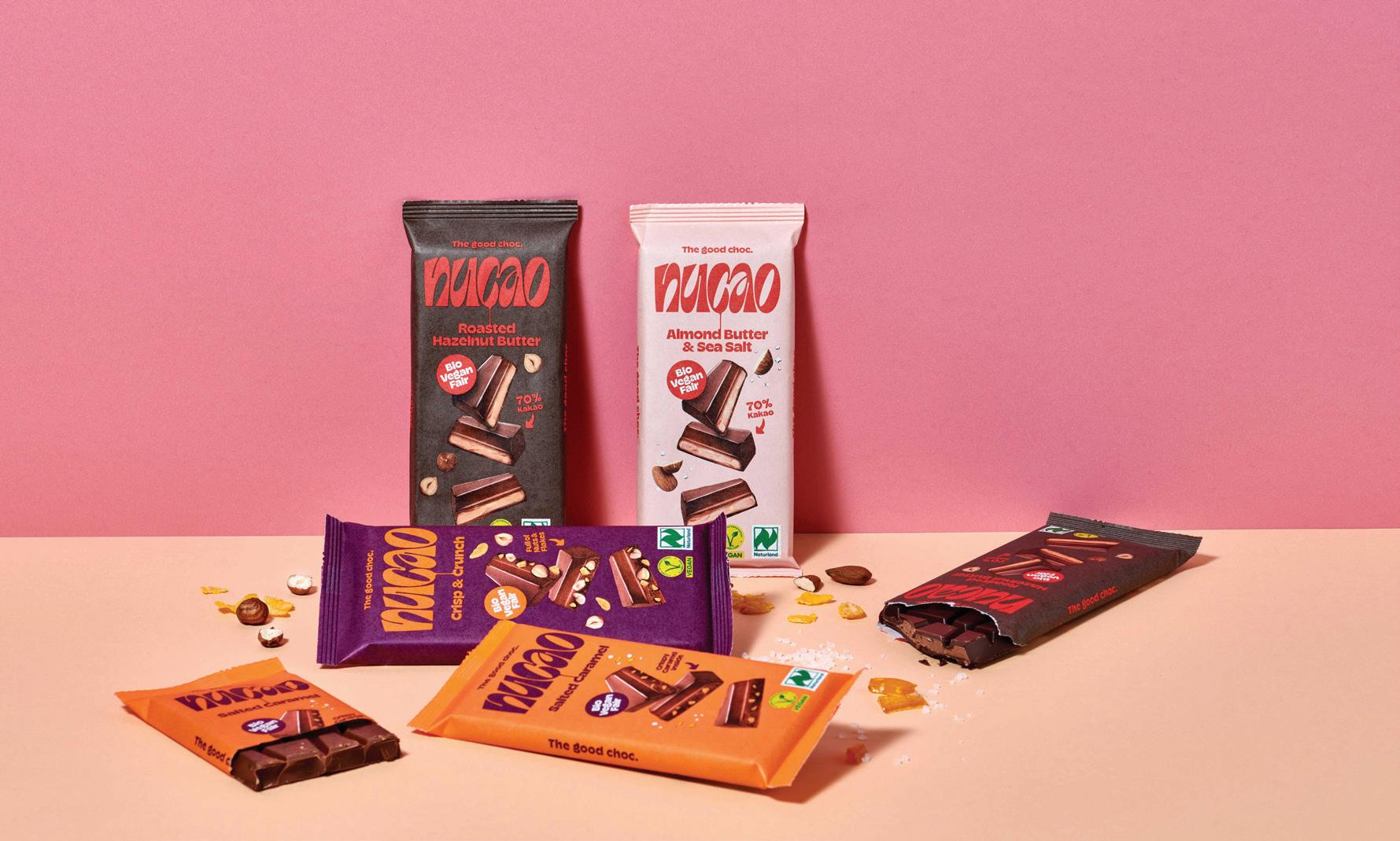
same speed as plastic and, additionally, can be heat-sealed at lower temperatures. Sustainable concepts have already been successfully implemented. For example, the startup Nucao has used primary packaging made from NexPlus Advanced paper; and Vivani has used compostable NatureFlex film from Futamura for its chocolates. Supplemented by FSC-certified paper wrapping and mineral-oil-free printing inks, sustainable packaging can be transformed into a brand message.
Alongside the packaging materials themselves, machine concepts are also under development. The focus here is on modularity, flexibility and convertibility.
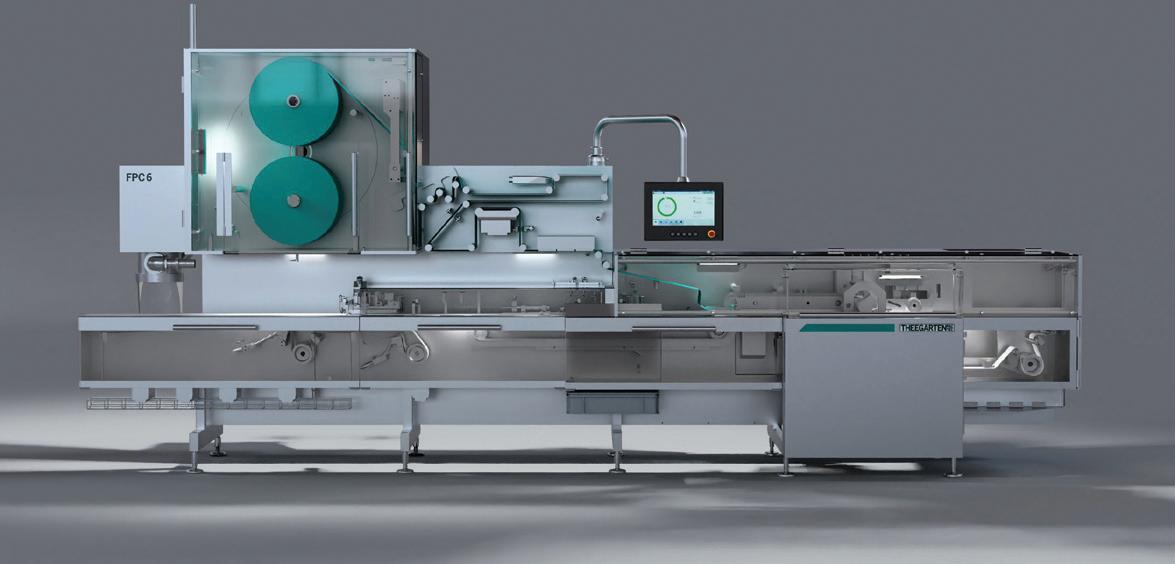
Manufacturers such as Theegarten-Pactec and Rovema are responding to these requirements with machine platforms that are able to process different materials and formats. Theegarten-Pactec presented its new FPC6 for the first time at interpack.
The machine packs chocolate bars, tablets and pralines in tubular bags and is aimed specifically at manufacturers of chocolate, confectionery, muesli and protein bars, functional food and snacks, as well as at copackers and contract packers. The machine not only processes a wide variety of product formats, but can also handle multiple sealing types — cold sealing, heat sealing and hotwire cut-off systems for water-soluble films.
Theegarten-Pactec presented an additional folding method, the ‘Smart Bunch’, for the CHS confectionery packaging machine, which was first presented at interpack 2023. This extension is designed not only to increase the machine’s flexibility, but also to reduce consumption of packaging materials.
With its BVC 250 Candy, launched last year, Rovema has a flow-wrapping machine that is able to process monomaterials and composites as well as paper and paper composites, achieving output rates of up to 300 bags/min. In order to meet the
complex requirements for sustainable packaging, Rovema said it works together with packaging manufacturers and tests alternative packaging materials for machinability, sealing properties and performance parameters. Recently, the company demonstrated the production of paper bags that can be resealed after opening by simply tucking them inside each other.
Adding new features to packaging was a topic that interpack exhibitors were addressing. Resealability, intuitive operation and an improved user experience are taking centre stage. Exhibitor Aplix’s Easylock is an example of how such added value can be realised technically. The sensory hook-tohook closure system made of recyclable PE provides acoustic and tactile feedback when opening and closing the bags and is particularly tolerant of product particles — which represents an advantage for confectionery, too.
Beyond pure technology, the topic of digitalisation and transparency is becoming more prominent in the confectionery sector. One chocolate manufacturer’s new traceability solution has just been distinguished with the German Sustainability Award 2026. Consumers can use the QR codes on the packaging to trace the origin of their product’s cocoa back to the agricultural community that produced it. This is made possible by a smart tracking tool that links all the data from the source to the chocolate factory. Digitalisation in the confectionery industry, therefore, not only increases efficiency, but also creates trust.
The next interpack event will be held in Düsseldorf in 2029.



SternMaid, part of the global Stern-Wywiol Gruppe, has improved the efficiency of its food ingredient processing operations by implementing a sieving solution from Russell Finex.
Producing a wide range of blended products — including confectionery mixes, bakery ingredients and micronutrients — SternMaid processes up to 5000 tonnes annually. Maintaining consistent product quality and efficient workflows is essential to meet production demands.
Food powder sieving plays a critical role in ensuring quality by removing contaminants, agglomerates, and oversized particles, while achieving uniform particle size for consistent blending. By sieving ingredient powders such as flour, sugar or spices, manufacturers can remove foreign particles, lumps, and contaminants that may have formed during production or storage.
Overcoming processing challenges
SternMaid identified inefficiencies in its production line that were limiting productivity. A single-sided dump station allowed only
TNA Solutions introduced a series of mogul enhancements for starchmoulded confectionery production at interpack 2026. Designed for jelly, gummy, marshmallow and liquorice applications, the new technologies are designed to help manufacturers improve throughput, process control and operational efficiency in high-mix production environments.
The innovations support outputs of over 3000 kg/h while reducing waste and improving overall equipment effectiveness (OEE).
one operator to load ingredients at a time, making the process slow and labour-intensive.
Additionally, once blending was complete, bulk bags had to be manually transferred to a separate filling line. This increased handling time and extended the full process cycle to approximately one hour.
A more efficient, integrated solution
To address these challenges, SternMaid installed the Russell Compact Sieve to screen powders before blending, alongside a magnetic separator to remove potential ferrous contamination.
The solution integrates sieving, blending and filling into a single streamlined process, allowing materials to be discharged directly into bulk bags ready for shipment. A custom double-sided configuration also enables two operators to load simultaneously, increasing throughput.
Following implementation, process time has been reduced from around 60 to 25 min — improving productivity by over 50%.
Additional benefits include:
• Reduced manual handling
• Improved workflow efficiency
• Enhanced product quality and contamination control
• Better use of labour and resources
The project highlights how integrated sieving solutions can help food manufacturers improve operational efficiency while maintaining high product quality standards.
Russell Finex Limited www.russellfinex.com/en
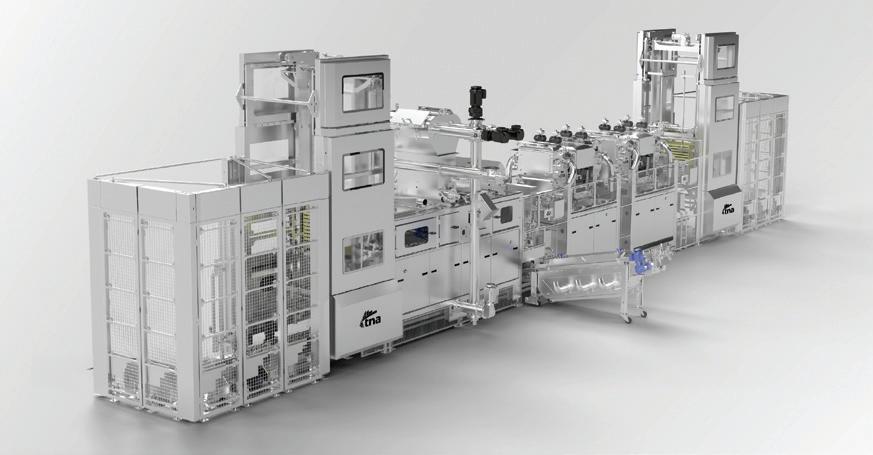
A patented starch filling containment system incorporates a springloaded seal mechanism that creates a controlled environment during filling, levelling and transport. The system prevents starch overflow at tray edges, eliminates the need for compressed air cleaning and helps reduce airborne starch dust, starch losses and energy consumption.
A new in-line tray weighing system measures product weight before and after depositing, enabling automatic pump stroke adjustment during production. This continuous monitoring approach improves weight consistency, reduces product giveaway and allows early identification of out-of-spec trays.
To support frequent product changeovers, TNA has developed clean-in-place (CIP) hoppers, remote-controlled hopper compartment valves and a redesigned piston valve system that reduces changeover time by approximately five minutes per change.
The latest top-driven pump architecture delivers uniform piston strokes across the entire pump array, providing precise and consistent weight control. Optional servo-driven valve bars are designed to further enhance depositing accuracy across a wide range of confectionery formulations.
TNA Solutions Pty Ltd
www.tnasolutions.com

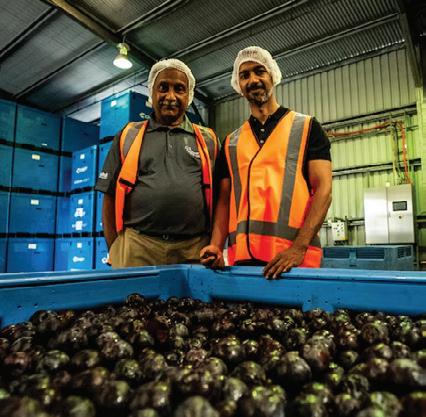
Nutrafruit is extending the life of overlooked Queen Garnet plums by converting them into new shelf-stable products.
Each growing season, visually imperfect plums go to waste as they fall outside the fresh market standards. As the fruit still retains its full nutritional value, Nutrafruit made the decision to repurpose the plums, providing the fruit’s nutrient-rich properties in a different form.
By freeze drying surplus plums, Nutrafruit was able to create nutrient-dense powders and shelf-stable nectar, brought to

market through the company’s consumer brands PurQ and Queen Garnet.
“This fruit has always had incredible nutritional value, regardless of how it looks,” said Nutrafruit CEO Sid Ghosh.
“What we are doing is making sure more of it is used, not wasted, and that people can access those benefits beyond the harvest window.”
The Queen Garnet plum is claimed to have 20 times more anthocyanins than regular plums and six times more than blueberries. By repurposing the plums, the company is able to extend its short four-month harvest.
“There has always been a fruit that doesn’t make it to the shelf, even though it’s still high quality,” said Victorian grower Jimmy Kalafatis. “Now it has a purpose. It means less waste and more return from what we grow.”
Ghosh said this process proves that there can be food systems where waste is reconsidered as a resource.
“We are challenging the idea that value is only in what makes it to the shelf,” Ghosh said. “There is far more potential in every harvest. This is about making sure we use it.”
Traditional supply chains are being disrupted by reshoring efforts and geopolitical disruptions. By stepping in to fill gaps left by disrupted global suppliers, SMEs can secure supply contracts with larger producers, increase market share, and contribute to localized, value-added manufacturing.
Flexicon’s proven solutions, including our modular conveyor technologies, bulk bag fillers, dischargers, and conditioners — empower SMEs to scale agilely and sensibly for a resilient future.
By leveraging today’s CapEx tax incentives to improve efficiency and throughput, you can lean into the disruption others are bending to.

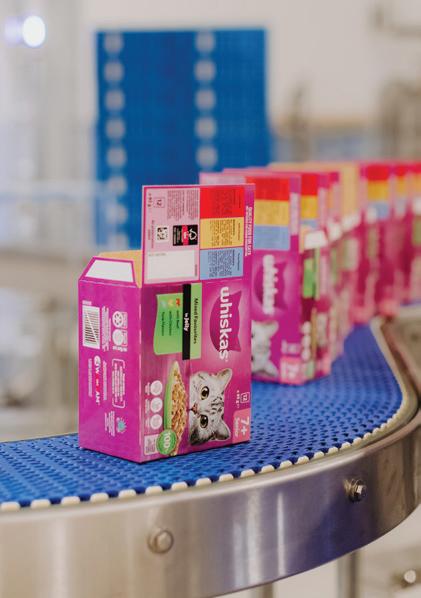
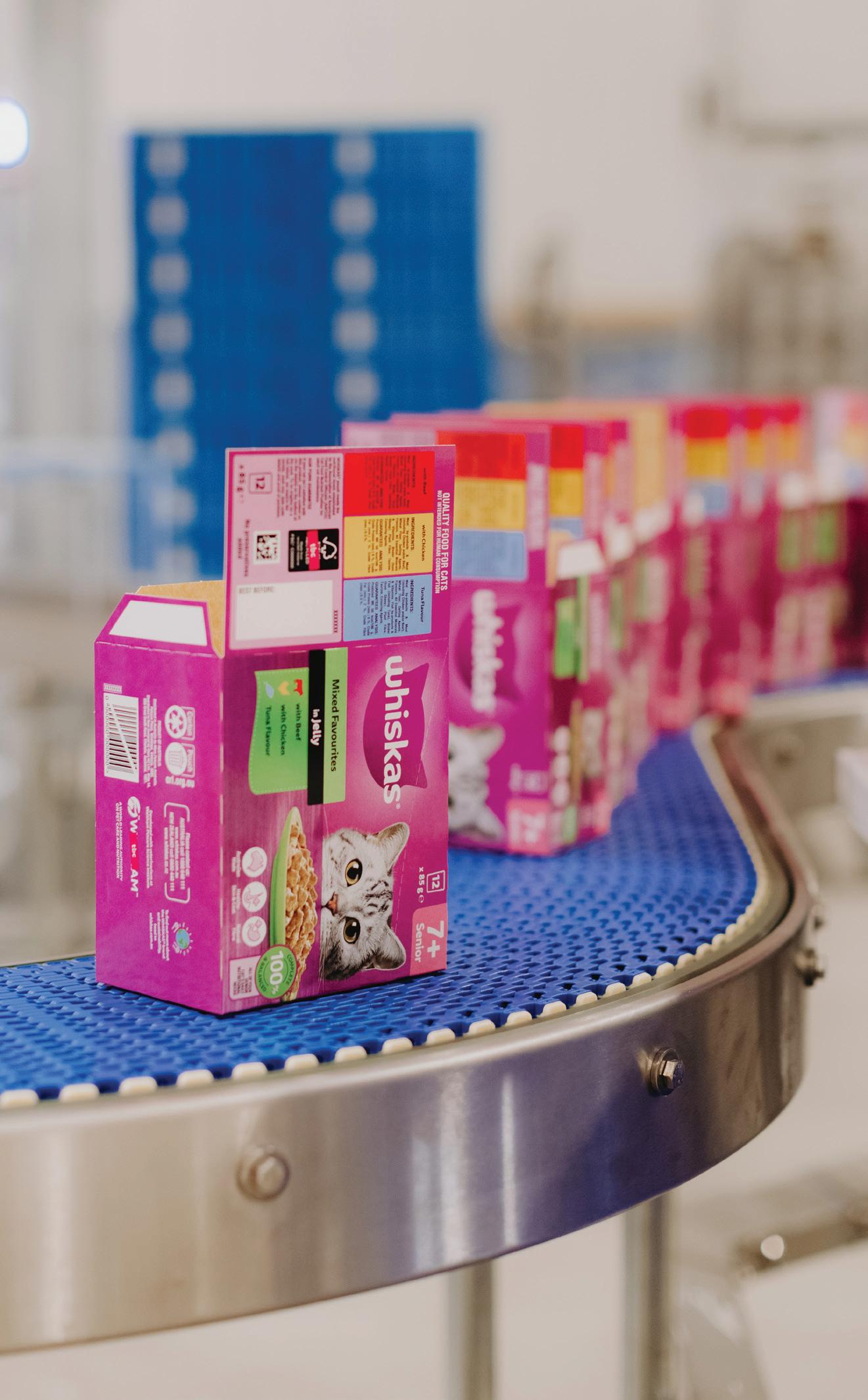
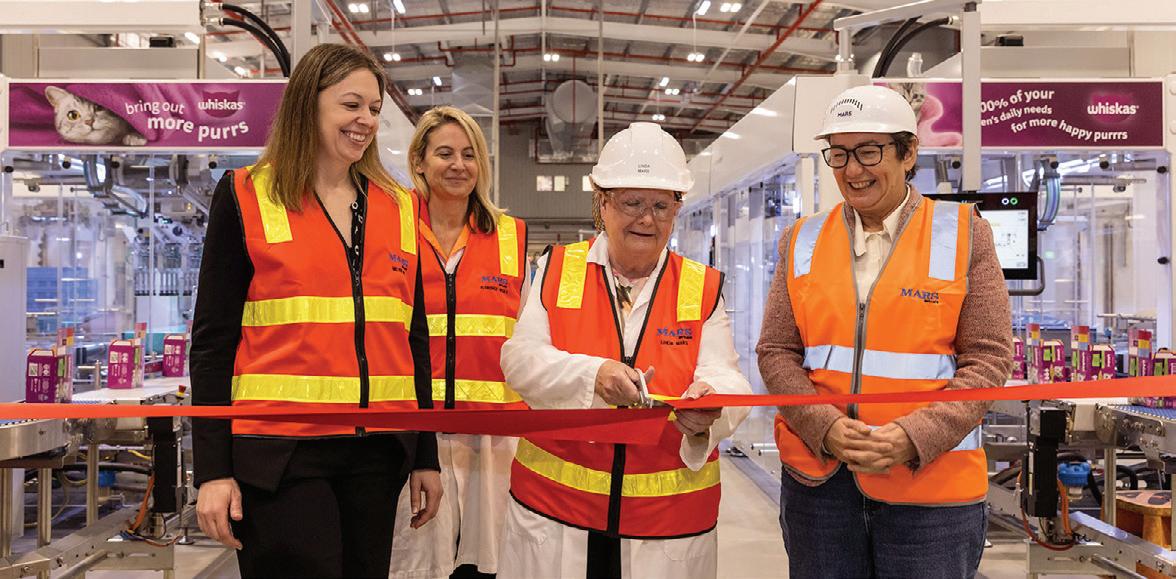
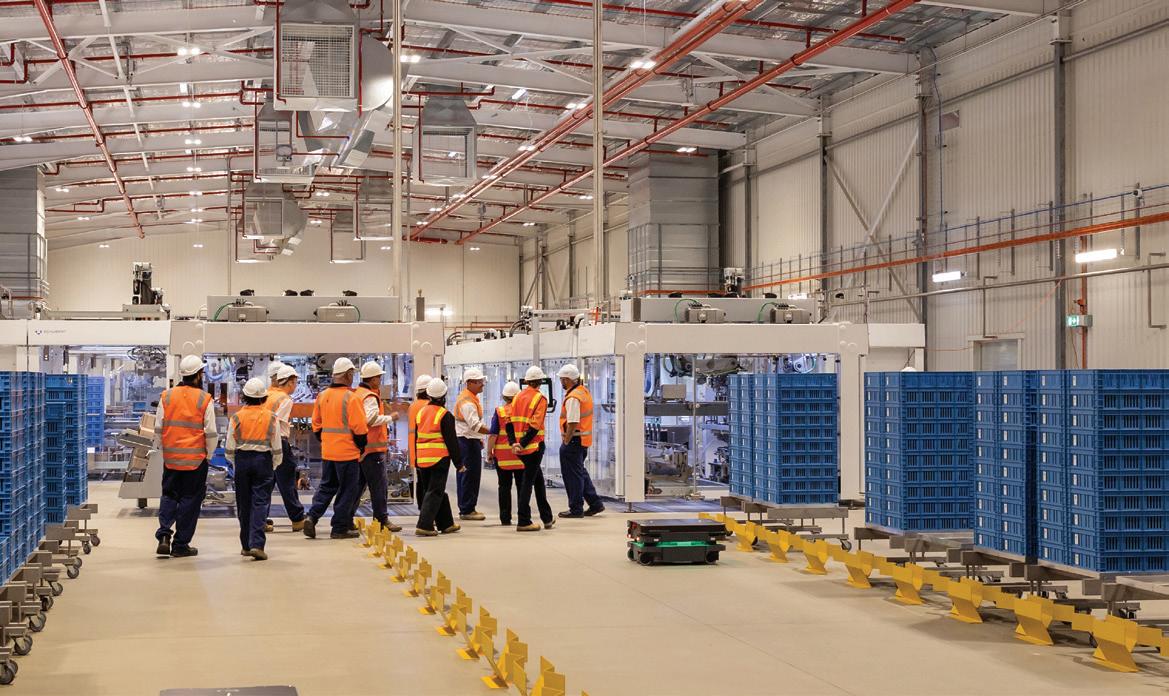
Mars, Incorporated, has now officially opened its $112.6 million pet food facility in Wodonga, Victoria. The opening event was attended by guests including Linda Mars, Melodie Nye (Managing Director and General Manager Mars Petcare ANZ) and Minister for Regional Development Michaela Settle.
Wet pouch formats is now said to be the fastest-growing segment of the pet food category. The new ‘cat food kitchen’ is therefore designed to produce 290 million pouches of premium wet cat food each year for its brands, which include WHISKAS, DINE, OPTIMUM and ADVANCE.
This expansion means 90% of Mars pet care products sold in Australia and New Zealand will be made locally, strengthening supply chain resilience and reducing reliance on imported products.
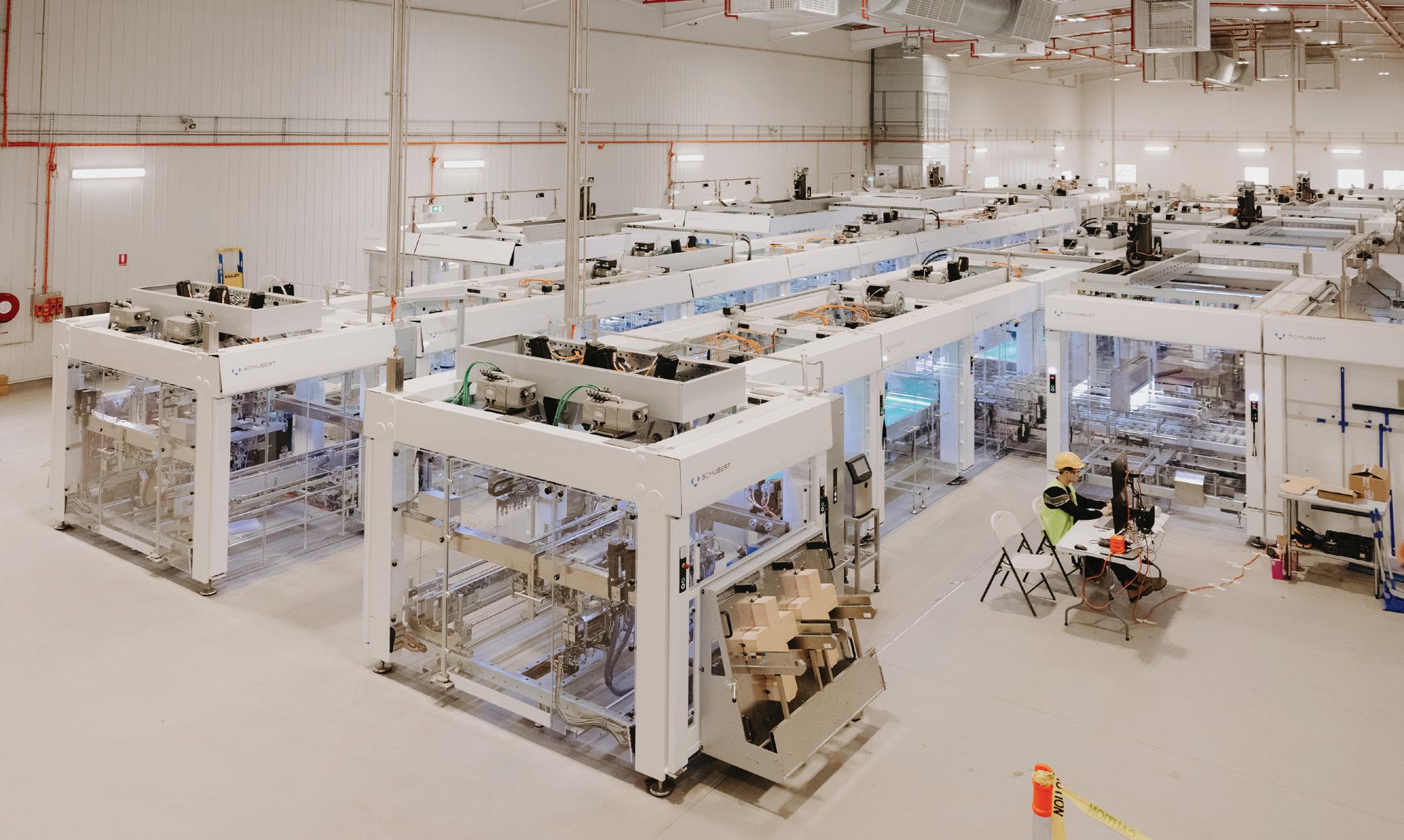
Located alongside existing Mars operations in Wodonga, the new facility introduces advanced manufacturing technology, including autonomous mobile robots (AMRs), automated packaging systems, a next-generation cooker and selective use of AI-enabled planning tools to enhance production efficiency and operational flexibility.
Since 2020, Mars has invested more than $450 million across its Australian operations to modernise facilities, improve quality and efficiency, and support a more resilient, lowcarbon manufacturing footprint.
The Wodonga site is home to two energy initiatives:
• A commercial concentrated solar thermal (CST) system for steam generation — a $39.3 million project jointly funded by ARENA and Mars. Once complete, the CST will generate renewable steam to meet over 50% of the site’s annual process heat requirements, cutting natural gas use by more than half.
• A commercial-scale electric thermal energy storage (eTES) pilot, which uses renewable electricity to generate and store heat. The system has already reduced gas consumption by 20%, lowering emissions.
Nye said the investment reflects the company’s commitment to regional communities, innovation and the future of Australian manufacturing.
“Mars has been part of the Wodonga community since 1967, and this new facility is the next chapter in that story. We’re proud to keep investing here — in local jobs, in Australian manufacturing, and in the people who make this place what it is.”
Settle said that the government’s support reflected an ongoing commitment to strengthen regional economies and formed part of a more than $50 billion investment into regional Victoria in just over the last decade.
“Across regional Victoria, we’re helping businesses like Mars Petcare to expand their operations, strengthening our supply chains and continuing to develop places like Wodonga as manufacturing powerhouses,” Settle said.
“We’re proud to have supported this expansion, which has created local jobs and will support significant productivity growth for the company.”
The facility will create more than 67 new jobs and 100 additional indirect jobs in the region.
The opening follows the company’s recently announced $200 million investment in Australian manufacturing through to 2027, part of a broader program to expand capacity, fuel innovation and advance the company’s renewable energy ambitions.
Do you have a design story to share? Please email wnift@wfmedia.com.au if you'd like to contribute.
Advantech has launched the UNO-2372V3, an intelligent and highly integrated edge automation computer designed to meet the growing demands of Industrial IoT (IIoT) applications. This latest addition to the UNO series is designed to deliver enhanced performance, flexible connectivity and reliability for deployment in diverse industrial environments.

The unit is powered by the latest Intel Atom x7000RE series processors, providing efficient computing performance while maintaining low power consumption. Its compact, fanless design is designed to ensure stable operation in harsh conditions, making it suitable for applications such as factory automation, machine control and edge data processing.
Designed with integration in mind, the unit has rich I/O interfaces, including multiple LAN ports, USB, serial communication and display connectivity options. This enables seamless connection to various industrial devices, sensors and control systems, simplifying system architecture and accelerating deployment timelines.
To further support industrial flexibility, the system includes expansion capabilities for additional I/O modules, allowing users to customise configurations based on specific application requirements. Its rugged construction and wide operating temperature support is engineered for good performance in demanding environments.
With its balance of performance, connectivity and durability, the unit is designed to empower system integrators and industrial operators to build scalable, efficient and future-ready edge automation solutions.
Advantech Australia Pty Ltd www.advantech.net.au

www.cbsfoodtech.com.au

Pilz has expanded its IO-Link Safety portfolio with the PITgatebox IOLS safety gate control for modern automation environments. Designed to work seamlessly with the IO-Link Safety Master, the control unit transmits real-time diagnostic data — such as gate status and operating conditions — directly to the plant controller. This enables faster fault detection, reduced downtime and improved machine availability.
Built on the open, standardised IO-Link Safety protocol, the safety gate control system is designed to simplify both commissioning and maintenance. Its point-to-point connection can reduce wiring complexity, while standardised configuration can minimise set-up time.
The device can operate as a standalone unit or integrate with Pilz safety switches like PSENmlock, PSENslock 2 and PSENcode, supporting applications with or without guard locking. This flexibility allows users to create a fully modular safety gate solution tailored to their needs.
Combining pushbuttons, key switches and E-STOP functions in a single configurable unit, the device can enhance usability while ensuring maximum safety. The system is also designed to reduce maintenance costs and improve operational efficiency.
Pilz Australia Industrial Automation LP www.pilz.com.au


The Redpost RPU120+ special-purpose electronic temperature recorder is specifically designed to monitor the tunnel pasteurisation process. Using the same third generation technology as the RPU-352, the recorder is designed to cover the same temperature range as its predecessor but with greater accuracy and longer recording time.
The instrument passes through the pasteuriser with the product and after the run, the PU value is automatically calculated, together with several other important results. Standard results calculated are: total PUs achieved, time accumulating PUs, time in holding zone, maximum temperature, etc. The temperature sensor reading is shown continuously allowing the unit to be used as a thermometer.
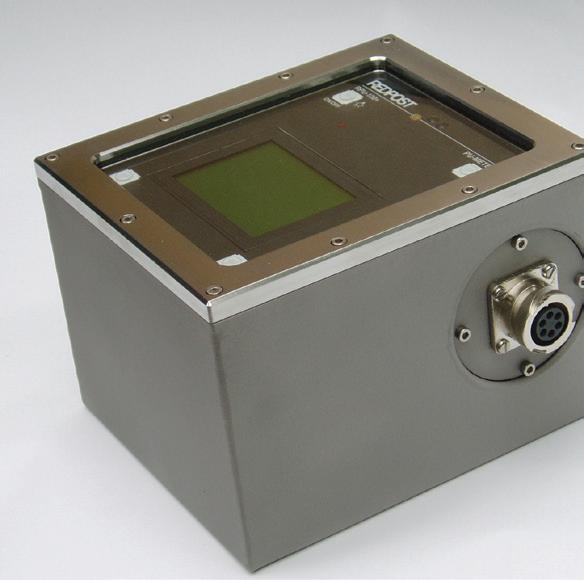
The monitor is designed to prevent product spoilage by calculating the temperature of the product when it leaves the pasteuriser, this exit temperature is shown with the other results.
Results are displayed on the instrument allowing immediate confirmation of correct pasteurisation. The display can show graphs and lists of recorded data before the data is printed or transferred.
The recorder is compatible with Redpost’s RPC-80 and RPC-50 printer/chargers, which can be used to print reports or transfer the data to a computer for storage and further analysis. The recorder is also backwards compatible with the RPC-40, RPC-42 and RPC-44.
The controls are simple and the display shows operating prompts and results in a choice of languages. Many functions of the equipment can be configured to suit particular requirements. All settings are protected to prevent operators making accidental changes to the configured settings.
Calibration details can be held in the instrument to aid record keeping for ISO 9000. A service reminder gives the operator a notification when a service should be considered.
Redpost PU recorders are available with a range of temperature probes for both bottles and cans, spray water temperature probes, mounting frames, and test plugs for on-site checking of calibration. Instruments and probes are calibrated at time of manufacture against standards traceable to U.K National Standards.
AMS Instrumentation & Calibration Pty Ltd www.ams-ic.com.au

Designed specifically for wet and washdown intensive processing environments, the CEIA THS/210-MBH9 metal detector system combines advanced detection capabilities with hygienic IP69K construction. It is suitable for applications including: fresh and processed meat products; poultry and seafood; plant-based and meat alternative proteins; cheese and dairy products; and ready meals and cooked foods.

At the core of the system is CEIA’s exclusive multi-spectrum technology, designed to manage product effect caused by natural variations in moisture, salt content, temperature, density and other product characteristics. By automatically compensating for these variables, the system maintains high detection sensitivity while reducing false rejects, product waste, and unnecessary production interruptions.
Other features include IP69K-rated construction, AISI 316L stainless steel housing and FDA-compliant materials to withstand rigorous washdown procedures. Its hygienic design supports residue free cleaning and compliance with food safety.
A key enhancement is the system’s rugged touchscreen interface, developed over several years of research and development specifically for harsh washdown environments. The interface is designed to simplify startup, product changeovers and access to inspection settings.
The built-in Auto-QC function automatically verifies detector performance by simulating the passage of ferrous, non-ferrous and stainless-steel test pieces through the detector aperture. This enables routine performance verification without interrupting production or requiring manual test passes, helping processors simplify quality assurance procedures and minimise downtime.
Additional detection modes allow the system to be optimised for wet products, dry products and products packaged in metallised materials, while smart connectivity capabilities support efficient production monitoring and management.
Heat and Control Pty Ltd www.heatandcontrol.com


Artificial intelligence (AI) solutions have been adopted across the food and beverage industry to improve efficiency, safety and sustainability in research & development, processing and manufacturing.
The embrace of AI in food industries has been swift, which is why Flinders University researchers have worked with an international research team to build what is claimed to be the first comprehensive overview of AI technologies involved in the food industry.
“Many examples of AI-integrated sensors are being used in the food industry for product safety, quality maintenance and optimised production efficiency,” said Flinders University ARC Future Fellow Associate Professor Vi-Khanh Truong.
“The review highlights the strong potential of AI-integrated sensing systems to reduce energy consumption, fuel usage and food waste across the supply chain.”
As an example, AI-assisted precision drying systems can identify optimal processing conditions in real time, significantly reducing excess energy consumption during food dehydration processes. Similarly, smart spoilage prediction systems can prevent premature disposal of food products, reducing both economic losses and greenhouse gas emissions associated with food waste.
“The global food supply chain faces an escalating need for monitoring systems that are not only accurate but also rapid, non-destructive and scalable. This is because traditional laboratory methods for assessing food quality and safety, such as gas chromatography, microbial plating and sensory panels, are often destructive, time-consuming, create bottlenecks that hinder real-time quality control, and require specialised personnel.”
The researchers identified a broad range of intelligent sensing systems being integrated into the food industry, including AI-enabled optical sensors, hyperspectral imaging systems, electronic noses (e-noses), electronic tongues (e-tongues), Raman spectroscopy, FT-IR spectroscopy, microwave sensing platforms, IoT-integrated lowpower sensors, graphene chemo-sensors, plasmonic sensors, and ML-assisted multisensory arrays.
“By enabling real-time monitoring and predictive analysis, these intelligent systems can optimise food processing conditions, reduce unnecessary transportation and storage losses, minimise refrigeration energy demand, and improve logistics efficiency,” Truong said.
The review covered major AI frameworks including Support Vector Machines (SVM), Random Forest, k-Nearest Neighbour (KNN), Convolutional Neural Networks (CNNs), Long Short-Term Memory
(LSTM) models, Autoencoders, and ensemble learning systems used for food quality, spoilage detection, adulteration analysis and supply chain optimisation.
Notable examples highlighted in the review include Raman spectroscopy combined with SVM achieving up to 99.6% accuracy for detecting milk adulteration, FT-IR spectroscopy integrated with AI models achieving 100% classification accuracy for edible oil authentication, and hyperspectral imaging with CNN models enabling early disease detection in peppers before visible symptoms appear.
The integration of low-power IoT sensors and TinyML edgecomputing platforms is particularly important because these systems operate with minimal energy requirements while enabling continuous monitoring directly within storage, transport and production environments.
“Collectively, these technologies support a more sustainable and resource-efficient food industry by reducing waste generation, lowering fuel and electricity consumption, and improving overall supply-chain sustainability.”
The review also discussed AI-assisted electronic nose systems capable of identifying coffee bean geographical origin with 97.5% accuracy, and machine-learning assisted spoilage prediction systems for meat, fish, fruits and dairy products.
These technologies demonstrate how AI can improve food safety, reduce waste, enhance traceability and enable real-time quality monitoring across the supply chain.
“The choice of Machine Learning models primarily determines regression error and predictive accuracy,” Truong said. “This work has demonstrated the capability of Machine Learning models to improve sensor response across various ambient conditions, including temperature, pH, humidity and pressure.”
The wireless communication used alongside the Machine Learningassisted sensor arrays has also enhanced network efficiency, optimised resource utilisation and improved predictive analysis.
Truong now predicts a sharp increase in the combination of Machine Learning models and sensors used in the food industry, to further improve selections of targeted analysis and achieve full accuracy with fewer Machine Learning training cycles.
“Food sensors have been fabricated using various nanomaterials due to their excellent electrochemical properties, but we believe selection of these sensors can be improved to detect a greater number of possible analysis — and this will allow sensing systems to comprise multiple Machine Learning models to detect a wide range of contaminants in food materials.”
This article has been republished with permission from Flinders University.

new $80 million food manufacturing facility is being purpose-built for Safcol Australia at Edinburgh in Adelaide’s north. The company officially broke ground on the new site on 2 June, alongside the opening of its new Adelaide Fish Market facility in Thebarton, as part of a broader strategy focused on longterm manufacturing growth, operational efficiency and supply chain resilience.
Designed to replace Safcol’s existing Elizabeth factory over the next two years, the new facility is being designed with advanced manufacturing technology that is expected to double the production capacity of the current site.
Safcol Australia CEO Andrew Mitchell said the investment was a strategic decision aimed at securing the future of local manufacturing operations while addressing increasing industry pressures.
“Our Elizabeth facility has served us incredibly well over many decades, but increasing energy costs, rising logistics pressures and aging infrastructure meant we reached a point where maintaining longterm competitiveness required significant change,” Mitchell said.
“The new site gives us the opportunity to redesign our operations from the ground up with modern manufacturing
capability, greater efficiency and room to support future growth.”
Safcol’s sustainability and operational efficiency remain central to the design and future operation of the new facility, with opportunities for future renewable energy integration aimed at improving productivity and reducing energy and water consumption. The company has already implemented a range of sustainability initiatives across its existing operations, including solar-powered infrastructure and upgraded retort machinery that have reduced carbon emissions by approximately 240 tonnes annually and cut water usage by around 136 million litres each year.
Safcol currently manufactures around 60% of Australia’s wet baby food supply, including products for a leading baby food brand in Australia, alongside soups, canned vegetables, seafood products and products for major supermarket and national food brands. The Elizabeth operation also houses Safcol’s national warehousing and import business, supporting seafood and pet food distribution across Australia. In addition to producing its own South Australian Gourmet Foods range, Safcol manufactures products for a number of well-known Australian brands, including a gourmet food brand, supermarket private labels and other major food partners. The company also processes local mussels and Australian canned abalone for export markets.
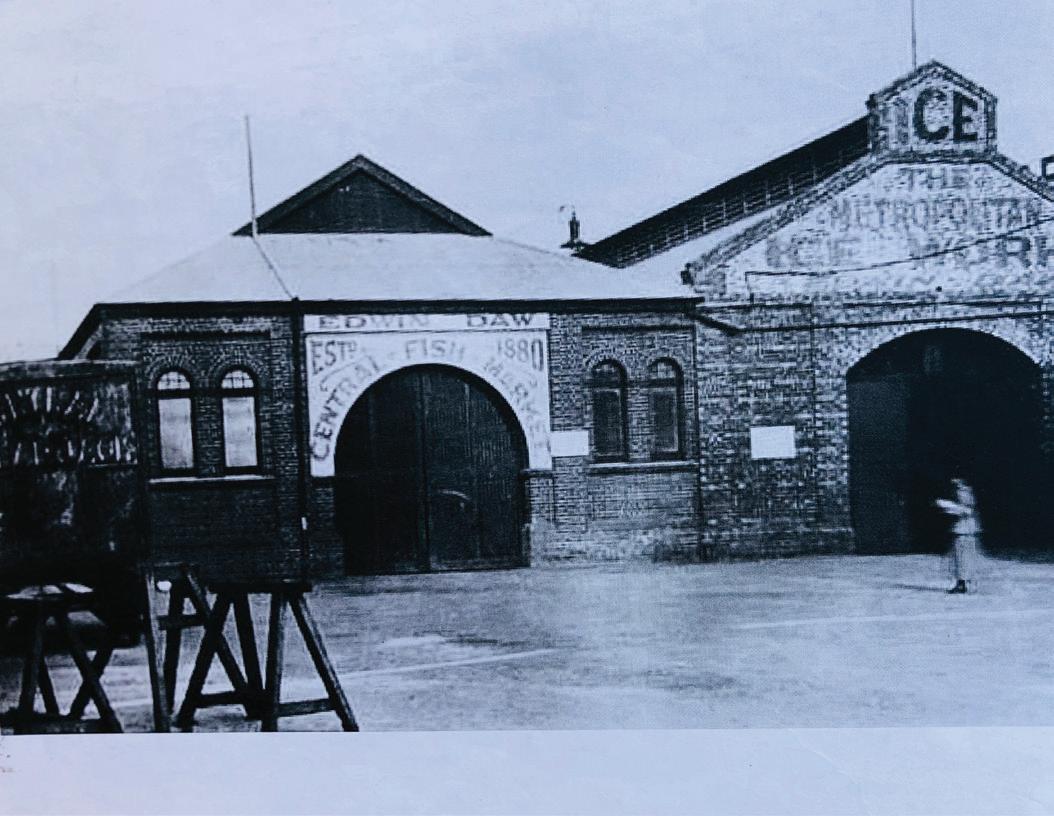
Now in its 81st year of operation, Safcol said the new facility represents the next chapter in the company’s longstanding manufacturing presence in South Australia.
“This investment is about building a manufacturing footprint that is fit for the future while continuing to support Australian producers, local supply chains and South Australian jobs,” Mitchell said.
Safcol has appointed South Australian company Sagle Constructions as lead contractor for the new facility.
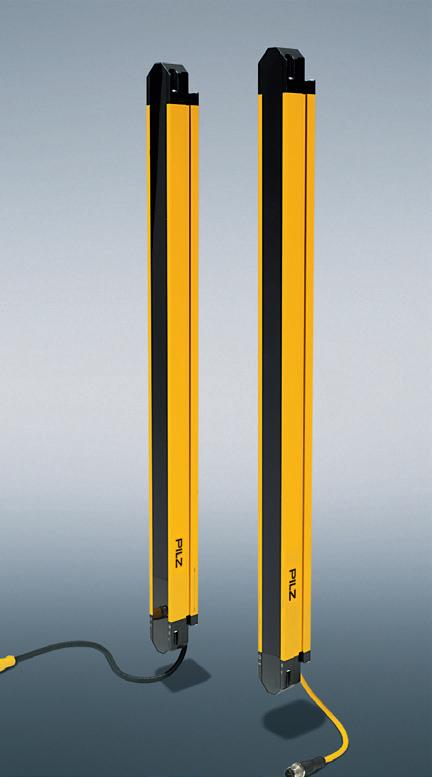
The PSENopt II Advanced IOLS new-generation safety light curtain is designed to redefine how industries approach machine safety and productivity. The light curtain with integrated IO-Link Safety combines advanced protection, intelligent diagnostics and seamless connectivity into a single powerful solution.
Engineered for finger, hand and body protection in accordance with EN/IEC 61496-1/-2, the curtain supports applications up to PL e / SIL 3 — to help ensure maximum safety performance across a wide range of industrial environments.
With IO-Link Safety, users can access real-time data from every individual beam, enabling faster commissioning, simplified troubleshooting and predictive maintenance based on signal quality insights. The feature of safe single-beam evaluation also allows precise object detection, offering flexibility in automated processes.
Designed with versatility in mind, the system includes muting options (L, T, X, and external), flexible blanking modes, reduced resolution and the ability to operate either in IO-Link Safety or traditional OSSD mode. This allows for easy integration into both new and existing systems.
Built for real-world conditions, the curtain can deliver robustness, easy installation and rapid commissioning. Combined with enhanced diagnostics and zero dead zones, it is designed to ensure protection, as well as smarter, efficient operations.
Pilz Australia Industrial Automation LP www.pilz.com.au
Advantech has introduced the TPC-B300 and TPC-B520 to its modular Human-Machine Interface (HMI) series, offering over 30 flexible configurations with screens from 12–24″ . Featuring a sleek dark blue design, these cost-effective solutions are designed to enhance industrial operations with customisable CPU and I/O options.
Advantech’s modular approach is designed to accelerate product development and delivery, supporting stability, extended lifecycles and simplified upgrades. With the latest CPUs, these HMIs minimise downtime and costs, making them suitable for modern industrial applications.
Built for harsh environments, the TPC-B series features a fanless design, TPM 2.0 security, and multiple mounting options (panel, wall, stand, VESA). Supporting Windows 10/11 LTSC and Advantech Linux, the TPC-B520 delivers high computing power, while the TPC-B300 provides a compact, power-efficient alternative.
Available in 12–23.8″ sizes, these IP66-rated P-CAP multi-touch screens operate in –20 to 60°C environments. Select models (12, 15, 15.6 and 21.5″ ) offer high-brightness options for outdoor use.
Suitable for MES workstations, production lines and equipment manufacturing, the HMIs support Profinet, Profibus and EtherCAT, and integrate with WebAccess/SCADA and HMINavi for seamless industrial automation.
Advantech Australia Pty Ltd www.advantech.net.au







Omniflex has delivered a retrofit solution for an aging alarm system at Kellanova’s Wrexham facility, replacing obsolete units with its SIL-1 rated Omni16R rack-based alarm logic and Omni-X LED Displays. The upgrade has helped to modernise a number of legacy alarm systems, that are nearing end-of-life, while retaining existing panel space and wiring to minimise engineering changes and disruption. Designed to meet current safety guidelines, the new installation has helped enhance the monitoring of critical substation processes across the site.

Kellanova Wrexham is a major cereal manufacturing facility in North Wales, and one of the largest producers of breakfast cereal Special K. Across the site, there are three substations that previously relied on Highland MPAS 90 rack-based alarms to monitor fault conditions of critical processes. However, the original manufacturer of these systems in no longer in business, which makes replacement parts and technical support difficult to access. So, when these units began to reach the end of their service
lives, Kellanova turned to Omniflex for help. After conducting a site survey on the annunciators, Omniflex’s engineers provided an upgrade using the Omni16R unit and Omni-X displays as a direct retrofit, using the existing space and hardwired connections.
“Work began at Substation one initially, which was completed successfully and now the upgrade of Substation two is in progress, with Substation three to shortly follow,” said Darren Barratt, Sales Manager at Omniflex. “The Omni16R and Omni-X units provided for Kellanova reliably monitor electrical substation alarms, such as those reporting on transformers and circuit breakers.
“The Omni16R and Omni-X provides a costeffective direct upgrade of MPAS 90 alarm systems with minimal operational disruptions. By using the existing panel space and wiring, it saves any costly engineering reconfiguration and enables a smooth transition,” Barratt said.
Omniflex can provide consultation advice for site managers about the status of alarm units relative to safety guidelines and best obsolescence management practice.
Omniflex (Australia) Pty Ltd www.omniflex.com.au
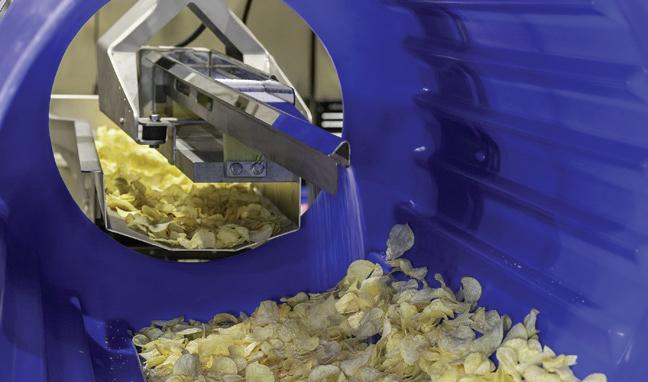
PPM Technologies and Key Technology, both Duravant operating companies, have now introduced a fully integrated potato chip processing line.
The line brings together PPM’s frying, seasoning and product handling capabilities with Key’s advanced optical sorting technology into a single, unified solution.
From slicing through to packaging, this integrated line is designed to be suitable for processors managing raw material variability, labour shortages and the coordination demands of high-volume chip production.
PPM’s frying technology anchors the line. Processors producing kettle-style chips use the BatchWright batch fryer, whiles processors producing conventional potato chips use the CookWright continuous fryer. Both fryers are equipped with advanced oil filtration, along with CIP capability that limits downtime during sanitation.
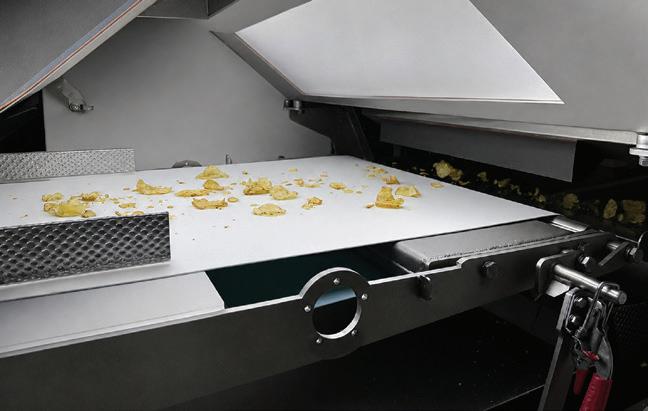
After frying, Key’s COMPASS sorter identifies dark spots, green discoloration and white knots as well as fryer debris without the more complex laser-based systems that can increase maintenance costs.
From inspection, product is transferred to PPM’s FlavorWright All-in-One seasoning system, which applies liquid and/or dry seasoning immediately before the weigh scale and packaging equipment.
PPM’s slice feeder is at the front of the line and equipped with a dual auger feed conveyor to meter whole potatoes into the slicer at a controlled rate to produce uniform slices for consistent frying.
Beyond the conveying network, each element of the line is configured to fit the processor’s plant layout and production requirements.
Key Technology Australia Pty Ltd www.key.net
Mettler-Toledo has introduced
M50 R-Series AdvancedLine
metal detectors which has been designed for food manufacturers of unpackaged and packaged, wet, dry or bulk products. The series combines improved detection performance with intuitive operation and secure connectivity, delivering a sensitive, compliant and future-ready metal detection platform.

The easy-to-use unit has been designed to detect the smallest of metal contaminants, and keep good products moving. Technologies such as eDrive PLUS when combined with 900 kHz frequency, can improve the field strength to deliver high sensitivity to detect the smallest wire and non-spherical metal contaminants. Algorithms such as 3S PLUS combined with AI-based machine learning help achieve maximum sensitivity to minimise the risk of product recalls and deliver safer products.
Metal detectors in the series include: M55R for detecting smaller, irregular-shaped metal contaminants in dry products such as pasta, savoury snacks and deep frozen produce (where thawing does not occur); M55RB for bulk products such as large sacks, bags of powder and cartons; and M56R for challenging applications such chilled, wet, dry, deep frozen/thawing and metallised film-wrapped products.
A 10.1-inch capacitive touchscreen provides clear visualisation and intuitive navigation. It operates with the responsiveness familiar from smartphones and tablet screens, even when the user is wearing gloves or when the screen is wet.
The introduction of the INFINITY Electronic Test System represents an advance in routine testing. Automation in production performance monitoring is designed to simplify test routines, improve consistency and reduce testing time. It can also run tests automatically without operator intervention.
Embedded Wi-Fi supports secure and simplified connectivity, giving users rapid access to system information through QR code functionality. Combined with improved Condition Monitoring software and simplified data transfer, the series is designed to support continuous operation and reduced disruption on the line.
Brand protection is also enhanced through new Radio-frequency identification (RFID) access control which supports individual user logins and access management for enhanced security. Detailed access records are stored locally or transferred through multiple communication protocols, including OPC-UA and EtherNet/IP.
Manufacturers have the option to take product safety and data security to the next level by integrating ProdX data management software from Mettler-Toledo.
Advanced connectivity and full system logging provide comprehensive traceability across testing, detection events and system status, supporting audit preparation and alignment with global food safety standards such as BRCGS and International Featured Standards (IFS).
A dedicated service QR code also provides fast access to maintenance and service support.
Mettler-Toledo Ltd www.mt.com


Biofilms have become a major environmental microbiology concern in the food industry over the last 30 years, due to their potential for contamination of food. They can also damage food processing equipment because their slimy structure adheres to surfaces like stainless steel, plastic and rubber that are commonly used in food processing facilities.
Biofilms are structured communities of bacteria encased in a protective slime matrix — called extracellular polymeric substances (EPS) — which can act as hidden reservoirs for foodborne pathogens as they are resistant to standard cleaning agents.
Scientists from the Department of Microbiology at the University of Malaga have now discovered an unknown mechanism that allows the bacterium Bacillus cereus to protect itself against antibiotics and adverse conditions.
The study, published in the journal Science Advances, reveals how these bacteria form biofilms that act as a protective shield. These discoveries have potential for opening up opportunities to weaken these biofilms and improve their control in both the medicine and food industry.
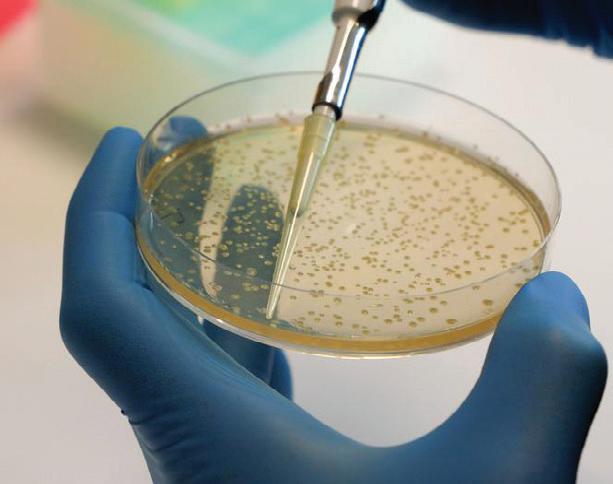
The research has identified the molecular system that enables the assembly of the so-called protective ‘scaffold’. Specifically, the scientists have described a mechanism based on three key proteins —TasA, CalY and CapP— that coordinate the formation of filamentous structures on the exterior of the bacteria. This system, they point out, works in a highly controlled way, making sure the bacterial community is built in an organised and efficient manner.
One of the most important pieces of evidence is the role of the CapP protein, which acts as an ‘orchestra conductor’, controlling when and how these structures are assembled. “Without this control, the bacteria would not be able to form biofilms properly, which demonstrates their essential role in the survival of the microorganism,” the researchers said.
In addition, the study reveals that Bacillus cereus has a remarkable capacity for adaptation. If this system fails, the bacterium activates alternative mechanisms — such as extracellular DNA production or changes in mobility — to maintain their protection. This ‘plasticity’ helps explain why biofilms are so difficult to eradicate.
The High Dream’s 4.0G 14 Head Multihead Weigher is designed to deliver a high-performance, affordable pathway to advanced packaging automation. Engineered to bridge the gap between premium operational speed and commercial accessibility, the system clocks throughputs up to 110 weighs per minute. At its core is a modular single-hopper control platform that is designed to maximise accuracy and slash costly product giveaway across a wide application band — from fresh produce and frozen proteins to snacks, cereals and pet food.
Crucially, the 4.0G is engineered to address day-to-day operational bottlenecks by eliminating unnecessary line downtime. Operators can fine-tune vibration settings, delay times and key running parameters live on the run via an intuitive multi-language touchscreen, maintaining optimal product flow without stopping production. Built with a rugged, food-compliant 304 stainless steel square body and an IP64 hygiene rating, it delivers the structural stability and rapid washdown capabilities required for harsh industrial environments.
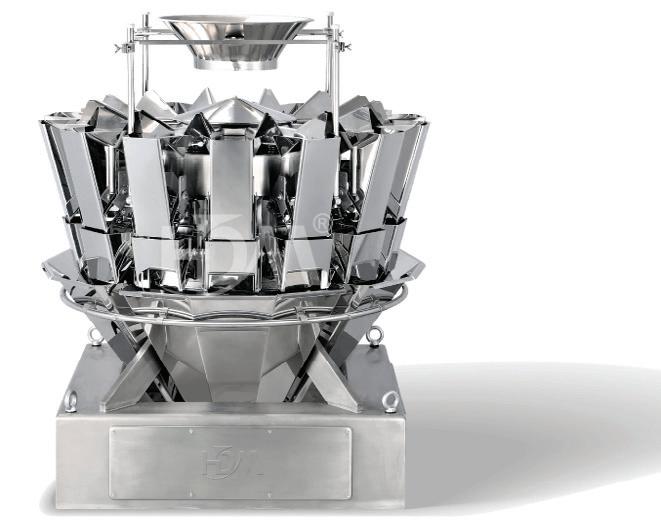
Other features include: operation parameter import and export functionality for simplified data management; supports offline control and USB export of production data; user-friendly interface; multi-language touchscreen control; and hygienic, anti-rust construction.
Designed for accurate portion control and automated food packaging applications, it can be used for weighing and portioning various food categories, including: snack foods — potato chips, confectionery, dried fruit, crackers and biscuits; cereals — oats, rice, wheat and soybeans; pet food — dry dog food, dry cat food and pet snacks; fresh produce — salads, vegetables and fruit; frozen foods; and protein products. Select Equip www.selectequip.com.au
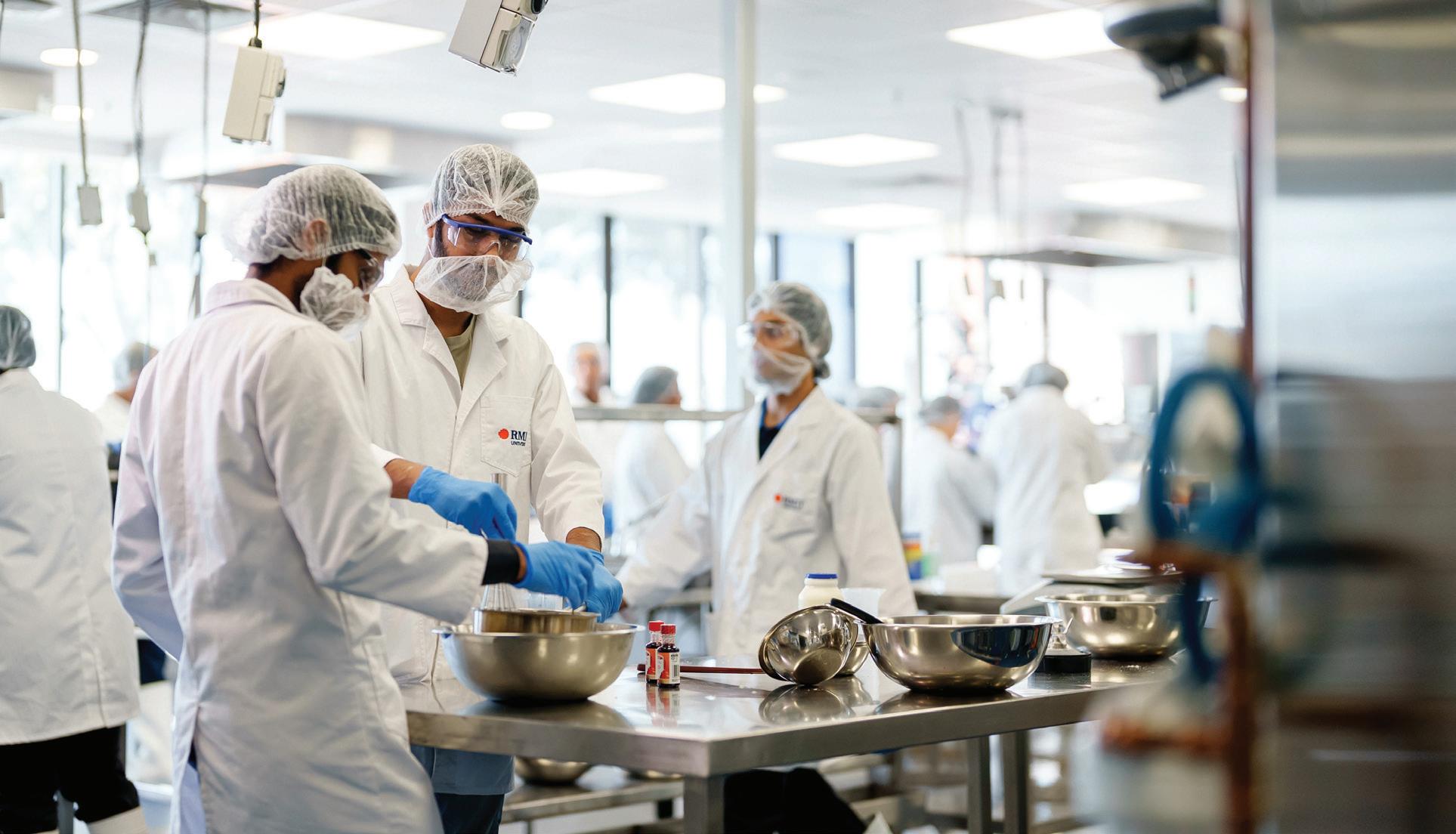
RMIT has launched its Food Innovation Hub at its Bundoora campus, to strengthen future food research, education and workforce development in Melbourne’s north and across Australia.
The hub is part of RMIT’s broader investment in health capabilities at Bundoora, which is being developed as a precinct for vocational and higher education, research and industry partnerships. It will bring together the university’s capabilities in food technology and nutrition to help industry address challenges across the food system, support sustainable innovation and contribute to healthier people and communities.
Food Innovation Hub Director Professor Mirjana Prica said working closely with industry will allow the Hub to understand realworld challenges and create knowledge, build future workforce skills and translate research and technology for greater impact.
“We’re excited to progress critical industry-relevant research through this Hub and invite industry to partner with us on this journey,” Prica said.
“Translation is a huge gap in Australian food research. We want to address that by working closely with industry to identify opportunities, co-create solutions and deliver research with practical applications and industry-ready workforce to unlock value across the food system.
“One area where we see strong potential is value-added food production, transforming raw materials, mostly commodities, into high-value functional ingredients and foods using advanced engineering, processing and packaging technologies.”
STEM College Associate Deputy Vice-Chancellor, Research and Innovation, Distinguished Professor Sujeeva Setunge said the Food Innovation Hub reflected RMIT’s strategy to deliver research with realworld impact.
“The Food Innovation Hub will help researchers and students bridge the gap between scientific discovery and product development, translating research from the lab to the real world to benefit industry, people and communities.”
Hub users will work from RMIT’s Food Research and Innovation Centre, a multimillion-dollar facility where researchers, students and industry partners can test ideas and develop new approaches to food processing, nutrition and product development.
The launch follows RMIT research into extracting protein from discarded cauliflower leaves using ultrasound, pointing to potential new uses for vegetable scraps in food manufacturing and waste reduction.
An RMIT innovation uses ultrasound to extract leaf protein from discarded cauliflower leaves, identifying a potential new use for vegetable scraps.
The process could help food manufacturers turn vegetable waste into protein ingredients, reducing waste and adding value to existing crops.

The early-stage research found that high-power ultrasound increased dry matter yield and improved protein recovery from the leaves, while different processing settings changed the final concentrate’s particle size, colour, solubility and structure.
Lead researcher Professor Asgar Farahnaky from RMIT’s School of Science said the team used cauliflower leaves from a commercial farm in western Melbourne to test different ways of processing the waste to see how much protein they could recover.
They found that ultrasound improved protein recovery from the leaves.
“Ultrasound uses high-frequency sound waves to disrupt plant cell walls and help release protein from the leaves,” Farahnaky said.
“There is growing interest in alternative protein sources, and using existing waste streams could be a practical way to meet that demand without requiring additional production.”
He said further work was needed to test the process at pilot scale, assess energy efficiency and evaluate sensory acceptability in food products.
The researchers acknowledge support from Harvest Moon, which supplied the cauliflower leaves, and The Leaf Protein Co., which provided in-kind contribution to the project.
Organisations interested in partnering with RMIT researchers can contact research.partnerships@rmit.edu.au.

Australian cybersecurity and network services provider Ip.Glass has announced the successful modernisation of Baiada Poultry’s national network infrastructure. The project was delivered in partnership with Fortinet, to enhance operational resilience, security and visibility across the poultry business’s vertically integrated ‘paddock-to-plate’ supply chain.
Baiada Poultry is one of Australia’s largest poultry producers. It operates a 24x7 environment where minutes of downtime can disrupt production, logistics and supply continuity across breeding farms, feed mills, processing plants and distribution facilities. To support its high-velocity operations and long-term growth strategy, the business engaged Ip.Glass and Fortinet to design and implement a resilient, secure and scalable network platform.
Wayne Ellison, CIO, Baiada, said, “Baiada Poultry is a seconds and minutes business; continuity of supply is everything to us. We need a partner that can move quickly, understand our operations, and deliver technology that will stand up to harsh operational environments. Ip.Glass has the agility, speed and expertise to help us achieve that.”
The engagement began with a network segmentation and security program designed to isolate critical systems and ensure operational continuity. This foundation let Baiada Poultry undertake a broader network modernisation, including the deployment of Fortinet Secure SD-WAN, next-generation firewalls, upgraded switching, and a wireless refresh to support complex IT and operational technology (OT) environments.
Through the adoption of the Fortinet Security Fabric, Baiada Poultry unified its firewall, SD-WAN, switching and wireless infrastructure under a centrally managed architecture. The implementation of a security operations capability using FortiAnalyzer further improved visibility, letting Baiada Poultry’s IT team shift from reactive issues resolution to proactive monitoring
and optimisation. The solution also helps ensure that Baiada Poultry has the ability to segment its network in the event of a cyber incident should there be a compromise, increasing its resilience and helping to avoid any costly downtime.
John Saba, Head of IT Infrastructure, Baiada Poultry, said, “Ip. Glass understands Baiada Poultry’s environment and works with us to recommend the right solutions. Together with Fortinet, Ip.Glass helped us reduce management overheads and pressure on our small team while giving us greater control and visibility across the network to prevent any possible downtime.”
Semyon Taskin, Managing Director, Ip.Glass, said, “The success of the project reflects a deep, collaborative partnership built on operational understanding rather than a transactional approach. Baiada Poultry’s business is complex, fast-moving and unforgiving of downtime. By spending time onsite and understanding how its operations run, we have been able to design and support a network that delivers resilience today while providing a base for future automation, growth and innovation.”
John Milionis, Director, Channel and Distribution, Australia and New Zealand, Fortinet, said, “Organisations like Baiada Poultry operate in highly time-sensitive environments where resilience, visibility and control are critical to maintaining continuity across complex supply chains. This project highlights the value of strong partner collaboration in delivering integrated networking and cybersecurity outcomes, helping customers simplify operations, strengthen security posture and confidently support ongoing transformation in complex IT and OT environments.”
With major expansion projects underway, including new processing and automated facilities, Baiada Poultry continues to build on its modernised network platform as it explores further enhancements to OT security and visibility.
Ip.Glass
ip.glass



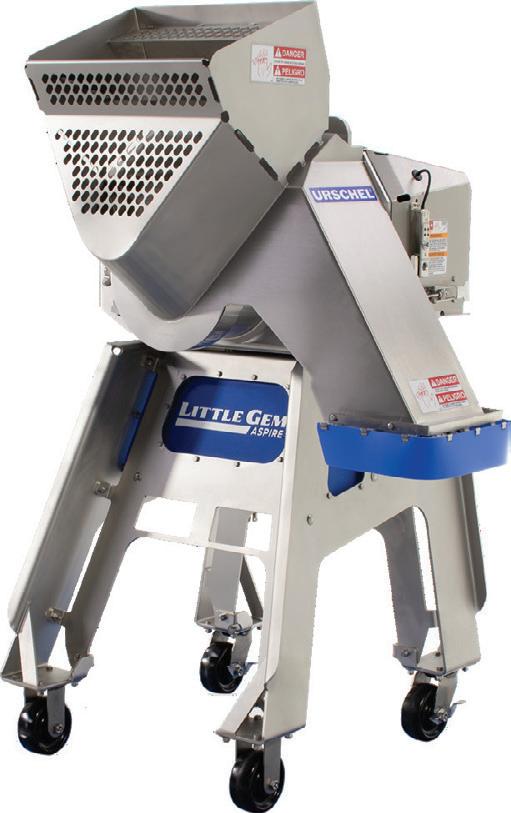
Urschel‘s Little Gem Aspire Dicer is designed to reduce TCO for small food producers.
As consumer demand for fresh-cut, minimally processed, and portion-ready fruit and vegetable products continues to grow, food processing companies need equipment that is more adaptable. And in an industry where floor space is precious, margins are tight, and product consistency is non-negotiable, technology is needed that genuinely addresses all three challenges at once. To that end, Urschel recently released the Little Gem Aspire dicer, a compact and flexible slicing and dicing machine aimed at small-to-medium processors looking to improve flexibility, tighten consistency, and bring operational costs under control without compromising on cut quality.
Simpler design for greater flexibility
Possibly the most important feature of the Little Gem Aspire is the StatiCut knife assembly — a patent-pending innovation that replaces the traditional circular knife assembly with a system that provides greater flexibility across cut sizes and patterns. Users can switch from one cut size to the next quickly and easily, without the complexity typically associated with changeovers.
“Typically, blades in slicing and dicing machines are circular rotating blades that require a drive and transmission. By using static knives, the produce is pushed through the blades and there are minimal moving parts and the overall footprint can be smaller,” said Paul Frederick, Territory Manager, Urschel Products at Heat and Control.
The machine produces flat slices from 2 mm to 20 mm, strips, and dices up to
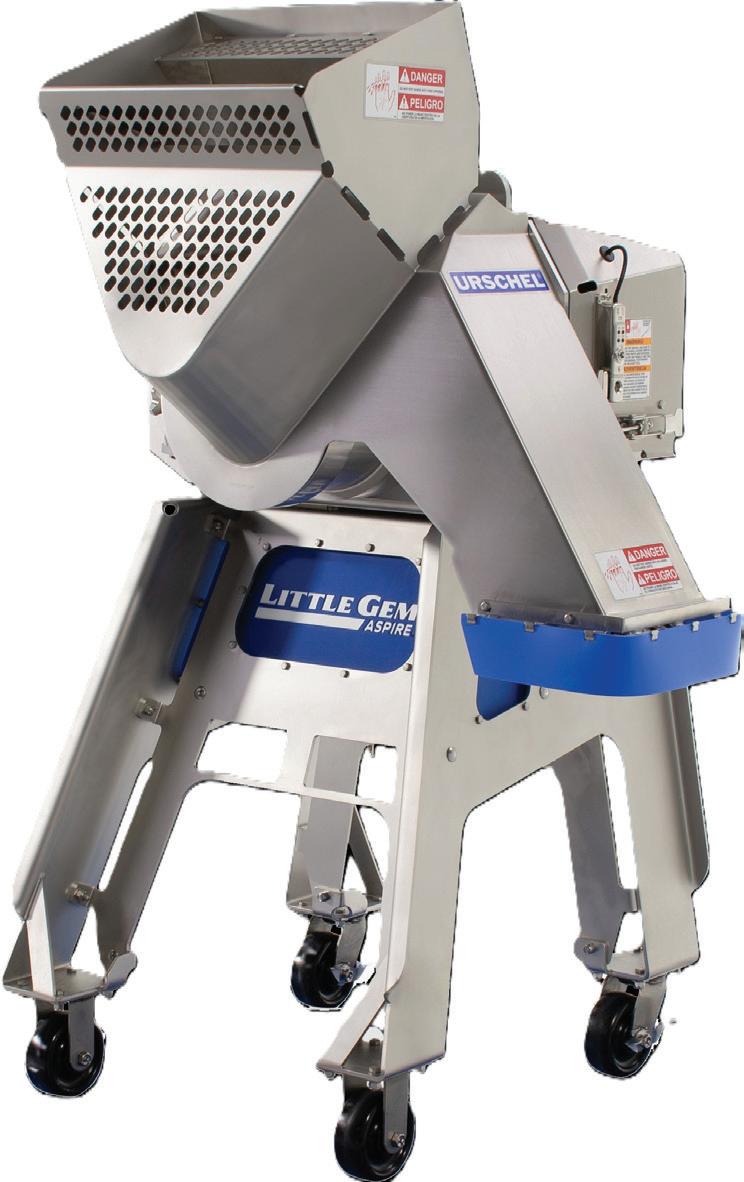
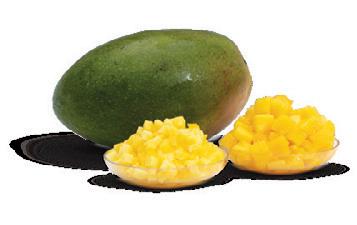
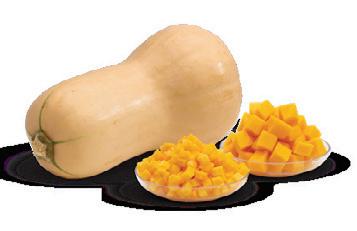
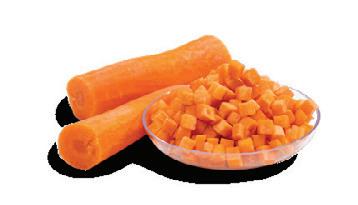
20 mm, making it suitable for a wide range of produce — from apples, mangoes, and strawberries to carrots, onions, potatoes and butternut pumpkin. For small manufacturers, catering service providers, boutique greengrocers and farm-gate produce suppliers, this kind of versatility in a single compact machine is highly valuable, and allows operators to produce multiple types and size of cut in a single machine that provides easy adjustment.
Trusted product consistency
The importance of product consistency cannot be understated, and the Little Gem Aspire is designed to address this directly through Urschel’s precision cutting technology, engineered through extensive R&D and refined through trials with Urschel customers worldwide. The result is a dicer that delivers reliable, repeatable output across every production run — whether processing firm root vegetables or more delicate fruit.
Reduced cost of ownership for small producers
The Little Gem Aspire has been engineered with total cost of ownership for the small processor in mind. The straight knives of the StatiCut system result in fewer differing parts to maintain and inventory, which directly reduces ongoing operational costs and the administrative burden of spare parts management and blade sharpening.
“Being easily replaced, the blades are designed to be disposable and require no sharpening, making maintenance simpler,” said Frederick. “Not only that, all
adjustments and blade replacements can be performed with a single tool.”
The machine’s compact footprint also means it can be integrated into facilities where space has previously been an issue. With a footprint of only around 1 m2, it is not necessary to reconfigure a production line or to allocate large amounts of space in order to accommodate it. The ‘ready to run’ design also means that the time between installation and productive output is minimised.
In Australia and New Zealand, Heat and Control are the exclusive representative of Urschel equipment, offering cutting sets, spare parts and product testing services.
“The Little Gem Aspire’s lower cost, small footprint, safe operation and ease of maintenance without special training make it well suited to the needs of small producers,” added Frederick. “We can organise a no-obligation test cut so customers can see exactly how their product performs on the equipment.”
The Little Gem Aspire presents an attractive business case: high-performance precision cutting, reduced changeover complexity, lower parts inventory and a compact design that fits where larger machines simply cannot.
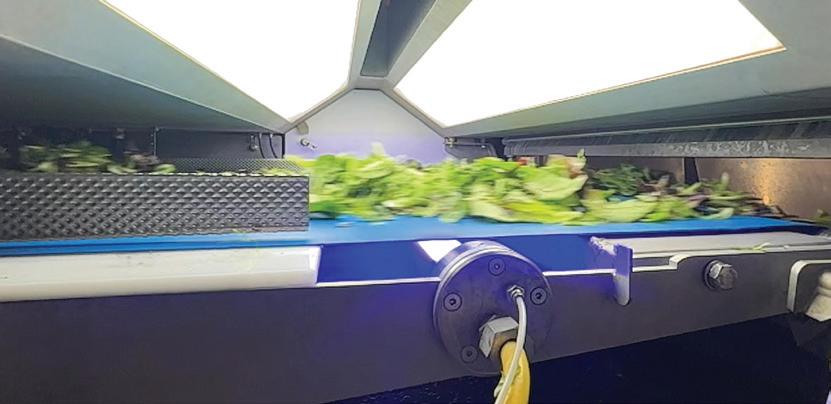
Key Technology (Key), a member of Duravant’s Food Sorting and Handling Group, has introduced its COMPASS optical sorter for leafy greens. Designed to inspect fresh-cut product straight from the field, this belt-fed system combines high-performance foreign material (FM) detection and removal with gentle, hygienic product handling. Featuring intuitive controls and an open, easy-to-clean design, the sorter is designed to help processors protect food safety and reduce labour requirements.
Suitable for sorting spinach, rocket and other unwashed, fresh-cut leafy greens including salad mixes, the machine identifies and rejects a wide variety of FM including dirt clods, rocks, sticks, insects and animal parts, as well as product defects when running single varieties. To simplify operation and reduce training requirements, the machine is recipe-driven and features a touchscreen interface that mimics smartphone app navigation.
It is equipped with customisable camera options including up to eight channels of multispectral sensor data. When configured with Key’s Pixel Fusion detection technology, it combines visible, infrared and shortwave infrared data at the pixel level to produce optimal contrasts for finding even difficult-to-detect FM and product defects. An optional chlorophyll-sensitive detection channel further enhances contrast between leafy greens and FM.
Key Technology Australia Pty Ltd www.key.net

GEA has introduced GEA eTOP Degumming, an enzymatically supported enhancement of its proven TOP degumming process for edible oil refining.
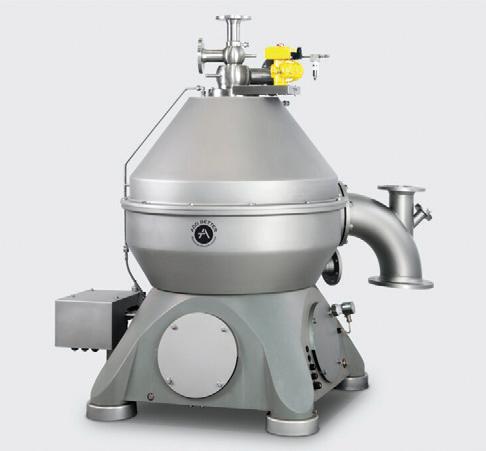
The solution is designed to deliver higher oil yield, reduced chemical and water consumption, and stable low phosphorus levels, driven by a separation concept engineered for industrial operation.
The solution builds on GEA’s TOP degumming process, which is used in physical refining applications and biodiesel pretreatment. An additional enzymatic deep degumming step, enabled by Novonesis’ Quara LowP and application expertise, is integrated into a multi-stage separation architecture developed and engineered by GEA.
The defining element of eTOP Degumming is GEA’s final centrifugal separation stage, which is designed to ensure stable and predictable performance under industrial conditions. Based on GEA’s nozzle separator technology, this stage provides the robustness required to fully translate enzymatic efficiency into consistent oil quality in continuous operation.
The two-stage centrifugal separation concept, a core feature of GEA’s TOP degumming technology, can absorb upstream fluctuations and safeguard downstream processing, ensuring consistent phosphorus removal and stable interface control.
Compared to conventional TOP degumming, GEA eTOP Degumming delivers: up to 1.4% higher oil yield; up to 75% lower acid consumption and elimination of caustic; water consumption reduced by up to 50%; consistently below 10 ppm phosphorus, compared to typical levels above 20 ppm; improved gum handling due to reduced viscosity; and more stable operation and smoother commissioning.
GEA Group www.gea.com
www.cbsfoodtech.com.au


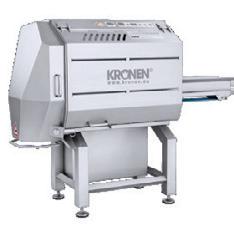

A specified 20 kW solar installation has delivered 100% renewable operations and an 80% reduction in energy bills at Melbourne distillery Brunswick Aces.
The project centred on SolaX Power Australia’s 20 kW X3-Pro-G2 inverter, selected for its high-efficiency energy conversion and precise loadmatching capability.
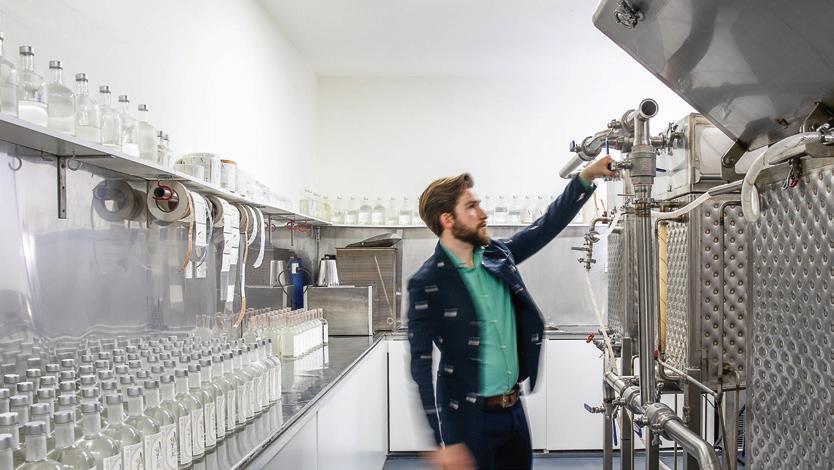
Brunswick Aces operates custom-built stills and a 20 kW oil heater at its facility, producing both alcoholic gin and non-alcoholic Sapiir — a proprietary range of distilled botanical spirits.
The distillery’s energy demand profile required a system specified exactly to its production load. After evaluating multiple suppliers, the distillery selected SolaX for its combination of product performance, system specification support and financing guidance.
Installation was completed by Chase Renewables in two days with no disruption to production operations.
“We went through several suppliers, and it was SolaX that really provided the broad-scale support to implement a project that was exactly right for our needs,” said Stephen Lawrence, Co-Founder
and CEO of Brunswick Aces.
“Since we’ve put it in place, we’re proud to say we are now fully renewable and sustainable. We’ve now had our system installed for almost a year, and our only consideration is how do we make more space on the roof for more panels.”
So far, the X3-Pro-G2’s seamless grid integration has ensured uninterrupted production since commissioning, with no monitoring burden on the distillery team.
“Food and beverage manufacturers are sitting on one of the strongest solar ROI cases in the C&I market — predictable loads, high daytime draw and a payback period that’s hard to argue with.
Brunswick Aces demonstrates what that looks like in practice,” said Joey Zhang, General Manager of SolaX Power Australia.
‘SolaX’s hassle-free energy generation works in the background so the team can focus on distilling — no monitoring required, no stress about whether their system is performing. SolaX simply delivers, morning to night.”
SolaX Power Australia www.solaxpower.com.au
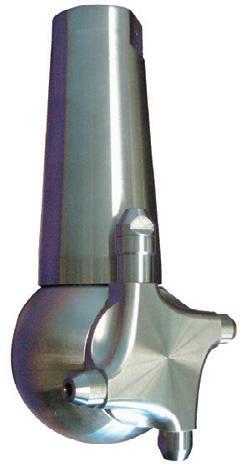
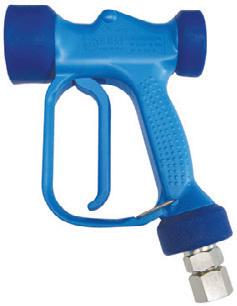
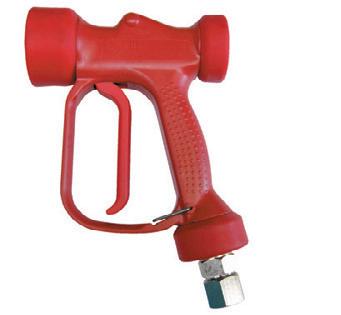
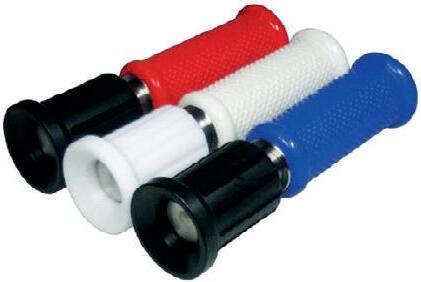
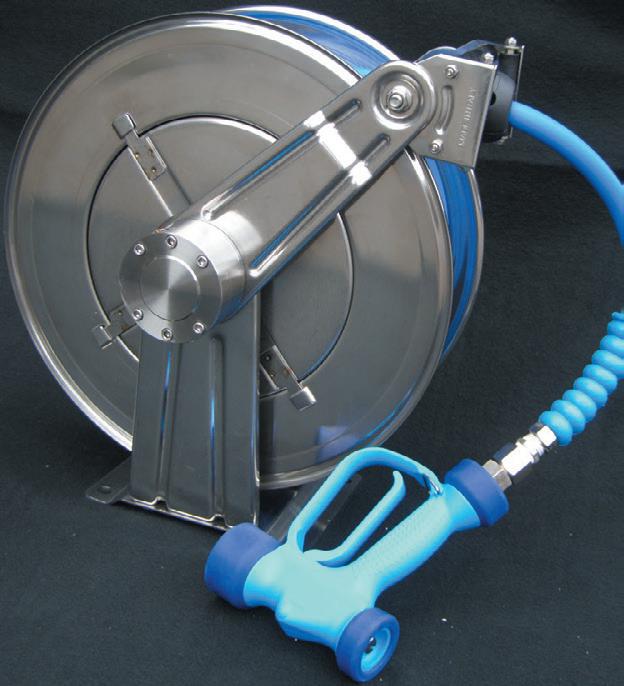

Adhering to the strictest food safety standards, Corson Grain Products is one of the largest maize milling operations in Australia. At its remote Queensland site, the company recently installed a Fortress Technology gravity Stealth metal detector with configuration and service support provided by local food safety partner Diverseco.
Located in the agricultural heartland of South East Queensland, quality control for Corson Grain Products is dependent on the performance of its equipment. “It is a four-hour road trip from Brisbane to Warwick, so inspection reliability is extremely important to maintain machine uptime and prevent production disruptions,” said Diverseco Inspection Product Manager Simon Collins.
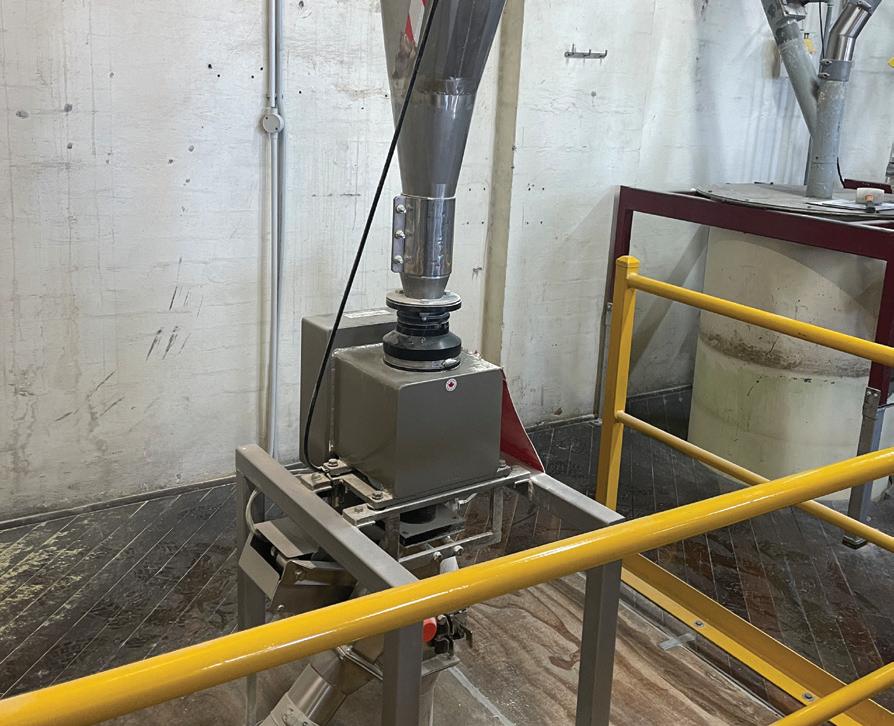
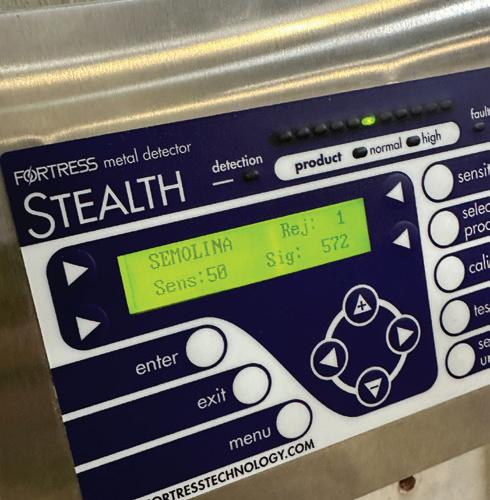
“In addition to being a rural location, there are many operational challenges in milling environments. Among them high vibrations and electromagnetic interference, which can cause false readings and product waste if detectors are not of the highest quality or correctly positioned and calibrated properly.”
Addressing these factors is especially important for the familyowned business, which has operated under a ‘nothing added, nothing wasted’ philosophy.
Ensuring adherence to the most robust food safety certification requirements, including HACCP, BRCGS, HALAL, PIF, GMO-free statements and MPI Approval, the Fortress Technology Stealth Gravity metal detector supports this zero-waste policy.
“The system delivers exceptional metal detection performance, effectively preventing contamination and minimising unnecessary product waste. This commitment aligns with Corson Grain’s dedication to robust food safety practices and zero waste policies,” said Tim Briggs, Production Manager at Corson Grain Products in Queensland.
According to Briggs, the Stealth metal detector proved itself the moment it was installed. Equipped with noise immunity and digital filters, the latest model delivers good sensitivity and food safety assurance.
The Queensland team particularly appreciates the detector’s accuracy in identifying contaminants, its user-friendly operation and the straightforward installation process.
Transitioning to hourly automatic testing
Several months after the installation, the Queensland site activated the Fortress Technology Halo Automatic Testing feature
with the help of Diverseco. This feature has strengthened and future-proofed the miller’s inspection program, ensuring that it remains adaptable to the evolving compliance and verification standards within the industry.
Currently, the team validates machine performance by dropping ferrous, non-ferrous and stainless steel test balls through the metal detector aperture every hour. This regular testing procedure confirms that the reject mechanism is functioning correctly and ensures compliance with machine performance validation requirements.
Optimising the vertical footprint
Positioned under one of five maize storage silos on a mezzanine floor, milled maize flour trickles through the metal detector aperture.
“This is a relatively slow-flowing application, inspecting approximately two tonnes of GMO-free maize flour per hour. The bulk bag filling station is located directly underneath the mezzanine floor,” Collins said.
Briggs confirmed that the milling of high-quality maize is a precise process to ensure the right texture and nutritional value is maintained. “Our milling process is guided by strict food safety standards and comprehensive inspection testing to ensure the finest products are distributed to customers throughout Asia–Pacific,” Briggs said.
“Maize is brought into the mill from the silo storage where it is weighed, pre-cleaned and transferred to the conditioning bin to soften the skin. From there it moves into the degerminator which skins and breaks the kernels for optimum milling. It then moves through an array of metal rollers, plates and sifters. That’s why we are so meticulous in our choice of metal detection equipment and localised support.”
Corson Grain Products had to adapt the reject configuration. The reject pipe was extended to direct rejected product through the flooring to a separate collection bin on the ground floor.
“By utilising vertical space, the mezzanine ‘inspection’ floor doubles the usable area, separating the milling and dispensing process from the ground-level packaging site, while allowing for the integrated, gravity-fed removal of reject materials through the floor,” Briggs said.
For ease of programming and calibration, the metal detector control panel is located on the lower floor beside the milling sacks. Fortress Technology fortresstechnology.co.nz
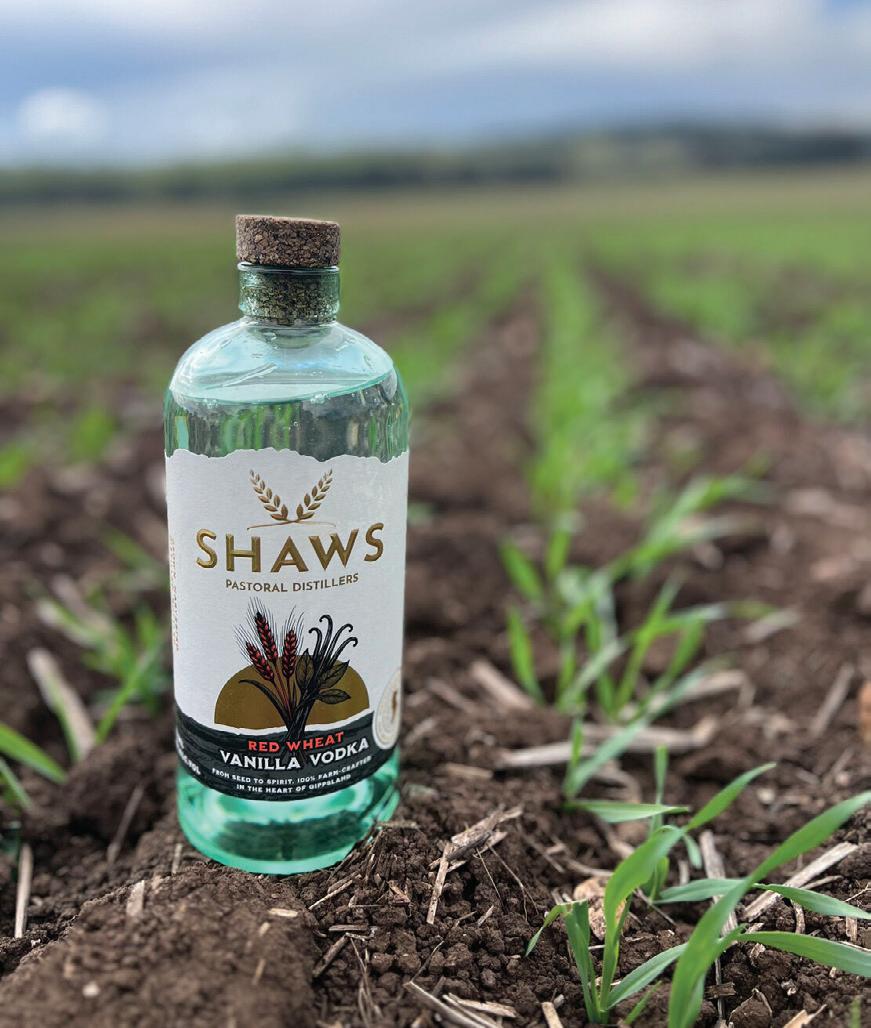
Peacock Bros., a provider of supply chain technology, printing and labelling solutions, has partnered with Shaws Distillery to produce a premium embellished label for the brand’s Shaws Vanilla Vodka.
Produced in a run of 1000 labels, the Shaws Vanilla Vodka packaging captures the distillery’s farming heritage while delivering strong shelf presence in a highly competitive retail environment. The project has since earned industry recognition, winning first place in the Labels category at the 2026 National Print Awards.
For Shaws Distillery, the label needed to communicate far more than product information. As a sixth-generation farming family producing spirits under a genuine grain-to-glass philosophy, the brand required packaging that authentically conveyed its heritage and quality.
“In the premium wine and spirits market, packaging is often the first interaction a consumer has with the product,” said Andrew Crump, Executive Director, Peacock Bros.
“The label needed to immediately communicate craftsmanship and quality while creating a sensory experience that encouraged people to pick up the bottle. Premium embellishment plays a major role in achieving that.”
From concept through to final production, Peacock Bros. collaborated with Shaws Distillery to refine the label design, advising on materials and embellishment techniques that would maximise shelf appeal while meeting practical production requirements.
The final label was produced on Rafwine Bagasse stock and incorporates multiple premium finishing techniques — a rooftop emboss, gloss high-build screen and Kurz hot foil detailing — each deliberately selected to reinforce the product’s story.
“The tactile finish adds depth and texture that simply can’t be achieved through standard print alone. In premium beverage packaging today, those physical, sensory experiences are becoming increasingly important,” Crump said.
Shaws Distillery said the result successfully captured the values at the heart of the brand.
“We wanted the packaging to reflect the same level of care and craftsmanship that goes into producing the spirit itself,” said Ross Shaw, Owner, Shaws Distillery. “Peacock Bros. understood the vision immediately and worked closely with us to bring it to life in a way that felt authentic to our brand. The finished label exceeded our expectations.”
Peacock Bros Pty Ltd www.peacocks.com.au
Sappi has a range of flexible packaging solutions, including barrier papers crafted to meet the packaging needs for food, tea and confectionery applications such as chocolate.
The SEAL range delivers heat-sealable papers designed for primary and secondary food and non-food packaging applications. These recyclable papers, which have good heat sealability, mechanical strength and printability, include Seal (Silk, Silk G, Seal Pure Silk), Seal Natural and Seal Light (natural and gloss).
The GUARD range provides barrier protection against water vapour, grease and mineral oil with or without heat-sealability, featuring Guard M, Guard MS, Guard Duo and Guard Twist variants. These papers are designed for products and packaging types that require good barrier properties, such as baking powder, pasta, rice, cereals, sweets, chocolate, ice cream cones or sleeves, tea, etc.

The GUARD PRO range, with Guard Pro OHS, Guard Pro OHG, AvantGuard and with the new Guard Pro OMH, represents the company’s most advanced high-barrier papers, offering protection against oxygen, water vapour, grease and MOSH and MOAH with or without heat-sealability.
The range will be exhibited at interpack 2026. Sappi
www.sappi.com
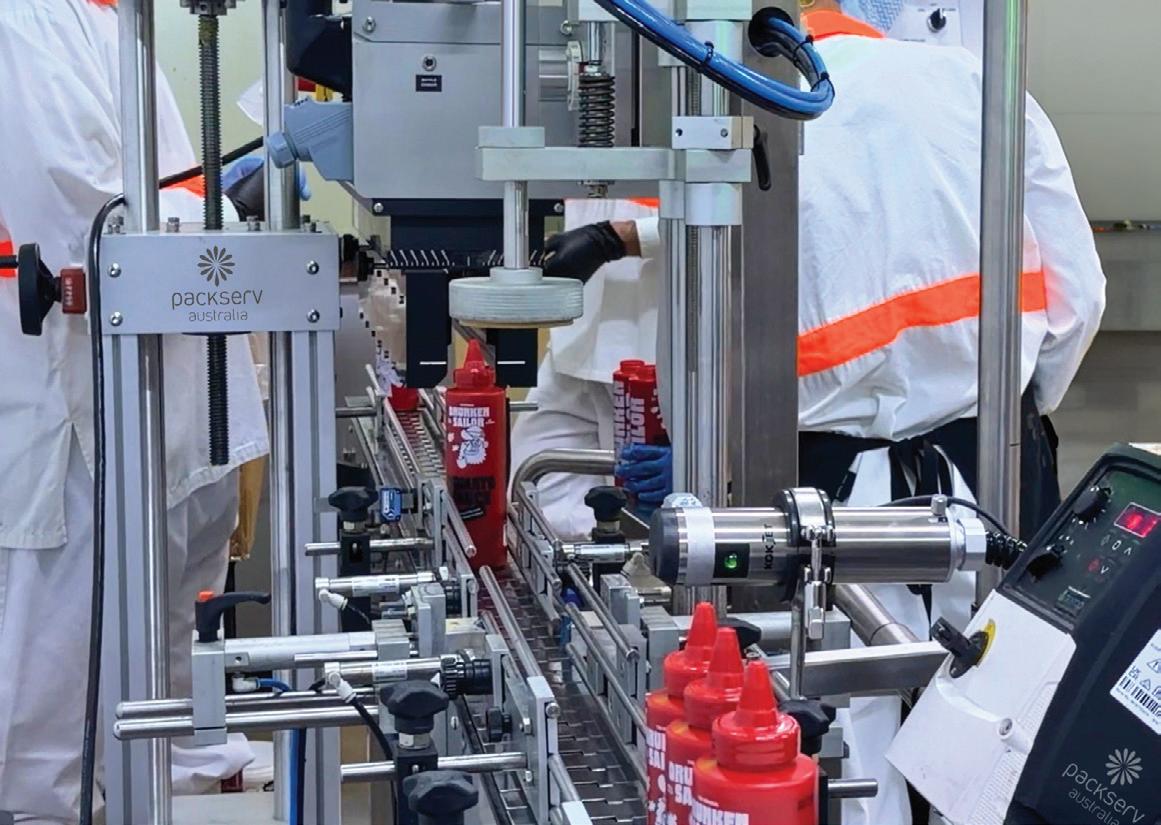
Back in 2012, during a relaxed dinner with friends, founder Justin Arnoux found himself in deep conversation about jams and relishes, and the bold flavours that connect people.
“That night sparked something. I wanted to capture the shared love of food, the laughter and the energy, and somehow distil it into a bottle,” says Justin. What began as a simple idea soon became the foundation of a growing business built on creativity, passion and a genuine appreciation for quality produce.
Food has long been part of Justin’s world. Raised in a family of food lovers, he grew up immersed in the sights, smells, and rituals of the kitchen. His father, both a chef and a baker, instilled in him an early understanding of technique, flavour, and balance. This upbringing shaped both his palate and his approach to creating authentic, thoughtfully made products.
The business operated out of Justin’s home kitchen for the first six years. At the time, Justin balanced production alongside a full-time job. Evenings were spent producing small batches, working around the everyday routines of his housemates, often competing
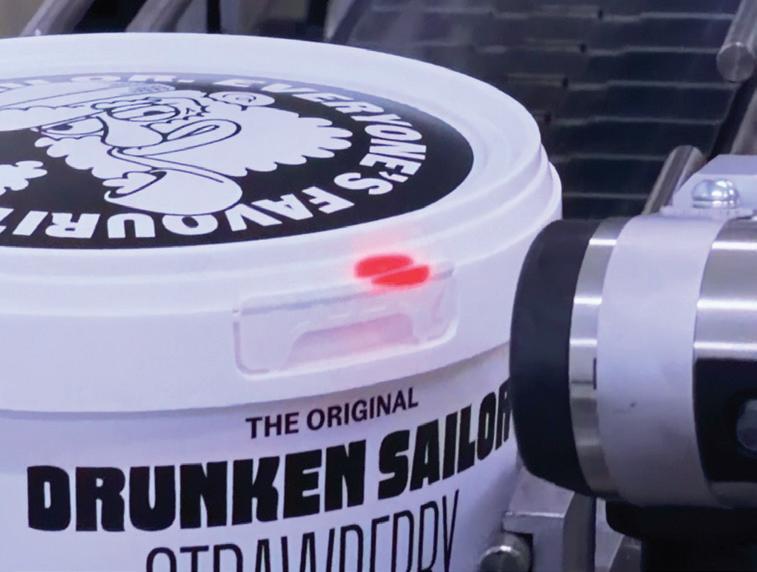
with them for bench space with quick meals like two-minute noodles or cheese and Vegemite jaffles. It was a modest setup, but it allowed him to experiment, refine recipes, and steadily build a loyal customer base.
That early-stage hustle is something Nathan Wardell, Managing Director of Packserv, understands well. “What’s often overlooked is that many brands, including Packserv itself in the early days, started from very modest beginnings — mine was the garage”, says Nathan. “Whether it’s the home kitchen, a small workspace or a makeshift production setup, that stage teaches you resilience and creativity.”
As demand for Drunken Sailor products continued to grow, it became clear that the business had outgrown the home kitchen environment. Justin moved into a dedicated production facility, marking a significant step forward. From there, he reinvested every dollar back into the business, improving processes, expanding capacity, and building a strong foundation for long-term growth. Automation soon became a natural next step, not just to keep up with demand but to create consistency and efficiency across production.
When it came time to explore machinery options, Justin discovered Packserv through a Google search and carefully compared manufacturers before reaching a decision.
“Being able to work with a local supplier was a major advantage,” says Justin. “Having access to technical support nearby gave us confidence and helped minimise any risk of downtime. What also stood out was Packserv’s willingness to tailor a solution specifically to our operation instead of offering a standard off-the-shelf setup.”
Justin also valued the modular nature of Packserv’s machinery. This flexibility meant
he could start with a setup that suited his current production levels, then expand incrementally as the business continued to grow. It removed the need for heavy upfront investment, while still allowing a clear path to scale. The inclusion of castors on the equipment also proved valuable, making it easy to reposition machines and adapt the layout as needed. This level of practicality supported a more agile production environment, where changes could be made quickly without major disruption.
Nathan says Packserv’s approach has always centred around helping manufacturers scale efficiently and sustainably. “We understand that growing businesses need flexibility,” says Nathan. “The goal is to provide machinery solutions that can evolve alongside production demands.”
Another appealing aspect was the option to rent machinery. This gave Justin the ability to trial equipment before committing to a purchase, as well as the flexibility to take on additional work, including contract manufacturing for other producers. This has added an extra layer of versatility to the business, opening new opportunities without significant risk.
Since implementing the production line, incorporating Packserv’s capping, labelling, and printing equipment, as well as tables and conveying equipment, the impact on production has been substantial. Automation has significantly increased daily batch throughput and optimised the operations. What once required long hours and manual effort can now be achieved more efficiently, freeing up time to focus on product development and business growth.
Today, the business stands as a reflection of its origins, founded with a passion, shaped by persistence, and supported by smart investment in the right systems.
“Stories like Drunken Sailor are exactly why we do what we do,” says Nathan. “There’s something incredibly rewarding about supporting Australian businesses as they grow from small-scale production into established brands. At Packserv, we’re proud to work alongside passionate local manufacturers and provide solutions that help them scale sustainably, stay competitive, and continue making great products here in Australia.”
Packserv Pty Ltd www.packserv.co
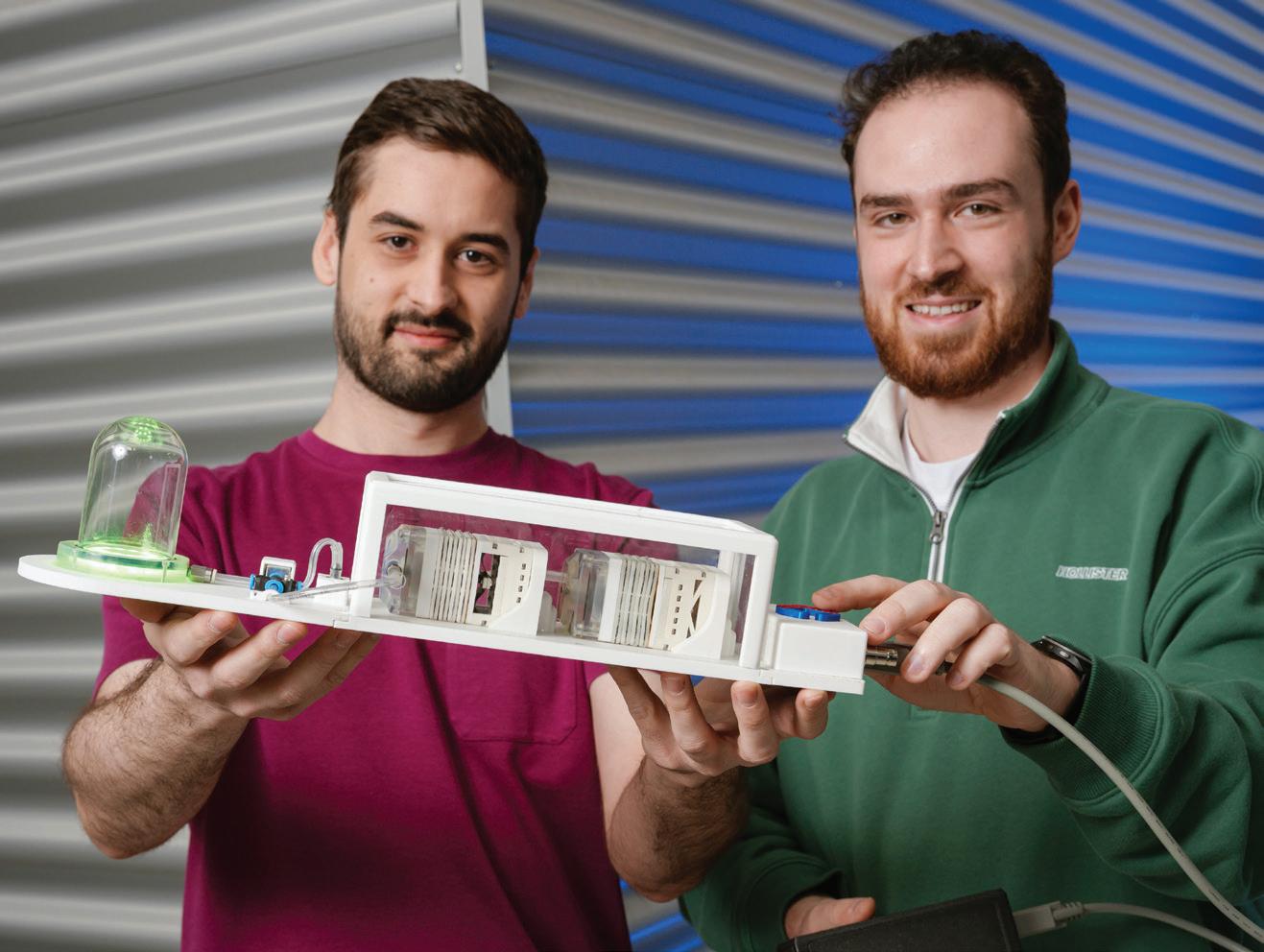
An ultrathin silicone film being developed at Saarland University in Germany enables pumps to operate without motors, without compressed air and without lubricants or external sensors. These film-based pumps can be switched on and off as needed and integrated into designs previously thought impossible. Wherever a vacuum is required — from applications in manufacturing and automotive engineering to laboratory and research work — this new technology is opening up access to lightweight, flat and energy-efficient pump architectures.
The researchers apply an electrical voltage and immediately the polymer film begins to move. At just 50 micrometres thick, this ultrathin membrane has about the same thickness as a human hair. By adjusting the electrical voltage applied, researchers in Professor Paul Motzki’s team can make the film undergo powerful pulsing motions, vibrate at a desired frequency or amplitude, rise and fall in a smooth undulating motion, or hold a fixed position. What may sound like a party trick is, in fact, the basis for a new class of miniature actuators.
Because the motion of the film can be precisely controlled, it can be used to deliver localised pushing and pulling forces, generating movements that would otherwise require motors or compressed air systems — both of which need space,
energy and maintenance. The research team is integrating the films into vacuum pumps that can draw air or liquid out of a chamber. Vacuum pumps are ubiquitous and indispensable in industrial applications ranging from packaging machinery and robotic grippers to medical technology.
The film technology being developed in Saarbrücken is designed to eliminate the need for heavy components and enables lightweight, compact pump designs. “Using dielectric elastomers — as these electrically responsive polymer films are known — we can tailor pump geometries to specific requirements. That means that we can create forms that would not be technically feasible using conventional approaches. For example, we can produce extremely thin, flat designs comparable to the shape of a smartphone,” said Paul Motzki, who is Professor of Smart Material Systems at Saarland University and Scientific Director/CEO at the Center for Mechatronics and Automation Technology in Saarbrücken (ZeMA).
The film-based pumps can operate in compact, sensitive environments. One of the benefits of dielectric elastomer technology is that it does not need expensive or hardto-source materials like copper or rare earth
“
What may sound like a party trick is, in fact, the basis for a new class of miniature actuators.
elements. And because it operates without lubricating oil, it is suitable for applications in cleanrooms and sterile settings.
“Depending on the operating mode, our membrane pumps can also be very energy efficient,” Motzki said. The pumps also run quietly — an advantage that could help to reduce background noise levels in production halls and assembly lines.
At this year’s Hannover Messe, Motzki’s team exhibited the new prototype that illustrates how their technology can be scaled. Their latest vacuum-pump prototype is equipped with a dual drive. Last year, the team presented a single film drive in a single pump chamber. This year, they are showcasing a dual-drive prototype that features two film actuators in two pump chambers. “We can connect the two actuators either in parallel or in series, increasing pressure, volumetric flow rate and overall power,” Motzki said.
The two film-based drives can operate in opposing phases, with one side in intake mode, while the other discharges. This prevents performance drop-off and allows the pump to deliver higher flow rates and greater pressure capability — generating a continuous vacuum quickly and without cycling. The new dual-actuator design delivers a marked performance gain. Whereas the single chamber pump was able to achieve an absolute pressure of approximately 300 mbar, the new system can get down to below 200 mbar absolute. “And we can connect additional membranes in series or parallel to tailor and further boost performance — depending on application needs,” Motzki said.
The new version of this motor-free vacuum pump is another step towards industrial deployment for Motzki’s team. The technology is also being used for a wide range of other applications, from robotic grippers and loudspeakers to smart textiles and haptic feedback systems for smartphone displays. For example, the team has developed a smart industrial glove that can respond to how the operator’s hand and fingers move and communicate this information to a computer.
The team is now looking for partners with whom they can develop applications that bring their film-based pump technology to market.
Viscount has launched its next-generation Nally Folding MegaBin range, expanding its reusable pooling solutions for bulk goods across fresh produce, protein, poultry, food manufacturing and raw material supply chains.
The bulk packaging solution is designed to replace single-use cardboard and timber packaging with a durable reusable alternative built for long-term circulation.
Designed and manufactured in Australia, the folding bins operate within Viscount’s pooling ecosystem. Bins arrive washed, sanitised and ready to load. Then, at end of use, bins are returned to Viscount where they are professionally cleaned, inspected and redistributed.
Every reusable bin is RFID-equipped as standard, providing asset visibility across supply chains. Optional Genius Tag Track & Trace technology is available to help users gain real-time transparency and operational insights. The optional tracking capabilities can also deliver predictive alerts for temperature fluctuations and handling incidents, helping protect product integrity, reduce shrinkage and safeguard cold-chain performance.
Capable of stacking six high when fully loaded, the bin is designed with a maximum load capacity of 550 kg. The bin’s integrated folding architecture features a 3:1 collapse ratio, reducing from 780 mm to just 280 mm when folded. Collapsed units can be stored up to 20 high.
Engineered for high-volume supply chains, the durable bin has smooth, non-porous interior surfaces to support hygiene and easy sanitation, and rounded corners to reduce bruising and product damage. It also features integrated ventilation slots to optimise airflow and help maintain freshness and extend shelf life.
Compatible with tipping systems, washing facilities, conveyors and beam racking, the bin range is available in multiple configurations, including: 780 L Vented; 780 L Drop Door with dual drop-down doors; and 475 L Low Height suitable for smaller volumes and hard produce such as stone fruit, pumpkins, potatoes, onions and broccolini.
At the end of its service life, the bin’s materials are recovered and repurposed.
Viscount Plastics (Australia) Pty Ltd www.viscount.com.au
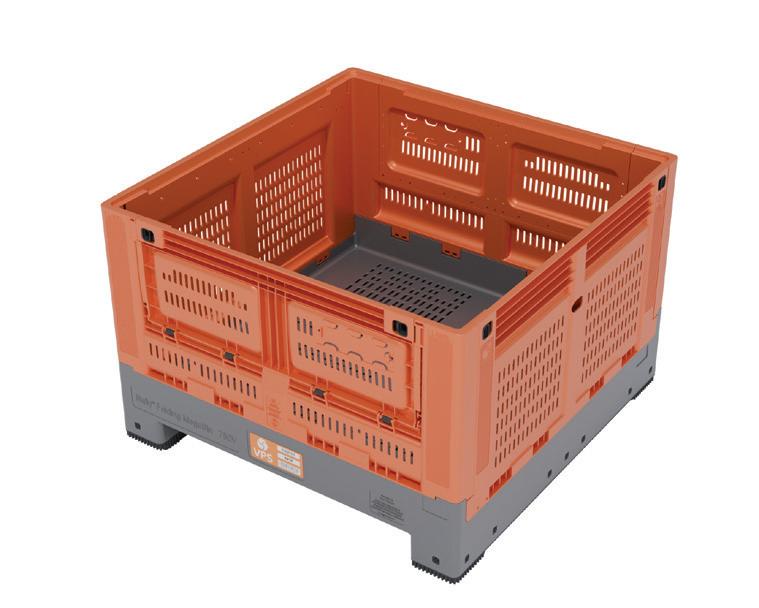

Henkel Adhesive Technologies is enhancing its paper coatings portfolio with water-based barrier and heat seal coatings. The solutions are designed to improve the functionality of paper-based packaging and strengthen ‘design for recycling’ approaches.
By providing good heat-sealing performance on paper, Henkel is opening up numerous possibilities for paper-based packaging in applications where plastic solutions have long been the standard. These predominantly include formats requiring a seam, such as bags, sachets or shipping packaging for small items such as (dry) food and hygiene products. On suitable papers, heat seals enable a good bond through thermal conjunction. The solutions in Henkel’s paper coatings portfolio are designed to support this performance even at low temperatures and high line speeds.
In addition, they are repulpable, compatible with recycling and approved for food contact in accordance with FDA and EU regulations.
To enhance process reliability during use, a UV tracer version is also available, which aids in application monitoring and quality management.
Henkel Australia Pty Ltd www.henkel-adhesives.com


Amcor has announced the commercial availability of PP Revolution, a portfolio of polypropylene (PP) recycle-ready dip cup arrays and lidding solutions for condiments, dressings and sauces for foodservice applications. The platform is designed to help brands transition from traditional polystyrene while maintaining performance and consumer appeal.
Compatible with existing filling equipment, the dip cups have an improved barrier compared to traditional solutions and are available with Amcor’s EZ Peel lidding portfolio, including metallised, foil and AmPrima recycle-ready options. The arrays are available in 10 sizes, in clear, white opaque and custom colours.
“Today’s consumers expect packaging that’s easy to use, locks in freshness and is aligned with their sustainability values,” said Kevin Glaser, vice president and general manager – liquid, Amcor Flexibles North America. “PP Revolution was designed to elevate the dip cup experience, from easy open lidding and portionappropriate sizes to premium aesthetics, while helping brands move forward with recycle-ready packaging.”
The solution is designed to help brands move forward as Extended Producer Responsibility (EPR) requirements evolve and support improved recyclability claims. Amcor Global www.amcor.com
Mondi has collaborated with Prymat, a Polish dried seasoning manufacturer, to create a sustainable and functional packaging solution for its aromatic spices.
The producer of spices and food additives was searching for a sustainable alternative to its conventional non-recyclable multi-layer packaging. Given the high barrier requirements for the preservation of spice quality, aroma and freshness, it was a technical challenge to find an alternative so Prymat worked with Mondi to develop a solution.
Adrian Goralski, Managing Director Mondi Solec, said, “It is essential to understand the individual needs of each customer when creating packaging solutions. There are often several different routes to sustainability, and at Mondi, we work closely with brands to thoroughly learn about every step of their production, distribution and end use, so that we can create and test various options and be sure we are delivering the best
possible and most sustainable outcome.”
After extensive trials and tests to prove the functionality of the sustainable alternatives, the spice maker has decided to transition to Mondi’s re/cycle FunctionalBarrier Paper Ultimate packaging for its dried spice range.
According to Mondi’s product impact assessment tool, FunctionalBarrier Paper Ultimate solution delivers a lower CO2 impact compared with conventional multi-layer plastic or aluminium-based solutions. Containing at least 80% paper and a functional barrier coating optimised for recycling, the solution is confirmed recyclable according to the latest CEPI recyclability laboratory test method. It provides protection against oxygen, water vapour and grease, with an oxygen transmission rate (OTR) below 0.5 cm3/m2d and water vapour transmission rate (WVTR) below 0.5 g/m2d, preserving the spices’ aroma and taste.
Designed to deliver high-quality printing results, the packaging has provided good shelf appeal for the spice range. The level of stiffness provides a good dead fold, allowing the end user to fold the pack after first use to close it. The solution is compatible with existing filling lines at Prymat, which eliminated the need for investment in machinery.
“Thanks to our collaboration with Mondi, we were able to develop a solution that aligns our sustainability ambitions with the highest standards of product quality,” said Marta Klęka-Nowa, PR Manager Prymat. Mondi Group www.mondigroup.com/en/home

A synergistic system using cold plasma and smart coating has been developed to suppress microbial growth, degrade pesticide residues and extend the shelf life of cherry tomatoes — potentially providing a safer and more sustainable approach for fresh produce preservation.
Fresh fruits and vegetables are susceptible to post-harvest deterioration and contamination. Cherry tomatoes, with their thin skin and high moisture content, are particularly vulnerable to microbial spoilage and rapid quality loss during storage. Meanwhile, pesticides such as chlorpyrifos are widely applied in agriculture to control pests and diseases, often leaving residues that need to be removed for food safety reasons.
Current strategies for pesticide removal — including physical, chemical and biological approaches — frequently face limitations such as incomplete degradation, potential formation of harmful by-products, and limited scalability. Although emerging technologies like cold plasma and edible coatings show promise, each method alone has constraints in penetration depth, stability or degradation efficiency, highlighting the need for integrated solutions to improve both food safety and post-harvest preservation.
A study published in Food Materials Research by Jie Zou’s team, Jiangsu Product Quality Testing & Inspection Institute, reports that combining a DAT/SA composite coating with DBD plasma significantly enhances microbial inhibition, extends shelf life, and increases chlorpyrifos degradation efficiency in cherry tomatoes.
To develop the preservation system, researchers synthesised chiral D-cysteine/ gold nanoparticle-modified titanium dioxide (DAT) nanoparticles and incorporated them into a sodium alginate (SA) matrix to form a functional composite edible film. The DAT nanoparticles were produced through citrate reduction of gold salts
followed by surface functionalisation and photodeposition onto TiO2 particles. These nanoparticles were then dispersed in sodium alginate solutions at different concentrations to prepare composite films with tunable physicochemical properties. Film performance was evaluated by measuring water solubility and water vapour permeability, and the formulation containing 0.3% DAT was selected for further experiments due to its optimal mechanical strength and barrier performance.
Results showed that the integrated treatment effectively suppressed microbial growth. Compared with untreated samples, the combined system reduced total bacterial counts by up to 1.28 log CFU/g, demonstrating strong antimicrobial activity. Fruit quality was also better maintained: tomatoes treated with DAT/SA coating and plasma retained higher firmness, reaching 1.36 times that of untreated fruit after 11 days, while weight loss was significantly reduced. The onset of decay was delayed,
extending the storage life by more than four days compared with the control.
In addition to preservation, the system enhanced pesticide removal. Chlorpyrifos residues were analysed using UPLC–MS after QuEChERS extraction. While natural degradation removed about 31.35% of residues, the combined plasma–coating treatment achieved 65.86% degradation, exceeding individual treatments. Residue levels fell well below regulatory limits, indicating improved food safety. This enhanced degradation is attributed to the interaction between plasma-generated UV radiation and the photocatalytic DAT nanoparticles, which produce reactive oxygen species capable of breaking down pesticide molecules.
Overall, the study demonstrates that integrating plasma technology with functional edible coatings can provide a dual-function strategy for fresh produce preservation. The DAT/SA film acts as a protective barrier that reduces moisture loss and slows ripening, while DBD plasma generates reactive species that eliminate microbes and degrade pesticide residues. Together, these processes produce a synergistic effect that improves food safety and prolongs shelf life without relying on chemical preservatives.
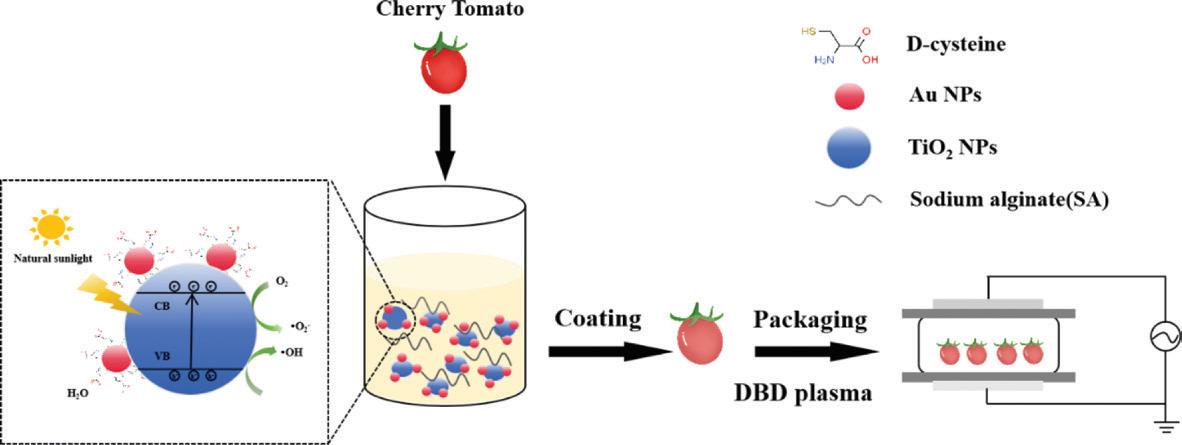
Asahi Beverages will invest $150m into a new distribution centre outside Brisbane as part of a multi-year program to modernise its supply chain network. Located in Redbank, within the City of Ipswich, the centre will use advanced technology including a high-speed shuttle system and sophisticated robotics.
Expected to be operational by 2028, the site is strategically located within the Redbank Motorway Estate industrial precinct in South East Queensland. The precinct — owned, developed and managed by Goodman — provides direct access to key freight routes and supports efficient distribution across the region, the rest of Queensland and beyond.
“More than 97% of the beverages we sell in Australia are made by us in Australia and the investment in the new Redbank distribution centre further highlights our long-term commitment to Queensland,” said Adrian Benson, Chief Supply Chain Officer, Asahi Beverages.
“The development will help Asahi simplify our warehousing and distribution network along Australia’s east coast while delivering sustainability benefits via more efficient distribution routes.”
The facility is targeting a 5 Star Green Star rating and will feature sustainability initiatives including 1 MW of solar, native landscaping and 50,000 L of rainwater collection tanks for reuse in irrigation and amenities. The build phase is expected to take approximately 18 months, followed by a 12-month automation and commissioning process.
Development will be led by Goodman, with McNab appointed as the builder. Project and supply chain specialists TMX Transform have supported the project with network design, property procurement and project management.
The facility is expected to be fully operational by 2028 and create approximately 300 full-time equivalent jobs during construction.
The new distribution centre will not affect any of Asahi’s manufacturing operations. The centre marks the second in a three-part national program of distribution centres for Asahi. It follows the sod turning at Deer Park Estate in Melbourne’s west late last year, with a third facility in Sydney to start construction later this year.

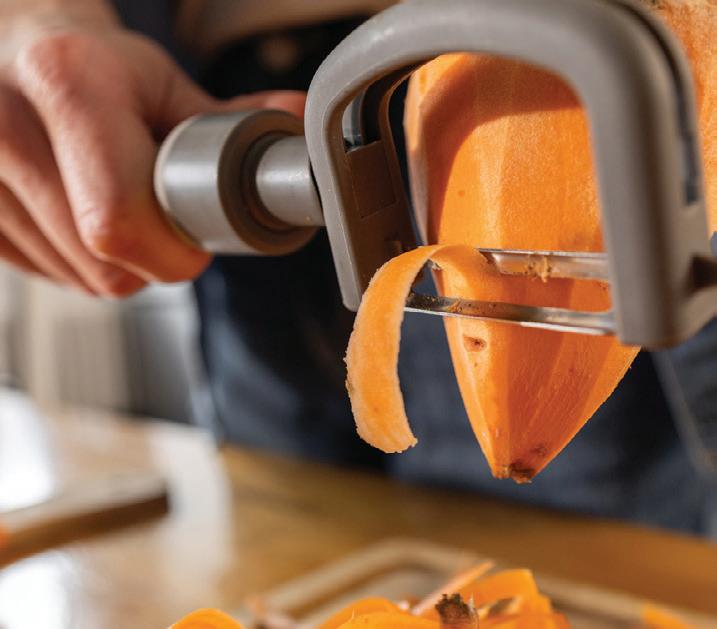
Humans can routinely interact with curved objects as part of daily life, for example, when slicing a banana, peeling a cucumber or washing dishes. However, handling curvy objects can be challenging for robots. Now, researchers have developed an approach that can help robots transfer skills across objects of diverse shapes and sizes, enabling them to peel and slice varied fruits and vegetables.
In order for robots to manipulate an object, they need to understand its position, shape and proportions. While planar or regular shapes share a global frame that can be represented by common reference points, it is much more difficult to create a generalised frame for curved objects. This, in turn, makes it harder for robots to transfer actions across different curved objects.
To address these challenges, Cem Bilaloglu and colleagues designed a way to generate reference shapes for irregular objects, thus allowing robots to generalise tasks regardless of geometry.
This method generates a point cloud of coordinates for the object and then defines key reference points along its surface.
These points can form a smooth representation of the object that includes task-relevant information, which can then be combined with control or trajectory-planning frameworks.
Using this method, the researchers demonstrated that robots could perform continuous, contact-rich actions on several everyday objects.
Tasks included peeling a banana or sweet potato, slicing vegetables, and probing the surface of different 3D-printed objects. Bilaloglu et al. also showed that their approach could operate even with partial or noisy sensor data, or in cluttered workspaces.
The study was published in Science Robotics.
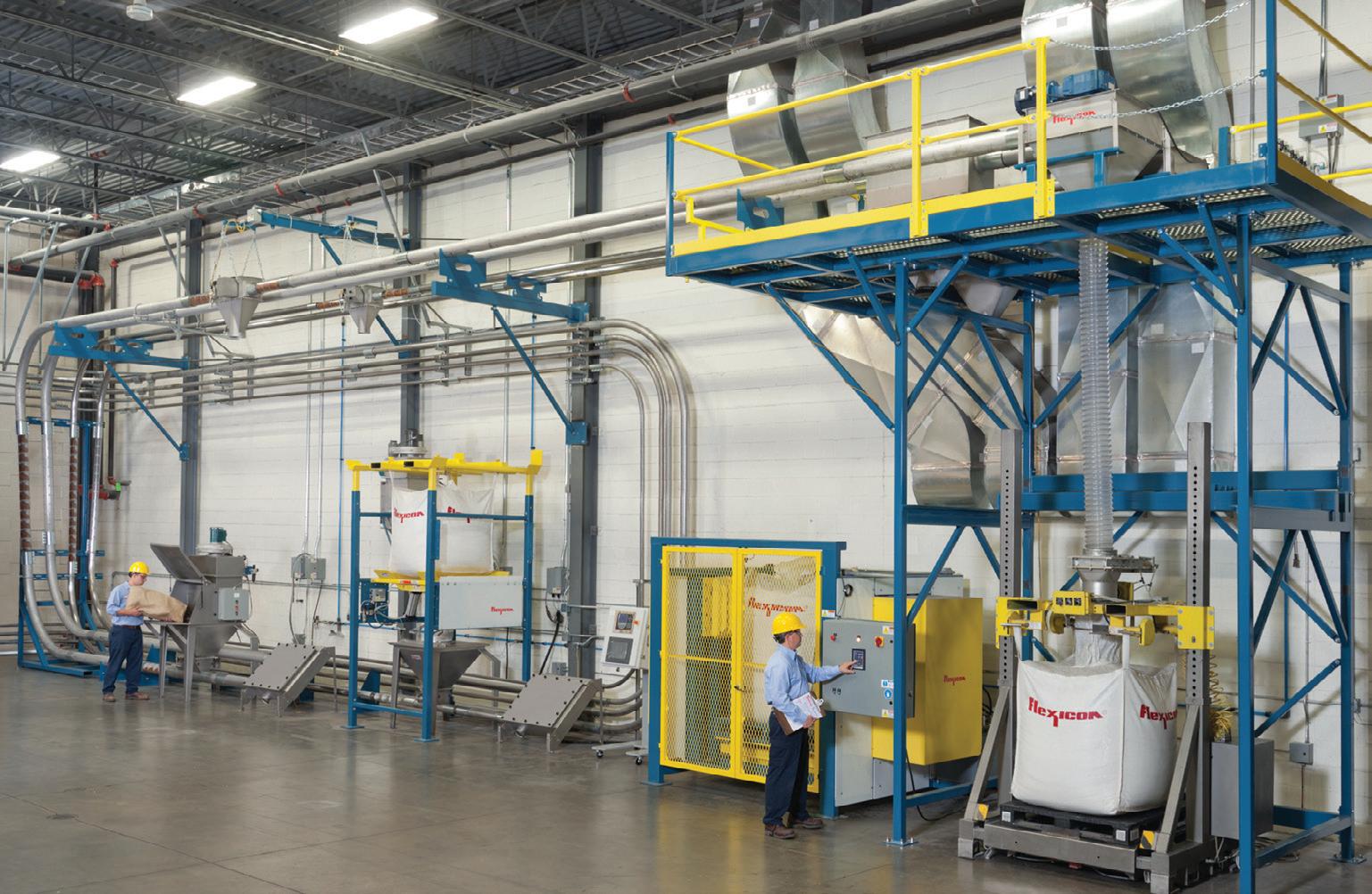
The successful discharge of ingredients from silos, railcars or bulk bags into food processing equipment usually requires more than vessel geometry, air pressure or gravity. Changes in material flow can be anticipated — but never predicted with complete accuracy. Setbacks such as unexpected flow obstructions, erratic discharge rates, or non-uniform feeding often require additional consideration.
Food ingredient characteristics such as shape, moisture content, bulk density, length of time materials have remained inert, and ambient conditions such as temperature and humidity, add additional layers of complexity. Additionally, the same ingredient sourced from various origins or at different times may display subtle (or substantial) differences in density, shape, or moisture content.
Here are four common causes behind ingredient stream flow issues:
1. Bridging: ingredients such as fine powders, those with irregular particle shapes or with high moisture content, are prone to compaction — forming an obstruction, aka a ‘bridge’, that stalls flow.
2. Ratholing: is commonly experienced in funnel-flow hoppers and with materials that compact or segregate during storage. Unlike bridging, the material continues to flow; however, slowly down a narrow channel in the vessel, leaving most of the material in the hopper.
3. Agglomeration: is where individual particles adhere to one another and form large masses. Agglomeration is commonly caused by moisture absorption, temperature changes or the presence of fats, sugars or binders.
4. Segregation: separation, or segregation, occurs when a previously blended food mixture begins to separate during storage or handling. Differences in particle size, density or shape cause fine or light particles to sift downward or heavy particles to migrate differently, resulting in inconsistent product composition.
Because no two bulk materials behave exactly the same, effective flow promotion begins with a clear understanding of an ingredient’s flow properties under actual operating conditions. Material testing, combined with real-world application experience, helps ensure that the selected solution addresses the root cause of flow problems.
Depending on the material(s) being handled, a food equipment manufacturer/designer will incorporate one or more of the following solutions:
Bulk bag activation:
Bulk Bags are highly valued for their ability to cost-effectively store and discharge large ingredient amounts. One disadvantage is the smaller diameter of the bag spout compared to its circumference. If the material in the bag is completely solidified, a preconditioning procedure to loosen the material is necessary. Hydraulically actuated steel plates or rollers that press against the sides of the bag with the necessary force will loosen the material, allowing discharge through the bag spout.
Pneumatically actuated paddles and bag elongation devices are effective in ensuring consistent discharge of more free-flowing, yet problematic food materials. These paddles press and lift the bag upward while also creating downward tension on the bag spout — resulting in a ‘V’ shape at the bottom.
Effective discharge from steel vessels:
When gravity and vessel geometry are insufficient, steel vessel activation devices can initiate and sustain ingredient flow — either by reducing wall friction, breaking material adhesion or inducing controlled movement within the vessel.
Common steel vessel activation methods include:
• Mechanical or pneumatic external vibrators, which transmit energy through the vessel wall to reduce friction and collapse stable arches or ratholes
• Live-bottom or mechanically actuated discharge aids, such as agitators or de-lumpers, which physically move material towards the outlet
Preventing material segregation:
Ideally, blended bulk materials should not remain stationary for extended periods. Otherwise, gravity will take over, and heavier materials will sink to the bottom.
Flexible screw conveyors are well suited for conveying preblended or density-varied materials. These conveyors help prevent separation of blended materials by maintaining a consistent, controlled flow from inlet to discharge.
Flexicon Corporation (Aust) Pty Ltd www.flexicon.com.au
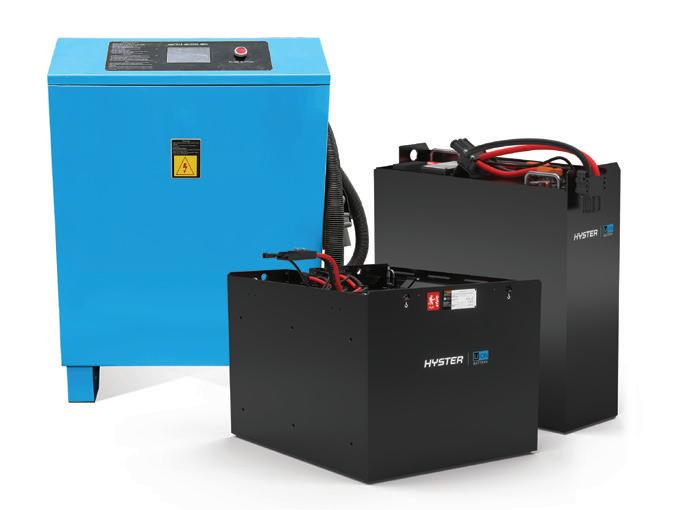
The Hyster lithium-ion batteries and chargers are purpose-built for Hyster forklifts, providing a unified system. The integrated power solutions are designed to reduce the risk of software mismatches, faults and charging errors that can be common with third-party power systems, and enable integration with Hyster Tracker telemetry to provide near realtime battery data alongside other fleet and equipment information.
Lithium iron phosphate (LFP) chemistry offers high energy density, good temperature tolerance, long lifespan and fast charging, enabling batteries to meet the demands of multi-shift applications. Modular battery design enables service of individual modules, rather than requiring replacement of an entire battery pack.
Operators can simply plug the charging cable into the easy-access port — no need to open the forklift’s hood or take other steps to charge — and built-in interlock sensors prevent operators from moving the truck while plugged in. The high-speed chargers can be placed anywhere, including high-traffic areas.
System-level integration enables the battery to communicate with other truck systems, offering a unified view of truck and battery data via Hyster Tracker telemetry, as well as targeted alerts regarding battery status that can enhance lift truck safety and performance, such as low charge or high temperature.
Hyster www.hyster.com/en-sg/asia-pacific
TwinThread has released Perfect Batch, an AI-powered manufacturing analytics solution designed to optimise batch production processes by allowing manufacturers to standardise and consistently replicate their best-performing or ‘golden’ batches.
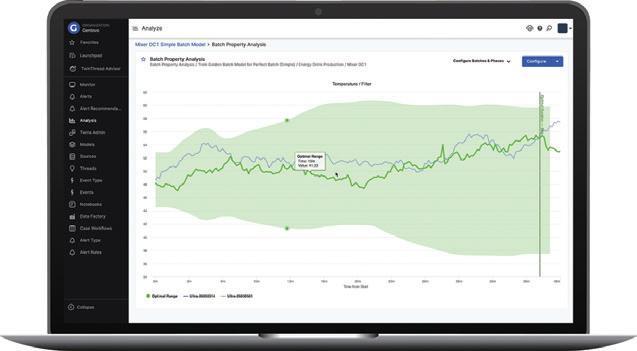
Unlike legacy systems that rely on passive alerts and static manual settings, this solution applies industrial AI to identify ideal batch profiles from historical data and actively recommend actions for increasing efficiency.
The system connects to existing batch execution systems and automatically interrogates past data to build digital twins and apply models in hours. Instead of setting limits manually, it learns ideal control limits and process centrelines, based on actual process capability and historical performance.
Granular cycle time analysis identifies bottlenecks and lost production time, facilitating capacity improvements from existing assets without new capital investment.
Automated alerting and issue diagnosis allow operations teams to focus on solving problems, without getting bogged down with endless troubleshooting and investigations.
An optional real-time workflow engine is available. It automates anomaly responses, performs automatic diagnoses, and can trigger specific corrective actions automatically. TwinThread www.twinthread.com
The Deacom ERP solution is a modern, purpose-built enterprise resource planning (ERP) system for batch and process industries (food, beverage, chemicals, pharma and specialty manufacturing) that combines a single-database architecture with built-in, practical AI features designed to increase efficiency and streamline operations. Batch manufacturers can replace spreadsheets and disconnected systems with a single platform with practical AI that delivers realtime visibility across costing, formulations, inventory, quality and traceability.
Key benefits include: operate the business on one ERP platform; control quality and support compliance efforts; clearly see every lot, batch and movement; and streamline operations with practical AI.
The solution incorporates AI functionality to help manufacturers get answers faster, reduce manual work and improve accuracy across everyday operations.
AI Assistant provides users with immediate answers to system questions. It helps them to understand how the application works and how to improve and optimise workflows and business processes without leaving their current screen. This reduces reliance on internal support resources, accelerates onboarding for new employees, and helps teams work more efficiently and get more out of their ERP investment.
AI Invoicing automates the tedious parts of processing and paying bills. It uses AI to digitally capture vendor invoices and match them to purchase orders and identify discrepancies. As an optional selection, it can autonomously post 100% matched invoices to the ERP system, with full review and audit visibility. This is designed to help reduce manual data entry, minimise errors and accelerate invoice processing, enabling finance teams to focus on higher-value work.
ECI Solutions Pty Ltd www.ecisolutions.com

Researchers have traced the unwanted bitterness found in some protein shakes back to concentrated minerals, and have now found a way to remove them without sacrificing texture.
Scientists from the University of Reading, Aberystwyth University and Arla Foods Ingredients have been working together to develop a whey protein (a dairy-derived ingredient found in gym shakes and sports supplements) with enhanced texture qualities. Their findings, published in the International Dairy Journal, indicate that adjusting the manufacturing process could make whey protein drinks more pleasant to drink.
Holly Giles, lead author and PhD researcher at the University of Reading, said: “Protein drinks can often have issues with taste and texture, making them hard to swallow and finish. We know this is a real problem for a lot of people, whether they are trying to build muscle or simply maintain their strength as they get older. The
research findings give us clear directions to investigate to make protein drinks more palatable and nutritious, which could make a real difference to people who rely on them.”
The study builds on earlier research from the same team that developed a technique for selectively concentrating whey proteins. Using carefully controlled pressure, researchers pushed liquid whey through a fine membrane and achieved more than twice the typical concentration of alphalactalbumin, a protein that is highly valued in infant formula production.
To better understand how this protein influences taste and texture, the researchers further refined the process at the pilot-scale food processing facilities at AberInnovation.
This allowed them to produce an alphalactalbumin-enriched sample for testing.
Taste tests conducted by a trained sensory panel revealed several positive changes. The enriched whey protein delivered improved texture characteristics and reduced the amount of friction experienced in the mouth, creating a smoother drinking experience.
However, the panel also detected stronger bitter and peppery flavours. Further analysis showed that these unwanted tastes were not caused by the protein itself. Instead, they were linked to minerals that became concentrated during the processing stage.
After identifying the source of the problem, the researchers modified the filtration process to remove those concentrated minerals. The result was a product that retained the texture improvements while achieving taste characteristics comparable to the original whey protein control.
“We now have a much clearer picture of how both the proteins and minerals in whey affect the way it tastes and feels to drink. Further research has the potential to improve the taste and texture of protein drinks, making them a more palatable and appealing option to the many people wanting to increase their protein intake,” Giles said.

IFF has opened its Vanilla Innovation Center in Madagascar, reinforcing vanilla as a strategic priority for the flavour and food ingredients specialist, and strengthening its ability to innovate at origin.
“The opening of the Center marks an important step in how we approach vanilla innovation,” said Adam Jańczuk, PhD, senior vice president, research, creation and design, Taste, IFF. “By strengthening our presence at origin, we connect science, creativity and sustainability more closely, responding to climate changes, safeguarding quality and creating value across the supply chain.”
Located in Toamasina, Madagascar’s principal seaport, near vanilla growing areas and post-harvest processing activities, the 650 m2 centre brings together lab analysis, extraction, scent and flavour creation, and application development in a single site. By embedding these capabilities close to the crop, IFF can better understand natural variability and translate on-the-ground insights into tailored solutions for users globally.
As one of the world’s most complex natural ingredients, vanilla is shaped by climate, post-harvest handling and curing methods. The innovation space supports IFF’s ability to follow the ingredient’s journey from origin extraction and in-field testing, through advanced lab analysis to flavour creation.
Innovating at origin can help to strengthen sustainability and resilience across the vanilla supply and value chain. Proximity to growing areas enables closer collaboration with farmer networks, improved traceability and ethical sourcing, and a faster response to climate-related changes. This direct connection between growing conditions and flavour design can help to strengthen innovation, delivering better-tasting vanilla with greater consistency in quality and supply.
Features at the centre include:
• Lab analysis capabilities that apply contaminant and disease-detection protocols to safeguard product integrity, alongside molecular profiling to decode and develop distinctive IFF signatures.
• Extraction facilities with scalable rigs to explore vanilla types and optimise extraction and post-harvest variables.
• Flavour creation unit that enables tailored regional profiles, including Application Lab capabilities for dairy, bakery and confectionery to validate performance in real market prototypes.
• The Bloomery, a research greenhouse showcasing diverse vanilla varieties and supporting future exploration of varietal performance and post-harvest techniques.
The centre also serves as a hub for knowledge sharing and capability building, delivering hands-on training, workshops and laboratory programs.

The Prosur Get It Natural Toolbox is a suite of multifunctional natural ingredients that are designed to enable the removal of synthetic additives from food and beverages. It has been validated through industrial trials, independent third-party studies and commercial applications.
The Chemical Elimination natural ingredient system is designed to remove nitrites, phosphates, sulfites and other chemicals from processed meats while improving yield, stabilising shelf life and maintaining texture, juiciness and colour.
Next Level Fermentation is crafted from upcycled foods through gentle water infusion with no solvents or additives, creating unfavourable conditions for spoilage organisms such as yeasts and moulds.
Smarter Sweetener System is sourced from a sustainable, climate-resilient Mediterranean carob crop, delivering functionality through naturally occurring sugars, without artificial sweeteners or fortification.
Cocoa Alternative with Fiber-Driven Digestive Benefits is a soluble, upcycled carob fibre designed to reduce cocoa while delivering digestive support. Prosur prosur.es

A pilot study conducted by researchers at Shibaura Institute of Technology has developed a new sensory evaluation method that links the chemical structures of polyphenols with their distinct taste properties. Using trained human panellists, researchers showed that different polyphenols produce unique sensory effects, including bitterness, acidity and astringency. The findings may help improve functional food design and food processing technologies while advancing understanding of how taste-related sensory pathways could contribute to digestion, metabolism and health-related responses.
Polyphenols are naturally occurring plant compounds widely found in tea, cocoa, fruits, vegetables and other foods. They are well known for their potential health benefits, including reducing the risk of cardiovascular disease, diabetes and age-related disorders. However, despite decades of research on their physiological effects, scientists still understand relatively little about how the specific chemical structures of polyphenols influence their taste sensations, such as bitterness and astringency. These sensory properties strongly affect food preferences and may also influence biological responses in the digestive system.
To address this challenge, a research team led by Professor Naomi Osakabe from the Department of Functional Control Systems, Graduate School of Engineering and Science, Shibaura Institute of Technology, Japan, along with Hitomi Nakamura and Moeka Ogata from the same institute, developed a structured sensory evaluation system using trained human panellists to quantitatively analyse the taste characteristics of polyphenols and connect them with their chemical structures. Their findings were published in Volume 15, Issue 8 of the journal Foods on 17 April 2026.
The study focused on four representative polyphenols with different chemical structures: gallic acid, quercetin hydrate, epigallocatechin gallate (EGCG) and a procyanidin-rich fraction derived from cocoa. Before testing, seven carefully selected panellists underwent four months of intensive sensory training designed to improve their ability to distinguish acidity, bitterness and astringency. The researchers combined multiple sensory evaluation approaches, including flavour profile analysis, quantitative descriptive analysis, and three-alternative forced-choice testing, to ensure good results.
The experiments revealed clear sensory differences between the compounds. Gallic acid produced strong acidity similar to citric acid, while EGCG, a major compound in green tea, generated pronounced bitterness and mild astringency. The procyanidin-rich fraction showed intense astringency, likely due to its polymerised structure interacting
with salivary proteins. In contrast, quercetin hydrate displayed little detectable taste, mainly because of its low water solubility.
“While polyphenols are known to produce bitter and astringent sensations, very few studies have objectively evaluated these properties using trained human panels. We wanted to establish a reliable system that could scientifically connect sensory perception with chemical structure.” Osakabe said.
The researchers believe these findings could significantly benefit the food industry, particularly in the development of functional foods and beverages. By understanding how molecular structures influence taste, manufacturers may be able to improve food palatability while preserving beneficial health properties. The study may also contribute to designing products with targeted sensory effects that encourage healthier dietary habits.
Another important aspect of the research involves the growing recognition that taste receptors are not limited to the mouth. Recent studies suggest that bitter and astringent compounds can interact with receptors in the digestive system, influencing hormone release, glucose regulation and gastrointestinal function. Understanding the sensory characteristics of polyphenols may therefore help explain some of their health-promoting effects.
“Our long-term goal is to create predictive models that can estimate sensory properties directly from chemical structures. This could support the future development of next-generation functional foods tailored for both taste and health benefits,” Osakabe said.
Overall, the study provides one of the first systematic frameworks for quantitatively evaluating polyphenol taste characteristics using trained human panels. By linking molecular structure with sensory perception, the research opens new opportunities for food science, nutrition research and functional food innovation while improving understanding of how taste-related pathways contribute to human health.
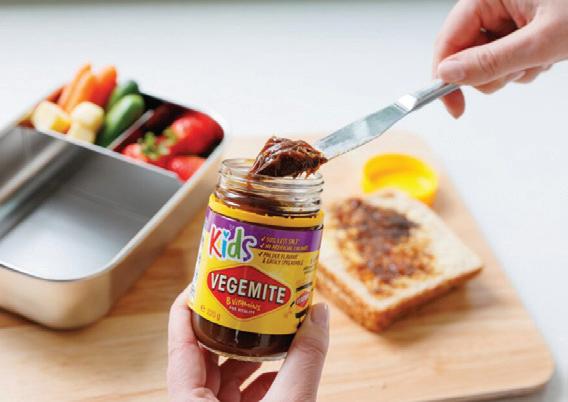
Designed specifically for younger tastebuds, VEGEMITE Kids is designed to be milder in flavour with 50% less salt than the original. It also has a smooth texture to make it easier for children to spread. The 220 g jar is available at Coles and Woolworths nationwide from Bega Group. vegemite.com.au

After going ‘viral’ on social media during its two-week launch in ALDI, the Violet Crumble spread is back — this time in supermarkets nationwide. Influenced by the flavours of the Violet Crumble chocolate bar, the chocolate spread has shards of crunchy honeycomb. The deal with Kruger was brokered by Asembl on behalf of Menz Violet Crumble. www.violetcrumble.com.au

Behind the Cremissimo creation is Streets’ locally based NSW R&D team, which has decades of technical expertise in ice cream formulation and manufacturing. Available in five flavours, each 1 L tub has a smooth and creamy texture, an ice cream base paired with inclusions and sauces. www.magnumicecream.com
A spread reformulated for kids, together with indigenous-inspired baked goods, awardwinning dips and other reimagined food products, have been hitting the supermarket shelves.

Two social enterprises have come together in a collaboration to launch a series of six indigenous-inspired products that celebrate Australia’s combined refugee and First Nations cultures. The Bread & Butter Project and IndigiGrow range includes Lemon Myrtle and Pepperberry sourdough varieties, Dark Chocolate & Wattleseed Brownies, Toffee’d Saltbush Blondies, Caramelised White Chocolate & Saltbush Bikkies, and Lemon Myrtle Toffee’d Caramel Shortbreads, with all products becoming available via Harris Farm stores Sydney-wide. thebreadandbutterproject.com and indigigrow.com.au
Asembl is reimagining the Streets Weis Mango ice cream bar with the launch of Raw C Mango & Cream Paradise
Coconut Yoghurt Inspired by Weis. Now available in Woolworths stores, the yoghurt has been inspired by the ice cream bar with the taste of mangoes and cream, together with coconut flavours. With no added sugar, it is also free from artificial colours and flavours. www.asembl-brands.com



The 100% Australian-owned dips brand NUFFIN has been named the winner of the Canstar Blue 2026 Most Satisfied Customers Award in the dips category. Using real ingredients with no added preservatives and no hidden additives, the dips are locally made in regional Victoria and packaged in a compostable, paper-based tub. www.nuffin.co