What’s New in Food Technology & Manufacturing May/Jun 2026
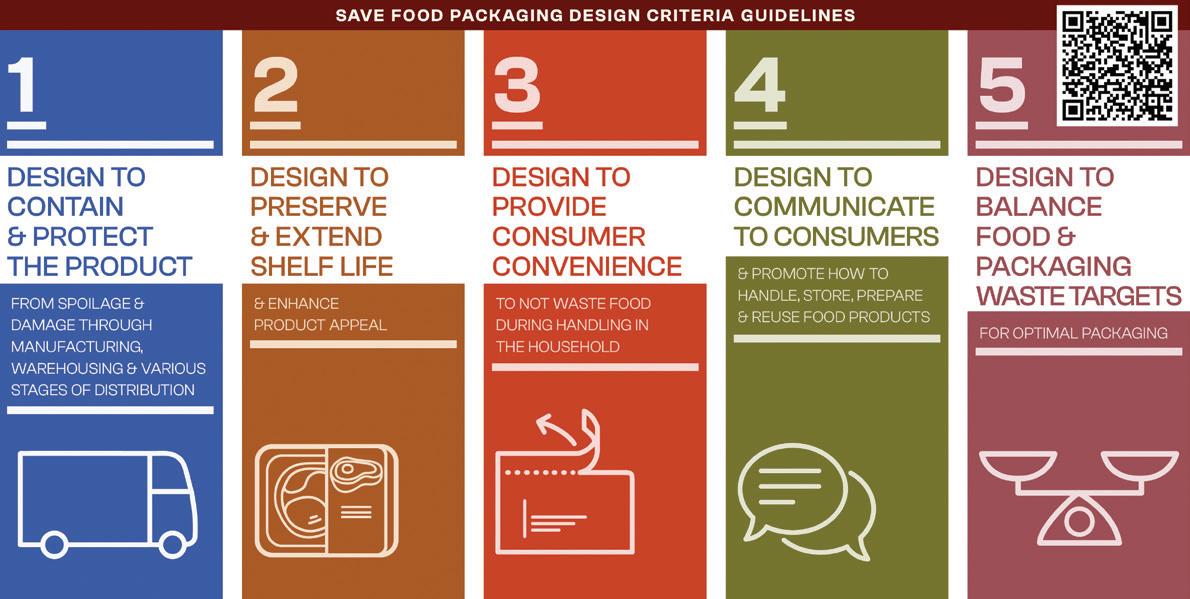
From milk proteins to bioplastics for food 36 Navigating the food packaging waste paradox
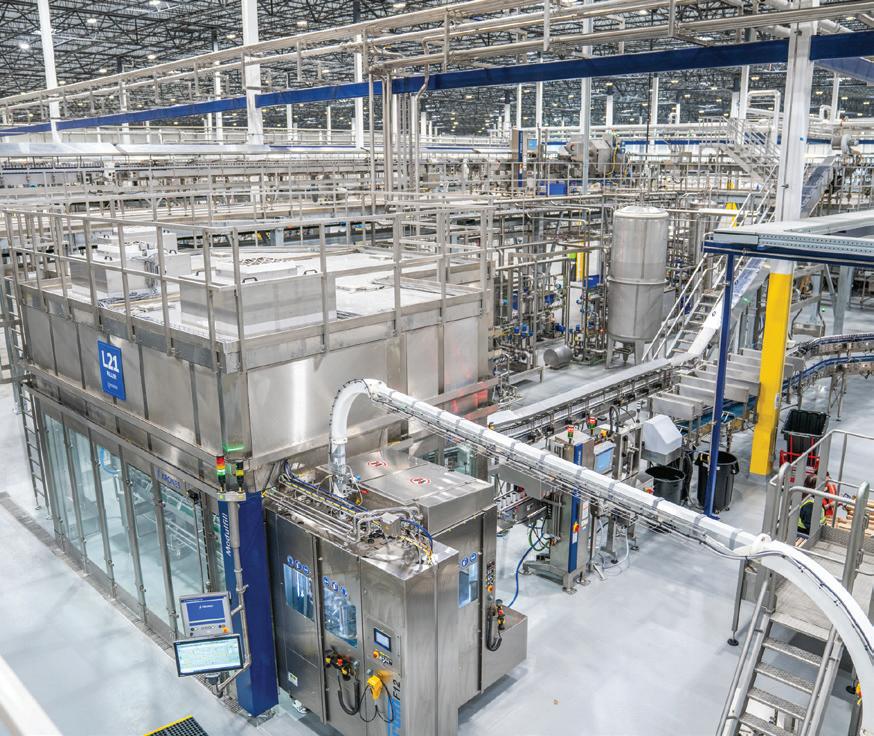
20 Automating a new beverage canning facility
28 Using snow instead of ultra-pure water: improving efficiency of pharma packaging cleaning after filling
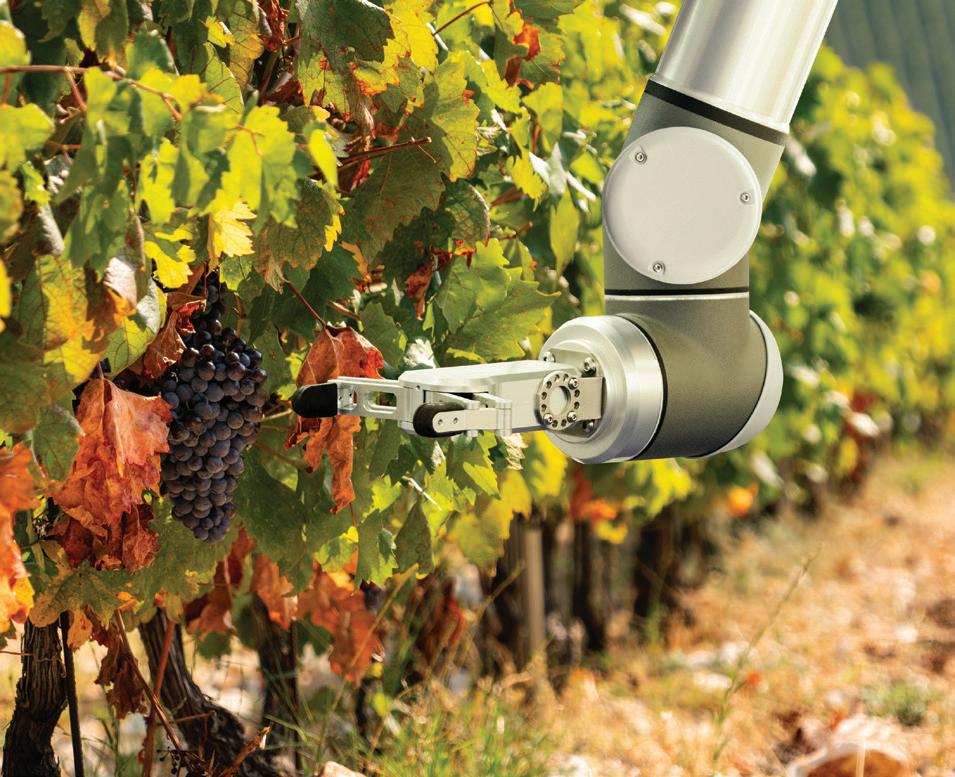
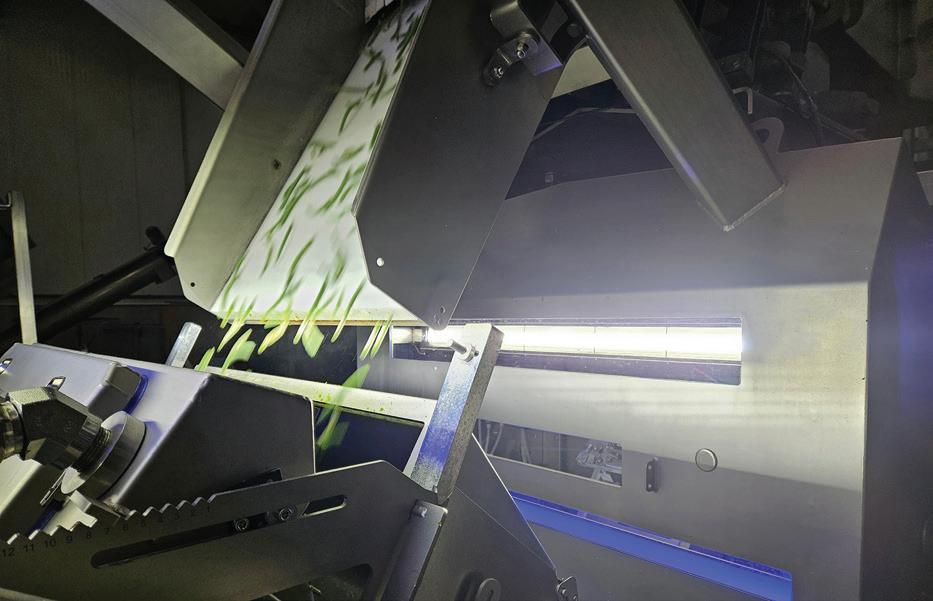
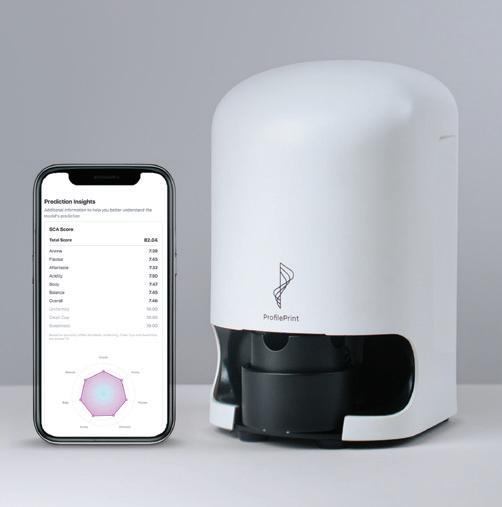
Smarter drop: optical sensor detects ripeness on the vine
47 Maximise throughput, minimise downtime
48 Mitigating unseen losses in large food packs
51 Stop the inventory chaos: bringing control to random weight protein processing
53 Zeroing in on food safety tests: are they too sensitive?
57 Does cultured beef have fewer allergens? 58 Six on the shelf
CAROLYN JACKSON CHIEF EDITOR
Aeditor's
NOTE
s fuel underpins nearly every stage of the modern food system — from harvesting and irrigation, to transport logistics, packaging and exports — when its supply chain is disrupted, it can have a big impact on supply chains and ultimately supermarket prices. The Middle East crisis clearly demonstrates that this can even impact food-secure nations, such as Australia and New Zealand.
While our governments work hard to improve our sovereign fuel security, it’s also a time for the food industry to reflect on this challenge as a means for finding other solutions beyond fuel choices that can allow it to withstand the next inevitable stress test.
In this issue, we cover details of Australia’s plan to build further resilience into food supply chains across production, processing and distribution, with its initial focus on diesel supply chains. We also look at supply chain and traceability solutions for large-scale food manufacturing.
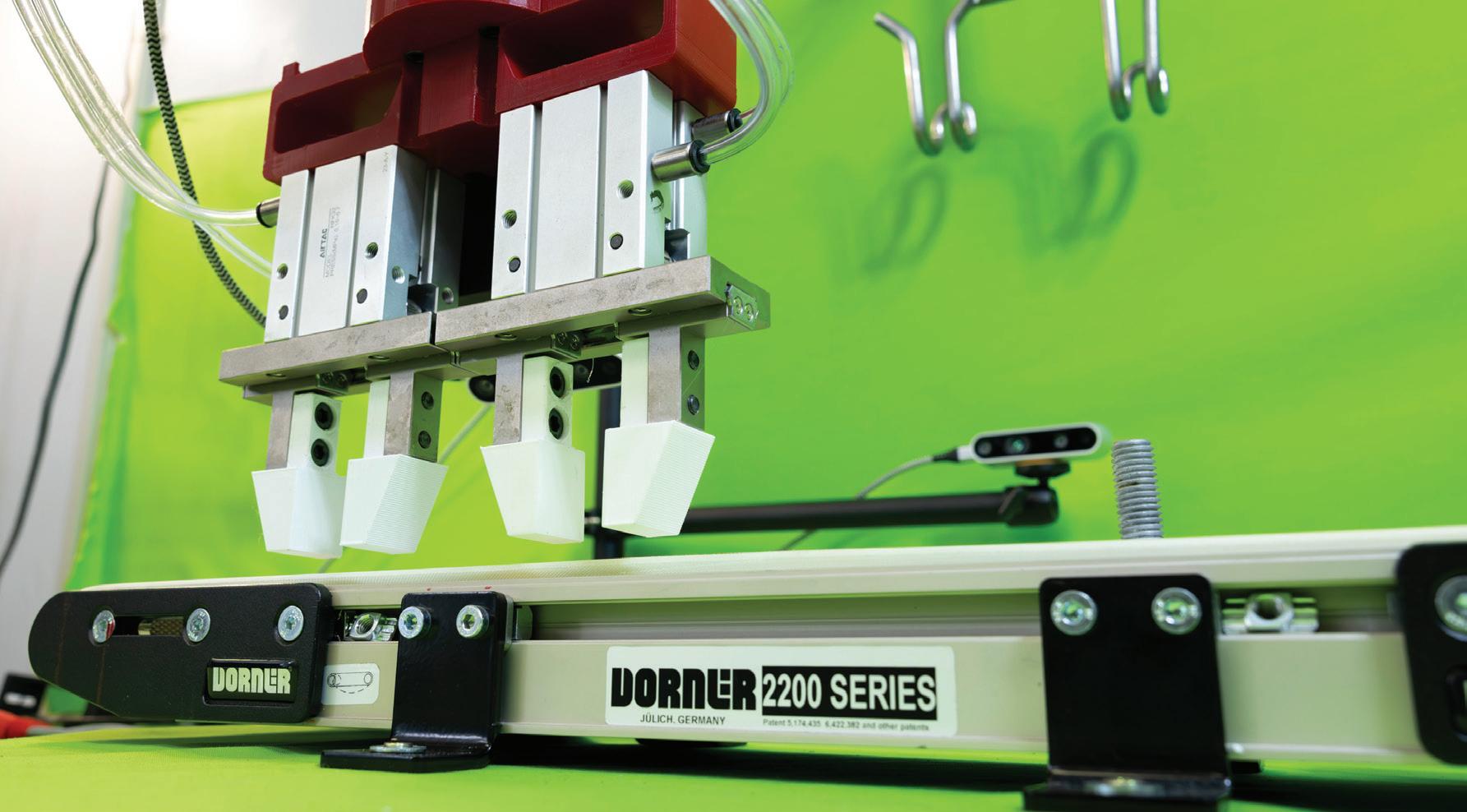
Our feature includes new innovations and advances in technology for the meat, poultry and seafood sectors. For example, a robotic gripper with pinchers that uses embedded AI intelligence to grasp a slippery chicken carcass by the legs, lift and hang it on a shackle conveyor before it moves on for further processing.
Another development details a mathematical model that has potential as a realtime monitoring system that can estimate remaining shelf life, reduce waste and improve decision-making across the seafood industry.
This issue is packed with much more, so I hope you all enjoy the read.
Want to contribute?
We welcome submissions from the food industry across Australia and New Zealand that will be considered for possible inclusion in the bi-monthly print publication and our daily web page. If you have a story you think would be of interest, please send an email to wnift@wfmedia.com.au.
Westwick-Farrow Media is committed to using environmentally responsible print services to produce our publications. This edition is printed on a paper made with a mixture of materials from PEFC-certified forests and recycled materials and made from elemental chlorine free bleached pulp with is PEFC certified from sustainably managed sources. It is delivered in a totally degradable plastic wrapper.
Westwick-Farrow Media
A.B.N. 22 152 305 336 www.wfmedia.com.au
Head Office Unit 5, 6-8 Byfield Street, North Ryde Locked Bag 2226, North Ryde BC NSW 1670 Ph: +61 2 9168 2500
Editor: Carolyn Jackson wnift@wfmedia.com.au
Publishing Director/MD: Janice Williams
Art Director/Production Manager: Linda Klobusiak
Circulation: Alex Dalland circulation@wfmedia.com.au
If you have any queries regarding our privacy policy please email privacy@wfmedia.com.au
Printed by Ive Group
Print Post Approved PP100007395 ISSN No. 1039-8414
NOTICE:
All material published in this magazine is published in good faith and every care is taken to accurately relay information provided to us. Readers are advised by the publishers to ensure that all necessary safety devices and precautions are installed and safe working procedures adopted before the use of any equipment found or purchased through the information we provide. Further, all performance criteria was provided by the representative company concerned and any dispute should be referred to them. Information indicating that products are made in Australia or New Zealand is supplied by the source company. Westwick-Farrow Pty Ltd does not quantify the amount of local content or the accuracy of the statement made by the source.
Foodmach invests in A&RT
Automation & Robotics Technology (A&RT), a specialist in high-speed robotic automation, has been acquired by a private investor group comprising Foodmach, Packaging Partners, Rob Niggl and Frank Floriano, former CEO of Aldus Group.
Founded more than 20 years ago by Dale Collinson and Mike Urban, A&RT has built a reputation for delivering complex robotic picking and bespoke automation systems for Australia’s FMCG manufacturers, particularly in the bakery and frozen food sectors.
Led by Geoff Murdoch and Phil Biggs of Packaging Partners, the acquisition brings together complementary capabilities across both A&RT and Foodmach, creating new opportunities for growth, sector expansion and technology development.
Collinson said the next phase of ownership would enable the business to scale its intellectual property and broaden its market reach.
“A&RT has developed a large catalogue of bespoke automation solutions that we now have the opportunity to productise for both local and global markets, while continuing to build on our core engineering capability,” he said.
Phil Biggs of Packaging Partners said the alignment between the two businesses was strategically significant.
“Foodmach, an industry leader for over 50 years, has a strong presence in high-speed beverage manufacturing, while A&RT has deep expertise in bakery and frozen foods. Together, this opens new sector opportunities for both businesses,” he said.
“Just as importantly, the software capabilities are highly complementary. Foodmach’s award-winning packaging line control, combined with A&RT’s high-speed vision systems, will deliver measurable performance benefits for customers.”
Under the new ownership structure, A&RT will continue to operate independently, retaining its existing leadership team and brand. Collinson and Urban will both remain actively involved in the business, with Collinson also retaining an equity stake.
The sale price was not disclosed.
Cobram Estate Olives buys California Olive Ranch
Australian-owned business Cobram Estate Olives Ltd (CBO) has acquired US-based olive oil producer California Olive Ranch Inc. (COR).
Founded in 1998, COR operates an olive oil business with a milling, storage, bottling and warehousing facility in California, with owned, leased and contracted third-party groves under management.
The acquisition by CBO of COR from owner Solum Partners is expected to create a global powerhouse in the extra virgin olive oil category. The acquired portfolio includes the California Olive Ranch brand, which is claimed as the number one Californian-produced extra virgin olive oil in US supermarkets.
CBO is recognised for its world-class olive growing expertise and has a shared commitment for producing premium, fresh olive oil. The business also has olive farming assets in Australia and the US — including a large olive tree nursery, olive mills, bottling and storage facilities, and the Modern Olives laboratory.
Fonterra completes sale of Mainland Group to Lactalis
On 31 March 2026, Fonterra Co-operative Group Ltd announced that it has completed the sale of its global consumer and associated businesses, Mainland Group, to Lactalis.
The sale comprises:
• Fonterra’s global Consumer business and Consumer brands, excluding the consumer business in Greater China where Fonterra will continue to own the Anchor brand;
• the integrated Foodservice and Ingredients business in Oceania;
• the integrated Foodservice business in Sri Lanka;
• the Middle East and Africa Foodservice business.
The product supply agreements between Fonterra and Lactalis are:
• Raw Milk Supply Agreement — Fonterra to supply raw milk to Lactalis for a minimum term of 10 years, with automatic renewal until terminated.
• Global Supply Agreement — Fonterra to supply ingredients and other products (eg, bulk cheese) to Lactalis for a minimum period of 6 years, with automatic renewal until terminated.
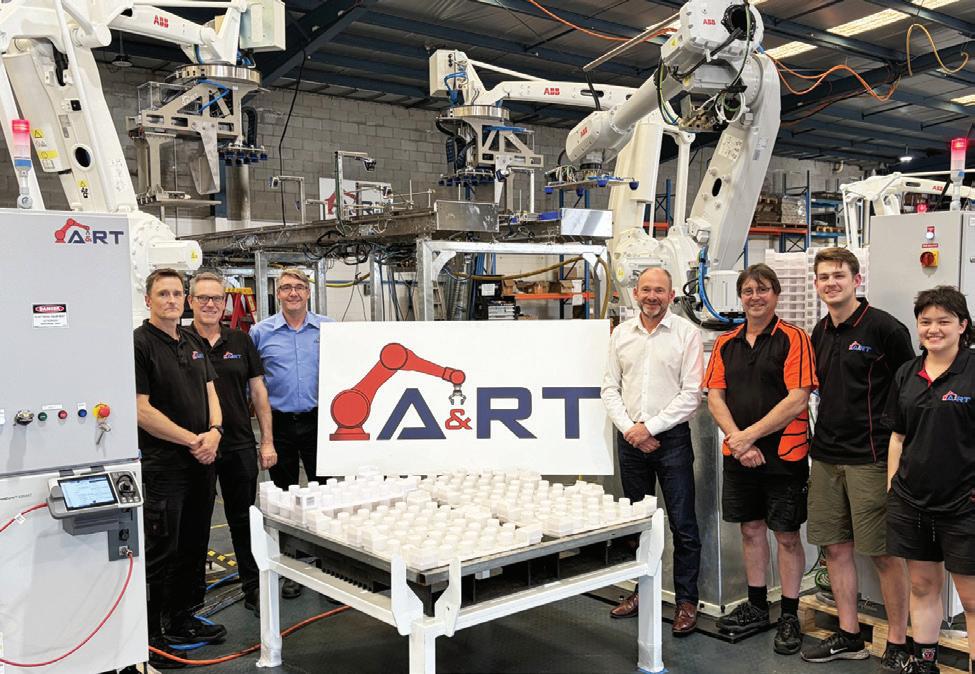
Dale Collinson and Phil Biggs with members of the A&RT team pictured before a recently completed four-robot palletising and depalletising solution.
A merging of flavours
Unilever has confirmed that it will merge its Foods business with McCormick, in a transaction which implies an enterprise value for Unilever’s Foods business of approximately US$44.8 billion.
After the completion of the transaction, the combined company will have a portfolio of brands, including McCormick, Knorr and Hellmann’s, across herbs, spices, seasonings, cooking aids, sauces and condiments. High-growth potential brands such as Cholula, Maille and Frank’s will also be included.
The combined company will be led by the McCormick CEO and CFO, with senior management representation from Unilever Foods. Bringing together complementary geographic footprints and a global leading presence across both retail and food service channels, the company will also have combined science and R&D capabilities to meet demand for flavour.
After the separation of its Foods business, Unilever will concentrate on its €39 billion pureplay HPC company, consisting of Beauty, Wellbeing, Personal Care and Home Care portfolios.
Fernando Fernandez, Chief Executive Officer of Unilever, said the transaction was “unlocking trapped value through a growth-led separation
of Foods, creating a scaled, global flavour powerhouse”.
“This is a combination built on strong strategic and cultural alignment, providing exciting opportunities for our people and ensuring our Foods brands continue to thrive as part of a global flavour leader. Our retained ownership stake reflects our conviction in the strength of the combined company and its future prospects,” Fernandez added.
Brendan Foley, Chief Executive Officer of McCormick, said: “This transformative combination accelerates McCormick’s strategy and reinforces our continued focus on flavour. The Unilever Foods business is one we have long admired, with a portfolio that complements our existing business, capabilities and long-term vision. Together, we will be better positioned to accelerate growth in attractive categories.”
McCormick will establish international headquarters in the Netherlands and is planning a secondary listing in Europe.
Completion is expected by mid-2027, subject to McCormick shareholder approval, receipt of required regulatory approvals and the satisfaction of other customary closing conditions.
Alt-chocolate scale-up tackling cocoa crisis
Italian foodtech company Foreverland has raised €6 million in new funding (bringing total capital to €9.4 million) to accelerate its expansion and scale production of its cocoa-free chocolate alternative, Choruba.
The company is positioning itself as an industrial supplier to confectionery manufacturers. It has also recently secured IFS Food certification at its production facility and is expanding into organic cocoa-free chocolate.
At the site, the company processes locally sourced Mediterranean ingredients such as carob into cocoa-free chocolate alternatives designed for industrial use, helping manufacturers reduce exposure to cocoa price volatility and supply disruption.
Massimo Sabatini, Co-founder and CEO of Foreverland, said: “With IFS Food certification in place and demand accelerating, we’re scaling commercial growth across Europe, strengthening key partnerships, and bringing in senior talent from the cocoa and chocolate industry to support manufacturers at scale.”
While the company’s core business remains the supply of conventional cocoafree chocolate ingredients to manufacturers, the company is also launching an organic alt-chocolate line in Europe.
TasFoods liquidation
The board of directors of TasFoods Ltd (TasFoods) announced on 12 March 2026 that KPMG Australia has been appointed as the voluntary administrators (administrators) of the group of entities within TasFoods Ltd.
TasFoods was established in 2015 to represent Tasmanian brands that use the state’s natural resources for producing food and beverage products.
Two of its dairy brands were sold in 2023, but now the board has decided to enter voluntary administration following its unsuccessful attempt to sell its subsidiary business, Nichols Poultry, which was acquired in 2016.
The administrators have now taken control of the group and plans to keep trading on a business-as-usual basis while it explores options for a going-concern sale and/or recapitalisation of assets.
Parties who are interested in purchasing TasFoods or any of its assets have been asked to contact the administrators on tasfoods@kpmg.com.au.
Supplied
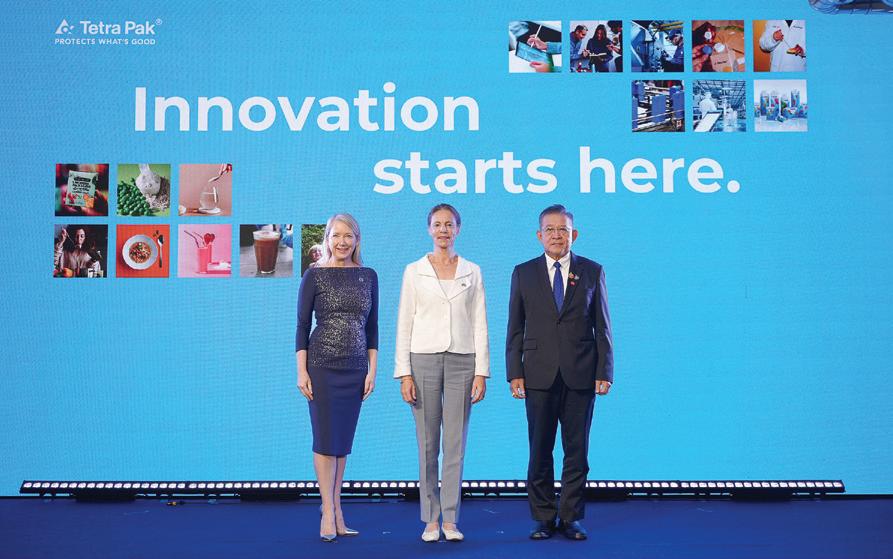
Tetra Pak opens product development centre in Thailand
Tetra Pak has opened its Product Development Centre (PDC) in Rayong, Thailand, to support food and beverage manufacturers across Asia Pacific (APAC) in taking new products from concept to production.
“Across Asia Pacific, we are seeing strong demand for higher-value, more differentiated food and beverage products,” said Julia Luscher, Vice President, Marketing at Tetra Pak. “To compete regionally and globally, manufacturers need faster validation cycles, more efficient development, and the ability to scale with confidence.”
The 3716 m2 facility consists of two integrated areas: the Liquid Food Solutions and the Food Development Facility. Equipped with semiindustrial, end-to-end pilot plants for both aseptic and non-aseptic applications, the PDC supports six high-growth, liquid-based food and beverage categories spanning dairy, beverages (juice, nectars, still drinks, coffee, and tea), plant-based foods, ice cream, food applications including Tetra Recart culinary and porridge dishes, and food supplements and nutrition.
Together, these capabilities are designed to enable food and beverage manufacturers to:
• Validate recipes and processes before commercial roll-out.
• Optimise investment in development by trialling sensitive or high-value ingredients under near-identical conditions to full-scale production.
• Accelerate time-to-market through end-to-end support, from laboratory recipe development through pilot-scale trials to process optimisation.
• Support regional product development by enabling manufacturers to test new ingredients, formulations and processes close to actual production.
• Gain confidence in product launches through sensory testing, nutritional analysis, shelf-life studies and consumer research conducted on-site.
The centre features dedicated laboratories and a team of food scientists, bioprocess engineers and process specialists, to ensure every user trial is backed by science and industry expertise. Designed to serve manufacturers of all sizes, the PDC provides access to pilot production facilities, technical guidance and quality validation processes that would otherwise require significant capital investment.
Commercial trials for users of the centre are expected to begin in Q2 2026.
Next phase for soft plastics stewardship
The Australian Packaging Covenant Organisation (APCO) and Soft Plastic Stewardship Australia (SPSA) have announced a partnership to support the next phase of soft plastics stewardship in Australia.
The partnership brings together SPSA’s work to expand soft plastics collection and recycling pathways with APCO’s national stewardship infrastructure across reporting, invoicing, packaging guidance and extended producer responsibility administration.
APCO and SPSA will collaborate to promote scheme participation through a coordinated model designed for no duplication in levies, reporting and administration, while supporting strong data integrity and confidence across the value chain.
Chris Foley, Chief Executive Officer of APCO, said the partnership reflects the kind of practical coordination industry has been calling for.
“Soft plastics stewardship needs to be credible, workable and easier for industry to engage with,” Foley said. “This partnership connects scheme delivery with the systems many businesses already rely on, while supporting stronger consistency, clear participation pathways and greater confidence in how stewardship is administered.
“It also supports the broader integrity of the system by linking participation with robust packaging guidance and evidence-based outcomes.”
Barry Cosier, Chief Executive Officer of SPSA, said the partnership strengthens industry’s ability to deliver a scalable and cost-effective national system for soft plastic stewardship.
“Soft plastic recycling will thrive with aligned packaging design, labelling, collection and recycling infrastructure, supported by policy reform of the broader packaging value chain,” Cosier said.
“By working closely with APCO, we can provide brands and retailers with greater confidence that packaging design, labelling and recycling infrastructure are evolving together. This agreement provides industry with greater clarity and coordination.”
SPSA will continue to drive the development and expansion of collection and recycling pathways in collaboration with retailers, councils, recyclers and industry. APCO will support scheme administration through its established national processes and continue to provide industry leadership for improved soft plastics design outcomes enabled by its packaging guidance and the Australasian Recycling Label Program.
As soft plastics stewardship continues to evolve, APCO and SPSA said the partnership marks an important step towards a more coordinated, credible and scalable national approach.
Tetra Pak
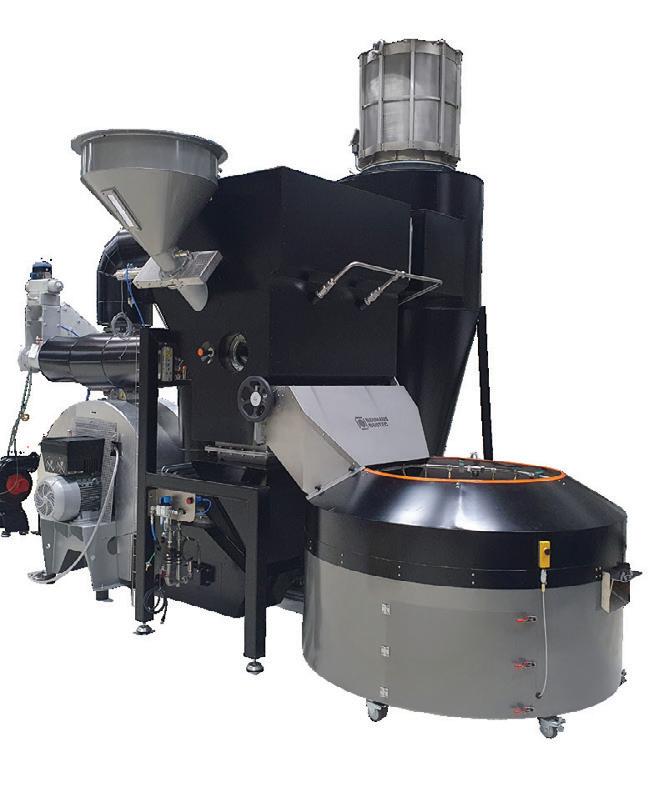
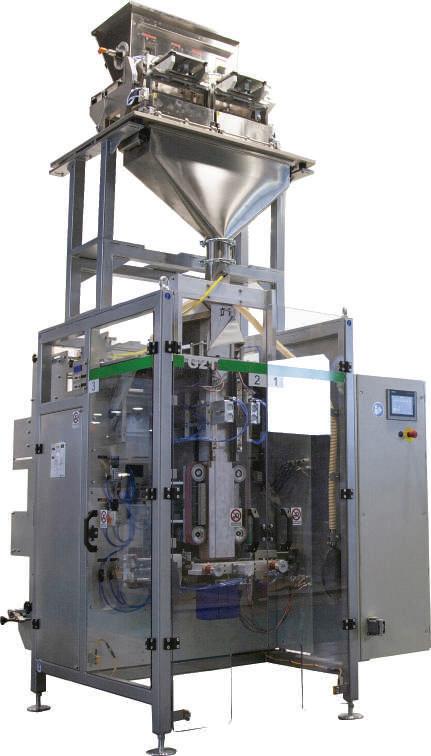
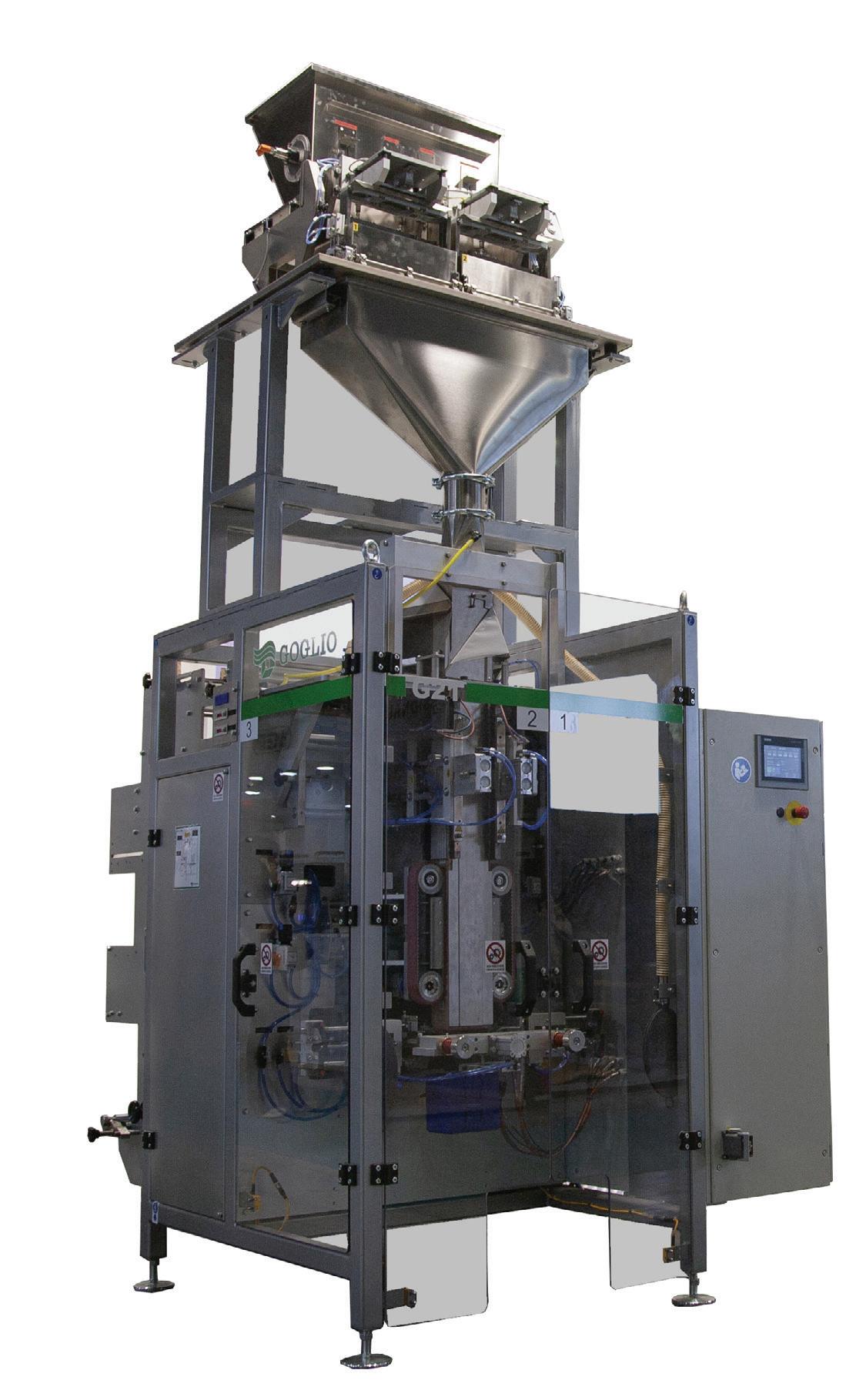
Capable of packing 20 x 1 kg coffee bags per minute in whole bean coffee format, with other models capable of reaching speeds up to 80 bags per minute
UQ opens facility for food innovations
The University of Queensland has opened a purpose-built facility designed to help speed up food product development and strengthen industry collaboration.
Professor Nidhi Bansal from Australia’s Food and Beverage Accelerator said the FaBA MakerSpace will provide rapid prototyping, unique research collaboration opportunities and access to advanced equipment.
“By giving industry partners access to a food-grade space equipped for fast, low-risk prototyping, we are enabling them to innovate more quickly while drawing on UQ’s research expertise to codesign practical and commercially focused solutions,” Bansal said.
“This facility is designed to help businesses test ideas, refine food and beverage formulations and explore new technologies in a way that is agile, efficient and directly connected to commercial business needs.”
The FaBA MakerSpace is designed to help reduce the cost and uncertainty associated with early-stage innovation for business.
It offers capabilities including beverage and liquid processing, powder development,
“filtration and separation technologies, advanced sterilisation and packaging systems and multiple drying platforms including spray drying and freeze drying.
Senator Anthony Chisholm, Assistant Minister for Resources, Regional Development and Agriculture, Fisheries and Forestry — who officially opened the FaBA MakerSpace — said the facility would provide Australian business with a competitive R&D advantage.
“This is a nationally significant facility that will support food innovation, industry collaboration and workforce development,” Chisholm said.
“As one of six projects funded under the Albanese government’s $370 million Trailblazer Universities Program, the Food and Beverage Accelerator plays a huge role in bolstering research and commercial capability in Australia’s priority sectors.
This facility is designed to help businesses test ideas, refine food and beverage formulations and explore new technologies in a way that is agile, efficient and directly connected to commercial business needs.
“The new facility here in the heart of UQ provides a perfect example of the goals and possibilities set out in our plan for a Future Made in Australia.”
UQ Vice-Chancellor Professor Deborah Terry AC said the FaBA MakerSpace enables UQ to engage nationally for food and beverage industry innovation.
“This facility gives Australian companies access to capabilities that would otherwise be out of reach for many early-stage or fastgrowing businesses, helping them turn ideas into market-ready products more efficiently,” Terry said.
“The FaBA MakerSpace is a central hub in UQ’s network of innovation facilities designed to support new product development, scale up readiness and undertake industry-led research across the food and beverage sector.”
The FaBA MakerSpace supports UQ teaching and learning by ensuring students and emerging entrepreneurs gain handson experience with contemporary product development, food engineering and applied industry projects.
Do you have a design story to share? Please email wnift@wfmedia.com.au if you'd like to contribute.
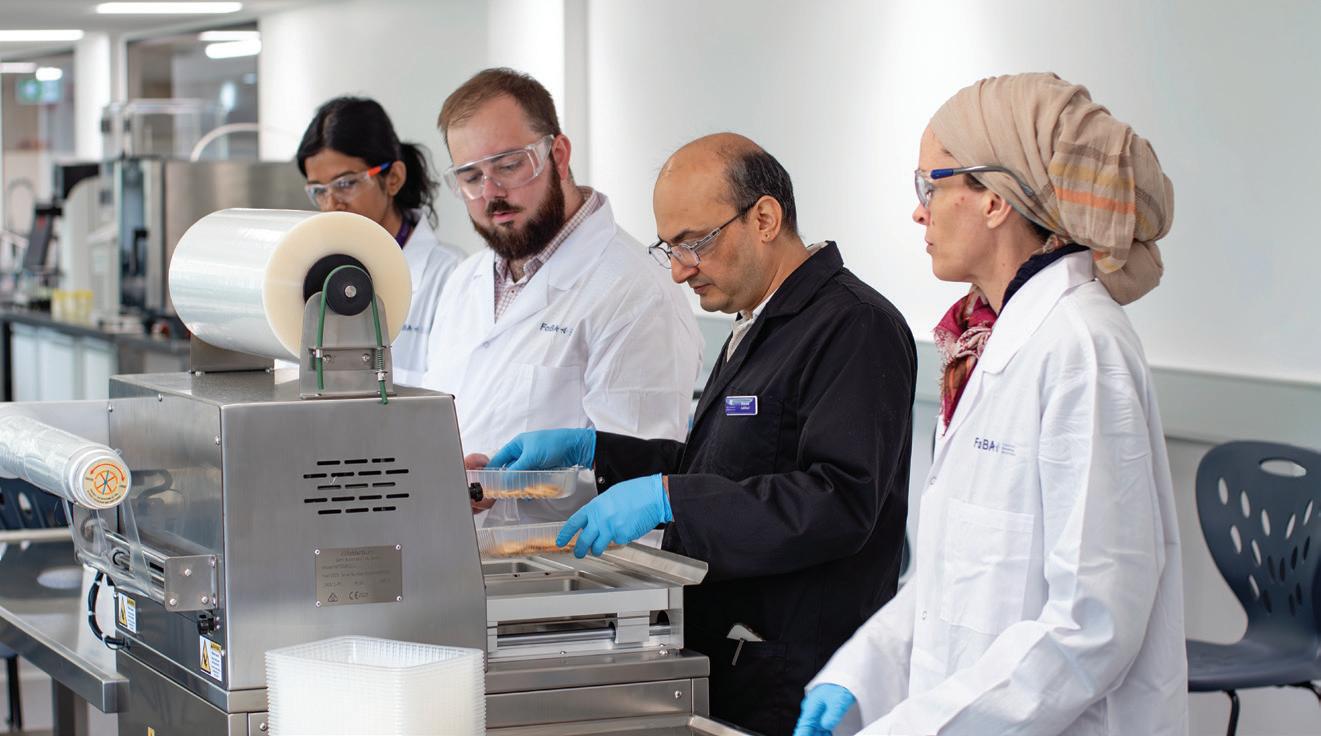
The FaBA MakerSpace will host industry partners and students of UQ’s food science and technology courses.
The University of Queensland
The University of Queensland
The FaBA MakerSpace can replicate all stages of food production, including modified atmosphere packaging. (L–R) Geethi Eshani Ilukpitiya, Justin Nugent, Dr Bhaskar Adhikari and Charlotte Duniam.
Plan for national food security
The National Food Council (the Council) met for the second time on Monday, 23 March 2026, with conflict in the Middle East and impacts on food supply chains being front and centre on the agenda.
Opportunities to improve Australia’s food security were discussed by members, including strengthening resilience in food supply chains in the context of national security risks. Members stressed the importance of resilient supply chains, not only for production, processing and distribution, but also for a stable and accessible food system for all.
The Council heard from ABARES on the likely impacts of the Middle East conflict on agriculture, as well as from the Australian Logistics Council on supply chain resilience for food, fuel and freight. The importance of fuel was highlighted, along with other key inputs such as fertiliser for production.
The Australian Government has now commissioned a National Food Supply Chain Assessment, as part of the National Food Security Strategy. The assessment is designed to feed into the work of the newly established Fuel Supply Taskforce, and provide advice to government on practical steps to strengthen preparedness for disruptions to food production and supply chains.
“While Australia is food secure, we recognise the importance of supply chain resilience, including the supply of fuel and fertiliser, which is why we have commissioned this assessment,” said Minister for Agriculture, Fisheries and Forestry Julie Collins MP.
“This assessment will provide advice to government on ways we can continue to strengthen preparedness for disruptions to food production and supply chains — building on frameworks already in place that help safeguard Australia’s food production.”
The assessment will initially focus on diesel supply chains, and will then expand to other critical agricultural inputs, including
crop protection products and fertilisers. It will be led by Andrew Henderson on behalf of AgriFutures, who will step away from the National Food Council to undertake this work.
Simeon Gilding will join the National Food Council. He brings significant expertise in national security and international relations, having held senior positions at the Australian Signals Directorate, the Department of Defence, the Department of Foreign Affairs and Trade, and the Department of Prime Minister and Cabinet.
“I welcome Simeon Gilding to the National Food Council and the expertise he brings, and thank Andrew Henderson for his contributions alongside other members to date,” Collins said.
An interim report focused on diesel supply chains will be provided to the Minister for Agriculture, Fisheries and Forestry within one month, with a final report to be delivered by the end of the year.
Cost pressures mounting
Australian rural confidence declined in the first quarter of 2026, with the nation’s farmers already concerned about cost pressures in the year ahead, even prior to the outbreak of the current Middle East conflict — according to the latest Rabobank Rural Confidence Survey.
“We’ve seen fuel and fertiliser markets and freight rates react to the Middle East conflict due to the impact on prices and threat to supply and this flows directly into Australian farm budgets, adding to inflationary pressures,” said Rabobank group executive for Country Banking Australia Marcel van Doremaele.
“Some farmers are rethinking the application of nitrogen in particular as a result of high prices, and some crop farmers are adjusting their cropping programs. For graziers, increased fuel prices add to costs, particularly for transport.”
Van Doremaele said while the size and duration of the impacts of the Middle East conflict were not currently clear, Australian farmers were facing a testing time.
Meat, poultry & seafood
Meaty facts
Nearly 70% of Australian households serve chicken meat at least twice per week. Consumption is expected to exceed 55 kg per year by the end of 2026. chicken.org.au
The main contributors to the rise in per capita consumption of meat and poultry from 2022–23 and 2023–24 were:
• Poultry (up 1.7 g to 51 g/day, a rise of 3.5%)
• Beef, lamb and pork (up 1.7 g to 48 g/ day, a rise of 3.7%)
• Poultry-based mixed dishes such as chicken nuggets, up 0.4 g to 12.4 g/ day, a rise of 3.3%
The mathematics of fish freshness
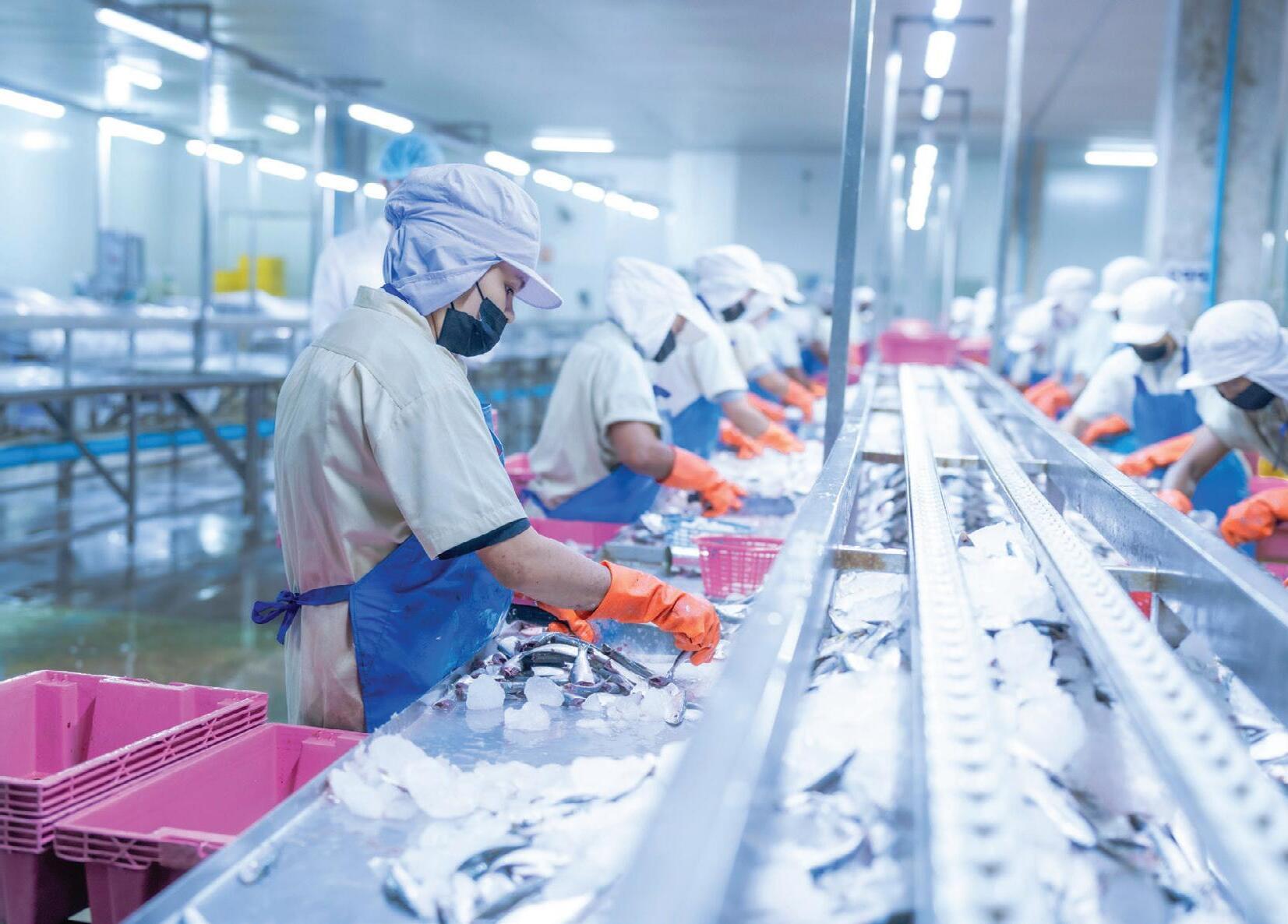
Seafood supply chains are expanding globally, with increasing exports creating long distances in the distribution journey from the seas to the supermarkets. Along the way, the fish freshness steadily declines, often in ways that are difficult to detect. Now, researchers at Hokkaido University have developed a mathematical model that is able to measure how fresh a fish is at any point along this journey.
The mathematical model development has potential as a real-time monitoring system that can estimate remaining shelf life, reduce waste and improve decision-making across the seafood industry.
“As is well known, the freshness of fish and shellfish begins to deteriorate immediately after death, but these changes are difficult to track across complex distribution networks,” said Associate Professor Naoto Tsubouchi of Hokkaido University. “As a result, appropriate decisions cannot always be made accurately because the time-dependent changes related to freshness are not fully understood.”
www.abs.gov.au
Catch of the day
Value of aquaculture and wildcaught fishery products, 2023–24 ($ million)
• Wild-caught $1.6m
• Aquaculture $2.2m
ABARES Australian Fisheries and Aquaculture Statistics (AFAS)
Try this easy recipe from the editor’s kitchen:
Wrap a salmon fillet, which has been covered with cream cheese, dill and spinach leaves, in a sheet of pastry. Bake at 200°C for 20 min.
This uncertainty affects not only the safety and quality of fish, but also its economic value. Decisions about pricing, storage and transport are often made without precise information, affecting logistics and inventory across retail seafood centres, fishmongers, supermarkets, conveyor-belt sushi restaurants and convenience stores — often leading to inefficiencies and unnecessary waste.
In the study, published in the Journal of Food Engineering, researchers introduce a mathematical model based on the well-known degradation pathway of adenosine triphosphate (ATP) in fish muscle after death. “When a fish dies, the ATP stored in its muscle tissue undergoes sequential decomposition, and we used this naturally occurring process to create a predictive mathematical model,” Tsubouchi said.
By describing this biochemical process mathematically through what is known as the K-value, the model can help estimate the current freshness of a fish and predict how it will change over time. So, it can determine not only how fresh a fish is now but also how fresh it will be hours or days later.
More than 60 years ago, a freshness index based on the K-value was first proposed by researchers at Hokkaido University. Today, it is used globally as a scientific indicator of fish freshness. However, conventional methods for estimating the K-value require sampling fish tissue and analysing it in the laboratory, making the process time-consuming and destructive. The new model instead predicts the K-value by modelling ATP degradation. It uses basic information like fish species, storage time and temperature to offer a non-destructive and potentially real-time alternative.
Because the same biochemical pathway also determines fish taste, the new model can provide insight into fish quality as well. Inosinic acid (IMP) is a compound that is produced during the ATP degradation pathway, and which contributes to the desirable umami flavour. Some other late-stage compounds in this pathway are associated with bitterness and offodours. This means the model can estimate both freshness and flavour.
The researchers tested the model across multiple fish species, including mackerel, and found that its predictions closely matched the measured freshness values in the laboratory. “This research shows that a single model structure can be applied across multiple fish species, while maintaining predictive accuracy,” Tsubouchi said.
The researchers have patented related aspects of the technology in multiple countries and see its future application in sensor devices and automated freshness monitoring systems.
Low-methane Angus beef on the shelves at Foodland in SA
Following the release of its low-methane Wagyu beef in August 2025, South Australian-based CH4 Global has closed the production loop on methane-reduced Angus beef. Sold as Flinders Beef, the product is now on the shelves at Frewville Foodland and Pasadena Foodland — Adelaide’s Finest Supermarkets — and at select butchers and restaurants.
Produced by HB Rural at Warnertown, south of Port Pirie, the Flinders Beef inmarket has been fed Methane Tamer — a product consisting of whole Asparagopsis seaweed, native to South Australia and grown locally.
CH4 Global grows Asparagopsis in ponds at Louth Bay on Eyre Peninsula, which is then dried and formulated into the Methane Tamer product.
When fed to cows at just 0.5% of their daily diet, it is claimed to reduce their methane emissions by up to 90%.
CH4 Global CEO and founder Dr Steve Meller said the livestock industry and agriculture sectors were among the highest producers of greenhouse gas emissions around the world, and HB Rural had been instrumental in working to bend the climate curve with its own cattle.
“At CH4 Global we are completing the sustainability circle in South Australia by growing Asparagopsis seaweed, native to our shores, working with farmers to feed their cows our Asparagopsis-based Methane Tamer, and then working with processors, butchers, supermarkets and restaurants to reach consumers who want to eat guilt-free beef,” Meller said.
www.cbsfoodtech.com.au
“This partnership with Adelaide’s Finest is important to our state because they’re locally owned stores, specialising in South Australian produce,” he said.
“This eco-system is a win for South Australia as we’re showing how we can all benefit from lowering methane emissions with beef that’s locally produced, which consumers are coming back to time and again because they feel good about it.
“We’re also creating a new export market which we know works, as we seek to bend the climate curve on a global scale.
“We’re hoping that the more Asparagopsis we can grow, the wider the market we can reach across the rest of Australia, SouthEast Asia, the US, the UK and in South America.”
Methane-tamed Flinders Beef is about to be shipped to butchers and restaurants in NSW, and plans are also afoot to ship beef to several other countries including the UK, the US and Japan.
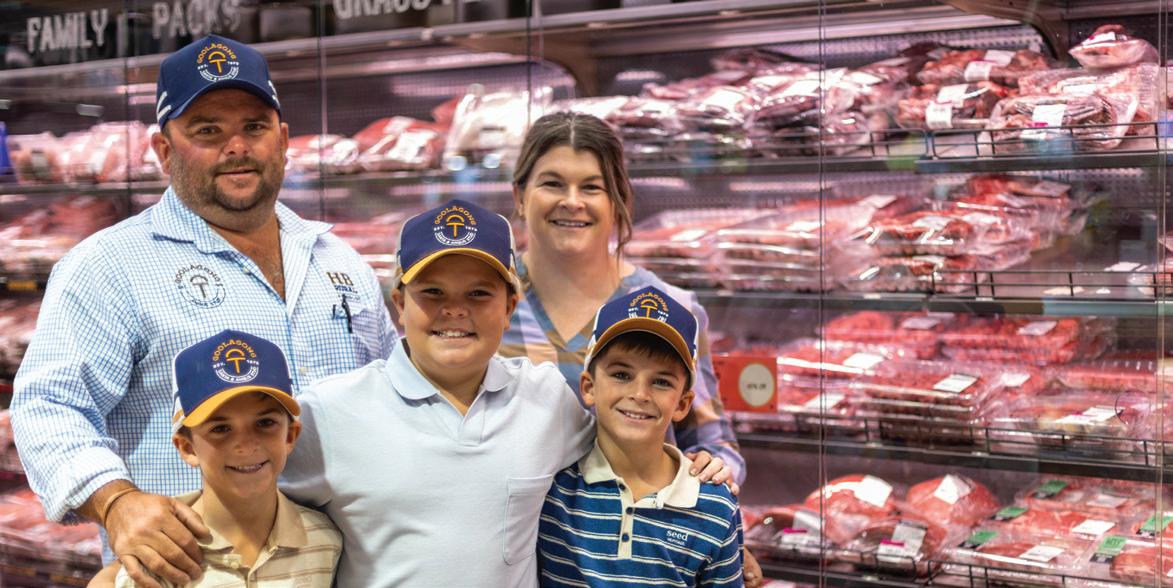
Heath Tiller is a third-generation cattle producer and founder of HB Rural, which produces the Flinders Beef/cows using the Methane Tamer. He is pictured here in the back row with Jenna Tiller, and in the front row are Clarry, Henry and Eddy Tiller.
Advances in poultry processing robotics
Most automated poultry processing lines still rely on humans to lift slippery chickens onto a shackle conveyor. Now, a robotics system has been designed to imitate these human movements in an effort to fully automate the handling of chickens.
Using an advanced imitation learning algorithm and camera perceptions, researchers with the Arkansas Agricultural Experiment Station have developed ChicGrasp, a dual-jaw robotic gripper with pinchers that can grasp a chicken carcass by the legs, lift and hang it on a shackle conveyor to be moved on for further processing.
“Embodied AI is used to create intelligent, agent-like robotics to interact with a realworld environment,” said Dongyi Wang, leader of the project and an assistant professor in the departments of biological and agricultural engineering and food science. “It’s a physical art that has just developed in the past couple of years, which you see in things like full self-driving cars,” he said. “We are trying to do similar things using that imitation learning idea, but in chicken processing.”
Results of the study behind the development of the robotic system have been published in Advanced Robotics Research. All computer-aided design files, code and datasets from the project were released as open source, providing what the team describes as a reproducible benchmark for agricultural robotics and robot learning.
How it works
Traditional robotic methods, such as using suction cups or pre-programmed scripted motions, struggle in the unpredictable conditions of a poultry processing line. The birds are cold, slippery and not uniform in size or posture. Slight changes in leg position or carcass orientation can cause robotics to fail. To address this, Wang’s team designed a system that learns from human teachers rather than treating the gripper and control algorithm separately.
Amirreza Davar, a graduate student in the departments of mechanical engineering and biological and agricultural engineering, designed the gripper and modified the imitation learning to fit into the robotic system, Wang said.
“In imitation learning, the role of the human is to give a trajectory, give a ground truth to the robot, so we don’t need to start from scratch to learn,” Davar said. “It’s more efficient and more accurate. From the getgo, the robot knows what we need to do.”
The camera inputs, movements or trajectories, are stored in a directory that serves as the basis, or “low-dimensional” data, to control each joint in the robotic arm. The specific imitation learning algorithm used, diffusion policy, was introduced in 2023 by Cheng Chi of Columbia University and colleagues at the Toyota Research Institute and the Massachusetts Institute of Technology.
The system allows for an adaptive framework for continuously refining grasping strategies by formulating robot control as a “conditional denoising process”, Davar explained.
By comparison, other robotics learning methods failed entirely under the same conditions.
“That’s why we’re getting inspired by this algorithm for the poultry industry,” Davar said. “Years ago, robots were programmed specifically to this specific coordinate at this specific time. But what if, like in the poultry industry, things are not predictable? You cannot engineer the robot to go exactly in this position. The chickens come in various sizes, and chicken legs are not always in the same position. So that’s why we wanted the robot to be able to adjust based on that specific scenario.”
Davar said the importance of the work behind ChicGrasp is not limited to the gripper itself.
“It’s the whole idea of imitation learning and generalisation combined with the gripper that makes it applicable and practical in the industry down the line,” he said.
Closing the speed gap
So far, ChicGrasp has shown a nearly 81% success rate, but the researchers emphasised that speed is still a challenge for industrial use.
A human can pick up a chicken carcass and hang it on the shackle conveyor in about three seconds. The full cycle for ChicGrasp is about 38 seconds.
Closing the speed gap will require both motion-level and algorithm-level changes, the study noted. This work would include the use of more aggressive velocity and acceleration limits for the robotic gripper arms and reducing idle time delays.
This work was supported by grants from the U.S. Department of Agriculture’s National Institute of Food and Agriculture in collaboration with the National Science Foundation through the National Robotics Initiative 3.0.
UADA
photo by Paden Johnson
Innovations in inspection solutions for meat, poultry and seafood
Food safety inspection has never been more important. Retail and export customers are tightening their standards, labour costs are rising, and one contamination recall can permanently damage a brand built over decades.
Most food industry inspection strategies treat contamination control as a layered discipline, not a single checkpoint. In meat, poultry and seafood processing, both X-ray and metal detection can be deployed at multiple stages — and each placement serves a different purpose.
Built for the demands of meat, poultry and seafood processing, Heat and Control’s advanced inspection solutions provide fast, accurate and reliable solutions across a range of applications.
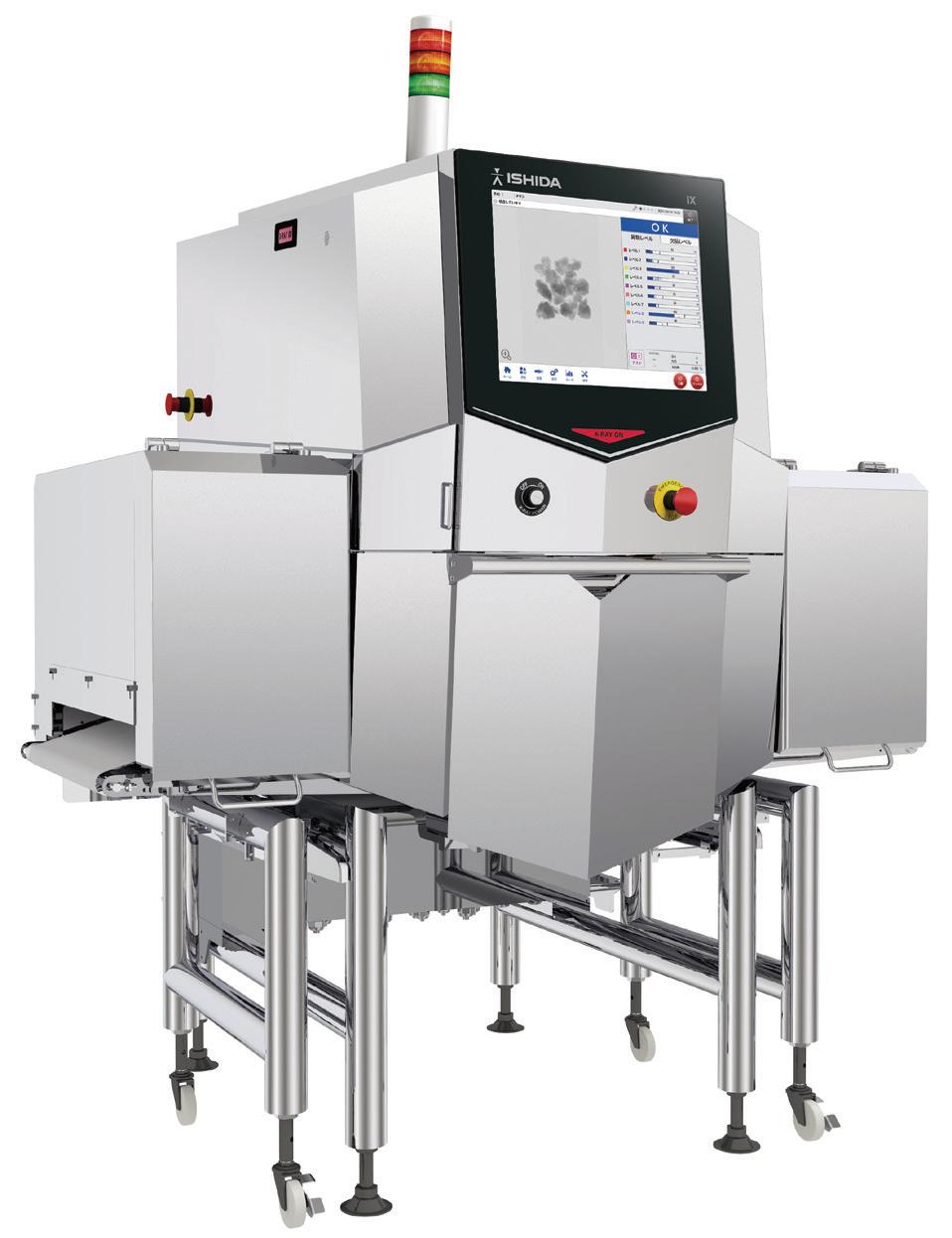
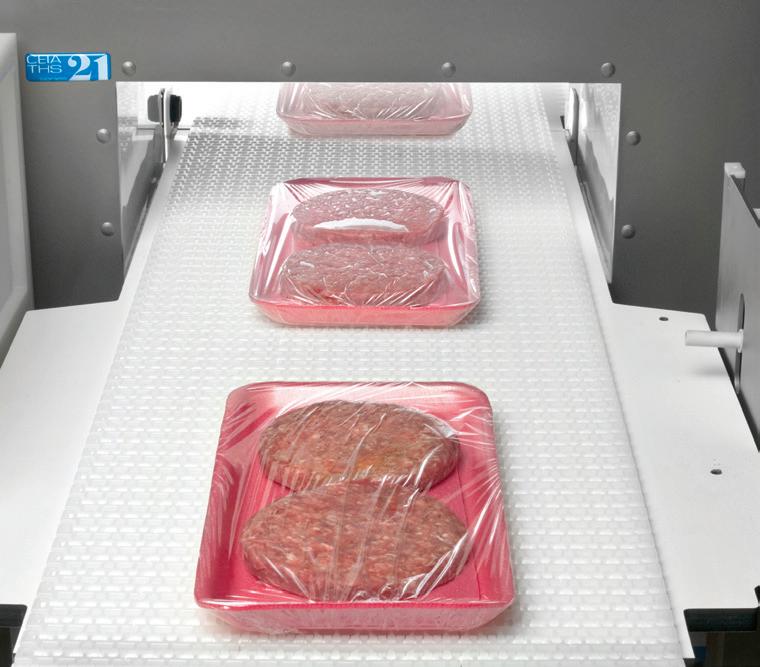
Two of the latest systems with relevance to protein processing are the Ishida IX-PD X-ray inspection system and the CEIA THS Series metal detectors. Used individually or together, they represent the leading edge of what’s available to Australian processors today.
Ishida IX-PD Series X-Ray
Leveraging photon counting dual energy technology, Ishida’s IX-PD X-ray machine features an advanced sensor and refined image processing. Particularly effective at the raw, unpackaged stage of processing, it’s twin-lane configuration enables inspection of a range of cuts, including chicken fillets, fish portions and diced beef.
The system can also be configured to reject product to an inspection table, where the detected bone is highlighted, assisting operators in quickly and accurately removing the bone and returning the product to the line. This saves rework later in the process, minimising packaging waste and supporting higher yields.
Metal detection, in contrast, remains the industry workhorse for final packaged product inspection, for retail ready processing requirements.
For processors handling bone-in or deboned poultry and fish, X-ray inspection should be considered the primary technology. Metal detectors cannot reliably detect bone
fragments, shells or glass — hazards that are endemic to these protein categories.
The Ishida IX-PD’s dual-energy sensor and photon-counting technology make it particularly well-suited to detecting lowdensity contaminants that conventional X-ray systems struggle with.
Previous high-accuracy models use a high energy image and a low energy image, then compare them to detect foreign objects. The process of producing these images took several stages, with each stage slightly detracting from the final image.
“With the unique direct conversion that Ishida have implemented for the IX-PD range, required steps to produce an image are greatly reduced, and this mitigates the image deterioration through electronic processing. The end result is a sharper image with a pixel size of 0 2mm,” said Paul Irwin, Sales Executive for Packaging and Inspection Systems at Heat and Control.
“Once the image is fed through the system’s Deep Learning AI driven image analysis, the results are astounding.”
Metal detection
For processors handling red meat, the risk profile shifts. Metal contamination from equipment wear — knife fragments, wire, screen mesh — becomes the dominant concern. CEIA’s THS/MS21 multi-spectrum metal detector, operating simultaneously across multiple frequencies, provides high sensitivity to magnetic, non-magnetic and stainless-steel contaminants, even in challenging products containing salt, moisture or iron that can often generate false signals.
The THS/MS21 also offers the innovative Auto test QA function that helps to reduce labour costs. For example, traditional metal detector validation required operators to manually pass test pieces through the system at set intervals — a process that consumed time, depended on operator diligence, and created compliance gaps if procedures lapsed. CEIA’s latest THS series detectors address this directly through an automated self-test capability and an AutoLearn function.
The latest X-ray and metal detection technologies also assist through their improved user-friendliness.
“Both systems offer intuitive interfaces that remove the need of specialised machine
operators. With a mix of Auto Test and Auto Learn functions along with self-testing and easy product setup, staff can run the system confidently in an extremely short amount of time,” added Irwin.
The cost of getting it wrong
The commercial and reputational consequences of inadequate inspection are well documented — and often disproportionate to the scale of the incident. The most effective mitigation lies in deploying the right technology for the product and risk profile, validating and documenting performance, and ensuring systems can deliver the audit trail required by processors and regulators.
To support this, Heat and Control offers a comprehensive inspection portfolio, including Ishida’s IX-PD X-ray systems and CEIA metal detection technologies. With a range of models and capabilities tailored to suit processors of all sizes, applications and throughput requirements, these solutions provide reliable, high-performance inspection across diverse processing environments.
With more than 75 years of experience, Heat and Control has a strong local presence in Australia, supported by more than 270 employees, including engineering and
product specialists. As the exclusive supplier of CEIA and Ishida inspection technologies in Australia, the company works closely with customers to identify the right solution. Turnkey integration and ongoing support ensure systems continue to perform as requirements evolve.
iStock.com/Maksymenko Nataliia
Hatching a market for a giant Aussie prawn
An Indigenous-led collaboration plans to develop a freshwater prawn industry in Far North Queensland, combining ancient knowledge with modern hatchery science.
Until now, the native prawn species (Macrobrachium rosenbergii) is plentiful in rivers, lakes and creeks in Australia, but it hasn’t been harnessed through aquaculture.
A custom-built hatchery established at the aquaculture facility of University of the Sunshine Coast now represents the starting point for a potentially lucrative market for the giant native prawn species.
Associate Professor Tomer Ventura leads the technical work at the University of the Sunshine Coast. He brings seven years of hands-on experience with the species from his graduate research, including coinventing a patented technology for all-male production.
“Over the past few months, we’ve achieved what’s believed to be the first commercial-scale production of this prawn, Macrobrachium rosenbergii, in Australia,” Ventura said.
“It’s an exciting foundation for this sustainable aquaculture pilot project led by Indigenous communities in Far North Queensland in partnership with CSIRO.”
The Regional University Industry Collaboration (RUIC) project is funded by the Queensland Government and delivered by CSIRO. The project leader, Hope Vale Foundation, is working with the University of the Sunshine Coast team, which has tailored breeding methods and technology to the species to enable faster and bigger growth.
“We started with a delivery of 20 or so male and female adult prawns, transported 1900 km from near Cooktown by project leader the Hope Vale Foundation,” Ventura said.
“Our aim was to produce 10,000 post-larvae prawns but we rapidly passed that. I never imagined we would end up with 200,000, and from such a small hatchery footprint.
“That’s enough to stock an entire farm — not just a pond — which significantly exceeds the original goals of this pilot. There is infinite potential from this humble beginning.”
Ventura, who researches crustacean genetics and aquaculture, said the team was able to produce up to 200 g a day of live feed (microscopic crustaceans called Artemia) for the prawns and was now investigating alternative sustainable feed options.
“In a week or two, the prawns will be big enough to send back to the Hope Vale Foundation to grow to adult size in their ponds.”
The foundation, a First Nations not-for-profit, is spearheading the effort to blend traditional ecological knowledge with cuttingedge aquaculture science. The project aims to develop a scalable, low-emission, water-efficient model that supports food security, economic empowerment and cultural resilience.
“By blending ancient wisdom with cutting-edge agtech, we’re building a scalable hatchery-to-grow-out model that’s low-emission, water-efficient and culturally grounded,” said Tony Matchett from Hope Vale Foundation.
“A custom-built hatchery established at the aquaculture facility of University of the Sunshine Coast now represents the starting point for a potentially lucrative market for the giant native prawn species.
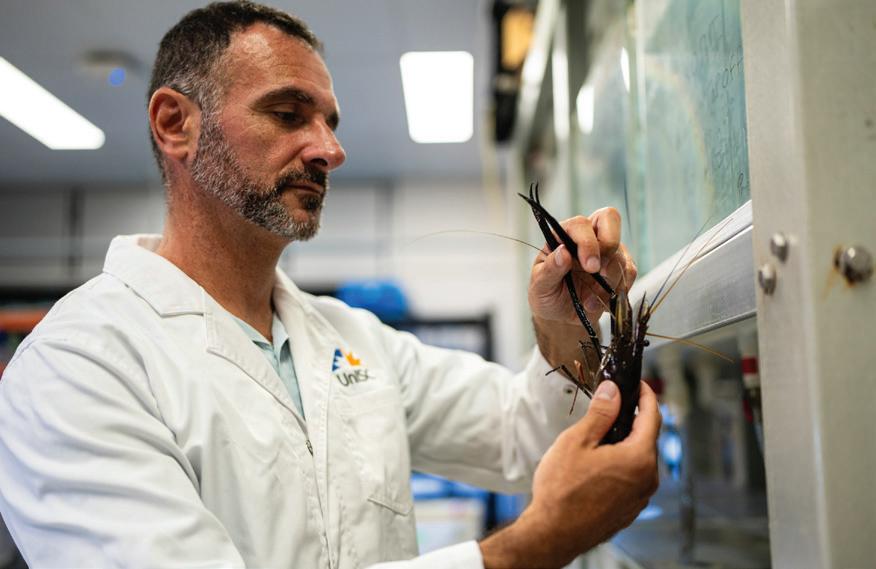
Associate Professor Tomer Ventura at the University of the Sunshine Coast with giant freshwater prawns being studied.
University of the Sunshine Coast
Automating a new beverage canning facility
Siemens is working with one of North America’s largest canned beverage manufacturers to automate its new facility in Fort Worth, Texas. Through a combination of advanced automation, smart infrastructure and tailored financial solutions, Siemens is helping DrinkPAK scale its operations, maintain reliability, maximise energy efficiency and enable sustainable decision-making.
DrinkPAK is a contract manufacturer for alcoholic and nonalcoholic canned beverage brands. With facilities in California and Texas, the manufacturer batches, fills, tests, warehouses and distributes drinks at speeds of up to 3000 cans per minute. Its third facility is expected to be completed in Pennsylvania in 2027.
“Partnering with Siemens gave us the flexibility to scale rapidly while investing in energy-efficient automation,” said Brian Aster, chief strategy officer, DrinkPAK. “Their industry knowledge and tailored financing solutions have been critical to our growth and long-term success.”
One of the Siemens solutions integrated is BRAUMAT, a scalable process control system designed for the brewing and beverage industry. The solution is used to automate recipe-based production to ensure consistent quality and efficient operations. It also integrates advanced automation components like programmable logic controllers (PLCs) and human–machine interfaces (HMIs), providing real-time monitoring and reporting, and supporting secure, scalable development for both small and large producers.
In Fort Worth, Siemens provided a comprehensive suite of energy infrastructure and integrated automation solutions, including switchboards and metering, that both power the plant’s critical operations and allow for intelligent power monitoring to ensure highoutput performance and energy efficiency.
“Innovation isn’t just about technology — it’s about how the right technologies work together to solve business challenges. Our collaboration with DrinkPAK unites advanced automation, intelligent infrastructure and flexible financing to create a truly integrated solution,” said Chris Stevens, president, Siemens Digital Industries. “By enabling DrinkPAK to automate complex logistics, maximise uptime and scale efficiently, Siemens turns the promise of digital transformation into measurable results: greater efficiency, reliability and safety for our customers.”
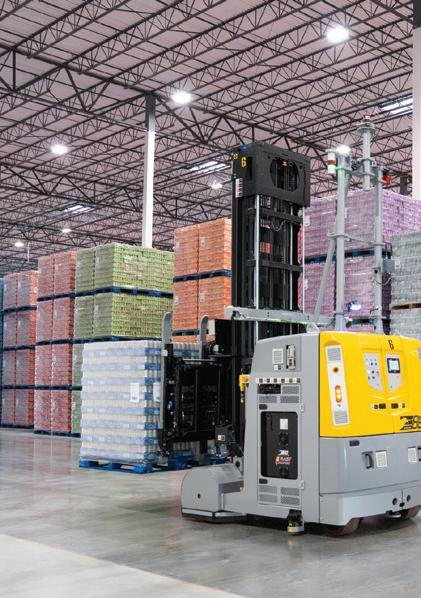
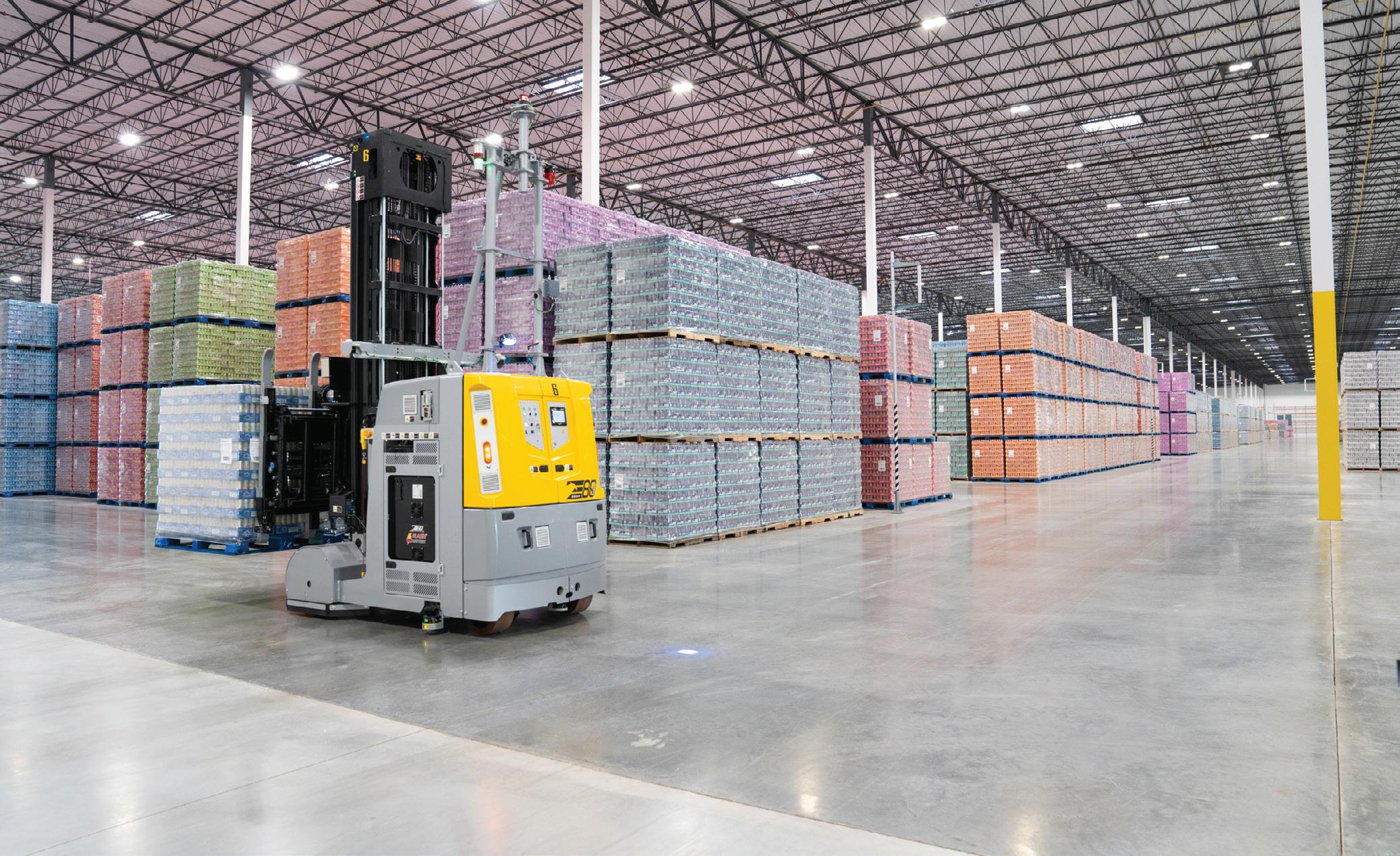
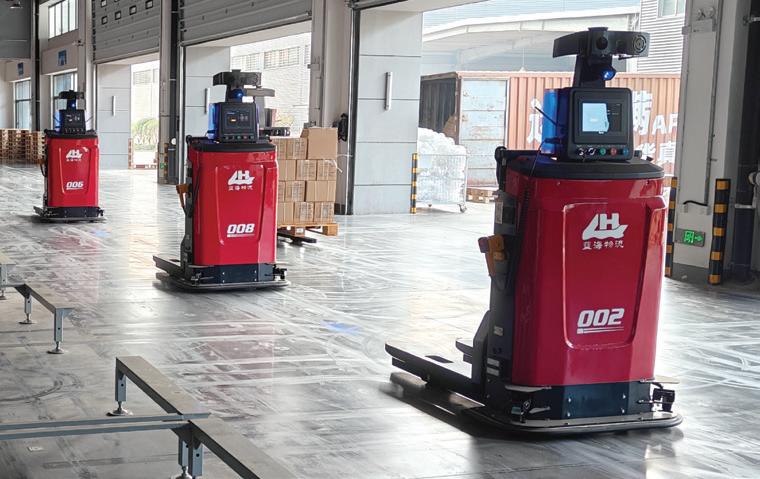
In addition, DrinkPAK integrated Siemens’ advanced automation components, including PLCs and HMIs, into its automatic laserguided vehicle (AGV) systems. These systems are supplied by DrinkPAK’s intralogistics partner, E80 Group, to automate pallet movement throughout the warehouses and support truck loading and unloading operations.
Siemens technology plays a critical role in ensuring this automation runs smoothly. Siemens’ PLCs handle critical control and communication functions with each AGV, ensuring precise coordination with sensors, drives and safety systems. The HMIs provide operators with clear, intuitive visibility into system performance, diagnostics and status updates to minimise downtime and enable predictive maintenance.
The consistency and interoperability of Siemens’ hardware across the plant floor is designed to ensure seamless coordination between vehicles, warehouse systems and production lines, translating to greater efficiency, higher reliability and safer operations.
DrinkPAK
DrinkPAK
ExPCS: EXISTCO PLANT CONTROL SYSTEM
MORE OUTPUT, LESS STRESS, GREATER CONTROL.
ExPCS is the fit-for-purpose plant control solution for random-weight industries, eliminating operational chaos by replacing siloed tools with one connected platform that links operations end-to-end.
Triple Dimension Inventory
ExPCS features Triple Dimension Inventory Tracking, for accurate inventory management and full traceability. ExPCS tracks:
Quantity + Weight + Serial Number
This ensures accuracy across meat, poultry and seafood operations.
• ExPCS delivers real-time visibility, automation and accuracy.
• Scale without disruption – automation manages growth.
• Reduce admin and errors with paperless, automated workflows.
TO OPTIMISE YOUR OPERATION, CONTACT
sales@existco.com.au
08 9227 0088
expcs.com.au
Lion ‘flicks the switch’ to electric at Speight’s Brewery
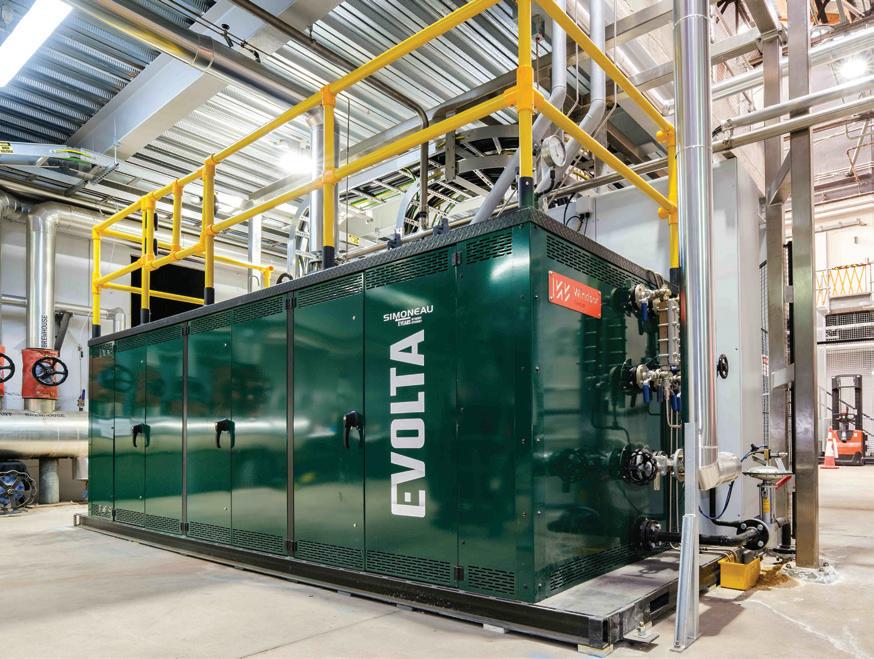
New Zealand beverage company LION has ‘flicked the switch’ on a 3 MW electric boiler at Speight’s Brewery, marking the completion of a NZ$7.2 million project that is designed to reduce carbon emissions and increase energy demand flexibility and security for central Dunedin.
The project upgraded the brewery’s primary energy source for steam production from LPG to electricity and is expected to yield lifetime greenhouse gas (GHG) emissions savings of 18,500 tonnes (708 tonnes per year).
LION’s Chief Operating Officer and NZ Country Director, Craig Baldie, said, “We are proud to have made a significant investment in New Zealand’s oldest working brewery.”
Founded in 1876, Speight’s is LION’s second largest brewery and a much-loved tourist attraction. The electric boiler will abate around 85% of Speight’s GHG emissions (6% of LION’s emissions in New Zealand).
The project was delivered through shared investment collaboration with EECA and Aurora Energy, with future demand in mind.
Aurora Energy General Manager Customer and Commercial Services Mark Pratt said: “To support the installation of Speight’s
PRESSURE TRANSMITTERS
electric boiler, Aurora Energy upgraded and installed 480 m of 11 kV cable along Rattray Street. The cable upgrade had the added benefit of improving electricity transfer capacity between Smith St and South City substations and will support future growth and electrification projects in central Dunedin.”
EECA’s Manager Regional & Sector Partnerships Paul Bull said: “This was a complex project, and it’s been terrific to see it go from idea to reality. It will provide inspiration and lessons for others considering electrification. The Speight’s electric boiler is a huge win when energy resilience is front of mind for many.”
The project was originally conceived in 2021 and took just over four years to complete. Engineering plans and works had to navigate historical central Dunedin infrastructure and the 150-yearold Speight’s Brewery architecture. Delivery involved crossfunctional teams from LION as well as national and local partners.
“Reflecting the strategic importance of large-scale electrification, this important project was enabled by shared investment with EECA and Aurora Energy, partnership with Meridian Energy and delivery by key partners including Beca, Windsor Engineering and others,” Baldie said.
“As a proud B Corporation, partnership projects that deliver wider benefits like the Speight’s electric boiler, demonstrate our commitment to doing the right thing for the long term.”
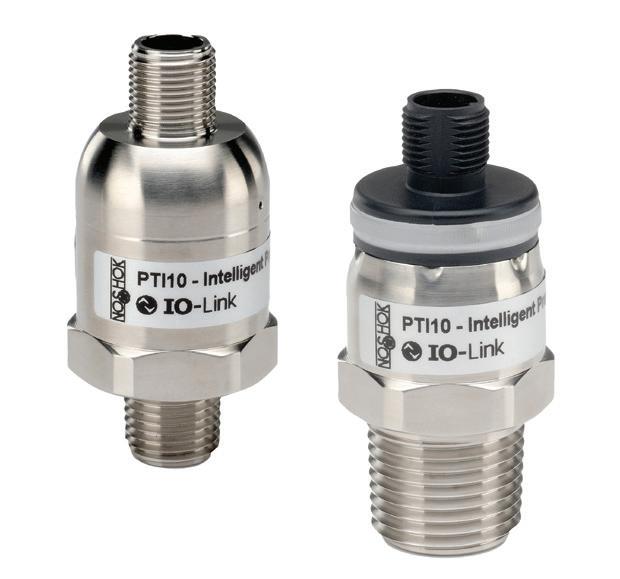
NOSHOK PTI Series Intelligent Pressure Transmitters with IO-Link communication combine advanced digital connectivity with durability.
Designed to be suitable for a range of industrial applications, the series features IO-Link technology and enables smarter integration across automation and process networks. Bidirectional digital communication allows for simplified installation, remote configuration, continuous diagnostics and enhanced data transparency, maximising uptime and streamlining system efficiency.
The transmitters are designed to provide accurate and repeatable pressure measurement across diverse applications. Their stainless steel construction makes them suitable for demanding environments, and the compact design allows for flexible installation, even in limited spaces.
Suitable for smart factories, OEM equipment and process automation systems, the transmitters provide real-time process visibility and support predictive maintenance capabilities.
MP for Dunedin Hon. Rachel Brooking ‘flicking the switch’
Speight’s 3MW electric boiler
MP for Dunedin Hon. Rachel Brooking officially ‘flicking the switch’ at the commissioning of the electric boiler.
FLOW SENSOR
Turck is expanding its FS+ fluid sensor series with the introduction of the FS501 flow sensor, which is designed to meet the need for new-generation automation solutions that deliver more than just a single measured value.
The robust IP67-rated FS501 device is designed for pipe diameters from 15 to 250 mm and can be used across a broad range of applications. It can be used to measure both flow velocity and volume flow while providing temperature values.
Users can configure switching and analog outputs, while the sensor’s Smart Sensor Profile is designed to ensure straightforward integration and seamless connectivity into IO-Link environments.
A further benefit of the Smart Sensor Profile is that it provides users with direct access to process data and advanced functions such as ‘Single Value Teach’ — which stores the current flow velocity as a switching point — as well as ‘Dynamic Teach’ and a ‘Totaliser’, which allow operators to respond faster to process changes and capture consumption data directly at the sensor level.
The integrated intelligence of the sensor is designed to reduce engineering effort while improving operational visibility.
The Totaliser function can also be used to determine machine consumption data directly within the sensor, supporting more transparent resource monitoring and enabling predictive maintenance strategies in automated production environments.
Turck Australia Pty Ltd www.turck.com.au/en
HMI FOR INDUSTRIAL AUTOMATION
Advantech has launched its next-generation SPC-800 V2 series of button-integrated human–machine interfaces (HMIs) designed to enhance industrial automation across heavy machinery, robotics and automated production lines.
The series includes both panel PC and monitor models and builds on the success of the original SPC-800 by incorporating mechanical and operational upgrades based on user feedback. Key features include 15.6″ and 21.5″ Full HD P-CAP multi-touch displays, IP65, silicone-free enclosures for good performance in harsh environments, and flexible mounting options such as VESA, pole, arm and ceiling mounts.
Panel PCs are powered by Intel Core (14th/13th/12th Gen) processors with support for up to 64 GB DDR5 memory, delivering high responsiveness for data visualisation and machine control tasks. The redesigned rear housing simplifies cabling and maintenance with improved wire routing and easy terminal access, reducing setup time and enhancing serviceability.
A standout feature of the monitor models is HDBase-T 2.0 technology, enabling good video transmission over distances up to 100 m — suitable for large factory floors and daisy-chain applications.
Both models support fully customisable front control panels with options for emergency stops, RFID scanners, illuminated keys and colour-coded buttons, allowing manufacturers and system integrators to tailor interfaces to specific workflows.
The series is positioned as a versatile, high-performance HMI solution that is designed to improve flexibility, operational efficiency and integration ease across modern industrial environments.
Advantech Australia Pty Ltd www.advantech.net.au
True Protein builds operational muscle using NetSuite
Founded in 2014 in Sydney, True Protein now employs nearly 100 people and operates across three warehouse locations. To keep pace with its expansion, reduce manual processes and streamline operations across multiple channels and markets, the business needed to move away from outdated systems that relied on a mix of spreadsheets and disconnected tools and onto a scalable system that would enable more automation and efficiency as it grew. After careful evaluation, the business selected Oracle NetSuite as its ERP system and has been expanding its use case throughout its operations over the past five years.
“Managing growth while maintaining quality and operational visibility is a major challenge for any manufacturer,” said Lachie Cornwell, chief financial and operations officer, True Protein. “NetSuite has simplified our operations, unified our data, and significantly improved the speed and accuracy of our core processes. With NetSuite’s AI-powered features, we’ve been able to enhance productivity, make more informed decisions, and stay focused on delivering the highest-quality products to our growing customer-base.”
The system has integrated workflows across finance, inventory, manufacturing, warehousing and sales. Using the system’s financial management capabilities has enabled the business to reduce its month-end financial close from 10 to three days. The system has also allowed it to automate inventory control via robotics, streamline manufacturing operations, and gain real-time visibility across production and fulfilment.
The NetSuite expansion was managed by Fusion5.
Oracle Corporation Australia www.oracle.com/au/index.html
French fries maker installs fully integrated processing line
Bem Brasil is a leading potato processor in Brazil, producing around 500,000 metric tons of product each year. Founded in 2006, the company has grown rapidly and now supplies more than half of all French fries consumed in the country, in addition to international markets. To support this growth, the food manufacturer installed a Key Technology processing line designed to run 30 metric tons of frozen potato strips per hour.
“We reached a point where our existing lines couldn’t keep up with demand for our products,” said Célio Zero, Director of Operations at Bem Brasil. “On top of that, our incoming raw material can naturally vary several times in a single day, so we needed equipment that performed reliably even with those product shifts.”
Key stood out as the supplier of choice because it provided a fully integrated solution with optical sorters, graders, fullsurface inspection, quick changeovers, straightforward operation and more.
The French fries manufacturer uses Key’s VERYX optical sorters in both the wet and frozen areas. Upstream in the wet area, three VERYX B210 sorters equipped with off-axis cameras in a tilted-X configuration find and reject product defects without blind spots. By sorting product early in the process, these systems are designed to produce a cleaner, more uniform product stream that improves overall line performance downstream.
In the frozen area just before packaging, three VERYX B175 sorters equipped with cameras and lasers perform both threeway sorting and final inspection, separating short potato strips into a dedicated stream while simultaneously removing foreign
SCREW VACUUM PUMP FOR INDUSTRIAL APPLICATION
material (FM) and product defects. Key’s Sort-to-Grade (STG) software evaluates each strip’s dimensions and quality profile to determine its impact on the final grade and make accept/ reject decisions that help maximise yield. Pixel Fusion technology is designed to further improve detection accuracy, identifying difficult-to-find FM and defects prior to packaging.
“Since defects can appear on any side of a potato strip, a complete view improves the precision of the sort and helps us achieve the great product quality we’re known for,” Zero said.
“VERYX is also easy for our team to operate. The interface is clear, the recipe changes are fast and the equipment responds to the setting adjustments as expected. That makes a meaningful difference when we’re changing recipes several times a day.”
The line also incorporates an ADR EXOS automatic defect removal system downstream of the wet-area sorters. Defective strips rejected by the sorters are routed to the ADR, where its mechanical cutting system removes only the blemished portion and returns good strips to the line.
Key’s Iso-Flo vibratory conveyors support product handling across the entire line. The shakers spread and distribute product, regulate flow between processing steps and feed downstream equipment. Three Sliver Sizer Removers upstream of the wetarea sorters reject small slivers and nubbins to deliver a cleaner product stream ahead of inspection.
“Since our new line reached full production in 2022, it has proven its effectiveness and reliability across every season,” Zero said.
Key Technology Australia Pty Ltd www.key.net
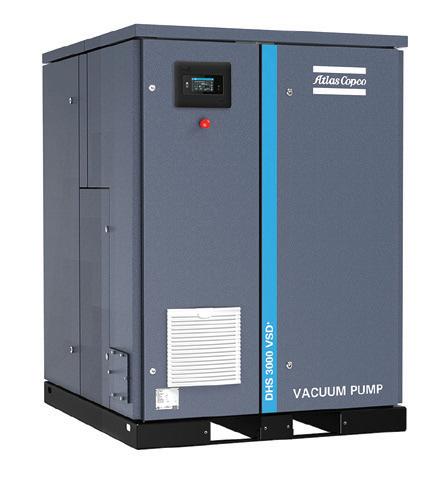
Atlas Copco developed the dry screw vacuum pump DHS 3000 VSD+ specifically for massive flow industrial applications. Using dry oil-free technology, the pump is suitable for paper processing, conveying technologies, pickand-place applications in the food industry, and as a central vacuum system.
Powered by an IE4 motor with a patented asymmetrical rotor design, the compact vacuum pump is designed to require less energy and maintenance. It also operates vibration-free with a low noise level.
An integrated, intelligent control system with frequency converter automatically adjusts the speed of the pump to the requirements, to ensure that the exact vacuum level required is delivered in each process section. This results in lower energy consumption and reduced wear on all moving components. Overall, this also extends the maintenance intervals and service life of the vacuum pump.
A range of ergonomic advantages make the pump user-friendly and the easy-to-use Elektronikon control system can provide users with an overview of the latest status updates on operating and downtimes, error and alarms.
Atlas Copco Compressors Australia www.atlascopco.com.au
Supplied
Bem Brasil’s new potato strip processing line from Key Technology
Using snow instead of ultra-pure water
Improving efficiency of pharma packaging cleaning after filling
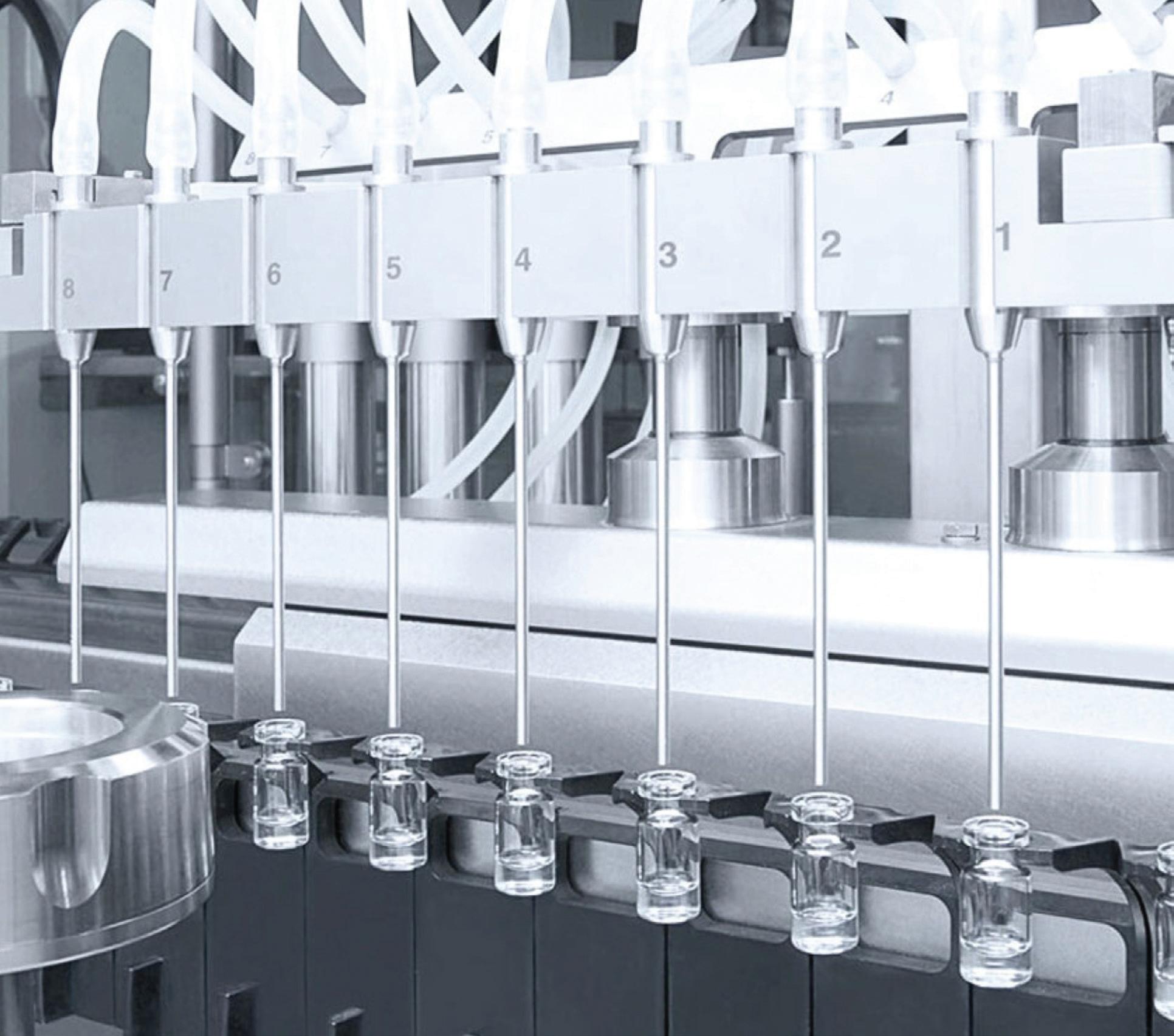
Cleaning the exterior of pharmaceutical containers such as bottles, vials and cartridges after filling prevents any adhering product residues from becoming a danger to humans and the environment. This process, which is traditionally liquid-based, consumes enormous amounts of energy and water and incurs high costs. In order to provide a more resource-friendly solution, a manufacturer of fill & finish machines participated in a joint project to investigate the suitability of the quattroClean snow jet technology. The results have confirmed that the sustainable cleaning process meets all the requirements of the pharmaceutical industry. A basic validation carried out in parallel simplifies the approval of the process in compliance with FDA and GMP regulations.
Reasoning behind the solution
“Due to the trend towards the use of increasingly potent active ingredients, there is a risk that the exterior of the containers could be contaminated with a potentially hazardous substance after filling. We are therefore seeing a growing demand for
solutions to clean the outside of containers after the filling process. Not only do everstricter cleaning requirements have to be met, but the reliable removal of product residues must also be proved,” said Werner Iländer, Group Manager of Research, Technology and Pharma Services at Bausch+Ströbel.
Until now, external cleaning has generally been a liquid-based process involving spraying the containers with ultra-pure water and subsequently drying them with clean compressed air. This requires large quantities
of water to be treated in an energy-intensive process and, depending on the product being filled, to be disposed of as hazardous waste. This not only results in high operating costs for users but is also a wasteful use of drinking water.
“For these reasons, we looked around for an alternative cleaning method that would make this process more cost-efficient and resource-friendly, as well as having a lower CO2 footprint. We have been working with the dry quattroClean snow jet cleaning technology from acp systems for some
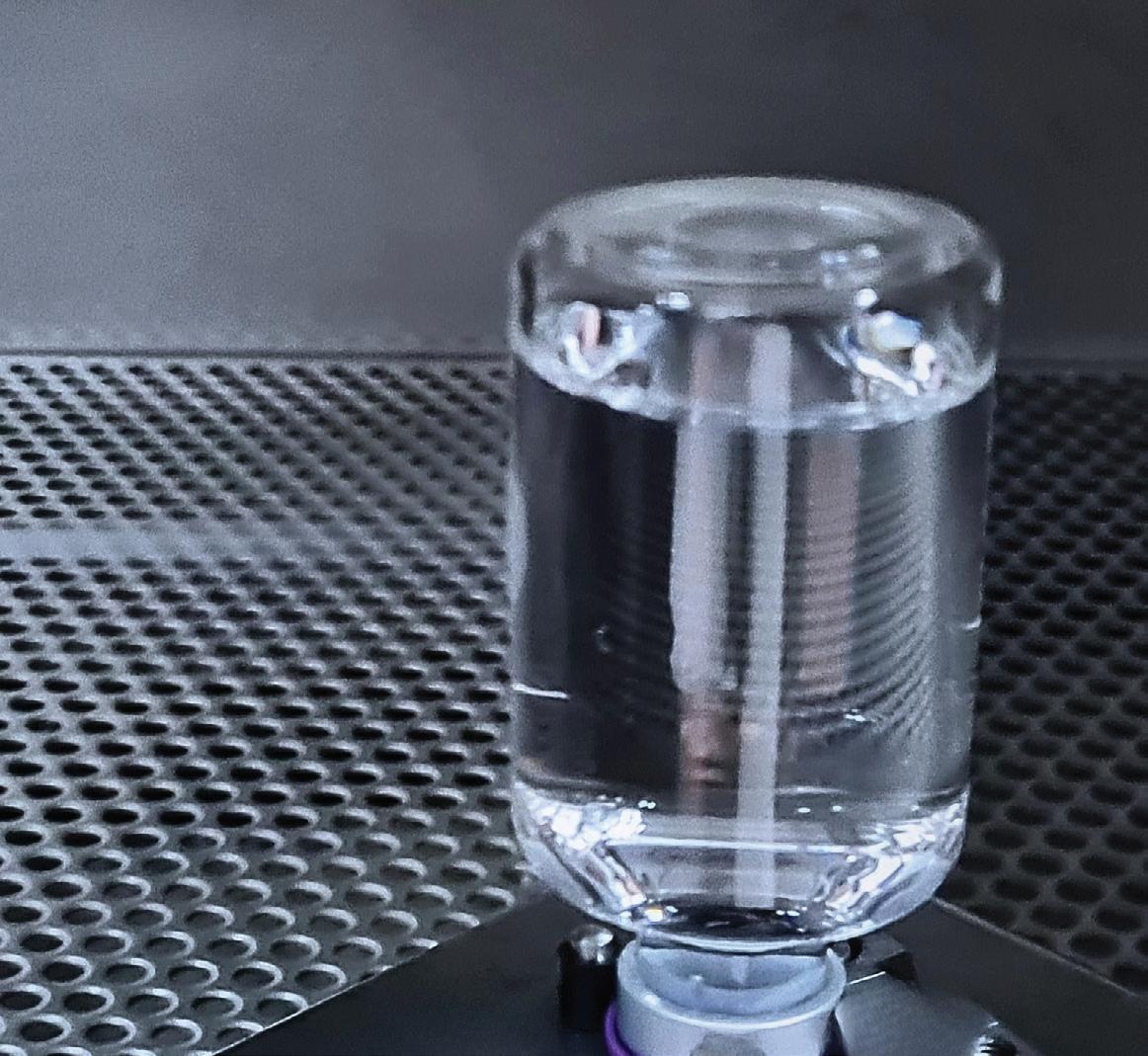
Microscope images of vials with existing damage show no change in the defects before (left) and after (right) worst-case cleaning with the CO2 snow.
“
The cleaning medium is liquid, recycled carbon dioxide, which is a by-product of industrial processes and used, among others, in the food industry.
time and know that very high standards of cleanliness can be achieved, depending on the substance to be removed. However, we had no valid data on the material compatibility of the process,” Iländer said.
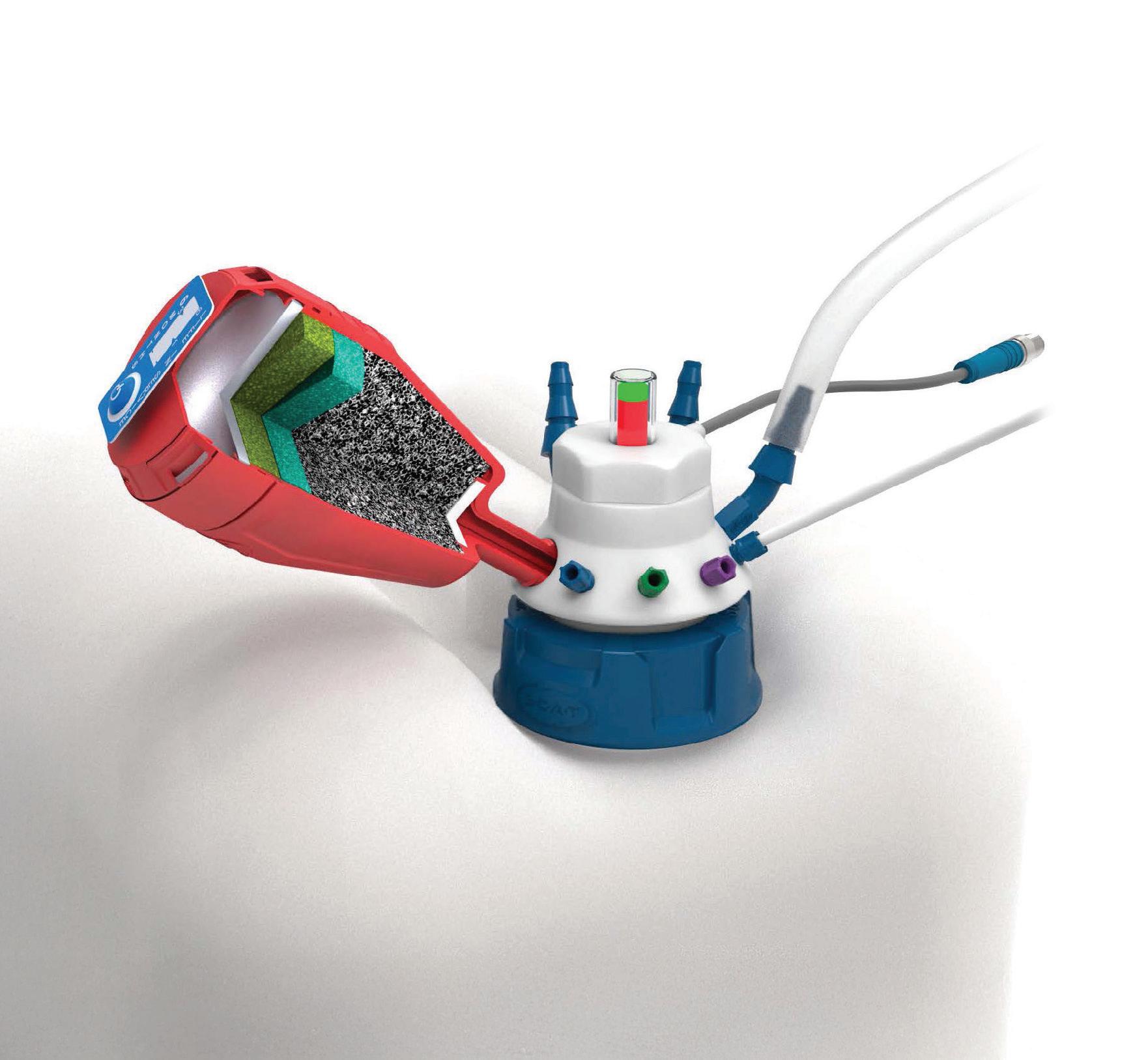
QuattroClean snow jet cleaning is a dry process for full-surface and localised applications that can be integrated into fullyautomated production lines. The cleaning medium is liquid, recycled carbon dioxide, which is a by-product of industrial processes and used, among others, in the food industry. The liquid CO2 is guided through a wear-free two-substance ring nozzle and expands on exiting to form fine snow crystals. These are bundled by a separate jacket jet of compressed air and accelerated to supersonic speed. The focused jet of compressed air and ‘snow’ develops a combination of thermal, mechanical, solvent
and sublimation effects on impacting the surface to be cleaned, which makes it effective. The removed contaminants are then extracted in the compact cleaning cell, thus preventing re-contamination of the product and contamination of the surroundings. Since the crystalline carbon dioxide sublimates during the process, the cleaned residue-free surfaces are dry, thereby eliminating the need for rinsing and drying steps.
Joint project to test the solution
Bausch+Ströbel, therefore, didn’t hesitate to participate in a joint project funded by Invest BW involving five industrial partners as well as Fraunhofer IPA and the NMI Natural and Medical Sciences Institute at the University of Tübingen. In the project, the material compatibility and cytotoxicity of the cleaning technology was investigated on
various product surfaces typically found in the medical and pharmaceutical sectors.
“This project was primarily about proving that the mechanical forces of the snow crystals do not alter, impair or damage the surface in any way. It was also important to establish whether the thermal stress and/or the chemical properties of carbon dioxide affect the surfaces or biocompatibility of the containers, for example by releasing cytotoxic material components,” the group manager explained.
In addition to glass vials, test specimens made of stainless steel 1.4301 and 1.4305 with different surface finishes, as well as polyetheretherketone (PEEK), polyether (PE), polyoxymethylene (POM), nitinol and cobaltchromium were included in the studies.
To evaluate the test series, Fraunhofer IPA examined the surfaces of the test specimens microscopically (light and/or scanning electron microscope) in their initial state and after cleaning. The dry jet cleaning process was carried out under worst-case conditions, ie, the middle section and edges of the test specimens were continuously irradiated with CO2 snow at a high pressure of 12 bar for 10 seconds. During the subsequent microscopic examination of the glass vials, no cracking was detected, and no propagation of existing cracks was observed.
With the aid of a fluorescent penetrant, it was also possible to demonstrate that the snow crystals did not cause any additional stress in the glass. Likewise, the abrupt exposure to cold and the subsequent warming of the vials to ambient temperature did not result in the formation of any micro cracks. Furthermore, in vitro cytotoxicity tests in accordance with DIN EN ISO 1099312: 2021-05 and DIN EN ISO 10993-12: 2021-08 confirmed that the CO2 snow does not impair cell vitality in any way. The VOC and SVOC analyses carried out according to ISO 16017-1 yielded Tenax values within or below the measurement limits.
GMP- and FDA-compliant process
The process therefore meets all the requirements of the pharmaceutical industry in this field; it is also compliant with GMP and FDA in terms of material compatibility, meaning that basic validation has already been achieved.
“In this project, we were able to generate the key data for our customers and develop a basic solution. The next step will be to implement this in a marketready product that will significantly reduce operating costs and resource consumption in external cleaning for specific applications,” Iländer said.
Fraunhofer IPA
Bausch+Ströbel
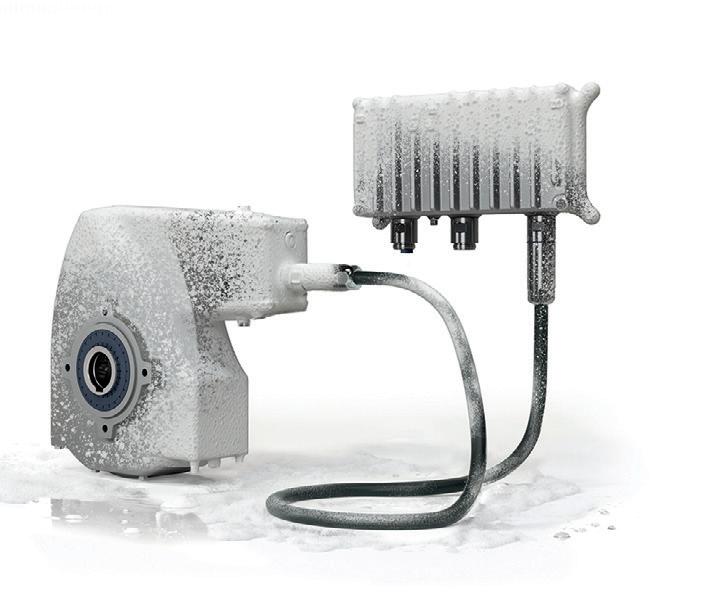
FOOD-SAFE SURFACE PROTECTION FOR DRIVES
The food-safe NXD tupH surface protection is designed to make NORD drive systems with aluminium housings more resistant to cleaning chemicals. It is suitable for users of hygiene-sensitive applications in food & beverage and primary packaging industries that can benefit from aluminium drive solutions.
The food-safe surface treatment is for aluminium housings to make the material comparable to stainless steel in terms of hygiene and corrosion resistance. The respective gear units, smooth motors and decentralised frequency inverters become corrosionresistant and withstand extensive cleaning procedures in food processing industries over the long term.
The special surface treatment is combined with a high-performance sealer which results in a nonporous surface that can be cleaned hygienically and neither flakes off nor corrodes after numerous cleaning cycles.
NORD drive components with NXD tupH surfaces are food-safe in accordance with the requirements of the FDA, EU and Switzerland as well as the MERCOSUR states. They are suitable for food-contact applications in the fields of food & beverage and primary packaging.
The surface protection does not require any special design. The manufacturer applies its surface treatment to existing components.
NORD Drivesystems (Aust) Pty Ltd www.nord.com
COMPACT COMPUTING FOR FOOD PROCESSING ENVIRONMENTS
The Interworld Electronics ACS-330 is a compact and fanless industrial box PC designed to provide reliable computing power for the food and beverage industry. While its rugged design is engineered for industrial use, its form factor is particularly well-suited for installation within control cabinets or integrated into machinery, where it can serve as a dependable controller protected from direct washdown environments.
Powered by the Intel Atom x7425E processor and supporting up to 32GB of high-speed DDR5 memory, the unit delivers efficient performance for automation, data processing and quality control. The fanless architecture eliminates moving parts, significantly reducing maintenance requirements and allowing the unit to operate continuously in confined cabinet spaces without the need for frequent servicing.
Connectivity is a core strength, with the system providing a comprehensive suite of I/O including dual 2.5GbE LAN ports, 4 x USB 2.0, 2 x RS-232/422/485 COM ports, and 8 x DIO for direct component control. High-resolution dual-display configurations are supported via HDMI and DP outputs. For expanded requirements, modular options allow for additional LAN, USB or COM ports, alongside M.2 and Mini PCIe slots for Wi-Fi and 5G modules.
Built for demanding industrial conditions, the unit operates across a wide temperature range of -20 to 60°C and supports a 9–36 V DC power input. Its shock and vibration protection, combined with DIN rail or wall mounting, makes it a stable choice for managing automated sorting and packaging lines from within a protected enclosure. Interworld Electronics and Computer Industries www.ieci.com.au
AGITATOR MIXING SOLUTION
The EnSaLine agitators from Alfa Laval are designed to provide an energy-efficient mixing solution for hygienic production.
Suitable for food, dairy, beverage, pharmaceutical and home & personal care manufacturers, the agitators have been engineered from the ground up to save time and operating costs. Fast and safe maintenance were focal points in the new design.
Maintenance can be carried out by one technician in less than 30 minutes, with all the seals and bearings contained in one, replaceable cartridge. The shaft seal assembly is designed to reduce complexity and requires a minimal number of spare parts.
The agitator features EnSaFoil impellers that are engineered to deliver higher efficiency than comparable technologies, which are designed to cut mixing time and reduce energy consumption by up to 80%.
The impeller design helps ensure gentle product treatment for good product quality and yield. Inside the tank, the fully flushable design and the seal housing offer good cleanability.
The agitator range has connectivity functionality for predictive maintenance. Sensors continuously monitor operating conditions to help avoid unplanned downtime, optimise service intervals and ultimately extend service life of equipment.
The platform is designed for simplified configuration and fast installation.
Alfa Laval Pty Ltd www.alfalaval.com.au
50 Years Strong: Celebrating Linco Food Systems in Australia (1975–2025)
In business, longevity is never accidental. It comes from resilience, adaptability, and a genuine commitment to the people you serve. Linco Food Systems marked 50 years in Australia in 2025; the milestone represents far more than the passing of time — it reflects five decades of trust, innovation, and steady growth in one of the country’s most essential industries.
The story began in 1975, when Linco Food Systems was established with a clear purpose: to support Australian food producers with practical, reliable solutions that would help them operate more efficiently. At the time, the industry looked very different. Processing plants were smaller, automation was limited, and many businesses were only just beginning to explore how technology could improve productivity. Linco stepped into that space with a hands-on approach and a deep understanding of what customers actually needed.
From those early beginnings in the poultry processing sector, the company steadily expanded alongside the evolving food industry itself. As demand grew and technology advanced, Linco Food Systems broadened its focus beyond a single sector, moving into meat, seafood, dairy, bakery, fresh produce, ready meals, and frozen foods. Rather than chasing rapid expansion, the company built its reputation the traditional
way — through long-term relationships, consistent service, and a willingness to adapt to each customer’s unique challenges.
That steady approach has proven to be one of Linco’s greatest strengths. Over the past five decades, the Australian food industry has transformed dramatically.
Production has become more sophisticated, compliance requirements have increased, and technology now plays a critical role in efficiency and quality. Through all of this change, Linco Food Systems has remained a constant partner to its customers, helping businesses navigate new challenges while embracing new opportunities.
What sets the company apart is not just the equipment it supplies, but the expertise behind it. From large-scale processing systems to packaging and labelling solutions, Linco has built its success on understanding how food businesses actually operate. It is this practical, customer-focused mindset that has allowed the company to remain relevant in an industry where technology evolves quickly and expectations are always rising.
Equally important is the company’s national presence. With technical support teams positioned across Australia, Linco Food Systems has built a reputation for being more than just a supplier. It is a long-term partner — one that works closely with customers from the planning stage through installation and
beyond. Many of those relationships have lasted for decades, reflecting a level of trust that cannot be built overnight.
Of course, reaching a 50-year milestone is not only about business success. It is also about people. The dedication of employees past and present, the loyalty of customers who have trusted the company year after year, and the strength of partnerships formed across the industry have all played a part in shaping the Linco story. Over time, the company has grown not only in size but in experience, knowledge, and capability.
Looking ahead, the next chapter promises to be just as exciting. With a strong foundation built over half a century, Linco Food Systems continues to evolve alongside the food industry, embracing innovation while staying true to the values that have guided it since 1975.
Fifty years is an extraordinary achievement. But for Linco Food Systems, it is not just a celebration of the past — it is a confident step into the future.
Linco Food Systems www.linco.com.au
THERMOPLASTIC ELASTOMERS FOR FOOD-CONTACT APPLICATIONS
The KRAIBURG TPE FC/CM3/AD1 compound series with adhesion to polar thermoplastics is designed for applications involving contact with fatty foods.
The series is designed to meet the requirements of two relevant regulations for food-contact applications: European Regulation (EU) No. 10/2011 and Title 21 Code of Federal Regulations (21CFR §177.2600) of the US Food and Drug Administration (FDA).
Developed specifically for contact with fatty foods, the series is also characterised by a pleasant feel and improved organoleptic properties.
Target applications include reusable food packaging, cosmetic applications, and hoses and conveyor belts in food processing. Typical examples include food containers such as lunch boxes, mixing bowls and sealable bowls, where the seals in the lids are often made of thermoplastic elastomers.
Thanks to their resistant surface and good mechanical properties, the series is designed to increase the service life of reusable containers and lids. It is designed to provide improved migration control compared to conventional TPS. The materials’ minimised migration potential makes them particularly suitable for applications involving direct contact with fatty foods. Kraiburg TPE www.kraiburg-tpe.com
FLUTING SOLUTIONS
FIBRE-BASED SOLUTION FOR CAPS
Building on years of experience in dry moulded fibre, PulPac is now advancing fibre-based alternatives in the caps and closures category. The new caps are designed to meet the functional and consumer expectations typically associated with plastic alternatives, while moving towards a fibre-based solution.
Early tests indicate promising performance across several key parameters, including thread engagement, opening and closing functionality, sealing architectures, and overall tactile experience. The caps also enable a high level of design flexibility, including the ability to differentiate the inside and outside of the cap, opening new possibilities for both function and brand expression.
The development is being carried out together with PA Consulting and in close dialogue with industry stakeholders, including PulPac’s designated machine partner for this segment, Optima. It also builds on ongoing work within the Bottle Collective initiative, where complete fibre-based bottle systems, including closures, are being explored and evaluated as integrated solutions, with participation from several global brand owners and packaging players.
Early versions of the caps have already been produced and tested in applications as part of its ongoing bottle and packaging evaluations.
PulPac pulpac.com
Mondi’s semi-chemical fluting solutions are designed to perform in challenging conditions, from long-distance transport to cold storage and high-humidity environments.
Made from 100% or predominantly fresh fibres, ProVantage Powerflute, Frescoflute and Aquaflute are designed to deliver strength, stability and humidity resistance to protect goods across complex supply chains.
Powerflute is made from 100% fresh fibre and developed for applications requiring maximum strength and resistance to variable climates; Frescoflute provides dimensional stability and compression strength during processing and storage; and Aquaflute is optimised for environments where short-term moisture and water resistance are required.
These containerboard grades are used across industries with complex requirements, including fresh fruit and vegetables, dairy and deep-frozen products, meat, poultry and seafood, as well as industrial, chemical and automotive applications. Optimising paper choice and grade combinations across all layers of corrugated packaging enables right-weighted solutions that balance material efficiency with protection across converting, packing and distribution.
Compared to waste-based alternatives, fresh fibre-based semi-chemical fluting is designed to provide lower creep parameters, which is essential in corrugated boxes maintaining stacking strength over time under changing humidity and load conditions. Mondi supports users with advanced creep testing that simulates real-life transport conditions, helping reduce the risk of performance failure and product damage. Mondi Group www.mondigroup.com/en/home
From milk proteins to bioplastics for food
Finding sustainable solutions for food packaging and other single-use plastic uses is an important step towards curbing rising pollution levels. So the race for biodegradable plastics is gaining pace — with several projects underway at Flinders University in South Australia.
Published in Polymers, one of the latest experiments finds researchers combining calcium caseinate — a commercially available derivative of casein, the main protein in milk — with modified starch and bentonite nanoclay into a thin film, adding glycerol and polyvinyl alcohol to improve its strength and plasticity.
Biodegradability testing showed a consistent degradation trend, with full disintegration estimated to occur within 13 weeks in normal soil conditions.
Potential for food applications
This study offers insight into the development of functional and biodegradable films using biopolymer blends and nanoclay suspensions, highlighting their potential in sustainable food packaging applications.
With less toxicity, a microbial analysis confirmed that the quantity of bacterial colonies remained within permissible levels for nonantimicrobial biodegradable films.
“We would recommend further antibacterial evaluations in further testing and development,” said Professor Youhong Tang, a nanomaterials researcher at the Tonsley Campus, Flinders College of Science and Engineering.
Using inexpensive biodegradable ingredients
The new research was conducted in collaboration with Colombian chemical engineering researchers Nikolay Estiven Gomez Mesa and Professor Alis Yovana Pataquiva-Mateus, from the Department of Engineering, Universidad de Bogotá Jorge Tadeo Lozano, where they were experimenting with new polymers in the Nanobioengineering Research Group in Bogotá.
“We were experimenting with caseinates to make milk-based nanofibres and found that it could be used to cast polymers similar to common packaging materials,” Gomez said.
“From there, we began exploring ways to improve their properties by introducing natural and abundant components such as starch, and also a biodegradable polymer with remarkable mechanical features. This also opened the opportunity to integrate nanoclays, like bentonite, which can enhance the film’s strength and barrier performance.
“The entire formulation was designed to use inexpensive ingredients that are biodegradable and environmentally friendly to create a sustainable alternative with enhanced characteristics.”
Pataquiva-Mateus added: “Everyone can play a part in reducing their plastic use, and finding biodegradable polymer alternatives is an important part of science helping to find solutions for industry, consumers and the environment.
“Most of our single-use plastic comes from food packaging, so these sorts of options should be explored further and join the circular economy revolution to conserve resources.”
Although some plastics can be reused, very little actually is. About 60% of all plastics are single use and just 10% are estimated to be recycled, according to analysis in Nature. Now used in thousands of products, plastic production is expected to keep rising from 2 million tonnes in 1950 to 475 million tonnes by 2022.
Flinders University
A sample of the new caseinstarch polymeric film developed at Flinders University’s Advanced Materials Lab at Tonsley.
Flinders University
Professor Youhong Tang, left, from the Advanced Materials Laboratory at Flinders University, with master of biotechnology student Nikolay E Gomez.
How Jet Technologies is helping coffee roasters package smarter
The Goglio G21 proves its value as roasters seek greater control over production and packaging.
In a market where every bean counts, Australian coffee roasters are increasingly turning to automation to stay ahead. The Goglio G21 (G21) vertical form fill and seal (VFFS) machine, supported locally by Jet Technologies, is setting a new standard for efficiency and flexibility.
Specifically engineered for the coffee industry, the G21 offers precise dosing, reduced manual handling and compatibility with both traditional and next-generation materials. For roasters producing more than 1.5 tonnes of coffee per week, it delivers clear cost savings and greater control.
The machine produces packaging on demand, which significantly reduces the cost of coffee bags compared to ordering premade alternatives. It also allows operators to maintain consistent quality while adjusting quickly to changing volumes or materials.
According to Daniel Malki, General Manager at Jet Technologies, the G21 continues to gain momentum because it meets real operational needs. “The G21 has been part of our range for some time now and remains one of the most effective options available for coffee packaging. The pressure on the industry has only grown, which makes reliable, adaptable equipment even more important.”
Jet Technologies supports coffee roasters across Australia who are facing a complex mix of challenges. Green bean prices remain high; energy costs are unpredictable and expectations around sustainability are increasing. In response, roasters are seeking packaging solutions that are not only efficient but flexible enough to evolve with their business.
The G21 supports this flexibility. It can pack up to 20 one-kilogram wholebean
coffee bags per minute and is accurate to within two grams, reducing product giveaway and protecting profitability. It is also capable of producing block-bottom bags and includes features such as gas flushing, in-line valve insertion and batch coding. Perhaps most importantly, it is compatible with a wide range of laminate films, including recyclable and compostable options, allowing roasters to transition to sustainable materials without needing to reinvest in new equipment.
“There is a lot of discussion around innovation in the packaging space, but our focus is on delivering practical solutions that work in the day-to-day,” said Malki.
“The G21 is not a trend or a gamble. It is a well-established machine that helps roasters meet today’s demands while staying ready for what comes next.”
As the coffee industry continues to adapt, Jet Technologies remains committed to providing roasters with packaging solutions that combine efficiency, consistency and future readiness. Through long-term partnerships, technical expertise and a clear understanding of the coffee sector, the company is helping Australian roasters build stronger, smarter operations.
The Goglio G21 is our entry-level machine. We offer a comprehensive range of VFFS machinery solutions to suit varying roasting volumes and operational needs.
For more information, visit www.jet-ap.com.
Jet Technologies www.jet-ap.com
Navigating the food packaging waste paradox
The United Nations Industrial Development Organisation (UNIDO), World Packaging Organisation (WPO) and Wageningen University & Research have released a collaborative position paper ‘Navigating the Food Loss & Waste Paradox: Balancing Food Loss & Waste with Save Food Packaging’. The paper was co-authored by Eelke Westra (Wageningen University & Research), Nerida Kelton (WPO) and Aleksa Mirkovic (UNIDO).
This collaborative project leverages the diverse expertise and perspectives of these esteemed institutions to provide a nuanced understanding of the complexities involved in achieving a sustainable and resilient global food system. By unravelling these intricacies, the team seek not only to inform, but to inspire actionable solutions that resonate across sectors, borders and industries.
The Food & Packaging Waste Paradox position paper explores the complex interactions that exist between sustainability challenges posed by food loss and waste,
and the environmental impact of food packaging.
The purpose of this position paper is to explore the intricacies of this paradox, delving into the challenges, opportunities and potential solutions that lie at the intersection of food loss and waste, and Save Food Packaging.
The role of packaging in minimising waste
First and foremost, the true role of packaging is its functionality. Packaging needs to be designed to ensure that a
product is protected, preserved, contained and transported all the way through the value chain from production until it is used in the household.
Packaging also plays a vital role in ensuring the health and safety of the products and consumers that product waste is kept to a minimum and the efficiency of the packaging can withstand the rigours of transport.
When re-designing packaging to meet global and local packaging waste and sustainability targets, the functionality simply cannot be ignored. ‘Sustainable Packaging’, in the simplest of terms, is packaging that performs the primary role of functionality, but is also designed with the lowest possible environmental impact when compared to an existing or conventional pack.
Finding the balance between functionality, commercial reality, consumer demands and environmental criteria is the real challenge for packaging technologists across the globe.
Nerida Kelton, FAIP Executive Director; AIP Vice President Sustainability; Save Food – WPO
The challenge for packaging technologists is to be able to design optimum packaging with the lowest environmental impact at the start. It is about finding the balance between meeting food waste targets, at the same time as achieving packaging waste targets.
If the balance is tipped either way, it will create unintended consequences which could see over packing (wasting packaging materials) or under packing (wasting food). Finding the perfect balance can be challenging and requires technical knowledge and understanding of packaging design.
Save Food Packaging is designed to minimise or prevent food waste from paddock to plate using innovative and intuitive design features that can contain and protect, preserve, extend shelf life, easily open and reseal, provide consumer convenience and portion control; all the while meeting global sustainable packaging targets 1
“
If the balance is tipped either way, it will create unintended consequences which could see over packing (wasting packaging materials) or under packing (wasting food).
The new Food & Packaging Waste Paradox position paper touches on a broad range of Save Food Packaging examples from across the globe that have been awarded WorldStar Packaging Awards that are coordinated by the World Packaging Organisation (WPO) including two from Australia; ThermoShield Temperature Monitoring System by Caps & Closures and Junee Prime Lamb by Sealed Air.
Global perspectives on sustainable food systems
Sustainable and inclusive industrial development plays a critical role in building food systems that are resilient and resource efficient. These efforts are particularly important for supporting livelihoods and improving food security in developing countries, where communities often face heightened vulnerabilities related to poverty and food scarcity. This approach not only supports food security and economic development but also contributes to broader climate and sustainability goals
Coinciding with the development of the position paper, UNIDO brought together representatives from across sectors and regions which allowed for critical dialogue needed to identify concrete priorities, challenges and opportunities within global food systems. The global consultation journey reached 147 representatives, from 53 different countries to exchange insights and experiences.
The consultation journey highlighted the need for a comprehensive, systemsbased approach addressing the entire food supply chain, with targeted focus on food processing and packaging technologies. This is essential for building effective, resilient and sustainable food supply chains that minimise food loss and waste.
To achieve this, the following areas of action are recommended:
• Strengthening centres of excellence on packaging
• Public awareness and education
• Quantification and a systematic global approach
• Partnerships
• Global outreach and advocacy
• Support in developing realistic national and regional policies
Navigating the Food & Packaging Waste Paradox is a challenging landscape for governments, and therefore requires tailored support to develop actionable, coherent and context-specific policies. Aligning national regulations with international frameworks, whilst considering local production and waste, recovery and recycling infrastructure, is critical to ensure effective implementation and sustainable industrial development.
Collaboration across the supply chain, from producers to retailers and consumers, is essential to implementing effective and scalable solutions. As the industry struggles with the Food & Packaging Waste Paradox, a delicate equilibrium between consumer demands, industry innovations and environmental sustainability emerges as a crucial imperative.
If more packaging professionals, researchers and food organisations across the globe start to follow the same guidance and use the Save Food Packaging Design Guidelines, the ability to improve the food and packaging waste paradox will become possible.
1. Francis, C., Kelton, N., Ryder, M., Lowenstern, B. Lockrey, S., Verghese.K, 2023
AUTOMATIC DEFECT REMOVAL SYSTEM FOR POTATO STRIPS
Key Technology (Key) has introduced the ADR X automatic defect removal system for potato strips. The system is designed to identify defects on wet potato strips and precisely trim only the affected areas so more usable product can be recovered.
Building upon Key’s previous ADR systems, ADR X aligns, singulates, inspects and trims both peeled and peel-on wet potato strips of various cut sizes. It introduces a series of new capabilities including multi-channel sensing with advanced LED lighting and strobing for identification of challenging product defects such as green discolouration. Multiple images of each strip are captured under different wavelengths and combined to create clear separation between the product and background.
Designed to maximise hygienic operation in wet processing environments, the system architecture eliminates activity above the product stream, reduces flat surfaces and integrates clean-in-place functionality. Bearings and other key components are positioned for easy access to speed maintenance and support uptime.
Other features include recipe-driven conveying and alignment mechanics that automatically adjust based on the selected cut size. Lane profiles and strip positioning are set via the user interface, allowing the system to respond to different strip dimensions without manual tuning and supporting repeatable performance across product changeovers.
To maintain precise trimming as recipes change, the conveyor belt and cutter-wheel operate with independent drives. The cutter-wheel automatically repositions itself based on the selected cut size.
Available as a plug-and-play system, ADR X can be installed as a direct replacement for previous-generation ADR 5 systems without requiring significant layout changes.
Key Technology Australia Pty Ltd www.key.net
SMART FACTORY TECH SUITE FOR FOOD & BEVERAGE FACTORIES
Tetra Pak unveiled its next-generation automation and digitalisation (A&D) portfolio, Tetra Pak Factory OS, ️at Gulfood Manufacturing in Dubai. The suite of modular, open and scalable smart factory technologies is designed to help transform food and beverage (F&B) production and lay the foundation for AI-ready factories.
A recent comparative study showed that highly automated beverage factories achieve 20% higher overall equipment effectiveness, 45% lower product waste and 20% fewer packaging line stops compared to less automated facilities. Yet, many producers struggle to adopt automation due to limited digital expertise and difficulty of finding a holistic end-to-end solution provider with industry expertise. Tetra Pak Factory OS is designed to help bridge this gap, by combining advanced technologies with deep food and beverage know-how to help producers tackle cost pressures, meet sustainability goals and prepare for AI-driven manufacturing.
At the heart of the next-generation portfolio is a new data integration platform, powered by open technologies, powerful analytics and industry standards. It connects equipment and systems throughout the factory, transforming fragmented data into one unified, real-time view.
Designed for flexibility and scalability, the suite allows F&B producers to adopt automation and digitalisation at their own pace: starting small, scaling up and tailoring solutions to their requirements.
The suite standardises data collection across all equipment, regardless of age or supplier, supporting full compatibility and scalability. Other key features include a unified user experience that enables seamless interaction across lines, equipment and control rooms; a suite of digital applications for real-time monitoring of materials, quality, production and asset performance; and enterpriselevel insights powered by contextualised, factory-wide integration.
Developed in collaboration with Accenture, the portfolio is supported by a robust ecosystem including Siemens, Rockwell Automation and Inductive Automation — and Tetra Pak’s food production expertise is designed to ensure these technologies deliver real impact for food producers.
Tetra Pak www.tetrapak.com/en-anz
AI-BASED CONDITION MONITORING SOLUTION
The AI-based condition monitoring solution Clariot from Alfa Laval provides 24/7 surveillance and actionable insights designed to enhance uptime and optimise resource efficiency.
The monitoring solution is designed to alert operators to potential failures before they happen and forms the basis for effective predictive maintenance strategies.
It is a standalone system, enabling maximum cybersecurity by operating independently from internal business-critical systems. The user interface is intuitive, installation is simple, and the solution is compatible with most equipment brands and meets the requirements of IEC 62443-3-3 SL1.
The scalable AI-based solution is designed to detect and identify root causes of machine failures related to process, installation and mechanical conditions. It consists of Clariot VX sensor, Clariot Connect gateway and analytics, seamlessly integrated into a complete digital handshake.
Suitable for hygienic processes, the solution monitors pumps and other rotating equipment, eg, agitators. The sensor is designed specifically for wet production environments and for handling multiple changeovers on the process lines. The sensors are pre-mounted on a range of Alfa Laval pumps.
Alfa Laval Pty Ltd www.alfalaval.com.au
WBenefits for winemakers
Nick Edwards, a Director at Saffron Grange Vineyard, said: “Harvesting grapes at the right time is one of the most important decisions a grower makes when producing the best quality wine. This requires careful monitoring of key parameters such as sugar and acidity from veraison through to harvest.
“It is essential that grapes are picked at their correct level of ripeness. The wine style ultimately defines the ideal harvest window, dictating the balance of sugar, acidity and taste the winemaker is seeking. Ripening also varies across a vineyard depending on factors such as clonal variety, soil type, location, exposure and highly changeable weather.
“At Saffron Grange, we focus exclusively on producing premium-quality sparkling wines, and data plays a critical role in our harvest decisions. Timely access to accurate ripeness information allows us to forwardplan harvest labour and winery preparation with confidence.
Smarter drop
Optical sensor detects ripeness on the vine
inemakers only have a short window to pick their grapes for a quality wine. Prof Lei Su and Dr Xuechun Wang, scientists at Queen Mary University of London, have now invented a portable optical sensor which uses machine learning to detect ripeness — making the harvesting smarter and faster by removing the need for destructive testing.
“Our technology uses optical sensors to detect how grapes absorb and reflect different wavelengths of light. As grapes ripen, their chemical composition changes, which alters their optical response. By
analysing these spectral patterns using AI algorithms, we can estimate grape ripeness directly on the vine, without damaging the grape,” Wang said.
Known as RipenAI, the sensor could be handheld, allowing grape pickers to instantly check ripeness before harvesting, or installed across a vineyard to monitor grapes continuously for ripeness and crop health. The team are even working on integrating the technology into a robotic grape picker in a related project with Extend Robotics, Saffron Grange Vineyard, and other scientists at Queen Mary University of London.
“RipenAI will support this approach by providing non-destructive, real-time insight into grape ripeness across our vineyard. The ability to repeatedly assess the same bunches throughout the ripening period will deliver an even clearer picture of ripeness progression than traditional destructive sampling. A handheld device will also deliver instant results, significantly reducing the labour and time required for sampling, testing and analysis. Harvesting grapes at precisely the right time also helps minimise the need for interventions such as de-acidification and chaptalisation, supporting the production of higher-quality sparkling wines. We are very excited to be part of this project.”
Armed with encouraging early data from field trials at Saffron Grange Vineyard, the scientists are now looking for more vineyards, agritech companies and fruit orchards to help them test a new prototype during the next harvest season.
“RipenAI will shape the future of smart harvesting for a growing industry where timing and precision is the difference between success and failure,” Lei Su said.
For more information about how to get involved with the project, visit ripenai.uk.
FLOW METERS FOR BREWERIES
Today’s modern breweries not only produce a fantastic product, but their tasty brands depend on the accurate measurement of air, compressed air, natural gas heating, specialty gases like nitrogen (N2) and monitoring residual gas CO2 levels and mixed waste gases to reduce their carbon footprints. From fermentation vessel steam heating to product kegging or bottling to CO2 recovery for co-gen power or combined heat and power (CHP) systems to flaring, the emphasis is on total product quality and protecting the environment.
FCI’s ST Series Flow Meters are designed to assist brewery teams in performing a wide range of tasks, such as optimising complex fermentation tank steam heating processes by measuring the ratio of boiler burner fuel gas to air for efficient combustion. For example, the CO2 gas that is naturally produced during the brewing process and any additional CO2 gas necessary for finishing the beer also require air/gas measurement within tight tolerances.
The thermal flow meters are calibrated under user installation conditions in actual gases, a feature that is designed to achieve good installed accuracy and repeatability in their intended application. They are direct mass flow measuring and inherently multivariable, providing both flow and temperature outputs. Thermal mass flow meters with their no-moving-parts design also virtually eliminate wear, breakage and maintenance. The ST series has a wide selection of process connections, including compression fittings, NPT male and female threaded connections, flanges, ball valves, hot taps and more to ensure installation site compatibility.
The versatile ST family offers solutions from meters for large pipe diameters to small pipe; compact meters with basic 4–20 mA analog output to feature-enhanced versions with multiple 4–20 mA outputs; digital bus communications such as HART, Modbus, Foundation Fieldbus and Profibus; in-situ calibration, self-checks, on-board data logging and more. Furthermore, all FCI ST Series air/gas flow meters are direct mass flow measuring, carry global agency approvals for installation in Div.1/Zone 1 environments, and offer good ruggedness and long life with NEMA 4X/IP 67-rated low-copper content aluminium or 316 stainless steel enclosures.
Standard turndowns of 100:1 and flow ranges from 0.07 to 305 NMPS ensure their application versatility. The ST’s transmitter/electronics can be integrally mounted with the flow body or may be remote-mounted to 305 m away. They are available in either DC or AC powered versions. Their readout/display options include basic flow rate and totaliser to a best-in-class multivariable digital/graphic backlighted LCD with FCI’s through-the-glass activated 4-button array.
In crowded brewery plant air/gas measurement applications with limited straight-runs and/or for operating in transitional flow ranges that can adversely affect accuracy and repeatability, ST Series Flow Meters are also optionally available with calibration-matched Vortab Flow Conditioners. These conditioners are designed to overcome challenging piping configurations by delivering a uniform, swirl-free flow profile to the meter inlet in as little as a few pipe diameters.
Key Technology has introduced its COMPASS optical sorter for fresh and frozen corn, peas and green beans. The unit is designed to deliver repeatable removal of foreign material (FM) and product defects across varied production requirements. It is available in belt-fed configurations for fresh applications and chute-fed configurations for IQF (individually quick frozen) products.
The unit can identify and remove a range of FM and product defects, including stones, sticks, plastic, metal and extraneous vegetable matter, as well as discoloured or damaged product and large ice or frozen agglomerates in IQF applications.
Features include sensing architecture which combines multi-channel sensor data and multi-wavelength strobing to generate up to eight streams of inspection data; and Key’s Pixel Fusion detection technology that uses visible and infrared data at the pixel level to further sharpen contrast for finding difficult-to-detect FM and product defects.
With a modular design, it is available in multiple sizes. Other features include faster changeovers and seamless transitions between SKUs through recipe-driven programming; and an open, washdown-ready hygienic design suitable for vegetable processing environments. It also comes equipped with Key Discovery, an analytics and reporting software that collects, analyses and shares data that can be used to reveal trends in yield, reject rates, raw material variability and upstream performance.
Key Technology Australia Pty Ltd www.key.net
RECYCLABLE CUSHIONING PACKAGING
As part of its commitment to reducing singleuse plastic, Visy is launching an Australianmade Paper Bubble wrap. The locally made alternative provides cushioning for storing, moving or shipping items.
When recycled through Australian kerbside recycle bins, compared to plastic bubble wrap it generates 34% lower carbon emissions; uses 73% less energy over its lifetime; and consumes 39% less water.*
The Paper Bubble is being made at Visy’s manufacturing plant in Reservoir in Melbourne’s north with paper from Visy’s paper mill in Tumut, New South Wales.
*Results based on a 3rd party-reviewed LCA comparing 1m2 of Paper Bubble to plastic bubble. Visy www.visy.com
BRINE INJECTOR
The GEA MultiJector 500 brine injection system is designed for small- to mid-capacity marination lines handling ham and deli meats, bacon, poultry and fish. The machine combines configurable needle set-ups with a modular filtration concept intended to improve product consistency, line availability and sanitation efficiency.
Succeeding earlier systems in the 450 mm width category, the brine injector is aimed at processors looking to increase throughput, broaden their product range or update equipment to improve brine retention and meet stricter hygiene, safety and sustainability requirements.
At the centre of the system is an application-specific needle configuration. Processors are guided towards 2 or 4 mm OptiFlex needles, depending on the product and process objective. In injector technology, needle diameter and needle density determine the injection pattern — the distribution of injection points across the product surface. A denser pattern can improve brine dispersion, which is particularly important where uneven curing may lead to microbiological risks, yield loss or inconsistent product quality. The system is also designed for relatively fast conversion between applications, allowing processors to switch product categories without extended changeover times.
The MultiJector 500 and 700 are at the heart of the line in larger GEA marination lines covering defrosting, brine preparation, injection, shaking/ tenderising and tumbling. This allows processors to configure complete lines around specific capacity targets and product mixes rather than treating injections as a standalone process step.
GEA Group www.gea.com
VACUUM DE-OILER FOR POTATO CHIPS
The tna vacuum de-oiler (patent pending) from TNA Solutions is designed to help potato chip manufacturers reduce oil content while maintaining the taste, texture and crispiness.
Specifically developed for batch-fried chips, the vacuum de-oiler removes oil after frying — including both surface oil and oil absorbed by the potato cells — which is designed to lower total fat content from approximately 32–35% to the 20% range, depending on user requirements.
Unlike conventional heated centrifuge systems, the tna vacuum de-oiler operates at ambient temperature, using vacuum-driven technology to remove oil without further browning or additional acrylamide formation, as can occur in technologies that require chip reheating after frying.
This is designed to provide benefits including, lower-fat potato chips with preserved flavour, texture and crispiness; reduced risk of overprocessing and colour variation; greater control over final product quality; and reducing costs through oil recovery.
In addition to improving nutritional profiles, the vacuum de-oiler supports more efficient resource use. Recovered oil is filtered and returned to the fryer, helping to reduce overall oil consumption and minimise operating costs.
The tna vacuum de-oiler has been specifically engineered to integrate with TNA’s batch frying systems. The centrifuge is sized to handle a full batch directly from the fryer, enabling smooth process flow and minimal disruption to existing operations.
In addition, a single de-oiler unit can support two batch fryers operating out of cycle, providing an efficient and scalable solution for high-capacity production environments. This flexible configuration allows manufacturers to optimise throughput while maintaining consistent processing conditions.
TNA Solutions Pty Ltd www.tnasolutions.com
Food distributor modernises its supply chain planning
As food and beverage distributors face mounting pressure to move faster and plan smarter, Rainforest Distribution Corp is implementing AI-driven supply chain technology from Manhattan Associates. The move is designed to give the company realtime visibility across its distribution network and sharper responsiveness to shifting customer demand as it scales.
The Manhattan Active Supply Chain Planning (SCP) was selected to help unify its supply chain functions, transform its end-to-end planning processes, drive higher service levels and support continued growth. The solution is designed to provide greater agility enabled by unified planning, enhanced forecasting accuracy powered by AI-driven insights, and seamless alignment between planning and execution systems.
“As our business continues to scale, the complexity of our supply chain has increased exponentially,” said Alexander Ridings, CEO, Rainforest Distribution. “We needed a modern planning solution that could keep pace with that growth, give our teams a
GOODS-HANDLING TECHNOLOGIES
single, trusted view of demand and inventory, and help us serve customers with greater reliability.”
Manhattan Active Supply Chain Planning was chosen to modernise Rainforest’s demand planning, forecasting and replenishment processes, all on a single unified, cloud-native platform. By moving away from fragmented legacy tools to a single planning solution, the company will be able achieve real-time visibility and continuously balance service levels, cost and capacity across its network, while responding faster to changing customer demand.
“Rainforest Distribution operates in an environment where agility, accuracy and responsiveness are critical,” said Stewart Gantt, executive vice president of Global Services, Manhattan Associates. “We are excited to partner with them on this transformation to help them unlock new levels of efficiency and build a more resilient, data-driven supply chain.”
The solution aligns planning and execution around a shared strategy, helping organisations eliminate systemic and operational silos and drive coordinated, enterprise-wide decisionmaking. Built on Manhattan’s cloud-native, microservices-based Manhattan Active Platform, the solution is engineered to adapt in real time to shifts in demand, labour, orders and capacity, aligning planning functions with execution across distribution and transportation operations.
“Manhattan Active Supply Chain Planning gives us the unified, intelligent platform we were looking for to align our planners, our operations and our strategic growth ambitions,” Ridings said.
Manhattan Associates Pty Ltd www.manh.com.au
Quicktron Robotics has launched the QuickMix suite of intralogistics innovations for Australia. It includes a full suite of integrated goods-handling technologies including G2P systems, QuickBin+, QuickBin Ultra, QuickCube and Mixed Picking Workstations. The company’s QuickMix hybrid solution combines tote-to-person, shelf-to-person, pallet-to-person, high-density storage and flexible transport into a single robot control system platform.
Designed for multi-robot collaboration, the benefits include: multi-scenario integration (where one warehouse can seamlessly support piece picking, full case handling and full pallet handling); unified system architecture (where a single RCS orchestrates multiple device types and interfaces with upstream business systems for end-to-end automation); scalability with a modular design that allows future expansion as operations grow; cost–efficiency balance: and maximum storage density and throughput while controlling operating costs within a limited space.
Within its pallet-level end-to-end automation platform, QuickCube, conventional lifts are replaced with compact lifts (two-direction) embedded directly into rack rails, working in tandem with the company’s self-developed four-way shuttle bots to achieve dense pallet storage. By removing the bottom rack level, QuickCube can also integrate a G2P shelf-to-person system.
As a high-throughput vertical tote-handling system capable of up to 3 m/s vertical lift speed, QuickBin Ultra pairs the bin pickers’ A5 high-speed picking vehicle (200 picks/h) with the bin movers’ M5F/M5E single- or double-fork tote movers (4.5 m/s linear speed). Leveraging efficiencies between big and small robots, a single workstation can reach 600 totes/h outbound throughput.
In addition, certain QuickBin Ultra zones can merge with existing QuickBin systems (C56 and M5F) to plan mixed G2P shelf-to-person picking beneath tote racks or connect directly from Ultra’s bin pickers to conveyor lines for tote outbound picking. Quicktron Robotics www.quicktron.com
Maximise throughput, minimise downtime
The food industry frequently encounters bulk solids that resist reliable flow — materials that pack, cake, compress, solidify, rat-hole or agglomerate during storage, shipment or processing. These non-free-flowing ingredients often lead to irregular discharge from bulk bags, silos, hoppers or vessels.
Such challenges can undermine even well-designed processes, causing downtime, material waste and crosscontamination risks in hygiene-critical environments. Selecting bulk handling equipment engineered specifically for these difficult materials is essential to maintain efficiency, product consistency and regulatory compliance.
Specialised solutions for every stage
From conditioning, discharging and conveying to filling, dumping and batching, there are specialised solutions to address these handling issues at every stage.
Conditioning solidified materials is a critical first step. Hydraulic bulk bag conditioners use compression to break up caked or compacted contents. Standalone units enable programmed, multi-side conditioning at variable heights for thorough loosening. Integrated models combine conditioning and discharging in one machine, saving floor space, reducing costs compared to separate units and eliminating forklift transfers between steps.
Discharging non-free-flowing materials from bulk bags demands active flow promotion. Advanced dischargers feature devices that stretch the bag top upward and/ or the bottom downward as it empties, while timed activators raise and lower opposite bottom sides, progressively forming a steep ‘V’ shape. This forces even stubborn materials — including residues in corners — to discharge completely.
Conveying remains a cornerstone for moving non-free-flowing materials reliably. Flexible screw conveyors excel here, as the screw is the only moving part contacting the
product, driven from above the discharge point to avoid bearing exposure and contamination. Custom-engineered screw geometries prevent packing, build-up, binding or seizing. The fully enclosed tube routes easily — vertically, horizontally or at angles — through confined spaces while preserving blended material integrity without segregation or degradation. The screw’s gentle rolling action ensures smooth, controlled conveying and maintains blend uniformity by preventing separation throughout the conveyor length.
Weigh batching uses these conveyors to deliver high-capacity transfer for productivity along with precise, step-down dribble feeds for accurate dosing.
Cleanliness and contamination control
Dust control and sanitary design are critical in food applications. Drum, box and container dumpers create dust-tight seals during loading, tipping and discharging. Flexicon bulk bag dischargers provide dust-tight connections between the bag spout clean side and downstream equipment to further minimise airborne particles and cross-contamination. Openchannel stainless steel frames eliminate cavities or recesses where bacteria, mould or contaminants could harbour, enabling rapid, thorough wash-downs and unobstructed visual inspections. Flow control valves, clamp rings and telescoping tubes are FSANZ-accepted, supporting compliance with stringent food safety standards.
Virtually all such equipment can be built almost entirely from 304 or 316 stainless
steel, finished to industry and user’s sanitary standards — including continuous, smooth, flush welds up to mirror polish. IP66 or IP67 enclosures and motors withstand high-pressure wash-downs with steam or cleaning solutions without damage.
Material flow enhances safety
Food processing plants, upstream of packaging lines, will use a metal detector that scans the product to identify contaminants. Detection of a contaminant, called a ‘strike’, triggers the metal detector to divert a portion of the food product into a collection bag. Workers then inspect the rejected sample to verify that the contaminant was removed.
Bulk-handling equipment that enhances material-flow consistency also improves the reliability of metal detector strike detection, helping reduce both downtime and material waste.
In an industry where hygiene, consistency and throughput are non-negotiable, specifying bulk handling equipment tailored to non-free-flowing materials delivers measurable returns: fewer blockages, higher yields, lower labour and stronger compliance. By prioritising engineered solutions for conditioning, discharge, conveying and sanitary integration, food processors can transform challenging ingredients into reliable, efficient production streams.
Flexicon offers equipment for non-free-flowing bulk solids in contamination-sensitive applications.
Mitigating unseen losses in large food packs
Efficiency is a key driver of profitability in the largeformat food processing sector. Any form of waste caused by contamination in wholesale boxes, damaged bags on production conveyors or excessive product giveaway can create significant operational challenges. These can be further compounded by slow recall responses caused by outdated traceability systems.
When these invisible issues are not addressed promptly, they can soon have a direct and detrimental effect on the financial stability of food processing companies. Tim Whyte, General Manager of Fortress Technology NZ explores how one of the most powerful strategies to address inefficiencies is to strengthen inline and end-of-line food safety inspection processes.
Combining metal detection and checkweighing equipment on case inspection lines allows processors to directly resolve issues relating to waste, food loss and labour challenges. This integrated strategy assists food companies to maintain a high level of detection sensitivity and enables rigorous quality control throughout the entire manufacturing process.
On top of the trends
The market for large packages of food ingredients is steadily expanding as manufacturers and foodservice providers seek out cost-effective and high-quality food ingredients for use in largescale food manufacturing. Concurrently, caseweighing inspection advancements at Fortress Technology centre on the development of intelligent, connected and hygienic systems that improve efficiency and reduce waste at scale in ingredient and heavy food applications.
Combination metal detector and checkweighing systems are essential for industries aiming to reduce food waste and meet strict quality control standards, regulatory compliance and automated production efficiency. New research indicates that the global inspection and weighing machine market is projected to reach US$4.1bn by 2035, almost double the value of US$2.3bn in 2025.1
These specific factors directly influenced the development of Fortress Technology’s Raptor BBK Combination System. Purpose built for applications such as pet food, grain bags and large-case formats weighing between 8–25 kg, this combination system delivers several advantages to users operating at scale.
The user-friendly design ensures that production staff can easily interact with and manage the equipment. Maintenance routines are straightforward, minimising downtime and supporting consistent productivity. Additionally, the system features an easy-to-clean design, helping processors maintain the highest hygiene standards required in boxed or heavy bag production environments.
Uniquely, the Fortress Technology Combination Systems have a CRO (conveyor-run-only) option that is designed to ensure food safety and HACCP compliance is prioritised. This means that the metal detector can always run for products that do not require a weight check.
“Consolidation of these technologies not only streamlines processes but also supports processors in maintaining compliance with food safety standards and industry regulations. The result is improved operational efficiency, reduced product giveaway and enhanced reliability. These factors all contribute to the long-term financial stability of food processing companies,” Whyte said.
The time for waste is over
Rising environmental concerns and economic pressures demand more efficient use of resources, minimal waste and improved sustainability practices across all food production lines. In high volume operations, even minor process deviations can quickly escalate. The scale of losses in wholesale and larger cased products is often more visible and are amplified due to the high volume of output involved.
By expanding vertically and positioning gravity metal detectors on mezzanine floors, or optimising floor layouts and incorporating automated solutions, bulk processors can increase their output and profitability per square metre.
Implementing metal contaminant detection systems at critical control points is one of most effective methods to reduce high volumes of food waste.
Non-conforming or contaminated product caught after packaging represents a significant irrecoverable cost. Additionally, isolating contaminants and salvaging unaffected product at this final stage is often more time consuming and impractical, impacting productivity. These risks can be reduced by strategically placing inspection systems at high-risk critical control points throughout the production process.
Fortress Technology advises processors distributing food packaged in cases or large bags to intercept physical contaminants at their largest and most detectable form, prior to fragmentation and dispersal during processing. If identified post-packaging, large volumes of finished product may need to be discarded. A recommended strategy can involve implementing dual- or multistage inspections. This may include screening incoming ingredients before processing using gravity and/or large format metal detectors, followed by final metal detection and weighing safeguards at the end of the production line.
Enhancing footprint efficiency
Large scale production rarely equals more floor space. By expanding vertically and positioning gravity metal detectors on mezzanine floors, or optimising floor layouts and incorporating automated solutions, bulk processors can increase their output and profitability per square metre.
The Raptor BBK Combination metal detector and caseweigher answers this call for more compact combination systems that conserve floor space and lower operational costs without compromising performance. Measuring less than 2.5 m in length, reject conveyors can be customised to suit the product application. The system is also designed to enhance user safety by preventing heavy lifting and hazardous pinch points.
Its robust and hygienic construction is designed to ensure long-term performance in demanding processing and packaging environments. The modular plastic chain conveyor belting and AC induction motor supports efficient cleaning and maintenance.
Real-time data logging and connectivity provides extra assurance that food processors are experienced and ready to adhere to food traceability rules as they roll out globally.
Given that 70% of all products globally rely on bulk solids handling at some point in their lifecycle, the reliance on inspection and quality control cannot be underestimated, said Whyte. The answer lies in prioritising inspection, data integration, and in-line and end-of-line weighing of packaged ingredients and larger-format foods.
Dimetix Laser Distance Sensors are designed to help users determine the exact level of silos at any time, allowing them to optimise raw material stock.
The sensors can measure accurately at longer distances (≥65 m) on a wide variety of materials, without making contact with the materials being measured. Reliability and repeatability of laser measurements are also independent of colour and material.
Surfaces consisting of white plastic pellets are measured as accurately as those composed of dry or wet gravel. Even in the case of semi-transparent plastic resin pellets, enough light is reflected back to the sensor to obtain accurate and reliable measurements.
Features include: easy installation thanks to visible laser beam; easy configuration thanks to the free software; operation in temperature range from -40 to +60°C possible; measuring ranges up to 100 m on natural surfaces; measuring ranges up to 500 m on reflective foil; Accuracy ± 1mm; Repeatability ± 0.3 mm; measurements can be acquired by a PLC or PC; and maintenance-free operation.
Suitable for monitoring industries, such as plastic moulding, food processing and construction materials, that all rely on bulk materials.
RAW MATERIALS PLANNING TOOL FOR SMALL MANUFACTURERS
For many small local manufacturers in Australia, forecasting raw materials has been difficut to achieve as Material Requirement Planning (MRP) systems aren’t usually built for micro and small-scale operations.
Auckland-based inventory software company Unleashed has now released an alternative MRP system that is specifically designed for small and micro manufacturers.
The system has evolved from the company’s existing demand forecasting module, AIM, into a simplified MRP which is suitable for small-scale manufacturers including those in the food industry.
AIM is an MRP-style module built into Unleashed that focuses on materials procurement, demand forecasting, production planning and stockholding strategy. The tool is designed to connect thousands of product-level demand forecasts into the raw material purchasing plans — and assembly schedules — needed to meet them.
The module works by letting users create forecasts via a simple interface. It then works backwards through each product’s bill of materials to reverse-engineer a plan for buying and sub-assembly requirements to match the set demand.
The system accounts for factors like the time required for production, supplier lead time performance and any stock-out risk, so that purchasing managers can replenish via their different suppliers at the correct time — and for an optimised quantity.
Another recent release for manufacturers — byproducts — is a feature that is designed to ensure secondary products of manufacturing processes can be tracked and accounted for.
Whether that be sheet metal offcuts that are sold to scrap merchants, or spent grain from brewing used as animal feed, the new functionality is designed to provide users with better visibility of these common additional products and revenue streams.
The cloud-based inventory management software company also has a simple but effective tool for use in container deposit schemes and similar recycling and product lifecycle tracking programs. While these schemes vary across jurisdictions, the principles are the same, with requirements to report on and lodge payments for packaging that might enter the waste stream. Unleashed www.unleashedsoftware.com
Stop the inventory chaos: bringing control to random weight protein processing
Meat, poultry and seafood processors work in some of the most demanding environments in food manufacturing. Variable product weights, short shelf life, strict traceability requirements and ongoing labour pressure all add to operational complexity.
Yet many facilities still rely on a mix of disconnected systems, spreadsheets and manual processes to manage production, inventory and dispatch. As volumes increase and margins tighten, gaps in visibility and control become harder to manage.
The result is often operational friction, duplicate data entry, delayed decisions and reduced confidence in the numbers.
The reality of random weight production
Protein processing presents a unique challenge: no two units are the same. Products need to be tracked not just by quantity, but also by weight and, increasingly, by individual identity.
Traditional inventory systems, designed for standardised goods, often fall short in this environment. Tracking quantity alone can create inconsistencies between physical stock and system records, leading to time-consuming reconciliations and a higher risk of error.
For many processors, this is where ‘inventory chaos’ begins, when systems are not built to reflect the reality of the product.
Connecting the plant, end to end
Across the industry, there is a growing shift towards more connected plant operations, where production, inventory, quality and dispatch are managed within a single environment.
Solutions such as ExPCS: Existco Plant Control System are designed with this approach in mind, bringing these functions together so information can flow across the plant without constant manual hand-offs.
With a connected approach:
• Data is captured once and used across multiple functions
• Teams work from the same real-time information
• Production can be monitored as it happens
• Issues can be identified earlier and resolved faster
This level of integration is designed to reduce reliance on manual workarounds and provide a clearer view of what is happening on the floor.
In random weight industries, inventory accuracy is critical, not only for operational efficiency, but also for compliance confidence and customer assurance.
This is where Triple Dimension Inventory Tracking is designed to help. Instead of tracking inventory as “quantity only”, ExPCS is designed to track three attributes for every inventory unit: Quantity + Weight + Serial Number (unique identifier).
That extra layer of detail matters in meat, poultry and seafood operations, where variable weights are the norm and every unit can
change form as it moves through the plant. By maintaining these three dimensions through inventory movements and processing steps, teams can work from a more complete view of stock.
With this level of control, processors can:
• Improve stock accuracy and reduce discrepancies.
• Strengthen traceability from intake through to dispatch.
• Better understand yield and cost performance.
• Respond more confidently to audits and customer requirements.
• Rather than relying on estimates or manual adjustments, give teams access to precise, current inventory information that reflects what is actually on hand.
• Reduce manual effort across operations.
Manual processes remain a common source of inefficiency across processing facilities. Paper-based workflows and spreadsheet tracking can slow down operations and increase the risk of errors, particularly as production scales.
By moving towards automated data capture and digital workflows, processors can reduce administrative workload. Information is recorded as part of the process rather than after the fact, which improves both speed and accuracy.
The practical benefit is straightforward: less duplication, fewer corrections and faster access to the information teams need to keep production moving.
Doing more with the same team
Labour constraints continue to shape how food manufacturers operate. With limited capacity to increase headcount, many businesses are focusing on improving how work gets done.
Greater visibility and automation support more efficient operations without adding complexity. Instead of relying on manual checks and rework, staff can focus on higher-value tasks that support production outcomes — quality checks, line performance, yield control and customer fulfilment.
In practice, this can lead to:
• Increased throughput without adding the same level of admin effort
• Fewer errors and less rework
• Reduced operational pressure on teams
• More consistent day-to-day performance
• Supporting controlled growth
As demand grows, maintaining control becomes increasingly important. Disconnected systems and manual processes can make it difficult to scale without introducing risk.
A more integrated approach provides the structure needed to support growth while maintaining accuracy and traceability. With the right systems in place, processors can expand operations with greater confidence, without the chaos that often comes from disconnected tools.
Existco Pty Ltd
Dealcoholisation tech to help remedy smoke-tainted wine
Spinning cone column (SCC) distillation is a technology used for dealcoholisation when creating no- and low-alcohol wine products.
Adelaide University research has found that when combined with the use of activated carbon — a method traditionally used to remove impurities from wine — SCC distillation achieved a better overall outcome compared to the use of activated carbon alone.
“As a commodity of international importance, global wine production was valued at US$333 billion in 2023 and is estimated to reach US$379 billion by 2029,” said Professor Kerry Wilkinson, from Adelaide University’s School of Agriculture, Food and Wine.
“Maintaining this value requires urgent solutions to manage the impacts of global climate change on grape and wine production, including smoke taint.
“Adelaide University PhD student Ysadora Mirabelli-Montan’s research has shown that this combined treatment method remediated the impacts of smoke taint in wines while preserving desirable fruity characters in the end product.”
SCC distillation works by using steam and centrifugal force to separate ethanol and aroma volatiles into a condensate, leaving behind stripped wine comprising the remaining elements — water, acids, sugars, colour and tannins.
“When a smoke-affected wine is processed in this way, most
of the compounds associated with smoke taint remain in the stripped wine,” said Wilkinson, whose study was published in the Australian Journal of Grape and Wine Research
“We can then be more targeted, only applying activated carbon to the stripped wine without also stripping out desirable aroma compounds.”
The condensate and treated stripped wine are then recombined, and the resulting wine had improved fruit expression and less obvious smoke characters.
“While small but significant changes in alcohol concentrations were observed following treatment, this didn’t impact the sensory perception of the wines,” Wilkinson said.
The trial found the treatment caused a significant decrease in sulfur dioxide — a product stabiliser — but this can be easily remedied post-treatment.
Wilkinson said future trials at commercial scale could validate the findings of this small-scale trial.
iStock.com/Edsel Querini
Zeroing in on food safety tests
— are they too sensitive?
Ultra-sensitive food safety tests may drive food waste, excessive packaging and unavailability with limited public health benefit, according to a Frontiers in Science study.
The international team of researchers make it clear that food safety is an important concern, as foodborne pathogens account for approximately 420,000 deaths and 600 million cases of illness each year. However, the authors argue that food systems will be more sustainable, while continuing to protect public health, if ‘zero-detection’ expectations are replaced with evidence-based targets for ‘sufficiently safe’ food.
The article sets out how regulators might find trade-offs with other important factors, such as food supply security, sustainability and nutritional health.
“Although the public expects food to be completely safe, there will always be some risk of foodborne illness. Zero risk doesn’t exist, and we shouldn’t be aiming for that either. Just as we don’t limit highway speeds to 10 miles per hour to minimise road deaths, we need to take a balanced approach that considers possible negative consequences of extreme food safety measures,” said lead author Prof Martin Wiedmann from Cornell University.
Impact of aiming for zero risk
According to the study, many rules and purchasing standards rely heavily on detecting a pathogen, sometimes treating any detection as unacceptable without fully considering dose, exposure, the food’s ability to support microbial growth, or who is most at risk.
Throwing away such food reduces the available food supply and wastes resources.
Similarly, recalling food products from consumers can damage consumer trust, pushing people away from otherwise healthy products.
The authors argue that other protective measures, such as storage temperatures, packaging and heat treatment, can waste energy, increase costs and reduce nutritional content. While these are all important safety measures, they should only be applied if needed and associated trade-offs should be considered.
“A tremendous amount of food is wasted that would have been sufficiently safe to eat. Too often, trade-offs such as environmental or economic costs are only considered after a traditional microbial risk assessment. We cannot afford to carry on like this at a time when we desperately need to reduce our impact on the planet and assure not only food safety but food security,” said co-author Prof Sophia Johler at Ludwig Maximilian University of Munich, Germany.
Focus on risk rather than hazard
The current situation is driven by an emphasis on hazard-based assessments, according to the authors, where regulations focus on detecting pathogens, regardless of the threat to consumers. The researchers argue that the food system should move towards more flexible risk-based approaches, which assess the probabilities of harms and adjust the safety measures accordingly.
Regulations that overemphasise stringent corrective actions (such as recalls) when swab samples from a food-processing facility
test positive for an indicator, for example, could lead to undue corrective actions in areas that are unlikely to contaminate the food. The authors explain that this could be an opportunity cost that diverts resources away from more effective interventions and control strategies in high-risk areas.
“There’s well-established evidence that focusing on end-product testing is generally ineffective to ensure safety. Overemphasis on end-product testing may distract from other food safety measures (eg, applying validated and verified process controls), which can provide greater public health benefits,” said co-author Dr Sriya Sunil at Cornell University.
Better tools to assess priorities
Computational tools that incorporate vast amounts of information across the food production system could help with establishing acceptable risks.
One challenge is how to prioritise different hazards. For example, in the US, norovirus causes thousands of times more cases than Listeria monocytogenes, yet Listeria monocytogenes causes more deaths per year.
While there are trade advantages to having consistent international food safety standards, the balance between competing interests may vary between regions. This can become even more complex when factoring in the health and environmental implications of greenhouse gas emissions.
“Specialists across social sciences, economics and life sciences must work together to establish values that align with consumers’ priorities. Together with advanced models that build on geographic information, AI and genomics, we can assess, manage and communicate risks far more accurately,” Wiedmann said.
foodpro 2026: meet the innovators transforming food manufacturing
Every three years, Australia’s food and beverage manufacturing industry stops and takes stock of where it’s headed. In July 2026, that moment arrives again.
When foodpro opens its doors at the Melbourne Convention and Exhibition Centre from 26–29 July, it will do so as the undisputed centrepiece of the Australian food and beverage manufacturing calendar and the most ambitious edition in its 50-year history.
Across 30,000 square metres of worldclass exhibition space, more than 400 exhibitors will converge to address the pressures, possibilities and pivotal decisions facing Australian manufacturers right now: rising input costs, workforce constraints, sustainability mandates and the accelerating shift toward intelligent, connected production environments.
Over four days, the event will bring together more than 9,000 industry professionals; engineers, procurement leads, operations directors, C-suite executives and technical specialists in a format built for serious business. Expect world-leading processing equipment and packaging systems, next-generation ingredients and digital factory solutions that are already reshaping how facilities operate at scale.
Free visitor registration is open now at foodproexpo.com/register
Global and local leaders on the show floor
The foodpro 2026 exhibitor lineup brings together an impressive cross-section of the industry, from global equipment manufacturers to specialist Australian suppliers. Among the confirmed exhibitors are some of the biggest names in food processing and packaging.
Multivac, a global leader in packaging solutions, will showcase its latest systems designed to help manufacturers extend
shelf life, reduce material usage and improve packaging line efficiency. Attendees can also discover Ulma Packaging who will present its range of flow wrapping, thermoforming and shrink-wrapping technologies built for high-speed, high-volume food production environments.
On the processing side, Vemag will bring its precision portioning and filling systems to the show floor, equipment trusted by meat, bakery and ready-made meal producers worldwide for consistent output and reduced giveaway. Viking Food Solutions will demonstrate its range of slicing, dicing and portioning equipment, offering manufacturers the chance to see the machinery in action and discuss solutions tailored to their specific production lines.
Poultry and protein processors will find a strong presence at foodpro this year, with Linco Food Systems exhibiting their processing solutions for the poultry industry. From evisceration to deboning and portioning, Linco’s systems are designed
host live presentations from industry leaders and technology pioneers, delivering practical insights on automation, sustainability and emerging food manufacturing trends.
Your next move starts here
to maximise yield while maintaining the highest food safety standards.
For manufacturers focused on flavour, formulation and product differentiation, Hela Spice will be showcasing their range of seasonings, marinades, sauces and functional ingredients. With growing consumer demand for bold flavours and clean-label products, Hela’s presence at foodpro gives R&D and product development teams direct access to ingredient innovation.
These are just a handful of the 400+ exhibitors confirmed for foodpro 2026. Across the show floor, visitors will find solutions spanning processing equipment, packaging materials and machinery, food science and technology, ingredients and additives, beverage equipment, factory infrastructure, digital and automation technologies and business services.
Built for business, designed for impact Beyond the exhibition, foodpro offers a program of features designed to maximise value for visitors. The Innovation Stage will
The Business Lounge provides a dedicated space for scheduling supplier meetings and turning show floor conversations into commercial outcomes, while the Industry Hub brings together key associations and media partners including the Australian Institute of Food Science & Technology (AIFST), Australian Food & Grocery Council (AFGC) and Australian Chicken Meat Federation (ACMF), to name a few.
foodpro’s partnership with the Australian Institute of Food Science and Technology (AIFST) will see the AIFST26 conference run concurrently on 27–28 July, connecting food scientists and researchers with the broader manufacturing community. The Australasian Institute of Packaging (AIP) returns as Association Partner, hosting packaging training sessions and the prestigious PIDA Awards Gala Dinner on 28 July, celebrating the region’s most innovative packaging designs.
The Industry Connect Evening on opening night offers a relaxed setting for drinks, canapés and meaningful conversations with exhibitors and industry peers along the Yarra. The perfect extension of the first day of foodpro — deepen relationships, forge new connections and set the stage for the days ahead on the show floor. Early bird tickets are currently available for a limited time at $119 + GST (saving $30 off full price at $149 + GST).
Whether you’re a plant manager evaluating processing upgrades, a packaging specialist exploring sustainable materials, an R&D lead sourcing breakthrough ingredients, a sustainability manager working toward ESG targets or an operations director looking to future-proof your production line — foodpro 2026 is where you’ll find the people, products and ideas to move your business forward. Four days. One venue. The entire food manufacturing value chain under one roof.
The industry is gathering. The innovators are ready. The only question is whether you’ll be in the room. Register free today
Free visitor registration is now open at www.foodproexpo.com/register
Exhibitor applications are open, with spaces filling fast. To learn more about exhibiting at foodpro 2026, visit www.foodproexpo.com/exhibit
Diversified Communications Australia www.divcom.net.au
TITANIUM DIOXIDE-FREE TABLET COATING
Swiss ingredients developer Seprify and BIOGRUND, a manufacturer of powder pre mixes for film coatings, have launched a mineral-free tablet coating solution for the nutraceutical market.
Designed as a clean-label alternative to whitening agents such as titanium dioxide (TiO₂) and calcium carbonate, the ready-made formulation integrates Seprify’s plant-based cellulose ingredient, SilvaAlba.
The coating solution is designed to achieve the bright white appearance and processing stability traditionally provided by titanium dioxide (E171) or calcium carbonate (E170) while supporting clean-label formulation strategies with fewer ingredients. Compared with commonly used mineral alternatives, the coating is claimed to improve pH stability, which can help maintain performance across typical nutraceutical processing conditions.
As a form of microcrystalline cellulose, the ingredient also provides regulatory familiarity for manufacturers and formulators, while Seprify’s scalable production approach can also help to ensure a reliable supply as demand for TiO₂ alternatives grows. Together, these properties enable the coating system to deliver the appearance, processing reliability and formulation simplicity required by nutraceutical manufacturers.
The mineral-free coating system is now available for user evaluation and formulation trials, with BIOGRUND providing customised coating solutions tailored to specific tablet formulations. Seprify seprify.com
VOC DETECTION FOR FOOD QUALITY AND FLAVOUR ANALYSIS
The TOFWERK Vocus Mass Spectrometer is a high-performance, robust real-time chemical ionisation time-of-flight mass spectrometer designed for trace-level detection of volatile organic and inorganic compounds (VOCs and VICs). Suitable for food and flavour scientists, it can provide sub-pptv detection limits, high mass resolution and rapid data acquisition, to enable comprehensive profiling of aroma, flavour and off-flavour compounds without sample preparation.
The Vocus CI Series provides good flexibility with interchangeable proton transfer reaction (PTR) and Aim Reactors that allow users to optimise ion chemistry for specific analytes or research needs. Its compact, modular design includes integrated tools and automatic connections for seamless operation in lab, industrial and mobile environments.
Applications range from food authentication and fermentation monitoring to spoilage detection and quality control. For example, in industrial settings, the Vocus Cork Analyzer couples the Vocus instrument with an autosampler for high throughput screening, processing over 30,000 wine stoppers per day and quantifying trichloroanisole (TCA) and other taint compounds in seconds. With good sensitivity, selectivity and throughput, the mass spectrometer can provide manufacturers and researchers with a powerful tool to help ensure consistent flavour, freshness and product integrity.
Tofwerk www.tofwerk.com
MOLECULAR FOOTPRINT ANALYSER FOR COFFEE
ProfilePrint has now launched a compact version of its AI-powered molecular fingerprinting technology for the agrifood industry — Mini Beluga and the ProfilePrint Lite platform. Both were developed to provide an accessible option of the analyser for small to medium-sized enterprise within the coffee industry.
Weighing just 1.3 kg and small enough to fit in the palm of the hand, Mini Beluga is ProfilePrint’s most compact analyser to date. It is designed to capture a molecular fingerprint of green coffee beans in minutes, with no roasting, brewing or specialised training required. Its portability means quality checks can happen wherever the beans are located; for example, at origin, in a warehouse or at a roastery.
The fingerprints are processed through ProfilePrint Lite, a streamlined version of the company’s AI platform built specifically for specialty Arabica green beans. By simplifying workflows and reducing the barriers to adoption, the Lite platform provides smaller businesses with access to high-level insights without the complexity of full-scale enterprise integration.
ProfilePrint’s in-house Specialty Arabica Green Bean model has a global database of over 30,000 specialty coffee samples assessed by Q-graders worldwide, delivering rapid consistent predictions of SCA scores, flavour profiles and moisture level. It also allows cuppers to layer their own assessments alongside the AI’s predictions, combining human expertise with AI-powered insights in a single, shareable report.
The Compare feature performs a side-by-side molecular analysis of two digital lots, enabling users to verify whether an arrived shipment matches the approved sample.
Roast Insights detects molecular changes in green coffee between roast sessions and provides recommendations to help roasters maintain their target taste profile, surfacing what has changed so they can make informed adjustments.
ProfilePrint
profileprint.ai
Does cultured beef have fewer allergens?
As cultured meat becomes commercialised in many countries, including Australia, consumers want to know more about its health impacts and allergy-related hazards compared to conventional animal meat.
Researchers publishing in ACS’s Journal of Agricultural and Food Chemistry conducted an initial food safety study to identify potential allergens in cultured beef cells with mixed results. Cultured cells contained relatively fewer traditional protein allergens than regular steak, but provoked stronger immune reactions in blood samples from people with an acquired meat allergy.
“This study demonstrates that meat grown from cells can change in ways that matter for food allergies,” said Renwick Dobson, a corresponding author of the research. “Our results show why food safety assessments for cultivated meat need to look carefully at allergy-related proteins, rather than assuming they behave the same as those in conventional meat.”
As cultivated muscle cells grow, they produce different amounts of various proteins compared to muscle that develops in live animals. For example, a previous study found that cultivated fish cells contained fewer proteins linked to severe allergies than conventional seafood. However, similar information about allergens in other cultivated meat, such as beef, isn’t available. This includes studies about traditional beef protein allergens or sensitivity to alpha-gal — a sugar in red meat that people can acquire an allergy to after a lone star tick bite.The research team led by Laura Domigan and Dobson therefore compared the protein composition and allergenic potential of cultured beef cells to steak.
The researchers used male cow muscle cells, cultured them following established protocols for varying lengths of time, and compared the protein profile to that of a regular beef steak.
“
Our results show why food safety assessments for cultivated meat need to look carefully at allergy-related proteins, rather than assuming they behave the same as those in conventional meat.
Cultured muscle cells had similar protein compositions as one another, despite different lengths of time in culture, but they differed significantly from the steak. Most of the identified allergenic proteins were at similar or lower levels in the cells compared to regular beef, except for three proteins. These proteins aren’t classified as meat allergens by the World Health Organization, but they react with immunoglobulin E (IgE) and could produce immune responses or allergic reactions in some people.
Other experiments using blood samples from a small number of individuals with meat allergies indicated lower IgE binding to both undigested and digested cultured cells compared to regular steak, consistent with the different levels of allergen-related proteins. In contrast, the cultured beef cells triggered strong reactivity to human IgE in blood samples from two alpha-gal-sensitive individuals. The researchers say that this could be because there are more alpha-galmodified proteins in the cultured cells.
These findings indicate cultured beef cells show lower allergyrelated hazard relative to classic beef allergens but higher allergyrelated hazard relative to alpha-gal-associated responses. The team’s next step is to expand tests to the final cultivated meat products.
“The development of cultivated meats will require coordinated efforts between scientific, regulatory and clinical teams to deliver products that are not only safe and sustainable but also accepted and trusted by the public,” Dobson concluded. “Only through this ongoing collaboration can cultivated meat achieve its promise as a viable, responsible and widely accepted alternative to conventional meat.”
Real food on the go
True Protein has launched its new ultrafiltered milk-based shake, made from real milk with 30 g of pure protein and no added sugar. Five years in the making, the True All Natural Protein Shake is a ready-todrink protein developed using ultrafiltration technology with real ingredients — ultrafiltered grass-fed dairy and zero artificial additives. The product is available in two flavours at select wholesalers. www.trueprotein.com.au
Corn ribs made easy
Kalfresh has launched its latest ready-tocook prepped vegetable product — Sweet Corn Ribs. Ready in eight min, the corn ribs can be cooked by barbecue, air-fryer, microwave or oven. Packaged with a garlic sauce, the ribs are now on the shelves at Drakes’ supermarkets in Qld and other outlets will follow soon. www.kalfresh.com.au
Snacks in all shapes and sizes
PepsiCo Australia has launched two new formats in its snack portfolio — Smith’s Crackers and Mini Canisters — with fun new food formats that tap into different occasions. The Smith’s range is entering a new aisle for the first time as an oven-baked crunchy biscuit available in five flavours. Mini Canisters will be filled with four of PepsiCo’s snack brands in mini sizes. www.pepsico.com.au
From corn ribs and ruby red kiwifruit to buffalo ice cream and ultrafiltered milk shakes, here’s a selection of six new food products that have been hitting the shelves.
Ruby red and berry sweet
Zespri has launched a limited-season Zespri RubyRed Kiwifruit in Australia for the first time. Tasting like sweet berries, the kiwifruit variety has bright red flesh that contains antioxidants and vitamin C. To create the variety, Zespri worked with the Kiwifruit Breeding Centre, a partnership between Zespri and the New Zealand Institute for Bioeconomy Science (formerly Plant & Food) using natural breeding techniques. www.zespri.com/en-AU
Aussie icons unite with a chocolate treat
Asembl has united Diageo’s Bundaberg Rum and Cadbury Old Gold for the first time with the launch of Cadbury Old Gold inspired by Bundaberg Rum dark chocolate block. Available now in Coles, Woolworths and independent supermarkets across Australia, the limited edition chocolate combines 45% Cadbury Old Gold dark chocolate with a Bundaberg Rum-inspired centre. www.asembl-brands.com
No fluff, just buff...alo milk ice cream
Western Australia’s Quindanning Buffalo and family-owned MICA Creamery have joined forces to create buffalo milk ice cream for MICA Creamery stores across Perth. The small-batch ice cream is described as a rich, ultra-creamy treat crafted from locally produced buffalo milk. It debuts in two flavours: Classic Vanilla Rich and Hazelnut Chocolate. www.quindanningbuffalo.com
Alexia Horley, CEO for ANZ Foods at PepsiCo, with the new snack formats.