What’s New in Food Technology & Manufacturing Mar/Apr 2026
32 5 packaging trends set to reshape the industry in 2026
Solving the limitations for paper packaging
40 Lighting up wine spoilage in real time
44 Lowering the oil in French fries
47 Food tech for nutrient enhancement
51 A pinch of saltbush: indigenous ingredient with functional and nutritional benefits
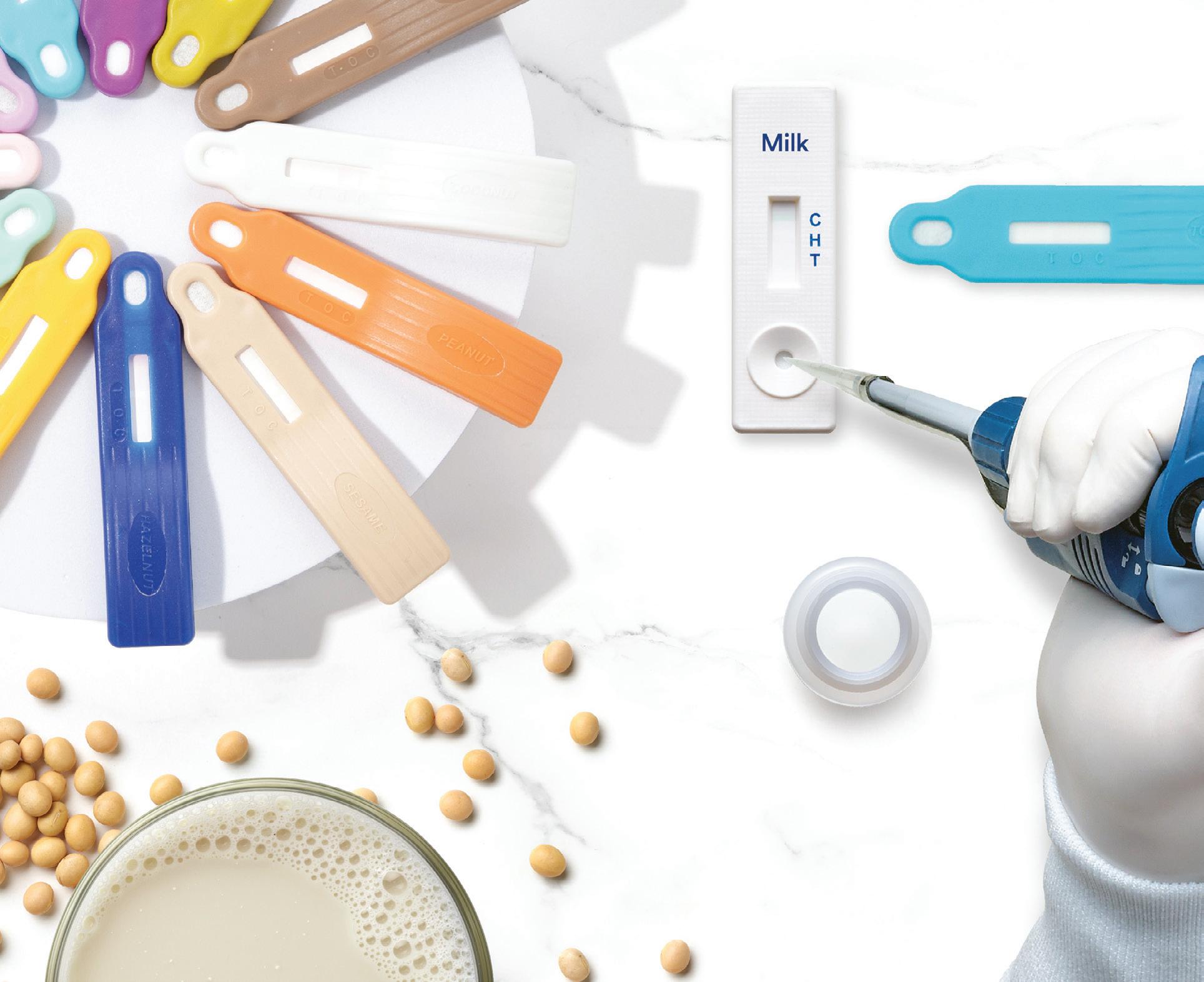
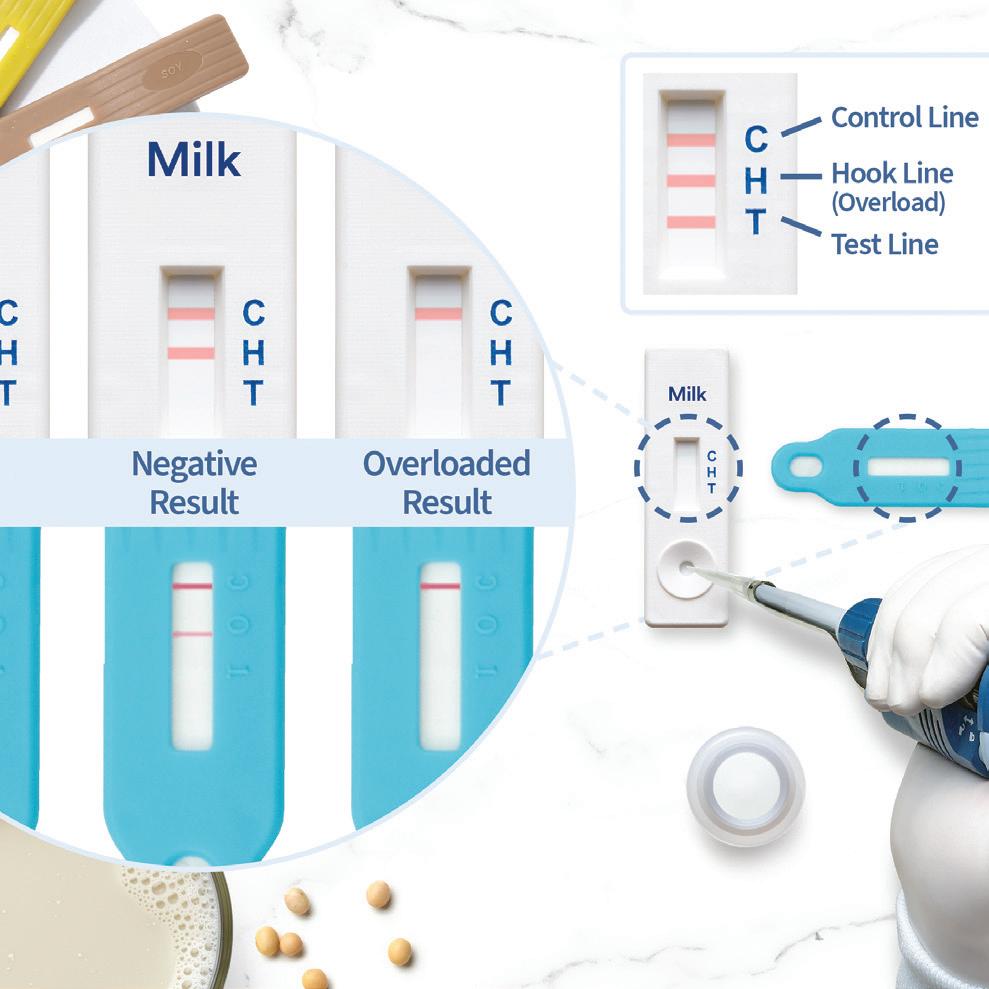
Reading between the lines: a smarter way to verify allergen
Six on the shelf
CAROLYN JACKSON CHIEF EDITOR
Teditor's
NOTE
he Asia–Pacific region is emerging as a key player in the multibillion-dollar functional food sector, capturing around one-third of the global market. This trend has developed as consumers gain a better understanding of the link between the food they eat and their health. They are therefore looking for foods that focus on preventative health — improving immunity and gut health, or managing weight, for example. Many consumers also have busy lifestyles, so they want a convenient energy boost from their food, while older adults are looking for food with healthy aging benefits, such as improving brain and joint health.
From protein-enriched snacks and vitamin-fortified beverages to probiotic yoghurts, there is a growing list of food and beverage sectors staying ‘on trend’ by adding function to their products. As with any ingredient, it must, of course, be permitted under the Australian and New Zealand Food Standards Code.
In this issue, we take a look at a new processing facility that is set to inspire the next generation of functional food products. The Queensland-based facility is making high-protein nut powder, which has potential as a locally sourced ingredient for food manufacturers across Australia. Unlike traditional nut flours, which are higher in fat and behave more like a meal or heavy flour, these fine powders are designed to open new formulation possibilities across products such as sports drinks and supplements, bakery, snacks and functional foods. The new facility is unlocking more value from every nut processed, so it also provides sustainability benefits resulting in a zero-waste operation.
In other news, an Australian drought-tolerant shrub called Old Man Saltbush is being investigated as a potential indigenous ingredient for food manufacturers to improve protein quality and reduce reliance on added salt in staple foods.
Please enjoy the issue, which includes a focus on snacks, bakery & functional foods and cold chain & refrigeration.
Want to contribute?
We welcome submissions from the food industry across Australia and New Zealand that will be considered for possible inclusion in the bi-monthly print publication and our daily web page. If you have a story you think would be of interest, please send an email to wnift@wfmedia.com.au.
Westwick-Farrow Media is committed to using environmentally responsible print services to produce our publications. This edition is printed on a paper made with a mixture of materials from PEFC-certified forests and recycled materials and made from elemental chlorine free bleached pulp with is PEFC certified from sustainably managed sources. It is delivered in a totally degradable plastic wrapper.
Westwick-Farrow Media A.B.N. 22 152 305 336 www.wfmedia.com.au
Head Office Unit 5, 6-8 Byfield Street, North Ryde Locked Bag 2226, North Ryde BC NSW 1670 Ph: +61 2 9168 2500
Editor: Carolyn Jackson wnift@wfmedia.com.au
Publishing Director/MD: Janice Williams
Art Director/Production Manager: Linda Klobusiak
Circulation: Alex Dalland circulation@wfmedia.com.au
If you have any queries regarding our privacy policy please email privacy@wfmedia.com.au
Printed by Ive Group
Print Post Approved PP100007395 ISSN No. 1039-8414
NOTICE:
All material published in this magazine is published in good faith and every care is taken to accurately relay information provided to us. Readers are advised by the publishers to ensure that all necessary safety devices and precautions are installed and safe working procedures adopted before the use of any equipment found or purchased through the information we provide. Further, all performance criteria was provided by the representative company concerned and any dispute should be referred to them. Information indicating that products are made in Australia or New Zealand is supplied by the source company. Westwick-Farrow Pty Ltd does not quantify the amount of local content or the accuracy of the statement made by the source.
Safety made simple with IO-Link Safety
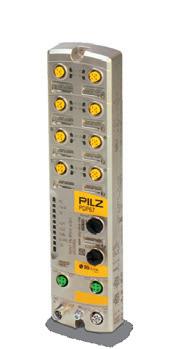
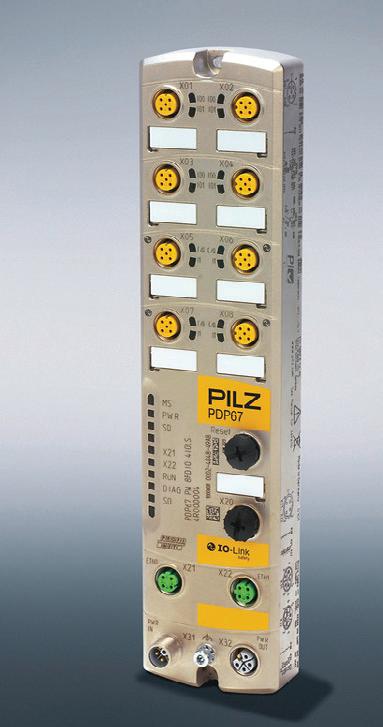
Pilz delivers the complete IO-Link Safety solution - including the world’s first TÜV-certified IO-Link Safety Master.
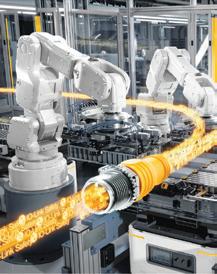
When it comes to integrating IO-Link Safety into your plant, every component matters: the Master, the safety field devices, the right cabling, and a powerful configuration tool. With Pilz, you get all of this from a single source — seamlessly matched, thoroughly tested, and designed for long-term reliability.
One system. One partner. 100% safety.
IO-Link Safety Master
The Pilz Master PDP 67 IOLS allows connection of both IO-Link and classic safety sensors, enabling point-to-point communication up to field level.
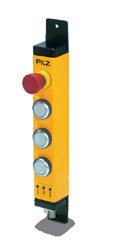
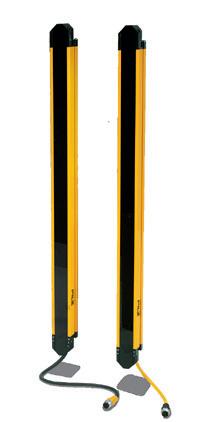
IO-Link Safety devices
The PSENopt II Advanced IOLS and PITgatebox IOLS, communicate directly with the IO-Link Safety Master, providing crucial status information.
Cable & Configuration
Pilz provides cables in all required lengths for any application, and the Pilz configuration tool enables easy setup of the IO-Link Safety Master and devices.
SPC Global to close its facility in Vic under demand-led strategy
After delivering a strong first-half (FY26) financial and operating performance, SPC Global has announced its new manufacturing strategy designed to drive growth and unlock over $8m in annual savings, while continuing to invest in Australian manufacturing.
Following a merger in December 2024, SPC Global consists of SPC, The Original Beverage Co, Nature One and Natural Ingredients.
SPC Global now plans to fully exit its Mill Park site in Victoria by August 2026 as part of its broader shift to a demand-led operating model. Its high-growth brands will continue to be manufactured in-house, with the manufacturing of its Juice Lab Wellness Shots now being relocated to SPC’s Shepparton facility.
“This shift reflects a deliberate and balanced approach to reshaping SPC Global’s manufacturing footprint following the merger,” said SPC Global Managing Director Robert Iervasi.
“By deploying capital more efficiently, backing our strongest growth brands and partnering where it makes strategic sense, we are strengthening the business for long-term growth, accelerating international expansion and continuing to invest in Australian manufacturing.”
As part of the transition, Original Juice Co., private-label and industrial juice products will be manufactured under a long-term agreement with Australian-owned co-manufacturer Fair Dinkum Foods. This partnership is set
Health Star Ratings set to become mandatory in Australia and NZ
At the Food Ministers’ Meeting on 13 February 2026, it was decided that due to the lack of uptake with the voluntary Health Star Rating (HSR) system, it will now become mandatory across Australia and New Zealand. However, there would be no changes to the Nutrition Information Panel (NIP).
FSANZ has now been requested to prepare a Proposal on mandating the HSR system in the Australia New Zealand Food Standards Code. Preparatory work from FSANZ indicated no regulatory barriers to mandating the system, subject to statutory requirements being met. It will now undertake two rounds of public consultation to inform the report back to ministers for a final decision.
The next Food Ministers Meeting has been set for May.
to deliver commercial and operational benefits from FY27, including extending fresh juice shelf life to up to 12 months, improving supply chain efficiency and enabling faster, more cost-effective access to international markets where margins have historically been strong.
“We’re proud to partner with SPC Global and support a shared long-term commitment to Australian manufacturing,” said Tony Taliano, owner of Fair Dinkum Foods and the Real Juice Company.
“By combining SPC Global’s brand strength and market reach with our manufacturing capability and proximity to key growers, we’re improving supply-chain efficiency, reducing transport and emissions, and supporting a more sustainable manufacturing model.”
Locating production closer to farms in Griffith shortens supply chain and lowers the overall environmental footprint, supporting SPC Global’s sustainability objectives while improving operational efficiency. The transition will create new roles in Shepparton and Griffith, with redeployment opportunities offered to current staff where possible.
The company said these changes reflect a reshaping of SPC Global’s manufacturing network to support future growth, not a withdrawal from Australian production.
Nestlé’s fourpoint focus for 2026
The full-year results for Nestlé in 2025 have reported a net profit of CHF9.0 billion with real internal growth (RIG) of 0.8% and pricing of 2.8%.
Philipp Navratil, Nestlé CEO, said: “I am encouraged by our performance during 2025, which reflects the targeted actions we have taken in a difficult external environment. Real internal growth was positive across all Zones and global businesses.”
The business also outlined its strategic plans for 2026 to accelerate growth by focusing its portfolio on four businesses, led by its strongest brands.
With a simplified organisational structure and enhanced local accountability, Nestlé’s strategy concentrates on four of its global businesses — Coffee, Petcare and Nutrition (together 70% of sales) along with leading regional positions in Food & Snacks.
The report said it plans to integrate Nutrition and Nestlé Health Science into a single business to strengthen its category leadership, and drive synergies and simplification.
It also announced plans to continue brand rationalisation, including advancing the sale of its remaining ice cream business to Froneri.
“We are upgrading our marketing and innovation and increasing investment behind high-potential growth platforms, which now have an expanded scope and represent 30% of sales. We are stepping up our efficiencies and strengthening our financial position. This is underpinned by a performance culture that rewards excellence and results,” Navratil said.
“While there is more to be done, we are confident that our faster execution of a more focused strategy will deliver sustained improvement through 2026 and beyond.”
With the formation of the newly integrated Nutrition business, the Globally Managed Business structure of Nestlé Health Science will be removed.
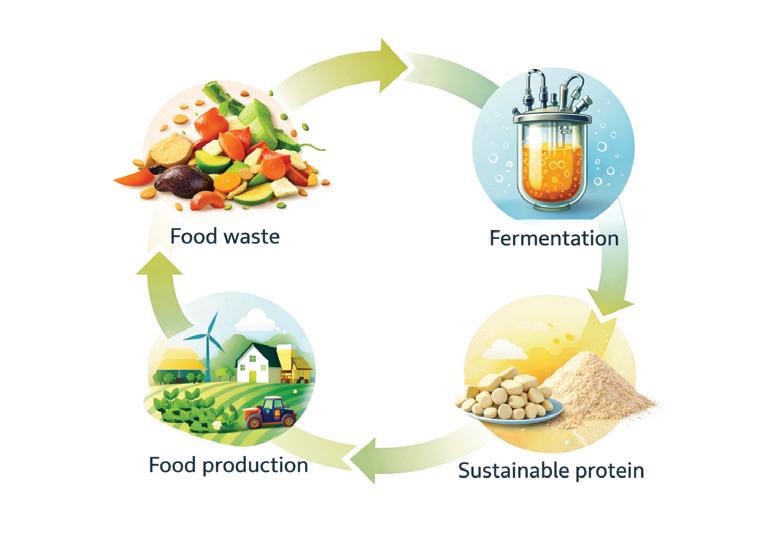
$3m AI project to upcycle protein
Researchers at CSIRO have joined forces with the University of Leeds to develop an AI-powered tool that calculates optimal fermentation conditions to produce microbial protein powder as a food ingredient for human or animal consumption.
Running over the next two years, the $3m project will look at three different waste products:
1. Vegetable crops that have been damaged or not picked
2. Grain by-products such as canola or brewer’s spent grain
3. By-products from cheesemaking
The aim is to make upcycled protein at scale that is competitive with conventional protein alternatives.
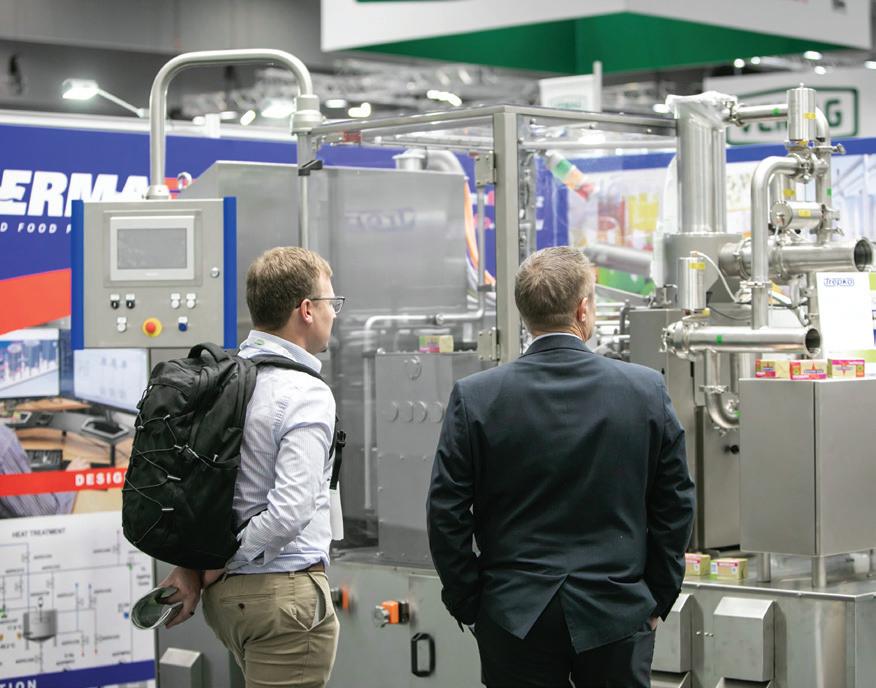
foodpro 2026 open for regos
Registration is now open for foodpro 2026, the Australian trade event for food processing, packaging and innovation, returning to the Melbourne Convention and Exhibition Centre from 26–29 July 2026.
The four-day event will provide food and beverage manufacturing professionals with the opportunity to network and explore processing equipment, packaging innovations and sustainability solutions. It will feature an expanded show floor spanning every stage of food and beverage production, including ingredients, processing equipment, packaging, logistics and digital factory solutions.
Visit www.foodproexpo.com.
Afnor acquires HACCP Australia and HACCP
International
AFNOR International, a division of the certification, training and standards organisation Afnor Groupe, has announced the acquisition of the HACCP Group companies based in Australia, comprising HACCP Australia, the food safety and technology company, and HACCP International, the food-safe product certification body.
The acquisition of the two companies will see AFNOR International extend its growth in the Australasian and Pacific region, complementing its global network and scope. It also serves to give HACCP International further reach in Europe, which has become an increasingly important market in recent years.
HACCP Australia, based in North Sydney, began operating in 1999 and has, over the intervening years, become a major player in the Australian food safety market with many food scientists and much industrial food safety experience. Its customer base includes food production companies, government, caterers, retailers and insurance underwriters.
HACCP International is a JASANZ-accredited product certification body specialising in food-safe materials, products and services used in the food industry. Certified products are confirmed as being food-safe and suitable for use in food handling and processing. The company has a significant international footprint with customers in 42 countries.
WorldStar AmPrima shredded cheese wins with Fonterra Oceania
Amcor has won two WorldStar Global Packaging Awards 2026 for its AmPrima Recycle-Ready packaging for shredded cheese, in both the Food and Packaging Materials and Components categories.
Designed to replace traditional structures that rely on materials such as PET or PVDC with a mono-material polyethylene film, the solution brought together the expertise of Amcor’s Asia Pacific and North American teams.
The packs are engineered to deliver the barrier, sealing and food-grade performance required to protect shredded cheese, while maintaining pack integrity on high-speed production lines. They are now in market with Fonterra Oceania for its shredded cheese applications in both retail and foodservice markets.
“Shredded cheese packaging is a technically demanding flexible packaging format. It needs strong pack integrity, high barrier performance, reliable sealing and fast production speeds. That’s why it’s usually made with multiple materials that can’t be recycled,” said Phil Van Houts, R&D Director ANZ, Amcor Flexibles Asia Pacific.
“With AmPrima, we’ve created a simple, recycle-ready solution. It’s a step forward that helps our customers make the transition without changing how they operate, while maintaining pack performance, appearance and food-grade standards.”
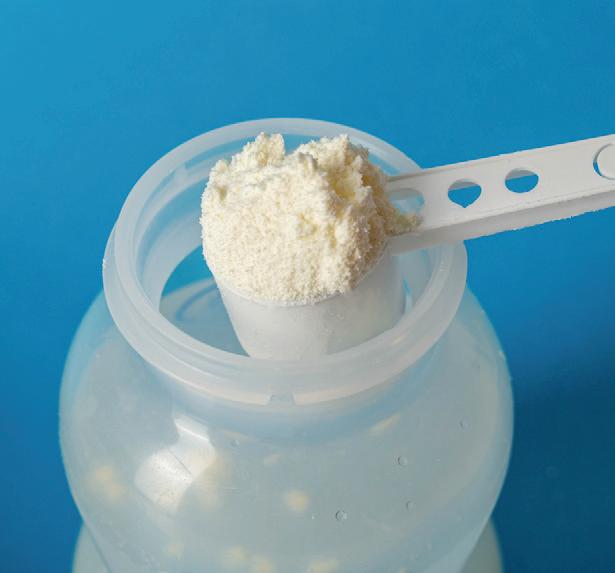
Risk assessment for toxin in infant formula
Earlier this year there were multi-country recalls of several specific infant formula products following the detection of cereulide (a toxin produced by the bacterium Bacillus cereus) — this has led to a rapid risk assessment in Europe.
Because the occurrence of cereulide in infant formula is considered to be very rare, testing for cereulide in infant formula is not part of industry-standard product release protocols. Therefore, the European Commission asked the European Food Safety Authority (EFSA) to deliver urgent scientific advice to support risk management decisions across the EU.
In its rapid risk assessment, EFSA’s scientists established an acute reference dose (ARfD) for cereulide in infants and established cereulide concentrations in infant formula of potential safety concern. This advice is intended to help EU risk managers determine when products should be withdrawn from the market as a precautionary public health measure.
EFSA’s scientists proposed an ARfD of 0.014 µg/kg body weight for cereulide in infants. Emesis (vomiting) is the critical acute adverse effect used to set the ARfD, which was derived using benchmark dose modelling. Because very young infants (below 16 weeks) metabolise substances differently from adults, EFSA took a cautious approach and added an extra safety factor when setting an ARfD.
In Australia, the Food Standards Australia New Zealand (FSANZ) coordinated the Australia-wide recall of these specific products, which should not be consumed. For more information, visit the Food Standards Australia New Zealand website.
www.beamex.com
info@beamex.com
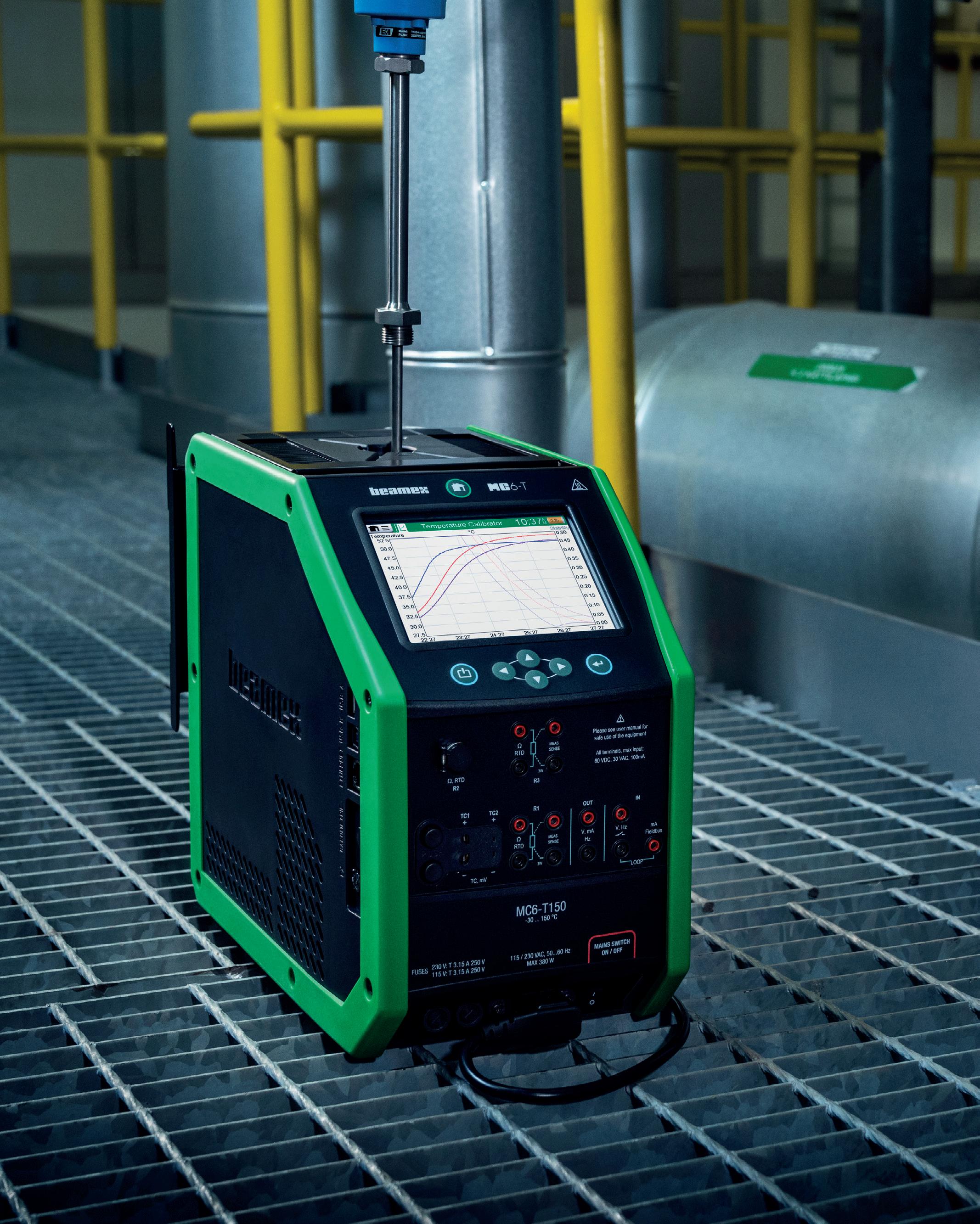
The Beamex MC6-T is an extremely versatile portable automated temperature calibration system. It combines a state-of-the-art temperature dry-block with Beamex MC6 multifunction process calibrator and communicator technology.
With the ability to generate temperature as well as measure and simulate temperature and electrical signals, it offers a really unique combination of functionality. In addition to temperature calibration abilities, the MC6-T also offers electrical and pressure calibration capability, all in one device.
It offers versatility, that no other temperature calibrator can match.
Unlocking more function
Nut powder processing facility set to inspire next-gen food products
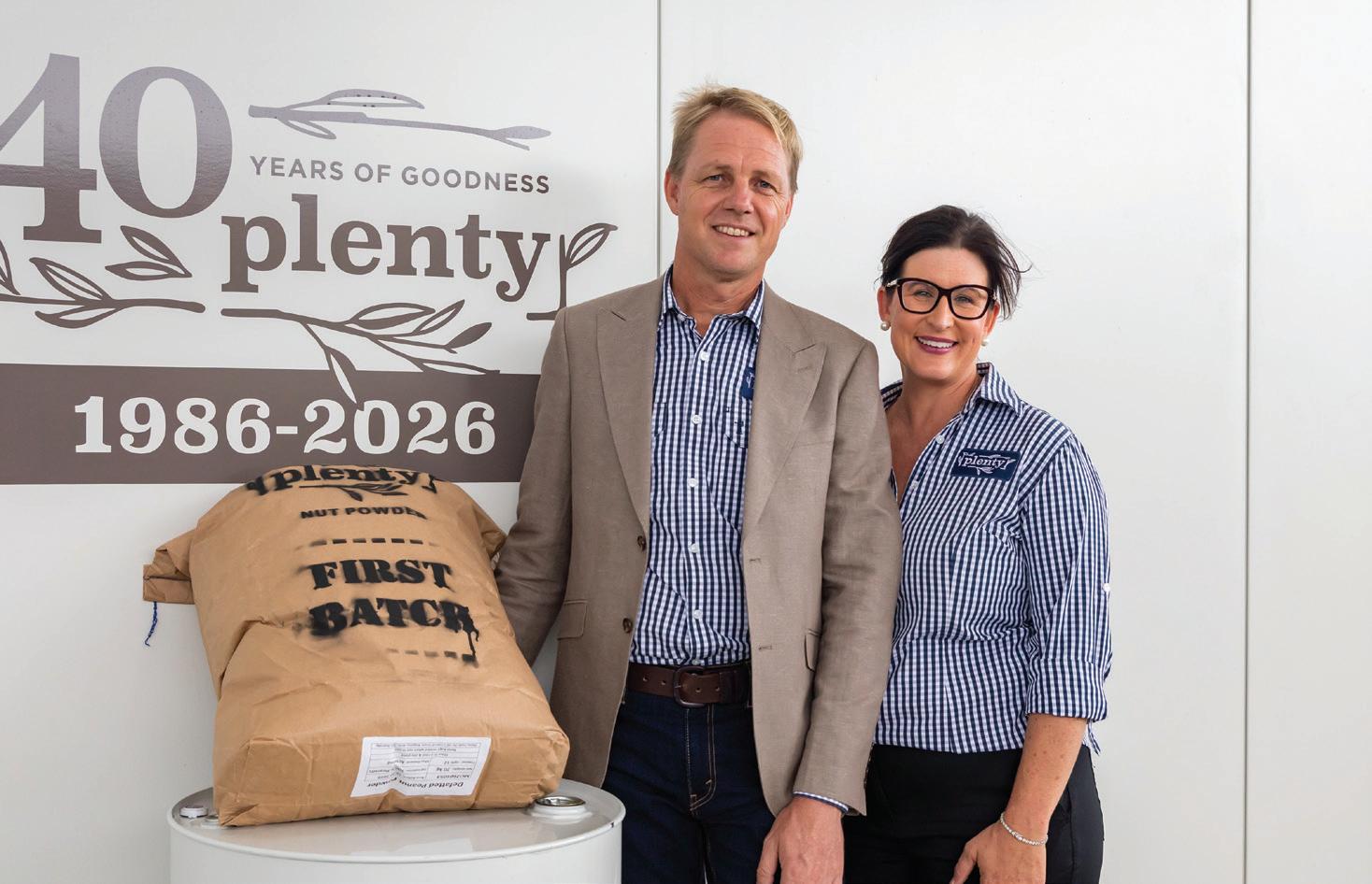
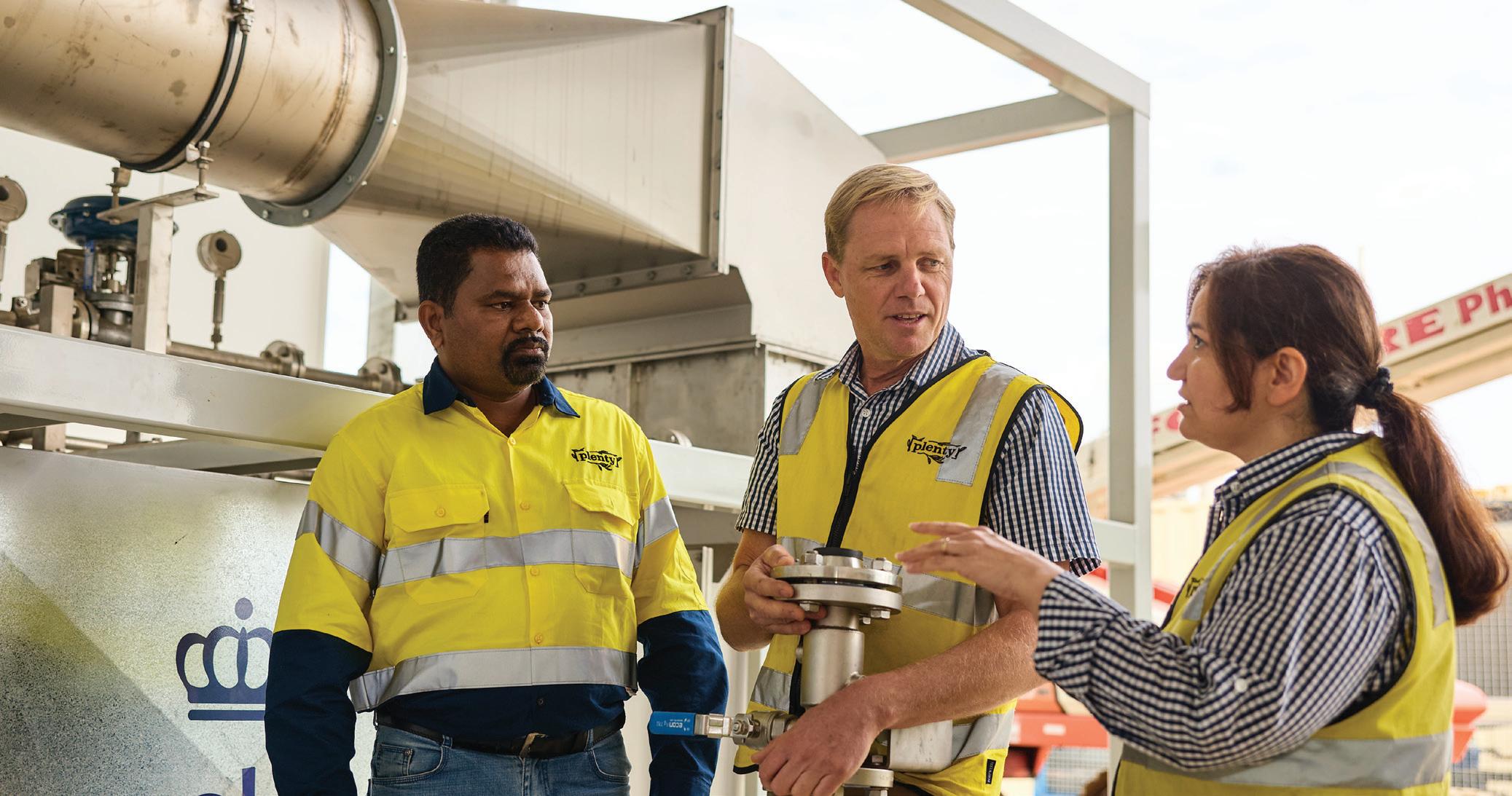
Plenty Foods officially launched its high-protein nut powder processing facility in Kingaroy, Queensland on 26 February 2026 — providing food manufacturers across Australia with access to a locally made nut powder ingredient for next-generation food product applications.
An Australian producer best known for its cold-pressed and refined specialty oils, Plenty Foods has now commenced producing a range of high-protein de-fatted nut powder. It also has plans for almond and macadamia flour/ powders in the future, but peanut is the first line in production at the new facility.
Each powder is produced by gently roasting then pressing whole nuts and milling the remaining nut solids into a powder using advanced powder technology, resulting in what is described as a lighter, fluffier ingredient with good absorption and blending properties. Unlike traditional nut flours, which
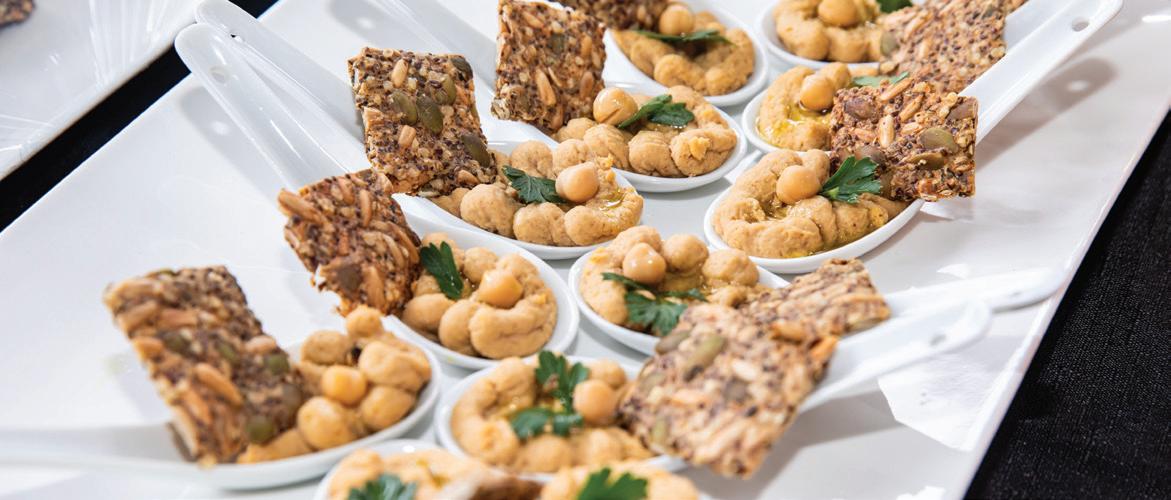
are higher in fat and behave more like a meal or heavy flour, these superfine nut powders are designed to open new formulation possibilities across next-gen food products such as sports drinks and supplements, bakery, snacks and functional foods. There are also application possibilities in gravies, sauces and coatings as well as vegan alternatives such as dairy-free ice cream.
The facility
The cold-pressed oil business was originally founded at the Kingaroy site back in 1986 by Graham Helmhold, who was a fats and oil chemist. Centrally located near food
producers, Helmhold first started extracting oil from crushed peanuts to meet a gap in the market. This was closely followed by macadamia nut oil extraction in 1987 and avocado oil extraction in 1988.
“As with many businesses, it did take many twists and turns as market channels changed,” said Josh Gadischke, Managing Director of Plenty Foods, who bought the business with his wife Jo in 2010.
Gadischke said the inspiration for the new facility came after he discovered from nut growers that several nut grades were proving difficult to shift.
“As we were already an established oil crusher and nut paste processor, we identified nut protein powders as a perfect match for the Australian nut industry and also our business systems.
“With superfine nut powders, we’re taking [our] core capability and unlocking more value from the nut, resulting in a zero-waste operation for us, and value-added products for the market.”
Using a $9m government co-contribution from the Modern Manufacturing Initiative (MMI), the $22m new plant has been seven years in the making and was built adjacent to the existing oil mill. The business now has around 8000 m2 of facilities under-roof at the site.
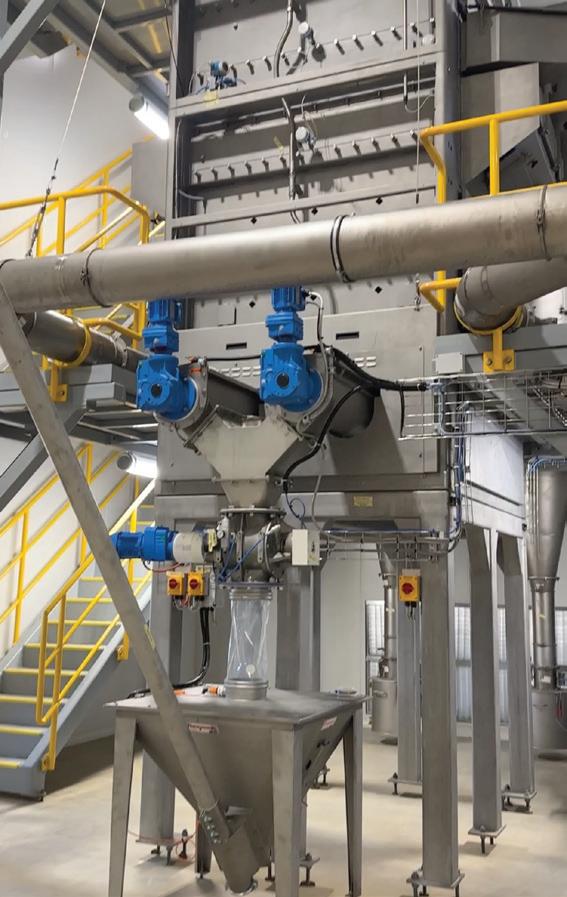
“The design criteria for the nut powder operation was highly focused on lean manufacturing principles and efficiency, which also includes energy efficiency measures. Specifically, we incorporated several heat exchangers to harvest heat recovery and implemented a vertical counter
“
The design criteria for the nut powder operation was highly focused on lean manufacturing principles and efficiency, which also includes energy efficiency measures.
Josh and Jo Gadischke, co-owners of Plenty Foods
flow roaster which reduces energy demand and running costs,” Gadischke said.
Australian-made traceable manufacturing
“Food manufacturers are under pressure to deliver cleaner labels, higher protein and better functionality. This ingredient is designed to help them do all three, using an Australian-made solution for the first time,” Gadischke said.
The nut powder range is produced using state-of-the-art equipment, leveraging by-products of the oil-pressing process to create a value-added ingredient while supporting more efficient resource use.
“This is about smarter innovation,” Gadischke said. “We’ve been very ambitious with this product in terms of the quality we want to produce, but it’s also great to tick other boxes like zero waste for our facility and reducing food waste for farmers and the environment.
“We’re investing in new technology to give manufacturers an ingredient that is more consistent from batch to batch, performs better, while supporting Australian growers and reducing reliance on imported alternatives.”
Plenty’s superfine nut powders are made in Australia using locally sourced nuts, providing food manufacturers with a domestic, traceable alternative to imported nut powders at a time of increasing supplychain scrutiny.
‘Australian made’ will also ensure fresher product with a longer shelf life and lower food miles for local manufacturers. >
food facility design
Functional benefits
Ben Horwood, Plenty Foods’ Sales Director, said: “Market response to this product has been strong, with engagement from leading players in food, beverage and nutrition manufacturing seeking high-protein, plant-based ingredients that deliver both nutritional and functional advantages.
“This interest reflects a clear shift toward clean label, dairy-free solutions that enable innovation across applications such as high-protein nut spreads, powdered nutrition formats, functional snacks, bakery and ready-to-drink products. This highlights the relevance of superfine nut powders as a next-generation ingredient for manufacturers developing products at scale.”
According to Plenty Foods, the superfine nut powders offer a combination of nutritional and processing advantages, including:
• Higher protein levels (up to ~55% depending on nut type)
• Reduced fat content compared to similar products
• Smooth, silky texture for improved dispersion and mouthfeel
• Vegan-friendly and all-natural, with no added ingredients
• Versatile functionality across baked goods, protein bars, extruded snacks, soups, coatings, shakes and ready-toeat meals
A comparative analysis has shown that Plenty’s de-fatted nut powders delivered lower fat and higher protein than conventional nut flours, while enabling tighter crumb structure and improved absorption in finished products.
For Australian nut growers and the horticultural sector, the launch represents a new value pathway. By converting nuts that have traditionally been regarded as a low-value by-product into a premium, export-ready ingredient, Plenty is generating additional demand and improved returns from each nut grown.
While superfine powder technology is used internationally for other applications such as cocoa, Plenty says its use in nut-
based powders at commercial scale could represent new possibilities for Australian food manufacturing.
“Manufacturers and brand owners interested in exploring technical, commercial or product development opportunities are encouraged to contact us to discuss how superfine high-protein nut powders could support their next phase of innovation,” Horwood said.
Do you have a design story to share? Please email wnift@wfmedia.com.au if you'd like to contribute.
The vertical nut roaster takes up minimal footprint, and the effects of gravity mean that more tonnes per hour can be processed – efficiency and low energy usage is key to this smart operation.
Josh chats with Production Manager Sujitha Endawitharanage and Quality Manager Mary Tahmasebi.
design
$130m Tip Top Bakeries investment
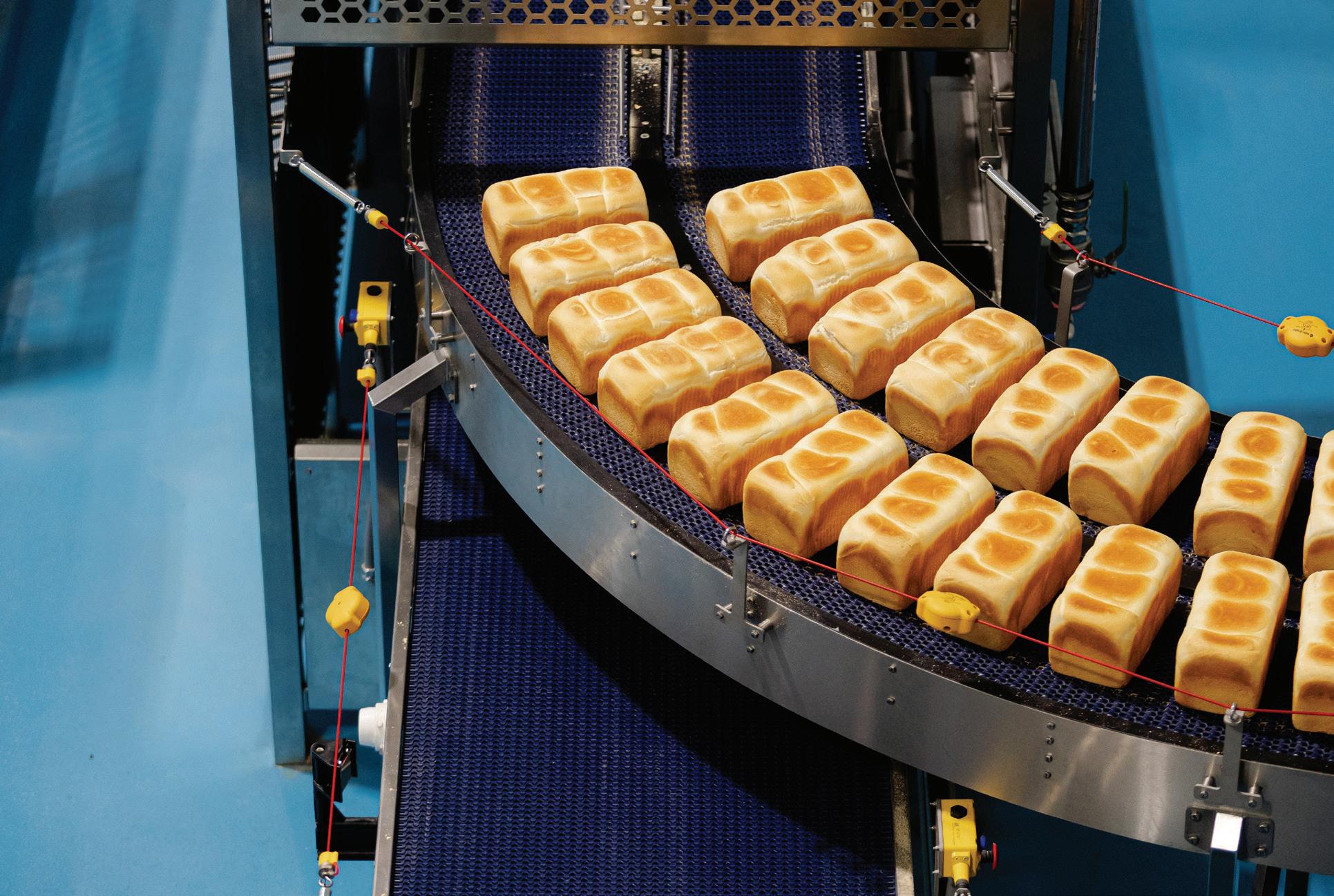
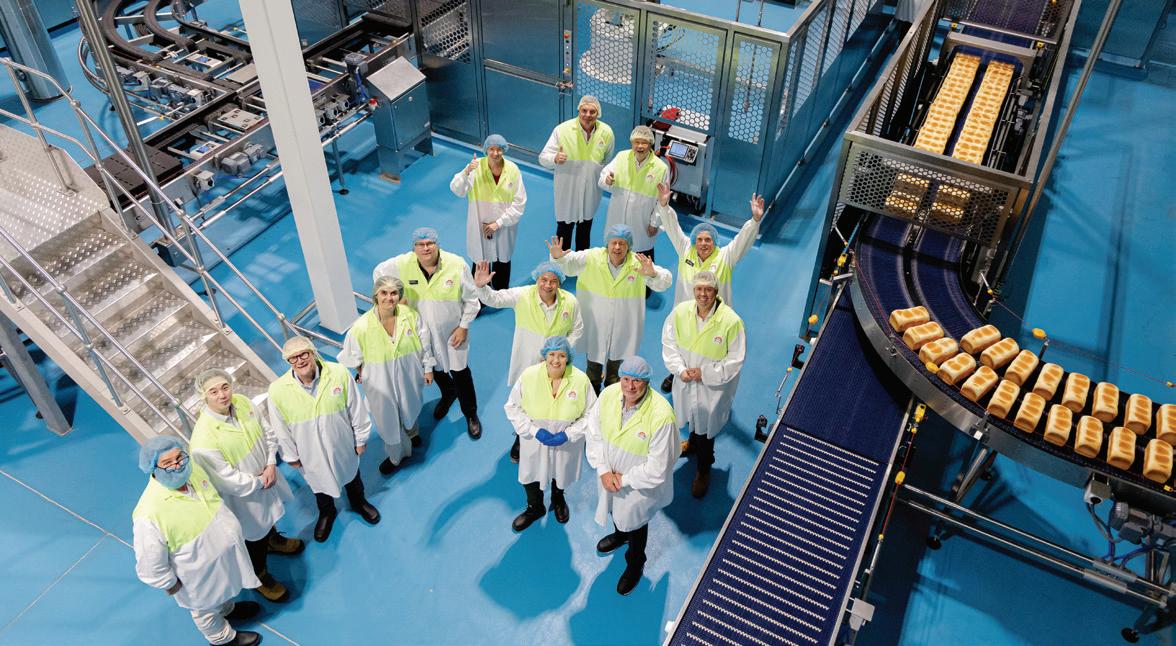
Tip Top Bakeries officially opened its $130m bakery line in Canning Vale on Friday, 20 February 2026, which has doubled the production capacity of fresh bread at the site.
Andrew Cummings, Managing Director of Tip Top Bakeries, said the expansion project was about ensuring Western Australians could rely on a local supply of fresh bread — with the new bread line able to produce 8350 loaves per hour.
“When last year’s fire temporarily disrupted production at our Canning Vale bakery, it highlighted just how critical local food manufacturing is in Western Australia,” Cummings said.
“This $130 million investment secures the future of WA’s bread supply. It means greater resilience, stronger reliability, outstanding quality and confidence that fresh bread will stay on supermarket shelves across the state.”
Beyond improved production, the new facility has been designed to create a safer, more modern workplace for Tip Top Bakeries employees. The upgraded site includes new change rooms, a lunchroom, a dedicated health hub and a prayer room.
Safety has been prioritised throughout
the redesign, with improved traffic management, a more efficient layout, reduced manual handling and enhanced cleaning systems expected to deliver improved safety outcomes.
“We are not simply replacing an aging production line,” Cummings said.
“We are building a modern bakery designed for the future — safer for our
people, more reliable for our customers and more resilient for WA.”
The site has also been future-focused, with solar panels installed as part of Tip Top’s transition towards greater renewable energy use.
Commissioning of the new bakery line is underway, with some of the first products already available on WA shelves.
Image credits: George Weston Foods
Unleashing the Capabilities of AI-Assisted Quality Control
How AI-Driven Machine Vision is Transforming Inspection in Modern Manufacturing
Artificial Intelligence (AI) is reshaping the future of machine vision, enabling manufacturers to achieve unprecedented accuracy, speed, and reliability in quality control. As production lines grow more complex and expectations for defect-free output skyrocket, AI-enabled inspection systems have emerged as the new standard — lifting the limitations of traditional rule-based approaches and opening the door to smarter, more adaptable manufacturing environments.
In today’s competitive landscape, quality issues don’t just create scrap or rework; they harm brand reputation, compromise safety, and inflate operational costs. As a result, manufacturers across sectors — from food and beverage to packaging, pharmaceuticals, and logistics — are accelerating their adoption of AI-powered vision technologies to safeguard consistency, unlock productivity, and future-proof their operations.
Streamlining Machine Vision with AI Functionality
Historically, configuring machine vision applications required extensive rule-based programming. Engineers had to manually specify thresholds, geometric patterns, tolerances, contrast settings, and complex logic trees. This approach worked reasonably well for stable, highly predictable environments — but started to fall short when products varied, materials changed, or lighting conditions fluctuated. The system was only as good as the rules that governed it.
AI-enabled vision technology transforms this paradigm. Instead of hardcoding rules, users “teach” the system through examples. With a curated dataset of images representing good and bad conditions, the sensor learns to differentiate product patterns, detect anomalies, and adapt to subtleties that would normally challenge conventional vision tools.
This shift dramatically reduces deployment time. Instead of spending hours fine-tuning individual parameters, operators can accelerate development cycles with intuitive training workflows. The system becomes not only smarter but also more resilient — capable of handling real-world variability with greater precision.
As Praveen Kannan, Senior Director, Focus Sales Asia Pacific, notes:
“AI has fundamentally changed how customers approach machine vision. What previously required expert-level programming can now be achieved in minutes with image-based training. It democratises complex inspection tasks and ensures manufacturers stay agile, efficient, and competitive.”
Intelligent Inspection Toolset: Effortless and Advanced Solutions
The Intelligent Inspection toolset is designed to simplify both deployment and ongoing operation. Built on Deep Learning technology, these tools excel in applications where traditional deterministic logic struggles — especially in tasks such as:
• Object classification: distinguishing product variants that appear similar
• Feature recognition: identifying patterns that vary due to natural product variability
• Sorting and grading: evaluating items against complex quality or condition criteria
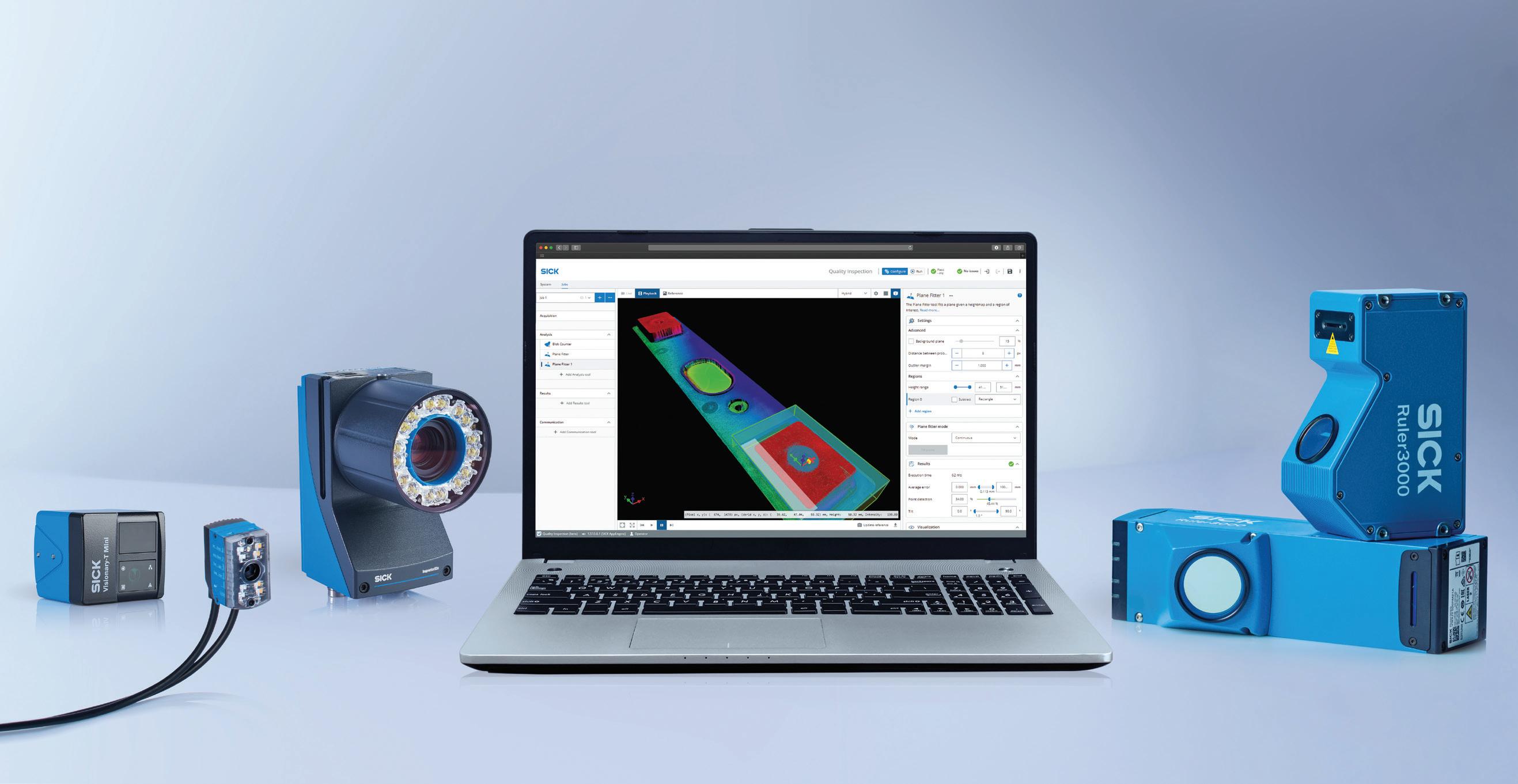
One of its most powerful advantages is its compatibility with both 2D and 3D vision sensors. This multimodal flexibility equips manufacturers with the ability to inspect fine surface details, dimensional irregularities, volume deviations, and shape inconsistencies — all within a unified platform.
This makes the Intelligent Inspection toolset ideal for high-mix, high-speed production environments where quality must be guaranteed without slowing throughput.
According to Praveen Kannan:
“Our customers want a solution that works reliably from day one and continues to improve over time. The Intelligent Inspection toolset gives manufacturers the confidence that no matter how complex their inspection needs are, the system will keep up with them.”
SICK Nova: A Flexible and Scalable AI Software Platform
The backbone of this ecosystem is SICK Nova, an adaptable software platform engineered for a wide range of industries and use cases. Its intuitive web interface removes barriers to adoption — allowing users with varying levels of machine
vision expertise to configure, monitor, and optimise inspection tasks.
SICK Nova delivers several critical advantages:
1. Scalability and modularity
Nova supports a vast portfolio of hardware including 2D cameras, 3D cameras, and LiDAR sensors. Manufacturers can scale from simple vision tasks to highly advanced inspection pipelines without switching platforms.
2. Plug-in architecture
Users can enhance system capabilities through both pre-built and custom plug-ins.
This provides:
• Configurable function blocks
• Tailored workflow automation
• Application-specific intelligence
• Reduced total cost of ownership
3. Cross-industry compatibility
Nova’s adaptability makes it useful for sectors such as food manufacturing, automotive, consumer goods, electronics, packaging, warehousing, and logistics.
4. Ease of integration
Interfacing with PLCs, robots, and control systems becomes seamless, promoting efficient communication and improving end-to-end process reliability.
As Praveen Kannan explains:
“SICK Nova is a game changer for machine vision. It breaks down the complexity of high-end inspection and gives every customer — from small plants to major manufacturers — the ability to deploy AI at scale.”
Transforming Quality Control in Australian Manufacturing
Manufacturers across Australia are increasingly embracing AI-powered inspection due to rising labour constraints, tighter compliance requirements, and the need for higher production yields. Food and beverage producers in particular are seeing measurable benefits.
From inspecting seals on packaged goods, ensuring correct labelling, verifying fill levels, and detecting foreign objects or contamination risks, AI-driven machine vision is delivering higher accuracy and fewer false rejects — helping plants maintain quality consistency without slowing down throughput.
Praveen says: “SICK AI-powered machine vision is truly transforming in-line quality control at food manufacturing sites across Australia. Customers are reporting improvements in uptime, reduction in waste, and significantly enhanced detection capabilities that were previously unattainable.”
This shift is not merely technological — it’s strategic. Manufacturers are leveraging AI tools to safeguard brand integrity, meet rising consumer expectations, and build more resilient supply chains.
Commitment to Innovation: A Culture of Continuous Improvement
At its core, SICK remains committed to pushing the boundaries of industrial automation. Innovation is not just a guiding principle — it is a responsibility to customers striving for excellence in production, digitalisation, and operational intelligence. Through deep collaboration with customers, SICK converts real-world challenges into practical solutions. From concept to deployment, the company integrates smart sensors, AI capabilities, and user-centric software design to ensure that manufacturers can:
• Improve efficiency
• Reduce operational risk
• Enhance product quality
• Enable long-term competitiveness
Praveen concludes: “The future of manufacturing belongs to those who embrace AI-driven automation. At SICK, we are committed to guiding our customers on this journey — helping them evolve from traditional inspection to intelligent, AI driven Quality Control.”
Tetra Pak reports on FSN market across Asia Pacific
The global food supplements and nutrition (FSN) market, spanning protein-enriched beverages, fortified drinks and functional supplements, is projected to reach approximately US$758.99bn (AU$1tn) by 2034, growing at a compound annual growth rate (CAGR) of 7% globally.1
Against this backdrop of steady global expansion, Asia Pacific (APAC) is emerging as a key growth region. To help brands better understand this evolving market, Tetra Pak commissioned research examining the motivations and preferences shaping the future of the category across APAC, including China, Japan, South Korea, Australia and India.
The findings point to a broader global shift in consumer priorities that is reshaping the FSN market. Emotional benefits and local preferences are increasingly influencing demand, alongside traditional functional claims. The research shows that consumers are turning to FSN products not only for their ability to integrate into modern lifestyles, but also for the emotional, aspirational and performancedriven reassurance these products provide.
Across Asia Pacific, functional health benefits remain fundamental. At the same time, emotional reassurance, natural ingredients and lifestyle fit are increasingly influencing purchasing decisions.
Tetra Pak’s FSN Global Consumer Research was conducted by Ipsos in July 2025. The survey covered 25,547 health-conscious consumers, including parents of children, adults aged 16-65 and seniors aged 65+, across 17 countries.
The top three motivators for surveyed APAC consumers incorporating FSN products into their diets, were:
• Supporting physical health (62%)
• Ensuring daily nutritional needs are met (61%)
• Maintaining healthy energy during a busy day (48%)
Beyond physical benefits, FSN products were also valued for boosting mental wellbeing (28%) and improving appearance or fitness (23%). Taste remains equally important, with 23% citing enjoyment as
a driver, highlighting the need for products that balance function with sensory appeal.
Emotional reassurance was revealed as another important factor, with 42% consumers globally saying they want to feel more in control of their health, alongside peace of mind about nutrition (39%) and feeling more balanced or less stressed (30%).
Practical considerations continue to influence behaviour: 21% value convenience on the go, while 19% look to save time on meals or snacks.
Liquid formats are gaining strong traction, with 59% of consumers expressing interest in ready-to-drink FSN products. Their appeal lies in everyday practicality:
• No preparation required
• Easy storage
• Suitable for busy, mobile lifestyles
John Jose, Marketing Director Tetra Pak Malaysia, Singapore, Philippines & Indonesia (MSPI), said: “Convenience remains a baseline expectation. For brands across Asia Pacific, it’s a chance to lead with convenient formats and innovative formulations that meet evolving expectations and deliver greater value for customers. But interest in this category goes far beyond ease alone. With 62% of consumers prioritising physical health and 61% using FSN products to ensure their daily nutritional needs are met, we’re seeing a clear shift toward value-driven products that support long-term wellbeing.”
The study also identified distinct pain points that packaging can help address, from price sensitivity and trust to format convenience and ingredient transparency. Clear labelling, transparent communication and convenient, single-serve formats can help build confidence while supporting busy lifestyles. With 63% consuming FSN products “as is”, shelf-stable packaging solutions are well positioned to meet these expectations. Through its latest research, Tetra Pak aims to support brands in Asia Pacific in developing differentiated offerings that deliver both functional benefits and emotional value in a category defined by rapid innovation and evolving expectations.
How electrically controlled atomising nozzles can reduce waste and improve consistency
Tecpro Australia
In modern bakery and snack production, the smallest process variables often have the biggest impact on quality, yield and compliance. Whether it’s oiling baking trays, applying release agents, lightly coating surfaces, or applying preservatives before packaging, liquid application is a deceptively critical step.
Traditional spray systems can struggle with consistency, especially when line speeds fluctuate or when extremely low, precise flow rates are required. This is where electrically controlled, liquidonly atomising nozzles are gaining attention as an alternative to conventional pneumaticcontrolled spray systems.
Bakeries operate under constant pressure to improve efficiency while meeting strict food safety and hygiene standards. However, many liquid application systems face common challenges:
• Over-application of oils and coatings, leading to unnecessary product waste
• Inconsistent coverage when conveyor speeds change
• Poor control at low flow rates, especially when fine, repeatable dosing is required
• Cleaning and hygiene challenges in food-contact environments
In applications such as oiling baking trays, applying light surface coatings to dough, or applying preservatives to pizzas or snacks before packaging, even minor inconsistencies can affect product quality, shelf life and operating costs.
Precision control with electrically operated liquid atomisation
Electrically controlled hydraulic atomising nozzles are designed to deliver highly repeatable, finely controlled liquid application without the use of compressed air. The technology converts incoming liquid into fine droplets and allows flow
rates to be electronically controlled through pulse width modulation (PWM) or ON/OFF pulsing modes.
This means production teams can vary the volume of liquid applied without changing nozzle pressure or hardware, enabling consistent coating even when belt speeds change, ultra-low flow rates for light applications, and repeatable dosing across batches — all of which reduce product and oil waste.
In bakery environments, this is particularly valuable for applications such as oiling baking trays, light surface oiling of dough, application of preservatives prior to packaging, and controlled liquid application for decorative or functional finishes.
Reducing waste and improving process efficiency
Food and beverage environments place strict demands on equipment design. Electrically controlled atomising nozzles designed for food processing are typically manufactured using food-compatible materials such as stainless steel and are suitable for use with common bakery fluids including water, oils, sugar solutions, milk and disinfectants.
The ability to control spray timing and volume precisely also helps reduce overspray and misting, improving hygiene outcomes and reducing residue build-up on surrounding equipment.
One of the biggest advantages of precision liquid application is material efficiency. By applying only the volume required — and only when required — bakeries can significantly
reduce oil and release agent consumption. Over time, this can translate into meaningful cost savings, especially in high-volume production environments.
From a sustainability perspective, reducing excess liquid application also means:
• Less product waste
• Reduced cleaning chemical usage
• Lower water consumption during washdown
• Improved housekeeping around production lines
• An alternative to traditional pneumatic spray systems
Electrically controlled liquid atomisers are increasingly being considered as an alternative to conventional pneumaticbased spray systems where fine control and low flow rates are critical. Unlike traditional systems that may struggle to maintain spray quality at very low outputs, electronically controlled nozzles maintain spray consistency while varying flow digitally.
This makes them well suited to modern bakeries and snack manufacturers looking to improve consistency, reduce waste and future-proof their processing lines as automation and digital control become more prevalent.
Advanced spray technologies developed for European food manufacturing environments are now becoming more accessible in Australia. Local suppliers are increasingly partnering with global manufacturers to bring liquid application solutions into Australian food production facilities, supporting upgrades in efficiency, hygiene and process control without requiring full line replacements.
As bakeries continue to modernise, precision spray technologies are becoming a quiet but powerful contributor to improved product quality, reduced waste and smarter manufacturing practices.
Snackfood business scales up its packaging processes
Edenvale Foods has built a reputation for innovation in food manufacturing — particularly with its clean-label functional snackfood products. As the business enters its next phase focused on product development and brand collaboration, ensuring efficient, hygienic and scalable packaging processes became critical.
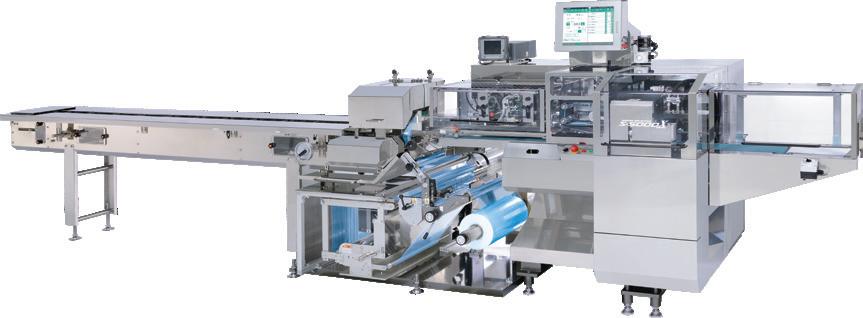
Previously operating with the Omori S-5000X-BX Box
Motion Flow Wrapper, Edenvale had reached a turning point. With increasing demand, diverse product requirements, and a need to improve handling of sticky and crumbly foods, a more advanced solution was required to meet the company’s evolving production needs.
While an external automatic feeder offered some advantages, it presented challenges — namely higher costs and a larger footprint that didn’t align with Edenvale’s operational goals. A more efficient, integrated solution was needed to support both production agility and hygienic handling.
The upgrade to the Omori SX-5600-BX-BIF provided a seamless answer. With an integrated, belt-driven automatic feeding system, Edenvale was able to:
• Achieve 120 packs per minute with consistent product placement.
• Eliminate manual product feed, significantly reducing labour costs.
• Streamline the production footprint, as the automatic feeder is integrated within the machine design instead of an additional added-on unit which took up more space.
• Handle sticky, crumbly products with ease thanks to Omori’s hygienic and precise engineering.
The shift to the Omori SX-5600-BX-BIF has unlocked a new level of production agility for the food maker. It allows its product development team to focus on creativity — crafting innovative formulations, nutritional panels and sensory profiles — without being limited by packaging constraints.
This investment has not only future-proofed its operations but also enabled brands working with Edenvale to bring bold, highquality products to market faster than ever.
Perfect Automation www.perfectautomation.com.au
Blending boost
Mixing 'workhorse' installed for food manufacturer
EA contract manufacturer began blending dietary supplement and food powders and manufacturing tablets and capsules, but its current V-cone blender proved inefficient so it needed to find a mixing solution.
W Packaging contract manufactures and packages powder, tablet and capsule products, protein powders, energy drink mixes and sports nutrition products. Customers include national warehouse clubs and dietary supplement retailers.
Founded in 2001 as EW Trading (DBA EW Packaging), CEO Rob Lonas renamed it EW Packaging when he brought the company’s packaging and printing services in-house. Today EW operates six blister-filling lines and four bottle-filling lines and uses flexographic printers to customise pouch and blister foils. It also machines its own tooling, which shortens turnaround times and reduces costs.
In 2016, the company began blending dietary supplement and food powders and manufacturing tablets and capsules, but its V-cone blender proved inefficient. “The machine was a lot of work and there was a lot of downtime,” Lonas said. “It took at least 30 minutes to get a load in and out, plus another 15 to 20 minutes of actual mixing.”
Next, he tried a ribbon blender, which reduced loading and unloading times but compromised blend quality. “The ribbon blender has corners, dead zones, where the powder isn’t mixed,” he said. Sometimes EW added as much as 10% more active ingredient to the products than required for HPLC testing to confirm that the product met the label claim. In addition, the ribbon blender’s impeller put product quality at risk, Lonas said. “It chops up the ingredients and damages the product at the same time.”
Gentler, more accurate blending
To improve EW’s blending operation, Lonas purchased a 425 L Munson Rotary Batch Mixer that loads, blends and discharges in about 15 min — half the time of the previous blenders. The unit’s horizontal vessel rotates on external trunnion rings located at each end, handling ingredients gently because it has no agitators. Instead, the vessel has internal flights that create a four-way tumble-turncut-fold mixing action, producing homogenous blends without generating heat, shear or stratification. Lacking internal shafts, the mixer has no seals that are in contact with the product.
To initiate a blending cycle, operators hand-weigh ingredients into a drum. A plant-based protein product may contain up to eight ingredients, while a flavoured creatine product may contain up to four. The drum containing the weighed batch is then lifted onto a mezzanine and dumped through a security screen into a hopper that discharges into the mixer’s stationary inlet. A collection hood contains fugitive dust during the loading process, while a single external seal prevents the escape of dust during vessel rotation.
Lonas highlights the Rotary Batch Mixer’s gentle mixing action in his business conversations. “It’s part of my sales pitch for whatever the job is — encapsulation, tableting or just blending a powder,” he said. “This mixer just folds in the ingredients. It’s not smashing them or pounding them together.”
“Despite its modest volumetric capacity, the mixer outputs high volumes because it loads and discharges quickly and blend times are short, as little as 3 to 6 min.
“The future for us is growing the powder business because we have our powder lines so dialled in. It’s a profitable and a fast way to fill bottles.” The company’s fastest line fills as many as 50,000 bottles a day, which includes capping, induction sealing, metal detecting, check-weighing, labelling, lot coding and neck banding.
“We seldom tell customers ‘No’ unless they come in with a liquid,” Lonas said. “If we don’t have the right machinery, we buy it. Our niche is getting new products going for people and cranking it out, getting them into the market fast. We get a lot of business because of our blister capabilities and because we can do short-run stuff. There aren’t many other places on the West Coast that can do that.”
Lonas calls the mixer his workhorse. “I think we changed a seal once. There’s not much maintenance to do on it. It’s one our most reliable machines.”
iBulk Solutions Pty Ltd www.ibulk.com.au
Blends are discharged from the mixer through a stationary outlet. Batches destined for encapsulation or tableting flow into mobile hoppers that are rolled into the adjacent room for those processes. Powder products are discharged into a screw conveyor that transports the batch to the feed hopper of an auger filling machine, which dispenses it by weight into bottles, canisters, tubs or almost any other container.
The vessel leaves almost no residue following discharge. “There aren’t any corners or pockets that can collect powder,” Lonas said. Between blending campaigns and when switching products, operators wash, rinse and swab-test the vessel interior in accordance with Good Manufacturing Practices.
Lonas said that the blends are always on-spec, and overages range between 2 and 3% instead of 10% previously. “I sold my V-blender and my ribbon blender. The Rotary Batch Mixer gives us a perfect HPLC test every time.”
Small size, big output
Despite its modest volumetric capacity, the mixer outputs high volumes because it loads and discharges quickly and blend times are short, as little as 3 to 6 min, Lonas said. “When we started getting bigger orders, we got nervous at first thinking our mixer wasn’t big enough, but we ran some big orders with no problems.” In one case, EW Packaging blended some 80 batches of a protein powder over four days, filling all of it into 2.3 kg tubs.
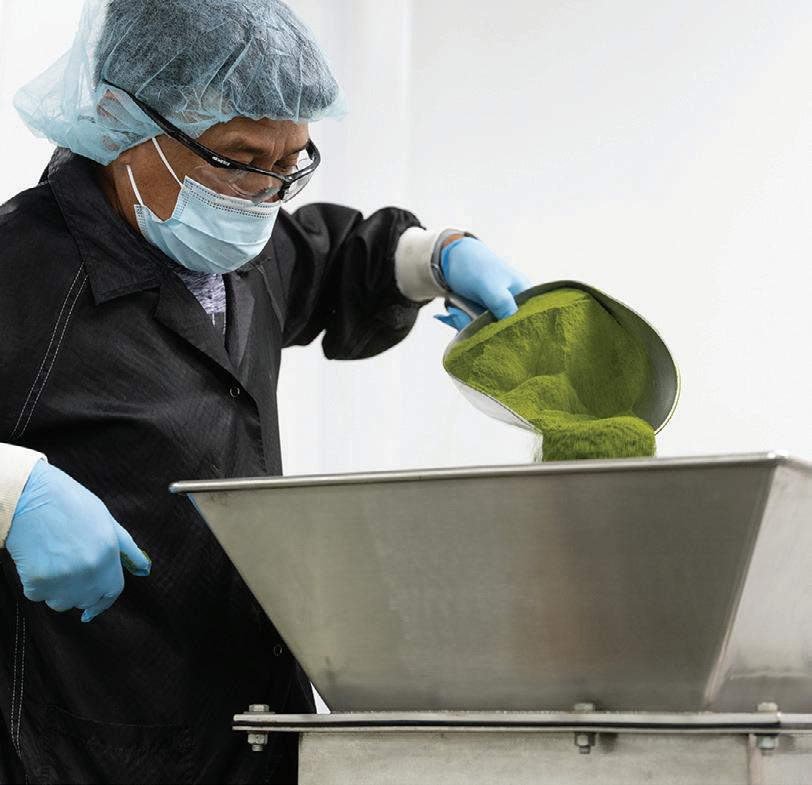
Left: Operator empties a scoop of hand-weighed powder into the mixer intake which remains stationary as the vessel turns.
Below: The Rotary Batch Mixer loads, blends and discharges from a stationary outlet in about 15 minutes.
Fast detection of beverage spoilage using the SureTect Multiplex PCR Assay
Spoilage in beverage production is primarily caused by microbial contamination from yeasts, bacteria and moulds, which can result in off-flavours and other issues such as cloudiness and bloated cans. In order to prevent the risk of spoilage, the Polymerase Chain Reaction (PCR) assay laboratory technique can be used to rapidly detect low levels of spoilage pathogens for quality assurance and the prevention of costly recalls.
The Thermo Fisher Scientific™ SureTect™ Beverage Spoilage Multiplex PCR Assay has now been launched to provide a rapid quantitative polymerase chain reaction (qPCR) solution for beverage manufacturers.
Designed to meet the specific needs of the beverage industry, the solution was developed using Thermo Fisher’s automated SureTect PCR Workflow platform after an industry collaboration with Coca Cola Europacific Partners (CCEP) back in 2023.
The industry collaboration involved Quality and Food Safety Manager for CCEP Raul Mesa, who was responsible for finding, selecting and implementing workflows for CCEP’s microbiology labs across 31 countries — his team required a scalable workflow solution to match their throughput.
With a technical background in microbiology, Mesa worked with Thermo Fisher to develop a PCR assay for the rapid detection of spoilage contamination in their beverage production environment.
“When we first implemented the SureTect PCR Workflow we started with the manual protocol. Our previous experience with PCR was quite laborious, but the SureTect PCR protocol is straightforward,” Mesa said.
“While our routine analysis could be done manually, the number of samples increases substantially during contamination events, making manual handling challenging. Automation allows us to smoothly handle a sudden increase in tests.
“Additionally, we’re working with Thermo Fisher to implement other PCR assays, so the use of automation greatly reduces our workload in the long run.”
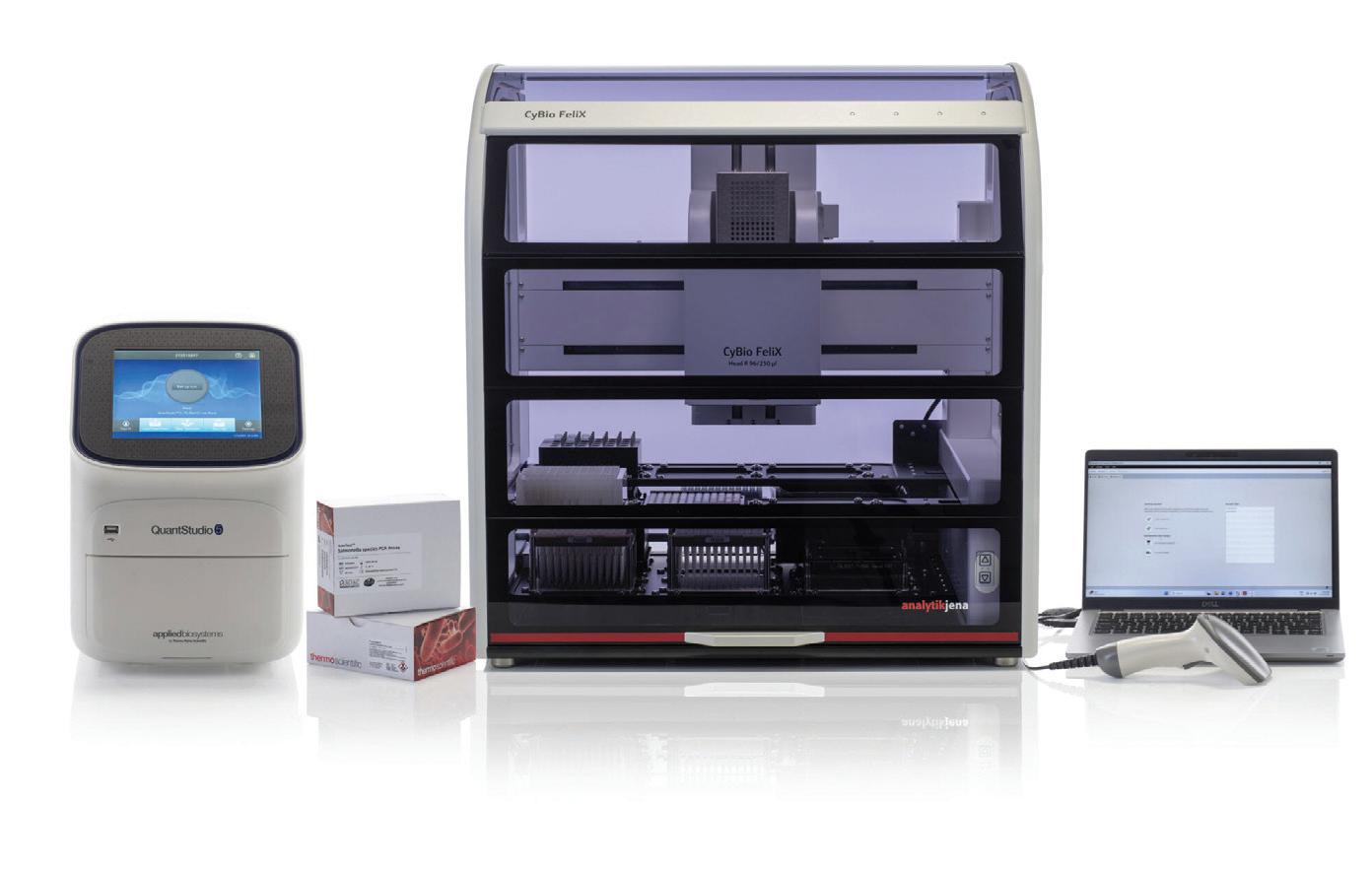
The team introduced the Thermo Scientific SureTect Automation Workflow using the CyBio™ FeliX, to reduce the hands-on demand of the upfront sample preparation:
“The instrument is really easy to use. We prepare our samples, reagents and consumables the same way as for the manual protocol. We load them onto the instrument and start the run. The instrument uses a robotic head and dual platform to prepare the samples just like a lab technician would, following the same sequence and volumes. At the end of the run, we simply take the samples from the instrument and place them in the [thermal cycler] for PCR,” Mesa said.
“I would like to add that it has a small footprint, which could be an important criteria of choice since some of our labs have limited space.”
Introducing the new platform to the lab and providing training were also key considerations to ensure a seamless workflow transition.
“One of the most challenging steps is getting lab technicians on board with the project. They need to be involved in selecting the technology. Then, give them time and confidence in the technology. It’s never a plug-and-play solution; it takes time to become confident. Allow people to make mistakes, experience cross-contaminations, and have false-positives. Like any technology, there’s a learning curve, so training is key. Our collaboration with Thermo Fisher was great in this regard,” Mesa said.
“After the initial training, we had weekly calls and refresher training sessions. This type of collaboration is crucial for the success of such a project.”
After implementing the platform, Mesa and the team subjected the workflow to rigorous testing:
“Our main concern was cross-contamination between samples, so we really challenged the system in that perspective. It passed all our tests successfully.
“We also ran accuracy tests comparing the automated process to manual handling, and the results were better with automation, which wasn’t surprising. Reducing human error leads to more consistent results when testing.”
About the SureTect Beverage Spoilage Multiplex PCR Assay
Thermo Fisher Scientific™ has launched the Beverage Spoilage Multiplex qPCR Assay as a result of this beverage industry collaboration. The solution is designed to rapidly detect a range of highly specific spoilage contamination in beverages from one PCR reaction.
Over 100 strains of the four of most relevant spoilage microorganism families for beverages can be quickly detected from aseptically produced and carbonated samples, including:
• Yeast and moulds (Y&M)
• Lactic acid bacteria (LAB) and acetic acid bacteria (AAB)
• Brettanomyces species
• Preservative-resistant yeasts (PRY)
Testing up to 96 samples in each run, the solution is simple to use and combines speed and performance in a cost-effective optimised platform for robust results up to four days earlier (depending on your current workflow), which supports fast decisions for early actions and provides high confidence in the production lines.
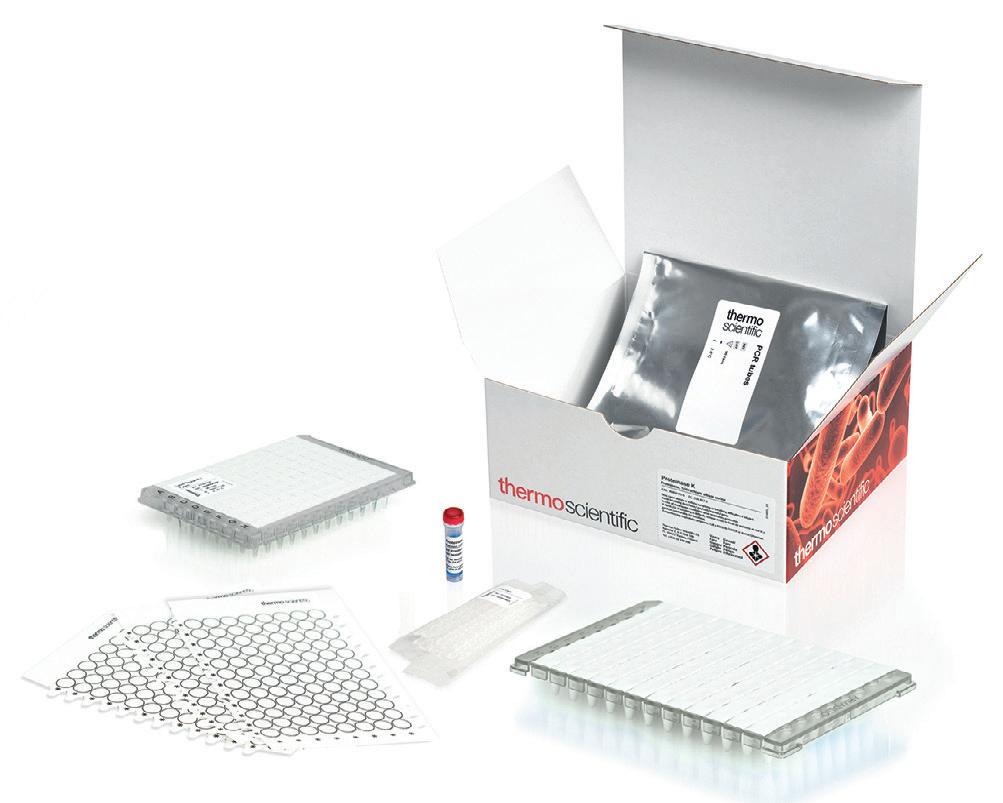
The SureTect Beverage Spoilage Multiplex PCR Assay includes:
• Lysis Plus Tubes
• Lysis Supplement
• Beverage Spoilage Multiplex PCR Assay Tubes
• Thermo Scientific 96-well Pierceable Seals (three sheets per kit)
• SureTect PCR Caps
The SureTect Beverage Spoilage Multiplex PCR Assay is validated on the Applied Biosystems QuantStudio 5 Food Safety Real-Time PCR System with RapidFinder Analysis Software v3.0 or later, allowing users to test easily and confidently. After completing the run, interpreted results are clearly displayed and can be reported, stored, printed or downloaded as required.
Whether your food and beverage testing laboratory is looking to introduce PCR technology specifically for beverages, or if you’re considering PCR technology for other products and services, we can help you find the right solution.
Learn more about the SureTect range at thermofisher.com/suretect.
Thermo Fisher Scientific thermofisher.com
METERING AND EMPTYING STATION FOR IBC s
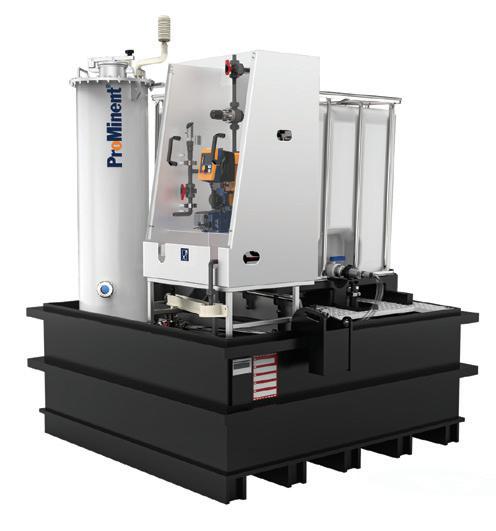
The DULCODOS SAFE-IBC F&B launched by ProMinent is a metering and emptying station for intermediate bulk containers (IBCs) that has been specially developed for the requirements of the food and beverage industry.
All components that come into contact with media comply with the requirements of Regulations EC 1935/2004 and EN 10/2011. The system thus reduces the risk of contamination in sensitive production areas.
The integrated intermediate container with a volume of around 80 L is designed to ensure that the dosing process continues without interruption even when changing the IBC. Leak-proof couplings and food-grade hoses prevent dripping and leakage. A wheel-accessible drip tray safely collects any residues and reduces the cleaning effort. A visual level indicator and automated alarm functions provide early warning of refilling or maintenance requirements. Sensors continuously monitor the process, thereby increasing operational safety.
The slightly inclined installation surface of the IBC is designed to ensure that residues are almost completely emptied. This reduces material costs and minimises waste. The system is CIP-compatible and can be cleaned without dismantling.
For dosing tasks, the station can be combined with the DULCODOS Compact DSKb F&B, a ready-to-connect dosing system that also complies with EC 1935/2004. Both components work together and enable hygienic and controlled dosing of liquid media. The modular concept allows easy integration into existing systems and can be flexibly expanded as required.
Optionally, the DULCOLEVEL radar sensor measures the fill level without contact and transmits the values automatically. This allows operators to keep an eye on their processes, and fulfil their documentation obligations for quality controls and audits.
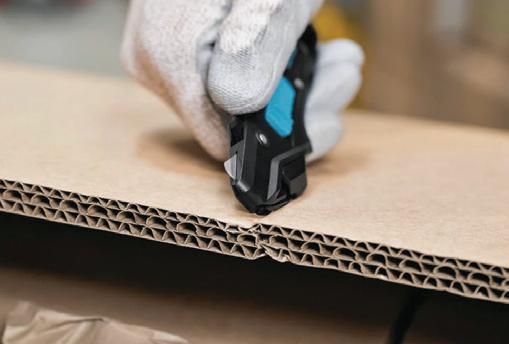
introduces the SECUMAX 370, a concealed blade safety knife designed for cutting thick cardboard in warehouse and distribution environments. The knife features a 10 mm cutting depth while keeping the blade fully concealed.
The SECUMAX 370 (Model 370001) handles 3-ply corrugated cardboard, shrink wrap, pallet strapping and adhesive tape. Key specifications include adjustable cutting depth (6–10 mm), 0.63 mm reinforced blade, 60 g weight and TÜV GS safety certification. The handle is manufactured from 60% recycled plastic.
Martor Australia
www.martoraustralia.com.au
OPERATIONS MANAGEMENT PLATFORM WITH AI MANUFACTURING CAPABILITY
Fishbowl, the maker of manufacturing and inventory management software for Xero and QuickBooks users, has launched its new cloud-based AI operations platform in APAC. Introducing AI operations assistant ‘Juno’, the platform debuts AI Manufacturing, which prepares jobs by checking materials, flagging shortages and generating work orders.
Designed for small and mid-sized businesses using Xero and Intuit QuickBooks, the platform delivers intelligent automation to manufacturing teams, reducing manual processes to drive sustainable scale. The launch marks the release of Fishbowl’s cloud-based platform in APAC, which connects inventory, purchasing, warehousing and production into one intelligent, optimised system that is built from the ground up with AI at its core.
Far more than just a typical AI chat interface, Juno acts as an autonomous operations specialist, doing the work that planners, buyers and production leads typically handle for manufacturing jobs. Unlike traditional systems, Fishbowl’s AI-native operations platform continuously evaluates crucial manufacturing workflow data such as vendor lead times, orders, inventory and bills of materials to identify what’s ready, what’s at risk and what action should be taken next.
The platform can be used to analyse business data and autonomously prepare, prioritise and streamline daily manufacturing execution.
The system translates operational data into ready-to-review actions, helping teams to: maintain accurate, real-time inventory visibility; prevent stockouts and excess inventory; prioritise picking, receiving and transfers; draft purchase orders aligned to supplier lead times and inventory requirement; and identify risks before they disrupt fulfilment.
With the AI manufacturing capabilities, businesses can use the platform to: know what is buildable before scheduling production; detect material shortages early; prepare manufacturing and work orders faster; draft purchase orders based on real constraints; and reduce manual planning time and optimise production schedules.
Juno, the AI operations assistant that sits at the centre of the new Fishbowl functionality, works continuously in the background, ensuring teams start each day with clarity, not uncertainty.
The platform is built for small and mid-sized businesses that want stronger operational control without the complexity and cost of a traditional ERP system.
By connecting accounting systems like Xero and Quickbooks with inventory, warehouse and manufacturing workflows, Fishbowl’s cloud solution creates a unified operational process that reduces spreadsheet dependency and improves execution consistency across teams.
This results in: faster operational decision-making; reduced manual administration; improved on-time performance; greater confidence in daily execution; and scalability without proportional headcount growth.
Fishbowl Inventory Asia Pacific www.fishbowlinventory.com.au
HYGIENIC COMPUTING SOLUTION
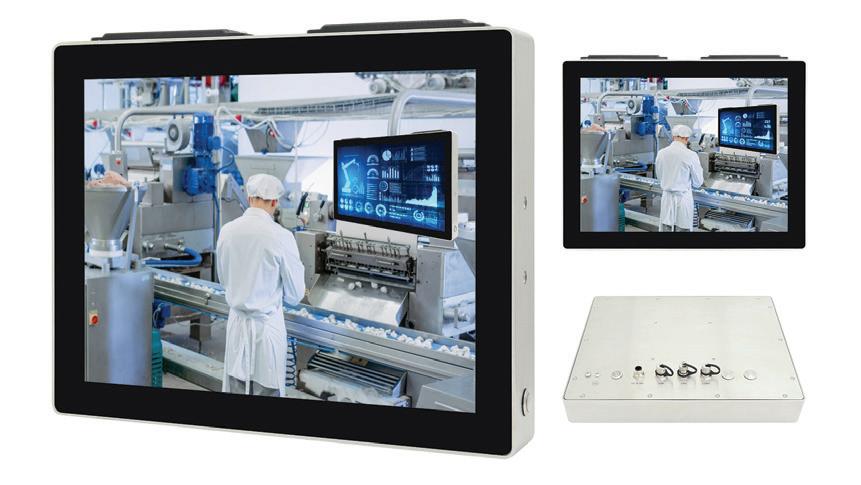
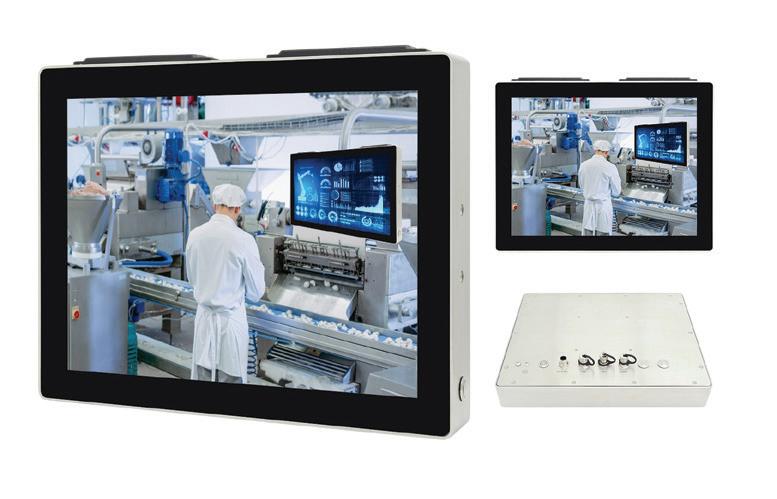
The Interworld Electronics NuTAM-815C is a 15″ IP66/69K fully sealed stainless steel panel PC engineered for hygienic industrial environments such as food and beverage processing, pharmaceutical manufacturing, and cleanrooms. Powered by an Intel Atom x7425E Quad Core processor, the system provides efficient performance for modern industrial applications, supporting up to 32GB of high-speed DDR5 memory and flexible SSD storage options.
The 1024 x 768 resolution display features a true-flat front bezel and a projected capacitive multi-touch screen, offering a durable interface for high-traffic areas. For maintenance, a dedicated touch on/off button allows operators to disable the screen for hygienic wipe-downs without powering down the system. For environments with high ambient light, options include a 1000-nit high-brightness panel, optical bonding and anti-glare coatings.
To maintain waterproof integrity, the unit uses high-grade M12 connectors for all I/O, including USB2.0, COM, and 2.5GbE LAN. Two expansion slots allow for additional M12 ports, such as USB3.2 or HDMI, while internal slots accommodate optional Wi-Fi, 5G, and RFID modules.
Constructed from Grade 304 stainless steel, with Grade 316 available for increased corrosion resistance, the chassis is fully sealed and IP66/69K-rated. This allows the unit to withstand high-pressure and high-temperature water jets. The system operates between -20 and 60°C and supports a 9–36 VDC power input. With VESA and yoke mounting options, the NuTAM-815C is suitable for environments where sanitation and durability are essential. Interworld Electronics and Computer Industries www.ieci.com.au
NAVIGATE SUPPLY CHAIN DISRUPTIONS
Shaking up machine changeover times on cartoning line
Food and beverage manufacturers are producing an increasing variety of products and packaging materials. This requires smaller batch sizes, which means frequent machine changes to adapt to different packaging size formats. To remain competitive in today’s market, fast and efficient changeovers are essential.
Efficient changeover operations are a constant challenge in the food and beverage industry, especially when the process is completely manual. Discovering whether the changeover process has been carried out completely and correctly can only be done by starting production and checking the parts produced. With such a large number of influencing factors, the machine may be down longer than planned in the process; material runs can also be more expensive than expected.
The challenge: manual processes cause inconsistencies
An American food manufacturer of shakes, protein bars and infant formula found that the format changeover time on its cartoning line was subject to large fluctuations — 90
minutes on average and up to four hours.
The time required to change the parts and set the change points depended to a large extent on one factor: the experience of the personnel. The time required for format adjustment varied from operator to operator.
The cartoner works with five different packaging sizes, each consisting of 10 changeover points. Many variables significantly increase the probability of errors. When setting the specified distances, the operators were guided by marks made on the machines. However, these were very imprecise, so the distances were set differently depending on the operator. There was no way to determine if all change points were in the correct position before production resumed. This often resulted in product and packaging waste.
The solution: guided format setting for optimised processes
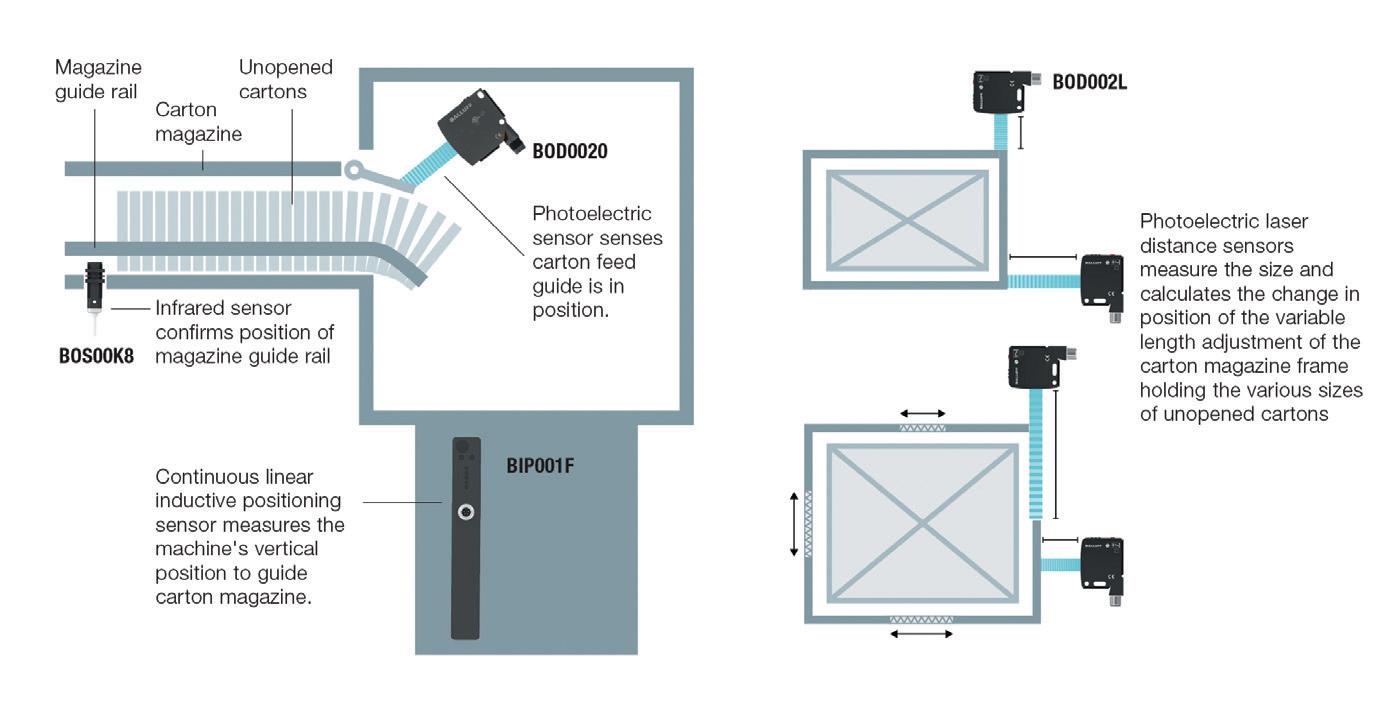
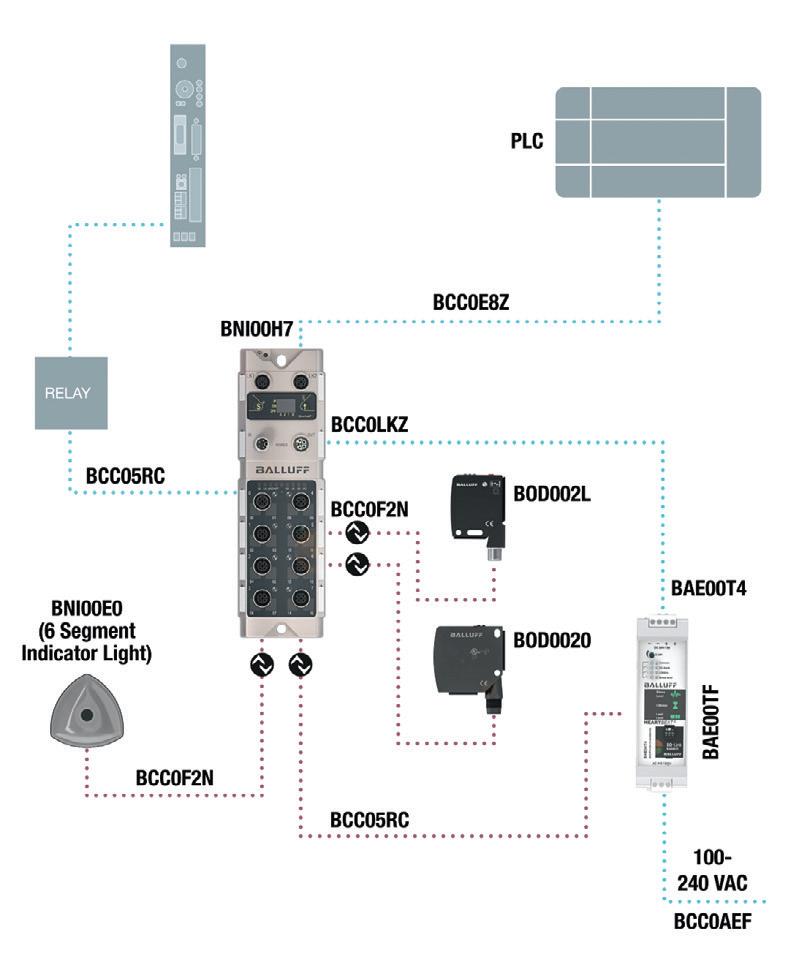
The manufacturer decided to test and then implement guided format adjustment using Balluff sensors on the most critical component of the machine, the cartoner’s magazine.
On the recommendation of Balluff experts, an IO-Link control architecture was installed that meets the particularly high hygiene and safety requirements in this washdown area.
Connected laser distance sensors and inductive position sensors detect the positions of the adjustable machine components during the changeover and considerably simplify a correct format change. The sensor connections on the BNI IO-Link network module also indicate the functional status of the connected sensors. This provides additional troubleshooting options during maintenance.
However, there was one hurdle to overcome: the cartoner’s machine control system was not modern enough to be connected to the IO-Link network module. But a solution was found for this as well.
Greg Molinaro, Director Packaging, Food and Beverage, Balluff Americas
A palletiser in the line had a newer machine control and could be connected to the IO-Link network module. The palletiser thus served as a bridge to the control of the cartoner. An output from the network module to the cartoner’s PLC serves as an indicator that all settings have been made correctly and the machine is ready for operation. With this solution, all components could be integrated into the existing plant structure without major intervention.
The result: error-free and efficient format adjustments
After overcoming the last hurdle, the food producer was able to retrofit the machine with linear position sensors and successfully implement guided format change.
With this IO-Link solution, the employees’ workflow changed. Instead of timeconsuming manual testing of the correct settings at each individual position, the operator selects the desired format on the HMI. On the display, they directly see set values as well as current measured values of the connected sensors.
In addition, a programmable SmartLight shows the operator the status of the format
change. It flashes blue and red when a change is required on the machine and lights up green when all components are in place. Both scrap and rework time have been significantly reduced as a result. Changeover time has been minimised to 30 minutes — an improvement of at least 65%.
In addition, errors in the changeover process are easier to detect. Machine operators can now easily determine which components are not set correctly without having to make unnecessary material runs. Maintenance personnel can use the SmartLight to see remotely whether the changeover process has been carried out correctly.
The successful introduction of guided format change encouraged the manufacturer to implement additional change part detection and access control to the machine using RFID technology. Because the IO-Link architecture is modular and expandable, they were able to easily incorporate the RFID sensors without significant development effort or the need for a separate control architecture.
For more information, please contact sales@balluff.com.au.
This is an edited version of a Balluff case study, which has been republished with permission.
Voice technology used to transform cold storage warehouse
Dematic has implemented its Voice solution for a global cold storage provider at two of its Australian distribution centres in Melbourne and Adelaide.
Being used to replace a legacy system that was creating inefficiencies and operational challenges, the Dematic Voice solution is being rolled out following a successful proof of concept across both locations. This test phase demonstrated how the solution could be used to improve operational efficiency, enhance user satisfaction and address longstanding challenges.
“The feedback from our customer’s operations team was overwhelmingly positive,” said Robert Deane, Connect Workforce Solutions (CWS) Sales Manager Southern Region & New Zealand at Dematic ANZ. “Operators were impressed by the system’s voice recognition capabilities and intuitive interface. One of the most common questions our customer received from their team was, ‘When can we start using this?’ The success of the proof of concept confirmed that Dematic Voice was the right choice.”
EVAPORATOR RANGE
With features such as advanced voice recognition and gamified workflows, the solution is designed to streamline processes across diverse operational environments. It also introduces advanced features that are designed to increase productivity, streamline workflows, engage users and improve accuracy.
Voice picking has been shown to achieve accuracy rates of 99.8–99.98%, an improvement over other methods like pick-tolight (PTL). This precision is crucial in fast-paced environments such as cold chain distribution centres, where even minor errors can disrupt the supply chain.
“Our data shows that companies using voice technology as part of a broader warehouse optimisation strategy see productivity gains of 25–35% for case picking and piece picking,” Deane said. “This is especially important for facilities like our customer’s site in Melbourne, where operational scale requires extremely high efficiency.”
Another capability of the solution is gamification through CWS Reports, which introduces friendly competition to the warehouse floor. Tools like the Top Picker User List provide real-time insights into individual performance.
“The gamified elements of Dematic Voice are transformative,” Deane said. “Recognising top performers and fostering friendly competition encourages operators to consistently push for excellence. It’s a simple concept with a powerful impact on productivity and engagement.”
Additional features, such as Pick Quantity Countdown provide operators with real-time updates on the number of items remaining for each pick. This feature is designed to ensure task accuracy and keeps operations on track. The solution also includes a visualised pick-list interface on Android devices and a Pallet Wizard, which is currently in development, to further optimise workflows.
Dematic’s approach focuses on tailoring the solution to meet specific site requirements. This ensures that operators can work more efficiently and with greater accuracy, improving overall productivity and reducing operational strain.
“Our tailored approach allows us to align solutions with the unique requirements of each customer site,” Deane said.
Dematic Pty Ltd
www.dematic.com.au
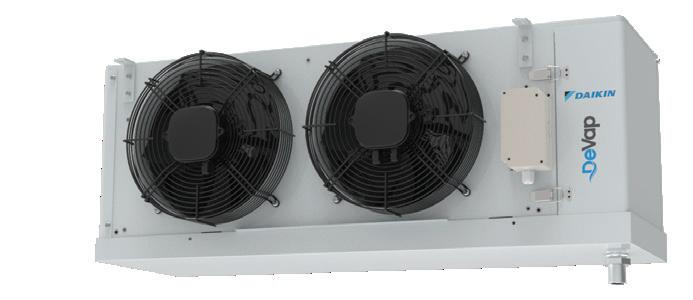
Daikin Australia has enhanced its refrigeration capabilities by introducing its DeVap evaporator range into its existing condensing unit portfolio, which enables a complete refrigeration solution for the local market.
Designed specifically for Australian conditions, the range of evaporators was developed after extensive onsite research conducted across metro and regional New South Wales and Queensland, including fish markets, supermarkets, meat wholesalers, delicatessens, wineries, liquor outlets, produce specialists and ice cream manufacturing facilities. These insights shaped a design which makes it suitable for the local climate, including ambient humidity levels and everyday operating demands.
Suitable for Australian installation and replacement projects, the range integrates with Daikin’s broader refrigeration portfolio and supports the transition to lower GWP refrigerant alternatives, including R448A, R452A and R513A. Combined with installer-focused design that supports precise installation and commissioning, simplifies servicing and reduces ongoing maintenance demands, the range can provide businesses with a sustainable refrigeration solution.
It is suitable for businesses such as supermarkets, convenience stores, service stations, hospitality venues, liquor outlets, food processing facilities, delicatessens, butchers and healthcare environments.
Daikin Australia
www.daikin.com.au
Swisslog’s multi-temperature automation modernises cold storage and logistics
Australia’s food and beverage manufacturers are under increasing pressure to manage complex product ranges, strict temperature requirements, and rising operational costs, while maintaining food safety, traceability and production efficiency. As product variety grows — from frozen ready meals and dairy to fresh ingredients and ambient packaged goods — many facilities are struggling with fragmented storage, manual handling and constrained warehouse space.
Swisslog, a global leader in warehouse automation, is helping food producers rethink cold storage and intralogistics through integrated solutions that combine automated pallet handling, AutoStore grid automation and intelligent software orchestration.
Automating pallet flows across production and cold storage
Pallet automation remains critical within food processing environments, particularly for raw materials, bulk ingredients, finished goods and outbound distribution. Swisslog’s automated pallet technologies are designed to handle these high-volume workflows while supporting hygiene, safety and operational consistency.
Solutions such as high-speed pallet shuttle systems and pallet stacker cranes enable food manufacturers to maximise storage density while maintaining fast access to stock. Automated systems can operate across a wide temperature range — from frozen storage to ambient production areas — ensuring seamless movement between manufacturing lines, cold rooms and dispatch zones.
“By automating repetitive transport and storage tasks, processors can reduce reliance on manual forklift operations, improve workplace safety and maintain consistent throughput even during labour shortages or seasonal production peaks,” says Steve Dimitrovski, Director of Sales, Swisslog Australia and New Zealand.
A single automated system for multiple temperature zones For many food producers, managing
frozen, chilled, and ambient inventory typically requires separate storage areas or systems, increasing energy consumption and operational complexity. Swisslog’s tritemperature AutoStore solution introduces a different approach by enabling distinct thermal zones within a single automated grid.
This compact, cube-based automation platform allows a wide variety of SKUs — including small, packaged goods, ingredients, and value-added products — to be stored and retrieved efficiently while maintaining strict temperature integrity. Robots travel across the grid to deliver goods to ergonomic workstations, minimising manual handling and reducing the time operators spend inside cold environments.
“The result is improved picking speed and accuracy, enhanced stock control and more efficient use of available space — key benefits for facilities where refrigeration costs and floor area constraints significantly impact operating expenses,” says Dimitrovski.
Intelligent software enables traceability and production integration Central to Swisslog’s solutions is its SynQ software platform, which coordinates automation technologies across the entire facility. For food and beverage operators, this provides end-to-end visibility of inventory movements, order status and equipment performance.
SynQ integrates with production planning systems, warehouse management platforms, and enterprise resource planning tools to synchronise storage and fulfilment with manufacturing schedules. This allows businesses to manage batch tracking, expiry dates and recall requirements more effectively while optimising labour and equipment utilisation.
Real-time data also supports quality assurance and compliance initiatives by maintaining detailed records of product movement and environmental conditions — an increasingly important factor as regulatory requirements and customer expectations continue to evolve.
Real-world results in temperaturecontrolled food distribution
Globally, food and beverage operators are already seeing tangible benefits from integrated multi-temperature automation. In France, food distributor La Réserve des Saveurs implemented Swisslog’s tritemperature AutoStore solution to manage frozen, chilled, and ambient goods within a single automated system.
The project significantly reduced order fulfilment times — transforming processes that once took an hour into tasks completed within minutes — while improving picking accuracy and storage density. The automated system also enhanced temperature control and reduced manual handling, contributing to safer working conditions and more consistent operations.
Building resilient, scalable food supply chains
As Australian food manufacturers face increasing pressure to deliver fresher products faster while managing labour shortages and energy costs, automation is becoming a strategic investment rather than a future consideration. Integrated solutions that combine pallet automation, multi-temperature AutoStore systems and intelligent software offer a scalable pathway to modernising both cold storage and production logistics.
“By adopting flexible automation designed specifically for temperature-controlled environments, food and beverage facilities can improve operational resilience, reduce waste and energy consumption, and position themselves for continued growth in an increasingly complex supply chain landscape,” concludes Dimitrovski.
Explore how Swisslog’s pallet solutions and AutoStore multi-temperature solutions can transform your next project, or contact the Australian team on +61 2 9869 5900.
Swisslog Australia www.swisslog.com.au
Managing the hygiene gap between cleans in coldchain environments
Step into almost any refrigerated storage room and the environment appears well controlled. Cleaning schedules have been completed, sanitation records are signed off, and surfaces present as clean. From a compliance perspective, the room satisfies requirements.
Yet many operators continue to report recurring mould growth in predictable locations, including ceiling joins, evaporator housings, door frames, high-moisture corners and air return pathways. This recurrence does not necessarily indicate failure of cleaning programs. Rather, it reflects the operational reality that cleaning is episodic, while refrigerated environments function continuously.
Cold temperatures slow microbial growth; they do not eliminate survival. Throughout the operating day doors are opened, warm air enters, condensation forms and reforms, and mechanical airflow circulates moisture and particulates. Following a scheduled sanitation reset, environmental pressure can gradually rebuild. This pattern is influenced by humidity, airflow dynamics, dwell time and human activity, particularly in highthroughput cold-chain settings.
As a result, a growing number of facilities are reconsidering how hygiene is managed between scheduled cleans. The question
One example of this approach is an Australian innovation by Coolsan Australia called ChillSafe, a HACCP International & Organic Certified ultra-low-dose hydrogen peroxide vapour system for use in refrigerated food premises. The system is designed to control biofouling, the grime, mould and microbial build-up that accumulates on cooling mechanics (FDC units) and surfaces during daily operations. It operates continuously between scheduled cleans to help control these contaminants and is presently in use across Australia and other international markets.
is not whether cleaning remains essential, but how environmental pressure may be stabilised during the intervals when no active sanitation step is occurring.
One approach now being applied in certain refrigerated environments involves the continuous delivery of ultra-low concentrations of hydrogen peroxide vapour as a background environmental support measure. Unlike periodic disinfection events, this model applies a steady oxidative presence during normal operation. It is not positioned as a replacement for established
cleaning regimes, nor as a terminal disinfection process, and it does not require production shutdown.
Instead, the objective is to provide ongoing environmental support during the operational cycle, thereby moderating the gradual build-up that may occur between cleans. Facilities deploying this method in high-moisture cold rooms report improved stability in managing recurrent mould pressure over extended operating periods.
For any environmental control layer to be viable within food manufacturing, integration is critical. The system must align with existing airflow patterns, be suitable for occupied food environments, support HACCP frameworks and avoid introducing additional labour or complex infrastructure. When correctly implemented, such measures operate unobtrusively alongside established hygiene procedures.
Within contemporary HACCP practice, emphasis is increasingly placed on continuous improvement and proactive risk management. While sanitation resets remain fundamental, greater attention is now being directed to the interval between them. In cold chain operations characterised by longer dwell times and tightening compliance expectations, managing this between-cleans window may represent an important evolution in environmental hygiene strategy.
Coolsan Australia
In 2026, packaging providers continue to face impending deadlines for new national packaging regulations that will enforce mandatory packaging standards across Australia. These include removing harmful chemicals from packaging; mandatory recycling labelling to provide clear instructions encouraging increased recycling; and enforcing minimum thresholds for recycled content in packaging to drive demand for domestic end-markets.
Following the collapse of REDcycle three years ago, soft plastics recycling re-emerged in 2025, with the opening of Australia’s first large-scale recycling facility in NSW receiving soft plastics from trials in Queensland, NSW, South Australia and Victoria, and some return-to-store programs.
Australian consumers also remain highly cost-conscious, as the latest data shows inflation is still above the Reserve Bank of Australia’s (RBA) 2–3% target range. This persistent pressure has led to a slump in consumer confidence and concerns about potential future interest rate rises.
These market movements are influencing the following trends, which we are going to
packaging trends set to reshape the industry in 2026
Australia’s packaging industry is in the early stages of a year shaped by ongoing regulatory change, re-emerging soft plastics recycling, rising cost pressures and rapid product innovation, according to new insights from Jet Technologies.
see in the packaging sector throughout the year ahead.
1. Innovation continues in recyclable materials
Global innovation in technically recyclable soft plastics continues to accelerate, with significant improvements in performance, shelf life and cost efficiency compared to early alternatives.
“What we’re seeing today is a very different generation of materials,” said Daniel Malki, General Manager at Jet Technologies. “In many cases, recyclable options now outperform earlier structures and are far more viable for commercial use.”
Despite these advances, Malki said local momentum around technically recyclable soft plastics has slowed, even as global progress continues. “Early adopters have already made the move, but most brands are waiting for legal obligations to arrive, which won’t likely be until FY271,” he explained.
“Even where recyclable structures offer comparable performance and cost, on the whole, we find that clients are hesitant to act without regulatory pressure.”
2. Compliance pressures and operational barriers persist
Despite growing opportunity, packaging organisations continue to face rising compliance costs and administrative demands, particularly around recyclability claims in areas where recycling infrastructure remains limited.
In many cases, brands are unable to transition to recyclable materials without upgrading existing machinery, creating a gap between sustainability ambition and operational reality.
“Supporting clients through these challenges will be a defining role for packaging companies in 2026,” Malki said. “Preparation for upcoming regulatory requirements will become a core part of customer relationships.”
3. Value and function drive packaging decisions
At the same time, brands are under pressure to demonstrate value as consumers tighten discretionary spending. Rather than increasing prices, many are
adjusting pack formats to stay within household budgets, downsizing products like coffee from 1 kg to 700 g to keep unit pricing accessible. Others are passing on price increases while offering 10–15% extra volume as a way of reinforcing value.
Functionality is also reshaping packaging strategies across food and beverage. Highprotein, wellness and performance claims are driving a constant flow of new product variations, often resulting in short-run SKUs that may only remain on-shelf for a matter of months.
“This pace of change creates real complexity for brands and converters,” Malki explained. “Packaging needs to support frequent artwork updates, smaller batch sizes and faster turnaround without the cost burden of traditional print methods.”
4. Digital print and interactivity gain momentum
These pressures are accelerating demand for digital print technologies, allowing brands to scale production up or down, customise packaging and introduce embellishments
without committing to long production runs.
Digital interactivity is also emerging as a key growth area, with QR codes and connected packaging enabling brands to engage consumers beyond the shelf.
“Interactive packaging is becoming a practical tool rather than a novelty,” Malki said. “It allows brands to share recipes, product information or sustainability details, while also creating opportunities to better understand their customer base.”
5. Changing consumer behaviour reshapes demand
Jet Technologies also points to shifting consumer behaviour as a key influence on packaging demand. While sustainability remains important, affordability is increasingly the primary purchasing driver, with more families eating at home and grocery volumes continuing to grow.
As the industry looks further into 2026 and beyond, Jet Technologies says packaging organisations that invest in digital capability, align production with client needs and actively guide brands through regulatory change will be best positioned for growth.
1. APCO CEO Chris Foley on national packaging reform (including Extended Producer Responsibility and broader regulatory change) — National Packaging Reform: Turning brand leadership into consistent outcomes (13 Jan 2026): https://apco.org.au/ news/20YOl00000Y6u4FMAR?
Daniel Malki, General Manager at Jet Technologies.
Keeping PEZ tablets rolling with reduced downtime
PEZ is one of the most recognisable sweets brands, known for its collectible dispensers and playful presence on store shelves for generations. But behind the fun exterior is a fast-paced manufacturing operation where precision and reliability are critical.
At the company’s US facility in Orange, Connecticut, more than 1.5 million tablets are produced every hour, with packaging lines reaching speeds of 350 rolls per minute. The plant includes both traversing and linear lines, all operating in a sugar-dusted environment where fine particles hang in the air — conditions that can be tough on coding equipment over time.
Looking to reduce downtime caused by cleaning, maintenance and start-up, as well as to improve print consistency across its lines, PEZ turned to Leibinger for a solution.
“Ever since we switched over to the LEIBINGER printers, the process is simple: turn them on, print, done,” said Gerry Figueroa, PEZ’s Maintenance Lead. “Our downtime has been drastically reduced.”
COLD SEAL COATING FOR PAPER PACKAGING OF SNACKS AND CONFECTIONERY
Unlike traditional CIJ printers that often require daily cleaning, Leibinger systems are designed to stay ready. A fully automatic nozzle sealing system keeps the nozzle airtight during downtime, while continuous ink circulation throughout the system prevents clogs and maintains stable viscosity. Together, these features allow for clean startups — even after extended production pauses. With programmable auto-start, the printers are up and running before the first operator walks in the door.
The Leibinger system also brings added simplicity to daily operations. With VNC (virtual network connectivity), operators can monitor and adjust printers remotely, minimising interruptions on the floor. A single ink formulation is used across all coding processes, streamlining both consumables management and handling. The automatic nozzle seal also ensures that no solvent evaporates during print pauses, significantly reducing consumption.
“It’s more in the background. It’s no longer in the forefront — and that’s exactly what I want from a printer,” said Tony Cangiano, PEZ’s Maintenance Manager. Leibinger www.leibinger-group.com
Henkel has introduced the Loctite Liofol CS 7106 RE cold seal coating solution specifically designed for barrier-coated paper packaging.
Developed in response to the increasing demand for paper-based packaging, the solution is designed to create a secure seal without heat exposure, making it suitable for applications in the snack and confectionery sectors.
The cold seal coating solution is designed to provide a strong, permanent seal with good adhesion properties. Suitable for a wide range of paper grammages, it is press-ready and has good aging properties. It also tolerates typical migrants from paper substrates, thus preventing process-related fluctuations in performance. Its recycling compatibility has been verified by an accredited certification institute, and it is compatible with mechanical paper recycling.
For manufacturers, the new solution is designed to ensure consistent cold sealing performance on barrier-coated paper structures, and it can be processed on existing high-speed lines. This is particularly important in the snack, ice cream and confectionery industries, where packaging contents are sensitive to heat. As sealing is achieved without thermal exposure, product quality and aroma can be preserved while the mechanical stress on packaging material remains minimal.
The solution is part of Henkel’s RE range of adhesives and coatings specifically developed for recycling-compatible packaging design. Henkel Australia Pty Ltd www.henkel-adhesives.com
Solving the limitations for paper packaging
Paper-based packaging is regarded as a sustainable alternative to plastics, yet its poor resistance to water and oil has limited its applications, particularly in food packaging. Now, researchers have presented a new coating strategy that could address the challenges that currently limit its usage.
In a study published in Journal of Bioresources and Bioproducts, researchers have presented a coating strategy that integrates biodegradable components into a lignin nanoparticle-stabilised Pickering emulsion — uniting water resistance, oil repellency, biodegradability and recyclability in paper-based materials.
The new approach uses the amphiphilic nature of lignin nanoparticles to stabilise an oil-in-water emulsion composed of polyvinyl alcohol (PVA) and stearic acid (SA), forming a multifunctional coating that can enhance the water- and oil-resistance properties of the paper while remaining fully degradable and easily recyclable.
While there are other solutions that can improve barrier properties, such as fluorinated coatings or polyethylene laminates, they have can limitations such as undermined recyclability.
In this new system, PVA serves as a hydrophilic, film-forming polymer in the aqueous phase, providing mechanical reinforcement and oil resistance through a dense hydrogen-bonded network. Stearic
acid, a naturally derived fatty acid, acts as the hydrophobic oil phase, imparting water repellency. Lignin nanoparticles, prepared through a solvent-exchange self-assembly process, irreversibly adsorb at the oil–water interface, stabilising the emulsion without synthetic surfactants. This Pickering emulsion design enables the uniform dispersion of hydrophobic components within a water-based coating system.
When applied to paper substrates, the emulsion forms a continuous and compact coating layer that seals surface pores and creates a synergistic barrier against both water and oil. The coated paper exhibits a water contact angle exceeding 110°, a Cobb 60 value below 18 g/m2, and a Kit oil resistance rating above 9/12 — levels comparable to those of commercially used plastic-coated papers. At the same time, tensile strength and wet strength are significantly improved, allowing the paper to maintain structural integrity even after prolonged water exposure.
Beyond barrier and mechanical performance, the study places strong
emphasis on end-of-life considerations. Unlike conventional plastic-coated papers, the reported coating can be removed through a simple hot-water repulping process. During recycling, PVA dissolves, stearic acid melts and disperses, and lignin nanoparticles are released, enabling clean recovery of cellulose fibres without degrading recycled paper quality. Soil burial tests further demonstrate that the coated paper fully degrades within approximately 120 days, while polyethylene films show no observable degradation under identical conditions.
Food-based applications tested
The coated paper has also demonstrated functional advantages in food preservation. Packaging tests using fruits such as bayberries, grapes and cherry tomatoes show that the coating effectively reduces moisture loss by lowering water vapour transmission, extending freshness compared with uncoated paper. These results suggest potential applications in fresh produce and food packaging, where moisture control is critical. By combining biomass-derived materials with Pickering emulsion technology, the reported strategy provides a scalable and environmentally benign route to highperformance paper packaging. While further optimisation is needed — particularly in simplifying lignin nanoparticle production and improving gas barrier properties — the work illustrates how renewable nanomaterials can help bridge the performance gap between paper and plastics.
PACKAGING WITH BARRIER FOR SENSITIVE PRODUCTS
The KHS SUPREME system is designed to take the protection of oxygen-sensitive beverages up to the next level. It combines the benefits of glass with the handleability of PET by applying KHS’s Plasmax barrier technology.
Suitable for quality-sensitive products such as green tea, the barrier technology provides a thin, transparent layer of silicon oxide that coats the inside wall of PET bottles like glass. Less than 100 nanometres thick, it is designed to protect the sensitive bottle content from oxidation, retaining its taste, colour and quality for lengthy periods of time.
This technology, originally developed for pharmaceutical glass containers, is based on many years of research. The first Plasmax systems were piloted in the food sector back in the early 2000s. Since then, KHS has further developed its Plasmax barrier and this year scaled it up to industrial production speeds of up to 60,000 bottles per hour.
The Plasmax technology is recyclable as the glass coating can be removed by caustic during the recycling process without affecting the quality of the material. The coating is also fully compatible with 100% rPET.
KHS will be presenting its system at interpack in Düsseldorf, Germany, from 7–13 May in Hall 13, Booth A31.
KHS Pacific Pty Ltd www.khs.com
RECYCLABLE FILM FOR FRESH PRODUCE PACKAGING
The Innovia Films P2G is a clear high gas transmission BOPP film designed for flow wrap packaging of fresh produce packaging, including pre-prepared vegetables.
By optimising gas transmission rates, the film supports respiration control, which can help to enhance freshness and extend shelf life, ultimately reducing food waste.
Heat-sealable on both sides, the film provides a clear shelf appeal of produce. It is puncture- and impact-resistant at low temperatures for protection during transportation and storage, while remaining unaffected by variations in climatic conditions.
Engineered to combine functionality and sustainability, the mono-material polypropylene film is fully recyclable in the PP waste steam. Its recyclability, combined with its ability to extend shelf life, can contribute to a reduction in food waste across the supply chain.
The film can incorporate chemically recycled and bio-sourced ISCC-certified polymers via mass balance to assist with recycled content targets and reduce dependence on fossil-based resources. It is also fully aligned with the upcoming EU Packaging and Packaging Waste Regulation (PPWR).
Suitable for packaging leafy greens, chopped vegetables or other fresh produce, the film is printable for branding and customisation.
Innovia Films Pty Ltd www.innoviafilms.com
BLOCK CONCEPT FOR FILLING BEER INTO GLASS BOTTLES
The Krones Dynafill Bloc FL block concept for filling beer into glass bottles has been designed to save floor space — it only requires about 155 m2, which is over 60% less than a conventional machine layout.
The concept combines the Dynafill filler with a labeller (such as an Ergomodul with cold-glue labelling stations) in a compact block. The key to its compact design is that instead of multiple transfer worms, just a single, newly developed, pitch-adjusting starwheel is integrated between the filler and the labeller. This starwheel can even out different machine pitches (from 87 to as much as 126 mm in both directions), thus minimising the amount of floor space required for the blocksynchronised unit. The pitch-adjusting starwheel can be used for other machine combinations as well, such as a filler and a rinser.
The filler also saves space as it combines the filling and capping processes in a single unit where bottles are capped immediately after they’re filled.
Advantages include: there’s no need for a separate capper; emptying sections are unnecessary; and the integrated filling and capping sequence can have a positive impact on product integrity and quality as the oxygen content can be completely controlled.
As the unit enables warm filling at up to 30°C and a maximum filling pressure of 5 bar (without compromising quality), additional tunnel heaters for preventing condensation can be reduced or even eliminated.
Krones (Thailand) Co Ltd www.krones.co.th
Packserv Launches PLC-Controlled Capping Machine
Packserv has launched its latest innovation in packaging automation, an Industry 4.0-enabled, PLC-controlled capping machine engineered for higher productivity, ease of use, and modular integration across packaging lines.
Designed and manufactured in Australia, the new machine reflects Packserv’s continued focus on practical automation that delivers measurable impact on the production floor.
“This isn’t just about building another machine,” says Nathan Wardell, Managing Director of Packserv. “It’s about creating equipment that genuinely makes operators’ lives easier while giving supervisors the insights they need to optimise production.”
Smart, Intuitive Control
At the heart of the new capping machine is a Programmable Logic Controller (PLC) paired with an intuitive Human Machine Interface (HMI) touchscreen. Packserv’s team emphasises that this combination transforms what can often be a complex setup process into a simple, user-friendly experience for operators at all skill levels.
“The HMI touchscreen is all about clarity,” explains Nathan. “Operators can navigate menus, save and recall previous jobs, and switch between products quickly. It’s designed to reduce setup time and eliminate unnecessary complications.”
Key features include:
• Save and recall previous jobs: Operators can store multiple product configurations directly in the system. Changeovers become faster and more consistent, reducing manual adjustments and minimising the risk of operator error. This is particularly valuable for manufacturers managing frequent SKU variations or short production runs.
• Track completed jobs: Built-in production tracking provides real-time visibility of output and performance.
Supervisors and production managers can monitor completed jobs, analyse throughput trends, and identify
opportunities for improvement.
• Reduced setup time: By simplifying configuration and centralising controls, the machine significantly decreases changeover time, helping manufacturers maintain momentum across shifts.
“These features aren’t just about adding more technology,” says Nathan. “They’re about delivering practical benefits.
Operators spend less time adjusting settings and more time running production, while managers gain clear insights into how their lines are performing.
Industry 4.0-Enabled Performance
The PLC-controlled architecture supports Industry 4.0 functionality, giving manufacturers greater visibility and control over their operations. Real-time data capture improves decision-making, while consistent control logic ensures reliable capping performance across different container types and cap formats.
By reducing downtime, improving throughput, and enabling performance monitoring, the machine enables manufacturers to operate leaner, more responsive production environments. The result is a capping solution that not only performs mechanically but also contributes strategically to overall line efficiency.
Modular Design for Production Line Integration
Packserv has engineered the capping machine with modularity and integration in mind. It integrates with filling machines, labellers, printers, conveyors, infeed and accumulation tables to create a cohesive packaging line.
Whether a manufacturer is building a new production line or upgrading existing equipment, the modular design reduces complexity and simplifies installation. Standardised interfaces and shared spare parts across Packserv equipment simplify maintenance and servicing, minimising disruption and supporting long-term reliability. The design also allows for future expansion. As production volumes grow or
new products are introduced, the system can be scaled or reconfigured without requiring a complete line overhaul.
Built for Operators and Production Teams
From development through to deployment, Packserv placed a strong emphasis on operator experience. Packaging machinery must perform consistently, but it also needs to be intuitive. The PLC-controlled capping machine reflects this balance, combining advanced automation with practical usability.
For small batch producers, the ability to change over quickly and accurately can protect margins. For high-volume manufacturers, reducing downtime and improving visibility across shifts can significantly improve output and planning accuracy. In both cases, efficiency on the line translates into lower operating costs, improved quality, and greater responsiveness to customer demand.
Looking Ahead
The rollout also marks Packserv’s strategic move into the United States, where a dedicated local representative will bring Australian-made machinery and support to new markets.
With Packserv’s new PLC capping machine and its US expansion, Packserv continues to deliver practical, high-value automation solutions. By emphasising thoughtful design, modular integration, and operator-focused control, the company is helping manufacturers worldwide stay competitive in an evolving industry.
“For manufacturers looking to increase productivity, simplify operations, and gain real-time production insights, this capping solution offers both capability and confidence, backed by local technical support,” Nathan concludes.
Packserv Pty Ltd www.packserv.co
Sibeg Coca-Cola installs its first aseptic PET line
Established in 1960 and headquartered in Catania, Sibeg is the official bottler of the Coca-Cola Company in Sicily.
The bottler recently the partnered with Sidel to install a complete aseptic line, featuring the Aseptic Combi Predis and EvoFilm Stretch, to improve innovation and help meet its sustainability goals.
With eight production lines, ranging from soft drinks to energy beverages, Sibeg handles the production, bottling, distribution and development of Coca-Cola, Monster Energy products and Acqua di Tepelene to over 24,500 points of sale across the island.
Committed to environmental responsibility, the bottler is targeting zero emissions in Scope 1 and Scope 2 by 2030, and full carbon neutrality by 2032, aligning all investments with this long-term sustainability vision.
In support of these goals, Sibeg recently partnered with Sidel to install a new 18,000 bph complete-aseptic PET line at its site in Catania, enabling the company to bring the production of sensitive products in-house, which were previously handled externally through co-packing.
The new line, featuring Sidel’s Aseptic Combi Predis, EvoFilm Stretch, PalKombi machines and digital solutions, has delivered savings in terms of water, energy, chemicals and plastic. Furthermore, the 100% rPET production allows Sibeg to reduce the environmental impact, contributing to a circular economy and minimising waste.
Luca Busi, CEO at Sibeg, commented: “This move reflects our strategic effort to both expand our product portfolio and enhance flexibility in meeting customer demands, while also cutting down on pollution from truck transport from Northern Italy, further reinforcing our commitment to sustainability.”
Busi said the complete aseptic PET line will allow the bottler to diversify into energy drinks and tea production.
Gianluca Tornatore, Operations Director at Sibeg, added that “the collaboration with Tetra Pak for the processing part enabled us to cover the entire production process — from beverage preparation to the packaging line — with a single contact point, bringing a strong increase in efficiency during execution”.
The Sidel system features dry preform decontamination using a hydrogen peroxide mist, which reduces water and chemical usage. This is designed to ensure product safety without the use of preservatives and successfully passed on the first attempt with the aseptic validation protocol, complying with Coca-Cola company standards.
Designed for ease of use, the solution allows operators to manage the sterilisation process economically, minimising downtime and reducing the need for extensive training. The system also offers good flexibility, allowing Sibeg to switch between 10 different formats from energy drinks to teas, while maintaining good food safety and productivity.
Sidel also installed its EvoFilm Stretch packer. Unlike traditional shrink-wrapping, it works at ambient temperature, eliminating the need for energy-heavy shrink tunnels. Sidel said this cuts plastic use by up to 60% and reduces energy consumption by as much as 90%.
Sibeg also opted for Sidel’s Evo-ON Flex app — intelligent software that streamlines the bottle changeover process by guiding operators step by step through each required action. It provides a comprehensive, real-time overview of all scheduled changeovers for the entire work shift.
Sidel Oceania Pty Ltd www.sidel.com
Lighting up wine spoilage in real time
Researchers have built a living biosensor made of bacteria that lights up when it detects acetic acid, the main chemical signal that wine is starting to spoil. It works in real time, even in high-alcohol conditions, to help wineries catch problems early, before flavour and quality are damaged.
The biological sensor that can detect wine spoilage at an early stage has been developed by a research team led by Hebrew University PhD student Yulia Melnik-Kesler, under the guidance of Professor Yael Helman, and in collaboration with Professor Oded Shoseyov. The approach could provide a simpler alternative to lab testing and strengthen quality control across fermentation-based industries — potentially saving producers and consumers from costly quality losses.
“
Current
methods for measuring acetic acid rely on laboratory techniques such as gas chromatography and liquid chromatography, which are expensive, slow and require liquid samples.
Wine spoilage is often caused by the buildup of acetic acid, the compound responsible for vinegar-like smells and sour flavours. Once acetic acid levels rise, the fermentation process can stall and the wine may become undrinkable. Current methods for measuring acetic acid rely on laboratory techniques such as gas chromatography and liquid chromatography, which are expensive, slow and require liquid samples. These limitations can make it difficult for wineries to monitor fermentation in real time and react before damage is done.
To address this challenge, Helman’s team created a living biosensor made from engineered bacteria that glow in response to acetic acid. The system uses a natural bacterial regulator called YwbIR, originally found in Bacillus subtilis, which, once transcribed in the biosensor, activates a light-producing gene when it detects acetic acid. When acetic acid is present, the biosensor emits a measurable luminescent signal, allowing accurate quantification of the compound.
In laboratory tests, the biosensor showed a strong and linear response to acetic acid levels between 0 and 1 g/L. This range is critical for winemakers, as spoilage typically begins when levels
reach approximately 0.7 g/L. At these spoilagerelevant concentrations, the signal increased by five to eight times, providing a clear warning long before the wine becomes undrinkable.
The sensor works not only in liquid, but also in the air above the wine. This means it can detect volatile acetic acid in the headspace of a wine bottle or fermentation tank without opening it. In tests with commercial red and white wines, the biosensor successfully distinguished normal wine from wine that had been artificially spoiled by added acetic acid, producing a clear increase in light output within two hours.
Unlike many electronic or optical sensors, the new biosensor is claimed to remain reliable even in high-alcohol environments. It has functioned accurately in wines containing up to 14.5% alcohol, a condition that typically interferes with conventional detection systems.
Beyond winemaking, the researchers believe the technology could have much wider applications. Acetic acid is an important indicator in many fermentation-based industries, including food production and biofuels. It is also emerging as a biomarker for certain diseases, meaning future versions of the biosensor could potentially be adapted for non-invasive medical diagnostics, such as breath analysis.
“This system allows us to detect acetic acid in real time, without complicated equipment or sample processing,” Helman said. “It opens the door to affordable, onsite monitoring of fermentation quality and, in the future, may even support medical diagnostics based on volatile biomarkers.”
For more information, the study has been published in Microbial Biotechnology
OPTICAL SORTER FOR CHIPS
Key Technology has introduced the COMPASS optical sorter for chips, which is designed specifically for potato chips, tortilla chips and similar snack foods. The belt-fed sorting system can identify and remove product defects and foreign material (FM) and is simple to operate, clean and maintain.
Featuring recipe-driven programming and a user interface designed to mimic smartphone app navigation, it has been designed so that a new operator without any technical skills can learn how to operate the system in production in as little as 30 minutes.
Powered by Key’s advanced NEXT sort engine, the machine can detect and reject product defects, such as dark spots, green discoloration and white knot bruises, along with FM like fryer debris. Equipped with customisable camera options and up to eight channels of multispectral sensor data, the sorter is claimed to detect the colour, size, shape and structural properties of every object to identify more, smaller defects than systems with conventional 3-channel cameras.
Designed for maximum sanitation, it features open architecture, sloped surfaces and minimal moving parts. Sensors and light windows are positioned away from product splatter, and stain-resistant belt technology helps sustain good inspection accuracy throughout production runs. Specialised collection systems, including counter-rotating brushes or scrapers, direct oil and chip debris into easily removable bins for disposal. The belt can be quickly removed for thorough cleaning, while the open design allows easy access for workers and reduces cleaning and maintenance requirements. Washdowns can be completed in as little as 15 min.
Every machine is equipped with the Key Discovery data analytics and reporting software.
Key Technology Australia Pty Ltd www.key.net
HYGIENIC PANEL PC
Backplane Systems Technology presents APLEX’s ViTAM-9D Series — the latest addition to the rugged and hygienic ViTAM stainless steel panel PC line-up. Purpose-built for food, beverage and other hygiene-sensitive industries, the series combines high computing performance with good durability. Powered by 12th or 13th Gen Intel Core i3/i5 processors, it is designed to ensure robust performance for modern industrial applications. Available in multiple screen sizes (15–21.5″ ) with either resistive or projected capacitive touch, the panel PC is adaptable to a range of operational needs.
Engineered with SUS304/SUS316 stainless steel and certified with full IP66/IP69K protection, the system is designed to withstand daily high-pressure, high-temperature washdowns and resist corrosion, bacteria and chemical exposure. Connectivity includes M12 connectors, USB, LAN, COM ports, and optional I/O expansion. Wireless communication features like Wi-Fi 6E, Bluetooth 5.3, 5G and RFID enable clean, contactless use in sanitary environments.
To further optimise usability, the series supports various mounting options and includes high-brightness LCD options with optical bonding and AG/AR coatings for readability in all lighting conditions. With rugged construction and intelligent design, the series can provide a powerful and hygienic solution for food production and other demanding industries.
Key features include: new-generation stainless steel panel PC; 12th/13th Gen Intel Core i3/i5 BGA type processor; true flat front bezel design and grade 304 stainless steel enclosure (grade 316 for option); IP66/IP69K-rated with M12 connectors; support resistive touch, projected capacitive touch; touch on/off button on the side edge for hygienic cleaning; and support ergonomic versatile mounting: yoke mounting/space-saving VESA 75x75 mm mounting. Backplane Systems Technology Pty Ltd www.backplane.com.au
DUAL INTAKE VACUUM CONVEYING SYSTEM
Flexicon’s PNEUMATI-CON dilute phase vacuum conveying system is designed to facilitate dust-free manual dumping and the conveying of materials from small bags or sacks. Additionally, it includes the capability to unload materials from containers using a handheld pick-up wand.
Mounted on a carbon steel access platform, the bag dumping station includes a stainless steel hopper with a dust hood that features a glove box. Using the gloves, the operator pulls bags of material from an adjacent table through an opening in the hood’s sidewall and onto a grate. Each bag is emptied without any material contacting the operator’s skin. Emptied bags are then passed through the opposite side wall opening into a bag compactor.
Dust generated from bag dumping, disposal and compaction is drawn away from the operator and onto the system’s two cartridge filters. Timed blasts of compressed air shake the dust build-up on the filter surfaces, which falls into the hopper. Filters are readily accessed for removal and replacement.
The compactor’s cylinder can compress up to 80 bags into a removable bin. All compactor access points are equipped with safety interlocks that prevent operation of the compactor unless all points are closed.
A handheld pick-up wand is used to unload open containers from floor level. The wand is plumbed to the conveying line via a flexible hose constructed of clear PVC with a static conductive wire, and is compliant with regulations for handling dry food and pharmaceutical materials.
Both lines converge at a two-way diverter valve, which directs the flow of material from either source to the filter receiver. The filter receiver is typically mounted above a material use point and separates solids from the airstream using filter media and gravity. A rotary airlock valve at the base of the filter receiver meters the material into the receiving vessel. The filter receiver also features reverse-pulse jet filter cleaning to dislodge accumulated particles from the filter surfaces.
All conveying lines can be routed vertically and in any horizontal direction. They can also pass through openings in walls or ceilings.
Researchers at the University of Illinois Urbana-Champaign have explored microwave frying of French fries, which could provide insights to help food manufacturers modify production methods for low-fat options.
The proposed method combines conventional frying with microwave frying to provide crispiness and texture while reducing the cooking time and oil absorption.
“My research team studies frying with the aim of obtaining lower fat content without significant differences in taste and texture,” said principal investigator Pawan Singh Takhar, professor of food engineering in the Department of Food Science and Human Nutrition, part of the College of Agricultural, Consumer and Environmental Sciences at U of I.
In two new publications, Takhar and Yash Shah, a doctoral student in FSHN, discussed their findings from studies exploring what happens during microwave frying of French fries.
For the first study, published in the Journal of Food Science, they collaborated with colleagues at Washington State University, who developed a special microwave fryer that could operate both at 2.45 gigahertz (similar to a regular microwave oven) and 5.8 gigahertz.
The sample potatoes were rinsed and peeled, then cut into strips, blanched and salted. Batches of potato strips were then fried in soybean oil preheated to 180°C. The researchers measured temperature and pressure during and after frying, as well as volume, texture, moisture and oil content of the fried samples.
The challenge is to keep the oil from entering the food during and after the cooking process, Takhar said.
In the beginning of the frying process, the potatoes’ pores are filled with water, so there is nowhere for the oil to go. But as frying progresses, the water starts evaporating, so pore spaces are opened and oil is sucked into the food through negative pressure.
“Think about a straw in a drink. If you push air into the straw, it creates positive pressure and any liquid will be pushed out. But if you suck on the straw, the liquid moves upward. Now imagine food materials have lots of tiny straws. When there is positive pressure, the oil stays out. But if there is negative pressure, the oil starts moving in,” Takhar said.
Up to 90% of frying happens under negative pressure, so there is continuous suction potential. The goal is to keep the pressure positive longer and shorten the
“
Continuous fryers used for industrial-scale production of fried foods can be modified by incorporating microwave generators, which are inexpensive and readily available.
duration of negative pressure to prevent oil from entering the food.
“When we heat something in a conventional oven, the heat moves from outside to inside, but a microwave oven heats from the inside out, because the microwaves penetrate everywhere in the material. The microwaves oscillate water molecules, causing more vapour formation and thus shifting the pressure profile towards the positive side. The higher pressure in microwaves helps reduce oil penetration,” Takhar said.
In parallel with the lab experiments, the second paper, published in Current Research in Food Science, complements the results through mathematical modelling, which allows for much more detailed exploration of a variety of factors in the frying process.
The researchers explored the effects of temperature, pressure, volume, texture, moisture and oil at 2.45 GHz, 5.8 GHz and conventional frying. Overall, they found that microwave frying resulted in faster moisture loss, shorter cooking time and lower oil intake.
“However, if you just use microwave frying, you get soggy food. To obtain a crispy texture and taste, you need conventional heating. Therefore, we propose combining the two approaches in the same unit. Conventional heating maintains the crispiness, while microwave heating lowers the oil intake,” Takhar said.
Continuous fryers used for industrialscale production of fried foods can be modified by incorporating microwave generators, which are inexpensive and readily available. Thus, this approach is likely to be economically feasible for industrial use, the researchers concluded.
IO-LINK SAFETY MASTER
Pilz has introduced an innovation in industrial automation with the IO-Link Safety Master PDP67, which is claimed to be the first certified IO-Link safety master on the market. This development marks a significant step forward in IO-Link technology, enabling seamless communication from the control level right down to the integration of safety-related sensors and actuators. By combining standard automation with functional safety, the PDP67 is designed to provide manufacturers with a future-proof solution for smart factories.
The unit is designed as an all-round device that goes beyond the capabilities of a conventional IO-Link master. It provides safe communication in addition to standard IO-Link functions, acting as a decentralised interface to the higher-level safety controller and enabling point-to-point connections up to field level. Its ports are universally configurable, allowing the processing of safe input and output signals alongside standard signals. This flexibility makes it possible to connect a wide range of devices, including IO-Link and IO-Link Safety components, as well as safety-related digital field devices.
Engineered for maximum versatility, the unit can be installed almost anywhere thanks to its compact and robust die-cast zinc housing, which meets protection classes IP67 and IP69K. It is built to withstand harsh environments, operating in temperatures from -30 to +70°C and at altitudes up to 5000 m. The module supports Profinet and Profisafe communication, features four IO-Link Safety ports, and offers two configurable safe digital inputs or outputs per port. With standardised M12 plug-in connections, wiring is simplified through plug-and-play, while configuration remains straightforward using Pilz tools. An integrated web server is designed to ensure rapid fault diagnostics, reducing downtime and improving efficiency.
Certified to the highest safety standards, including PLe and SIL3, the unit is designed to deliver functional safety without compromising performance. It is suitable for manufacturers seeking to combine safety and automation in a decentralised architecture, ensuring flexibility and ease of use in modern industrial environments.
Pilz Australia Industrial Automation LP www.pilz.com.au
HYGIENIC ULTRASONIC SENSORS
The PiL Sensoren P53 series of ultrasonic sensors is designed for applications with stringent hygienic requirements. The fully encapsulated stainless-steel housing (1.4404) features a gap-free design and a polished surface finish (< 0.8 µm), meeting the requirements of EHEDG and FDA.
Thanks to protection class IP69 and ECOLAB certification, the sensors are resistant to acidic and alkaline cleaning agents and can be cleaned using CIP (cleaning in place) processes. The sensors operate without contact and detect solid, liquid and pasty media.
The sensors’ fully encapsulated stainless-steel housing provides good protection against steam, dust and moisture, making the series particularly suitable for use in harsh industrial environments. Available with housing diameters of Ø18 and Ø30 mm, the series covers measuring ranges from 150–1500 mm and is designed for ambient temperatures of up to 70 °C.
Analog or switching outputs, along with integrated temperature compensation, make these sensors suitable for a wide range of applications, including filling and packaging systems, coagulators and pharmaceutical production lines.
Reaz Australia www.reaz.com.au
Food metal detector solves dairy product effect
Food safety specialist Fortress Technology explains how product effect can interfere with detection signals and reduce sensitivity in dairy applications.
Water, like metal, is conductive. Meaning that dairy products such as blocks of cheese compared to grated, sliced or soft cheese, can react in different ways in the magnetic field of a food metal detector. This product effect may result in the product being rejected and good food being wasted.
To identify a metal contaminant within conductive products, a metal detector must address product effect. Reducing the aperture size in relation to the product size can be a simple way to increase metal detector sensitivity and reduce this margin of error. Features like single pass product learning and automatic calibration can also help.
However, with single frequency metal detectors running ‘wet’ products there is often a trade-off between ferrous and stainlesssteel performance depending on the selected frequency. Typically, higher frequencies exhibit increased performance in detecting stainless-steel versus ferrous metals. The best approach is to find a frequency that balances the lowest product effect with detection of target contaminants.
Fortress Technology Interceptor software algorithms can adapt to these changing characteristics by distinguishing
between indicators specific to the product and those that flag anomalies. This ensures genuine contamination from metal is not masked by product effect. AutoPhase is another useful tool from Fortress Technology that can help to counteract product effect. For larger cheese blocks weighing up to 20 kg, high product effect along with the product size adds another challenge as product signature constantly shifts when a single block moves through a metal detector aperture. M-phase is an algorithm developed specifically for this unique effect.
Vepo Cheese installed seven identical incline Interceptor metal detectors to overcome product effect on their grated cheese lines, all equipped with data reporting to enhance traceability. Fortress Technology fortresstechnology.co.nz
Dairy factory installs aseptic PET packaging line
Britannia Industries selected Sidel for its first aseptic PET packaging line at its greenfield dairy factory in India, which has allowed the business to unlock the full potential of its dairy beverage portfolio.
Operating since 2018, Britannia can now scale production of its Winkin’ Cow portfolio thanks to the complete packaging line and the end-to-end support provided by Sidel.
“From bottle and label design to product-packaging validation, the line has empowered Britannia to expand its dairy beverage portfolio and offer safe, high-quality products with enhanced packaging flexibility to Indian consumers since 2023,” said Harbinder Kathuria, Vice President, Sales, South Asia.
To ensure food safety, Sidel installed a complete line with integrated Aseptic Combi Predis at the Britannia plant. The
solution, running at 24,000 bph, integrates preform sterilisation, blow moulding, filling and capping into a unique process that is designed to ensure product integrity and a longer shelf life for sensitive products.
The Predis dry preform decontamination technology uses the injection of hydrogen peroxide (H2O2) into the preform just before it enters the oven. This results in activation of the H2O2 by the existing preform heating stage, which is designed to ensure a high level of decontamination while minimising the sterile zone and controlling all risk of potential contamination. Critical parameters are continuously monitored to ensure full production sterility, beverage integrity and food safety, regardless of liquid type or beverage characteristics.
The complete solution is designed to be easy to use, allowing the operator to manage the sterilisation process without the need for extensive training or lengthy downtimes. It also provides flexibility, with users able to switch between three different formats for dairy drinks — from 180 mL to 1L — while maintaining efficiency.
The dry preform decontamination uses no water and almost no chemicals in the process — which allows the business to provide food safety using fewer resources and with a lower impact on the environment.
Sidel Oceania Pty Ltd www.sidel.com
Image: Supplied
Food tech for nutrient enhancement
With the demand for healthier diets on the rise, a review published in Engineering explores how innovative food processing technologies can enhance the use of nutrients in staple food crops.
The study delves into the challenges of traditional food processing methods and highlights the potential of modern techniques to improve nutritional profiles and reduce waste.
technology can modify starches, making them more digestible and improving the overall nutritional value of food products.
Led by researchers from Fuzhou University, South China University of Technology, National University of Singapore, ETH Zurich, University of Alberta, and the University of Arkansas, the review examines the common nutritional challenges faced during the processing of grains, legumes and tubers.
Traditional methods often result in nutrient losses, reduced utilisation efficiency and the formation of potentially harmful substances. To address these issues, the authors explore a range of innovative processing technologies, including microwave (MW), pulsed electric field (PEF), ultrasound, modern fermentation and enzyme technology.
One of the key findings is that these innovative technologies can significantly enhance nutrient utilisation efficiency. For example, microwave treatment has been shown to improve food quality by retaining more nutrients, such as vitamins and bioactive compounds, compared to conventional methods. It also reduces anti-nutritional factors like phytic acid and trypsin inhibitors in grains, thereby enhancing food safety and quality. Similarly, pulsed electric field
www.cbsfoodtech.com.au
The study also highlights the potential of modern fermentation and enzyme technologies. Fermentation, a process that uses microorganisms to convert carbohydrates into acids, gases or alcohol, can enhance the nutritional value and digestibility of food. Advances in synthetic biology and gene editing have further optimised fermentation processes, making them more efficient and specific. Enzyme technology can break down complex molecules, improve dough properties and reduce allergenicity in foods.
The review emphasises the importance of integrating these technologies to achieve optimal results. For instance, combining microwave and ultrasound technologies can improve the efficiency of frying processes, reducing oil absorption and energy consumption. Similarly, integrating fermentation with enzyme treatment can enhance the extraction of bioactive compounds and improve the nutritional profile of food products.
The authors also discuss the challenges associated with these innovative technologies, such as high energy consumption and equipment costs. However, they argue that advancements in artificial intelligence, big data and the Internet of Things could help overcome these limitations by optimising processing operations and improving resource utilisation.
HEADSPACE ANALYSER
The TecSense TecHSA determines the volume of the headspace in closed, carbonated flasks by analysing the pressure in it.
The instrument determines parameters — foreign gas (FG) content in the head space (mL/L); oxygen (O2) amount in the head space (mg/L); head space volume (HSV) (mL); CO2-amount (g/L); filling volume (FV) in the container (mL/L) — for the headspace of beer and carbonated beverages in bottles and cans. These parameters also provide information on the correct setting of the filling system.
Suitable for carbonated beverage and beer applications, the instrument is applied to control beer and carbonised drinks in final packages (bottle or can) with carbon dioxide content greater than 2 g/L.
Control of the filling process and filling device (bottle or can) is achieved by measuring foreign gas and oxygen in the head space, carbon dioxide in the liquid, and the filling volume.
The measurement should be done within 1 hour after filling, before pasteurising the bottle or can. After 1 hour and/or pasteurisation the oxygen content will be lower because of oxidation processes.
The measurement is performed automatically. The sealed container is pierced, and the head space gas enters the measuring head containing an optical oxygen sensor, a pressure sensor and temperature sensors.
Head space oxygen (HSO), foreign gas, head space volume and carbon dioxide are measured simultaneously in the same container.
The carbon dioxide is measured according to Henry’s law by means of measuring the container pressure and liquid temperature.
Eriez has introduced its SenseGuard X-ray Inspection Systems, which combine high-definition imaging with AI-enhanced analysis to detect metallic and non-metallic contaminants — including glass, stone, bone and dense plastics — while also verifying fill levels, seal integrity and missing components.
The line is available in four series, each tailored to specific inspection challenges: XRP Series for packaged goods; XRB Series for raw, unpackaged bulk materials; XRS Series for upright containers; and XRL Series for liquid and semi-solid pipelines.
Designed for demanding environments, all models feature rugged stainless steel construction, IP65 washdown ratings and built-in rejection options to minimise downtime. These capabilities allow processors to integrate the systems smoothly into existing lines while maintaining performance.
The systems are suited to a wide range of applications and processing challenges, from food, packaging, bottling and canning to consumer-packaged goods and pharmaceuticals.
Eriez Magnetics Pty Ltd www.eriez.com
WINE PROCESS MONITOR
The SMF beverage flowmeter from ifm is designed to provide a complete monitoring solution, which has the ability to deliver comprehensive, real-time monitoring of multiple parameters — flow, temperature and conductivity — all from a single device.
This multiparameter capability doesn’t replace traditional lab validation; instead, it works in harmony with it. By providing continuous online data, the flowmeter can help to enable winemakers to maintain tight control over their processes between manual checks, ensuring that any deviations are detected and addressed immediately.
In addition to its core measurements, the flowmeter also provides valuable insights such as total volume, flow direction and the presence of the medium (empty pipe detection). All of this information is easily accessible — whether the user is integrating with advanced digital systems or simply using the device’s local display for on-the-spot monitoring. For those just starting out with automation, the flowmeter offers straightforward, real-time feedback to support manual interventions and decision-making. For more advanced operations, data can be logged, stored and downloaded for deeper analysis, trend tracking or compliance purposes. This flexibility means that winemakers — regardless of where they are on their automation journey — can benefit from enhanced process visibility and control.
Installation and integration are straightforward, thanks to an intuitive app-based menu, standard dimensions and a range of seals and adapters. The flowmeter is designed for easy coupling with wine transfer pumps and features specialised fittings for fast, leak-free connections — whether during wine transfers, filtration or cleaning cycles.
Designed to meet the strictest hygiene standards with fully welded stainless steel housing, the flowmeter is rated to withstand temperatures up to 150°C, with an IP69K rating and sanitary design.
The next-generation, multiparameter sensor has been specifically designed for the food, beverage and wine industries.
ifm efector pty ltd www.ifm.com/au
COMPACT SPIRAL OVEN
GEA has introduced the CookStar First, a compact twin-zone spiral oven designed for small to mid-sized food production operations seeking to transition from linear to spiral cooking.
The oven extends the GEA CookStar product family and addresses requirements for consistent product quality, controlled processing conditions and improved resource efficiency from initial start-up. The machines are designed to create the ‘home cooked’ experience for a broad range of applications, including steam-cooked products, coated poultry, plant-based foods, baked or grilled items and ready meals.
The oven features a twin-zone spiral configuration with integrated booster impingement. By combining horizontal and vertical airflow, the system achieves more uniform heat transfer across the conveyor belt. According to GEA, the core temperature variation across the belt is limited to approximately 1°C, compared with deviations of up to 6°C in conventional ovens. This uniformity enables cooking times to be reduced by 10–30% while maintaining consistent product colour and internal doneness. Throughput can reach up to 1700 kg/h, and more stable thermal conditions contribute to yield improvements of up to 3%.
The oven is equipped with GEA SmartControl HMI, providing operators with access to real-time process data, alarm management and a 24-hour timeline for tracking events and parameter changes.
With an overall height of less than 3.9 m, the oven is designed for installation in existing facilities, including brownfield sites with limited ceiling height. The oven’s cooking technology supports a wide variety of products and process parameters. GEA Group www.gea.com
Image source: GEA
A pinch of saltbush Indigenous ingredient with functional and nutritional benefits
An Australian drought-tolerant shrub, affectionately known as Old Man Saltbush, could help food manufacturers improve protein quality and reduce reliance on added salt in staple foods.
While the saltbush has been used as bush tucker by Indigenous Australians for thousands of years, RMIT University food scientists have now analysed the shrub’s physical and chemical properties to understand how it could be used as a functional food ingredient.
One author of the study, which has been published in Food and Bioprocess Technology, has indicated that the protein quality of saltbush nearly matched the ideal amino acid requirements for human nutrition.
“It is notably high in protein for a plantbased source, matching or outperforming other sources such as soy, pea protein and rice protein, underscoring its potential as a high-quality plant-derived protein option,” said study first author and RMIT PhD candidate Samiddhi Gunathilake.
Saltbush was also found to be rich in minerals such as calcium, iron, phosphorus, zinc and sodium.
Although saltbush powder has a higher fat content, this may also contribute to enhanced texture and mouthfeel in some food products, while saltbush’s green colour could also add visual appeal to foods, he said.
Natural food additive in action
To demonstrate its potential, the team added ground saltbush powder to wheat flour noodles where it improved the pasta’s nutritional value while also acting as a natural salt substitute.
“Our analysis showed saltbush powder contained more than double the protein
content of wheat pasta and was eight times higher in dietary fibre,” said the study lead from RMIT, Dr Mahsa Majzoobi.
“This meant, for example, that one serving of wheat pasta with saltbush powder added provided almost half the recommended daily protein intake for an adult.”
Majzoobi said these compositional differences highlight saltbush powder as a nutrient-dense ingredient that can enrich wheat-based products both nutritionally and functionally.
“While legumes are traditionally valued for their essential amino acids — particularly lysine and tryptophan — saltbush was shown to be a strong alternative source with its high protein content and substantial levels of essential amino acids, notably lysine, which wheat products typically lack,” Majzoobi said.
“Blending wheat with saltbush powder therefore offers a strategy for developing products with a more complete protein profile.”
What’s next for the functional ingredient?
These promising early lab results now required longer-term validation of gut health and nutritional benefits, as well as practical considerations on consumer acceptance, large-scale processing performance and supply-chain consistency of saltbush powder.
“The next stage of this research will involve expanding the application of saltbush to other food products such as breads, snacks and plant-based protein foods, as well as conducting larger sensory and consumer studies,” Majzoobi said.
“We also plan to collaborate more closely with growers and industry partners to investigate sustainable sourcing, processing optimisation, and scalability.”
If you’d like to get involved with the research, contact research.partnerships@ rmit.edu.au.
Samiddhi Gunathilake and Dr Mahsa Majzoobi with a beaker of saltbush powder.
STAINLESS STEEL PANEL PC
The Interworld Electronics NuTAM-915E is a 15″ fanless stainless steel panel PC designed for hygienic, washdown-intensive environments within the food and beverage industry. Engineered with a fully sealed SUS304 stainless steel enclosure as standard, with SUS316 available for more corrosive environments, the panel PC supports strict hygiene requirements while maintaining dependable industrial performance. Its edge-to-edge true-flat front bezel, sealed M12 connectors and IP66/ IP69K rating make it suitable for production areas where frequent highpressure washdowns are required.
Powered by Intel Core Ultra Series 1 processors, the panel PC combines hybrid P-core and E-core architecture with integrated Intel Arc graphics and an onboard NPU. This architecture supports responsive system operation and enables edge AI tasks such as inspection, analytics and intelligent monitoring. The system supports a range of memory, storage and I/O options to suit a wide range of food and beverage applications.
The 15″ TFT-LCD display features a 1024×768 resolution and projected capacitive touchscreen, delivering clear visuals and accurate touch response. The true-flat glass surface helps minimise dirt and bacteria build-up, simplifying cleaning procedures, while a side-mounted touch on/off button allows for regular cleaning without a complete shutdown. An optional 1000-nit high-brightness display is available to help ensure readability in brightly lit processing and packaging areas.
Designed with a fanless thermal architecture, wide operating temperature support and VESA or optional yoke mounting, the panel PC is well suited to food and beverage processing, pharmaceutical manufacturing and other hygiene-critical environments. Interworld Electronics and Computer Industries www.ieci.com.au
OXYGEN REGULATOR
DECANTER TECHNOLOGY
With the UniPure S, Krones is expanding its UniPure product family to include decanters. While the classical UniPure F model works with filter candles, the UniPure S decanter uses centrifugal force to separate solids from liquids. It serves the entire centrifuge size range with bowl diameters from 220–800 mm.
The unit has been specifically designed for use in the food and recycling industries. It removes particles, suspended matter and microorganisms from juices, oils, dairy products and plant-based raw materials, and can also be used for plastics recycling. It provides gentle handling of sensitive products like yoghurt, cream or fruit chunks, without impairing its texture. The technical heart of the process is a screw conveyor located inside the bowl that continuously moves the separated solids to the discharge area.
The decanters cover a hydraulic throughput range of 0–120 m³/h and make it possible to process loads of up to 25 tons per hour. They have speeds as high as 5100 revolutions per minute, reaching a centrifugal acceleration of up to 3200 G. Thanks to a maximum capacity of three tons per hour and a hydraulic throughput of seven cubic metres an hour, the decanter can provide a level of performance that is also suited for handling large material volumes.
The design prevents product residues, which makes cleaning easier and also meets stringent hygiene standards. It is available with ATEX certification for flammable products like spirits. Krones (Thailand) Co Ltd www.krones.co.th
Protect-Air’s OxyReg is used for oxygen regulation in food, medical and drinking water applications. Designed for environments where health and hygiene standards are critical, the device is built from Grivory GV-5 FWA, a high-performance, FDA-certified synthetic material and high-grade stainless steel. It provides a durable, lead-free solution that complies with DIN 50930-6/FDA/EU drinking water directives. Its factory-preset, tamper-proof design can maintain constant outlet pressure regardless of inlet fluctuations, providing maintenance-free operation and protecting connected equipment from overpressure. Compact and lightweight, the device is easy to install across a wide range of applications, including food preservation and nitrogen filling, as well as anaesthetic and respiratory systems. It is available from Compressed Air Australia in pressure settings from 1 to 8 bar. Compressed Air Australia Pty Ltd www.caasafety.com.au
AI tool for food contamination detection
Researchers have enhanced an artificial intelligence tool used to rapidly detect bacterial contamination in food by eliminating misclassifications of food debris that looks like bacteria.
Bacterial contamination of food can occur throughout the entire production process, from pre-harvest on farms to postharvest handling, processing and the finished product.
While conventional methods used to detect contamination of foods such as leafy greens, meat and cheese can take nearly a week, the new rapid detection method is designed to accurately detect within three hours.
Luyao Ma, an assistant professor at Oregon State University, and her collaborators from the University of California, Davis, Korea University and Florida State University, developed a deep learningbased model for rapid detection and classification of live bacteria using digital images of bacteria microcolonies.
It involved training the model to distinguish bacteria from microscopic food debris to improve its accuracy. A model trained only on bacteria misclassified debris as bacteria more than 24% of the time. The enhanced model, trained on both bacteria and debris, eliminated misclassifications.
The study, published in npj Science of Food, tested the deep learning model on three bacterial strains — E. coli, Listeria monocytogenes and Bacillus subtilis — and food debris from chicken, spinach and Cotija cheese.
“Early detection of foodborne pathogens before products reach the market is essential to prevent outbreaks, protect consumer health and reduce costly recalls,” Ma said.
Researchers are now working to optimise the AI system for food industry applications.
QUALITY RETAIL COMPLIANCE SOFTWARE
Eriez has introduced the Quality Retail Compliance (QRC) Kit. This solution is designed to enhance the company’s X8 Metal Detectors with intelligent automation and verification tools, enabling processors to meet and surpass rigorous retail and regulatory standards.
The QRC software features guided challenge testing, fail-safe verification and event logging, automatically recording every reject and test action to simplify audit preparation and reporting. Optional hardware components, including reject-bin auto locks, tunnel guards, air pressure regulators and photo-eye sensors, provide real-time oversight of critical inspection points. If any condition falls outside specification, the system immediately halts operation and alerts personnel to ensure rapid correction and continuous product quality.
All new X8 Metal Detectors are now equipped with QRC software as standard, while existing users can gain access to the software. Compatible hardware retrofits extend these capabilities across legacy or mixed equipment fleets.
Eriez Magnetics Pty Ltd www.eriez.com
INLINE REFRACTOMETERS FOR BRIX MONITORING
Anton Paar has introduced the L-Rix 2100 and L-Rix 3100 inline refractometers designed for continuous Brix concentration monitoring for applications including fruit, vegetable, jams, sauces and related processing.
Designed to achieve Brix accuracy of up to ±0.15°, the instruments have a compact design of only 114 x 34 mm. This space-saving design allows for integration into even the most constrained industrial setups without compromising on performance.
The durable instruments are tailored to ensure consistent product quality while delivering good performance under demanding industrial conditions.
Anton Paar Australia Pty Ltd www.anton-paar.com/au-en
Reading between the lines: a smarter way to verify allergen safety
Allergen management remains a priority consideration for food manufacturers in Australia and New Zealand. Recent studies in our region have found a relatively high prevalence of food allergies, especially amongst children, and for many years, we have observed a persistently large number of product recalls attributed to undeclared allergens. Consequently, there is a heightened awareness of food allergy risks in the manufacturing industry, amongst both regulators and retailers, and more broadly, within the general community.
Beyond maintaining an effective food safety management system, the Food Standards Code requires allergens to be declared clearly and correctly whenever present.
In this environment, rapid allergen verification tools such as lateral flow device (LFD) tests have become central to dayto-day risk management. And there is one feature, available on some products within that category, deserving of particular
“Effective allergen management remains a multi-layered system that includes supplier assurance, ingredient segregation, validated cleaning procedures, staff training and periodic laboratory confirmation.
attention: the hook line, also known as an overload line.
Designed for rapid, on-site use, LFDs enable production teams to swab equipment, test rinse waters or screen finished products and receive results within minutes. They are not a replacement for accredited laboratory analysis, but they are a powerful verification tool embedded within an allergen management plan. They support pre-operational release decisions, validate sanitation effectiveness after allergen changeovers and provide confidence that cross-contact risks are being controlled before the product is dispatched.
However, as with any immunoassaybased technology, interpretation matters. One of the lesser-known scientific challenges associated with lateral flow testing is the “hook effect” or prozone effect. In simple terms, when allergen concentrations in a sample are extremely high, they can saturate the antibodies in the test system in a way that interferes with the formation of the visible test line.
Paradoxically, a heavily contaminated sample may produce a faint line or, in some cases, appear negative. In a fast-paced production setting, it is a risk that is easily overlooked.
This is why the inclusion of a hook or overload line in lateral flow allergen tests is a practical safeguard. Its presence clearly signals to the operator that the sample may be outside the optimal detection range and should be diluted and retested. Rather than leaving staff to question whether a weak or absent test line reflects a clean surface or an over-concentrated sample, the device itself provides an additional layer of interpretation.
In practical terms, the hook line significantly reduces the likelihood of a scenario where a surface that has not been adequately cleaned is mistakenly signed off as allergen-free. That protection is particularly valuable in facilities that handle high-risk allergens such as peanut, tree nuts, milk, egg or gluten across shared lines.
Operationally, the benefits are equally compelling. Australian and New Zealand
manufacturers often operate highmix, short-run production schedules. Changeovers must be efficient, but they cannot compromise safety. Rapid LFD testing allows sanitation teams to verify cleaning before production resumes, limiting downtime while maintaining compliance. When a hook line is present, the confidence in that rapid decisionmaking increases. Staff can distinguish between a true negative, a standard positive and an overload condition that requires further action. This clarity reduces rework, minimises unnecessary product holds and helps maintain throughput without sacrificing due diligence.
Robust environmental and product verification is essential for manufacturers making precautionary allergen labelling decisions or seeking to reduce unnecessary “may contain” statements. Lateral flow devices, used as part of a documented allergen risk assessment and validation program, provide the real-world data needed to justify those decisions. Features such as overload lines enhance the reliability of that data.
Of course, no rapid test is a standalone solution. Effective allergen management remains a multi-layered system that includes supplier assurance, ingredient segregation, validated cleaning procedures, staff training and periodic laboratory confirmation. But within that system, LFD allergen tests function as an accessible, frontline verification tool. They translate policy into practice on the factory floor. When thoughtfully designed to address known assay limitations, as with the inclusion of hook lines, they further reduce the margin for error.
Food manufacturers today are all too aware that allergen incidents can trigger recalls, regulatory scrutiny and lasting brand damage. More importantly, they can cause serious harm to consumers. Hook or overload lines may appear to be a minor addition to a test strip, yet they represent a significant enhancement in risk control. By helping to prevent false reassurance in the face of high allergen loads, they strengthen the overall allergen management framework and help deliver food that is not only compliant on paper, but demonstrably safe in practice.
Brownes Dairy has launched Füll+, a milkbased meal with 35 g protein, 18 essential vitamins and minerals and over 5 g of fibre. Available in two flavours, chocolate and iced coffee, the on-the-go meal can be found in the chilled milk section of Coles supermarkets nationwide. brownesdairy.com.au
Plant-based twist on a Korean favourite
bibigo has launched a vegan option for its kimchi brand, to cater for the rising demand for products made without traditional seafood ingredients. The seasoning base is designed to maintain the flavour of authentic kimchi while ensuring it retains CJ Food’s patented probiotic strain CJLM119, natural dietary fibre and the benefits associated with fermented foods. www.cjfoods.com.au
A keg of condiment
The HEINZ KegChup is now a reality in the US after the concept was first teased on Instagram last year with a massive response. Standing 19.5″ (49.5 cm) tall with an easy-todispense spigot, the keg holds 114 ounces (3371 mL) of the brand’s signature sauce. www.kraftheinzcompany.com
From festival recovery drinks to kegs of tomato sauce and liquid meals, here’s a selection of some of the new food and beverage products.
Ice cream cookie sandwich
Peters Ice Cream has launched its Maxibon Choc Chip Cookie, featuring cookie doughflavoured ice cream slab full of choc chips, sandwiched between two choc chip cookies on one end, and dipped in chocolate with more cookie pieces on the other. www.peters.com.au
More than five million eggs of all sizes have been produced for Haigh’s 2026 Easter range, which includes includes a Milk Cookie Crunch Egg along with traditional favourites such as half eggs filled with frogs. Haigh’s Hot Cross Bun Chocolates return with two new flavours — tiramisu and burnt caramel — and the Milk Chocolate Easter Bilby will be available in a new large 450 g size. www.haighschocolates.com.au
Startup next-day recovery drink
The founders of Bae Juice are three friends who started the business from an idea to bring a Korean anti-hangover ritual to Australia. The startup has now secured deals for its 100% organic Korean pear juice, a ‘functional lifestyle’ drink designed for next-day recovery, with Costco, Coles, Woolworths and 4500+ retail doors, and further expansion plans for New Zealand and China. drinkbaejuice.com.au