












Editor: Dr Joseph Brennan, PhD hh@wfmedia.com.au
Publishing Director/MD: Janice Williams
Art Director/Production Manager: Linda Klobusiak
Circulation: Alex Dalland circulation@wfmedia.com.au
Copy Control: Ashna Mehta copy@wfmedia.com.au
Media and Marketing Consultant: Richard Emanuel +61 416 751 750 remanuel@wfmedia.com.au
Advertising Manager: Kerrie Robinson +61 400 886 311 krobinson@wfmedia.com.au
PUBLISHED BY Westwick-Farrow Media
A.B.N. 22 152 305 336

www.wfmedia.com.au
Head Office Unit 5, 6-8 Byfield Street, North Ryde Locked Bag 2226 North Ryde BC NSW 1670 AUSTRALIA
ph: +61 2 9168 2500
If you have any queries regarding our privacy policy please email privacy@wfmedia.com.au
Subscriptions for unregistered readersprice on application

Westwick-Farrow Media is committed to using environmentally responsible print services to produce our publications. This edition is made with a mixture of materials from FSC-certified forests, recycled materials, and/or FSC-controlled wood. While controlled wood doesn't come from FSC-certified forests, it mitigates the risk of the material originating from unacceptable sources . It is delivered in a totally degradable plastic wrapper.
Welcome to the Pain Management Issue of Hospital + Healthcare, which also has a technology focus. Concerning pain management, we have findings from some interesting recent worldwide research. This includes a German study published in February revealing that different types of pain influence how unpleasantly we perceive it, but also how we empathise with others; a UK study published in January that advocates ‘mindful endoscopy’ as a way to allow detailed examinations without the need for sedation or general anaesthesia; and an Australian ‘roadmap’ published in January to prove clinical efficacy for transcranial direct current stimulation — a treatment for chronic pain that has shown promise as being safe and non-invasive.
On the technology front, we have some features for you. As health care continues its rapid digital transformation, conversations around patient privacy have understandably focused on cyber threats, including ransomware attacks, phishing scams and system breaches. Yet, as Arivan Ahmad — Product Manager at Kensington Australia — explains, one of the most immediate and preventable risks to patient data often goes overlooked: the physical security of the devices clinicians rely on every day. Then on the digital front, while adoption offers clear benefits, Australians continue to scrutinise how their information is handled; to address this, Will Sharpe, Chief Information Security Officer at Telstra Health, charts the core components of building a secure digital future for health care.
We also have some of our regulars for you. This time, we spend A Day in the Life of Natasha Decorso — a home support clinical care team manager; in our Design in Health series, we tour the UNSW Health Translation Hub — an integrated medical, research and health innovation centre at UNSW Sydney that officially opened in November; and in our President Column, Associate Professor Tom Simpson FANZCAP (Lead&Mgmt) from Advanced Pharmacy Australia (AdPha) writes about how medicine shortages are testing Australia’s health system — and the national support clinicians need.
Plus, there’s much more — including a feature on incontinence management innovations for healthcare facilities by Lesley Barton, National Clinical and Training Manager at Bunzl & Atlas McNeil Healthcare Community; some fascinating case studies; and some timely resources, including information — and a video — on an Australian National University and University of Glasgow co-edited collaborative research anthology that tackles sexual harms between doctors, published in February 2026.
I hope you enjoy the read.
Dr Joseph Brennan, PhD Editor, H+H

We welcome articles and research reports from health professionals across Australia for review for the bimonthly print publication and our daily web page. If you have a story you think would be of interest, please send an email to hh@wfmedia.com.au
— a more effective combination?
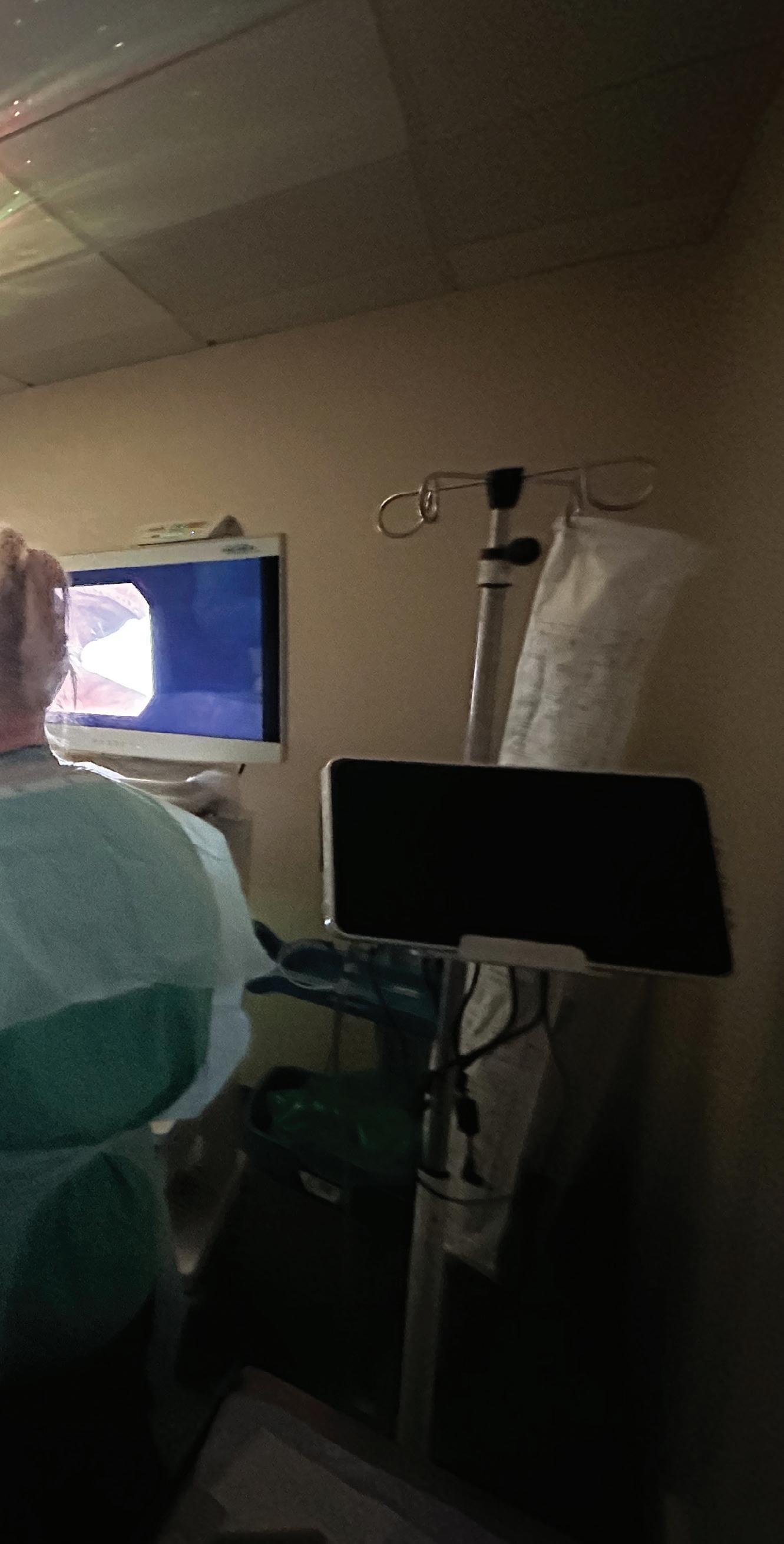
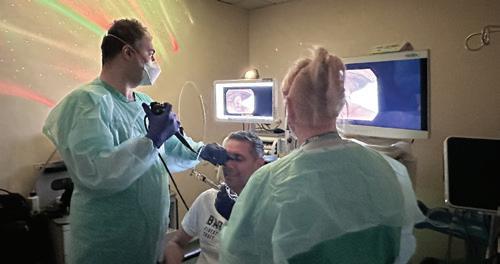
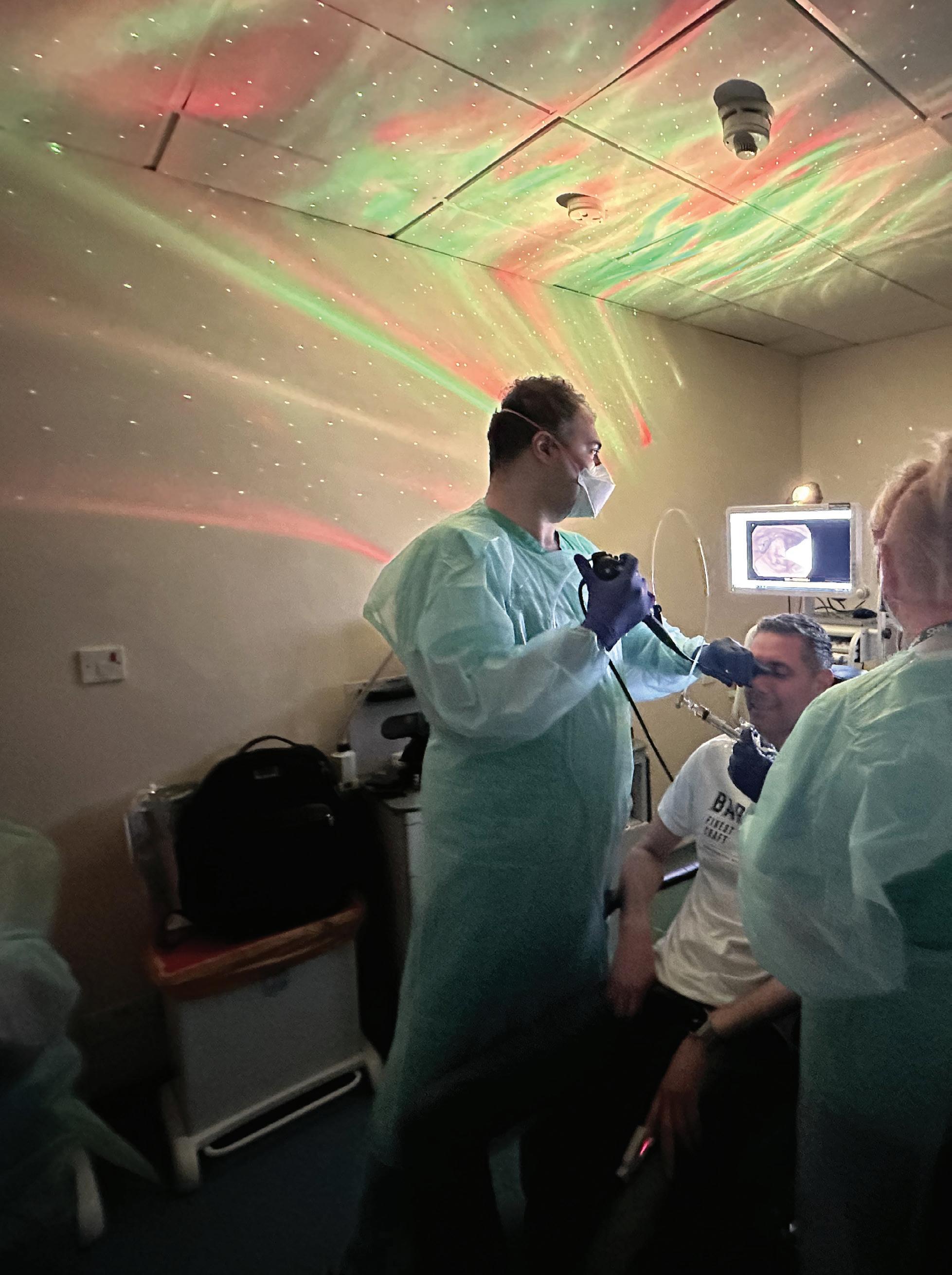
A UK study involving 231 patients has advocated ‘mindful endoscopy’ — allowing detailed examinations without the need for sedation or general anaesthesia.
Mindfulness, combined with advanced endoscopy techniques and stateof-the-art digital technology, could enable procedures to be done to a higher standard in awake patients than is currently possible under general anaesthesia or sedation. This is according to British researchers, who say the approach also means there is less chance of cancers being missed, with fewer associated complications, and less cost.
This follows a ‘mindful endoscopies’ study in the UK (published open access in British Journal of Nursing, doi: 10.12968/ bjon.2025.005), where of the 231 patients who had endoscopies with the team, 92% were satisfied or very satisfied with their experience. Further, patients whose endoscopies were supported by mindfulness were found to have higher satisfaction levels than had previously been reported by patients who’d been sedated.
Another advantage, according to the researchers, is a faster route to treatment, with the potential of reducing waiting lists by moving some procedures out of operating theatres and sedation facilities and into outpatient clinics and community diagnostic centres. As the researchers argue, ear, nose and throat (ENT) surgeons often perform partial examinations of the mouth, throat and voice box in outpatient clinics without sedation.
Full examinations, however, are not typically available in outpatient clinics as they provoke strong coughing and gagging responses. But now, the researchers say, they have made it possible to fully examine the mouth, throat and voicebox in awake patients, and when necessary, the oesophagus and the stomach, too — using mindfulness.
“A patient with a hoarse voice, throat problem or difficulty swallowing can walk into the clinic, have a more thorough examination in less than 10 minutes than is possible in many cases under general anaesthesia, and walk out reassured,” said Professor Reza Nouraei, Professor of Laryngology and Clinical Informatics at the University of Southampton. Nouraei — who is also a consultant ENT Surgeon at the Loxley Centre for Airway, Voice and Swallowing at Queen’s Medical Centre, Nottingham — added: “This one-stop approach means that most problems can be diagnosed with one appointment.
These mindfulness techniques give the patient a sense of control in what could otherwise be a disempowering situation, which helps to regulate emotions and reduces the mental space available to catastrophising thoughts.

“For the small number of patients with cancer or other major problems, biopsies can often be taken there and then, and the road to treatment and recovery can begin straightaway,” Nouraei said. “Using mindfulness to support patients through these examinations is a large part of what makes them possible.”
It’s not usually possible to fully examine the complex structures of the mouth, throat and voicebox in awake patients, the researchers said. This is due to gag and cough reflexes, which make general anaesthesia necessary for a complete assessment, with only highrisk patients typically undergoing such exams, because of the risks and costs of general anaesthesia.
However, while this approach avoids unnecessary procedures, it can miss early cancers hidden in folded areas of the throat, especially in patients without obvious symptoms. This can lead to delayed diagnosis and treatment. This is why researchers from the University of Southampton and Nottingham University Hospitals NHS Trust designed this study.
The Mindful Endoscopy team — their method and results
Wanting to see if mindfulness could enable complete endoscopies to be routinely carried out in outpatient clinics, the researchers
created a Mindful Endoscopy team at Queen’s Medical Centre in Nottingham. The team would guide patients through the procedure using a range of mindfulness practices involving breathing, relaxation, communication techniques and positive imagery.
“These mindfulness techniques give the patient a sense of control in what could otherwise be a disempowering situation, which helps to regulate emotions and reduces the mental space available to catastrophising thoughts,” Nouraei said. “Mindfulness also has a range of very specific effects that create a sense of calm at a physiological level.
“These range from lowering the heart rate and blood pressure, through to dissipating coughing and gagging before they can take hold and cause discomfort.” Through the study, mindful endoscopies revealed 12 cancer diagnoses — 5%, which is a typical cancer diagnosis rate. At an average of 12 months after the endoscopy, no cancers had been missed.
The 92% ‘satisfied or very satisfied’ with their experience rating of the 231 patients who had endoscopies with the team compares favourably with findings from a 2019 study that found a 53% satisfaction rate for patients who’d had conventional aerodigestive endoscopies while awake, and an 86% satisfaction rate for patients who’d been sedated.
In the UK context, the researchers point out that improving examinations to help detect cancers earlier is especially important given the 2024 NHS investigation findings that, aside from lung cancer, the NHS has made little progress in early cancer detection. The researchers believe that mindful endoscopy could also be readily delivered in community diagnostic centres, thus moving diagnostic care closer to home.
“This study demonstrates just one way in which mindfulness can be incorporated into a procedure to improve patients’ experience and use NHS resources more effectively,” Nouraei said. “For the past 18 months in Nottingham, we have been using perioperative mindfulness to offer interventions to up to 22 patients with airway and voice problems in a single operating list.
“Before, when the same procedures used to need general anaesthesia, we could only operate on six to seven patients per day,” Nouraei added. “We believe perioperative mindfulness could not only make a decisive difference in early cancer detection but also free up operating theatres and reduce waiting lists for many other procedures. We hope that this approach could be applied in different clinical settings, and across different procedures.”
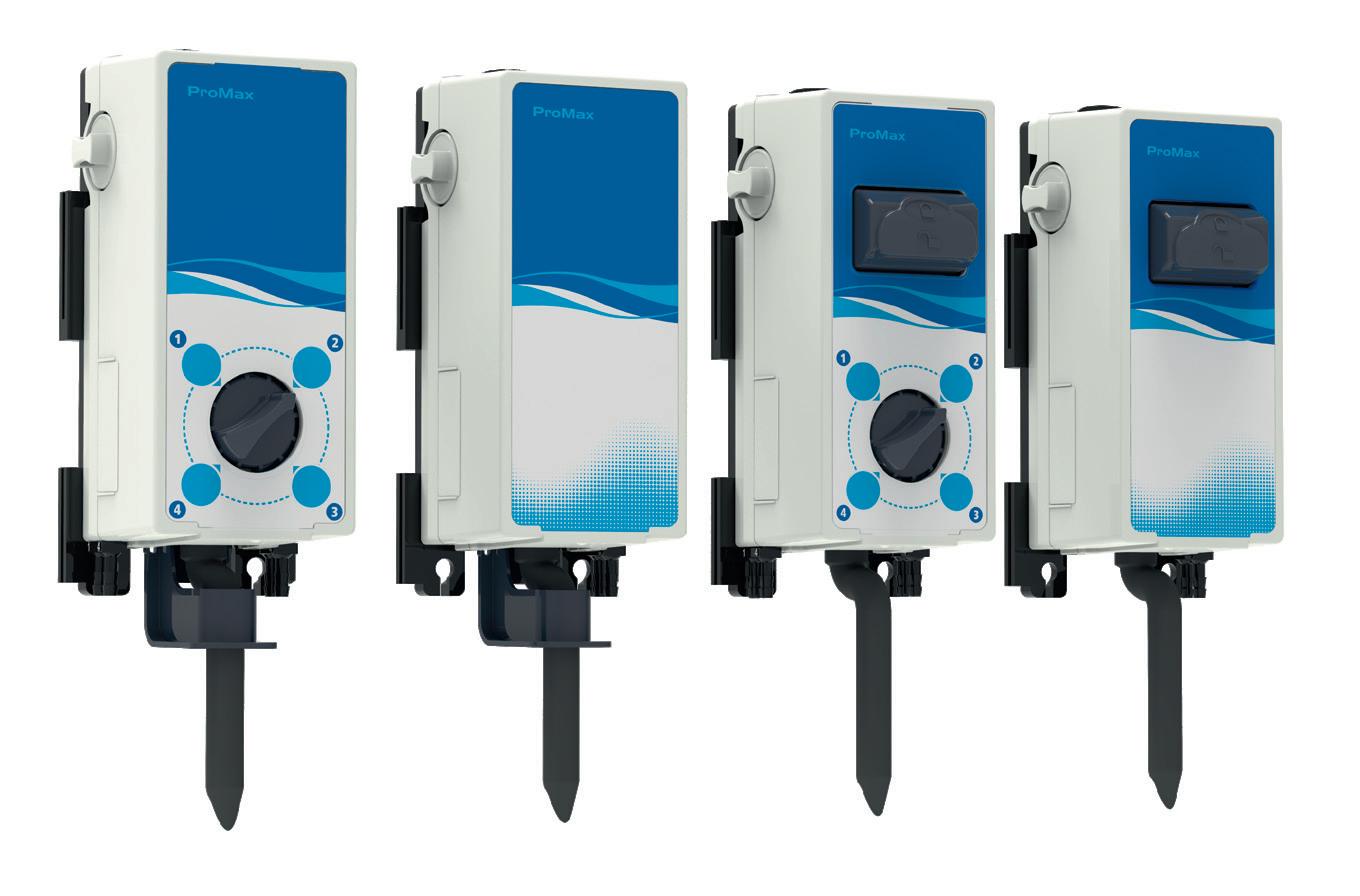
The spread of infection in the healthcare sector is a continuous challenge for operators, so what can providers do to minimise risk and protect patients, staff and visitors?
Within healthcare settings such as hospitals and care homes, MRSA, norovirus and clostridium difficile are among the most common infections and an outbreak can place additional strain on stretched staff and resources.It’s fine to change the
With a proper strategy around surface cleaning and disinfection routines being key to preventing the spread of viruses, a starting point is high-touch surfaces that can harbour bacteria.
While the scale of surface cleaning differs between low-risk (foyers, waiting rooms, offices and corridors) and high-risk (operating theatres and intensive care wards) areas, it’s vital that cleaning programme managers do not become complacent.
Seemingly innocuous equipment shared by staff such as keyboards, stethoscopes and ultrasound probes cannot be underestimated as they are a major cause of cross contamination and should all be wiped down regularly with disinfectant. The same is true of chair arms and seats in waiting areas.
Meanwhile, call bells, grab rails, door handles and opening buttons/panels are touched countless times each day and are among the most likely surfaces to transmit infection.
That’s not to mention toilet areas — from wards to public washrooms — where it’s essential that high-touch surfaces including taps, flush handles, dispensers, hand dryers and door handles are not neglected due to a focus on obvious areas such as toilet bowls, sinks and floors.
To achieve exceptional surface-cleaning standards, chemical dispensers used for dosing concentrated and pre-mixed solutions into sinks, spray bottles, mop buckets and scrubber dryers must be simultaneously precise, consistent, robust and hard-wearing.
In fast-paced, high-pressure environments such as operating theatres where excessive force and accidental collisions are common, a durable, impact-resistant dispenser casing helps to ensure consistent, reliable performance while reducing the cost of maintenance, repair and replacement.
Budget constraints may make lightweight dispensers an attractive prospect, but while such systems are cheaper per unit they are also unreliable and have a short lifespan, costing more in replacements in the long run compared with higher-quality, longer-lasting equipment.
In many cleaning stations it’s common to see concentrated chemical containers such as 20-litre drums stored unbunded on the floor, causing a possible leakage or trip hazard. Or, worse still, staff dosing detergent and other solutions manually, exposing them to potentially harmful concentrated chemical.
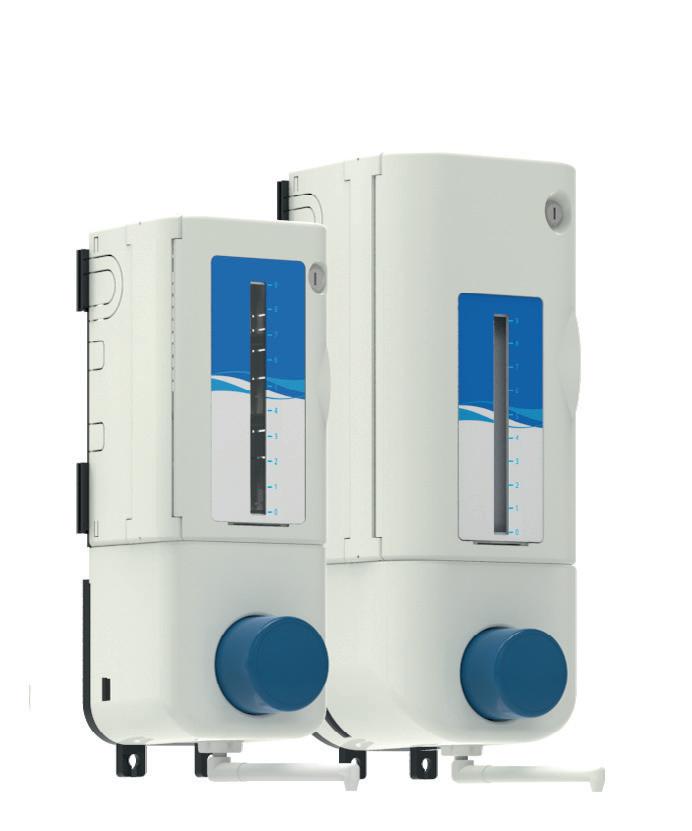
Integrated chemical storage can help solve this issue, enabling operators not only to save space and make cleaning stations tidier and more presentable, but also providing vital health and safety benefits by keeping the chemicals off the floor and avoiding possible spillage and trip hazards.
Such systems typically feature a cabinetstyle enclosure where various-sized chemical containers can be stored and connected to the built-in dispenser. Lockable cabinets help to prevent theft and tampering and protect employees against exposure to harsh concentrated chemical.
When it comes to maintaining exceptional standards in healthcare, it’s clear that sensible investment can go a long way. Cleaning and hygiene systems expert SEKO knows this better than most as the company has been helping operators for decades with a dedicated range of chemical dilution, dispensing and dosing equipment.
These include the modular ProMax and ProFlex dilution systems — which allow users to dispense premixed chemical solutions into spray bottles, mop buckets and scrubberdryers — as well as the fully compatible SekureMax and SekureDose cabinets for lockable concentrate storage up to 5 litres.
Visit https://ch.seko.com/global/market/view/ surface-cleaning to explore the complete range.
Incontinence management is rapidly improving courtesy of new technologies and compassionate approaches. The national clinical and training manager of a surgical and medical supplies distributor charts a suite of available innovations.
The management of incontinence in healthcare facilities is a critical challenge that affects patient dignity, staff workload and operational costs. A 2023 study in the Journal of Wound, Ostomy and Continence Nursing found that nearly 75% of long-term care residents suffer some kind of urinary incontinence, which raises fall risk by 30% and adds $9.6 billion to yearly healthcare expenses.1
Recent developments include advanced moisture sensors that notify healthcare professionals before any leakage occurs, reducing the risk of skin problems and maintaining dignity. Additionally, advanced absorbent materials now combine superior fluid retention with odour control while maintaining skin health, while streamlined documentation systems connect with electronic health records to enable pattern recognition and tailored treatment planning.
Plus, facilities implementing comprehensive incontinence protocols report significant improvements in quality metrics, resident satisfaction and operational efficiency. The development of these tools and techniques reflects a move towards more dignified, effective and efficient incontinence treatment that helps patients, caregivers and healthcare professionals.
Main obstacles
Healthcare facilities encounter a variety of difficulties that have a big influence on how they provide care and allocate resources when addressing incontinence. In the US, the
American Health Care Association reported that from February 2020 to December 2022, residential care facilities experienced the worst job loss of any healthcare sector, making it hard to consistently follow incontinence care plans.2
Physical infrastructure constraints make management techniques even more difficult because many hospitals lack good care areas that preserve patient privacy during evaluations and interventions. These challenges become more complex with different types of incontinence that may require specific routines and support. This space limitation increases the physical strain on caregivers, hence aggravating occupational injuries and burnout.
Another important difficulty is the complexity of handling multiple chronic conditions. Many patients experience incontinence alongside cognitive impairments, mobility limitations or chronic conditions that require integrated care approaches. This requires advanced tools for assessment and personalised care plans. Financial limitations also slow development since good incontinence solutions and monitoring technology call for significant investment.
Furthermore, reimbursement plans sometimes fail to sufficiently fund thorough incontinence management programs even though these programs are known to play a major role in helping hospitals reduce medical complications. Addressing these interrelated

issues requires methodical approaches that integrate technological innovation, regular employee training and supportive organisational policies.
Innovative technologies
Smart monitoring devices have modernised incontinence management for elderly citizens in long-term care facilities. Wearable sensors with small form factors now monitor moisture levels and send real-time notifications to employee devices before a leak occurs. BMC Nursing reported in 2023 that this treatment reduced the incidence of skin disintegration by 65%.3 The automated algorithms in these sensor systems are used to recognise individual voiding habits so that preventive schedules can be directed to the needs of each resident.
Biodegradable superabsorbent polymers derived from sustainable materials represent another important development. These next-generation fabrics protect patient skin with better permeability while lowering environmental impacts. Robotic assistance technologies, such as mobility aids, are another innovation, now reducing possible geriatric injuries by making it easier for elderly patients with limited mobility to get to the restroom.
Then there’s electronic documentation platforms, which integrate with facility management systems to provide some actionable data for monitoring key quality indicators in incontinence care. These platforms enable healthcare facilities to

actually develop evidence-based protocols that improve clinical outcomes and operational efficiency in elderly care environments.
Best practices
Effective incontinence care usually starts with systematic assessment protocols. These protocols should assess personal preferences affecting continence management as well as psychological needs, environmental concerns and physiological elements. For instance, at the National Institute of Health, a team including nurses, pelvic floor therapists and dietitians collaborated to reduce catheter reliance by 30% in residents with urinary incontinence by tailoring hydration schedules, strengthening exercises and bladder-friendly diets.4
Workflow integration depends on well-defined documentation systems, interoperability and using consistent language across different medical departments to ease multidisciplinary communication. Designating continence experts for geriatric patients helps to ensure consistency, accountability and compliance for following procedures.
Personalised care plans respect each patient’s choices and how they prefer to manage their needs. Ways to respect privacy include using simple language when discussing needs, scheduling bathroom assistance around individual routines rather than staff convenience and conducting appropriate screening during care. Staff empowerment through regular training improves confidence in addressing sensitive topics with
residents and families. Regular competency assessments ensure care techniques remain current with the updated practices.
Facilities should set up helpful feedback processes that allow caregivers to suggest workflow improvement based on their actual experience. Environmental modifications like optimal bathroom accessibility, adequate lighting and clear wayfinding cues support independent toileting when possible, preserving dignity and reducing care burden.
Improving patient dignity and comfort
Patient-centred design has transformed incontinence care by giving dignity equal priority with clinical efficacy. Discreet wearable solutions with odour-neutralising technology and seamless profile designs allow residents to maintain social engagement without fear of embarrassment. These developments go beyond discretion to take into account the physical experiences that patients go through.
Product development is now influenced by sensory factors; moisture-wicking textiles help regulate skin temperature and avoid the discomfort that comes with conventional products. With voice-activated assistance systems, users with mobility limitations are able to ask for assistance privately.
This reduces the need for call buttons in many hospital environments. Trauma-informed care principles can be incorporated into staff training
since managing incontinence can cause distress for people with histories of abuse or personal autonomy issues. This psychological dimension of care emphasises choice, clear communication and respecting personal boundaries during intimate care interactions. Safe, accessible and dignified premises, along with adaptive equipment, are factors that support independence and safety in a healthcare centre. These thoughtful approaches help shift incontinence care from reactive to proactive, making these manageable conditions in which patient preferences are still central to care planning.
Incontinence management is rapidly improving as a result of new technologies and compassionate approaches. Smart monitoring systems, sustainable materials and tailored care plans are coming together to make what used to be a big problem much easier to handle. Healthcare facilities that use these new ideas are seeing better results for patients, happier staff and smoother operations.
The future looks bright with more discreet options that respect patients’ dignity while still providing good care. As using sustainable materials becomes more common and personalised care plans are used more often, healthcare facilities can look forward to more improvements that meet both medical needs and respect for patients. These changes show a positive move towards incontinence management that values comprehensive patient-centred care while improving quality.
1. LeBlanc K, Furtado S, Mings D, Martin M, Evans M, Eaves D, Skountrianos G. A cost-effectiveness model to determine ostomy-related costs of care and health outcomes among people with an ostomy in Canada using a ceramide-infused skin barrier. J Wound Ostomy Continence Nurs.2023;50(1):31–38. doi: 10.1097/ WON.0000000000000935
2. Data show nursing homes continue to experience worst job loss of any health care sector. AHCA; 2023. Accessed 16 June, 2025. https://www.ahcancal.org/News-andCommunications/Press-Releases/Pages/Data-ShowNursing-Homes-Continue-to-Experience-Worst-Job-LossOf-Any-Health-Care-Sector.aspx
3. Kooij L, Peters GM, Doggen CJM, van Harten WH. Remote continuous monitoring with wireless wearable sensors in clinical practice, nurses’ perspectives on factors affecting implementation: a qualitative study. BMC Nurs 2022;21(1):53. doi: 10.1186/s12912-022-00832-2
4. Cho ST, Kim KH. Pelvic floor muscle exercise and training for coping with urinary incontinence. J Exerc Rehabil 2021;17(6):379–387. doi: 10.12965/jer.2142666.333

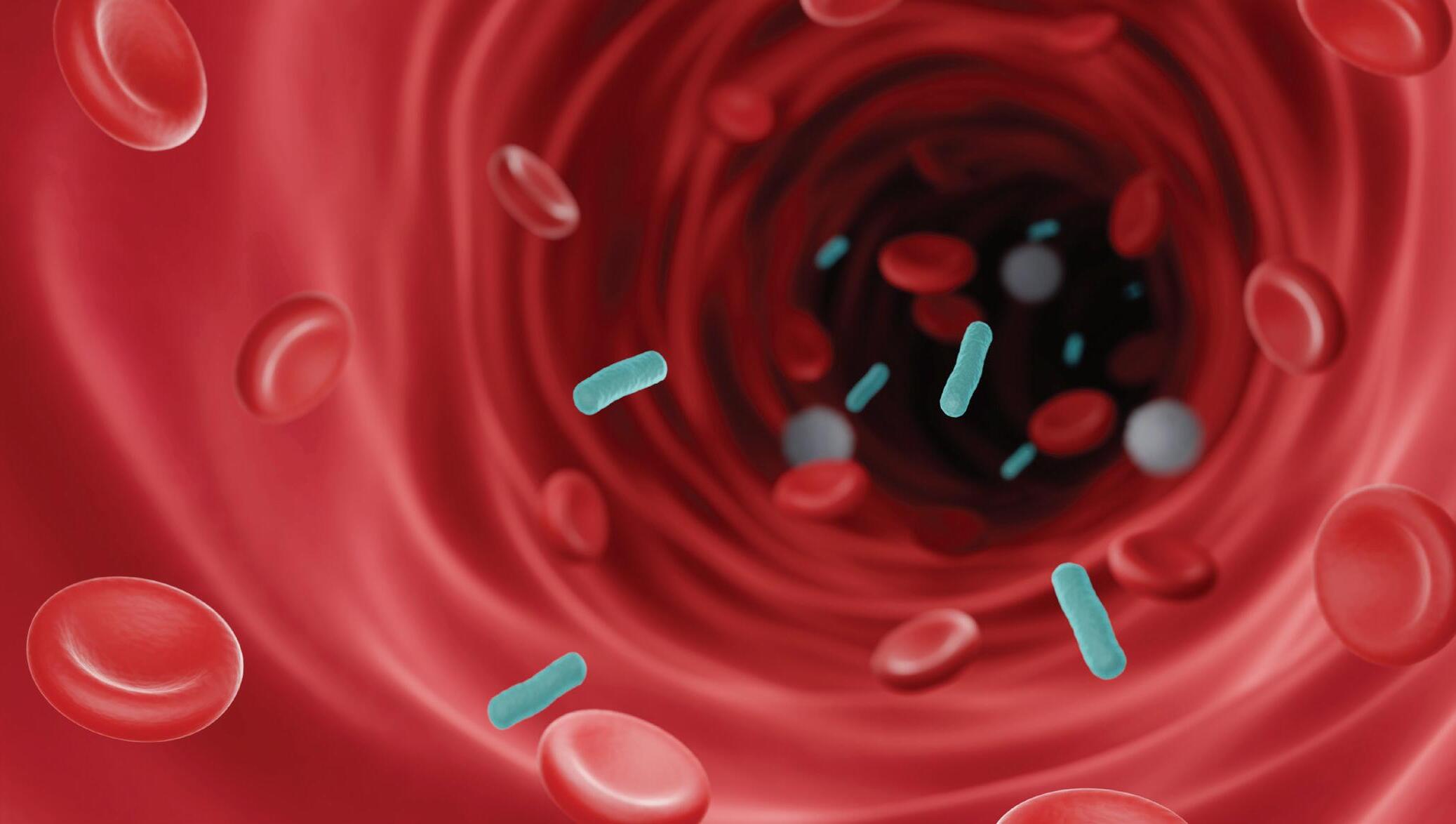
Affecting millions of hospitalised patients across the world each year, sepsis occurs when the body’s immune response to an infection attacks and injures its own tissues and organs. Now, after promising results from a Phase 2 clinical trial in China of a sepsis drug candidate, Griffith University researchers are looking to progress to a Phase 3 trial; the drug of which, in the words of one of its co-developers — Distinguished Professor Mark von Itzstein AO — is believed to hold the potential for “saving millions of lives”.
The drug, STC3141, is carbohydrate-based and was developed by von Itzstein and his team from Griffith’s Institute for Biomedicine and Glycomics, and Professor Christopher Parish and his team at the Australian National University. “The trial met the key endpoints to
indicate the drug candidate was successful in reducing sepsis in humans,” von Itzstein said. Administered as an infusion via a cannula, STC3141 was found to counteract a significant biological molecule release phenomenon, which occurred in the body during the course of sepsis — the small-molecule experimental drug serving as a potential treatment for sepsis by reversing organ damage.
The Phase 2 trial was conducted by Grand Pharmaceutical Group Limited (Grand Pharma) and involved 180 patients with sepsis. Grand Pharma would now look to progress to a Phase 3 trial, to continue testing the efficacy of the treatment and, von Itzstein said, with the hope that: “we could see the treatment reach the market in a handful [of] years, potentially saving millions of lives”.

The Five Faces Patient Journey Support software is designed to help health services guide patients through complex care — beginning with perioperative services. Designed to bring preparation, admission and recovery into one connected digital experience, Patient Journey Support is intended to provide patients with clear milestones and reminders, procedure-specific education, digital forms and consent, secure messaging, and personalised recovery plans, delivered at the right time.
The solution is designed to provide clinicians and administrators with real-time visibility of patient readiness, tools to coordinate communication and dashboards that reduce manual administration and support better theatre utilisation. At the centre of the solution is a Unified Patient Hub — a single place for patients to manage their care. Built on a consistent digital foundation, the hub is designed to support surgical services alone or extend into other areas such as outpatients and diagnostics.
The solution is intended to allow health services to design and adapt journeys themselves, at a hospital level, for a specialty or tailored to individual clinician requirements, reducing reliance on the vendor and supporting scalable rollout across departments and sites. While initially focused on perioperative care, Patient Journey Support also aims to be adapted for other complex services, including multi-stage treatments and chronic disease programs.
Five Faces fivefaces.com.au


Medicine shortages are no longer isolated supply disruptions. They are escalating and placing persistent pressure on Australia’s healthcare system that is directly affecting clinicians’ ability to deliver timely, safe and effective patient care.
Across hospitals and health services, clinicians are increasingly spending valuable time identifying alternative medicines, adjusting treatment protocols and managing clinical risk when essential medicines become unavailable. While necessary, these activities divert clinical capacity away from frontline care and duplicate effort across services already managing workforce pressures.
The scale of the challenge is significant. Medicine shortages continue to be reported daily across Australia, and workforce data shows almost every hospital and health service now dedicates regular staff time to managing supply disruptions.1 Despite these efforts, clinicians often operate in isolation when responding to shortages, developing local solutions to national problems.
The need for a coordinated clinical response became particularly evident during the national IV fluid shortage between 2023 and 2024 — a crisis that exposed the fragility of supply chains and the extraordinary lengths clinicians go to maintain patient care.
IV fluids are foundational to modern health care. They are essential for administering medicines, supporting surgery, maintaining hydration and delivering life-saving treatment to critically ill patients. At the height of the shortage, hospitals across Australia were forced to ration supply, delay elective procedures and rapidly modify treatment protocols to preserve limited stock.
Like many clinicians, I witnessed firsthand the pressure this placed on healthcare teams
and the crisis also became deeply personal when my wife Catherine, herself a pharmacist, required urgent treatment during this period.
Her experience highlighted how quickly medicine shortages can compound into complex clinical situations requiring additional time, coordination and decisionmaking. While Catherine was fortunate to receive appropriate care, I was acutely aware that similar situations were unfolding across multiple hospitals simultaneously, with clinicians working tirelessly to identify safe alternatives under considerable pressure.
These experiences reinforced a critical lesson: medicine shortages are not simply supply chain challenges — they are clinical challenges that require coordinated solutions.
Advanced Pharmacy Australia (AdPha) is calling for the establishment of a National Medicine Shortages and Discontinuations
Clinical Advice Service. This service would provide real-time, evidence-based guidance to clinicians managing medicine shortages and discontinuations, supporting consistent clinical decision-making across the healthcare system.2
We are seeing similar models implemented internationally; and in Australia, such a service could be administered by specialist Medicines Information pharmacists working collaboratively with clinicians across disciplines.
Importantly, a national clinical advice service would not replace local decision-making. Rather, it would strengthen it by ensuring clinicians have access to trusted, consistent information when responding to shortages that increasingly affect services nationwide.
Strengthening preparedness for an ongoing challenge
While medicine shortages are expected to remain an ongoing challenge globally, it is
especially true for Australia because of our geographic isolation and small market size. Strengthening our nation’s system response is therefore critical. It will require investment, collaboration and recognition that supporting clinicians to manage supply disruptions is essential to protecting patient care.
Our healthcare professionals are highly skilled and resilient, but when they are forced to navigate national medicine shortages alone, our patients lose. Establishing coordinated clinical support is a practical and necessary step towards strengthening Australia’s preparedness and safeguarding patient outcomes.
1. Advanced Pharmacy Australia (AdPha), The state of pharmacy: workforce insights 2025 report, November 2025, [Internet] Abbotsford (AU): AdPha;2025. https:// adpha.au/publicassets/8049e166-91ca-f011-9151005056ace2f5/2025-Workforce-Insights-Report.pdf
2. Advanced Pharmacy Australia (AdPha), 2026–27 Federal Budget submission: National Medicine Shortages and Discontinuations Clinical Advice Service, February 2026, [Internet] Abbotsford (AU): AdPha;2026. https://adpha.au/ publicassets/7b56bcbf-e406-f111-9156-005056ace2f5/ Federal-Pre-Budget-Submission-2026-2027--Part-2--Medicine-Shortages---Australian-Government.pdf


UNSW Health Translation Hub
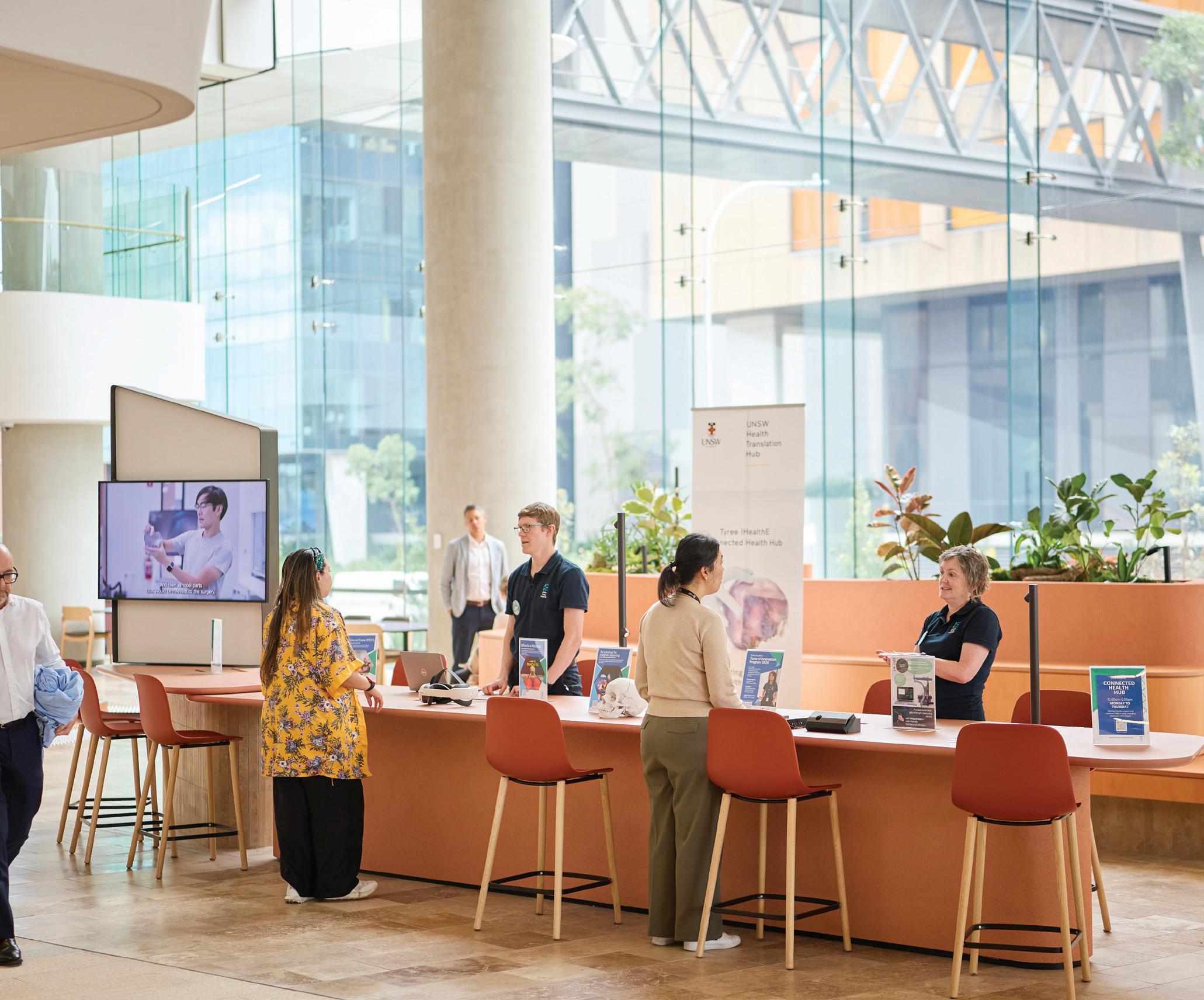

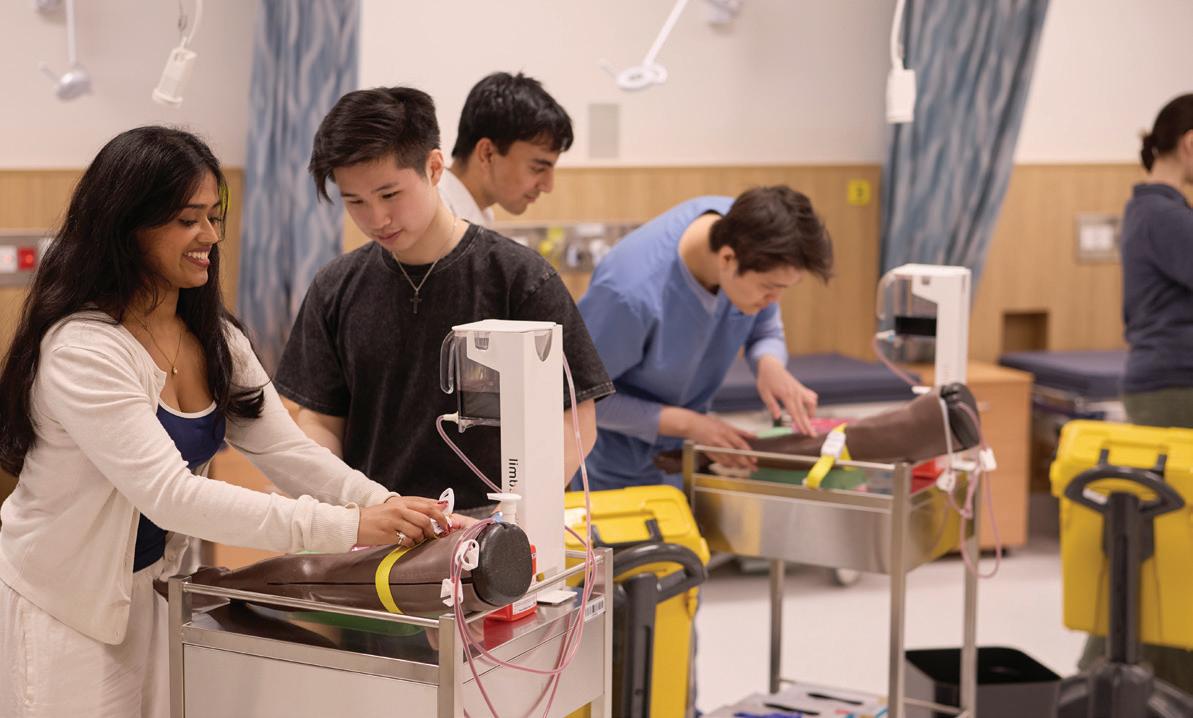
UNSW Health Translation Hub — an integrated medical, research and health innovation centre at UNSW Sydney — was officially opened on 24 November 2025. Built in partnership by UNSW Sydney and Plenary Group, the $600 million, 35,600 square metre facility is designed to enable seamless integration between local hospitals and the university, ensuring the rapid translation of research directly into improved patient care.
Intended to offer a uniquely interdisciplinary student experience — connecting future health professionals directly with industry, clinical communities and the public — through the hub students will engage in every aspect of care, from medicine to allied health, population health to biomedical engineering. Students will also work side-byside with researchers and practitioners on real-world projects.

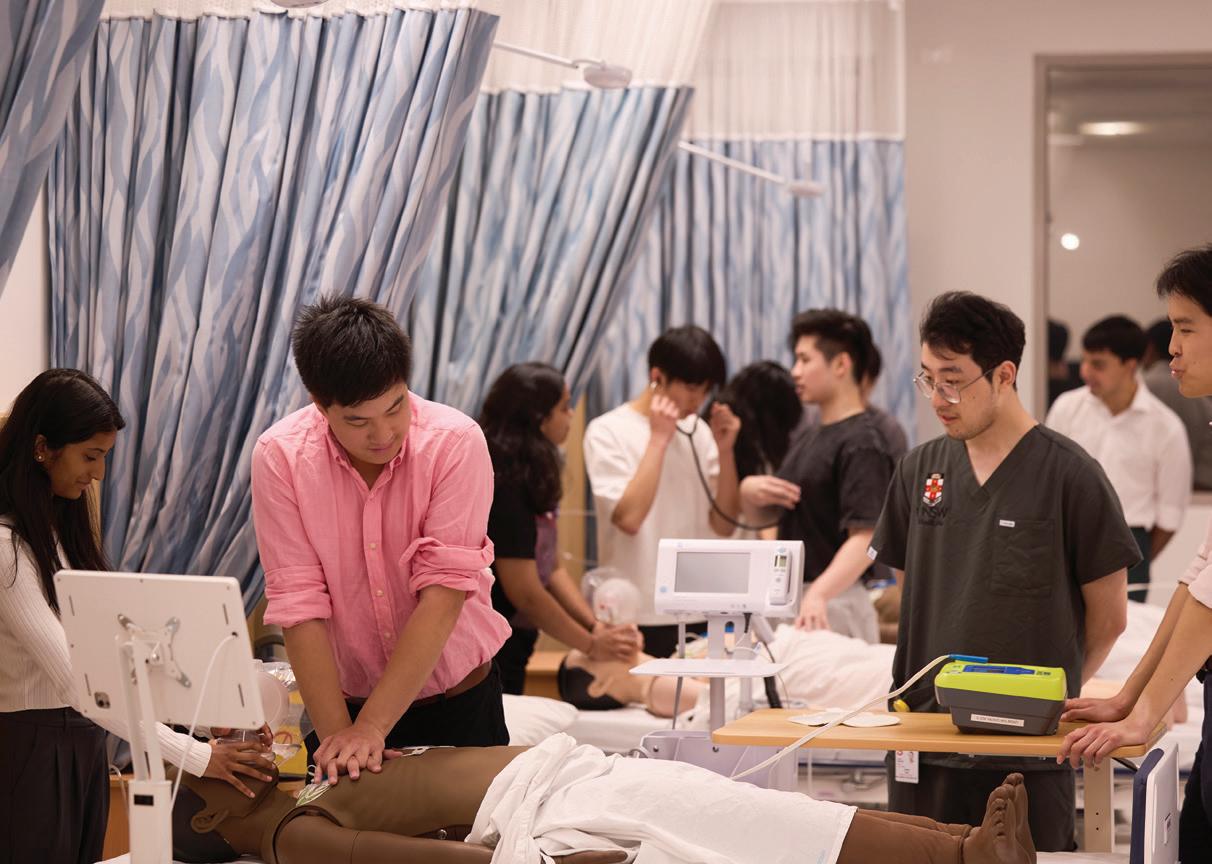
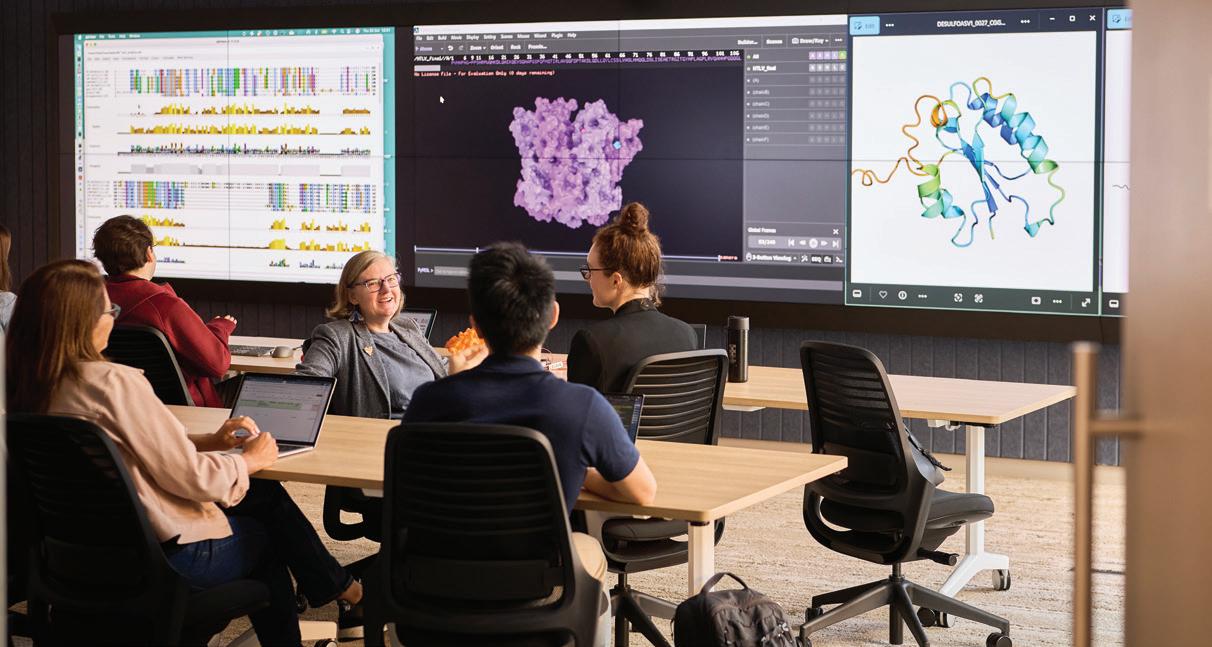
Through an immersive, collaborative environment, the facility aims to enhance patient care and community participation while cultivating the leadership and problemsolving skills needed to shape the future of health. At the hub, research will focus on precision and personalised medicine, advanced therapeutics, new models of care, health systems, mental health, aging well and cancer.
Also forming part of the broader Randwick Health & Innovation Precinct, two-thirds of the hub will be occupied by UNSW under an initial 20-year agreement, which includes co-location with Minderoo Children’s Comprehensive Cancer Centre (MCCCC) and The George Institute for Global Health. The remaining space is led by Plenary and open to industry.
Fully funded by Plenary, IFM Investors, HESTA (through its healthcare property mandate with ISPT) and UniSuper, Plenary was the project’s development and asset manager, with Hansen Yuncken the contractor and Architectus the lead architect.
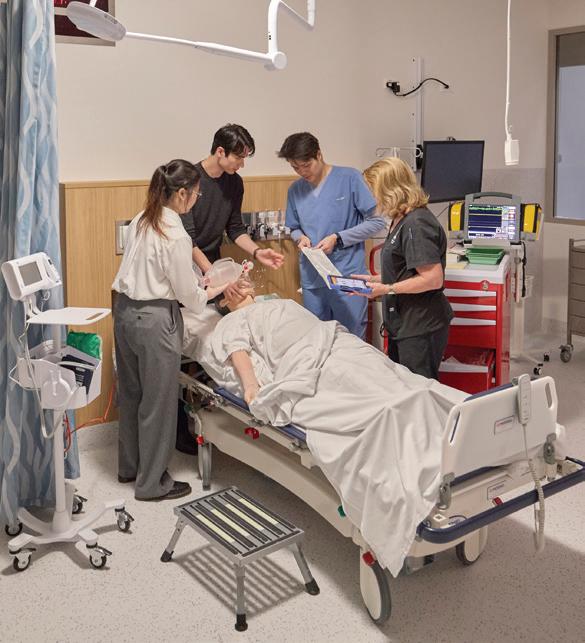
Through an immersive, collaborative environment, the facility aims to enhance patient care and community participation while cultivating the leadership and problem-solving skills needed to shape the future of health.

Australian researchers have published a ‘roadmap’ to prove clinical efficacy for transcranial direct current stimulation — a treatment for chronic pain that has shown promise as being safe and non-invasive.
Chronic pain, which is pain lasting for three months or more, affects more than 1.5 billion people worldwide. Transcranial direct current stimulation, or tDCS, has shown promise as a safe and non-invasive treatment. However, as Australian researchers explain, more evidence is required.
“tDCS involves a low-intensity current being applied across the scalp and has gained attention for being a potential chronic pain treatment as it’s non-invasive, well-tolerated and can be delivered at home,” said Dr Nahian Chowdhury, NeuRA (Neuroscience Research Australia) Research Fellow at the Centre for Pain IMPACT and UNSW Sydney. “However, its efficacy is also clinically inconclusive at present.”
To strengthen the evidence base and help understand the full therapeutic potential of tDCS for chronic pain, a ‘two-part roadmap’ has been developed — and published this year as a paper in the journal PAIN (doi: 10.1097/j.pain.0000000000003893).
“Firstly, we need to improve the methodological quality of the trials,” said Professor Sylvia Gustin, Co-director of the Centre for Pain IMPACT and UNSW Sydney. “Secondly, we need to look at optimal doses of electrical current, including comparing standard approaches with alternatives.”
In proving whether tDCS truly works, Chowdhury said research that compares tDCS to a sham, or ‘pretend’, treatment is “crucial”; researchers having found that keeping participants ‘blind’ in tDCS studies needs extra care. This is because, if you keep asking people how it feels during the session, the real stimulation can feel different to the sham, making it easier to guess which one they’re getting.
“We found this is a weak point in some studies, so we need to test other sham methods, such as using a topical cream to reduce sensation in both groups so the experiences feel more similar,” Chowdhury said. “We also found that in some cases research had looked at groups of individuals with different pain conditions, which will impact response to tDCS and means analyses don’t accurately reflect treatment efficacy for any specific condition.”
Determining doses and studying specific pain have also been identified as areas in need of attention — researchers having found that many trials may not have delivered an optimal tDCS ‘dose’ to give people the best chance of pain relief.
Also, for different types of pain, it is believed that stimulation settings — like duration, intensity and number of sessions — may need
to be rechecked and tailored. Gustin said: “Future trials should look at the intensity of the treatment, the focality — or area being targeted — and electrode placement.”
On the value of their PAIN roadmap, Chowdhury, who specialises in non-invasive brain stimulation for pain treatment, believes it is the next step in investigations into the potential of tDCS as a chronic pain treatment.
“The paths we’ve laid out in this roadmap need to be completed before we can assess definitive efficacy of this treatment for chronic pain,” Chowdhury said.
Chowdhury and Gustin intend to test the new approaches outlined in their roadmap. This includes improved electrode placement, with a focus on home-based tDCS that is simple and practical for people to use.
“We are at the forefront of developing novel home-based tDCS approaches for chronic pain, including cutting-edge electrode montages, so everyone in Australia can access safe and effective treatment in their own homes,” Gustin said.
A novel home-based tDCS montage for neuropathic pain after spinal cord injury has also been developed by the Centre for Pain IMPACT team, who will recruit 200 people with spinal cord injury neuropathic pain across Australia to take part in a clinical trial supported by the Medical Research Future Fund. Interested individuals can register their interest at www.neurorecoveryresearch. com/neurostim-trial.

Different types of pain influence how unpleasantly we perceive it but also how we empathise with others, a German study published in February has revealed.
Visceral pain from inside the body, such as stomach ache, feels worse than somatic pain, such as a finger burn, but it also influences empathy for pain when others are affected — a study at Ruhr University Bochum (RUB), Germany has revealed. The study, published open access (doi: 10.1016/j. jpain.2025.105631) in February 2026 in The Journal of Pain, was conducted on four days and recruited 30 healthy participants — all of whom were in a committed relationship for at least three months.
On the first day, participants were provided with questionnaires and tasks to assess their trait-empathy in everyday life. This was followed on the second day by exposure to various types of pain — a heat stimulus on the skin of the lower abdomen, and interoceptive visceral pain induced by pressure. These
two types of pain were then evaluated by the participants — both from their own perspective and from the perspective of both their loved one and of an unknown individual.
Participants were then asked, six days later, to imagine how they personally, their loved one, and an unknown person, would perceive the pain. From this, researchers determined how unpleasant the participants rated the pain, how personally aroused they felt by imagining pain for different people, and how much empathy they felt. The participants again rated their empathic responses when recalling the pain using online based ratings a further two days after this.
“The study shows that interoceptive, visceral pain induces stronger cognitive, affective, and empathic responses than does somatic pain. This is the case both from one’s own
perspective as well as when the participants imagined the pain for others,” said Dr Milena Pertz from RUB’s Department of Medical Psychology and Medical Sociology.
Visceral pain was graded by the participants as more intense and unpleasant than the pain caused by heat, and they also felt more empathic concern and personal distress, which applied for both themselves and when imagining their loved one or a stranger experiencing such pain. “The effect was most pronounced when the participants considered their loved-one’s experience,” Pertz explained. “This difference remained stable even in the absence of noxious stimulation eight days after painful stimuli were applied.”
As to the significance of the findings, RUB said the results help to understand how interoceptive bodily threats influence psychosocial behaviour and that the study paves the way for future research into predictive factors for empathic reactions — both in patients with pain as well as in the people who care for them, such as caregivers and healthcare professionals.
MICHAEL FISHER*

For health services, network visibility is a lever with the potential to multiply the value of digital investments. Here’s how.
As hospitals and healthcare organisations across Australia undergo rapid digital transformation, services such as telehealth appointments, bedside monitoring, diagnostic imaging, Internet of Things (IoT) medical devices and cloud-hosted clinical systems are all increasing demand on networks that were never designed to be the clinical backbone of 21st-century care. The shift to digitally supported care delivers huge benefits in access and outcomes, but it also makes network reliability, rapid troubleshooting and forensic clarity essential productivity enablers for clinicians and IT teams alike.
The missing piece for many hospitals and healthcare providers is not another tool, but better visibility: guaranteed, packet-level insight into how clinical devices, applications and users actually communicate. When IT teams can see every packet that traverses the clinical network without risking downtime or interfering with latency-sensitive devices, they can fix outages faster, reduce clinical interruptions, optimise capacity, and support safer, more efficient delivery of care.
Most healthcare leaders instinctively link network visibility with cybersecurity. That’s valid. But packet-level visibility delivers productivity wins long before it’s ever needed for an incident response through means such as:
• Faster fault isolation — when a picture archiving and communication system (PACS) or electronic health record (EHR) session fails, packet captures show whether the issue is network congestion, a misconfigured switch, storage latency or an application error — cutting mean-time-torepair from hours to minutes.
• Reduced clinical downtime — downtime of imaging suites, infusion controllers or bedside monitors has immediate patientflow and safety consequences. Visibility helps to proactively verify device health and connection integrity.
• Better capacity planning — full visibility reveals actual traffic patterns (not inferred ones) so IT architects can more accurately right-size wide area network (WAN) links, quality of service (QoS) policies and vertical local area network (VLAN) segmentation to prioritise critical clinical flows.
• Optimised telehealth and remote care — as demand for telehealth and remote care
continues to grow, high-quality video and real-time monitoring require deterministic network behaviour. Packet telemetry helps fine-tune QoS and identify jitter/latency contributors.
• Operational assurance for legacy devices — many medical devices operate on legacy or proprietary protocols. Passive packet capture provides forensic context without requiring vendor updates or device reconfiguration.
In this way, visibility turns guesswork into data-driven action, which directly improves clinician time-on-task and reduces the hidden productivity tax of repeated, avoidable outages.
A practical visibility architecture is composed of three core elements:
1. Passive TAPs (test access points) mirror traffic at key network demarcations without adding latency or single points of failure, which is vital when monitoring life-critical devices.
2. Network packet brokers consolidate and filter traffic from multiple TAPs so monitoring tools receive only the telemetry they need, which prevents tool overload and lowers storage costs.

3. Hardware data diodes enable seamless data flow by adding an additional layer of security that prevents unwanted packet injection back into the network, which helps to reduce the risk and impact of a data breach.
This architecture preserves the stability of clinical devices while delivering the granular context that modern monitoring and analytics systems require.
Practical implementation for Australian health organisations
Australian hospitals and healthcare organisations can achieve tangible value quickly by instrumenting high-leverage points rather than attempting a system-wide rip-and-replace. The best and most practical approach is to:
• Start at aggregation points — feed traffic from core routers, data centre uplinks and PACS storage links into the visibility fabric first. These vantage points cover most traffic types and deliver rapid wins for imaging and EHR availability.
• TAP critical device demarcations — place passive TAPs at key network segments, firewalls, main sites and secondary locations so diagnostics tools receive the most critical data.
• Augment tools with packet brokers — use filtering, deduplication and timestamping to make sure analytics tools receive clean, usable inputs and that packet stores are efficient.
• Iterate on brownfield sites — deploy incrementally: validate baselines, tune alerts and expand coverage to smaller wards and remote clinics with proven procedures.
The missing piece for many hospitals and healthcare providers is not another tool, but better visibility: guaranteed, packet-level insight into how clinical devices, applications and users actually communicate.
Metrics that show value to healthcare executives
To translate visibility into board-level return on investment, track the following productivityrelated KPIs:
• Mean time to detect/repair for clinical application outages
• Device uptime for critical imaging and monitoring equipment
• Percentage of incidents resolved without vendor escalation
• Telehealth success rate based on the percentage of sessions meeting target QoS thresholds
• Time to retrieve forensic evidence — important for clinical governance and legal audits
Improvements on any of these metrics free clinician time, reduce elective and emergency delays, and lower the operational cost of supporting aging clinical stacks.
For health services, network visibility is a lever that multiplies the value of digital investments. It reduces wasted clinician
time, shrinks repair windows, improves telehealth reliability and supports the clinical governance essential in regulated environments. Hospitals and health services that design visibility in from the start using non-disruptive, packet-level approaches will achieve faster returns from their digital transformation while strengthening both operational resilience and patient care.

ARIVAN AHMAD*

As mobile and hybrid work becomes embedded across hospitals, clinics and allied health settings, unsecured laptops, tablets and shared workstations are increasingly exposing sensitive patient information to unintended eyes and hands.
As health care continues its rapid digital transformation, conversations around patient privacy have understandably focused on cyberthreats, including ransomware attacks, phishing scams and system breaches. Yet one of the most immediate and preventable risks to patient data often goes overlooked: the physical security of the devices clinicians rely on every day.
The frontline privacy risk hiding in plain sight
Healthcare environments are uniquely vulnerable. Devices are routinely used across wards, nurses’ stations, shared offices, staff rooms and offsite locations such as outreach clinics and home visits. In these fast-paced settings, screens displaying patient records can be visible to passers-by, and devices are often left unattended, even briefly.
In health care, where every device may contain protected health information, a single stolen or exposed screen can trigger serious privacy, legal and operational consequences.
Visual hacking: an underestimated threat
While stolen devices present an obvious risk, visual hacking, sometimes referred to as “shoulder surfing”, is a quieter but equally dangerous threat.
Digitisation has dramatically increased the volume of sensitive information displayed on screens throughout the day. As clinicians
move between workstations or work in shared or public-facing areas, it becomes easier for unauthorised individuals to glimpse patient data simply by being nearby. In busy hospitals, even fellow staff without clearance may inadvertently see information they shouldn’t.
In health care, where confidentiality is foundational to patient trust, a single visual exposure can be just as damaging as a cyber intrusion.
In short, patient privacy cannot be protected by digital controls alone. Physical device security must be treated as a frontline defence, not an afterthought.
Organisations that implement basic physical safeguards, such as securing devices when unattended and limiting screen visibility, are significantly less likely to experience breaches linked to unsecured hardware. These measures are also widely recognised by IT leaders as among the most cost-effective ways to reduce privacy risk, especially when compared to the financial and operational impact of a breach.
For healthcare providers, this is not just about compliance; it is about continuity of care. Lost or compromised devices can disrupt clinical workflows, delay access to patient records and place additional strain on already stretched teams.
Globally, privacy regulation is trending towards stronger protections, tougher penalties and higher expectations around organisational accountability. While Australia’s Privacy Act already places clear obligations on healthcare providers, international developments suggest these requirements may continue to tighten, particularly around consent, data handling and breach prevention.
In this context, healthcare organisations must ensure their workforce is equipped to work securely wherever care is delivered. This includes recognising that privacy risks extend beyond networks and servers to the physical environments in which clinicians operate every day.
Healthcare leaders should reassess how patient information is protected in practice, not just in policy. Reviewing how devices are secured, how screens are positioned and how staff are supported to work safely in mobile and shared environments can significantly reduce exposure to preventable privacy breaches.
Protecting patient data is ultimately about protecting trust. By elevating physical device security to its rightful place alongside cybersecurity, healthcare organisations can strengthen privacy outcomes, reduce risk and support clinicians to deliver care with confidence in an increasingly digital world.

07:00 Wake and get ready for the day.
08:20 Drive to the office. On the way, I enjoy listening to an audiobook or podcast.
07:30 Read emails and check calendar, planning for the morning ahead.
08:45 Make coffee and read notes relating to what has been planned for the day.
09:00 Check if there are any urgent clinical matters to follow up on from the night or weekend before.
10:00 I like to have an open-door policy where team members can find me to discuss any matters I can assist with. Having a strong team focus has proven to be very successful in building relationships within our site. We work together to troubleshoot and provide high-quality care. During this time, I also complete clinical tasks, audits, reports or review clients.
12:30 Lunch break. A good opportunity to also go for a walk if the weather permits. I find that a walk is a nice way for me to re-gather my thoughts and reflect on what needs attention for the rest of the day. Linear Park is next to our Paradise campus, and it is a lovely spot to watch the ducks at the pond and appreciate the scenery.
09:30 Check staff schedules and make any necessary changes.
13:00 Preparation time for meetings. Once a week, we have our clinical meeting. I find this to be very valuable, as it is a chance for the team to hand over information to each other in an open forum of clinicians. All voices are heard, and we can share our thoughts, ideas and perspectives to assist our clients with best-practice care. During this time, I prepare the agenda, as well as any training that might be included in the session.

16:00 Follow up on any urgent matters before the end of the day. Check in with other members of the team, including the manager onsite, if there are any pending matters needing clinical oversight.
15:00 Meeting with clinical team.
17:00 Drive home while listening to an audiobook or podcast. Traffic is always very heavy on the way home. I use the time to further reflect on my day.
Natasha (Tash) Decorso manages the clinical care team at Resthaven Paradise and Eastern Community Services. Her career path in aged care began with a hospitality role in a residential aged care home, before undertaking her Certificate III in Individual Support (Ageing and Disability). Tash then undertook further study, becoming an enrolled nurse, before completing her Diploma of Nursing and then Bachelor of Nursing. After working in hospitals and residential aged care, Tash made the transition to community as a Registered Nurse Coordinator. When a promotion opportunity arose for her to move into her current role as Resthaven Clinical Manager, Tash felt ready for the next challenge and well supported by her employer. Here’s a day in her life.
19:00 Dinner with family. I find this time very important as we all have busy schedules. It is nice to come together and have our evening meal together.
21:00 Time spent with my husband watching TV.
23:30 Sleep
17:45 Arrive home and spend some time with the family and fur baby before having dinner.
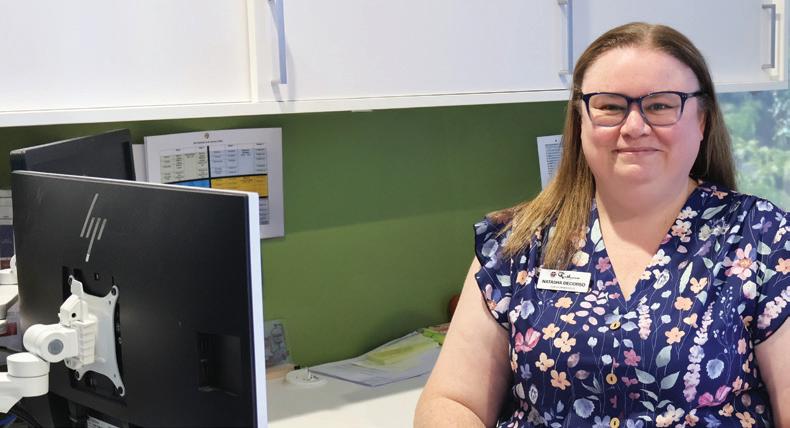
20:00 After cleaning up from dinner (weather dependent), I enjoy walking my dog before it goes dark to wind down after a busy day.
22:30 Evening routine and get ready for bed. I value my quiet time and brain dump any pending tasks that come to mind. If I wake during the night, I have a notepad by the bed so I can write down any ‘light bulb moments’ before I settle back to sleep.
A Day in the Life is a regular column opening the door into the life of a person working in their field of health care. If you would like to share a day in your working life, please write to: hh@wfmedia.com.au
WILL SHARPE*

Digital health adoption offers clear benefits, yet Australians continue to scrutinise how their information is handled. An information security professional charts the core components of a path forward.
Ongoing large-scale data breaches and incidents make it clear that health care continues to be one of the most exposed sectors, responsible for 18% of notifiable incidents in Australia. Each incident erodes public trust because the public expects their most intimate and sensitive information to be safeguarded without exception. When that trust is broken, confidence in digital healthcare services drops, disclosure becomes less honest and the willingness to adopt innovative technologies declines. Without trust, neither innovation nor quality patient care can progress.
Digital health adoption, from the national electronic health record system to telehealth, offers clear benefits, yet Australians continue to scrutinise how their information is handled. Their willingness to share data depends on strong and visible safeguards, clear consent processes and confidence that governance keeps pace with the technology. Strengthening these foundations is essential as the sector shifts towards predictive and preventative models of care that depend on timely, accurate and responsibly managed data.
ChatGPT-style health applications highlight a double-edged sword of AI in health care. They can support clinical decision-making and improve efficiency, but in the absence of strong governance, clinicians and patients
ChatGPT-style health applications highlight a doubleedged sword of AI in health care.
have every reason to be sceptical of their safety and reliability.
Secure-by-design principles and strong consent frameworks must be mandatory if we expect AI to enhance care without eroding trust. For technology leaders, embedding security into every platform and workflow from the outset is non-negotiable. This means early collaboration between clinicians, risk teams and technologists, alongside clear guardrails for emerging technologies. Done well, security becomes an enabler, reducing remediation costs while driving safer, more efficient care.
Interoperability is equally vital. Open standards and APIs allow data to move seamlessly across systems while maintaining compliance. Achieving secure interoperability is not just technical, it requires collaboration across providers, technology partners and
regulators to ensure that shared data remains protected end-to-end. Only then can we build connected ecosystems that clinicians can rely on, and patients can trust.
The path forward for secure and safe care has three core components:
1. Embed security and privacy into every digital innovation.
2. Adopt risk-based governance that prioritises patient safety.
3. Develop consent frameworks that empower patients.
Progress will be measured not by platforms deployed, but by patient experience: fewer retold stories, timely access to care, and confidence that their data, and health, are treated with integrity.

A new scholarship initiative will support Aboriginal and/or Torres Strait Islander optometrists or optometry students to attend leading national conferences during 2025–2026. Intended to foster professional development, culturally safe networking and leadership pathways, the Optometry Australia Scholarship Fund for First Nations Optometrists and Students is the result of a partnership between Alcon and Optometry Australia.
Supported events include: the 2025 Indigenous Allied Health Australia (IAHA) National Conference, Kabi Kabi Country (Sunshine Coast), 24–26 November 2025; the National Aboriginal and Torres Strait Islander Eye Health Conference (NATSIEHC26), Naarm (Melbourne), Wurundjeri Country, 11–13 May 2026; and Optometry Australia’s Optometry Clinical Conference (OCC 2026), Meanjin (Brisbane), 9–10 August 2026.
“We are deeply committed to strengthening the Aboriginal and Torres Strait Islander optometry workforce. Attending these conferences supports ongoing professional development and creates networking opportunities in a culturally appropriate space,” said Sarah Davies, Director of Advocacy at Optometry Australia.
“We are proud to have partnered with Alcon to strengthen delivery of this support, which reflects our shared commitment to growing and empowering the Aboriginal and Torres Strait Islander optometry workforce in Australia.”
Best known for its first aid courses, St John WA has expanded its training offering to include advanced and workplace-specific capability programs, from clinical upskilling to critical response and leadership development. The expansion is built on St John’s strategic transformation — where wellbeing and lifelong learning are central pillars.
“This expansion takes that same practical, evidence-based learning approach and applies it to the modern workplace — helping people build confidence, competence and care in every environment,” St John WA’s Group CEO Kevin Brown said.
The new courses include:
• Advanced Life Support 1, which develops the skills and knowledge to manage patients during the critical early stages of medical emergencies, with a focus on preventing deterioration and cardiopulmonary arrest — endorsed by the Australian Resuscitation Council; and
• IV/O and Blood Collection Courses, which are hands-on courses that train participants to establish vascular access safely and perform

Patel, Country Franchise Head, Vision Care at Alcon, said: “By enabling First Nations optometrists and students to attend these important conferences, we aim to support emerging leaders, foster culturally safe professional spaces, and advance equitable eye care across Australia.”
www.alcon.com
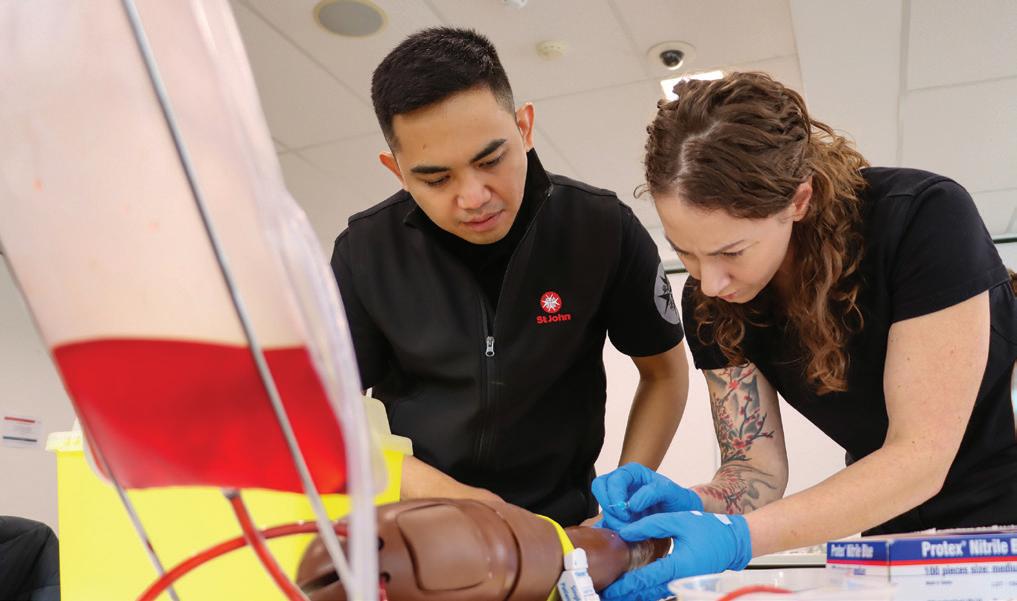
basic venous blood collection effectively, and with confidence — developed and delivered by AHPRA-registered clinical educators with frontline experience.
Each of the new courses provide ‘simulation-based’ learning — including practical scenarios as well as supportive, small group settings — and join St John WA’s suite of existing healthcare training, including Certificate IV in Health Care and Manual Handling for Patient Care.
Keep up with the latest industry innovations
GalvinAssist Contour 21 basins are engineered specifically for clinical, hospital, aged care and other high-risk healthcare environments where infection control and durability are critical. The basin design incorporates a patented Hydrofin anti-splash feature, which has been independently tested to reduce water splash by up to 90%. This reduction in splash is designed to help minimise the potential spread of waterborne pathogens and support safer hand-hygiene practices in clinical areas.
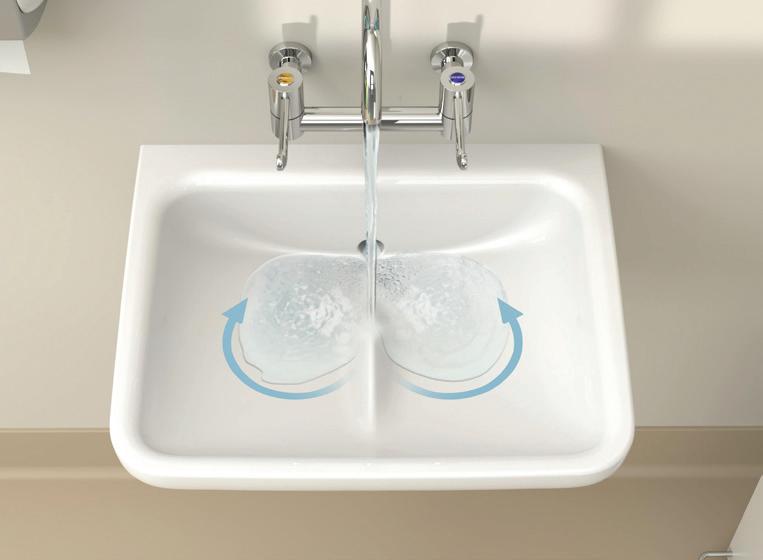
The basin surface is finished with an advanced hydrophilic glaze that includes ionic silver technology. This glaze is intended to promote rapid water runoff, reduce bacterial adhesion and slow biofilm accumulation, contributing to easier and more effective cleaning routines. The smooth, high-performance surface finish is designed to support compliance with infectioncontrol guidelines that prioritise cleanability and reduction of contamination risks.
Contour 21 basins are available in 500 and 600 mm models, with options for standard or rear waste outlets to suit varying plumbing layouts and clinical requirements. Their robust construction, hygiene-focused design features and flexible configuration options are designed to make them suitable for a wide range of healthcare applications where infection-control performance is essential.
Galvin Engineering Pty Ltd www.galvinengineering.com.au

Camfil’s CleanSeal AU is a robust, fully welded ceiling housing, specifically engineered for the Australian market. Designed to deliver reliable performance and ease of use, it is suited to cleanrooms, laboratories and life science facilities where precision airflow and contaminant control are critical. The housing can be customised to suit specific finishes, formats or fully bespoke ceiling integrations, providing flexibility to meet the unique requirements of any facility.
Equipped with a full suite of measurement ports, CleanSeal AU enables accurate filter validation and monitoring, making it suitable for both supply and exhaust air applications. The premium integrity variant supports ISO 14644-3 insitu testing, offering a complete installation kit for high-performance cleanroom environments.
CleanSeal AU is compatible with both PU and GEL gaskets and features a universal mounting system, allowing for suspended or compression installations. Its pre-positioned filter retainers and patented adjustable clamping system accommodate all Camfil Megalam HEPA filter sizes (MG/MD/MX), facilitating quick upgrades to maintain pressure cascades and enhance energy efficiency.
Key advantages include: stainless steel filter retaining section for gasket or gel seal HEPA filters and diffusers; quick front plate locking for immediate filter access; perforated diffuser standard, with alternative options available; powdercoated plenum standard, optional stainless-steel finish; and optional adjustable damper for precise room airflow control.
CleanSeal AU is engineered to combine durability, flexibility and compliance with stringent cleanroom standards, making it a reliable solution for maintaining optimal airflow, pressure control and energy-efficient operation in demanding life science and pharmaceutical environments.
Camfil Australia Pty Ltd www.camfil.com.au
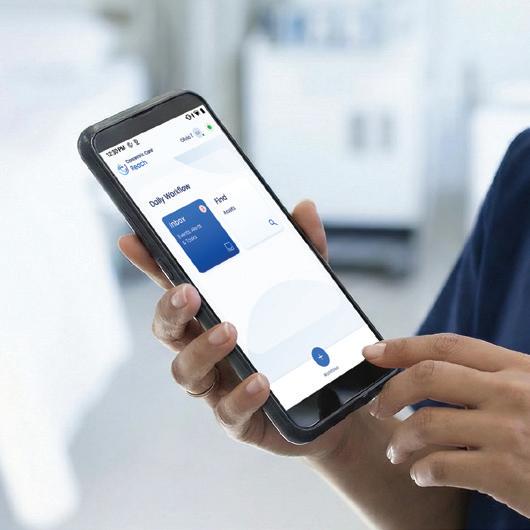
The Rauland Concentric Care platform is engineered to be a mission-critical ecosystem that unifies clinical communication, workflows and insights — intended to enable healthcare providers and teams to work smarter, respond faster and deliver improved outcomes.
The locally developed platform integrates clinical solutions such as nurse call and workflow (‘Responder Enterprise’), critical communication and duress messaging (‘Reach’), patient engagement and entertainment (‘Concierge’), real-time location and asset tracking (‘Pinpoint’), discreet falls risk monitoring (‘Vantage Care Monitoring’), comprehensive workflow visibility (‘Lighthouse’) and enterprise analytics and reporting (‘Insight’).
It aims to help healthcare organisations address critical challenges, by bringing together systems and tools in one place, managed by a single trusted partner. Concentric Care is intended to ensure that healthcare teams are better equipped, connected and empowered to provide high-quality care for all.
Rauland Australia Pty Ltd www.rauland.com.au
After working in hospitals, an Australian researcher set out to understand how hospitals and aged care homes can combat food waste — including with the help of AI.
Due to the complex interaction between patient and resident needs, staff behaviour and attitudes, foodservice operations, food safety regulations and nutrition policies, Australian hospitals and residential aged care homes generate substantial amounts of food waste — posing a significant challenge to building a national sustainable food system.
Now, a researcher from The University of Queensland (UQ) has drawn on his experience working in hospitals and identified — together with a UQ colleague and researchers from Adelaide and Monash universities — what he sees as the path to driving food savings in health care.
“My motivation comes from working in hospitals and seeing plates and plates of food go out to patients and then come back completely untouched and going into the bin,” said Dr Nathan Cook from UQ’s School of Human Movement and Nutrition Sciences. “It baffled me — not just from a sustainability point of view, but the labour and time that goes into preparing food that ends up in landfill.
“As well as providing cost savings, reducing food waste cuts greenhouse gas emissions, lowers disposal costs, and supports a more sustainable healthcare system that is better for patients by providing the food they want to eat,” Cook added, noting that up to half of all hospital waste can be food, while 23–50% of food prepared in residential aged care homes is discarded.
Given the financial pressures on the health sector and environmental imperative to reduce food waste, Cook set out to research how to measure and manage it more sustainably.
“Auditing is the first step towards finding solutions, but most food waste audits in hospitals are manual and ad hoc, often relying on students during placements,” Cook said.
“That might happen twice a year in hospitals and almost never in residential aged care,” he added. “If we measure food waste, we can identify what’s being left behind and why patients are rejecting it.” The data can help guide simple changes, Cook said. According to Cook, such simple changes include offering flexible portion sizes, more meal choices or adjusting mealtimes, which have the potential to reduce waste without compromising care.
Technology can also help, Cook believes, pointing to new AI-based technologies that
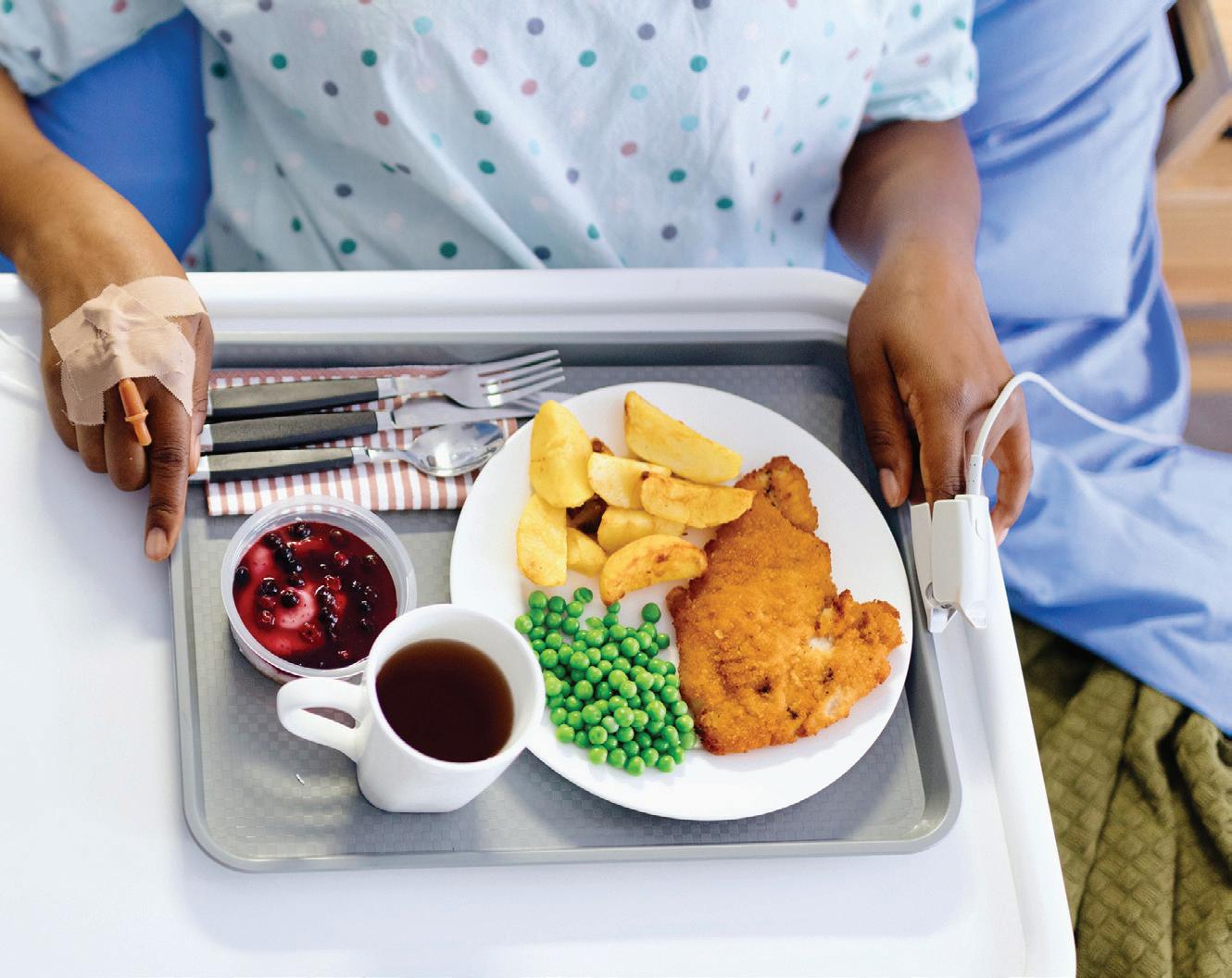
have offered a promising audit solution — enabling fast, accurate measurement without disrupting food service operations. “These tools can photograph and analyse plates before and after meals, providing data on what was eaten and what was left, without adding extra work to kitchen staff,” Cook said.
International case studies have shown that changes implemented after audits in hospitals led to savings, including about $200,000 a year at one facility in food purchasing alone, with further savings in reduced preparation and disposal. “I am keen to see auditing innovation adopted in Australia,” Cook said.
“It would allow us to measure, change, and measure again, creating a cycle of improvement that benefits everyone,” he added. “By starting with measurement, we can identify small, realistic steps to have a big impact and help achieve Australia’s national target to halve food waste by 2030.”
You can read more about Cook et al.’s perspective on managing food waste in Australian hospitals and residential aged care homes at doi.org/10.3389/ fnut.2025.1715385.

Published in February 2026, an Australian National University and University of Glasgow co-edited collaborative research anthology tackles sexual harms between doctors.
One-third of junior doctors have experienced sexual harassment and abuse (SHA) within their healthcare system. Now, Sexual harassment between doctors: healing medical cultures around the world — a collaborative research anthology from Australian National University (ANU) and University of Glasgow (UofG) — has been published, bringing together global target experiences and diverse approaches with the aim of helping to understand and tackle the root causes of SHA in medicine, and find potential solutions.
By prioritising the voices of targets — whose experience helps to inform an understanding of a complex problem — the reasoning is not only to help break the silence, but offer potential solutions in discrete cultural contexts. With contributing authors in locations from Austria to Zambia, the book spans multiple languages, sociocultural contexts, and academic disciplines — offering unique globally contextualised perspectives, expert analysis and commentary.
“We wanted to bring the insights of multiple disciplines and multiple contexts into one space so those of us involved in the complex problem of sexual abuse in medicine could examine the problem from multiple perspectives,” co-editor ANU’s Associate Professor Louise Stone said.
“We sincerely believe that it is only by engaging
with the complexity of the problem that contextually appropriate solutions can be found across the world.”
In the anthology, key ways to help prevent SHA in healthcare settings are identified. These include interventions that can be made during selection and training; changes to the nature and structure of medical work and the way hierarchy is managed; changes to the management of learning environments to ensure doctors in training are safe; and an exploration of the role of men in allyship, leading and supporting teams in the prevention and management of sexual harassment.
“Sexual harms between doctors is a complex problem, but not unsolvable,” co-editor UofG’s Professor Rosalind Searle said. Based in UofG’s Adam Smith Business School, Searle is working with NHS England and health and social care regulators to educate and introduce workplace interventions to prevent, reduce the impact of and minimise the harms of sexual harassment.
“This is an institutional issue,” Searle added. “Medicine is a patriarch, where your means to progress within your career depends on somebody else endorsing you. That therefore allows people to exploit others unnecessarily, promote those that favour
them and shut out people that challenge their behaviours.” Other editors of the anthology are, from ANU, Elizabeth Waldron, Christine Phillips and Kirsty Douglas.
Published by Cambridge University Press, to understand how systems adapt, as well as revealing the systems that enable abuse to occur in large healthcare institutions, Sexual harassment between doctors: healing medical cultures around the world brings into one place global expertise and experience from law, medical regulation, management, human rights, gender theory and therapy.
If you are affected by any of the issues discussed in this article, 1800RESPECT has a 24/7 support service that can help; please call 1800 737 732.