the Centre for Health Systems and Safety Research at Macquarie University’s Australian Institute of Health Innovation
Claire de Carteret Managing Director, APAC
Karen Conte A
Palliative
Dr Zachary Byfield Acting CEO and the National Director Education at the Australian College of
Conomos
Karlie Cremin
of Dynamic Leadership
Australia (DLPA) and Crestcom ANZ
Ashjari CTO and Vice President Solution Engineering at Nutanix APJ
Editor: Dr Joseph Brennan, PhD hh@wfmedia.com.au
Publishing Director/MD: Janice Williams
Art Director/Production Manager: Linda Klobusiak
Circulation: Alex Dalland circulation@wfmedia.com.au
Copy Control: Ashna Mehta copy@wfmedia.com.au
Media and Marketing Consultant: Richard Emanuel +61 416 751 750 remanuel@wfmedia.com.au
Advertising Manager: Richard Austin +61 401 400 866 raustin@wfmedia.com.au
PUBLISHED BY Westwick-Farrow Media
A.B.N. 22 152 305 336
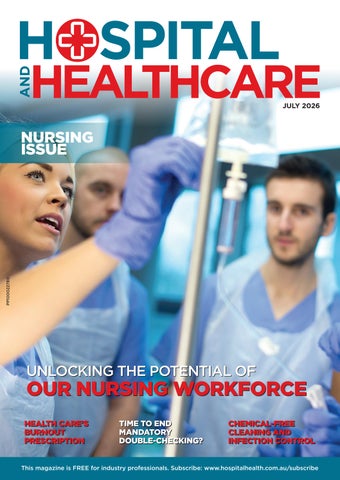
Welcome to the July 2026 Nursing Issue
In hospitals, double-checking medications, which requires two nurses to verify a dose before administration, is widely viewed as a critical safety safeguard. But what does the evidence tell us? Leading our Nursing Issue is Professor Johanna Westbrook — Director of the Centre for Health Systems and Safety Research at Macquarie University’s Australian Institute of Health Innovation — posing a key question for health care: is it time to end mandatory double-checking?
Director of Business Development at SKG Services — take on the role of chemicalfree cleaning in the future of healthcare infection control; and Karlie Cremin’s — CEO of Dynamic Leadership Programs Australia (DLPA) and Crestcom ANZ — case for the role of uniquely human ‘soft skills’ in health care that AI will never be able to replace.
www.wfmedia.com.au
Head Office Unit 5, 6–8 Byfield Street, North Ryde Locked Bag 2226 North Ryde BC NSW 1670 AUSTRALIA ph: +61 2 9168 2500
If you have any queries regarding our privacy policy please email privacy@wfmedia.com.au
Subscriptions for unregistered readers — price on application
Westwick-Farrow Media is committed to using environmentally responsible print services to produce our publications. This edition is made with
mixture of
from FSC-certified forests,
and/or FSC-controlled wood. While controlled wood doesn't come from FSC-certified forests, it mitigates the risk of the material originating from unacceptable sources . It is delivered in a totally degradable plastic wrapper.
Also providing insights for nursing and health care more broadly this issue is Australian College of Nursing Acting CEO Dr Zachary Byfield, outlining how nurses and current nursing initiatives can ease Australia’s healthcare pressures, and Karen Conte — nurse practitioner and Palliative Care Project Lead at Dovida — setting out why the Support at Home End-of-Life Pathway matters and some best practice perspectives on delivering it. We also have a suite of nursing-aligned case studies for you, including recurrentvolunteer operating theatre nurses taking their skills to communities where access to health care is limited.
Other highlights this issue include Claire de Carteret’s — Managing Director, APAC at Gallup — research-backed position that the solution for rising incidents of burnout and psychosocial hazards in hospitals may lie not only in increased resources, but also in the positive impact of effective, supportive management; John Conomos’ — Executive
WANT TO CONTRIBUTE?
We also have our usual breadth of coverage and some regulars for you. These include an international Design in Health tour of high-rise hospital design with Conor Larkins — Australian Health Principal — and Brian Kowalchuk — Global Design Director — from HDR, and our latest A Day in the Life instalment. This time we spend a day with Prue Walker, a social worker specialising in Fetal Alcohol Spectrum Disorder (FASD). Prue works as Clinical Coordinator of FASDConnect at Monash Children’s Hospital, supporting early recognition and assessment of children in out-of-home care, and also runs a private practice. She’s recorded a video diary as well, so have your phones handy.
Happy reading.
Dr Joseph Brennan, PhD Editor, H+H hh@wfmedia.com.au
We welcome articles and research reports from health professionals across Australia for review for the bimonthly print publication and our daily web page. If you have a story you think would be of interest, please send an email to hh@wfmedia.com.au
The ISSA Cleaning & Hygiene Expo Brings Infection Prevention to the forefront
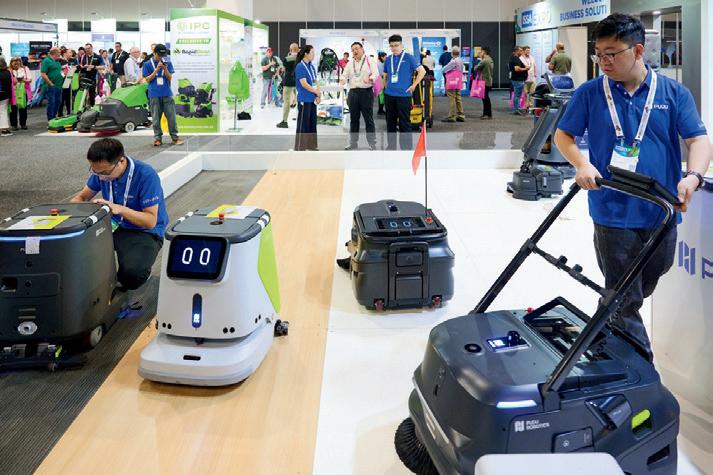
Held at the Melbourne Convention and Exhibition Centre from 8–9 October, the Expo brings together suppliers, industry experts and sector leaders across cleaning, hygiene and facility solutions. It is Oceania’s largest B2B gathering for the industry, attracting more than 2,500 attendees and 55+ exhibiting companies.
Built for the Demands of Healthcare
For hospitals, aged care providers, medical centres and health facilities, the timing could not be better. Healthcare environments demand far more than standard cleaning. Infection prevention, regulatory compliance, high-risk zones, patient vulnerability and equipment sensitivity all call for specialised products, rigorous protocols and suppliers who understand the stakes.
New for 2026 is the Healthcare Surfaces Forum
Taking place on Wednesday, 7 October, the day before the Expo. Hosted by ISSA Healthcare and sponsored by Virtual MGR, this highly interactive forum brings together infection prevention professionals, environmental services (EVS) leaders, clinicians, researchers, healthcare executives, manufacturers and building service contractors to explore how evidence-based
environmental hygiene, surface selection, cleaning practices and emerging innovation can strengthen patient safety. The Forum is designed to encourage collaboration across disciplines, with expert presentations, facilitated discussions and practical problemsolving focused on advancing healthcare environmental hygiene.
Learn more about the Forum at https://www. issa.com/oceania/healthcare-forum-oceania/ Learning Beyond the Stands
The program extends well beyond the stands. Complimentary speaker sessions and specialist workshops run across both days, covering healthcare hygiene, workforce management and emerging threats such as biofilms. Healthcare professionals can also attend The Healthcare Cleaning Masterclass: Practical Strategies for HighRisk Environments. The workshop explores infection prevention, operational risk, workforce capability and healthcare cleaning best practice, providing practical strategies that can be applied immediately within healthcare environments.
The Right People in the Room
There is also value in simply being in the room. Seventy-nine per cent of Expo attendees are responsible for or influence purchasing decisions, creating opportunities
to connect with peers facing the same pressures — increasing infection prevention expectations, workforce shortages, sustainability targets and the constant balancing act between cost and quality. The Expo also brings together healthcare leaders, environmental services professionals, manufacturers, researchers and suppliers, creating conversations that rarely happen in day-to-day practice.
Backed by a Global Association
The Expo is delivered by ISSA, the global association for cleaning and facility solutions, supporting a community of more than 11,000 members worldwide. Its healthcare focus is backed by ongoing education across the region, from webinars on healthcare cleaning as a specialised discipline to the new Healthcare Surfaces Forum and practical professional development opportunities.
For a sector where the environment of care is inseparable from the quality of care, the 2026 ISSA Cleaning & Hygiene Expo o ers healthcare professionals the opportunity to discover new technologies, strengthen partnerships and explore the ideas shaping the future of healthcare environmental hygiene.
» For more information visit cleaninghygieneexpo.issa.com
Outdated, overused and ineffective — time to end mandatory double-checking?
PROFESSOR JOHANNA WESTBROOK*
In hospitals, double-checking medications, which requires two nurses to verify a dose before administration, is widely viewed as a critical safety safeguard. But the evidence tells a different story.
Health systems worldwide are under strain, facing workforce shortages, rising patient complexity, and escalating costs. In this environment, making better use of nursing time is not just desirable, it is essential. One opportunity that has received surprisingly little attention is the removal of low-value nursing practices: tasks that consume time without improving patient outcomes.
Around 30% of healthcare activity is estimated to be waste, ineffective or low-value.1 There is now mounting evidence that double-checking medications is one such low-value practice. Double-checking medications requires two nurses to verify a dose before administration and is one of the most entrenched practices in hospitals around the world. It is widely viewed as a critical safety safeguard. But the evidence tells a different story.
Early accounts of double-checking arose in the 1960s in the United States with the application of engineering principles of redundancy introduced in an attempt to reduce medication administration errors. While intuitively appealing, with the notion that ‘two sets of eyes are better than one’, this assumption was never empirically tested in clinical settings to see whether it actually works at reducing errors.
Over time, the practice spread globally, reinforced by policy and professional norms rather than strong research evidence. Today, it is embedded in many hospital protocols, especially in high-risk areas such as intensive care, oncology and paediatrics.
Does double-checking reduce errors?
Two systematic reviews found little or no reliable evidence that double-checking reduces medication administration errors.2, 3 Only recently have robust, large-scale studies confirmed the absence of any safety benefit of double-checking as performed in practice.
Our direct observational study in a paediatric hospital examined over 5100 medication administrations to over 1500 children by 298 different nurses.4 Nearly 70% of these administrations required ‘independent’
double-checking according to the hospital’s policy. Independent double-checking specifies that each nurse must asynchronously check each medication step. We found genuinely independent double-checks occurred in just 1% of administrations. For 93% of checks nurses collaborated on sharing information during the checking process. As the Institute for Safe Medication Practices (ISMP) warns, the danger here is of confirmation bias, reducing the effectiveness of the checking process. Our results confirmed this outcome. We found no association between double-checking and reduced error rates or severity.
A 2024 US paediatric ICU study by Leah Konwinski et al. evaluated the removal of mandatory double-checking for high-risk medications.5 Monitoring outcomes over 40 months among 4417 children, there were no increases in errors, length of stay, or inhospital mortality.
Why doesn’t double-checking work?
While intuitively, double-checking would be expected to improve error detection, insights from psychology research explain why this does not occur due to the phenomenon of ‘social loafing’. In essence, social loafing is the tendency for individuals to devote
reduced effort to a task when it is shared, with individual accountability diminishing, often resulting in less vigilance and paradoxically fewer errors being identified.
We tested the impact of social loafing on double-checking in a controlled simulation study, where nurses were randomised to either single-check or independently double-check medications.6 The results were striking: nurses were 10% less likely to detect deliberately planted errors when working in pairs than when checking alone. This decline in performance reflects social loafing, where individuals subconsciously reduce their effort when working in groups. This effect is not unique to nurses, with multiple studies demonstrating this effect among professional groups from aviation to rescue workers.
Enforcing ‘independence’ in the doublechecking process has often been proposed as the solution to improving its effectiveness. Our simulation study was the first to test whether error detection improves with independence.6 The results were surprising. Among nurses with less than five years’ clinical experience, enforcing independent double-checking did not improve error detection rates compared to when they single-checked. When checking alone, these less experienced nurses detected
significantly more errors than their more experienced colleagues who single-checked. By contrast, experienced nurses benefited from independent double-checking, showing a significant improvement in their error detection compared to single-checking. However, nurses overwhelmingly reported that performing independent double-checks was not feasible on busy clinical wards and did not reflect routine clinical practice.
Is double-checking harming patients?
There are significant consequences if we keep double-checking. Investing valuable nursing time in this low-value practice takes nurses’ time and attention away from practices that can be life-saving. Each second check takes approximately 6–9 minutes. In one paediatric hospital, with more than 3000 administrations a day, we found ~300 nursing hours per day were consumed by performing second checks, at an annual salary cost of ~$4.5 million.4 When extrapolated across Australian hospitals, it’s estimated that around $5 million per day is spent on doublechecking with no substantial safety benefit.
Time is also lost simply looking for a second nurse to perform the double-check, often
The results were striking: nurses were 10% less likely to detect deliberately planted errors when working in pairs than when checking alone.
interrupting another clinical task. The result can be delays in care, with patients waiting longer for pain relief or time-critical treatments such as antibiotics. In practice, nurses are constantly balancing competing priorities, administering urgent medications, responding to deteriorating patients and completing multiple tasks simultaneously. Double-checking adds not only workload and stress, but complexity; delays care; and can interrupt other critical work. This represents a significant opportunity cost. Time spent double-checking could instead be used for high-value care, monitoring patients, communicating with families or early recognition of clinical deterioration — practices shown to deliver improvements in care outcomes.
Why do we keep doing it?
Practices like double-checking persist because they feel safe, align with intuition and are deeply embedded in policy. Reviewing and removing embedded safety practices is difficult and rarely occurs, even as the healthcare context changes dramatically.
When double-checking was first introduced, the nursing workforce looked very different. Nurses were trained through hospitalbased, apprenticeship-style programs, with limited formal higher education. Today, the profession has transformed. Nursing is a highly skilled, universityeducated workforce, with more than 40% of Australian nurses holding postgraduate qualifications. Expectations of clinical reasoning, accountability and autonomous decision-making have evolved accordingly. At the same time, medication safety has been strengthened with technologies such as electronic medication administration systems, bar-code scanning and automatic dispensing, along with improved packaging and administration delivery devices.
Despite these advances, double-checking remains firmly embedded, and in many instances the number of medications requiring mandatory checks has expanded, further contributing to the ritualisation of the practice. Instead of checking everything twice, nurses should be enabled to apply their clinical expertise and judgement to decide when a second check is warranted.
Double-checking was introduced with good intentions, but the evidence does not support its widespread use. In an era of workforce shortages and increasing demand, continuing practices that consume time without improving outcomes is unsustainable. Hospitals should consider the need for policy and practice reform to increase single-checking to enhance patient care and outcomes. We have formed a large coalition of paediatric
hospitals, policymakers, clinicians and consumers to develop and drive a program to support the de-implementation of mandatory double-checking, allowing nurses to exercise their professional autonomy and expertise.
The goal is to focus on what actually works. By removing low-value practices and empowering nurses to apply their clinical judgment, we can release significant capacity, improve care quality and build a more sustainable health system.
It is time to let go of outdated rituals and allow nurses to use their expertise where it matters most.
1. Braithwaite J, Glasziou P, Westbrook J. The three numbers you need to know about healthcare: the 60-30-10 Challenge. BMC Medicine 2020;18(1):102. doi: 10.1186/ s12916-020-01563-4
2. Alsulami Z, Conroy S, Choonara I. Double checking the administration of medicines: what is the evidence? A systematic review. Arch Dis Child 2012;97(9):833–837. doi: 10.1136/archdischild-2011-301093
3. Koyama AK, Maddox C-SS, Li L, et al. Effectiveness of double checking to reduce medication administration errors: a systematic review. BMJ Qual Saf 2020;29:595–603. doi: 10.1136/bmjqs-2019-009552
4. Westbrook JI, Li L, Raban MZ, et al. Associations between double-checking and medication administration errors: a direct observational study of paediatric inpatients. BMJ Qual Saf 2021;30:320–330. doi: 10.1136/bmjqs-2020-011473
5. Konwinski L, Steenland C, Miller K, et al. Evaluating independent double checks in the pediatric intensive care unit: a human factors engineering approach. J Patient Saf 2024;20(3):209–215. doi: 10.1097/ PTS.0000000000001205
6. Westbrook JI, McMullan RD, Fitzpatrick E, et al. Is independent double-checking superior to singlechecking in medication administration error detection? A randomised controlled simulation trial. BMJ Qual Saf 2026:bmjqs-2025-019743. doi: 10.1136/bmjqs-2025-019743
*Professor Johanna Westbrook is Director of the Centre for Health Systems and Safety Research at Macquarie University’s Australian Institute of Health Innovation.
The Organisations That Will Lead This Sector in Five Years, Are Making Di erent Decisions Right Now.
Daniel Wyner, CEO, Lumary
Australia’s disability and aged care sectors are at an inflection point. NDIS reform, the transition to Support at Home, tightening compliance regimes, and a workforce under immense pressure are converging simultaneously. For providers, the margin for error has never been smaller, and the cost of getting it wrong has never been higher. As I step into the role of CEO at Lumary, a company built at the inception of the NDIS, one thing is already obvious: the sector’s margin for error is shrinking, and the organisations that adapt fastest will be the ones still standing in five years.
The Compliance Trap and How to Escape It
Every provider leadership team we speak with is consumed by the same challenge: maintaining compliance while finding capacity to grow. Compliance isn’t optional and the requirements are only going to intensify. Regulatory bodies are moving toward real-time data assurance, much like what happened in the tax sector with Single Touch Payroll. Providers not collecting the right data today will find themselves scrambling when that moment arrives. Compliance and innovation aren’t mutually exclusive. The organisations that feel trapped are usually the ones that haven’t invested in
the right foundations. When your systems are configured correctly, for example when a lapsed working-with-children check flags automatically before it becomes a rostering decision, compliance takes care of itself. That frees leadership to focus on the future, not just survive the present.
The Hidden Cost of Getting Rostering Wrong
Workforce costs are the largest single lever in a care provider’s cost base and most organisations aren’t pulling it hard enough. Payroll is often treated as an afterthought, when in reality an unoptimised roster can make an entire week loss-making through overtime and penalty rates alone. Tight operational planning is the foundation that determines whether an organisation has capital to invest in anything else.
Technology only creates value when it’s truly embedded in the workflow. The measure of success isn’t how sophisticated it looks, it’s whether the support worker is spending more time on care and less on administration.
Convergence: Disability and Aged Care Are Moving to the Same Rails
One of the most significant shifts underway, and one that isn’t getting enough attention,
“We’re
building infrastructure that helps providers not just comply, but lead, and measuring our success not by the sophistication of our product, but by the outcomes it enables for support workers, carers, and the participants they serve.”
is the convergence of the NDIS and aged care funding and assurance models. Aged care reform is moving toward individually tailored plans, matched funding, and real-time assurance: essentially the same infrastructure architecture that underpins the NDIS. Systems that can span this convergence will be essential.
As hospitals face growing inpatient capacity pressures, the ability of community-based providers to support people in their homes is becoming more critical to the broader health system. The sustainability of disability and aged care providers isn’t just a sector concern. It’s a health system concern.
What should your business be asking?
“Are we compliant?” is necessary but insu icient. The question you need to be asking is: what does our organisation look like in two to three years when regulation intensifies? Are we collecting the data we’ll be required to report on?
The organisations asking these questions today are the ones who will thrive.
Mission-Critical Infrastructure for What’s Next
Lumary was built at the inception of the NDIS. We’ve lived through every wave of reform alongside providers. Our platform connects clients, people, and operations in a single system: participant records and funding, workforce rostering and payroll, real-time billing and financial reporting which is scalable from a single site to a national provider.
My focus as CEO is simple: make Lumary indispensable to the organisations keeping this sector standing. That means building infrastructure that helps providers not just comply, but lead, and measuring our success not by the sophistication of our product, but by the outcomes it enables for support workers, carers, and the participants they serve.
For more information visit Lumary www.lumary.com
Australian health care’s burnout prescription
In Australia’s hospitals, the solution to rising incidents of burnout and psychosocial hazards may lie not only in increased resources, but also in the positive impact of effective, supportive management.
Australia’s hospitals are confronting a predicament that would test even the healthiest system. Demand for care is rising steadily, driven in large part by an aging population and the growing prevalence of chronic disease. At the same time, productivity is faltering and costs are climbing. The result is a workforce that is expected to do more, often with less.
Two recent studies indicate that many healthcare workers in Australia experience symptoms of burnout, ranging from emotional exhaustion to diminished performance. A recent Ahpra study identified burnout as the top reason for leaving among practitioners intending to quit their job.1 The RACGP General Practice Health of the Nation 2023 report found that 71% of GPs in Australia said they had experienced burnout in the past 12 months.2
Healthcare organisations in Australia also suffer from lower employee engagement than other sectors. Among Australian healthcare and social assistance organisations in Gallup’s client benchmark database, 33% of employees are engaged, compared with 46% of employees in all sectors and well below the global health care and social assistance average of 50%.
Health care is, by design, a people-intensive enterprise. It relies on highly trained professionals, including doctors, nurses and technical staff, whose judgment, attention and emotional connection to mission are integral to their work. When these individuals are engaged, patients receive better care, teams collaborate and function more cohesively, and organisations benefit from improved performance against critical outcomes.
Why engagement matters
Gallup defines employee engagement as the involvement and enthusiasm of employees in their work and workplace. Decades of Gallup research on the relationship between workplace engagement and organisational outcomes show that engaged employees help their organisations achieve improved performance outcomes across all industry sectors.3
In health care, employee engagement is positively correlated with the following performance outcomes:
• Patient safety
• Quality of care and clinical outcomes
• Staff retention
Employee wellbeing
Engaged workplaces help create more favourable conditions for staff to perform at their best. In hospitals, this can mean catching a medication error before it reaches a patient or raising a concern about a flawed process and how it can be rectified. Conversely, when both engagement and psychosocial safety are lacking, problems can remain hidden until they become crises.
70% of the variance in team engagement is attributable to the manager.
CLAIRE DE CARTERET*
Engagement also promotes better employee wellbeing and stronger psychosocial safety. Based on Gallup World Poll surveys conducted from 2020 to 2025, engaged workers in Australia experienced lower levels of negative emotions like stress, worry and anger than actively disengaged employees: 37% of engaged employees in Australia reported feeling stress the previous day, 24% worry, 14% sadness and 11% anger. In contrast, 60% of actively disengaged workers experienced stress, 50% worry, 32% sadness and 27% anger.
Low employee engagement is not confined to Australia’s healthcare sector. Gallup’s State of the Global Workplace: 2026 Report reveals that in the country’s general working population engagement has stagnated for over a decade at about one employee in five, while measures of employee wellbeing have also declined steadily over this period.4
Breaking the cycle of disengagement, negative emotions and burnout requires more than resilience training or wellness initiatives. Rather, leaders must focus on fostering psychosocial safety and creating a workplace environment in which employees
feel individually recognised and able to speak up, ask questions and admit mistakes without fear of reprisal. In such settings, risks are more likely to be identified before they escalate.
The vital role of managers
Managers are essential to building an engaged workplace. Gallup research has shown consistently that 70% of the variance in team engagement is attributable to the manager. This is because the manager’s influence is direct, immediate and consistent; they set goals and expectations, provide feedback, recognise contributions, support individual development and shape the day-today employee experience.
In practice, effective management is not complicated. Managers who emphasise clear communication, give meaningful recognition, identify opportunities for development and provide genuine support can have a measurable impact on their team’s engagement and performance. In high-pressure environments like hospitals, small, regular improvements in how teams are managed can result in meaningful gains in engagement and wellbeing.
Several Australian healthcare organisations have begun to make engagement a strategic priority, emphasising staunch support for managers to help them boost and sustain team engagement. Evidence clearly shows that an intentional focus on engagement helps build more resilient teams and fosters a culture in which staff feel valued and supported by their organisation.
A pivotal juncture for health care
The stakes are high for Australia’s healthcare system. An aging population is fuelling a continuing rise in demand; workforce pressures remain high and the strain on frontline staff is considerable. Against this challenging backdrop, the country’s healthcare leaders need to make engagement a strategic priority. A focus on creating a more engaged workforce culture that emphasises recognition, builds trust, and strengthens employees’ connection to mission and purpose is essential. A highly engaged workforce will enable Australia’s healthcare providers to deliver consistently high levels of care to the patients and communities they serve today and meet the growing needs of the future.
To care effectively for patients, healthcare systems must first care for and support their staff, not only by protecting their wellbeing, but by ensuring they are engaged in their work. For Australia’s hospitals, the best remedy may be less about doing more, and more about doing things differently.
1. Tan J, Divakar R, Barclay L, Bayyavarapu Bapuji S, Anderson S, Saar E. Trends in retention and attrition in nine regulated health professions in Australia. Aust Health Rev. 2025;49:AH24268. doi: 10.1071/AH24268
2. General Practice Health of the Nation 2023. RACGP; 2023. Accessed 12 June, 2026. https://www.racgp.org. au/getmedia/122d4119-a779-41c0-bc67-a8914be52561/ Health-of-the-Nation-2023.pdf
3. The Relationship Between Engagement at Work and Organizational Outcomes, Q12 Meta-Analysis: 11th Edition. Gallup; 2024. Accessed 12 June, 2026. https://www.gallup. com/workplace/321725/gallup-q12-meta-analysis-report.aspx
4. The Gallup State of the Global Workplace: 2026 Report. Gallup; 2024. Accessed 12 June, 2026. https://www.gallup. com/workplace/349484/state-of-the-global-workplace.aspx. This report includes country-level findings based on general working population survey data collected in 2023, 2024 and 2025. Gallup’s client benchmark database includes survey data from organisations that have partnered with Gallup to measure and enhance employee engagement.
*Claire de Carteret is Managing Director, APAC at Gallup.
A palliative care nurse on why
good intentions aren’t enough
KAREN CONTE*
A nurse practitioner and home care provider’s Palliative Care Project Lead sets out why the Support at Home End-of-Life Pathway matters and some best practice perspectives on delivering it.
I still remember being told a story about a care worker watching a daughter apologise to her dying mother.
She wasn’t apologising for anything she had done wrong. She was apologising because she thought she had failed her by not being able to keep her at home.
Her mother had wanted, very clearly, to die in her own bed. But the family was exhausted, frightened and overwhelmed by symptoms they did not understand. Pain had escalated. Breathing had changed. Panic had set in. Like so many families, they had reached a point where calling an ambulance felt like the only safe option.
As a palliative care clinician, that story has stayed with me — not because hospital care was wrong, but because the crisis itself may have been avoidable with the right support earlier.
For many Australians, the wish to remain at home at the end of life is deeply personal. Home represents familiarity, dignity, autonomy and connection. Yet wishing to die at home and being supported to do so safely are very different things.
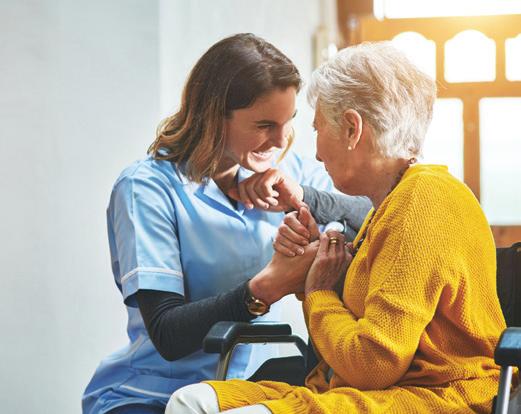
Good home-based palliative care is not simply about delivering services into a house. It is about building confidence around the person and their family before crisis occurs. It means having clear goals of care, practical planning, skilled symptom management, responsive escalation pathways and a workforce that understands not only what to do clinically, but how to support people emotionally through uncertainty.
Historically, this has been one of the greatest challenges in community palliative care. Families are often willing, but they are frequently underprepared and under-resourced. Care workers may be compassionate, but without adequate palliative-care training they can feel uncertain. Systems may exist, but they are not always timely or coordinated enough when someone deteriorates quickly.
This is why the Support at Home End-of-Life Pathway matters.
For older Australians who wish to remain at home during the final stage of life, this pathway offers a meaningful shift — dedicated funding, faster access to supports and greater flexibility to respond to changing needs. It creates more scope to put the right care around patients and families when time matters most.
But funding, while essential, is only one part of the equation.
In practice, the real question is whether the people delivering care at home feel prepared for what families need. Strengthening palliative care means more than making services available; it means building confidence and capability across the whole care team.
This includes investing in practical palliative care education for care workers, care managers and clinical leads, and drawing on existing Commonwealth-funded programs in advance-care planning and palliativecare training. The focus has been on the
Good home-based palliative care is not simply about delivering services into a house. It is about building confidence around the person and their family before crisis occurs.
things that matter most in real situations: communication, recognising symptoms early, understanding escalation and helping care workers feel more confident supporting people nearing the end of life.
None of this is about expecting home care staff to become specialist palliative care clinicians. It is about making sure they are better equipped to notice subtle deterioration, recognise red flags, raise concerns earlier and play their part in comfort-focused care. That shift matters.
Often, the difference between a family feeling abandoned and a family feeling supported is not a major intervention. It is a prepared care worker recognising terminal restlessness, a care manager checking that anticipatory planning is in place or an after-hours staff
member calmly talking a family through what to expect overnight.
I have seen how this can change a family’s experience. People who felt alone can begin to feel more capable. Some hospital transfers that once seemed inevitable can be avoided. Most importantly, care is more likely to stay aligned with what matters most to the person and those around them.
For me, genuinely good end-of-life care is not defined by whether death happens at home or elsewhere. It is defined by whether the person’s goals, comfort and dignity were genuinely prioritised — and whether families felt supported enough to carry those wishes through.
That daughter’s apology in the lounge room has stayed with me because it represented
something I believe our health and aged care systems must do better: we must stop leaving families to mistake system gaps for personal failure.
As clinicians, providers and referrers, our responsibility is not simply to ask people where they want to die. It is to build the systems, skills and supports that make those choices genuinely possible.
Good palliative care at home at its best, brings together clinical expertise, preparation, partnership and compassion in the place people know best — home.
*Karen Conte is a nurse practitioner and Palliative Care Project Lead at Dovida.
A day in the life of
Prue Walker a social worker specialising in FASD
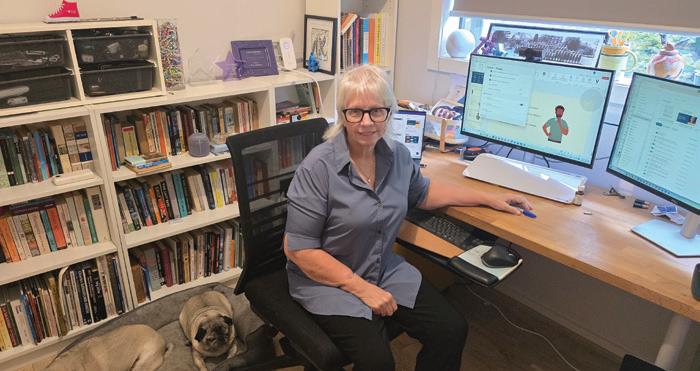
07:00 I am woken by my two senior pugs, Albert and Nell, who are very clear that breakfast is the first priority of the day. I get up, feed them, and start getting ready.
08:00 Back home, I put on a podcast while having breakfast and do The Age cryptic crossword. I enjoy a slow start to the day, but check the diary so I know when I need to shift into work mode.
07:30 It is a wintry day, but the sun is out, so I load the pugs into the car, pick up a takeaway coffee and take them to the park for a 15-minute stroll. They will be spending most of the day asleep.
09:15 My first session is with a behaviour support practitioner seeking advice about a young person with FASD. We talk through what the diagnostic report tells us about the young person’s brain function and capacity. Although they present as verbally competent, their everyday functioning is much younger than their chronological age. The focus shifts from responding after things go wrong to planning around missing skills, reducing demands and using environmental supports. After the session, I edit the AI transcript and send it through with links to relevant online resources.
11:00 I meet online with permanent carers whose child has recently received a diagnosis of FASD. Parents and carers often come with a mix of relief, grief, exhaustion and uncertainty. For this family, the diagnosis is not unexpected, but it still comes with a sense of shock. I share a plain-language summary of the diagnostic report that they can adapt for the child’s teachers. We focus on one daily challenge — getting dressed in the morning — and unpack what might be contributing to difficult starts to the day. I suggest a few simple strategies and offer to run a session with the school to explain the child’s profile.
08:45 Today, I’m working from home, so moving into my office means it’s time to switch on. I have ADHD, and while I wish I was the sort of person who planned each day with a neat checklist, I am not. I rely on practical systems instead: reminders, flagged emails, admin support and a morning computer reset. I often have browser tabs, draft emails and halffinished documents open from the day before. Closing them down when I am fresh helps me see what still needs attention, tie up loose ends and refocus. Sometimes the answer to something I was stuck on the day before is suddenly obvious.
12:30 I take a break for lunch, check the letterbox, feed the fish and encourage the dogs to stretch. I do the Sudoku over lunch, which gives my brain a reset. I also have a Google alert set for FASD research, and there is a new article on FASD and language development that I’d like to share with my Monash team. Part of my work involves staying across emerging evidence and translating it into practice. A new article may inform a training slide, family resource, blog post or clinical discussion.
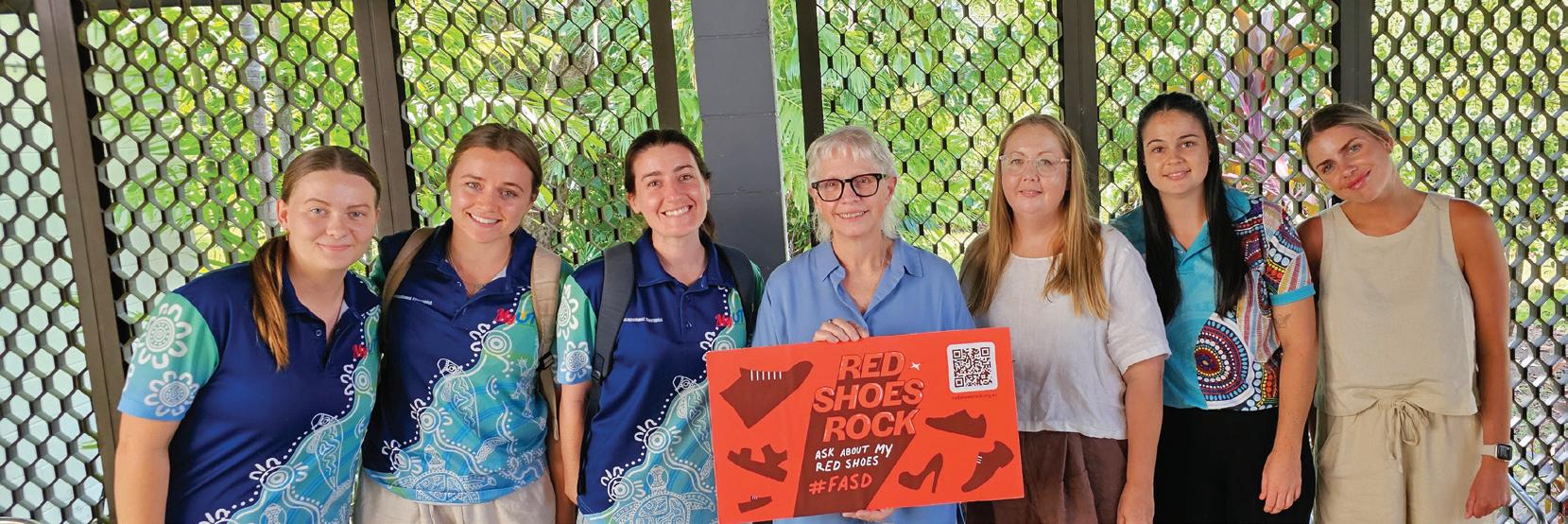
PPrue providing FASD training to allied health workers in the Northern Territory
rue Walker is a social worker specialising in Fetal Alcohol Spectrum Disorder (FASD), a lifelong neurodevelopmental condition caused by prenatal alcohol exposure, estimated to affect between 1% and 3.5% of people in Australia. Prue works as Clinical Coordinator of FASDConnect at Monash Children’s Hospital, supporting early recognition and assessment of children in out-of-home care, and also runs a private practice providing consultation, training and resources for families, carers and professionals. Across both roles, her work focuses on translating diagnosis into practical support, helping families and systems recognise and respond to FASD more effectively. Here’s a day in her life.
13:15 I’m attending an upcoming conference where I have been asked to speak about FASD in adults as part of a panel. I make notes on the running sheet and send slides back to the organiser. FASD is often unrecognised among adults, which can be a major barrier to successful engagement in programs such as substance use treatment.
15:00 Across the week, I combine private practice with my role at FASDConnect at Monash Children’s Hospital. I check a couple of Monash emails, including one from a child protection worker reviewing a child’s file for evidence of prenatal alcohol exposure. The child has significant developmental delays but no diagnosis, so this information could make a real difference.
19:00 I usually try to switch off in the evenings, but I am working on a resource for child protection workers and I am in the flow, so I spend another couple of hours writing. I set up my computer in the kitchen and have the TV on in the background, so it does not feel quite like work. When I am tired, I put the computer to sleep and tie up loose ends in the morning. What I value most about my work in this area is the moment when something shifts for a family or a professional — when understanding more about FASD opens the door to new explanations, new types of support and, most importantly, more hope for the future.
We also have a busy training schedule, so I check enrolments for upcoming child protection worker training. The new dates are nearly full, so I message the team about adding more sessions. On a typical day, I am jumping between Humanitix, Canva, Teams, PowerPoint and multiple browser windows — hence the morning reset. 13:15 14:00 15:00 19:00 16:00
14:00 I meet online with my admin worker. We talk through upcoming training dates, registrations, invoices, certificates, resource links and follow-up emails. I also have a couple of enquiries about individualised training. Having external support, and being accountable to the systems I have set up, helps me stay focused.
16:00 One of the Monash social workers has a query, so I jump on a Teams call. She is reviewing prenatal alcohol exposure information for a child referred for assessment. We look at the birth records together and confirm there is enough information to proceed. Being familiar with the thresholds in the FASD guidelines is a key part of my role at Monash.
A Day in the Life is a regular column opening the door into the life of a person working in their field of health care. If you would like to share a day in your working life, please write to: hh@wfmedia.com.au
Prue on FASD training for social workers
Innovating chemical dosing & dilution in aged care
Ensuring the safety, comfort and wellbeing of nursing home residents is an ongoing challenge for operators amidst rising costs associated with a skills shortage that will see Australia needing an extra 110,000 skilled aged care workers by 2030 according to the Committee for Economic Development of Australia (CEDA).
This, combined with increased water, energy and chemical costs, means operators are turning to trusted solutions and cutting-edge technology to ensure that laundry and surfacecleaning provision is delivered cost e ectively without compromising on standards.
On-premise laundry
Managers of care home on-premise laundries, facing a constantly high turnover of bed linen, towels and clothing, cannot a ord the time and costs associated with rewashing. Therefore, there exists a demand for chemical dosing systems that inject detergent, fabric softener and additives with high precision and consistency alongside minimal servicing requirement.
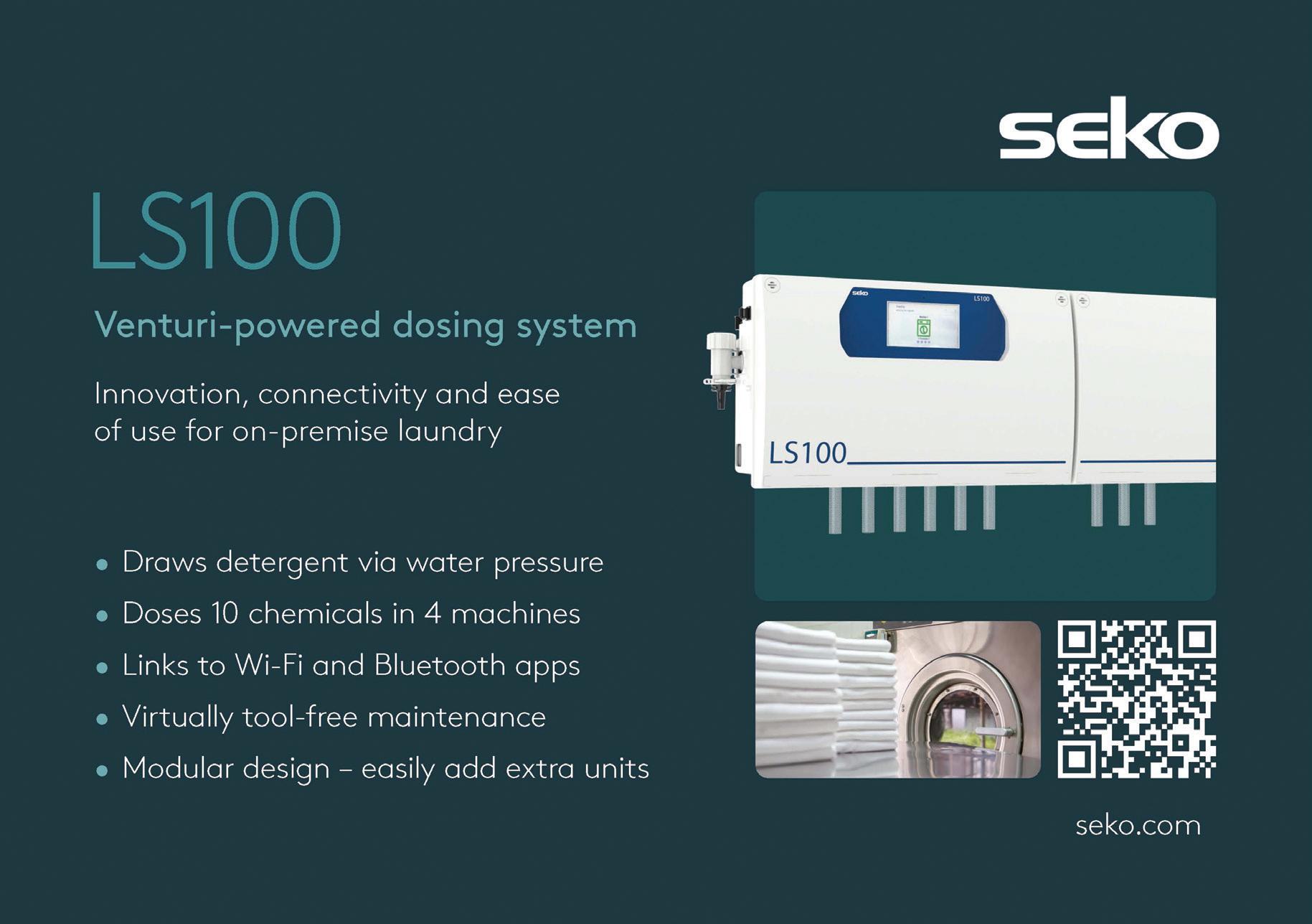
These devices traditionally use solenoid or peristaltic pump-driven dosing, while recent developments include venturi-based units that use water pressure to draw chemical. These systems, such as SEKO’s LS100, have no moving parts, meaning that maintenance consists of little more than occasional cartridge replacements which helps to significantly reduce costs while maximising in-service time.
With wash performance and reduced chemical consumption among the priorities in care home on-premise laundries, IoT-enabled dosing pump systems are increasingly specified for new installations and upgrades alike.
These devices work by harvesting data during operation, including information on wash cycle status, chemical consumption and equipment performance, which can then be accessed historically or in real time via smartphone.
With this vital information at their fingertips, users can programme and adjust wash formulas in order to optimise performance and minimise chemical consumption.
Meanwhile, managers are able to view wash statistics in cost-per-load terms, providing invaluable and accurate insight into their application’s cost which can help them identify chemical wastage and pinpoint areas for potential savings.
Such systems also alert operators to anomalies via smartphone alerts, allowing remedial action to be taken at the earliest opportunity, helping to avoid untimely equipment failure and expensive unplanned downtime.
For those managers responsible for multiple sites or working from home, the ability to take control of their wash operation 24/7 from any location saves time and money while eliminating unnecessary travel as part of a sustainable operation.
Surface cleaning Infection control in the aged care sector,
where vulnerable residents must be protected against the spread of bacteria and viruses, demands robust dispensing systems that deliver a consistent volume of chemical for repeatable results.
When considering chemical dispensers for surface-cleaning tasks such as counter wiping, floor mopping and sink filling, by opting for systems that allow multi-product dispensing from a single control unit (usually via a selector dial) users can quickly and easily switch between products.
Meanwhile, the inclusion of di erentlysized metering tips can help users to make fine adjustments and maximise e iciency depending on the chemical being used.
Such systems – which include SEKO’s modular ProMax and ProFlex ranges – also typically allow customisation, with products colour-coded on the control unit to ensure the correct chemical is selected.
With the Australian aged care sector welcoming employees from around the world in order to address the skills shortage, this universal identification is especially useful to sta for whom English may not be their first language.
SEKO has almost 50 years’ experience in the design and development of chemical systems for the cleaning and hygiene sector, and has worked extensively with public and private healthcare operators to provide bespoke solutions for sites of every size.
Unlocking the potential of our nursing workforce
DR ZACHARY BYFIELD*
acknowledges that nurses and allied health professionals have untapped potential and are clinically and cost-effectively capable of undertaking many clinical reviews traditionally performed by doctors.
Nurse prescribing
Hospital leaders should be actively considering how designated registered nurse prescribing can support their strategic priorities.
The healthcare sector has a reputation for being slow to change — but it is capable of swift, decisive innovation when the need is clear. The need is clear now. Amid the colliding pressures of a rapidly aging population and surging rates of chronic disease, easing pressure on our hospitals is vital, and requires pulling every available lever to meet our population’s needs.
Models such as hospital in the home and virtual care are making a difference around the edges: the NSW Government has linked increased use of virtual care services to a fall in semi-urgent and non-urgent ED presentations. The Australian Government’s expansion of the Hospital to Aged Care Dementia Support Program should improve discharge rates for complex older patients. These are welcome developments — but they do not address root causes.
Consider the rapid rollout of testing and vaccination hubs during the pandemic, or — more recently — the surge in workforce to address the diphtheria outbreaks. As the largest segment of the healthcare workforce, nurses have been core to these efforts. They represent one of the most powerful mechanisms for health system reform. Smart investment in nursing roles can deliver outsized gains in both efficiency and quality of care, and the business case for investment in nurses will only continue to grow as workforce shortages deepen.
Advanced practice nursing
While medical practitioners have wellestablished pathways into specialisation, equivalent paths for nurses are far less defined. In effect, it means there is an unnecessary cap on the potential of highly skilled, experienced clinicians.
But some health services are already unleashing nurses’ expertise well. The Clinical Nurse Consultant-led gout telehealth clinic at Gold Coast University Hospital is one compelling example: nurse-led models consistently demonstrate better patient outcomes than traditional care, alongside cost savings and reduced unplanned ED presentations.
Endoscopy is another illustration. Demand for colonoscopy is growing as bowel cancer screening is now Medicare-funded from age 45, yet access remains heavily determined by postcode. This strengthens the case for investment in nurse endoscopy. There are some programs — though few and far between — which demonstrate the model is viable, and high-quality evidence shows nurse endoscopists achieve outcomes comparable to medical endoscopists.
The Victorian Government is now looking closely at how it can better unlock the underutilised specialist expertise of nurses and allied health professionals, via its Specialist Care Reform Blueprint. The plan
Registered nurses with more than three years’ experience can now undertake education and apply for prescribing endorsement, enabling them to prescribe within a partnership agreement with an authorised prescriber.
Much of the discussion has focused on the implications for primary care — particularly in rural and remote areas. But the operational benefits in tertiary settings are equally compelling. RN prescribers could chart discharge medications rather than waiting on a junior medical officer, supporting better patient flow and bed management. There is also significant opportunity for hospital in the home. In palliative care settings
RN prescribing could be transformative, enabling nurses to manage breakthrough pain, restlessness, secretions and dyspnoea promptly and with clinical authority.
Nurse practitioners
Australia has more than 3200 nurse practitioners — autonomous, highly qualified clinicians capable of independent practice. Yet the proportion practicing as nurse practitioners, rather than in registered nurse roles, has fallen from 67% in 2020 to 63% in 2024. For health service executives, establishing nurse practitioner positions represents a potential opportunity to deliver quality care more efficiently. The barriers are typically institutional — limited awareness of scope, or risk aversion that closer examination rarely justifies.
There are also structural barriers. Nurse practitioners’ ability to work to their full scope of practice is curtailed by their limited access to Medicare Benefits Schedule (MBS) items. Where an NP cannot bill for a consultation, a procedure or an order that sits within their clinical competence, the financial model for employing them as NPs — rather than in cheaper registered nurse roles — is undermined. Expanding NP access to the MBS is critical to unlocking the workforce capacity the system needs. Nurse practitioners are also underutilised in mental health settings, despite their capacity to support entire episodes of care — an area of particular and growing unmet need.
Conclusion
Taken together, advanced practice nursing, RN prescribing and the full deployment of nurse practitioners represent more than a set of incremental efficiency measures. They form a coherent response to a system under sustained pressure — one that draws on clinical expertise already present in the
workforce, improves patient outcomes and reduces cost. For health service leaders, there is also a workforce retention argument: meaningful clinical career pathways for experienced nurses matter at a time when we can least afford to lose them.
Investing in leadership development is part of that equation. Supporting nurses to undertake formal leadership education — such as the ACN Institute of Leadership’s suite of programs — builds the organisational capability and confidence needed to champion and implement these advanced roles from within. And — acknowledging the tight nursing job market — it is not immaterial that health services with a reputation for developing their nurse leaders are attractive employers.
Australia’s complex health landscape is challenging all health administrators, and it only reinforces the need to evolve the role of our largest health workforce. The current constraints on doing so are often
Nurse turns to teaching health care’s next generation
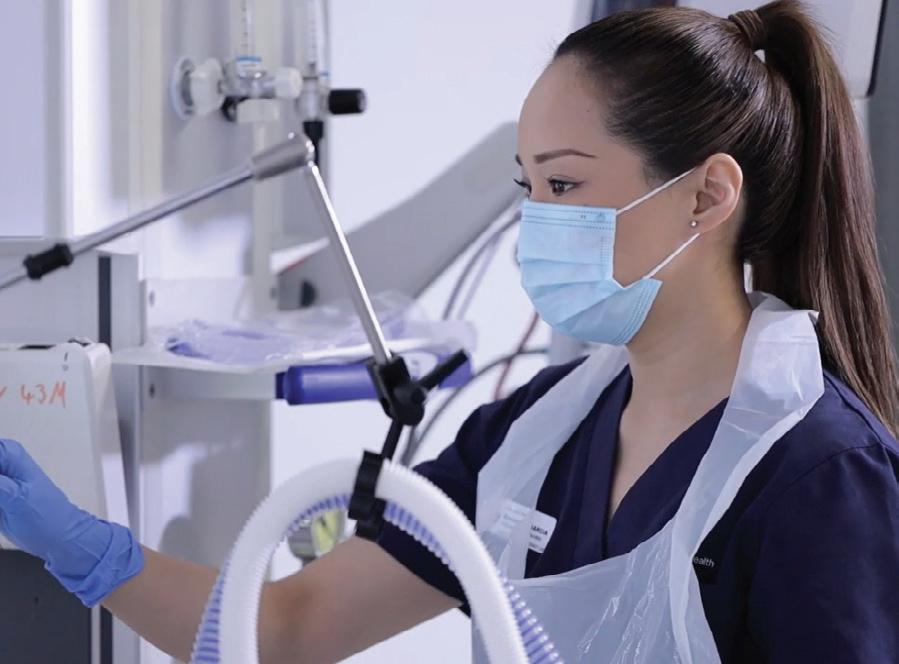
Rosemarie Garcia has returned to where her nursing training began, this time as a teacher to train the next generation of health workers.
“I started the training for my nursing career at TAFE NSW and it laid the groundwork for everything that followed,” Garcia said. “Returning now as a teacher is incredibly meaningful. I want to inspire future nurses the same way my teachers inspired me.”
TAFE NSW said Garcia’s return to the classroom comes amid a growing health workforce shortage. “Australia is facing a shortage of more than 70,000 nurses by 2035, while the population of the Liverpool region where Rosemarie now teaches is expected to exceed 1.2 million by the early 2030s,” TAFE NSW stated.
Garcia completed a Certificate III in Aged Care Support in 2007, then progressed through a Diploma of Nursing and eventually a Bachelor and Master of Nursing, working across intensive care, neonatal units, oncology and clinical education roles at Liverpool Hospital.
“Nursing has its challenges, but it’s also deeply rewarding. It’s a profession that humbles you, especially when you’re working at a patient’s bedside,” Garcia said. “At the end of the day, knowing I’ve made even the smallest difference in someone’s life is the most fulfilling part of my job. Now, I’m sharing the skills and knowledge I learnt at TAFE NSW to help others do the same.”
organisational. Implementing improvements to the way nurses work will not only ease the present burdens but improve health outcomes, increase the efficiency of care, and strengthen our health system for generations to come.
CASE STUDY
Significantly, Garcia’s classrooms feature simulation labs. These mirror real clinical conditions and reflect how healthcare environments are rapidly evolving, especially with the integration of technology like telehealth and remote monitoring, which mean nurses need to be agile and well-skilled in patient care and digital tools.
“TAFE NSW nursing simulation labs reflect the realities of modern health care,” Garcia said. “Whether it’s preparing for intensive care unit shifts or learning telehealth delivery, we ensure our students are ready to respond to real-world challenges in flexible models of care.”
Dr Zachary Byfield is Acting CEO and the National Director Education at the Australian College of Nursing.
Rosemarie Garcia
Operating theatre nurses volunteer across the seas
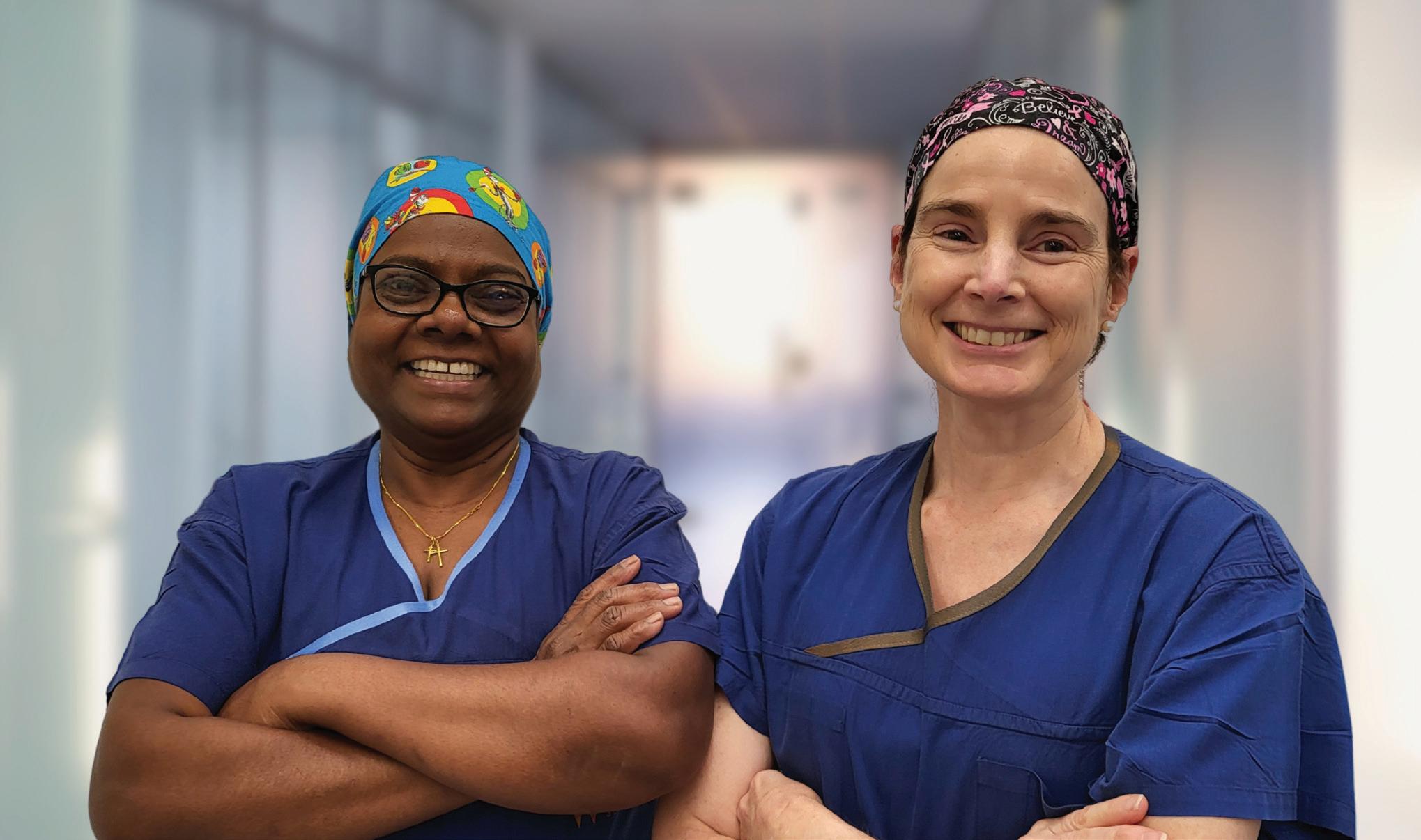
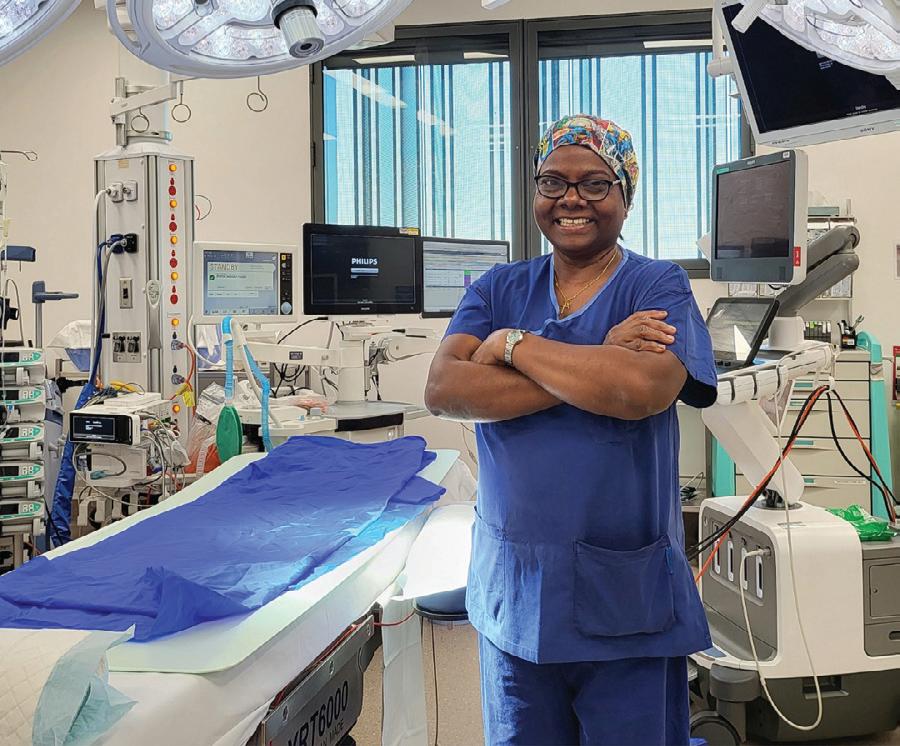
When Indra Jolayemi travelled to Tonga it marked the 12th time in 11 years as a volunteer, while when Dionne Smithwick spent three weeks in Madagascar volunteering with Mercy Ships, it marked her third assignment with the international development organisation. Dionne and Indra are recurrent volunteers — taking their skills to international communities where access to health care is limited, assisting in lifesaving and life-changing surgeries.
Both Dionne and Indra are operating theatre nurses at Casey Hospital — Indra at the Victorian Heart Hospital as well. In Tonga, Indra has assisted in surgeries for mainly urological conditions. In addition to carrying out surgeries, the team of volunteers in Tonga also helped upskill local staff, making care more sustainable. “Volunteering is amazing,” Indra said. “You go out of your comfort zone; you become very innovative. You bring that creativeness back. You juggle and think wider.”
In Madagascar in September 2024, Dionne assisted in a variety of surgeries, including paediatric orthopaedics, ophthalmology, and plastic and reconstructive surgery. “You learn so much and you are able to give so much back,” Dionne said, having performed the roles of scrub nurse and circulation nurse in the operating theatre as part of previous stints with the organisation that saw her travel to Senegal and Sierra Leone. “It is just so rewarding,” Dionne said. “The organisation helps people who have absolutely nothing and no other means of health care, and [the patients] are just so grateful.”
Speaking about these nurses’ recurrent international volunteering, Casey Hospital Acting General Manager Annie Sherry said it “not only enriches the lives of the people they help” but also “fosters innovation” and gives the volunteer a broader perspective, which has benefits for the hospital as well as it “enhances our ability to deliver exceptional care to our patients”. Sherry added: “We are grateful for their commitment and the positive impact they make both globally and locally.”
L–R: Indra and Dionne
Indra in theatre at Monash Health
Images: Supplied
Vertical healing redefining health care through high-rise hospital design
CONOR LARKINS AND BRIAN KOWALCHUK*
Within a rapidly evolving healthcare landscape, a transformative shift is reshaping how we design largescale hospitals for major medical institutions.
The Clifton Centre for Medical Breakthroughs
In dense urban environments — home to many academic health centres — highrise healthcare facilities are emerging as a response to spatial constraints and mark a progressive move towards vertical integration and a reimagined patient experience from the ground up.
Far from being a compromise, these vertical hospitals offer a new paradigm for delivering compassionate, efficient and adaptable care — one that connects patients, clinicians and families not only within the building but also to the broader fabric of the city. Designing for this typology means addressing every aspect of the experience, from visitors navigating elevator cores to the building’s relationship with neighbouring facilities.
The architecture must respond sensitively to its urban context while projecting a futurefocused identity — one that signals expanded services and clinical models, innovation in care delivery and a commitment to elevating the human experience through design that prioritises wellbeing, flexibility and community.
The Clifton Centre for Medical Breakthroughs
The vertical imperative
For decades, hospitals have been predominantly designed to sprawl outward — expanding horizontally across expansive greenfield sites in suburban and rural settings. With the accelerating pace of urbanisation, however, healthcare facilities must now operate within smaller footprints while addressing the growing scale and complexity of urban medical needs.
High-rise hospitals, typically defined as 10+ storeys, optimise space by building upward and offer several key advantages:
• Shorter caregiver travel distances — centralised layouts reduce long walking distances, improve workflow and alleviate staff fatigue.
• Operational efficiency — standardised, stackable floor designs allow flexible layouts that can evolve with clinical advancements and changing demands over the lifespan of the building.
• Seamless urban integration — embedded within the urban fabric, they are often transit-accessible and more seamlessly connected to the communities they serve.
Designing for efficiency
Concerns about disrupting traditional clinical adjacencies have previously sparked debate among stakeholders over vertical hospital design. However, leading examples worldwide increasingly show that innovative vertical planning — through strategic zoning, efficient stacking, decentralised services and advanced circulation — can not only maintain but significantly enhance operational efficiency and interdepartmental collaboration.
Elevator innovations have been pivotal to this transformation and are making vertical movement as reliable and efficient as horizontal circulation. When thoughtfully integrated, vertical systems have proven to enhance patient safety, streamline workflows and ensure seamless connectivity. Design strategies such as redundant lift systems, dedicated patient elevators and clearly separated circulation routes for patients, staff, visitors and automated guided vehicles (AGV) have become critical to delivering a new level of operational excellence and enhancing the user experience.
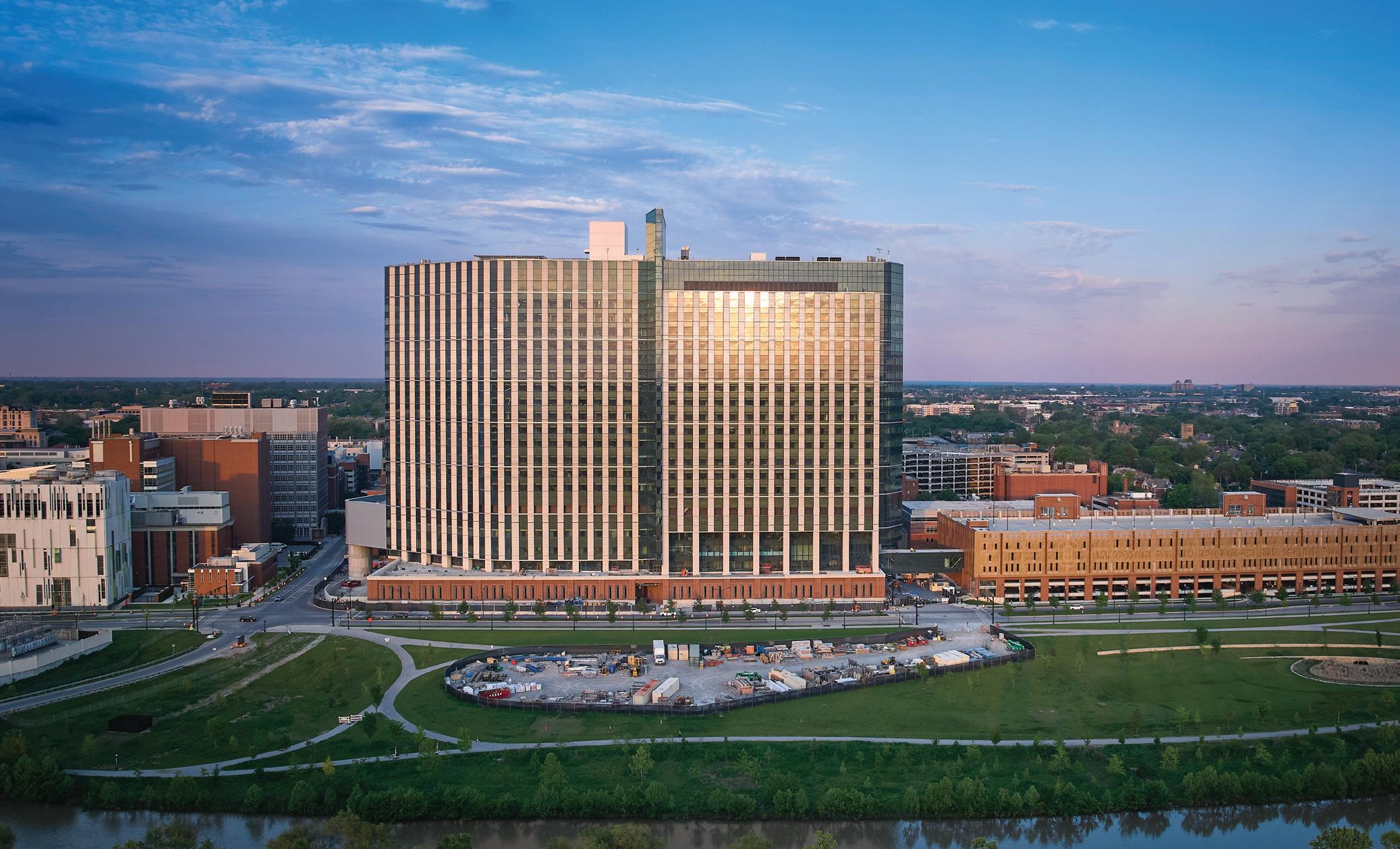
Vertical transport solutions are increasingly being tailored to the unique spatial and functional requirements of complex healthcare environments. The Shirley Ryan AbilityLab uses a single-core system for efficiency on a compact site, while The Clifton Center for Medical Breakthroughs features multiple cores to support a linear configuration. The Ohio State University Wexner Medical Center’s New Hospital Tower instead adopts a hybrid model with separate public and service circulation to improve wayfinding, security, workflow and AGV routes.
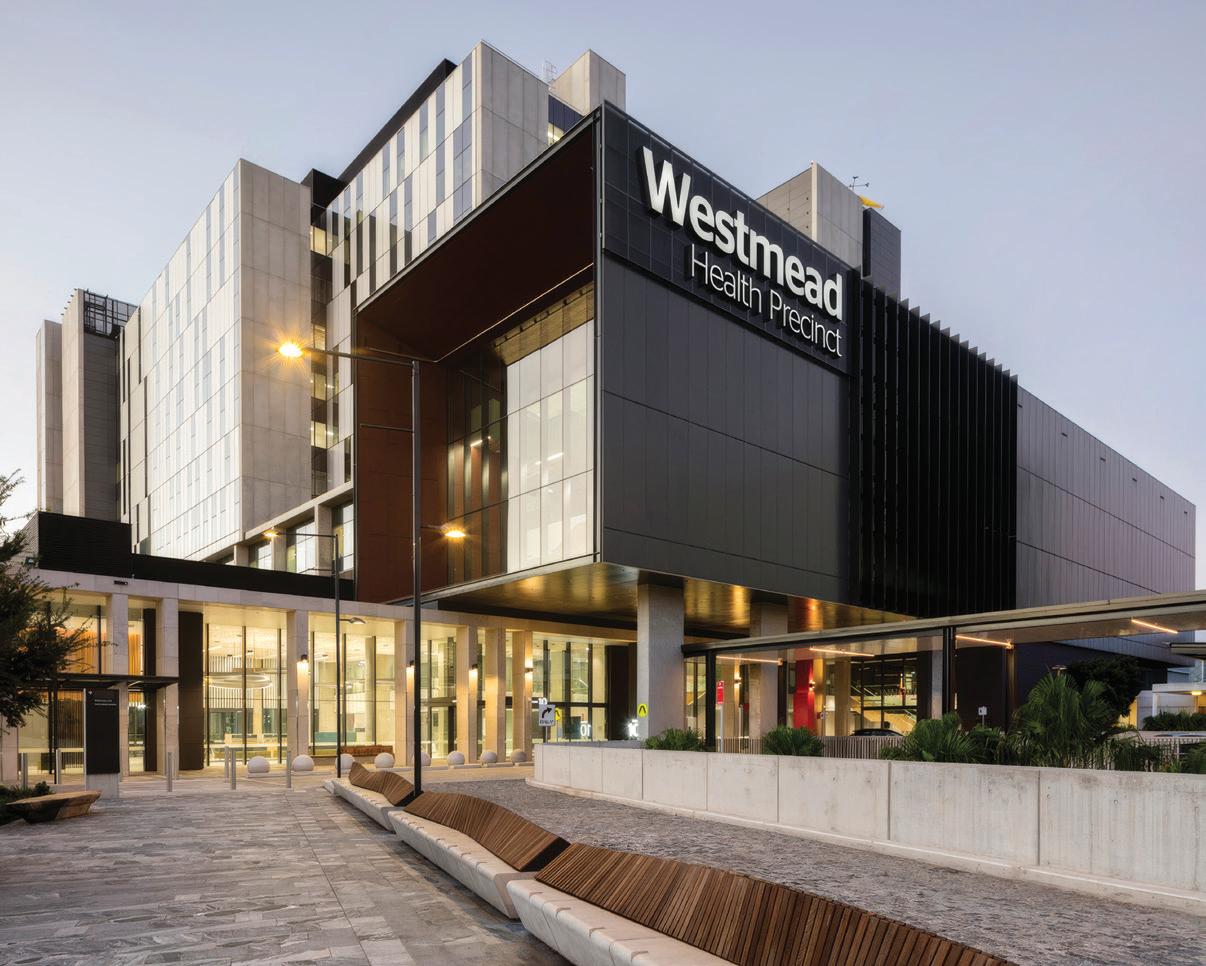
In Australia, Westmead Health Precinct’s Central Acute Services Building pioneered the country’s first double-stacked ED, placing the children’s emergency directly above the adults’, co-locating within a central facility while preserving vital clinical connections to surrounding infrastructure.
Modular planning for built-in flexibility
Perhaps the most transformative feature of high-rise hospital design is not the verticality itself, but the modular planning principles that enable long-term adaptability. Instead of
tailoring each floor to a specific department — neurology on one floor, cardiology on another — many institutions are now adopting mostly universal floor plates built on standardised structural grids and mechanical systems. By using repeatable layouts and infrastructure zones, departments can expand, contract or relocate as needs evolve and without the disruption and cost of major reconstruction.
For example, the Victorian Health Building Authority’s Community Hospitals Program follows the Australasian Health Facility Guidelines (AusHFG) and is using modular planning to deliver several adaptable healthcare facilities focused on healing, inclusion and flexibility. While not high-rise facilities themselves, universal floor plates and standardised grids are allowing departments to adjust spatially with minimal disruption, repurpose clinical areas as practices evolve and preserve infrastructure value over decades — ensuring rapid deployment and long-term adaptability to meet Victoria’s healthcare needs.
The Clifton Center for Medical Breakthroughs also exemplifies this strategy and serves as a benchmark for projects around the globe. During the planning stages of this highrise inpatient facility, some departmental assignments were delayed until just a year before opening to allow real-time healthcare demands to shape the final configuration.
The building’s modular infrastructure, which included fixed mechanical shafts and flexible central zones, was key to this late-stage adaptability.
A similar modular approach is being adopted by NHS England’s New Hospital Programme (NHP), which is developing standardised rooms,
Ohio State University
Wexner Medical Center’s New Hospital Tower
departmental layouts and hospital designs. This work supports Hospital 2.0 — a new approach to building delivery aimed at rapidly delivering future-ready facilities across the UK. These designs integrate modern clinical technologies and are built with the understanding that healthcare delivery 30 years from now will look vastly different from today.
Healing habitats
Beyond operational efficiency, high-rise hospitals are also transforming how nature is integrated into the healing environment. No longer limited to the ground plane, green spaces and healing gardens are now incorporated at multiple levels throughout hospital towers. At the same time, the vertical parti frees up more of the site for courtyards and the preservation of natural landscapes.
The University of California San Francisco Health Helen Diller Hospital showcases a stepped tower design that creates cascading garden terraces and aligns with the institution’s “Healing Habitat” principles. As the patient tower recedes upward, it forms layered green spaces that bring nature directly into the healing environment while avoiding encroachment on the Mount Sutro Open Space Preserve. An all-day eatery on an elevated platform caters to visitors and neighbourhood residents, integrating the facility into both the community fabric and natural environment rather than isolating it as an institution.
The 15-storey Almoosa Rehabilitation Hospital in Al-Ahsa, Saudi Arabia, also exemplifies how structural innovation can directly enhance the human experience. Its distinctive offset triangular floor plates are mirrored to naturally create hanging gardens, seamlessly
The Clifton Centre for Medical Breakthroughs
The Clifton Centre for Medical Breakthroughs
integrating vertical landscapes into the daily lives of patients and staff. These green spaces, accessible on every floor without the need for dedicated balconies, provide tangible therapeutic benefits and reinforce the hospital’s commitment to healing through design and respecting our planetary responsibility to integrate the built environment with nature.
Some additional vertical innovations that provide respite from the clinical environment include sky lobbies and public-facing gardens, social zones linked by open stairways, winter gardens and atriums, and thin floor plates to optimise daylight access.
Designing with empathy
In high-rise healthcare facilities, the thoughtful integration of natural light, outdoor views and access to nature can significantly enhance patient and staff wellbeing and foster healing environments that extend beyond clinical care.
Facilities like NHS England’s Chelsea and Westminster Hospital, for example, have pioneered the use of ‘wobble rooms’ — deliberately designed high-rise sanctuaries where healthcare providers can step away from the emotional pressures of their roles. Similarly, thoughtfully designed communal lounges and shared spaces support spontaneous interaction among patients and families, encouraging social and emotional connection that complements clinical care.
Even patient rooms in sky-high hospital towers can be designed with empathy. At the Ohio State University Wexner Medical
Center New Hospital Tower, patient rooms feature 3-metre-wide by 3-metre-tall singlepane windows — the largest of their kind in a patient ward, globally. This seemingly simple design detail transforms the psychological experience by eliminating the visual barriers of traditional segmented windows and reinforcing the healing process through light, openness and perspective.
Sustainability in the vertical realm
Importantly, high-rise hospitals are also contributing to more sustainable urban development by minimising land use and promoting dense, walkable environments. While tall structures may require more robust
materials like concrete and steel, innovative approaches are addressing these impacts.
At Almoosa Rehabilitation Hospital, for example, hybrid construction uses concrete for lower levels and steel for upper floors, balancing strength and efficiency. Ultra-thin floor plates, onsite energy systems and watersaving strategies have helped the facility earn LEED Platinum certification.
Other emerging techniques, such as water reclamation systems and renewable energy sources, are becoming standard practice in cutting-edge high-rise hospital design. These innovations are not only reducing environmental footprints but enhancing operational efficiency and patient
Almoosa Rehabilitation Hospital
Perhaps the most transformative feature of high-rise hospital design is not the verticality itself, but the modular planning principles that enable long-term adaptability.
wellbeing. With each new large-scale facility, the effort towards full electrification is close to being realised.
The future of vertical health care
Ultimately, the high-rise hospital signifies more than a shift in form — it reflects a transformation in how health care is designed, delivered and experienced. As urban density increases, and healthcare needs grow more complex, vertical hospitals are emerging as adaptive, human-centred environments that prioritise both clinical excellence and emotional wellbeing.
From serene, light-filled oncology suites to restorative staff respite spaces, these buildings are challenging conventional assumptions about institutional care. Designed with modular systems and standardised grids, they are built to flex with future technologies and evolving care models, positioning them as critical hubs within broader, connected healthcare ecosystems. As predictive, personalised medicine becomes the norm, high-rise hospitals will increasingly serve as agile platforms for integrated, long-term health management.
Beyond operational efficiency and spatial optimisation, high-rise hospitals invite a reimagining of their role within the urban fabric — not as isolated institutions, but as inclusive, accessible spaces that support holistic wellbeing. Located in city centres, embedded in high streets and accessible by public transport, they offer opportunities to co-locate health care with social services and create seamless continuity between acute care and everyday life. Excitingly, high-rise hospitals represent a bold, future-ready vision for health care – one rooted in resilience, adaptability and human connection.
*Conor Larkins is Australian Health Principal and Brian Kowalchuk is Global Design Director at HDR.
Westmead Hospital redevelopment
Westmead Hospital redevelopment
Almoosa Rehabilitation Hospital
Gerry O’Leary
Brett Boardman
Brett Boardman
Chemical-free cleaning the future of infection control in health care
JOHN CONOMOS*
For hospitals and healthcare facilities, cleaning is a patientsafety issue with evolving health, safety, sustainability and environmental standards.
Healthcare organisations are under growing pressure to deliver safe, clean environments, not just for compliance, but as a direct extension of clinical care. From operating theatres and ICUs to aged care facilities and outpatient waiting rooms, the cleanliness of a healthcare environment is no longer a back-of-house concern. It is a patient-safety issue. And yet, the way many organisations approach cleaning has not kept pace with the clinical risks they face.
The infection risk hiding in plain sight
Healthcare-associated infections remain one of the most persistent and preventable risks in clinical settings. Vulnerable patients — the elderly, immunocompromised and postoperative patients — are disproportionately exposed to pathogens that survive on surfaces for hours, sometimes days. While hand hygiene has received significant attention, environmental hygiene such as cleaning and disinfecting surfaces, equipment and shared spaces remains an underappreciated route of infection transmission.
The challenge is compounded by what happens between professional cleans. In hightraffic healthcare environments, surfaces are constantly being retouched and contaminated. Without clear protocols for interim cleaning and staff education around maintaining hygiene standards, even the most rigorous professional cleaning program has gaps.
Antimicrobial resistance
For years, many facilities have relied on chemical-heavy solutions to achieve required disinfection standards. As the overuse of disinfectant chemicals comes under scrutiny due to their impact on antimicrobial resistance, patient health, staff wellbeing
iStock.com/gorodenkoff
As the overuse of disinfectant chemicals comes under scrutiny due to their impact on antimicrobial resistance, patient health, staff wellbeing and environmental safety, the industry is being asked to find solutions that are equally effective without the associated risks.
and environmental safety, the industry is being asked to find solutions that are equally effective without the associated risks.
A new generation of chemical-free technologies is answering the call. Ultraviolet irradiation and steam vapour systems are gaining traction across healthcare settings — all non-toxic, low in water consumption and free from the harmful residues of traditional disinfectants. Activated water technology, which is a cleaning solution generated through an innovative electrolytic process that eliminates soils and bacteria without a single harsh chemical, has gone further still; deploying it reduces VOC exposure for staff and patients alike, and it reverts completely back to water after use.
However, innovation needs to be matched with rigour. Before introducing any emerging cleaning technology, healthcare organisations need to carefully weigh its clinical appropriateness against their specific environment, such as the vulnerability of their patient population, the complexity of their existing infection prevention program and any gaps in their current cleaning practices. Emerging technologies should complement disinfection cleaning, not replace it.
While the evidence for their effectiveness is growing, many come with significant cost implications, potential safety considerations and the need for dedicated staff training. The goal is not to chase the newest solution but simply to find the safest and most effective one.
What best practice looks like
Healthcare organisations serious about environmental hygiene should consider:
• An internal operating system that offers process, controls and validation data
• Implementing chemical-free or low-chemical cleaning protocols validated for clinical settings, such as activated water solutions that eliminate VOC exposure and chemical waste
• Ensuring all other disinfectants are TGA-approved as a minimum standard
• Establishing clear interim cleaning procedures for high-touch surfaces between professional cleans
• Deploying colour-coded tools and zone-based systems to eliminate cross-contamination
• Investing in staff training that bridges cleaning practice, waste management and infection control
• Auditing cleaning outcomes regularly, with metrics tied to infection prevention, and records to evidence compliance and sustainability KPIs
• Partnering with cleaning providers with demonstrated, specialised experience in healthcare environments
Cleaning as a clinical priority
If healthcare organisations treat cleaning simply as a facilities management function, they risk overlooking its direct clinical implications, as it quickly becomes harmful to patients. This requires a shift in how cleaning is governed, resourced and integrated into broader infection prevention strategies. Cleaning teams need specialised training, clear escalation protocols and access to the most effective and safest products available. They also need to be recognised as part of the clinical care team — not separate from it. Best practice would suggest that the cleaning department utilises a system which gives clear structure, process guidance, workplace health and safety information, checklists and historical data to maintain hygiene and safety levels within a healthcare environment.
Waste management
Effective cleaning is only half the equation. What happens to the waste generated, including how it is handled, sorted and disposed of, is an equally critical and often overlooked dimension of safe, sustainable healthcare environments. Not only does waste mismanagement create compliance risk, but it creates unnecessary environmental harm. When waste streams are incorrectly segregated, recyclable and organic material ends up in landfill, clinical waste is mishandled, and the environmental footprint
of an already resource-intensive sector grows larger. The opportunity to divert waste, reduce landfill contributions and close the loop on organic and recyclable materials is significant, but only if the people managing it know what they’re doing.
Training is the cornerstone of getting this right. In healthcare settings, cleaners, clinical staff and facilities teams all need a shared understanding of waste classification and disposal, as a genuine commitment to patient safety and sustainability. In commercial and residential settings, the same principle applies: educated tenants and building occupants are one of the most practical and cost-effective levers available for reducing landfill and improving environmental outcomes.
On the ground, the detail matters. Colourcoded cleaning tools eliminate crosscontamination between zones, ensuring equipment used in a general ward never finds its way into a high-risk ICU, and the adoption of fresh PPE. High-risk areas demand greater cleaning frequency, dedicated tools and heightened vigilance, and the teams responsible for maintaining them need to understand not just the how, but the why.
Structured checklists, sign-off logs and regular audits ensure protocols are followed consistently, because in healthcare environments, consistency is an absolute patient-safety requirement. The most impactful waste programs are built not on signage alone, but on consistent education, clear accountability and regular auditing turning the right behaviours into everyday practice.
As infection risks evolve and chemical bans reshape standard practice, safe, regulated and environmental hygiene deserves a permanent place at the clinical leadership table. The future of health care isn’t just built in operating theatres and research labs. It’s built in the daily discipline of a clean environment, and the leaders who understand that, will be the ones who get it right.
*John Conomos is Executive Director of Business Development at SKG Services.
‘No evidence’ of medicinal cannabis effectiveness treating anxiety, depression or PTSD
Australian researchers have urged greater regulation for the prescribing of medicinal cannabis following the ‘largest-ever review’ of its safety and efficacy across a range of mental health conditions.
Amid more than one million prescription approvals and a tripling of sales of cannabinoid medications — including both cannabidiol (CBD) and tetrahydrocannabinol (THC) products — in Australia over the past four years, often for the treatment of mental health and substance-use disorders, the University of Sydney researchers have led the ‘largest-ever review’ of the safety and efficacy of medicinal cannabis across a range of mental health conditions.
Published open access in The Lancet Psychiatry (doi: 10.1016/S2215-0366(26)000155), the systematic review and meta-analysis included results from 54 randomised controlled trials (RCTs) published over a 45year period (1980–2025) worldwide. The review found no evidence that medicinal cannabis is effective in treating anxiety, depression or post-traumatic stress disorder (PTSD).
Dr Jack Wilson from the University of Sydney’s The Matilda Centre for Research in Mental Health and Substance Use, who was lead author on the study, said the results call into question the approval of medicinal cannabis for the treatment of anxiety, depression and PTSD.
“Though our paper didn’t specifically look at this, the routine use of medicinal cannabis could be doing more harm than good by
worsening mental health outcomes, for example a greater risk of psychotic symptoms and developing cannabis use disorder, and delaying the use of more effective treatments,” Wilson said.
More than 700,000 Australians have reported using medicinal cannabis to treat over 250 different health conditions and the research did find evidence to suggest that medicinal cannabis could potentially be beneficial for some conditions. These include the treatment of cannabis use disorder (otherwise known as cannabis dependency), autism, insomnia, and tics or Tourette’s syndrome.
“But the overall quality of evidence for these other conditions, such as autism and insomnia, was low. In the absence of robust medical or counselling support, the use of medicinal cannabis in these cases [is] rarely justified,” Wilson said. “There is, however, evidence that medicinal cannabis may be beneficial in certain health conditions, such as reducing seizures associated with some forms of epilepsy, spasticity among those with multiple sclerosis, and managing certain types of pain, but our study shows the evidence for mental health disorders falls short.
“In the case of autism specifically, while the study showed some evidence medicinal
cannabis could assist with a reduction in symptoms, it is worth noting that there is no one — or universal — experience of autism, so this finding should be treated with caution,” Wilson said. Medicinal cannabis was found not to be effective for every type of substanceabuse disorder. While medicinal cannabis may help with cannabis dependence, it was found to increase cocaine cravings among people with cocaine-use disorder.
“Similar to how methadone is used to treat opioid-use disorder, cannabis medicines may form part of an effective treatment for those with a cannabis-use disorder. When administered alongside psychological therapy, an oral formulation of cannabis was shown to reduce cannabis smoking,” Wilson said. “However, when medicinal cannabis was used to treat people with cocaine-use disorder, it increased their cravings. This means it should not be considered for this purpose and may, in fact, worsen cocaine dependence.”
The Therapeutic Goods Administration (TGA) initiated a review of the regulatory oversight of medicinal cannabis, with more than 500 responses published in February. In the context of this, Wilson said: “Our study provides a comprehensive and independent assessment of the benefits and risks of cannabis medicines, which may support the TGA and clinicians to make evidence-based decisions, helping to ensure patients receive effective treatments while minimising harm from ineffective or unsafe cannabis products.”
Featured Products
Keep up with the latest industry innovations
Compact V bank air filter
CityCarb I is a compact V bank air filter designed to deliver both particulate and molecular air purification in a single filter stage. It is developed for HVAC systems that require high indoor air quality, energy efficiency and protection against gaseous pollutants such as odours, traffic emissions and corrosive gases.
The filter is engineered to combine highefficiency particulate filtration with activated carbon media to remove airborne particles and harmful gaseous contaminants at the same time. This dual function is designed to help simplify system design by reducing the need for separate molecular filtration stages.
Pathology eRequesting tool
Telstra Health’s Smart Connect is designed to replace manual, paper-based pathology requests with a fully digital workflow by providing pathology eRequesting capability within MedicalDirector Clinical.
The feature launches with Healius Pathology Network as its first integrated partner. Smart Connect allows GPs to generate, edit, electronically sign and securely send pathology eRequests directly from within their existing workflow, without leaving the MedicalDirector Clinical solution. Requests can be sent electronically to both patients and pathology laboratories, with radiology eRequesting to be added in future releases.
Its compact V bank structure is designed to provide a large effective filter surface area, which supports low pressure drop and stable performance over the full-service life. This is designed to help reduce energy consumption in HVAC systems while maintaining consistent air quality.
CityCarb I is engineered to be well suited for urban environments, commercial buildings, airports, hospitals and other sensitive indoor spaces where both particle and gas control are critical.
The design is aligned with Camfil’s combined filtration technology used in its CityCarb range, which is designed to integrate particulate and molecular filtration to improve indoor air quality while maintaining energy efficiency and reducing system complexity.
By combining particle and molecular filtration in one solution, CityCarb I is designed to help improve indoor air quality, reduce system complexity and support more sustainable building operations.
Camfil Australia Pty Ltd www.camfil.com.au
Duress badge
Smart Connect is powered by Telstra Health’s FHIRnative Health Information Exchange (HIE) and is designed to enable clinical information to be shared securely and in near real time between MedicalDirector Clinical and integrated pathology providers. Following the initial launch with Healius, Telstra Health is working with additional pathology providers to support broader adoption of eRequesting across primary care.
Smart Connect is within MedicalDirector Clinical’s suite of digital workflow tools, which also includes Smart Scribe, an AI-powered clinical documentation capability, and integrated Continuing Professional Development (CPD) activities.
Telstra Health www.telstrahealth.com
The CenTrak Bluetooth Low Energy (BLE) Multi-Mode staff badge is a real-time location system (RTLS) duress solution designed for reliability in high-pressure environments. RTLS duress solutions are designed to deliver instant alert acknowledgment, confirming help is on the way and providing critical peace of mind in high-risk situations.
The badge features a dedicated, recessed duress button designed to prevent false alerts, while also allowing for rapid activation, and is complemented by two other configurable buttons to support custom workflows. The badge is engineered for enhanced durability (IP67 rating), extended battery life, easy over-the-air maintenance, and user notifications such as diagnostic LEDs and an audible buzzer.
CenTrak’s RTLS safety solution is designed to deliver real-time, map-based visibility across healthcare environments, enabling teams to quickly locate staff, patients and incidents as they unfold. Intelligent alerts are triggered instantly when the button is pressed and safety is at risk, designed to ensure rapid, coordinated response.
Comprehensive event logs capture alarm type, severity, timestamps and key details, while robust reporting tools are designed to support trend analysis, compliance and continuous safety improvement. Designed for use across hospitals, clinics and broader care settings, the solution is designed to enhance security both inside and beyond facility walls. CenTrak www.centrak.com
As AI reshapes health care, human skills are more important
than ever
KARLIE CREMIN*
While the potential of AI is being recognised across health care, the CEO of a leadership and business development program provider advocates for uniquely human ‘soft skills’ that, the author believes, AI will never be able to replace.
AI is transforming Australian health care. From diagnostic support to process automation, it is reducing paperwork, streamlining workflows and freeing clinicians to spend more time where it matters most: with patients.
While we are already seeing how AI is being used in remote patient tracking, X-ray analysis and risk prediction, the Productivity Commission estimates that up to 30% of current healthcare workforce tasks could be further automated with digital technology and AI.1 Most people who choose caring professions don’t like the administrative side of their jobs, so the idea of AI taking some of that work off their plates sounds like a dream come true.
But efficiency isn’t the only benefit. The Productivity Commission also found that better integrating digital technology into health care could save more than $5 billion a year. Meanwhile, the CSIRO describes the current AI boom as an “extraordinary epoch” for health care.2
The benefits are undeniable, but as the sector rapidly implements this technology, we cannot forget the importance of uniquely human skills that AI will never be able to replace: those which are often called ‘soft’ skills.
When patients are in a clinic or hospital, which doctor are they more likely to trust?
The one who is warm, caring and makes them feel understood, or the one who is efficient
and quick, but distant? Health care is not simply a matter of moving information from one system to another. It’s about face-to-face interaction and trust, often in situations where patients are feeling the depth of human experience in full force.
That is where ‘soft skills’ are invaluable. But no algorithm has mastered them yet.
What AI can’t do
In health care, AI can flag abnormal results, identify patterns in large datasets and support clinicians with information that might otherwise be difficult to see.
But it cannot sit with a patient whose cancer has returned and decide how to speak, how to
The
language of
“soft skills” can be misleading. It suggests these capabilities
are secondary, or somehow less serious than clinical expertise. In reality, they are essential, high-stakes professional competencies. And in an increasingly automated environment, they are now becoming more important, not less.
pause, how to read the room or how to hold silence long enough for the patient to respond. It cannot provide reassurance to a worried family that a medical team is doing everything it can to help their loved one pull through. And it cannot form a human connection with someone who is looking to feel understood and at ease when at their most vulnerable.
These are not incidental moments of care; they are the moments patients remember.
The language of ‘soft skills’ can be misleading. It suggests these capabilities are secondary, or somehow less serious than clinical expertise. In reality, they are essential, highstakes professional competencies. And in an increasingly automated environment, they are now becoming more important, not less.
The evidence on value
A 2024 systematic review and meta-analysis found that emotional intelligence training among healthcare workers was associated with improvements in communication, problemsolving, quality of care and transformational leadership, although the authors noted that methodological limitations meant the effects should be interpreted cautiously.3
This finding suggests that the capabilities many people still describe as ‘soft’ have measurable effects on how care is delivered and experienced. It also suggests they can be strengthened, which has direct implications for workforce development.
The role of great communication is equally important. A review in BMC Primary Care found that contributors to a trusting patient–physician relationship include open communication, genuine interest in the patient, caring, shared decision-making and clinical competence.4
In general practice, Australian research has shown that the doctor–patient relationship is foundational to whole-person care, because it supports trust, disclosure and shared decision-making.
Patients who trust their clinicians are more likely to disclose symptoms honestly, follow treatment advice and return when they need help again. If trust is weakened, care becomes harder, riskier and less effective. AI can’t build that trust alone.
What Australians think
Public attitudes point in the same direction. A 2024 citizens’ jury study published in the Medical Journal of Australia found that Australians were open to AI in health care, but wanted strong governance, fairness, patient rights, clinical training and evaluation.5 The same study made clear that public support is not unconditional: Australians want AI to be used in ways that preserve the human elements of care.
That is an important signal for healthcare leaders. The public is not asking for a future where systems replace clinicians, but for one where technology supports clinicians without damaging the trust between clinician and patient.
These skills can be taught
We often assume communication, empathy and judgement will emerge naturally through experience. Sometimes they do, but too often they do not. The good news is that soft skills can be developed through structured feedback, training and practical leadership development.
A 2023 study shows that investing in soft skills training can provide a 256% ROI for organisations, boosting productivity and retention.6 Findings like these should shift how healthcare systems think about workforce investment. It is not enough to train clinicians in the technical use of AI and assume the rest will look after itself.
If the profession is moving into a more automated environment, then the human side of the job has to be trained equally. That means communication, ethical reasoning, conflict navigation, empathy and relationshipbuilding should be built into formal development pathways, not left to chance.
It also means rethinking what good leadership looks like in health care. Leaders should be asking whether their organisations are developing clinicians who can use AI-enabled time well. If automation frees up capacity, that time should be used for better conversations, stronger relationships, tailored clinician–patient experiences and more thoughtful care.
patients value most: clarity, trust, judgement, empathy and continuity. That is where human-centred capability becomes a performance issue, not a decorative one. Healthcare leaders need to treat these skills as essential professional competencies. That can mean embedding them in training, supervision, workforce planning and leadership development. It also means rejecting the idea that ‘soft skills’ are somehow secondary to the ‘real work’ when, the truth is, they are the real work.
We are witnessing firsthand how AI is shaping health care, but it is far from replacing the human qualities that make care trusted, effective and humane. If anything, it is making those qualities easier to see and harder to ignore.
As automation expands, the clinicians who will stand out are not just those who can use the tools well. They are those who can do what the tools cannot: listen, interpret, reassure, judge and lead in moments that matter. That is the true value of human care, even in a rapidly changing world. And it is something that AI cannot replicate.
1. Productivity Commission. Leveraging digital technology in healthcare. Canberra: Australian Government Productivity Commission; 2024. Accessed 8 May, 2026. https://www. pc.gov.au/inquiries-and-research/digital-healthcare
2. Hansen D, Bauer D, Grimes J, et al. AI trends for healthcare. Herston: CSIRO Australian e-Health Research Centre; 2024. Accessed 8 May, 2026. https://aehrc.csiro.au/wpcontent/uploads/2024/03/AI-Trends-for-Healthcare.pdf
3. Powell C, Brown T, Yap Y, et al. Emotional intelligence training among the healthcare workforce: a systematic review and meta-analysis. Front Psychol. 2024;15:1437035. doi: 10.3389/fpsyg.2024.1437035
4. Karimi L, Leggat SG, Bartram T, et al. Emotional intelligence: predictor of employees’ wellbeing, quality of patient care, and psychological empowerment in a Victorian aged care organisation. BMC Psychol 2021;9(1):93. doi: 10.1186/s40359-021-00593-8
5. Carter SM, Carolan L, Saint James Aquino Y, et al. How should artificial intelligence be used in Australian health care? Recommendations from a citizens’ jury. Med J Aust 2024;220(8):409–416. doi: 10.5694/mja2.52283
6. Adhvaryu A, Kala N, Nyshadham A. Returns to on-the-job soft skills training. J Polit Econ. 2023;131(8):2165–2208. doi: 10.1086/724320
A leadership choice
A better system is created when the time saved is redirected towards the things
*Karlie Cremin is CEO of Dynamic Leadership Programs Australia (DLPA) and Crestcom ANZ.
Benefits of modern hybrid multicloud platforms in health care
Health care’s mission is deceptively simple: treat those in need, heal the sick, support the unwell. Delivering on that mission, however, can be one of the most technologically complex challenges — particularly when it comes to modernising for the AI age.
In Australia, health care and social assistance is the largest employing industry. Over 16% of the total workforce have their main job in this industry and it’s only growing. In the last year alone, the number of workers grew by 115,200.
From physiotherapists, surgeons, doctors and nurses, through to administration and IT staff, these workers are critical to its day-to-day operations.
The hospitals and healthcare centres of today look very different than they did just a few years ago — clipboards and pens are giving way to tablets and remote monitoring devices.
These machines will, on occasion, need major maintenance or transformational upgrades to the underlying infrastructure. But unlike other industries, where downtime could be acceptable during weekends or even overnight, hospitals must ensure business continuity to provide medical care 24/7 — especially in the ED. You can’t just ‘turn off’ a hospital for a few hours to upgrade it.
To make matters more complicated, hospital information systems are a web of services connecting each department. From patient registration to scheduling systems, laboratory and pathology results (to name a few), multiple disparate applications need to ‘talk’ to each other.
Many of these applications — and the infrastructure they run on — were deployed when fax machines and pagers were cutting-edge technology. That means any significant transformation project is a herculean task, particularly when modernising for the AI age.
The potential benefits of AI are hard to ignore. From improving diagnostic accuracy to automating administrative tasks and personalised treatment plans, it could lead to better patient outcomes, reduced costs and increased accessibility to care.
This could undoubtedly ease pressure on resource- and time-poor healthcare workers, helping to reduce the time spent on administrative tasks that take them away from patient care.
With so much to gain, experiments in AI are already underway.
AI applications are modern applications — they require scalable, secure infrastructure that lets you run any app, anywhere, at any scale. Unfortunately, for many hospitals, the underlying infrastructure can’t hope to support this new technology.
For other industries, outsourcing infrastructure to public cloud providers has been a feasible and popular shortcut to running modern applications. Hospitals, given the criticality of
their mission and the life-and-death nature of their applications, must chart a different course.
Reliable, modern and secure infrastructure should be the top priority, but rather than being run by the hyperscalers, it is better run by the hospitals themselves.
Modern hybrid multicloud platforms enable critical industries like health care to reap all the modern application benefits of public cloud, but with the control of keeping it under their own roof. This hybrid multicloud must allow support for both traditional virtual machines and containers, where most AI-based and modern applications run. The ability to manage both these workloads via a single platform is critical to achieving the highest level of flexibility and control at the lowest costs, while also allowing healthcare IT teams to deploy infrastructure as demanded on-prem, in the cloud or at the edge.
A bi-benefit of such a platform is the ability to lift and shift legacy applications without any need for refactoring to the public cloud. This unlocks many of the benefits of modern infrastructure and paves a path for sustainable and easy modernisation. Let’s call this a simple and speedy migration path to the cloud.
Critically, these migrations can occur while the current system is running. This means the critical day-to-day operations can continue while the digital transformation takes place in the background.
Once these platforms are up and running, they require far less manual intervention and maintenance. This gives precious time back in the day for skilled IT staff to focus on projects that deliver great value, such as AI applications or cybersecurity, rather than ‘keeping the lights on’ in the server room.
As AI looms over every business discussion, a key benefit of modern hybrid multicloud platforms is they are designed to run the containerised, modern applications upon which AI is built. Beyond the immediate operational benefits, these platforms set the stage for the future of AI-driven health care.
Healthcare’s promise is simple. Delivering it can be complex — but it doesn’t have to be.
*Daryush Ashjari is CTO and Vice President Solution Engineering at Nutanix APJ.
DARYUSH ASHJARI*
Ifo Toilet Suites
Superior sanitaryware solutions trusted in the Australian aged care market for over 15 years.
High Care Solution
Free standing design tailored for high care environments including healthcare, aged care, and dementia care.
Safety Meets Comfort
Supports user independence while making caregiving easier.