Head Office Unit 5, 6-8 Byfield Street, North Ryde Locked Bag 2226 North Ryde BC NSW 1670 AUSTRALIA ph: +61 2 9168 2500
If you have any queries regarding our privacy policy please email privacy@wfmedia.com.au
Subscriptions for unregistered readersprice on application
Welcome to the January/February 2026 Technology Issue
Welcome to the first Hospital + Healthcare issue of 2026 — and we have some valuable insights for you. For our lead feature, as sustainability shifts from the sidelines to the heart of health care, the Australian Digital Health Agency’s Chief Digital Officer, Peter O’Halloran, sets out some sustainable advantages of digital health tools — with a supporting case study.
In this technology issue, we also speak with the Therapeutic Goods Administration to understand how AI models are approved for use in health care, and we sit down with Australasian Institute of Digital Health CEO Anja Nikolic — part of our In Conversation series, with Anja we talk allied health, My Health Record, ChatGPT, and why closing the gap in digital health maturity is vital to the future of health care.
Westwick-Farrow Media is committed to using environmentally responsible print services to produce our publications. This edition is made with a mixture of materials from FSC-certified forests, recycled materials, and/or FSC-controlled wood. While controlled wood doesn't come from FSC-certified forests, it mitigates the risk of the material originating from unacceptable sources . It is delivered in a totally degradable plastic wrapper.
Also on the technology (and sustainability) front, with Australia’s health sector producing twice as much carbon emissions as aviation, Arjo’s George Ltaif sets out how — through environmentally minded medical products — our health system may also heal the environment. We also have a feature by Dr Ben Condon; a former frontline medical doctor who, following burnout, now works as a go-tomarket clinical specialist for an AI medical scribe provider, Ben sets out how AI scribes may help. There’s also our suite of recurring features. We spend A Day in the Life of Adjunct Associate
WANT TO CONTRIBUTE?
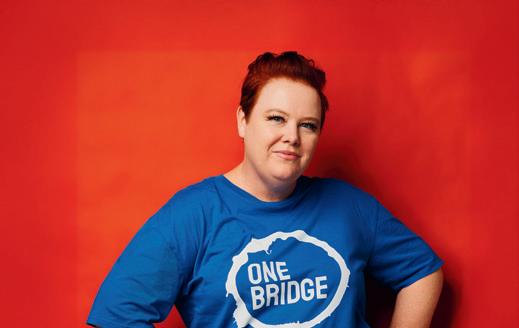
Professor Sonia Martin — a health equity consultant and street health nurse, and the CEO and Founder of OneBridge — and as part of our Design in Health series, we tour the new Sydney Children’s Hospital in Randwick. Opened to patients in November 2025, the new hospital incorporates Australia’s first Children’s Comprehensive Cancer Centre and was designed as a fundamental reimagining of how healing spaces and care journeys can transform children’s health. To make it an immersive tour, we have a video in the feature on the cancer centre.
Plus, there’s much more — including a message from Bowel Cancer Australia’s Julien Wiggins in our CEO Column series, some fascinating case studies, and the latest research, including a study that compared emergency medicine doctors and nurses working in the ED with AI to determine which cohort is better at triaging patients in the ED. Happy reading!
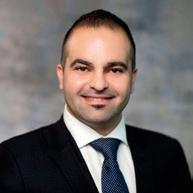
Dr Joseph Brennan, PhD
Editor, H+H hh@wfmedia.com.au
We welcome articles and research reports from health professionals across Australia for review for the bimonthly print publication and our daily web page. If you have a story you think would be of interest, please send an email to hh@wfmedia.com.au
How electronic prescriptions are used
Cutting-edge digital health tools putting plastic, silicon and steel to the sword
PETER O’HALLORAN*
As sustainability shifts from the sidelines to the heart of health care, the Australian Digital Health Agency’s Chief Digital Officer sets out some sustainable advantages of digital health tools — with a supporting case study.
In the early days of modern medicine, reusable tools such as glass syringes, metal forceps and sterilised surgical kits were the backbone of hospital care. But as medical technology advanced, so did the complexity of instruments, and the challenge of cleaning them grew. By the 1960s, ‘fantastic plastic’ was king — fuelling a throwaway culture from groceries to gadgets. And while in health care and hospitals, plastics brought huge clinical safety benefits, swapping reusable tools for sterile, single-use equipment, the environmental cost barely registered.
Today, a new challenge is being faced: balancing safety with sustainability. Medical waste, much of it single-use plastics, has become a significant environmental burden. But rather than returning to the past, health care is turning to digital technologies to chart a smarter, cleaner future.
Digital health tools reduce waste and duplication
Health care saves lives but it also leaves a mark on the planet. Globally, the sector is responsible for around 4.4% of greenhouse gas emissions1, and in Australia, that figure climbs to 7%, with hospitals and pharmaceuticals major contributors. We need to rethink how care is delivered. That’s where digital health steps in as a transformative force in reducing health care’s environmental impact.
Tools like My Health Record are central to the ongoing digital health transformation. This secure national system consolidates Australians’ key health information online and in their hands through the my health app. The system also serves as a clinical resource, enabling decision-making and effective communication with multidisciplinary healthcare teams, often reducing unnecessary
duplication. As at September 20252, more than 1.9 billion documents have been uploaded to My Health Record by consumers or healthcare professionals.
The impact of My Health Record on clinical efficiency and environmental sustainability is being further powered by the federal government’s Sharing by Default legislation, passed by Parliament earlier this year. When healthcare providers have access to imaging or pathology results that have been requested by another provider, they can avoid ordering repeat tests. This will reduce the need for single-use diagnostic kits, specimen containers, contrast agents and associated packaging.
For Australians, it means faster access to test results, fewer unnecessary appointments, and improved continuity of care, while helping them avoid the impost of additional travel for unnecessary repeat testing.
A prescription for less paper and plastic
Digital scripts are an effective alternative to paper scripts, reducing errors, clutter, and the need for plastic sleeves or couriered documents. It also reduces the risk of losing them which may require a repeat visit to the doctor. People across Australia are embracing the technology, and as at August 2025, more than 399 million electronic prescriptions have been issued by doctors and nurse practitioners since the program launched in May 2020, with uptake continuing to grow.
In hospital outpatient departments, especially high-volume areas like oncology where patients may require complex, multi-drug regimens, digital prescribing ensures that medication orders are accurate, timely and traceable, while also reducing paperwork. In addition, electronic prescriptions can reduce the need for
Digital scripts are an effective alternative to paper scripts, reducing errors, clutter, and the need for plastic sleeves or couriered documents. It also reduces the risk of losing them which may require a repeat visit to the doctor.
physical storage and shredding, further lowering the hospital’s carbon footprint.
In addition to the benefits derived from electronic prescribing, real-time access to dispense information in medication histories via My Health Record enables healthcare providers to check for allergies, interactions and duplicate therapies before prescribing — reducing adverse drug events and improving outcomes.
Making the right call for cleaner care
Telehealth can help to drive sustainability by replacing in-person visits with virtual consultations, reducing transport-related emissions and potentially reshaping how care is delivered. In hospital settings, it has the ability to enable routine follow-ups, medication reviews, mental health checkins, and chronic disease management to be conducted remotely, often minimising the
need for physical infrastructure and singleuse medical consumables.
A 2023 Department of Health and Aged Care report3 highlighted the environmental impact of telehealth at Royal Melbourne Hospital, which facilitated over 83,000 outpatient appointments between January and November 2022. This initiative prevented about 12 million kilometres of travel, saved approximately 2.4 million kilograms of carbon emissions and avoided the disposal of about 100,000 N95 masks — critical resources during the Covid pandemic.
The environmental ripple effect of virtual care extends beyond metropolitan hospitals. Fewer patient journeys mean reduced fuel consumption and lower carbon emissions. In regional and remote areas, where patients may travel hundreds of kilometres for specialist care, telehealth offers a sustainable alternative that can overcome
the tyranny of distance, recognising though that technological advances must also be balanced with traditional models of care to meet the needs of all Australians.
AI and smarter systems for sustainability
The Department of Industry, Science and Resources4 reports that the healthcare sector, along with retail trade and education, is leading the way on adoption of artificial intelligence in Australia, with services and hospitality sectors close behind.
In a hospital setting, AI is rapidly reshaping how care is delivered — and how resources are managed. By predicting lab results, AI can flag redundant tests before they happen, cutting down on waste and streamlining care.
A Monash University study published last year found AI is also driving a shift toward sustainable healthcare interventions. In
oncology, AI-powered decision support tools are helping doctors avoid unnecessary treatments, conserving precious resources while minimising waste.
Operationally, hospitals are using AI to optimise inventory and supply chains. Keeping track of medical supplies is vital for continuity of care. For example, NSW Health uses AI tools to predict supply shortages and monitor inventory levels across its hospitals.
Connected care powers a cleaner future
In modern health settings, sustainability is shifting from the sidelines to the heart of health care. Doctors and nurses are increasingly aware of the environmental footprint of their decisions. In operating theatres, AI algorithms, advanced computing and digital precision complement the enduring role of more traditional surgical tools, reflecting a broader spectrum of care.
The conversation is expanding from “what do we need to heal people?” to “how can we heal both people and the planet?” What began as a shift from steel to plastic has evolved into a reimagining of modern-day medicine, where the future of care is as much about bytes as it is about bandages.
Finally, with the future of medicine strongly linked to data, digital platforms like My Health Record cut waste at the source. Every avoided test and virtual consultation create a better, safer, more sustainable healthcare system.
Author spotlight
Peter O’Halloran became Chief Digital Officer of the Australian Digital Health Agency in February 2023, leading the national digital health ecosystem, products, and standards. He represents Australia on the Global Digital Health Partnership and SNOMED International General Assembly, and co-chairs the GDHP Evidence and Evaluation Work Stream. With a public service career spanning since 2009, Peter has held senior digital leadership roles across ACT Health, the National Blood Authority, and the NHMRC. He was named Technology Leader of the Year 2024 by itnews for his contributions to digital health innovation. Peter is also a Fellow of multiple professional bodies, including the Australasian Institute of Digital Health and the Institute of Managers and Leaders.
SUPPORTING CASE STUDY
Healthdirect launches tool to measure environmental impact of virtual care
BY BETTINA MCMAHON*
As climate change reshapes the future of health care, Healthdirect Australia, the national virtual public health information service, is helping redefine what responsible care looks like — digitally, sustainably and at scale.
In 2023, Healthdirect partnered with the University of Sydney’s Sustainability Capstone program to research methods for measuring virtual health emissions. The output of this work has since evolved in partnership with representatives from across the jurisdictions to develop the Virtual Health Emissions Measurement (VHEM) framework and report,5 a pioneering tool that calculates the carbon savings of virtual consultations. The findings from this year’s report are compelling. On average, every time a caller planning to visit an ED is safely triaged through Healthdirect’s virtual care service, around 10kg of carbon emissions (or CO2e) are kept out of the atmosphere.
The model suggests, based on published literature, that a 5–10 minute video consultation produces an estimated 0.04 kg CO2e (based on the energy consumption of the caller and provider devices, and the data centre infrastructure to deliver the call). Compared to traditional in-person care pathways, the report shows high variation across different geographic regions of Australia due to differences in travel distances, with an overall national average of:
• GP visits generate 4.97 kg CO2e
• ED visits (non-ambulatory) emit 10.51 kg CO2e
• Ambulance transport spikes at 12.71 kg CO2e
Healthdirect CEO Bettina McMahon says these numbers highlight the enormous potential of virtual care to reduce health care’s environmental footprint.
“Virtual care isn’t just about convenience — it’s a real force for climate action,” McMahon said.
“Our tool shows how digital health can drastically reduce emissions by avoiding unnecessary travel and supply chain impacts, allowing health services to confidently transition to a low-carbon future.
“We now have the evidence to show that virtual health services are a critical component of sustainable healthcare systems, delivering high-quality care with significantly lower environmental costs.”
Healthdirect’s carbon emissions tool shows its virtual care services in 2024 helped prevent an estimated 1.85 kilotonnes of CO2 — equivalent to taking 925 cars off the road for a year.
Every virtual appointment facilitated by organisations such as Healthdirect is a step towards a health system that is more sustainable, smarter, more efficient and kinder to the planet.
1. Usher K, Williams J, Jackson D. The potential of virtual healthcare technologies to reduce healthcare services’ carbon footprint. Front Public Health. 2024;12:1394095. doi: 10.3389/fpubh.2024.1394095
2. My Health Record Statistics. Australian Digital Health Agency; 2025. Accessed 18 November, 2025. https://www.digitalhealth. gov.au/initiatives-and-programs/my-health-record/statistics
3. National Health and Climate Strategy. Visual screen version. Commonwealth of Australia (Department of Health and Aged Care); 2023. Accessed 18 November, 2025. https://www.health.gov.au/sites/default/files/2023-12/national-health-and-climatestrategy.pdf
4. AI adoption in Australian businesses for 2025 Q1. Department of Industry Science and Resources; 2025. Accessed 18 November, 2025. https://www.industry.gov.au/news/ai-adoption-australian-businesses-2025-q1
5. Virtual Health Service Emissions Measurement: A framework and tools to support the transition to sustainable healthcare delivery — Version 2. Healthdirect Australia; 2025. Accessed 18 November, 2025. https://media.healthdirect.org.au/ publications/Healthdirect-Australia-Virtual-Health-Emissions-Report.pdf
Australian Digital Health Agency
*Bettina McMahon is CEO of Healthdirect.
*Peter O’Halloran is Chief Digital Officer of the Australian Digital Health Agency.
The Rounds Updates in health care
Legislation introduced to improve private health choice and transparency
The Australian Government has introduced legislation intended to help Australians find the best value when they need specialist medical advice and treatment. The Health Legislation Amendment (Improving Choice and Transparency for Private Health Consumers) Bill 2026 will allow the government to publish details about what individual specialists charge for particular medical services.
Aiming to improve transparency and take the guesswork out of health care, the Bill will now allow for Medicare, hospital and insurer billing data already collected by the government, to be published on the Medical Costs Finder; helping patients make informed decisions about their health care by allowing them to compare those costs against the fees charged by other medical practitioners.
The practice known as ‘product phoenixing’ — where private health insurers close a product and re-open an identical one at a higher price, or reduce the value of a product — will also be outlawed by this
legislation. Insurers are required by the Bill to seek ministerial approval for premiums for new products and if making certain changes that reduce the cover or value of existing products.
“Specialists and private health funds have been given the opportunity to be upfront about patient costs and out-of-pocket expenses but frankly, have failed to do so,” said Mark Butler, Australia’s Minister for Health and Ageing. “We know an increasing number of Australians are not taking up referrals from their GP to see a specialist due to concern about cost, but this legislation will give hardworking Australians the clarity they deserve about costs and more choice in their health care.
“I also warned insurers that product phoenixing had to stop and yet insurers continued to do so,” Butler added. “This Bill legislates wider scrutiny of premiums so consumers can be more confident in the value of private health insurance.”
2026 HESTA Excellence Awards — nominations open
Nominations have opened for the 2026 HESTA Excellence Awards, which celebrate health professionals and teams making a difference across the aged care, allied health, community services and disability services sectors.
One of three HESTA award ceremonies held across the year — together with the HESTA Australian Nursing & Midwifery Awards and the HESTA Early Childhood Education & Care Awards — employers, colleagues and individuals can nominate for the Individual Leadership or Team Excellence categories.
“Health and community services professionals consistently go above and beyond to improve lives and drive positive change,” HESTA CEO Debby Blakey said. “The commitment and resilience they demonstrate is truly extraordinary and has a lasting impact, uplifting individuals and helping to build more inclusive, supportive communities for all.
“I encourage everyone to nominate outstanding individuals and teams for a HESTA award, so we can recognise their outstanding work and inspire others by sharing their stories and achievements.”
Nominations are open until midnight (AEST) Sunday, 12 April 2026, with finalists announced on Tuesday, 7 July 2026, ahead of the awards ceremony on Thursday, 6 August 2026.
2025 HESTA Excellence Award winners
Fundamental reimagining
Children’s Comprehensive Cancer Centre
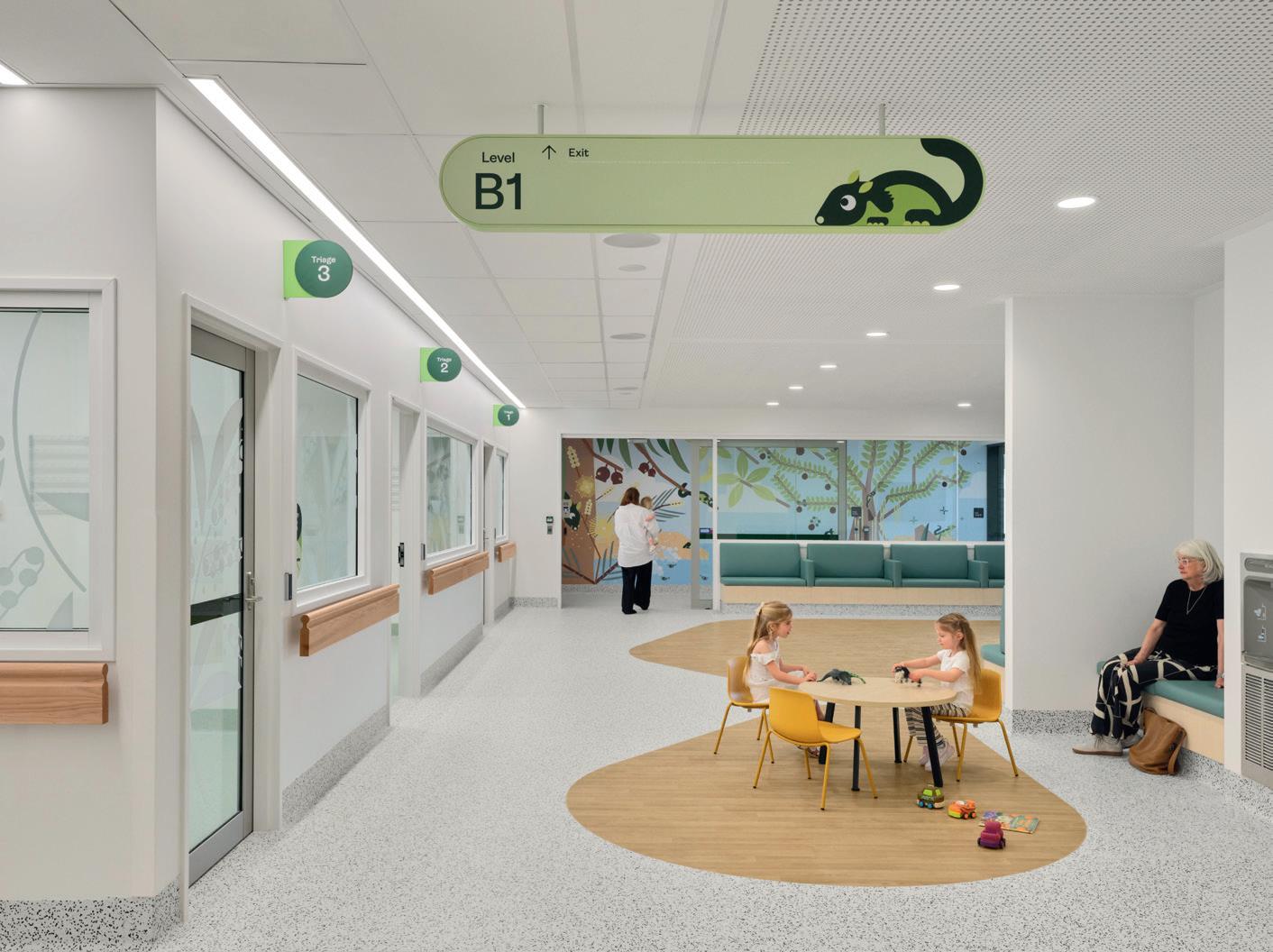
The new Sydney Children’s Hospital in Randwick opened to patients in November 2025. Designed by Billard Leece Partnership (BLP) and incorporating Australia’s first Children’s Comprehensive Cancer Centre, it is intended to represent more than just a new hospital building — being designed as a fundamental reimagining of how healing spaces and care journeys can transform children’s health outcomes.
Rather than competing priorities, the design team saw innovative humancentred design, clinical excellence and cutting-edge research integration as complementary. The new Minderoo Children’s Comprehensive Cancer Centre integrates clinical care and translational research laboratories positioned adjacent to each other, which BLP said marks a first for Australia.
Through this ‘bench-to-bedside’ design, the aim is to enables seamless coordination between research and treatment. As to the design ethos, concepts of the ‘home’ and the ‘backyard’ support the need and desire for normality during hospital stays. These concepts are supported through nature-filled social spaces where families gather to eat together, play together, visit with pets, and enjoy cafes — intended to provide joyful distractions in a less clinical setting.
Images: Supplied
Images: Supplied
As to the design ethos, concepts of the ‘home’ and the ‘backyard’ support the need and desire for normality during hospital stays.
Equally, spaces within the hospital have been designed to allow parents to work. Key design features include single-occupancy patient rooms that are designed as ‘bedrooms not wards’, with desks and lounges in each room; multipurpose family spaces with extended 24/7 access; and a dedicated food delivery service window.
Other features include interactive play areas and discovery zones that stimulate a child’s or young person’s imagination; biophilic design elements that incorporate natural light and green spaces accessible from every ward and laboratory; and exposed research laboratories with glazed walls that demystify medical research for children and parents.
How are
Before a new healthcare intervention can be brought to market, it must first undergo a rigorous approval process with the Therapeutic Goods Administration (TGA). For a medicine, this often means presenting evidence from clinical trials, to prove it alleviates symptoms, or treats a health condition, with minimal risk. But what about AI models for use in health care? Hospital + Healthcare speaks with the TGA to find out.
From apps that diagnose melanoma, to chatbots that suggest treatments, the sector is not short of AI solutions.
But who decides which are safe, and by which criteria are they assessed for use in mainstream clinical practice?
AI approvals
According to the TGA, AI falls under its remit when it is intended for “diagnosis, prevention, monitoring, prediction, prognosis, treatment and alleviation of disease, injury or disability”.
It is treated and regulated as a medical device, meaning its approval process differs slightly from that of a medicine or biological.
“To obtain approval for a [device], an Australian sponsor must submit an application to the TGA and provide the relevant clinical and other evidence that demonstrates the product is safe and performs its intended use. The benefits of the AI model must outweigh any undesirable effects [and] risks […] must be minimised,” a TGA spokesperson told Hospital + Healthcare
“The applicant must also outline how the sponsor will continue to monitor the [device] for its ongoing performance and be responsible for the product while it is in the market, including for any recalls.”
For AI and other connected medical devices, there are also requirements around design, development, production, testing and maintenance, cybersecurity, and the management of data and information.
For example, manufacturers will need to continually review the cybersecurity threat landscape, to reduce the risk of their products being intercepted by a malicious actor, or their data apprehended.
Approach varies
The risk assessment approach also depends on the AI model’s level of risk.
“For lower-risk products, sponsors and manufacturers can self-certify compliance, whereas higher-risk products require an independent assessment of safety, performance and how the product is manufactured,” the TGA said.
For any type of medical device, including AI, the TGA can also accept regulatory approvals from comparable overseas regulators including the USAFDA, Health Canada and European Notified Bodies.
The level of additional scrutiny it applies to products supported by an overseas regulatory approval is based on risk and any “Australianspecific requirements or concerns”.
“We apply more scrutiny for some higher-risk software and AI with the potential to cause harm by providing incorrect information to patients and health workers,” it said.
Post market obligations
For AI models, post-market obligations are very important. Sponsors must demonstrate how they propose to manage risks and unintended bias, performance degradation and off label use — ie, where the AI is being used for purposes not specified by the developer.
After the product is brought to market, they must also report adverse events and comply with recall action if it experiences a problem. This means immediately notifying end users and following strict TGA instructions.
Regardless of whether there is a problem, manufacturers must provide information and samples to the TGA on request and, for higher-risk devices, report on safety and performance annually.
The TGA can also conduct a post-market review or investigation of a medical device at any time.
“For AI, we specifically review the algorithm and model design, training and testing
AMY SARCEVIC*
methodology and evidence, accuracy, sensitivity and specificity,” it said.
Interventions are not mandated
The TGA does not regulate the choice of inventions in health care. Instead, this is largely the discretion of hospital and healthcare executives.
When deciding on whether an AI model is right for your organisation, the Australian Commission on Safety and Quality in Health Care makes several recommendations.
It claims AI should solve a clear problem, integrate with workflow and deliver benefits that outweigh its risks, which include the potential for bias and inequity.
Healthcare providers should confirm its evidence base, discuss its usage with patients and educate themselves on functionality.
Healthcare providers that use AI will also need to comply with relevant obligations. For smaller organisations, this could mean establishing governance and processes to ensure its safe implementation.
TGA approval is not the final safety check
While TGA approval is crucial, it is not the final check and balance — healthcare providers must recognise their own accountability when implementing AI.
As the Australian Health Practitioner Regulation Agency states on its website, “approval of a tool does not change a practitioner’s responsibility to apply human oversight and judgment to their use of AI”.
Having a TGA stamp also doesn’t negate the ethical issues AI may potentially bring up.
To remain ethical, healthcare providers need to be transparent with patients about their use of AI and obtain informed consent.
In sum, all healthcare AI needs TGA approval, but not all TGA-approved AI is appropriate.
*Amy Sarcevic is a freelance science and technical writer who regularly writes for Hospital + Healthcare. She has an academic background in psychology.
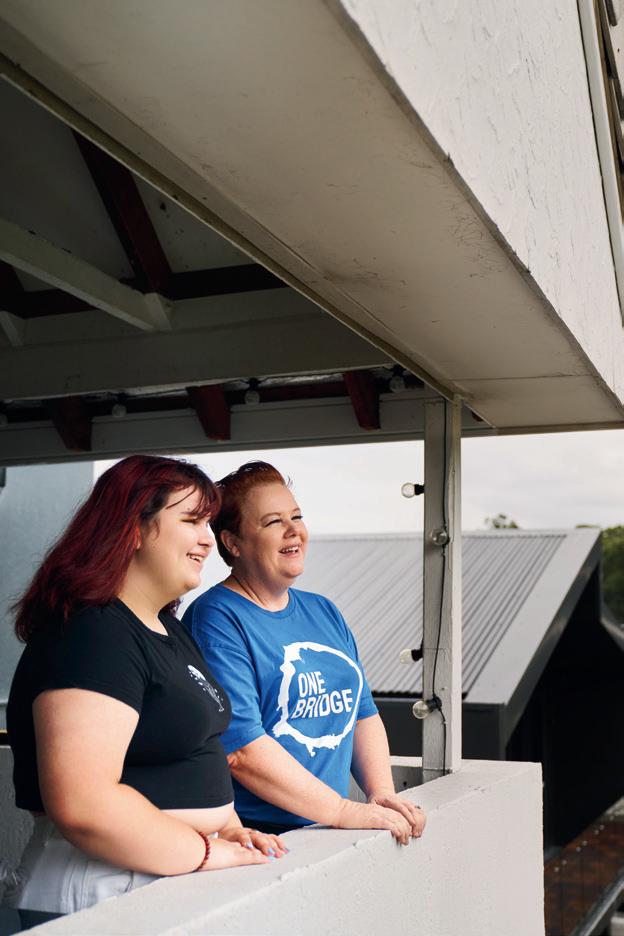
A day in the life of Adjunct Associate Professor Sonia Martin a health equity consultant and street health nurse
05:00 My day begins early. I walk, swim or sit peacefully and wait for the day to begin. This slow morning gives me space to think clearly before the day begins. 05:00 7:30 10:00
10:00 The middle of the morning is usually devoted to stakeholder engagement. Depending on the day, this may include: hospitals and health services planning discharge and outreach pathways, general practices building continuity of care links, Medicare Mental Health Centres, Urgent Care Centres, transition care providers, community organisations, and social housing precincts.
The conversations are practical: How do we ensure people receive care where they live — wherever that may be? How do we prevent avoidable health deterioration and hospitalisation? Where are the system gaps, and how do we bridge them together?
Because our work sits at the interface of health, housing, and community, partnership is central. No single service can address complex vulnerability. We work in collaboration with each other and the community experiencing homelessness and poverty, not isolation.
12:00
07:30 I begin work. The first part of my day is spent checking in with our Chief Operating Officer and Clinical Lead. Our conversation is focused on: key priorities for the week, workforce and service coverage, team wellbeing, clinical risk or escalation points, and partnership or contract updates.
From there, I meet with our National Partnerships Lead. This work centres on sustainability and growth: nurturing our existing partnerships, designing new collaborative, equity-based models of health care in metro, regional or rural areas of Australia, and identifying opportunities to improve access in under-served communities.
12:00 When I can, I also continue to work clinically in outreach. Today, that means attending a drop-in community space alongside one of our nurses. We have partnered with this local group for years and we have between four and 12 nursing consultations in four hours. The setting is informal — we’re in a carpark sitting in gutters, or standing on the bitumen with community, but the care is clinical practice: wound care, chronic disease support, medication reviews, mental health triaging, care navigation, Hep C testing, skin cancer assessments with our nurse practitioner, telehealth consults, and drug and alcohol support via a harm reduction philosophy. We have a conversation-based model, mixing biomedical and socialised models of health care — relationships and trust matter. Every time. Our clinicians are always working alongside community on their own timeline.
People attending may be using substances. The approach is straightforward. If someone is injecting, we provide: free, clean injecting equipment; vein care and infection control education; naloxone; and plans that work with, not against, the reality of their life. We also assist with referrals into GP care, hospital follow-up, allied health, mental health supports, and housing contacts.
The clinical work informs the strategic work. It shows where systems are functioning and where they are not.
Adjunct Associate Professor Sonia Martin is a Churchill Fellow and the CEO and Founder of OneBridge, a nurse-led social enterprise providing outreach and place-based health care for people experiencing homelessness, at risk of homelessness, or with complex vulnerability. Operating across Queensland and New South Wales, with a growing national focus on health access and equity, OneBridge provides contracted health care for services supporting homelessness, housing groups, and local hospitals by supporting discharges. Here’s a day in her life.
14:00 In the afternoon, I often shift into advocacy and sector development. I chair the Street Health Faculty with the Australian College of Nursing, the first national body focused on nurses working in homelessness and inclusion health. The role involves: supporting nurses across Australia delivering outreach care, developing shared practice language, identifying systemic issues, communicating these issues into policy forums, and advocating for funding models that recognise nurse-led outreach as core health service delivery.
This advocacy is grounded in the principle that health care should be accessible without needing an appointment, an address, or the ability to navigate complex systems.
17:00 By late afternoon, I wrap up and close the workday. Leading a health service in this space requires presence, consistency, and clear direction — and of course, time away from the workspace.
My role spans: strategic and culture-based leadership, system partnership, health equity advocacy and education provision, and maintaining direct clinical practice and monitoring governance. Keeping one foot in clinical practice ensures the system work stays anchored in reality. It also reinforces the central purpose, my ‘why’: health care must be reachable by the people who need it most. This is part of the equity puzzle, we as health leaders, can solve together.
15:30 Later in the day, I move into strategic planning and partnership documentation: proposal development, program design, briefing notes, or reviewing data insights. This is the slower work that supports long-term service stability. As a consultant, I continue to work on and offer education and support to health or community groups implementing equity informed care strategies through teaching The MartMolly Method; an equity-informed framework for clinicians.
A Day in the Life is a regular column opening the door into the life of a person working in their field of health care. If you would like to share a day in your working life, please write to: hh@wfmedia.com.au
Images: Supplied
Stewardship and sustainability environmentally minded medical products
GEORGE LTAIF*
Australia’s health sector produces twice as much carbon emissions as aviation. But as a medical devices supplier’s marketing director and sustainability lead explains, our health system may also heal the environment.
When we think of the circular economy, health care isn’t necessarily the first thing that springs to mind. Of course, every sector has its role to play, but the resources, manufacturing and agriculture industries are far bigger contributors of waste. In some ways, therefore, it’s understandable that the health system didn’t feature prominently in Australia’s Circular Economy Framework,1 launched by the Australian Government in December 2024.
The circular economy
Every year, however, Australia’s health sector is estimated to produce about 7% of the country’s carbon emissions2 — that’s twice as much as aviation. It can also be estimated that Australia’s hospitals produce nearly 170,000 tonnes of solid waste every year, or about 6% of Australia’s total. Some 85% of this hospital waste is non-hazardous and comparable to household waste, ending up in landfills across the country. In short, sustainable practices that minimise waste ought to be business as usual. With a growing appreciation of how climate change and environmental degradation impact human health and wellbeing, they are rapidly becoming as embedded in hospital practice as infection control. Healthcare professionals are hugely aware that our health system has a vital contribution to make in mitigating the impact it has on the environment.
In 2018, the Australian Medical Association (AMA) called on the federal government to help facilitate greater sustainability in health care. Since then, the AMA has entered
a memorandum of understanding with grassroots campaign organisation Doctors for the Environment Australia, aiming to work together to mitigate the severe health impacts of climate change.
Australia can leverage its strengths in medical technology innovation by investing to create sustainable alternatives to disposable healthcare products, reducing the burden of medical waste …
‘Medical science’ and ‘transport’ are priority areas identified for targeted investment through the $15 billion National Reconstruction Fund (NRF).
… innovating towards reusable or biodegradable medical devices can significantly mitigate environmental impacts while addressing the rising demand for healthcare services.
— Australia’s Circular Economy Framework
Product stewardship
The shift toward a circular economy in health care requires a fundamental rethink of how we manage medical products throughout their life cycle. Product stewardship involves managing products’ effects on the environment and health through taking responsibility for their full life cycle, from manufacture to disposal. In 2022–23, Australia’s then Minister for the Environment, Tanya Plibersek, added plastics in health
care to the product stewardship priority list, reflecting both the need and opportunity to improve sustainability in our health system.
Encouraging, of course, but it must be said that a product-by-product move to stewardship reflects a piecemeal approach that is out of step with international comparisons. Indeed, Australia is one of the only OECD (Organisation for Economic Cooperation and Development) countries that is yet to develop a comprehensive stewardship framework. The European Union, with its Waste Framework Directive, holds manufacturers and importers accountable for the full life cycle of their products. Australia lacks similar comprehensive legislation.
Increasingly, however, in the absence of significant government incentives, policy or regulation, an ecosystem of manufacturers and products is evolving to fill the void and provide proactive hospitals with the means to become contributing stakeholders in the burgeoning circular economy — and this isn’t just with regard to plastic packaging.
Single-use sustainability
Single-use and single-patient use medical devices are essential to providing quality patient care, but many of them unnecessarily end up in landfill when the technology exists to reprocess them. The environmental impact of wasted material that has reusable potential going into landfill is not just limited to what goes in the ground. New devices must be manufactured, packaged, distributed — all
of which have an emissions impact — only to also eventually find their way to landfill. Deep vein thrombosis (DVT) prevention garments highlight this untapped potential.
Example: DVT prevention garments
DVT prevention garments are non-critical devices, with TGA (Therapeutic Goods Administration) registration in place and reprocessing methods that meet all the necessary infection control and product quality standards. With proper infrastructure and education, single-patient use medical devices like DVT garments represent lowhanging fruit for hospitals to immediately start increasing their efficiency and value for money while making an impact on their sustainability objectives.
There is an end-to-end solution that handles every aspect of the reprocessing cycle — from staff education and onsite collection, to environmentally friendly, chemical-free, high-level disinfection at a TGA-registered reprocessing centre, to redelivery of reprocessed devices. What’s more, implementing sustainable practices can be cost-effective, with many solutions achieving cost neutrality or even generating savings alongside their sustainability benefits.
Takeaway
Australia’s healthcare sector stands at a critical juncture. With our hospitals generating
170,000 tonnes of waste annually and contributing 7% of national carbon emissions — twice that of aviation — the need for sustainable practices has never been more urgent. While we await comprehensive national stewardship legislation, the opportunity for immediate action remains clear.
Healthcare facilities don’t need to wait for policy changes to begin their sustainability journey. Solutions like reprocessed DVT garments and other non-critical devices are readily available today, offering immediate environmental benefits while often achieving cost neutrality or even savings. These aren’t just small wins — they’re proof that environmental responsibility and fiscal prudence can work hand in hand.
At the same time, policymakers and procurement agencies have a crucial role in accelerating this transition. By updating procurement frameworks to prioritise products with established reprocessing pathways and removing regulatory barriers that prevent the adoption of TGA-registered reprocessed devices, they can create an environment where sustainable choices become the default, not the exception. The regulatory landscape should encourage, not hinder, facilities that are ready to meet sustainability targets.
The circular economy in health care represents more than an environmental imperative. It’s an opportunity to demonstrate that excellence in patient care and environmental stewardship are complementary goals, not competing priorities. Every reprocessed device represents
both waste diverted from landfill and emissions avoided from manufacturing new products.
The time for incremental change has passed. As we move forward, healing people must become synonymous with healing the environment. Australia’s healthcare sector has both the capability and responsibility to lead this transformation, proving that a sustainable health system isn’t just possible — it’s essential for the wellbeing of current and future generations.
2. Malik A, Lenzen M, McAlister S, McGain F. The carbon footprint of Australian health care. Lancet Planet Health 2018;2(1):E27–E35. doi: 10.1016/S2542-5196(17)30180-8
*George Ltaif is Director of Marketing and Communications – Southeast Asia Pacific at Arjo.
Featured Products
Patient engagement platform
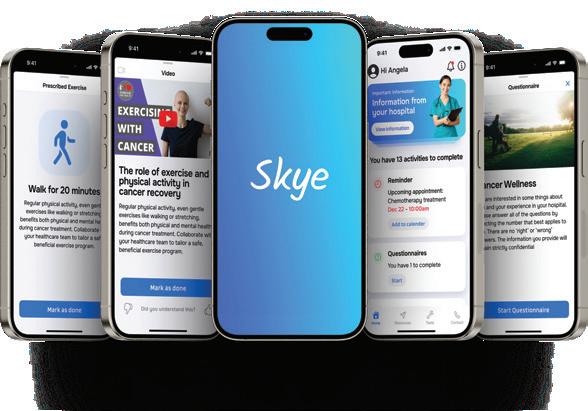
The Solara Health Skye platform is a patient engagement solution designed to educate, guide and support hospital patients through diagnosis, treatment and care. Designed specifically for the Australian market, the platform is designed to be configured to support any hospital service, including oncology, rehab (cardiac, stroke, orthopaedic), mental health and home health programs.
The platform is intended to connect patients, families and clinicians across the care journey, centralising communication, education and support through a secure mobile app — to help patients better understand their condition, track progress and access timely information. Designed in collaboration with hospitals and patients, Skye is intended to reduce administrative burden, improve adherence and strengthen trust between patients and their care teams. Licensed hospitals provide Skye to patients as a free service.
Features of the platform include secure messaging, tailored education modules, symptom and progress tracking, appointment reminders, digital care plans that adapt to individual needs and a suite of self-management tools and trackers. It is designed to allow patients to log concerns, share updates and access reliable information, while families receive tools to stay informed and supported. Clinicians use dashboards to monitor patient activity, triage issues and coordinate care. The platform is also designed to integrate feedback loops, resources and alerts, which is intended to keep engagement high and ensure timely intervention when needed.
Solara Health Pty Ltd www.solarahealth.com.au
Scroll compressors
The BOGE EO series scroll compressors are designed to provide completely oil-free compressed air with low vibration and quiet operation. These features make them suitable for sensitive work environments such as dental surgeries, laboratories and hospitals.
The BOGE EO30 Scroll Compressor is the latest in the EO series. With an output of 30 kW, its features include reduced procurement costs and increased efficiency due to changes in performance and dimensions. The EO series now includes models E07, E015, E023 and EO30, all designed to be more compact and efficient.
Platelet storage device
Platelets are the most sensitive cells in blood and require careful storage. They are normally used as platelet-rich plasma (PRP) for cosmetic and therapeutic procedures. Pplus Medical’s Digital Storage Device (DSD) provides platelets with optimal storage and transport conditions at room temperature, allowing them to remain functional for up to seven days and leaving them capable of releasing high levels of growth factors when activated.
The product is suitable for storing PRP, PRF and isolated platelets from both human and murine sources. It streamlines processes and saves time by keeping multiple aliquots of PRP in suspension and ready for use prior to analysis. Clinical applications include wherever PRP treatment is offered, such as skin rejuvenation, alopecia treatments and dentistry. It can also be used to accelerate post-operative and wound healing.
Key features of the series are completely oil-free compression — to prevent contamination, crucial for sterile environments; a design that minimises noise, making it suitable for close proximity to workstations; low vibration operation that reduces disturbances in sensitive settings; modular design for flexibility and ease of integration; a compact design that requires less space; focus control 2.0, to allow precise adjustment and high-level interface communication with building management systems (BMS); and low maintenance requirements, for long-term reliability and efficiency.
Certain models are available as double systems with a compressed air receiver and either an integrated or external refrigerant dryer. The two-stage cooling concept, featuring a surface cooler and high-quality aluminium aftercooler, promotes optimal output temperatures.
The device gently agitates platelets to simulate their natural movement in the bloodstream. Its built-in battery allows for easy transport of samples without reliance on a main power supply. Researchers can maintain strong platelet activation and growth factor release while minimising delays and reduce waste from frequent fresh sample collection.
Once thought of as a disease of older Australians, we are now witnessing an alarming rise in early-onset bowel (colorectal) cancer (EOCRC), which is defined as bowel cancer diagnosed in people under the age of 50.1
While national trends in bowel cancer incidence and mortality in people aged over 50 have generally improved, these headline figures mask a growing risk in younger people, with this uptick emerging in the mid1990s and continuing to grow.1
An emerging younger patient profile
New Australian research shows that although 10-year survival rates for EOCRC are encouraging, younger patients are more likely to be diagnosed at an advanced stage.2
The Australian Institute of Health and Welfare reports that the risk of being diagnosed before age 40 has more than doubled since
2000.3 Alarmingly, bowel cancer is now the deadliest cancer for Australian men and the second deadliest for women under 50.3
Unlike later-onset cases, early-onset bowel cancer is often diagnosed after significant delays. Time to diagnosis can be 60% longer for younger people, meaning there can be multiple missed diagnostic opportunities.4
Misdiagnosis and missed opportunities
Too often, symptoms in younger people are dismissed or misattributed to haemorrhoids, stress, postpartum changes, irritable bowel syndrome or simply the fatigue of modern life.5 Patients describe age-related bias from clinicians, which affects how their symptoms are interpreted and investigated.4
An international analysis of nearly 25 million patients under 50 found that the most common red-flag symptoms were blood in the stool, abdominal pain, altered bowel
habits and unexplained weight loss.1 Yet even when these symptoms are present, diagnosis is not always straightforward.
The experiences of younger Australians supported by Bowel Cancer Australia illustrate these systemic diagnostic delays:
• Tiffany (49) collapsed at home and lost a lot of blood. She was told it was likely a burst haemorrhoid. Only after strong self-advocacy was she referred for a colonoscopy, which revealed stage III bowel cancer.
• Sarah (30) experienced black stools and cramping during pregnancy but was denied a colonoscopy. She was later diagnosed with stage IV (metastatic) bowel cancer.
• Jodie (35), a powerlifter, endured eight years of symptoms being attributed to her weight, motherhood and haemorrhoids before receiving a stage III diagnosis.
This shifting age profile demands more than awareness; it calls for a recalibration of clinical thinking.
These lived experiences are not outliers. Studies confirm that many EOCRC patients experience their symptoms being minimised or overlooked, especially in primary care.4,5
The role of GPs in earlier detection
Cancer-specific five-year survival is 94% when detected at stage I or II but drops to just 21% at stage IV.2
GPs play a critical role in recognising red-flag signs and symptoms of EOCRC and referring for further investigation. With bowel cancer now the deadliest cancer for Australians aged 25 to 54,3 there is a need to shift from assumptions based on age to greater diagnostic vigilance.
In 2023, clinical practice guidelines were updated to recommend population screening from age 45 for those at average risk.1 Additionally, individuals aged 40–44 who request screening can be offered faecal immunochemical testing every two years, following a risk-benefit discussion.1
However, it is important to note that 46% of EOCRC diagnoses occur in people under 40 — a cohort not yet eligible for routine screening for those at average risk.3
Matching response to risk
“You have bowel cancer” are four words you don’t expect to hear when you’re young, yet each year more than 1700 Australians do.3 This shifting age profile demands more than
To support earlier detection, GPs should consider the following strategies:
• Trust symptoms over age, so if a younger patient presents with redflag signs and symptoms, refer them promptly for colonoscopy.
• Initiate screening discussions with average-risk individuals aged 40 and over.
• Stay informed by completing Bowel Cancer Australia’s free Never2Young CPD training series, available at cpd. bowelcanceraustralia.org.
awareness; it calls for a recalibration of clinical thinking. GPs must be empowered to recognise that red-flag signs and symptoms in younger patients are not rare outliers but a growing reality.
Every delayed diagnosis is a missed chance for early intervention and can be the difference between curable and incurable disease. By listening carefully, acting early and embracing updated guidelines, GPs can play a decisive role in helping reverse this trend for the deadliest cancer in people aged 25–54 — bowel cancer.
1. Markey W, Srinath H. The alarming rise of early-onset colorectal cancer. Aust J Gen Pract. 2025;54(6):392–399. doi: 10.31128/ajgp-05-24-7281
2. Cao AMY, Lonne MLR, Clark DA. Long-term survival outcomes in young-onset colorectal cancer: a populationbased cohort study. Colorectal Dis. 2025;27(2):e70007. doi: 10.1111/codi.70007
3. Cancer data in Australia, overview of cancer in Australia. Australian Institute of Health and Welfare; 2024. Accessed July 15, 2025. https://www.aihw.gov.au/reports/cancer/ cancer-data-in-australia/contents/overview
4. Lamprell K, Pulido DF, Arnolda G, et al. People with earlyonset colorectal cancer describe primary care barriers to timely diagnosis: a mixed-methods study of web-based patient reports in the United Kingdom, Australia and New Zealand. BMC Prim Care. 2023;24(1):12. doi: 10.1186/s12875023-01967-0
5. Lamprell K, Fajardo-Pulido D, Arnolda G, et al. Things I need you to know: a qualitative analysis of advice-giving statements in early-onset colorectal cancer patients’ personal accounts. BMJ Open. 2023;13(3):e068073. doi: 10.1136/bmjopen-2022-068073
*Julien Wiggins is CEO of Bowel Cancer Australia.
Continuous remote monitoring saves scoliosis surgery costs and ICU hours
For scoliosis surgery patients, Royal Perth Hospital has saved costs and reduced ICU hours using health technology provider Philips’ continuous remote monitoring technology. While patients undergoing spinal surgery for scoliosis traditionally require intensive post-operative monitoring in ICUs or high-dependency units — something that can place strain on hospital resources and limit the number of elective procedures that can proceed — a model implemented at the hospital in 2020 sought to offer an alternative.
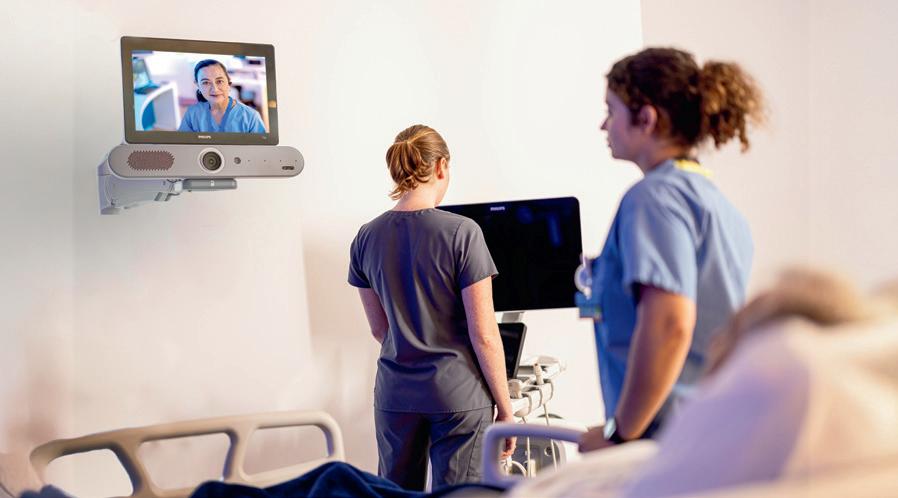
Called ‘HIVE’ (Health in a Virtual Environment), at Royal Perth Hospital general ward beds were equipped with Philips MX400 bedside monitors, high-resolution medical-grade cameras and a fully integrated clinical command centre powered by the Philips IntelliSpace Critical Care and Anaesthesia (ICCA) and eCareManager platforms; technologies that enabled 24/7 remote patient surveillance by a
dedicated clinical team — serving as an additional safety net within in a less intensive and more familiar ward environment.
A study evaluating the clinical and economic impact of HIVE was published in Anesthesia & Analgesia in July, finding that the model reduced ICU hours by 69% and saved $2682 per patient in overall hospital costs, without compromising patient safety. In the study, 288 patients were assessed (155 patients admitted postimplementation and 133 admitted preimplementation), the study showing that HIVE reduced patient time spent in ICU by 17 hours. Importantly, there was no increase in hospital length of stay, emergency readmissions or hospital-acquired complications reported, supporting the safety and reliability of continuous remote monitoring in surgical wards.
Equipped to live-stream vital signs, apply machine learning algorithms continuously assessing patient risk and maintain virtual communication with bedside teams, the remote monitoring centre used AI and continuous data analysis, with early warning signs able to be detected and escalated faster, improving the chances of timely intervention. Philips said the study’s findings aligned with global trends highlighting the value of remote monitoring in hospitals, including its recent work with health systems across North America, the Middle East and Japan.
“The key to HIVE’s success has been the seamless integration of people, process, and technology,” said Dr Kevin Trentino, lead author of the study and Manager of Research and Evaluation with Community & Virtual Care at East Metropolitan Health Service. “Philips’ technology was instrumental in enabling this new model of care, and our findings show the potential to deliver better outcomes at lower costs.” The study can be found at doi.org/10.1213/ANE.0000000000007655.
ICU virtual monitoring with eCareManager
Command centre
Images: Philips
Doctors at breaking point — can AI medical scribes help?
DR BEN CONDON*
A former frontline medical doctor — who, following burnout, now works as a goto-market clinical specialist for an AI medical scribe provider — sets out how AI scribes might be able to help hospital health practitioners.
Australia’s healthcare system has reached breaking point. Hospitals are underfunded, clinicians are overwhelmed, wait times are blowing out and patients are paying the price. Without significant intervention and innovation, this trend will continue to worsen. Research by the Australian Health Practitioner Regulation Agency shows that 12% of health practitioners are either doubting their profession or intending to leave, with most intending to do so within the year.1
It comes as Australia’s population both grows and ages, putting even greater burden on a sector where healthcare professionals are being asked to do more with less every year. Burnout, unfulfilling work, and lack of satisfaction and job security are among the top reasons practitioners intend to leave the profession. Meanwhile, fulfilment, worklife balance and doing the work they were trained to do tops the list of reasons to stay. We must find ways to reduce the drivers of attrition while maximising the reasons clinicians choose to stay.
The risks to Australia’s healthcare system
Like most who enter the profession, I was driven by a simple but powerful motivation: I wanted to help people. That simple desire set me on a path that included eight years of university study, then six years of training
as a doctor in surgical and then critical care settings. However, like thousands of my peers, the burden became too much, and I left frontline medical care in 2023; burnt out and disenfranchised with a system that fails its staff consistently.
I’m not alone; according to research from the Australian Journal of General Practice, burnout is common in primary care doctors.2 As Australia’s population grows, and our healthcare needs become more complex, the burden on an already-overstretched healthcare fraternity will increase. If clinicians continue to leave the sector at the same unsustainable rate, or if the growth of the sector doesn’t match the growth of our population and its healthcare needs, wait times will worsen, consultations will be rushed and the risk of error will increase exponentially.
What’s more, as clinicians leave the sector, hospitals will be forced to rely more on costly locum staff or burn out existing teams, both of which are unsustainable and short-sighted, especially as conversations around funding continue to intensify. If clinicians exit midcareer, it creates a drain of experienced professionals and mentorship gaps for junior doctors. The clinical and practical knowledge that these professionals possess — from nuanced diagnostic insights to navigating complex patient care scenarios — is lost, leaving junior doctors without the guidance they need to develop confidently and competently early in their careers.
Using technology to restore purpose and improve the quality of care
A 2022 UK report revealed that NHS clinicians spend one-third of their working hours on generating clinical documentation, 25% more than seven years before.3 We didn’t pursue a career in medicine to sit behind a screen or be buried in notes for half the day. While documentation is an occupational necessity, it has spiralled out of control of late. By reducing the administrative burden of clinicians, we can return them to the patient-facing work that is most likely to keep them in the profession.
Technology, such as AI medical scribes, frees clinicians from administrative burden, so they can focus on care, not paperwork. By ambiently transcribing patient consultations, once consent from the patient has been granted, clinicians can save up to two hours every single day. From GPs to emergency doctors, that’s a day of work saved every single week. Typically, GPs have overbooked clinics and stay after hours to catch up on notes at the end of each session. However, with AI much of this burden is automated over the course of the day, so GPs are not spending extended periods of time at the end of a shift catching up on admin tasks to get patients the care they need.
In a ‘fast track’ ED treating, for example, minor injuries, fractures and wounds, AI enables a doctor to move onto a new patient within minutes, rather than spending 10–15 minutes writing notes between each patient. In resus and acute areas, where patients are more critically unwell and have more nuanced cases, clinicians can save 20 minutes during a one-hour consultation. Most importantly,
their treating team can spend more time with these patients, rather than being at a computer as a result.
The Australian Government’s Productivity Commission has identified AI as a major priority, and is of the view that the technology will have a substantial impact on productivity.4 In few instances and in few sectors could the benefits be greater than in health care. However, to feel these benefits, more investment is needed, as are formal frameworks to unlock its potential. Ultimately, if successful, we can save clinicians time and help them return to what inspired them to pursue the profession in the first place: diagnosing, treating and building patient relationships.
The potential of AI
Health care at its core will always be about delivering human-centred care. Increasing administrative burden and relentless workloads continue to push doctors to spend less time at the patient’s bedside delivering care. We must give clinicians all the tools to do their job. Deploying AI to reduce administrative workload and returning their focus on delivering care is an obvious solution — one that makes us better placed to reduce the burden on doctors, ease the drain from the sector, and improve the quality and quantity of patient care delivered every day.
Though they offer a potential solution to help clinicians manage administrative tasks, AI scribes are not replacements for clinical judgement. The Australasian Institute of Digital Health has recently released an information sheet — ‘Implementation of AI scribes in healthcare workflows’ — designed to be a comprehensive guide for clinicians, practice managers and digital health leaders. You can access it at digitalhealth.org.au/new-resourceai-scribes-in-australian-healthcare.
1. Tan J, Divakar R, Barclay L, Bayyavarapu Bapuji S, Anderson S, Saar E. Trends in retention and attrition in nine regulated health professions in Australia. Aust Health Rev 2025;49:AH24268. doi: 10.1071/AH24268
2. Toukhsati SR, Kippen R, Taylor C. Burnout and retention of general practice supervisors: prevalence, risk factors and self-care. Aust J Gen Pract. 2024;53(12 Suppl):S85–S90. doi: 10.31128/AJGP-11-23-7011
3. Nuance Communications Ireland, Ltd. Assessing the burden of clinical documentation. October 2022. [Internet]. https://www.nuance.com/asset/en_uk/ collateral/enterprise/report/rpt-assessing-the-burden-ofclinical-documentation-en-uk.pdf
*Dr Ben Condon is a Go-to-Market Clinical Specialist at Heidi Health.
CASE STUDY
Faster acute kidney injury test in development
RMIT University and Australian diagnostic company Nexsen Limited have teamed up to develop point-of-care blood tests designed to identify acute kidney injury hours faster than current methods and, for the first time, to allow chronic kidney disease monitoring at home. Currently hard to detect in very early stages — when intervention is critical — almost a third of intensive care patients develop acute kidney injury, and an estimated 13% of people are living with chronic kidney disease, which remains a leading cause of premature mortality.
Currently, detecting kidney injury relies on testing kidney function, such as the ability to filter out creatinine. Yet, as creatinine build-up takes time, it can take hours or days to detect a noticeable difference.
“Changes in the kidney function lag the damage to the complex structure of the kidney,” said Professor Shekhar Kumta, a clinician experienced in managing kidney failure in trauma and complex surgical patients, and Head of the Clinical Translational Research Partnership between RMIT University and Northern Hospital.
“A new test that can directly investigate the damage to different parts of the kidneys will be a real game changer,” Kumta added. “These new blood tests will be able to diagnose the root cause of the acute kidney injury early, which will play an important role in more clearly defining the optimal clinical management plan for patients.” The team are also developing patented DNA aptamers, which detect specific biomarkers associated with structural kidney damage.
“The current testing of kidney damage based on reduced urine output and increased serum creatinine levels can take six and 24 hours respectively, while our ultrasensitive diagnostic technology aims to detect damage much earlier,” RMIT’s Professor Vipul Bansal said. When customised for at-home regular monitoring of chronic kidney disease, researchers believe that similar tests could help more than 850 million patients worldwide, with the potential to sit alongside the blood glucose monitoring many diabetics use as part of their daily routine.
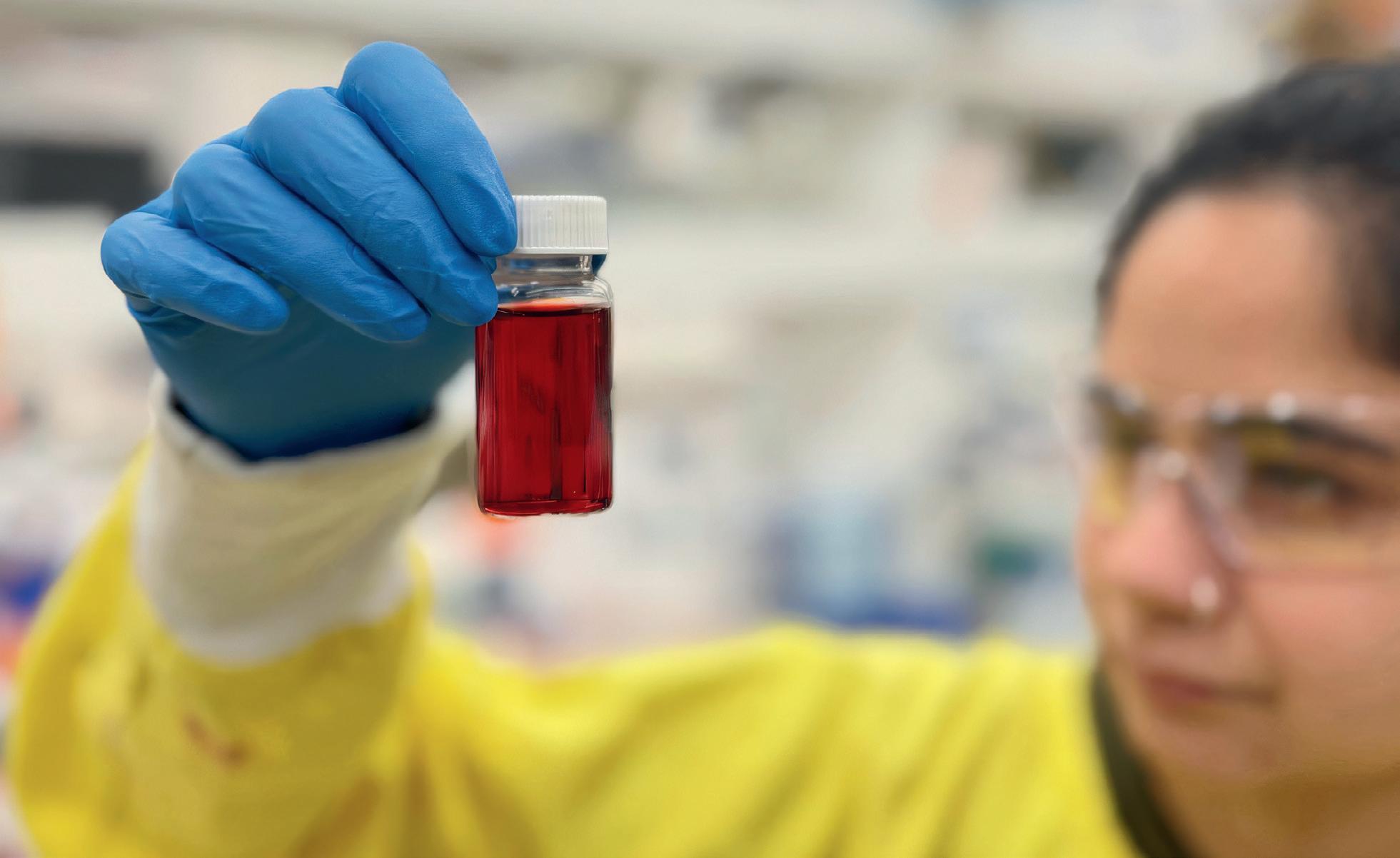
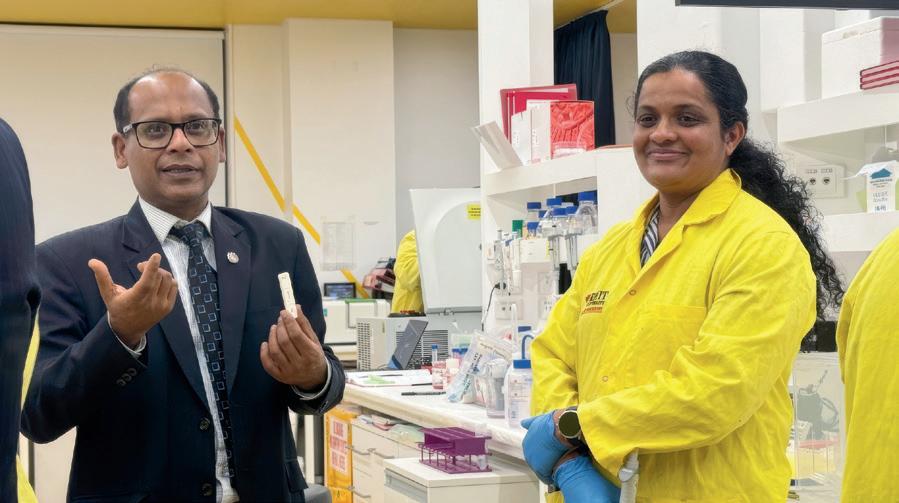
Professor Vipul Bansal holding an early prototype of the kidney test in the RMIT labs with research team leader Dr Pabudi Weerathunge
Professor Vipul Bansal holding an early prototype of the kidney test in the RMIT labs with research team leader Dr Pabudi Weerathunge
Images: Supplied
Using social prescribing as
‘a script against loneliness’
Loneliness is recognised as a public health priority for many countries internationally. According to the 2025 World Health Organization (WHO) report ‘From loneliness to social connection: charting a path to healthier societies’, as many as one in six people experience loneliness — a “discrepancy between one’s desired and actual experience of social connection” that can be a temporary response or chronic and intractable. Demonstrating the cause for concern, the WHO estimates that loneliness led to 871,000 worldwide deaths annually from 2014 to 2019, with the risk of all-cause mortality in older adults possibly also being increased 9–22% by loneliness, with deeper social isolation increasing risk by 32–33%.
“Social disconnection can also lead to heart disease, stroke, depression, and anxiety,” the Royal Australian College of GPs’ (RACGP) President Dr Michael Wright explained, pointing to one study that found that lacking social connection is as dangerous as smoking up to 15 cigarettes a day. Due to what Wright says are the clear health effects of loneliness and the significance of social connection to our health, RACGP has been supporting social prescribing — connecting patients to non-medical activities to support health — as a health intervention that helps patients connect more and improve their overall health.
In March, RACGP called for greater use of social prescribing in Australia, particularly in rural and remote areas, its feasibility and barriers to adoption that were discussed in a July article published in Australian Journal of General Practice. Regarding the approach to take, RACGP Specific Interests Social Prescribing Chair Dr Kuljit Singh said it needs support, but can reinforce GPs’ role as specialists in preventive and whole-of-person care. “As GPs, we and our patients discuss lifestyle options and behavioural changes that support health,” Singh said, noting that social prescribing can strengthen and complement GP care in a way that gives patients power and autonomy.
“Social prescribing can be a health approach to addressing the social disconnection we’ve seen since the pandemic — a script against loneliness,” Singh said. “At the moment, there are barriers to more formal adoption of social prescribing. Most general practices don’t have access to a link worker who can match patients to activities that meet their social needs. GPs aren’t funded
to provide non-medical care or get to know local community services,” Singh said. “But support is growing. The WHO published a toolkit to support implementation of social prescribing in 2022 and this year the Victorian Government has been trialling a social prescribing program, Local Connections, across six regions.
“And we can implement social prescribing as an add-on to what we’re already doing, ahead of the creation of systems to support social prescribing,” Singh continued. “If you know about a group in your community that has a hobby a patient might enjoy, it’s an opportunity to enhance the care you provide. If practice team members have an interest, it can be an opportunity to connect with the community, like we’ve seen with practice parkruns.” Singh concluded: “There are opportunities to build networks that support social prescribing. And the nature of social prescribing — making healthy connections around your interests — makes it an approach with real advantages that we all benefit from growing.”
The WHO’s 2025 report ‘From loneliness to social connection: charting a path to healthier societies’ is available at www.who.int/groups/commission-on-social-connection/report and its 2022 ‘A toolkit on how to implement social prescribing’ is available at www.who.int/ publications/i/item/9789290619765.
Does routine AI assistance erode endoscopy skills?
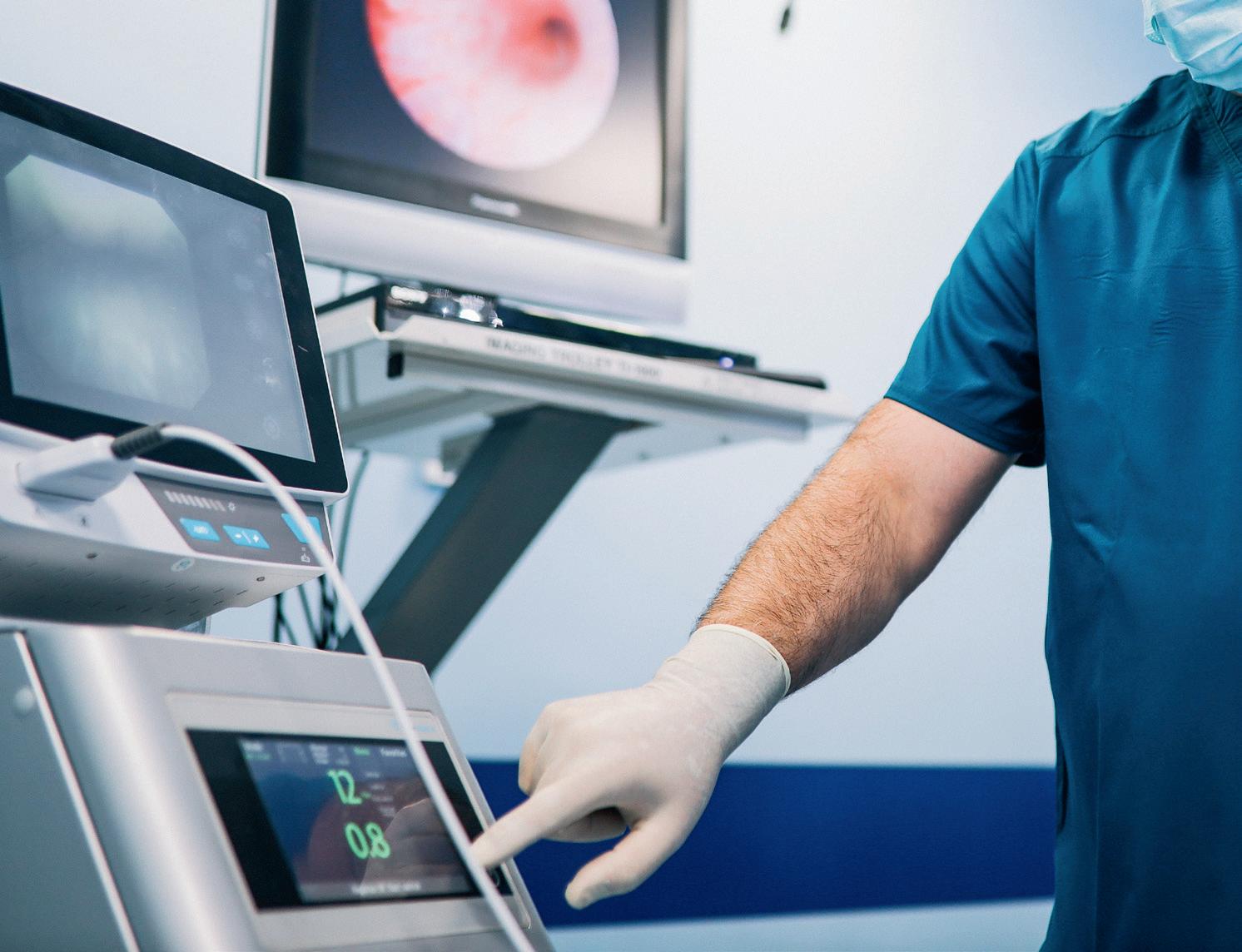
While numerous trials have shown the use of AI to assist colonoscopies increases the detection of adenomas — generating much enthusiasm for the technology — in Poland, an observational study published in The Lancet Gastroenterology & Hepatology of more than 1400 colonoscopies has found that, several months after the routine introduction of AI, the rate at which experienced health professionals detect precancerous growths in the colon in nonAI assisted colonoscopies decreased by 20% (from 28.4% to 22.4%). This research raises questions about how continuous use of AI affects endoscopist skills.
“To our knowledge this is the first study to suggest a negative impact of regular AI use on healthcare professionals’ ability to complete a patient-relevant task in medicine of any kind,” author Dr Marcin Romańczyk of Academy of Silesia said. “Our results are concerning given the adoption of AI in medicine is rapidly spreading. We urgently need more research into the impact of AI on health professionals’ skills across different medical fields.
“We need to find out which factors may cause or contribute to problems when healthcare professionals and AI systems don’t work well together, and to develop
ways to fix or improve these interactions.” Four colonoscopy centres in Poland between September 2021 and March 2022 were used for the study. At the end of 2021, regular AI use was introduced at the centres, after which colonoscopies were randomly done either with or without AI assistance.
Performed by 19 experienced endoscopists who had conducted over 2000 colonoscopies each, during the period of the study, 1443 colonoscopies were conducted without AI — 795 before regular introduction of AI use and 648 after AI implementation. The study observed that the average rate of adenoma detection at non-AI assisted colonoscopies significantly decreased from 28.4% (226/795) before AI exposure to 22.4% (145/648) after AI exposure — this corresponded to a 20% relative and 6% absolute reduction in adenoma detection rate. Meanwhile, in the AI-assisted colonoscopies, there was a 25.3% (186/734) adenoma detection rate.
“These results pose an interesting question about previous randomised controlled trials which found AI-assisted colonoscopy enabled a higher adenoma detection rate than non-AI assisted colonoscopy,” author Professor Yuichi Mori of University of Oslo said. “It could be the case that non-AI assisted colonoscopy assessed in these trials is different from standard non-AI assisted colonoscopy as the endoscopists in the trials may have been negatively affected by continuous AI exposure.”
Some limitations are acknowledged by the authors, including that the observational nature of the study means that factors other than the implementation of AI use may have influenced the findings. That the study was conducted with experienced endoscopists may also limit its generalisation to all endoscopists. Needed, the researchers said, are further studies with less experienced health professionals — to see if long-term AI tool use has a larger impact on their ability to detect of adenomas without AI.
“These findings temper the current enthusiasm for rapid adoption of AI based technologies,” Dr Omer Ahmad of University College London, who was not involved in the study, said in a comment published in the same journal, “[…] and highlight the importance of carefully considering possible unintended clinical consequences. Although previous experimental studies have alluded to negative modification of behaviour after AI exposure, the study by Budzyń and colleagues provides the first real-world clinical evidence for the phenomenon of deskilling, potentially affecting patient-related outcomes. [...] Although AI continues to offer great promise to enhance clinical outcomes, we must also safeguard against the quiet erosion of fundamental skills required for high-quality endoscopy.”
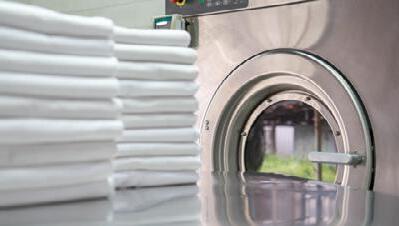
Remote laundries target preventable disease in NT communities
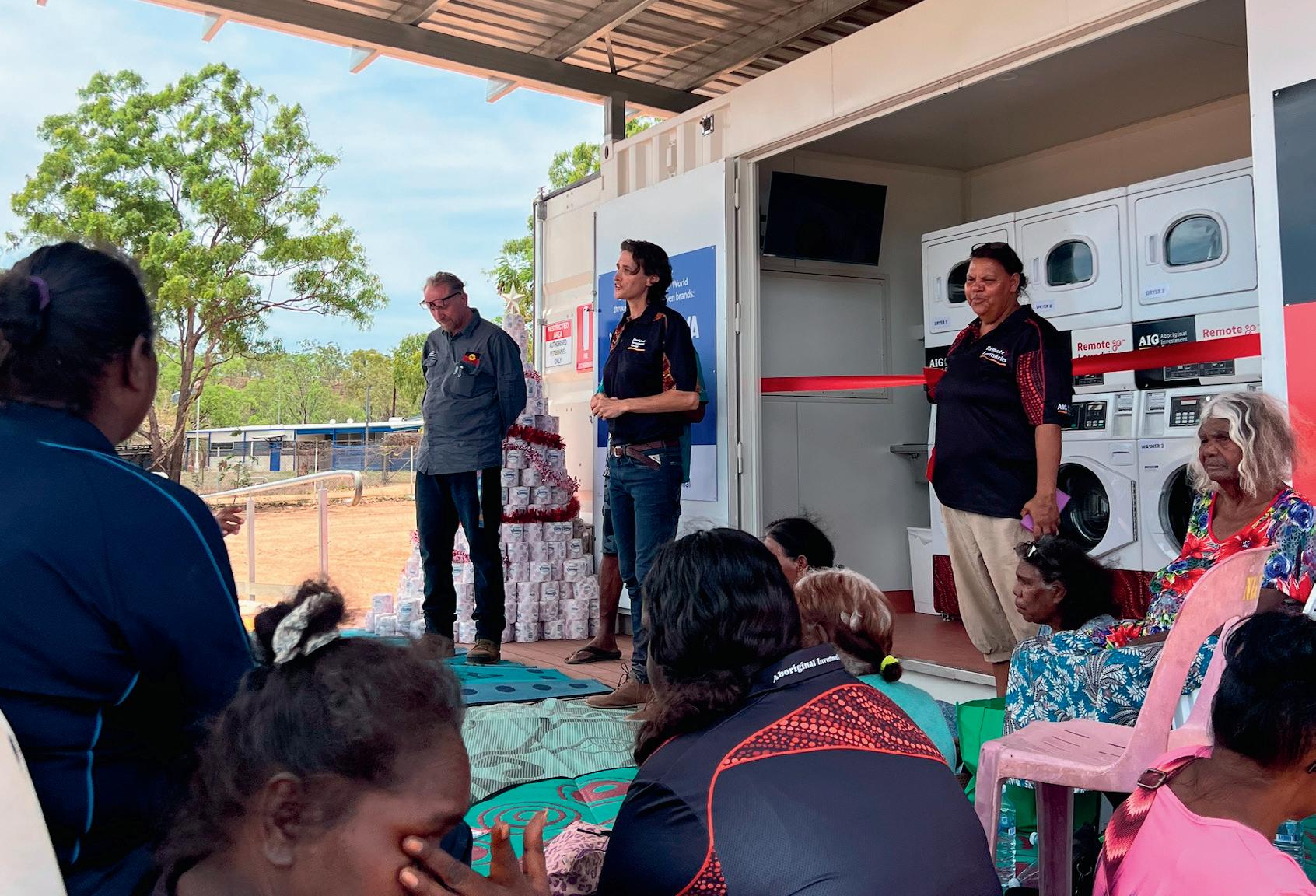
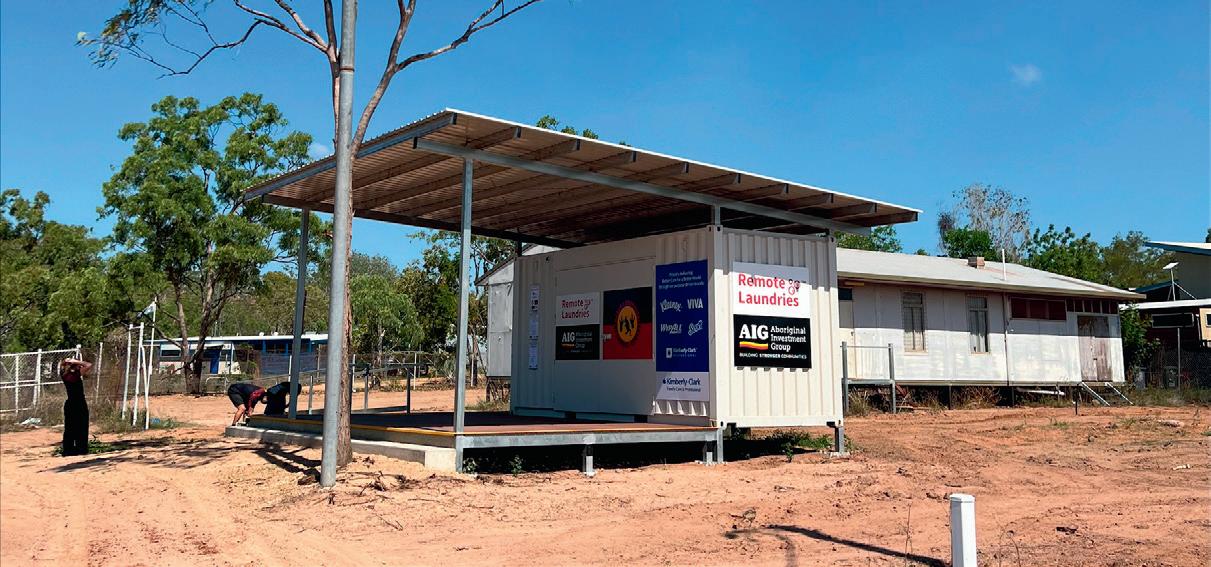
With overcrowding in the Northern Territory being the highest in Australia, in these conditions basic hygiene can break down fast; among Aboriginal children, eight in 10 are diagnosed with skin sores before their first birthday, leaving them vulnerable to scabies and rheumatic heart disease, a life-threatening yet preventable illness. Now, a new community laundry has launched in Borroloola, part of a program seeking to curb preventable disease in remote NT communities.
Launched on 25 November 2025 and part of the Aboriginal Investment Group (AIG) Remote Laundries program, this facility is the result of a partnership between AIG and Kimberly-Clark’s International Family Care & Professional (KC IFP) division, and will provide free washing and drying services. “We know how tough it can be to access everyday essentials in these areas, so we’re happy to also donate an annual supply of our toilet paper for the people of Borroloola,” said David Tyack, KC IFP Managing Director. “We’re excited about what’s ahead and look forward to building a lasting partnership with AIG.”
“We are thrilled to be delivering a service that will benefit the Borroloola community from a health, economic and social perspective,” said Remote Laundries CEO Elizabeth MorganBrett OLY. “With six years of laundry operations behind us, we’ve seen firsthand how access to clean clothes and bedding improves health, school attendance and employment. Our
laundries deliver health, social and economic outcomes for Aboriginal people living in remote communities — one wash at a time.”
Since 2019, the Remote Laundries program has delivered more than 73,000 laundry cycles across remote NT communities, achieved 96% utilisation rates, and created 117 local jobs. The Borroloola laundry is estimated to support more than 1000 people in community by washing more than 3000 cycles of clothes and linen each year. Located near the coast between Darwin and Alice Springs, the Borroloola site marks the seventh laundry delivered by AIG’s Remote Laundries program, which is also supported by the Heart Foundation and the Mabunji Aboriginal Corporation.
Images: Supplied
with Anja Nikolic In Conversation
Hospital + Healthcare sits down with Australasian Institute of Digital Health CEO Anja Nikolic to talk allied health, My Health Record, ChatGPT, and why closing the gap in digital health maturity is vital to the future of health care.
When the CEO of the Australasian Institute of Digital Health (AIDH), Anja Nikolic, was working in allied health, her fruitless attempts to accelerate digital health uptake exposed a major systemic issue.
Back then, Nikolic was GM of membership for the Australian Physiotherapy Association and had been exploring the role digital health could play in solving the sector’s pain-points.
When her efforts reached a dead-end, she realised there was a lack of digital health maturity — and how much that mattered.
“We held forums, we spoke with experts and tried to do all sorts of things to pre-empt where this was going for the profession. And it just went nowhere,” she told Hospital + Healthcare. “The level of involvement of allied health in anything to do with digital health was really limited. It
wasn’t at all on the radar of government or leadership of any sort.
“It really exposed the discrepancy in digital health maturity across the spectrum. And I remember thinking, there will be a reckoning here at some point, because allied health accounts for 300,000 workers. It’s a large segment of our healthcare workforce — too large to overlook when it comes to transforming the overall healthcare sector.”
There’s an app for that
For Nikolic, the underutilisation of digital technologies in allied health is a missed opportunity to solve wicked problems.
She claims there are few the current marketplace can’t address and that even solely deploying My Health Record would be transformative.
“Something that has long frustrated allied health is the challenge around multidisciplinary teamwork when caring for patients with
complex needs. The ability for pathology to work seamlessly with general practice and exercise physiology when helping a patient with type 2 diabetes, for example.
“It is not an easy thing to share information and data in seamless ways and the traditional method of fax and email raises security concerns. So, there are also lots of gains to be made with remote patient monitoring, the enablement of virtual care and better telehealth — but without that digital health maturity, none of these technologies will be embraced.”
Literacy is also key
Beyond allied health, Nikolic says there is great potential for AI in diagnostics, but that clinicians must be privy to the types of technologies — and output — they can trust.
“Take ChatGPT. We know that, on various occasions, patients have used it to successfully diagnose themselves before doctors have been able. But let’s wager that
“ChatGPT is a very general technology and isn’t trained with specialist health data. So as a vehicle, it might get you from A to B, but it would need an experienced driver to get you there safely. Even then, there many variables to guarantee accuracy or safety.”
by saying, for every correct diagnosis, there may be many more misdiagnoses.
“ChatGPT is a very general technology and isn’t trained with specialist health data. So as a vehicle, it might get you from A to B, but it would need an experienced driver to get you there safely. Even then, there are too many variables to guarantee accuracy or safety.”
Systemic barriers
While no single factor is to blame for the lack of digital maturity or literacy in health care, Nikolic claims cumbersome workloads could be a barrier.
“People don’t always have the time or inclination to try new things when they already have so much on their plate,” she said.
Compounding that, she says there are few logical pathways to develop digital health expertise for those already in the workforce.
“There are dedicated masters programs, but that’s a fairly unrealistic pathway for someone
who works fulltime. For many, it’s something they learn on the job, sporadically, or fall into accidentally.”
Closing the gap
In her current role with AIDH, Anja is committed to closing the gap in digital health maturity, claiming the issue extends far beyond allied health.
“It’s a widespread issue and the disparity is growing. You have people for whom digital health has been part of their professional journey for 20–30 years, and others for whom it’s still an emerging thing.
“At the AIDH we’ve been trying to lift the bar for everyone, so that we can transform the healthcare system to the level we know is available if digital health is harnessed the way it should be.
“That’s why we are hoping to develop a Clinical Informatics Fellowship, to funnel people into digital health leadership.”
Anja, who has been in the role since March 2024, says this differs from how the AIDH has traditionally done things.
“Historically we have been focused on the digital health expert. And we are still very much here for these people — they are our core membership.
“But I think we really need to cast the net much wider in terms of our policy thinking, thought leadership, and education, and target those who don’t yet have that literacy, because if we don’t the gap will widen.”
In this pursuit, Anja says she is grateful of her early experience in allied health.
“It has served as a poignant reminder of why that gap matters,” she concluded.
*Amy Sarcevic is a freelance science and technical writer who regularly writes for Hospital + Healthcare She has an academic background in psychology.
Is AI better than doctors and nurses at triaging ED patients?
Astudy comparing emergency medicine doctors and nurses working in the ED with AI found that doctors and nurses were better at triaging patients in the ED. For the study, presented in September at the European Emergency Medicine Congress in Vienna, a paper and digital questionnaire was distributed by the researchers to six emergency medicine doctors and 51 nurses working in the ED of Vilnius University Hospital Santaros Klinikos.
The participants were asked to triage clinical cases selected randomly from 110 reports cited on the internet in the PubMed database. Using the Manchester Triage System, the clinical staff were required to classify the patients according to urgency — placing them in one of five categories from most to least urgent. The same cases were analysed by ChatGPT (version 3.5). In total, 100% of the doctors (6) and 86.3% of the nurses (44) completed the questionnaire.
“We conducted this study to address the growing issue of overcrowding in the emergency department and the escalating workload of nurses,” said Dr Renata Jukneviciene, a postdoctoral researcher at Vilnius University, Lithuania who presented
the study. “Given the rapid development of AI tools like ChatGPT, we aimed to explore whether AI could support triage decisionmaking, improve efficiency and reduce the burden on staff in emergency settings.”
As to the findings, Jukneviciene explained: “Overall, AI underperformed compared to both nurses and doctors across most of the metrics we measured,” adding: “For example, AI’s overall accuracy was 50.4%, compared to 65.5% for nurses and 70.6% for doctors. Sensitivity — how well it identified true urgent cases — for AI was also lower at 58.3% compared to nurses, who scored 73.8%, and doctors, who scored 83.0%.” In all the areas and categories of urgency that the researchers analysed, doctors had the highest scores.
“However, AI did outperform nurses in the first triage category,” Jukneviciene said, “which are the most urgent cases; it showed better accuracy and specificity, meaning that it identified the truly life-threatening cases. For accuracy, AI scored 27.3% compared to 9.3% for nurses, and for the specificity AI scored 27.8% versus 8.3%.” While AI could be useful when used in conjunction with clinical staff, Jukneviciene said it should not be used as a standalone triage tool.
“These results suggest that while AI generally tends to over-triage, it may be somewhat more cautious in flagging critical cases, which can be both a strength and a drawback,” Jukneviciene said. “While we anticipated that AI might not outperform experienced clinicians and nurses, we were surprised that in some areas AI performed quite well. In fact, in the most urgent triage category, it demonstrated higher accuracy than nurses. This indicates that AI should not replace clinical judgement, but could serve as a decision-support tool in specific clinical contexts and in overwhelmed emergency departments.
“AI may assist in prioritising the most urgent cases more consistently and in supporting new or less experienced staff. However, excessive triaging could lead to inefficiencies, so careful integration and human oversight are crucial. Hospitals should approach AI implementation with caution and focus on training staff to critically interpret AI suggestions,” Jukneviciene concluded. Follow-up studies using newer versions of AI and AI models that are fine-tuned for medical purposes are being planned by the researchers, who also want to test them in larger groups of participants, include ECG interpretation, and explore, specifically for triage and incidents involving mass casualties, how AI can be integrated into nurse training.