
Ralph Ledbetter
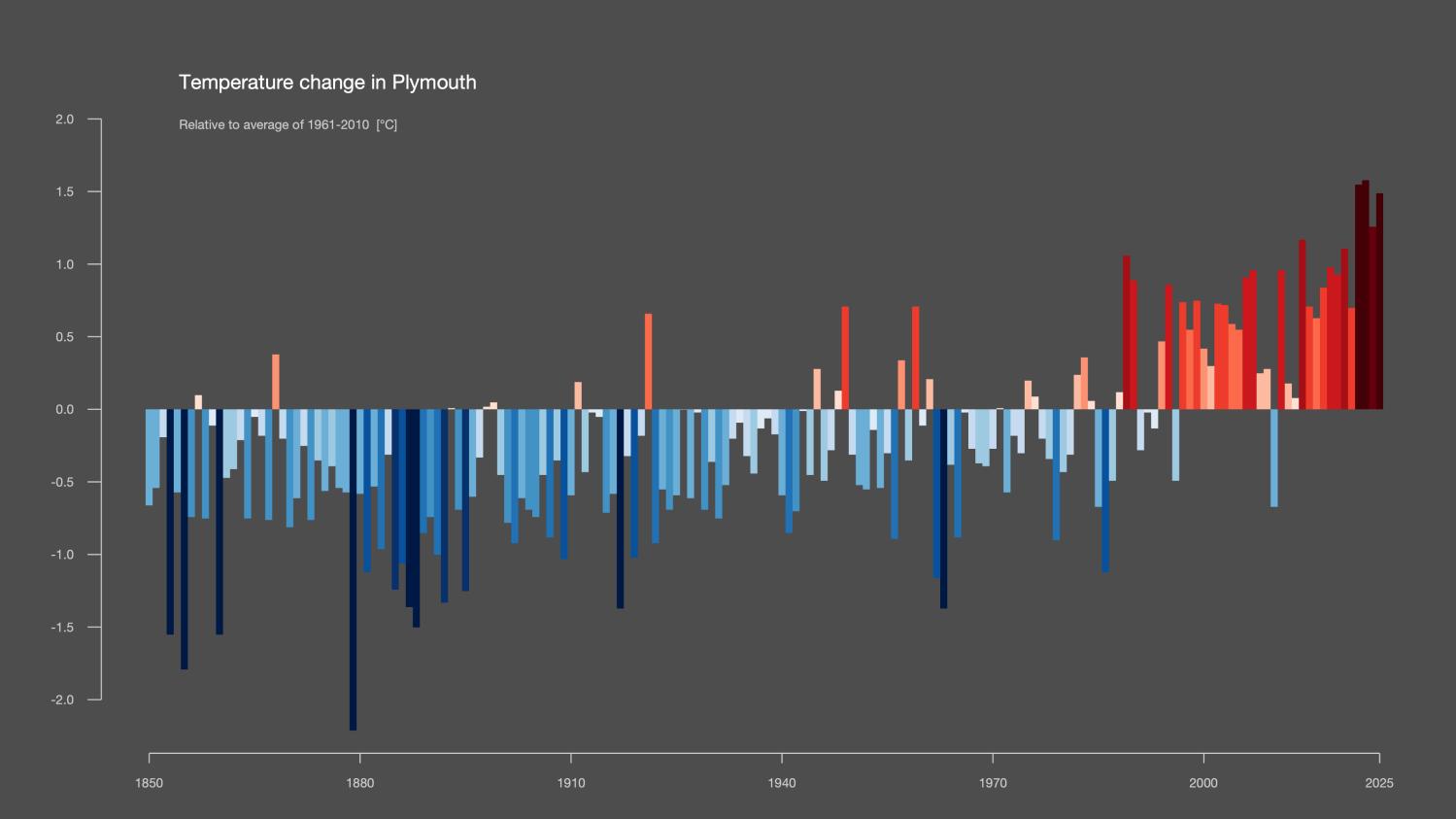
Source: #showyourstripes
Ralph Ledbetter
Source: #showyourstripes
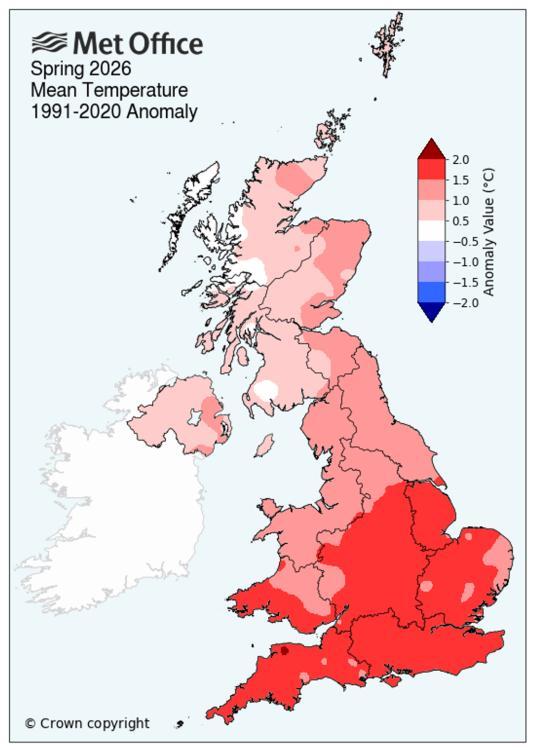
Source: Met Office press release
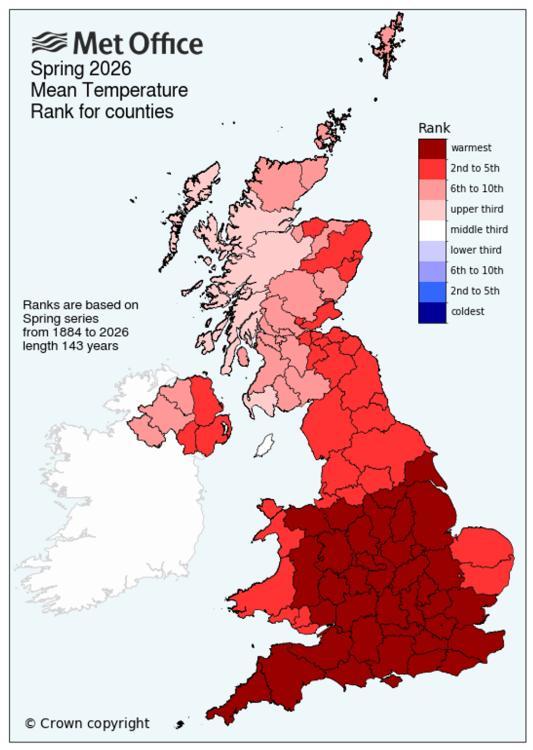
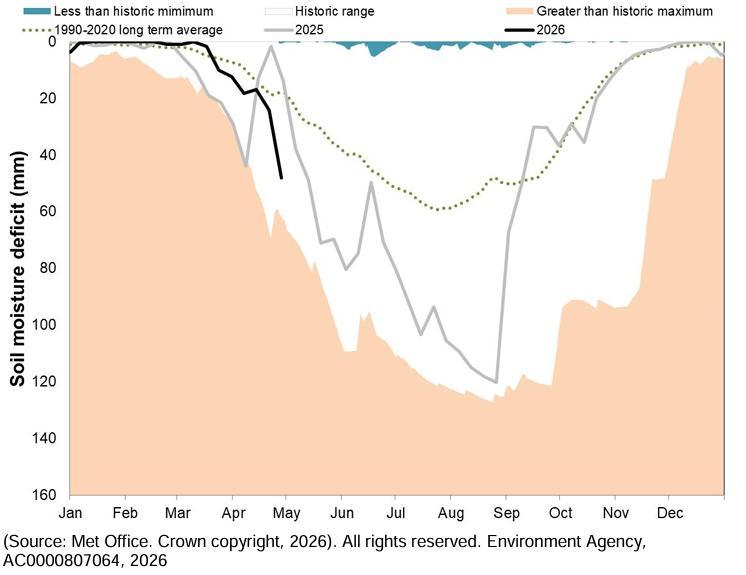
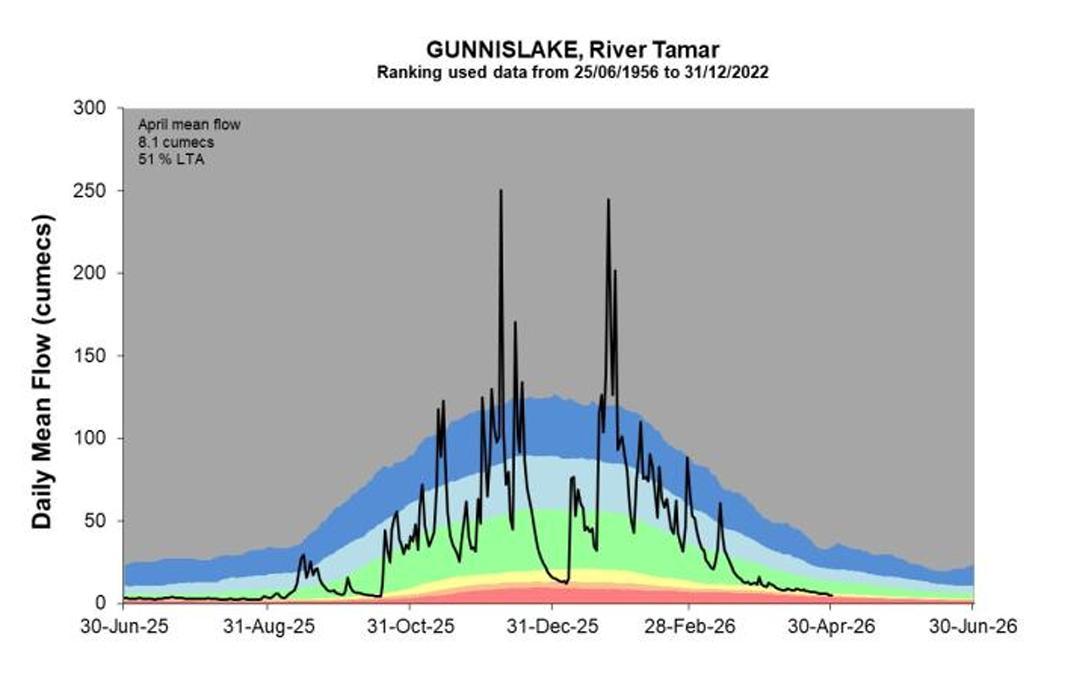
Source: Environment Agency Water Situation Report – Devon and Cornwall April 2026
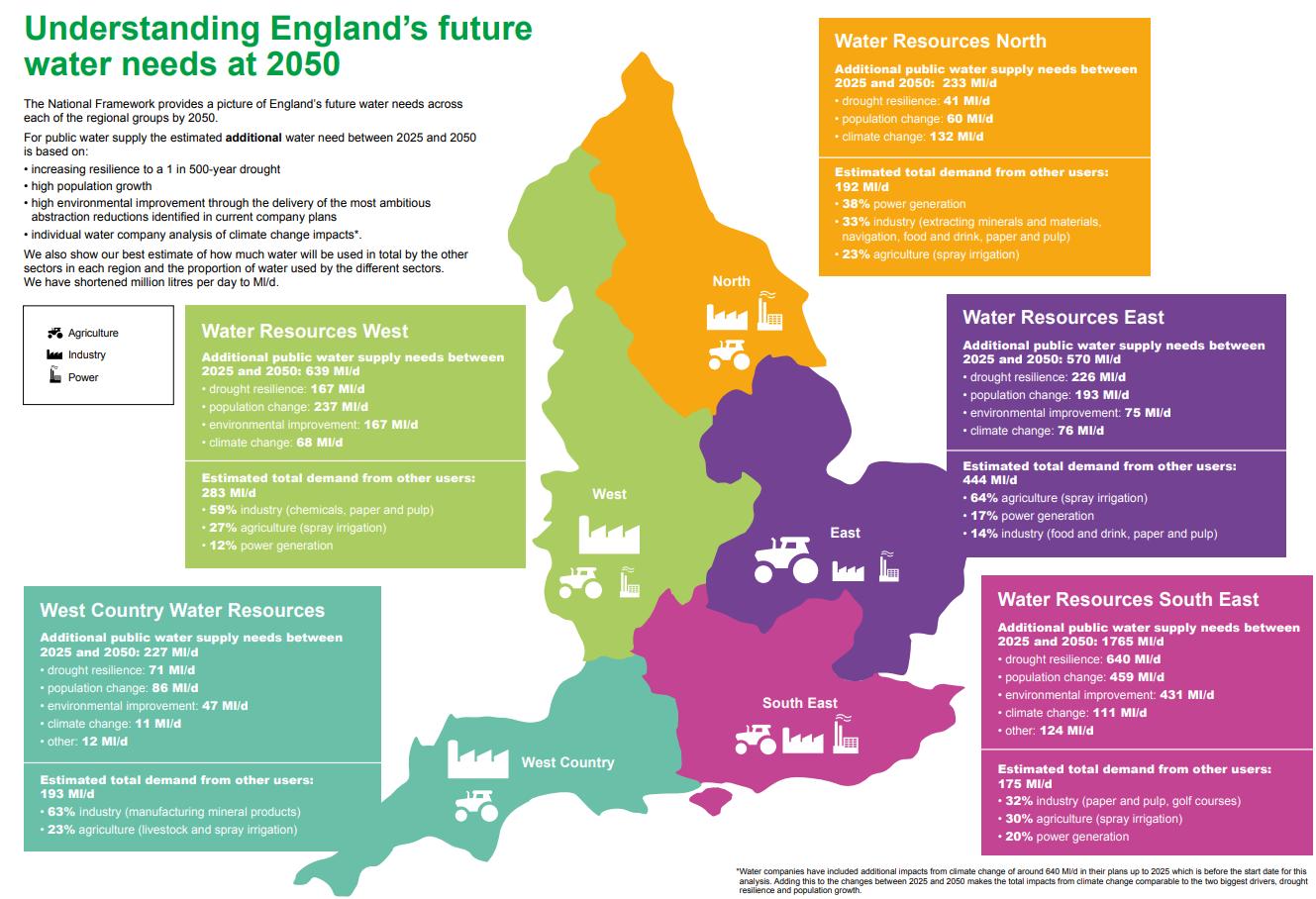
• We are a collaboration of water companies, regulators and stakeholders who share a mission to achieve a coordinated approach to water resources planning in the West Country of England.
• We are one of five regional collectives in England and Wales created by the government under the National Framework for Water Resources and tasked to create a regional water resources plan that looks ahead to 2050 and beyond.
: Environment Agency Wessex Water Pennon group
1. Advisory Group (non-exhaustive list)


2. Multi-Sector Group
• Agri-food
• Energy
• Environment
• Landowner and Riparian
• Mining, Mineral extraction and exploration
• Tourism, Recreation and Leisure


The foundations for our next Regional Plan

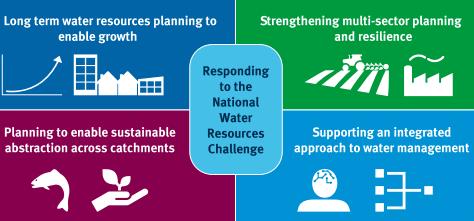
• Sets out the pressures and challenges for the water environment to 2055 and beyond.
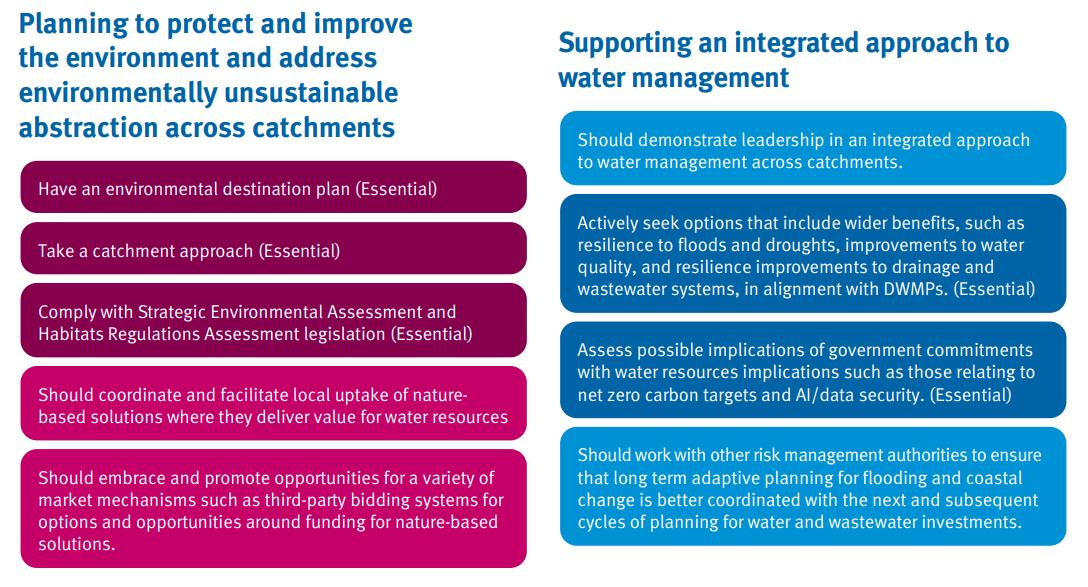
• Sets the ambition for a sustainable abstraction regime and a protected and improved water environment.
• Explores potential new demands for water.
• Sets greater ambition for integrated, joinedup planning between water using sectors and with drainage and wastewater planning.
• Proposes actions and expectations for different sectors to rise to the challenge of planning for and improving water supply resilience.
• Provides a steer for regional water resources groups to evolve and to continue to innovate.
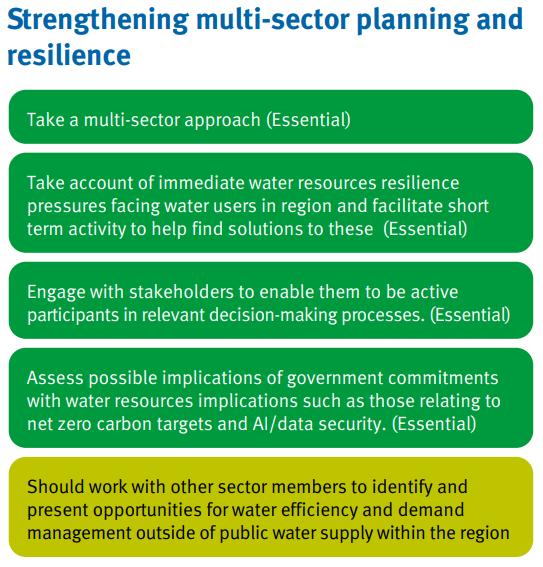
• Including forecasts of water demand for relevant non-public water supply sectors
• Facilitating and proposing options and solutions for multiple sectors to meet their water needs and improve resilience
• Identifying where sectors can work together to resolve issues and co-ordinate local water resources activity across sectors where there is a risk of duplication
• Promoting the establishment and work of WaterAbstractor Groups and Catchment Partnerships to represent local abstractor needs
Public Water Supply
• Regional water resources model development
• Supply options
• Overall program development
• Engagement with our MSG
• Support to develop demand forecasts

Catchment Focus
• Nature based solutions
• Identifying focus catchments
• Local Resource Options (LROs)
• Exploring use of EA SACO tool RP2
Sustainable Abstraction
• Catchment investigations
• Join our multisector group
• Talk to us about non-public water supply abstractors in your catchment
• Explore ways we could collaborate to support abstractors and the environment
• Get updates at key points in the regional planning process
Let us know if you'd like to get involved at: https://www.westcountrywaterandenvironment.org/contact-us
Follow us on linked in: West Country Water and Environment: Posts | LinkedIn
Slides not to be presented but for dissemination afterwards if of interest
• An inclusive group which brings together representatives from various sectors across the West Country to share views, knowledge, and sector specific insight on water resource management in a collaborative forum
• A multisector approach will improve water resources resilience of relevant regional sectors and promote sustainable management of water resources
• To support sectors across the region to participate in the regional water resource planning process and explore potential solutions
• Building relationships
• Facilitating conversation and discussion and empowering sectors to take the lead
• Water needs/use evidence gathering
• Sector-by-sector working groups
Initial engagement has been focussing on the following key sectors:
• Agriculture
• Energy
• Environment
• Range of sectors and representatives
• Landowner, Riparian and fisheries
• Mining, Mineral extraction and Exploration
• Tourism, Recreation and Leisure
• Growing membership through targeted outreach, as well as organically
• We continue to focus on increasing representation from
o Landowners & Riparian Interests
o Tourism, Recreation & Leisure
The group has talked about:
• Views and experiences related to water resources management
• Water needs and uses of different sectors–locations, volumes, timing, consumptive use, etc
• Demand reduction, efficiency practices and opportunities
• Impacts of water shortage on need/use
• Water quality considerations
• WCWE hosted a webinar for agricultural water abstractors and membership bodies in the south west, promoting the concept of WAGs.
• The webinar explored the issues water users are facing and will face in the future
• Guest speaker Steve Moncaster from the Norfolk Environment Food & Farming (NEFF) shared his experience of WAGs in Norfolk
• Provided an opportunity for discussion around concerns, issues, barriers and opportunities related to water resources for the agricultural sector
• Explored interest in WAGs amongst stakeholders
• Smaller but engaged groups ~ 13 attended / ~22 sign ups
• NFU
• CLA
• Dairy Farmer
• Veg growers
• Mixed farming and fruit pomace
• Farming partnership
• FWAG SW / Catchment partnership coordinator
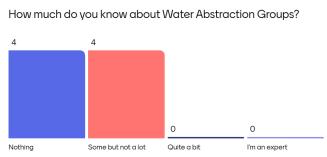
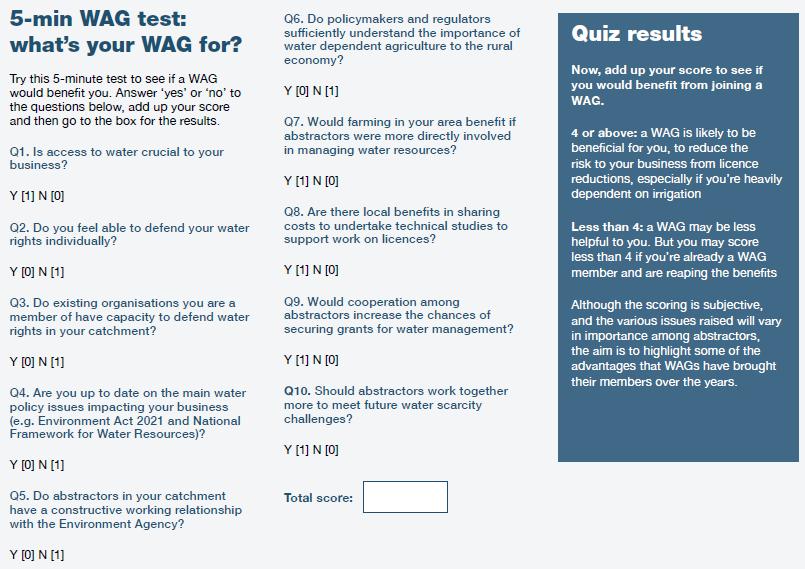
• Ran through the WAG Test from UKIA – all who responded scored above 4
• Majority of those on the call felt that water would be more scarce in the future
• Attendees felt that a lot of people in the sector are not aware that water resources will be more limited in the future
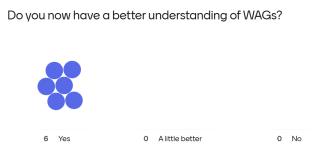
• There was some interest WAGs and how they may be able to form in the region – A Catchment Partnership and membership body were keen to take this away and explore next steps together
• We’ll share a summary and follow up with interested stakeholders and discuss next steps
Farms involved
• 4 farms (3 Dairy & 1 Horticulture)
• Water used for livestock drinking water, and washing down as well as irrigation - using a mix of mains and abstracted water
Recommended Options across all farms
• Agroecological practices to improve soil water retention
• Rainwater harvesting (can meet >20% annual demand per farm)
• Water recycling (up to 25% demand reduction)
• Water sharing for pooling existing headroom and improved resilience
• Next Steps
• Tailored solutions for each farm to be considered
• WCWE are working with stakeholders such as WRT to see how the work could be progressed
Carried out by Ricardo
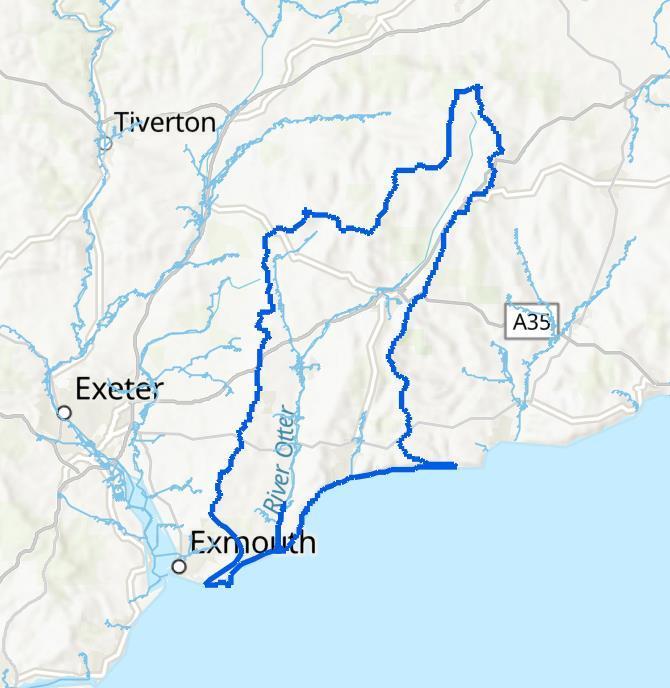
LRO Case
• WCWE hosted the Agriculture Demand Forecasting workshop 18/05/26, working alongside Arup and Jerry Knox (Professor, Cranfield University).
• Stakeholders from across different sub-sectors
• The workshop discussion focussed on 3 main questions:
• How would you describe your current access to water?
• How do you think your water demand will change in the future?
• How have recent droughts impacted your sub-sector?
• Feedback from the workshop is in the early stages of being processed and will be used to inform a draft methodology to be discussed and refined at a future workshop on 12th June.
• Dairy
• Covered Horticulture
• Uncovered Horticulture
• Technology
• CLA
• NFU
• FWAG SW