
‘Yealm Intertidal Habitat [and their supported wildlife communities] Improvements’
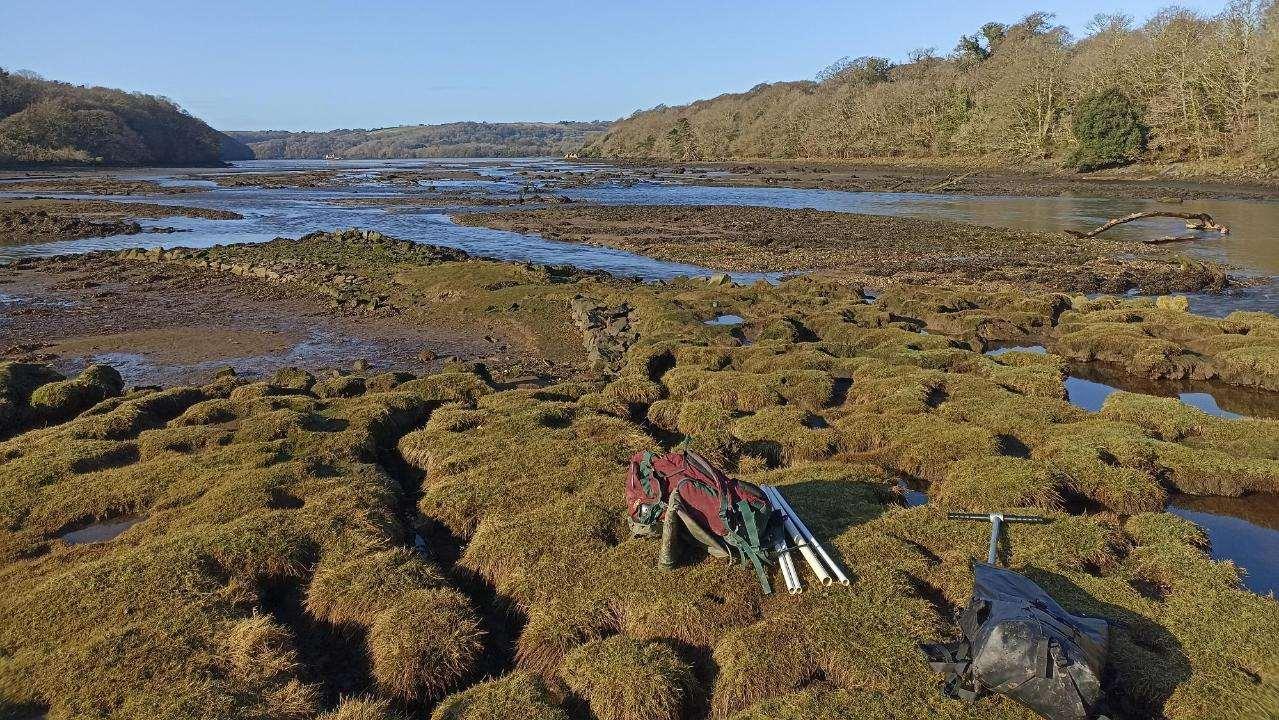






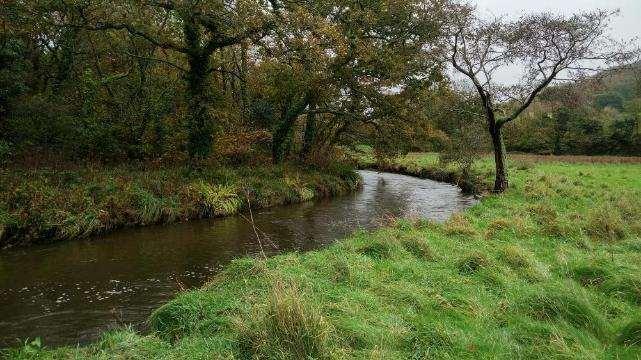
Our estuary, the final tidal part of our river where the fresh meets saltwater

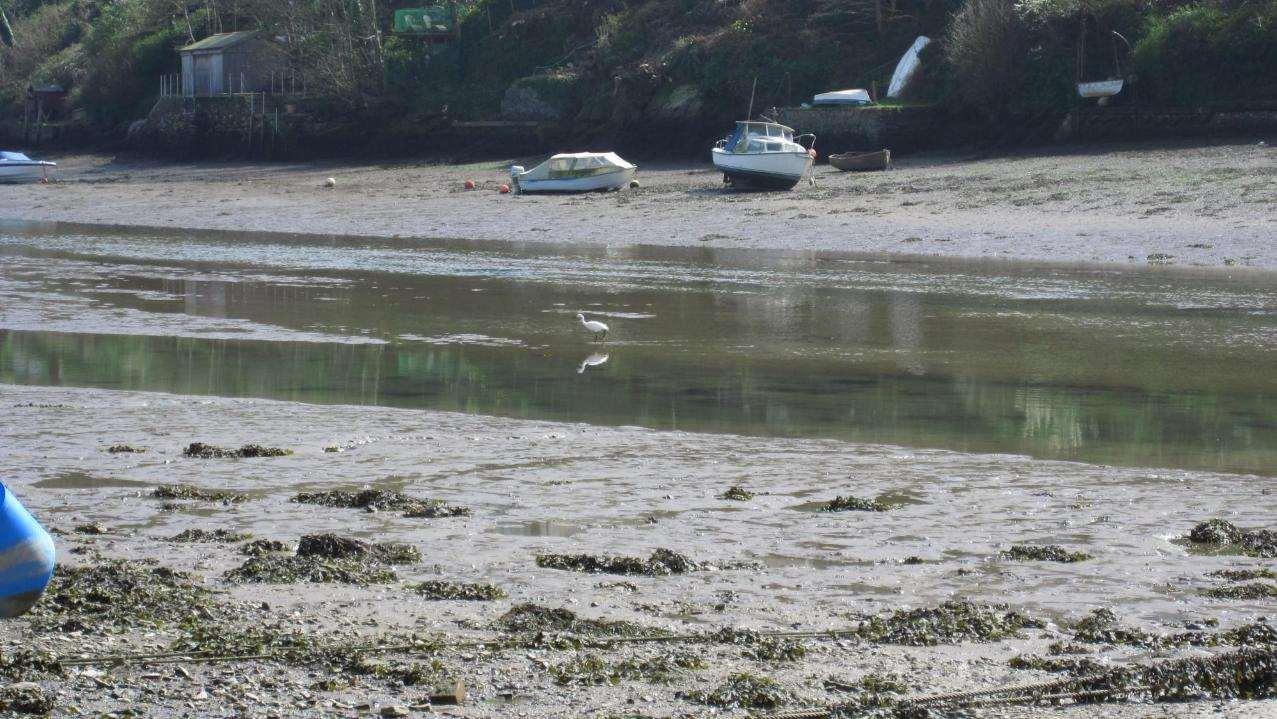
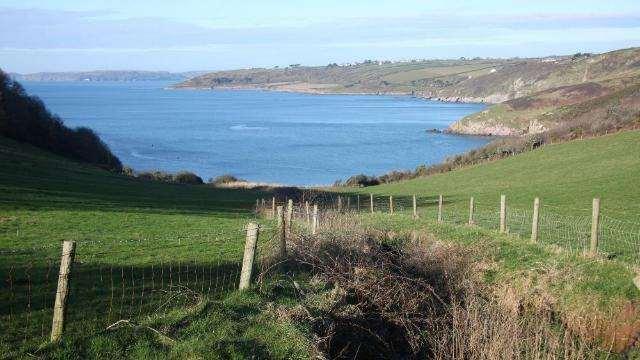
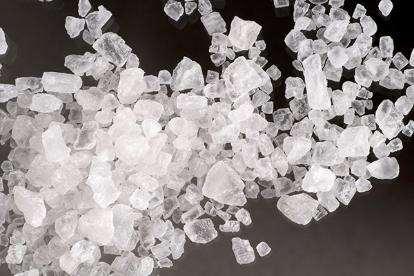



The intertidal wildlife can be subject to the extremes of whatever the weather is doing at low tide extremes of salinity, drying, heat and cold






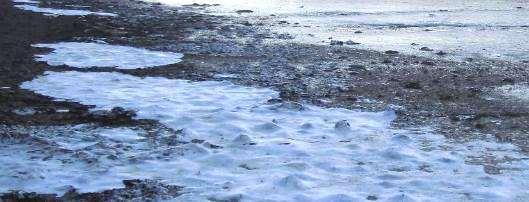
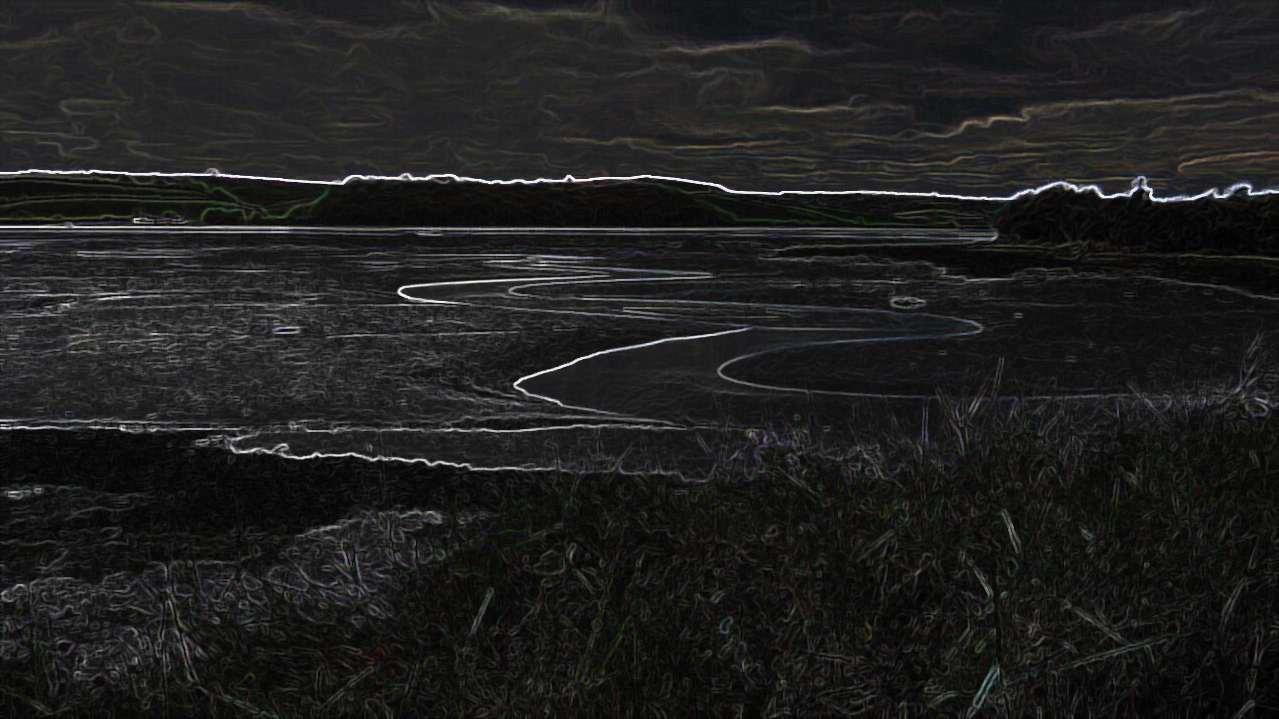


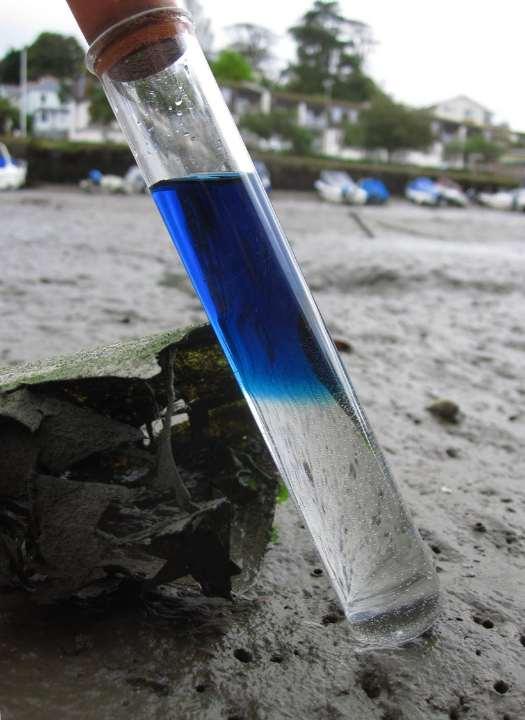
Freshwater floating over saltwater
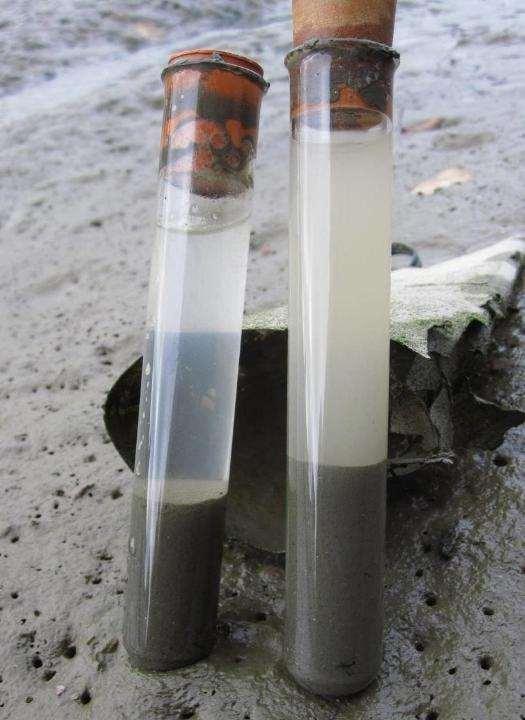
Settlement of catchment sediment: freshwater right saltwater left
Search
“Flocculation”
Physical factors driving estuarine ecology
The estuarine ecosystem is highly productive – being ‘fed’ by the organic detritus from the catchment and tidal waters


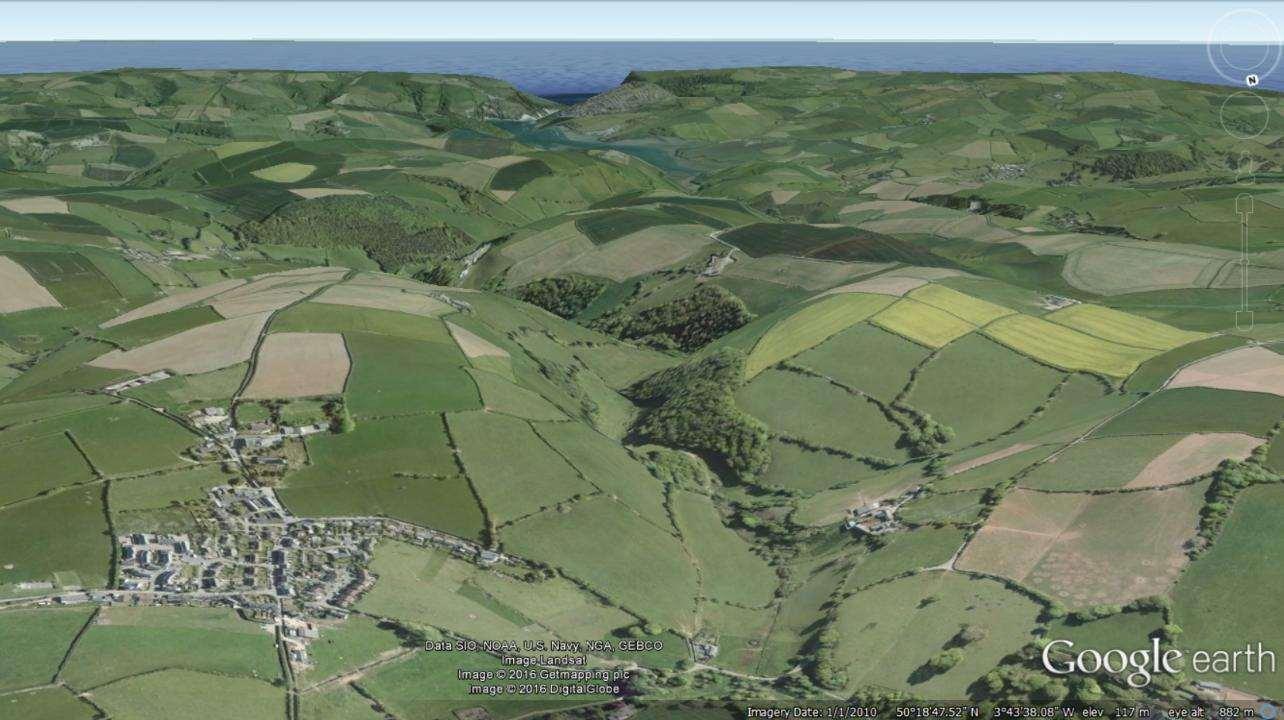

… organic detritus from the catchment and tidal waters


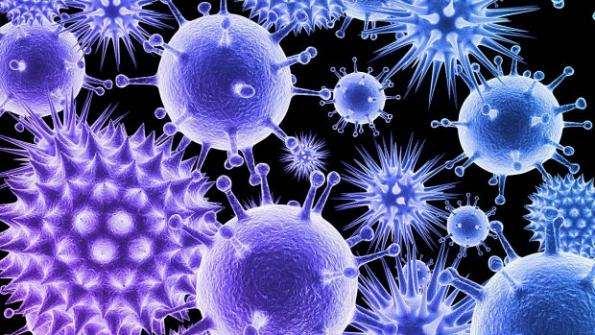
https://www.yucatanalamano.com/destacado/egresada-de-uam-disena-nano-molecula-que-elimina-bacterias-y-virus/




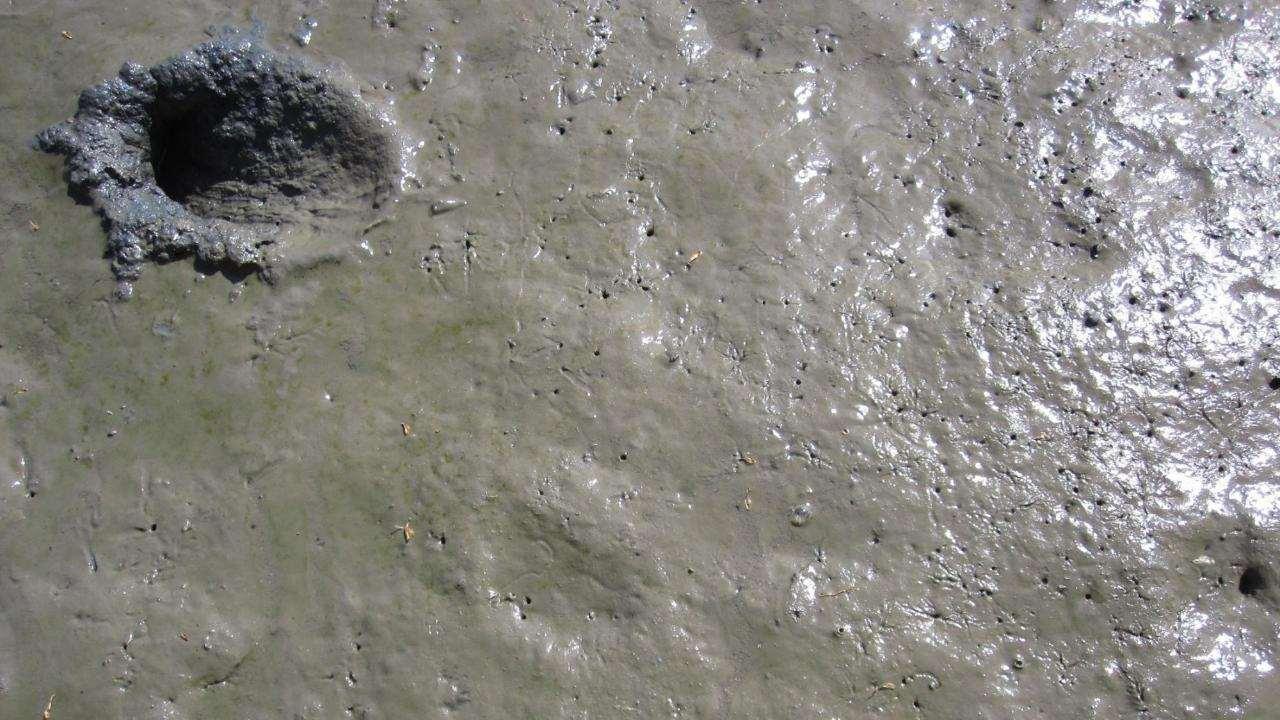
Mudflat bacteria break the organic detritus down releasing nutrients (8 billion per egg cup of mud so many they deplete the mud of oxygen making the mud anoxic just 1cm down … why it’s black!)


Single celled seaweeds, diatoms, use these nutrients, carbon dioxide and solar energy to photosynthesise … these diatoms migrate within the mud surface with daylight and tides
Saltmarsh

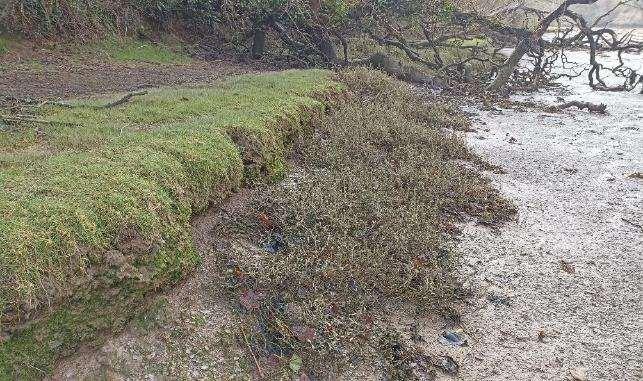
Dominant estuarine ecosystems:



Tidal reedbeds


Seagrass meadows



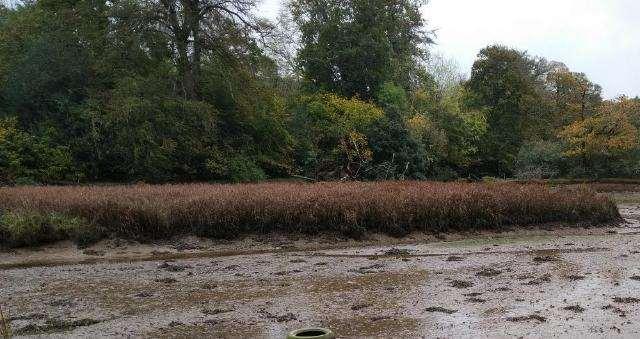
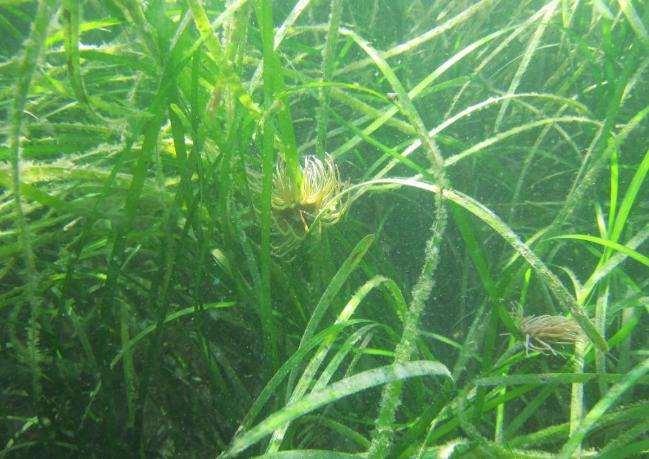

All are hugely important for the carbon they sequester, trap and store
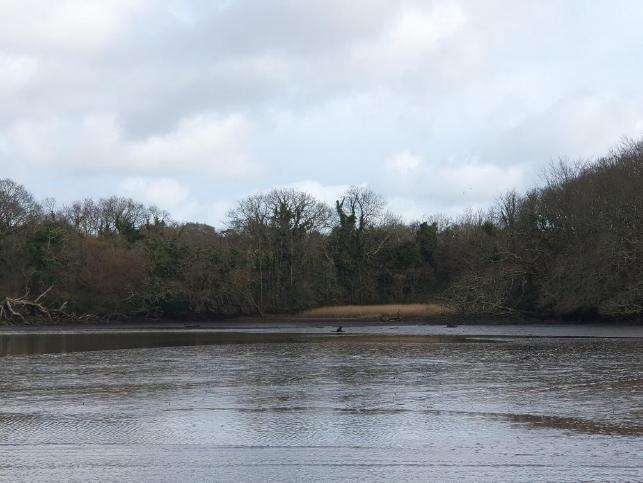
Mudflats

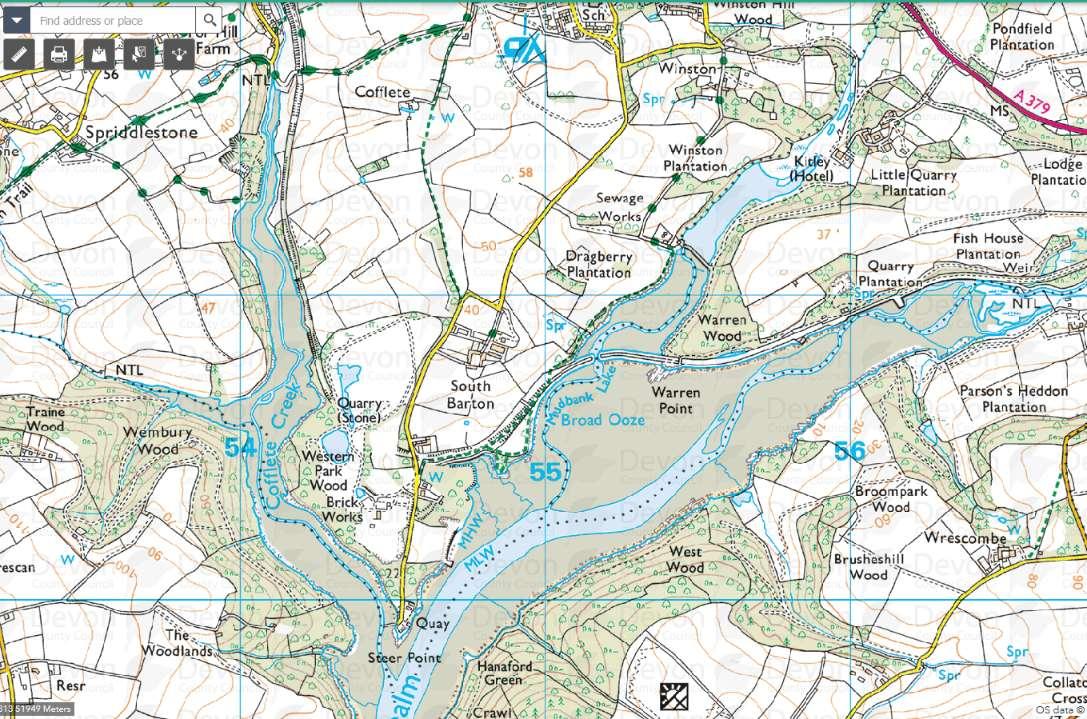

were commissioned to survey the condition of the saltmarshes by funding partners (right) resulting in
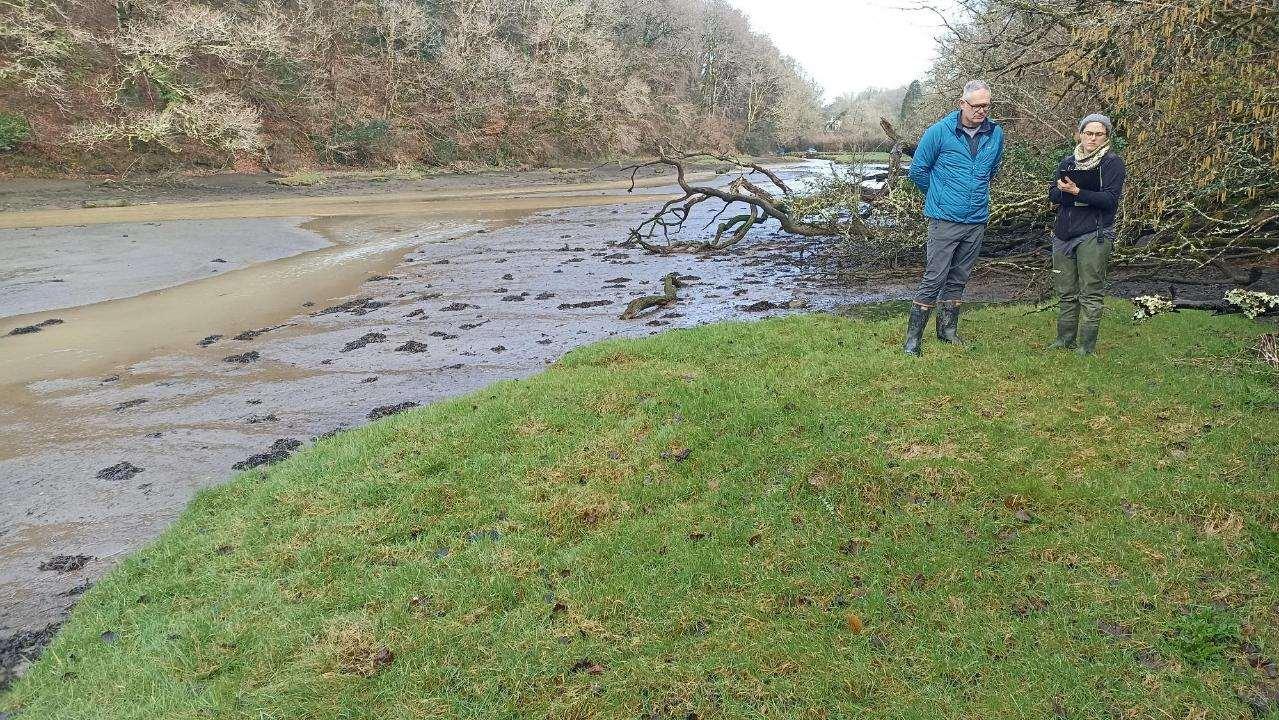


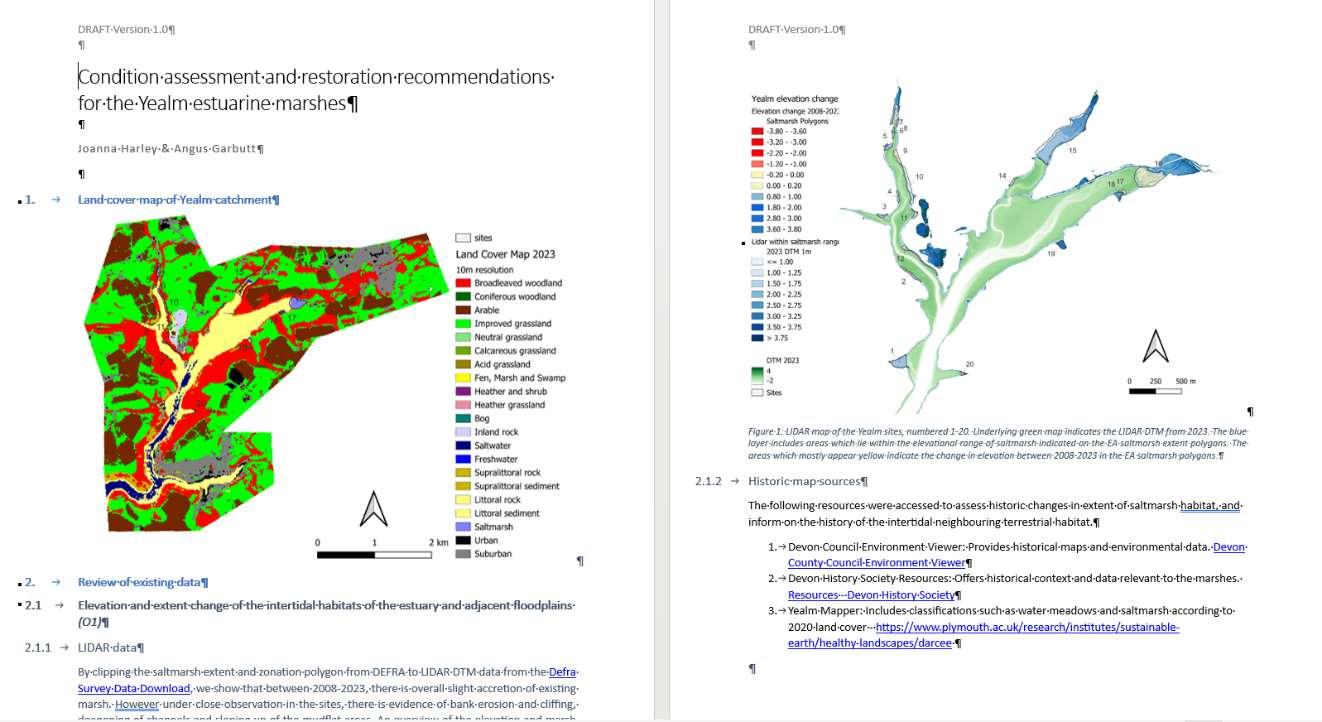
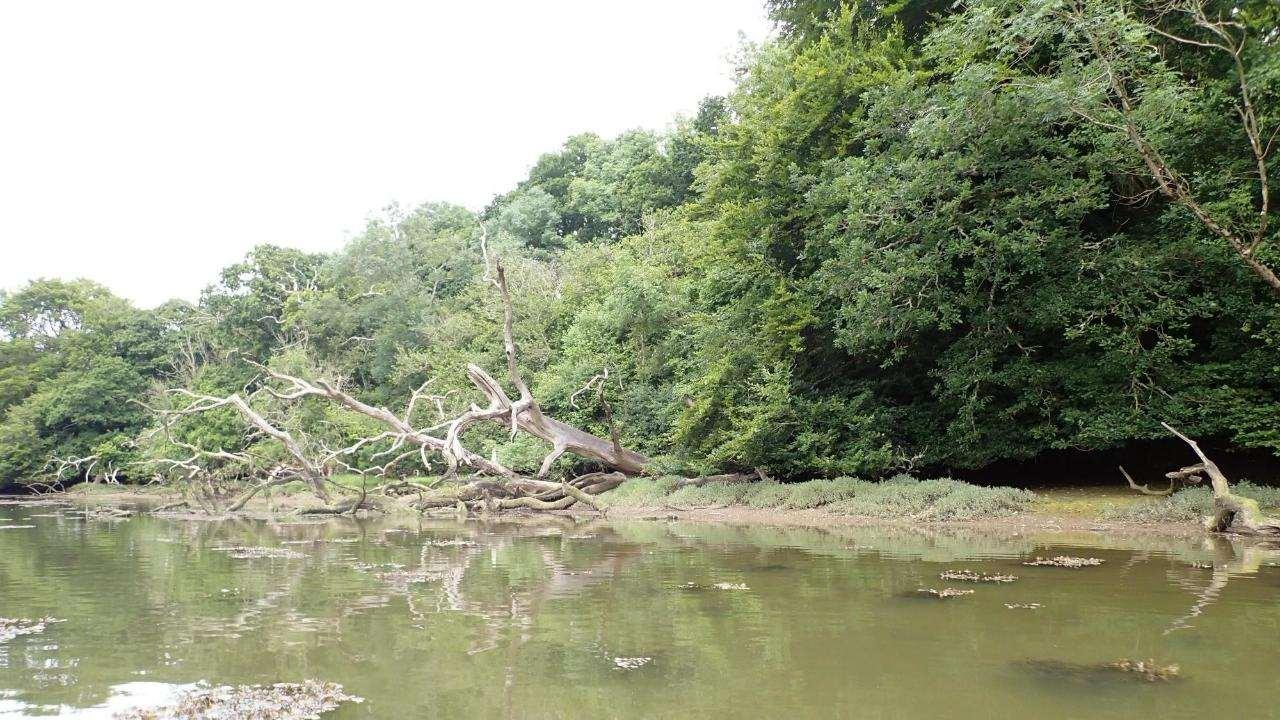
In general, the saltmarshes of the Yealm Estuary are in as good and healthy natural condition as could be expected for a ria-type estuary
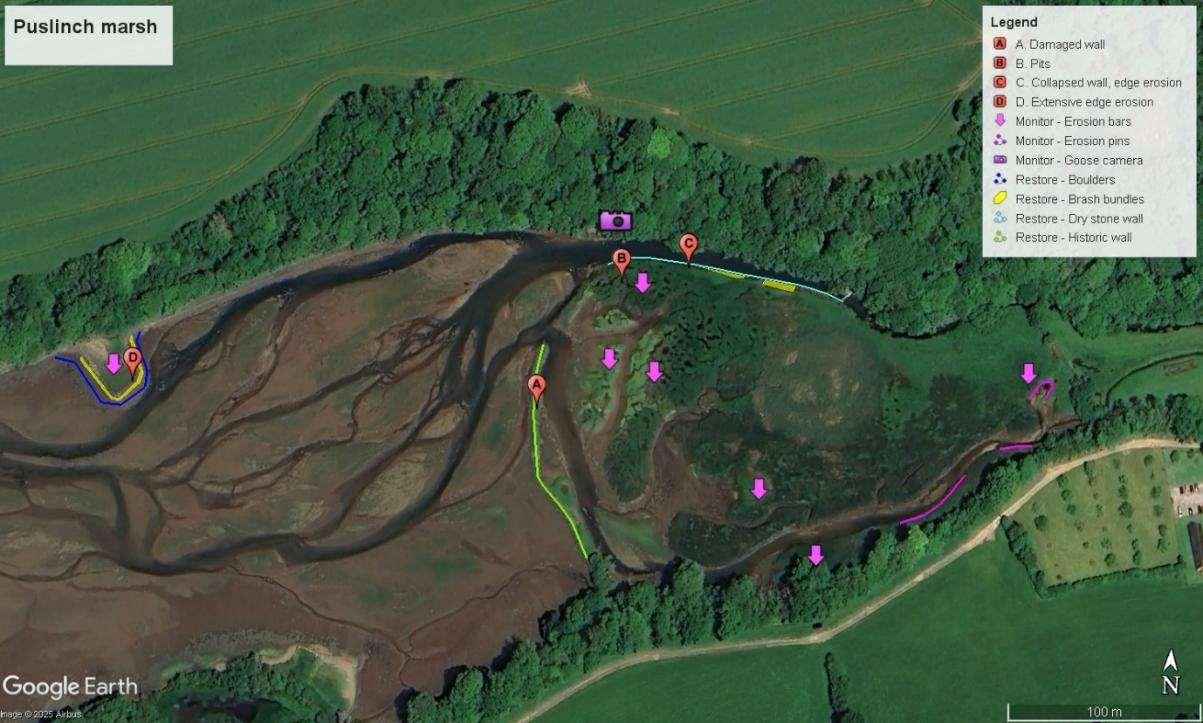
A number of issues were identified around the Puslinch marsh area where there may be options to restore and enhance the saltmarsh
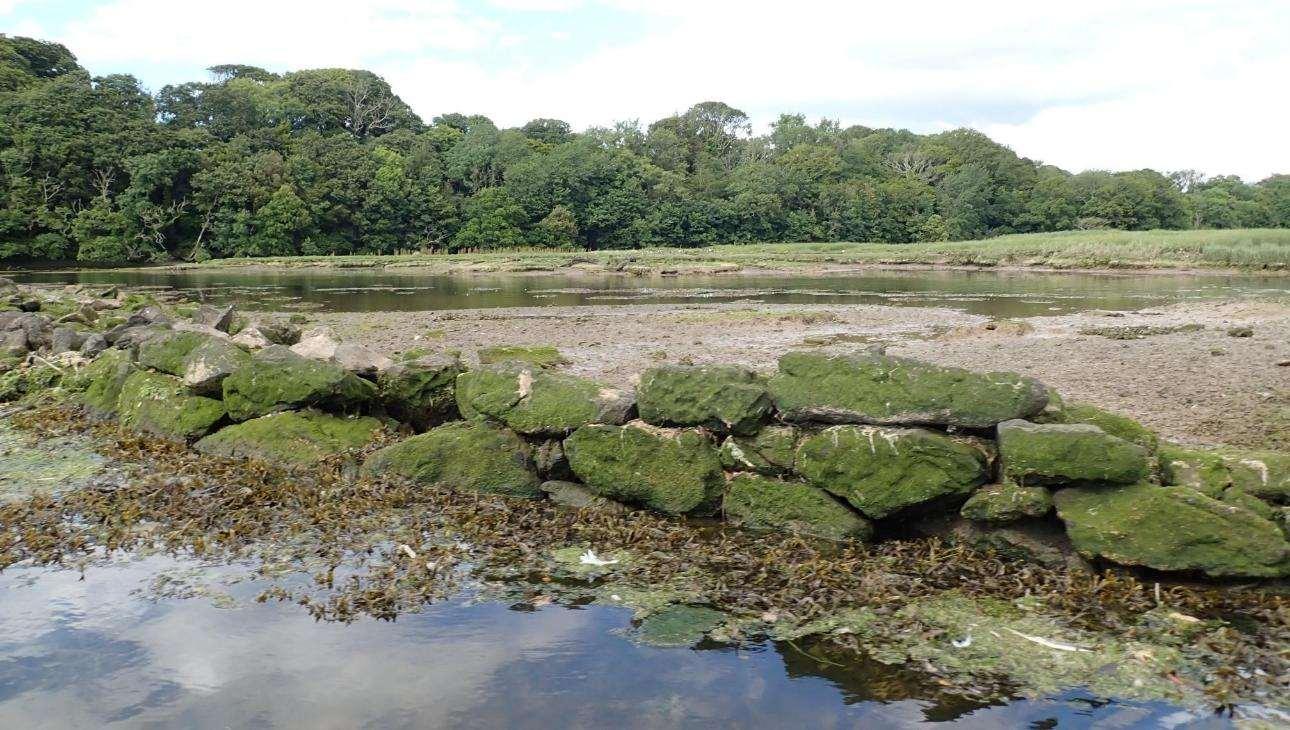
Erosion of the historic ‘causeway’ is likely leading to the erosion of the saltmarsh behind – potential to build ‘polders’ to encourage sediment build up and saltmarsh restoration



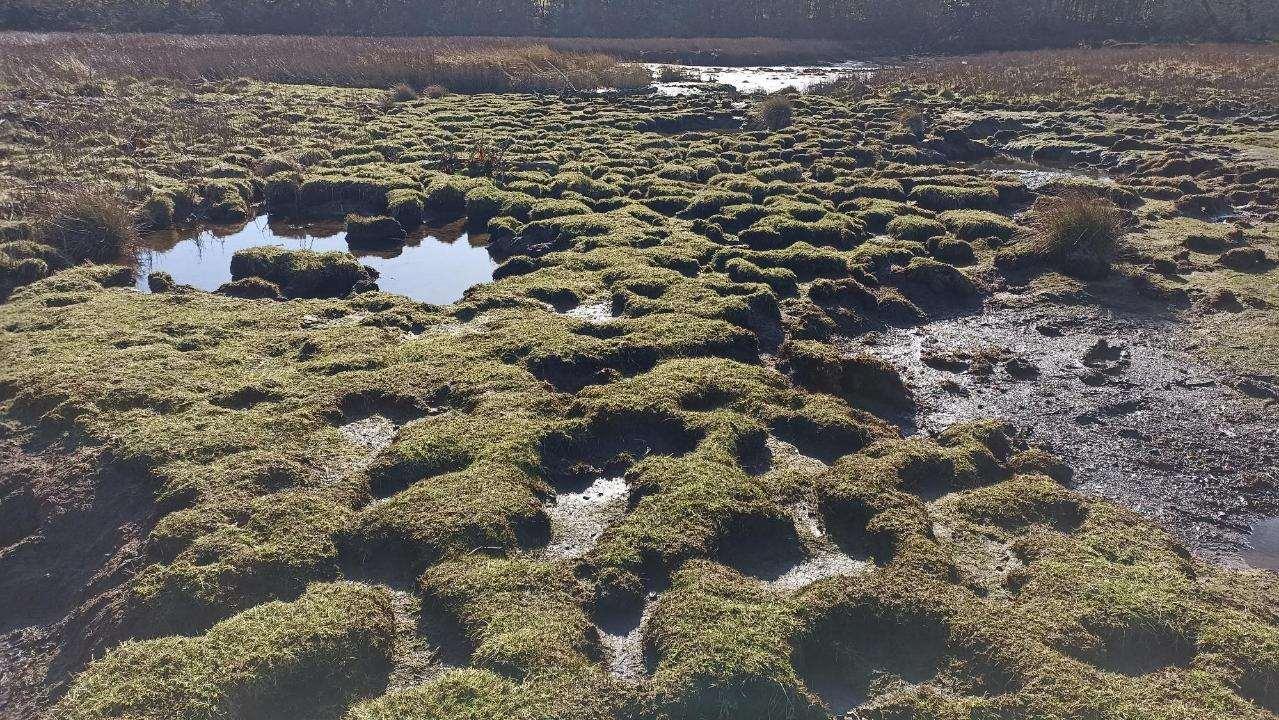
Paddling and grazing by Canada geese may be causing and maintaining the ‘pits’ within the saltmarsh proposal to monitor geese behaviour to test this

Restoration of saltmarsh at Kitley Quay being considered but may not be cost:effort effective
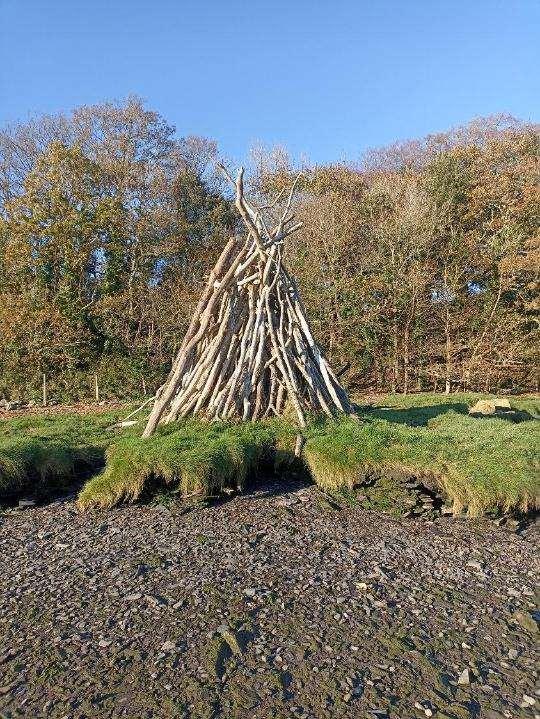
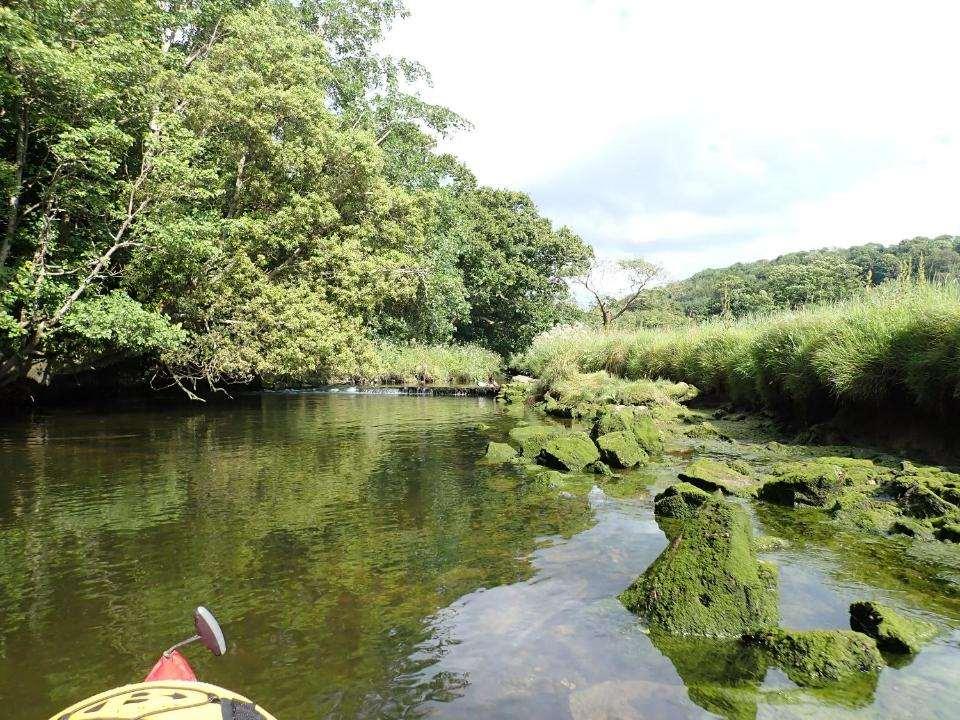
Restoration of River Yealm bank – considering use of woody material to repair the bank ‘work with nature’
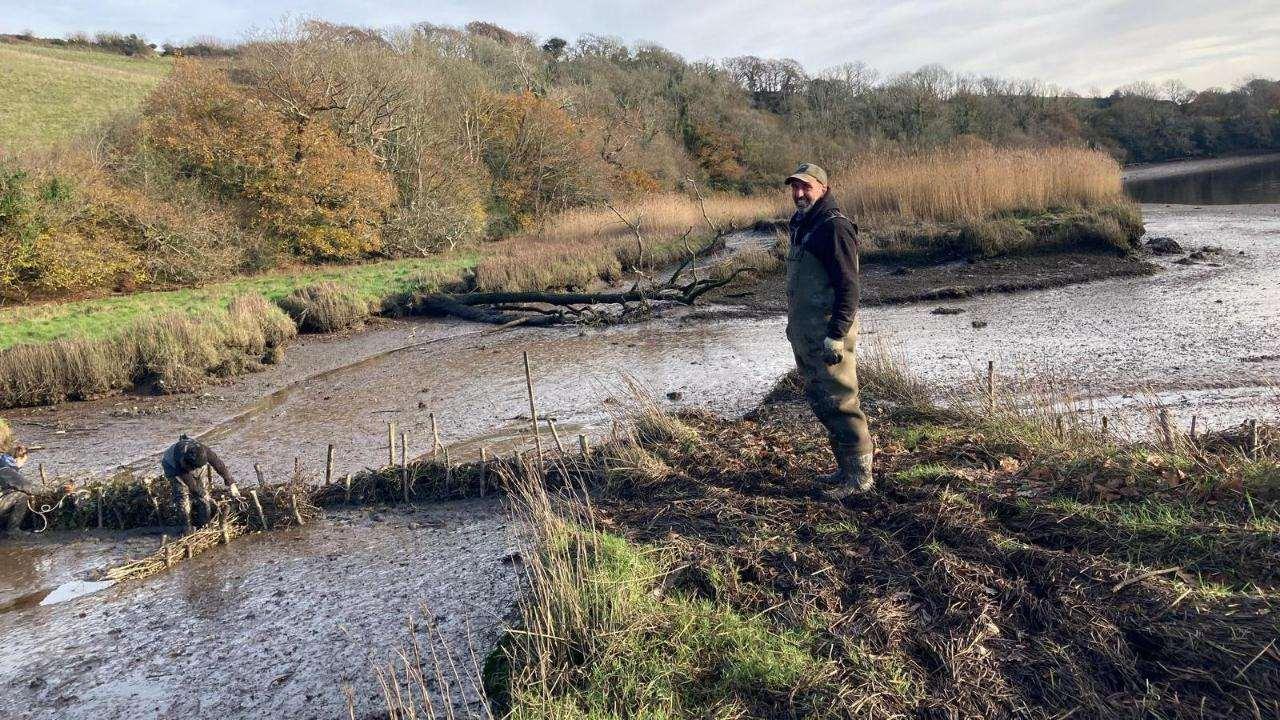
Polders being placed across the mudflat
– made from local coppiced posts and brashings. Dampen waves & slows the flow, and designed to encourage sediment build up behind to raise the height into the ‘saltmarsh zone’ Fish passes are a must
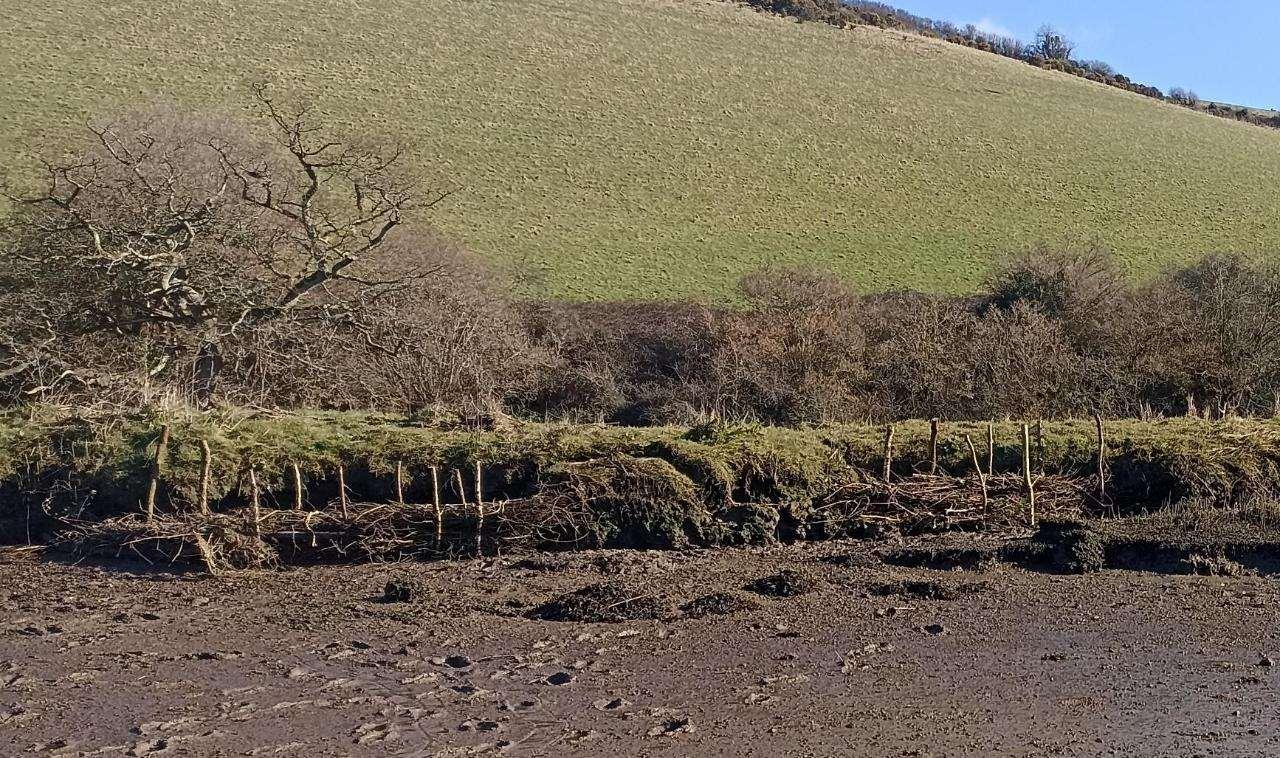
Example of polders being placed within the Dart Estuary
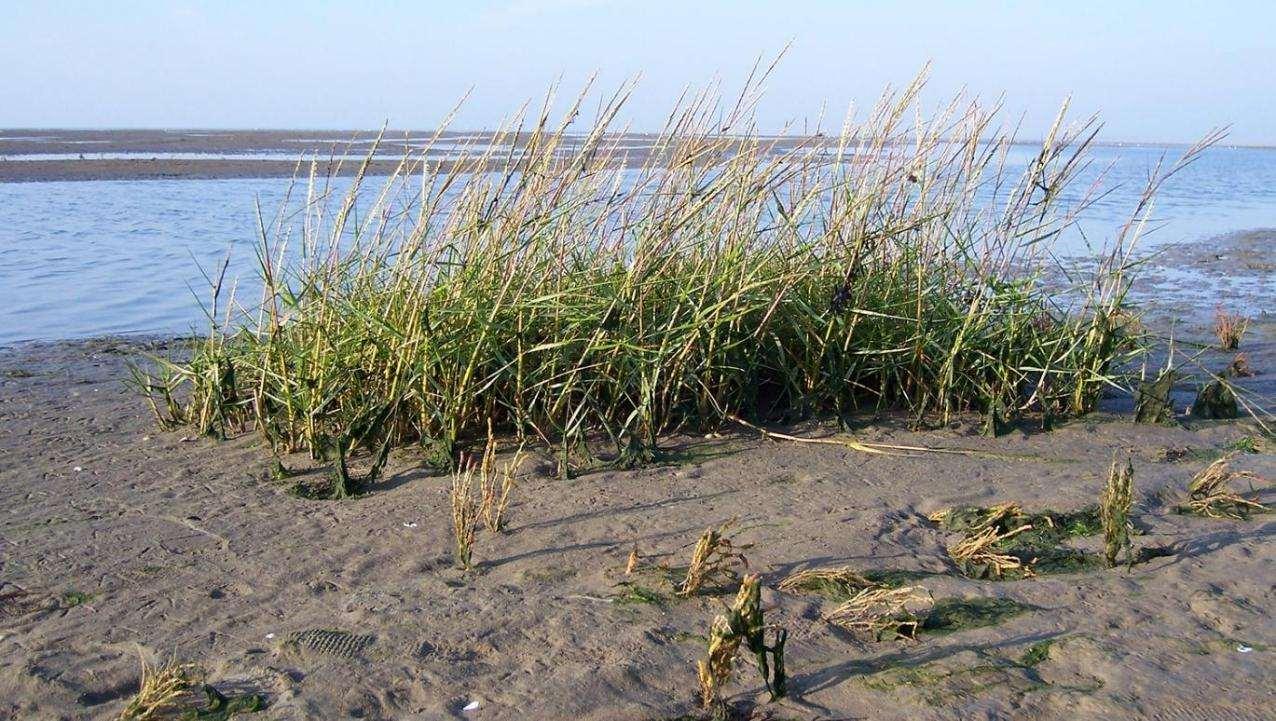
An additional possibility could be to plant hardy pioneer saltmarsh species to help establish/reinforce a saltmarsh
Species shown is common cordgrass – once considered an invasive
All aspects of the restoration need careful liaison with the regulatory authorities and of course the landowners
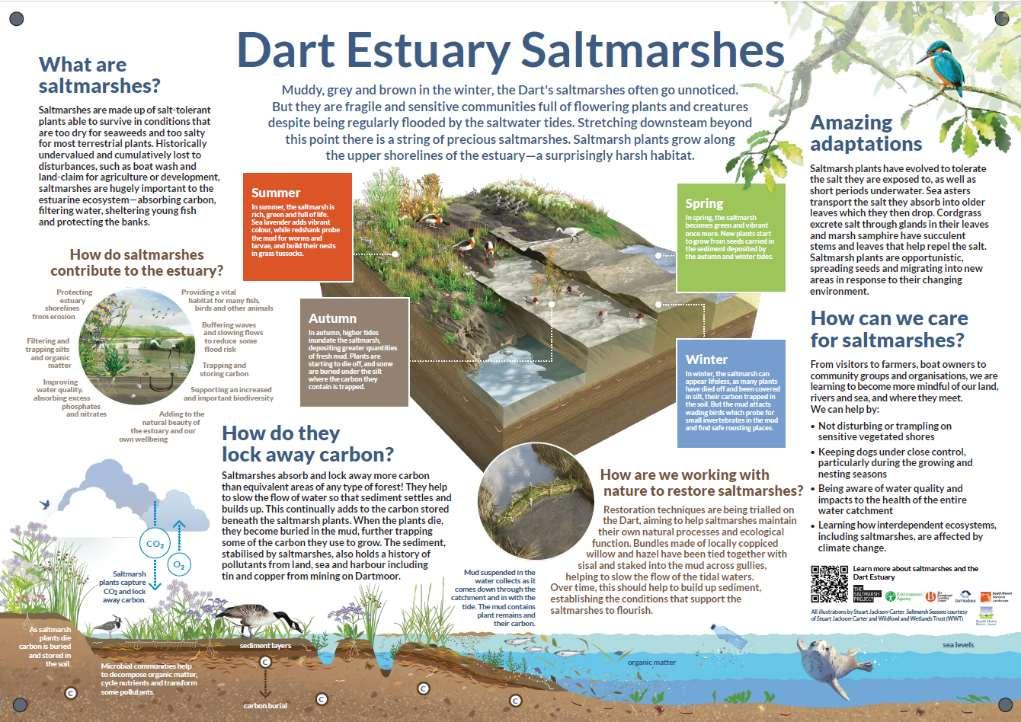
Example of possible local saltmarsh interpretation
However, saltmarsh is very vulnerable to disturbance, so we need to encourage an enjoy – don’t touch approach There may be places where a closer look may be managed
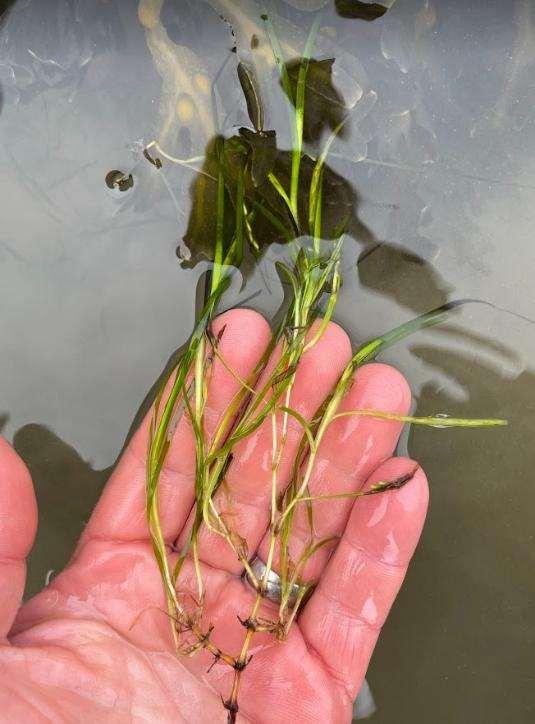
Dwarf seagrass meadow restoration – these are naturally floating plants collected from Kingsbridge creeks – complete with roots, leaves & seedheads – possibly float as a seed dispersal mechanism?
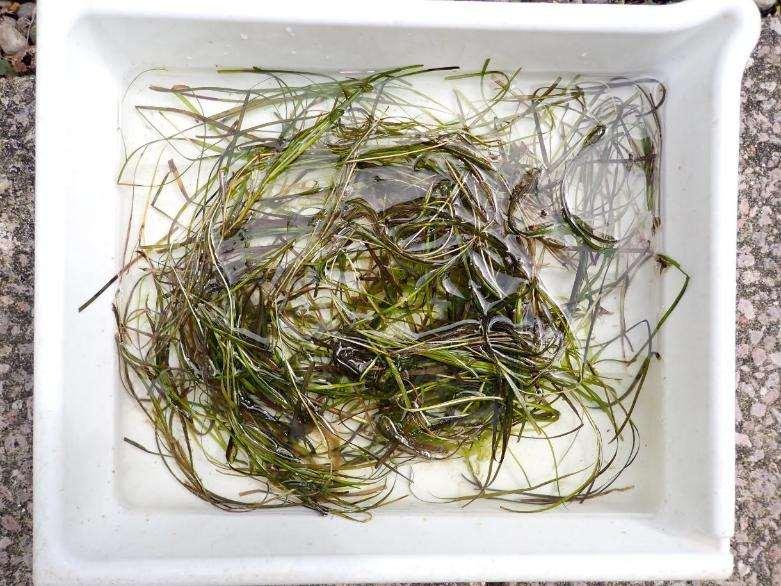
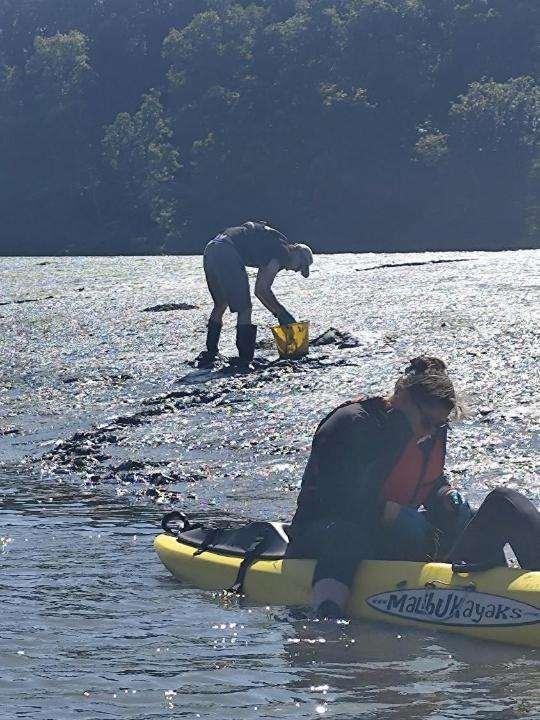
Carefully washed and checked for ‘cling-on’ aliens – the plants are replanted in similar conditions within Cofflete Creek Dwarf seagrasses tend to dieback over winter so success may not be evident, if at all, in the spring/summer.
Even if replanting is unsuccessful, they may still grow from the seeds
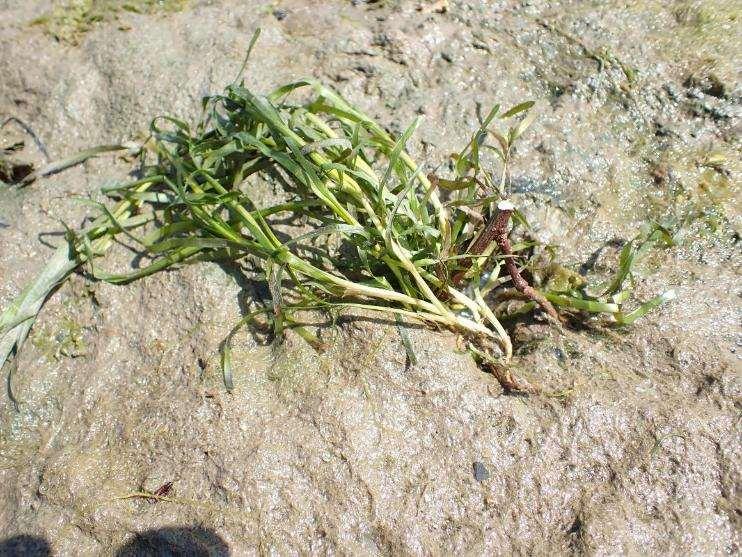
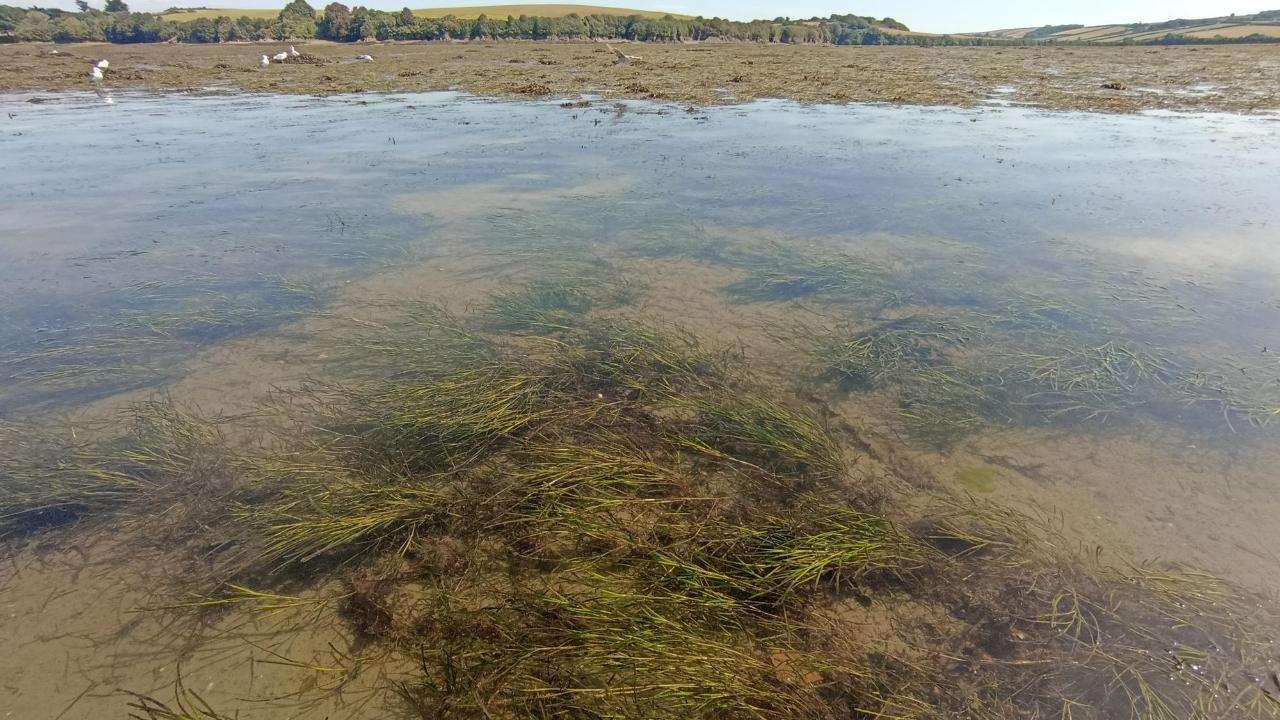
What successful dwarf seagrass restoration could look like in several years – seen here growing with the channel and below midtide on the mudbanks
There is also some interest in the possibility of restoring native oyster reefs on the bed of the estuary – they would naturally filter the waters ‘clean’
There is historic evidence that shows that there was once a native oyster fishery within the Yealm
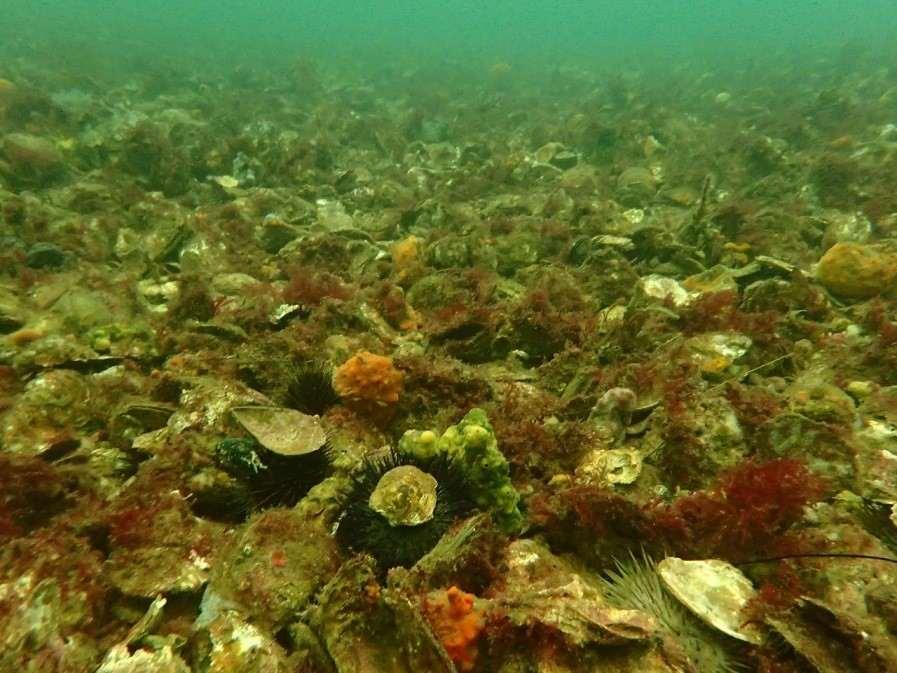



Screengrab https://emrprojects.files.wordpress.com/2016/03/fig port


The majority of marine nature conservation is about prevention rather than cure; due to the costs and physical difficulties of working within the marine environment, only time can effectively heal many wounds and this can be considerable.

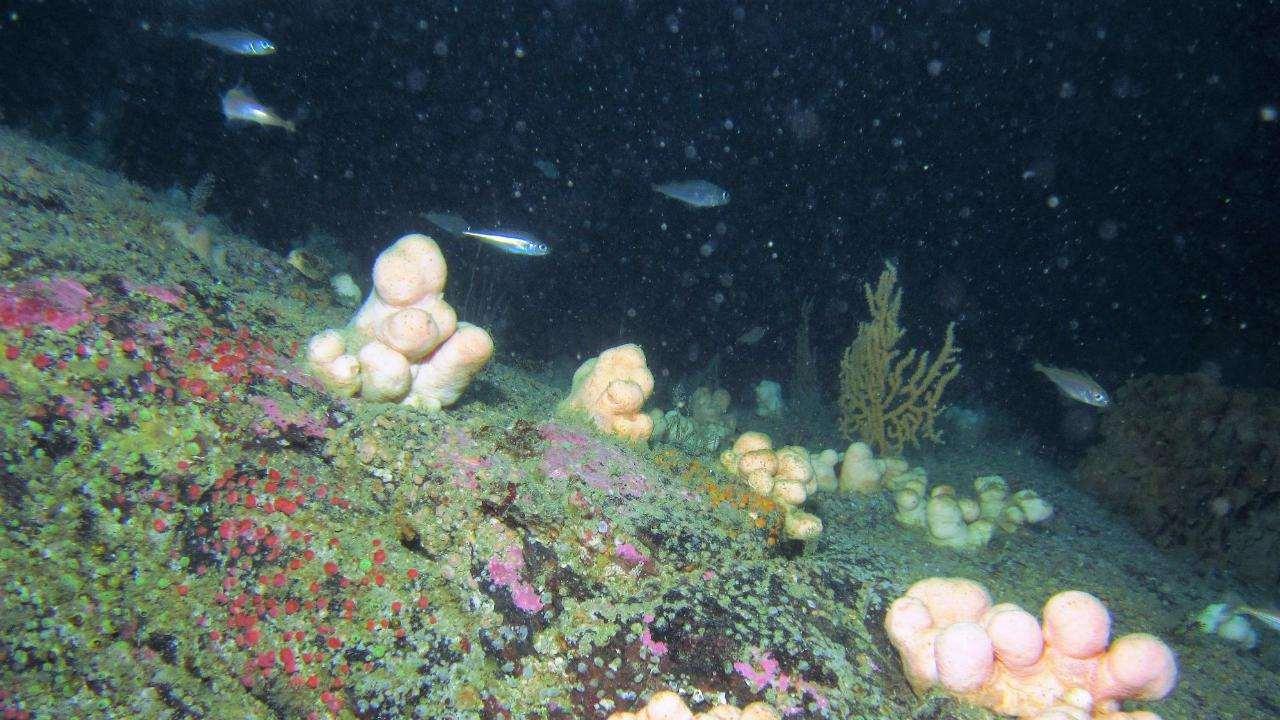
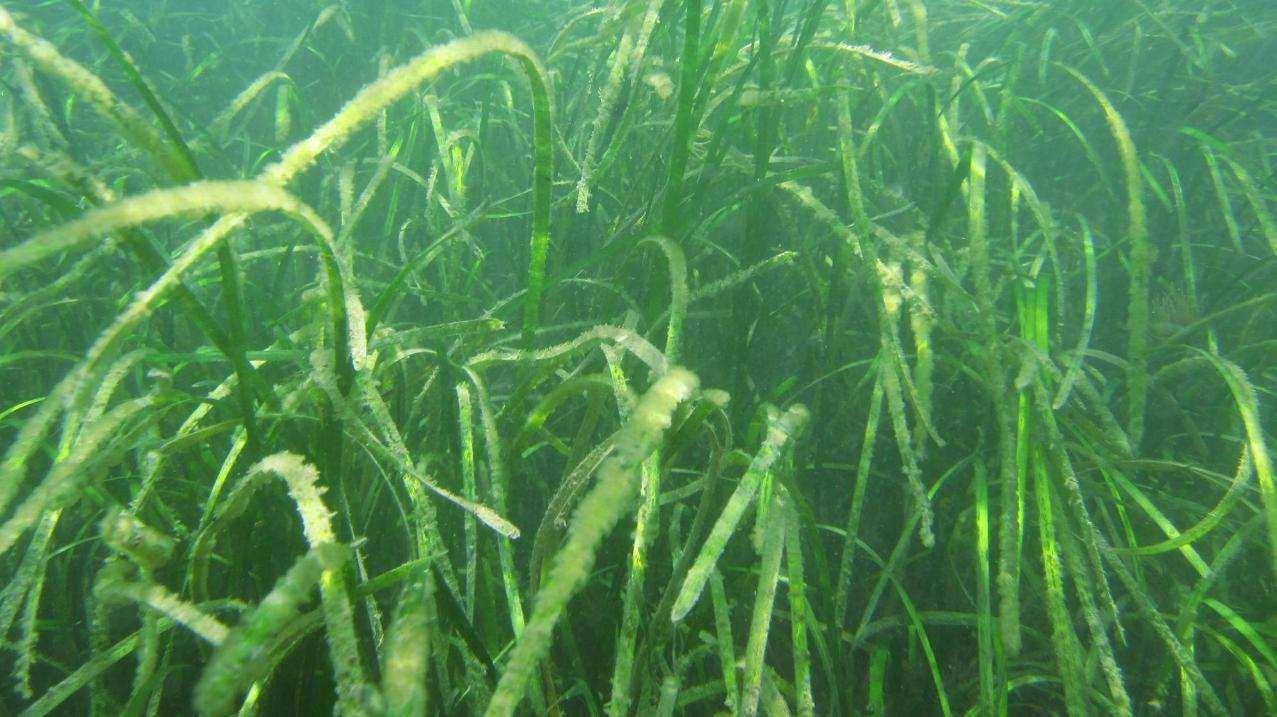
The subtidal seagrass meadows in the mouth of the Yealm are reported to be healthy but we should ideally be discussing how we ensure its resilience and potential for ensuring it can spread
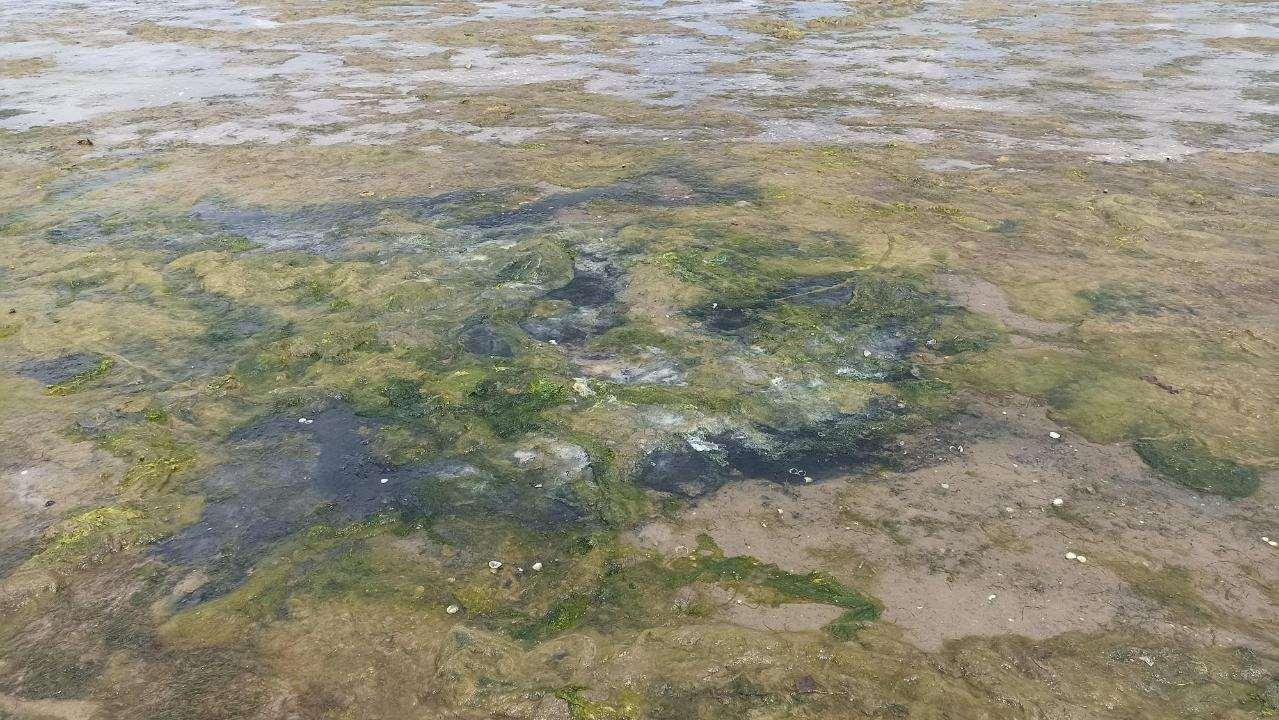
There is some evidence that the nutrients level flowing into the estuary are too high – areas of green blanket weed over the mudflats and streaks of ‘red-tide’.
Photo from a Kingsbridge mudflat shows what can happen when the blanket weed builds up and starts to breakdown, turning the conditions anoxic (black areas) and inhibiting the natural mudflat ecology

Nutrients are from all fragments of our community – most are usually from agriculture but the onus is to reduce the inputs from horticulture, households, industry and ‘roads’ too as the inputs are cumulative

Wastewater treatment may cope with our organic waste inputs but often just break them down into a readily available plant growth fertiliser that add to the algal blooms within our watercourses … they could be removed with further cost to the bill payer
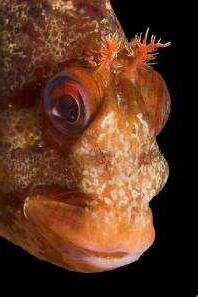

Where development occurs, it is important to work with nature and design & build in a diversity and complexity of semi-natural habitats for wildlife
Other issues being highlighted within the Estuaries Management Plan, presently being reviewed, are disturbance and cumulative loses of foreshore through development. Disturbance includes light pollution over tidal waters.
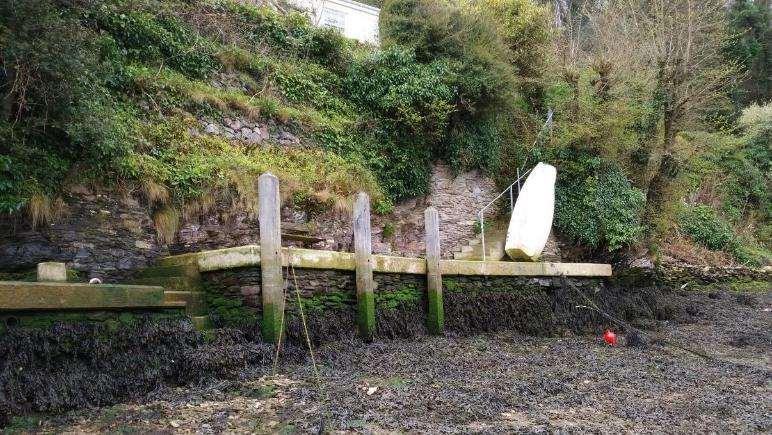
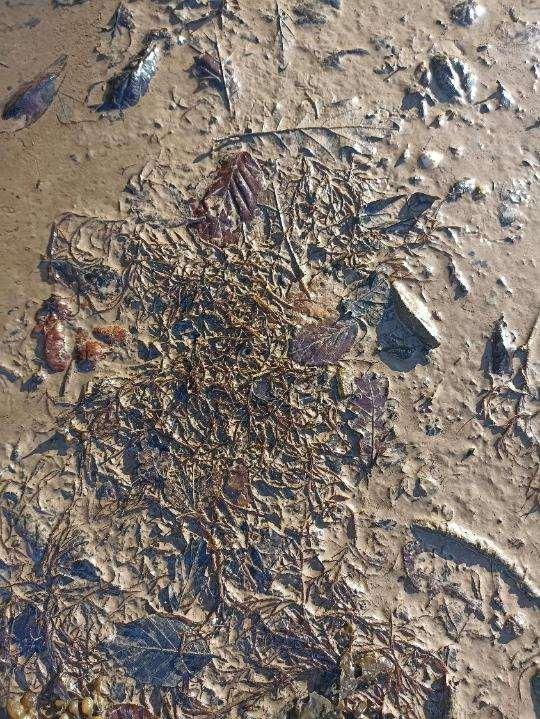
Biosecurity is a growing issue – we are seeing many more invasive and non-native marine species across our estuaries, and we all need to be taking more care not to spread them
Photos show the ‘worm wart weed’, a new arrival within the Yealm