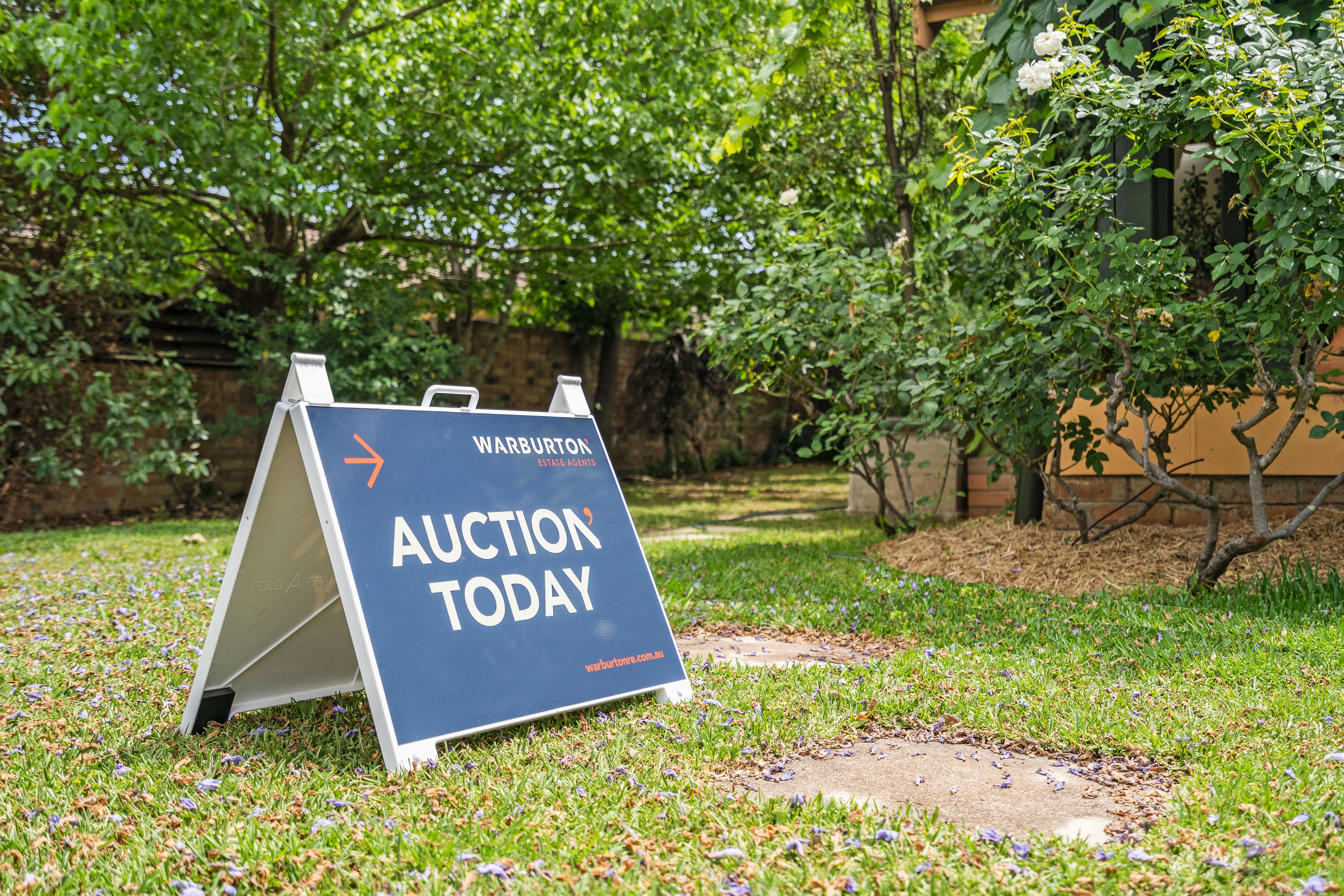

Our difference makes a big difference Auction Guide

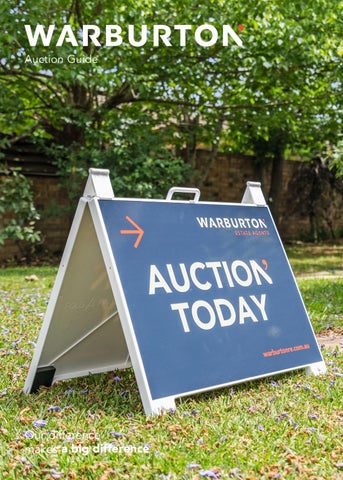
Our difference makes a big difference Auction Guide
Purchasing a property at Auction differs from other types of property purchases due to the public bidding process. If you become the highest bidder when the hammer falls, you are legally required to sign the contract and pay the deposit immediately. It is crucial to ensure that you bid on a property you are capable of purchasing, as there is no Cooling off Period with Auctions in New South Wales.
Reserve Price: Prior to the auction, the vendor (seller) establishes a minimum price called the Reserve Price in consultation with the agent / auctioneer
Passed In: If the bids fail to meet the vendor's reserve price, the auctioneer will seek additional bids. If the reserve is still not met, the property may be "passed in" or withdrawn from the auction. The highest bidder then generally has the first right to negotiate with the seller.
Fall of the Hammer: Towards the end of the auction, the auctioneer will call for final bids. Once there are no more bids, the auctioneer will count to the 'fall of the hammer,' indicating the conclusion of the auction. No further bids can be made after this point, and the successful bidder is legally obliged to sign and exchange contracts, as well as pay the deposit. Please note that there is no cooling-off period associated with auctions.
Auctions differ from private sales in that there is no cooling-off period once contracts are exchanged, or if the exchange takes place on the same day as the auction following the property being passed in. When participating in an auction, you must be prepared to complete the contract and finalize the sale; otherwise, you risk losing your deposit and potentially being liable for any damages incurred by the seller.
Understanding how an Auction Works:
To participate or bid at an auction, prospective buyers must register with the vendor's agent and obtain a bidder's number. The auctioneer oversees the bidding process, accepting bids from potential buyers and keeping track of the current bid price
Before the auction commences, the seller determines a reserve price, which is typically not advertised If bidding surpasses the reserve price, the property is sold when the hammer falls As the successful bidder, you must immediately sign the contract of sale and pay the deposit, usually 10% of the purchase price.
On the day of the auction, the property may be open for inspection.
Agents are required by law to provide all potential bidders with a copy of the Bidder's Guide before the auction. This guide contains crucial information such as the registration process and the identification documents required. Agents are also obligated to display a list of auction conditions clearly visible to all potential bidders.
These conditions include:
The highest bidder becomes the buyer, subject to any reserve price.
The auctioneer can make only one bid on behalf of the seller (referred to as a vendor bid)
Prior to the auction, the auctioneer must announce their permission to make one bid on behalf of the seller / vendor.
The auctioneer must immediately announce, before or during the bidding process, that they are making a vendor bid.
The auctioneer has the right to reject a bid that is not in the seller's interest
The auctioneer is not authorized to accept late bids (bids made after the fall of the hammer)
In the event of a disputed bid, the auctioneer serves as the sole arbitrator and makes the final decision.
The successful buyer's name must be promptly provided to the auctioneer.
Pre-Auction Offers:
In some cases, the vendor may consider pre-auction offers. You can submit a preauction bid through an agent before the auction. The negotiation process for preauction offers is similar to that of a private sale. The difference being that any contract exchanged after an accepted pre-auction offer must exchange waiving any cooling off rights
Steps to Prepare for an Auction:
If you emerge as the highest bidder, you must sign the contract immediately, and there is no cooling-off period Failure to complete the contract would result in the forfeiture of your deposit Before participating in an auction, it is essential to:
Confirm with your lender the maximum amount you can borrow and secure the necessary approvals
Conduct a thorough inspection of the property, including obtaining professional building and pest reports, as well as reviewing any strata reports (if applicable).
Review the contract with your solicitor or licensed conveyancer to ensure you are comfortable with its terms.
Residential and Rural Property Auctions:
To bid at an auction for residential and rural properties in New South Wales, you must provide your name, address, and proof of identity to the selling agent. This information will be recorded in the Bidders Record, and you will be assigned a bidder's number at the auction Registering for an auction does not obligate you to bid; it simply grants you the right to do so
Registration Requirements:
If you are bidding jointly with another person, such as a spouse or partner, only one of you needs to register. Registration is necessary if you are bidding on behalf of another person or a company and you must present a letter of authority from them authorizing you to bid The letter of authority must include the person ' s name, address, and proof of identity number (e g , driver's license).
Proof of Identity:
To register, you must provide a card or document issued by the government or a financial institution that displays your name, address and photograph. Examples include a driver's license and passport. If you lack this type of proof, you can present two documents together one showing your name and another indicating your address.
You can register with the selling agent at any time before the auction, either during a property inspection or on the auction day itself If you pre-register, you still need to present your proof of identity to the agent on the auction day, who will then provide you with your bidder's number.
Registration Process:
The selling agent will record your name, address, and proof of identity details in the Bidders Record. If you are bidding on behalf of another person or a company, the details of the respective party will also be recorded
You will be issued a bidder's number, which must be visibly displayed when you place a bid. After the auction concludes, please return your bidder's number to the agent.
If you arrive after the auction has commenced and wish to bid, promptly locate the agent to register or present your proof of identity if you preregistered. If you need to make a bid immediately, raise your hand to signal your intention to the auctioneer after completing the registration process
The Bidders Record should not be shown to anyone, including the property owner Only authorized individuals from NSW Fair Trading are permitted to access the Bidders Record Agents are required to securely store the Bidders Record and refrain from using it for any other purpose.
Engaging in dummy bidding at an auction is illegal. The seller is entitled to have one bid made on their behalf by the auctioneer, which must be announced as a vendor bid Participating in dummy bidding or colluding to disrupt fair and open competition at the auction can result in fines of up to $55,000 This applies not only to individuals making dummy bids but also to the property seller, agent, and auctioneer involved in such arrangements.
In the case of co-owners, executors, administrators, or individuals bidding on their behalf, multiple bids may be made to purchase the property under certain conditions. These conditions must be outlined in the auction conditions, and the auctioneer must announce the bidder registration number of any co-owner, executor, administrator, or representative before the auction commences.
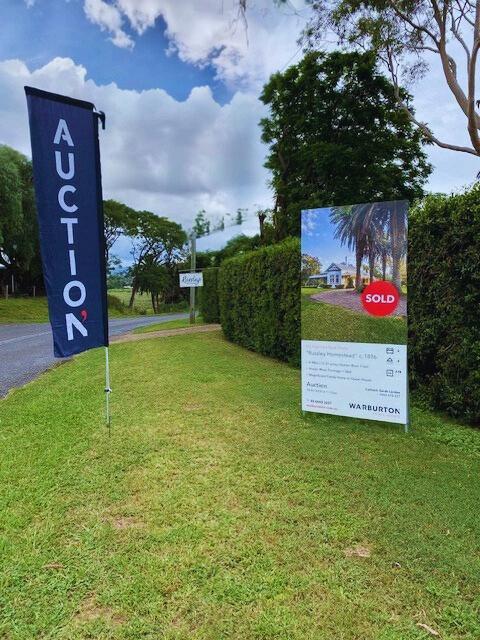
To successfully purchase a property at an auction, it is important to understand the process and adhere to certain guidelines. Below, we provide you with an overview of how to buy at an auction:
Placing a Bid: To participate in an auction, you must make a bid on the property If your bid is the highest one accepted by the auctioneer and surpasses the vendor's reserve price, you will secure the property The auctioneer will clearly announce when the property is going to be sold
Bidding Below Reserve Price: If your bid is the highest one accepted by the auctioneer but falls short of the vendor's reserve price, the vendor's agent may request that you increase your bid to a mutually agreeable figure at which the vendor will be willing to sell, in the absence of further bids. As the highest bidder, you are not necessarily guaranteed the first opportunity to purchase the property at the vendor's reserve price if an agreement cannot be reached The vendor may consider any offer made from any buyer after an auction is passed in
Property Passed In: If the property is not sold due to a lack of bids or a vendor bid, the vendor, through their agent, may engage in post-auction negotiations with any genuine buyers Those who actively participated in the auction bidding process will be viewed favourably by the vendor during these negotiations.
Conduct during the Auction: During the auction, it is important to refrain from disruptions or posing questions to the auctioneer after the auction has commenced. Engaging in such activities may be seen as an attempt to influence other bidders and could result in severe penalties for collusive practices in New South Wales
The following information highlights important details about auction procedures and addresses commonly asked questions:
Auction Conditions: The prescribed auction conditions, including warning notices, will be prominently displayed at the auction venue. Familiarize yourself with these conditions to ensure a clear understanding of the process.
In the event of a disputed bid, the auctioneer serves as the sole arbitrator and makes the final decision regarding its validity
Buyer Information: The successful buyer must provide their name to the auctioneer as soon as possible after the auction concludes.
What is a Reserve Price? The reserve price is the minimum price at which the vendor is willing to sell the property
What Does "Passed In" Mean? If the bidding does not reach the vendor's reserve price, the property is considered "passed in," meaning it is not sold.
Who Gets the First Opportunity to Buy If the Property Is "Passed In"?
The highest bidder at the auction is typically given the first opportunity to negotiate a purchase However, this is a courtesy rather than a guaranteed right
What Happens If the Property Is "Passed In" on a Vendor Bid? In such a case, the vendor, through their agent, is free to engage in negotiations with any genuine buyers.
Do I Need to Register before Bidding at an Auction? Yes, it is mandatory to register for residential and rural property auctions in New South Wales (NSW).
What Proof of Identity is Required for Registration? A driver's license is the preferred form of identification If unavailable, other acceptable documents include a passport or Medicare card, along with a utility bill or statutory declaration to verify your address You must have one form of photo ID.
Can I Bid on Behalf of Someone Else? Yes, bidding on behalf of another person is allowed. However, you must provide written authorization to act on their behalf, even if they are present at the auction. Additionally, proof of their identity is required.
Can I Bid on Behalf of a Company, Superfund, or Trust? Yes, bidding on behalf of a company, superfund, or trust is possible You will need to provide an authority to bid, including full details of the entity, such as the registered address and ABN as proof of identity. This requirement remains applicable even if you are the sole director of the company.
Can I Register to Bid Anonymously? Registering to bid for someone without the agent knowing the buyer's identity is permissible only if you possess a power of attorney to act on their behalf.
Can I Register to Bid Anonymously? Registering to bid for someone without the agent knowing the buyer's identity is permissible only if you possess a power of attorney to act on their behalf.
Do I Need to Pay a 10% Deposit on the Auction Day? Yes, unless the vendor agrees to a lesser amount, the contract typically requires a 10% deposit to be paid immediately after the auction.
What is a Buyer's Agent? A buyer's agent is an individual commissioned to act on behalf of a buyer If you decide to use one, ensure they are licensed and a member of the REINSW
Can I Request Changes to the Contract? Yes, you may request changes to the contract. However, all modifications must be in writing and receive written approval from the vendor or their solicitor before the auction.
Must I Sign the Contract on the Auction Day If I Place a Bid? Yes, if you place a bid and are the successful buyer, it is generally expected that you sign the contract on the auction day Is There a Cooling-off Period for Auction Sales? No, the law does not pro for pu on co
8
muswellbrook@warburtonre
scone@warburtonre com au 02 6545 2227