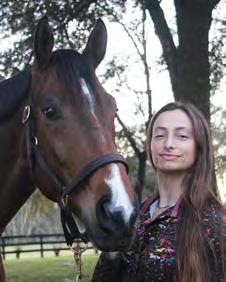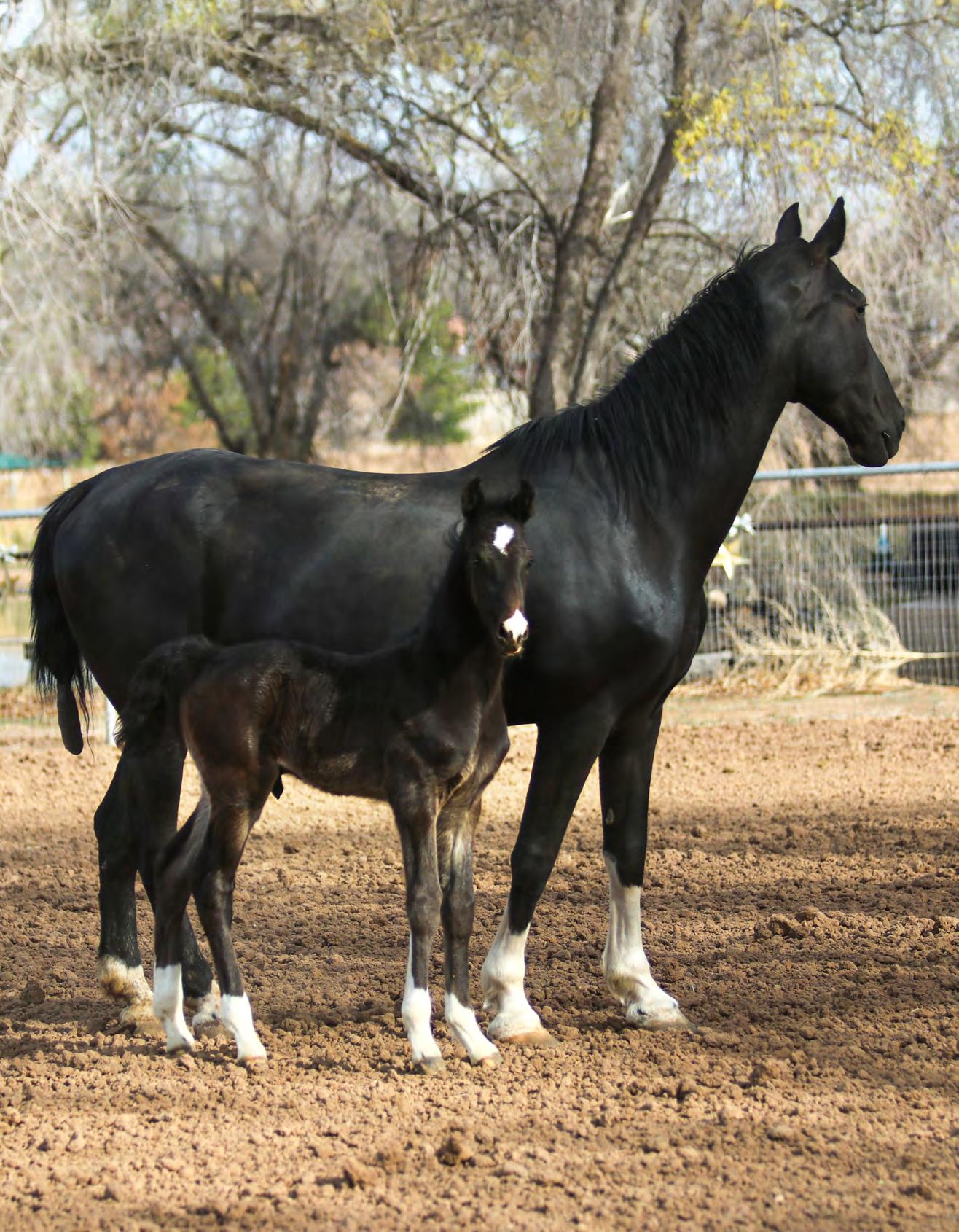

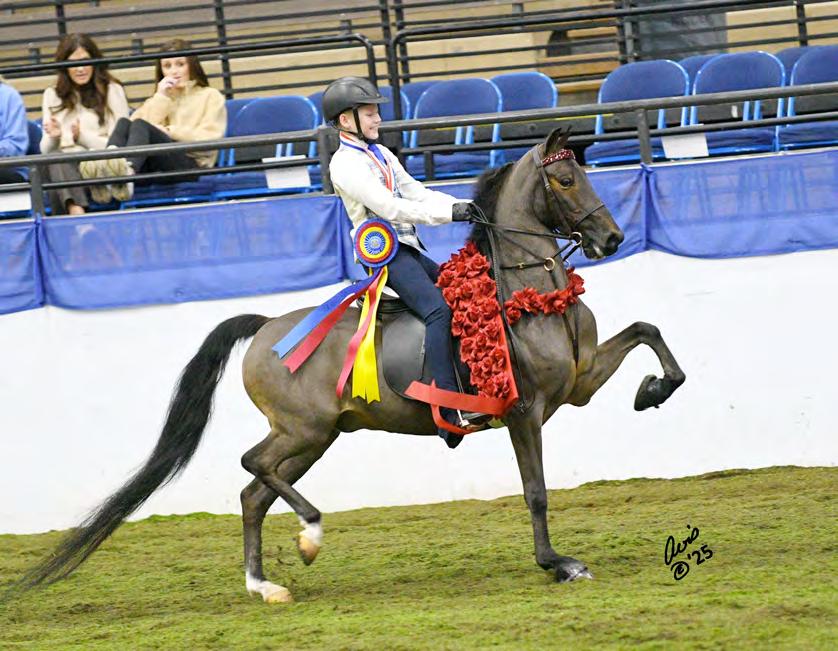
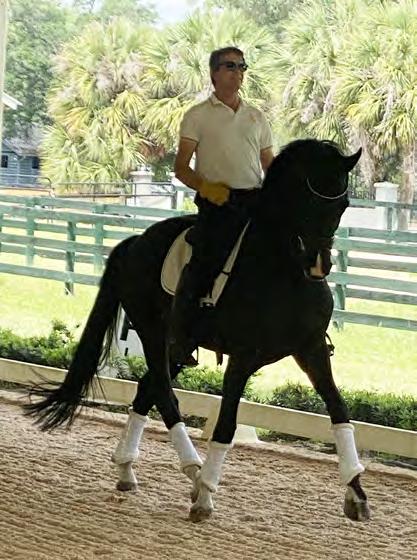
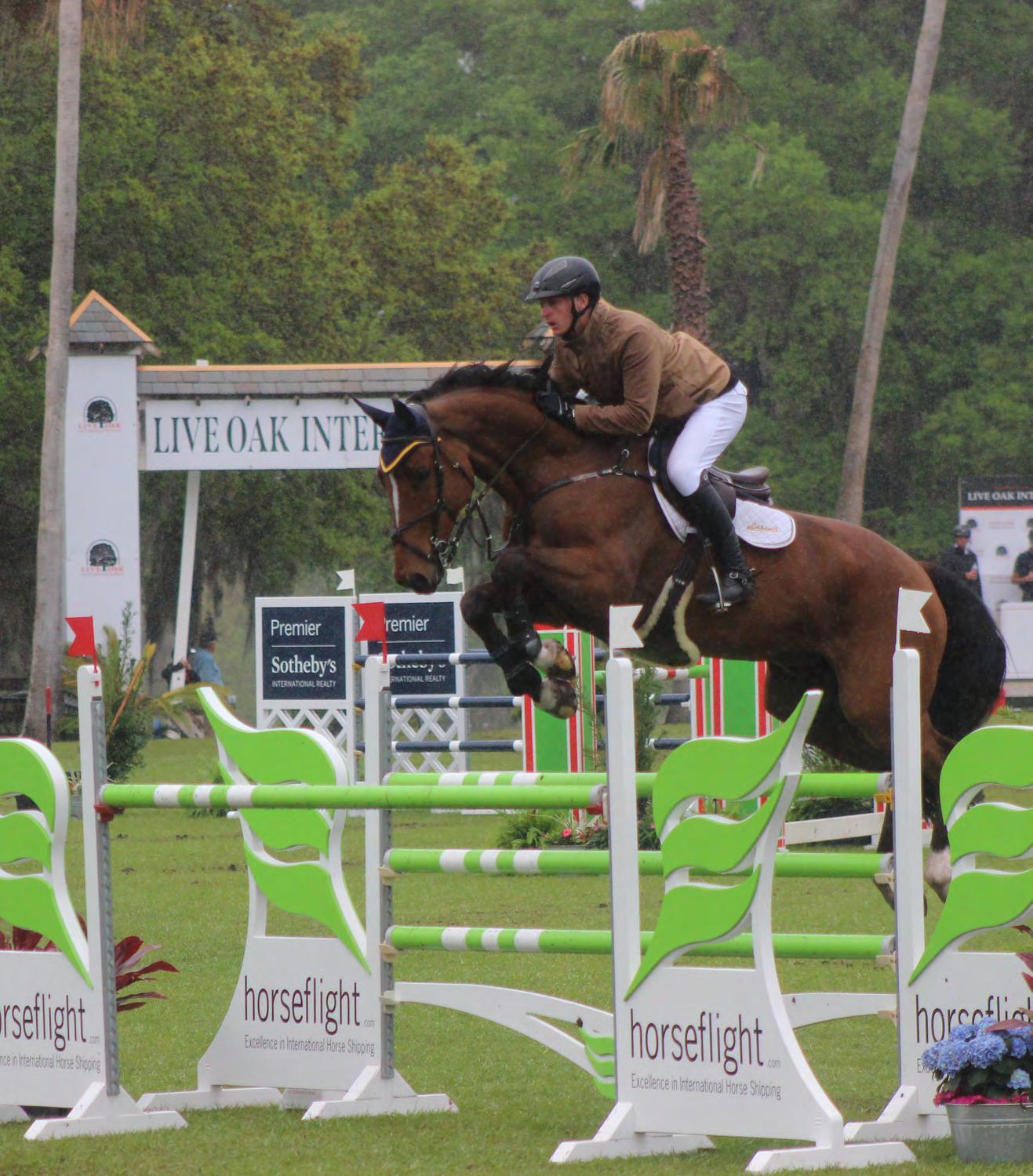
Hudson Baumhoer and Heartland Supersonic photo by Avis Photo
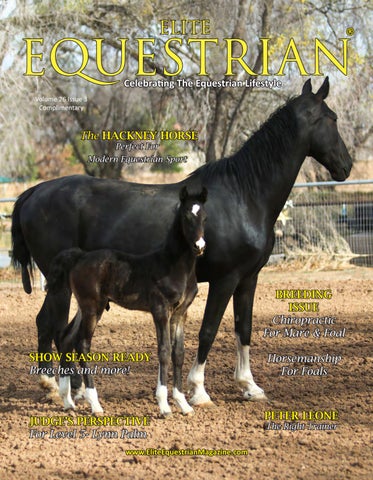
Celebra�ng The Equestrian Lifestyle
www.EliteEquestrianMagazine.com
info@EliteEquestrian.us • Main Office, Ocala, Florida
PUBLISHER Bill Vander Brink Bill@EliteEquestrian.us
Riding a horse is not a gentle hobby, to be picked up and laid down like a game of solitaire. It is a grand passion.
EDITORIAL STAFF
Editor-in-Chief: Noelle Vander Brink
Art & Antiques Editor: Dr. Lori Verderame
Equine Art Editor: Jeanne Chisholm
Fashion Editor: LA Berry
Legal Editor: Avery S. Chapman,Esquire
Show Jumping Editor: Peter Leone
CONTRIBUTING WRITERS
Alessandra Deerinck
Lynne Trenery Freeman
Kat Fuqua
Shereen Fuqua
Dr. Bill Ormstrom
Lynn Palm
Tom Scheve
mare
ADVERTISING
Advertising Sales Kathy Dress 610-420-9964 kdress@ptd.net
Advertising Free Lancer: Diane Holt 713-408-8114 diane@eliteequestrian.us CONTRIBUTING
Australian Bleu Media Group
Avis Photography Staff of Dr. Lori
Lynne Trenery Freeman
Howard Schatzberg
Doug Shiftlet
Darian Quinn










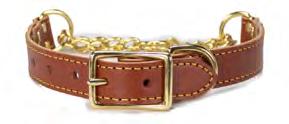
MARTIMGALE COLLARS
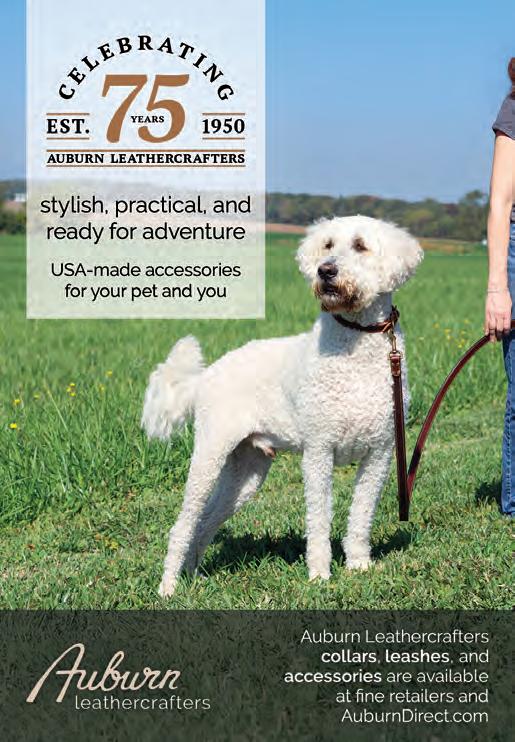
Lake Country Adjustable Mar�ngale features bridle leather and solid brass hardware. For training, walking, and just “looking good!” www.auburndirect.com
See our ad on page 25
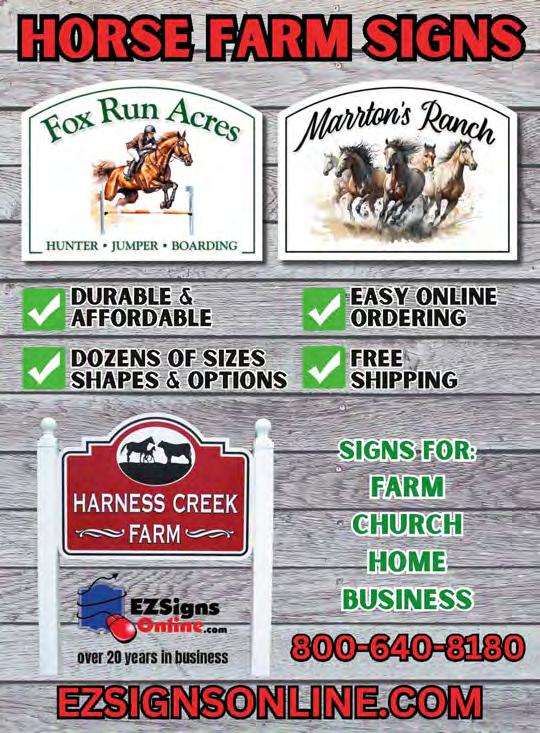
EZ SIGNS
Free shipping!
1-800-640-8180
See our ad on page 27 www.EZSignsOnline.com
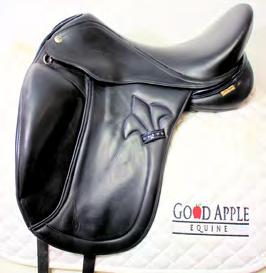
EQUINE CONSIGNMENTS!
Great selec�on of saddles, tack, boots,home items and more. Free trial on saddles.
See our ad on page 72 www.GoodAppleEquine.com
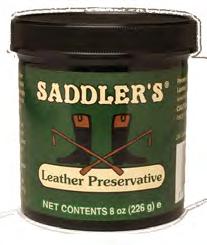
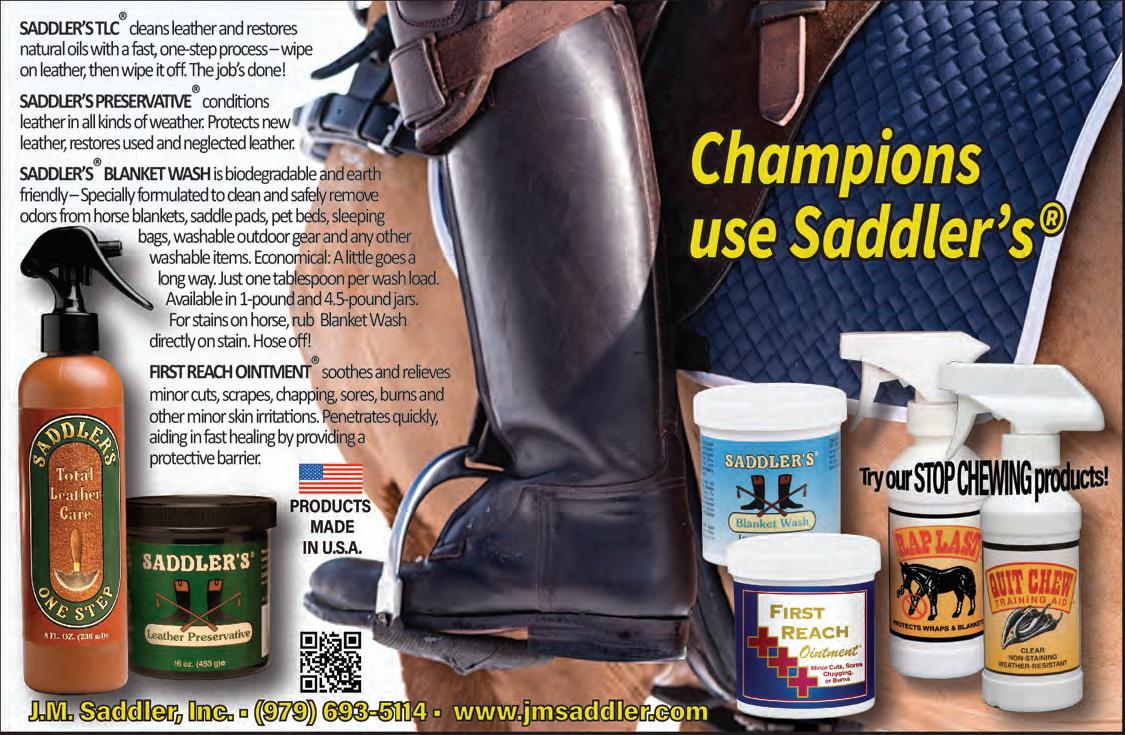
Saddler’s Preserva�ve
Protect and restore your valuable leather for years to come.
See our ad page 25 www.jmsaddler.com
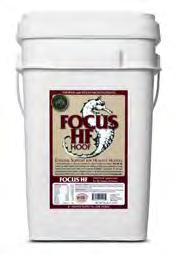
FOCUS HF (HOOF)
The most effec�ve nutrient building blocks to help support superior hoof condi�on. Contains a daily serving of the unique SOURCE micronutrients to maximize the u�liza�on and benefit of the addi�onal ingredients in FOCUS HF. 800-232-2365
See our ad page 61 www.4source.com
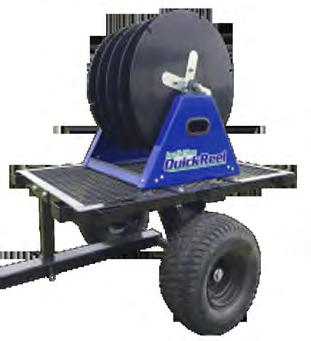
LAY-FLAT HOSE QUICKREEL
mounts to cart or vehicle. ATV trailer cart assembly available. Proudly made in the USA by our team of cra�smen!
See our ad page 49 BigSprinkler.com

UNDER HELMET HEADBANDS
The myMareCo signature
Under Helmet Headband blends comfort, style and performance to secure your ride.
See our ad on page 72 Amazon.com/mymareco mymareco.com
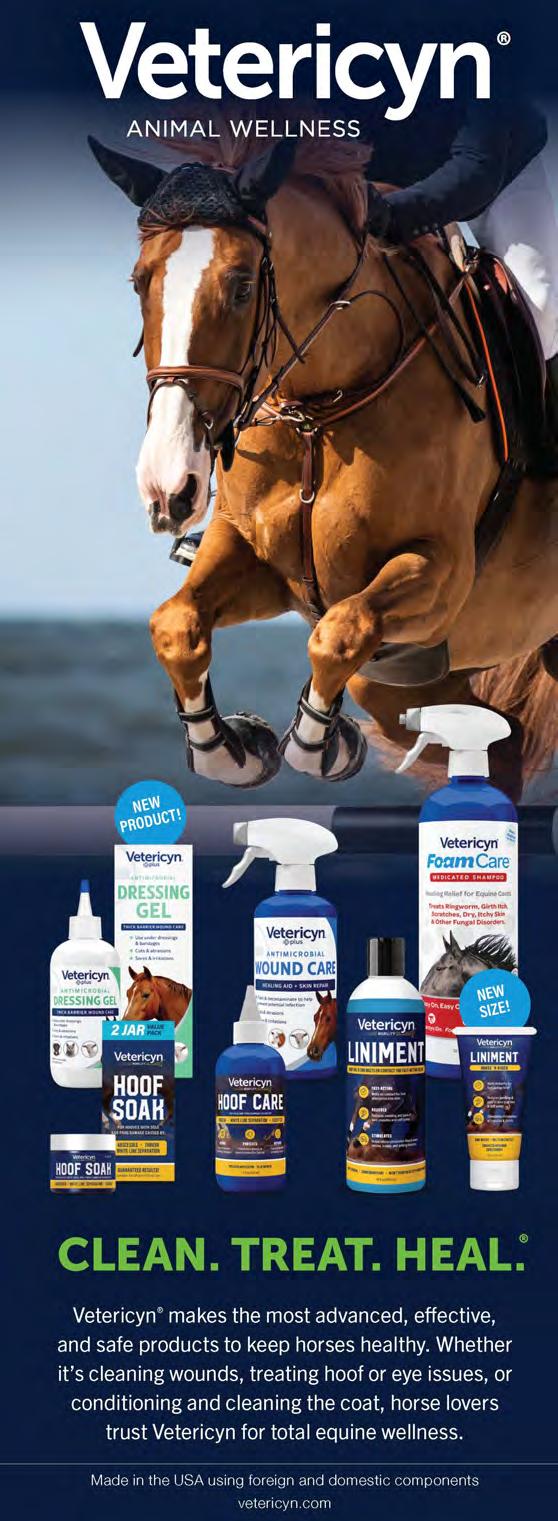
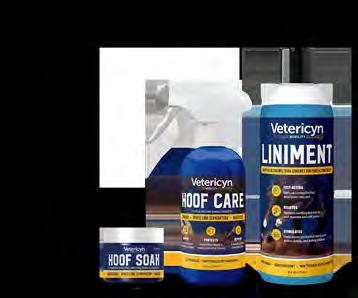
EQUINE HEALTH PRODUCTS
Liniment, Hoof Care, Hoof Soak
See our ad page 16 www.Vetericyn.com
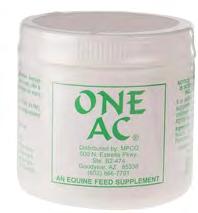
FOR NON SWEATERS
Enables your horse to sweat naturally. Show safe www.nonsweater.com
See our ad on page 37
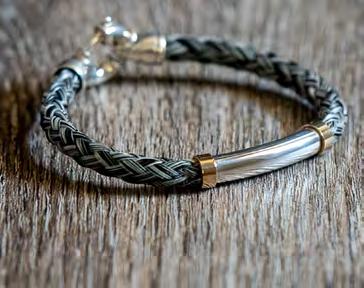
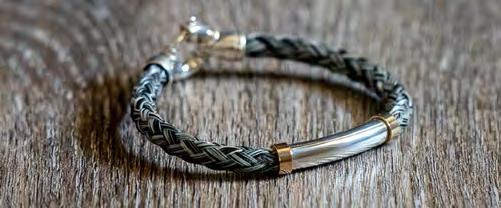
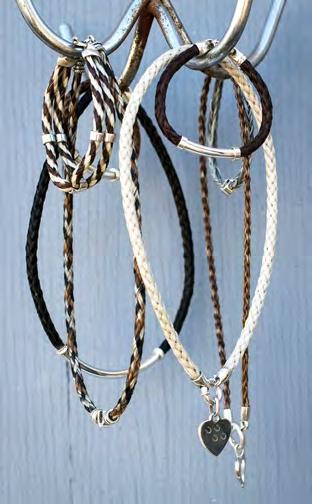
A Piece Of Your Favorite HorseCan Go With You Everywhere!
Quality fashionable jewerly made with your horse’s hair. See our ad page 23 ponylocks.com
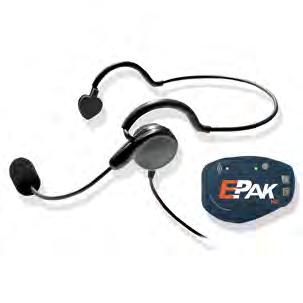
COMMUNICATE CLEARLY & PRIVATELY
Lightweight Cyber headsets with flexible back band provide simultaneous talk, hands free, two-way communica�on
See our ad on page 37 www.eartec.com
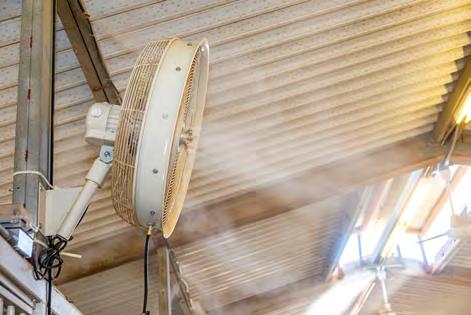
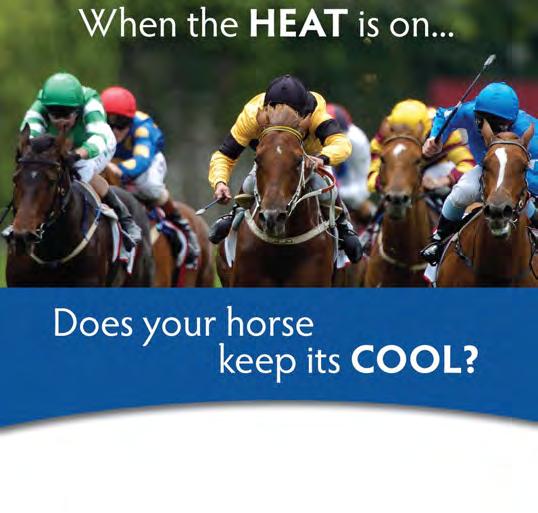
LIVESTOCK & ANIMAL COOLING SYSTEMS
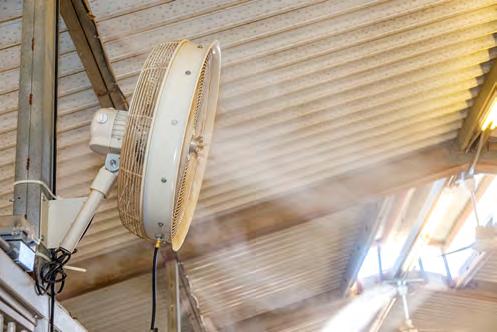
Keeping your horse or livestock cool and comfortable during the summer is absolutely vital. See our ad on page 31 www.advancedmis�ngsystems.com
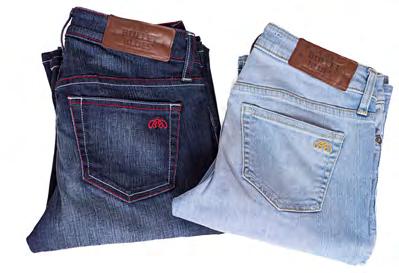
BOMBSHELL
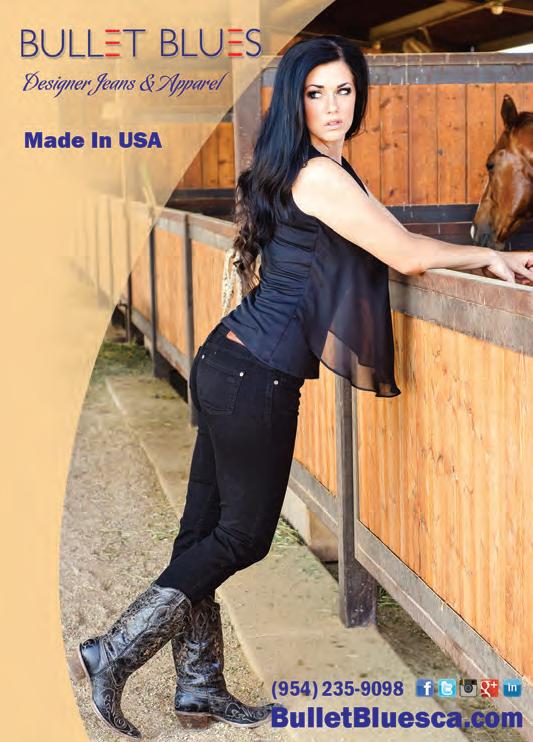
Bullet Blues jeans are made in the USA with American made material. Featured in this picture are the popular “Bombshell” bootcut jeans for ladies in the indigo and light washes. See our ad on page 25 BulletBluesCa.com
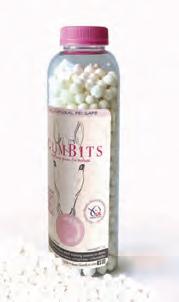
GUMBITS
100% FEI legal. See our ad on page 79
www.GumBits.com

See our ad on page 73
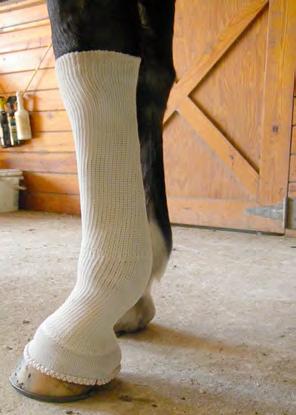
“Derma��s Goes Away!” Vet Recommended, Owner Referred, Horse Approved Worldwide
See our ad on page 49
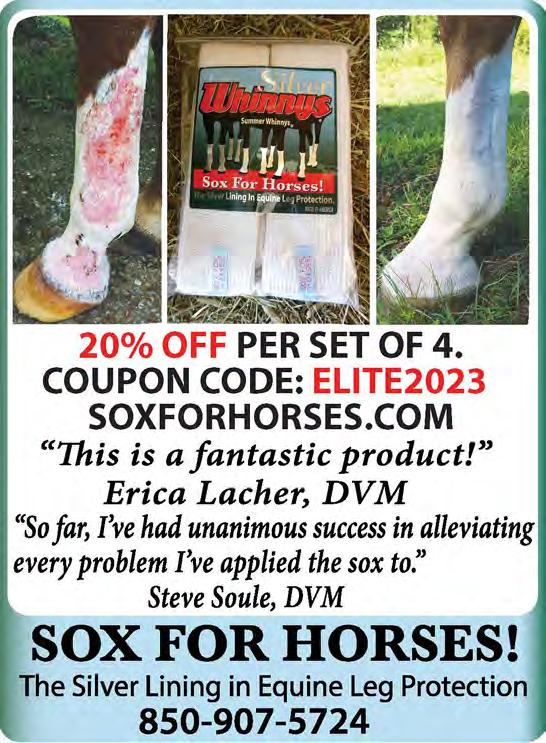
See our ad for a coupon code!
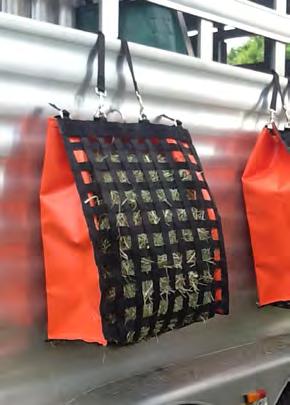
BEST ON-THE-GO Hay Feeding System! Less waste, be�er diges�on for your horse. See our ad page 49 www.NibbleNet.com
From stepping into the competition arena with class to comfort-led design for everyday style, the new Equetech collection for 2026 combines style with performance.
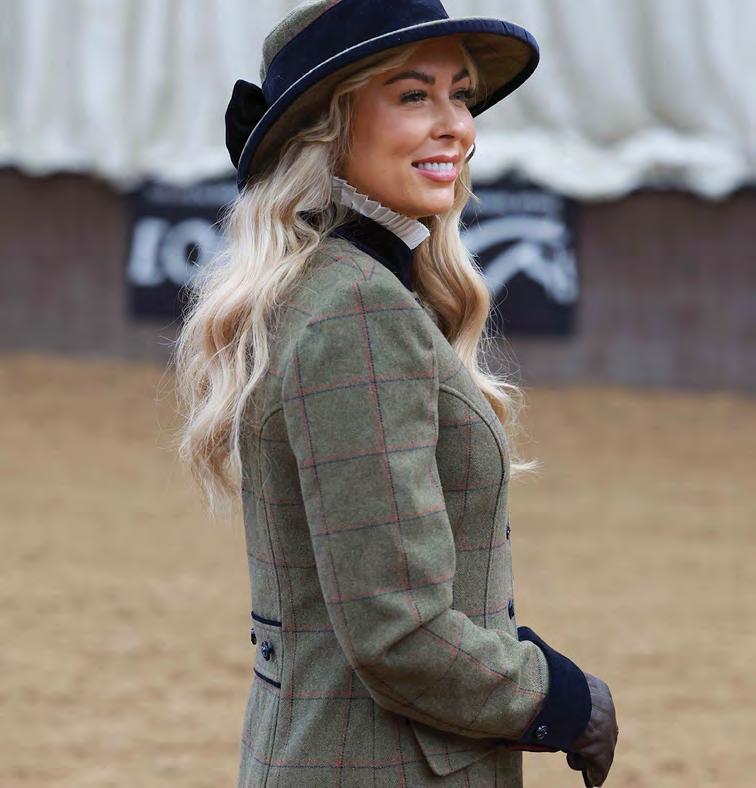
The new Launton tweed dress/jacket is a stunning combina�on of Equetech’s exclusive tweed and beau�ful contemporary tailoring. The Launton tweed collec�on embraces junior and ladies jackets and a new waistcoat with cap for a professional look without a premium price tag. Designed to be worn in lead rein classes and as a stylish country coat, this garment comes with a matching hat featuring plush navy velvet trim and a bow for the perfect finish.
RRP: £259.95 UK 8 - 18
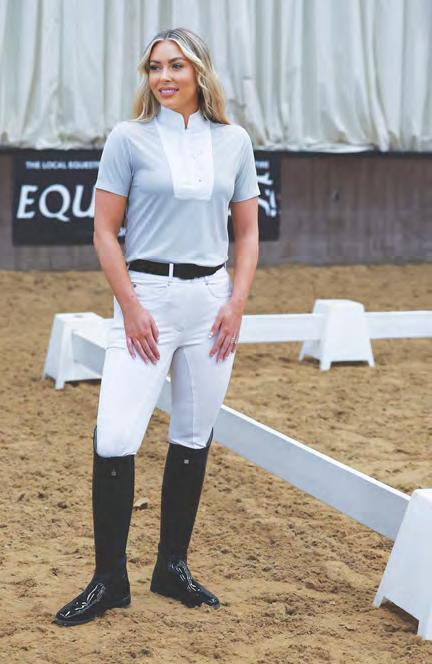
Designed for riders who demand performance and style, this gorgeous competition shirt is styled in Equetech’s exclusive ‘AirFusion’ fabric, blending function, fit, and finesse, making it ideal for dressage, showing, or any competition discipline. The lightweight 4-way stretch fabric allows complete freedom of movement while offering durability and structure. Moisture-wicking and quick-drying, it regulates body temperature to keep you cool, dry, and comfortable under pressure, whatever the weather or discipline. A traditional white contrast bib is elevated with delicate crystal embellishments, adding subtle sparkle without compromising the professional competition look. A practical quarter zip provides easy dressing and adjustable airflow, while the signature Equetech sleeve badge showcases British equestrian heritage. Grey/White
RRP: £44.95,Sizes: XS - 3XL
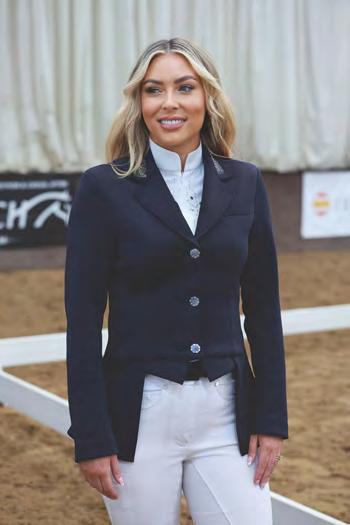
This stunning jacket is the epitome of elegance, designed for riders who want to make a lasting impression in the arena. Combining traditional tailoring with modern performance fabrics, this jacket brings together style, comfort, and functionality to give you complete confidence when competing at any level. Made from a premium stretch fabric, the jacket moves seamlessly with your body, ensuring unrestricted freedom in the saddle. The lightweight, breathable material is designed to keep you comfortable under pressure, while its moisture-wicking properties help regulate body temperatures during intense performances. Finished with a touch of sparkle with crystal embellishment for a touch of glamour in the arena. Navy/Silver
RRP: £149.95, 32 - 44”






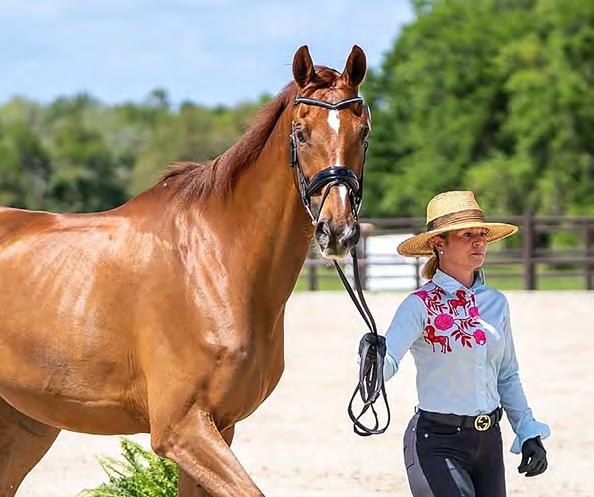
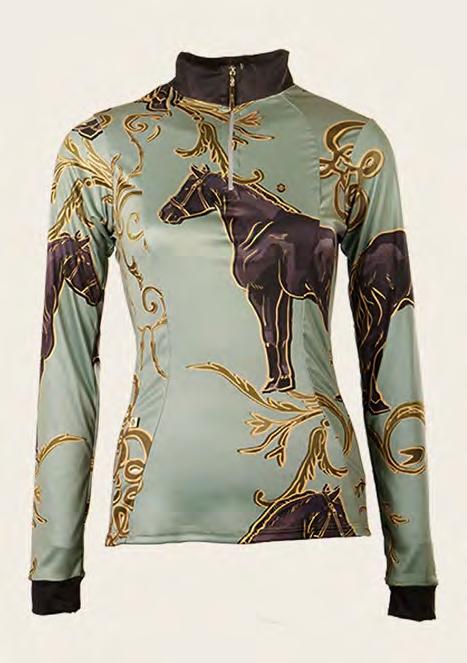
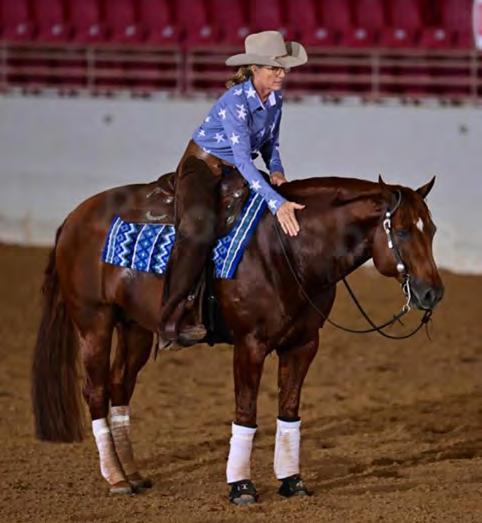
By Equetech
www.equetech.com
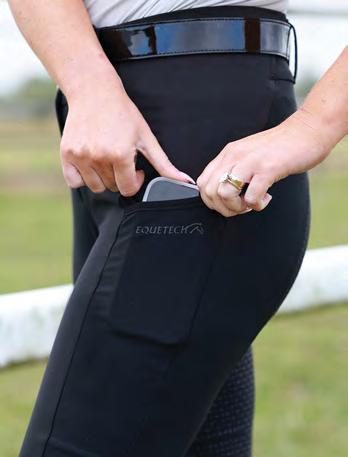
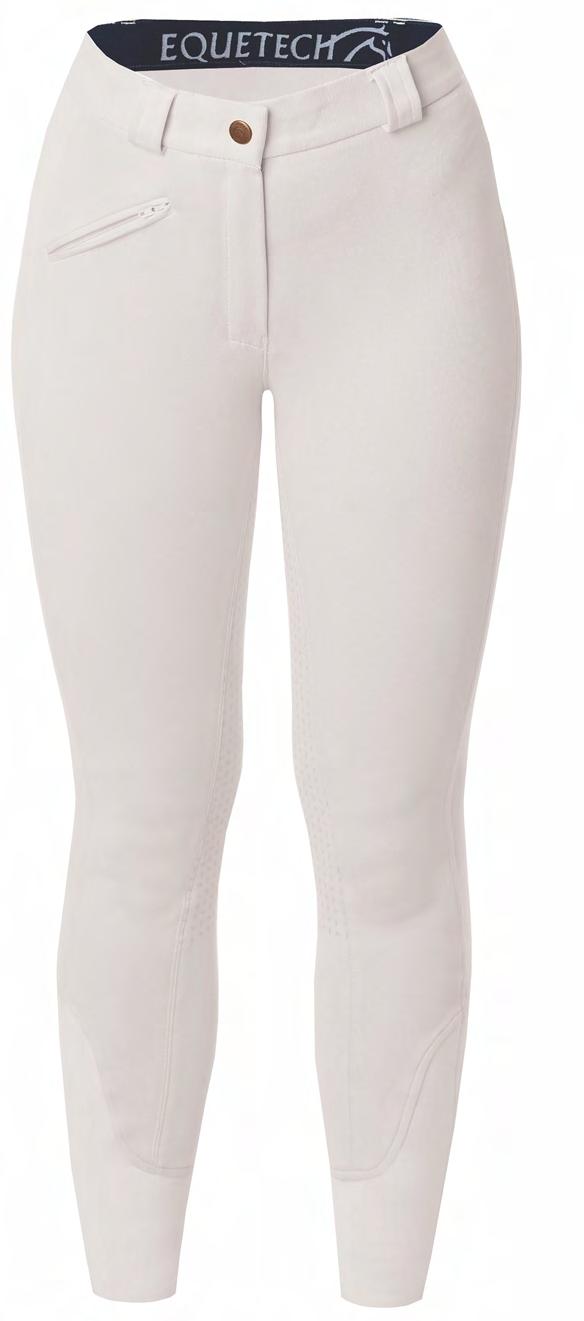
The Equetech Grip Seat Breeches are a reliable choice for riders who value performance, stability, and timeless equestrian style. Designed to support you through every ride, these breeches combine a flattering silhouette with intelligent technical features that enhance comfort in the saddle. Whether you’re training at home, enjoying a relaxed hack, or competing, these breeches deliver dependable grip and day-long wearability. Made from a durable cotton-rich stretch fabric, they offer a soft touch against the skin while maintaining excellent shape retention during movement. The addition of elastane ensures flexibility through the hip and leg, supporting a secure, unrestricted seat. The standout feature is the full-seat grip panel, using a subtle silicone pattern to help you stay connected with the saddle, improving stability without feeling restrictive. This design is ideal for riders who prefer a little extra support through transitions, flatwork, and sitting trot.
The tailored, contoured fit gives these breeches a polished, elegant look, suitable for both competition and everyday riding. A diagonal front zip pocket adds practical storage for small essentials, while belt loops allow you to personalise your look with your favourite belt. At the lower leg, a streamlined stretch hem removes the need for bulky Velcro fastenings, ensuring a seamless fit under long boots or half chaps and enhancing overall comfort.
Available in a wide selection of classic and competitionfriendly colours, the Equetech Grip Seat Breeches enable riders to match their wardrobe or discipline with ease. From traditional show shades to versatile everyday tones, the range ensures a pair for every occasion. The inclusive size offering also means riders of all body shapes can enjoy a comfortable and confidence-boosting fit.
Easy to wear, supportive, and practical, these breeches are suited to riders who want reliable performance without compromising on appearance. They stand up well to frequent use, making them a valuable addition to your riding wardrobe. Whether you’re schooling young horses, preparing for a show, or enjoying a relaxed weekend ride, they provide the stability and comfort needed to perform at your best.
The Equetech Grip Seat Breeches deliver a balance of style, function, and everyday usability, making them a trusted choice for riders seeking support and confidence in the saddle.
Machine washable. 95% Cotton/ 5% Elastane
Sizes 24 - 38
RRP: £66.95

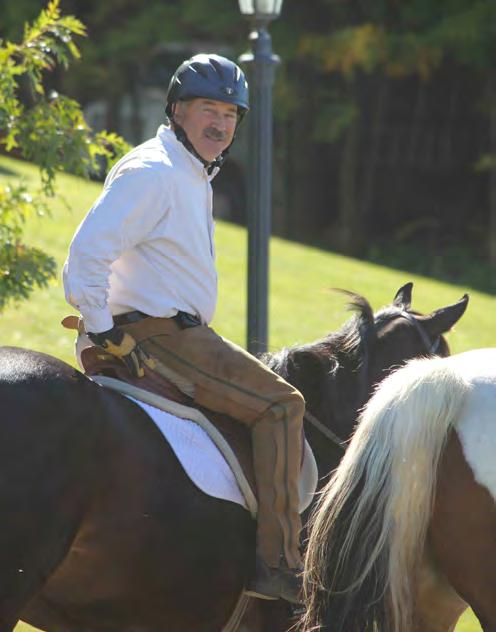
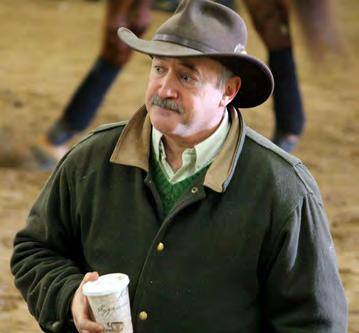
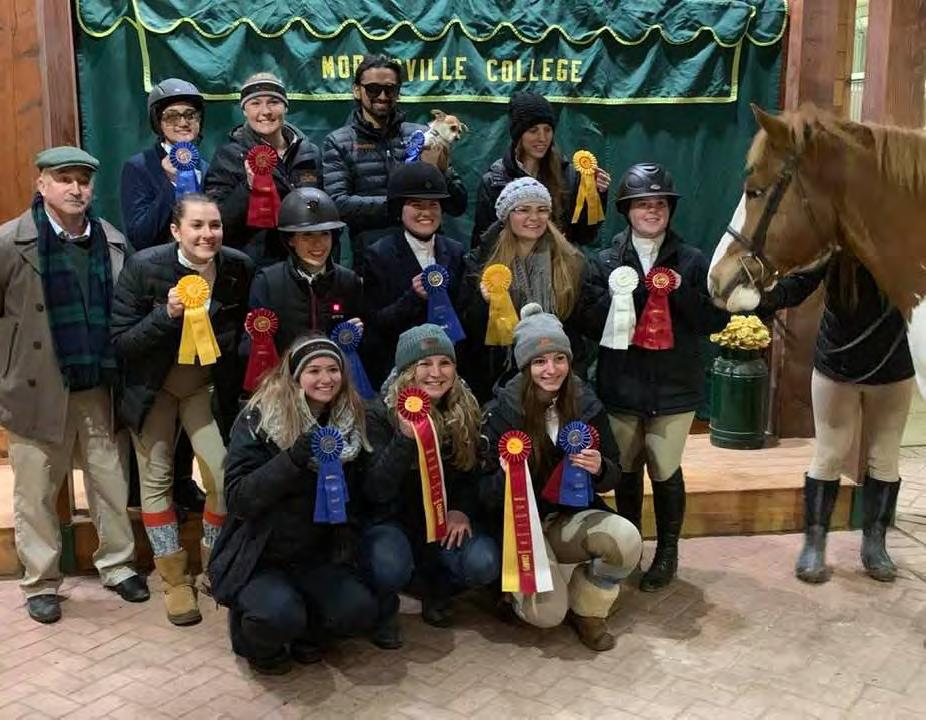
Raymond Daniel Whelihan, Head Coach for the SUNY College of Agriculture and Technology at Cobleskill Fighting Tigers Varsity Hunt Seat Team isn’t shy about sharing the sage advice he heard as a young horseman: “Do the simple things very, very well. Keep it simple and focus on what ma�ers.” Or quo�ng a collegiate peer: “Ride your horses so that your horses like you.” Ray earned his BS in Animal Science at UMass-Amherst, his Ms. Ed. in Educa�onal Psychology & Sta�s�cs from SUNY Albany, and has been a fixture of Cobleskill’s well respected equine programs for the be�er part of three decades, not only as a coach but as Associate Professor in Animal Science and (as of February 2026) Chair of the department of Animal and Natural Sciences, with primary teaching responsibili�es in equine business management in the hunter/jumper, eventing, and Thoroughbred horse racing industries. With a confessed preference for plain bay Thoroughbreds (and an occasional gallant grey), let’s meet the modest horseman whose riding philosophy centers on simplicity, correctness, and a less-is-more approach.
HERS: Do you remember your first horse or pony?
HIS: My most meaningful was Danny Boy. My parents purchased him, on the recommendation of a friend, for $400. He was a chestnut Quarter Horse, likely Appendix. I selected Daniel as my middle name for my Catholic Confirmation. The priest asked if my selection was a family name. I said no. It was the name of my horse, Danny Boy, whom I considered my closest friend. The priest appreciated my response.
HERS: What did that horse teach you that might still apply today?
HIS: Danny was sensitive and generous. I learned to watch and feel the response, adjust accordingly and trust character.
HERS: What qualities do you like best in a horse?
HIS: Rides off a soft leg and hand, hits the ground lightly, has a balanced step.
HERS: What qualities do you like best in a person?
HIS: I like a person that listens more than they speak, asks insightful questions, is slow to judgment and has a long view.
HERS: What was your first job and how old were you?
HIS: One of my earliest was trail hand at Eastover Resort in Lenox, Massachusetts, where Sam Greenfield ran a very good quality barn restricted to resort guests. I learned how to work around horses, conduct myself, be resilient, and respect commitment, a positive experience on all counts.
HERS: If you didn’t work with horses, what would you be doing?
HIS: That’s difficult. I can’t imagine doing anything else. Not business, I’m terrible at it. Definitely not technology, I was hoping tech was just a phase. Probably be a history teacher.
HERS: Favorite quote?
HIS: “Ride your horses so your horses like you.” Michael Page
HERS: You can spend a day with one horseperson in history, who is it?
HIS: Vincent O’Brien. The Irish horseman was a top steeplechase trainer. Won the British Grand National three years in a row. Won the Cheltenham Gold Cup four times. Turned to flat racing and trained many winners of the Epsom Derby and Prix de l’Arc de Triomphe. His most famous breed-shaping horses include Nijinsky II and Sadlers Wells. O’Brien was involved in every aspect of horse development from selection to breeding to training. A day with Mr. O’Brien would be a phenomenal opportunity to absorb his brilliance, horsemanship, perspective and vision.
HERS: What makes a good college riding team coach?
HIS: A riding team coach needs to teach beginners, intermediate riders, and more advanced riders equally well. We need to help the student blend team commitment in a balanced way with the rest of their life, academically and personally. We also need to expose our students to other riding opportunities. My students ride in dressage clinics, two-phases, hunter paces, fox hunting. The most important thing is to provide the right example in personal conduct, horsemanship and sportsmanship.
“ Ride your horses so your horse likes you.
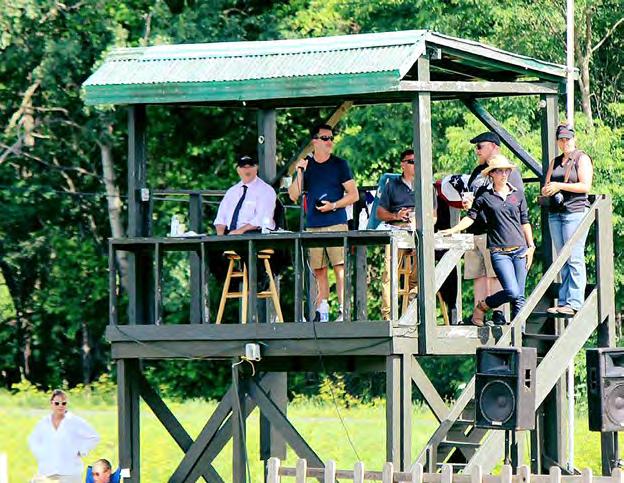
No planned season results in a lack of understanding and appreciation for the horse, physically and mentally.
HERS: Do today’s youth have the same accessibility to horses? What’s the same/what’s different?
HIS: I would have to say today’s students have less accessibility to horses than when I was young. Hanging out and working in a barn all day is less available due to liability issues and safe sport concerns. Family dynamics and parenting have evolved. When I was young, I’d spend a month at my uncle’s in Lake Luzerne. He was a farrier and team roper. A small gang of us would trail ride daily, on our own. I rode a mule with a McClellan saddle. We’d gallop in succession down what we called a ‘dipsy doodle,’ five strides down, five strides up. My saddle would fall over the mule’s nonexistent withers and I’d hit the ground. I asked my uncle about it over breakfast and, not terribly concerned, said I could try a crupper, which he thought was in a pile in a shed next to the chicken coop. Then he went off to work. It worked and is a good example of kids solving their own problems without adult supervision. I parented my daughter much more closely than that.
HERS: How would you like to see our horse world evolve over the next decade?
HIS: That’s easy: Return to seasonality. I believe in competing from Easter to Thanksgiving. Traditionally, horses were let down after Thanksgiving, then turned out for two months. We began tack walking in February, slowly preparing horses for ‘stepping-stone’ competitions at Easter, with significant targets in June. A few weeks down in late July, followed by a busy fall until Thanksgiving. Presently, people go to shows because there is a show. No planned season, no planned progression, just take a lesson and compete; this results in a lack of understanding and appreciation for the horse, physically and mentally. As a college teacher, my season must be September to May. I give horses a few weeks off from December into January, similar to a midsummer break, then mid-May through June off. Legging up and some work in July to August, then my season begins in earnest.
HERS: You can invite three guests to dinner, who joins you and what’s on the menu?
HIS: Former US President Jimmy Carter. His intellect and civil discourse would be appreciated and, as an avid fly-fisherman, his humble manner and patience would be welcome. One cannot be successful at fly-fishing without both virtues. British Three-Day Event rider Sheila Wilcox, winner of Badminton three years in succession and Individual European Champion throughout the 1960s, when woman could not yet compete in Three-Day Eventing at the Olympics. Her book exemplifies nuanced appreciation for the nature of the horse. The photos of Fair And Square portray a horse freely forward and relishing his work. Finally, Denys Finch Hatton, a central character played by Robert Redford in the 1985 movie, Out of Africa, for his advice to the Baroness von Blixen, having left her rifle on her saddle at a critical moment in the bush: “Better keep it with you. Your horse isn’t much of a shot.” I appreciate his independence, fondness for solitude and the fact that he could let go of a friendship over an unreturned book.
The meal? Smoked salmon as an appetizer, then wild game stew accompanied by a full-bodied red wine.
the Figh�ng Tigers and their SUNY Cobleskill coach at figh�ng�gers.cobleskill.edu.
Suggest a His & Hers guest to L.A. Berry at latheequinista@gmail.com.
By Dr. Lori
By Dr. Lori Verderame
In contemporary literature and media, the Order of the Knights Templar was the focus of novels by Dan Brown (The DaVinci Code), Umberto Ecco (Foucault’s Pendulum), Ken Folle� (The Pillars of the Earth), among others. Media has a�racted millions to the study of all things Knights Templar. For instance, History channel’s long-running hit The Curse of Oak Island, where I lend my exper�se as an art historian and ar�facts appraiser, tells the story of the Knights Templar in Canada.
The Order of the Knights Templar was established after the First Crusade, circa 1119. It was a secret religious order with military associations. Their role was to protect traveling pilgrims as they paid homage to Jesus Christ and saints at various pilgrimage sites worldwide.
Known for protecting Christianity’s treasures (i.e., Ark of the Covenant, Holy Grail, and True Cross), the Order declined in the late 1200s when the Holy Land fell to the Muslims. In 1307, Pope Clement V reacted to rumors about the Order’s vast wealth and ordered all European monarchs to seize Templar assets and arrest its members. Five years later, King Philip of France who owed sizable debts to the Knights Templar convinced Pope Clement to dissolve the Order altogether.
Today, authentic Knights Templar objects from the medieval era are coveted by collectors. The seals themselves have been uncovered by archaeologists and enthusiasts. Seals, which highlight some of the most popular collectibles of Knights Templar folklore, were used to authenticate documents in medieval times. Wax imprints of images found on seals were used on official documents. Seals prevented
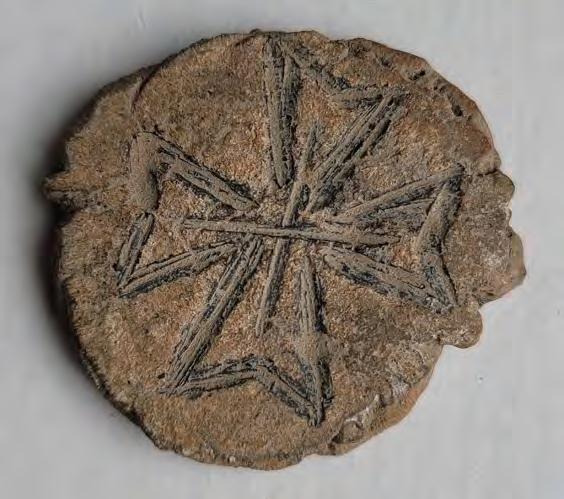
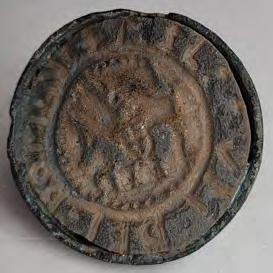
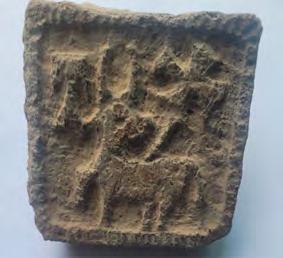
forgeries in a society that was largely illiterate. Dignitaries, including members of the Knights Templar, used seals as both legal and spiritual items. A major collection of impressive Knights Templar artifacts including many seals dating to the 11th to 14th centuries reside in the Galaskiewicz collection and are pictured here.
The most famous Templar seal shows two knights sharing one horse, project the knights as both monk and solider. The seal carries the Latin phrase “Militvm Sigillvm” (Seal of the Soldiers) on the obverse and an image of a temple with “Christi de Templo” (Christ of the Temple) on the reverse. Interpretations of the seal suggest that the two knights are possibly Hugues de Payens, the Grand Master of the Templars, and Godfrey de Saint Omer. The imagery points to the vow of poverty taken by the members of the Order; they could only afford one horse for two knights. Some say that the first rider is a famous knight, and the second rider is Jesus Christ.
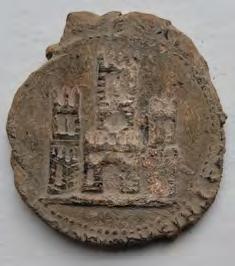
2. Knights Templar
(two knights on one horse)
3. Cathedral of Santiago de Compostela
4. Lamb of God
Other Knights Templar seals in the Galaskewicz Collection feature imagery including depictions of the Lamb of God, Temple of Solomon, Templar cross, Cathedral of Santiago de Compostela (built atop Apostle St. James’ tomb), Holy Sepulchre, Marian imagery from the cult of the Mother of Christ, and XP pictographs on military shields. These were recognizable images of the Knights Templar Order and were widely used.
Over time, the Knights Templar seals evolved, reflecting changes to the Order. For instance, early 12th century seals were simple, featuring a Templar cross. In the 13th century, seal designs were more complex and incorporated Christological imagery to remind knights and their associates of their role. By the 14th century, seals were made for specific individuals with names, ranks, locations, and marked identities.
Throughout Europe and the Middle East, the Knights Templar seals have been discovered in various locations such as Toledo, Spain; Carcassonne, France; and Jerusalem, Israel to name a few. Recently, many have been actively uncovered, traded, and collected by Knights Templar enthusiasts the world over. Their symbolism offers a window into the medieval world and highlights the actions of the protectors of Christianity’s pilgrims of the Middle Ages.


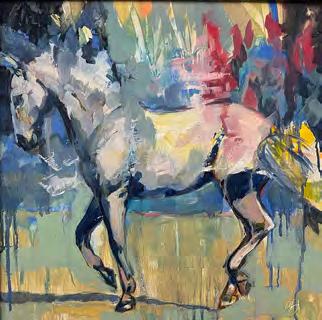
Armed with a long history in the horse world and a degree in illustra�on from the Ringling College, her very contemporary equestrian artwork is filled with exuberant color and energy.
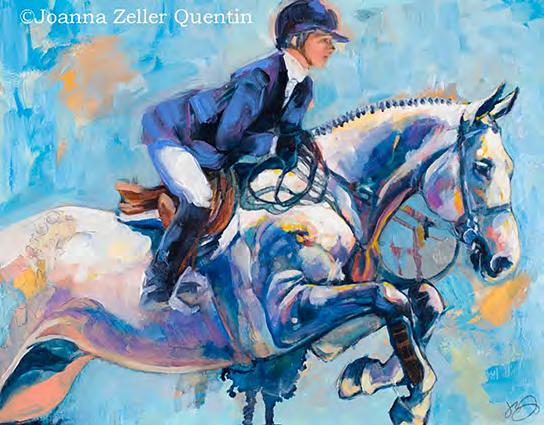
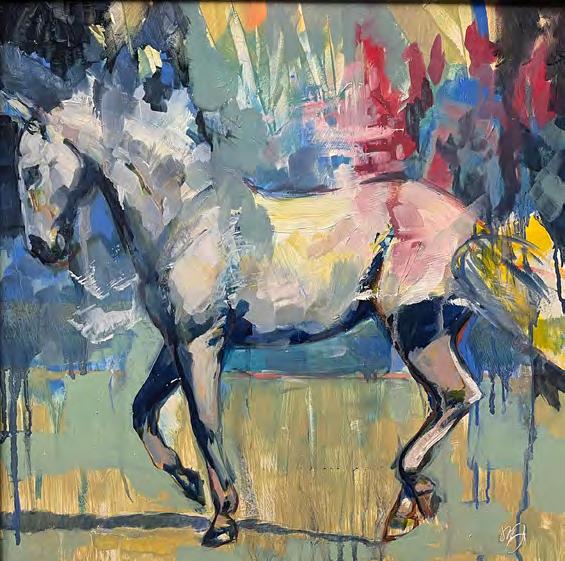
“From a rider father and a mother fashion stylist, I was born in to a world inhabited by horses and sketches of fashion. Before speaking, I drew and the picture became my language. Horses taught me how to paint.
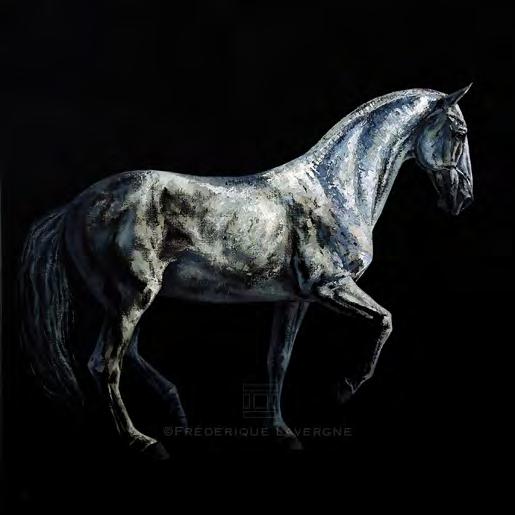
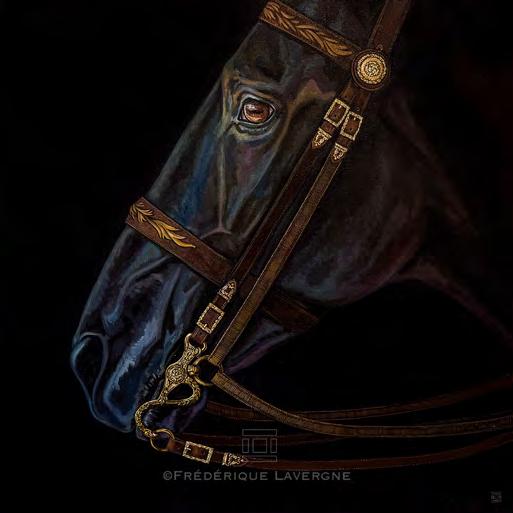
I have tried to understand what �es our human soul to horses. If I hadn’t discovered my passion for horses, as much as the ques�on of what we are meant to do together or what they are meaning to tell us, I would never have found the winding path leading me to learning to paint.”
►
►



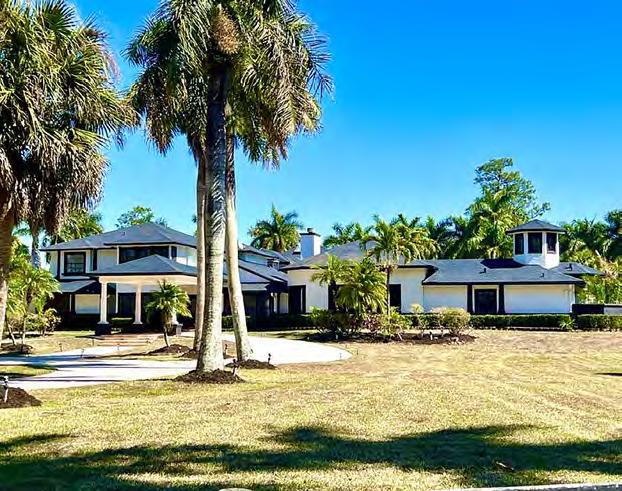
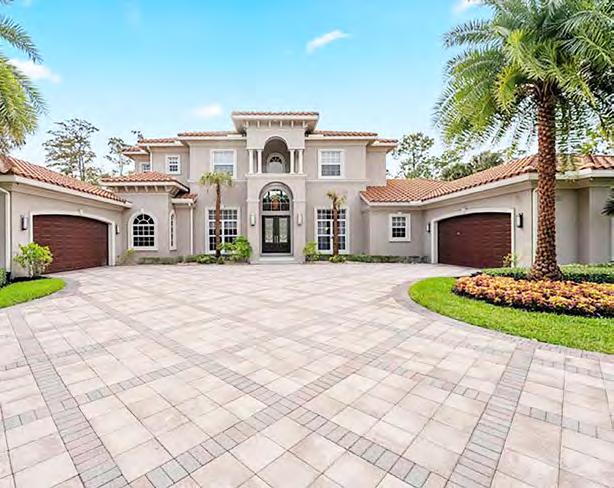
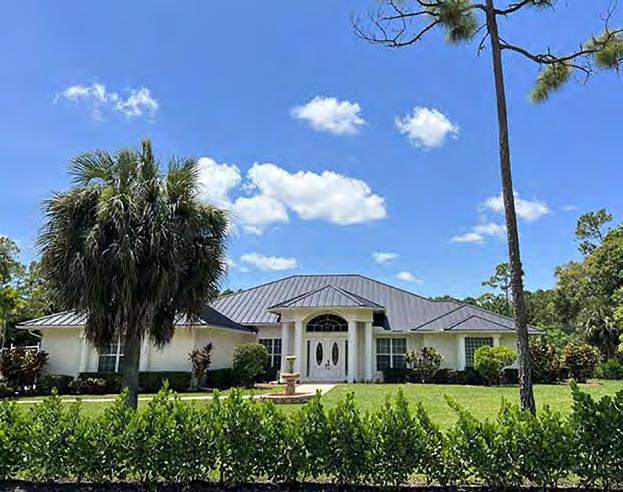
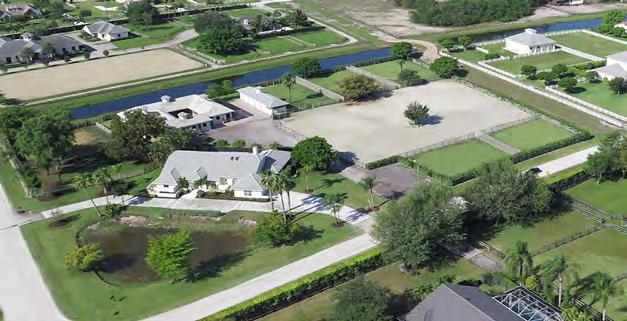

Saddle Trail Wellington Exquisite 4 acre professional equestrian farm, short hack to WEF show grounds, fabulous Grand Prix ring, 16 stalls, tons of grooms qtrs., recently remodeled and updated, reverse osmosis water, two generators, 2 tack rooms, lots of lush paddocks. This is a great value for the price and the best farm buy in Wellington priced at $5,990,000
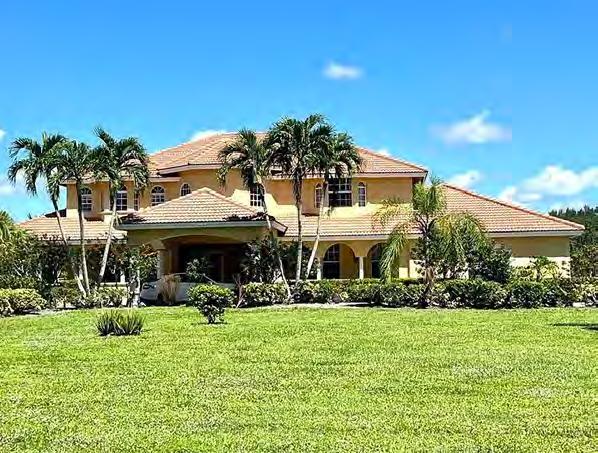
Wellington Paddock Park 2 Large 7000 sq � home on 2 acres with 6 bedrooms and 4 full baths. Tall ceilings with plenty of room for a barn and ring. Hacking distance to horse show. This house would make a great Equestrian farm, AirBNB or assisted living home. Priced at $3,599,000 it has tons of poten�al.
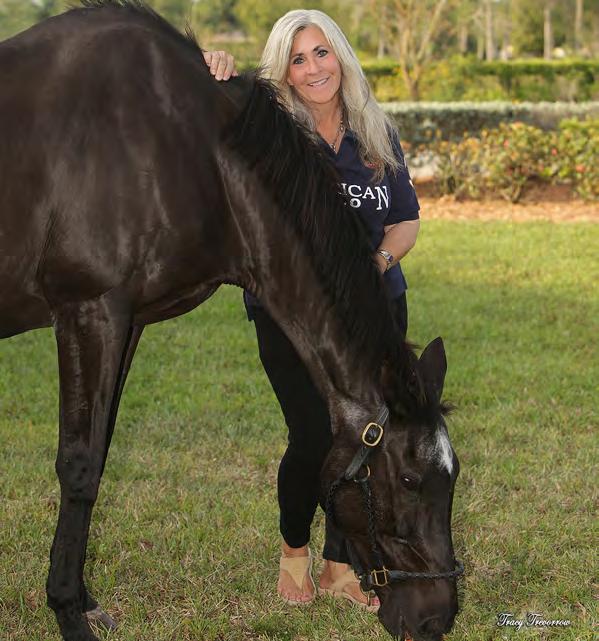
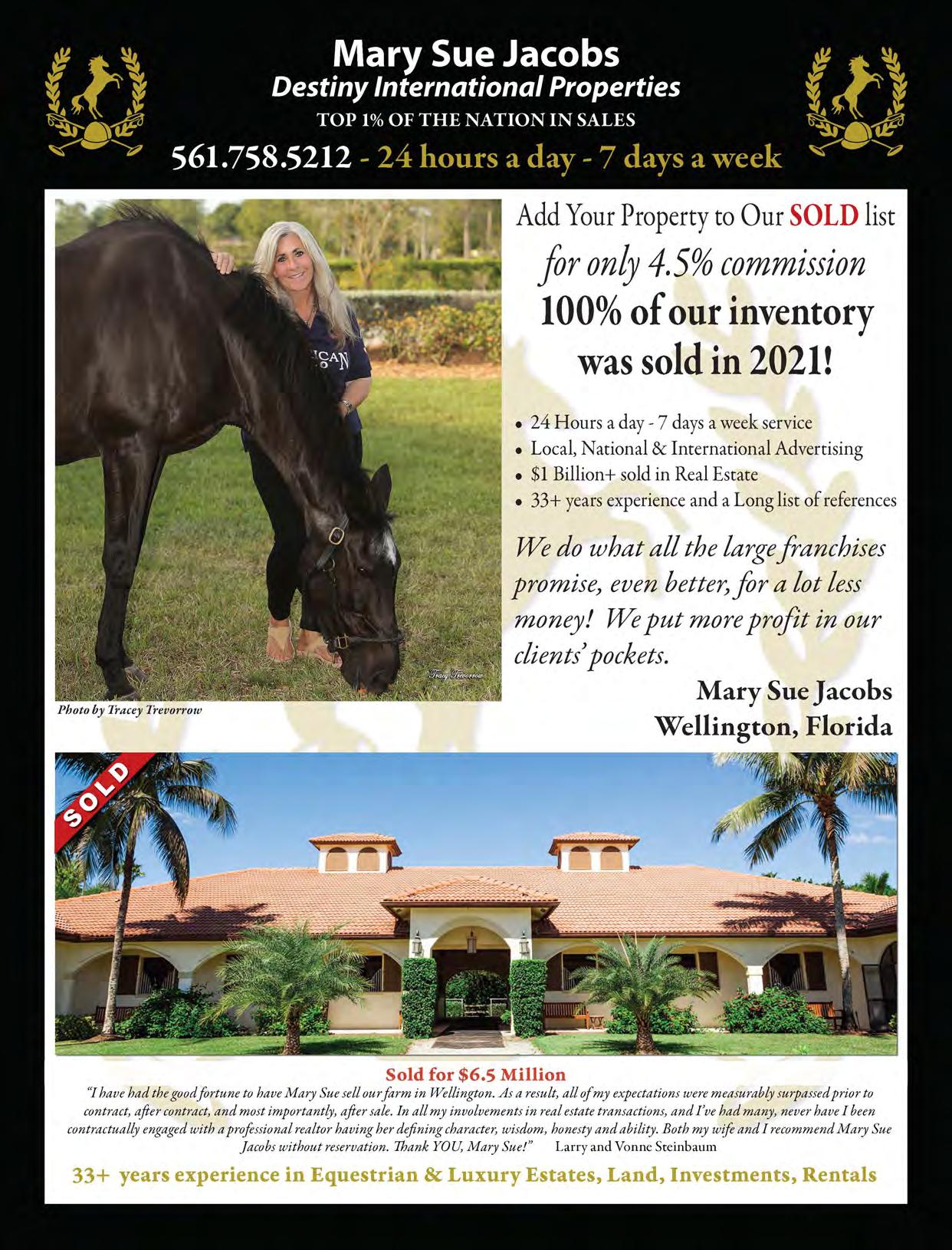
Mary Sue Jacobs Broker
TOP 1% of the Nation in Sales 561-758-5212
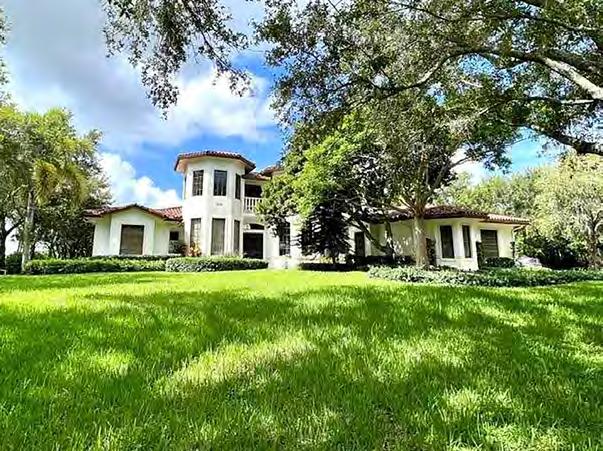
Wellington Saddle Trail This charming farm is just under 2 acres, with a super cute 5 stall barn, ring and grooms qtrs.. Just a short hack to the horse show . The main house is a 4 bedroom 3.1 bath home, with pool and impact glass, full fenced and gated priced $3,725,000.
Story By Lynne Trenery Freeman
If the first chapter of the Hackney’s story was written on mud and stone, and the second on carriage roads and promenades, the modern chapter is being written in arenas, hazards, cones, trails, and competition rings that did not exist when the breed was formed.
What has not changed is the Hackney itself.
At its core, the Hackney- whether Horse or Pony- is still defined by balance, structure, stamina, intelligence, animation, elevation, and an unmistakable desire to go forward. Those qualities, once essential for survival and commerce, now align remarkably well with modern equestrian sport.
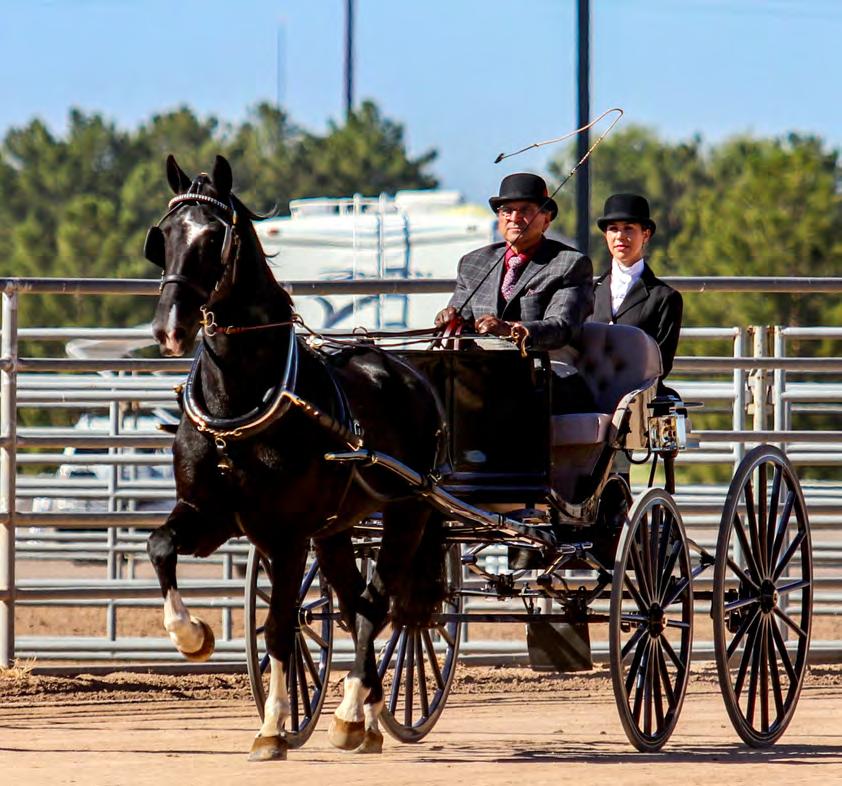
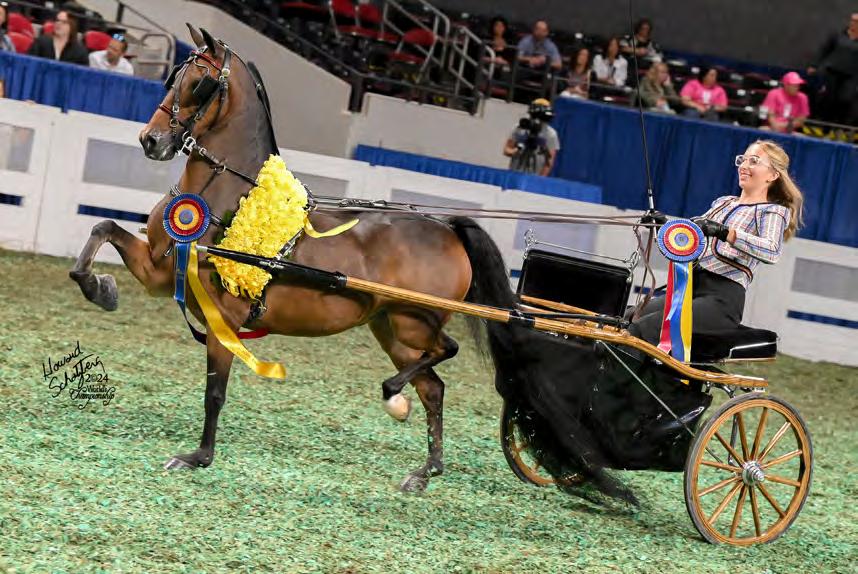
Within the United States Equestrian Federa�on (USEF), the Hackney is best known for its presence in the driving divisions, where it is shown in both Open and Pleasure classes.
In Open Driving, brilliance is emphasized: animated ac�on, energy, engagement, and presence. The Hackney’s natural trot- quick, elevated, and powerful- makes it uniquely suited to this work. What appears theatrical to the casual observer is, in truth, an expression of biomechanics refined over centuries.
Pleasure Driving, by contrast, rewards manners, consistency, and usability. Here again, the Hackney excels. The same horse that can electrify an open class o�en se�les easily into a so�er frame, demonstra�ng adjustability that is difficult to manufacture in breeds not designed for both stamina and responsiveness.
For Hackney Ponies, these divisions include Pleasure Ponies, Roadster Ponies, and Cob-tailed Ponies, each showcasing slightly different expressions of the same underlying traits. What unites them is not height or tail set, but mental sharpness and eagerness to work.
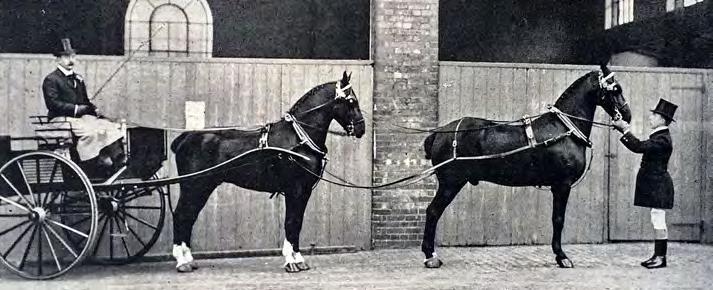
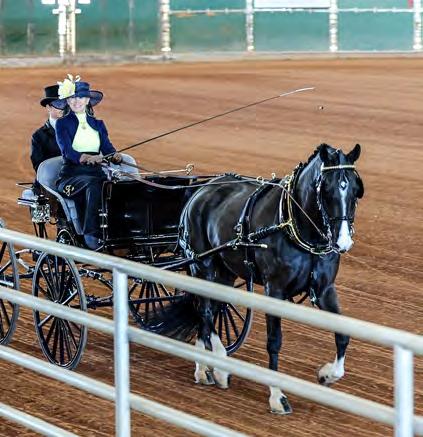
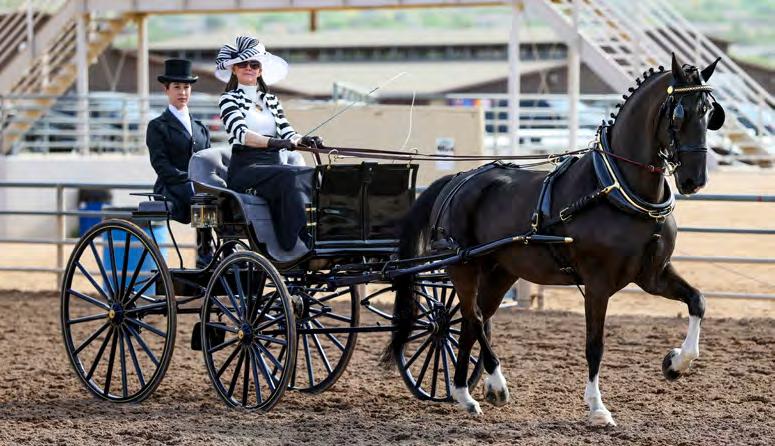
While show-ring driving has preserved the Hackney’s visibility, it is Carriage Driving that most closely mirrors the breed’s original purpose.
Hackneys were not bred to pull weight slowly. They were bred to go somewhere- efficiently, reliably, and with presence. As carriage horses, they are light in the hand, forward without being fran�c, and capable of long hours of work without fa�gue.
In parades, exhibi�ons, and tradi�onal carriage se�ngs, Hackneys shine not because they are flashy, but because they are correct. Their upright balance allows them to pull comfortably, their bone supports endurance, and their intelligence makes them trustworthy in complex environments.
They look as though they belong- because they do.
One of the most exci�ng modern homes for the Hackney, both Horse and Pony, is Combined Driving.
The breed’s bone structure, cardiovascular capacity, and mental
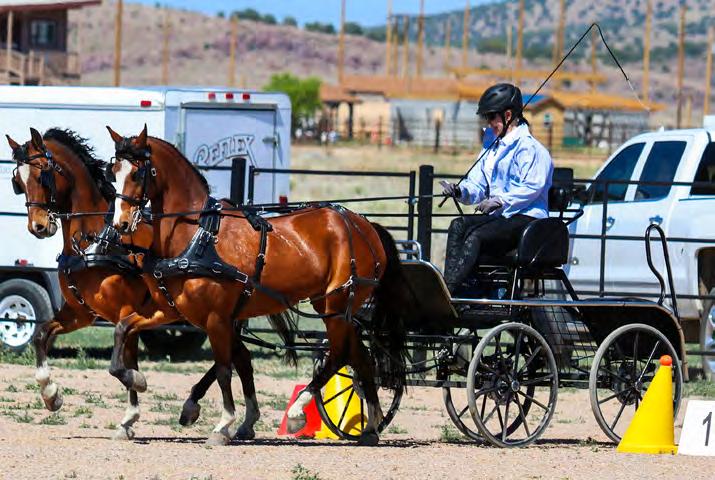
engagement make it excep�onally well suited for the demands of Dressage, cones, and marathon. Hackneys are precise enough for technical cones courses, bold enough for hazards, and though�ul enough to manage the transi�ons between phases.
Unlike heavier breeds, they do not rely on mass. Unlike lighter, ho�er types, they do not burn out. They think their way through problems- a trait inherited directly from their road-horse ancestors, who learned quickly that missteps had consequences.
In Combined Driving, that intelligence becomes an asset rather than a liability.
Perhaps the most overlooked- and most promising- chapter in the Hackney’s modern story is its return to ridden work.
Long before it was a driving horse, the Hackney was a riding horse. That founda�on remains visible in its uphill conforma�on, strong hindquarters, clean limbs, and natural self-carriage. These traits align closely with what modern sport horse disciplines value.
Under saddle, Hackney Horses demonstrate balance, adjustability, and a willingness to engage. They are agile without being
The Hackney’s greatest threat today is not competition-it is obscurity.
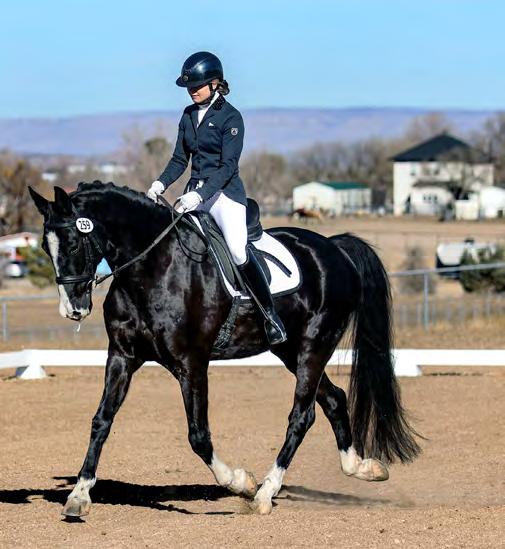
fragile, forward without being dull, and responsive without being reac�ve.
For disciplines that priori�ze partnership- Dressage, Even�ng at appropriate levels, sport horse disciplines emphasizing rideability over size- the Hackney Horse offers a compelling alterna�ve. It is not a Warmblood, nor should it be asked to be one. It is something different: a thinking athlete with centuries of purpose behind it.
Hackney Ponies, too, are stepping beyond tradi�onal boundaries.
While Pleasure and Roadster divisions remain important, more ponies are now appearing in Combined Driving, Carriage Driving, and even under saddle. Their size makes them accessible; their personali�es make them addic�ve.
In these Ponies, the same brilliance that once lit English promenades now navigates marathon hazards and technical courses. The result is not a novelty- but a rediscovery.
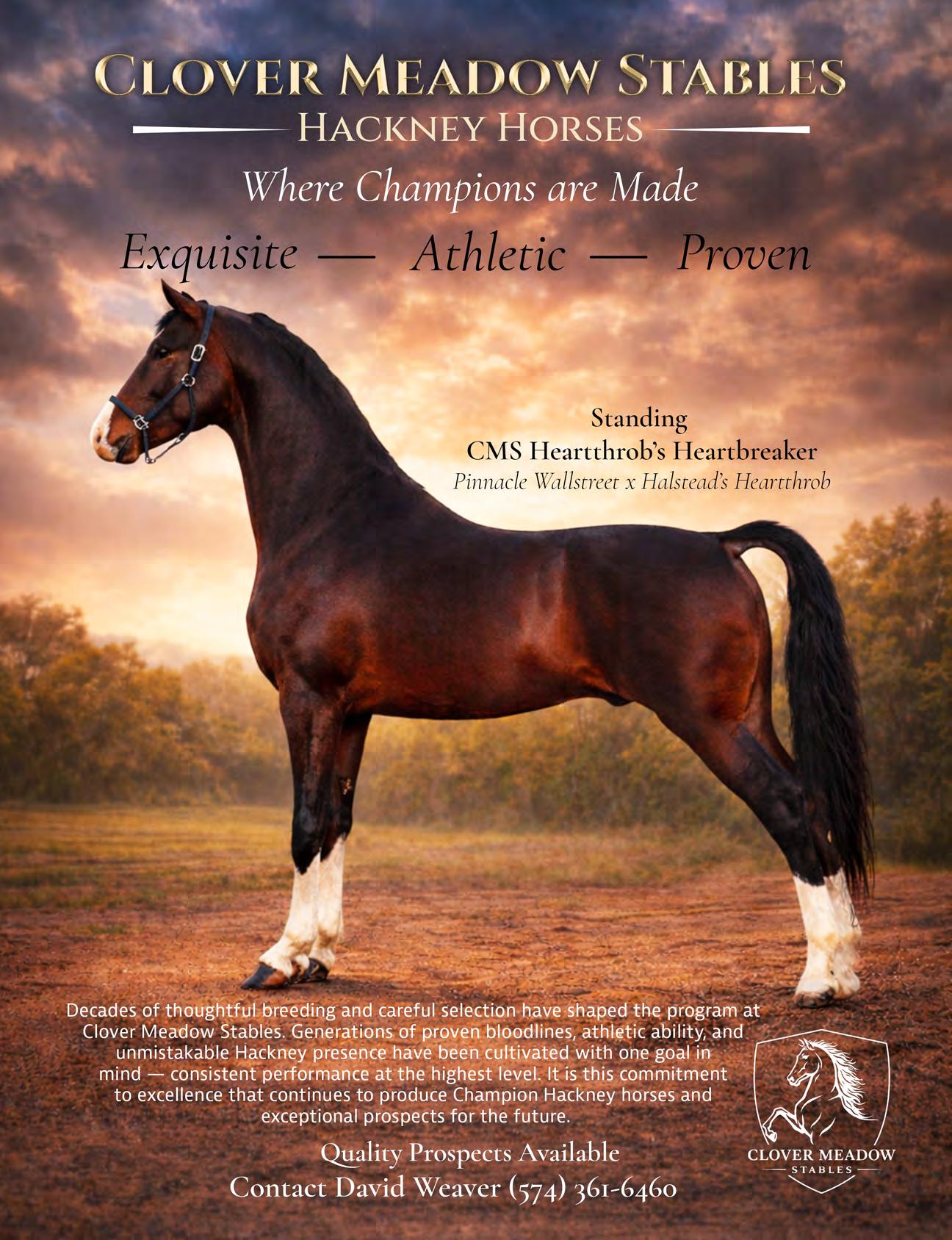
See the American Hackney Association ad on page 12
The Hackney’s greatest threat today is not compe��on-it is obscurity.
True Hackney Horses are cri�cally endangered. The Pony, while more numerous, is not immune. Preserva�on will not come from sen�ment alone. It will come from use.
Breeds survive when they are valued not just for what they were, but for what they can do now.
The Hackney does not need reinven�on. It needs recogni�on.
I first met the Hackney not on a road, but in a dark barn aisle in Kentucky. I was there for another purpose en�rely when a pony standing in the corner of his stall looked directly at me. Not past me. Not through me. At me. I had already walked by, but I stopped and stepped backward, mee�ng his gaze. That exchange- silent, deliberate, and unmistakable- set me on a path I did not yet recognize.
That path eventually took me north, in search of a matching pony, to a breeder in Indiana. He had none to offer, but instead sent a video of a pair of Hackney Horses. We drove to see them where they were being auc�oned, and it was my husband who no�ced firstnot the flash, but the demeanor. The quiet intelligence. The steadiness. We bid with more hope than certainty and came home with both. We have not looked back. Today, our barn is home to four Hackney Ponies and ten Hackney Horses. They show in Carriage Driving, Combined Driving, Pleasure Driving, and under saddle. They are wonderful on the trail and a crowd favorite in parades.
From roads not yet imagined to disciplines s�ll evolving, the Hackney has always adapted without losing itself. The fire that once carried messages between villages s�ll burns- wai�ng, as it always has, for someone to pick up the reins and point it toward the next horizon.
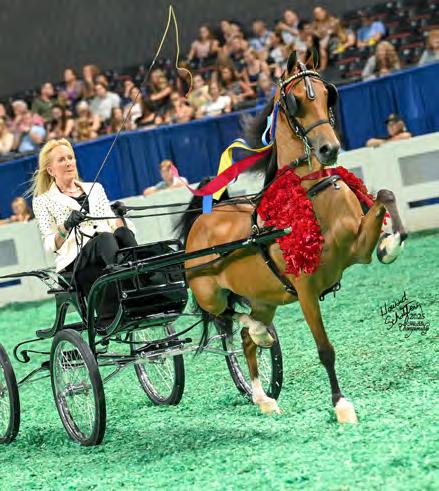
See the American Hackney Horse Society ad on page 12
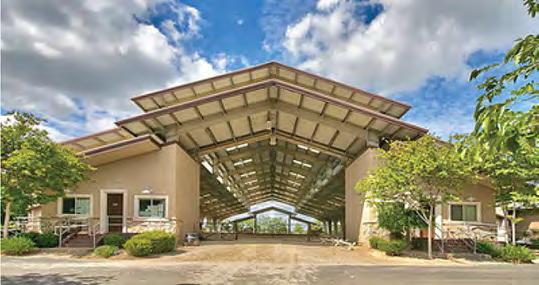
Equine Performance Partnership’s new headquarters is NOW OPEN in Ocala, where our 40 acre equestrian paradise boasts a majestic and well rounded facility for top tier training for the competitive dressage or jumping arena.
Come train among the best in the business and experience our dynamic training program. Our main focuses are developing horse and rider pairs and building up training horses the right way; using a combina�on of classical and modern cross training modali�es, including groundwork, trail riding and especially providing space for the horses to open up and be themselves. Our method is a whole horse approach, each horse receives an individualized program based on their needs and to strengthen their confidence in themselves. We believe in happy, healthy horses and aiding riders to be the best versions of themselves they can be for their horses.
• Our facility is gated with on-site owners, and located 10 minutes from World Equestrian Center, Ocala
• Renovated 12 stall barn equipped with grooming/wash stalls, air condi�oned tack room and feed room
• Spacious 14 x 16’ ma�ed stalls with fans and automa�c waterers
• Round pen
• New fencing, gorgeous fields with shade trees and run-in barns
• Group and single turnout
• Grass dressage and jumping arenas
• Tranquil open spaces for trail riding and work outside the arena
• Coming soon- an oversized covered arena with GGT Foo�ng
Our property also has two fully renovated 3 bedroom 2 bathroom homes available for season rental. They have fenced yards with wire perfect for dogs, beau�ful landscaping and trees, and are very private. There are small two stall barns on the property available for rental with pasture.
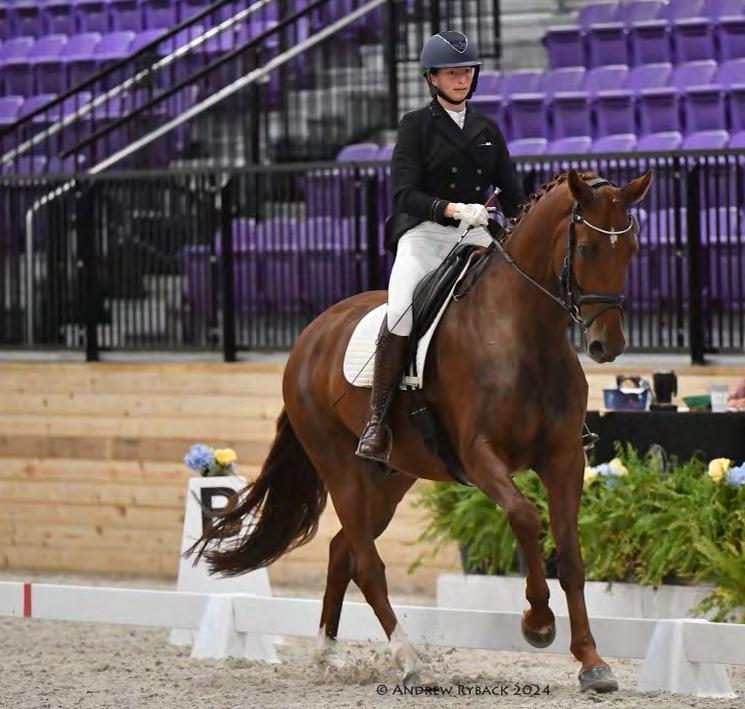
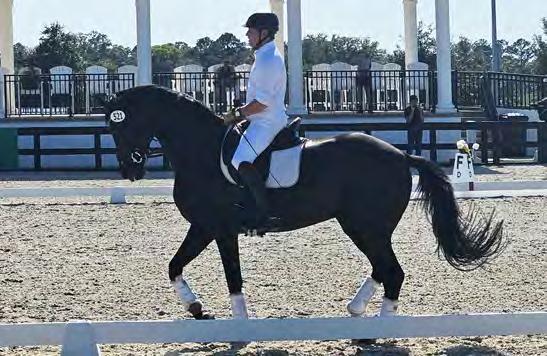
Wether you have a young FEI prospect, a stallion you would like to campaign, a “problem horse” or you want to enhance your partnership with yourself and your horse, we are here to support horses and riders to be their very best.
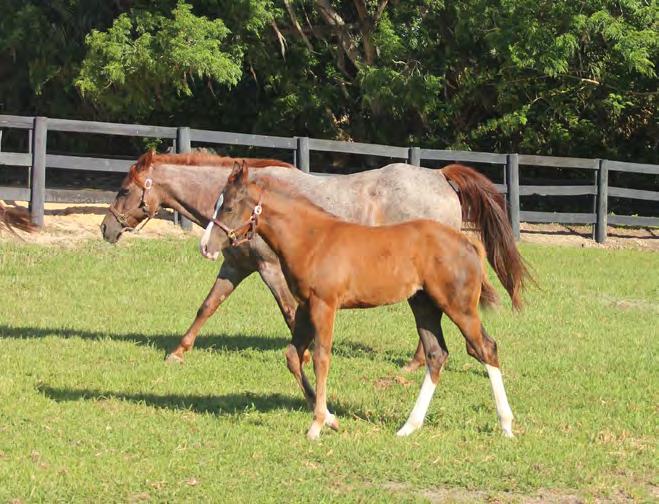
By Dr. Bill Ormstom
Your horse’s Animal Chiropractor is the only licensed health care professional dedicated to the detec�on, reduc�on, removal and preven�on of spinal subluxa�ons. Animal Chiroprac�c is the ul�mate health and wellness tool. Well-adjusted animals are less likely to have injuries, have healthier immune systems and will be able to make be�er decisions when asked to respond to commands. The reason a nervous system without interference is a nervous system that is able to func�on and due its job of controlling every system in the body efficiently.
Life begins with 2 cells that become 4 and then 4 become 8 and so on un�l birth. The heart is bea�ng, and the eyes are open, this miracle of development occurs perfectly unless there is interference. Animals benefit from chiroprac�c care before they are born by having a mother that has a nervous system free of the interference caused by subluxa�ons. Preconcep�on chiroprac�c care promotes op�mal uterine func�on. It prepares the female’s body to be strong, supple, and as balanced as possible to carry the maximum number of puppies to term. Adjustments will help increase the vitality of the sperm in the male. We recommend that all animals involved in a breeding program are adjusted on a rou�ne basis well before the breeding takes place.
When the mother is ge�ng ready to foal, the adjustment will allow her nervous system to relax and help the birthing process proceed as nature intended. It’s never too close to the delivery as the Chiroprac�c adjustment will help align the pelvis and make sure the birth canal is as large as possible. A well-toned uterus will have efficient contrac�ons and the best �me to adjust the newborn is as soon as they take a breath. The adjustment will ensure their nervous system is performing at op�mal levels. All foals should have their spine checked for subluxa�ons as soon as possible a�er birth, but especially those with condi�ons like contracted tendons, failure to nurse and even dummy foals.
The most important aspect of a subluxa�on is its effect on your horse’s nervous system. Birth is a very trauma�c experience for both momma and baby. These traumas may end up compromising the way their nervous system controls and regulates their body can lead to unhealthy consequences. Distorted communica�ons between the brain and the body can cause all kinds of health problems, not just sore backs, and necks.
The intent of the Animal Chiroprac�c adjustment is reducing nervous system irrita�on so the adjustment will be very specific. They are focused, targeted, and allow healing to begin as soon as they are administered. It is this precision, combined with the purpose of reducing nervous system interference that has helped so many animals. Just about every animal can be adjusted. Newborns, young animals, adults, and even very senior animals. The Animal Chiropractor will tailor your pet’s care to their size, age and unique health problems.
Animal chiropractors don’t want to cure anything; the goal is to raise the level of func�oning of the body. Healthy bodies don’t get sick. This reduces your animal’s chances of ge�ng cancer, allergies, and other chronic diseases. The body consists of 25 to 30 quadrillion cells. Health is merely a condi�on in which those cells are working properly. The goal of animal chiroprac�c is to get diseased cells working properly again. Animal chiropractors don’t
focus on trea�ng all the diseases and sicknesses that your animals can get. They believe that they can help get the 25 to 30 quadrillion cells working properly again. Animal chiroprac�c is not like anything else; it is not a subs�tute or replacement for anything else. It is a totally different outlook on health based on the physiology of the body
There is an inborn wisdom in living things that understands how to make insulin, adrenaline, and all the other chemicals that are necessary for living. That ability begins at concep�on and con�nues un�l the body dies if there is no interference. Every living thing has an inborn wisdom that enables it to survive through life. Animal chiropractors call this the innate intelligence that all creatures are born with—the intelligence that enables newborn babies to convert their food into walking, growing flesh and blood. This innate intelligence never makes mistakes. It knows exactly what it is doing all the �me. Animal chiroprac�c says let’s put health into the hands of the innate intelligence using the body instead of pu�ng it in the mind of educated experts using ar�ficial chemicals. Animal chiropractors check the body to see what is wrong with the controls. Health should be le� in the hands of the inner wisdom in all bodies. The brain and spinal cord are the first organs that are formed in the developing fetus. These organs then start to take over and control the rest of the development. The wisdom that controls the development of a fetus from 2 cells to 4, 8, 16, 32, 64, etc. un�l birth doesn’t stop at birth. There is an innate intelligence that controls growth and life all throughout life. New cells are made all the �me. Every 14 months, every vital organ is replaced except for the nervous system. The brain and spinal cord are the only organs that never get replaced. When the cells of the body get sick, they don’t need to be cured; the sick cells need to die and be replaced by healthy cells. If the new cells come in healthy, then the sickness is “cured.” If the sick cells are replaced by sick cells, then the body remains sick. The body must be crea�ng healthy cells for the body to stay healthy. The vast majority of pa�ents that become healthy while under an animal chiropractor’s care are rejects from tradi�onal medicine. Medicine couldn’t help them, and their owners came to the animal chiropractor out of despera�on. Animal chiroprac�c raises the level of resistance of the body to increase the chances of healthy cells. There are no incurable diseases if the body is working properly. The body does all of the healing once it is func�oning at op�mal levels. Animal chiroprac�c doesn’t cure any disease, but all animals are be�er off if the body is working a li�le be�er. Get your horses spines checked by a cer�fied animal chiropractor today.
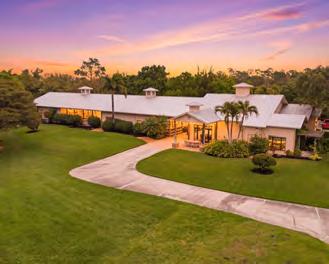

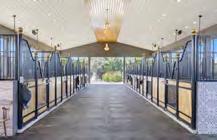
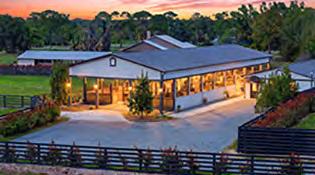
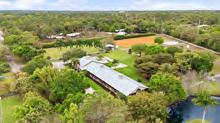
21531 N River Rd Alva FL 33920
$7,750,000
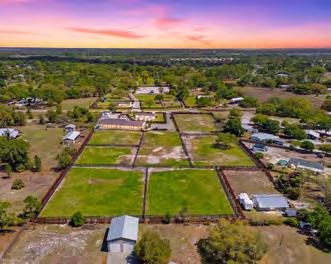
Equestrian facility set up and ready to go, bring your horses, trainers, brood mares and use this property for a full-�me or winter show retreat in Florida. Three homes on property for income$ and a large RV barn with Man Cave for weddings and promo�onal events. An equestrian dream barn, custom all the way on 20 manicured acres, fenced, gated and landscaped with a tropical Florida feel and connec�on to nature and equine friends. Great loca�on in a well-known equestrian city friendly to horse proper�es and owners, with boa�ng close by on the Caloosahatchee River. Best of both worlds here and convenient to Interstate 75 for travel to shows. Income producing property, 3 homes, show-boarding barn, many possibili�es.
3800 Staley Rd Fort Myers FL 33905
$3,890,000
Equestrian Facility on almost 10 acres, ready for your horses, or set up a working horse business here in Lee County! A beau�ful 2 story country home with all the appointments and ameni�es that compliment this property in horse paradise. Training, breeding, lessons, boarding, all disciplines will find this exquisite equestrian facility a true haven for the country life and horses in your backyard. Looking for a facility where your trainer can live, this is it. A full-�me barn or winter show barn retreat in SW Florida. Convenient to Rt 80 to I-75, the SW FL Interna�onal Airport and many areas show facili�es and grounds for ac�ve equestrian life.
Story and Photos By Dr. Brendan G. Mangan
The same parasitic disease that causes summer sores, Habronemiasis, can also affect the horse eye. Although it may be described as “fly eggs” causing ocular irritation, this is a misnomer since it is a larval stage of the parasite that migrates into eyelid skin and conjunctival tissue. The presence and death of the larvae cause an immune response, which can lead to inflammation of the eyelids, third eyelid, bulbar and palpebral conjunctiva, and the nasolacrimal system. Secondary effects on the cornea can be even more serious.
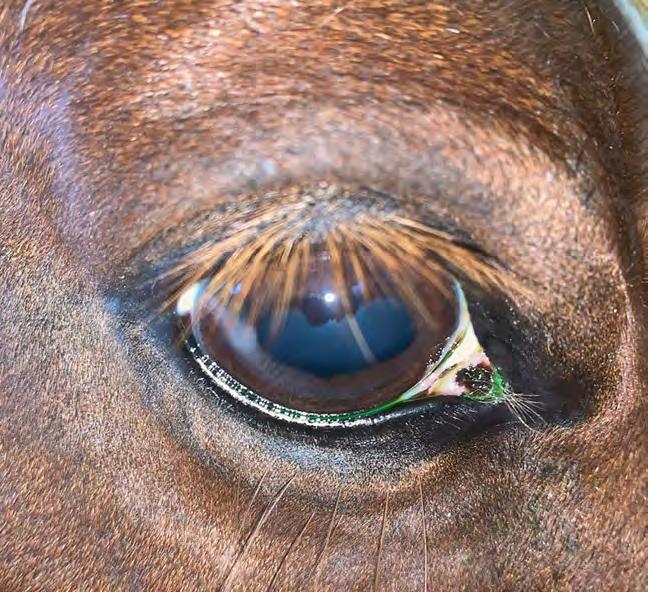
Understanding the parasite, its life cycle and treatment is important in managing the infection. Habronema spp. (Habronema muscae, Habronema microstoma and Draschia megastoma) are stomach worms that adhere to the stomach wall of a horse and release eggs that pass in the feces. The normal life cycle is completed when larvae that develop from the eggs are ingested by horses and develop into adult stomach worms. Alternatively, the larvae may be ingested by an intermediate host – stable or house fly - that transports and deposits larvae onto the face. The larvae begin an aberrant migration into the tissues around the eyes and eventually die during their migration or exposure to parasiticide treatment.
Prevention of stomach worms, managing manure properly and controlling flies are important steps in minimizing summer sores and eye infections. Treatment with ivermectin and moxidectin dewormers will kill larvae and adult stomach worms. Disposing of manure in a timely and proper manner will help prevent the development of larvae in the manure. A multifaceted approach to fly control will help to decrease fly populations. Fly spray and fly masks are simple husbandry methods in compliant horses. A possible dilemma, however, is that nearby farms may also contribute to problems if Habronema spp., manure and fly populations are not properly managed.
Treatment of eye infection depends on the location and severity of the inflammation. It is important to note that if one horse on a farm is affected, then all horses on the farm have the potential for exposure and infection. The degree of inflammation can be highly variable between horses. This may reflect differences in individual immune responses and the fact that certain individuals will develop a more serious hypersensitivity reaction to the larvae. A common presentation is swelling or puffiness of the corner of the lower eyelids toward the nose, but some individuals will develop large open sores on the eyelids and hard, pebblelike granulomas. The white-yellow granulomatous lesions, mistakenly described as fly eggs, represent the immune reaction to the larvae and can be very rough and irritating. Granulomas in the palpebral conjunctiva and posterior aspect of the third eyelid can create corneal ulcers.
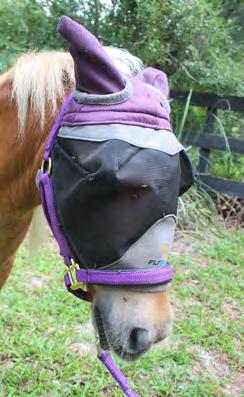
Fly mask and halter from www.shiresequestrian.com
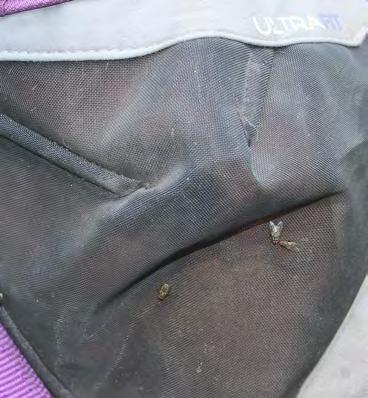
Fly masks are essential to combat parasites and diseases they cause.
It is often beneficial to remove superficial granulomas and especially if they are causing or may cause corneal irritation. Removal of the granulomas may also decrease inflammation. Larvae developing or dying at different stages could cause new granulomas to develop even after initial removal of granulomas. If corneal ulcers are not present, topical corticosteroids are used to control inflammation and subconjunctival injections may be administered. For large eyelid lesions, intralesional corticosteroids can be very effective. Systemic anti-inflammatories, including corticosteroids or Banamine may also be used. Treatment with an ivermectin or moxidectin dewormer is also initiated and repeated in 2-4 weeks.
Deworming programs to target the stomach worms and larvae are one part of the control of ocular Habronemiasis. Management of horse manure will help reduce the populations of infective larvae. Stable and house flies are the intermediate host that result in deposition of larvae and aberrant migration into the ocular tissues. Therefore, seasonal increases in fly activity will naturally cause an increase in ocular Habronemiasis. Fly control is critical in reducing the transmission of larvae. Each case of ocular Habronemiasis will require different types of treatment depending on the severity, location, and degree of inflammation.
Story and Photos By Lynne Trenery Freeman
Bonding is just the beginning. In Part Two, Lynne Trenery Freeman explains how oxytocin primes horses for learning, making positive reinforcement more effective. Discover how intentional coaching can turn trust into brilliance.
Every horse owner dreams of a willing, confident partner who’s eager to learn and perform. The question is: how do we get there? The answer lies in both science and heart. By understanding learning theory — and the role oxytocin plays in reinforcing trust — we can coach horses to their highest potential.
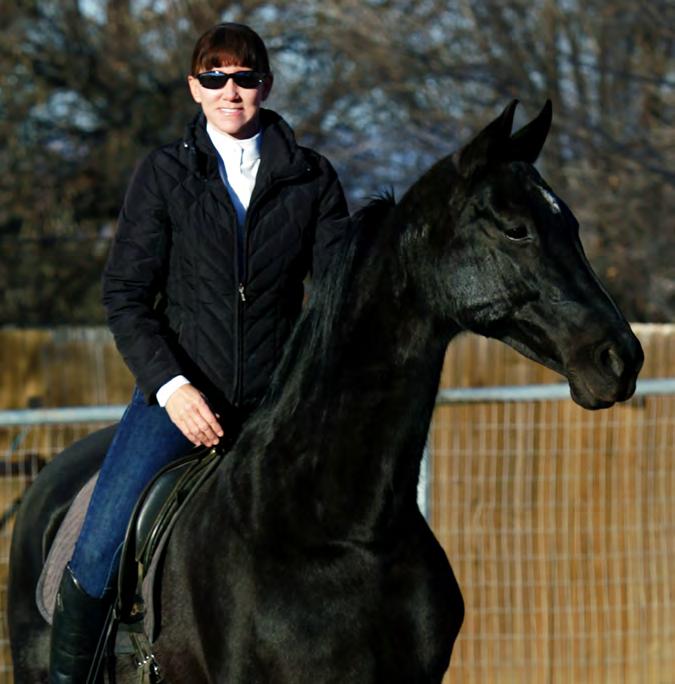
Horses learn through two main processes: classical conditioning and operant conditioning. In training, we focus on operant conditioning — voluntary behaviors shaped by reinforcement. Reinforcement comes in two flavors:
- Positive reinforcement (R+): adding something pleasant, like a treat or praise, to encourage behavior. Example: your horse steps into the trailer, and you reward with a cookie.
- Negative reinforcement (R-): removing something unpleasant, like pressure, to encourage behavior. Example: you press on the hindquarters, the horse steps sideways, and you release.
Both methods have their place, but in recent years, many trainers and riders have leaned into positive reinforcement because it not only shapes behavior but also taps into the brain’s natural reward pathways — dopamine, endorphins, and, importantly, oxytocin.
Pressure-and-release, or negative reinforcement, has been the cornerstone of horsemanship for centuries, and it absolutely works. However, a focused and
confident horse will respond more rapidly to the least amount of pressure. Oxytocin is a kind of ‘biological glue’ that makes learning smoother and trust deeper regardless of whether you’re using positive reinforcement, negative reinforcement, or a blend of both.
As prey animals, horses are wired with a strong flightor-fight instinct. For training to succeed, we need to create an environment where they feel safe enough to learn rather than react. That’s where oxytocin comes in.
Research shows oxytocin reduces anxiety, boosts relaxation, and strengthens affiliative bonds. When we intentionally build trust through touch, grooming, and positive associations, we “prime” the horse’s brain for learning. Oxytocin literally makes the horse more receptive to reinforcement. It’s the bridge between bonding and brilliance in performance. This is the foundation of Association Plus (A+)™.
I often prefer the word coaching over training. Training suggests drilling skills. Coaching means guiding
the whole horse — mind, body, and spirit. It’s teaching, supporting, and building resilience, along with saying, “You can do this!” when challenges arise.
For a horse to succeed in human society, coaching must adapt the prey animal instinct to our expectations. Instead of reacting instinctively, horses learn to rely on human cues to decide when something is truly threatening. That transformation comes only when trust is deep, and oxytocin-fueled bonds make it possible.
A three-year-old American Saddlebred mare came to me with almost no positive human history. She reared, bucked, bolted — her stress levels were through the roof. Traditional approaches weren’t going to cut it.
Through A+ coaching, I focused first on building trust: quiet stroking, soft voice, intentional presence. Once she associated me with safety and calm, we layered in positive reinforcement. Slowly, the mare began to relax into work. Over time, she blossomed. She competed successfully in Dressage, Hunter Pleasure, Western Pleasure, and even Endurance. Eventually, she was so tuned into our partnership that she could be ridden bareback without bridle or halter. That transformation wasn’t magic — it was oxytocin-driven trust combined with consistent R+ training.
Here are a few ways to integrate oxytocin and positive reinforcement into your training:
References:
- Start with bonding: Before you ask for skills, create relaxation through touch, in particular, gentle handstroking. Choose a quiet time and relaxed environment. Do not be distracted. Turn off the phone.
- Use consistent and repetitive voice cues: Horses build associations with words paired with calm handling.
- Reward generously: Treats, hugs, or simply release and praise all engage reward pathways.
- Stay intentional: Oxytocin release depends on calm, repeated, meaningful interactions, not rushed pats.
- Respect individuality: Some horses respond quickly, while others take time to trust. Patience is key.
When we combine the science of learning theory with the biology of oxytocin, we see why some training approaches succeed where others fail. Horses learn best when they feel safe, connected, and rewarded.
So the next time your horse offers a small try, think beyond the mechanics of pressure-and-release or simply giving an apple treat. Add in intentional bonding moments. Let oxytocin work alongside reinforcement. The result? A horse who doesn’t just obey but actively seeks your partnership. And that deserves an A+!
Key takeaway: Oxytocin makes positive reinforcement more powerful. When we harness both, we unlock not just performance, but partnership.
Aydin, E., et al. (2020). The effect of human interaction on horses’ oxytocin and cortisol levels. Animals.
Beetz, A., et al. (2012). Psychosocial and psychophysiological effects of human–animal interactions: The possible role of oxytocin. Frontiers in Psychology.
Boivin, X., et al. (1992). Influence of early handling and social rearing conditions on calf–human relationships. Applied Animal Behaviour Science.
Coulon, M., et al. (2015). Influence of early human handling on the subsequent social behavior of lambs. Applied Animal Behaviour Science.
Kendrick, K. M. (2000). Oxytocin, motherhood and bonding. Experimental Physiology.
McDonnell, S. (2000). Reproductive behavior of stallions and mares: Comparison of free-running and domestic in-hand breeding. Animal Reproduction Science.
Nagasawa, M., et al. (2015). Oxytocin-gaze positive loop and the coevolution of human–dog bonds. Science.
Nowak, R., et al. (2000). Mother–young relationships in sheep: A model for understanding the neurobiology of attachment. Journal of Neuroendocrinology.
Yarnell, K., et al. (2015). Domesticated horses differ in their behavioural and physiological responses to different handling techniques. Physiology & Behavior

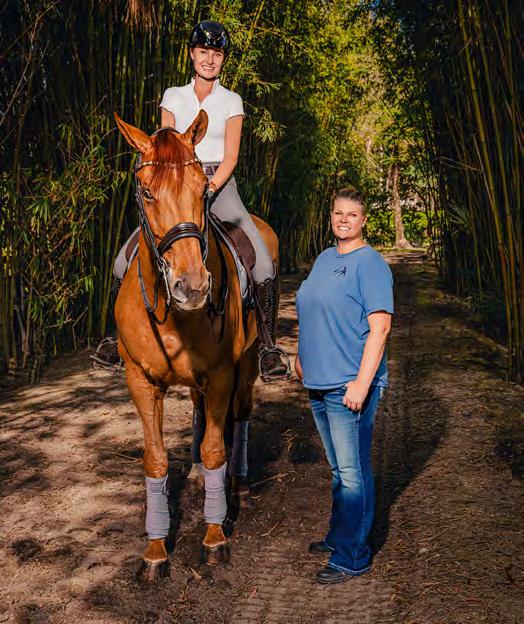
In the elite world of equestrian sport, where tradi�on is guarded, precision is paramount, and trust between horse and rider is everything, Kate Ballard stands as one of the few who has earned universal respect. A Master Saddler by �tle, a cra�sperson by ins�nct, and a teacher by calling, Ballard’s work supports Olympians, Paralympians, and riders compe�ng at the highest levels of interna�onal sport.
Yet the true measure of her legacy is not found only in medals, ceremonies, or elite arenas. It is found in resilience forged under unimaginable pressure, in purpose shaped by survival, and in a love so fierce it permanently redefined her life’s work.
Born in the United Kingdom, Kate Ballard knew early, by the age of eleven, that she wanted to make saddles. Her natural ap�tude for the cra� was unmistakable, and she was offered a place at London’s pres�gious Cordwainers College. There, she undertook three years of intensive study in saddle making, bridle and harness making, equine biomechanics, muscular and skeletal anatomy of the horse, and lorinery, the detailed study of bits.
She graduated with the highest honors, earning the gold medal for best student. It was an extraordinary achievement, yet for Kate, excellence was never a stopping point. Determined to master every aspect of the cra�, she entered a four-year formal appren�ceship with Geoff Dean, Master Saddler and Harness Maker, in West Sussex. During that �me, she con�nued to dis�nguish herself, winning the Society of Master Saddlers compe��on in London and producing work for elite riders, including Tina Gifford, who would later become Britain’s Olympic three-day even�ng medalist.
Kate’s skill and integrity brought her into history itself when she was selected to make a ceremonial bridle for the King’s Troop, presented by Princess Anne at the Royal Tournament at Earls Court in London. A�er nine demanding years of educa�on, examina�ons, assessments, dedica�on, and perseverance, Kate achieved what she had envisioned as a child. She earned her status as a Master Saddler and Professional Saddle Fi�er, a designa�on few a�ain and fewer s�ll truly embody.
In December 2002, Kate relocated to the United States, bringing with her a depth of knowledge and cra�smanship rarely found in the industry. She quickly became a sought-a�er consultant, lecturer, and mentor. She lectured interna�onally for the Society of Master Saddlers, trained appren�ces, and consulted for the U.S. Paralympic Dressage Team. Her work supported the team’s historic first interna�onal medals at the 2018 World Equestrian Games. Her saddles have also been ridden by compe�tors in both the Tokyo and Paris Olympic Games.
Yet the most defining chapter of Kate Ballard’s life did not unfold in a workshop or a compe��on ring. It began in a hospital. Her son Noah was just seven months old when he was diagnosed with infant acute lymphoblas�c leukemia (IALL), an excep�onally rare and highly aggressive form of pediatric cancer. The first symptoms appeared when Noah was six months old.
For a month, Kate tried relentlessly to convince doctors that something was seriously wrong. She was repeatedly told it was a virus. It was not.
Infant ALL carries survival odds of less than forty percent. Noah was not expected to live.
Kate lived minute to minute during that �me, willing her child to survive. Noah endured two years of chemotherapy. Throughout his treatment, Kate breas�ed him for two and a half years, anchoring him through illness with constancy, presence, and love. There were no reassurances that ma�ered, only vigilance, endurance, and a mother who refused to let go. Against extraordinary odds, Noah lived.
Today, Noah is sixteen years old and will turn seventeen in April. He is living with au�sm, a pediatric cancer survivor, and a young man whose strength has quietly reshaped his mother’s understanding of courage. He is deeply passionate about horses and genuinely proud to be part of an industry where his mother plays a pivotal role.
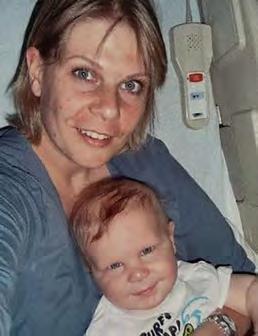
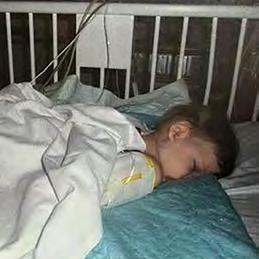
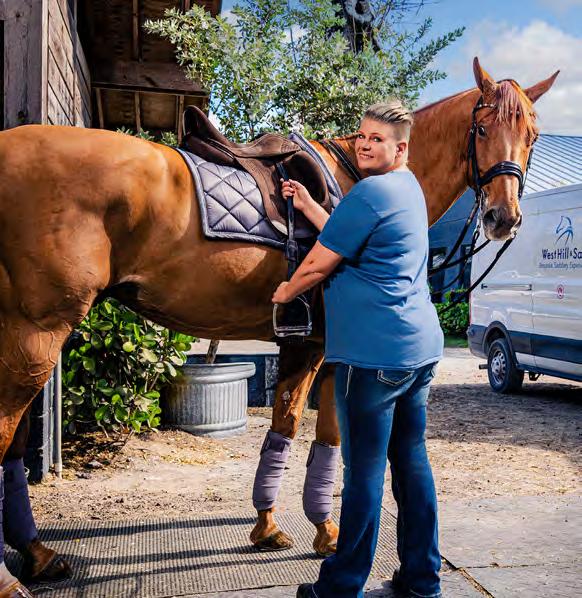
Kate & Harold after a saddle flocking.
Kate & Noah, in the barn.
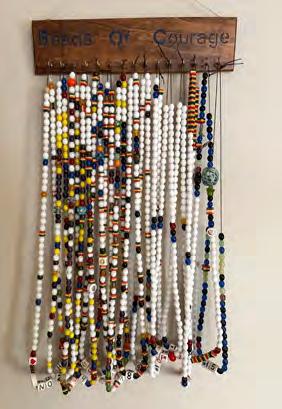
Noah’s “beads of courage,” which represent his chemotherapy milestones.
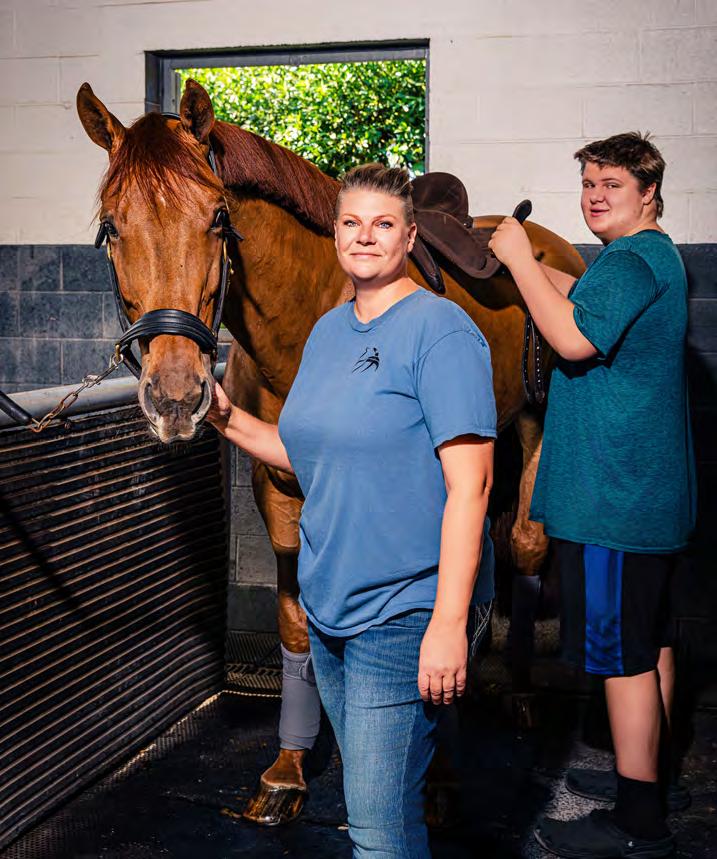
Noah helps Kate with her saddle business, par�cipating in the rhythms of the workshop and absorbing the world of cra�smanship around him. His presence there is not symbolic. It is founda�onal. He brings focus, curiosity, and a joy for life that cannot be taught. Kate con�nues to draw strength from him, from his resilience, his enthusiasm, and his ability to meet the world openly a�er having already faced what few ever do. It is because of Noah that Kate made a conscious decision to ensure her work carries impact beyond the arena. A por�on of every saddle she creates is donated to the Pediatric Cancer Society, a commitment rooted in lived experience rather than obliga�on.
Each saddle now represents more than elite performance and me�culous cra�smanship. It carries forward a recogni�on of survival, of families s�ll wai�ng in hospital rooms, and of children whose futures depend on research, advocacy, and hope. Kate understands that excellence without compassion is incomplete, and that success is only meaningful when it extends beyond the self.
In a profession defined by exac�ng standards, Kate Ballard has expanded the defini�on of mastery. She con�nues to work with able-bodied Olympians and Paralympians, designing sad-
dles that allow riders to communicate clearly, effec�vely, and humanely with their horses. She is also expanding her teaching into fine leather goods, including belts, wallets, handbags, purses, dog collars, and halters, passing on not just technique, but values.
Her students learn precision. They also learn responsibility, respect for the horse, and respect for the cra�. Most importantly, they learn that strength is o�en quiet.
Kate Ballard’s story is not simply one of professional excellence. It is a story of survival lived forward. It is the story of a mother whose son’s life reshaped her purpose. It is the story of a Master Saddler who understands that the finest work is not only beau�fully made, but deeply rooted in love.
Kate Ballard’s work stands at the intersec�on of mastery and meaning. With every saddle she builds, a por�on is donated to the Pediatric Cancer Society, ensuring that the strength that carried Noah forward now helps carry others.
Those who ride in Kate Ballard saddles rarely do so just once. Her clients become a community, returning year a�er year because they trust her hands, her judgment, and her unwavering respect for horse and rider alike. That trust, earned through decades of mastery and care, is why her saddles are commissioned by word of mouth, why her order book fills quietly, and why there is a wai�ng list, not for a product, but for the privilege of riding in something made with rare skill and even rarer heart.
To read more about Kate and Noah’s story, log on to West Hill & Son.
By Peter Leone
Moving up to Grand Prix Compe��on on your “soul mate” horse is every jumper rider’s dream. This is not only the dream out of which books and movies are made, but what actually happens in real life again and again with riders over the decades. Every top rider, present or past, had that one special horse that springboarded him or her to Grand Prix success. For me it was Semi-Pro, a small chestnut thoroughbred with whom I won my first Grand Prix and went on to be my first US Team Horse. For Mclain Ward it was Orchestre, for Beezie Madden it was Northern Magic, for Joe Fargis it was Bonte II. The list goes on and on – every successful Grand Prix, Amateur, or Junior rider was lucky enough to ride that one pivotal horse.
For many riders, reaching success means different things: for some it is the High Junior Amateur, U25, and National Grand Prix Level, for others it is winning 1.20m to 1.35m competitions. So how do they do it? The answer is the same now as it has been for generations. It starts with the love of the horse, the thrill of experiencing the power, speed, agility, and heart of the horse which creates a powerful bond between us and these amazing animals. Riders, young and old, are inspired watching their heroes compete over huge courses at speeds our eyes cannot believe. How did they “move up” to the highest level of sport?
Every single champion made it the same way: they were fueled by the passion to win, grounded by and to the love of the horse, and the intense commitment to be the best.
Moving up to the next division or to the highest level can only be done by being a fundamentally complete rider. A rider whose position and use of the aids enables them to properly flat, school, and prepare a horse for competition. In addition to being a complete rider, the competitor must understand and have a mastery of the keys to jumping today’s courses: riding and knowing where you are in broken and direct lines, riding lines with fractional strides, changing rhythms while maintaining balance and impulsion to name a few. This combined with experience in the showring - countless hours of jumping in the competition is critical to success. Finding and riding that special horse enables the rider to apply all he or she has learned to successfully guide that pivotal horse to jumping bigger courses. This journey requires relentless commitment from the rider, the trainer, and his or her support team (family or sponsors). One wonders, how does one become a complete rider? How does one understand and master jumping today’s increasingly complex competition courses? How does one find that special horse? How does one partner with that special horse to experience the magic of successfully moving up to bigger competition? There is one answer and one answer only: the right trainer!
It’s that horseman / competitor who has lived and mastered the art of managing and training showjumpers and their students for a sustained period of time. Many are or were top international riders who experienced exactly what you want to accomplish. Not all top trainers stepped onto the Olympic podium but were a major part of a rider’s team who did or does excel at the top level of the sport. Sadly, not all people who say they are qualified trainers are what they claim to be – there are way too many people who talk and present themselves as qualified to guide you to your competitive goals. Fortunately, there are a large number of qualified trainers out there who have the experience to properly train you and your horse to success while maintaining
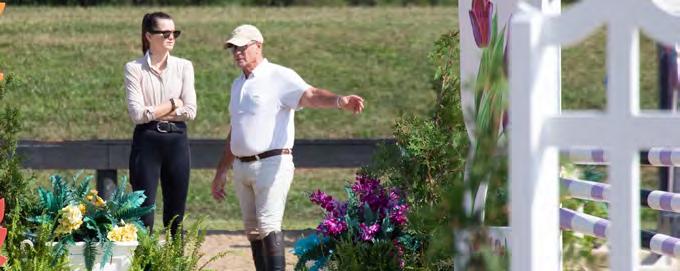
sound horsemanship and teaching you classical principles of flatwork and jumping. Do your homework! It’s not hard to research the history, record, and style of the trainer you use or may consider using. The best trainers are those that have succeeded as riders and trained at the highest level of competition. Not only have they succeeded but they are still in the trenches today teaching and training riders and their mounts to win. These are the horseman that will guide you from your current level of competition to the next – the “move up”! They will train you to be a “complete rider” who understands and has a mastery of jumping today’s challenging and technical courses. They will not allow you to “move up” until you have the saddle time and ring time to maximize your safe and successful step up. The key to successfully moving up is the right trainer!
Finding that special horse for you to move up is difficult enough for those who really know jumping horses, how to develop riders, and what is required to jump bigger competition. Going at it alone is a recipe for financial and competitive disaster. Even with expert guidance, there are no guarantees that when you find and buy that special horse with which you will reach your goal. Working with that horseman / trainer that understands jumpers, the sport of showjumping at a high level and how to prepare the horse for upper level jumping and truly understands you as a rider maximizes your success! The right trainer understands you as a rider and how to bring you forward to the next level of competition. The right trainer has the experience to know and match you with with the correct type, style, and ability of jumper for you to successfully move up.
All of our showjumping heroes had that horseman and trainer in their journey that paired them with that “special horse” that launched them to stardom. Riding that special horse and moving up is magical and life changing. Ride and jump your way to your dream – find that special horse – move up to that next level of sport! Do it right – maximize your progress – minimize the time it takes to reach your goals – find and work with a real horseman to train and guide you to showjumping success and happiness!
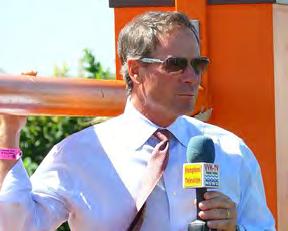
Olympian Peter Leone offers show jumping training and coaching in person and online. Visit www.peterleoneusa.com for contact and more information.


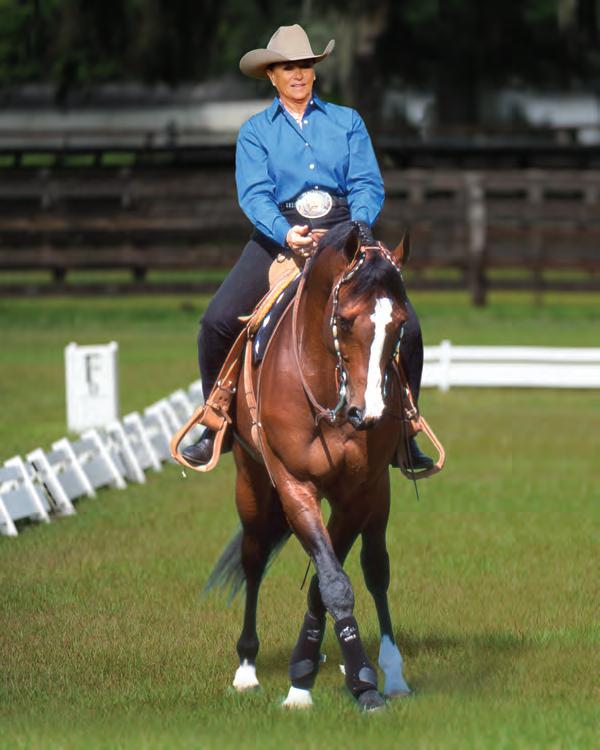
First up is the Zig Zag Half Pass which are a series of half passes (two or more) performed beginning and ending at the centerline with changes of direction between the half passes creating a “zig zag” pattern/. The zig zag may be performed in either jog or lope gaits. The change of direction are performed with a counter change of hand in jog and a flying Change in lope.
This is an advanced movement that shows precision as you have a certain number of strides to balance the movement going side to side of the center line. The “zig zag” movement done with the Half Pass is usually 5 or 6 strides of Half Pass and then a flying change, and immediately another 5 to 6 strides of Half Pass the other way to another lead change. There should be 4 zig zags on the center line with the flying lead changes and a lead change back to the center line before turning at C. This is a beautiful movement when done correctly. It takes an athletic horse with suppleness who responds from the rider with lightness and smoothness.
Flying Changes in a Series are informally called “tempi changes”. The horse performs a flying change of lead or a sequential group of flying exchanges at the canter every stride, every two strides, every three strides, and so on. The number of strides begins at
Palm Equestrian Academy™
Building a Partnership with your Horse
Let’s get ready to show & grow!
Story
In this series, Western Dressage from a Judge’s Perspective, I will give you tips from my point of view as a judge that may help your scores and learn to ride with more accuracy and precision. As we go through the levels, I will explain some common errors that I see and suggest ways to overcome these pitfalls. Level 5 is currently the highest Level of competition so here we go!
four to give the horse and rider time to prepare. As the horse and rider become more proficient, the number of strides between the changes decreases to one stride. Likewise, the number of sequential changes in a group starts at one and increases up FEI Grand Prix and Grand Prix Special.
What fun it is to build up your single flying changes to “Tempi Changes”. In the Level 5 there are two sets of tempi changes every 4 strides and every 3 strides on the diagonal of the entire arena. You are asked to do only 4 changes on the diagonal line, every 4 and 3 strides. This means that you ride 4 strides and do a flying lead change: then 4 strides and a flying lead change as the horse lands on the fifth stride. If called for every 3 strides, you ride the 3 strides at the lope and change on the 4 stride.
Full pivot right to full pivot left requires straightness; a square, straight halt; immobility; 360% turn on the inside hind; response to the rider’s leg; forward intention; correct bend; and should show willing, smooth, transitions.
This is a smooth balanced turn with even steps. Horse bending and staying straight in the direction of the turn. Often I see fast, uneven steps or hesitation in the turn. If the horse loses the inside hind leg pivoting it
will lose the quality of the Pivot turn. If the horse pivots on the outside hind leg, it is undesirable as this turn has a backward tendency. If the horse swings the hips out during the turn without any pivot of the hind legs, this is a poor turn as well. The poorest pivot turn is one that has ANY backing steps.
For highest scores a full Lope pirouette is a smooth, willing transition with suppleness; balance; fluency; forward intent; engagement and correct size of pirouette
The full pirouette is similar to the half pirouette as in Level 4. The rider must remember to keep the energy, small lope stride, bend and straightness as the horse is cantering each stride. Even, equal strides will give the highest score. The Pirouette usually is 7 to 8 strides in doing the Full lope pirouette.
The Double Pivot is a 720% turn on the inside hind showing response to rider’s leg; forward intention; correct bend and willing, smooth transitions.
As with the full pivot, there must be even steps and fluidity. If the horse has to rebalance the inside hind leg by moving it up and down with this turn, it is allowed, but should stay in the same spot. The biggest deduction of points come from pivoting on the outside hind and any backward steps in the turn.
Judges take pleasure in watching riders perform beautiful tests They are often the biggest cheerleaders and always want the horses and riders they judge to succeed, no matter what the level.
As this series of Western Dressage tips from a judge concludes, look for more topics on this fastest growing discipline to come. Until then, happy training!
Story and Photos By Alessandra Deerinck
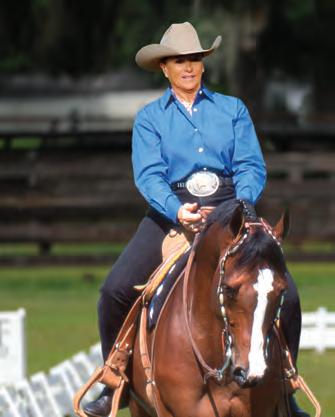
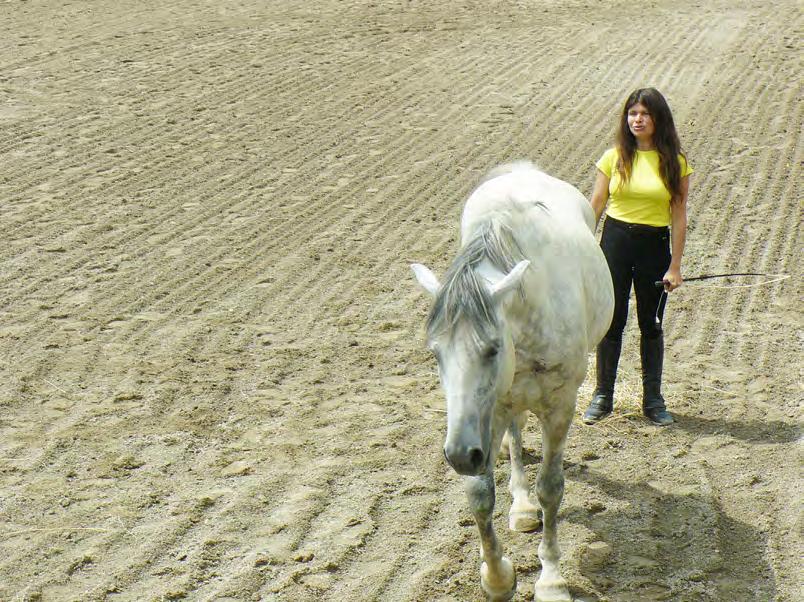
Human beings relate to horses in many ways, but most of the time the horses are trained to respond to our queues and this kind of relationship is not instinctual for the horse and even more for a foal. The horse is always aware of what surrounds him, because equines are prey animals, and if they are attentive to something they will not respond to the queue a human gives him.
Human beings created breeds of horses to meet what we want to do and we modified the genetics, but the horse’s mind is not so changed. Horses can be submissive or dominant and leaders, and the character of a mare usually affects the foal.
Being able to touch a foal is the first step to be able to groom him.
horses are born during the night and surrounded by a herd that provides safety for the mare and the newborn. The mare allows the stallion to meet the newborn, but does not allow other horses to approach the newborn until she feels the foal is ready to relate to others. The mare teaches the foal to nurse, to stand up and to relate to her. The foal will also meet the previous foal before meeting other horses. Later when the foal has the teeth and is ready to eat grass the mare shows to the foal what he should eat. When horses live in a domestic state their birth happens in a different way, often in a stall where the mare is alone and has a human being next to her and the foal. Some barns have lights turned on and this can actually cause the foal not to be born, while if we let the light be off the mare will have the foal be born.
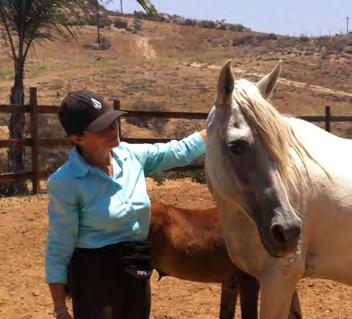
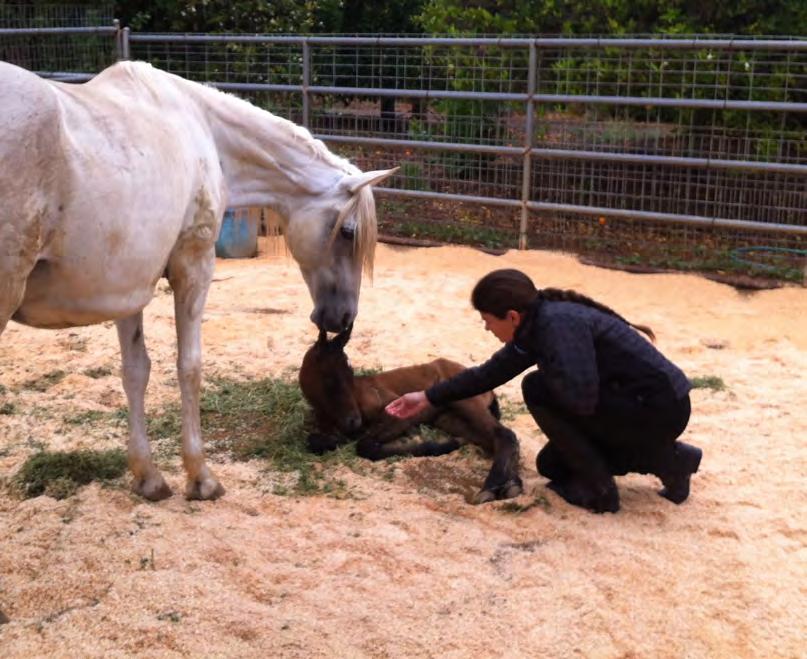
Some farms let the mares live in herds and this is a more natural way to keep horses. I had a very good experience in Rancho de Los Cielos in Riverside CA, where horses were kept in a natural state and I worked to begin the relationship with the foals and the mares in a way that is instinctual for equines. The herd was composed by fifteen mares and their foals, and they were of different breeds, but very well behaved. The beginning of the interaction that I prefer is by being able to stay in a space were the horses are comfortable with our presence and after this stage I begin the interaction with the mares, which also shows the foals that we are not dangerous, and so they let us approach or they come up to us. One very important part of the interaction with foals is always to be aware of how they behave towards us. If they let us come close to them it means that they trust us, if they move away, it means that they do not want us close and we should stop because this will tell the foal that we understood their communication. If we stop, they may let us approach shortly after, because they trust us.
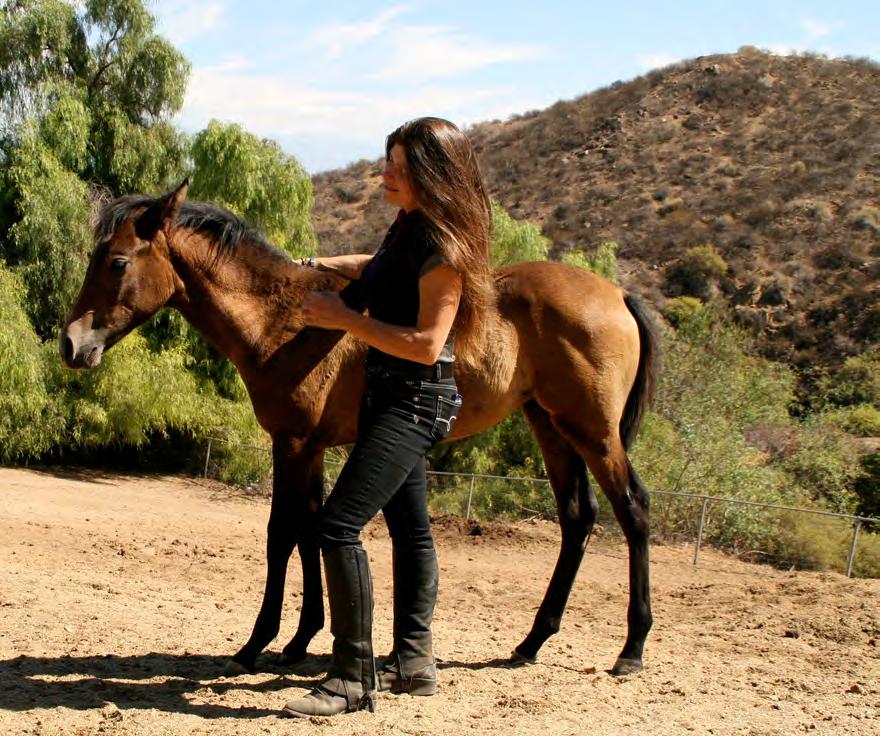
After having acquired the trust of the mares and foals, we can start grooming the mares and this will make them want us even more close, given that grooming is an action that horses do between them. Grooming is also an action that is done when horses are ridden and making foals comfortable with the grooming process is a very important matter. When I was able to groom the mares, the foals saw that the mares liked it and they also liked it too.
After we can groom horses, without having them tied, we should also be able to clean their hooves, and this can be a difficult process, because the hoof is what supports the horse, but if we touch the legs of the mares from the top part and slowly proceed to the lower parts, we will be able to reach the hoof and clean it. The foals that watch the process will also learn that it is not a dangerous act and they will let us do it. When we reach the point to be able to groom and clean the hooves without constraining the horses, we have achieved a very important part of the interaction and we can go to the next step, which is being able to direct horses from behind, without forcing them. In nature horses direct other horses with the touch from behind and we do so when we ride them, but most often we use a bridle instead of just the touch.
I found that when they trust us, they will let us direct them by using our movement and I also found that if we use a lounge line without constraining the horse they will respond to our movement. This technique allowed me to have very light horses when we ride them because they respond to our hold or release without pulling hard.
When interacting with horses, often man does not keep all of the aspects of his own behavior in consideration, and I believe this is one of the most common downfalls in horsemanship. Horses are always coherent in their communication, and show how they really feel. Human Horse Sensing uses the senses as the gateway between the species
When a mare is comfortable with us, she will let us approach the foal.
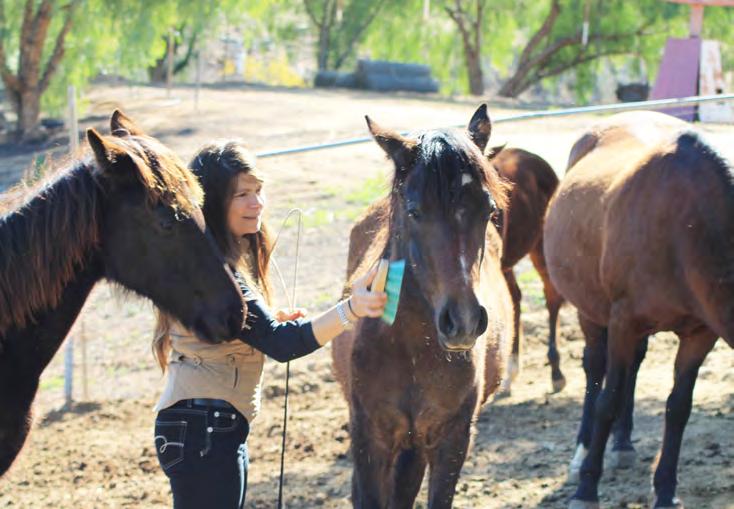
Grooming is a pleasure for the foals.
because both, humans and horses, have the same senses, which biologically work in a very similar way. This communication has been used by applying it to the traditional equestrian disciplines, to give horsemanship a structure, with parameters that are independent of the action that is being performed.
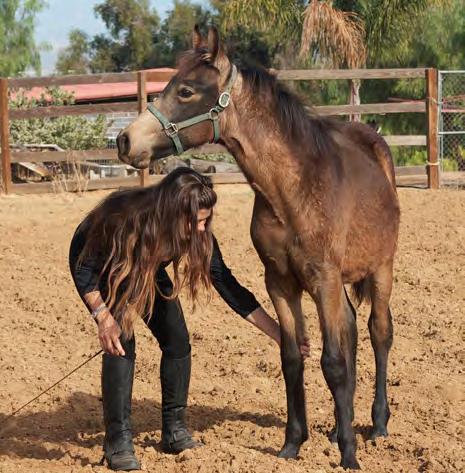
Our method let us establish and manage a dynamic and reliable relationship that is following three constant rules, which can always be recognized:
1. The way in which man and horse operate together is closely related to how the two individuals perceive through their senses the situations they live. Individuals can work together as a team (with the same goal), make the same moves, or one can direct the other in an action. The leader is the one who guides, or delegates others to direct a situation as it evolves. Leaders can be team players.
2. The way in which a situation develops is based on communication between the individuals involved. The leader is the one who creates the circumstances of the conversation.
3. A conversation based in the future transforms how situations develop, and evolve for the participating individuals. The leader monitors carefully the evolving situation, and is open to the future. If our request gets the response we seek, our communication was correct. If the response is different than what we were seeking, we need to reconsider our communication, and restructure it. Horses do not communicate with words, but if we can picture an interaction that works through body language instead of words… how do we see our horsemanship? Is it a monologue or a dialogue? A monologue is a prolonged talk by a single speaker, who is dominating the conversation. A dialogue is a conversation between two or more individuals.
Time spent being with horses, is perceived by many people as a relationship, but often happens as a monologue, trapped by the rigid frame of what the horse is trained to do, and by conventions that limit what human and horse do together. In order to involve another individual, a circumstance needs to have his interest, or the uninvolved individual would soon move away from it. I would like to make the point that in horsemanship it is a very good idea to interact with horses and foals in a spontaneous and immediate manner, at least for part of the time we spend with them. Aside from allowing us to be able to face most of the situations that are not covered by traditional horse training, and would catch us off guard, most horses are very attracted by a spontaneous interaction.
The wellbeing they experience can set their mind in wanting to participate even in the harder tasks of the equestrian performances, if they are with us.
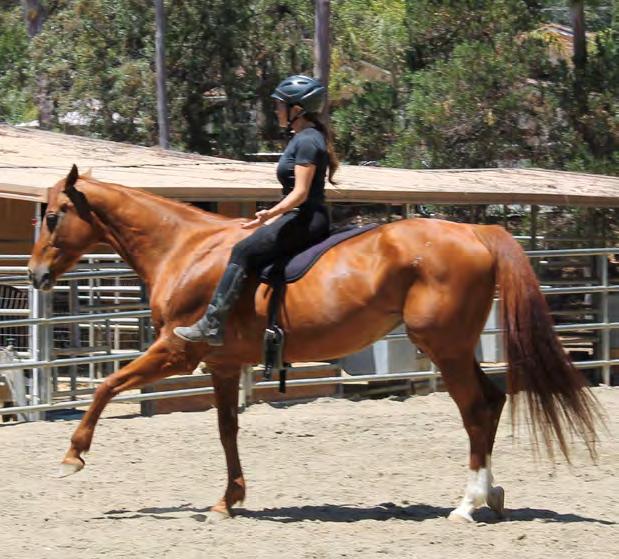
Human Horse Sensing Horsemanship is a method to interact with horses in any circumstance that works equally for human and equine, in a groundwork situation as well as while riding. There is a book that illustrate the method published in English on Amazon and in Italian by Edizioni Equitare. The system has been applied from starting to competing with horses, and there is a protocol used to evaluate the ability of a horse for the horsemanship. The theory behind this horsemanship has principles that can be applied to any equestrian performance, because its mechanics are independent from the action that is happening. The interaction is dynamic, modulated in time, by our movement, and considering that human and horse interact mainly by the senses of sight, hearing, and touch. The horsemanship is structured as a social relationship, where humans and horses interact by the way of behavior and movement, about common social values. The kind of relationship is intended to enable each individual to be a leader, or a conscious follower. Most importantly we leave coercion out of the interaction, and a true leader appears to be such from the way he behaves. This is very important, without this consideration it would not be a spontaneous relationship, and would stop working as soon as we give the horse a choice in its actions. We are based in San Diego CA, we offer online classes. Visit us at www.hhsensing.com or call (760)715 1554.

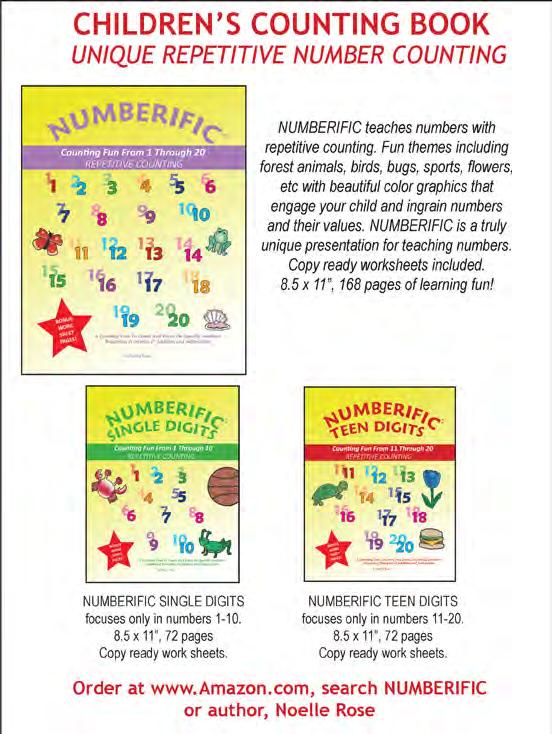
www.amazon.com/author/noelle-rose
Great gift for your barn family and horsey friends!
Vet/Den�st/Farrier visits & cost. Feed/Hay/Bedding Board/Lesson Expenses. Training/Lesson progressrecord your “aha” moments! Goals, Awards, Show Records. All In One Place!
Accommodates Records For 3 Horses, Or 1 Horse For 3 Years!
6 x 9”, 60 pages, $7.99
www.amazon.com/author/noelle-rose
This is a versa�le planner for your week- state your priori�es and weekly goal. Schedule your appointments, note important calls and emails. Jot down items for your shopping list and note your best memory of the week. General note pages included. Our whimsical cover will be a joy to open every day! A handy 5 x 8” fits perfectly in your purse or backpack.
5 x 8”, 60 pages, $7.99
HTTPS://www.books.by/Noelle-Rose
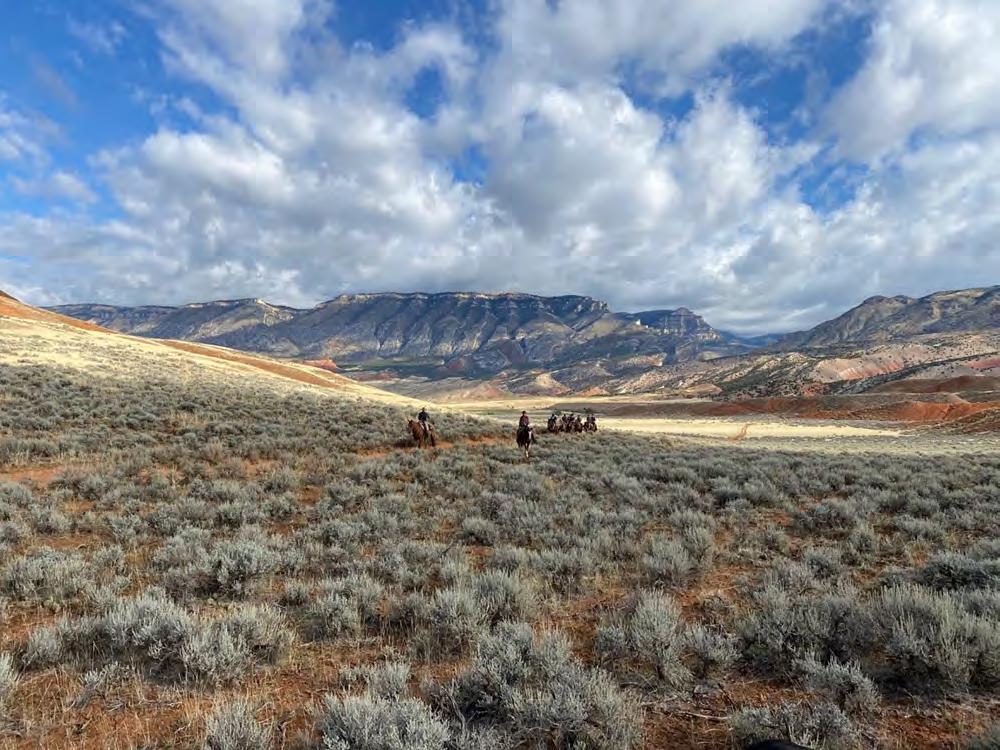
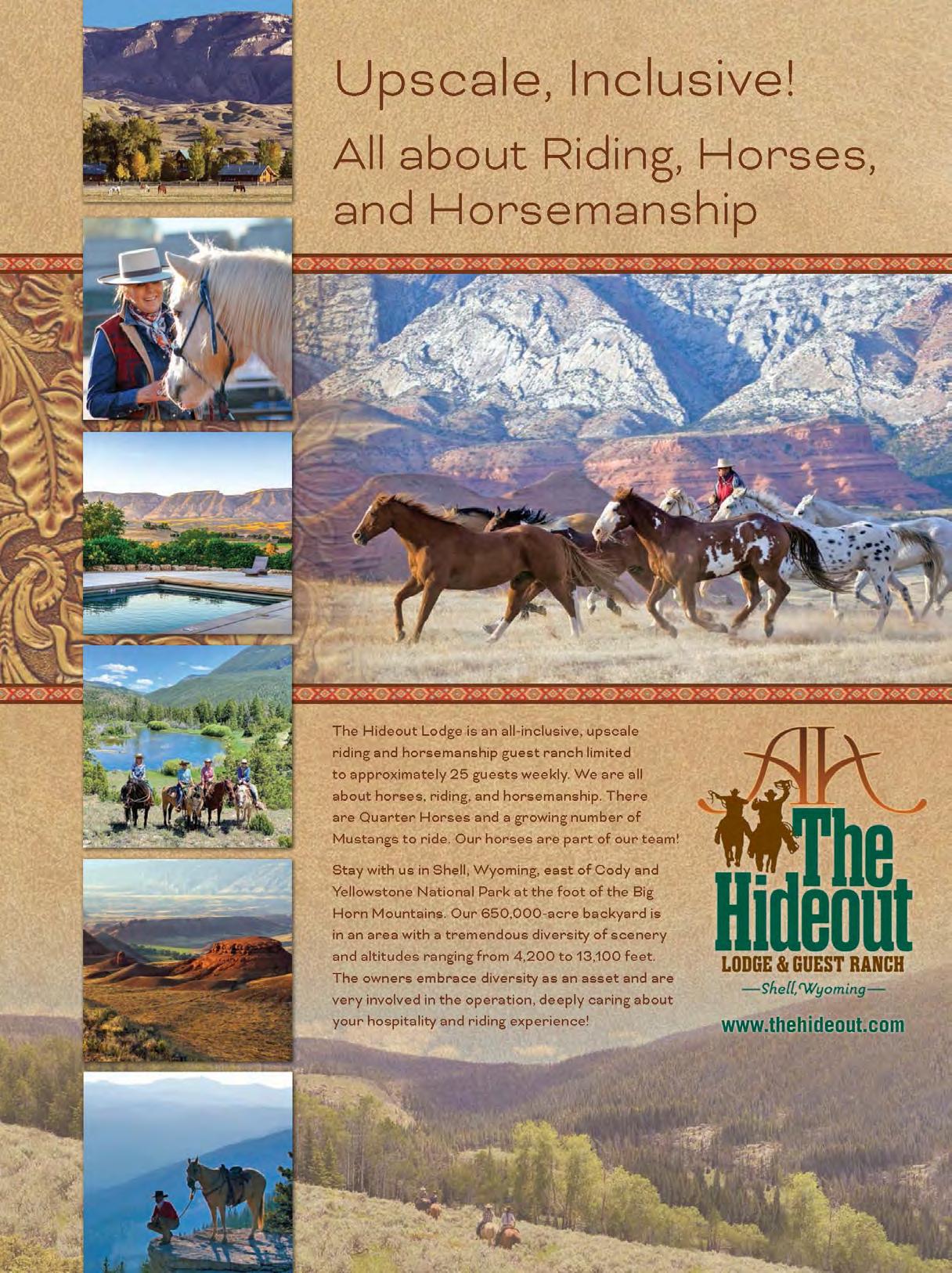
to ride The Big Horn Mountains and the wide-open spaces in Wyoming, on one of our quarter horses or gentle mustangs. All well-trained and adapted to riding this challenging terrain. Relax in comfort, take in the views, and enjoy our ranch property with manicured lawns, looking out at our herd of 100 well cared for horses in the pastures. We are in Shell (popula�on 84), East of Cody and Yellowstone Na�onal Park.
Our ranch is all-inclusive, upscale, focused on riding and horsemanship, limited to 25 guests weekly for a 6-night stay, with riding access close to 650,000 acres. Elevations in our backyard range from 4200 to above 13,000 ft, and the area enjoys a seldom seen diversity of scenery, microclimates, and terrain. The Hideout offers a very personal, small, and intimate Western riding experience, surrounded by a peaceful, calm, exciting and breathtaking environment. Our ranch is more of a riding destination than your typical dude or guest ranch.
Taking a break from horseback riding, you can enjoy nonriding activities such as trap shooting, archery, fly-fishing, a soak in the hot tub, biking, hiking, take a dip in our heated lap pool, or just relax and take in the views. Many take a self-guided driving tour to the nearby dinosaur sites, The Town of Greybull and The Greybull Dinosaur Museum. A visit to Cody and The Buffalo Bill Museum of The West, The Cody Rodeo or exploring the many Western shops in Cody is also on the agenda of many of our guests who do not want to spend continuous time in the saddle. And of course, many of our visitors add extra days to explore Yellowstone and Teton National Park, Jackon-Hole and other exciting places in Northwest Wyoming and Southern Montana.
However, most of our guests ride every day for several hours and join our daily cocktail hour to exchange the experiences of the day with the other travelers. After dinner they enjoy sitting outside taking in the stars in this area with little light pollution, listening to the silence, the voices of nature, and breeding in some of the purest air in the nation. They are totally relaxed and ready to enjoy a good night’s sleep in the well-appointed log cabins. Our new and
ever-growing number of repeat guests have found shared experiences and intimate connections with guests and riders from around the world, different walks of life, and all backgrounds.
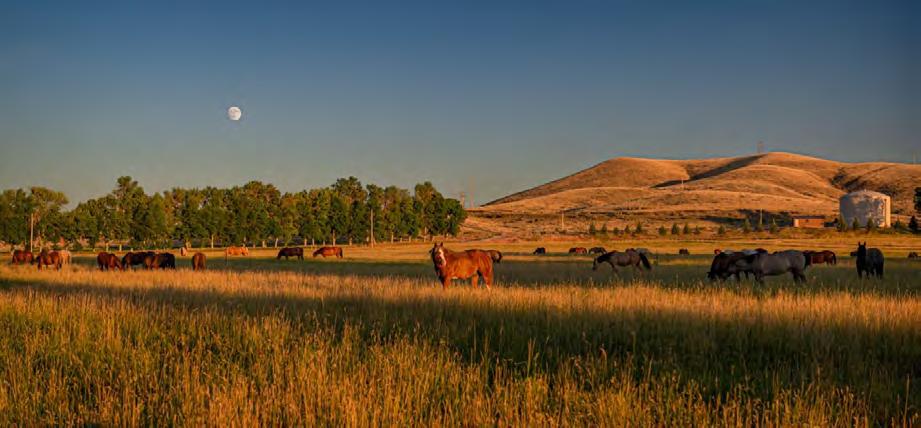
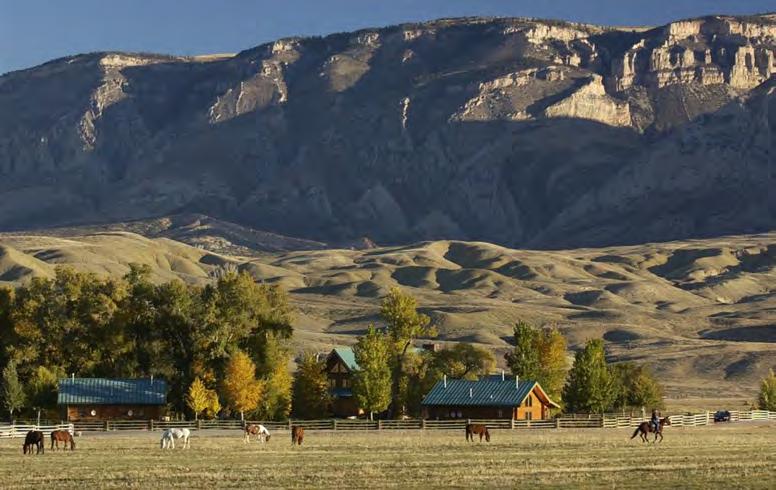
On the contrary to what a lot of people believe, most of our guests have an English riding background. Travelers come from different origins to stay together at our ranch, creating shared memories and forging new friendships. Riding, dining and spending time together with people they would never encounter in their daily lives at home. We accommodate beginners in good shape, intermediate and advanced riders, which makes this a great active outdoor vacation for mixed groups and families. Being surrounded by breathtaking views in all directions. Enjoying horses and nature is about using all senses.
A stay at The Hideout Lodge & Guest Ranch is for many of our guests like a unique wellness retreat. Both mentally and physically. Refreshing and Energizing, full of positive vibes surrounded by horses and riding horses. For these travelers, wellness means a healthy holiday, they return from The Hideout feeling fresher and fully rejuvenated.
A common statement at the end of the week is “You guys deeply and authentically care and have a great thing going on here! We will be back!
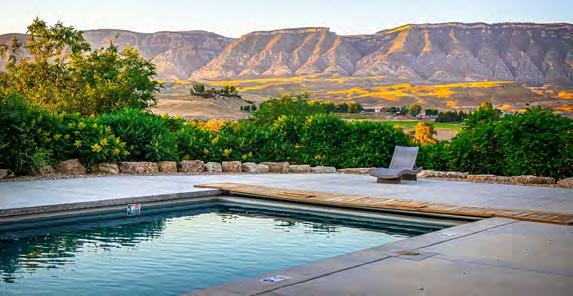
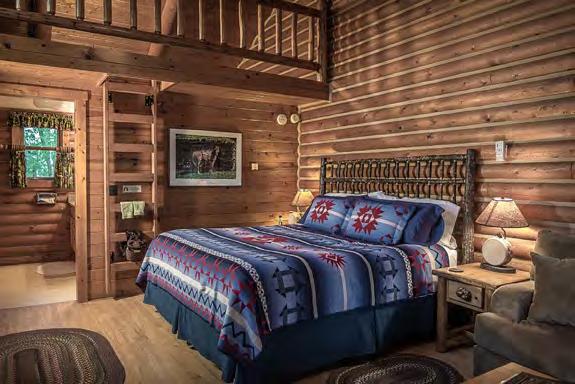

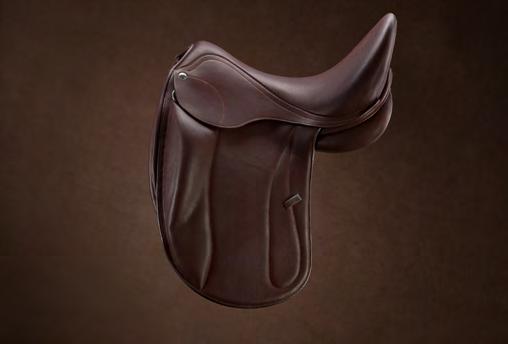
By Tom Scheve
Think about a horse trailer as an asset, not an expense. You can maximize your return by first prioritizing your horses’ welfare and safety, then user convenience, long-term utility, and resale value. Beyond the price, you should consider how the trailer’s design, versatility, and construction serve your horses now and for years to come.
Investment & Finance: See your purchase as a long-term investment. An unsafe trailer is physically stressful and financially costly. An injury to a horse is always upsetting, and the unexpected vet bill can play havoc with your budget. Prevention is the obvious solution to reducing harmful incidents, accidents, and even death to your horse. Good construction and quality materials add years to the life of a trailer and keep maintenance costs down. You can see why an informed purchase is a must. But how does one know what is safe and what isn’t?
Safety and Welfare: Prioritize the horse’s physical and mental comfort by creating a supportive, safe, and nurturing stall environment. Consider size, air quality, light, and structure. Horses need to be able to use their head and neck for balance and to cough out any inhaled contaminants, such as hay dust. Consider the length of the stalls. Slant load stalls are limited in length by DOT’s width regulations, so large horses can be cramped. A straight stall length provides much more head and body room. Examine the rear construction for strength against a rear-end collision. You know your horse – imagine how he will react to loading, unloading, and traveling in the trailer.
Functionality: Consider the design that will fit your horse(s) age, overall health, and temperament. What overall design features will safely compensate for your horses’ quirks? Do your horses tend to be anxious, afraid, or stubborn? Useful features would be a non-steep ramp, plenty of light and ventilation, a side unload ramp, and a well-padded stall area.
Usability: Focus on the daily operation. Do you need a tack or dressing room? Is it easy to hitch up? Is it easy to clean? Is your tow vehicle capable of towing it safely? Does it have a separate space to carry hay? Can the hay be secured? Does it have the necessary exterior tie rings? Do you have access to your horse without getting inside the trailer yourself? And most importantly, can you unload each horse individually without unloading the others in an emergency situation?
Listen to everyone; trust no one. Read everything, but don’t trust anything you’ve read verbatim. When acquiring information from an individual, a dealer, the internet, or a horsey friend, digest the information, then let your instincts and the familiarity of your horse tell you what is and isn’t true. If you are unsure, do more research until you feel
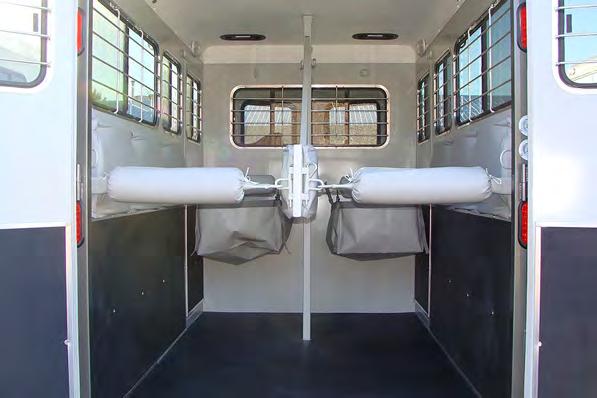
comfortable with what you’ve learned. And remember, just because a horse trailer is expensive doesn’t mean it’s safe. However, getting the trailer that meets all your requirements will not be cheap.
After all is said and done, don’t be afraid of the price. You are not spending your money; you are investing it. The right trailer will keep your horses safe and give you a return on your money the day you sell or trade it. So, whether you finance or pay cash, take the leap. “Quality and safety go on long after price is forgotten.”