Datacenter liquid cooling is becoming a critical solution for modern data centers as computing power continues to grow. Traditional cooling systems often struggle to handle the heat generated by high-density servers and advanced hardware. Liquid cooling systems provide more efficient heat transfer, allowing facilities to maintain optimal performance. As organizations demand better efficiency and reliability, the shift toward liquid cooling datacenter environments continues to accelerate.
Understanding Datacenter Liquid Cooling
Datacenter liquid cooling is a thermal management approach that uses liquid to remove heat directly from servers and other hardware components. Unlike conventional air-based cooling systems, it transfers heat more efficiently because liquids have higher thermal conductivity than air. Modern cooling systems for data centers must handle increasing workloads driven by artificial intelligence, cloud computing, and big data analytics.
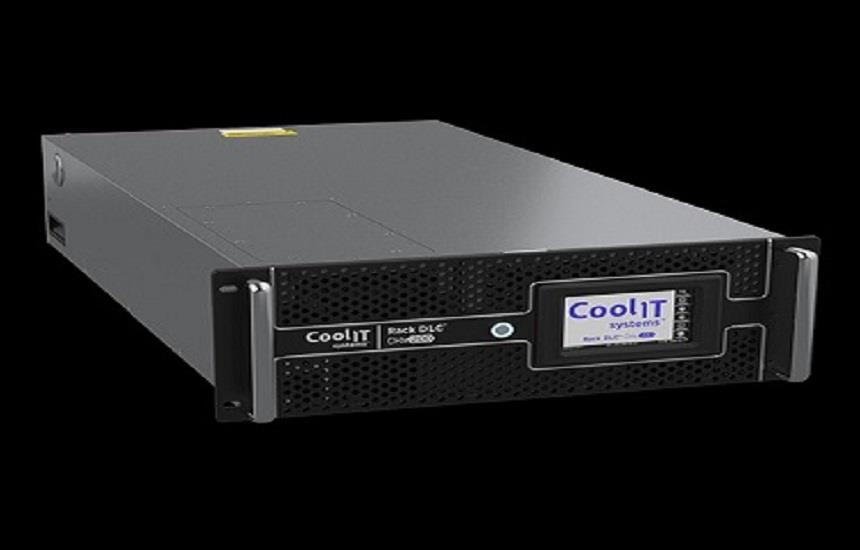
Liquid cooling infrastructure integrates specialized cooling loops, pumps, and heat exchangers to move heat away from processors. This approach improves performance and allows data centers to operate more efficiently with advanced solutions from CoolIT Systems.
The Growing Need for Advanced Cooling Technologies
Data centers are processing more information than ever before. High-performance computing environments generate significant heat, which can reduce efficiency and shorten hardware lifespan if not properly managed. Advanced cooling technologies, such as datacenter liquid cooling, are addressing these limitations.
Benefits of adopting advanced cooling technologies include:
Improved energy efficiency
Higher computing density
Reduced cooling costs
Enhanced hardware reliability
These advantages make liquid cooling datacenter infrastructure an essential part of modern data center cooling solutions in Calgary.
Key Advantages of Datacenter Liquid Cooling
Improved Energy Efficiency
Energy consumption is one of the biggest challenges in operating modern data centers. Cooling systems account for a large percentage of energy usage in traditional facilities. It reduces energy consumption by transferring heat more efficiently.
Higher Server Density
Modern data centers aim to maximize computing capacity within limited space. High-density server environments generate more heat than traditional setups. This capability allows organizations to scale computing power without expanding facility space. Liquid cooling datacenter infrastructure allows facilities to support higher rack densities without overheating.
Better Thermal Management
Consistent temperature control is essential for maintaining reliable server performance. Airbased cooling systems often create uneven temperature distribution across racks. Advanced cooling technologies eliminate hot spots and maintain stable thermal conditions across the data center.
Reduced Noise and Airflow Requirements
Traditional cooling systems rely on large fans and air circulation to move heat away from equipment. This approach can increase noise levels and airflow requirements. It reduces the need for high-speed fans because heat is removed directly from components. As a result, facilities can operate more quietly and efficiently.
Types of Liquid Cooling Datacenter Technologies
Different approaches to datacenter liquid cooling are used depending on the facility's design and performance requirements.
Direct-to-Chip Liquid Cooling
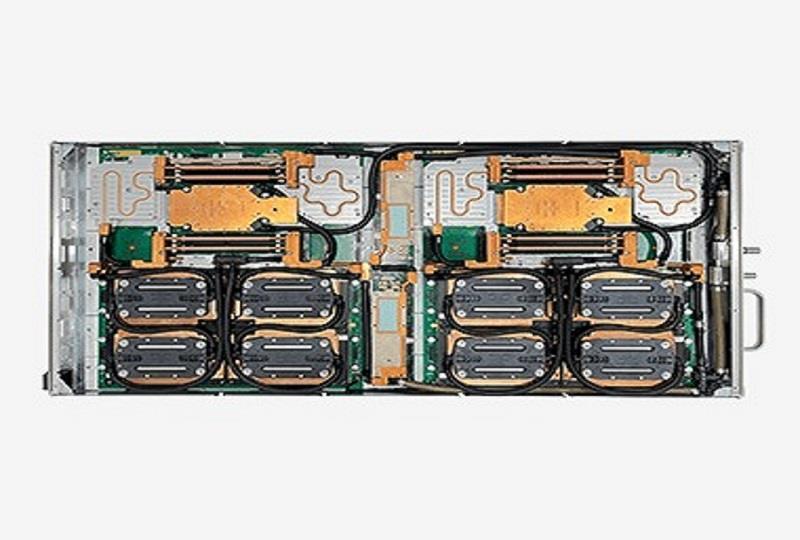
Direct-to-chip cooling delivers coolant directly to processors using cold plates. This method removes heat at the source and is one of the most efficient data center cooling solutions available today. It allows high-performance processors to operate at maximum capacity without overheating.
Immersion Cooling
Immersion cooling involves submerging servers in a specially designed dielectric liquid. The liquid absorbs heat directly from components and transfers it away from the system. This approach is particularly useful for high-density computing environments
Rear Door Heat Exchangers
Rear door heat exchangers capture heat from server exhaust and transfer it to a liquid cooling loop. This technology enhances existing cooling systems without requiring major infrastructure changes. Many facilities adopt this method when transitioning to liquid-cooling infrastructure.
The Role of Liquid Cooling Infrastructure in Future Data Centers
As digital infrastructure continues to expand, modern data centers must adopt more efficient thermal management strategies. Liquid cooling infrastructure supports this evolution by enabling scalable and energy-efficient data center cooling solutions.
Organizations are investing in liquid cooling datacenter designs because they offer:
Artificial intelligence, machine learning, and data analytics require powerful computing systems that generate significant heat. As computing power increases, liquid cooling datacenter strategies will become even more important. It provides the thermal stability necessary to support these workloads. Advanced cooling technologies ensure that processors and GPUs operate within optimal temperature ranges. Reliable cooling systems for data centers also prevent overheating that can lead to hardware failures or performance slowdowns.
Sustainability Benefits of Liquid Cooling Systems
Environmental sustainability is a major priority for modern data centers. Efficient cooling systems can significantly reduce energy consumption and carbon emissions.
Datacenter liquid cooling contributes to sustainability by:
Reducing power consumption
Lowering cooling energy demand
Supporting higher computing efficiency
Decreasing environmental impact
Many organizations are adopting liquid cooling infrastructure to meet energy efficiency goals while maintaining high performance. These sustainable data center cooling solutions help companies balance technological growth with environmental responsibility.
Implementation Considerations for Liquid Cooling Datacenter Projects
Infrastructure Requirements
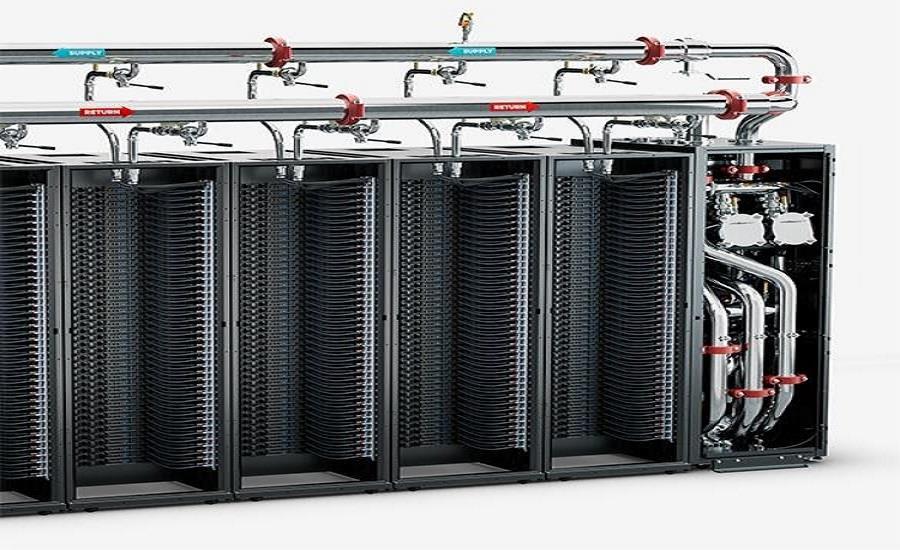
Liquid cooling infrastructure requires specialized piping, pumps, and heat exchangers. Proper planning ensures seamless integration with existing cooling systems.
Compatibility with Hardware
Servers and processors must be compatible with liquid cooling systems. Many modern hardware manufacturers design equipment specifically for liquid cooling environments.
Maintenance and Monitoring
Reliable monitoring systems are necessary to track coolant flow, temperature, and system performance. Advanced cooling technologies often include automated monitoring tools to maintain optimal efficiency.
Why Businesses Are Moving Toward Liquid Cooling Infrastructure?
Several factors are accelerating the adoption of liquid cooling infrastructure across the data center industry. Advanced cooling technologies are helping businesses address these challenges while improving operational performance.
Key drivers include:
Increasing server power density
Growth of AI and machine learning workloads
Rising energy costs
The Future of Cooling Systems for Data Centers
The data center industry continues to evolve rapidly. As computing demands increase, traditional cooling systems will face greater limitations. Organizations investing in liquid cooling datacenter solutions today are positioning themselves for future technological advancements. Modern data center cooling solutions will increasingly rely on liquid-cooling infrastructure and advanced cooling technologies to deliver optimal performance.
Conclusion
Datacenter liquid cooling is redefining how modern facilities manage heat and energy efficiency. As computing power increases, traditional cooling systems struggle to keep pace with thermal demands.
Liquid cooling systems provide precise temperature control and improved efficiency. With the support of advanced cooling technologies and scalable liquid-cooling infrastructure, modern data centers can achieve higher performance, lower energy consumption, and more reliable operations.
FAQs
What is datacenter liquid cooling?
Datacenter liquid cooling is a thermal management method that uses liquids to remove heat from servers and processors. It absorbs heat more efficiently than air-based cooling systems, making them ideal for high-performance computing environments.
Why are liquid cooling systems more efficient than air cooling?
Liquid cooling systems have higher thermal conductivity than air, allowing them to transfer heat faster. This efficiency helps cooling systems for data centers maintain stable temperatures even in high-density server environments.
Are liquid cooling data center solutions suitable for existing data centers?
Many facilities can integrate liquid cooling infrastructure alongside existing cooling systems. Hybrid approaches allow data center equipment to gradually transition toward advanced cooling technologies without major disruptions.
How do liquid cooling systems support high-performance computing?
High-performance processors generate significant heat during operation. It removes heat directly from processors and GPUs, ensuring consistent performance and preventing overheating.