
Why AI Workloads Demand Advanced Server Cooling Solutions
Artificial intelligence has moved from experimental workloads to core enterprise infrastructure, and with that shift comes a dramatic increase in computing demands. Modern AI systems rely heavily on GPU clusters and high-density servers that generate significant heat during continuous processing. Traditional cooling methods are struggling to keep up with these evolving requirements, especially in large-scale environments. For IT managers and data center engineers in Calgary, AB, this challenge is becoming a critical part of infrastructure planning. As a result, direct liquid cooling servers are gaining attention as a practical solution for next-generation AI workloads.
The Growing Thermal Pressure of AI Workloads
High-Density Compute and Heat Generation
AI workloads are fundamentally different from traditional enterprise applications due to their sustained processing intensity. Training large models requires thousands of GPUs working simultaneously, which produces extreme thermal loads inside server racks. This creates a need for cooling systems that can respond in real time to fluctuating heat output. Many Calgary-based organizations are now rethinking their infrastructure strategies to accommodate this change. In this environment, direct liquid cooling servers are becoming increasingly relevant.
Why Is Air Cooling Reaching Its Limits?
Air-based cooling systems depend on airflow management, which becomes inefficient as server density increases. Hotspots often develop in critical areas, leading to inconsistent performance and higher energy usage. Even optimized airflow designs cannot fully eliminate these challenges in AI-heavy environments. This limitation is pushing enterprises toward more advanced server cooling services. The transition is not optional anymore it is becoming a requirement for scalability.
Understanding Modern Liquid-Based Cooling Systems
How Direct Liquid Cooling Technology Works?
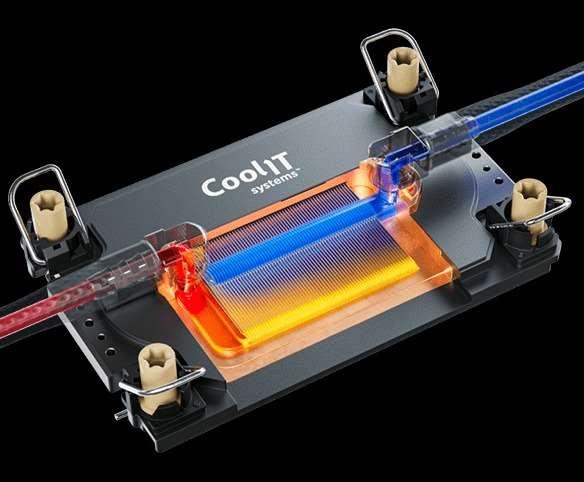
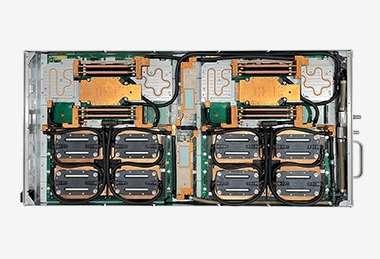
Direct liquid cooling technology removes heat directly from high-performance components using a circulating liquid medium. Cold plates attached to CPUs and GPUs transfer heat efficiently into a controlled liquid loop. This heat is then carried away and dissipated through external cooling infrastructure. Compared to air systems, this method provides far superior thermal efficiency. It is one of the main reasons direct liquid cooling servers are now widely discussed in AI infrastructure planning.
Role of Liquid Loop Cooling Systems in Efficiency
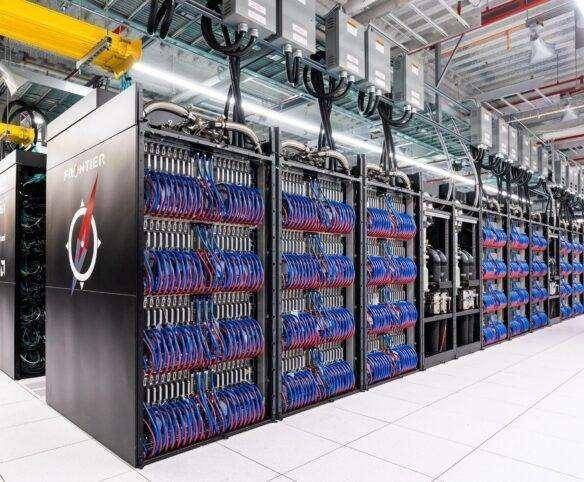
Liquid loop cooling systems improve efficiency by providing stable and energy-efficient temperature control for modern IT environments. By operating in a closed-loop setup, trusted liquid loop cooling systems reduce dependence on traditional HVAC infrastructure while supporting higher server density and better thermal management. These systems help businesses lower operational costs, optimize space utilization, and maintain reliable performance in high-demand data center environments.
Why Are Direct Liquid Cooling Servers Becoming Essential?
Supporting Continuous AI Processing
AI models often run continuously for hours or even days, requiring uninterrupted computing power. Advanced direct liquid cooling servers help maintain stable temperatures during these extended workloads. This prevents performance throttling and ensures consistent output. As AI adoption grows, maintaining thermal stability becomes a core requirement. Many enterprises are already integrating these systems into their infrastructure roadmaps.
Improving Hardware Longevity and Reliability
Heat is one of the primary factors that reduces hardware lifespan in data centers. Liquid-based cooling reduces thermal stress on components, improving long-term reliability. This results in fewer hardware failures and lower maintenance costs. For IT teams managing critical systems, this reliability is a significant advantage. It also supports better uptime performance across enterprise environments.
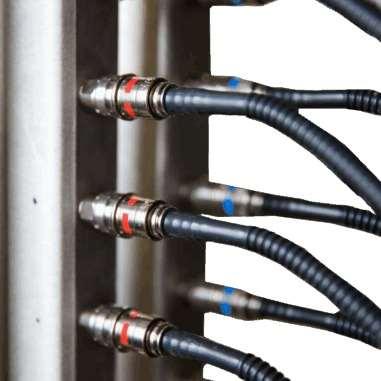
Advanced Server Cooling Solutions in Calgary Infrastructure
Expanding Digital Ecosystem in the Region
Calgary is steadily growing into a hub for cloud computing, AI development, and enterprise IT services. This growth is increasing demand for more efficient infrastructure systems. Advanced server cooling solutions are playing a key role in supporting this expansion. Data centers located near major routes such as Deerfoot Trail and Stoney Trail benefit from improved accessibility and logistics. When planning site visits, teams often use Google Maps directions to assess infrastructure access across industrial zones.
Energy Efficiency and Operational Optimization
Energy efficiency is a major concern for modern data centers due to rising operational costs. Cooling systems account for a large portion of total energy consumption. Direct liquid-cooled servers reduce this burden by improving heat-transfer efficiency. This allows organizations to scale computing resources without significantly increasing power usage. It also supports environmental compliance and sustainability initiatives.
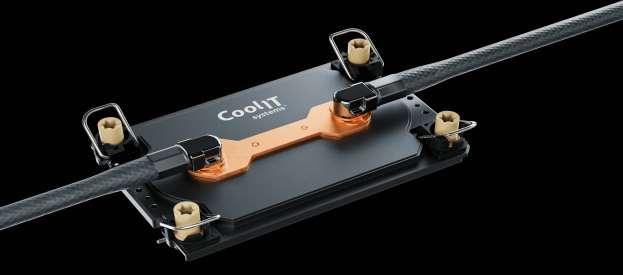
Scaling AI Infrastructure with Liquid Cooling Technologies
Enabling High-Performance Compute Environments
AI infrastructure requires scalable environments capable of handling fluctuating workloads. Liquid-based systems allow organizations to increase compute density without overheating risks. This makes infrastructure expansion more flexible and cost-effective. It also reduces dependency on traditional cooling room designs. As a result, deployment cycles become more efficient.
Integration with Smart Monitoring Systems
Modern cooling solutions are increasingly integrated with intelligent monitoring tools. These systems track temperature, flow rates, and performance metrics in real time. This allows IT teams to optimize cooling efficiency dynamically. Direct liquid cooling technology works particularly well with these systems due to its precision control. This combination enhances both performance and operational visibility
The Future of AI Data Center Cooling
Transition Toward Fully Liquid-Cooled Facilities
The industry is gradually moving toward fully liquid-cooled data center designs. This reduces reliance on air-based systems and improves energy efficiency. Direct liquid cooling servers will play a central role in this transition. As AI workloads continue to grow, this shift will accelerate further. Future infrastructure will prioritize thermal efficiency as a core design principle.
Sustainability and Long-Term Infrastructure Strategy
Sustainability is becoming a major priority for enterprise IT decision-makers. Liquid cooling systems significantly reduce energy consumption compared to traditional methods. This helps organizations meet environmental goals while maintaining high performance. It also aligns with global trends toward green computing. For Calgary enterprises, this creates both operational and strategic advantages.
FAQs
What are advanced server cooling solutions?
Advanced server cooling solutions use modern technologies like liquid cooling to manage heat in high-performance environments. They are designed for AI, cloud, and enterprise workloads. These systems improve efficiency and scalability.
Why are direct liquid cooling servers important for AI?
AI workloads generate extreme heat due to continuous GPU processing. Direct liquid cooling servers remove heat more efficiently than air systems. This ensures stable and reliable performance
How does liquid loop cooling systems technology work?
Liquid loop cooling systems circulate coolant in a closed loop to absorb and transfer heat. This method provides consistent thermal control. It is widely used in modern data centers.
Are liquid cooling systems reliable for enterprise environments?
Yes, they are designed for enterprise use with sealed and monitored systems. They offer high reliability and safety. Proper maintenance ensures long-term performance.
Can Calgary data centers benefit from liquid cooling?
Yes, Calgary’s growing IT ecosystem makes it ideal for adopting these systems. They improve efficiency, scalability, and energy performance. Many organizations are already exploring adoption.
Conclusion
AI workloads are fundamentally changing the requirements of modern data center infrastructure. Traditional cooling systems are no longer sufficient to support high-density computing environments. Liquid-based solutions offer a scalable and efficient alternative that aligns with the needs of enterprise IT operations, especially as direct liquid cooling servers become more widely adopted in AI environments.
For Calgary-based organizations, adopting advanced cooling systems is becoming essential for long-term success. During infrastructure planning and site evaluations, teams often use Google Maps navigation to get directions to liquid-cooling technology facilities across key industrial and enterprise zones in the city. As AI continues to evolve, infrastructure must adapt to ensure performance, reliability, and energy efficiency remain balanced.