Call: 1-360-826-6101
Understanding Guitar Soundboard Thickness for Better Performance
When it comes to crafting the perfect guitar, every component plays a crucial role in shaping the instrument’s sound and performance. One of the most vital elements in this equation is the guitar soundboard thickness. The soundboard is often the most significant contributor to the tonal qualities of a guitar, and its thickness can dramatically influence the instrument's sound.
Whether you're a seasoned musician, a budding luthier, or just someone interested in learning more about how guitars are made, understanding soundboard thickness will help you appreciate how slight variations can alter an instrument's voice. In this article, we will dive deep into the various factors that contribute to soundboard thickness, how it affects tone, and why it matters when choosing or building your own guitar. Table of Contents

Call: 1-360-826-6101
What Is a Guitar Soundboard?
Email:
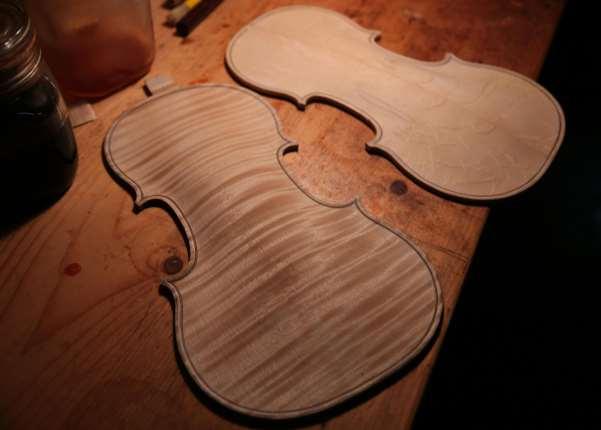
The soundboard of a guitar, also referred to as the top, is the part of the guitar body that vibrates to produce sound when the strings are struck or plucked. This piece of wood is essential because its resonance amplifies the sound generated by the strings, and the material and thickness of the soundboard will directly affect the guitar’s tone and projection.
The guitar tonewoods typically consists of highly resonant woods, such as spruce or cedar, which allow the instrument to vibrate freely and create a rich, full sound. Different types of wood, as well as the thickness of the wood, contribute to the overall tonal qualities of the instrument.

The Role of Guitar Soundboard Thickness in Tone
The guitar soundboard thickness is one of the most influential factors in shaping a guitar's tonal characteristics. A thinner soundboard will tend to vibrate more easily, producing a louder and brighter tone, while a thicker soundboard offers more resistance, resulting in a deeper, more controlled sound. The thickness also impacts the sustain and the overall projection of the sound, which is especially important in live performances or for recording purposes.
Thin Soundboards: Bright and Responsive Tones
A guitar soundboard thickness on the thinner side (around 2.0-2.2mm) can offer a bright, crisp sound with immediate responsiveness. This is ideal for musicians who want a quick attack and more immediate feedback from the guitar. Thinner soundboards are commonly used for guitar soundboards, as they offer a resonant, lively sound with excellent projection. However, while they are more responsive, thin soundboards can sometimes result in less sustain, especially for lower-frequency notes.
Call: 1-360-826-6101
Thick Soundboards: Richer, Deeper Tones
Email:
On the other end of the spectrum, a guitar soundboard thickness that is thicker (around 2.5-3.0mm) provides a more solid, controlled tone. These soundboards produce a deeper sound with more sustain, which many musicians prefer for jazz or classical styles, where smooth, long-lasting notes are important. However, thicker soundboards may not be as responsive as thinner ones and can result in a slightly muted or less vibrant tone, especially for brighter playing styles.
Materials and Guitar Soundboard Wood
The type of wood used in the construction of the soundboard is just as critical as its thickness. Different types of wood, like Sitka spruce, Lutz spruce, and cedar, each have unique properties that influence tone. For instance, Sitka spruce soundboards are known for their bright, dynamic sound, while Lutz spruce soundboards offer a slightly warmer tone with more depth. On the other hand, cedar soundboards create a mellow, more focused tone.
Wood plays a crucial role in determining the tonal balance between brightness and warmth. A wood with a more open grain structure, such as spruce, will vibrate more freely and produce a more dynamic sound, while denser woods like mahogany will produce a smoother, more subdued tone.
Call: 1-360-826-6101
Email: info@pacificrimtonewoods.com
Understanding Electric Guitar Soundboard Thickness
While much of the discussion surrounding soundboard thickness applies primarily to acoustic guitars, the thickness of an electric guitar soundboard also impacts tone to some degree. While electric guitars don't rely on the natural resonance of their soundboards to the same extent as acoustic guitars, the thickness of the top can still affect sustain and tonal characteristics.
Electric guitar soundboards are typically made from denser materials, such as maple or mahogany, and may have a thinner overall construction compared to their acoustic counterparts. However, just like acoustic guitar soundboards, the thickness still contributes to the overall tone. A thinner electric guitar soundboard can provide more snap and brightness, while a thicker top can yield a smoother, more sustained sound.
How to Choose the Right Guitar Soundboards for Sale
When searching for guitar soundboards for sale, it's essential to consider both the thickness and the wood type. A thinner soundboard made from high-quality wood will offer a more responsive instrument, while a thicker soundboard might be a better choice for those seeking a guitar with more warmth and sustain.
To make the right decision, you should also factor in your playing style, genre preferences, and sound goals. If you primarily play fast, intricate pieces with lots of attack, a thinner soundboard could help bring out the bright, fast response you're looking for. If you play slower, more melodic music that requires long-lasting tones, a thicker soundboard might better suit your needs.
The Importance of Sawmills and Sourcing Quality Wood
To build the perfect guitar, it’s essential to use of acoustic guitar soundboards that has been properly sourced. Many top-tier luthiers work with well-known sawmills, where the wood is carefully selected for its grain patterns, resonance, and suitability for guitar construction. This process ensures that the guitar soundboards online and in stores are of the highest quality, helping to guarantee that your final instrument will produce the best sound possible.
Conclusion: The Impact of Soundboard Thickness on Guitar Performance
In conclusion, the guitar soundboard thickness is a key factor that directly influences your instrument's tonal qualities, responsiveness, and projection. Whether you choose a thinner soundboard for a bright, sharp tone or a thicker one for deeper resonance and sustain, the thickness of the soundboard plays an essential role in crafting your perfect sound.
Call: 1-360-826-6101
Email: info@pacificrimtonewoods.com
At Pacific Rim Tonewoods, we offer a variety of guitar soundboard wood options designed to meet the needs of every musician. From guitar soundboard kits to individual pieces of premium tonewood, our offerings are designed to help you build an instrument that suits your unique style and sound preferences.
FAQs
What is the ideal guitar soundboard thickness?
The ideal thickness varies depending on your playing style. A thinner soundboard (around 2mm) gives a brighter, more responsive sound, while a thicker soundboard (around 2.5mm) offers deeper tones and more sustain.
How does wood type affect guitar soundboard thickness?
The type of wood used in the soundboard, such as spruce or cedar, affects the overall tonal quality. Lighter woods like spruce tend to perform better with thinner soundboards, while denser woods like mahogany benefit from thicker soundboards. Does a thicker soundboard make the guitar sound louder?
Not necessarily. A thicker soundboard can enhance sustain and produce a fuller tone, but it may not necessarily increase volume. The overall resonance is more important for loudness.
Can I adjust my guitar soundboard thickness later?
Once the soundboard is installed and the guitar is built, adjusting the thickness is challenging. It’s best to choose the right thickness during the build process to match your tonal goals.
Where can I buy high-quality guitar soundboards?
You can find guitar soundboards online through specialized tonewood dealers like Pacific Rim Tonewoods, which offer a variety of high-quality choices for both acoustic and electric guitars.
Follow our digital presence: