
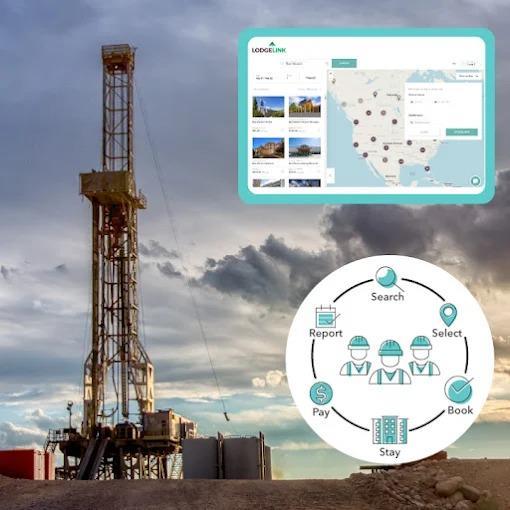
The energy sector operates in some of the most demanding and remote environments across Canada. From oil sands projects to pipeline construction and renewable energy developments, efficient workforce mobility is critical to maintaining productivity and safety. In cities like Calgary often considered the operational hub of Canada’s energy industry companies are increasingly relying on smarter, technology-driven approaches to manage workforce accommodation and travel logistics.
Modern energy sector travel management is no longer limited to booking flights and hotels. It now encompasses end-to-end coordination, including workforce scheduling, lodging allocation, compliance tracking, and cost optimization. Businesses are adopting integrated systems that simplify these processes while ensuring a seamless experience for their teams.
This document explores how advanced energy sector travel solutions are transforming workforce mobility, the role of digital platforms, and how organizations can achieve efficiency, scalability, and cost control
UNDERSTANDING WORKFORCE MOBILITY CHALLENGES IN THE ENERGY SECTOR
REMOTE LOCATIONS AND LIMITED INFRASTRUCTURE
Energy projects are often located in remote areas with limited accommodation options. This makes workforce logistics complex, requiring precise planning and coordination. Without structured systems, companies may face overbooking, increased costs, or employee dissatisfaction.
FLUCTUATING WORKFORCE DEMAND
The energy industry frequently experiences rapid changes in workforce size due to project phases, seasonal demands, and market fluctuations. Managing accommodation and travel for large, rotating crews requires a flexible and scalable approach
COMPLIANCE AND SAFETY REQUIREMENTS
Employee safety is a top priority. Travel arrangements must comply with industry regulations, fatigue management guidelines, and company policies. A reliable energy travel management platform helps ensure these requirements are consistently met.
THE ROLE OF TECHNOLOGY IN ENERGY TRAVEL
MANAGEMENT
CENTRALIZED BOOKING SYSTEMS
A modern crew hotel booking platform allows companies to manage all accommodation and travel needs in one place. This reduces administrative workload and minimizes errors associated with manual processes
R
EAL-TIME DATA AND VISIBILITY
Digital platforms provide real-time insights into bookings, availability, and costs. This transparency enables better decision-making and improved resource allocation
AUTOMATION
AND EFFICIENCY
Automation streamlines repetitive tasks such as booking confirmations, invoicing, and reporting. This not only saves time but also reduces operational costs
KEY COMPONENTS OF EFFECTIVE ENERGY SECTOR TRAVEL
S
OLUTIONS
C
REW LODGING SERVICES
Efficient crew lodging services ensure that workers have safe, comfortable accommodations close to project sites. These services often include:
Pre-negotiated rates with accommodation providers
Flexible booking options
Support for large group reservations
CORPORATE HOUSING OPTIONS
For long-term projects, corporate housing provides a more practical and cost-effective alternative to traditional hotels. These accommodations offer:
Fully furnished living spaces
Kitchen facilities for extended stays
Enhanced comfort for workforce well-being
INTEGRATED TRAVEL PLATFORMS
An advanced energy travel management platform integrates lodging, transportation, and workforce scheduling into a single interface. This eliminates the need for multiple systems and improves overall efficiency.

BENEFITS OF OPTIMIZED WORKFORCE MOBILITY
C
OST CONTROL AND TRANSPARENCY
By using structured energy sector travel management strategies, companies can monitor expenses more effectively. Centralized platforms provide detailed reports, helping organizations identify cost-saving opportunities
IMPROVED EMPLOYEE EXPERIENCE
Providing reliable accommodation and smooth travel arrangements enhances employee satisfaction. Workers who are well-rested and comfortable are more productive and less likely to experience fatigue-related issues
SCALABILITY FOR GROWING OPERATIONS
Energy projects often expand rapidly. Scalable energy sector travel management solutions allow businesses to accommodate growth without compromising efficiency.
BEST PRACTICES FOR IMPLEMENTING ENERGY TRAVEL
SOLUTIONS
ADOPT A CENTRALIZED PLATFORM
Using a unified system for bookings and management reduces complexity and improves accuracy
PRIORITIZE FLEXIBILITY
Choose solutions that can adapt to changing workforce requirements and project timelines.
FOCUS ON DATA-DRIVEN DECISIONS
Leverage analytics to optimize travel plans, reduce costs, and improve operational performance
ENSURE COMPLIANCE AND SAFETY
Select platforms that support regulatory requirements and provide tools for monitoring employee safety
THE FUTURE OF ENERGY WORKFORCE MOBILITY
The future of energy sector travel management lies in advanced technologies such as AI-driven analytics, predictive booking systems, and enhanced automation. These innovations will enable companies to anticipate workforce needs, optimize resource allocation, and further reduce operational costs.
Sustainability is also becoming a key focus. Organizations are exploring eco-friendly travel options and energy-efficient accommodations to align with environmental goals