
Top-Grade Tonewoods for Acoustic Guitar Construction
Crafting a fine acoustic instrument begins with one essential element: the right wood. High-quality tonewoods shape the voice, projection, sustain, and responsiveness of every guitar. From boutique workshops to large-scale production facilities, selecting the correct material is a critical step that influences tonal balance and long-term stability.
Modern luthiers demand precision-cut stock, ethical sourcing, and reliable moisture control. Whether building a custom dreadnought or a delicate fingerstyle model, understanding wood characteristics ensures exceptional sound and structural integrity. In today’s competitive guitar-building landscape, trusted sourcing and expert milling practices make all the difference.
Understanding the Importance of Premium Tone Material
The acoustic properties of spruce, cedar, mahogany, and rosewood vary significantly. Grain structure, stiffness-to-weight ratio, and seasoning methods determine how an instrument resonates. Professional builders often rely on specialty sawmills that focus on quarter-sawn cuts to preserve strength and tonal clarity.
Experienced suppliers such as Pacific Rim Tonewoods carefully select and grade wood to meet demanding construction standards. Precision milling ensures consistent thickness and minimizes waste, helping luthiers maintain efficiency in their workshops.
What Makes High-Quality Tonewoods Stand Out?
When evaluating tonewoods, several factors come into play:
Grain Consistency and Structure
Tight, even grain patterns typically produce balanced tonal response. Uniformity contributes to stable vibration transfer across the soundboard. Builders examine medullary rays, ring spacing, and stiffness before selecting sets.
Moisture Content and Seasoning
Properly air-dried and kiln-controlled stock prevents warping or cracking. Well-seasoned material improves workability and tonal reliability over time. Moisture levels between six and eight percent are commonly preferred for acoustic builds.
Ethical Harvesting Practices
Sustainable forestry and responsible sourcing reflect modern environmental standards. Reputable providers ensure traceability from forest to workshop, supporting long-term resource management.
Choosing the Right Guitar Wood for Your Build
Selecting the appropriate guitar wood depends on tonal goals and structural requirements. Spruce remains a leading choice for soundboards due to its strength and lightweight composition. Mahogany offers warmth and focused mids, while rosewood enhances depth and overtones.
Back and side selections shape projection and sustain, while neck materials influence playability. Each component contributes to the instrument’s personality. Builders often compare density, tap tone, and flexibility before committing to a specific set.
Finding a Reliable Tonewood Shop
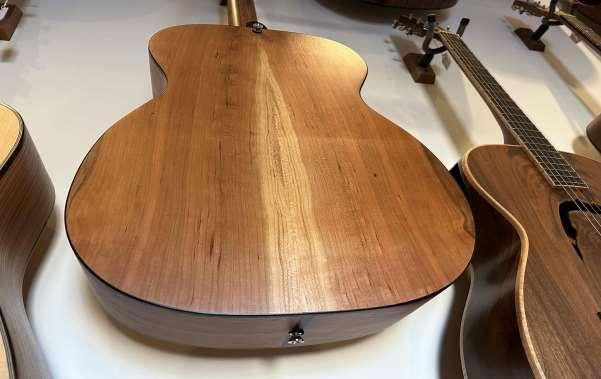
A professional tonewood shop provides more than raw lumber. It offers accurate grading, expert advice, and dependable customer support. Builders benefit from detailed product descriptions, high-resolution images, and clear specifications when purchasing online or in person.
Shops that collaborate directly with sawmills maintain better control over quality standards. Transparent sourcing builds trust and strengthens longterm relationships within the luthier community.
Pacific Rim Tonewoods has earned recognition for maintaining strict grading processes and consistent inventory, supporting both emerging and established instrument makers.
Call 1-360-826-6101 or email
Sourcing from a Trusted Tonewood Supplier
Working with a reputable tonewood supplier ensures consistency in every order. Reliable providers understand the nuances of quarter-sawing, billet preparation, and defect minimization. They also invest in proper storage facilities to maintain stable humidity levels.
A dependable supplier offers responsive communication and dependable shipping practices. This level of expert service reduces delays and protects valuable materials during transit. Builders often prioritize suppliers who understand the technical requirements of acoustic guitar construction.
Acoustic Guitar Wood for Sale: What to Look For
When reviewing acoustic guitar wood for sale, attention to detail matters. Examine grading criteria carefully and verify whether sets are bookmatched and properly dimensioned. Clear labeling regarding species, origin, and drying method reflects professionalism.
Buyers should confirm return policies and request additional photos if needed. High-end sets typically feature straight grain lines, minimal runout, and consistent coloration. Investing in superior stock supports tonal excellence and long-term instrument durability.

Selecting Luthier Tonewood for Precision Builds
Professional workshops often seek premium luthier tonewood that meets exacting specifications. Custom thicknessing, brace stock preparation, and specialized cuts enable refined construction techniques.
Master builders analyze stiffness and resonance before shaping tops and braces. The right material enhances responsiveness, allowing subtle nuances in playing style to shine. Careful selection at this stage influences projection, clarity, and overall tonal balance.
The Role of Luthier Wood in Structural Integrity
Every component of a guitar relies on dependable luthier wood for strength and longevity. Neck blanks must resist tension from string pull, while internal bracing stabilizes the soundboard. Density and grain orientation directly affect structural performance.
Experienced sawmills cut billets with precision to ensure optimal alignment. Consistent milling reduces internal stress and enhances workability. Builders who prioritize quality materials often see fewer structural issues over time.
Comparing Guitar Wood Suppliers
Not all guitar wood suppliers operate with the same standards. Evaluating reputation, transparency, and product consistency helps builders make informed decisions. Look for detailed grading systems and clear communication channels.
Some suppliers provide value-added services such as thickness sanding or custom cutting. These additional services save time and improve workflow efficiency in busy workshops. Establishing a long-term relationship with a reliable supplier often results in better material selection and professional guidance.
The Importance of Sawmills in Quality Production
Specialized sawmills play a crucial role in preparing instrument-grade lumber. Their cutting techniques determine grain orientation and minimize waste. Advanced milling equipment ensures precision dimensions that meet luthier expectations.
Modern sawmills also emphasize sustainable harvesting practices and responsible land management. This approach protects forests while maintaining consistent supply for future generations of instrument makers.
How to Store and Maintain Tone Material
Proper storage conditions protect investment in premium stock. Keep wood in a climate-controlled space with stable humidity levels. Avoid sudden temperature shifts that may cause cracking or warping.
Stack sets horizontally with spacers to encourage airflow. Monitoring moisture content regularly ensures material remains ready for construction. Preventative care preserves tonal integrity and structural reliability
Conclusion
Building an exceptional acoustic instrument begins with thoughtful material selection. High-grade tonewoods provide the tonal richness, projection, and durability that define a professional guitar. By working with experienced sawmills and reputable suppliers, luthiers gain access to carefully graded stock prepared for precision craftsmanship.
From sourcing to storage, every step influences the final result. Choosing trusted providers, verifying ethical harvesting practices, and maintaining proper workshop conditions ensure instruments that inspire musicians for years to come. With expert guidance and dependable service, builders can confidently create guitars that resonate with clarity, warmth, and character.

Frequently Asked Questions
What are tonewoods and why are they important?
Tonewoods are specific species of wood chosen for their acoustic properties. They influence resonance, sustain, and tonal balance in stringed instruments, making them essential for high-quality guitar construction.
How do I choose the right guitar wood for my project?
Selecting guitar wood depends on tonal preference, structural needs, and playing style. Spruce works well for soundboards, while mahogany and rosewood shape warmth and projection.
Where can I find reliable acoustic guitar wood for sale?
Reputable specialty suppliers offer graded acoustic guitar wood for sale with clear specifications and ethical sourcing details. Look for transparent product descriptions and professional customer support
Why is working with a tonewood supplier beneficial?
A trusted tonewood supplier ensures consistent grading, controlled drying processes, and dependable shipping. This reduces material defects and supports long-term build quality.
What should I look for in a tonewood shop?
A professional tonewood shop provides detailed grading standards, knowledgeable guidance, and responsibly sourced inventory. Strong customer service and clear communication are key indicators of reliability.