
Why Coldplate Loops Are Critical for Next Generation Data Center Cooling
The Shift Toward Liquid Cooling in Data Centers
Data center cooling has evolved because IT hardware has evolved. Servers are now expected to process larger datasets, support heavier applications, and deliver continuous uptime. These demands generate heat at levels that can challenge conventional airflowbased systems.
A liquid cooling loop can remove heat closer to the source. Instead of relying only on room air to absorb and move heat, liquid cooling transfers heat through engineered paths connected to components such as CPUs, GPUs, memory modules, or other heatproducing hardware.
This approach is especially relevant for AI and high-performance computing environments. These systems may operate at high utilization for long periods, which means cooling must be precise, stable, and predictable. If thermal control is weak, equipment may throttle performance, experience stress, or require more energy to maintain safe operating conditions.
The broader takeaway for data center planners is clear: cooling is no longer only a facility concern; it is a performance and reliability priority. CoolIT Systems has helped bring attention to the role of integrated server cooling architecture, especially where high heat capture and dense computing are required.
What Makes Cold Plate Cooling Different?
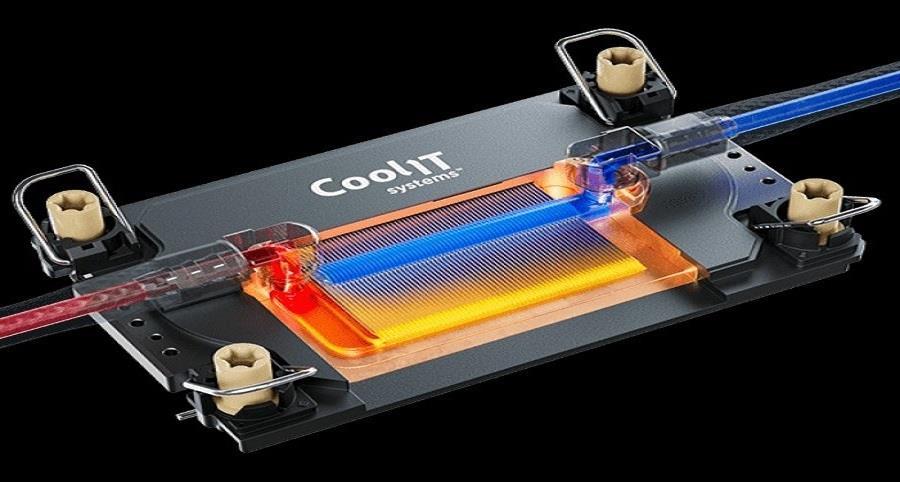
Cold plate cooling works by placing a thermally conductive plate near or directly against the heat-producing component. Coolant flows through internal channels within the plate, absorbing heat and carrying it away from the server. This process helps reduce reliance on large volumes of air and improves thermal transfer in dense environments.
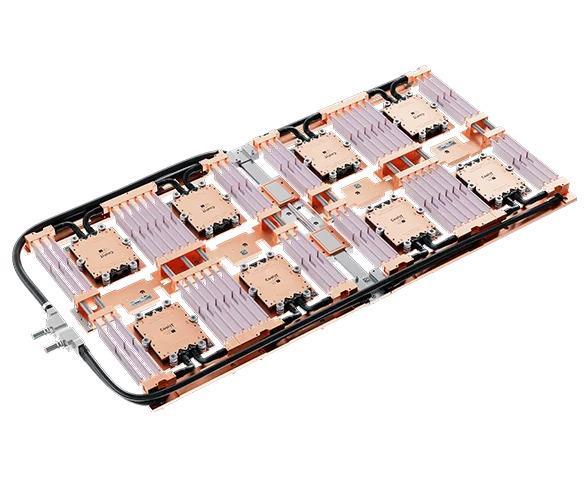
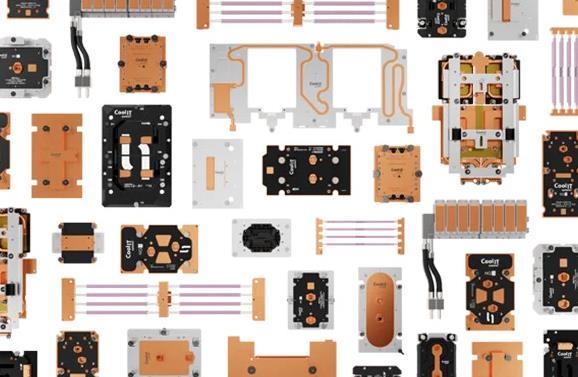
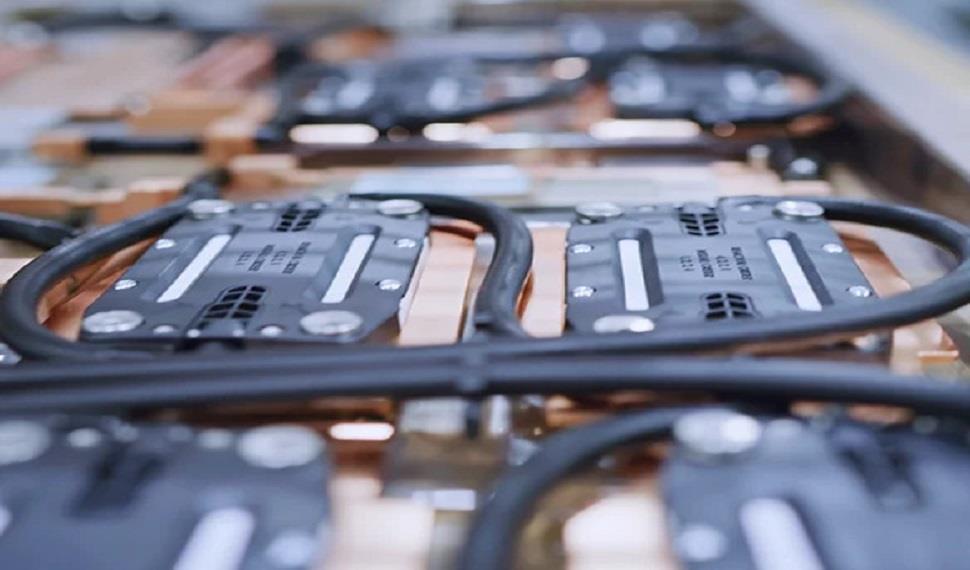
A coldplate loop assembly may include plates, tubing, fittings, manifolds, connectors, and related components that work together inside the server. The design must consider board layout, component placement, coolant flow, pressure drop, serviceability, and long-term reliability.
The quality of the design matters. A poorly planned loop can lead to uneven cooling, flow restrictions, leakage issues, or maintenance challenges. A well-engineered design supports stable heat removal while meeting the server's mechanical and electrical requirements.
This is one reason custom coldplate loops are gaining attention. Different server layouts and workload types may require different cooling paths. A one-size-fits-all cooling design may not deliver the best result for every data center environment.
Why Next-Generation Data Centers Need Better Heat Capture?
Higher Power Density Is Becoming Common
Data center power density continues to rise as organizations deploy more advanced processors and accelerators. In many facilities, the challenge is not simply how many servers can fit in a rack, but how much heat those servers produce and how safely that heat can be removed.
Improved heat capture enables facilities to support denser deployments with greater confidence. Instead of allowing heat to spread through the server, industrial equipment, and into the room, cold plate cooling can collect heat closer to the components generating it. This helps reduce hot spots and supports more predictable performance.
pg. 3
AI and HPC Workloads Demand Stability
AI training, scientific research, simulation, rendering, and analytics workloads can keep hardware operating under sustained load. These conditions differ from those of traditional enterprise applications, which may fluctuate throughout the day.
When servers run hot for extended periods, thermal stability becomes essential. For organizations evaluating custom coldplate loops, the focus should be on reliability, safety, performance, and long-term operational value. This can reduce the risk of sudden performance drops and help maintain reliable output across demanding workloads.
Cooling Efficiency Supports Operating Cost Control
Cooling energy can be a significant part of data center operating costs. Inefficient cooling may force fans, chillers, and mechanical systems to work harder than necessary. Over time, that can increase utility costs and reduce operational efficiency.
Liquid-based thermal transfer can help reduce cooling strain when implemented correctly. It may also support better integration with facility-level systems, depending on the data center design. While every site is different, the goal is the same: remove heat effectively, reduce waste, and support reliable operations.
The Role of Custom Design in Server Cooling
Server Layout Matters
Every server board is different. Component location, power draw, chip height, mounting points, service access, and airflow strategy can all influence cooling performance in Canada. This is why custom cold plate design services may be considered for specialized systems.
Custom engineering can help align the cooling path with the hardware's actual thermal needs. Instead of forcing a standard solution into a complex layout, design teams can plan a cooling approach around the board, workload, and deployment environment.
Material Selection Can Affect Performance
Material choice is another important factor. Copper is widely recognized for its strong thermal conductivity, which makes copper cold plate design relevant in many highperformance cooling applications. However, material selection should also consider durability, manufacturability, coolant compatibility, weight, corrosion risk, and cost.
A strong design balances thermal performance with practical deployment requirements. The best solution is not always the most complex one; it is the one that supports performance, reliability, maintenance, and long-term value, including a well-optimized liquid cooling loop.
Validation Reduces Risk
Cooling systems used in mission-critical environments should be tested carefully. Validation may include thermal testing, pressure testing, leak testing, flow analysis, and reliability checks. This process helps identify potential issues before equipment is deployed at scale.
CoolIT Systems highlights the importance of design, architecture, and production readiness in cold plate-based systems. For data center decision-makers, that reinforces a key point: thermal engineering should be verified, not guessed.
Business Benefits of Advanced Cold Plate Cooling
Improved Hardware Reliability
Heat is one of the biggest stress factors for electronic equipment. By improving heat removal, data centers in Canada can help protect servers, extend hardware value, and reduce the chance of heat-related incidents.
Better Performance Consistency
When hardware stays within safe temperature ranges, it can operate more consistently. This matters for businesses that depend on predictable computing power, especially in AI, financial modelling, healthcare technology, and cloud service delivery.
Support for Scalable Growth
As workloads grow, cooling infrastructure must grow with them. Coldplate loops can support expansion by aligning thermal design with future server and rack requirements. This helps data centers plan for higher density without relying only on more floor space.
Stronger Sustainability Planning
Efficient cooling supports broader sustainability goals. Canadian organizations are increasingly expected to consider energy use, environmental impact, and responsible infrastructure planning. A smarter cooling strategy can contribute to better long-term resource management.
FAQs
Why are data centers adopting cold plate cooling?
Data centers are adopting this approach because modern hardware produces more concentrated heat. Cold plate cooling helps capture heat closer to the source, supporting better thermal control, improved performance stability, and reduced risk in high-density environments.
What is included in a coldplate loop assembly?
A typical assembly may include cold plates, tubing, fittings, connectors, and flow paths designed to move coolant through the server. The exact configuration depends on the server layout, heat load, coolant requirements, and deployment goals.
Are custom coldplate loops only for large hyperscale facilities?
No. While hyperscale and AI-focused facilities often lead adoption, custom cooling designs can also support enterprise, research, colocation, and specialized computing environments. The decision depends on heat density, performance needs, and long-term infrastructure plans.
How does the copper cold plate design support thermal performance?
Copper can transfer heat effectively, making it useful in many high-performance cold plate applications. However, good performance depends on the entire design, including internal channels, coolant flow, contact quality, pressure control, and system validation.
What should businesses consider before choosing liquid cooling?
Businesses should review current and future heat loads, rack density, server architecture, maintenance access, coolant compatibility, monitoring needs, and facility infrastructure. A qualified engineering review can help reduce risk and identify the most practical cooling path.
Conclusion
Next-generation data centers need more than basic temperature control. They need engineered cooling strategies that support dense computing, stable performance, hardware protection, and efficient growth. When combined with thoughtful design, proper validation, and scalable planning, this cooling approach can help data centers prepare for the next stage of digital infrastructure.
Is your data center cooling infrastructure ready for the next generation of high-density AI and HPC workloads? Connect with our specialists to evaluate your data center’s thermal design, assess cold-plate loop readiness, and develop scalable, next-generation cooling strategies for high-density environments.


