Canadian Industries
Laser Systems for Precise Asset Identification
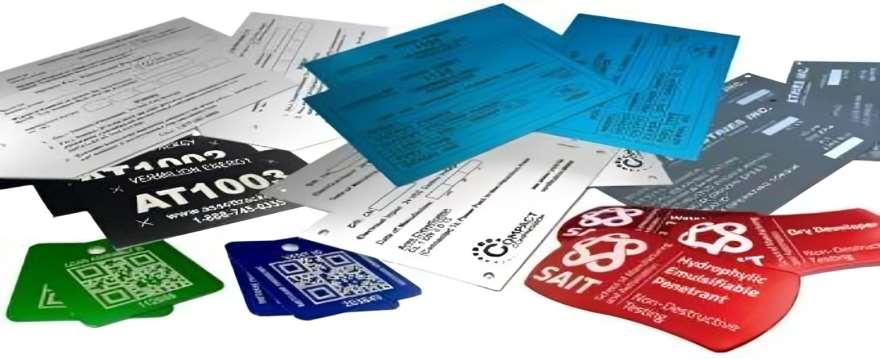
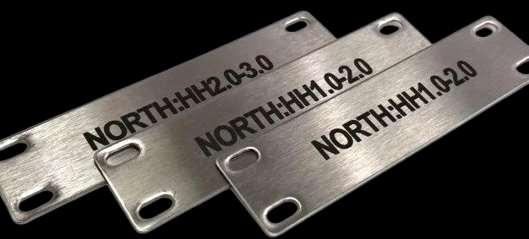
Laser engraving has become one of the most effective part marking methods for businesses that require permanent and highly accurate identification. This technology creates detailed markings on metal and industrial materials without damaging the surface structure of the component. Manufacturers across Canada often use laser systems for serial numbers, tracking codes, and machine information because they offer exceptional durability and consistency. The ability to produce precise markings also improves traceability throughout production and maintenance processes.
Etched and Engraved Plates for Harsh Environments
Etched and engraved plates continue to be widely used for industrial equipment operating in outdoor or high-temperature conditions. These identification solutions are commonly installed on machinery, electrical panels, and heavy-duty equipment because they resist corrosion and physical wear. Industrial facilities in regions with severe winters or changing weather conditions benefit from durable plates that remain readable year-round. Permanent markings also help businesses meet operational standards and simplify long-term asset management.
Why Asset Tracking Matters for Industrial Businesses
Better Tracking Improves Equipment Management
Tracking systems allow businesses to monitor equipment locations, maintenance schedules, and usage histories more effectively. When machinery and tools are properly labeled, organizations can reduce inventory confusion and improve overall operational planning. Industrial marking supports this process by providing permanent identification that connects physical assets to digital tracking systems or maintenance databases. Businesses managing large facilities or multiple job sites often depend on reliable marking solutions to maintain organization and accountability.
Identification Systems Reduce Operational Delays
Missing labels or unreadable equipment information can slow down inspections, maintenance, and repair work across industrial facilities. Clearly marked machinery helps technicians identify equipment quickly and access relevant service records without unnecessary delays. Companies that implement durable part marking systems often improve maintenance efficiency while reducing equipment downtime. This level of organization becomes especially important for industries handling large fleets, manufacturing systems, or specialized industrial machinery.
Selecting the Right Marking Materials and Technologies
Matching Materials to Industrial Conditions
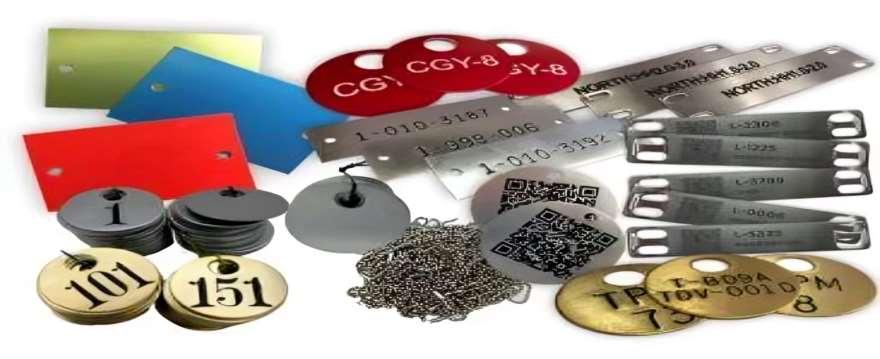
Different industrial environments require different marking materials depending on exposure levels and operational demands. Stainless steel and anodized aluminum are commonly used for permanent identification because they resist corrosion and maintain visibility under harsh conditions. Plastic labels and coated tags may work well in controlled indoor environments, but may not provide the same lifespan outdoors. Choosing materials based on environmental exposure helps businesses maximize durability while maintaining clear identification standards.
Choosing Between Permanent and Temporary Marking
Not every application requires the same level of permanence, so businesses should carefully evaluate operational needs before selecting a solution. Temporary labels may be suitable for warehouse inventory or short-term projects, while permanent part marking is better suited for machinery and safety identification. Canadian industries operating in sectors such as mining, transportation, and energy often prioritize long-lasting solutions due to extreme environmental conditions. Selecting the appropriate marking method helps businesses balance performance, maintenance requirements, and long-term costs.
Supporting Safety and Compliance Through Identification Equipment Labels Help Improve Workplace Safety
Proper equipment identification provides workers with important operational and safety information while reducing confusion in busy industrial settings. Warning labels, instruction plates, and identification tags help employees recognize hazards and operate machinery more safely. Durable industrial marking systems also ensure that safety details remain visible even after years of exposure to challenging environments. Businesses that prioritize clear identification often improve workplace organization and reduce the likelihood of operational mistakes.
Regulatory Requirements Depend on Accurate Identification
Many Canadian industries must follow specific regulations related to equipment labeling, asset tracking, and operational safety. Readable identification helps organizations comply with maintenance inspections, workplace standards, and traceability requirements across different sectors. Smart industrial marking products designed for long-term durability support these compliance efforts by maintaining visibility under regular industrial use. Reliable identification systems also make audits and inspections more efficient for maintenance teams and facility managers.
Practical Considerations for Canadian Facilities
Local Climate Conditions Affect Marking Performance
Canadian weather conditions can place significant stress on identification systems used in outdoor industrial environments. Equipment located in Alberta, Saskatchewan, or Northern Ontario may experience snow, ice, UV exposure, and rapid temperature changes throughout the year. Selecting durable industrial marking solutions designed for these conditions helps prevent fading, cracking, or corrosion over time. Businesses that invest in weather-resistant materials often reduce replacement frequency and improve long-term equipment visibility.
Accessibility and Regional Service Availability
Working with a Canadian supplier can simplify communication, delivery timelines, and technical support for industrial projects. Businesses located near Calgary can conveniently access suppliers through major routes such as Deerfoot Trail SE and Glenmore Trail when arranging custom marking solutions. Companies interested in visiting industrial marking providers to reach the facility and discuss identification requirements directly with experienced professionals. Local support also helps organizations respond more efficiently to replacement needs or production updates.
Helpful Tips for Improving Asset Identification Small Improvements Can Increase Efficiency
Businesses can improve equipment visibility and operational organization by implementing a few practical identification strategies:
Use consistent numbering systems
Select weather-resistant materials
Include barcode or QR code integration
Schedule regular label inspections
These simple steps can improve asset tracking accuracy while reducing maintenance confusion across industrial operations.
Planning Ahead Reduces Future Replacement Costs
Choosing high-quality identification systems early can help businesses avoid frequent replacements and maintenance interruptions later. Durable markings often provide better longterm value compared to lower-cost alternatives that wear out quickly under industrial conditions. Companies should evaluate environmental exposure, equipment lifespan, and operational requirements before selecting industrial marking products. Proper planning supports more reliable asset management while improving overall operational efficiency.
Frequently Asked Questions
What is industrial marking used for in asset tracking?
Industrial marking is used to identify machinery, tools, and equipment for tracking and maintenance purposes. It helps businesses improve organization, traceability, and operational efficiency across industrial facilities.
Which materials are best for permanent equipment identification?
Stainless steel and anodized aluminum are commonly used because they resist corrosion, moisture, and physical wear. These materials are especially effective for Canadian outdoor and industrial environments.
How does part marking improve maintenance processes?
Part marking allows technicians to identify equipment quickly and access maintenance records more efficiently. This reduces downtime and helps organizations manage repairs more effectively.
Are industrial marking products suitable for outdoor use?
Yes, many industrial marking products are designed specifically for outdoor environments and harsh weather conditions. Durable materials help markings remain readable through snow, rain, UV exposure, and temperature changes.
Conclusion
Reliable identification systems play a major role in helping Canadian businesses manage equipment, improve safety, and maintain operational efficiency. From manufacturing plants to energy facilities, durable industrial marking solutions support accurate asset tracking and longterm visibility in demanding environments. Businesses that invest in high-quality identification methods often experience fewer maintenance delays and improved workplace organization over time.
Selecting the right marking materials and technologies depends on environmental conditions, equipment type, and operational goals. Permanent identification systems provide lasting value by supporting compliance, reducing replacement costs, and improving traceability across industrial operations. With the right approach, Canadian companies can create more efficient and reliable asset management systems that support long-term growth and productivity.