Improving Data Center Efficiency with Cooling Distribution Systems
Modern data centers are evolving rapidly as enterprise workloads become more demanding and infrastructure density continues to increase. Artificial intelligence, cloud computing, and high-performance applications are generating more heat than traditional cooling strategies can handle. For IT managers and infrastructure teams in Calgary, AB, maintaining operational efficiency now depends heavily on smarter thermal planning. Rising energy costs and performance expectations are also pushing organizations to rethink how heat is managed within server environments. As a result, cooling distribution systems are becoming an essential part of sustainable and scalable data center infrastructure.
The Growing Demand for Smarter Thermal Infrastructure
Why Enterprise Workloads Require Better Cooling
Enterprise computing environments today process massive amounts of data in real time, creating continuous thermal pressure across server racks. AI-driven applications and analytics platforms place particularly high demands on CPUs and GPUs, leading to significantly higher heat output. Traditional air-cooling approaches often struggle to maintain stable operating temperatures in these environments. This can lead to performance throttling, increased power usage, and reduced hardware lifespan. Many Calgary organizations are now modernizing their data center cooling systems to improve long-term efficiency.
Balancing Performance with Energy Efficiency
Efficiency has become a major priority for enterprise facilities managing high-density infrastructure. Data centers are expected to deliver stronger computing performance without dramatically increasing operational costs. Cooling systems play a direct role in achieving this balance because thermal management impacts both power consumption and system reliability. Modern cooling distribution systems are designed to optimize heat transfer while reducing unnecessary energy usage. This allows organizations to improve infrastructure performance while maintaining sustainable operations.
How Cooling Distribution Improve Data Center Operations?
Enhancing Heat Transfer Across Critical Equipment
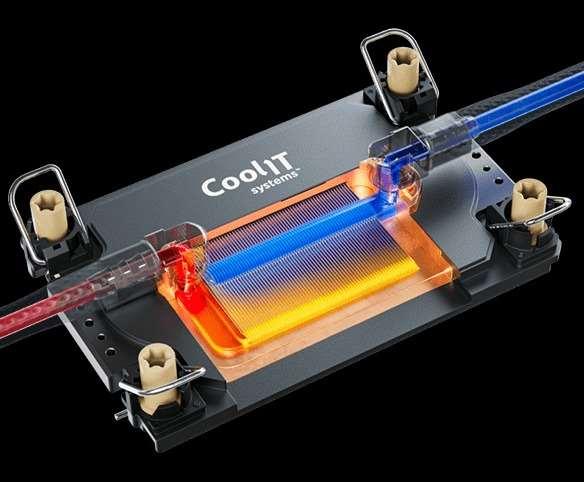
Efficient heat transfer is one of the most important factors in maintaining reliable server performance. Cooling distribution systems are engineered to move thermal energy away from processors, storage systems, and networking hardware more effectively than traditional airflow-only models. This helps maintain stable temperatures during periods of high computational demand. Improved heat dissipation also reduces stress on individual hardware components. As a result, infrastructure teams can maintain better operational consistency across enterprise environments.
Supporting High-Density Server Configurations
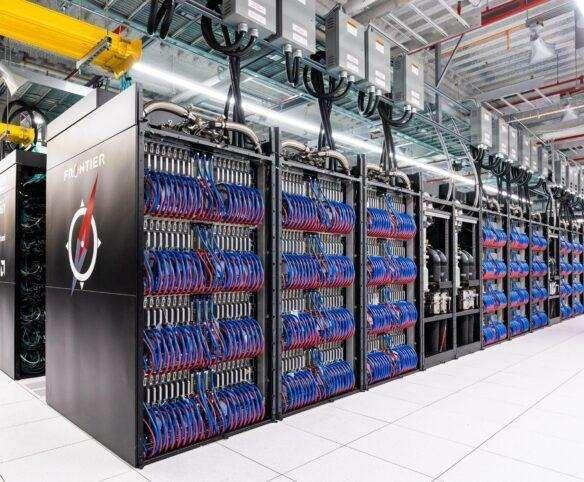
Modern server deployments are becoming increasingly compact as organizations seek greater computing power within limited physical space. Higher rack density, however, creates concentrated thermal zones that require advanced cooling methods. Modern coolant circulation systems help distribute cooling capacity more evenly throughout these environments. This prevents localized overheating while supporting scalable infrastructure growth. In Calgary’s expanding enterprise technology sector, this capability is becoming increasingly valuable for future-ready facilities.
Data Center Cooling Systems Designed for AI Workloads
Managing Continuous Processing Demands
AI applications often run continuously for extended periods, generating substantial heat throughout processing cycles. Without effective thermal management systems, these workloads can reduce infrastructure efficiency and increase the risk of downtime. Advanced cooling technologies allow facilities to maintain stable conditions even during intensive computational activity. This is especially important for organizations supporting machine learning, predictive analytics, and cloud-based processing platforms. Efficient cooling infrastructure now plays a direct role in AI scalability.
Improving Reliability in Mission-Critical Environments
Infrastructure reliability is essential for enterprise organizations operating around-the-clock services. Even small temperature fluctuations can affect system performance and equipment stability. Modern data center cooling systems help minimize these risks by maintaining consistent environmental conditions across server environments. This level of reliability is particularly important in industries where uninterrupted computing availability is required. Cooling distribution systems support this consistency through more precise thermal control strategies.
The Role of Coolant Circulation in Sustainable Infrastructure
Reducing Dependence on Traditional HVAC Systems
Traditional HVAC-based cooling systems consume large amounts of electricity, especially in facilities supporting high-performance workloads. Modern coolant circulation systems reduce the strain placed on these large-scale air-cooling environments by improving localized heat removal. This reduces overall power consumption while improving thermal efficiency. Many Calgary-based facilities are adopting hybrid or liquid-assisted cooling strategies to support sustainability goals. The result is a more balanced and energy-conscious infrastructure design.
Lowering Operational Costs Through Smarter Cooling
Energy efficiency has a direct impact on long-term operational expenses within enterprise facilities. Efficient cooling infrastructure reduces the need for excessive airflow management and oversized cooling equipment. This lowers utility costs while also reducing maintenance demands across infrastructure systems. Organizations investing in cooling distribution systems often experience measurable improvements in operational efficiency over time. These longterm savings are becoming increasingly important for businesses managing large-scale data environments.
Infrastructure Planning and Accessibility in Calgary
Strategic Facility Placement and Accessibility
Infrastructure planning in Calgary increasingly focuses on accessibility, transportation efficiency, and long-term operational flexibility. Facilities located near key commercial corridors benefit from improved service access and easier logistics for equipment deployment. Areas connected by Deerfoot Trail, Glenmore Trail, and Stoney Trail continue to attract enterprise infrastructure development due to strong transportation connectivity. Businesses use local navigation to implement cooling distribution systems, improving deployment efficiency and maintenance coordination. Strategic accessibility planning now plays a major role in operational efficiency.
Preparing Facilities for Future Expansion
Enterprise infrastructure must be designed with future scalability in mind. Data center operators are planning for increased server density, expanding AI workloads, and evolving computational requirements. Modern thermal management systems allow facilities to scale operations without requiring major structural redesigns. This flexibility is helping Calgary businesses prepare for long-term infrastructure growth more effectively. Cooling innovation is now directly connected to future business continuity planning.
Emerging Trends Shaping Modern Cooling Technologies
Intelligent Monitoring and Automation
Modern cooling infrastructure is becoming increasingly intelligent through integration with real-time monitoring systems. Sensors can continuously monitor coolant flow, temperature, and environmental conditions across server environments. This allows IT teams to identify inefficiencies before they impact operations. Automated adjustments also improve overall system optimization and reduce the need for manual intervention. Intelligent cooling technologies are becoming a standard feature in advanced enterprise facilities.
Transitioning Toward Liquid-Assisted Cooling Models
Many organizations are gradually shifting toward liquid-assisted and hybrid cooling models to support growing computational demands. These systems provide improved thermal efficiency compared to traditional air-based methods. They also support higher-density infrastructure while reducing overall power consumption. As enterprise workloads continue evolving, cooling distribution systems will play an even larger role in sustainable infrastructure planning. This transition reflects the broader modernization of data center operations worldwide.
FAQs
What are cooling distribution systems in data centers?
Cooling distribution systems are designed to manage the movement of cooling resources throughout a data center. They help maintain stable operating temperatures for servers and networking hardware. Efficient systems improve both performance and energy efficiency.
Why are coolant circulation systems important for enterprise infrastructure?
Coolant circulation systems help transfer heat away from critical hardware more effectively than traditional airflow methods. This improves thermal consistency and supports high-density server environments. They are especially useful for AI and high-performance computing workloads.
How do thermal management systems improve operational efficiency?
Thermal management systems optimize temperature control across infrastructure environments. This reduces overheating risks, lowers energy consumption, and improves hardware reliability. Better thermal efficiency also supports long-term operational savings.
Are modern data center cooling systems scalable?
Yes, modern cooling technologies are designed to support future infrastructure growth. They allow facilities to increase server density and computing capacity without major cooling redesigns. This flexibility supports evolving enterprise demands.
Why is Calgary becoming important for advanced data center infrastructure?
Calgary’s growing technology sector and strong infrastructure accessibility make it an attractive location for enterprise facilities. Businesses require scalable cooling systems to support expanding AI and cloud workloads. Strategic transportation routes also simplify deployment and maintenance operations.
Conclusion
Modern enterprise infrastructure requires more advanced thermal strategies than ever before. As AI workloads, cloud computing, and high-density environments continue growing, traditional cooling methods are becoming less effective at maintaining operational efficiency. Cooling distribution systems provide a scalable solution to improve thermal performance, reduce energy consumption, and support long-term infrastructure reliability. For organizations across Calgary, investing in smarter cooling infrastructure is now closely tied to business continuity and future growth planning. From advanced coolant circulation systems to intelligent thermal management systems, modern cooling technologies are helping enterprise facilities build more efficient and sustainable operations for the years ahead.