How to Avoid Choosing the Wrong Coolant Distribution Unit
As artificial intelligence (AI), cloud computing, and high-performance computing continue to reshape modern IT infrastructure, efficient thermal management has become a critical requirement for maintaining reliable operations. Today's high-density servers generate significantly more heat than traditional systems, making liquid cooling an increasingly important part of data center design. Selecting the right coolant distribution unit is no longer just a technical decision it is a long-term investment in system reliability, energy efficiency, equipment protection, and operational continuity. Organizations planning new facilities or expanding existing environments should understand the key factors that influence cooling performance before selecting a solution.
A properly engineered coolant distribution unit acts as the central connection between facility water and liquid-cooled IT equipment, regulating coolant flow while maintaining precise operating temperatures. By delivering consistent thermal performance, it helps reduce equipment stress, supports higher computing densities, and minimizes the risk of unexpected downtime. Modern liquid cooling solutions are designed to align with recognized thermal management best practices, helping organizations build dependable and scalable infrastructure for evolving workloads.
Why the Right Cooling Strategy Matters
Reliable cooling is essential for protecting mission-critical equipment and maintaining uninterrupted business operations. Even small variations in operating temperatures can affect server performance, component lifespan, and overall infrastructure stability. Choosing the modern coolant distribution unit helps maintain consistent coolant circulation, improve thermal efficiency, and support long-term equipment reliability.
Beyond maintaining temperatures, an effective liquid cooling strategy can lower operational costs by improving energy efficiency and optimizing available floor space. As organizations continue deploying AI applications and high-density computing environments, liquid cooling offers a practical solution for managing increasing heat loads while supporting sustainable infrastructure growth.
Understanding CDU Data Center Cooling
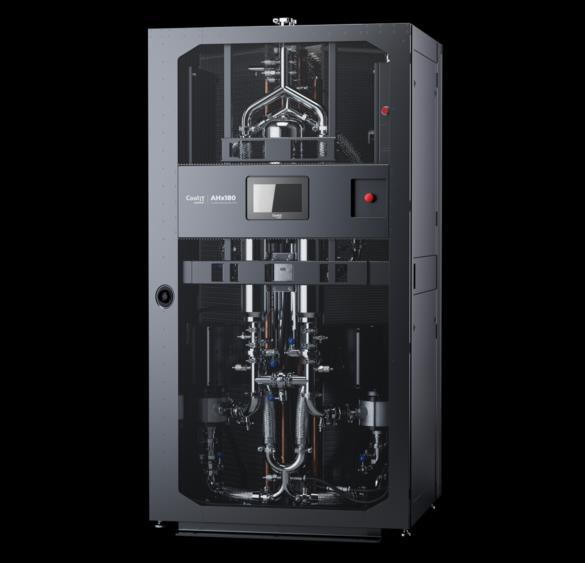
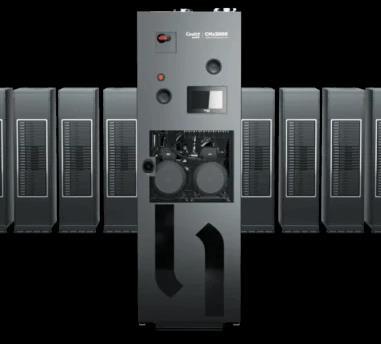
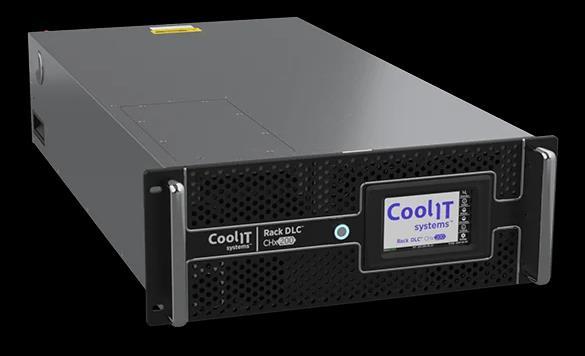
A CDU data center solution transfers heat from liquid-cooled servers through a closed-loop system while keeping facility water isolated from sensitive IT equipment. This controlled approach improves safety, enhances cooling efficiency, and provides precise thermal management across demanding computing environments.
Modern CDU data center technologies incorporate intelligent automation, real-time monitoring, advanced sensors, and flow management capabilities that help operators maintain stable cooling performance during changing workloads. These capabilities also provide valuable operational insights that simplify maintenance and improve overall system reliability.
Key Features to Consider Before Selecting a Cooling Solution
Cooling Capacity
The selected coolant distribution unit should support both current workloads and future expansion. Proper sizing helps maintain efficient operation while reducing unnecessary energy consumption and avoiding future infrastructure limitations.
Intelligent Monitoring
The advanced CDU units continuously monitor coolant temperature, pressure, flow rate, and overall system health. Real-time visibility allows operators to identify potential issues early, helping reduce downtime and improve operational confidence.
Reliability and Redundancy
High-availability environments benefit from redundant pumps, backup controls, and resilient system architecture. These features help maintain uninterrupted cooling during maintenance activities or unexpected component failures.
Energy Efficiency
Modern liquid cooling technologies provide highly efficient heat transfer compared with conventional air cooling in many high-density environments. Improved efficiency can contribute to lower operating costs while supporting sustainability objectives.
Scalability
As computing requirements continue evolving, cooling infrastructure should be capable of supporting future hardware upgrades without requiring significant redesign. Flexible systems help organizations adapt to changing business, industrial equipment and technology demands more efficiently.
Common Mistakes to Avoid
Selecting a cooling solution based solely on purchase price can result in higher operational expenses over time. Long-term performance, maintenance requirements, compatibility, and future scalability should all be considered before investing.
Organizations should avoid these common mistakes:
Choosing equipment with insufficient cooling capacity.
Ignoring long-term infrastructure growth.
Selecting incompatible CDU units for existing systems.
Overlooking monitoring and automation capabilities.
Failing to evaluate maintenance accessibility.
Prioritizing short-term savings over long-term operational value.
Careful planning helps maximize system reliability while improving the total value of the investment throughout its lifecycle.
The Value of Quality Engineering
Every computing environment has unique cooling requirements influenced by workload density, facility design, and operational objectives. Selecting a well-designed cooling distribution unit helps maintain precise thermal control while improving overall infrastructure resilience.
Organizations throughout Canada continue investing in advanced liquid cooling technologies as AI, cloud computing, and high-performance computing increase thermal demands. Reliable engineering supports consistent performance, simplified maintenance, and greater confidence in long-term system operation.
Supporting Future Data Center Growth
As processor performance continues advancing, many facilities are transitioning toward direct liquid cooling to support increasing rack power densities. Liquid cooling enables more effective heat removal, allowing organizations to deploy higher-performance computing infrastructure while maintaining efficient thermal management.
CoolIT Systems develops advanced liquid cooling technologies for hyperscale, enterprise, and high-performance computing environments. Through continuous innovation and engineering expertise, CoolIT Systems delivers scalable cooling solutions designed to improve thermal efficiency, operational reliability, and long-term infrastructure performance.
Businesses across Canada increasingly recognize the importance of advanced liquid cooling as they modernize data center infrastructure. Investing in dependable cooling technologies helps protect critical hardware, improve energy efficiency, and support sustainable digital growth. By combining proven engineering with innovative thermal management, CoolIT Systems continues helping organizations prepare for the next generation of computing.
Frequently Asked Questions
What is a coolant distribution unit?
A coolant distribution unit circulates conditioned coolant between facility water systems and liquid-cooled IT equipment to maintain safe and stable operating temperatures.
Why is CDU data center cooling important?
A CDU data center solution enables efficient heat removal for high-density computing environments, helping improve system reliability, energy efficiency, and equipment performance.
What are CDU units used for?
CDU units regulate coolant flow, pressure, and temperature while providing monitoring capabilities that support reliable liquid cooling system operation.
How does a cooling distribution unit improve efficiency?
A cooling distribution unit improves thermal performance by delivering controlled coolant circulation that efficiently removes heat and supports consistent equipment operation.
Why are liquid cooling systems becoming more common?
Increasing AI workloads, cloud services, and high-performance computing require cooling technologies capable of handling higher thermal loads than many conventional air-cooling systems.
Conclusion
Selecting the right cooling distribution unit requires evaluating cooling capacity, reliability, monitoring capabilities, scalability, and long-term operational performance rather than focusing only on upfront costs. A carefully engineered liquid cooling solution supports efficient thermal management, protects valuable IT equipment, and helps organizations build resilient infrastructure that can adapt to future computing demands.
Looking to learn more about advanced liquid cooling technologies and industry-leading thermal management solutions? Visit CoolIT Systems on Google Maps to explore innovative cooling products, discover expert resources, and connect with a team dedicated to supporting reliable, high-performance data center infrastructure.