
Expert Pest Control in Calgary for Long-Lasting Home Protection
Pests can quickly turn a comfortable home into a stressful environment. Whether it is ants invading the kitchen, spiders hiding in corners, rodents finding entry points, or wasps building nests near outdoor living spaces, pest problems can affect both comfort and property value. Homeowners often underestimate how quickly a minor infestation can become a larger issue if left untreated.
This is why reliable pest control in Calgary plays an important role in maintaining a safe and healthy home. Effective pest management goes beyond eliminating visible pests. It focuses on identifying the source of the problem, preventing future infestations, and creating long-term protection for the property.

Why Long-Term Pest Protection Matters
Many homeowners attempt to deal with pests using temporary solutions such as sprays, traps, or store-bought treatments. While these methods may provide shortterm relief, they often fail to address the root cause of the infestation.
Long-lasting pest protection offers several benefits:
Reduces the risk of recurring infestations
Protects property from structural damage
Improves indoor comfort
Supports a healthier living environment
Helps maintain property value
Effective pest management focuses on inspection, treatment, monitoring, and prevention to achieve sustainable results.
Common Household Pests That Require Attention
Several pests frequently affect residential properties throughout the year. Understanding their habits helps homeowners take proactive measures
Ants
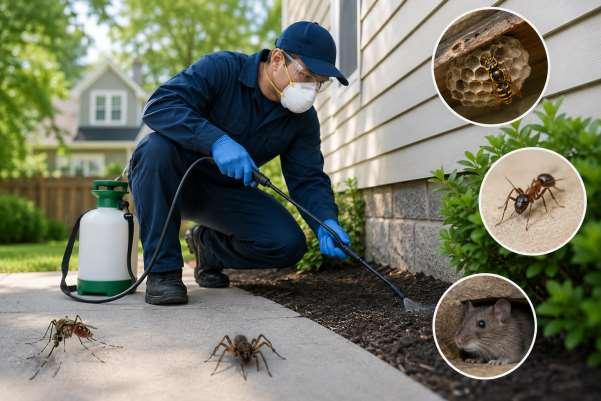
Ants are among the most common household pests. They often enter homes searching for food and water. Once a colony establishes a trail, infestations can spread quickly throughout kitchens, pantries, and living spaces.
Spiders
Most spiders are harmless, but their presence can create discomfort for homeowners. They are often found in basements, garages, storage areas, and dark corners where insects are abundant.
Rodents
Mice and rats can cause significant problems by chewing electrical wires, damaging insulation, contaminating food, and spreading bacteria. Rodents can enter homes through surprisingly small openings.
Wasps
Wasps often build nests near roofs, decks, fences, and outdoor gathering areas. Their aggressive behavior when threatened makes them a concern for families and pets.
Bed Bugs
Bed bugs can spread rapidly through furniture, luggage, and personal belongings. Their bites can cause discomfort and disrupt sleep patterns.
Cockroaches
Cockroaches thrive in warm and humid environments. They can contaminate food preparation areas and contribute to unsanitary conditions.
Signs You May Have a Pest Problem
Early detection is essential for successful treatment. Many infestations become severe because warning signs are overlooked.
Common indicators include:
Droppings or pest waste
Gnaw marks on wood or wires
Scratching sounds inside walls
Unusual odors
Nesting materials
Visible insects during the day
Damage to food packaging
Small holes or entry points around the property
When these signs appear, timely action can prevent the infestation from growing.
The Importance of Thorough Inspections
A successful pest management plan begins with a detailed inspection. Every property is different, and identifying pest activity requires careful evaluation of indoor and outdoor areas.
An inspection typically focuses on:
Entry Points: Pests often gain access through cracks, gaps, vents, utility openings, and damaged seals around windows and doors.
Moisture Sources: Many pests are attracted to moisture. Leaking pipes, standing water, and poor drainage can create ideal conditions for infestation.
Nesting Areas: Basements, attics, garages, crawl spaces, and storage rooms frequently provide shelter for pests.
FoodSources: Open food containers, garbage bins, and pet food can attract a variety of pests into the home.
Understanding these contributing factors helps create a more effective treatment strategy.
Effective Treatment Approaches for Lasting
Results
The most successful pest control company programs combine multiple techniques rather than relying on a single solution.
Targeted Treatments
Specific treatments are selected based on the pest species, infestation level, and location. Targeted methods help eliminate pests efficiently while minimizing unnecessary applications.
Exclusion Methods
Exclusion involves sealing gaps, repairing structural vulnerabilities, and blocking access points to prevent pests from entering.
Monitoring and Follow-Up
Regular monitoring helps identify new activity before it develops into a larger infestation. Follow-up visits often improve long-term results.
Habitat Modification
Reducing conditions that attract pests is an important part of prevention. This may include improving sanitation, managing moisture, and removing outdoor shelter areas.
Preventing Pest Problems Before They Start
Prevention remains one of the most effective ways to protect a property from infestation.
MaintainCleanliness: Keeping kitchens, dining areas, and storage spaces clean helps reduce food sources that attract pests.
Store Food Properly: Use sealed containers for dry goods and pet food. Proper food storage reduces accessibility for insects and rodents.
Eliminate Standing Water: Fix leaks promptly and ensure proper drainage around the property. Moisture control discourages many pest species.
Seal Entry Points: Inspect doors, windows, utility lines, and foundation areas for gaps that may allow pests inside.
Manage Outdoor Landscaping: Trim vegetation away from structures and remove debris piles that may serve as nesting sites.
Choosing a Reliable Pest Control Partner
Selecting the right pest control service provider is essential for achieving longterm protection.
When evaluating a pest control company in Calgary, homeowners should consider:
Experience With Local Pest Issues: Different pests require different treatment approaches. Understanding common regional pest challenges helps improve effectiveness.
Customized Treatment Plans: Every property has unique needs. Customized solutions generally provide better outcomes than one-size-fitsall programs.
Focus on Prevention: Long-term success depends on prevention strategies as well as treatment.
Ongoing Support: Monitoring, maintenance, and follow-up visits help ensure continued protection after initial treatments.
A trusted provider such as Buzz Boss focuses on comprehensive solutions that address current infestations and help prevent future pest activity.
Benefits of Investing in a Pest Management Program
Many homeowners wait until pests become a major problem before seeking assistance. By investing in a trusted pest control service in Calgary, homeowners can enjoy greater peace of mind and a healthier home for years to come. However, preventive programs often provide greater value over time.
Benefits include:
Reduced infestation risks
Lower repair costs
Better indoor comfort
Improved property protection
Greater peace of mind
Consistent monitoring and prevention
A proactive approach helps homeowners avoid costly and disruptive pest problems.
Seasonal Pest Challenges
Different pests become active during different times of the year.
Spring: Ants, wasps, and emerging insects often become more active as temperatures rise.
Summer: Outdoor pests, stinging insects, and increased rodent activity can occur during warmer months.
Fall: Rodents frequently seek shelter indoors as temperatures begin to cool.
Winter: Certain pests continue to survive indoors where warmth and food sources remain available.
Year-round monitoring ensures that seasonal changes do not create opportunities for infestation.
Why Consistency Is Key to Long-Term Protection
Pest management should not be viewed as a one-time solution. Environmental conditions, weather patterns, and surrounding properties can all influence pest activity.
A dependable pest control service in Calgary focuses on:
Routine inspections
Preventive treatments
Early detection
Exclusion strategies
Ongoing monitoring
This comprehensive approach helps maintain a pest-free environment throughout the year.
Frequently Asked Questions
How can homeowners tell if pests are becoming a serious problem?
Small warning signs often appear before a larger infestation develops. Regular inspections help identify activity early. Addressing issues quickly can prevent significant damage and disruption.
Are preventive treatments worth considering?
Preventive measures help reduce the likelihood of future infestations. They also address conditions that attract unwanted insects and rodents. Consistent prevention often saves time and money over the long term.
How often should a property be inspected?
The ideal frequency depends on factors such as location, previous activity, and surrounding conditions. Many homeowners benefit from periodic evaluations throughout the year. Regular monitoring helps identify concerns before they escalate.
What attracts unwanted pests into homes?
Food, water, shelter, and accessible entry points are the most common factors. Even small openings can allow pests to enter. Reducing these attractants makes properties less appealing.
Can outdoor conditions affect indoor pest activity?
Yes, weather changes often influence pest behavior. Many species move indoors seeking warmth, food, or moisture during certain seasons. Maintaining exterior barriers can help reduce these risks.
Conclusion
Protecting a home from pests requires more than temporary fixes. Effective pest control combines detailed inspections, targeted treatments, preventive strategies, and ongoing monitoring to deliver lasting results. Whether dealing with ants, rodents, spiders, wasps, or other common pests, a proactive approach helps maintain a safer and more comfortable living environment.
For homeowners seeking dependable protection, pest control companies in Calgary services that prioritize prevention and long-term solutions can make a significant difference. Explore the service location and map point to learn more about effective pest management options and build stronger protection for every season.