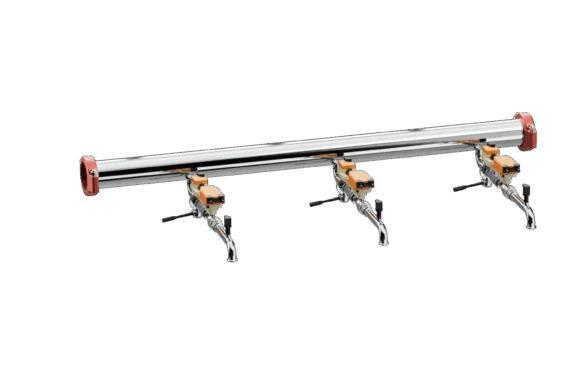


The rapid growth of artificial intelligence, cloud computing, and hyperscale infrastructure has significantly increased the demand for efficient heat management in modern data centres. As computing density continues to rise, traditional air-based systems are no longer sufficient to maintain optimal performance and reliability. This shift has led to the rise of advanced liquidbased approaches and the development of the technology cooling system, designed to efficiently manage heat at scale. These innovations are reshaping how organizations think about performance, sustainability, and infrastructure design.
The Evolution of Liquid Cooling Distribution
The journey toward modern cooling began with basic airflow management and gradually progressed into more advanced thermal engineering strategies.
Early data centres relied heavily on air conditioning systems and rack-mounted fans. However, as hardware density increased, cooling distribution systems became more complex and less efficient due to limitations in airflow management.
This challenge led to the development of liquid-based approaches that transfer heat more effectively through fluid dynamics. Over time, the technology cooling system evolved to integrate precision-engineered coolant pathways that directly target heat sources.
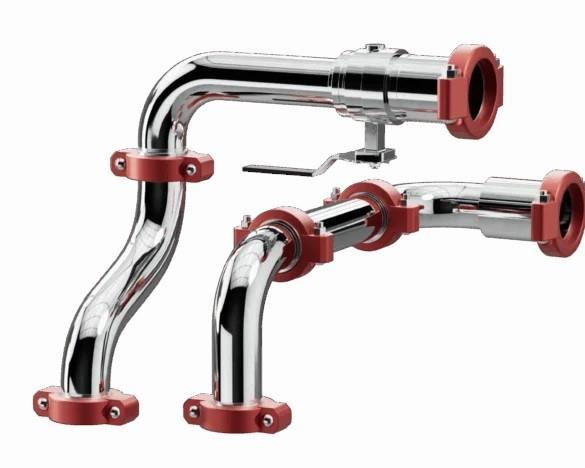
Today, modern cooling distribution systems are no longer limited to simple airflow routing but instead incorporate closed-loop liquid circulation, heat exchangers, and direct-to-chip cooling technologies.
High-Density Computing and Thermal Challenges
High-density computing environments generate significantly more heat per rack compared to traditional server setups. This makes efficient thermal control essential for maintaining system stability.
Rising Computational Loads
AI model training, machine learning inference, and real-time analytics all contribute to increased thermal output. As a result, modern infrastructure requires a more advanced technology cooling system capable of handling extreme workloads.
Limitations of Air-Based Cooling
Air cooling systems struggle to maintain consistent temperatures in densely packed racks. This limitation has driven innovation toward liquid-based solutions that offer superior thermal conductivity.
Transition to Liquid-Based Efficiency
Modern data center cooling systems now rely on liquid circulation as a primary method of heat removal. This shift represents a major milestone in the evolution of infrastructure design.
Core Components of Modern Liquid Cooling Architecture
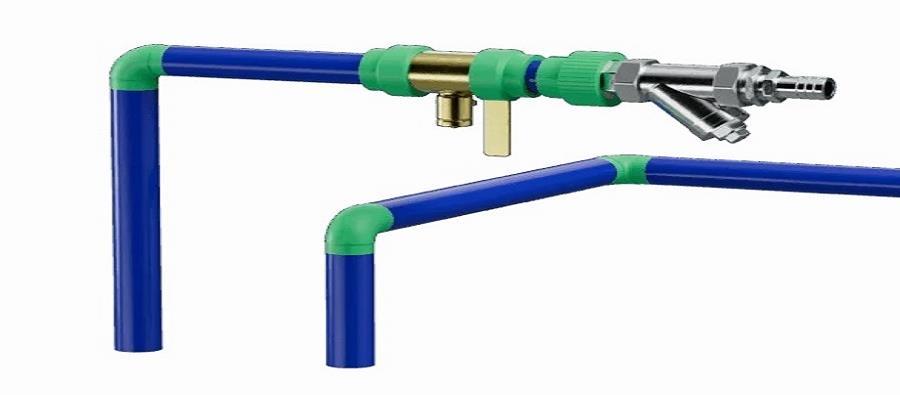
Modern cooling infrastructure is built on a combination of interconnected systems designed for maximum efficiency.
Coolant Circulation Systems
At the heart of any modern technology cooling system are coolant circulation systems that transport thermal energy away from critical components. These systems ensure continuous heat transfer, prevent thermal bottlenecks, and help maintain reliable performance across high-demand applications.Direct Liquid Pathways
Liquid is delivered directly to heat-generating components such as CPUs and GPUs. This targeted approach significantly improves cooling efficiency compared to traditional airflow methods across Canada and modern industrial equipment.
Heat Exchange Infrastructure
Heat exchangers play a critical role in dissipating absorbed heat into facility-level systems. This ensures that the entire data center cooling systems ecosystem operates smoothly and consistently.
Role of Monitoring Systems
Modern thermal management also includes real-time monitoring to ensure stability, detect inefficiencies, and optimize coolant flow across the infrastructure.
Thermal Management Systems in Modern Data Centres
The integration of thermal management systems has transformed how data centres operate at scale.
Precision Control and Efficiency
A modern technology cooling system is designed for precision. Instead of relying on broad airflow, it delivers cooling exactly where it is needed, improving efficiency and reducing waste.
Scalability in High-Density Environments
As workloads grow, cooling distribution systems must scale accordingly. Liquid-based architectures allow seamless expansion without compromising performance.
Environmental Sustainability
One of the key benefits of modern data center cooling systems is their contribution to sustainability. By reducing reliance on energy-intensive air conditioning, these systems help lower overall power consumption.