How Industrial Tags Can Save Your Equipment from Costly Mistakes
In industrial environments, maintaining proper identification for equipment, machinery, and assets is more than a matter of organization; it is a critical safety and operational necessity. Mislabelled or unmarked components can lead to costly downtime, maintenance errors, and even workplace hazards. Industrial tags provide a robust solution, offering durability, clarity, and customizable options for a variety of industrial applications. From stainless steel nameplates to printed nameplates, businesses across Canada rely on these tools to maintain operational efficiency and prevent errors.
Why Industrial Tags Matter
Industrial tags are specialized identifiers affixed to equipment, machinery, and tools to convey essential information. They ensure that every asset is properly recognized, monitored, and maintained. Without them, businesses face:
Mismanagement of equipment
Safety hazards due to misidentification
Production delays from locating the wrong part
Compliance issues with Canadian safety standards
The benefits of using industrial tags go beyond simple labelling; they safeguard productivity, enhance traceability, and provide a professional appearance across industrial facilities.
Types of Industrial Tags
1. Nameplate Tags
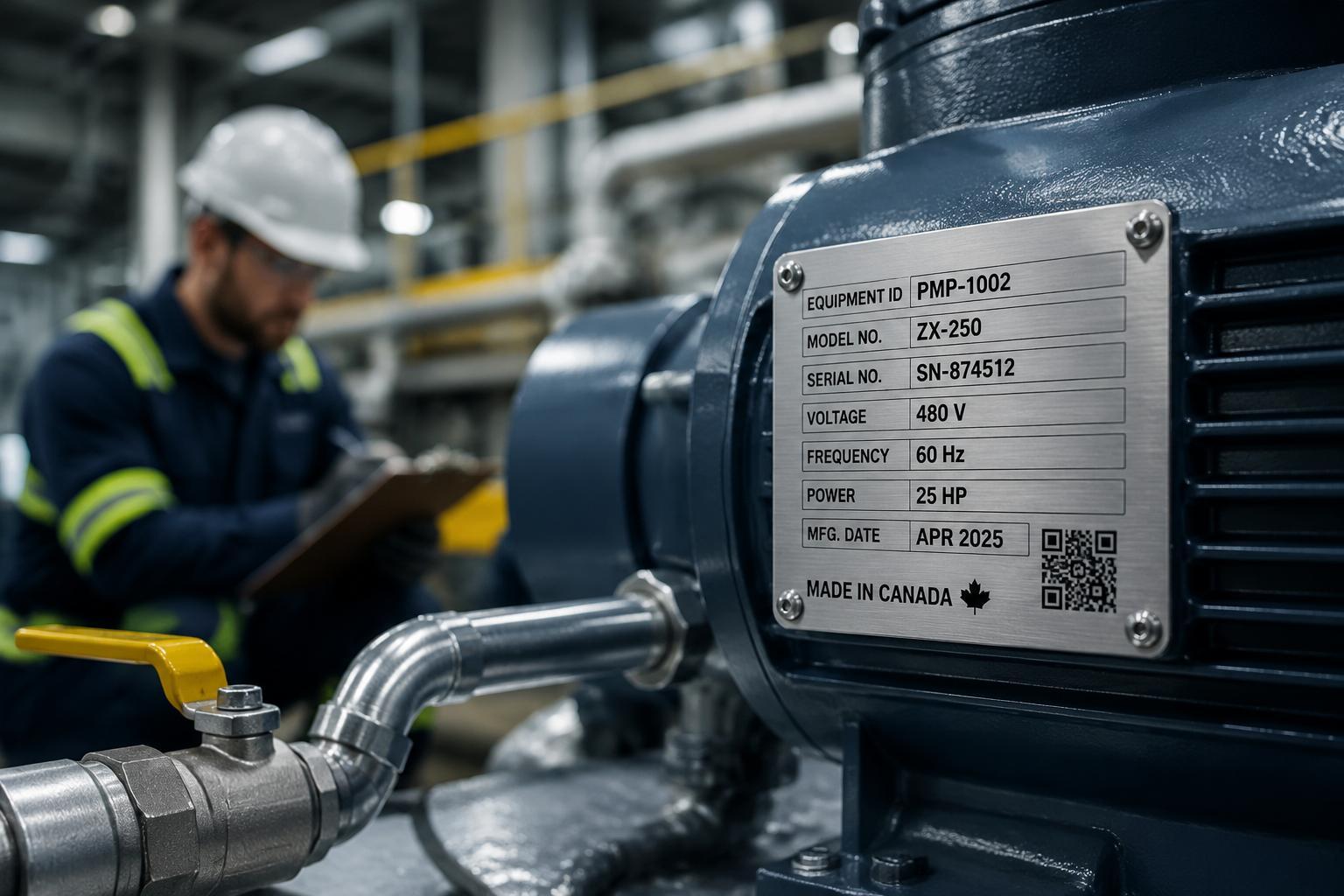
Nameplate tags are durable markers that carry essential details about machinery, equipment, or tools. These tags are often engraved or printed with information such as serial numbers, operational instructions, or safety warnings. They are made from metals like stainless steel or aluminum for longevity, ensuring that identification remains intact even under harsh conditions.
2 | Page Contact: 403-930-5543
Email: sales@industrialnameplates.ca
2. Customizable Name Plates
Businesses often require industrial tags tailored to their specific needs. Customizable name plates allow companies to include logos, colour codes, barcodes, or other information. With custom printing technologies, these tags maintain both functionality and aesthetic appeal. Customize name plate options to enable accurate asset tracking and help prevent errors due to generic labelling.
3. Nameplate Metal Options
Industrial environments demand resilient materials. Nameplate metal tags, typically made from stainless steel or anodized aluminum, resist wear, corrosion, and extreme temperatures. They maintain legibility over time, making them ideal for equipment exposed to heavy use or harsh environments
4. Printed Name Plates
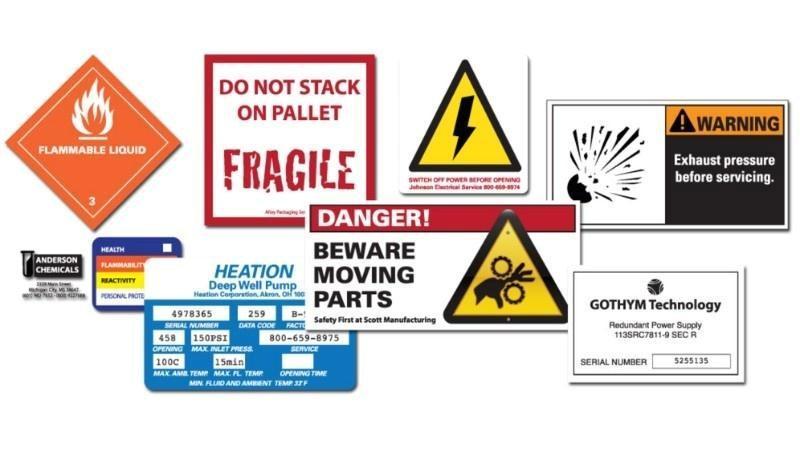
Printed name plates are versatile solutions for labelling non-metallic surfaces or items requiring high-resolution graphics. They are often used for colour-coded identification, instructional signage, or regulatory compliance labelling. Printed name plates can complement engraved metal tags in facilities requiring both durability and visual clarity.
Designing Effective Name Plates
Creating a functional and visually clear name plate requires attention to design:
Font and Size: Ensure that text is legible from a reasonable distance.
Material Selection: Stainless steel, aluminum, or other metals suited to the operating environment.
Information Layout: Arrange critical data like serial numbers, operational limits, and safety instructions prominently.
Colour and Finish: Use contrasting colours to improve readability and include protective coatings to resist wear.
Attachment Method: Select from rivets, screws, or adhesives based on surface and environmental conditions.
The effective name plate design reduces human error, improves safety, and extends the service life of industrial assets.
Benefits of Industrial Tags
Industrial tags provide a wide array of operational advantages:
1. Enhanced Safety: Clear labelling prevents mishandling and reduces workplace accidents.
2. Operational Efficiency: Quickly identify tools and machinery without confusion
3. Durability: Resistant materials maintain legibility despite exposure to chemicals, weather, or abrasion
4. Compliance: Supports adherence to CSA, ISO, and other regulatory frameworks.
5. Traceability: Facilitates record-keeping for maintenance, inspections, and audits
By investing in high-quality industrial tags, companies save on costly downtime and improve asset management.
Applications Across Industries
Industrial tags find applications in multiple sectors:
Manufacturing: Identifying machinery, parts, and assembly line tools.
Oil and Gas: Durable tags withstand extreme temperature, pressure, and chemical exposure.
Facility Management: Tags streamline inventory and asset control across large sites
Construction: Temporary and permanent identification of tools and equipment.
Food and Beverage: Tags withstand washing, chemical exposure, and temperature changes.
Their versatility ensures that industrial tags are an essential tool for operational excellence in any sector.
Choosing the Right Industrial Tags
Selecting the right tag depends on several factors:
Environment: High-temperature, chemical, or outdoor exposure requires corrosionresistant metals.
Asset Type: Heavier machinery may require riveted or welded tags; lighter tools may use adhesive-backed printed plates.
Information Needs: Include serial numbers, barcodes, logos, and safety instructions for full traceability.
Volume: High-volume production may benefit from batch printing, engraving, or laser marking for efficiency.
Careful consideration ensures long-term identification, reduced errors, and improved workflow efficiency.
How Industrial Tags Prevent Costly Mistakes
Industrial mistakes can be expensive, disruptive, and sometimes dangerous. Misidentified equipment, misplaced tools, or unclear labelling often lead to operational inefficiencies, safety hazards, and regulatory non-compliance. Industrial tags are designed to mitigate these risks by providing clear, durable, and easily readable identification for every piece of equipment and asset.
Email: sales@industrialnameplates.ca
Below is a detailed look at how these tags prevent costly errors:
1. Preventing Misidentification of Equipment
Each piece of machinery or tool in an industrial setting has specific operational requirements. Without proper identification, workers may use the wrong equipment or part, causing malfunctions or production delays. Industrial tags, whether engraved metal or printed name plates, ensure that every component is labelled with:
Serial numbers
Model identifiers
Operating instructions
Safety warnings
This clear labelling reduces human error and ensures the right equipment is used at the right time, maintaining production continuity
Example: A manufacturing plant using industrial tags on conveyor motors prevents installing a motor with the wrong voltage, which could lead to costly equipment failure.
2. Reducing Maintenance and Downtime Errors
Routine maintenance requires accurate identification of parts and machinery. Industrial tags provide essential information that maintenance personnel can reference quickly. This avoids unnecessary downtime caused by searching for parts or making mistakes due to unclear labelling
Example: An HVAC technician can immediately identify the correct pump using its engraved nameplate tag, ensuring precise servicing without affecting production schedules.
3. Supporting Regulatory Compliance
Canadian industries must adhere to strict safety, traceability, and operational standards. Proper tagging of assets ensures compliance with CSA, ISO, and other regulatory requirements. Industrial tags provide permanent records that can be referenced during audits and inspections.
Example: Chemical processing plants using metal nameplate tags on tanks and piping maintain accurate records for regulatory inspections, reducing fines and ensuring worker safety.
4. Enhancing Inventory and Asset Management
Industrial tags also serve as essential tools for tracking and inventory management. By marking each asset with a unique identifier, companies can efficiently track asset locations, monitor usage, and manage replacements proactively.
Email: sales@industrialnameplates.ca
Example: A warehouse using printed name plates for storage racks can instantly verify stock location and prevent misplacement, reducing loss and improving workflow.
5. Facilitating Digital Integration and Automation
Modern industrial tags can integrate with digital asset management systems via QR codes or barcodes. This enables automated tracking, real-time updates, and seamless integration with Industry 4.0 technologies.
Example: A factory uses QR-coded industrial tags on machines to automatically log maintenance schedules and operational hours into a digital management system, eliminating manual errors
6. Preventing Safety Hazards
Incorrect or missing identification can lead to severe safety hazards, including accidental use of malfunctioning equipment or exposure to dangerous materials. Industrial tags clearly communicate hazards and operating limits.
Example: A power plant uses engraved stainless steel nameplate tags to indicate maximum load capacity and operating temperatures, preventing accidents and ensuring worker safety.
By investing in durable industrial tags, printed name plates, and customized metal name plates, businesses not only protect their equipment but also enhance operational efficiency, reduce human error, and maintain a safer work environment. Every tag acts as a safeguard, helping companies avoid costly mistakes that can impact productivity, compliance, and safety.
Conclusion
Investing in industrial tags is not just an operational choice; it is a strategic decision to enhance safety, efficiency, and compliance. Durable nameplate tags, custom printed name plates, and metal identification solutions reduce errors, improve traceability, and save businesses from costly mistakes. By choosing high-quality materials, thoughtful design, and availability, industrial facilities across Canada can achieve long-term operational excellence.
FAQs
What makes industrial tags different from regular labels?
Industrial tags are designed for durability, readability, and resistance to harsh conditions. Unlike regular stickers or paper labels, they withstand extreme temperatures, abrasion, and chemical exposure, making them reliable in demanding industrial environments.
Can I customize name plates for specific equipment?
Yes, you can customize name plates to include logos, serial numbers, barcodes, and other relevant information. Customization ensures proper identification, traceability, and brand consistency across all assets
Which materials are best for nameplate tags?
Metals like stainless steel and aluminum are preferred for industrial tags. They resist corrosion, wear, and impact while maintaining legibility. Printed options are also available for applications requiring detailed graphics or colour codes.
How do I ensure my tags comply with regulations?
Compliance involves selecting materials, sizes, and information layouts that meet CSA, ISO, or industry-specific standards. Choosing high-quality industrial tags helps ensure adherence to safety and traceability requirements
Are printed name plates as durable as metal tags?
While printed name plates are highly versatile and visually precise, metal tags such as stainless steel or aluminum offer superior long-term durability in extreme environments. Combining both types can maximize functionality and clarity.


