Understanding DLC Servers and Their Role in Modern Data Centers
What Are Direct Liquid Cooled Servers?
As server workloads become more demanding, especially with artificial intelligence and machine learning applications, processors generate significantly higher thermal loads. Direct liquid cooled servers are computing systems that use liquid cooling technology to remove heat directly from high-performance components such as CPUs and GPUs. Instead of relying mainly on air circulation, these systems use specialized cooling fluids that absorb heat more efficiently.
Unlike conventional cooling setups that require large amounts of airflow, DLC systems deliver cooling closer to the heat source. This targeted approach allows data centers to operate highperformance equipment while maintaining efficiency and reliability.
How DLC Servers Work
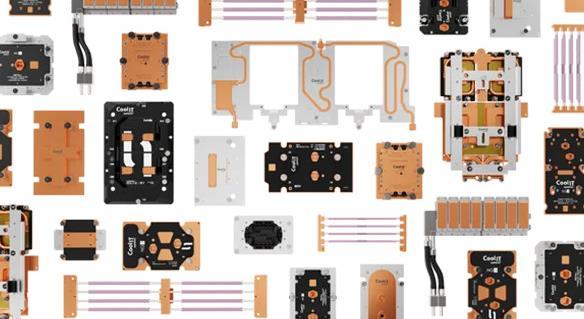
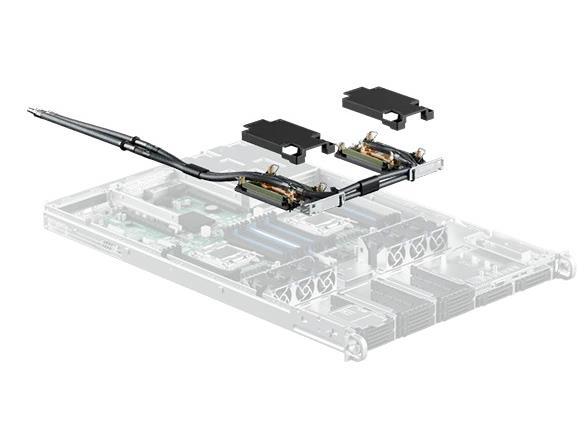
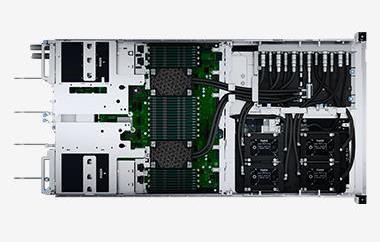
DLC servers typically use a cooling plate attached directly to heat-generating components. A liquid coolant flows through these plates, absorbs heat, and transfers it away from the server. The heated liquid then moves through a cooling distribution system where the heat is removed before the cooled liquid returns to the server. These liquid loop cooling systems create a continuous process that helps maintain consistent temperatures during demanding workloads. This approach reduces thermal stress on hardware components and supports longer equipment lifespan.
Why Direct Liquid Cooling Technology Improves Data Center Reliability?
Better Thermal Management for High-Density Computing
One of the biggest challenges in modern data centers is controlling heat from increasingly powerful processors. Traditional air cooling can struggle when server racks reach higher densities. Direct liquid cooling technology provides improved heat removal capabilities because liquids transfer heat more efficiently than air. This allows organizations to support advanced computing environments without excessive temperature fluctuations.
For Canadian data centers operating in competitive technology markets such as Toronto, Vancouver, and Montreal, maintaining consistent performance is critical. Reliable thermal management helps reduce unexpected downtime and improves overall infrastructure stability.
Reduced Risk of Hardware Failures
Excessive heat can negatively impact server performance and shorten hardware lifespan. Components operating under high temperatures may experience reduced efficiency or premature failure.
By keeping processors within optimal temperature ranges, significant DLC servers help minimize thermal-related risks. Stable cooling conditions allow servers to perform consistently even during intensive workloads.
This reliability is especially valuable for industries where service interruptions can impact business operations, customer experiences, and critical services.
The Benefits of Liquid Loop Cooling Systems for Data Centers
Improved Energy Efficiency
Cooling systems represent a significant portion of data center energy usage. Traditional airbased cooling often requires large cooling units, fans, and airflow management systems. Liquid loop cooling systems can reduce energy requirements by delivering cooling directly where heat is produced. This decreases dependence on energy-intensive air conditioning systems and helps improve overall facility efficiency.
For Canadian organizations focused on sustainability goals, liquid cooling can support efforts to reduce operational costs and improve environmental performance.
Supporting Higher Rack Density
Modern applications require more computing power within smaller physical spaces. Artificial intelligence workloads, analytics platforms, and cloud services often require servers with powerful processors. Advanced server cooling solutions allow data centers to increase rack density without creating excessive heat challenges. This enables better use of available space while supporting future technology growth.
Higher-density infrastructure can be especially beneficial for Canadian data centers managing increasing demand from businesses adopting digital transformation strategies.
Key Considerations When Implementing DLC Servers
Infrastructure Compatibility
Before adopting liquid cooling, organizations should evaluate existing data center designs. Factors such as rack configuration, cooling distribution, and maintenance procedures should be considered. Proper planning ensures smooth integration with current infrastructure.
Maintenance and Monitoring
Like any data center technology, liquid cooling systems require proper monitoring and maintenance. Regular inspections help identify potential issues and maintain reliable performance.
Modern systems in Canada often include monitoring capabilities that allow operators to track temperatures, flow rates, and cooling performance.
Professional Installation
Successful deployment requires careful planning and technical expertise. Working with experienced cooling specialists helps ensure systems are installed according to operational requirements.
Businesses looking to improve data center equipment can explore customized cooling strategies from experienced technology providers.
How Advanced Server Cooling Solutions Support Future Data Center Growth
Technology continues to evolve rapidly, and data centers must prepare for increasing performance requirements. Cooling infrastructure plays an important role in ensuring facilities can adapt to future demands. Advanced server cooling solutions provide flexibility for organizations implementing next-generation computing environments. They help support applications that require significant processing power while maintaining operational reliability.
As organizations look for ways to optimize energy usage, efficient cooling technologies are becoming increasingly important. CoolIT Systems have developed liquid cooling approaches designed to help data centers manage high-performance computing challenges while improving efficiency. The adoption of direct liquid cooling technology is also aligned with broader industry trends toward sustainable infrastructure.
Frequently Asked Questions
What are DLC servers used for?
DLC servers are used for high-performance computing environments that require efficient heat management. They are commonly used for AI workloads, cloud computing, scientific research, and enterprise applications.
How does direct liquid cooling improve server performance?
Direct liquid cooling improves performance by removing heat more efficiently from important server components. This helps maintain stable operating temperatures and supports demanding workloads.
Are direct liquid cooled servers more efficient than air cooling?
In many high-density computing environments, direct liquid cooled servers can provide improved cooling efficiency compared with traditional air-based methods because liquids transfer heat more effectively.
Can DLC servers support future technology demands?
Yes. DLC servers are designed to support increasing processing requirements in Canada, making them suitable for organizations preparing for future AI, analytics, and digital infrastructure needs.
Why are Canadian data centers considering liquid cooling solutions?
Canadian data centers are adopting liquid cooling solutions because growing digital workloads require more efficient, reliable, and scalable approaches to managing server heat.
Conclusion
The demand for powerful computing continues to grow, and traditional cooling methods are facing new challenges. Direct liquid cooled servers provide a modern approach to managing heat, improving reliability, and supporting high-performance workloads. With the ability to enhance thermal management and support energy-efficient operations, DLC servers are becoming an important technology choice for businesses building future-ready data centers. For businesses looking to improve data center performance and explore reliable cooling options, adopting direct liquid cooling technology can be a strategic step toward long-term operational success.
Ready to explore next-generation cooling solutions for your data center? Connect with trusted data center cooling specialists to evaluate reliable liquid cooling options for modern computing environments.