Modern infrastructure depends heavily on stable temperature control, especially in sensitive electronics and high-performance computing. Yet many organizations overlook the extent to which their cooling distribution systems influence long-term operational expenses. From airflow imbalances to outdated coolant circulation systems, even small design issues can add up to a significant financial impact over time. Understanding how these systems work and where they fail is essential for improving efficiency and reducing unnecessary costs.
Understanding Cooling Distribution Systems in Modern Facilities
Cooling infrastructure is more than just fans or chillers. It is a coordinated network designed to manage heat across complex environments.
How heat is managed across the infrastructure
Every computing or mechanical process generates heat. Without controlled dissipation, performance drops and equipment life shortens. Cooling distribution systems ensure heat is transferred away from sensitive areas through structured airflow or liquid-based channels.
Role of airflow and liquid-based cooling loops
Two primary methods dominate modern setups:
Air-based circulation that moves heat through controlled ventilation paths
Liquid-based loops that absorb and transfer heat more efficiently
Why Efficiency Matters in Thermal Management Systems?
Efficiency is not just about performance; it directly affects operational spending and system reliability.
Energy consumption impact
Poorly optimized thermal management systems require more energy to maintain target temperatures. This leads to higher electricity usage, increased cooling load on supporting infrastructure, and unnecessary strain on components. Even small inefficiencies in heat removal can create a ripple effect across the entire facility, increasing costs without obvious warning signs.
System design choices and long-term performance
Design decisions made during initial setup often determine long-term efficiency. Oversized cooling units, poorly mapped airflow, or mismatched liquid cooling components can reduce system effectiveness. Modern data center cooling systems increasingly rely on precision engineering to avoid these inefficiencies and maintain consistent thermal balance.
Common Inefficiencies in Cooling Infrastructure
Even well-designed systems degrade over time or suffer from overlooked flaws.
Poor maintenance practices
Dust buildup, neglected filters, and aging pumps reduce airflow and heat exchange efficiency. These issues force systems to work harder, increasing energy consumption.
Aging infrastructure
and outdated components
Older cooling units are often incompatible with newer high-density equipment. This mismatch reduces the effectiveness of both air and liquid cooling paths.
Overprovisioning and uneven load distribution
Many systems are built with excess capacity as a safety measure. However, overprovisioning can lead to inefficient cycling, where cooling resources are used unevenly, and increasing wear without improving performance.
Optimizing Coolant Circulation Systems for Better Performance
Liquid cooling has become a cornerstone of high-efficiency environments due to its ability to manage heat at scale.
Monitoring and intelligent controls
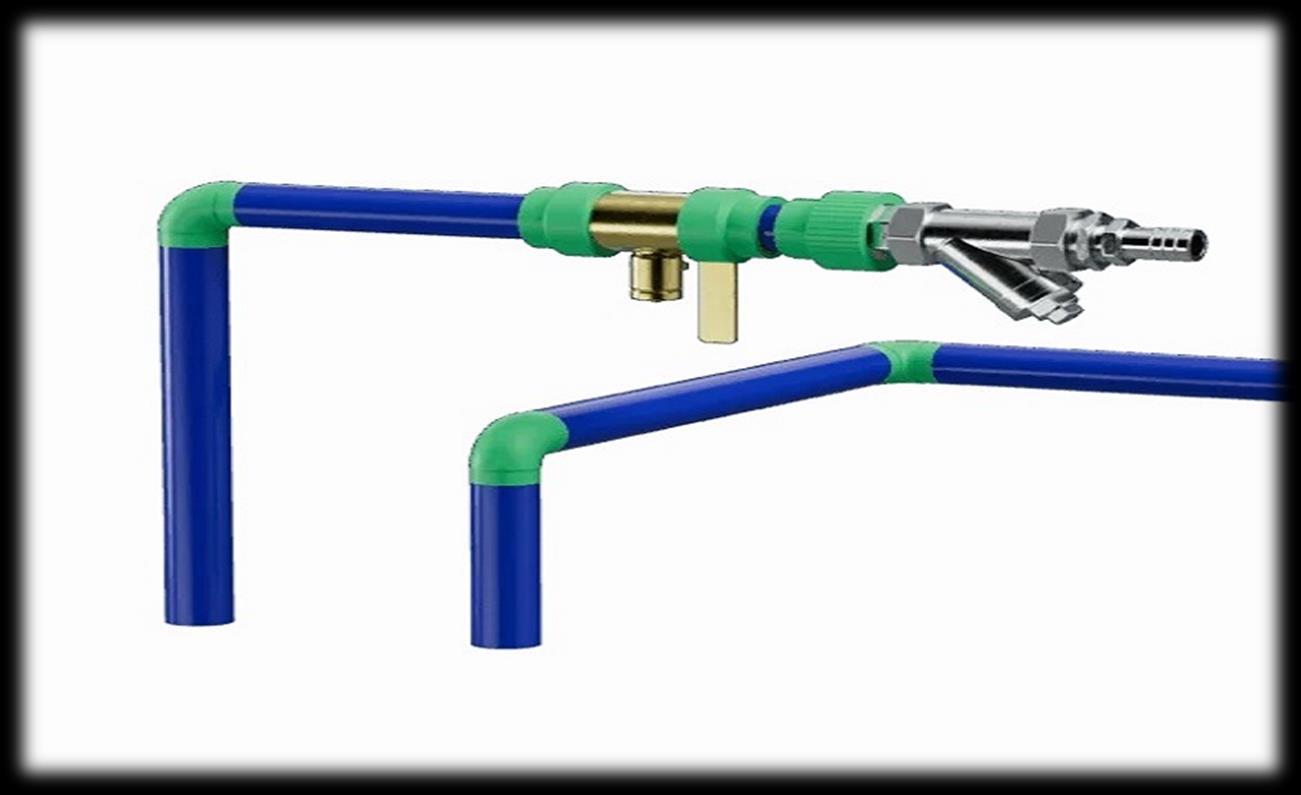
Modern systems rely on real-time monitoring to adjust flow rates and temperature thresholds. This helps maintain balance across coolant circulation systems, ensuring that no section is overworked or underutilized.
Smart sensors and adaptive response
Sensors embedded throughout the system can detect temperature variations and dynamically adjust cooling output. This reduces unnecessary energy use while maintaining consistent performance levels.
The Role of Advanced Data Center Cooling Systems
As computing density increases, traditional air-based cooling becomes less effective. This has led to rapid innovation in data center systems.
Modern approaches include:
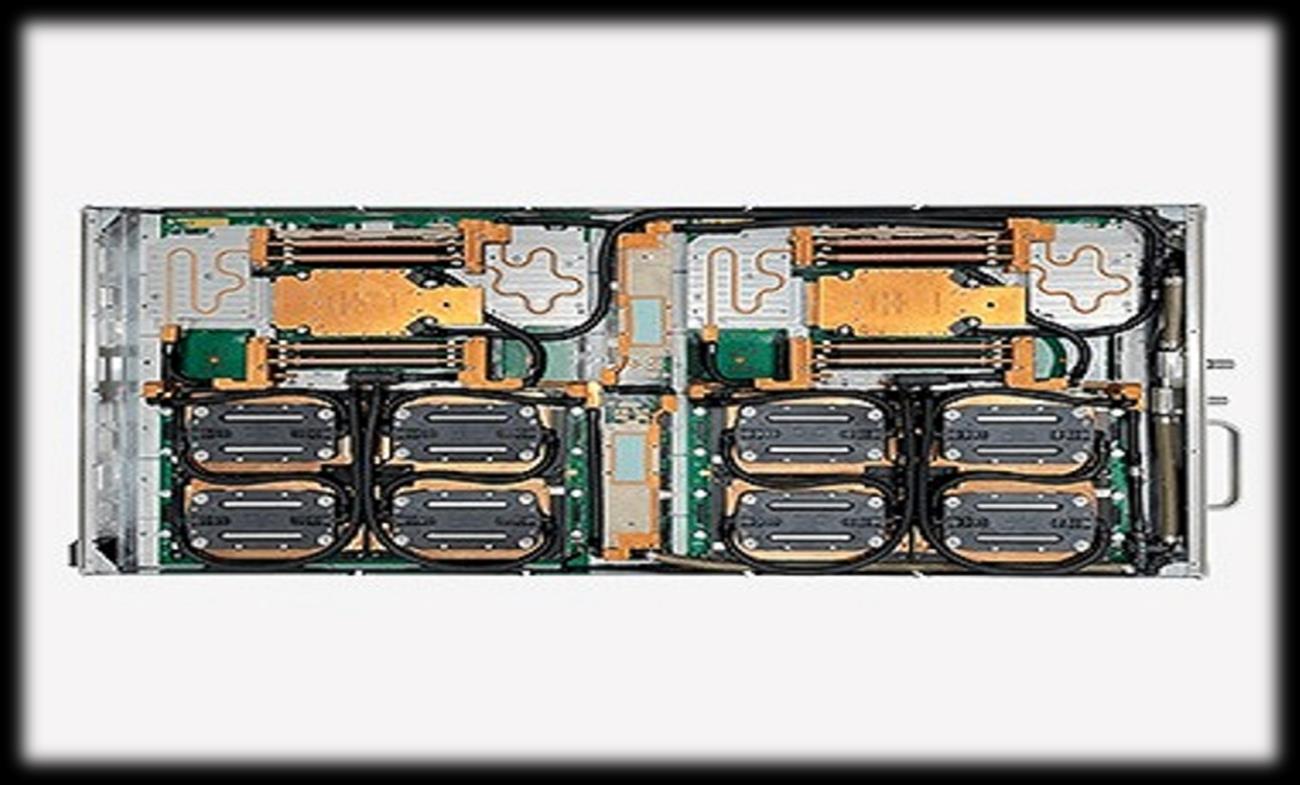
Direct-to-chip liquid cooling for high-heat components
Hybrid air-liquid systems for balanced environments
Modular cooling units for scalable infrastructure
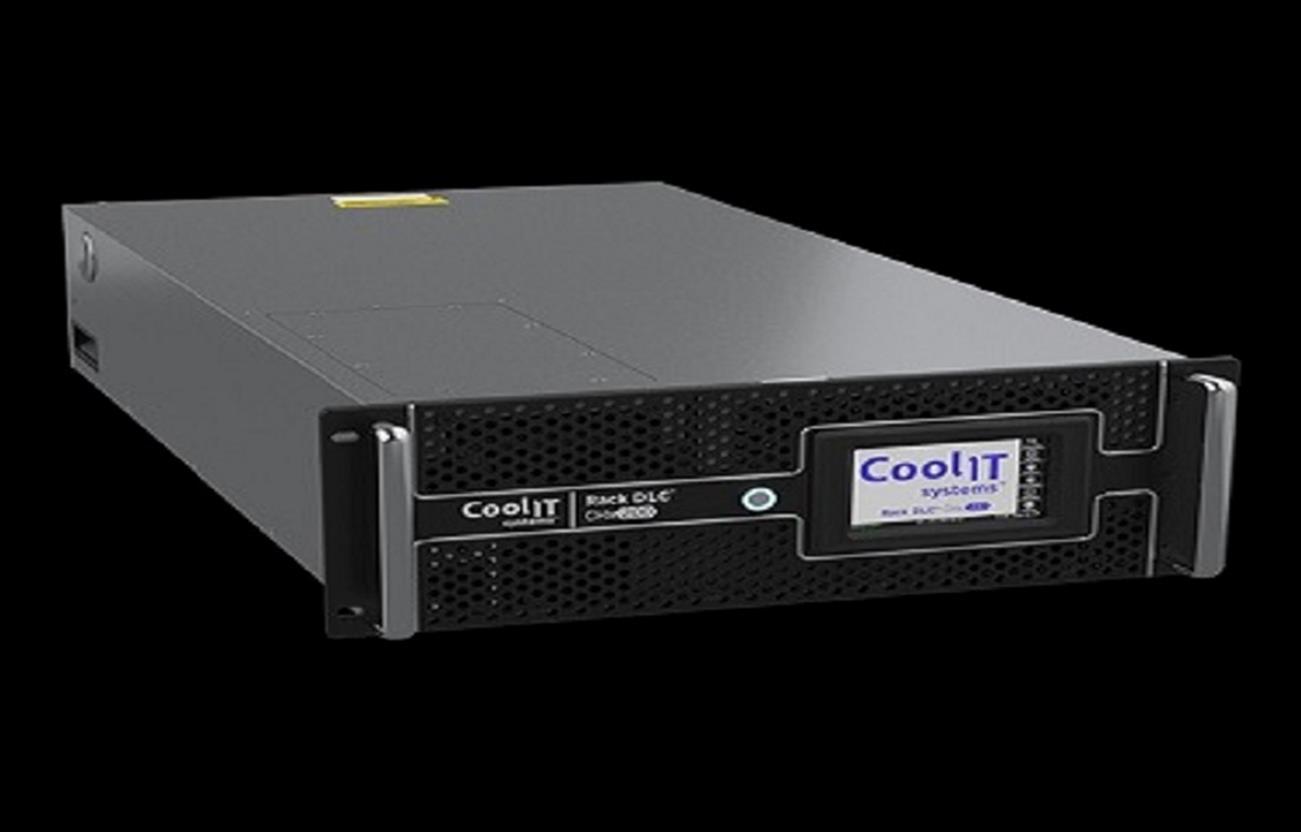
These solutions are designed to improve heat transfer efficiency while reducing dependency on large-scale air conditioning systems. Organizations like CoolIT Systems have contributed to the advancement of liquid cooling technologies that support high-performance environments while improving energy efficiency.
Hidden Cost Drivers in Cooling Distribution Systems
Many operational costs are not immediately visible. They build gradually through inefficiencies.
Energy Waste from Poor Airflow Design
Poor airflow design is one of the most common causes of inefficiency in modern cooling systems. When air is not properly directed through a facility, it results in uneven temperature distribution, reduced cooling effectiveness, and unnecessary energy consumption. In regions like Alberta, where environmental conditions can already place additional stress on cooling infrastructure, improper duct placement or obstructions in airflow paths can significantly worsen performance.
Excessive Load on Mechanical Components
When cooling systems are not properly balanced, key mechanical components such as pumps, fans, and compressors are subjected to continuous strain. This imbalance often occurs when airflow demand is uneven or when system capacity is not aligned with actual thermal loads. Over time, this excessive workload accelerates wear and tear, leading to more frequent breakdowns, higher maintenance requirements, and increased replacement costs.
Inefficient Integration between Systems
A major challenge in modern thermal management is the lack of proper integration between cooling systems and IT or mechanical infrastructure. When these systems are not synchronized, cooling output fails to match real-time heat generation. This mismatch often results in cooling distribution systems in some areas while undercooling in others, leading to wasted energy and inconsistent performance.
Best Practices for Improving Cooling Efficiency
Improving efficiency requires both technical upgrades and operational discipline.
Regular system audits to identify inefficiencies
Upgrading outdated cooling components
Implementing smart monitoring systems
Aligning cooling capacity with real workload demands
Ensuring proper airflow mapping and liquid flow balancing
These practices help maintain consistent performance while reducing unnecessary energy consumption.
Frequently Asked Questions
How do cooling distribution systems affect operational efficiency?
Cooling systems directly influence how effectively heat is removed from critical infrastructure. When equipment is inefficient, it must work harder, consuming more energy and increasing long-term operational costs
What makes liquid cooling more efficient than traditional methods?
Liquid cooling transfers heat more effectively than air due to higher thermal conductivity. This allows systems to maintain stable temperatures even under high workloads while reducing energy usage.
Why do some thermal systems consume more energy than expected?
Unexpected energy consumption often results from poor design, outdated equipment, or lack of system balancing. When airflow or liquid distribution is uneven, cooling units must compensate continuously, increasing power usage.
How often cooling systems should be evaluated for efficiency?
Regular assessments are important because system performance can degrade over time. Environmental changes, equipment upgrades, and component wear can all affect efficiency if not monitored.
What improvements provide the fastest impact on cooling performance?
The quickest gains often come from optimizing airflow paths, upgrading monitoring systems, and improving coordination between cooling components and workload demands. Even small adjustments can significantly reduce energy waste.
Conclusion
Efficient infrastructure depends on more than just installed hardware; it relies on how well every component works together. Many organizations underestimate the extent to which cooling distribution systems influence both performance and cost. By improving airflow design, upgrading liquid-based technologies, and integrating smarter controls, it becomes possible to significantly reduce waste while enhancing system stability. Explore trusted services in your area to assess how optimized cooling strategies can improve your infrastructure. Solutions from industry innovators like CoolIT Systems demonstrate how modern cooling approaches can deliver both reliability and cost efficiency.