Contemporary Furniture Trends
The Growing Influence of Contemporary Design in Canadian Homes
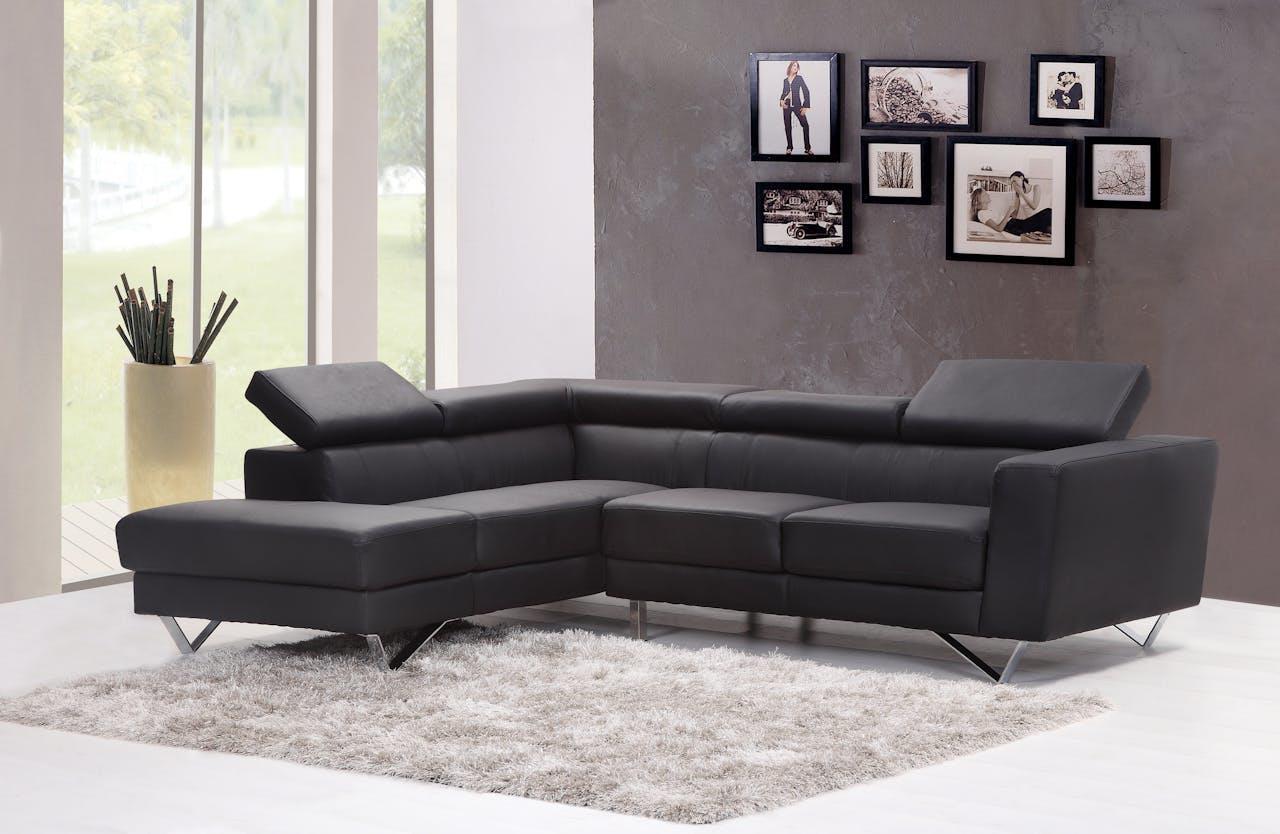
Canadian interiors have embraced a design philosophy centred on simplicity, purpose, and long-term value. Rather than filling rooms with excessive décor, homeowners are focusing on quality pieces that provide both visual interest and practical benefits.
The popularity of contemporary furniture reflects a broader shift toward intentional living. People increasingly prefer furnishings that maximise available space, support changing needs, and complement diverse architectural styles. This approach creates interiors that feel welcoming, organised, and adaptable while maintaining a sophisticated appearance.
Many leading modern furniture stores now curate collections that blend timeless aesthetics with innovative functionality, allowing homeowners to achieve balanced and enduring designs.
Why Functionality Is Driving Design Decisions
Multi-Purpose Pieces Are Becoming Essential
One of the most significant furniture trends influencing interior spaces is the rise of multifunctional furnishings. As urban living continues to evolve, many Canadians are looking for ways to maximise available square footage without sacrificing style.
Furniture that serves multiple purposes offers practical solutions for modern households. Examples include storage-integrated seating, expandable dining tables, modular sectionals, and adaptable workspace solutions. These versatile options allow rooms to serve different functions throughout the day while maintaining a cohesive design.
This focus on flexibility has made modern furniture in Calgary particularly attractive for homeowners seeking practical solutions for changing lifestyles.
Adaptable Layouts Support Contemporary Living
Open-concept interiors remain highly desirable, encouraging furniture arrangements that promote movement and interaction. Rather than defining rooms through walls, carefully positioned furnishings help create distinct zones for relaxation, dining, entertainment, and productivity.
Adaptable layouts support evolving family needs while maintaining visual harmony throughout the home.
Sustainable Materials Continue to Gain Popularity
Environmental awareness is increasingly influencing purchasing decisions across Canada. Many homeowners are prioritising responsibly sourced materials and durable construction when selecting furnishings.
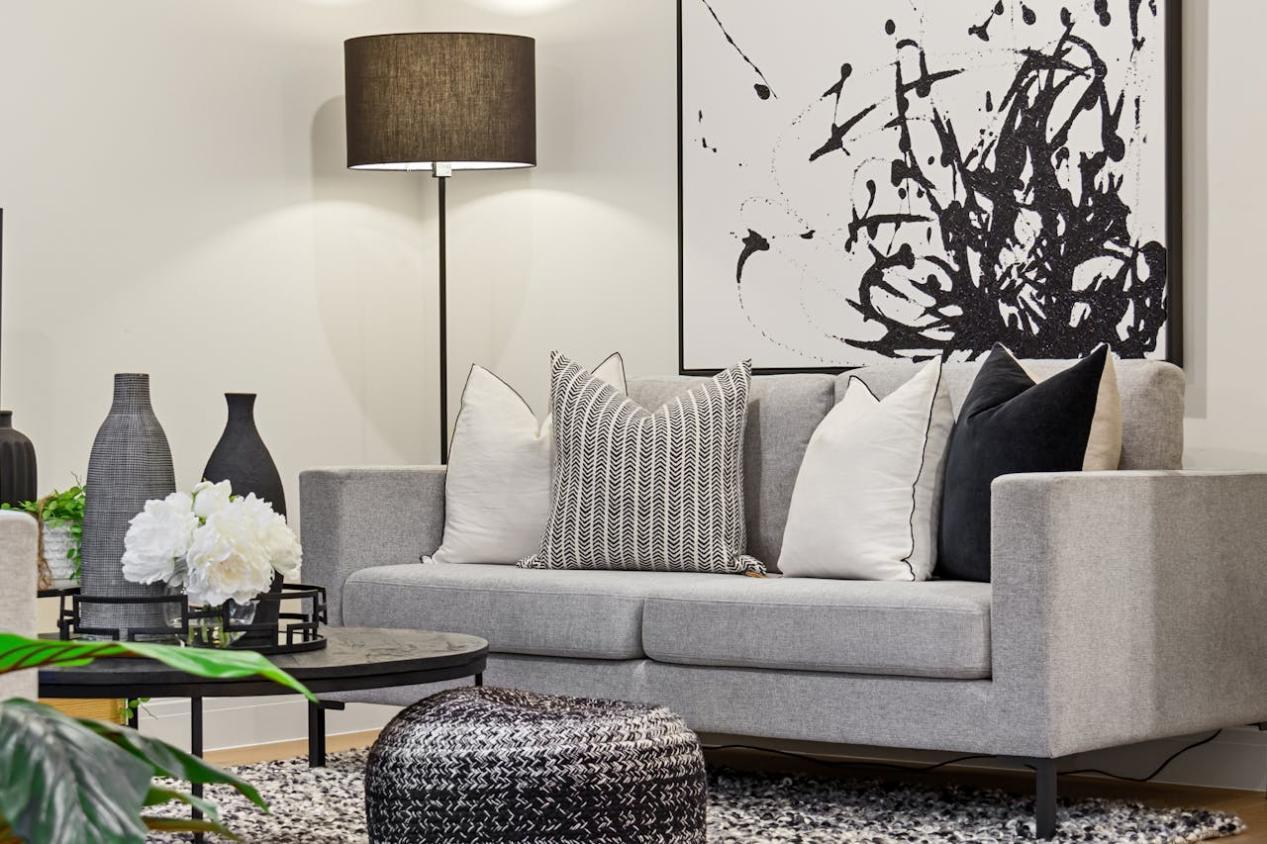
Sustainable design often incorporates:
Natural wood and renewable resources
Recycled and reclaimed materials
Eco-conscious manufacturing practices
Durable construction designed for longevity
Low-emission finishes and fabrics
These choices help reduce environmental impact while contributing to healthier indoor environments. As a result, sustainability has become a defining characteristic of contemporary furniture collections available throughout Canada.
Neutral Colour Palettes with Warm Accents
Creating Calm and Inviting Spaces
Contemporary interiors frequently feature neutral foundations that promote a sense of openness and tranquillity. Soft shades such as beige, taupe, warm grey, cream, and earthy tones provide flexibility while supporting a timeless aesthetic.
Rather than relying on bold colour schemes throughout an entire room, designers often introduce warmth through accent pieces, textiles, artwork, and natural materials. This strategy creates visual interest without overwhelming the space.
The combination of neutral palettes and carefully selected accents allows furnishings to remain relevant even as decorating preferences evolve over time.
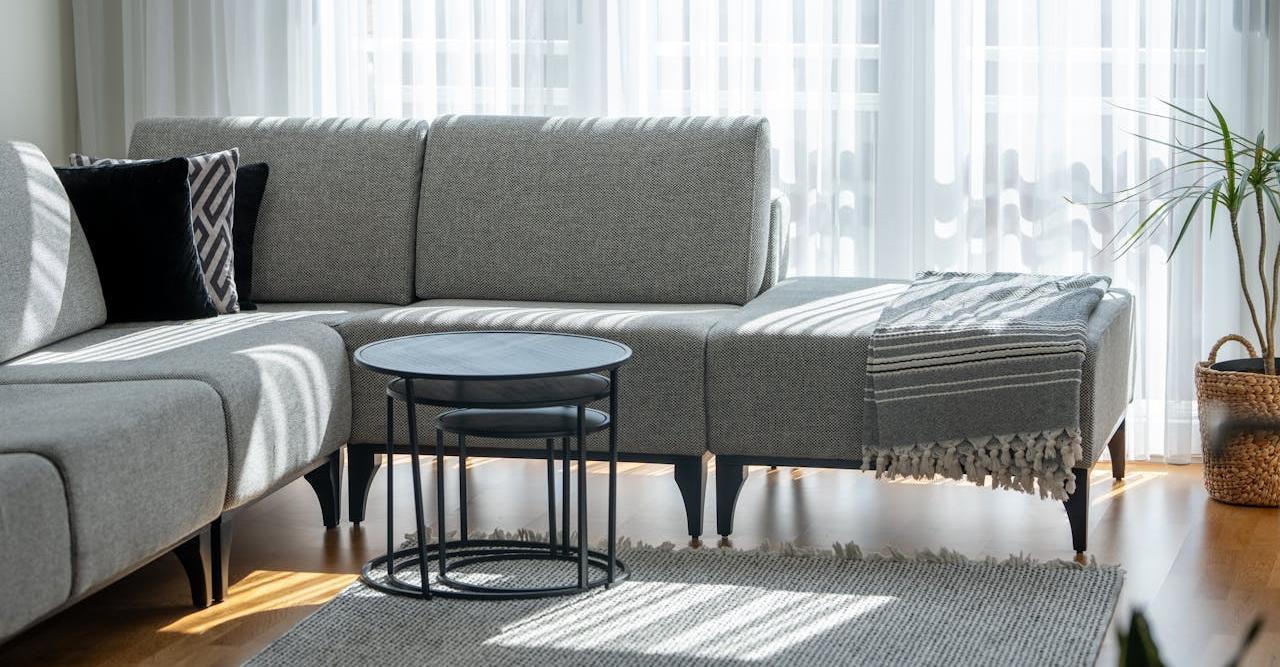
Curved Silhouettes Are Transforming Interior Spaces
Recent years have seen growing interest in softer forms and organic shapes. Rounded seating, sculptural tables, and curved design elements introduce a sense of comfort and fluidity to interior environments
These shapes help balance the clean lines traditionally associated with contemporary furniture while creating more inviting spaces. Organic forms also contribute to a relaxed atmosphere that supports both social interaction and personal well-being.
The integration of curved silhouettes demonstrates how design trends continue to evolve while maintaining a focus on comfort and functionality.
Technology Integration Is Becoming More Seamless
Smart Living Meets Thoughtful Design
Technology has become an essential component of modern lifestyles, influencing how interior spaces are designed and furnished.
Today's furnishings increasingly incorporate features such as:
Integrated charging capabilities
Concealed cable management
Adjustable ergonomic functions
Smart lighting compatibility
Flexible home office solutions
These innovations help support productivity and convenience without compromising aesthetics. As remote and hybrid work arrangements remain common, technologyfriendly interiors continue to shape purchasing decisions.
Many consumers exploring modern furniture stores are specifically seeking solutions that support digital lifestyles while maintaining a clean and organised appearance.
Personalisation Is Replacing One-Size-Fits-All Design
Contemporary interiors are moving away from rigid design formulas and embracing personalisation. Homeowners increasingly want spaces that reflect their unique tastes, experiences, and lifestyles.
Customizable configurations, modular designs, and curated décor selections allow individuals to create environments tailored to their specific needs. This trend
supports greater creativity while ensuring interiors remain functional and comfortable.
Rather than following temporary fads, personalisation encourages long-term satisfaction and meaningful design choices.
The Rise of Biophilic Design Elements
Connecting interior spaces with nature has become a major influence on residential design. Biophilic principles focus on incorporating natural elements that promote comfort, wellness, and visual balance.
Popular approaches include:
Natural Materials and Organic Textures
Wood, stone-inspired finishes, woven fibres, and textured fabrics create warmth and authenticity within contemporary environments.
Indoor Greenery and Natural Light
Plants and abundant daylight contribute to healthier, more inviting interiors while enhancing overall visual appeal.
Creating Timeless Interiors Through Thoughtful Selection
While trends provide inspiration, successful interiors prioritise long-term functionality and enduring style. Selecting well-crafted furnishings with versatile designs helps create spaces that remain relevant despite changing preferences.
When evaluating options, homeowners should consider:
Quality Construction
Durable materials and expert craftsmanship contribute to longevity and long-term value.
Comfort and Practicality
Pieces should support everyday activities while enhancing overall usability.
Design Compatibility
Furniture should complement existing architectural features and personal design goals.
Frequently Asked Questions
What Defines Contemporary Furniture?
Contemporary furniture reflects current design preferences and often emphasises clean lines, functionality, comfort, and simplicity. It evolves over time while incorporating modern materials, innovative features, and adaptable forms.
Why is contemporary design popular in Canada?
Canadian homeowners appreciate designs that balance practicality, comfort, and visual appeal. Contemporary styles support diverse lifestyles while accommodating both urban and suburban living environments.
How Does Contemporary Furniture Differ From Traditional Styles?
Traditional furnishings often feature ornate details and formal aesthetics, while contemporary furniture focuses on simplicity, clean forms, and functional design principles that suit modern living.
What Materials Are Commonly Used In Contemporary Interiors?
Popular materials include natural wood, metal, glass, engineered surfaces, performance fabrics, recycled materials, and sustainable resources chosen for durability and aesthetic appeal.
How Can Small Spaces Benefit From Contemporary Design?
Contemporary layouts prioritise efficiency and flexibility. Multifunctional pieces, streamlined forms, and thoughtful space planning help maximise available square footage while maintaining comfort.
Is Contemporary Furniture Suitable For Professional Environments?
Yes. Contemporary furnishings often combine aesthetics and practicality, making them ideal for offices, collaborative workspaces, reception areas, and commercial interiors.
Conclusion
Interior design trends continue to evolve, but the principles driving today's most successful spaces remain consistent. Functionality, sustainability, comfort, and personalisation are shaping how Canadians approach residential and commercial interiors. By incorporating carefully selected contemporary furniture, homeowners can create environments that support modern lifestyles while maintaining lasting visual appeal.
If you're looking to elevate your living or working environment with expertly curated furnishings, Domaine Furnishings & Design offers thoughtfully selected collections designed for contemporary Canadian lifestyles. Explore premium design solutions, discover innovative interior possibilities, and find pieces that bring lasting style, comfort, and functionality to your space. Contact our team today to learn more about creating an interior that reflects your vision.