Modern data centers are evolving rapidly as computing demands increase. Highperformance computing, artificial intelligence, and cloud workloads require hardware that generates significant heat. Traditional air-cooling methods are no longer sufficient in many high-density environments, which is why liquid-cooling technologies have become essential. One of the most important components in these systems is the rack manifold. This guide explores how a rack manifold system works, why it is essential for modern liquid cooling environments, and how it supports efficient thermal management in Canada’s growing data center landscape.
Understanding the Rack Manifold System
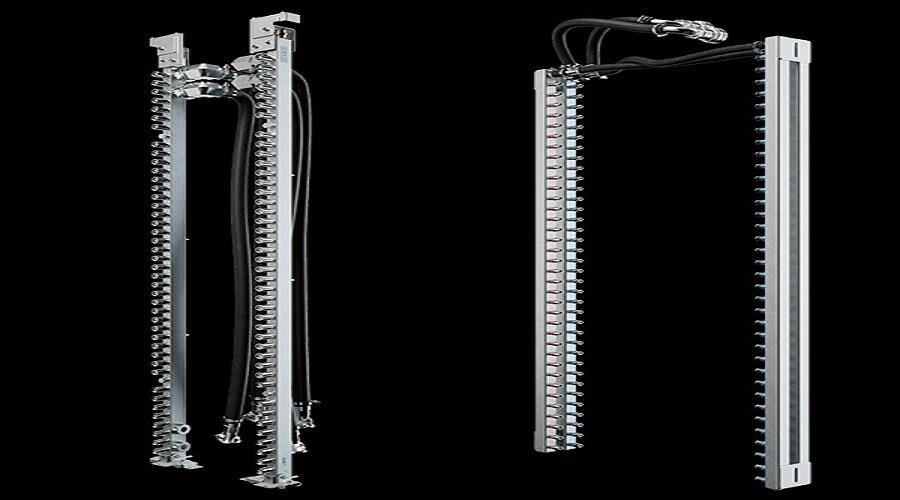
A rack manifold system is a structured distribution component used in liquid-cooling environments to manage coolant flow within server racks. It acts as a centralized hub that directs coolant to various cooling devices connected to servers and processors. In highdensity computing environments, a single rack may contain multiple servers with powerful processors and GPUs. These components generate intense heat during operation. The rack manifold ensures that coolant reaches each device efficiently and then returns the heated liquid back to the cooling loop.
Unlike simple piping structures, a rack manifold system is carefully engineered to balance flow rates, pressure, and temperature control. This design ensures that each cooling component receives the correct amount of coolant, preventing overheating and maintaining stable performance.
Why Liquid Cooling Is Transforming Data Centers?
Air cooling has long been the standard for data centers, but modern workloads have dramatically increased heat density. Liquid cooling has emerged as a more efficient solution because liquids transfer heat significantly better than air. A reputable liquid cooling rack manifold allows liquid coolant to circulate directly through cooling plates attached to processors or accelerators. This approach removes heat much faster and keeps equipment running within safe temperature ranges.
Liquid cooling systems also support energy efficiency. Data centers in Canada, where energy efficiency and sustainability are major priorities, benefit greatly from liquid cooling infrastructure. Reduced energy consumption for cooling can significantly lower operational costs while supporting environmental goals.
Key Components of a Server Rack Manifold
To understand how a server rack manifold functions, it’s important to look at its primary components.
Coolant Supply Lines
These lines deliver cooled liquid from the facility’s cooling infrastructure to the rack manifold. The coolant is distributed evenly across connected devices within the rack.
Return Lines
Once the coolant absorbs heat from servers, it travels back through the return lines. The heated liquid then flows back to a central cooling system, where it is cooled again before recirculating.
Valves and Flow Controls
Valves allow operators to regulate coolant flow and isolate sections of the system when necessary. Flow control ensures that each device connected to the manifold receives a consistent distribution of coolant.
Quick Disconnect Couplings
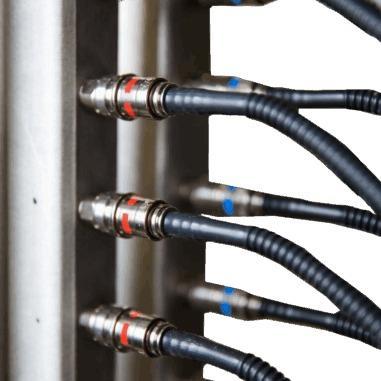
Many rack manifolds use quick disconnect fittings that allow hardware to be installed or removed without interrupting the cooling loop. This improves flexibility when scaling or upgrading data center infrastructure.
How Rack Manifolds Support Direct Liquid Cooling
One of the most advanced cooling methods used today is direct liquid cooling manifold technology. In this setup, coolant flows directly to cold plates attached to processors or GPUs. The rack manifold system distributes coolant precisely to these cold plates. This design ensures that heat generated by chips is transferred directly to the liquid rather than circulating within the rack environment.
Direct liquid cooling offers several advantages:
Improved thermal efficiency
Higher rack power density support
Reduced airflow requirements
Lower noise and energy consumption
As high-performance computing environments expand across Canada, direct liquid cooling systems are becoming increasingly common in modern facilities.
Role of Rack Manifolds in Data Center Infrastructure
By centralizing distribution, rack manifolds provide a controlled, organized liquid-flow structure that improves reliability and scalability. Without a properly designed server rack manifold system, uneven coolant distribution could lead to temperature inconsistencies across servers. Some components may receive too much coolant while others receive too little, increasing the risk of overheating.
Benefits of Using Rack Manifold Systems
Efficient Thermal Management
A well-designed rack manifold allows coolant to reach high-heat components quickly and efficiently. This ensures stable operating temperatures even during peak workloads.
Higher Rack Density Support
Modern servers often require higher power densities. Rack manifolds allow cooling systems to handle these higher loads without increasing physical space requirements.
Scalability for Expanding Data Centers
As computing demands grow, new racks can be integrated into existing infrastructure using rack manifolds. This flexibility supports future expansion without redesigning the entire cooling system.
Reduced Energy Consumption
Liquid-cooling solutions powered by rack manifolds require less energy than traditional air-based cooling methods. This contributes to more sustainable data center operations.
Simplified Infrastructure Management
Because rack manifolds centralize coolant distribution, technicians can more easily monitor and control cooling performance across the facility.
Rack Manifolds in Canadian Data Centers
As high-density computing expands in cities across the country, liquid cooling systems are becoming essential. These solutions allow operators to support powerful computing infrastructure while maintaining efficiency and sustainability. Canada has become an important location for modern data center development due to its stable climate, reliable power infrastructure, and growing technology sector.
A rack manifold system plays a key role in supporting these environments by enabling reliable thermal control for high-performance workloads. Companies designing advanced liquid cooling technologies, such as CoolIT Systems, have helped accelerate the adoption of liquid-based thermal management across Canadian data centers.
Design Considerations for Rack Manifold Systems
When planning a liquid cooling infrastructure, several design factors should be considered.
Flow Balance
Ensuring consistent coolant flow across devices is essential for maintaining uniform temperatures.
Pressure Management
Proper pressure control ensures coolant moves efficiently without damaging sensitive components.
Redundancy and Reliability
Many facilities incorporate redundant cooling loops to maintain operation even during maintenance or system changes.
Compatibility with Server Hardware
The rack manifold must integrate seamlessly with the cooling plates, connectors, and internal piping used in modern servers.
Future of Liquid Cooling Infrastructure
As artificial intelligence and high-performance computing continue to grow, data center cooling technology will evolve further. Liquid cooling systems supported by rack manifolds will likely become the standard for high-density infrastructure.
Emerging designs are focused on improving coolant efficiency, simplifying installation, and supporting even higher power densities. These innovations will allow data centers to support increasingly demanding workloads while maintaining energy efficiency. Rack manifold technology will remain a critical component of this evolving infrastructure.
FAQs
What is a rack manifold used for in liquid cooling systems?
A rack manifold distributes coolant throughout servers within a rack. It ensures each connected device receives the correct coolant flow to maintain safe operating temperatures.
How does a server rack manifold improve cooling efficiency?
A server rack manifold delivers coolant directly to cooling plates or components inside servers. This targeted distribution allows heat to be removed more effectively than traditional air cooling methods.
What is the difference between rack manifolds and standard cooling pipes?
Rack manifolds are engineered distribution hubs designed to balance coolant flow across multiple devices. Standard pipes simply transport coolant without controlling distribution.
Are rack manifold systems suitable for high-density data centers?
Yes. Rack manifold systems are designed specifically for high-density environments where processors and GPUs generate significant heat.
Why are rack manifolds important for direct liquid cooling?
Direct liquid cooling requires precise coolant distribution to chip-level cooling plates. Rack manifolds ensure each component receives the correct flow and pressure for effective heat removal.
Final Thoughts on Rack Manifold Technology
A rack manifold system plays a critical role in modern liquid cooling infrastructure. It enables efficient coolant distribution across servers, helping maintain reliable performance in high-density computing environments. As Canadian data centers continue to expand, advanced cooling technologies will become even more important. If you want to learn more about modern liquid cooling solutions, explore advanced rack manifold designs, and discover how innovative cooling infrastructure supports nextgeneration computing. Our facility is easy to access, so you can locate us easily and explore solutions built for modern data centers.