Understanding High-Density Computing Environments
High-density computing refers to IT environments where large amounts of processing power are packed into compact physical spaces. These setups often include advanced GPUs, CPUs, and accelerated computing clusters that generate significant heat.
Without proper thermal control, these environments can experience:
Reduced processing efficiency
Hardware throttling
Unexpected system failures
Increased energy consumption
Shortened equipment lifespan
To address these challenges, modern data center cooling systems have evolved significantly, moving beyond traditional air-based solutions to more advanced liquid and hybrid approaches.
What Are Cooling Distribution Systems?
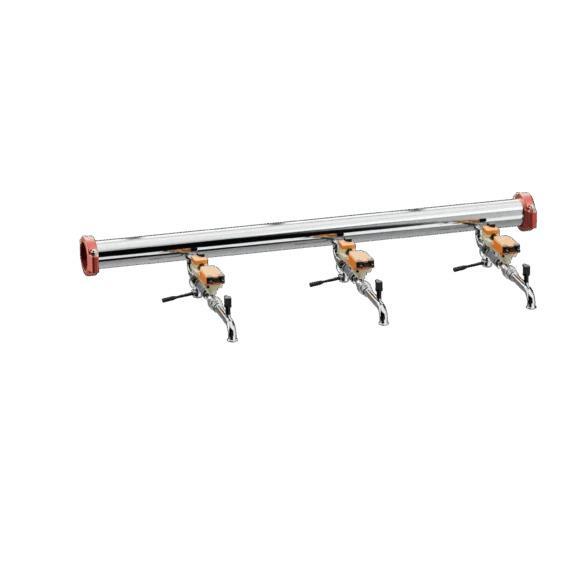
At a fundamental level, cooling distribution systems are engineered networks designed to transport cooling energy or fluid throughout computing environments. Their main goal is to remove heat efficiently from critical hardware components.
In high-density environments, traditional cooling methods often struggle to keep up. This is where advanced infrastructure comes into play, offering targeted heat removal and improved thermal stability. These systems are tightly integrated with thermal management systems, ensuring that temperature levels remain consistent even under heavy computational loads.
How Cooling Distribution Systems Work in Modern Data Centers
To understand their importance, it is essential to examine how these systems contribute to the performance and efficiency of high-performance computing infrastructure across Canada
Heat Absorption at the Source
Heat is generated directly from processors, memory modules, and GPUs during operation. Instead of allowing heat to accumulate, cooling mechanisms capture it at the source.
This is especially important in AI workloads and machine learning clusters where processing intensity is extremely high.
Coolant Movement and Flow
Once heat is absorbed, it is transferred into a fluid medium. This process is managed through coolant circulation systems, which ensure continuous movement of thermal energy away from sensitive components. The fluid travels through a closed-loop system, maintaining consistent flow and pressure.
Heat Exchange and Dissipation
After absorbing heat, the warmed cooling distribution systems is directed toward heat exchangers where thermal energy is released. The cooled fluid is then recirculated back into the system to repeat the process.
This cycle ensures that temperature remains stable even under sustained workload conditions.
Why High-Density Computing Requires Advanced Cooling?
As computing density increases, so does the need for efficient thermal regulation in Canada. Traditional air-based cooling systems are often insufficient for modern workloads.
Key challenges include:
Increased rack power consumption
Compact server configurations
Continuous 24/7 workload operation
To address these challenges, modern data center cooling systems rely on liquidbased or hybrid cooling approaches that offer significantly higher thermal transfer efficiency.
Role of Coolant Circulation in Thermal Efficiency
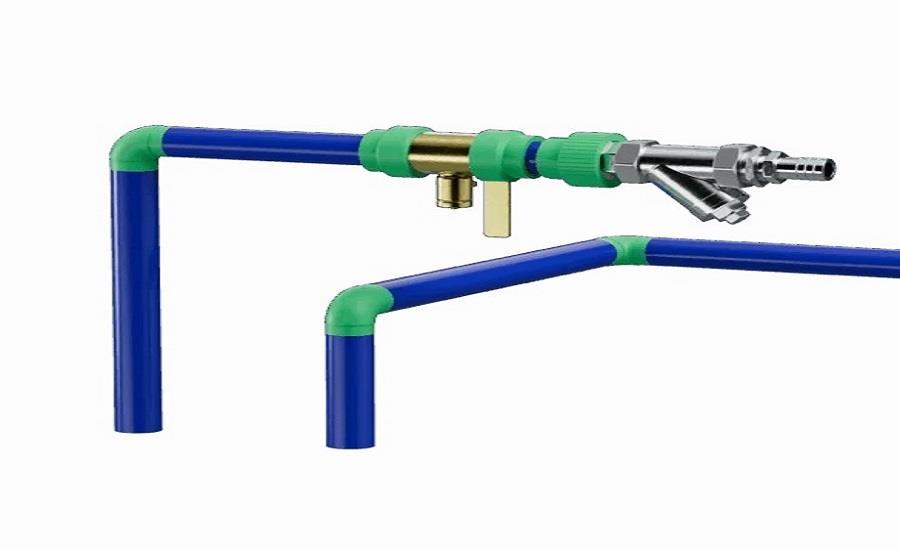
A major component of modern infrastructure is the movement of coolant circulation systems through tightly controlled pathways. These pathways, supported by innovative technologies from CoolIT Systems, are engineered to maximize heat absorption and minimize energy waste.
In advanced setups, coolant circulation systems are designed to:
Maintain stable thermal conditions
Optimize energy usage
Reduce cooling overhead
Support high-performance workloads
This ensures that even the most demanding computing environments remain stable and efficient.
Integration with Modern Thermal Management Systems
High-performance environments require more than just cooling; they require intelligent control. This is where thermal management systems become essential.
These systems monitor and regulate:
Temperature fluctuations
Flow rates
Equipment load balancing
Environmental conditions
By integrating monitoring tools with cooling infrastructure, operators can maintain optimal system performance while reducing operational risks.
Key Benefits of Advanced Cooling Distribution Systems
Implementing modern cooling architecture provides several long-term advantages for high-density computing environments while supporting the performance, efficiency, and reliability of industrial equipment
Improved Energy Efficiency
Efficient heat transfer reduces overall power consumption, which directly lowers operational costs and supports sustainability goals.
Enhanced Hardware Performance
Stable thermal conditions prevent overheating and performance throttling, allowing systems to operate at peak capacity.
Increased System Reliability
Consistent cooling reduces wear and tear on critical components, improving overall system lifespan.
Better Support for AI and HPC Workloads
High-performance computing and artificial intelligence applications require consistent processing power, which is only possible with reliable thermal control.
Scalable Infrastructure Design
Modern systems are designed to grow with computing demand, making them suitable for expanding digital ecosystems.
Challenges in High-Density Cooling Environments
While advanced cooling distribution systems offer significant advantages, they also come with design and operational considerations.
Space Constraints
High-density environments require efficient space utilization for both computing and cooling infrastructure.
System Complexity
Integrated cooling networks involve multiple components, requiring careful planning and monitoring.
Maintenance Requirements
Regular inspection and maintenance are essential to ensure long-term system performance and reliability. Despite these challenges, modern engineering approaches continue to improve system efficiency and usability.
Future of Cooling in High-Density Computing
As computing continues to evolve, cooling technologies are expected to become even more advanced. Innovations are focusing on:
Direct-to-chip liquid cooling
Immersion cooling technologies
AI-driven thermal optimization
Sustainable cooling solutions
These advancements will further enhance the performance and reliability of future computing environments while reducing environmental impact, reflecting the innovation-focused approach of CoolIT Systems
FAQs
What are cooling distribution systems used for?
They are used to remove heat from computing environments by circulating cooling fluids and maintaining stable operating temperatures in high-density systems.
Why are data center cooling systems important?
They ensure that servers and IT infrastructure remain within safe temperature limits, improving performance and preventing system failures.
How do coolant circulation systems work?
They transport cooling fluid through a closed-loop system, absorbing heat from hardware and releasing it through heat exchangers.
What role do thermal management systems play?
They monitor temperature conditions and regulate cooling performance to maintain efficiency and prevent overheating.
Are liquid-based cooling systems better than air cooling?
In high-density computing environments, liquid cooling is generally more efficient due to its superior heat transfer capabilities.
Conclusion
As high-density computing continues to expand across industries such as AI, cloud services, and enterprise IT, the importance of effective thermal control cannot be overstated. Modern cooling distribution systems provide the foundation for maintaining stable, efficient, and scalable computing environments. By integrating advanced data center cooling systems, organizations can achieve higher performance while optimizing energy use and ensuring long-term reliability. Visit our location and how innovative cooling distribution systems can help your organization build a more efficient, resilient, and future-ready data center infrastructure.



in Touch: