Thermal management has become a critical factor in the performance and reliability of advanced electronics. High-power processors, GPUs, and industrial hardware generate significant heat during operation, making efficient cooling systems essential. Among the most effective approaches is liquid cooling, where carefully engineered coldplate loops move heat away from components and dissipate it efficiently. A well-designed liquid cooling loop maintains stable operating temperatures, improves hardware longevity, and supports consistent performance under demanding workloads. This guide explores the fundamentals of coldplate loop assembly, design considerations, and best practices for creating efficient and dependable liquid cooling solutions.
Understanding Coldplate Loops in Liquid Cooling Systems
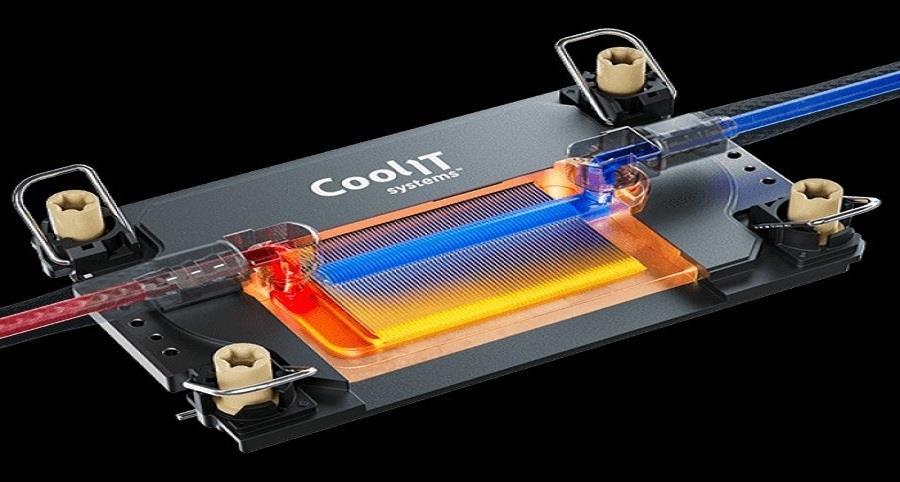
A coldplate loops is a thermal management system that circulates coolant through a closed pathway to absorb heat from electronic components. At the heart of this system lies a cold plate, which sits directly on the heat-generating component. The cold plate transfers heat to the coolant flowing through internal channels. The heated coolant then passes through the liquid cooling loop, where heat is released via heat exchangers or radiators before returning to repeat the process.
Key
Components of a Coldplate Loop
Cold Plate: The cold plate is the primary heat-transfer interface. Many systems rely on a copper cold plate design because copper offers excellent thermal conductivity and durability.
Tubing and Connectors: Flexible tubing connects the loop's components. Proper connectors maintain leak-free operation and stable coolant circulation.
Heat Exchanger or Radiator: This component releases heat absorbed by the coolant, allowing the liquid to cool before circulating again.
Why Coldplate Loop Design Matters?
The efficiency of a cooling system depends heavily on how the loop is designed and assembled. Poor layout, inadequate materials, or improper flow control can lead to reduced cooling performance and long-term reliability issues. For complex applications, many organizations rely on custom coldplate loops tailored to their systems' specific thermal requirements.
A carefully engineered loop ensures:
Consistent heat transfer
Stable operating temperatures
Reduced component stress
Longer equipment lifespan
Lower maintenance requirements
Benefits of Custom Coldplate Loops
Standard cooling configurations may not always meet the thermal demands of modern electronics. Custom solutions provide flexibility in design and performance.
Improved Thermal Efficiency
Custom loops allow engineers to optimize coolant pathways, flow rates, and heat transfer surfaces. This ensures that heat is removed quickly from high-power components.
Better System Integration
Every electronic system has unique space constraints and layout requirements. Custom cold plate design services help create cooling solutions that integrate seamlessly with existing hardware.
Enhanced Reliability
Tailored designs reduce pressure imbalances, minimize flow restrictions, and maintain steady cooling performance under demanding workloads. Custom loops can be adapted for future upgrades or higher power loads without requiring a complete system redesign.
Key Considerations before Coldplate Loop Assembly
Before assembling a cooling system, it is important to evaluate several design factors that affect performance and reliability.
Thermal Load Analysis
Understanding the amount of heat generated by components is the first step. Thermal load calculations help determine the required flow rate, cold plate size, and radiator capacity.
Material Selection
Materials play a critical role in thermal conductivity and durability. Copper remains a popular choice due to its excellent heat transfer properties, which is why copper cold plate design is widely used in high-performance cooling systems.
Coolant Compatibility
The coolant must work safely with all materials in the loop to prevent corrosion, scaling, or chemical degradation. Efficient flow paths reduce resistance and ensure even coolant distribution across heat-generating surfaces.
Step-by-Step Coldplate Loop Assembly
Building a reliable liquid cooling system requires careful assembly. Each step should be completed methodically to prevent leaks and ensure optimal performance.
Planning the Layout
Begin by mapping the position of each component within the loop. The cold plate should be located directly on the heat source, with tubing routes planned to minimize sharp bends and restrictions.
Installing the Cold Plate
Mount the cold plate securely on the electronic component. Thermal interface material should be applied evenly to improve heat transfer between the surface and the plate.
Connecting the Tubing
Attach tubing between the cold plate, pump, and radiator. Ensure all fittings are properly tightened and aligned
Filling the Loop with Coolant
Fill the system slowly to avoid introducing air bubbles. Air pockets can reduce cooling efficiency and cause inconsistent flow. Before powering the electronic hardware, run the pump independently to test for leaks and confirm stable coolant circulation.
Optimizing Performance in a Liquid Cooling Loop
After assembly, optimizing the cooling loop can further improve system efficiency.
Maintain Proper Flow Rate
Adequate flow ensures that heat is continuously removed from the cold plate. Pumps should be selected to match the size and complexity of the loop.
Reduce Flow Restrictions
Avoid unnecessary bends and narrow connectors in the tubing path. Smooth coolant flow improves heat transfer performance.
Monitor Temperature Stability
Temperature monitoring helps detect potential issues early across Canada. Sensors can provide real-time feedback on cooling efficiency
Regular System Maintenance
Periodic maintenance ensures the loop remains clean and efficient. Inspect tubing, coolant levels, and fittings to maintain long-term performance.
Role of Copper Cold Plate Design in Cooling Efficiency
The effectiveness of a cold plate depends heavily on its internal channel structure and material properties. Copper offers several advantages that make it a preferred choice for thermal management systems.
High Thermal Conductivity: Copper transfers heat quickly from the component surface to the coolant flowing through the plate.
Precision Machining: Advanced manufacturing techniques enable complex internal channel designs that maximize heat-transfer efficiency.
Through advanced copper cold plate design, engineers can create optimized flow channels that improve coolant distribution and thermal performance.
Importance of Professional Cold Plate Design Services
Designing a high-performance cooling system often requires specialized expertise. Professional custom cold plate design services help organizations develop reliable solutions tailored to their thermal requirements.
These services typically include:
Thermal analysis and simulation
Material selection guidance
Prototype testing
Manufacturing support
System integration planning
Industry leaders such as CoolIT Systems have contributed to advancements in cold plate technologies, supporting the development of efficient thermal management solutions for modern electronics.
Conclusion
Coldplate loops are a powerful solution for managing heat in high-performance electronic systems. When properly designed and assembled, they provide efficient heat transfer, stable operating temperatures, and long-term reliability. As cooling technologies continue to evolve, thoughtful design and careful implementation remain essential for achieving dependable results. For organizations exploring advanced thermal solutions, consulting experienced providers such as CoolIT Systems can help guide the development of efficient and scalable cooling systems. Connect with experts, you can easily find directions on Google Maps and learn more about available solutions.
FAQs
What are coldplate loops, and how do they improve liquid cooling systems?
Coldplate loops are liquid-cooling systems designed to remove heat from electronic components using a circulating coolant. A cold plate sits directly on the heat source and transfers heat into the flowing liquid. The coolant then moves through the loop, where the heat is dissipated through a heat exchanger or radiator.
How do custom coldplate loops differ from standard cooling loops?
Standard cooling loops are designed for general applications and may not always match the specific thermal demands of complex electronic systems. Custom coldplate loops are engineered to address unique requirements such as component layout, heat output, and spatial limitations.
Why is copper commonly used in cold plate design?
Copper is widely used in cold plate manufacturing because of its exceptional thermal conductivity. It transfers heat rapidly from electronic components to the coolant flowing through the plate.
What factors should be considered when assembling a liquid cooling loop?
Several factors influence the success of a liquid cooling loop assembly. The system's thermal load should be carefully analyzed to determine the appropriate cold plate size and coolant flow rate.
How can organizations maintain long-term performance in coldplate cooling systems?
Maintaining a coldplate cooling system involves regular inspection and proper system monitoring. Periodic checks of coolant levels, tubing connections, and pump operation help ensure the loop continues to function efficiently.