

This article outlines the core criteria that define quality in residential photovoltaic products, explains how to compare competing manufacturers, and recommends best practices for vetting local providers, including organizations offering solar panels in Edmonton. Whether you are new to renewable energy adoption or preparing to upgrade an existing array, this content will help guide your decision-making process.
Understanding Your Household Energy Requirements
Before evaluating equipment, homeowners should quantify their current electricity consumption patterns. Reviewing the past 12 months of utility statements enables you to determine the average monthly and seasonal load. This is essential for sizing your future system appropriately.
For example, households that rely heavily on electric heating or airconditioning will need higher capacity arrays than homes with moderate consumption. Similarly, if you plan to purchase an electric vehicle or add highdemand appliances in the future, these future loads should be factored into system design. The goal is to select equipment that meets current needs and accommodates predictable growth.
This planning stage is where many homeowners find value in speaking with a local expert, such as a solar panel company, which typically offers loadcalculation assessments and technical guidance.
Assessing Durability and Build Quality
Durability is a crucial consideration for any renewable energy investment. Homeowners should look for modules that have undergone rigorous testing for wind load, hail resistance, and temperature fluctuations.
Additionally, consider the materials used in the frame and backing layers. Highquality aluminium frames, tempered glass, and strong encapsulation sheets help protect sensitive photovoltaic cells. A credible solar panel energy company can explain manufacturing standards and help you compare the resilience of different product lines.
Warranty and Long-Term Reliability
The warranty is one of the most reliable indicators of product quality.
Residential photovoltaic modules generally offer two categories of warranty protection:
1. Product Warranty: Covers defects in materials or workmanship, usually for 10 to 25 years.
2. Performance Warranty: Guarantees a certain level of energy production after a specified number of years, typically ensuring that output does not fall below 80 to 90 percent of the original rating after 25 years.
Companies that offer stronger warranties tend to have greater confidence in their manufacturing processes. When reviewing products supplied by a solar panel company in Edmonton, ask for documentation on both product and performance guarantees.
Installation Quality and Certified Expertise
Even the highest-quality photovoltaic modules will underperform if poorly installed. Proper mounting, electrical integration, and system configuration directly influence energy yield and safety. When evaluating local installers, look for certifications, years in operation, and documented experience with residential applications.
Many homeowners choose reputable residential solar panels in Edmonton that maintains partnerships with leading manufacturers and employs certified technicians. Ask potential providers about their training programs, installation methodologies, and quality-control practices. Reviewing customer testimonials and requesting references can also provide valuable insights into reliability and professionalism.
Grid Interconnection and Regulatory Requirements
Connecting a home-based renewable system to the local grid involves provincial and municipal regulations. Homeowners must complete interconnection applications, schedule inspections, and comply with electrical and structural codes. A qualified solar panel energy company usually manages these processes on your behalf, helping to avoid administrative delays and ensuring compliance with all technical requirements.
Additionally, Alberta’s evolving energy landscape may offer incentives or rebate programs that help reduce the cost of installation. Although incentive availability varies over time, a professional installer typically stays updated on current opportunities and guides clients through the application process.
Total Cost of Ownership and Financial Return
The purchase price of the equipment is only part of the investment. To determine actual value, homeowners should calculate the total cost of ownership, which includes:
Equipment and installation costs
Maintenance and monitoring requirements
Expected lifetime production
Projected reduction in utility bills
Applicable incentives or rebates
A seasoned consultant such as one experienced with solar panels in Alberta can help model these financial outcomes. Using region-specific sunlight data, analysts can estimate annual energy production and calculate payback periods. In many cases, homeowners achieve full return on investment within eight to twelve years, depending on system size and energy prices.
Selecting Equipment That Fits Your Roof and Home Design
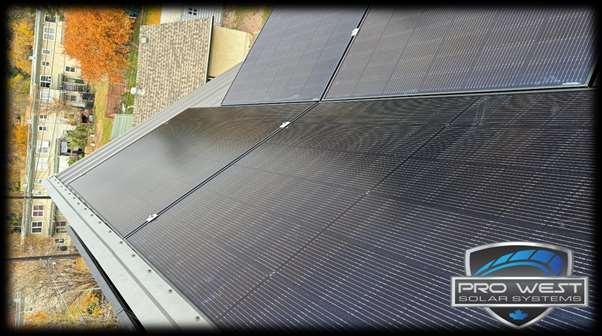
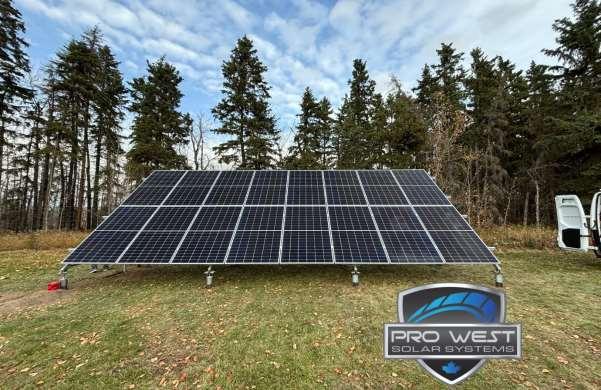
Roof orientation, shading patterns, structural capacity, and aesthetic preferences all influence equipment selection. South-facing roofs generally produce the highest yield, but east- and west-facing orientations can still deliver strong results depending on system design and module efficiency.
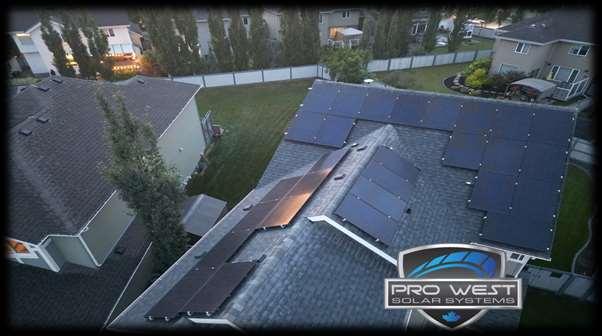
A trusted provider offering solar panels in Edmonton will conduct a detailed site evaluation to determine the ideal layout. This assessment includes drone imaging, shade measurements, and structural inspections to ensure the installation is both effective and safe. The goal is to maximize output without compromising the appearance or integrity of your home.
The Importance of Monitoring and System Management
Modern residential energy systems often include integrated monitoring platforms that allow homeowners to track real-time production, consumption, and equipment health. These systems provide valuable insight into performance trends and alert you to any anomalies that require maintenance.
When comparing installers, ask what monitoring technology they offer and whether remote diagnostics are included. A provider that actively monitors your system can often address issues before they materially affect long-term performance.
Why Work With a Local Provider in Alberta?
Local providers understand specific environmental, regulatory, and utility conditions that influence system design. For example, the intense winter climate and variable weather patterns in Edmonton require additional considerations in structural engineering and equipment selection. Working with a solar panel company in Edmonton helps ensure that your system is designed for the realities of local conditions.
Furthermore, local firms are often more responsive to maintenance, warranty claims, and system upgrades. Their proximity enables faster service, which can prevent prolonged downtime and protect long-term energy gains.
Final Thoughts
Choosing the right renewable energy system for your home involves balancing performance, durability, installation expertise, and overall financial value. By carefully reviewing efficiency ratings, warranty terms, and provider qualifications, homeowners can maximize energy savings and ensure reliable output for decades.
Whether you are comparing equipment offered by a solar company or exploring designs tailored to solar panels in Edmonton, a structured, data-driven approach will support a confident and well-informed investment decision. With the right guidance, homeowners can transition to clean household power that delivers long-term economic and environmental benefits.