Buy Premium Guitar Soundboard Online for
Whether building a custom acoustic instrument or upgrading an existing one, the choice of soundboard influences how the guitar resonates and responds to every touch. Understanding wood properties, construction techniques, and tonal goals ensures a rewarding build and a rich playing experience
Why the Guitar Soundboard Matters
The soundboard acts as the primary resonating surface of a guitar. When strings vibrate, the energy transfers to the top plate, amplifying sound waves through the body. A well-crafted top enhances harmonic complexity, balance, and projection.
Density, grain pattern, stiffness, and moisture content all contribute to tonal output. Builders often look for straight, tight grain lines and consistent coloration to ensure structural stability and acoustic performance. Choosing high-grade materials supports both sound quality and long-term durability.
Choosing the Right Tonewood for Your Build
Selecting the ideal tonewoods requires understanding how different species influence sound. Spruce varieties are commonly favored for their strength-to-weight ratio, while cedar offers warmth and responsiveness. Each wood type has unique characteristics that affect tonal brightness, sustain, and overtone presence.
Builders should also consider climate, humidity levels, and the guitar’s intended style. For fingerstyle players, responsiveness and clarity may be priorities. For strumming or stage performance, projection and headroom become more important. Matching wood selection to playing style ensures optimal results.
Understanding Guitar Soundboard Thickness
The concept of guitar soundboard thickness directly impacts resonance and structural integrity. A thinner top typically produces greater responsiveness and sensitivity, allowing subtle nuances to shine through. However, it must maintain sufficient strength to withstand string tension.
Thicker tops offer durability and controlled projection but may reduce sensitivity. Precision in thickness sanding is essential for achieving tonal balance. Many professional luthiers carefully measure and tune thickness according to wood density and bracing patterns to achieve desired acoustic results.
Exploring Sitka Spruce Soundboards
Among premium options, Sitka spruce soundboards remain a favorite choice for their versatility and consistent tonal qualities. Sitka spruce offers excellent stiffness and elasticity, producing clear highs, strong midrange, and balanced bass response.
Its wide dynamic range makes it suitable for both soft fingerpicking and aggressive strumming. Additionally, Sitka adapts well to various body shapes, from dreadnought to orchestra models. Builders appreciate its reliability and ability to age gracefully, improving tonal depth over time.
The Unique Character of Lutz Guitar Soundboards
For those seeking something distinctive, lutz guitar soundboards provide a blend of tonal characteristics from multiple spruce species. Lutz spruce combines the brightness of Sitka with added warmth and responsiveness.
This hybrid quality results in impressive headroom and harmonic richness. Many custom builders choose Lutz for boutique instruments where tonal complexity and projection are equally important. Its adaptability makes it suitable for modern acoustic designs and traditional builds alike.
Soundboard Options for Electric Instruments
Although often associated with acoustics, an electric guitar soundboard also influences resonance and sustain. In semi-hollow or hollow-body designs, the top plate affects tonal warmth and dynamic expression.
Maple and spruce are commonly used in electric applications to balance clarity and sustain. Even in solid-body designs, top caps contribute to aesthetic appeal and subtle tonal enhancement. Understanding how materials interact with pickups and hardware helps create a well-rounded instrument.
Benefits of Thermally Modified Soundboards
Modern advancements have introduced thermally modified soundboards, which undergo controlled heat treatment to replicate the aging process. This method removes excess moisture and resins, enhancing stability and resonance.
Thermal modification often produces a mature, vintage-like tone with improved responsiveness. Builders appreciate the reduced risk of warping and increased dimensional stability. For players seeking an aged tonal character without decades of natural aging, this option offers a compelling solution
Buying Guitar Soundboard Online with Confidence
Purchasing a guitar soundboard online allows builders to access a broad range of species, grades, and customization options. Reputable suppliers provide detailed specifications, including grain spacing, stiffness ratings, and moisture content.
Look for vendors who prioritize responsible sourcing and transparent grading practices. Highresolution images and expert descriptions help ensure informed decisions. Reliable suppliers such as Pacific Rim Tonewoods are known for offering carefully selected materials that meet professional standards.
Before placing an order, verify measurements, jointing options, and shipping conditions to protect your investment. Proper storage upon arrival preserves the wood’s quality until construction begins.
Grading and Quality Considerations
High-quality soundboards are graded based on visual and structural characteristics. Tight, straight grain lines typically indicate uniform growth and consistent stiffness. Minimal knots or irregularities enhance both strength and aesthetic appeal.
While cosmetic features matter, tonal performance remains the priority. Some visually imperfect boards may still produce excellent sound. Evaluating both appearance and acoustic potential ensures balanced decision-making.
Sustainability and Responsible Sourcing
Ethical sourcing plays a crucial role in modern instrument building. Many suppliers now follow sustainable forestry practices to preserve natural resources. Choosing responsibly harvested materials supports environmental stewardship and long-term availability.
Builders can request certification details or origin information when selecting materials. Sustainable choices benefit both the craft and future generations of musicians.
Storage and Maintenance Tips
Proper storage preserves the structural integrity of soundboards. Keep wood in a stable environment with controlled humidity levels between 40 and 50 percent. Avoid direct sunlight and extreme temperature fluctuations.
Allow wood to acclimate to workshop conditions before shaping or bracing. Gradual acclimation reduces the risk of cracking or warping. Careful handling ensures consistent performance throughout the instrument’s lifespan.
Matching Soundboards to Playing Style
Different players require different tonal characteristics. Fingerstyle musicians often prefer responsive tops with quick articulation. Strummers may prioritize headroom and projection to maintain clarity during heavy playing.
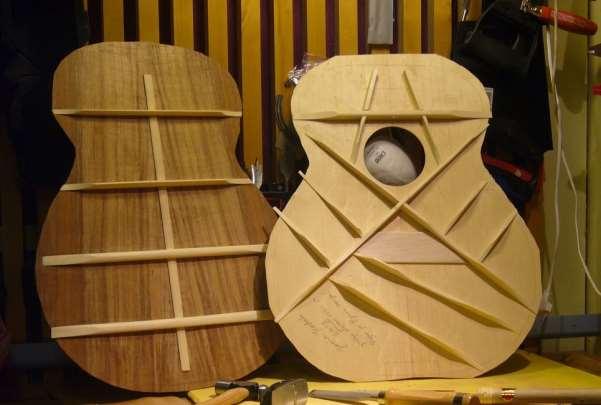
Experimenting with bracing patterns and thickness adjustments fine-tunes tonal output. Collaboration between builder and player ensures that the final instrument aligns with artistic goals.
The Value of Expert Craftsmanship
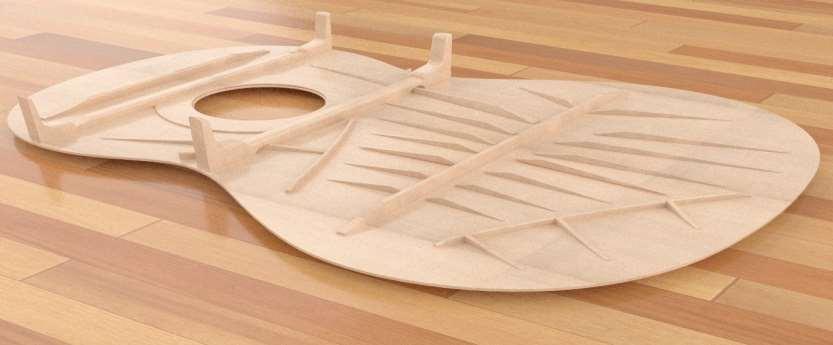
Even the finest materials require skilled craftsmanship. Precision bracing, careful sanding, and accurate assembly maximize a soundboard’s potential. Attention to detail during construction enhances resonance and structural balance.
Experienced luthiers rely on both technical knowledge and intuition to shape tonal character. Combining high-grade materials with expert workmanship produces instruments capable of inspiring performance for years to come.
Conclusion
Selecting a premium soundboard is one of the most important decisions in guitar construction. From understanding wood species to evaluating thickness and treatment methods, each factor influences tonal outcome and durability. Buying a guitar soundboard online provides access to diverse options, empowering builders to choose materials aligned with their creative vision.
By focusing on responsible sourcing, precise craftsmanship, and informed decision-making, musicians and luthiers can create instruments that deliver rich tone, balanced projection, and lasting reliability. A thoughtfully chosen soundboard lays the foundation for expressive sound and musical excellence.
Frequently Asked Questions
What factors should I consider when selecting a soundboard wood?
Consider grain consistency, stiffness, density, and moisture content. These elements influence resonance, projection, and long-term stability. Matching wood properties to playing style ensures optimal tonal results.
How does thickness affect a guitar’s sound?
Thickness determines how freely the top vibrates. Thinner tops increase responsiveness and sensitivity, while thicker tops enhance durability and controlled projection. Precision shaping helps balance tone and strength.
Are heat-treated tops more stable than untreated wood?
Heat-treated tops often offer improved dimensional stability and a mature tonal character. The process reduces moisture content, which can enhance resonance and minimize future movement.
Can electric guitars benefit from high-quality top plates?
Yes, especially in hollow or semi-hollow designs. A well-selected top contributes to resonance, sustain, and overall tonal balance, even when pickups amplify the sound.
How should I store soundboards before building?
Store them in a humidity-controlled environment away from extreme temperatures. Allow the wood to acclimate to your workshop conditions before construction to prevent cracking or warping.