
Understanding the Benefits of Permanent Part Marking Methods
Manufacturers across many industries depend on reliable identification systems. Every component needs a way to be tracked, verified, and traced. This is where part marking methods become essential to daily operations. Without proper labelling, quality control becomes difficult, and recalls become far more complicated.
Permanent part marking creates a lasting identifier on a component. It does not fade, rub off, or disappear during handling. This level of durability supports safety, traceability, and long-term accountability. Understanding these methods helps decision-makers choose the right approach for their production line.
This article explains the most common part marking techniques used today. It also covers why industrial labelling products matter for compliance, safety, and brand protection. Readers will find practical guidance for selecting a method that fits their materials and workflow.
Why Permanent Marking Matters in Manufacturing
Permanent marking protects manufacturers from costly errors. A missing or unclear mark can delay shipments and confuse assembly lines. Clear identification reduces mistakes and keeps production moving smoothly.
Regulatory bodies often require traceable part marking for safety-critical components. Aerospace, automotive, and medical device sectors all depend on this requirement. A reliable identification method proves where a component came from and when it was made.
Supporting Traceability and Recalls
Traceability allows a manufacturer to follow a part from raw material to finished product. If a defect appears later, the company can trace the batch quickly. This limits the scope of any recall and protects customers from harm.
Reducing Counterfeit Risk
Counterfeit parts remain a serious concern in many supply chains. A permanent identifier makes it harder for counterfeit products to enter the market. This protects both the manufacturer's reputation and the end user's safety.
Common Part Marking Methods Explained
Several part marking methods exist, each suited to different materials and production speeds. Choosing the right technique depends on the surface, the required depth, and the environment the part will face.
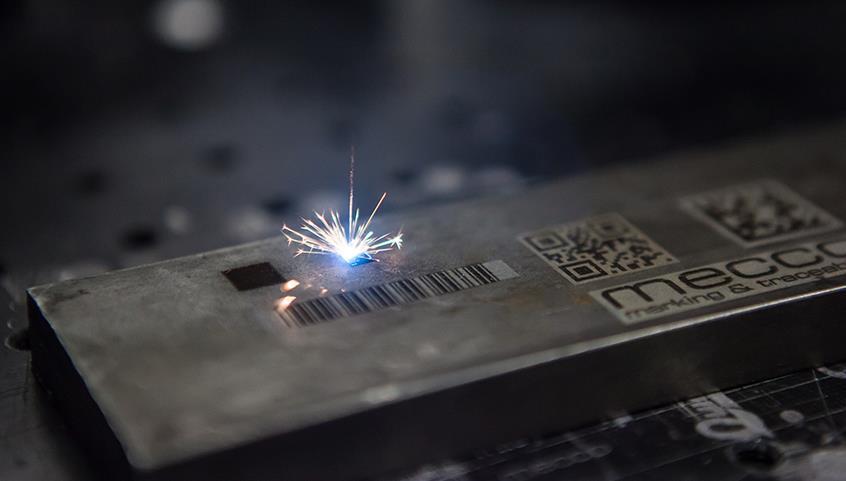
Laser Marking
Laser marking uses a focused beam to create a permanent mark on metal, plastic, or ceramic surfaces. It offers high precision and works well for small text or serial numbers. Many manufacturers prefer this method because it leaves no residue and requires no direct contact with the part.
This technique suits industries needing fine detail, such as electronics and medical tooling. Laser marking also supports fast production lines since it can operate at high speed without slowing down assembly.
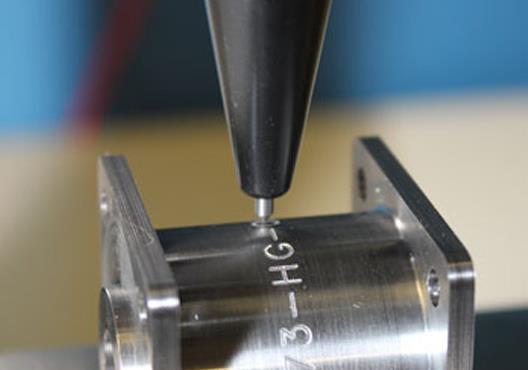
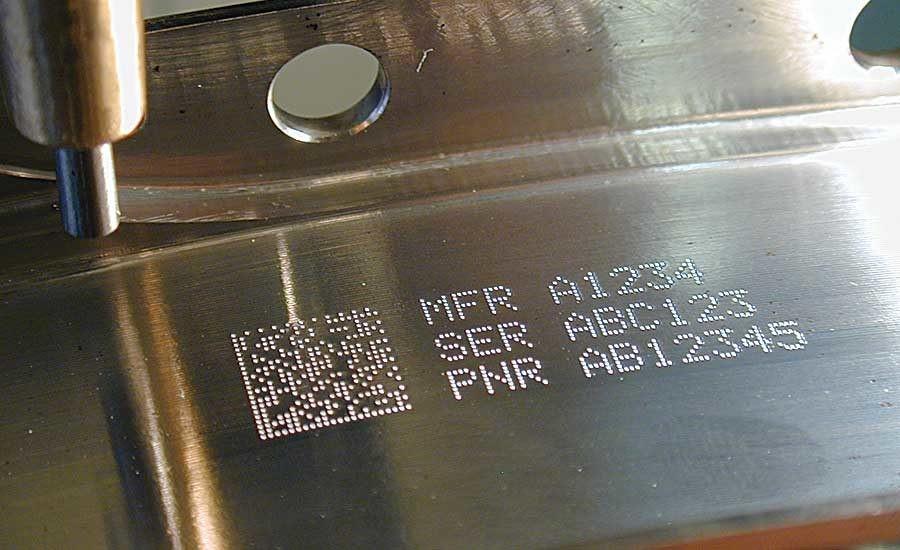
Dot Peen Marking
Dot peen marking uses a hardened stylus to stamp small indentations into a surface. This creates a durable mark that withstands rough handling and harsh environments. It works well on metal parts exposed to heat, oil, or vibration.
This method suits heavy manufacturing settings like automotive plants and machine shops. It remains one of the most cost-effective industrial marking products available for high-volume work.
Electrochemical Etching
Electrochemical etching applies a low-voltage current through a stencil and electrolyte solution. This process marks the surface without adding heat, which protects sensitive metals from warping. It works well for stainless steel components and thin materials.
Etching produces a shallow but permanent mark. It suits parts that need clear labelling without any risk of structural damage.
Engraving
Mechanical engraving uses a rotating or vibrating tool to cut into a surface. This produces a deep, highly durable mark suited for tools, machinery, and equipment exposed to extreme wear. Engraving remains popular for asset tags and serial plates.
Benefits of Choosing the Right Marking Method
Selecting the correct part marking approach brings several advantages. Manufacturers gain better quality control, stronger compliance records, and improved customer trust.
Improved traceability across the supply chain
Reduced risk of counterfeit or mislabelled components
Better compliance with industry safety standards
Each benefit supports long-term operational efficiency. A well-marked part reduces confusion on the assembly line and speeds up inventory checks.
Improved Quality Control
Permanent marks allow quality teams to verify parts quickly. This reduces errors during inspection and helps catch defects earlier in the production cycle.
Long-Term Cost Savings
Although some industrial labelling products carry a higher upfront cost, they often reduce long-term expenses. Fewer recalls, fewer mislabelled shipments, and faster inspections all add up to real savings.
Choosing the Right Industrial Marking Products
Selecting the correct industrial marking solution depends on several factors. Material type, production volume, and environmental exposure all play a role in this decision.
Material Compatibility
Some part labelling methods work better on soft metals, while others suit hardened steel or plastic. Testing a sample part before full production helps avoid costly mistakes.
Production Speed Requirements
High-volume manufacturers often need faster labelling methods like laser systems. Lower-volume operations may find dot peen or engraving more practical for their budget.
Environmental Conditions
Parts exposed to extreme heat, chemicals, or abrasion need deeper, more resistant marks. Choosing a method that matches these conditions extends the life of the identification itself.
Industries That Rely on Permanent Part Marking
Many sectors depend heavily on durable identification systems. Understanding these use cases helps illustrate why permanent labelling remains so valuable.
Aerospace manufacturing for safety-critical component tracking
Automotive production for recall management and warranty claims
Medical device manufacturing for regulatory compliance and patient safety
These industries face strict rules around traceability. A dependable labelling system helps them meet these obligations consistently
Aerospace and Defence
Aerospace components must remain traceable for decades. Permanent marks help technicians confirm part history during maintenance and inspection.
Automotive Manufacturing
Automotive parts often pass through several suppliers before final assembly. Clear, permanent marks reduce confusion and support faster warranty processing.
How Part Marking Solutions Support Manufacturers
Additionally, Industrial Nameplates works with manufacturers seeking durable identification solutions for demanding environments. Their approach focuses on matching the right part marking method to each customer's materials and production needs. This helps businesses maintain compliance while protecting their reputation.
Best Practices for Implementing Part Marking
Manufacturers should test new marking methods on sample batches before fullscale rollout. This helps confirm readability, durability, and equipment compatibility ahead of time.
Standardizing Mark Placement
Consistent placement makes inspection faster and reduces training time for new staff. A standard location also helps automated scanning systems read marks accurately.
Training Staff on New Equipment
Proper training reduces errors when new labelling systems are introduced. Industrial Nameplates recommends ensuring staff understand equipment settings and maintenance requirements to keep output consistent.
Frequently Asked Questions
What is the most durable part marking method?
Engraving and dot peen labelling generally offer the deepest, most durable marks. Both methods resist wear from heat, chemicals, and heavy handling over long periods.
Can permanent labelling be applied to plastic components?
Yes, laser marking works well on many plastic surfaces. It creates a clear, permanent mark without damaging the material's structural integrity.
How does part marking support product recalls?
A permanent mark allows manufacturers to trace a component back to its production batch. This narrows the scope of any recall and speeds up the response process.
Is electrochemical etching suitable for thin metal parts?
Yes, etching works well on thin materials because it does not generate heat. This prevents warping or structural weakening during the labelling process.
How often should labelling equipment be inspected?
Regular inspection schedules vary by equipment type, but most manufacturers check machines monthly. Routine maintenance helps keep marks consistent and readable over time.
What factors affect the cost of industrial marking products?
Cost depends on material type, production volume, and required mark depth. Faster, more precise systems often carry a higher initial investment but reduce long-term errors.
Conclusion
Permanent part marking methods play a central role in modern manufacturing. They support traceability, safety, and long-term cost savings across many industries. Choosing the right technique depends on material type, production speed, and environmental exposure. Manufacturers who invest in reliable identification systems protect their products and their reputation.
Manufacturers ready to improve their identification systems should evaluate their current labelling process today. Reviewing material needs and production goals helps identify the most suitable part marking method for long-term success. View the location here to learn more
get in touch with the team
Social Profiles: linkedin
Email: sales@industrialnameplates.ca