5 Technical Checks to Perform When Installing a Differential Bolt Kit
Installing high-quality fasteners is essential for maintaining drivetrain integrity, especially in high-performance or motorsport-driven vehicles. The differential takes a lot of stress, and if the bolts holding it together start to stretchor flex, it turns into amajor expense. Forthis reason, upgrading to a correctly engineered differential bolt kit is a smart move, and seeking proper installation will offer great returns.
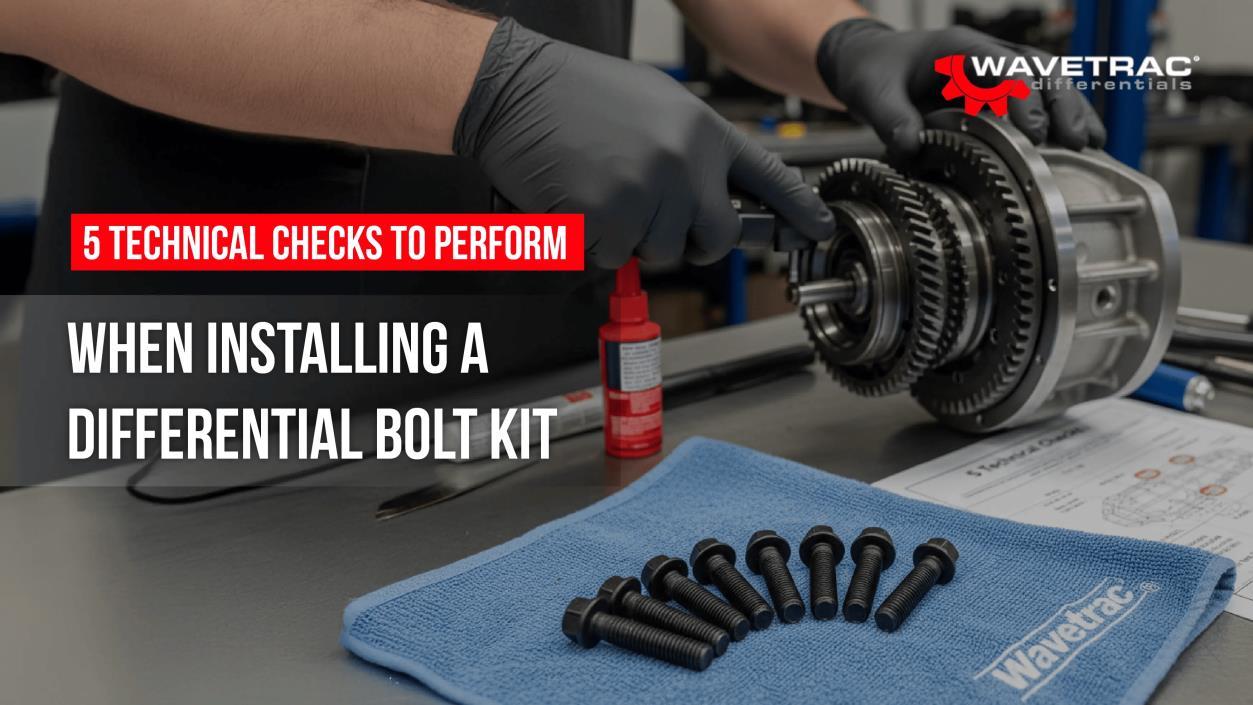
To make sure everything stays tight and secure, you need to follow a clean, technical process.
Listed here are the five most important checks that must be performed while installing a differential bolt kit:
Technical Installation Checks
A smooth install depends on getting the small details right before you ever pick up a torque wrench.
● Verify Bolt Thread Pitch and Length: You should always hold your new bolts up against the old ones. Make sure the length and the thread pitch are a perfect match. If you are using a car fitting kit made for your specific model, you shouldn't have issues, but it is always worth checking that the bolt does not bottom out. A bolt that hits the bottom of a hole will feel tight, but it won't actually be holding the parts together.
● Confirm Fastener Material and Tensile Strength: High-performance cars need hardware that won't stretch under pressure. Considering the requirement, people hunt for ARP bolts for sale when doing this job. These bolts are made from much stronger steel than standard hardware. Maintaining stability under heavy load depends on using strong, well-made fasteners designed for the job.
● Monitor the fit: Before applying any lubricant or sealant, it’s best to insert and turn the bolts byhand to confirmproper fit and alignment. The step will help you understand if there is any resistance or if the holes are slightly out of line. If you can't spin them in easily with your fingers, something is wrong. Fixing a cross-thread now is much easier than trying to fix it once the car is back on the lift.
● Clean the Internal Threads: Accumulation of metal bits, or dried-up thread locker tend to mess up the torque readings. Use a specialised cleaner to get the holes inside the housing spotless. When the threads are clean, the bolt can sit perfectly flush, which ensures the "clamp load" is spread evenly across the surface.
● Use a Calibrated Torque Wrench: Differential bolts need a very specific amount of tightness. Too loose and they back out; too tight and they snap. Check the instructions to see if you should apply a bit of lube to the threads first. Always tighten them in a star pattern so the pressure stays even across the whole casing.
Final System Verification
It is clear that maintaining your drivetrain is all about precision. By choosing a high-quality differential bolt kit and staying patient with the installation, it is possible to protect your car from any unforeseen damage.