
2008
2008 Online Annual Report Supplement: Last Updated May 18, 2009
Welcome to the Watershed Agricultural Council’s 2008 Online Annual Report Online Supplement. On the pages that follow are details, financials, tables, charts, photos and descriptions that didn’t appear in our printed 2008 Annual Report. Not only does an online report allow us to give you more information, it’s environmentally responsible and financially prudent. If you don’t see it here, contact our Outreach & Communications Department at info@nycwatershed.org. We will be sure to add whatever’s missing!
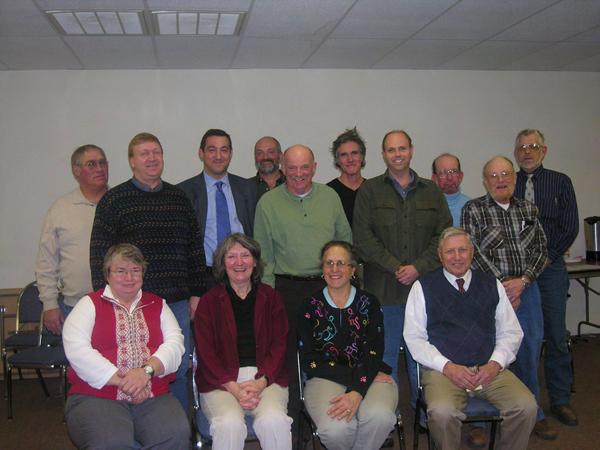
Thenew Board of Directors for 2009 is ready to hear your comments about the Council’s future vision and mission as they update the organization’s strategic plan. Chairman Fred Huneke (seated far right) is leading the charge. Feel free to call him at (607) 865-7790, ext. 110 or by email: fhuneke@nycwatershed.org.
Council members for 2009 include (back row) Dave Post, Ken Smith, John Schwartz (DEP), John Verhoeven, Dan Palm, Richard Giles, Darby Hartwell, Tom Hutson, William Coleman and Dave Cammer; (seated) Sally Fairbairn, Linda DeWitt, Barbara Howard, Fred Huneke; (not pictured) Joe Eisele.
Thanks to outgoing Council members, Aissa O’Neil and Gail Hillriegel, for their time and contributions to the council over the years!
NOTE: Dan Palm is currently acting as the WAC’s Interim Executive Director, effective April 2009. Tom Donnelly filled his Board seat.
Finance Report
Revenues
$697,604 (6.3%)
$702,835 (6.3%)
Expenditures
(31.2%)
$101,266
$2,343,272 (21.7%)
$802,306 (7.4%)
$1,076,204 (10.0%)
$1,771,083 (16.4%)
$10,799,923 (100.0%)
The Watershed Agricultural Council Finance Report reflects a fiscal year of July 1, 2007 through June 30, 2008. The Council derived 87% of its revenue through a contractual arrangement with the New York City Department of Environmental Protection. Other Revenue included cash from the WAC’s fundraising efforts, stewardship donations and registration fees for events/workshops. Donated Services included required matches from Forestry bus tour grants recipients.
The WAC allocated the majority of these funds to finance best management practices applied to landowner properties throughout the watershed. The remainder was applied to program administration, outreach and education. Expenditures from Donated Services represented expenses associated with posted Revenue Donated Services.
THREE-YEAR FINANCIALS
Watershed Agricultural Council of the New York City Watershed, Inc. Schedule of Activities— By Program - Unrestricted for the years 2007, 2006 and 2005 ending June 30, 2008, 2007, 2006
Water Quality Stewardship Programs
Agricultural Program
ThroughConservation Reserve Enhancement Program (CREP), farmers enrolled 94.9 acres in 13 new riparian forest buffers. On average, they received $112 per acre in exchange for leasing stream-frontage to the U.S. Department of Agriculture. The CREP, which concentrates on fencing animals out of water courses and providing alternative watering facilities, currently totals 1,929 acres. Streambank stabilization is also a major focus of the CREP program.
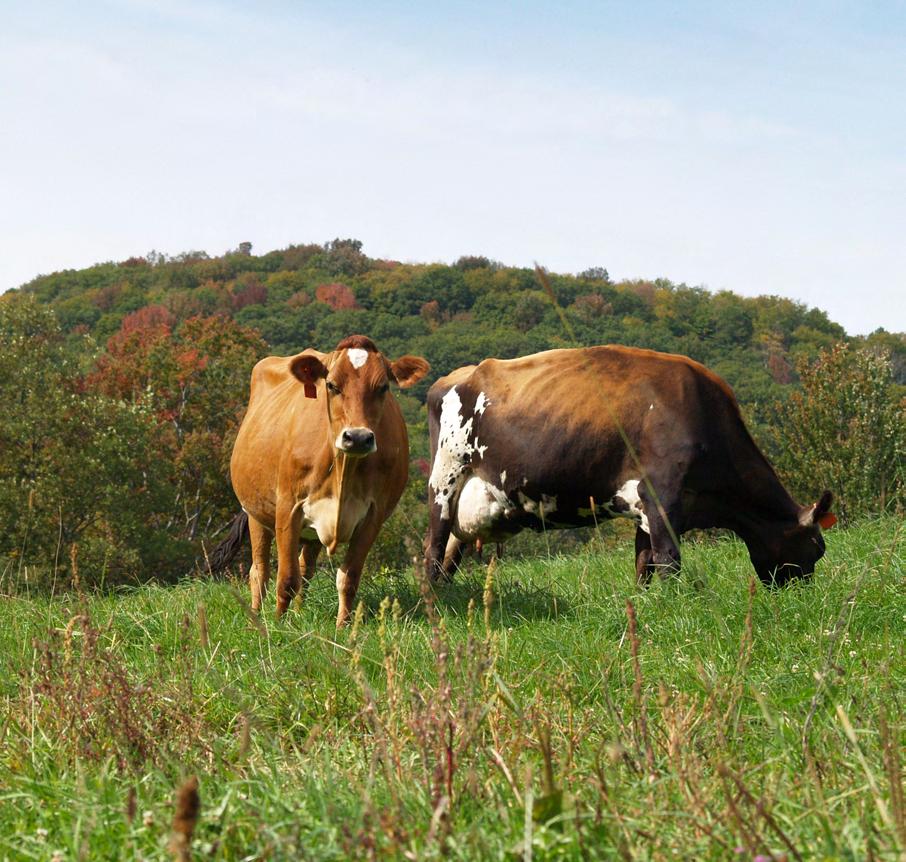
Projects, like this Hamden pasture pictured below, combine fencing, treeplanting and CREP buffer protocols to improve the grazing herd’s living conditions while protecting water quality and stabilizing water courses.
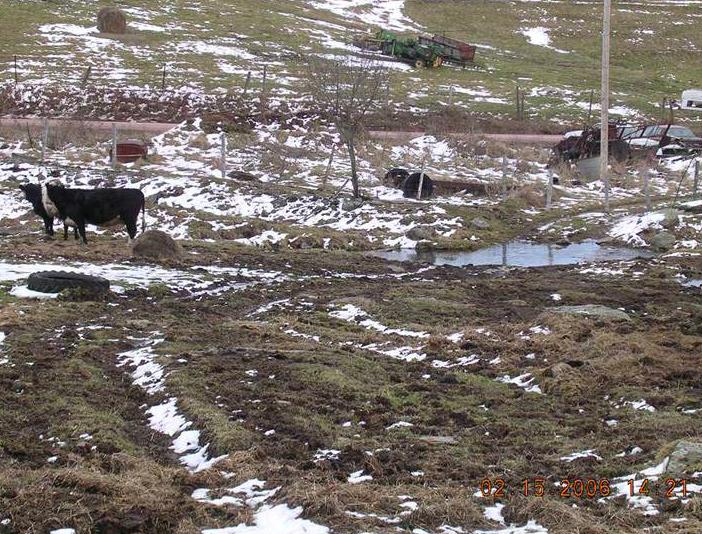
Each year, the Council visits with farm owners to review their business practices to see how they are doing, if anything has changed and if the farm needs additional help. In 2008, the Agricultural Program visited nearly 250 farms for annual reviews. The Program continues to bring new participants into the clean water practices provided by the WAC. In Catskill/Delaware watershed, new Whole Farms Plans for 10 small and one large farm were written; another six farms joined the ranks of pro-active, whole farm planning in the Croton watershed. The Council’s relationships with farmers, landowners and the land are long term, nurtured by our mutual respect for the environment far into the future.
For more information on the Agricultural Program’s 2008 accomplishments, visit the WAC’s 2008 Annual Report at www.nycwatershed.org.
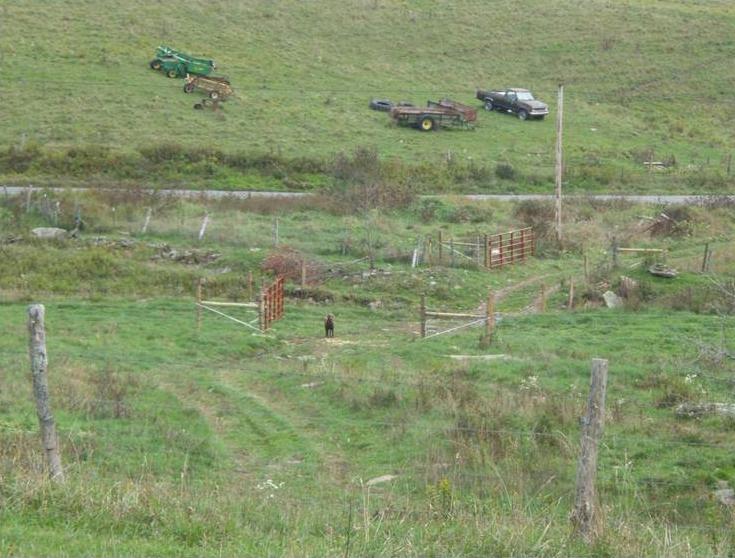
Hamden Project: Animal Trail/Walkway
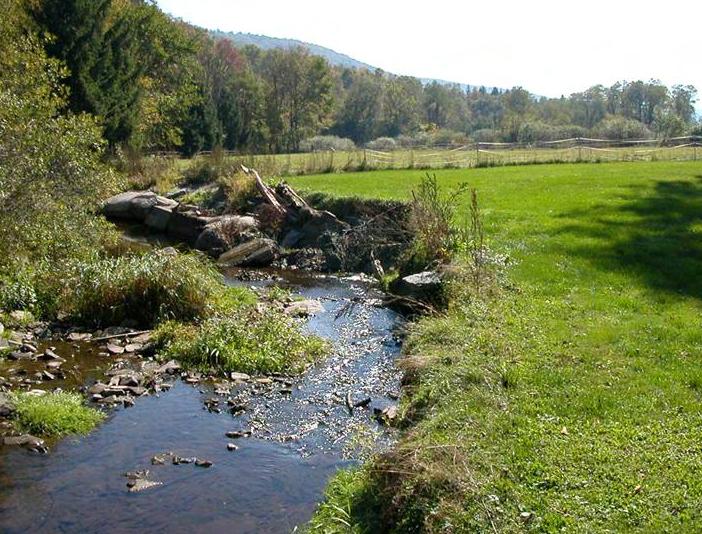
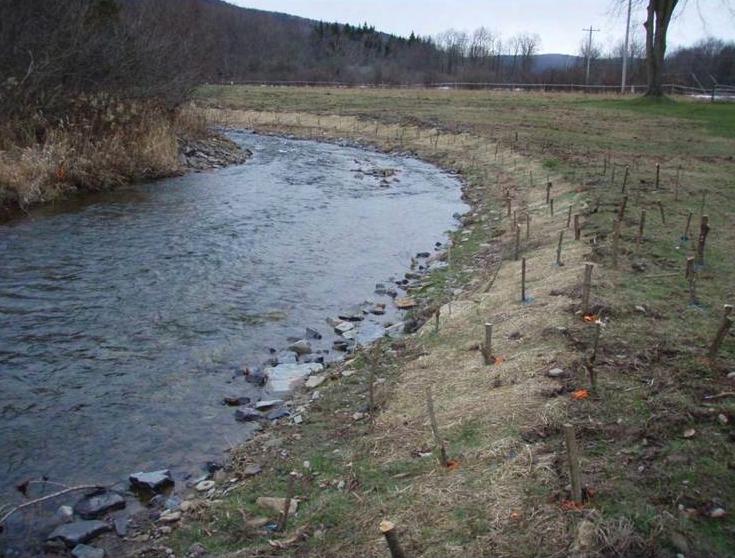
Hamden Project: Streambank Stabilization
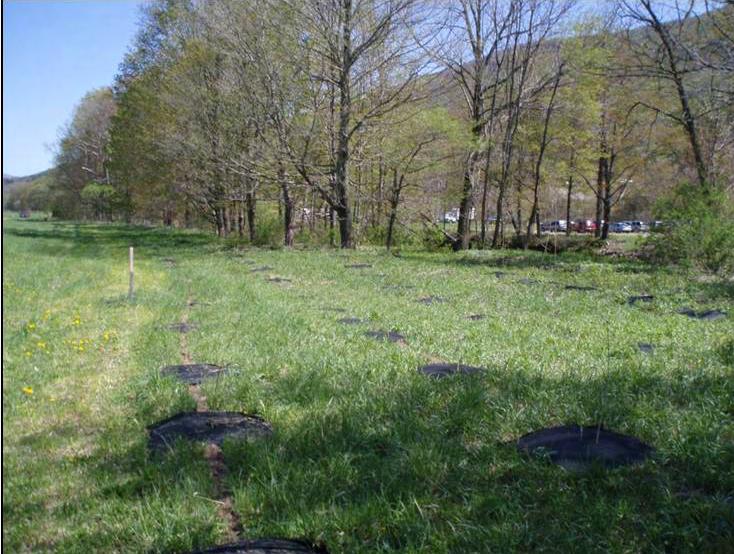
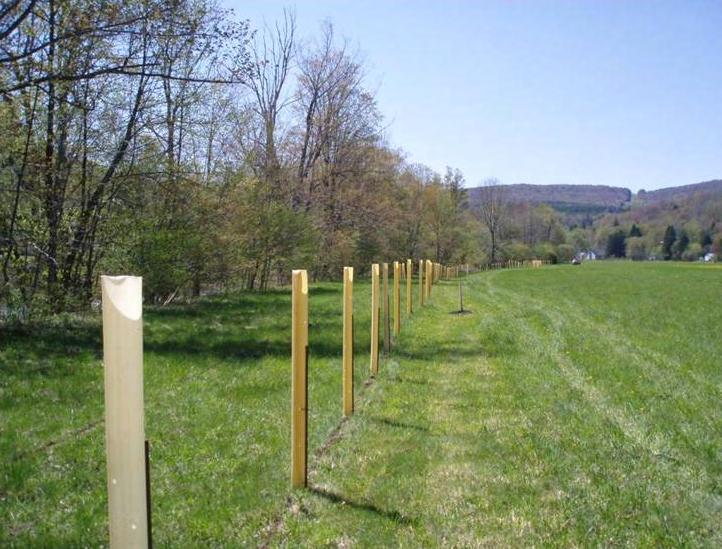
(Left) Middletown Project: Riparian Forest Buffer
(Right) Middletown Project: Tree Planting
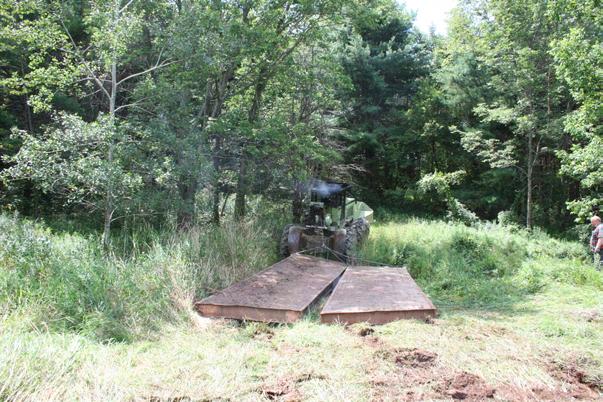
TLC© logger, Steve Bott, installs the Forestry Program’s 30-foot bridge on a timber harvest in Schoharie County. During the 2008 calendar year, the WAC Forestry Program’s bridges were used to cross streams on three active logging operations. The bridges were used for a total of 10 months each.
Forestry Program
During2008, seven core logger training courses and three continuing education course were held. Logger Training courses were offered through the WAC Forestry Program in partnership with Greene County Cornell Cooperative Extension. Game of Logging
Level I had a total of 29 loggers attend, Game of Logging Level II
Last July, Forestry Program
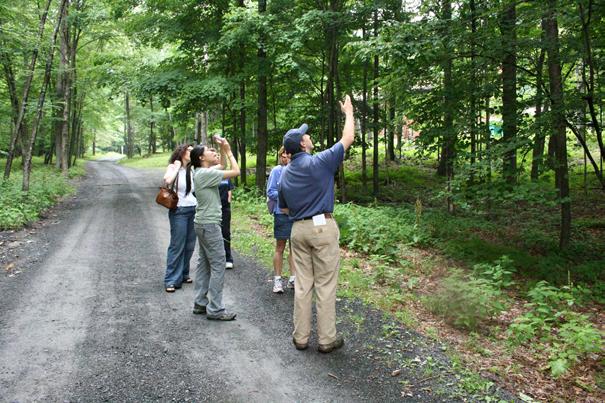
Manager Tom Pavlesich led a tree identification workshop at the 2008 Watershed Forestry Institute for Teachers (WFIT) at the Menla Mountain Retreat in Woodland Valley, NY. Twenty teachers attended the fifth annual Institute sponsored by WAC.
Nine watershed school teachers joined 11 others representing the New York metropolitan area.
To date, 239 teachers have participated in this annual event since its inception in 1998.
had 4 loggers attend, Forest Silviculture and Ecology workshop had 19 loggers attend, adult CPR and First Aid course had 14 loggers attend, a critical injury response workshop had 10 loggers attend and a forest pest workshop had 11 loggers attend.
Press releases, calendars, radio spots and additional CCE Greene County and WAC Forestry Program communication and outreach continue to be used to promote the program. Information outlining the 2009 Trained Logger Certification (TLC©) programs, in a traditional flip calendar format, was developed for the 2009 calendar year. This calendar listed core workshops offered as well as continuing education programs and incentives for those harvesting timber in the NYC Watershed region. The calendar featured pictures and brief descriptions of three TLC© watershed loggers, as well as three regional saw mills that support TLC©. The 2009 TLC© calendar is available online or by calling (607) 865-7790, ext. 101.
Four TLC© education events were held at the Siuslaw Model Forest during 2008. Thirty-eight loggers attended classes in firstaid/CPR, logger rescue, forest ecology and silviculture. A one-day landowner workshop covering forest management planning drew 31 landowners. At the Lennox Model Forest, the WAC hosted one Silviculture & Ecology TLC© training event attended by eight loggers. Two, 3-day landowner conferences were held at the Lennox Model Forest and organized by Cornell Cooperative Extension of Delaware County. Forty-five landowners attended these events which covered wildlife management, vernal pools and forest management planning.
Indoors, the Forestry Program held a series of one-day workshops in Delhi, Hortonville, and Gilboa for local building code enforcement officers, sawmill operators, architects, builders, and engineers. The trainings—“Using Locally Produced Framing Lumber: The Local Option”— focused on the use of regionally produced structural softwood lumber in residential and commercial buildings. During the three days of trainings, over 200 people learned
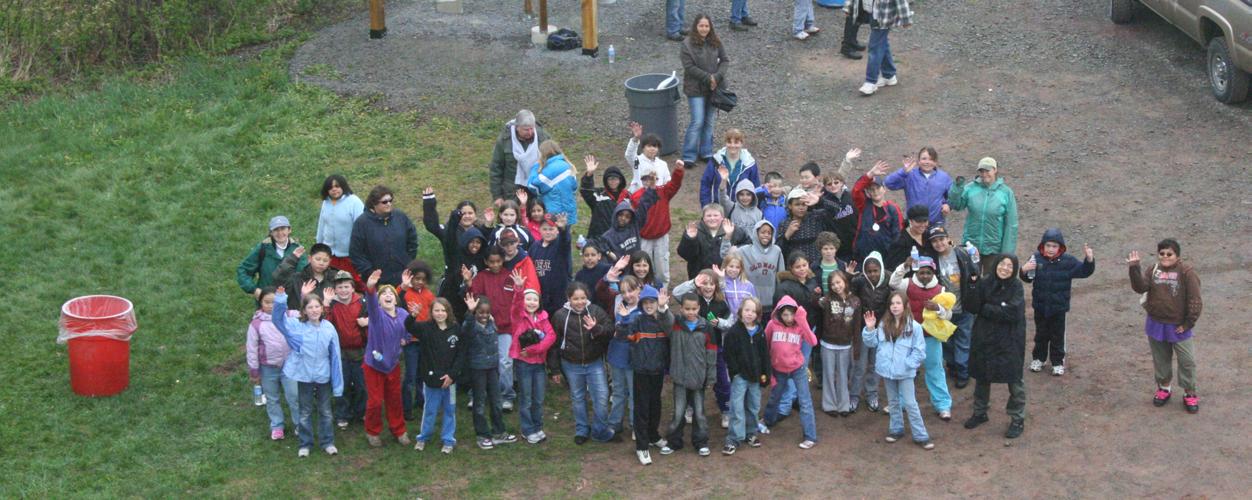
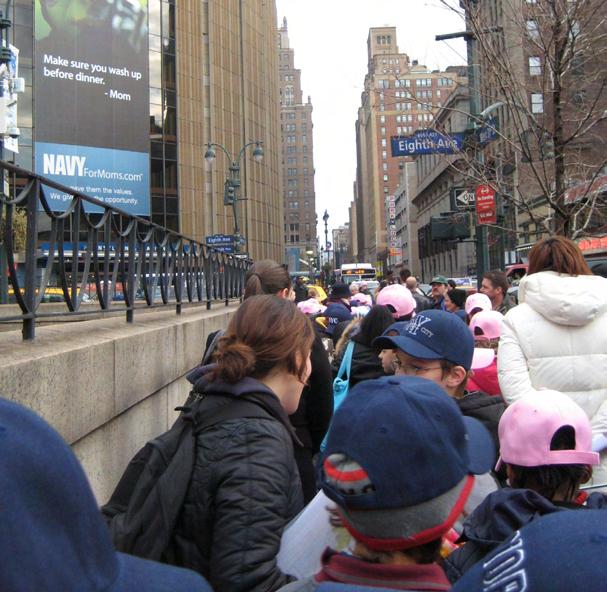
Green Connections partner-schools from Stamford Central School and PS-33 met up in downtown Manhattan, and again at Mount Utsayantha, Delaware County. During the 2007-2008 school year, 12 classrooms with 475 students and 17 teachers participated in the Green Connections Program. Overall, the Green Connections Program has educated over 1,760 students from 41 classrooms since its creation in 2000.
The Bus Tour Grant Program conducted 16 tours from New York City to the Croton and Catskill/Delaware watersheds during 2008. A total of 867 people attended the tours, 782 individuals from schools and 85 individuals from community organizations. Since its inception in 2003, the Bus Tour Grant Program has funded more than 76 bus tours for 3,367 students, teachers, environmental professionals and individuals from community groups.
participate in the Pure Catskills Buy Local Wood campaign that promotes local forest products on www.catskillwoodnet.org.
For more details on the Forestry Program’s 2008 accomplishments, visit the 2008 Annual Report at www.nycwatershed.org.


the basics of softwood lumber grading and how to identify critical framing lumber characteristics. Each day-long course ended with a local sawmill tour. Depending on the workshop location, participants visited Pawlikowski’s Sawmill in Delhi, Hofer Log & Lumber in Callicoon, and Hardwoods Unlimited in East Conesville. The mills During a tour of the Frost Valley Model Forest, WAC Watershed Forester Tom Foulkrod, pointed out how everyday landscaping species such as barberry quickly become prolific invasives in the Catskill region.


Outreach
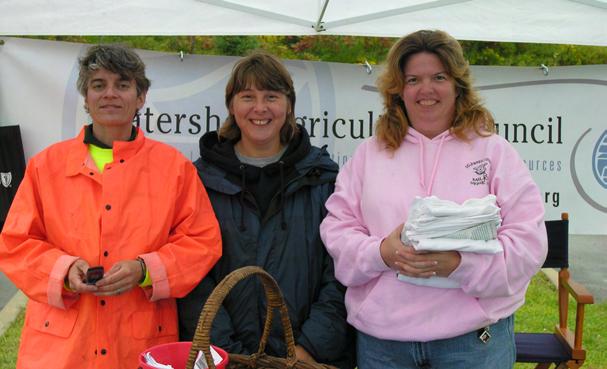
Solid Waste Director, Sue McIntyre (top left), Delaware County Department of Public Works, coordinated the 12th Annual Clean Sweep at the County’s Public Safety Building in Delhi last September. WAC staff member Lorinda Backus (top center) and Kim Holden of CCE-Delaware County (top right) helped with logistics and eventday registrations. Twenty-two farms properly disposed of nearly
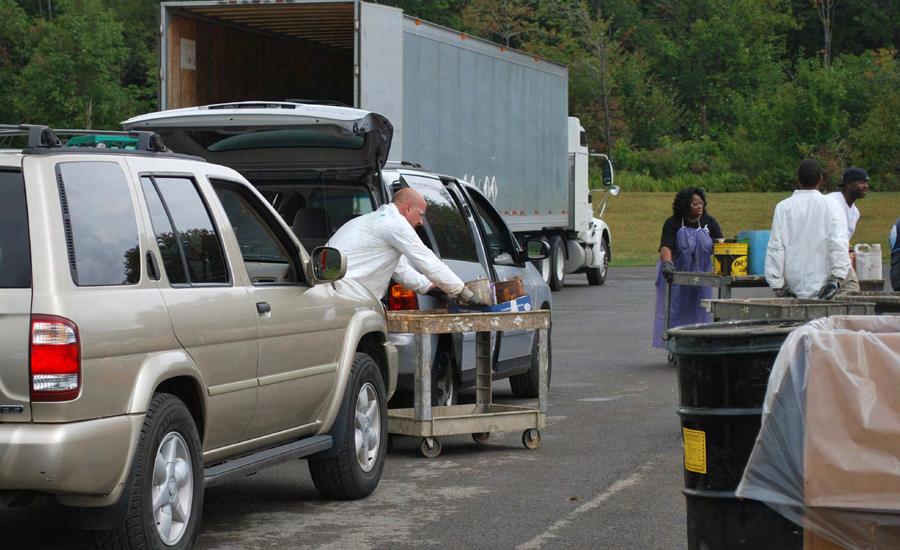
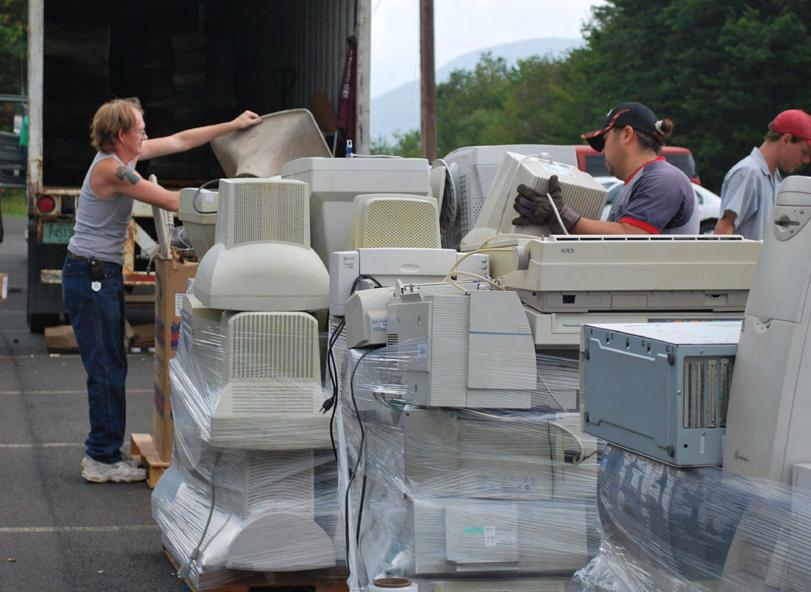
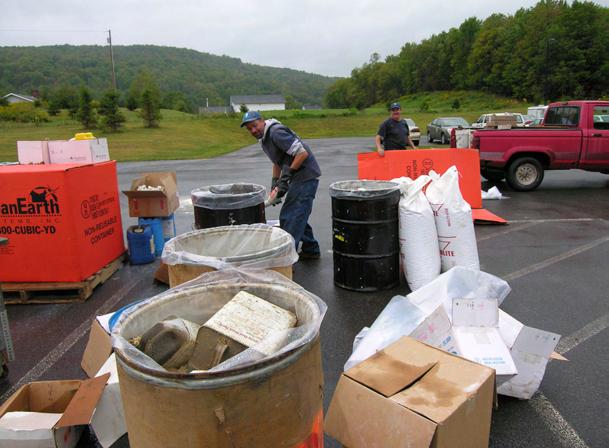
two tons of farm waste through the Clean Sweep event, with the Council covering the costs of farmer redemptions. In total, 357 county residents turned in 35 tons of potentially hazardous materials; collections included pesticides, fluorescent bulbs, paints, TVs and computer monitors. “This was the busiest in 12 consecutive years of this project,” said McIntyre, “a 35% increase over our historic average.” SUNY Delhi students Catherine Leibig, Deana Kani, and Ashley Willsey from the O’Connor Center for Community
Service, WAC Communications Director Tara Collins, and longtime volunteers Joe Wright, Jim Wright and Peg Kenyon assisted residents by answering questions, directing traffic, and collecting feedback surveys. The 2009 event is scheduled for September 25-26; preregistration is required. Check www.nycwatershed.org for details.
To raise program awareness on a grander scale, Council achievements were highlighted in a photo exhibit, interactive displays and Ag Awareness Days at the Delaware County Fair. Staff regularly promoted programmatic accomplishments by tabling at local
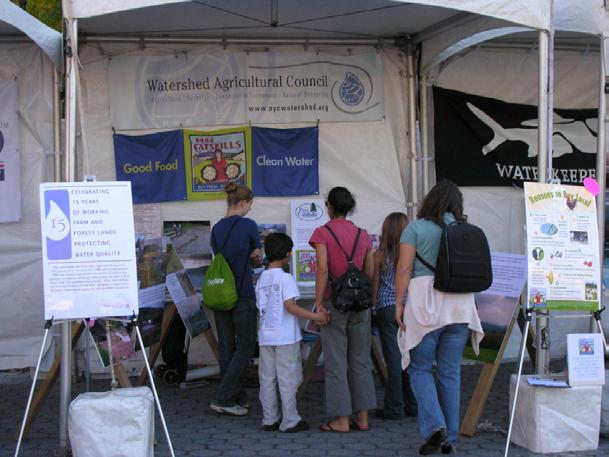
community festivals like Water Fest in Marina Cove, New York City (photo above). They also spoke at public forums, talked with radio and television news programs and submitted stories to regional newspapers and magazines. To reach its audience better, the WAC started a monthly e-newsletter, Pure Catskills biweekly eBurst, and instituted a convenient online, credit card pre-registration system for workshops.
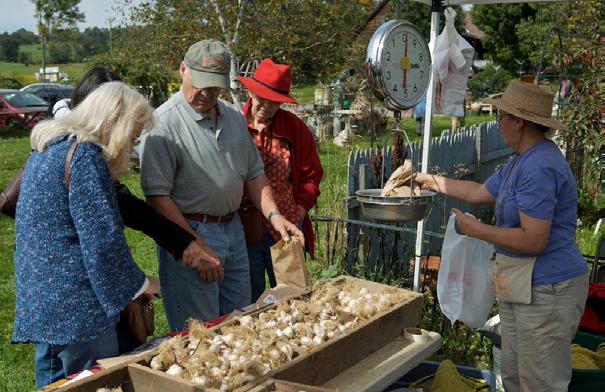
The WAC funded 15 events through the Farm to Market program’s Sustainable Agriculture Grants. The Susquehanna Valley Garlic Festival, (above) held in August, was one grant recipient that connected festival goers with their local food, farmers and the benefits of both. Below, Diane Francis of La Basse Cour Farm in South Kortright (below) shared her secrets of the “Perfect Pickle” at a WAC-Slow Food Catskills canning demonstration, “Putting It Up, Preserving
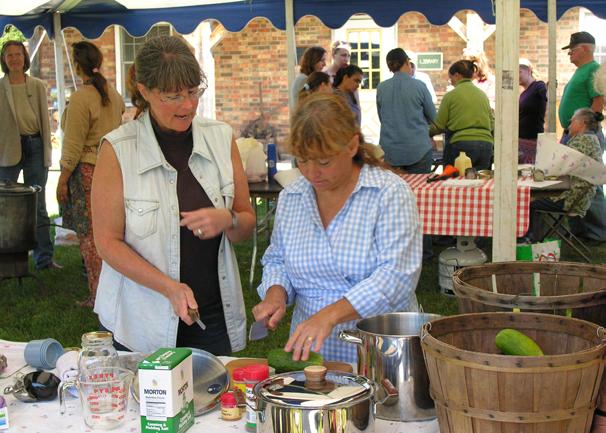
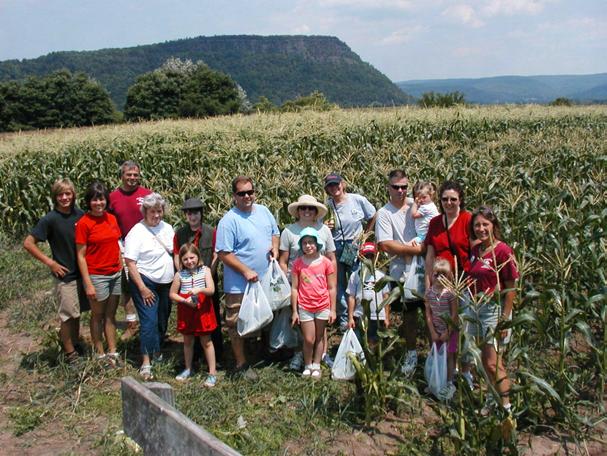
the Harvest.” The event was held, under a tent outside, at the Delaware County Historical Association, Delhi, in September Farm and forest land play a critical role in the cycle of fresh, clean drinking water. Asphalt, concrete and water treatment facilities don’t do nearly as good a job of “cleaning” rainwater and runoff as the earth does. Through its programs and events, the Council helps people understand the importance of farmers and forest professionals. Part of that success stems from getting people out to farms and seeing how it works. Weekend farm tours help families understand the value of food and what goes into growing it. Farm families bridge the two, like visitors to Barber’s Farm pictured here before Vroman’s Nose in the heart of the Schoharie Valley.
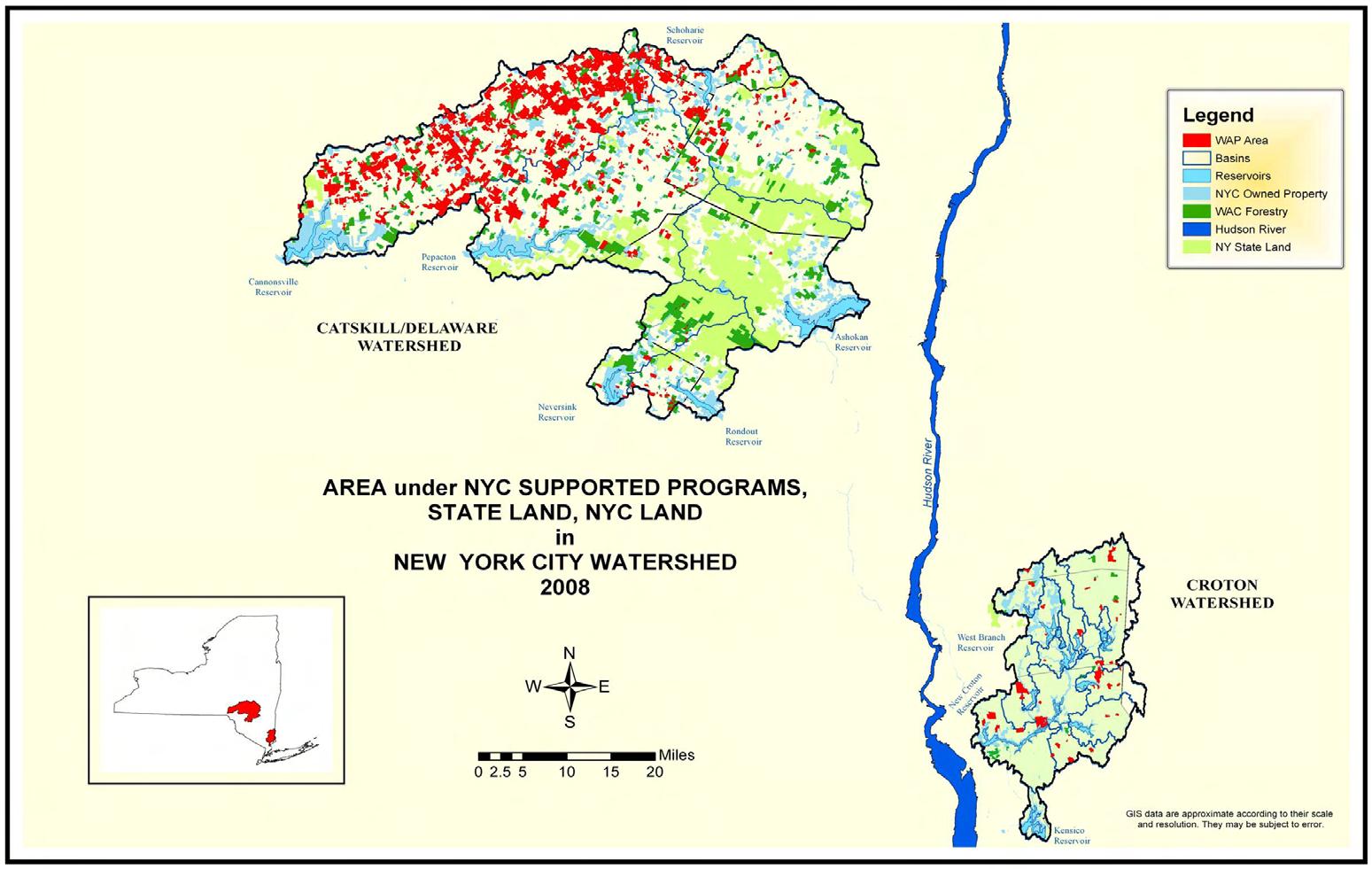
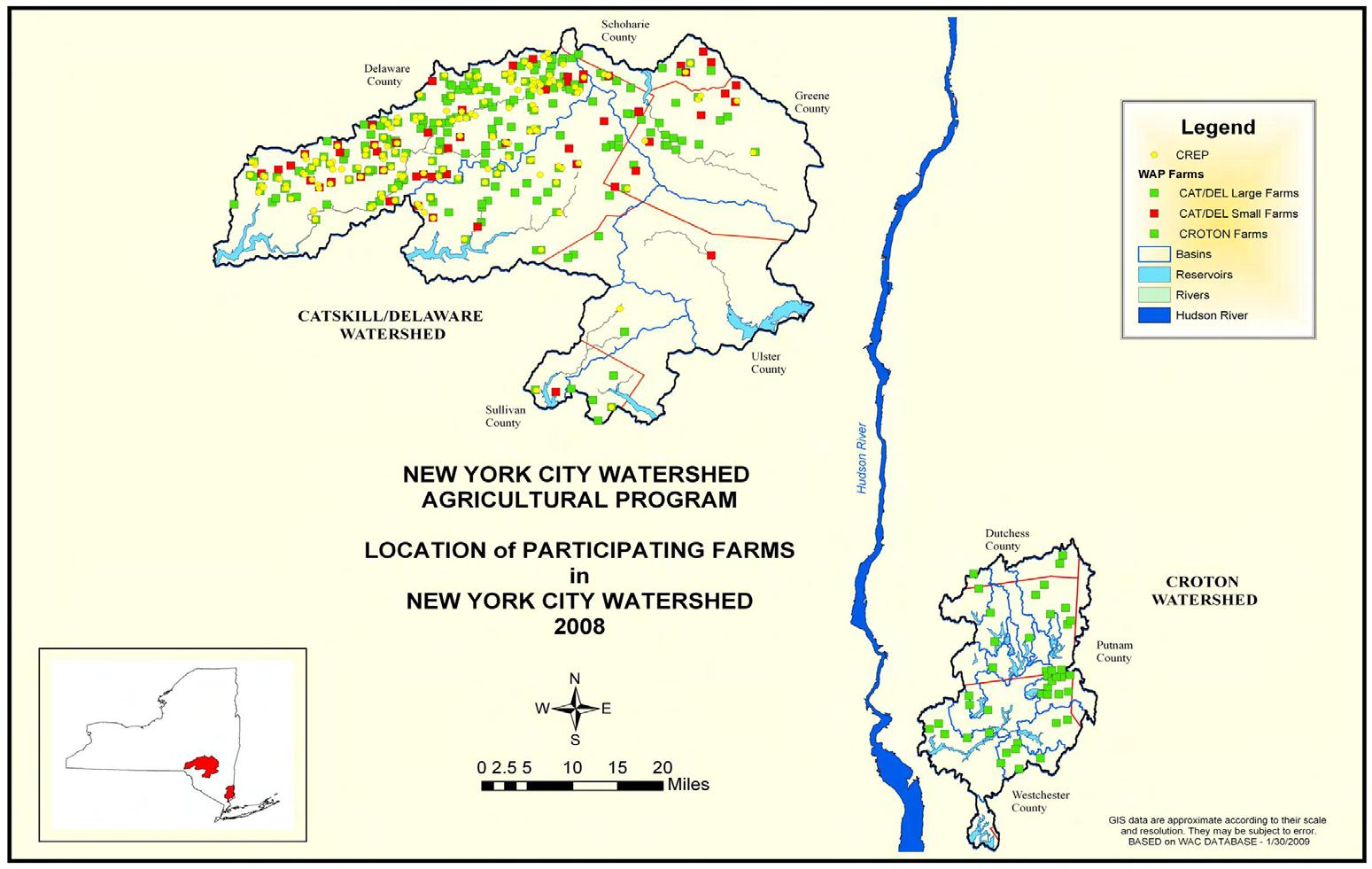
CATSKILL/DELAWARE WATERSHED LARGE FARMS
CATSKILL/DELAWARE WATERSHED SMALL FARMS
CROTON WATERSHED FARMS
CONSERVATION EASEMENT PROGRAM 2008*
* Includes two donated easements outside the watershed totaling 1,043 acres; 15,487 acres were protected in the watershed with PDRs, Purchase of Development Rights.
FOREST MANAGEMENT PLAN ACCOMPLISHMENTS 2008
FOREST AND TIMBER HARVEST ROAD ACCOMPLISHMENTS
SUMMARY 2008
TOTAL NUTRIENT MANAGEMENT CREDITS 2008
Watershed Farm & Forest 2008 Online Annual Report Supplement is a publication of the Watershed Agricultural Council (WAC), a not-for-profit 501(c)(3) organization whose mission is to support the economic viability of agriculture and forestry through the protection of water quality and the promotion of land conservation in the New York City watershed region. The WAC is funded by the New York City Department of Environmental Protection, U.S. Department of Agriculture, U.S. Forest Service and other federal, foundation and private sources. The WAC is an Equal Opportunity Provider and Employer.
Photo credits: WAC staffers Heather Hilson and Tara Collins, Agricultural Program and Delaware County Soil & Water staff, Blue Farm Graphic Design, Drew Harty.com
Behind the Mission
Executive Committee:
Fred Huneke, Chair
David Cammer
William Coleman
Sally Fairbairn
Gail Hillriegel
Tom Hutson
Dave Post
John Schwartz, DEP
AESOP Committee:
John Verhoeven, Chair
Richard Giles
Gail Hillriegel
Fred Huneke
Marianne Kiraly, CCE
Aissa O’Neil
Bob Partridge
John Schwartz, DEP
Holley White
Audit Committee:
Barbara Wilkens, Chair
Darby Hartwell
Aissa O’Neil
2008 Committees and Members
Easement Committee:
Tom Hutson, Chair
Linda DeWitt
Darby Hartwell
Fred Huneke
Dan Palm
John Schwartz, DEP
EoH Committee:
Barbara Wilkens, Chair
Ed Blouin, DEP
David Cammer
Kristen Carollo
Michael Dignelli
Paul Heller
Barbara Howard
Fred Huneke
Betsey Ryder
Finance Committee:
William Coleman, Chair
David Cammer
Linda DeWitt
Fred Huneke
John Schwartz, DEP
Forestry Committee:
Dan Palm, Chair
John Schwartz, DEP
Robert Bishop
David Cammer
Eric Dahlberg
Gail Hillriegel
Fred Huneke
Larry Schaefer
Kenneth Smith
Governance Committee:
Dan Palm, Chair
William Coleman
Barbara Howard
John Verhoenven
Barbara Wilkens
Policy Committee:
John Verhoeven, Chair
Sally Fairbairn
Darby Hartwell
Gail Hillriegel
Fred Huneke
John Schwartz, DEP
Agricultural Committee:
Dave Cammer, Chair
Ed Blouin, DEP
Joe Eisele
Steve Fleming
Sally Fairbairn, Vice Chair
Bill Coleman
Gail Hillriegel
Fred Huneke
Bob Partridge
Aissa O’Neil
Dave Post
Steve Reed
Joseph Walsh, CCE
MIC Committee:
Dave Post, Chair
Tom Hutson
Bob Partridge
Outreach Committee:
David Cammer
Sally Fairbairn
Fred Huneke
Dan Palm
John Schwartz, DEP
John Verhoeven