
Building for stormy weather
The benefits of investing in water infrastructure
Wairau’s recovery from the 2023 floods Insights into water regulation


Filtration
Filtration for Cleaner & Safer Water in All Applications
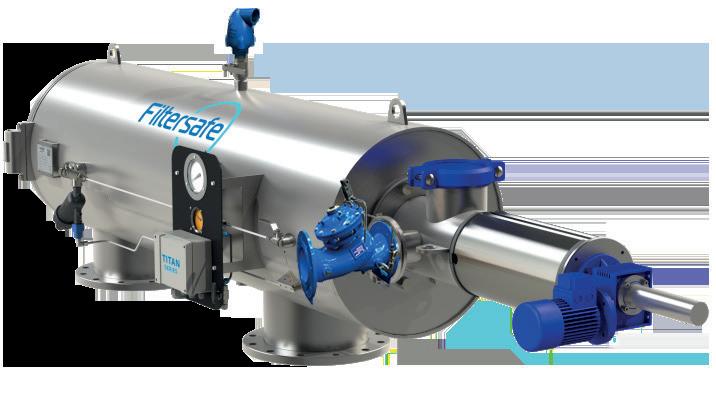
Filtersafe Titan
Automatic Self-Cleaning Screen Filter
Full 316 stainless steel construction
Filtration down to 10 micron
Maintenance without heavy lifting equipment
Safe and fast 1 person maintenance
Exceptional suspended solids removal
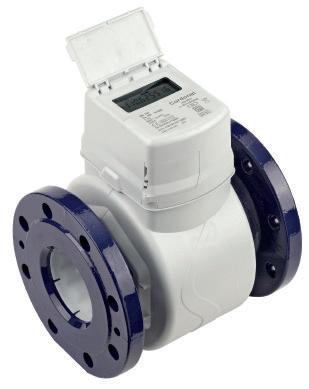
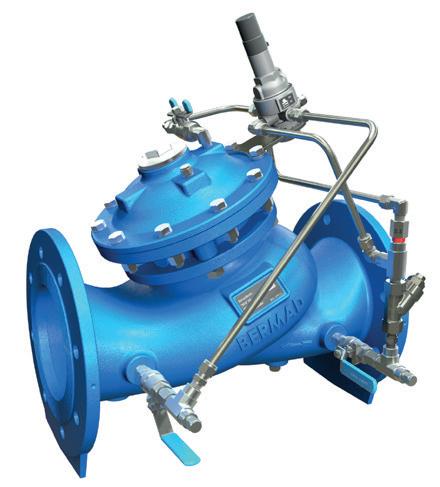
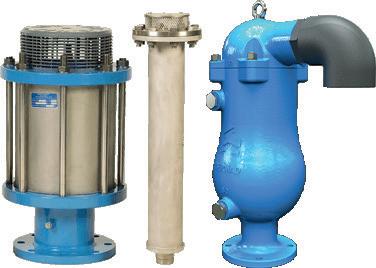
Patented filtration technologies: nozzlex™ , smartweave™ and EVERCLEAR™ Air Valves


President: Tim Gibson
Board Members: Bruce Balaei, Stephen Burton, Tim Gibson, David Hogg, Paddy McNamara, Soltice Morrison, Suzanne Naylor, Priyan Perera
Chief Executive: Gillian Blythe
Internal Events and Logistics Co-ordinator: Katrina Guy
Corporate and Membership Services
Manager: Mumtaz Parker
Membership Administrator/Office Manager: Pip Donnelly
Technical Lead – Regulatory and Policy: Tega Ogbuigwe
Technical Lead – Drinking Water Quality and Education: Belinda Cridge
Communications Manager: Debra Harrington
Marketing Lead: Frances Sheriff
Executive Assistant to the CE and Association Secretary: Caroline Lewin
Accounts Administrator: Sweety Gangreddiwar
OUR SPECIAL INTEREST GROUPS
Backflow
Climate Change
Drinking Water Quality
Diversity, Equity and Inclusion
Smart Water Infrastructure
Modelling
Onsite Wastewater Management
Stormwater
Te Ama | Aukaha te Wai
Water Services Managers’ Group Water Efficiency and Conservation Action Network (WeCan)
Wastewater
Young Water Professionals: Chapters in Auckland, Wellington and Christchurch.
For information contact:
Katrina Guy 04 495 0891, email: Katrina.guy@waternz.org.nz
WATER JOURNAL
Editor: Mary Searle Bell,
Contrafed Publishing
M: +64 21 676 034
Advertising Sales: Debbie Laing
M: +64 27 455 0223
Design: Jonathan Whittaker
M: +64 21 147 5591
Publishing: Contrafed Publishing, General Manager: David Penny, 1 Grange Road, Mount Eden, Auckland 1024 PO Box 67131, Mt Eden, Auckland, 1349
P: +64 21 190 4078
www.contrafed.co.nz
Distribution: Pip Donnelly, enquiries@waternz.org.nz
P: +64 4 472 8925
DISCLAIMER: Water New Zealand reserves the right to accept or reject any editorial or advertising material submitted for publication. The opinions expressed in contributions to Water are not necessarily those of Water New Zealand. The information contained in this publication is given in good faith and has been derived from sources believed to be reliable and accurate. However, neither Water New Zealand, nor any person(s) involved in the preparation of this publication accept any form of liability whatsoever for its content including advertisements, editorials, opinions, advice or information. This extends to any consequences from its use. No part of this publication may be reproduced, stored in any retrieval system, or transmitted in any form or by any means electronic, mechanical, photocopying, recording or ink–jet printing without prior written permission of the publishers.
ISSN 1179-2949 (Print) ISSN 2382-1906 (Online) www.waternz.org.nz

Issue 244 MAY/JUNE 2026
INSIDE
04 President’s comment
12 Turning data into insight
14 Progress on lead-free standards
16 Using the Water Research Roadmap
18 Report from the Modelling Symposium
20 Workforce authorisations update
24 Telling our stories
FEATURES
30 Profile: Suzanne Naylor
32 Profile: Sharon Danks
30 Report shows wetland decline
36 Topehahae stream and wetland restoration project
38 Wairau’s recovery from 2023 floods
42 Call for river resilience to extreme events
44 ‘Underwater bushfires’ hit Australia’s oceans hard
50 Dangerous gaps in satellite imaging system used for disaster management

54 Addressing rural water poverty
56 Policy options to mitigate antimicrobial resistance in our waterways
60 The regulatory requirements roadmap
66 Iawai sets out its priorities
68 Mike Brewster to head Tiaki Wai
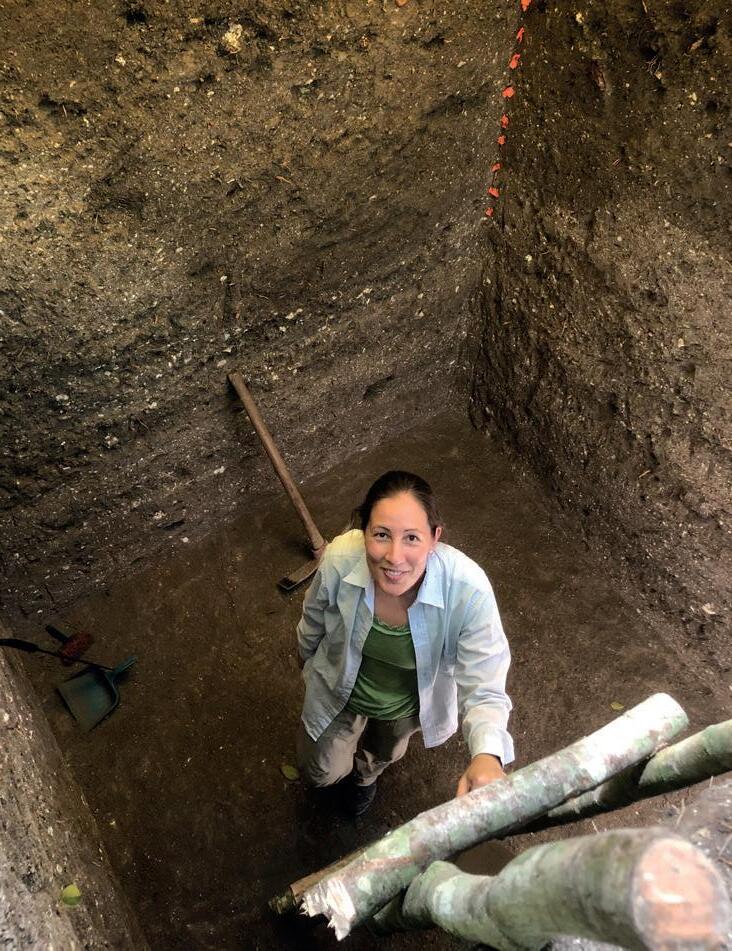
94 Mayan civilisation: Masters of water, prisoners of mercury
CASE STUDIES, PAPERS, AND COMMENT PIECES
44 Unlocking the economic dividend of resilience investment
64 Putting customers at the centre of economic regulation
70 The rising cost of water
72 Managing water affordability
78 Legal update
80 How the National Infrastructure Plan supports the water sector
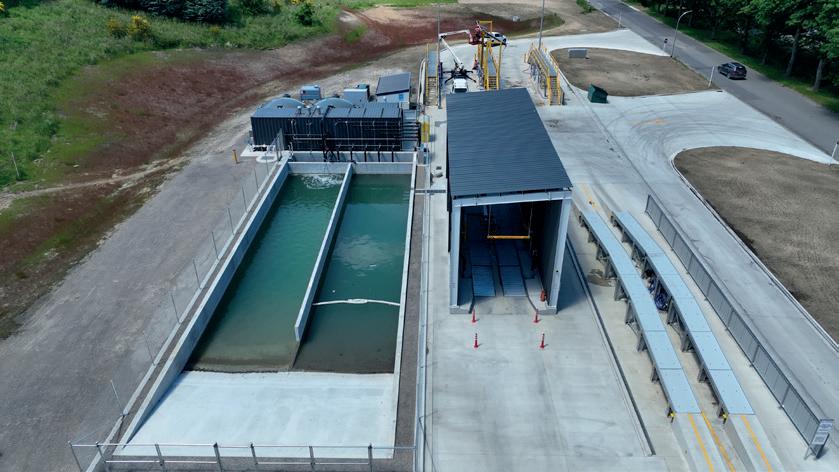
84 Case study: Wash manoeuvres at Waiouru
‘Ka ora te wai, ka ora te whenua, ka ora nga tangata’
‘If the water is healthy, the land is healthy, the people are healthy’


Time to focus on productivity and public trust
We’re living in uncertain times. The conflict in the Middle East is another reminder of how globally interconnected we are and how dependent our supply chain is on events beyond our control.
As this publication goes to print, that uncertainty continues to dominate the world outlook and its impacts are likely to be felt for some time.
Water is a life-supporting service and Water New Zealand has been working closely with the Government on contingency planning that recognises this should supply become an issue. But whatever the outcome, the Middle East crisis will likely have a long shadow and high prices for fuel and other products linked to the cost and availability of crude oil are likely to be with us, at least for the foreseeable future.
At the same time, the rising costs of meeting new service and regulatory requirements, as well as addressing the infrastructure deficit, are becoming evident and not surprisingly, confronting for many of our ratepayers and customers.
Lifting productivity and finding efficiencies will be the new focus for the sector as the water reform process moves into next gear.
The challenge will be how we embrace a new, more transparent environment while raising prices and at the same time, ensuring we maintain public trust.
This will mean looking for efficiencies in new places. Recently Water New Zealand’s chief executive Gillian Blythe and former president Raveen Jaduram recorded a podcast where they discussed how the new Council Controlled Organisations and inhouse business units could work together to find these efficiencies. See more on page 8.
Collaboration and sharing resources across boundaries were key themes that emerged during the discussion.
Technology, asset management and workforce development were some of the areas where collaborative approaches could work. Functions like billing, metering, and data management are common across all providers so there are potential efficiency gains to be made by sharing systems. Collaborative solutions could reduce costs while improving consistency and performance.
We need to get investment moving but the supply chain will
be cautious about scaling up without clear signals from the new Council-Controlled Organisations (CCOs) and council inhouse business units.
Clear communication will be critical, with a no-surprises approach. Again, the challenges within the organisations will be around building trust and making early decisions that support, rather than limit, future collaboration.
It’s very important that we see an end to the stop-start contracting which has hindered productivity improvements.
A more coordinated and longer-term approach would provide certainty to the supply chain and help avoid water service providers competing for contractors and other services which could push prices up and delay projects.
The sector has a strong foundation for this kind of collaboration. There is a long history of knowledge sharing and networking supported by Water New Zealand. New initiatives we’re undertaking such as chief executives’ forums will further strengthen alignment and help identify opportunities to work together.
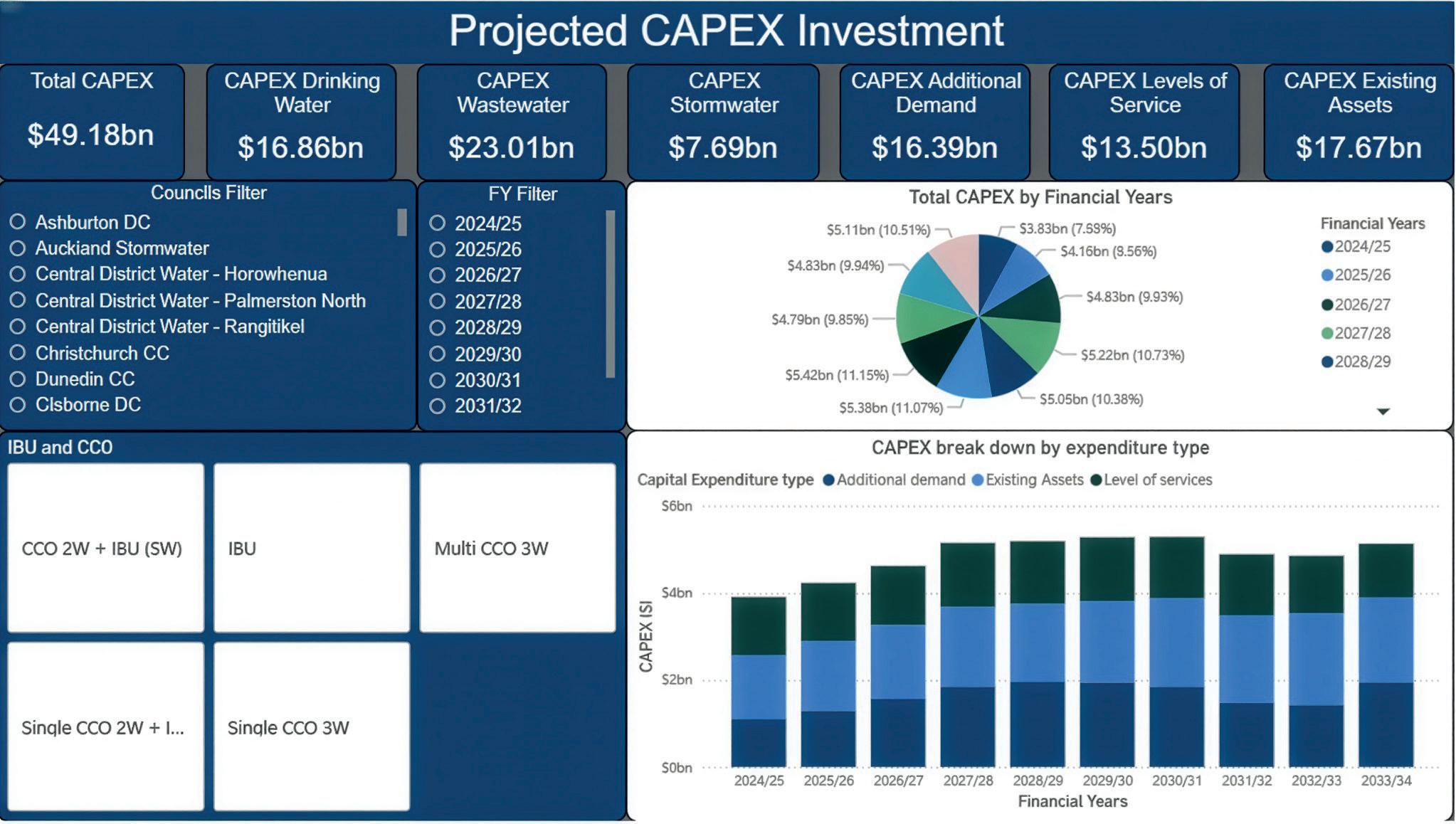
Access to high quality information and understanding will also be vital. To support this, Water New Zealand has developed a new dashboard that brings together data from Water Service Delivery Plans into a clear accessible format.
The dashboards are designed to make it easier to access, explore and understand some of the key information. They provide a comprehensive picture of infrastructure needs, investment requirements, service delivery priorities, and implementation timelines across councils – offering both a national perspective and council-level insights. See more on page 9.
Sharing information remains central to what we do at Water Zealand and our conferences provide valuable and enjoyable opportunities for us to connect and learn. I’m very much looking forward to this year’s Stormwater Conference, which will again be a must-attend event for anyone working across stormwater.
Building resilient communities in the face of climate change and bigger storm events is one of our biggest challenges and this conference will be a great opportunity to learn about new developments to meet those challenges.
I look forward to seeing you there.
Ngā mihi nui
Tim Gibson
Tim Gibson President, Water New Zealand








New technical lead

We’re pleased to introduce Tega Ogbuigwe, technical lead – policy and regulatory at Water New Zealand.
Tega brings over a decade of experience working at the intersection of government, industry, and infrastructure, with a strong focus on strategy, policy, and stakeholder engagement. She has held roles across central
government, consulting, and the energy sector, including leading development activities for large-scale renewable energy projects.
Tega joins us from the Ministry of Business, Innovation and Employment, where she was a policy implementation lead for offshore renewable energy, supporting the operationalisation of the regulatory framework for the sector.
With a PhD in international business, with research focused on institutions and regulatory environments, Tega is particularly interested in how policy design, market structures, and delivery systems come together to shape real world outcomes.
She says she is looking forward to contributing to Water New Zealand’s technical leadership and supporting collaboration across the sector and Special Interest Groups.
New podcasts focus on reform, governance, and investment
Why governance could make or break the new water entities
The success of the Local Water Done Well reforms will depend on the experience, calibre and courage of new council-controlled board members.
In this episode of Water New Zealand’s Tawara o te Wai podcast, hosts Jon Reed and Emily Afoa talk water sector governance reform with two leaders who bring deep experience of infrastructure and governance.
Former water utility CEO and past-president of Water New Zealand, Raveen Jaduram, and Water New Zealand’s chief executive, Gillian Blythe, help explore how water service providers can work together to create much-needed economies of scale.
The transparency shift reshaping our water sector
Information disclosure will play a central role in improving the performance, accountability and long-term sustainability of our water services.
This was the message from Commerce Commission principal engineer Emily Botje and economist Tim Hewitt when they joined Jon and Emily to talk about some of the economic regulatory changes facing the sector.
The new era of greater transparency also allows consumers, councils and water organisations to better understand how water services are being managed and funded while enabling comparisons between providers.
Shaping the future of water infrastructure
In this episode of Tāwara o te Wai, Jeff Whitty, the principal adviser for the NZ Infrastructure Commission – Te Waihanga, unpacks the National Infrastructure Plan and how to make water infrastructure investment dollars go further.
You can listen to these podcasts on the Water New Zealand website, Spotify, or wherever you get your podcasts from.

Jim Bradley: From Musterer to Shepherd
After a long and distinguished career, one of our best-known water sector leaders, Jim Bradley, is hanging up his ‘shepherd’s crook’ as he heads into a much-deserved retirement.
Jim’s career has spanned 56 years with Stantec and its predecessor firms. As an engineer specialising in wastewater projects, he has been passionate about finding solutions that benefit the environment and the community
Throughout his career, Jim has been at the forefront of developing more sustainable concepts and the associated resource consenting for the management of municipal and industrial wastewater.
His contribution to the water industry has resulted in a long list of accolades.
In 2024 Jim was awarded the Association Medal, Water New Zealand’s highest honour and one that is only presented at the discretion of the board to a water professional who has made an outstanding contribution to the water industry.
Other acknowledgements of his contributions include being made a Distinguished Fellow of Engineering New Zealand in 2016. He is also a Diplomat of the American Academy of Environmental Engineers, a Life Member of the New Zealand Water and Waste Association and of the Waste Management Institute of New Zealand.
Jim was the winner of the IPENZ Supreme Technical Award for Engineering Achievers 2004 in the Sustainability and Clean Technology category, the inaugural winner of the IPENZ William Pickering Award for Engineering Excellence, and was also the inaugural winner of our Trade and Industrial Waste Forums Environmental Champion.
As a fitting end to his career, Jim has published a memoir to the industry: “From Musterer to Shepherd” reflects Jim’s insights during his long journey with Stantec and its predecessor firms.
Stormwater is a taonga: Managing challenges and opportunities
Stormwater is wai and wai is a taonga. This year’s theme recognises rainfall, runoff, and our waterways as an inextricable part of our ecosystem.
Stormwater 2026 brings professionals together to seek solutions and share learnings and opportunities around one of our most pressing challenges – climate change and the impact of increased storm and rainfall events.
Managing these challenges and opportunities will define how we build and manage future infrastructure, where we live, how we design our cities and urban environments, and importantly, how we value water.
Join us as we explore how to work in harmony with nature, build resilient communities, listen to knowledge held by the whenua and the tāngata, and learn about new developments around technology and digital innovation.

2026
12 – 14 May | NZICC, Tāmaki Makaurau / Auckland
We’re delighted to bring you a line-up of thought-provoking keynote speakers and discussions that will help us plan for a stormwater resilient future.
Keynote speakers include:

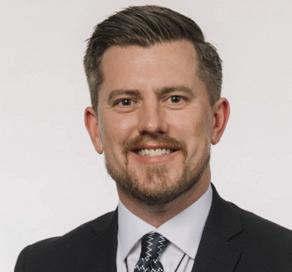
Craig McIlroy
Stormwater reform – a once in a lifetime opportunity – what shall we do?
Craig is Auckland Council general manager for healthy waters and flood resilience.
With more than 35 years of experience in local government and the water sector in Aotearoa New Zealand, Craig McIlroy is a highly respected executive leader known for transforming water services to deliver outstanding economic, environmental, social and cultural outcomes.
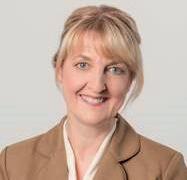
Richard Hills
Richard Hills is the chair of Auckland Council’s Policy, Planning and Development Committee and Auckland Councillor for North Shore ward. Richard led Te Tāruke ā Tāwhiri – Auckland’s Climate Plan, Auckland’s Water Strategy and the Future Development Strategy and is currently shepherding work around the planning blueprint for Auckland including how we respond to hazards like flooding. He has a massive passion for Tāmaki Makaurau Auckland, investing in people, the environment, and planning carefully for future generations.
Linda Clark
Linda Clark is a Wellington based barrister and specialist in public law and civil litigation. She regularly advises local councils and council owned organisations. Formerly a litigation and public law partner at Dentons Kensington Swan, Linda is also an experienced investigator and reviewer, working on inquiries for both public sector and private sector clients. She also assists clients who find themselves the subject of an inquiry or review.
Before Linda launched her legal career she was an award winning political journalist and broadcaster.
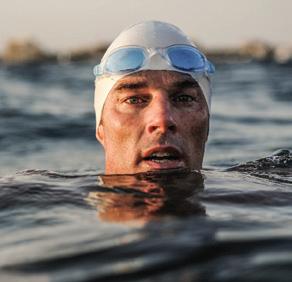
Lewis Pugh – virtual presentation
Lewis Pugh is an endurance swimmer and ocean advocate.
For nearly forty years, he has pioneered swims in some of the most fragile and threatened environments – from the North Pole to Antarctica, and from the Himalayas to the great rivers of the world.
To support this work, he founded the Lewis Pugh Foundation to turn awareness into lasting protection. The foundation works with governments, scientists and local communities, and has helped protect more than 3.5 million km² of ocean –an area larger than Western Europe.
Lewis has served as United Nations Environment Programme Patron of the Oceans since 2013. In this role, he has been a leading voice for the world’s oceans and rivers, and for the wildlife and people that depend on them.
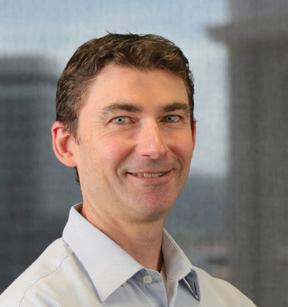
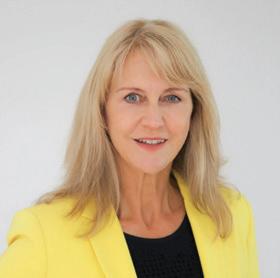
Jeff Whitty
Jeff trained as a water resources engineer providing consultancy services in Canada, the U.S. and New Zealand where his experience spans design, project management, policy and governance.
As a Principal Adviser for Te Waihanga – Aotearoa New Zealand Infrastructure Commission, Jeff develops the Commission’s advice on water policy alongside other sectors.
Vicki Watson
Vicki is the chief executive of The Aotearoa Circle which started its work in 2019. The Circle convenes public and private sector partners to tackle complex climate and nature challenges that threaten Aotearoa New Zealand’s future economic prosperity. Vicki and the Circle team have grown a significant coalition of the willing, and in collaboration with its partners, have completed over 25 major workstreams across agriculture, energy, seafood, tourism, and transport sectors. Vicki’s personal vision – Healthy People, Healthy Planet, Healthy Economy – aligns closely with The Circle’s mission, and she is deeply committed to achieving the vision of its founder, Sir Rob Fenwick.
Panel discussion – Future of Stormwater Governance
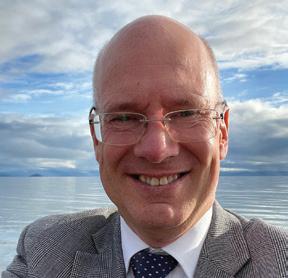
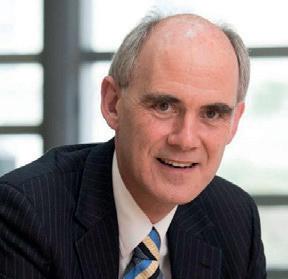
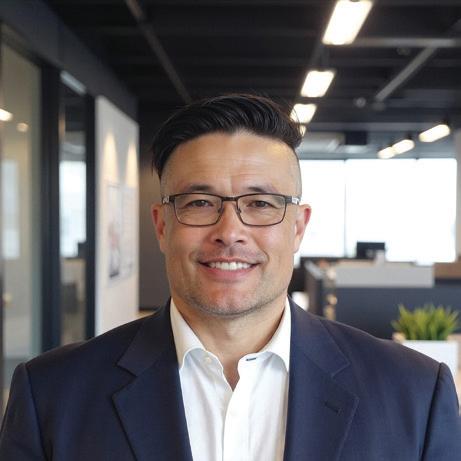
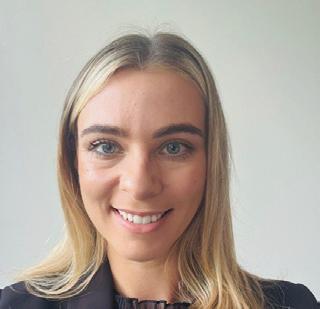
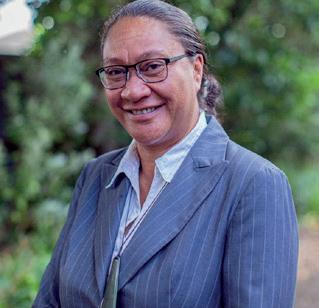
Jon Lamonte, Tiaki Wai/Waikato Waters Ltd
Jon is a director of Waikato Waters and Tiaki Wai Metro Water, two new council controlled organisations that will begin water and wastewater service operations on 1 July under the Government’s Local Water Done Well policy.
Jon has significant leadership experience across water services, transport and large scale infrastructure. His background includes chief executive roles at Watercare, the Auckland/Northland Water Services Entity, Sydney Metro, and Transport for Greater Manchester. He is a Fellow of the Chartered Institute of Logistics and Transport and a former Air Vice Marshal in the Royal Air Force, with a career spanning complex operational, governance and public service environments.
Jonathan Boston
Jonathan Boston, ONZM, is Emeritus Professor of Public Policy in the School of Government at Te Herenga Waka –Victoria University of Wellington. His research interests include climate change policy and anticipatory governance. Recent books include A Radically Different Planet: Preparing for Climate Change (BWB, 2024)
Andrew Chin
Andrew Chin is a fellow of Engineering New Zealand with more than 20 years’ experience in environmental and water infrastructure. As head of Healthy Waters Strategic Initiatives at Auckland Council, he plays a key role in delivering long term water outcomes for Tāmaki Makaurau Auckland.
Helen Mahoney
Helen Mahoney joined LGFA’s sustainability team in November 2024 as senior manager sustainable finance. Helen has a background in corporate sustainability and specialises in climate change risk and sustainable finance and has experience in assisting businesses to embed sustainability into decision-making and greenhouse gas accounting. Prior to joining LGFA, Helen worked at Auckland Council in various roles within the Chief Sustainability Office and Treasury unit, managing the council group’s sustainable finance programme and climate-risk disclosures and was involved in the development of Te Tāruke-ā-Tāwhiri: Auckland’s climate plan.
Kowhai Olsen
Kowhai is born, raised and living testament to one of the oldest continuously occupied Maaori Villages in Taamaki Makaurau – Ihumaatao Papakainga.
She has been intergenerationally raised on the histories of Te Waiohua iwi of Taamaki Makaurau Auckland, the cultural landscapes, grievances and navigational pathways forward for Maaori in urbanised adaptation.
Kowhai brings the complex lens of a kaitiaki, due diligence, Te Mana o te Wai.

Turning data into insight: A new view of the Water Services Delivery Plans
Understanding the scale of our water infrastructure challenges can be difficult to navigate, especially when critical information sits across dozens of detailed Water Services Delivery Plans (WSDPs).
To bridge that gap, Water New Zealand’s summer intern, Jack Garr, has spent the early part of this year bringing WSDP data into a new dashboard that helps turn the plans into practical insights for the sector.
The data visualisation suite is available on our website to all Water New Zealand members.
The dashboards are designed to make it easier to access, explore and understand some of the key information. By consolidating data from WSDPs nationwide, they provide a comprehensive picture of infrastructure needs, investment requirements, service delivery priorities, and implementation timelines across councils. They enable both a national overview as well as a lens on council-level data.
Jack says users can benchmark performance, compare priorities, and better understand how different parts of the country are responding to shared challenges.
The visualisation dashboards are built using publicly available information but presented in a structured, easy-to-navigate format. This helps to provide for greater transparency and
accessibility, helping decision-makers access the data more confidently and effectively.
So why has Water New Zealand invested in this work?
Chief executive Gillian Blythe says this is about providing information that will help inform the sector.
“We could see that there was a need to pull the data together to provide a clear insight to support more informed supply chain planning, investment, and policy decisions.”
She says creating a shared view will help provide a clearer view of challenges and opportunities.
The WSDPs reflect a point in time. With water service providers developing their Water Services Strategy, Water New Zealand is considering what information would be useful to the sector on a go-forward basis.
If you have suggestions, please contact Gillian.Blythe@waternz.org.nz.
The data visualisation tool is a membersonly benefit, available on the Water New Zealand website. If you’re not a member, you can go to the membership section of our website, waternz.org.nz, for information about joining us.
Lack of alignment poses risks
It is vital that the water sector is heard on national policy direction matters and has a specific role within regional and district planning. That was message Water New Zealand chief executive, Gillian Blythe and past-president, Helen Atkins stressed to the Select Committee hearing submissions on the Planning and Natural Environment Bills. While broadly supportive of the legislation, they stressed the real risk of a lack of alignment between the goals of these bills and the Water Services Strategies which the water service providers are required to develop.
Gillian reminded the committee that water is an essential infrastructure provider, and it is vital that the sector is heard, and that there is consistency and alignment when developing new resource management and infrastructure legislation. Otherwise, she said, there is a risk that we do not adequately safeguard the natural environment and human health.
Other risks include a lack of timely and cost-effective adaptation to climate change and natural hazards not factored into decision-making.
All this would have an impact on housing growth and urban development. Other recent submissions from Water New Zealand include:
• Public Works Amendment Bill
• Emergency Management Bill
• Price Quality Regulation for Watercare
• Infrastructure Funding and Finance Amendment Bill
• Supporting Growth through a Development Levies system discussion paper
• Taxation and the Not-for-Profit Sector Targeted consultation
• Fire and Emergency Code of Practice
• Enhancing the cybersecurity of New Zealand’s critical infrastructure. You can read our full submissions on our resources hub of our website, waternz.org.nz.

Congratulations to our 2026 Stormwater Awards finalists
The annual Stormwater Awards celebrate the excellence and outstanding commitment of our stormwater practitioners.
OUR FINALISTS ARE:
Stormwater Professional of the Year sponsored by Aurecon
• Barry Carter – Zealandia
• Peter Christensen – Storm Environmental
• Roger Seyb – Beca
• Liam Foster – WSP
Young Stormwater Professional of the Year sponsored by Beca
• Hannah Ludlow – Pattle Delamore Partners
• Jerry Liu – Beca
• Vi Hausia – NZ Transport Agency Waka Kotahi
Stormwater Project of the Year
• Greville Road Emergency Works Project – Healthy Waters & Flood Resilience – Auckland Council
• Te Aka Raataa Stage 1 – Awa First, Always (Te Puhinui Stream Naturalisation and Wetland regeneration) – Auckland Council
• Morningside Flood Mitigation Scheme – Whangarei District Council
Stormwater Paper of the Year sponsored by Awa Environmental
• A National Approach To Rural Flow Estimation: Revisiting Regression-Based Methods For New Zealand: Mark Groves, Isabelle Farley, Mollie Martin – WSP New Zealand
• All Dressed Up With Nowhere To Flow: The Curious Case Of Fitzgibbon’s Alternative Water Supplies: Sean Hinton, Michael Lawrence, Alan Hoban - Bligh Tanner Pty Ltd, Brisbane, QLD, Australia
• Enabling Nature Based Approaches To Stormwater Management And Fish Passage: Jason Smith, Theo Dombroski - Morphum Environmental, Auckland, New Zealand
• Lessons From Nature-Based Solutions For Flood Mitigation Feasibility Studies: Annika Min, Liam Foster, Isabelle Farley – WSP in New Zealand and Sue Ira - Koru Environmental Consultants
The Stormwater Awards winners will be announced at the Stantec Conference Dinner on Wednesday 13 May where we celebrate excellence across the sector. We’ll also reveal the finalists and winners in Stormwater Poster of the Year Award, Stormwater Presentation of the Year Award, and the Innovation Award sponsored by Morphum Environmental.
Join us as we recognise these outstanding finalists and winners. www.stormwaterconference.org.nz

New lead-free standards progress but risks remain
New plumbing standards came into force on May 1, reducing the allowable level of lead concentration in taps and fittings. But Water New Zealand is continuing to urge people to flush out at least one glass of water each morning before filling the jug or drinking the water.
The new plumbing standards which reduce the maximum amount of lead in tap fittings and pipes to 0.25 percent is a big step in the right direction.
But the new regulations won’t necessarily solve the problem of lead contamination. There will still be a lot of homes with unsafe levels of lead in plumbing and there’s a concerning lack of policing of the new standard.
Running at least one glass of water each morning will help flush out any lead leaching into water that has been sitting overnight in pipes.
The new plumbing standards now put us ahead of Australia, which late last year announced it would extend its lead free deadline till May 2028.
Now all plumbing must meet the new requirement of 0.25 percent or less of lead. But there’s still a risk that plumbing products that don’t meet the new standards will make their way onto our market.
Lack of new standards policing
The MBIE building product information requirements only require a supplier declaration that the product is lead free. This is not verified by third-party testing as required under the WaterMark scheme, which
Water Service Providers not captured in new regulations
Legal advice obtained by Water New Zealand has concluded that water service providers are exempt from the new regulations. However, suppliers are still required to ensure that water they supply does not exceed to Maximum Allowable Value (MAV) for lead of 0.01mg/L.
In summary, meters, tobies, and associated fittings owned and controlled by water service providers (WSPs) as part of their water supply network and external to the building are excluded from the definition of ‘building’ under the Building Act 2004 (Act).
WSPs may continue to install metering equipment containing trace lead beyond 2 May 2026, provided they remain satisfied (based on appropriate expert advice) that doing so does not pose a risk of non-compliance with the drinking water standards.
More information is available for members in the Resources Hub (Technical Documents) section of the Water New Zealand website.
ensures that products are fit for purpose and appropriately authorised.
While reputable local merchants and retailers already sell WaterMark products, the lack of policing of the standards remains a risk.
Unscrupulous online suppliers, selling through platforms such as TradeMe and Temu, can simply declare that their products are safe and import into the local market.
Master Plumbers has called for compulsory third-party certification for all plumbing products sold here, saying this could be accomplished by providing suppliers two ways to verify products.
One, by recognising those already approved through the WaterMark scheme, and two, by establishing a similar certification system in Aotearoa New Zealand through BRANZ, the independent, not-for-profit research and testing organisation used by councils.
Why lead in water pipes is a public health risk
Our water sources are typically slightly acidic with moderate to low alkalinity. This combination means that water is more prone to leaching lead from plumbing materials. Without sufficient alkalinity or buffering capacity, the water cannot effectively form stable protective scales inside pipes and fixtures, increasing the risk of lead contamination.
One of the primary sources of lead in drinking water is leaching from brass fittings and tapware. Factors such as pH, alkalinity, chloride levels, and dissolved inorganic carbon influence lead solubility. Even in systems without lead pipes (which are less common in Aotearoa New Zealand), fittings, valves, and tapware containing leaded brass can contribute to contamination, particularly in stagnation conditions.
Children particularly at risk
Lead is a potent neurotoxin, and even low levels of exposure can cause serious health issues. Children are particularly vulnerable, as lead can impair brain development, reduce IQ, and cause behavioural and learning difficulties.
Pregnant women exposed to lead may experience complications, including premature birth and developmental issues for the foetus. In adults, prolonged exposure has been linked to hypertension, kidney damage, and cognitive decline.
The risk is especially high in schools and early childhood centres, where young children consume water from taps that may contain lead components. Regular testing, flushing stagnant water, and replacing older fixtures are critical steps in reducing exposure.
While lead is the highest concern, from a public health perspective, corrosive waters can also result in contamination of the water from a range of metals including cadmium, copper, and nickel.
Schools and early childhood centres especially should be encouraged to implement daily flushing of taps, with an extended flush after holiday periods to clear stagnant water. Simple measures such as selecting certified low-lead fixtures and replacing aging tapware can further reduce exposure.
To learn more about plumbosolvency, its causes and management, take a look at the Water New Zealand digital pin Chemicals in Drinking Water: Lead. See more in the training section on our website.
30 Years of Smarter Stormwater
For three decades, we’ve solved New Zealand’s stormwater challenges. From urban catchments to complex infrastructure, our solutions are designed for real-world performance – improving water quality, supporting compliance, and standing the test of time.
Thousands of projects. One focus.
Using the Water Research Roadmap: Small steps the sector can take now
By Belinda Cridge, technical lead – drinking water quality and education, Water New Zealand
Across the water sector, the focus right now is firmly on delivery. Reform, affordability, compliance, and day-to-day operational pressures are taking up most of the available time and attention. In that context, research is understandably not top of mind for many organisations.
But this is also when there is the greatest risk of losing momentum on the things that, long term, make delivery easier, not harder.
The Water New Zealand Research Roadmap, published earlier this year, sets out a shared view of the sector’s research priorities. It brings together input from across councils, researchers, and industry, and identifies where better coordination could improve outcomes for communities, public health, resilience and the environment. It is not intended to sit on a shelf or become another layer of strategy. Its value lies in how it is used, practically and incrementally, across the sector.
For most organisations, the question is not how to implement the roadmap, but how to use it in a way that fits within the work already underway. That starts with something very simple: Picking it up and seeing what it covers.
When you look through the roadmap, you will likely recognise many of the issues already on your desk: resilience, level of service, small and rural systems, water quality, data. If it reflects what you are already grappling with, that is the point. It is a signal that these are shared challenges across the sector, not isolated problems for individual organisations to solve alone.
The next step is to bring it into a conversation. This does not require a new initiative or a formal process. It might be as simple as putting it on the table at a team meeting and asking: are there areas in here we care about but haven’t had the capacity to progress? Are there things we have parked because they keep getting pushed behind more immediate priorities? The roadmap can help surface those conversations and provide a shared reference point for why those issues still matter.
Once those priorities are visible, the most practical step is often the simplest one: pick up the phone. Talk to a partner organisation, another council, or group you already know. Ask whether they are seeing the same issues, whether they are working on something similar, or whether there is an
opportunity to compare approaches. These do not need to be formal collaborations to be useful. In many cases, just knowing what others are doing can save time, avoid duplication, or open up new ways of thinking about a problem.
This is where the roadmap starts to shift from a document into something more active. But for that to happen consistently, we also need to understand what would make those connections easier, and who is willing to help build that.
If picking up the phone feels harder than it should be, that is worth paying attention to. Would it help to have visibility of who is working on what across the sector? Would a simple platform or register of current research and projects make it easier to connect? Would your organisation be willing to contribute modest funding – perhaps the equivalent of a small project budget – into shared research initiatives if there was clarity about what those initiatives were and who else was involved?
These ideas will only progress if there is clear interest from the sector and if people are willing to step forward to shape them. If you have a view on what would be useful, or an idea for how something like this could work in practice, we would like to hear from you.
But, beyond ideas, there are also practical ways organisations can help move this forward. That might include offering to pilot or host a simple research register or platform; contributing existing tools or systems that could be adapted for sector use; putting forward a small group of organisations willing to test a collaborative approach; or helping define what a shared funding model could look like in practice.
Water New Zealand can support and help connect this work, but it will only happen if there are organisations willing to take a leading role in shaping and trialling it. If you are already thinking this would make our lives easier, then there is an opportunity to help make it real.
At the same time, there is a need to better surface the value that research is already delivering. Across the country there are examples where research has helped reduce costs, improve asset management decisions, support compliance, or deliver more resilient outcomes.
These examples are often not widely shared, but they matter.

They help build the case for investment, support conversations with government, and demonstrate that research is not an abstract exercise but something that directly improves how the sector operates.
Water New Zealand is keen to work with organisations to identify and share these case studies. They do not need to be large or high-profile. In many cases, the most useful examples are the practical ones, where a piece of research has made a decision easier, faster, or more robust.
There will also be opportunities to continue these conversations through existing sector forums, including innovation sessions at Water New Zealand conferences and events. These are not intended to be high-level discussions, but practical conversations about what is working, what is not, and what the sector needs next.
They are also an opportunity to step back and think about the bigger picture. How should the sector be using the roadmap? What would make it genuinely useful? And what role could your organisation play in helping move it forward?
It is important to be clear about what the roadmap represents. It is not a compliance requirement, a new reporting obligation, or a programme that organisations are expected to implement. It is a shared reference point; a way to connect work across the sector and support better, more informed decision-making.
Water New Zealand will continue to support this work by connecting organisations, facilitating conversations, and helping to progress priority areas where there is interest and alignment. But this is not something that can be delivered by one organisation alone.
The roadmap becomes real when it is used. That starts with small steps: picking it up, bringing it into a conversation, reaching out to others, and being clear about what would make it easier to work together. If enough organisations take those steps, and some step forward to lead parts of it, the sector begins to build a more coordinated and effective approach to research.
The Water New Zealand Research Roadmap is available at waternz.org.nz/ResearchRoadmap. Email feedback, comments, and offers of help to Belinda.Cridge@waternz.org.nz.
Expanding opportunities through a new umbrella committee
A new chapter is underway for Young Water Professionals (YWPs), with the establishment of a National YWP committee designed to strengthen connections, broaden participation, and enhance the impact of YWPs across the wider Water New Zealand community.
This initiative brings together the existing YWP committees from Tāmaki Makaurau Auckland, Te Whanganui-a-Tara Wellington, and Ōtautahi Christchurch, which have successfully delivered a vibrant and highly regarded events programme. These regional teams will continue their work, while the new national committee provides strategic oversight of the YWP space nationwide.
The committee will support not only regional activity but also the growing programme of pre-conference events, which are becoming an increasingly important pathway for YWPs to engage with the wider work of Water New Zealand. Alongside this, a new opportunity is being
introduced for YWPs to contribute more directly to Special Interest Groups (SIGs) and cross-SIG task forces. These task forces bring together members for focused, short-term collaboration on key issues, such as emerging regulation and policy challenges.
New YWP role
Central to this initiative is a new role: YWP SIG leader. Designed to give YWPs a genuine seat at the table, this role offers a hands-on opportunity to shape discussions, build connections, and help drive work forward across committees and SIGs. Responsibilities include:
• Keeping committee activity moving and discussions on track,
• Turning key ideas into clear actions and next steps,
• Maintaining strong communication across subgroups, and
• Connecting YWPs with technical leads and wider SIG work.
The role creates a valuable channel for YWPs to engage with SIG committees, addressing a longstanding barrier where limited elected positions have restricted access for newer members.
By embedding YWPs more directly into governance and operational processes, this initiative aims to deliver mutual benefit. SIGs gain fresh perspectives and emerging expertise, while YWPs build networks, develop skills, and deepen their understanding of the sector.
The workload is designed to be manageable, ensuring participants can contribute meaningfully without being overburdened, while gaining genuine, practical experience.
The new National YWP committee and 'SIG co-ordinator' roles are set to launch in July. This initiative reflects a continued commitment to supporting the next generation of water professionals and creating clearer, more accessible pathways into leadership and sector involvement.
Reflections from the Modelling Symposium
The Water New Zealand Modelling Symposium 2026, organised by the Modelling Special Interest Group (SIG), was held in Ōtautahi Christchurch. The event brought together more than 100 industry professionals, researchers and practitioners, reflecting the continued growth and engagement of the water modelling community here. Attendees explored advancements, challenges and innovations across water supply, wastewater and stormwater modelling. By Juan Alvarez De Lugo and Joe Xie, Modelling Special Interest Group members
Key themes and discussions
Across the two-day symposium, presentations highlighted the diversity and innovation within our water modelling sector. Speakers shared insights spanning urban water supply, wastewater networks, flood and hazard modelling, groundwater management, and the integration of new technologies such as machine learning, AI, and digital twins.
A recurring theme was the translation of complex modelling into actionable insights for decision-makers, ensuring that data-driven approaches can inform operational, strategic and regulatory choices. Presentations emphasised the importance of collaboration, highquality data and practical applicability, demonstrating how modelling underpins resilient and sustainable water management across communities and environments.
A key focus throughout the event was the connection between modelling, data, and decision making. The symposium highlighted the need for robust data collection, from rain gauges and sensors to CCTV and aerial imagery, as well as the importance of supporting boards, councillors, executive teams, iwi and communities to interpret modelling insights effectively.
This integration of diverse knowledge systems highlighted the critical role of collaboration and respect for local context in developing actionable, equitable water management solutions. Presenters emphasised that modelling can provide ‘guardrails’ for future uncertainties, ensuring that insights remain meaningful even as conditions change.
Keynote highlights
The symposium featured keynote presentations from leading experts. Emma Corbett and Nicholas Hitt presented the National Flood Map initiative, integrating local council models into a nationally consistent layer to strengthen flood hazard understanding and climate resilience across the country.
Emily Botje spoke on the intersection of modelling and economic regulation, emphasising how robust modelling supports assessment of service quality, long-term planning, scenario analysis, and transparent decision-making. Her closing message resonated with attendees: “As modellers improve the quality of scenarios (and data), the quality of decision-making improves, and ultimately outcomes for our communities.”
Site visits and workshops
The programme included multiple site visits, offering attendees the opportunity to step beyond the conference setting and experience how
modelling is applied in practice. Spanning water supply, stormwater and wastewater systems, these visits provided valuable context by connecting technical insights with real-world infrastructure and operations.
Attendees had the opportunity to participate in hands-on field visits to Christchurch’s key water supply sites, including the Jeffreys Treatment Plant, Burnside Treatment Plant and Blighs Treatment Plant.
Hosted by the Christchurch City Council team, with special thanks to Judy Williamson, Ian Baker and the wider team, these visits provided behind-the-scenes insights into water supply operations, resilience planning, and treatment processes.
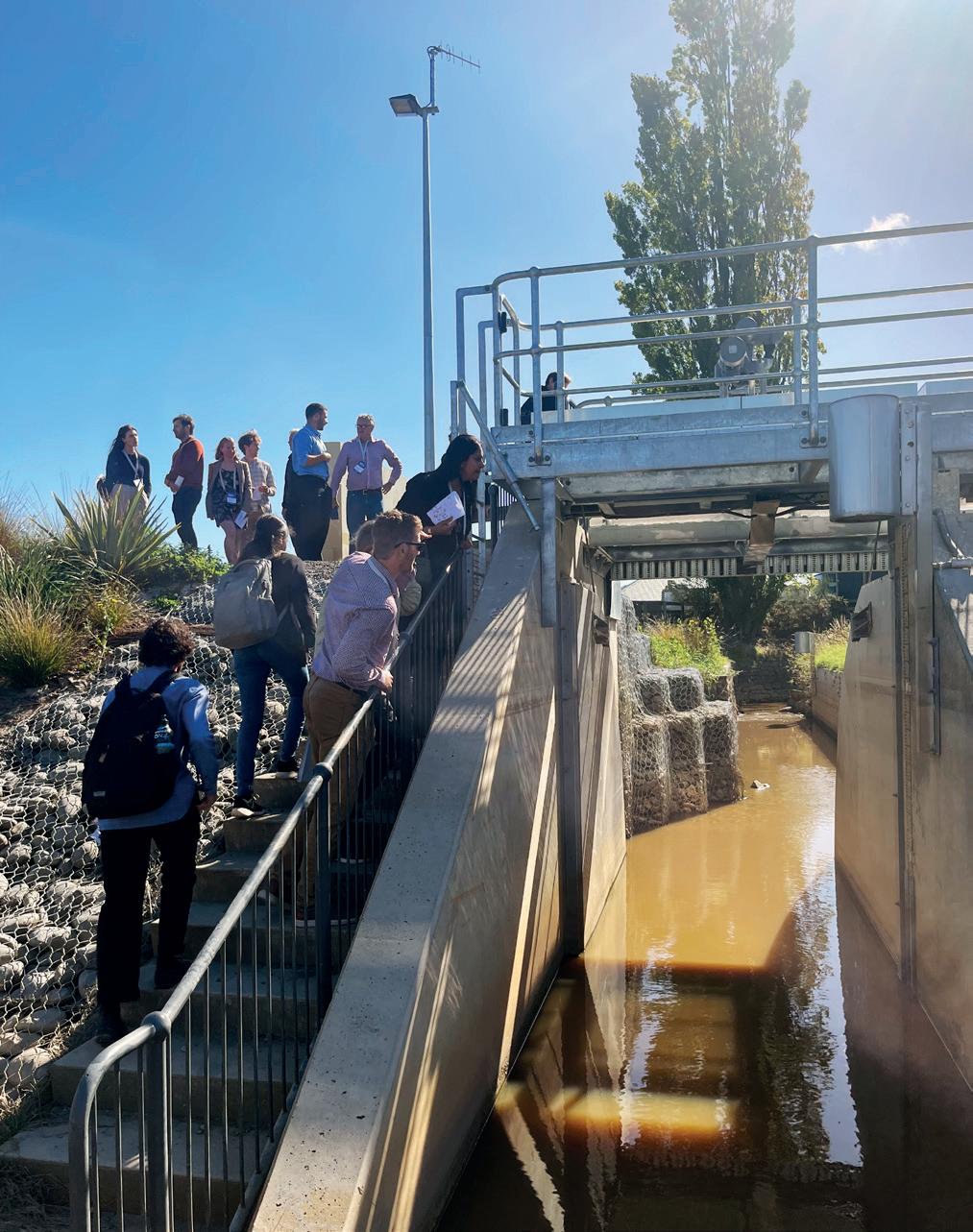
A group of around 30 visited several sites within the Upper Heathcote (Ōpāwaho) Storage Scheme. This provided an opportunity to see how significant hydraulic modelling has informed the planning, implementation and operation of a network of flood control basins designed to minimise flooding along the Ōpāwaho/Heathcote River.
Flood gate at Cashmere Worsley's flood storage basin

The visit also highlighted how Christchurch City Council has adopted a multi-value approach to stormwater management, with the basins now delivering cultural, ecological and recreational benefits alongside their primary flood mitigation function.
Another group visited the Christchurch Wastewater Treatment Plant for a guided tour led by the operations team. This visit offered a comprehensive look at the wastewater treatment process, from collection through to discharge, and provided practical insight into how flows are managed under both dry and wet weather conditions.
Discussions explored the challenges of operating and maintaining a large and evolving network, including inflow and infiltration, growth pressures and environmental compliance.
Collectively, these site visits reinforced the symposium’s emphasis on connecting modelling with real-world infrastructure and operations. The Modelling SIG committee extends its sincere thanks to the Christchurch City Council team for their support and collaboration in delivering these valuable experiences.
Practical, hands-on learning opportunities were also embedded within the programme. A notable example was the introduction to 3D CFD modelling using FLOW-3D HYDRO, led by Eric Lemont. This session enabled attendees to explore advanced computational fluid dynamics techniques and better understand how these tools can be applied to real-world hydraulic and flood modelling challenges.
Celebrating excellence
The symposium also recognised outstanding contributions through awards:
• Best Presentation: “Understanding 2D depth-varying roughness for various land covers in Auckland”, by Niru Dharmasiri and Amy Lee.
• Poster of the Year: “From design storms to continuous simulation: applying multi scenario modelling to assess large bioretention performance”, by Jam Celline Ortega and Boniface Kinnear.
These awards reflect the creativity, clarity, and impact demonstrated across the sector, and the value of sharing ideas that inform, challenge, and inspire.
Congratulations to all presenters and poster creators for their contributions, which collectively strengthen the sector and foster collaboration in water modelling.
We would also like to give big thank you to our sponsors: Conference sponsors Stantec, HAL Consulting, Tonkin + Taylor, and DHI; coffee cart sponsor TUFLOW; and symposium dinner sponsor Mott MacDonald
Looking ahead
The symposium highlighted the importance of collaboration, high-quality data, and innovative tools in enabling evidencebased water management. Insights from the event will continue to inform modelling practices and strengthen decision-making across the sector.
The SIG looks forward to continued engagement with the community to drive innovation, resilience, and sustainable water management across the motu.
Storm Water Overflow Screens
revolutionary concept in mechanical screenings for CSO’s.
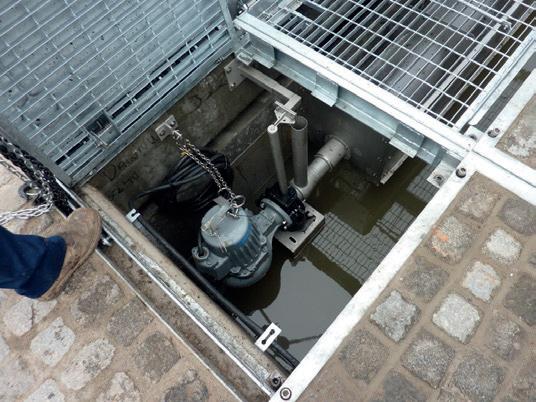
A Pump Action Screen (PAS) is designed for screening storm water in various applications.
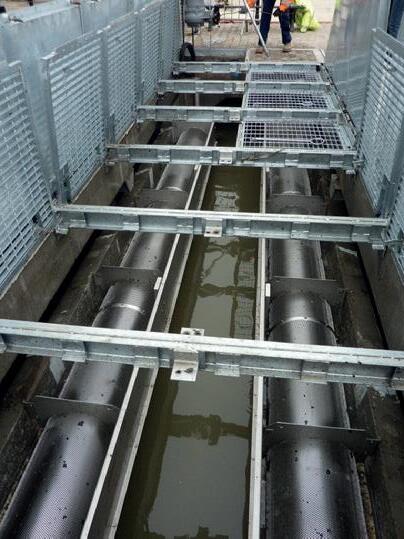
• 6mm screening in two directions
• High Solids Retention Value (SRV) of 58%
• Modular system for retrofitting through existing manholes
• Robust proven components
• Minimal maintenance, no moving parts
• Stainless steel construction
Check out the installation at Nelson Airport here.

Workforce authorisations back on the table
By Belinda Cridge, technical lead – drinking water quality and education
The water sector has been through an immense amount of reflection, change and policy development in the 10 years since the Havelock North contamination event. We now have the Water Services Authority – Taumata Arowai and reforms to support the tighter regulatory environment and the delivery of safer drinking water.
But one major topic that remained stalled was the development of authorisations ensuring that staff and their organisations were suitably qualified and knowledgeable to do their jobs and, ultimately, protect public health.
Now, a decade on, authorisations for the water sector is back on the table.
When the new reform legislation, the Water Services Act, was passed in 2021, a process for authorising drinking water suppliers was to have been developed ready for implementation in 2028. However, subsequent legislative changes in 2025 have moved the deadline for implementation to 2031.
The changes also allow for the Water Services Authority – Taumata Arowai (the Authority) to develop secondary regulations which will require drinking water and wastewater operators to be authorised. The Authority has the power to develop regulations specifying prescribed skills, qualifications or experience for a variety of additional roles including water sampling. The question is what roles, how, and when.
So, we have a requirement to authorise organisations that supply drinking water by 2031 and the ability for the Authority to authorise or set requirements for roles such as operators, samplers and a range of other functions.
This raises a range of questions. How will organisations be authorised? What penalties are used for non-compliance? Is this just about training? Will everyone need an NZQA-approved qualification? Can we train enough people? What will happen to people already in the sector? What will this cost? Will we have to completely start again? We’re already short of skilled people, what if we lose skills and experience? Who will be affected? When?
Over the next five years, the Authority will be working with the Department of Internal Affairs to develop the rules and regulations that will be needed in this space. This will take time, which is why the process is starting now.
At Water New Zealand, we want to make sure that the voice of the sector is heard; that any rules that come in are practical, appropriate and implementable. So, we are supporting the Authority in these early stages.
The first piece of work has been to pull together a collation of background information. This is now available on the Water New Zealand website (waternz.org.nz/Article?Action=View&Article_ id=3435). The report outlines current training pathways, workforce characteristics, existing competency frameworks, desired outcomes, and the practical challenges of implementation.
While it does not recommend a single solution, it examines several conceptual and international models, and presents three options for more detailed comparison to help readers understand how different approaches could operate here.
Pulling this information together into one place has allowed us to have a key source of shared information to use as we move forward.
Authorisations workshops
Until June, Water New Zealand will be running a series of facilitated workshops open to everyone. During these sessions we will be delving into the details, options and pitfalls of authorisations – both organisational and role-based.
There are multiple messy questions so these workshops will be designed to capture the key concerns and provide a set of guidelines for the Authority to work with. We have information from previous engagement rounds; thank you to all who participated previously.
The workshops will provide an opportunity for us to come together again and re-evaluate what we think, what we need, and how to get the best out of any requirements that are implemented.
Alongside the workshops, Water New Zealand is undertaking a comprehensive workforce survey. This is designed to gain an improved understanding of who is in our sector, the work they do, and how they might be impacted by a new authorising framework.
Unless we have a clear picture of the numbers and ranges of people in key roles such as operators and samplers, we have no way of determining the potential impact of a new set of rules.
The workforce survey will be undertaken independently by the research agency Cogo during May and June. If this lands in your inbox, please ensure it is filled out, either by yourself or an appropriate colleague.
What authorisation might look like and how it will work is a difficult problem to tackle. So, to prompt your thinking about what authorisations could mean for you and your organisation, three theoretical frameworks are outlined below. As part of the background research, 14 different frameworks from international literature were assessed against 24 criteria.
The options presented here are constructed from different elements that performed strongly across different criteria. They are intended to illustrate a range of possible approaches rather than definitive solutions.
As you review them, consider how each might function in practice. What works well, what doesn’t, and why. If you were to combine elements from each into a single, cohesive model, what would you keep, what would you discard, and what might the result look like? If you’d like to leave feedback then, come along to a workshop or complete the form at: tinyurl.com/WAF-form
Centralised exam-based system
A centralised, exam-based authorisation system provides a relatively rapid and low-cost means of ensuring national competency.
Candidates are certified by passing standardised tests maintained by the Authority and administered by locally authorised examiners. The Authority maintains a master list of current authorisations and authorisation levels, which in turn informs organisational authorisation. Organisations are required to maintain a minimum number of authorised personnel according to system size and risk.
Training is at the discretion of the individual and/or organisation. International staff can become authorised by sitting and passing the assessment.
How it works in practice
Questions are drawn from a central question bank, with the complexity and technical depth increasing by authorisation level. Indicative levels might include:
• Level 1 – Basic: Small-system operation and hygiene fundamentals.
• Level 2 – Standard: System optimisation, sampling, and risk control.
• Level 3 – Advanced/Endorsed: Specialist endorsements (e.g., disinfection, membrane systems, UV).
Making expectations clear
To maintain organisational authorisation, each authorisation level is linked to explicit competency, staffing, and oversight requirements.
For example:
• Large supplies (serving 500+ people): Supplier must employ at least 10 trained operators and samplers per plant.
• Medium supplies (serving 101–500 people): Supplier must employ at least five trained operators and samplers per plant.
• Small supplies (serving 26–100 people): Supplier must employ at least one trained operator and sampler suitable for small community or marae-scale systems.
For all levels, recertification would be required every three years.
Local water boards – An overview
Regional practice and standards panels would draw on local knowledge, cultural expertise, and technical capability to assess and authorise practitioners.
Their role is to ensure that authorisation reflects the values, environmental conditions, and operating realities of each rohe, embedding local knowledge and tikanga at the centre of water practice.
A strengthened national function within the Authority, supported by te puna Māori, would provide a consistent overarching framework, ensuring that regional standards align with national safety and performance expectations.
At the organisational level, authorisation would sit with the Authority, enabling a single regulator to maintain overall responsibility and oversight, and strengthening the connection between role-based authorisations and organisation licences.

How it works in practice
This framework reflects the unique context of water in Aotearoa New Zealand, including the desire for water to remain under local control. It aligns authorisation to three levels of system complexity and responsibility:
1. Assistant: Entry-level authorisation suited to small / communityscale supplies and specialist roles such as water carriers. Focus on supervised practice, foundational cultural orientation, and basic technical competence.
2. Practitioner: For small to medium sized systems. Requires demonstrated understanding of local context and values, capability to interpret cultural and environmental health indicators, and proven technical proficiency.
3. Expert: Senior authorisation for large or complex networks. Combines high-level technical authority with deep cultural and environmental understanding, enabling practitioners to lead decision-making and mentor others.
For all levels, recertification with evidence of CPD would be required every three years.
National Water Authorising Body
Under this framework, the Authorising Body is an independent national entity responsible for accrediting suppliers and workforce training pathways based on agreed national competencies. It works alongside the Water Services Authority, Regional Councils (wastewater regulator), NZQA, Connexis, iwi authorities, and others to ensure consistency, technical integrity, and cultural responsiveness.
The Authorising Body does not regulate, but instead provides assurance of workforce capability across water suppliers.
A key feature of the framework is the integration of Critical Control Point (CCP)-linked roles.
Drawing on established engineering and public health safety models, this approach recognises that not all workforce activities carry equal risk. Just as process CCPs pinpoint stages where a failure could compromise safety or quality, workforce CCPs identify the specific roles and tasks where an error or omission would carry significant
Updates to the Act
Water Services Act 2021 Schedule 1 Clause 7 (with 2025 update in italics)
Despite section 68, every local authority and council-controlled organisation that operates a drinking water supply must be authorised, or have its drinking water supply operated by an authorised supplier, within 10 years after the commencement date.
Water Services Act 2021 Sections 68 and 69 (with 2025 update in italics)
68 Requirement for operators to be authorised
A person must not operate a drinking water supply, a wastewater network, or a class of drinking water supply or wastewater network if –
consequences for public or environmental health. In the water sector, this includes roles where decisions or actions directly influence treatment efficacy, regulatory compliance, or safe network operation.
Authorisation is therefore reserved for those practitioners who are best placed, and most responsible for, preventing or controlling such risks. This ensures that regulatory focus and competency assurance are applied where they matter most.
The compliance officer or Water Safety Management Plan (WSMP) planner is the first formally authorised role in the system. This reflects the first regulatory CCP in drinking water services: the development and implementation of a WSMP.
All suppliers must either use an approved Acceptable Solution (which exempts them from further workforce authorisation); or employ or contract an authorised compliance officer/WSMP planner trained to national standards aligned with Water Services Authority expectations.
This role holds responsibility for determining appropriate operator and sampler training, ensuring hazard controls are documented and implemented, and maintaining overall assurance that the workforce is matched to risk.
Operators and samplers are included early in the roll-out, and wastewater sector roles (with compliance oversight from regional councils) follow the same CCP-aligned model.
How it works in practice
Suppliers are authorised based on risk tier, complexity, and demonstrated access to CCP-role competencies. Authorisation depends on the appointment of a qualified, authorised compliance officer or WSMP planner; verified access to certified operators and samplers; active participation in accredited training and CPD; and a digital role and competency matrix accessible to regulators.
For all levels, recertification with evidence of CPD would be required every three years.
We look forward to working with you. Look out for more information on this process on the Water New Zealand website, events page and Pipeline.
(a) regulations require the operator to be authorised; and
(b) the person is not authorised in accordance with the regulations.
69 Requirement for prescribed skills, qualifications, or experience in respect of drinking water supply or wastewater network
A person must not certify, assess, test, design, operate, or carry out an activity relating to maintaining, repairing, upgrading, or renewing a drinking water supply, a wastewater network, or a class of drinking water supply or wastewater network if regulations require that, in order to do so, the person must—
(a) have prescribed skills, qualifications, or experience and the person does not have the prescribed skills, qualifications, or experience; or
(b) be supervised by a person with prescribed skills, qualifications, or experience, and the person is not supervised by a person with the prescribed skills, qualifications, or experience.
70 Requirement for prescribed skills, qualifications, or experience for water sampling
A person must not sample source water, raw water, or drinking water if regulations require that, in order to do so, the person must—
(a) have prescribed skills, qualifications, or experience and the person does not have the prescribed skills, qualifications, or experience; or
(b) be supervised by a person with prescribed skills, qualifications, or experience, and the person is not supervised by a person with the prescribed skills, qualifications, or experience.
MORE FLUID THINKING
The world of water is evolving faster than ever, and every challenge is unique.
We are a fluid-thinking team of engineers, scientists, project designers, and sustainability specialists, committed to protecting our most valuable resources. We deliver tailored flexibility with innovative agility across the ANZ-Pacific water sector.
Whether you’re a local municipality or a global manufacturer, think of us as your performance partner. Here to help you maximise project lifecycle value and drive sustainable change.
Our in-depth hydro expertise, world-leading technology, and carbon-neutral services enable us to achieve exactly this—together.
Discover what more fluid thinking can do for you | hydroflux.nz
WATER WASTEWATER RENEWABLE ENERGY HYDROGEN TRANSITION ENVIRONMENTAL PROTECTION
Telling our stories
By Belinda Cridge, technical lead – drinking water quality and education, Water New Zealand
Apparently, there are seven basic type of story: Overcoming the monster, rags to riches, the quest, voyage and return, comedy, tragedy, and rebirth. It’s a tidy theory. Everything from blockbuster films to the story you tell over coffee about a project that went completely off the rails (and then, somehow, didn’t) can be squeezed into one of those categories. Christopher Booker spent 34 years writing a book to prove it, which suggests either remarkable dedication or a very patient publisher.
At first glance, it’s hard to see how any of this applies to the water sector. Most of us are not battling monsters or setting off on epic journeys. Although, depending on the week, a funding round or a particularly complex piece of infrastructure might come close.
But if you look a little more closely, the patterns are there. Not in dramatic gestures or heroic speeches, but in quieter, more familiar moments. The kind that play out in meeting rooms, site visits, and conversations where something important needs to be understood.
Take James, for example. Not a real person, but close enough to several people you’ve probably worked with, and perhaps a little uncomfortably familiar at times.
James is a few years into his role. He knows his work inside out. He understands the systems, the risks, the detail. He’s good at what he does, and he cares about doing it well, like many in the sector who have spent years building that expertise.
One morning, he finds himself sitting in a meeting, preparing to explain why a particular piece of work matters. It’s not a small piece of work. It has implications for investment, for risk, and for how the organisation approaches a key issue. He has the facts, the data, and, if we’re being honest, a set of slides that he feels pretty proud of.
So he begins. He explains the process, outlines the risks, and walks the room through the technical detail. It is accurate, thorough, and entirely correct.
And when he finishes, there is a pause.
Someone nods. Someone else asks a question that suggests they have missed the point entirely. The conversation drifts slightly off course. A decision is deferred.
James leaves the meeting with the uncomfortable sense that, despite saying all the right things, he hasn’t quite landed them.
It’s a small moment, but an important one. In a traditional story, this is where the ground begins to shift beneath the hero’s feet. Not dramatically, but enough to signal that what worked before may not be enough for what lies ahead. He starts to realise he needs something more in his toolkit, not just more information, but a different way of using it. This is the point where the journey really begins.
This experience is not unusual. Across the sector, people are doing complex, valuable work, but not always finding it easy to communicate that work in a way that others can quickly grasp. The issue is rarely a lack of knowledge. More often, it is the challenge of translation, of turning technical understanding into something that makes sense to someone without the same background.
This is where storytelling begins to move from being a slightly overused concept to something more practical. There is a growing body of research showing that stories change how people process information.
When we hear a story, our brains do more than simply decode language. They engage more broadly, activating areas linked to sensory experience and emotion. If a situation is described clearly enough, we begin to picture it and, in a small way, experience it.
That matters, because the brain is far better at remembering experiences than it is at remembering isolated facts. Stories provide structure, creating a sequence and a sense of cause and effect that gives information somewhere to sit. Instead of a collection of points, you have something that unfolds.
They also help hold attention. In a world where everyone is busy and most people are managing multiple demands at once, attention is not guaranteed. A list of facts may be accurate, but it does not always invite engagement. A story, even a simple one, creates a reason to keep listening.
Importantly, storytelling is not about replacing technical detail or simplifying complex work to the point where it loses meaning. It is about framing that detail so that it can be
Short story challenge
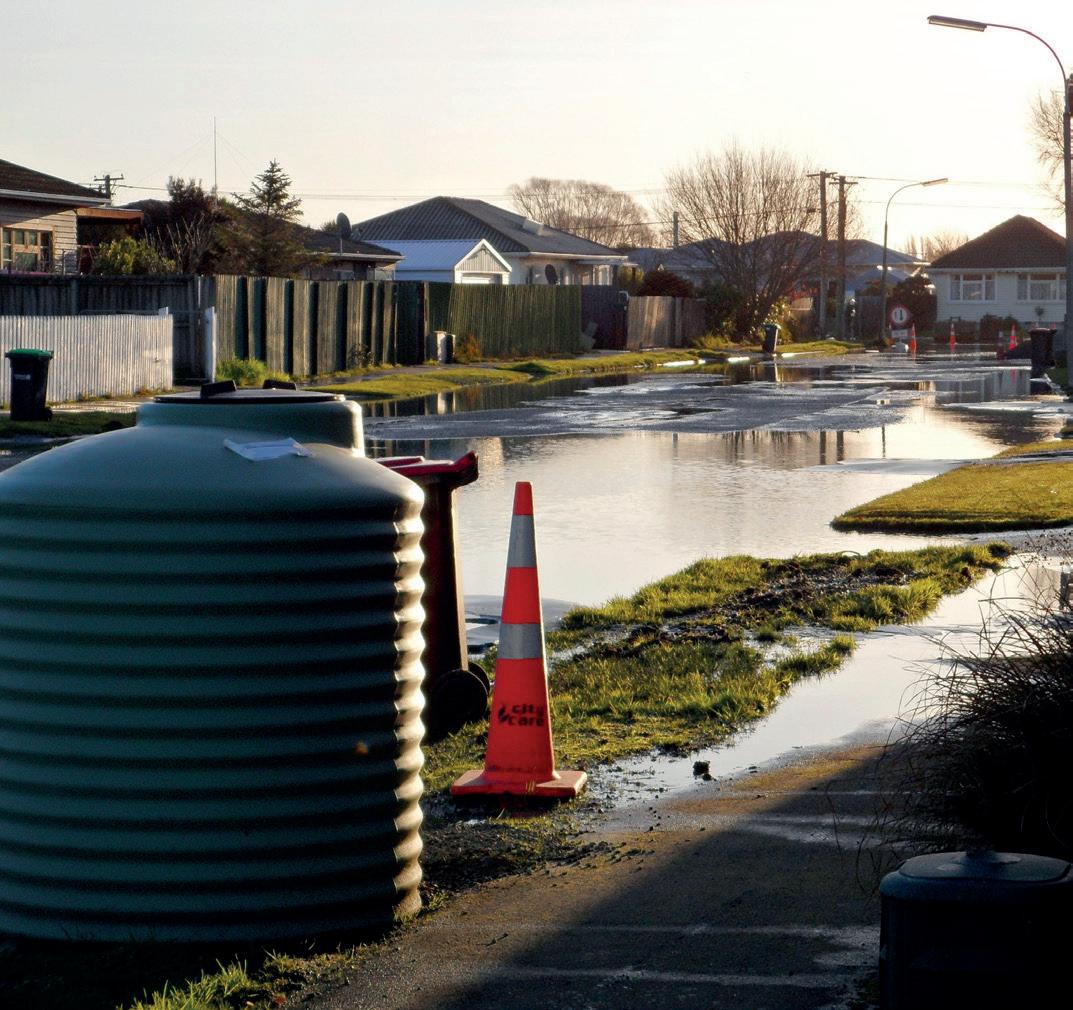
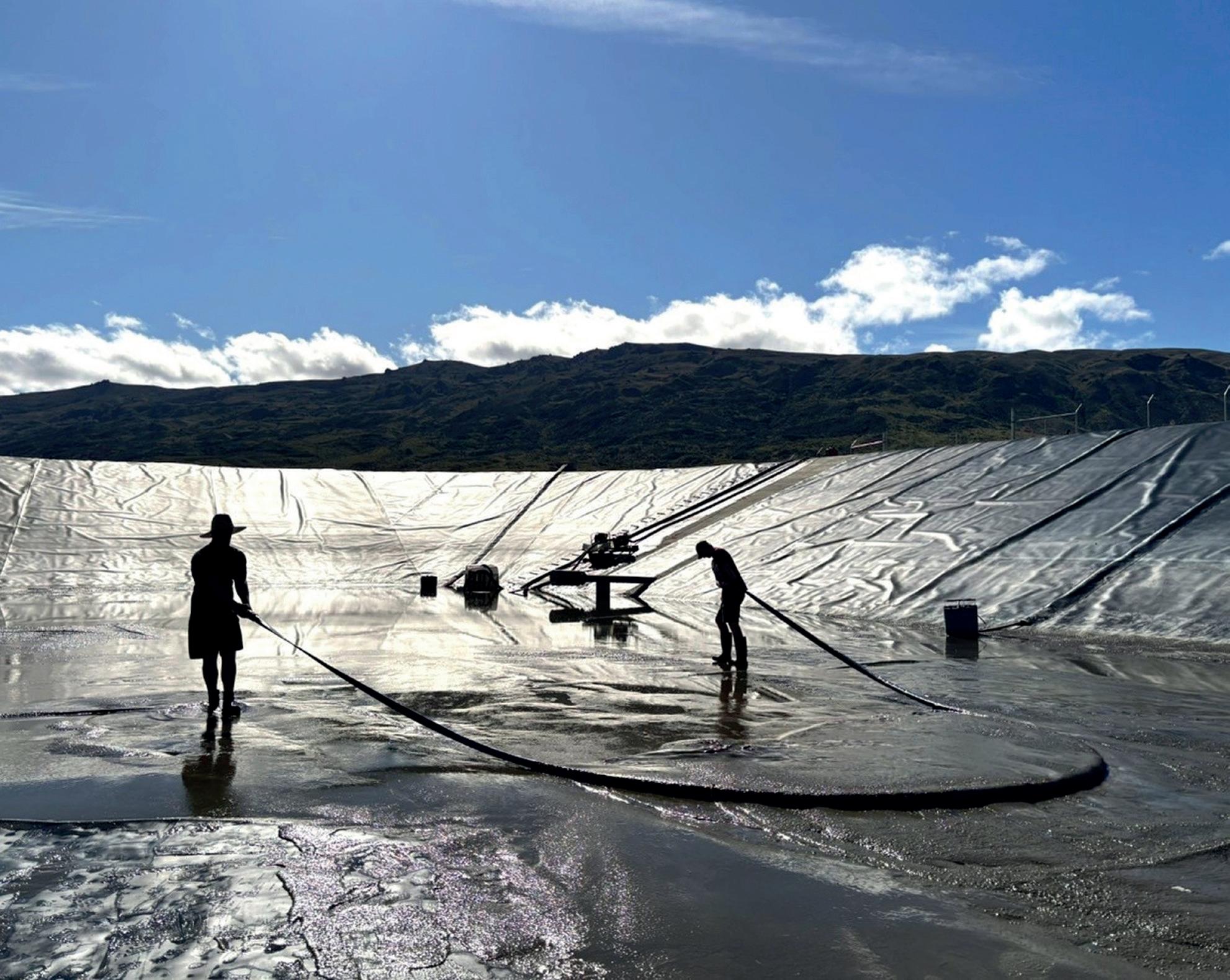
Would you like to be a published author? If so, why not have a go at writing a short story about the image we’ve included in this article? Send us up to 500 words about the story behind the photo. The great thing is that you can make it all up. Be as creative as you like –there are no rules. Just come up with a good yarn about what this might be about – the challenges being tackled and the people behind it. Send it to training@waternz.org.nz by 1 June and we may publish it in the next edition of Water.
understood. It provides context, not just content, and helps answer the question that often sits just beneath the surface: why does this matter?
What follows, for James, is not a sudden transformation. It is, as most journeys are, a series of small attempts that don’t quite land at first.
He starts to notice the pattern in his own work, conversations where he feels he has explained something clearly, but the response suggests otherwise; meetings where the discussion drifts away from the point he thought he had made; moments where he leaves thinking, that made sense in my head, but somehow didn’t translate in the room.
So he experiments. He shortens his slides, then adds more detail, then removes it again. He tries leading with the conclusion, then building up to it more carefully. Some of it
helps, a little. Some of it makes no difference at all.
At one point, a colleague suggests, almost in passing, that he should “give an example of what you mean”. It’s not presented as a breakthrough insight, just a practical tip picked up somewhere along the way, but he decides to try it.
Instead of opening with the process, he starts with a situation. Something that actually happened. What the team saw, what it meant, what might have happened if it had been missed. He keeps it simple, just enough to give the idea some shape, and then he moves into the detail.
It feels slightly unfamiliar at first, like approaching a familiar route from a different direction. But the response is different. People lean in a little earlier. The questions are more connected to the point he is trying to make. The conversation holds together.
Photo courtesy of: Rachael Thurlow, rachael@apexwater.co.nz
It is not perfect, and it is not consistent yet, but it is enough to suggest he is heading in a more useful direction.
Along the way, he begins to notice others doing something similar. A colleague who explains a complex issue by describing a real-world example. Someone who frames a project in terms of its impact before its process. A presentation that is remembered, not because it was simpler, but because it was clearer. These are not grand moments of instruction. No one formally hands him a new set of tools. But gradually, through observation, small adjustments, and the occasional helpful suggestion, he begins to piece together a different way of communicating. Not less technical, but more accessible. Not less detailed, but more structured.
If this were a traditional story, this is the part of the journey where the hero gathers what he needs, not in one place, but through a series of encounters, observations, and incremental shifts. And slowly, almost without noticing, the way he explains his work begins to change.
This is particularly relevant now. The water sector is going through a period of significant change, and the scale of work ahead is substantial. Alongside that sits the need to grow the workforce, to attract more people into the sector, and to help them understand what working in water actually involves.
For many of us, that’s not always straightforward. Explaining the work clearly, in a way that connects with people who don’t already understand the context, can be harder than it sounds. And yet, it is increasingly important, whether we are talking to colleagues, communities, or those considering a future in the sector.
It’s also the kind of challenge that is difficult to solve alone. Even the most capable heroes, as the stories remind us, tend to benefit from a bit of guidance along the way.
Recognising this, Water New Zealand is launching ‘ Telling Our Stories’ , an initiative designed to support people across the sector to build confidence and capability in how they communicate their work.
The focus is deliberately practical. This is not about performance for its own sake, but about simple techniques that can be used in everyday situations, whether that is explaining a project, presenting an idea, or engaging with a community.
The programme is launching with a series of workshops led by one of the country’s leading communication specialists, Michael Philpott. His approach is grounded and practical, focused on helping people communicate with clarity and confidence while remaining authentic to their own style, with the aim that participants leave with tools they can use immediately.
Supporting schools to tell water stories
Water New Zealand works with three key partners to provide practical pathways for engaging with schools.
As the sector looks to grow its workforce and help more people understand what working in water involves, these programmes offer a valuable opportunity for members to share their stories while building their own communication skills. These partnerships include:
• Inspiring the Future: Connecting professionals with schools as role models.
• Engineering New Zealand: Supporting initiatives like the Water Wonder Project and opportunities for engineers to engage with students.
• House of Science: Delivering hands-on science kits into classrooms across the country. Together, these programmes give members accessible and structured ways to contribute to education and share their experiences with students.
A key focus of this work is our partnership with House of Science. Through this, we support the Wonderful Wai science kits, which help students explore water through practical, curriculum-aligned learning.
The impact of these kits is already significant: Over 200 bookings in the past 12 months; used by more than 600 teachers; reaching over 17,000 students nationwide; and with strong ongoing demand.
This programme is now entering a new phase. The Government has confirmed House of Science as the supplier for the nationwide rollout of science and pūtaiao kits. This will enable access for Years 0–8 learners in all state and stateintegrated schools and kura, with full national coverage expected by 2027.
For the water sector, this represents a significant opportunity. Water-related content will be embedded in classroom learning at a national scale, increasing visibility of the sector and its role in everyday life.
As this programme expands, so too will the opportunities for members to engage with schools, support teachers, and help build awareness of careers in water. For more information on this and how to get involved see our website: waternz.org.nz/schoolsandcommunities
Alongside this, the programme connects with the work already underway in schools and communities.
There are existing resources, training packages, and opportunities for members to engage with students and teachers, providing real-world settings to practise communication, test ideas, and build confidence over time. Because ultimately, this is not just about learning how to tell a story, but about having opportunities to use that skill in ways that matter.
A few weeks later, James finds himself in a similar situation. Different meeting, similar topic, high stakes. He could take the same approach, the slides are still there after all, but this time he chooses a different starting point.
Instead of beginning with the process, he starts with what happened. He describes a recent situation the team encountered, what they saw, what the implications were, and what could have happened if it had not been identified. He gives the room something concrete to hold onto, and then, once that picture is clear, he works back through the system, explaining the checks, the reasoning, and the purpose behind the work.
The information has not changed. The detail is still there.
But the response has.
The room is more engaged, the questions are more focused, and the conversation stays on track. When it comes time to
make decisions, people seem clearer about what is being asked of them and why.
Nothing about this is dramatic. There is no sudden transformation or moment of applause. But something has shifted. Conversations run more smoothly, people understand his work more quickly, and decisions are easier to navigate. And perhaps just as importantly, explaining what he does no longer feels like something to be endured.
The water sector has no shortage of strong stories. They exist in the work being delivered every day, in the challenges being tackled, and in the people behind them. The opportunity now is to tell those stories in a way that others can connect with, understand, and remember.
Over the coming months, the Telling Our Stories programme will continue to develop, creating more opportunities for people to build and apply these skills. Keep an eye on Pipeline for updates.
And in the meantime, next time you find yourself explaining your work, it might be worth asking whether you are starting with the process, or with the story.
And just for interest, if you have made it this far, you may have noticed that this article has been following a familiar plot line.
Any guesses which one?



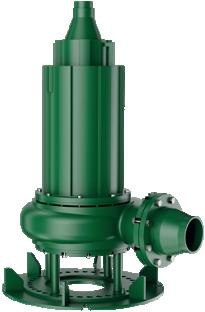
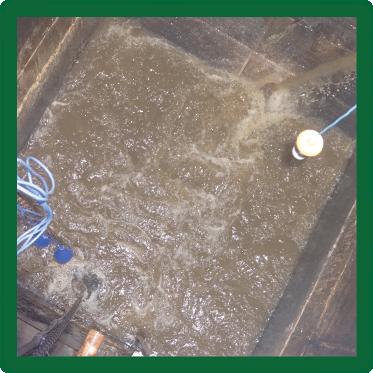
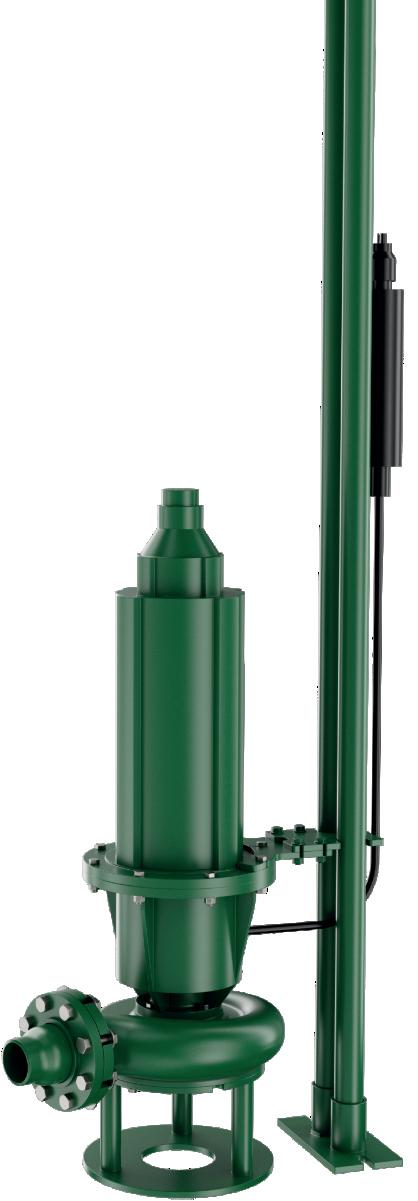
Indigenous-led solutions from NZ to the USA
A holistic approach to stream restoration

Mike Adams works across the United States on all facets of stream restoration projects. As a Senior Principal based in Virginia, he works closely with multidisciplinary professionals and Indigenous groups to deliver integrated, holistic stormwater solutions. Eru Lee-Morgan is our Pou Ārahi Māori Cultural Leader for Aotearoa, leading our Te Ao Māori journey and fostering cultural awareness of customs, language, and values among our teams and projects. Having met during Mike’s recent visit to New Zealand, the pair sat down to discuss nature-based solutions. In this Q&A, Eru dives into Mike’s whole-of-system approach to stream restoration and his powerful learnings from the Klamath River tributaries.
What inspired your shift toward nature-based solutions in stormwater management?
I started my career as an engineer in 1997. I initially worked on geotechnical investigations and design, seismic evaluations of dam stability, and spent a brief period on the diving team performing underwater bridge inspections. At that time, nature-based approaches to stream restoration work were a niche service, and it wasn’t until around 2000 that I started working in that field. I found my passion and skills there, and, since around 2003/2004, it has been the central focus of my profession.
Nature-based solutions are intrinsic to the field. The approach we take is data-driven, assessing and collecting field data to understand why the system is disturbed and to lay the foundation for our design. We work to understand what’s causing the
issue before we craft the solution—pretty much everything we do in restoration comes under that umbrella. Over time, the profession improved at understanding the linkages between driving processes and landscape responses, particularly how water, sediment, and wood interact to shape the landscape. The more the water touches, the more benefits it can provide to the many organisms and communities that live on the landscape. This connects to the philosophy of Nati Whatua Orakei, whom I was privileged to meet with during my visit to New Zealand last year. We had a great discussion about the importance of wetting the landscape, and how promoting floodplain connection is one of the principal tenets of nature-based stream restoration. This meeting was a career highlight for me.
What’s the difference between a stream-focused approach and a holistic approach to restoration, and why is holistic the goal?
The mindset for nature-based stream restoration solutions is already there: keeping water on the landscape longer and allowing other functions and processes to occur. Nature-based designs are focused on more than just the stream channel— accounting for adjacent floodplains, landforms, and wetlands—unlike the channel-focused paradigm of the past. Solely focusing on the channel can achieve stability, but it can also lead us to miss many opportunities to improve other ecological functions within the riverscape.
Mike Adams Eru Lee-Morgan
How have the cultural values and intellectual traditions of Indigenous peoples helped inform your work, such as the communities along the Klamath River?
Restoring the Klamath priority fish-bearing tributaries was challenging because we had limited reliable information in the documentation about their condition prior to dam construction. This was particularly true of the Beaver Creek tributary, which was submerged for over 100 years by Copco Dam #1. Shortly after they drew down the reservoirs, however, we were walking along the Beaver Creek tributary and happened to meet a member of one of the local tribal communities. We got to talking about the area and the clues we were seeing about the condition of the tributary and its valley prior to colonisation. He told us about how his ancestors would camp along the Klamath River near Beaver Creek, catch fish, and trap beavers to help them get through the winter. This information helped us understand the likely geomorphic conditions of the stream and its valley, and informed our decision to utilise beaver-dam analogs and to maximise floodplain connectivity wherever possible.
What do you hope for in the future with regards to nature-based solutions and how the engineering sector can work collaboratively with Indigenous peoples and environments?
A lot of us working in the nature-based solutions space already share Indigenous peoples’ ethic of connectivity with our riverscapes. As we have more success, I truly believe more will recognise the importance of Indigenous people as project partners. I think the engineering community is getting better at valuing Indigenous collaboration, too, and I hope my peers in engineering continue to recognise its importance.
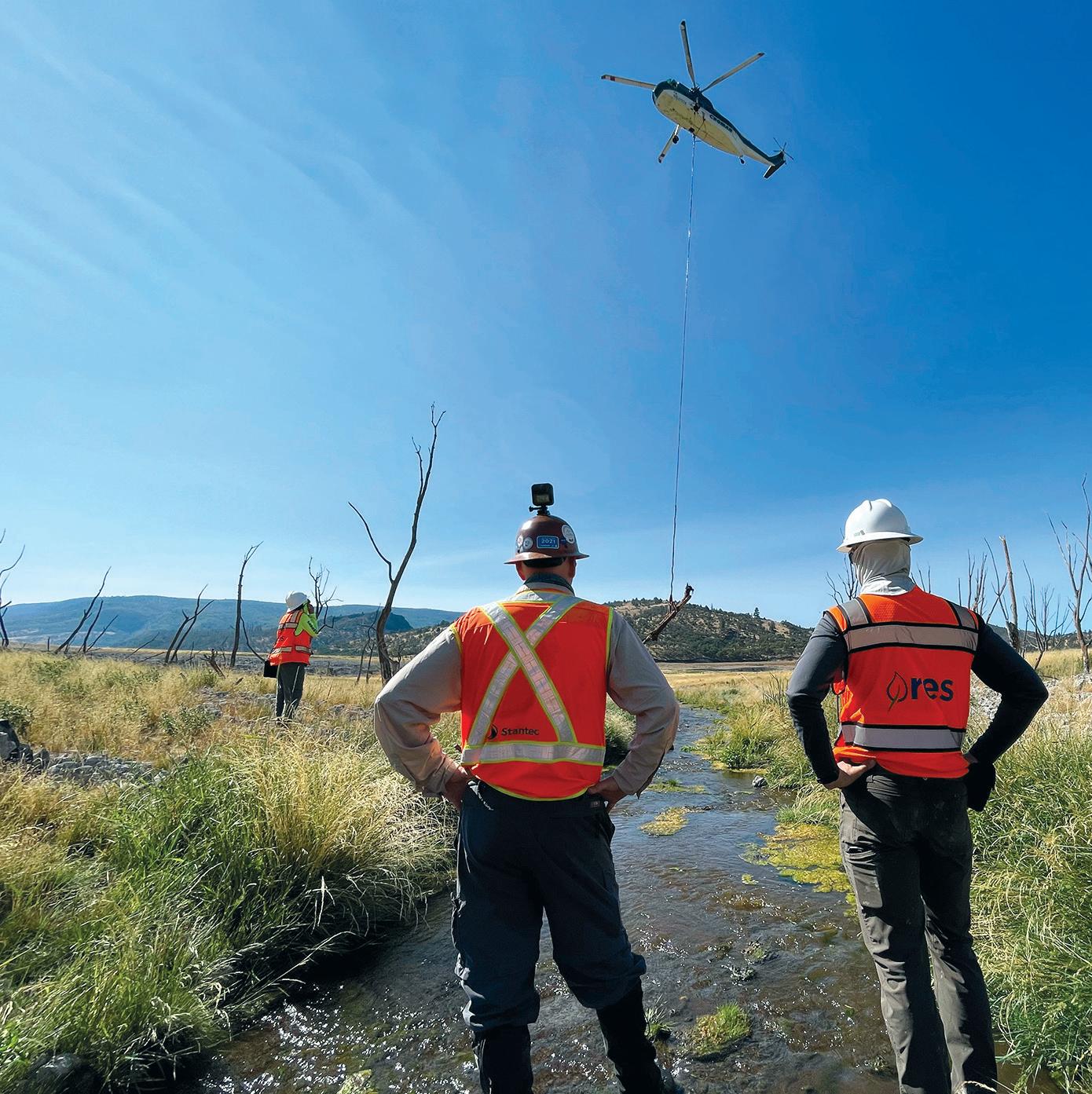
Klamath River renewal project, Oregon, United States
Overseeing water for a dairy giant
It has been 10 years since Suzanne Naylor was last profiled by Water. At that time, she was a rising engineering leader, managing a significant part of Auckland’s water network in her role as northern networks manager at Watercare. Today, her scope has expanded from a single city to a truly national footprint, as general manager of water and environment for dairy cooperative Fonterra. By Mary Searle Bell.
Fonterra’s operations span the length of the country, with 26 dairy manufacturing sites from the Far North to Southland. These sites produce a wide range of products, including cheese, butter, milk powders and specialised dairy ingredients, most of which are exported around the world.
Suzanne sits within Fonterra’s operations team and is responsible for ensuring those manufacturing sites have secure, highquality water supplies for food production, and that wastewater is treated and managed responsibly and in line with regulatory requirements and community expectations.
While Fonterra is widely recognised for its scale, fewer people realise just how significant its water footprint is. Suzanne describes the business as one of the country’s largest industrial users of water, with extensive onsite water and wastewater treatment infrastructure across its manufacturing network.
“We use large volumes of water each year in our New Zealand manufacturing operations,” she says. “Because we’re producing food, the bar is incredibly high; our water must meet drinking water standards and additional food safety requirements set by MPI.”
That high standard also presents operational challenges. Unlike municipal water suppliers, food manufacturing has very little tolerance for water quality variation.
“If there’s an issue with water quality, we can’t simply issue a boil water notice. Production has to stop until the issue is resolved to protect food safety.
“And when production pauses, there are immediate consequences. You still have milk arriving at the factory gates. In short term situations we can sometimes divert milk to other sites, but that isn’t a sustainable or cost-effective solution. Reliability of water supply is critical.”
To manage this, factories carry out most major maintenance work during the middle of the year, in a planned four-to-six-week window when milk production is lowest.
Wastewater management is another area where Suzanne says the dairy industry differs significantly from municipal systems.
“Our wastewater is primarily organic: it’s milk, water and foodgrade cleaning chemicals. It’s very different from municipal
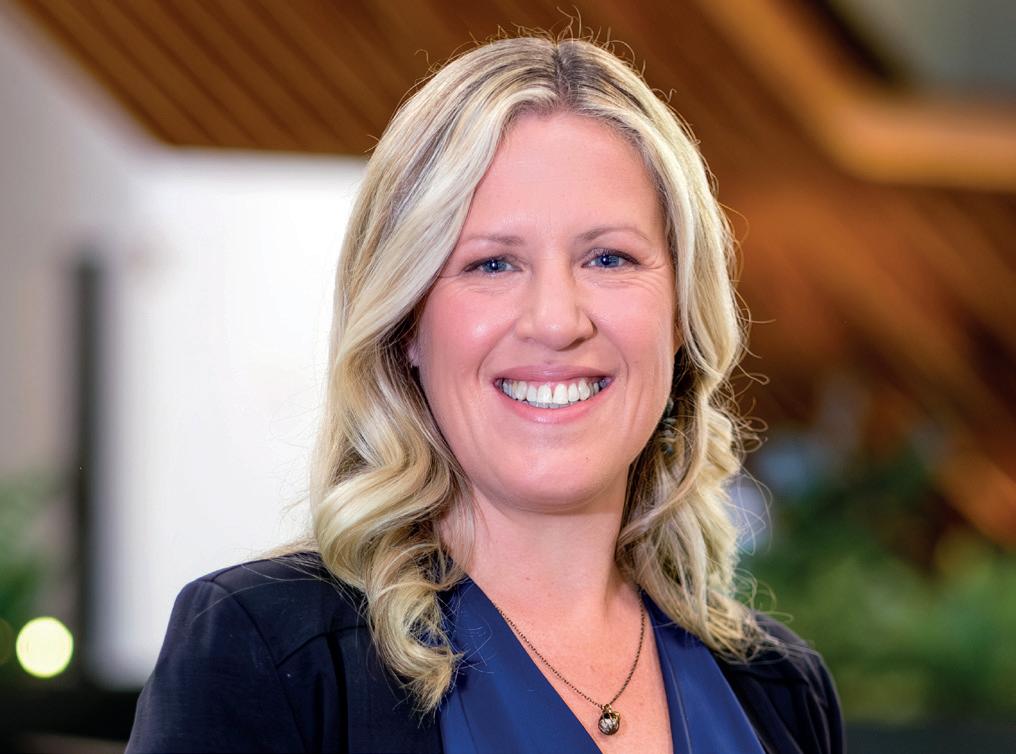
wastewater, which contains pharmaceuticals, household chemicals, and emerging contaminants.”
Most of Fonterra’s wastewater is treated onsite rather than being sent to council wastewater plants – a model that is relatively uncommon internationally but long-established here.
That means we need deep inhouse expertise, Suzanne says.
“Dairy wastewater has characteristics that council engineers may never encounter, and many overseas operators don’t face the same challenges because they discharge to municipal systems.”
One of the biggest technical challenges Suzanne’s team is currently focused on is the ongoing upgrade of wastewater treatment systems, particularly the move toward advanced biological treatment.
“These systems rely on biology – microbes that treat wastewater naturally – but unlike municipal plants, our flows are highly seasonal and closely track the milk curve.”
Production ramps up rapidly in spring, peaks through early summer, and then tapers off until late autumn. During the annual shutdown, flows can drop away almost entirely.
“That variability is tough on biological systems. The treatment processes effectively slow down during the shutdown period, and we then need to carefully bring them back online when production resumes.”
Suzanne Naylor
A range of strategies are used to manage this, including sharing biomass between plants and short-term treatment interventions, with a strong focus on reliability, biosecurity and cost.
These are the kinds of challenges tackled by Suzanne’s specialist team of water and wastewater engineers.
“We’re a relatively small team, but we deal with highly complex, site-specific issues every day. It’s technical, it’s operational, and it requires constant collaboration with site teams, regulators and communities.”
Having joined Fonterra three years ago, Suzanne says the role has given her a new perspective.
“I loved my time at Watercare; serving the public and seeing the impact on Auckland communities was hugely rewarding. At Fonterra, the scale is different. I’m working nationally, and I’ve loved strengthening my connection with rural New Zealand and our farming regions.”
The complexity, she admits, is greater.
“There are many more stakeholders, including regional councils, iwi, communities, regulators and the emerging water services landscape. Building partnerships across all of that takes time and trust.”
When it comes to environmental performance, Suzanne is clear that sustainability is not optional.
“Our customers expect it. Our farmer-owners expect it. And to succeed as a country, we have to protect the natural resources we rely on.”
Fonterra has published water and wastewater improvement plans for its manufacturing sites, which are reviewed annually. These plans span water sourcing, treatment efficiency, reuse opportunities, and wastewater management and discharge pathways.
“We look at water end-to-end – from security of the source, to how efficiently it’s treated and used, to how we maximise reuse.
“On wastewater, it’s about having the right technology and the right destination for treated water, whether that’s land irrigation or controlled discharge. It’s imperative that wastewater is managed responsibly.”
The cooperative has committed to reducing overall water use across manufacturing sites by around 15 percent by 2030 from a 2018 baseline.
“We know climate change is already affecting water availability. Building resilience into our operations is critical.”
In late 2024, Suzanne was appointed to the Water New Zealand board, providing industry representation and helping strengthen connections between public and private water professionals.
“For a long time, industry and municipal water teams were solving similar problems in parallel. There’s huge value in sharing lessons, expertise and innovation.”
Those connections, she says, are already improving collaboration across the sector.
“At the end of the day, we’re all trying to achieve the same thing – safe water, healthy environments, and resilient systems. The more connected we are, the better the outcomes will be.”
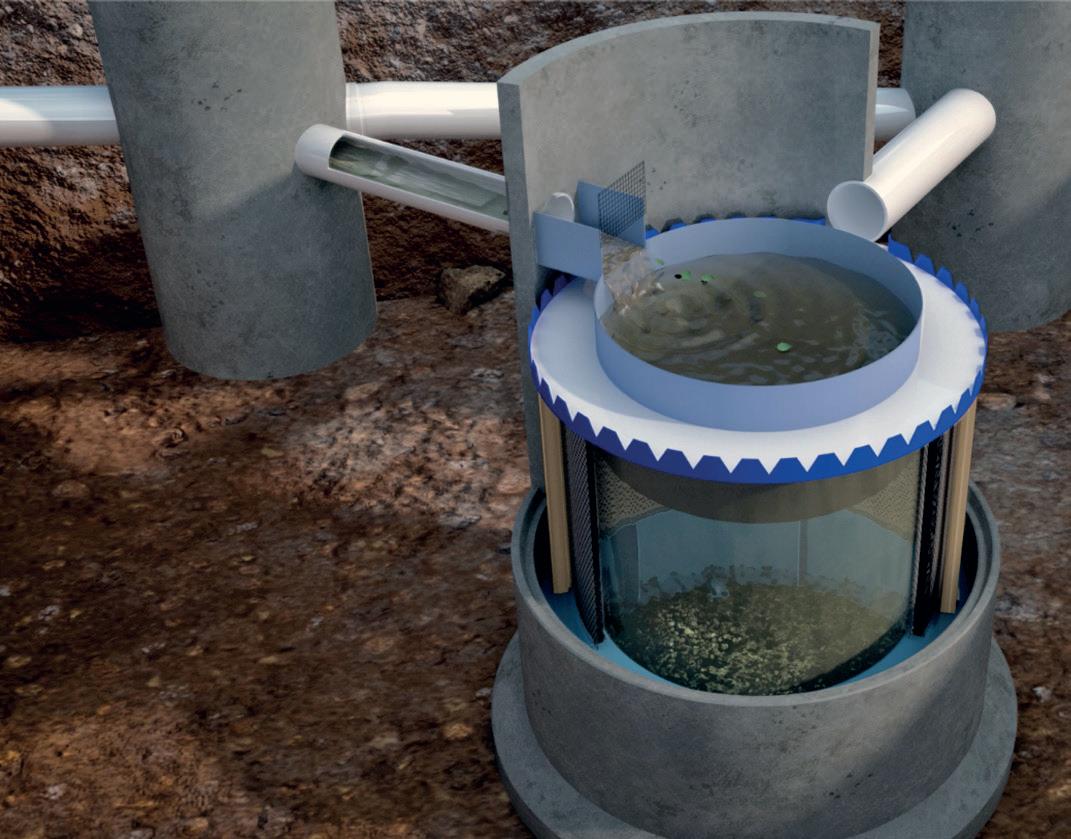
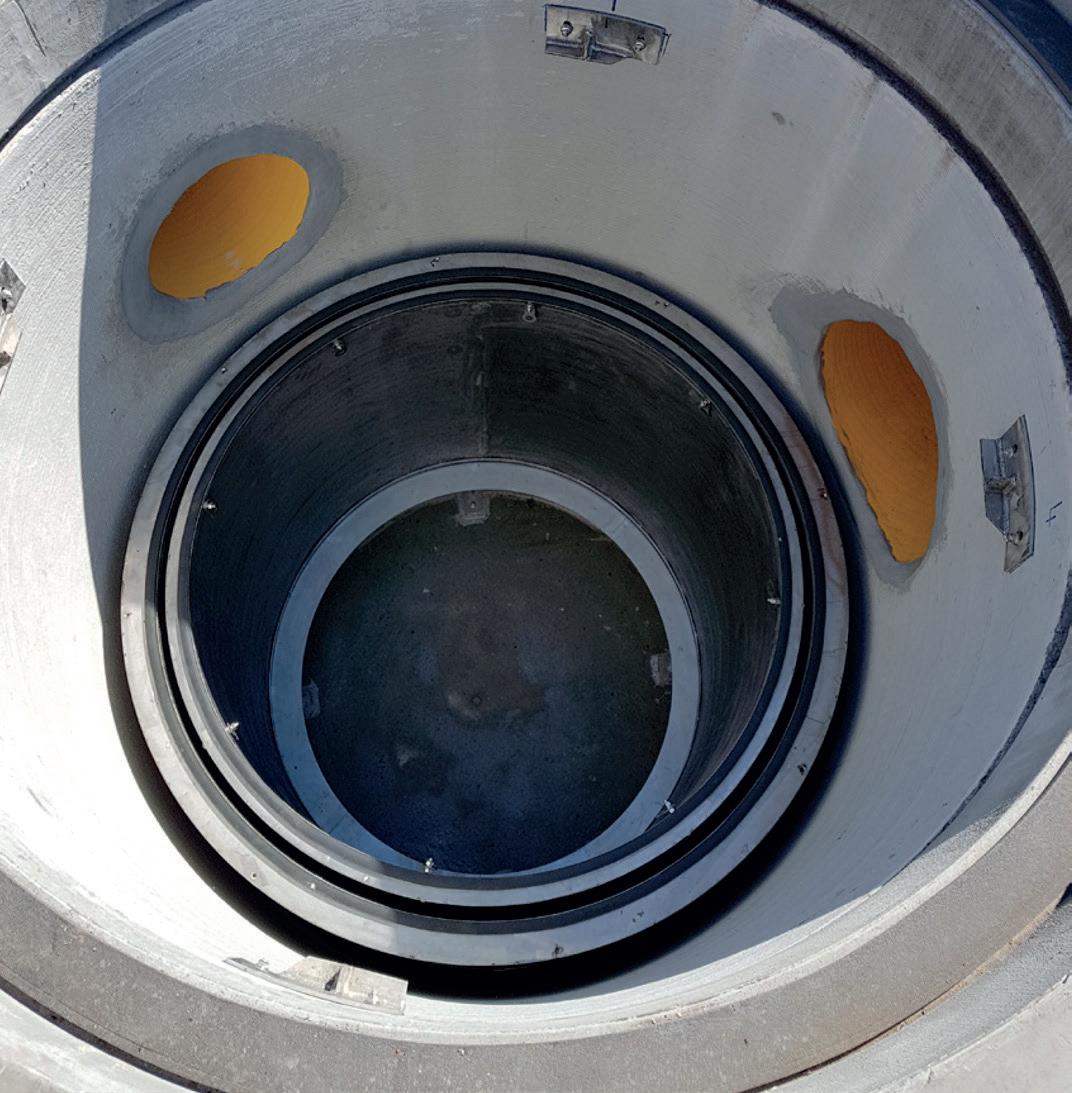
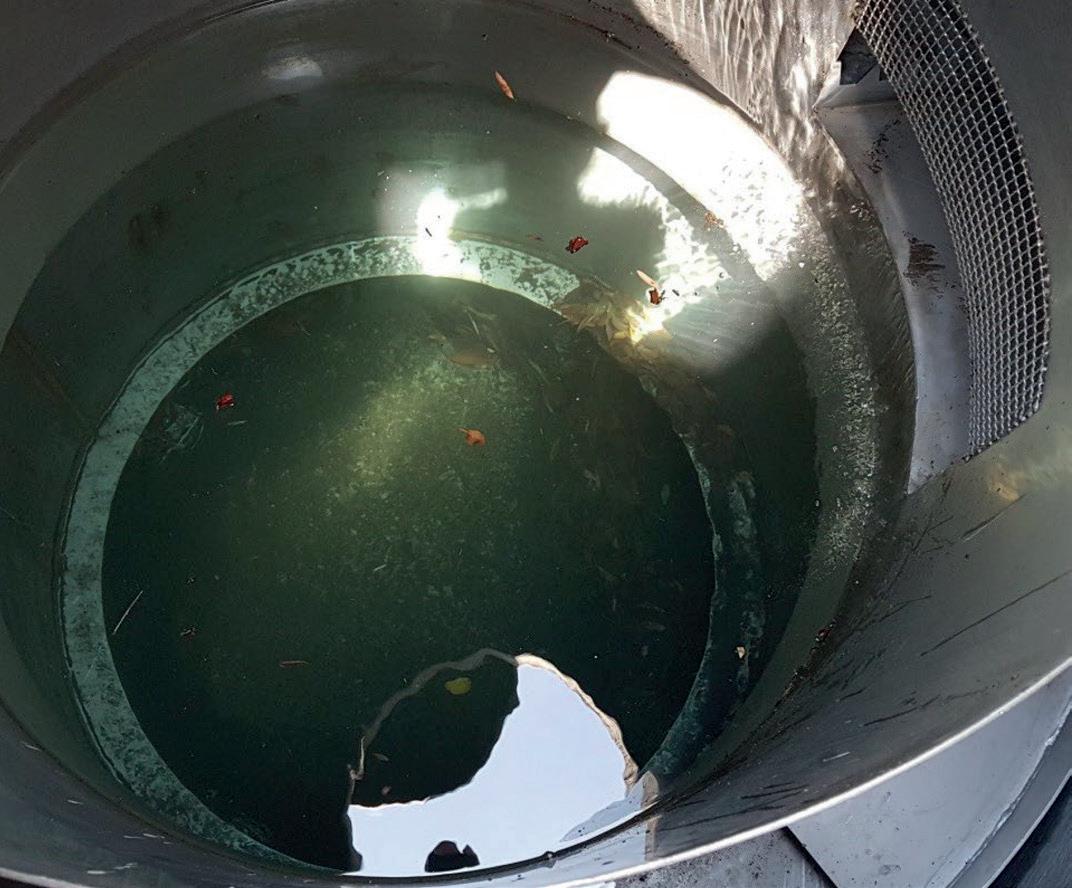
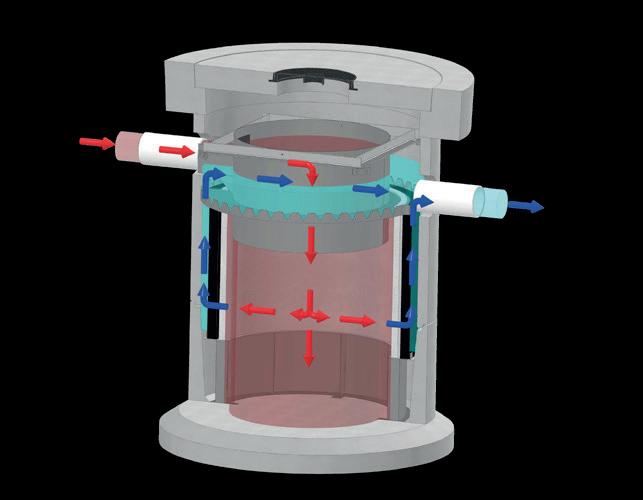
Fronting up for water
Sharon Danks is often the voice of Watercare in the media. As head of water, she’s the one who fronts up when the dams are low or a pipe has burst, to explain to the public what has happened and what the solution will be. It’s not a role she ever envisaged herself in, but she’s taken it in her stride – not bad for a girl without ambition. By Mary Searle Bell.
When she was a high schooler, back in the 1980s, Sharon did well academically, doing well in maths and science and winning a scholarship for her efforts. However, she says she wasn’t at all ambitious – in fact her plans for her future were rather shallow.
“I wanted to work in a clothes shop and have nice hair,” she laughs. “My mother said no, fortunately, and pushed me to do something more challenging.
“The next day I saw an advert for a diploma in therapeutic radiography, applied, and was accepted.”
After completing the course, Sharon worked in the field for three years, before she decided she needed a new challenge.
“I liked working with patients, and the travel opportunities were great – I could work anywhere in the world – but after three years as a technician I needed something else to challenge me.”
Returning home, she decided to change careers and, as she was in what she describes as her “save the world phase”, she opted to study environmental engineering.
“I chose to do my degree through Unitec, as it had a smaller roll, while the first year of engineering at the University of Auckland is massive.”
She did well, winning the prize for top student in her final year, a real boost for a new graduate, as it meant she received a lot of job offers.
“I chose to go to Meritec/ AECOM, where I spent five years doing hydraulic modelling. That has proven to be a solid foundation for my career.”
In 2004, Sharon decided she would like to experience the client side of things, so took a job as an asset engineer with Manukau Water, moving on three years later when the entity began to transition to
become a council-controlled organisation.
So, 20 years ago now, Sharon joined Watercare and has been there ever since.
“I started as a network planner, then became a project engineer, then operations engineer, then water transmission manager, then operations manager for Waikato, and now I’m head of water.
“I came to work in operations 16 years ago quite by accident –literally. There was an explosion on a watermain in the Auckland suburb of Onehunga and a staff member, Philomen Gulland, was tragically killed. I was seconded to operations to assist as the team recovered from the death of their colleague.

“It has worked out for me though as I soon found I liked operations – we get stuff done. We make a decision and things happen. Problems are solved. Changes get made. Whereas as a planner, the actions can happen a long way in the future, if at all.”
Depending on the current structure of the company, whether it be a team for water and a separate one for wastewater – to a network structure that has water and wastewater dealt with by one team, Sharon sometimes has had wastewater operations in her remit as well. At the moment, she’s only looking after water operations, which nevertheless has a huge variety of challenges.
“I deal with everything from burst watermains to the current HFA quality issue (HFA, Hydrofluorosilicic Acid, is used for fluoridation of water supplies). While the issue can have the potential to impact the health and safety of staff and pipes, it is not an issue for public health and water quality, but there is still a lot involved with managing the incident.
As well as ensuring Aucklanders get clean and safe water when they turn on their taps, the operations team is
also responsible for renewals work along with routine maintenance of their assets.
“Watercare has a delivery team for bigger projects, but for smaller and simpler projects, it’s more efficient for operations to deliver these ourselves.
“On the bigger projects, operations provide technical expertise and guidance to the delivery team. This is important as project managers can sometimes be very focused on getting the project completed, while the operations team will bring a ‘whole of life’ thinking to the project. This is often outside the strict scope of the project, but we know that while the construction phase is brief, the resulting asset may have a life of 100 years and it is important that it works well for that entire time.”
Sharon’s role is a busy one, with a lot of challenges, but perhaps one of the biggest is people leadership. With a team of around 100, there’s always a lot going on with the team.
“Sometimes being a people leader takes a up a lot of my time, and while I’m happy to do it, sometimes I want to just be an engineer.
“Watercare has recently implemented a change which I think is very positive – it now offers a pathway for engineers to rise within the company without having to become a people leader.
“Not everyone wants to lead a team, but previously if you chose not to be a leader, you did not have a lot of options for career progression. Now there are roles for senior and principal engineers without having to manage a team.
“This is an excellent change, as a lot of engineers are introverts and want to focus on engineering and problem solving.”
Sharon, however, not only leads a very large team, but she is also the spokesperson when the media is seeking answers on issues the public need to know about.
“I’ve done radio and live TV, and while I never thought it would be something I would do, it has gone well. Live TV was nerve-wracking though.”
In 2023, when the Orakei main sewer collapsed, causing a sinkhole to appear in Parnell and large volumes of sewage to discharge into Waitemata Harbour for a period, Sharon led the team that managed the initial response and was often the spokesperson for Watercare as it worked to fix the issue.
“I’m very proud of how we worked on this problem. It took six weeks to stop the overflow into the harbour. In that time, we stabilised the sinkhole and built a temporary diversion pump station in the middle of a very busy suburb which presented a lot of constraints.
“From an engineering point of view, what we did was impressive.”
And while she may no longer be out to save the world, she says she feels a sense of ownership and a passion in providing safe drinking water to Auckland.
“It’s the same passion as when I first started but now, I have the ability to make a difference every day.”
THE SMARTER WAY TO MANAGE STORMWATER
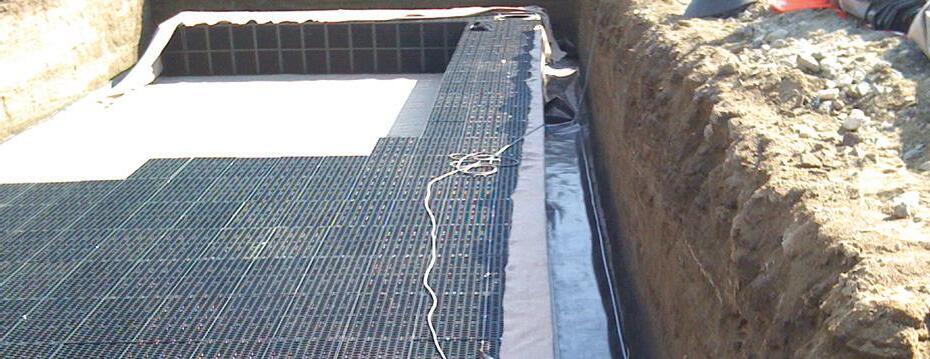
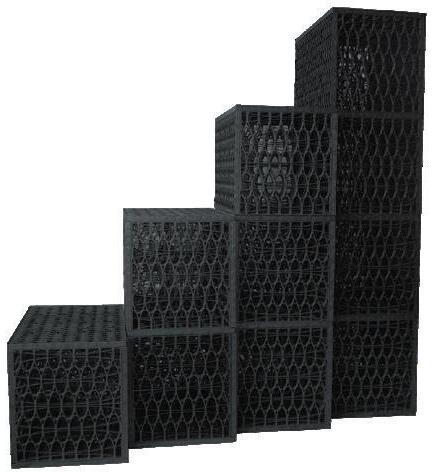
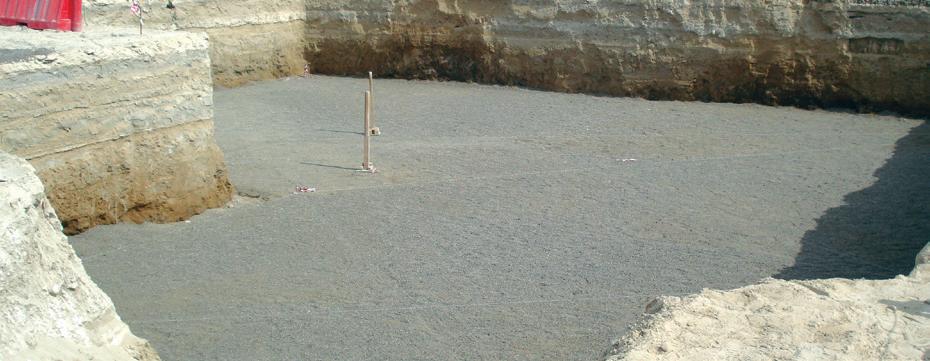
UCS TO 45T/m2
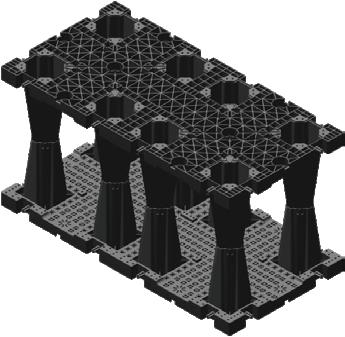
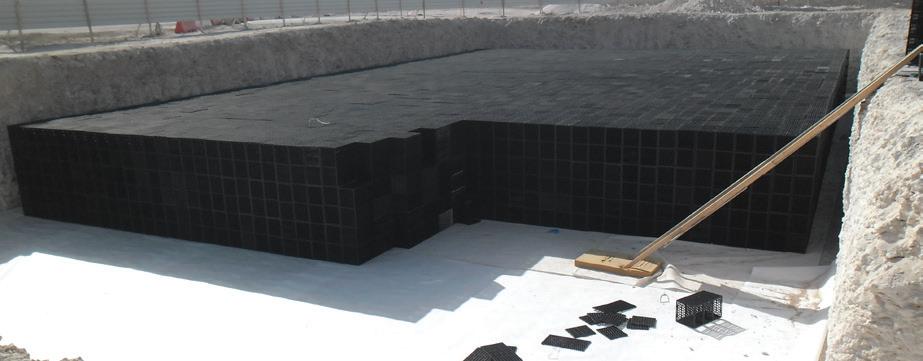
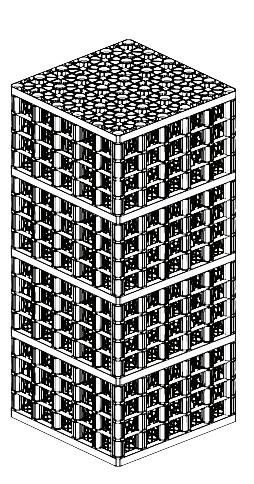
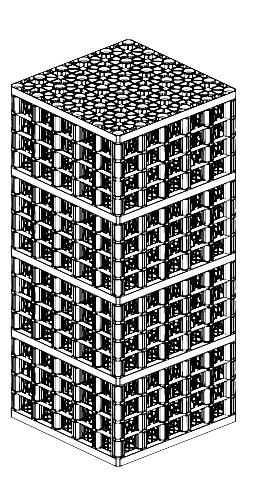
RAINSMART Modular Tank Systems are now exclusively available from GPIL and our trusted network of resellers.
Contact the GPIL team to find your nearest stockist or for design support.
LAURIE VERCOE
+64 21 936 730
National BDM
BLAKE WILLIAMSON
+64 212 235 342
Central North Island
TONY LOCKE
+64 212 232 138
Lower North Island
MIKE VAN DEN AREND
+64 212 238 602
South Island
www.gpil.co.nz geosynthetic-partners-international-ltd
RAINSMART STM-02-R WITH UCS TO >85T/m2
RAINSMART STORMVAULT-R WITH
RAINSMART ELLIPSE WITH UCS TO 26T/m2
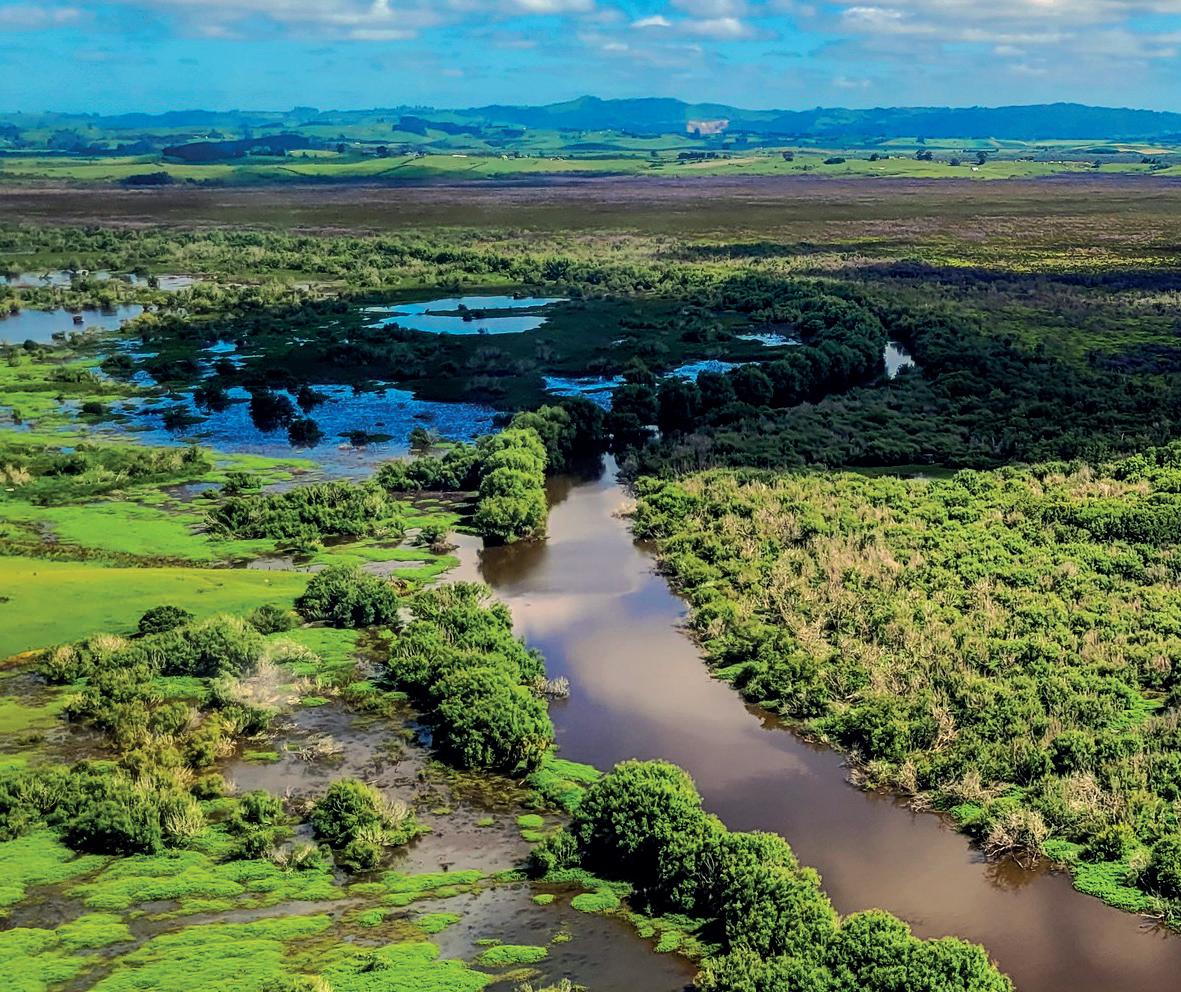
Report on under-pressure Waikato wetland delivers clear message
An assessment of the Whangamarino Wetland in north Waikato confirms decades of ecological decline and offers a clear roadmap for collaborative action to restore this internationally significant site.
The wetland spans 7000 hectares of swamps, fens and peat bogs and is one of Aotearoa New Zealand’s seven sites recognised globally for its ecological significance under the international Ramsar Convention on Wetlands.
Under the Convention, Ramsar Sites must be continually monitored. We are required to notify the Convention if the ecological character of one of our Ramsar wetlands has changed or is likely to.
This is the first time the country has delivered an international report integrating science alongside maatauranga Maaori, underpinned by the principles of the Ramsar Convention, to comprehensively assess changes in ecological character.
DOC regional director Tinaka Mearns says the report, released in February, concludes the Whangamarino has deteriorated since it was designated a Ramsar site in 1989.
“Whangamarino has faced mounting pressures for decades, but recent events have made things worse. Poor water quality led to fish and bird deaths in 2022-23, triggered by very low oxygen and a botulism outbreak following floods and extensive input of contaminants and organic matter into the wetland. The humaninduced fire in October 2024 was another setback.”
The report identifies a concerning decline in water quality, indigenous wetland habitat, the wetlands’ Australasian bittern/ matuku population, and cultural values recognised by mana whenua.
Whangamarino Wetland in north Waikato. For Waikato Tainui, Whangamarino is a taonga, deeply connected to identity and well-being, with significant ecological and cultural values
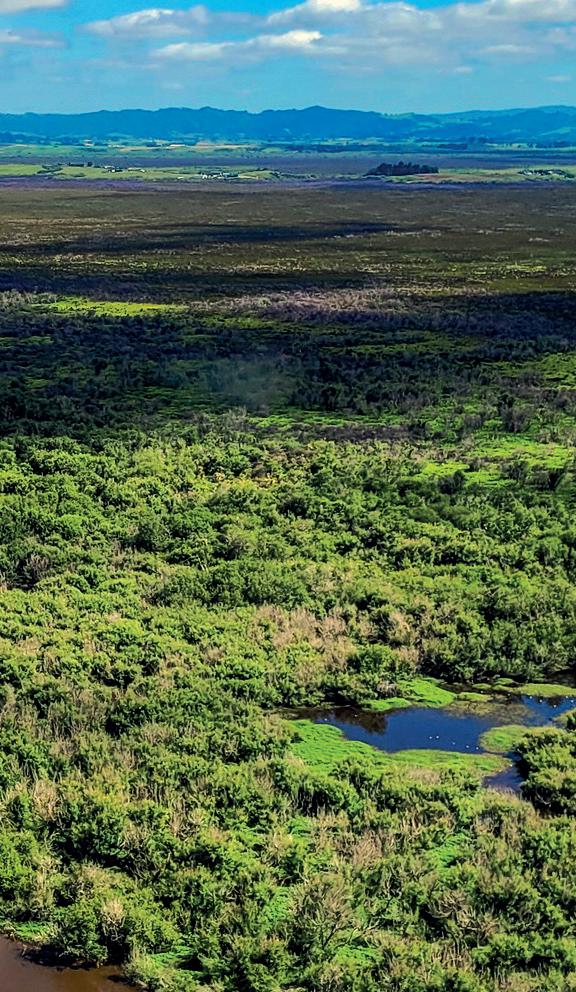
These declines are driven by the modified water regime in the wetland, poor water quality, large-scale fire, and invasive species such as koi carp.
For Waikato Tainui, Whangamarino is a taonga, deeply connected to identity and well-being, with significant ecological and cultural values.
“This report confirms what our people have been observing over many years. Maatauranga Maaori and lived experience tell us that the pressures on Whangamarino are cumulative and long-standing, and that restoration must address the whole system; water quality, hydrology, invasive species, and land use, not just individual symptoms,” says Marae Tukere, general manager, Oranga.
“We acknowledge mana whenua and their tireless mahi monitoring, reporting, and working to mitigate impacts. Their kaitiakitanga and commitment are integral to protecting and sustaining our taiao.”
Internationally, there’s growing recognition that incorporating traditional knowledge and cultural perspectives into conservation reporting produces better conservation outcomes.
Tinaka says the report gives a fuller picture of the ecosystem’s decline and a deeper understanding of what this loss means for mana whenua and local communities.
“By thoroughly assessing the state of both ecological and cultural
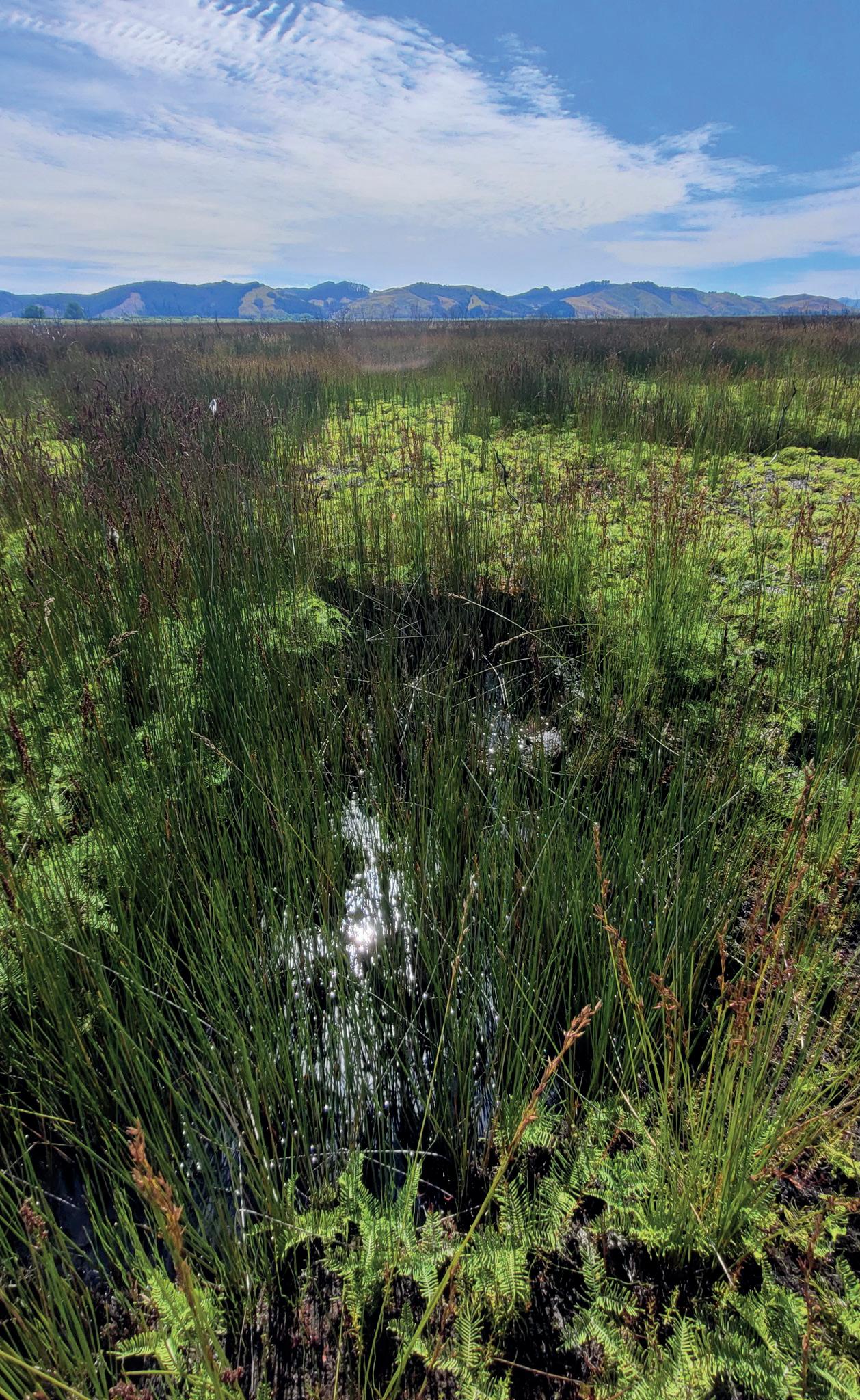
values in the Whangamarino, the report targets restoration efforts and builds the foundation for a strong collaborative response to revive both the ecology and mauri of Whangamarino.”
Waikato Regional Council environmental science manager Mike Scarsbrook says degradation had occurred over many decades, with the causes and solutions complex and interconnected.
Waikato Regional Council is leading the development of an action plan to respond to the decline, supported by DOC, Waikato Tainui, Waikato River Authority, mana whenua representatives, Fish and Game, landowners and other stakeholders.
The action plan will assess and prioritise actions to improve the health of nearby Lake Waikare (one of the adjacent waterbodies that feeds into the wetland) and Whangamarino itself. The action plan will address the full system, including hydrology, land use, water quality, biodiversity, cultural values and community connection.
“It’s taken a long time for Whangamarino and Lake Waikare to degrade, so it will take a long time for it to recover. Success of the action plan depends on sustained collaboration, investment and accountability – no single intervention will solve the problem. Progress relies on multiple coordinated actions,” says Mike.
DOC also has work underway to control pest plant species at the site, to reduce the spread of willow, golden dodder and royal fern.
Article provided by the Department of Conservation.
Rukumoana Marae Topehahae stream and wetland restoration project
In February, a hui was held at Rukumoana Marae, near Morrinsville, to discuss the restoration of the Topehahae stream. The hui was led by Ngāti Haua iwi and attended by marae whānau, local landowners, funders, government agencies, freshwater scientists, and environmental trusts.
Facilitated by Makoha Nightingale-Pene from Ngāti Haua Iwi Trust and Taiporutu Hauraki from Ngāti Haua Mahi Trust, the kaupapa was to connect, share stories and recollections, and explore a vision for the restoration of the Topehahae stream.
Local kaumātua spoke of the historical importance of the Topehahae for gathering kai, including kāeo (freshwater mussel), tuna (eel), watercress, and the preparation of kānga pirau (fermented corn porridge) and kina using the freshwater of the Topehahae.
“The river sustained us, we ate, we fished, we got our watercress. [However] the topography has changed and the drains have changed, and the eels don’t come frequent our waterways as they used to,” says Pare Holder, Rukumoana Marae kaumātua.
Kaumātua spoke of the deep connection between the people, the land and the awa. The Topehahae has been a focal point for the community for generations. Originally, the stream was papa kāinga; homes were built along the stream, life revolved around the awa.
The awa was used for baptisms, birthday celebrations, childhood adventures, and social events. The awa includes a popular swimming hole, ‘tōtara’, which is still used by rangitahi today.
“The wairua of ourselves always drove me back to the land, always drove me back to the wai, the water,” says Kaikino Hotene, Rukumoana Marae kaumātua.
Current landowners spoke of their childhood experiences enjoying adventures on the Topehahae and neighbouring Tonepi streams, and their aspirations for the restoration of the waterways for future generations to enjoy.
Kaumātua spoke of memories of swimming in the Topehahae with clear waters and a sandy and cobbled bottom.
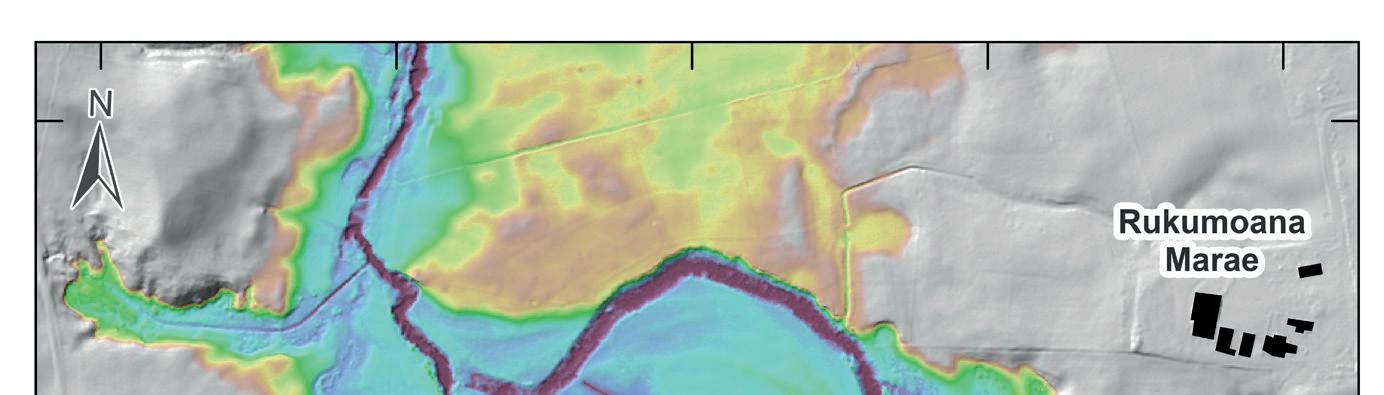
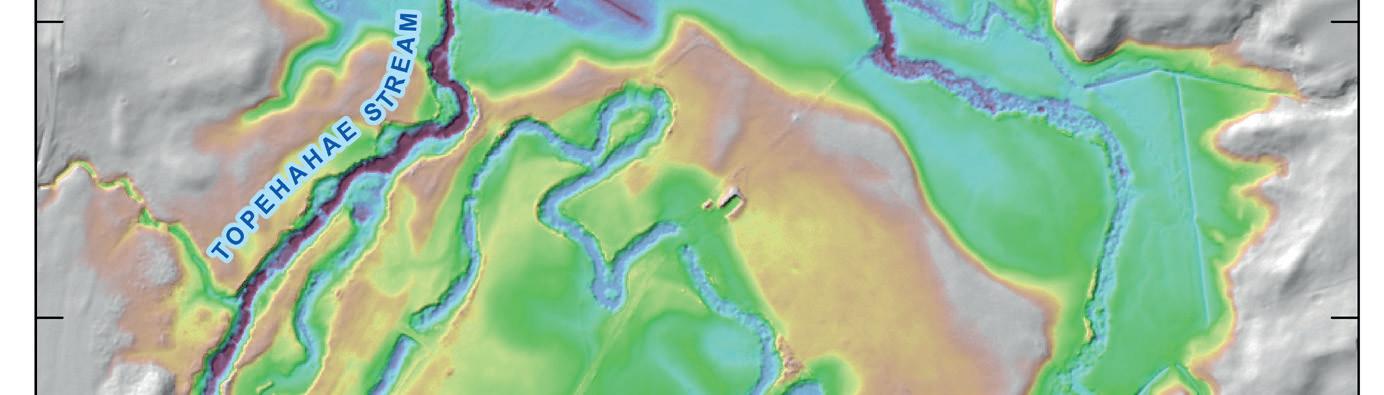
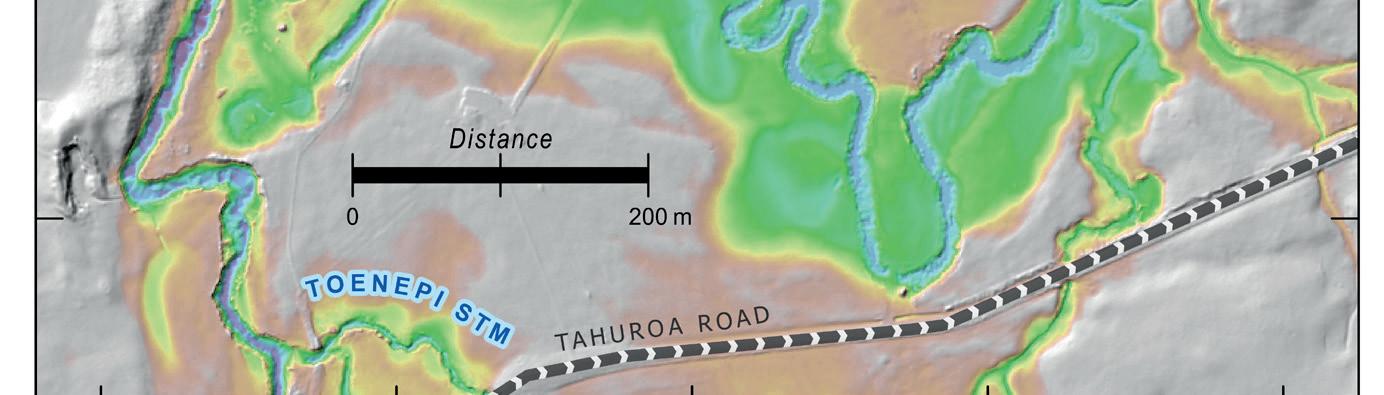

The current state of the Topehahae is quite different.
Oliver McLeod, mātauranga Māori scientist at Waikato Regional Council, reported the current state of the stream including fine sediment and mud, large amounts of macrophytes (duckweed, Nitella, red algae), regular dumping of rubbish, persistent low flows, and slumping banks.
Significant faecal contamination has also been detected in the Toenepi stream, which flows into the Topehahae. This is especially concerning given the ongoing use of the swimming hole by the community.
Feedback from Waikato Regional Council monitoring staff was shared: “The stream is not very nice to work in. Staff have been sick from sampling this site before, and I quite often see dead sheep in this stream; people must dump them over the bridge. It will be cool to see some restorative action on this awa.”
Research by Jacques Boubee from Vaipuhi Freshwater Consulting showed the original path of the Topehahae stream included an oxbow and wetland area near the marae. When and how this was cut off is unknown.
There is the potential to restore the
This image shows the floodplain surrounding the Topehahae stream.
Faecal contamination a persistent issue
Faecal contamination a persistent issue
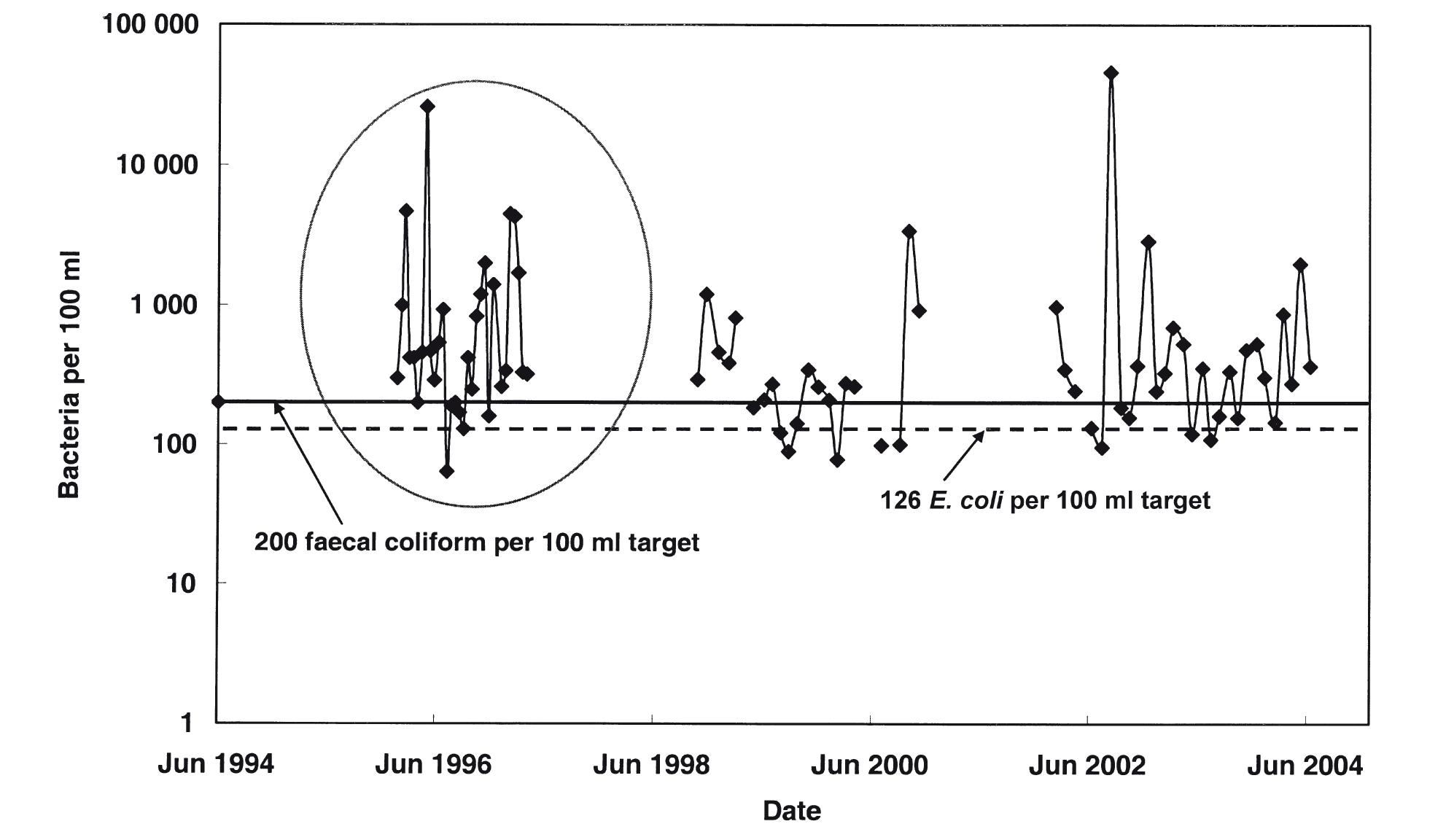
oxbow in the stream, create wetland and tuna pond areas, and establish native plants to provide shade and reduce water temperatures. These changes would increase water quality and create significant habitat for tuna and other native freshwater species.
Directing waterflow towards ponds or designated wetland areas would improve land use for agricultural purposes as well as improve water quality in streams. Potentially up to 3.5 hectares of pasture/ cropping improvement could be obtained.
A plan for implementing the restoration is underway and will include the ongoing control of invasive weeds, fencing, planting, and redirecting water flows to improve tuna habitat. A stepped phased approach is preferred to ensure the restoration can be maintained until plantings are established.
It was a successful day with relationships established and strengthened, and commitment across the group towards improving the health of the Topehahae.
The vision for the restoration was
discussed, and common themes included: clean water, greater connection to the awa, sustainable mahinga kai, and restoration to benefit future generations.
A collaborative approach was favoured, and interest was shown in forming a Topehahae catchment group to lead the work.
We would like to thank our partners and funders of this project: Ngāti Haua Mahi Trust, Ngāti Haua Iwi Trust, Vaipuhi Freshwater Consulting, Waikato Regional Council, Waikato Hauraki Conservation Fund, Go Eco WaiConnect - Tataki ki te Wai, Ministry for Primary Industries, Valder Conservation, and Waikato-Tainui Taiao. A special thank you to Water New Zealand for funding towards the expenses of this hui.
This project is ongoing. If you have an interest in the Topehahae stream and would like to be a part of the restoration discussion, please email Matt Vare from Piako Waihou Catchment Trust at matthew.vare@pwct.org.nz.
Article supplied by Piako Wakhou Catchment Trust
Water New Zealand commitment to carbon offsetting
At Water New Zealand, we’re pleased to support this project through offsetting carbon emissions from our Stormwater Conference.
Despite our best endeavours we know that running conferences have unavoidable environmental inpacts. We have assessed our annual Stormwater Conference as generating 15 tonnes tCO2e, and a further 85 tonnes being generated by attendee travel.
Previously we have offset our operational greenhouse gas emissions through accredited international carbon credits. However, we recognise that offsets are most effective when applied close to where our impacts occur, and that water restoration projects, more closely aligned with our work, also deliver greenhouse gas benefits.
Toenepi Stream at Tahuroa Rd site
Faecal contamination is a persistent issue in the Toenepi stream.
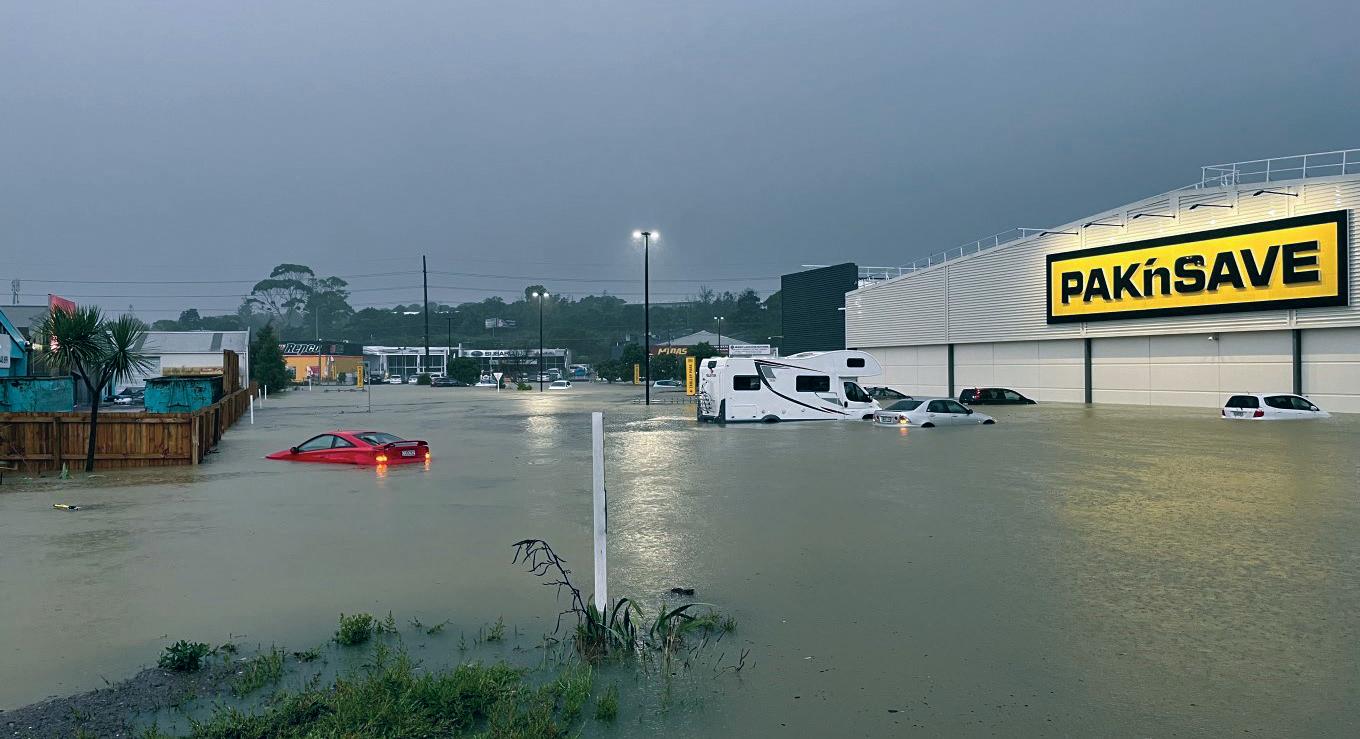
Wairau’s recovery from the early-2023 storms
The suburbs surrounding the Wairau Creek on Auckland’s North Shore were some of the hardest hit during the 2023 floods, with the tragic loss of two lives and millions of dollars of damage to homes and businesses. Surf lifesaving volunteers rescued 69 people from the area, and more than 250 homes in Milford, the Wairau Valley and surrounding suburbs received red (significant damage) or yellow (moderate damage) placards.
In particular, Milford, which also has the highest number of Category 3 homes of any suburb in Auckland, alongside neighbouring Sunnynook, Forrest Hill, and Totara Vale were heavily impacted.
Ngā Wairau flood resilience project
After exploring a range of options to reduce serious flood risk in the Wairau area, Auckland Council approved the plan for Stage 1 of the Ngā Wairau flood resilience project. This stage includes transforming AF Thomas Park into a multi-purpose space that supports both flood resilience and recreation.
From 2027, Stage 1 of the Ngā Wairau flood resilience works, the works at AF Thomas Park, will begin. This work will restore wetlands designed to temporarily hold larger volumes of rainfall, while also creating walking tracks, planting, and seating areas for the community to enjoy.
Phase 2 of Stage 1 includes a blue-green network system of waterways (blue) and parks (green) through the neighbourhood, which will give stormwater space to flow and help reduce flooding where people live. This work is currently unfunded and several years away, but work is underway on design possibilities.
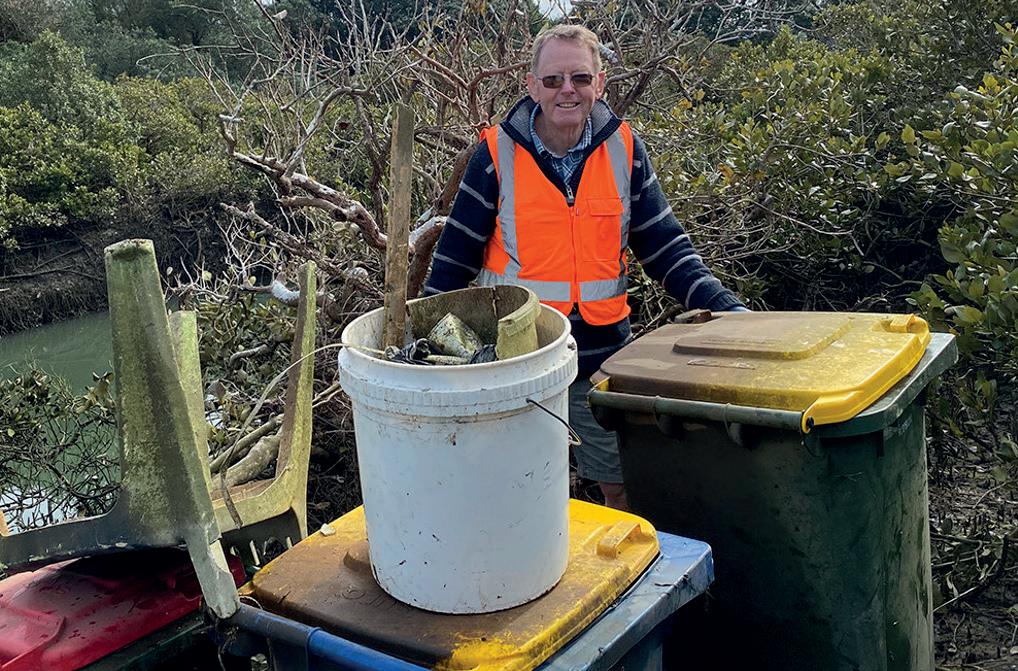
In the meantime, a recent mana whenua and community blessing was held ahead of works starting to remove the Woodbridge Lane bridge to reduce blockage risks. This also signals a small but major step as the first works underway for the wider Ngā Wairau project.
On March 25, the Kaipātiki Local Board voted for space in the
Wairau Valley Road in flood.
Bruce Ward from Friends of Brian Byrnes Reserve cleaning up at Wairau Estuary, Milford.

park to be used for a mix of golf (the current golf course will be reduced from 18 holes to nine), sports fields and space to enable indoor sports and events.
Danielle Grant, chair of the board, says the decision is a win for the local community.
“This has been a complex and at times contentious issue, and we have worked respectfully through those differences to reach this point. We understand the importance of getting this right.
“We have adopted high-level priorities that reflect future sport, recreation and environmental needs for our community. This includes planning infrastructure carefully so that when work is carried out, it can be done efficiently and avoid the need for repeated disruption in the future.”
Craig Mcilroy, council’s general manager for healthy waters and flood resilience, says it is crucial that progress with the transformation of AF Thomas Park continues to maintain momentum as there is a clear desire from the community to move swiftly to reduce flood risk to nearby areas.
“This project aims to significantly reduce downstream flood flows through Wairau Creek, and reduce flood risk to over 150 homes and three residential care homes in Milford. It will also protect critical infrastructure and access to key facilities such as North Shore Hospital and Westlake Boys’ and Girls’ High Schools, as well as Eventfinda Stadium.
“The work in AF Thomas Park is a critical first step to reduce the significant flood risk across the Wairau catchment and will enable wider flood resilience works in and around Nile Road, and the commercial areas of Wairau Valley.”
Next steps
The local board’s March 25 decision establishes what should be provided for at AF Thomas Park. How and when it gets delivered will be determined through subsequent processes.
Work will now begin to develop a detailed master plan for the park, that will include detailed designs and leasing arrangements.
Because this project was made necessary by urgent flood resilience needs, there is no dedicated council funding set aside for major new recreational facilities beyond the wetland and detention basin.
To deliver the new recreational infrastructure at the park there is a need to plan for funding through future budgets or explore alternative funding options. Delivery is likely to be staged over time as funding becomes available.
Ongoing stormwater work and preparedness
The council has increased stormwater maintenance and monitoring in the area. Stormwater network improvements include:
• 36 Hotspots inspected monthly and before storms;
• Five hotspot monitoring cameras installed to identify blockages for faster removal by operations teams;
• Increased catch-pit cleaning of 2500 locations;
• New water quality treatment device installed;
• Watercourse at Bryan Byrnes Reserve dredged, desilting of Link Drive pond;
• Upgrading to ‘back-entry’ catchpits that still take in water if the top grate is blocked.
Alongside this we are working with the community to help reduce dumping around streams and increase storm preparedness.
In Milford we have partnered with Pupuke Birdsong to improve local flood knowledge, expand stream restoration efforts, and support stormwater management.
Flood risk at homes
The council has assessed homes affected in the 2023 storms that registered for a future risk category, offering buy-out or construction grant support depending on the risk.
• Category 1: 85 homes across Milford, Forrest Hill, Totara Vale and Sunnynook were cleared of having an ‘intolerable risk to life’ from future flooding and landslides.
• Category 2P: 4 homes across these suburbs were identified as having an ‘intolerable risk to life’, but are receiving support to implement solutions at their home that will reduce this risk to a reasonable level.
• Category 3: 169 homes in these suburbs were identified as having an ‘intolerable risk to life’ but there is no viable solution to reduce the risk to a reasonable level. These homeowners have been offered a buy-out to help them move out of harm’s way.
As of 5 November 2025, over 150 buy-outs have been completed in Milford alone.
Auckland Council is removing high-risk Category 3 homes that were part of the voluntary buy-out programme (and continuing to look at how we make Category 3 units within multi-unit complexes safe). But with over 160 Category 3 homes that could be removed, the council appreciates this will bring significant change to the neighbourhood, and says it will ensure it is managed with care.
Future use of storm-affected land
The council has a region-wide policy that guides what it does with this land. The top priority is always safety, but it also needs to make sure it delivers good value for Aucklanders, especially given how expensive these buy-outs have been.
The council is considering how Category 3 land can support essential council services like flood mitigation, which will save Aucklanders money in the long run, and expects around half of the properties to remain with council either because they’re useful or need management due to high hazard risks.
But holding onto land has ongoing costs. If a property isn’t needed for essential council services or hazard management, it will consider selling it where’s it’s safe to do so.
Some sites may become safe for redevelopment by building on less hazardous areas or having the risk reduced through measures like flood protection upgrades.
If the land isn’t essential or redevelopable, other sale options will be considered, such as backyard extensions for neighbours or rural grazing. Due to the hazard, there will be limitations on use.
The council is working with local boards and mana whenua to explore community uses for land where council services or sale aren’t viable. This could include parks or open spaces in areas that lack them – particularly where funding is available to support these initiatives.
In the meantime, the council is considering safe temporary uses with supporting guidelines. Community groups and organisations can apply to use this land for low-risk, non-residential activities like planting, grazing, play equipment, or temporary events.
Content provided by Auckland Council.
Forecasting the future of our oceans and weather
An $8.9 million project has launched to examine how offshore ocean changes are driving our extreme weather and impacting our coastal waters.
University of Auckland associate professor Melissa Bowen is leading Te Moana Mahana: Ocean change forecasting for climate resilience in Aotearoa New Zealand.
The five-year project received $8.9 million from the Ministry of Business, Innovation and Employment’s Endeavour Fund.
“About 93 percent of the extra heat caused by global warming has been absorbed by the ocean, so we want to figure out how much that is driving extreme weather.
“We’ve had some devasting floods and landslides [this summer], with tragic loss of life.
“This highlights the importance of having this kind of research to inform the government and communities,” says Melissa, who has spent the past 25 years studying the impact of oceans on weather patterns.
The ocean around the country is warming each decade by about 0.2 degrees Celsius, which is about twice the global rate, she says. Wind patterns are a primary driver of rising temperatures in our oceans.
Warmer seas can increase the levels of moisture in the atmosphere, leading to more rainfall.
Higher sea temperatures are also a key ingredient in the development of tropical cyclones, says Melissa, who is involved with the University’s School of Environment and Centre for Climate, Biodiversity and Society – Ngā Ara Whetū.
The research team will use global climate models to create computer simulations that can predict future ocean temperatures and currents around the country.
They will predict future marine heatwaves and ocean-driven weather patterns up to the end of the century.
By considering the effect of the future ocean on the atmosphere, the team will predict how recent extreme weather, such as the Auckland Anniversary Day floods of 2023, might turn out in the future.
“We want to see how ocean temperatures are influencing weather systems, in terms of the amount of rainfall, winds, and the movement of weather systems.
“The purpose is for us to develop ocean and climate predictions that will help New Zealand prepare for what might happen in the future.”
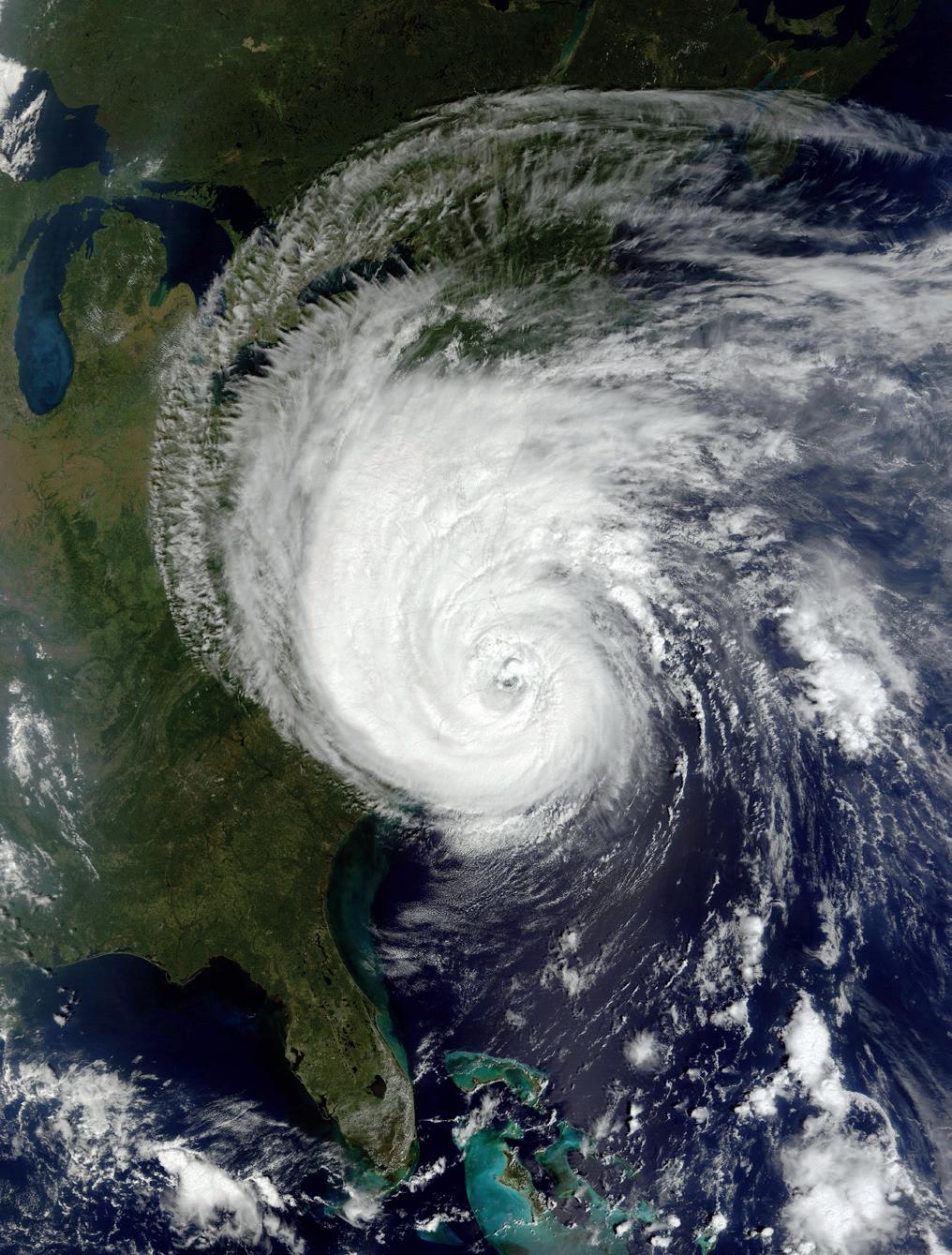
The research team has an ambitious plan to map the ocean ‘heatscape’ for the Southwest Pacific Ocean and around the country’s coasts.
Two self-driven ocean gliders will explore the entire stretch of the coastline.
The gliders will collect information from the edge of the continental shelf about ocean temperatures, salinity, oxygen content, and levels of phytoplankton, which is the foundation of the marine food chain.
Information on ocean temperatures will also be gathered by up to 150 commercial fishing boats.
“We will build up a picture of what’s happening along the coast and how it’s connected to the deeper ocean offshore.
“We want to know where there are hotspots and where there are refuges providing cooler waters – and why these patterns are occurring.”
The research will look closely at the Hauraki Gulf and the Otago Shelf, examining how extreme events, such as high rainfall and marine heatwaves, impact on temperatures, oxygen and phytoplankton levels in the coastal ocean.
The researchers will hold co-creation labs and conduct surveys on people’s relationships with the ocean. They will also evaluate existing policies and plans affecting the ocean.
The project is expected to provide information that will help Earth Sciences New Zealand make more accurate seasonal forecasts, and regional councils make more climate-resilient decisions.
The fishing industry will receive predictions about expected changes to ocean health and temperatures, which could cause fish stocks to shift.
Aquaculture companies could also benefit from ocean temperature predictions, which would allow them to select sites for marine farms that can withstand future ocean changes, says Melissa.
The research team includes 14 experts from the universities of Auckland, Otago and Canterbury; Earth Sciences NZ; and Australia’s national science agency, CSIRO.
Article provided by the University of Auckland
22–24 September 2026
Claudelands, Kirikiriroa Hamilton
Join us at this year’s biggest Three Waters event and be part of the conversation shaping our future.
The Water New Zealand Conference & Expo 2026 is all about sharing the latest thinking on water management – innovation, sustainability, technology, indigenous knowledge, water reform, global trends and much more.
Innovation forum – be quick, this opportunity closes 19 May
Do you have an innovation you’d like to share with your peers in the water sector?
This is your chance to showcase a future-focused idea, product, or tool to water professionals from across Aotearoa New Zealand – and be in the running to be recognised with the Innovation Award.
Look out for Earlybird registrations opening soon
Mark your calendar and be in early to register for the great deals. Registration opens Friday, 12 June
Find out more www.waternzconference.org.nz




Global review calls for river resilience to extreme events
A new global review paper, led by University of Canterbury professor Jonathan Tonkin, highlights the need for shifting management strategies from local, reactive interventions to catchment-scale, resilience-focused approaches.
The review paper ‘Extreme events and river biodiversity under climate change’ published in Nature Reviews Biodiversity in February, explores how extreme climatic events (ECEs) including floods, droughts and heatwaves are increasing in severity and frequency, fundamentally reshaping riverine ecosystems, and what can be done to adequately prepare for increasing and compounding ECEs.
Jonathan says the research points to a shift away from reactive local fixes towards proactive catchment-scale strategies that build river resilience, including nature-based solutions that restore habitats at large scales and reconnect floodplains, improving monitoring and forecasting, and giving rivers “room to move” – an approach he has also explored in previous research, which argues that allowing rivers more space to behave naturally can reduce flood risk while also supporting biodiversity.
“It becomes more of a win-win solution for both biodiversity and society because we give them more capacity to flood into, but we also give them the capacity to act more like a natural ecosystem, creating diverse habitats, cycling nutrients and sustaining life”, Jonathan says.
He says freshwater biodiversity is declining at a greater rate than that in the world’s oceans or on land, placing river ecosystems among the most at risk under climate change.
“Rivers are central to our society. We get food and clean drinking water from them, we use the water for irrigation, energy generation and recreation – they’re important providers of ecosystem services.”
ECEs can affect rivers at every level, from eroding genetic diversity and reducing species populations to causing local extinctions, reshaping river communities and disrupting essential functions such as filtering water and processing nutrients, Jonathan says.
“We live on their boundaries and we’re very much at the mercy of them becoming more extreme. So we’re also faced with this challenge of thinking how we live with them in a future that’s going to be more extreme?
“When individual events combine into multiple events, or compound events, that’s when the impacts become really bad, because it might be that as things are recovering from the first event, they get hit again.”
“We can’t focus purely on restoring to historical conditions. What we’ll be seeing in the future are completely different conditions, so we have to do things that we know are helping the system become more resilient.”
The review also points to emerging decision-support frameworks, such as the Resist–Accept–Direct approach, to help river managers decide when to resist change and protect ecosystems, when to accept unavoidable shifts, and where to actively direct rivers towards more resilient future states.
He says ECEs are pushing both the resilience of river ecosystems and the ability to manage them to the limit and more research is required to better understand how rivers respond to these shocks, particularly the growing risk of compound events and the feedback between extreme weather, river flows, habitat change and biodiversity resilience.
Studying the events is difficult, he says, because they often strike without warning, leaving little chance to capture before-and-after data. He argues that far more frequent and long-term monitoring, at least seasonal sampling of river communities rather than the current annual collection, would be needed to properly understand and anticipate their impacts.
Article provided by the University of Canterbury.
Our Digital Water Ecosystem: Resilient Networks from Field to Cloud to User
Water networks are facing growing pressure. Utilities and councils are balancing aging infrastructure, rising demand, compliance requirements and the increasing cost of leaks and service disruptions. The challenge is no longer just maintaining assets - it is building a resilient network that can be monitored, managed, and improved with confidence.
A Digital Water Ecosystem supports this by connecting the full journey of operational data - from the field to the cloud to the user. Instead of treating telemetry, SCADA, analytics, and reporting as separate projects, the ecosystem brings them together into one practical, end-to-end approach.
Why digital ecosystems matter now
Most water networks already generate large volumes of data: pressures, flows, tank levels, pump performance, alarms, and asset condition information. The problem is that this data is often fragmented across different systems and teams.
When information is siloed, response times slow down, reporting becomes manual, and planning becomes reactive. A connected ecosystem helps shift operations from “finding the problem” to “solving the problem” - with a clearer view of risk, performance, and priorities.
A practical model built in three layers
A resilient Digital Water Ecosystem is built on three connected layers:
Field: where the data begins
The field layer includes smart sensors and meters, Telemetry solutions(RTU, IoT sensors) and always-on connectivity through radio networks, NB-IoT, LoRa-WAN, fibre, or cellular.
This layer ensures reliable, real-time monitoring across critical assets and network zones. Strong field data is the foundation for faster detection of abnormal conditions such as bursts, leaks, pressure events, or equipment failure.
Cloud: secure intelligence and integration
The cloud layer acts as the central hub for data collection, storage, and system-wide intelligence.
It enables SCADA integration for real-time monitoring, secure remote access , and a trusted environment for analytics and reporting.
By consolidating information in one place, the cloud layer supports consistent visibility across sites, reduces manual handling and strengthens governance. It also provides a scalable foundation for future requirements without needing to rebuild systems as the network grows.
User: turning data into decisions
The user layer is where insights are delivered through web and appbased visualisation tools. It enables realtime access for operators, engineers, managers, and decision-makers.
This is not just operational. It supports strategic outcomes as well helping leadership teams understand performance trends, manage risk, and plan investment based on evidence rather than assumptions.
Benefits for communities and councils
For communities, the benefits are clear:
• Cleaner, safer drinking water
• Faster leak detection and response
• More reliable and resilient service
For utilities and councils, the ecosystem delivers:
• End-to-end visibility (field cloud user)
• Compliance-ready reporting and governance
• A future-proof platform aligned with smart city planning
A holistic approach - not disconnected projects
Digital upgrades often fail when delivered as isolated tools. A telemetry rollout may improve monitoring but not reporting. Dashboards may look useful but rely on manual data feeds. SCADA may provide alarms but not the broader intelligence needed for planning.
A Digital Water Ecosystem avoids this by design. Each layer connects to the next, ensuring data flows smoothly and insights are available to the people who need them.
It also supports staged implementation. Utilities can start with priority zones or critical assets, then expand without changing direction or replacing platforms.
‘Underwater bushfires’ hit Australia’s oceans hard
By Albert Van Dijk, professor, water and landscape dynamics, and Shoshana Rapley, research assistant, Fenner School of Environment & Society, Australian National University; and Tayla Lawrie, project manager, Threatened Species Index, University of Queensland.
Good rainfall across much of Australia in the past year has kept the vegetation green and rivers flowing. For the fifth year in a row, our national environment scorecard for Australia’s landscapes in 2025 rated them as “above average”.
Queensland had an exceptionally wet year. The Channel Country river systems in southwest Queensland flooded spectacularly, sending water surging toward Kati Thanda–Lake Eyre in South Australia. The biggest floods in at least 15 years, this flush of water triggered fish breeding and the arrival of waterbirds from across the continent.
But underneath the ocean waves, it was a different story. Marine heatwaves and the algal bloom in South Australia were a disaster for Australia’s underwater ecosystems and their unique animals and plants.
How we assess environmental health
To create this scorecard we analysed large amounts of data from satellites, weather stations, river gauges and ecological surveys. For the 11th year running we gathered information on topics like climate change, oceans and weather, and summarised it with a score between zero and 10.
This score gives a relative measure of how favourable conditions were for nature, agriculture and the Australian quality of life, compared to all years since 2000.
Conditions varied enormously by region this year, so for the first time we have calculated environmental condition scores right down to the suburb and locality level.
A good year but uneven on land
The country’s environmental health was split between a wetter, greener north and east, and a dry south and west. Victoria, Tasmania, the Australian Capital Territory and the Northern Territory all recorded notable declines in environmental condition.
But beyond the rainfall, there were real signs of progress. New detailed data on native forest loss and gain – a first in this year’s report – showed forest loss has declined for five consecutive years, with tree cover increasing nationally.
The amount of land cleared for grazing and native forest logging continued to fall. Vegetation canopy area and soil surface protection against erosion was at near record levels. And Australia’s greenhouse gas emissions fell by 1.9 percent, even as the economy grew 2.6 percent and the population by 1.5 percent,
a sign growth and environmental damage are slowly being decoupled. Emissions per person have fallen 30 percent since 2000, though Australians still emit around three times the global average.
These improvements didn’t happen by accident. They reflect real improvements in land management and nature conservation and policy changes on emissions reduction, forest logging and land clearing accumulated over years.
Bushfires under the sea
What our scorecard doesn’t capture is what happened in our oceans in 2025, and there the story was very different.
The Black Summer fires of 2019-20 were a climate-driven catastrophe. More than a prolonged drought, it was an extreme heat event that turned the forest into a tinderbox and caused fires of unprecedented scale. Marine heatwaves are doing the same thing underwater.
Sea surface temperatures around Australia reached their highestever level in 2025, breaking the record set just the year before. Our new analysis of heat stress across 24 monitored reef locations found that nearly 80 percent exceeded their once-in-a-decade heat threshold – more than in any previous year of the 40-year record. A sixth mass bleaching event struck the Great Barrier Reef in early 2025, following the fifth just months earlier.
The damage extended well beyond the reef. A toxic algal bloom, fuelled by a marine heatwave that pushed water temperatures well above average, spread across nearly a third of South Australia’s
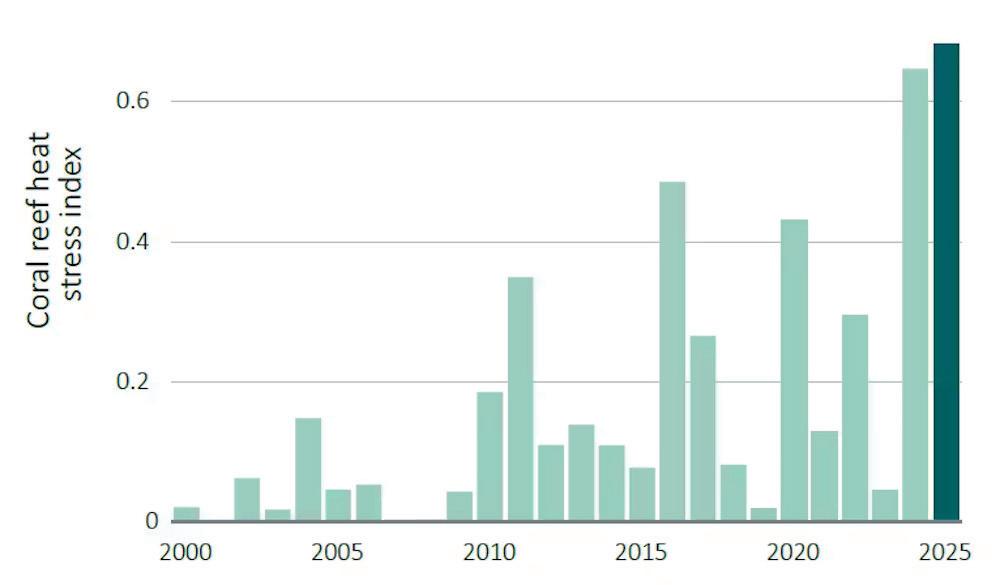
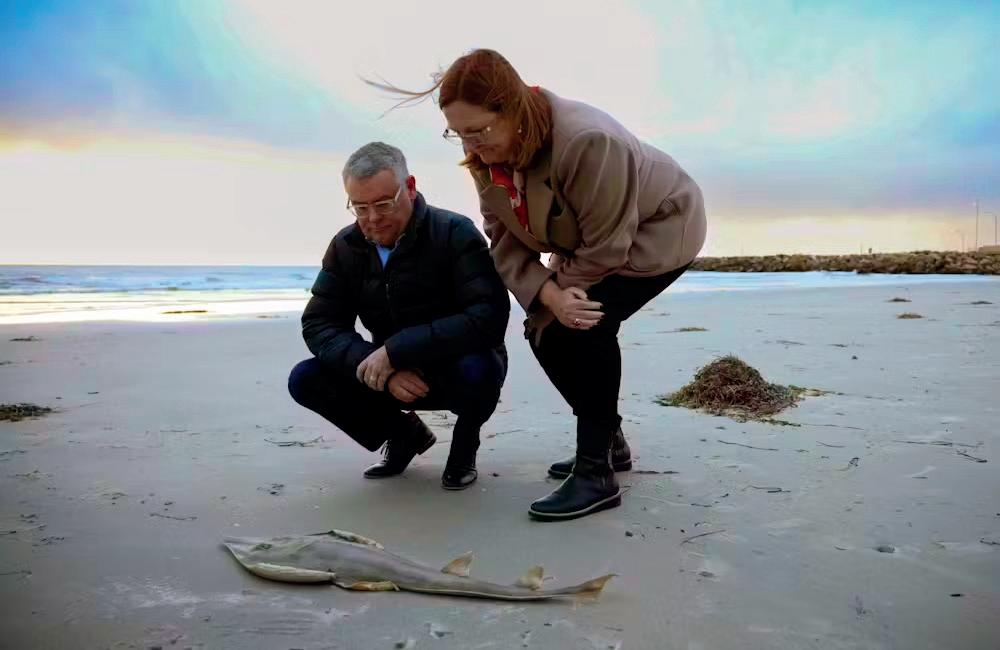
coastline and persisted for most of the year, killing more than 80,000 animals of 500 different species and causing respiratory symptoms in coastal residents. Elsewhere, tropical fish appeared far outside their normal ranges.
Marine heatwaves are the underwater equivalent of bushfires: large-scale, climate-driven mass mortality events that used to be rare and are now happening repeatedly. The difference is that most of us don’t see what’s happening below the ocean surface.
The extinction crisis deepens
According to the federal government’s threatened species list, 2175 species are now listed as threatened – a 54 percent increase since 2000. Climate change is identified as a threat to nine in 10 of the newly-listed species. And the legacy of the Black Summer bushfires continues – more than half of all species listed or uplisted since 2019 were affected by those fires.
The Threatened Species Index, which tracks population trends of listed species, shows threatened species have declined by an average of 59 percent since 2000. In 2025 we published Australia’s first Threatened Reptile Index. Based on the monitoring data included in the index, reptile populations have declined by an average of 88 percent since 2000, and frogs by 67 percent, the steepest long-term declines of any group we have measured.
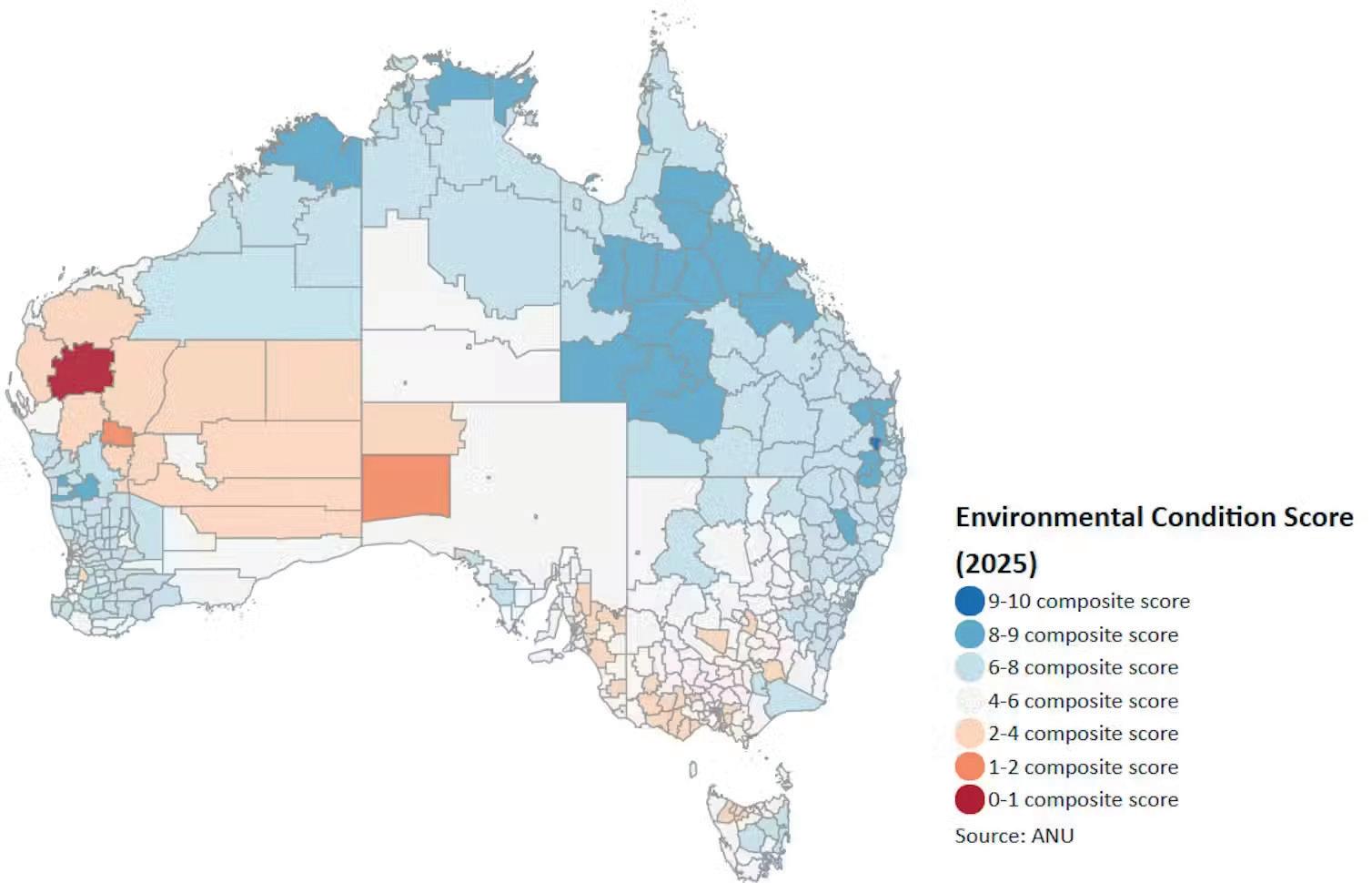
Reasons for hope
There are some reasons for hope. The index shows that trends for threatened mammal populations have stabilised in recent years. This may reflect both wetter conditions and the impact of conservation management, such as fenced sanctuaries, predator control and habitat restoration. The data show that sustained conservation effort can make a difference.
In many respects, Australia’s environment is in better shape than it was a decade ago, and progress on emissions and land management is real. But global climate change operates on a different scale entirely. Decades of warming are already locked in, and the damage to our oceans and wildlife will worsen until global warming is brought under control.
Reducing our own emissions matters more than ever. This will also make us more resistant to the kind of energy shocks the world is experiencing right now. We cannot reverse all the damage already done, but we can certainly do much better.
This article first appeared in The Conversation, theconversation. com/australias-forests-are-finally-doing-better-but-underwaterbushfires-hit-oceans-hard-278780
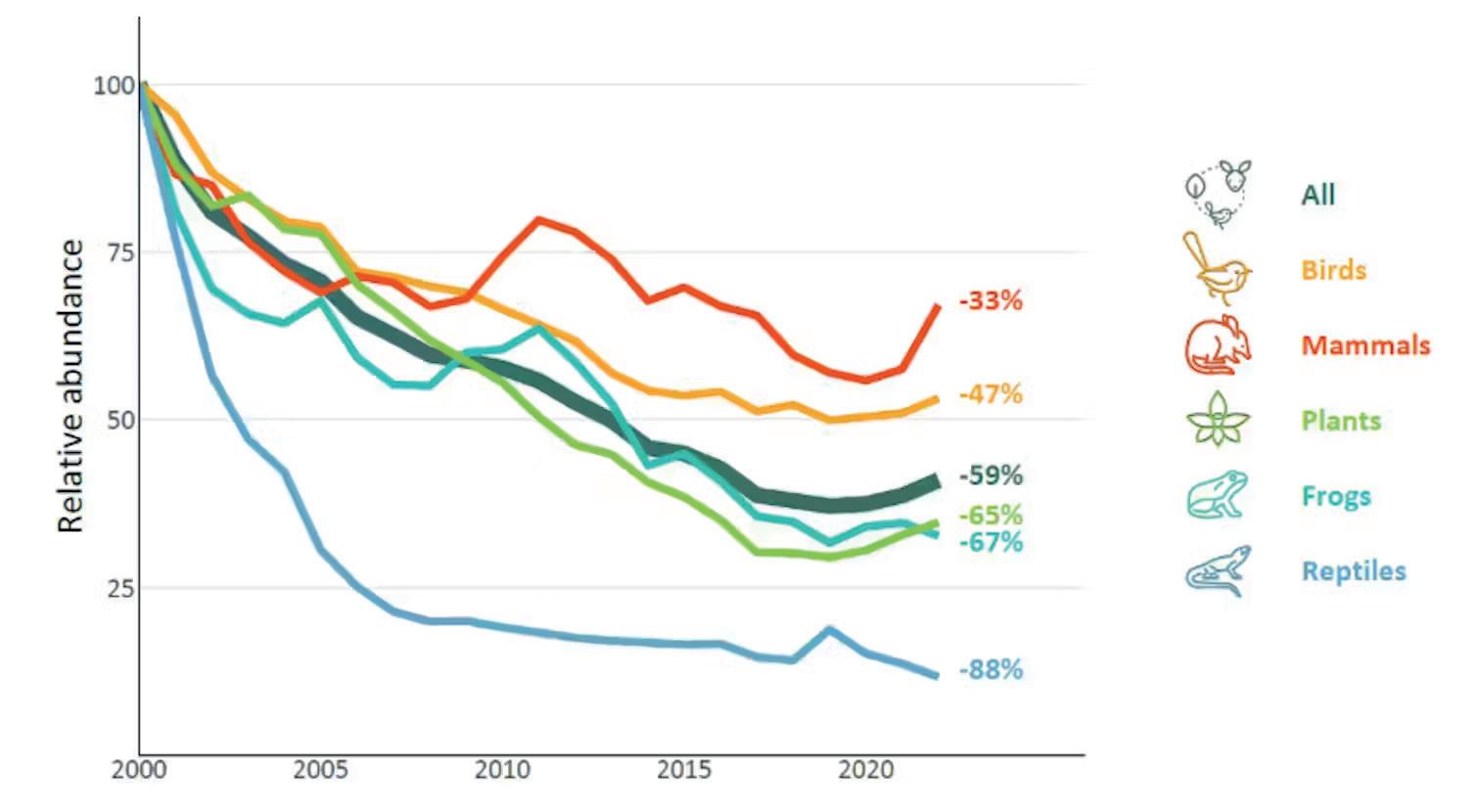
Federal Environment and Water Minister Murray Watt with Boothby MP Louise Miller-Frost look at a fish killed by the algal bloom at West Beach in July 2025.
Disaster inertia:
why must we keep relearning the same lessons from extreme events?
By Benjamin D Tombs, pūkenga-lecturer in
property law, University of Otago; Judy Lawrence, senior research fellow, New Zealand Climate Change Research Institute, Victoria University of Wellington; and Rob Bell, teaching fellow, environmental planning programme, University of Waikato
In the aftermath of another summer of weather disasters, there were headlines about a ‘growing gap’ between recovery efforts and preparation for climate change impacts.
There were calls for a rethink of how we approach natural hazards and for decision-makers to learn from the lives and homes lost in landslides and floods.
If this sounds all too familiar, it is because the country has become locked in a state of “disaster inertia” – one that has existed for longer than we might think.
Our analysis of Aotearoa New Zealand’s post-disaster reviews over the past decade shows the same problems – some dating back to 1986 – have been repeatedly identified but rarely translated into meaningful policy reform.
Successive warnings from the scientific community about the country’s exposure to extreme weather similarly go unheeded.
With each disaster, we found the country’s response and recovery system reacts in a largely ad hoc way. The capacity and finances of local authorities, which are often already grappling with major infrastructure deficits, are strained as they lurch from one event to the next.
Put simply, we keep patching up damage while failing to address its systemic issues – leaving lives, livelihoods and property increasingly at risk as climate impacts intensify.
How disaster inertia shows up in practice
Our review highlighted several concerning trends.
Climate change adaptation efforts are often channelled into engineered protection such as seawalls and levees. But this focus can crowd out land-use planning tools that reduce risk more fundamentally – by keeping development away from exposed areas or enabling planned, staged relocation of homes and infrastructure over time.
The current approach can also create a ‘levee effect’, encouraging more development behind the protections. This increases flood risk when those protections inevitably fail, and it delays urgently needed avoidance measures.
It may be true that ‘building back better’ – rebuilding damaged homes and infrastructure to higher resilience standards after a disaster – can sometimes improve resilience.
But it often comes at higher cost and with increased residual risk –the danger that remains even after any affordable protections are built – if communities remain in place.
There is also a strong social and political premium placed on rapidly ‘getting back to normal’, even where that normal is a state of vulnerability, and the ‘new normal’ means increasing frequency and intensity of change.
Another recurring problem comes with the high opportunity costs that follow disasters.
When government funding is inconsistent and piecemeal, local authorities often use scarce resources to rebuild in place and restore what was lost, rather than addressing the underlying drivers of risk through land-use planning. This reinforces institutional inertia and stifles preventive adaptation.
Elsewhere in our analysis, we found that unclear roles between agencies to be a persistent problem. While the recommendations of the reviews we assessed could differ depending on the hazard, most were vague about how responsibilities should be allocated in future.
A chance to break the cycle
National stocktakes estimate that around 750,000 Kiwis and half a million buildings – worth more than $145 billion – are located near rivers and along coasts already exposed to extreme flooding.
As these pressures grow in the years ahead, it is clear from our review that a coherent framework for disaster risk reduction is urgently needed. This must include clear responsibilities, sustainable funding and close integration with adaptation policy.
Action should not be delayed while waiting for better data in the hope it will prompt individuals and councils to respond more effectively. Much of the data needed already exists, but must be coordinated and standardised now.
Progress must begin with strengthening resilience systems, providing sustainable adaptation funding and avoiding risk, with planning for relocation where necessary.
Local authorities are in desperate need of stronger legislation to support action on climate risk reduction and preparedness.
We have an opportunity to address these issues through current legislative reforms.
These include the Emergency Management Bill, which will replace the Civil Defence Emergency Management Act and clarify roles and responsibilities across the emergency management system.
The Planning Bill, now before parliament, is intended to replace the Resource Management Act and improve how land use, development and natural hazards are managed. Amendments to the Climate Change Response Act have also been signalled to support the implementation of a national climate adaptation framework.
If these reforms fail to align around pre-emptive risk reduction, communities will face growing damage to homes and livelihoods without insurance or the means to relocate.
This article first appeared in The Conversation, theconversation.com/ disaster-inertia-why-must-nz-keep-relearning-the-same-lessons-fromextreme-events-278192
You can see Water New Zealand’s submissions on the bills by going to the resource hub of our website, waternz.org.nz. See more on page nine.
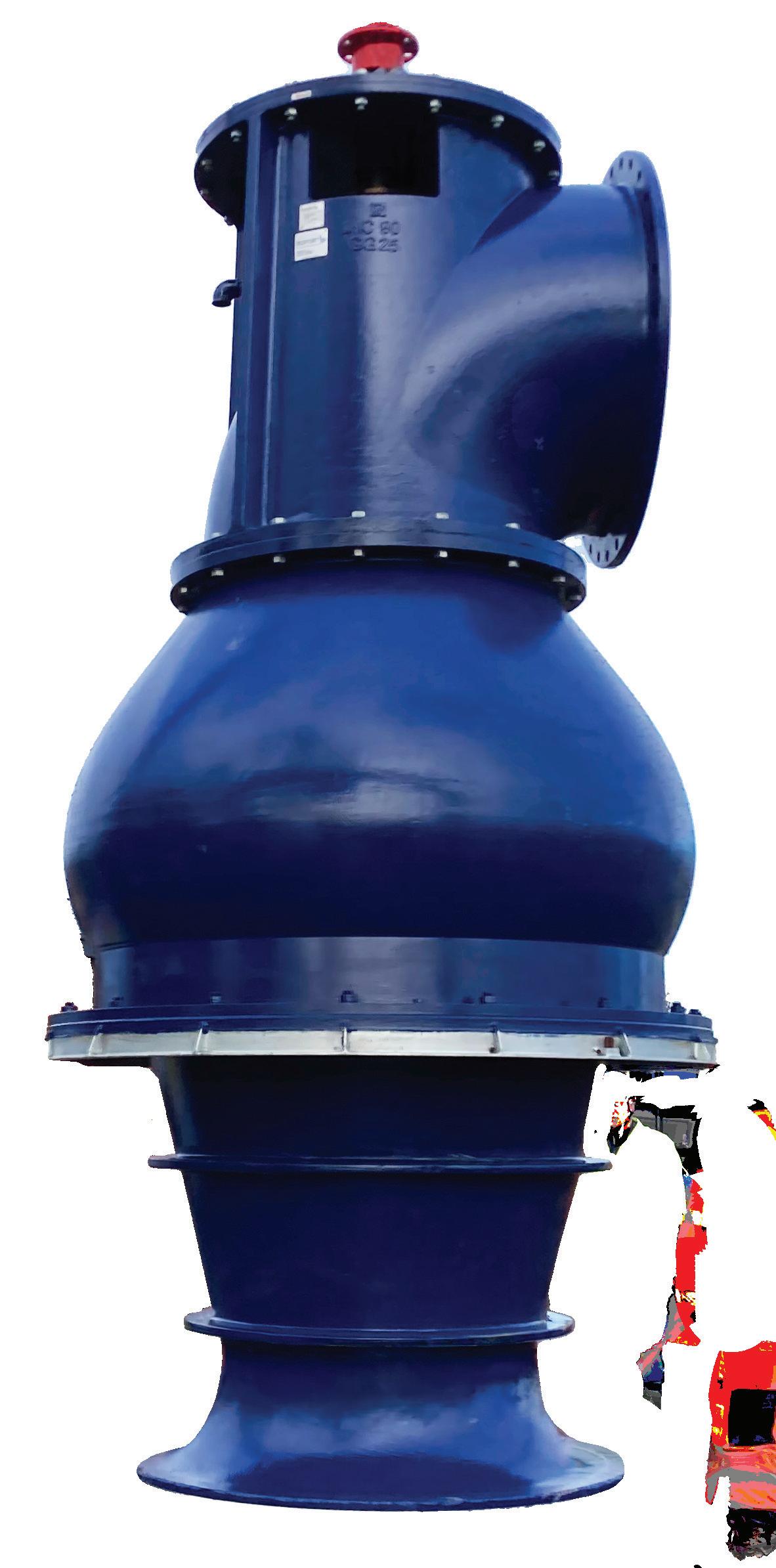
Unlocking the economic dividend of resilience investment
By Jon Rix and James Russell, Tonkin + Taylor
We often talk about resilience investment as a way to avoid tomorrow’s losses. That matters. But it’s only half the story.
Right now, with tight public budgets and a sluggish economy, we need to be clearer about what resilience investment delivers today: jobs, healthier communities, better environmental outcomes, and infrastructure that performs better day to day – not just during the next big event. Framed well, resilience stops being a ‘cost of risk’ and becomes a practical form of economic stimulus and place-making.
Insurers are already signalling the direction of travel through riskbased pricing. They’re right to push for targeted investment that keeps cover available and affordable. The opportunity for our sector is to go one step further: build the business case around co-benefits and use it to unlock new funding models – including credible pathways for private-sector investment – alongside government and local government spend.
The challenge: A narrow view of value
Most resilience business cases focus exclusively on avoided losses –the cost of floods, slips, or coastal inundation that won’t happen if we invest now. This approach makes sense for insurance pricing, but it misses the broader economic picture.
When councils assess a flood protection scheme or a managed retreat programme, they’re typically measuring success against one question: What losses will this prevent? The problem is that this framing makes every resilience investment look like a defensive cost rather than a productive opportunity.
This narrow lens has three consequences. First, it undervalues projects that deliver immediate benefits – ecological restoration, improved amenity, or infrastructure that performs better under normal conditions. Second, it makes resilience investment politically harder to justify when budgets are tight. You’re asking ratepayers to pay now for something that might not happen for decades. Third, it leaves economic stimulus on the table – because we’re not quantifying or communicating the jobs, regional development, and business confidence that resilience projects generate.
A broader framework exists
More than a decade ago, the Global Facility for Disaster Reduction and Recovery (GFDRR) identified what they called the ‘triple dividend of resilience’:
1. Avoided losses (first dividend): The direct costs are prevented when a hazard event occurs.
2. Economic and development benefits (second dividend): Jobs, growth, and investment unlocked by reduced risk and uncertainty.
3. Social and environmental benefits (third dividend): Improved well-being, amenity, ecology, and community confidence.
The second and third dividends matter because they accrue regardless of whether the hazard event happens. In our current economic context, that’s critical.
A 2021 assessment of seven global case studies found that the second and third dividends exceeded the first in three cases. Projects most closely linked to water management – flood protection, stormwater systems, coastal adaptation – showed the greatest buildup of these broader benefits. See Figure 1 and Table 5 from the report, reprinted here.
Investment decisions should be based on all three dividends – not just avoided losses
If you frame resilience purely as insurance against future risk, you’ll struggle to justify investment until the risk becomes urgent. By then, your options narrow, costs escalate, and you lose the opportunity to deliver co-benefits that matter to communities now.
Risk, volatility, and uncertainty are well-established suppressors of economic growth and investment. When natural hazard risks are well managed, households and businesses feel confident investing in productive assets rather than holding cash reserves for potential shocks. This drives job creation, modernisation, and regional economic stability.
Aotearoa New Zealand has historical proof of this. Between the 1930s and 1980s, we invested billions in flood protection infrastructure to safeguard productive land. Those assets now hold a combined capital and operational value of $3.6 billion and deliver $13 billion in benefits each year – a return multiple of 3.6 times the asset value.
The same economic logic applies to today’s adaptation and resilience challenges. The question is: how do we structure investment to capture all three dividends, especially when public funding is constrained?
Activating private investment: The beneficiarypays principle
While the case for investing more in resilience is clear, our fiscal reality is that this cannot be achieved solely through publicsector funding. Many councils face severe constraints as they approach debt-to-revenue limits and grapple with ratepayer affordability. Central government, with net core Crown debt approaching prudent limits, is focused on debt reduction as a percentage of GDP.
If the public sector cannot fund all necessary investments on its own, we need alternative models that enable private capital to participate.
Among the principles that guide adaptation finance – polluter-
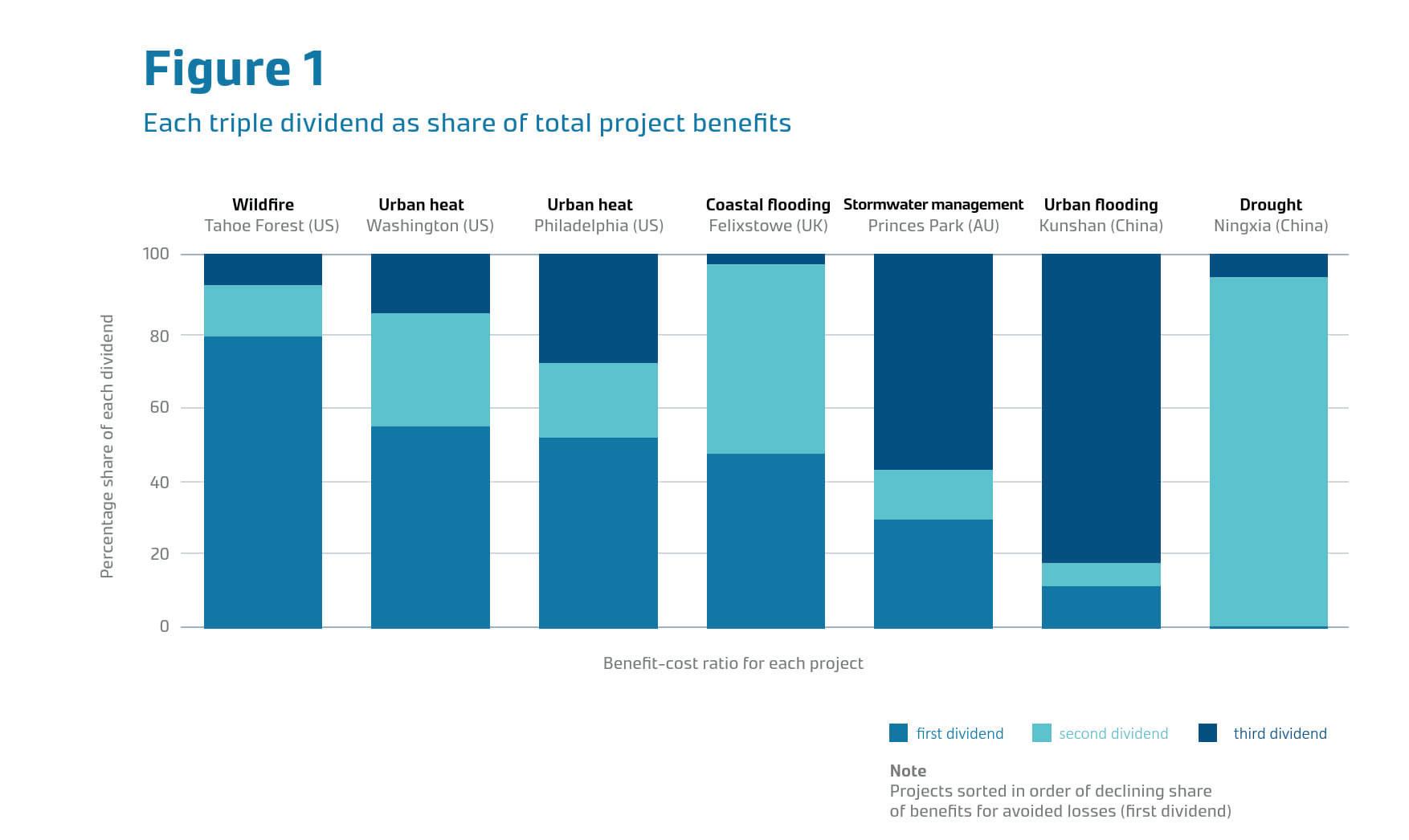
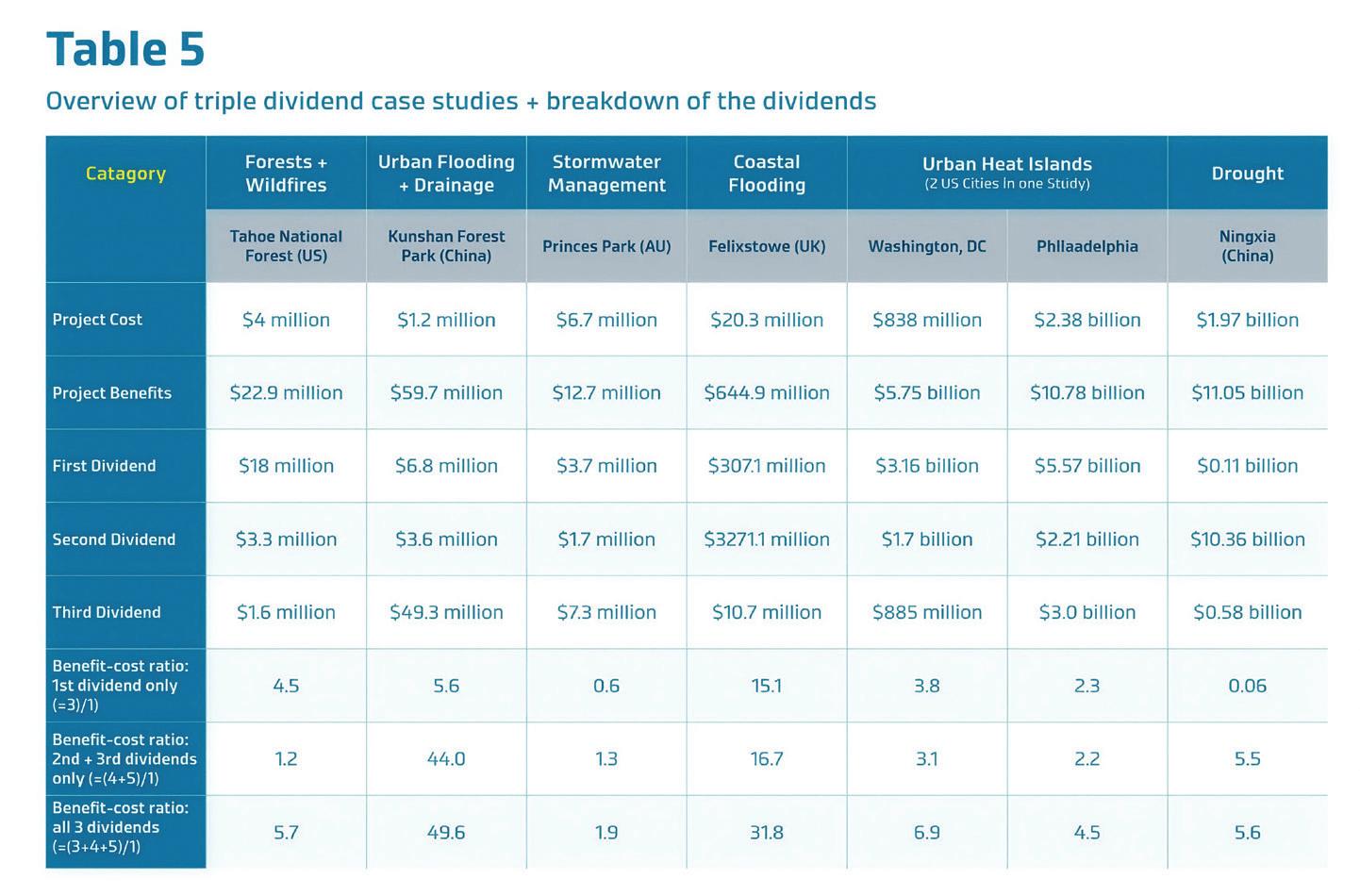
pays, public-pays, ability-to-pay, and beneficiary-pays – the beneficiary-pays principle offers particular potential. This principle holds that those who benefit from resilience investment should contribute to its cost.
Beneficiaries include property owners whose land values increase, developers who gain access to newly protected or intensified areas, businesses that benefit from reduced disruption, and insurers whose risk exposure decreases.
Value capture mechanisms – things like targeted rates, development contributions, and infrastructure levies, such as those enabled by the Infrastructure Funding and Financing Act –can channel some of this benefit back into funding the investment. Blended finance approaches use public or philanthropic capital to improve the risk-return profile for private investors, allowing private funds to participate in projects they would otherwise avoid.
Property-scale resilience
Alongside large-scale infrastructure and financing innovation, significant resilience gains can be achieved at the property level. Measures like flood-resistant materials, elevated services, and improved drainage all contribute.
Three enablers would accelerate property-scale action: Better insurance recognition of resilience measures (e.g., through premium reductions), access to low-interest loans similar to sustainable
financing, and streamlined consent processes – provided property owners don’t create negative impacts for neighbours.
When combined with system-level investment, empowering individual property owners creates a more resilient community overall.
Almost 700,000 New Zealanders and over $135 billion in building value are exposed to river flooding. Another $12.5 billion is exposed to coastal flooding. The scale of investment needed is significant. The opportunity is to frame this not as a burden but as a catalyst – for jobs, for better places, and for regional economic confidence.
To apply this in your context, ask:
1. Are we quantifying and communicating all three dividends in our resilience business cases – not just avoided losses, but economic stimulus and quality-of-life benefits?
2. Who benefits from our proposed resilience investment, and have we explored whether beneficiary-pays mechanisms could unlock additional funding sources?
3. Are we designing projects to deliver co-benefits that matter to communities now, rather than framing resilience purely as future protection?
Getting clarity on these questions early – ideally at the strategic planning stage – helps you build stronger investment cases, access broader funding, and deliver outcomes that communities value today.
Satellite imaging is now vital for disaster management, but there are dangerous gaps in our systems
By Anna Marie Brennan, senior lecturer in law, University of Waikato
The extreme weather events and resulting destruction that have hit Aotearoa New Zealand this summer are not only signs of a changing climate. They also highlight the now indispensable role of remote sensing satellite technology.
Broadly, remote sensing involves gathering information about Earth from a distance – most often from satellites equipped with sensors that measure different forms of electromagnetic energy.
Operating across multiple wavelengths, these instruments can function at night and capture conditions over large areas in a single pass. Synthetic aperture radar (SAR) satellites detect ground movement and flood extent even during heavy rain and thick cloud.
Optical sensors capture detailed imagery showing building damage, blocked roads, sediment plumes and coastal change. Thermal sensors identify heat patterns and temperature anomalies that signal hotspots or stressed environments.
Together, these systems provide a reliable, real-time picture of ground conditions, especially when severe weather renders traditional monitoring impossible.
But despite this technological progress, the framework that controls access to satellite data is alarmingly fragile, leaving a disaster-prone country like Aotearoa New Zealand vulnerable.
Better emergency response and risk mapping
For affected communities, satellite sensing technologies can be transformative. When rivers overflow, bridges collapse, and extreme weather prevents response teams from entering affected areas, satellites continue operating uninterrupted.
Authorities can use the information to rapidly determine which communities are at risk, where landslides have destabilised slopes, and which roads or bridges have failed. It sharply reduces the time between impact and emergency response.
Instead of relying on scattered reports, responders can prioritise resources, guide evacuations, plan helicopter drops and coordinate rescue operations using a shared, high-resolution map of evolving hazards.
Remote sensing remains equally valuable long after the immediate crisis. Satellite data supports damage assessments for insurance and government relief, informs the reconstruction of roads, river systems and stormwater infrastructure, and helps refine hazard models for future storms and floods.
In remote areas such as the West Coast, East Coast, and alpine South Island, where monitoring networks are sparse and terrain is difficult, satellite imagery is often the only wide-area information source.
Over months and years, repeated imagery helps scientists and planners understand how landscapes are changing: whether slopes are weakening, rivers are shifting course, or coastlines are retreating under rising seas and intensifying storms.
Stronger global agreements needed
Rapid access to satellite data is supported by the International Charter on Space and Major Disasters, which coordinates satellites from different agencies and companies to provide free imagery and disaster maps when activated.
Aotearoa New Zealand is not a member but the National Emergency Management Agency secured ‘user status’ in 2024.
Since participation is voluntary, some experts worry there is no guarantee satellites will be tasked appropriately, no assured access to archives, and no obligation for members to respond to every request.
The legal framework around remote sensing remains sparse. Outer space law states that space activities should benefit all countries but offers little detail.
The United Nations Remote Sensing Principles encourage cooperation and ‘reasonable’ access, but lack enforcement and set no minimum standards for timely data sharing.
As well, many high-value satellites are privately owned. Outside voluntary emergency arrangements, access depends on commercial licences, pricing and national security restrictions. These constraints can delay critical information when it is needed most.
Commercial operators refusing to provide imagery can be a major challenge. With no binding international obligations on private companies, Aotearoa New Zealand cannot compel access during emergencies without pre-existing contracts.
Refusals can delay situational awareness, reduce mapping accuracy and leave dangerous gaps in response planning. So it is heartening that the New Zealand Space Agency is taking steps to address the gaps in international arrangements, and ensure more reliable access to commercial satellite data.
AI complicates the picture
The growing use of artificial intelligence (AI) in satellite-based disaster analysis adds capability but also complexity.
AI can rapidly detect floods, classify landslides, and evaluate building and road damage. But when errors occur, accountability becomes unclear. Does it lie with the data providers, the analytics companies that process the imagery, or the public agencies relying on the outputs?
Ensuring reliability requires transparent documentation of models, inputs, thresholds and uncertainties. Robust cybersecurity safeguards are also needed to prevent deliberate attempts to alter data streams or mislead machine-learning models (which could distort analysis during a disaster).
But no binding rules require human oversight of AI-derived remotesensing products, leaving governments to determine how much human review is necessary for safety-critical decisions.
To strengthen national resilience, Aotearoa New Zealand needs to advocate for clearer international data-sharing rules, and embed privacy, transparency and human oversight in public sector workflows.
It must also treat the satellite-to-ground data chain as critical infrastructure, with built-in redundancy, security and rapid incident reporting. Remote sensing is now core national infrastructure.
The extreme weather of the past months emphasises why. When storms intensify too quickly for traditional systems to cope, satellites and AIenabled analytics help provide a rapid, scalable view of unfolding risk.
Strong agreements, responsible AI governance and resilient data pipelines ensure we get the right data, fast, when communities need it most.
This article first appeared in The Conversation, theconversation.com/ satellite-imaging-is-now-vital-for-disaster-management-but-there-aredangerous-gaps-in-our-systems-276274
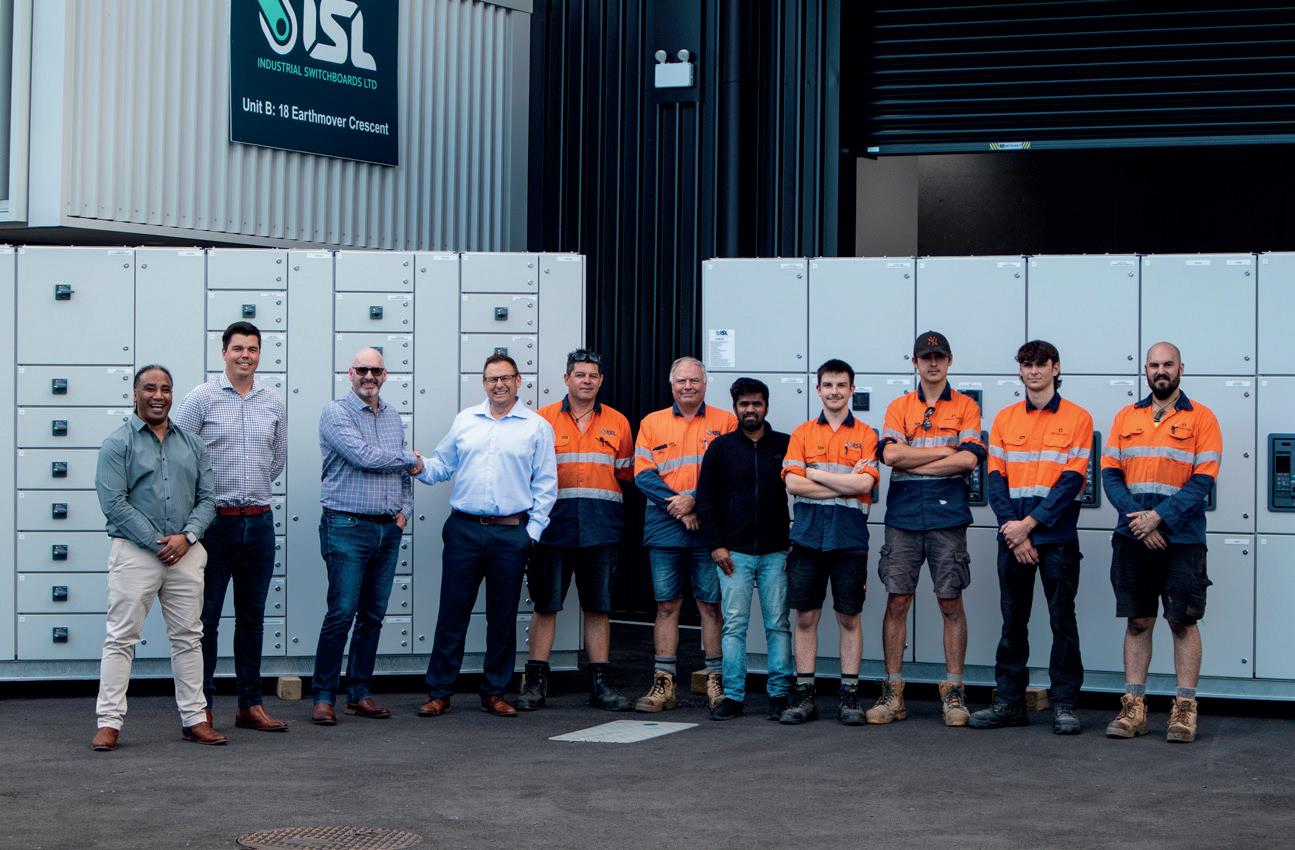
Future-Ready Water Plant

At a Glance
Rotorua Water Treatment Plant
INDUSTRY
Water/Wastewater
THE CHALLENGE
Delivering a complex, large-scale plant build with long-term reliability, scalability, and environmental resilience in a geothermal location.
THE SOLUTION
End-to-end Siemens-based switchgear and control system with SIMOCODE motor management. TDK based power quality system. Premium components from CSL portfolio. Precision building by Industrial Switchboards Limited (ISL).
WORLD-CLASS TECHNOLOGY
Siemens Switchgear, metering, ATS controls, intelligent motor starters, PLC, SIMOCODE motor management system
Modutec Type-tested metalwork and enclosures
TDK Modular active harmonic filters for performance, load balancing, and harmonic elimination
Rittal 2 x IP-rated, powder-coated mild steel internal cabinets with corrosion resistance for H2S environments
Teknomega J-Link tinned-copper flexible busbars with corrosionresistant insulation for geothermal environments
TechLab Precision milling, enclosure modifications, and engraved labelling for a unified, high-quality finish
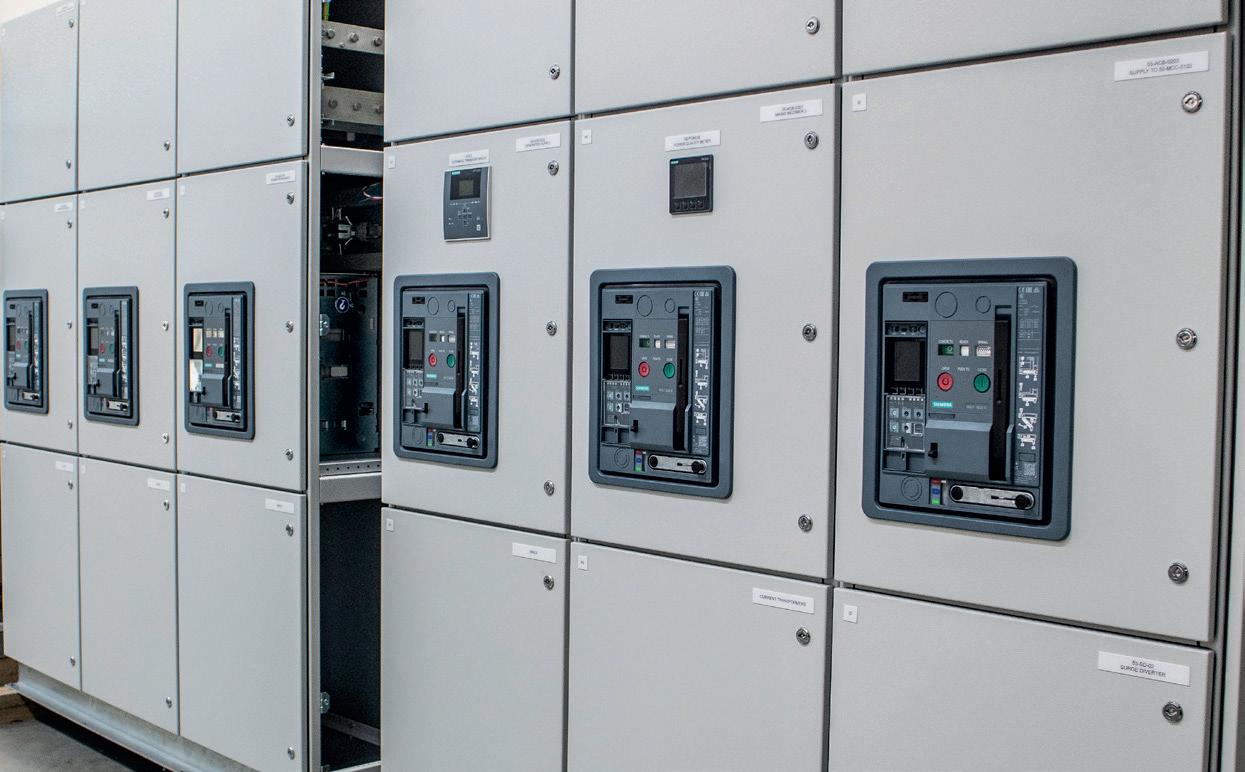
THE ADVANTAGES
• Unified product suite for seamless integration
• Reduced total cost of ownership and maintenance
• Enhanced monitoring, diagnostics, and process control
• Protection against H2SO4 corrosion in geothermal conditions
• Significant manufacturing time savings with TechLab precision tooling
• Cohesive, future-ready solution tailored to site needs Commissioning via SD card for rapid, non-specialist installation
SUMMARY
Rotorua’s new water treatment plant was designed to deliver exceptional performance, adaptability, and long-term reliability.
Partnering with Cuthbert Stewart Limited and Industrial Switchboards Limited, the project implemented a fully integrated Siemens switchgear and control solution enhanced with Modutec, TDK, Teknomega, and TechLab components.
With advanced monitoring, remote diagnostics, and proactive maintenance capabilities in a system built to withstand Rotorua’s geothermal conditions, this cohesive, high-performance installation sets a benchmark for water infrastructure projects across New Zealand.
“Partnering with CSL on this project really favoured our familiarity with the Siemens automation platform and tailoring it to the unique requirements of the site and application. The outcome is a complete, high-quality solution built for long-term performance.”
Eric Griffin, GENERAL MANAGER, INDUSTRIAL SWITCHBOARDS LIMITED
FEATURED



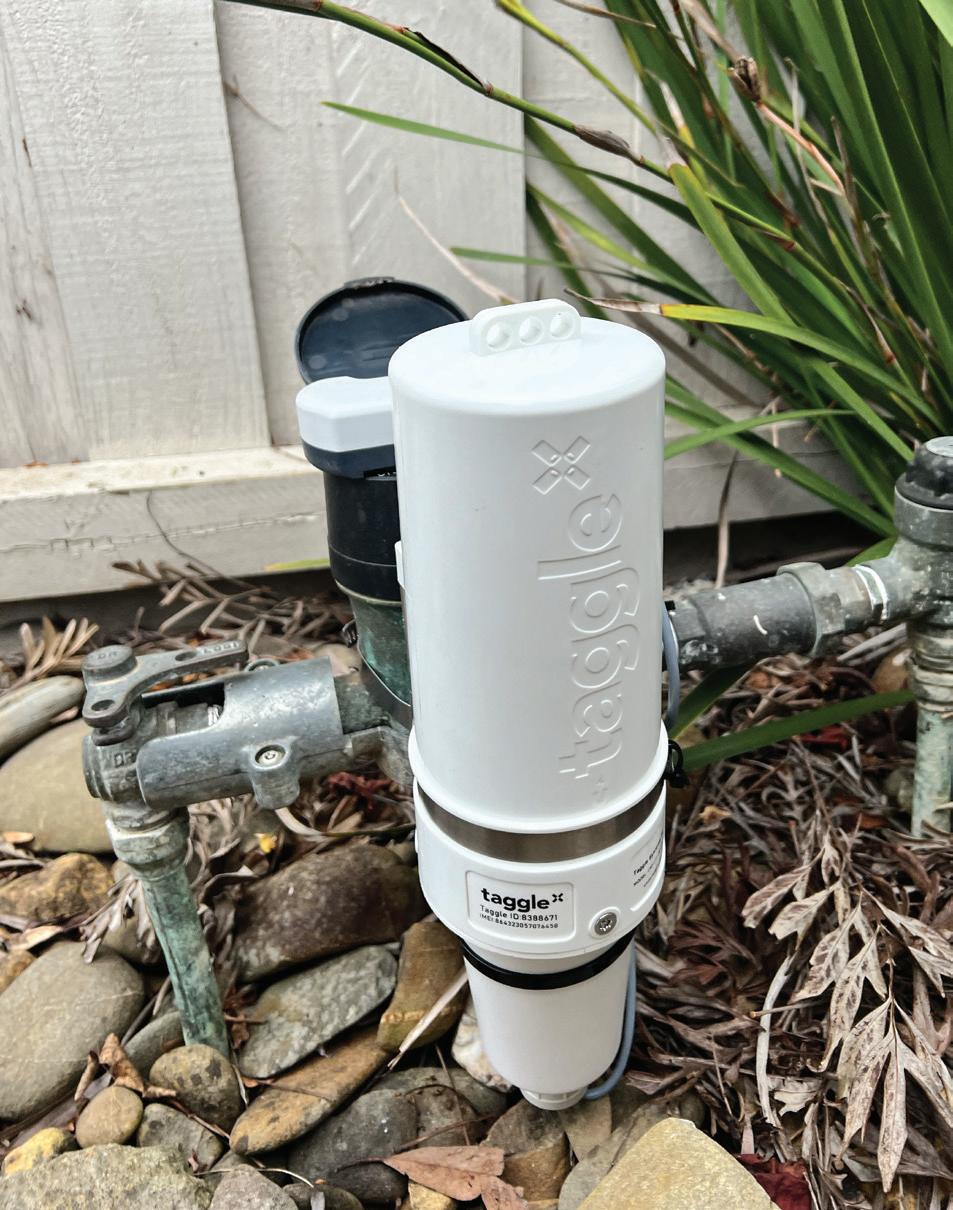
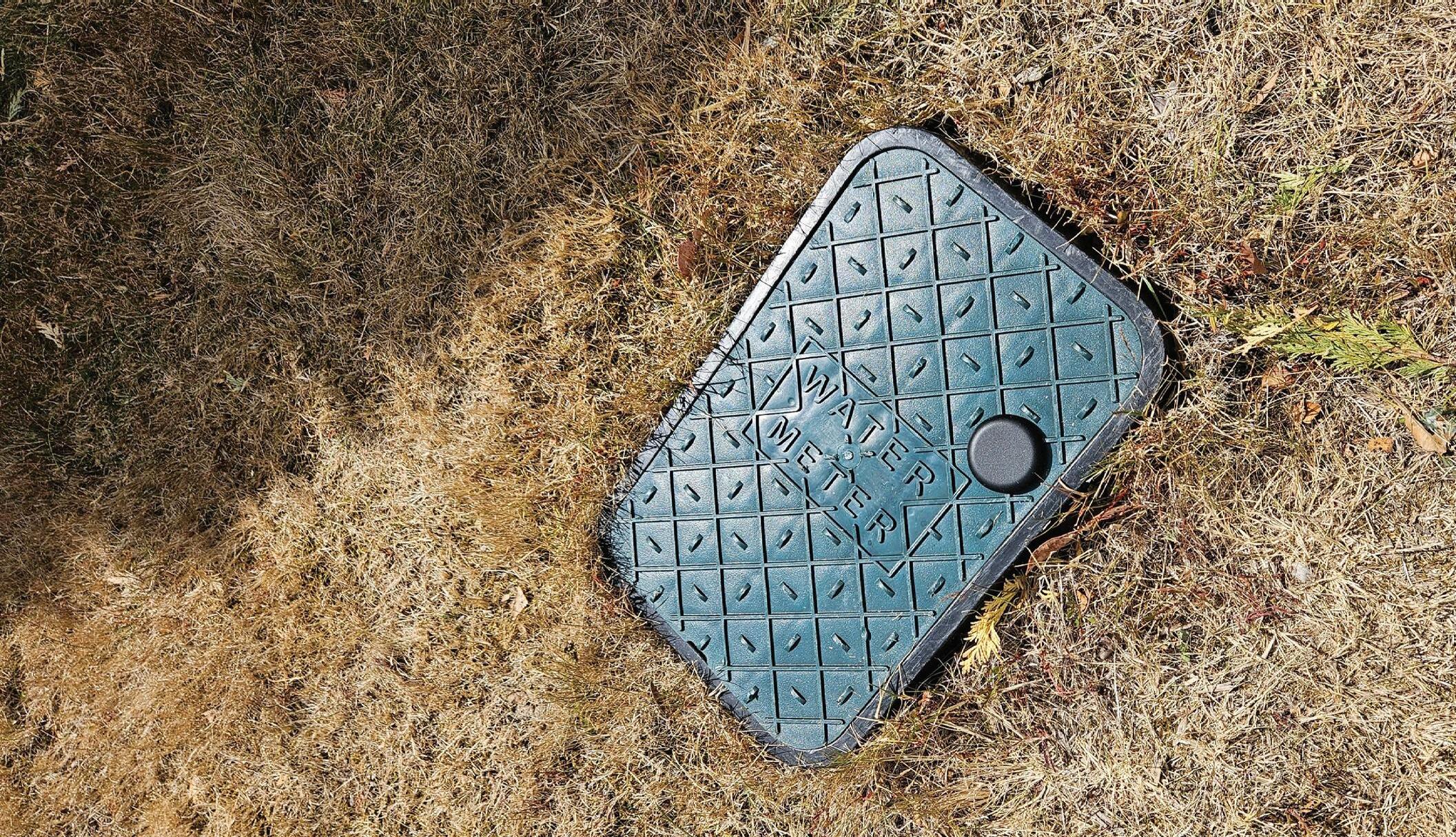
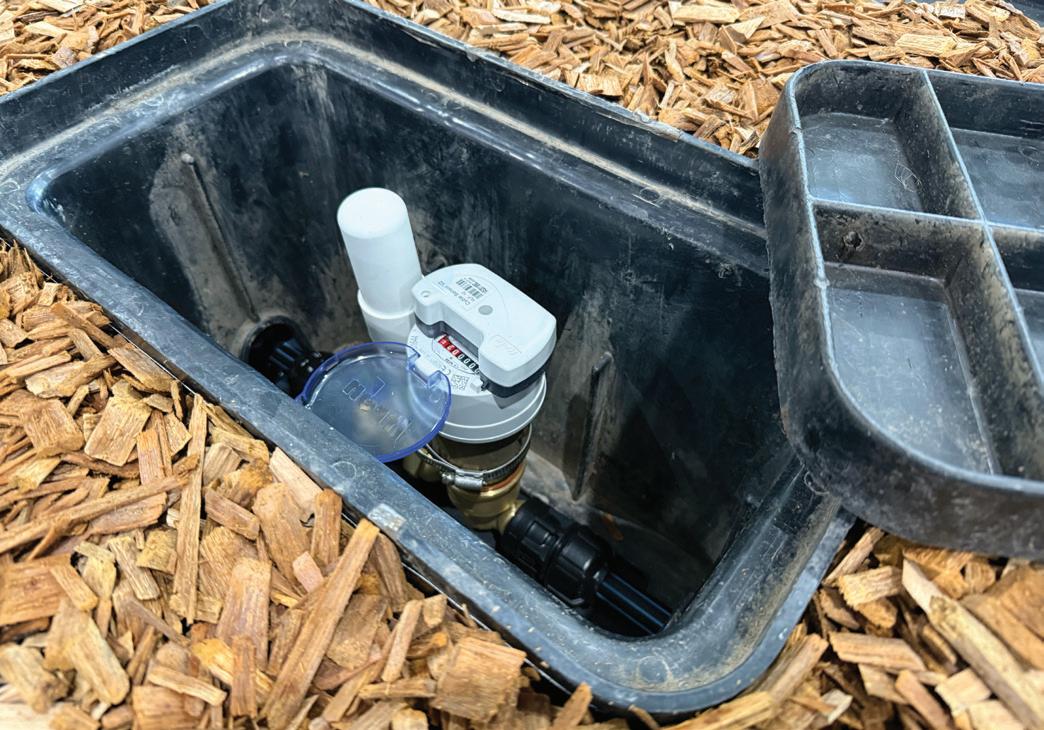
Addressing rural water poverty one site at a time
Providing safe and reliable drinking water to rural and Māori communities remains a significant challenge. Both the Rural and Marae Drinking Water Programmes were established to start addressing this inequity while enabling compliance with New Zealand Drinking Water Standards. The programmes have delivered fit-for-purpose water treatment solutions to marae and rural communities.
The Rural Drinking Water Programme (RDW) is a government funded initiative and is managed by National Infrastructure Funding and Financing. It commenced in early 2023, and contracted Filtec for the design and installation of the treatment plants. Since its inception, it has installed 92 drinking water treatment plants (WTP) around the motu.
A second programme, Marae Drinking Water (MDW), which was initiated in 2024, has delivered 35 further plants in the past 16 months, totaling 131 plants across the two programmes. A partnership with Te Arawa Lakes Trust will also see a further four installed in their rohe.
Many remote sites currently lack the infrastructure and resources to meet national drinking water standards and rules, and this can present a risk to the health of those in these communities.
The Rural and Marae Drinking Water Programmes aim to support the provision of safe, affordable, and reliable drinking water to Marae, te kōhanga reo, and papakāinga, as well as other rural communities in areas of high deprivation.
Alongside the installation of the treatment systems sits an additional support initiative, which sees five years of training and maintenance provided to each site. This aims to equip local communities with the knowledge to maintain and operate their treatment plants long term, as following installation, each plant is owned by the site which is then deemed to be the water supplier.
Rural Drinking Water commenced with an initial pilot programme which delivered six
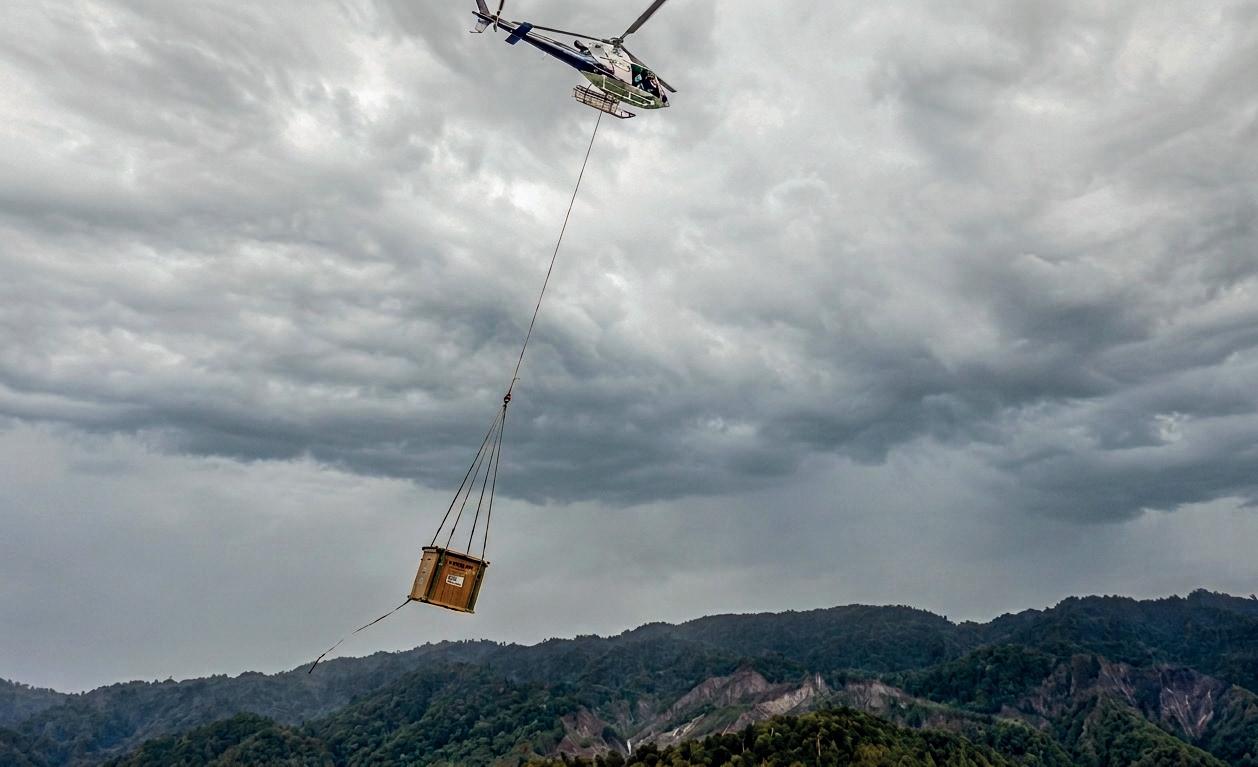
sites during 2023 and was directly followed by launching RDW programme registrations. Demand for this initiative outstripped allocated funding with 217 registrations received. When the MDW programme launched, it received a further 189 registrations in November 2024. Again, well above the number that could be served by the funding.
The design concept behind the programme was for the treatment plants to be modular so that improvements in efficiency, and therefore costs, could be found and implemented. While some bespoke site adjustments were required, generally all parts are available from general trade stores (with the exception of specific treatment products), meaning maintenance costs are sustainable.
Overall, we did achieve both the efficiencies
and cost reductions we had planned for by using this approach.
Treatment plants have ranged in size from 25 cubic metres of water per day for smaller sites, to the largest at 200 cubic metres for a whole community. Training for those on site commences at commissioning and continues each quarter along with scheduled maintenance for the full five years.
Sites where installations have taken place have had a wide range of water sources, including lakes, streams, rivers, springs, and roofs. Few had any form of water treatment, meaning communities had been drinking untreated, and possibly unsafe, water.
The nature of the programmes has meant that these sites and their water sources were often in very isolated areas taking hours to
access; one of these sites required the use of a helicopter (or a horse) to access both the site and its water source.
The installation of the plants themselves and their ongoing maintenance was contracted to local businesses. This initiative ensured that installation and maintenance went more smoothly due to local knowledge and relationships. This also made a positive impact on local economies with ongoing work for these companies assured for five years.
Recent weather events have shown just how much these plants can enable resilience in small communities in times of crisis. Some marae are now able to operate effectively as emergency centres, assisted by each plant having the capability of being powered by generator if no mains power is available. This removes the need for emergency services to deliver tankered or bottled water into an affected community, saving time, money, and the need to dispose of waste.
The installation of these water treatment plants has led to some positive wider outcomes for their respective communities as well, including those where facilities have
previously had to close due to unsafe water are now able to safely open.
Many have experienced whānau returning home to live, for the first time in many years, and others are experiencing savings by not having to purchase bottles or containers of water for day-to-day consumption.
It has become evident through the experience of the programme that communities in areas of high deprivation generally have the greatest need for improved water infrastructure, and this programme of work has been proud to enable this, if even for a small proportion of those who need it.
The programmes show what is possible when communities, government, iwi, and industry work together toward a clear goal: breaking the cycle of water poverty that has held too many rural communities back for generations.
From one marae’s decades-long struggle now turned into a sustainable solution, to a shared filling station model for a dozen marae, these sites stand as proof that practical, affordable drinking water systems can be delivered and that local communities can
build the skills and confidence to manage them well into the future.
This work however is far from finished. For every marae or rural settlement now enjoying safe, reliable drinking water, many more still rely on unsafe sources or live with outdated infrastructure. Too many small water suppliers face compliance requirements they simply cannot meet on their own.
The following quote from a Far North marae seems to encompass the programme’s objectives: “It means so much to us, we have been in water poverty for many years and now we are proud to awhi [embrace] our hapori [community] and be in a state of resilience.”
The hope of this team is that this story helps keep momentum alive. Solving water poverty is not a quick fix. It is an ongoing commitment to fairness, resilience, and tino rangatiratanga, or self-determination. With continued focus and investment that reaches beyond our towns and cities, the vision of every whānau turning on the tap and trusting what flows from it can truly become reality.
Article supplied by National Infrastructure Funding and Financing.

Antimicrobial resistance in our waterways –considering the best policy options to mitigate this global emerging threat
By Dev Dixit, Ghader Bashiri, Juliet A. Gerrard, and Naresh Singhal, University of Auckland.
Antimicrobial resistance (AMR) is a significant and emerging global issue, characterised by increasing cases of sickness and deaths arising from microbial infections that do not respond to frontline medicines such as antibiotics.
Waterways represent a potential reservoir of AMR, and so it is important to monitor them to detect AMR and mitigate against the risk of AMR infections.
Globally, some countries are in the early stages of implementing strategies to combat AMR; a few countries include the environment, and methods to identify threats and monitor AMR in waterways are emerging.
Here we examine international best practice across 12 OECD nations and consider options for Aotearoa New Zealand. There is a lack of comprehensive management strategies internationally, but the United Kingdom and Singapore offer examples of best practice for managing AMR in waterways, incorporating elements of surveillance and carefully designed water infrastructure.
Given the challenges we face with our water infrastructure, implementing AMR surveillance at sentinel sites in our waterways would be prudent.
Why worry about AMR?
Infectious diseases continue to pose one of the greatest threats to human health. Antimicrobials are a broad class of agents that combat the microorganisms that cause these diseases, such as bacteria, viruses, and fungi.
The most common antimicrobials are antibiotics, which specifically target bacterial infections. AMR refers to the ability of these bacteria and other microbes to develop the capacity to withstand treatment, rendering current antibiotics useless against an increasing number of diseases.
AMR is a critical global health threat. It has been estimated that in 2019, 1.20 million deaths could be attributed to AMR, a number predicted to grow to 1.9 million by 2050, with a further 8.22 million deaths associated with AMR at that time.
Antimicrobial resistance in the environment
The environment has been identified as a key reservoir of AMR, with resistant microbes entering it through soil, air, water, and sediments from hospitals, wastewater, stormwater, animal life, industrial pollution, and agricultural waste.
The World Health Organization (WHO) has urged a One Health framework towards taking action against AMR, a unifying and collaborative approach to human, animal, and environmental health, recognising that the health of humans is closely linked to the environment.
The environment has been identified as a blind spot in our understanding of AMR in Aotearoa New Zealand.
The importance of waterways to AMR in the environment
Within the environment, waterways are increasingly recognised as critical reservoirs of AMR and conduits for its spread.
The introduction of AMR into waterways from sources such as wastewater, agricultural runoff, wildlife, and pharmaceutical/ hospital effluent pose a major risk, as they may serve as locations for the transfer of antimicrobial-resistance genes (ARGs) between organisms. It is advisable to monitor AMR in waterways to inform interventions that mitigate the risk of transfer of resistant infections from waterways to animals and humans.
Research has examined the importance of wastewater as a reservoir and disseminator of AMR. Rivers, streams, creeks and near-shore sites are the most commonly investigated waterways in this context.
Prevalence rates are high in many waterways and tend to be highest in those located in or running through urban areas, or near agricultural estates and wastewater treatment facilities. Rates of prevalence are also influenced by variations in time of day and weather conditions; studies have reported higher AMR in waterways during wintertime than in summer and a reduction in AMR from a wet to a dry season.
Within a local context, waterways are a significant component of the human and natural environment. We have over 70 major river catchments and approximately 425,000 kilometres of mapped rivers and streams.
Many of the country’s cities are situated on rivers, including Christchurch, on the Avon River; Dunedin, on the Water of Leith; and Hamilton, on the Waikato River – whilst other cities, like Auckland and Wellington, are coastal and contain natural harbours, inlets, and creeks.
Key agricultural regions, such as Canterbury and Waikato, contain several major bodies of water that can receive agricultural waste and runoff.
Table 1: Summary of AMR strategy implementation across 12 OECD Nations
Notes:
(i) Country abbreviations: US = United States of America, CA = Canada, UK = United Kingdom, DE = Germany, FR = France, NL = The Netherlands, DK = Denmark, CH = Switzerland, AU = Australia, SG = Singapore, JP = Japan, NZ = New Zealand
(ii) Other abbreviations used: WW = Wastewater, N/A = Not available, ? = Unspecified
However, there is a sparse amount of published research and policy on AMR in waterways in New Zealand.
Internationally, rivers are the most investigated waterway type, followed by lakes, creeks, seashore sites, estuaries, bathing waters, aquaculture ponds, and farm wastewater.
Little research has been conducted on the presence of AMR in aquifers, wells, reservoirs, groundwater, and rural water supplies – a knowledge gap of relevance to Kiwis.
Methods of detecting AMR in the waterways are available
Various methods for testing and detecting AMR in waterways have been employed and are well documented in the international literature. These methods broadly fall into two categories: direct detection of resistance and detection of ARGs. ARGs are easier to detect and serve as markers of resistance.
Further research is needed to establish a gold-standard testing regimen, but international experience is likely to be easily translated into the New Zealand context.
Factors influencing rates of AMR prevalence in waterways
Internationally, several key factors have been correlated with changes in AMR abundance in waterways, including climatic, temporal, and spatial factors.
Wet seasons, rainfall events, and storms increased the abundance of AMR in waterways, likely due to the deposition of resistant organisms into waterways by rain and flooding/run-off during storm events. Nearshore sites are more likely to harbour high levels of AMR than sites farther from shore.
Unsurprisingly, waterway sites near or within urban areas are found to have a higher prevalence of AMR than sites further away from urban areas. Waterway sites near wastewater treatment plants and combined sewer overflows have a significantly higher prevalence of AMR.
International policies on AMR in waterways and their implications for us
According to the WHO, 178 nations have produced National Action Plans for managing AMR, with 170 of those countries assessing and reporting progress. AMR national action plans
typically establish a government’s objectives for managing AMR across various domains, including healthcare systems, waste management, agriculture, veterinary medicine, and the environment.
A comparison of AMR policies of 12 nations, the United States, Canada, the United Kingdom, Germany, France, the Netherlands, Denmark, Switzerland, Australia, Singapore, Japan, and New Zealand, reveals interesting contrasts. Within the national AMR strategies investigated, emphasis on a One Health approach to managing AMR is recurrent.
All of the investigated countries integrated or grounded their most recent national action plan on AMR in a One Health approach, particularly in relation to surveillance of human and animal health, foodstuffs, and ecosystems. However, implementation of the strategies was variable, as outlined in Table 1.
Several of the countries investigated have developed policies within their national action plans on AMR for managing AMR in waterways, including the United States, Canada, the United Kingdom, Germany, France, Singapore, and Japan. However, specific references to strategies for managing AMR in waterways are generally brief. The national action plans mostly refer to three main types of waterways: riverine systems, surface water, and groundwater.
Since most national action plans that specifically mention waterways were published within the past six years and there is limited information available on their implementation, it is difficult to assess their effectiveness.
The most developed and successful models deployed internationally were found in the United Kingdom and Singapore. Their AMR management strategies can be instructive for creating a strategy to manage AMR in our waterways.
The United Kingdom was an early mover on developing a strategy for managing AMR, introducing its first strategy in 2000, the first European state to do so. The United Kingdom has consistently maintained active AMR action plans with updates produced regularly.
As part of a five-year action plan for AMR 2019 to 2024, the United Kingdom’s Ministry of Health commissioned a pilot AMR surveillance project in three English rivers: the Trent, Crookhurst, and Coquet, which were ‘chosen to reflect a range of
different surrounding land use settings’. This pilot surveillance project established an initial baseline for AMR prevalence in the United Kingdom’s waterways and laid the groundwork for future monitoring.
This project is one of the first of its kind to be commissioned directly by a government and has built a strong foundation for national surveillance of AMR in waterways.
The United Kingdom and New Zealand have similarly-sized landmasses, with many natural waterways and a mix of urban and rural areas. Implementing similar policies here, especially a pilot river catchment surveillance project, could help our policymakers develop more informed strategies to combat AMR.
Singapore provides another best-practice example of managing AMR in waterways, particularly by developing infrastructure to regulate the flow of waste and stormwater and prevent contamination.
The sewerage and drainage systems in Singapore are specifically designed to be separate, thereby preventing cross-contamination between surface water and wastewater.
Singapore’s 2025 update of its National Strategic Action Plan on AMR (NSAPv2) strengthens its earlier One Health framework by introducing clearer national targets and expanding surveillance beyond clinical and agricultural sectors to include waterways, reservoirs, wastewater, and coastal environments.
The plan establishes baseline levels of antimicrobial - resistant bacteria and genes in sentinel water bodies, incorporates wastewater- based
monitoring, and integrates environmental data with human, food, and animal AMR surveillance.
These measures, supported by advanced water infrastructure, stricter antimicrobial controls, and an expanded environmental research agenda, underscore Singapore’s recognition of environmental reservoirs as a significant component of national AMR risk.
There are significant differences in the geography, culture, government, and infrastructure of Singapore and Aotearoa New Zealand, which may hinder the implementation of similar AMR management policies for our waterways.
Singapore has a very small land mass and is almost entirely urban. This allows Singapore to develop effective drainage and sewer systems that cover the entire population with a much smaller footprint than would be required here. Nonetheless, integrating principles of water management from Singapore could help reduce AMR contamination from urban waste and stormwater into our waterways when our wastewater infrastructure is upgraded.
Looking forward: Our options
A first step in understanding the prevalence of AMR in our waterways could be to identify potential hotspots and conduct a pilot study. Such a study might inform a national surveillance strategy underpinned by comprehensive testing protocols.






This work could build on an existing case study in which water and sediment were collected from two sites for each of the three rivers in the Canterbury region: the Ashley, Rangitata, and Selwyn rivers, and monitored for ARGs.
Other sites that are likely to contain a high level of AMR include those impacted by combined sewer overflows, agriculture, wastewater treatment plants, and municipal and industrial waste. For example, the Waikato River has a confluence of these factors, suggesting that a pilot surveillance project might usefully establish whether it is an AMR hotspot.
Continued sampling and testing of pilot sites would be important to identify trends in resistance and new resistance strains or classes. This would provide an evidence base to underpin stricter enforcement of wastewater effluent, agricultural runoff, and waterway quality standards, which are essential for maintaining minimal entry of contaminants into waterways and resultant AMR.
Reducing combined sewer overflows is clearly a vital step in mitigating sewage-related resistance.
Prior to rolling out national surveillance data on AMR in waterways, established hotspots could be targeted for interventions to prevent the spread of AMR in the environment, including mitigating the factors correlated with increased AMR abundance.

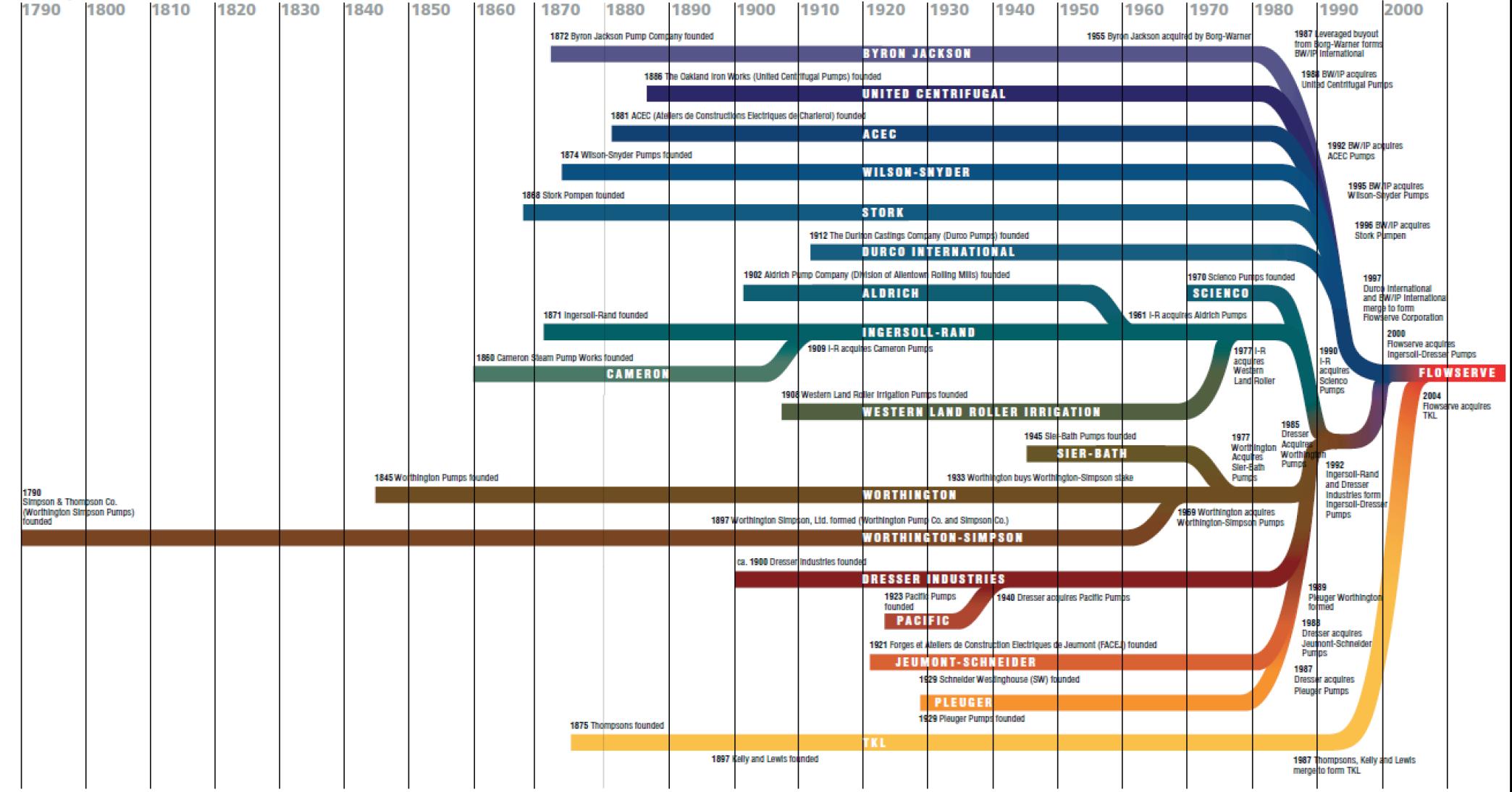

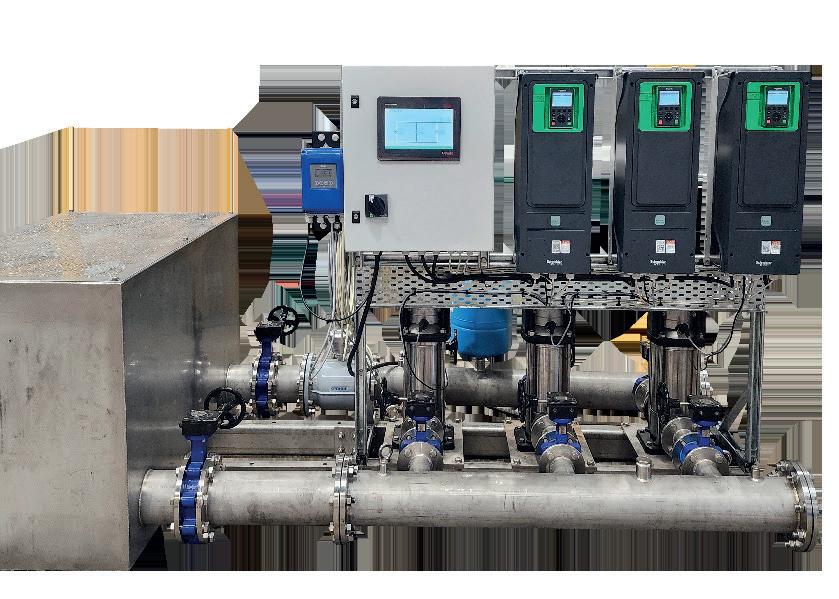
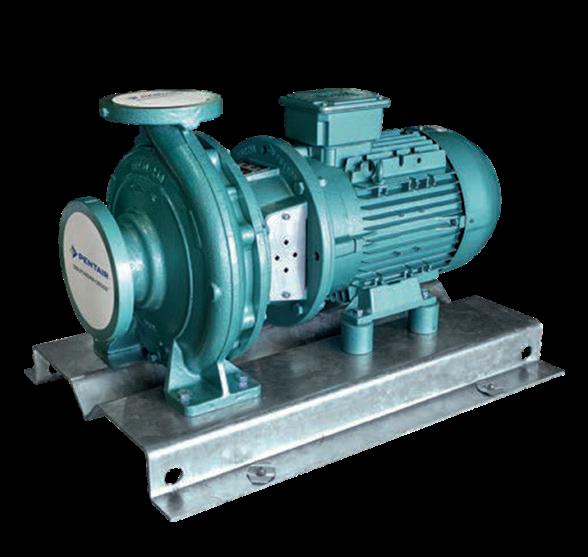
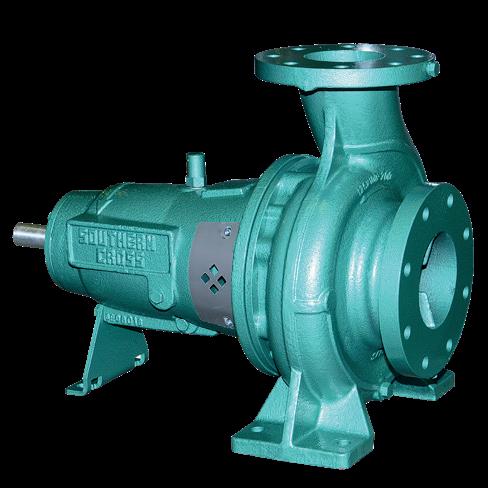
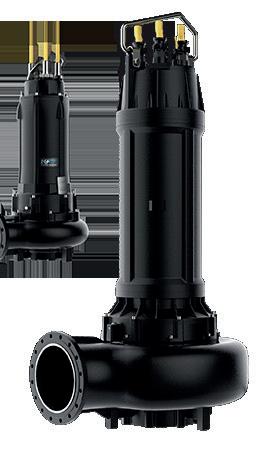
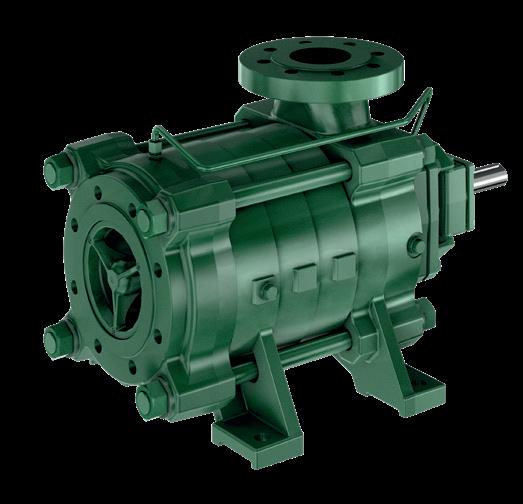
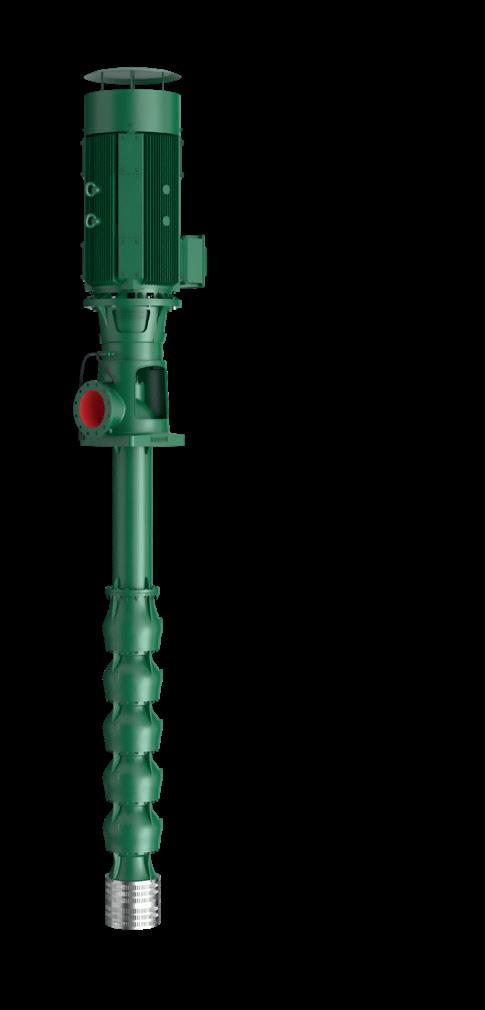

The 3 Rs for water reform:
The regulatory requirements roadmap
By Steve Carne, Marty Cole, and Julie Kinloch of the Wai Mana Collective, and Nick Russ of Martin Jenkins
The water sector is undergoing significant regulatory reform from a number of angles. Water service providers are now being required to report and produce documentation to an unprecedented extent. The intent of this article is to provide, all in one place, a summarised outline of all such reporting and documentation requirements compiled on a ‘best endeavours’ basis in a sequenced and ‘roadmap’ format for use by water service providers' councillors, board members, and their chief executives and leadership teams.
The findings of the Havelock North drinking water inquiry were unambiguous. The water services sector had underinvested, underperformed, and under-governed for decades. The public health consequences were severe. The regulatory response, though years in the making, is now substantially complete, and the obligations that flow from it are not optional, not aspirational, and not distant.
The establishment of the Water Services Authority – Taumata Arowai in 2021 marked the first decisive shift. For the first time, we had a dedicated water services regulator focused on drinking water safety. The Water Services Act 2021 created new
obligations for every drinking water supplier in the country, safety plans, source water risk management, registration, monitoring, notification, and ongoing compliance. For many councils and suppliers, that alone represented a significant lift.
But the establishment of Taumata Arowai as the water services regulator was always intended as the first piece, not the whole picture.
The Local Government (Water Services) Act 2025 and its extensive companion legislation including that related to the newly introduced economic regulatory framework have now put the remaining architecture in place. Together, they establish the structural, financial, and accountability framework that the 2021 Act left to be built.
For water service providers, as either councils retaining the water services functions in-house as an internal business unit or as council-controlled organisations, this means a fundamental shift in how water services are planned, funded, delivered, and reported. The documents now required, ranging from water services strategies and delivery plans to strategic asset management plans, investment and delivery plans, and annual
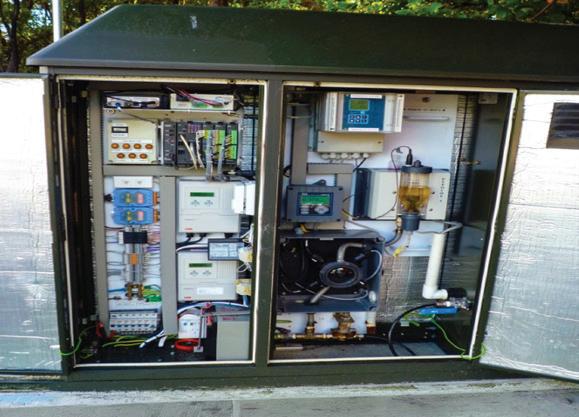
reports, are not only extensive and interdependent, they also collectively form a new operating model for the sector.
The Commerce Commission has entered as economic regulator, bringing initially, as a minimum, Information Disclosure requirements that will fundamentally change how water service organisations present their financial performance and asset management practice to the public. This is the foundation for benchmarking and public accountability.
The Commission has a broad toolkit at its disposal, including quality standards, performance requirements, minimum price thresholds, and ring-fencing. These can be applied in a proportionate and risk-based way.
Organisations that have not yet invested in robust asset management systems, long-term financial modelling, and transparent performance reporting will find themselves significantly exposed by this new economic regulatory environment.
Put simply, the new requirements for reporting and documentation cannot be seen as being about ticking compliance boxes. The full suite of documentation and reporting required comprises legislative mechanisms designed to drive structural change, improve service delivery, and ensure long-term financial and environmental sustainability.
The expectations are high and the timelines are tight, but the
Regulatory Requirements Deadlines Roadmap
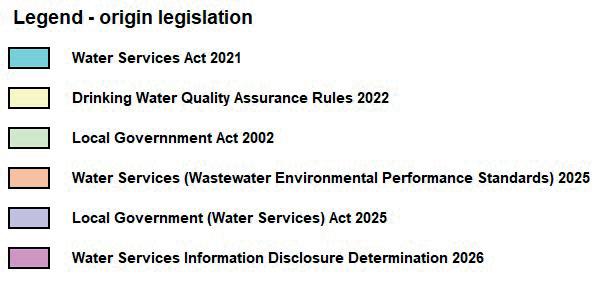
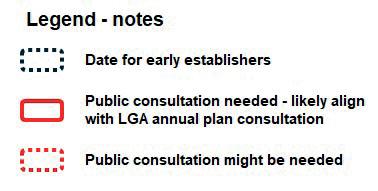
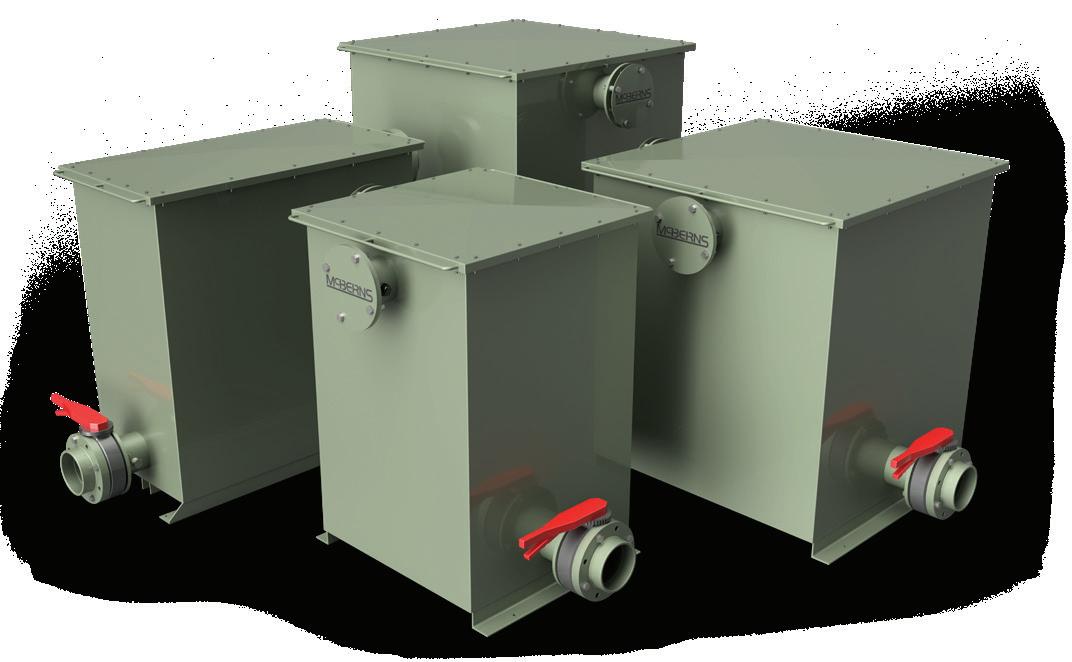
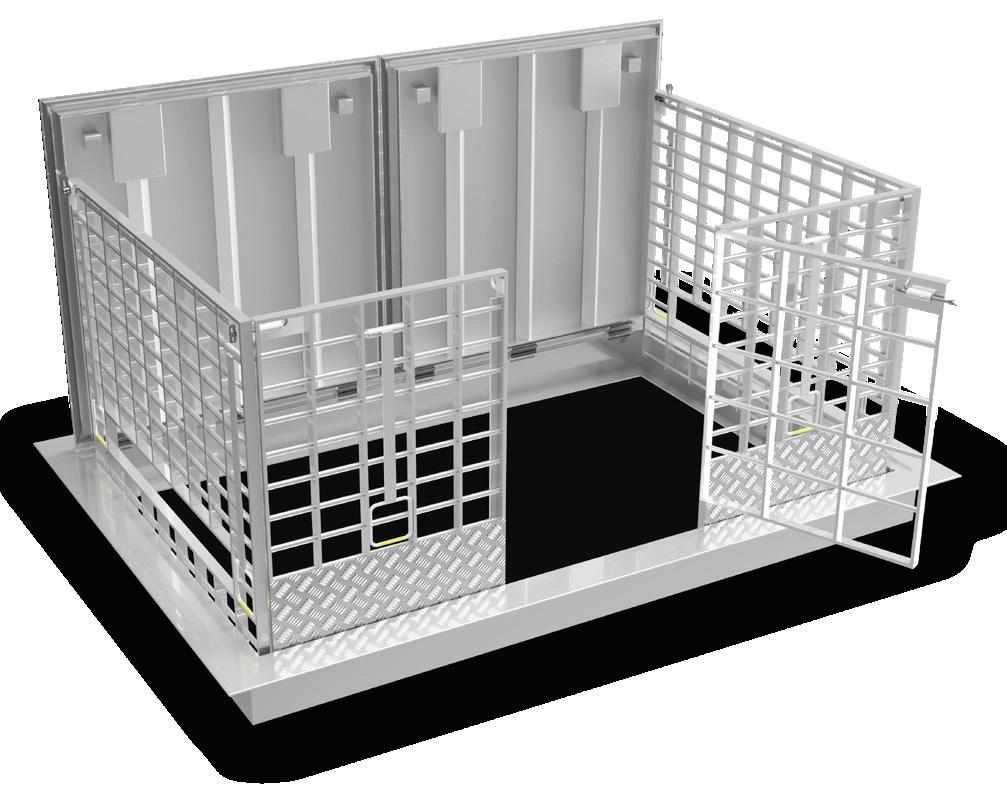
opportunity is equally significant. Local Water Done Well is in place and now demands action.
How your organisation responds will shape its capability, its credibility, and ultimately the quality and reliability of the services it delivers to the communities that depend on it.
A step change in water services planning and accountability
We are not aware of any location where all the nowspecified requirements for documents and reports have been listed and outlined in a single place. This is the main intent of this article. The obligations now upon water service providers are substantial.
Every water service provider must develop a Water Services Strategy covering a 10-year-plus horizon, with the first due by 30 June 2027, unless required prior to this by earlier establishment of a CCO. Annual budgets, annual reports, and half-yearly reporting follow from there. Significance and engagement policies, development contributions/levies frameworks, trade waste discharge plans, separate stormwater and wastewater network risk management plans, bylaw reviews, assessments of communities’ access to drinking water and network mapping requirements all have statutory deadlines. Several of these fall within the next 12 to 24 months.
The Commerce Commission’s entry as economic regulator is not a distant prospect. Information disclosure requirements are already in place for Watercare and are being extended progressively across the sector.
This is the beginning of what may ultimately, over time, progress to a price-quality regulatory regime that will tighten the lens on efficiency, investment prudence, and long-term financial sustainability.
Drivers of change, not compliance targets
It would be a mistake to read this legislative programme as a compliance checklist, a series of boxes to tick on the way to business as usual.
The Havelock North inquiry did not find that the sector needed more or better paperwork. It found that the sector had failed to take seriously its fundamental obligations to the communities it served. The legislative response is designed to make that failure structurally impossible to repeat, and economically impossible to ignore.
The Water Services Strategy requirement is not an administrative exercise. It is a demand for credible, evidence-based long-term planning that must be tested against asset condition, demand forecasts, climate risk, and affordability.
The Commerce Commission’s Information Disclosure framework is not a reporting obligation. It is the foundation for benchmarking and public accountability.
The Assessment of Communities’ Drinking Water Access, due 1 July 2026, is not a survey. It is a statutory obligation to understand, document, and plan for
every community in a district, including those not served by reticulated supply.
The roadmap: Navigating the framework
The volume of new statutory requirements is significant. There are more than 90 discrete deliverables across the Water Services Act 2021, the Local Government (Water Services Preliminary Arrangements) Act 2024, the Local Government (Water Services) Act 2025, as well as key secondary legislation such as The Drinking Water Quality Assurance Rules 2022, and the Water Services (Wastewater Environmental Performance Standards) Regulations 2025. Each deliverable comes with a responsible party, a submission timeline, and, in many cases, a chain of downstream obligations.
The timeline roadmap diagram shown in Figure 1 is a ‘best endeavours’ summary set out of the reporting and documentation requirements. It is extensive but not necessarily exhaustive. It is intended as a roadmap; a structured starting point for understanding where your organisation sits against each obligation, what work is already in hand, and what work needs to be completed and by when.
The framework is now in place. Many of the timelines are
fixed, and the accountability mechanisms are being activated. What remains variable is how each organisation chooses to engage with it.
Those that approach this as a compliance exercise, doing the minimum to satisfy each requirement as it falls due, will find themselves perpetually reactive, managing deadlines rather than building capability.
Those that engage with the framework as a platform for genuine long-term planning will find something different: a structured basis for making the investment decisions, workforce commitments, and service improvements that their communities have been waiting for.
The Water Services Strategy is not just a statutory document, it is an opportunity to articulate and deliver on a long-term vision. The community assessments are not just reporting obligations, they are the evidence base for understanding what communities actually need and where the gaps are.
How your organisation approaches this framework will shape its capability, its credibility, and ultimately the quality and reliability of the services it delivers.
The roadmap is here. The direction of travel is set. The work of navigating it well starts now.
Transition Your Manifold Meter to SMART
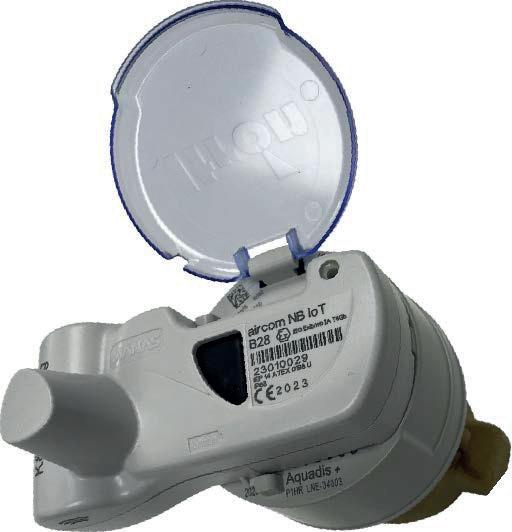




Putting customers at the centre of economic regulation
By David Black, former chief executive of Ofwat
Economic regulation of the water sector in Aotearoa New Zealand is a reality. The aim of economic regulation is to deliver long term benefits to customers, initially by requiring all water service providers to provide information on their operational and financial performance and long-term asset management with potential for price path regulation to follow.
Information may lead to greater public scrutiny and challenge, particularly if comparative data is available for the sector. But it also raises questions about who will use the information, how will they use it, and how might information enable investment or innovation to deliver improved outcomes on the ground?
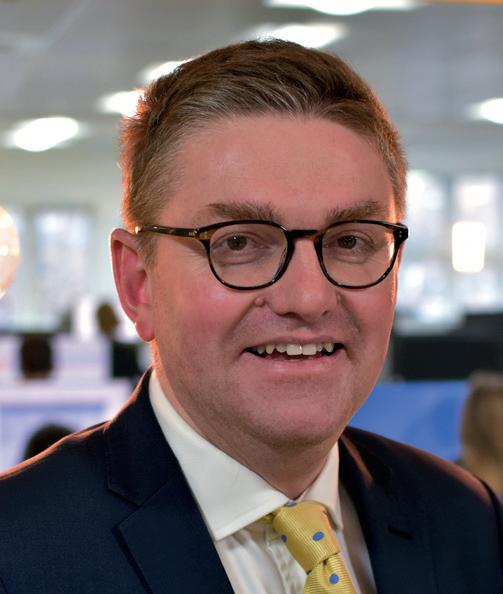
In the abstract, new information may provide new insight to customers, however, individual customers may lack both the time and the expertise to use the information to constructively challenge their water supplier. There is a risk that information alone will not drive improvement and change desired by the Government and the Commerce Commission.
As water service providers develop more distinct identities and greater control over water assets, they will face questions as to how they engage with their customers.
This presents a significant opportunity to water suppliers as well as potentially significant challenges: how can they truly understand a range of customer perspectives? What do customers want from their water supplier? How might their needs change over time? How to engage with customers and stakeholders on complex environmental and operational issues? How to take into account inter-generational issues?
There is an opportunity to learn from experience elsewhere. Customer engagement has been a significant feature of economic regulation of water and energy sectors in the UK. Companysponsored customer engagement groups have provided support and challenge for companies to develop business plans and to engage on their operational performance. They have also help companies work more efficiently by focusing on what customers value the most.
In the UK water sector, customer challenge groups have been effective in helping shape company business plans and providing a vehicle for companies to test and engage with customer perspectives. Customer challenge groups were not intended to represent customer
views but to ensure that water companies take a robust approach to engaging with customers and challenging how this information is used by companies. The economic regulator took account of the views of customer challenge groups in assessing company business plans.
While customer challenge groups originally were a requirement of the regulator, water companies found they gained significant benefits from effective customer challenge groups and have expanded their role.
In the local context, customer challenge groups could provide a means for customers to utilise new information and analysis under the NZ Commerce Commission’s information disclosure regime and the means to engage with service provider boards and executive teams to challenge and support development of their business and service.
From a water supplier perspective, customer groups enable informed and constructive engagement as investment is prioritised and asset management plans are developed and implemented and to provide feedback on performance.
Looking at issues through a customer lens can help water suppliers to better understand how their plans and performance impact on customers and gain customer perspectives on their operations.
So, what’s involved in setting up customer groups?
In the UK water and energy context, the economic regulators initially required companies to have customer challenge groups in place, with a set of requirements such as independence, openness and accountability. It should be noted that these groups exist alongside a national statutory body responsible for customer advocacy and dealing with complaints.
The customer groups have an independent chair and diverse and representative membership drawn from a variety of stakeholder interest groups such as customer and environmental groups and may also include operational or finance expertise to help inform customer challenges.
A key question is how to ensure that any group is independent of the water service provider. One answer is for local government to establish the groups.
The Wellington City Council is proposing to set up an independent customer group for Wellington City customers of Wellington Water (shortly to become Tiaki Wai). This has the benefit of additional
David Black
independence from Wellington Water. However, it has some disadvantages as only around half of Wellington Water customers are in the Wellington City area and it is not clear whether other councils will set up groups or how this activity might be co-ordinated, if other councils were to establish similar functions.
An alternative model is for the water supplier to fund and appoint the customer challenge group, but promote independence via the appointment of an independent chair, governance and reporting. It will be important that the customer groups have the freedom to act independently and that they are perceived to act independently.
The customer groups will benefit from close access to water suppliers and their boards and executive teams as well as accessing independent data sources and interacting with customer groups of other companies.
A final point is that customer groups are not a substitute for effective customer complaint resolution processes. Individual customer concerns and complaints about their bills or service provided need to be addressed by the supplier and, if not successfully resolved, to an independent third party.
Customer complaints processes may also need some attention, as the current processes appeared fragmented across different bodies. The Water Services Authority – Taumata Arowai addresses complaints for drinking water quality but not for billing or customer service disputes or wastewater service complaints, while local utilities and councils have responsibilities for complaints about water bills and services and
currently regional councils for wastewater complaints.
It seems likely there will be calls for a consumer ombudsman or some form of effective customer dispute resolution as water metering grows and councils are less directly involved in service provision.
Ultimately, customers, suppliers and regulators will benefit from effective customer challenge groups. They need to be able to challenge and engage with water suppliers and have the ability and judgement to use the growing level of information disclosure to make a difference for customers.
Given the new information disclosure regime is underway, it is vital that companies consider how they can support effective customer engagement and how they can harness customer insight to better meet customer expectations.
As water suppliers and local government roles evolve under the Government’s Local Water Done Well, the role of customers needs to be considered. Companies need to look at how they can effectively engage with customers, the benefits of establishing a customer engagement group and, if they establish a group, what the group should focus on and how to frame the terms of appointment to enable effective challenge.
David is a regulatory expert and economist. He was chief executive of Ofwat (2021-25), the economic regulator of the water sector in England and Wales. He has also worked as an economics consultant in the telecommunications, energy, and water sectors, and as an economist at the Treasury and NZ Commerce Commission.
Antimicrobial Crystalline Technology
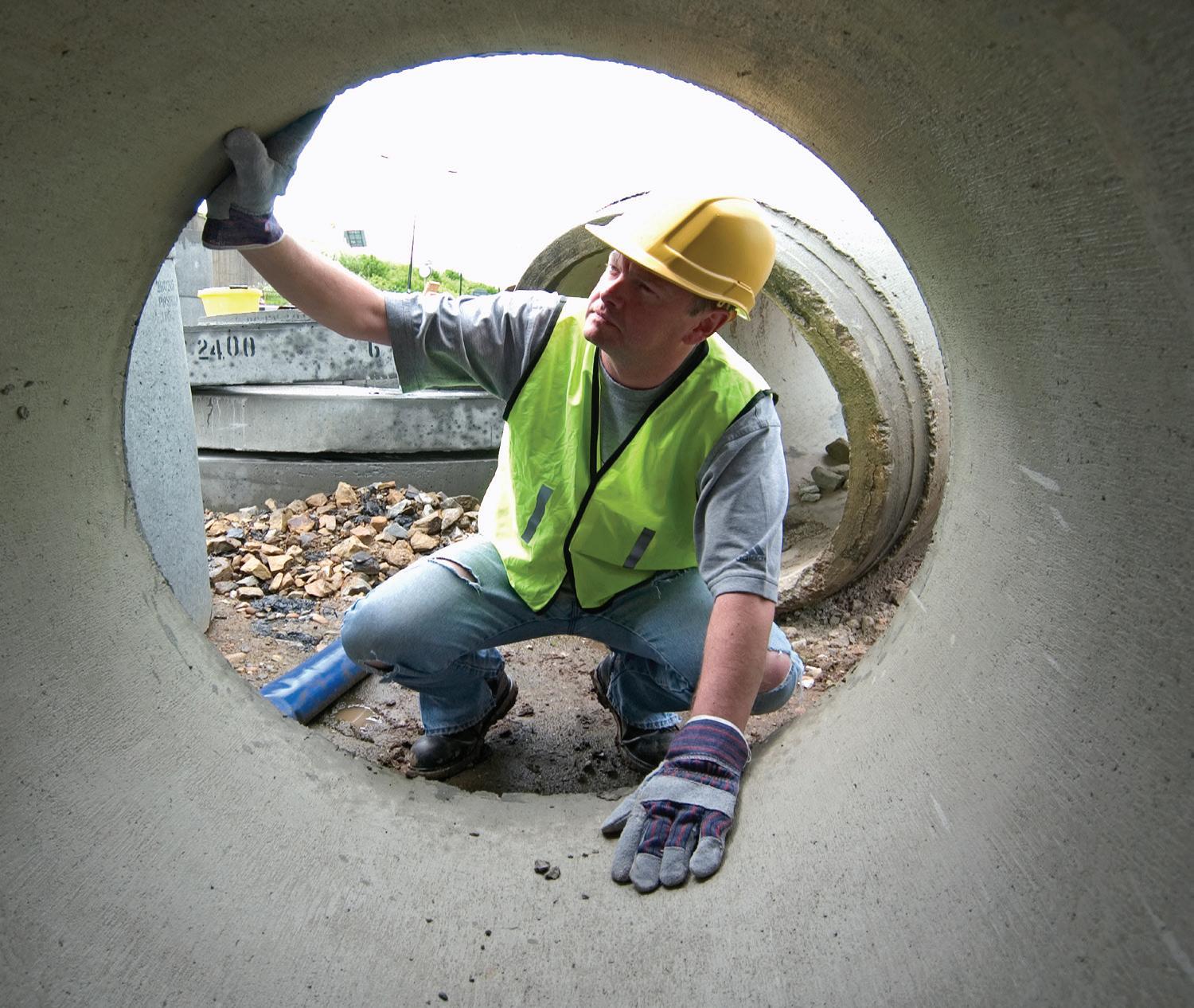










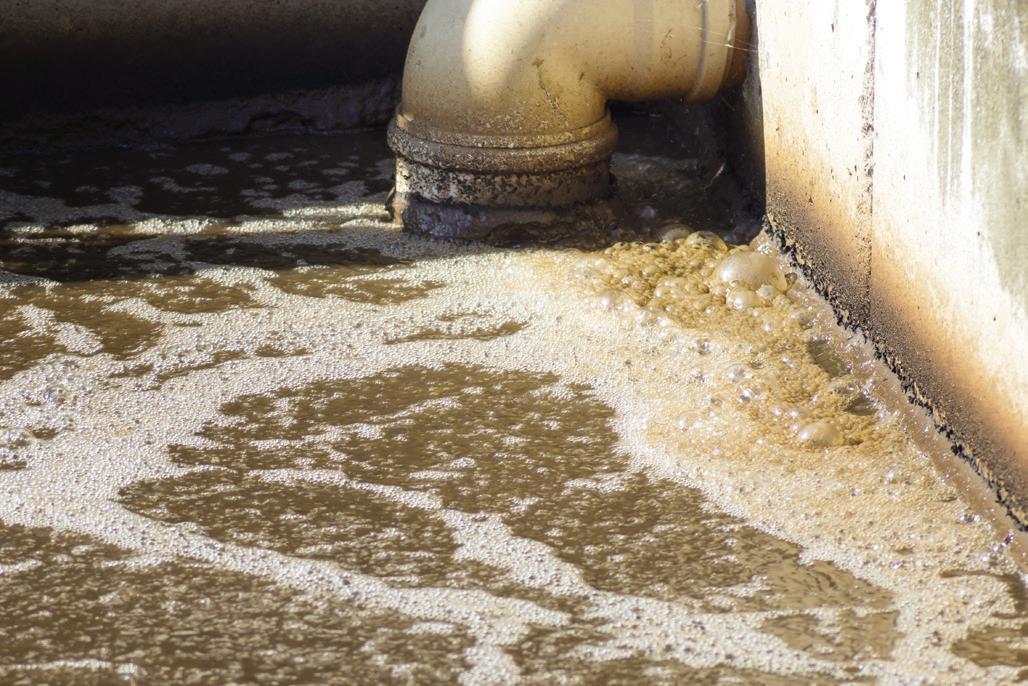


Iawai sets out its priorities
By Peter Winder, chief executive, Iawai
Hamilton City and Waikato District Councils have finalised the transfer of their water and wastewater assets to their new councilcontrolled organisation Iawai – Flowing Waters, effective 1 July 2026. This marks the last council decisions in the process of establishing the organisation.
Iawai will assume responsibility for delivering water services to more than 83,000 homes, 42 marae, and 21,000 businesses in one of the country’s fastest-growing regions. Iawai will also manage stormwater on behalf of both councils.
The asset transfers, agreed in March, were rightly described as landmark decisions by both councils. Each has long advocated for water reform, mindful of the extraordinary challenges ahead. But for Iawai, the transfers represent just one milestone in a year defined by partnership, tight timeframes, high expectations, and significant change.
Iawai has been deliberately established as a partnership between Hamilton City Council, Waikato District Council, and WaikatoTainui. Both councils are determined that the change in the way we deliver water services must not undermine or diminish the intent and standing of the Waikato-Tainui Raupatu Claims (Waikato River) Settlement Act of 2010. This has meant developing new ways of working as a partnership that reflects Iawai, not just WaikatoTainui and the two councils.
As this article goes to print, consultation on our first Water Services Strategy (WSS) is ending. That strategy sets out priorities for the next decade. It details how we will respond to rapid growth, care for ageing infrastructure and deliver an ambitious $3 billion capital programme.
The strategy is deliberately transparent. It starkly sets out the condition of our assets, the scale of investment required, and the steps needed to remove barriers to development while extending the life of existing infrastructure.
It also reflects strong governance, with a well-informed board providing clear direction and reinforcing our commitment to Te Ture Whaimana o te Awa o Waikato, the vision and strategy for the Waikato River.
That commitment reflects our unique partnership with WaikatoTainui and shapes our joint ambition, not just for infrastructure but for the long-term well-being of the river and our communities.
Iawai has been established with a clear expectation: to be more efficient, more innovative, and more cost-effective. Meeting that expectation requires careful balance between shareholder priorities, investment needs, and, critically, affordability for customers.
From the outset, we have signalled a shift in approach. Most
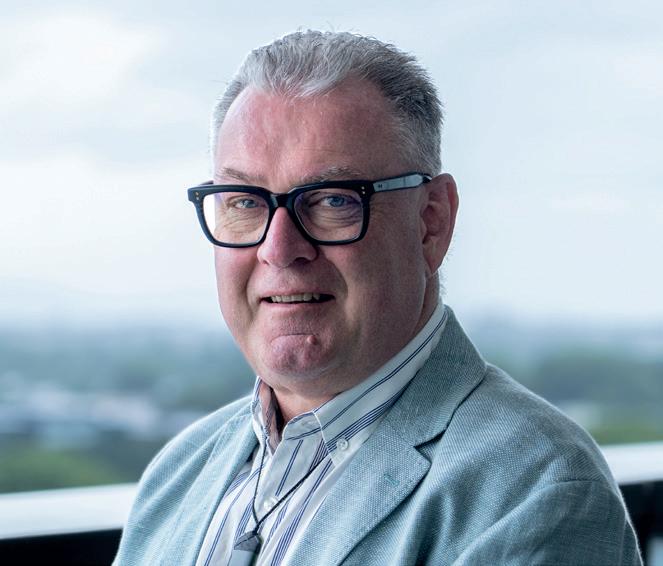
notably, we have been clear that existing ratepayers should not continue to carry the full cost of growth.
The numbers tell a compelling story. Of the $3 billion we plan to invest over the next decade, around $2 billion is required to service new homes and businesses. Given the long life of water infrastructure, it is neither sustainable nor equitable for current customers to bear that cost alone.
Our WSS therefore proposes the introduction of waters growth charges for new development. For residential builds this would equate to $500 per year over 25 years, with commercial charges based on floor area. This approach will reduce pressure on existing households across our rohe.
We have been upfront about these proposals. Engagement with developers, iwi, and the wider community has involved robust and, at times, challenging conversations but they have also been constructive.
Our partners have been very clear about their expectations. Affordability remains front of mind, particularly for whanau already facing rising living costs. There is strong support for the direction signalled in the WSS, including water charges that are lower than previously forecast as well as a disciplined focus on cost control.
That focus extends to how we go to market. We have made it clear that Iawai will operate differently, with a more commercial mindset and a long-term view.
In March, we signalled our intention to package a significant portion of our capital programme in new ways. This includes approximately $500 million of renewals work to be delivered through a 10-year, relationship-based contract; a model that better reflects the enduring nature of water infrastructure and provides greater certainty for the sector.
We are a large and growing organisation, and we intend to use that scale responsibly, supporting the local civil construction industry while driving value for our communities. We expect this contract to be awarded by our board in June, ahead of operations commencing on 1 July.
In parallel, we are building the organisation itself, bringing together teams from Hamilton City Council, Waikato District Council, and Watercare Waikato. Our priority is a seamless transition, supported by strong leadership, clear pathways for staff and retention of critical skills.
We are also investing time in building relationships with our communities, ensuring there is confidence that services will transfer safely and with minimal disruption.
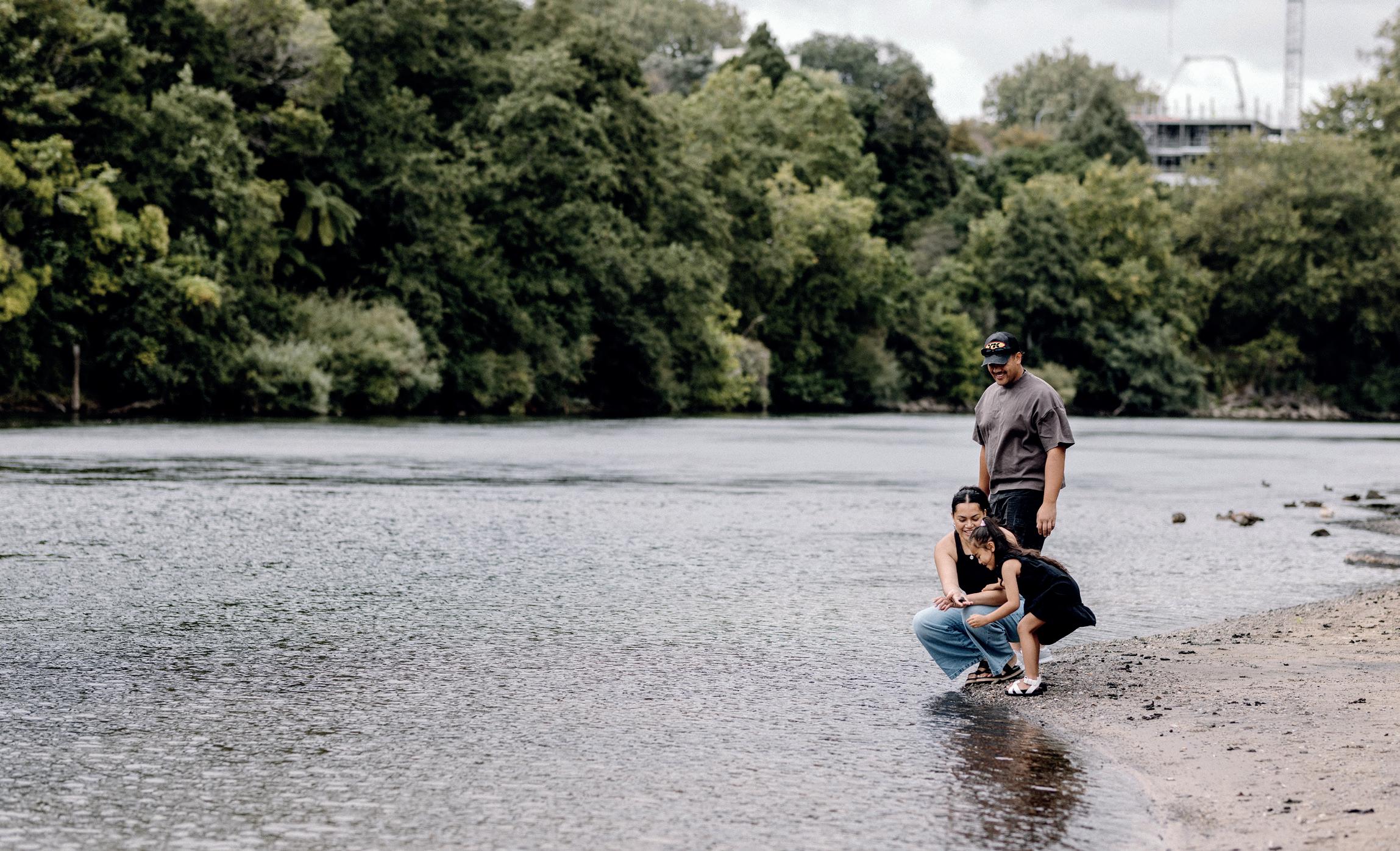
Looking ahead, the pace will not ease. Work is already underway on the next iteration of our Water Services Strategy. Key issues include a staged approach to price harmonisation, ongoing affordability challenges, and the role of residential water metering with a trial already underway in Hamilton to inform future decisions.
We are also progressing plans to invest in more advanced strategic asset management systems, reflecting the scale and complexity of the network we now manage.
There will be little time to reflect. The foundations are being laid quickly, but the next set of challenges is already in front of us.
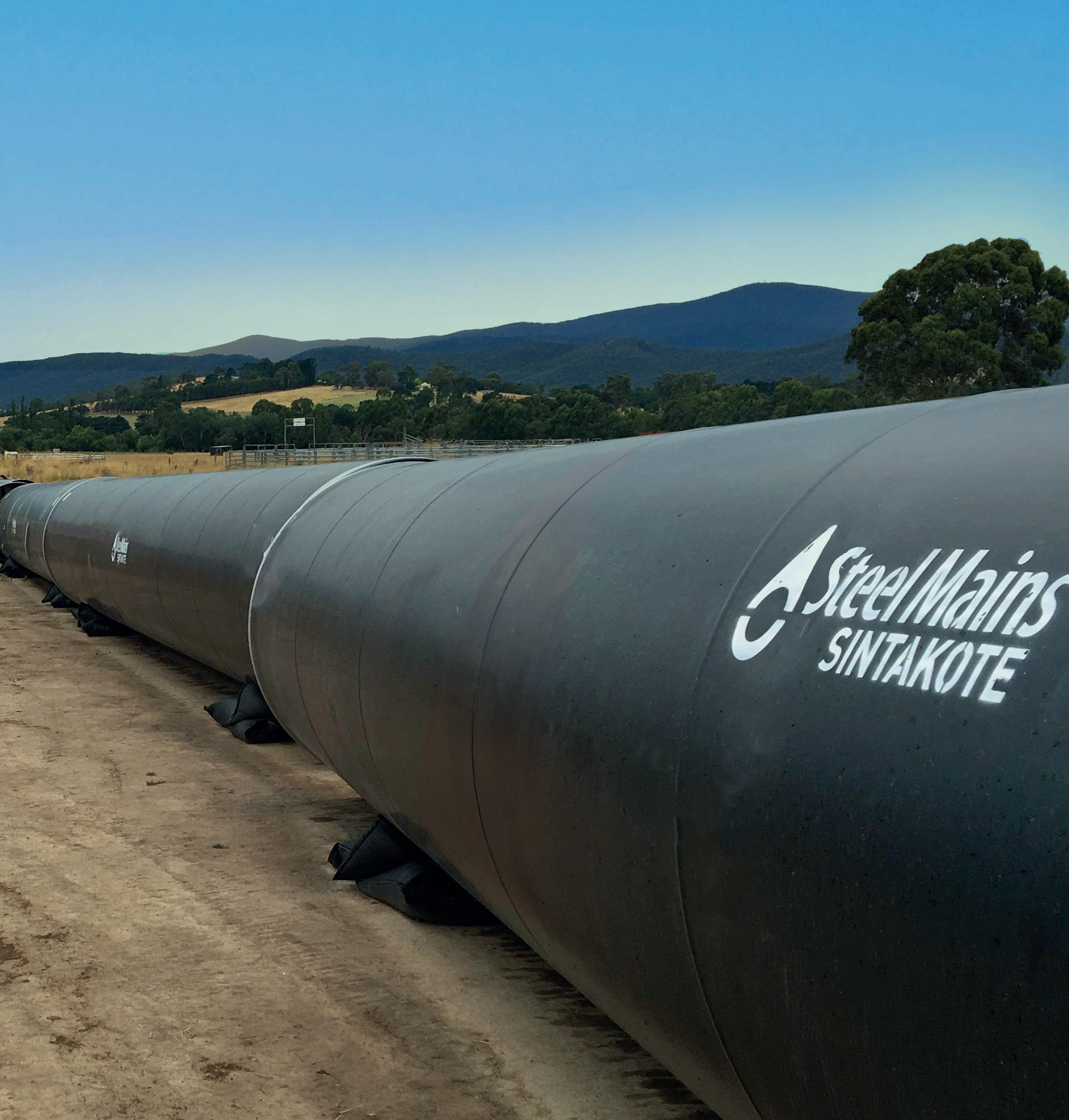
Watercare
Approved Supplier
About Us
Steel Mains is a leading manufacturer and supplier of complete steel pipeline systems into the New Zealand market for the transportation of water and wastewater, offering a total solutions approach to our customers.
Contact Us
NEW ZEALAND SALES OFFICE
A: 59-63 Forge Road, Silverdale, Auckland 0932, New Zealand
Peter Summers (NZ Sales Manager)
P: +64 027 387 8619
E: petersummers@steelmains.com
Market Brochure


New CE Mike Brewster brings hard‑won reform experience to Tiaki Wai
He’s only been in the role a short time, but Mike Brewster is realistic and ready to face Wellington region’s water services challenges.
Mike had nine years as chief executive at TasWater, a state-wide water business formed from amalgamating three regional water businesses and a central provider in Tasmania.
Mike was TasWater’s first chief executive and says, “when TasWater was formed in 2013, Tasmania was in a similar place to the Wellington region now.
“A lot of the water assets were in a state of decline, and the public didn’t really understand the water reforms and the extent of investment required.
“We had over 20 towns where you couldn’t drink the water directly out of the tap.
“It required a multifaceted solution and ongoing community engagement to find a preferred way forward. We were able to remove all boil water and do not consume notices over a two-year period. It was not always easy, required a lot of teamwork, and capable contractors who could be trusted to deliver the solutions. It taught me a lot about the realities of water reform, what matters most to customers, and what works.”
Early impressions: a big job but real momentum
Mike says his initial observation is that there’s a big job to do for the Wellington region and a strong appetite for change.
“Customers and staff alike are keen to see change and there’s a will to do this. The board feels it’s in a position to deliver that change, but it’s going to take time and significant investment for a number of years to turn the tide in terms of service levels, water surety and asset condition.”
“I think Wellington Water chief executive Pat Dougherty has done a great job under a lot of pressure and I’m very appreciative of him holding the operational reins while I come up to speed. It’s given me the freedom to look further out.
“The Tiaki Wai establishment team, led by Dougal List, is doing great work getting us ready for 1 July.
“I don’t deny there’s a big job to do but it’s a challenge I welcome.”
Mike says the number one area he wants to focus on first is
helping Wellington Water and the broader Wellington community to understand the operating environment for water services has changed.
“Tiaki Wai has different responsibilities, functions and powers from Wellington Water. Importantly, we will own the assets and be able to make decisions about when and where to invest. We will need to improve our understanding of the condition of water assets so we can make optimal investment decisions on behalf of our customers.
“The current systems that underpin our investment decisions are not fit for purpose or simply don’t exist, so I am very pleased to see that Wellington Water have already started the process of building the systems required for the future.
“It will be a more disciplined environment in terms of regulatory oversight. Regulators ensure utility businesses are providing value for money for customers and I welcome their oversight.
“Right now, I’m spending a lot of time talking to stakeholders, customers and staff, but also listening, so we can make good and wise decisions.”
A career built from the ground up
Mike’s approach is shaped by a hands-on technical career that started far from the executive suite.
“I didn’t take the now traditional route of going to university straight out of college. I had a family to feed and went to night school to get an engineering certificate.
“I later went back to university, and got a bachelor’s degree and masters, specialising in project management and business administration.”
Looking ahead
As he looks ahead to 1 July, Mike is clear the road ahead is grounded in partnership. He’s focused on strengthening relationships with industry, attracting talent, and supporting staff through change.
“There are a lot of important infrastructure priorities, but it’s people who create change. So, I start there. How do we build this new thing together? How do I leverage the skills that exist and give confidence to people that things will be better?
“This is an exciting time for Wellington Water staff and council staff coming into Tiaki Wai.
“I want to be part of a team helping the region move into a new era of water service delivery.
“I’ve spent a lot of my career doing change and reform. It’s good to be able to share some of that experience to help Wellington’s water services get to where it needs to go and, hopefully, a little faster.”
Article provided by Tiaki Wai.

>> Stormwater management
>> Stormwater treatment
>> Rainwater capture and reuse
>> Wastewater treatment
GRAF’s German engineered solutions set the benchmark for water management. We turn plastic waste into water treatment products, creating a pattern of reuse, recycling and regeneration, in turn protecting the waterways of Aotearoa New Zealand.
The rising cost of water
By Brad Olsen, chief executive and principal economist, Infometrics
Delivering water services in Aotearoa New Zealand is becoming materially more expensive, and the gap between water costs and general inflation continues to widen. New analysis from Infometrics shows that the cost to build and deliver water services has more than doubled since 2005, and it has increased at a rate far higher than headline inflation.
With a large pipeline of renewal and compliance work still ahead, elevated construction costs, and constrained sector capacity, upward pressure on water investment pricing and spending looks set to remain a defining feature of the infrastructure landscape.
Cost of delivering water services doubles over past 20 years
Our analysis shows that the increasing cost of delivering water services has considerably outstripped headline inflation, with sustained pressure over time for both water operating and capital costs.
Since 2005, Stats NZ’s input Producers Price Index for water and waste has increased by 4.2 percent per annum on average, with capital costs for water systems up 3.6 percent per annum. Both these increases far outstrip headline inflation over the same period, with the consumers price index rising 2.6 percent per annum on average over the past 20 years.
As our Chart of the Month shows, water and waste operating costs have more than doubled over the past 20 years, rising 128 percent over the period. Water capital costs have doubled too, up 101 percent since 2005. The consumers price index has only increased 66 percent over the same period.
The more recent surge in construction inflation during 2021-23 pushed civil construction costs – including water
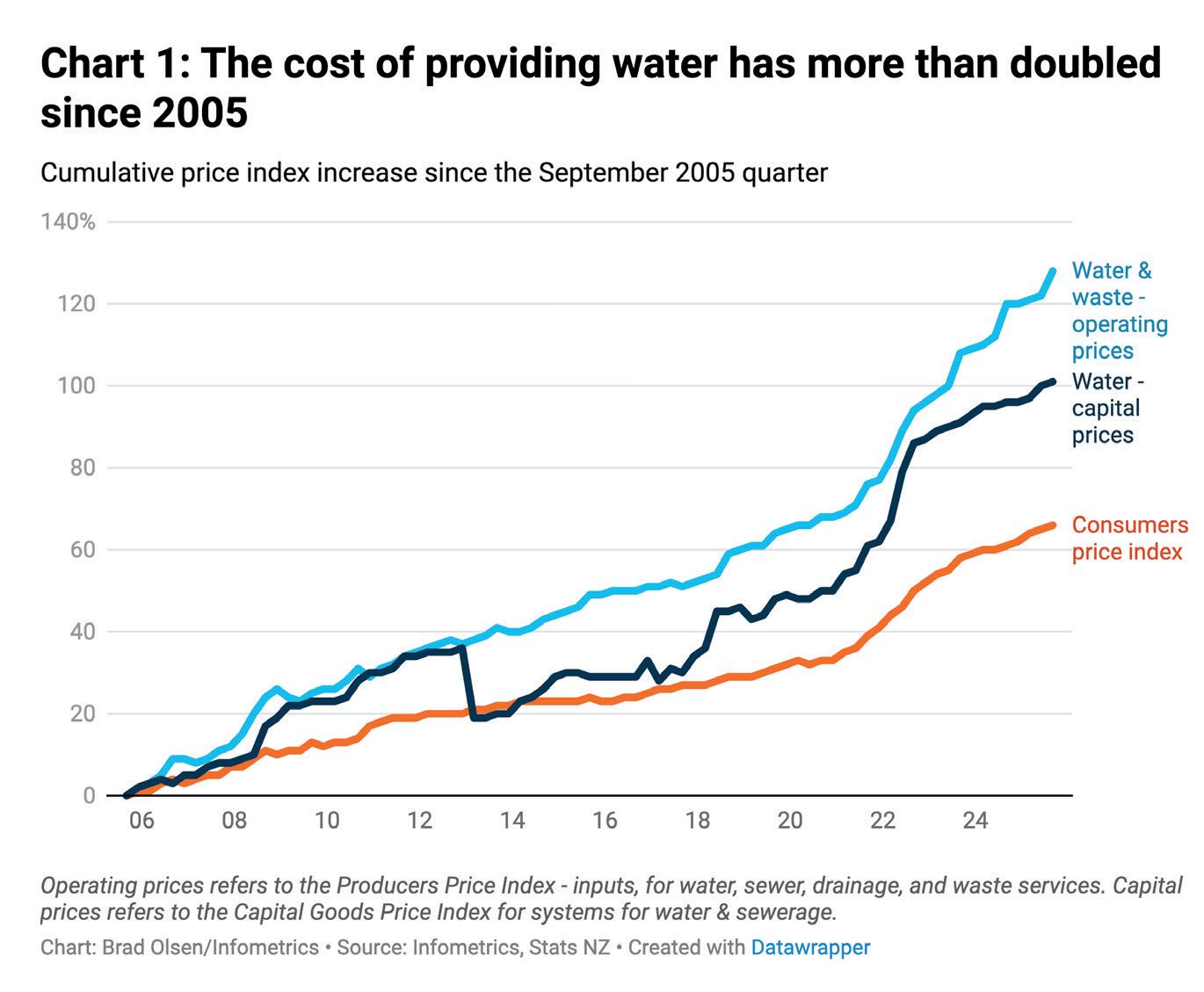
systems – up at double-digit annual rates at their peak. That escalation left many long-term council plans outdated almost as soon as they were finalised, with considerably higher costs than originally expected.
The pressure on the water sector is not just about higher prices, but also around the volume of work to do. The sector is grappling with a continued pipeline of renewal, upgrade, and compliance work at the same time as labour and materials costs have risen sharply.
Decades of underinvestment in three waters assets mean there is now a backlog of pipes, treatment plants, and networks requiring replacement or expansion. Add population growth and tighter environmental and drinking water standards, and the workload intensifies further.
This combination has created a persistent imbalance in supply and
demand. There is more work needing to be done than there is capacity in the civil construction and water engineering market to deliver it efficiently.
When demand consistently outstrips supply, prices rise. Simply adding more funding would do little to resolve this fundamental imbalance. In fact, without coordination, additional funding could risk further amplifying cost pressures by bidding up scarce resources.
Do we need a National Water Fund?
There’s a large amount of work expected to be done across the water sector, with all different areas trying to ensure that their vital work gets done first. With substantial demand, and not enough supply to meet all these work requirements immediately, prices are likely to continue to rise at a high rate over the next few years as capacity is stretched.
One potential solution lies in better coordination and funding design. There seems to be potential for a National Water Fund model, similar in concept to the National Land Transport Fund. Such a policy would see a centrally coordinated co-funding mechanism, where local councils, or now water entities, undertake water investment plans that are submitted to a water regulator and can receive a level of grant funding to support investment. In doing so, the regulator (and more generally, central government) would provide an incentive to water entities to invest.
At the same time, by holding some of the purse strings, central government could help sequence projects more strategically, reducing the boom-bust cycle that exacerbates costs, through more methodically coordinating demand for water infrastructure investment and improving market capacity planning.
Water charges harder to pin down
As an aside, it’s worth mentioning the difficulty in comparing the operating and capital costs of building and delivering water services, with the price charged for those services. Charging consumers for water is inconsistent across the country – some areas have specific water charges and volumetric metering, while others have no specific water charge, with the cost of water implicit in general rates charged.
To provide an idea of the scale of charging, Infometrics analysis of detailed Household Expenditure Survey (HES) data shows that the proportion of households reporting they paid a specific water supply charge was just under half the proportion of households that reported paying local government rates.
Over the past 20 years, specific water charges have increased 4.6 percent per annum on average (on a quality-adjusted basis), up 144 percent cumulatively. Although these specific figures are higher than direct water operating and capital cost increases, we expect some of the difference is captured in nonwater charge prices, measured through general rates.
Sidebar – what happened to water capital costs in 2013?
Originally, I pulled together some limited analysis as part of a LinkedIn reply, with data since 2015 used in that post. Subsequently, we extended the analysis to looking at trends over the past 20 years, and when preparing this longer period of analysis, the question was asked about the drop in water capital prices in 2013.
The “Systems for Water & Sewerage” index fell 12 percent in the March 2013 quarter, under the current structure of the Capital Goods Price Index. Under the older CGPI regimen, the then-‘Pipelines’ Index fell 6.9 percent in the March 2013 quarter, which Stats NZ noted was “influenced by lower prices for concrete pipes in pipeline construction.”
The change in water capital prices over time is therefore likely understated, if there was a small number of cheaper pricing for concrete pipes at the start of 2013 that dragged overall water capital price observations lower at the times.
Read the original here: economics.infometrics.co.nz/ article/2026-03-the-rising-cost-of-water

water treatment
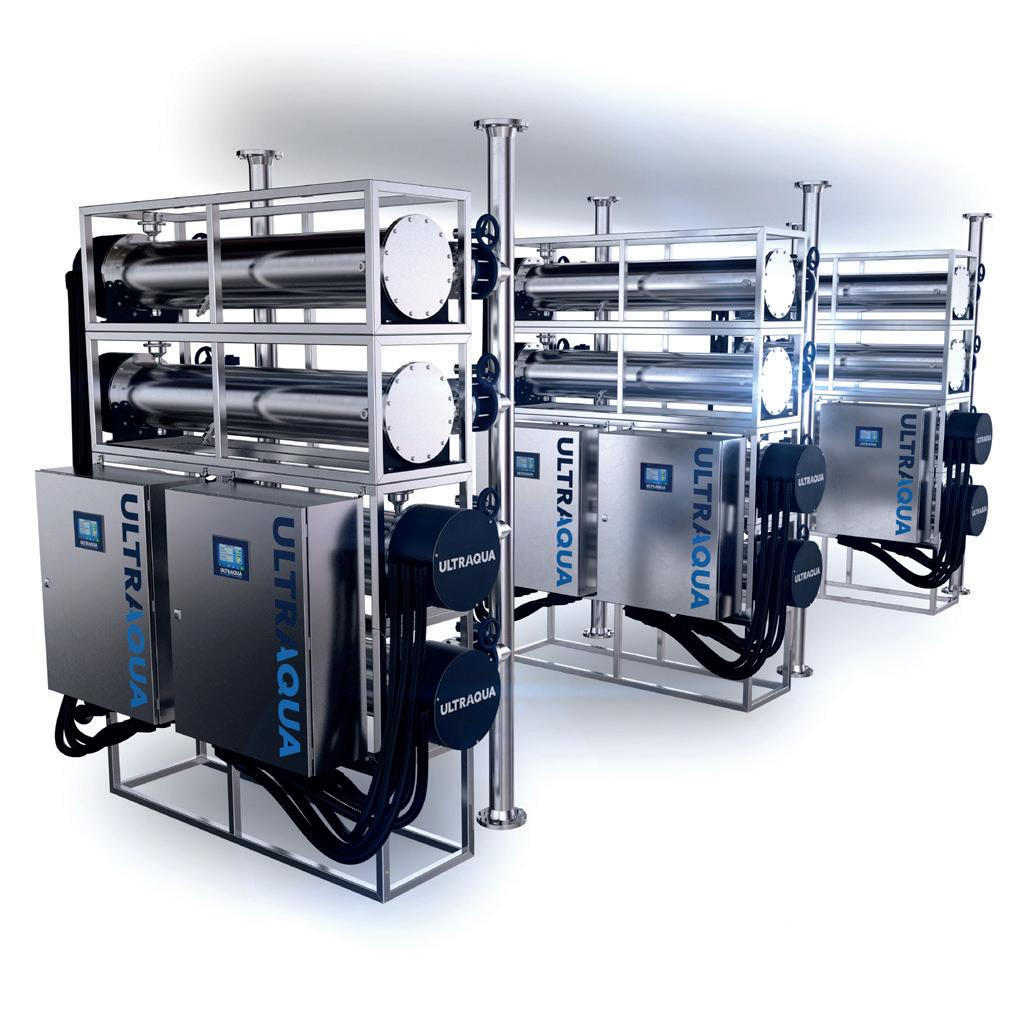
Breaks down persistent organic pollutants and micropollutants
E ective against taste, odour, and groundwater contaminants
Proven in applications from municipal supply to industrial reuse (e.g. Carlsberg brewery)
Cost-e cient, tailored solutions backed by advanced R&D
Key benefits
Water affordability:
Turning an inevitable cost challenge into a manageable one
By Ryan Orr, South Island client lead and principal, GHD
Water affordability has rapidly emerged as one of the most pressing issues associated with our transition to the new water services delivery system. While the policy intent of Local Water Done Well and the Water Services Delivery Plans (WSDPs) is to deliver safe, compliant and financially sustainable water services, the practical consequence for many communities is a step change in water charges over the next decade.
Recent pricing signals from newly established water service organisations have brought affordability into sharp public focus, with indicative household charges in some areas projected to more than double over the next decade. While this transparency is valuable, it has heightened concern amid ongoing cost of living pressures.
It is important for water users to understand that government water reforms were never intended to make services cheaper in absolute terms. The
consistent policy position has been that water services should be cheaper than they would otherwise have been without reform, by addressing decades of under investment, improving scale efficiencies, and strengthening longterm financial sustainability.
A review of accepted WSDPs shows material increases in water charges are a common feature across delivery models, reflecting the scale of renewal, compliance and resilience investment required. The question is no longer whether costs will rise, but how effectively their trajectory can be managed.
This article explores how water charges can be moderated, not eliminated, but actively managed through disciplined project prioritisation, improved capital cost rigour, smarter asset management, and more integrated funding and financing decisions.
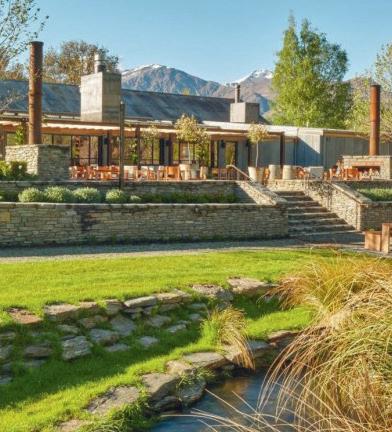
The national picture: Rising costs are embedded in WSDPs
WSDPs are, by design, a confronting assessment of asset condition, regulatory gaps, and the true cost of delivering water services sustainably. As a result, many plans reveal funding challenges that can only be addressed through higher charges.
Where councils have chosen to publish indicative long term pricing, the scale of the challenge is clear. In most other cases, affordability impacts are signalled indirectly through projected revenue growth, depreciation funding ramps, and rising debt profiles rather than explicit household bills. However, the underlying drivers are consistent nationwide: ageing infrastructure, rising construction costs, higher service standards, and the transition to fully funding depreciation.
This consistency suggests affordability pressures are systemic, that said, the investment programmes embedded in WSDPs are not fixed. There remains considerable scope to influence how much, when, and how efficiently money is spent— particularly as plans move from approval into delivery.
Project prioritisation: Making affordability an active decision
One of the most powerful but underutilised levers for managing affordability lies in how projects are prioritised within WSDPs. As plans transition into delivery, the critical question is no longer what needs to be done, but what must be done first, what can be staged, and what may not need to proceed at all.
We have developed a structured, defensible prioritisation framework to minimise
subjectivity, survive political change, and so that scarce funding is directed to projects that deliver the greatest value.
At its core, our framework applies three sequential filters:
1. Removing poor-value projects: Projects that do not clearly align with statutory obligations, organisational objectives, or where benefits cannot be demonstrated to outweigh costs should be removed from the programme entirely.
2. Testing deliverability and interdependencies: Even where projects are justified, not all are realistically deliverable within available funding, workforce, consenting or supply chain constraints.
3. Prioritising transparently and defensibly: Once projects pass the first two filters, they should be prioritised using explicit criteria that minimise subjective judgement. This includes regulatory risk, service criticality, consequences of failure, opportunities for staging, and the impacts of deferral. The objective is not to eliminate judgement, but to ensure it is explicit, repeatable and defensible.
This approach provides a practical mechanism to distinguish between essential compliance and risk reduction projects and those that, while desirable, may not justify their affordability impact.
The missing discipline: Capital cost build up
While prioritisation is critical, it does not address a deeper and increasingly material issue: a lack of rigour in the buildup of capital cost estimates.
Experience from working with water sector clients shows that even where projects are genuinely warranted, having passed prioritisation frameworks the underlying cost estimates often will not withstand scrutiny. Common issues include:
• Early-stage concepts being treated as ‘budget-ready’ estimates;
• Insufficient allowance for risk, uncertainty and delivery constraints;
• Inconsistent treatment of optimism bias and escalation;
• Project scope growing during delivery;
• Limited testing against market capacity, sequencing and constructability.
The result is that capital programmes can appear affordable on paper, only to unravel as projects progress through business case development, procurement, and delivery. In
an environment of economic regulation, this presents a significant risk: projects that were justified on the basis of early cost estimates may later drive sharper than expected price increases for customers or may be rejected by the economic regulator altogether.
Strengthening affordability therefore requires not just prioritising the right projects, but ensuring the numbers underpinning those projects are robust, transparent and realistic. This means:
• Applying appropriate estimate class discipline;
• Explicitly separating scope uncertainty from delivery risk;
• Retesting affordability as estimates mature;
• Being willing to value engineer, stage, or pause projects where costs escalate materially.
Without this discipline, even wellprioritised programmes risk embedding cost paths that are neither affordable nor defensible.
Looking beyond projects: No-build and build less options
Another often underutilised affordability lever is the serious consideration of ‘no-build’ or ‘build less’ options. While infrastructure investment is essential, not every service problem requires a new pipe, plant or reservoir.
Demand management, leakage reduction, pressure management, operational optimisation, and customer behaviour change can defer or avoid capital investment, particularly in drinking water networks.
In wastewater and stormwater systems, source control, catchment planning and nature-based solutions can sometimes reduce
reliance on large, capital-intensive assets. Embedding these options within both prioritisation and cost rigour processes helps ensure that capital solutions are pursued only where they represent the best value outcome.
Smarter asset management: Renewing the right assets at the right time
Affordability is not only about how much is spent, but how effectively it is targeted. Asset renewals typically make up a large proportion of WSDP capital programmes, yet renewal decisions are often still driven by age rather than risk or performance.
Risk-based asset management which is focused on renewing the right assets at the right time can materially reduce capital spend without compromising service outcomes. Over a 10-year horizon, improvements in asset data quality and decision-making maturity can have a meaningful impact on affordability.
Funding and financing: Shaping how costs are felt
While investment decisions drive costs, funding and financing choices determine how those costs are experienced by customers. The emerging water services framework provides a broader set of tools to smooth price paths, align costs with asset lives, and avoid sharp year-on-year increases.
Critically, financing strategies must be developed alongside, not after, investment decisions. Treating funding as an integral part of affordability management, rather than a downstream exercise, will become increasingly important as economic regulation tightens.
Affordability is a choice, not just an outcome
As WSDPs transition from planning documents into live investment programmes, affordability is no longer theoretical. It is visible to communities, politically sensitive, and increasingly shaped by decisions made now.
The challenge ahead is not avoiding cost increases altogether, but ensuring that every dollar spent is necessary, wellevidenced, and delivers demonstrable value. Affordability will ultimately be judged not by the scale of the problem inherited, but by the discipline of the decisions that follow.
Ryan Orr
Turning the tide: A new era for water infrastructure
The water sector is going through a period of unprecedented changes, which will present challenges and opportunities in equal measure. We will see an exceptional level of investment in our water infrastructure and the chance to create a sector that is world leading.
We have the opportunity to redesign the way we fund water services and interact with customers, building on the successes of those who have done this in the past and learning from their efforts. It is exciting to be part of this evolving sector.
Under Local Water Done Well, more than 40 new councilcontrolled water service providers will begin forming this year, with some beginning operations as early as 1 July this year 2026. Tiaki Wai, the new entity taking over Wellington Water’s assets is among the first.
For many of these new water service providers, billing customers directly for their water use will be entirely new territory. In the past many councils may have charged either a targeted water rate or have included it as part of their general rates to cover the cost of the water services they used.
The transition to volumetric billing, charging by what you consume rather than embedding water costs in rates, will mean households – outside Auckland, Christchurch, and a handful of other centres – receiving water bills, in some cases for the very first time, over the coming years.
This means for some customers it will be the first time they are aware of the full cost of the water services they receive. Tiaki Wai estimates average residential charges would rise from $2100 per connection today to between $4800 and $5700 by 2034 once water meters are fully installed.
New meters are likely to be installed to record actual consumption. The amount we all pay for our water is expected to rise as we contribute to the costs required to ensure we operate and maintain our water assets at an appropriate level, and meet performance standards designed to ensure this remains the case for future generations.
At Utilities Disputes, we have spent 25 years resolving disputes between consumers and electricity providers. We also work with, some existing water and telecommunications providers. We know what happens when billing system changes collide with unprepared customers and under-resourced providers. It also happens with experienced and established providers. A flood of complaints will come.
The time is to get ready for this now, not after they start to arrive.
Learning from those who have been there
There is no need to simply take me at my word. To get a better understanding of what lies ahead, water service providers can learn from the people who have already managed this challenging transition.
We spoke to Pat Dougherty, an engineer by training, to glean some valuable insights. Pat is one of the country’s leading experts at managing the introduction of volumetric water billing. He knows how important it is to get communities onside as they face separate water bills for the first time. Currently, chief executive of Wellington Water, Pat previously led Nelson City’s adoption of metering as council services engineer (and later led the council), one of the first provincial centres to do so in the mid-1990s. And he was also chief executive at Kāpiti District Council when it did the same in the 2010s.
His advice to the incoming water service providers is clear. “Talk to someone else who’s done it,” he says. “Learn the lessons and plan.”
Straightforward advice, but the reality is getting prepared takes time and effort. It’s also made far more demanding with the added challenges and complexities of merging water services. It’s vitally important to maintain the trust and confidence of your customers along the way.
Neil Mallon, commissioner, Utilities Disputes
Neil Mallon
In Kāpiti, the decision to install water meters was driven by necessity. The council faced a stark choice – it needed to do something or would have to start declining subdivisions. The choice was to build a $30 million storage dam or install meters for $8 million. The meters won, and not just on cost.
Pat explains: “If you can reduce peak residential water usage in the middle of summer by 25 percent, then you’ve effectively created more water; you’re making more use of your existing infrastructure. So it was pretty simple.”
Since metering was introduced in 2014, Kāpiti has not needed to impose water restrictions, average water use dropped by 20 percent and peak day use by 26 percent. That is a remarkable outcome, achieved because pricing water changes behaviour.
As soon as you put a value on it, people started caring, Dougherty says. Before metering, customers weren’t always focussed on repairing leaks in their pipework. Once they were paying by volume, the phone calls started immediately as customers got to grips with their consumption and what was driving it.
The new water service providers should understand this dynamic clearly. They are not just building a billing system, they are building a conservation tool for efficient water use that will be essential for long-term infrastructure planning. But none of that will be apparent to customers when the first bill arrives.
The communication challenge is bigger than you think
Both Nelson and Kāpiti put a huge effort into communicating the transition to water meters, using leaflet drops, community meetings, media campaigns, forming consumer user groups, even engaging with garden centres on low water use sprinklers and low water need plants.
The most effective tool both Nelson and Kāpiti deployed was a dummy invoice. Meters were read months before the first official
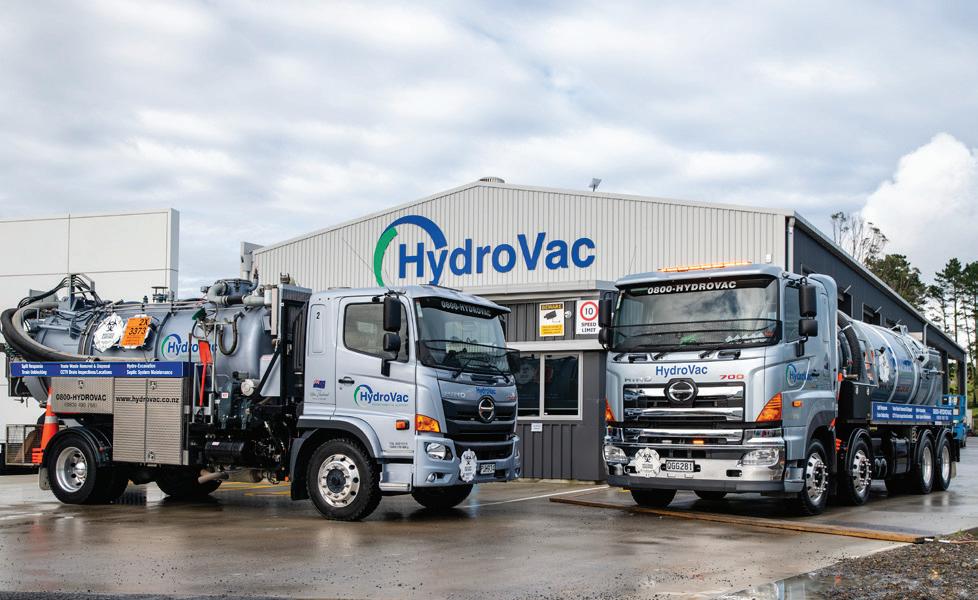
billing period. Three months later they were read again. Then, before a single dollar was charged, every household received a sample bill: this is what you will pay.
“That calmed people down a lot,” Dougherty recalls.
Education needed to be targeted, not generic. The big water bills, Pat found, came from garden irrigation, particularly oscillating and spinning sprinklers. A family of four might use at most around 1000 litres in a day indoors. A single garden sprinkler can use that in an hour. Nelson’s garden centres sold a lot less big sprinklers and focussed on micro irrigation and dripper systems instead.
“So, all our education was about, don’t reduce the water usage in your shower. The last thing we want is people to start taking a bucket into their shower and have an elderly person slipping while they carried a bucket of water out. In the end once you did the education, there was a lot less resistance.”
Build your back office before you start installing anything
One of Pat’s clearest messages is that customer service infrastructure must be ready well before the first meter goes in the ground, not after. Questions actually began the moment a crew parks a truck outside someone’s house to install a water meter.
Call centres need to be staffed not just adequately but proactively. In Kāpiti, staff rosters were deliberately ramped up around billing periods. Every available person was on deck for the first bills and were prepared for all manner of questions.
“Yes, some people got high bills, and we would go out and see them and get them to turn off all their taps and watch the meter and it was still spinning. ‘Well, look, you’ve got a leak. You need to get that fixed’. We also showed people how to read the meters, and how to check for leaks. Those things helped.”
CELEBRATING 20 YEARS OF TRUSTED VACUUM & DRAIN SERVICES
Critically, those staff needed access to both the meter database and the historic rates records because the question customers would ask most often was simple: how does this compare to what I used to pay.
When things went wrong – and they did, including a case where meter numbers had been mixed up with properties, resulting in a year of incorrect billing – the approach was to own the error, credit the affected customer, and absorb the cost rather than pursue households that had inadvertently underpaid.
“You just swallowed that,” he says.
Kāpiti quickly realised that by taking all these steps from early on was a critical investment in building trust and confidence which would pay dividends long term.
“Phones being answered and staff being sent out on those first weeks will be mission critical. Reputation is slow to build and can be quickly destroyed. So, I think people will accept that the bigger picture improvements will take a while, but they will still be expecting a good level of service on day one.”
Hardship concerns are real
One of the most common fears ahead of volumetric billing is that large, low-income households will be hit hardest. Kāpiti took that concern seriously, setting aside a hardship fund linked to the existing rates rebate scheme. Almost nobody drew on it.
New water service providers should nonetheless have hardship policies in place from day one. The work of designing those policies should not wait until after the first bills go out.
Bills will get bigger – be honest about that
The first year of volumetric billing will likely feel manageable for households despite getting used to new billing. Water service providers will try to recover roughly the same amount as before when included in council rates. But the trajectory is clear. Infrastructure investment needs to grow.
Wastewater charges (typically higher than water supply charges) could be added. Stormwater recovery will follow. They may be fixed charges, but the magnitude of the investment required will impact bills sooner rather than later.
Tiaki Wai estimates nearly $7 billion over the next decade – it acknowledges on its website now that “without higher charges, essential work won’t be able to be done”.
Wellington Water manages 7000 kilometres of pipe and replaced 13 kilometres last year. It needs to accelerate if households are going to get the reliable service they need.
We say that the new water entities, as Tiaki Wai is doing, should be transparent about this trajectory from the start. Customers who feel blindsided will be far harder to manage than customers who were warned.
Why independent dispute resolution is not optional
All of this – the complexity of new billing, the infrastructure demands, the customer confusion, the hardship cases – points to one clear conclusion: independent dispute resolution is essential from day one. It works for energy providers facing the same problems and can do the same for water.
Water, like aspects of energy, operates as a monopoly. Customers cannot change their provider. They cannot vote with their feet.
"Reputation is slow to build and can be quickly destroyed. So, I think people will accept that the bigger picture improvements will take a while..."
That changes the relationship between provider and consumer fundamentally. And it makes the case for a mandated, independent channel to help resolve issues a necessity not merely a nice to have.
Pat supports this: “There’s a real place for it.”.
He describes cases where disputes became complex and timeconsuming – a household convinced their water had a strange taste that turned out to stem from a faulty dishwasher connection tainting water; customers who had genuinely received incorrect bills for a year; property owners convinced the entity owed them plumbing work that was clearly their own responsibility. In each case, having a credible external body to refer to would have saved significant staff time and community goodwill.
“After doing all you can to help someone fairly and without favour, it’s good to be able to say: if you’re not happy, here’s who you contact and they can do an investigation.”
What Utilities Disputes brings to the table
At Utilities Disputes, we know the framework that has worked for electricity and gas can and should be extended to water. The electricity sector has developed Consumer Care Obligations that standardise how retailers must treat customers – requirements around hardship support, clear billing, obligations before disconnection, protections for medically dependent consumers.
Water customers deserve the same.
We also know from our experience in electricity that billing changes spark complaints. When the Electricity Authority recently moved to limit electricity back bills to six months, a change we identified and advocated for, it was a direct response to the harm that billing failures cause. Water service providers should adopt similar principles now, before problems accumulate.
The new water entities face a genuine opportunity. They can build trust with their communities from the start, or they can risk eroding it. The difference between those two outcomes often comes down to the quality of customer service at the moment of first contact, and the existence of somewhere credible to go when things go wrong.
Utilities Disputes is ready to play that role. While we think an independent water disputes scheme should be mandatory, we are prepared to work with every new water entity to plug that gap in the meantime. We have history, know what works and are already helping existing providers.
Let’s not wait for the flood of complaints to arrive before we start building dams.
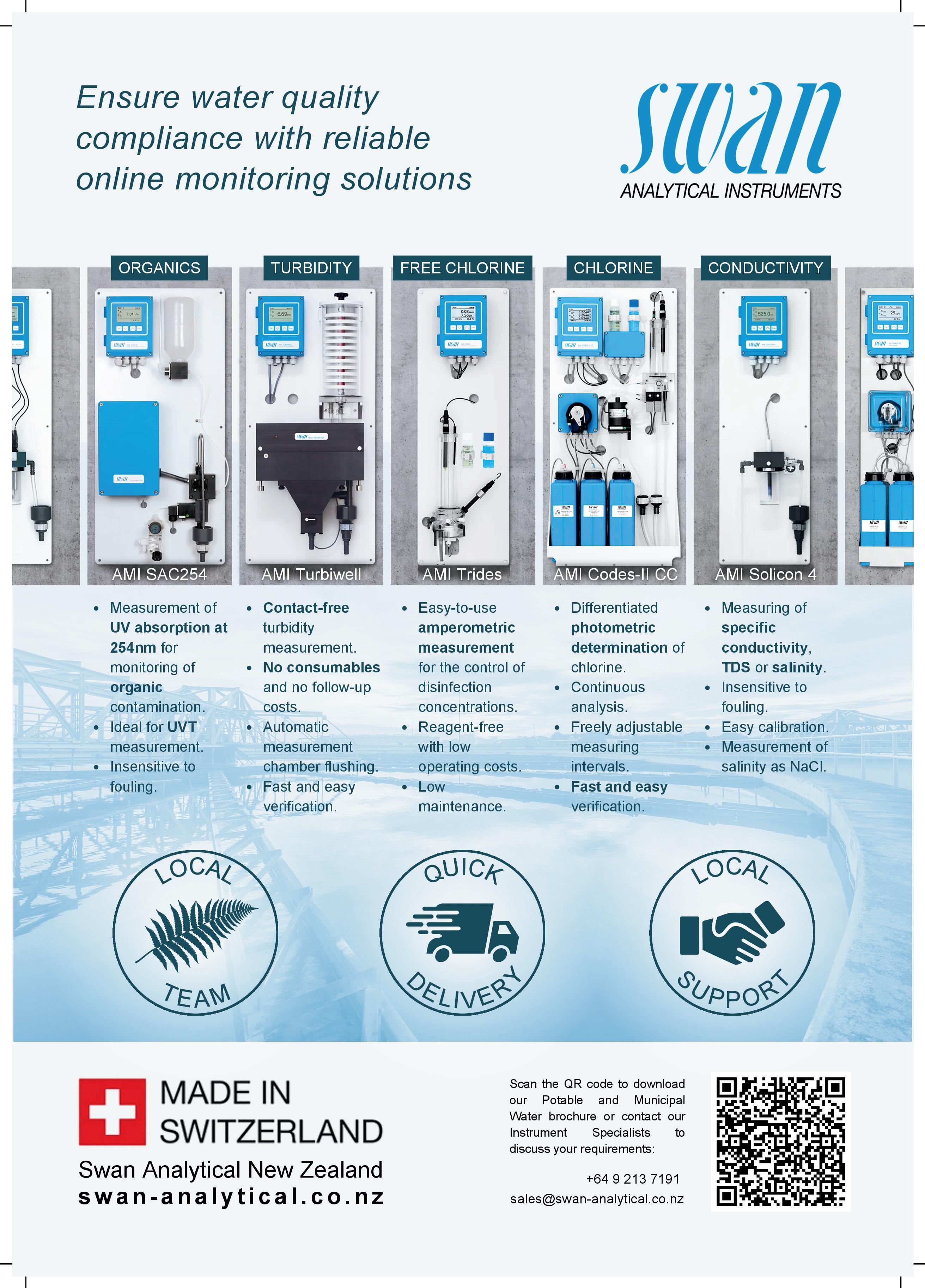
Legal update
By Helen Atkins
This article primarily looks at a court case that has been in the legal system for a number of years, which relates to the vexed issue of water consents to take water for bottling purposes. This case has now been determined by the Supreme Court, ending this longrunning legal saga.
Sustainable Ōtakiri Incorporated v. Whakatāne District Council [2025] NZSC 158
This matter concerned an application for resource consent by Creswell NZ Ltd (Creswell) to expand a spring water extraction and bottling operation run by Ōtakiri Springs Ltd on a rural property near Whakatāne.
The existing (consented) extraction and bottling plant bottles around 1.9 million litres of mineral water per annum. Two bores on the property draw water from the Ōtakiri aquifer.
The proposed expansion seeks to retain the existing plant and add a second, much larger, plant in replacement of a kiwifruit orchard. The new plant will be housed inside a 12.9 metre-high building occupying 16,800 square metres, and increase the annual capacity to 580 million litres – a 300-fold increase.
Creswell obtained approval from the Whakatane District Council to build a new water bottling facility. However, it did not seek land use consent as it considered that the overall proposal would be treated as a variation to the original 1991 consent for the existing smaller bottling plant. Therefore, the variation would be deemed to be a discretionary activity.
The proposal was opposed by Sustainable Ōtākiri Inc (SOI) and Te Rūnanga o Ngāti Awa (TRONA), who represent local residents and iwi. Both brought appeals, unsuccessfully, in the Environment Court, High Court, and Court of Appeal. They were granted leave to appeal to the Supreme Court.
SOI’s appeal addressed the land use consents and argued that the proposal was a non-complying ‘industrial activity’ under the Whakatane District Plan (WDP), and therefore must pass through one of the narrow gateways in s.104D of the Resource Management Act 1991 (RMA).
They also advanced an argument that the environmental effects of plastic bottle production and disposal were relevant to both the water right and land use consents.
The TRONA appeal focused on the water right and argued that the proposed volume of water to be taken from the Ōtakiri aquifer would injure the mauri (life and well-being) of the water and would undermine their ability to exercise kaitiakitanga.
The Court found that s.104(1)(a) of the RMA has a very broad scope, not every matter will require consideration, it will depend on the controlling objectives, policies and rules of the particular case.
There is no avoiding the fact that plastic bottle disposal can harm the environment, and the Court held that there is nothing to suggest the environmental effects of plastic bottle disposal are irrelevant in principle; the real question is whether these effects are relevant in fact.
An absence of evidence prevented the Court from being able to accurately assess the potential effects of the activity.
The Court determined that the multiple steps that combine to result in water being extracted from the Ōtākiri aquifer, filtered, bottled, and transported from the application site, amount to a rural processing activity within the meaning of the WDP definition. This means the proposed project is a discretionary activity.
It did not matter that the blow-moulding had manufacturing characteristics, it would be contrary to the RMA to prevent the introduction of a step that mitigated adverse effects.
The Court accepted the Environment Court’s finding that there was no loss of mauri from the water as the water remains within the broad global concept of the water cycle and is returned to Papatūānuku irrespective of where it is used.
The tikanga and Treaty-based issues were amply covered in the National Policy Statement for Freshwater Management 2014, the Bay of Plenty Regional Policy Statement and the Bay of Plenty Regional Natural Resources Plan.
The decision included a dissenting judgment. The majority (Justices Ellen France, Williams and Kós) dismissed both appeals. However, the minority Chief Justice Winkelmann and Justice Glazebrook would have allowed the appeals and remitted the proposal for reconsideration by the Environment Court.
Fast-track Approvals Act 2024
This is an update on my March-April Water article which provided a summary. Since then, the following has changed:
Determined applications – approved: This has doubled from nine to 18.
Determined applications – declined: There have been two draft decisions that have signalled a decline decision. In both cases the applicant withdrew the applications.
Applications subject to appeal and/or judicial review: Three (Tekapo Power Scheme, Kings Quarry and Waihi North). This has also not changed from the February article.
Applications in train (meaning panels have been set up): In February there were 20 applications in train and four of these had issued draft decisions. These draft decisions have been finalised (except for the one that was a decline. There are currently 22 applications in train (with five at the draft decisions stage).
What this snapshot is demonstrating is how busy the fasttrack consenting space is. A future article will look at a couple of decisions in more detail so readers get a better appreciation of how the process works.
The policy world
There is still a lot of work being done in the policy world, most notably the proposed changes to the Resource Management Act. The Select Committee is in the process of hearing submissions both the planning and natural environment bills, and the deadline for its report on them is 26 June 2026.


How the National Infrastructure Plan supports a more affordable and resilient water sector
By Jeff Whitty, principal advisor – policy, New Zealand Infrastructure Commission
The National Infrastructure Plan was published in February and sets out how we can plan, prioritise, fund and deliver infrastructure more effectively over the next 30 years.
The plan takes an innovative approach. It first examines what level of investment we can sustainably afford over the next 30 years. It then sets out the actions to enable us to deliver that pathway in an effective way.
The plan builds a picture of the whole system, pulling together what we know about 17 different infrastructure sectors, including water and wastewater services, with each having distinct oversight and governance arrangements, funding models, demand drivers, and challenges.
The headline for the water sector is that between 2010 and 2022, we spent around 0.6 percent of GDP per year on water and wastewater infrastructure. Ensuring the affordability and sustainability of our infrastructure spend over the long run, means easing water sector investment back to 0.5% of GDP once renewal backlogs are addressed.
The decade ahead
One of the 10 priority areas the plan highlights for the next decade is to complete the catch-up on water sector renewals and restore affordability.
Between the mid-1970s and mid-1990s, we estimate that nationally we spent less on water infrastructure than the rate of depreciation, meaning our pipes and treatment plants wore out faster than we replaced them.
In recent decades, many councils have been dealing with the backlog of broken pipes, sewage overflows and leaks, as well as aiming to meet quality standards set by the Water Services Authority – Taumata Arowai and regional councils. Councils have already lifted expenditure in response – between 2010 and 2022 we spent more on water-related infrastructure than almost any other high-income country. Aotearoa New Zealand’s high per capita demand for water services also contributes to this high expenditure.
Around the country, many councils will still be playing catchup over the next decade as demonstrated by council long-term plans. Investment intentions significantly exceed what our Forward Guidance suggests is affordable (see Figure 1). That said, we expect investment to moderate over time as we catch-up on renewals to lift asset condition and meet water quality standards.
Improving efficiencies, reducing costs
The National Infrastructure Plan identifies some key actions when it comes to water infrastructure.
First is encouraging water service providers to consider installing water meters and adopting volumetric pricing. This step can moderate demand, help identify leaks, and defer the need for new investment.
While water meter adoption is growing, there’s more to do. Around 57 percent of residential users are subject to water metering or volumetric charging, much of this is due to volumetric charging in Auckland. In many other areas, water is still funded through property-based rates, limiting price signals that could help manage demand.
The second action is to ensure regulatory coordination between the Commerce Commission, the Water Services Authority –Taumata Arowai and regional councils. Doing so can support costeffective investments that improve safety, quality and environmental compliance.
Water service providers are now subject to economic regulation administered by the Commerce Commission. This is an important step for the water sector as our Asset Management State of Play found that asset management maturity is highest among regulated entities.
Information collected by the Commerce Commission can lift water service providers’ understanding of asset condition, remaining asset life and replacement costs to inform better investment decisions. In doing so, they must also account for standards set by the Water Services Authority – Taumata Arowai and regional councils, as these will influence the cost to provide water services.
The plan highlights that regulatory and policy certainty is also important. Ongoing changes to water reform settings have made long-term planning more difficult for councils. Greater stability would improve investment confidence and reduce delays.
Efforts to develop national standards for water and wastewater infrastructure could reduce costs and streamline consenting processes. Costs can also be reduced where land-use planning encourages development in areas of the network where capacity already exists.
Considering the longer term
Going forward, renewal and replacement of existing infrastructure is expected to be the largest driver of investment in the water sector.
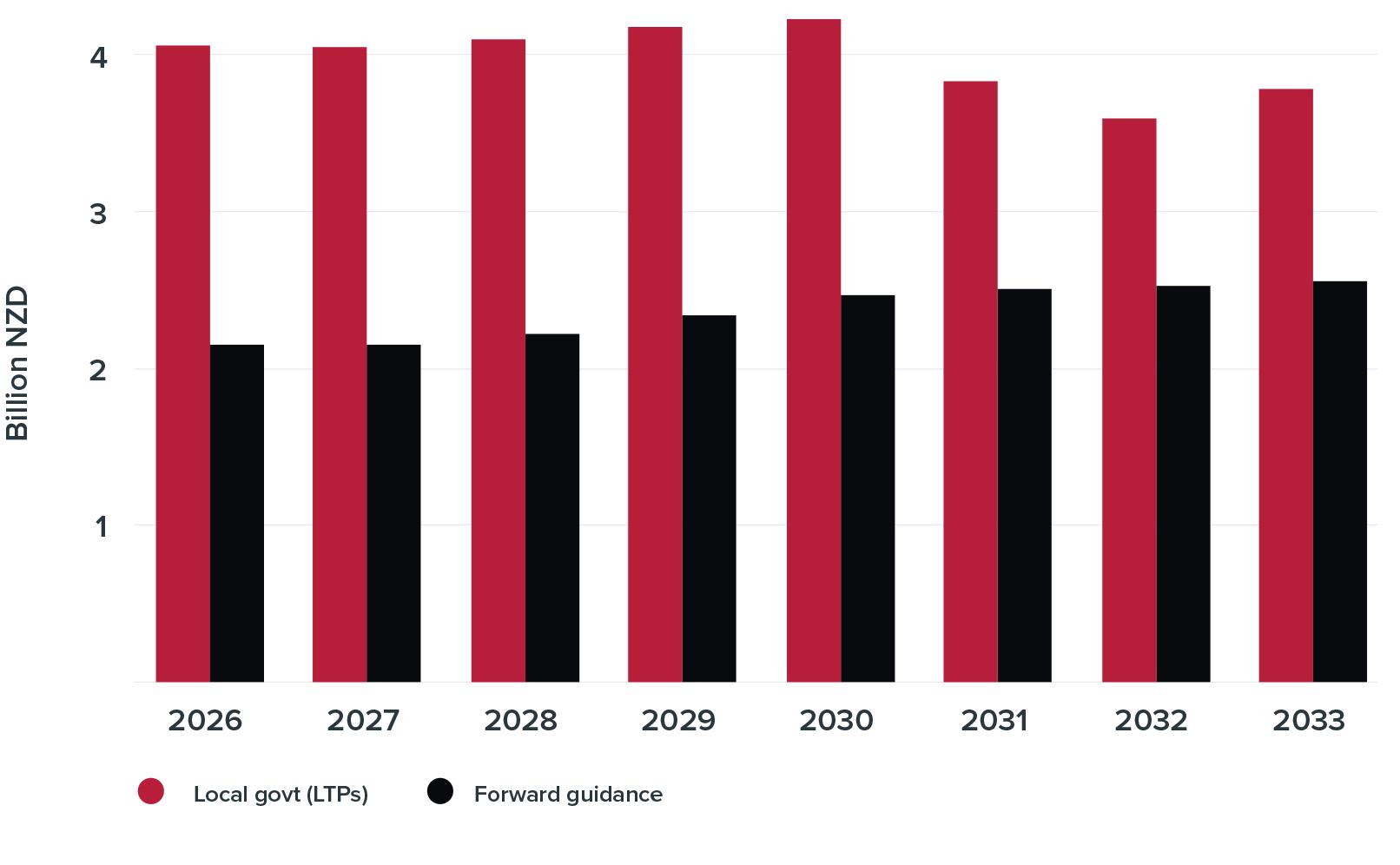
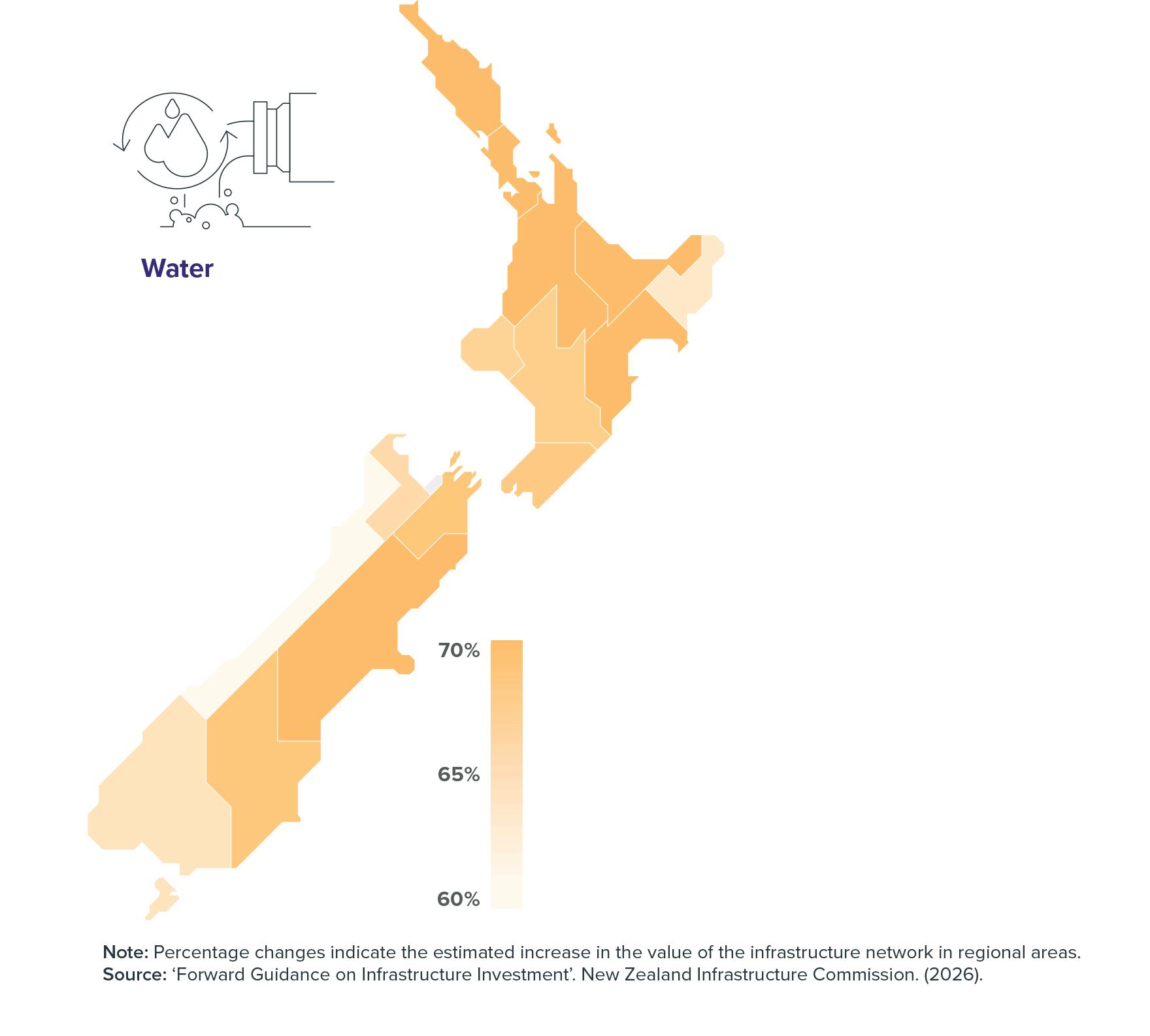
At a national level, we expect that slowing population and income growth will reduce demand for network expansions and improvement, although localised population growth will continue to drive high demand in some areas. Specifically, we expect that faster growing cities like Auckland, Tauranga, Hamilton and Christchurch will need to accommodate growth by building out networks to new areas and increasing the capacity of existing facilities (see Figure 2).
Adapting to natural hazard risk is a growing investment driver for water networks. According to research we commissioned from Earth Sciences New Zealand, water networks are especially exposed to coastal and riverine flooding, both of which are expected to worsen with climate change. Strong asset management planning is key to
understanding and financially preparing to mitigate these risks.
The National Infrastructure Plan sets a clear direction: We need to – and can – get better at managing and delivering the infrastructure we need.
For the water sector, this represents both a challenge and an opportunity. The challenge is to balance future investment plans within tighter financial constraints. The opportunity is to fundamentally improve how infrastructure is planned, managed, and delivered.
If the sector embraces this shift, focusing on affordability, taking care of what we’ve got, and disciplined investment, it will be better placed to deliver resilient and sustainable water services for future generations.
Figure 1: Water and wastewater investment intentions compared with forward guidance.
Figure 2: Expected regional variation in water network growth, 2025 to 2050.
New rules, same risks: Why asset management professionalisation is critical to delivering value in the water sector
By Murray Pugh, chief executive, Āpōpō
The water sector is undergoing significant structural and regulatory transformation to elevate expectations for governance, transparency, and long-term planning.
This complex reform has placed new demands on water service organisations to demonstrate accountability, financial sustainability, and evidence-based decisionmaking. Under the economic regulation framework, asset management provides the primary mechanism through which investment need, efficiency, and service outcomes are evidenced.
This focus is reinforced across the infrastructure sector through the core themes of the National Infrastructure Plan: planning what can be afforded, prioritising the right investments, maintaining existing assets, and improving delivery outcomes.
The plan’s focus reflects findings from the 2023 OECD report on infrastructure governance, where the county’s fourth-tolast overall ranking is significantly influenced by an exceptionally low score of 0.09 for “accountability and professionalisation in asset management”, the lowest of all 33 participating nations.
By comparison, Canada scored 0.63 in this category and ranked eighth overall, having invested heavily in capability development through a federal programme from 2017.
The implication is clear. Infrastructure performance ultimately depends on the capability of the people responsible for planning, managing, and renewing assets.
Regulatory frameworks and technical systems provide essential structure; however, professional judgement, experience, and ethical practice determine how effectively these settings are translated into outcomes. The introduction of economic regulation further increases the need for professional asset management capability.
Not addressing capability improvement risks continuing poor infrastructure performance and perpetuating the pattern of poor return on investment.
Despite average infrastructure spending of 5.8 percent of GDP over the past two decades – placing us among the highest spenders
in the OECD – the National Infrastructure Plan highlights a persistent lack of ‘bang for buck’. A deliberate and sustained approach to professionalisation in asset management is a critical tool in our pursuit of better value realisation.
At this point of transition, the water sector has an opportunity to lead. A strategic asset management approach, supported by sustained investment in people, can strengthen long-term asset performance and resilience. Professionalisation is not supplementary to reform; it is integral to its success.
As the lead association for infrastructure asset management professionals in Aotearoa New Zealand, Āpōpō exists to strengthen capability across the profession. Our Professional Practice Accreditation Programme gives effect to this role through a structured accreditation pathway that recognises competence and promotes consistent professional standards of practice.
Through an independent and evidencebased assessment process, practitioners can demonstrate their capability with credibility and confidence. The programme includes two levels of accreditation: Asset Management Associate (AMA) and Asset Management Chartered Professional (AMCP).
The accreditation is aligned with the Global Certification Scheme governed by World Partners in Asset Management, enabling practitioners to achieve both national accreditation and internationally recognised certification through a single process. Certifications range from technical specialist to fellow level, reflecting increasing depth of expertise and responsibility.
The programme is underpinned by a comprehensive competency framework that integrates the Global Forum for Maintenance and Asset Management’s ‘Asset Management Landscape’ and ISO standards, woven together with principles of te ao Māori, recognising that professional practice extends beyond technical performance.
The process includes a structured selfassessment, submission of supporting evidence, professional interviews, moderation for consistency, ongoing continuing
professional development, and adherence to a professional code of conduct. Collectively, these elements reinforce credibility, trust, and ethical practice.
Claire Scrimgeour, AMCP and principal – environmental engineering at Beca, says the accreditation “brings together everything I’ve learnt on the job and via training, and applied to the projects I’ve worked on in the water industry.
“The AMCP gives confidence to clients and the community that they are getting good advice and lifts the profile of asset management practice.”
Professionalisation delivers tangible benefits across the sector. Decision-makers gain greater confidence in the advice they receive. Organisations strengthen their ability to plan and manage assets over the long term. Practitioners gain recognition and clear career development pathways.
More broadly, it reflects a commitment to lifting performance across the infrastructure system, recognising that enduring value is created through the combination of robust frameworks, reliable information, and capable people.
Edward Yong, AMA and senior technical advisor – asset management, at Taumata Arowai, says “holding the AMA accreditation adds credibility to any advice I give. The accreditation lets people I’m working with know that I have the support of a professional body that has validated my knowledge and experience.”
The infrastructure challenges facing the country create necessity. Water reform has created urgency. Professional accreditation provides a practical mechanism to respond.
Establishing consistent standards, recognised competencies, and ongoing development will strengthen the sector’s ability to deliver safe, reliable, and sustainable water services for current and future communities.
The opportunity to lead is now. We must not risk continuing the pattern of underinvestment in the people who deliver value from infrastructure but rather harness the sector’s momentum and embrace the professionalisation of asset management.
Shaping a sustainable world
EXPLORE FUTURE-PROOF INFRASTRUCTURE
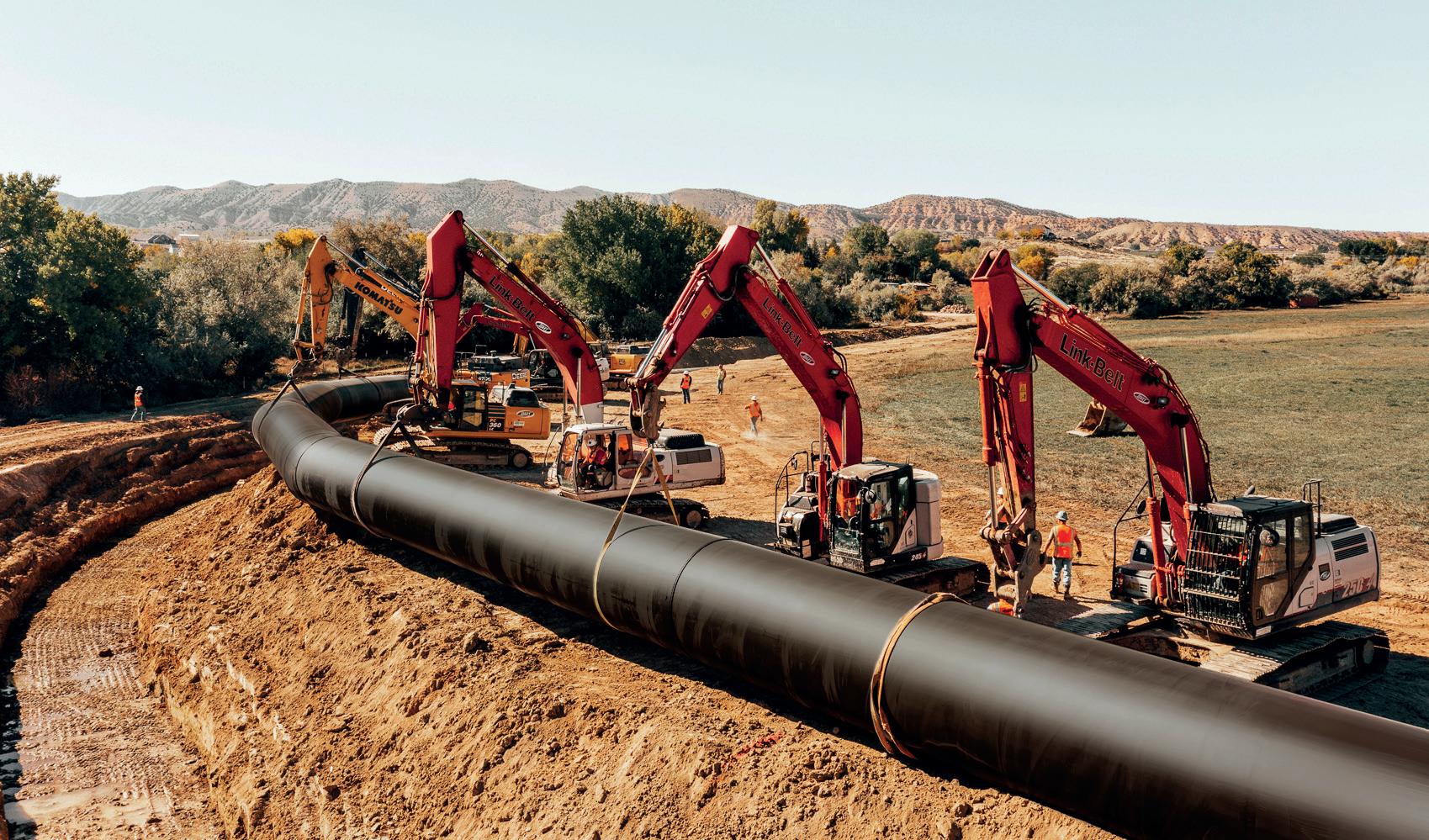
AGRULINE PE 100-RC piping system for outstanding crack resistance
HIGHER SERVICE LIFE under extreme conditions
COST-EFFICIENT INSTALLATION without sand embedding
LASTING CONNECTIONS with electro-socket or heated tool butt welding of PE 100-RC
ONE-STOP SHOPPING
complete piping system for gas, hydrogen, water, waste water and chemical media
Wash manoeuvres at Waiouru
An upgrade to the vehicle wash facilities at Waiouru Military Camp delivers environmental benefits through water recycling and catchment protection.
By Sam Bennetts and Joseph Gibson, Pattle Delamore Partners
Operating a wide range of specialised military vehicles, the New Zealand Defence Force (NZDF) relies on thorough cleaning after training exercises, to remove sediment and contaminants and keep its fleet operating effectively.
Vehicle washing at Waiouru Military Camp, the largest military training area in the country, has long been undertaken at an onsite facility that was built in the 1980s. Over time, the facility has faced growing infrastructure limitations as fleet numbers and training frequencies have increased and environmental expectations have tightened, driving the need for an upgrade.
Design development and collaboration
Pattle Delamore Partners (PDP) collaborated with Transport Wash Systems (TWS) to deliver an integrated design that incorporated TWS’ specialist washing equipment into the new wash facility optimised for NZDF’s specialist vehicles, constructed by Brian Perry Civil.
NZDF were actively involved during the design and construction phases, ensuring the design delivered all user requirements, including 24/7 operation, water recycling capabilities, and use of the facility by a wide range of vehicle types.
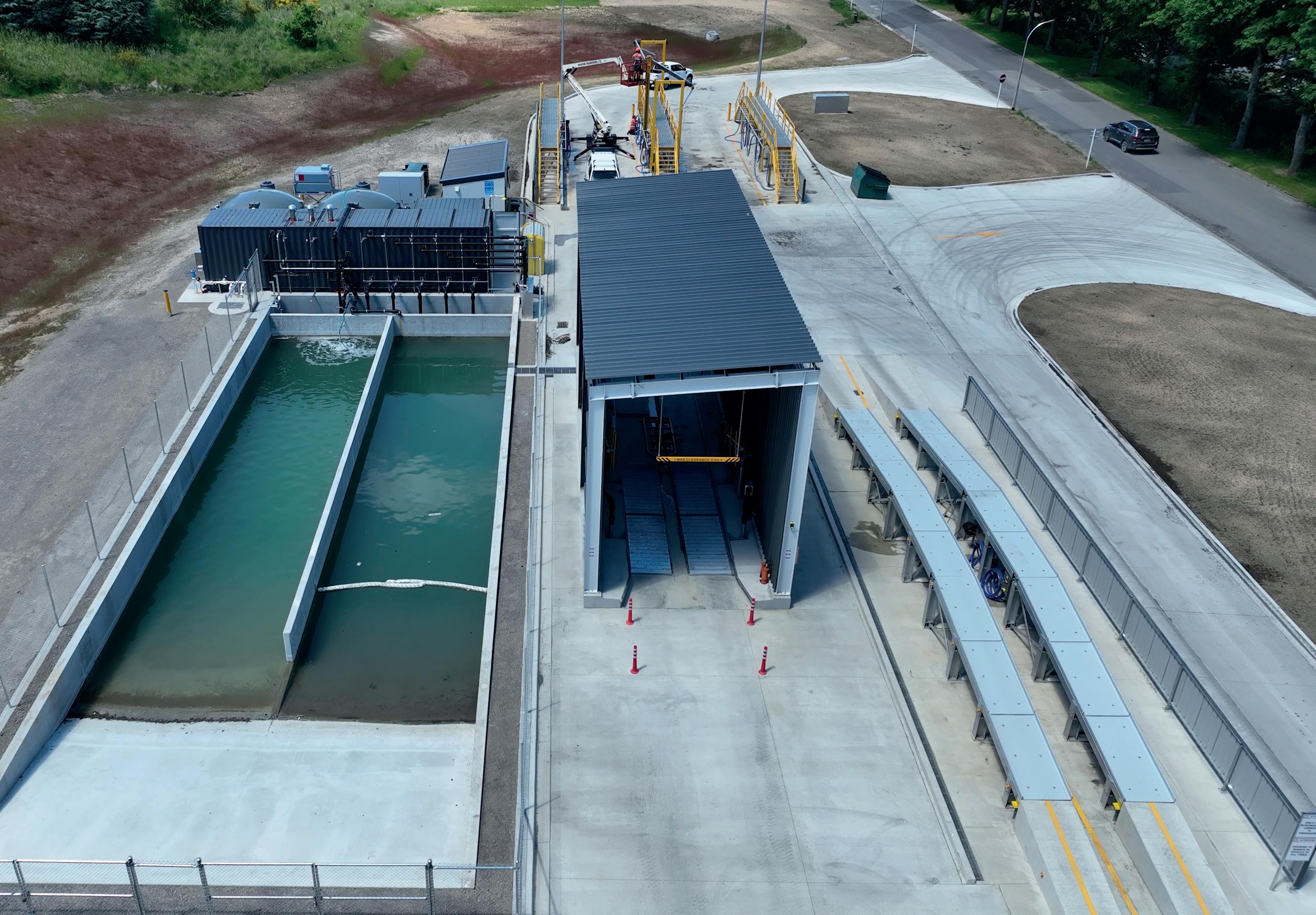
Waiouru Military Camp vehicle wash facility
To allow a higher throughput of vehicles at the facility, the wash point footprint was set to expand significantly.
With increasing hardstand areas and more frequent vehicle washing, stormwater management was a key consideration for the design to ensure that the downstream environment, the Waiouru Stream, was protected from high flows and contaminants washed from the vehicles.
Our design approach focused on managing much larger volumes of wash water and site runoff, while delivering improved water use sustainability and contaminant control, including management of Lake Snow (Lindavia intermedia), an invasive microscopic alga present in the Lake Moawhango training area.
Protecting the downstream environment was a key driver and a critical outcome for the upgraded site.
Stormwater and wash water management
To manage stormwater, the site is split into ‘clean’ and ‘dirty’ catchments. Site grading and speed humps on the concrete hardstand isolate wash water and potentially contaminated runoff. These contaminated flows are diverted into a closed loop treatment system designed to support reuse within the wash process.
Clean stormwater from the surrounding areas is graded away from the dirty catchments, with a swale along the eastern extent of the site to divert runoff for collection and storage in two large dry basins. These basins act to detain and provide infiltration, reducing peak discharge rates and minimising high flow impacts on the existing stormwater network and the Waiouru Stream.
The wash facilities designed and supplied by TWS within the ‘dirty’ catchment consist of three distinct cleaning areas:
1. A covered automated contactless wash system, where vehicles ranging in size from utes to fire engines can drive through a controlled repeatable wash process removing mud, sediment, and biological material from the sides, top, and underside of the vehicle.
2. A ramped vehicle manual wash bay, which allows effective cleaning of the underside of vehicles where sediment and biological contaminants commonly accumulate. A pressure washing hose with chemical cleaning capabilities allows targeted manual cleaning of the vehicle.
3. Two manual wash bays with washing capabilities for a wide range of vehicles and raised walkways on each side allow for side and roof cleaning on large military vehicles. These also operate via pressure washing hoses to enable the removal of all mud, sediment, and biological material from external surfaces.
These wash facilities have a combined peak water demand of over 600 cubic metres per day, all of which requires management, in addition to any runoff from rainfall.
Vehicle wash water, all sediment and contaminants and runoff in the ‘dirty’ catchments are directed to a 300 cubic metre (8 x 30 x 2.5 metre deep) open top concrete settlement tank. The settlement tank is designed to manage high hydraulic and contaminant loadings generated from vehicle washing, providing storage and treatment.
Surface booms are installed to capture floatable material and hydrocarbons, while a diversion wall, an internal weir, and submerged outlets enhance sedimentation by increasing residence time to remove fine suspended solids.
Removal is aided through use of a flocculant, and a disinfectant ensures the removal of Lake Snow. The tank is also partly aerated to support water quality for reuse.
Once treated through the settlement tank, up to 90 percent of wash water is recycled through the vehicle wash system, with the excess treated water being wasted via a small pump station. Removing the excess water from the system ensures that the quality of the wash water does not degrade.
Along with managing the wash water, the extensive hardstand has increased site runoff which is captured in the ‘clean’ catchments.
The northern basin collects runoff from a 1000 square metre impervious vehicle waiting area with a three-stage oil and grit separator, attenuating 160 cubic metres before discharging into the existing stormwater network.
The southern detention basin diverts runoff from the adjacent hill with capacity to attenuate 270 cubic metres. This diversion significantly reduces runoff into the ‘dirty’ catchments and protects the downstream Waiouru Stream.
Insights and reflections
The upgraded Waiouru wash facility provides a closed-loop wash system that supports a growing military fleet, servicing vehicles and equipment from kayaks to tanks, while improving water use and sustainability and environmental outcomes for the Waiouru Stream by protecting it against contaminants and increased site runoff.
The facility demonstrates a resilient, water-enhancing approach that balances operational demands with environmental performance.
The facility has been operating since late 2025 and will continue to be closely monitored to ensure optimal performance of the system.
Reflection on the design and construction of this site highlighted several insights that may be relevant to other industrial developments: • Work with the site: Design with the existing site falls, rather
ecoLogical Solutions
Environmental Consultants
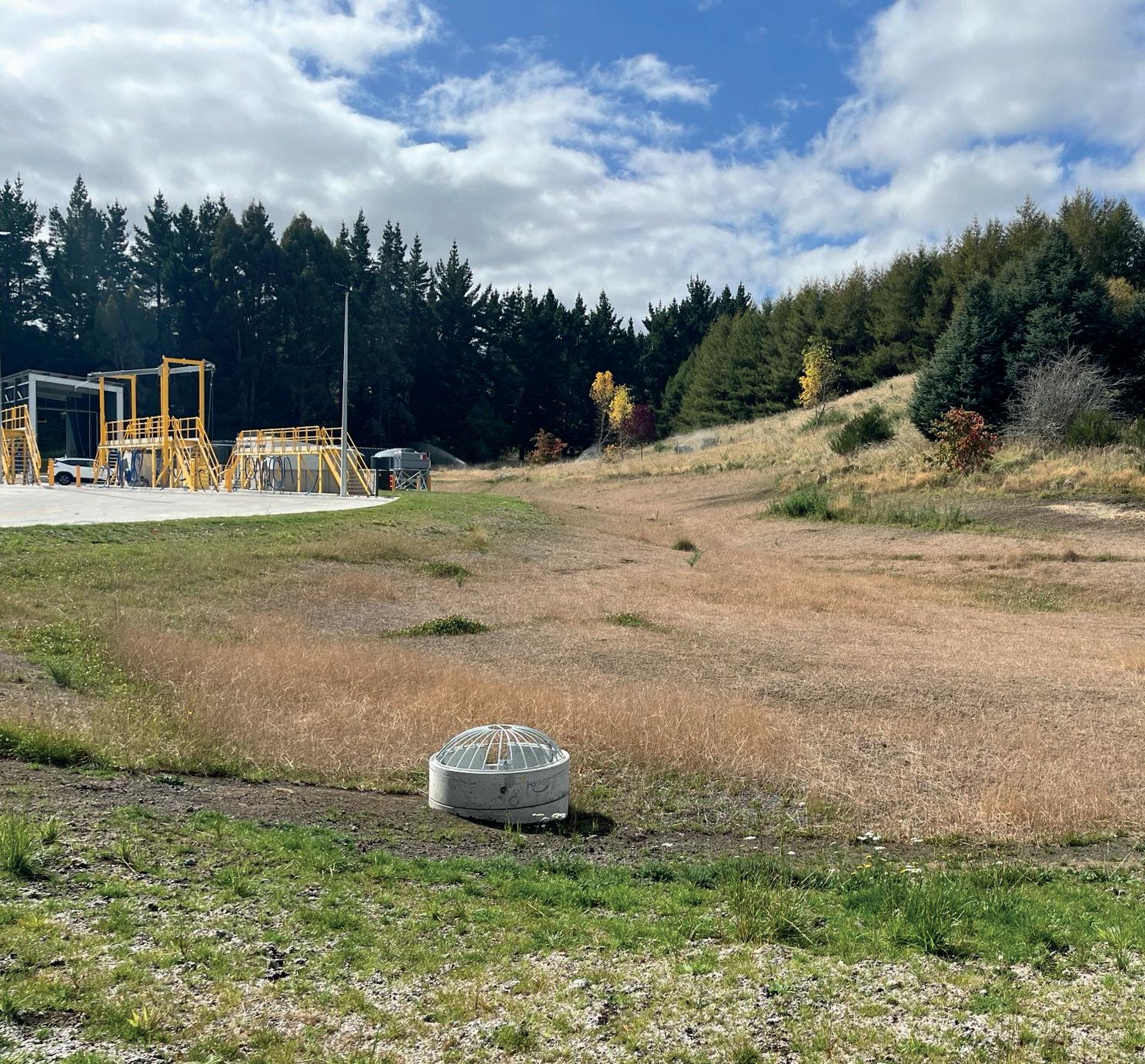
than working against them. Using natural topography to direct catchment separation reduces earthworks.
• Revisit the brief: While scope control is important, user requirements may evolve over time, and it is worth revisiting them at regular intervals on projects that span several years between inception and delivery. The greatest ability to influence design outcomes at low cost occurs early in the project, however requirements confirmed at brief stage may not hold by the time construction begins.
• Invest in integrated design: Time spent in developing a well-integrated design, and in resolving the interfaces between disciplines and suppliers, reduces the likelihood of issues during construction. At Waiouru, close coordination between the stormwater, wash water treatment, and reuse systems was
essential to making the closed loop work and helped ensure the system performed as intended.
• Prioritise water recycling: High rates of water recycling are achievable and provide an opportunity to significantly reduce discharges into the environment and wastage of potable water.
The principles applied at Waiouru are not unique to military facilities. Similar challenges arise wherever high-volume water usage takes place near sensitive waterways, including aggregate and quarrying operations, forestry log yards, and local authority maintenance depots.
As environmental expectations for industrial sites continue to tighten, this project offers a useful reference for how to balance operational demands and catchment protection.

The southern detention basin
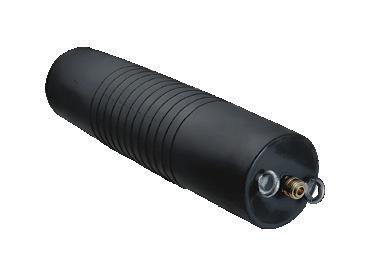
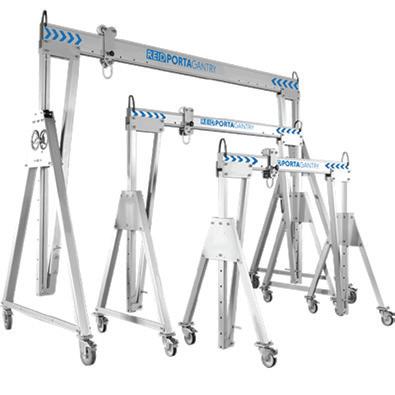
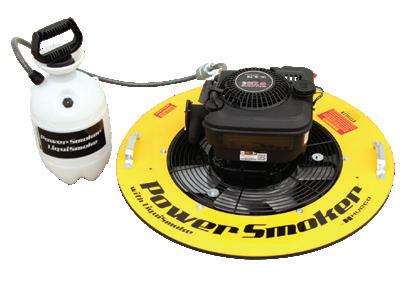
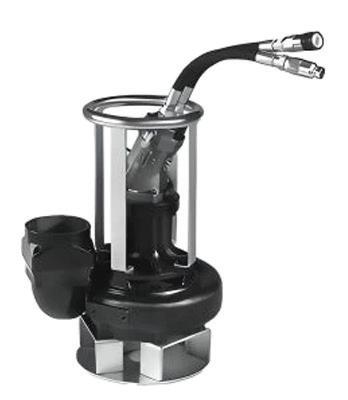

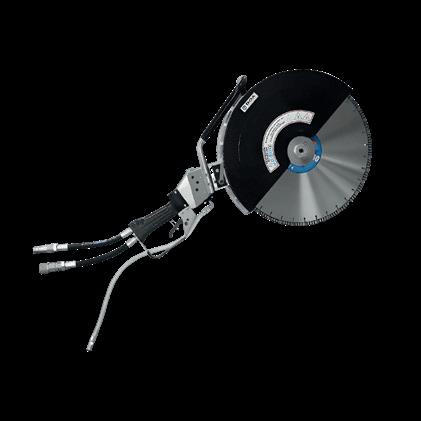

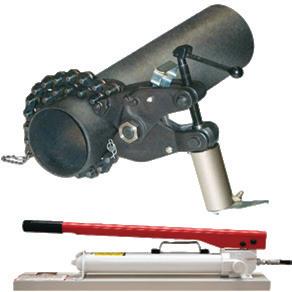
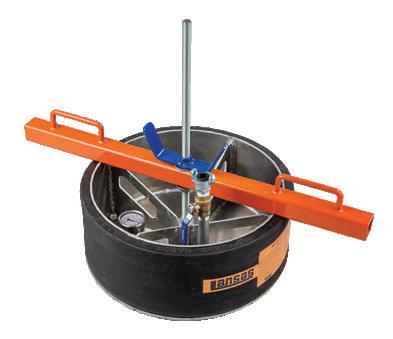
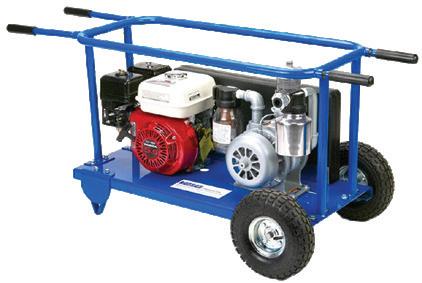
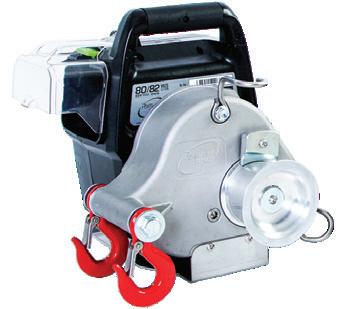
Manhole Cover Lifters
Smoke Machines Winches
Trash Pumps
Concrete Saws
Portable Gantries
Portable Lights
Pipe Testing
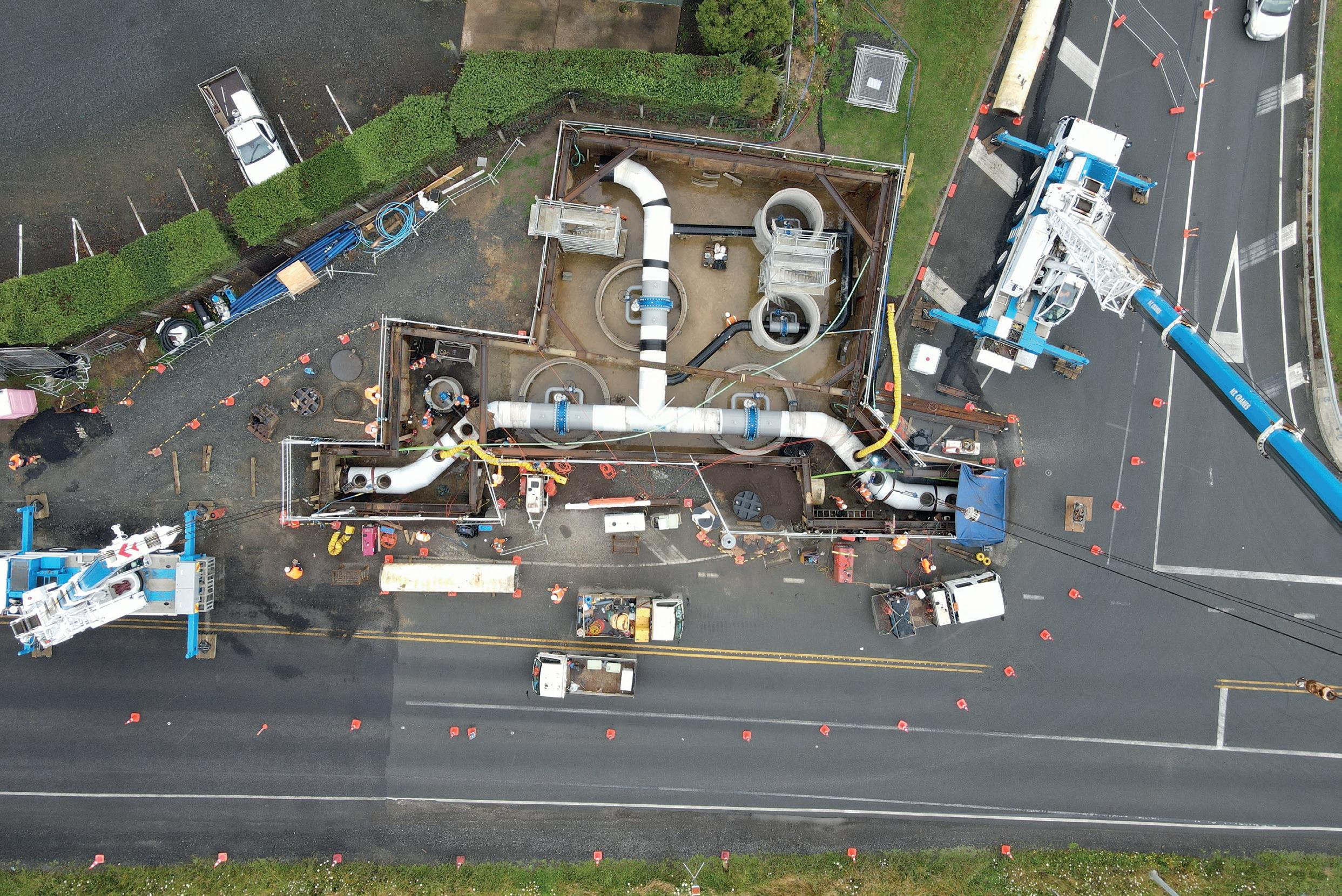
Boxing Day shutdown delivers long-term network gains
While many Kiwis were filling recycling bins with wrapping paper and enjoying Christmas Day leftovers, Watercare teams and contractors were undertaking one of the most complex operational shutdowns seen on the region’s water network in recent years.
Watercare’s Waikato 1 watermain is a critical 1200mm diameter transmission pipeline carrying treated water from the Waikato Water Treatment Plant to the Redoubt Road reservoir complex in south Auckland. It was temporarily taken out of service to enable a major diversion required for Waka Kotahi NZ Transport Agency’s Papakura to Drury (P2D) transport project.
Shutting down a trunk main of this scale is a rare event and required months of planning, detailed risk assessment, and close collaboration with contractors and other infrastructure providers.
The shutdown not only enabled the required diversion but also delivered long-term benefits by strengthening the network and futureproofing water supply for continued growth in the south.
A carefully choreographed operation
As part of the P2D project, contractor Fulton Hogan installed a new 380metre section of pipeline to reroute the watermain from State Highway 1 to Flanagan Road. Contractor March Cato completed the critical connections, supported by Watercare’s infrastructure, maintenance delivery, and operations teams working in close coordination.
Since shutdowns of this scale happen rarely, Watercare identified an opportunity to maximise value by installing additional connections while the main was offline. These included a new bulk supply connection at Quarry Road, currently under construction, and provision for a future connection to supply Wesley and Paerata as development in the area accelerates.
Watercare Project manager Tim Manning says early preparation was key. Work at the Quarry Road site began in midOctober to ensure all components were ready in advance of the shutdown window.
“The site is unique because we effectively designed it with Stantec and March Cato as it was being built,” he says. “We had to secure a fast-tracked groundwater consent and excavate a four-metre-deep shaft so the new pipework could be installed in advance, ready to connect once Waikato 1 was shut down.”
Construction was further complicated by the need to coordinate with other utilities, including the diversion of overhead powerlines and underground service cables.
Maintaining supply through operational agility
The shutdown commenced at midday on Boxing Day and concluded at 9.30am on 29 December. Throughout the operation, there was no disruption to customers’ water supply.
To achieve this, the network had to be operated in an atypical configuration.
Watercare’s Southern operations water production manager Tom Wallace explains that flows from the Waikato Water Treatment Plant had to be carefully managed while maintaining reservoir levels.
“During the shutdown, the plant oscillated between producing no water and up to 40 million litres per day to replenish Pukekohe East Reservoir,” he says.
“At the same time, the other treatment plants had to ramp
up production, with Ardmore and Huia water treatment plants operating close to capacity. It was a coordinated effort across our water production, water transmission, contractors, and control room.”
From a transmission perspective, extensive pre-planning ensured hydraulic stability across the wider network. Watercare’s acting operations manager for water transmission Maria Eliza says collaboration between teams and contractors was critical.
“The project involved a large number of stakeholders, and the risks associated with shutting down such a significant asset were well understood,” she says.
“We worked closely with both northern and southern water production teams, as well as the headworks team, to ensure risks to supply were minimised.”
Watercare’s operations engineer Jason Leung led the operational planning, supported by water transmission operations controller Maxene Lim.
Coordinating work on the ground
Watercare’s maintenance delivery team coordinated site activity, with network operator Merrik Pirake overseeing crews operating across
Skill-Up
“All available resources were mobilised,” says Maria. “Even oncall crews, who are usually left on standby, were brought in. Merrik had to visit every valve and fitting at each site, and crews carried out extensive monitoring throughout the shutdown.”
The welding programme alone required every available welder, with some connections welded internally and externally at the same time to meet the tight timeframe.
The project was further complicated by third party dependencies. Veolia, the water retailer for Papakura, has connections off the watermain supplying Drury South, a relatively new development.
“To maintain supply, Veolia had to construct temporary reservoirs and a pump station so water could be fed back from the Papakura side of the network. Ensuring this alternative supply was ready was critical to allowing the shutdown to proceed.”
Delivering a successful outcome
Despite its complexity, the project was completed safely, on time, and without any impact on customers.
“Everyone involved understood how critical the timeframe was,” says Tim. “Planners, operators, and contractors all worked together to deliver a great result.”
Beyond enabling the P2D transport project, the shutdown has strengthened network resilience and provided valuable learnings for managing rare, large scale watermain shutdowns – insights that will become increasingly important as population growth continues to place pressure on major transmission assets.





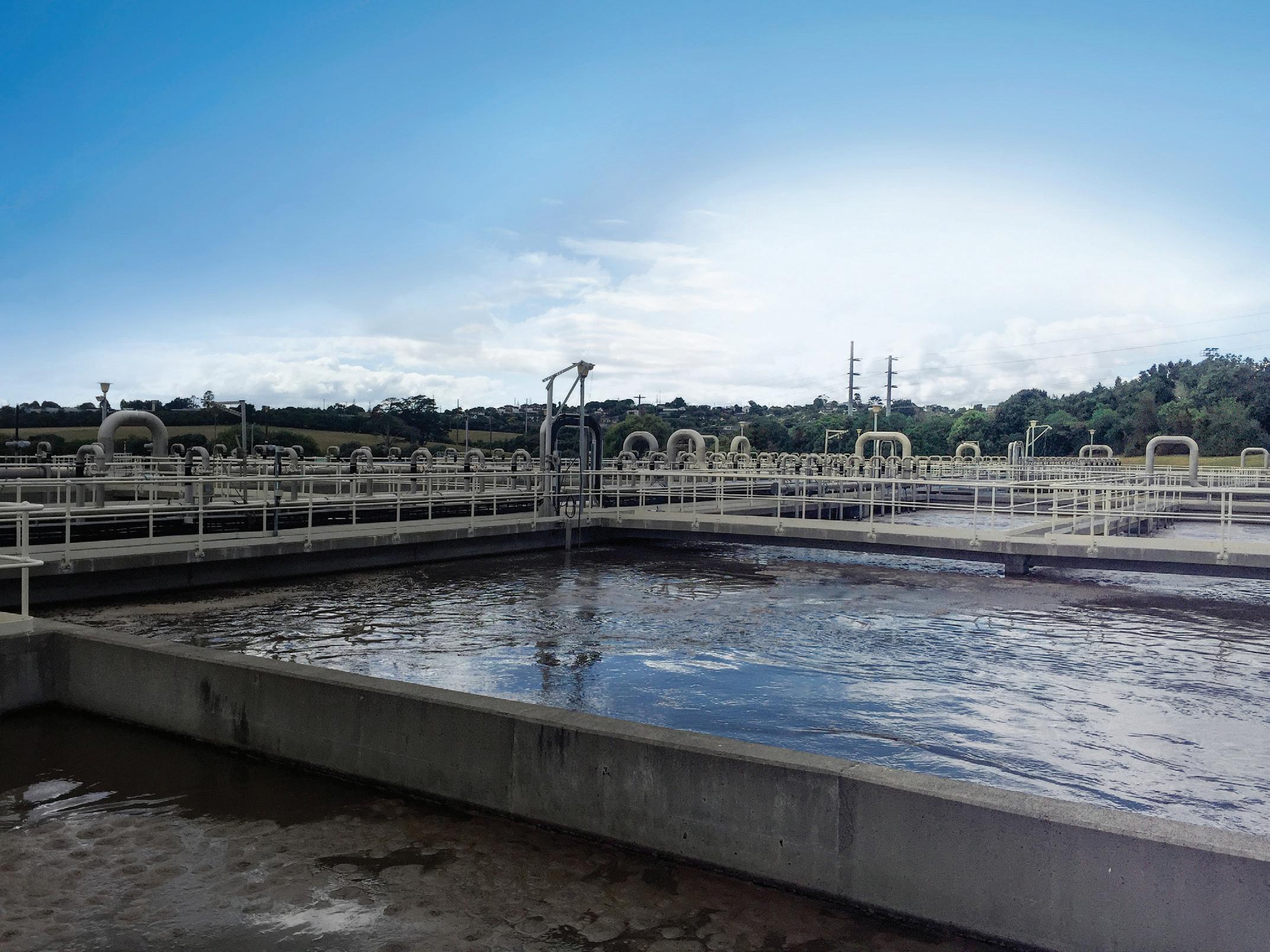

The new pipework installed at Quarry Road includes connections (the black pipes) to the new bulk supply point, which is still being built. The top section of white pipe connects to the new section of watermain and is a future connection for the Wesley and Paerata areas.
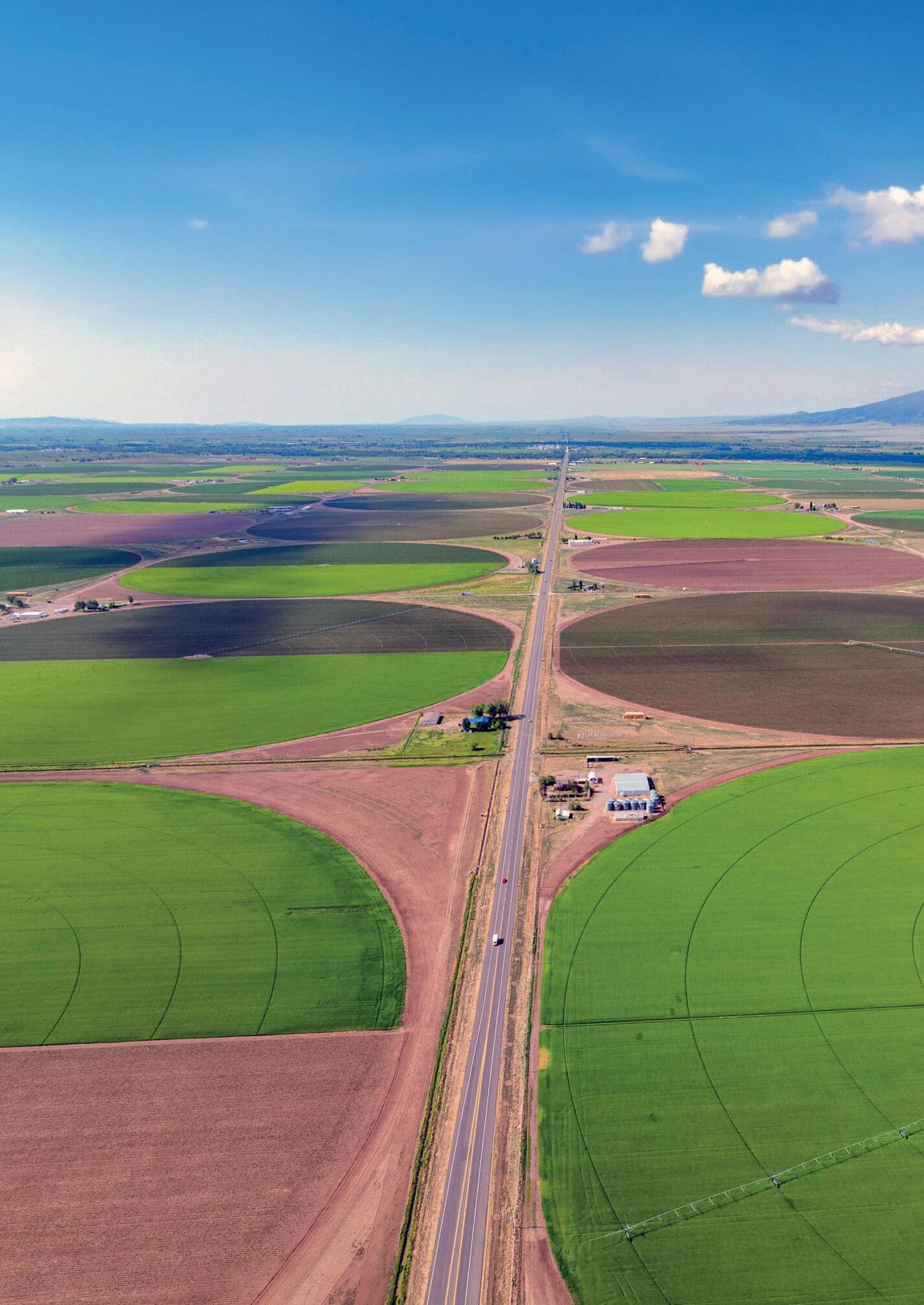
Detailed map reveals groundwater levels across the US

How much fresh water is in the United States?
It’s a tough question, since most of the water is underground, accessible at varying depths.
By Molly Sharlach.
In previous decades, this question has been answered indirectly from data on rainfall and evaporation. Knowing how much groundwater is available at specific locations is critical to meeting the challenges of water scarcity and contamination.
Now, researchers at Princeton University and the University of Arizona have answered this question in unprecedented breadth and detail. Combining direct measurements with artificial intelligence methods, their new map estimates groundwater depth across the continental United States at a resolution of around 30 metres.
These detailed estimates led to a new answer: a total of 306,000 cubic kilometres of water, or more than 13 times the volume of all the Great Lakes combined.
While this data-driven method shows an amount of water that’s in line with earlier studies, it does reveal supplies of shallow groundwater that were previously unknown.
The work provides a foundation for further research as well as local and regional decision-making around irrigation, conservation and water infrastructure.
“Given all the things we do know about the planet, we don’t actually know how much water we have,” says senior study author Reed Maxwell, the William and Edna Macaleer Professor of Engineering and Applied Science at Princeton University.
“And since most of it’s in groundwater, knowing how much surface water we have is only about one percent of the total. That’s where this becomes a hard problem. That’s where it becomes an interesting science problem.”
Despite groundwater’s crucial role in ecosystems and as a resource for drinking water, agriculture and industry, direct measurements of groundwater depth are sparse across many regions of the United States and the world.
To create the map, Reed and his co-authors combined more than a million direct measurements of groundwater depth with regional climate and geological data. They used this data to train AI algorithms that estimated groundwater depth at sites where measurements were not available.
In addition to calculating the overall volume of groundwater, they estimated the depth of the water table, or the depth below ground at which groundwater is available.
They divided the continental United States into a grid of more than eight billion squares, each measuring 30 metres on each side, and estimated groundwater depth for each square. Combining this depth information with estimates of rock and sediment porosity allowed the team to calculate groundwater volume.
The groundwater depth estimates relied on data from United States Geological Survey groundwater monitoring wells and from previous studies, with measurements ranging from the years 1895 to 2023.
Reed Maxwell
Much of the United States' agriculture depends on centre-pivot irrigation, shown here in Bancroft, Idaho.
Photo courtesy of: Yueling Ma et al. Princeton University
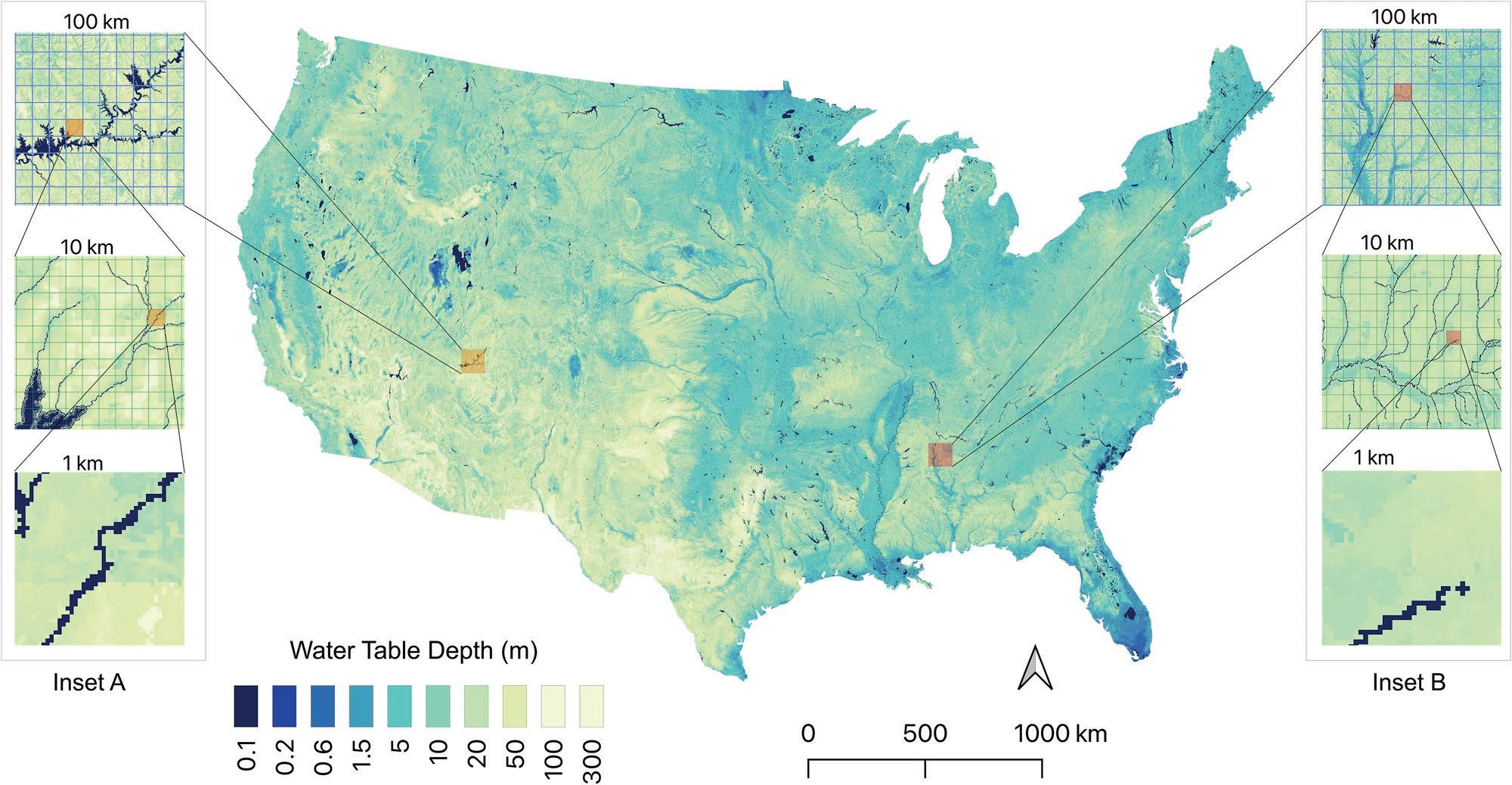
This broad time span was necessary because more than half of the sites used in the study were only measured at a single time point. Most of the data was collected after 1970, says Reed.
“We had to [combine data from different time periods] to have enough to use a purely data-driven approach. These problems need big data, and we needed a lot of observations to be able to have a reliable model.”
We call it a modern estimate, he says, rather than an estimate at a specific point in time. The map hints at impacts of groundwater pumping in agricultural regions, but more data would paint a clearer picture of this trend.
It’s counterintuitive, says Reed, but this is the first large-scale, hyper-resolution groundwater model that uses actual observations of groundwater.
Previous models have been mainly physics-based, meaning they rely on equations that represent the flow of groundwater under different conditions, and have mapped water table depth at a resolution of about 1 kilometre.
The team’s data-driven, AI-based model achieves a spatial resolution more than 1000 times greater than physics-based models.
The new approach also uses far less computing power, says lead author Yueling Ma, a former postdoctoral researcher in Reed’s group who is now a research fellow at Forschungszentrum Jülich in Germany.
Notably, the new model calculates the uncertainty of the groundwater depth estimate at a given location. This calculation relies on a machine-learning method called a random forest.
Co-author Peter Melchior, assistant professor of astrophysical sciences and the Center for Statistics and Machine Learning at Princeton, explains: “For each location, the method uses 300 decision trees. Each of these trees is trained slightly differently and is trying to solve the same problem. So, they find different solutions to it. If you have a full forest of them, you can use the variation between them as an estimate of the underlying uncertainty.”
Overall, the model’s uncertainty is higher in the western United States than in the East, which has important implications because the West generally has deeper water tables and is more dependent on groundwater for irrigation and drinking water, says Peter.
Since 2020, Peter and Reed have helped lead the development of the HydroGEN (Hydrologic Scenario Generation) platform, a suite of digital tools for understanding US hydrology, along with University of Arizona researchers Nirav Merchant and Laura Condon, the project’s lead investigator.
On the HydroGEN team, we have hydrologists, we have machinelearning experts, and we have software developers, says Laura, a co-
A machine learning approach can synthesise 1 M water table depth observations with high-resolution data products to develop a fine-scale estimate of the quantity and accessibility of groundwater over the US.
author of the study and a professor of hydrology and atmospheric sciences at the University of Arizona.
This collaboration “allows us to go from hydrology ideas to really building something that other people can access and see and use.”
The model’s outputs are publicly available on the team’s HydroFrame platform, which makes hydrology data and simulations broadly accessible to researchers and decision-makers alike.
“There’s a wide range of people who need to understand how much [groundwater] there is, how deep it is, how accessible it is,” says Reed. “And those are just the immediate management needs that’ll be met by this.”
Reed says, on a practical level, the new map’s high resolution could be valuable for farmers or other local and regional decision-makers. Much of US agriculture depends on centre-pivot irrigation, in which a large sprinkler attached to a single well provides water to crops over an area of 500 square meters (about one-eighth of an acre). There are more than 14 million centre pivots in the Ogallala Aquifer of the Great Plains, for example.
“It’s this local decision [of how to irrigate] that is made millions of times.” And his team’s new model accounts for the shallow groundwater that’s critical to agriculture in a way that previous models overlooked.
“Because we use machine learning, these new techniques, and highresolution big data products, we can get at that piece that’s never been never been able to be calculated or estimated before.”
In collaboration with local experts, the team is beginning to expand its method globally. Yueling, now in Germany, and co-author Julian Koch of the Geological Survey of Denmark and Greenland are focusing on areas of Europe.
Reed recently returned to Princeton from a sabbatical in Australia, where he is working with hydrologists to build both physics-based and machine-learning groundwater models for the continent. Others in his group are leading similar work in Brazil.
Reed notes that the approaches developed for the US-focused map can be adapted to model groundwater in regions with less available data.
“The idea is to build this community globally, with the hope that as the model gets more generalised and more robust, it becomes a foundational machine-learning model for groundwater.”
The article, “High resolution US water table depth estimates reveal quantity of accessible groundwater,” was published in Communications Earth & Environment, see nature.com/articles/s43247-025-03094-3. In addition to Ma, Condon, Koch, Melchior and Maxwell, authors include Andrew Bennett of the University of Arizona, and Amy Defnet and Danielle Tijerina-Kreuzer of Princeton University.
Article provided by Princeton Engineering.
Image:
Yueling Ma et al. Princeton University
Suitable for driveways and carparks, trafficable meter boxes are available in both Midi and Jumbo sizes. With a reinforced frame and lids constructed of SMC material, these high strength boxes carry 2600kg wheel loads, while being radio transparent – ideal for protecting RF and IoT water meters
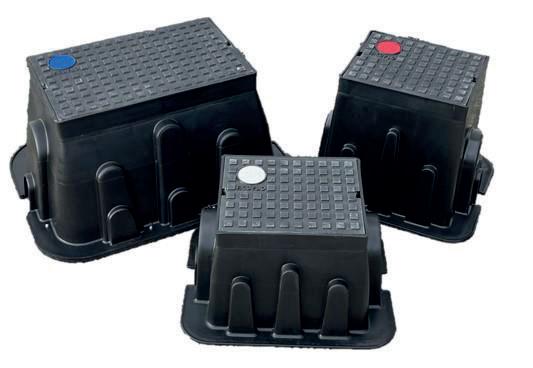
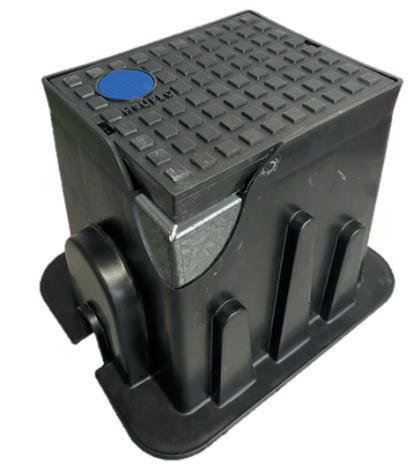
The perfect solution for those compact sites, where space is a premium. Supplied with manifolds, fully assembled & pressure tested, ready to connect to the rider main. Standard in 2 to 6 outlets, all in a single trafficable box . Solution oriented, we work with you for bespoke designs using AS4020 certified , 50NB, 316 SS distribution manifold & isolating valve and choice of AS2845 certified , lead free manifolds.
Talk to us about your customised solution
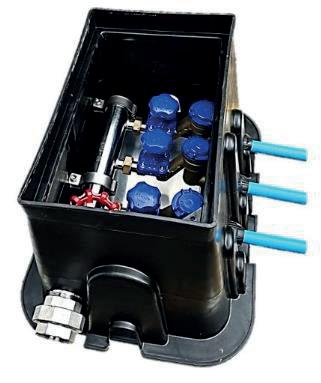
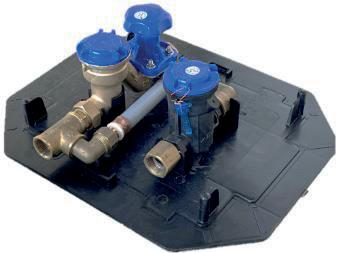

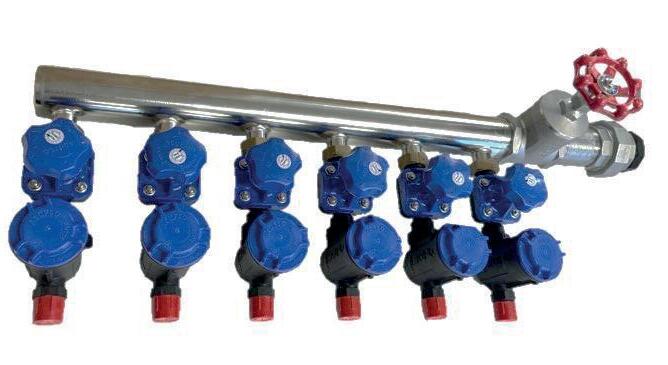

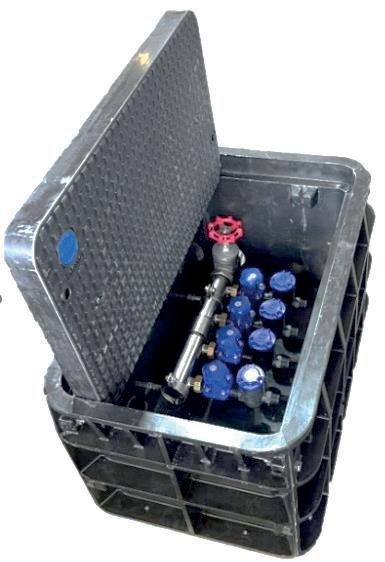




The Maya engineering paradox: Masters of water, prisoners of mercury
The Maya of Ucanal, in present-day Guatemala, kept their water free of biological contaminants for a millennium, but their ritual use of mercury created a toxic taint. By Virginie Soffer.
Under the supervision of Université de Montréal archaeology professor Christina Halperin, PhD student Jean Tremblay spent six years, from 2018 to 2024, studying how the Mayan city of Ucanal managed its drinking water.
Combining geochemistry and paleolimnology, his interdisciplinary study explored the archaeological and social issues surrounding access to water and status-based disparities in a densely populated, pre-Hispanic urban environment.
Three reservoirs with distinct functions were excavated and analysed at the Ucanal site in northern Guatemala: Aguada 2, which served a wealthy part of town; Aguada 3, located in a humbler neighbourhood; and Piscina 2, which was connected to the city’s drainage system.
Sediment records were analysed for markers of biological pollution, such as cyanobacteria and faecal matter, and traces of chemical contamination.
The findings point to a Mayan paradox. For nearly 1500 years, Ucanal’s residents enjoyed water free of biological contaminants; including during the Terminal Classic period, when Ucanal flourished while other Mayan centres declined. This achievement was the result of meticulous hydraulic planning and effective control of visible pollutants, reflecting sustained attention to drinking water quality.
However, despite this technical mastery, chemical contamination by mercury was widespread. Concentrations far exceeding toxic thresholds were found in all the reservoirs.
The source was cinnabar, a mercury-based pigment that was central to Mayan rituals. This pollution was invisible and escaped filtration systems.
A millennium of clean water
Throughout Ucanal’s history, its reservoirs were free of cyanobacteria, commonly known as blue-green algae, which was a well-documented problem elsewhere in the Mayan world.
Ucanal’s success on this front was due to the fact that biological contaminants were visible to the naked eye.
“The Maya knew about cyanobacteria and these algae are clearly visible,” Jean explains. “The Maya could deal with bacteria they could see.”
Mayan water supply systems were carefully designed. The monumental Aguada 2 reservoir, perched on high ground,
featured a natural filtration system: sediment and waste were filtered by rock-filled inlet channels.
Preliminary analysis suggests that the basins were also surrounded by vegetation.
“Shade keeps the water cooler,” says Christina. “Warm water stimulates the production of cyanobacteria.”
The analysis confirms the effectiveness of these features. Carbon-to-nitrogen ratios indicate that the organic matter observed originated from terrestrial plants rather than algae. The limiting factor, i.e. the missing ingredient for algae growth, was the lack of phosphorus. No signs were detected of eutrophication, the ecosystem degradation caused by excessive phosphorus levels that leads to algae growth.
Advanced urban hygiene
Another surprising finding was the virtual absence of faecal contamination in the drinking water reservoirs.
By analysing biomarkers such as coprostanol, the researchers were able to reconstruct the city’s sanitation practices.
Even during periods of high population density, Aguada 2 showed low faecal contamination levels, indicating effective human waste management. The researchers believe there were probably sealed waste pits located outside the catchment areas, a rarity in dense pre-industrial cities.
Aguada 3 was an exception. Nestled among modest residences, it exhibited contamination levels comparable to those of polluted lakes today.
“This reservoir was used as a small waste pit,” Jean says. Analyses reveal an accumulation of broken ceramics, domestic waste and even a disturbed human grave, suggesting that the reservoir was used for artisanal purposes or wastewater collection rather than for drinking water.
By contrast, Piscina 2 was connected to a large drainage canal and benefited from water movement and aeration, limiting contamination despite its urban setting.
The red poison: pervasive and invisible
But beneath the clean surface lay a darker reality. All the reservoirs, sediment layers and neighbourhoods in Ucanal showed massive mercury contamination. Almost all samples exceeded the thresholds for toxic effects on aquatic environments.
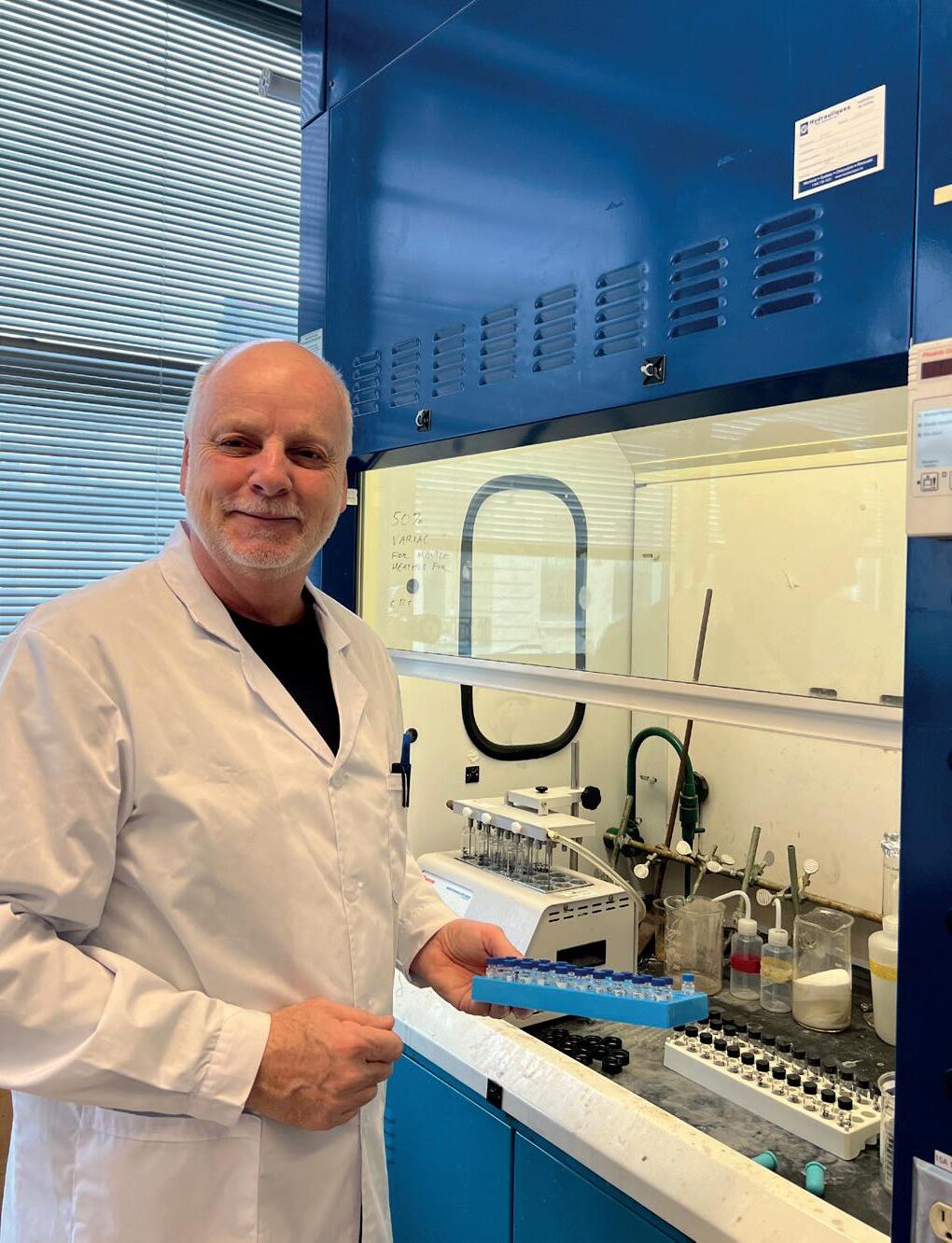
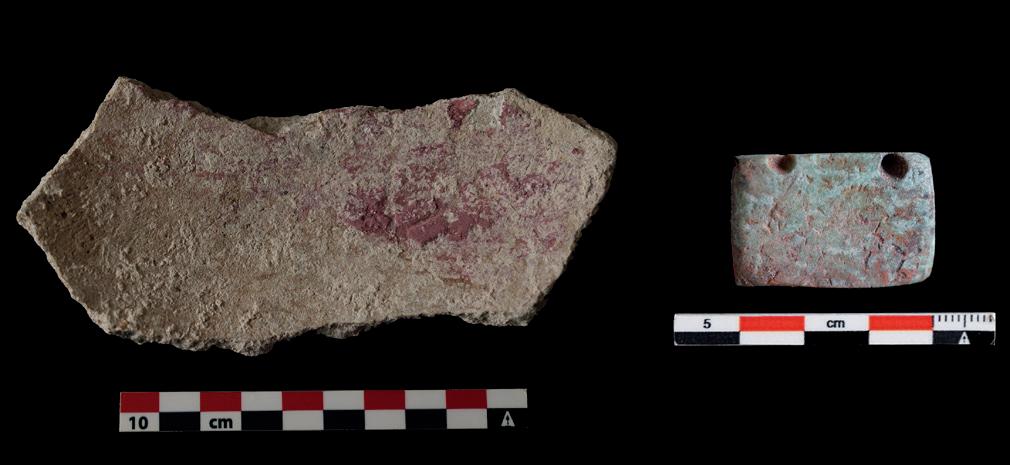
Researchers have identified the source: cinnabar, a bright red pigment based on mercury sulphide that was ubiquitous in the Mayan world.
“Its colour was reminiscent of blood,” says Christina. “In Mayan cosmology, blood, life, and death are omnipresent.”
Used on steles, buildings, prestige objects, and corpses, cinnabar was washed away by rain and leached into the soil and water. By the Terminal Classic period, mercury levels in the large basins had skyrocketed by over 300 percent.
The rise coincided with increased trade and wider access to ritual objects.
“It wasn’t just the elites using it, everyone was exposed,” she observes.
Unlike biological pollutants, mercury is undetectable by the senses. “They had no way of knowing it was toxic,” Jean says. “It didn’t cloud the water or turn it red.”
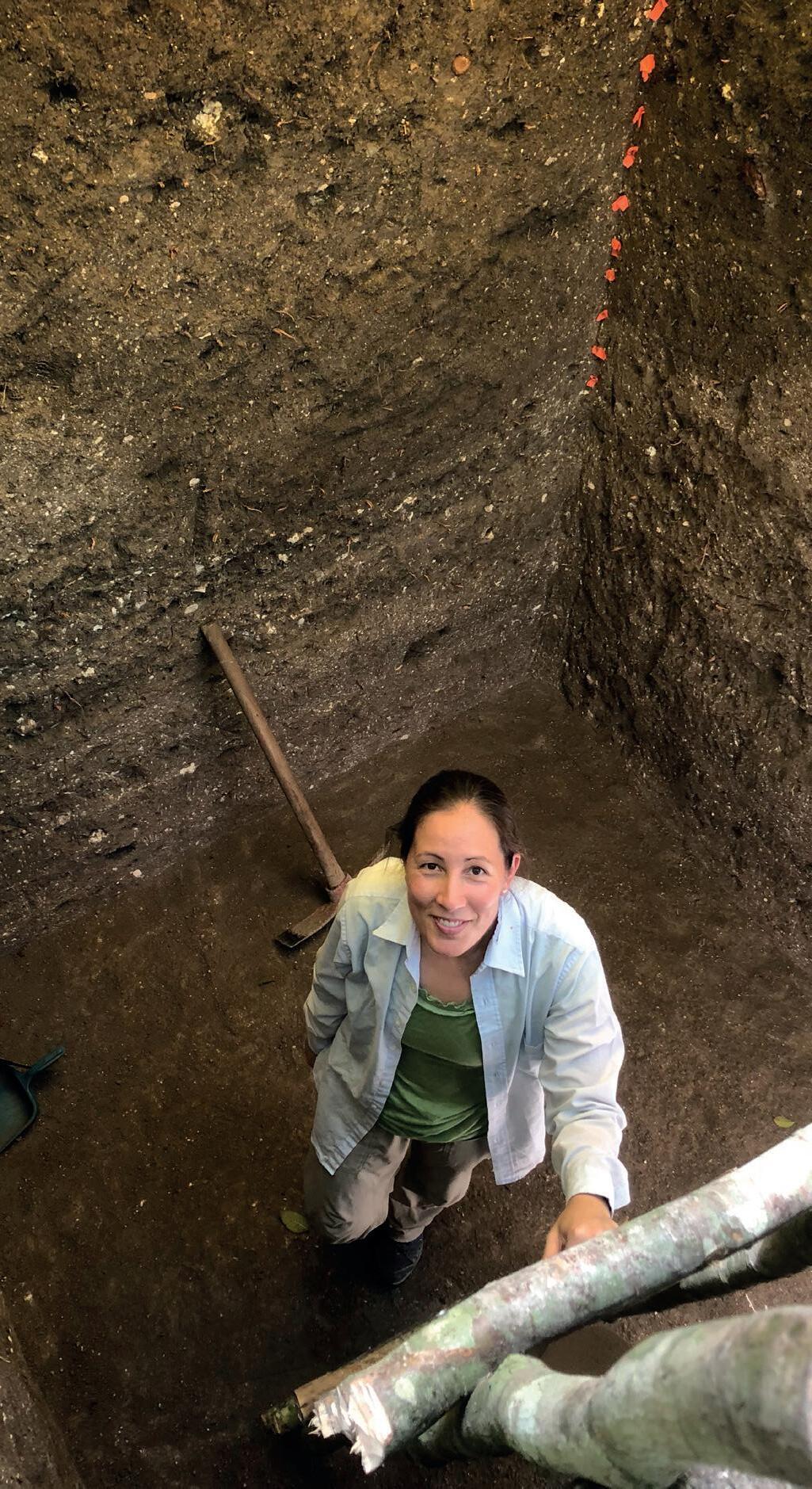
These artefacts show the red pigment of
(mercury sulphide) which was used for decorating buildings, pottery, and burial rites. Its vibrant red colour was linked to blood, life, and power. Widespread use led to heavy environmental mercury pollution, contaminating water sources and causing chronic health issues.
Once dissolved, the mercury passed through the most advanced filtration systems of the time.
This paradox – water that was biologically safe but chemically toxic – reflects the limits of ancient knowledge, even though the Maya of Ucanal planned, looked ahead and managed their resources carefully.
“They didn’t live day by day. That’s why their civilisation survived for 2000 years.”
Article provided by Université de Montréal.
Above: Christina Halperin at the Aguada 2 excavation site. Top left: Jean Tremblay conducting chemical analyses. Bottom left:
cinnabar
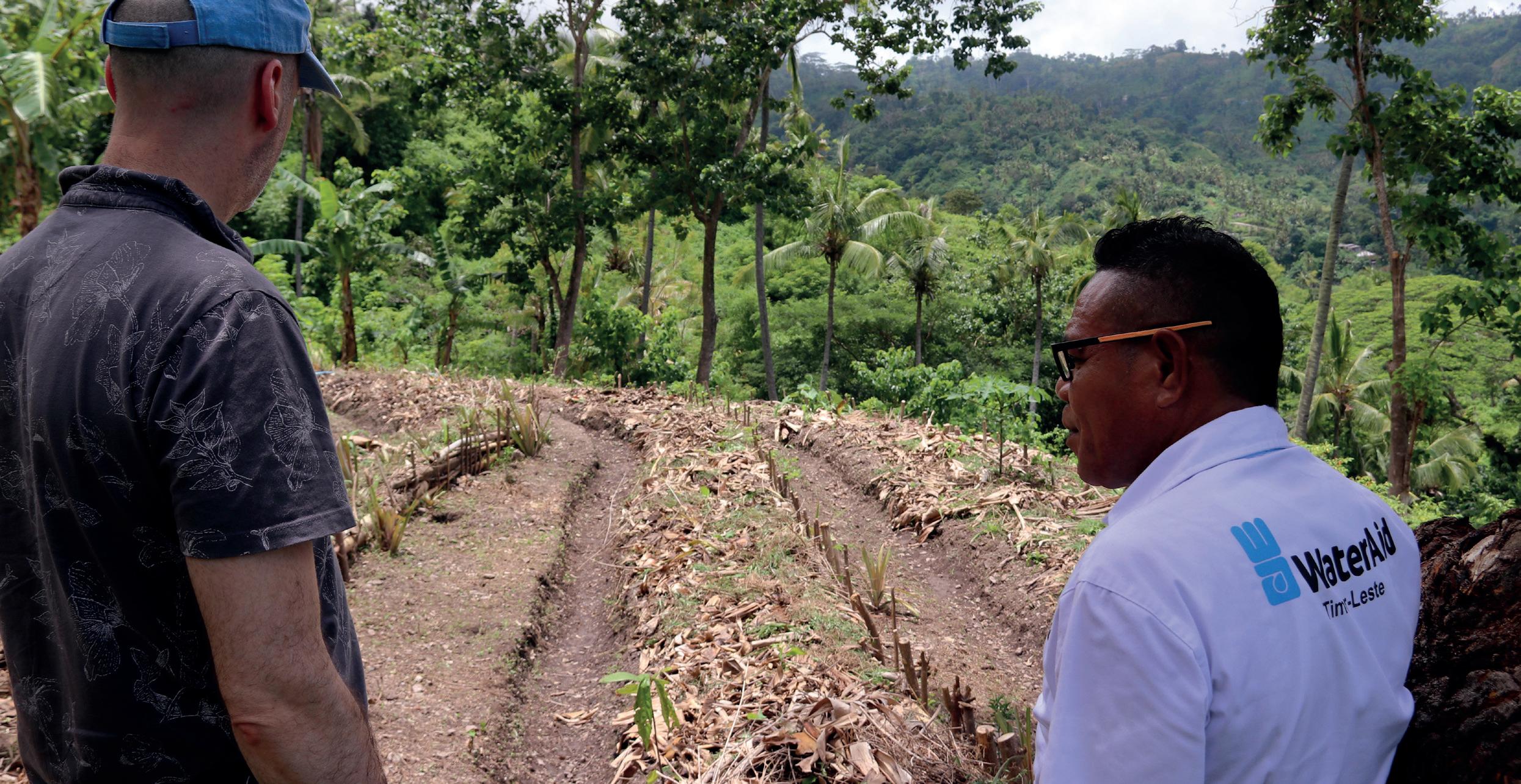
Beyond the pipe: Catchment management in Timor-Leste
By Fraser Goff, regional systems strengthening technical lead, WaterAid Australia
When we think of water supply infrastructure, we are hardwired to think of grey assets like pipes, treatment units, valves, and dams. Yet the quality and quantity of water available from our taps often depends on the green infrastructure upstream – in catchments, forests and soils.
Over the past five years in Timor Leste, WaterAid and Timorese partners have developed a model for holistic, catchment wide, nature based approaches to improve water reliability and climate resilience for rural Timorese communities.
A catchment model
Since 2021, WaterAid has worked with Permatil (a Timorese permaculture organisation) in Liquiçá and Manufahi municipalities to develop a community-led approach that puts nature based solutions (NbS) at the centre of water resource management.
By restoring and protecting catchment ecosystems, constructing bio-infiltration basins and check dams, and shifting agriculture towards practices that retain water in the landscape, we are making more water available for domestic and agricultural uses. We support communities to assess climate risks, and to create action plans to address these through a combination of NbS and improvements to design and management of their water systems. We have paired this with WaterAid’s system strengthening approach, building local government capacity for water governance.
Since 2021, our programmes have delivered 44 bio-infiltration basins, 87 farming terraces and more than 6600 trees across catchments serving around 12,700 people, all led by community members.
Improving water security and climate resilience
Communities are beginning to see the benefits. In Loidahar village, the number of active springs increased from 16 to 37, providing more options and more reliable dry season flows. One woman told us, “now that our water flow is more stable, we can take a shower, and grow vegetables… we can sell them in the market to help with our daily necessities.”
In another village, Bubususu, the village chief noted that people “now use toilets because the water is sufficient.”
Communities can also see how better catchment management reduces the impacts of extreme weather. As a representative from Bubususu explains: “Through activities like building check dams in the gullies, we’ve been able to reduce the force of the water and the erosion in the gullies and down to the flow of the big rivers.”
Leveraging traditional ecological knowledge
Customary knowledge is a powerful force in Timor Leste. We have worked with cultural elders to embed catchment management into tara bandu, a system of customary village by-laws that promotes sustainable use of natural resources. This has helped reduce slash and burn agriculture, protect water intakes from livestock, and discourage individuals from fixing leaks without involving their local water committees.
Neighbouring villages have adopted similar tara bandu measures, extending protection across the catchment. Communities report fewer incidents of pipe damage and stronger protection of replanted areas.
Tara bandu reinforces locally-accepted and locally-owned mechanisms for sustaining catchment health.
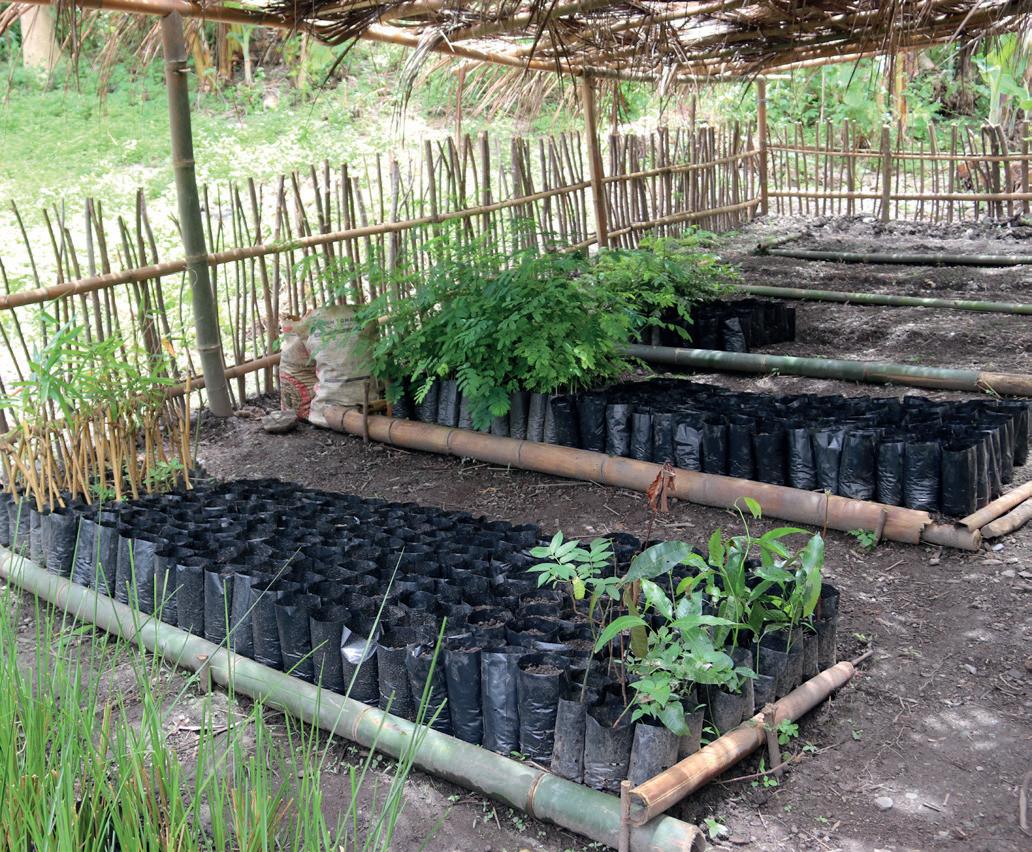
Strengthening inter-departmental water resource management approaches
Water resource management in Timor-Leste involves a wide range of actors, from village groups to municipal departments for water, agriculture, forestry, environment, and disaster preparedness. WaterAid’s approach brings these diverse actors together through municipal water forums to encourage joint-planning and implementation. This has led, for example, to forestry departments providing free seedlings, and to water supply departments cofacilitating tara bandu workshops with village elders.
As a representative of the Liquiçá municipal water, sanitation and environment service notes: “There are several processes now in place to plan and manage water usage across the catchment, especially between different communities, which represent a significant improvement compared to the situation before the project.”





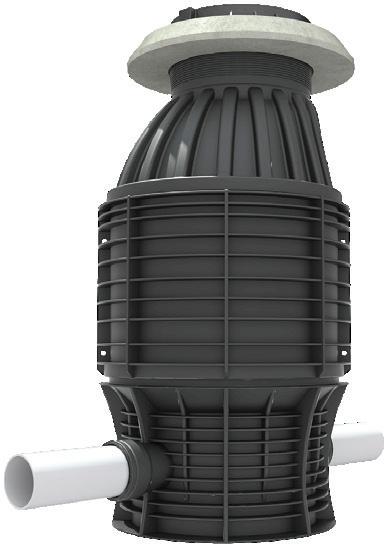
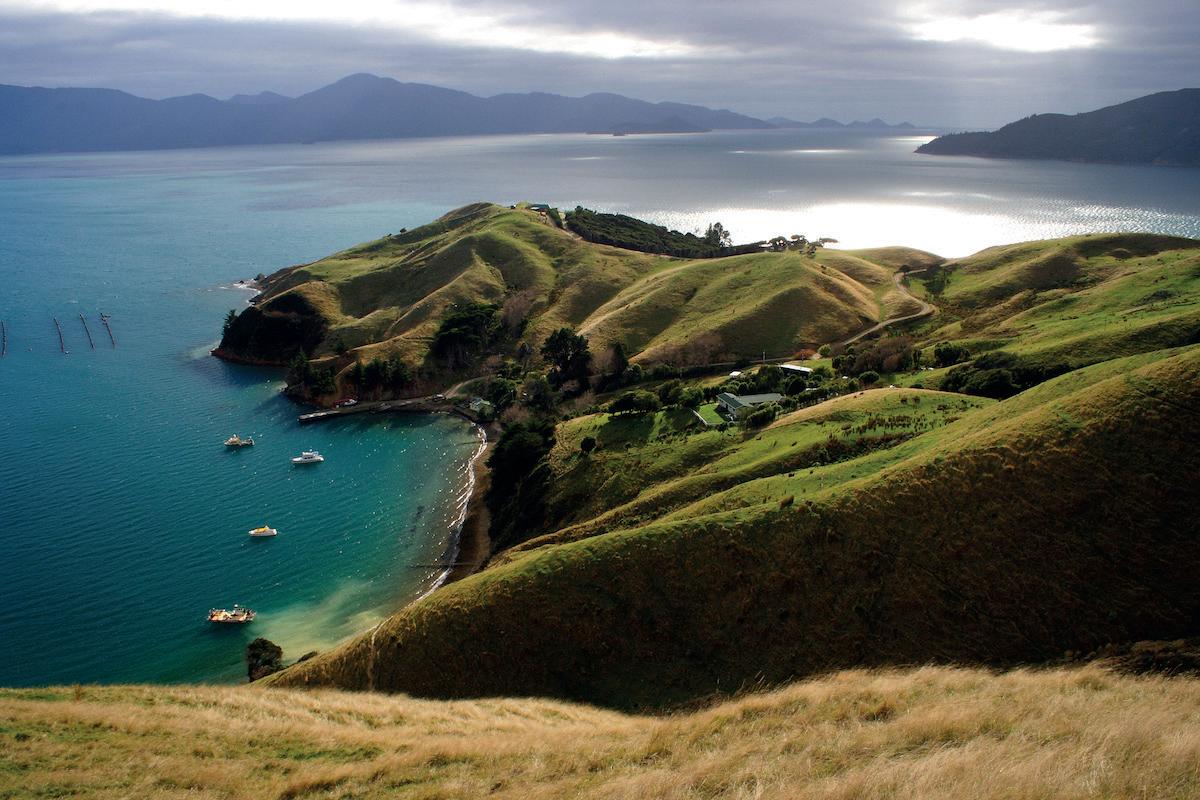


Lessons for water professionals
While the context is vastly different, there are several lessons the New Zealand water industry can take from WaterAid’s work in Timor-Leste.
1. Value catchments: Water reliability, quality and quantity depend on catchment condition, and these landscapes must be managed like any other water asset.
2. Integrate traditional ecological knowledge: Local cultural knowledge and cultural governance systems can drive lasting change in land and water resource management.
3. Make the mental shift to whole-of-system management: Water security depends on collaboration with stakeholders working in agriculture, forestry, and land management.
WaterAid and Permatil are continuing to scale community-led NbS to new watersheds and support government water resource management standardisation and replication at municipal and national level through a multi-year research partnership collecting quantitative evidence on effectiveness of NbS approaches.
Our experience from Timor-Leste shows that when we treat catchments as core infrastructure, we can make water systems more reliable, an approach that can be adopted wherever communities depend on healthy landscapes for secure water.
Article provided by WaterAid Australia.
Retention pond



Proven smart water metering technology
Arad’s advanced smart and digital water meter solutions maximize management by providing a real time feed and web-based data collection, critical alerts that allow for an immediate reaction, and integrate seamlessly into your current systems.
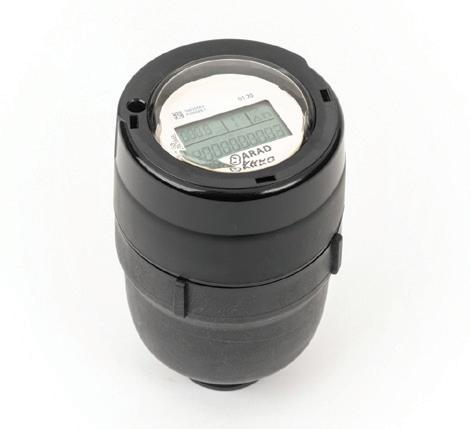
The Gladiator LR
Digital
Arad’s super sensitive positive displacement LoRaWAN water meter with a fully integrated under the glass radio, providing vast online data and supports rich alarm options. The only ISO concentric manifold meter available for converting existing networks to smart metering.
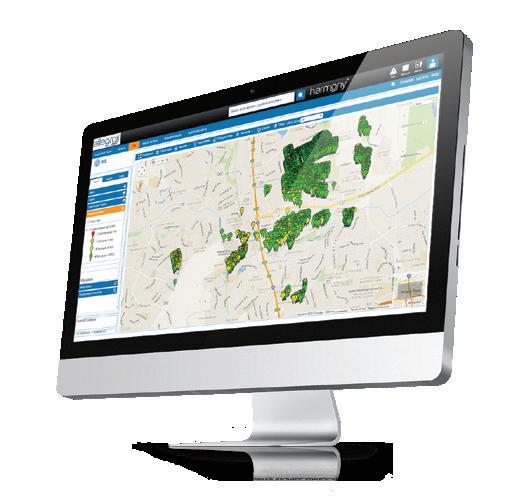
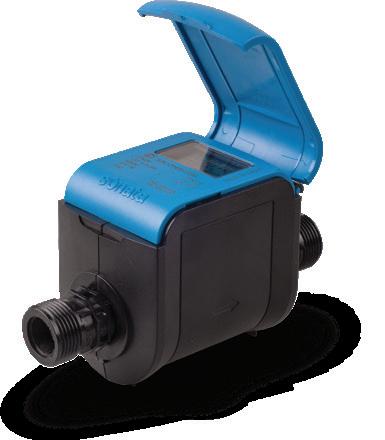
The Sonata LR9
An advanced and highly accurate ultrasonic LoRaWAN water meter and data endpoint for residential applications. With no moving parts, the Sonata’s robust design ensures reliable and long-lasting precision. Its technology enables the measurement of even the lowest flow rates, making it the best solution for addressing NRW.
Harmony Encore
A next-gen MDM platform built for performance, insight, and customer empowerment. Built on Microsoft® Azure™, it delivers speed, scalability, and security –while supporting nearly any AMI network.
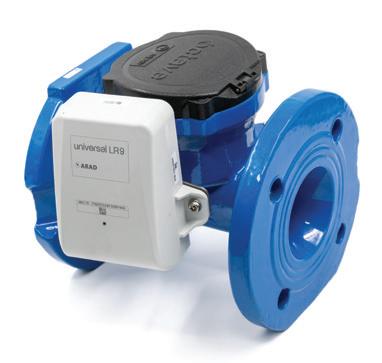
The Octave
A revolutionary, precise and ultra reliable ultrasonic bulk water meter with no moving parts. With superior hydraulics and batteries that last up to 15 years, the Octave is today’s best choice for bulk meters. Flexible data formats including flow directions, flow rates and volumes make the Octave the logical choice for large projects, as key meters in grids and DMA (District Metered Areas). Coupled with Arad’s XTR Universal LR9 fully integrated LoRaWAN solution the Octave connects to any AMI network.

Christchurch engage Aeris Global to resolve odour at Bromley WWTP
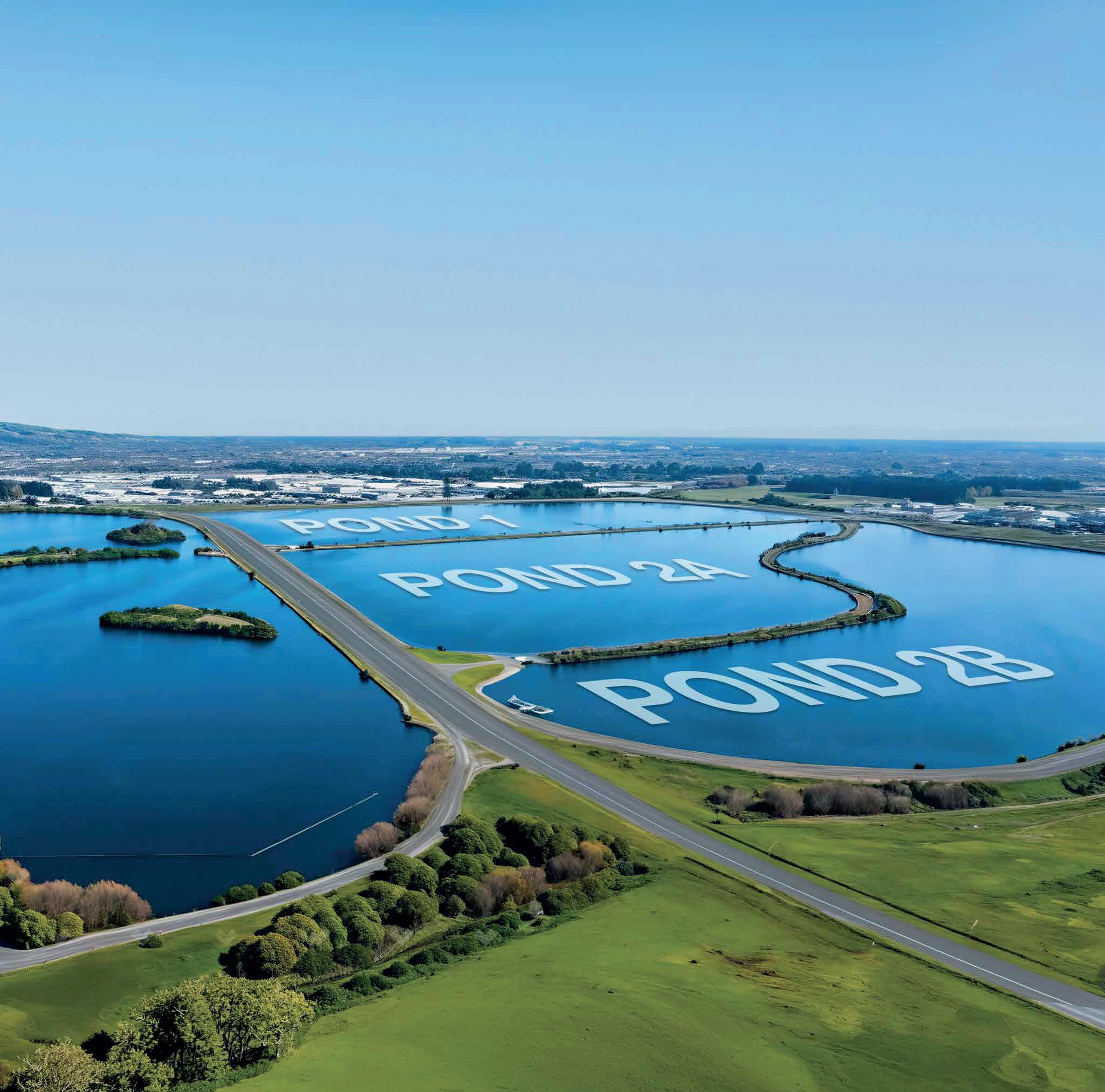
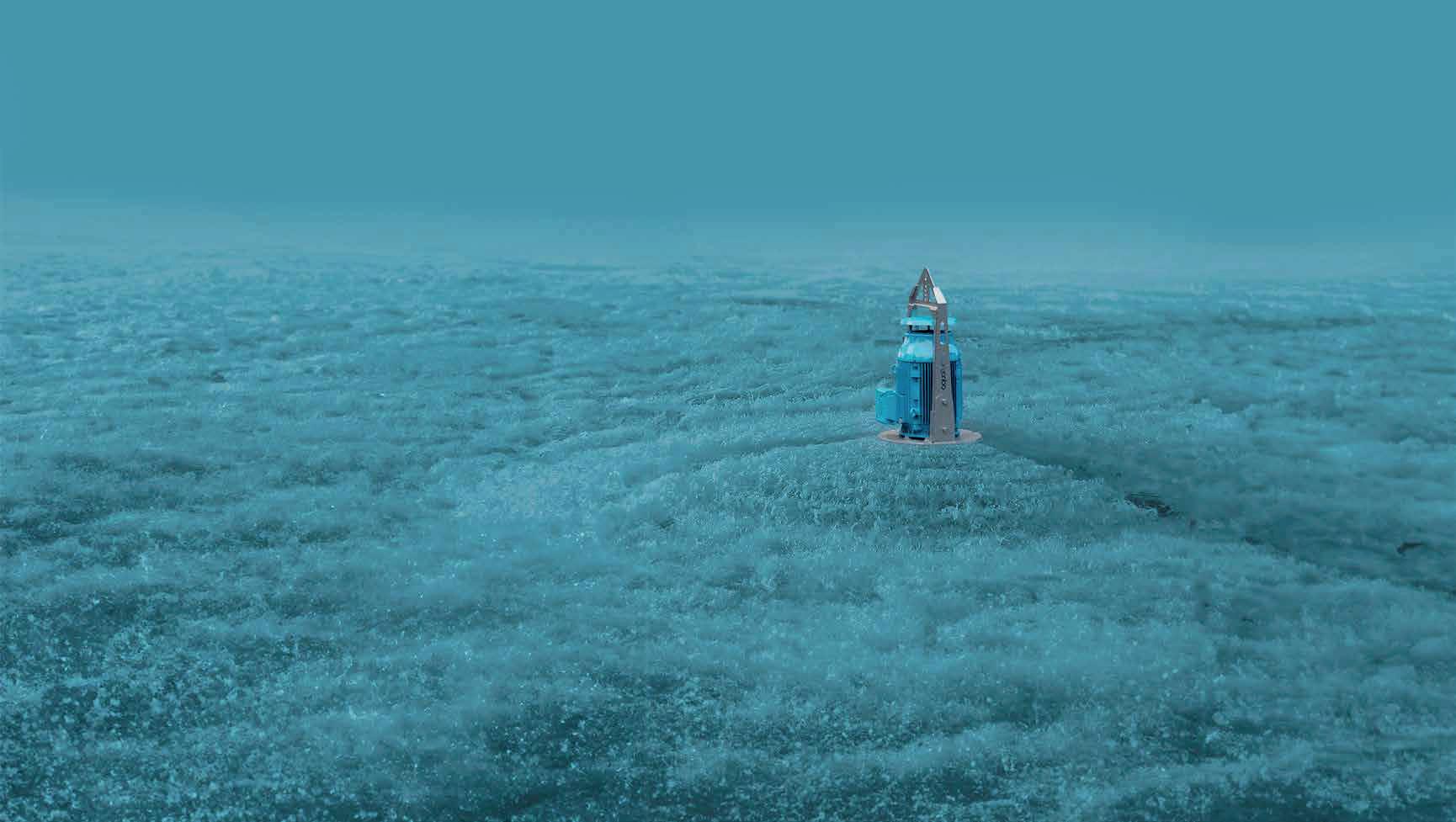
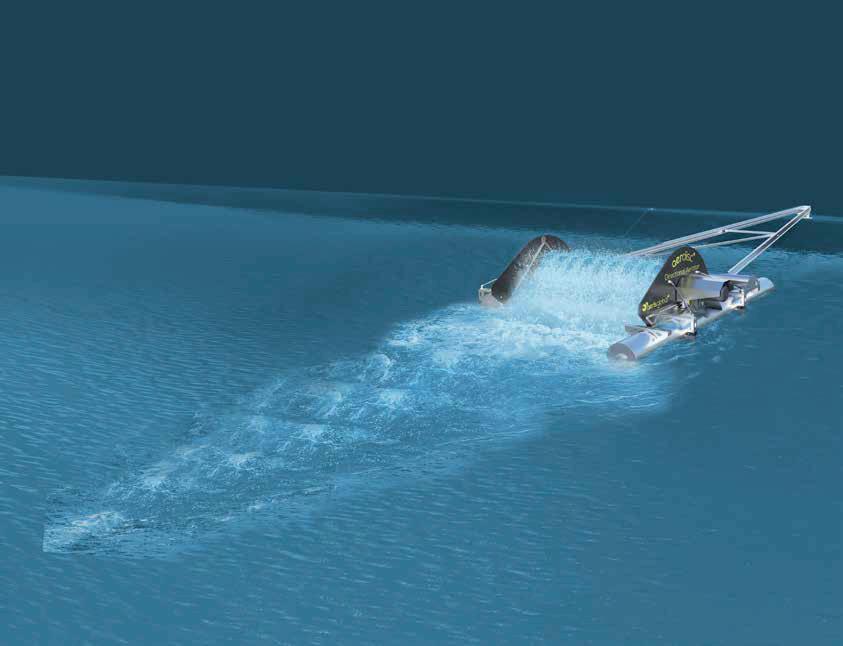
Quality is a choice
To cater for increased plant loadings aeris global® has been contracted to provide aeration for Ponds 2A & 2B.
turbo® Surface Aerators and 16
Directional Aerators will be installed, with scope to add more aerators as loadings increase further.
The contract will be fast-tracked using aerators has in stock.
Revitalise your plant with aeris global®
Start with the leader - visit us at www.aeris.global