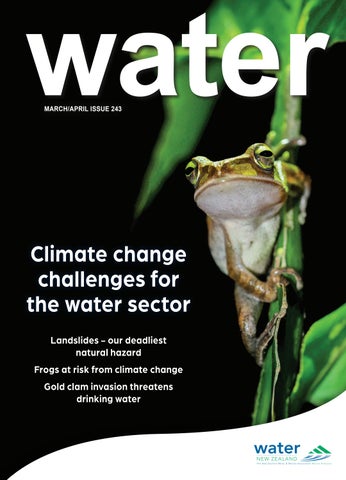

Climate change challenges for the water sector
Landslides - our deadliest natural hazard
Frogs at risk from climate change
Gold clam invasion threatens drinking water


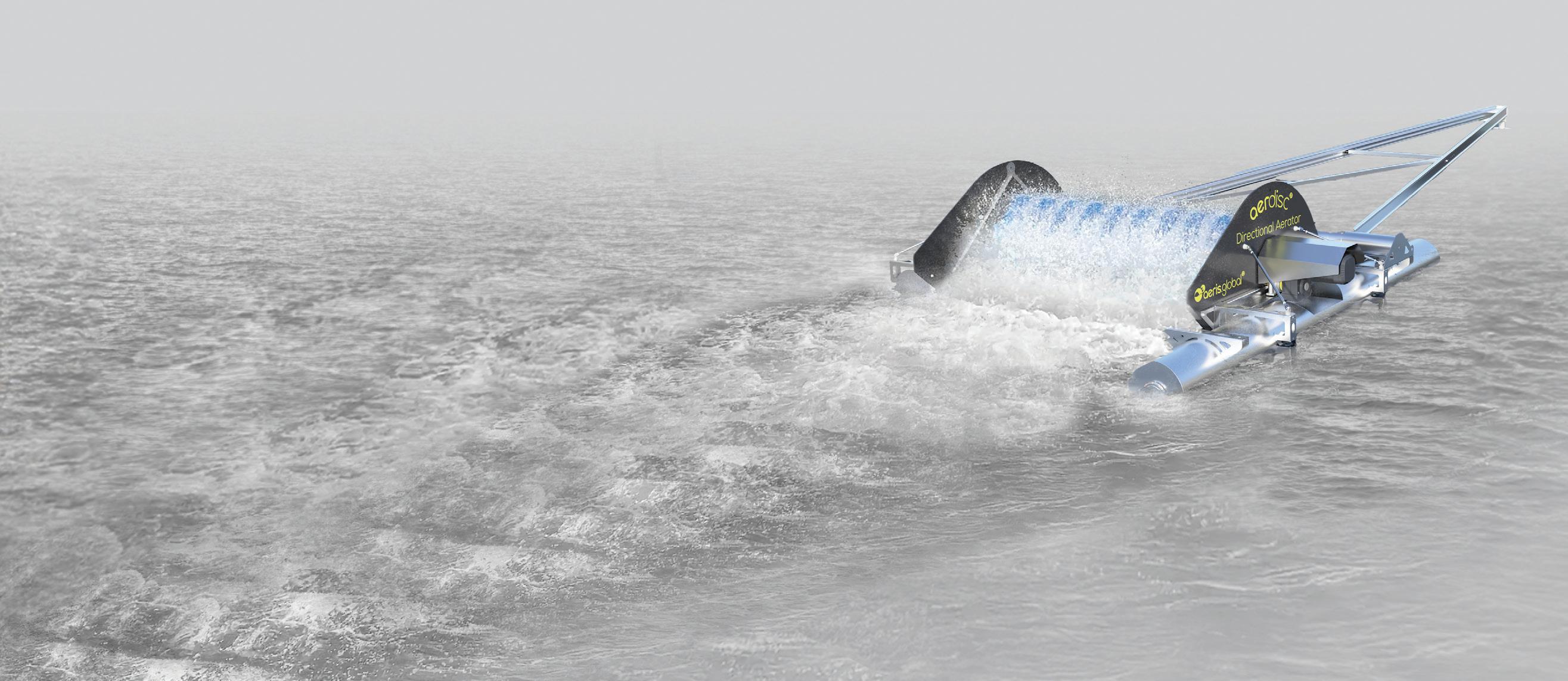
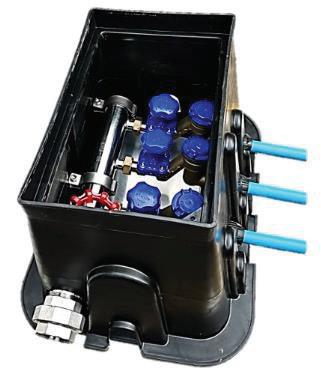
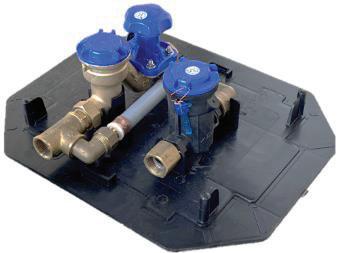
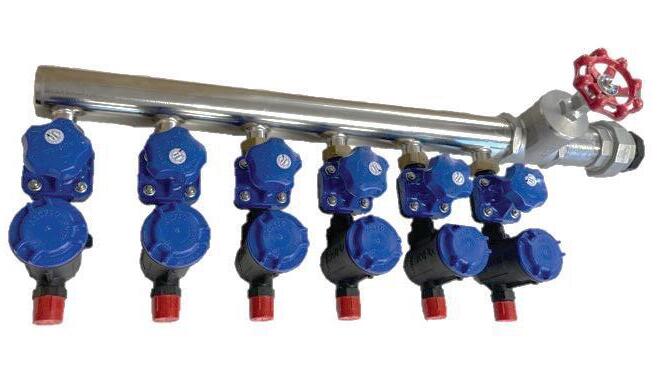
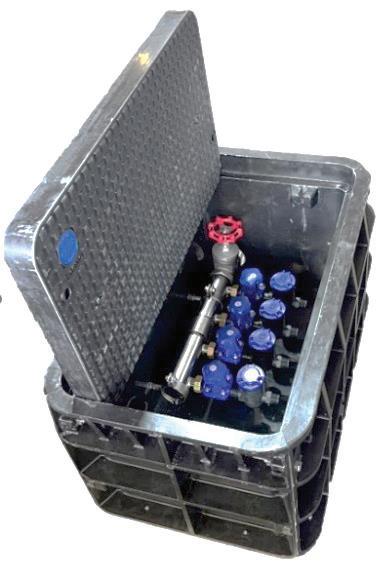
New Zealand’s longest serving manifold manufacturer is now 100% lead free. The CM2000 manifold has led the market with its composite construction since 2010, guaranteeing customers a lead-free water connection. Now the tried-and-true, low lead, GM900 manifold has joined the lead-free range.
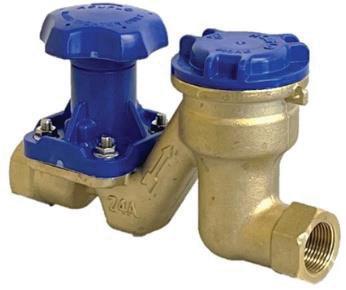
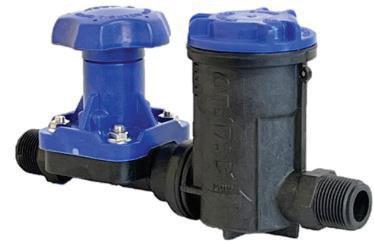
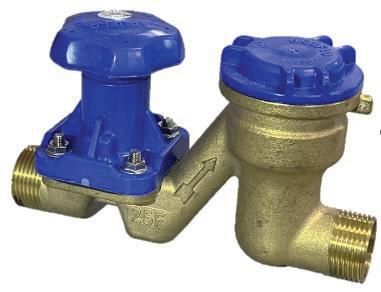
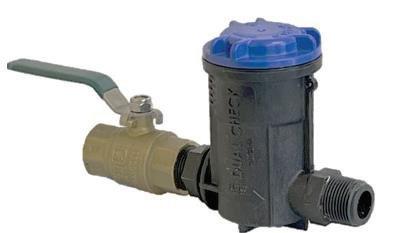
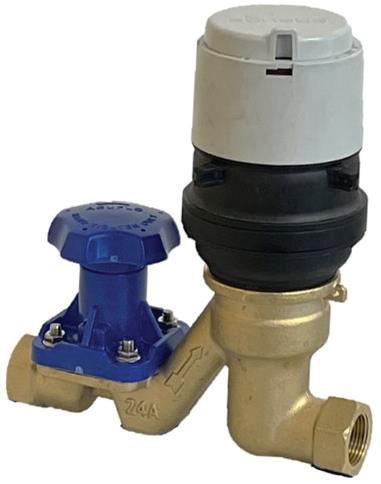
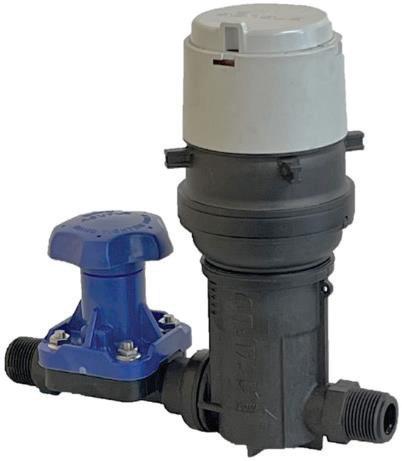
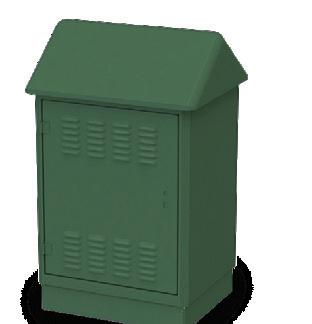
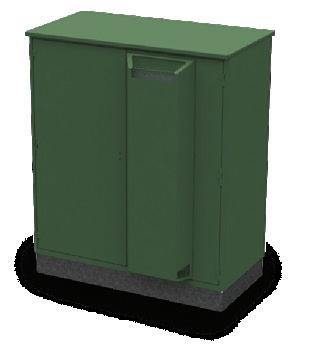
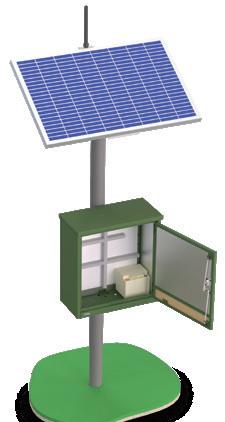
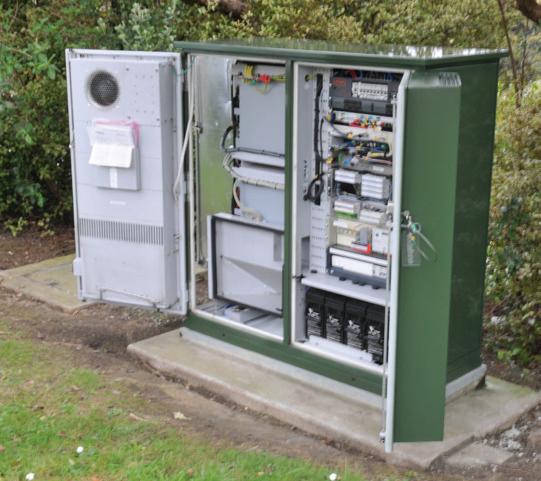
The perfect solution for those compact sites, where space is a premium. Supplied with manifolds, fully assembled & pressure tested, ready to connect to the rider main. Standard in 2 to 6 outlets, all in a single trafficable box . Solution oriented , we work with you for bespoke designs using AS4020 certified , 50NB, 316 SS distribution manifold & isolating valve and choice of AS2845 certified , lead free manifolds.
Talk to us about your customised solution





President: Tim Gibson
Board Members: Bruce Balaei, Stephen Burton, Tim Gibson, David Hogg, Paddy McNamara, Soltice Morrison, Suzanne Naylor, Priyan Perera
Chief Executive: Gillian Blythe
Internal Events and Logistics Co-ordinator: Katrina Guy
Corporate and Membership Services
Manager: Mumtaz Parker
Membership Administrator/Office Manager: Pip Donnelly
Technical Lead – Regulatory and Policy: Tega Ogbuigwe
Technical lead – Drinking Water Quality and Education: Belinda Cridge
Communications Manager: Debra Harrington
Marketing Lead: Frances Sheriff
Executive Assistant to the CE and Association Secretary: Caroline Lewin
Accounts Administrator: Sweety Gangreddiwar
OUR SPECIAL INTEREST GROUPS
Backflow
Climate Change
Drinking Water Quality
Diversity, Equity and Inclusion
Smart Water Infrastructure
Modelling
Onsite Wastewater Management
Stormwater
Te Ama | Aukaha te Wai
Water Services Managers’ Group Water Efficiency and Conservation Action Network (WeCan)
Wastewater
Young Water Professionals: Chapters in Auckland, Wellington and Christchurch.
For information contact:
Katrina Guy 04 495 0891, email: Katrina.guy@waternz.org.nz
WATER JOURNAL
Editor: Mary Searle Bell, Contrafed Publishing
M: +64 21 676 034
Advertising Sales: Debbie Laing
M: +64 27 455 0223
Design: Jonathan Whittaker
M: +64 21 147 5591
Publishing: Contrafed Publishing, General Manager: David Penny, 1 Grange Road, Mount Eden, Auckland 1024
PO Box 67131, Mt Eden, Auckland, 1349
P: +64 21 190 4078
www.contrafed.co.nz
Distribution: Pip Donnelly, enquiries@waternz.org.nz
P: +64 4 472 8925
DISCLAIMER: Water New Zealand reserves the right to accept or reject any editorial or advertising material submitted for publication. The opinions expressed in contributions to Water are not necessarily those of Water New Zealand. The information contained in this publication is given in good faith and has been derived from sources believed to be reliable and accurate. However, neither Water New Zealand, nor any person(s) involved in the preparation of this publication accept any form of liability whatsoever for its content including advertisements, editorials, opinions, advice or information. This extends to any consequences from its use. No part of this publication may be reproduced, stored in any retrieval system, or transmitted in any form or by any means electronic, mechanical, photocopying, recording or ink–jet printing without prior written permission of the publishers.
ISSN 1179-2949 (Print)
ISSN 2382-1906 (Online) www.waternz.org.nz

INSIDE
4 President’s comment 6 Business confidence survey results 8 Our submissions to government 12 Water efficiency on the world stage
Reflections on UK water
18 Nature-based solutions workshop
FEATURES
22 Profile: Jon Reed
24 Profile: Sheshant Kumar
26 Our deadliest natural hazard
30 Do trees prevent landslides?
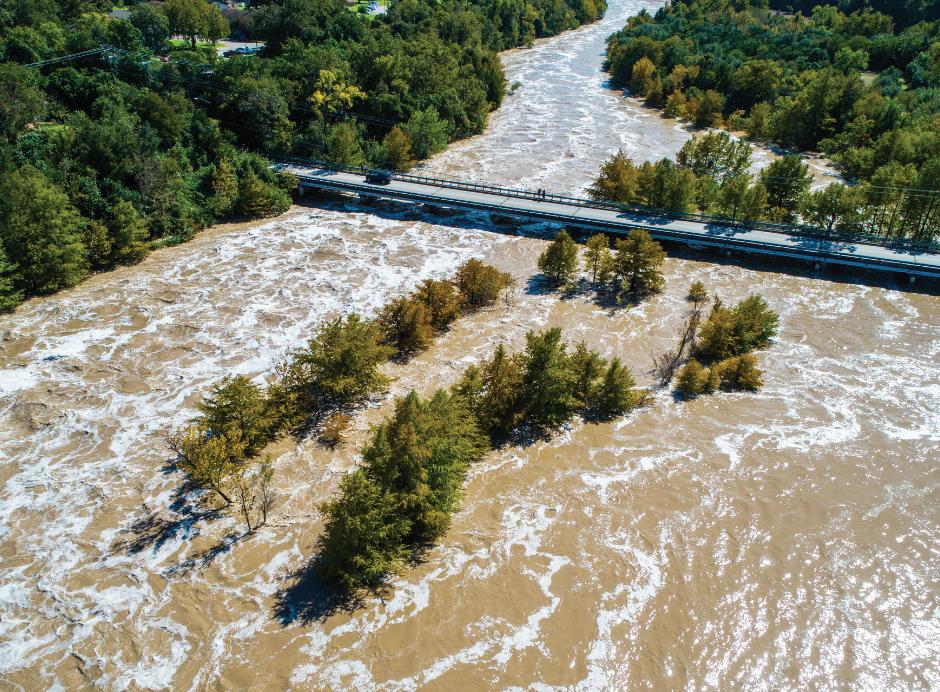
32 Our wet January explained
34 The danger of fast-moving floodwater
36 Frogs at risk from climate change
50 Water valuation for water pricing
56 Microbes could remove nitrates from water
60 Rethinking funding and management of water infrastructure
70 A framework to detect darkwater events 74 From murky to magical

76 Low-energy biosolids drying tech trial
‘Forever chemicals’ unavoidable for dolphins and whales 82 Gold clam invasion threatens drinking water
Dogs trained to sniff out Gold clams
Floating wetlands
CASE STUDIES, PAPERS, AND COMMENT PIECES
40 RMA reform update
Introducing economic regulation for the water sector
Council and commercial, the best of both for water
Sustainable pricing for the water sector
Three waters Asset Data Standard
Wastewater performance standards
BONUS CONTENT
Water Directory


‘Ka ora te wai, ka ora te whenua, ka ora nga tangata’
‘If the water is healthy, the land is healthy, the people are healthy’

The summer of reckoning
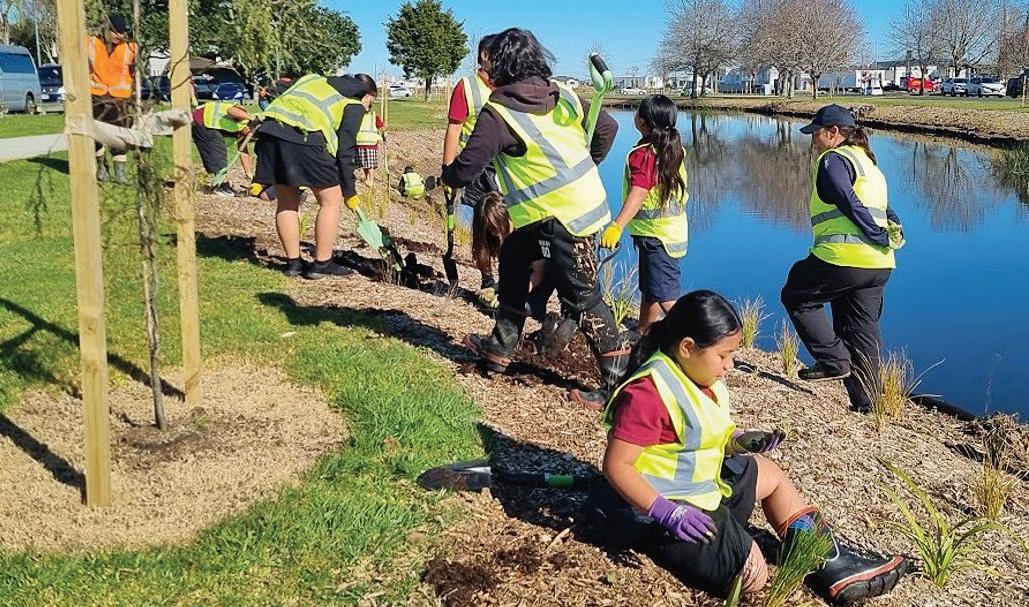
As the summer draws to a close our thoughts are with the many New Zealanders whose homes, lives, and livelihoods have been disrupted by the recent catastrophic flooding events. For too many communities, this has been a season defined not by rest and recreation, but by recovery.
Severe storms and rain events are becoming more frequent as climate change impacts the country. It is a reminder that flood risk is no longer a distant or theoretical challenge – it is here, now, and increasingly costly.
A recent Infrastructure Commission Te Waihanga report highlights the scale of the issue. More than 750,000 Kiwis live in areas vulnerable to flooding, with $235 billion in buildings exposed.
The commission points out that we don’t achieve levels of efficiency from our water infrastructure investment that other highincome countries do.
Overall, it recommends the development of cost benefit analysis guidelines to standardise evaluation decisions on water infrastructure against social, environmental and economic benefits.
What’s also clear is that effective stormwater management can’t rely on pumps and pipes. We need to manage stormwater and work in harmony with nature – restoring wetlands, protecting floodplains, and listening to knowledge held by both the whenua and tāngata.
These challenges and opportunities will be front and centre of Stormwater 2026, which is being held for the first time at the new New Zealand International Convention Centre in Tāmaki Makaurau Auckland.
Stormwater is a critical part of the water cycle and a cornerstone of climate change. If you work in this space, Stormwater 2026 is a conference you won’t want to miss.
This summer, Wellingtonians have understandably been hopping mad about the catastrophic failure of the Moa Point treatment plant. It is an unacceptable failure and we acknowledge the economic and environmental impact along the capital’s south coast. I hope the Crown Review will shed light on any systemic failures and how we can prevent this happening again elsewhere.
It’s almost 10 years since the Havelock North contamination inquiry found systemic issues in drinking water delivery that eventually led to much needed reform across the industry, including the establishment of the Water Services Authority - Taumata Arowai and the development of better economic oversight through the Commerce Commission. While the road to reform has been long
and, at times, convoluted, the regulatory foundations are now much stronger and fit for purpose.
However, we’ve now reached another critical phase of the reform journey. More than 40 new organisations – whether new CCOs or council in-house business units – are in the process of being established. Governance models are being finalised with new directors being appointed. Over the next 12 to 18 months, the decisions made will help shape the performance and culture of our water services into the future.
Recently Water New Zealand’s chief executive, Gillian Blythe, and Lutra’s chief executive, Quentin Griffiths, canvassed some of the critical questions facing the sector over this establishment phase. The video discussion is available on the Lutra YouTube channel. It provides a comprehensive 30-minute update of where we’re at as an industry.
Going forward, it’s clear that strong leadership, alignment and collaboration will be vital ingredients in ensuring the success of these new water organisations and inhouse business units.
That’s why Water New Zealand, as the sector industry body, has been working to facilitate a national forum for the chief executives of the new water organisations and business units, chaired by Watercare chief executive Jamie Sinclair.
A focus will be improving sector coordination in areas where collaboration can deliver tangible benefits, particularly procurement and workforce development.
If this summer has been a reckoning, it must also be a catalyst. The scale of the challenges we face – climate resilience, infrastructure efficiency, regulatory reform and organisational transformation –demands collective effort and shared purpose.
This year, 2026, is shaping up to be another pivotal year. We have a big programme of members’ events, webinars, and professional development opportunities coming up, and I urge you to keep an eye on our website and our e-newsletter Pipeline to make sure you don’t miss out.
As an industry, we have an opportunity to build a water sector that is more resilient, more efficient and better equipped to serve the country for generations to come.
Ngā mihi nui Tim Gibson President
Tim Gibson President, Water New Zealand
22–24 September 2026
Kirikiriroa Hamilton
Water New Zealand’s premier conference is all about sharing the latest thinking on water management - innovation, sustainability, technology, indigenous knowledge, water reform, global trends and much more.
Call for Abstracts and Posters is open
Do you have a presentation, project or idea that you’d like to share with your peers in the water sector?
We’re open for abstract submissions and poster summaries
The Water New Zealand Conference and Expo 2026 is a great opportunity to showcase your projects and learning with industry – from risk and resilience, smart solutions, asset management, drinking water, wastewater to climate change and much more




Claudelands,
Business survey finds more optimism but improvement needed
Water New Zealand’s latest pulse survey on the state of the water industry has found confidence and conditions are at their highest level in two years, with nearly half of respondents noting an improvement in the past six months.
Other promising signs are that more than half of survey respondents were expecting their turnover to increase, and council and councilcontrolled organisation expenditure is also expected to increase.
The proportion of contracts issued versus cancelled, deferred or paused has improved markedly from our previous three surveys.
More than 60 percent of organisations reported vacancies, the highest proportion since the survey began.
However, improvement is still needed. More than half the respondents (53 percent) still expressed negative changes in business conditions and confidence.
While there are a number of vacancies available for mid and senior level workers, the proportion of vacancies for junior positions is only 12 percent. This suggests challenges for new entrants to the sector in finding pathways to work in water.
The major call was for more certainty for the sector - funding, political and regulatory.
Consistency in national standards and visibility of the future project pipeline continue to rank highly on the list of factors that would make a positive impact on businesses.
This was our fourth survey and took place in November 2025. It covered 84 respondents from Water New Zealand member companies and included contractors, consultancies, councils, suppliers, and councilcontrolled organisations.
The majority of organisations had 1-30 employees, with a significant number reporting turnover between $1 million and $10 million.
A fifth state of the water industry survey is being posted to members as we go to print.
Key points of interest
There has been a lift in business conditions and confidence, but there is still room for improvement
Forty-seven percent of respondents reported some or significant improvement in business conditions, compared to 25 percent in March 2025.
Forty-seven percent of respondents were also optimistic or fairly optimistic about the future business environment.
This was a significant improvement from a year ago when only 12 percent of participants felt there was some or significant improvement in business confidence.
The expectations of councils and council-controlled organisations is promising.
Sixty-three percent of the 16 responding councils expected to increase their capital and operational expenditure in the coming year. Only six percent expected capital expenditure to decrease, and none anticipated a decrease in operational expenditure.
A total of 724 contracts were issued to respondents of the survey, with the largest proportion (244) relating to growth, followed by renewals (189).
Respondents reported that 120 of their contracts were paused, deferred, or cancelled in the six months prior to the survey, representing 21 percent of all contractual movement. While concerning, this was a significant improvement on a year ago when 39 percent of contractual changes related to paused, deferred or cancelled contracts.
Go to the resources hub on our website, waternz.org.nz, to see more pulse survey results.
New technical lead –projects and sustainability for Water New Zealand
We’re delighted to welcome Susan Willis (pictured) to the Water New Zealand team. Susan took up the position of technical lead – projects & sustainability in January. She brings extensive experience across consulting, water utilities, and research to the role.
Susan has come to Water New Zealand from GHD, where she was a senior engineer and the integrated water management service line leader for APAC.
She holds a PhD from the University of California, Berkeley, and during her time based in California worked closely with the American Water Works Association in various leadership roles across technical conferences and publications.
Many in the sector will also know Susan through her involvement as a member of our Technical Committee.
We’re looking forward to the energy and insight she’ll bring to our technical leadership and to supporting our Special Interest Groups (SIGs).

Easy alternative to GETS available
The Government Electronic Tender Service (GETS) is a well-known and sometimes mandatory way for public organisations to obtain quotes from suppliers for projects.
What some councils may not realise is that in some situations an easy-to-use alternative exists.
Waitaki District Council opted to get three quotes for the consultancy component of a planned piece of work using the Get Matched option of Water New Zealand’s supplier website, waterdirectory.org.nz.
Paul Hayes, assets planning manager for Waitaki District Council, says he was looking for consultancy support to help develop a strategy for the future development of a major wastewater treatment plant.
“Based on the budget allocated for this work, Council’s Procurement Policy called for three quotes from potential suppliers.
“I was aware of Water New Zealand’s Water Directory so visited
the website looking for potential wastewater consultants who I could contact about the project, which is where I stumbled across the ‘Get a quote’ option.
“The process was easy to follow and, with a single form, I was quickly able to contact 19 potential suppliers. Half replied over the next few days and five quotes were received, leading to the engagement of the preferred supplier.”
He says, overall, the process was easy to follow and a quick and efficient way for him to engage the industry and identify and obtain quotes from potential suppliers.
Obtaining quotes or seeking information from a range of suppliers with one email request is available to all councils by using the ‘Get Matched’ option on the Water Directory website.
How to make learning stick
By Belinda Cridge, technical lead, drinking water quality and education
Returning to the office from the beach, bach, and books is a bit of a shock to the system. After the calm and quiet (well, depending who you were hanging out with), the bustle and hum of the office can take some getting used to.. Of course there are the emails, but there are also the shared spaces with people talking, typing, and generally generating noise.
For some types of work, a bit of a background hum and buzz has always been seen as positive. It helps with the energy levels when you’re feeling a bit flat. But, for learning, a busy office is considered a distraction.
Indeed for many types of learning, people have thought you need peace and quiet. While this can be true, a new study published in the Nature Science of Learning journal just before Christmas (doi.org/10.1038/s41539025-00392-5) suggests that quiet isn’t as important as we thought.
The authors used electroencephalogram (EEG) and skin conductance to measure brain activity and physiological responses during video-based learning. They then varied the amount of realistic background noise and recorded interest-levels.
Surprisingly, and in contrast to some previous studies, variations in background noise made very little difference to attention and subsequent performance on comprehension tests.
What did make the difference was interest. If students were interested in the content, they were more able to block out the background distractions, focus and learn.
During less interesting video segments students showed poorer speech tracking (listening), lower brain activity (processing) and lower comprehension of the material.
So what makes an interesting video?
Content analysis of the more interesting video segments showed they often included concrete examples, clear visuals, or relatable content that invited reflection or emotional engagement.
This is all good in practice but what does it mean for learning on the job, or up-skilling?
If you are a manager or team lead and are trying to make a key point, tell people why it matters. Use examples relevant to the job at hand; give people time to reflect and ask questions. Make it real to them.
If you are giving a presentation at a conference this year (waternz.org. nz/conferences), then think about your visuals, your story and why your talk matters to the audience. If you keep them interested, they’ll pay attention and remember what you’ve said.
At Water New Zealand, we have consistently used videos and storytelling in our digital badges. Not surprisingly, learner feedback shows that the video segments are the most enjoyable and where they get the most value from their learning.
We use locally-based water experts to provide tips and tricks, making the information relevant and relatable. Our feedback suggests that this really helps people retain what they have learned and apply it to their roles.
Check out our training here: waternz.org.nz/training
If you are heading to conference, have a look at our new free courses on submitting an abstract and presenting a technical paper; they will help you make the most of these opportunities.
Most of all keep learning. It turns out that you don’t need a cone of silence, but you do need to be interested.
What are you going to learn this year?
Submissions: System-wide reform for infrastructure and the environment
Water New Zealand says that it’s vital that the ministers for RMA reform engage with key stakeholders, including water organisations, during the development of national instruments, including the National Policy Direction, which will underpin the key legislation around planning and the environment.
In our submission to the Environment Select Committee on the Planning and Natural Environment bills, we have called for Ministerial stakeholder engagement to be mandatory.
The scale of the reform cannot be underestimated nor can its interaction with a variety of national direction work underway. The bills represent a fundamental sea change to the way environmental law is regulated.
Together, the bills represent a major shift in planning, development and environmental management and protecting natural resources. They affect water services, source water catchments and long-lived infrastructure and development.
As an organisation, Water New Zealand largely supports the objectives of the Planning Bill and Natural Environment Bill, particularly the efforts to improve integrated spatial planning, give certainty and consistency to consent applications, while protecting natural resources.
A key reason that the RMA failed was because national instruments were not in place from the beginning. The first national instrument (the Coastal Policy Statement) did not come into force until 2010 – almost 20 years after the enactment of the RMA. Therefore it is critical that to ensure all aspects of the national instruments’ framework is developed as a priority.
As well as ministerial engagement, we have also sought a legislative amendment to ensure that local authorities engage with infrastructure providers during the development of the regional combined plan (in particular spatial plans), including ensuring that water organisations have mandatory membership on any technical advisory group supporting the committee developing the spatial plan.
Water organisations have a distinct role as asset owners within the system beyond the role of consent/permit applicant and holder. Asset management responsibilities include ensuring the integrity and capacity of water networks for existing communities and enabling planned development and growth. It is critical the bills support the responsibilities of this role and functions.
You can see further details on the National Policy Framework changes on page 44 in Helen Atkin’s legal column, as well as further details on the RMA proposals on page 40.
Other pieces of legislation we have submitted on this year include:
• Public Works Amendment Bill;
• Emergency Management Bill;
• Infrastructure Funding and Financing Amendment Bill.
In capping off the start to a hugely busy year, we also submitted on the Government’s Supporting Growth through a Development Levies System and on the Commerce Commission’s proposal for its approach to the Price Quality Path Regulation for Watercare.
Price Quality Path Regulation for Watercare
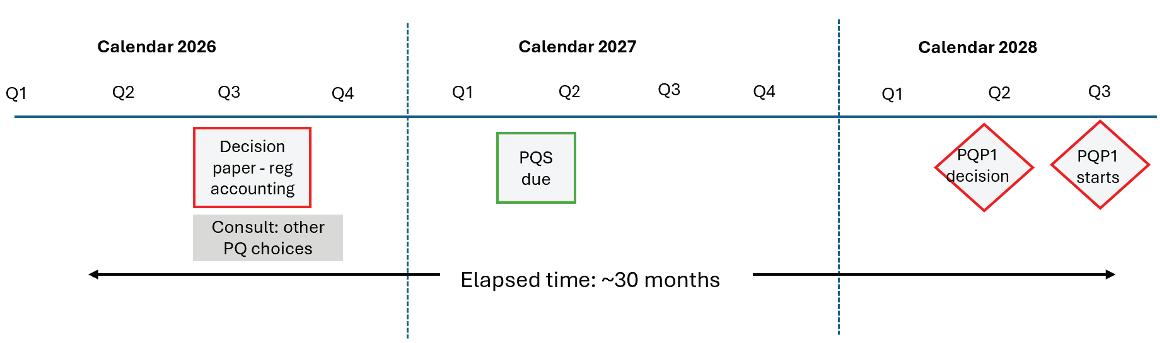
An area of concern is whether there is sufficient time for Watercare and the Commerce Commission to undertake the necessary analysis, consultation with customers, and independent verification needed to transition from the charter to ‘full price quality’ regulation by July 2028, without unavoidably comprising the decision-making process and the outcomes.
Water New Zealand recognises the time constraints facing the Commission and Watercare, and the desire to achieve certainty, predictability, to reduce the cost of capital and support investment in networks and business capability (see Figure 1).
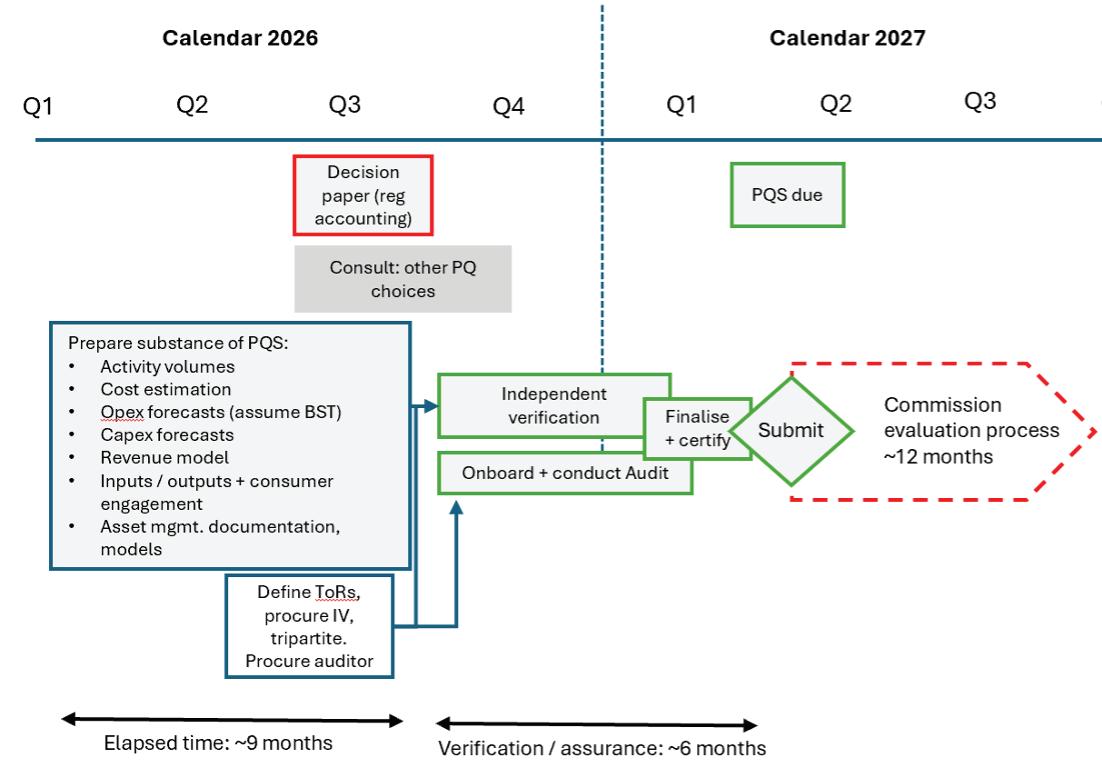
Concept Consulting prepared a paper to accompany the Water New Zealand submission (see waternz.org.nz/Article?Action=View&Article_ id=3400) and highlighted the limited period for Watercare to prepare its Price Quality submissions before the Independent Verification (IV) and audit process (see Figure 2).
Water New Zealand queries whether this is realistic, and/or desirable. Recognising the time imperative, Concept has suggested a series of measures for consideration to ease the path into PQ regulation for Watercare (a ‘transition package’):
1. Omit mandatory IV for PQP1 (Price Quality Path 1), as done for Transpower and Chorus (alternatively, scale back scope for IV materially);
2. Endorse scaled-back engagement for PQP1;
3. Scale back audit requirements for PQP1;
4. Decide that Input Methodologies and price path mechanisms from other sectors can be adopted for PQP1 while water-specific rules are developed;
5. Minimise divergence GAAP;
6. Include a transition year(s), for example by rolling-over key PQ path elements from 2027 (the last year under the Charter) to 2028 (first year under PQ regulation), and shorter first regulatory period; 7. Commit to pragmatic/lenient evaluation of first PQS (Price Quality submissions), recognising it is a first step only. Each of these measures has its limitations. However, the question for the Commission is whether it offers a sufficiently attractive compromise. These measures would be straight forward to implement
and would reduce the burden on Watercare, its stakeholders and the Commission. They could be adopted and communicated to Watercare early in 2026, providing clarity, confidence and a degree of certainty.
The Commission will confirm its approach later in the year.
Thank you to all our members who provided input into our draft submissions and our advocacy work. All our submissions are available in the publications resources section of our website.
Figure 1.
Figure 2.
New water leadership forum for collaboration over critical issues
As the water sector moves into the next critical phase of implementing Local Water Done Well, strong leadership and alignment will be vital ingredients in ensuring the success of the new CCOs and in-house business units.
To support this, Water New Zealand has facilitated the establishment of a new national chief executives’ group, chaired initially by Watercare chief executive Jamie Sinclair.
Water New Zealand chief executive Gillian Blythe says the leadership forum will help strengthen collaboration and decision-making during this period of structural and regulatory change. It will support strategic alignment, and long-term investment confidence across the three waters – drinking water, wastewater, and stormwater.
She says the network will allow water services leaders to share experience, coordinate responses to emerging challenges, and collaborate on issues of national importance.
In practical terms, the network will provide a direct engagement channel between water services chief executives and key stakeholders across government, infrastructure, and communities.
Over time it will provide engagement opportunities to the Local Government Funding Agency, as well as consumer groups and iwi leadership.
Strengthening delivery, procurement, and the workforce
A major focus of the network will be improving sector coordination in areas where collaboration can deliver tangible benefits, particularly in areas such as procurement and workforce development.
Gillian says that by working together, water services providers can improve procurement outcomes, provide greater transparency and certainty for suppliers, strengthen supply-chain resilience, and reduce duplication.
“We’ll also champion initiatives to attract and retain skilled professionals in the water sector while contributing to the development of the proposed authorisation regulatory framework.
Membership of the network will include chief executives of water services organisations, and chief executives of councils with in-house water services business units.
Hōteo film shown to international audience
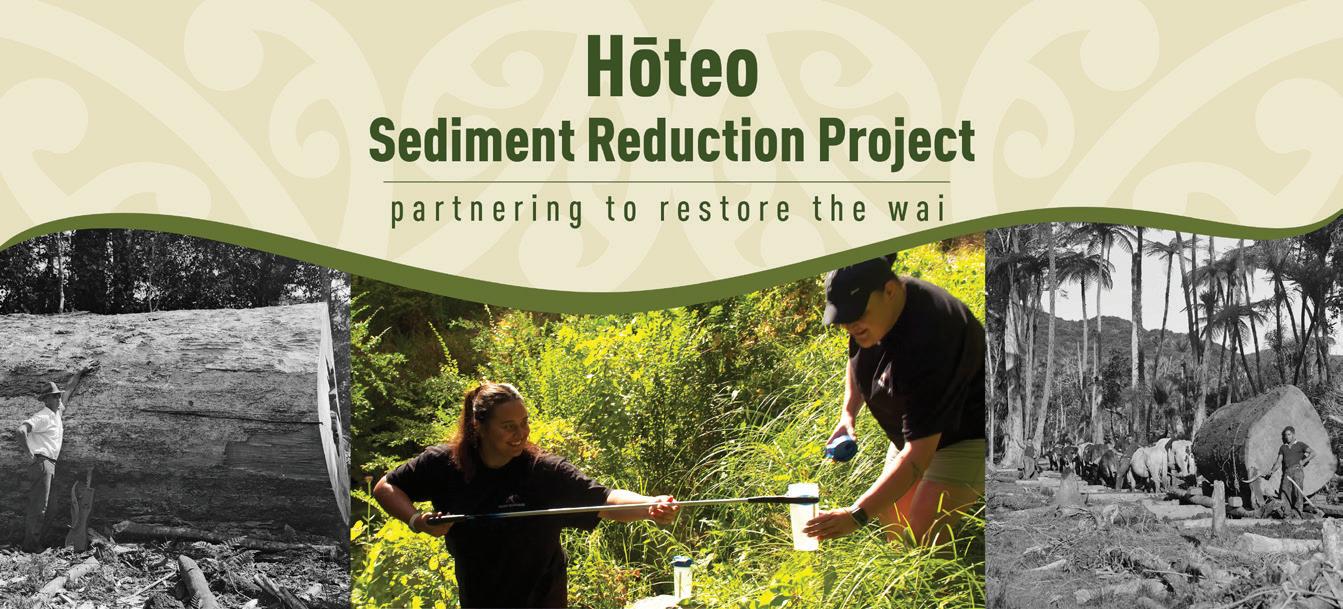
We’re thrilled that our film showcasing a uniquely Kiwi approach to restoring the health of a local waterway has been shown to an international audience in Seville, Spain.
The Hōteo Sediment Reduction Project featured the collaboration between landowners, local iwi and Auckland Council to improve the health of one of the country’s most damaged waterways.
It focussed on the work to reduce erosion and restore biodiversity in the Hōteo River catchment as part of an ambitious project to restore the health of the Kaipara harbour.
Produced by Water New Zealand and Auckland Council, the film highlighted the partnership between three iwi (Ngā Maunga Whakahii o Kaipara, Te Uri o Hau, and Ngāti Manuhiri), along with the council and landowners, through a unique integration of western science and mātauranga Māori (Māori worldview).
Based on GEMS (Geomorphically Effective Management Solutions), the project uses an internationally established concept that responds to the natural environment using different
mitigations and working with the natural processes of the waterway rather than trying to control it.
The Hōteo Sediment Reduction Project was first screened at the Water New Zealand Stormwater Conference in Rotorua last year ahead of a panel discussion.
In February, it was shown at the WEX Global conference as part of the World Water Film Festival showcase alongside a film from West Africa. Dji Mansa: Bambara for Water Masters which follows riverside communities who have taken water governance into their own hands. Guided by elders’ ancestral knowledge and modern water monitoring tools, the Water Masters collect data, interpret signs from
the river, and speak out to protect their shared lifeline.
Eleanor Treadwell, co-founder of AFR’eau (Action-Formation-Recherche en Eau) says the two films together shared how communities are agents of change.
“On either side of the globe, our films showed the importance of trust for long term protection of our valuable water sources.”
You can watch the Hōteo Sediment Reduction Project on the Water New Zealand YouTube channel and Dji Mansa: Bambara for Water Masters at youtube. com/watch?v=tR80v_F2Nto&t=5s (it’s in French).
Building for tomorrow without costing the Earth
By Emily Molloy, Water New Zealand Climate Change Group
Over the next 30 years, the water sector faces a ‘wicked problem’: how can we deliver critical water services without depleting Earth’s finite resources, and/or producing harmful waste products that further contribute towards the effects of climate change?
While other nations face a similar predicament, the problem here is imminent for several reasons:
• We are on the precipice of a large investment in water infrastructure required over the next 30 years to renew depreciating assets, meet demands for growth, and adhere to increasing levels of service.
• Our water infrastructure is increasingly, and often very directly, affected by climate change. Impacts include water scarcity, drought, and flooding as sea levels rise and rainfall patterns become less predictable. In many cases these impacts increase the demands on water infrastructure, requiring new systems, or upsizing/reconfiguration of existing ones.
• In many cases, functioning water services are critical to protecting the natural environment; in such cases (for example, wastewater treatment), ‘the do nothing’ option will directly negatively impact the natural environment and will likely contribute a greater warming impact compared to engineered solutions.
With these predicaments front of mind, the Climate Change group hosted a workshop at the 2025 IWA-Aspire Water New Zealand Conference, centered around the question: Can we build our way out of the climate crisis, or do we need to just stop building?
The intention of the workshop was to leverage the global attendance of the conference, through presenting a range of perspectives from local and international industry experts, outside of the usual voices in the Climate Change Group events. A series of short presentations were given by four professionals from across the globe.
Speakers included Dr Jonathan Cullen from the University of Cambridge (UK), who spoke about resource efficiency through a systems lens and how challenging both the inputs and outputs of a system is crucial to maximising impact.
Dr Susan Chiblow from the University of Guelph (Canada), highlighted the value of indigenous science and perspectives towards living more harmoniously with the environment.
Other speakers included Mark Chadderton from Aspiring Materials (NZ), who discussed science innovations in sustainable materials, along with Reuben Bouman from Beca (NZ) who shared lessons (hotspots and opportunities) from carbon mitigation in a local wastewater context.
Key discussion topics that emerged were diverse, with solutions ranging from idealistic and requiring government inputs to more practical actions for the general water industry.
We explored some of the barriers and potential solutions to the following questions:
How can we bring nature to the forefront of decision-making in a society where cost drives all decisions? Where is the right balance between standardisation (efficiency) and individualisation (innovation, community-specific)? How can we address climate change from a more global perspective, and also leverage more global knowledge into our infrastructure planning? And, how can we better share data across the industry?
From these discussions, key themes and subsequent actions were identified as focus points for the Water New Zealand Climate Change Group. These have shaped the committee agenda for 2026.
Actions currently in progress include:
• Shared data sets across the industry, aligned to a national standard, currently being actioned by the mitigation group, starting with a survey sent out through Aotearoa Council Climate Network to understand what councils are currently doing in terms of emissions reporting.
• Incentivising ‘doing the right thing’ – continue to share and promote good news stories – continuing to be led by the knowledge sharing subgroup, through hosting events throughout the year, and communicating through Water New Zealand media channels. Other actions identified for future development include:
• Education on the value of water, focus on youth and higher water users.
• Establishing global connections to share knowledge and identify opportunities to support climate change efforts on a global scale.
• Establishing a framework for values-led decision-making that encourages holding nature to a higher priority.
The workshop highlighted the complexity of the issues we are facing, and the need for multi-faceted, collaborative approaches to address them.
Though some barriers and solutions may seem ‘out of reach’ or somewhat idealistic, we all have the ability to make an impact. At a minimum, as water professionals, we should all be challenging the norms, encouraging long term thinking, and invite the voices of others into our work, to better protect and enhance our natural environment.
If you are interested in this space, I encourage you to join our LinkedIn group to keep up-to-date on the latest events and publications ‘Water New Zealand – Climate Change Group’ (request to join).
If you are interested in joining one of our working groups, we typically hold an AGM in June, and that is a great place to start.
A more in-depth write-up of the workshop discussions is available on the Water New Zealand website (Resources and Publications/ Technical Documents).
Water efficiency on the world stage
By Julian Fyfe, sustainable water services manager, Awa Environmental
Water efficiency may not be a headline-grabbing field of endeavour, but that doesn’t mean that there isn’t a passionate and dedicated global community promoting and progressing this important line of work.
In September last year, the 12th biennial International Water Association (IWA) Water Efficiency Conference was held in Melbourne, Australia. I was fortunate enough to be awarded a travel scholarship from Water New Zealand to be the Kiwi contingent at the gig both as a professional active in the space, and in my capacity as chair of WeCan (the Water Efficiency and Conservation Action Network) specialist interest group.
Several hundred delegates from diverse roles and locations around the world converged at the Melbourne Convention & Exhibition Centre to participate in three days of keynotes, presentations and workshops.
The event was organised in collaboration with the Water Services Association of Australia Water Efficiency Network, the Australian Water Association Water Efficiency Network and The Australian Water Association.
The fondly named ‘Efficient’ conference looks to promote and share best practices in demand management for optimising water usage and minimise waste.
This year’s conference themes were urban water management, information and communications technology, and resource recovery and reuse.
The topics of the conference were:
• Innovation, technology, and digital solutions
• Water efficiency and conservation
• Water reuse and recycling
• Water resource management and security
• Policy, regulation, and economics
• Social and behavioural aspects.
In total I attended 29 of the some 80 presentations across 12 sessions, including two keynotes.
Being at the conference also afforded me the opportunity to meet industry luminaries such as Mary Anne Dickinson from the Lincoln Institute of Land Policy, members of the Maddaus family
who constitute Maddaus Water Management, Joanne Chong from the Australian Government Productivity Commission, and the water team from the University of Technology, Sydney Institute for Sustainable Future.
Presentation
Part of the scholarship deal was that I would give the presentation for which I had submitted an abstract to the conference organising committee. I presented at the ‘Water Efficiency and Conservation’ session on the first day of the conference.
The presentation, titled ‘From the Ground Up: Tackling High Non-Residential Water Demand in Wellington, New Zealand’, described the planning context and the process, delivery and methods of the Wellington Water non-residential water efficiency programme. The programme comprised targeted on-site assessments of non-residential customers and has produced water savings of 1.2 ML/d.
Key takeaways
The conference was an opportunity to hear about the latest thinking and developments in water efficiency from across the world. My key takeaways from the conference were:
• Water efficiency will be increasingly regulated in California (US), England, and elsewhere as water scarcity and security issues force the hands of government agencies. This is going to fundamentally change the way the water sector approaches demand management by forcing it closer to core water service provider planning, but also presents significant challenges to regulators, utilities and the broader water sector in funding, achieving and verifying compliance.
• Energy and Greenhouse gas (GHG) emission reductions achieved through water efficiency and conservation will receive greater emphasis as accounting and offsetting of emissions to meet reduction targets becomes more urgent across nation states and global economies.
• The International Water Association is looking at updating water loss metrics and
investigating means of reducing uncertainty in the key assumptions that are used in water loss calculations. Hopefully this will lead to a degree of renewal in water loss estimation methods and approaches.
• Despite a long and successful history of water efficiency and conservation efforts, the water sectors in Australia and California continue to actively pursue demand management, seeing it as a core component of integrated water resource planning. In other words, water efficiency is as vital as ever, even in places where drought has already pushed supplies to their limits.
• The Water Efficiency Labelling Scheme (WELS) that helps Australian and Aotearoa New Zealand consumers choose more waterefficient fittings, fixtures and appliances has been subject to another round of evaluation by the Australian Government that has demonstrated its enormous benefits in relation to reducing water consumption, customer water bills, energy consumption, and GHG emissions.
• Due to the effectiveness of WELS, water efficiency in the non-residential sector is becoming the next target for many Australian utilities. Non-residential water efficiency is also being actively pursued in California.
Learnings for us
Over the course of the conference I gleaned a number of insights pertinent to our water sector. Best practice water loss monitoring and management in Aotearoa New Zealand is closely aligned with best practice internationally. While water loss levels here are relatively high, some of the strategies employed by (mostly larger) water service providers to quantify and contain losses are comparable to those employed overseas, even in water-stressed areas that place greater emphasis on demand management.
The spectrum of capability/capacity here is wide, and while we may not be at the very leading edge of water loss management, we are by no means laggards in this space. We should celebrate and build on our unique capability.

WELS needs support
The Water Efficiency Labelling Scheme (WELS) has been an enormously successful policy in Australia, having helped progressively reduce base residential water consumption over time. This has had additional benefits of reducing customer bills, energy consumption and GHG emissions.
In this country, application of WELS labelling is voluntary and the scheme is not actively managed by the government to ensure integrity, compliance and effectiveness. This needs to change as growth, climate change and water source constraints place water security at increasing risk, not to mention how cheap it is as a means of reducing water consumption around the country.
Energy and GHG emissions coming to the fore
The water sector in this country would benefit from recognising the wider benefits that accrue from water efficiency and conservation, particularly when it comes to reducing energy consumption and associated GHG emissions.
Potable water is laden with embedded energy and scope 2 emissions from abstraction, treatment and distribution. Subsequent conveyance and treatment of wastewater add to the energy input
to urban water systems. And then whenever water is heated, its energy and GHG intensity is increased by around two orders of magnitude.
Further savings come from avoiding or deferring the emissions from construction and operation of new infrastructure.
Therefore any measures or interventions that help reduce water consumption will produce energy and GHG emissions reductions. Water service providers and other entities that produce or pay for water savings should be seeking to quantify avoided costs and to offset the investment through carbon credits.
As pressure builds to meet our GHG emissions targets, the impetus for saving water should also grow.
Regulation of water consumption
Several presentations at the conference addressed the topic of regulation of water consumption in response to water scarcity issues. California in particular is facing regulated targets/goals for residential, outdoor and commercial water use as well as water loss. And while this might be expected of a heavily populated area in a dry climate, regulation is also on the cards for the UK that is facing worsening supply-demand imbalances across the country despite its relative abundance of rainfall.
Modelling Symposium
Ofwat, the UK regulator, expects 60 percent of future water supply to come from demand management, a target that is unlikely to be achieved without some stiff regulatory encouragement.
Here, we should take heed of the lessons that other countries are learning or have already learnt, and incorporate demand management into water resource planning. This will help better prepare the sector for a water-constrained future by gradually developing the capability and capacity to manage demand.
It will also help the sector reduce the scale of investment in new supply infrastructure, along with the array of environmental and social benefits that accrue from reducing water demand.
In summary
I had a fantastic, engaging time attending the conference, in no small way because it was a rare opportunity to mix with other passionate people working in this humble field.
This has given me pause to reflect on the important role that WeCan plays for those of us in the efficiency space, and motivation to ensure WeCan continues to act as a beacon for the water sector in Aotearoa New Zealand.
19 - 20 March 2026 | Chateau on the Park, Ōtautahi Christchurch
Many scenarios, one decision: water modelling done well
As this publication lands on desks, Water New Zealand is welcoming water modellers from across the country to Otautahi Christchurch for the Water New Zealand Modelling Symposium 2026.
A full wrap-up including key insights and reflections, will feature in the next issue of Water
Reflections on the UK water sector
By Gillian Blythe, chief executive, Water New Zealand
Late last year I joined a group of colleagues on an Infrastructure New Zealand study tour to the United Kingdom. The trip was timed to coincide with the British Water Conference, which focused on a theme of collaboration and innovation.
Despite the obvious differences between the water delivery models in the UK, particularly in England where the sector has been run privately since the Thatcher reforms of 1989, many of the challenges are similar to what we’re grappling with here.
Across government, regulators, utilities, and suppliers, there was a strong sense that resilience, regulatory clarity, and long-term investment are now non-negotiable if the sector is to regain public trust and meet future demands.
The spotlight was also on infrastructure delivery models, and emerging approaches to digitalisation and nature-based solutions.
Reform, trust, and regulatory direction
Going forward, the government has been clear that it does not intend to renationalise water services in England and Wales. Instead, its policy
direction is to retain private ownership while significantly strengthening regulation. This reflects a broad acknowledgement that decades of underinvestment, inconsistent regulatory signals, and poor environmental outcomes have eroded public confidence in the water sector.
Senior leaders we met were candid about the scale of reform now required.
The government’s White Paper announced a plan to establish a single, powerful regulator, bringing together the functions of Ofwat, the Environment Agency (water functions only), Natural England (water functions only), and the Drinking Water Inspectorate.
Alongside this structural reform sits a major uplift in infrastructure investment, including new reservoirs, desalination and water recycling schemes, and large-scale regional water transfers.
Equally important is the emphasis on transparency and accountability. Live environmental performance data, tougher enforcement, and a strong focus on fairness for customers are all seen as essential to rebuilding trust.
Collaboration, ambition and accountability are no longer seen as optional extras. They are fundamental to sector success.
Delivering at scale under AMP8
The current Asset Management Plan period, AMP8 (2025–2030), represents the largest capital programme the UK water industry has ever faced. For some utilities, investment levels are set to quadruple. The sheer scale of delivery required has forced a rethink of traditional approaches.
A recurring theme was the need for early and deep engagement with the supply chain, with visibility across multiple AMP cycles to address labour, skills and materials constraints.
Collaborative contracting models, such as alliances or framework contracts and Programme Delivery Partners, are becoming the norm rather than the exception. There is also a clear shift away from a narrow focus on building assets towards delivering outcomes, supported by greater standardisation, modular design and faster, more repeatable delivery methods.
Innovation, digital enablement, and data
There was universal agreement that traditional ways of working will not be sufficient to meet AMP8 demands. Digital tools are increasingly seen as core infrastructure rather than optional enhancements. Smart metering, real-time monitoring, digital twins, enhanced SCADA systems and predictive maintenance are being set to improve performance and inform investment decisions.
However, many organisations acknowledged that poor-quality legacy data remains a significant constraint. Several speakers stressed that building data capability and governance is now as important as investing in physical assets.
At the British Water conference, Severn Trent chief executive Liv Garfield spoke about the need to adapt skills across the current and next generation workforce, to raise performance under heightened public scrutiny, and to demonstrate tangible solutions early in order to rebuild trust.
Her message was clear: The sector must show customers the “best version of ourselves, every day,” and that can only be achieved through collective action across the supply chain.
We also saw practical examples of what good integration can unlock. Platforms such as Kraken demonstrated how fully integrated operating models, linking billing, customer service, field operations and asset data, can dramatically improve efficiency and customer experience.
Meanwhile, organisations like Connected Places Catapult highlighted the importance of BIM maturity, common digital standards and stronger data science capability to fully realise the benefits of digital twins.
Nature-based solutions and catchment thinking
Another strong theme was the growing maturity of nature-based solutions. While the built infrastructure remains critical, there is increasing recognition that long-term resilience depends
on better integration of green solutions and catchment-scale thinking.
Utilities and regulators acknowledged that nature-based solutions require clearer performance expectations, better data and earlier integration into planning processes.
Major projects and lessons
Visits to organisations including Anglian Water, Turner & Townsend, the National Infrastructure and Service Transformation Authority, and the Thames Tideway Tunnel reinforced how critical early project setup, strong assurance and leadership culture are to successful delivery of mega-projects.
Emerging delivery models
We also explored alternative delivery and ownership models, including New Appointment and Variation (NAV) arrangements, where alternative providers build and operate decentralised wastewater systems.
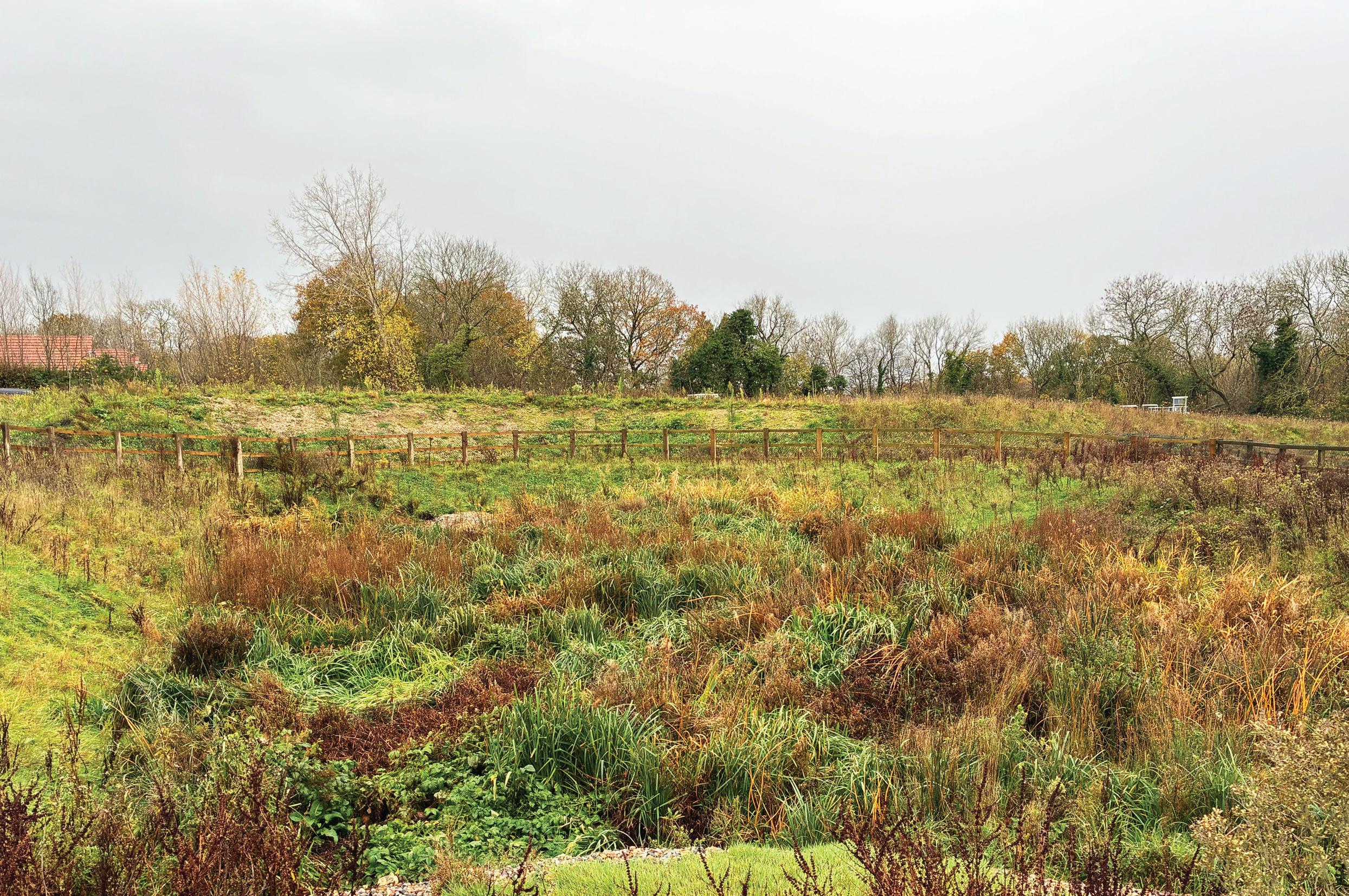
At sites such as the Woodlands Water Recycling Centre, we saw highly automated, small-footprint treatment solutions built for a new housing development and designed to meet tight regulatory and nutrient neutrality requirements.
What this means for us
We can take several lessons from the UK experience. Regulatory clarity, long-term investment pipelines, and strong alignment across agencies are essential to build investor
confidence and mobilise supply chains.
Standardisation, digitisation, and early engagement with delivery partners can significantly lift efficiency and reduce risk.
Achieving environmental outcomes will depend on catchment-scale planning, better data and meaningful integration of nature-based solutions.
Above all, culture and collaboration, not just engineering, will determine success.
Customer trust is vital. Without transparency, engagement and demonstrable progress, the social licence required to fund and deliver future investment simply will not exist.
That message was reinforced by the UK Water Minister, Emma Hardy, who spoke frankly at the conference about the legacy of the previous decades and the need for fundamental change.
She said that the scale of change needed is significant, and urged delegates not to be timid about what the industry is trying to achieve. The only path to success is in making the changes through collaboration and accountability to customers, to each other and the environment.
Ultimately, she said, the sector will be judged, not on plans and promises, but on whether they deliver real, visible and lasting change.
The UK experience is a reminder that water is an essential public service, a foundation for economic growth, and a critical part of our natural environment. Safeguarding it is not just an operational task, but a responsibility we owe to future generations.
Kiwi designed
Left: Wetlands at the Woodlands Recycling Centre.
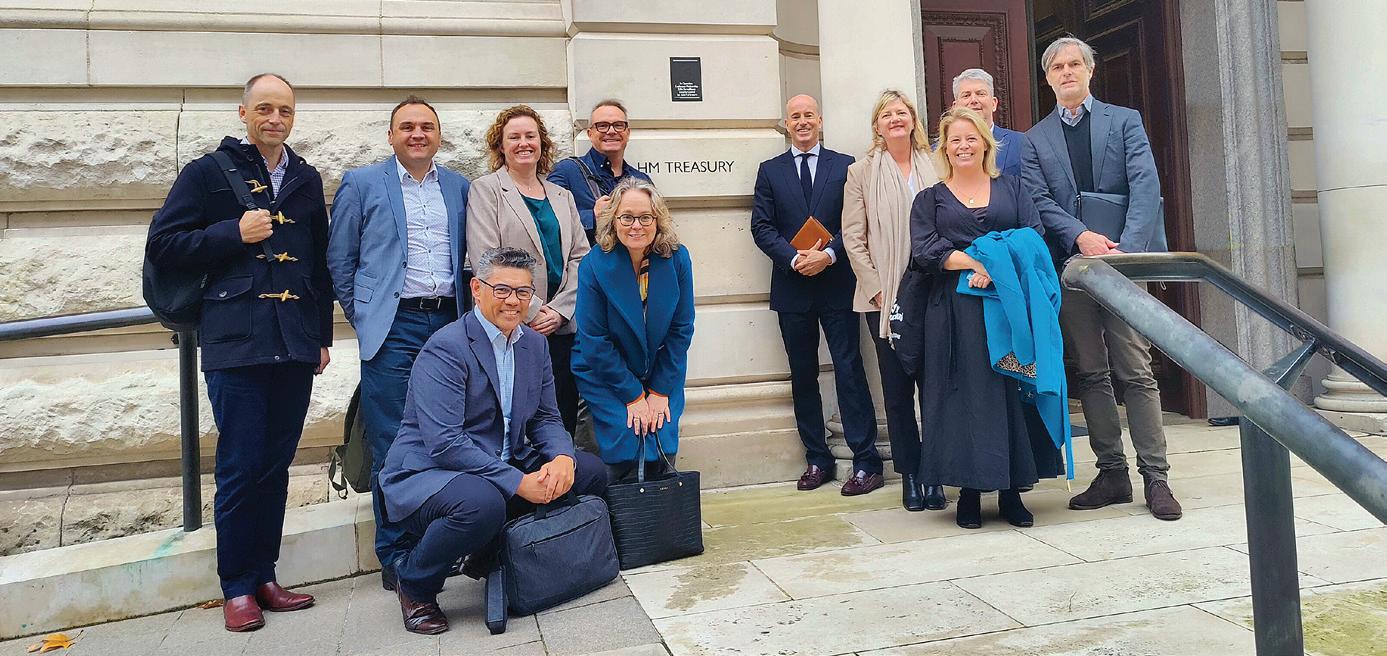
Above: Front, from left, Raphael Hilbron, Agite Consulting; Gillian Blythe, Water New Zealand; and Katie Bradford, Infrastructure New Zealand. At back, Charles Barker, Wellington Water; Nick Leggett, Infrastructure New Zealand; Stacey Millar, Hynds; Jamie Sinclair, Watercare; Mike Collins, UK Department of Business and Trade; Sarah Sinclair, MinterEllisonRuddWatts; Ian Purdy, ACC; and Jeremy Hall, Department of Business and Trade
Exploring barriers and opportunities for non-residential water efficiency
Improving efficiency among non-residential high demand water users was a key focus at last year’s Water New Zealand Conference and Expo 2025.
A workshop hosted by the Water Efficiency and Conservation Action Network (WECAN), brought together representatives from councils, water utilities, industry, academia, and the building sector to share insights, research, and practical case studies.
Non-residential customers typically account for more than a quarter of total urban water demand, with a relatively small number of large users responsible for a significant share of consumption. This concentration presents a major opportunity for councils and utilities to achieve meaningful demand reductions through targeted engagement with high-use customers, supported by better data, benchmarking, and water efficiency programmes.
The workshop covered benchmarking and prioritisation of water efficiency initiatives, national updates on non-residential demand management, and practical applications of smart metering and water efficiency assessments.
Presenters from Awa Environmental, the Institute for Sustainable Futures (UTS), Coutts Consulting, Tauranga City Council, and the New Zealand Green Building Council shared research and on-the-ground experience, highlighting both the environmental and economic benefits of improved water efficiency.
Benchmarking
A key focus of the session was the role of benchmarking in driving better performance. Dr Andrea Turner from the Institute for Sustainable Futures introduced the Non-Residential Water Efficiency Benchmarking Project, which aims to use utility and council data from Aotearoa New Zealand and Australia to develop sector-specific benchmarks.
Initial focus areas include education, healthcare, and aged-care facilities. These benchmarks will underpin a national comparison tool that enables councils and businesses to assess performance, identify best practice, and prioritise efficiency improvements.
Andrea notes that data availability and privacy remain significant challenges, but

emphasised that collaboration between utilities, councils, and large non-residential users could unlock valuable insights to reduce demand and improve system-wide efficiency. Benchmarking was widely seen by participants as a foundational step toward more consistent, evidence-based water efficiency programmes. See Figure 1.
Strategies for demand management
Renée Coutts of Coutts Consulting presented findings from national and international research into effective strategies for managing nonresidential water use.
She identified five key levers for success: establishing clear strategic frameworks; conducting regular water audits; developing water-efficiency management plans; adopting smart technologies such as advanced metering; and maintaining ongoing education and engagement programmes.
Here, several councils and utilities have already adopted elements of these approaches. Watercare and Thames-Coromandel District Council, for example, have focused on leakage reduction, improved facility management, and raising awareness among non-residential customers.
Case studies
Council-led case studies provided tangible examples of how these principles can be applied.
Tauranga City Council has implemented smart meters for its largest non-residential users, carried out water-use surveys, repaired major leaks, and promoted rainwater harvesting in the commercial sector. These initiatives have delivered estimated daily water savings of between two and five cubic metres per business, while also increasing awareness of water efficiency as a shared responsibility.
Water supply manager Peter Bahrs discussed the financial challenges associated with water conservation under current volumetric pricing models, where reduced consumption can initially lower council revenue.
However, he emphasised that long-term benefits include extending the life of existing infrastructure, improving resilience, and delaying the need for expensive capacity upgrades.
Water efficiency opportunity assessments
Elliott Kennedy from Awa Environmental showcased how Water Efficiency Opportunity Assessments (WEOAs) can identify major savings within a small number of high-use sites. Their pilot studies across various sectors, including universities, quarries, and aged-care facilities, achieved an overall four percent reduction in non-residential demand, equivalent to 1.2 ML/day or the daily consumption of more than 6000 people.
The final presentation by Bobby Shen (New Zealand Green Building Council) introduced the soon-to-launch NABERSNZ Water rating system for office buildings. This certification, aligned with Australia’s NABERS Water scheme, enables consistent measurement and fair comparison of building water performance.
The tool normalises usage by accounting for factors such as building size, occupancy hours, and floor area, creating a reliable national standard for performance benchmarking. See Figure 2.
Common themes
Several common themes emerged across presentations and group discussions. Participants agreed that benchmarking and data sharing are critical to understanding nonresidential water use and identifying the most effective opportunities for improvement.
While data limitations and privacy concerns were acknowledged as barriers, there was strong support for developing clearer datasharing agreements between councils, utilities, and research organisations to enable better performance comparison and more targeted action.
Engaging directly with high-use customers was repeatedly identified as one of the most effective approaches to achieving demand reductions.
Case studies demonstrated that working in partnership with a small number of large users, such as ports, nurseries, and commercial facilities, can deliver measurable savings through leak detection, alternative water sources, and improved operational practices.
Education, trust, and continuous monitoring were seen as more effective than regulation alone.
Smart metering and detailed opportunity assessments were highlighted as cost-effective tools for identifying inefficiencies in real time.
Water Efficiency Opportunity Assessments showed that targeted site audits supported by data analytics can deliver significant water savings at a lower cost than many supply-side investments, while also providing clear economic benefits to customers.
The introduction of NABERSNZ Water was welcomed as an important step toward integrating water efficiency into building performance and certification frameworks.
Participants noted that aligning water benchmarking with tools such as Green Star will help embed efficiency into asset management and sustainability strategies, ensuring it becomes a permanent consideration rather than a short-term initiative.
Education and communication were also identified as essential to long-term success. Effectively conveying both environmental and financial benefits can motivate businesses to change behaviour and invest in water-saving measures.
Overall, the workshop reinforced that non-residential water efficiency is both an environmental and economic opportunity. By combining data-driven tools, smart technologies, and behavioural change, councils, utilities, and businesses can work together to reduce demand, lower costs, and improve the resilience of water systems.
Building on these insights, Water New Zealand and WECAN will continue to promote nonresidential water efficiency through collaboration, knowledge sharing, and advocacy, helping shape long-term water management strategies.
This article is condensed version of the WECAN workshop report. You can read the full report in the technical documents section of the Water New Zealand website.
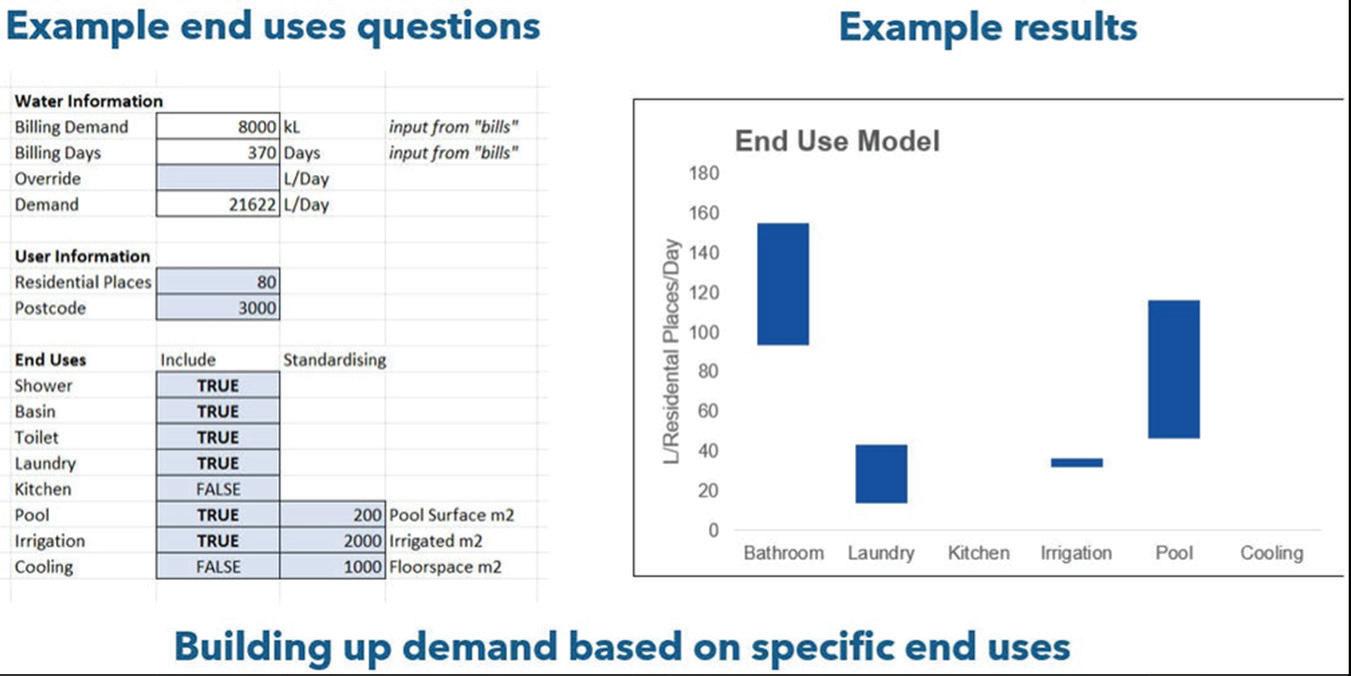
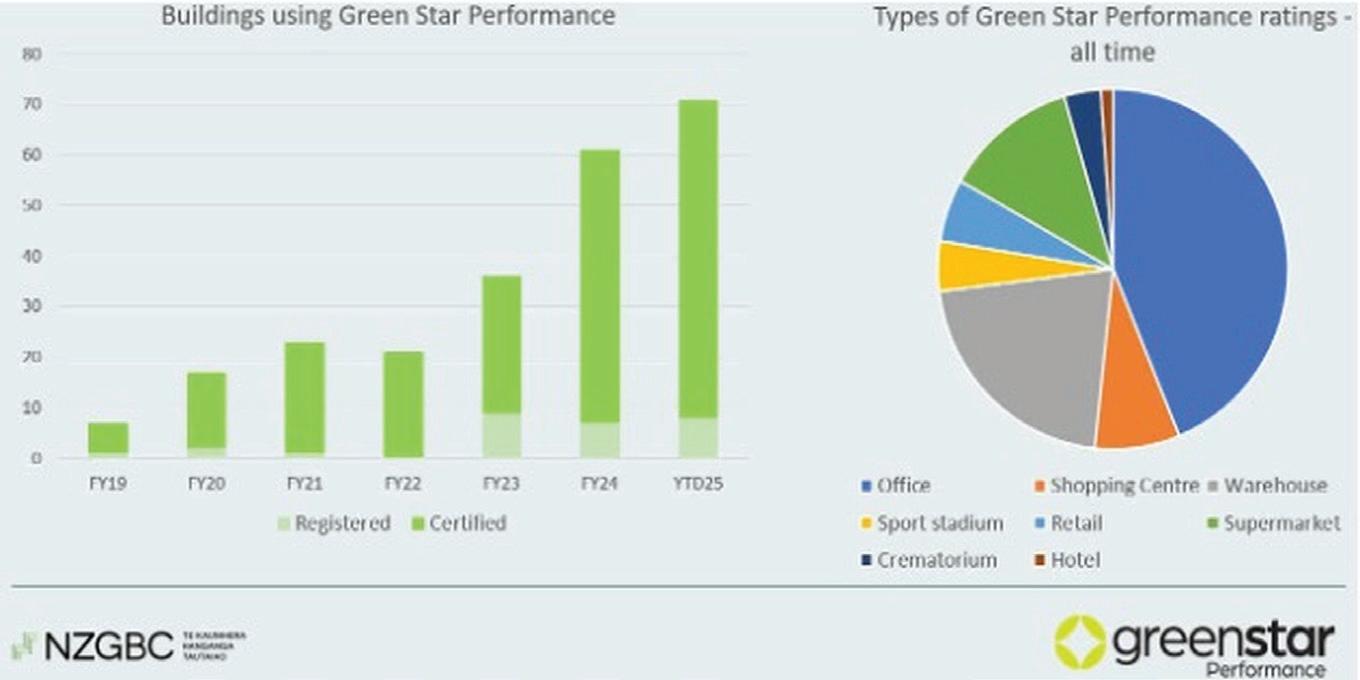
Figure 1: Example of water-use benchmarking for the aged-care sector (top-down analysis). Source: The Non- Residential Water Efficiency Benchmarking Project, Andrea Turner –Institute for Sustainable Futures (UTS), Water New Zealand Conference 2025
Figure 2: The rating provides a common language for water performance across designers, building managers, and tenants, helping bridge the gap between technical assessments and everyday operations. It supports a shift towards efficiency that is built into building design, maintenance, and long-term planning.
Stormwater management: Working with nature is best for business
Integrating nature-based solutions into stormwater infrastructure is not just environmentally responsible — it’s smart, future-focused business practice. This was the conclusion of stormwater practitioners taking part in a workshop at the 10th IWA-ASPIRE and Water New Zealand Conference and Expo 2025.
The workshop was run by the Water New Zealand Stormwater Special Interest Group which explored business cases for nature-based solutions (NbS), real world Aotearoa New Zealand case studies, as well as looking at opportunities that provide better business clarity to ensure NbS are included in infrastructure development.
Nature-based solutions manage stormwater using natural systems like plants, soil, wetlands, rain gardens, and green spaces, to slow, absorb, and clean rainwater before it reaches drains, rivers, and the ocean.
Workshop participants agreed that NbS can offer a superior whole-of-life value proposition compared to traditional grey infrastructure for stormwater through:
• Flood risk reduction through natural detention, storage, and infiltration;
• Improved water quality via soil and vegetation filtration;
• Biodiversity protection and habitat creation;
• Cultural outcomes aligned with mātauranga Māori and kaitiakitanga;
• Enhanced amenity and recreation opportunities;
• Urban cooling and climate adaptation;
• Lower embodied and operational carbon ;
• Efficiency of space, land, and resource use.
Nature-based solutions can reduce risk and insurance exposure while supporting compliance with regulatory requirements, planning instruments and Te Tiriti o Waitangi.
They also highlighted how NbS projects can enhance community and amenity values, creating public spaces that deliver social and ecological returns.
These co-benefits are central to the strategic case in Treasury’s Better Business Case (BBC) framework and align directly with all five objectives of the New Zealand Infrastructure Strategy (Te Waihanga, 2022).
Whole of life cost and value
In many cases the higher capital outlay of providing nature-based solutions is seen as a barrier to this approach but workshop participants emphasised that business case development must reflect the long term resilience and OPEX efficiencies, not just capital outlay.
When evaluated over the life of the asset, NbS frequently outperforms hardengineered alternatives through:
• Reduced OPEX when vegetation establishes;
• Avoidance of large-scale renewals typical of hard infrastructure;
• Reduces downstream infrastructure burden;
• Enables incremental, adaptive delivery;
• Continued performance improvement over time as ecosystems mature;
• Avoiding economic losses from flood damage and insurance costs.
Gaps in Better Business Case framework guidance
Participants identified gaps in the Treasury’s BBC that limit recognition of the characteristics, value streams, and performance dynamics of nature-based solutions (NbS). These gaps reinforce the systemic barriers that limit NbS uptake and contribute to the continued dominance of grey infrastructure in stormwater management.
Non-monetary benefits were often undervalued, including benefits such as cultural identity, mental well-being, biodiversity, climate resilience, and social cohesion. These benefits are difficult to monetise and quantify and therefore are undervalued in economic cases.
The absence of natural capital accounting in the BBC model creates a structural disadvantage for NbS, while traditional grey infrastructure, which often degrades natural capital, is not required to internalise these costs.
Although there is strong conceptual support for NbS across the water sector, implementation at scale is constrained by organisational culture, regulation, capability, funding structures, public perception, and space requirements in retrofit environments.
Establishment timeframes for vegetated systems can also conflict with project schedules and political cycles. For instance, early years of a NbS system may appear under-developed or unstable, even though long-term function is highly robust.
These barriers help explain why NbS – despite strong evidence of their long-term performance and multi-value outcomes – remain under-represented in capital programmes across the country. When presented with a business case to support NbS, decision-makers may see them as too risky compared to the alternatives.
Business case opportunities
However, the discussions also highlighted that none of these barriers are insurmountable. Many can be addressed through improved policy alignment, capacity building, case study sharing, updates to appraisal frameworks, and long-term strategic planning.
Despite these barriers, workshop participants saw opportunities that are directly aligned with recent direction from central government, the Parliamentary Commissioner for the Environment, Te Waihanga, and MfE. They recommended:
• The recognition of soils as an infrastructure asset, supporting justification in investment in NbS and naturalisation. This emphasises that healthy soils are the foundation of successful NbS and play a critical role in flood mitigation, biodiversity, carbon sequestration, and climate resilience.
• The co-development of national guidance on NbS business case development, linking NbS directly to Te Waihanga strategic objectives, incorporating ecosystem services into the BBC model, and development of a standardised multi-value assessment model.
• The creation of a national NbS database, including performance data, financial information, and maintenance requirements. This would reduce perceived risk, support councils with limited capability, and showcase real-world Aotearoa New Zealand-specific performance.
• Coordinated capability development across design, asset management, economic valuation of ecosystem services, and multi-disciplinary collaboration.
The participants noted that sector capability uplift should be co-designed with mana whenua and be consistent with Te Ao Māori approaches to environmental management.
They said the NbS business cases can help ratepayers understand the role of natural systems in managing flood risk, that climate adaptation requires more than underground pipes, and that green infrastructure supports liveability, not just regulatory compliance.
You can see the full report as well as case studies on the resources pages of our website.
Stormwater is a taonga: Managing challenges and opportunities
Join us for Stormwater 2026
Stormwater is wai and wai is a taonga. This year’s theme recognises rainfall, runoff, and our waterways as an inextricable part of our ecosystem.
Stormwater 2026 brings professionals together to seek solutions and share learnings and opportunities around one of our most pressing challenges – climate change and the impact of increased storm and rainfall events.
Managing these challenges and opportunities will define how we build and manage future infrastructure, where we live, how we design our cities and urban environments, and importantly, how we value water
Join us as we explore how to work in harmony with nature, build resilient communities, listen to knowledge held by the whenua and the tāngata, and learn about new developments around technology and digital innovation.
www.stormwaterconference.org.nz

Proudly brought to you by Water New Zealand


A once-in-a-generation opportunity for better water investment
Aotearoa New Zealand’s water sector is at an inflection point. Whether the reform planning phase feels finished or not, delivery pressures are already here.
In this article, Andrew Hobbs, Communications Lead at Pattle Delamore Partners, catches up with Tony Urquhart, Technical Director Infrastructure Advisory at PDP, and Andy Gibson, Director at ICS Consulting Ltd, to discuss what comes next.
The sector has come through heavy years, and change fatigue is real. As the planning haze begins to clear, a genuine opportunity is emerging to lift the quality of investment decisions and build the capability to deliver at scale.
Asset understanding, outcome-driven prioritisation, investment optimisation and delivery discipline are the foundations that will determine whether Water Service Organisations (WSOs) build confidence and deliver value, or struggle to keep pace as delivery pressure grows.
WSOs are at different stages of readiness, but all are approaching the same critical transition. Planning and delivery are running in parallel, as organisations move into a new operating environment.
The next 18 months represent a rare opportunity to set foundations. Decisions made now about priorities, capability, and how investment choices are made will shape outcomes for years to come.
Bridging the gap between funding and delivery
Funding is improving across much of the system. For many organisations, the more immediate constraint to success is capability. People, skills, and delivery capacity are likely to determine what can realistically be achieved.
This reality requires a fundamental shift in approach. Better outcomes depend less on access to funding alone, and more on how deliberately it is applied. Optimisation becomes essential. It is about making clear, defensible choices about what gets delivered, when it happens, and why it matters.
WSOs are balancing competing demands. Capital programmes must continue, and customers expect reliable services.
Confidence can erode quickly if programmes stall or get reset too often.
There’s still a significant gap between the scale of the plans and the capability and pace needed to deliver.” Tony
Urquhart
Continuity matters, even while organisations build the capability and systems needed for long-term efficiency.
Many are already shifting from asking “what can we afford to fund?” to “what can we realistically deliver well, in what order, and to achieve which outcomes?”
Tony Urquhart explains: “Across the sector, there’s still a significant gap between the scale of the plans and the capability and pace needed to deliver. We’re establishing new entities, but some legacy ways of working remain.
“The core challenge isn’t simply resourcing, it’s building the decision-making agility and delivery capability required for the future. Without lifting both, reform outcomes are at risk.
“This is fundamentally a cultural shift that’s needed, and it will take leaders who are willing to rethink longstanding norms and strengthen productivity across the system.”
Scaling decision-making for what comes next
WSOs are being asked to operate at a scale that is new for many, with over $40 billion of investment anticipated over the next decade. Decision-making capability needs to lift quickly to match the volume and pace of work now coming through.
The gap shows up in decision speed, proportionality, and confidence in delegated authority. The challenge is not whether organisations care about good decisions, but whether they can make them at the scale their responsibilities now demand.
This is driving a move from project-by-project thinking toward portfolio-level decision-making. The focus shifts from working through a list, to understanding where each dollar delivers the strongest outcomes.
Investment decision-making maturity has always mattered. What has changed is the visibility of decisions, the scale of investment, and where the constraint sits. With funding improving, how decisions are made determines whether limited delivery capacity is directed efficiently toward the outcomes that matter most.
The WSOs making progress tend to treat regulation as an enabler rather than a hurdle. They use it to clarify expectations, align decisions with outcomes, and demonstrate to Boards and communities why priorities stand up to scrutiny.
Andy Gibson reflects on experience from the UK water sector: “In the best-performing UK utilities, investment prioritisation becomes a transparent portfolio process: define outcomes, value needs and options consistently, and make trade-offs explicit across risk, cost and deliverability. Customer and stakeholder engagement defines what ‘value’ means locally and nationally. Regulation then reinforces this by requiring evidence, audit trails and clear justification for funding choices.”
Four fundamentals that matter
At heart, this is not about reinventing asset management. It’s about returning to the fundamentals with sharper focus and intent.
Firstly, asset understanding must be fit for purpose. Progress doesn’t require waiting for perfect data or exhaustive analysis. It requires enough clarity to focus on what matters, and answer the questions that drive decisions. Where are the more significant risks? What would failure mean for public health, environmental quality, and service reliability? ‘Good enough to act’ beats ‘perfect but paralysing’.
Secondly, leading WSOs will keep intended outcomes for communities, the environment, and service resilience front and centre. What does success look like? Where does this investment contribute most?
That clarity helps when difficult choices need to be made, and not everything can be delivered at once.
Thirdly, optimisation should be treated as ongoing work, not as a one-off exercise or technical tool. It’s about making deliberate portfolio-level choices, and understanding risk across the system.
Sequencing work to unlock the maximum value with the resources available, will be invaluable.
Lastly, comes recognising that transition and transformation are not separate. Leading WSOs are building long-term capability through how they deliver today, balancing immediate delivery needs with longer-term ambition.
The opportunity for Aotearoa isn’t to copy overseas models, but to adapt proven approaches to local context.” Andy Gibson
Learning from others
More mature regulated environments, like those in the UK and Australia, have worked through many of the challenges now facing WSOs in Aotearoa.
Andy, who has worked across New Zealand, Australia, North America, and the UK, notes: “They’ve developed the tools for portfolio optimisation, the frameworks for risk-based prioritisation, and the methods to demonstrate value to regulators and communities. Just as importantly, they’ve shown what doesn’t work. The opportunity for Aotearoa isn’t to copy overseas models, but to adapt proven approaches to local context.”
The collaboration between PDP and ICS reflects this mindset. It brings together international experience in regulatory economics and decision-support with local delivery knowledge and understanding of New Zealand’s operating environment. The intent is straightforward - to help organisations lift decision maturity using methods that are well tested and practical to apply.
Foundations for a generation
The decisions made over the next 18 months will shape water infrastructure for a generation. Not because reform will be complete, but because this is when operating habits, decision frameworks and delivery rhythms are established.
Organisations making progress recognise that transformation does not start after transition ends. The choice for WSO leaders is whether this period is treated as something to get through, or as foundational to building confidence, capability, and trust for decades ahead.

Shaping tomorrow, today.
Across Aotearoa, we partner with clients, iwi, and communities, to shape enduring outcomes for people, place, economy and environment.
Planning for success
Capability and operations manager of Beca’s Water Business in New Zealand, Jon Reed has spent his career involved in water resource planning, first in the UK before moving here. His experience and expertise has proved a valuable addition to our water industry.
By Mary Searle Bell.
Jon grew up in Christchurch – not here, he laughs, but Christchurch in England. A trivial mix-up but one that provokes a little confusion at times. He studied engineering, followed by a Masters in hydrogeology, both at Durham University.
“I’ve always been around the boundary of science and engineering, rather than hard engineering,” he explains.
His career began with a graduate role at Oscar Faber (now part of Aecom) where he worked on water mains projects before moving to consultancy firm Atkins (now AtkinsRéalis).
“I spent 10 years at Atkins, moving further into water resources over the years. At the time we had three regulators of the water industry in the UK and I had to produce water resource plans, drought plans, and the like for a number of water utilities.
“I also did water investigations – understanding the forecast demand for water, and also understanding the availability of water resources that a water company has access to. This led into what the company needed to do in the next five years, and longer, which showed where investment was needed, and if they needed new dams or new river takes etc.
“It was all on a much bigger scale than here – I did a lot of work with Southern Water, which, for example, supplies approximately twice the amount of water as Watercare.”
The big UK drought in 2004-2006 provided Jon with what he describes as “a fantastic opportunity and a big challenge”.
“I worked closely with Southern Water and Sutton and East Surrey Water in southern England to put new schemes in place, investigating how they could extract beyond the limits of their licences, and measures to enable water companies to restrict demand – what they should do at each stage as they got closer to Zero Water day.
“Water resource planning is the theory, but in a time of drought, your options to get more from less are tougher. You have to consider making potential short-term impacts on the environment.”
In 2010, Jon moved to Aotearoa New Zealand with his Kiwi wife (“she brought me back as a souvenir,” he jokes) and joined the water team at Beca’s Auckland office.
He’s held a few different roles there, working as a consultant
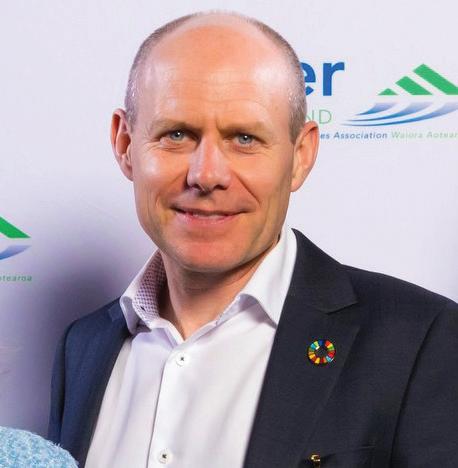
before becoming manager of the Auckland water team in 2012. After five years he moved into his current role as capability and operations manager, where he works across the company’s New Zealand water business and with the Australian team to ensure they have the right people on their projects and that the projects are delivered well.
“I work around water resources for the bigger water companies, looking at their future need for water. I helped Watercare with its Waikato River water abstraction consent, which was fascinating.”
Jon says that his most interesting project was with Wellington Water in 2023, where he was looking at the utility’s water resources and undertook an options assessment.
“I worked closely with Geoff Williams at Wellington Water, looking at adaptive planning – we created different futures over
Jon Reed was awarded membership of 5S at the 2024 Water New Zealand Conference and Expo.
a long, long sequence, and modelled them. We had different rainfall, different population numbers and so on, and ended up with 200 billion days of data. We modelled everything.
“We were then able to analyse this and come up with a DAPP (Dynamic Adaptive Pathways Planning) approach. This approach sets trigger points to prompt actions to take when these points are reached – it allows timely decisions to be made as operating conditions change.
“The DAPP analysis allows us to identify the options that should be implemented now to maintain the supply/demand balance over the next 10, 20, or 30 years. For example, in five years’ time we should know whether to do x or y depending on what variables are met.
“It’s a far more dynamic approach, which gives us more flexibility, and ensures we can keep water in the pipes at all times.”
But perhaps why Jon’s name is so familiar to Water New Zealand members is because of his work on the Water New Zealand podcast, ‘Tāwara o te Wai’, which developed out of his interest in mitigating climate change.
“One Christmas, around the time of Covid, I was agonising over climate change. I wanted to be able to look my children in the eye when they asked me, ‘what did you do about climate change?’.
“It’s so big, one person can’t really do anything. But one thing I could do was try and influence the water industry in New Zealand. So I went to Water New Zealand then-CEO John Pfalhert, and he told me to go ahead and set up a climate change group, and all of a sudden a whole lot of people were interested.
“We established a climate change strategy for Water New Zealand, and provided technical guidance around things like emissions from wastewater treatment plants.
“As part of our knowledge sharing strategy, I made a number of podcasts around climate change, and this has now morphed into a regular podcast series with Hannah Edmond, currently on parental leave and Emily Afoa who's standing in. We cover all subjects of interest to the water sector. covering all subjects of interest to the water sector.
“I’ve learned loads of stuff, and it’s lots of fun.”
This work around climate change is not Jon’s first foray into philanthropy. In the late 1990s he set up a charity, with other young professionals, called Sponge, which was all about trying to influence the UK construction industry to focus more on sustainability.
“We did a number of different projects trying to showcase best practice, for both housing and infrastructure. We got a grant with a government department to research ways to implement this. Much of it is routine now, but back then it was really new for people.”
Looking ahead, Jon says he’s very interested to see how the new water CCOs come together; “hopefully we’ll get on firmer footing”, and he says he would like to see the water industry provide a better service to the people of Aotearoa New Zealand while dealing with climate change issues.
Jon’s paper on DAPP, “Dynamic Adaptive Pathways Planning for a Water Resources Investment Strategy”, can be read here: waternz. org.nz/Attachment?Action=Download&Attachment_id=6239)
Ambition to grow and excel
Three waters manager at South Waikato District Council, Sheshant Kumar, is blossoming in his career, seizing every opportunity that comes his way. By Mary Searle Bell
Born in Fiji, Sheshant attended Natabua High School in Lautoka, where he embraced the cadet corps programme. He says it helped instil the discipline that continues to serve him well in his career and other aspects of his life.
From school, Sheshant went on to complete a Bachelor of Engineering Technology at the University of the South Pacific in Suva before securing a position with the Water Authority of Fiji in 2013.
“I was in my final semester of university when I started in the trainee programme with the Water Authority as an assistant plant operator for its wastewater treatment plants and pump workshop.”
After six months working in wastewater, he moved across to water treatment.
“I assisted with the operation, maintenance, and troubleshooting of mechanical systems and equipment in both water and wastewater. This provided great hands-on experience.”
He then secured a role as a graduate engineer with the Water Authority, where he supported the operations team in the dayto-day management and maintenance of engineering systems and infrastructure.
As his knowledge and experience grew, he was promoted –first into a project manager role in the city and later becoming a senior project manager responsible for projects across the western region in Fiji.
“The regional role involved helping deliver high-quality and sustainable solutions to improve water supply and distribution systems across Fiji, and it was great to be able to move out of Suva and closer to home.”
During this time, Sheshant also completed an MBA with the University of Fiji and earned his Level 4 Wastewater Treatment Plant Operator’s certificate.
After nine years with the Water Authority, Sheshant was ready for a change and spent a year with Fiji Pine Group, where he led project teams of engineers, contractors, and stakeholders to design, plan, and implement projects related to forestry and manufacturing operations.
In 2023, he received a call from a recruiter in New Zealand who was searching for a senior project manager for South Waikato District Council – an opportunity he couldn’t resist. He and his wife then made the move to Hamilton.

“I’ve worked on a number of projects with the council now. My team is largely older and very experienced, so I am learning a lot – and they’re great to work with.
“We’ve had two standout projects in the past few years. We are progressing planning for a new wastewater treatment plant at Putāruru and have completed major upgrades at the Tokoroa wastewater treatment plant.
“At Putāruru, the conceptual phase of the project is complete, and we’re now working with the new wastewater team at Waikato Waters about how to implement the next stages.
“In Tokoroa, we’ve recently commissioned a PdNA (Partial Denitrification Anammox) pilot programme in partnership with consultants Lutra.”
PdNA is a nutrient removal and intensification process that is becoming a well-accepted mainstream wastewater treatment technology in the US, EU, and Asia. When implemented as an additional secondary or tertiary process, the PdNA process has been shown to be a robust and resilient nutrient removal strategy capable of achieving lower effluent nitrogen concentrations while reducing operational expenditure.

As the wastewater industry works to reduce nutrient discharge limits, PdNA has the potential to become a key intensification process to meet treatment outcomes while lowering chemical and power consumption.
“The PdNA pilot at Tokoroa is one of the first of its kind in the country. We are excited to monitor the results over the next 12 months. Our goal is to achieve a 40 percent reduction in carbon usage and a 30 percent reduction in electricity consumption.”
Sheshant says he has loved working within the small Tokoroa community, which he feels is one of the special aspects of working at South Waikato District Council.
“The council offers lots of opportunities for growth, and Hamilton is a great place to live – it’s accessible, has everything you need, and is only about an hour from most places. The weather is questionable though…”
While the weather may be better in Fiji, Sheshant is enjoying the differences in the Kiwi way of working.
“We both have the same aim – to provide safe and reliable water services to communities. However, New Zealand is highly structured, with strong legislation that provides transparency. In Fiji, challenges such as poverty, limited skilled operators, and short-term employment contracts can make continuity on projects difficult.
“On top of that, the former line Minister would call me at any time to ask why something wasn’t working. If you said the
“I’ve worked on a number of projects with the council now... they’re great to work with."
wrong thing, you could feel the consequences later. I remember the Minister texting me just before he went into Parliament asking about the status of our projects, and then reading my reply as part of his speech!”
Now happily embedded in the Kiwi way of life, Sheshant is keen to keep learning about Aotearoa New Zealand and the water industry. He is part of the Water New Zealand Water Services Managers Group and is involved in the transition work for Waikato Waters — something he describes as a one-of-akind opportunity.
Last year, his efforts were recognised with a nomination for the LGFA Taituara Emerging Leader Award. He also received a scholarship from the IHE Delft Institute for Water Education, where he completed a six-month online programme focused on the design, modelling, and operation of biological wastewater treatment plants.



Learn, operate, maintain. Skill-up now with New Zealand’s leading provider of infrastructure industry training, standards and programmes.
Stay Connected
CALL US : 0800 486 626 Monday-Friday, 8am-5pm askus@connexis.org.nz connexis.org.nz

The Mount Maunganui tragedy reminds us landslides are NZ’s deadliest natural hazard
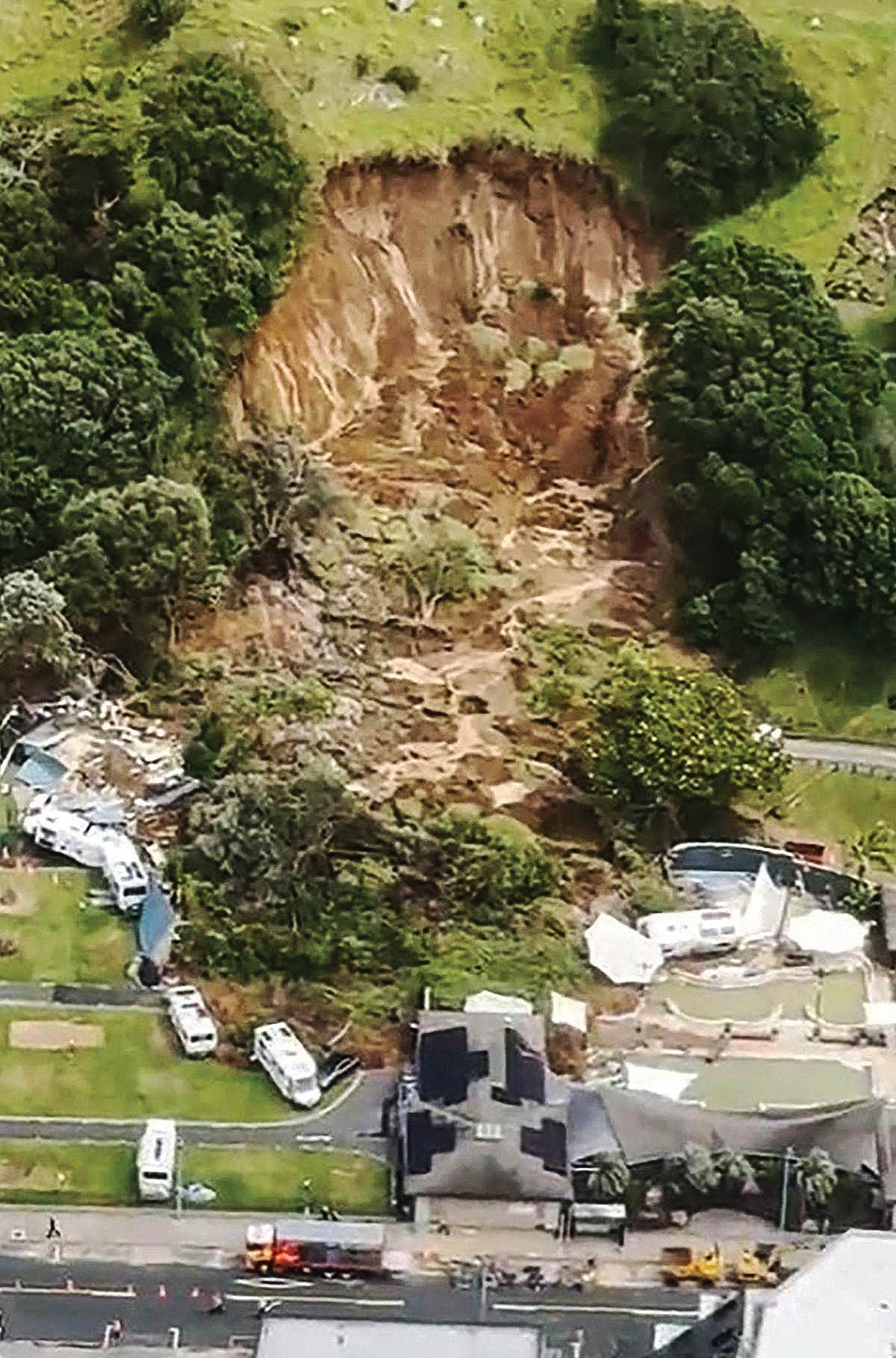
By Martin Brook, professor of applied geology, University of Auckland
The tragic events in the Bay of Plenty in January are a stark reminder that landslides remain the deadliest of the many natural hazards Aotearoa New Zealand faces.
On Thursday morning, January 22nd, a large landslide swept through the Mount Maunganui Beachside Holiday Park at the base of Mauao, killing six people.
Hours earlier, two people were killed when a separate landslide struck a home in the Tauranga suburb of Welcome Bay.
These events occurred at the tail end of a weak La Niña cycle, which typically brings wetter conditions to northern New Zealand. At the same time, unusually warm sea-surface temperatures have been loading the atmosphere with extra moisture, helping to fuel heavier downpours.
In parts of northern New Zealand, more than 200 millimetres of rain fell within 24 hours in the lead-up to these events – well above the typical thresholds known to trigger landslides.
Regions such as the Bay of Plenty, Coromandel, Northland and Tairāwhiti are especially vulnerable to intense rainfall, which weakens surface soils and the highly weathered rock beneath them, allowing shallow landslides to detach and flow downslope.
Most landslides in New Zealand are
triggered by heavy rainfall, through a complex interplay of intrinsic factors –such as slope angle, soil and rock strength, and vegetation cover – and extrinsic factors, including rainfall intensity and how wet the ground already is from prior rainfall when a storm arrives.
Much of this risk is invisible, accumulating quietly beneath the surface until a sudden collapse occurs.
This helps explain why landslides have long proved so dangerous. Since written records began in 1843, they have been responsible for more deaths than earthquakes and volcanic eruptions combined.
Much of the country’s steep, geologically young landscape is pockmarked by the evidence of millions of past landslides, most occurring on pasture and remote areas, far from people.
When landscapes tell a story
At Mount Maunganui, the shape of the land itself tells a story. The surrounding
hill slopes are riddled with the scars of past landslides, revealing a landscape that has been repeatedly reshaped by slope failure over time.
New high-resolution mapping now allows scientists to see this in unprecedented detail. A 2024 LiDARderived digital elevation model, which effectively strips away vegetation to reveal the bare land surface, shows numerous landslide features across the slopes.
Many cluster along the coastal cliffs, but two particularly large ancient landslides can be seen directly above the holiday park.
These older slips left behind prominent head scarps – steep, crescent-shaped breaks in the hillside – indicating where large volumes of material once detached and flowed downslope onto flatter ground below.
Subsurface evidence reinforces this picture. A geotechnical investigation carried out in 2000, near the northern end of the campground’s toilet block,
found a 0.7 metre layer of colluvium – loose debris deposited by earlier landslides and erosion – buried beneath the surface.
In other words, the site itself sits atop the remnants of past slope failures.
The January 22 landslide appears to have initiated in the narrow zone between the two earlier slips. This is a particularly vulnerable position: when neighbouring landslides occur, the remaining wedge of land between them can lose lateral support, becoming unstable, like a rocky headland jutting out from a cliff face.
Over long timescales, this kind of progressive slope collapse is a normal part of landscape evolution. But when it unfolds in populated areas, it can turn an ancient geological process into a human disaster.
From prediction to prevention
Predicting how far a landslide will travel, and which areas it might inundate, is critically important – but it remains an inexact science.
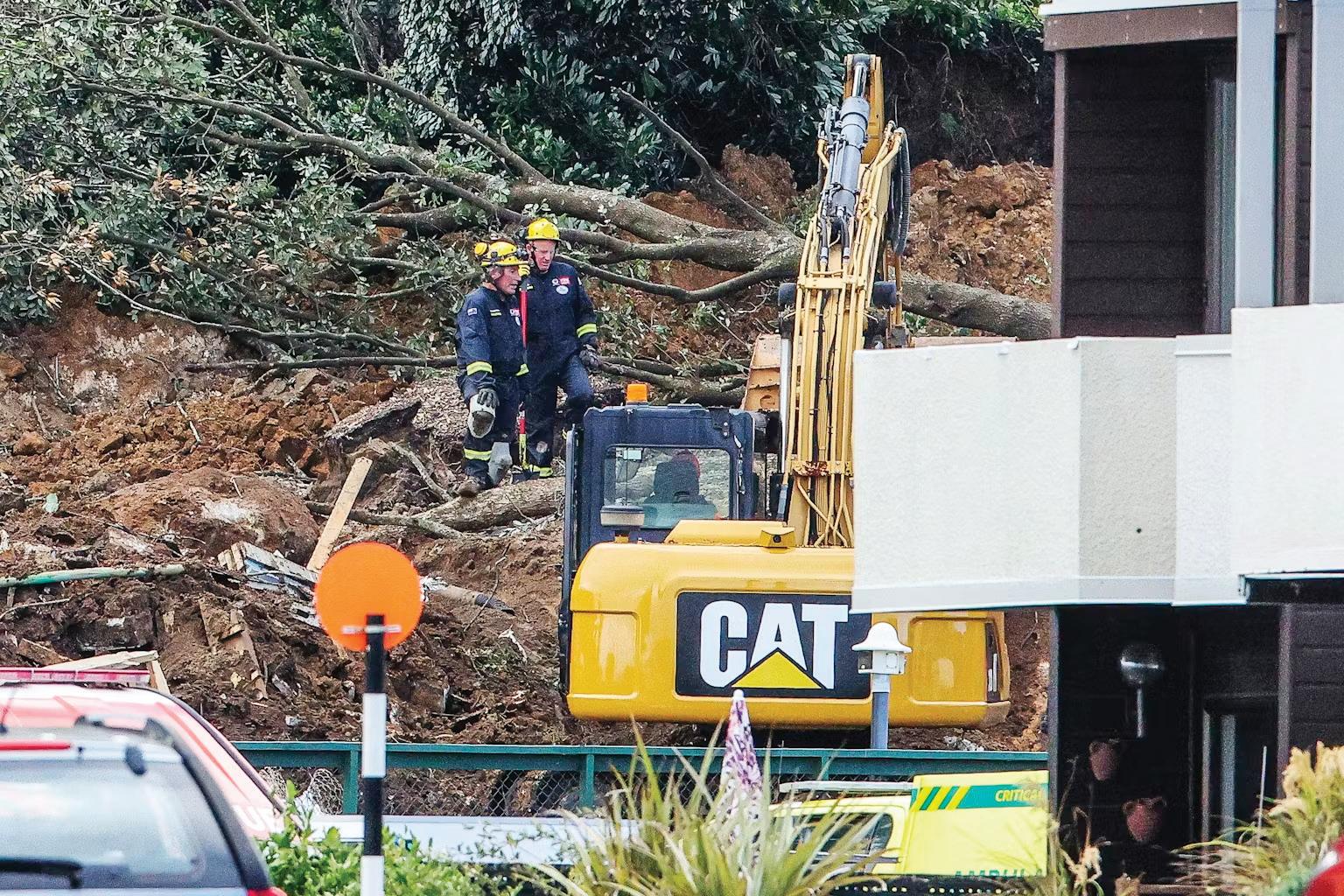
At its simplest, this can involve rough rules of thumb that estimate how far a landslide is likely to run based on slope height and angle. More sophisticated approaches use advanced computer models, such as Rapid Mass Movement Simulation (RAMMS) which simulate how landslide material might flow across the landscape.
These models were used, for example, to assess landslide risk at Muriwai, Auckland, following Cyclone Gabrielle.
By adjusting inputs such as rainfall intensity and soil properties, scientists can explore a range of possible scenarios, generating estimates of how far future landslides could travel, how deep the debris might be, and which properties could be affected.
The results can then be translated into landslide hazard maps, showing areas of higher and lower risk under different rainfall conditions. These maps are not predictions of exactly what will happen, but they provide crucial guidance for land-use planning, emergency management and public awareness.
New Zealand has made major progress in mapping floodplains, and most councils now provide publicly accessible flood hazard maps that influence building rules and help communities understand their exposure.
In the future, developing similarly detailed and widely available maps for landslide hazards would be a logical –potentially life-saving – next step.
This article first appeared in The Conversation, theconversation. com/the-mount-maunganui-tragedy-reminds-us-landslides-arenzs-deadliest-natural-hazard-274201
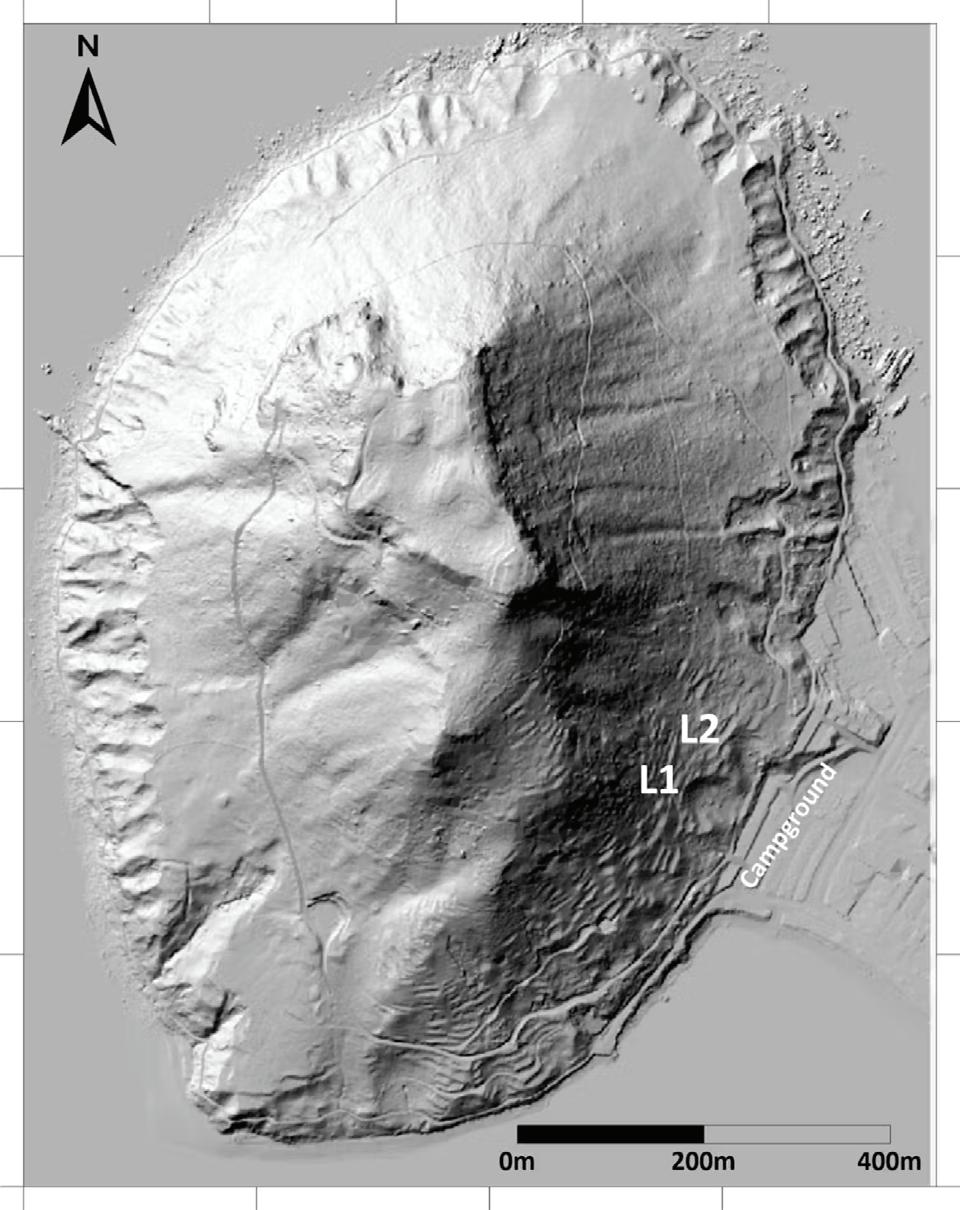
A high-resolution elevation map of Mauao and surrounding land at Mount
drawn from Land Information New Zealand data, showing landslide features. Two ancient landslides, or paleolandslides, above the campground site are labelled L1 and L2.
Below: This image provides two views of the slopes above the campground at Mauao (Mount Maunganui). On the left (A) is a 2023 aerial photo showing the steep hillside and the location of earlier ground testing. On the right (B) is a detailed elevation map revealing two ancient landslides (L1 and L2) hidden in the landscape. The star marks the approximate starting point of the January 22 landslide.
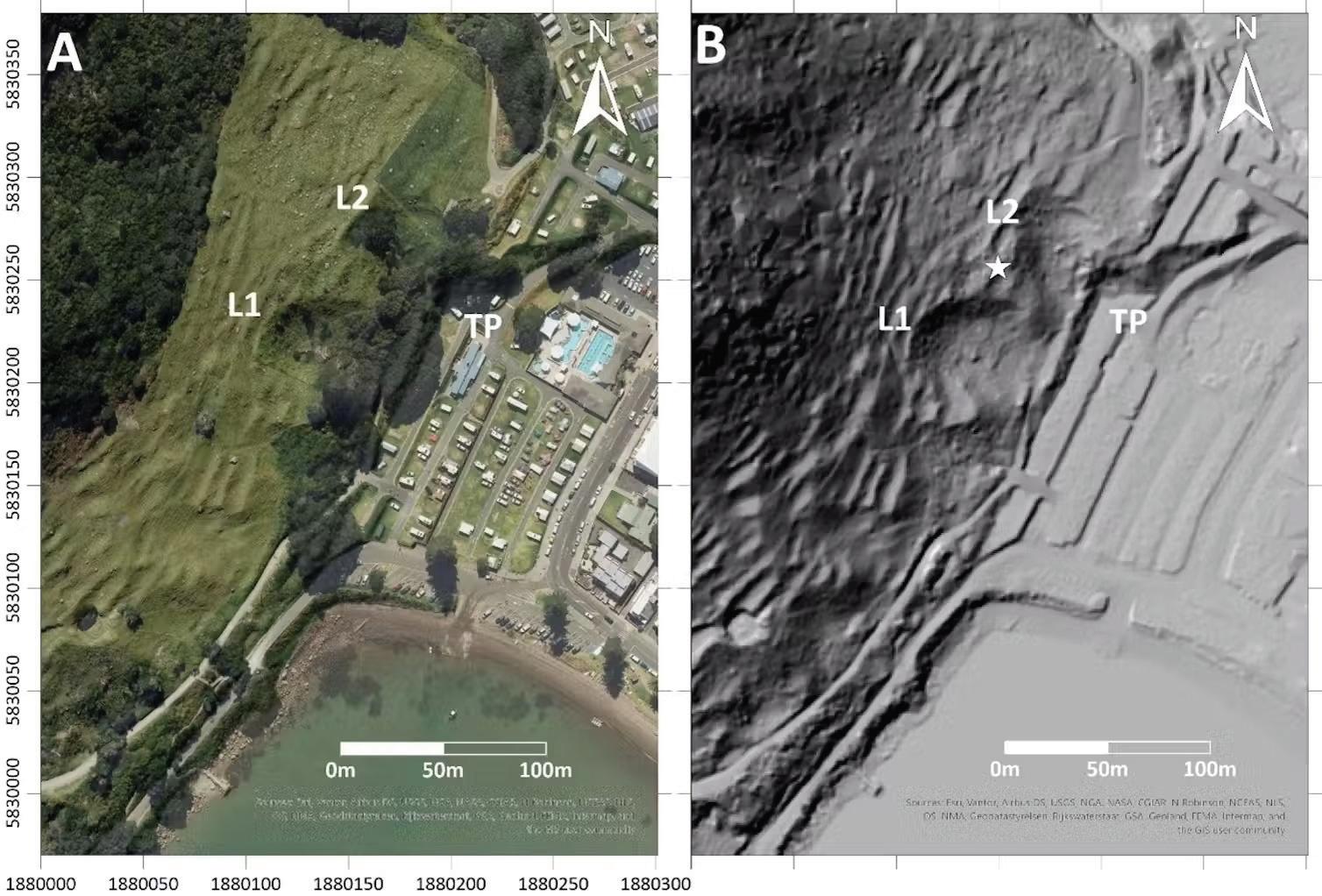
Above:
Maunganui,
ifm
Process Automation Solutions

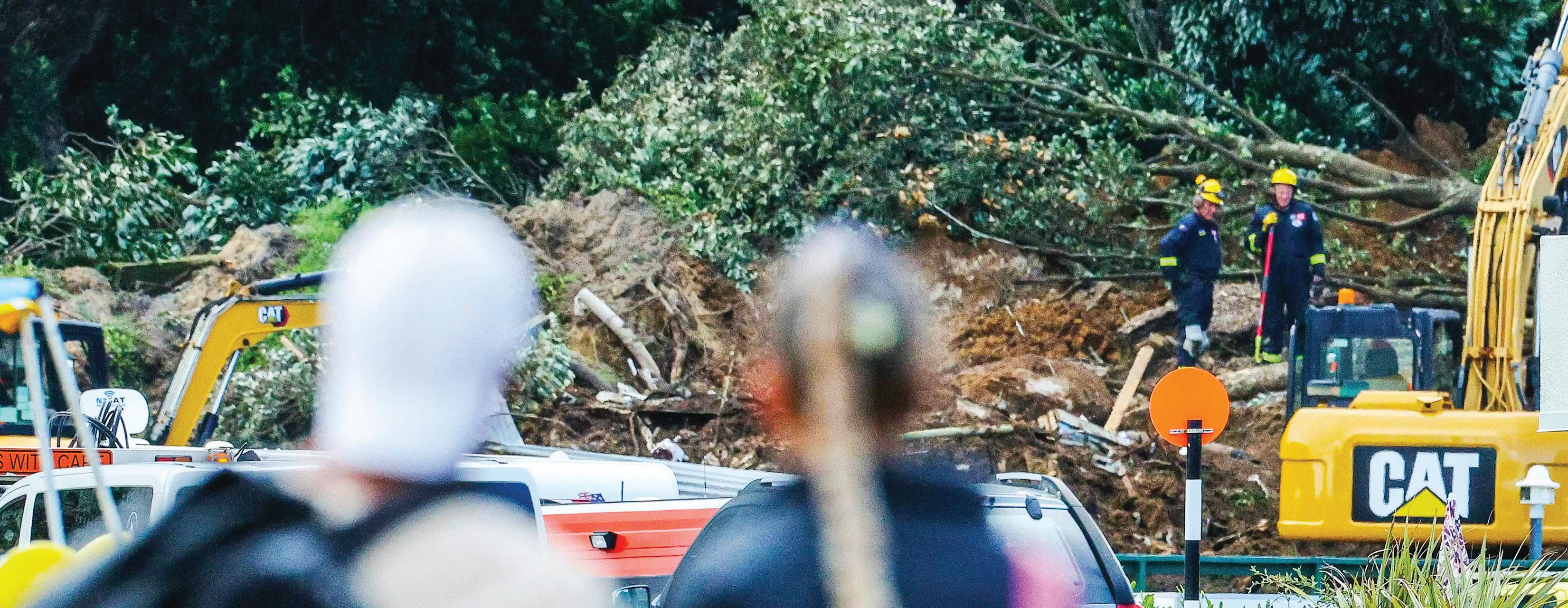
Do trees prevent landslides? What science says about roots, rainfall and stability
By Martin Brook, professor of applied geology, University of Auckland
In the days after the fatal landslides at Mount Maunganui, there was widespread discussion about what may have caused the slopes above the campground to fail, including the possible role of recent tree removal on Mauao.
In the aftermath of such tragedy, it is natural to search for clear explanations. But landslides typically reflect a complex combination of factors – from geology and long-term slope evolution to weather, climate and land use.
A landscape prone to failure
The Tauranga region is underlain by volcanic materials that are well known for their instability. Over time, volcanic rock weathers into clay-rich soils, including a problematic mineral known as halloysite.
During heavy rainfall, water infiltrates these clay-rich soils, increasing porewater pressure between soil particles. This reduces the soil’s shear strength, making slopes more prone to failure.
Similar processes have driven devastating landslides elsewhere: dozens of people were killed in rainfall-triggered landslides in Indonesia’s West Java region very recently, on comparable volcanic clay soils.
Recognising this risk, Tauranga City Council commissioned landslide susceptibility mapping following the extreme weather events of 2023. These datasets allow the public to view landslide-prone areas and “relic slips” – ancient landslides that still leave visible imprints on the landscape.
Importantly, they indicate where land has failed in the past
– and remains potentially vulnerable during intense rainfall or after land-use changes.
While most of the Tauranga district is comprehensively covered by these mapping tools, there is one notable omission: the area west of Adam’s Avenue, where Mauao and the campground are located. Landslide hazard layers for this zone are absent from public web portals, despite Mauao being particularly landslideprone.
Historical aerial imagery dating back to 1943 reveals dozens of landslides on Mauao’s slopes. Some of the most significant occurred during Cyclone Wilma in January 2011, when 108mm of rain fell in 24 hours.
A detailed University of Auckland study identified at least 80 landslides from that single storm, including debris avalanches extending up to 120 metres downslope. Some of these failures have partially reactivated since, following later heavy rainfall.
Trees, slopes and stability
In addition to these historic events, older “paleo-landslides” exist on Mauao, including two on slopes above the campground. It was from this general zone that the January 22 landslide appears to have initiated – and much online discussion has also centred on tree removal within it.
Some media reports have pointed to vegetation clearance during 2022–23, but historical imagery suggests removal in this specific area likely occurred earlier, around 2018–19. More broadly, vegetation cover above the campground has declined gradually since the mid-20th century.
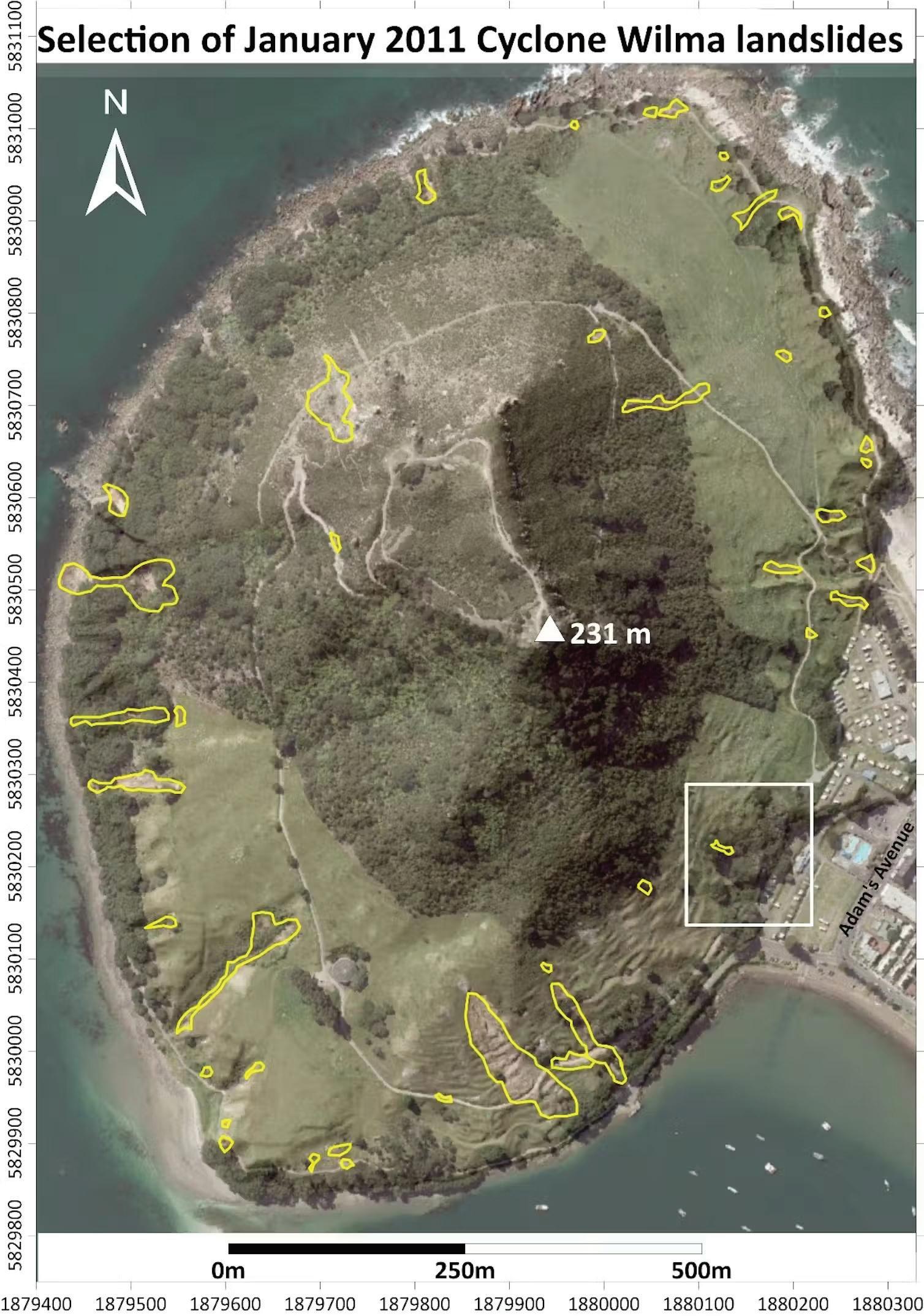
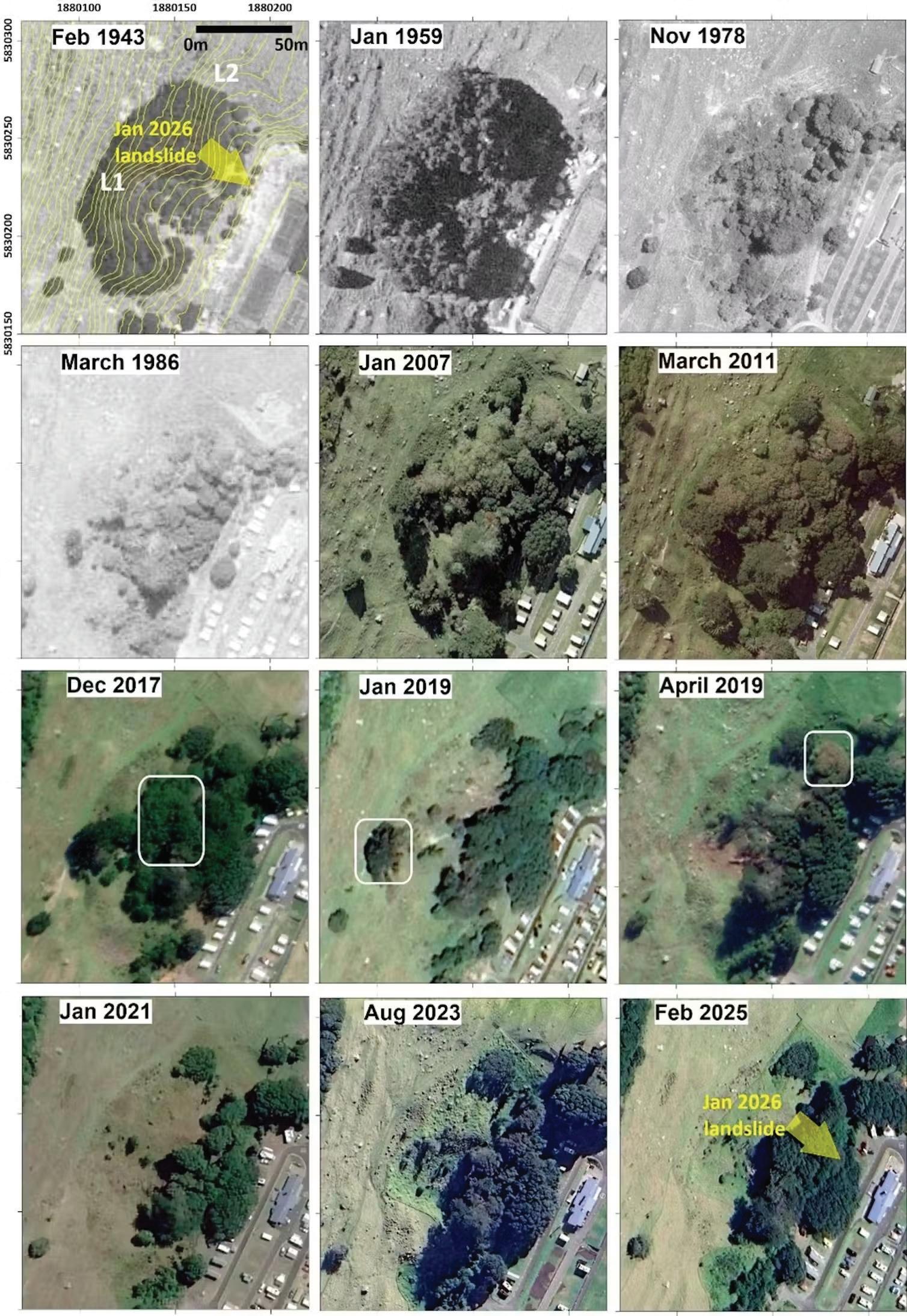
However, the relationship between vegetation and landsliding on Mauao is not straightforward. During Cyclone Wilma, major landslides occurred across both densely vegetated slopes and grass-covered areas.
Trees typically enhance slope stability in two main ways: their canopy intercepts rainfall, slowing water infiltration, and their roots reinforce soil strength. This is why widespread landsliding associated with forestry harvesting – particularly radiata pine –has long been a serious problem in parts of New Zealand.
But trees can also contribute to slope failure under certain conditions. Large leafy trees can act like sails during extreme winds, transmitting powerful forces into saturated soils.
After the 2023 Auckland Anniversary storm, research showed wind loading likely initiated some landslides on the slopes of Maungakiekie/One Tree Hill, as trees were rocked back and forth until they uprooted, dragging soil downslope.
As well, when trees grow near the tops of steep slopes, their weight – known as “surcharge” – can increase destabilising forces. In some clay soils, this effect may exceed the stabilising benefit of root reinforcement. Tree roots can also promote longterm weathering by growing into fractures in underlying rock.
All of this means vegetation is only one factor among many.
Why simple explanations fall short
Landslides in New Zealand’s hilly terrain typically result from a combination of preconditioning factors, many of which are influenced by human activity.
These can include reshaping slopes to create building
Figure 1: A March 2011 aerial image of Mauao (Mount Maunganui), with some of the larger landslides triggered by heavy rain during Cyclone Wilma in January 2011 outlined in yellow. The white box marks the area in which January 22’s landslide occurred. Author provided. CC BY-NC-ND
Figure 2: A series of aerial images from 1943 to 2025 show changes in vegetation and landform on the slopes above the campground. White boxes mark key areas, and arrows show the approximate location of the January 2026 landslide. Author provided. CC BY-NC-ND
platforms, cutting into slope toes for roads or structures, loading slopes with buildings, redirecting stormwater onto vulnerable terrain, and constructing poorly designed retaining walls that trap water within slopes.
While some trees were certainly removed from the broader source area of last week’s landslide, their role in destabilising the slope remains uncertain.
The slope had already experienced multiple historical failures, was underlain by volcanic clays and was subjected to intense rainfall – conditions that together are well known to trigger landsliding.
There is still much we do not yet know about the precise mechanisms that caused January’s failures on Mauao. That is precisely why independent investigations and technical reviews are so important.
This article first appeared in The Conversation, theconversation. com/do-trees-prevent-landslides-what-science-says-about-rootsrainfall-and-stability-274518
Figure 1
Figure 2
NZ’s sodden January explained: what’s driven this month’s big wet?
January was a month of umbrellas rather than sunscreen across much of the country, with persistent rain, low sunshine and deadly storms dominating headlines and daily life. For many people, it felt like midsummer never really arrived. Is it simply bad luck, or is there something more going on? By James Renwick, professor of physical geography (climate science), Victoria University of Wellington.
As with most aspects of our climate and weather, the answer isn’t straight-forward. It reflects the interplay between Aotearoa New Zealand’s geography, warmer-than-average ocean temperatures, large-scale regional climate patterns and long-term global warming.
What the data shows – and why it’s been so wet
Climate observations back up what many New Zealanders felt during January. Across northern regions in particular, sunshine hours were well below average, while rainfall totals were far above normal.
In central Auckland, a weather station in Albert Park had recorded around 244mm of rain by January 27, nearly three times the (1981–2010) average for the month. At Mount Maunganui, the month-to-date total had climbed to roughly 385mm, more than four times the norm.
Similar patterns have been seen in many parts of the upper North Island, with repeated heavy rain events, high humidity and prolonged cloudy spells. The result has often been soggy soils, swollen rivers, and increased risks of flooding and landslides
While each storm that affects Aotearoa New Zealand is different, many of the systems visiting the country this summer share some common features. Several have originated in the tropics, subtropics or the north Tasman Sea before drifting south towards us. These systems typically carry warm, moisture-laden air – and the potential for intense rainfall.
When these moist air masses interact with cooler air from the south, or encounter our rugged topography, conditions become ripe for heavy rain.
As air is forced upwards over hills and mountain ranges, particularly along the Coromandel Peninsula, Bay of Plenty, East Cape and Gisborne regions, moisture condenses rapidly, producing very high rainfall totals. This is why northern and eastern parts of the country so often bear the brunt of these subtropical events.
The regional patterns loading the dice
One background factor this summer has been the lingering influence of La Niña, part of the El Niño-Southern Oscillation (ENSO) system that dominates climate variability across the Pacific.
During La Niña, atmospheric pressure tends to be lower than normal over Australia and the north Tasman Sea, and higher than normal to the south and east of Aotearoa New Zealand. This effectively flips our usual weather pattern on its head, reducing westerly winds and increasing the frequency of easterly and northeasterly flows.
Those northeasterly winds draw warm, humid air from the subtropics toward Aotearoa New Zealand. Because our temperatures are highly sensitive to wind direction, even small shifts can have large effects.
La Niña also tends to be associated with warmer-than-average sea surface temperatures, which have again been observed around the country. So, when northeasterly winds blow across these warmer waters, they pick up additional heat and moisture, further fuelling heavy rainfall potential.
Another background driver that constantly shapes our weather and climate is the Southern Annular Mode (SAM), which describes the north-south movement of the westerly wind belt that circles Antarctica.
A positive SAM phase, which has dominated much of this summer, tends to bring higher pressures over the South Island and southern Aotearoa New Zealand. This allows storms from the subtropics more room to drift south and linger near the North Island.
Climate change as an intensifier
Overlaying these regional drivers is the broader influence of climate change, which is steadily warming both the atmosphere and the oceans surrounding the country.
As the planet heats, the atmosphere can hold more moisture – about seven percent more water vapour for every 1°C of warming. This means that when storms do develop, they have more fuel available, increasing the potential for heavier rainfall and stronger winds.
Climate change does not cause individual weather systems, nor does it directly control large-scale climate patterns like ENSO or the SAM. But it acts as a powerful intensifier.
Event-attribution studies in Aotearoa New Zealand to date have shown climate change can increase the total rainfall from intense storms by around 10-20 percent.
But for the most intense downpours – when the atmospheric ‘sponge’ is wrung out most vigorously – rainfall intensities can increase by as much as 30 percent, depending on the frame of time being looked at. These short, extreme bursts of rain are often what cause the greatest damage.
There are still important uncertainties. Scientists are actively researching whether climate change will alter the frequency or strength of La Niña and El Niño events, but so far there is no clear answer. The same is true for long-term trends in the Southern Annular Mode.
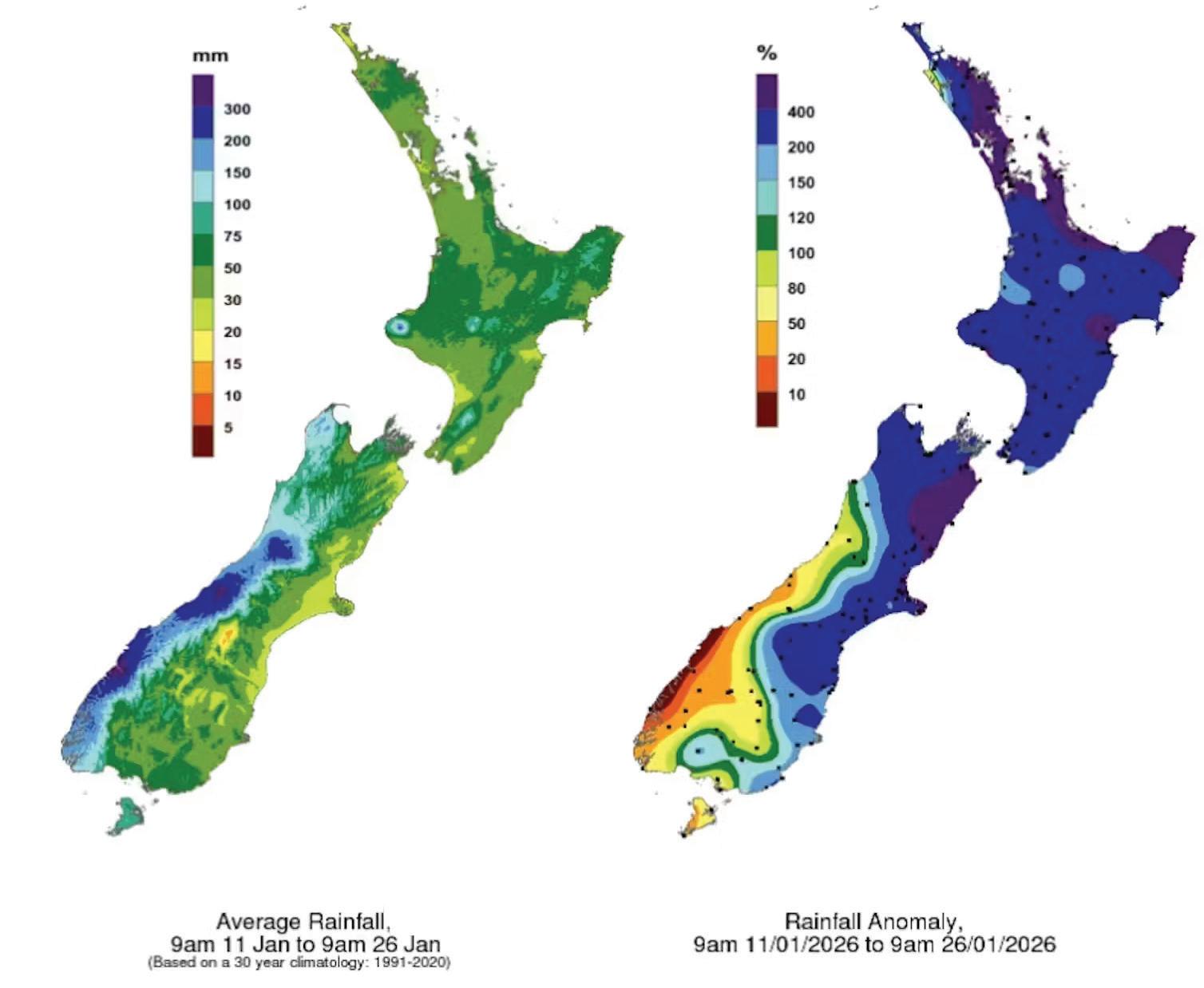
Average Rainfall, 9am 11 Jan to 9am 26 Jan (Based on a 30 year climatology: 1991-2020)
Rainfall Anomaly, 9am 11/01/2026 to 9am 26/01/2026
The left map shows the 1991–2020 average for January rainfall across Aotearoa New Zealand. The right map shows how much wetter than normal conditions have been this month, particularly across the upper North Island. Earth Sciences New Zealand.
What we can say with confidence is that background warming is shifting the risk profile.
As global temperatures continue to rise, the kinds of extremes we’ve experienced this season are likely to become more common. The biggest unanswered question is how quickly we can reduce
greenhouse gas emissions to limit how severe these impacts ultimately become.
This article first appeared in The Conversation, theconversation. com/nzs-sodden-january-explained-whats-driven-this-months-bigwet-274416.
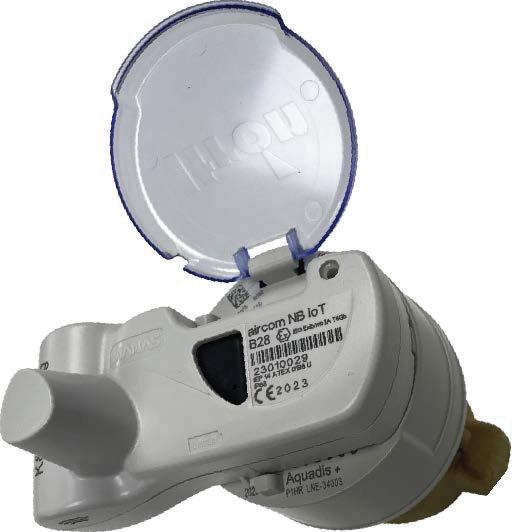



ructure.
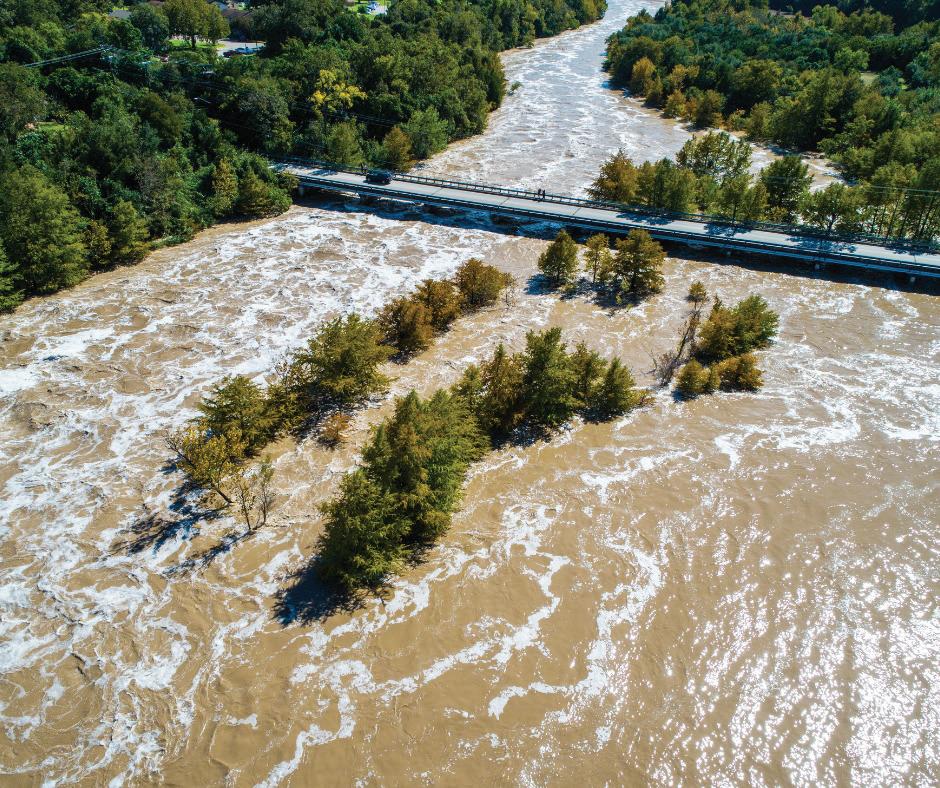
Fast-moving floodwater poses hidden danger for cities
Floodwater doesn’t have to be deep to be dangerous –sometimes it just has to be moving.
New research, led by Postdoctoral Fellow Dr Lea Dasallas at the University of Canterbury, shows that even shallow floodwater can be powerful enough to knock people off their feet or sweep vehicles away if it is moving fast enough. However, most public flood maps still focus almost entirely on how deep water gets, not how quickly it flows.
“Floodwater doesn’t just pool, it flows, and when it flows quickly, even relatively shallow water can become extremely dangerous,” Lea says.
As climate change drives more intense rainfall, the researchers say cities need to rethink how they plan for floods, shifting from
static flood maps to dynamic models that show how water moves through transport networks in real time.
The research was undertaken as part of a Horizon Europe funded project called the Minority Report (minorityreportproject.eu/en/) that is dedicated to enhancing the resilience of vulnerable urban populations and their built environments against disruptive climate events.
Using central Wellington as a case study, the team modelled an extreme rainfall event under future climate conditions. When water velocity was added to the models, previously ‘safe’ roads and intersections emerged as high-risk zones, especially

in areas where streets effectively act as channels for fastmoving water.
“These are places people still try to drive through or walk across but once you account for velocity, it becomes clear that those routes are much more dangerous than they appear.
“When flood velocity is included in the assessment, the areas classified as high risk for people walking increased by more than 80 percent. Medium-risk pedestrian areas, including for children and older people, more than tripled.”
The study, published in the Journal of Flood Risk Management (onlinelibrary.wiley.com/doi/10.1111/jfr3.70154), didn’t stop at identifying hazardous streets. The team overlaid flood risk maps onto the transport network to test whether people could still reach essential services during the peak of a major flood.
The team looked at access to hospitals, public transport hubs, and key bottlenecks in the central city. Under depth-only flood modelling, most of the population appeared to retain access. However, when velocity was included, some regions in the CBD that still had access in the depth-only assessment are now shown to be cut off, especially for pedestrians.
In some scenarios, nearly all walking routes to key services were deemed unsafe during the flood’s peak. Vehicle access was also significantly reduced, particularly where steep terrain and narrow routes created choke points.
The findings highlight how quickly urban mobility can be significantly disrupted during extreme weather events even when floodwater does not appear to be particularly deep.
Creating a framework for safer decisions
Rather than simply identifying risk, the researchers have developed a framework that can support real-world decision-making during floods.
By combining flood modelling with transport network analysis, the approach can identify which streets should be avoided and calculate safer alternative routes, effectively creating a flood-aware routing system for emergency planning.
Lea says the goal is to improve urban resilience: “We want to help councils, emergency managers, and the public make more informed decisions before and during flood events.
“That could mean more targeted road closures, clearer public warnings, and better planning for access to hospitals and emergency services that would be based on how water actually behaves, not just how deep it gets.”
The researchers warn that as storms intensify, relying on outdated flood assessment methods could increase the risk of injury or loss of life, particularly in cities with steep catchments and dense transport networks.
“Understanding flood velocity is essential to keeping people safe, challenging the common perception that shallow floodwater is safe to cross.”
Article provided by the University of Canterbury
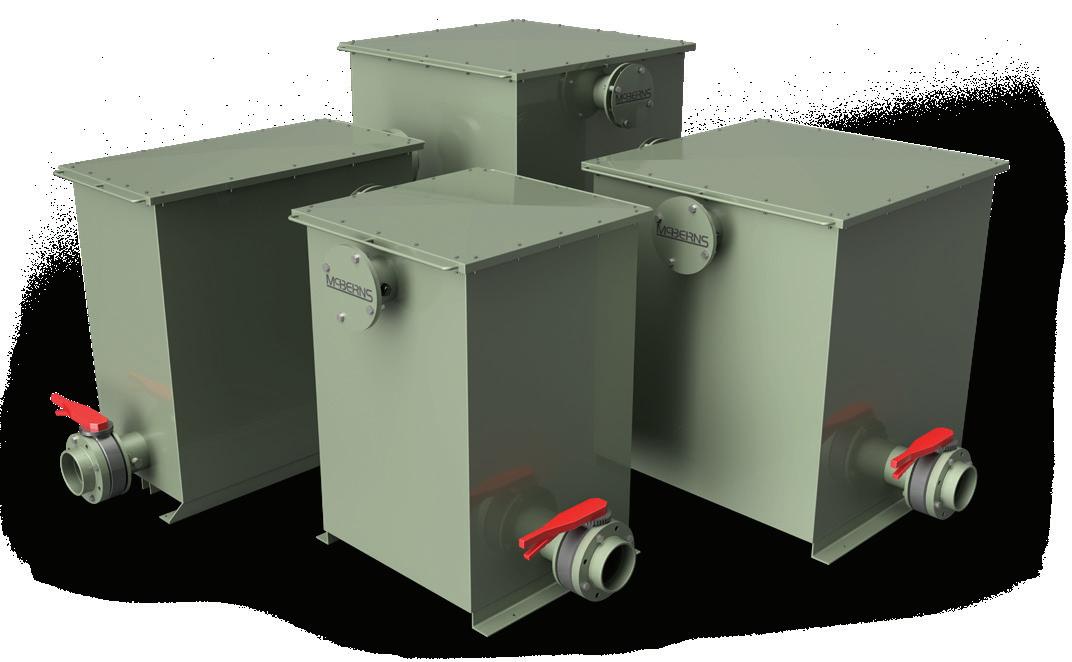
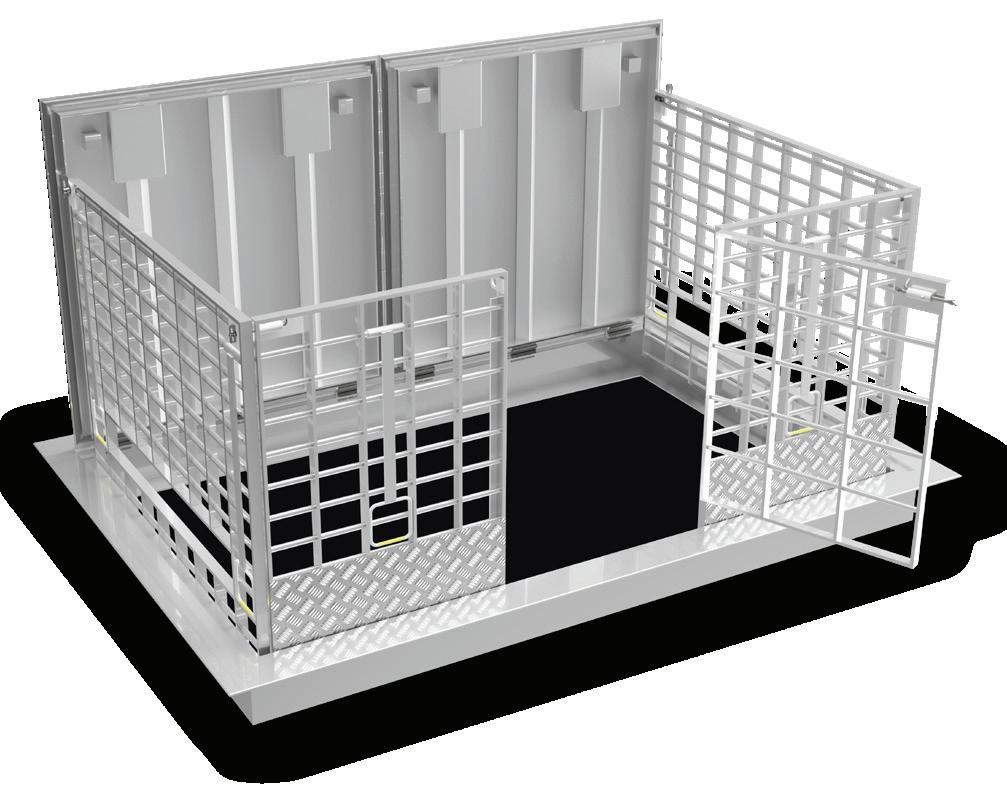
The pot is already boiling for two percent of the world’s amphibians
Thanks to a new study, scientists will be able to better identify what amphibian species and habitats will be most impacted by climate change.
Amphibians are the world’s most at-risk vertebrates, with more than 40 percent of species listed as threatened, and losing entire populations could have catastrophic flow-on effects.
Being ectothermic – regulating their body heat by external sources – amphibians are particularly vulnerable to temperature change in their habitats. Despite this, the resilience of amphibians to rising temperatures has been poorly understood, with limited data for scientists to draw on.
But now, University of New South Wales researchers have found out how to predict the heat tolerance of 60 percent of the world’s amphibian species, and they’ve shared their landmark findings in a study published in Nature (nature.com/articles/s41586-02508665-0).
Quantifying the resilience of biodiversity to a changing climate is one of the most pressing challenges for contemporary science, says Patrice Pottier, UNSW post-doctoral researcher and lead author on the paper.
“We wanted to better understand the risk climate change poses to amphibians, and so put together the most comprehensive compilation of heat tolerance limits to date.
“Heat tolerance limits are the maximum temperature amphibians can tolerate before their physiological systems fail.”
The scientists used 2661 heat tolerance limit estimates from 524 species to generate data for 5203 species through data imputation, a statistical method that fills in missing information
“In this case, it predicts heat tolerance limits for species we do not have data for by looking at how heat tolerance is linked to factors like habitat type, environmental temperature, and evolutionary history.”
A novel approach to estimate vulnerability
To assess how vulnerable amphibians are to climate warming, the researchers first estimated the body temperatures amphibians would experience in different microhabitats – terrestrial, arboreal and aquatic.
“We assumed a best-case scenario, where they stay in the shade and keep their skin wet, which could help them survive extreme heat.”
Since extreme heat events are the biggest threat to survival, the researchers then analysed daily temperature patterns over the past decade to see how often amphibians might face dangerously high temperatures.
Finally, they compared these temperatures to the amphibians’ known heat tolerance limits and projected how often these limits might be exceeded under different global warming scenarios (current, +2°C, +4°C) across their geographic range.
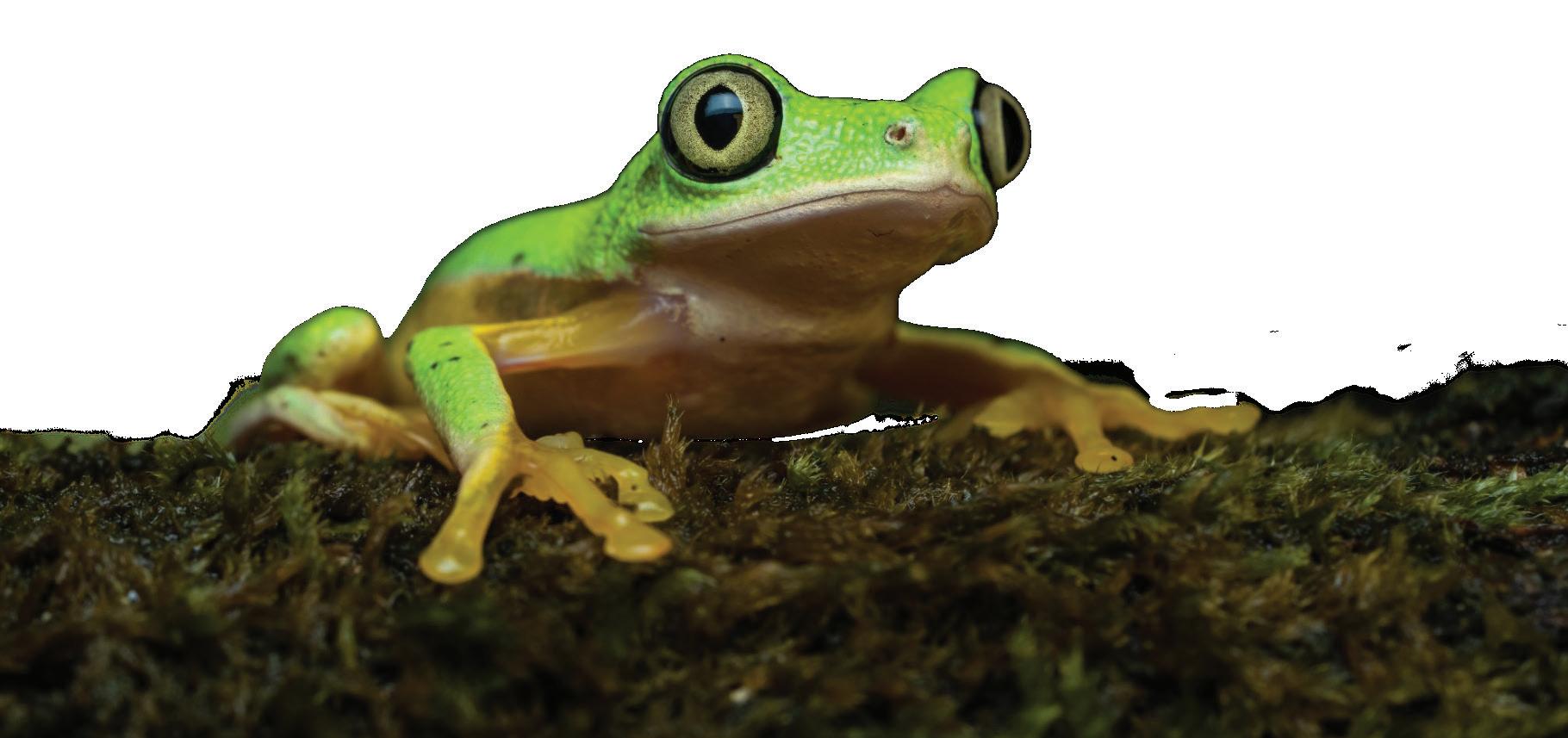
The critically endangered Lemur leaf frog is native to Central America.
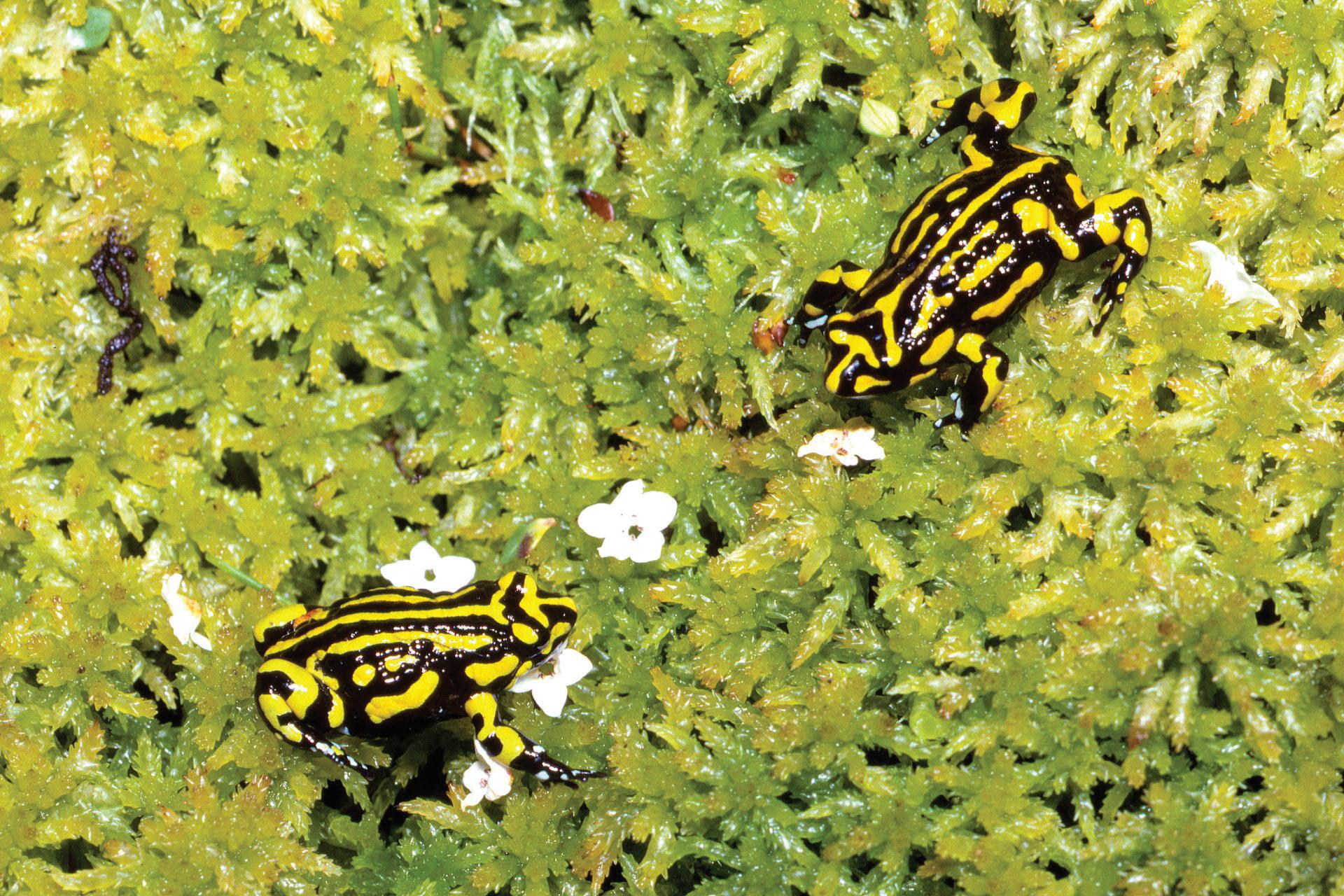
Study findings
“We found that 104 out of 5203 species – two percent – are already exposed to overheating in shaded terrestrial conditions. And a four degree Celsius global temperature increase could push 7.5 percent of species beyond their physiological limits.”
The study challenges the view of areas most at risk, which has previously been often based on a general latitude gradient to assess overheating risk.
“It has previously been often assumed that species closer to the equator are at greater risk from overheating due to climate change than those in temperate regions.
“However, our study found that tropical species in the Southern Hemisphere are the most impacted by overheating events, while non-tropical species are more impacted in the Northern Hemisphere.
“Assuming that all tropical species are more vulnerable than temperate species can be misleading. What matters is assessing if the area is going to experience extreme heat events relative to the species’ heat tolerance. This requires stepping away from general trends, and identifying specific areas and species at risk.”
Mapping the daily temperature fluctuations across regions gives a much clearer picture of how amphibians will be affected by higher temperatures, and highlights the escalating impacts of climate warming.
“Impacts escalate under different climate warming scenarios. There is an increase in impact between the current climate and +2˚C of warming; but impacts increase disproportionally under +4˚C of warming.
“This step-change impact severity shows that going above +2C of global warming can be a tipping point where we may see a lot of local extinctions.”
Local extinctions can lead to ecological repercussions, such as reshuffling community compositions, eroding genetic diversity and impacts to the food chain and health of the ecosystem.
“Some amphibian populations may undergo range shifts to more hospitable habitats, but opportunities for this are likely limited due to low dispersal rates and reliance on water bodies.
“Amphibians are an important part of the ecosystem. For example, the loss of an amphibian population would likely lead to an increase in insect population with carry-over effects on plants and animals. They are prey for many animals and their loss would have knock-on effects on many other species.
“Beside ecosystem impacts, amphibians are deeply rooted in human cultures and it would be a shame to lose such beautiful and emblematic species.”
Next steps
Microhabitat selection is important for amphibians as some species live primarily on the ground, in vegetation, or in water; and some can move between those different habitats.
The study’s habitat specific predictions offer clear management priorities for conservation managers.
“Our analyses made it clear that vegetation and water bodies are critical in buffering amphibians during heat waves.
“We found that if you provide amphibians with enough water and enough shade, a lot of them can survive extreme heat events. We must protect and restore the environments that allow them to regulate their body temperature.
“We used very conservative estimates in this study assuming access to cool shaded environments. Therefore, the impacts of global warming will likely exceed our projections. So all efforts to limit global warming are needed to protect the world’s amphibians.”
This article was provided by the University of New South Wales.
The Northern Corroboree Frog found only in the Fiery Ranges of NSW and the Brindabella Ranges of the ACT and NSW is critically endangered.
Widespread loss of marine sponges possible as heatwaves intensify
More intense marine heatwaves as a result of climate change could lead to the mass loss of a sponge species found around Aotearoa New Zealand, a new study suggests.
The study found a temperature increase of just 1°C above previous marine heatwave peaks could cause the widespread death of Rowella lancifera , a sponge common in shallow waters around the coast.
“We know marine heatwaves are already affecting sponge populations, but our latest research shows the effects could be much more severe as heatwaves intensify,” says Professor James Bell, a marine biologist at Te Herenga Waka –Victoria University of Wellington and study co-author.
Marine heatwaves are increasing as the climate warms. In 2022, a marine heatwave was linked to the mass bleaching of more than 50 million Cymbastella lamellata sponges in Fiordland and caused almost half to die.
“In previous marine heatwaves, most shallow-water sponge species actually survived. However, in our recent lab tests we found a 95 percent mortality rate when the Rowella lancifera sponge was exposed to slighty warmer temperatures than those recorded in 2022.”
The highest water temperature used in the lab tests was 21.5°C, just 1°C warmer than the top temperature recorded during the 2022 marine heatwave in Fiordland.
The study involved 96 Rowella lancifera sponge specimens. They were collected from sponge populations living at two different water depths so researchers could assess whether depth affected the animal’s response to rising temperatures.
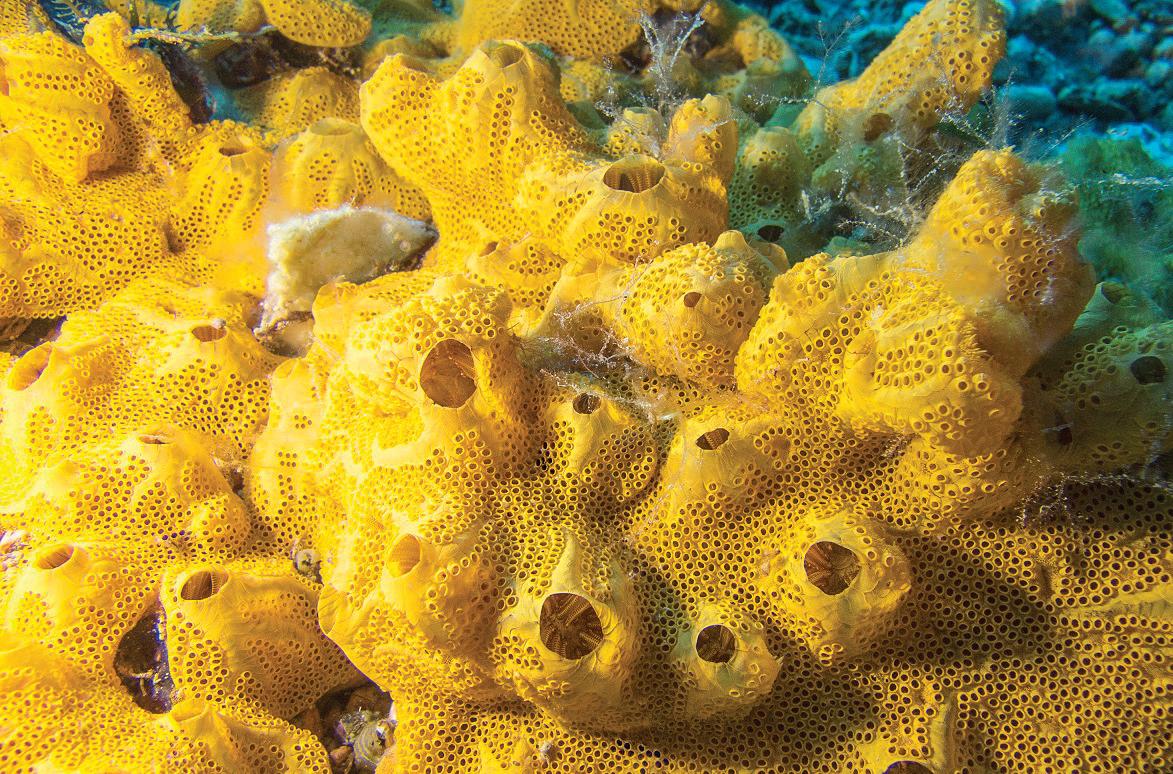
“We saw the same strong stress response, regardless of the water depth at which the sponge had been living. Our results suggest we’re only a 1°C increase away from losing numerous populations of this sponge – and very likely other sponge species too,” said co-author Manon Broadribb, a PhD candidate at Victoria.
Given the key role sponges play in the marine environment, the widespread loss of sponge populations would have major flow-on effects, she says.
“Sponges cover up to 70 percent of our rocky reefs, providing habitat for other
species and recycling nutrients in the water column that support marine life. With marine heatwaves becoming more intense and occuring more often, there’s a very real risk we could see the mass loss of sponges with ecosystem-wide effects.”
Results of the study are published in the journal Proceedings of the Royal Society B. (Royalsocietypublishing.org/ rspb/article/293/2064/20251103/480041/ Differing-temperature-regimes-have-noimpact-on?searchresult=1_
Article provided by Te Herenga Waka –Victoria University of Wellington
INTEGRATED PLANNING, SURVEYING, ENGINEERING, AND ENVIRONMENTAL SOLUTIONS THAT WORK.

“We know marine heatwaves are already affecting sponge populations, but our latest research shows the effects could be much more severe as heatwaves intensify,” says Professor James Bell, a marine biologist at Te Herenga Waka – Victoria University of Wellington and study co-author.
MORE FLUID THINKING
The world of water is evolving faster than ever, and every challenge is unique.
We are a fluid-thinking team of engineers, scientists, project designers, and sustainability specialists, committed to protecting our most valuable resources. We deliver tailored flexibility with innovative agility across the ANZ-Pacific water sector.
Whether you’re a local municipality or a global manufacturer, think of us as your performance partner. Here to help you maximise project lifecycle value and drive sustainable change.
Our in-depth hydro expertise, world-leading technology, and carbon-neutral services enable us to achieve exactly this—together.
Discover what more fluid thinking can do for you | hydroflux.nz
WASTEWATER RENEWABLE ENERGY HYDROGEN TRANSITION ENVIRONMENTAL PROTECTION
The implications for the water sector RMA replacement:
By Ezekiel Hudspith, partner, and Liam Pearce, solicitor, Dentons
The anticipated repeal and replacement of the Resource Management Act 1991 (RMA) began to take shape late last year, with the introduction of the Planning Bill (PB) and Natural Environment Bill (NEB). These bills represent significant changes for councils and water organisations, both in their capacity as three waters infrastructure providers responding to growth, and also as applicants for planning approvals.
This article provides a summary of the key changes that are most likely to affect the water sector, based on the bills as introduced to parliament. There may of course be changes or refinements to the bills as they proceed through the Select Committee, and possibly further amendments before they become fully operative. However, comments made to date by the opposition indicate that they do not intend to repeal the bills.
Key
changes
Two acts with separate goals
The reforms effectively split the RMA into two separate but complementary pieces of legislation. The PB proposes to establish a framework for ‘planning and regulating the use, development, and enjoyment of land’. Meanwhile, the NEB would establish a framework for the ‘use, protection, and enhancement’ of the natural environment.
This loosely correlates with the split between district and regional functions under the RMA now (noting that indigenous biodiversity will be managed under the NEB, despite being a district council responsibility currently).
At a high level, most core elements or features of the RMA will remain, including national policies and standards, regional spatial planning, localised land use and natural resources plans, along with consenting and enforcement processes. Three waters infrastructure will require land use consents (or designations) under the Planning Act, and/or discharge and water take permits under the NEB, in much the same way it does now.
Each bill contains a series of ‘goals’ that decision-makers ‘must seek to achieve’ (principally through planning instruments).
The goals include, by way of example:
• Enabling growth and change by enabling the use and development of land, and planning and providing for infrastructure to meet current and expected demand, under the PB; and
• Enabling development within environmental limits, and achieving no net loss in indigenous biodiversity, under the NEB.
The new planning framework
The bills provide for a new (but familiar) series of planning instruments, as follows:
• National Policy Direction (NPD) to set high level policy, flesh out or ‘particularise’ the goals, and resolve any tension between them (including across the two bills).


• National standards to provide more detail on implementing the NPD, including through standardised plan-making processes and content (e.g. rules and zones). Some standards will also be ‘standalone’ and operate like national environmental standards do currently, without needing to be implemented in plans.
• Regional spatial plans to set the strategic direction for development and investment priorities over a 30 year timeframe, which are intended to enable integrated decision-making between the two Bills. This includes identifying existing and future key infrastructure, and the spatial implications of environmental limits.
• Land use plans (PB) and natural environment plans (NEB) to set localised rules and policies much like RMA plans do now (but with a greater degree of standardised content).
Narrower spectrum of regulated environmental effects
The bills aim to regulate a narrower spectrum of effects on the environment.
The PB expressly requires decision-makers to disregard effects such as the external layout of buildings, visual amenity effects, views from private property, and landscape effects (except insofar as these matters are relevant to the management of outstanding natural landscapes, significant heritage, natural hazards etc).
In addition, under both bills, environmental effects that are ‘less than minor’ are not to be considered unless two or more such effects cumulatively exceed that threshold. The likely upshot of this is that fewer activities will require approval under the new system.
Environmental limits
The NEB contains a new system of environmental limits, comprising limits related to impacts on human health set by the national standards, and ecosystem health limits set by regional councils through natural environment plans.
Generally, permits which would breach these limits cannot be
Ezekiel Hudspith Liam Pearce
granted. However, important exceptions are proposed for key infrastructure, and for breaches authorised by ‘water services standards’ (such as the wastewater environmental performance standards issued under the Water Services Act).
Consenting
The bills will change how applications for consents and permits are notified for submissions. It is proposed that targeted notification would only be required when effects on the individuals in question are ‘more than minor’, and that public notification would not be required in cases where all affected persons can be identified.
Further, in the event that an application is publicly notified, it is proposed that submissions could only be made by ‘qualifying residents’ (i.e. a person who resides or operates in the relevant district or region).
Designations
The PB proposes changes to the process for obtaining designations, with the ability to secure them through the spatial plan process, or otherwise record the indicative location of a future designation in the spatial plan to streamline the process later on.

Other changes streamline the relevant considerations at the ‘proposed designation’ stage (e.g. to no longer require an alternatives assessment), and defer consideration of final design and construction effects until the ‘construction project plan’ stage.
Transition to the new system
Proven UV disinfection for every water quality
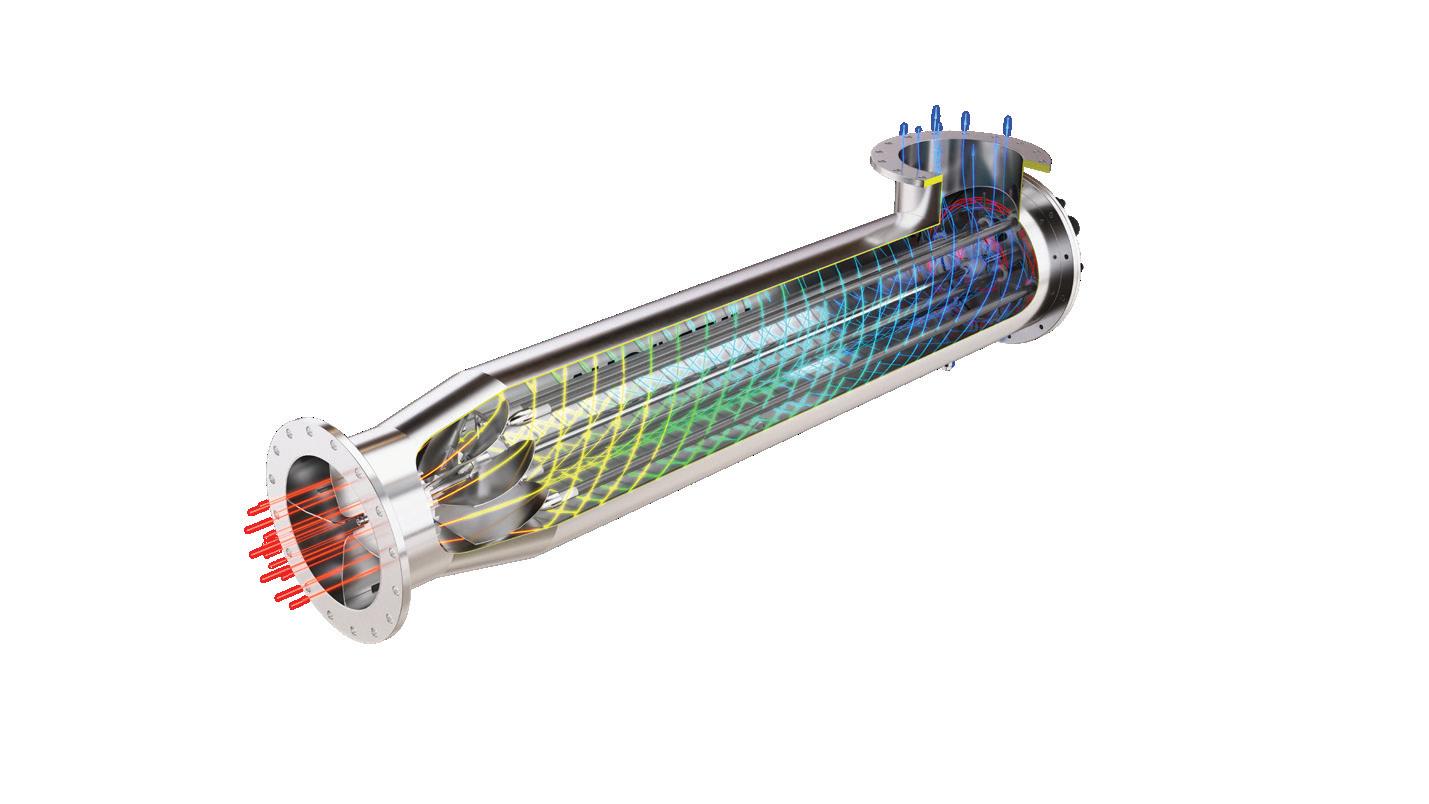
Following the bills being enacted, the RMA will remain in place for several years to allow the various planning instruments under the new system to be developed.
The proposed timeframes (in the PB) for developing the instruments are as follows:
• The national policy direction under the PB and NEB must be issued within 9 months of the bills being enacted;
• Certain national standards must be issued within nine or 18 months following the national policy direction;
• Regional spatial plans must be notified within six months of the national policy direction being issued; and
• Land use and natural environment plans must be notified within nine months of the regional spatial plan being decided.
The new system does not fully come online until the specified transition date, which is to be determined by Order in Council but intended to occur once the last region or district has notified their plans for submissions (roughly 2029, if in keeping with the timeframes above).
However, there will be a number of temporary changes to the RMA which come into effect during the transition period (one month after the bills are enacted). These include a number of the restrictions on relevant effects outlined above.
As a transitional mechanism it is also proposed to extend the duration of most resource consents that are due to expire during the transition period, to 24 months after the transition date (but not including ‘extant wastewater consents’ that have previously been extended as part of the water reforms).
*Note: Ezekiel Hudspith has been assisting the Ministry for the Environment with preparation of the bills.
ÖNORM-validated SSV and Low-UVT systems for reliable community water.
Key benefits
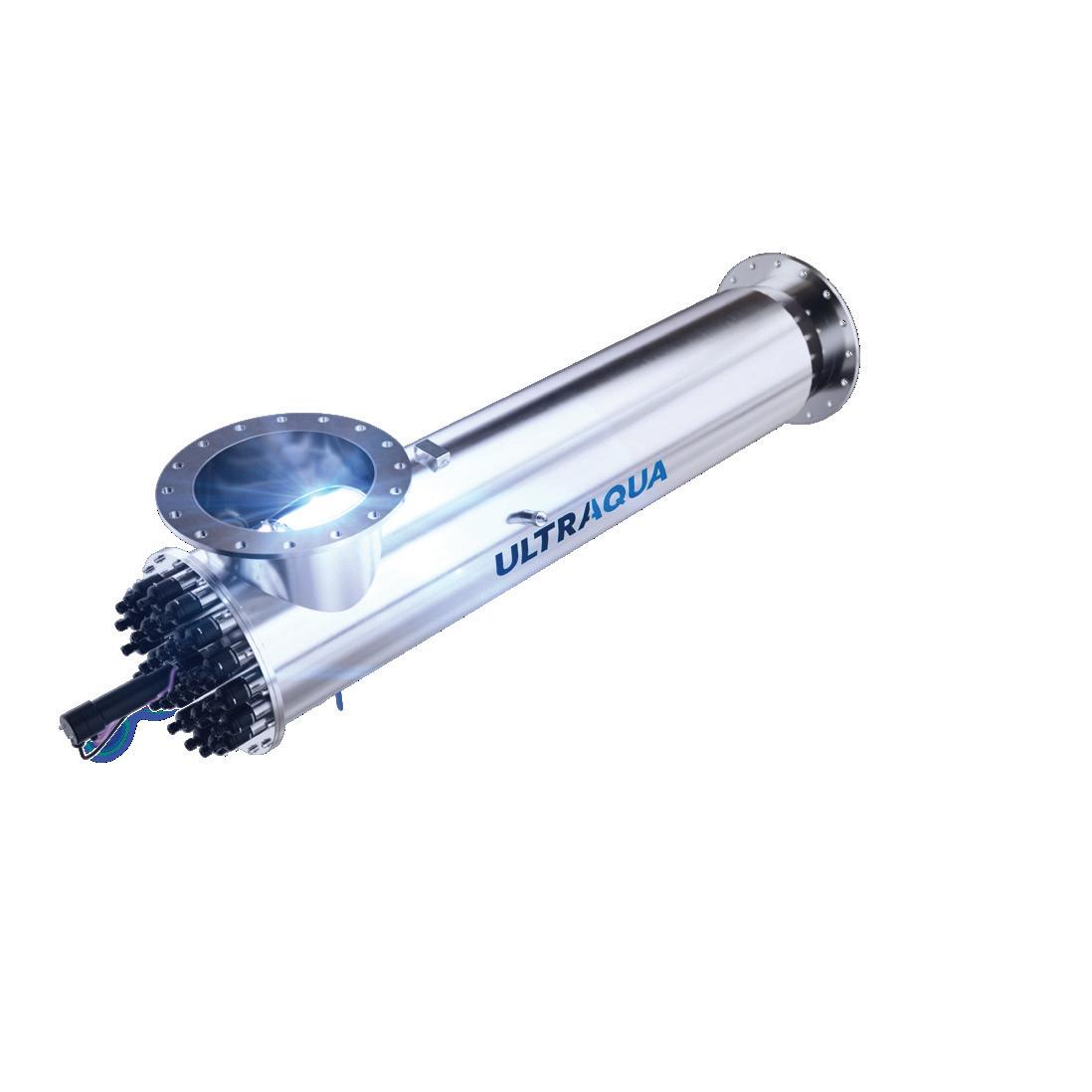
SSV UV chambers independently validated to ÖNORM standards
Low UVT series treats even highly absorbent waters
Innovative Swirlflow design prevents untreated “dark areas”
16,000-hour lamp life, automatic cleaning, easy maintenance
water supply
Introducing economic regulation for water services
The Commerce Commission’s role has always been to act in the long-term interest of consumers. A core part of economic regulation is information disclosure (ID), which requires regulated suppliers to publicly share key details about how they plan, operate and perform.
After decades of regulating other infrastructure sectors, our role was expanded last year to include those who provide water supply and wastewater services.
Through the Local Government (Water Services Preliminary Arrangements) Act 2024, and a decision by the Government, Wellington Water became the first entity subject to foundational ID ahead of full economic regulation for the wider sector.
Subsequent changes to the Commerce Act introduced a broader set of regulatory tools for water services. ID is one of these tools, now being used to improve transparency across the sector and help the public understand how water services suppliers are performing.
Because water infrastructure lasts for decades, it is important to understand how assets and finances are managed now and into the future.
By making performance information publicly available, consumers can see how councils and water organisations are tracking over time, how they compare to others, and what is changing. This transparency encourages better decisionmaking and can strengthen regulated suppliers’ accountability and reputation. It also enables consumers to hold regulated suppliers to account for how they are looking after their communities’ infrastructure.
Foundational information disclosure
Foundational ID is a light touch form of economic regulation that requires Wellington Water to publish key information about how it operates. It increases transparency and ‘shines a light’ on performance so the public can see how the organisation is tracking and where improvements are needed.
Foundational ID is an interim,

Wellington-specific, regime that applies only until mid-2026, before the sectorwide information disclosure comes into effect. It focuses on a narrower set of disclosures, primarily improvement plan progress, maintenance expenditure, and fault management. The full ID regime will be broader and enduring.
We have published our analysis on Wellington Water’s disclosed information for the period 1 July to 30 September 2025. Wellington Water has met its disclosure requirements, but the following concerns were identified:
• Reactive maintenance: Costs are generally increasing across the networks.
• Low data confidence: Wellington Water has very little confidence in its data, rating it the lowest possible score (5).
• Improvement plan reporting: While Wellington Water reports its culture and Value for Money Improvement Plan is on track, both performance and clarity of reporting can be improved.
You can read more about foundational ID requirements, documents, and analysis at: comcom.govt.nz/regulated-industries/ projects/foundational-informationdisclosure-for-wellington-water/
Information disclosure
This year, regulated suppliers must start publishing performance information under the new ID requirements, with full requirements being phased in over the next few years. This staged approach gives regulated suppliers time to build capacity while helping to limit the costs passed on to consumers.
ID focuses on core areas such as financial and asset planning, performance, and service delivery. ID marks the start of a long-term shift towards a more consistent, transparent reporting across the sector.
Once regulated suppliers publish their information, we analyse it and publish insights that make it easier to track performance over time, compare
suppliers, and highlight what is working well and where improvement is needed.
There are also additional regulatory tools we can apply if we identify risks or potential harms to consumers, and if imposing the additional tool would better promote the long-term benefit of consumers. We would consult with stakeholders before deciding whether to apply these tools. Some tools require approval by the Minister of Commerce and Consumer Affairs, while others can be applied directly by us.
You can also read our economic regulation factsheet, which provides a clear overview of the framework and what it means for water service suppliers, available at: comcom.govt.nz/regulatedindustries/water-wai/
Information disclosure documents now available
In 2025, we published a discussion paper on ID as a first step in engaging with water sector stakeholders to understand their views on how we could develop
a new performance reporting regime for water service suppliers. We then published the responses we received and a paper that summaries the key themes and issues raised.
In February this year, a package of ID documents was published, including:
• Final decision summary: The final requirements that apply to all regulated suppliers.
• Information disclosure for Water Services – Regulatory Framework Paper. This outlines the legal basis for our decisions and our decision-making framework for ID of water services.
• Determination: The legal document that sets out the final ID requirements that applies to all regulated suppliers.
• Factsheet: This sets out the key information consumers may want to know about information disclosure, such as why it matters.
In the months following, we will also be publishing:
• ID publication timeline, which sets a timeline for when regulated suppliers
GREEN DOME ODOUR FILTERS
will have to publish information and how often it is required.
• Template schedules, which provide a standardised format for regulated suppliers to use when preparing and reporting their disclosures.
All this information is available on our website: comcom.govt.nz/regulatedindustries/water-wai/
What’s next
This year we’re keen to hear from the water sector about how regulated suppliers are adapting to economic regulation, and we’re ready to answer your questions. We’re currently planning engagement with suppliers and the wider community.
You can reach us at wai@comcom. govt.nz or visit our website to sign up for updates and keep up to date with what’s going on at the Commerce Commission: comcom.govt.nz/news-and-media/ subscribe-and-follow-us/
Article provided by the Commerce Commission.
Eliminate sewage odours from pump stations, air release valves, sewers & tanks with Armatec.
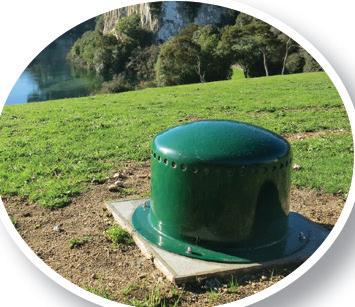
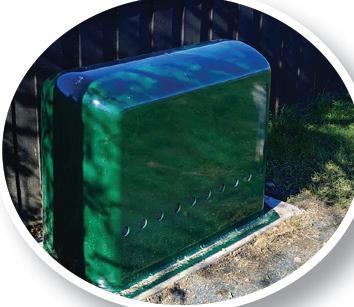
RANGE OF OPTIONS
Flow ranges, 1-500+ L/s. ARV odour control. Circular or rectangular. Buried, partially buried or above ground. Customisable.
EASY INSTALL, EASY MAINTENANCE
Working with industry to reduce emissions to the environment for 40+ years
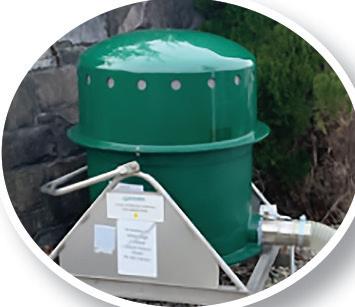
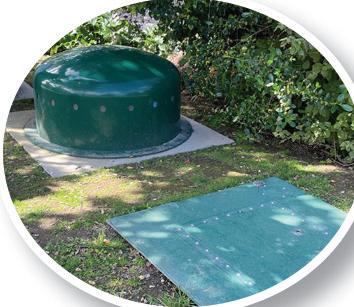
Delivered ready to install. Compatible with standard carbon pellets, no proprietary cartridges. Ph +64-6-755-0410 | enquiries@armatec.co.nz | armatec.co.nz
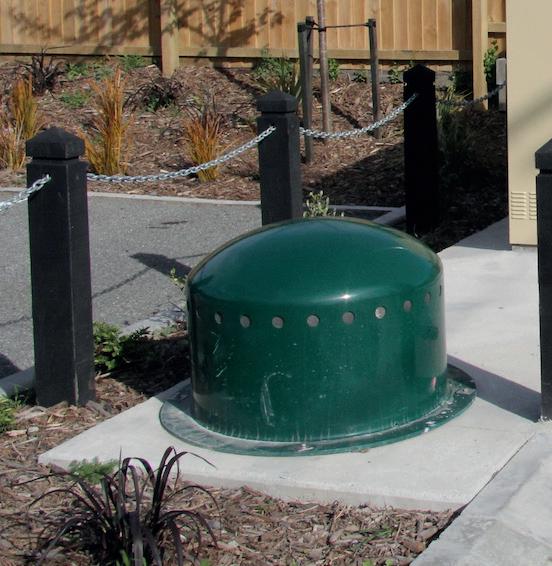
MOBILE RENTAL UNITS
Temporary odour control. Mounted on a lifting platform for easy delivery. Respond to complaints and mitigate odours.
MODIFIABLE
Upgrade when your network needs change. From passive to active, to 2-stage BTF+CB. Maintenance services available.
Legal update
This article focuses on the national policy framework and comments on the changes that came into force on 15 January 2026. But first, a brief update on where applications are up to under the Fast-Track Approvals Act 2024. By Helen Atkins.
Fast-Track Approvals Act 2024
In previous articles, I gave a summary of all the applications that had been made, however, this approach is no longer that useful and, instead, this article provides a broader snapshot of how many applications have been determined and how many applications are in train.
• Determined applications, approved: Nine;
• Determined applications, declined: One;
• Applications subject to appeal and/or judicial review: Three (Tekapo Power Scheme, Kings Quarry, and Waihi North);
• Applications in train (meaning panels have been set up): 20 (note, four of these have issued draft decisions – Taranaki VTM (TTR), decline; Arataki, approve; Homestead Bay, approve; Sunfield, approve).
Future articles will continue with the snapshot approach. If there is anything specific to the water services sector, I will write a case study comment.
The national policy world
Earlier this year three brand new national direction instruments and seven updates to existing instruments came into force. These are intended to bridge the gap between the old RMA system and the new one (see the comment piece on the new regime from Dentons on page 40).
The new national direction instruments are:
• Resource Management (National Environmental Standards for Detached Minor Residential Units) Regulations 2025: New regulation to reduce regulatory requirements for detached minor residential units (granny flats).
• National Policy Statement for Natural Hazards 2025: A consistent approach for managing natural hazard risks in new development.
• National Policy Statement for Infrastructure 2025. The amended national direction instruments:
• National Policy Statement for Highly Productive Land Amendment 2025: Targeted amendments to exempt urban rezoning and development on LUC 3 land from NPS-HPL restrictions; extend timeframes for mapping HPL; and reduce restrictions for quarrying and mining on highly productive land.
• New Zealand Coastal Policy Statement Amendment 2025: Targeted amendments to better enable the Government’s priority activities (infrastructure, including renewable electricity generation and electricity transmission, aquaculture activities and extraction of minerals) to locate in the coastal environment including the coastal marine area.
• National Policy Statement for Indigenous Biodiversity
Amendment 2025: Targeted amendments to reduce restrictions for quarrying and mining activities affecting significant natural areas.
• National Policy Statement for Freshwater Management Amendment 2025: Targeted amendments to reduce restrictions for quarrying and mining activities in natural inland wetlands.
• Resource Management (National Environmental Standards for Freshwater) Amendment Regulations 2025: Targeted amendments to reduce restrictions for quarrying and mining activities in natural inland wetlands.
• National Policy Statement for Infrastructure 2025: New policy to manage and enable infrastructure development.
• National Policy Statement for Renewable Electricity Generation Amendment 2025: Amendments to enable a significant increase in renewable electricity generation to improve security and resilience of electricity supply and to achieve emission reduction and energy targets.
• National Policy Statement for Electricity Networks Amendment 2025: Amendments to enable electricity networks for electrification of the economy, support transition to renewable electricity generation.
These National Policy Statements and National Environmental Standards were notified in the New Zealand Gazette on 18 December 2025 and came into force on 15 January 2026.
More information about these directions is on the Ministry for the Environment’s website at environment.govt.nz/.
Let’s take a closer look at one of these national directions; the National Policy Statement for Infrastructure 2025 (NPS-I).
National Policy Statement for Infrastructure 2025
The NPS provides multiple definitions of various aspects that include the word infrastructure, including: additional infrastructure, ancillary infrastructure activities, existing infrastructure, infrastructure (which is as defined in the RMA and includes additional infrastructure), infrastructure supporting activities, planned infrastructure, and upgrading infrastructure.
The NPS does not apply to infrastructure activities and infrastructure supporting activities that are under the NPS Renewable Electricity Generation 2011 or the NPS Electricity Transmission 2008.
The objective is to ensure the national, regional and local benefits of infrastructure are provided for and enable infrastructure to support the social, economic and cultural well-being of people and communities and their health and safety.
It is also to enable infrastructure to support the development and change of urban and rural environments to meet the diverse and changing needs of present and future generations, and also ensure infrastructure is well-functioning, resilient and compatible, as far
Earlier this year three brand new national direction instruments and seven updates to existing instruments came into force. These are intended to bridge the gap between the old RMA system and the new one.
as practicable, with other activities. It should ensure infrastructure is delivered in a timely and efficient manner while managing adverse effects from or on infrastructure as well.
The 11 policies are:
1. Providing for the benefits of infrastructure;
2. Operational need or functional need of infrastructure to be in particular locations and environments;
3. Considering spatial planning;
4. Enabling the efficient and timely operation and delivery of infrastructure activities;
5. Recognising and providing for infrastructure supporting activities;
6. Recognising and providing for Māori interests;
7. Assessing and managing the effects of proposed infrastructure activities;
8. Operation, maintenance and minor upgrade of existing infrastructure;
9. Managing the effects of new infrastructure and major upgrades;
10. Planning for and managing the interface and compatibility of infrastructure with other activities;
11. Assessing and managing the interface between infrastructure and other activities.
This NPS must be given effect to on the commencement date (i.e. 15 January 2026). This means that this NPS applies to all resource consent and designation processes that are in train at the date of commencement.
With regards to planning documents that are in train, it is likely that the majority are private plan changes as there is still a moratorium on most public plan changes. However, in the Auckland context there is Plan Change 120 which is in play, and the NPS-I and all of the NPSs have taken immediate effect and must be taken into account in planning policy decision making.
As noted by the article on the RMA reform, these NPSs are a suite of changes that are being made to transition from the RMA to a new regime which is embodied in the Natural Environments Bill and the Planning Bill.
ENGINEERED PUMPING SOLUTIONS
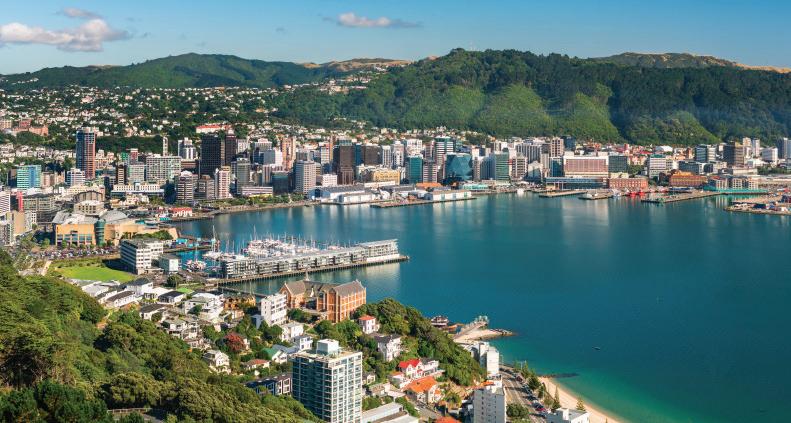
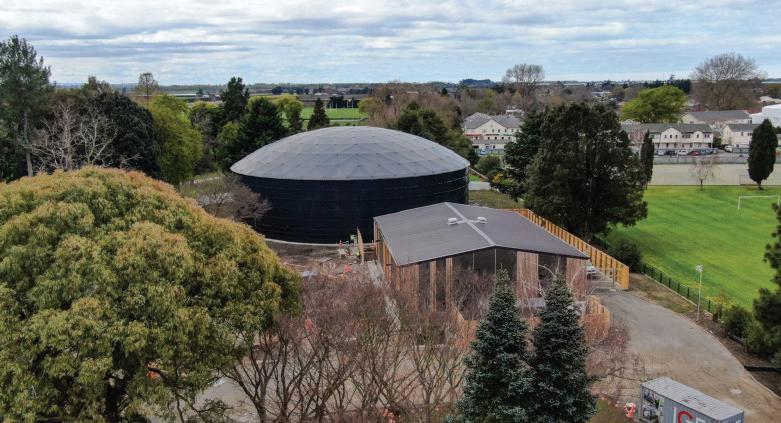

Council and commercial: the best of both worlds for water
By Alex Walker, former mayor Central Hawkes Bay Council, and rural sector leader of LGNZ, and Mayor’s Taskforce for Jobs
There’s a new world beginning for our water infrastructure this year. I’m pleased (and a little relieved) to see more than two thirds of our councils choosing to bring an independent, commercial mindset to their communities’ water services.
If short-term thinking and competing rates pressures have driven decades of underinvestment, then this shift reflects a shared desire from councils and successive governments to change direction.
Across the country, councils are now building the foundations of commercial entities: establishing principles, defining governance skills matrices, selecting directors, and negotiating shareholders’ agreements, constitutions, and transfer documents. Bringing commercial into a council world – or council into a commercial one – it is being interpreted with nuance around the country.
But one thing is clear: this cannot become a clash of these cultures. We need the best of both council and commercial to get the best outcomes for households, businesses and communities. And that means working through the ‘messy middle’ where these worlds meet.
History shows how fraught this space can be. Council-Controlled Organisations have delivered great outcomes, but they also experience a ‘rise and fall’ cycle when expectations, funding and outcomes drift, often during economic pressure or political change.
In Tamaki Makaurau Auckland, Mayor Wayne Brown has championed reform for exactly this reason, driving major changes across Auckland Transport, Eke Panuku, and Watercare. When trust breaks down, it gets messy fast.
I’ve seen it and experienced it in other areas of council organisations too. Regional economic development agencies often suffer from this clash, especially
when multiple council shareholders are involved (with different perspectives). –the cycle of ‘hands-on’ council delivery at times when trust is low and funding is short, compared to ‘independent’ delivery at times when horizons are positive and funding flows more freely.
So, while the focus is currently on the building blocks to our new Water Services Providers (WSPs), it is vital that we spend some time on this ‘messy middle’. The space where governance culture, capability, relationships and structures come together.
Because if councils only view this step as a hand-off of responsibilities, or if new commercial boards only view councils as benign shareholders in name only, then the next few years will be tough.
We are going to need strong governance frameworks in place to give the WSPs the best chance of success and for our communities and councils to see and experience their value.
I can see a few huge decisions for our new boards and organisations to deal with over the next few years which are going to require clear understanding and process between the two worlds – as they bring their respective skills to the table.
• How do we structure pricing across communities with vastly different asset bases and levels of historic investment?
• How do we prioritise growth investment across multiple districts, each with its own political pressures and aspirations?
• How do we ensure rural, provincial, and iwi communities are not left behind in a system that naturally gravitates toward scale and efficiency?
• How do we design a commercial operating model when resource management reform is still in flux?
• How do we maintain localism – local voice, local kaitiakitanga, local identity
– in a system built for regional scale?
These issues are going to require the community voice, local relationships, planning and multiple bottom-line expertise of councils and their governors, alongside the commercial nous focussed on efficiency, systems, scale and skills of the WSPs.
To navigate the messy middle: Be clear about priorities. Ambiguity is the enemy of good governance. Councils must articulate what matters most and what success looks like. And how to navigate this between multiple councils where necessary.
Define responsibilities. Establish clear lanes between councils and boards. Know your constitution and shareholders’ agreement and talk about them. Work through examples with both councils and WSP boards so everyone understands Build capability. Councils need people who understand how to work with these new organisations, how to support crossover activities (especially in planning), and how to be a skilled and disciplined shareholder organisation. WSPs need leadership and skills that knows how to interface with councils.
Focus on outcomes, not control. Influence should be exercised through strategy and accountability – not operational interference. Know your Letter of Expectations and invest time in growing the skills required to do this well. Communicate relentlessly. Not through headlines, but through governor-togovernor relationships built on mutual respect. Both formally and informally is vital.
Let’s keep our eyes on the horizon. If we invest in the hard work in this messy middle now, we’ll build the trust and processes needed to deliver the very best for our communities.
CONTROL VALVES
Flow with Confidence, Controlling Water Supply with NZ’s leading Control Valve Solutions
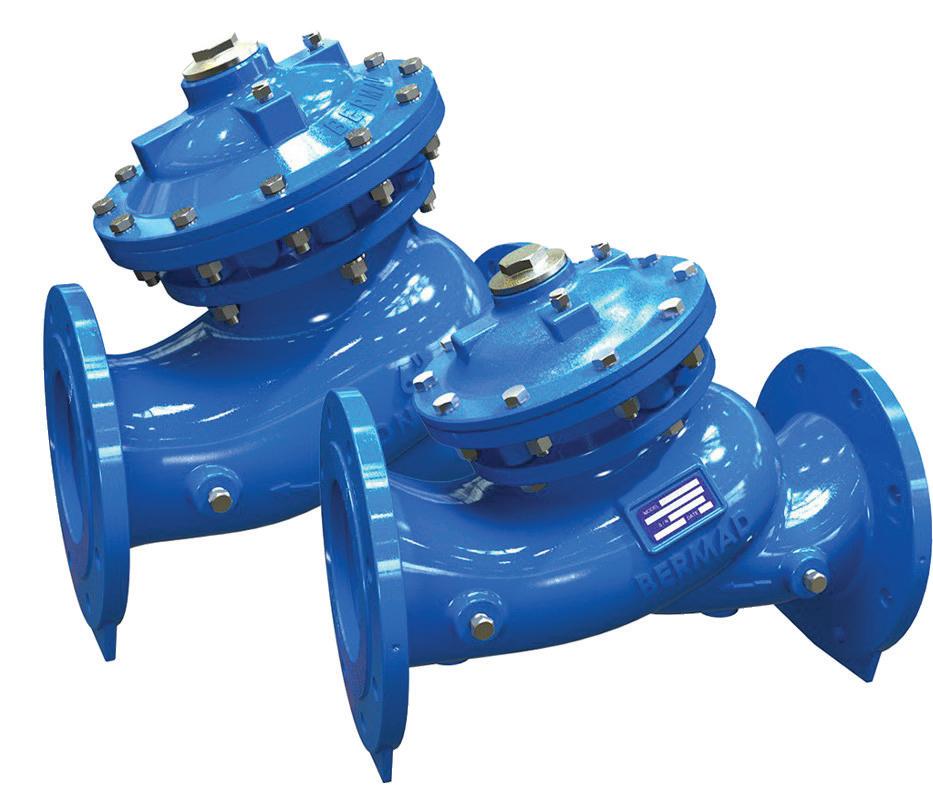
Bermad 700 SIGMA ES/EN
Worlds most versatile Control Valve
Highest Kv’s / Lowest Headloss
AS4020 - AS4158 - AS5081 Watermark Certified
High Performance materials
Design / Supply / Commission / Train / Support
New Zealand’s Control Valve Experts
Smart Metering
Filtration
Over 40 Years of Bermad commitment to NZ Air Valves

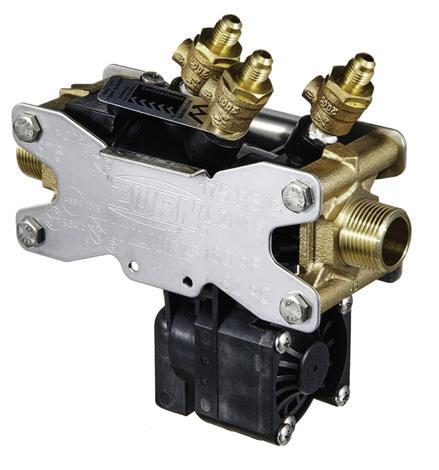
Backflow Prevention
Taking the first step in your digital metering journey
The transition to digital metering is a transformative journey for water utilities, offering significant benefits in efficiency, customer engagement, and water conservation. However, rolling out a digital metering program across an entire network can be daunting and complex.
A staged approach
Taggle, who have extensive experience with digital metering rollouts, recommend a staged approach as a structured and scalable way to implement digital metering while ensuring clear, measurable outcomes at each stage.
By breaking down the deployment into manageable stages, utilities can mitigate risks, optimise resources, and continuously improve strategies. This article outlines how to plan and set up the stages for a successful digital metering journey and the importance of defining clear objectives at each step.
Validation or pilot stage
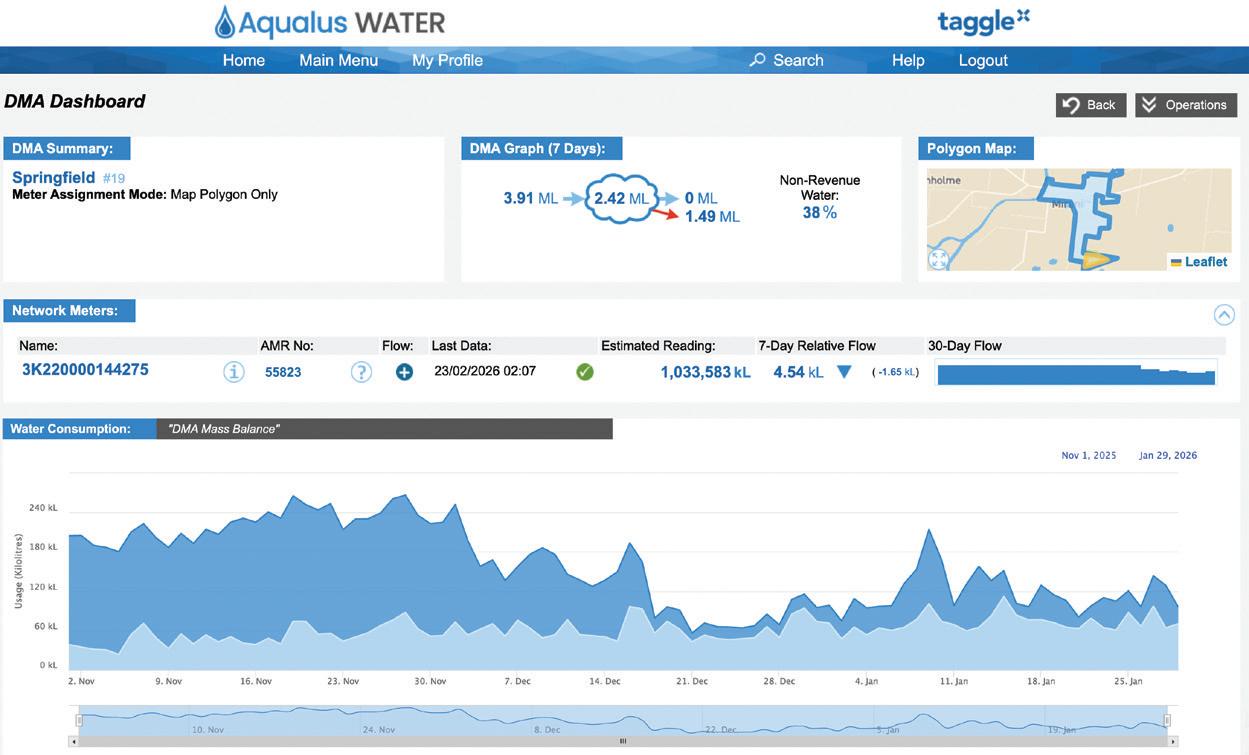
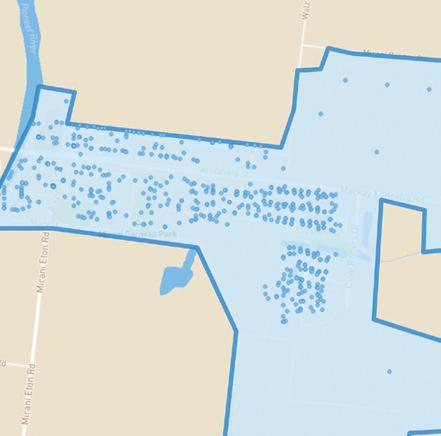
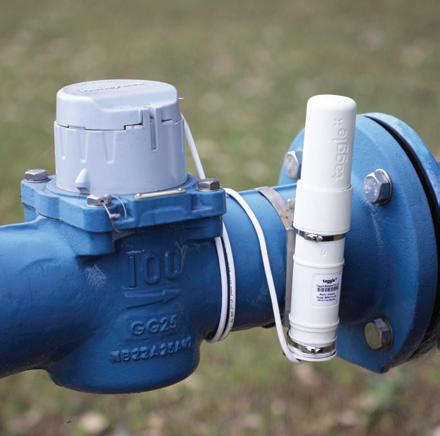
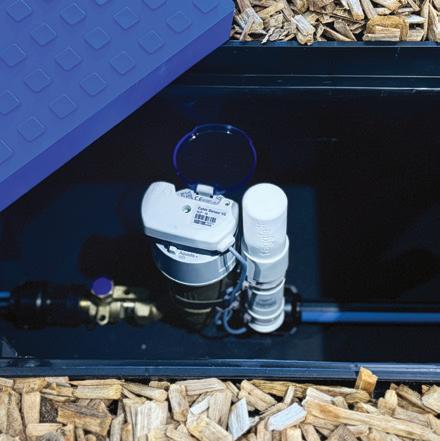
The first stage, which is often a validation or pilot stage, has proven most successful at achieving outcomes when it is based around a District Metered Area (DMA) or Zone, being a defined metered area with a network or supply meter. Creating a microcosm with one or two DMAs/Zones provides a clear snapshot to understand, visualise and experience what the future state looks like when you scale up.
Less structured pilots where the meters are scattered across the network, such as the top 100 water users for example often will not provide the breadth of insights to support your business case. Taggle have found this narrower scope can provide some good savings from large leaks but does not represent a microcosm and prepare the utility for scaling in the same way that a DMA/Zone approach does.
The DMA/Zone structure is also the most efficient deployment program as you have a concentrated area for customer communications and installation. You’ll also maximise the benefits by not just capturing water wastage
(leaks behind the meter), but also network losses within that DMA/Zone. Data on how water usage behaves within a DMA/Zone provides insights into time of day and peak demands which can provide valuable information for pumping operations.
The first stage should represent a small portion of the full network which is then used to assess the work needed to manage the organisational change process for the rollout at scale. The DMA/Zone approach gives a snapshot of all the benefits which can then be used to validate assumptions in the business case, critical when funding a large-scale rollout.
As stage one wraps up, it is important to evaluate if the outcomes were achieved, if there were challenges or processes to smoothen out prior to the next stage. Then get planning with the next stage.
Evaluating options
The pilot stage also provides an opportunity to better understand the available technology, hardware and radio

Leveraging DMA’s/Zones in stage 1 allows utilities to quantify losses from the network as well individual properties. Taggle’s Aqualus Water Platform paired with network meters and individual property meters provides valuable network insights.
communication options, and benefits of a managed endto-end solution. Trialing a mixed fleet can help determine which solutions are best suited to your local conditions and operational requirements. This mix can take the form of different radio solutions, along with a mix concentric and inline meters. The new generation inline meters can a selectively deployed to capture the benefits of pressure and other new sensors. The long-term approach may even involve a mixed fleet. For example, where manifold meters are already installed and remain the preferred solution, utilities may still wish to leverage the benefits of integrated meters with built-in pressure sensors. Installing integrated meters at one in ten properties can deliver valuable network pressure data without requiring a full fleet replacement.
Another key consideration is evaluating the vendor/s. Can the solution provider support differing meter vendors both today, but also into the future as new technologies emerge and minimising vendor lock-in? How was their performance? Did they achieve the desired outcomes? Did you utilise an end-toend solution or multiple vendors? This is the time to review whether to continue with the chosen vendor/s or go back to the market. Digital metering is a long-term project so you want to be sure of a good fit before rolling out at scale.
Preparing for stage two and beyond
Lessons learned from the pilot should inform scaling to the full rollout including process improvements, broader staff training, and system adjustments to handle increased data volumes. By progressively increasing coverage, utilities can scale up
digital metering in a way that ensures efficiency, stakeholder confidence, and a maximised return on investment.
Defining clear outcomes to ensure the success of a staged digital metering journey and helps to prove the business case. Utilities must set clear Key Performance Indicators (KPIs) at each phase, such as:
• Reduction in water losses and network leaks
• Leak management for residential and commercial properties
• Improved customer engagement and satisfaction
• Cost savings from operational efficiencies
• Better managing reticulation network pressure to maximise network life and aid deferment of capital expenditure
• Billing efficiency and accuracy with system integration
By regularly assessing progress against these metrics, utilities can make data-driven decisions and refine their approach for optimal outcomes.
A staged approach to digital metering allows utilities to implement a robust and sustainable metering strategy while managing risks and optimising resources. Starting with a well-structured stage one within a DMA, utilities can validate their business case, refine operational processes, and build stakeholder confidence. By taking the lessons learned from early stages and progressively expanding, a full-scale rollout becomes a well-informed and seamless transition. This methodical approach ensures that the benefits of digital metering are fully realised across the entire network.
Water valuation for water pricing
What’s water worth? While a lot of time and effort has gone into measuring the quantity and consumption of water, there is little consensus on what value should be attached to it. Here, associate professor Michael Vardon and research fellow Yuqing Chen, from the Australian National University Fenner School of Environment, discuss how different methods and accounting treatments can come up with vastly different water values.
“What is water worth? There is no easy answer to this deceptively simple question. On the one hand, water is infinitely valuable – without it, life would not exist. On the other, water is taken for granted – it is wasted every single day.” Audrey Azoulay, director-general of UNESCO.
Water consumption is increasing worldwide due to the growing population and expanding economy, resulting in environmental and economic challenges. Compounding the problem of increasing water use is the changing availability of water due to climate change, overuse of groundwater, and declining water quality. Information is essential, and regularly estimating the uses and values of water should lead to more effective water policy and management.
We are generally able to estimate the amount of physical water used by different parts of the economy – agriculture, hydroelectricity, households, etc. This is evident around the globe in the increasing number of water accounts, as shown in Figure 1.
Water accounts track the amount of water available and its usage. Some accounts estimate the value of water use, but there is no consensus on the total value of water, reflecting the sentiment expressed by Audrey Azouly, the director general of UNESCO.
While a total value of water remains elusive, it is possible and useful to value some of the water used by people. Dr Yuqing Chen and I, with other colleagues at the Australian National University, did this in a study on the water supply system for the Australian Capital Territory and the value and price of water (go to: sciencedirect.com/science/ article/pii/S2212041625000750?via%3Dihub).
Understanding ‘value’ and the distinction between price and
value
It isn’t easy to discuss water values due to the range of terms used and the variable understanding of different terms. To interpret our study, it is essential to understand what we mean by ‘value’, to distinguish between water value and water price, and to consider how money is used as a metric.
Water values reflect the different reasons why people value water. For example, water as necessary for the survival of ecosystems, as an essential element to human life and well-being, as part of cultural or recreational practices, or as an input into economic production.
The inputs to the economy are water values that can be converted to money, which are known as exchange values – the value at which water was exchanged or could have been exchanged.
These are based on market transactions but are not necessarily exchanged in markets. For example, education in government schools is used by the public. The public does not buy the services, but the exchange value can be calculated from the costs incurred by building schools, employing teachers, purchasing electricity, and acquiring products needed to run schools.
Other water values associated with humans, such as those related to culture or recreation, can be measured in terms of money, but in welfare values. These can be calculated by methods such as willingness-to-pay.
As the name suggests, you simply ask people how much they would pay to protect or keep something. This method indicates water’s value to people.
Human water values may overlap with the value of water to ecosystems for their own sake, so-called existence value. But the monetary valuation of these is contentious.
You need to be cautious, when you see money used as a metric, you need to know if the value is an exchange or a welfare value.
Price is an exchange value, representing a unit cost, such as dollars per megalitre. Value is a function of the price and the number of units used. If the price is $500 per megalitre and you use five megalitres, then the total value is $2500.
Here, the issue is that in most places, the water price does not reflect its full economic value. This is because, in most places, the price is controlled to cover only the cost of supplying the water, not the water itself. The costs include the construction and maintenance of reservoirs for water storage, as well as the pipes and canals for water delivery.
Water value and price in the Australian Capital Territory (ACT)
Water value can be reflected in water pricing, and increasing prices to better reflect its economic value could benefit water management. This is achieved in two ways: by reducing demand and by providing finance for maintaining and increasing the water supply.
Our investigation used the System of Environmental-Economic Accounting (SEEA) to estimate the quantity, value, and price of the water provisioning ecosystem service in the Australian Capital Territory.
The SEEA is the international standard for natural capital accounting. It integrates information to provide a comprehensive view of the interactions within and between the environment and the
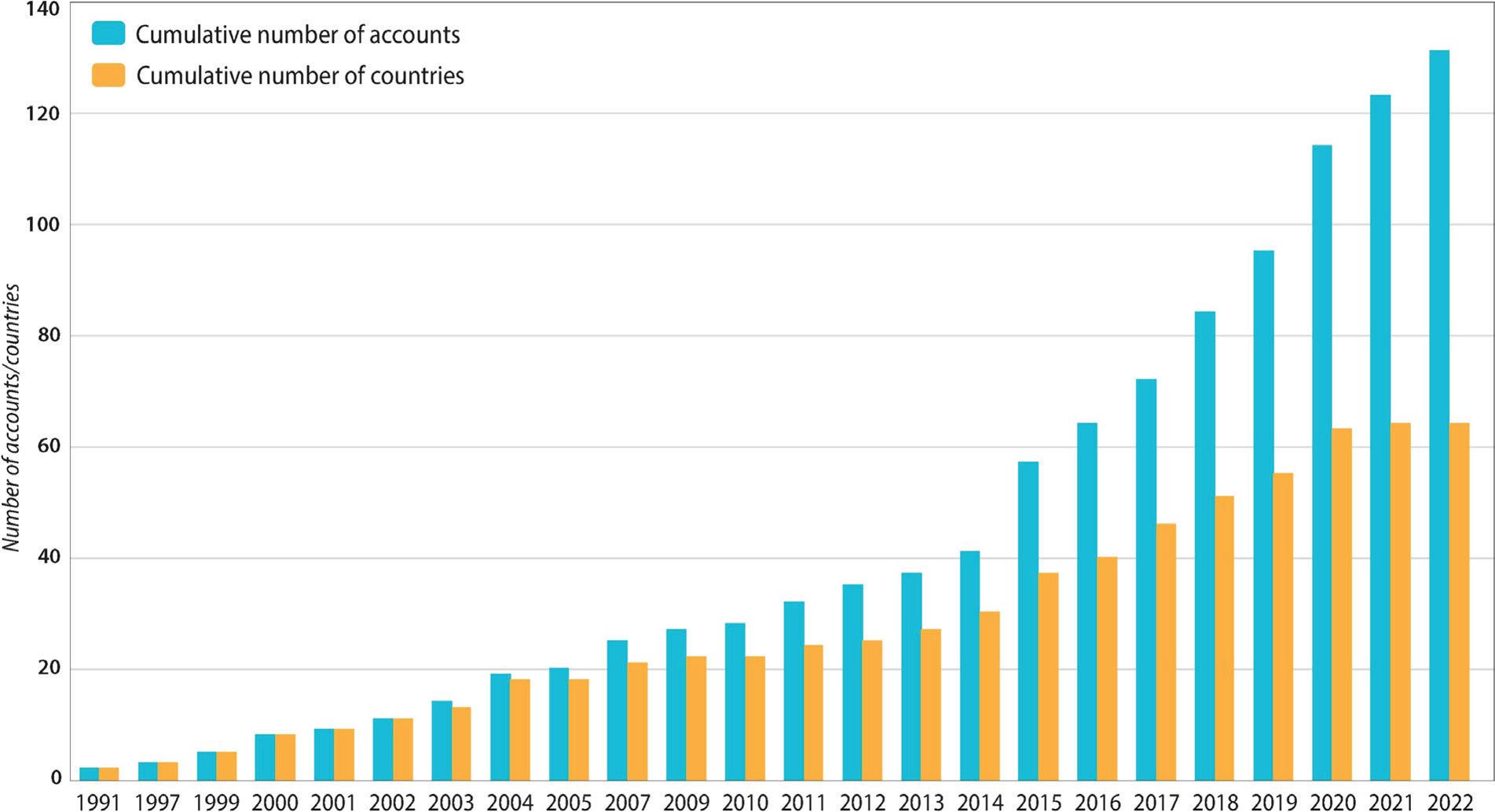
economy. The SEEA outlines a range of methods for estimating the value and price of ecosystem services.
We found that water provision service values varied significantly across valuation methods, accounting treatments, and water availability, ranging from AUD $10million to AUD $998million per year in the ACT. Price also varied significantly, from $198/megalitre to $2660/megalitre.
The results underscore the importance of selecting appropriate methodologies, particularly in terms of when and where water is counted.
The study employed four valuation approaches. These were categorised by whether the ecosystem service value is already embedded in economic transactions or requires proxy methods. Methods using existing transactions included the directly observed
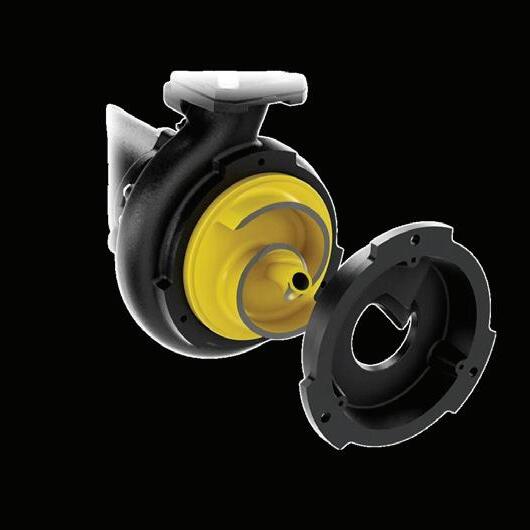
values: the residual value, and the resource rent methods.
The Water Abstraction Charge (WAC), which the local water supplier (Icon Water) pays to the ACT government for environmental and catchment management, is a directly observable payment and is interpreted as a payment for ecosystem services – the total values using this method range from AUD $35 million to AUD $39 million per year.
The resource rent method, however, yielded near-zero or negative results, confirming the ACT’s cost-recovery pricing strategy is working. That is, the price is set to recover the cost of supply. This pricing strategy is used worldwide.
Proxy methods provide additional information on the unrecognised economic value of water. Two of these methods were applied: prices from similar markets and replacement cost.
BN-Series
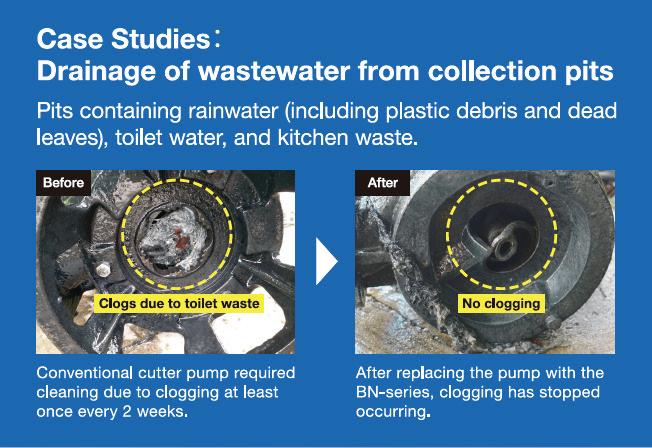

Submersible Smashing Cutter Pump
Figure 1
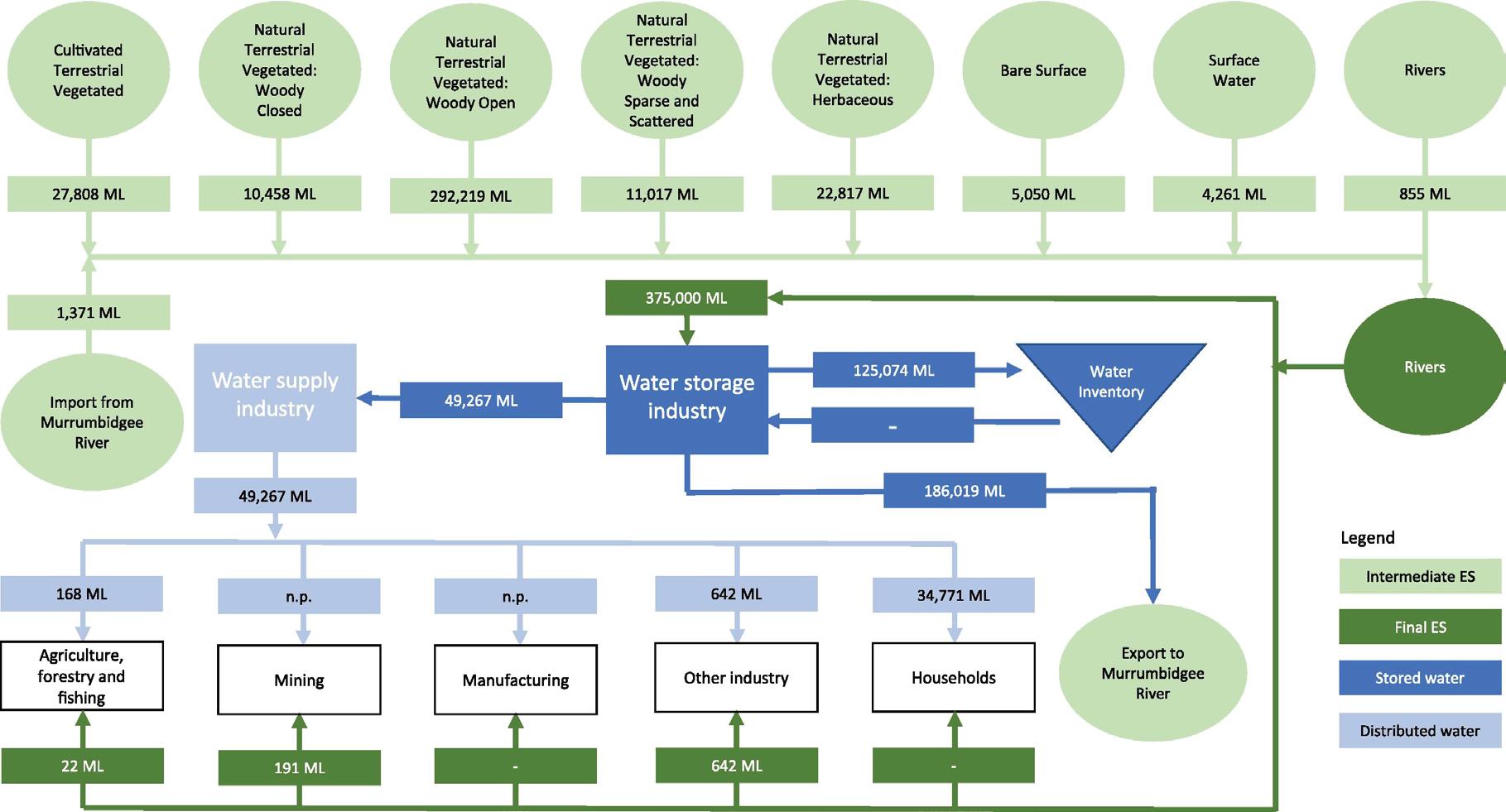
Prices from similar water allocation markets resulted in total values between AUD $33 million and AUD $43 million per year.
The replacement cost method, which estimates the cost of alternatives such as recycled water or upstream water transfer, yielded the highest values. Specifically, the recycled water (for drinking) replacement cost reached AUD $998 million, with a unit price of AUD $2660/ML.
Value and ecosystem services
A chain of water flows determines the quantity of ecosystem services and is shown in Figure 2.
The chain starts with rainfall, which is not shown. From rainfall, we get runoff, which, if it flows into a river that is dammed to become a reservoir, is called an intermediate ecosystem service. These are flows between ecosystems, in this case, the run-off from the terrestrial ecosystems into a river. The final ecosystem service – something people directly use – is recorded when the river water enters or leaves the reservoir (more on this later).
If the runoff goes into a river that is not used for water supply, either via a reservoir or, for example, pumped from a river, then there is no intermediate ecosystem service, as there is no final service. If only a fraction of the river is used for water supply, then the same fraction would be the intermediate ecosystem service.
The volume of water considered an ecosystem service varies depending on the accounting treatments used. The ecosystem service can be recorded when water enters or leaves reservoirs. In dry years, more water leaves reservoirs than is abstracted, and the reverse is true in wet years. The primary function of reservoirs is to store water during periods of high rainfall and utilise it during times of scarcity.
Recording the ecosystem service when water enters reservoirs is preferred by us because it recognises reservoirs as part of the economy, and accounts for reservoir evaporation, which is an opportunity cost. That is, potential downstream uses have lost access to the water.
The accounting treatment significantly impacted volume of water recorded, especially in wet years. For instance, in a wet year (2020-21), the recorded physical ecosystem service volume was 375,000 megalitres for water entering reservoirs, compared to the reservoir abstraction of 49,267 megalitres.
The practical application
The integration of ecosystem service valuation and accounting into water policy can be achieved through several management options. In the ACT, incorporating the service value into water pricing, perhaps through an increased Water Abstraction Charge, can generate funds for catchment management (‘nature-based solutions’) and water supply infrastructure.
We demonstrate how this can be done in the paper by incorporating the value of ecosystem services into the pricing formula used by the ACT Government. This sends a price signal to users to manage water demand and spreads future costs over time.
Furthermore, extending the accounting for water stored versus water used enables the use of scarcity pricing as a stronger shortterm price signal during dry periods. Again, we provide a formula to show how this could be done.
Finally, recognising the economic value of services supports investments in conservation and restoration efforts and justifies payments for ecosystem services to private landowners.
While barriers like institutional resistance and equity concerns exist, as poor people are disproportionately affected by increased water prices, the latter can be mitigated by using extra funds to provide direct subsidies to low-income households for water, and the former can be addressed through increased awareness and understanding of the dependence on ecosystems for water supply.
We may not be able to answer the question, “What is water worth?”, but through accounting and standard valuation methods, we can provide information on water value and water price that is useful for water policy and management.
For more information on the concepts and methods discussed here, see: Yuqing Chen, Paul Wyrwoll, Peter Burnett, R. Quentin Grafton and Michael Vardon (2025). Valuing and accounting for water-related ecosystem services for water pricing and management: An Australian case study. Ecosystem Services, Volume 75, doi.org/10.1016/j.ecoser.2025.101771
This article was first published in Global Water Forum.
Figure 2
Setting the Standard: Kinloch’s Leap into Modern Water Automation
BY NHP ELECTRICAL ENGINEERING PRODUCTS
When the Taupō District Council began planning the upgrade of the Kinloch Water Treatment Plant, the need for modernisation went far beyond replacing ageing infrastructure. Kinloch is a rapidly growing community, and the new plant needed to support rising demand while delivering a more resilient drinking water supply for the future. New national water standards reinforced the importance of a robust, future‑proofed solution — making Kinloch the ideal site to establish a new control and automation philosophy for the region.
To deliver the project, the council appointed Marshall Projects as the lead contractor, with Falcon completing the electrical installation and commissioning. Early in the design phase, it became clear that a consistent, plant‑wide control approach would be essential. Operators needed clarity; the council needed transparency; and engineering teams required a platform that could scale as additional treatment plants around Lake Taupō are upgraded in coming years.
Rockwell Automation’s PlantPAx system was chosen to reshape the plant’s automation architecture, replacing siloed systems with a single environment offering clearer diagnostics, modern operator screens and smoother commissioning.
To further support the upgrade, the solution brought together all the essential parts of the water network — drives, switchgear, the control system and onsite visualisation — into a single, connected and easy‑to‑manage platform. Because every component is designed to work together, operators now have a real‑time, high‑visibility view of the entire treatment process, enabling quicker responses and simplifying daily operation. This joined‑up approach reduces downtime, supports predictable maintenance and ensures the system can scale as the town continues to grow. For the council, it delivers a safer, more reliable and future‑ready asset built on long‑term value.
Modern automation is only as strong as the electrical backbone beneath it. NHP supplied a comprehensive suite of technologies from industrial power distribution equipment to intelligent motor control and fully integrated drive systems. With drives that communicate natively with PlantPAx controllers, Falcon’s commissioning team experienced fewer integration challenges and a more streamlined setup. For the Taupō District Council, that means better equipment health visibility and easier access to plant‑wide information, supporting faster decision‑making and more efficient maintenance.
A key factor in selecting NHP for the project was our ability to support critical infrastructure with readily available local spares. For a remote and strategically important site like Kinloch, ensuring rapid access to replacement components was essential for minimising downtime and maintaining continuity of service. The council needed absolute confidence that the plant could be kept running even in the event of unexpected failures — and NHP’s strong local inventory and technical support capability played a crucial role in meeting that requirement.
NHP Solutions
PlantPAx Distributed Control System
Allen Bradley PowerFlex AC Drives
ControlLogix 5580 Controllers Terasaki Switchgear
FactoryTalk View SE SCADA Cubic Switchboard
Stratix Industrial Ethernet Switches
Concept & DIN T Distribution Boards
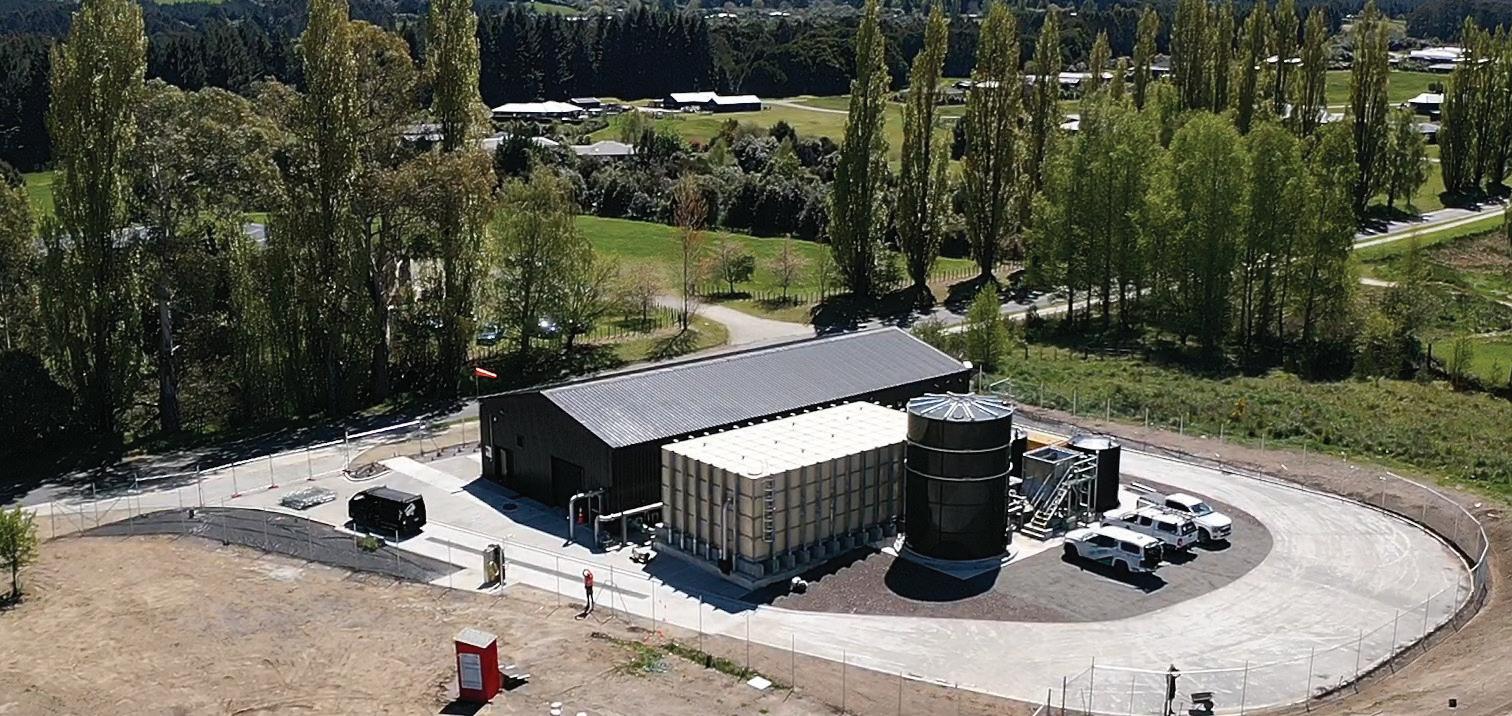
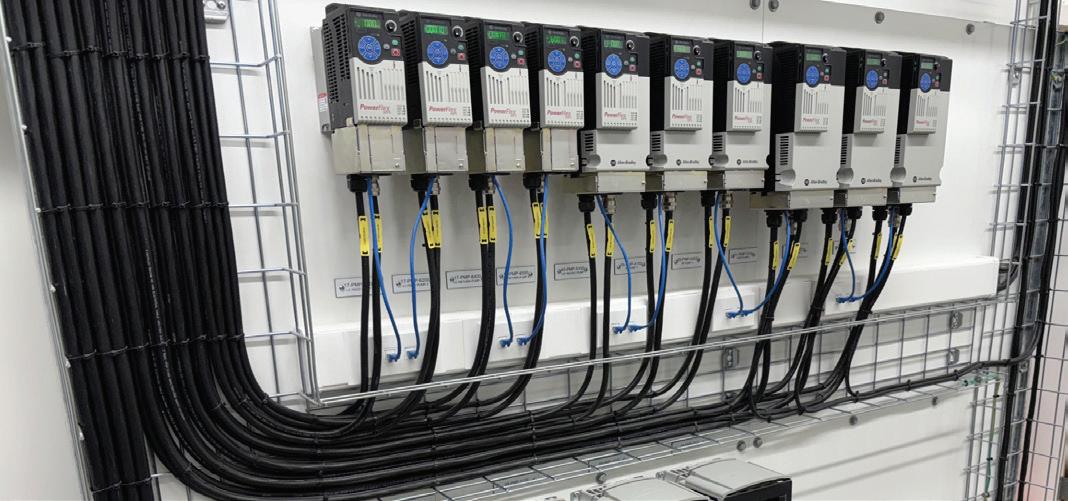
The plant itself has been built with long‑term resilience in mind. It sits on 21‑metre‑deep steel piles topped with a 600mm reinforced concrete slab — making it one of the most robustly engineered treatment facilities in the country and ensuring strong performance even during seismic events. The plant is capable of producing 3,500 m³ of drinking water per day, with a clear path to expand capacity to 5,000 m³ as the community grows.
The Kinloch project highlights the strength of a joined‑up electrical and automation approach, enhanced by dependable local spare‑parts availability that supports continuous operation. It also sets the benchmark for future upgrades in Omori, Motuoapa, Hatepe and other communities around the lake, helping to build a consistent, resilient and modern water treatment network for the region.
Get in Touch
To modernise your water or wastewater operations with complete end‑to‑end solutions, contact NHP.
sales@nhp nz.com 0800 NHP NHP www.nhp nz.com
Image Credit: Taupō District Council
An innovative approach to sustainable financing for the water sector
By Helen Mahoney, senior manager sustainable finance, Local Government Funding Agency
Our water sector is undergoing significant reform. One challenge facing all participants is how the sector accesses financing, with an estimated $30 billion of borrowing needed over the next 10 years.
In August 2024, the Minister of Local Government and the New Zealand Local Government Funding Agency (LGFA) jointly announced that LGFA would be the preferred lender for the new Water Service Organisations (WSOs).
LGFA specialises in financing the local government sector, with the primary purpose of providing more efficient financing costs and diversified financing sources for councils and councilcontrolled organisations. LGFA has the same credit rating as the New Zealand Government and borrows at a similar cost to the Government.
LGFA will extend its existing council-controlled organisation (CCOs) lending framework to financially supported WSOs, and they will have access to LGFA’s existing suite of financial products which includes sustainable finance options.
Sustainable finance forms an important part of LGFA’s strategy and is one of the key ways we can support the local government sector beyond our role as a financier.
How we support the water sector through sustainable finance presents an exciting opportunity that the LGFA team have been working on over the past 24 months.
Sustainable finance has been around for many years and continues to evolve to reflect the challenges and opportunities of today. The origins of sustainable finance can be traced back to the 18th century when American Quaker colonies prohibited members from participating in the slave trade and financing guns, alcohol, and tobacco.
The earliest water bond predates the 18th century and was issued in 1648 by a Dutch water board to finance improvements to a local dyke system. As a perpetual bond, it continues to pay annual interest, 378 years later.
Over the past few decades, sustainable finance has evolved to address environmental and social issues.
LGFA has offered sustainability lending options to its council and CCO borrowers since 2021 and has used these loans to issue Sustainable Financing Bonds.
Sustainable lending options at LGFA include Green and Social (GS) Loans and Climate Action Loans (CALs). As of February
2026, LGFA has advanced NZD$4.1billion in CALs, and NZD$600million in GS Loans.
GS Loans have been used to finance a broad range of council and CCO projects from solar farms, green buildings, social housing, electric cranes, biodiversity, and climate change resilience projects.
GS Loans can be used to finance sustainable water and wastewater management projects, and WSOs will be able to access this financing option, however to date, LGFA has not received any applications in this category. Go to our website to see the categories and criteria.
Here in Aotearoa New Zealand, water assets have been a growing part of borrower’s green bond asset pool, and there are a number of sustainability-linked loans with water-related targets.
Sustainability-linked loans and bonds are being used to drive water supply efficiency and resilience by linking the loan financial characteristics to the achievement (or non-achievement) of KPIs. Water entities such as Anglian Water in the UK are issuing similar structures to drive other environmental and social outcomes. Anglian Water (Osprey) Financing PLC issued its first Sustainability-Linked Bond in July 2021 and includes Key Performance Indicators (KPIs) linked to a reduction in operational and capital carbon as part of the organisation’s Net Zero 2030 strategy.
With many options to choose from, what is the best way for LGFA to support the sector achieve financial sustainability and deliver sustainability outcomes?
The reforms give us a chance to look at things differently and LGFA has a stated commitment to continuously develop innovative sustainable financing products that assist members to meet their sustainability objectives.
LGFA will shortly be offering WSOs an opportunity to reduce their cost of debt by delivering sustainability outcomes, through the appropriately named Sustainable Water Action Loans (SWALe).
Approved borrowers will receive a discounted loan margin on all borrowing (3 years or longer) through LGFA, if they meet the KPIs stipulated in the SWALe lending programme criteria.
The KPIs will be aligned to the Planetary Boundaries, a scientific framework that defines global environmental limits that we need to stay within to avoid irreversible and catastrophic
Over the past few decades, sustainable finance has evolved to address environmental and social issues.
environmental change, such as biodiversity, water use and water pollution, climate change and air pollution.
This framework enables LGFA to set KPIs for the sector that take a broader view of water's relationship with nature. We are looking to support environmental outcomes that are most material to the sector.
When developing this product, we have considered the different size, structure, regional challenges, and opportunities for WSOs. Our response has been to ensure the product is flexible and practical.
There will be two mandatory KPIs, with a third to be selected from a list of optional KPIs, so that a WSO can choose a KPI that is most relevant to their regional context. We are also strongly aligning the focus areas with existing reporting requirements so WSOs can focus on improving their outcomes and performance,
not measurement and data collection.
LGFA is supporting the financial sustainability of WSOs by providing an opportunity to access discounted financing. We are also providing a framework for WSOs to take action in environmental areas that are important to both New Zealanders that utilise healthy water and wastewater services, and the thousands of staff that champion these outcomes in the sector.
As we move into the next phase of our water sector transition, we will need to consider how environmental outcomes are being incorporated into establishment strategies and how sustainable finance can continue to be utilised to bring the cost of this change down.
Get in touch if you would like to know more: email helen.mahoney@lgfa.co.nz or Nick Howell, head of sustainability, nick.howell@lgfa.co.nz
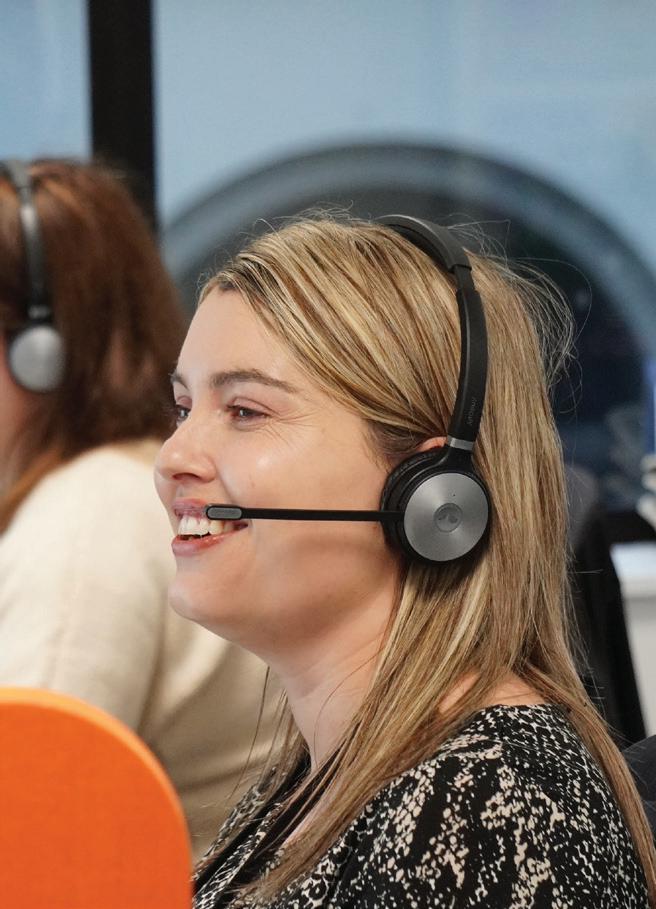
Tiny microbes could make our drinking water safer
A team of engineers are using nature’s own chemistry to remove nitrate from drinking water without releasing greenhouse gas emissions.

Some drinking water in Aotearoa New Zealand, especially in rural areas like Canterbury, has more nitrate than is considered safe.
High nitrate levels can be dangerous for babies and may affect people’s health over time, according to the country’s largest nitrate survey and the Government’s ‘Our Environment 2025’ report.
Associate professor Wei-Qin Zhuang and his team from the Department of Civil and Environmental Engineering are tackling this problem using tiny microbes (natural water cleaning ‘bugs’) to remove nitrate safely, without adding harmful chemicals.
Wei-Qin says his team are testing two approaches.
Hydrogen-powered microbes: These bacteria use hydrogen gas as fuel to turn nitrate into harmless nitrogen gas, which makes up most of the air we breathe. This process avoids the greenhousegas emissions that can come from conventional chemical treatments. The hydrogen is delivered safely so it never bubbles out, keeping the process clean and simple.
Sulfur-powered microbes: Other bacteria ‘eat’ sulfur like tiny Pac-Men, using it to remove nitrate. Packed into a filter-like setup, this system works steadily without daily chemical dosing, making it low-cost and easy to run for small towns and rural water supplies.
Wei-Qin says both systems create less waste, avoid greenhouse-gas-intensive chemicals, and reduce the need for trucked-in chemicals, making them well suited to local communities.
“Many rural water supplies have nitrate levels at or above the safe limit, and people using private wells often don’t know if their water is safe.
“Using microbes to clean water on-site gives communities a safety net while long-term solutions, like better land management, are put in place.”
Wei-Qin and his team are now testing these systems in real-world trials with water utilities and industry partners, aiming to make them easy for councils and communities across the country to use.
Article provided by the University of Auckland.
Shaping a sustainable world
EXPLORE FUTURE-PROOF INFRASTRUCTURE
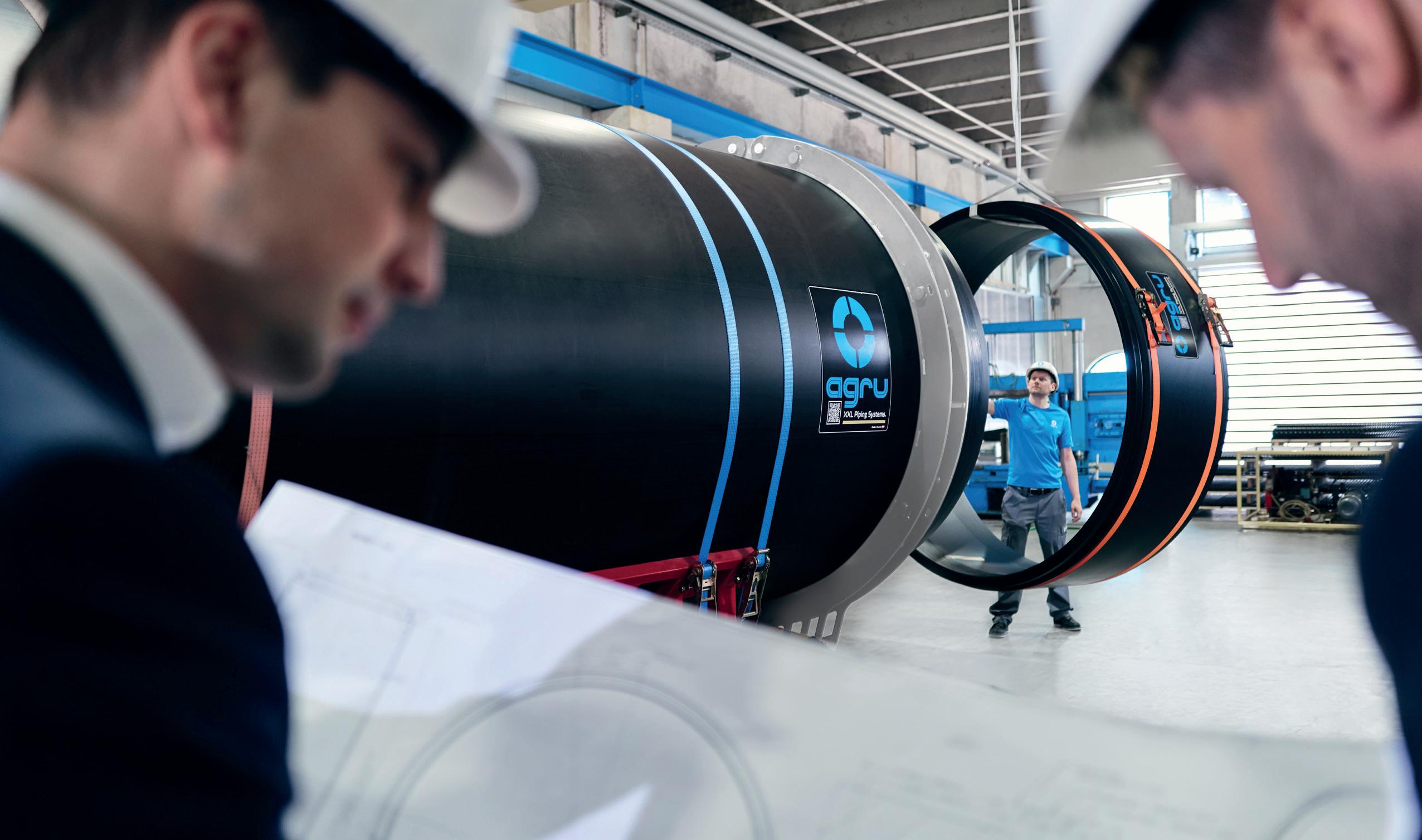
AGRULINE PE 100-RC piping system for outstanding crack resistance
HIGHER SERVICE LIFE under extreme conditions
COST-EFFICIENT INSTALLATION without sand embedding
LASTING CONNECTIONS with electro-socket or heated tool butt welding of PE 100-RC
ONE-STOP SHOPPING
complete piping system for gas, hydrogen, water, waste water and chemical media
Engagement key to turning science into action for smart water strategies
At the recent Global Forum for Food and Agriculture (GFFA), environmental hydrology expert and Massey University professor Ranvir Singh delivered a keynote address, sharing highlights from his research with a clear message that without engagement, even the best science will never reach its potential.
The GFFA, held as part of Green Week in Berlin in January 2026, brings together leaders from politics, business, science and civil society to discuss solutions for global food security. This year’s focus on water highlighted the need for innovative, systems-based approaches to manage water across land, freshwater and marine environments.
Born on a small farm near Delhi, India, Ranvir has spent his life immersed in water management, from helping with crop irrigation in his childhood to studying environmental engineering in the Netherlands and water quality challenges in the United States.
For the past 16 years in Aotearoa New Zealand, he has combined research, teaching and community engagement to improve water use efficiency and water quality in agricultural landscapes.
Taking the stage in front of scientists, policymakers and industry leaders, Ranvir outlined several key principles for sustainable water management: protecting and optimising water flows within natural limits, measuring outcomes in terms of nutrition per drop rather than just crop yield and designing multifunctional farms that balance productivity with environmental stewardship.
Another critical point he emphasised was the importance of community-led, science-informed catchment collaborations.
“Without people driving the change or taking the steps, we can do whatever science we want but the impact won’t come,” Ranvir says, highlighting the Catchment Solutions Project as an example of this approach.
The Catchment Solutions Project (CSP) was a three-year initiative led by Ranvir and Massey’s Farmed Landscapes Research Centre. Funded through the Ministry for the Environment’s Essential Freshwater Fund, with co-funding from Hawke’s Bay Regional Council and in-kind support from DairyNZ, the project aimed to translate hydrology research into practical tools for farmers, helping achieve measurable improvements in freshwater quality.
CSP worked closely with farmers to understand water quality challenges across catchments, designing interventions that are both scientifically robust and practical. Examples include:
• Woodchip bioreactors, which use natural soil microbes to break down nitrates in drainage water.
• Constructed wetlands, which slow runoff, allowing plants to filter out contaminants before water enters streams.
• Controlled drainage systems, which gives farmers flexibility in managing artificial drainage to reduce nutrient loss.
A core part of the project was a collaborative, co-learning approach, bringing together catchment communities with scientists, advisors, and local stakeholders. Together, they identified key water quality contaminants and their critical flow pathways, and co-designed innovative edge-of-field mitigation structures like detainment bunds, which reduce contaminant loss from farms to waterways.
Over the course of the project, CSP ran masterclasses, workshops and field days across multiple regions. These activities reached dozens of farmers, environmental advisors, council representatives and students, equipping them with practical skills to manage water sustainably while maintaining farm productivity.
CSP also engaged the wider community through education and environmental stewardship programmes, including inviting 30 students from local schools to participate in a planting day downstream of a CSP-built woodchip bioreactor. The students planted 780 native trees while learning about biodiversity, freshwater health, and ecosystem function.
“The Catchment Solutions Project demonstrates that meaningful environmental outcomes depend on collaboration, local knowledge and hands-on engagement. By connecting science with communities, we can design solutions that actually work in practice,” says Ranvir.
Looking to the future, Ranvir highlighted during his GFFA keynote that a major goal is to make agricultural landscapes multifunctional –productive, resilient, and environmentally responsible – by aligning land use with the land’s natural capacities. He emphasised that this can only happen by supporting people, from farmers to communities to stakeholders, to be the bridge between research and impact.
Building on the success of the Catchment Solutions Project, the team plans to embed its learnings into Environmental Sciences undergraduate and postgraduate teaching, including the 121313 Catchment Solutions course (massey.ac.nz/study/courses/ catchment-solutions-121313/).
There are also plans to develop professional short courses for rural advisers and catchment coordinators, continuing to build the capability and capacity needed to translate hydrology into innovative water quality mitigation practices across farms and catchments.
Article provided by Massey University.
Rethinking long-term funding and intergenerational management of water infrastructure
By Sam Stubbs, managing director, Simplicity
The water sector is entering a decisive decade in which long-standing assumptions about funding and governance are being tested. Aging assets, tighter compliance standards, population growth, and climate risk are combining to create a renewal, resilience, and growth-capacity investment challenge that many councils cannot fund through rates and traditional borrowing alone.
At the same time, the Local Water Done Well (LWDW) framework has required councils to select delivery models that demonstrate compliance with strengthened requirements for water quality, accountability, and long-term financial sustainability, while explicitly restricting privatisation of existing publicly owned water assets.
The question facing the sector is no longer whether investment is required, but how to fund and manage long-lived assets and new capacity in a way that is affordable, resilient, and fair across generations.
Here, I argue that long-term operating concessions funded by domestic patient capital, including KiwiSaver funds, should sit alongside council or council-controlled organisations (CCOs) as one option within the diversified toolkit available under LWDW.
The investment gap: why business-as-usual won’t work
Recent reviews across government, regulators, and the water sector point to the same conclusion: a concentrated wave of three-waters asset renewals and growth-driven capacity upgrades is coinciding with higher performance expectations and growing affordability constraints.
Key stress points include:
• Historic under-investment and ‘lumpy’ renewal profiles, with many assets built in the same decade now reaching end of life.
• Increasing regulatory compliance costs linked to environmental standards, requiring significant capital to lift performance.
• Council debt limits and constraints for councils that retain water services inhouse, additional water infrastructure borrowing directly trades off against investment in transport, community facilities and climate adaptation. Even where services move to a CCO model, group balance sheet capacity and credit considerations remain relevant.
• Growth-driven capacity requirements, including new treatment, storage, and network expansion, requiring large upfront capital and long-term operating capability.
Under LWDW, councils have been preparing Water Services Delivery Plans to demonstrate how service and regulatory standards will be met on a financially sustainable basis. Collaborative or regional CCO models will improve scale and borrowing capacity.
Even with stronger CCOs, many balance-sheet-constrained councils are likely to struggle to finance renewals, resilience upgrades, and growth-driven new capacity projects at the required pace.
Why look beyond rates, grants, and council debt?
Rates, water charges, development contributions, government grants, and council borrowing will remain central to water funding. However, they have limitations when applied to assets with design lives of 50-100 years and relatively stable, utility-like demand.
Affordability pressures can lead to deferred renewals or underrecovery of depreciation, shifting costs and risk to future ratepayers and creating sharper bill increases when renewals can no longer be delayed.
Balance-sheet crowding also means that when three waters investments absorb most of a council’s debt headroom, other critical investments may be deferred or cancelled, including growth-enabling infrastructure needed to support population growth and economic development.
Internationally, pension funds and long-term infrastructure investors have shown that patient capital aligned with long-duration assets can support stable returns and high standards of asset stewardship.
For example, large Canadian pension funds such as the Canada Pension Plan Investment Board and Ontario Teachers’ Pension Plan have invested extensively in regulated water and wastewater utilities and long-life infrastructure assets in Europe and Australia. These investments are typically structured over multiple decades, with clear performance and regulatory obligations. They emphasise preventative maintenance, resilience, and long-term asset condition.
Such investments are widely regarded as contributing to stable, longterm returns for pension members, while maintaining high service standards and whole-of-life asset management. Aotearoa New Zealand has an opportunity to apply this approach at scale in the water sector.
LWDW: Guardrails and options
LWDW both constrains and enables the design of new delivery and funding models.
Legislation restricts privatisation and requires councils to retain ownership of existing three-waters assets and strategic control over key policy settings. Water Services Delivery Plans must demonstrate long-term financial sustainability and compliance with defined service and environmental standards.
Within these guardrails, councils may use CCOs, shared service arrangements, or contracted operators as well as long-term operating concessions. These can be structured as contracts for services and lifecycle management rather than asset sales. Councils retain ownership and policy control, while a concessionaire undertakes operations, maintenance, renewals, capacity upgrades, and agreed capital programmes.
Done well, this can combine public ownership with private-sector capability and balance-sheet capacity, without breaching LWDW’s non-privatisation requirements.
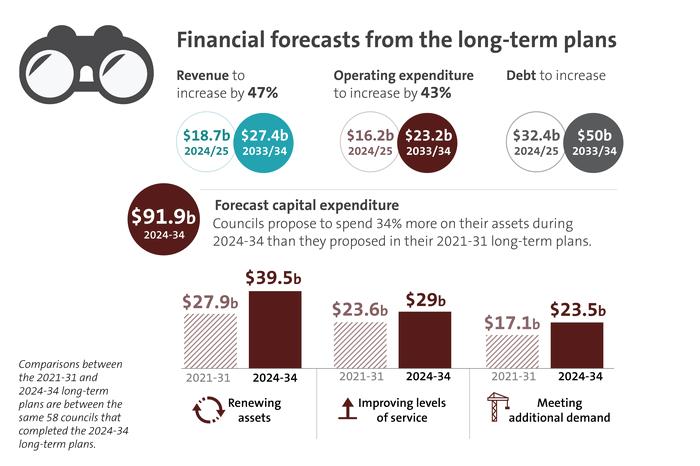
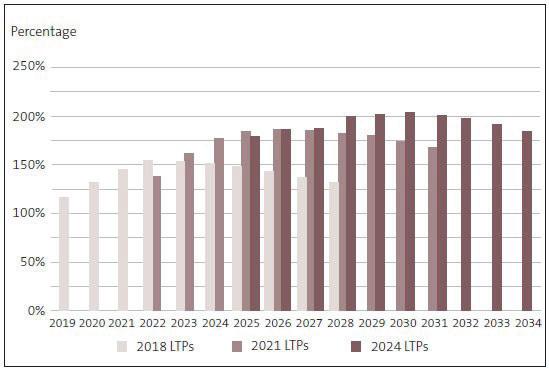
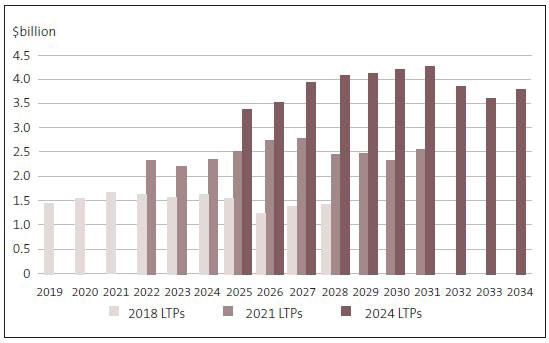
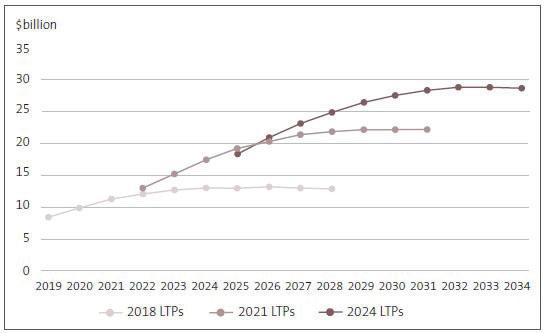
Harnessing KiwiSaver
New Zealanders collectively hold approximately $140 billion in KiwiSaver retirement savings. A large share (circa 70 percent) of this capital is currently invested offshore, including in infrastructure assets that Kiwis will never see or directly benefit from.
By 2050, total KiwiSaver investment is projected to grow substantially to more than $1 trillion. At this scale, even maintaining a modest allocation to local assets implies that very significant capital (circa $295 billion) would need to be invested locally over time.
In practice, this scale of capital can realistically be absorbed primarily by only asset classes: property and essential infrastructure such as energy, water, and transport.
One example is Simplicity, whose KiwiSaver and Investment Fund schemes have already begun investing in build-to-rent housing through Simplicity Living, and which has established InfraKiwi to address the broader infrastructure opportunity.
InfraKiwi is designed to be a 100 percent New Zealand-owned longterm infrastructure investor and operator. InfraKiwi’s goal is to list on the NZX in due course, enabling secondary market investment by all KiwiSaver schemes, iwi, and individuals, allowing them to hold an indirect stake in the essential local infrastructure they rely on every day.
In the water sector, InfraKiwi would be well suited to partner with councils or CCOs to operate, maintain, renew, and expand water assets under a long-term operating concession model.
Under this model, councils or CCOs retain ownership of water assets and continue to set policy direction, service standards, and pricing. InfraKiwi, as concessionaire, would be responsible for operating,
maintaining, and renewing the assets, as well as delivering agreed new capacity projects and major upgrades, over a multi-decade term, potentially up to 50 years.
How a long-term concession could be structured under LWDW
In practice, a long-term concession model would be operationally straightforward, though institutionally unfamiliar here, and could include the following key elements:
• Ownership and policy control: Councils or jointly owned CCOs retain legal ownership of water and wastewater assets, as well as responsibility for setting service levels, environmental targets, pricing frameworks, and growth strategies.
• Scope and term: A concessionaire is contracted to operate, maintain, and renew assets, and to deliver defined capital upgrades and growth-related new capacity projects over a term aligned with major asset lives, typically 30-50 years. Clear hand-back standards ensure assets are returned in a specified condition at the end of the concession.
• Funding and payment: Households and businesses continue to pay water charges to the council or CCO. Councils make transparent payments to the concessionaire covering operations, lifecycle renewals, new capacity delivery, and the cost of capital, integrated into LWDW financial sustainability assessments. While the cost of equity may be higher than nominal council debt rates, the value lies in transferring delivery and performance risk
Financial forecasts from the long-term plans
Councils' total planned capital expenditure on three waters assets in their last three long-term plans.
Debt as a percentage of total revenue, excluding Auckland Council.
Total forecast debt in councils' last three long-term plans, excluding Auckland Council.
away from the ratepayer. This can also preserve debt headroom for other community needs.
• Performance and oversight: Detailed performance indicators cover reliability, water quality, environmental outcomes, customer service, and resilience, supported by clear performance standards and regulatory oversight.
• Transparency and engagement: Concession terms, performance reporting, and pricing methodologies are publicly disclosed, with community outcomes, including ongoing engagement with mana whenua and iwi partnership, embedded in governance arrangements.
Funding water infrastructure for the long term
We cannot afford to under-invest in water infrastructure, nor to rely on short-term funding decisions that defer costs to future ratepayers and compromise resilience. LWDW creates both a requirement and an opportunity to adopt delivery and funding models that are transparent, financially sustainable, and robust over many decades.
One of the most powerful features of a long-term concession model is its alignment between asset life cycle and financial outcomes. When a single entity is responsible for an asset’s performance, maintenance, and renewal over several decades, under-investment becomes economically irrational.
InfraKiwi’s vision is to connect long-term domestic investment, including KiwiSaver, with the country’s public infrastructure needs. In the water sector, this could mean providing a concession-based delivery
option for councils grappling with LWDW and funding constraints.
If InfraKiwi is listed on the NZX in future, this would provide an investment opportunity to KiwiSaver schemes, iwi, and individual New Zealanders, allowing them to help to support and secure the infrastructure they use every day, underpinning jobs and prosperity at home rather than exporting capital offshore.
By expanding the funding and delivery toolkit under LWDW, councils can better align infrastructure investment with affordability, resilience, and intergenerational fairness. Used alongside other tools, such models can materially improve how the country funds, manages, renews, and expands its water infrastructure, reducing the risk that today’s constraints become tomorrow’s infrastructure failures and affordability challenges.
The three-waters infrastructure New Zealanders rely on every day deserves long-term thinking, long-term capital, and intergenerational stewardship. InfraKiwi is designed to help deliver exactly that, for communities today and for generations to come.
This material is provided for general informational purposes only and does not constitute advice, a recommendation, or an offer or solicitation to invest. No money is currently being sought, and financial products cannot be acquired. Any offer of financial products will be made in accordance with the Financial Markets Conduct Act. Simplicity NZ Limited is the issuer of the Simplicity KiwiSaver and Investment Funds schemes. For Product Disclosure Statements please visit Simplicity’s website at simplicity.kiwi.
Graphs/images source: oag.parliament.nz/2025/long-term-plans/ docs/long-term-plans.pdf

The wastewater sector is evolving fast. Ian Ho shares how innovation, collaboration, and people are helping communities and engineers navigate new standards and aging infrastructure.

Can you tell us about your role?
As a Wastewater Treatment Lead, I work across strategy and design, contribute to proposals, and collaborate closely with our Service Line - GHD’s community of practice that connects specialists across regions. I spend a fair bit of time coaching and supporting engineers, helping projects move forward and working with teams to find practical solutions that really work for our clients. I enjoy the problem-solving side of the job – taking new research or ideas and applying them in real situations, and seeing younger engineers grow in confidence as they progress in their careers.
What first drew you to engineering and how has that passion changed over time?
I grew up in a family where education and professional careers were strongly valued, and I naturally gravitated toward maths and science at school. Early in my career, my focus was very much on building strong technical foundations. Over time, that’s broadened into something more people-focused – working closely with clients, shaping solutions together and seeing the real-world impact our work has on communities. Over the past 20 years, working alongside colleagues, clients and operators has been a steady source of inspiration for me.
When you look across the sector, what pressures are converging on wastewater systems in New Zealand right now? There’s no doubt the biggest pressure is the pace of change. Everything is moving at once - new wastewater standards, planning reform, affordability constraints and ageing assets, alongside the need to build for climate resilience and future demand. On top of this, there is a real shortage of skilled people across engineering, operations and asset management. The challenge is finding ways to lift performance and keep moving forward with fewer resources, while navigating ongoing change and uncertainty about what comes next.
From your perspective, what stands out most about the changes in how wastewater is being regulated and managed? One positive shift is the level of clarity we’re starting to see. The new wastewater environmental performance standards set much clearer discharge limits and stronger expectations around monitoring. For larger systems, daily sampling will likely become the norm, which is a significant step up. That transparency should help drive better performance and environmental outcomes, even though it does place additional pressure on an already constrained system. Over time, stronger coordination and resource sharing between organisations should help build a more capable and mature sector.
How do these changes play out for smaller or more constrained communities?
Most wastewater treatment plants in New Zealand service small communities. They don’t have the scale or funding of larger urban centres, but they’re still being held to increasingly high standards. That means we need to rethink how these plants are designed, delivered and operated – looking at more standardised approaches, shared configurations, and collective operation and maintenance models. I recall working with a council some years ago on the rollout of eight water treatment plants as part of a multi-year D&B programme - an approach that could offer valuable lessons for the sector. Funding, however, remains a major challenge, and one that extends far beyond engineering alone.
With councils juggling aging assets, tight budgets and long planning horizons, how do we distinguish quick fixes from decisions that will last?
It really comes down to having a long-term vision while staying flexible. Many plants will need upgrades in the next few years, but those investments also need to accommodate future growth, changing regulations, and new contaminants. Staged upgrades, expandability and adaptability to emerging technology are key. As we have seen, new treatment technology continues to evolve, particularly focusing on process intensification and reducing process emission. Therefore, our designs and planning need to leave room to be adaptable.
How should operators and asset managers position themselves to move forward with confidence?
Good and reliable information is the foundation. Accurate data, drawings, and asset records give future decisions something solid to build on. Equally important is investing in people, they make things happen regardless what future technology brings. We’re seeing a new generation of highly capable operators coming through, and supporting them with clear career pathways, knowledge-sharing networks, and capability building across the sector will be just as important as investing in infrastructure itself.

Connect with Ian
Scan the QR code to connect with him on LinkedIn.
From construction to production
By Anna Whitmore, strategic advisor, Allora Infrastructure
The water sector is undergoing a once-ina-generation change, and with this comes the opportunity to improve how we deliver our assets. Here, we look at how integrated delivery can deliver better value for money (VfM) for the water sector.
The drivers for change
The water sector has faced continuous uncertainty over the past five years due to government reform. This, combined with existing industry challenges, has created an unequivocal need to improve performance of the water sector.
• Supply chain ability to meet workload demand: A significant increase in forecast capital works (e.g. Watercare’s 44 percent investments increase in renewals), combined with an eroded market due to recent low infrastructure spend, has created a workforce limited by capability and capacity. This will impact water service providers (WSPs) ability to procure a capable, affordable supply chain.
• Fragmented planning resulting in duplication of effort: Strategic, capital and operational plans are often not aligned to strategic outcomes or long-term plans. A lack of integrated planning causes decisions to be made in silos, resulting in overlapping scopes and reinventing processes.
• Lagging industry productivity: Aotearoa New Zealand consistently underperforms global peers when realising value from infrastructure spend. This is driven by disproportionate increase in construction wages versus productivity, and commercial models and markets that lack competitive tension.
While these challenges are significant and complex, they are not unique. We can look to other sectors and geographies to identify best practice to improve how we deliver water services.
The shift to integrated delivery
In response to sector challenges and need to increase productivity, asset owners across Australia, Canada, and the UK are moving towards integrated, production-led delivery models. This approach originated from the UK’s Infrastructure Client Group Project
13, an initiative set up to identify, and learn from, best practice in infrastructure delivery. While benefits vary with project complexity, market capability and competition, it is estimated that adopting an integrated, production approach can generate a 20-30 percent increase in value.
Anglian Water estimated a £1 billion decrease in its AMP8 business plan, National Highways’ Smart Motorways Alliance realised productivity improvements of 20-30 percent, while Kāinga Ora’s Housing Production Systems estimated an 80 percent reduction in build time and 20 percent in cost.
To explain the concept of an integrated, production-led delivery model, an overview of key features is illustrated in the diagram on page 65. An explanation follows:
• Value chain integration: Bringing together designers, contractors, asset managers, operators and strategic suppliers early to optimise solutions and production processes; enabled by aligned commercial models and integrated governance. Sydney Water estimated 5-10 percent annual savings from integrated teams.
• Production planning: A stage dedicated to the design and optimisation of the delivery processes. Multi-disciplinary teams work together to plan and digitally rehearse processes, reducing risk of re-work and improving safety and reliability.
• Programmatic approach: Decisionmaking at a programme- level enables optimal use of resources and provides visibility of demand to supply chain. It enables identification of opportunities to standardise assets and processes.
• Enablers: Fundamentals include aligned outcomes, integrated governance, common processes, shared data and platform, and incentive-based commercial models.
How can water service providers adopt an integrated approach?
Lifting and shifting international methods to Aotearoa New Zealand doesn’t equal success. Local factors such as industry maturity, programme scale, complexity, and regulation need to be considered.
As new and existing WSPs consider their
approach to capital delivery, the features of integrated delivery should be analysed in the context of their organisational challenges to understand where the greatest benefits exist.
While adoption of an enterprise delivery model is recommended, this may not be practical for new water service providers (WSPs) who are focusing on setting up a minimum viable entity and continuity of service.
As all WSPs develop their systems, processes and operating models, there is an opportunity to put in place building blocks for integrated delivery.
WSPs should consider what can be embedded now to support their long-term strategies, for example, when procuring an asset management system including requirements to enable programmatic planning.
The following section provides practical recommendations for WSPs to consider during establishment:
1. Build cost intelligence capability to drive industry productivity
Traditionally asset owners may look to appoint lowest cost bidders or increase project controls to reduce supplier cost. This approach can impact quality and increase internal costs, resulting in poor value for money (VfM).
To create competitive tension and deliver VfM, intelligent cost models should be used to set budgets, combining top-down historic outturn costs with bottom-up activity costs and input from commercial regulators. This outturn cost includes all partners costs, risks and permanent, temporary and enabling works. Using a ‘should-cost’ baseline alongside a commercial model that rewards outperformance incentivises the supply chain to develop efficient ways of working and effectively manage risk. WSPs should consider how they can build cost intelligence capability.
Highways England moved from projectby-project pricing based on market quotations to setting programme budgets based on historic outturn cost and sharing in the outperformance with partners.
“This approach created a collective incentive for the partners to collaborate to deliver outperformance, improved
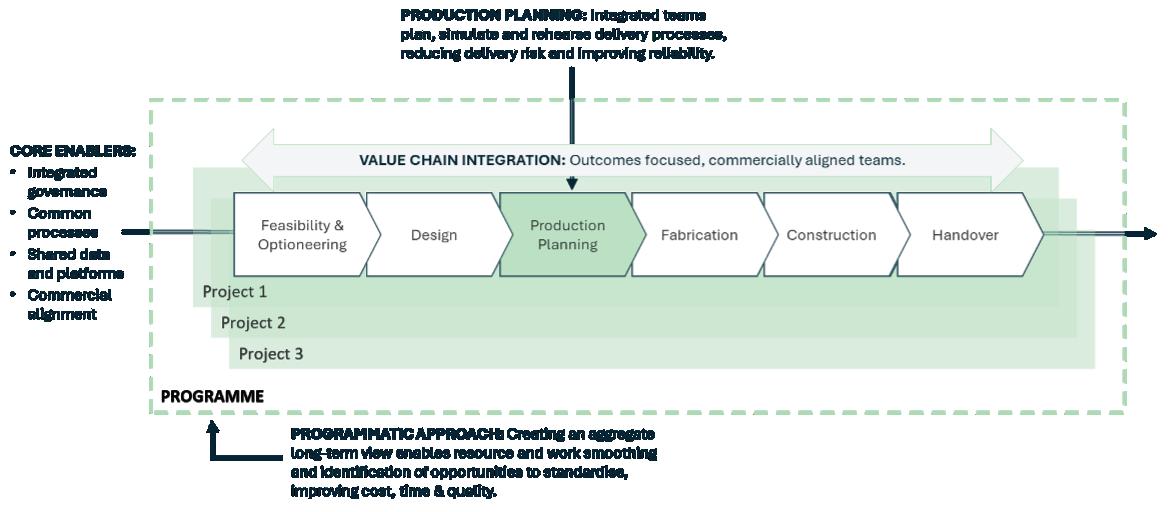
cost certainty and the management of risk,” says John Grimm, delivery director at Smart Motorways Alliance.
2. Establish shared data and digital platforms to break down silos and enable integrated teams
Digital platforms underpinned by robust data governance and information management processes are critical for integrated delivery. It provides visibility across teams, improves asset information handback, reduces the risk of duplication or rework and enables standardisation of products and processes.
WSPs should consider the following when developing their digital strategies:
• Start by understanding business needs across the asset lifecycle, to identify and prioritise key data sets, systems and information processes.
• Align asset information, project information, and cost information to enable intelligent performance management and programmatic delivery.
• Foster a collaborative culture through
supply chain engagement and contractual digital requirements.
• Adopt national standards (e.g. Water New Zealand national asset data standards) to reduce friction in data sharing between water companies, leverage best practice, and incentivise supply chain innovation.
3. Take a programmatic approach to optimise delivery and strengthen supply chain capacity
By creating an aggregate view, WSPs have visibility of resources and activities across programmes. This enables optimisation based on asset types and geography and demand smoothing based on workforce availability. It also provides the supply chain with a longterm view of workload to inform future capability and capacity plans.
United Utilities AMP8 Enterprise used a programmatic approach to address the shortfall in manufacturing capacity. By aggregated forecast demand by asset type (e.g. pumps) across their AMP8 portfolio, UU were able to bulk order assets early, securing manufacturing slots at an improved market rate and smoothing supplier demand.
An aggregate view allows WPS to identify common products and processes across the asset lifecycle to be standardised.
Aotearoa New Zealand’s increased investment in renewals (typically repeatable, standard components) presents an opportunity to drive standardisation in design, delivery and maintenance.
WSPs should collaborate with the supply chain and Water New Zealand to develop standard products and methods, leveraging insights from those with deepest knowledge of the assets.
Take home message
Integrated delivery isn’t a silver bullet, however global evidence shows it improves productivity, reduces delivery risk, and strengthens supplychain capacity.
As water service providers move from strategy into delivery, they should continue to learn from other organisations, sectors and geographies.
Starting with outcomes, integrated data and digital platforms and aligned commercial models based on cost intelligence provide a no-regrets route to improving delivery performance.
Data, data, everywhere: Three Waters Asset Data Standard (3W ADS)
By Greg Preston, Water New Zealand data standards governance group member
Making the right asset management investment decisions in the water sector is a complicated process. This is more complicated and expensive when you don’t have a good grasp of what you own, where it is, and what condition it is in. This is why good data is so important.
Managing data well so that you can gain the right insight into your assets should be at the heart of every water entity.
Most water entities are awash with data, but it is rarely changed into meaningful insights.
This is often because the asset data is incomplete, inaccurate, or out of date. Frequently, the data is managed by a third party such as a contractor. As well, the data is not structured in a way that all parties can share data effectively.
When data is well-structured, the whole supply chain benefits. The 3 Waters Asset Data Standards should be one of the foundational blocks of any water business.
As new entities are formed under Local Water Done Well, one of the first steps will be to amalgamate data into common systems. This is the opportunity to adopt a common asset data standard across the country. The benefits of implementing such a standard are numerous and will lead to reduced costs, and improved productivity.
These benefits have been widely described in the past so this article will focus on the best way to support the implementation of the Standards. Let’s start with the latest phase of the 3W ADS development.
Version 4.0
Designing a data standard is always a compromise. To create a national standard there is a balance between the needs of organisations across the whole supply chain, some of which are very mature in their management of data and others not so.
Version 4.0 of the 3 Waters Asset Data Standard has taken a fresh look at the information requirements for small and large entities.
Based on V3.6, originally developed by the now defunct National Transition Unit (NTU), the structure has been simplified and the engineering content stripped back to ensure that the essentials are covered without placing unnecessary burden on businesses with irrelevant detail.
Some attributes have been deemed to be compulsory whereas others have been recognised as ‘good to have’. These can be selected or deselected as required.
V4.0 has now been published on the Water New Zealand website. Go to the Resources hub section.
Legislative requirements
A fundamental shift in the legislative requirements for asset data
has been set by recent legislation. The Local Government (Water Services) (Repeals and Amendments) Act 2025 (legislation.govt. nz/bill/government/2024/0108A/2.0/whole.html) sets out the requirements of the National Engineering Design Standards (NEDS); some of these requirements relate to the way that asset information is shared.
The 3W ADS is being created in the expectation that, over time, it will become the basis of a National Code of Practice (CoP) that will be deemed by the Water Services Authority – Taumata Arowai, as an Acceptable Solution to meet its regulatory requirements.
An Acceptable Solution is one way of showing compliance with a regulatory requirement, however, this is not the only way this can be done. The 3W ADS may not be the only Acceptable Solution but there are many benefits to the sector if a single CoP is adopted. How and when these Codes of Practice will be implemented has yet to be decided.
Implementation challenges
As with all change processes, short term pain is a small price to pay for the long-term gains. However, it is naïve to think that the implementation process of the 3W ADS will be an easy one.
Qui bono – who benefits?
The first, and probably most significant, barrier to implementation is the question of value: who gains the most value from the 3W ADS and who should pay, both for creating the data and secondly, quality checking those data at each stage of the value chain.
Ultimately, the asset owner is the one who gains the most benefit from fully understanding their asset. However, the asset owner is at the end of a long supply chain, and each link can add or reduce value of the data in this chain. In extreme cases the value chain can be completely broken if, for instance, a contractor fails to provide the correct as-built data to an asset owner.
A common scenario is when a new development is handed over and ownership of the water assets transferred to the local council. If the developer is not fully aware of the data needs of the council and has not paid the consultants and contractors the appropriate fees to ensure the asset data has been created and checked, then the council is left with a big problem. Fortunately, this is being addressed in legislation.
Clause 97I of the The Local Government (Water Services) (Repeals and Amendments) Act 2025 states:
(1) A water service provider must not accept a transfer of ownership of water services infrastructure from any person unless the infrastructure meets the design, construction, and operational performance requirements in the NEDS.
(2) A water service provider is not required to accept a transfer
of ownership of infrastructure that meets the requirements in the NEDS.
In addition, Clause 97LA Information requirements states:
In taking an action or making a decision to which any of sections 97I to 97L apply, a water service provider must comply with all requirements in the NEDS concerning the collection, keeping, and sharing of information about the design, construction, and operational performance of the relevant water services infrastructure.
The simplest way of achieving the requirements is to adhere to the 3W ADS. However, this does not address the issue of the cost of compliance.
In the short-term, someone will need to bear the cost of change. In the medium to long-term, however, as the system becomes embedded, the cost of compliance will drop dramatically as automated systems are developed to support good practice.
Change requires more than mandate
Having legislation is useful but not sufficient to ensure compliance. The question of who pays still exists. In addition, there is a strong requirement for quality assurance of the data being received.
Let’s break this problem into three parts.
Defining requirements: This is the relatively easy part, the 3W ADS provides the what and the legislation supplies the why. Finding the right incentives: This is a much trickier proposition because it requires a cultural shift in the water sector, a proposition to be tackled in a further paper.
Creating processes and tools to support the sector: This is the next stage of the implementation process. One of the beauties of standardisation is that processes and tools developed by one part of the sector can easily be adapted and adopted by another. This is particularly so when dealing with data which lends itself to automation. Some of the processes and tools needed are:
• Data quality check tools;
• Automated validation of as-builts;
• Data mapping tools;
• Standard specification and procurement documents;
• Alignment of asset management and geospatial tools.
On the positive side, there is a plethora of research and previous experience to draw upon and several of these tools and process exist or can be ‘borrowed’ from other organisations such as the Transport Agency’s Asset Management Data Standard (AMDS) development process.
Developing the tools and process requires a serious commitment from the sector. Creating and supporting this coalition of the willing will be an important exercise over the next few years.
How the sector can be organised to help itself will be the subject of a series of upcoming workshops.
Next steps?
Version 4.0 was published at the end of January 2026. The aim is not to update this version for 12-18 months. This will allow implementation in a number of existing and new water entities. Feedback will be collected over this time to inform any revisions required to develop V4.1.
This will also be an important time to work on a governance structure, funding models, supporting tools, training and any other aspects required to embed the Standard fully into the sector across the whole supply chain. Key to this is close coordination with Water Services Authority – Taumata Arowai as other aspects of the NEDS are finalised, and with the Commerce Commission as reporting requirements are rolled out.
The sector will see increased communication and resources become available in the first quarter of 2026.
Who is looking after the Standard?
The voluntary Data Standards Governance Group has done the heavy lifting in updating the Standard. Joining me in this group are representatives with a broad background in asset management from local councils of different sizes and data maturities and includes contractors and consultants. We will continue to oversee the governance of the Standard. The governance group is a sub-committee of Water New Zealand’s Smart Water Infrastructure Group (SWIG). On behalf of Water New Zealand, I commend my team members for their professionalism and commitment in getting the Standard to where it is today. Other team members are:
• Ulrich Glasner, Ashburton District Council
• Barry Smith, Tauranga City Council
• Kim Fraser, Tauranga City Council
• Wade Gosper, Wellington Water
• Graham Clark, Fulton Hogan
• Jennifer Carew, Videre Consulting
• Ed Young, Water Services Authority – Taumata Arowai
In addition to the Data Standards Governance Group, an Implementation Group, is looking at all the other aspects needed for the implementation process. This group will be coordinating workshops, training, tool development, etc. It should be noted that, to date, this group is not funded.
If you wish to volunteer time, effort or funding to assist in either of these groups, please contact Greg Preston, greg.preston@actrix.co.nz.
A major step forward for wastewater performance standards

New national wastewater performance standards developed by the Water Services Authority – Taumata Arowai came into effect in December 2025 (with requirements for overflows and bypasses coming into effect in three years’ time). This interview about the standards is with Dr Sara McFall (left), head of systems, strategy and performance at the Authority.
Q: Why are the new wastewater standards such a milestone?
A: This is the first time we have had national environmental performance standards for wastewater, so it’s a major step forward. For decades, wastewater consenting has been handled largely case by case under the Resource Management Act (RMA), which has led to bespoke arrangements, complexity, inconsistent approaches to monitoring and enforcement, as well as costly and time-consuming consenting processes.
These standards give the sector long-sought clarity and consistency, while strengthening protection for public health and the environment.
Q: What problems are the standards designed to address?
A: One of our biggest infrastructure challenges is our aging wastewater systems and the impact of poorly performing infrastructure on the environment. Many treatment plants are 30 to 40 years old, and around 60 percent will need new resource consents within the next decade.
The standards are designed to lift performance while reducing unnecessary complexity, cost, and delay in the consenting process. They are risk-based and provide a clear framework for upgrading systems in a way that’s proportionate to environmental and public health risk.
As regulations under the Water Services Act 2021, the standards set requirements, limits, conditions, and prohibitions for activities associated with publicly owned and operated wastewater networks. They are also a core part of Local Water Done Well, the Government’s approach to tackling longstanding water infrastructure challenges.
Q: Will the standards reduce wastewater consenting costs?
A: The evidence suggests they will. Case studies indicate consenting costs could be reduced by up to 40 percent per treatment plant – that’s around $300,000 to $600,000 – and up to 60 percent for smaller plants.
Q: You’ve described the standards as risk-based. What does that mean in practice?
A: Risk-based means treatment requirements vary depending on the sensitivity of the receiving environment.
Where environmental or public health risks are higher, such as where a plant discharges within four kilometres of a shellfish bed, stricter treatment applies. In lower risk settings, requirements are
less stringent, helping to keep costs manageable for communities. This approach is important because it helps avoid over-engineering while maintaining good environmental outcomes.
Q: What activities do the standards cover?
A: They apply to discharges to land and water, the reuse of biosolids, and the monitoring and reporting of overflows and bypasses.
The standards are implemented through new and renewed resource consents as existing consents expire.
Areas not covered by the standards, such as wastewater discharges to geothermal waterways, or contaminants of local significance like heavy metals, will continue to be managed through existing consenting process.
Q: How was the sector involved in shaping the standards?
A: Engagement was extensive. We received more than 150 submissions from councils, industry, iwi, hapū, and members of the public. The final framework reflects that input. It’s grounded in the best available scientific evidence, designed to be practical and adaptable and calibrated to environmental risk.
The standards uphold specific Treaty settlement obligations, for instance in the Waikato Waipa, Whangaehu, and Whanganui catchments.
They also provide a framework that supports ongoing local engagement between iwi, hapū and wastewater operators on solutions that best meet community needs. Our engagement with the sector is ongoing.
There have been some minor and technical issues in the standards that have been flagged to us for investigation and further action where necessary.
Q: What will be different for the public as a result of these standards?
A: At present, there is limited national data on how the country’s wastewater infrastructure is performing.
For the first time, monitoring and reporting requirements for key wastewater performance measures, including overflows will provide consenting authorities and the Authority with greater visibility on the state of these networks.
Public reporting is also required for certain matters, such as the location and impact of overflows and bypasses, and how they have been resolved.
Through annual national reporting, communities will be able to see how their networks are performing and hold operators to account. Over time, that transparency should drive significant continuous improvement.
Q: How will existing wastewater operators transition to the new standards?
A: All public wastewater network operators will need to comply with the standards when applying for new consents or renewing existing ones. Consenting authorities cannot issue consents that conflict with the standards unless specific exceptions apply.
There are transition provisions to support operators, including automatic extensions for consents expiring between August 2025 and August 2028, flexibility for infrastructure upgrades, and limited extensions for plants operating on expired consents.
Q: When do the new overflow and bypass requirements take effect?
A: Those requirements will apply from 19 December 2028. That delayed start is intentional; it gives operators time to develop stormwater and wastewater risk management plans to support future consent applications.
This standard is a starting point for reducing and preventing overflows and bypasses in the longer term. Consenting authorities have discretion to impose additional requirements, such as limits for how frequently overflows can occur.
Q: Will the standards evolve over time?
A: Yes. We’ll be monitoring how the standards are implemented through future resource consents. If there are implementation challenges, or new information becomes available, e.g. about contaminants and appropriate limits, we may amend the requirements.
We’re also conscious that the standards need to align with wider reforms to the resource management system as those changes come through.
Q: Are there plans for further national wastewater standards?
A: This first suite of standards covers the most common wastewater activities and the areas where we expect the biggest gains from lifting performance.
There are other areas that could benefit from a consistent national approach, e.g. discharges to air from treatment plants and networks, and we’ll be engaging with the sector soon about what a second tranche of standards might include.
Q: What’s next for the Authority beyond wastewater standards?
A: Next on our work programme is developing National Engineering Design Standards (NEDS) and national codes of practice for drinking water, wastewater and stormwater networks.
The NEDS will set mandatory, performance-based requirements while the codes of practice will provide pre-approved pathways for compliance, without limiting innovation.
These tools will provide consistent expectations about the design and management of all new reticulated networks and significant upgrades to existing networks.
The NEDS will set expectations about things like the resilience, durability and capacity of networks so we have systems that will stand the test of time and be able to deal with increasing weather events and population growth.
Q: Finally, why do these standards matter for communities?
A: They matter because they deliver clearer, more consistent regulation, better environmental and public health outcomes, and greater transparency for the public.
With consistent monitoring and reporting, we expect to see improved enforcement of compliance issues, which will give the public assurance that their local treatment plants are performing as they should.
Most importantly, they help ensure that investment in wastewater infrastructure delivers real, long-term benefits for communities and the environments they value.
At a glance: what public wastewater providers need to
know
What’s new? New national environmental performance standards now apply to publicly owned and operated wastewater networks, setting consistent requirements for treatment, discharges, monitoring and reporting.
When do they apply? The standards took effect on 19 December 2025 and will be implemented through new and renewed resource consents.
Who must comply? All public wastewater network operators. Private schemes and matters outside the scope of the standards remain subject to existing RMA processes.
What do they cover?
• Discharges to land and water;
• Biosolids reuse;
• Monitoring and reporting of overflows and bypasses;
• What’s excluded? Highly sensitive environments (e.g. geothermal waterways) and contaminants of local concern (such as heavy metals) continue to be managed through the RMA outside the standards.
What about existing consents?
• Consents expiring between 27 August 2025 and 27 August 2028 are automatically extended to 27 August 2028.
• In the longer-term, the standards mean expired consents can only be relied on for up to two years (as provided for by section 124 of the RMA).
Are upgrades required?
• Some plants will need infrastructure upgrades. Consenting authorities can allow up to five years for upgrades and impose interim consent conditions.
Overflows and bypasses
• New requirements take effect on 19 December 2028, allowing time for stormwater and wastewater risk management planning.
Why it matters
• Clearer, more consistent consenting;
• Potential cost savings of 40–60 percent on consenting;
• Improved public transparency and accountability;
• Stronger protection of public health and the environment. For more information, go to taumataarowai.govt.nz/wastewatersector/wastewater-standards
Article provided by the Water Services Authority – Taumata Arowai
Kiwi scientists develop world-first framework to detect extreme underwater darkness events
Researchers from the University of Waikato, Earth Sciences New Zealand, and the University of Canterbury have delivered a major scientific advance by creating the first framework to identify short-term reductions in underwater light, described as marine darkwaves.
The study shows evidence of sudden and intense darkness events from California to New Zealand that can affect marine ecosystems, providing new insight into how coastal environments respond to rapidly changing conditions, including major events such as Cyclone Gabrielle.
Published in the Nature Portfolio journal Communications Earth & Environment (nature.com/articles/s43247-025-030234), the research introduces marine darkwaves as an event-based framework for detecting and comparing episodes of unusually low underwater light.
While long-term coastal darkening has been documented globally, the study shows that short-lived but intense darkness events can be highly damaging to marine ecosystems and may have ecological impacts that rival longer-term declines in underwater light.
“Light is a fundamental driver of marine productivity all the way up to the upper food chain, yet until now we have not had a consistent way to measure extreme reductions in underwater light, and this phenomenon did not even have a name,” says Dr François (Frankie) Thoral, lead author and marine scientist at Waikato and Canterbury Universities.
“Marine darkwaves allow us to identify when and where these events occur, shedding new light on a critical but often overlooked phenomenon.”
The study draws on 16 years of underwater light measurements from California, 10 years of data from New Zealand coastal sites in Hauraki Gulf/Tīkapa Moana in the Firth of Thames, at depths of seven metres and 20 metres, and 21 years of satellite-derived seabed irradiance across the East Cape.
Marine darkwaves across these regions lasted from a few days to more than two months. Some events caused the seabed to receive almost no light compared with normal conditions.
Satellite analyses showed between 25 and 80 marine darkwaves along the East Cape since 2002, with many associated with storms, sediment plumes, and the coastal impacts of Cyclone Gabrielle.
Light recorders at a monitoring buoy at Hauraki Gulf/Tīkapa Moana also detected rapid drops in underwater light during storm
conditions, showing how quickly these events can form.
“Even short periods of reduced light can impair photosynthesis in kelp forests, seagrass and corals,” says Frankie.
“These events can also influence the behaviour of fish, sharks and marine mammals. When darkness persists, the ecological effects can be significant.”
The research is part of longstanding collaborative work between Professor Chris Battershill at the University of Waikato and Distinguished Professor David Schiel from the University of Canterbury, who have worked together across multiple major coastal science programmes in New Zealand. Their joint leadership supports national scale efforts to understand how coastal ecosystems respond to rapid environmental change. The paper also includes international collaborators from the University of California, Santa Barbara, and the University of Western Australia. “Coastal ecosystems are increasingly exposed to storm-driven sedimentation and higher climate variability. Marine darkwaves help us understand when these systems are under acute stress,” Chris says.
“This framework will be invaluable for iwi and hapū, coastal communities and marine conservationists who need accurate information to guide decision-making.”
David notes that, “degradation of many of the country’s coastal kelp forests is increasingly due to sediment run-off from intensified land use, which causes a highly compromised light environment compounded with smothering of habitats.
“The marine darkwave framework allows an international standard for categorising the underwater light environment and changes over time”.
Although this paper uses long-term datasets from California and New Zealand coastal sites, and satellite observations along the East Cape, related work is underway at Waihau Bay through Ministry of Business, Innovation and Employment-funded deployments led by Waikato and Canterbury Universities.
These deployments are expanding local monitoring networks and will support future research on marine darkwaves in Aotearoa New Zealand, building on the framework introduced in this study.
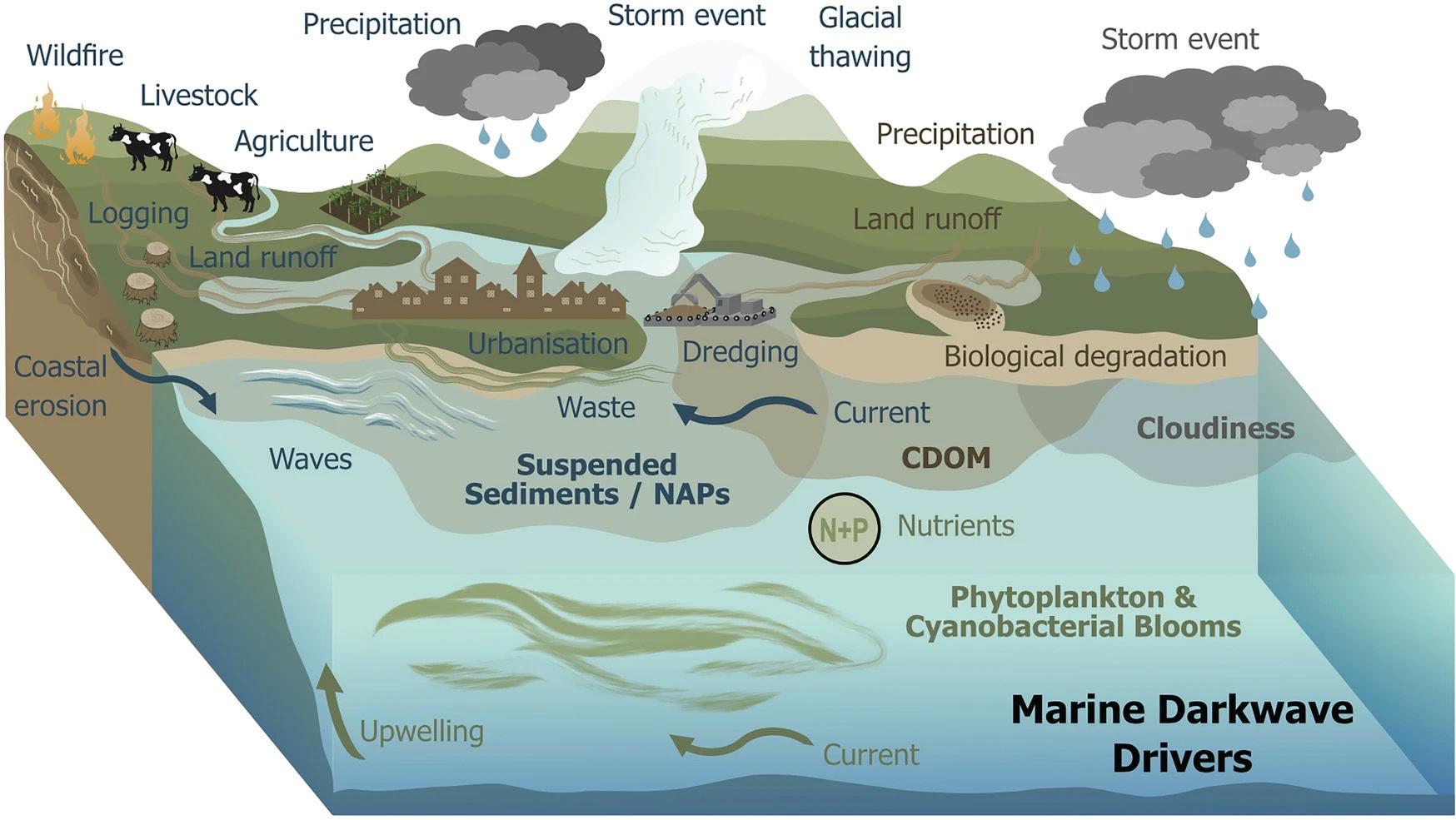
‘Primary drivers’ (in bold text) refers to the direct cause of light variability in the water column, affecting light attenuation and sea-surface light. ‘Secondary drivers’ (in normal text) refers to the underlying processes that lead to changes in the primary drivers, for example, precipitation (secondary driver) that increases land runoff of suspended sediment (primary driver).

DURABLE, RELIABLE PUMPING POWER
K+ Series
High-Efficiency Electric Submersible Pumps for Raising Wastewater
Expressly designed for pumping residential and industrial waste in drainage lifting stations and water treatment plants. Single and double channel hydraulics or with retracted open impeller. Ideal to convey liquids with high concentrations of solids. Impellers with anti-clogging device. Double mechanical seal for motor protection oil chamber and conductivity probe.
K+ energy WITH HIGH-EFFICIENCY IMPELLER
Endurance Series
Stainless Steel Borehole Electric Pumps 6 - 8 - 10 inch
The ENDURANCE series features DEFENDER®. A smart device designed tested and patented by Caprari to protect the electric pumps from electrochemical corrosion and galvanic currents. Passivating the stainless steel so as to create a further safety barrier.
MMP 6 ÷ 10 Series
Permanent Magnet Submersible Motors

The high performance at the top of the market ensures high energy savings. The design, the electrical project and the Caprari international patents are a guarantee of robustness and reliability over time. Available in different materials and configurations. PE2+PA windings are ideal for hot water or inverter applications.
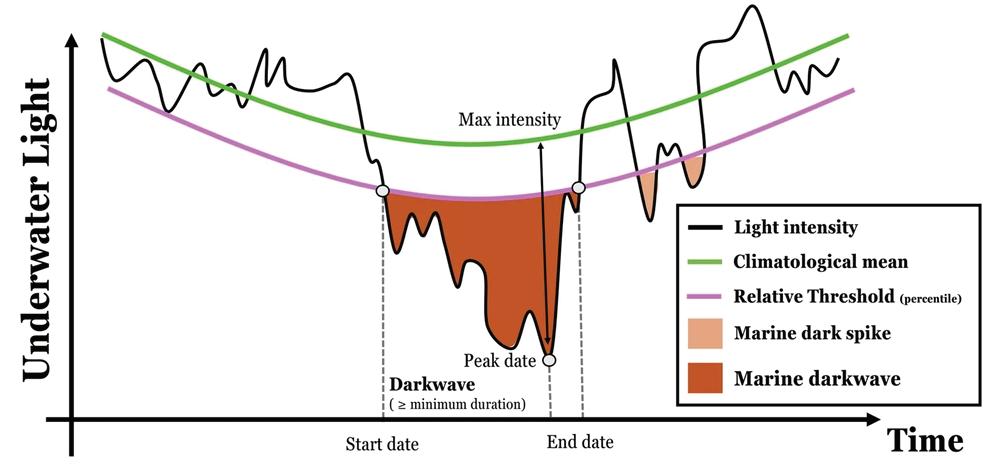
Conceptual definition of the marine darkwave framework applied to an underwater light time series at a specific depth and location.
The marine darkwave framework offers a standardised way to compare sudden light reduction events across depths, regions and years. It complements existing tools used to track marine heatwaves, ocean acidification and deoxygenation, and provides a more complete picture of how environmental change affects coastal ecosystems.
Article provided by the University of Waikato.
Industrial water testing
Lovibond instruments provide integrated solutions for all routine tests in water analysis The new MD50 single parameter photometer Your ultimate solution for precision testing and unmatched ease!
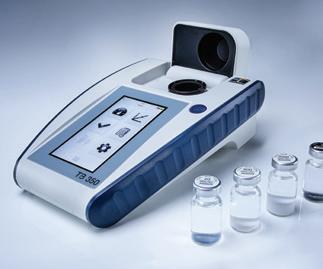
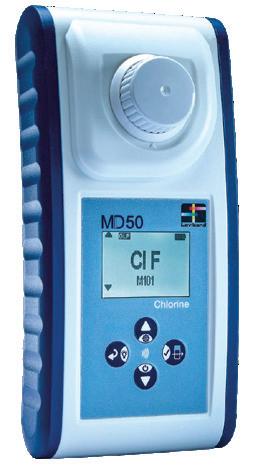











Smart Water Control Comes to Kiwi Homes: Grundfos Introduces Next-Generation CU 302 Controller
Grundfos has introduced its newest smart controller for residential groundwater systems, offering enhanced digital connectivity, real-time performance insights, and improved pump efficiency. The CU 302 controller, designed for 3” Grundfos SQE submersible pumps, supports homeowners and rural properties seeking reliable, energy-efficient water systems capable of maintaining steady water pressure.
Groundwater is essential across the country, supplying drinking water to around 40% of New Zealanders. With domestic metering and monitored water use becoming increasingly common, digitally connected pump systems are playing a growing role in helping households manage water more efficiently.
Consistent pressure and improved efficiency
The CU 302 automatically adjusts pump speed to maintain constant water pressure, reducing the fluctuations associated with traditional on/off systems. This intelligent control reduces energy consumption, minimises pump wear, and allows the system to run with a smaller pressure tank, simplifying installation and saving space.
Built-in Bluetooth and WiFi for modern monitoring
The controller’s integrated Bluetooth and WiFi capabilities elevate system visibility and remote accessibility. Users can connect via Grundfos GO or Grundfos Connect:
• Grundfos GO gives installers advanced commissioning tools, diagnostics, and system data.
• Grundfos Connect enables full remote monitoring and control - from anywhere - reducing service visits and enabling early fault detection (available with a paid subscription).
This level of connectivity aligns with New Zealand’s shift toward smarter, data-driven water management.
Easy upgrades for existing systems
For existing SQE installations, the CU 302 offers a straightforward upgrade path. With the same physical dimensions as its predecessor, installers can replace the controller quickly without altering the surrounding setup.
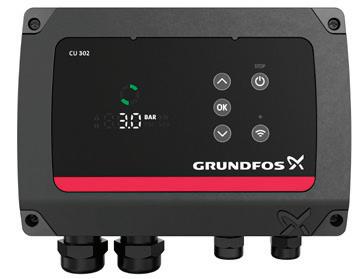
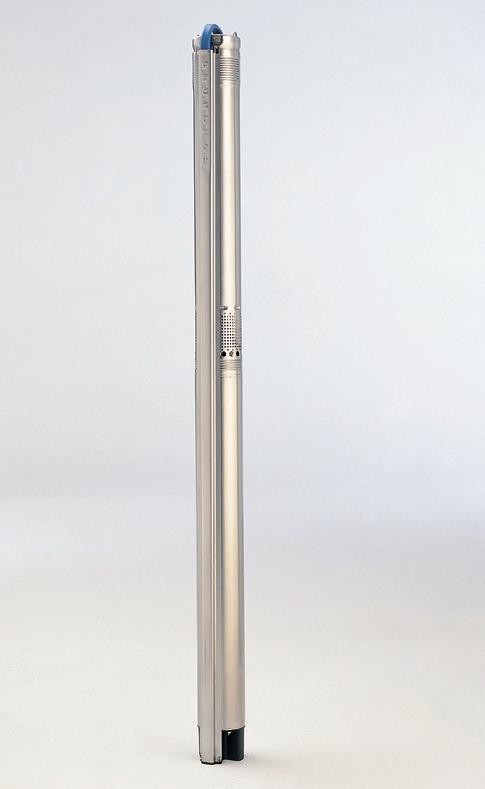
Local leadership on the value of smarter systems
Jase Keen, Country Director of Grundfos New Zealand, says the innovation reflects the company’s long-standing commitment to supporting resilient water systems across the country.
“New Zealand has unique water challenges, and ensuring people have access to reliable, efficient systems is something our team takes seriously,” he says. “We’ve built a strong legacy here by staying close to our customers and delivering solutions that genuinely make a difference. The CU 302 continues that commitment - giving homeowners, farmers and other consumers smarter control, better visibility, and the confidence that their water system is performing at its best.”
Advancing smarter, more sustainable water management
The CU 302 strengthens Grundfos’ broader mission to deliver intelligent, sustainable water solutions. By combining reliable pressure control with digital connectivity, the new controller helps extend pump life, reduce energy use, and give New Zealand homeowners greater oversight of their water systems.
CU 302 Controller and SQE submersible pump
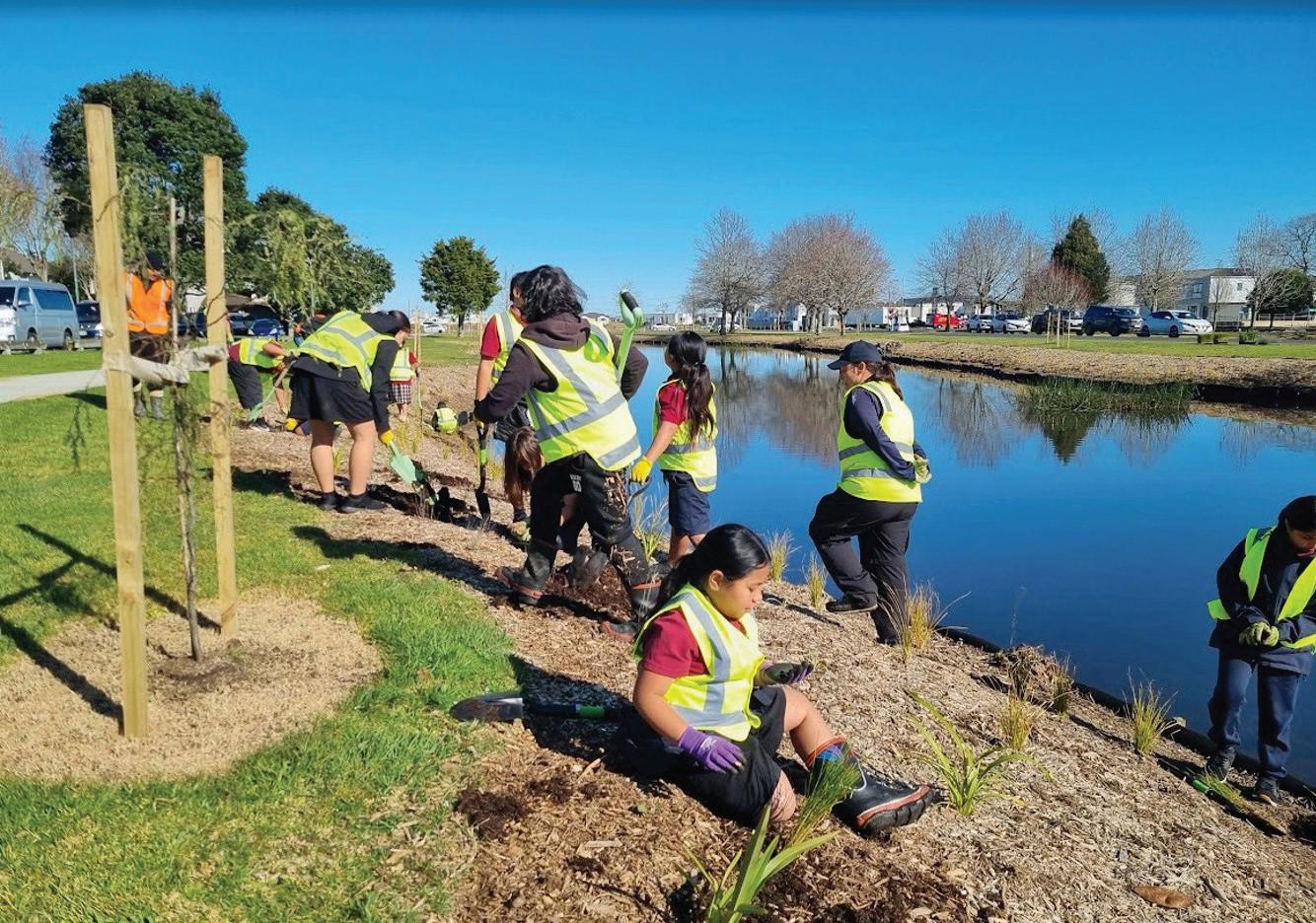
From murky to magical
Last year, Papakura Normal School students got their hands dirty in the name of clean water and thriving wildlife, planting the final 500 native plants to complete a major stormwater pond restoration project at Bruce Pulman Park.
The project, led by Auckland Council’s Healthy Waters and Flood Resilience team, has transformed six tired and untidy stormwater ponds into healthier, greener habitats, with more than 2500 new native plants established in just under a year.
Papakura Local Board chair, Brent Catchpole, says the board was proud to help get the project off the ground.
“These ponds had become a bit of an eyesore, and residents rightly wanted to see something done. We were happy to support funding to get the job sorted. It’s fantastic to see the ponds restored and to know our tamariki are directly involved in making their neighbourhood better.”
Stormwater ponds are crucial in capturing runoff from nearby streets and sports fields before the water flows into the Manukau Harbour. Over the years, the Bruce Pulman Park ponds had suffered erosion, patchy planting, and murky water. Despite this, birdlife persisted, even tuna (eel) were spotted in the ponds.
Healthy Waters senior specialist Donna Carter, who led the project, says it was a true team effort.
“We wanted to do more than just tidy things up; we wanted to create ponds that are resilient, beautiful, and ecologically healthy.
“Partnering with the school was a highlight for me; the kids were the fastest planters I’ve ever seen, and their energy brought the project to life. This is about water quality, but it’s also about pride of place.”
A key step in the restoration was iwi involvement from the outset. Representatives from Ngaati Te Ata Waiohua and Ngāti Tamaoho shaped the project design, including the removal of a man-made bridge that was restricting water flow. This change reflected iwi values of restoring natural systems and boosted flood resilience by improving water-holding capacity during storms.
To celebrate the final planting, contractors put on morning tea for the students, who are also working on a commemorative plaque with Mountains to Sea. The plaque will sit beside a kōwhai tree planted by the school, a lasting reminder of the young planters’ role in restoring the ponds for future generations.
What began as an untidy problem has ended as a source of community pride, with clean water, flourishing habitat, and a new connection for tamariki to their local environment.
Article provided by Auckland Council.
Papakura Normal School students on the job in Pulman Park.
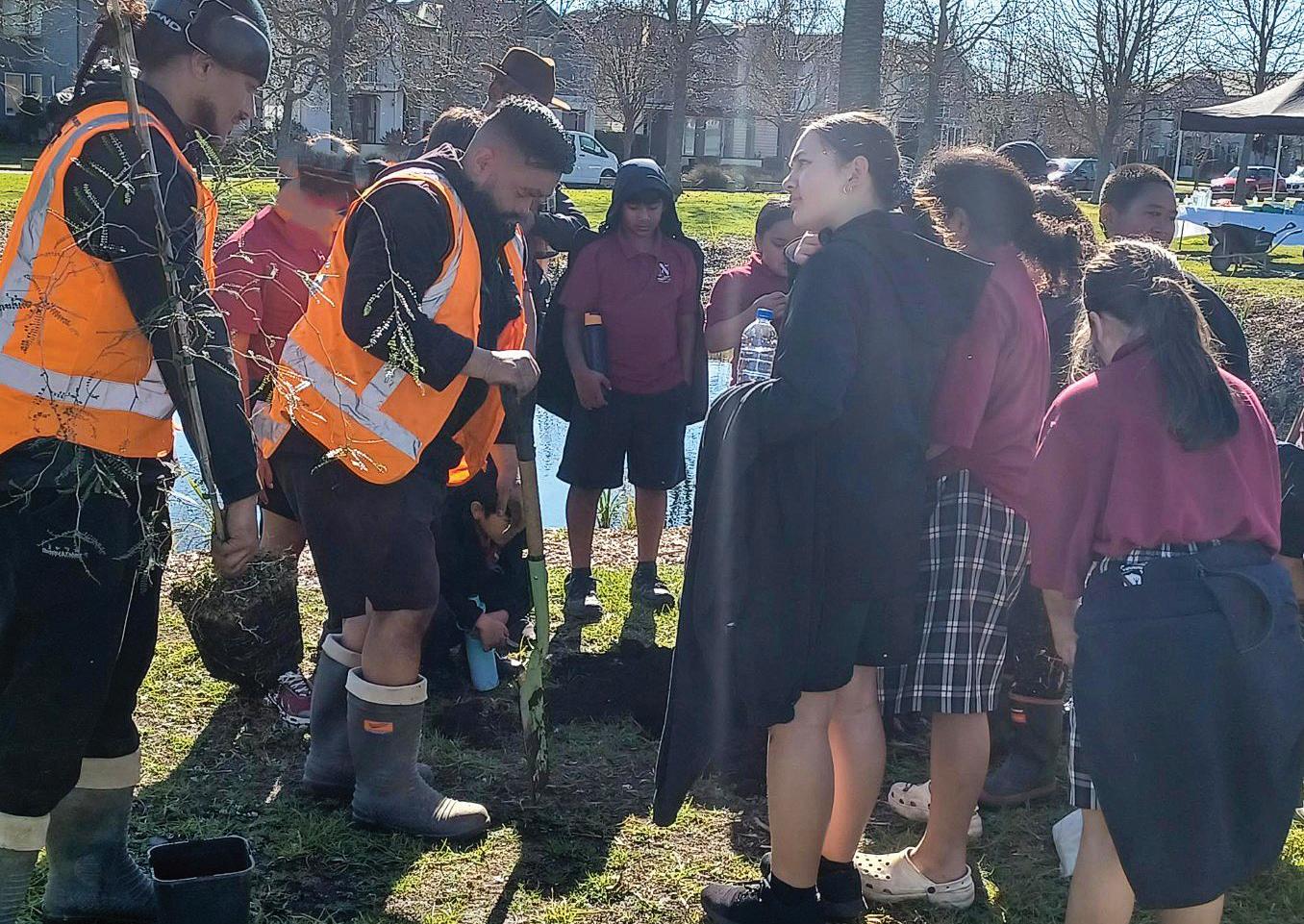



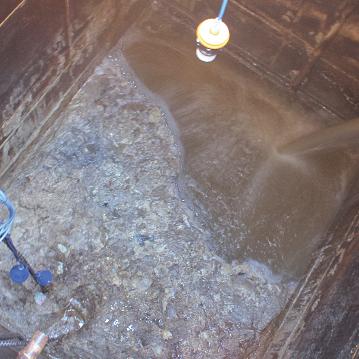
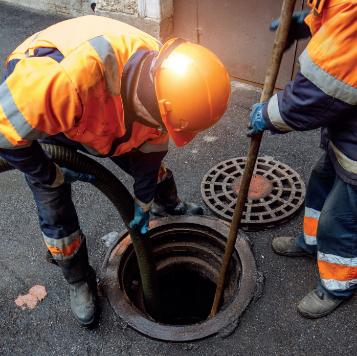
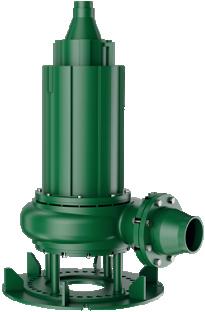
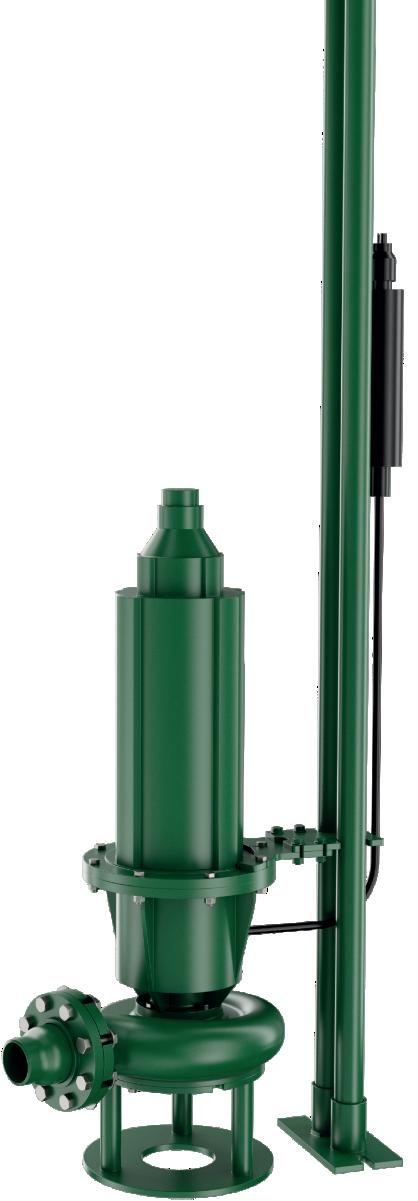
Papakura Primary School students preparing to plant a kowhai tree.
Gold Coast trials low-energy biosolids drying technology
The City of Gold Coast is trialling a novel biosolids drying technology that could dramatically cut costs, energy use and truck movements, marking one of the sector’s fastest shifts from research to real-world application.
At a time when wastewater operations are under growing pressure to rein in operating costs and reduce emissions, biosolids management remains a stubborn challenge. For the City of Gold Coast, it is one of the largest and most complex components of wastewater operations, and one that is increasingly hard to manage using traditional methods.
That challenge has prompted the City of Gold Coast to trial a new approach with start-up IPMF Technologies, deploying its 3D-AeroDry system at the Coombabah Sewage Treatment Plant (STP).
The year-long demonstration trial, now under way, is testing whether biosolids volumes can be reduced by up to 85 percent at ambient temperatures, without external heat.
“If successful, this technology could reduce operating costs by millions while improving wastewater logistics and our carbon footprint,” says Mayor Tom Tate.
Why traditional drying is no longer enough
Biosolids management costs are driven largely by moisture. High water content means more volume, more handling, and more transport – all costs that add up quickly.
According to project manager Shao Yap, the City’s existing drying approach has become increasingly difficult to rely on.
“Biosolids management is one of the City’s largest operational costs. Current drying methods are energy-intensive and expensive, largely due to the high moisture content,” he says.
At Coombabah STP – the city’s largest treatment plant – biosolids are currently dried using uncovered drying beds. While the approach is simple and low-energy, it comes with significant limitations.
“This method is highly weather-dependent, resulting in inconsistent drying performance, especially during wet, cool, or humid conditions. Additionally, drying beds require a large footprint, limiting land availability for future plant expansions and upgrades.”
There is also growing uncertainty around how to manage emerging contaminants such as PFAS and microplastics, adding another layer of complexity to biosolids handling and reuse.
Together, these pressures led the city to look beyond incremental improvements and consider a fundamentally different drying process.
How the technology works
Unlike conventional drying systems that rely on large open areas or energyintensive thermal processes, 3D-AeroDry takes a vertical approach.
The system suspends dewatered biosolids in thin vertical layers within specially designed structures, maximising the surface area exposed to ambient air. This accelerates evaporation without the need for external heat.
The modular design means the system can be scaled up or down as needed, while its compact footprint significantly reduces land requirements compared to traditional drying beds.
The project moved quickly from concept to deployment. After securing $400,000 through the Federal Government’s Entrepreneurs’ Programme –Accelerating Commercialisation Grant, the demonstration plant was completed in April 2025 and installed at Coombabah STP soon after. The speed of delivery makes it one of the fastest transitions from research and development to commercialisation seen in the utilities sector in recent years.
Early results from the Coombabah trial
Since operations began, the demonstration plant has delivered strong early performance.
“During the trial, we observed rapid and efficient drying, consistently achieving up to 90 percent solids within two to three days and reducing volume by approximately 85 percent.”
The implications are significant. An 85 percent reduction in biosolids volume could eliminate around 1600 truck movements each year, easing pressure on local roads and cutting associated emissions.
“This reduction would significantly cut biosolid transport requirements. It would ease pressure on logistics and local roads while lowering carbon emissions, supporting the city’s sustainability and climate targets.”
Energy use has also been closely monitored. To date, the system has required less than 100 kilowatt-hours per tonne of water evaporated, making it three to seven times less energy intensive than conventional thermal drying technologies.
The vertical design reduces the footprint by a factor of five, with potential reductions of 10 to 15 times compared to Coombabah’s existing drying beds. Operationally, the system also produces dried biosolids pellets that are odourless, stable, and easy to handle.
“Furthermore, no hazardous gases – such as methane or hydrogen sulphide – have been detected during operation, indicating a safe and controlled process environment.”
What it could mean for the sector
While the immediate focus is on the city’s own operations, the broader implications are hard to ignore.
Globally, more than 100 million tonnes of biosolids are produced each year, with management costs often accounting for around half of sewage treatment operational expenses.
“Successful implementation of this technology can help achieve significant savings on the biosolids management cost and drive a more sustainable future for wastewater treatment worldwide.”
As the trial continues, the city will be watching performance, reliability and scalability closely. If results continue to stack up, the technology could offer a practical pathway to lower costs, smaller footprints and lower emissions – not just on the Gold Coast, but across the wastewater sector.
This article first appeared in Water Source.
12 – 14 May | NZICC, Tāmaki Makaurau / Auckland
Last Days for Awards Nominations Closing 24 March
The annual Stormwater Conference Awards Ceremony is one of the highlights in the industry’s calendar.
Help us celebrate success
We’re looking for nominations for individuals and organisations who’ve made an outstanding contribution to the Stormwater sector. If you, or your colleagues, deserve acknowledgement and recognition by their peers for their achievements, make sure you enter our awards.
Award categories
• Stormwater Professional of the Year
• Young Stormwater Professional of the Year
• Stormwater Project of the Year
• Stormwater Paper of the Year
• Stormwater Poster of the Year
• Stormwater Innovation Presentation
• Stormwater Presentation of the Year Award
The awards will be announced at the Stantec Conference Dinner on Wednesday, 13 May 2026. www.stormwaterconference.org.nz/awards2026

Young designer’s clever solution nets award
Ideas for tackling ‘forever chemicals’ in central Auckland soil have blossomed into an award-winning design feat for University of Auckland graduand Marissa Porteous.
While completing a conjoint Bachelor of Design and Bachelor of Science majoring in Psychology this year, Marissa was handed a real-world problem – to come up with a design that would restore Te Ara Tukutuku, the Wynyard Quarter point once known as the Tank Farm, in central Auckland.
Massive silos off Hamer Street are reminders of petrochemical storage in the downtown waterfront area, where soil has become contaminated with PFAS – per- and polyfluoroalkyl substances.
A ‘forever chemical’ linked to firefighting foam, PFAS has harmful effects on human health, passes through the food chain, and is found in fish, dolphins and whales.
Auckland Council’s Auckland Urban Development organisation sought input from University students on how to restore the site, so it can be used as a new public space.
Marissa’s winning design features an underground irrigation system that would distribute organic liquid compost to improve soil health at Wynyard Point.
Enriching the soil would boost beneficial microbes that would speed up the breakdown of PFAS, which is called a ‘forever chemical’ because it’s so difficult
to remove from the environment.
“The irrigation system would naturally heal the site, rather than treating chemicals with more chemicals,” she says.
Her system is designed to catch rainwater from roofs and concrete, mix it with liquid compost created without oxygen, and store the nutrient-rich water in large underground tanks.
This mixture would slowly disperse through the irrigation system, enhancing soil health while reducing stormwater overflow and minimising the risk of PFAS leaching into the harbour.
“My main focus was to find a natural way to treat the chemical contamination in the soil, but I also wanted to improve climate resilience by decreasing stormwater during extreme rainfall events.
“My final design ended up addressing three things in one go – it would reduce PFAS, stormwater overflow and food waste.”
Marissa’s design includes growing crops on the Wynward Point site that could be used in a restorative cycle to help create liquid compost to enrich the soil.
“Food waste from nearby restaurants could be added to the compost, turning rubbish into a resource for restoring the land.”
Auckland Urban Development has
praised her clever design idea, but hasn’t yet decided to implement the system.
She hopes in the future it could be installed in parks, sports grounds or housing developments, particularly in flood-prone areas or places where the soil is depleted.
“There are lots of soil health issues in Auckland and around New Zealand. The soil often lacks the minerals needed to maintain its structure, so the compost chemigation system would be great to improve the soil in those places.”
Traditional chemigation involves chemicals being pumped through irrigation systems to fertilise soil or spread herbicides. Marissa’s system could offer an alternative way to enrich soil on farms.
With her degree under her belt, she has launched into a full-time role designing concept homes, something she has been passionate about since childhood, when she would sketch imaginary dream houses.
She was scheduled to give a presentation on her award-winning system at Auckland Design Week in early March.
This article was provided by the University of Auckland.
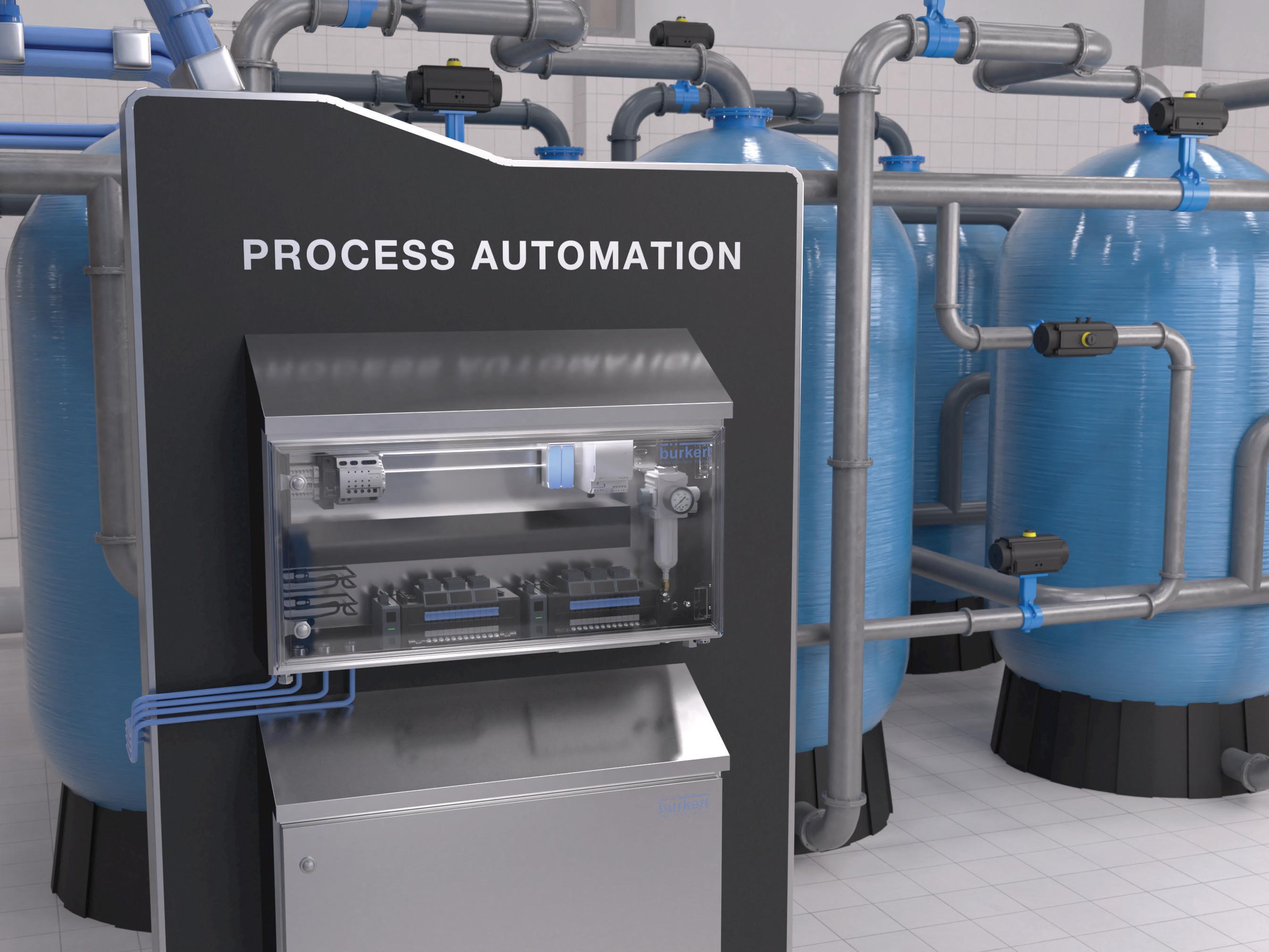
Leading solutions for water
Burkert shapes the future of water management
Burkert’s advanced control cabinet solutions are redefining automation in the New Zealand water sector. Our modular systems bring together valve control, process monitoring, and seamless integration, delivering performance, in tough conditions.
Reliability you can count on burkert.co.nz
We make ideas flow.

Nowhere to hide: “Forever chemicals” unavoidable for dolphins and whales
New research reveals the significant risk Aotearoa New Zealand’s toothed whales and dolphins (odontocetes) face from human-made per- and polyfluoroalkyl substances (PFAS). These are also known as “forever chemicals” because they do not break down naturally in the environment.
Led by Massey University, the study analysed tissues from 127 toothed whales and dolphins across four families found in Aotearoa New Zealand. The aim was to understand how an animal’s habitat affects the build-up of PFAS in its body.
Researchers measured PFAS concentrations in 16 species ranging from inshore coastal dolphins, like bottlenose dolphins, to offshore deep-diving species such as sperm whales. For eight of those species, including Hector’s dolphin and three species of beaked whales, this was the first time PFAS levels had been assessed anywhere in the world.
In each species and family, the team looked at how levels of these ‘forever chemicals’ varied according to species, sex, age and the ocean habitats where the animals mainly feed.
PFAS are human-made chemicals – over 14,000 compounds – found in everyday products like non-stick cookware, food packaging, clothing, cleaning supplies, and personal care items. Some of these chemicals can attach to proteins in animals and build up through the food chain, which can affect the immune system, hormones and reproduction. This means PFAS pose risks not only to individual animals but also to entire populations.
PFAS enter the ocean through a range of sources, including urban and farm runoff, industrial and manufacturing discharges, wastewater treatment plants, and even from the air. Because these chemicals do not break down naturally, the oceans are their final destination, making their build-up in marine food chains a critical concern.
This research is a trans-Tasman collaboration involving Massey University, the University of Wollongong, University of Technology Sydney, the Bioeconomy Science Institute, and the University of Auckland. It is the first of its kind to measure PFAS burden across a wide range of marine species, at a
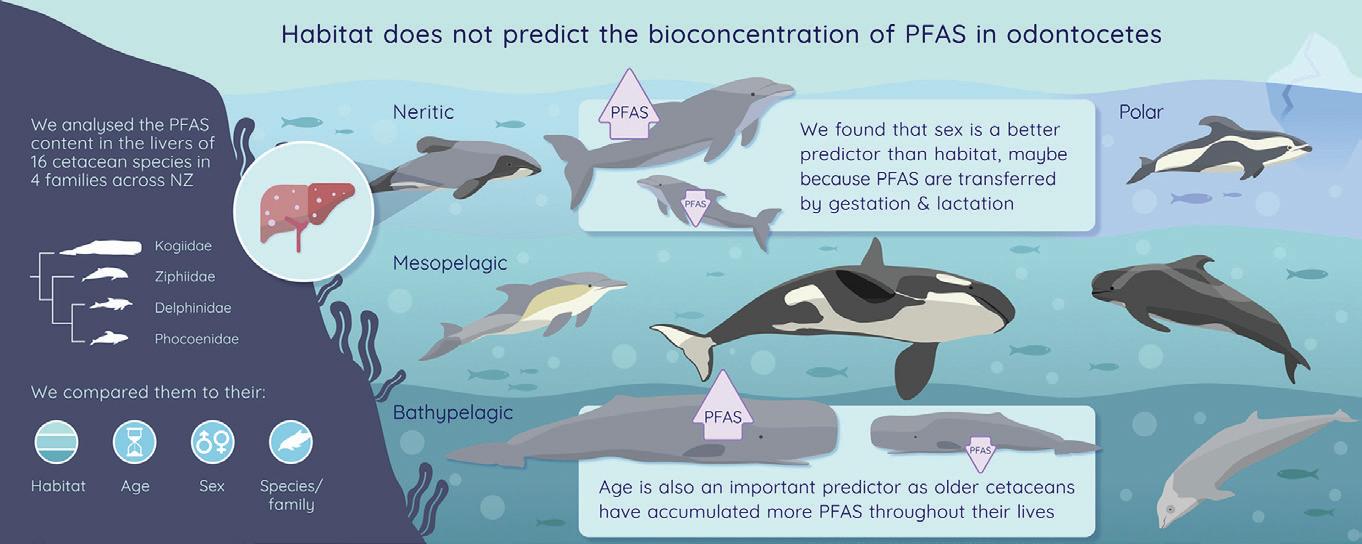
single point in time, and across different ocean habitats.
Study lead and Massey University Professor Karen Stockin says that until now, it was unclear how PFAS levels reflected the habitats of species.
“Scientists historically assumed that deepwater species, like sperm whales, would be less affected by PFAS than shallow coastal species, such as Hector’s dolphins. But the reality is not so simple.”
The study found that habitat is actually a poor predictor of PFAS levels in marine mammal tissues: there is no ocean environment free from these ‘forever chemicals’.
For example, species feeding midwater, like false killer whales and common dolphins, were just as exposed to PFAS as coastal Māui dolphins or deep-diving species like beaked whales.
Louis Tremblay, an ecotoxicologist on the research team from the Bioeconomy Science Institute, says the working hypothesis was that PFAS entered animals mainly through the food chain, but the results have shown multiple sources, including chemicals in the water itself.
“This confirms that PFAS are everywhere in the marine environment, and we still don’t fully understand their impact, especially on predator species like whales and dolphins.”
Karen adds that the models indicate
habitat plays only a minor role in PFAS accumulation in these animals.
“Instead, sex and body length – which reflects age – were stronger predictors. This suggests PFAS can be passed from mothers to calves, and older animals accumulate more over their lifetime.”
Research leader of the Biogeography, Ecology and Modelling Lab at the University of Technology Sydney and research scientist at the Australian Museum Dr Frédérik Saltré adds: “This suggests that even offshore and deep-diving species, which might seem isolated from humans, are exposed to similar levels of PFAS. This shows how widespread pollution is, and how it adds to climate-related stressors, threatening marine biodiversity.”
Environmental and chemical biotechnologist in the Department of Chemical and Materials Engineering at the University of Auckland, Dr Shan Yi, says the study provides evidence of PFAS across many whale and dolphin species, but the health effects remain largely unknown.
“Developing models to link exposure to specific health outcomes will be critical for assessing risks to both individual animals and populations.”
Read the paper: No place to hide: Marine habitat does not determine perand polyfluoroalkyl substances (PFAS) in odontocetes, sciencedirect.com/science/article/ pii/S0048969725023411#f0020
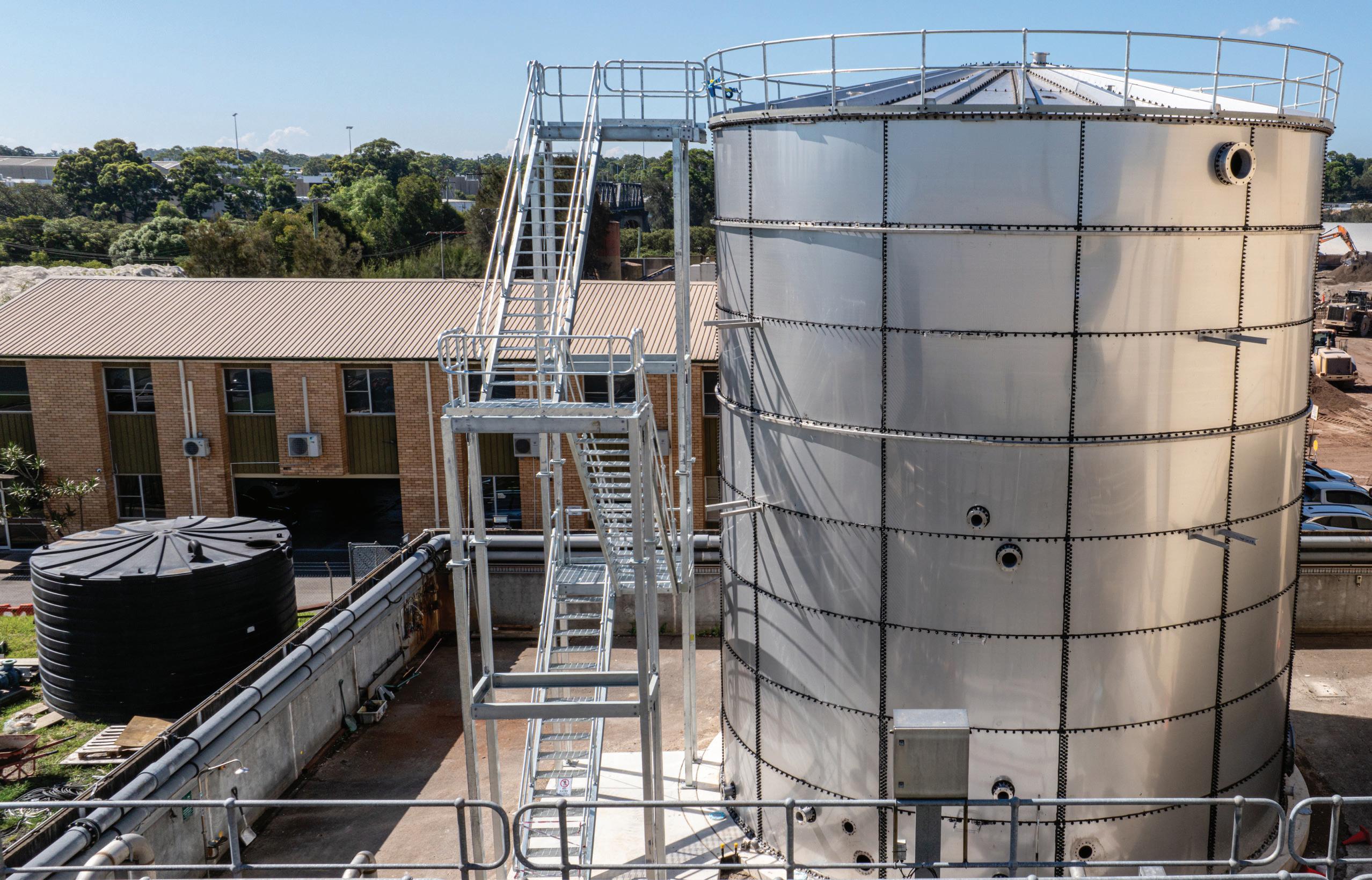

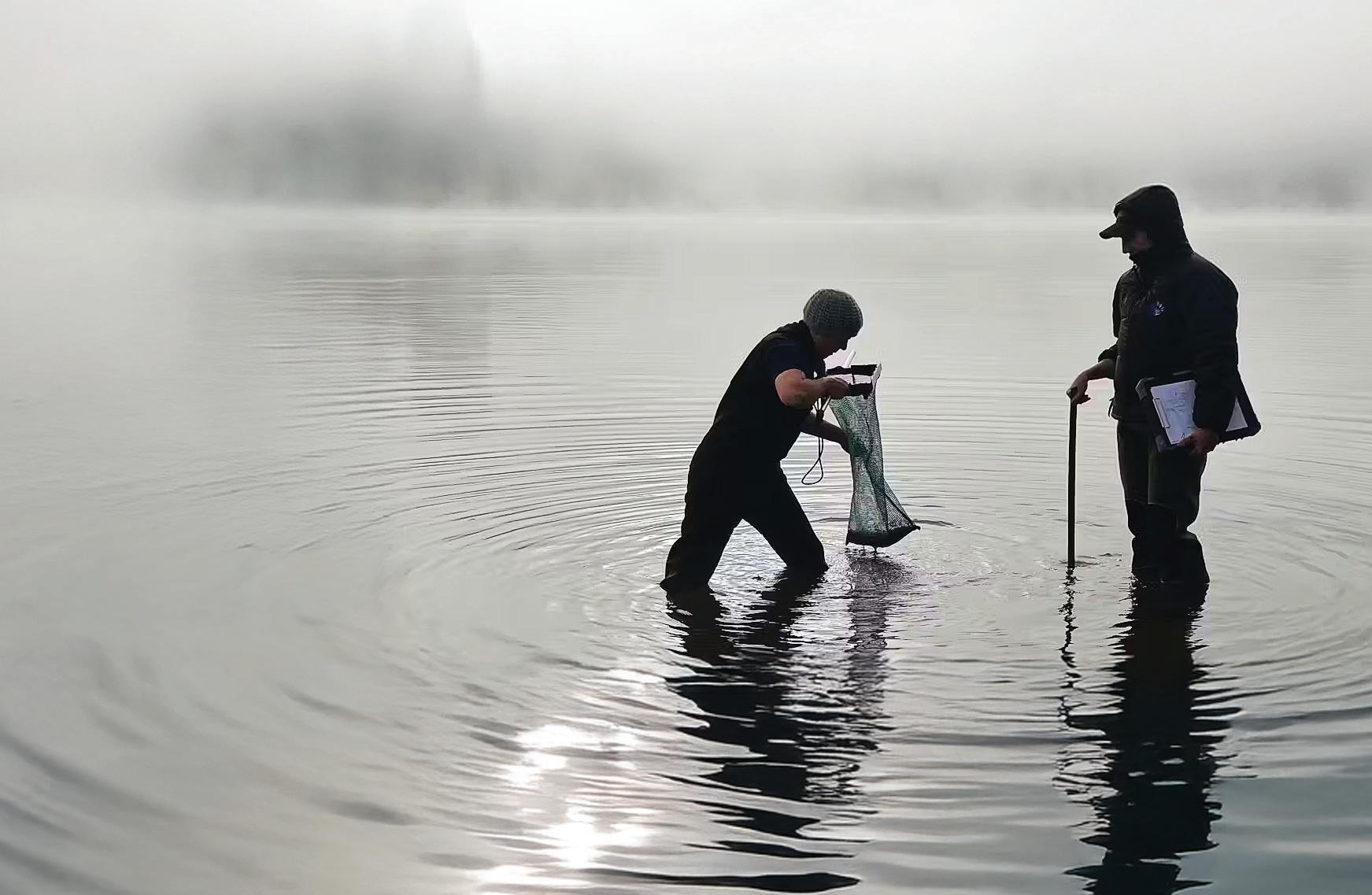
Gold clam invasion threatens drinking water
By Adam Hartland, adjunct associate professor, Lincoln University
As a geochemist studying New Zealand’s freshwater systems, I’ve spent years tracking the subtle chemical shifts in our rivers and lakes. But nothing prepared me for the rapid transformation unfolding in the Waikato River since the invasion of the Asian clam (Corbicula fluminea, also known as the freshwater gold clam).
First detected in May 2023 in Lake Karāpiro, a reservoir lake on the Waikato, this bivalve is now altering the river’s chemistry in ways that could jeopardise drinking water for up to two million people, disrupt hydroelectric power, and undermine decades of ecosystem restoration efforts.
Our team’s work reveals how these clams are depleting essential minerals like calcium from the water, impairing arsenic removal during treatment and signalling a rapid escalation with broader impacts ahead.
Native to eastern Asia, the gold clam can self-fertilise and spreads via contaminated gear, birds or floods. Climate change will likely accelerate its invasion.
The problem is already spreading quickly beyond the Waikato River. A recent detection in a Taranaki lake has led to waterway closures. And warnings for the Whanganui River underscore the urgent need for national vigilance.
A silent invasion with big consequences
The Waikato River stretches 425 kilometres from Lake Taupō to the Tasman Sea, powering nine hydroelectric dams and supplying drinking water to Auckland, Hamilton, and beyond.
It’s a taonga (cultural treasure) central to Māori identity and the subject of a landmark restoration strategy, Te Ture Whaimana o Te Awa o Waikato, that aims to revive the river’s mauri (life force).
In late 2024, arsenic levels in treated Waikato water briefly exceeded safe limits of 0.01 milligrams per litre (mg/L), triggering alarms at treatment plants. Investigations ruled out typical culprits
such as geothermal spikes. Instead, our analysis points to the clams. By filtering water and building calcium carbonate shells, the clams are drawing down dissolved calcium by 25 percent below historical norms. But calcium is crucial for water treatment processes because it helps bind and remove contaminants such as arsenic.
Our modelling estimates the clams are forming up to 30 tonnes of calcium carbonate daily in Lake Karāpiro alone. This suggests lake-wide densities averaging around 300 individuals per square metre. Surveys from 2025 show hotspots with up to 1134 clams per square metre.
The result? Impaired arsenic removal. Without stable calcium, flocs (clumps of particles) don’t form properly, letting arsenic slip through.
While the exceedances were short-lived and contained through quick adjustments, they exposed vulnerabilities in a system optimised for historically consistent river chemistry.
How the clams are changing the river
The gold clam isn’t just a filter-feeder; it’s an ecosystem engineer. Each clam can process up to a litre of water per hour, sequestering calcium for shells while releasing ammonia and bicarbonate.
Our data from 2024-2025, collected at multiple sites, show these shifts are most pronounced in deeper waters. Statistical tests confirm patterns absent in pre-invasion records.
Longer residence times in the reservoir lake (up to seven days) exacerbate the issue. Faster flushing correlates with higher growth rates, as clams ramp up activity. But prolonged retention in warmer months can lead to hypoxia (low oxygen), with the potential to trigger mass die-offs that release toxins or mobilise sedimentbound arsenic.
These changes threaten more than water treatment. Clams could biofoul dam intakes and reduce hydroelectric efficiency
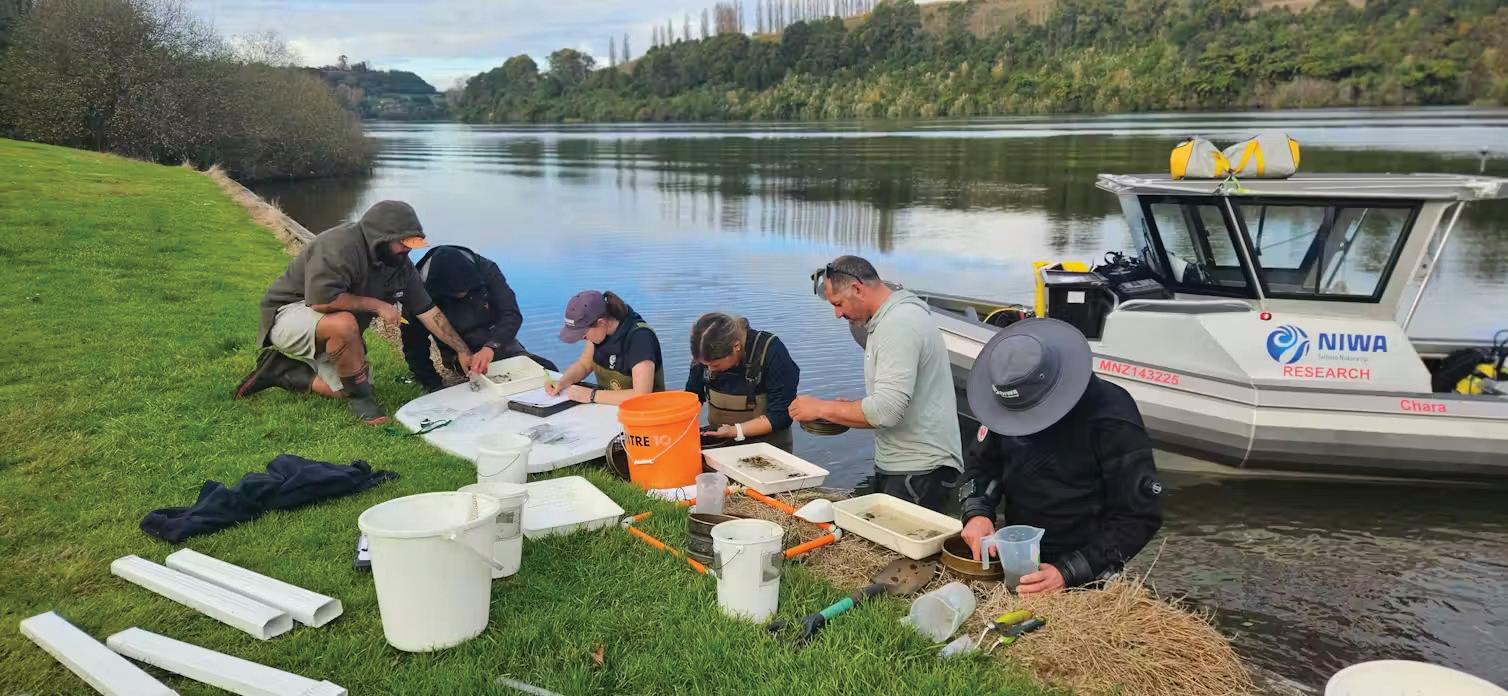
in a river that generates 13 percent of the country’s power (25 percent at peak). Native species like kākahi (freshwater mussels) face competition and shifts in nutrient cycling could fuel algal blooms, clashing with restoration goals.
Climate risks and stressors in a warming world
Amid these ongoing changes, climate projections indicate that hot, dry events – such as prolonged heatwaves or droughts – are likely to become more frequent. Such conditions could reduce river flows and elevate water temperatures, lowering dissolved oxygen levels and creating low-oxygen zones.
If clam densities continue to rise exponentially, a mass die-off might occur. This would release pulses of ammonia and organic matter that further deplete dissolved oxygen. This, in turn, could promote arsenic mobilisation from sediments and harmful algal blooms in nutrient-enriched, stagnant waters.
This could necessitate supply restrictions for affected communities. Ecologically, it might kill fish and disrupt native biodiversity. Economically, it could interrupt industries reliant on the river.
From the Waikato to a nationwide threat
The invasion isn’t contained. The clam, which can produce up to 70,000 juveniles annually, thrives in warm, nutrient-rich waters. It is notoriously hard to eradicate once established.
In mid-November, the Taranaki Regional Council confirmed the gold clam in Lake Rotomanu. Just days later, warnings were issued to boaties on the Whanganui River, urging rigorous ‘check, clean, dry’ protocols.
Without intervention, the clams could reach other systems, including the Clutha or Waitaki, and compound pressures on the country’s already stressed freshwaters.
Our research highlights the need for integrated action. Monitoring should expand, incorporating environmental DNA for early detection and calcium isotope tracing to pinpoint clam impacts. Water providers could trial calcium dosing during peak growth periods.
But solutions must honour Te Tiriti o Waitangi principles. Collaboration with iwi and blending mātauranga Māori (indigenous knowledge) with science, such as using tikanga indicators for water health, is essential. Biosecurity measures including gear decontamination campaigns are critical to slow spread.
This invasion intersects with our evolving water policy framework, particularly the Local Water Done Well regime, which replaced the repealed Three Waters reforms in late 2023. Councils are now implementing delivery plans and focusing on financial sustainability and infrastructure upgrades.
Watercare’s efforts to deal with gold clams
Gold clams pose a serious risk to water treatment in the Waikato River, writes Stephanie Marshall, a senior water quality specialist at Watercare. They can block pipes and pumps, damage membrane filters, and change water chemistry, making treatment more complex and potentially affect water supply.
To reduce the risk of this happening at our two Waikato treatment plants (175MLD and 50MLD capacity facilities), we are taking proactive steps: using hydro cyclones to remove grit and clams before treatment, flushing pipes at high flow to mitigate the risk of clams settling, increasing inspections with divers and remotely operated vehicles, and performing more jar tests to ensure coagulate dosing is optimised to mitigate potential risks posed by changes in water chemistry caused by the clams.
We also monitor clam numbers by counting those collected in sandpiles during routine operations. These counts help us track their numbers and give us the ability to plan for any changes which may be required on the plant.
We are working closely with Biosecurity New Zealand, Ministry of Primary Industries, Earth Sciences New Zealand, regional councils, and other river users to share updates and coordinate actions.
By collaborating with these agencies, we can respond quickly and effectively to protect water quality and keep drinking water safe for our communities. Comment provided by Watercare.
Main image: Field teams survey the rapidly expanding population of freshwater gold clams in the Waikato River. Above: Field teams are counting invasive gold clams on the banks of the Waikato River. Photo
Photo courtesy of: Michele Melchior.
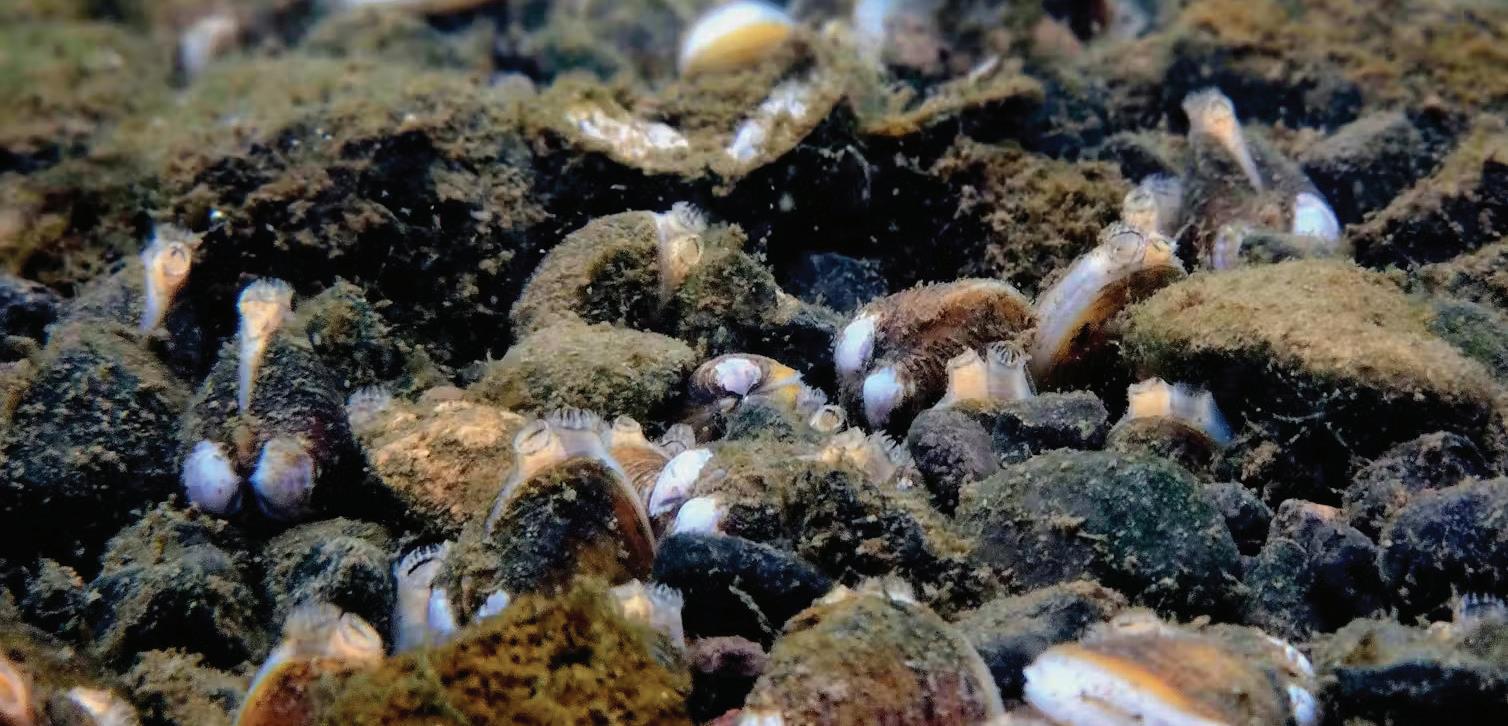
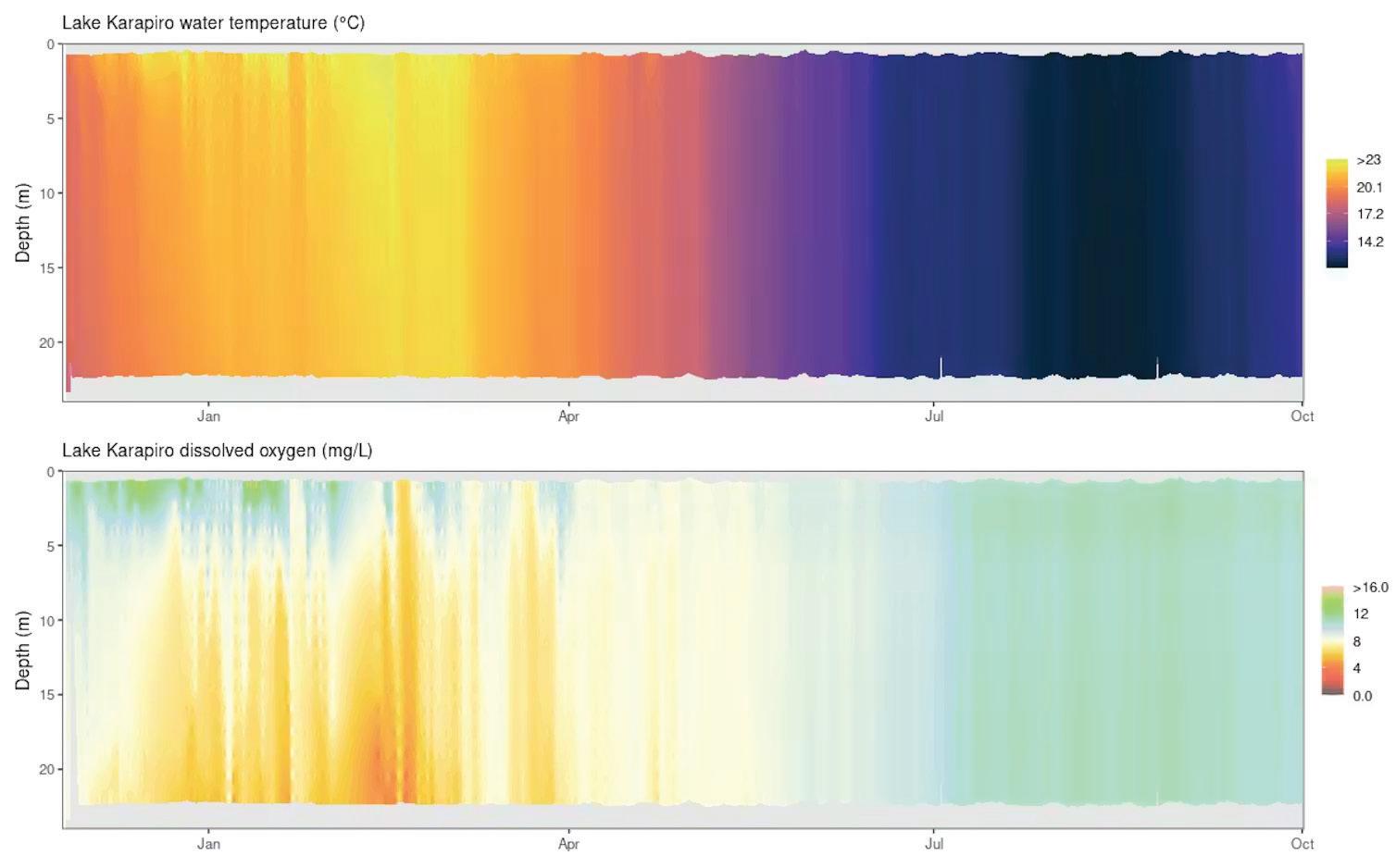
The Water Services Authority – Taumata Arowai, continues as the national regulator, enforcing standards amid an estimated NZ$185-260 billion infrastructure deficit.
Recent government announcements propose further streamlining, including replacing regional councils with panels of mayors or territories boards, while encouraging amalgamations to simplify planning and infrastructure delivery. These changes aim to make local government more costeffective and responsive to issues such as housing growth and infrastructure funding.
But a hot or dry event could test the effectiveness of water policy, potentially straining inter-council coordination for shared resources such as the Waikato River and highlighting gaps in emergency response.
Globally, the gold clam has cost billions in damages. New Zealand can’t afford to wait. By acting now, we can protect Te Awa o Waikato and safeguard water security for generations.
This article first appeared in The Conversation. theconversation. com/gold-clam-invasion-in-nz-threatens-drinking-water-formillions-of-people-270444.
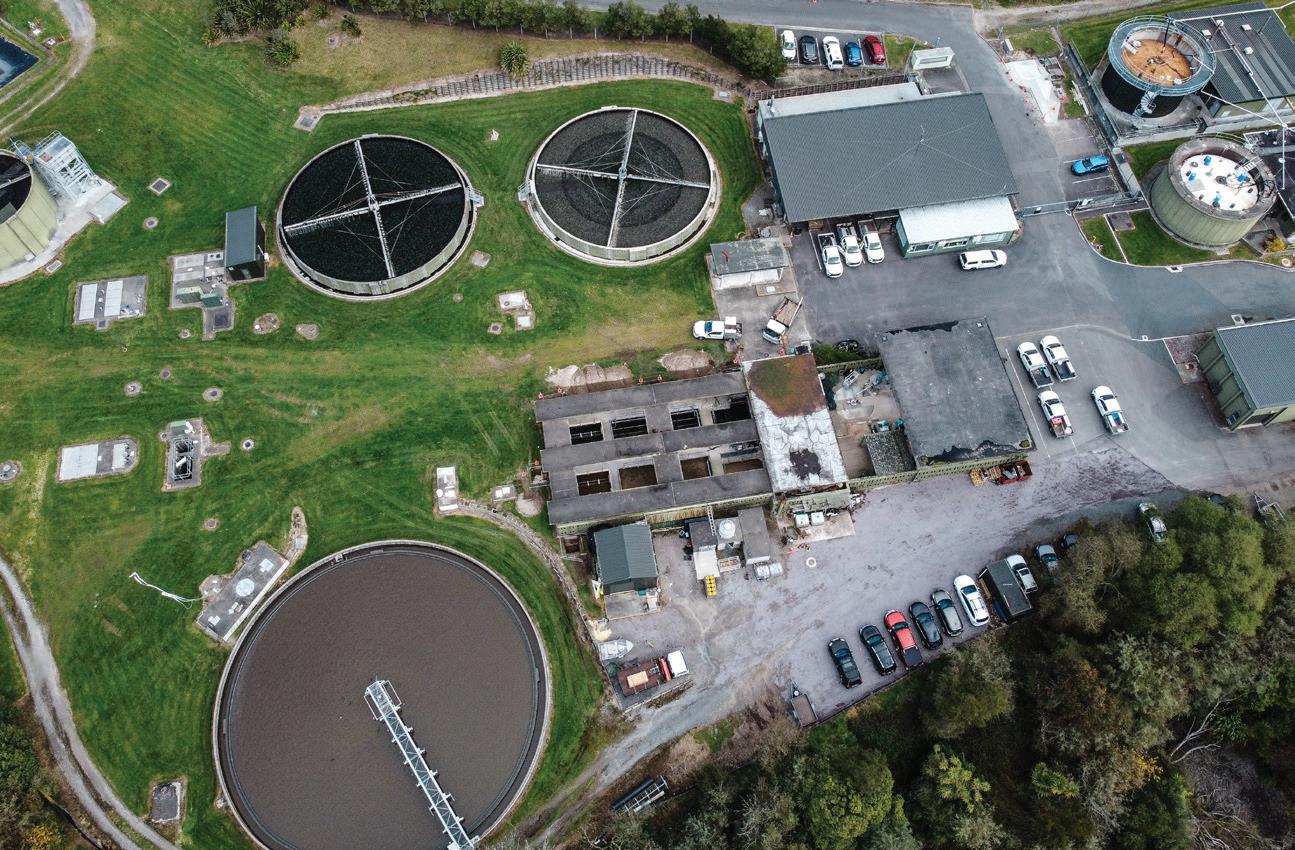
Top: Gold clams now dominate the river bed in many areas, with densities exceeding 1000 individuals per square metre.
Above: Lake Karāpiro water column temperature and dissolved oxygen levels (from November 2024 to October 2025) show oxygen depletion in deep water during warmer summer conditions, likely exacerbated by the gold clam. Author provided.
Photo courtesy of: Michele Melchior.
Innovating Regional Water
At a Glance Taupo District Council
INDUSTRY
Water/Wastewater
THE CHALLENGE
Ageing, mixed pump station infrastructure causing higher maintenance costs, slower repairs, and difficulty meeting peak seasonal demand.
THE SOLUTION
Standardise pump controller upgrade. Deployment of 60 standardised, smart two-pump controllers with remote monitoring, rapid install capability, and environmental resilience.
WORLD-CLASS TECHNOLOGY
Siemens G120C Variable Speed Drives, Touch-screen HMI, PLC with RTU for full system visibility and control
Weidmuller Power supply, DC UPS system, Terminals, Relays
Katko Changeover and isolator switches
Rittal 2 x IP-rated, powder-coated mild steel internal cabinets with corrosion resistance for H2S environments
Ventech IP-rated, powder-coated aluminium custom external cabinet
TechLab Precision manufacturing, enclosure modifications, and engraved labelling
THE ADVANTAGES
• Project costs reduced by 60% compared to a conventional approach.
• Preventative maintenance cost efficiencies.
• Reduced spare parts inventory and maintenance complexity.
• Faster fault resolution with remote diagnostics.
• Future-ready scalability and adaptability for other New Zealand regions.
• Environmental safeguards against H2S gas corrosion.
• Commissioning via SD card for rapid, non-specialist installation.
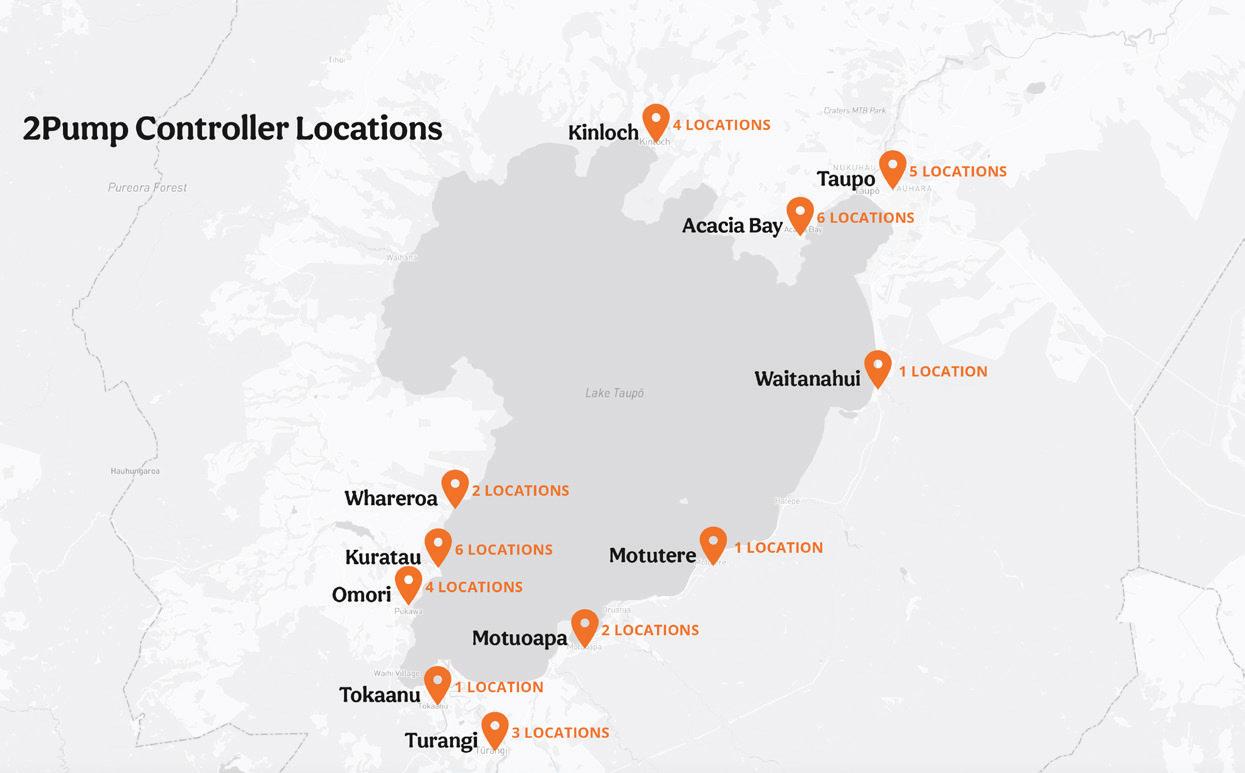
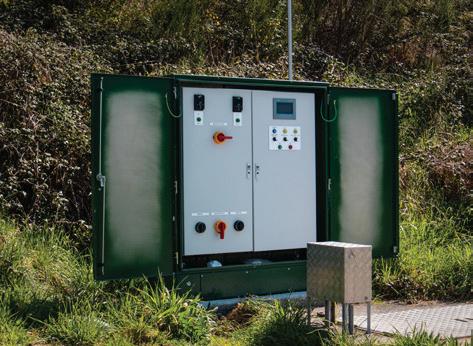
SUMMARY
• Taupo District Council faced the challenge of outdated, inconsistent pump stations unable to meet the demands of a seasonal population surge.
• Smart two-pump controllers were deployed across 68 sites, reducing project costs by 60% and enabling remote monitoring, rapid installation and improved environmental resilience. 19 additional units are scheduled for deployment.
• By combining careful site analysis with precision manufacturing and SD card commissioning, the council achieved faster deployment, lower maintenance costs and future-ready scalability.
• The standardised design across all sites simplifies maintenance, reducing costs and time to repair while ensuring familiarity for electricians and operations team.
• The project has strengthened Taupo’s wastewater infrastructure and set a benchmark for modern, efficient water management across New Zealand.
FEATURED IN THIS PROJECT:
Chris Hector, ELECTRICAL CONSULTANT, TAUPO DISTRICT COUNCIL
“Forward-thinking, technology-driven decisions result in more reliable infrastructure that remains costeffective for its operational lifetime. The standardised manufacturing approach has shown to be adaptable for different geographies, populations and environmental considerations.” READ THE FULL STORY

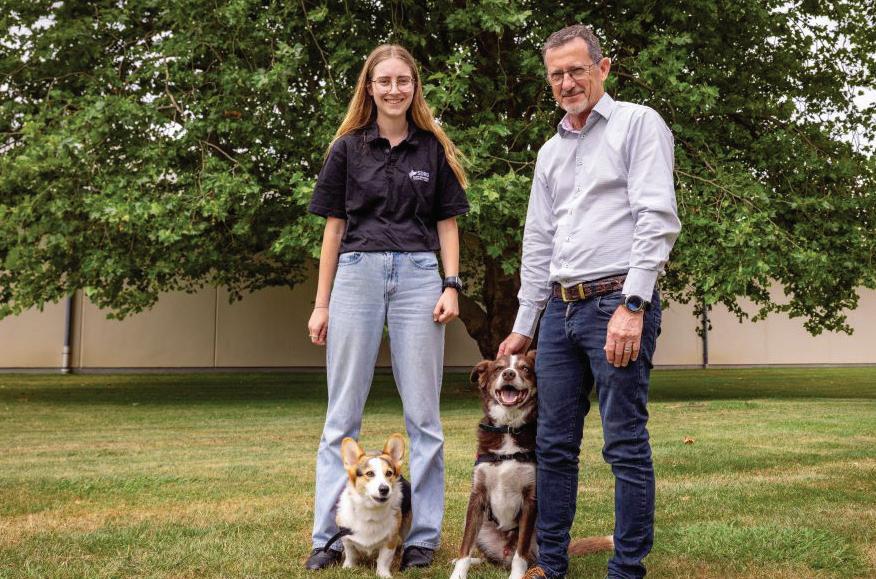
Meet the University of Waikato dogs joining the battle against gold clams
University of Waikato scent dogs Cino and Lilli are learning to sniff out gold clams, with the aim of supporting measures to control the spread of this invasive shellfish species.
The introduced pest shellfish were first detected at Bob’s Landing, Lake Karapiro, in May 2023, and have since been found in Lake Rotomanu in Taranaki. They pose a serious risk to the local ecosystem by outcompeting native species for food and habitat, leading to disruptions in ecological balance and declines in native populations.
That’s where Cino, a 10-year-old Border Collie Heading dog cross, and Lilli, a 1.5-year-old Pembroke Corgi, come in, working alongside their owner and handler University of Waikato research assistant Lucy Tannahill.
“They started their journey at University searching for whitebait nests, so that’s their main role, but due to those being out of season over summer we’ve moved to hopefully helping in the detection of the gold clams.
“They’ll be trained to search boats, trailers, vehicles: anything that’s been in contact with infected water before it enters uninfected lakes.”
“Trained dogs can be another measure of security, making sure that nothing’s entering uninfected waterways.”
Lucy explains that the dogs are trained by pairing the odour of the clam with something that they really like, for example, toys or treats.
“You start with a jar with clams in it and whenever the dog goes and investigates, they get rewarded. They then start to pair the odour with their reward and are then taught to indicate the odour by lying down before being rewarded.”
Their training progresses through to being able to smell the clam scent on vehicles or other equipment and indicating that for a reward.
“It’s more effective than humans searching the vehicle because the juvenile clams are pretty hard to see with the naked human eye.”
Lucy also notes studies have shown that people are pretty welcoming to having dogs search their boats at boat ramps.
“I guess it feels less pressured than if the staff or people come out, and they start going through all your stuff.”
The dogs also enjoy having a job.
“They get so excited when they get there. They’ve got their working vests, I put them on, and they know that they’re working. It’s their favourite thing.”
University of Waikato research assistant Lucy Tannahill with Lilli, Cino, and Dr Nick Ling.
Lucy first started doing Scent Sports for fun with Cino, which is where dogs are judged while hunting for essential oils.
“It’s growing in popularity here, and having a background in Scent Sports has been pretty beneficial coming into this job. The dogs already understood how to hunt for things, so it was just introducing initially the whitebait odour and now the golden clam odour.”
Lucy is enjoying being part of something new – with this being the first time that dogs have been used to detect the unwanted clams. While dogs have been trained to detect invasive quagga and zebra mussels in the USA, as far as the team knows this is the first time that dogs have been deployed to detect golden clam, which is also invasive in Australia, America and Europe.
“I think it’s really interesting to be part of a project at this stage when we’re trying to prevent it becoming a bigger issue in our country. It’s nice to be part of something and also trying to make a difference in that.”
Associate professor of biodiversity and ecology, Nick Ling, says the project is an excellent opportunity to contribute to the clam response.
“This work builds on our previous research into invasive species such as bullhead catfish and koi carp, particularly through our scent-detection programme.”
Nick says working with Earth Sciences New Zealand is key as the organisation already has an active clam project and holds the necessary biosecurity clearances to work with both live and dead clams.
“Early detection is absolutely critical to any eradication effort. If we’re serious about controlling clams at a national level, we need reliable ways to detect them as early as possible.
“Scent detection dogs are one promising option, as they are incredibly sensitive and highly effective at locating these kinds of targets.”
Nick says Aotearoa New Zealand has some of the strictest biosecurity regulations in the world, particularly at its borders, but occasionally pests still slip through.
“Sometimes this happens unintentionally, for example, through ship fouling or items carried in luggage without people realising. In other cases, the introduction is deliberate.”
The project not only provides valuable opportunities for students and researchers, but also actively involves the wider community.
“While the two dogs Lucy is using on the clam project are her own, another project she’s just starting which focuses on invasive red-eared slider turtles has recruited three dogs from the community. In fact, most of the dogs involved in our scentdetection research group are community-recruited.”
Members of the public volunteer their dogs, dropping them off during the day and picking them up again in the evening.
Nick says that while it’s rewarding for owners to know their dogs are contributing to meaningful research, the projects also help shift perceptions about animal-based research.
“Research involving animals doesn’t have to be invasive or harmful. It’s not all about cruel procedures or testing cosmetics and new drugs. This work is genuinely beneficial not just for the science, but for the animals involved as well.”
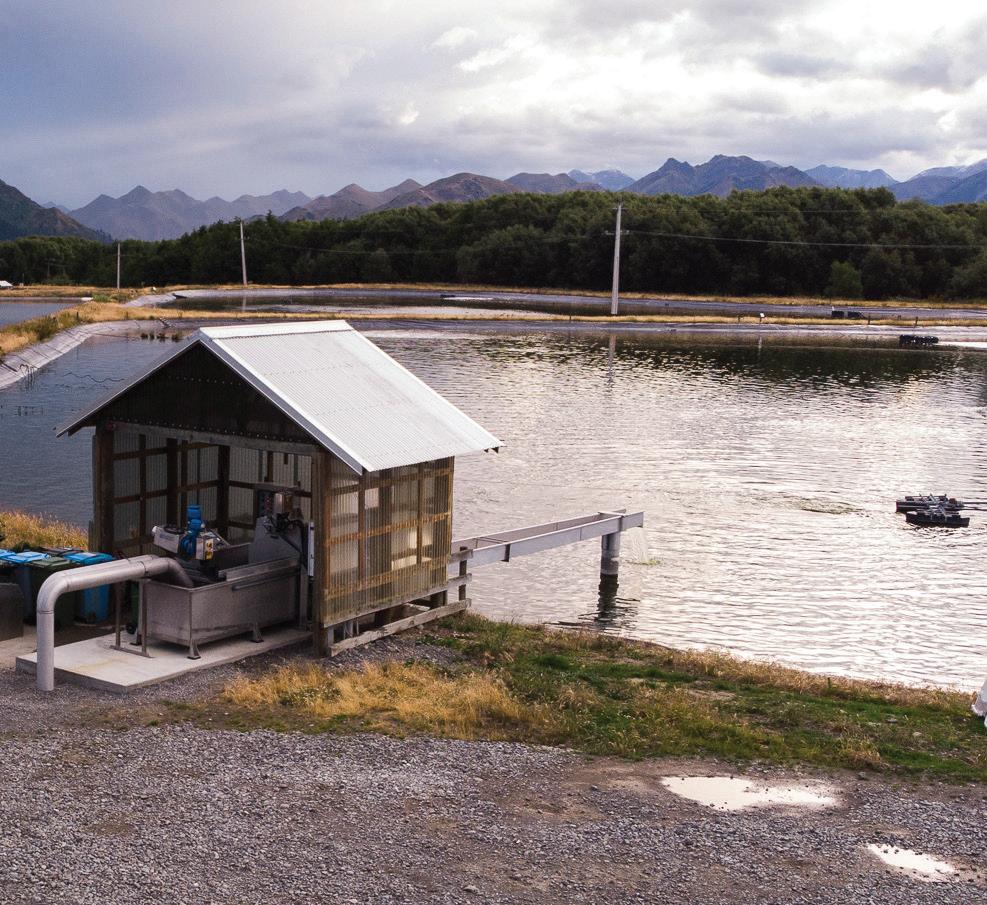
ACE Screen - Inlet Screening Systems
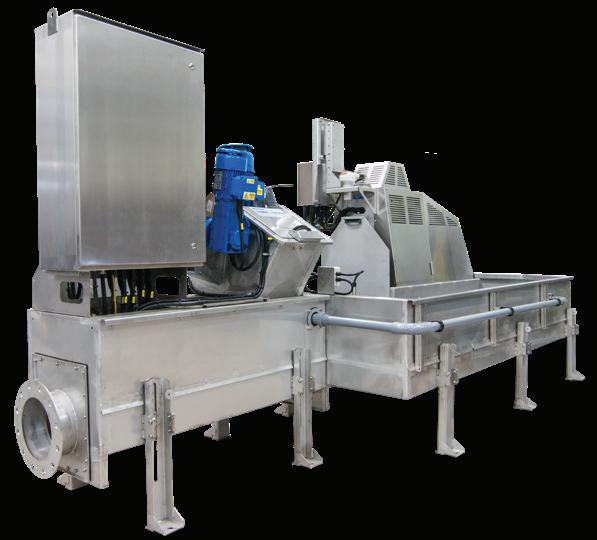
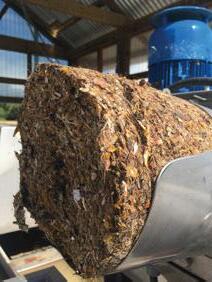
One-of-a-kind, revolutionary product that uses no washwater, and discharges dry screenings.
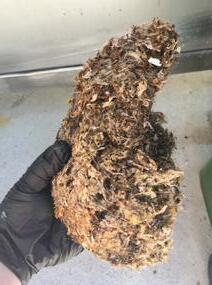
• Using a perforated screen plate, macerator, centrifuge/liquid separator and compactor system resulting in high volume and mass reduction of screenings
• Screenings reduced to 1/6th of other systems decreasing landfill demand and lowering carbon footprint
• No external wash water required significantly easing water usage
it in action in a real-world installation here.

Haigh
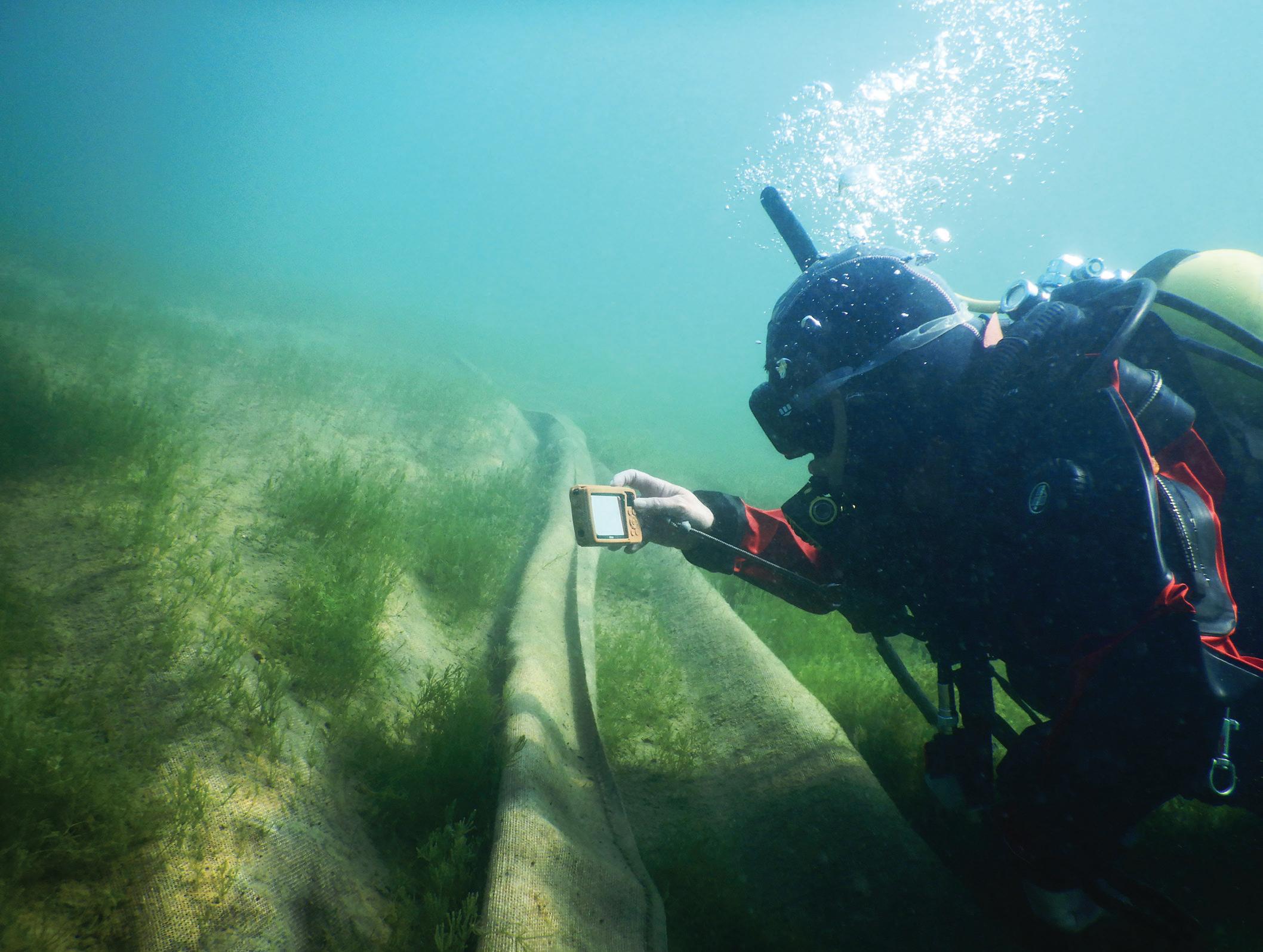
Win for Lake Wā naka in
battle against aquatic weed
Land Information New Zealand (LINZ) has been leading the work to clear lagarosiphon from Lake Wānaka, working closely with partner agencies and the community.
Minister for Land Information Chris Penk announced sustained efforts over the past 20 years has seen lagarosiphon now largely cleared from Paddock Bay, Parkins Bay, Glendhu Bay, and Damper Bay.
“Lagarosiphon grows extremely quickly and forms dense, thick mats. Left unchecked it can choke waterways, smother native plants, and ruin how we use and enjoy our lakes, “ says Chris.
“All it takes for a new invasion is a tiny fragment carried by a boat, a fishing line, and lake users moving between different bodies of water.
“The clearing of lagarosiphon is a testament to the sustained commitment of LINZ, its partner agencies, local groups, and the wider community, who have shown the power of working together to protect our freshwater ecosystems.
“Innovative control methods, particularly the use of hessian mats, have been vital on the frontlines, acting like underwater shields that suppress lagarosiphon while allowing native vegetation to regroup and reclaim ground.
LINZ biosecurity manager, Tracey Burton, says the progress along this 40 kilometres of shoreline has enabled a shift of the containment line, which represents the divide between weedfree areas in the lake and areas infested with lagarosiphon.
The containment line has now moved from the southern end of Bishops Bay to Damper Bay – the first shift since 2013.
“We’re thrilled to have cleared more of the lake of this problematic weed. This milestone is a promising sign that our vision to one day eradicate lagarosiphon from the lake may well be within reach.”
Tracey credits the use of hessian mats as a ‘game changer’, particularly in the larger shallow areas like Paddock Bay where lagarosiphon once thrived.
The hessian mats smother the weed while allowing native plants to grow through and flourish. An inspection by NIWA, now part of Earth Sciences New Zealand, confirmed native plants are successfully re-establishing.
Tracey says community support has also played a vital role.
“We couldn’t have achieved this without the help of lake users. We’re grateful to the lake users who continue to check, clean and dry their gear to prevent the spread of lagarosiphon.”
The next goal is to progressively move the containment line further south toward Roys Bay, near the Wānaka township.
“We look forward to building on this progress this season and the years to come.”
The control work is funded by LINZ, Queenstown Lakes District Council, and Otago Regional Council, with support from the Lake Wānaka Aquatic Weed Management Committee.
The content of this article was provided by LINZ and The Beehive.
A diver inspects hessian matting on the lakebed in Paddock Bay. Native plants can be seen growing through the matting.
Image: NIWA.
Our Digital Water Ecosystem: Resilient Networks from Field to Cloud to User
Water networks are facing growing pressure. Utilities and councils are balancing aging infrastructure, rising demand, compliance requirements and the increasing cost of leaks and service disruptions. The challenge is no longer just maintaining assets - it is building a resilient network that can be monitored, managed, and improved with conidence.
A Digital Water Ecosystem supports this by connecting the full journey of operational data - from the field to the cloud to the user. Instead of treating telemetry, SCADA, analytics, and reporting as separate projects, the ecosystem brings them together into one practical, end-to-end approach.
Why digital ecosystems matter now
Most water networks already generate large volumes of data: pressures, flows, tank levels, pump performance, alarms, and asset condition information. The problem is that this data is often fragmented across different systems and teams. When information is siloed, response times slow down, reporting becomes manual, and planning becomes reactive. A connected ecosystem helps shift operations from “finding the problem” to “solving the problem” - with a clearer view of risk, performance, and priorities.
A practical model built in three layers
A resilient Digital Water Ecosystem is built on three connected layers:
Field: where the data begins
The field layer includes smart sensors and meters, telemetry solutions(RTU, IoT sensors) and always-on connectivity through radio networks, NB-IoT, LoRa-WAN, fibre, or cellular.
This layer ensures reliable, real-time monitoring across critical assets and network zones. Strong field data is the foundation for faster detection of abnormal conditions such as bursts, leaks, pressure events, or equipment failure.
Cloud: secure intelligence and integration
The cloud layer acts as the central hub for data collection, storage, and system-wide intelligence.
It enables SCADA integration for real-time monitoring, secure remote access , and a trusted environment for analytics and reporting.
By consolidating information in one place, the cloud layer supports consistent visibility across sites, reduces manual handling and strengthens governance. It also provides a scalable foundation for future requirements without needing to rebuild systems as the network grows.
User: turning data into decisions
The user layer is where insights are delivered through web and appbased visualisation tools. It enables realtime access for operators, engineers, managers, and decision-makers.
This is not just operational. It supports strategic outcomes as well helping leadership teams understand performance trends, manage risk, and plan investment based on evidence rather than assumptions.
Benefits for communities and councils
For communities, the benefits are clear:
•Cleaner, safer drinking water
•Faster leak detection and response
•More reliable and resilient service
For utilities and councils, the ecosystem delivers:
•End-to-end visibility (field cloud user)
•Compliance-ready reporting and governance
•A future-proof platform aligned with smart city planning
A holistic approach - not disconnected projects
Digital upgrades often fail when delivered as isolated tools. A telemetry rollout may improve monitoring but not reporting. Dashboards may look useful but rely on manual data feeds. SCADA may provide alarms but not the broader intelligence needed for planning.
A Digital Water Ecosystem avoids this by design. Each layer connects to the next, ensuring data flows smoothly and insights are available to the people who need them.
It also supports staged implementation. Utilities can start with priority zones or critical assets, then expand without changing direction or replacing platforms.
Floating wetlands offer cost-effective nature-based water treatment
A new international study has endorsed artificial floating wetlands as a sustainable and cost-effective solution for improving water quality in rivers, lakes and wastewater systems.
Led by scientists from Australia’s national science agency CSIRO and the University of South Australia, the team of researchers analysed 11 international constructed floating wetlands (CFW) projects in Australia, Pakistan, Canada, and the USA.
Artificial or constructed floating wetlands involve planting wetland vegetation on floating rafts, mimicking a natural ecosystem that removes nutrients, sediments and other pollutants from the host water body.
The researchers found that capital costs for floating wetlands ranged from as little as A$22 per square metre, to more than A$3800 per square metre, depending on design, location and purpose. Operating costs varied from A$0.76 to A$274 per square metre each year.
Lead author CSIRO research engineer and UniSA adjunct research fellow John Awad says the findings will help councils, utilities and water managers better understand the economic feasibility of floating wetlands compared to conventional treatment systems which use physical, chemical and biological processes.
“Floating wetlands mimic the functions of natural ecosystems, filtering nutrients and pollutants through plant roots and microbial communities. But until now, there’s been limited data on what they actually cost to build, maintain and operate at scale.
“Our study shows that while costs vary, floating wetlands can be competitive with other engineering treatment options, especially for nitrogen removal.”
On average, the cost of removing nitrogen was between A$15 and A$183 per kilogram, consistently cheaper than removing phosphorus, which ranged from $A23 to A$4979 per kilogram.
“Scale matters. Larger wetlands reduced
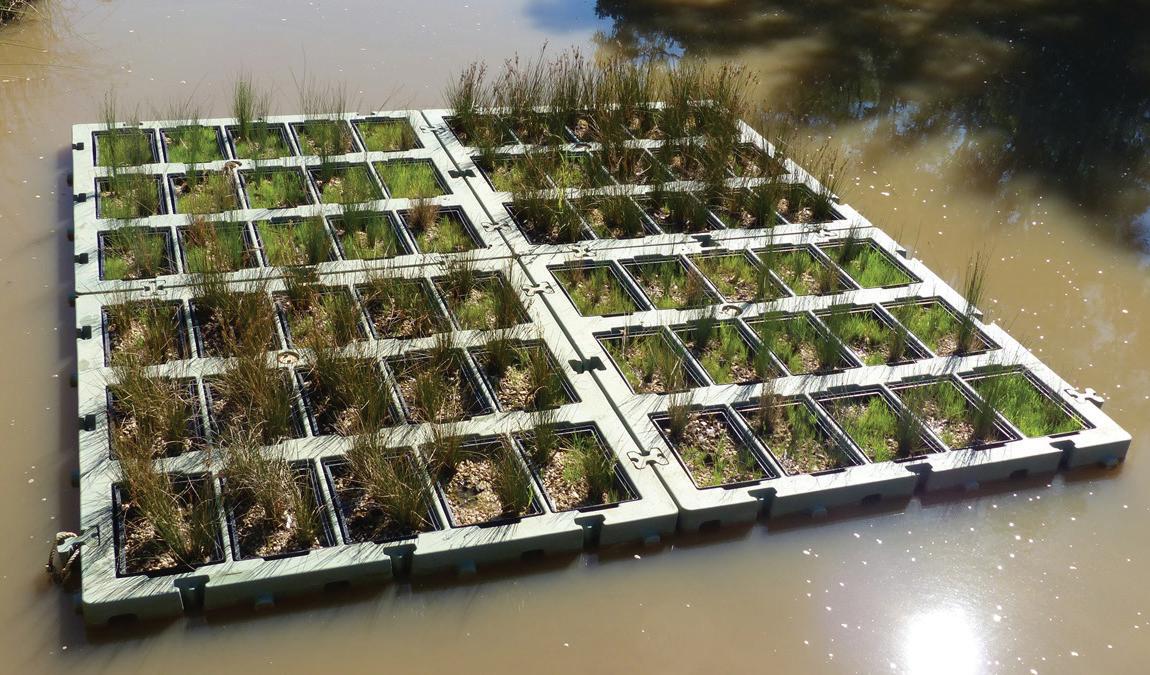
the cost per kilogram of nutrients removed, making them more economical over time. Climate also plays a role. Wetlands in warmer regions had longer growing seasons and higher pollutant removal rates.”
Floating wetlands are increasingly being trialled to treat domestic wastewater, stormwater, and polluted urban rivers.
In Australia, schemes in the Sunshine Coast region and Victoria have targeted wastewater and stormwater, while projects in the United States have incorporated community spaces, ecological restoration, and even floating boardwalks.
Study co-author UniSA professor Simon Beecham says the technology has added advantages beyond water quality.
“Floating wetlands can be retrofitted into existing lakes and stormwater ponds without the need for costly land acquisition,” Simon says.
“They also provide habitat for birds and aquatic life, improve urban amenity, and may even contribute to carbon sequestration.”
The research team highlighted significant
cost differences between projects in developed and developing countries. For example, wetlands built in Pakistan cost just A$13-20 per square metre – a fraction of the expense in Australia and North America –due to lower labour and material costs.
“Understanding these variations helps governments and planners adapt the technology to local conditions,” according to John.
“It also shows that floating wetlands could be a particularly valuable option in low- and middle-income countries, where affordable, low-energy treatment systems are urgently needed.”
The authors say floating wetlands are not a silver bullet but should be considered as part of a broader suite of water treatment options.
Assessing the costs of constructed floating wetlands for the treatment of surface waters and wastewater is published in ACS ES&T Water, pubs.acs.org/doi/ full/10.1021/acsestwater.5c00439.
Article provided by CSIRO
Constructed Floating Wetlands (CFWs) can enhance wastewater and surface water treatment.
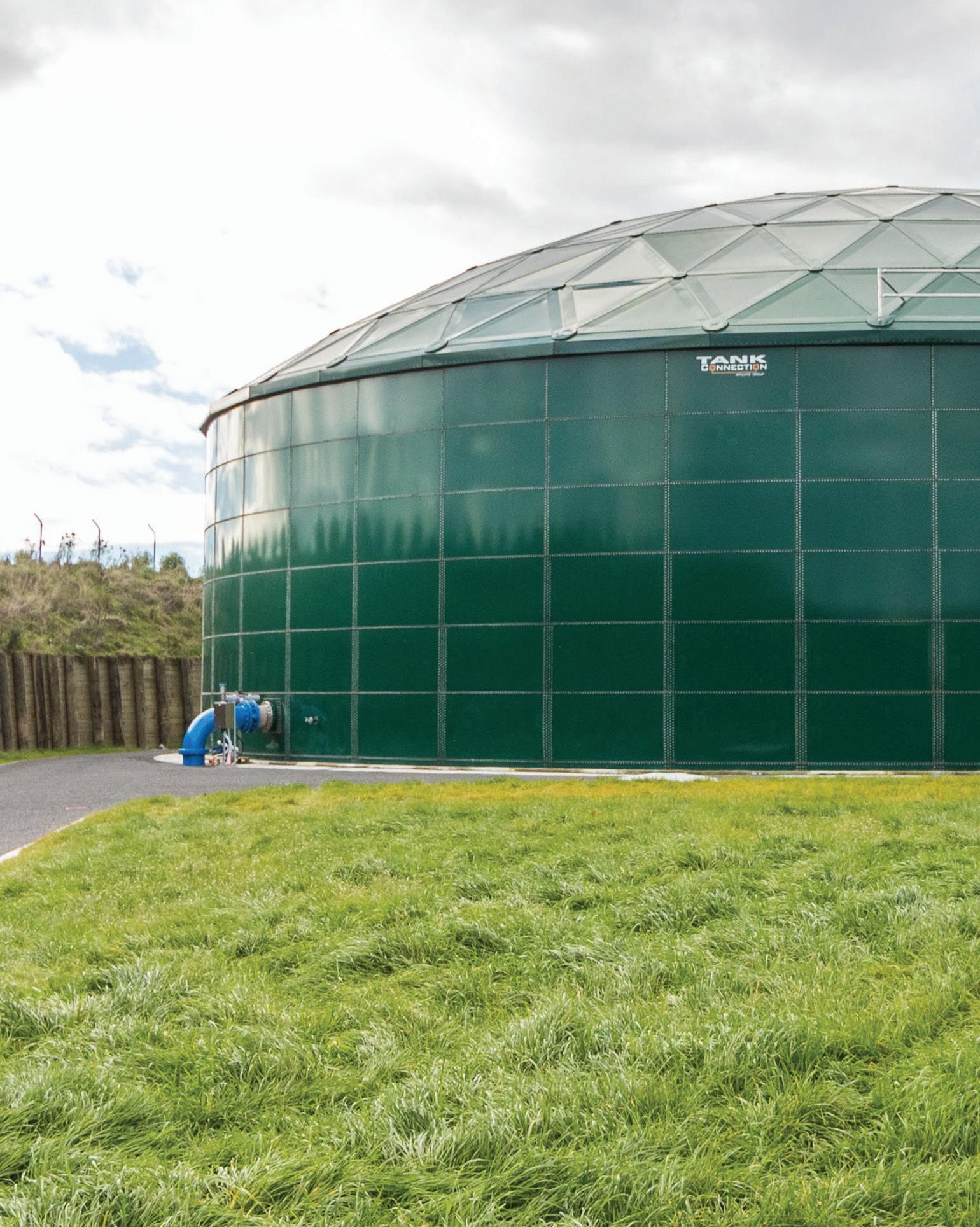
POTABLE WATER TANK – NEW ZEALAND – 10,000m3
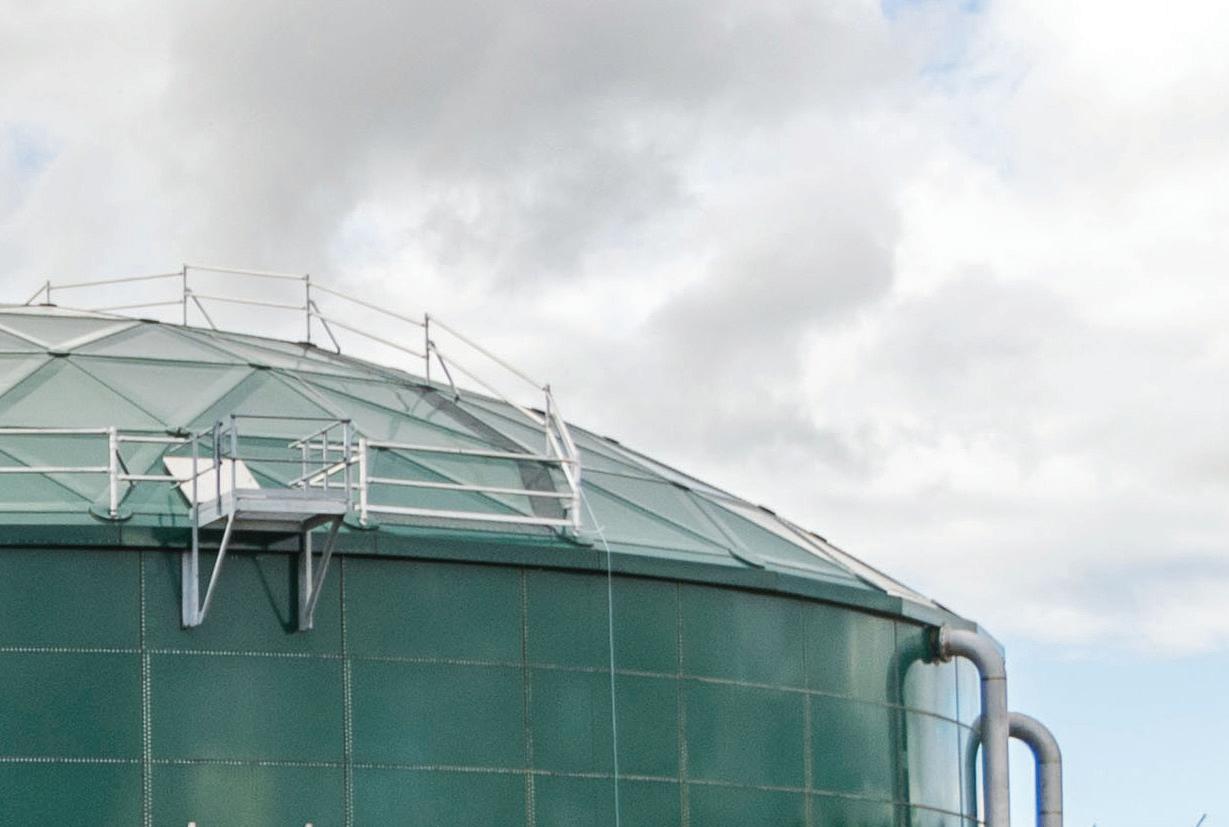
Steel storage tanks for speed and simplicity.
Steel tanks are a proven alternative to concrete for potable water and wastewater storage. They are quick and easy to erect, more cost effective, and have real design flexibility.
As the regional agent for Tank Connection – premium, bolted steel storage tanks and aluminium domes –we design solutions for even the largest applications.
Tough outside. Smart inside.
Our new submersible motor pump AmaRex Pro can do more, but needs less: Thanks to self-cleaning, smart functions and IE-5 motors, maintenance costs and energy consumption are reduced.

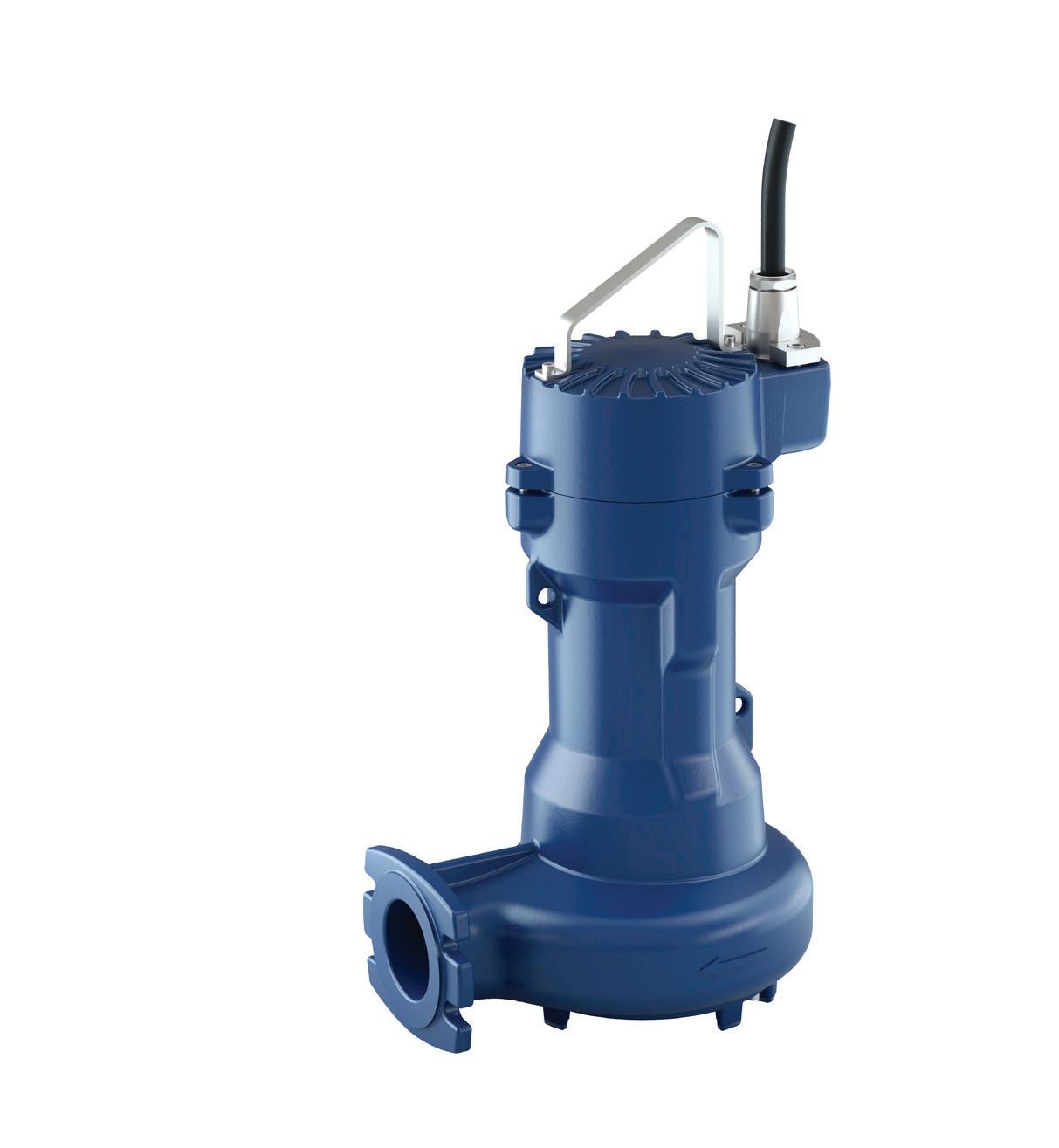
AmaRex Pro
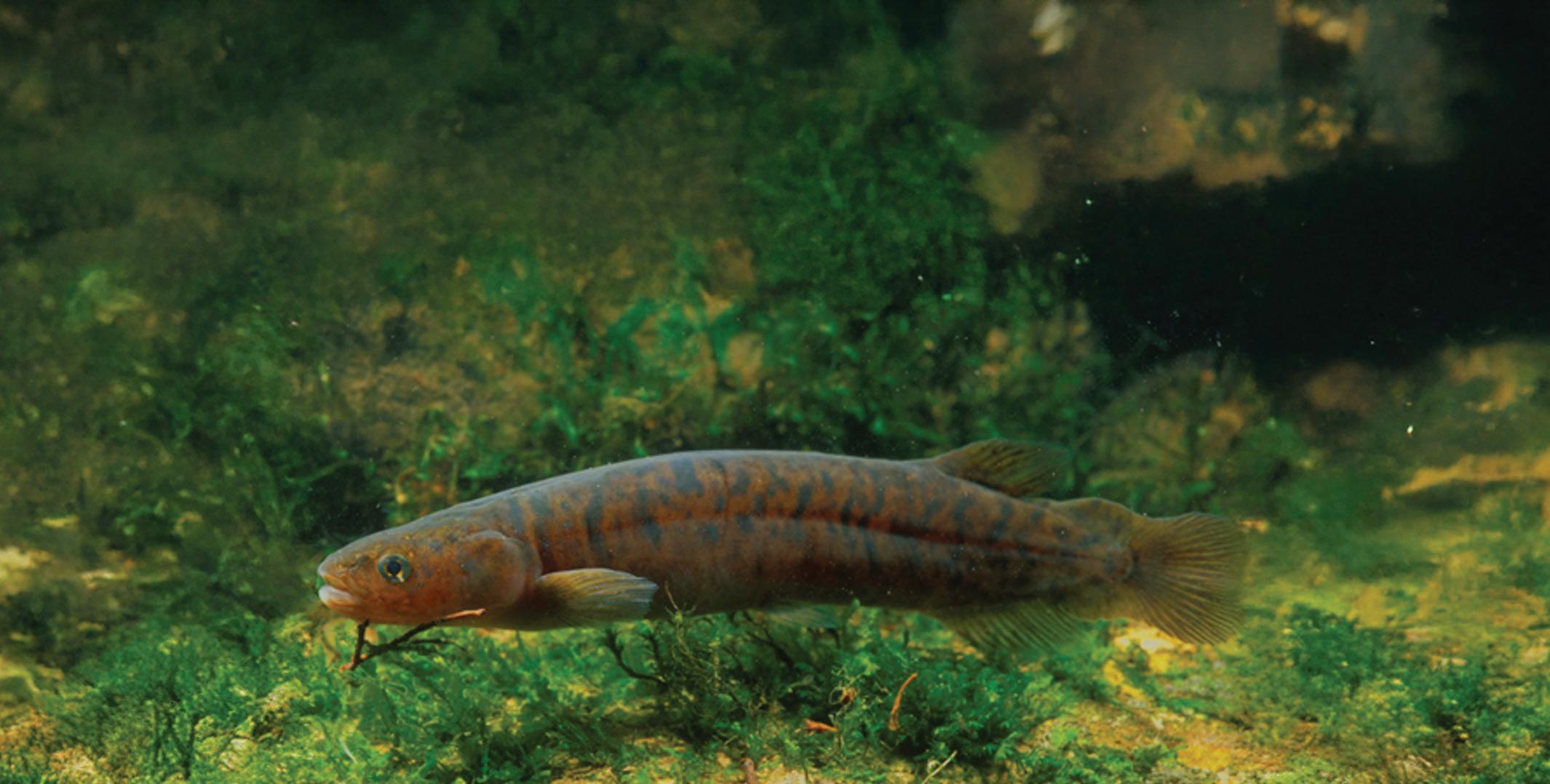
Tiny but mighty: black mudfish rediscovered in Helensville wetland
A little-known native freshwater fish thought lost from a local wetland has resurfaced. The elusive Waikaka, or black mudfish, has been rediscovered in a Helensville wetland, with both adults and juveniles found, proving these shy creatures are reproducing themselves.
Auckland Council’s senior regional advisor (freshwater), Matt Bloxham, says they were cautiously optimistic about the find as the wetland had become choked with invasive vegetation, reducing the size of pools and wet habitable areas.
“But discovering nine fish, including juveniles, hiding in isolated, shaded, waterfilled depressions show these fish are making a go of things and reproducing in these tiny pockets of wetland.”
The black mudfish (Neochanna diversus) is one of the country’s most unusual and resilient freshwater fish species. These small, eel-like creatures complete their entire life cycle within wetlands; they never head to sea like most native fish species.
That makes them particularly vulnerable; if their wetland habitat is lost or degraded, an entire population can disappear with it.
Auckland has already lost over 97 percent of its original freshwater wetland area.
Black mudfish thrive in shallow, secluded pools shaded by native wetland vegetation, which provides both cover and a buffet of falling insects to feed on. Mudfish are also famous for their survival skills, able to endure months without water by burrowing into damp mud or hiding beneath logs and slowing their metabolism until the rain returns.
“This gives them an advantage over wouldbe competitors. Juvenile eels that manage to
reach these secluded, temporary pools are forced to leave before they grow large enough to predate resident mudfish.”
The rediscovery is particularly significant because black mudfish have a ‘Threatened – Regionally Critical’ conservation status in Auckland. There are just six known populations in the entire region.
The recent find was made during a joint Auckland Council/Watercare survey, targeting wetlands with the right mix of native vegetation to support mudfish.
Auckland Council’s general manager environmental services, Samantha Hill, says every rediscovery is a vital win for biodiversity.
“These rediscoveries give us hope and a clear pathway for restoration and management,” she says.
“Each new population found, helps secure the species’ future in the region and guides how we manage and protect these special wetland habitats.
“What we hope to do in these instances is work closely with landowners to control invasive weeds and predators, restore wetland buffers, and where necessary, restore a wetland’s hydrology.”
Shade is also crucial for preventing the pools from drying out and keeping fish cool during Auckland’s warmer months.
The rediscovery adds to a decade-long
programme to protect black mudfish, which began in 2014.
Since then, council staff have found new populations, rediscovered old ones, and worked with Auckland Zoo to explore captive breeding and rewilding opportunities. The goal is to establish self-sustaining wild mudfish populations that can withstand regional threats like land-use change and drought.
“They’re quite muted, not flashy or colourful but they’re kind of cute,” Matt admits with a grin.
“This tiny fish may be secretive, but its survival depends on us noticing it, protecting and carefully managing its wetland habitats. Mudfish are cryptic, but they’re also unpredictable and seldom found reliably in the same locations, which unfortunately makes it hard to find and monitor. Securing a network of small, shaded and secluded wetland pools for mudfish is part of the solution.”
The discovery has also sparked fresh hope and led to searches in nearby wetlands which netted a second population within a month of the first, signalling there may still be wetlands supporting small mudfish populations out there. The search goes on.
While the black mudfish may be small, its story is mighty and a reminder that even the quietest corners of our wetlands can hold extraordinary surprises.
Article provided by Auckland Council.
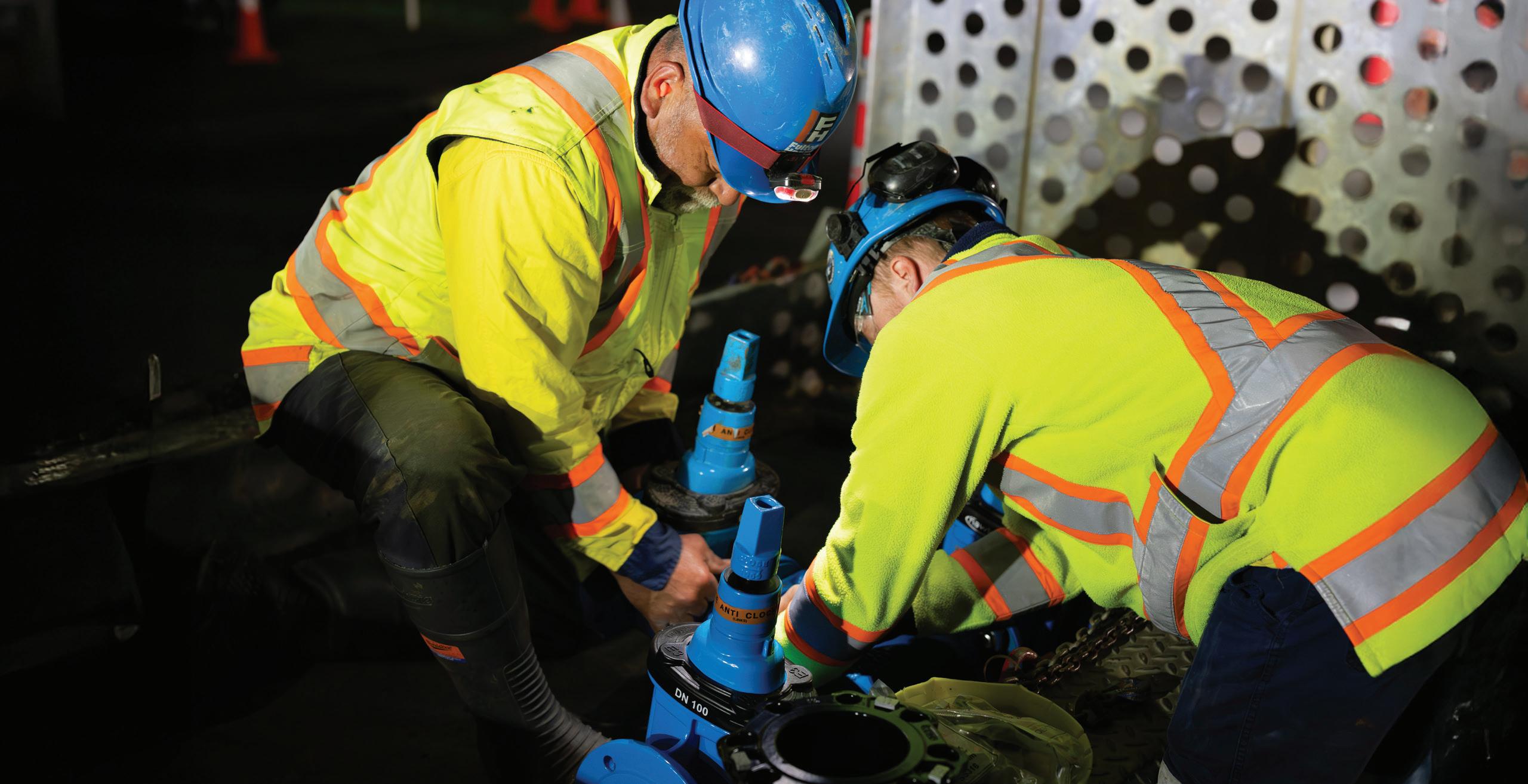
Leading the way in urban water connections: Fulton Hogan
and Watercare’s strategic partnership
Delivering potable water at scale to Auckland’s residential, commercial and industrial sectors requires both advanced engineering expertise and a customer-first approach. Every day, Watercare Services Ltd supplies Auckland with approximately 160 Olympic swimming pools’ worth of high-quality drinking water – a volume managed and measured largely through metered distribution.
Since 2016, Fulton Hogan’s Auckland New Connections team has played a critical role in achieving this vision, deploying 85,000 progressive water meter installations from Pukekohe to Warkworth. This sustained effort has enabled precise network management and set new standards for quality and efficiency throughout the region. The team’s metering solutions, spanning low flow, standard and smart technologies, provide seamless integration for diverse property types and support Watercare’s operational excellence while addressing evolving community needs.
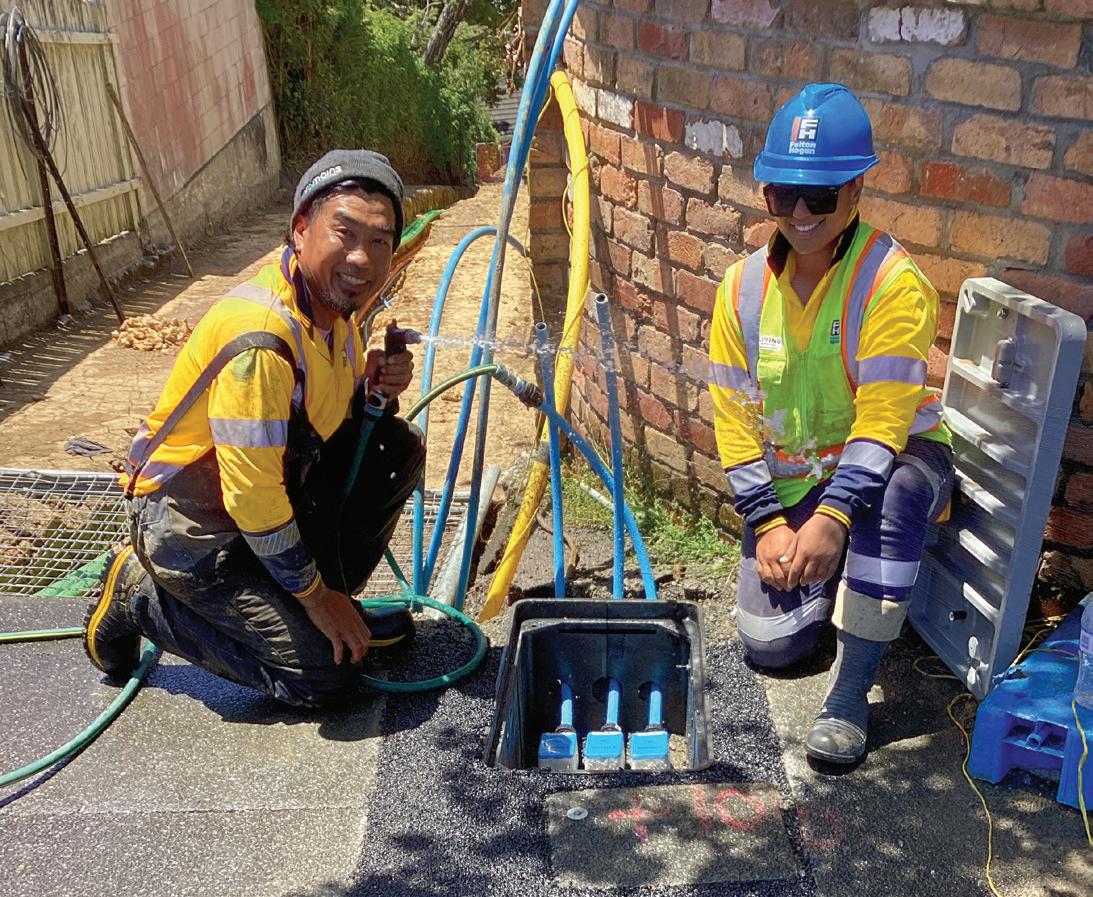
The team’s weekly output, averaging 200 installations across up to 100 active sites, reflects deep technical ability as well as agility and responsiveness within complex, live urban environments. There is ongoing awareness that beneath each impressive statistic lies the unique experience of every customer, ensuring reliability and care are as important as technical rigour.
Forty percent of the team are qualified water technicians, however, success is defined by much more than numbers. Fulton Hogan takes a holistic view of water infrastructure – one that recognises the critical interplay between engineering, logistics and human factors. Fulton Hogan’s approach blends field innovation, including the adoption of cutting-edge training, advanced water health testing and environmental stewardship through initiatives such as reusing temporary connections, with an unwavering commitment to safety and accountability.
As the next milestone of 100,000 new connections approaches, the dedication and expertise of both the Watercare and Fulton Hogan teams is recognised. Their approach to collaboration, adaptability and resourcefulness underpins their reputation for being trusted technical leaders in the industry.
By consistently challenging and redefining best practice, supporting ongoing professional growth and placing the end user at the centre of every decision, Fulton Hogan continues to shape the future of urban water management in New Zealand.
‘Absolutely huge’ black coral among largest ever seen
A massive black coral, measuring four metres high and 4.5 metres wide, has been found by researchers exploring the underwater depths of Fiordland.
The coral, a protected species, is likely to be 300-400 years old and thought to be among the largest ever seen in the waters around Aotearoa New Zealand.
Professor James Bell, a marine biologist at Victoria University of Wellington, described the coral as “absolutely huge”.
“It’s by far the largest black coral I’ve seen in my 25 years as a marine biologist. Most black corals we come across when we’re diving are small, with the bigger ones usually less than two to three metres tall, so finding this one was really cool,” he says.
The discovery is important as large corals provide vital breeding stock for the species, which is slow to grow.
“Pinpointing where large corals occur means we can better protect them by letting people know where not to anchor their boats or drop pots.”
Richard Kinsey, senior biodiversity ranger at the Department of Conservation, was also on the dive when the coral was discovered.
pretty special,” he says. “I’ve been a marine ranger in Fiordland for nearly 20 years and it’s rare to see a coral so big. It’s easily the largest one I can remember seeing.”
Victoria University researchers are working with the Department of Conservation and the Fiordland Marine Guardians to study and map the distribution of protected coral species in the fiords.
“We’d love to receive reports from anyone who knows of particularly large black corals that are greater than four metres so we can map their distribution and find out how common such large coral colonies are throughout Fiordland,” says James.
Despite its name, the black coral appears white in colour and only its skeleton is black. The coral is listed as a protected species under the Wildlife Act and it’s illegal to deliberately collect or damage it.
Article provided by Te Herenga Waka – Victoria University of
POWERING AOTEAROA’S POTENTIAL
From factories to workshops, KAESER compressors, blowers, and intelligent controllers are the dependable link between your business and seamless performance.
KAESER keeps businesses running efficiently across Aotearoa, minimising downtime and maximising productivity.
With a nationwide network of authorised Service Technicians, expert support and maintenance are always close at hand.
KAESER — the reliable connection.


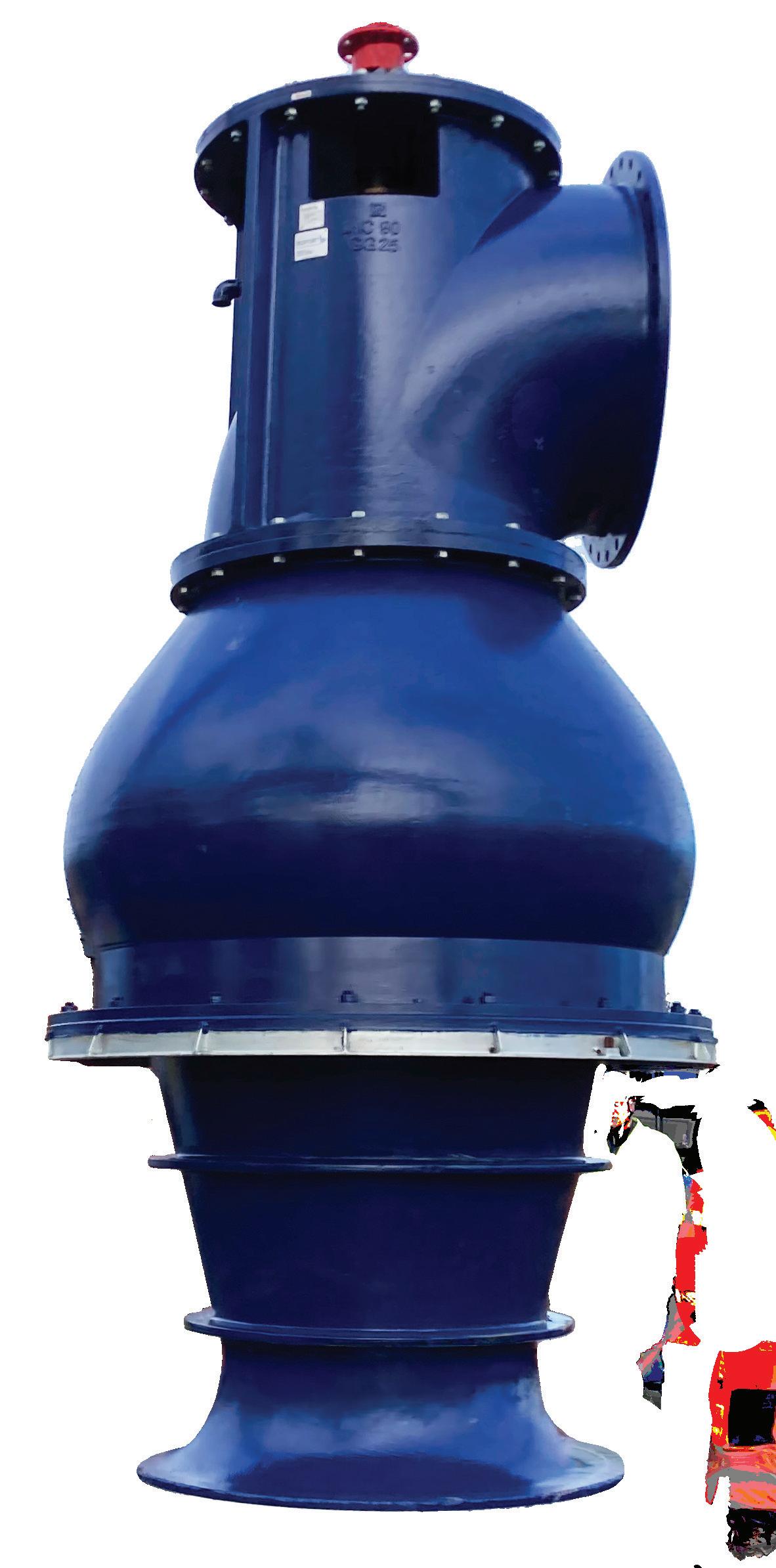
From silence to solutions: Why disabilityinclusive menstrual health must be a priority in the Pacific

Menstrual health is increasingly recognised as fundamental to health, dignity, and gender equality. Yet across the Pacific, a hidden crisis persists for women and girls with disabilities, one shaped by stigma, inaccessible services, and systemic exclusion.
New research led by the Pacific Menstrual Health Network and WaterAid Australia reveals the scale of this challenge in Fiji, Papua New Guinea, and Vanuatu, and underscores the critical role of the water, sanitation and hygiene (WASH) sector in delivering inclusive solutions.
The report, “From Silence to Solutions: Understanding the Menstrual Health Experiences of Women with Disabilities in the Pacific” (washmatters.wateraid.org/sites/g/files/jkxoof256/ files/2025-12/Silence-solutions-understanding-menstrualhealth-experiences-women-disabilities-Pacific.pdf), draws on a comprehensive desk review of national policies and 49 in-depth interviews with women with disabilities and their carers.
The findings expose widespread barriers preventing women from managing menstruation and menopause safely, comfortably, and with dignity, with direct consequences for health, participation and equality.
Women with disabilities experience a double burden of gender inequality and disability discrimination. This intersection shapes every aspect of menstrual health, from access to information and products, to the design of facilities and the attitudes encountered in healthcare and community settings.
Nearly half of the women interviewed reported they received no menstrual health education before their first period.
Among women who had reached menopause, 71 percent said they only learned about it after experiencing symptoms themselves. Communication barriers, inaccessible information formats and persistent assumptions that women with disabilities do not need menstrual health education were key drivers of exclusion.
Co-author Chelsea Huggett, head of strategy at WaterAid Australia, said the report highlights a critical but long-overlooked issue in the region.
“Menstrual health is a fundamental human right, however many women and girls with disabilities across the Pacific still face a double burden of gender inequality and disability discrimination.
This research makes it clear; when we fail to design policies, facilities and services with women with disabilities at the centre, we fail them entirely.”
Many women described staying home during menstruation due to inaccessible or unsafe sanitation facilities, lack of water for washing, unaffordable menstrual products, and fear of stigma or discrimination.
In Papua New Guinea, water insecurity was a dominant challenge, with women reporting reliance on rivers or the sea to wash during menstruation. In Fiji and Vanuatu, higher levels of basic WASH access meant affordability and availability of menstrual products emerged as the primary constraints.
Across all contexts, inaccessible infrastructure, including steps, narrow doorways and lack of privacy, undermined independence and dignity.
These barriers extend beyond menstruation. Women experiencing perimenopause reported similar disruptions to daily life, particularly where heavy bleeding or pain could not be managed safely at home or in public spaces.
Cultural taboos surrounding menstruation remain deeply entrenched across the Pacific, but the research shows these norms are intensified for women with disabilities. Deaf women described being unable to access or share information due to communication barriers. Women with mobility challenges reported dependence on carers for water, washing, and product changes, often without guidance or support.
Co-author Hannah Tamata, from the Pacific Menstrual Health Network, highlighted the deep stigma that continues to affect the well-being of women with disabilities.
“Menstruation remains surrounded by silence in many Pacific communities, and that silence is even greater for women with disabilities.
“This report gives voice to those experiences and calls on governments and development partners to act. Inclusive menstrual
health is not optional; it is essential for dignity, participation and equality.”
The report also highlights the importance of engaging men and boys. While many participants described poor male understanding of menstrual health, others noted gradual improvements where men had been included in education and community discussions.
While Fiji, Papua New Guinea and Vanuatu have made some progress, particularly through WASH in Schools policies and disability frameworks, disability-inclusive menstrual health remains largely absent from national strategies. Most policies address either disability or menstrual health in isolation, limiting their effectiveness.
For governments, service providers and development partners, the evidence points to the need for coordinated, crosssector approaches that embed inclusion across WASH, health, education, sexual and reproductive health, and climate resilience.
Despite some promising national policies in Fiji, Papua New Guinea, and Vanuatu, the report finds that disability-inclusive menstrual health remains largely absent from government strategies.
WaterAid Australia and the Pacific Menstrual Health Network are urging governments, donors and development partners to integrate disability-inclusive menstrual health into national frameworks, and to invest in evidence-based solutions that centre the rights and voices of women and girls with disabilities.
Article provided by WaterAid Australia.





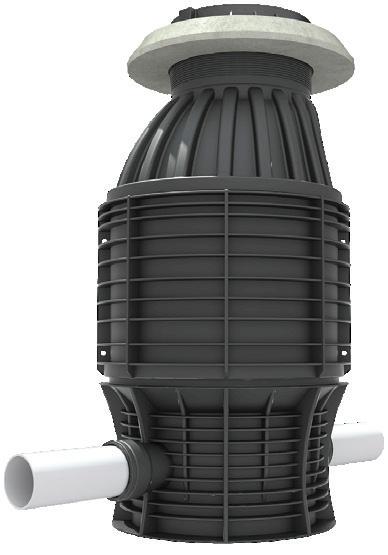
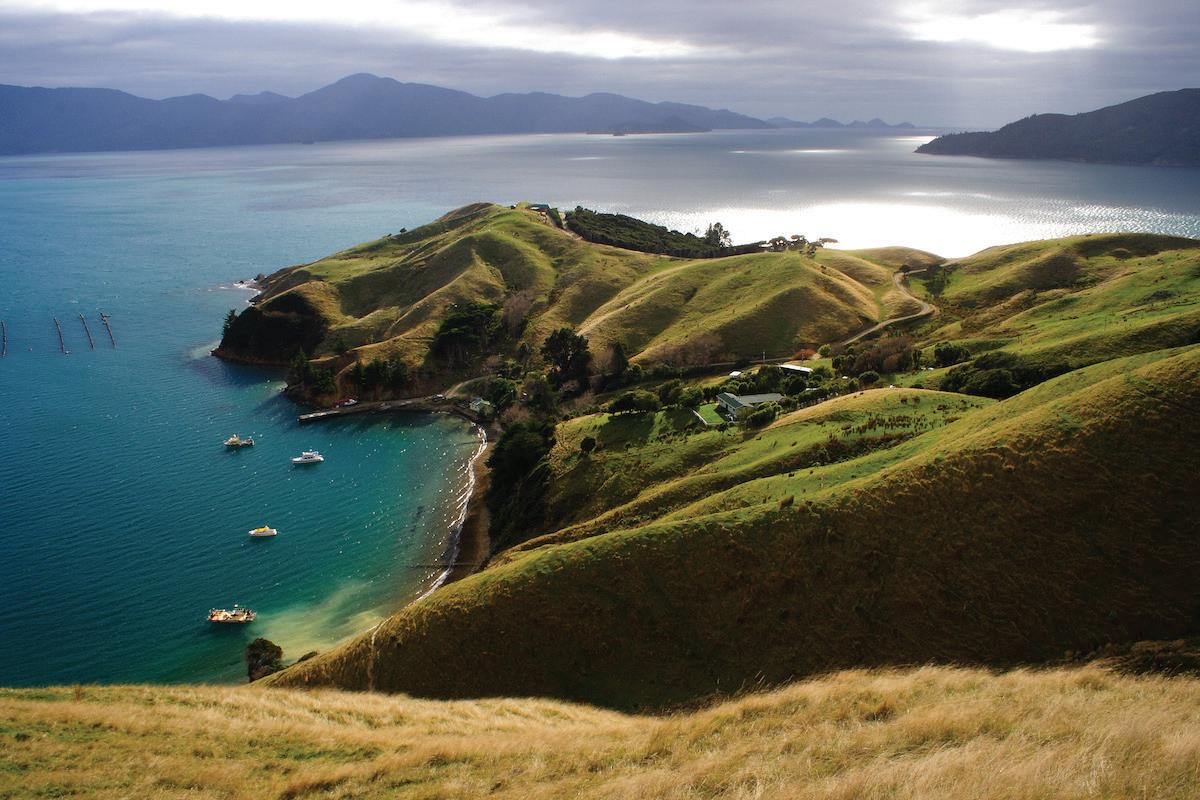









www.waterdirectory.org.nz
identifying potential suppliers, finding out about their key products or services and examples of work they’ve done that might be of interest to you. The directory allows you to request information or quotes from multiple suppliers at once, as well as read case studies, articles and videos.
Here we showcase the companies on our Gold and Platinum plans . We have a variety of plans available to suppliers to select from based on their needs. Jump online and view more about the following companies and all the other suppliers listed on the Water Directory website. It’s a great place to start your research, and to get information from suppliers.
www.waterdirectory.org.nz
Platinum Plan companies
Armatec Environmental Ltd
42 Egmont Road
Waiwhakaiho
New Plymouth 4312
Phone: 06 755 0410
Website: www.armatec.co.nz
Email: enquiries@armatec.co.nz
Contact: Socrates Fernandes (Sales Manager, Engineering & Design), Dayna McCormick (Engineering & Design), Todd Landers (Engineering & Design Manager), Bryan Holyoake (Managing Director, Engineering & Design), Shane Pope (Business Manager, Engineering & Design) Darshan Patel (Projects Engineer)
Company Profile: Armatec works with industry and local authorities to reduce emissions to the environment.
• Designers, build-to-order manufacturers and turnkey suppliers
• World-class air pollution & odour control solutions
• Industrial fibreglass (FRP) products Chemical drainage and coating systems
We are committed to the journey towards carbon neutrality and zero waste, for ourselves and our clients. We value leadership, trust and commitment.
Operating for over 40 years, we manufacture fibreglass products in New Zealand and leverage our international manufacturing, engineering, agency and distribution partners to bring you worldwide capability. Armatec serves broadly across industries including dairy, wastewater, pulp & paper, fertiliser, food, chemical plants, galvanizers and marine.
We offer a unique combination of trusted solutions, strong technologies, in-house design by experienced Chemical Engineers, pilot plant testing capability & highly skilled fibreglass technicians.
From concept to commissioning, our team works with customers, consultants, contractors, and global technology partners to implement cost effective and innovative solutions to reduce emissions to the environment.
We deliver on what we promise and look forward to working with you on your next project.
Certified Quality (ISO9001), Health & Safety (ISO45001), Environment (ISO14001) and Toitu Net Carbon Zero (ISO14064-1).
Our Services include:
• Industrial Fibreglass design & supply, standard or customised
• In-house Engineering & Design
• Commissioning & Operational Support
• Maintenance & Repair of FRP equipment
• Research & Development assistance
Arthur D Riley & Co Ltd
137 Thorndon Quay
Wellington 6011
Phone: 04 916 6200
Website: www.adriley.co.nz
Email: water@adr.co.nz
Contact: Bruce Franks – 021 421 072 (All Waters – Sales and Development Manager), Anak Lumb – 027 336 4696 (Business Development Manager), James Christophers – 021 986 180 (Sales & Development Manager –Control (loT)), Basil Vrizonis – 021 221 3856 (Business Development Manager – North Island, Water), Kevin Head – 021 879 715 (Technical Manager –Water), Ashleigh Radford – 021 4346 (Administration Officer – ADR Water)
Company Profile: A D Riley (ADR) leads New Zealand’s Water sector in a shift toward a smarter, more connected Digital Water Ecosystem. Since 1909, we’ve partnered with councils, utilities, and industries to deliver reliable, locally supported solutions—from smart meters and leak detection to SCADA, calibration, and control. Our systems help measure, monitor, and manage resources more efficiently. With over a century of expertise, ADR empowers customers and communities to take control of water and energy through technology that works where it’s needed most.
22 Fisher Cres
Mt Wellington Auckland 1644
Phone: 0800 288 423
Website: www.csl-online.nz
Email: support@csl-online.nz
Company Profile: Innovation is core to CSL’s belief with products enabled to turn sensor information into useable data. Representing
CSL (Cuthbert Stewart Ltd)
Utilities, OEM, F&B & industrial sectors.
CSL’s principles extend to excellence in customer service. The sales and customer support teams are at the front line to provide customers with technical product support, general sales and design services.
Deeco Services Ltd
35 Wakefield Street
Alicetown Hutt City
5011
Phone: 0800 433326
Website: www.deeco.co.nz
Email: service@deeco.co.nz
Contact: Marcus Durrant (Managing Director)
Founded in 1938, Deeco Services Ltd is a private New Zealand owned company, specialising water process solutions. With a carefully selected suite of Control, Measurement and Filtration products from world leading manufacturers Deeco empower organisations in New Zealand and the South Pacific to deliver sustainable, high-quality water services by providing expert knowledge, innovative solutions and best in-class products. The Deeco team are passionate about what we do and determined to deliver exceptional service and solutions in the water industry.
Strongvac Limited
6 Progressive Way East Tamaki
Auckland 2019
Phone: 09 265 1655
Website: www.strongvac.co.nz
Email: info@strongvac.co.nz
Contact: Jack Sun (General Manager)
Company Profile: As one of the large hydro excavation company in the market, StrongVAC specializes in using the latest equipment and trucks from 2023. We are committed to safety and delivering high-quality work. As approved subcontractors for Fulton Hogan, we uphold the highest standards on all our projects.
Safety and Certifications
Safety is our top priority. We hold Sitewise Gold and IMPAC Prequal certifications. All our operators are certified in First Aid, and our management team is trained in Confined Space and Gas Detection. This ensures safe and precise project execution.
Services and Availability
Our team is available 24/7 and ready to
Contact: Belinda Cridge , Technical Lead – Drinking Water Quality and Education
‘Ka ora te wai, ka ora te whenua, ka ora ngā tāngata’
‘If the water is healthy, the land is healthy, the people are healthy’
We are your water community. We share knowledge and bring expertise together to uphold the mana of water for Aotearoa New Zealand.
Water New Zealand is the country’s largest water industry body and provides leadership in the water sector through collaboration, professional development and networking.
We represent water management professionals and organisations. As a not-for-profit organisation, we have around 3300 corporate and individual members drawn from all areas of the water management industry including regional councils and territorial authorities, Crown Research Institutes, consultants, suppliers, government agencies and scientists.
Water New Zealand promotes the sustainable management and development of the water environment. This includes the promotion and support of best practice and management of the Three Waters – drinking, waste and stormwater – and we advocate for the sustainability and health of our freshwater environment.

White International
We provide emergency, mobile and fixed fluid management solutions for stormwater teams, and durable equipment for wastewater treatment plants.
www.waternz.org.nz
Water New Zealand
Level 12, Ranchhod Tower
39 The Terrace
Wellington 6011
Phone: 022 600 5863
Website: www.waternz.org.nz/training
Email: belinda.cridge@waternz.org.nz
15 G Kerwyn Ave East Tamaki Auckland 2013
Phone: 09 579 9777
Website: www.whiteint.co.nz
Email: sales@whiteint.co.nz
Contact: Deborah Prus-Loughlin –021 915 761 (Water Treatment), Garth Cohen – 021 143 2359 (Pump Enquiries)
White International are specialist in Small and Very Small Drinking Water Supplies, including the design of water treatment systems and associated equipment including matched water pump systems.
As an established distributor of quality water treatment products, pumping products, control equipment and accessories, we distribute throughout Australasia via specialist re-sellers. We have supply arrangements with OEM manufacturers and welcome enquiries for any project.
White International has an enviable reputation for developing enduring customer relationships. We are known for our technical advice, industry experience and product support of our quality brands.

One director y. Multiple ways to stand out.
A dedicated resource for organisations working across New Zealand’s water sector. Whether you ’ re building awareness or supporting business development, being listed ensures your organisation is visible where the sector goes to look.






5th in search results
Company details
Company logo
List in 3 categories



4th in search res
Company details
Company logo
Receive direct in
Website link
Social media link




2nd in search results
Company details
Company logo &
cover pic
Receive direct inquiries
Website link
Social media links
List events
List in 8 categori
Short description
List brands
Branch locations
Product/service



$750
3rd in search results
Company details
Company logo & Receive direct inquiries
Website link
Short description $2499
List events
Honours and awards
Include 3 case studies
Include 3 blog articles
List in 35 categories
Company profile
List brands
Branch locations
Product/service description
Certifications held
Feature 8 products/services
Company profile listed
March Water Journal



1st in search results
Social media links
List events
Honours and awards
List in 20 categories
Company profile
List brands
Branch locations
Product/service
Certifications held
Feature 3 products/services description cover pic
Upload product brochure
Company name, address
Company logo & cover pic
Receive direct inquiries
Website link
Social media links
List events
Honours and awards
Include 8 case studies
Include 8 blog articles
Company profile listed March Water Journal $1499
Show phone
List in unlimited categories
Company profile
List brands
Branch locations
Product/service description
Certifications held
Feature 15 products/services
Upload 5 videos
Gold Plan companies

ABB Limited
83 Grafton Road
Auckland 1010
Phone: 0800 464 222
Website: www.new.abb.com/nz
Email: contact.center@nz.abb.com
Contact: Marvelo Yanong – Business Development Manager Water and Wastewater
ABB is a global technology leader in electrification and automation, enabling a more sustainable and resource-efficient future via its engineering and software expertise.

Accurate Instruments (NZ) Ltd
192 Marua Road
Mt Wellington
Auckland 1051
Phone: 0800 500 380
Website: www.www.accurate.kiwi
Email: sales@accurate.kiwi
Contact: Nick Farmer (Sales Manager)
Trusted supplier to the surveying, infrastructure, inspection, and technical safety industries. we offer advanced professional equipment to meet the highest standards.
Aeris Global Limited
8 Enterprise Drive
Ballantyne Ridge Industrial Park
Wanaka 9305
Phone: +64 3 443 8991
Website: www.aeris.global
Email: nz@aeris.global
Contact: Bruce Henley (Director)
Australasia’s leading mechanical aeration, mixing, decanting and safe access specialist incorporating the aeris.global®, aerdisc®, aquaturbo® and aquadecant® products.
AGRU New Zealand Limited
12 Croskery Road
Papakura
Auckland 2110
Phone: +64 9 299 3640
Website: www.agru.co.nz
Email: admin@agru.co.nz
Leading NZ supplier of HDPE/PE100/PP piping and lining systems (Pipes, Fittings – Smooth Liners, Concrete Protective Liners – Sheets).

Altex Coatings Limited / Carboline
91-111 Oropi Road
Tauranga 3144
Phone: 07 541 1221
Website: www.altexcoatings.com
Email: sales@carboline.co.nz
Contact: Michael Thorne (Sales Manager)
Altex Coatings supply paint, coatings & linings used in water purification, storage, reticulation and wastewater treatment.

Applied Instrument Group (2007)
Ltd
5/20 Kaweroa Drive
Omanawa
Tauranga 3110
Phone: 09 579 2633
Website: www.applied-inst.co.nz
Email: colin@applied-inst.co.nz
Contact: Colin Hooper (Director)
From initial concept through to implementation, we use our extensive engineering knowledge and the support of our suppliers to provide optimal solutions.
Aqua-K NZ Ltd
65 Crown Road
Paerata
Auckland 2676
Phone: 021 123 3020
Website: www.aquak.co.nz
Email: ct@aquak.co.nz
Contact: Chetan Thapar (Director)
Aqua-K is a tech driven, wastewater treatment company with efficient and effective treatment using PVA GEL.

AquiSense Technologies
New Zealand
15 D Collard Pl Henderson Waitakere 0610
Phone: 09 213 7191
Website: www.aquisense-newzealand.co.nz
Email: sales@aquisense.co.nz
Contact: Alison Young (Technical Sales)
AquiSense NZ specialises in advanced UV-C LED water disinfection solutions WITHOUT MERCURY.
AWMA Water Control Solutions
Phone: +64 27 343 1181
Website: www.awmawatercontrol.com.au/
Email: info@awmawatercontrol.co.nz
Contact: Jeff Denley (National Sales Manager NZ)
AWMA delivers specialised water control solutions including Water Control Gates, Penstocks, Stoplogs, Bulkheads, Flood Barriers, Trash Screens and Intake Screens.

Bell Technology Ltd
10c Maurice Road
Penrose
Auckland 1061
Phone: 09 525 1875
Website: www.belltechnology.co.nz
Email: info@belltechnology.co.nz
Contact: Gavin Bell (Sales Manager)
We are suppliers of Instrumentation and apparatus for Process and Laboratory needs.
BHF Technologies
PO Box 21274 Rototuna, Hamilton 3256
Phone: 09 973 4255
Website: www.bhfnz.com
Email: office@bhfnz.com
Contact: Dave Wyllie
BHF Technologies provides filtration & purification solutions based in NZ & AU. Suppliers of both conventional filter cartridges & quality retrofits for most pressure UF & MF membranes.
Brown Brothers Engineers Ltd
16 Sir James Wattie Drive Hornby Christchurch 8042
Phone: 03 365 0279
Website: www.brownbros.co.nz
Email: info@brownbros.co.nz
From small domestic pressure systems to large industrial process pumps, Brown Brothers Engineers provide a full range of pumps and pumping solutions to meet your needs.
Cla-Val Pacific Ltd
45 Kennaway Rd Woolston Christchurch 8023
Phone: 03 964 4860
Website: www.cla-valpacific.com
Email: cruss@cla-val.com
Contact: Craig Russ – 027 530 8353, Glynn Nuthall – 021 227 4255
Cla-Val leads in automatic control valves, trusted by waterworks, fire protection and industrial clients for 85 years, showing our dedication and commitment.

Davey Water Products NZ
4 Waiouru Road East Tāmaki
Auckland 2013
Phone: 0800 654 333
Website: www.daveywater.com/nz
Email: sales@dwp.co.nz
For perfect pressure, healthy drinking water, protection from fire & flood, a clean, relaxing pool or spa, or water to run your farm or business, depend on Davey.
Detection Services Ltd
Unit J, 150 Harris Road East Tamaki
Auckland 2013
Phone: 0800 100 899
Website: www.detectionservices.co.nz
Email: info@detectionservices.co.nz
Contact: Vaughn Healey (General Manager Service Delivery New Zealand)
Detection Services specialises in multi discipline pipeline solutions and state of the art technologies covering the water and wastewater industries.

Eurofins Food and Water Testing NZ
85 Port Rd
Seaview
Lower Hutt 5010
Phone: 0800 3876 3467
Website: www.eurofins.co.nz
Email: ASMNZ@eurofinsanz.com
Our nationwide network of laboratories offers world-leading analytical testing and support services to customers across the food, water, and agricultural industries.
FILTEC
102A Carbine Road
Mount Wellington
Auckland 1060
Phone: 09 274 4223
Website: www.filtecwater.com
Email: infonz@filtecwater.com
FILTEC specialises in end-to-end water and wastewater treatment solutions, from design and supply to installation and servicing across New Zealand and Australia.
Grundfos Pumps NZ Ltd
17 Beatrice Tinsley Crescent
Auckland 0632
Phone: 0800 788 900
Website: www.grundfos.com/nz
Email: nzsales@sales.grundfos.com
Contact: Jase Keen (Senior Sales Engineer – WU / Country Director New Zealand)
Grundfos Pumps NZ Ltd is part of a global network delivering pumping expertise and innovation in over 80 countries.
Hach
2/4 Clemow Drive
Mount Wellington Auckland 1060
Phone: 0800 50 55 66
Website: www.nz.hach.com
Email: sales@hachpacific.com
Contact: Bryn Hellier (Sales Manager –NZ and Pacific Islands)
Hach provides innovative water quality testing equipment and reagents, ensuring safe and clean water for municipal water treatment plants and various industries worldwide.
Hall Machinery
10 Midas Pl Middleton Christchurch 8024
Phone: 0800 338 702
Website: www.hallmach.co.nz/
Email: sales@hallmach.co.nz
Contact: Roy Campbell (Owner) Paul Fox (General Manager)
Hall Machinery Ltd. offers a complete sales and service package from a foundation of technical expertise and over 50 years of professional experience.
Huerner Welding Technology
NZ Ltd
12 Croskery Road
Papakura
Auckland 2110
Phone: 09 299 3640
Website: www.huerner.co.nz
Email: admin@huerner.co.nz
Supplier of high quality German made Plastic Welding Machines from HÜRNER Schweisstechnik GmbH.
Hydroflow Civil
40 Rockridge Ave
Penrose
Auckland 1061
Phone: 09 448 5844
Website: www.hydroflowcivil.co.nz
Email: orders@hydroflowcivil.co.nz
We are specialists in infrastructure solutions. Now enhanced through the synergy and connection to the Hydroflow Group, offering solutions for the lifecycle of water.

Hydroflux NZ Ltd
Level 7, Spaces
50 Albert Street
Auckland 1010
Phone: 09 352 2052
Website: www.hydroflux.nz
Email: info@hydroflux.nz
Contact: Joshua Eickoff
Hydroflux deliver engineering, scientific and technological solutions focusing on water, wastewater, renewable energy, climate resilience and environmental protection.
Innovative Filtration Solutions Pty Ltd
42 Mayor View Terrace Waihi Beach 3611
Phone: 09 974 4802
Website: www.ifs-consultants.com.au/
Email: info@ifs-consultants.co.nz
Contact: Robert Rejall
IFS provide comprehensive knowledge of all aspects of industrial filtration and mechanical separation; especially in the field of solid/liquid separation.
Instrumatics Equipment Ltd
707b Great South Rd
Penrose
Auckland 1061
Phone: 09 526 0096
Website: www.instrumatics.co.nz
Email: sales@instrumatics.co.nz
Contact: Sales Team
Instrumatics has been supplying Instrumentation to the process industry in New Zealand for over forty years.
kwik-ZIP Marketing Pty Ltd
Unit 30
4 Wicks Street
Bayswater 6053
Phone: +61 438 932 178
Website: www.kwikzip.com
Email: sales@kwikzip.com
Contact: Paul Keegan (Business Development Manager)
Manufacturer and supplier of high-grade thermoplastic casing spacer and centralizer products.

LeHunt & Associates Pty Ltd
8 Hamilton Court
Pearcedale
VIC 3912
Phone: +61 359 787 121
Website: www.lehunt.com.au
Email: rjlehunt@bigpond.com
Contact: Robert LeHunt (Director), +61 4 09 146104
We provide specialist technical support for pipelines materials, installation and testing, including training and quality Assurance programs for PVC and PE applications.

MacEwans Pumping Systems Ltd
1 Tarndale Grove
Rosedale Auckland 0632
Phone: 09 415 4860
Website: www.MacEwans.co.nz
Email: sales@macewans.co.nz
Contact: Tom Bailey (General Manager)
MacEwans Pumping Systems is a NZ owned and operated Pump Company with over 100 years of trading and experience.
Maskell
Productions Ltd
24 Bowden Rd
Mt Wellington
Auckland 1060
Phone: +64 9 573 0548
Website: www.maskell.co.nz
Email: sales@maskell.co.nz
Contact:
Don Craig (Managing Director), Graeme Kellington (General Manager), James Bilyard (Sales Engineer), Sheldon Lopes (Sales Engineer)
Maskell Productions manufacture a wide range of fibre reinforced plastic (fibreglass/ FRP/GRP) products for corrosion resistant applications to a range of industries.

Pacific Technologies (NZ)
Limited
Unit 14, 18 Lambie Drive
Manukau
Auckland 2104
Phone: 09 263 9867
Website: www.pacifictechnologies.net.nz
Email: info@pacifictechnologies.net.nz
Contact:
Abdul Khalil (Managing Director), Junaid Khalil (Instrumentation Engineer)
Pacific Technologies – Providing IoT & sensor solutions for the Water, Wastewater & Environment sector since 1989.
Pipe Technologies Ltd
1 Dakota Pl Bell Block
New Plymouth 4312
Phone: 027 281 2310
Website: www.pipetech.net.nz
Email: rowan@pipetech.net.nz
Contact:
Rowan Burgess – Managing Director, Maifea Maifea – Operations Director
PipeTech leads in innovative pipe rehabilitation solutions, grounded in quality, safety, and efficiency. We champion service excellence and sustainability.
Pipeline and Civil Ltd
23 Airdrie Road
Ranui
Auckland 0612
Phone: 09 831 0005
Website: www.pipelinecivil.co.nz
Email: admin@pipelinecivil.co.nz
Contact: Hugh Goddard (Managing Director)
Specialising in critical asset construction and renewal that has enabled communities to thrive.

Plasson Australia Pty Ltd
Auckland
Phone: 021 747 938
Website: www.plasson.com.au/ Email: mkemp@plasson.co.nz
Contact: Michael Kemp (Regional Manager New Zealand & the Pacific Islands)
Manufacturer of quality fittings & tooling for Polyethylene pipe systems
To find out more about listing your business on the Water Directory website
contact Debbie Laing
Ph: +64 27 455 0223
Email: advertising@waternz.org.nz
Pump Supplies NZ Ltd
18 Hammersmith Drive
Wigram
Christchurch 8042
Phone: 0800 PLEUGER
Website: www.pumpsupplies.co.nz
Email: office@pumpsupplies.co.nz
Contact: Corey Busch (Managing Director)
Pump Supplies NZ Ltd – Engineered Pumping Solutions – Pleuger Best-in-Class submersible pump and motor solutions from the reliability experts.
Reliant Solutions
32 Benmore Street
Invercargill
9810
Phone: 03 215 9125
Website: www.reliant-solutions.co.nz
Email: sales@reliant-solutions.co.nz
Contact: Brad Kelly (Sales Manager)
Reliant Solutions designs, engineers, and builds modular bolted tanks and storage reservoirs, delivering end-to-end water and liquid storage infrastructure solutions.

Smith & Loveless NZ Ltd
2-8 Manukau Road
Epsom
Auckland 1149
Phone: 09 488 6701
Website: www.sandlnz.co.nz
Email: jgill@sandl.com.au
Contact: Joe Gill (General Manager), David Maynard (Design & Project Manager), Wouter Nel (Site/Customer Services Manager), Jordan Coutts (Project Engineer)
S&L are global leaders in advanced water & wastewater treatment equipment design and supply, including our patented range of PISTA® Grit Removal and Inlet works systems.

Steel & Tube Holdings Ltd
Phone: 0800 478 335
Website: www.steelandtube.co.nz
Email: david.lennox@steelandtube.co.nz
With over 10,000 unique products, we provide a wide range of quality, strong, lightweight and versatile solutions.
Steel Mains Pty Ltd
59-63 Forge Road
Silverdale Auckland 0932
Phone: 027 387 8619
Website: www.steelmains.com
Email: peter.summers@steelmains.com
Contact: Peter Summers
Steelmains is the exclusive Watercare approved Australasian manufacturer of Mild Steel Pipes for water & wastewater infrastructure projects in New Zealand.
Swan Analytical New Zealand
15/D Collard Place
Henderson Waitakere 0610
Phone: +64 9 213 7191
Website: www.swan-analytical.co.nz
Email: sales@swan-analytical.co.nz
Contact: Alison Young (Lead Technical Sales Specialist)
Swan Analytical NZ offers advanced online monitoring instruments for water analysis, ensuring precise and reliable results across various industries.
Tasman Tanks
81A Byron Street
Sydenham Christchurch 8023
Phone: 0800 826 526
Website: www.tasmantanks.com.au
Email: salesnz@tasmantanks.co.nz
Contact: Greg Lilly – 021 826 501
Tasman Tanks is a leading provider of storage solutions in NZ, Australia & the Pacific. We have designed, manufactured and constructed a wide range of tanks for 30 years.
Teltherm Instruments Limited
5G Cain Rd Penrose Auckland 1061
Phone: 09 633 0040
Website: www.teltherm.co.nz
Email: sales@teltherm.co.nz
Contact: Jason Clarke (Managing Director)
Teltherm - your experts in Industrial Instrumentation (pressure, temperature, level, flow, gas detection) and in analytical instruments, measurement and control systems.

Viking Containment
2 Nazareth Avenue Middleton Christchurch 8024
Phone: 0800 454 646
Website: www.containment.co.nz
Email: info@containment.co.nz
Contact: Doug Spain (General Manager)
Supply & Installation of geosynthetic liners for: Reservoir, Irrigation, Floating Covers, Landfill, Petrochemical, Dairy Effluent, Wastewater Lagoons & Baffle Curtains
Water Supply Products Ltd
74 McLaughlins Rd Wiri
Manukau, Auckland 2104
Phone: 09 916 0094
Website: www.watersupply.co.nz
Email: wsp@watersupply.co.nz
Contact: Mike Stapleton (Industrial Sales)
At Water Supply Products, our vision is distinct: we aspire to stand as the foremost supplier of irrigation, filtration, and water reticulationequipment in New Zealand.
Watermetrics – A Division of Arthur D Riley & Co Ltd
89 Vickerys Road Wigram
Christchurch 8042
Phone: 0800 493 762
Website: www.watermetrics.co.nz
Email: support@watermetrics.co.nz
Contact:
Wendy Edwards – 021 190 1929 (Business Development Manager), Bruce Franks – 021 421 072 (All Waters – Sales & Development Manager)
Watermetrics is trusted by councils and government/environment agencies for reliable water consent and on-farm monitoring solutions supporting sustainable farming. Woods
8 Nugent St Grafton Auckland 1023
Phone: 09 308 9229
Website: www.woods.co.nz
Email: info@woods.co.nz
Contact: Owen Clements (General Manager Project Delivery)
Woods is your pragmatic partner with innovative Water Infrastructure & Planning solutions. We work collaboratively, we drive efficiency, and we get the job done.
Yokogawa New Zealand Limited
Unit 1H, 5 Ceres Court
Albany Auckland 0632
Phone: 0800 706 060
Website: www.yokogawa.com/nz
Email: nz.sales@yokogawa.com
Yokogawa are renown for technological & thought leadership in automation, instrumentation, asset management, analytics and renewable energy management.
Proven smart water metering technology
Arad’s advanced smart and digital water meter solutions maximize management by providing a real time feed and web-based data collection, critical alerts that allow for an immediate reaction, and integrate seamlessly into your current systems.
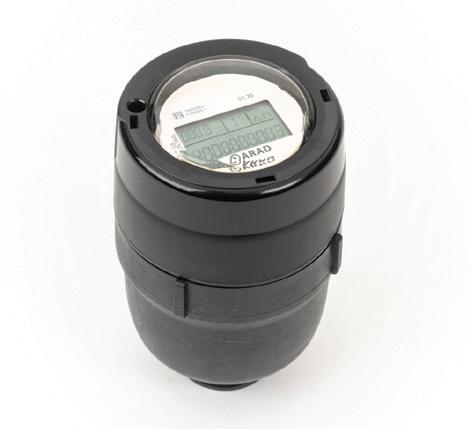
The Gladiator LR
Digital
Arad’s super sensitive positive displacement LoRaWAN water meter with a fully integrated under the glass radio, providing vast online data and supports rich alarm options. The only ISO concentric manifold meter available for converting existing networks to smart metering.
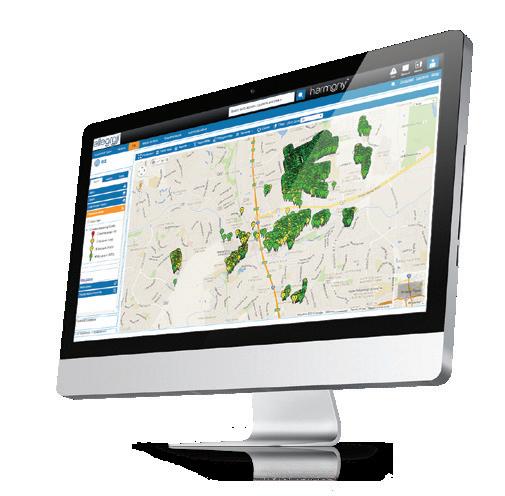
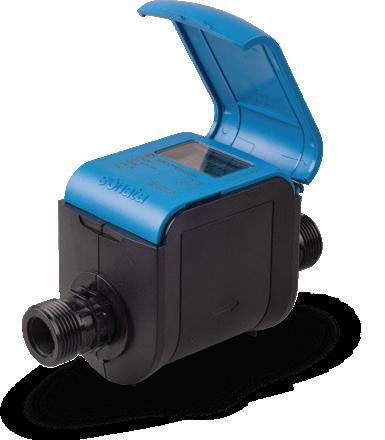
The Sonata LR9
An advanced and highly accurate ultrasonic LoRaWAN water meter and data endpoint for residential applications. With no moving parts, the Sonata’s robust design ensures reliable and long-lasting precision. Its technology enables the measurement of even the lowest flow rates, making it the best solution for addressing NRW.
Harmony Encore
A next-gen MDM platform built for performance, insight, and customer empowerment. Built on Microsoft® Azure™, it delivers speed, scalability, and security –while supporting nearly any AMI network.
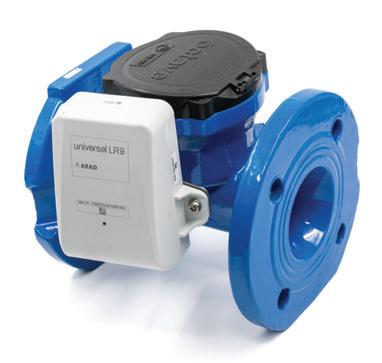
The Octave
A revolutionary, precise and ultra reliable ultrasonic bulk water meter with no moving parts. With superior hydraulics and batteries that last up to 15 years, the Octave is today’s best choice for bulk meters. Flexible data formats including flow directions, flow rates and volumes make the Octave the logical choice for large projects, as key meters in grids and DMA (District Metered Areas). Coupled with Arad’s XTR Universal LR9 fully integrated LoRaWAN solution the Octave connects to any AMI network.