| MAY 2015 ISSUE 189
JULY/AUGUST 2026 ISSUE 245

| MAY 2015 ISSUE 189
JULY/AUGUST 2026 ISSUE 245
Water impacts of our first data centre
National Engineering Design Standards
Biomethane opportunities in wastewater

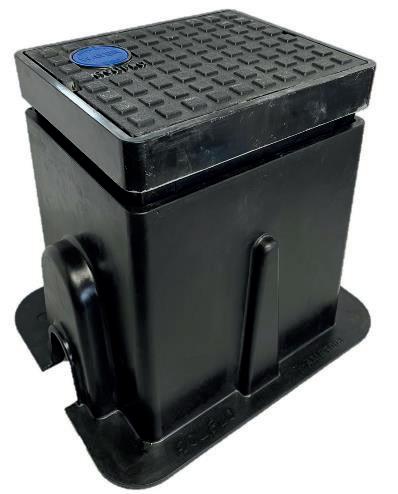
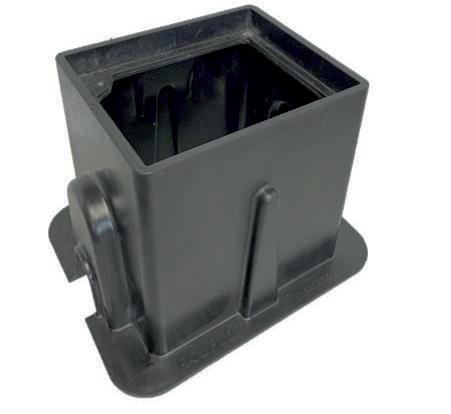
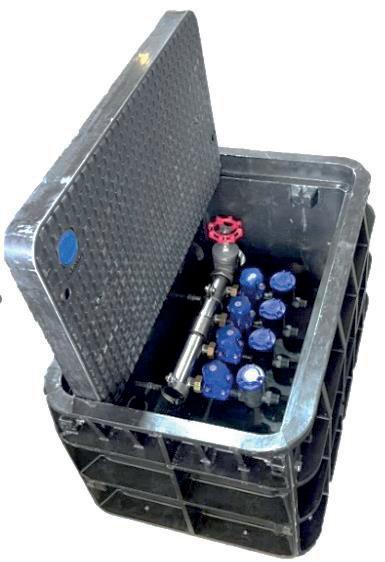
Midi box too shallow and need to bring the lid up to ground level? No need to break ground and lift the entire box – simply fit a MIDI RISER into the existing lid recess and raise 50mm. Trafficable rated, the MID RISER compliments the Midi Trafficable Box which is now made entirely from SMC material – high strength and radio transparent!



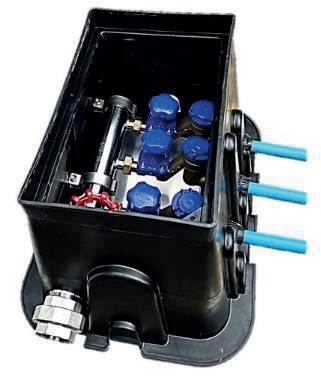
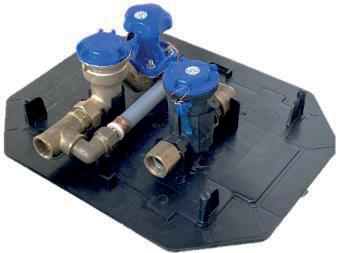
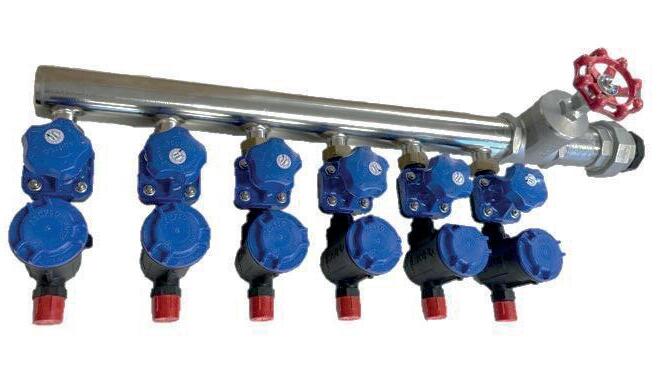
The perfect solution for those compact sites, where space is a premium. Supplied with manifolds, fully assembled & pressure tested, ready to connect to the rider main. Standard in 2 to 6 outlets, all in a single trafficable box . Solution oriented, we work with you for bespoke designs using AS4020 certified , 50NB, 316 SS distribution manifold & isolating valve and choice of AS2845 certified , lead free manifolds.
Talk to us about your customised solution







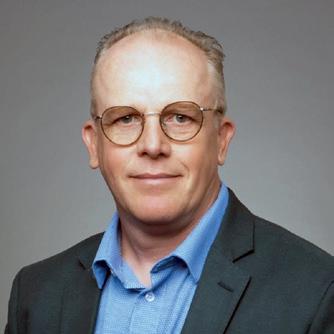
President: Tim Gibson
Board Members: Bruce Balaei, Stephen Burton, Tim Gibson, David Hogg, Paddy McNamara, Soltice Morrison, Suzanne Naylor, Priyan Perera
Chief Executive: Gillian Blythe
Internal Events and Logistics Co-ordinator:
Katrina Guy
Head of Corporate Services: Mumtaz Parker
Membership Administrator/Office Manager: Pip Donnelly
Technical Lead – Regulatory and Policy: Tega Ogbuigwe
Technical Lead – Drinking Water Quality and Education: Belinda Cridge
Communications Manager: Debra Harrington
Marketing Lead: Frances Sheriff
Executive Assistant to the CE and Association Secretary: Caroline Lewin
Accounts Administrator: Sweety Gangreddiwar
OUR SPECIAL INTEREST GROUPS
Backflow
Climate Change
Drinking Water Quality
Diversity, Equity and Inclusion
Smart Water Infrastructure
Modelling
Onsite Wastewater Management
Stormwater
Te Ama | Aukaha te Wai
Water Services Managers’ Group Water Efficiency and Conservation Action Network (WeCan)
Wastewater
Young Water Professionals: Chapters in Auckland, Wellington and Christchurch.
For information contact: Katrina Guy 04 495 0891, email: Katrina.guy@waternz.org.nz
WATER JOURNAL
Editor: Mary Searle Bell, Contrafed Publishing
M: +64 21 676 034
Advertising Sales: Debbie Laing
M: +64 27 455 0223
Design: Jonathan Whittaker
M: +64 21 147 5591
Publishing: Contrafed Publishing, General Manager: David Penny, 1 Grange Road, Mount Eden, Auckland 1024 PO Box 67131, Mt Eden, Auckland, 1349
P: +64 21 190 4078
www.contrafed.co.nz
Distribution: Pip Donnelly, enquiries@waternz.org.nz
P: +64 4 472 8925
DISCLAIMER: Water New Zealand reserves the right to accept or reject any editorial or advertising material submitted for publication. The opinions expressed in contributions to Water are not necessarily those of Water New Zealand. The information contained in this publication is given in good faith and has been derived from sources believed to be reliable and accurate. However, neither Water New Zealand, nor any person(s) involved in the preparation of this publication accept any form of liability whatsoever for its content including advertisements, editorials, opinions, advice or information. This extends to any consequences from its use. No part of this publication may be reproduced, stored in any retrieval system, or transmitted in any form or by any means electronic, mechanical, photocopying, recording or ink–jet printing without prior written permission of the publishers.
ISSN 1179-2949 (Print)
ISSN 2382-1906 (Online)
www.waternz.org.nz

2026
4 President’s comment
6 Water governance directors’ handbook released
7 Report from OzWater
8 Shaping authorisations for the water sector
10 Thoughts from the IWA Micropol and Ecohazard Conference
11 The multi-billion-dollar cost of stop-start delays
17 Keynote speakers overview
20 Photos from the conference
24 Funding blue-green projects and climate adaptation with the IFF Act
28 Genuine partnerships, not consultation
30 Award winners
32 Innovation: Rethinking early-event stormwater sampling
34 Community, conversations, and connection
36 Profile: Hannah Ludlow
40 What the 2026 NCCRA means for our sector
46 Reducing South Dunedin's flood risks
48 What made Wellington’s deluge so intense?
50 Toxic blooms and invasive clams are forcing a rethink on the Waikato River
56 New mapping shows wetland loss continues
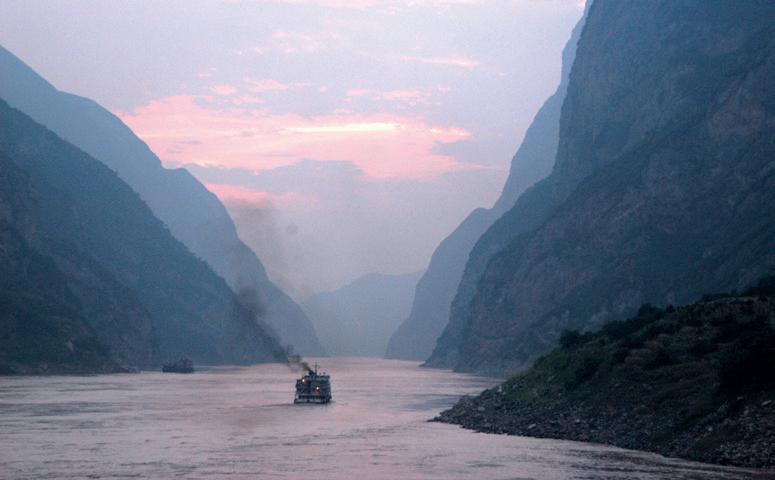
58 Ancient floods ‘rewrote’ civilizations along the Yangtze River
60 What a tiny worm reveals about microplastics’ threat to marine life
62
Water and climate impacts of our first hyperscale data centre
68 AI-powered system set to transform water use for farmers
78 What gets measured gets managed
80 Partnership milestone for Rotorua’s main water supply
82 Design work begins for major hydro refurbishment project
86 When work mates become family
92 Biomethane from wastewater
96 Profile: Hugh Ratsey
98 The state of circular economy principles applied to wastewater treatment
102 Thermal hydrolysis on the way for Rosedale Wastewater Treatment Plant
104 Desludging under way in Waiwera
72 Five lessons from Britain’s hard reset
74 The Water Services Authority - Taumata Arowai looking at national engineering design standards
76 Engineering the future of the water sector
84 The path you don’t see fully, until you walk it
88 Legal update
90 Turning plans into pipes, pumps, and performance

‘Ka ora te wai, ka ora te whenua, ka ora nga tangata’
‘If the water is healthy, the land is healthy, the people are healthy’

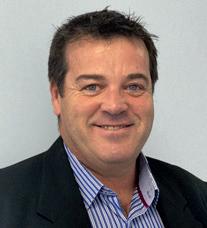
Tim Gibson President, Water New Zealand
If you were one of the record 988 delegates, visitors and exhibitors who helped make the Stormwater Conference and Expo a record breaker, I hope you’ll agree that it was not only our largest-ever stormwater event but that it was also one of our more outstanding ones.
Our theme, ‘Stormwater is a taonga: Managing challenges and opportunities’, could not have been more timely. As communities grapple with the impacts of climate change, we’re reminded that stormwater isn’t something to be managed in isolation – rainfall, runoff, and waterways are an integral part of the ecosystems that sustain us.
Opening keynote speaker Edward Ashby, CEO at Te Kawerau Iwi Tiaki Trust, captured this perfectly when he challenged us to see stormwater not as something to be removed as quickly as possible, but as something to care for, plan for, and value as part of the environment. It's something that both iwi and stormwater practitioners have championed for many years, and one that is increasingly resonating with communities, decision-makers, and policymakers.
Throughout the conference we saw inspiring examples of what is possible when technical expertise is combined with nature-based thinking and community-centred solutions. These approaches are helping to create outcomes that are not only more resilient, but also more sustainable and connected to place.
While extreme weather can be devastating for people and the environment, our choices, planning, and culture can influence how resilient our communities become.
That focus on understanding and valuing water in all its dimensions is also reflected in our revamped Cultural Significance and Importance of Wai training module, launched to coincide with Matariki.
Building on the success of previous programmes, this refreshed course offers more flexible learning options and provides valuable insights into the cultural perspectives that help shape better water management outcomes.
Another strong theme that emerged from the conference was
the importance of keeping customers and communities at the centre of change as we evolve into new water organisations.
Effective communication and transparency will be critical if we are to maintain our social licence and ensure communities recognise the true value of water and the infrastructure investment required to deliver safe water.
For many people, receiving a separate water bill for the first time will bring home the reality that delivering safe drinking water, managing stormwater, and protecting the environment require significant infrastructure and ongoing investment. Building understanding and trust will depend on open, honest conversations about both the challenges we face and the benefits these investments will deliver for future.
We need to work collegially to ensure those messages are getting into communities. The connections we make through Water New Zealand – our conferences, special interest groups, and learning opportunities – will help retain those vital connections we have.
Our new chief executives’ forum, led by Watercare CE Jamie Sinclair, is aimed at helping ensure that knowledge is shared across the sector
But also important is the level of knowledge that comes together in our Special Interest Groups (SIGs). As you turn the pages of this publication, you’ll see some of the impressive work from our SIGs. This shows not only the depth of knowledge, but also the generosity of time from members committed to sharing their knowledge and making a difference.
To all our SIG members – we appreciate and thank you for all your efforts.
And finally, preparations are well underway for our big event, the Water New Zealand Conference and Expo 2026 in Kirikiriroa Hamilton. Awards nominations are open so make sure you continue to highlight the incredible work we do and nominate your colleagues, or yourself, for recognition.
We look forward to seeing you in September.
Ngā mihi nui,
Tim Gibson
This is the must-attend event for anyone interested in the future of water.
At a time of major change, this conference provides a vital opportunity to learn, share knowledge, challenge thinking and help shape what comes next.
Join us and hear from leading keynote speakers and technical experts, explore cuttingedge discussions on AI and digital innovation, mātauranga Māori, asset management, water reform, global research and plenty more.
Connect with industry leaders and partners, visit our exhibition sites, and take part in discussions to support resilient communities and protect water for generations to come. Go to our website to register and find out more
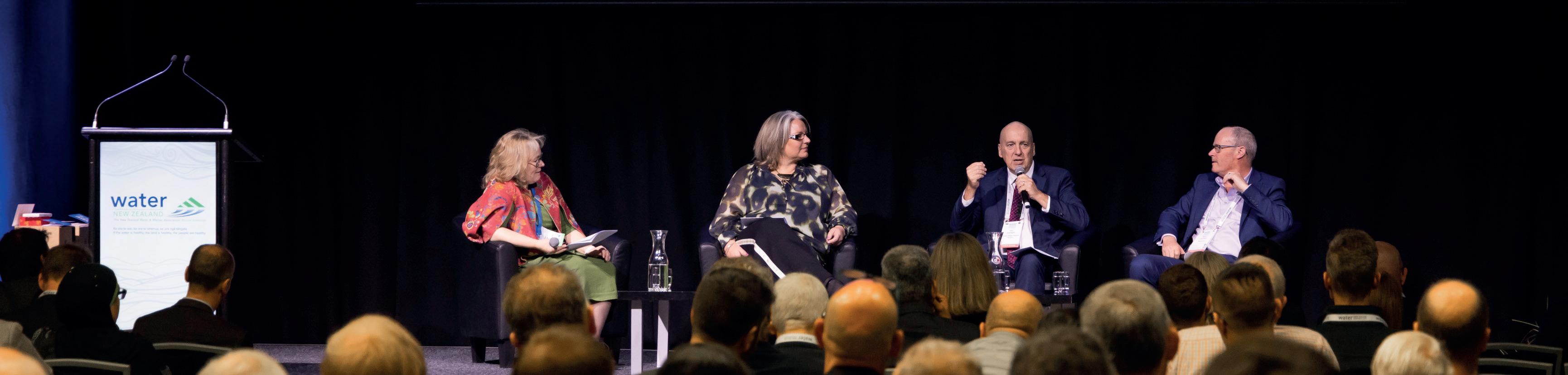
www.waternzconference.org.nz




Water New Zealand chief executive Gillian Blythe shares her thoughts from the recent OzWater ’26, where the discussion centred on the water legacy we’re leaving for future generations.
Water leaders are increasingly being asked to navigate competing pressures: rising costs, climate uncertainty, aging infrastructure, growing customer expectations, and emerging demands from new industries. Yet beneath these challenges lies a more fundamental question: what kind of water legacy are we leaving for future generations? With this in mind, the theme for Ozwater’26 was ‘Our water. Our tomorrow’.
Fairness in water is about far more than equal access. It requires balancing the needs of today’s communities with those who will inherit the systems we build and manage. It means considering who gets water, who pays for it, who decides, and whose voices are heard.
It also means being honest about the trade-offs that inevitably arise.
Climate change, population growth and new demands in Australia from industries such as hydrogen production and data centres are placing increasing pressure on finite water resources. At the same time, utilities are grappling with the realities of affordability, particularly for vulnerable customers and regional communities where service delivery costs are often significantly higher.
A recurring message throughout the discussion was that future generations are often the absent stakeholder in today’s boardrooms and project meetings.
While the sector rightly focuses on vulnerable customers today, those who will live with the consequences of current decisions rarely have a voice. Whether investing in reservoirs, treatment plants, digital twins, artificial intelligence, or telemetry systems, today’s choices will shape how water services operate for decades to come.
At OzWater, we were challenged to think beyond individual projects and regulatory cycles and instead adopt a systemsthinking approach. Every procurement decision, investment choice and engagement process contributes to what future communities will inherit.
Transparency and trust are central to this challenge. Communities are more likely to support difficult decisions when they understand the evidence, the risks and the trade-offs involved.
Fairness requires us, as a sector, to explain why costs are rising, how risks are being managed and what outcomes investments are intended to deliver.
Ultimately, our responsibility is not simply to maintain assets, but to strengthen the systems, relationships and capabilities that underpin them. As one speaker reflected, our task is to pass on what we inherited – and make it stronger.
The call to action here as well as in Australia is clear: define fairness, embed it in decision-making, communicate it openly, and deliver on it consistently.
The future will inherit the choices we make today. The question is whether that legacy will be left to chance or is shaped by design.
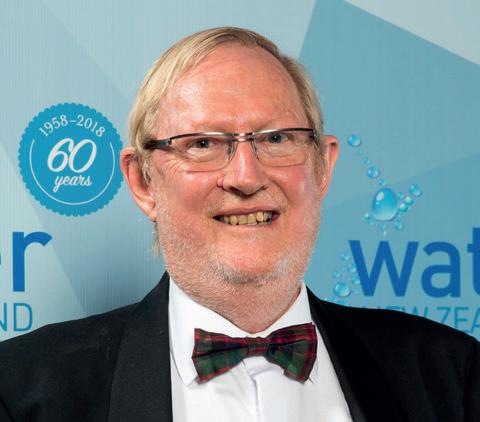
Garry Macdonald is to be an Officer of the New Zealand Order of Merit for his services to wastewater engineering.
Recognised as one of the most influential experts in wastewater engineering in the country, Garry has helped shape public health infrastructure since becoming a water professional in 1976.
He has led many major wastewater projects that have improved the environment for the country’s fastest growing urban centres, most notably the major upgrade to the Māngere Wastewater Treatment Plant. This project won the Arthur Mead Environmental Award in 2003 and Engineering New Zealand’s (ENZ) Supreme Award for New Zealand Engineering Excellence in 2005.
For years, Garry has provided high-profile, volunteer governance and leadership for national industry organisations, including Water New Zealand, ENZ, and Oxfam New Zealand. He was the first non-North American to serve on the Water Environment Federation (WEF) Board of Trustees, playing a critical role in driving education and standards for the global water industry.
Garry has authored and presented more than 60 technical papers at conferences worldwide. He is a Distinguished Fellow of ENZ, won Water New Zealand’s Association Medal in 2018 and Presentation of the Year in 2024, and WEF’s Volunteer Service Recognition Award in 2024. A member of the National Wastewater Standards Technical Review Group, Garry provides expert technical input to Water Services Authority-Taumata Arowai.
Congratulations on your latest gong Garry.
Water New Zealand, in collaboration with Simpson Grierson, has recently launched a new handbook aimed at giving directors of water organisations a practical overview of their governance responsibilities in relation to Three Waters services.
The handbook is intended as a resource for directors of water organisations, as well as councillors providing governance oversight of inhouse service delivery by their council.
However, Water New Zealand chief executive Gillian Blythe stresses it isn’t just for directors or those seeking to be directors.
“We hope the handbook provides a good basis for understanding the role of directors in the water sector and will provide helpful information to members working across many areas in water organisations."
The handbook is structured in two parts: Part One – the Legislative Environment, and Part Two – Director’s Toolkit. It reflects the law as at 1 May 2026.
You can find it in the resources section of our website, waternz.org.nz, along with an explanatory webinar recorded following the launch.
In our latest Tāwara o te Wai podcast, hosts Jon Reed and Emily Afoa unpack flood risk and how our knowledge and attitudes have shifted in recent years.
For many, flooding has shifted from a distant risk to a lived reality. In Tāmaki Makaurau Auckland for instance, the severe floods of 2023 marked a turning point, transforming how communities understand flood risk.
According to Auckland Council’s flood risk leaders Nancy Baines and Nick Brown, that change has been profound and overdue.
“Before 2023, people saw flood maps but didn’t always believe them,” says Nancy.
“Now, conversations with communities are much more informed. People want to understand modelling, emergency planning, and what it means for their homes.”
Nick agrees. After decades of trying to raise awareness, he now sees a community actively seeking information and asking how to protect themselves.
Greater public interest has helped councils strengthen the mandate for action. But it has also revealed gaps in understanding, particularly about what happens before, during, and after a flood.
One key misconception is time: “People think they’ll get a warning and have time to prepare,” says Nancy.
“In reality, by the time you realise it’s flooding, the water is often already there.”
Acting early – moving valuables, knowing evacuation routes – is critical.
Flooding also carries hidden risks. Nick highlights that floodwaters are
typically contaminated, and post-event issues such as inadequate drying can lead to long-term damage to house structure and health concerns.
Insurance gaps can add further stress, with repair timelines often exceeding coverage periods.
To address this, Auckland Council has focused on improving access to information. The launch of an online Flood Viewer in 2023 made propertyspecific flood risk easier to understand, particularly on mobile devices.
Importantly, it explains not just where flooding may occur, but what it means and what action people can take.
The data is also being integrated into platforms like property listing websites, helping renters and buyers make more informed decisions.
Communication remains central.
Nancy uses a simple analogy to explain flood probabilities: a “one percent annual chance” event is like spinning a roulette wheel every year. Over a lifetime, those odds become much more tangible.
“It’s about helping people see that these events are not just possible, they are likely over time,” she says.
Ultimately resilience starts with awareness. While infrastructure and planning rules play a role, informed communities are a critical first line of defence.
As Nick puts it, “We’re already living with flooding. The question is whether we understand the risk and know what to do.”
You can listen to the full discussion on the Water New Zealand website, Spotify, or wherever you get your podcasts.




By Belinda Cridge, technical lead – drinking water quality and education, Water New Zealand
Authorisations are set to become a significant part of the water services landscape over the coming decade.
While the final form of the framework is still to be determined, one thing is already clear: authorisations will play a role in strengthening confidence that water services are being delivered safely, competently and consistently across the country.
From 2031, every local authority or water organisation operating a drinking water supply must be authorised, or have its supply operated by an authorised supplier. The legislation also provides for authorisations to apply to individuals, such as operators and samplers, if future regulations require it.
The Water Services Authority – Taumata Arowai is responsible for developing the authorisation framework and will ultimately be the owner of the regulations. The Department of Internal Affairs is supporting policy development and will guide the regulations through the legislative process.
Water New Zealand’s role is to help ensure the practical realities, challenges and opportunities facing the sector are understood and reflected throughout the development process.
Recognising that authorisations are a complex topic with implications for organisations, workers and communities, Water New Zealand’s first step was to develop a comprehensive background report.
Published in 2025, the report brought together relevant legislation, national and international examples, competency frameworks, workforce considerations, implementation challenges and indicative cost information.
The initial research highlighted several important themes. Authorisations are fundamentally about protecting public health and environmental outcomes, but they are not a silver bullet. Any framework will need to sit alongside strong organisational culture, effective leadership, investment in workforce capability and ongoing professional development.
The report also identified the need to balance national consistency with flexibility, recognising the significant diversity that exists across the water sector.
Building on this foundation, Water New Zealand has spent the past four months facilitating a series of consultation workshops across the country. Held in Wellington, Auckland, Christchurch, Hamilton and online, the workshops were designed as working sessions rather than presentations, providing participants with an opportunity to engage directly with the challenges and opportunities that authorisations present.
Participants were asked to examine a range of possible authorisation models, critique their strengths and weaknesses, and then design frameworks they believed could work for our unique circumstances.
Discussions explored questions such as what should be authorised, how requirements might apply to organisations, how competence should be assessed, and how any future framework could remain practical, proportionate and affordable.
The workshops have also reinforced that there is strong interest across the sector in getting this right. While views differ on the best approach, there is broad recognition that any future framework must support workforce development, recognise existing experience and qualifications, and be adaptable enough to accommodate suppliers of different sizes and levels of complexity.
Participants have consistently highlighted the importance of building on what already exists, avoiding unnecessary administrative burden, and ensuring any framework delivers genuine improvements in capability and performance.
As this edition of Water goes to print, the final workshops are wrapping up and the feedback is being consolidated.
The next stage will see Water New Zealand collate and present the insights gathered through the workshops and wider engagement process to the Water Services Authority – Taumata Arowai. This feedback will help inform the Authority’s ongoing policy development and consideration of potential authorisation models.
The Authority’s current programme anticipates further technical work, assessment of regulatory impacts and costs, and continued engagement with industry, iwi and hapū before a proposed authorisation scheme is developed and formally consulted on.
Current timelines indicate another consultation process could occur in 2027, with regulations potentially finalised in 2028 ahead of implementation.
For Water New Zealand, the work does not stop with the completion of the current workshops. As the shape of the proposed framework becomes clearer, we will continue to facilitate conversations between the sector, the Authority and other stakeholders.
Our focus will remain on ensuring that the eventual authorisations framework is practical, proportionate, fit for purpose and informed by the experiences of the people who will ultimately be responsible for delivering it.
Authorisations may still be several years away, but the decisions being explored today will help shape the future capability, professionalism and resilience of our water sector for decades to come.
22–24 September 2026
Claudelands, Kirikiriroa Hamilton

A Water New Zealand Excellence Award is your chance to be recognised by peers across the sector for outstanding achievement and impact.
Showcase your success, celebrate your team, enhance your organisation’s reputation, and gain valuable industry recognition that sets you apart from the competition.
The awards are presented at the Downer Gala Dinner during the Water New Zealand Conference and Expo 2026
Awards Categories:
Ronald Hicks Memorial Award sponsored by Mott MacDonald
Operations Award sponsored by IXOM
Health & Safety Innovation Award sponsored by Site Safe
Project Award sponsored by Pipeline and Civil
Young Water Professional of the Year sponsored by Beca
Water Trainee of the Year sponsored by Citycare Water
Environmental Sustainability Project Award sponsored by Morphum Environmental Ltd
Digital Transformation Impact Award sponsored by Citycare Water
Nominations close on 31 July 2026
Find out more at www.waternzconference.org.nz
BROUGHT TO YOU BY
GALA DINNER SPONSOR
By Jim Graham, chief advisor water science, Water Services Authority – Taumata Arowai
I applied for and was granted a scholarship from Water New Zealand to attend the 14th IWA Micropol and Ecohazard Conference in Toronto, Canada from 1st to 3rd June. I am very grateful to Water New Zealand for this opportunity – it has given me a lot to think about.
Held every second year, the Micropol and Ecohazard Conference provides an opportunity for researchers to make presentations on micropollutants in water and wastewater. It’s a small conference and most of the attendees are doctoral students.
There were 120 presentations – of which I attended 34 – to about 200 people, about half of whom were the presenters. It’s a deep dive into the science and technology related to micropollutants.
There were five main themes in four streams: anthropogenic organic pollutants, PFAS, microplastics, technologies for the removal and destruction of micropollutants, and fate and transport of micropollutants.
The topics provide an indication of what is bothering researchers at the moment, with PFAS and microplastics at the top of that list.
Toronto, a diverse and relaxed city, nestles on the shore of Lake Ontario, one of the Great Lakes, which combined hold 20 percent of global fresh water. The $6 trillion economy of the Great Lakes environs would be the third largest in the world if it was a country in its own right.
Not surprisingly, the lakes continue to be adversely affected by a wide range of micropollutants so the local universities make a considerable investment in related research.
The only non-technical, and one of the most interesting, presentations on the first day was from a lawyer representing two communities that were taking class actions against the government due to contamination of groundwater with PFAS from military bases and firefighting training sites. Residents in local properties use domestic groundwater bores for water supply.
The class actions weren’t about adverse health effects, rather a loss of property values due to PFAS contamination of the groundwater making their homes unsellable.
The presenter made the claim that government organisations knew about the PFAS contamination but didn’t tell anyone. He said they should have, or they are liable for people’s losses.
Toxic substances leaching from plastic pipes was a common theme.
An example of a topic I hadn’t heard about before was ‘persistent mobile toxic substances’ used in plastic manufacturing. These leach from plastics when they are put into use (including PE pipes) and contaminate drinking water.
But what really got me wondering were the presentations about microplastics, small plastic particles that result from the breakdown of
plastics in the environment, including while they are still in use. These presentations really focused my interest.
Researchers expressed real concern about them as they contain toxic products used in their manufacture which are released as they break down. People inhale and ingest the microplastics including in drinking water, which can remain in their bodies releasing the toxins.
I was also interested in the presentations about the persistence of pharmaceuticals in source waters. It seems quite common in Europe and is a source of growing concern.
But the conference wasn’t just about the problems. There were also a lot of presentations about what to do with micropollutants – in particular, for drinking and wastewater, the optimisation of GAC filters, ozone and electrochemical oxidation, UV based and hybrid oxidation, sorption, sequestration and destruction.
Many European wastewater plants discharge to rivers and the discharged compounds are cumulative. The EU has set limits and many wastewater plants have installed carbon filtration to improve discharge quality.
Other technologies are also being used, hence the interest and support for research on new technologies.
One of the best sessions was the last one, which was about the human health impacts of micropollutants; it might have been better as the first session to give context to all the other presentations.
Because most of the presenters are researchers, their presentations had a strong focus on methodology. I was most interested in their results, which were enlightening. Not just the results of each piece of individual research but the overall picture formed when all of the results are considered together.
I then considered the situation in the Aotearoa New Zealand context. I’m pleased to say that we clearly don’t have these problems to the same extent as the Europeans and North Americans. But those contaminants will be in our waters, just not at the same concentrations. We can learn a lot from the approaches that others are taking.
The research presented does change things. It was this kind of research that identified that parabens in detergent damaged living organisms in the environment. It was banned.
It also revealed that bisphenol A in the plastic of drink bottles was toxic. It was also banned but one presenter showed research into the equally harmful effects of the bisphenols being used to replace bisphenol A.
Same with PFAS. Long chain PFAS are banned but medium and short chain PFAS are still problematic.
The keynotes were interesting. The first keynote emphasised the
importance of personal choices in not using products that contain chemicals which become micropollutants.
The second spoke about an area of small pristine lakes that have been set aside for environmental experiments. For example, they added silver (a common bacteriocide) to one of them and measured the (adverse) effects on fish. It wasn’t good. Next experiment is about how to remove silver from lake sediments. I wondered about the ethics of deliberately contaminating a pristine lake. I guess they’ve got a lot of lakes in Canada.
Attending a conference like this has considerable personal and professional value for me. I get to hear the latest thinking and speak with people who are grappling with real problems at a scale that we don’t
have. Like PFAS, yes, it is present in some groundwater here, but not to the scale it is in Europe, Canada and the US. Maybe we need to look more closely for it in some specific areas.
Pharmaceuticals might be present in some waters; I don’t think we have looked much but it would be good to confirm that they aren’t a problem.
Not so microplastics. We use a lot of plastic and it degrades in our environment. I wonder if levels in our source water lakes would be similar to the 20,000 particles/litre found in the Great Lakes and considered problematic. And how effective are our treatment systems at removing them?
The conference has given me a lot to think about, particularly as we begin the process of reviewing the MAVs in the drinking water standards later this year.
Research commissioned by Water New Zealand, Civil Contractors New Zealand, and Infrastructure New Zealand shows the country’s habit of pausing, cancelling, and delaying infrastructure projects has cost an estimated $11.8 billion over the past 25 years.
Report author Shamubeel Eaqub says the research challenges the assumption that stopping projects saves money.
“The surprising finding is how expensive pausing or cancelling projects really is. Delays create inflation costs, productivity losses and defer public benefits that compound over time. It’s clear that in many cases, stopping projects can cost more than continuing steadily.”
The report, “The cost of stopping: Assessing the true cost of delaying, deferring and cancelling infrastructure projects”, concludes inconsistent investment pipelines are driving up costs, eroding productivity, and delaying critical public benefits.
The report is accompanied by a new interactive ‘Cost of Stopping’ tool to help decision-makers assess the full impacts of pausing or cancelling projects, maintenance, and renewals.
The findings reinforce that maintaining and renewing infrastructure consistently is far more cost-effective than delaying investment.
“When essential infrastructure is deferred, communities ultimately pay more through higher future costs, reduced resilience, and delayed benefits,” says Water New Zealand chief executive Gillian Blythe.
Civil Contractors New Zealand’s Alan Pollard says the report highlights underlying structural issues facing the sector.
“Infrastructure construction delivers public benefit. When looking at delaying or cancelling of projects, we need to be careful
we aren’t unnecessarily denying our communities access to these benefits,” he says.
“There is a real cost to this. Stop-start investment damages capability across the entire supply chain.”
The report findings are timely as councils and central government grapple with major infrastructure reform and funding pressures, particularly due to conflict in the Middle East.
“Councils and infrastructure providers are facing significant change and difficult investment decisions. Tools like this help decision-makers understand the real long-term costs of delays and cancellations, and why a stable, funded pipeline matters,” says Infrastructure New Zealand chief executive Nick Leggett.
The Cost of Stopping Tool enables better analysis of the cost implications of delay or cancellation of horizontal infrastructure projects, including factors such as sunk cost, resumption cost, workforce, cost escalation and deferred public benefit. It can be found online at costofstopping.nz.
The Cost of Stopping report documents how costs can increase through delay, deferral or cancellation, including fuel cost, materials, and workforce pressures – factors often amplified when work pipelines become uncertain, such as through change of government.
Report recommendations include ring-fencing maintenance budgets, committing to a funded multi-year infrastructure pipeline, and requiring formal assessment of the full costs before projects are paused or cancelled.
“The cost of stopping: Assessing the true cost of delaying, deferring and cancelling infrastructure projects” report is available on the Research and Insight section of the Water New Zealand website, waternz.org.nz.

By Belinda Cridge, Water New Zealand technical lead, drinking water quality and education.
When Troy Brockbank first delivered Water New Zealand’s Cultural Significance and Importance of Wai course in 2022, he wasn’t simply creating another training programme. He was creating a space for conversations that many in the water sector had never had before. That course has now been digitised and enhanced, making it more accessible and flexible to suit more people. Since it was introduced, the Cultural Significance of Wai has brought together engineers, consultants, council staff, contractors, iwi representatives, and newcomers to Aotearoa New Zealand.
Across 11 cohorts and more than 200 learners, participants explored te ao Māori, Te Mana o te Wai, decisionmaking, relationships and the cultural significance of water. But just as importantly, they shared perspectives, challenged assumptions, and learned from one another.
The course emerged at a time when the sector was recognising that technical expertise alone was not enough.
As expectations around collaboration with iwi evolved and concepts such as Te Mana o te Wai became increasingly embedded within the water sector, there was a growing need for learning that could help practitioners understand not only the policy landscape, but also the people, values and relationships that sit behind it.
Troy was uniquely placed to help bridge those worlds.
With whakapapa ties to Te Rarawa, Ngāti Hine, and Ngāpuhi, and more than a decade of experience as a civil engineer and water practitioner, Troy has built a career around
connecting te ao Māori and other cultures, helping the water sector draw on the strengths of multiple worldviews.
His passion for empowering professionals to incorporate Māori values and perspectives into their work became the foundation for a course that has gone on to influence hundreds of practitioners across the country.
Participants often describe the experience as much more than professional development.
One learner reflected that the course strengthened their understanding of the cultural significance of wai while influencing the way they approached project delivery and organisational capability-building.
“This has helped to influence some of the processes that we undertake through project delivery, and also our teachings that we implement within our organisation to support our kaimahi to have a deeper understanding around wai and the broader concepts of te ao Māori.
Stories like these help explain why the Cultural Significance of Wai course has become one of Water New Zealand’s most highly regarded learning offerings.
The course explores topics including te reo Māori, whakapapa of wai, Te Tiriti o Waitangi, Te Mana o te Wai, decision-making and engaging effectively with iwi and Māori. Yet participants often speak just as highly about the environment Troy created around the learning – one characterised by curiosity, respect, humour and openness.
That legacy is what Water New Zealand set out to protect when discussions began about the future of the programme.
While the cohort model had proven successful, it also had limitations. Participation
required a commitment to regular two-hour sessions over eight weeks, making it difficult for some learners to take part. Demand continued to grow, but capacity remained tied to the number of people who could move through each cohort.
Rather than simply digitising the existing material, Water New Zealand saw an opportunity to capture and extend everything that had made the programme successful.
Working closely with Troy and specialist learning designers Pipi Learning over the past six months, the organisation has transformed the course into a rich online experience that will launch during Matariki 2026.
The result is far more than a collection of recorded presentations. Through videos, interactive activities, readings, case studies and an extensive repository of curated resources, learners will be able to access years of accumulated knowledge and experience in a format that can be explored at their own pace.
The course retains Troy’s distinctive storytelling style and humour while providing greater flexibility for busy professionals.
The knowledge and resources developed through the original programme are now preserved and available to a much wider audience, allowing him to focus on where the learning journey might go next.
Together with the free Te Mana o Te Wai learning offering, the new online course forms part of a growing pathway that supports better relationships, stronger collaboration and ultimately better outcomes for water.
Go to the Water New Zealand website, waternz.org.nz, to register and find out more.
Positioning | Process Sensors | Network & Control | Plant Condition Monitoring
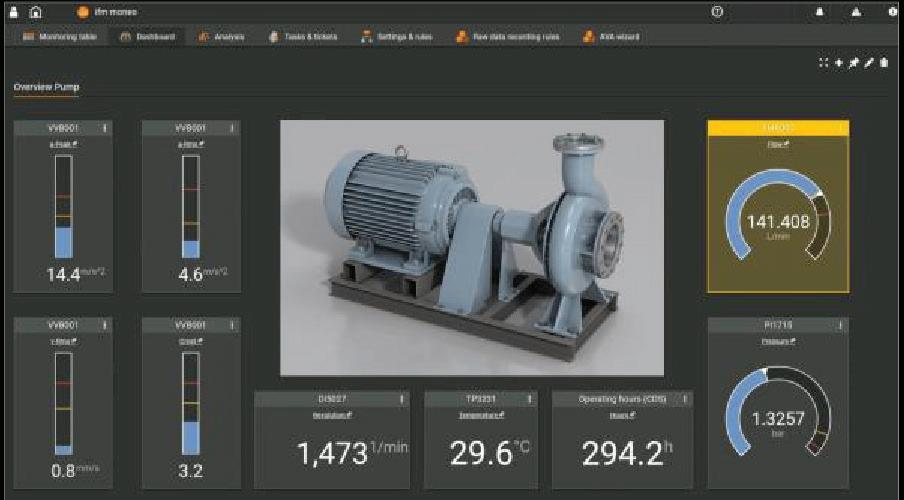
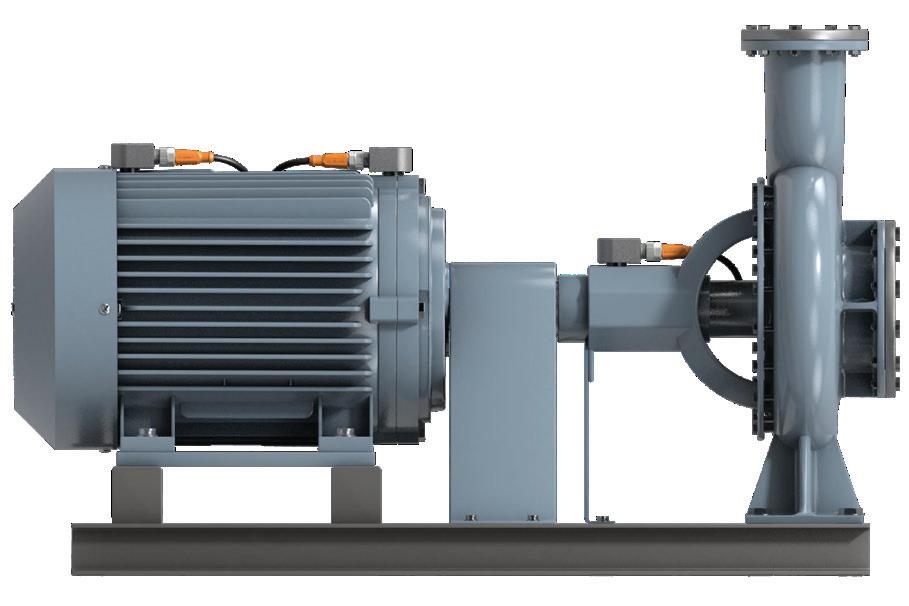
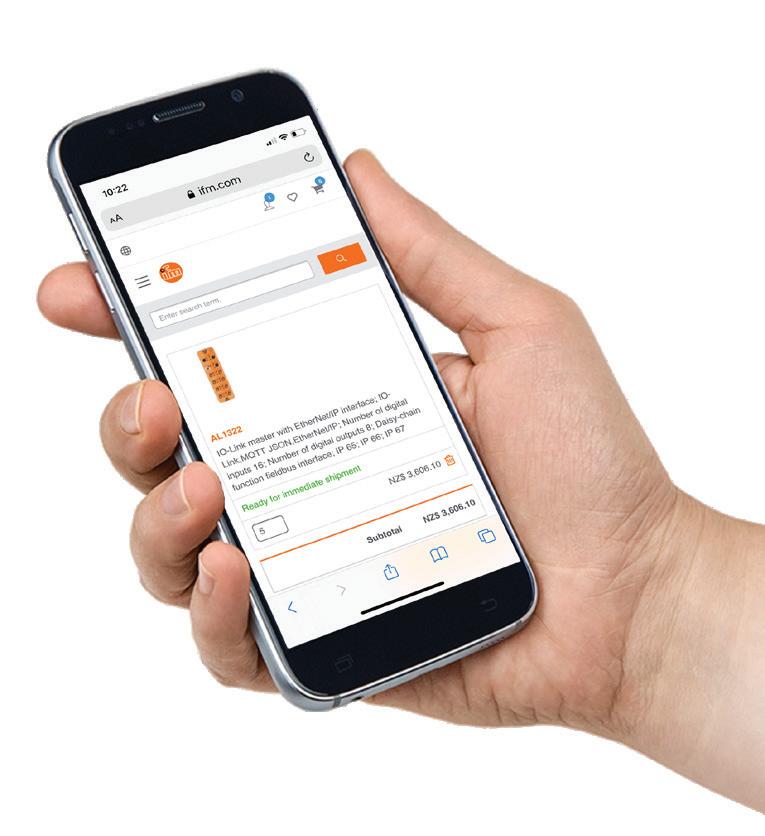
ifm offers a comprehensive range of industrial digital vibration monitoring equipment and field-bus interface modules. Ex-stock NZ! IP69k, IO-Link technology provides 3-axis information monitoring that can be turned into actionable insights using moneo copilot. German qualitysupported by local automation engineers.

It started with one invention and a single question: is there an even better way? What followed built a company — and the science, testing and ambition behind it continue to grow.
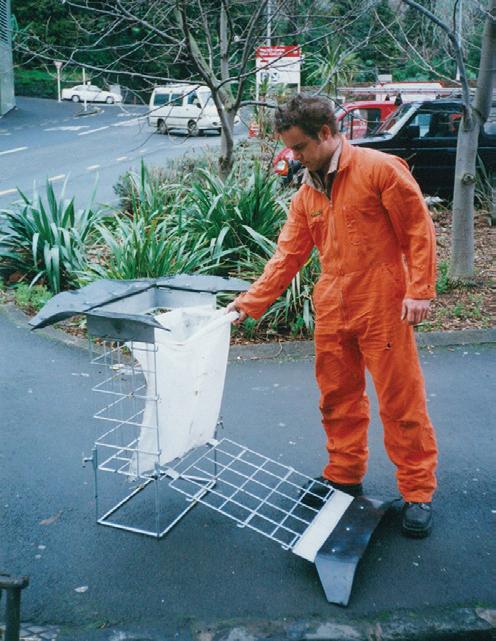
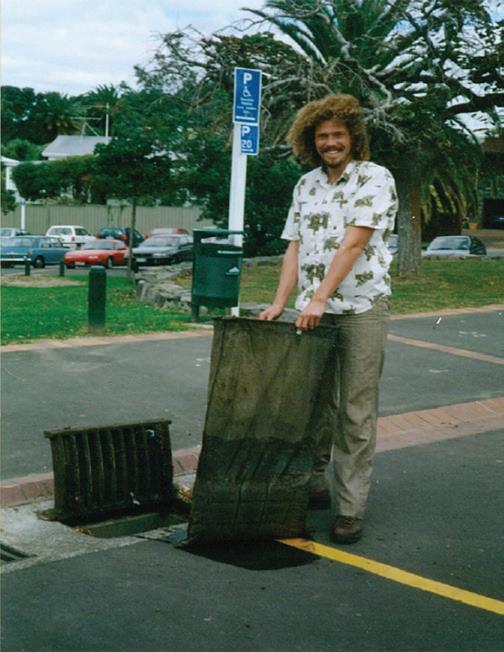
Thirty years ago, it started with a bag in a drain. That simple idea became the EnviroPod® Filter — a patented catchpit filter designed to capture pollution before it reached New Zealand’s waterways. It was a practical solution to a complex problem, and one that worked.
What founders Mike Hannah and Greg Yeoman could not have predicted at the time was that this single invention would become the foundation of a company now operating across New Zealand, North America and beyond. “It was a simple solution to a complex problem,” says Hannah. “And it became the foundation of everything that followed.”
Today, Stormwater360 Group — encompassing Stormwater360 New Zealand and EnviroPod™ International — delivers a portfolio of stormwater treatment technologies spanning catch basin filters,
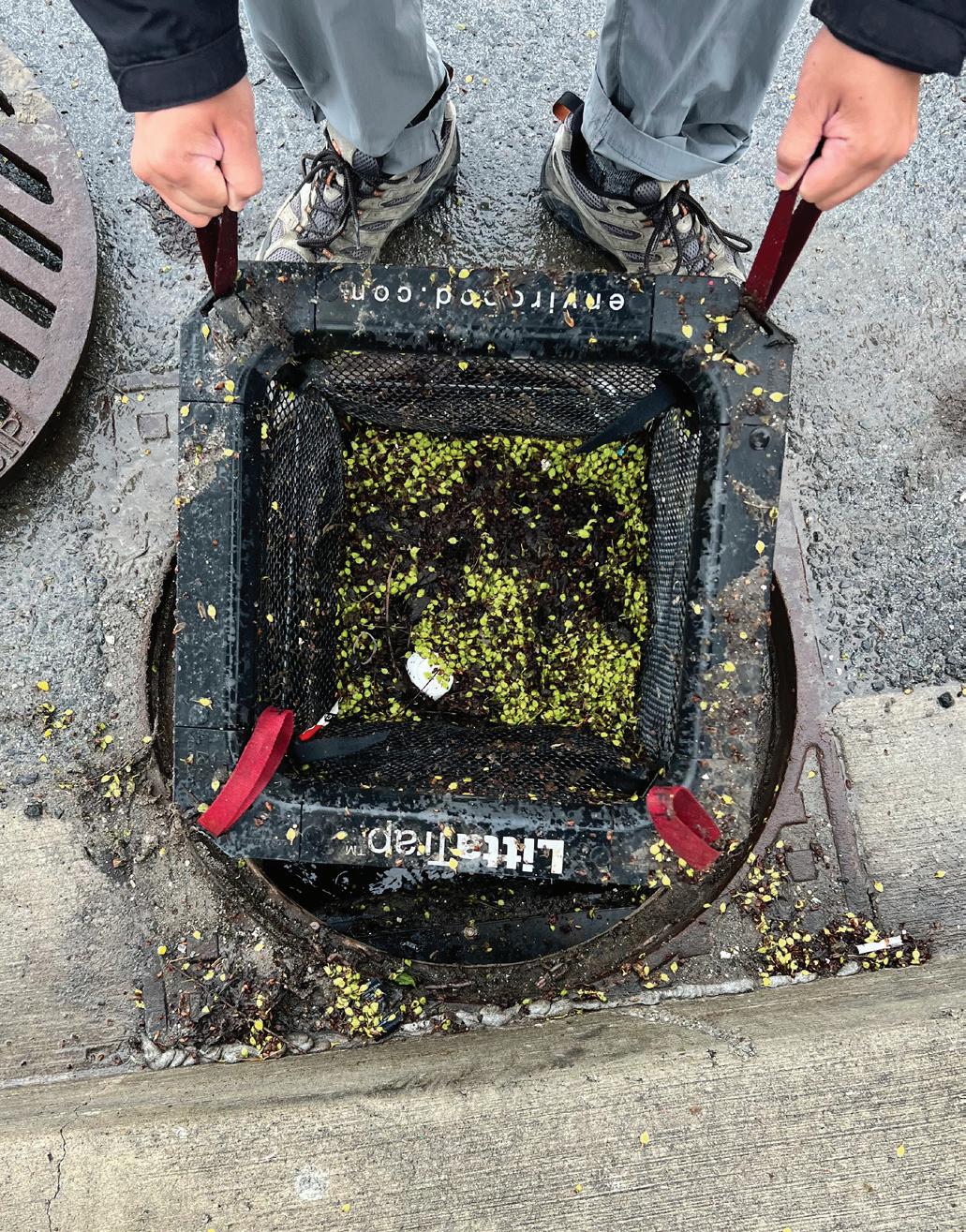
media filtration, green infrastructure (biofiltration, permeable paving, green roofs) and industrial water quality treatment trains. Yet the products themselves tell only part of the story.
What has always distinguished Stormwater360 is its commitment to finding better ways to solve water quality challenges. Rather than simply distributing products, the company actively searches the world for proven technologies, emerging research and innovative approaches to stormwater management, then works to adapt and validate those solutions for local conditions.
“We go out to the world, find the best technologies and the latest thinking on how we manage stormwater, then work out how we can make it work and deliver it here — for New Zealand’s climate and our waterways,” says Hannah. That philosophy has shaped three decades of growth and innovation.
Alongside Hannah, designer, green infrastructure advocate and now EnviroPod™’s President and co-founder Greg Yeoman has helped drive the company’s evolution from a single-product business into a globally recognised stormwater solutions provider. “For me, it’s always been about finding the balance between function and form,” says Yeoman. “Developing solutions for stormwater management is complex. Products need to be robust, functional and consider whole of life costs to be a complete solution” Together, the pair have helped build a business that combines engineering performance, environmental outcomes and independent research and development.
Today, Stormwater360 works closely with research partners including the University of Auckland, University of Canterbury, University of Rochester, University of Florida and University of Toronto. These partnerships explore everything from treatment performance and pollutant behaviour to litter and microplastic movement through catchments.
The result is a body of research that not only informs local projects, but contributes to global understanding of stormwater management.
“We go out to the world, find the best technologies and the latest thinking on how we manage stormwater, then work out how we can make it work and deliver it here — for New Zealand’s climate and our waterways.”
Mike Hannah, Founder Stormwater360
The breadth of Stormwater360’s capability is reflected in the diversity of projects it has delivered.
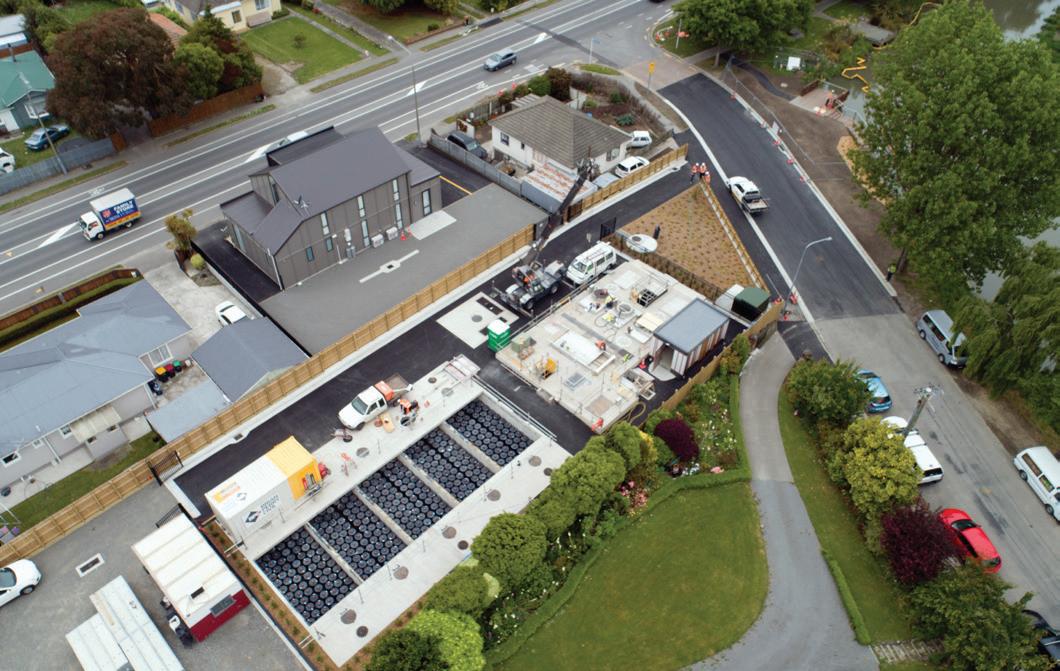
One example is Bells Creek in Christchurch, where the company engineered New Zealand’s largest proprietary stormwater treatment system, incorporating 570 StormFilter™ cartridges to treat runoff from a 160-hectare post-earthquake catchment that includes part of the city’s CBD.
Across the Pacific in Galveston, Texas — home to approximately 30 percent of global plastic pellet production — manufacturers are using EnviroPod™ technologies to prevent plastic pollution from entering waterways at source. University researchers across three continents have utilised Stormwater360 technologies to better understand pollutant movement, treatment performance and environmental outcomes.
“To see technology developed here in New Zealand making a difference on the other side of the world is something we’re incredibly proud of.”
Greg Yeoman, Co-founder and President EnviroPod™ North America
www.Stormwater360.co.nz
If the company’s first thirty years have been defined by engineering performance, the next chapter is increasingly being shaped by nature. Around the world, cities are embracing biofiltration, green infrastructure, living roofs and permeable systems as they respond to more intense rainfall, growing urbanisation and increasing environmental expectations. Stormwater360 has been investing in these solutions for years. Today, the company is working on what will become the world’s largest biofiltration device — a project that reflects both the ambition of the business and the scale at which nature-based stormwater solutions are now being demanded. For Hannah and Yeoman, the direction of travel is clear. The future of stormwater management will combine engineering, research and nature-based solutions to create healthier, more resilient communities.
For Hannah, however, one thing remains unchanged. “It’s the people,” he says. “Our team, our clients, our research partners — many of them have been part of this journey for decades. The relationships are what make the work possible.”
Thirty years after a simple bag-in-pit invention sparked an idea, Stormwater360 continues to ask the same question that started it all: How can we do better? And if Hannah is right, the company’s most significant contributions are still ahead. “You have not seen the best of Stormwater360 yet.”


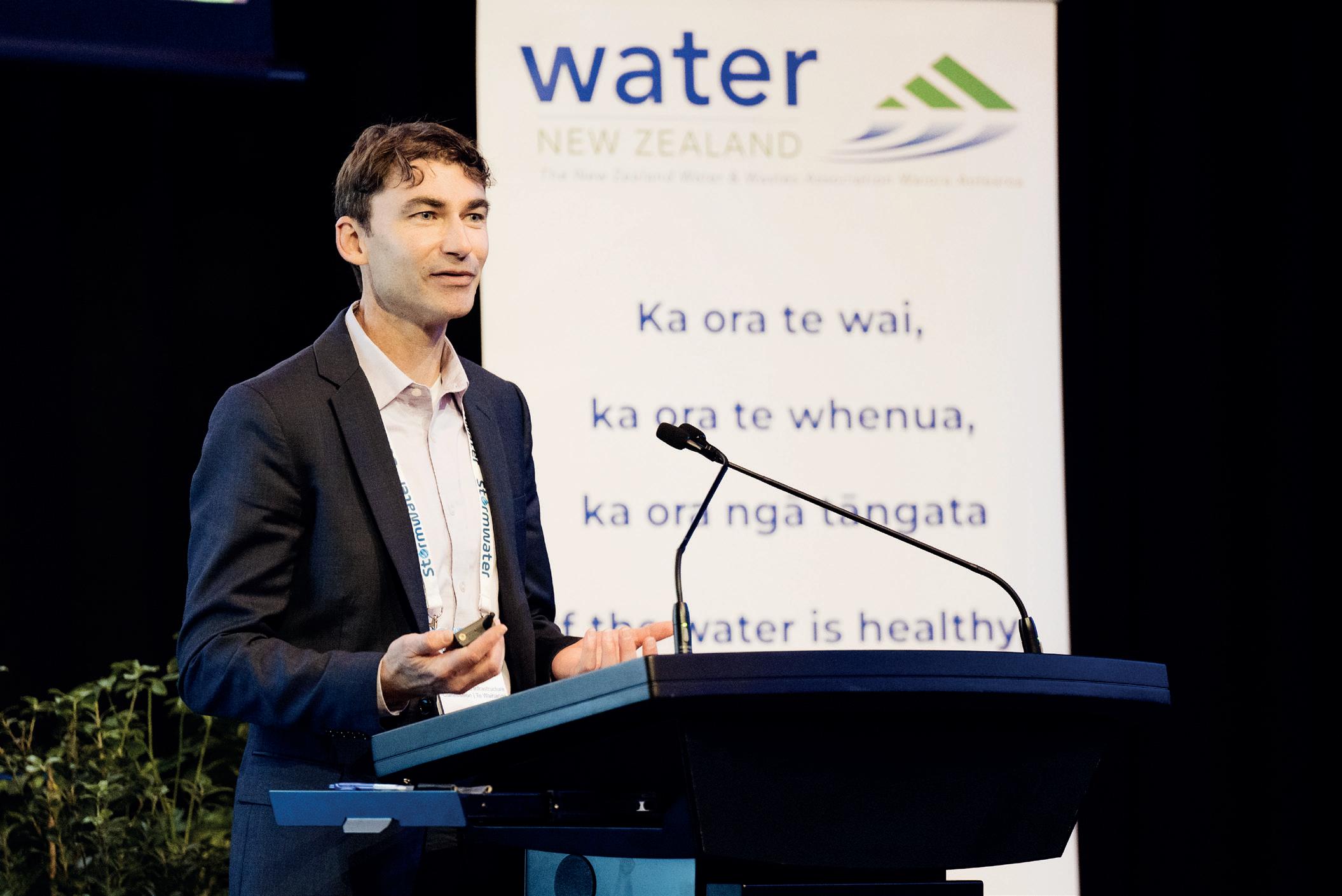
How will the newly established water entities replace the current regime of charging for stormwater based on property values? This was the question posed by keynote speaker Jeff Whitty, principal policy adviser at the Infrastructure Commission, Te Waihanga, in his address to the conference.
Jeff told delegates that charging for stormwater services touches on how we govern the sector, make investment decisions, along with funding and financing tools that we choose in land use planning.
Affordability, he said, will need to underpin any future charging and that is also the underlying theme of the recently-released National Infrastructure Plan.
He pointed out to delegates that the pipeline of work identified a lot more infrastructure than what is affordable.
“There’s nearly 12,000 individual projects. They total about 275 billion(dollars). We can track funding commitments, and there’s about 30 percent of it has actually got funding set aside for it right now.
“So it’s clear that we haven’t got enough to fund it all at once. And it poses the question to us, well, how much can we afford to spend as a nation?”
Jeff said that affordability question is what prompted the commission to develop its Forward Guidance.
“In simple terms, it’s our independent view of what we think is a reasonable level of investment.”
The plan identifies eight different drivers for investment. They include inflation, resilience to natural hazards and climate change. Renewals, he said, is a big one.
“What we found in looking back in time that although our incomes grow, the amount we spend on infrastructure is pretty consistent. It stays in a band between five and seven percent of GDP.
Te Waihanga, he said, has identified that of that, a sensible investment in water infrastructure is about half a percent of GDP.
“That starts out at 1.8 billion and grows to about 3.5 billion (dollars)over the next 30 years.”
But almost two-thirds of the available money has got to go towards renewing existing asset stock.
Another view, he said, was to look at the “household wallet”.
“We took a look through some of the data from the Household Economic Survey to find out how much households spend on infrastructure.”
About 16 percent of the average household’s after-tax income goes towards a range of services. That equates to about $13,500 a year, he said. The lion’s share of that goes towards private transport at over 55 percent – the cost of running cars.
Electricity takes a big share. The portion of the average household spending on water services is about seven percent. And all of those sectors, he said, are competing to get a bigger slice of that pie.
Jeff said historically, in the 30s and 40s there was elevated investment in water infrastructure, partly because of public health campaigns and new indoor plumbing requirements. But in the 80s and 90s that investment dipped to below the amount needed to be spent on renewals. However, since the early 2000s, investment has been escalating.
Some of that recent spending is due to catching up on that underinvestment. Following Havelock North, there has been an increased expectation to spend more on water services.
“Even so, our modelling suggests that at some stage we are going to catch up with all that underinvestment and renewals. And for the next 30 years, we will see about 0.5 percent of GDP going into the water sector.
But that’s not what we saw with the Water Services Delivery Plans. Last September, DIA compiled all the results. And instead of investment starting to track back down, it’s escalated, ratcheted up another notch yet.
“We’re still unpicking some of the reasons.”
He said that the amount that’s being projected to be spent on renewals is pretty close to what the commission thinks is reasonable. But the spend on levels of service and growth is way higher than what the commission’s modelling would suggest.
That’s something he says needs further exploration and the commission is keen to see that investment track down as under investment catch ups are made.
Jeff told delegates that the commission has identified a handful of ideas to help bring costs down.
One of them is about optimising use of the networks and maintaining assets to get the most life out of existing networks. Then when it is necessary to commit to large upgrades, start by considering what’s affordable for communities and set project budgets.
“If you’re a consultant, make sure your clients are giving you a budget so that you can design to something that ultimately is going to be affordable and implementable in the end.”
Concentrate growth in areas where there is already capacity, he said.
“Why build more if we don’t have to? Building up our business case skills and examining the different options, stacking up the costs and benefits of them to make the investments that offer the greatest value for money.
“Then, what should good pricing look like? Pricing should help guide investment. It’s recognising that the money households spend
is indicative of what they value and what they think is important.”
Incentivising conservation and reduced runoff is vital. Following pricing and incentivising, the next piece is to make sure that pricing benefits are shared evenly across society. That might be offering rebates to certain low-income parts of the community, ensuring you’ve got some cross subsidies within a network.
He said there’s also a need to make sure pricing gathers enough revenue to cover the whole of life costs. And it’s got to be administratively straightforward, transparent and understandable for your customers.
Pricing can also be used as a tool to encourage development in low cost places and incentivise better stormwater solutions.
This involves the use of pricing to give people signals, and for developers to build in the places where we don’t have to build more pipe, increase density and concentration of new growth.
“We can also use pricing to incentivise the amount of impervious area on a lot, the decisions developers make on off-site versus onsite systems and whether to remove pollutants at source.”
Jeff told the audience that his hometown of Newmarket, Ontario, has become a poster child for stormwater pricing in Canada.
There, they divided runoff rates into three categories: If you’ve got a golf course or a vacant lot, you’re in a low category. If you’re a homeowner, if you’ve got a residential or an institutional property, that’s a medium category. And commercial and industrial automatically get put into a high category.
In Kitchener, Ontario, about an hour and a half away and three times the size with 260,000 residents, they went a little further by sampling 500 properties.
Through that sampling, they identified a relationship between the building footprint and the remaining impervious area which gave them 16 different billing categories. They then categorised each of their customers into one of those 16 categories and offered homeowners rate rebates between 20 and 45 percent for on-site measures they can do to reduce their runoff.
And Detroit, Michigan, through the use of AI that’s reviewing GIS and LIDAR, they have an online viewer where residents can look at their properties to find out what the council has assessed to be their impervious area.
There, they charge a flat rate for every square metre of impervious area and as a result, found their impervious area growing by about two percent a year.
However, Jeff said, the biggest opportunities occur before development decisions have been made. And the development levies regime, which is replacing development contributions is being broadened to help make that process easier.
Water services providers are eligible to set those levies.
A separate levy has to be prepared for each service giving developers a price signal to see how much storm water is going to cost them and help incentivise different decisions such as on-site versus off-site solutions.
The messages come down to considering the range of pricing models available, their implication, how much revenue you can generate, how difficult are they to administer, how they incentivise behaviour and consultations with communities.
Hopefully this, Jeff said, will help pricing solutions that move us towards better outcomes.
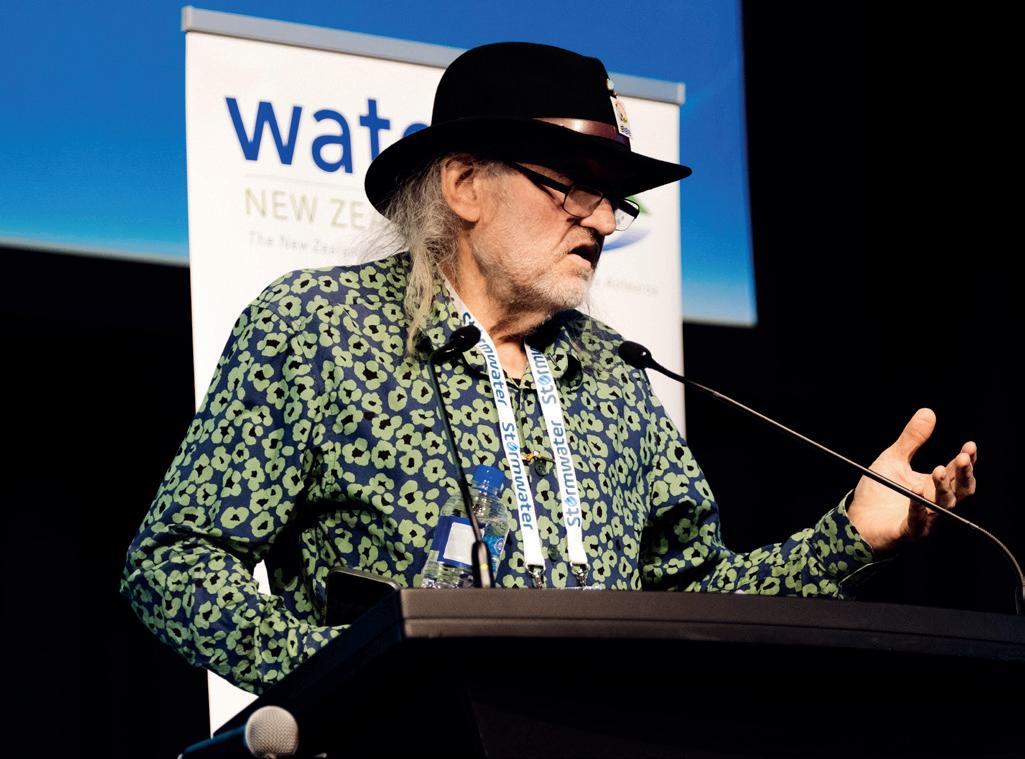
“Nobody knows what a one percent event is because the last event we had – the big event in Auckland in January 2023 – was so fricking big that it had no bearing to past history of rainfall,” said keynote speaker Craig Mcilroy, general manager, healthy waters and flood resilience at Auckland Council, on the opening day of the conference.
Craig told delegates that there was a need to shift the language we use when communicating flood risk.
“So, I think we should have something like bloody big storms, big storms, normal storms, and small storms…. because you can have four bloody big storms in four years, and you can understand it.
“But you can’t have four one percent storms in four years, because they can’t be one percent events. Everyone knows mathematically it’s impossible to have four in four years.”
Language, he said, is incredibly important in the way we connect with our communities.
However, communities have never been so well informed, and he said now they’re demanding action from the sector and so there’s a need to show that we have plans to sort out the problems we’re facing.
A concern he said was the lack of prioritisation for stormwater in regulatory environment.
Craig said that for the Water Services Authority – Taumata Arowai, stormwater was their number three priority (behind drinking and wastewater) and that the authority was not resourced to do justice to the stormwater space despite plans to regulate stormwater by 2028.
“The word stormwater does not appear once on the Commerce Commission website.”
That, he said, gives a clue that stormwater is not a priority for the Commerce Commission either.
So, his message to the regulators is to work in genuine partnership with Water New Zealand as the sector leader.
I think the other thing about this whole process is you’ve got to be absolutely fully transparent with the community about what the size of the problem is that you’re dealing with, he said.
“So, there are a few things going on at the moment that are really, really helpful to us.”
Critically important, he said was the new definition of stormwater.
“We’ve got the definitions now around critical private streams and overland flow paths that have to be managed by council.
“Budgets have to be ring-fenced, which is absolutely fantastic, because that lends itself to my language to go for a targeted rate.
“And not only that, we’re not subject to the central government inflation cap on rates, because we all know that putting up the price of stormwater by three or four percent isn’t going to cut it.
“It’s very hard on a rates notice to know what your price of stormwater
is. It wasn’t until I asked a lot of questions that I found out in Auckland it’s currently about $400 a year for the average ratepayer to pay for their stormwater service, which I think is cheap as chips when you consider some of the other service provisions you’re paying for, like your phone or whatever.”
But it’s creating that awareness of the cost of the service, because I think we need to move those numbers incredibly northwards in order to achieve the outcomes that we need to deal with, Craig said.
He told delegates that there’s a big risk that stormwater will continue to be the Three Waters’ poor cousin because of the massive backlog of drinking water and wastewater catch ups needed.
“We need to promote a new regulatory requirement in our stormwater world that actually requires the right size investment to manage risk.
“Whatever plan we land on, it’s got to be well-resourced with a large focus on political advocacy.”
Again, he pointed to Water New Zealand as the organisation to lead that advocacy work while the sector continues to grow its partnerships with iwi.
“I think the partnerships we’re seeing with iwi are fantastic. They’re not an add-on ; they’re part of the team.”
Craig said that genuine partnership and collaboration across government and industry is vital and needs to be embedded from the outset, including how information is developed and shared with communities.
Continuing down the traditional path will not work.


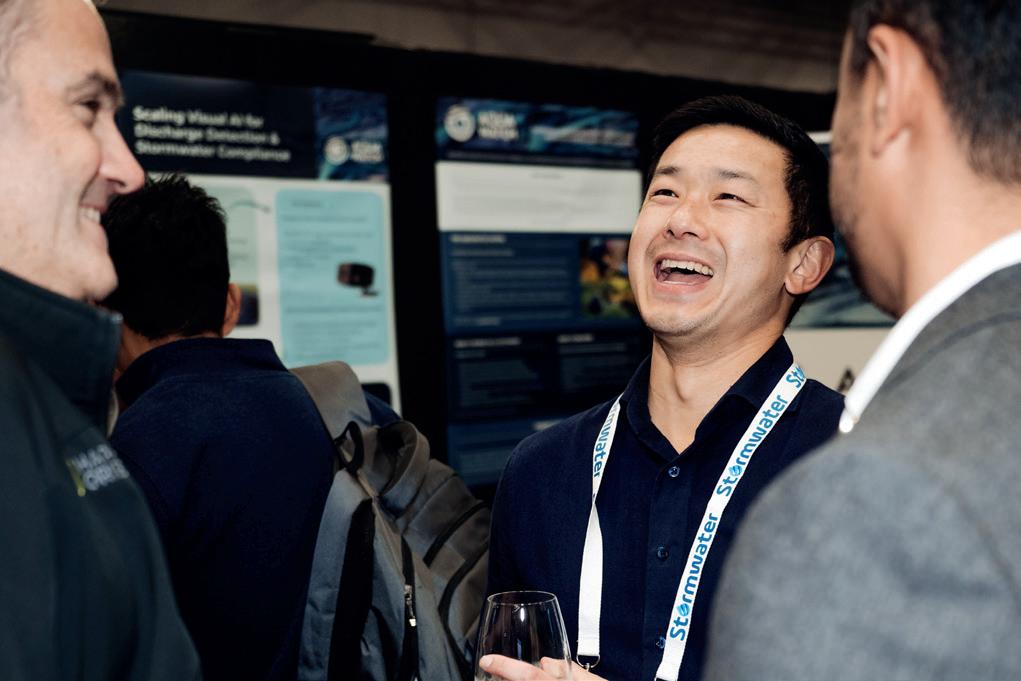



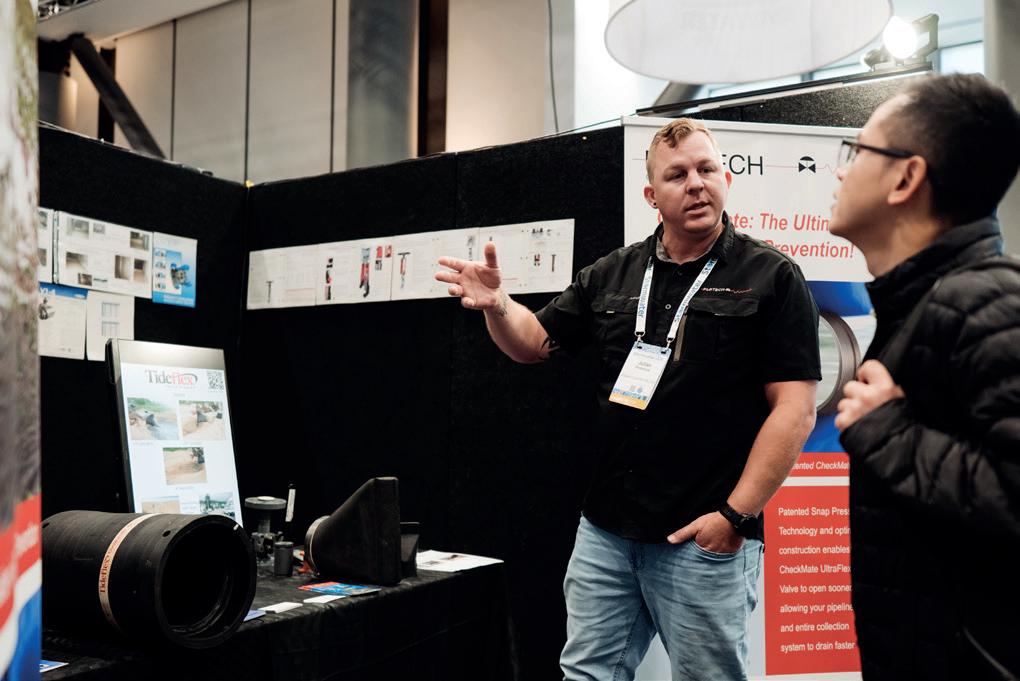
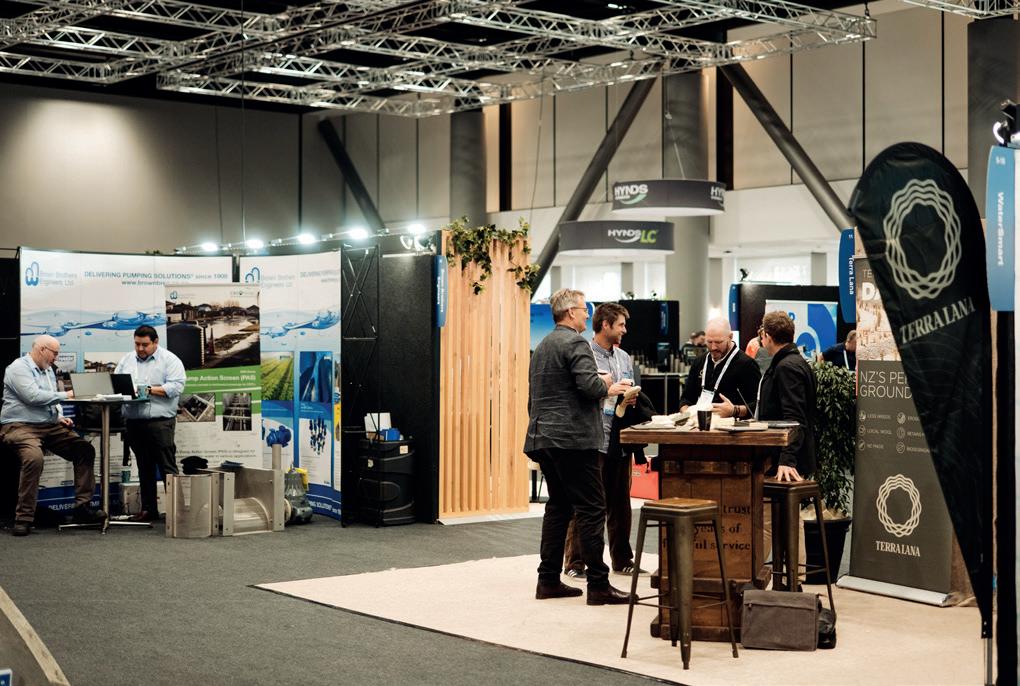
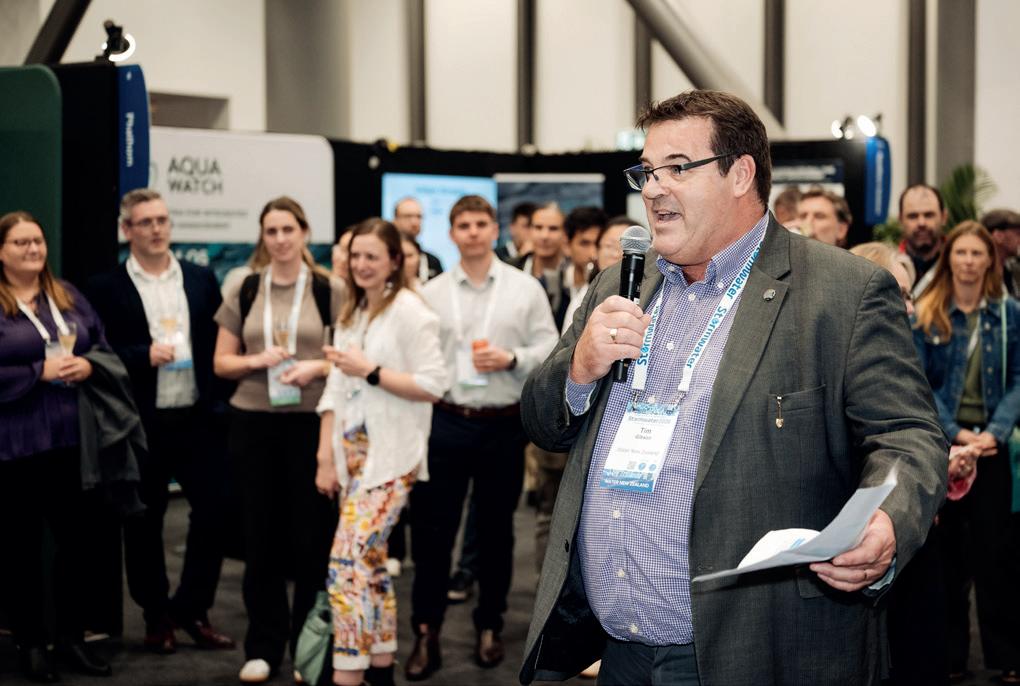


By James Muir, Ben Fountain, and Brendan White, Awa Environmental.
Blue-green projects represent some of the most valuable stormwater and flood protection infrastructure being planned and built today. Yet funding them at scale remains a major challenge for debt-constrained councils and water organisations.
The Infrastructure Funding and Financing (IFF) Act 2020 offers a practical mechanism to help.
Passed with broad political support, the Act has a proven track record: the IFF model has already enabled $675 million in long-term fixed-rate debt for four projects across the country, keeping finance off councils’ balance sheets through levies on property owners.
Forthcoming amendments, expected in mid-2026, will broaden eligibility to include water organisations, NZ Transport Agency Waka Kotahi, and KiwiRail, and explicitly cover stormwater and flood protection.
The IFF Act is a significant tool to lock-in the funding and financing for blue-green programmes and other stormwater and flood protection infrastructure – including projects that might be deprioritised over time and those that might otherwise not start for many years.
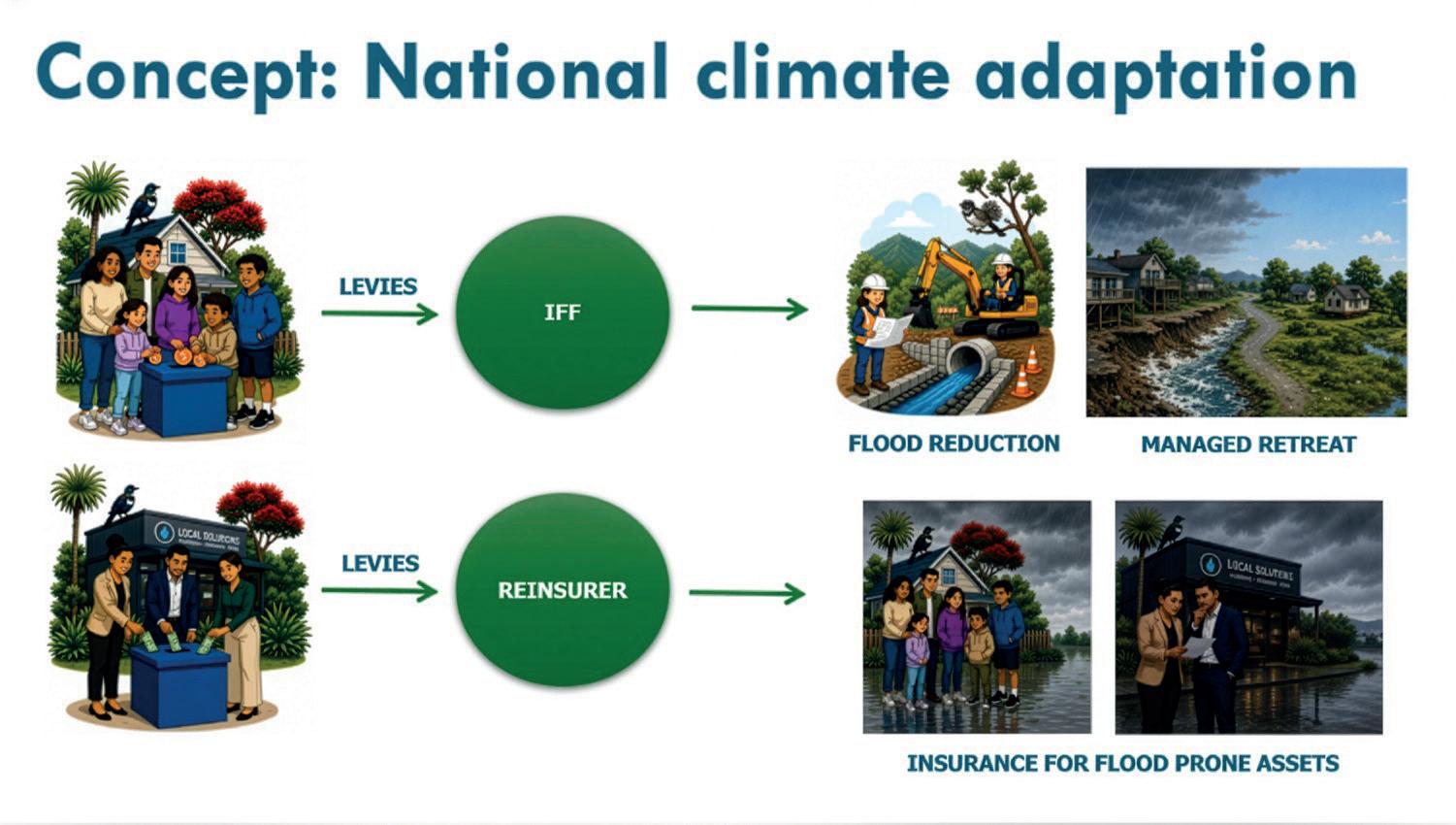
Looking further ahead, the IFF Act has potential as part of a broader national approach to funding climate adaptation, from large-scale flood protection to managed retreat.
We face an infrastructure deficit estimated at around $1 trillion over the next 30 years to reach OECD comparability. Capital expenditure on stormwater is projected to reach $7.65 billion over the next decade – a 90 percent increase on current annual spend.
As the 2026 National Climate Change Risk Assessment notes, many councils lack the funding or borrowing capacity to directly implement the resilience-building changes they have identified, and this delay increases future costs.
Blue-green projects sit at the heart of this challenge: they are multi-purpose assets that deliver flood protection and urban regeneration as well as ecological and community co-benefits.
Understanding the terminology
‘Financing’ refers to the upfront capital required to build infrastructure, typically provided as debt (loans or bonds, for example). Think of it as a bank lending money to purchase a home.
‘Funding’ refers to the ongoing payments which service and repay debt over time, akin to mortgage repayments. For councils, funding generally comes from rates, levies, or user charges.
Two further terms matter here. ‘On-balance sheet’ debt counts against a council’s borrowing limits and reduces ‘debt headroom’;
the gap between current debt and the maximum permitted (typically set as a debt-to-revenue ratio by the Local Government Funding Agency (LGFA)). When headroom narrows, a council’s ability to respond to emergencies or pursue other capital projects is constrained.
‘Off-balance sheet’ financing sits on the balance sheet of a Special Purpose Vehicle (SPV), not the council itself. The council’s debt headroom is preserved. This distinction is central to the IFF Act.
Passed in 2020, the IFF Act provides for an SPV to place levies on the beneficiaries of infrastructure and raise long-term fixed-rate debt from domestic and international lenders.
National Infrastructure Funding and Financing (NIFF) establishes, owns, and governs the SPV, and the Crown provides a Government Support Package covering specific legal risks.
The council collects the levy as a line item on rates bills, passes it to the SPV, which services the debt. In essence: levies from property owners service off-balance sheet debt to finance infrastructure.
It is worth noting that the IFF Act can finance a wide range of infrastructure – transport, wastewater, three waters, housing development – not only blue-green or other types of flood protection projects. Its application to stormwater and climate adaptation is, however, of immediate relevance to our industry.
For councils or others considering or planning blue-green projects, the IFF Act offers a way to accelerate delivery. Its key attractions include:
• A proven track record with councils and developers. Four projects have already used it to raise nearly $700 million in debt, with support from NIFF and domestic and overseas lenders. The Te Awa Lakes development in Hamilton – financed under the IFF Act in 2026 – is a live example, with its stormwater lakes and wetlands under construction.
• It can support programmes of medium-sized projects, not just single large ones, as the Tauranga Transport System Plan (2022) shows, with $177 million raised for 13 transport projects averaging $14 million each.
• It provides a way to ringfence funding for large programmes and projects, securing debt over decades and providing certainty for flood-prone communities.
• By preserving debt headroom and credit ratings other projects can proceed in parallel.


• Levies can be spread equitably across current and future property owners, reflecting the long-lived nature of the infrastructure.
• It allows councils to bring forward projects that might otherwise only start many years in the future.
• Upcoming amendments, outlined below, will improve its application and widen its appeal to NZTA Waka Kotahi, KiwiRail, and water organisations.
Rather than being a silver bullet, the IFF Act provides another option to fund and finance infrastructure.
Using the Act, transaction costs can be significant, debt can be more expensive given its fixed-rate long-term nature, and cost overruns remain the responsibility of the project owner, not the lenders.
Wellington City Council (WCC) needed over $400 million to build the Moa Point Sludge Minimisation Facility (SMF), due to become operational in 2027. The Council considered two options: traditional on-balance sheet debt and rates, or the IFF Act.
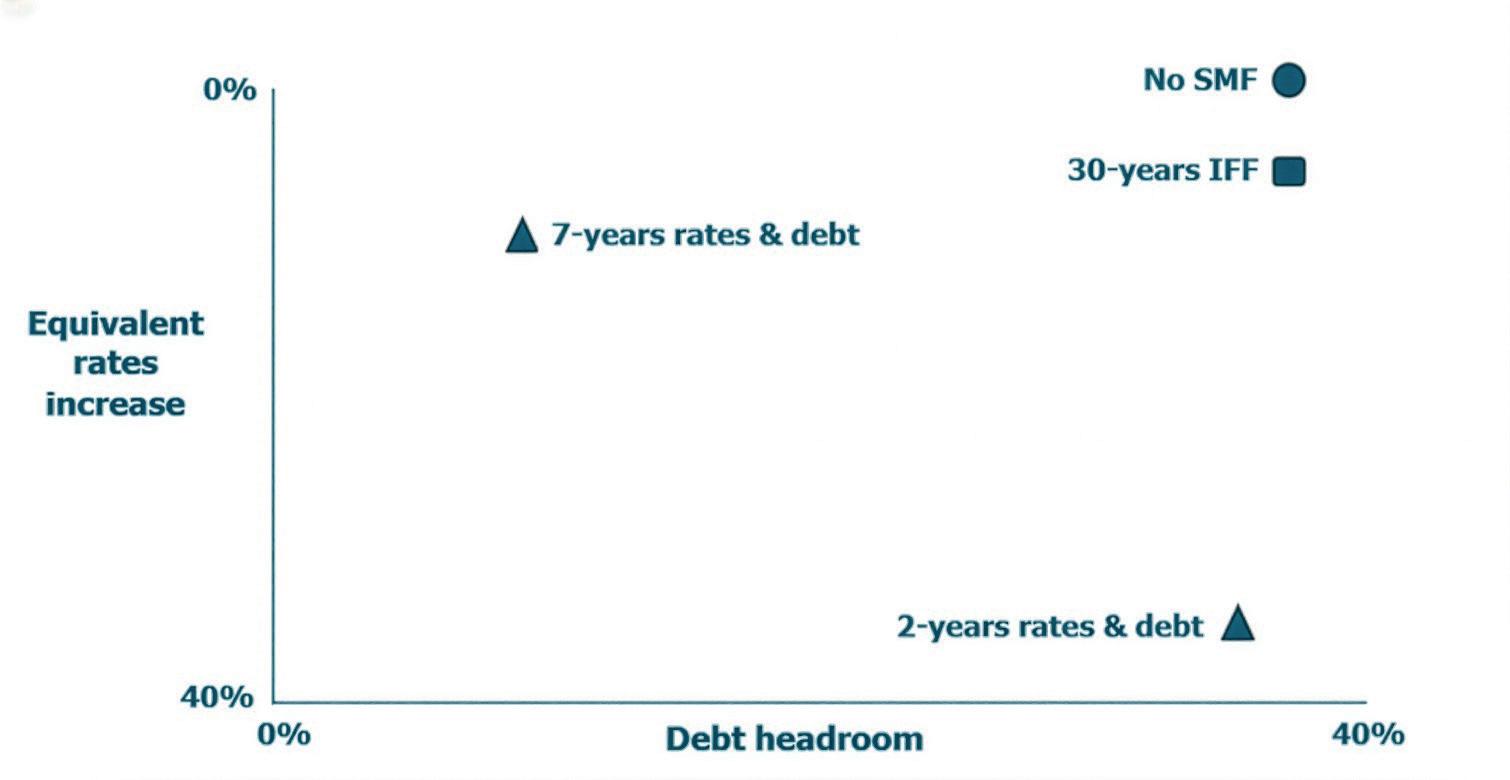
We estimate that funding the SMF through conventional borrowing while maintaining WCC’s debt-to-revenue ratio of 188 percent would have required rates to increase by around 21 percent over two years. A seven-year borrowing approach would have reduced debt headroom from 37 percent to 10 percent, leaving little buffer for other priorities.
The IFF approach secured $400 million over 30 years at a fixed rate of approximately 6.7 percent, with an annual levy equivalent to around six percent of rates spread over three decades, and the council’s 37 percent debt headroom preserved in full. (Note that, for simplicity, this analysis assumes a flat annual levy and a single loan, where in practice levies rise over time with population and rateable values, and councils usually manage a rolling portfolio of debt instruments and interest rate swaps to fund projects.)
This trade-off – between debt headroom and rates impact – is illustrated in the comparison of financing options shown in the figure on the next page. The IFF approach maintains full debt headroom while keeping the rates-equivalent increase modest.
A feature of the SMF transaction that is directly relevant to bluegreen projects is the use of differential levies.
The SMF levy has two tiers: a higher rate for the 63,000 properties directly connected to the facility, and a lower rate for the 17,000 properties that benefit indirectly (from reduced emissions and less waste to landfill).

By 2034, a $1 million property connected to the SMF will pay an annual levy of $362; a $1 million property not connected will pay $93. In affordability terms, these represent 0.22 percent and 0.06 percent of median household income respectively.
This principle of calibrating levy amounts to the degree of benefit received involves balancing simplicity and equity and is central to the fairness and political acceptability of the IFF model.
Levy design for stormwater: Risk and impervious area
The differential levy principle can be extended to stormwater and blue-green projects. And rather than relying solely on capital value, levies could also be structured around variables such as flood risk and impervious area.
Properties in high flood-risk areas benefit more from flood reduction infrastructure, through improved insurability, greater property value protection, and reduced disruption. A higher levy for these properties would reflect that benefit.
Similarly, properties with high proportions of hard surface (roofs, driveways, paving) contribute more runoff to the stormwater system. A levy linked to impervious area would reflect

that contribution more accurately than a flat capital-value rate. Applying these principles, a property with high flood risk and high impervious area could pay a higher annual levy than a property with lower flood risk and lower impervious area.
In November 2025, the Government announced amendments to the IFF Act, with legislation expected in mid-2026. Key changes relevant to blue-green and other types of flood protection projects include:
• The ability for water organisations to act as Responsible Levy Authorities. This is vital for councils as they transfer stormwater responsibilities to water organisations under the Local Government (Water Services) Act 2025.
• Streamlining the levy approval process, enabling levy deferrals to manage affordability, and recognising the potential of value capture.
Also of note, the existing Act already defines ‘environmental resilience infrastructure’ as infrastructure to manage risks from natural hazards including flooding. While regional councils cannot raise levies, flood protection infrastructure funded and financed under the Act can be vested in them.
The IFF Act’s potential reaches beyond specific projects. We see the levy mechanism as a building block for a much larger conversation about how the country funds and finances climate adaptation at national scale.
Consider managed retreat. The IFF levy mechanism could, in principle, be applied not only to finance flood-reduction infrastructure but also to fund large-scale managed retreat programmes, with levies calibrated to the flood risk of affected properties and debt costs reduced to some extent by contributions from central government and/or differential finance from mortgage holders of flood prone properties.
Taking this further, property-based levies could be used to fund a national flood reinsurance scheme, providing cover to properties that can no longer obtain insurance through mainstream markets.
We already have a model for national risk-pooling in the Natural Hazards Commission Toka Tū Ake (NHC), while the UK’s Flood Re scheme provides an international precedent.
An Aotearoa New Zealand flood reinsurer, funded through levies on all property owners, could bridge the gap between an increasingly uninsurable housing stock and the economic and community stability that insurance enables.
These ideas remain at an early stage. But they illustrate a direction of travel: from the IFF Act as a project-financing tool to the IFF mechanism as part of a broader architecture for funding climate adaptation, encompassing blue-green infrastructure, flood protection, managed retreat, and ultimately national resilience.
The amended IFF Act represents a meaningful new lever for funding blue-green projects and broader flood protection.
By keeping debt off-balance sheet, enabling long-term fixedrate financing matched to asset life, extending eligibility to water organisations and environmental resilience infrastructure, and allowing equitable differentiated levy design, it addresses constraints facing local government and others. It provides a way to ringfence funding for large programmes, bring forward investment that communities need now, and spread costs fairly across generations.
The National Infrastructure Pipeline lists over 120 stormwater and flood protection projects exceeding $10 million each. With investment projected to nearly double over the next decade and IFF amendments imminent, now is the time for councils, water organisations, developers, and the industry professionals who support them to assess where this tool fits in their programmes and use it.
This article is a condensed version of a paper presented at the Stormwater Conference & Expo 2026. The full paper and presentation are available at: awa.kiwi/insight/funding-flood-reduction-using-theinfrastructure-funding-and-financing-iff-act-2020.

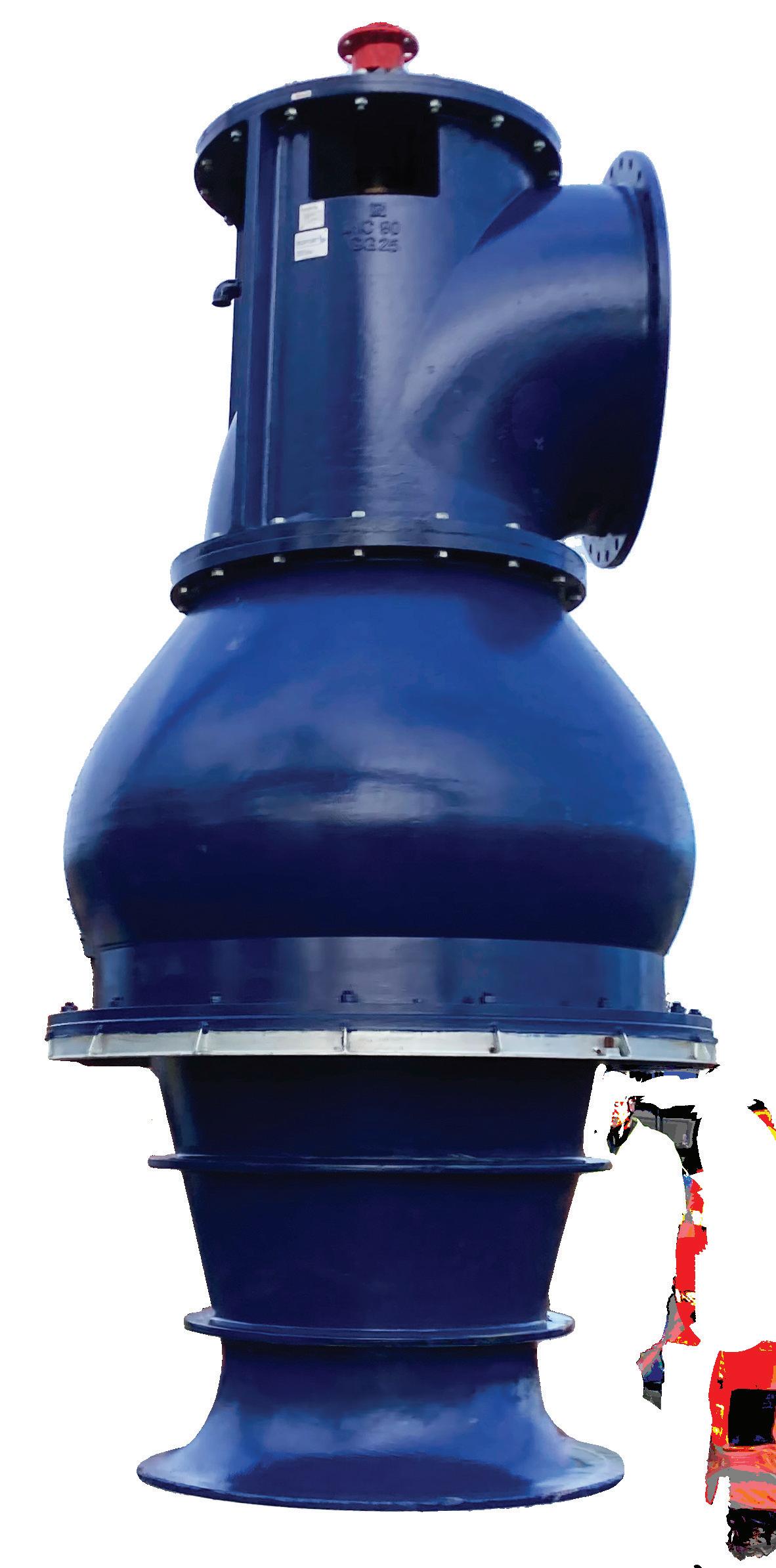
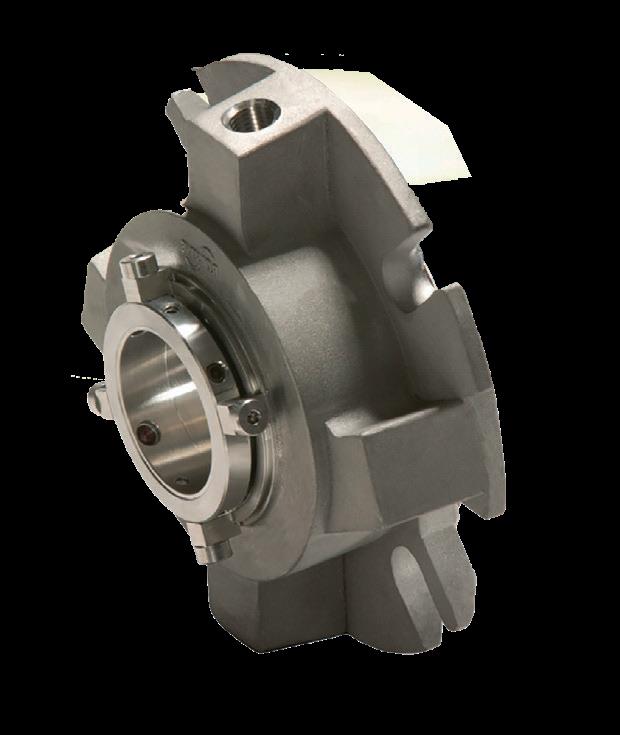
FLOWSERVE PUMPS AND SEALING SYSTEMS:
• TKL
• SIHI
• Innomag
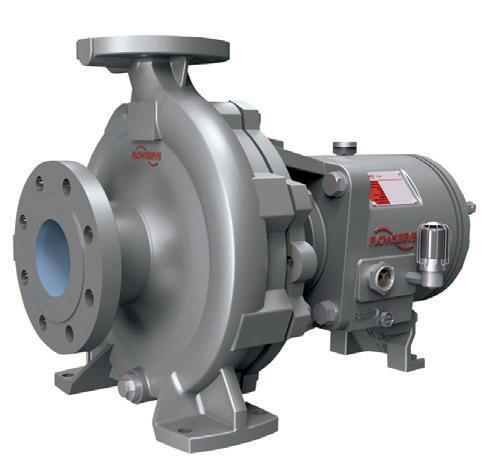
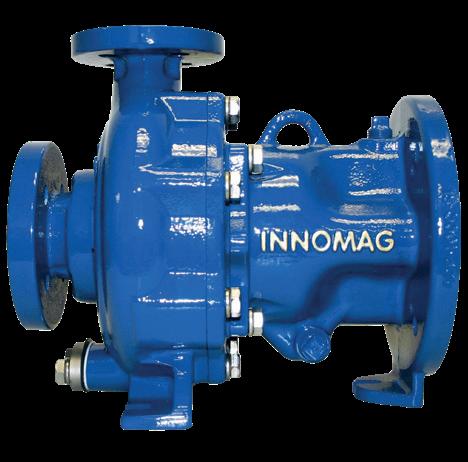
• Byron Jackson
• Durco
• Worthington
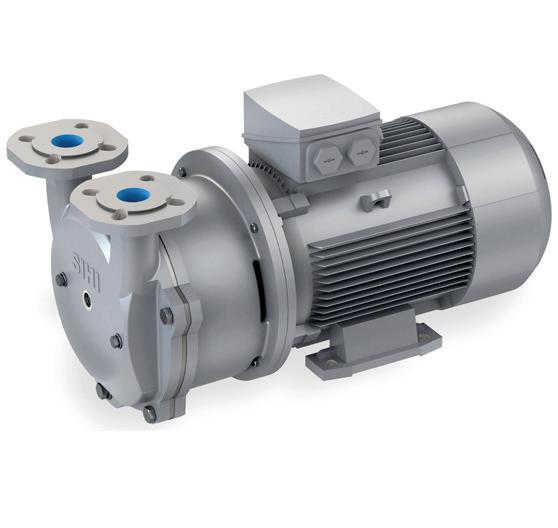
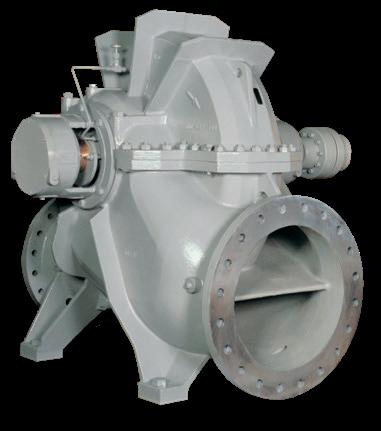
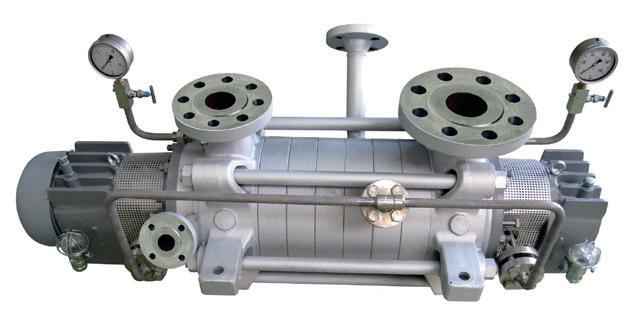
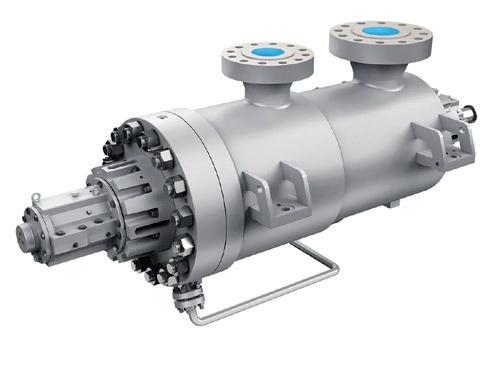

Do your seals meet NSF61 and NSF372 for components in contact with drinking water?


2025 Young Stormwater Professional of the Year, Sarah Nolan, has issued a plea to her colleagues across the water sector: Do more than the ‘bare minimum’ when it comes to working with mana whenua and instead, work in genuine partnership. She says there is a real opportunity to move beyond consultation and towards co-design, co-governance, and shared accountability, and to build a model that goes beyond ‘meeting’ Te Tiriti obligations.
The conference theme, ‘Stormwater is a taonga: Managing challenges and opportunities’, set the scene for open kōrero around how we view and work alongside stormwater.
The intended outcome was for attendees to leave with a deeper understanding of the intricacies of stormwater – not only in a technical sense, but also in its broader cultural and environmental context – and the significance of stormwater as a taonga to Tangata Whenua.
This includes recognising that stormwater is part of the wider wai system, carrying mauri and connecting the natural environment through whakapapa, from sky to land to waterways and the moana.
We hoped this would prompt meaningful discussion about how these interconnected values and responsibilities, including kaitiakitanga, need to be embedded within our design approaches and outcomes – moving beyond viewing stormwater as a conveyance issue to recognising it as a living system that must be protected and restored. But did we achieve this?
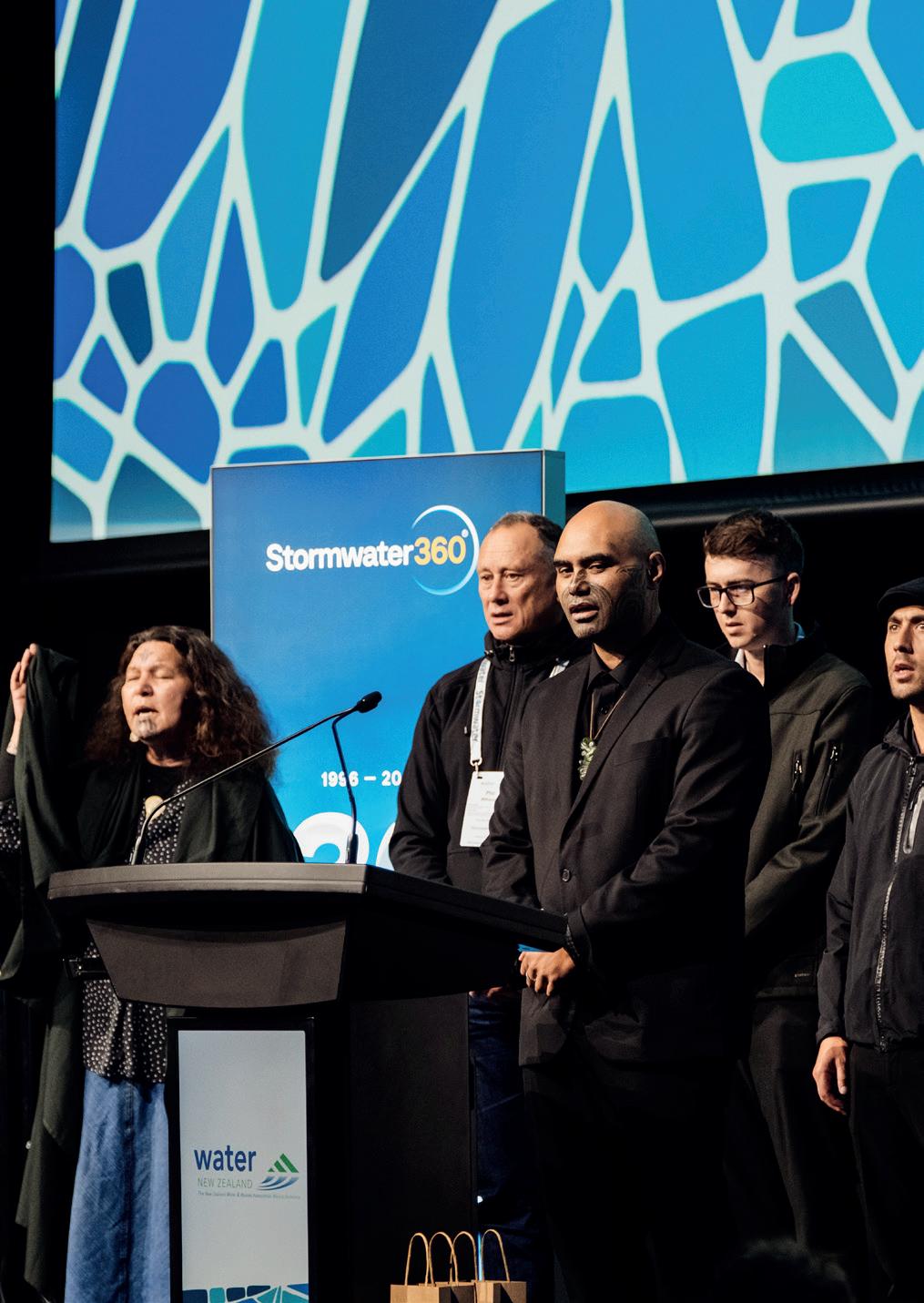
The conference opening certainly set the scene, with the pōwhiri from Ngāti Whātua Ōrākei followed by an inspirational opening keynote from Edward Ashby, CEO of Te Kawerau ā Maki. There were two dedicated te ao Māori streams with some incredible presentations showing iwi-led and co-led projects across the country. And there were many tangata whenua representatives from different iwi in attendance – something that the organising committee has been hoping and pushing for over the years. Why then, did I walk away with a heavy feeling of how far our industry still needs to come?
There is no doubt the industry is improving. There is growing recognition of the importance of working alongside iwi in the rohe we operate in.
Water New Zealand continues to play a key role in advocating for this through initiatives such as Te Ama | Aukaha te Wai, supporting our sector to learn and become better partners. In public commentary and policy engagement, the significance of tangata whenua is consistently acknowledged.
But in my attendance of any ‘non-Māori’ presentations this year, there was no talk of iwi partnerships. No talk of Te Mana o te Wai. No talk of co-governance. When I, or others, raised pātai around this, we were met with “of course we need to meet our Te Tiriti obligations” or “we will follow process and consult as required”. In other words, we are still doing the absolute bare minimum. Meeting our obligations or consulting as required is the lowest
possible level of engagement – or tick-boxing (yes, I said it) –without getting in trouble.
Even more upsetting was hearing this kōrero from leaders in our space. When will our industry move from meeting the bare minimum to genuine partnership? And not just at a project level –there are plenty of strong examples of that – but across the system, as a consistent, all-of-industry approach.
Because the reality is, we are in a moment of significant reform and transformation. These ‘exciting opportunities’ are often framed around innovation, investment, and better outcomes, but for whom, and with whom?
Are there seats at the table for tangata whenua, not just as advisors to be engaged at certain stages, but as equal partners, appealing to the decision-makers that our solutions are the right solutions? And if not, why not?
There was a strong emphasis on conveyance and flood resilience at this conference – and this is very understandable given the significant flooding and impacts to our people and communities over the past few years.
Flooding has had a huge emotional and financial toll and we need to do better across the industry to reduce these impacts.
Yet, I did not once hear that tangata whenua are often disproportionately affected by extreme weather and flooding. Due to land loss and the location of settlements on low-lying land being more vulnerable to natural hazards, often in remote areas, they face an inequitable risk.
Given that many Māori communities can be significantly affected by flooding and environmental degradation, should this not have driven even greater reinforcement of the need for more meaningful partnerships?
This is where our industry, and particularly its leaders, need to lean in, not step back.
Genuine partnership requires more than process; it requires a shift in mindset, in power-sharing, and in how we define success.
It means recognising mātauranga Māori as equal to Western science, embedding Te Mana o te Wai not as a compliance checkbox but as a guiding principle, and creating enduring structures where tangata whenua have influence, authority, and agency.
We have a real opportunity right now to do the right thing; to move beyond consultation and towards co-design, co-governance, and shared accountability. To build a model that doesn’t just ‘meet’ our Te Tiriti obligations, but exceed them.
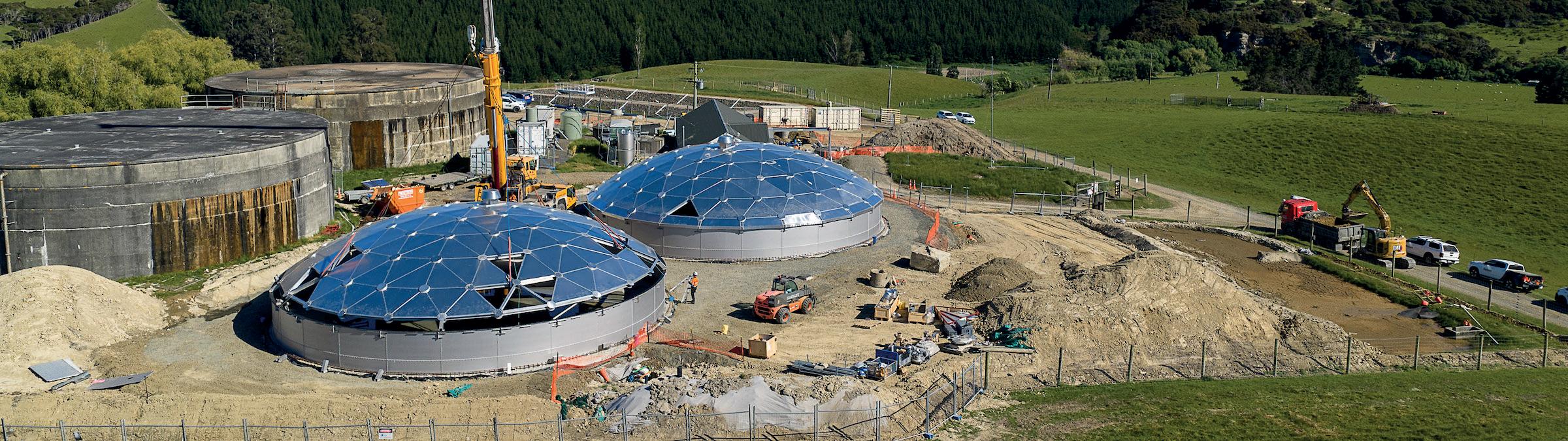
Reliable water infrastructure is essential for thriving communities. In North Otago, Reliant Solutions delivered two lean duplex stainless steel bolted tanks, helping strengthen local water security and improve long-term water resilience for the community.
Engineered for durability in demanding environmental conditions, lean duplex stainless steel was selected for its combination of strength, corrosion resistance and whole-of-life value. The result was a storage solution designed to perform reliably for decades with minimal maintenance.
Each tank was topped with a geodesic dome roof, providing secure protection for stored water while delivering exceptional structural performance. The dome structures offered a lightweight yet highly durable roofing solution, helping safeguard water quality and protect the asset for the long term.
From detailed design through to fabrication, installation and commissioning, Reliant Solutions provided a fully integrated delivery model with one experienced team and a single point of accountability.
The completed project delivered reliable potable water storage infrastructure that will support the North Otago community for years to come, helping ensure a resilient and dependable water supply for future generations.
› Two lean duplex stainless steel bolted tanks
› Geodesic dome roof structures for complete water protection
› High corrosion resistance for long-term asset performance
› Reduced maintenance requirements and lower lifecycle costs
› Increased potable water storage capacity and community resilience
Need a quality storage solution?
Partner with our expert teams across New Zealand for durable, high-quality liquid containment solutions. We deliver reliable systems that stand the test of time.
Peter Christensen of Storm Environmental was named as Stormwater Professional of the Year at the conference gala dinner, a recognition he describes as a privilege.
“I see it as a reflection of the amazing people I’ve been able to work with, like my colleagues at Storm Environmental, stormwater colleagues throughout the country, councils, community groups, and many others who want to see healthier waterways,” he told Water .
“I love working in stormwater as it provides the opportunity to effect so much positive change, and it’s been great to be a part of such a dynamic and growing sector with the best still to come!”
This prestigious award, sponsored by Aurecon, recognises an individual who has made a significant contribution to the industry and has consistently demonstrated exceptional achievement in their career.
In their citation, the judges say Peter has contributed to industry leadership and advancing sustainable and innovative stormwater infrastructure and management. He has shown commitment to community and is highly respected by his colleagues.
“As a longstanding contributor to the Stormwater Special Interest Group, Peter has consistently set benchmarks for integrity and inclusivity, elevating standards across the industry. His advocacy roles, insightful contributions through technical papers, thought leadership at industry events, and steadfast commitment to mentoring have left an enduring legacy.
“Peter’s enduring visibility and constructive engagement have empowered countless professionals and advanced the sector’s reputation for excellence. This award celebrates his outstanding advocacy and lifelong contributions to the betterment of the water and stormwater community.”
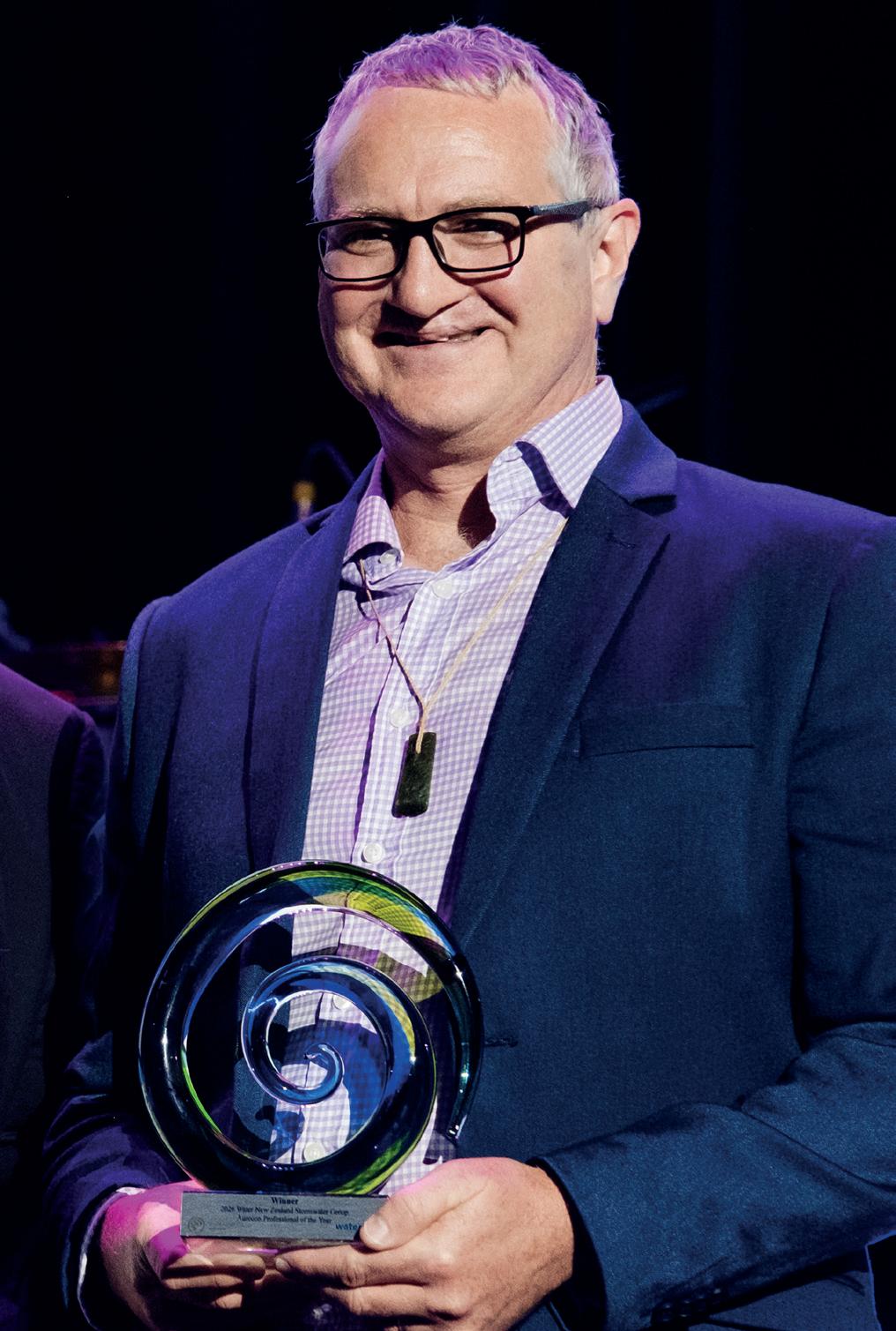
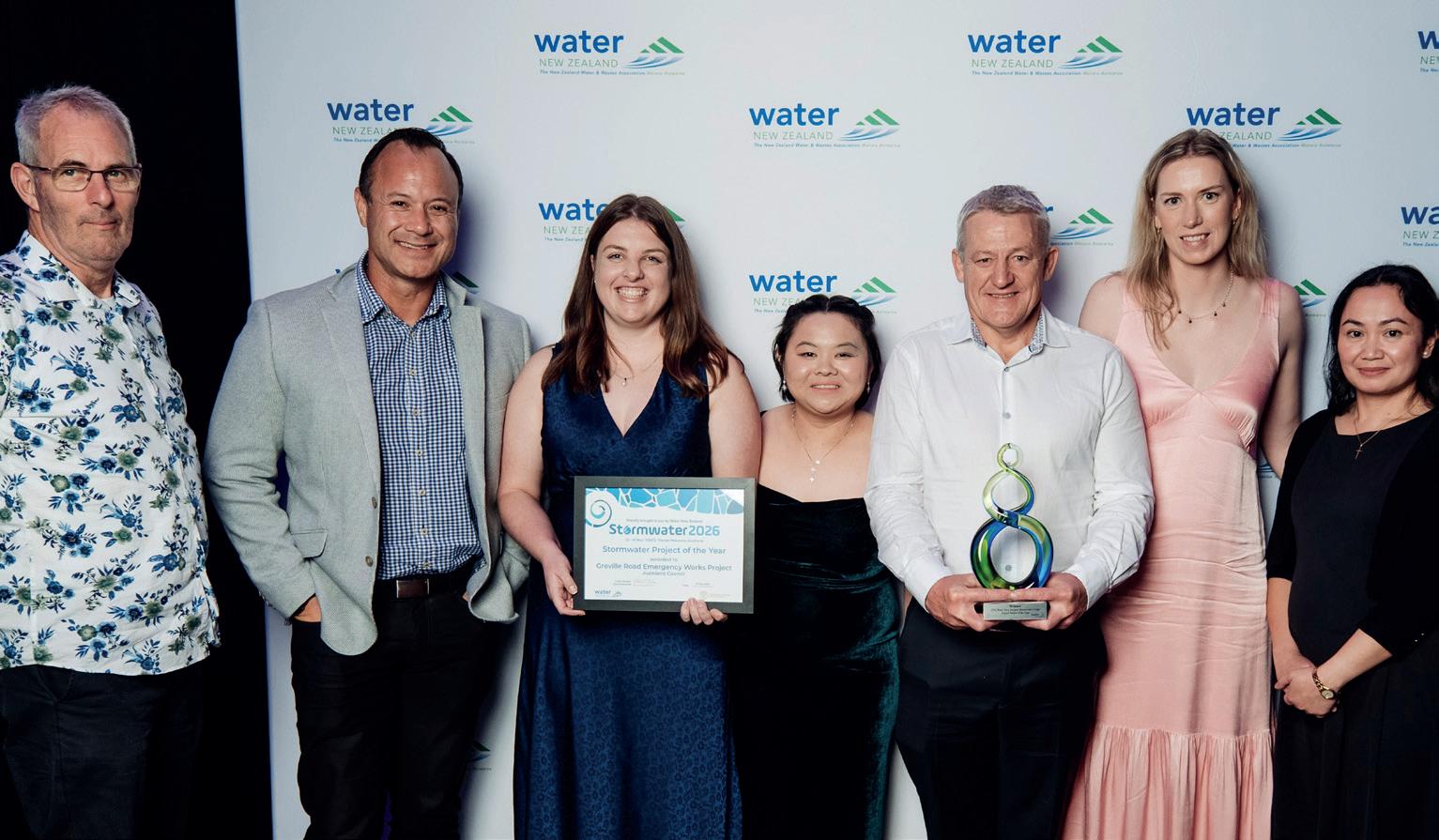

Auckland Council’s ‘Greville Road Emergency Works Project – Healthy Waters & Flood Resilience’ was named as Project of the Year. Pictured from left: Gavin Mecchia and Clint Hill of McConnell Dowell; Ally Bodmer, from Auckland Council; Sophie Lu, Dean Carter, and Virginia Hogan from McConnell Dowell; and Cheilo Manalo, from Auckland Council.
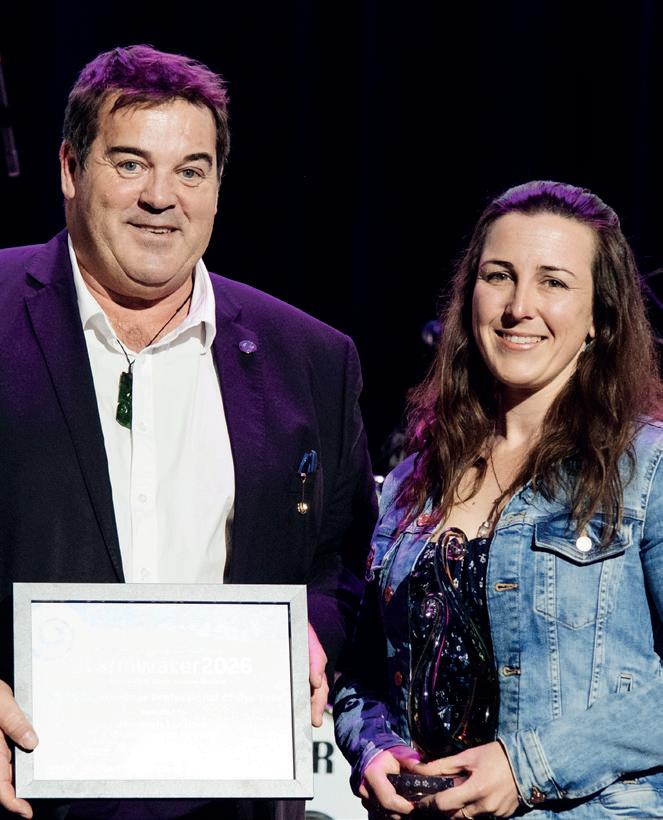
Hannah Ludlow of Pattle Delamore Partners was named as the Beca Young Stormwater Professional of the Year, pictured here with Water New Zealand president Tim Gibson. Read about Hannah’s career on page 36.
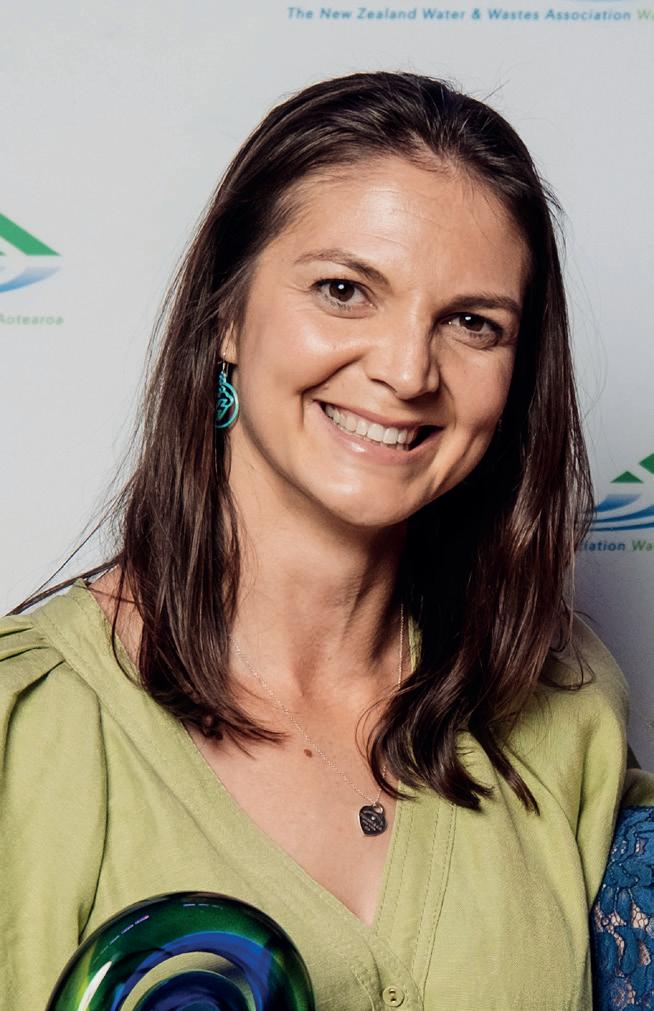
Charlotte Arcus of Tonkin + Taylor won Poster of the Year for “Get to know your awa – Oakley Creek | Te Auanga”.
The Stormwater Innovation Forum Award , sponsored by Morphum Environmental, was awarded to “Standardising First Flush – Stormwater Sampling with Passive Scalable Devices” by Luc le Roux of Earth Measure. Luc has written about his innovation on page 32.
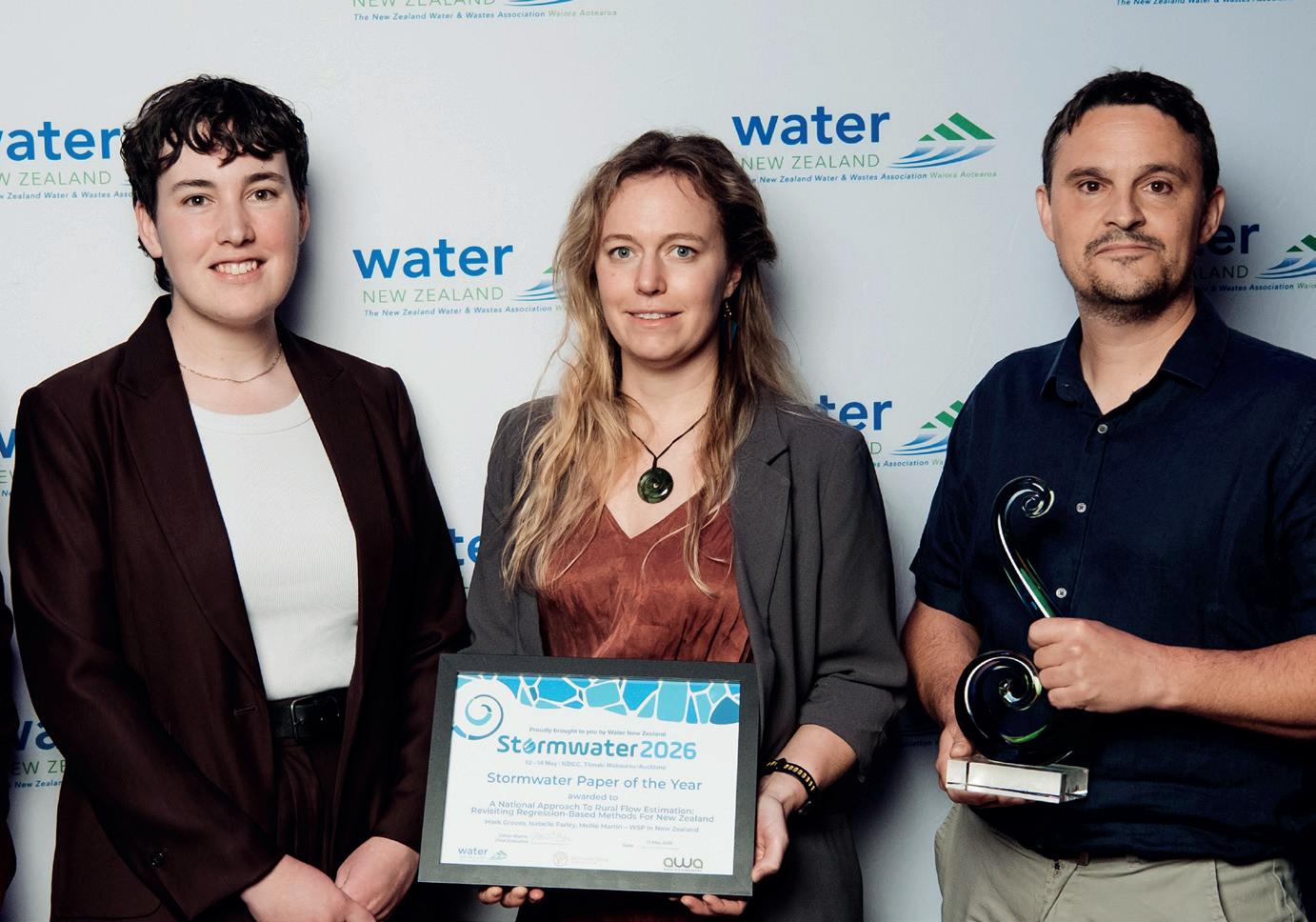
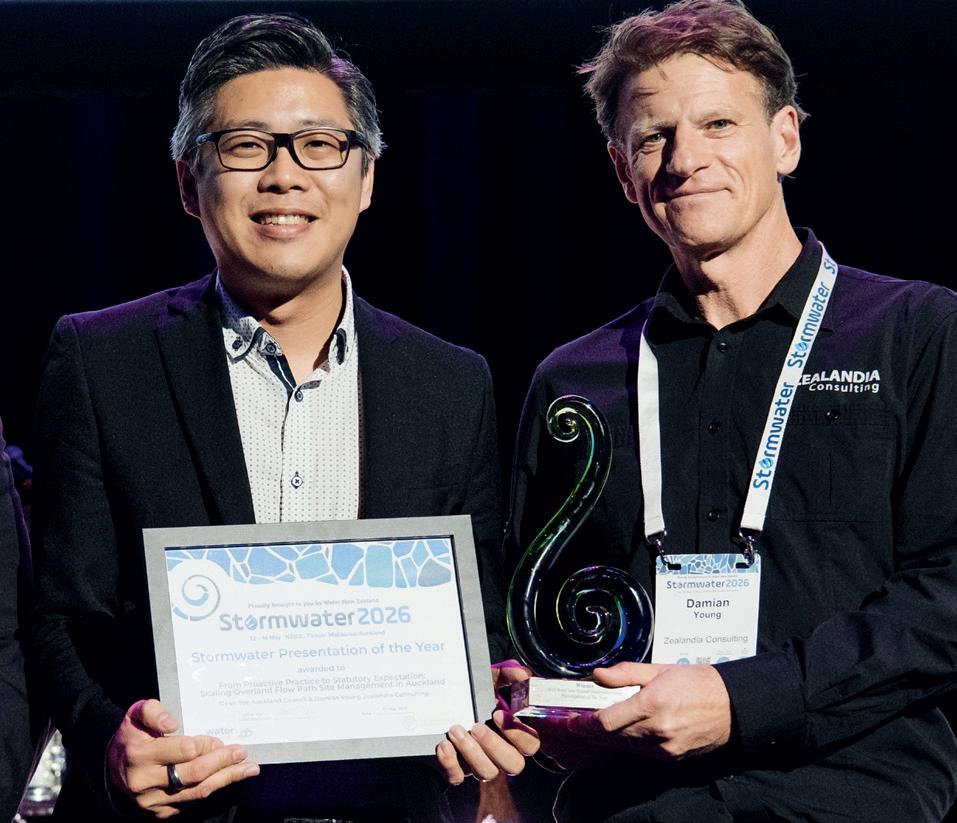
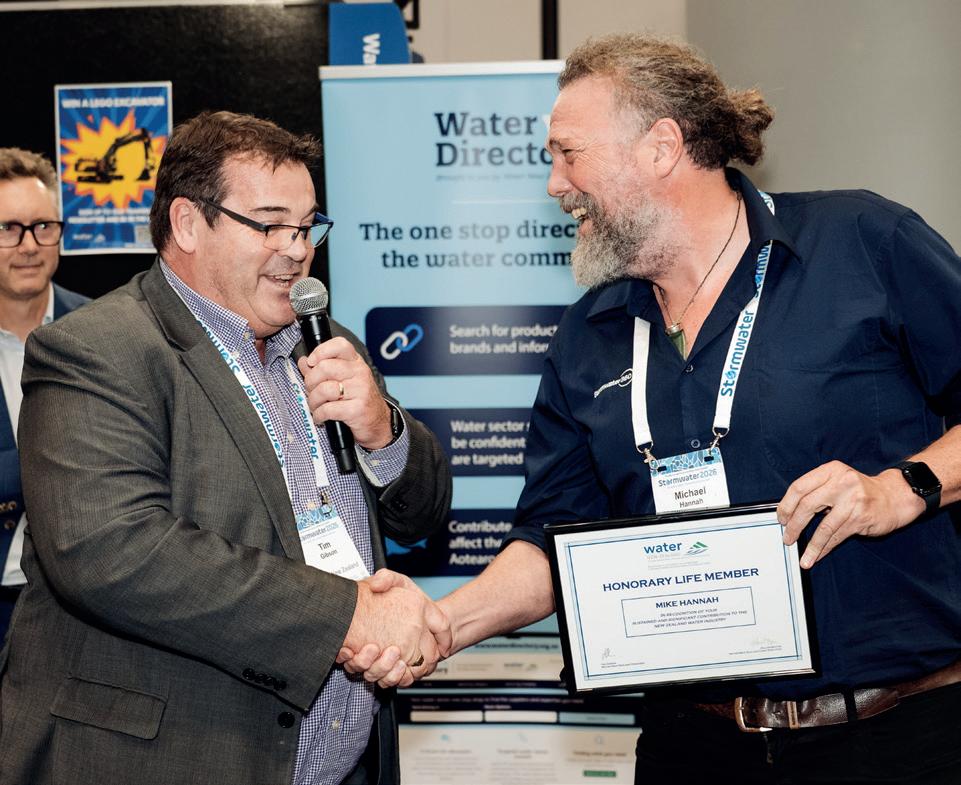
“From Proactive Practice to Statutory Expectation: Scaling Overland Flow Path Site Management in Auckland”, by Dean Yee of Auckland Council and Damian Young of Zealandia Consulting, was named as the Stormwater Presentation of the Year

Mike Hannah from Stormwater 360 was made an Honorary Life Member of Water New Zealand, pictured here receiving his certificate from Water New Zealand president Tim Gibson.
Luc le Roux from Earth Measure was the winner of the Stormwater Innovation Forum Award, sponsored by Morphum Environmental, for his innovative solution to first-flush stormwater sampling.
The difficult part is not always collecting the sample. Sometimes it is deciding when to leave.
A forecast shifts by the hour. A rain gauge shows activity in one part of a district, while another township may still be dry. Staff are ready, but the first runoff window is short. Send someone too early and they may wait beside a dry road. Send them too late and the most useful part may already be gone.
That was the problem that first led me down into the sump.
At the time, I was working in local government surface-water engineering, where my role involved stormwater discharge consent monitoring. Sites were spread across townships, rainfall did not arrive evenly, travel time mattered, and early-event sampling depended on judgement calls that were never as simple as the plan made them look.
It was not a failure of people or intent. Rain does not organise itself around staff rosters, sampling contracts, daylight hours, or the distance between sites.
Early-event runoff matters because it can carry material built up on roads, yards, roofs, and hard surfaces between rain events. Capturing that moment manually means being in the right place at the right time, during a part of the event that may pass quickly and may not occur at every site at once.
The question became simple: if the runoff is already going into the sump, could the sump itself become part of the sampling method?
What became the Urban Runoff Passive Sampler, or URPS, began as sketches, experiments, and a basic proof of concept.
A sump looks simple from the road. Lift the grate, and the neatness disappears. One has a lip. Another has a notch. Some receive a clean
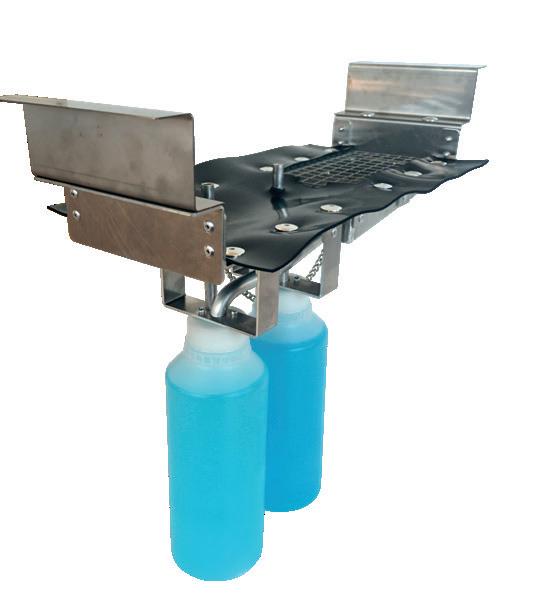
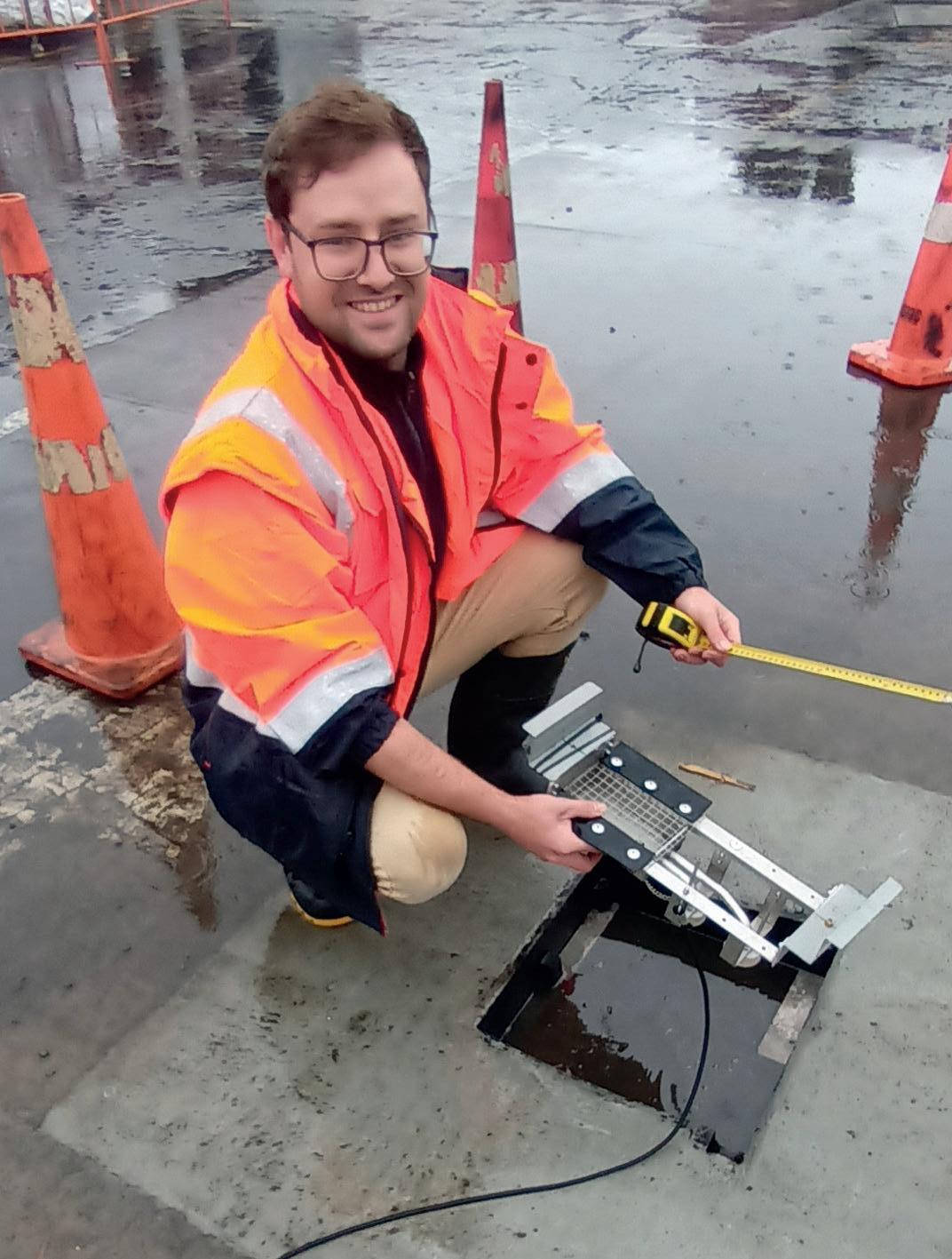
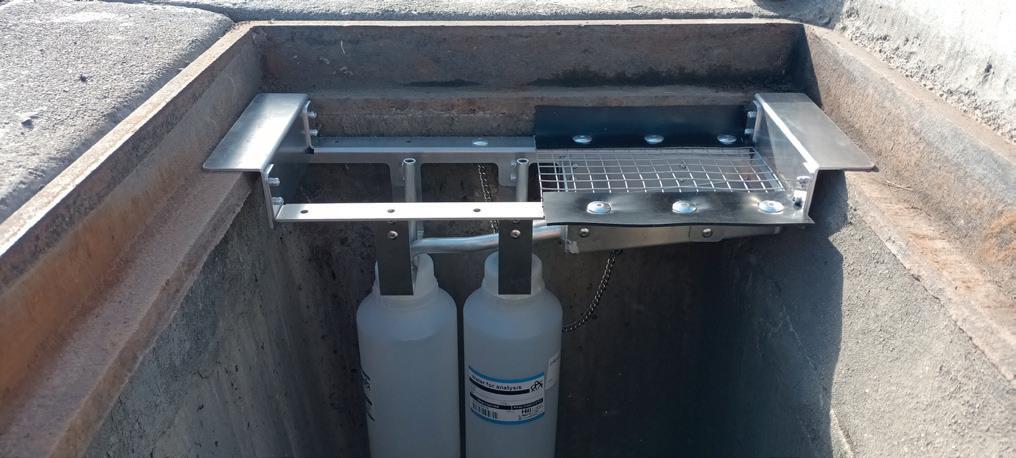
kerb stream; others take flow from several directions. Some begin with a faint dribble long before runoff properly forms.
That became the real design brief. The sampler did not just need to catch water. A bucket can do that. It needed to wait.
The URPS was developed as a passive in-sump sampler deployed before forecast rainfall. The user lifts the grate, places the unit inside the sump, reinstates the grate, and leaves it in place.
Once runoff enters with enough flow, the sampler directs water into standard laboratory sample bottles. When the bottles are full, the system moves into overflow while retaining the initial captured sample.
There are no electronics, pumps, batteries, valves, or moving parts. Just plain physics.
That simplicity was deliberate. The more time I spent watching runoff enter real sumps, the clearer it became that the solution did not need to be clever in the electronic sense. It needed to be physically honest.
Weak early wetting and scattered trickle behave differently from a formed kerb stream. The design had to work with that difference.
Development became a cycle of observation, prototype, testing, adjustment, and more observation.
Many late nights with Nye, Earth Measure’s product and manufacturing specialist, and multiple iterative prototypes helped refine the URPS into what is now the standard model. From there, the range expanded to include an adjustable compact model and custom-fit options for different sump conditions.
Innovation is often presented as a lightbulb moment. In practice, it is usually quieter: many small decisions, repeated until the thing begins to behave properly. Controlled flow, field, dye, submerged, and comparative sampling tests all helped build confidence that the device could capture and retain earlyevent runoff in a practical, repeatable way.
The larger value is operational. A passive sampler changes early-event sampling from a reactive response into a planned deployment.
Instead of mobilising staff at the exact start of rainfall, an organisation can place samplers in advance across multiple locations and retrieve them after the event. That can improve coverage, reduce outside of work hours pressure, support safer fieldwork, and make monitoring programmes more consistent.
The URPS has now moved beyond prototype. Units have been sold and deployed by councils, commercial operators, and industrial users, with further interest from councils, consultants, and businesses looking for practical ways to improve stormwater monitoring.
Recognition at the Water New Zealand Stormwater Conference 2026 Innovation Showcase signalled that the problem resonated beyond one programme or district.
For Earth Measure, the URPS is a starting point. The wider aim is to create practical, durable tools that help people understand and improve the environments they are responsible for.
Because better water decisions begin with better ways to see what is happening. And sometimes, that begins by lifting a grate and watching how the rain falls.


Stormwater engineer, Ariana Wilks received a Water New Zealand scholarship to attend the Stormwater Conference and Expo 2026. The theme, ‘Stormwater is a taonga: Managing challenges and opportunities,’ rang strongly throughout the conference, but for Ariana, two clear messages stood out: How we overcome the barriers to applying nature based solutions and how we communicate stormwater management to communities.
This ties into the sub-theme of utilising and applying nature-based solutions (NBS), systems that allow water to do what it does naturally, rather than constraining it in concrete and steel pipes.
However, if there is one phrase that was reinforced across multiple presentations, it was that NBS is not a silver bullet. But I wonder whether the repeated caveat of “not a silver bullet” risks becoming an excuse to default to safe, business as usual stormwater management. Are we dismissing these solutions before they’ve been given a fair go?
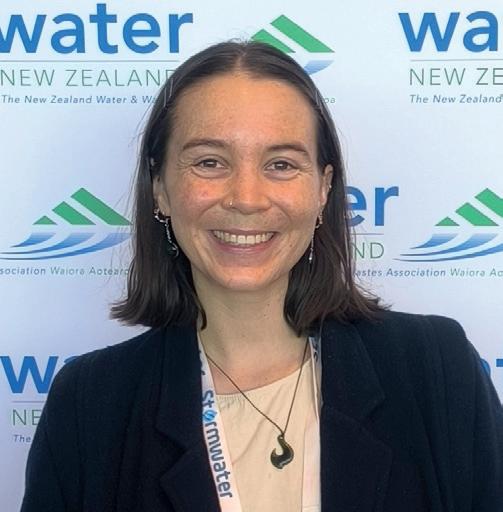
For NBS to succeed, application should be at scale, forming part of a full suite of solutions rather than as a standalone.
There are often more barriers to implementation, as the benefits can’t always be captured by our typical cost-benefit evaluation approaches. As highlighted in Justine Bennett, Alexis Guidon and Catherine Drumheller’s presentation, “Making the Invisible, Visible: The Real Value of Nature Based Solutions,” nature-based approaches aren’t being considered on a level playing field, with cost frequently at the forefront of decision-making of asset managers.
One way to address this would be to monetise the broader physical and social benefits, such as quality of life, recreation, and habitat creation and restoration; noting that this is easier said than done.
Additionally, at a larger scale, adoption requires advocacy in policy, with further funding to support training and development of best practice guidance.
The way we communicate is critical
Communities now more than ever are feeling the effects of stormwater and its management, or lack thereof.
People want to be safe, and they want to feel heard. In order to meaningfully engage with our communities, we need to speak their language and communicate in a way that is relevant to them. As individual practitioners, we can start by leading conversations with empathy and a listening ear.
A key takeaway though is that effective engagement doesn’t look the same every time; we need to adapt the way we communicate based on our audience and use the right language.
As summarised by Liam Foster: “We must listen before explaining and build trust before leading with technical information.”
He taonga te wai, he taonga te whakarongo. Water is a treasure, and so too is the act of listening.
I am sincerely grateful to Water New Zealand for sponsoring my attendance through the Water New Zealand Scholarship. As an emerging professional in the stormwater space, it was a valuable experience to expand my technical knowledge and reinforced my commitment to communitycentred, nature-aligned stormwater practice here in Ōtautahi Christchurch.
Stormwater 2026 was an awe-inspiring conference. People were engaged, the messaging felt strong, and there was a real drive for change. Perhaps this is in response to the increasing frequency of devastating storm events across the country.
Stormwater management has firmly entered the national conversation, and it refuses to be left behind.

September 2nd @ 8:00am

iSPEC26 brings the latest technology and solutions from CSL’s world-leading brands to local customers and partners. With educational sessions across wide-ranging topics, insightful keynotes from industry specialists and the latest innovations on display, iSPEC 2026 is a must-attend event for New Zealand’s evolving water and wastewater sector.
CSL’s annual innovation conference is recognised as a must-attend event for the whole industry value chain in New Zealand.
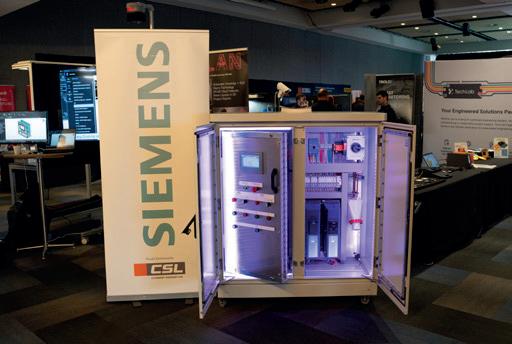
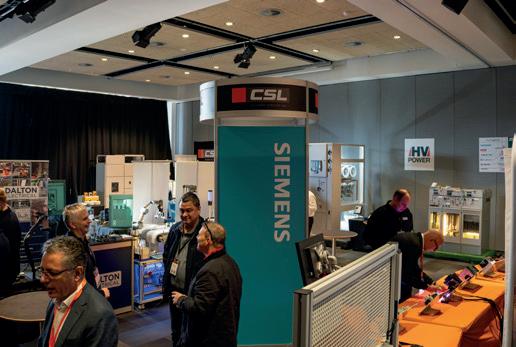
What began as a collaborative network for CSL partners has grown into a full showcase of world-leading technology. This year, we spotlight the innovative ways NZ’s water industry is leveraging and deploying advanced solutions to solve modern infrastructure challenges.

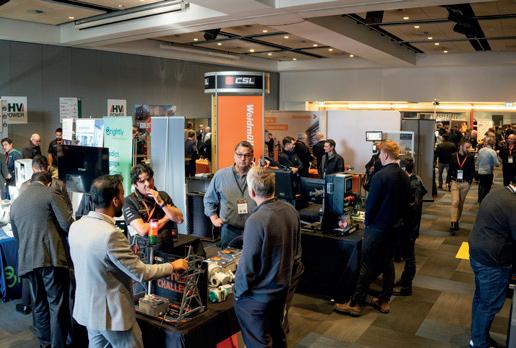
iSPEC26 promises a dedicated focus on how smart water and AI solutions are reshaping our infrastructure. CSL warmly encourages all water engineers, electricians, end-users, specifiers, and technicians to come along and discover the leading edge of water management.
Hannah Ludlow’s career has evolved to reflect her love of water.
Named as Young Stormwater Professional of the Year for 2026, Hannah Ludlow’s career has evolved to reflect her love of water. By Mary Searle Bell.
Hannah says she’s always liked environmental stuff – being out and about in nature. This is reflected throughout her life, from her love of surfing to her career in stormwater.
At high school in Napier, Hannah’s plan was to become an architect, so she headed to Wellington to start her degree.
“I lasted two weeks,” she laughs. “I had a great teacher in high school who really inspired me, but once I got there, I realised it wasn’t really me.”
Returning to Hawke’s Bay, she instead started a certificate in environment sustainability through the Open Polytechnic, just to see if she liked it. She did, so once that was done, she enrolled in Waikato University to do a Bachelor of Science, majoring in earth sciences.
“As my degree progressed, I enjoyed water papers more and more, so naturally leaned towards them.”
During her holidays, Hannah worked as an intern with Hastings District Council in their waste minimisation team.
“It was an incredible team, so when my boss called me halfway through my third year and asked me if I could complete my degree online while I covered a 12-month maternity leave, I said yes – as you do when you’re a poor student!”
Almost a year into that contract her manager left and Hannah ended up covering that role temporarily, until Angela Atkins who’d been on maternity leave, returned. While Angela took up the management role, Hannah carried on as waste minimisation officer for another six months or so.
“Then I got a call from a friend who worked at Napier City Council, who said there was a vacancy for an environment

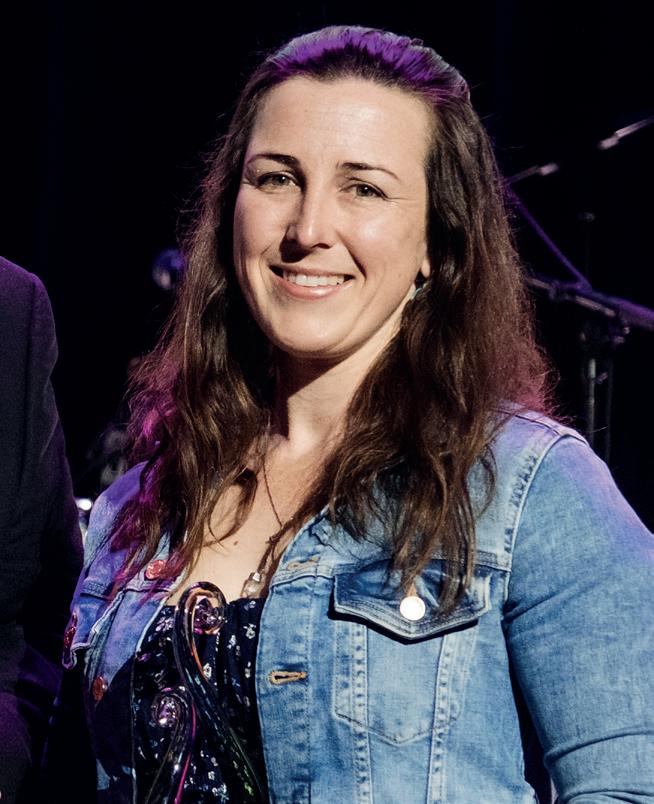
Hannah Ludlow
management officer, something more aligned with my interests. In that job I was doing things like stormwater, surface water, and wastewater sampling and reporting.
After three years, Hannah became environments projects lead, focusing on freshwater and stormwater improvement projects.
“Napier is an interesting place water-wise. In the 1931 earthquake there was a lot of uplift in the city, so the soils are marine soils around 100 years exposed, the groundwater is really high, and everything has to be pumped. The water is also somewhat saline, and some assets have been co-managed by Napier City and the Hawke’s Bay Regional Council, which can make things more complex.
“This all makes it a tricky puzzle to improve the waterways there.”
In 2022, Hannah took a job as freshwater quality and ecology scientist at the Hawke’s Bay Regional Council. After just four months in her new role, Cyclone Gabrielle hit, causing widespread damage across the region.
“I came into the job to help improve habitats across the region's rivers and, all of a sudden, our jobs all completely changed. It was a wild and chaotic time, and I learned a huge amount as part of a very dedicated team.
“The council was focused on recovery and rebuild, understandably, but eventually I felt the work wasn’t for me.”
So, Hannah took up an offer at the Napier office of Pattle Delamore Partners (PDP) – an environmental science and engineering consultancy where she is senior environmental scientist for water quality. This role allows her to indulge her special interest in urban and industrial stormwater, sediment chemistry, emerging organic contaminants, and effects on aquatic ecology.
“I have some incredible clients like the New Zealand Defence Force, who has a great team that I get to do water quality monitoring and reporting for, and Napier City Council, where I’m working on projects I’ve worked on before, which is a very cool full-circle feeling.
“I’m out and about less than before and I’m doing more project management, resource consent management, and remediation work. But PDP is a great place to work; we have an awesome team, and I have a great view from my office – I can see my local surf break from my desk.”
Along with her work in water quality, Hannah is on Water New Zealand’s Technical Committee, Stormwater Committee, and Stormwater Education and Training Subcommittee. She also set up a group for young water professionals working along the east coast of the North Island.

“We’re a bit isolated; outside of the main centres. These regions can have trouble with staff retention and as there will be a real shortage of professionals in the future, I felt we could benefit from having a support group for young professionals along the East Coast – it’s a small group currently, but we are looking to make positive things happen with events and training opportunities.”
Because of her volunteer work and professional performance, Hannah’s manager, Anna Madarasz-Smith who is technical director – coastal at PDP, suggested they put her name forward for this year’s Young Stormwater Professional award.
“I nominate Hannah in recognition of her contributions to enhancing our understanding of stormwater impacts on aquatic environments,” Anna writes in the award nomination.
“She consistently demonstrates her commitment and contribution to stormwater practices.
“Hannah’s focus has grown beyond stormwater technical expertise to project leadership, capability building,
and knowledge sharing. She currently manages complex, multi-year stormwater programmes, notably as project manager and lead technical author for the New Zealand Defence Force central region.
“She is also project manager for a large-scale multidisciplinary project coordinating 111 PDP staff across 11 technical disciplines. Driven by strict Environment Court deadlines, this high-pressure project requires confident leadership, strong communication, coordination, and robust technical delivery.”
Anna’s nomination was seconded by Louis Tremblay, senior researcher –ecotoxicology, of Landcare Research.
“I have collaborated with Hannah on stormwater management projects in the Ahuriri Estuary catchment in Napier,” he writes. “Hannah has showed great enthusiasm and been a catalyst for bringing people together to address the pollution issues in this unique taonga catchment.
“She tackled the very challenging problem of managing both legacy pollutants and on-going flows of stressors in this highly industrialised area. She has demonstrated
much innovation in bringing together a multi-disciplinary team.
“For example, she approached me to provide ecotoxicology and environmental chemistry support to her initiatives. This then led to the involvement of collaborators from the Japanese National Institute for Environmental Studies that joined the wider team to address this issue. This initiative is on-going and has involvement from Mana Ahuriri Trust that are mana whenua in the area.
“Her team also played a role in assessing the impacts of sediment following Cyclone Gabrielle which resulted in a scientific publication demonstrating the multidisciplinary approach that Hannah has championed.
“I’m convinced that her contributions will help develop improved frameworks for the sustainable management of stormwater.”
Hannah says it was “pretty surreal” hearing she had been named as a finalist for the award, but to then go on and win it was a “real buzz” and is something she won’t forget for a long while.
Tackle the toughest wastewater challenges with KSB‘s range of pumps and mixers, including the AmaRex Pro, Amarex KRT, Amamix, and AmaProp. Designed for efficiency, durability, and minimal maintenance, our products ensure smooth operation in all wastewater applications.

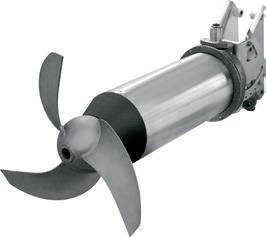
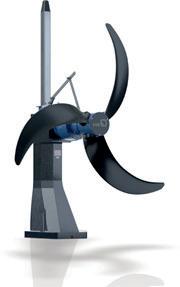
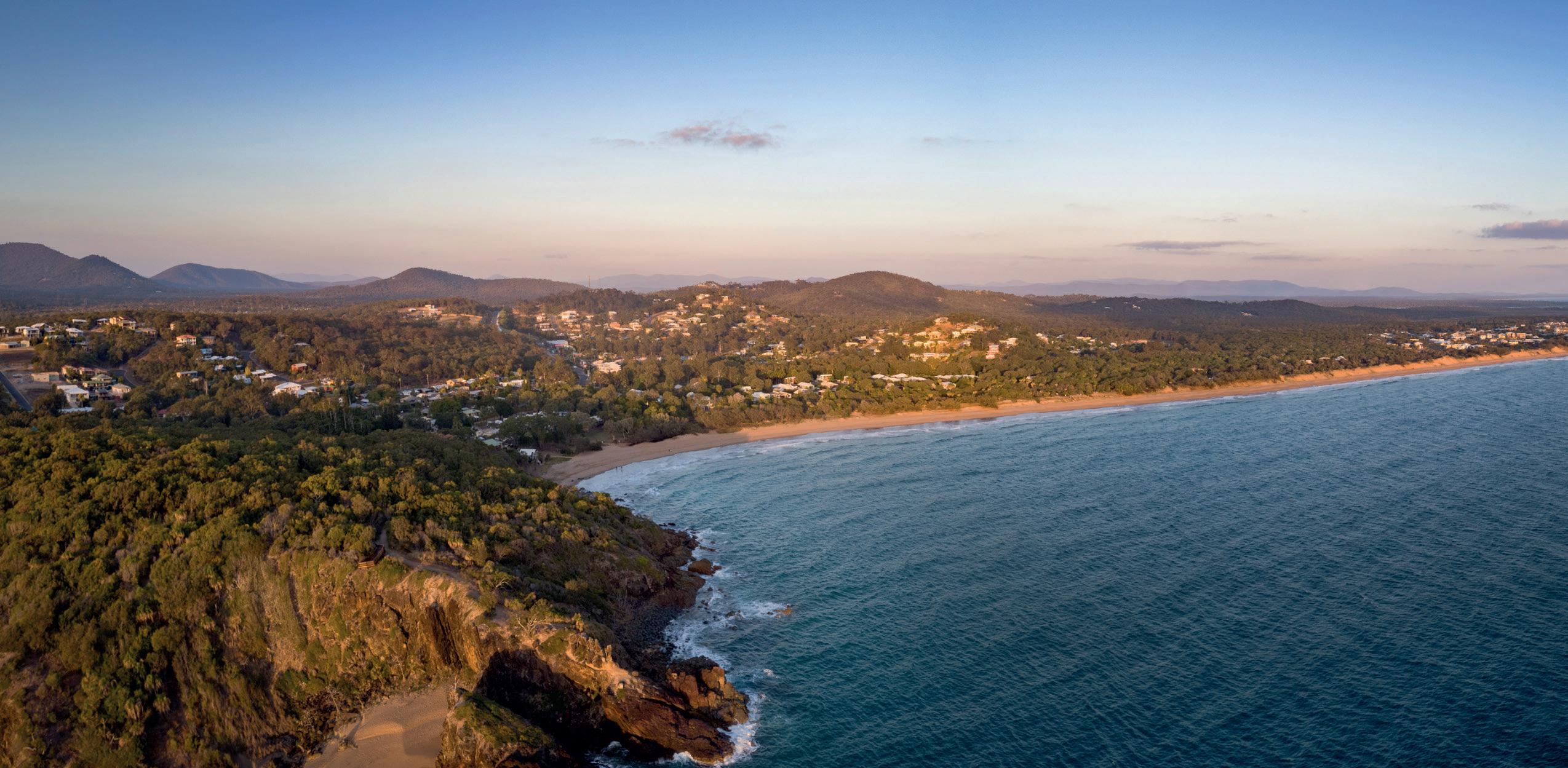
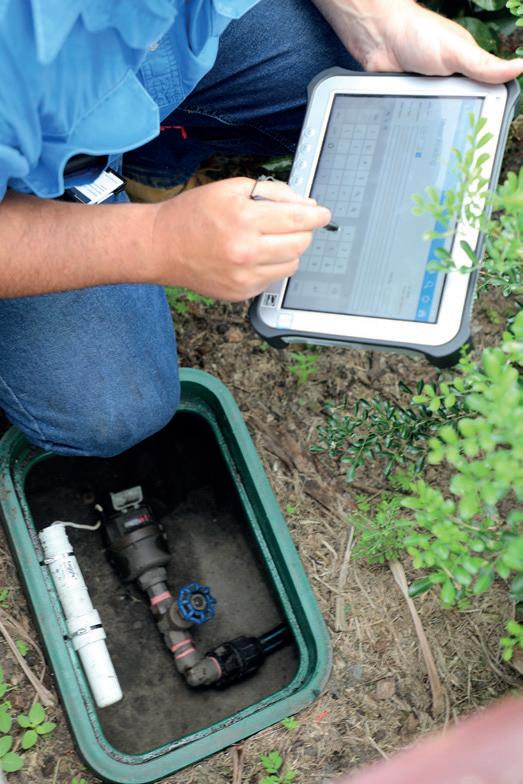
By Jane Hancock, Annette Bolton, Jackson MacFarlane, Katherine Cowper-Heays, and Matt Balkham, Water
New Zealand Climate Change Special Interest Group –Adaptation Subgroup.
The Climate Change Commission (CCC) recently released its second National Climate Change Risk Assessment (NCCRA), required under the Climate Change Response Act 2002. It assesses the risks climate change poses to the economy, society, environment, and ecosystems.
Responses to these risks will be addressed through the second National Adaptation Plan (NAP), including infrastructure investment, managed retreat, and system-level interventions.
The NCCRA considers present day, mid-century (~2050), and end-century (~2090) risks. Water infrastructure (drinking water, wastewater, and stormwater) is already rated ‘high’ risk severity, increasing to ‘extreme’ by 2050 and 2090. It also highlights cascading risks, reflecting the interdependence between water and other critical systems.
The water sector sits at the interface between national policy and delivery, shaping investment, planning, and service provision. Given long infrastructure lead times, early and sustained investment in adaptation will be critical to reducing future risk and delivering wider system benefits.
Key NCCRA takeaways for the water sector
• Water infrastructure risk is already high and becomes extreme by 2050;
• Systems are highly exposed to multiple interacting hazards;
• Cascading impacts mean failures affect health, environment and other infrastructure;
• Early action provides the greatest risk reduction benefits.
Water infrastructure faces complex and interconnected risks from multiple hazards:
• Sea-level rise and coastal inundation;
• Extreme rainfall and flooding;
• Drought and reduced water availability;
• Rising temperatures affecting water quality.
Many assets (such as pump stations, treatment plants, and outfalls) are located at low elevations, making them particularly vulnerable to flooding, coastal inundation, and rising groundwater.
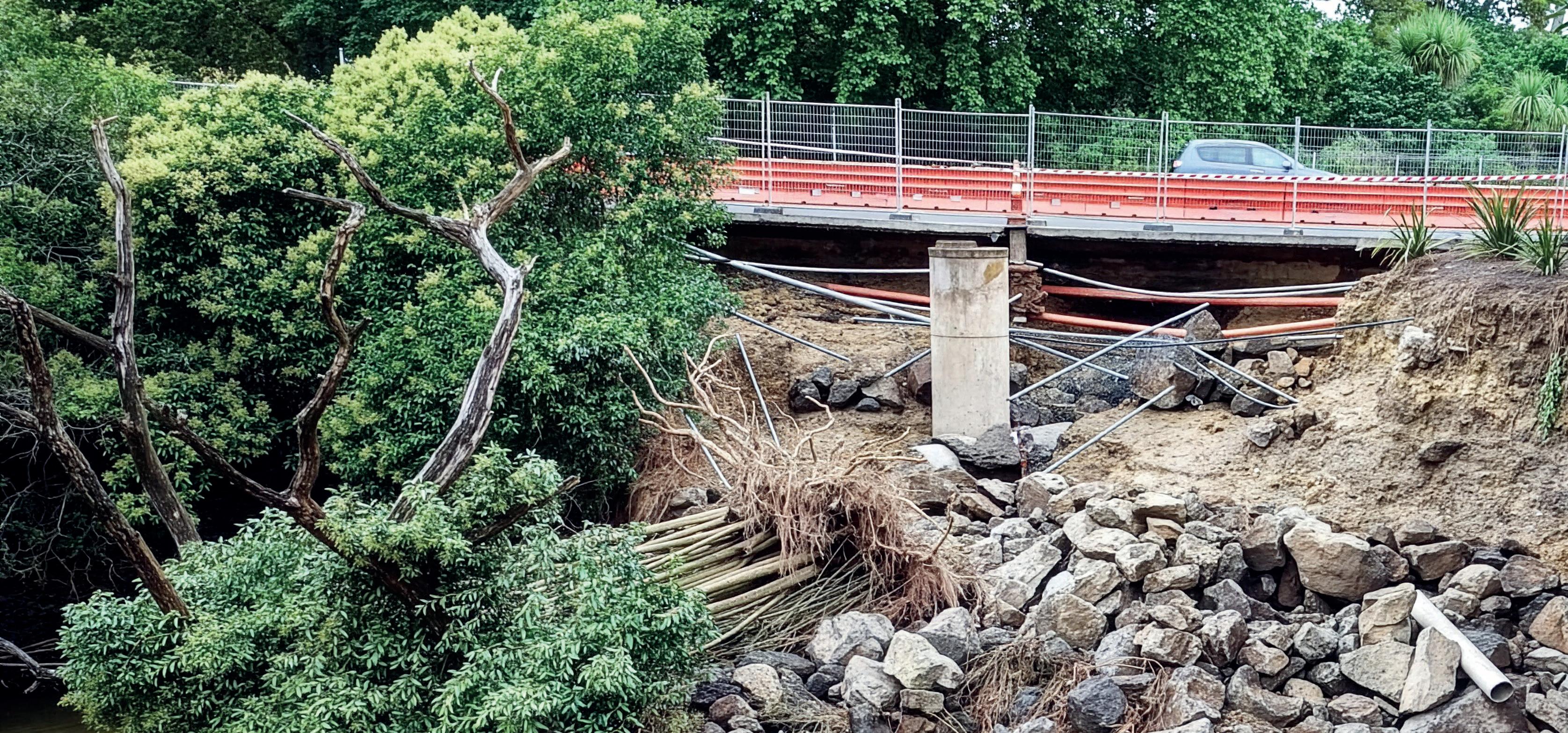
Exposure is already significant. Around three percent of the network is exposed to coastal inundation, and over 20 percent to river flooding. This is expected to increase substantially, with up to 15 percent of pipelines exposed to coastal inundation by late century under a mid-high climate scenario.
At the same time, ageing infrastructure, historic underinvestment and capacity constraints are already contributing to overflows and failures. Climate change is compounding these pressures, with more frequent extreme events overwhelming systems. Without adaptation, reliability and performance will continue to decline.
Climate risks rarely occur in isolation. Instead, they form cascading chains of impact. For example, intense rainfall can cause flooding, triggering wastewater overflows, which then contaminate waterways and affect public health, ecosystems and cultural values.
The NCCRA recognises this through cascading risk scoring. Water infrastructure is rated high, meaning that improving its resilience can reduce risks across multiple systems.
• Water system failures disrupt health, environment, and communities;
• Impacts extend to energy, transport and emergency services;
• Investment in water resilience delivers cross-sector benefits.
Reliable water services are fundamental to public health. The NCCRA highlights increasing risks to health as climate change impacts water systems.
Extreme rainfall can overwhelm networks, causing overflows and contamination of water sources. Nationally, over 3000 wastewater overflows were recorded in 2021-22, many linked to storm events.
Treatment processes are also affected. Higher inflows mean plants
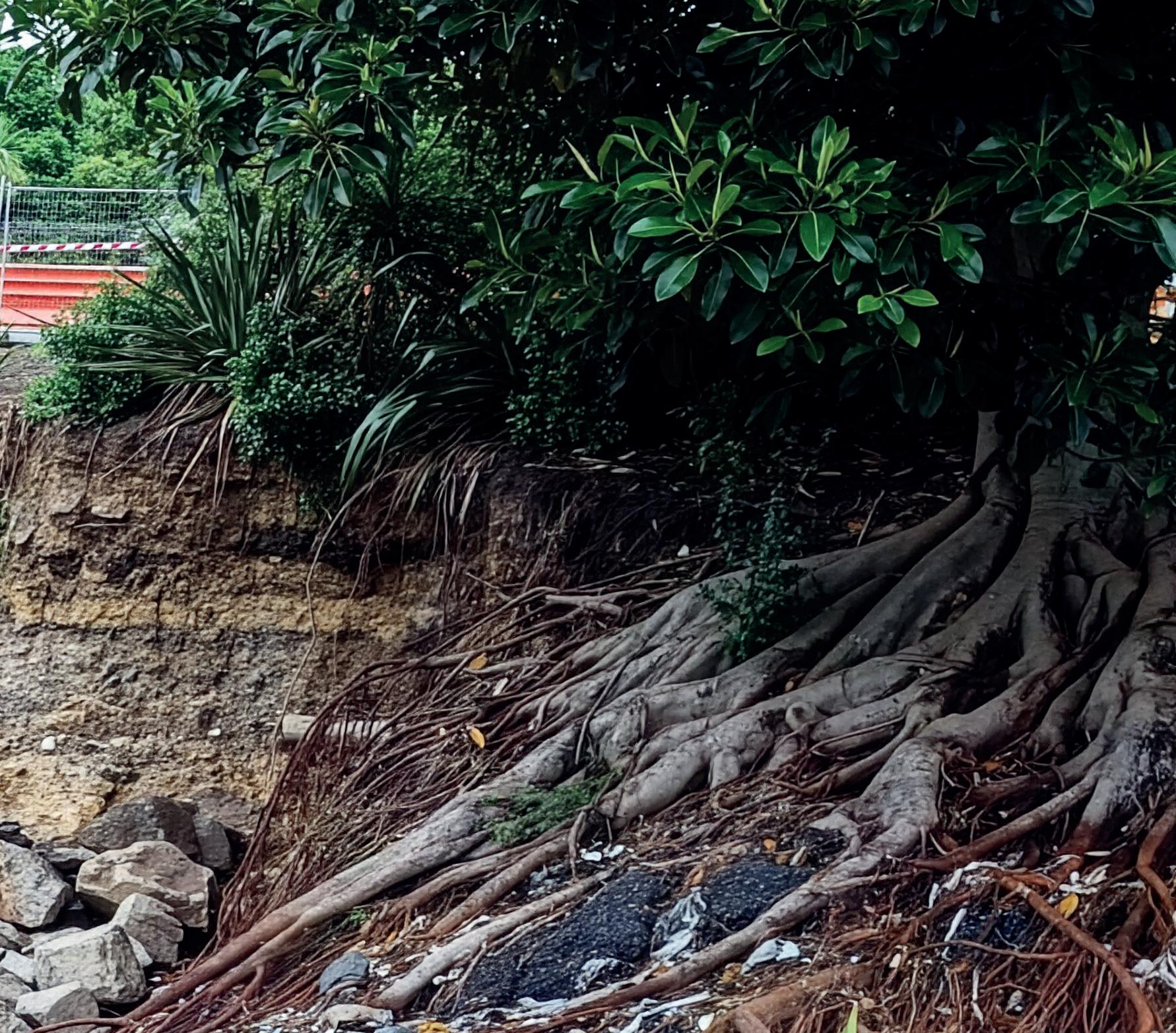
operate at capacity for longer, reducing performance and increasing compliance risks.
Sea-level rise further affects water quality through saline intrusion into groundwater aquifers and pushing the saline wedge further upstream in rivers. This reduces the availability of fresh water in coastal regions.
Higher temperatures introduce additional pressures:
• Increased microbial growth;
• More frequent algal blooms;
• Greater treatment complexity.
Drought presents different challenges:
• Reduced water supply reliability;
• Concentrated contaminants;
• Greater reliance on alternative sources.
For example, the 2020 Auckland drought highlighted vulnerabilities in urban water supply systems where water supply reliability was tested, leading to restrictions on use and a greater reliance on alternative sources.
In addition to NCCRA findings, there are emerging risks to monitor particularly for onsite wastewater systems that serve around 20 percent of the population. These systems are implicitly included within the report’s wastewater category but are not separately identified or assessed.
Limited information is available for Aotearoa New Zealand, but globally, only about 48 percent of these systems safely treat wastewater, and climate change is likely to reduce effectiveness further.
Rising groundwater can limit soil treatment capacity, increasing contamination risks. These risks are less visible but represent a growing environmental and public health issue, particularly in rural areas.
Impacts from water service disruption or failure are uneven, with rural, low-income and Māori communities more vulnerable and frequently less able to adapt. Disrupted or degraded water supplies increase the risk of some waterborne illnesses and compromises sanitation.
This is not a future issue, it is a current and escalating problem. Delaying action will increase both the cost and consequences of adaptation and reduce future options. Water infrastructure is therefore a priority area for immediate action.
While the NCCRA provides a national overview, climate risks are highly location-specific. Exposure, vulnerability and adaptive capacity vary across regions and communities.
Effective adaptation requires understanding risks at asset and system level, supported by granular data and local knowledge. Adaptation planning must also connect short-term decisions with long-term outcomes, given the long life of water assets.
Although risks are local, addressing them requires coordinated governance, planning and funding across national, regional and local levels.
The cascading nature of climate risk reinforces the need for collaboration across organisations and sectors.
Because water infrastructure has high cascading risk, investment in its resilience delivers benefits beyond the water sector. This requires coordination between water service providers, councils and other infrastructure owners.
Water Services Strategies provide an opportunity to embed adaptation into long-term planning. Aligning these with wider planning processes will help avoid investing in areas that may become unviable, reducing the risk of stranded assets.
Effective adaptation will depend on shared understanding of risk and coordinated decision-making across institutional boundaries.
Adaptation planning often focuses on networks, but treatment plant performance under future conditions is equally critical. Many of these challenges are already addressed in other parts of the world, meaning proven technologies exist.
Increased rainfall will raise inflows and extend high-flow operation, placing strain on biological processes and increasing noncompliance risk. Mitigation measures such as storage can extend these stresses further. Alternative approaches, such as high-rate or sidestream treatment, may be required.
For drinking water, climate change will affect source water quality. Higher temperatures and longer dry periods will increase contaminants such as algae, requiring more robust treatment solutions.
This highlights the need to move beyond designing for current conditions. Planning frameworks, including Drinking Water Safety Plans, should increasingly incorporate future climate scenarios. Embedding resilience in design decisions now will help ensure assets remain fit for purpose and avoid costly retrofits.
The NCCRA offers deeper insights and is recommended reading, particularly the built environment domain which highlights risks to water infrastructure.
A key takeaway is the interconnected nature of water systems. Failures can amplify impacts across health, housing, energy, transport and ecosystems. Conversely, resilient water infrastructure is one of the most effective ways to reduce wider system risk.
The NCCRA signals a shift from viewing water infrastructure as exposed assets to recognising them as strategic components of national adaptation.
Embedding climate resilience into planning and investment is essential. The water sector is not only on the frontline of climate impacts, but central to Aotearoa New Zealand’s ability to respond.
The latest National Climate Change Risk Assessment (NCCRA) says the costs of repeated disasters will make it harder to pay for core needs like health and education.
The report points out 10 key areas on which our national adaptation plan should focus, like buildings that can cope with extreme weather and floods. It advises higher spending on climate resilience now, so we aren’t stuck constantly paying more for disaster recovery. A companion report looks specifically at risks to te ao Māori.
The Science Media Centre has gathered comments on the report from experts on Māori climate resilience, cascading risks and resilience, politics, social sciences and health, climate science, and agriculture, and we have reprinted a selection here. You can find all comments at sciencemediacentre.co.nz/2026/05/07/nz-must-spend-on-climate-adaptation-to-save-on-disaster-recovery-expert-reaction/
By Regan Potangaroa, professor, School of Future Environments, AUT
What is perhaps most striking from the NCCRA is that it finally begins to recognise marae as critical resilience infrastructure rather than simply heritage buildings. That is a major shift.
The BRANZ-supported Build Back Better research consistently showed marae functioning as centres of whakapapa, governance, well-being, emergency response, tikanga and social cohesion. The NCCRA now confirms this position, recognising marae as essential community infrastructure and acknowledging the critical role many played during Cyclone Gabrielle and other recent events.
Importantly, the NCCRA also validates one of the central findings from our work, that climate change threatens far more than physical structures. The risks extend into whakapapa, mātauranga Māori, mahinga kai, taonga and the wider relationship between people and whenua.
In many respects the national assessment appears to be catching up with what hapori Māori have already understood for some time: climate change is simultaneously an environmental, cultural, social, and governance issue.
Another significant point of alignment is the recognition that Māori adaptive capacity is strong but structurally under-supported. Across our research, marae communities were already adapting, organising and implementing resilience strategies grounded in tikanga and mātauranga Māori.
The barriers were rarely willingness or capability. Rather, they involved limited funding, fragmented support systems, uneven policy engagement and uncertainty around long-term adaptation pathways. The NCCRA now openly acknowledges many of these same systemic weaknesses.
“The report also reinforces the national scale of marae vulnerability. With around 80 percent of marae located near coastlines or flood-prone rivers, the issue is not isolated but structural.
Historically these locations were essential for trade, food gathering and settlement patterns. Under accelerating climate pressures, they are increasingly becoming zones of exposure.
“Equally important is the NCCRA’s recognition that mainstream climate risk systems have often failed to account for Māori realities.
Conventional approaches have tended to prioritise roads, buildings and utilities while overlooking impacts on mana, mauri, wāhi tapu, tikanga and connected ecosystems. This strongly supports the kaupapa Māori approach used in our own work, where adaptation was understood relationally rather than simply technically.
The NCCRA also acknowledges that governance failure itself is becoming a climate risk for Māori. Fragmented decision-making, inconsistent resourcing and weak partnership arrangements continue to undermine effective adaptation.
This mirrors concerns repeatedly raised during our marae engagements where communities often felt they were managing climate risk largely on their own. However, as the old saying goes, the proof of the pudding is in the eating. Having a policy framework is one thing; operationalising it successfully is another.
Historically, that is often where otherwise promising strategies begin to flounder, lose coherence and ultimately fail. The NCCRA now appears willing to acknowledge the importance of mātauranga Māori, marae resilience and Māori-led adaptation, but the critical question remains whether these aspirations will be adequately resourced, institutionally supported and embedded within enduring governance arrangements.
At the same time, the NCCRA represents an important opportunity. For perhaps the first time at a national level, there is clearer recognition that Māori knowledge systems, marae networks, and community-led adaptation approaches are not peripheral to climate resilience in Aotearoa New Zealand, but central to it.
Proven solutions to remove harmful contaminants and protect your community.
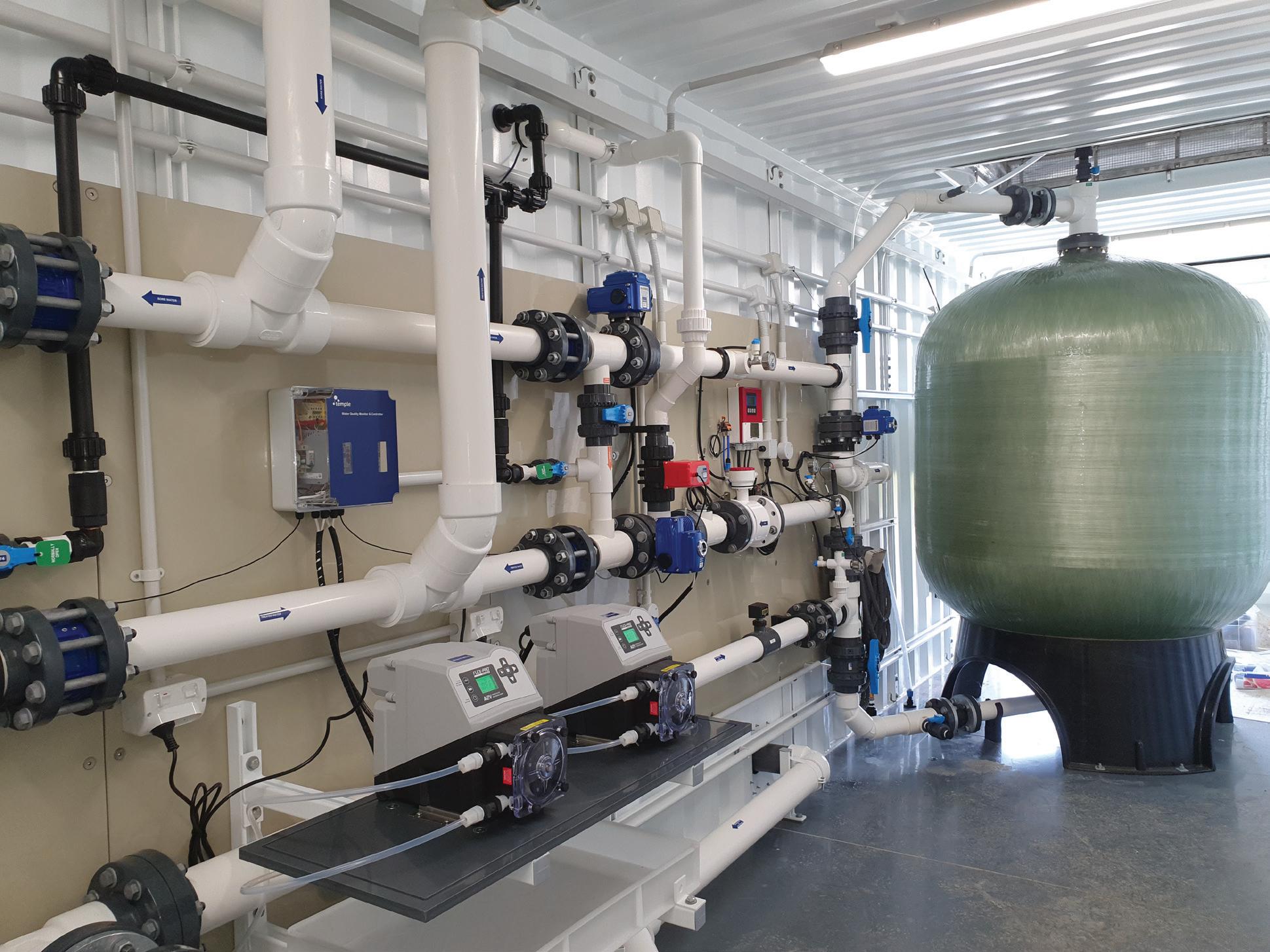
If properly supported, these approaches could significantly strengthen both local resilience and national adaptation capability.
Without sustained funding, practical support systems, clear accountability and genuine shared decision-making, there is a real danger that adaptation remains fragmented, reactive and uneven across the motu.
What our work demonstrated clearly is that marae are already functioning as resilience systems. The issue is not whether capability exists within hapori Māori. The issue is whether national systems are prepared to properly support, resource and trust those capabilities over the long term. If they are, the NCCRA may represent an important turning point in how climate adaptation is understood and implemented in Aotearoa New Zealand.
benefits
Removes iron, manganese, arsenic, nitrates, boron
Eliminates organics and PFAS
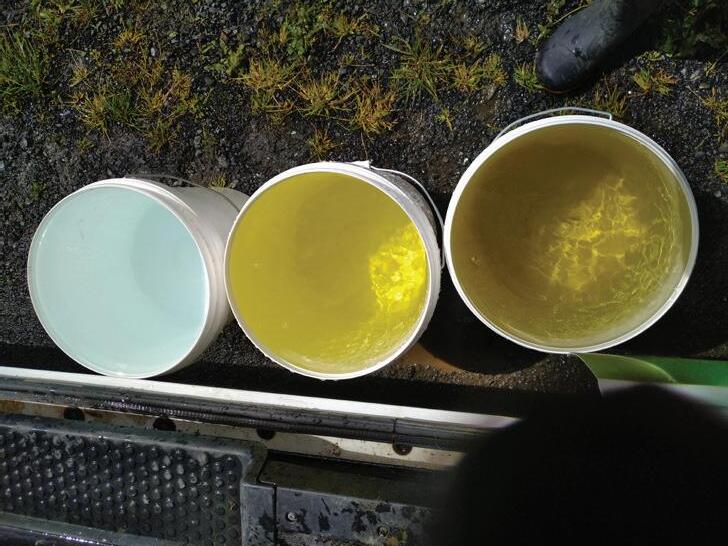

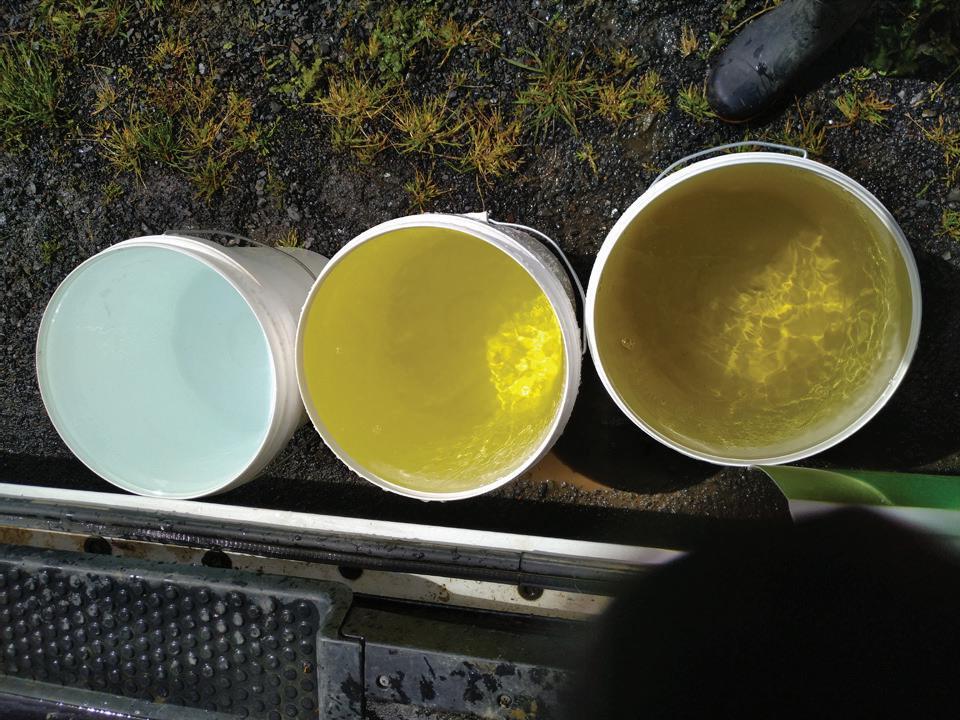
By Dr Nick Cradock-Henry, principal scientist, Earth Sciences New Zealand
The second NCCRA arrives at a critical time in the national and international conversation. There is a growing gap between our risky reality, and our resilience.
Since the first NCCRA in 2020, we have seen devastating storms, increased flooding, severe drought, and more extreme weather, with material effects across the motu. The evidence could not be clearer: climate change is here, now. The consequences of higher mean temperatures, more severe storms, and changing rainfall patterns represent a material risk across diverse communities and activities.
Furthermore, as the assessment makes clear, these risks are no longer linear; rather, they are interconnected, and the adverse effects compound across scales, between communities, and across places.
Drought, which now has a more significant economic cost for the national economy than flooding, is a function of a complex interplay between existing land uses and changing rainfall patterns. Its effects range from mental, emotional, and material anxiety for primary producers to higher input costs, consequences for animal welfare and condition, and decreased productivity.
These impacts don’t end when the rain returns. They leave behind a long tail of consequences that continue to damage our economy and our communities for years.
Similarly, the disruption to critical infrastructure and lifelines – the arteries that help support economic growth and development, deliver
and distribute resources, and enable social connectivity – are equally vulnerable. This physical disruption quickly scales into an economic one as freight delays drive up the cost of essential goods and leave regional producers unable to reach international markets.
We are already seeing patterns emerge: The frequent disruption and damage to regional transport links does not stop at road closures; it triggers a domino effect that severs supply chains, disrupts local healthcare access, and creates immediate revenue loss for our primary exporters.
These shocks are drawing unwelcome attention to our risk profile internationally. Already, we are seeing the consequences, including ‘insurance retreat’ in high-risk areas.
By taking a systems perspective, the NCCRA has positioned itself at the leading edge of global climate strategy, and builds on and extends fundamental research on the dynamics of climate-related impacts and implications.
By identifying a comprehensive suite of risks, the assessment proves that we can no longer treat climate adaptation as optional; it is fundamental. What is required now is a linked-up, systems approach that understands and recognises that today’s risk is tomorrow’s liability.
We must unlock the inertia delaying adaptation, and endeavour to build climate-resilience, protecting the links between infrastructure, economy, community and cultural well-being, and the environment.
By Bronwyn Hayward, professor of political science, University of Canterbury
The release of this climate risk report highlights a serious disconnect between the threats that New Zealanders are already experiencing and our highly partisan responses by political leaders.
The report highlights the far-reaching complex risks now faced by whole communities, business sectors, iwi, cities, and our natural environment, and yet to date our political responses to these risks are inadequate, focused on individual responsibility, and politically partisan restructuring of ministries and local and regional government.
Buried in the text of this report are lives now left in limbo while people wait for action: Families in rental accommodation impacted by flooding, homeowners whose life savings were lost in landslips, iwi losing more opportunities to determine their own futures and businesses, cities and the rural sector facing enormous costs to provide essential infrastructure or protect and deliver core services.
At the very moment when we need cross party consensus to effectively plan, fund and deliver the protection that highly vulnerable New Zealanders, businesses and environments so badly need, we find our political leadership is divided both within the Coalition government and across party lines.
In 2022 the IPCC Adaptation report highlighted how we as a country are at significant risk of governance failure. Like this risk report, they noted our local and central government agencies will struggle to
coordinate action and find the funding needed to address the serious risks we now face as a nation.
This risk report is a wakeup call reminding us that we continue to tackle each disaster as an individual event, and when government has embarked on more far-reaching systematic reforms it does so without building a cross party consensus and without a spirit of transparency, and inclusion – core principles of good governance the IPCC continues to highlight as effective strategies for making lasting change.
In many ways, unfortunately, this risk report could not come at a worse time. As we head into an election we need consensus, not point scoring.
The hazards highlighted in the report, like flooding, storms, droughts and illnesses that accompany our rapidly changing climate, exacerbate other risks like the cost of living or secure food, energy and water supply. These hazards do not recognise a difference between voters – they will impact whole communities and businesses.
We need cross party consensus to make effective long term change.
As citizens we have a right to expect political cooperation and we can reward political leadership that seeks to build consensus to protect us and our country by building resilience through inclusive, lasting, integrated mitigation and adaptation action.
Source: Expert reactions provided by Science Media Centre.

Nationally Recognised Programmes & Apprenticeships

With strands in Drinking-Water, Stormwater and Wastewater, and Trenchless Technologies.
Developed with industry, for industry.
Skill-up



Three proposals released in June show it is feasible to significantly reduce flood risks in South Dunedin over the next 50 to 100 years, including in the face of increasing climate related hazards.
The work has been undertaken through the joint Dunedin City Council and Otago Regional Council South Dunedin Future programme, and was presented to councils on 24 and 25 June respectively.
South Dunedin Future programme manager Jonathan Rowe says the analysis provides a more comprehensive picture of what it would take to manage flooding in one of Dunedin’s most complex and exposed urban environments.
“The encouraging finding is that, even as flood hazards increase, it is feasible to significantly reduce risk – potentially to levels comparable to, or lower than, today,” Jonathan says. “However, achieving that outcome would require sustained effort over many decades, including major investment, disruption, and change.”
To help guide discussions about how South Dunedin might adapt over time, councils have developed three proposed adaptation futures. These are options only at this stage – no decisions have been made. Community consultation and further technical work will take place before a final masterplan for South Dunedin is presented to council.
The Futures build on previous work and reflect community feedback during earlier stages of the South Dunedin Future programme. Each outlines a different approach to managing flood risk through combinations of infrastructure investment, land use change, and urban development.
The futures span the short (2025-50), medium (2050-75), and long term (2075-2125) timeframes. Each future adopts a particular way of managing risk and comes with different trade-offs in terms of costs, disruption, and change.
The futures are similar in the short term, focusing on infrastructure upgrades and preparing for potential land-use change. Larger changes would emerge over the medium term, including land raising, new development patterns, and expanded green and blue spaces. By the long term, major capital works reduce, while new housing in lower-risk areas supports future growth.
As councils explore options to reduce flood risk, it is likely that achieving meaningful risk reduction will require the purchase of private properties in some areas. This may be needed to support work such as new or upgraded infrastructure, raising land above flood levels, and creating green and blue spaces to store and move floodwater.
The three futures identify general areas where interventions such as new pumps and pipes, land raising, and parks, wetlands and
waterways could be located. These areas are shown on maps and in visualisations, but are indicative at this stage, based on analysis to date.
While the futures are grounded in scientific, engineering, and economic analysis, councils are clear that the work necessarily relies on assumptions and simplified representations of complex social, environmental, and economic systems evolving over a century.
“There is uncertainty that cannot be removed. Adaptation planning can help manage that uncertainty, for example by keeping options open, staging decisions, and avoiding lock-in, but it cannot eliminate it altogether.”
While acknowledging community frustration regarding the perceived lack of action on flooding since 2015, it has taken time to build a comprehensive understanding of the underlying problems and to identify workable longterm solutions.
This analysis confirms there are no quick or simple fixes and that system-scale responses are required.
Cost of the Futures is less than the cost of the status quo
The stormwater and groundwater modelling undertaken in this stage of work has supported more detailed economic assessments. These show the estimated costs of the three futures are less than previously predicted and less than continuing with a status quo approach (when factoring in the benefit of avoided flood and other damagers).
Costs for the three futures range from $1.63 billion to $2.45 billion in present day value over 100 years. For context, the cost of implementing the lowest cost future is roughly eight percent of DCC’s annual capital budget of around $200 million, noting South Dunedin comprises around 10 percent of the city’s population.
When accounting for the expected benefits of each future, in the form of avoiding loss and damages from flooding and coastal inundation, the net cost of the futures range from $280 million to $1.1 billion.
This compares favourably to indicative costs of $2 billion to $7.1 billion for options considered in the previous stage of the programme and the overall cost of continuing the current approach under a status quo approach, which is estimated to be between $1.45 billion to over $2 billion.
The analysis also highlights that delayed or insufficient action would see flood impacts continue and worsen over time.
Article provided by Dunedin City Council.
What made Wellington’s deluge so intense?
By James Renwick, professor of physical geography (climate science), Victoria University of Wellington
At their most intense, the downpours that drove widespread flash flooding across Wellington early on the morning of April 20 would have counted as extreme even by tropical standards. But here in 2026, it is part of an increasingly familiar pattern reminding us that our communities and infrastructure aren’t yet prepared to cope with what a warmer, wilder future holds.
Over a 48-hour window, the capital saw rainfall totals that nearly tripled monthly averages, with some residents describing it as the worst flooding event since Wellington’s disastrous 1976 storm.
MetService reported that more than 70mm of rain fell in just one hour in parts of southern Wellington early on Monday morning. That is more than half the total rainfall typically recorded at the city’s Botanical Gardens over the whole of April.
Impacts were immediate and severe. In some suburbs, entire streets were flooded. Vehicles were left floating in floodwaters; others were simply carried away.
Local emergency services were stretched, responding to more than 150 weather-related calls in a single morning, as hubs were set up in the suburb of Lower Hutt to support displaced residents.
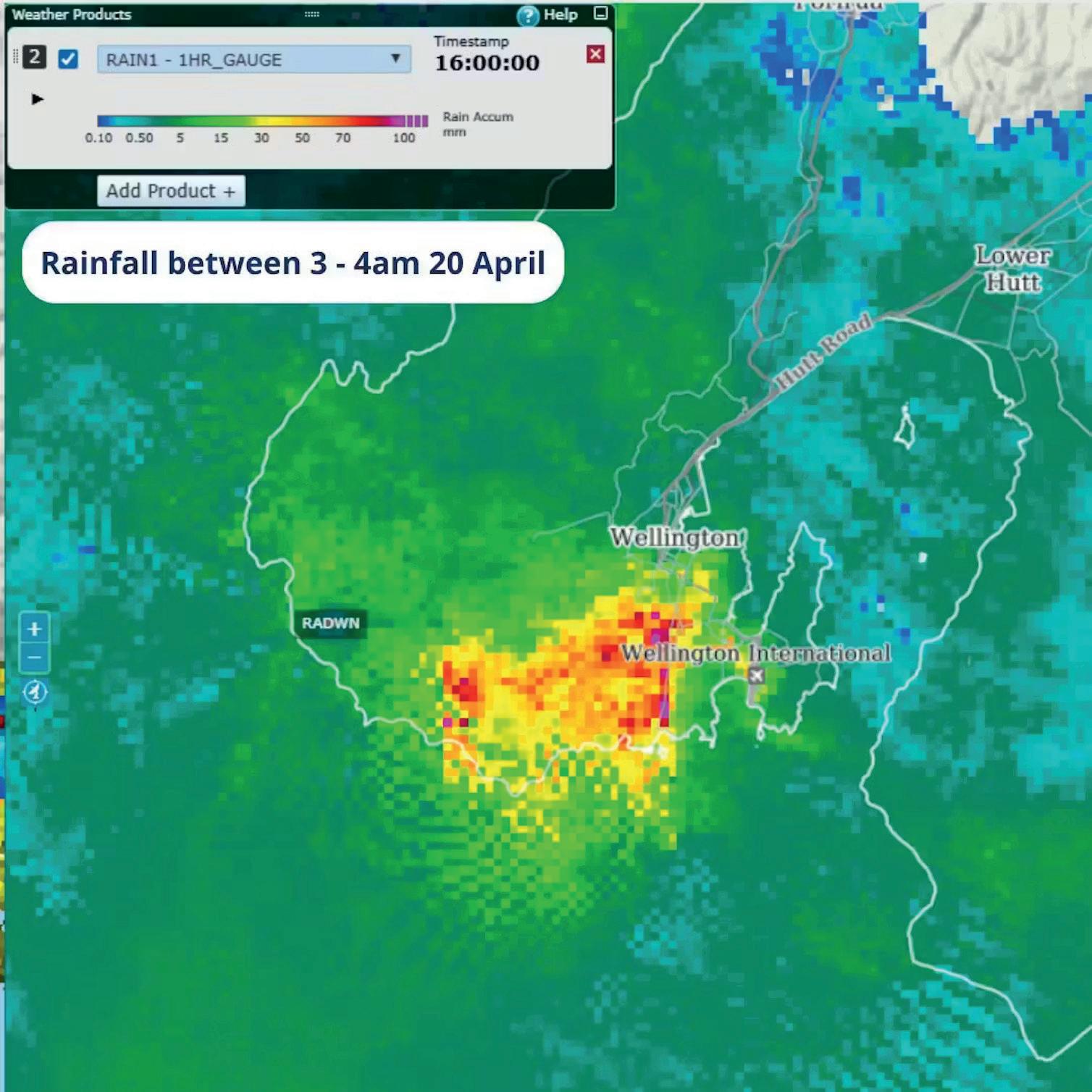
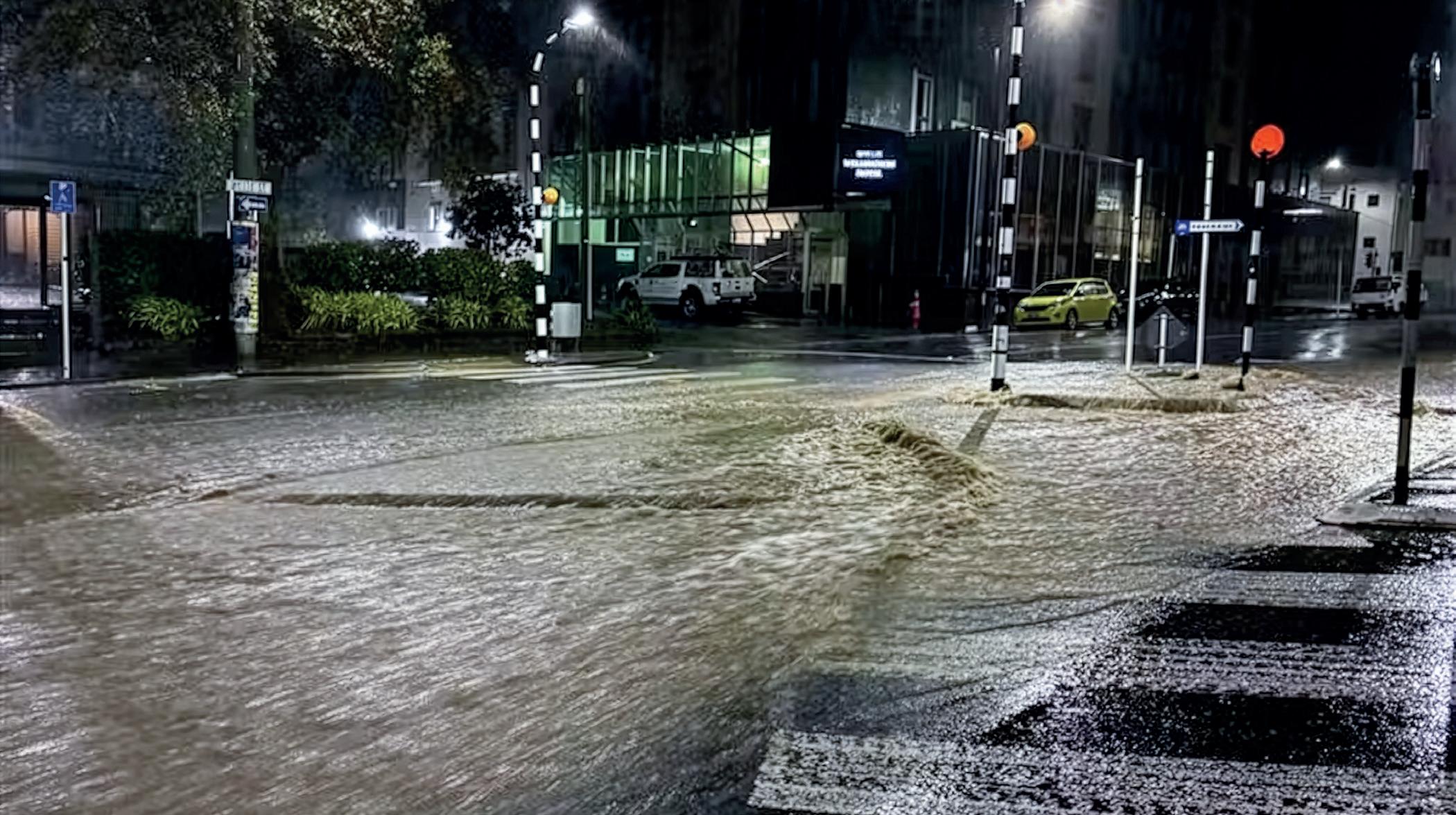
Infrastructure across the region struggled to cope. Multiple sections of local state highways were forced closed by flooding and slips, with continuing disruption to Metlink transport services.
The bill for this storm is now being counted.
While the rainfall intensity may have felt distinctly tropical, the system behind this event was very different from Cyclone Vaianu a week earlier.
Vaianu began in the tropics, carrying warm, moistureladen air south. This latest system, by contrast, developed out of the Southern Ocean. It was a large, slow-moving lowpressure system that drew cold air north as it moved over unusually warm seas in the Tasman.
Yet that contrast in origins matters less than it might seem.
Once a system has access to enough moisture and instability, the end result can be much the same: intense rainfall falling over a short period. In this case, cold air moving over warm seas helped generate widespread convection: clusters of thunderstorms producing heavy, localised downpours.
This helps explain why such a broad system could still produce highly uneven impacts. While forecasters were able to identify the risk of severe weather well in advance, pinpointing exactly where the heaviest rain would fall would have been extremely difficult.
That comes down to scale. Weather systems can be understood well across hundreds or thousands of kilometres. But the most damaging rainfall often depends on processes playing out over just a few kilometres, or even less, where small variations in temperature, moisture, and wind can determine whether one place is inundated while another escapes relatively lightly.
In Wellington’s case, such fine-scale dynamics made all the difference. Converging winds along the south coast helped drive moisture upwards and hold intense rainfall over the same areas for extended periods.
Storms such as this might not be unusual in themselves, as they occur often across the southern oceans. But when they strike highly populated areas, the impacts are amplified.
For the Wellington region, along with all those other areas of the country hit hard by this weather system over the weekend, timing also played a role.
Coming so soon after Cyclone Vaianu, the ground in many parts of the North Island was already saturated, increasing runoff and raising river levels. That meant this second system did not need to be as extreme in isolation to produce severe flooding.
Whether or not a formal climate change attribution study is carried out, this event again reflects the influence of a warming ocean and atmosphere.
As sea and air temperatures rise, more moisture is held in the atmosphere. This provides additional fuel for storms, allowing them to produce heavier rainfall and more intense downpours over short periods.
While climate change does not mean every storm will be extreme, it does mean the chances of extreme rainfall are shifting over time.
New modelling by colleagues at the University of Waikato shows this clearly. Even under a mid-range emissions scenario, the most intense one-and three-day rainfall events across much of the country are projected to increase by around 10–20 percent by the second half of the century.
Those changes may sound modest. But even relatively small increases in rainfall intensity can push systems beyond critical thresholds: turning a heavy but manageable event into one that overwhelms infrastructure and causes widespread damage.
Reducing that risk ultimately depends on limiting further warming.
The only way to stop such events becoming more extreme is to stop adding greenhouse gases to the air, especially carbon dioxide from fossil fuel burning. Anything our government, and all governments, can do to move away from fossil energy is something we would all be thankful for.
In the meantime, the focus must also be on adaptation, ensuring communities and infrastructure are better prepared for the intensity of rainfall events that are becoming more likely.
This article first appeared in The Conversation, theconversation. com/an-ordinary-storm-with-extraordinary-impacts-what-madewellingtons-deluge-so-intense-281016


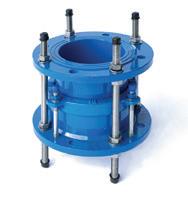

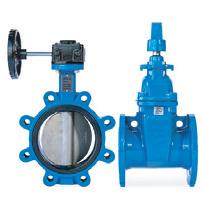
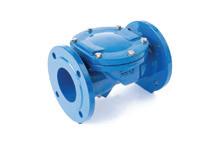


By Adam Hartland, adjunct associate professor in freshwater biogeochemistry, Lincoln University.
The Waikato is Aotearoa New Zealand’s longest river, central to the identity and practices of Waikato River iwi and a source of drinking water for nearly half of the country’s population. It is also becoming a case study in what happens when very different environmental pressures hit the same system faster than authorities can respond.
A recent RNZ investigation documented worsening toxic algal blooms in hydro lakes in the upper Waikato. Communities around Lake Ohakuri describe water so green it resembles the Incredible Hulk, dogs becoming violently ill, and mats of toxic slime covering the surface.
These conditions are a long way from Te Ture Whaimana o te Awa o Waikato, the legislated vision for a river safe for swimming and gathering food.
The reporting captured genuine community frustration and institutional fragmentation. But to turn concern into effective action, we need to understand why blooms keep forming where they do. Otherwise, interventions risk missing the mark. The Waikato cannot afford misdirected effort.
The location of the worst blooms is a clue. Lake Ohakuri sits right next to the Ohaaki-Broadlands geothermal field, where decades of extracting hot fluids for power generation have caused the ground to sink by nearly seven metres.
That geothermal activity releases heat, carbon dioxide (CO₂), and mineral-rich fluids into the water, all of which promote the growth of cyanobacteria. This includes iron, a nutrient toxic algae need to thrive.
Whether decades of fluid extraction have altered the rate of influx of CO₂ and iron remains untested, but the proximity to geothermal fields is striking.
Until now, no one has measured how much of the geothermal CO₂ actually dissolves in the river or how far downstream it travels. During our recent field campaign, we deployed a mobile sensor along the upper Waikato and a technique known as stable isotope analysis to fingerprint the carbon and start filling this gap.
The results are stark.
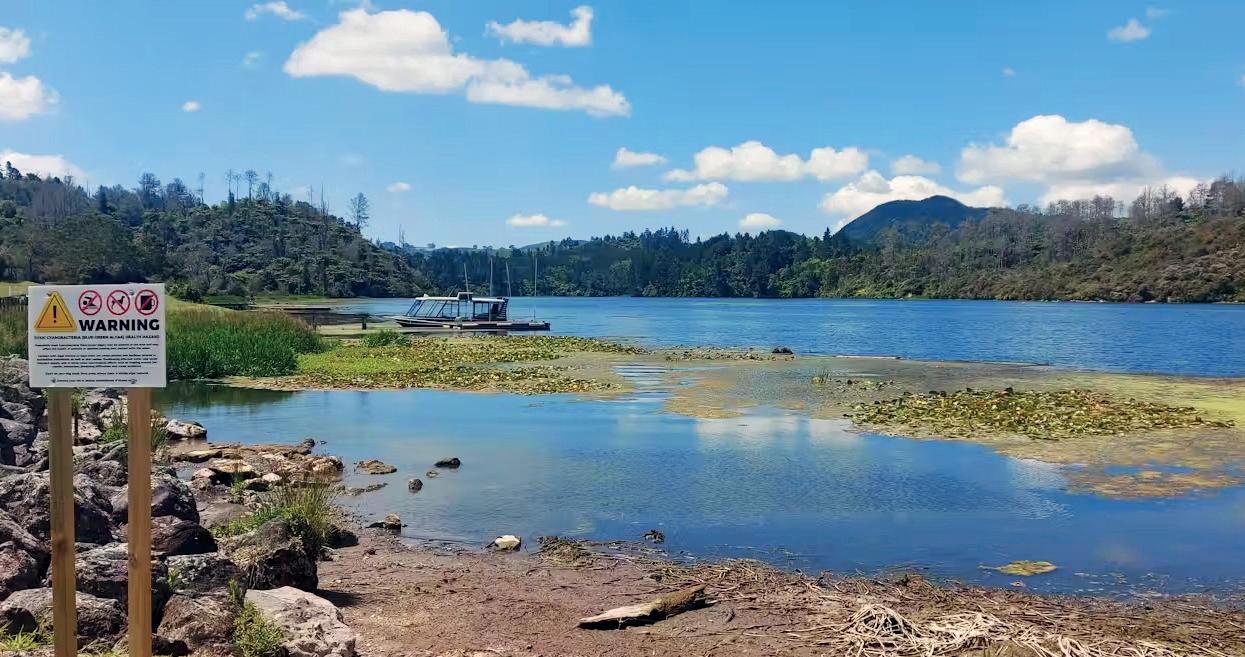
Carbon dioxide concentrations in the geothermal zone reach 10 times the background level and the isotopic signature confirms the source as volcanic, not biological.
Huge quantities of dissolved CO₂ escape into the atmosphere as the river passes through the hydro lake chain. The water does not return to background levels even by the time it reaches Lake Karāpiro more than a hundred kilometres away.
That lingering excess CO₂ could be feeding algal growth well beyond the volcanic zone.
The geothermal zone is not the only pressure point. The invasive gold clam (Corbicula fluminea) has rapidly colonised the Waikato since its detection in 2023. The clams have now been confirmed as far upstream as Lake Maraetai, directly downstream of Ohakuri.
Our research, currently under review, shows the clams are stripping roughly 14 tonnes of calcium carbonate from the river every day, disrupting the water chemistry treatment plants rely on, and releasing arsenic in forms that could slip through conventional treatment processes.
As the clams breathe, they pump carbon dioxide into the water and consume oxygen, tipping the river’s balance away from a system driven by plant-like photosynthesis (which produces oxygen) and toward one dominated by respiration (which releases CO₂).
In January 2026, our monitoring buoy in Lake Karāpiro recorded oxygen near the lake bed dropping rapidly toward levels that would suffocate aquatic life. What prevented a crisis was not management action but weather. Severe storms physically overturned the water column and mixed oxygen back in.
This near miss, averted by luck, is a warning, not a reassurance.
Two very different stressors are now converging on the same river. Geothermal CO₂ enriches the water from below, sustaining conditions that help toxic algae grow far downstream. The clams, spreading upstream into the geothermal reaches, add a second source of CO₂ through their breathing, while depleting oxygen and stripping calcium.
What this double pressure will mean for algal blooms –when they form, how long they last and how severe they become – as clam populations continue to expand, is an open and urgent question.
Current monitoring cannot answer it. Toxic algae are sampled monthly at four hydro lakes, with results taking days to return. This is not a criticism of any single agency; national monitoring protocols now predate the compound pressures the river faces.

WITH UCS TO 26T/m2
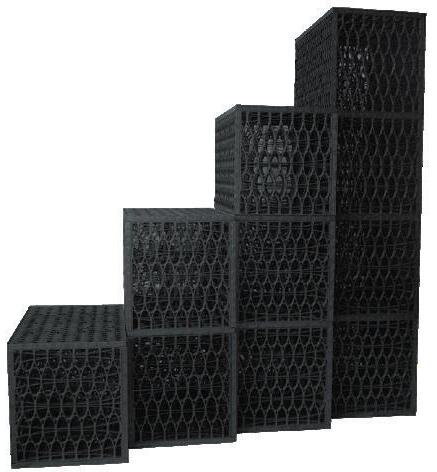
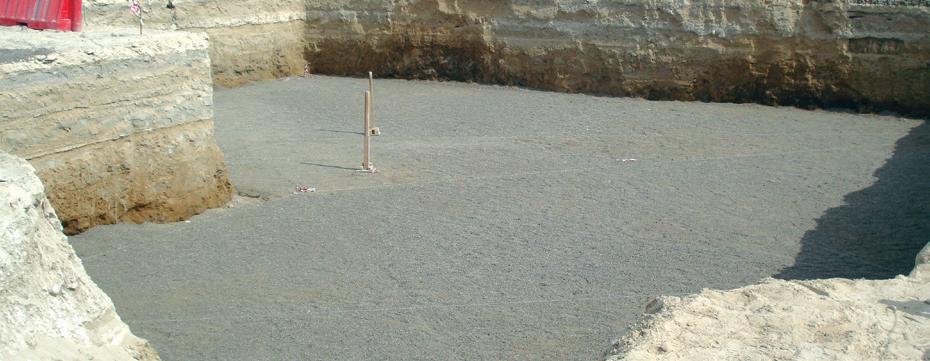
STORMVAULT-R WITH UCS TO 45T/m2
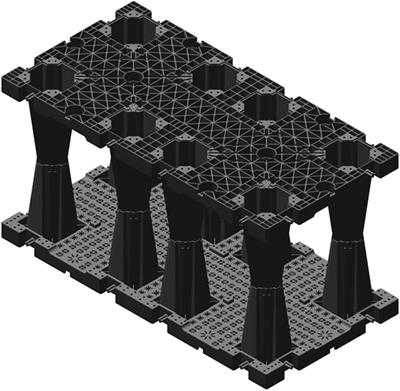
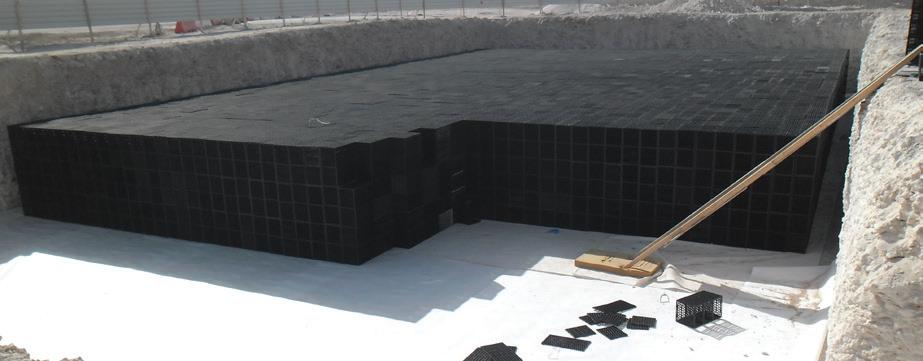
STM-02-R WITH UCS TO >85T/m2
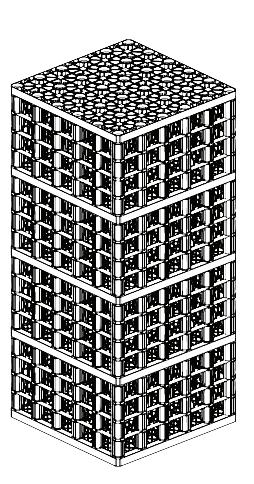
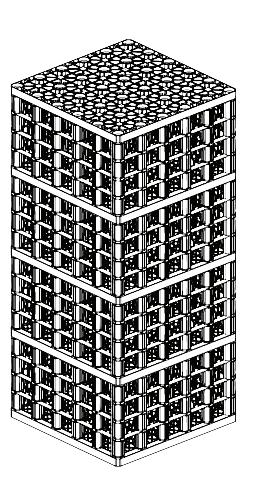
When performance matters, engineers choose RAINSMART® modular tank systems. A range of underground stormwater solutions backed by GPIL’s local expertise.
Contact the GPIL team for design support or nearest stockist.
LAURIE VERCOE
+64 21 936 730 National BDM BLAKE WILLIAMSON
+64 212 235 342
Central North Island
TONY LOCKE
+64 212 232 138
Lower North Island
MIKE VAN DEN AREND
+64 212 238 602
South Island
www.gpil.co.nz geosynthetic-partners-international-ltd
SUSTAINABLE ENGINEERED SOLUTIONS
The local community called for ultrasonic algae-killing buoys, webcams, and flushing the lakes. This reflects an understandable desire for visible action, but without understanding the underlying drivers of blooms at these specific locations, we risk treating symptoms rather than causes.
Two million people drink water from the Waikato. Thousands swim in it, fish from it and gather mahinga kai (traditional food gathering) along its length. Iwi have obligations to it that stretch across generations.
The science is telling us, in real-time sensor data, that the system is moving toward thresholds we do not want to cross. The monitoring and governance architecture we have inherited was not designed for the compound pressures now acting on the river.
The question is whether we can build the governance and dataled operational protocols to match the pace of change, before the next bloom or near miss becomes the event we failed to prevent.
This article first appeared in The Conversation, theconversation. com/toxic-blooms-and-invasive-clams-are-forcing-a-rethink-onthe-waikato-river-279560
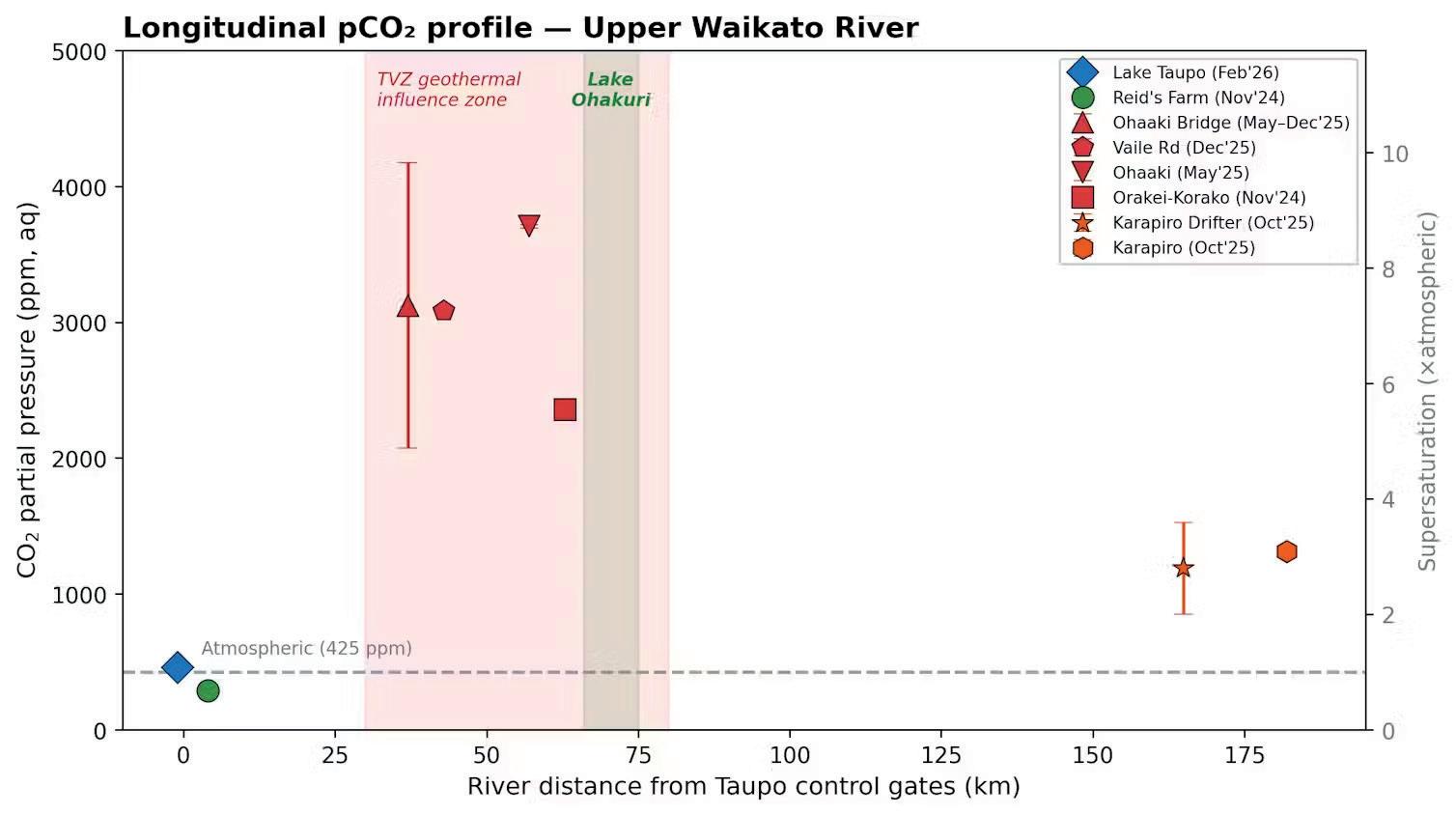
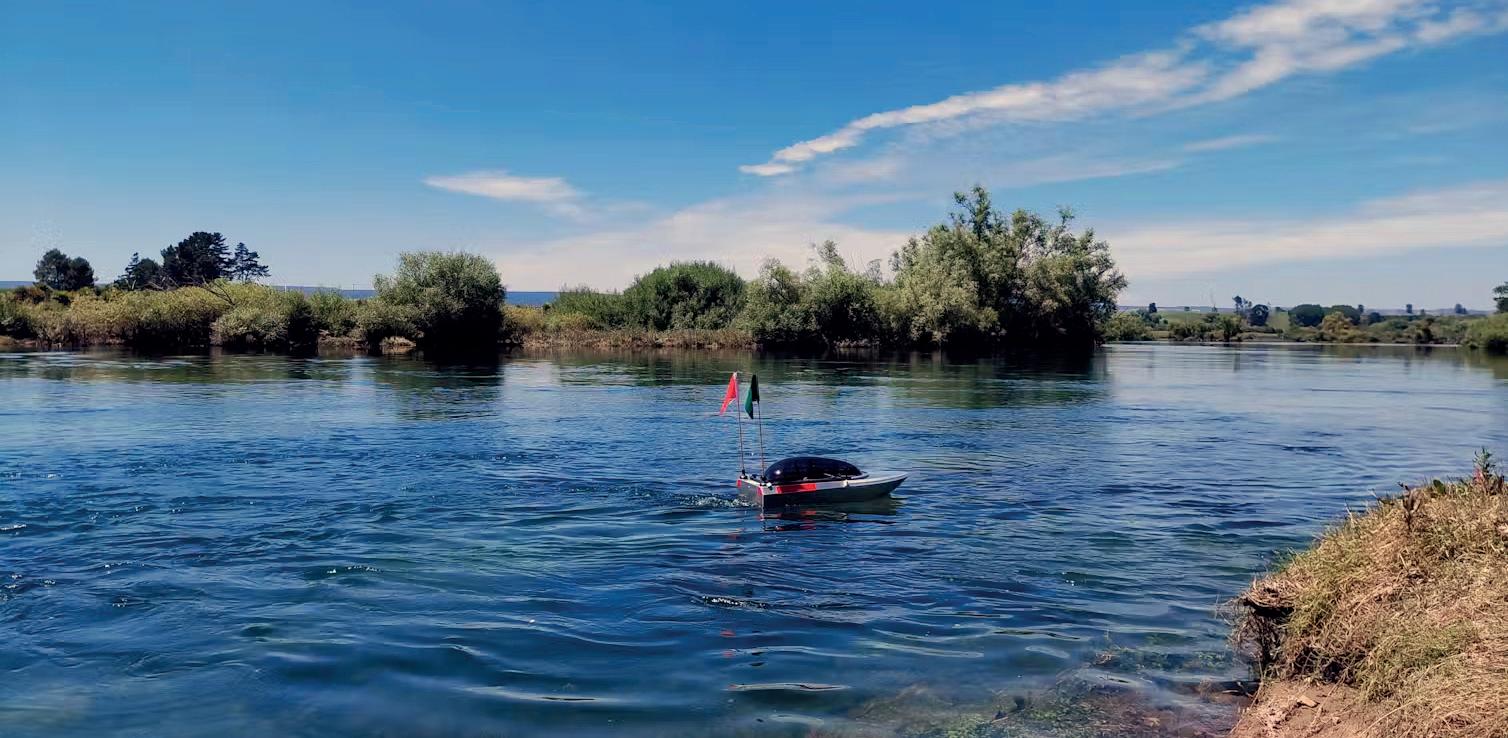




Dragan Jovanovic Technical Director Water and Wastewater, GHD
After more than three decades in water infrastructure, and with retirement on the horizon, I’ve been reflecting on how much has changed, and what hasn’t.
When I started, things felt simpler. Teams were smaller, expectations more defined, and projects moved at a different pace. Much of the work relied on practical judgement, strong client relationships and solving problems as they arose. I remember sitting down with clients face-to-face, talking through constraints, objectives and timelines, and working things out in the moment.
Today, projects are more visible, more complex and more tightly scrutinised from the outset. Clients expect clarity early, along with innovation, efficiency, reduced carbon footprints and infrastructure that performs long after delivery. And rightly so.
Despite that shift, one thing has held true. The projects that succeed are grounded in practical thinking, good decisions made early, and people who understand how design and delivery need to work together from the start.
I’ve seen that evolution firsthand through GHD’s long history in Aotearoa New Zealand. Over time, different teams and legacies have come together, including the acquisition of Manukau Consultants in 2000, building a depth of experience that continues to shape how we work. That history matters. It’s how capability builds, and how lessons carry forward from one project to the next.
The decisions that shape everything
If there’s one constant, it’s that the most important decisions are made early. Alignment, staging, access and constructability set the direction. Get them right and the project has a strong foundation. Get them wrong, and issues tend to surface later, when they are harder and more costly to resolve.
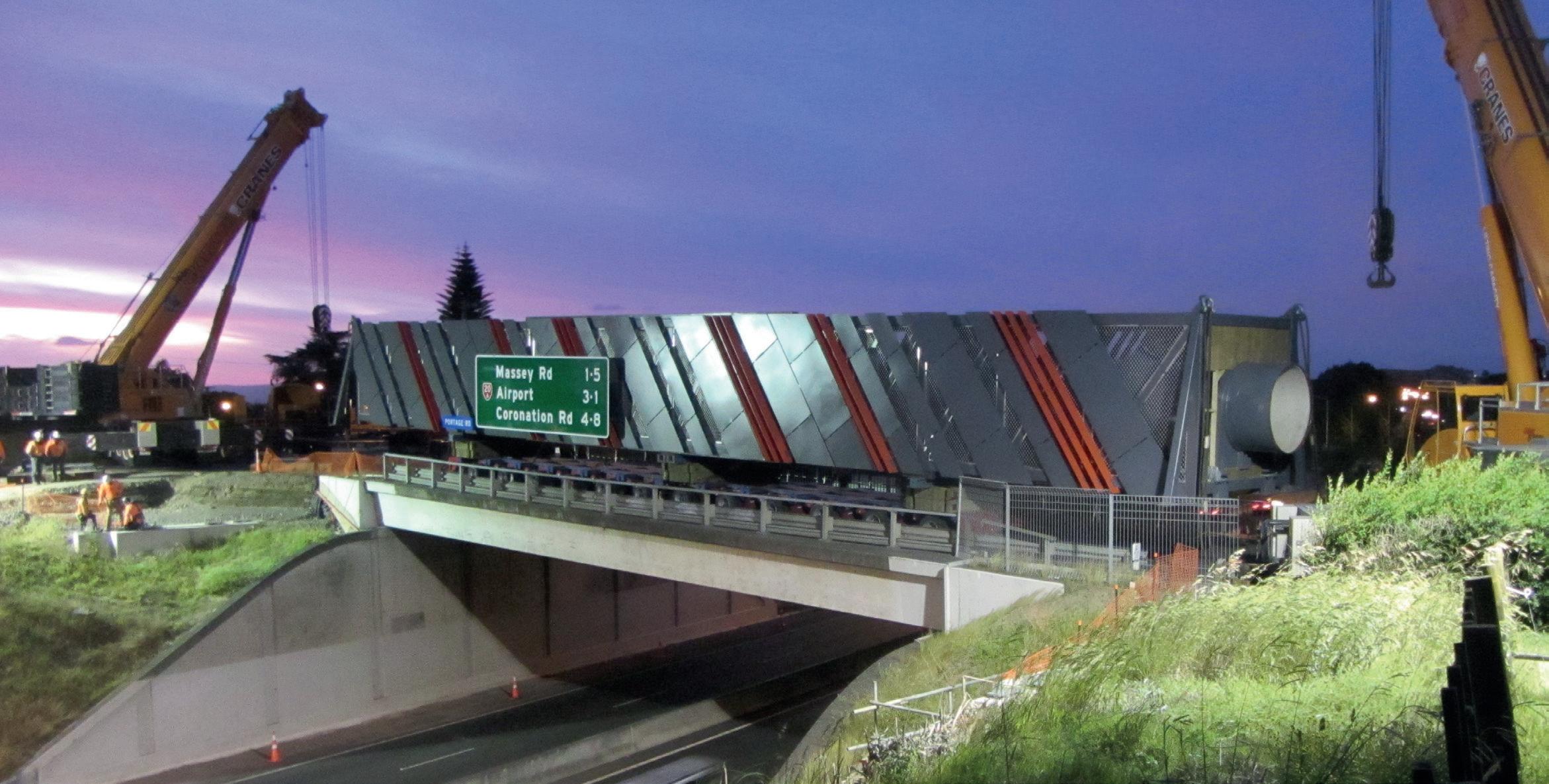
“On programmes like Hunua 4 and Huia 1, success didn’t come from one challenge. It came from understanding how everything connects - from ground conditions and existing infrastructure to community expectations and operational needs.”
That complexity isn’t new, but how we manage it has changed. Projects no longer move in neat stages. They overlap from the outset, and risks don’t wait their turn.
Design and delivery – one conversation
One of the biggest shifts has been how closely design and delivery now need to sit. Earlier in my career, they were often treated as separate steps. Design was completed, then handed over. On simpler projects, that could work. Today, that separation creates risk.
Every design decision has consequences in the field. Whether it’s trenchless crossings, constrained corridors, live services or seismic resilience, the detail matters and so does how it will be built. Projects like the Waiāri trunk main and the Kaitoke watermain replacement worked because design and delivery were aligned early. Decisions made on paper translated on site.
When that connection is there, projects move with more certainty and fewer surprises.
The scale of what’s ahead
What feels different now is the volume and pace of work.
It’s no longer about delivering a single complex project well. It’s about doing it consistently, across multiple programmes, often at the same time. That raises the bar. It puts more weight on early thinking, experience and the ability to see outcomes across the life of a project.
At the same time, engineers are stepping into more complex roles earlier in their careers, often working across both design and delivery. That’s a positive shift. It builds a more connected understanding of how projects come together. The strongest teams combine that perspective with practical experience, keeping a clear link between what’s needed, what’s designed, what can be built efficiently, and what will serve communities over the long term.
Over time, you realise it’s not the milestones that matter most. It’s the decisions, the conversations and the people you work alongside.
Good delivery doesn’t happen by chance. It’s built early through practical thinking, a clear view of feasibility and an understanding of environmental effects. I see that strongly in the people coming through.
Engineers like Jason Ross, Yin Lee and Austin Clark bring that same mindset, staying connected to how things are delivered, not just designed. If that continues, the sector is in a good place.”
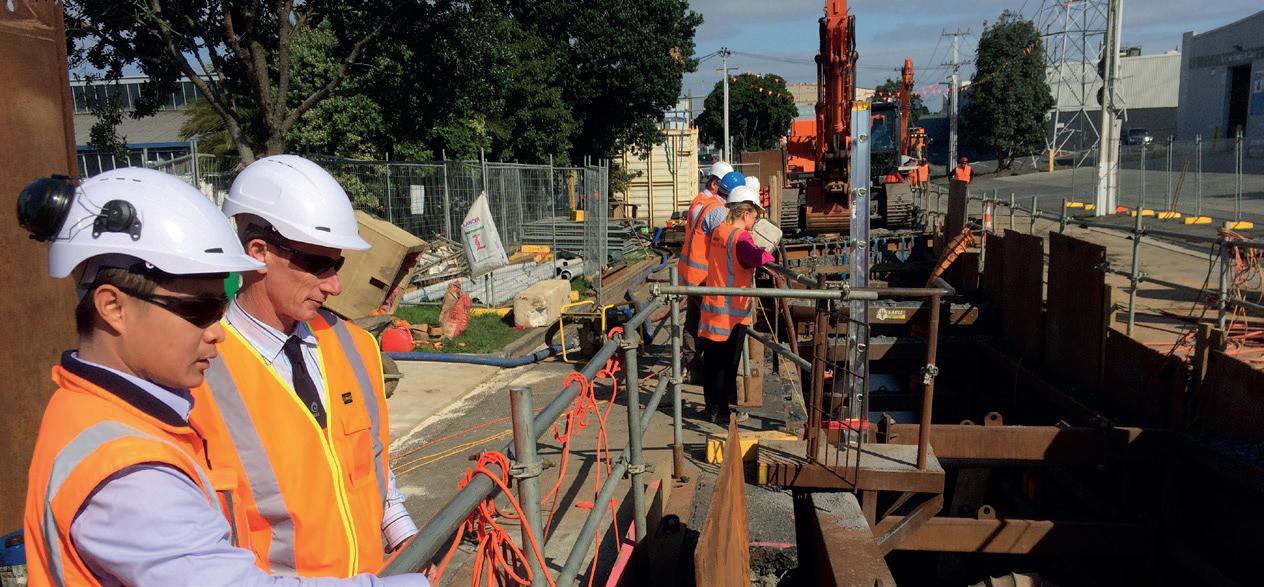
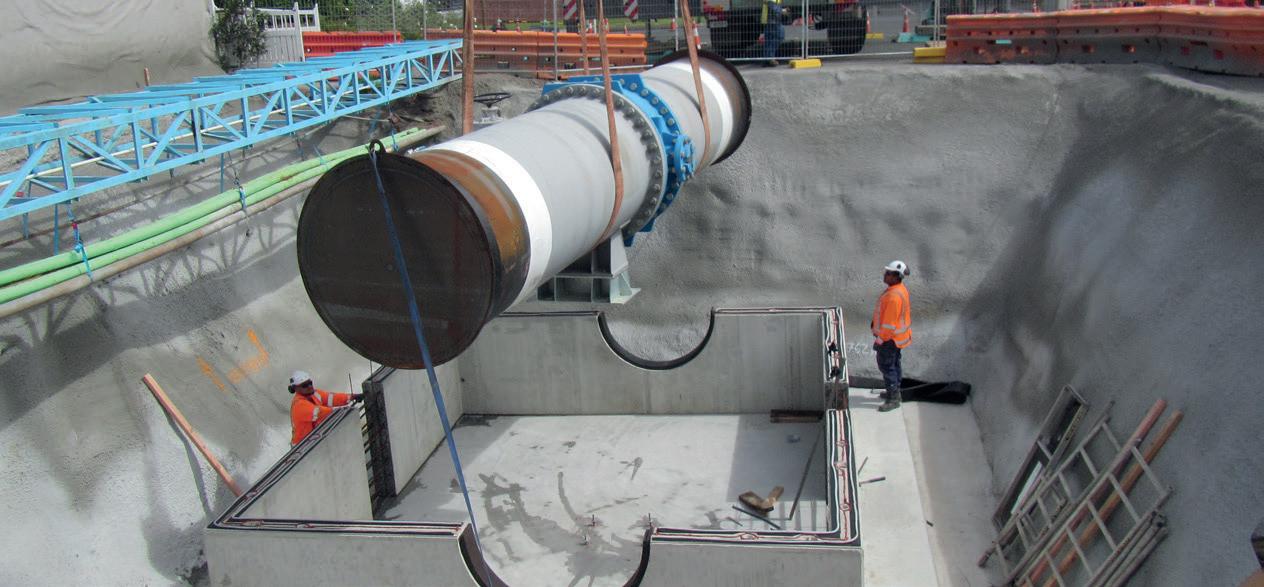
The tools have changed dramatically. Thirty years ago, much of the work was still manual. Early CAD was emerging, but drawings were plotted on tracing paper, signed off by hand and copied using ammonia-based processes.
As technology evolved, modelling software transformed how we design. Today, calculations are completed through software and spreadsheets, faster and with greater consistency.
Three-dimensional modelling and BIM have improved how we visualise and manage projects, along with the ability to work with large datasets.
Now, with AI emerging, the pace of change is accelerating again. The opportunities are significant, and so are the challenges. The sector will continue to be shaped by what comes next.
The pressures on water infrastructure aren’t easing. If anything, they’re increasing. That’s where experience and practical thinking matter more than ever – not just to get projects built, but to make sure they deliver lasting value for the communities they serve over time.
As for me, before I spend more time travelling, if there’s time for one more large-diameter trunk main project in Auckland before I step back, I wouldn’t say no!

Let’s chat
Scan the QR code to connect
A new report commissioned by Environmental Law Initiative (ELI) shows that Wetlands in Aotearoa New Zealand continue to be converted into farmland, forestry and other modified land uses, despite strengthened national protections introduced in 2020.
The report, 'The Root Causes of Wetland Loss in New Zealand: Statistics Update 2026', identifies at least 416 hectares of natural wetland converted to modified land between 2018 and 2023. Most of this was to pasture, followed by loss to plantation forestry and mining.
These changes are likely permanent, human-induced loss, where wetlands have been drained, cleared and converted into dry land uses.
“Less than 10 percent of original wetlands in Aotearoa remain. Wetlands provide flood protection, habitat for important biodiversity, and store large amounts of carbon. This report shows, the extent of wetlands continues to be chipped away at. That needs to stop, ” says Anna Sintenie, senior legal researcher, ELI.
The findings build on earlier research commissioned by ELI showing that more than 5400 hectares of freshwater wetlands were destroyed between 1996 and 2018, the vast majority converted to pasture. Taken together, the reports show a sustained pattern of loss.
The period analysed spans the introduction of stronger national freshwater protections in 2020. Some losses may have occurred before those rules took effect, but the data suggests that wetland conversion has continued in the years since.
The report highlights the need for further investigation into whether losses were consented, how the rules are being implemented, and whether monitoring and enforcement are sufficient to prevent ongoing unconsented loss.
Wetlands are one of Aotearoa’s defining traits, but they are also one of our most depleted ecosystems. The expectation was that stronger national direction would change the trajectory. This evidence shows that new regulations must be properly monitored and enforced to have any real-world effect.
This report follows a significant High Court case we took against Environment Southland in 2024 for its failures to monitor and take action to protect wetlands. The Court ruled that councils need to monitor and take action to protect wetlands, and that they must dedicate the necessary resources to do so.
What this update shows is that wetland conversion has continued. The rules have become stronger, but there still appears to be a monitoring and enforcement gap.
We are especially concerned with the Government’s recent change to wetland regulations, which mean beef cattle and deer that are not being
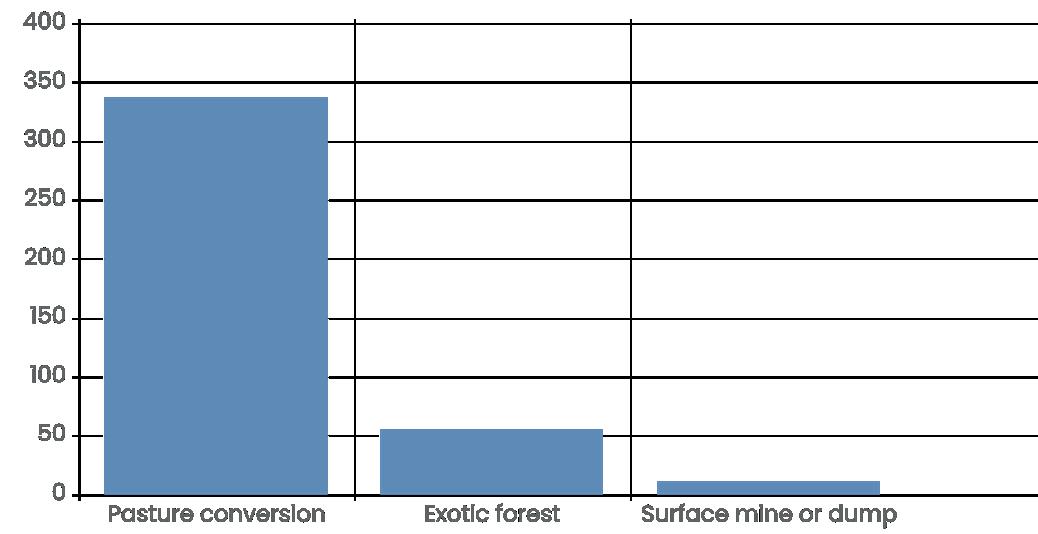
intensively grazed are no longer required to be excluded from natural wetlands. This is a new loophole, which risks further degradation and destruction of wetlands. Such loopholes in the rules protecting wetlands are a key barrier to the effective protection of wetlands.
The 416 hectares of wetlands lost that have been identified relied on updates to the New Zealand Land Cover Database. However, this does not capture degradation of wetlands that remain, or the loss of all wetland types particularly those ‘hidden’ under a canopy of shrubs or trees, meaning the true extent of loss is likely higher. To address some of these limitations, the report goes on to quantify losses of hidden wetland types for six regions, identifying a further 147-hectare loss in those regions alone.
This means, the losses reported here are a conservative estimate and that is why it is crucial that Councils properly monitor for wetland degradation and take enforcement action.
This ‘Root Causes’ update is the fifth in a series of reports on wetland losses commissioned by the Environmental Law Initiative. Previous reports were important evidence in our successful High Court case against Environment Southland for failing to monitor and take action in respect of the region’s significant ongoing wetland losses.
Article provided by Environmental Law Initiative, eli.org.nz/updates/ wetlands-report
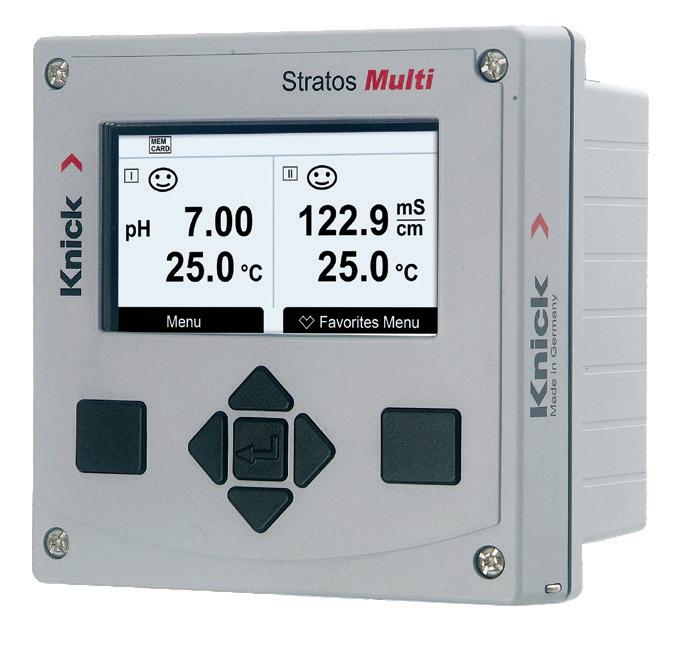
The latest generation of the proven Stratos process analyzers for Memosens, digital, and analog sensors.
• Multiparameter functionality provides flexibility.
• High-resolution display for an intuitive, self-explanatory user interface.
• Advanced Process Control with Ethernet interfaces.












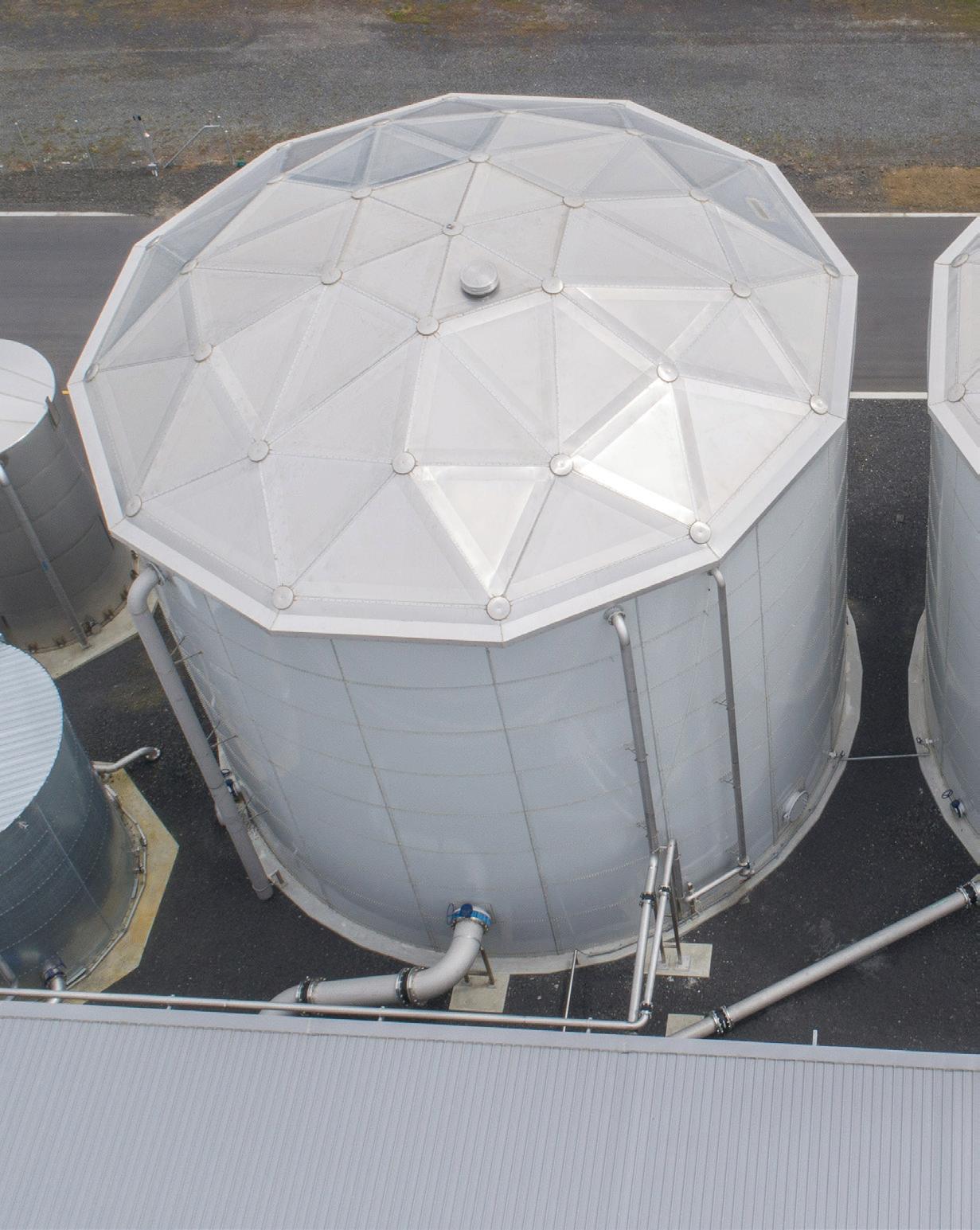
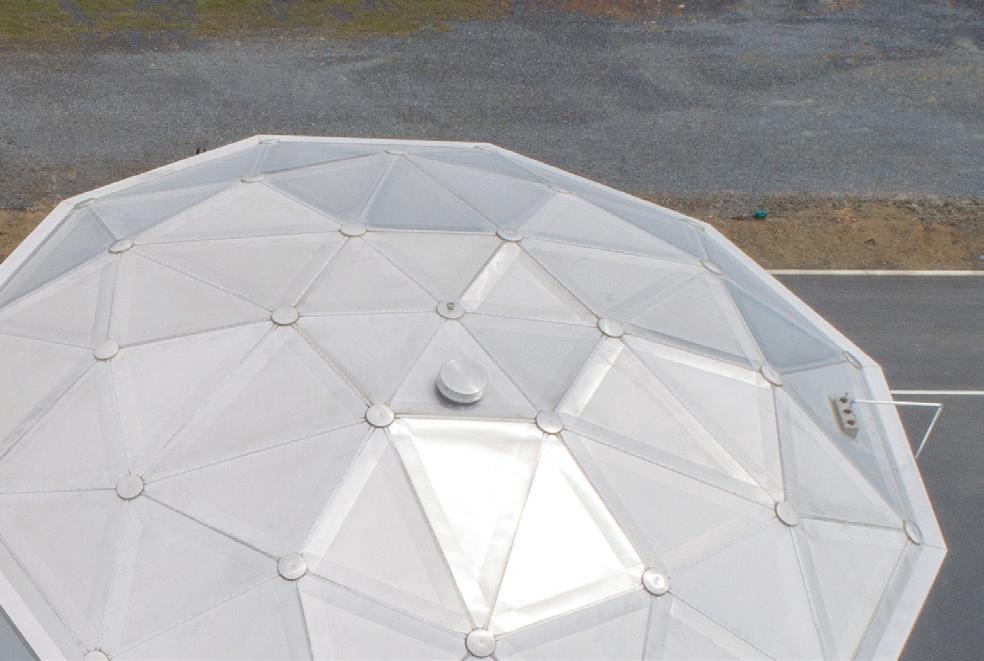
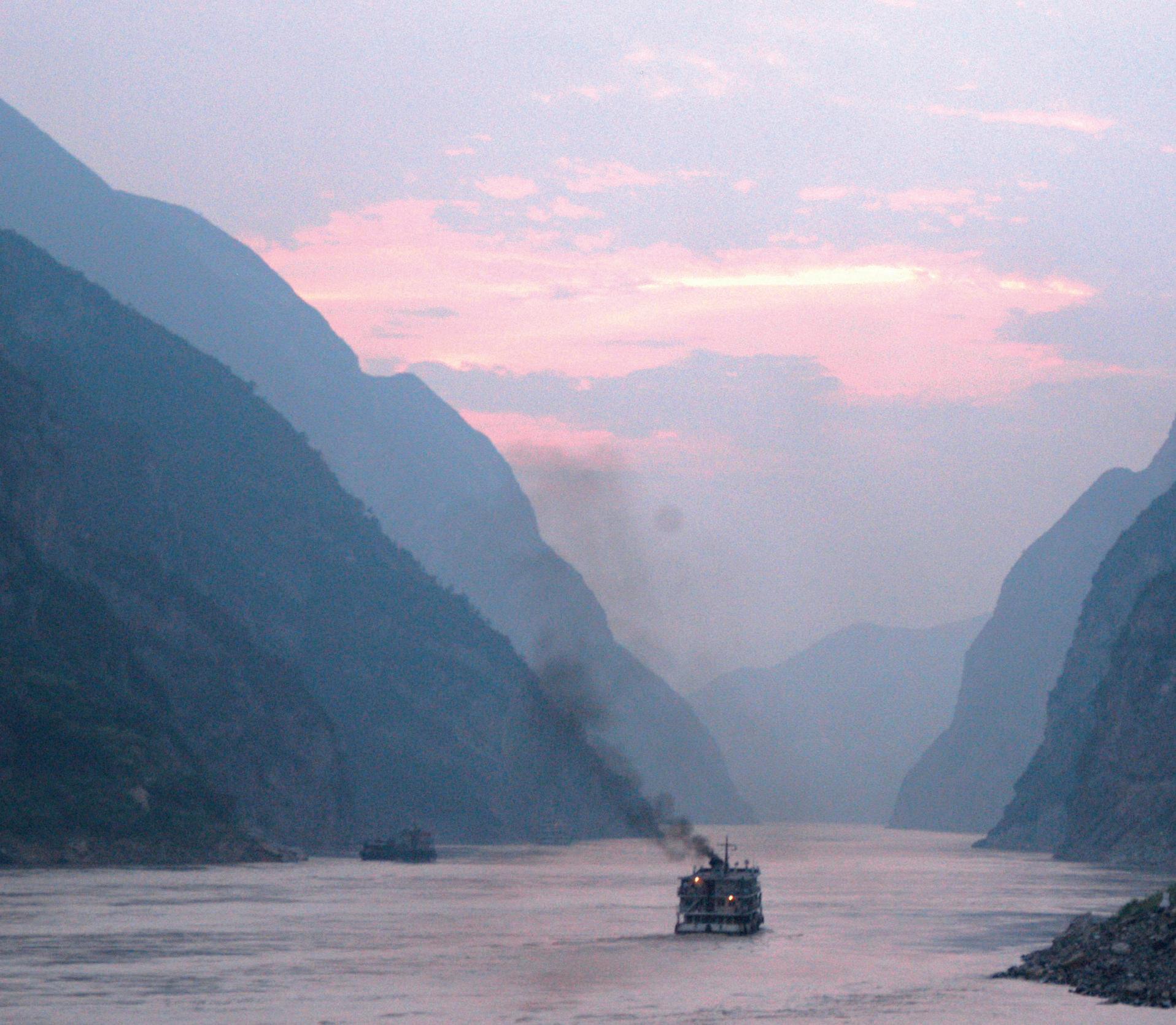
A new study involving researchers from Oxford’s Department of Earth Sciences has finally solved the mystery of what caused the collapse of an Ancient Chinese civilization – finding that widespread flooding was to blame.
Around 4600 years ago, the Shijiahe developed an advanced, complex culture in China’s Middle Yangtze River region – complete with palaces, city walls, sophisticated water management, and jade and pottery industries.
But within a thousand years, this culture had collapsed and migrated out of the region. Until now, the reason behind this was unclear – could this civilization have been driven out by raiders from the Central Plains? Or were major changes in climate and rainfall to blame?
To investigate, the research team analysed a stalagmite from Heshang Cave in the middle Yangtze Valley to create a precisely dated ‘rainfall yearbook’.
Stalagmites grow as rainwater droplets fall from the roof of a cave, and the dissolved minerals within deposit new layers of calcium carbonate. These accumulate to form stalagmite cave features that rise up from the floor below.
The team performed high-precision measurements on the chemical makeup of these layers to determine their age and the amount of rainfall at the time they formed. A total of 925 sample measurements were used to infer how much yearly rainfall the middle Yangtze Valley received over a thousand-year period.
Their reconstruction showed that the valley experienced three low-rainfall intervals (less than 700mm of rain per year) which lasted between 40 and 150 years, and two high-rainfall intervals (more than 1000mm per year) which lasted 80 and 140 years respectively.
Comparing this to archaeological data from the region revealed that these high-rainfall periods were associated with increased flooding, widespread wetland expansion, and a significant decline in population within the valley.
The area experienced a particularly large climate and cultural shift 3950 years ago, which coincided with the start of the longest highrainfall interval reconstructed by the research team.
During this period, excess rainfall caused lakes across the Middle Yangtze valley to expand, low-lying areas to become waterlogged, and suitable land for settlement and farming to sharply diminish.
The impact of this change was significant for the Shijiahe culture; a decline in the number of archaeological remains from this time onwards indicates a pronounced drop in population which persisted for centuries. Evidence suggests that the post-Shijiahe population abandoned their urban centre in the valley and dispersed into surrounding higher elevation regions.

The work builds on Oxford’s ‘Environmental Proxies’ and ‘Climotope’ research groups’ leading excellence in pioneering and developing quantitative reconstructions of past environments.
This includes ongoing research into new geochemical techniques, and continued development of mass-spectrometry and geochemistry approaches. For instance, these groups were the first to pioneer the use of calcium isotope measurements of cave stalagmites to reconstruct rainfall amount, in readily understood units (i.e. mm of rainfall per year).
The new study stems from a long-standing collaboration between Oxford and a leading paleoclimate group at China University of Geosciences, Wuhan.
This enabled lead author Dr Jin Liao, from the China University of Geosciences, to visit the Oxford team and use their specialist milling equipment to sample a stalagmite at very-high resolution. Isotope tools developed here in Oxford were then applied to provide accurate dates and a quantitative reconstruction of past rainfall.
Co-author Professor Gideon Henderson, from Oxford University’s Department of Earth Sciences, says they have worked with their Chinese colleagues to understand Chinese climate change for many years, but only recently extended this work to assess how past societies in central China were impacted by changes in monsoon rainfall.
“The data, and the knowledge Jin brought about the Shijiahe culture, enabled us to demonstrate, for one of the first times, that
high rain can cause problems for past societies, as well as drought conditions.”
According to the researchers, the findings offer valuable insights for addressing current and future environmental change.
The analysis reveals that even the highest annual levels of rainfall during the period associated with the collapse of the Shijiahe civilization (1200 mm/yr) are lower than the highest yearly rainfall amounts recorded over the past 120 years (1500 mm/yr). Although modern water-management techniques have enabled this region to become a key rice-producing region in China, rising temperatures due to climate change are likely to increase the intensity of extreme floods, putting local populations at risk.
As Jin says, “This not only reflects the limited adaptive capacity of ancient societies, but also highlights the critical importance of modern-day water management infrastructure, agricultural innovations, and governance systems in mitigating climate risks and safeguarding food security.
“Effectively managing these climate-driven extremes will thus become an essential challenge for achieving sustainable societal development in a climate-changing world.”
The study ‘Precise chronology of hydrological changes at 4.2 kyr in Central China to assess the impact of flooding on Neolithic societies’ has been published in National Science Review, academic.oup.com/nsr/article/13/2/nwaf567/8377283
Article provided by the University of Oxford.
Microplastics are having toxic effects on tiny creatures on the seafloor, and the ripple effect could throw the marine environment out of balance, says University of Auckland research fellow Dr Yuxi You.
Yuxi’s recent research shows a bamboo worm, Macroclymenella stewartensis, is less active and less able to mix sediment in the seabed when exposed to high levels of microplastics.
“When you go to the estuary, you might not see these tiny animals that live beneath the sediment, but you might notice the casting mounds they leave on the mudflats,” says Yuxi, who is from the university’s Institute of Marine Science and Centre for Climate, Biodiversity and Society.
“Despite being well hidden, these creatures are vital for the functioning of the ecosystem. They help keep our coastal waters clean and able to support marine life.”
When healthy, the bamboo worm and other tiny creatures burrow in the seafloor, allowing oxygenated water to enter deeper into the sediment. This breathes life into the seabed. The tiny worms eat organic matter, which regulates the levels of carbon and nitrogen in the sediment and surrounding waters.
When the worms deposit small piles of poo on the seabed, this provides nutrients for microscopic plants that live on the sediments and fuels coastal food webs, says Yuxi.
“If microplastics stop creatures on the seafloor performing their vital role of keeping the ecosystem in balance, the risk of algal blooms increases.
“Algal blooms can cause the marine environment to become anoxic, and in an environment with no oxygen, fish and other marine life can’t survive.”
University of Auckland Marine Science professor Simon Thrush, who supervised Yuxi’s research, says healthy marine sediments store carbon, acting as a buffer against climate change.
However, when sediments become unbalanced, they can release greenhouse gases, such as nitrous oxide and methane.
Tiny creatures that help keep the seabed healthy are therefore important for the health of the planet, he says.
“Microplastics are affecting the organisms that live in sediment and they’re part of our biodiversity.
“These organisms are hidden heroes that do a lot for us.”
While Yuxi’s study at Leigh Marine Laboratory north of Auckland showed the bamboo worms were less active when exposed to microplastics, it isn’t yet clear why.
She says it’s possible the worms eat plastic particles, absorb chemicals from plastics that leach into sediment, or have less food available because microplastics reduce the growth of the algae they feed on.
Seabirds and eagle rays feed on worms and other tiny creatures in the seabed, so the harmful effects of microplastics can pass up the food chain.
Simon says the most common source of microplastics is vehicle

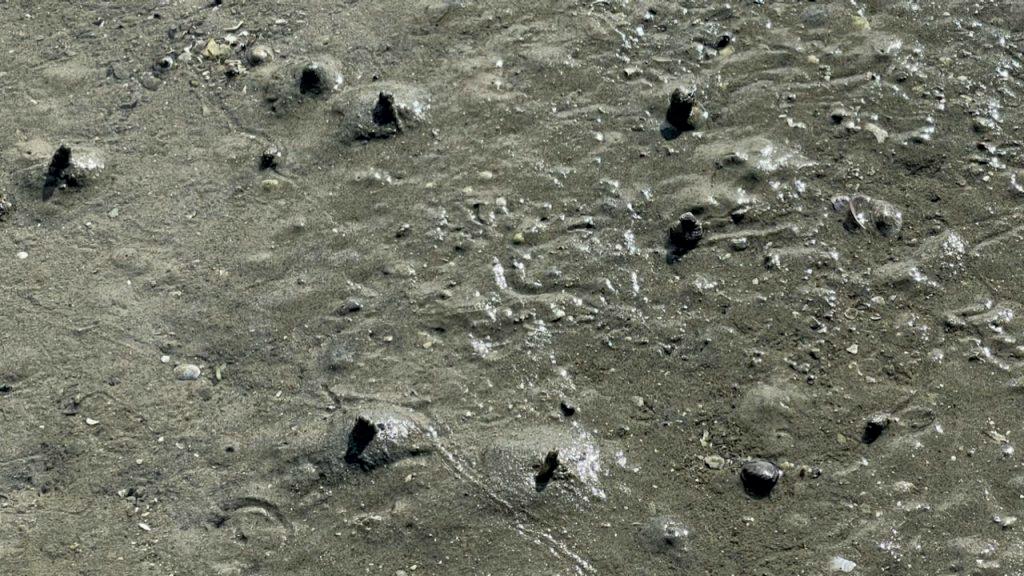
tyres, while other major sources include polypropylene and polyester fibres from clothing, and polyethylene from plastic bottles and plastic bags.
He says people can help tackle the microplastic problem by reducing the amount of plastic they buy, picking up plastic rubbish on the beach, supporting harbour clean up groups, and buying clothing made of natural fibres.
While the amount of plastics pouring into the marine environment has increased, recent research shows some microplastics degrade in sediments over time. Currently, there are no limits set for safe levels of microplastic pollution in Aotearoa New Zealand – and policies will be needed to manage the problem, Simon says.
Clean coasts are precious to New Zealand communities, says Yuxi.
“We benefit from nature, so we need to protect it.
“Most people don’t think about small animals living in the seafloor, but they’re of equal importance to larger animals, such as dolphins and penguins, when it comes to keeping ecosystems healthy.”
Article provided by the University of Auckland.


By Evan Vaughters, chair of the Water New Zealand Climate Change special interest group and Maryam Moridnejad, member of the WECAN special interest group.
As artificial intelligence drives a global boom in hyperscale data centres, the approved Datagrid AI facility near Invercargill is bringing the water and climate implications of digital infrastructure into sharp focus.
The Datagrid development at Makarewa in Southland, Aotearoa New Zealand’s first consented hyperscale AI data centre (with construction expected to commence in June 2026) highlights the increasingly complex relationship between computing, energy and electricity demand, groundwater systems, and freshwater management.
How data centres use water
Data centres operate continuously, running servers that generate intense heat. Most direct water use is associated with cooling systems needed to prevent servers from overheating.
Heat can be removed using either air cooling or liquid cooling systems, with many modern liquid-cooling systems recirculating water in a closed loop, with little or no evaporation.
At the facility scale, some data centres use dry air cooling while others rely on evaporative cooling, where warm water is sprayed across a heat exchanger and allowed to evaporate. Although evaporative cooling is energy efficient, it can consume substantial volumes of water.
Water use associated with data centres is not limited to onsite cooling. Data centres also carry a significant indirect water footprint embedded in electricity supply.
A 2026 report by the United Nations University Institute for Water, Environment and Health estimated that global data centres consumed approximately 448 TWh of electricity in 2025. The report projects that data-centre electricity demand could exceed 945 TWh by 2030, with the associated water footprint reaching approximately 9.3 trillion litres, equivalent to the minimum annual domestic water needs of all 1.3 billion people in Sub-Saharan Africa.
Importantly, the report notes that the carbon, water, and land impacts associated with AI and data-centre electricity use vary significantly according to the electricity mix supplying them. As a result, low-carbon electricity sources do not necessarily carry a low-water or low-land footprint, highlighting the need to consider multiple environmental dimensions when assessing the sustainability of digital infrastructure.
A peer-reviewed study by Siddik et al. (2021), drawing on US data from 2018 when the grid was still largely fossil-fuel based, estimated direct on-site water use at approximately 1.8 cubic metres per megawatt hour and electricity-related indirect water use at around 5.3 m³/MWh, meaning the indirect component was
roughly three times larger than direct use.
In renewable-dominated systems, such as ours, this ratio is likely to differ substantially, although hydropower reservoir evaporation introduces some complexity into the calculation.
These findings highlight that the environmental footprint of hyperscale digital infrastructure extends well beyond the boundaries of individual sites.
According to Datagrid project documentation, Southland’s cool climate is one of the primary reasons the Makarewa site was selected. The company states that the facility is expected to rely primarily on ‘free cooling’, where low ambient air temperatures reduce the need for mechanical cooling systems that typically drive high water consumption in warmer climates.
Datagrid also states that rainwater captured from the roofs of the data-centre buildings is expected to supply the majority of the facility’s operational water requirements.
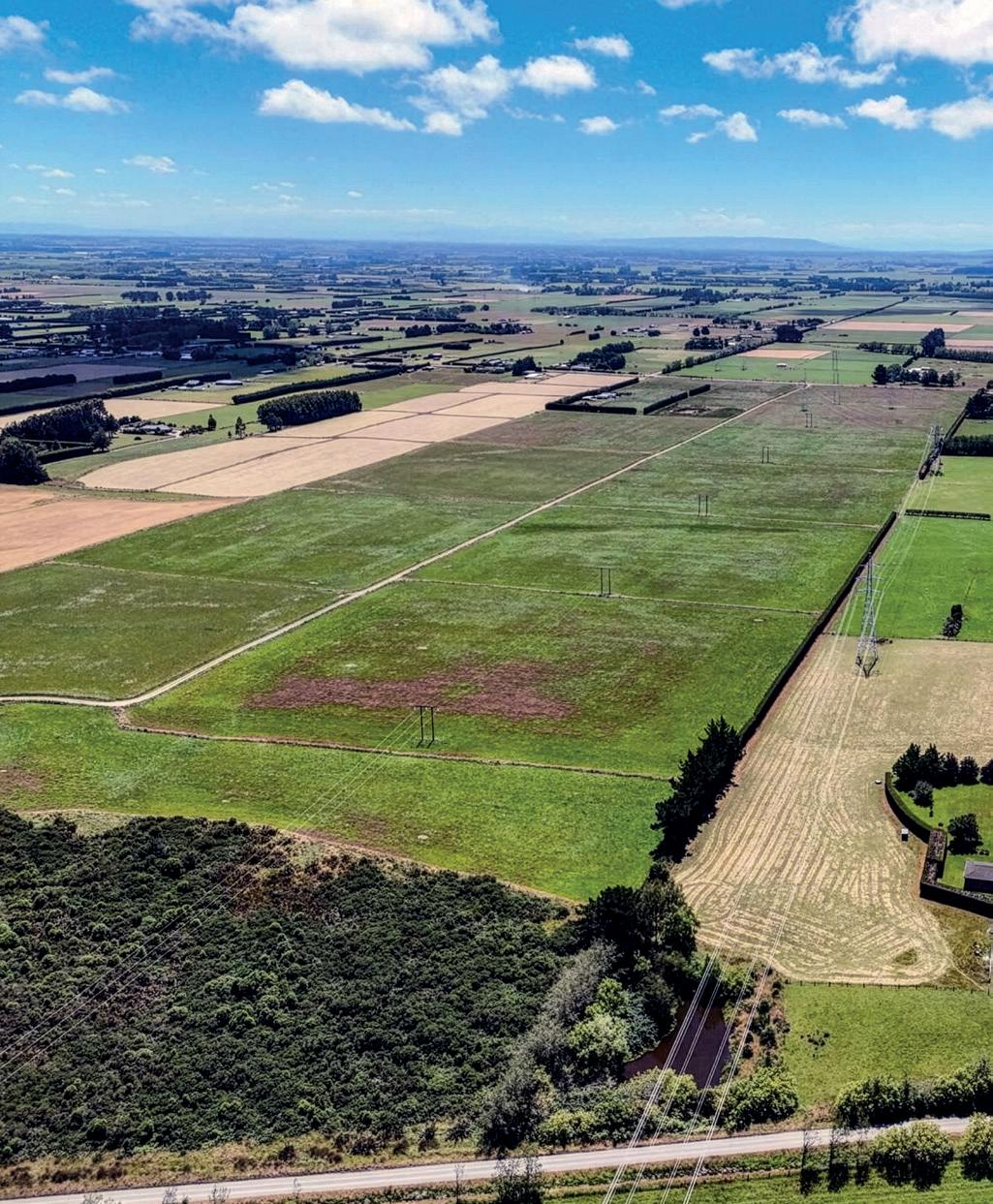
International evidence supports the principle behind this approach. Data centres in colder climates often rely on ‘free cooling’ systems that use cold ambient air or seawater cooling to reduce dependence on evaporative cooling towers and minimise water consumption.
Examples include facilities in Sweden, Finland, and Iceland, where cool climatic conditions allow extensive use of outside air or seawater for cooling. These facilities generally have substantially lower direct water consumption than comparable data centres in warmer climates, and in some Nordic examples, operational water consumption has been reported as extremely low relative to the scale of computing capacity.
Southland’s cool temperatures and renewable electricity supply may therefore make it one of the more favourable locations globally for hyperscale data-centre development from both energy and water perspectives.
However, the extent to which Datagrid’s water use will remain low over the long term will ultimately depend on detailed operational conditions, future computational and cooling demand, and the proportion of time evaporative cooling systems are required.
Despite these inherent climate advantages, the project also involves substantial interaction with local groundwater systems.
Datagrid has consent to withdraw up to seven litres per second of groundwater (220,752 cubic metres per year) from the Makarewa aquifer for cooling and potable water supply.
The site is located beside the Taylor Road wetland system, which covers approximately 13 hectares. The primary concern is not simply the volume of groundwater extraction itself, but the long-term cumulative effects that groundwater abstraction and hydrological modification may have on surrounding wetlands and shallow groundwater systems.
Wetlands are highly dependent on stable groundwater conditions to maintain saturated soils, vegetation communities, and ecological functions. Project assessments indicate that without mitigation, groundwater levels in parts of the adjacent Taylor Road wetland could decline over time.
Even relatively small changes in groundwater levels can alter wetland hydrology, vegetation composition, habitat availability, and ecological resilience.
The proposal also involves removal of approximately 2400 square metres of wetland identified in consent documentation as having relatively low ecological value. However, low-value wetlands can
still perform important hydrological and ecological functions within a broader wetland network, including water storage, nutrient processing, habitat connectivity, and flood attenuation.
The key issue is not simply the direct loss of wetland area but whether the wider wetland system can maintain its ecological and hydrological integrity over the long term.
Critically, this question cannot be answered at consent stage alone.
Wetland systems are dynamic, and the cumulative effects of groundwater drawdown, hydrological modification, and sustained operational pressure from the data centre may only become apparent over years or decades.
The long-term condition of the Taylor Road wetland will therefore depend not only on the adequacy of initial consent conditions, but also on whether those conditions are supported by rigorous longterm ecological monitoring and a genuine commitment to adaptive management if problems emerge.
Datagrid’s proposed mitigation strategy includes a range of hydrological and ecological mitigation measures.
The company proposes expanding and restoring wetland areas elsewhere on the property, creating new wetland habitat, and constructing a soakage trench designed to reinject water into the aquifer to help maintain groundwater levels.
The proposal aims to achieve a ‘net positive’ ecological outcome through wetland enhancement and hydrological management.
However, wetland compensation should not be assessed purely on the basis of area replacement. Reviews of biodiversity offset policies have shown that achieving genuine ‘no net loss’ outcomes can be challenging in practice, particularly where offsets rely primarily on area replacement rather than restoration of equivalent ecological function.
Recreated wetlands often require many years to develop equivalent ecological functionality, biodiversity values, and hydrological stability.
The proposed groundwater reinjection strategy is technically appropriate and may reduce hydrological impacts, but uncertainty remains regarding its long-term effectiveness under changing climatic conditions and prolonged operational demand from the data centre.
The project also includes consent to discharge up to 5000 litres of treated wastewater onto land each day (1825 cubic metres per year). Although this volume is relatively modest, potential risks remain as the site is closely connected to groundwater and wetland systems.
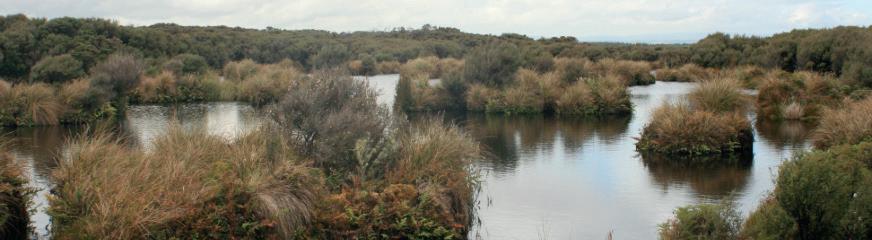
Treated wastewater may contain residual heat, salts, nutrients, or cooling chemicals that could gradually affect soil and groundwater quality if not carefully managed.
Notably, the original consent application includes reference to wastewater associated with cooling processes, yet the consent documentation provides limited detail regarding the thermal or chemical characteristics of the discharged wastewater. This may warrant further clarification during future monitoring and reporting.
The long-term environmental outcome will therefore depend on the effectiveness of wastewater treatment, cooling prior to discharge, and ongoing monitoring.
The publicly available consent documentation does not appear to include a clearly defined wastewater recycling and reuse strategy within the operational design, which raises broader opportunities for circular water management at this hyperscale facility.
While the current consent permits treated wastewater to be discharged onto land, this remains fundamentally a disposal-based approach rather than a circular water-management system.
Internationally, increasing attention is being given to wastewater reuse and circular water-management approaches within industrial cooling systems as pressure on freshwater resources intensifies.
Peer-reviewed research has highlighted the growing water footprint of hyperscale data centres and the importance of improving wateruse efficiency, particularly in regions experiencing water stress and cumulative hydrological pressures. More broadly, wastewater reuse is increasingly recognised as an important strategy for reducing dependence on potable and groundwater supplies in industrial and urban systems.
The Datagrid facility does incorporate several positive waterefficiency measures, including adiabatic cooling and rainwater harvesting, both of which are likely to reduce operational water demand relative to conventional evaporative cooling systems, particularly in a cool climate.
However, given the scale of the proposed groundwater abstraction and the facility’s location adjacent to a groundwater-dependent wetland system, there is a broader question as to how water reuse and efficiency practices may evolve within large-scale AI infrastructure over time.
This does not infer that wastewater reuse is currently feasible or justified under the present system design, particularly given the relatively modest volume of treated wastewater authorised for discharge. Technical constraints such as water-quality requirements, scaling risk, treatment costs, cooling-system compatibility, and operational reliability must also be considered. Nevertheless, the absence of any explicit consideration of future wastewater reuse or broader circular water-management pathways may indicate that these approaches remain relatively underdeveloped within the current proposal.
Another key consideration is electricity demand. The Datagrid facility is expected to draw up to 280 MW of electricity once fully operational, which would make it one of the country’s largest electricity users. Although much of this electricity is expected to come from renewable sources such as hydro and wind, electricity
generation and transmission still require water resources and supporting infrastructure.
As a result, the project’s indirect water footprint, particularly through electricity generation, may substantially exceed its direct onsite water use. Estimates can vary depending on how hydropowerrelated water losses are accounted for.
As AI infrastructure expands globally, water recycling and circular water-management approaches are likely to become increasingly important considerations for both regulators and data-centre operators.
With a deeper understanding of how data centres use water (directly and indirectly), we can understand the impact to climate in much the same way.
While assessment methodologies and information disclosure from tech companies varies, data centres are estimated to account for 1-1.5 percent of global greenhouse gas (GHG) emissions due primarily to high energy consumption for power and cooling (IEA 2025).
Additionally, a 2026 preprint study led by researchers at the University of Cambridge indicates that data centres could be responsible for a “data heat island effect” in areas where they are established, leading to increased local land surface temperatures of around 2°C on average, in some cases spanning a radius of up to 10 kilometres.
This could suggest a competing tension between the desire for cooler temperatures and the presence of the data centre itself, though the magnitude of this effect may vary depending on facility scale, surrounding land use, and local climatic conditions.
So how could we verify the climate benefits, quantify the climate impact of a particular data centre to establish baselines for comparison and ongoing monitoring, and how can asset managers incorporate this into their decision-making?
As with any engineering assessment, it’s important to establish a uniform methodology. ISO 14064, PAS 2080, and the GHG Protocol are global standards for measuring and managing GHG emissions.
PAS 2080 adopts a framework which looks at the whole value chain, aiming to reduce carbon and reduce cost through more intelligent design, construction and use. PAS 2080 thus guides the management of carbon across the lifecycle of buildings and infrastructure, from design and construction through to operation and decommissioning.
Similarly, the GHG Protocol produces standards and guidance designed to provide a framework for businesses, governments, and other entities to measure and report their GHG emissions in ways that support their missions and goals.
Additionally, the Water New Zealand Carbon Accounting Guidelines for Wastewater Treatment: CH4 and N2O provides guidance on how to calculate emissions from wastewater treatment and is based on methodology updates published by the Intergovernmental Panel on Climate Change.
Across these standards, several concepts emerge to support greater understanding of operational and embodied emissions, scope 1, 2, and 3 emissions, and key supply chains.
Embodied carbon refers to the emissions tied to the materials used in construction. This includes everything from raw material extraction to manufacturing and transport. According to MBIE, carbon from buildings is responsible for 15 percent of the country’s overall emissions, with embodied carbon accounting for around half of these emissions.
Traditionally, and not dissimilar to indirect water use, embodied carbon has tended to constitute the largest share of global GHG emissions across the ICT sector. However, this has changed with the advent of large data centres, presumably due to their high operational emissions.
Operational emissions refer to greenhouse gases produced during the daily use and operation of a building or asset; primarily from heating, cooling, lighting, and power usage. Depending on the type of facility, this could include power generated on site, imported (from the grid or elsewhere), as well as any ancillary support services required to keep the facility operational.
These operational emissions are categorised respectively into Scope 1, Scope 2, or Scope 3 emissions and assessed to quantify the annual operational emissions of the facility.
Very similar to water impacts, the expected climate impacts can be modelled and measured. The success or otherwise of any project can then be supported by rigorous long-term monitoring and a genuine commitment to adaptive management if problems are identified.
By adopting a life cycle approach to asset management, quantification of the whole-of- life impacts of infrastructure become transparent and understandable, and in a form which can be easily weighted and incorporated into decision-making and value-add engineering frameworks.
How does this relate to the Datagrid facility in Invercargill?
Following the approach adopted by the GHG Protocol one must:
• Fully account for changes in GHG emissions (intended or unintended) caused by the project/activity;
• Estimate baseline emissions;
• Monitor project and operational performance; and
• Report GHG emissions/reductions.
While it is the responsibility of Datagrid and Transpower (as the grid owner) to report on annual emissions from their own respective operations, these are useful frameworks which provide key GHG project accounting concepts and GHG accounting principles to formally quantify the expected and actual emissions associated with the project and ongoing operation, and which can be applied throughout project planning and design.
Thinking about climate impacts at the beginning of a project is the best way to clearly quantify the expected activities and components which generate emissions, thus opening the door for alternatives and reductions where possible.
For a hyperscale AI data centre, one would first consider the embodied carbon associated with the construction, as well as the day-to-day activities associated with ongoing operations.
As mentioned previously, embodied carbon has traditionally been the largest contributor to emissions across the ICT sector, until now. This includes all of the concrete and steel that go into the structure, the quarrying and importing of materials to build the roads and services, earthworks, and the extensive supply chains and manufacturing required to build the numerous servers, breakers, and computing chips that run the facility.
While Transpower has indicated there is sufficient grid capacity to support the facility, any additional transformers or substation upgrades would also need to be accounted for as part of any assessment.
The GHG Protocol Product Standard and Environmental Product Declarations (EPDs) as adopted by BRANZ further help to quantify the impacts across the supply chain for various products and services.
Calculating expected operational emissions can be difficult and ultimately requires significant modelling and assumptions. However,
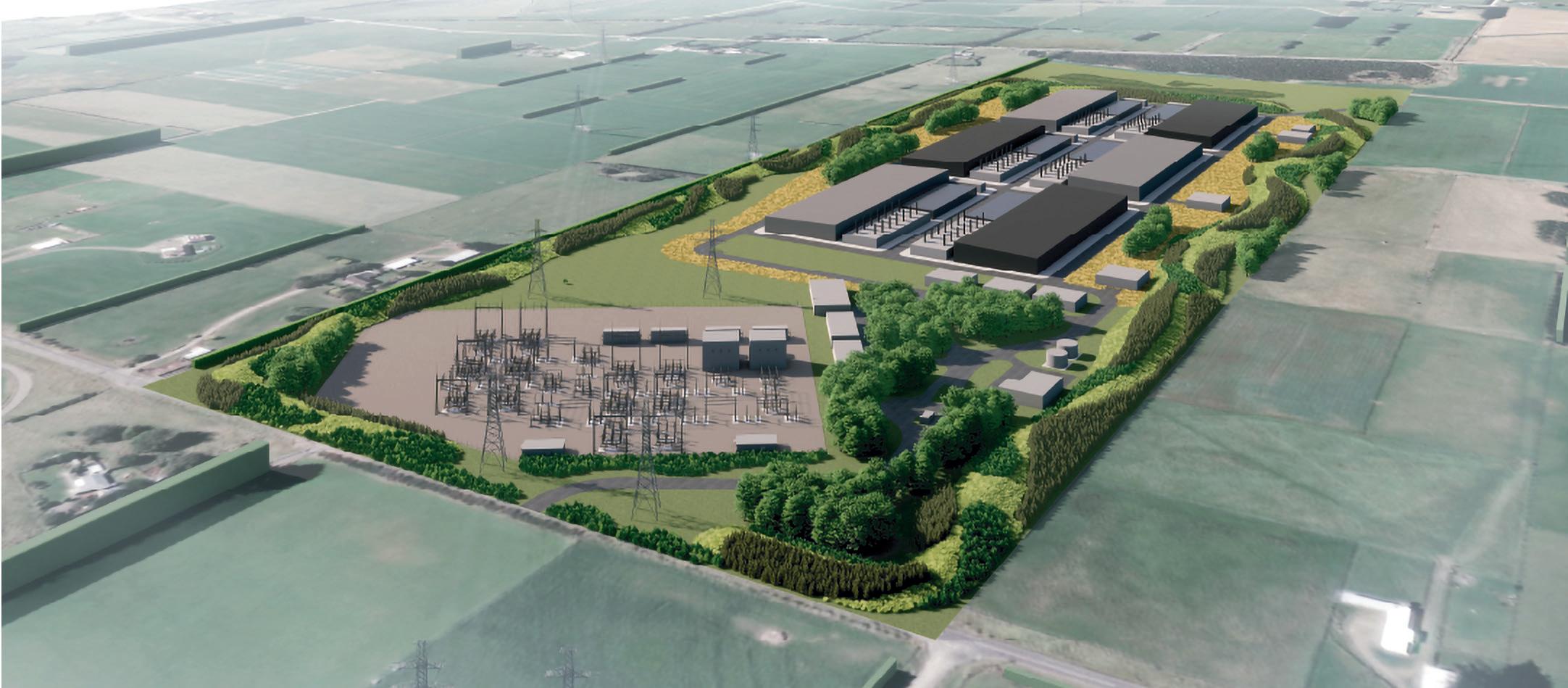
establishing a baseline requires sound long-term planning and a thorough understanding of processes which drive emissions.
At the Southland Datagrid Centre, the primary (Scope 2) emission will very likely be associated with direct energy use. With a final build-out capacity of 280MW by the end of 2028, it would be the second largest electricity consumer in Aotearoa New Zealand.
As a basis of comparison, the largest planned data centre in the world by energy demand is reportedly Meta’s Hyperion in Louisiana, with a capacity of 2GW by 2030, eventually scaling to 5GW. The scale of this facility is such that it cannot rely on the grid alone, so it is backed up by (new) dedicated natural gas plants as well as solar.
While it is beneficial that the Datagrid Centre is scaled such that it can rely on our primarily renewable electricity supply without additional high emission (Scope 1) processes to generate its own power, it does perhaps leave larger questions about resource allocation or if other energy consumers are forced off the grid as a result, and how this might impact New Zealand’s ability to meet its own GHG emission targets under the Paris Accord and Climate Change Response (Zero Carbon) Act 2019.
Similar questions also remain regarding the ‘heat island’ effect observed near large data centres.
According to Datagrid project documentation, the project is reliant on Southland’s average annual temperature of around 9-10°C, assuming the facility can rely on natural free-cooling for most of the year, minimising reliance on mechanical cooling. Establishing a
baseline under this assumption, monitoring ongoing operations, and applying adaptive management will help to ensure that stated project benefits are realised.
Additional Scope 1, 2, and 3 emissions for the facility might include vehicles and fleet usage, backup diesel generators, GHGs associated with water consumption, as well as impacts to the surrounding wetland.
According to the Ministry for the Environment, wetlands are large carbon sinks with significant carbon sequestration potential. Even ‘low ecological value’ wetlands provide critical ecosystem functions for atmospheric carbon, N2O, and methane – all potent GHGs.
The Datagrid proposal highlights a broader challenge for our climate and water management.
Traditionally, discussions about large water users and GHG emitters have focused on agriculture, transportation, municipal supply, irrigation, or industrial processing. However, AI infrastructure and hyperscale data centres are emerging as significant water and energy users internationally.
As we expand our digital infrastructure, water professionals may increasingly need to consider how groundwater allocation, wetland protection, wastewater management, climate impacts, and indirect water footprints are addressed within the planning and regulation of digital infrastructure projects.
Southland’s cool climate and high renewable electricity share may make it one of the more favourable locations globally for hyperscale data centres from both energy and water perspectives. Nevertheless, the Datagrid proposal demonstrates that even in relatively water-abundant regions, AI infrastructure can create complex interactions between local atmospheric conditions, groundwater systems, wetlands, electricity generation, and long-term environmental management.
Ultimately, the sustainability of such developments will depend not only on engineering solutions, but also on transparent monitoring, adaptive management, and robust environmental oversight.
Water professionals have an important role to play in ensuring that the planning frameworks governing AI infrastructure are fit for purpose before, not after, these facilities become a familiar feature of our landscape.
If you are interested in learning more about incorporating water conservation and climate considerations into operational and asset management decision-making, or have expertise in these areas, please feel free to get in contact with the Water New Zealand Climate Change Special Interest Group or the Water Efficiency and Conservation Action Network (WECAN).
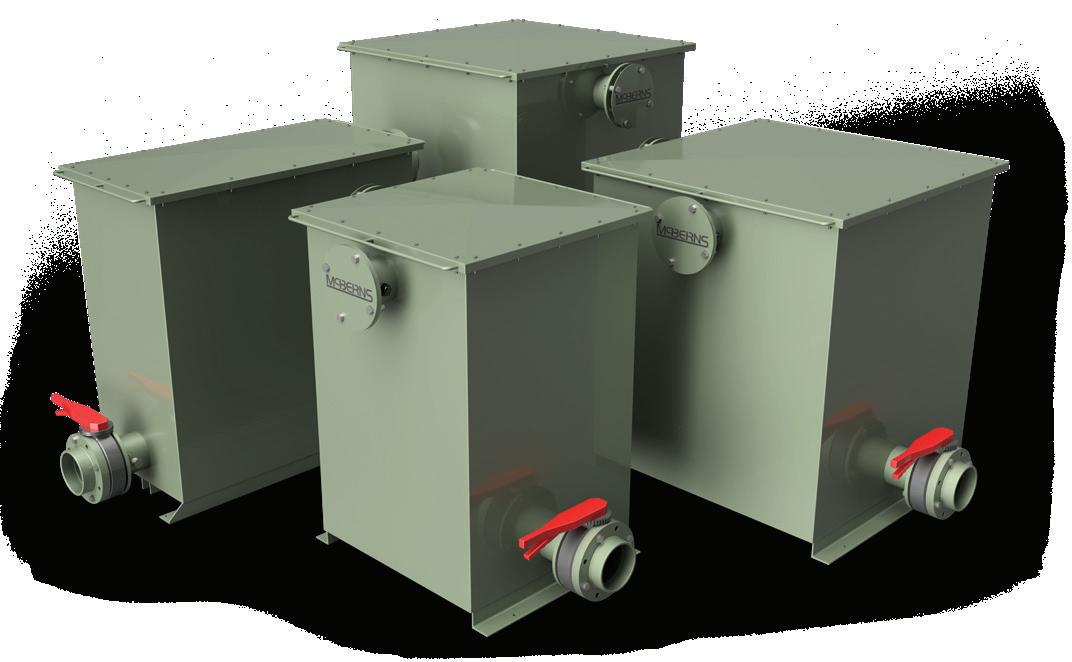
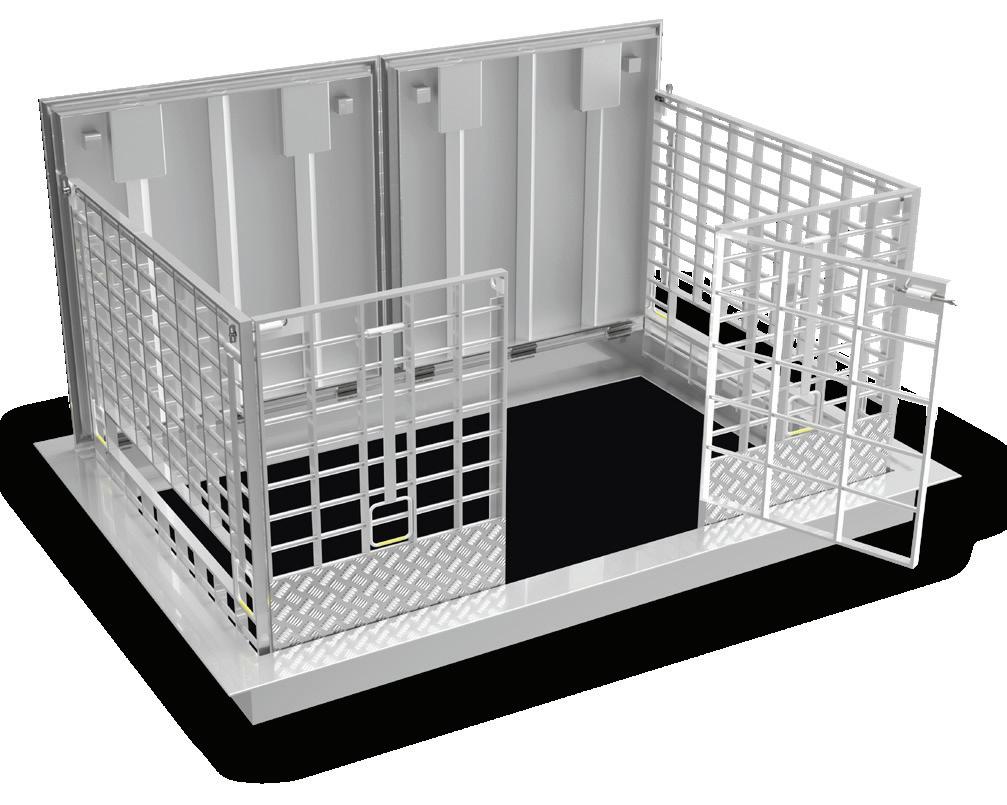

A new artificial intelligence (AI) system being developed by the University of Canterbury could transform how farmers manage water, delivering more accurate, near real-time insights into soil moisture at field scale.
Led by Professor Matthew Wilson and researcher Xander Cai from the university’s Geospatial Research Institute, the project aims to address a longstanding challenge in agriculture: knowing exactly how much water is in the soil, and when and where it is needed.
“Water is one of the most critical and constrained resources in agriculture,” Matthew says.
“Right now, farmers are often making decisions based on limited or incomplete data. This project is about giving them the information they need to use water more efficiently and sustainably.”
The research team is developing the ANZ Soil Moisture Data Assimilation System (ANZ-SMDAS), a new monitoring platform that combines ground sensors, satellite signals and advanced modelling. Unlike traditional approaches, which rely on either point-based sensors or low-resolution satellite data, the system will deliver highly accurate, field-scale soil moisture estimates multiple times a day.
“This is about bridging the gap between what’s happening in the soil and what farmers can actually see and act on.
“We’re using signals from global navigation satellites, like GPS, that reflect off the land surface. By analysing those signals with AI, we can determine how much water is in the soil.”
The project brings together researchers from the University of Canterbury and the University of Newcastle in Australia, alongside partners including Monash University and the Soil Cooperative Research Centre.
PhD student Xander Cai says the system has the potential to support a wide range of agricultural sectors, from dairy and grazing to arable and irrigated cropping systems.
“Better soil moisture data means better decisions,” Xander says.
“For dairy farmers, it can help optimise pasture growth. For cropping systems, it can improve irrigation timing and reduce water waste. Ultimately, it supports both productivity and sustainability.”
The research directly responds to increasing pressure on water resources driven by climate variability and more frequent drought conditions across Australia and Aotearoa New Zealand.
By improving the accuracy and accessibility of soil moisture data, the team aims to support more resilient farming systems and reduce the environmental impact of irrigation.
“We’re not just developing a new technology, we’re building a system that will be publicly accessible and can be used day-today by farmers,” Matthew says.
“The goal is to deliver practical tools that make a real difference on the ground.”
The project builds on earlier MBIE-funded research and is now moving into a larger, multi-year collaborative phase, with the aim of delivering a fully operational platform and publicly accessible soil moisture data products.
Article provided by the University of Canterbury.
Flow with Confidence, Controlling Water Supply with NZ’s leading Control Valve Solutions
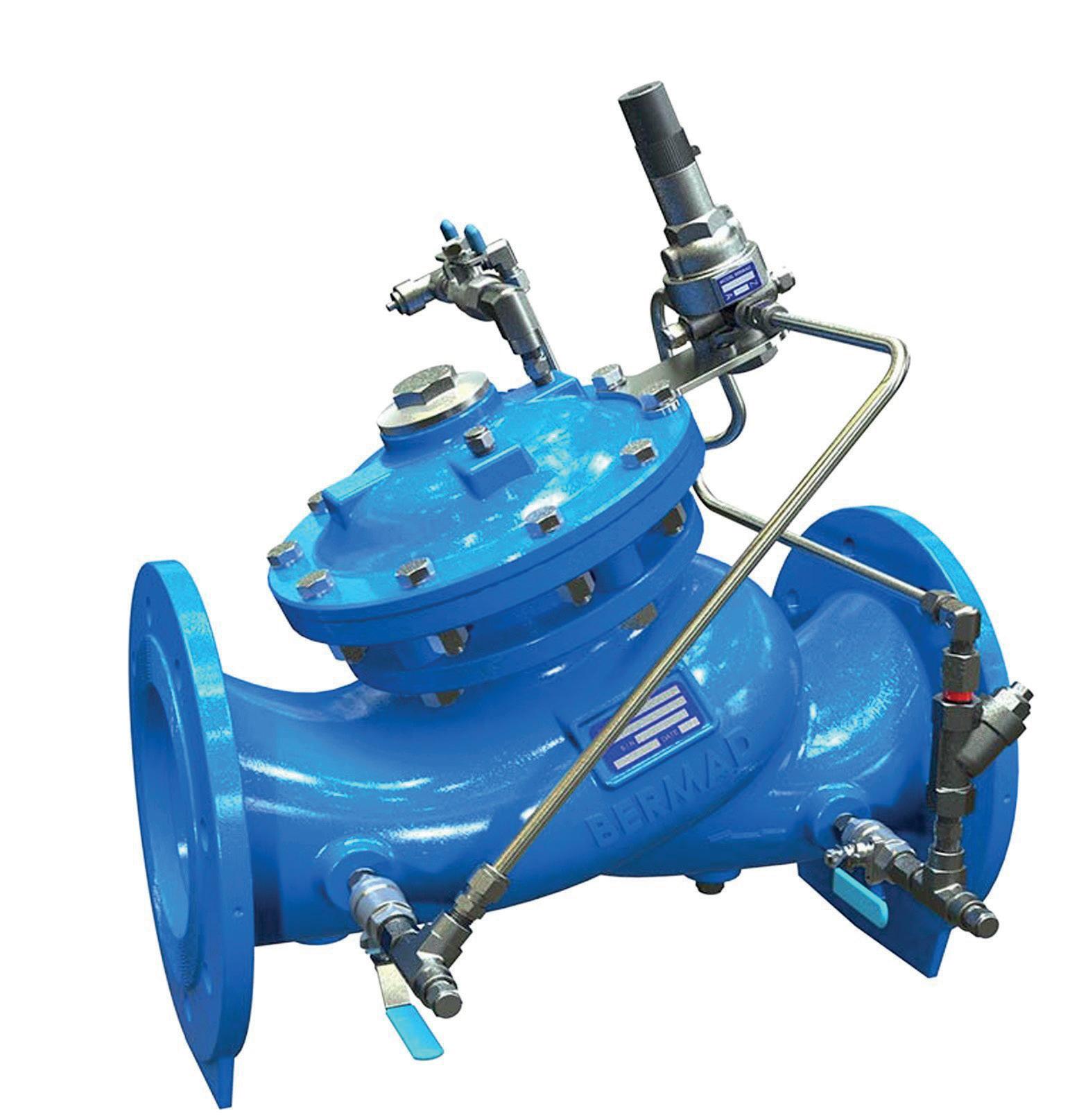
Worlds most versatile Control Valve
Highest Kv’s / Lowest Headloss
AS4020 - AS4158 - AS5081 Watermark Certified
High Performance materials
Design / Supply / Commission / Train / Support
New Zealand’s Control Valve Experts
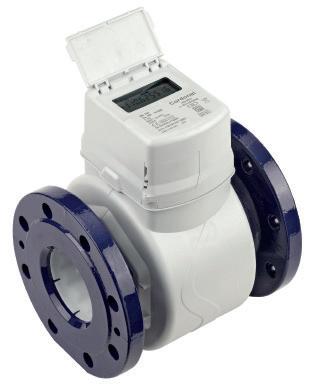
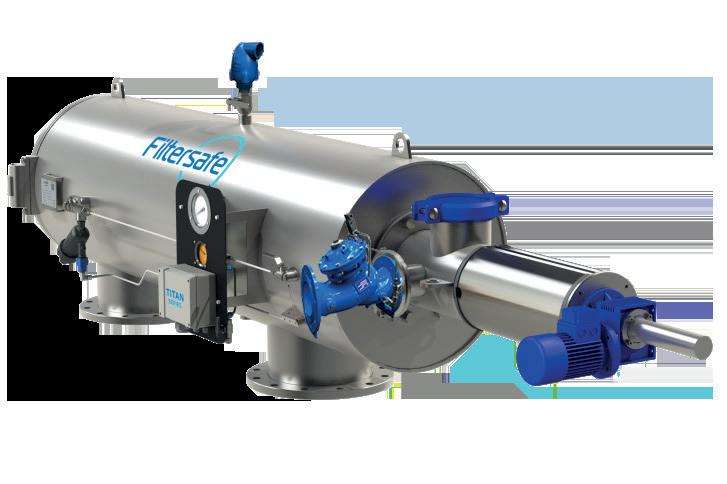
Filtration
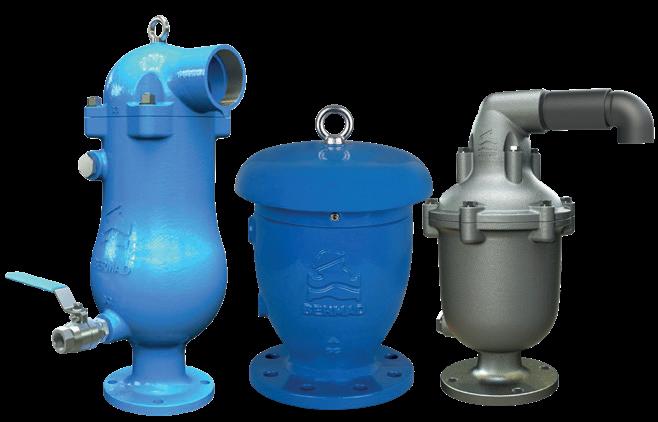
Over 40 Years of Bermad commitment to NZ Air Valves
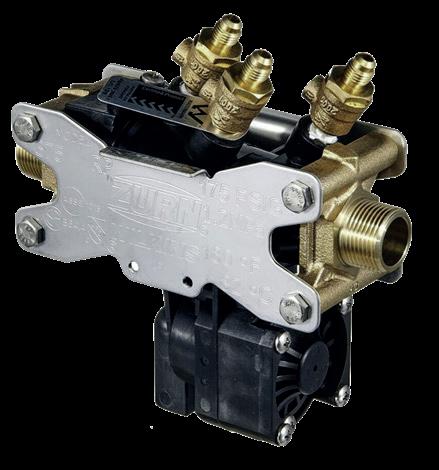
Backflow Prevention

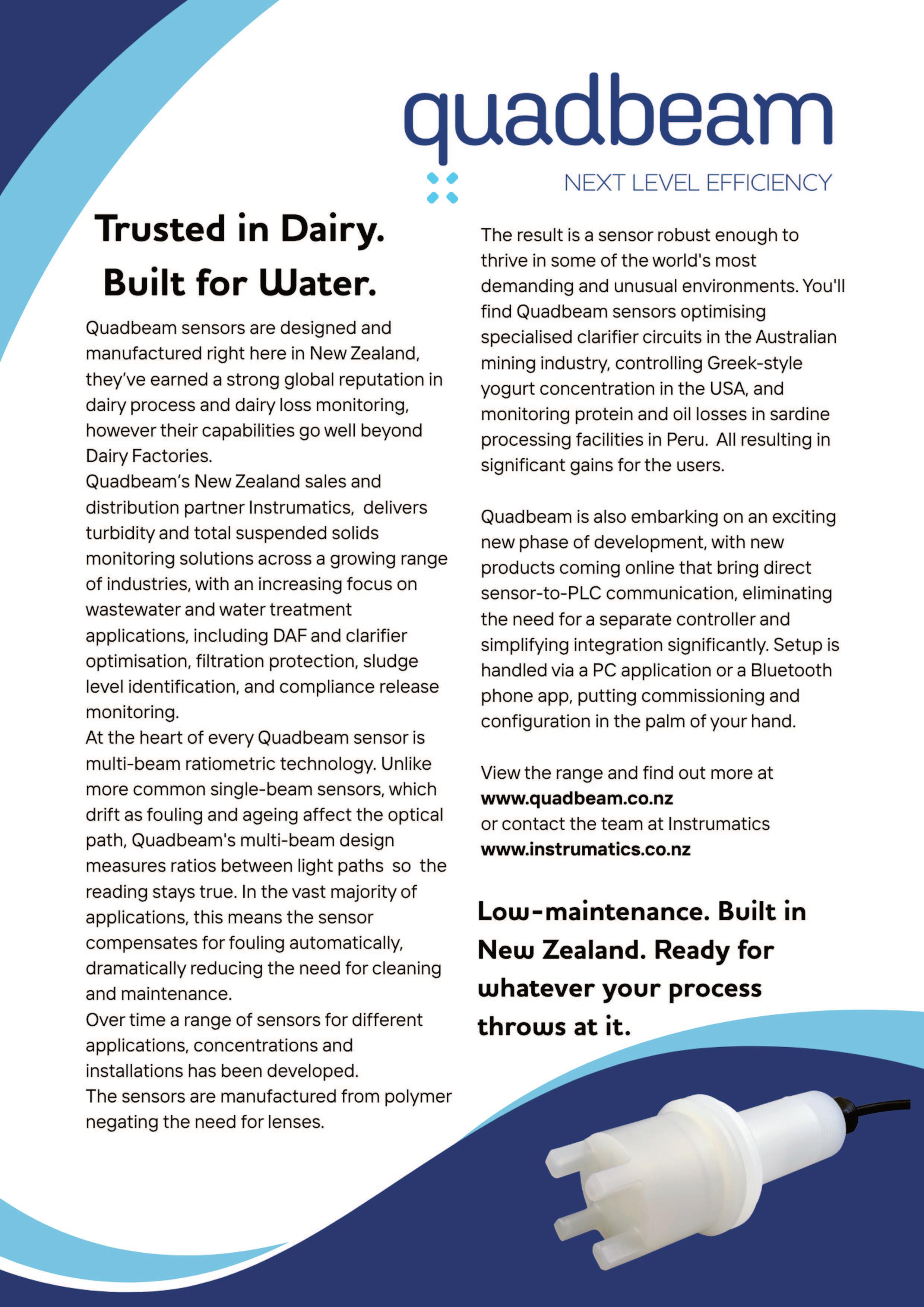
By Pete Brooks, technical director – water, Aurecon
Across the Tasman and beyond, the consequences of underinvesting in water infrastructure are playing out in real time. In the United Kingdom, decades of fragmented governance, deferred maintenance, and eroded public accountability have resulted in polluted waterways, repeated flooding, and a water sector facing one of its most significant resets in a generation.
Aotearoa New Zealand is at a different point in the story, but the conditions that led to Britain’s crisis are not unfamiliar here. Rising climate risk, aging assets, complex governance arrangements, and growing community expectations are all present.
The difference is that we still have the opportunity to shape our outcomes rather than simply respond to failure.
Stormwater is one of the most obvious areas to drive this change. At the intersection of land use, transport, environmental health, and climate resilience, stormwater management reflects the full complexity of water reform.
Get it right, and the benefits compound. Get it wrong, and the costs – financial, environmental, and reputational – will be substantial.
Drawing on my analysis of the UK’s experience, I see five lessons that our water sector cannot afford to overlook.
1. Clarity of accountability matters more than structural change
The instinct in water reform is often to reorganise. But structural change without
clarity of roles and responsibilities rarely delivers the intended outcomes.
The UK’s experience shows that durable improvement comes from defining who is accountable for what, ensuring those accountabilities are funded and enforceable, and holding the line when it matters.
Aotearoa New Zealand’s reform process offers an opportunity to get this foundation right from the outset.
2. Water doesn’t follow administrative boundaries, and planning must reflect that
Effective stormwater management requires thinking at the scale of the catchment, not the council boundary. Integrating land use, transport, and environmental planning within a coherent catchment framework is not just good practice, it is essential for managing flood risk, improving water quality, and building long-term resilience.
The UK learned this through costly fragmentation. We can choose a different path.
3. You cannot build resilience on an unknown asset base
Long-term resilience starts with understanding what you have and what condition it is in.
Publishing asset health baselines, linking them to credible renewal pathways, and applying adaptive management approaches that respond to both performance data and climate risk thresholds are foundational steps.
Transparent reporting on asset condition is also how trust is built with communities and regulators alike. It demonstrates that investment is being managed responsibly and that risks are being understood, not hidden.
4. Social licence is earned through visibility, not assumed
Public support for water infrastructure investment is not guaranteed. It has to be built and maintained.
Customer charters that translate technical standards into clear service commitments, public dashboards that track progress on flood risk reduction and environmental
outcomes, and accessible, fair complaints processes all contribute to a credible social contract with communities.
In a sector where long-term investment relies on sustained public confidence, visibility is not a communications exercise. It is an operational imperative.
5. Partnership and nature-based solutions are not optional extras
The most effective stormwater outcomes we see globally are place-based, partnershipdriven, and anchored in nature.
For us, this means genuinely embedding iwi and hapū perspectives in catchmentscale decision-making, not as a consultation step, but as a design principle.
It also means defaulting to nature-based solutions wherever possible, working with natural systems to deliver outcomes that are more resilient, more cost-effective, and more valued by communities over the long term.
Reform is not just a policy exercise. The gap between intent and outcome in water is almost always a delivery gap. Closing it requires integrated planning that connects environmental, asset, customer, and financial considerations; transparent performance reporting that links investment to measurable outcomes; genuine partnership with communities and tangata whenua; and a consistent bias towards solutions that work with, rather than against, natural systems.
Britain’s water reset is reactive, expensive, and ongoing. Aotearoa New Zealand's reform presents a rare opportunity to be proactive, to build the foundations of a resilient, trusted water sector before the system reaches breaking point.
The lessons are available. The question now is whether we are willing to act on them.
Pete Brooks is a member of CIWEM (Chartered Institution of Water and Environmental Management) Aotearoa New Zealand.
Water and wastewater utilities across New Zealand are under growing pressure. Ageing infrastructure, rising regulatory expectations, constrained resources and increased connectivity are all reshaping how resilience is managed.
In operational technology (OT) environments such as treatment plants, pumping stations and distribution networks, resilience is built well before an incident occurs. It depends on knowing what systems are in place, how they are configured, whether they are supported and how quickly they can be restored when something goes wrong.
The reality of modern water automation
Most utilities operate mixed‑vendor automation environments, where legacy assets run alongside modern control platforms across increasingly connected networks.
This reflects the history of water infrastructure, but it also introduces complexity. Systems spread across sites and technologies become harder to manage consistently. Hardware ages, firmware diverges and standards that were once clear can erode over time.
Left unmanaged, this drift increases risk, not through a single major failure, but through reduced recoverability and uncertainty when incidents occur.
Resilience is about recoverability
A resilient control system is not just secure. It must be understood, repaired and restored under pressure.
After an incident, teams need clear answers to practical questions:
• What changed, and when?
• Was the change authorised and aligned with standards?
• Is the hardware still supported?
• Are firmware revisions current, preferred or retired?
• Can the system be restored to a known, trusted state quickly?
When these answers are unclear, recovery slows. Many utilities find that while backups exist, they do not always represent a complete or supportable system state. Logic may be recoverable, but inconsistent or unsupported firmware can delay restoration, particularly if replacement hardware is required.
Managing the asset lifecycle
Resilience is built through consistent management of the automation lifecycle, from commissioning through to maintenance and replacement.
Rockwell Automation’s defence‑in‑depth approach combines cybersecurity with lifecycle governance, ensuring hardware and firmware remain visible, aligned and supported over time. Solutions such as FactoryTalk® AssetCentre enable centralised configuration management, change tracking and consistent backup and recovery, while providing visibility into lifecycle status across assets.
This allows utilities to identify risk earlier. Unsupported hardware, obsolete firmware and version divergence become manageable issues, rather than hidden problems uncovered during an outage.

Supporting mixed‑vendor environments
For many councils, full standardisation is not practical. Mixed‑vendor environments are a reality across the water sector. Modern asset management and recovery strategies increasingly reflect this, applying consistent processes across different platforms. This enables clearer visibility and faster recovery, particularly across geographically dispersed networks, while reducing reliance on individual expertise.
Maintaining visibility over time
Resilience is not static. Systems change through upgrades, patches and operational updates. Without regular validation, even well‑designed environments can drift away from best practice.
Routine assessment against defined baselines helps identify emerging risks early, whether that is an unauthorised change, out‑of‑policy firmware or ageing hardware approaching end of support. This ongoing awareness strengthens both cybersecurity and operational stability.
Enabling confident operations
Long‑term resilience comes from maintaining clear visibility over time and equipping teams to operate and recover with confidence. The right tools and processes reduce reliance on individual knowledge, support collaboration and enable confident recovery under pressure.
At NHP, we work with Rockwell Automation and other technology partners to help utilities design automation environments that are resilient by design, combining cybersecurity best practice with lifecycle visibility and practical recovery strategies.
Looking ahead
As water infrastructure continues to modernise, resilience will only become more important. While cyber threats remain real, many of the most disruptive incidents can be mitigated through better visibility, clearer change management and stronger lifecycle oversight.
By focusing on resilience before an incident occurs, utilities can better protect their infrastructure and the communities that rely on it every day.
Get in touch
To strengthen cyber resilience and modernise your water or wastewater operations, contact NHP.
The Water Services Authority – Taumata Arowai is laying the groundwork for a major shift in how water infrastructure is designed, built and maintained across the country. At the centre of this work is the development of national engineering design standards (NEDS), a new, nationally-consistent framework that will apply across three waters infrastructure. In this article, Isobel Oldfield, Authority project lead explains what the NEDS are, why they matter and what the sector can expect as the programme unfolds.
There are currently around 45 codes of practice that cover the design and operation of three waters infrastructure. While these have served local needs, they’ve also created unintended consequences.
The current reliance on locally-defined council engineering standards has led to fragmentation and inconsistency across the sector. This fragmentation increases costs and limits competition and supplier mobility, which creates uncertainty for infrastructure delivery.
At the same time, inconsistent approaches have resulted in poorquality asset information, limiting the sector’s ability to manage infrastructure effectively over its lifetime.
Recent changes to the Water Services Act 2021 enable us to now develop national engineering design standards and national codes of practice. This work is underway, and we will be engaging with the sector in the next couple of months. The NEDS will provide standardised requirements for how water infrastructure is designed, built and operated nationwide.
Think of the NEDS as the equivalent of the Building Code for water infrastructure – setting the performance outcomes that infrastructure must meet.
At its core, the shift to national engineering design standards is about delivering consistency, efficiency, and better outcomes.
Standardising requirements will result in more consistent and efficient regulation by removing uncertainty and reducing time and costs for developers.
Infrastructure costs will reduce as consistent standards make design, approvals and construction cheaper, and enable more repeatable, modular solutions.
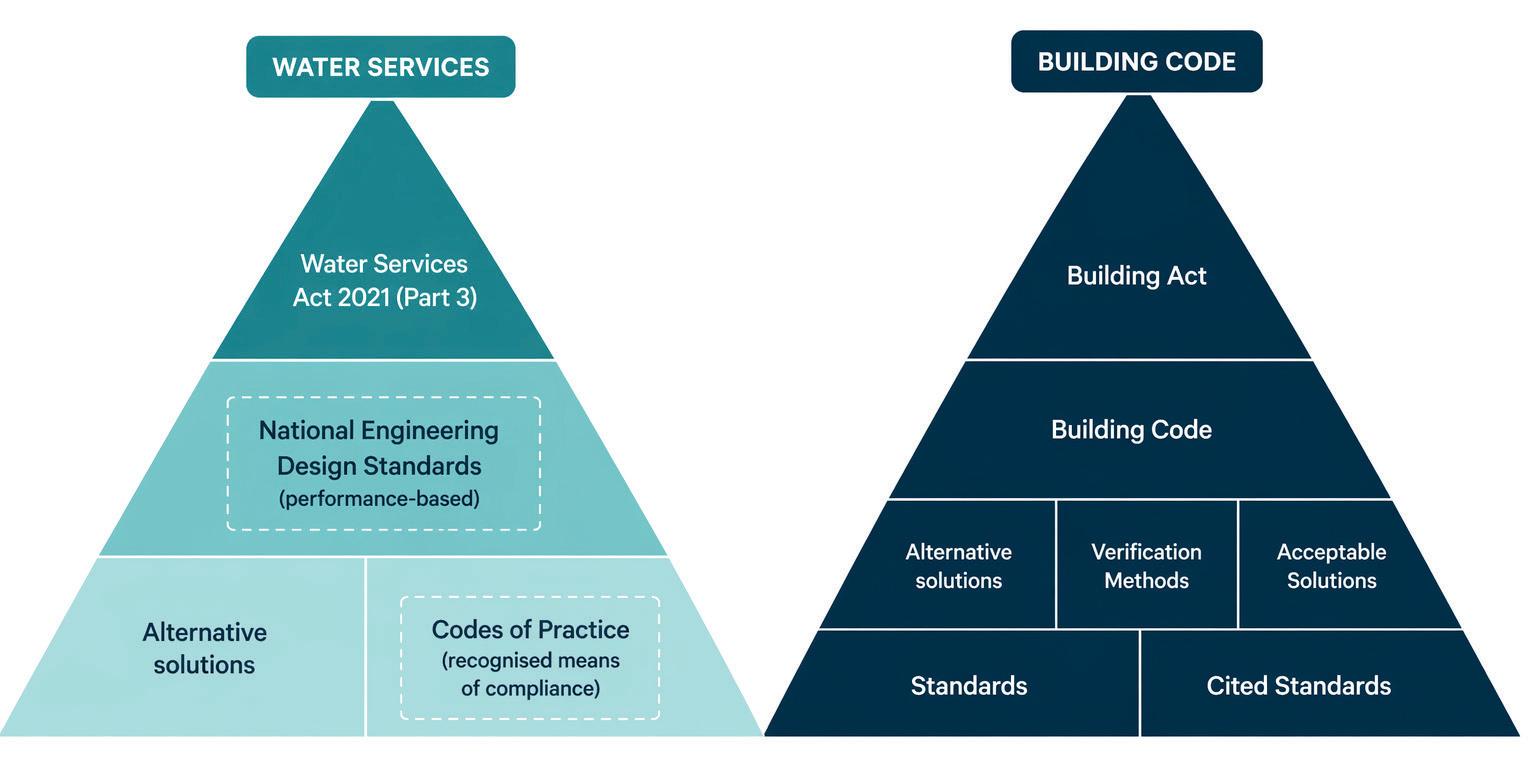
The NEDS will specify performance requirements that prioritise asset life, failure risk and resilience, and require water services providers to keep good information about assets they own.
The NEDS will apply to stormwater, wastewater, and drinking water systems managed by councils or water organisations, as well as any infrastructure that will connect to or become part of these networks. This means new developments must meet the NEDS before they can be connected or transferred.
The NEDS cover the full lifecycle of infrastructure – from design and construction through to operation and decommissioning. All new water infrastructure must meet the standards.
We will also need to consider how the new standards apply to the repair and renewal of infrastructure. There is a need to balance a desire for progressive improvements with affordability for communities.
Importantly, water services providers will not be permitted to take ownership of, or accept connections from, infrastructure that doesn’t meet the standards.
While the NEDS set the ‘what’, national codes of practice will provide the ‘how’.
The NEDS will be underpinned by national codes of practice that prescribe how to meet the required standards. You can think of these as practical ‘how-to’ guides that give the water sector clear, consistent ways to build or upgrade infrastructure.
Work to create nationally consistent engineering design codes started under the previous government, with the National Transition Unit developing draft codes and gathering sector feedback. This
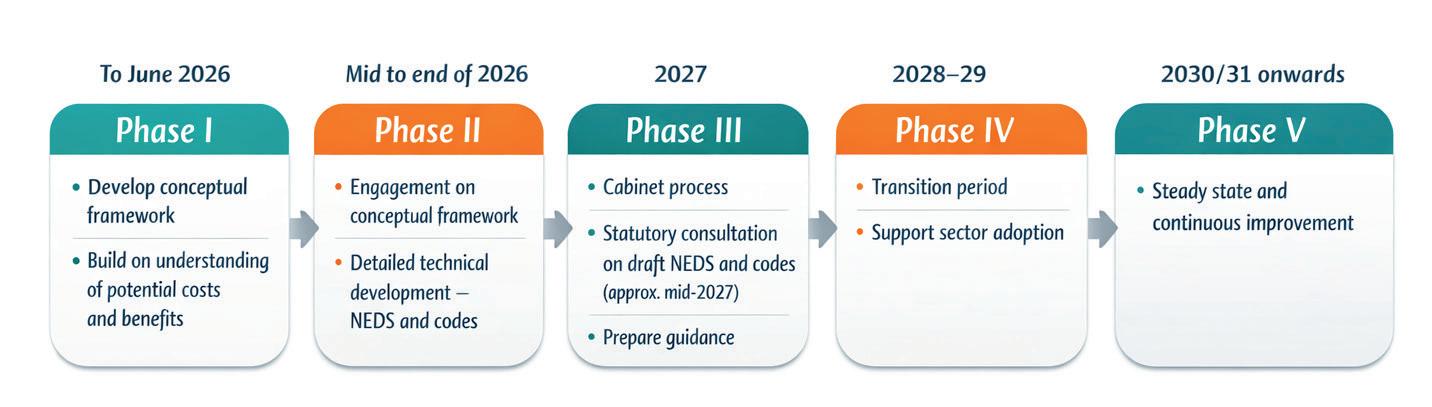
original work was based on the voluntary codes being used by the four large water services entities.
Progress paused during the shift to Local Water Done Well. Since then, legislative changes have introduced the NEDS, changing how the system operates. While the codes the National Transition Unit drafted were referred to as ‘NEDS’, the documents are more consistent with codes of practice under the current regime.
The original draft codes remain a useful foundation for us. However, they now need significant updates to align with the new framework and broader sector context, particularly as the standards will apply to a wider range of council providers of varying size and scale.
The codes are just one way to meet the standards. Because the framework focuses on outcomes rather than strict rules, it allows room for innovation. New technologies, materials and approaches can still be used as long as they deliver the right outcomes.
The key to the effective implementation of the NEDS is working with the sector on their design.
We are doing some foundational work on options for how the NEDS will be structured and the likely costs and benefits. We intend to start actively engaging with the sector over the next two months before starting on the detailed technical work. This will help ensure the standards and codes are practical and fit for purpose.
We’ll continue working with the sector to develop the technical
detail. The standards will need Cabinet approval, with public consultation in the third stage planned for mid-2027.
After consultation, we’ll refine the standards and codes with the aim of having the standards approved and all material published in early 2028.
We’re also planning how to roll out the standards in a way that manages the impact on the sector, including a transition period with support to help people understand and apply the NEDS.
Once everything is in place, the standards and codes will be reviewed regularly to make sure they stay up to date.
Input from across the water sector, but especially from technical experts, will be critical to getting this right.
We want to work with the sector as much as possible as we develop the NEDS. We know there’s a high interest in the NEDS and a desire to see this work progress quickly.
The Authority is currently working to identify and engage with key stakeholder groups including developers, infrastructure specialists, council staff and peak water organisations.
Technical review groups representing a range of different perspectives will be established. These will provide independent specialist advice throughout the life of the project.
Collaboration will be key to shaping the final outcome.
Those interested in contributing to the NEDS or learning more, please email neds@taumataarowai.govt.nz.
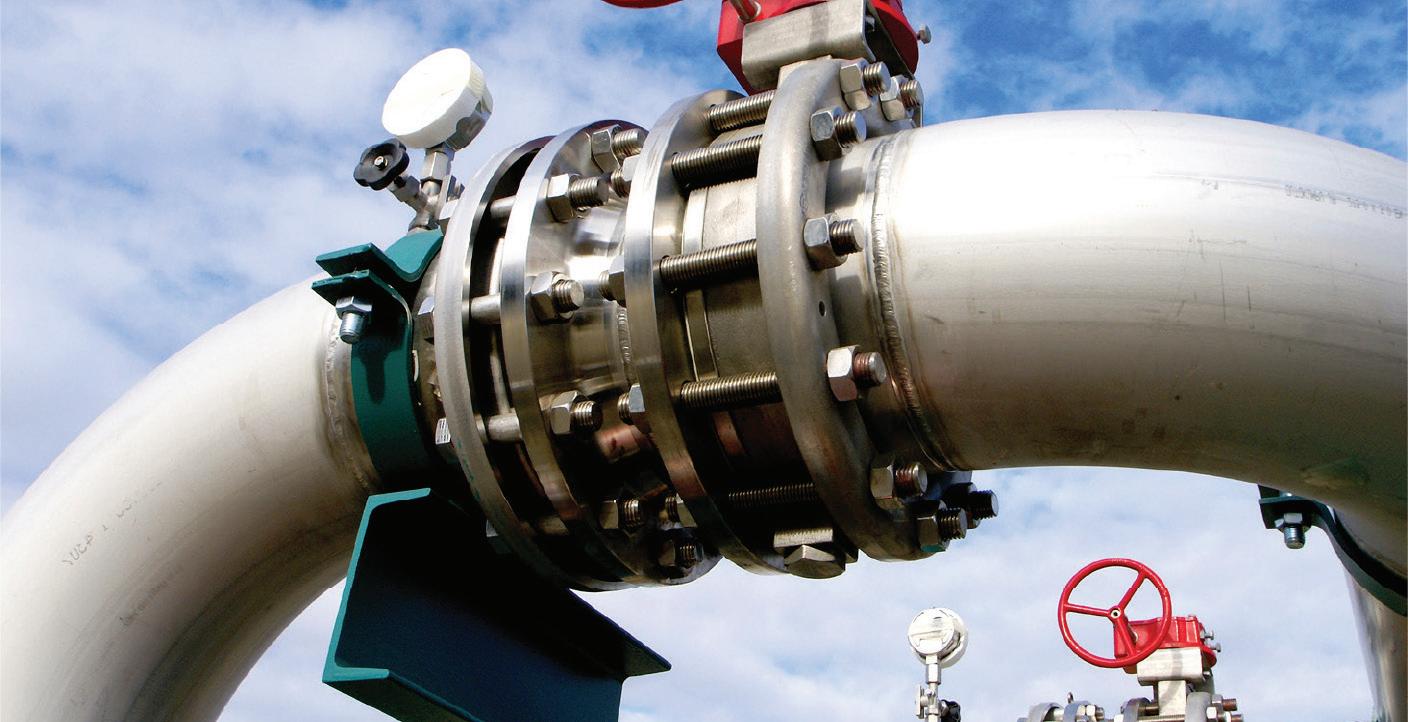

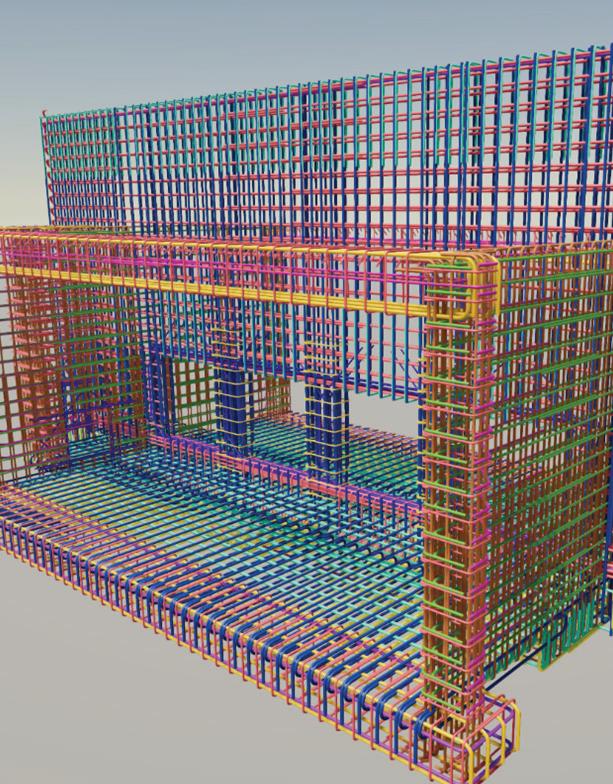

By Greg Preston, Water New Zealand Smart Water Infrastructure Group
As the water sector restructures under Local Water Done Well, it is important to look beyond the structural changes to understand the workstreams that will drive transformation in the sector. One of these key workstreams is the creation and implementation of the National Engineering Design Standards (NEDS).
The NEDS began life under the previous reform process, but they have been wanted by many in the sector long before this.
This article looks at a way that we may accelerate the transformation of the sector including the NEDS. It focuses on the development and implementation of the NEDS from three different perspectives:
1. Performance Standards that the industry needs to meet;
2. The Codes of Practice (CoPs), the how-to guidance which will assist the industry to meet the Standards;
3. As a change management process.
While all three components are necessary, this paper argues that it is the CoPs and the change management process that are the most urgent and impactful
in the short and medium-term. It also argues the need for sector leadership to drive this change management process.
The NEDS legislation is set out in The Local Government (Water Services) (Repeals and Amendments) Act 2025. The purpose of NEDS is to:
• Promote nationally consistent expectations for how water services networks are designed, built, and perform in operation;
• Support efficient and financially sustainable network operation;
• Improve reliability and resilience of networks;
• Protect public health and safety;
• Drive continuous improvement in water services.
What NEDS cover:
• Performance-based requirements for the design, construction, and operational performance of infrastructure that makes up water services networks (including infrastructure proposed to be transferred to a provider);
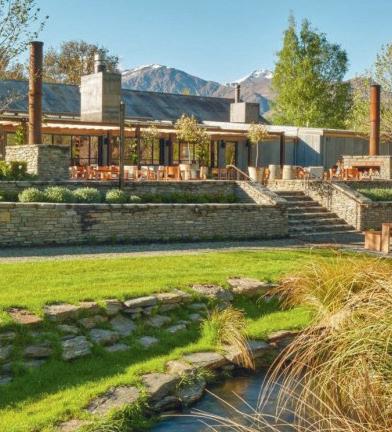
• Connection requirements for how infrastructure is to be connected to a network;
• Lifecycle requirements for repair, upgrade, renewal, replacement, maintenance, decommissioning and related works;
• Information requirements about how design, construction, and operational performance information is collected, kept, and shared.
Compliance with NEDS can be shown as follows:
• National Codes of Practice can be issued by the Water Services Authority as a practical, pre-approved way to comply with one or more NEDS requirements.
Alternative solutions may be approved by a water service provider as an alternative to a CoP provided the solution:
• Fully complies with NEDS; and
• Is consistent with any applicable water services bylaw.
The Infrastructure Commission has identified that around $48 billion will need to be spent over the next 10 years if the water sector is to get on top of the historical under-investment in infrastructure over the past 30 years.
Given its current capability and capacity, it is unlikely that the sector will be able to meet this goal.
We must find smarter ways of working and encourage innovation. We need to lift productivity by standardising:
• Procurement;
• Design;
• Construction;
• Information management;
• Approvals processes;
• Etc.
The rapid introduction of Codes of
Practice can go some way to driving the standardisation process. However, the CoPs will not be created fully formed; their development is an essential component of the change management process needed to transform the sector.
The Codes of Practice are some of the building blocks of the transformation process.
Drafts developed under the previous reform process are a good starting point. What is required is a collaborative and inclusive mechanism for turning those drafts into working guidance documents.
Further to that, there is a need to communicate this draft guidance broadly across the sector and to support this with incentives and training.
This is not going to be a tidy, linear process. There will be intersecting and, sometimes, contradictory requirements from different CoPs. It is essential that all parts of the sector are involved and have buy-in to the process.
This transformation process needs sector leadership and funding. The right leadership structure is essential for success.
The CoPs need to be developed by the industry, for the industry. The development of the Performance Standards needs to be done in parallel with this process, but the CoPs are the most pressing need.
The sector must come together and drive this innovation process. The Water Services Authority - Taumata Arowaihas an essential role to play in developing the Performance Standards, but it is perhaps not so well-placed to lead the CoP development.
In the Department of Internal Affairs’ recent report, Water Services Sector Performance, Issues and Opportunities, the working group identifies many opportunities and 15 recommendations to improve water sector productivity and efficiency.
Its key recommendation is for sector leaders to establish sector level governed work and initiatives needed to drive productivity and efficiency improvements in water services delivery. The Codes of Practice should be the first of these initiatives.
Water New Zealand has several Special Interest Groups that could provide the technical leadership for the CoPs. However, there is organisational leadership that is missing. This must come from the new Water Service Entities (WSE).
We need a water sector transformation organisation that is focused on the immediate and long-term needs of the sector. Water New Zealand is probably the most effective place to begin creating this structure.
Water New Zealand's Smart Water Infrastructure Group (SWIG) has three workstreams which are working together to improve productivity in the sector. These workstreams are:
3 Waters Asset Data Standards. This sets a nationally consistent asset data structure and the way that the assets and their attributes are described.
Digital Engineering (DE) Playbook for 3 Waters. This sets out standard procedures and templates for sharing the data that is needed for delivering projects and long-term asset management.
Approved Materials. This is developing a
nationally consistent list of approved materials and products that can be used in the design and construction of the three waters network. These initiatives are closely connected and should underpin a Code of Practice for Design and Information Management. The long-term goal is to develop a National Digital Component Library. There is a need for a national Approved Component and Materials list. This would be managed by the Water Sector Transformation Agency.
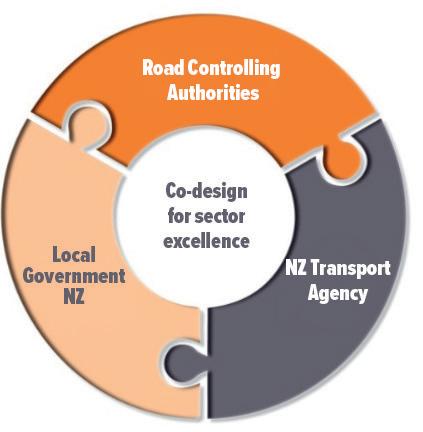
It is appreciated that not all WSEs will be ready to contribute, and it may require the larger entities to commit to collaborating early and getting the first projects underway.
In the longer term the transformation will likely need a stand-alone research, developments and training organisation.
We can draw on a model similar to the Road Efficiency Group (REG). REG has been driving innovation and excellence in the road sector for well over a decade. In this model Taumata Arowai could partner with Water New Zealand to co-develop the Codes of Practice with input from the larger entities.
The sector has a couple of options. It can spend time and money up front to create national standardisation through the Codes of Practice and reap the productivity and efficiency benefits. Or it can carry on as usual. If it decides to carry on as usual, it will be more costly, deliver worse outcomes and the Performance Standards will still need to be met. Let’s choose the former approach and move swiftly to a better water sector that serves our communities safely, effectively and efficiently.
A designer or contractor should be able to drag and drop an approved component into a standardised drawing template. All the information that is needed for the consenting and construction can be automatically populated into the drawing in a standard format. During construction, the contractor can add the construction and commissioning details. The as-built information can then be automatically verified and loaded into the water entity’s asset management system. Having this nationally consistent approach means any designer or contractor can deliver the services provided they can meet a reasonable standard. Suppliers have a single approval process for their products instead of the current need to get approval from 67 different entities. Competition is improved, innovation is encouraged and workflows are streamlined.
Vicki Koopal and Joe Xie from the Hastings District Council explain how the Hastings trial boosts confidence in smart water metering
Over the summer of 2022/23, Hastings District Council began a residential smart metering trial, attaching electronic smart water meters to 2000 council tobies across Hastings, Havelock North, Flaxmere, Bridge Pa, and Pakipaki – around 10 percent of the urban connections.
Layering smart technology onto our existing metering network, we are building a clearer picture of how water is used across the district and where it may be being lost.
More frequent and accurate consumption data helps us spot demand patterns, pinpoint potential leaks and infrastructure issues, and plan drinking water upgrades and renewal projects with better evidence.
Just as importantly, it strengthens the evidence base for welltargeted conservation measures, supporting a more resilient water supply for the future.
So how are we collecting the data?
Readings are captured monthly via drive-by reads, using a vehiclemounted receiver in the trial areas. At this stage there is one meter read each month. In future, the system could be configured to capture shorter-interval data, enabling more detailed analysis of daily wateruse patterns.
With more than two years of monthly readings available, the council now has a solid baseline for understanding residential consumption across seasons. The dataset is being used to identify consistently high users, detect emerging trends, and track how demand shifts over time.
An initial analysis completed in October 2024 showed just how uneven residential demand can be: a small number of connections account for a disproportionate share of total use.
Figure 1 illustrates this using a tree map, where each block represents an individual meter and block size shows that property’s average daily water use across 2024. The largest users sit at the top left of the diagram, with progressively smaller users trending toward the bottom right.
The dark blue callout near the bottom right highlights the scale of the skew: one high-use connection can consume the equivalent of many low-use households combined.
In 2024, the combined use of the seven highest meters in the trial averaged around 330 cubic metres per day, underscoring the value of targeted engagement and leak investigation alongside broader conservation messaging.
Building on the October 2024 review, the council then contacted the largest users to understand what was driving their readings and, where needed, to prompt checks for leaks or other on-site issues.
Figure 2 tracks monthly average daily use for the seven highest use connections from August 2023 to February 2026. In many cases, volumes eased after those conversations, suggesting that one-to-one follow-up can complement wider water-efficiency campaigns.
Importantly, because trial customers are not charged for their water use, the reductions are reflective of practical changes on site (such as
leak repairs or improved system control) without the stick of paying for ‘wasted’ water.
By early 2026, the trial had produced two full calendar years of results, allowing a comparison of average demand between 2024 and 2025.
Across the seven highest-use connections, combined consumption fell from around 330 cubic metres a day in 2024 to 229 cubic metres per day in 2025, a reduction of about 100 cubic metres daily.
The composition of the top seven also shifted: four of the 2024 high-use connections reduced demand substantially and dropped out of the group, while three remained among the highest users.
This year-on-year movement reinforces two key insights: First, that a small number of properties can materially influence total demand, and second, that timely follow-up supported by smart meter data can help identify and address high-use drivers such as leaks or operational settings.
Monthly reads are only part of the value. The smart metering system can also flag patterns that are consistent with abnormal consumption by applying built-in event categories based on continuous-flow thresholds over set time periods:
• Broken pipe: flow greater than 1.25 cubic metres an hour sustained for 15 minutes.
• Leakage: flow greater than 0.001 cubic metres per hour sustained for one hour.
These categories are applied across the full flagged period and don’t distinguish between legitimate use and leakage within that window.
Even with that limitation, the tags are a useful screening tool: our initial review shows that many of the highest-use connections are repeatedly flagged with leakage-related tags, helping us prioritise follow-up and on-site investigation.
Finally, we are using the dataset at a suburb (zone) level to understand how demand varies across the network and to help target investigation and engagement.
Figure 3 compares the average daily consumption profile for Arataki (blue) and Raureka (yellow).
Average daily consumption in Raureka is consistently higher than in Arataki. This may reflect differences in infrastructure age and land use. Arataki is a newer area, so there is likely to be less background leakage, and the profile shows a clearer summer uplift consistent with seasonal outdoor use (for example, garden establishment and increased watering).
Raureka, by contrast, was largely developed in the 1950s; older pipework can be more susceptible to leakage, and the seasonal swing is less pronounced, potentially indicating a higher proportion of baseline (non-seasonal) demand.
For this comparison, we removed the seven highest-use connections from the dataset; two of those were in Raureka.
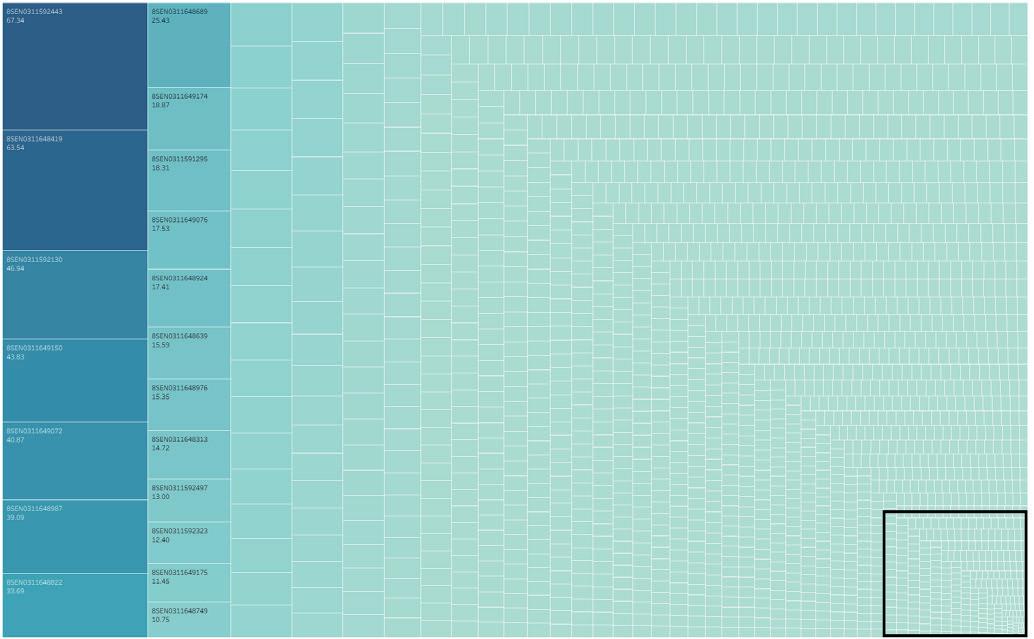
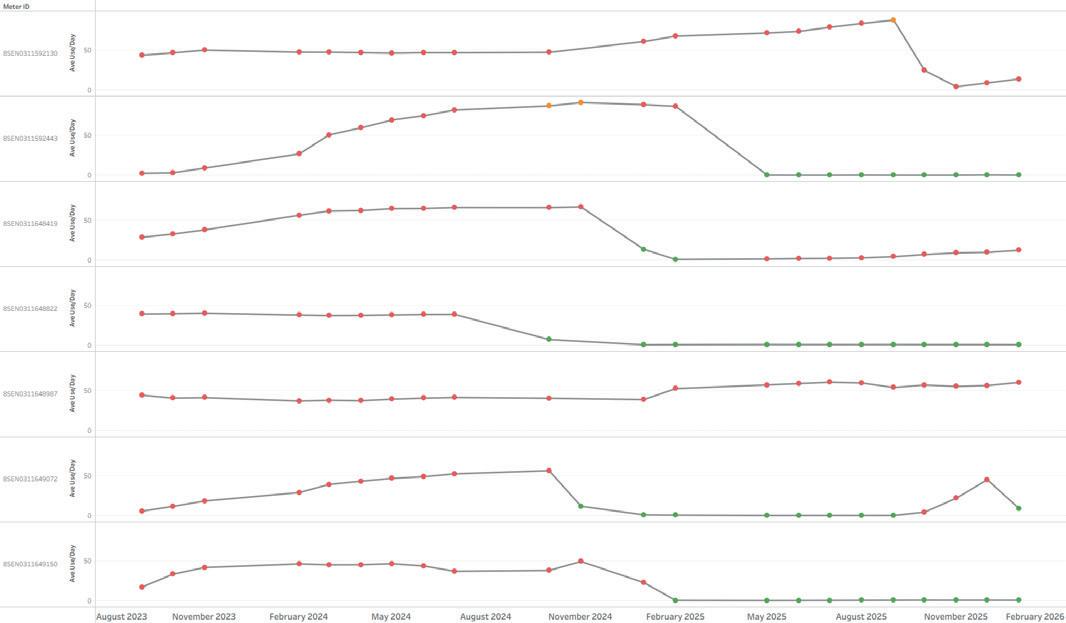
Overall, the trial is demonstrating the practical value of smarter, more frequent measurement in helping us understand and manage residential demand.
The data shows how a small number of connections can materially influence total consumption, and it is already enabling more targeted follow-up, from investigating potential leaks and confirming on-site drivers, to supporting customers to make simple operational changes.
As the council builds a longer record and expands how the information is used, smart metering will strengthen our ability to plan renewals and conservation initiatives with confidence.
Put simply, what can’t be measured, can’t be managed: better visibility of where, when, and how water is being used is essential to reducing losses and improving the resilience of Hastings’ water supply.
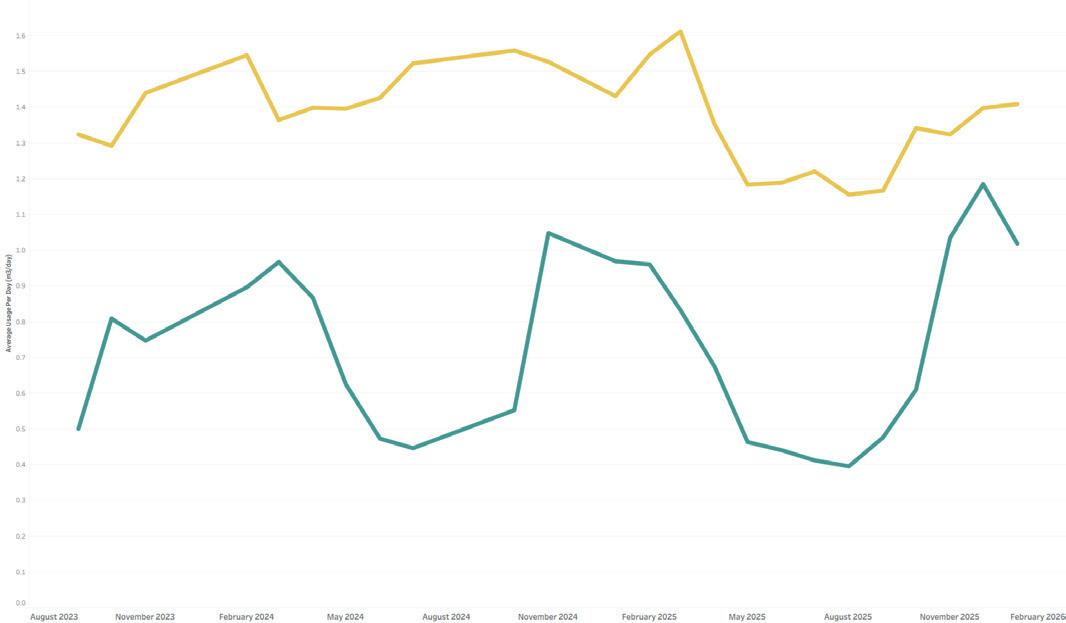

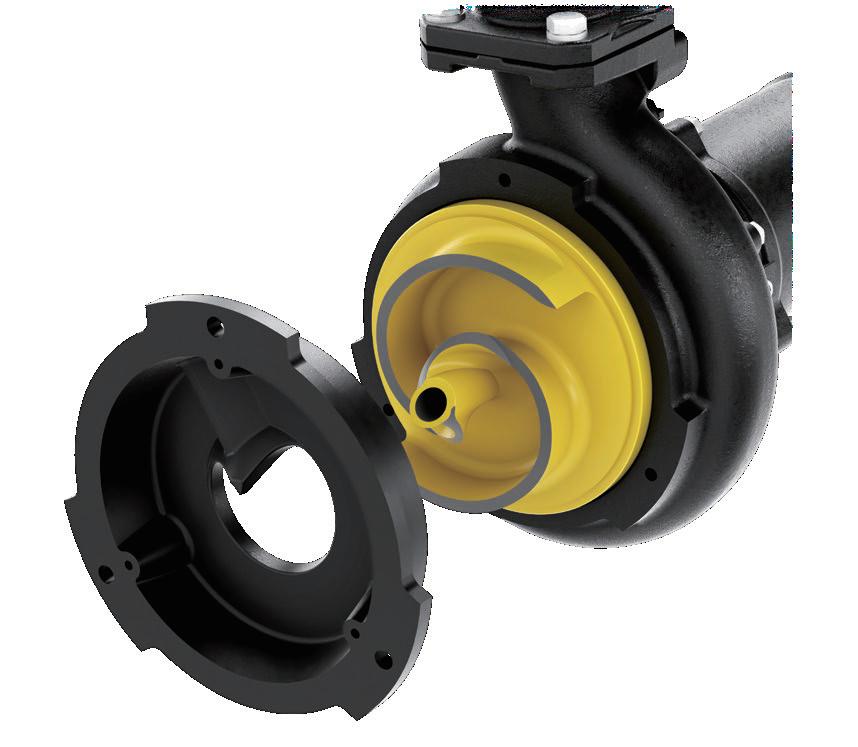
A joint consent application to secure Rotorua city’s main drinking water supply for the next 35 years has been lodged, marking a significant milestone in a partnership between Rotorua Lakes Council and Ngāti Kearoa Ngāti Tuara.

Ahead of the application being filed with Bay of Plenty Regional Council, councillors and staff from the regional council were hosted at the Karamu Tākina puna, located at the base of TihioTonga, off Great West Road, in March. The site, set within native forest, holds deep ancestral significance for Ngāti Kearoa Ngāti Tuara.
The visit focused on how Te Mana o te Wai – the principle that places the health and well-being of water at the centre of decisionmaking – is being put into effect.
The partnership agreement, signed by Rotorua Lakes Council and Ngāti Kearoa Ngāti Tuara in July last year, established a comanagement framework for the Karamu Tākina Spring.
Under the agreement, Ngāti Kearoa Ngāti Tuara, through the Karamu Tākina Trust, supported the Council’s application to renew its water take consent, which expires in October 2026.
The joint consent application was lodged on April 16. Subject to approval, it will secure the water supply, which serves about 50,000 people, for a further 35 years.
Karamu Tākina Trust chair Robyn Bargh says lodging the consent marked the end of a decades-long journey and the beginning of a new chapter for Ngāti Kearoa Ngāti Tuara.
The joint consent also represented the culmination of years of collaborative work aimed at addressing past wrongs, meeting the city’s long-term water needs, and protecting a taonga of enduring importance. The agreement formally acknowledged historic grievances, including the forced sale of land and the wrongful charging of water rates to Māori landowners.
It also provided for the return of land at Karamu Tākina and the former tennis courts at Pururu North Reserve to Ngāti Kearoa Ngāti Tuara, and established a framework for co-management of the springs.
Robyn says one of the most significant outcomes of the agreement is that uri (descendants) are now able to return to the area.
One of the key points of discussion with the representatives from the regional council was the need to raise awareness of the origins of the water people consume, and the importance of protecting and conserving it.
Robyn says the trust plans to lead initiatives to revitalise the site and share its cultural and environmental significance, including exploring educational opportunities and joint monitoring to protect the mauri of the puna.
She says environmental restoration, which would include the Utuhina Stream, was also part of their long-term plan.
Rotorua Lakes Council has committed $2.4 million infrastructure funding as part of the its Long-Term Plan as well as an annual operational grant of $284,370 to help implement the Trust’s
initiatives. Annual capital expenditure on Rotorua drinking water ranges between $9 million and $14 million per year.
Rotorua Lakes Council infrastructure and assets group manager
Stavros Michael says the agreement demonstrated a genuine commitment to partnership, cooperation and co-management.
“We are bringing together knowledge and skills for the benefit of the whole community.”
If granted, this joint consent would be the second of its kind for Rotorua Lakes Council which also has a partnership with the Pekehaua Puna Trust – Ngāti Rangiwewehi, which secured the supply of drinking water to Rotorua’s Ngongotahā community from Taniwha / Te Waro Uri spring.
Content provided by Rotorua Lakes Council and Ngāti KearoaNgāti Tuara.
Water networks are facing growing pressure. Utilities and councils are balancing aging infrastructure, rising demand, compliance requirements and the increasing cost of leaks and service disruptions. The challenge is no longer just maintaining assets - it is building a resilient network that can be monitored, managed, and improved with confidence.
A Digital Water Ecosystem supports this by connecting the full journey of operational data - from the field to the cloud to the user. Instead of treating telemetry, SCADA, analytics, and reporting as separate projects, the ecosystem brings them together into one practical, end-to-end approach.
Why digital ecosystems matter now
Most water networks already generate large volumes of data: pressures, flows, tank levels, pump performance, alarms, and asset condition information. The problem is that this data is often fragmented across different systems and teams.
When information is siloed, response times slow down, reporting becomes manual, and planning becomes reactive. A connected ecosystem helps shift operations from “finding the problem” to “solving the problem” - with a clearer view of risk, performance, and priorities.
practical model built in three layers
A resilient Digital Water Ecosystem is built on three connected layers:
Field: where the data begins
The field layer includes smart sensors and meters, Telemetry solutions(RTU, IoT sensors) and always-on connectivity through radio networks, NB-IoT, LoRa-WAN, fibre, or cellular.
This layer ensures reliable, real-time monitoring across critical assets and network zones. Strong field data is the foundation for faster detection of abnormal conditions such as bursts, leaks, pressure events, or equipment failure.
The cloud layer acts as the central hub for data collection, storage, and system-wide intelligence.
It enables SCADA integration for real-time monitoring, secure remote access , and a trusted environment for analytics and reporting.

By consolidating information in one place, the cloud layer supports consistent visibility across sites, reduces manual handling and strengthens governance. It also provides a scalable foundation for future requirements without needing to rebuild systems as the network grows.
User: turning data into decisions
The user layer is where insights are delivered through web and appbased visualisation tools. It enables realtime access for operators, engineers, managers, and decision-makers.
This is not just operational. It supports strategic outcomes as well helping leadership teams understand performance trends, manage risk, and plan investment based on evidence rather than assumptions.
Benefits for communities and councils
For communities, the benefits are clear:
• Cleaner, safer drinking water
• Faster leak detection and response
• More reliable and resilient service
For utilities and councils, the ecosystem delivers:
• End-to-end visibility (field cloud user)
• Compliance-ready reporting and governance
• A future-proof platform aligned with smart city planning
A holistic approach - not disconnected projects
Digital upgrades often fail when delivered as isolated tools. A telemetry rollout may improve monitoring but not reporting. Dashboards may look useful but rely on manual data feeds. SCADA may provide alarms but not the broader intelligence needed for planning.
A Digital Water Ecosystem avoids this by design. Each layer connects to the next, ensuring data flows smoothly and insights are available to the people who need them.
It also supports staged implementation. Utilities can start with priority zones or critical assets, then expand without changing direction or replacing platforms.
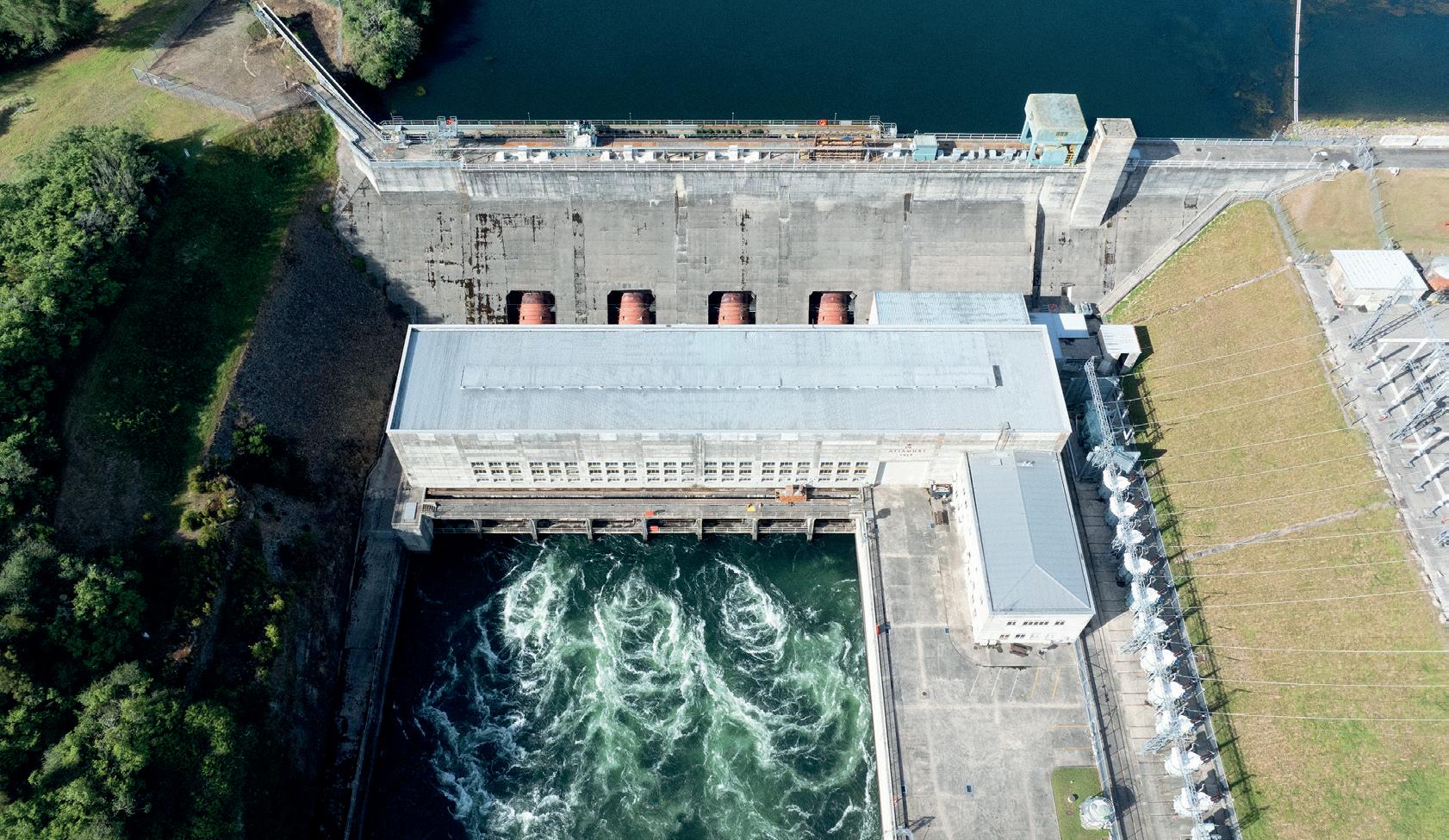
Work on detailed engineering designs has started for a $590 million project to refurbish three key power stations that form part of Mercury’s Waikato Hydro System.
Mercury awarded a multimillion-dollar contract to international hydro specialists ANDRITZ to upgrade its Maraetai I, Ātiamuri, and Ōhākurī hydro stations on the Waikato River.
The stations range in age from 67-81 years old; the upgrade will enable Mercury to generate more electricity from the same volume of water and extend the life of the stations by another 50 years.
ANDRITZ will supply new turbines, generators, governors, and electromechanical equipment for the 13 electricity generating units across the three stations. It will be responsible for the design, manufacture, installation, testing, and commissioning of the modern equipment.
Mercury programme manager – hydro rehabilitation, John Kennedy, says signing the contract was a major milestone, and the team was looking forward to the next phase of the project.
“We’re now working with ANDRITZ to finalise the engineering designs for the new components that will be progressively installed at each hydro station.”
The Maraetai I and Ātiamuri stations will have all of their turbines replaced.
“As part of the design process, ANDRITZ will produce scale turbine models and test them to simulate real-world operating
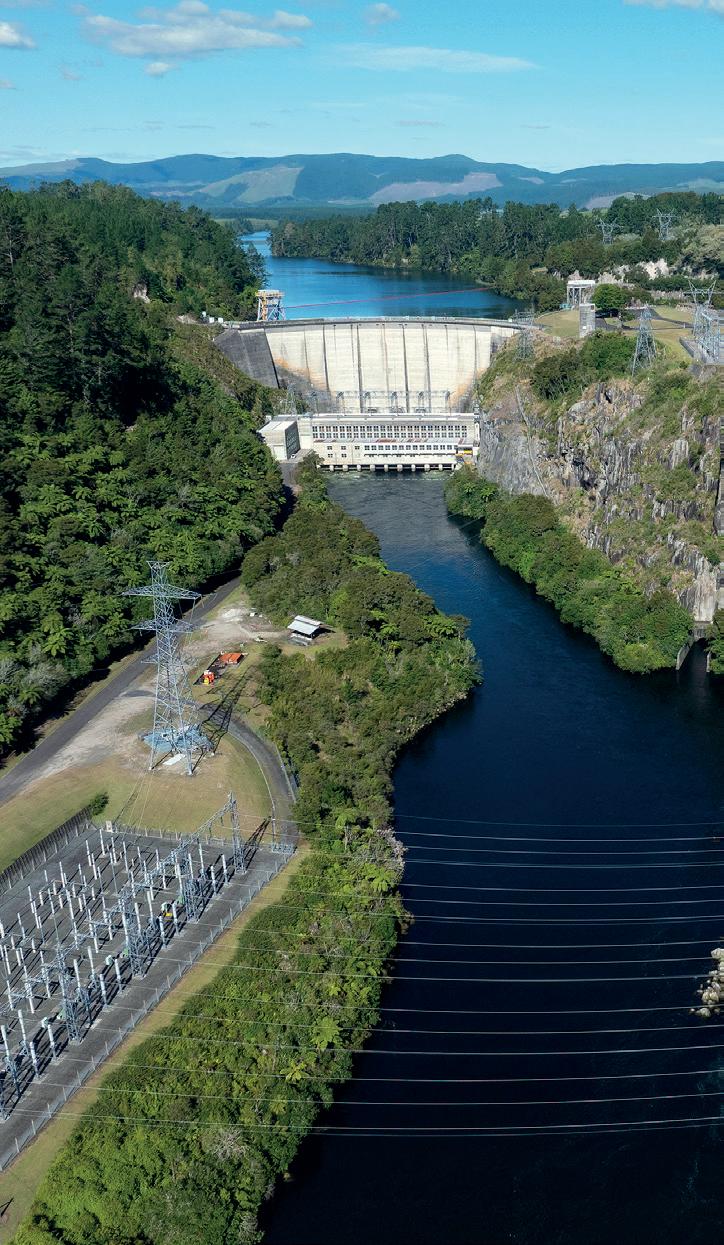
conditions. The tests are designed to demonstrate that the turbines meet the required hydraulic performance standards before full-scale construction.”
The model components will be manufactured in Austria, where ANDRITZ is based and operates specialised facilities for hydro equipment.
“Manufacturing of the components will be done at various global factories and then shipped here.”
John says it would take about three years to finalise designs and fabricate the new components.
“We expect to begin on-the-ground installation work at the hydro stations from 2028 to 2036.”
The work will be sequenced to ensure the hydro stations can continue to generate electricity during the installation phase.
The 2028 start date also provides time for Mercury to complete a separate refurbishment project on its Maraetai II Hydro Station.
“At Maraetai II we’ve started removing and refurbishing existing turbines, generators, and water intake gates for five generation units, then reinstalling them, one unit at a time.”
This four-year, $29.6 million project will improve the hydro station’s operational reliability and extend its life by 20 years.
“We want Maraetai II to be fully operational before we start
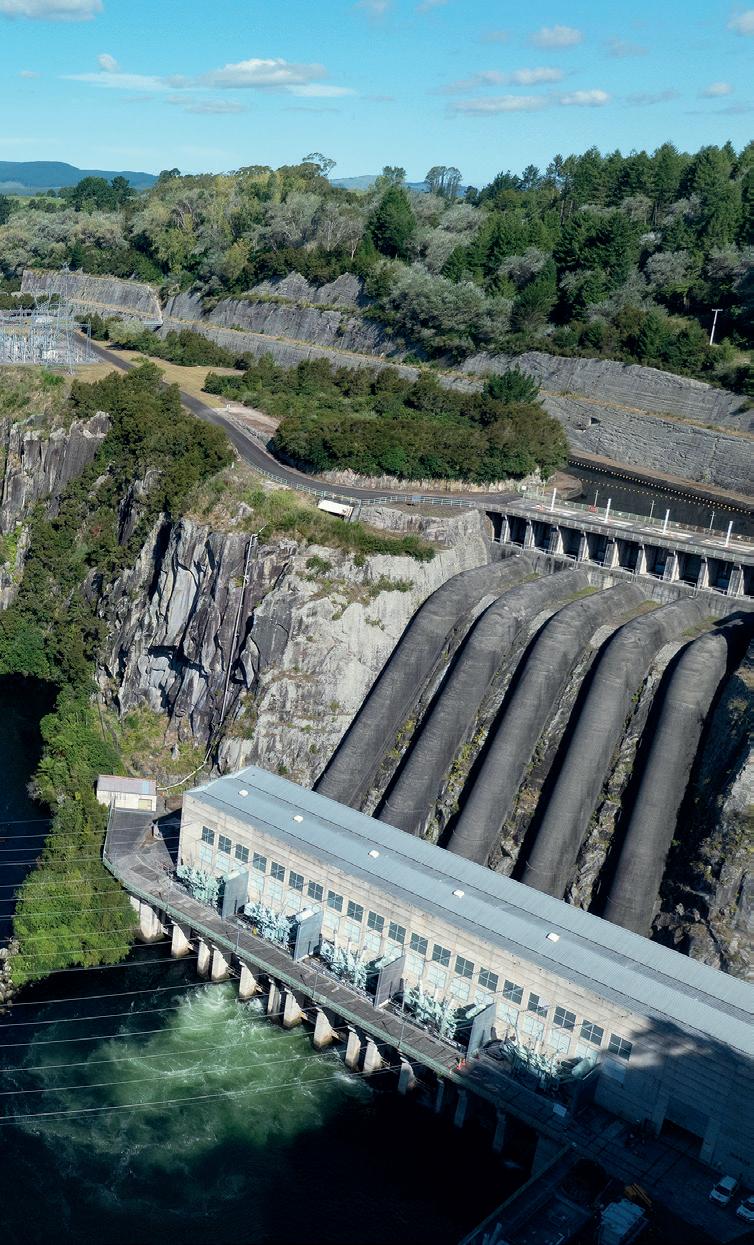

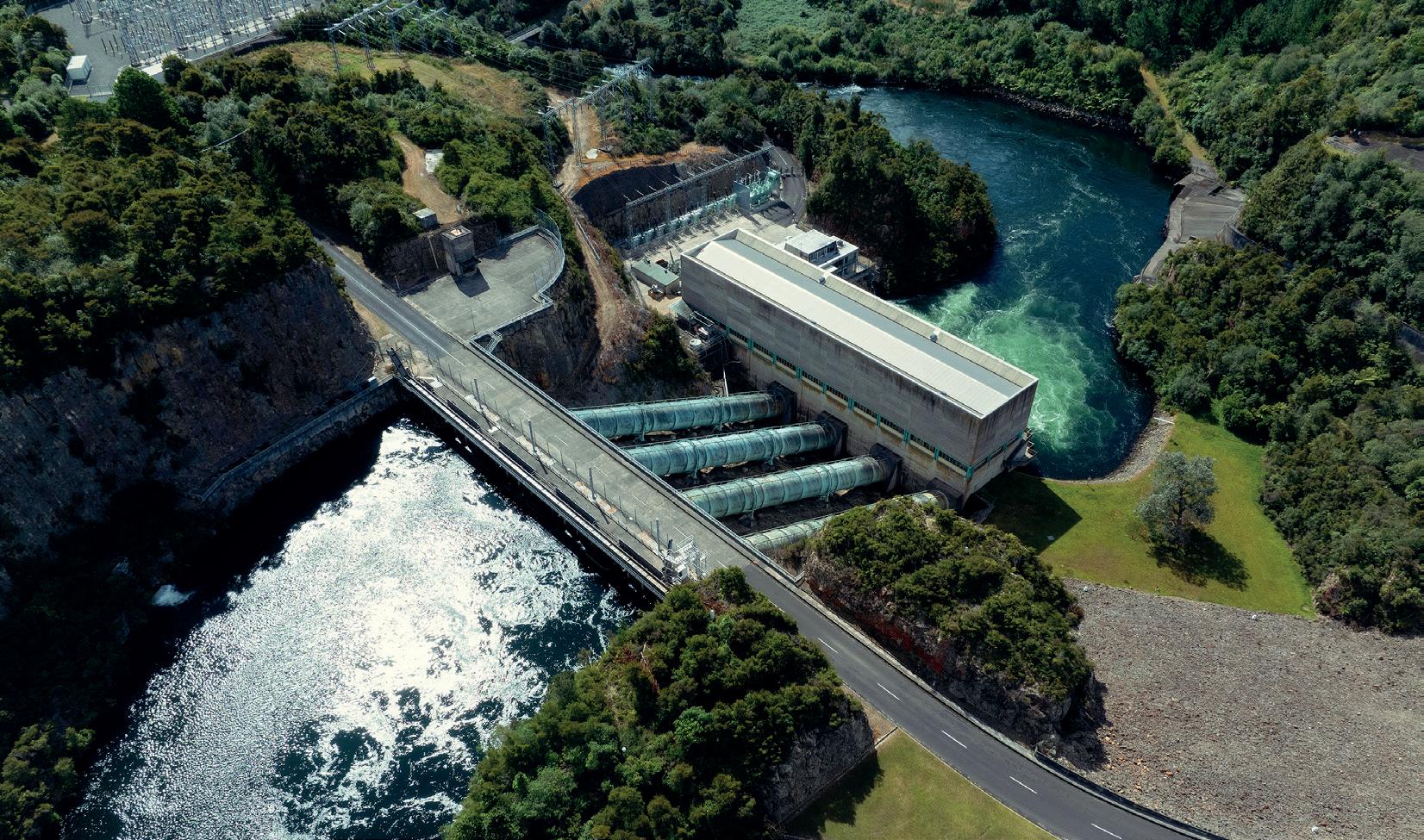
work on the major three-hydro station programme.”
The upgrade works allows Mercury to improve its environmental protection from the hydro stations.
“At our most recent upgrade – at our Karāpiro Hydro Station – we used water lubricated bearings to replace traditional oil-lubricated guide bearings in the Kaplan turbines. This eliminates oil systems, sumps, and pumps and reduces the risk of oil leakage into waterways.
“Future refurbishments will include additional upgrades like double walled heat exchangers to further remove the risk of oil or water contamination.
“Overall, the upgrades to our hydro stations make the sites more efficient, which means we’re able to produce more renewable energy, and in turn, lowering the country’s reliance on non-renewable energy, like coal.”
John also says Mercury’s ongoing hydro refurbishment projects have created many employment opportunities.
“One of the key requirements to selecting a project partner, was a commitment to hiring local workers and developing the hydro workforce in New Zealand.
“Upgrading the three hydro stations will create job opportunities for about 50-60 people at the busiest stages of the work, over 10 years, including mechanical and electrical engineers and tradespeople, site and project managers, and supporting roles, such as administration, logistics, quality, and documentation.
“We will use this programme to train more electrical and mechanical apprentices to ensure there is a lift in skills for the hydro power industry.”
ANDRITZ Hydro New Zealand general manager Tony Mulholland says the company has a strong track record in local employment and skills development, with several apprentices successfully trained on previous hydro projects.
“We are keen to use this programme with Mercury to build capability across the regional and national hydropower workforce.
“This is important, not just for Mercury, but for other Kiwi hydro operators, as many of the country’s hydro stations are reaching the age where they need targeted refurbishment.
“There is increasing demand for people who have this experience.”
The Waikato Hydro System comprises nine hydro stations and eight hydro dams, constructed on the Waikato River between the 1920s and 1970s.
About 40 percent of the electricity Mercury produces is generated by the river, delivering around 10 percent of the country’s electricity.
John says refurbishing Maraetai I, Ōhākurī, and Ātiamuri hydro stations would collectively increase their installed capacity by 76MW and improve average annual generation by 87GWh, enough to power the equivalent of about 10,800 additional homes a year.
Mercury chief executive Stew Hamilton says the investment shows Mercury’s commitment to the longevity of the Waikato Hydro System and to improving the security of supply.
“Our hydro stations on the Waikato River have worked hard to keep the country powered for decades.
“We have invested heavily in a long-term refurbishment programme to improve the efficiency and longevity of our hydro stations and ensure these assets can manage water flow in a way that preserves the environment while optimising power generation.”
Stew says generating extra energy is important, but the refurbishment work also supports the company’s kaitiaki aspirations by “making sure our hydro stations are operating in harmony with the environment”.
“This ensures we are protecting the lifeforce of the river, while improving the longevity of our hydro stations for many years to come.
“Our success as a good kaitiaki will help us embrace our partnership focus, building trust with the iwi and communities where we operate our hydro stations.”
“Mercury has a relationship with all iwi along the Waikato River,” says John. “A relationship that has been ongoing for more than two decades with some.
“We have already been talking with the iwi relevant to this project, and will continue to discuss how they can be involved.”
Article provided by Mercury.
By Nathan Malcolm, market leader – water, GHD
Every year, I have the privilege of meeting a new group of graduates, and each time I’m struck by their curiosity and ambition. They arrive capable and motivated by a genuine desire to do work that matters and to make a tangible difference for clients and communities. They ask thoughtful questions, challenge ideas with fresh thinking, and bring an optimism that reminds you why this sector is such a compelling place to build a career.
What they’re looking for isn’t motivation or direction; they already have that. What they’re seeking is perspective. An understanding of how the system really works beyond the drawing board, how decisions are shaped under pressure and how their role connects with the many others involved in delivering infrastructure that lasts.
That’s exactly what Project New Grad was created to offer back in 2005, and it’s what the programme has continued to protect ever since.
Over time, it became clear, particularly through conversations with the graduates themselves, that the programme had outgrown its original name. What they were experiencing was less a single step and more a pathway, shaped by movement, learning and connection across the system.
That evolution led naturally to Te Ara Rere (the pathway that flows), led by Auckland Council Healthy Waters and Flood Resilience, Fulton Hogan, and GHD, and shaped by the perspectives of the graduates moving through it.
An evolution with intent
Project New Grad was built on a deceptively simple idea that if you want strong longterm outcomes in the infrastructure industry, you
develop people who understand the whole lifecycle, not just one slice of it.
By rotating emerging professionals through local government, consultancy, and construction environments, the programme helped graduates build judgement early.
Over time, it also created something broader and more enduring – a shared understanding across a sector that can otherwise drift into silos.
Te Ara Rere (a name and logo developed by the inaugural participants) carries that legacy forward, not as a rebrand, but as a response to where the industry is heading now. It reflects on the stormwater sector where climate resilience, Te Mana o te Wai, place based outcomes and collaborative delivery models are no longer emerging ideas, but the everyday terrain graduates are stepping into.
When the programme was refreshed, Auckland Council Healthy Waters general manager Craig McIlroy captured the intent behind it in a way that really resonated with me. As he observed: “We weren’t just rebranding an existing programme,” a distinction that mattered because it signalled intent rather than polish.
The real focus, as Craig described it, was on “what kind of professionals the stormwater sector will need over the next 20 or 30 years and then designing a development pathway that reflects that reality.”
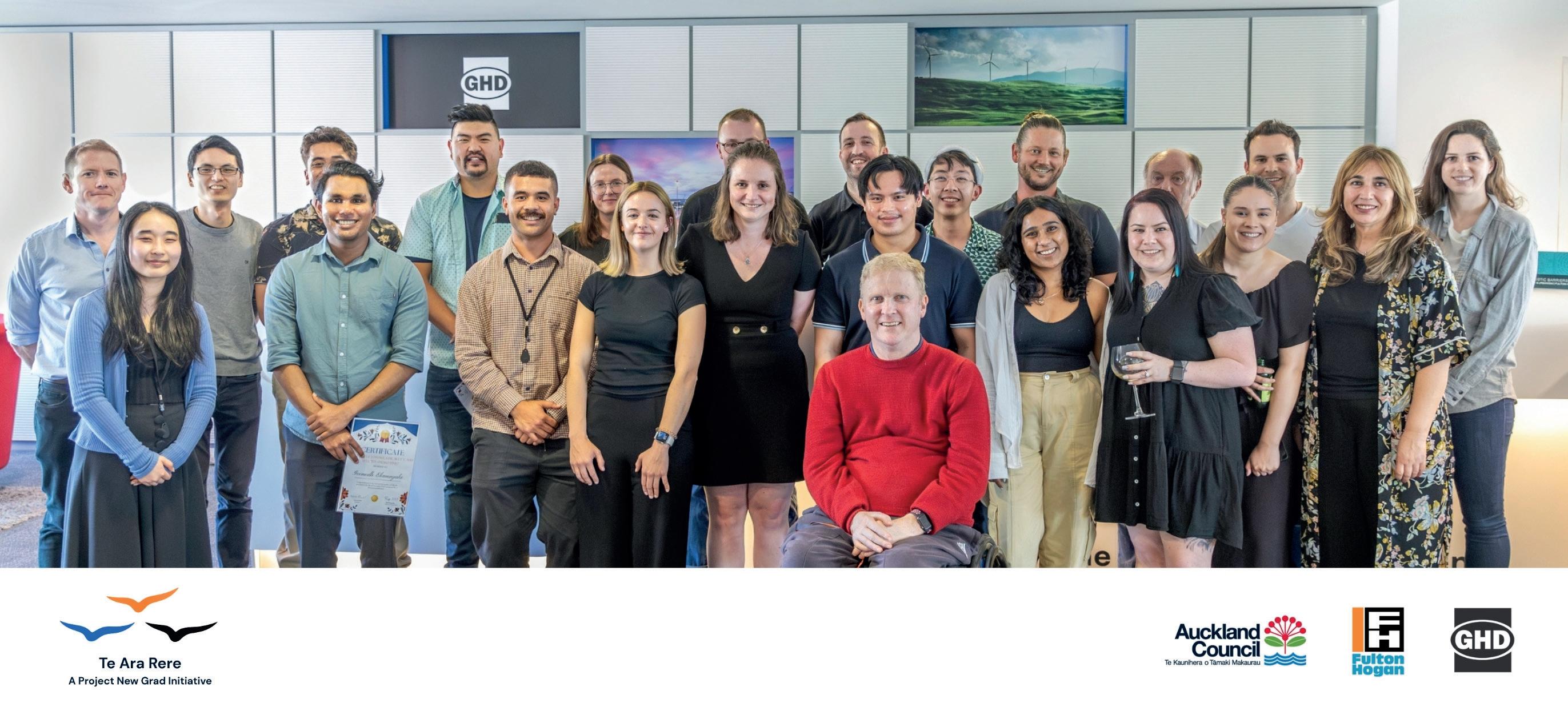
From the outside, it can look like Te Ara Rere is ‘just rotations’, but anyone who has watched it in action knows the real value is what happens to a person’s thinking when they cross boundaries early.
When graduates spend time in construction environments, you see a shift, not because they suddenly become different people, but because they start to connect cause and effect in a deeper way. Drawings become physical. Safety becomes immediate. Sequencing becomes central. Constructability stops being a downstream consideration and becomes part of the first conversation.
I’ve heard variations of this from a few graduates, but James Woodcock, an Auckland Council Healthy Waters graduate, currently on rotation with Fulton Hogan, described it as: “Seeing how designs are actually built has completely changed how I approach my work”. A shift that brings constructability, safety and sequencing forward from the outset rather than treating them as downstream problems.
The same happens on the client side, where graduates are exposed to longterm stewardship and community accountability, and start to understand that infrastructure isn’t delivered so much as it’s carried, maintained, explained, defended, improved, and lived with.
That theme of perspective is one James Weller often returns to. Now northern region general manager at Fulton Hogan Australia, and both an alumnus and long-time supporter of the programme, James has seen first-hand how formative those early experiences can be before views harden into certainty.
Early careers are where habits form, and when people only ever see one narrow part of the system, confidence can quickly harden into certainty. James often speaks about this risk, particularly in the early years, where strong views are shaped by limited exposure rather than lived experience across the whole lifecycle.
From his perspective, that’s exactly the space Project New Grad set out to address, and what Te Ara Rere continues to do today.
By deliberately widening experience early, the programme helps graduates see why decisions are made, how risks are balanced and how different parts of the industry depend on each other to succeed. That broader view doesn’t dilute expertise, it strengthens it, creating professionals who can navigate complexity without retreating into silos.
What I admire about Te Ara Rere is that it doesn’t wrap graduates in cotton wool; it backs them, supports them and then asks them to lean in.
The programme builds capability through experience, mentoring, and reflection, and it also builds confidence through expectation, because in real project environments, no one gets the luxury of perfect conditions or complete information. You grow by asking, trying, listening, adjusting, and trying again.
Another piece of the puzzle comes through when graduates are asked to share what they’re learning, not just do the work.
One current participant spoke about how presenting to a room full of different perspectives felt daunting at first, but quickly became a turning point. It pushed them to sharpen their thinking, ask better questions, and build the kind of confidence that carries into day-today work, not as performance, but as clarity.
That same balance of stretch and support is something Craig Mcilroy often emphasises, because development only works when challenge is paired with guidance.
Craig describes mentoring as critical, not as a nice-to-have, but as the stabiliser that helps graduates connect theory with practice in real delivery environments, so they’re not left to figure it out alone while the pressure is on.
What this creates, years later, is sector strength
It’s easy to talk about the benefit to the individual graduate, and yes, it’s significant, but the deeper story is what this does for the sector over time.
Christian Gamst, now major projects & programmes procurement manager at Watercare, has long been an advocate for the programme and regularly returns to share his experience with newer cohorts.
He doesn’t overcomplicate its impact, describing it simply as “the best start to your career you can get”.
He also captures the pace and breadth of the experience in a way that speaks directly to what the programme is designed to do, noting that you learn more in your first three years than many do in a decade. Not just technically, but through developing an understanding of the wider infrastructure system and how to work with people and organisations that operate under very different drivers and constraints.
Having worked across client, contractor, and consultancy environments, Christian often talks about how that breadth of experience changes the way you show up in the work. It makes it easier to understand why decisions are made the way they are, to recognise the different pressures organisations are operating under, and to focus on finding practical ways through competing demands rather than getting stuck on where responsibility sits.
That way of thinking becomes increasingly important as the industry moves toward more collaborative contracting and integrated delivery models. In those environments, outcomes depend on people who can connect perspectives, translate priorities and build trust across organisations.
What really matters is giving graduates room to grow into what they already bring. Broadening their experience early, matching their momentum with exposure, and helping them build the perspective that turns strong capability into longterm impact.
Because when Te Ara Rere helps graduates see the system, the work shifts. People don’t just do better work, they work better together. Over time, that changes how we deliver across councils, contractors, and consultancies for the communities we serve.
As the programme continues to grow, its impact won’t be measured by numbers alone. It will be seen years from now in the leaders it helps shape.
Craig Mcilroy captured that longterm view well when he said, “If, in 10 or 20 years, we have leaders across councils, consultancies, and contractors who share a common foundation and a genuine respect for each other’s roles, then the initiative will have done its job.” I couldn’t agree more.
Some lessons can only be learned by walking the path. Te Ara Rere is one of the few initiatives in our sector deliberately designed to help the next generation walk it early which is exactly why it’s worth continuing.
If you’re a graduate ready to learn fast, see the system from every angle, and grow alongside great people, Nathan would love to hear from you: Nathan.Malcolm@ghd.com
Article provided by GHD
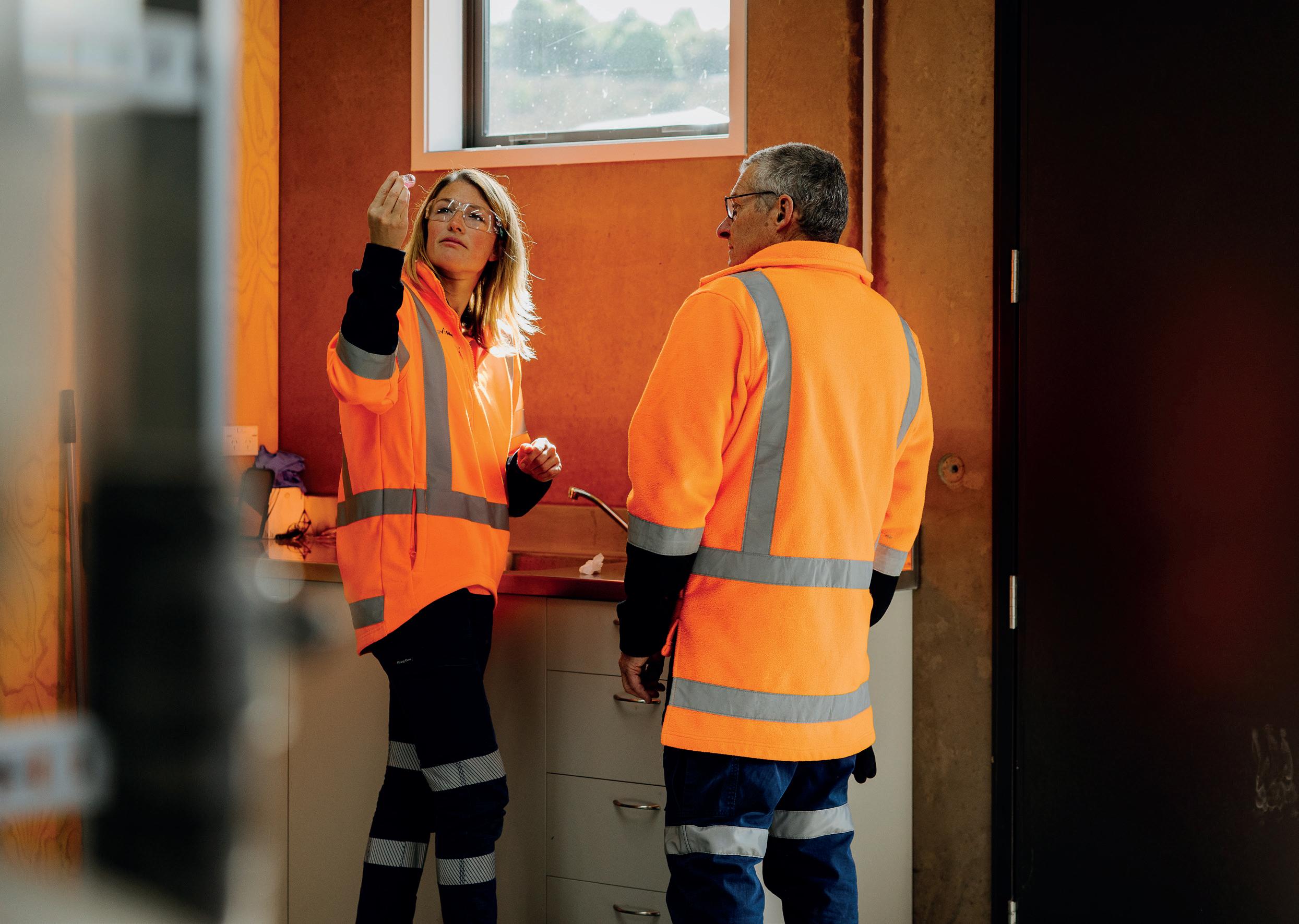
Queenstown’s epic landscapes and adventure tourism make it one of the most well-known places in the country, attracting travellers from around the world. Many have come thousands of kilometres for a brief adventure, but a few have stayed permanently, finding a place to call home and unexpected careers and friendships in a water industry built on locals training locals.
You can’t miss the camaraderie of Veolia’s water team in Queenstown. It’s there from the moment you arrive on a chilly morning in the buzz of the room – the laughter over a steaming coffee, the chats recounting a weekend spent together on the slopes or in the rivers, and the easy way they share memories of time spent together.
“Yeah, we’re a close-knit team,” says Thomas Prins, wastewater supervisor for Wanaka and Queenstown and a long-time local resident.
“It’s almost like a little bit of a family we’ve got here. We support each other as best we can, making sure everybody knows what they need to do and, if there are any hiccups, we are there to support them.”
Consensus and compliance officer Liz Franks couldn’t agree more. She reckons it’s a “super special culture” at Queenstown.
“I think it’s the reactive nature of what we do. It means you need to have each other’s back and that’s what we have here at Veolia.
“I’m spending time outside work with them, going for a ride with the crew – that all adds to building a team. That’s important when you might be calling someone for support at 3am in the morning when you’re dealing with a crisis.”
Even the blow-ins from overseas feel welcomed into a family that has given them the foundation to build a career in our water
industry. Queenstown water treatment operator Linell Burdett came from the UK on a working holiday and fell in love, “in more ways than one”, she says with a laugh.
Linell settled here with her partner, a local, and has built a career in the water industry with the help of Craig Mace, the man she describes as her New Zealand father.
“He’s more than a boss – it’s a family feeling. But there’s more to it than that. Craig is honestly incredible. He was training us all. I had some transient knowledge from working at waste pump stations, but he taught me everything from the ground up,” Linell says.
Today, Linell is running her own team on some of the big jobs, writing proposals, seeing projects through from start to finish while Craig is “nearly” taking a back seat.
“If it wasn’t for Craig piloting that knowledge...” Linell says trailing off.
“And he is always calm. I think that is one thing we really love about him, and everyone does in Veolia, especially when you are operating in a reactive space.
“My best memory is when we were doing a routine job and something had obviously gone, or was going, slightly wrong. I thought the pipe was about to burst and Craig, very calmly, solved everything. It’s amazing how calm he stays under pressure and how quickly he solves problems.”
While the Queenstown crew sing his praises, Craig who has been
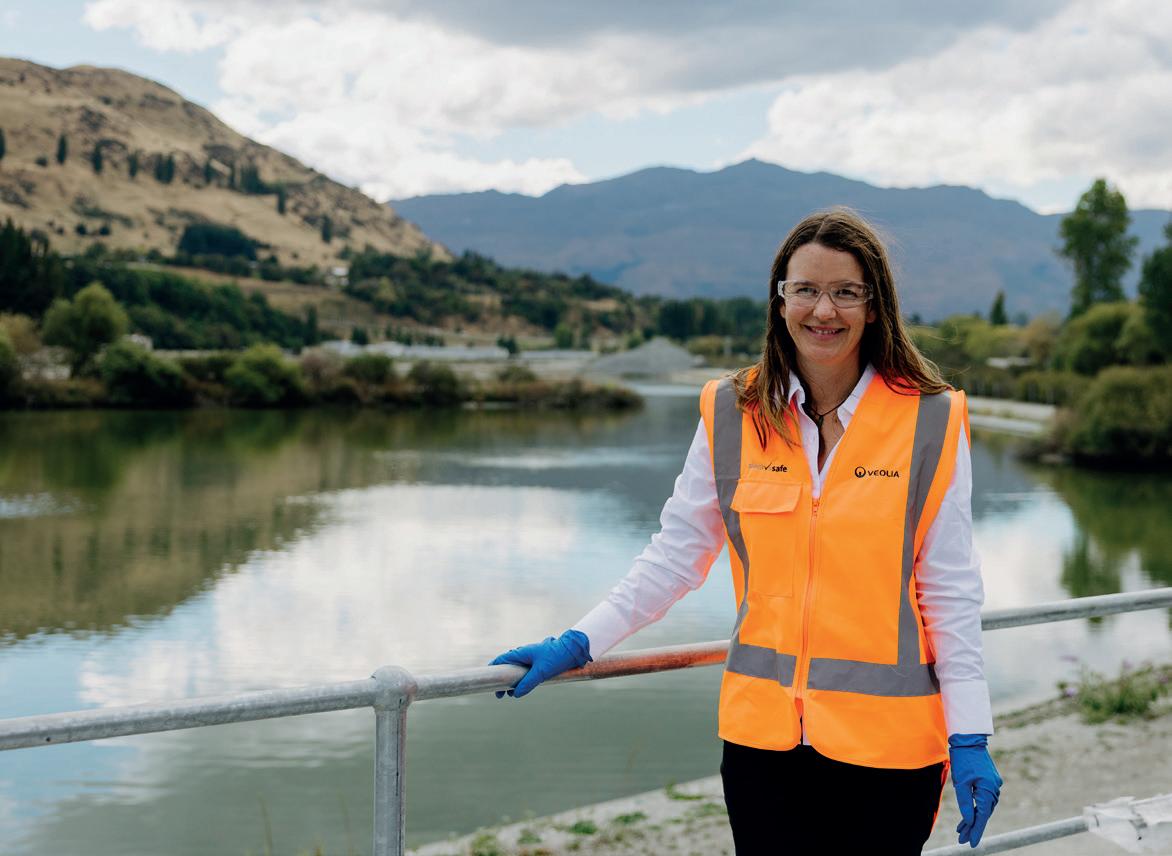
part of the Queenstown team for 17 years and 22 with Veolia, is a little more modest.
“Hopefully, I do impart some knowledge,” he says in his typical matter of fact way.
It’s clear early on that you won’t hear Craig big-note himself but he is much more comfortable talking about the trainees and their development.
“Every day [teaching them] is different. There are some mundane tasks, the day-to-day programme maintenance tasks and the bigger bore pump stuff. I like passing on that sort of knowledge. And then there is the reactive stuff.
“Those bigger jobs are really what I enjoy doing and tutoring the new staff how to do those, so that one day they can do them on their own, without me.
“The four operators we have are still reasonably young, they’re definitely a generation different to me. But I do enjoy seeing them progress and achieving Connexis tickets to do with water treatment and also seeing them grow as young families and get into their own houses.”
Training up staff is a core part of Veolia’s operations in Queenstown and there is no skimping around the edges with people like Craig taking the recruits under his wing.
According to Thomas, people like Craig are not just about producing the best operators for the water utilities in the region, they’re also building career pathways that will take employees anywhere they want to go.
“Just recently we had two of our four operators complete level four wastewater treatment certificates. From the assessors’ reports it was clear that they were amazing. They have not just passed it, they have excelled, which makes me very happy,” Thomas says.
“One of our other operators has now become an engineer.”
While building a career is a part of the drive behind the success of these young operators, the wellspring of that drive is a deeper passion for the community and the environment they live in. No matter who you talk to, every conversation inevitably turns to the responsibility for looking after the environment and delivering clean water.
Liz takes her consensus and compliance role to heart for exactly that reason.
“It is such a privilege to live here. I feel like protecting drinking water is a public health responsibility. It’s a big job and I love it,” Liz says.
“I think what makes it feel so close to home for me is that it’s my neighbours, my friends and my family that are drinking the water, and it’s my kids that are jumping in the lake every day after school. I just
want to do everything in my power to protect the waterways, to keep them as beautiful and clear as they are, so that when my kids jump in the lake, they know it’s safe.”
Liz has been in the thick of it, during the most testing times, including a cryptosporidium outbreak, which she described as “a baptism of fire”, that occurred shortly after she started in Queenstown.
“Something the team does really well here is deliver in a crisis. Everyone comes together and just smashes it out,” she says.
“In response to the crypto outbreak, we just dove straight in. We formulated a team and carried out 24-hour sampling. There was no hesitation, everyone went above and beyond.
“The result of that was many improvements across the district and a lot of installation of UVs and forming those protozoa barriers. It was a really proud moment.”
Even when the team is not in the midst of a crisis there are some big jobs that call on all their resources. Early on in Linell’s time with Veolia she found herself being supervised by Craig as the team decommissioned a key facility, Kelvin Heights, while commissioning the Shotover plant.
“We had crazy evenings running around back and forth, turning plants on, turning them off, making sure they were working,” Linell says.
“That was one of my first memories, a bigger job that we did together. It’s always about making sure it works efficiently, making sure everything’s done well.”
But it’s not all running around. Some of the best moments come from finding ways to make things work better.
Late last year, Linell was working through two proposals based on ideas put forward by some of the operators to iron out teething issues with one of the new plants. The result of one of those ideas was that the UVs at the treatment plant are now hot swapped.
The other big win during that time was a direct result of how proposals like these combine teams and individuals that may not often work closely together. That occurred when Linell was tasked with reviewing general issues running the plant. At some point, in a passing conversation with a programmer, the topic turned to chlorine dosing.
“We’d always had issues with it. It didn’t feel like it reacted very quickly and this was in a plant that constantly changes flow rates.
“The programmer was kind of like, ‘that doesn’t sound right’. We went back and forward and eventually found an issue in the code. We sorted it, we fixed it, we tested it, and now we don’t have any issues. That was just from investing time and taking onboard what programmers say. It solved one of the major issues at the plant.”
Craig reckons now is the perfect time to join the team in Queenstown, especially if you’re a school leaver looking to set yourself up with a career for life.
“This is certainly a role that could be taken by a school leaver, and I would encourage young people to follow this path,” he says.
“We’ll be happy to have you and training will be offered. There are tickets to achieve in networks, water treatment, wastewater treatment.”
Linell backs that and says starting from scratch is no problem.
“You might expect you have to come in knowing exactly what you are doing; that’s not the case,” she says.
“You just have to have the right attitude. Actually, that’s what they said to me in my interview. They kind of felt I had the willingness to learn. I definitely do. So, if you’re able to pick up knowledge and you want to learn, we’re more than happy to teach you.”
Article provided by Veolia.
By Helen Atkins, barrister-commissioner
What planning and policy options could be available to ensure that, as we move from being a country where water services are largely provided by local authorities to one where we have a variety of water entities providing such services, we genuinely make room for water?
I have been exploring a matter together with Water New Zealand: seeking the elevation of water services in our regulatory framework, particularly environmental but it will have flow on (no pun intended) impacts in other forms of water services regulation.
Given the RMA is set to be changed and a greater emphasis will be brought to bear on national direction, it is an opportune time to consider what ‘making room for water’ would look like.
Maslow’s pyramid of the hierarchy of human needs has water as one of the pillars of physiology needs, along with breathing, food, shelter, clothing, and sleep. In most developed countries the provision of water goes hand in hand with the provision of access to energy/electricity.
What is an interesting observation is that here, we have a national policy statement for electricity transmission, but we have no equivalent for water transmission (which includes all aspects of the management of drinking water, wastewater, or stormwater).
The recognition and provision for water services as a system is at the core of this. This is not about water services having a ‘free ride’ when it comes to environmental regulation, but rather, like electricity transmission, it provides a more enabling regime for water services in our environmental policy world.
Water services infrastructure and networks are life-supporting and nationally significant. It underpins public health, environmental outcomes, and economic activity and growth. However, the current planning framework does not consistently recognise or provide for this significance.
Water services infrastructure and networks are frequently treated as discrete physical assets rather than an integrated interconnected system. As a result, planning and decision-making often focus on site-specific or asset-level effects, rather than the broader system outcomes that water services are required to deliver.
Water services are not a ‘nice to have’ but a ‘need to have’ to ensure appropriate provision for basic human needs. Such services should have a level of protection that gives priority to the provision of these services.
The provision of water services needs to be equitable and cost effective for the community.
Unlike other critical infrastructure sectors – such as electricity transmission – water services lack a dedicated national policy system. Existing national direction for infrastructure is general in nature and does not adequately reflect the community need, unique characteristics, operational requirements, and constraints of water services systems.
As a consequence of this:
• Interpretation and application of policy varies across jurisdictions;
• Localised adverse effects are often weighted more heavily than system-level benefits;
• Water services cannot be actively protected;
• Planning processes are not well aligned with long-term investment horizons required for water infrastructure, creating delays, and uncertainty;
• Opportunities for early, structured engagement with water service providers are inconsistent.
These structural issues are becoming increasingly significant as pressures on water services grow. Aging infrastructure, population growth, urban development, and climate change are driving the need for sustained investment in capacity, resilience, and performance.
Misalignment of long-term infrastructure planning and urban development could result in a fragmented system with many providers, unregulated systems, and a risk to the community.
Our water sources are not adequately protected from third-party influence and risk. At the same time, regulations and expectations for environmental outcomes and service delivery are increasing. This is placing additional strain on a system that does not consistently enable timely, coordinated, and efficient infrastructure planning and delivery.
Without clearer and more directive national policy support:
• Planning and consenting delays are likely to persist;
• Infrastructure delivery costs will increase;
• Certainty for water sector providers will remain constrained;
• System-level outcomes (including resilience and environmental performance) may be compromised.
Affordability is also a critical consideration. We face a significant water infrastructure investment challenge, with communities already confronting the reality of rising water charges to fund longoverdue renewals, growth and resilience investment.
Without a more enabling and coordinated policy framework for water services:
• Planning and consenting delays increase project costs through inflation and financing costs;
• Stop-start infrastructure delivery creates inefficiencies and reduces value for money;
• Redesigns and inconsistent planning outcomes increase costs for providers and communities.
In summary, there is a need for a dedicated national policy statement (or similar under the new system) for water services that recognises water services as a life supporting, long-lived, and nationally significant, integrated system – not merely as individual assets.
Water services (including both the infrastructure and the operation of the service) need to be both protected and enabled, to support both current and future New Zealanders.
Such a statement should:
• Provide certain, clear, and consistent national direction;
• Enable timely, coordinated development, operation, maintenance, and upgrading of water services;
• Protect the infrastructure, natural resources and systems that provide water services to all New Zealanders; and
• Align planning frameworks with operational realities and longterm nature.
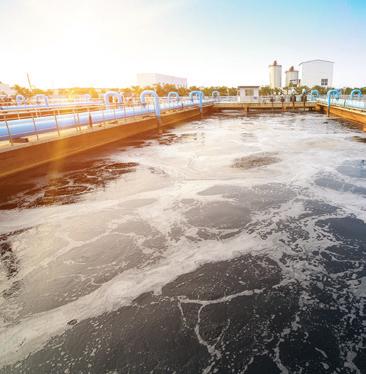
Councils and publicly-owned water organisations carry the accountability for safer, more resilient water services. Crown Infrastructure Delivery (CID) can support them by bringing programme control, procurement and live-site delivery capability that helps turn long-term plans into built outcomes. By
John O’Hagan, chief executive, Crown Infrastructure Delivery.
The water sector knows the challenge set. The practical question now is how to lift delivery pace and certainty while keeping communities front of mind and costs disciplined.
CID is a Crown-owned company that plans, procures, and delivers public infrastructure projects and provides delivery support when councils or agencies need extra capability.
In a water context, councils and publicly-owned water organisations remain the asset owners and the accountable client, responsible to communities, mana whenua, regulators, and elected members. CID strengthens the delivery function that sits between strategy and construction, without shifting accountability away from the owner.
What we do is practical. We help set up programmes, tighten scope, run procurement, manage contractors, and keep reporting clear and consistent so decision-makers can act early. That can mean leading end-to-end delivery as principal on contracts, a project management function focused on programme controls, risk, cost and reporting, or embedded capability inside your team.
We provide these services on a cost-recovery, fee-for-service basis and scale our involvement to suit the job.
For water organisations, this matters because delivery is increasingly the constraint. Many teams have strong technical advice and clear priorities, but still face familiar friction: slow procurement, renewals programmes that struggle to accelerate, deferred risk decisions and reporting that does not give governance early warning.
Delivery discipline is one of the few levers that improves performance without asking customers to carry unnecessary cost.
Why CID, when the private sector is already there?
The private sector remains essential to delivery. Councils will always rely on contractors, designers, and specialist advisors. CID’s point of difference is not that we replace that ecosystem, it is that we strengthen the public client role within it.
As a Crown organisation, our incentives are aligned to successful public outcomes rather than profit, and we understand how funding, assurance and approvals decisions are made.
We help translate delivery reality into the language decisionmakers require, and we bring governance-ready reporting that stands up to scrutiny.
Many suppliers are also familiar with CID processes and
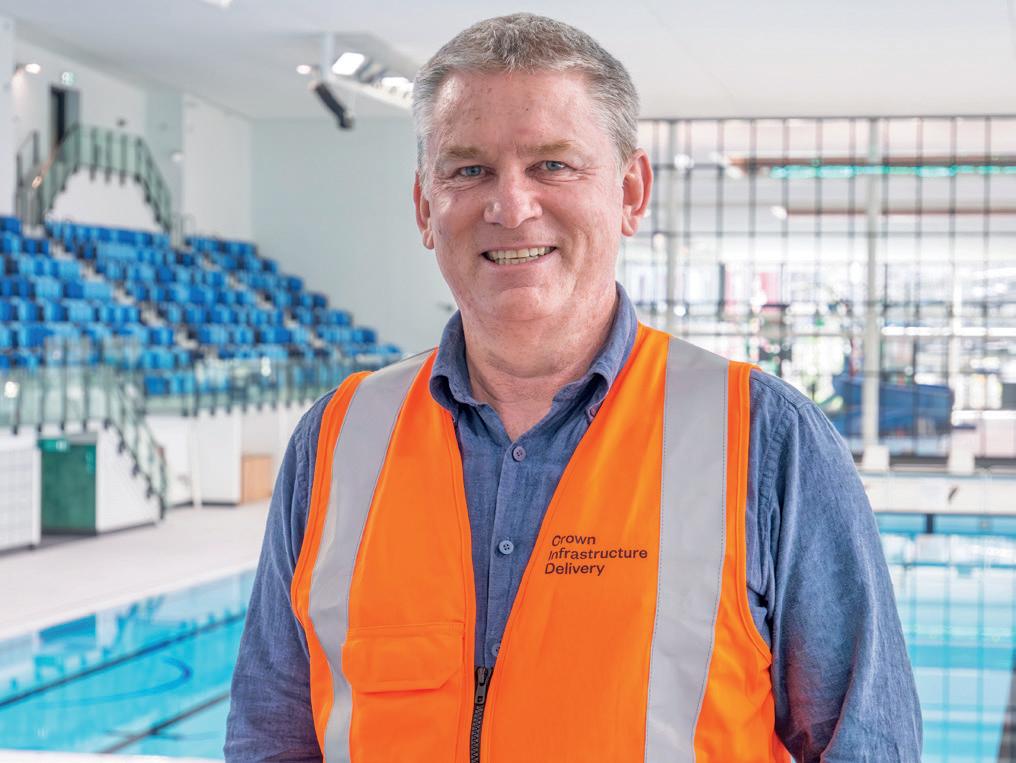
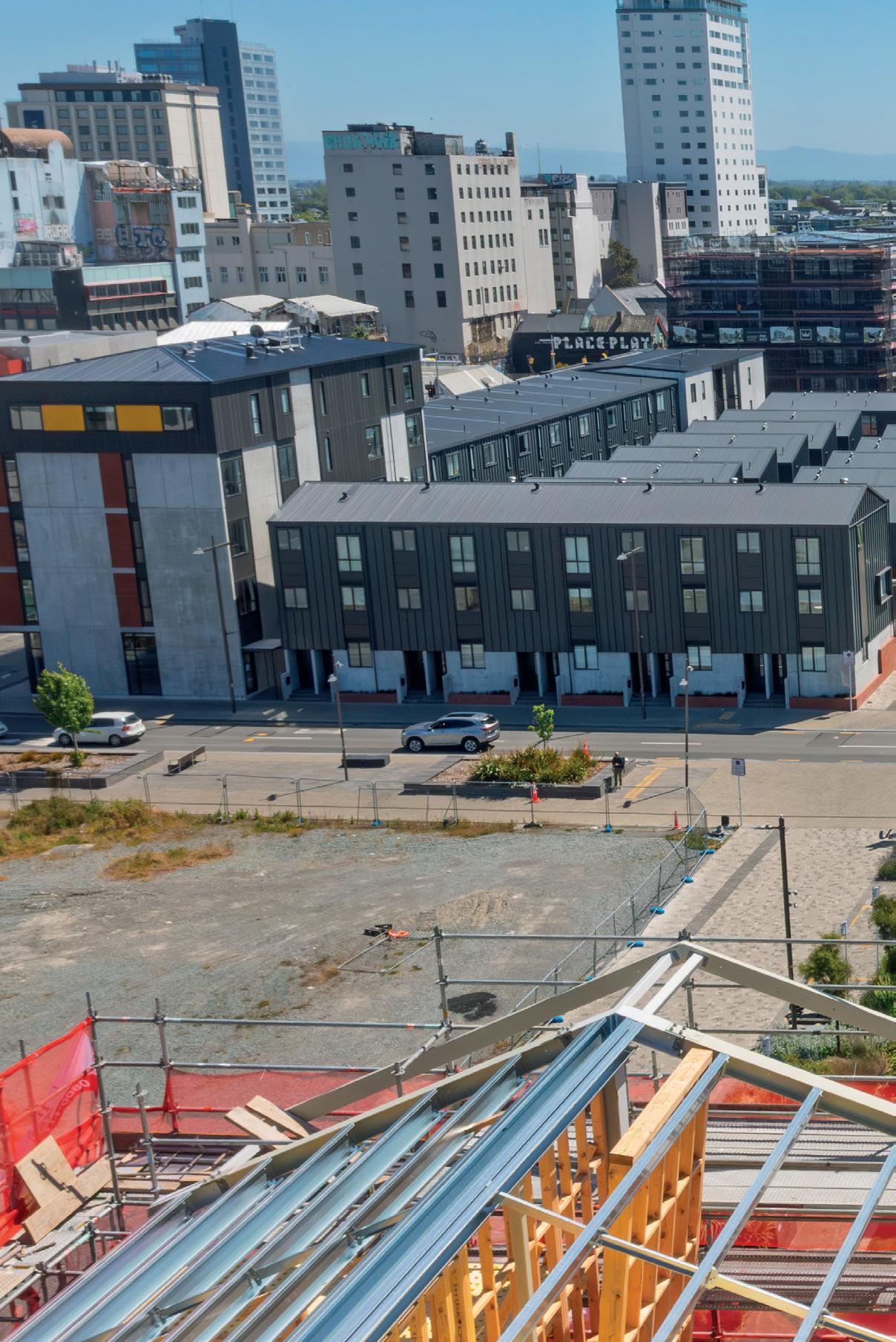
expectations, which can reduce friction and help delivery run more consistently across a programme.
An example of that approach is in Christchurch. CID worked collaboratively with Christchurch City Council to deliver the Crown-led Anchor Projects that helped rebuild and reconnect the central city. As projects were completed, facilities and public realm assets were handed over or transferred to Council ownership, including the award-winning Avon River Precinct, Rauora Park and major roading upgrades.
In Canterbury, CID supported a broad portfolio of council projects delivered as part of the Covid-19 recovery response by providing financial oversight and structured programme reporting. Within that portfolio were stormwater assets that benefited from disciplined staging and coordination, including the McIntosh Drain Pump Station.
Separately, CID supported Kaiapoi stormwater and flooding upgrades, a larger flood resilience package aimed at improving flood resilience and environmental outcomes.
Resilience and recovery is another area where water organisations are under pressure. CID supported the National Emergency Management Agency through the Local Authority Infrastructure Recovery Programme, assessing local authority funding applications and providing targeted project support, including for the Westport Port upgrade.
The relevance for water is straightforward: disruptive events do not wait for organisational transitions and local capacity is not always available at the moment it is most needed.
Live-site delivery experience is transferable to water because upgrades often need to proceed without shutting services down.
CID is leading the $200 million upgrade of the 14-storey Auckland District Court, the country’s largest and busiest courthouse, delivering seismic strengthening and major services replacement while the court stays open.
We are also leading the latest stage of Wellington Girls’ College’s wider redevelopment programme, delivered around an operational school environment as part of a $36 million package.
The water sector is entering a period where trust and transparency will be as important as engineering solutions. Customers want to understand what they are paying for and what will improve. Elected members and boards need confidence that programmes are realistic and controlled. Suppliers want a clearer pipeline and better sequencing.
CID cannot solve every constraint, but we can help councils and publicly owned water organisations strengthen delivery so projects move faster with fewer surprises and clearer accountability.
If your council or water organisation is looking for practical support to lift delivery performance, CID is keen to talk. The goal is simple: help you turn plans into built outcomes, safely, transparently and with control kept where it belongs, with the owner.
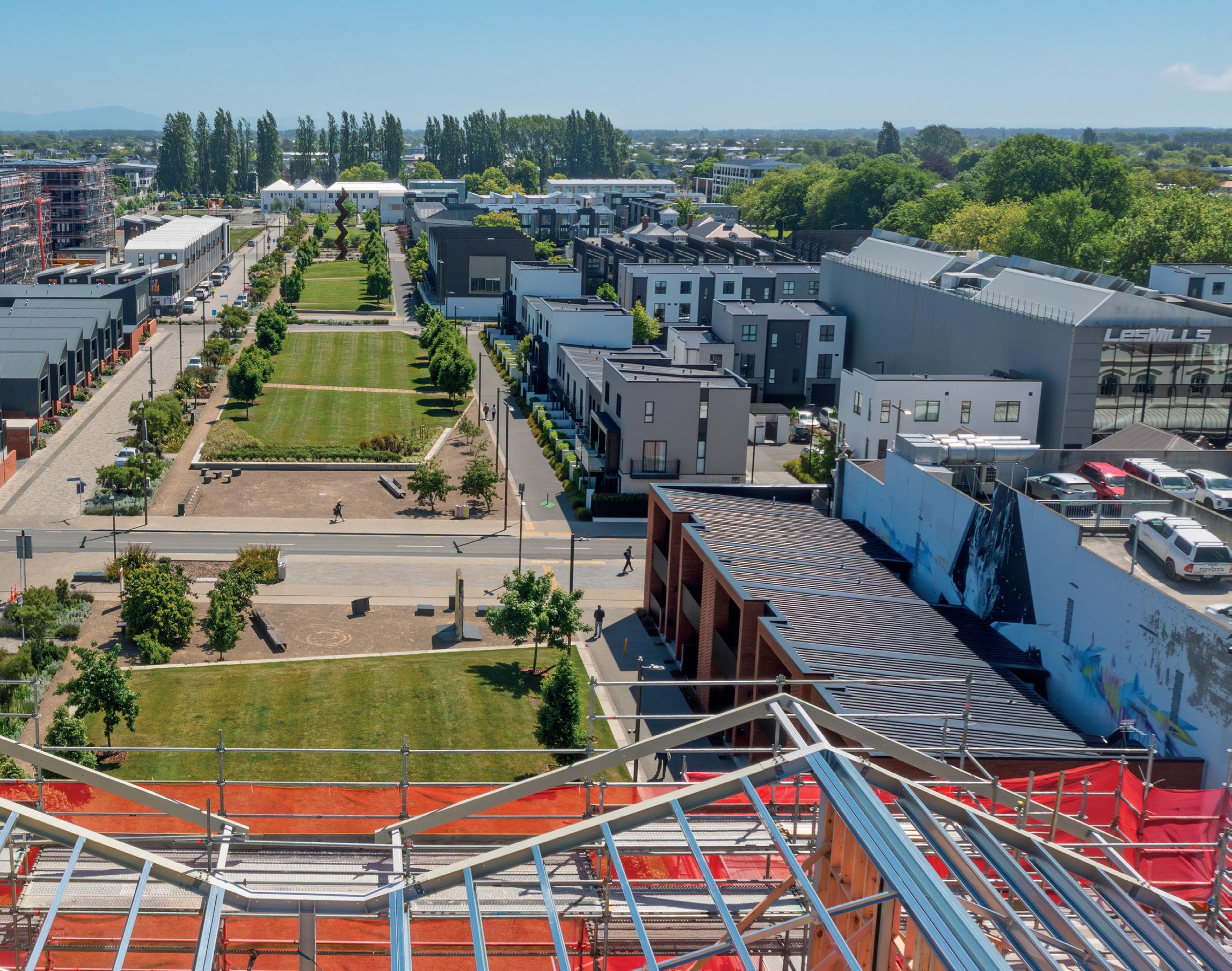
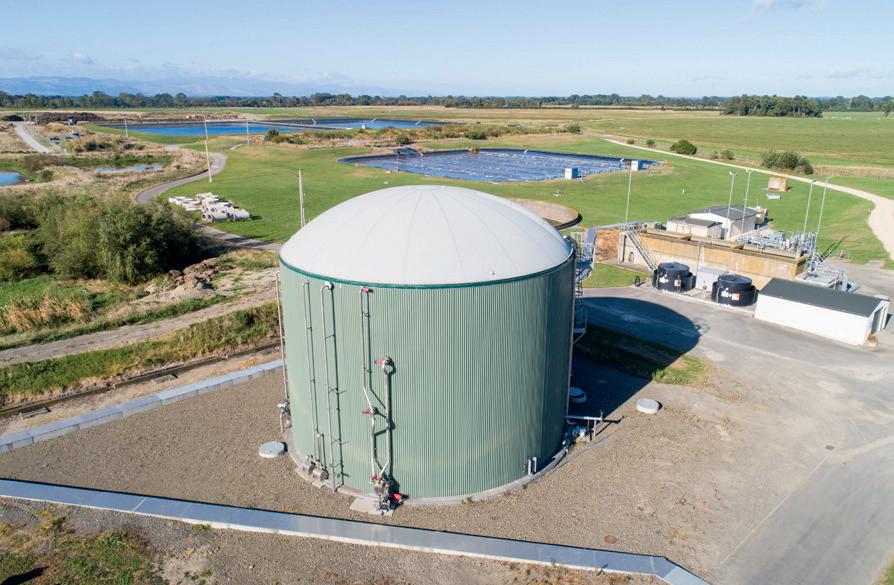
Hamish Waugh, general manager for infrastructure at Manawatu District Council, doesn’t need convincing: Capturing energy from wastewater can make real sense providing you’ve got sufficient scale.
He says the economics are known and the technology is straightforward. “We’re not talking about groundbreaking engineering. It’s stuff everyone know works and it’s commonplace in many parts of the world.”
Anaerobic digestion of sludge at wastewater treatment plants produces biogas, which can be used on-site for heating or power, or refined into pipeline-standard biomethane.
Biomethane is identical to natural gas and currently – in small quantities – is being injected into the North Island gas network, blended with natural gas, and used by homes and businesses.
Wastewater is just one of the organic waste streams that can be used to produce biomethane, alongside feedstock streams such as
residential and commercial food waste, agricultural effluent and organic waste from industrial food processing.
And biomethane can make a significant contribution to energy supply.
Denmark, for instance, has already replaced 40 percent of its fossil-sourced natural gas with biomethane, with the intention of reaching 100 percent by 2035.
In Aotearoa New Zealand, GasNZ, the membership body for the gas sector, recently published a comprehensive strategy document and action plan for capturing methane from organic waste, including wastewater.
It says we have the potential to substitute up to half the
expected demand for natural gas in 2050 with a sustainable, netzero carbon, biomethane alternative. That’s up to 25 petajoules of energy.
More immediately, the strategy identifies the ‘low-hanging fruit’ by which one petajoule of biomethane could be readily captured annually – that’s enough energy to supply 43,500 households.
With co-ordinated effort and investment, we could produce five petajoules of biomethane from organic waste per year by 2035 –that’s enough to supply two thirds of the natural gas used by all commercial businesses. And by 2050, with the right investment and policy settings, this could reach 25 petajoules.
The current Government, which requested the strategy and action plan, agrees with the potential value biogas offers.
Former energy minister Simon Watts noted last year at GasNZ’s Biogas Bridge forum that New Zealand was at a pivotal moment in its energy journey “with our natural gas reserves declining faster than what we thought.
“This is where local renewable and resilient solutions, such as biogas, can be part of supporting our energy security.”
The Government recently released a statement in support of developing a biogas/biomethane market and in its introduction, The minister says the statement “signals my support for a thriving biogas market and outlines the government’s role in supporting its growth”.
“This Government supports a renewable gas market in New Zealand.
“Biogas is one of these renewable energy sources that are more readily available, and could strengthen our energy security, decarbonise hard-to-electrify sectors and create new
opportunities for innovation and investment.”
With respect to capturing biomethane from wastewater, Hamish Waugh in Manawatu says one size does not fit all for council wastewater treatment plants around the country.
“Every council’s different, every district’s different, every wastewater plant’s different and there are a lot of councils around the country that spend a lot of money taking a biosolid product from sewage to landfill.”
While providing an alternative to landfill for the disposal of sludge is good, the cost is a big part of that decision, he says.
“The cost of managing your sewage is ultimately what determines your wastewater rate.
“So there’s an economic pressure in terms of household affordability of whatever solution you want to bring in.”
The key is turning a waste stream that has a cost associated with it into a resource which has value, he says.
And extracting as much value as possible, while keeping your costs down, will reduce the cost of disposal for households and industry.
But the economics will be different for every council or wastewater treatment plant and capturing biogas and refining it into biomethane is not something that every council with a wastewater plant can do, he says.
Individually “most of them are just not big enough to justify the necessary investment”. There’s a sweet spot in terms of volume or scale, he says.
“A big part of what we’re trying to do here in the Manawatu is to show how it can be done, whether it’s food waste or organic waste or sewage waste.”
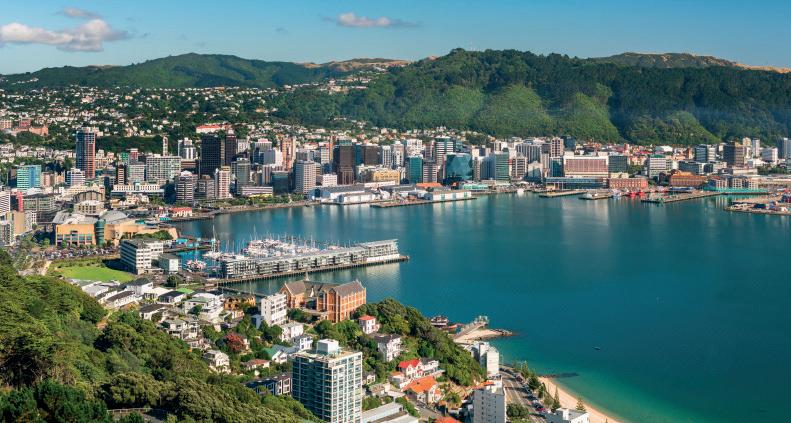
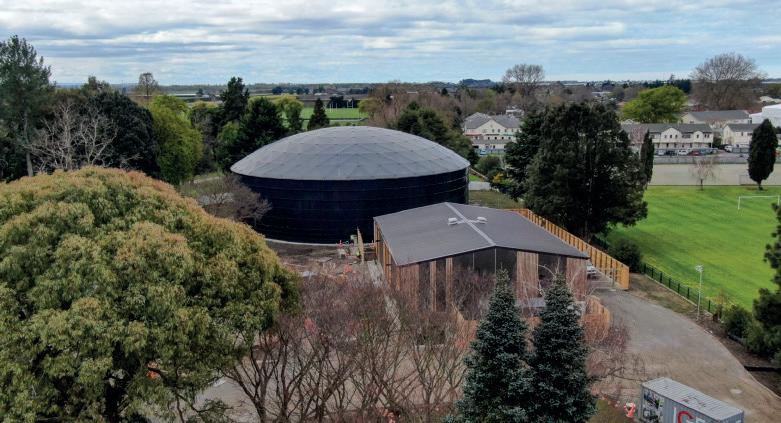

In Manawatu, the district council has been working with Powerco to determine the feasibility of producing pipeline-ready biomethane from its wastewater treatment plant.
Currently the biogas is either flared or used for on-site heating but the wastewater project concluded that the biogas was a viable source for refining into biomethane. Powerco has now moved into designing and costing the systems necessary to produce the biomethane and to connect it to its reticulated gas network, prior to making the final decision as to whether to invest or not.
Hamish cautions that the value of biogas from just one wastewater treatment plant is unlikely to be sufficient to justify the capital investment required for refining into biomethane, hence the need to consolidate with other organic waste sources to achieve critical mass, as well as maximising all other possible value streams from anaerobic digestion.
Unlike many other wastewater treatment facilities, Manawatu District Council doesn’t have to process the leftover sludge and send it to landfill. It has the land available on which to spread it and leave it to decompose naturally over time.
But the leftover ‘digestate’, properly processed, could have real value as a fertiliser.
“I think cracking that will be really important to maximising the value and therefore the benefit of the sewage sludge,” Hamish says.
Making the digestate safe from pathogens and other possible contaminants avoids the need for more costly solutions such as
incineration before taking the sludge to landfill. While this isn’t yet required here, it could be in the future, just as it now is in the UK and other places.
Currently, Wellington City Council alone is spending around $500 million to develop drying and pelletising technology for processing sewage sludge before landfill.
While wastewater’s potential as a biomethane feedstock is quite modest compared with other sources of organic waste in this country, for many wastewater treatment facilities, minimising the waste sent to landfill could be the main benefit, more so than production of gas.
Reducing the volume of the leftover biosolids can also be enhanced with an extra level of processing following anaerobic digestion – an add-on process such as that provided by New Zealand company Cetogenix – that is much less costly than incineration.
Without the need for an external source of heat, Cetogenix uses hydrothermal oxidation to achieve a 95 percent reduction in organic waste volumes.
Challenging chemical and biological contaminants, such as micro-plastics and pathogens, are destroyed or isolated, Cetogenix chief executive, Trevor Struthridge, says. In addition, valuable nutrients are produced and the biogas production itself is enhanced.
“With our technology, there are no unwanted leftovers.”
Much of its work is in the UK, where sending untreated
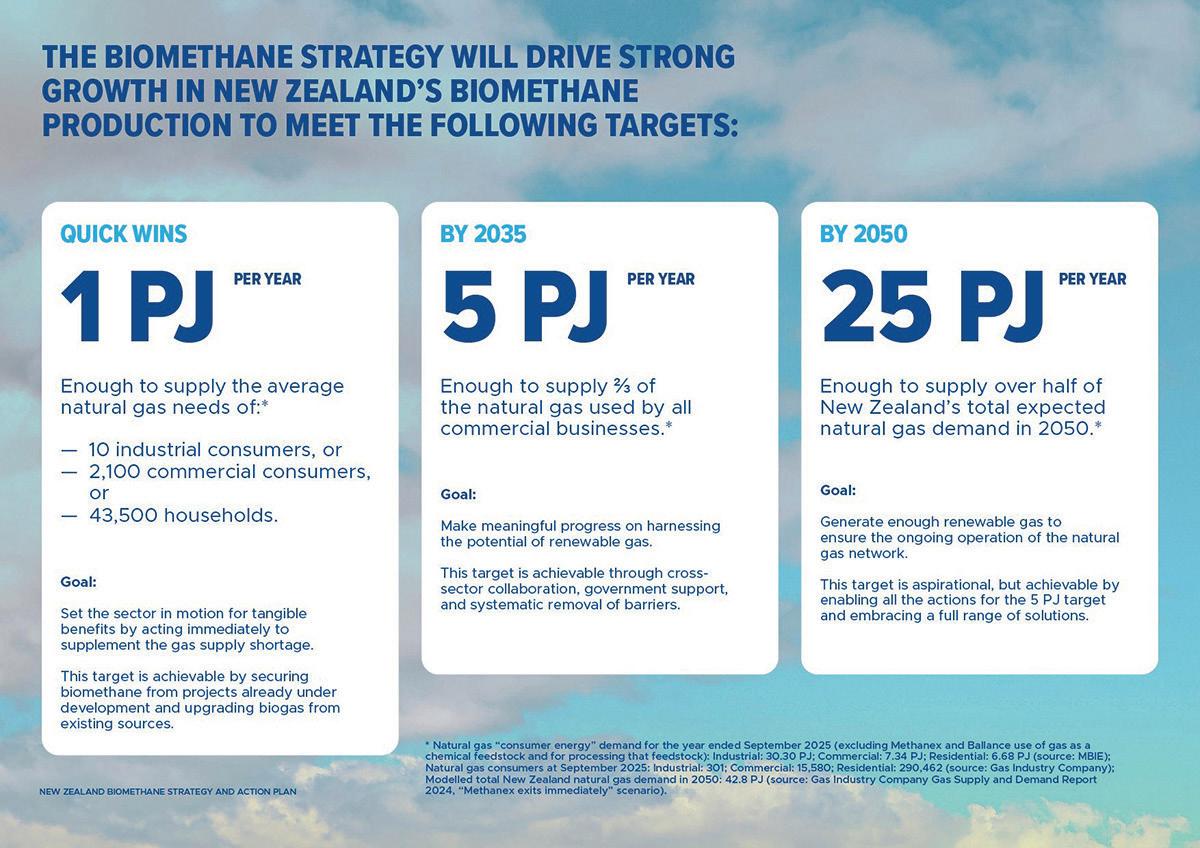
sewage sludge to landfill has been banned. Cetogenix has just announced a $23 million project with the UK water sector to take its technology to commercial scale trials.
And here, Cetogenix is talking with Watercare Services in Auckland about the possible adoption of its technology in this country.
Watercare uses anaerobic digestion to process Auckland’s wastewater at their main site in Mangere and a smaller site at Rosedale. But they still have quite a bit of leftover material, which they have to thicken and dry before disposing it as remediation fill for former quarrying activities on Puketutu Island. The island is now reaching its capacity.
Kevan Brian, technology innovation manager at Watercare Services, confirms that their main interest in improving wastewater disposal is in biosolid destruction rather than generating biomethane.
“Important that it might be for us, biomethane’s not the main thing we’re after.”
But the biogas produced does have value on-site, generating heat and electricity through a combined heat and power (CHP) system. Some is also flared off from time to time.
The Mangere facility gets 40 to 50 percent of its power thanks to the biogas generated, and the smaller Rosedale facility an even greater percentage.
“Given the size of the facilities, we generate a reasonable amount.”
Enough to significantly reduce operating expenditure on power at its facilities as well as lowering their emissions profile, Brian says.
To viably capture biomethane from wastewater, both Hamish
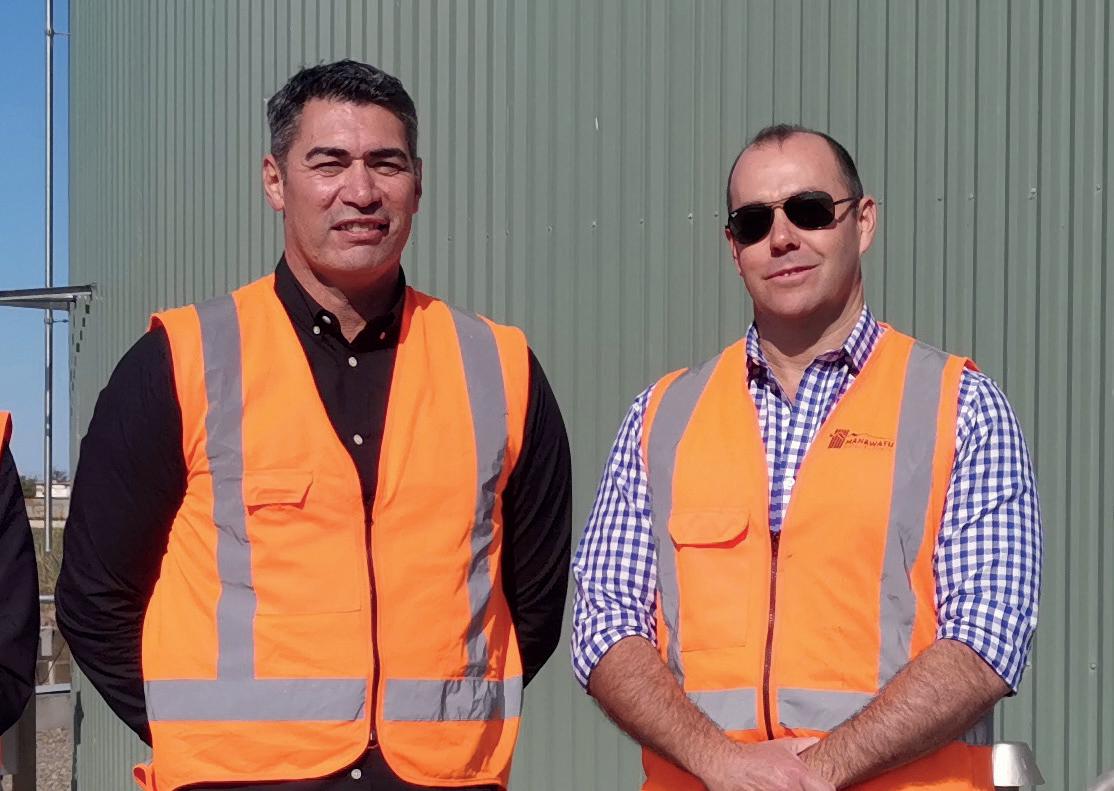
Waugh from Manawatu District Council and Kevan Brian from Watercare see merit in a regional hub-like network of anaerobic digestion facilities to ensure efficient scale – particularly for lower population centres.
And that’s what Manawatu District Council is looking at developing. Capturing various regional organic waste streams; agricultural, residential, industrial as well as sewage.
Hamish Waugh sees potential, and a viable business case, in creating a lower North Island regional organic waste hub in Manawatu.
“My team and I have been across this for many years. We’ve just got to get others on board with that.”
See the GasNZ Biomethane Strategy and Action Plan at gasnz.org.nz/biomethane.
See more on the development of a Water New Zealand process water guideline on page 98.
Article provided by Gas NZ
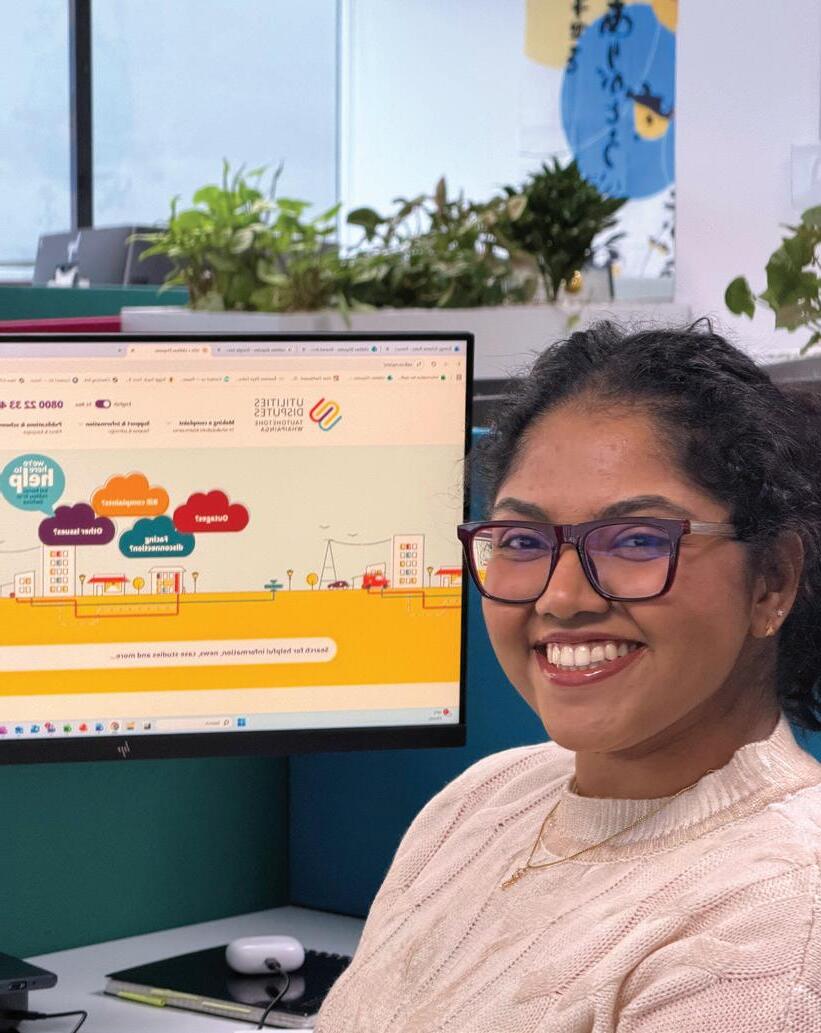

From the moment he first went down a manhole to do a sewer flow survey, Hugh Ratsey has been interested in wastewater, particularly optimising operations so treatment plants can get the best results with what they have.
A lot of factors go in to how our lives unfold – some people’s lives are a series of clear choices that lead to a particular desired outcome, others seemingly drift along, falling into what suits them as it comes. For the drifters among us, it’s sometimes the little things or the uncomfortable things that push us along.
For Hugh, there was the friendship with a boy who moved to the other side of the world and who Hugh promised to visit, and there is his ongoing battle with his mental health that has shaped his life and career. The upshot is, he now lives in Hamilton where he works for himself as a wastewater process scientist and swims daily in the Waikato River.
Brought up on a dairy farm in rural Somerset in England, Hugh chose to do a degree in environmental pollution science, largely because environmental science was suddenly popular in the early to mid-1990s.
“I’m not sure why I did that,” he told Water. “I didn’t actually know what I wanted to do as a career.”
His degree, through the University of Glamorgan, encouraged students to take a year out between their second and final years to get some work experience in the field in which they were studying. Hugh thought this was a good idea and began by applying for a summer holiday job with various companies, hoping it would lead to something longer term.
“I got a job with a firm that did environmental monitoring. I had to go into manholes to install monitors to do sewer flow surveys, and that was my first introduction to wastewater. I also monitored wastewater treatment processes and found it very interesting.
“As I had hoped, they kept me on for the following year, and after I finished my

degree, they gave me a permanent position as a survey scientist.”
That interest in wastewater prompted Hugh to do a Masters in Water and Wastewater Technology, something he describes as still a science degree but closely aligned to engineering.
“It wasn’t ideal to do it remotely while working full time – I had no social life.”
Finding his work wasn’t offering the challenge he needed, in 2000, he moved to an industrial wastewater treatment company, working as a process scientist. But after two years, made the move to Aotearoa New Zealand, having fallen in love with the country when he’d visited as a 19 year old.
“I’d made a promise to my school mate when we were just eight or nine. His family had flip-flopped between New Zealand and England for a few years before finally moving here permanently. When he left, I told him I’d come and visit. And I did. I then made plans to emigrate myself, but needed to make myself ‘useful’ to get the necessary points to qualify.
“So, after four years of post-grad work, I packed my bags, securing an environmental
By Mary Searle Bell
engineering role with Opus (now WSP) in Hamilton just weeks before I was due to fly.
“I had wanted to work in wastewater but I didn’t realise that here, because the country is so small, as an environmental engineer you have to do everything.”
Nevertheless, Hugh still undertook a wide range of wastewater work, including investigations and designs for treatment plants along with providing hands-on operational support to the local authorities.
While at Opus, he was encouraged to become a chartered engineer, a bit of a process for someone with a science degree, but after providing relevant work experience, he was successful.
But after four years with Opus, Hugh decided that environmental engineering from a consulting perspective didn’t give him what he was after.
“I didn’t do anything – I’d investigate, write a report, and then that report would sit on a shelf.
“In the UK I had been working with treatment plant operators, providing process support for a range of industrial wastewaters from dairy to mine water to landfill leachate, and I loved it. I wanted to move into operations.”
So, in 2006, he became wastewater team leader with Kaimai Valley Services, responsible for the operations and maintenance of five treatment plants and more than 30 sewage pumping stations in the Matamata-Piako district.
“It was fantastic to be able to make a difference on day-to-day operations.”
Hugh says he would have been happy to stay in that role for years. But that wasn’t to be.
“I was suffering from depression, although I didn’t know it at the time, and unfortunately I was working with someone who was a trigger for me, so I had to leave.”
He returned to Opus, this time as a training and operations consultant, developing and delivering training for operators, engineers, and managers. This experience has proved beneficial as he enjoys attending and presenting at conferences,
“The skills I learned as a trainer are very applicable, and sharing knowledge is a buzz.”
He then decided to set up his own business and in 2015, started trading as The Wastewater Specialists, where he focuses on optimising and troubleshooting municipal and industrial WWTPs.
“I like to look at what they’ve got, and make it work for them.”
He also provides laboratory services –things like activated sludge microbiological analysis and trade waste toxicity testing to assist with process control.
“The industry sees me as an engineer, but I’m really a scientist.”
Hugh employs students – usually scientists
rather than engineers – from Waikato University part-time, to help out.
“I’ve got three students at the moment, and they do the majority of the analysis while I do the optimisation and troubleshooting work, as well as some project management.
“I’m currently providing engineering support for wastewater projects being co-designed between treatment plant owners and iwi, including the Ahipara takiwā and Far North District Council, and Whakatāne District Council on their Matatā and Murupara wastewater projects.
“I have found that many WWTPs are often poorly understood and poorly operated. Some operators don’t have the enthusiasm or commitment to their jobs and are often just going through the motions.
“I try to encourage operators to take responsibility for what they are doing, and would like to help more with upskilling operators.

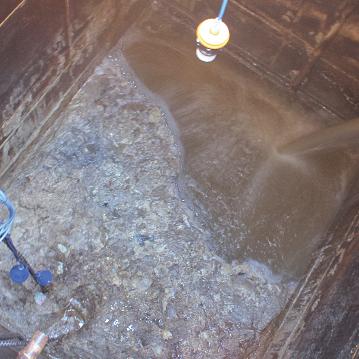
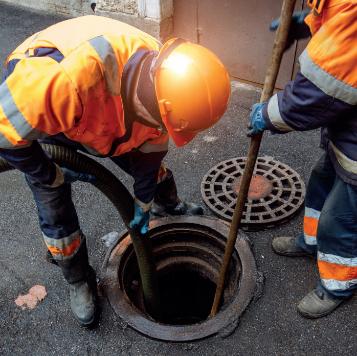
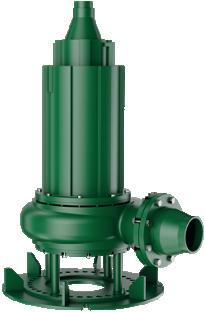
“I do like to give back to industry. I’ve been on the Water New Zealand conference technical committee since 2017, and was on the conference programme committee for four years.
“This is great. You get to see the conference differently; as a marker you attend presentations you may not ordinarily go to and that can be enlightening.”
Hugh is happy to continue doing what he’s doing. Although he knows the opportunity for more is there, he is very aware of the limitations his mental health puts on him.
“I’ve got to stay small. But where I am is a very good niche for a small business.”
Hugh’s other passion is also water related and a catharsis for his mental health struggles.
“I swim for 40-45 minutes every day in the Waikato River, and I’m fortunate to live just a 10-minute stroll from the water.
“It’s a bit nippy at this time of the year, but I love it.”


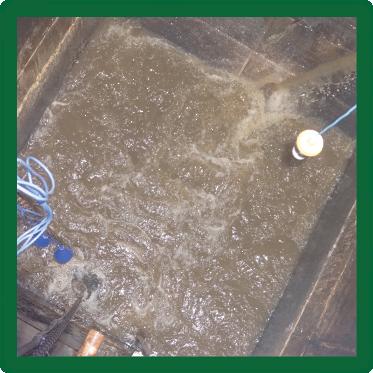
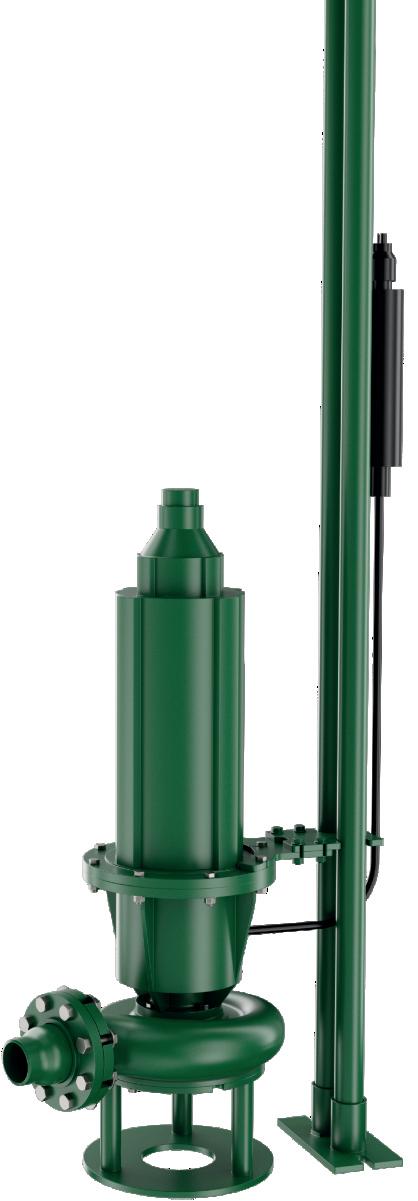
The Water New Zealand Wastewater Special Interest Group (SIG) is working on a first guideline for the reuse of process water. By Nanne de Haan, Filtec; John Crawford, Beca; and Andy Gaul, Downer.
Wastewater treatment plants (WWTPs) are increasingly being viewed not only as facilities that protect public health and the environment, but also as resource recovery hubs.
As societies move away from the traditional ‘take-make-dispose’ model toward a circular economy, wastewater systems offer opportunities to recover water, nutrients, energy, and materials that would otherwise be lost.
This paper summarises the current state of circular economy principles in wastewater treatment, with particular reference to Aotearoa New Zealand.
A circular economy aims to minimise waste and maximise the value of resources by keeping materials in productive use for as long as possible. Rather than relying on continuous extraction of virgin resources, circular systems emphasise reuse, recycling and regeneration.
In the wastewater sector, circular economy principles create two main benefits:
• Reduced disposal costs and environmental impacts;
• Recovery of valuable resources that offset the need for virgin materials.
The transition is not without challenges: Recovered products may have variable quality, public acceptance can be difficult, and significant treatment may be required before a wastewater-derived product is viewed as a legitimate resource.
Successful circular economy initiatives therefore depend on technology, economics, regulation and community confidence.
The Māori worldview is relational, holistic, and layered. Resources are circular and regenerative in principle. The idea that something would be so depleted that it no longer has any useful purpose in the ecosystem is a foreign idea.
That does not mean that pollution does not exist; resources are not automatically nor immediately suitable for reuse. The value and suitability for use that a resource holds is expressed by its ‘mauri’.
Mauri is a fundamental life-supporting force which connects the physical and spiritual realms. It exists between people, water, land, ecosystems, and whakapapa. The Chinese word xi and the Sanskrit word prana hold similar meaning to mauri.
Mauri is understood through whether something is thriving or diminished. Indicators of thriving mauri include abundance, vitality, clarity, resilience, balance within ecosystems, and ability
to support life. Diminished mauri is characterised by the opposite: contamination, stress, loss of function, disconnection from its origin, and inability to support life.
People can take control of the physical realm, but not the spiritual. An example of the physical component is; we can process a water stream through advanced processes like reverse osmosis. An example of the spiritual component is; we cannot change the origin (whakapapa) of this stream.
Entities (including resources) with low mauri are best not moved, let alone transported outside of their catchment area, because that can make pollution worse and degrade mauri elsewhere. Compare pulling weeds from your garden and throwing them over the fence: Catchment integrity is key.
Flush toilets also go against this principle: perfectly fine water is contaminated with human excrement and then transported elsewhere to be separated out again.
Matter that pollutes is preferably separated at source. Hospitals and landfills are regarded as the worst polluters. Ideally only grey water/sullage is sent for treatment.
While treatment processes align with Western science, te ao Māori emphasises maintaining mauri throughout each stage – not only achieving chemical purity.
Treatment of polluted water follows the principles of sedimentation, biological treatment, and disinfection with (solar) UV light.
Disposal of treated effluent must preferably be to land. This is the critical cultural distinction. Land (Papatūānuku) is not simply a filter. She is a living entity that has the capacity to restore, cleanse, regenerate pāpariki (water containing waste) and support recovery of mauri in a way that water cannot.
The water is filtered through the soil before being again considered a resource.
Modern WWTPs increasingly recover resources from wastewater streams. Potential opportunities include:
• Water reuse through irrigation, industrial use and, in some countries, potable reuse;
• Biosolids recovery for soil enhancement or production of secondary products;
• Energy recovery through anaerobic digestion and biogas utilisation;
• Nutrient recovery as fertiliser products such as struvite;
• Recovery of biomaterials including bioplastics and extracellular polymers.
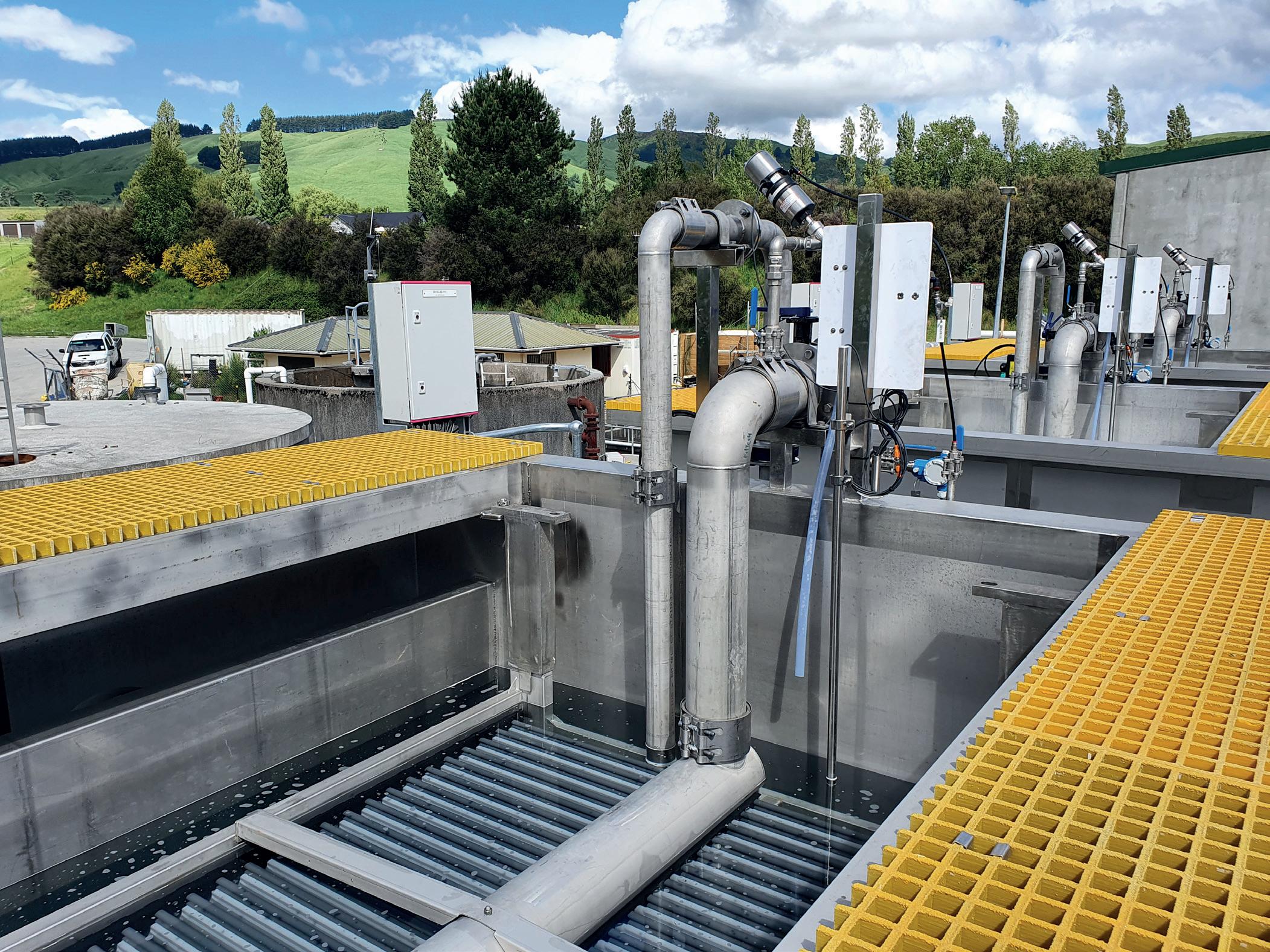
Not all resource streams are equally mature. Some technologies are widely deployed and commercially proven, while others remain at pilot or demonstration scale. Nevertheless, the overall direction is clear: wastewater treatment is increasingly focused on value creation alongside environmental protection.
Globally, water reuse is one of the most mature areas of wastewater resource recovery. Technologies such as membrane bioreactors (MBRs), ultrafiltration, reverse osmosis and advanced oxidation processes can produce water suitable for a wide range of applications, including indirect and direct potable reuse.
Modern reuse systems typically employ multiple treatment barriers to provide redundancy and public health protection. MBRs have become particularly important because they combine biological treatment with membrane filtration, producing high-quality effluent in a compact footprint.
Water reuse can be as simple as water reuse on site for wash and process water, nearby irrigation, or use by industry. Reuse on site becomes progressively common. It both reduces potable water consumption as well as the volume to be disposed.
In Aotearoa New Zealand, most treated wastewater is discharged to water bodies or land. Reuse remains limited and is primarily associated with irrigation schemes. Examples include Rotorua, Levin and Selwyn. Technologically, across the country we are capable of much greater water reuse, but societal acceptance, regulation, and economics remain the principal constraints.
Although potable reuse has been practised safely for decades in locations such as Namibia, Singapore, and parts of the United
States, public acceptance and regulatory requirements remain major barriers.
The Water New Zealand Wastewater Special Interest Group (SIG) is currently working on a first guideline for the reuse of process water and will develop further supporting guidelines from there.
One of the aspirational visions the SIG has set itself is to support the country to produce 75 percent biosolids from all plants by 2035.
Biosolids recovery has evolved from a waste management activity into a resource recovery opportunity. Conventional sludge treatment processes such as thickening, dewatering and stabilisation remain essential, but increasing attention is being given to recovering value from the resulting material.
Anaerobic digestion is the most widely adopted advanced biosolids technology globally. It stabilises sludge while producing methane-rich biogas that can be used for heat and electricity generation.
Biochar
Thermal hydrolysis is increasingly used as a pre-treatment step because it improves digestion performance, increases biogas production and enhances pathogen destruction.
Emerging technologies include pyrolysis, gasification and hydrothermal processing. These approaches can significantly reduce sludge quantities while producing energy products and biochar.
Biochar has applications in agriculture, construction materials, pigment production and water treatment.
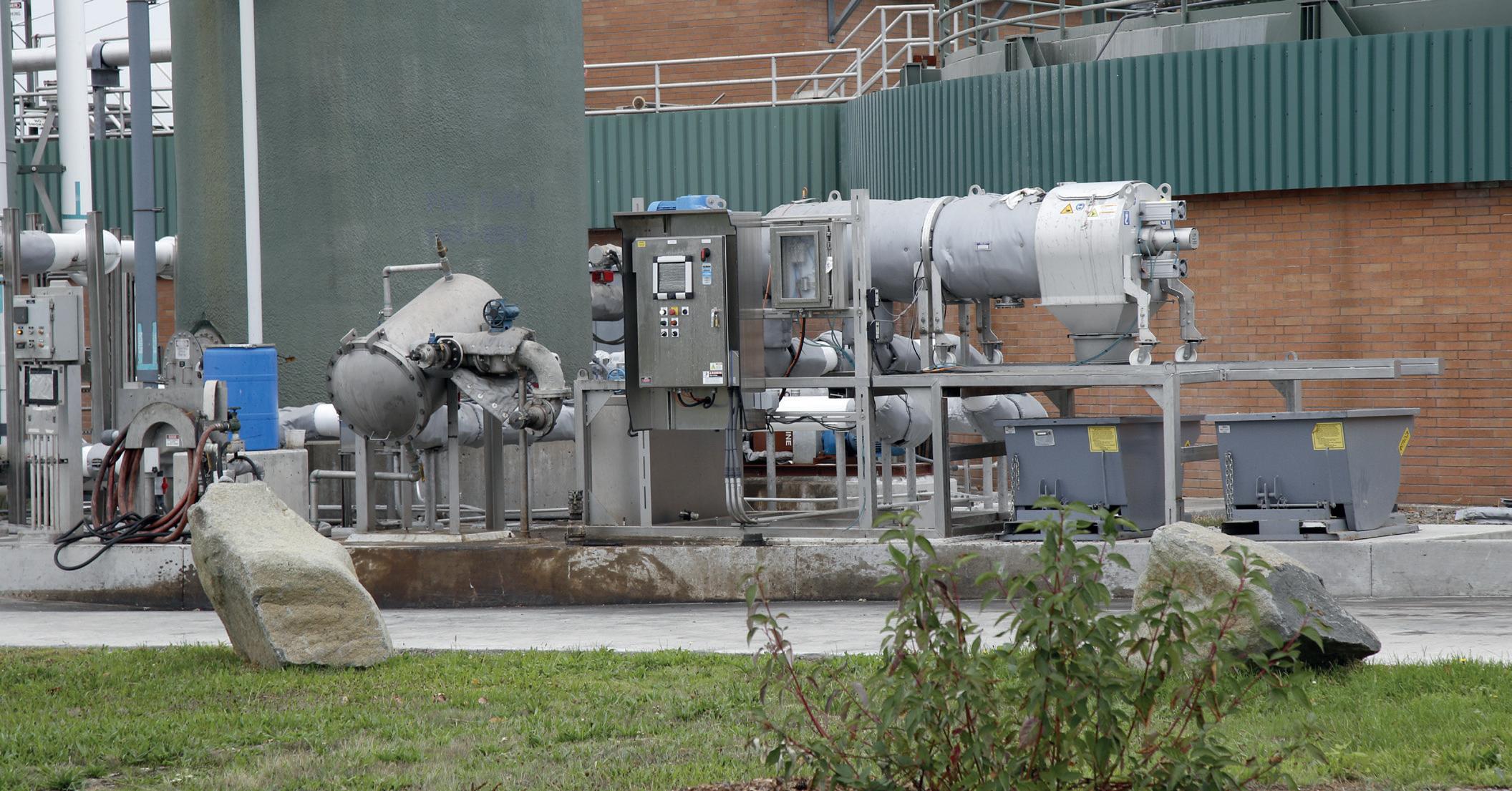
The Wastewater Environmental Performance Standards 2025 (WEPS) define strict rules for land-application of biosolids. Even then public perception, cultural considerations, and agricultural market requirements limit land application of biosolids. Consequently, a large proportion of it still ends up in landfills or monofills. However, pressure on disposal capacity and increasing focus on greenhouse gas emissions are driving more interest in the reuse of biosolids.
Energy recovery is one of the strongest examples of circular economy principles in wastewater treatment.
Anaerobic digestion remains the backbone of energy recovery worldwide: In the absence of oxygen, anaerobic bacteria convert available organic carbon to biogas (mainly methane and CO2). This reduces the solids in the sludge and contributes to carbon neutrality.
Biogas produced during digestion is commonly used in combined heat and power systems, reducing operating costs and greenhouse gas emissions. Many facilities supplement sludge digestion with food waste, fats, oils, and greases to increase energy production.
Thermochemical technologies such as pyrolysis and gasification offer additional opportunities to recover energy from biosolids. Although these technologies are less mature than digestion, they are attracting increasing interest because they can simultaneously recover energy and reduce contaminants.
Hydrothermal processing technologies represent another promising area because they can process wet sludge without extensive drying. However, they remain largely at demonstration scale.
We already have several major facilities recovering energy from wastewater sludge in most of the main centres. Wellington’s Sludge Minimisation Facility is expected to further advance energy recovery through the use of thermal hydrolysis combined with digestion.
Looking ahead, the sector is moving toward energy-positive wastewater treatment plants that generate more energy than they consume. Achieving this will require integrated process design and careful balancing of energy recovery against increasingly stringent treatment requirements.
Wastewater contains significant quantities of nitrogen and phosphorus, both of which are essential agricultural nutrients. Recovering these nutrients supports food production while reducing dependence on finite mineral resources.
The most mature nutrient recovery technology is struvite precipitation. Struvite is a crystalline compound containing magnesium, ammonium and phosphate that can be used as a slowrelease fertiliser. Commercial systems are now widely deployed internationally and can be integrated into existing sludge treatment infrastructure.
Additional technologies focus on recovering phosphorus from sludge or sludge ash through chemical extraction processes.
Nitrogen recovery technologies, including ammonia stripping and membrane-based systems, are also gaining attention.
Aotearoa New Zealand has already demonstrated practical implementation. Examples include Bioboost, a heat-dried biosolids fertiliser produced in New Plymouth, and Emerge, a struvite product recovered from Auckland’s Mangere WWTP.
Although economic factors continue to influence uptake, nutrient recovery is expected to become increasingly important as concerns over resource security and environmental sustainability grow.
Bioplastic recovery represents one of the newest frontiers in wastewater resource recovery. Research is focused on two main product groups:
• Polyhydroxyalkanoates (PHAs), biodegradable plastics produced and stored within microbial cells; and
• Extracellular polymeric substances (EPS), naturally occurring biopolymers present in activated sludge.
PHA production can be integrated into wastewater treatment processes using mixed microbial cultures. However, extraction remains expensive because the polymers are stored inside cells.
EPS recovery is attracting increasing interest because the material exists outside microbial cells and can be extracted more directly. The Netherlands has demonstrated commercial-scale
recovery through the Kaumera process, producing materials suitable for coatings, adhesives and other applications.
Despite promising research, bioplastics recovery remains less mature than water, energy, or nutrient recovery. Challenges include process economics, product consistency and integration with other resource recovery objectives.
In this country, activity is largely limited to research and development. Organisations such as Scion have undertaken early investigations into the potential for producing bioplastics from wastewater-derived materials.
While the technologies described above demonstrate considerable promise, successful implementation depends on more than technical feasibility. Key challenges include:
• Public acceptance of products derived from wastewater;
• Regulatory frameworks that may lag behind technological capability;
• Economic viability relative to conventional alternatives;
• Management of contaminants such as PFAS, microplastics and heavy metals;
• Balancing circular economy benefits against greenhouse gas emissions and affordability.
Importantly, circular economy initiatives should not be pursued at any cost. Resource recovery projects must demonstrate measurable environmental, social and economic benefits.
Wastewater treatment plants are rapidly evolving into resource recovery facilities capable of producing reclaimed water, renewable energy, fertilisers, and advanced materials. Technologies for water reuse, anaerobic digestion and nutrient recovery are already mature and commercially deployed, while thermal conversion processes and bioplastic recovery continue to advance.
Aotearoa New Zealand has made progress in several areas, particularly energy and nutrient recovery, but generally remains behind international leaders.
Future success will depend on integrating resource recovery into treatment plant design, improving public confidence, addressing contaminants at source and ensuring that environmental benefits justify the costs.
The circular economy offers a compelling framework for the future of wastewater management. However, resilient systems require both resource recovery and the ability to remove unwanted contaminants from circulation, preferably prior to entering the loop.
The objective should therefore not be a perfectly closed loop, but a balanced system that maximises value while protecting communities and the environment.
Thank you to Louis Ortenzio and Carlos Campos for early inputs and the Te Ama SIG for their inputs on te ao Māori.
This article is a summary of a more detailed White Paper, including references, that can be found at www.waternz.org. nz/resourcehub.

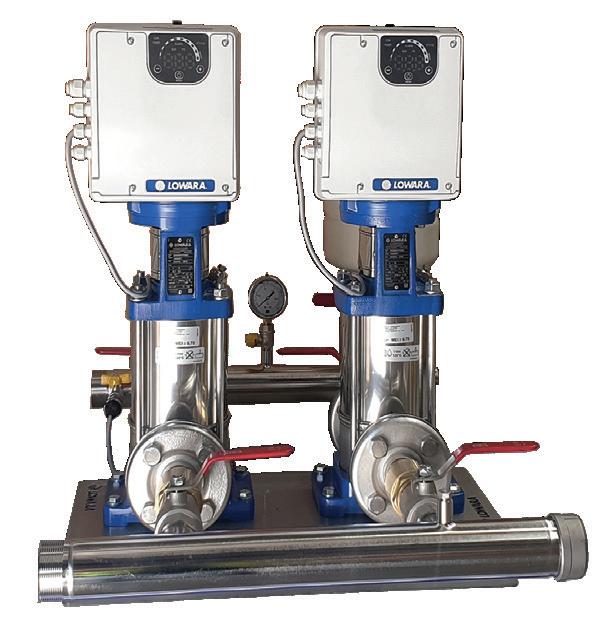
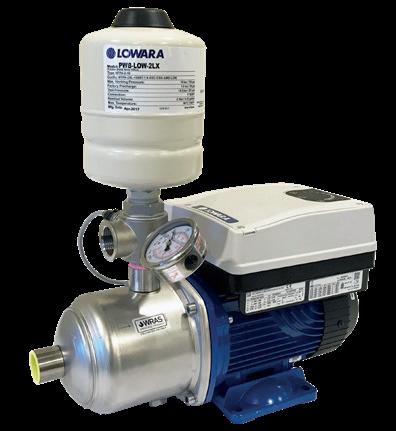
It’s time to think beyond single components. For top efficiency in residential and light industrial water supply and HVAC applications, you need the right combination of motors, variable speed drives and pumps — ensuring reliable performance, maximum savings and a rapid return on investment. You need the Lowara Smart Pump range.
us today to see how Lowara ’s simply smart pumps can assist with your water requirements.
An important upgrade to Auckland’s Rosedale Wastewater Treatment Plant is a step closer, with the announcement of a new contract for technology that will significantly increase the plant’s capacity and resilience for decades to come.
Watercare has entered into a contract with Norwegian company Cambi to supply two thermal hydrolysis process systems for its Rosedale plant – a critical investment in longterm planning for one of Auckland’s most essential pieces of infrastructure.
“Cambi is the preeminent supplier of thermal hydrolysis process systems globally, with a strong track record of delivering outcomes,” says Watercare programme director Rob Burchell.
“We’re excited to partner with Cambi to bring this transformative technology to our Rosedale plant.”
Wastewater treatment is an unseen but vital service that protects Auckland’s waterways, supports public health, population growth and enables housing. With demand set to rise significantly in the north of the city, Watercare is investing now to ensure the system can cope well into the future.
Thermal hydrolysis uses high temperatures and pressure to treat sludge created during the wastewater treatment process. The new $28 million system, due to be delivered in 2028, will allow Rosedale to treat more wastewater efficiently, without the need to build additional large infrastructure on site.
“We have four digesters at Rosedale. In about a decade, the wastewater flows coming to the plant will almost double when the Northern Interceptor wastewater pipeline is fully in service.
“Thermal hydrolysis reduces the amount of digested solids so we won’t need to build another digester to cope with the increased flows. It reduces the solids produced by the plant and creates a pasteurised biosolid that can be used as a fertiliser.”
The technology will also increase biogas production, supporting Watercare’s efforts to reduce emissions and make better use of renewable energy produced on site.
“The increased volume of biogas will supply enough electricity to support the plant’s operation and potentially supply some electricity to the grid.
“Rosedale will be the country’s largest thermal hydrolysis facility when the systems are installed.”
The new thermal hydrolysis systems form part of a wider programme of upgrades at Rosedale, designed to support population growth, improve wastewater treatment outcomes, and reduce environmental impacts – helping ensure Auckland’s wastewater system remains reliable, resilient, and fit for the future.
Article provided by Watercare.
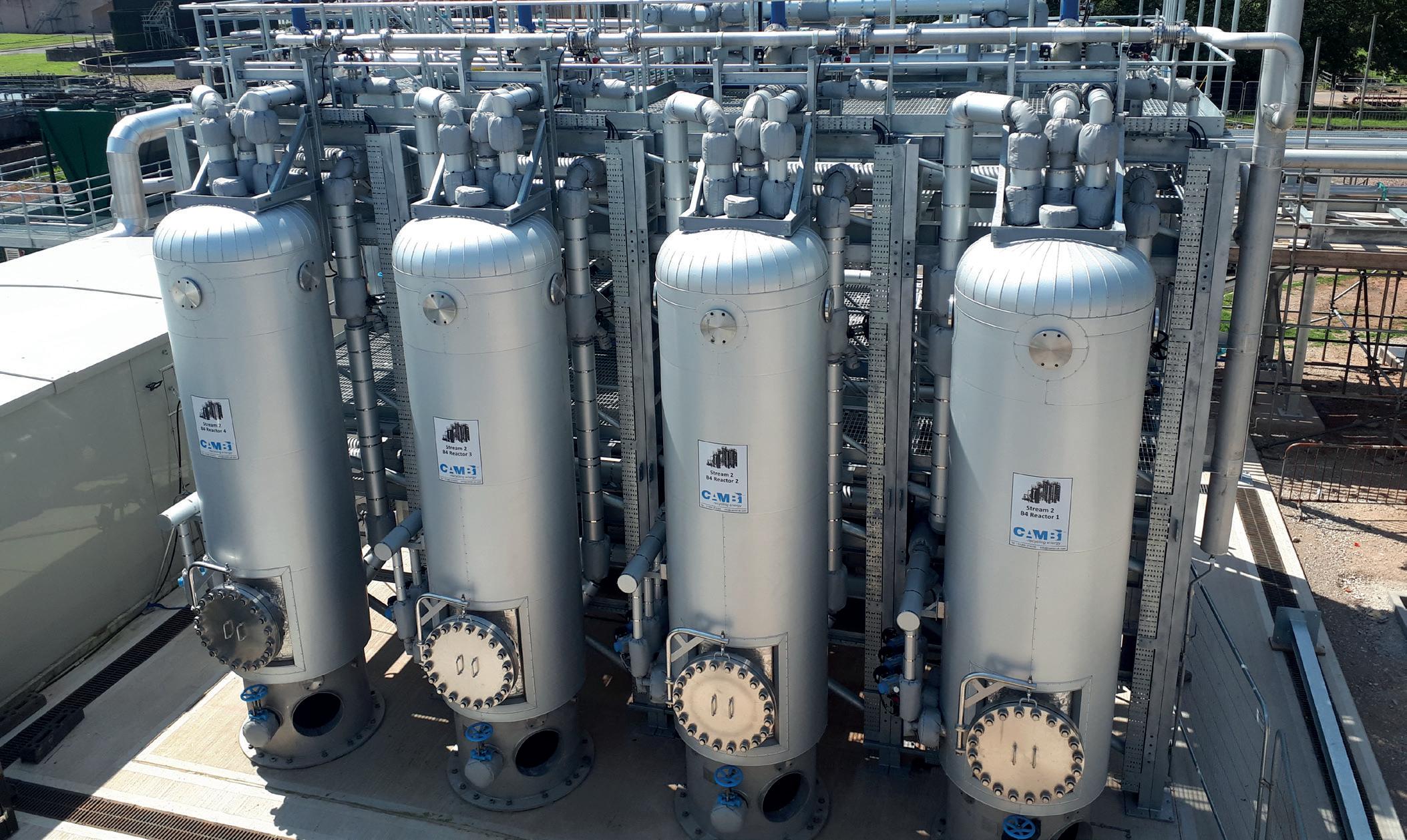
Infrastructure performance is measured over decades.
Contech engineers design repair strategies that extend service life and support future maintenance.
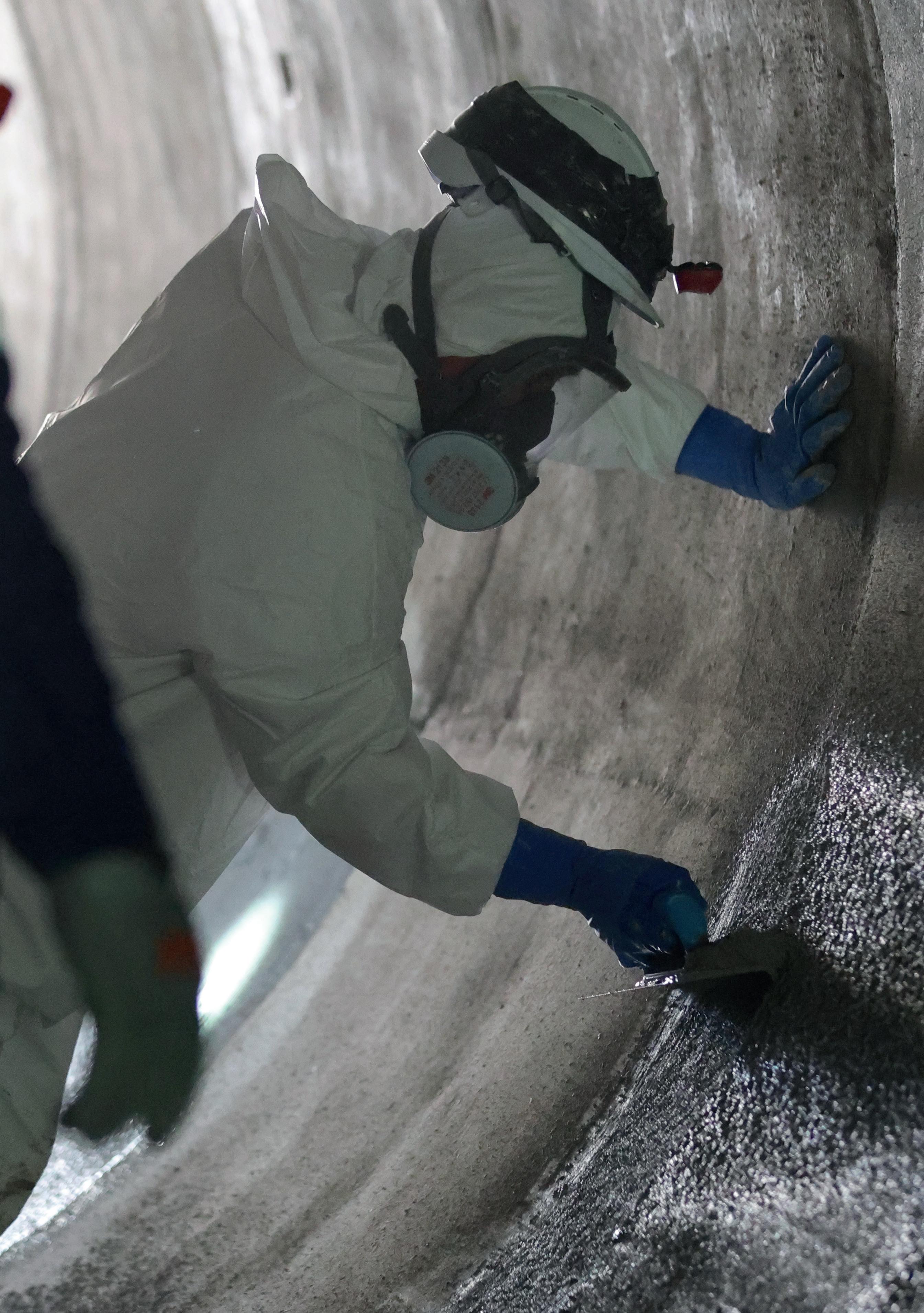
Access lifecycle infrastructure repair detail contech.co.nz/repair
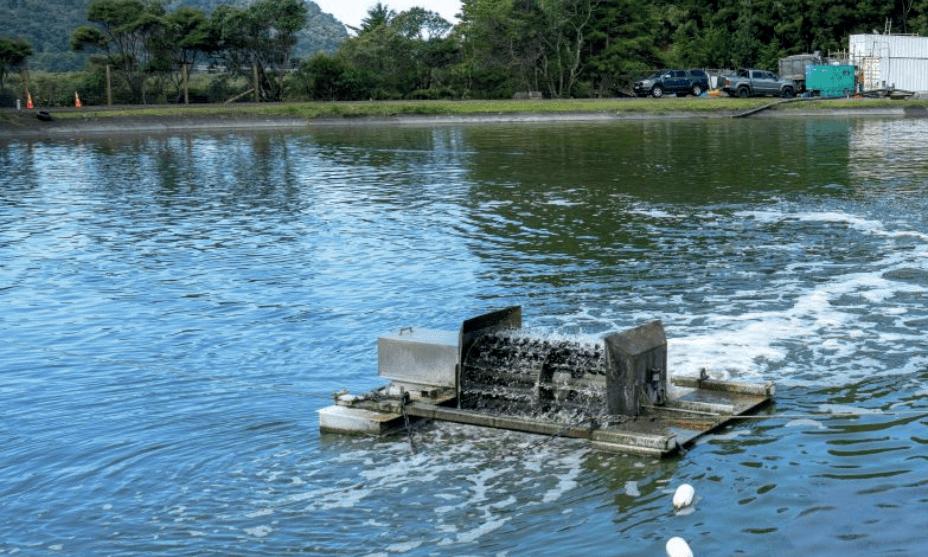
Crews have now begun desludging the oxidation ponds at the Waiwera Wastewater Treatment Plant in north Auckland, marking an important early step in a $45 million upgrade that will permanently end treated wastewater discharges into the Waiwera Estuary.
The desludging work prepares the site for a new wastewater system that will transfer wastewater out of Waiwera altogether, as the oxidation ponds will be converted into storage ponds.
Once complete, wastewater from the Waiwera catchment will be pumped through a new 4.5 kilometre underground pipeline to Hatfields Beach and on to the Army Bay Wastewater Treatment Plant, where it will receive a higher level of treatment before being discharged offshore.
This will allow treated effluent from the Waiwera plant to cease.
The project forms part of Watercare’s 10 year, $13.8 billion capital works programme (2025–2034), focused on increasing capacity and improving resilience across Auckland as the region continues to grow.
Hibiscus and Bays Local Board chair Alexis Poppelbaum says the change will deliver lasting environmental benefits for Waiwera.
“Eliminating treated wastewater discharges into the Waiwera Estuary is a major win for water quality and the local environment.
“The new pump station and pipeline will allow wastewater to be treated to a higher standard at Army Bay, while the existing ponds at Waiwera will be repurposed into storage ponds to support the new system.”
Watercare head of wastewater Jon Piggot says desludging is a normal part of managing oxidation ponds and helps keep them working effectively.
“Over time, material settles on the pond floor. Removing that sludge restores capacity, improves performance and reduces the risk of odour.
“At Waiwera, around 10 tonnes of dewatered sludge are currently being removed each day and taken offsite.”
Watercare project manager Martin Hughes says the work is critical to preparing the ponds for their future role as storage as part of the new system.
“Completing the desludging allows us to drain the smaller of the two ponds and begin building the new pump station, including connecting the inlet pipe into the pond.
“By reusing the existing ponds, we can maximise their combined storage capacity of 17,500 cubic metres, while helping to minimise odour.
“The ponds will continue to receive wastewater from the Waiwera catchment once the new pump station is commissioned.”
Martin says work on the water and wastewater transmission mains are progressing well. Just over 300 metres of the 840-metre water main on Hibiscus Coast Highway has been laid.
The installation of the wastewater pipeline along Weranui Road and Hibiscus Coast Highway is also progressing well with around 1.7 kilometres now installed out of a total of 4.5 kilometres.
Auckland Transport is also currently undertaking geotechnical investigations to inform permanent repairs to two slips that occurred in February.
“While the slips have caused some minor disruption, the project remains on track, with the water and wastewater upgrades expected to be completed by the end of the year.”
Article provided by Watercare.
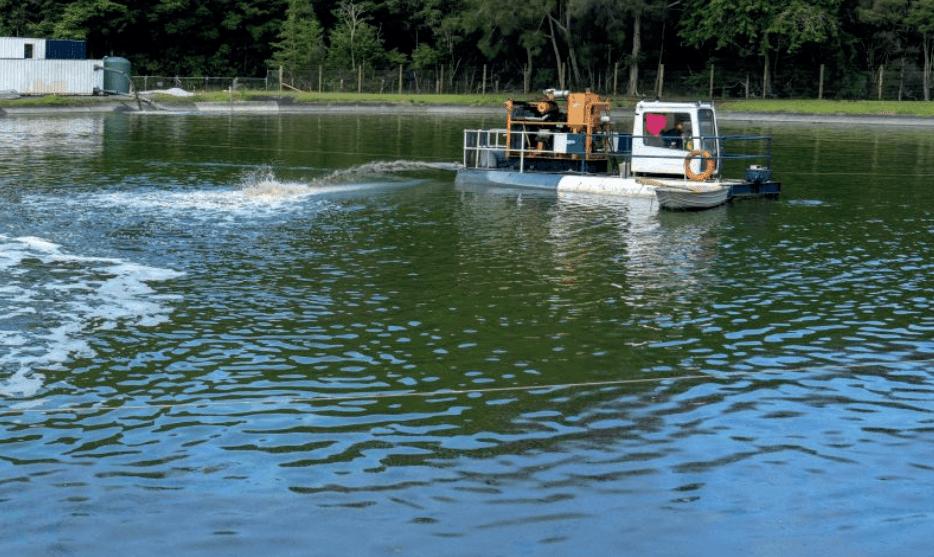





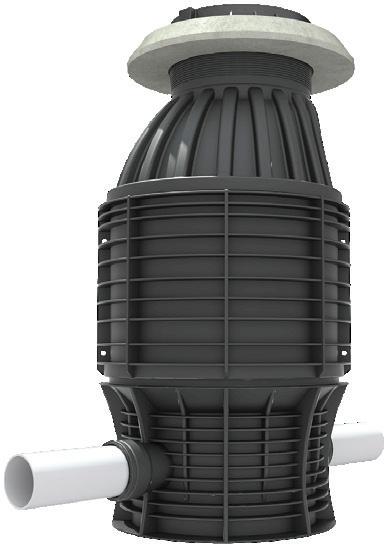






Arad’s advanced smart and digital water meter solutions maximize management by providing a real time feed and web-based data collection, critical alerts that allow for an immediate reaction, and integrate seamlessly into your current systems.
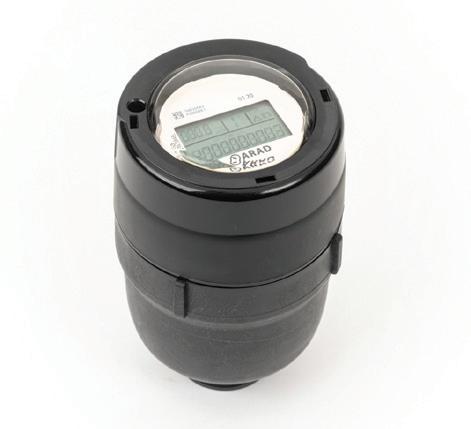
The Gladiator LR
Arad’s super sensitive positive displacement LoRaWAN water meter with a fully integrated under the glass radio, providing vast online data and supports rich alarm options. The only ISO concentric manifold meter available for converting existing networks to smart metering.
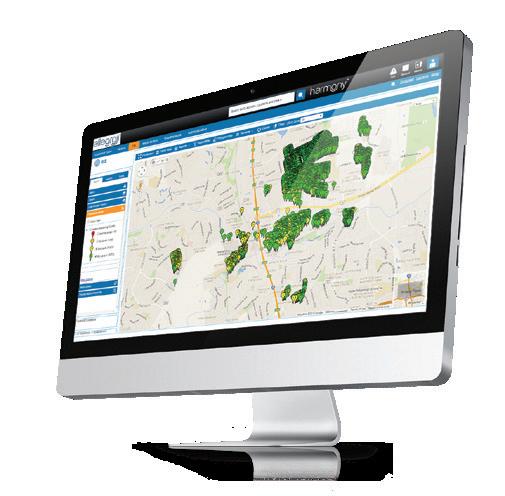
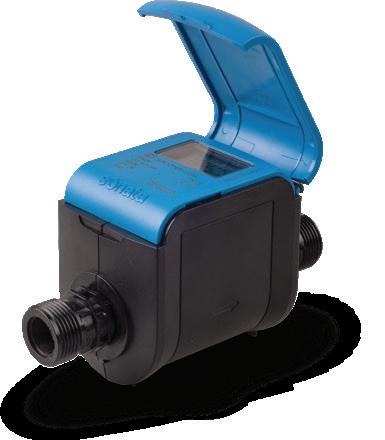
An advanced and highly accurate ultrasonic LoRaWAN water meter and data endpoint for residential applications. With no moving parts, the Sonata’s robust design ensures reliable and long-lasting precision. Its technology enables the measurement of even the lowest flow rates, making it the best solution for addressing NRW.
A next-gen MDM platform built for performance, insight, and customer empowerment. Built on Microsoft® Azure™, it delivers speed, scalability, and security –while supporting nearly any AMI network.
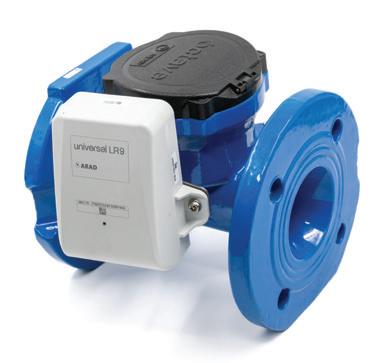
A revolutionary, precise and ultra reliable ultrasonic bulk water meter with no moving parts. With superior hydraulics and batteries that last up to 15 years, the Octave is today’s best choice for bulk meters. Flexible data formats including flow directions, flow rates and volumes make the Octave the logical choice for large projects, as key meters in grids and DMA (District Metered Areas). Coupled with Arad’s XTR Universal LR9 fully integrated LoRaWAN solution the Octave connects to any AMI network.