$13.25. Please subscribe online at www.pridemagazineonline.com, mail to P.O. Box 30113, Charlotte, NC 28230 or call 704-375-9553
Letters to the Editor
Please send an e-mail to info@pridemagazine.net fax to 704-375-9550 or mail to Pride Magazine 8401 University Executive Park Drive, Ste. 122, Charlotte, NC 28262 www.pridemagazineonline.com
All rights reserved. Copying or reproduction, in part or in whole, is strictly prohibited.
Pride Magazine reserves the right to deny any advertisement, listing or feature that does not meet Pride Magazine standards or that is outside the scope or mission of our magazine. Pride Magazine assumes no responsibility for information, products, services, or statements made by advertisers or editorial contributors.
Magazine prints with soy ink.
34 No. 1 March–April 2026 All rights reserved for PRIDE Communications Inc.
us on Facebook: Facebook.com/PrideMagazineNC Find us on Instagram: @pridemagazinenc Find us on LinkedIn: Pride Communications, Inc.
Charlotte’s African-American Magazine
By Tiffany Sears
HWhat Today’s Buyers Are Really Looking for in 2026
omebuyers in 2026 are approaching the market with a clearer sense of what truly matters. After years of fast decisions and trend-driven homes, buyers are slowing down and prioritizing comfort, character and livability. In Charlotte, this shift is becoming increasingly evident in the types of homes and neighborhoods buyers are choosing.
Many buyers are gravitating toward established neighborhoods with updated homes rather than newer, cookie-cutter communities. There is a comfort that comes with mature trees, larger lots and neighborhoods that feel settled and grounded. When those qualities are paired with updated kitchens, refreshed bathrooms and modern systems, buyers feel confident they are finding the right balance between charm and functionality.
Another noticeable change is the move away from wide-open floorplans. While flow remains important, buyers are showing renewed interest in more traditional layouts with defined spaces. Separate dining rooms, home offices, and comfortable living areas feel better suited to everyday life, especially for families balancing work, school and downtime. Homes in areas like Highland Creek and Plaza-Midwood reflect this shift, offering structure and privacy while still feeling open and welcoming.
Buyers are also rethinking what makes a location desirable. Walkability, access to greenways and proximity to everyday conveniences often carry more weight than proximity to school or work.
For those drawn to energy and entertainment, South End continues
DID YOU KNOW?
to be a popular choice. Others are prioritizing ease, shopping and community amenities, making Ballantyne and the new River District appealing options. Buyers seeking long-term value and flexibility are also expanding their search beyond the city, looking to areas like Concord and Huntersville, where established neighborhoods and updated homes offer room to grow.
Today’s buyers are thinking beyond the day they move in. Energy efficiency, maintenance costs, resale potential and neighborhood stability all factor into decision-making. Homes with solid construction, thoughtful updates and
Diane Abbott, born in 1953, became the first Black woman elected to Parliament in the UK. Representing Hackney North and Stoke Newington, she consistently spoke on issues such as racial inequality, policing, housing and education. Abbott was also the first Black person to serve as Shadow Home Secretary. She currently serves as an Independent in parliament and is known as the “Mother of the House” since she is the longest-serving female Member of Parliament.
classic layouts stand out because they feel like sound, long-term investments.
Even with an abundance of online information, buyers continue to value experienced guidance. Understanding which neighborhoods align with their lifestyle, which updates add lasting value and how to navigate today’s market remains essential.
At the heart of it, buyers want a home that feels right. In Charlotte, that often means an updated home in an established neighborhood with a layout designed for real life. With clear priorities and the right local guidance, buying in 2026 feels less overwhelming and far more exciting. P
MILLS AUTOMOTIVE GROUP
Driven by Family, Built for You
For over 20 years, Mills Automotive Group has been more than a place to buy a car—we’ve been a part of the community. As a proud family-owned business with more than 35 dealerships and 29 trusted brands, we make it easy to find the right vehicle for every stage of life.
What sets us apart is simple: we put people first. From your very first test drive to years of trusted service, our team is here to treat you like family and make sure you drive away with confidence.
Whether it’s a reliable first car, a family SUV, or that dream ride you’ve been working toward, we’re committed to helping you get there. Because at Mills Automotive Group, your journey matters.
NotableNames
By Alicia Michele Benjamin
CRVA Selects Tiashia “TK” Knight for VP of Sales Role
The Charlotte Regional Visitors Authority has named Tiashia “TK” Knight as Vice President of Sales and Executive Director of Visit Charlotte to drive the city’s continued rise as a top meetings, sports and tourism destination.
Knight joins CRVA following a national search and succeeds Mike Butts, who retired in September 2025 after 26 years steering Charlotte’s ascent in the meetings industry and strengthening the region’s visitor economy influence.
She joins CRVA’s executive leadership team, reporting to CEO Steve Bagwell and working alongside a cross-functional leadership group that guides strategy, destination growth and industry alignment.
Knight arrives from Atrium Hospitality, where, as Vice President of Sales and Marketing, she played a key role in generating more than $1 billion in annual revenue in the company’s top-performing region. She directed a 100-plus person sales organization across group, banquet and catering markets and led enterprise-wide strategies across major Marriott and Hilton hotel portfolios.
Her career is defined by fueling sales engines, winning competitive ground, unlocking new demand and making moves that reshape markets.
“We’re focused on momentum, partnership and measurable impact,” said CRVA CEO Steve Bagwell. “TK has a proven ability to pair strategy with execution, build strong stakeholder relationships and lead in a way that sharpens our competitive edge.”
As Vice President of Sales and Executive Director of Visit Charlotte, Knight will lead destination sales for conventions, meetings and sporting events, oversee destination services, visitor information centers, the Charlotte Regional Film Commission, venue sales across CRVA-managed facilities and partner engagement through Partners in Tourism. The role also includes collaboration with state and national stakeholders to inform and support advocacy efforts tied to tourism policy, destination competitiveness and industry growth.
Known for her people-first leadership style, Knight is recognized for developing high-performance teams, embracing data-driven strategy and always centering customer experience first. She earned a bachelor’s degree in business from New York University and a Juris Doctor from Brooklyn Law School.
Shaw University President elected to Chair CIAA Board of Directors
The Central Intercollegiate Athletic Association (CIAA®) announced the election of Dr. Paulette Dillard, President of Shaw University, as Chair of the CIAA Board of Directors for the 2025–2027 term.
Her two-year tenure began in July 2025. Dillard will succeed Dr. Aminta Breaux, President of Bowie State University. The CIAA expresses its sincere appreciation for Dr. Breaux’s dedicated service and impactful contributions.
Also elected to the Board leadership is Dr. Brenda Allen, President of Lincoln University in Pennsylvania, who will serve as Vice Chair. Allen brings extensive experience and a strong commitment to the continued success of the CIAA and its member institutions.
Dr. Dillard and Dr. Allen represent the CIAA’s founding institutions — Shaw University and Lincoln University of Pennsylvania, respectively. Shaw University is the first HBCU in the South, and Lincoln University of Pennsylvania is the first established degree-granting HBCU. These universities laid the foundation for the CIAA in 1912. Dillard expressed deep appreciation for the opportunity to serve the conference and emphasized her dedication to its mission.
“It is an honor to serve as Chair of the CIAA Board of Directors,” she Dillard. “I look forward to working alongside our member institutions and partners to continue strengthening the legacy of the CIAA and championing the success of our student-athletes — on the field, in the classroom and beyond.”
“It is an honor to serve as Chair of the CIAA Board of Directors. I look forward to working alongside our member institutions and partners to continue strengthening the legacy of the CIAA and championing the success of our student-athletes.”
—DR. PAULETTE DILLARD
WSSU Professor Awarded Department of Education Grant
The U.S. Department of Education’s Rehabilitation Services Administration has awarded Winston-Salem State University (WSSU) Professor Dr. Keisha Grayson Rogers a prestigious five-year grant, totaling nearly $1 million.
The grant will support innovative training opportunities for future rehabilitation counselors. Rogers, a professor in WSSU’s Department of Rehabilitation Counseling, serves as the principal investigator and project director for the Vocational Rehabilitation and Co-Occurring Mental Health Counseling Virtual Training Initiative. Several state agencies in partnership with WSSU developed the program, including the North Carolina Employment and Independence for People with Disabilities and other agencies.
Through this initiative, students will gain specialized skills to provide competent, compassionate and inclusive support to the communities they serve. Funding from OSERS will cover tuition for students to pursue a master’s degree in rehabilitation counseling at WSSU. It also includes stipends and professional development activities, such as attending and presenting at state, regional and national conferences.
“By equipping students with both clinical knowledge and cultural competence, we are ensuring that individuals with disabilities, especially those navigating mental health challenges, receive the highest quality of care and advocacy,” said Rogers.
“[We] are ensuring that individuals with disabilities, especially those navigating mental health challenges, receive the highest quality of care and advocacy.”
—DR. KEISHA GRAYSON ROGERS
N.C. A&T Junior Combines Tech and Social Justice with App
North Carolina Agricultural and Technical State University political science junior Danielle Bunker is turning legal confusion into clarity with Hey Justice, a technologydriven app that blends social justice and digital innovation to support those navigating the justice system.
Bunker began developing the app in July 2025 after identifying a legal access gap impacting communities nationwide.
“A lack of understanding of legal documents can put people at serious risk,” said Bunker. “Missed court dates lead to active warrants, fines and potential jail time.”
Advanced artificial intelligence powers Bunker’s development to connect the legal system with technology. The app simplifies legal documents and helps individuals navigate the system by tracking court dates and sharing real-time location during encounters with law enforcement.
According to Bunker, existing legal platforms largely focus on lawyers and corporations, leaving everyday users without the necessary tools to manage the challenges of the legal system.
The app translates complex legal documents into accessible language including Ebonics, Spanish and standard American English, tracks court dates and delivers live audio and video streaming to emergency contacts during traffic stops.
“We are not a nonprofit or a charity. We are a business geared toward social impact and social justice,” said Bunker. “With our features, we reach multiple demographics because accessibility matters, especially for communities of color.”
Hey Justice is co-founded by Bunker’s older brother, David Bunker, whose background in cybersecurity and information technology helped define the app’s focus on consumer privacy. He leads efforts to ensure personal information and legal documents remain secure and protected from unauthorized access. The platform team includes two software developers and a social media specialist.
In November 2025, Hey Justice won a $20,000 Black Ambition Prize, an initiative founded by artist, producer and entrepreneur Pharrell Williams to support innovative Blackand Hispanic-led companies. The Bunker siblings were selected from more than 2,500 applicants and 27 finalists across technology, healthcare, AI, fashion, agriculture, food and beverage, cosmetics and communications.
Hey Justice is scheduled to officially launch this spring. P
By Angela Haigler
Spring Must-Reads by Women Authors
“The Seven Daughters of Dupree”
by Nikesha Elise Williams
This richly layered, multigenerational story about Black women, inherited secrets, and the truths that refuse to stay buried. Spanning decades — from the early 1900s to the 1990s — the novel follows seven generations of Dupree women bound by love, silence, and survival. At its heart is a young girl’s search for her father, which opens the door to a legacy shaped by colorism, loss, and resilience. Each woman’s choices ripple forward, reminding us how deeply the past lives in the present. This is literary fiction that honors Black women’s endurance while asking hard, necessary questions about inheritance, identity, and freedom.
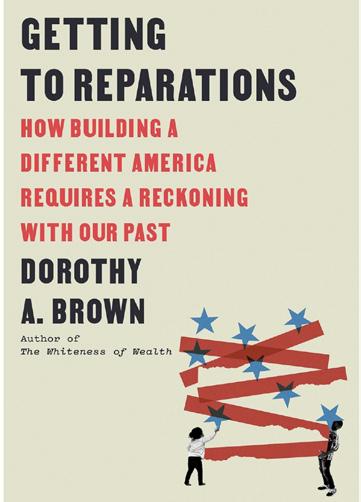
Getting to “Reparations: How Building a Different America Requires a Reckoning with Our Past”
by Dorothy A. Brown
A sharp, unsentimental argument that reframes reparations as American precedent—not radical theory, Getting to Reparations lays out the receipts, showing how the U.S. has repeatedly paid restitution to others while excluding Black Americans from the same justice. What makes this book powerful is its clarity: reparations aren’t about guilt, they’re about repair. Grounded in law, history, and policy, it maps a realistic path forward rather than staying stuck in moral debate. This is a necessary read for anyone serious about accountability, equity, and the future of this country.
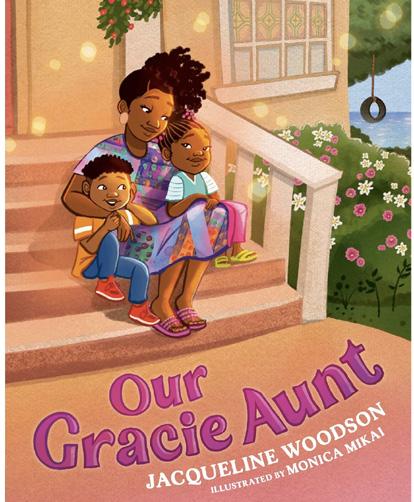
Children’s Choice
“Our
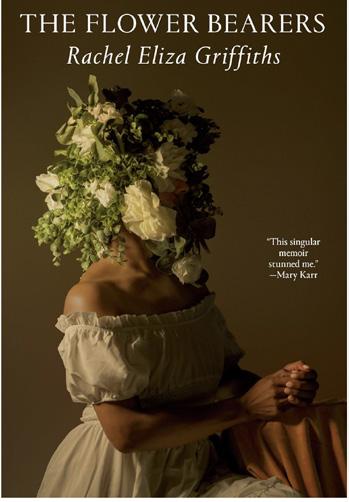
“The Flower Bearers”
by Rachel Eliza Griffiths
The Flower Bearers is a luminous meditation on love, loss, and the selves we become after unimaginable rupture. Griffiths writes through layered grief — the sudden death of her closest friend and the near-fatal attack on her husband, novelist Salman Rushdie — with a poet’s restraint and clarity. At its core, this is a love story: between chosen sisters, literary foremothers, and a marriage forged under extraordinary pressure. The memoir honors what it means to mourn not only people, but former versions of ourselves. Quietly devastating and deeply humane, this book reminds us that surviving is its own form of devotion.
Gracie Aunt” by Jaqueline Woodson
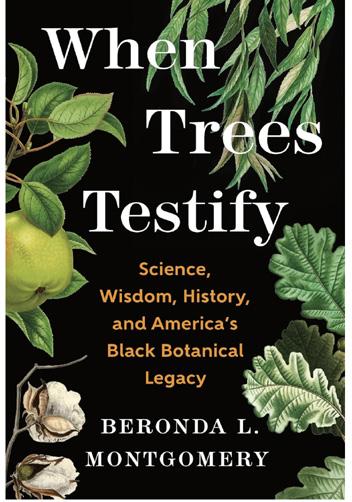
“When Trees Testify: Science, Wisdom, History, and America’s Black Botanical Legacy”
by Beronda L. Montgomery
When Trees Talk is a stunning meditation on Black history told through the living witnesses that have always been watching… trees. Montgomery weaves science, history, and personal narrative to reveal how Black botanical knowledge has shaped this country from its very roots. Each tree carries memory: of survival, resistance, medicine, and unspeakable loss. What emerges is a reclamation of both land and legacy, reminding us that nature has always held our stories. This book invites us to listen more closely—to history, to the earth, and to the wisdom we’ve long been taught to forget
Jaqueline Woodson’s picture book is a tender reminder that love can show up in more than one form—and sometimes through unexpected people. Through the eyes of two siblings navigating change, Woodson captures the quiet fear and hope that comes with being uprooted. What unfolds is a soft, affirming portrait of family built through care, patience, and presence. This story honors the truth that a mother’s love can be real even when she can’t be the one doing the caring. Gentle and reassuring, this book wraps young readers in the message that they are never without love. P
TheVegucator
By Dawn Hilton-Williams
MPolicy on a Plate: Progress, Pivots and the Price We Pay
ost people don’t sit down to read new government guidelines because they too often represent yet another shifting tide of instruction easily lost in the background noise of already busy lives. What does grab attention are quick visuals and punchy headlines shared across platforms and screens at lightning speed.
I recently read the new 2025–2030 Dietary Guidelines for Americans with the impressive headline, “Eat Real Food.” That framing immediately stood out because it suggested a long-overdue acknowledgment of the harm caused by ultra-processed foods. A deeper dive, however, revealed a mixed bag of progress alongside a hard pivot back to messaging that falls short of optimal wellness.
What they got right and why it matters
To be clear, the new guidelines got some important things right, particularly their stronger position on ultra-processed foods. By directly naming what previous guidance tiptoed around, they acknowledge that diets dominated by highly processed foods drive poor health outcomes across the lifespan and that many products marketed as convenient, better alternatives are stripped of fiber, micronutrients and protective compounds long before they ever reach your plate.
They also emphasize eating whole foods, increasing fruit and vegetable intake and moving away from the normalization of excess sugar and alcohol, which is language that reflects decades of epidemiological and clinical research showing that diets built around minimally processed plants support improved metabolic markers and reduced risk of our top lifestyle-driven chronic illnesses.
Because language in federal guidance becomes the working shorthand for physicians, dietitians and the like, it also guides food service contracts and shapes what schools and hospitals purchase and serve our families. While the guidance names ultra-processed foods as a problem, it then shifts, which is where optimal wellness was compromised.
The protein push
Americans aren’t filling hospital beds and nursing homes because they’re protein deficient. In fact, more than 90% of Americans fail to meet recommended fiber intake, making fiber deficiency one of the most widespread and clinically relevant nutrition gaps in the nation. Yet the guidance detours toward a renewed protein push that emphasizes animal sources and full-fat dairy, a move that runs counter to the strongest body of evidence on lifestyle-driven chronic disease prevention, arrest and reversal. As a result, whole plant foods loaded with fiber, antioxidants and protective compounds are pushed aside in favor of animal-based proteins that deliver fiber-free protein and increase exposure to saturated fat and inflammatory byproducts, driving the very conditions the guidelines claim to address.
What the science keeps confirming
The issue isn’t protein itself, but rather what gets displaced when animal-forward (or animal-based) eating is elevated by policy at the expense of the plant foods consistently proven to protect longterm health.
Physicians treating lifestyle-driven chronic illness see the consequences of that displacement every day. Cardiologist Lawrence Appel, MD, has noted that insufficient protein isn’t a public health concern, while higher protein intake, particularly from animal sources, can accelerate harm in people living with kidney disease. Cardiologist Kim Allan Williams, physician Milton Mills, MD, and others have also repeatedly challenged animal-forward guidance when the peer-reviewed literature consistently supports plant-rich dietary patterns for lowering cardiovascular risk and reducing mortality.
All protein originates in plants. When we eat animals, we’re choosing protein secondparty, without the fiber and protective compounds that come with eating plants directly. That distinction matters because fiber is the nutrient Americans are most deficient in, and it’s central to optimal metabolic, cardiovascular and gut health.
Scan the QR code below to view the recipe for Jerk Lentil Stew by chef Dawn Hilton-Williams.
Three easy ways to protect your plate
1 Ground Yourself Locally. Eat Drink Disrupt (EDD) Chronic Disease programs led by Power is Giving, the only organization of its kind in Charlotte that provides free physician and expertled whole food, plant-based nutrition and lifestyle education designed for communities historically underserved by traditional wellness systems. Learn more at powerisgiving.org.
2
Anchor Yourself in PhysicianBacked Science. Organizations like the Physicians Committee for Responsible Medicine (pcrm.org), Healthy Heart Nation (myhhn.org) and Nutrition Facts (nutritionfacts.org) cut through industry influence with free jumpstarts and peerreviewed evidence.
3 Stay connected to trusted cultural platforms. Pride Magazine continues to publish evidence-based lifestyle content, including this Vegucator column, which translates nutrition science through a lens of equity, lived experience and accountability, all while keeping wellness conversations grounded in truth and community relevance. The truth is that nutrition policy doesn’t live on paper, it lives on plates where health is shaped long after the press cycle moves on. When guidance aligns with evidence and education, communities stop paying the price in preventable illness and premature loss. P
ByFaith
Cultivating an Uncurated Life
By Rev. Dr. Dwayne Bond
Many women are living in a cultural moment marked by uncertainty, trying to discern what is real and what is filtered, what is human and what is artificial, what is authentic and what is carefully curated. As we scroll through social media, unspoken questions surface: “Is this how she really looks? Is that real life or just a filter? Is this beauty or technology at work?” These constant mental calculations — trying to determine what is true — are quietly exhausting.
The weariness of curation
Many women are tired, not simply because they are doing too much, but because they are constantly being seen as someone they are not. When social media first emerged in the early 2000s, it centered on sharing moments and memories. Over time, it evolved into something far more demanding: a curated presentation of
self. With the rise of editing tools, filters, and algorithms, the pressure to manage perception has intensified.
For some, a curated life promises control, affirmation and approval. Yet it comes at a cost. Anxiety increases. Comparison multiplies. Time is consumed. Emotional and spiritual energy is drained. When our public image outpaces our private reality, the soul grows weary. Scripture names this tension clearly: “Man looks on the outward appearance, but the Lord looks on the heart” (1 Samuel 16:7).
The heart behind filtering
Curation is not merely a cultural problem; it is a heart issue. We curate to manage exposure, control narratives, conceal weakness and secure belonging. At its core, this is the fear of man: a longing to be known and accepted without being rejected.
This instinct did not originate with social media. It began in the Garden of Eden, when fig leaves were stitched together to cover shame. That impulse, to cover ourselves so we can live with ourselves, still shapes us today. Some have called this selfatonement: “If I present myself well enough, I will be okay.”
The gospel ends pretending
The good news of the gospel speaks directly into this moment. In Jesus Christ, we are fully known and fully loved. God does not rescue a filtered version of us. He saves sinners as they are, blemishes, weaknesses and all. At the cross, our hiding is exposed, and our shame is dealt with decisively. Jesus bears the rejection we fear so deeply.
Because Christ has secured our acceptance, we no longer need to perform for approval. We are free to live honestly, anchored in grace rather than appearances. Justification silences pretending.
The church as a place of truth
Tragically, Christians, those shaped by the gospel, can sometimes become the most polished pretenders online. We
curate outfits, experiences, meals, travel, friendships, and spiritual moments. Yet the church is meant to be the one place where filters are unnecessary, where masks fall and where truth is spoken in love.
A gospel-shaped church invites confession without fear, growth without pretense, and mutual burden-bearing when life is heavy. When women are freed from competition and comparison, they are liberated to live truthfully before God and one another.
A gospel-shaped church invites confession without fear, growth without pretense, and mutual burden-bearing when life is heavy.
The uncurated life
Living an uncurated life requires faith in the finished work of Jesus Christ. It begins by telling the truth about our limitations. Everyone has them. Brokenness is not a personal failure; it is part of living in a fallen world.
It continues by naming our weaknesses without self-condemnation. We are not as strong as we appear. We are dependent people in need of grace. From there, we resist the temptation to manage others’ perceptions of us. Living for approval is exhausting. Living before God is freeing.
Finally, we remember that faithfulness matters more than appearance. Gratitude for our Creator leads to obedience, not performance. Since God made us and loves us, we are free to live for Him, not for an audience.
Women do not need to curate their lives to be worthy of love or belonging. In Jesus Christ, the believer is already known, already welcomed, already loved. The most beautiful life is not a filtered one, but a life quietly anchored in grace, honest before God and resting in the finished work of the Savior P
TheMindfulParent
By Shavonda Bean
The Gift of Self-Forgiveness
If there is one thing we can never get away from, it’s ourselves. Through the twists and turns of life, we carry our memories, decisions and the moments we wish we could redo. These experiences transform us and lead us down various paths. Some shape us gently, while others can leave us feeling guilt or shame that can linger.
Forgiveness often enters the conversation, and “letting go” is often the expectation. But what happens when we need to forgive ourselves — when we are the offender?
Forgiving yourself can be far more complicated than forgiving someone else. Some place higher expectations on themselves, feel shame and spiritual disappointment, or an obligation to carry the burden as punishment. Yet self-forgiveness may be one of the most
important acts of healing we ever practice, especially as women and parents who carry so much responsibility for others.
Sometimes the weight we carry comes from things we did intentionally or not. These can include actions such as lying or cheating, losing our temper, saying words
the balance point that allows accountability without self-destruction.
Start by treating yourself the way you would treat your very best friend. You wouldn’t define her by her worst moment or demand endless punishment. You would instead encourage growth and compassion.
Forgiving yourself does not change the past, but it absolutely changes the trajectory of your future, your health, relationships, your selflove and the way you show up in the world.
we cannot take back, accidents, poor judgment or causing pain. Other times regret is rooted in absence rather than action — such as not being there when someone needed us, missing something important, failing to act or neglecting responsibilities or relationships.
There are some situations that feel heavier because they involve long-term consequences, such as questionable parenting decisions, disappointing others, poor personal choices, unhealthy patterns or addictions or failing at something meaningful.
So, it is reasonable to feel some remorse and regret because, in healthy doses, they serve a purpose in regulating and guiding prosocial behavior, strengthening empathy and guiding us towards healthy relationships. It can bring clarity and help you sort through your actions.
Problems arise in extremes. A lack of remorse or regret can erode empathy and degrade relationships. It pulls you into a downward spiral of self-criticism, anxiety and emotional exhaustion. Unresolved guilt does not stay contained in our minds. It shows up in our bodies, emotions, how we live our lives, the permissions we give others and the burdens we carry. We don’t get to live as our full selves; it clouds our sense of purpose and quietly affects how we show up for those we love most, including our children. Self-forgiveness is
You deserve this too!
Consider these steps:
• Act when possible and make amends — even if the direction is internal.
• Recognize how carrying this pain is affecting your mind and body.
• Envision what might change if you gifted yourself forgiveness.
• Avoid ruminating. Replaying the offense repeatedly does not help. Stop. Shift your focus, move around and take a deep breath to redirect your energy towards your positive intentions and change.
• Remind yourself that forgiveness frees you, promotes mental health and reduces anxiety and stress levels.
• Remember that children also watch how we treat ourselves. When parents model forgiveness, acknowledge wrongs, or apologize for harsh words or absences, they teach their children something powerful. We show our children that accountability and grace can coexist.
• Acknowledge that forgiveness is built into the foundation of healthy relationships. Forgiveness ultimately leads to peace and emotional healing. Forgiving yourself does not change the past, but it absolutely changes the trajectory of your future, your health, relationships, your self-love and the way you show up in the world. It allows you to nurture the deepest parts of yourself, that version of you that was never meant to be defined by a mistake, a season or a moment. P
Violinist Bri Blvck Blends Hip Hop, Classical and More to Create Her Own Musical Style
By Charles K. Harris
“Goingviral” has become an indelible part of 21st century culture. Still, when Briana Robinson discovered that a video of her subway violin street performance covering Lizzo’s “Truth Hurts” was racking up views, she was caught off guard.
“It’s crazy. I was waiting for the train, and someone came up to me and said, ‘Hey, you’re the girl with the pink braids that was playing the Lizzo song,’ and I was in complete shock,” said Robinson, who has assumed the sobriquet Bri Blvck (pronounced black). “Moments later, on the train, I saw someone watching the video from the seat behind them.”
According to Blvck, the video found its way onto The Shade Room, where artist Lizzo saw it for herself and uploaded it to her official Instagram page, opening an incredible door of opportunity.
She’s been pinching herself ever since.
“I never set out to achieve as much as I have,” Blvck said. “I was just in love with my instrument, but that passion inspired so many people, and I could have never predicted this.”
Blvck, who now lives in New Jersey, traces her love of music back to her childhood, where she said she grew up “on every side of Charlotte” thanks to frequent family moves. “I became interested in music at a young age, watching my mom sing and play the piano in church,” said Blvck, who joined the choir at age 6.
Blvck’s mother, a nurse, was the minister of music at their church, where her father, a banking professional, also served as youth pastor. “Growing up and performing in church influenced my sound a lot,” she said.
At 12, Blvck, who attended Rama Road Elementary, McClintock Middle and both East and West Mecklenburg High Schools, started with the violin. “I became obsessed with mastering the violin,” she said. “It was almost like a video game…I wanted to get to the highest level.”
As a teen, Blvck’s obsession blossomed into a safe haven.
“I had social anxiety, and this helped me to feel occupied and not caught up in the social stigmas of teenage-hood,” said Blvck, who admits to even skipping classes
Violinist Bri Blvck has performed with such high-profile artists as El Debarge and Lizzo.
Photo courtesy of Charles Mitchell II
at times to play. She said, “Music has always felt like home.”
After graduating from Northwest School of the Arts, Blvck studied music education at Elizabeth City State University and then sociology and urban youth and communities at the University of North Carolina at Charlotte. Blvck had intentions of becoming a music teacher, but pursuing her passion was an irresistible urge.
“I’m a firm believer in following your heart and your dreams,” she said, adding that her late mother admonished her to do the same. “She told me [to follow my dreams] because she never followed her passion of becoming a singer and always asked, ‘What if.’”
Thanks in large part to the “Truth Hurts” video, that is a question Blvck will never have to ask.
In recent years, Blvck, who describes herself as an “Afro-Futuristic Hip-Hop Violinist/Vocalist,” has played both private venues and done professional collaborations.
Past clients include Tina Knowles, Lil’ Kim, Def Jam, Essence Fest, Cartoon Network, Apple, Prudential, the WNBA, among others. Blvck was also featured in Halle Berry’s 2021 directorial film debut “Bruised,” which premiered on Netflix.
Bri Blvck and her twins
DID YOU KNOW?
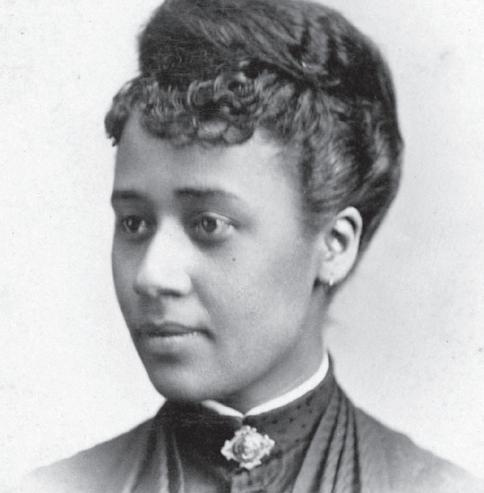
Born into slavery in 1858, Anna Julia Cooper, became an educator, scholar and writer. Her published collection of essays in 1892, “A Voice from the South,” argued that educating Black women was key to uplifting all Black people. Cooper’s quote on human rights is included on U.S. passports: “The cause of freedom is not the cause of a race or a sect, a party or a class — it is the cause of humankind, the very birthright of humanity.”
In 2023 and 2024, Blvck toured with El Debarge, which she calls her “favorite experience” thus far. “Being in rehearsals with him and seeing his musical genius blew me away,” Blvck said. The audience’s reactions also left an impact. “I would find myself in shock playing his classics and watching the crowds sing his songs from their heart.”
Blvck has built an ever-increasing popularity with her signature sound and flair for fashion.
Blvck, who said she likes to “dress how I feel,” acknowledges that a boldly attired Black woman playing the violin cuts an unconventional image for some. A fact she embraces.
“Being a Black woman playing the violin inspires so many people. I have always believed that is why I was put on earth,” she said.
Blvck also takes pride in establishing her own musical niche.
“A lot has been stolen from people of color throughout history,” Blvck said. “So, I believe I have a job to make people look inward and question the narratives we are told about ourselves.”
Blvck said that making her own way gives her the power to bypass professional limits set by societal or even industry stereotypes. “I make my own space and find those that vibe with me. No challenges,” said Blvck.
Stringed music is not the only sweet sound in Blvck’s life these days. In 2025, she gave birth to twins Makayla and Makai. “It’s very new for me,” she said. “[But] I love being a mom. My son dances every time I start to play the violin, and my daughter is already trying to sing.”
Much like her own mother, Blvck said she has every intention of encouraging her little ones to embrace creativity unabashedly. Her advice is the same to all children who have big dreams that may seem unattainable here and now. “I would say, ‘Follow your deepest passions. If it feels good to you, then keep exploring it.’” P
Photo courtesy of Oberlin College Archives
Photo courtesy of Charles Mitchell II
HopeWay’s Teen Mental Health day program combines mental health treatment with academic support, giving teens the tools they need to thrive. Here, treatment is a proactive step - not a last resort - toward a healthier, brighter future.
hopeway.org/who-we-serve/teens • 1-844-HOPEWAY HopeWay is a 501(c)3 organization.
SPONSORED CONTENT
Understanding the Teenage Brain
By Taren Coley, MD Director of Child & Adolescent Services
You often hear that adolescence is one of the most significant periods of change, and for good reason. Teens experience rapid physical growth, hormonal shifts, evolving relationships, and increasing responsibilities. At the same time, their brains are still developing and will not be fully mature until the mid-twenties.
HopeWay psychiatrist Taren Coley, MD, double-board certified in Child & Adolescent and Adult Psychiatry, explains that the brain develops from back to front, with the frontal cortex maturing last. This area is responsible for decision-making, reasoning, impulse control, and problem-solving. In contrast, the amygdala, the brain’s emotional center tied to the “fight, flight, or freeze” response, develops much earlier. As the brain matures, a process called pruning strengthens useful connections while eliminating others, making the brain more
efficient. While teenagers and young adults may physically look grown up, they still use a more primitive part of their brain and act based on emotion, rather than reason or rationality.
The dichotomy is that as children get older, they are faced with more challenging situations and decisions, but their brain
has not yet caught up. It does not mean they cannot decipher right from wrong or make the right decision, but it can be more challenging. There are often societal expectations that teens should be able to make adult decisions, but we need to remember that the brain is still maturing. Also, teenagers can be egocentric and have a hard time seeing outside of themselves. Often, they do not see the bigger picture and cannot recognize that their actions have reciprocal effects. Show them how to consider another perspective by discussing a decision in your own life. Analyze the pros and cons, and discuss the consequences. Modeling behaviors like rational thinking, empathy, and considering different viewpoints will help support healthy brain development. Also, involvement in various educational, physical, and creative opportunities is important as the brain learns how to adapt and respond.
To learn more about HopeWay’s teen mental health program, scan the QR code above.
The Matthews Brothers Make History at Johnson C. Smith University
By Loán C. Lake
Adjusting to life in college can be tough under normal circumstances, but what happens when that transition occurs when there’s a spotlight on you for making history and almost everybody knows your name? At Johnson C. Smith University (JCSU), that has been the case for Josiah,15, and his twin brothers, Zechariah and Isaiah, who are both 17.
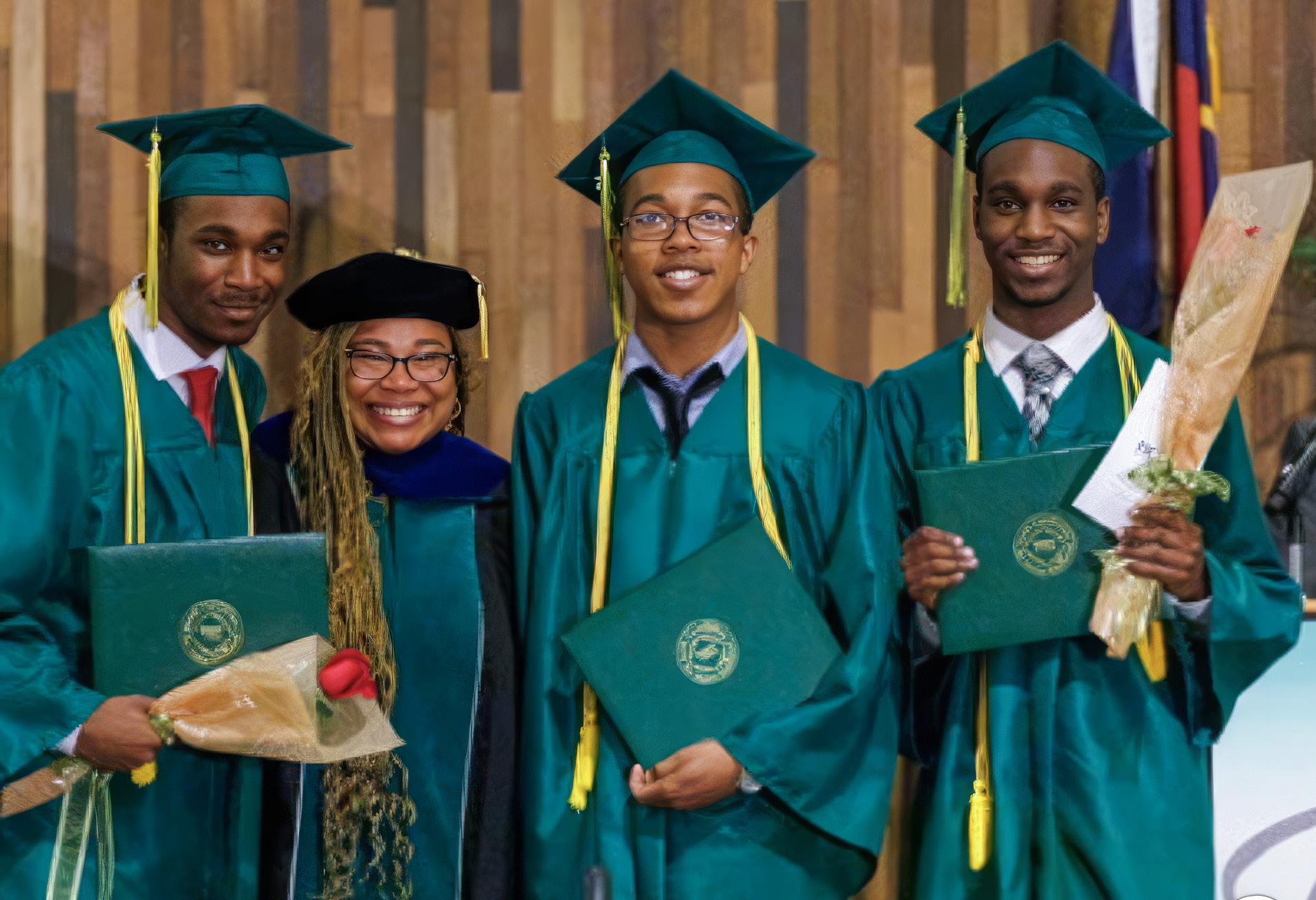
They all chose to begin as freshmen at their mother’s alma mater. The three brothers have entered young adulthood as an anomaly on their campus, as well as legacies of their mother, Dr. Sheikia TalleyMatthews, a high school teacher with Charlotte-Mecklenburg Schools and 2005 JCSU graduate.
Siblings and schoolmates
Josiah, the youngest of the group, is also the youngest freshman in the university’s history, while Zechariah and Isaiah are identical twins.
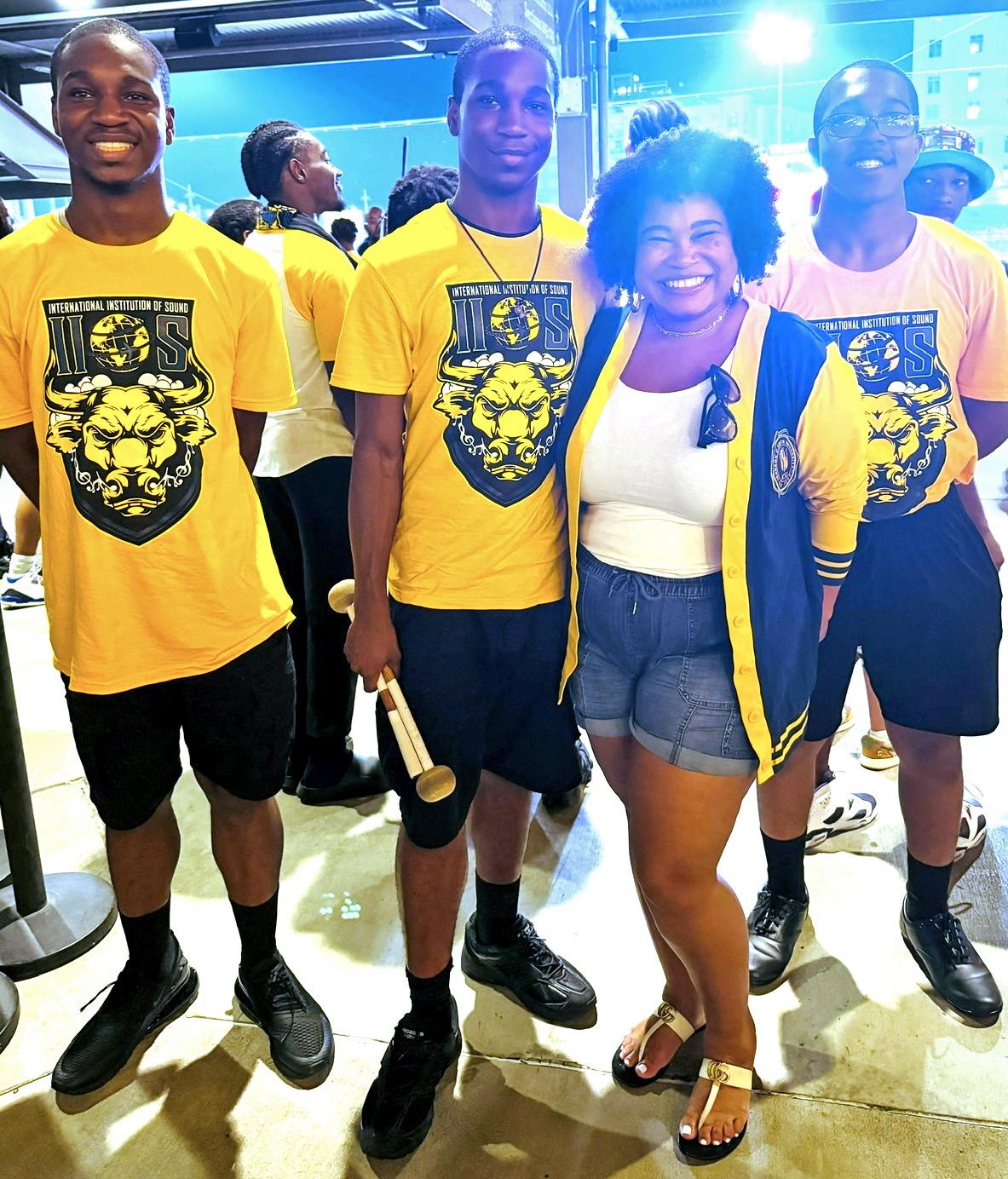
Homeschooled by their mother for most of their educational career, the Williams brothers have excelled academically. Their introduction to college life has included shared experiences of participating in JCSU’s ‘Becoming Kings’ male mentorship program led by Alex Bibbs, and being members of the school’s marching band, also known as ‘The International Institution of Sound.’
However, they are each finding ways to adjust to their new journey and carve out their own space on campus.
Josiah, a computer science major, has launched full speed into his core curriculum and wants to open a computer manufacturing company in the future. Despite being younger than his peers, Josiah carries a confidence that is largely due to the educational foundation provided by his mother during his formative years.
“My mom and her homeschooling process made me feel that I could do this. I didn’t know that I was doing higher education work at the time,” he said.
“He was really advanced since he was one,” said Dr. Talley-Matthews. “He was tested as academically gifted at age three
To ensure that they received strong male mentorship, the Matthews brothers participated in JCSU’s “Becoming Kings” program — a transformative six-week summer initiative designed to prepare incoming Black male students for college life through mentorship, leadership development, corporate site visits and cultural enrichment.
Twins Zechariah and Isaiah Matthews, 17, and their brother Josiah Matthews (far left), 15, are all freshman at Johnson C. Smith University. Their mother, Dr. Sheikia Talley-Matthews (front), is a JCSU graduate.
and started kindergarten at age four. I began homeschooling Josiah and his brothers during his first-grade year and their third-grade year.”
Josiah said he’s adjusting to his course load just fine, but he’s still acclimating to social life at the school. “Socially there are some things I have to adapt to,” he said.
“Most of my friends know me from music, which has really helped with my identity,” he said. As a member of both the marching and concert bands, he’s an accomplished musician and skilled with playing the bass guitar, piano and the saxophone. He said music has become his outlet to deal with the stress of undergraduate life.
Much like his younger brother, Isaiah is trying to manage his adjustment to young adulthood and being a college student. The most soft-spoken of the brothers, Isaiah admits that while having his twin and younger brother close by, the transition has been a bit more challenging for him.
“It’s been a hard semester. I’m studying business and half of the classes are good, and half are bad,” he said.
As the more introverted sibling, and a twin, Isaiah has found it tricky to carve out his own space on campus. Outside of class he plays video games and socializes mostly with his brothers and a few friends. However, he said he finds some solace in playing trumpet in the school band. He also has received guidance from Bibbs because of his participation
in the mentorship program and is looking forward to the spring semester.
Perhaps the most outgoing of the group is Zechariah, a charismatic business administration student and percussionist with a vision of being an entrepreneur. He’s also Josiah’s roommate.
Zechariah shared how he makes space to create his own mark on campus. He plays the bass drums in the marching band.
“This has been a very fun and interesting semester, Zechariah said. “We have our own freedom, and we’re doing band and other activities. We are just very different in personality and people have caught on to that.”
Becoming kings
Having lost their father during their first year of high school, it was important to Dr. Talley-Matthews that her sons have the smoothest possible adjustment in their next phase. “They could have chosen whatever school they wanted to go to. I just hoped that at least two of them would attend school together if they went somewhere else, so it could be an easier adjustment,” she said. However, Zechariah was the first to select JCSU and the other two followed.
To ensure that they received strong male mentorship, the Matthews brothers participated in JCSU’s “Becoming Kings” program — a transformative six-week summer initiative designed to prepare incoming Black male students for college life through mentorship, leadership development, corporate site visits and
cultural enrichment. The program leader, Alex Bibbs, embraced the challenge of mentoring three siblings in the same cohort, including a freshman as young as Josiah.
“The ’Becoming Kings’ program has been around since 2022. Josiah, Zechariah and Isaiah were part of Cohort 4 and part of our legacy class, which consists of friends and family of [JCSU] alumni,” Bibbs said.
“Academically, Josiah was already solid. Josiah and I bonded over his love for Krispy Kreme doughnuts. I was most concerned about him socially, but he did his thing and became the comedian of the cohort. He walked away with older big brothers and is already an ambassador for the program,” Bibbs said.
Josiah, Isaiah and Zechariah said they are proud to be attending their mother’s alma mater and charting their own course. “I thought I wanted to go to Livingstone (College) or Fayetteville [State University], but I remembered that I wanted to attend because my mom was a Bull (referencing JCSU’s Golden Bull mascot),” said Zechariah. “You have to carry on that bloodline. Is that pressure? Yes, but not really.”
Josiah has a slightly different take. “I like to think of it as, she has her legacy, and I will soon have mine.” P
La Becky Roe’s Faith-Fueled Mission for Autism Inclusion
By Brenda Porter-Rockwell
Advocating for individuals living with autism spectrum disorder (ASD) was not a path La Becky Roe — now the Founder and Executive Director of Charlotte-based Let’s Talk About It…The Autism Center, Inc. — set out to do. It was, she believes, a calling by God placed on her life, long before she understood what the work would require.
“When I was 13, God told me I was going to have a child with special needs,” Roe said. “He didn’t tell me what kind of special need — just that I would.”
Decades later, that early moment of divine clarity took on profound meaning.
In 1995, Roe gave birth to her son Chris. At age three, Chris was diagnosed with autism. In 1998, doctors delivered a prognosis that shook her to her core: Her son, who was nonverbal at the time, would never mature like his peers and would never even know if she left the room.
“Those words weren’t just devastating,” Roe said. “They were dismissive, uninformed and deeply disrespectful of my son’s humanity and potential.”
What doctors failed to see, she said, were the ways her Chris was already
communicating with the world. He could read, solve puzzles, sing on pitch, grasp math concepts, follow directions, and show joy and curiosity.
Devastated — but not defeated — Roe leaned into her faith and her family. Together with her then-husband and extended family, she decided they would not allow the doctor’s limited expectations to define their son’s future.
She prayed: “Lord, help me, order my steps. Show me what I need to do for my son. And today, when I talk to families, I tell them — use your tribe.”
A life shaped by advocacy
Long before autism entered her life, Roe was a natural advocate. As a teenager, she worked to build healthy friendships and mediate conflicts. Born in Lugoff, South Carolina, and raised in New York City, Roe said she learned early how to navigate diversity, challenge and opportunity.
Those skills followed her into adulthood and onto the streets of New York, where she served as a New York City police officer.
“My years in law enforcement exposed me to crises, inequity and what happens when systems fail people with complex
Left and Above: La Becky Roe and her son, Chris Roe
Photos courtesy of La Becky Roe
needs,” Roe said. “That understanding became deeply personal when my son was diagnosed.”
After retiring from the N.Y.P.D., Roe relocated to Charlotte with her family and returned to school. She earned a degree in business administration and later pursued degrees in criminal justice and human services with a concentration in applied behavioral analysis and crime prevention. Roe eventually completed a graduate certificate in autism spectrum disorder.
“As a Black woman, I knew lived experience wasn’t enough,” she said. “I needed credentials, too.”
Turning purpose into action
In 2018, more than a decade after Chris’ diagnosis, Roe founded Let’s Talk About It... The Autism Center, a nonprofit dedicated to advocacy, education and inclusion for individuals on the autism spectrum.
The organization was born out of Roe’s lived experience and a hard truth: too many families — especially families of color — were navigating autism alone. “Awareness without action doesn’t change outcomes,” Roe said.
Let’s Talk About It works to empower individuals with autism across the lifespan while equipping caregivers, educators, employers, faith communities and service providers with practical tools to offer meaningful support.
“Our goal has always been to fill the gaps — education, advocacy, social skills and systems navigation — where families too often fall through the cracks,” Roe said.
In 2023, Roe shared her journey with ASD in her book, “Spectrum of a
Journey,” chronicling the realities of raising a child with autism and challenging the narratives that limit families’ access to care and resources.
Proof beyond predictions
Today, Chris stands as living proof that predictions do not determine destiny. He sang in his high school choir, graduated college, entered the workforce, and now, at 30 years old, is studying computer coding.
“None of this happened by accident,” Roe said. “It happened because someone believed in him when it mattered most. And because faith, hope, persistence and love proved more powerful than prediction.”
The work of Let’s Talk About It has never been more urgent. According to the Centers for Disease Control and Prevention, about 1 in 31 children in the U.S. have been identified with ASD, making community-based resources essential.
Keeping the conversation going
Roe believes the first step toward inclusion is understanding that autism is not a deficit — but a difference.
“Autism is a different ability, not a different disability,” she said.
Families are encouraged to engage with Let’s Talk About It through workshops, support groups, community events and educational programming. The organization also partners with schools, agencies, faith communities and workplaces to provide autism-focused training and consultation.
Support can take many forms — volunteering, financial investment, or simply creating room for autistic voices to be heard.
“Every form of support strengthens an ecosystem of care,” Roe said. “That’s reflected in the trust of partners like United Way, which has funded our work for three consecutive years.”
For Roe, the mission remains deeply personal — and deeply spiritual.
“This is bigger than me,” she said. “It’s about making sure no family feels invisible, unheard, or alone.”
And it starts with a conversation. P
La Becky Roe and Let’s Talk About It…The Autism Center staff (left to right): Alvina Johnson Myers (top left), La Becky Roe, Jennifer Briggs-Patterson and Chavon Robinson (with laptop)
La Becky Roe (left) and Jennifer Briggs-Patterson with a client
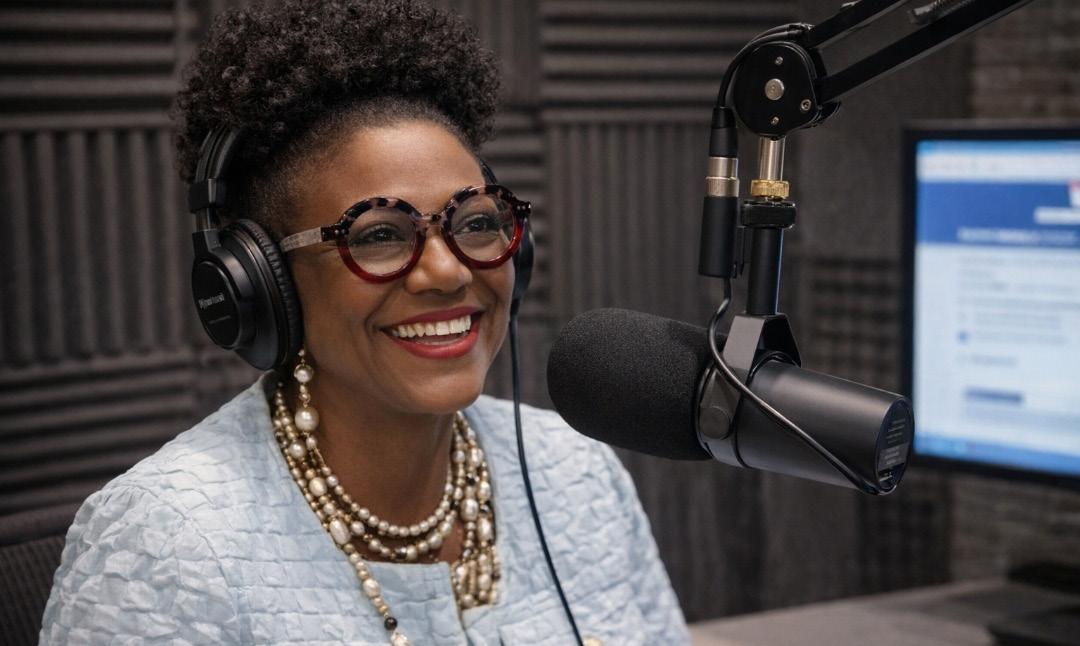
Rubie Britt-Height Advocates for Strong Community Support and Engagement at WFAE
By Charles K. Harris
Following Congress’ devastating cuts to the Corporation for Public Broadcasting budget last summer, public media outlets across the nation have been scrambling to fill the gaps.
Charlotte’s WFAE is no exception. The independent public radio and NPR news broadcaster announced last year an expected deficit of $1 million dollars.
Rubie R. Britt-Height, Director of Community Engagement and Partnerships at WFAE, said her commitment to preserving local radio is not just a professional obligation.
“I’m meant to be a part [of sustaining WFAE] in this season of my life,” BrittHeight said. “I’ve further learned how important and needed the character and integrity of broadcast journalism are needed and relied upon today,” she added.
In her role at the station, BrittHeight said her focus is on visibly advocating on behalf of WFAE and its mission to provide clear, unbiased and inclusive journalism to listeners.
A divorced mother of three, BrittHeight explained that while the federal cut has been a blow, it does not spell the end for WFAE. “Even after [defunding], WFAE has reimagined how to maintain our on-air, social media platforms and community presence,” she said.
According to Britt-Height support has been “tremendous” from listeners during this shift. “[Listeners] see, value and help sustain us with amplified voices,” said. “That’s what community does.”
Britt-Height ‘s role involves building partnerships with other organizations, programming and fundraising among other duties, including serving as a program host.
Rubie R. Britt-Height, Director of Community Engagement and Partnerships at WFAE
When the CPB was initially created in 1967, it had wide bipartisan support. The goal was to ensure educational and cultural content be created noncommercially, in an effort to prohibit content influence from backers.
The focus was on inclusion, highlighting the audiences often overlooked, underserved or even ignored by mainstream commercial broadcasters, primarily through PBS and later NPR.
“PBS and NPR were established to keep citizens informed with a nonpartisan approach. They inform via trusted, factbased news reporting,” Britt-Height said. “[They] gave “platforms for dialogue, conversation, debate, equity, art, culture and storytelling.”
Even prior to spending decades working with community outreach and as a diversity, equity, inclusion and accessibility [DEIA] specialist, BrittHeight said the idea of cultural unity was one instilled by her parents during her formative years.
Born and raised primarily in Richmond, Virginia, Britt-Height said her parents were both heavily active in church and community roles which focused on lending both a hand and a voice to those in need.
“They led with humility, and a strong love and work ethic,” Britt-Height said. “Love was extended by them throughout the community, as was justice, hard work and equity.”
Britt-Height said her father, an Army veteran and farmer and her mother who worked in education, encouraged building strong character in addition to accumulating knowledge.
“Getting a good education and living honestly were emphasized. We knew of different cultures and ethnicities,” she said. “This was a way of living, before the term [DEI] had even been coined.”
According to Britt-Height, this early exposure influenced her career choice in more organic fashion, versus a solitary cathartic flash of inspiration.
“I was baptized at 5, and ‘coming up out of the water’, I knew I had a special calling on my life yet not knowing what that was,” she said. “My parents modeled humility and community service for me, so it wasn’t an ‘a ha’ moment. It was a part of who I was and would become.”
Eventually, Britt-Height decided to blend her love of art with her desire to give back.
“Even after [defunding], WFAE has reimagined how to maintain our on-air, social media platforms and community presence.”
—RUBIE BRITT-HEIGHT
“[My goal became] advocacy, community engagement, service, developing partnerships and relationships, and supporting and using the arts as a mechanism for social justice,” she said. “For me, the visual and performing arts can speak to all aspects of life.”
After graduating from Hampton University with a degree in mass media arts and public relations, Britt-Height has had a colorful career working in various media and community service roles, spending over 15 years working at the Mint Museum in community relations and DEIA.
Britt-Height said she’s concerned about recent efforts to dismantle DEIA policy, training and accountability.
“[DEIA] laws and policies are to help safeguard and keep our local, state, and nation growing as a positive, well-rounded, culturally engaging society that supports its citizens,” Britt-Height said. “Historically, imbalances can occur for numerous reasons, locally and globally…so we rely on the mechanisms of policies and laws to support an ongoing, viable society where all can thrive.”
Still, Britt-Height remains optimistic about the future, particularly for minorities, but cautions that true inclusion demands participation from all corners.
“[We all] must continue to strive for conversations and understanding of cultures and community,” she said. “Our city, county and region are very diverse in ethnicities, cultures [and] beliefs. Sustainability of a society and community are critical to a positive quality of life for all — regardless of differences.
Britt-Height’s enthusiasm carries over into her personal life as well.
She has been involved in various causes including supporting the local arts, special needs groups, historical preservation, holistic health and wellness as well as leading workshops and conferences on women’s issues.
For the last 40 years she has also been an active member of the Friendship Missionary Baptist Church.
For Britt-Height, there is little separation between maintaining strong personal values and providing generous community support.
“The capacity to exhibit empathy, compassion, assistance and care are common in a society that believes in and exhibits a shared humanity,” she said. “I am a public servant, and I believe we all can be great through service, humility, and grace with love at the core.” P
The WEBE Institute: Where Black Maternal Health, Trust and Advocacy Meet
By Angel Morel Brown
Ten days after giving birth to her second son, Dr. Jonisha Brown felt a strange sensation in her chest. What began as discomfort quickly escalated into severe pain, nausea and shortness of breath. Like many postpartum women, she questioned whether what she was experiencing warranted emergency care. When the pain became unbearable, her husband drove her to the hospital. What followed was not reassurance — but delay.
Brown had suffered a heart attack caused by spontaneous coronary artery dissection, a rare condition that disproportionately affects postpartum women due to hormonal and fluid shifts after pregnancy.
“I almost went home,” she said. “And I often think, if this happened to me, what happens to women who don’t know what questions to ask, or who aren’t believed when they say something is wrong?” That question would later become the foundation of her work.
Despite presenting with severe symptoms, Brown — a physician herself — was left waiting as her pain was minimized and her concerns initially dismissed. It wasn’t until a colleague recognized the seriousness of her condition and pushed for her to be taken back that she was seen. Later, as she was being prepared for discharge, a cardiologist reviewing her chart flagged critically elevated cardiac markers and intervened, ultimately leading to her diagnosis.
From experience to action
Trained in family medicine and deeply committed to underserved communities, Brown had long understood health inequities in theory. Living through a nearfatal postpartum complication made the crisis of Black maternal health impossible to ignore.
“Education doesn’t save you. Money doesn’t save you,” she said. “None of the things people assume explain these outcomes actually do.”
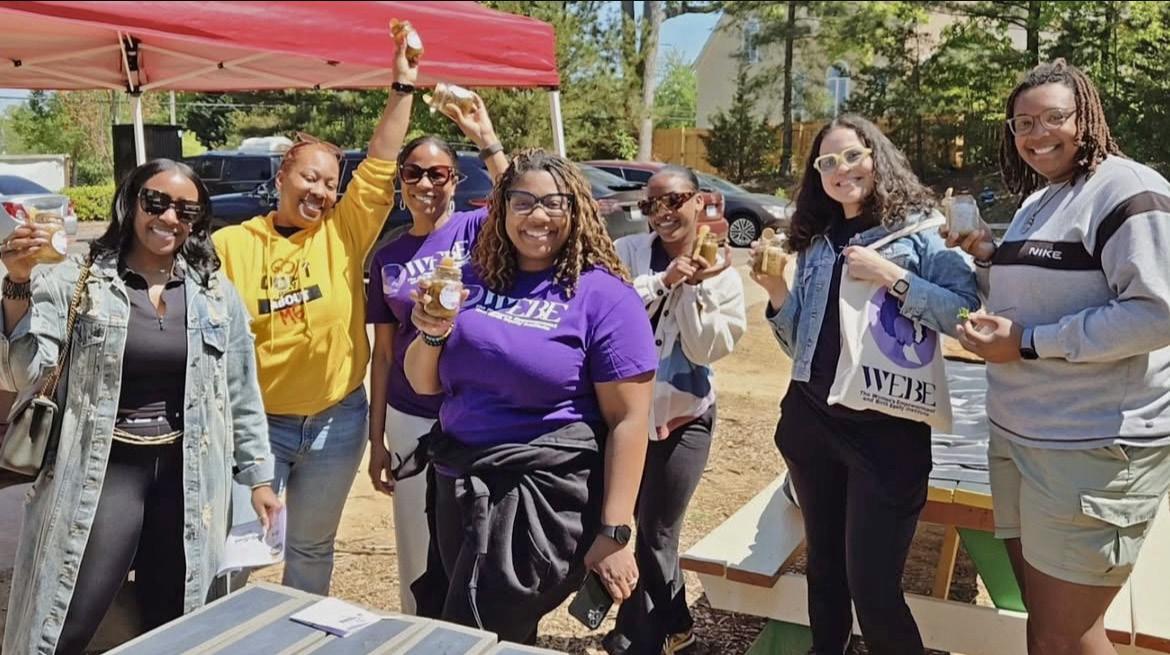
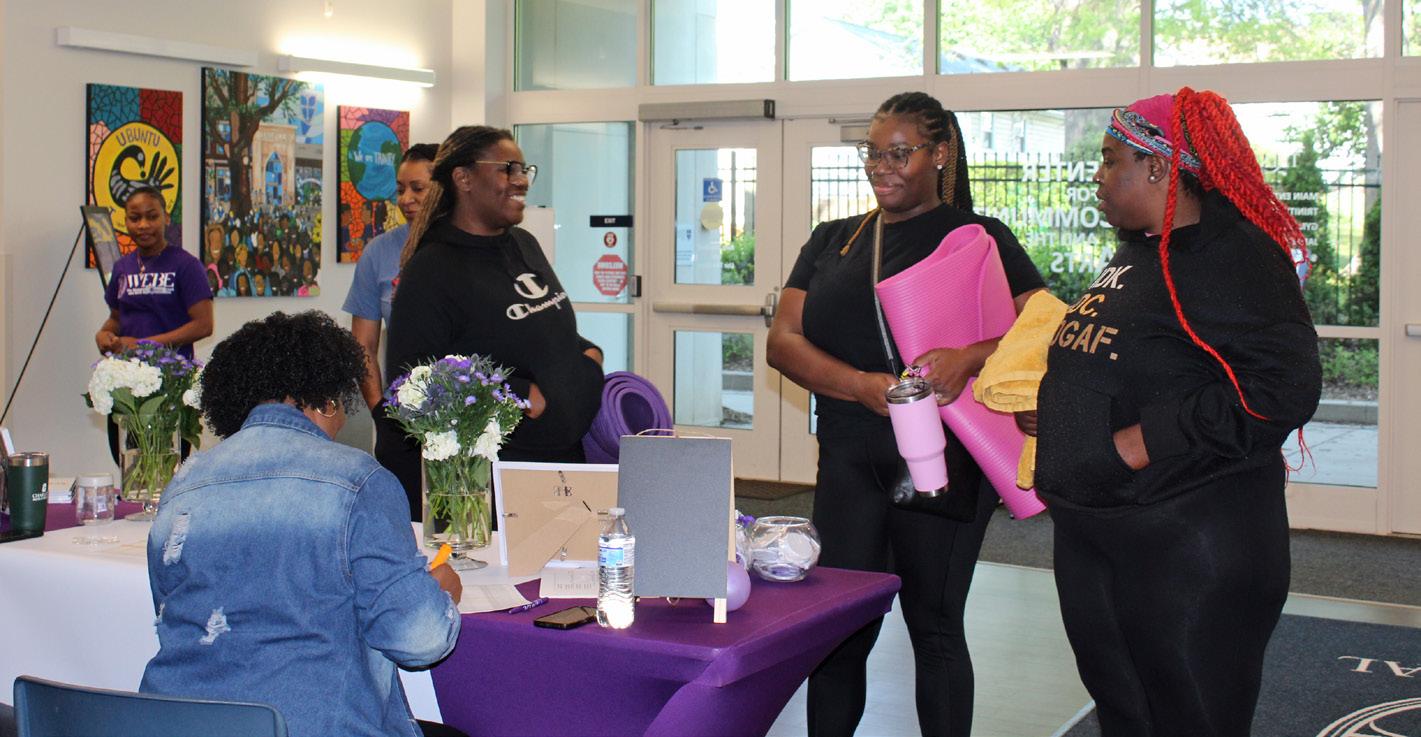
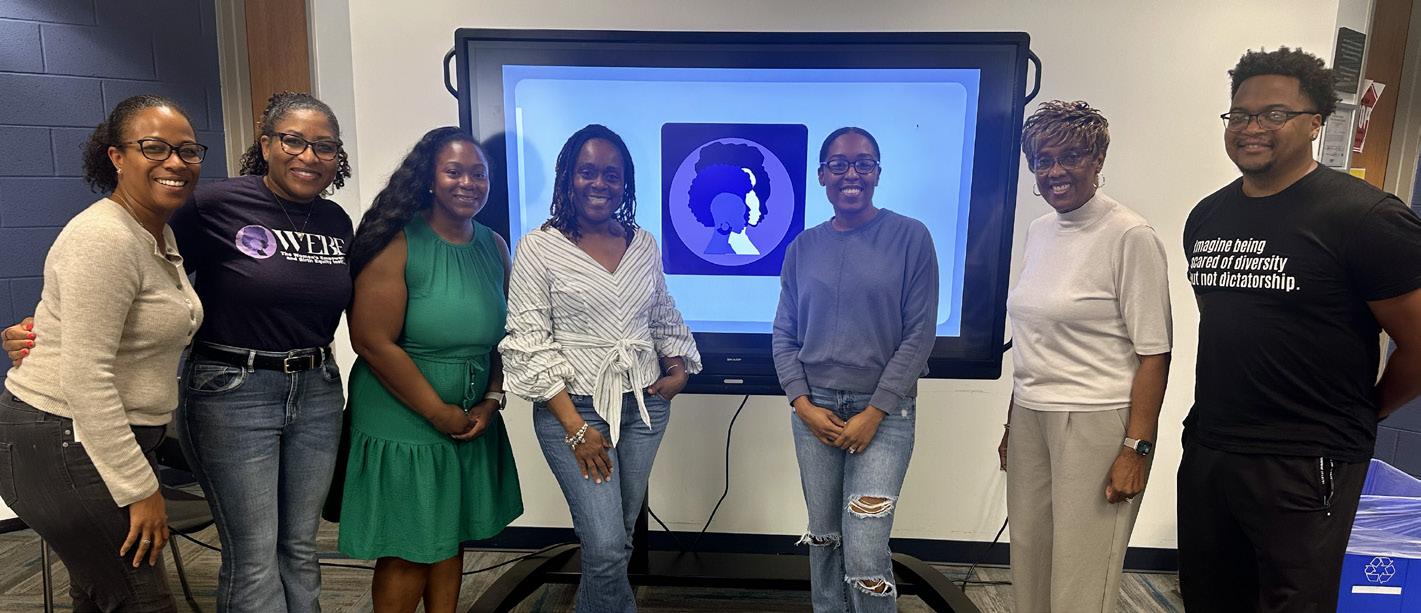
Above: Dr. Jonisha Brown, founder of the Women of Empowerment and Birth Equity Institute; Left: Dr. Jonisha Brown (3rd from left) and the WEBE community; Below: WEBE holds a Community Forum at Archive CLT in 2024
Years later, amid the covid-19 pandemic, the racial reckoning following George Floyd’s murder, and her pursuit of a Master of Public Health, Brown realized clinical care alone was not enough. In 2023, she founded the Women of Empowerment and Birth Equity (WEBE) Institute in Charlotte to address systemic gaps placing Black women at risk before, during and after pregnancy.
WEBE unapologetically centers Black women and Black birthing persons—not to exclude others, but to ensure care is rooted in lived experience, cultural safety and trust.
What WEBE does and why it works
At the heart of WEBE’s work is one-onone advocacy and health support, offered free of charge to Black women who are considering pregnancy, currently pregnant,
Why birth equity must be specific
In Mecklenburg County, Black mothers are five times more likely to die from preventable pregnancy-related causes than their white counterparts. More than 80 percent of those deaths are considered preventable. These outcomes persist regardless of education, income or access to prenatal care.
For Brown, addressing this crisis requires specificity—not generalization.
“We don’t say ‘women of color’ because that erases real differences,” she explained.
“The cultural needs of Black women during pregnancy and postpartum are distinct.”
In Mecklenburg County, Black mothers are five times more likely to die from preventable pregnancy-related causes than their white counterparts. More than 80 percent of those deaths are considered preventable.
Above: WEBE “Resistance WeTreat” in 2025; Below: Members of the WEBE Board of Directors
resources that already exist but are often underutilized due to lack of trust. Rather than duplicating services, WEBE acts as a bridge — rebuilding relationships between Black communities and healthcare systems.
The cost of being ‘strong’
A recurring theme in Brown’s work is “weathering” — the cumulative toll of chronic stress, racism and pressure placed on Black women’s bodies over time. “We’re taught to push through,” she said. “And that constant stress lives in the body.”
This stress directly impacts cardiovascular health and pregnancy outcomes yet is often overlooked in maternal care. WEBE reframes the narrative, helping women understand that poor outcomes are not personal failures, but systemic ones.
“There is nothing wrong with our bodies,” Brown said. “This is something happening to us—not because of who we are, but because of how we’re treated.”
Impact and looking ahead
Since its founding, WEBE has supported women through high-risk pregnancies, postpartum depression, hypertension and other complications —
or up to one year postpartum. These individualized relationships — often between Black women and Black female physicians — create space for conversations that extend beyond medical checklists.
“Sometimes we’re talking about blood pressure or preeclampsia,” Brown said. “Other times we’re talking about stress, finances, mental health or whether someone feels supported enough to parent at all.”
WEBE also provides community education and partners with trusted local organizations, helping women access
without a single maternal death among those served.
“We see impact in women feeling confident enough to ask questions,” Brown said. “To say, ‘This doesn’t feel right.’ That confidence is advocacy.”
WEBE does not aim to become a massive institution. Its vision is rooted in accountability, depth and community impact—right here in Mecklenburg County. As Brown puts it simply: “When Black women are supported, whole communities thrive.” P
The Queen City Culture Film Festival Highlights Short Films from Around the World
By Derik Hicks
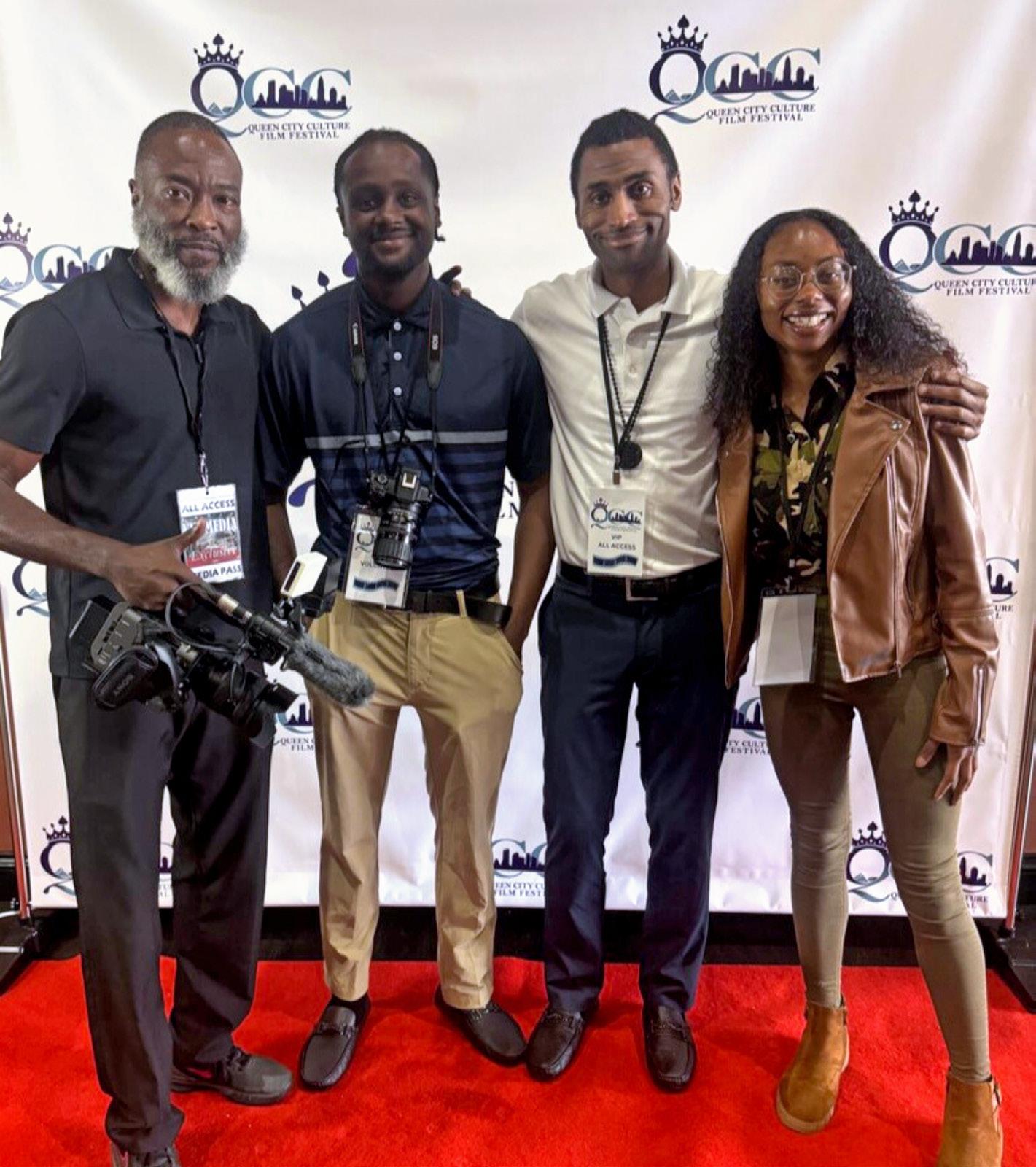
Charlotte’s creative landscape continues to evolve, and at the heart of that growth is the Queen City Culture Film Festival (QCCFF), a short-film festival founded by two Black women with deep roots in film, performance and community storytelling.
Michelle Harbin and actor Maritalyn Frazier founded the festival last year. Now entering its second year, the festival returns in April 2026 with a renewed commitment to elevating underrepresented voices — and an expanded vision that reaches beyond traditional film spaces.
For Harbin, storytelling has always been more than entertainment. She said it’s a reflection of lived experience, resilience and connection.
“My experiences as a writer, director, actor and award-winning filmmaker guide me to prioritize narratives that reflect struggles, victories and community spirit from all cultures,” Harbin said. That creative foundation shapes every aspect of the festival — from film selection to audience engagement.
Launched in Charlotte and rooted firmly in the Southeast, the QCCFF filled a noticeable gap in the region’s arts ecosystem. While Charlotte is home to many creative initiatives, Harbin saw an opportunity to build something distinct — one that centers short films, emphasizes cultural authenticity and actively welcomes voices that are often overlooked.
“The Queen City Culture Film Festival emphasizes diverse and underrepresented voices from the Southeast, partnerships with academic and arts organizations, and elevating local and regional culture through film,” Harbin said.
That focus extends to the festival’s accessibility. QCCFF prioritizes venues that accommodate disabled audiences, offers closed captioning where possible
and maintains a transparent submission process for filmmakers. The goal, Harbin said, is to ensure both creators and audiences feel welcomed and seen. “Accessibility and representation are not optional — they’re essential.”
This commitment came into sharp focus earlier this year with the launch of the “Voices of Disability Film Showcase,” held in February at Central Piedmont Community College.
The showcase emerged organically after Harbin was introduced — through volunteer outreach coordinator April Benson—to Judith Brown, a disabled community advocate who expressed a desire to see a dedicated platform for disability-centered storytelling.
Above: Michelle Harbin, co-founder of the Queen City Culture Film Festival in Charlotte; Below: From left to right: Antonio Flair, Kameron McCall, Carlos Gladden and Kaneisha Moore-Gladden at the QCCFF last year.
Photo courtesy of Kameron McCall
DID YOU KNOW?
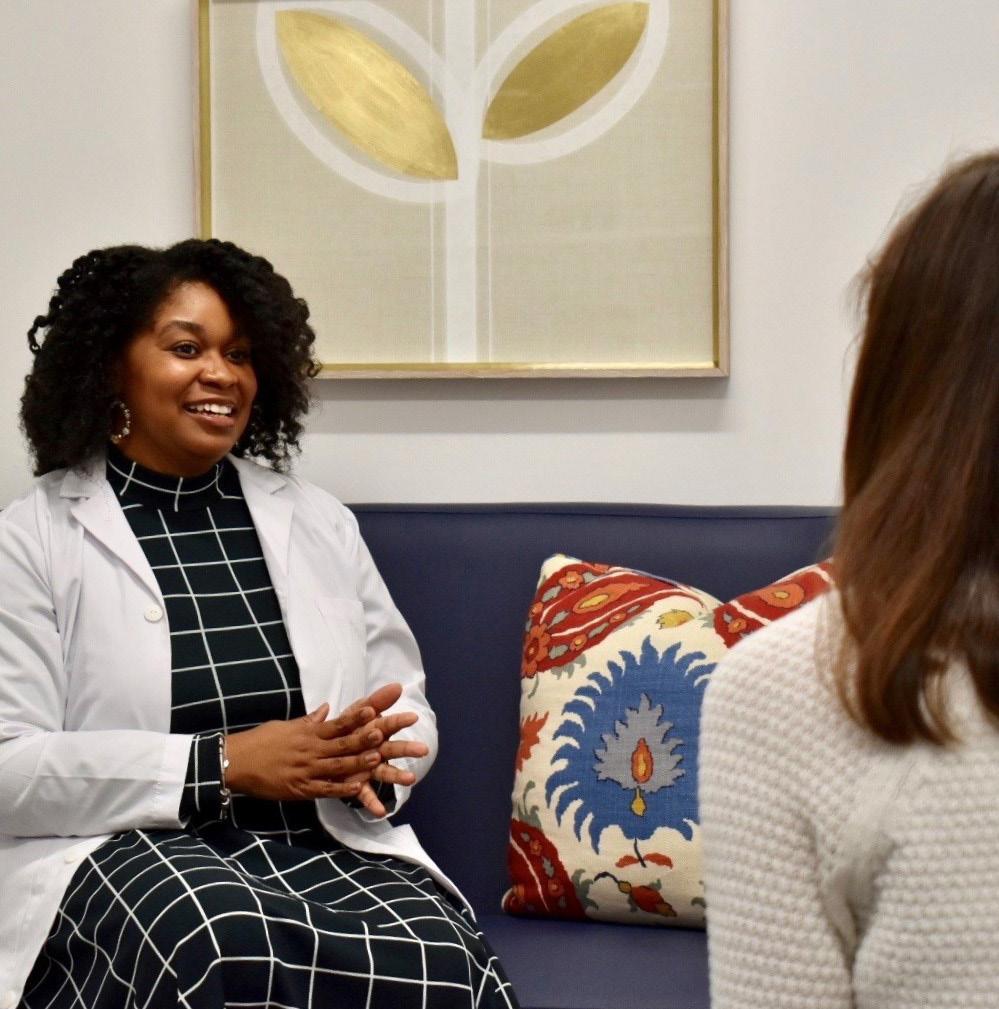
Dr. Regina Benjamin was the 18th Surgeon General of the U.S. She earned her MD from the University of Alabama in 1984. In 1990, she established Bayou Clinic, a rural health center in an underserved Alabama community. In 1995, Benjamin became the first Black woman elected to the American Medical Association’s board of trustees. President Barack Obama nominated her as U.S. Surgeon General, and she was confirmed on October 29, 2009. She served until July 16, 2013.
“Because I had the platform, I decided to create a disability category,” Harbin said. “Being the first of its kind means creating a new space where disabled artists in Charlotte — and from around the world—can share their own stories.”
What followed exceeded Harbin’s expectations. Films submitted by disabled filmmakers, including narratives centered on Down syndrome, quadriplegia and life-altering accidents, revealed both talent and urgency. One documentary, submitted despite exceeding standard runtime limits, moved Harbin deeply enough that she felt compelled to build something larger around it.
“I couldn’t just let those films sit there,” she said. “That’s when the ‘Voices of Disability Film Showcase’ came to life.”
Harbin said disability storytelling is not niche. “It’s not just for the disabled community,” she said. “It’s for anyone who has a family member with a disability
— and even if you don’t. They have a voice, and we have to support them.”
The Queen City Culture Film Festival will take place on April 25, 2026, at the Ayrsley Grand Cinema in Charlotte, from 1 to 10 p.m. The festival will feature short films from the U.S. and other countries, live Q&A sessions with filmmakers and actors, and an awards ceremony recognizing outstanding performances. Thanks to partial funding from the Arts & Science Council through its Culture Blocks grant, admission will be free.
“We’re bringing bold, boundary-pushing films, real conversations, and a true sense of community,” said Harbin. “This is family-friendly, easy to access, and designed for everyone.”
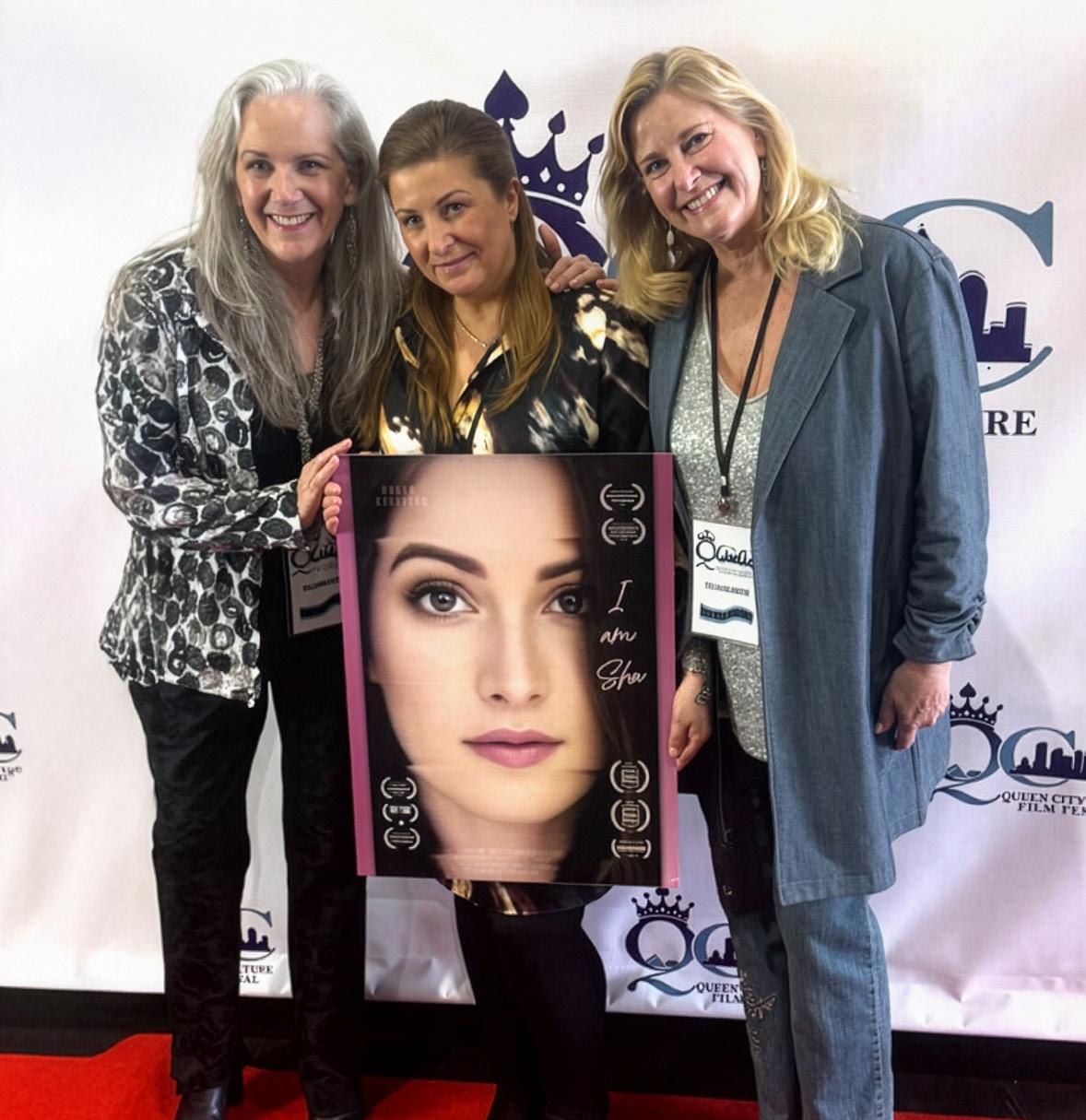
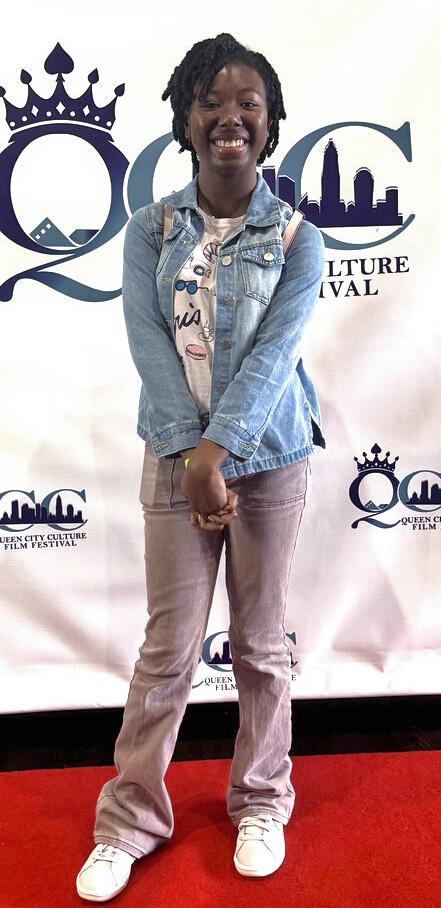
Right: A young actor, Joelle Oliver at the festival with her parents; Below: Left to right: Sandra Perry, Jessica Wilson and Heather Place attend the festival. Wilson directed an official QCCFF selection, “I Am She.”
For Harbin, one of the most powerful moments each year comes during the awards ceremony. “Seeing filmmakers’ faces light up when they hear they’ve won — it’s unexpected, and it’s emotional,” she said. “I’m helping make other people’s dreams come true, and in the process, I’m fulfilling my own.”
As QCCFF continues to grow, Harbin sees it as more than a festival — it’s a cultural connector. By showcasing regional talent, fostering dialogue and building partnerships across communities, the festival contributes to Charlotte’s evolving identity as a city where stories matter.
“I can’t do this alone,” Harbin added. “It’s my vision, but it takes a team and a supportive community. Without them, none of this would be possible.” P
From Breweries to Michelin Stars: Charlotte’s Global Culinary Rise
By Loán C. Lake
With the filming of Bravo’s Top Chef Season 23 and local restaurants recognized by the James Beard Awards and the Michelin Guide, the Queen City is no longer a culinary underdog. Once known primarily for breweries and casual dining, Charlotte is now carving out a reputation as a serious food city, one where Southern tradition meets global influence, and chefs earn national accolades without abandoning their roots.
Visitors and residents can enjoy myriad fare that transports the palate from Brazil to France to Tanzania, all within a few steps. Thanks to a growing number of social media influencers, creative marketing and the tried-and-true power of word of mouth, the rest of the world is learning that Charlotte’s culinary sector is blossoming spectacularly and continues to grow.
Fresh food rooted in community
Situated between the Piedmont Mountains and North Carolina’s
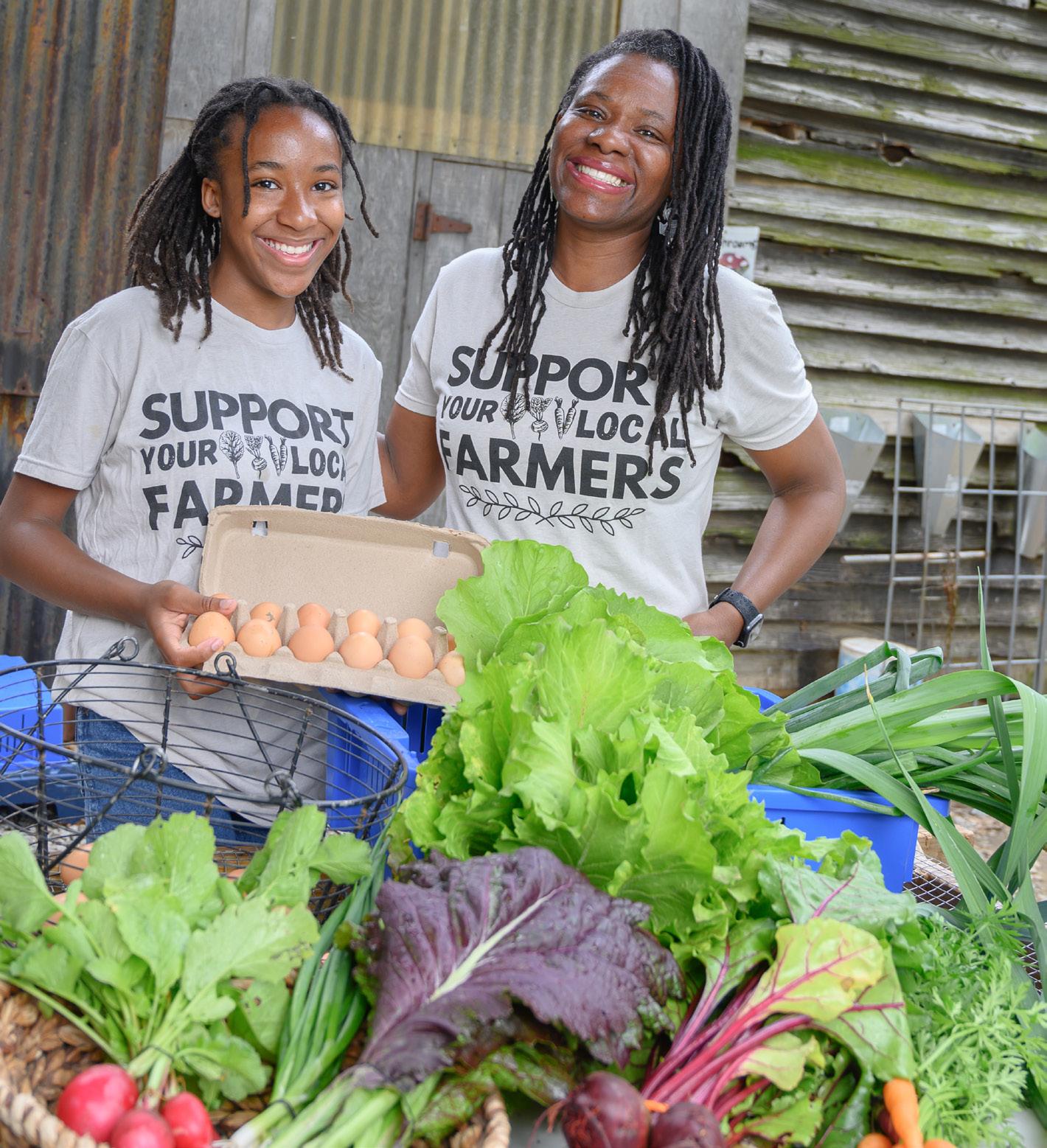
eastern coastal region, Charlotte is well positioned to access an array of local food suppliers. One such provider, Deep Roots CPS Farm — a seven-acre regenerative, urban farm and community staple — has become a sought-after resource for farm-to-table dining.
Known for its community planning solutions, Deep Roots is a rural oasis in the heart of East Charlotte. Owners Cherie and Wisdom Jzar, both firstgeneration farmers, run the day-to-day operations with help from their children, ensuring that high-quality meats, poultry and produce are sold to residents and chefs alike.
While the Jzars don’t openly market their products to restaurants, they have become sought-after suppliers through relationships formed as vendors at the Uptown Farmers Market in Charlotte’s city center. “Many of the chefs shop local markets, and that’s where we learned what they were using products for,” Cherie Jzar said.
“We worked with [James Beard–nominated] chef Greg Collier when he owned Leah and Louise, and we
currently work with Chef Andreas of Custom Shop. We are also connected with Chef Carl Brown and the students at Livingstone College in Salisbury, North Carolina — the only accredited HBCU culinary program in the country,” she said.
To help build the talent pipeline in Charlotte, Jzar said she would like to see a more concerted effort to help Charlotte youth connect to their food sources along with greater, long-term support for urban farms. “We need more urban farms where chefs can source their produce and serve from a farm right to the table. I would also like to see more Black folks
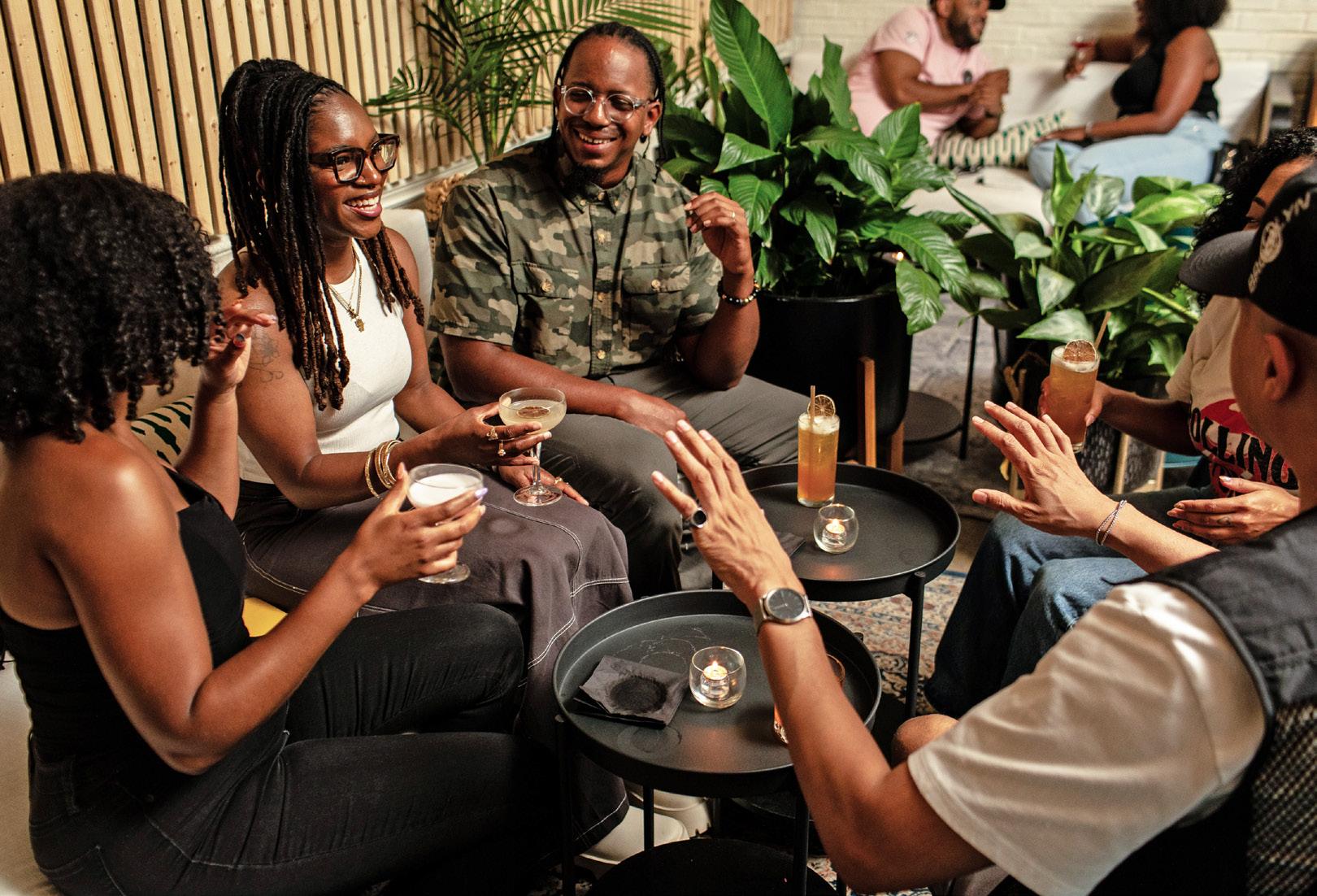
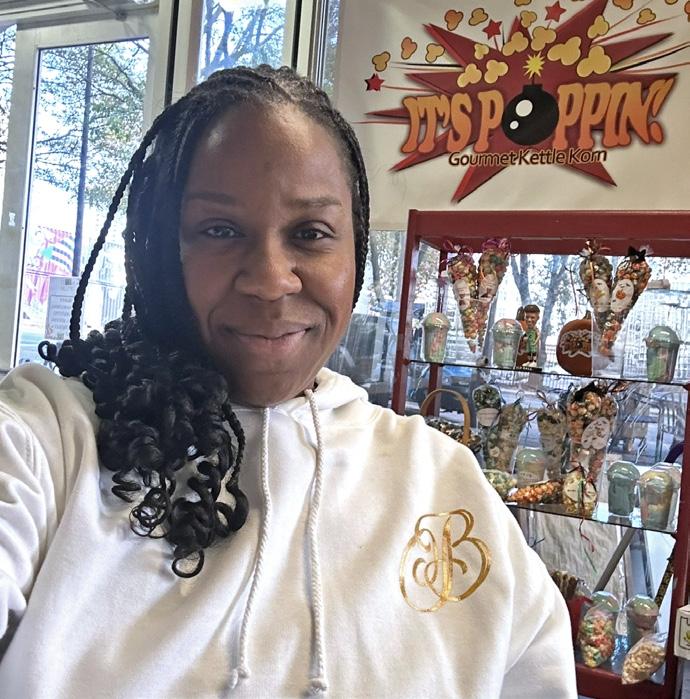
Top Left: Patrons enjoying their time at Lorem Ipsum Listening Bar; Top Right: Young customer eating kettle corn from It’s Poppin!; Bottom Right: Janelle Doyle, co-owner of It’s Poppin!
with thriving restaurants and serving the community. Black farms used to be everywhere, especially in the South,” she said.
Growing a crop of culinary talent
Culinary talent in the Charlotte area is being groomed at Johnson C. Smith University, Central Piedmont Community College, and Johnson & Wales University, which has produced award-winning alumni such as Chayil Johnson, executive chef at Community Matters Café in Uptown. Johnson was named a 2025 James Beard semifinalist for “Best Chef in the Southeast” category — one of four Charlotte-based semifinalists in the past year — and continues to create dishes that blend his New Orleans roots with Middle Eastern and North African influences.
“I’d like the food scene to continue to grow, and for guests to understand the privilege of seeing what chefs are
currently doing in this city,” Johnson said. “I don’t think enough people outside of the industry recognize the great things that have happened [in Charlotte] in under 10 years.”
“Charlotte has consistently been compared to Charleston, Asheville or Atlanta because people see it as an up-and-coming culinary attraction,” said Johnson. “In reality, Atlanta has been a prominent food city since the 80s … be patient. Find your local spots and support them. So many cool chefs are doing amazing things. I want to see more people coming from other places cooking their own food,” he said.
Global cuisine…bold, authentic flavors
Beyond food trucks, new chefs can gauge community support through culinary test kitchens like City Kitch in West End or kiosks at the 7th Street Public Market, home to It’s Poppin! Gourmet Kettle Korn
For the past eight years, former banking executive and It’s Poppin! co-owner Janelle Doyle has run the popular snack bar with her husband, chef Desmen Milligan, delighting customers worldwide with imaginative kettle corn flavors such as cookies and cream, white chocolate peppermint, mocha, and their signature Panthers Mix.
Charlotte offers something for every palate, and the caliber of its restaurants continues to rise. Last November, the 2025 Michelin Guide American South recognized the Wesley Heights restaurant Counter- with both a Michelin Star and Michelin Green Star for its vision for the future of gastronomy. East Charlotte community staple Vietnamese restaurant Lang Van received a Michelin Bib Gourmand rating, which recognizes restaurants that offer highquality, delicious food at a moderate price point, and Colleen Hughes of Supperland and Leluia Hall received the 2025 American South Exceptional Cocktails Award. Ten additional Charlotte restaurants were named to the Michelin American South’s 2025 Recommended Restaurants.
In 2025, “Esquire” magazine named Justin Hazelton’s Plaza Midwood cocktail bar, Lorem Ipsum, one of the best bars in America, while “The New York Times” recognized Bird Pizzeria as one of the best pizza places in the country. Owned by husband-and-wife team Kerrel and Nkem Thompson, the popular eatery went viral for its crowdpleasing kale Caesar salad.
These culinary gems tell a larger story — one of a city embracing growth while holding on to tradition. As chefs draw from their heritage to reimagine Southern favorites, a new flavor profile is emerging in the Queen City — bold, inclusive and distinctly its own. It is a transformation that Doyle sees as a win win.
“Wherever they [chefs] are coming from, they are bringing their own culinary experience, their own flavors and their own culture,” she said. “I’d like to see us becoming one of the food destinations in the world that people clamor to for the culinary experiences and backgrounds.”
Charlotte isn’t simply catching up to other food cities; it’s setting the table for what comes next. P
Left: Two members of the Jzar family at Deep Roots CPS Urban Farm
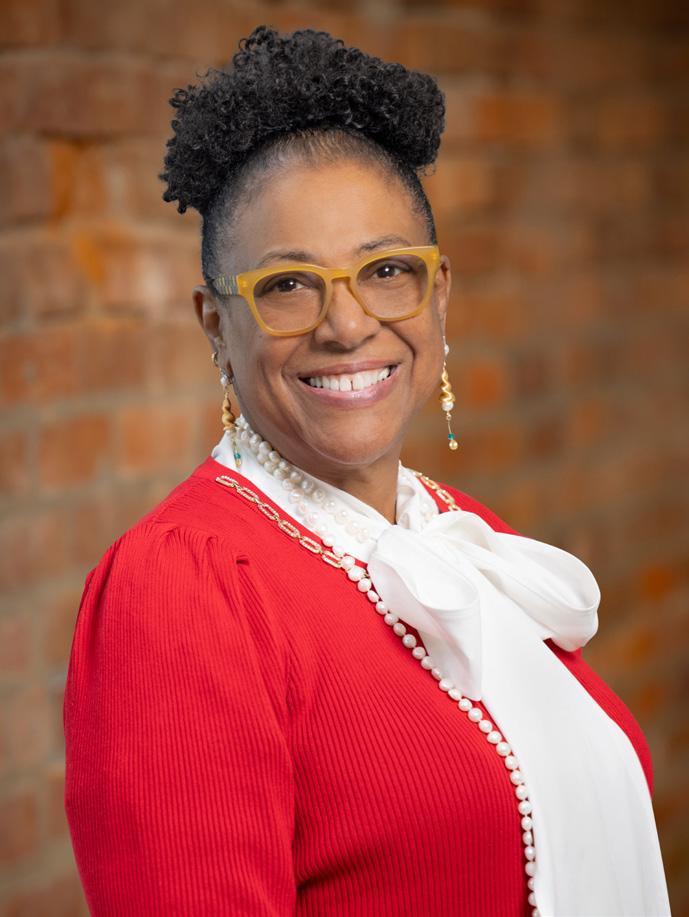
Joan B. Goode
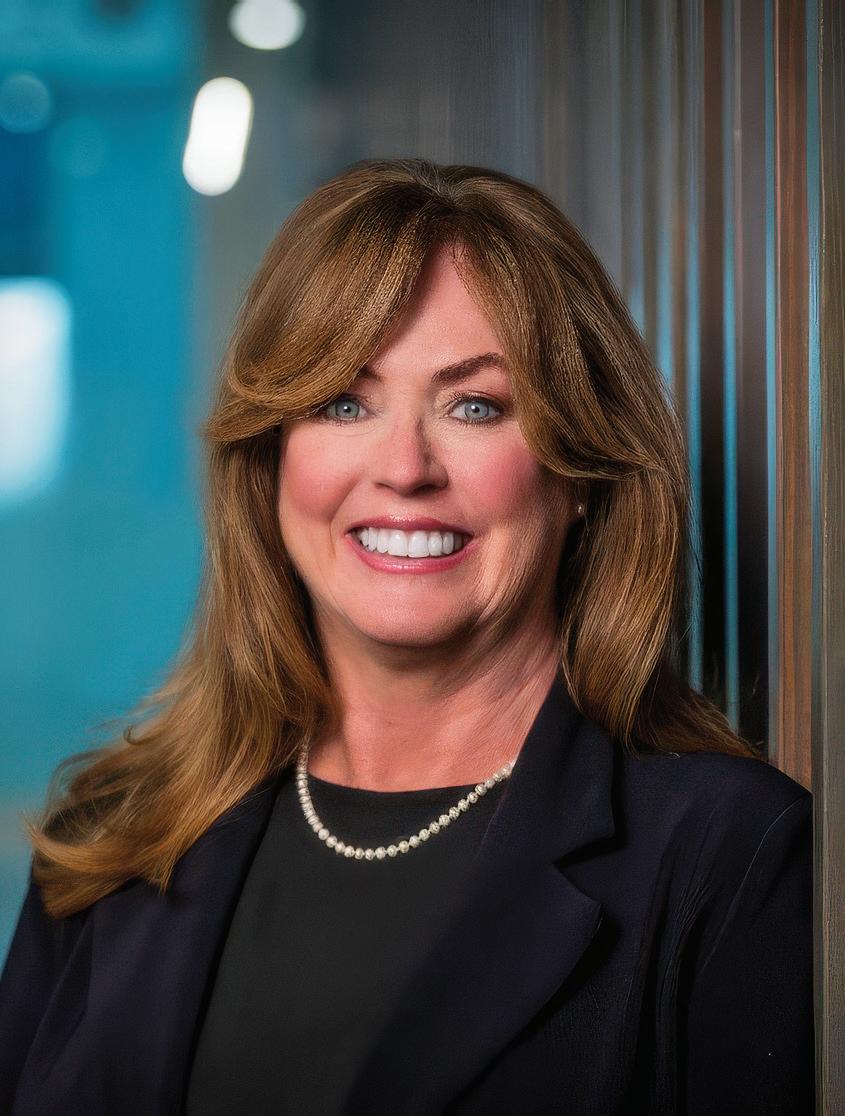
Meet Joan B. Goode, 2026 President Canopy Realtor ® Association/Canopy MLS
As the 2026 President of Canopy Realtor® Association and Canopy MLS, Joan B. Goode leads with purpose, service, and a deep commitment to community. A highly respected, top-producing, Realtor® and industry advocate for more than 22 years, Joan believes real leadership extends beyond transactions and into improving lives. That is why Canopy Housing Foundation, the Association’s charitable arm, remains near and dear to her heart.
Joan views the Foundation as a powerful platform that enables Realtors® to give back through volunteering, fundraising, and supporting affordable housing initiatives. In 2025, the Foundation returned more than $206,973 to the community. One of the most visible ways the public can join Realtors® in this mission is through the annual Strides for Shelter 5K. Inspired by Joan in 2015, the event will celebrate its 10th anniversary in October.
accepting non-binding reservations for BELMORE, our proposed apartment expansion. Floor plans from 1,700 – 2,600 sq. ft.
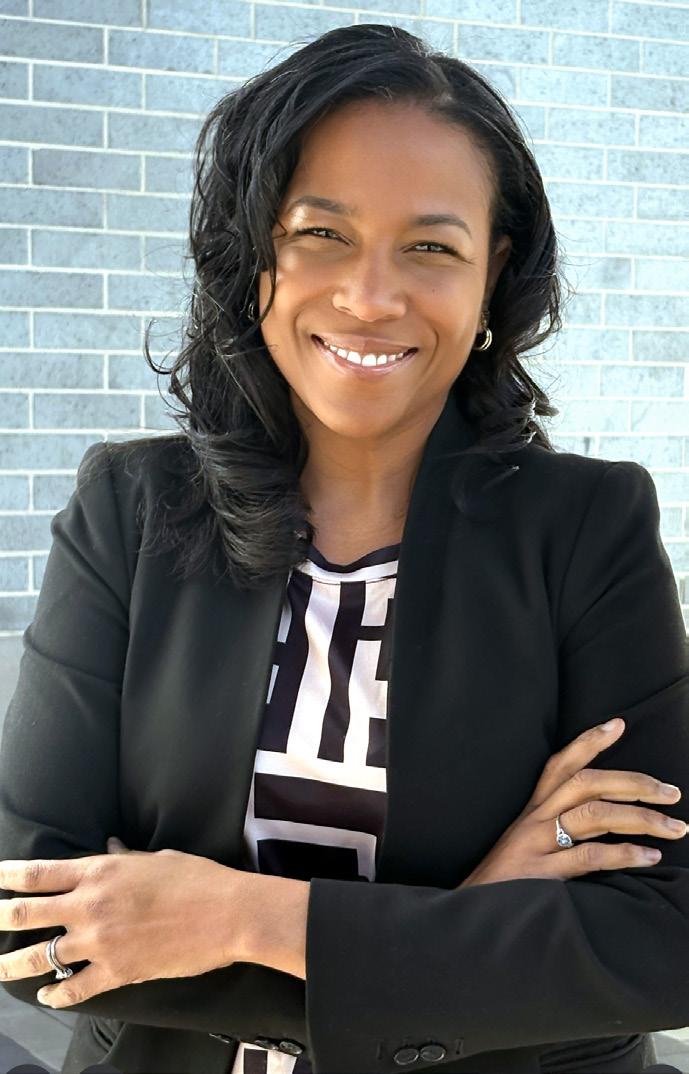
By Meeka Clark
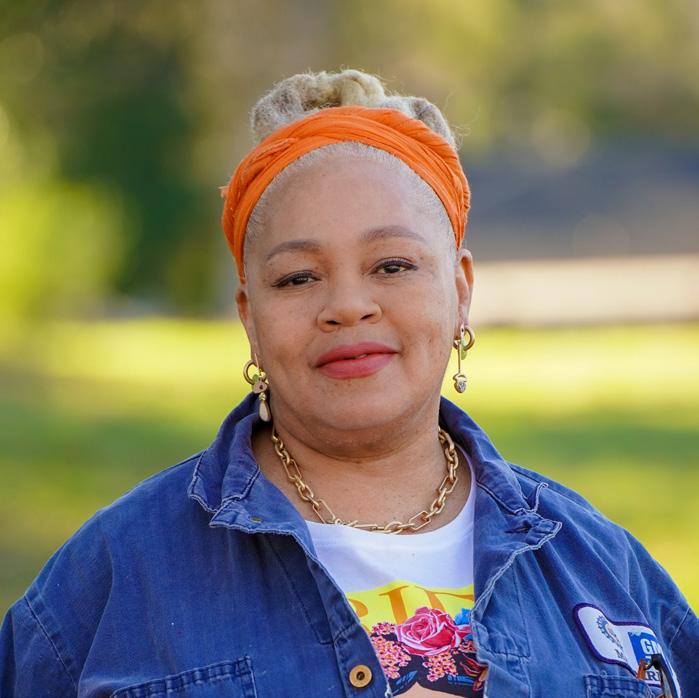
Michelle “Ms. Bunny” Gregory is a Charlotte native whose roots run deep along the Beatties Ford Road corridor, a historically Black community that helped shape her identity as an artist, mentor, environmentalist, and cultural steward. She was a fashion design major at the Art Institute of Fort Lauderdale, and she’s a graduate of West Charlotte High School, Gregory’s creative foundation was built early — the spirit, pride and resilience of her Charlotte upbringing still echo through the halls of her alma mater, where her mural continues to shine as a reflection of what the community nurtures and sends forward.
Rolling Art, Radical Access and the Power of Community Care
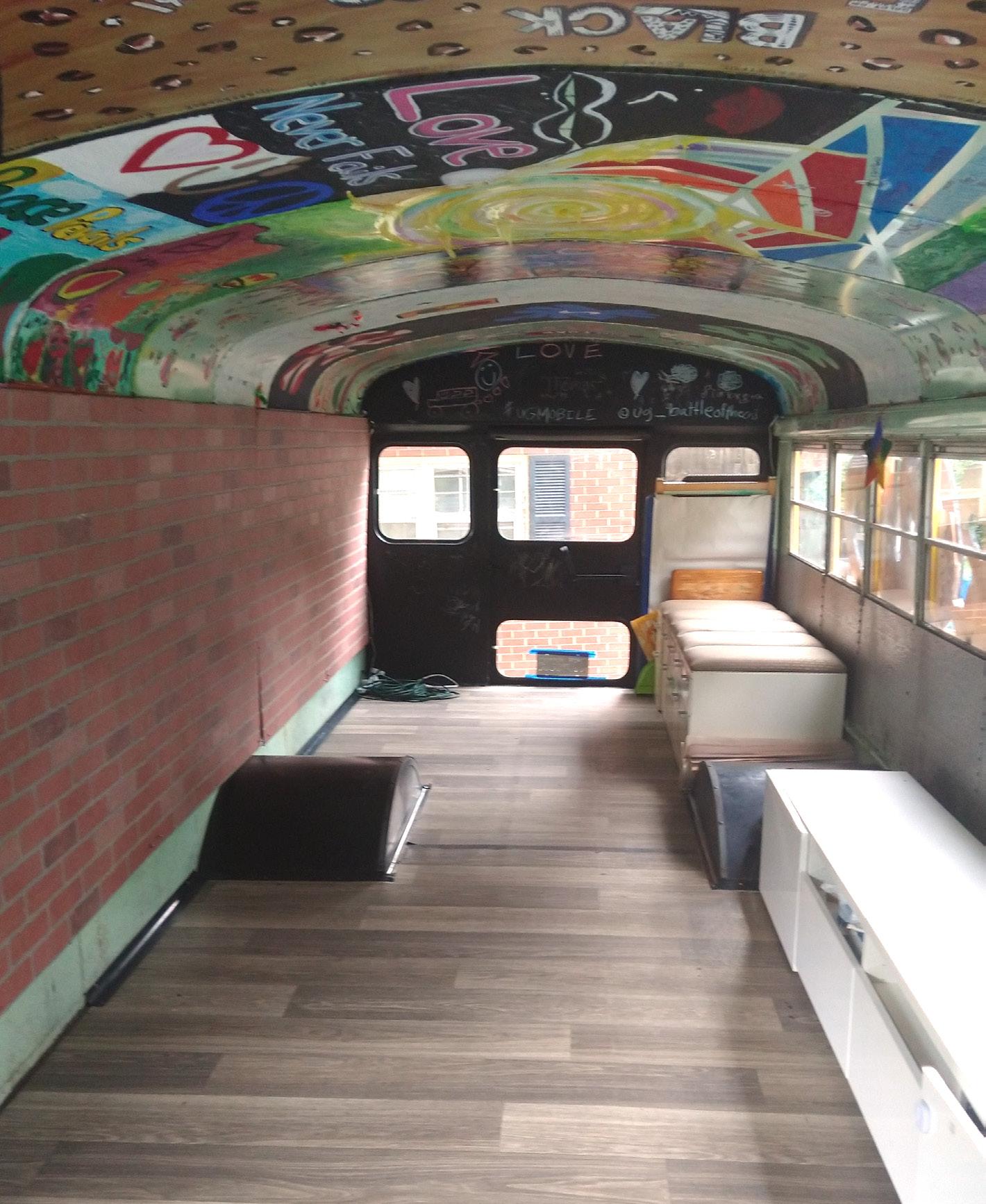
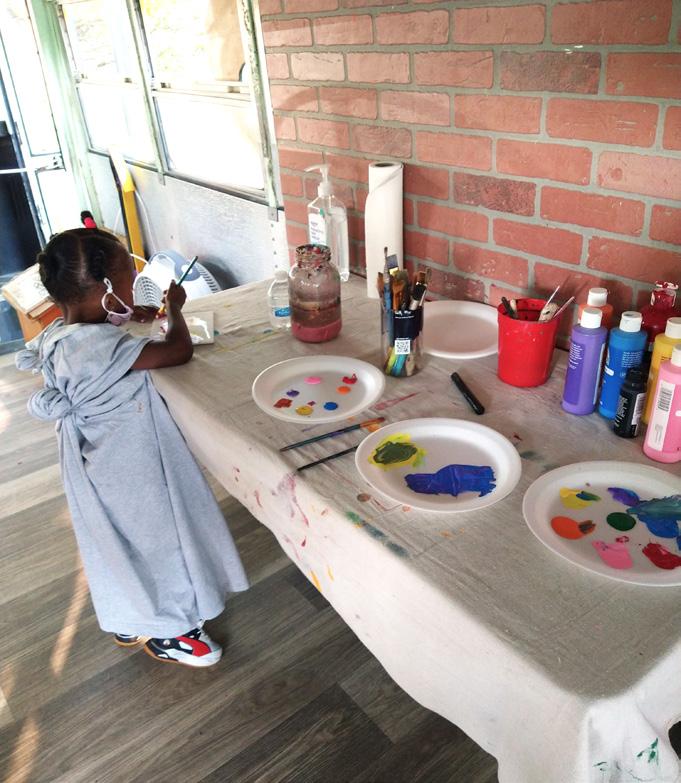
Gregory, the creator of the original collective, The Underground, which supported young Black artists, is the visionary behind the Underground Art Bus — a converted yellow school bus that brings free visual and performing arts experiences directly to children across Charlotte and its surrounding cities, particularly within the city’s designated Corridors of Opportunity. For Gregory, this journey is both personal and purposeful. It’s guided by a commitment to ensure today’s children, like those in the West Charlotte neighborhood she grew up in, have access to creative outlets without barriers.
A mother of eight, Gregory said her creative direction was shaped not only through traditional art, but through
expressive outlets such as costume design and fashion. Reflecting on motherhood, she remembers sewing six prom dresses for her household, her hands turning fabric into moments her children would carry forever.
Much of her family’s clothing was designed and stitched by her own hand growing up — not out of necessity alone, but as an act of true expression. That creativity, first taught by her own mother, now lives on through her daughter, who is learning the craft as a seamstress, continuing a lineage where creativity is inherited, practiced and passed down.
The Underground Art Bus was born during the covid-19 pandemic, a time marked by uncertainty and shifting norms. As creative spaces closed and opportunities
Michelle “Ms. Bunny” Gregory, creator of the Underground Art Bus
for children dwindled, Gregory was intentional about ensuring art remained a source of light through hard times. Mobility became the only solution to access. A bus allowed her to meet communities where they were — outdoors, safely and without the limitations of traditional brick-andmortar spaces.
Admission is free, and once inside the bus, children are invited to explore creativity with their hands and voices. Magnets snap onto metal walls, paint brushes glide across paper, drums echo with rhythm, and spontaneous performances turn the small space into a stage.
Laughter, movement, and imagination fill the bus, creating an environment where self-expression is encouraged, and every
child is free to create without limits. For many children, the Underground Art Bus is their first opportunity to experiment with art in a space created for them — without grades, pressure or expectations.
Still, sustaining the project has come with challenges. “I would drive to a destination and still face the possibility of not being able to use a power source,” Gregory said. Limited access to electricity has often restricted where the bus can park and how programming unfolds, prompting Gregory to rethink and reform her initiatives with access at the center.
“I consider myself an environmentalist,” she added. “Partnership with Sol Nation aligns with my vision.” Sol Nation is a nonprofit focused on climate, justice and sustainability. It recognized the
Laughter, movement and imagination fill the bus, creating an environment where self-expression is encouraged, and every child is free to create without limits.
intersection of environmental equity and community access embedded in Gregory’s work. The organization stepped in to support the Underground Art Bus, partnering with Gregory to help make mobile art self-sufficient through solar energy.
Together, they launched a fundraiser for solar panel installation. Any additional funds raised will go toward new program additions. Gregory plans to introduce as early as February 2026, as well as gas costs — helping the Underground Art Bus continue to reach children across the region up to four times a week.
With community support, Gregory said she hopes the bus will continue rolling through neighborhoods like Beatties Ford Road — carrying not just paintbrushes and supplies, but affirmation, access and sustainability. Ultimately, Gregory said she wants her legacy to leave behind a clear and enduring truth: art should embody community for the underserved and the overlooked — not as a privilege, but as a community promise. P
Inside the Underground Art Bus
Little girl making some art
Dom-Tia Luxury Beauty Spa: A Divine Touch with Care
By Kurtavia Burton
Apleasant, transformative experience is unfolding at Dom-Tia Luxury Beauty Spa in Huntersville, North Carolina. The owner, Tonya Caldwell, is a licensed esthetician and makeup artist whose journey has been a testament of service and resilience.
Originally from Winston-Salem, Caldwell said she’s always felt that skincare and makeup were like breathing. Today, she uses that passion to refill the cups of women, and men in her community, providing luxury experiences just a short drive to what feels like a vacation.
Dom-Tia Luxury Beauty Spa carries personal significance, as Caldwell named the spa after her two daughters, Dominique and Tiara. For Caldwell, her desire to enter the beauty world was strong. . “I have done Mary Kay on and off for the last 30 years,” she said. “The passion started taking form through MK.”
But her path was interrupted 23 years ago by a car wreck. The following decades were a difficult journey of health challenges when she relied on a cane, a walker and a wheelchair to help her get around.
She tried to attend school twice over the years, but her health wouldn’t allow it. “I couldn’t understand why the desire was still there if I couldn’t do it.” she said. Caldwell reminds us that “your timing is not God’s timing.”
Her health eventually improved, and she chose a location close to home to decrease
her commute time. which allowed her to finally focus on her dream. On her 60th birthday, Caldwell decided to embrace the Nike slogan and “Just Do It.” After attending the Huntersville Institute of Cosmetic Arts (HICA), and on her 60th birthday, her dream became real. She got the key to the suite for her spa.
Opening at 60 was just as exciting as it would’ve been back then, said Caldwell. “God doesn’t have an expiration date on your gifts that He has given you,” she said.
She said her school experience at HICA magnified her desire to become an entrepreneur, and she realized that her work is also attached to her ministry. “While I do the service, I pray over you and speak life into every area of your life.” She said this divine touch and spiritual connection are the core of the experience.
The atmosphere at Dom-Tia Luxury Beauty Spa is intimate yet luxurious. Caldwell has curated every detail to ensure clients leave everything at the door. The experience includes relaxing sounds, cotton house shoes, a head wrap and robe.
Clients also enjoy a hand massage and circulation booties on their legs and feet. The focus is on rubbing out the pressures of life that we carry in those unnoticeable places. These small things amount to something huge for a woman’s overall well-being, she said.
Caldwell’s philosophy is “Perfecting the Canvas.” She teaches that skin and makeup are one — not separate. “Know that skin and makeup are under one umbrella,” she said.
Left: Esthetician and owner of Dom-Tia Luxury Beauty Spa, Tonya Caldwell applies makeup on client; Top Right: Tonya Caldwell; Below: Tony Caldwell (bottom left) with her family: Her daughter and business partner, Dominique Caldwell (standing), husband Dereck Caldwell and daughter Tiara Caldwell
“For your makeup to look elegant, you’ve got to take care of your skin.” While she helps women look their best, she also reminds them that they are beautiful underneath without the makeup, too.
Currently operating in a suite, Caldwell’s vision for the future is to move into a larger space to bring in more estheticians and teach women how to do their own makeup. She said she wants to leave a legacy of teaching. Her message to every woman is to never give up and to adapt to whatever life throws at you. “The blessings God has in you are for you to bless others,” she said. “While you’re in the waiting room, continue to bless others.”
To book a luxury and beauty experience, call 704-576-0169. P
AARP Report Says the Number of Family Caregivers Is Surging
By Barbara Rodriguez, The 19th
(This story was originally published on July 24, 2025, by “The 19th”)
Agrowing number of Americans — more than 63 million, or nearly 1 in 4 — have served as a family caregiver for a loved one in the past year. The figure is a jump of 20 million Americans compared to a decade ago, according to findings released last year by AARP and the National Alliance for Caregiving (NAC).
The surge is due to a confluence of factors, including Americans living longer but in some instances, in poorer health. That is requiring more people to engage in the work of family caregiving. There is also a growing recognition of who is a family caregiver — or a person providing care to an adult or child with a complex medical condition or disability, often without pay.
The report finds that these caregivers are managing financial risks, their own poor health and isolation. As in a previous
BY THE NUMBERS
1 in 4
Americans has served as a family caregiver for a loved one in the past year.
1 in 3
family caregivers are part of the “sandwich generation” of caregivers who raise children while simultaneously caring for adults in their lives.
65% of family caregivers now help with at least one activity of daily living, including intimate tasks like bathing, dressing and feeding.
Over 50% of family caregivers perform complex medical and nursing tasks that once primarily took place in clinics and hospitals.
Only 11% of family caregivers say they’ve received training for basic caregiving tasks — and just 22 percent get any training for complex medical and nursing tasks.
iteration of the survey, roughly 60 percent of family caregivers are women. Women, LGBTQ+ caregivers, and those who felt they had no choice in becoming caregivers are significantly more likely to report feeling alone.
“We need systems that see caregivers, value them and support them — because they are not just helping families, they are holding up our entire health care system,” said Dr. Myechia Minter-Jordan, CEO of AARP. “This impacts all of us because most of us will be a caregiver or need one at some point in our lives. And too often, people don’t realize that they are a caregiver until they’re already overwhelmed and unsupported,” said Minter-Jordan.
Nearly half of caregivers say they face major financial consequences because of their growing responsibilities. They’re draining savings, falling into debt or struggling to afford basic needs like food and housing. One in 5 report that their own health is fair or poor.
The “Caregiving in the U.S. 2025” report, which surveyed nearly 7,000 caregivers nationwide, also finds nearly 1 in 3 family caregivers are part of the “sandwich generation” of caregivers who raise children while simultaneously caring for adults in their lives.
“This dual responsibility is a recipe for burnout and requires solutions that recognize caregiving happens across the lifespan,” said Jason Resendez, CEO of NAC. “It’s time to recognize and value this continuum of care that we all experience and benefit from, and the responsibilities themselves are becoming more complex and more intensive.”
During a media call last July, AARP and NAC shared the story of Alma Valencia, a woman from Pasadena, California, who has cared for her mother for the past 10 years. Valencia’s
mother has dementia. Valencia said she eventually left her career to become her mother’s full-time caregiver. That meant losing a stable salary and benefits, and isolation.
“Like so many others, I didn’t plan for this,” she said. “I stepped into the role because someone I love needed me.”
The report shows 65 percent of family caregivers now help with at least one activity of daily living, including intimate tasks like bathing, dressing and feeding. Over half say they’re performing complex medical and nursing tasks that once primarily took place in clinics and hospitals, including administering injections and managing medical equipment. But only 11 percent of family caregivers say they’ve received training for basic caregiving tasks — and just 22 percent get any training for complex medical and nursing tasks.
Both AARP and the National Alliance for Caregiving are calling for federal policies that include national paid family and medical leave, a federal tax credit to bring relief to out-of-pocket costs and greater access to respite care, training
and support services, as well as stronger workplace protections that recognize caregiving responsibilities.
These organizations have been advocating for these policies in joint reports for years, but now they come amid a changing federal landscape. President Donald Trump this month signed a tax and budget law that is estimated to cut federal Medicaid spending by more than $900 billion over 10 years. Nearly eight million family caregivers rely on Medicaid for their own health care coverage, according to Resendez.
Resendez said advocates are seeing progress at the state level, with several establishing paid family leave policies or advancing caregiver tax credits and longterm care insurance programs.
“This is an issue that continues to build strength and visibility, and this report helps to put numbers behind the urgency for that continuing, and for translating that into solid action,” he said. P
The 19th is an independent, nonprofit newsroom reporting on gender, politics, policy and power.
FYI News & Notes
Compiled by John Burton Jr.
CMRignite Expands Footprint with New Charlotte Office
CMRignite, a nationally recognized behavior-change marketing agency, announced today the opening of its new office in Charlotte. This strategic expansion underscores the agency’s commitment to continued growth as it strengthens its presence across the Southeast with a focus on opportunities within the local government and private sectors. The company is headquartered in Milwaukee, Wisconsin, and has 25 fulltime employees.
For three decades, CMRignite has partnered with national brands, nonprofits and government agencies to deliver behavior-change campaigns that inspire action and make a difference in the health, housing, finance, transportation and higher education sectors. The agency’s client list includes Chicago Transit Authority, Northwestern Mutual, United States Department of Agriculture (USDA), Wisconsin Department of Tourism and Wisconsin Lottery.
Founded in 1995 by CEO and chairman Jacqueline Moore, the agency has experienced exponential growth over the past 30 years, earning a spot on the INC 5000 list of fastestgrowing private companies for four consecutive years. In 2022, the agency hired Nepherterra Best, who is Charlotte based, as Vice President of Integrated Communications to grow the firm’s local presence.
An award-winning communications professional and JCSU graduate, Best serves on the agency’s executive leadership team and will shape the strategic vision for the local office, which includes plans to hire a Charlottebased team and deepen partnerships with local small businesses, nonprofits and community organizations.
The Charlotte office will serve as a regional hub supporting local and national clients with services that include strategic communications, research, creative services, paid advertising, public relations, social media, digital strategy, community engagement, and events and brand development.
DID YOU KNOW?
Dr. Ebony Boulware Named Chief Academic Officer of Advocate Health
Advocate Health has announced that Ebony Boulware, MD, MPH., was named chief academic officer in January. Dr. Boulware will continue to serve as dean of Wake Forest University School of Medicine, a role she has had since January 2023.
As chief academic officer, Dr. Boulware will provide strategic vision and leadership for Advocate Health’s academic enterprise, advancing education, research and clinical innovation across the organization’s multi-state footprint.
“Advocate Health’s mission to redefine care requires unprecedented coordination between medical research, clinical innovation and education, and we have just the right person to deliver on that promise in Dr. Ebony Boulware,” said Eugene A. Woods, CEO, Advocate Health.
“Ebony is a brilliant doctor and strategist, and her dual role ensures that knowledge and expertise flow in both directions between our academic core, Wake Forest University School of Medicine, and our nearly 70 hospitals across six states. The advances made through our national academic model will serve our six million patients, from our most urban to most rural communities, who will see the benefits of medical discovery that too often was out of reach, in the past.”
Dr. Boulware succeeds Dr. Julie Ann Freischlag, who retired at the end of 2025 after more than three decades of leadership in academic medicine. Dr. Freischlag also served as dean of Wake Forest University School of Medicine from February 2018 to February 2023.
“This transition reflects the unique position of Wake Forest University School of Medicine as the academic core of Advocate Health – expanding upon the health system’s national impact on education, research and clinical innovation,” said Dr. Boulware.
Mathematician Evelyn Boyd Granville, born in 1924 in Washington, D.C., was the second Black woman in the U.S. to earn a Ph.D. in mathematics, receiving her doctorate from Yale University in 1949. Granville created computer software to analyze satellite orbits for NASA space programs, supporting early missions to space. Her work helped ensure accurate tracking and navigation of satellites.
Nepherterra Best
Dr. Ebony Boulware
PrideBusiness
FYI News & Notes
Portability Services Network Jump-Starts Nationwide Adoption of Auto Portability
Charlotte-based Portability Services Network (PSN) announces that, in its first year of operation, more than 15,000 plans representing approximately 5 million participants have signed up for auto portability.
Robert L. Johnson, chairman of the Portability Services Network and Retirement Clearinghouse, said, “I heartily applaud the six recordkeepers that launched Portability nServices Network for their unwavering commitment to improving the retirement welfare of America’s under-saved and under-served workers. Auto portability was conceived as an innovation to benefit minority and women savers, and it is immensely gratifying to witness its coming to fruition through the hard work of Alight, Vanguard,
“We look forward to collaborating on programs that help illuminate the American experience.”
—KARA BLOND
Fidelity Investments, Empower, TIAA and Principal to make auto portability a reality.”
Systemic frictions in the U.S. retirement system have historically impeded efforts to preserve, consolidate and incubate 401(k) savings at the point of job change. These frictions have disproportionately affected minority Americans, who have found it much easier to prematurely cash out their savings than keep those precious dollars invested in the retirement system.
Research from Retirement Clearinghouse estimates that $1.6 trillion in additional savings would be preserved in the U.S. retirement system over a 40-year period if auto portability were to be adopted by plan sponsors and recordkeepers across the nation.
Charlotte Museum of History Becomes Smithsonian Affiliate
The Charlotte Museum of History is now a Smithsonian Affiliate, joining a distinguished network of more than 200 cultural, educational and research organizations across the United States, Puerto Rico and Panama. This new relationship marks a major milestone in the museum’s ongoing mission to preserve and share the stories that have shaped the Charlotte region. As a Smithsonian Affiliate, the museum will gain special access to the vast resources of the Smithsonian Institution, including traveling exhibitions, artifact loans, research and educational materials that connect local audiences of all ages to national and global perspectives.
“We are delighted to start this new affiliate relationship with the Charlotte Museum of History,” said Kara Blond, director of Smithsonian Institution Traveling Exhibition Service | Smithsonian Affiliations. “We look forward to collaborating on programs that help illuminate the American experience and to expanding learning and discovery opportunities throughout the Charlotte community.”
Becoming a Smithsonian Affiliate aligns with the Charlotte Museum of History’s strategic focus on expanding access, deepening educational impact and fostering understanding of the region’s past to inspire community engagement and create common ground.
“We are thrilled to join the Smithsonian Affiliations program,” said Terri White, president & CEO of Charlotte Museum of History. “This partnership opens the door to bring Smithsonian-caliber exhibits and resources to Charlotte while sharing the Queen City’s powerful stories with a national audience. As we prepare to open our biggestever exhibit this spring, ‘The American Revolution Experience,’ our Smithsonian Affiliation is yet another landmark achievement toward our goal of becoming one of the best history museums in the country.” P
Designing Dynamism: Kuba Textiles from the DR Congo, The Wesley Mancini Collection is generously presented by Wells Fargo. Individual sponsorship is kindly provided by Hillary and Fairfax Cooper, and Lauren Harkey. The Mint Museum is supported, in part, by the City of Charlotte and the North Carolina Arts Council. IMAGE: Unidentified Kuba weaver and embroiderers. Man’s Prestige Cloth (detail), raffia. The Wesley Mancini Textile Collection. 2020.24.26
Mint Museum Randolph | 2730 Randolph Road 704.337.2000 | mintmuseum.org | @themintmuseum