

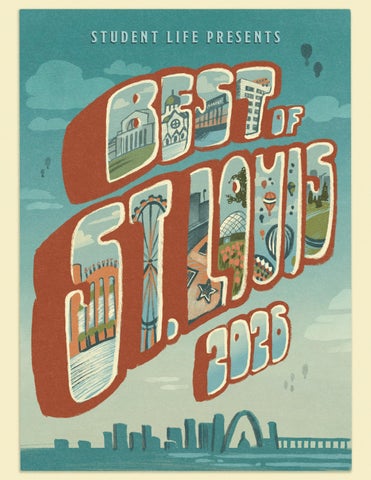


Welcome to the Best of St. Louis 2026 Issue! If you are looking for a springboard to plan your next day trip, or suggestions for the next time you want to procrastinate offcampus, look no further.
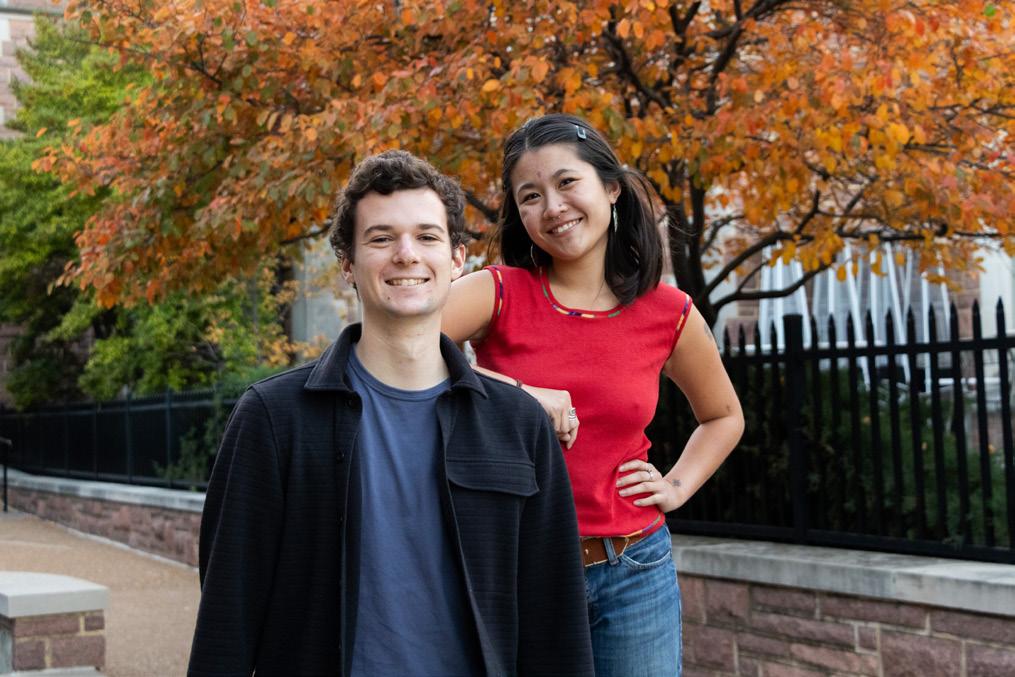
Over our four years at WashU, we have found many places and reasons to love St. Louis. Whether that be to check out a local coffeeshop or try out a new restaurant with friends, St. Louis has so much to offer to anyone. While it can be easy to solely focus on the exciting opportunities on campus, our location in St. Louis is a crucial part of the WashU experience. St. Louis is home to diverse cultures and a vibrant community wearing a “St. Louis smile.”
Over time we have collected our favorite places and passed them down to you in the form of listicles and articles written with love for St. Louis. So if you are feeling antsy on the third floor of Olin, let this be your gentle nudge to hop on the Metro (maybe not as long as Matt did — see page 18 for more) and discover the curiosities of the city. Whether that be a new cozy spot to study in, global eats, or breaking your neck in awe at the Saint Louis Basilica’s ceiling, we have outlined a snippet of an itinerary just for you.
Riley Herron
Sydney Tran
Editors-in-Chief editor@studlife.com
Zach Trabitz
Managing News Editor news@studlife.com
Will Rosenblum
Managing Scene Editor scene@studlife.com
Sylvie Richards
Managing Forum Editor forum@studlife.com
Matt Eisner
Managing Sports Editor sports@studlife.com
Bea Augustine
Managing Design Editor designers@studlife.com

This magazine also features commentary on St. Louis, including what it means to be “Midwest Nice” and the experience of students moving from afar to St. Louis.
We’d like to give a tremendous shoutout to our writers, editors, illustrators, photographers, designers, and copy editors for pouring in time and care toward presenting this issue to our readers. This would not have been possible without your dedication to the newspaper and the community.
We hope you enjoy this issue presented by the Student Life staff and find a home in St. Louis.
Warmly, Syd and Riley



Mason Sutton
Special Issues Editor
Mia Burkholder
Managing Chief of Copy copy@studlife.com
AnaElda Ramos
Managing Illustration Editor
Bri Nitsberg
Managing Photo Editor photo@studlife.com
Grayce Cooper Managing Social Media Editor
Quinn Moore
Managing Newsletter Editor emailedition@studlife.com
Alan Knight
Managing Multimedia Editor
Aliza Lubitz
Investigative News Editor
Elizabeth Grieve
Sophia Hellman
Sara Gelrud
Sophie Schwartz
Laurel Wang
Senior Scene Editors
Amelia Raden
David Ciorba
Kate Theerman
Rodriguez
River Alsalihi
Senior Forum Editors
Lewis Rand
Ian Heft
Senior Sports Editors
Reeya Sharma
Camden Maggard
Senior Social Media Editors
Isabella Diaz-Mira
Ella Giere
Mac Motz Photo Editors
Sanchali Pothuru
Jeremy Slaten Multimedia Editors
Jack Warren
Amelia Spencer Design Editors
Tanvi Gorre
Joel Swirnoff
Victor Huang
Nina Laser
Nicholas Demba Selina Son News Editors
Hannah La Porte
Junior Scene Editor
ZOE RHODES DEI EDITOR
Forget writing — if your College Writing instructor knows what’s up (like mine did), a required learning experience for all WashU students should be going on an expedition in the city. When you committed to WashU, you may have gotten some unasked-for opinions about St. Louis from people who have never been here. “There’s nothing to do there, though” was the top response at my high school to finding out I was going to WashU. This was to my deep chagrin, as WashU had been my dream school, and I didn’t realize that apparently nobody in Texas knew what a Hidden Ivy was. This sentiment is not only unasked-for, it’s flat out wrong. If you spend just half a day waltzing around the Lou, you’ll understand this is far from true.
In case you hadn’t noticed, the
entire point of this special edition of Student Life is to show students (and really, any of our readers) what a cool, vibrant, and activity-packed city we live in. I’m here to tell you how to put these articles to action and soak up all the (sometimes there) sun that St. Louis has to offer in just one day.
My College Writing lecturer is a big Lewis and Clark fan. (Let me specify — he’s much more a fan of Lewis than Clark. In his words, “Lewis brought a dog and Clark brought an enslaved person.” It should be acknowledged that both adventurers were incredibly racist, an aspect of their travels that was not part of his instructions for us to follow in their historical footsteps.) One of the very first assignments he gave us dictated that we take on their adventurous spirits and traipse our way around the city. He provided a few directives, in the same way Thomas Jefferson did for Lewis and Clark. My personal favorite was
“find food and eat it.” (I highly recommend taking the same approach.) Others included taking multiple methods of transportation, doing something “practical” (aka trying to check something off of your to-do list), and, most importantly, interacting with someone you’ve never met before.
St. Louis may not have the best subway system in the world, but our Metro system is widely underrated. And you — yes, you — get it for free. If you trudge through your mountain of unread emails for long enough, you should be able to find an email from University Services reminding you (yet again) to claim your free goodfor-the-whole-semester Metro U-Pass.
Speaking of free, here’s another reminder: you can spend a whole day out on the town without spending a dime. All through this “Best of STL” magazine you’ll find amazing sites to see without any price tag attached: the
Cathedral Basilica, the Saint Louis Art Museum, the St. Louis History Museum, walking around Forest Park (or Tower Grove Park, or Lafayette Park, or…), and a myriad of other “$free.99” activities.
Let’s go back to that “most important” point from earlier. Even when we’re out with friends, sometimes we can still get swept up in the “WashU bubble.” When was the last time you had a conversation with someone from St. Louis who didn’t go to WashU?
Next time you go to Brentwood (if you can find a parking spot), ask your Trader Joe’s cashier about their day. Ask a random Target employee for a local restaurant recommendation.
And next weekend, if you go somewhere for dinner or a movie or coffee, ask your Uber driver about the craziest place they’ve driven. Get out there. Make St. Louis — not just WashU — your second home.


Tim Mellman
Ashwin Nair
Newsletter Editors
Lyn Wilkins
Junior Forum Editor
Christian Kim
Anna Crook
Hannah Much
Junior Sports Editors
Anna Dorsey
Kevin Kan
Illustration Editors
Hannah Dorval
Eden Levi
Tillie Schwarz
Lucia Thomas Designers
Jack Yang
Georges Gewargis
Echo Dong
Andrew Tian Web Editors
Julie Kassin
Regan Sakai
Charlotte Moreen
Anna Piasecki
Copy Editors
Samantha Elegant Chief of Copy
Zoe Rhodes DEI Editor
Adrienne Levin Coleman General Manager a.coleman@studlife.com
Sarah Huff
Advertising Sales Manager huffs@studlife.com
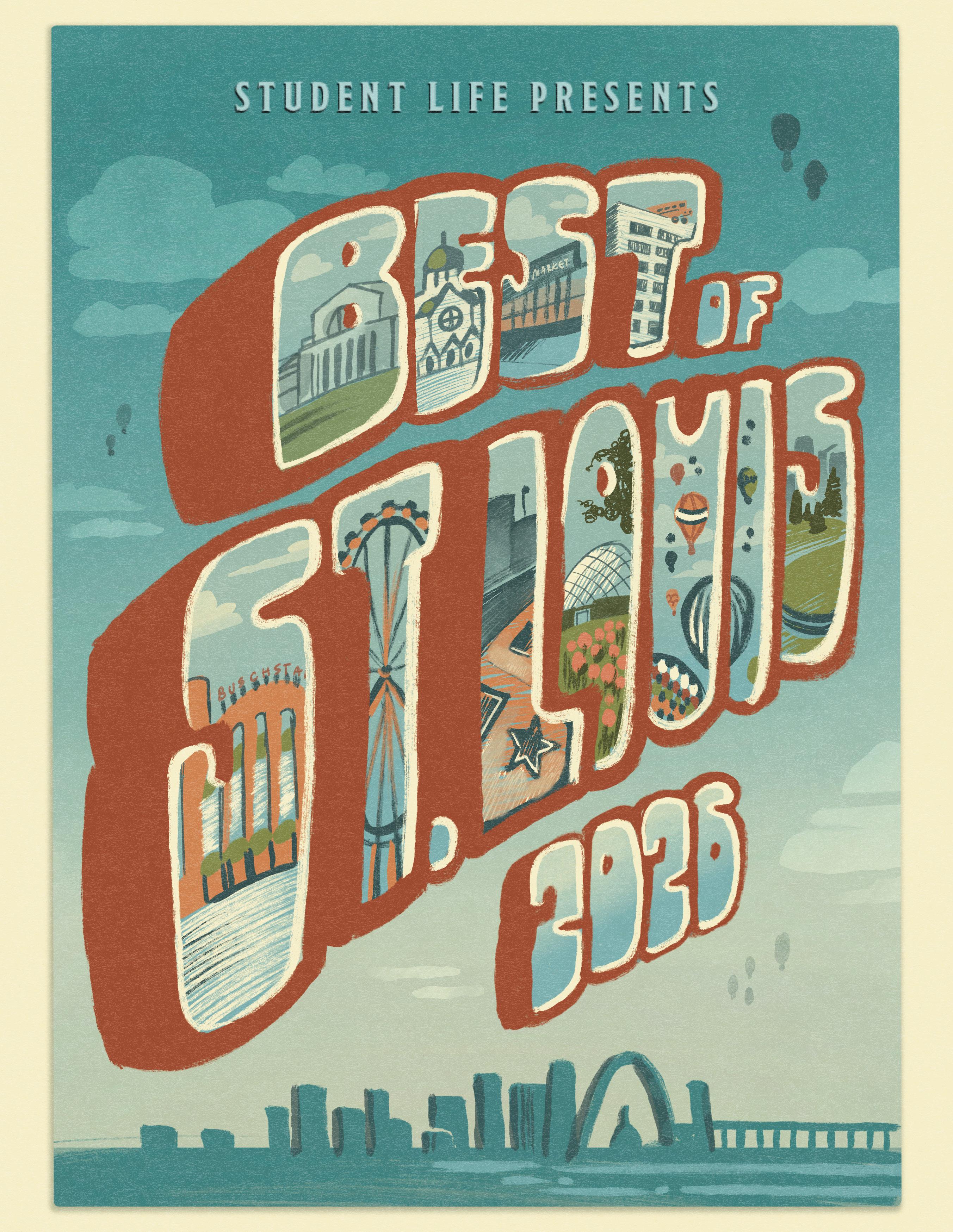
Cover illustration by: AnaElda Ramos



Copyright © 2026 Washington University Student Media, Inc. (WUSMI). Student Life is a financially and editorially independent, student-run newspaper serving the Washington University community. Our newspaper is a publication of WUSMI and does not necessarily represent the views of the Washington University administration.
NEWS STAFF

The Fox Theatre, Griffin Nichols, Staff Writer:
The Fabulous Fox Theatre is a super fun place to go with friends. Tickets can be cheap with a student discount. Great for outings with friends and to see some amazing shows.
Saint Louis Zoo, Selina Son, News Editor:
The Saint Louis Zoo was the first place I visited with my newly made WashU friends. It’s free, sprawling, and perfect for a day trip off campus. Among the aurafarming lions and chubby hippos, my highlight was watching a monkey sh*t (defecate?) through the steel tunnel connecting two enclosures, making it rain poop. Beyond that, the zoo boasts a variety of both animals around the world and toddlers wheeled around in carts.



Blueberry Hill, Elena Wierich, Staff Writer:
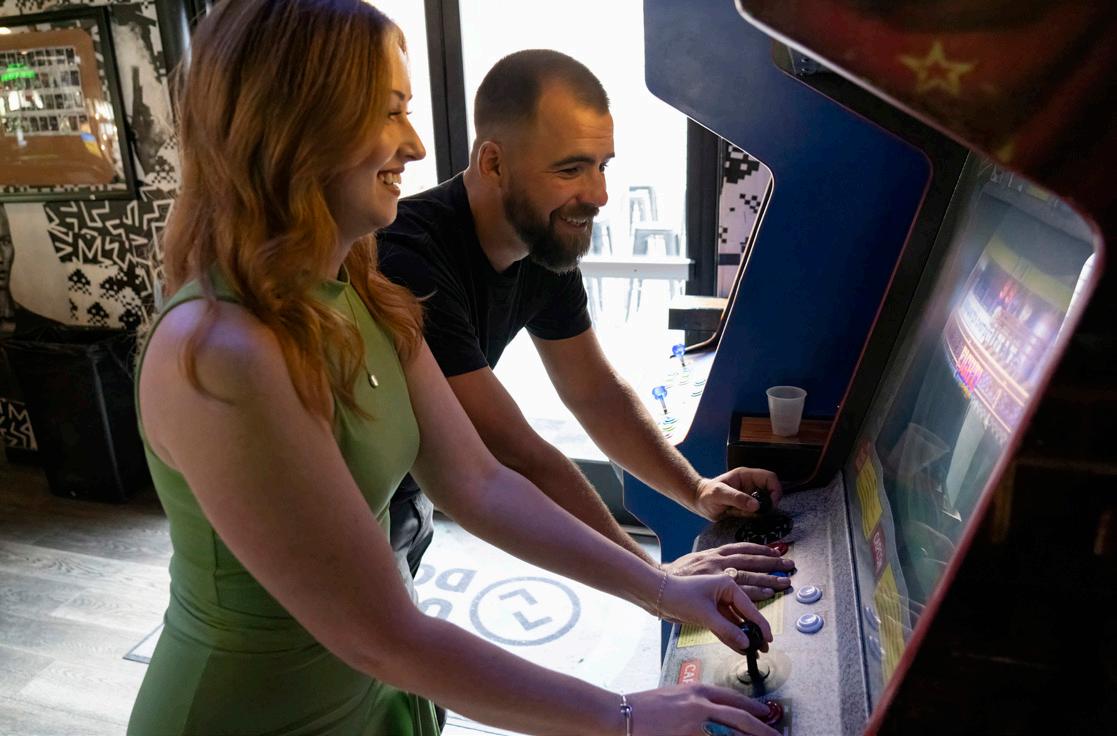
Blueberry Hill is the best option for a third space that WashU students can go for company, food, and closeto-campus-but-not-on-campus fun. Although it’s mostly accessible as an excellent bar for 21+ students after 9 p.m., Blueberry Hill’s got it all during the day as well: darts, a photo booth, live music, and arcade games.

Clementine’s Ice Cream, Zana Kennedy, Staff Writer:
Clementine’s is an ice cream shop that has just as good vibes as it does flavor. It has multiple locations, but the location in Clayton is especially inviting, sequestered away in suburbia. The selection of both “naughty” and “nice” ice cream flavors is creative and elevates the ice cream experience for those of all ages. But even for those who aren’t above 21+, the flavors are both creative and indulgent. My personal favorites are the salted caramel cookies and cream and the Halloween special “Mothman,” a dark cocoa ice cream with swirls of raspberry jam.

Winslow’s Table, Sara Strassberg, Staff Writer:
Best Brunch in the whole world – not just St. Louis.

Katie’s Pizza and Pasta, Flannery Poon, Contributing Writer: I went to Katie’s Pizza and Pasta with my parents when I visited WashU for the first time and we had this amazing lemon cream cauliflower pasta that my dad then recreated at home and dubbed it WashU pasta. Thankfully, I got into WashU because my dad revealed to me that if I hadn’t he would never have made WashU pasta again! Last month, I celebrated my first birthday away from home and my friends and I went to Katie’s and I ordered the iconic WashU pasta in a wonderful full circle moment. If you haven’t tried it yet, I highly recommend you go to Katie’s and ordering it yourself!




Living Room
Coffee and Kitchen, Ella Meshoulam, Staff Writer:
This cute cafe is the perfect place to eat lunch or study at. It’s cozy, filled with hanging plants, and the scones are not to miss!
Forest Park and Art Hill, Maddie Nakashian and Chloe Liu, Contributing Writers: Maddie: Forest Park is full of free fun things to do and lots of trees and brooks and walking paths.
Chloe: Art Hill, which is in front of the Saint Louis Art Museum, is one of my favorite places because it is a great place to relax and study. I once lay on the grass of the Art Hill for an entire afternoon and finished reading a short book there.

City Museum, Pranathi Murphy, Staff Writer:
The first time I went to the City Museum, I didn’t really know where I was going most of the time. One tunnel led to another, then suddenly I was outside, climbing through metal above the street. It’s chaotic and fun. There’s no map, so you’re just wandering and seeing what you find. The exhibits are mainly repurposed architectural and industrial objects. You can go with your friends, family, or even a suitor on a first date.

Frida’s, Lexi Lawsky, Staff Writer:


Frida’s is one of my favorite restaurants in St. Louis. It has an excellent menu for people who don’t eat meat or are trying to eat more plant-based. Their menu has many plant-based “meats” that can be substituted with real meat, which is a pleasant break from restaurants where the opposite is the case.
House, Caroline Goldstein, Staff Writer:

The Good Company cocktail bar has one of the best burgers and patty melts I have ever tasted. They use bread from Union Loafers, and the flavor profile of both the two meals I have tried have been phenomenal. They also have super creative seasonal cocktails in addition to all of their regular ones and offer every guest a sample of either an alcoholic or nonalcoholic one when they first sit down. They played funny slow remixes of songs across all genres the whole time I was there, which I found very entertaining.

Tower Grove Farmer’s Market, Tanvi Gorre, News Editor:

During my St. Louis summer, I religiously went to the Tower Grover Farmer’s Market and rightfully so, because it is amazing. I was shocked by the sheer size of the market. There are food spots, arts booths, farmers’ stands, and so much more in the midst of live music. If you haven’t already been, grab a fresca at the juice booth and explore! It is definitely worth a visit.
Nudo House is one of my favorite places that I’ve eaten at on the Loop. The Delmar Loop shuttle drops you off very close to the restaurant, so this is a great option for dinner on cold nights. The service is extremely fast, and it often takes less than 10 minutes for a delicious meal.


Cathedral Basilica, Joel Swirnoff, News Editor:
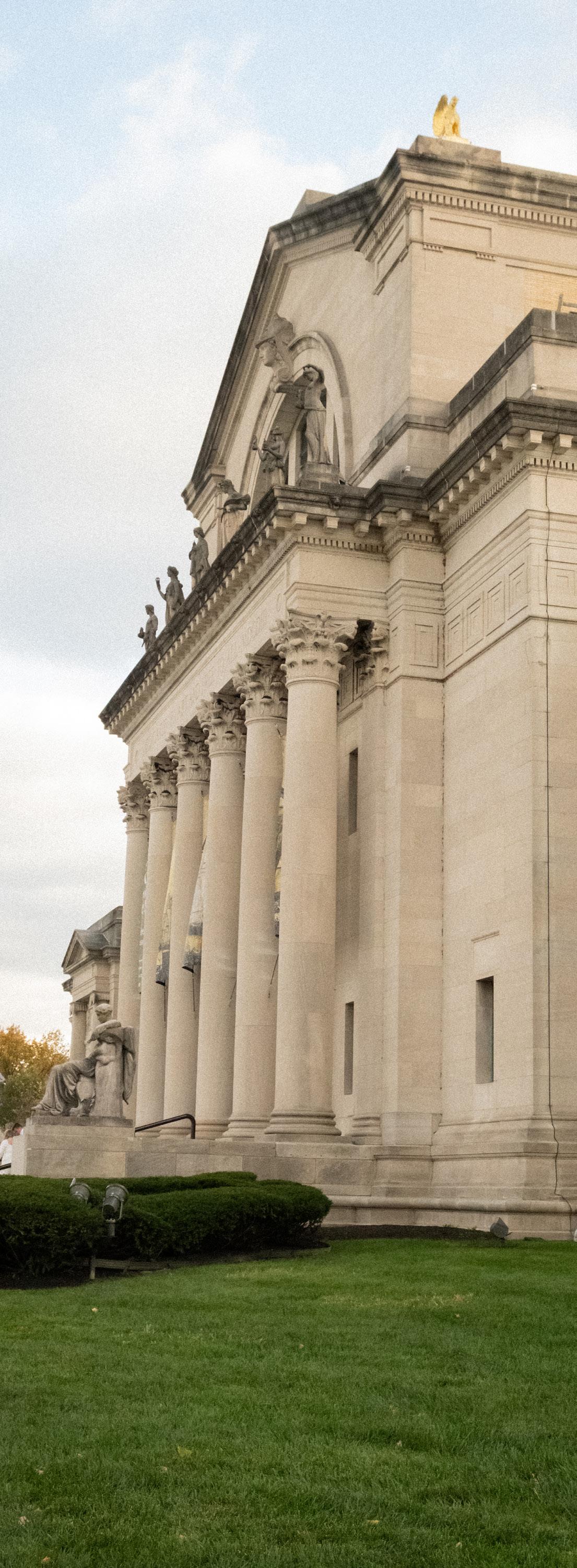
I recently visited the Cathedral Basilica of St. Louis, and if you told me that it was located in the Vatican instead of the Central West End, I’d believe you. Boasting the largest collection of mosaics in the world (yes, in the world), the Basilica depicts biblical scenes in more than 41 million pieces. Go and be awestruck. To learn more, read Elena Wierich’s article in this issue!
SYLVIE RICHARDS MANAGING FORUM EDITOR
When I discuss my University with people from the Bay Area, they promptly ask me some version of “How’s Missouri?” They enunciate “Missouri” like the state is pitiful, desolate, or even horrifying.
I can speak to the pretentious mindset of people from coastal and blue states toward the Midwest and South because I used to have one, too. I grew up travelling from Berkeley, California to these regions to visit my mom’s side of the family, who occupy nearly every state bordering Missouri. I turned up my nose at their activities, culture, and people, but when I started attending WashU and living in a Midwestern city, I realized how misguided I had been. People’s critiques of Missouri, along with the rest of the Midwest and the South, are pretentious and problematic. These biases buttress political and social polarization.
Degrading St. Louis is commonplace at WashU as well. Since my first year, I have been in countless conversations with students who have superiority complexes about their home states and cities, painting St. Louis as utterly lacking in fun, culture, beauty, and nature.
Still, it would be wrong to say that the majority of these students have actually lived in St. Louis. Students’ mindsets toward the Midwest make the WashU bubble, a phenomenon where students do not venture far beyond campus, a self-fulfilling and ironic cycle. Students disparage St. Louis when they have seen very little of the city, which reinforces their disinterest in discovering what lies beyond these misconceptions. These pretentious attitudes are also rooted in the misconcep-
tion that red states are filled with only ignorant conservatives. This view of “ignorance” overlooks how people have different access to information and education based on their region —a systemic issue, not a people issue. People in red states can be more vulnerable to misinformation, have less funding for public education (especially in rural areas), and face conservative policies like book bans. Beyond this, people are deeply influenced by the values and beliefs of the communities where they live and are raised. There are, therefore, complex, systematic reasons that individuals in red states may have different understandings of the world than those in blue states.
Essentialist views of red states as purely composed of white, right-wing extremists overlook a huge portion of Midwestern and Southern individuals. Many individuals in these states, and often the majority in big cities like St. Louis, are left-wing. These liberal critics from blue states claim to support people from marginalized communities, but overlook the huge number of people of color and low-income individuals in these regions who face the worst impacts of conservative policies. The majority of the Black population lives in the Southern United States, for example, and St. Louis has one of the largest proportions of Black people of any U.S. city.
The critiques of Midwestern cities like St. Louis are often grounded in classism. Claims that St. Louis is a dangerous city or does not have the same architecture and infrastructure as one’s home city overlook the structural factors that contribute to these claims.
The WashU bubble harms more than just students’ own experiences; it also contributes to the negative relationship between WashU and the rest of the city.

We live right next to the Delmar Loop, which marks the Delmar Divide, signifying the drastic wealth and racial disparities dividing North and South St. Louis. WashU students, who are largely high-income and white, often do not enter or interact with the people from North St. Louis or other low-income and predominantly Black areas. Many students do not contribute to the city’s economy while residing in a significantly whiter and wealthier area, reinforcing the wealth disparity.
These classist critiques extend to those beyond St. Louis. At large, the cost of living is far higher in coastal states compared to the Midwest and South. People living in red districts also have, on average, lower incomes than those in Democratic districts.
If we continue to dismiss these areas out of prejudice, their politics and laws will only continue to get worse. Progressive and leftist individuals should consider putting their work into under-
standing the needs and promoting the civil rights of people in states where they are most at risk. More importantly, we must meaningfully engage with people from different regions of the U.S., including those with different political beliefs, rather than degrade their home states. It is all too common for liberals to complain about political polarization while actively building it.
Treating states like Missouri as flyover states or, worse, degrading St. Louis and the state while actively living there, disregards its culture and value, and the humanity of its people.
Disregarding St. Louis as a WashU student who has not explored the city means you will never break out of the bubble you manufactured for yourself, both by only staying on campus and by staying among people like yourself. Beyond WashU, discounting states like Missouri perpetuates racial, income, and political divides. This pretentious mindset exemplifies the prejudice you claim to critique.
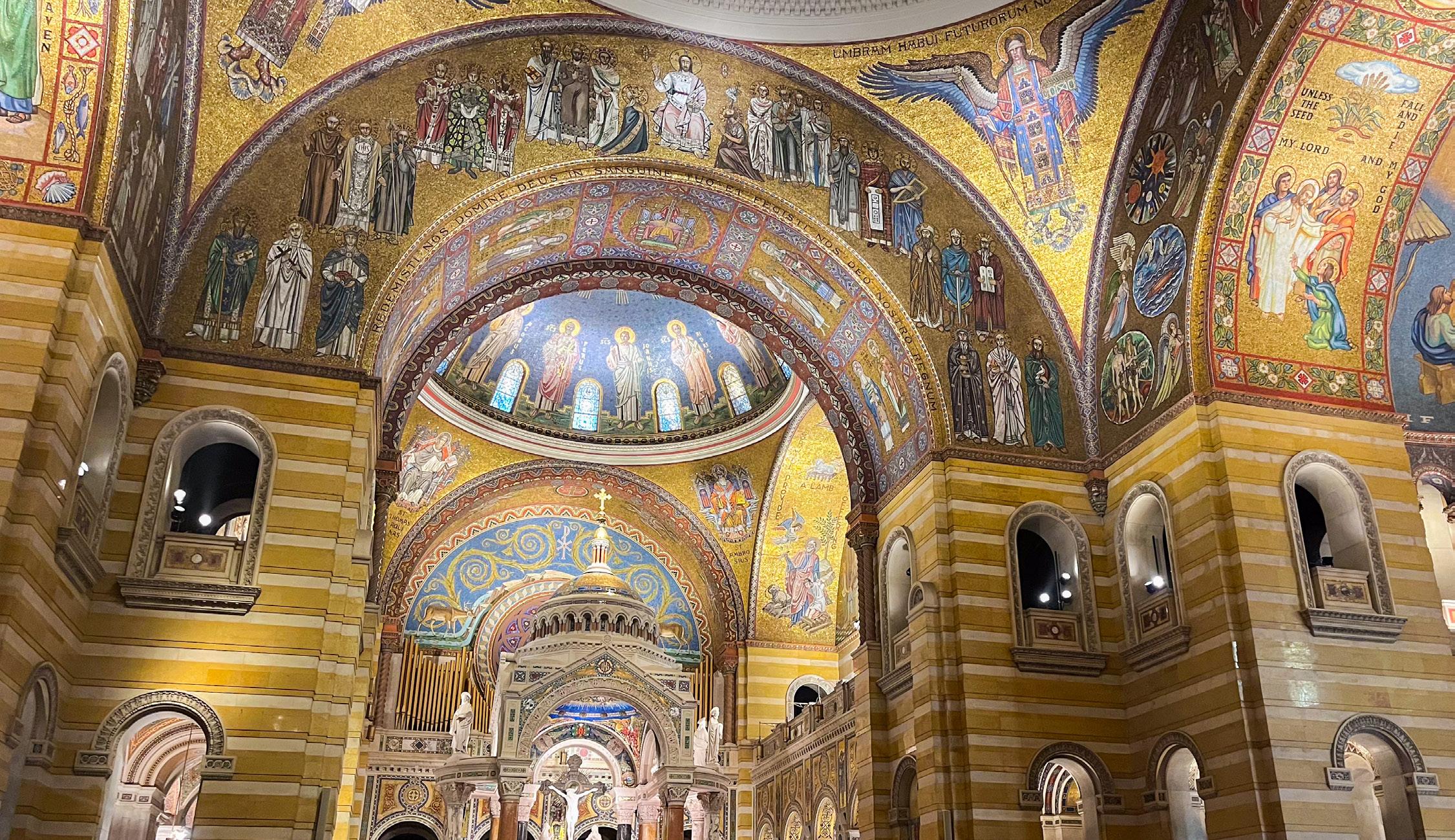
The Cathedral Basilica of St. Louis has the world’s largest collection of mosaics.
Suspend your doubts for a second and consider this question: What if the most beautiful structure in the world is closer than you think? What if there was a building so stunning that the oldest, most beautiful churches in Europe couldn’t rival it? And what if it was in the Central West End?
Construction on the towering church started in 1907, during a time when St. Louis was one of the richest cities in the country. The Olympics had just been held at WashU, and the World’s Fair had just taken place in St. Louis. Stepping into the Basilica of St. Louis feels like stepping back into a time when St. Louis was almost named the nation’s capital and had a larger population than Los Angeles or Chicago.
This is not my attempt to convince you to go to a cute church. This is me recommending something that will truly
surprise you. The Basilica holds the world’s largest collection of mosaics, which adorn the ceiling and walls and create a glittery, dizzying effect. The innermost dome is almost 200 feet high, a third of the height of the Arch. The first section of domed ceiling is peppered with images of important St. Louis Catholic institutions, including Saint Louis University.
Even though the Basilica is a religious institution, it’s also a cultural center for St. Louis. Guided tours are available every weekday from 10 a.m.3 p.m., or on Sundays at 1 p.m.
The Basilica also has incredible acoustics and is a dream destination for choirs around the world. I went to a performance by the Estonian Philharmonic Choir a few weeks ago and learned that the Basilica has an eight-second echo, allowing the singers to layer harmonies on top of each other over and over again.
I recently came back from studying abroad in Madrid, where I saw my fair share of
beautiful churches. They are — and I’m not kidding — not nearly as beautiful as the Basilica. I know that sounds crazy, but make sure that you’re not discounting the church simply because it has “St. Louis” in the name. I’m happy to debate with you once you’ve been inside.
When I came to WashU for undergrad (not because of the Basilica — I’m not that crazy), I was disappointed to find that most students weren’t interested in venturing out into the city. I wanted to see what other surprising parts of St. Louis I could uncover but couldn’t find anyone to explore with. I felt trapped in the WashU bubble: the stretch between Clayton and the Brentwood Trader Joe’s that allows WashU students to enjoy restaurants without having to run into many St. Louis natives. While part of this has to do with the inadequate Metro system and the difficulty of navigating St. Louis without a car, I think the main reason is WashU’s culture, which attracts mostly coastal kids who buy into the narrative that St. Louis
doesn’t have anything that San Francisco, Boston, or Chicago can’t provide.
So, I started forcing my friends to visit the Basilica with me. We would go out to dinner in Clayton or lunch in the Central West End, and unless one of us had somewhere to be, I would suggest going to the Basilica afterwards. It became a running joke in my friend group that I was set on converting my (mostly atheist or Jewish) friends. But each time we went, a new friend would go silent for a second when entering the Basilica, then turn to me and say, “It’s stunning.” I had a series of deep, engrossing conversations with friends about spirituality, beauty, and appreciating St. Louis.
So, if you want to have a deep conversation with a friend, or if you’re looking for an escape from the WashU bubble, or if you just have a desire to see something beautiful — take a chance and visit the Basilica, and believe that you can be surprised by St. Louis.
LEILANI BILLUPS STAFF WRITER
Walking through St. Louis, it’s easy to forget just how deeply woven Black culture is into the city’s streets, sounds, and stories. When one thinks of “St. Louis Culture,” toasted ravioli, thin-crust pizza, the St. Louis Cardinals, and gooey butter cake often come to mind, yet St. Louis has also nurtured Black excellence for decades. The city has been home to the artists, comedians, entrepreneurs, and institutions that continue to shape its culture. A short drive from campus can take you places where history was made, culture is preserved, and creativity was born, reminding us that Black culture in St. Louis lives and evolves all around us.
Historically Black neighborhoods like The Ville and Kinloch show proof of resilience and community-building in the Black community. During the early 20th century, when segregation and redlining restricted where Black residents could live, The Ville became a center of Black wealth, education, and culture. Doctors, educators, artists, and musicians lived side by side, creating an ecosystem of excellence. In the county, Kinloch emerged as one of the first Black-governed municipalities in Missouri, symbolizing Black political power and economic independence at a time when both were rare. These communities were not only places to live, but places where Black identity, pride, and ambition could flourish.
Food has long been one of the


Comedy
most visible expressions of Black culture in St. Louis, and few names are as recognizable amongst the Black community as Sweetie Pie’s. Founded by former Ikette and singer Robbie Montgomery, the now-closed restaurant became famous for its soul food and role as a gath ering space for the commu nity. Sweetie Pie’s represented more than comfort food: It was a symbol of Black entrepreneurship, fam ily legacy, and culture. The restaurant even had its own reality show, “Welcome to Sweetie Pie’s,” which was filmed in St. Louis for five sea sons. Across the city, Black-owned restau rants and food vendors continue this tradition, using food as a way to preserve history, tell stories, and bring peo ple together.
produced artists who helped define music, television, art, and comedy nationally. Tina Turner, the “Queen of Rock & Roll,” attended Sumner High School (located in The Ville) before sharing her unmatched voice and stage pres-
Cedric the Entertainer also rose from the St. Louis area, bringing the city’s humor and perspective to national television and film. Actor Sterling K. Brown, who won an Emmy for his performance in the hit TV drama “This is Us,” was also born in St. Louis, and he even gave the Commencement speech here at WashU in 2023. These figures are not exceptions; they are part of a long lineage of Black St. Louisans who transformed local talent into global impact.
Beyond music and entertainment, Black St. Louis has also been sustained by institutions dedicated to telling its own stories. The St. Louis American, a Black-owned newspaper founded over a century ago, has long served as a voice for the city’s Black community, covering civil rights, politics, culture, and everyday life when mainstream outlets would not. Through their journalistic advocacy, the paper has helped preserve history while holding space for progress.
St. Louis’ Black cultural influence is perhaps most commonly felt through entertainment. The city

Celebration and tradition are also central to Black culture in St. Louis. Every year, thousands gather for the Annie Malone May Day Parade, one the largest and longest running African-American parades in the country. Named after entrepreneur and philanthropist Annie Turnbo Malone, the parade honors Black achievement, community pride, and collective joy. While the parade has happened every year for decades now, due to financial challenges and damage from the 2025 tornado, the parade is turning into a festival this year instead, scheduled for May 17, 2026. In addition to the May Day Parade, events like the Missouri Black Expo continue the tradition of supporting Black excellence as well by highlighting Black businesses, reinforcing the idea that Black culture in St. Louis is something to be celebrated publicly and proudly.
Black culture in St. Louis is not
frozen in time. It lives in neighborhoods fighting for preservation, in restaurants that have fed generations, in newspapers telling overlooked stories, and in artists who carry the city’s influence into the mainstream. For WashU students, engaging with Black St. Louis means more than learning history: it means supporting local businesses, attending cultural events, exploring his torically Black neighbor hoods, and recognizing that the city beyond campus is rich with stories that continue to shape American culture. It’s important as students that we respect this culture and not disregard or look down upon it. St. Louis’ Black legacy is all around us, and taking the time to experience it allows us not just to observe history and culture, but to become part of it.


FLANNERY POON CONTRIBUTING WRITER
Picture this: A warm, sunny Friday afternoon in late October. My roommate and I were on an adventure to buy a set of glasses. We wanted to make homemade milkshakes, watch a movie, and bedazzle our lip balms, but I was adamant that we could not use just any old plastic cups; we needed nice glasses. After walking 20 minutes to visit a wildly expensive antique store and finding no luck, my roommate and I walked by a restaurant. “I know they’ll have glasses,” I said. “Let’s just go in and see if we can buy some from them.” Why not, you know?
I explained our predicament to the woman behind the bar who waved her manager over. After a brief consultation she turned back to us. “Just take them for free.” What!? My roommate and I turned to each other shocked, we couldn’t accept this! We went back and forth, and we ended up giving them 20 bucks and walking away with these beautiful glasses.
This interaction with the Sasha’s Wine Bar employees was one of many that makes up the culture of “Midwest Nice.” “Midwest Nice” describes the cultural behavioral pattern of people in the Midwest being overly kind and polite to strangers, explains Kimberly Haala, a clinical health psychologist in Psychiatry and Psychology, in an article from Mayo Clinic.
When I would tell people that I was going to college in St. Louis, I would always hear about the concept of Midwest Nice. “The people are just better,” my junior year Chicago-born history teacher would exclaim. I would sort of smile and nod.
I liked the people of my hometown, Boston, just fine.
But arriving in STL for the first time, I noticed a slight shift that became more apparent when I moved to WashU. It started when I visited on my college tour, and my parents and I went up in the Gateway Arch. Our tour guide asked if anyone knew any physics, and I tentatively revealed that I was taking AP Physics (which I fear I later dropped, but no matter). She was delighted by this fact and gestured directly to me, or “smartie physics girl” as she dubbed me, when she explained the engineering behind the landmark.
When I moved here for college, I noticed it more and more with my new neighbors. I had an extensive conversation with one of my Uber drivers about her dog. We went back and forth about her pitbull and my labra
I wasn’t convinced with her assessment that Grand Rapids was better than Boston, but I appreciated her enthusiasm when she talked about her hometown.
Actions speak louder than words, and this Midwest Nice can be found not just in conversations but in the majority of the interactions I have with strangers here. My friends and I went out to dinner, and a woman held the door for all five of us and complimented our outfits. This little moment made our night.
These little interactions, like holding a door for someone else, trickle down into the WashU community. Take the door example. On our campus, I have noticed that a distinct door holding culture exists. From classes, to the library, to the dining hall, my peers are exceptional at doing a glance over the
longer for someone behind them.
This habit inspires me to take a few moments to hold the door for the people behind me, too. Even when it’s an awkward amount of time and you make uncomfortable eye contact and they have to jog a little, you still hold the door because that’s the right thing to do.
While nothing will ever compare to the love I feel for Boston, I have grown to adore the city that is St. Louis and the community that is WashU. I’m sure in my four years here I will gain insightful knowledge into the world around me and learn many important career skills. However, I already know the most important lesson that WashU and St. Louis teaches its students and residents: the ability to be kind.

Basso has the cutest vibe and great food that will make you feel fancy without breaking the bank. Big recommend.
Amelia Spencer Design Editor
Gramophone mac and cheese is the best in the world. Creamy, smoky, and served with a St. Louis classic – Red Hot Riplets chips – on top.
Elena Wierich Staff Writer
What the duck, guys? Everything (and I mean everything) is made from scratch here! Right back in the kitchen are cooks and bakers working their tails off (get it?) from dawn till dusk to make sure that you have the yummiest meal possible. This would be my last meal (although that thought is quite morbid at 19 years old). I cannot further adequately describe how quackity-cool this Maplewood staple is.
Rhodes DEI Editor
Situated near campus, Olympia serves amazing Greek food that I crave regularly, but the saganaki is all for fun and for show. My suggestion: go out with friends, and order this to surprise them — the servers bring the tray to your table and light the blocks of cheese on fire in front of you in a dazzling display. And after the show, you get some tasty cheese and a story to tell anyone who didn’t come along.
Sutton Special Issues Editor
Katie’s fried artichoke salad and lemon paccheri pasta — I could eat only these two dishes for my entire life and rest easy. They are both (relatively) light dishes for an Italian restaurant and pair perfectly together. If you are like me and don’t like goat cheese, have the salad with Parmesan cheese instead.
Sylvie Richards Managing Forum Editor
Gioia’s Deli has one of my favorite sandwiches in St. Louis. I love their hot salami sandwich with Provel cheese and hot giardiniera. They have locations on the Hill and in Creve Coeur, and it’s worth the drive to visit this St. Louis staple.
Every year, I list Taco Buddha as my favorite restaurant in STL. There is an outstanding variety of delicious tacos. The ambience at all three locations is amazing. The staff members are nice and want you to have the best Buddha experience you can. It’s simply the best restaurant in the world.
ZACH TRABITZ NINA LASER
Room Coffee and Kitchen
2810 Sutton Blvd, Maplewood, MO 63143
Protagonist Cafe
1700 S 9th St, St. Louis, MO 63104
If you want to feel like you’re in the Missouri equivalent of Stars Hollow, go no further than the quirky downtown pick on our list, Protagonist Cafe. As St. Louis’ premiere literary cafe, pretentiousness is encouraged but not required. This cafe is perfect for churning out an essay, writing the next Great American Novel, or accomplishing anything on your academic to-do list. The coffee is stupendous, and the service is equally incredible. They also randomly serve ice cream if you’re into that, and it has bookshelves on every single wall if you’re looking to sit down and read for an extended period of time.
Coffee and food: 4.5/5
Studyability: 5/5
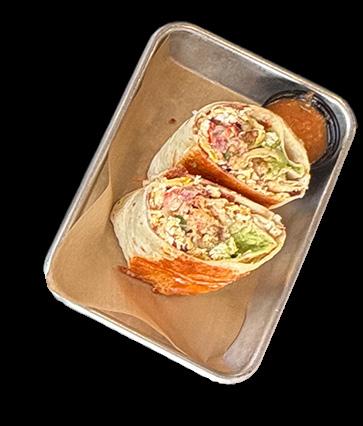
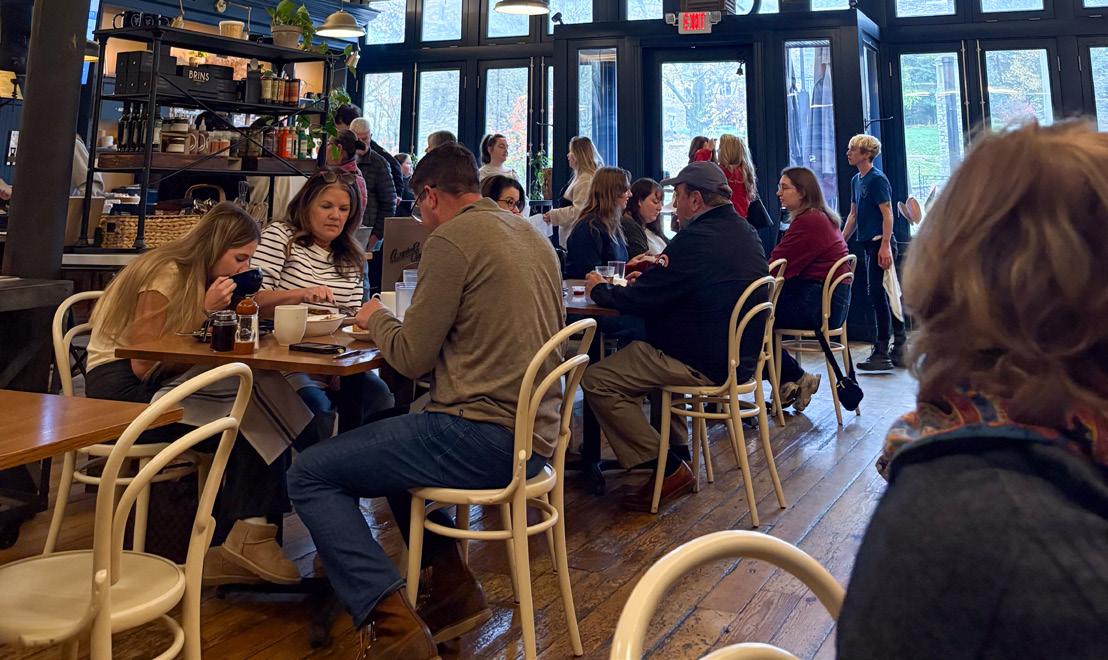
What Living Room lacks in coffee, it makes up for in vibes. Imagine a Pinterest-like cafe, laden with potted plants, pastel decor, pride flags, and kind, tattooed baristas with little wire-rimmed glasses. A paradise for anyone suffering from an Olin overdose, Living Room has immaculate study potential featuring fabulous breakfast burritos and peanut butter and bacon toast (trust — it’s fabulous). Plenty of seating and bright lighting from the establishment’s many windows make productivity inevitable and enjoyable. Weekends can get a little crowded, so if you intend to lock in, we advise you go earlier rather than later. There is also plenty of outdoor seating which is wonderful in late spring/early fall.
Coffee and food: 4/5
Studyability: 5/5
REID KELLERMANN | CONTRIBUTING ILLUSTRATOR
Northwest Coffee Roasting Company
4251 Laclede Ave, St. Louis, MO 63108
8650 Big Bend Webster Groves, MO 63119
Open from 7 a.m. to 6 p.m. daily, the Central West End Northwest Coffee Roasting is the ideal place to study. The cafe boasts expansive seating, perfect for finding a seat for all your friends, and great drinks. The ambiance alone is worth the trip. There’s one seating area with a perfect balance of indoor and outdoor. It’s easy to get lost in an essay for 10 hours straight under their climate-controlled room.
The bagel and lox sandwich is the perfect snack, and all of their drinks are superb.
Coffee and food: 4.5/5
Studyability: 4.5/5
Blueprint Coffee
6225 Delmar Blvd, St. Louis, MO 63130
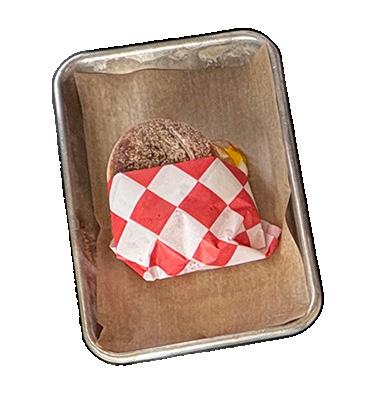
Blueprint Coffee on the Delmar Loop is simplistic and almost mundane-looking. Its menu is short but sweet, and it does everything on it incredibly well. The plain interior is also ideal for staying focused for long periods of time (at least from 8 a.m. to 4 p.m.), with nothing flashy to distract from writing an essay or studying for an exam. There isn’t too much seating, but if you manage to snag one of the bigger tables in the back, it is the perfect size for two people to sprawl out their laptop, papers, food, and drinks as much as they please. Blueprint’s egg biscuit sandwich is to die for, with a unique spicy tomato jam.
Coffee and food: 4.5/5
Studyability: 4/5
The Annex Coffee and Foods
8122 Big Bend Blvd, Webster Groves, MO 63119
Appropriately named, The Annex is a place that sells every fun ingredient you can think of. In addition to having a full coffee and hot food menu, the cafe has some delicious pastries. Its shelves are stuffed with everything from baking mixes to niche pasta shapes to tinned fish. Checkout is bustling and chaotic, but luckily, a separate dining room allows studying to actually get done. If it’s crowded, fear not; there is an outdoor seating area as well (accessible from 7 a.m. to 9 p.m.), equipped with heat lamps to make it an enjoyable place to catch up with friends or to get some work done.
Coffee and food: 4.5/5
Studyability: 4/5

4474 Shaw Blvd, St. Louis, MO 63110

5708 Oakland Ave, St. Louis, MO 63110
If you have been thinking to yourself recently, “Wow, I can’t find a flaky, buttery croissant in St. Louis,” you are not alone. But now you can see the light! Comet Coffee is a great study spot with a variety of phenomenal croissants, including chocolate, pistachio, and ham and cheese, that stand out among the pastries in St. Louis. It also serves delicious coffee, using beans from Sump Coffee. The original Comet location on Shaw has fairly minimal seating compared to other coffee shops, but if you can snag a table, it is well-suited for a laptop and other class materi-
als. The new location by the Botanical Gardens has more but smaller tables. This location is also open from 7 a.m. to 7 p.m. on weekdays (compared to the original location’s 2 p.m. closure), making it an ideal study spot for finals week or a late afternoon coffee study date.
Coffee and food: 5/5
Studyability: 3.5/5
1034 S Brentwood Blvd Suite 101, Richmond Heights, MO 63117
Coma serves a mostly corporate clientele. Men in collared shirts take conference calls from the communal tables, and elderly couples grab quick bites before their dental procedures next door. Here, you’ll also likely run into a classmate on a Brentwood Target run, waiting 30 minutes for a $13 toast. While the food is tasty, Coma’s packed atmosphere makes finding a seat difficult. The loft above the coffee bar is cute — if you can get a table.
Coffee and food 2.5/5
Studyability: 3.5/5
Fiddlehead Fern Cafe
4066 Russell Blvd, St. Louis, MO 63110
If you want a delectable stew or toast slathered with goodness, Fiddlehead Fern Cafe is the place to be. Located in the beautiful and historic Shaw neighborhood (seriously — it’s worth walking around the neighborhood when you’re over there!), both Fiddlehead Fern’s drinks and food options are outstanding. The cafe also has an indoor and outdoor seating area, though neither is particularly expansive. After a couple of hours, you will
be asked to leave to make space for other customers, so it’s not ideal for a lock-in session. It’s open 7 a.m. to 2 p.m. on weekdays (closed on Tuesday, though) and 8 a.m. to 2 p.m. on weekends, making it ideal for an early-morning study session, but not particularly effective for an all-day grind. For drinks, their specialty drinks, such as the Caramel Fleur de Sel Latté, a delicious blend of coffee and caramel.
Coffee and food: 5/5
Studyability: 3/5

The Mud House
2101 Cherokee St, St. Louis, MO 63118
The Mud House is a great place for an early-morning study session. Open 7 a.m. to 2 p.m. all days of the week, while the Mud House lacks lock-in potential, it is still an excellent choice for a hangand-study. Additionally, it boasts a good amount of seating and sits in an ideal location, as Cherokee Street is the perfect place to go thrifting or shopping once you’re done studying. Foodwise, it’s amazing. I recommend the Mud Slinger for lunch. An utterly delicious dish of sunny-side up eggs, breakfast potatoes, black bean chili, and toast that’s particularly filling and will leave you ready to do whatever work you face.
Coffee and food: 4/5
Studyability: 3/5
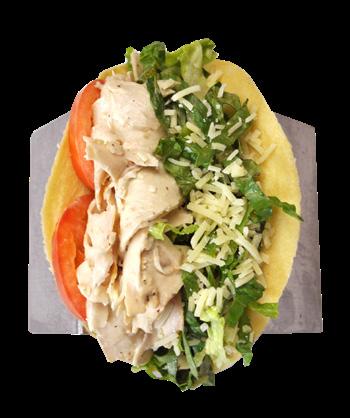
MATT EISNER MANAGING SPORTS EDITOR
The St. Louis MetroLink is this city’s most underappreciated amenity. St. Louis is unique in having a Metro system that is so expansive — in the Midwest, only Chicago and Minneapolis have higher ridership on their rapid transit systems. Still, all too often, students deride the Metro for being too dangerous, woefully unreliable, and not serving the areas of St. Louis that students want to travel to.
I have always loved public transportation, and I think the Metro is a unique perk of St. Louis that most students don’t take advantage of. So, I did what any reasonable person would do: I rode the entire dang thing. It was a fascinating experience.
My day started at University City-Big Bend station on the Blue Line. This is one of the few parts of the Metro that I was previously familiar with, having taken the train downtown for St. Louis Cardinals games, concerts, and Mardi Gras in Soulard. But instead of waiting on the familiar eastbound platform, I went west toward ShrewsburyLansdowne. After zipping past downtown Clayton, the Galleria, and the Brentwood Promenade, I began to notice a common theme among these stations. While they’re located in car-dependent areas, each stop has something around it that serves the St. Louis community. For example, if you don’t have a car, you could take the Metro to Brentwood and shop at Dierbergs or Target without needing to pay for a pricey Uber. This should be the goal of every transit system — to take people where they want, or need, to go.
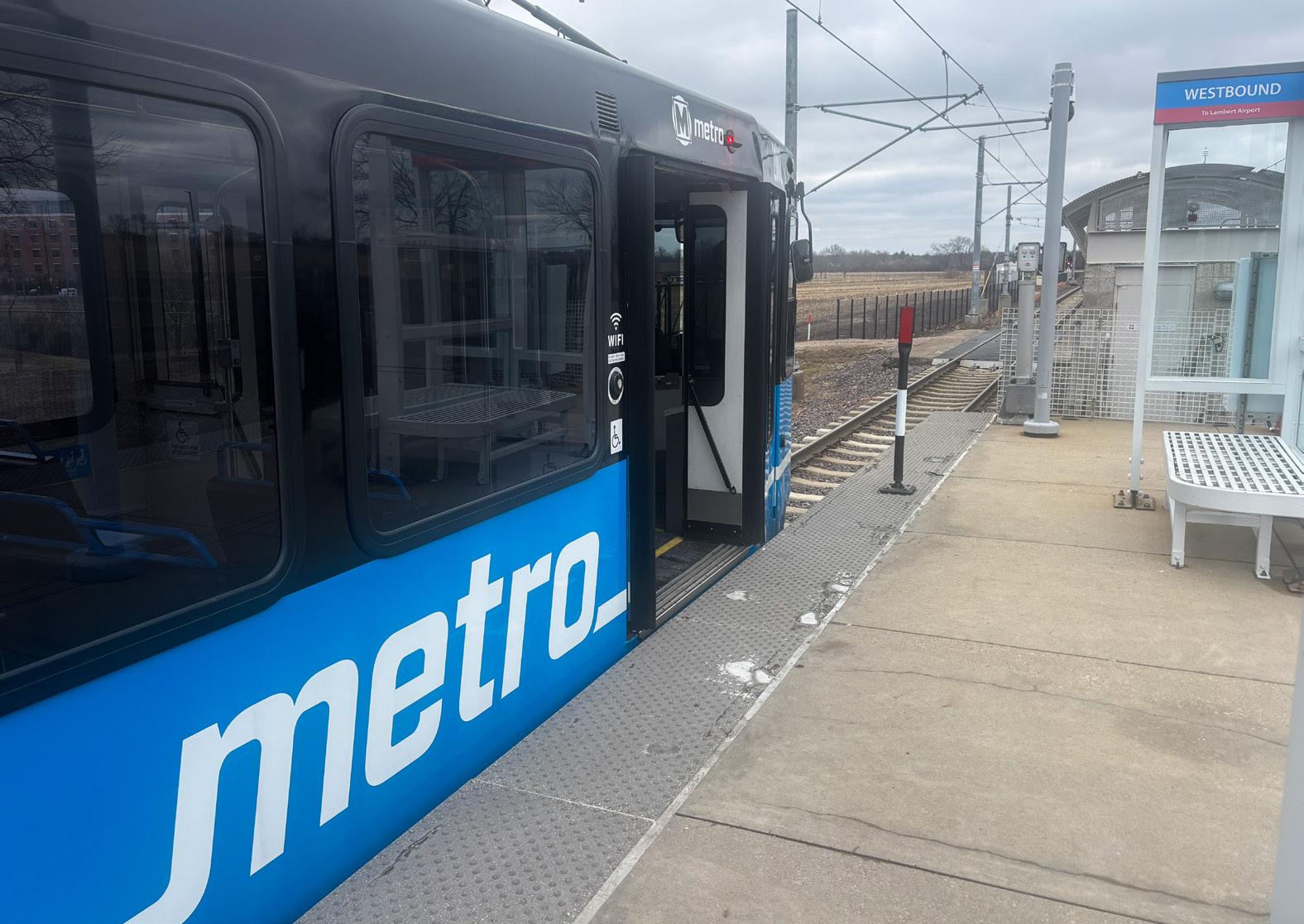
About 15 minutes later, I made it to Shrewsbury, and my morale was very high. I waited 20 minutes before getting back on the same Blue Line train, this time heading east. I passed the WashU Medical Campus and the familiar slog through the downtown railyards before alighting at Laclede’s Landing. This stop, the last one in Missouri, is located inside the Eads Bridge and has a beautiful view of the Gateway Arch. I used this stop as my opportunity to switch from the Blue Line to the Red Line. This also marked the one hour point of my journey.
I crossed the Mississippi River into Illinois, and immediately, things changed.
The infrastructure and stations were less built up, and my morale decreased. St. Louis has a defined urban core, but the Metro East region of Illinois is sprawling and lacks a major population center. We pulled into the 5th and Missouri station, the “downtown” stop in East St. Louis, and only one person got on the train. The only busy stop on the Illinois side was Emerson Park, which is where the Blue Line terminated that day.
The stations across the river just do not serve the places where people live, instead relying on commuters to take the Metro into St. Louis. And as fewer people work downtown, fewer people take
the train. Take the Memorial Hospital station for example, which is located more than a mile away from Belleville Memorial Hospital. Since the station is located in a forest on an old freight railway, and notably not in the neighborhood which it claims to serve, the Memorial Hospital station is functionally useless if you don’t have a car. I continued on the Red Line through the Illinois suburbs and toward Scott Air Force Base, the terminus of the system. As we passed Belleville, the most populous city in the Metro East region, the dense suburban landscape gave way to farmland and back roads. I arrived at the Shiloh-Scott station almost two hours into the trip and 25 miles away from WashU. I exited the train to
see a parking lot, an empty Air Force base on a dreary Sunday morning, and fields of corn. Amazingly, later this year, the Metro will extend beyond Shiloh-Scott towards the MidAmerica St. Louis Airport, a minor airport which served over 300,000 people in 2024 — paling in comparison to the 16 million people who flew through Lambert Airport in the same year.
I sighed and got back on the line toward St. Louis. I drifted in and out of sleep as we went through Illinois, back across the Mississippi River, and made it through the last few stops. After 3 hours, 7 minutes, and 35 seconds of sitting on the St. Louis Metro, I got off at my final station.
Would I recommend that you do this trip? No. In fact, when my friends asked me
if I enjoyed this side quest, I responded that it was a massive waste of time. I did notice, however, a stark difference between riding the system in the city of St. Louis versus in its suburbs. The Metro is really good in the places where there are amenities surrounding stations and really bad in places that are strictly suburban or rural. Transit only works when there are people nearby to use it and the stations are near the locations that people want to travel to.
Let this pointless journey be a plea to city leaders, developers, and transit executives that the St. Louis MetroLink has boundless potential. That potential can only be realized through investment in transit-oriented development and further expan-
EISNER
sion into underserved areas like North City, South Grand, and Tower Grove. City leaders are still debating whether to build a new transit corridor from Cass Avenue in North City down Grand Avenue, before ending at Chippewa Street in South City. This new line would provide a crucial link to areas that receive woefully unreliable public transit today, and whether it is bus rapid transit or light rail, it must be built.
And if you’re a student considering taking an Uber to a Cardinals game or pleading with your friend for a ride to your Medical Campus lab, consider the Metro. Get your free U-Pass, time your trip with the train schedule, and you might be surprised with how much you liked the experience.

SLAM Cinema. Every once in a while, the Saint Louis Art Museum shows some killer movies in their auditorium for super cheap. Perfect date spot for an art and movie lover. Eden Levi, Designer iNDO. On the fancier/pricier side, excellent Asian fusion, fun atmosphere, and great service. Elena Wierich, Staff Writer
Clementine’s Naughty & Nice Ice Cream. Great for a first date, the Clementine’s on DeMun is a short walk from the South 40. With a wide range of creative flavors — including “naughty” flavors with alcohol for those over 21 — Clementine’s has something for every ice cream lover out there!
Riley Herron, Editor-in-Chief
The Great River Road. Who says date spots need to be restaurants? While only
accessible if you have a car, this stretch of Illinois Route 100 north of St. Louis is perfect for the adventurous couple. Be sure to take in the charming old downtown in Alton, admire the bluffs on the banks of the Missouri River, and go on a quick hike at Pere Marquette State Park.

Soup Dumplings STL. Delicious & cheap. Although you need a car to get here, it’s the perfect balance between not too pricey but still casual.
Zach
Trabitz, Managing News Editor
Matt Eisner, Managing Sports Editor
City Museum. An absolute must-go for a fun and adventurous date night. Located in an old shoe factory just off of Washington Avenue in Downtown St. Louis, the City Museum is like a giant playground, aquarium, art campus, and amusement park all rolled into one. Go at night to avoid the family crowd, and enjoy the several restaurants and bars in the facility. Get ready for an active evening!
Ian Heft, Senior Sports Editor
The Frisco Barroom. A tad pricier, but very yummy, and the perfect medium-level-of-formal date spot! Stumbled upon by accident, this spot is now my number-one place to get baked brie in the Lou. If you can, snag the table for two by the window!
Zoe Rhodes, DEI Editor
Pin-Up Bowl. Pin-Up Bowl’s vintage atmosphere, intimate and minimal number of bowling lanes, and food and drink options (including a full bar) make it the perfect date spot, while feeling like you are going on a date in the 1950s. For one of the first dates with a person,
an activity like bowling is perfect for taking the pressure off of constant conversation and eye contact. It is also on the Loop, so accessible by foot, car, or shuttle. As someone certified horrible at bowling, I can also vouch for the fact that you don’t need to be a pro to make this a fun date — although, maybe make it a third date to be safe.
Sylvie Richards, Managing Forum Editor
Gelato Del Riso. While I’ve not gone on a date yet, my first one will be here. Found on the Hill, St. Louis’s Italian neighborhood, Gelato Di Riso has perfect vibes. The building itself is small, with cafe-like tables and sitting areas, but the real winner is the patio, where string lights, greenery, and an assortment of small tables set a great mood for chatting over a sweet treat. Mason Sutton, Special Issues Editor

ZANA KENNEDY STAFF WRITER
St. Louis is a city of dance and has been ever since the founding of the Missouri Rockettes in 1925. Although the Rockettes later moved to New York City to become the Radio City Rockettes, St. Louis is still brimming with dance culture from ballet to contemporary.
Here are the must-watches for St. Louis’ upcoming dance season:
Saint Louis Dance Theater presents its Winter Series: This showcase, running from Feb. 27 to March 1, will feature several pieces, including the company premiere of “Walking
Mad,” choreographed by Johan Inger. The choreography, which centers around the exploration of human relationships, promises an evening of introspection.
MOMIX “ALICE” presented by DANCEstl
MOMIX’s “ALICE” is a dance adaptation of Lewis Carroll’s classic, “Alice in Wonderland.” The whimsical performance is directed by Moses Pendleton and will show for one night on March 7. The promotion of this production promises a spectacle of unconventional props, costumes, and movement. From large baby masks to acrobatic feats, the production promises to capture the essence of what makes the original classic special.
Fun fact: DANCEstl was originally founded by former WashU Professor of Dance Annelise Mertz to increase modern dance culture in St. Louis.
“Cinderella” presented by St. Louis Ballet
A classic performance in a classic dance style, St. Louis Ballet’s “Cinderella” takes the stage on April 24 as part of the company’s spring series. Choreographed by Gen Horiuchi with music composed by Sergei Sergeyevich Prokofiev, the production is similar to the classic fairy tale, with a couple more fairies and a lot more dancing. “Cinderella” was St. Louis Ballet’s first performance at the Touhill Performing Arts Center in 2009, and, according
to an interview with Horiuchi on Classic 107.3, was chosen this year to make a splash with its extravagant sets and large cast. Whether you are a ballet fanatic or this is your first performance, it will be a night to remember.
The performing arts have always been central to what makes any city special. People travel to cities for plays, operas, magic shows, and, of course, dance. Although entertainment is available 24/7, live performances are almost as abundant in St. Louis, and it is important to support the performing arts. If you are looking for more immersive ways to engage in St. Louis culture, dance is the perfect place to start.
JOEL SWIRNOFF
IAN HEFT
MATT EISNER
RILEY HERRON
NEWS EDITOR
SENIOR SPORTS EDITOR
MANAGING SPORTS EDITOR
EDITOR-IN -CHIEF
Sometime in the early months of senior year, the four of us had a simple idea: What if we could eat as much international food as possible in the St. Louis region during our final months at WashU?
Thus, Gateway Global Grub (GGG) was born. With a ChatGPTed name (and Instagram in tow, @gatewayglobalgrub) and a desire to relive past travel experiences from time traveling and studying abroad in 2025, we came up with a simple plan: oncea-week lunches on Sunday afternoons at different restaurants representing differents part of the world.
As four busy college students with limited eating out budgets, we might have bitten off more than we can chew. Exploring all of St. Louis’ expansive and underrated food scene is an impossible task. However, with 14 restaurants visited so far and several dozen others on our list to try before our upcoming graduations, we’ve tried our best to give justice to St. Louis’ diverse culinary community.
Below are some of our favorite restaurants discovered on recent GGG outings. Each rating is an average of our scores on the food rating app Beli.


9.7
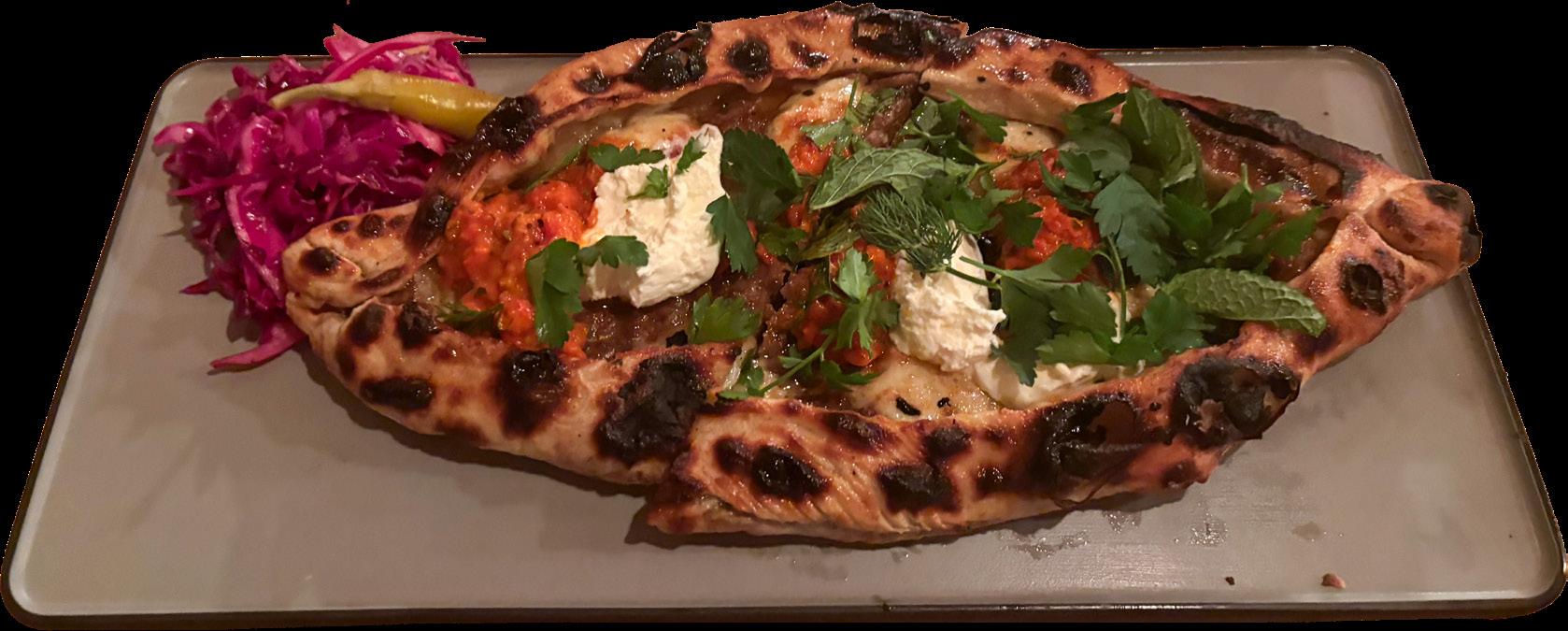
It’s impossible to overrate Balkan Treat Box, which has become a classic among WashU students and St. Louisans alike. From the flavorful pide flatbread to the succulent cevapi sausages, its menu features classics from the Balkan region, an homage to the owners’ Bosnian heritage and St. Louis’ prominent Bosnian community.

House of Jollof, located in Florissant, specializes in Ghanaianstyle jollof rice, waakye rice, and egusi. We loved the restaurant’s tender chicken and lamb, which was well-spiced and flavorful. And while it’s a bit of a splurge (an average entree is north of $20), it’s owned by the parents of a WashU student, so be sure to ask for the student discount when you check out!
9.0
9.4
A no-frills restaurant near Soulard, Fritanga serves up traditional Nicaraguan comfort foods and looks like a location that would be found on Anthony Bourdain’s “No Reservations.” While there, we enjoyed dishes including carne asada, gallo pinto (rice and red beans), yuca frita (fried yuca), and maduros (plantains). While it’s far from campus, the prices and vibes make up for it. Fritanga has become a staple among St. Louis’ Nicaraguan and Latin American communities, and it’s easy to see why.


8.6
A short drive from campus on Delmar Boulevard, House of India serves some of the best Indian food in the area. We recommend the Sunday lunch buffet, where you can get allyou-can-eat servings of dishes like biryani, chana masala, and korma for $20.


8.4
Another yummy spot that’s worth the 20-minute drive to Chesterfield, Afandi Kitchen specializes in food from the Uyghur-majority parts of Western China. Uyghur food shares a lot more in common with Central Asian food than it does with Eastern China. Afandi’s most popular dishes include lamb and beef-based options. We recommend handpulled laghman noodles.


8.3
Sameem offers a well-portioned meal that celebrates Afghan cuisine. The grilled meats on offer are relatively familiar, making Sameem a good place to start if you are hoping to begin a GGG journey yourself. If visiting with a group, we recommend the Mideast feast as a great way to sample their diverse appetizers, including falafels and pakoras. Of note — be prepared for a surprisingly large amount of rice with your meal.
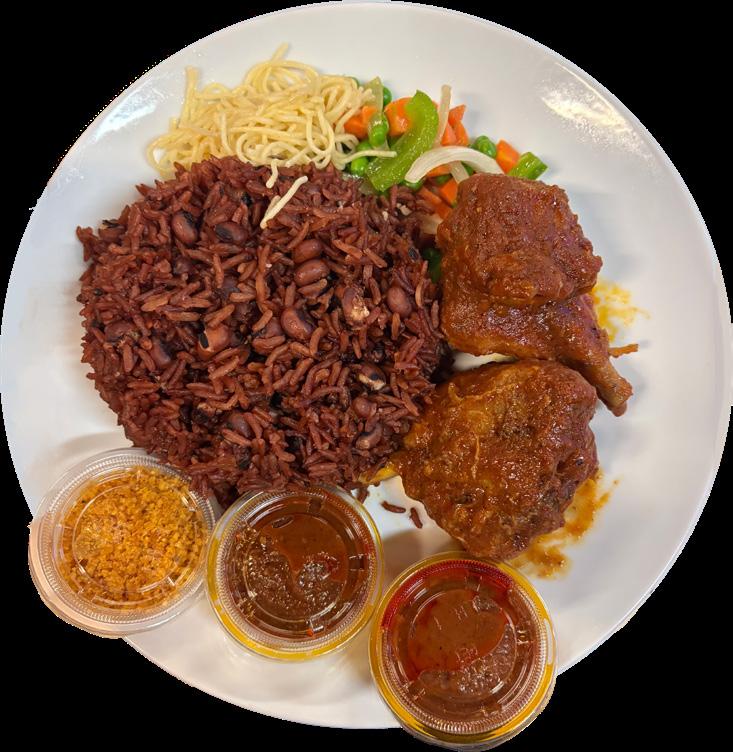
and waakye

7.4
It is so fortunate that St. Louis gets to experience Ethiopian cuisine! The hallmark spongy flatbread, injera, is unlike any other food found in the United States, with a slightly sour taste that is balanced by the combination of lentils and meats that it is served alongside. Go for a combo platter to try out a number of new flavors.


7.9
A WashU student classic. Boasting 10+ locations in the St. Louis area, Sushi Ai (pronounced like “eye,” which is Japanese for “love”) offers good Japanese cuisine. And with a $16 asking price for an all-you-can-eat sushi lunch, it makes sense that it is always packed here. Fun fact: Sushi Ai has a 10% student discount if you provide your student ID when you pay!
7.7

Florentin offers Israeli-inspired cuisine. The restaurant on East Delmar markets itself as a brunch spot, limiting its offerings a bit. If you are seeking shakshuka, then this is the place to be, while the salatim selection of dips was also very solid.

TANVI GORRE NEWS EDITOR
It’s a Sunday morning — though “morning” may be a generous way to refer to 11 a.m. — and you’ve just gotten up with a desire to spend $20+ to satiate your post-slumber hunger. In situations like this, there truly is only one answer: brunch.
There are so many amazing brunch places in St. Louis to try, but there are only so many eggs a person can eat. So here it my best attempt at a guide to some of the best spots in St. Louis for delicious brunch, great conversation, and even better ambiance.
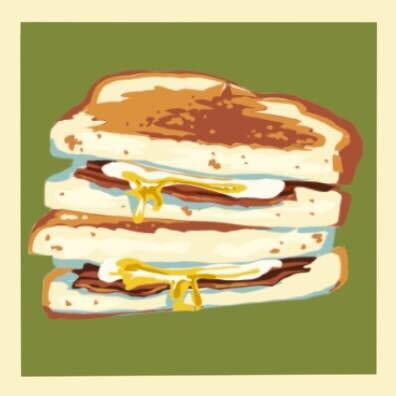
Songbird is located in Tower Grove, which is one of my favorite neighborhoods in St. Louis. I have definitely made mornings out of going to this American comfort food spot by visiting the nearby parks, walking through the neighborhoods, or, if it’s summer/early fall, visiting the farmers market in the heart of the Tower Grove park.
But enough about location, we are here to talk about food! And let me tell you — Songbird has some great food. Ever since I got their breakfast sandwich, I have been trying to re-create it — maybe one day I’ll get it. Until then, I will likely go there every semester to get my fix.
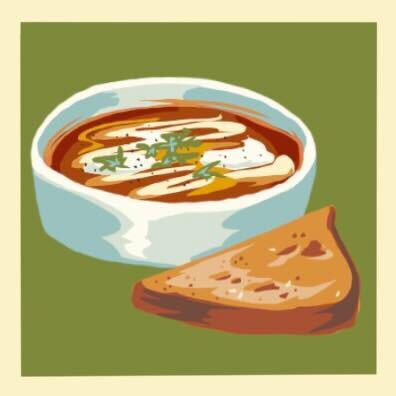
As you travel west on Delmar Loop you will likely run into one of my favorite places for eggs in St. Louis: Winslow’s Table. I adore their shakshuka, which hits the spot during any time of year. I would also highly recommend specifically going to this spot in the spring/summer so you can sit outside and enjoy the surrounding greenery.

VIOLET WALSH | CONTRIBUTING ILLUSTRATOR

I probably don’t need to write about this one given how popular it is, but I will anyway because their egg bagel warrants discourse. Meshuggah Cafe has plenty to offer as a cozy nook on the Loop: comfy spots to chat, good coffee, and, of course, an egg bagel that I will likely have nostalgia over after I graduate. While it can get pretty crowded, I think the buzz of this breakfast spot is a great way to start off a weekend.
I partially hesitate to call The Annex a brunch spot just because it is so much more, as this Webster Groves classic shifts from brunch spot to ice cream parlor to bar over the course of the day. But, of all of the things The Annex is, it is a great spot for brunch. I actually just finished procrastinating writing this article by eating one of their chicken burritos (or maybe I’m doing research for this piece, who’s to say?) in the center of this bustling storefront. If you’re someone who hates the stillness of a Sunday morning, this place is for you.
Situated a few miles south of the South 40, this Mexican diner is the embodiment of “homey” with its warm staff and endearing decorations. If the ambiance doesn’t make you feel at home, the food certainly will. My favorite is their cornmeal pancakes with their strawberry sauce, though I honestly haven’t had a single dish there that wasn’t amazing. I could go on and on about this place (as I have to several people in my life) but I won’t do that to you guys. Just know this place is definitely worth a visit.
All I can say is it’s a classic for a reason. The Demun Kaldis benefits from Demun’s adorable residential area. As a college student, I find it’s nice to remember that there is more to life than my upcoming physics exam which I am currently ignoring, and visiting the Demun area definitely achieves that. Plus, their breakfast bowl is a filling and economical (as far as brunch goes) way to start a weekend morning. Be warned this is a vegetarian spot, but I personally think the ambiance alone justifies forgoing bacon.
If it were up to me, there would be so many more places on the list but I only have so much time in a day and so much of Best of St. Louis that I can fill up with brunch recommendations before my editor starts to question my sanity. Before I go, I want to say that while weekend brunch is a silly ritual conventionally performed by suburban mothers, it has been my way of interacting with the St. Louis community in a way that feels approachable to me. We only have so many years in St. Louis, so find your own way of engaging with it while you can. And hey, if that comes in the form of visiting one of these spots, I think that’s a good way of going about it.
JACOB RITHOLZ STAFF WRITER
If it’s your first year and you didn’t get around to a St. Louis Cardinals game in the fall, or if you’re looking for a cheap, fun thing to do in St. Louis, heading down to Busch Stadium and catching a baseball game is a great idea. Unfortunately, if you’re now deciding to be a Cardinals fan, you’ve picked a rough year to do so. This is not to say going to the games won’t be fun — it still will be — but the Cardinals are entering a rebuild. After years of mediocre play and stagnation, the Cardinals have traded some of their best players from last season, including second baseman Brendan Donovan, first baseman Willson Contreras, starting pitcher Sonny Gray, and third baseman Nolan Arenado.
In return, the Cardinals got a haul of young players and top prospects who may one day contribute to the next Cardinals World Series championship win, but won’t be doing so this season.
This year, the Cardinals have many roster spots open to unproven players with a chance to finally put everything together in the Major Leagues. Shortstop Masyn Winn is arguably the best defender at the position in all of baseball, but he has yet to have a strong offensive year. Despite dealing with injuries last season, Winn hit 15 home runs last year. The biggest wildcard is second baseman JJ Wetherholt, a top 10 prospect in baseball, but who has never played a game in the MLB. He will get playing time this season, has as much potential as any Cardinal, and is someone Cardinal fans should get excited about.
The pitching rotation is the biggest issue for St. Louis this year. Headlined by Matthew Liberatore, the five starting pitchers slated to start for the Cardinals all have major question marks. Some, like Dustin May, have great pitching “stuff” but haven’t been able to control it for strikes. Others, like Andre Pallante, have yet to prove they can consistently strike out major league hitters. While the opportunity is there for any of these players to take a major leap this upcoming year, I wouldn’t count on this staff having any semblance of an ace.
ESPN currently has the Cardinals at an over-under of 73.5 wins, good for last place in their division and 4.5 games below their 2025 win total of 78 games. It’s hard to argue with the win prediction, given that the Cardinals are worse on paper than
their team last year, who already had a particularly poor second half of the season.
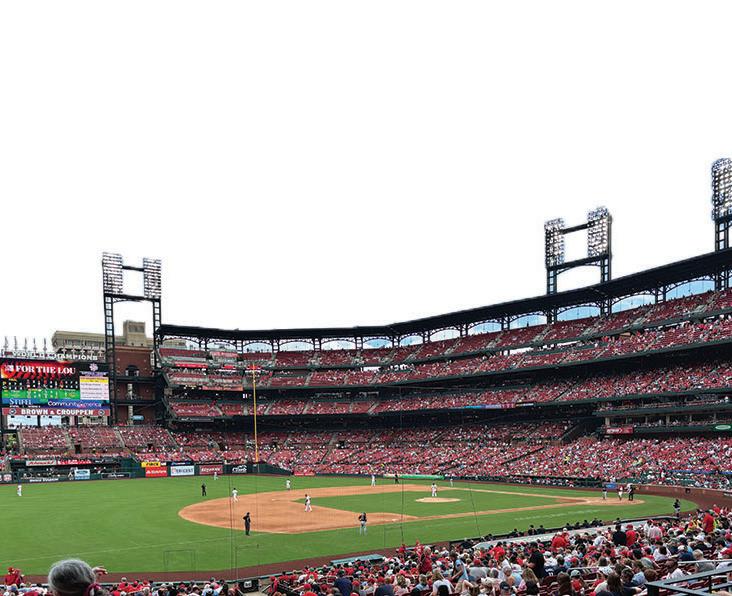
Still, if you haven’t been, and even if you have, it’s still a great idea to go see a Cards game. The atmosphere is hard to beat, with a scenic view of the Gateway Arch serving as the backdrop of the stadium and a dedicated fanbase that always turns out, even when the team is struggling. Tickets are usually cheap, especially as the year goes on, with many available for less than $15. Regardless of performance, it’s always a cool experience to see the best athletes in the world at their respective sport perform at the highest stage.
LEILANI BILLUPS STAFF WRITER
While passively listening to your favorite rap, jazz, or rock playlist, you might not realize the artists’ origins or care to look into their backgrounds. These artists, however, are oftentimes closer to us than we think, and a 10-minute drive from campus to downtown St. Louis can reveal a musical story that was previously unknown. From the ragtime and blues
of the past to the chart-topping hip-hop of today, St. Louis has been a breeding ground for musical innovation for decades. St. Louis’ influence on music can be found in all of our lives, even if we don’t realize it. Engaging with the history of music in St. Louis can help us better appreciate the influence of St. Louis on

the music scene of today. As early as the 1890s (and even before then), influential composers resided and worked in St. Louis, a great example being Pulitzer Prize winner Scott Joplin. Joplin, also known as the “King of Ragtime,” lived in St. Louis for a short period, where he pioneered the American piano genre of ragtime, which blends syncopation, African polyrhythms, and European
classical music structure. While we generally view ragtime as the stereotypical music playing in a saloon in your favorite old cowboy movie, this genre, and Joplin specifically, would come to influence some of the greatest classical and jazz musicians including Debussy, Stravinsky, Eubie Blake, and James P. Johnson. Today, you can pay a visit to his home in midtown St. Louis, where he helped create one of the first completely American genres of music. While downtown, you might also run into the St. Louis Blues Museum, where you can dive into the history of the blues scene in St. Louis. Blues, quickly followed by rock ‘n’ roll and jazz, flourished in St. Louis, with famous musicians Albert King (born on the same plantation as B.B. King) and Henry Townsend spending much of their musical careers in this very city. Chuck Berry, the “Father of Rock & Roll” and arguably one of the most famous rockstars of all time, lived and died in St. Louis, and even had a residency at Blueberry Hill on the Loop. Tina Turner, the “Queen of Rock ‘n’ Roll” went to high school in St. Louis. Miles Davis, a pioneer and legend in the evolution of jazz in the 1940s, grew up in East St. Louis and spent much of his career performing here. St. Louis was the home of legends in the genres that serve as the cornerstones of the music we listen to today.
In the present, we can still see the influence of St. Louis all over the music industry. Artists like Nelly, SZA, Smino, and, of course, Sexyy Red were all born and/or started their careers in St. Louis. The music video for one of Nelly’s most popular songs, “Country Grammar,” was filmed right in the heart of North City. Metro Boomin, an extremely influential producer and songwriter in our generation, was also born in St. Louis, and went on to produce music for Future, 21 Savage, Migos, Travis Scott, and even Lana Del Rey.
Whether it’s 100 gecs, who dominated the quarantine era with their hyperpop-driven synth sound, or Taylor Momsen, who began as Cindy Lou Who singing “Where Are You Christmas?” and later transformed into a full-fledged rock star, St. Louis has produced countless musical artists, past
and present, who have left a lasting impact on the music industry. Even before we knew we would be attending WashU, the music of St. Louis has been ever present in our childhoods, our car rides, our playlists, and our lives. As students, we are living inside a launchpad for influential sound and culture, and are surrounded by a legacy of musical innovation. By supporting local shows, streaming STL artists, attending concerts, and exploring music venues across St. Louis, we can support the musical creativity emerging from the city. The next groundbreaking artists might be playing just down the street, so take your chance to be part of that story.


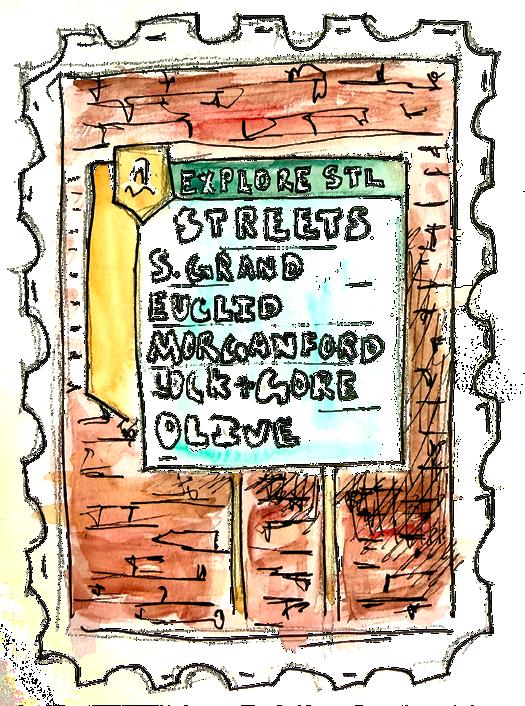
Euclid is home to so many restaurants and cute places to explore. Left Bank Books is awesome, and a trip to either Clementine’s Ice Cream or (my personal favorite) Jeni’s Splendid Ice Creams is such a treat. Even just walking up and down Euclid and enjoying the scenery is fun!
—
Amelia Spencer, Design
Editor
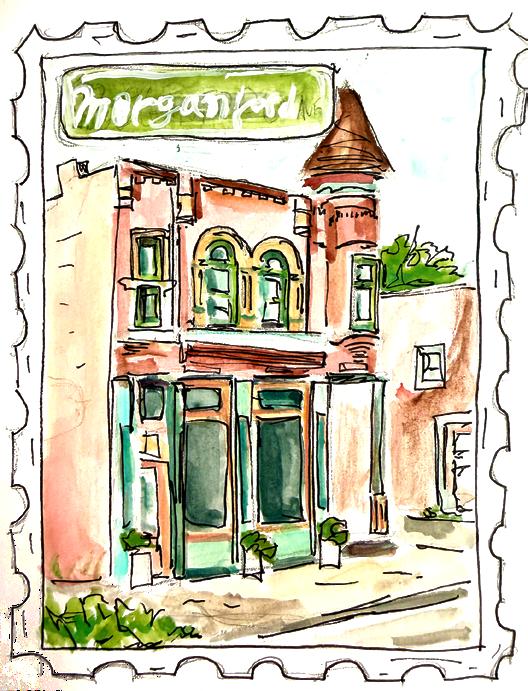
This might be the most underrated food street in the city. Located in the Tower Grove South area, Morganford Avenue includes Garden Variety Deli and Grand Pied brunch, which are some of the highest rated restaurants in the city. Stick around at night and head to Amsterdam Tavern, a fun sports bar with an outside garden. Many WashU students may also know of Songbird Cafe.
— Elena Wierich, Staff Writer
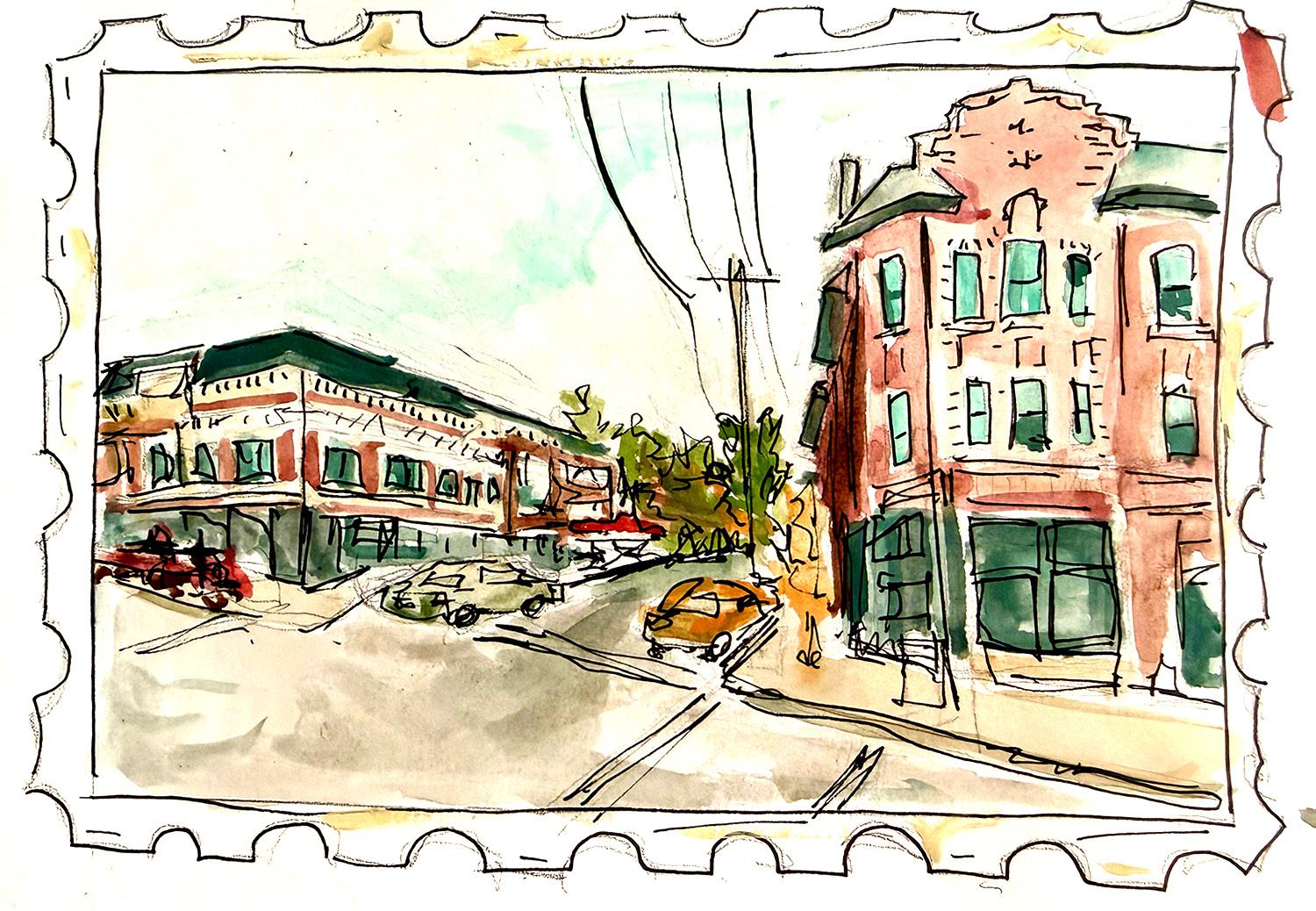
This intersection is the beating heart of Webster Groves — so much so, Webster University, which is located near the intersection, named its athletic mascot the “Gorlok”... get it? This intersection features many cute restaurants for all times of the day, like Olive + Oak, The Clover and the Bee, and Telva. It’s a fun, lively downtown to walk around. Plus, they just opened a Kilwins here. If you know, you know.
— Matt Eisner, Managing Sports Editor
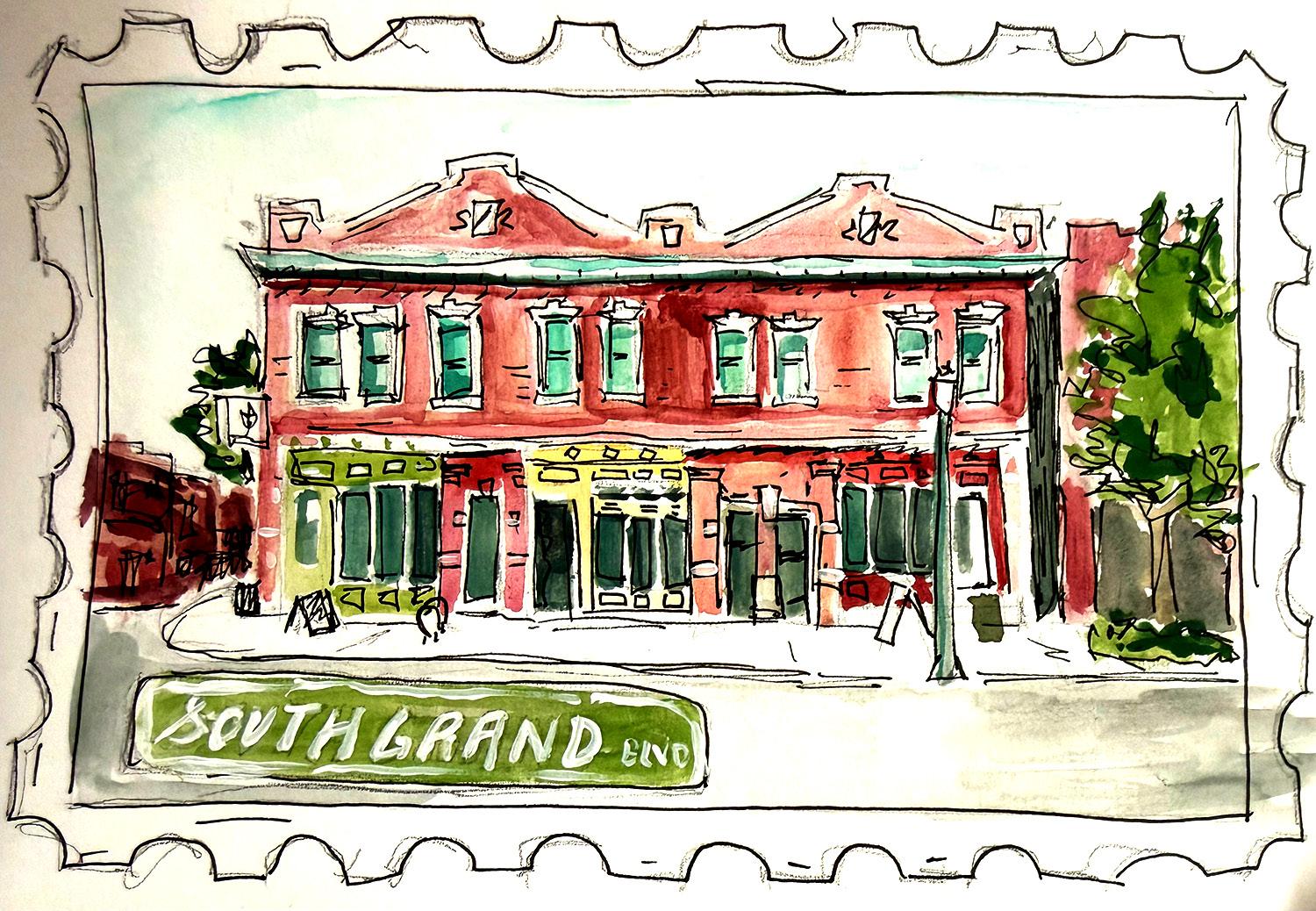
This is my favorite street for an impromptu mid-day frolic. It is also where my favorite piercing studio of all time, TRX, is located, so this is your sign to get an impulsive piercing (ask for Zach or Giulia; they are the best). Right next door is the Garden District, which is filled with plants looking for a loving home. If you are feeling more academic, Dunaway Books and Leviathan Bookstore are just a hop and a skip away. If you are looking for a wardrobe refresh, found. vintage also has a location on South Grand. And of course, no frolic is complete without a bowl of pho from Pho Long.
— Sydney Tran, Editor-in-Chief
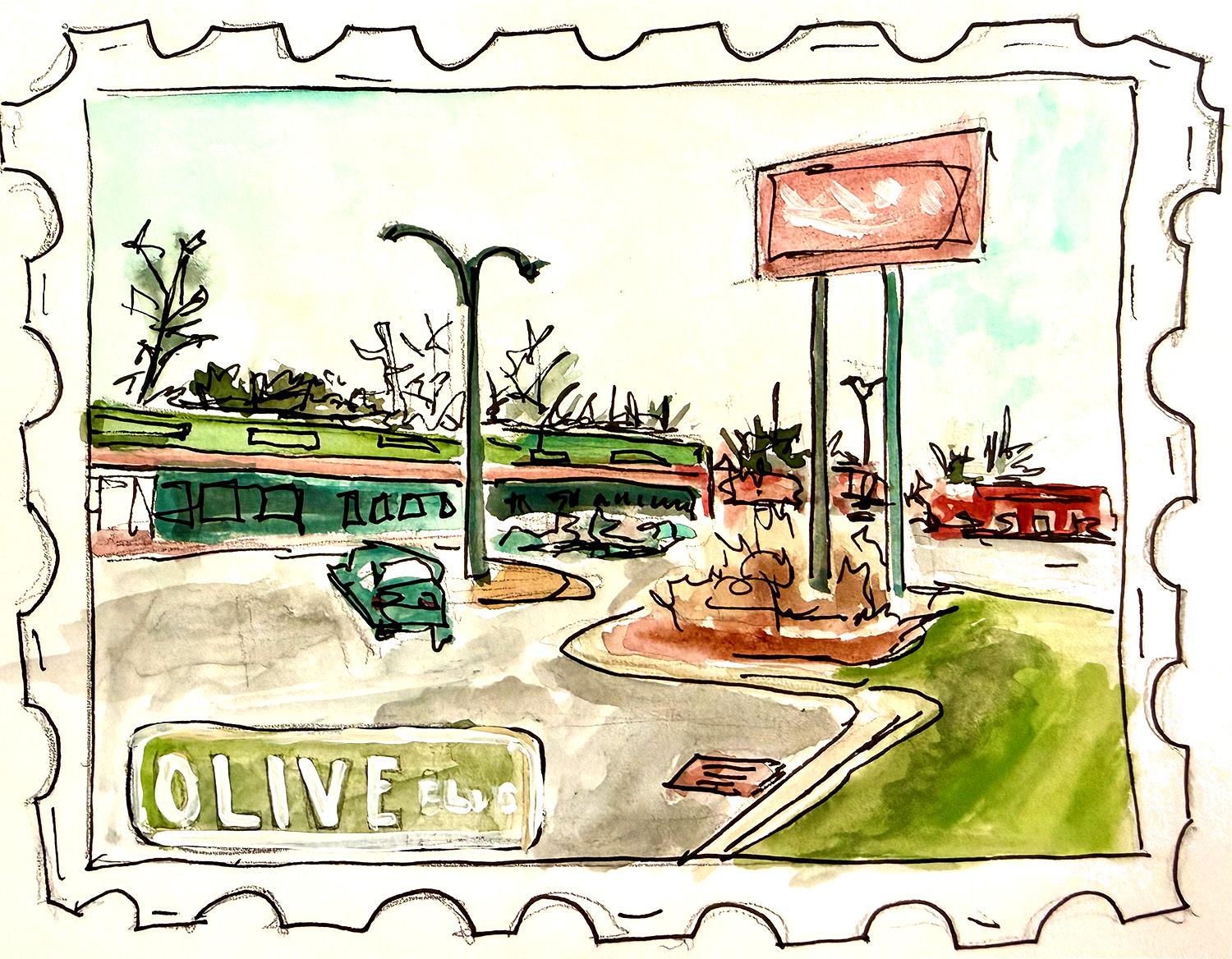
Olive is one of my favorite parts of the city because it is so quintessentially St. Louis to me. Olive takes you past Herman Park, Soup Dumplings STL, the Market at Olive (home of a 7 Brew I frequent too much, as well as a Costco), a CVS next to a Goodwill across from a cemetery, and many more wonders of St. Louis to behold. Olive will take you from the middle of St. Louis city, all the way out of St. Louis County, and the ride shows every aspect of the City, so I strongly recommend you drive down it when you get a chance; it’s absolutely worth it.
— Mason Sutton, Special Issues Editor
RICARDA FURKERT CONTRIBUTING WRITER
When I announced to my evening class that I was planning to take the Metro home, my classmates were concerned. My professor offered to drive me home.
I felt confused. Living off campus, I use the Metro at least twice a day. I feel very comfortable doing so. The MetroLink system is uncomplicated. With only two lines, trains arrive frequently over the course of the whole day: every 20 minutes from 5 a.m. to 1 a.m. It’s is also reliable. During the winter storm weekend, when we were advised against driving, the Metro ran without delays. The Metro close to campus feels no more dangerous to me than public transporta -
tion in any big city. According to the latest semiannual police report on Metro safety, there are seven incidents per 100,000 passengers boarding. 69% of these incidents are violations of passenger conduct: less serious crimes like fare evasion. So the chances of a violent or property crime incident is about five in 100,000 boardings, or 0.005%.
The metro is actively working on improving its safety through the Secure Platform Plan, which includes installing turnstiles, fences, and more surveillance cameras. On top of that, security officers are often posted at stations east of Skinker and in the Metro cars.
So, why is the Metro perceived as so dangerous when, for the most part, it isn’t?

A Reddit user summed it up perfectly: “It’s just public transportation, therefore, you will see the public, which scares some people.”
Public transportation can confront you with the uncomfortable realities of other people’s lives, such as homelessness. But exposure to these realities is not a bad thing. These real lives exist in St. Louis and everywhere, whether you see them or not, and exposure to reality fosters awareness and compassion.
If you are unfamiliar with public transportation, the Metro can seem intimidating, but it doesn’t have to be that way. Here are my recommendations:
(1) Be attentive of your surroundings; don’t fall asleep or get too engrossed in your phone.
(2) Sit in the first car with the driver; there are usually more people, and they usually obey the rules of passenger conduct (no loud music, no smoking, etc.).
(3) Don’t bother other riders and mind your own business, and everyone else will (likely) do the same.
(4) Get the Transit App to see real-time departures and information about closed stations.
(5) Inform yourself about the area you are going to, because not every Metro station is equally safe or surveilled.
(6) If you’re still hesitant, bring some friends and explore the metro system together!
ZOE RHODES DEI EDITOR
The coffee world can be daunting. The menu items are usually impossible to pronounce (not everyone can be fluent in Italian, Spanish, and French…) and written in a just-
seem arbitrary, and what do you mean that this coffee has notes of jasmine? Yeah — it’s a lot.
You may have had a Black Coffee Dad™ or a hasher-own-espresso-machine aunt, resulting in very conflicting opinions on coffee. You may have only had Starbucks


before. Here’s the truth: There is an art to coffee, but you don’t need to have a wealth of knowledge to enjoy the fruits of well-trained baristas’ work. Even if you don’t know the first thing about coffee, you still deserve a great brew in the morning — no man-bun mansplaining needed.

I’ve been a barista for almost a year now, but I’ve been a coffee lover for a lot longer. Before we get into my personal top recommendations for great coffee around St. Louis, here are some tips, tricks, and handy-dandy vocabulary to get the most out of your cup of joe.
This is the regular coffee that your parents probably make every morning. Ground coffee is filtered through hot water, and out comes the magic bean juice.
Ultra-concentrated, finely-ground coffee that’s “dialed in” (the constant adjusting of grind size) to bring flavor notes out. Because it’s so concentrated, this type of coffee comes in small amounts known as “shots.”
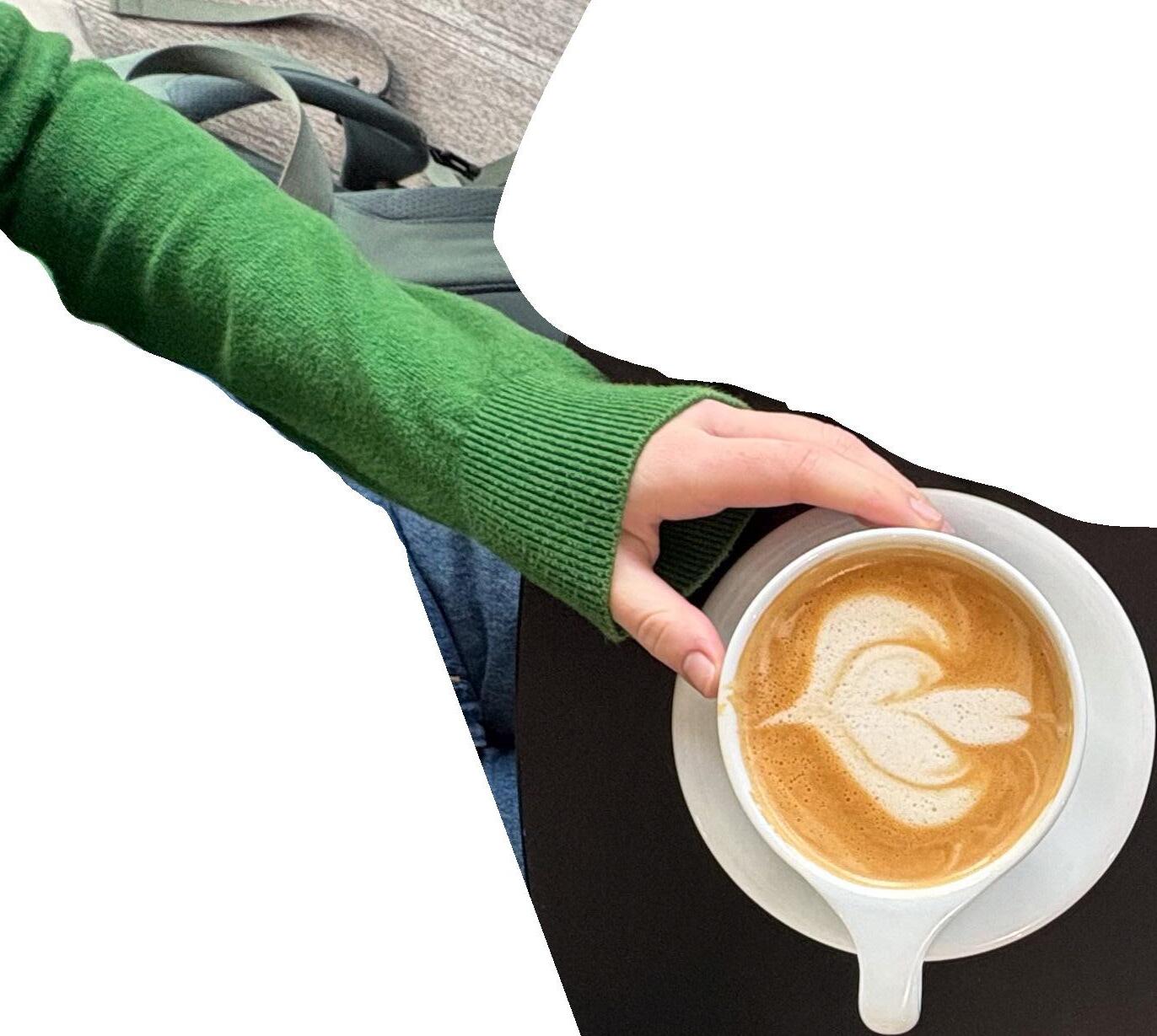
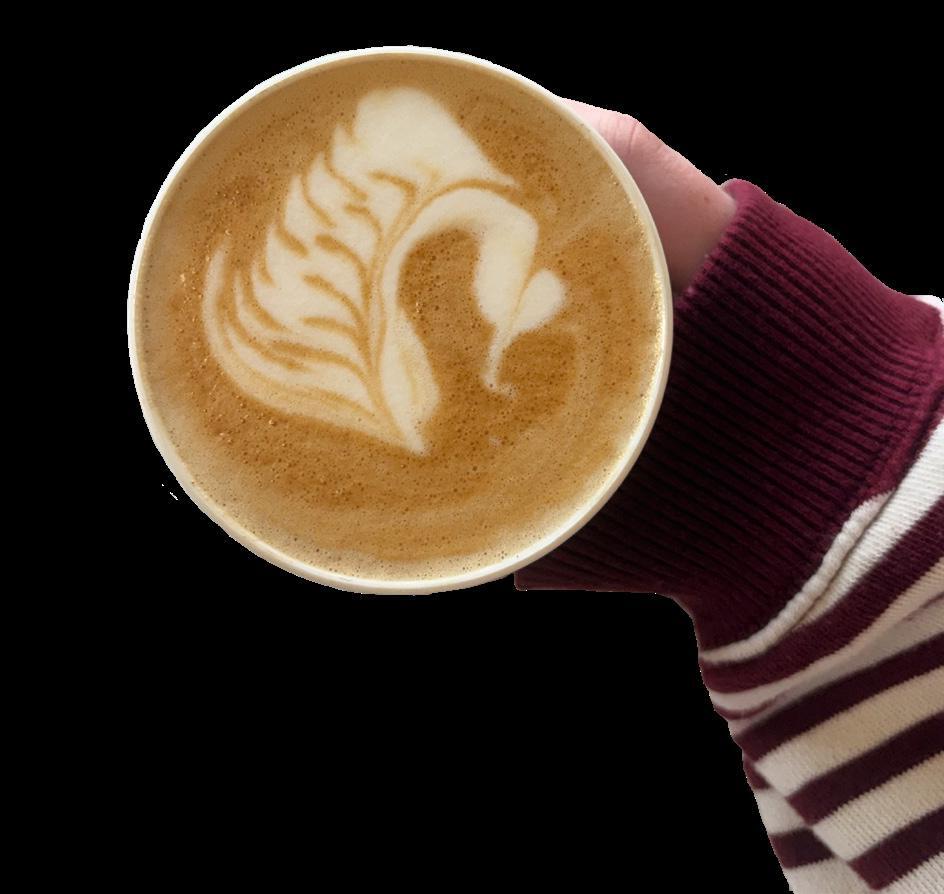
An espresso-based drink, with about four times as much steamed milk as espresso. The top of a latte has a layer of microfoam, which is how you get that cool-looking swan gracing your cup.
The same as a latte, but with hot (or cold) water instead of milk.


You don’t see any branded Sorry, Torani lovers, but the mark of a good local spot is house-made syrups. Because they’re made on-site, these flavors will be less sickly sweet, with more pronounced, natural-tasting, and well-devel-
You don’t have 25 flavor options. Similar to the above points, good things take time and energy. The fewer options you have, the better they probably are.
You see a real espresso machine. I hate to break this to you, but the automatic ones you see at Cherry Tree Cafe and Starbucks aren’t going to provide you with the best brew. Hand-steamed milk and pulled espresso shots are the way to go. Now onto the rankings!
A hidden gem in the sea of coffee shops in the Lou, this fairly-new third location of the local chain in Clayton is close enough to campus to spend a Saturday studying here, but far enough away to break the WashU bubble. HiFi is inspired by Japanese vinyl bars, so music lovers, this one’s for you! Sometimes the noise can get a little loud in the small space, so I wouldn’t recommend this spot for first dates, but it is a great place to lock in with noise-cancelling headphones and your best friends. This is also a great place to meet some really friendly people and dogs, if you’re looking for some human connection. If you’re as big a fan of seasonal menus as I am, then you are going to love HiFi.
markers of a great local spot that genuinely cares about the craft and art of coffee: house-made syrups, conversational and sweet employees, flawlessly dialed in espresso, and consistently well-steamed milk (plus — latte art!).
coffee spot, too. I don’t recommend this place for studying, but rather for long conversations and a time to slow down. My mom christened Winslow’s a “required” pit stop every time she comes to visit.
for their bagel sandwiches (a well-earned recognition, by the way). Their extensive food menu makes them a great choice for a study marathon, though, especially if you get there early in the morning for a productive Saturday. Also, BEWARE OF THE STAIRS! (As someone who fell down them in a rather spectacular fashion, follow the instructions posted and watch your step.)
Is this name ringing a bell? That’s because we are lucky enough to have a Coffeestamp location right here in our very own Hillman Hall. Coffeestamp has all the
This local chain mixes great branding, novel and one-ofa-kind drinks, and a funkyyet-cozy interior that reminds me of my favorite spots back in Austin, Texas. If you’re looking for a coffee experience and a nice lunchtime meal, then definitely make a stop at the Soulard location. Goshen is also one of the best places on this list suited to a day-long study session. (I highly recommend the Egg Sammy — it got a resounding stamp of approval from my foodie friend from LA!)
Located on the other side of Forest Park, this coffee shop is close enough to hit while you’re jogging around Forest Park, which I encourage you to do if you’re so inclined! Crema Coffee is well-suited to studying and getting to interact with super nice baristas. If you’re looking for an order recommendation, try a vanilla latte with cinnamon (bonus if it’s with oat milk and made hot, so you can see the latte art).
As much as I would like to have already visited every coffee shop in St. Louis, there are only so many class-free mornings in the week. Some coffee shops that I personally have been pointed towards, but haven’t had the opportunity to personally visit, include Sump Coffee, Blueprint Coffee, and Pass the Past Coffee. Whether you’re a well-traveled adventurer in the world of coffee or just beginning your first foray into this wonderful space, I encourage you to try any of these amazing local finds this spring.
This close-to-campus restaurant is most famous for their full brunch menu, but their tasty pastries and splendid hot lattes make for a great
My friends and I adore this Delmar Loop staple! It’s simply last on this list because there are so many great coffee spots in the city, and Meshuggah is more known

CECILIA O’GRADY STAFF WRITER
Adjusting to college is hard in and of itself, but leaving all of your creature comforts back home presents its own challenges. When moving states for college, finding places that feel like home can make the transition a bit easier. For some, it’s a restaurant serving comfort food. For me, it’s nail salons. If you are someone who gets their nails done every four weeks, or simply needs a relaxing afternoon and a foot massage, follow this guide to find the perfect spot for you in St. Louis.
Clayton Nail Spa offers a very professional and clean experience, and it is one of the closest nail salons to the South 40. Prices tend to be a bit higher at this salon, with a gel manicure starting at $40 and an additional $2 credit card fee. However, Clayton Nail Spa is consistent and timely with their services. Located closer to campus next to the Schnucks off of Big Bend and Clayton Road, Clayton Nail Spa is easily accessible and even walking distance from campus. If you prioritize accessibility and are looking for a simple mani & pedi, this is the place for you.
Located near the Frontenac Mall, a 15-minute drive from campus, AV Nails & Spa reigns supreme amongst the nail salons that St. Louis has to offer. Whether you’re looking for intricate designs or a simple gel manicure, AV is the place to go. On top of that, there seems to be no limit to the colors that are offered, and the staff are always willing and able to help you find the perfect shade. The environment is warm and welcoming, and after just three visits, you will be deemed a “regular” amongst the staff. Prices are reasonable and increase with upgrades and special treatments. A dip manicure with removal ranges from $50-$60, including tip. For the best prices, reasonable distance, and exceptional service, AV should be your first choice.
Ladue Nails is another nearby option, just two miles from the Danforth University Center. While this is not my top recommendation, Ladue Nails & Spa gets the job done. Prices are comparable to Clayton Nail Spa, but not always worth it when you have the option of AV or Clayton Nails Spa. The location is a bit cramped compared to the other salons, so it’s not the best if you are going with your girlfriends, but perfect for a solo date. The staff is friendly and efficient with their time. While not my first, or second option, in a pinch, Ladue is a great choice.

LEWIS RAND SENIOR SPORTS EDITOR
WashU’s location near Forest Park and the scenic neighborhoods of Clayton and University City make it a great spot for community members to get out and go for a run or walk. As the weather begins to warm up, here are three great spots near campus to get outside and exercise.
Just across Skinker Boulevard lies Forest Park. One of the largest urban parks in the nation, Forest Park offers nearly 30 miles of trails for walkers and runners to enjoy. Whether you are looking for a short walk, a 3-mile run, or a marathon, Forest Park has it all. The park features both flat and hilly areas and offers scenic views of nature, the Missouri History Museum, and the World’s Fair Pavilion throughout.
Located across Wydown Boulevard and south of WashU’s South 40 lies the DeMun. These tree lined streets are great for getting in a quick early morning run or run between classes. Nestled in the DeMun neighborhood is Concordia Seminary, a beautiful spot to run or take a moment to pause during the business of life at WashU. DeMun is a great way to escape the WashU bubble while staying close to campus and exploring the area directly next to campus.
Many students live off-campus in University City in the area between the Danforth Campus and the Delmar Loop. Like the DeMun area, this cute neighborhood is great for runners of all abilities. UCity can play host to anything from a one mile run to a long run or walk and extends from campus all the way to downtown Clayton. It provides a variety of terrains for runners and is a great option for people living off campus.

ELEANOR STERNE STAFF WRITER
For a while now, I’ve seen a push for “third places” — gathering places separate from work and home where people go to socialize. I propose St. Louis sports events.
My first experience with St. Louis sports was a Cardinals game in early September of my first semester. In fact, the game included a lot of first experiences for me. First time riding the metro, first time venturing off campus since my arrival, and first time experiencing the wonderful environment of St. Louis sports. No matter where you are coming from, everyone becomes part of a larger community.
The stadium was buzzing with energy. The image of the sunset peeking over the stadium now defines my image of St. Louis. I ate a hot dog and drank lemonade. My friends and I alternated between watching the plays, yelling at the screen during the mid-inning activities, and swapping anecdotes.
The Cardinals lost, but the metro ride home was full of laughter. We chatted with an older fan who gave us tips on the city: the zoo is worth visiting multiple times, but the Arch is a one-time thing. He left us with a hug goodbye.
These events offer more than just the main game. For three to four hours, you get to undertake an expedition with your friends. From the ride there, to stadium food, to the constant stimulation of something happening all around you, the game is an entire experience.
It was a perfect introduction
to St. Louis. I had been nervous to explore new places and communities as an outsider, so used to the same sights in the same city my entire life. I quickly realized, however, that the moment you step into an arena, rink, or stadium prepared to cheer for a St. Louis team, you fit in.
Recently, I attended a Blues game (my first ever hockey game). I was nervous going in; coming from the South, hockey was a foreign concept to me.
In fact, it was one of the most exciting games I’ve ever attended. The energy was high from start to finish. Nearby fans explained the basic rules of the game to my (clearly confused) brother and me. We didn’t really get it. Nevertheless, bursting from our seats when the puck hit the back of the net felt immensely exciting. By the end of the game, my hand was raw from high-fiving.
For many college students, our entire world consists of home and work. Many of us live less than a 20-minute walk from where we have classes, which can make it easy to stick to a comfortable bubble and not wander much to find places to socialize.
The world of St. Louis sports can be that space. As a viewer, you have the power to decide how engaged you’d like to be with the game. For me, the playing toggles between a backdrop behind my conversations with friends and the main event.
The hallmark of many third spaces is that they’re free, which sports games are unfortunately not. However,
St. Louis games are often student friendly and affordable. The Cardinals have multiple college nights with $20 tickets (often including some merch), the Blues have a student mailing list that offers discounts on tickets, and St. Louis Soccer Club (our soccer club) offers last-minute ticket offers for students. One thing that these games offer that many other third spaces don’t is the opportunity to engage in a larger community than just your friends, connecting with the world outside your circle in an enjoyable way.
Many of my friends who despise sports have greatly enjoyed the adventure. Similarly, I loved my Blues game experience and defi -
nitely plan on attending another, even though I have no current desire to learn more about how hockey works. Even if you don’t think a game would be for you, I highly recommend trying out a college night or discounted ticket. Not even half of the experience is the sport.

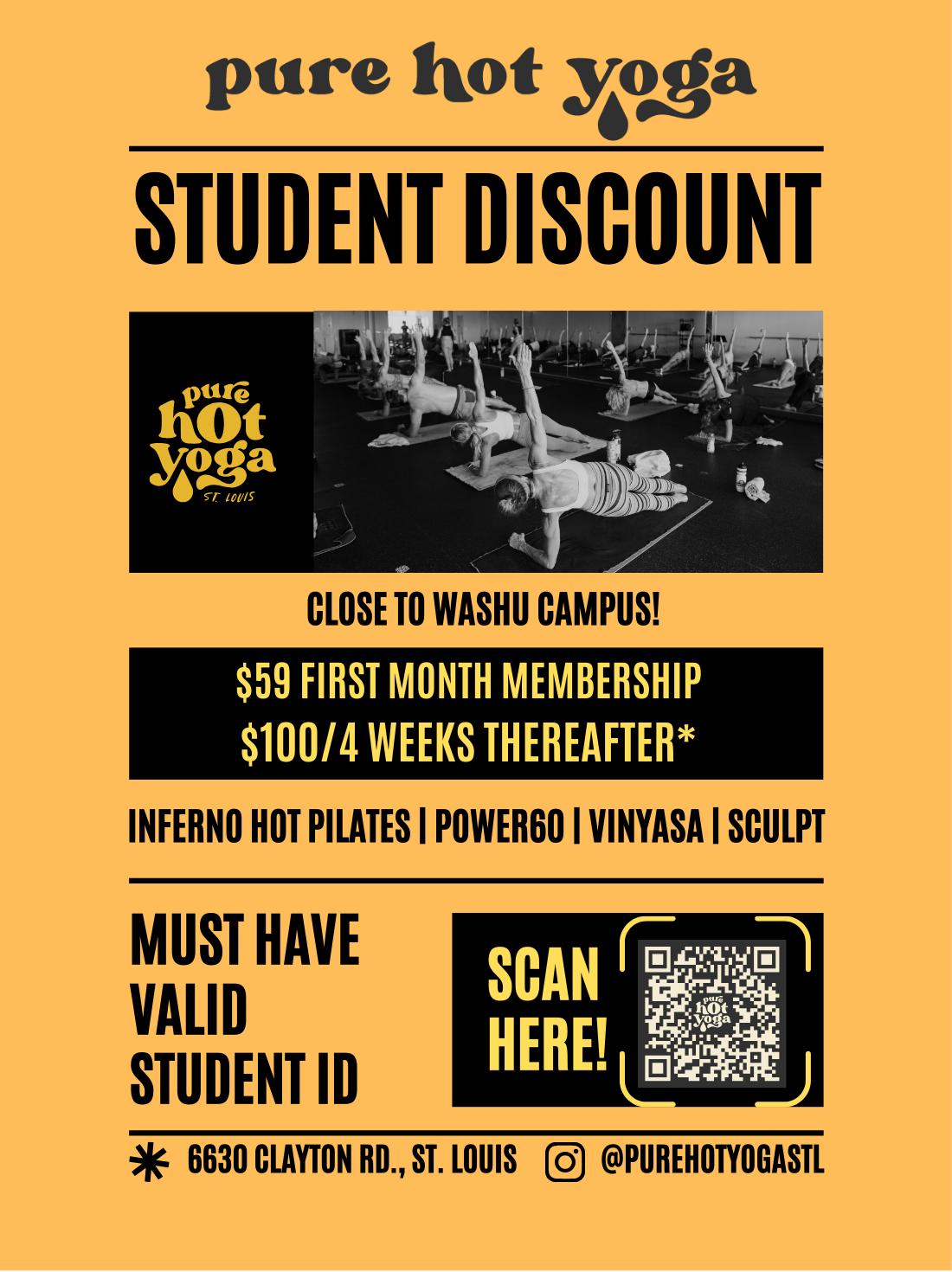
ROHAN KRISHNAMOORTHI CONTRIBUTING WRITER
If there is one place in St. Louis that almost everyone from WashU, from students to staff and faculty, has been to, it is the St. Louis Lambert International Airport. Serving as a constant hub of traffic during University breaks and semester transitions, the airport functions as a critical piece of infrastructure for the various travel plans of WashU students and employees, as well as for the larger St. Louis area.
But beyond the bustling baggage claims, security lines, familiar restaurants, and departure gates, the airport is nearing a time of transformation not seen in decades poised to bring new investment, opportunities, and visitors to St. Louis. Airport administrators are planning to execute a multi-year renovation project focused on terminal modernization and capacity expansion to accommodate projected passenger growth and demand and to encourage further travel to and from St. Louis.
There are two main terminals of the airport: Terminal 1 (first opened in 1956) mainly handles domestic travel, while Terminal 2 (opened in 1998) serves as a considerable travel connecting hub for Southwest Airlines and, more recently, handles any international traffic.
Across the two terminals, the airport has 54 available gates for inbound and outbound flights, serving almost 16
million passengers in 2024, the highest since 2003, with projections aiming at steady increases in passengers served for the foreseeable future. Despite these expectations for increased growth and demand, the airport is embarking on a somewhat puzzling project: the complete repurposing of Terminal 2, built less than 30 years ago, and the centralization of airport activity through Terminal 1.
This activity stems from the rapid advancement in aircraft innovation and technology over the past few decades. During the opening of Terminal 1 in the 1950s and following the conclusion of World War II, commercial aviation was still in its infancy but rapidly expanding as an industry. Passenger aircraft were comparatively small, often carrying about 60-70 passengers at a time. By the opening of Terminal 2 in the 1990s, passenger aircraft had massively expanded seat capacity to be capable of carrying about 140 passengers at a time, but planes were actually slightly smaller due to the introduction of jet engines and aerodynamic innovation.
Both Terminal 1 and Terminal 2 were designed to accommodate the aircraft of their time but are now facing problems with the sizing of newer, modern aircraft. Modern aircraft have improved passenger seating (now seating about 180 passengers at a time) and expanded aircraft dimensions. A typical modern-day domestic travel aircraft boasts a wingspan of 118
feet compared to the 95-115 feet wingspans of aircraft in the past. International travel aircraft are even larger, with wingspans of over 200 feet.
As a result, the terminal and gate designs of the St. Louis Airport are ill-equipped to accommodate these larger aircraft sizes, preventing full usage of available facilities.
The St. Louis Airport has laid out a multi-year plan for renovations that aim to accommodate modern aircraft while also keeping pace with future travel growth and demand. These plans are still as of yet unconfirmed due to ongoing contract negotiations between the airport and construction firms. The most radical renovation being proposed is the repurposing of Terminal 2 and the centralization of all airport activities through Terminal 1.
Terminal 1 gate capacity will be expanded from 36 to 62 gates, having gates on both sides of the expanded concourse to reduce travel time for passengers and increase airport operating efficiency. Customs and security checkpoints will be combined into one large service within Terminal 1, along with airline and baggage check-in stations.
Parking spaces and ground transportation services will be situated just in front of Terminal 1, with renovations slated for expansion of both capabilities. Dual lanes for taxis and rideshare automobiles are routed throughout the new redesign in one clean loop around Terminal
1, serving as a more efficient means of allowing passengers to arrive and depart from the airport. Both original MetroLink stations for Terminal 1 and Terminal 2 are slated to remain open and operational in the renovation plans, although any expansion of facility operations in the Terminal 1 station is still unclear.
These construction plans come with a hefty projected cost of almost $3 billion through 2040 for just the terminal renovations, with an additional cost of about $500 million allocated for additional airport projects relating to cargo flights and support facilities, as well as site development for Boeing operations. However, airport administrators anticipate no need for any public funding or usage of public tax dollars. Instead, payment for the renovations is planned to come from a whole host of sources, including discretionary funds, passenger facility charges, grants from the Federal Aviation Administration (FAA), airport revenue bonds, and federal infrastructure grants.
Construction is slated to begin in late 2026 following funding approvals and the obtaining of relevant permits. The expansion is estimated to be completed in 2031 or 2032, although this projection is still early on.
For WashU students and St. Louis community members, these construction plans will have substantive impacts on travel plans, both shortterm and long-term. In the short-term, the repurposing
of Terminal 2 means that all Southwest traffic and flights will eventually have to be rerouted to Terminal 1 as con
In the long-term, these renovations could serve as a major upgrade for community members and especially
forcing travellers to take oneor two-stop trips to arrive at their desired destinations.
travel experience.
For now, during this multiyear project, WashU students are likely to face disruptions in their travel plans, longer wait periods, and frustrations with
tions are helping to set up a new future for St. Louis and for future WashU students, one that encourages new connections nationally and globally, and perhaps a future
soming of new investment, new opportunities, and new
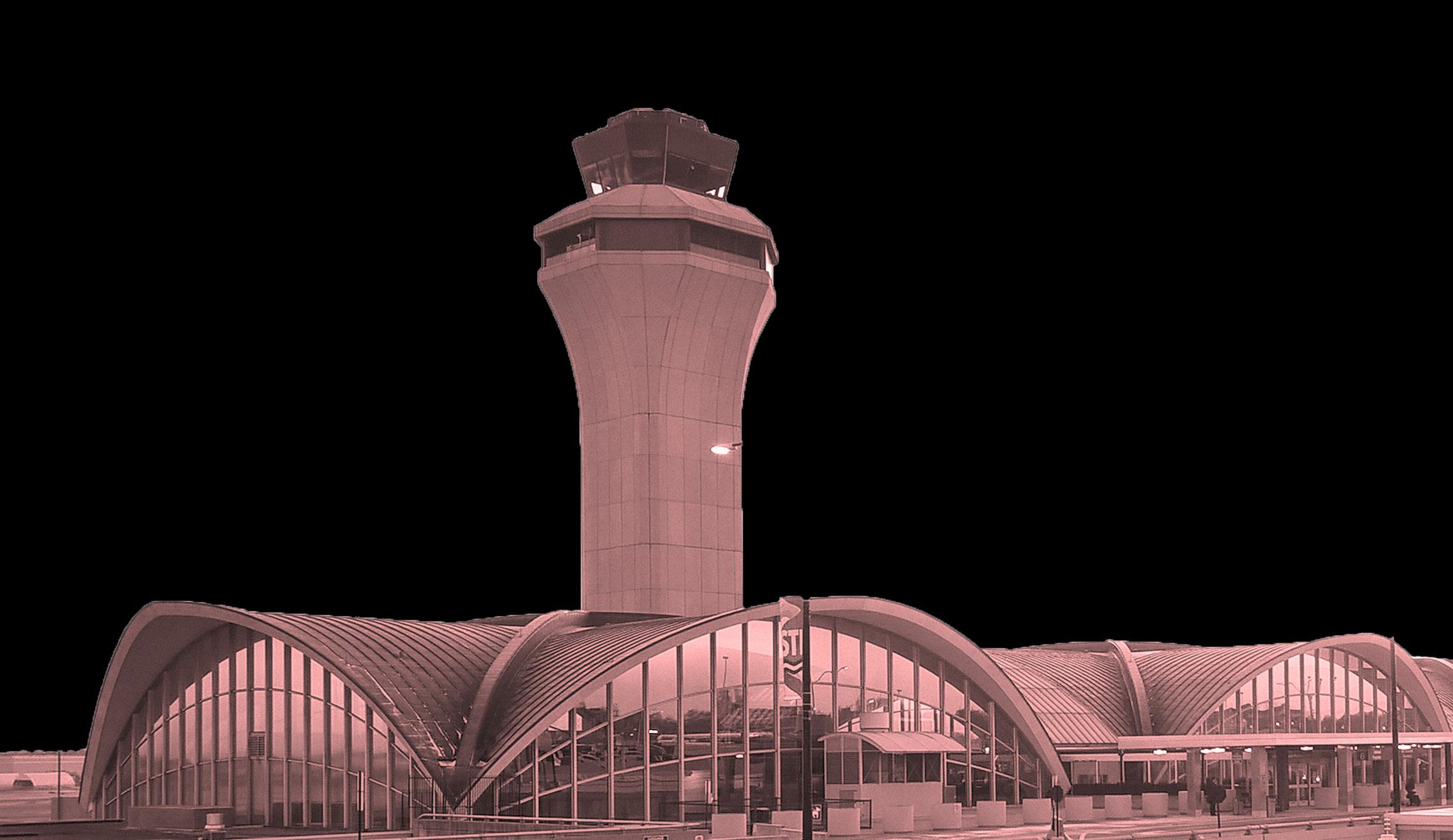

ELLA FESSLER CONTRIBUTING WRITER
Whenever I tell people I’m from St. Louis, about 90% of the time I get the same question: What high school did you go to? When most people hear this seemingly surfacelevel question, it feels like a quick courtesy to get to know the other person better. However, in St. Louis, this question operates quite differently. St. Louisans use an individual’s high school to infer their socioeconomic status, what municipality they live in (which comes with its own assumptions), and even their religion. This question is not always utilized in good faith. Many locals refer to the asking of this question as part of the “St. Louis culture,” and it is seen most throughout the various private Catholic schools, but also bleeds into non-denominational and public schools. Kirkwood High School’s student-run newspaper, The Kirkwood Call, has an article on “What your St. Louis high school says about you” by Madeleine Krewet that displays this perfectly. Krewet describes those who went to Mary Institute and Saint Louis Country Day School as people who don’t fully grasp the concept of money, received the car of


their dreams at 16, and will raise their kids the same way in 20 years. Furthermore, she calls Chaminade the school of “future frat boys” and says that being an SJA (St. Joseph’s Academy) “angel” means “the weekends are a time to find new boys to hook up with.”
This continues throughout the article, covering various schools in the area. I do not subscribe to these preconceived judgements.
In fact, my mom was an “SJA angel,” so reading that last line made me physically cringe. As stated before, this article originates from a local high school, so the opinions are heavily biased towards their own institution; however, it poses interesting questions. How did these assumptions arise so differently in each school, and do these stereotypes still follow individuals past their high school years?
St. Louis Public Radio (STLPR) was also intrigued by this phenomenon and partnered with the Missouri History Museum to ask the St. Louis population whether the question “Where did you go to high school?” connects or divides the community. Many of the respondents said that

the question is largely rooted in socioeconomic differences. Emma Mitchell, a current high school senior at Nerinx Hall High School (who The Kirkwood Call called pickmes) at the time when the study was conducted (March 2016), says that “Asking [the question] is a cagey way of sussing out a person’s level of privilege.” Alternatively, a considerable number of respondents also claimed that the question is used in a more lighthearted way “because [they] stay close with classmates as lifetime friends.” STLPR ended the interview asking Mitchell how people 50 years in the future would see the St. Louis high school experience, and her response was “I think they’ll see a lot of division but also a lot of connection.” Honestly, if that line alone isn’t a motto of St. Louis, I’m not sure what is. While all St. Louisans root for the same sports teams and all share a love of toasted raviolis, St. Louis is one of the most divided cities I have ever been to. The city can feel completely different just by driving a few blocks away, and there are wealth disparities everywhere. While this originated in 1876 when the city of St. Louis and St. Louis County separated into two independent entities, redlining throughout the 1930s created lasting racial and socioeconomic inequalities across the city.

The University of Richmond

launched a website detailing how inequality was mapped in the United States across the New Deal period. As seen on their map, the same racist restrictions etched in St. Louis in the 1930s are still prevalent throughout the city today. Areas like Clayton, one of the wealthiest and mostly white municipalities, are seen on the redlining map as green, indicating that it is most desirable with the least amount of “African American encroachment.” However, zones closer to East St. Louis are red, labeled as “hazardous” and “slum communities” that mostly consist of Black populations. With this historical division in mind, even if meant free of ill intent, should the “St. Louis Question” be as popular as it is today? In my opinion, no. Even with a push to minimize wealth disparities through affordable housing and supporting minorityowned businesses, the assumptions made about each municipality and high school are rooted in racist and classist systems. Even if the question is part of St. Louis’ culture, we should ask ourselves: Is that the culture we want? Do we want to be defined by division when our city’s history is plagued by it? As both a WashU student and a St. Louis resident, it can be hard to take a step back and examine our city, but these are the steps required to create real change. In such a polarized city and world, the thing St. Louisans need most is unity and to be rid of all of the stigmas around us, and one of the easiest ways I see this being accomplished is by ceasing to ask this ridiculous question.