January 22, 2026 Student Life newspaper, WashU in St. Louis
VOLUME 147, NO. 15
PARTY PREP Host a flawless dinner party in five steps. (Scene, pg 3)
THURSDAY, JANUARY 22, 2026
NOT ‘FOR ST. LOUIS’ 24/7 convenience store will fortify the city-student divide. (Forum, pg 6)
CLEMONS CROWNED Women’s soccer sophomore named National Player of the Year.
(Sports, pg 7)
WashU to add two new South 40 dorms housing 600 students
Despite backing off on various construction projects this past year, WashU has laid out plans to build two new dormitories on the South 40 in an effort to accommodate the increasing demand for on-campus housing.
According to plans filed with the City of Clayton, the University hopes to house an additional 600 students on the South 40 to contribute to WashU’s long-term goal of housing all first- and secondyear students in the residential area. The project is currently pending approval from the City of Clayton and does not have a specific timeline at the time of publication.
The buildings will be on the corner of Forsyth Boulevard and Wallace Drive, a location currently occupied by the Gaylord Music Library, the Alumni House and its parking lot, and Blewett and Tietjens Hall — both of which are music buildings. The University is currently building a new Alumni House.
Meanwhile, the facilities of the music department will be moved according to an email to the department from Chair of the Department of Music, Patrick Burke. The faculty offices and seminar room will be moved to the Academy Building, while the classrooms, piano lab, analog synth lab, and digital production lab will be moved to
Lopata House. Furthermore, the materials of the Gaylord Library will be moved to either Olin Library or West Campus.
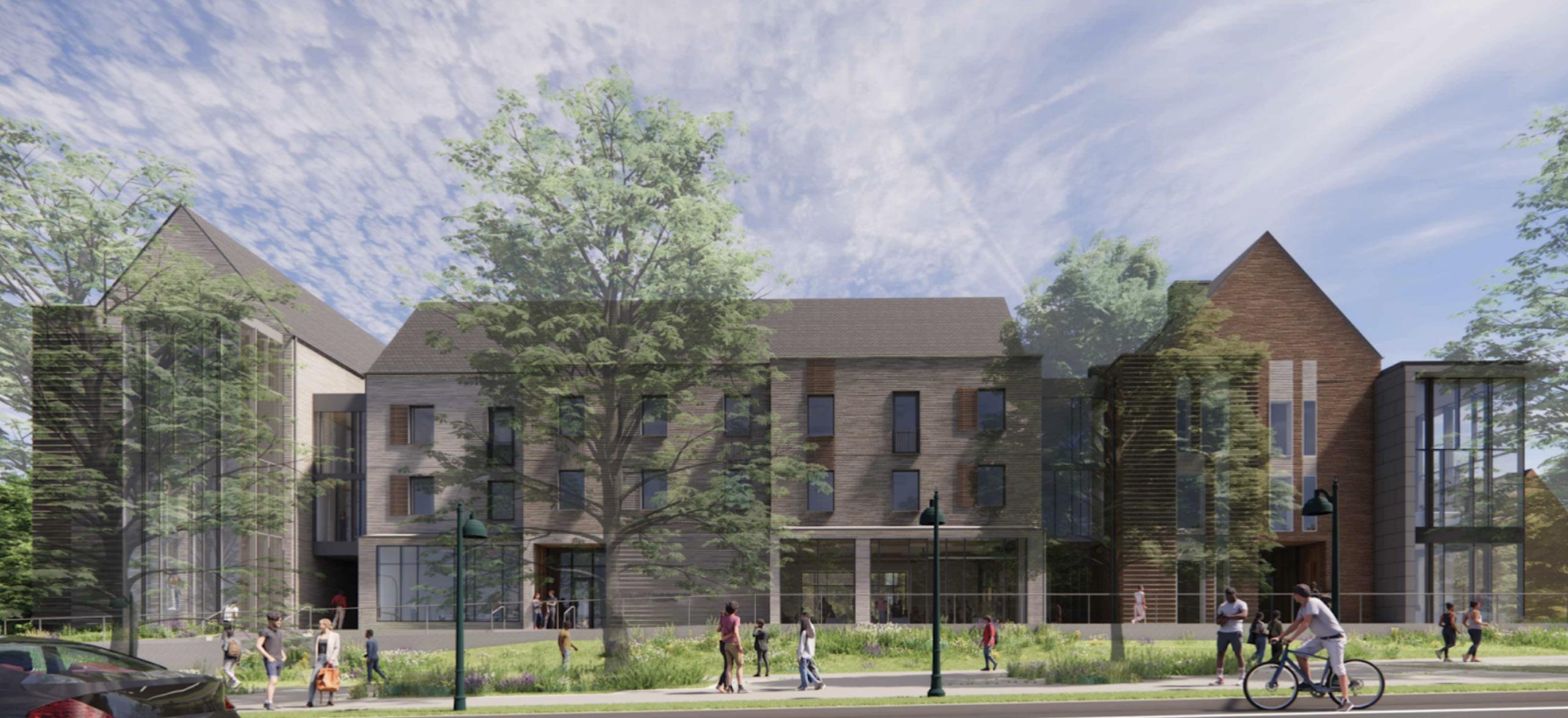
A common courtyard will separate the two dormitories. The buildings will be four stories tall, with certain sections reaching five stories. Between the two dormitories, there will be 150 double rooms for first-years and 300 single rooms for sophomores, and the two buildings will include both modern double-style restrooms and traditional communal-style restrooms. Of the 450 units in the upcoming construction project, 5% will be made handicap accessible. The plans also include
additional accommodations for resident advisors and Residential Community Directors.
To first-year Gloria Zhang, this change could make it difficult for students on the South 40 to access music practice rooms, which are currently located in Tietjens Hall.
“I think right now it’s quite convenient [to go to Tietjens] because I live on the South 40, and I could walk there in less than 10 minutes to go to a morning class,” she said. “Otherwise, I have to go to the 560 Music Center, where there are not many practice rooms.”
Zhang also expressed concern over where the Gaylord Library’s materials would be moved.
Sophomore Isa Cowart, who currently takes a class in the music center on the South 40, said she views the removal of the music library as a loss.
“I used the resources available in that library for all of the research on one of my papers, and I think the replacement of that building and those resources with new dorms will be a real loss,” Cowart said. “I also feel like the fact that the school [bought Fontbonne’s] campus should mean that the music library shouldn’t have to be removed in order to make more space.”
Sophomore Miriam Moyes said she sees some potential benefits in
the changes to first-year and sophomore living spaces.
“It would create more cohesion in the sophomore class,” Moyes said. “It could also help the freshmen and sophomores get closer.”
Cowart sees the University’s future construction project as another indicator of underinvestment in the arts at WashU.
“It’s already disappointing how the creative and art fields aren’t as well funded as other schools within the University, and the fact that it’s the music library that’s being removed is just further reinforcing that as an issue,” Cowart said.
Power of community: 39th annual MLK Jr. commemoration
“Change does not roll in on the wheels of inevitability, but comes through continuous struggle.”
–Martin Luther King Jr.
Speakers and performers emphasized the importance of community and gradual change at this year’s Martin Luther King Jr. commemoration, titled “Pressing Our Way: Striving for Change.” The 39th annual commemoration took place on Monday, Jan. 19, in Graham Chapel, alongside programming for MLK Commemoration Week.
Senior Ashton Lee, president of Student Union (SU), and senior AnnLauren Djoko, president of the Association of Black Students (ABS), co-hosted the event, which featured speeches from Chancellor Andrew D. Martin and senior Da’Juantay Wynter, among others celebrating King’s legacy. Black Anthology, Unending Praise Gospel Choir, and the WashU Concert Choir also performed between speeches.
The Rosa L. Parks Memorial Award was presented to Action St. Louis. The organization works with communities in the city on issues such as affordable housing, civic engagement, and hurricane restoration.
Wynter gave the keynote speech on community and delayed
gratification. A first-generation college student from Sacramento, California, Wynter serves as one of the two undergraduate representatives to the Board of Trustees and a residential advisor. Drawing on his own experiences and King’s legacy, he emphasized the role of villages in fostering slow, meaningful change.
“The long road toward justice, education or stability is not something anyone does alone – it is carried by the power of the village,” Wynter said. “Change, real change
within ourselves, within our communities and within our society is slow. It is demanding, uncomfortable and deeply transformable.”
Wynter also spoke on the current political climate, one where he feels it is often difficult to hold on to hope and faith. He challenged the audience to actively engage, even when it is difficult.
“At times like this, it can feel easier to tune out the injustice, to scroll past the pain, to convince ourselves that what’s happening doesn’t involve us,” Wynter
said. “As Dr. King teaches us, we shouldn’t just admire justice from a distance. We are meant to participate in it.”
Chancellor Martin shared Wynter’s sentiments in his own speech, discussing the necessity of community in achieving justice and causing change.
“Community is not separate from justice work. It is the foundation of it,” Martin said. “This is how we build strength for when the work gets hard: one conversation, one relationship, one act of
solidarity at a time. The struggle is long, maybe even a lifetime long, but we don’t have to do it alone.” Student attendees found the event to be meaningful and empowering. Sophomore Courtney Sweet found it important to celebrate and continue King’s legacy.
“I think it’s just really great that our university is allowing us to have a space to come together as a community and really celebrate the work that’s been done, the work that we’re continuing to do,” Sweet said.
First-year Aminata Lo thought that this event served as a symbol of resistance and strength.
“I think it’s very important, especially in times like this, where we’re told to lay low,” Lo said. “We’re still going to rise and we’re still going to be who we are, we’re still going to stand on our beliefs.”
Harvey R. Fields, Jr. delivered the closing remarks. A previous staff member of WashU, Fields currently works at Harris-Stowe State University where he serves as the founding dean of the College of Science, Technology, Engineering and Mathematics and an assistant professor of chemistry. Fields closed the commemoration by calling audience members to action.
“This is not about remembering the dream. It is about taking action in the moment,” Fields said. “King would not want this to be a day off. He would want this to be a day on, a day of meaning, a day of purpose, a day of beginnings.”
WashU’s plans provide a mock-up of the new South 40 buildings.
SOURCED FROM CITY OF CLAYTON PUBLIC RECORDS
Harvey R. Fields, Jr. delivers closing remarks at this year’s Martin Luther King, Jr.
Ella Johnson, a senior at WashU, passed away on Jan. 14 following a long and difficult struggle with mental health challenges. She was 21 years old.
Ella’s friends described her as a “Renaissance woman.” She was studying psychology and Spanish and hoped to attend graduate school for clinical psychology. She excelled at her classes, but was just as often found drawing, sketching, or writing.
Ella loved listening to music and had a passion for her favorite artists and bands (like Lana Del Rey and Dire Straits) that few others could match. She loved her cat, Sammy. She was a cinephile who loved niche, intellectual, black-and-white films. But, at the same time, she loved latenight Rally’s and Taco Bell orders and dancing with her friends on nights out.
Senior Sophie Keyser, one of Ella’s roommates and close friends, described her as an incredibly thoughtful person.
“Ella had a unique capacity for understanding people and emotions on a really deep level,” Keyser said. “She was compassionate and empathetic and really observant. Truly, so observant. She was a really, really good friend. She just had so much love for the people around her.”
Though she possessed a wide range of talents, Ella was a humble, grounded, and down-to-earth person with a deep sensitivity to those around her. Senior Thea Davidson, another roommate and close friend of hers, said Ella had profound empathy for others.
One year, after a spring break trip to Malibu, Ella stayed at Davidson’s house in Los Angeles for a few additional days.
“I was feeling really tired and worn out, and I felt kind of anxious about hosting her and showing her the full ‘LA experience,’” Davidson said.
“I told her that, and without batting an eye, she was like, ‘Oh, I don’t care. I just want to hang out with you, meet your parents, and see you, and see your room. We can literally lay in bed all day.’”
Junior Eli Penn, Ella’s
Remembering Ella Johnson
boyfriend, said Ella was one of the most special people he had ever encountered.
“She was one of the kindest, gentlest, most giving people I’ve ever met,” Penn said. “She was one of those people that gave a lot more than she ever took, that constantly told you how much she loved you. You always knew where you stood with Ella because she would tell you.”
Penn also described Ella’s abundant selflessness.
“It was never about herself; it was always about other people. She wanted to make sure that other people were happy,” Penn said.
Ella was always willing to go on a spontaneous trip or adventure and was often the first person to say yes to a crazy or outlandish idea. Her friends said she would agree to things without even necessarily wanting to do them, just because she wanted to spend time with her loved ones.
Isabel Arzeno, who was a roommate and close friend of Ella’s, said that one year, the two of them drove Arzeno’s car back to her home in Connecticut and Ella’s in Boston. Ella wanted to stop at Niagara Falls on the way to the East Coast.
“We ended up crossing the Canadian border accidentally, by foot, and we couldn’t get back into the U.S. because
we didn’t even have our IDs,” Arzeno said. “We were just dying laughing in front of the customs officer. That road trip, we spent the entire time just talking and discovering new things. It was so fun.”
Ella was an old soul. While her intellect and capacity for understanding others led her to always have insightful things to say, she only spoke when she felt she had to, according to Davidson.
“She was a wallflower in a really lovely way,” Davidson said. “She contributed only when she felt necessary and almost took in everything that she could before she contributed, because she really wanted to be thoughtful about it.”
Ella had a keen interest in psychology research and specifically focused on how parental behavior impacts adolescent social media usage. Ella was a member of Psi Chi, the psychology honor society, and she worked in both the Lifespan Lab and the Emotion and Mental Health Lab while at WashU.
She was also selected for WashU’s Summer Undergraduate Research Guided Experience to pursue her own research. Alison Tuck, a Ph.D. student in clinical psychology at WashU, was one of Ella’s mentors.
“The work that she did
really was that of a graduate student,” Tuck said. “She clearly was just incredibly bright. She was very excited about the research and cared about what she was doing and the difference that it could potentially make.”
Despite her academic excellence and affinity for research, Tuck also said Ella would often help other members of her lab with tedious, difficult work. She would finish her own work early and find ways to support others.
“I think the stereotype is either you’re really ambitious and ready to push everyone beneath you, or you’re super kind and compassionate and gentle,” Tuck said. “She really was both. She was brilliant, she was ambitious, and she was kind, and she was empathetic.”
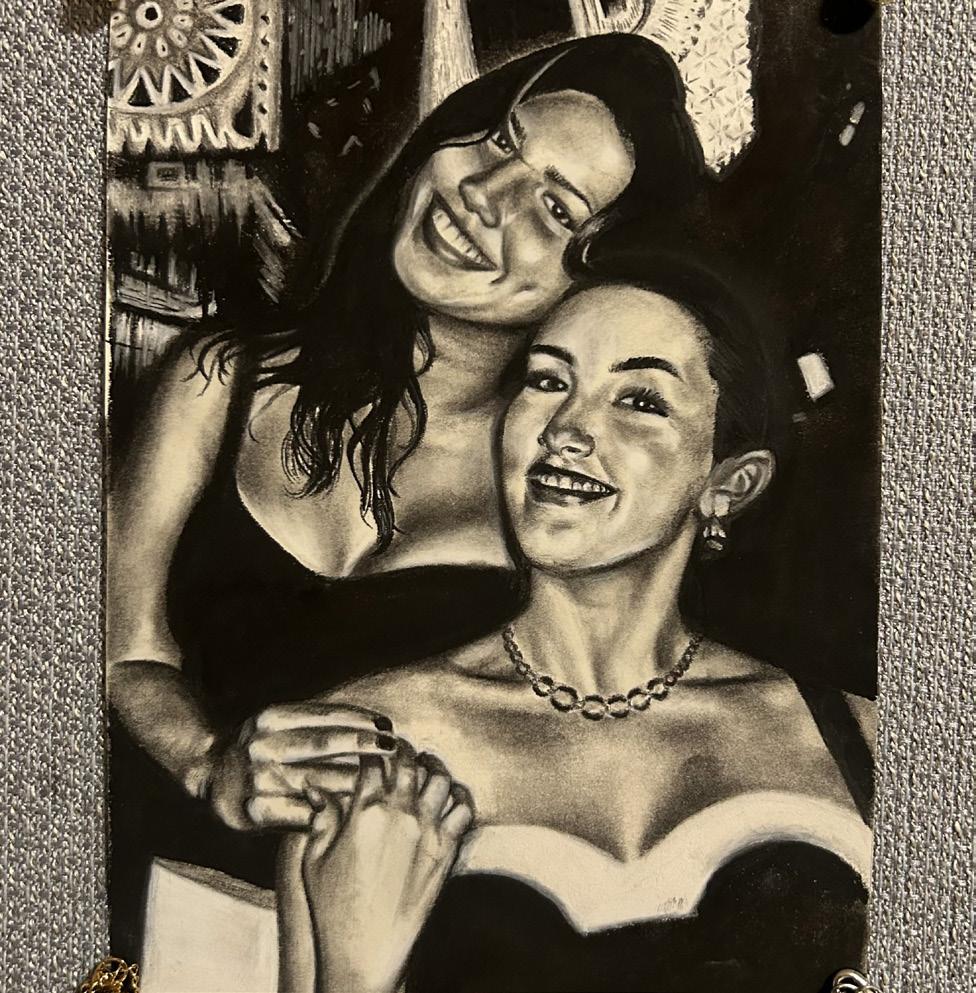
Ella valued crafted gifts over material items or luxuries. One year, for a Secret Santa gift, Ella made Keyser a charcoal drawing of the two of them. Senior Brooke Farrell, a close friend of Ella’s, said Ella crafted her a message written on a Neil Young CD.
Senior Zoe Ademuyiwa, another close friend of Ella’s, received a handmade Christmas card from Ella this past December.
“She had great style, great music taste. She was a great writer, an amazing artist,”
Public Health dean talks politicization of
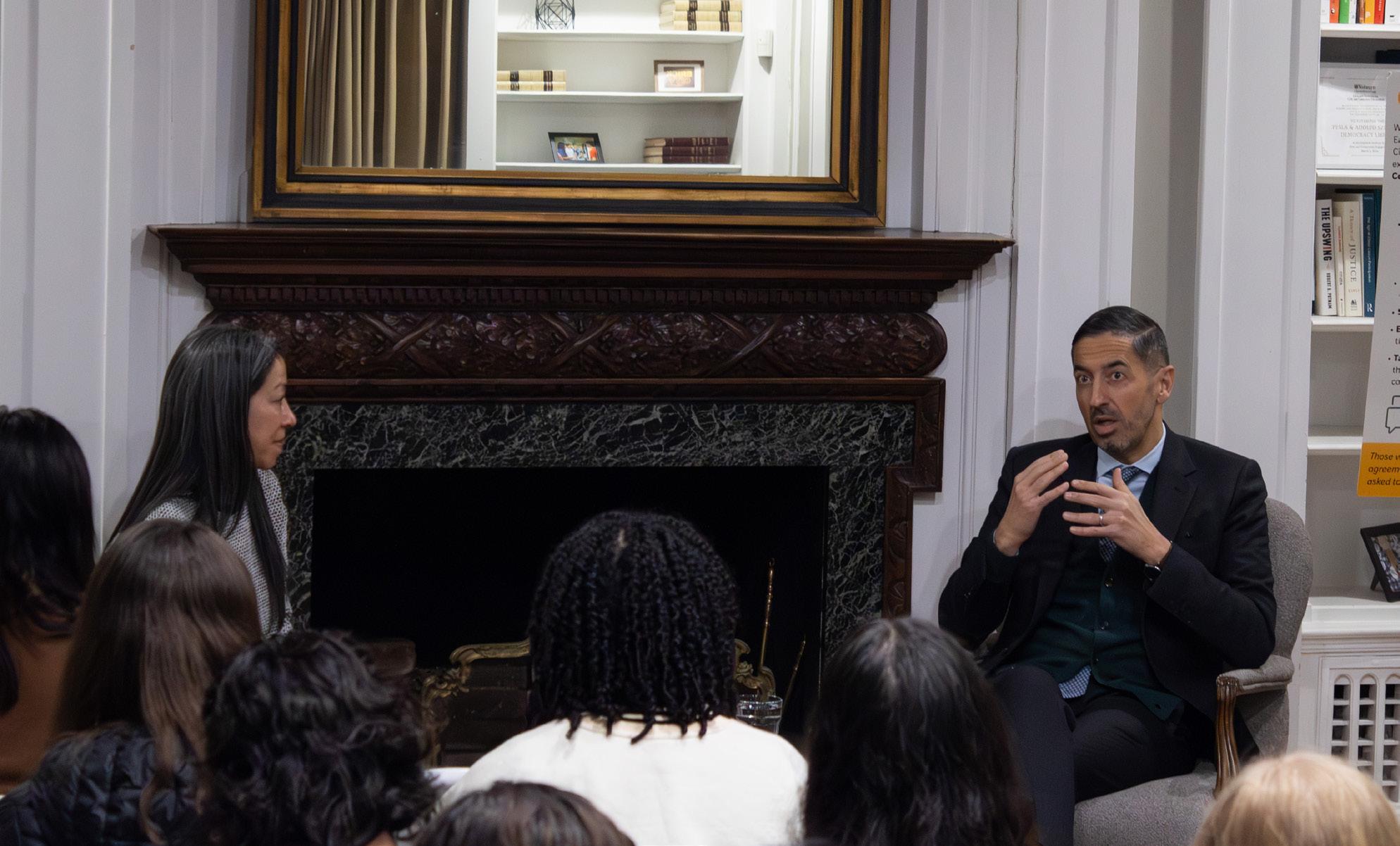
Dean of WashU’s School of Public Health Sandro Galea spoke about the broadening scope of public health in the midst of increasing politicization during a Civic Café event hosted by the Gephardt Institute on Jan. 14.
In the discussion moderated by Engage Democracy Fellow Dana Chapnick, Galea said it is time for health to no longer be a divisive matter.
“Health can be a unifier, it can bring us together. It’s heartbreaking to see the aftermath of the pandemic and the extraordinary entanglement of health with partisan politics,” Galea said. “It’s important to get back to a place where health pulls us together.”
Despite the current climate surrounding public health, Galea identified thoughtful language as one of the main combatants.
“I think our language should be one that creates … a shared vision of a world
where we all have a place to treat each other with dignity and respect, to the end of creating space for us all to live rich, fulfilling lives. And that is inseparable from the art of generating health,” Galea said.
Galea discussed the importance of an interdisciplinary approach to public health, which he identifies as creating a world that generates health. Improving this sector not only falls on hospitals, but also on lawyers, urban planners, and economists who can play critical roles in shaping everyday health.
According to Galea, the United States’ current policy tactics have disproportionately invested in treating medical conditions instead of preventing their onset.
“It’s easier to see cure; it’s harder to see prevention,” Galea said. “It is part of how we understand the generation of health, and it is on us to shift that understanding.”
WashU senior Margo Ogrosky, a civic fellow with the Gephardt Institute who attended the event, found Galea’s talk reassuring in a
Ademuyiwa said. “She just cared so much about everybody in her life. Even if somebody was in her life and then they weren’t, she would still be worrying about how they were doing.”
Ella’s friends said over and over that her style was spectacular. That she loved the color red. That she had a talent for picking out the best antiques and thrifted finds.
But, in spite of her natural stylishness, Ella did not particularly care about aesthetics. Her friends said she had countless cat knickknacks and antiques strewn around her (often messy) room, and even though some people would find them “ugly,” Ella loved anything cat-related regardless.
Ella inspired many people to try to be like her or embody her in different ways. To be a bit more observant, a bit more thoughtful about the individuals around them.
Farrell said that Ella’s way of seeing the world and the people around her is something she will attempt to replicate.
“I feel like, since this happened, she will cross my mind every day,” Farrell said. “I want to be like her. I want to be as kind as her and as pure as her, and I want to sit and listen and see, try to see people, the way she did.”
Ella was, above all, a deeply compassionate person who put others first. Her kindness and way of always looking to uplift the people around her stuck with those who spent time with her.
“I’m going to miss her for
the rest of my life,” Penn said. “The things that she gave me, the things that she would tell me, the confidence, the selfesteem I gained just from merely being around her. I’ll take it with me for the rest of my life. All of her friends felt the same way being around Ella. She made you feel great about yourself, and there aren’t too many people on earth like that. That was Ella.” Johnson is survived by her parents, Mark Johnson and Jane Clayson Johnson; brother William Johnson; her siblings, Kristina Cahill, Mark Johnson Jr., and Kathryn Gulisane; and grandparents, Jane S. Clayson, Karl Clayson, and Kathy Clayson. According to the Record, WashU is planning to host a celebration of life. The Johnson family requests that tribute gifts be made to the Ella Elizabeth Johnson Fund in support of mental health and well-being at WashU and that the community honors Johnson’s memory by doing something kind for someone else.
The following mental health resources are available for students at WashU: WashU Cares, Habif Therapy, WashU counseling, Uncle Joe’s, SARAH, the RSVP Center, TimelyCare, and BHR, a 24/7 resource hotline at 1-800-811-4760.
Additionally, these national resources are available to WashU students: National Suicide and Crisis Lifeline: 988, 988 online chat, National Grad Crisis Care, Crisis text line: text HOME to 741741.
time of perceived stagnation in health.
“I think one of the biggest problems, or biggest issues I have right now within the health field is how to have hope — how to feel successful when things don’t happen
so quickly in the context of health and policy,” Ogrosky said. “It was nice
JUN
Sandro Galea speaks to community members about
PHOTOS COURTESY OF SOPHIE KEYSER
A charcoal drawing of Ella and Sophie that Ella made.
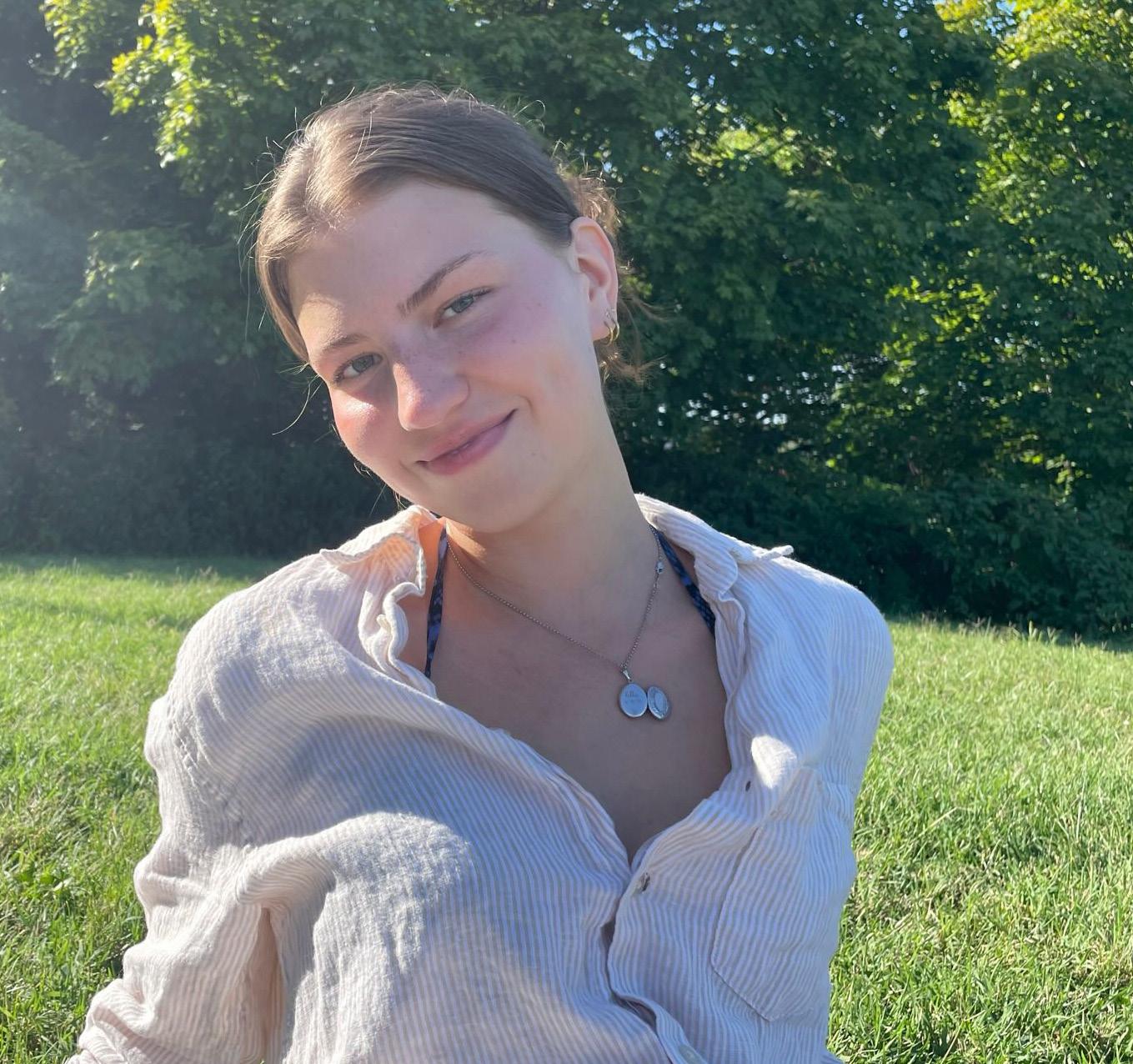
A photo of Ella taken at Art Hill, where she would frequently go to visit the Saint Louis Art Museum.
SCENE
The art of hosting the perfect dinner party
BRI NITSBERG MANAGING PHOTO EDITOR
As college students, most of us have had our fair share of dorm or basement parties. At some point, though, I began to feel like I’d outgrown those functions. Instead of deafeningly loud music, I wanted something soft playing in the background. I yearned to trade the red Solo cups for real wine glasses and a full meal. I wanted to wear nice shoes, not something reserved for questionably sticky floors.
To me, dinner parties are the epitome of Adult. After hosting a couple of dinner parties last year, these get-togethers have quickly become some of my favorite college memories and are the perfect opportunity to get a group together, celebrate, and get to know each other better. If your end goal is to become the “hosting friend” this semester, here’s an easy, five-step guide for a flawless dinner party.
Step 1: Pick a theme
What takes a dinner party from good to great is a theme. You can certainly host a dinner party without one, but the entire experience will feel much more cohesive with a theme. You can do as much or as little as you want with your chosen theme, but having one is the perfect added touch. It’s also a great conversation starter to break the ice if you have guests who may not know each other.
Themes can be anything, ranging from a color, a season, a holiday, or even something random. When choosing a theme, the two most important things to consider are decor and food. Your theme should be something that bodes well for the dinner menu, dorm/apartment decorations, and a dress code if you really want to go crazy.
The easiest themes are whatever holiday is closest to the time of the dinner party, because it will be super easy to find decorations and holiday-based ingredients in any store. If you want to be a bit more creative, here are some of my favorite non-seasonal theme ideas:
• Tea party
• 1920s gala
• Charcuterie board
night
• Make-your-own pizza party
• Breakfast for dinner
• Garden party
• Murder mystery
• Wild West
Step 2: Choose your guest list
Once you’ve got your theme, the next step is to start thinking about your guest list. For friend groups, this could be as simple as sending a text in the group chat. However, some of the best dinner parties are the ones with friends from different circles.
Although WashU can sometimes feel like everyone knows everyone, dinner parties are a great way to discover new people. If you are co-hosting the dinner party with roommates, this is a perfect opportunity for each roommate to invite friends from different circles.
If you really want to have an eclectic group of guests, another fun idea is to invite a small group of people and tell each person to bring a plus-one that the others don’t already know. This way, you pick half the guests, and everyone gets to meet new people.
As you choose your guest list, keep in mind the space where you will be hosting. Think about how many chairs you have and how many people you can realistically fit around your table. While you want enough people to make sure the conversation is flowing, too many will leave your guests feeling cramped and uncomfortable.
Step 3: Send out invites
If you want your event to feel elevated, invitations are the perfect way to do this. You can choose physical or digital invitations. If you are going the paper invite route, Canva is a great tool to design something cute that you can print out. Remember to include the date, time, location, theme, dress code, and anything else relevant to your party. Assuming your guests are all WashU students, you can hand-deliver the invitations to everyone.
If you want to save yourself a step, digital
invitations are also a great alternative. You can use a website like Partiful or Evite to keep things organized. You’ll have a dashboard with all of the party logistics, a way to message all guests at once, and a guest list for people to see (which we know we are all checking).
Step 4: Plan the menu and decor
Now is the time to get creative. You may have started to think about your menu and decorations when choosing your theme, but now you want to dive into the details. Some themes will naturally bode well for specific menu items or decor, while others might require you to think outside of the box and be a little bit more creative and whimsical.
For the menu, decide how many courses and dishes you want to make. Also, remember that we are all college students, and no one cares if you buy pre-made or partially pre-made items to make your life easier. Decorations can be tricky. Sometimes you will have a very specific idea of what you want, and sometimes you just need to go to a store and see what you can find. You can definitely decorate really well on a tight budget. For example, paper chains, streamers, and personalized placecards are cheap and easy ways to show off your theme. Thrift stores are a great way to get on-theme decor without spending a ton of money.
While planning, remember to keep lists of all of your ideas so when it comes time to shop, you aren’t wandering aimlessly. Having a shopping list for decorations and food will also help you stay on budget for your event.
Step 5: Host your event
It’s finally time to put all of your planning and ideas together! When the day of your event comes around, make sure to stay calm and stay organized. Preparing as much as possible in advance is the best way to keep things running smoothly. Give yourself more time than you think
you’ll need to get everything ready so you aren’t still decorating when guests start arriving. And don’t be afraid to put your guests to work; any good friend would be happy to help set up decorations or
put the final touches on the food. And once they do, let yourself have fun! The best part about hosting a dinner party is being able to spend time laughing and bonding with friends. You’ve put
time and energy into creating a beautiful event, and you deserve to enjoy it.
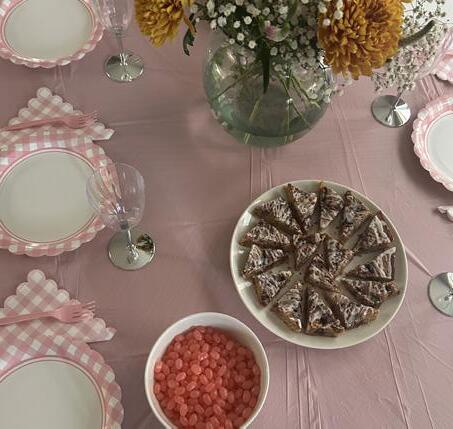
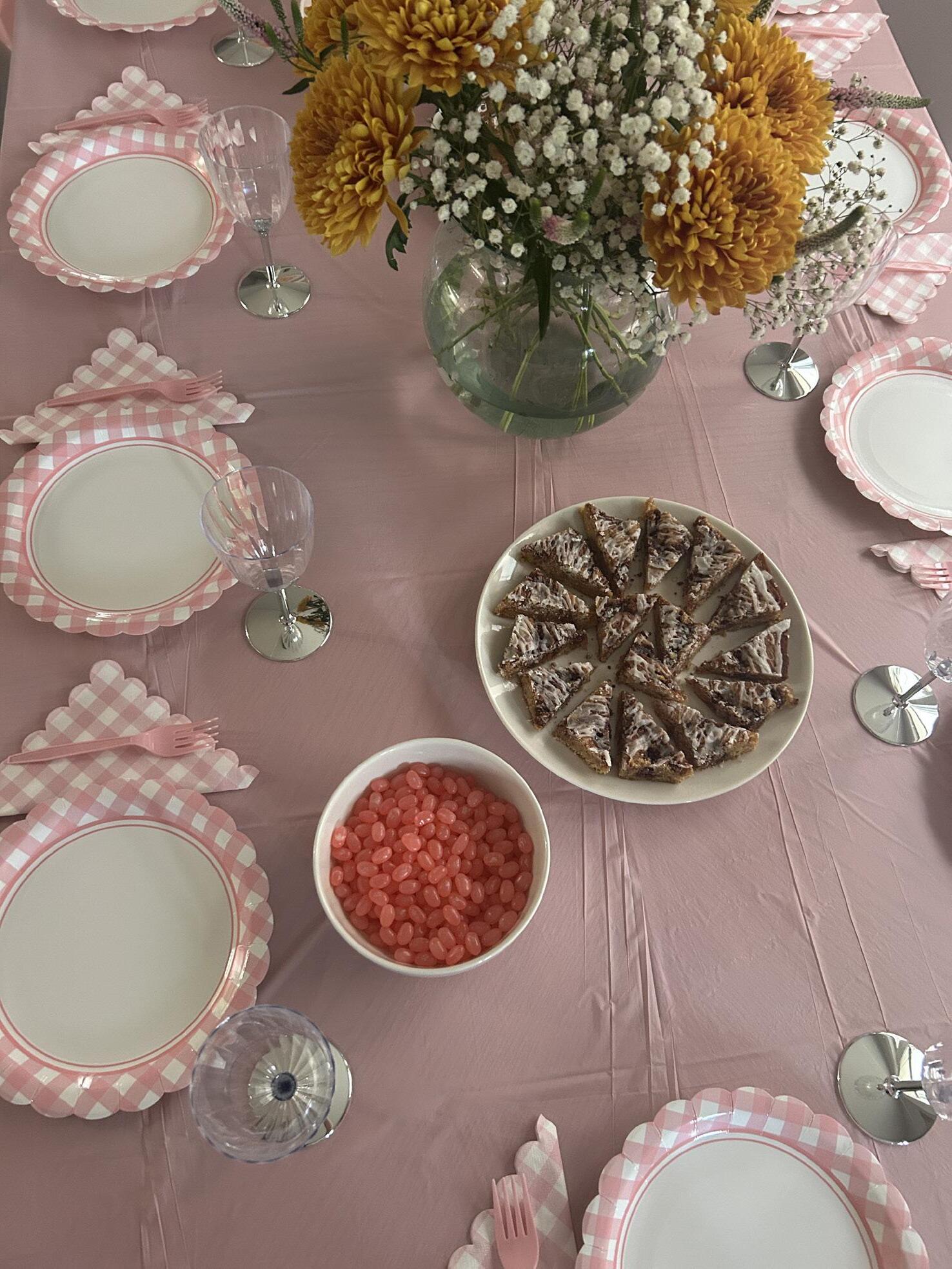
Themed paper goods and fresh flowers are an easy way to decorate the table at your dinner party.
BRI NITSBERG | MANAGING PHOTO EDITOR
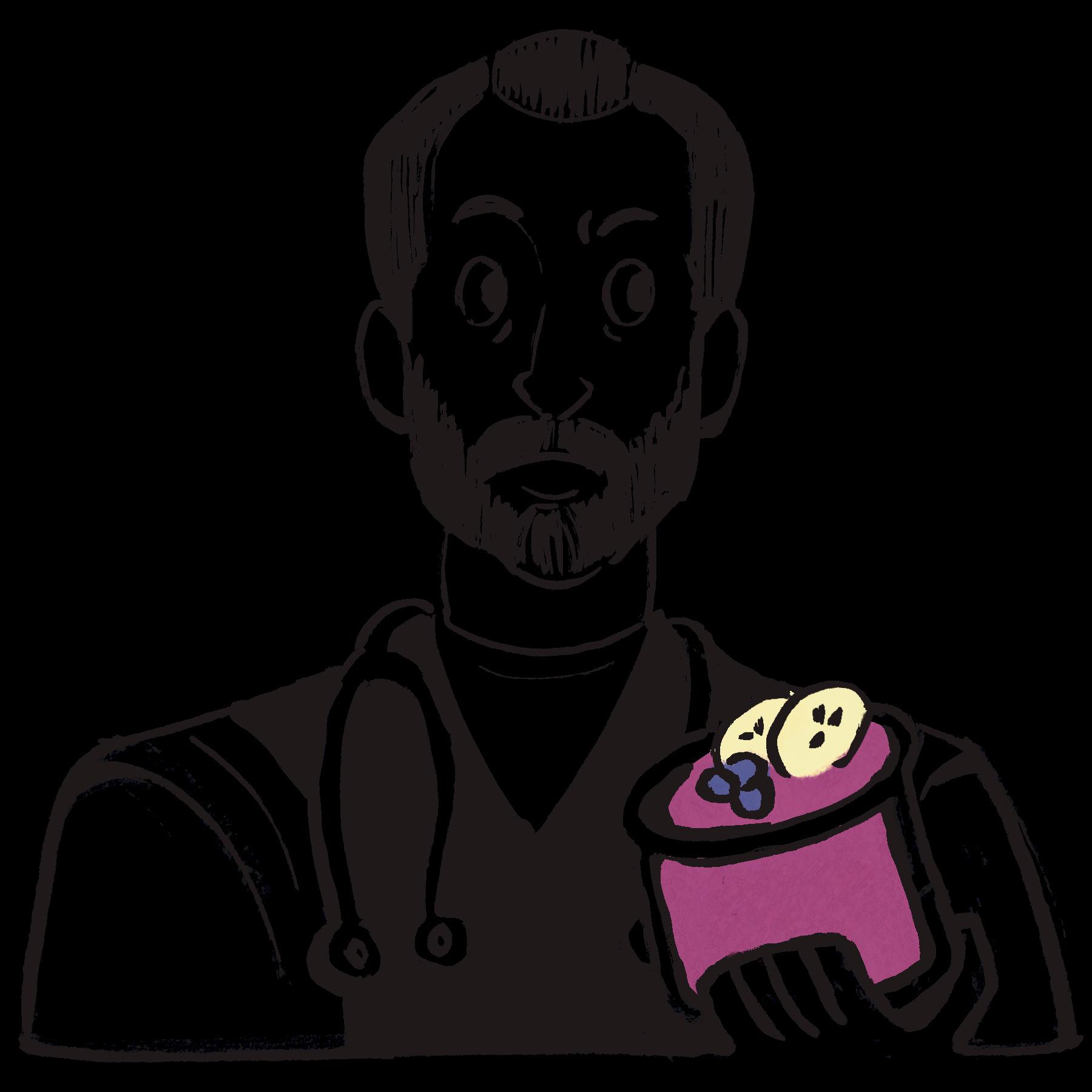
The best TV of 2025 as WashU foods
JAKE ISENBERG STAFF WRITER
From zombie fights and waterfall skirmishes to acai bowls and half and halfs, last year was defined by both excellent television and amazing on-campus cuisine. 2025’s best television seasons can be tastefully paired alongside a menu of WashU dining options to choose the perfect treat.
“The Pitt” Season 1 as an acai bowl from Collins Farms
Collins Farms’ acai bowls, with their numerous, high-quality ingredients, are something practically perfect, which also represents “The Pitt” on HBO Max. The main hook of the show is that while it takes place entirely in the emergency room of a Pittsburgh hospital, the entire 15-episode season occurs in real time across 15 one-hour episodes, making for one stressful but eventful day!
Actor-writer-executive producer of “The Pitt” Noah Wyle stars as Dr. Michael “Robby”
“Abbott Elementary” Season 4 as a half and half from Bear’s Den
Though a half and half may not be the best meal in the world, it still perfectly fulfills its role. The fourth season of “Abbott Elementary” from ABC does the same thing.
Robinavitch, who leads the emergency room alongside charge nurse Dana Evans (Katherine LaNasa) and a sizable group of medical residents, interns, and students.
The large cast of principal characters who all have distinct personalities and strong emotional journeys throughout the season are complemented by a rotating cast of guest actors portraying each new emergency room patient. The medical makeup design from a team led by Myriam Arougheti is quite impressive, and their work makes all of the lastminute emergency room surgeries feel appropriately realistic and stress-inducing.
The season is close to perfect. The show has a similar comedy-mockumentary format to “The Office” or “Parks and Recreation.” It follows teachers at the titular elementary school, from the earnest, relatively new teacher of Janine Teagues (Quinta Brunson) to the soulful veteran Barbara Howard (Sheryl Lee Ralph) to chronically online, out-of-touch principal Ava Coleman (Janelle James).
The 15-episode season feels very tight, and praise could be lavished on the phenomenal performances (especially Wyle as Robby and Isa Briones as Dr. Trinity Santos, an overly confident medical intern), rich storytelling, amazing sound, or tense direction, especially in the episodes covering the aftermath of a mass shooting. Just as “The Pitt” is nearly flawless all the way through, so is that acai bowl with gra nola and fruit, crafting a per fect treat.
Each 20-minute episode is snappy, and filled with witty humor. Character development is strong amongst the core cast, too. Season 4 serves as one of the best so far, with Brunson, James, and Ralph all delivering phenomenal comedic performances. The costumes by Hachy Mendez are also great, especially in the Halloween episode.
“Severance” Season 2 as a Qdoba bowl
The long wait culminating in an enjoyable, if even just barely disappointing, bowl from Qdoba mirrors the release of the second season of Apple TV’s “Severance.” While still highly entertaining, this latest season pales slightly in comparison to its first by having a slower start, but once “Severance” gets going, the sci-fi workplace show is absolutely enrapturing.
“Severance” tells the story of a company,
Lumon Industries, that has invented a powerful microchip, splitting each of its employees into an “innie” and “outie” version. The second season expands the world of “Severance,” brings in new locations — including a trip to the world’s tallest waterfall — and increases the role of Season 1’s more secondary characters such as the eloquent dancing office manager Mr. Milchick (Tramell Tillman) and the rebellious Helly R. (Britt Lower).
Just as the wait for a Qdoba bowl is long,
“The Last of Us” Season 2 as ice cream from Campus Creamery
Ordering ice cream from Campus Creamery on the South 40 with a new mixin perfectly encapsulates this season of “The Last of Us.” The hit HBO Max series returned for its sophomore season, with a renewed focus on Ellie (Bella Ramsey), who, at just 19, begins a brutal quest for revenge while traversing the remains of an apocalypse-torn
“Severance” Season 2 starts off a bit slower as the characters get back into the groove of office life and disguised rebellion. But the show rapidly accelerates through the thrilling adventure episode “Trojan’s Horse” that ends with a shocking twist, the fascinating and devastating “Chikhai Bardo,” and the blood-pumping season finale “Cold Harbor.”
“Severance” has many great aspects, such as the gorgeous white-and-blue cinematography (especially the work by Jessica Lee Gagné), a disturbing
United States, ravaged 20 years ago by a zombie-like fungus.
While the first season was defined by its rich emotion and human focus, the second maintains most of that emotion while bringing in a number of exciting action scenes, such as a subterranean subway battle. Alongside strong performances from its core cast, especially Ramsey as an angry and regretful teen, Season 2 introduces a compelling Catherine O’Hara as a bitter therapist in a scenestealing guest role.
yet intriguing title sequence by Oliver Latta and Teddy Blanks, and strong cast performances across the board, but especially from Patricia Arquette’s Ms. Cobel and Tillman’s Mr. Milchick. Similarly, a Qdoba bowl has many great parts, like the guacamole, queso, and a wide array of salsas. “Severance” is absolutely worth checking out, and it provides a wonderfully intriguing near-future sci-fi story.
Nothing in “Abbott Elementary” will make anyone cry or jump out of their seat, but it is extremely consistent and delightful, just like the crispy chicken tenders of a half and half. All of the pitch-perfect character interactions this season, ranging from a new class pet to a ringworm outbreak, make it a show absolutely worth checking out on Hulu.
Just like howan ice cream from Campus Creamery is known to be great, the same is true for “The Last of Us,” with its gorgeous postapocalyptic sets from production designer Don Macaulay, haunting score from composers Gustavo Santaolalla and David Fleming, and terrifying makeup for the zombies, or “infected,” from a team led by Paul Spateri.
However, just as a Campus Creamery mixin could be swapped out while still staying delicious, this season of “The
Last of Us” swaps some emotion for grand battles while still maintaining its excellent quality. This season features a strong set of action scenes, a consistent cast of characters, and a brand-new location, Seattle. In contrast, Season 1 focused more on a high number of guest actors, deeper emotion, and consistent new locations. That’s not to say either season is necessarily better; they just offer two different but consistently great versions of a zombie show.
“Apple Cider Vinegar” (limited series) as chicken fried rice from Corner 17
“Apple Cider Vinegar,” a breakout hit limited series from Netflix, is easily represented by chicken fried rice from Corner 17. While there may be some fluff and unnecessary aspects, when that perfect bite of egg, rice, and chicken lines up, the fried rice is delicious. In the same vein, “Apple Cider Vinegar” is sometimes a little soapy or overly focused on its main character, fraudster Belle Gibson (Kaitlyn Dever). But when everything lines
up, like in the penultimate episode “Casseroles,” it is extremely entertaining.
“Apple Cider Vinegar” focuses on two women: real-life social media influencer Belle Gibson, who faked a brain cancer diagnosis to sell a recipe app, and the fictional character Milla Blake (Alycia Debnam-Carey), who dives into the world of alternative medicine to treat her true diagnosis of cancer. Watching the series is worth it alone for Dever’s phenomenal performance as the attention-seeking pathological liar of Gibson. From karaoke to lies to interviews, Dever carries the show and
delivers perhaps 2025’s finest performance in television with her initial empathetic nature twisting into something revolting as she furthers her lies. Fried rice is not perfect all the way through, but those just-right moments make all the rest worth it. Yes, “Apple Cider Vinegar” is a little dramatic, with some outthere direction choices, but when anchored by strong performances from Dever and Debnam-Carey and shocking makeup from designer Helen Magelakis, it turns into something fascinating.
There are a number of incredible 2025 shows not listed here, especially “Silo”’s second season, “Stranger Things” Season 5, and “The Studio”’s debut season. There are so many hidden gems out there to explore. From medical dramas to zombie outbreaks and schoolyard comedies to social media fraudsters, 2025 offered something for everyone. There could be a little caution when exploring a new WashU restaurant or picking a TV show to watch, but the potential benefits of discovering a new favorite out of nowhere make any risk absolutely worth it.
Fall semester reminded us that our voices matter
It can be overwhelming to consider the many challenges that the WashU community, the U.S., and the world faced over the fall and will face in the new year. However, the events of this past semester gave us concrete evidence of our capacity to make meaningful change. At WashU, there were increased layoffs, goodbyes, and calls for resignation. Medical Campus research remains in a precarious position with National Institutes of Health (NIH) funding. We faced the possible consolidation of six unique and independent Arts & Sciences departments. In every one of these events, however, the WashU community made its voice heard. Faculty, students, and staff communicated their wishes to the WashU administration through measures such
as the protests for increased financial transparency and students’ calls to support faculty.
A common thread stitching these examples together is the shared consciousness of current events and challenges in and outside of WashU. You may recall these headlines being conversation topics in Olin Library, the DUC, or your common room. This semester, the WashU social scene was tuned in to the important goings on, and rightfully so. Students, faculty, and staff’s understanding and discussion of the events and policies impacting the community led students, faculty, and staff to advocate for change, which resulted in positive outcomes.
Departments met to discuss the potential reorganization of the six Arts & Sciences departments. As
faculty and students shared and discussed their many concerns with the proposal, the task force set up to consider the consolidation was disbanded.
The WashU administration responded to calls for financial transparency, namely disclosing the price of Workday and addressing concerns about NIH funding cuts, as they strengthened their lobbying efforts in the federal government and encouraged the WashU community to do so as well.
Chancellor Andrew D. Martin rejected the Trump administration’s proposed higher education compact, staying true to our institution’s values. Students and faculty played a key role in the University’s decision not to sign the compact. WashU’s Faculty Senate Council not only weighed and examined countless
opinions from their colleagues, but they also synthesized those sentiments in communications with Martin and stood with students on the issue. Among widespread disapproval of the compact by the WashU community, the University affirmed its commitment to quality education at any cost and its values of inclusivity and academic freedom.
The fall semester goes to show that while students, faculty, and staff are not the arbiters of WashU actions or policy, our opinions on them carry weight.
There is no telling what 2026 holds for the world, the U.S., the University, and each of us individually. Right now, it can feel like anything is on the table — and not in a starry-eyed, hopeful way. Student Life is also wary of what could be hurtling down the pike.
Going forward, Student Life encourages the WashU community to keep advocating. Keep raising your voices. Keep in mind the power of your presence, opinion, and actions.
Staff editorials reflect the opinion of the majority of our editorial board members. The editorial board operates independently of our newsroom and includes members of the senior staff.
Zoe Rhodes, DEI Editor
Sylvie Richards, Managing Forum Editor
Amelia Raden, Senior Forum Editor
David Ciorba, Senior Forum Editor
River Alsalihi, Senior Forum Editor
Kate Theerman Rodriguez, Senior Forum Editor
Lyn Wilkins, Junior Forum Editor
Matt Eisner, Managing Sports Editor
Hannah Much, Junior Sports Editor
Anna Crook, Junior Sports Editor
Will Rosenblum, Managing Scene Editor
Elizabeth Grieve, Senior Scene Editor
Hannah La Porte, Junior Scene Editor
Bea Augustine, Managing Design Editor
AnaElda Ramos, Managing Illustration Editor
Bri Nitsberg, Managing Photo Editor
Mason Sutton, Special Issues Editor
Sophia Hellman, Senior Scene Editor
BRI NITSBERG | MANAGING PHOTO EDITOR
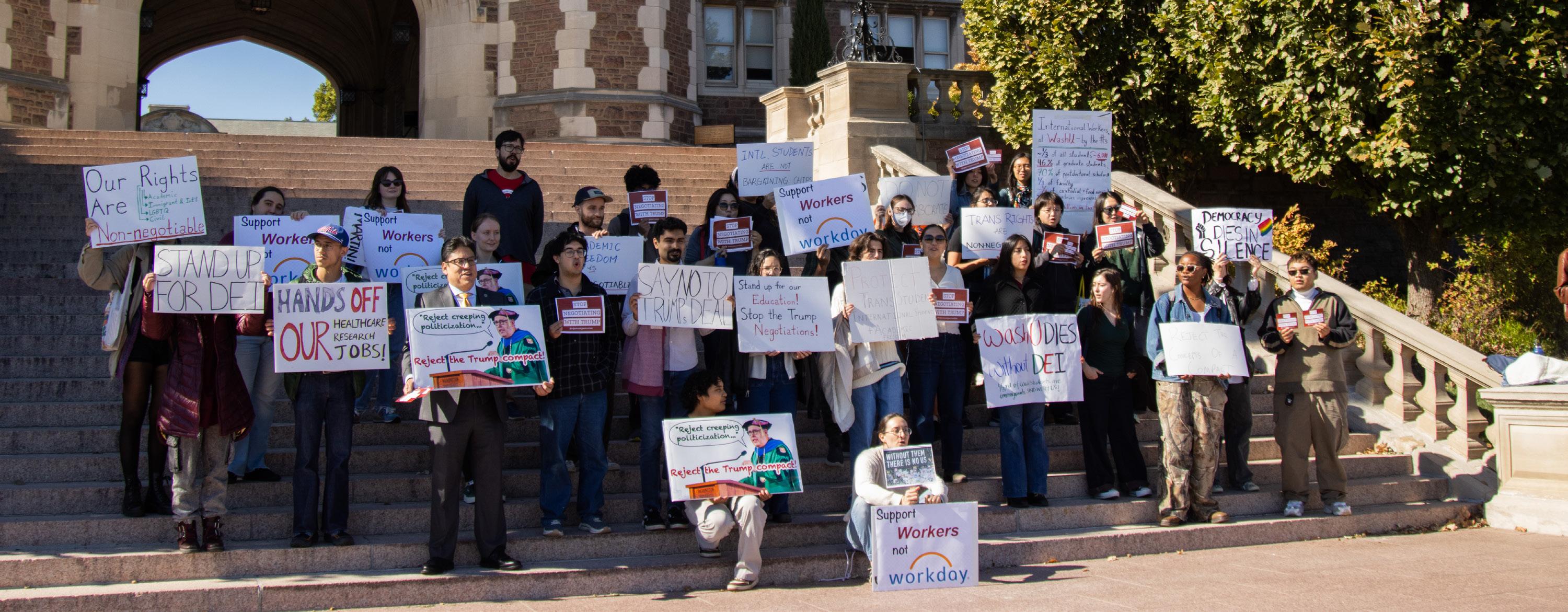
Students and WashU community members protested the University’s engagement with the Trump administration on Oct. 10, 2025.
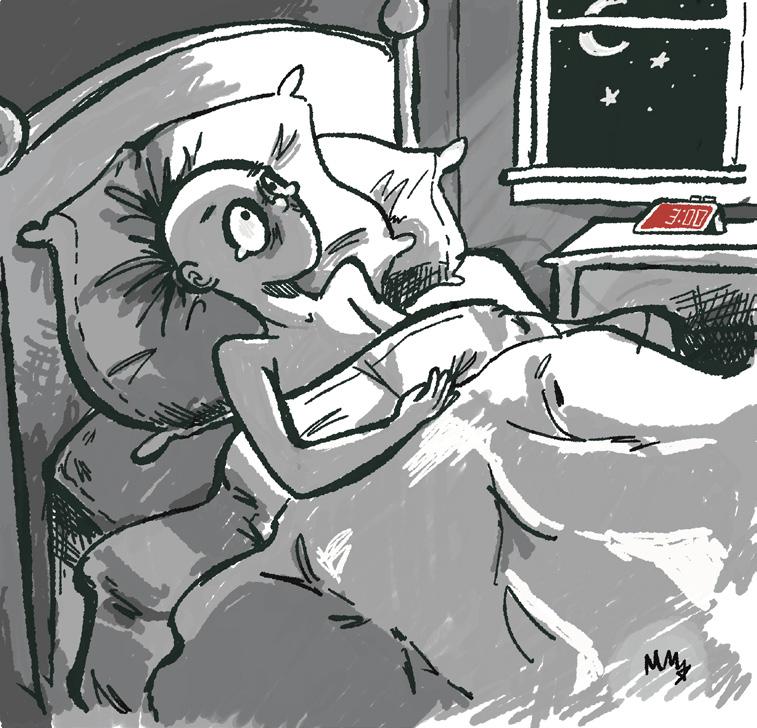
I was talking to my friend outside of the Danforth University Center the other day, and she told me that she’s embracing “Messy 2026.” That was the most beautiful, eye-opening phrase I had ever heard.
It doesn’t mean messy in the usual context. To me, “Messy 2026” means being radically yourself, taking whatever risks might give some reward, and saying whatever you believe, even if it isn’t popular. It means breaching typical conversational bounds in a search for more genuine discussions.
I’ve always noticed myself holding back conversationally. Mentally, I check what I’m about to say, making sure the person I am talking to will agree with me. I also make
sure that the jokes I say will be funny, that I won’t be too vulnerable, and that I won’t highlight any of my flaws. This is draining. Authenticity is much more fulfilling, and that’s what I’m going for this year with “Messy 2026.”
Our society is so constrained that everyday life has become taboo. People avoid topics full of friction to keep in line with “proper” discourse. Our conversations are effectively neutered in fear of “being TMI” or too personal, so we avoid topics like sex. We also avoid controversial takes, like Ryan Reynolds being unbearable. No one wants to rock the boat, but rocking the boat is the only way to sink evils rising in the public sphere.
Beyond the impacts on our individual conversations, taking part in “Messy 2026” has greater
backgrounds than many WashU students.
The South 40 Country Club released plans to develop yet another amenity: a 24/7 convenience store powered by Amazon’s Just Walk Out technology. Soon, hungry students won’t be forced to trek to Schnucks. Nor will they be required to chat with the cashiers on campus. Instead, Jeff Bezos will charge students’ accounts as they stroll out the door — no eye contact necessary.
I will admit, a 24/7 convenience store on the South 40 sounds like a good idea. For years, students have struggled with the accessibility of food on campus, the issue being covered by Student Union and Student Life alike. For the first time ever, a store will offer “snacks, drinks, fresh produce, everyday essentials, grab-and-go items, and vending options” on campus at all times.
However, the “Bear Bodega” — and especially its new checkout system — is not as glamorous as it seems. A closer, contextual look at the University’s plans for the 24/7 convenience store indicates how WashU fails to prioritize its relationship with the St. Louis community.
It’s well-known that WashU feels isolated from the surrounding city — a part of the larger issue of segregation in St. Louis. One of the few ways that students engage with members of the St. Louis community is through their daily interactions with the dining staff, who often come from different socioeconomic and racial
Over the past few years, WashU has cut down on interactions between students and dining hall workers. Grubhub has replaced in-person ordering, while Paws & Go recently implemented a required self-checkout. The progression to a convenience store that offers no human interaction seems only natural.
But the Bear Bodega doesn’t only extend the divide between students and St. Louis community members; it also cheats St. Louisans out of job opportunities and revenue.
According to their website, Just Walk Out’s technology “free[s] up staff” and can transform spaces into “24/7 autonomous retail operations.”
The website also touts that, while operating the technology, the University of California San Diego made a $2 million increase in revenue.
Autonomous or not, it seems the Bear Bodega could make enough money to pay minimum wage to a few citizens of St. Louis. Instead, WashU (and Sodexo) has opted to outsource its labor to Amazon’s artificial intelligence, or maybe — as reported by Business Insider — 1,000 underpaid workers in India recording people check-out.
I fear that the Bear Bodega is only the most recent WashU property development that manipulates the studentcity relationship for the University’s own gain. Through property acquisition, construction, and housing policies, WashU
implications for society as a whole. Avoiding the taboo is a symptom of everyone’s struggle toward conformity, which is a sign of rising conservatism. No one wants to be the risktaker who gets ostracized or alienated, so it’s better
punish anyone who speaks out against it. Our current conservative culture and the rise of fascism are intended to silence our criticisms, but giving in to that pressure is the worst thing we can do. Speaking out and
inhuman actions of ICE. We have to be willing to talk about “messy” subjects so we can move on to major questions of equity in our society. Being comfortable talking about the “impolite” opens the door for more
to avoid possibly destroying the peace. The looming presence of unspeakable topics effectively subdues the population. Limiting speech is also a characteristic of fascism, at the same time that the federal government is working hard to
acting against authoritarianism is powerful. The first step toward this is pushing against the very idea of taboo topics. How can the public talk about oppression if they can’t even talk about herpes? If urination is off limits, so are the
important conversations.
Telling your friend how your trip to the bathroom was makes it easier to say something somewhat seditious. Letting out thoughts that don’t fit the government’s narrative, thoughts that get
other people thinking, is a powerful force against authoritarianism.
While people may judge you for being messy, we may be able to turn the tide against a culture of conservatism through radical truth and honest outrage. Conservatism and fascism seem insurmountable; I’ll admit, I’ve been filled with hopelessness more than I’d like to say out loud, but there is power in people uniting against a common struggle. We need to be riskier. We need to be realer. We need to be louder (except on Olin 3). We need to be messier so we can better understand who we are and how we want our society to go. The window of discussion keeps narrowing, and that needs to stop now if we want any humanity or empathy left in the world.
has worked to shelter its students within the campus’ bounds and spheres of influence.
Since 2023, WashU has purchased nine properties on the Delmar Loop and the entirety of Fontbonne’s 16-acre campus. Earlier this year, the University announced that all underclassmen are now required to live on campus. Along with the 24/7 convenience store, the University plans to build two new dorms on the 40, too. These new developments make some
expect that underclassmen will be forced to live on the South 40 for two years before getting the opportunity to live off campus.
The pace of these policies makes WashU appear less interested in developing St. Louis than creating a private city of its own: one that can be marketed as safe, bougie, and separate from the people living just outside campus bounds. Through years of selfinvestment, the University has created a space where students can survive
without ever stepping off University-owned soil.
While I am not sure what WashU’s next big development may be, we must continue to hold the University accountable to its stated goals of being “for St. Louis” and building community. If WashU is truly interested in fostering a community on the South 40 and beyond (and not just in making another buck), their community-building efforts must include more than the students on campus.
Our community includes WashU employees and the citizens of the surrounding city.
At the end of the day, the convenience store’s walkout technology puts dollars into the pockets of two billionaire entities: Amazon and WashU. What it does not do is put dollars into the pockets of St. Louisans who live just beyond campus. The Bear Bodega will deny our community of meaningful relationships, work, and engagement with the city we call home.
First
Second
Third
SPORTS
No. 18 men’s basketball splits weekend, defeats Case Western, and falls to Carnegie Mellon
ROMAN PETERSON STAFF WRITER
This weekend, the No. 18 WashU men’s basketball team took on two conference opponents on the road, as it looked to improve its conference record going into the second half of the season. The Bears dropped a close game to Carnegie Mellon University on Jan. 16, but they rebounded to defeat Case Western Reserve University on Jan. 18. The unranked Tartans got off to a hot start, jumping out with a 10-4 lead. However, the Bears swung back with an 11-0 run, propelled by firstyear guard Josh Kim. He jump-started the run with a layup, followed by a steal and swift dish to fellow first-year guard Theo Rocca for a fast break basket. Kim then took it to the rack for another clean basket. WashU capped off its run with a couple of smooth jumpers from junior forward Jake Davis and senior center Calvin Kapral. Carnegie Mellon would end the half on an 8-0 run, leaving the Bears
trailing 32-25 at halftime. Coming out of the locker room to begin the third quarter, the Bears looked to set the tone early. However, they would face fierce resistance from the Tartans, who conceded just 2 points in the first five minutes of the second half. With 13:48 left in the game and Carnegie Mellon up by 11, WashU needed a spark plug to rally behind, and it found just that in sophomore forward Connor May. May took over the game, scoring 13 straight points for WashU. His offensive repertoire was on full display, as he knocked down a 3-pointer and an acrobatic layup, followed up by backto-back threes and a pair of free throws. Still, with just five minutes remaining, the Tartans kept a 7-point lead.
WashU gradually chipped away at the deficit, with crucial buckets coming from May, senior guard Yogi Oliff, and junior guard Ryan Cohen. Down 2 points with 3:02 remaining, Kim swung the ball to Oliff for a three, and the Bears briefly took the lead.
After a free throw from the Tartans tied the game
up at 60 apiece, the Bears would turn the ball over and give up a fast break layup. After a gritty last couple of minutes and a few missed free throws by Carnegie Mellon, the Bears had the ball down 64-61. They came out of a timeout with a play drawn up for their sharpshooter, May, but he missed a contested 3-pointer at the buzzer.
WashU shot 37% from the field as a team and struggled to find open looks due to Carnegie Mellon’s suffocating defense. May led the team offensively, putting up 18 points and 17 rebounds, a career high, in his heroic effort.
Following the upset against Carnegie Mellon, WashU would bounce back in its second game of the weekend against Case Western Reserve University on Sunday, Jan. 18, with the Bears holding on to defeat the Spartans 100-93.
Unlike in their previous matchup against Carnegie Mellon, the Bears settled into the game quickly. Cohen got the scoring
started early with a fast break 3-pointer. Soon after, the Bears would go on a dominant 13-0 run, with all points coming from the tandem of Kapral and May. Kapral showcased his arsenal of post moves and mid-range jumpshots, while May continued his accurate shooting with several impressive jumpshots.
The Bears would end the first half with a thunderous fastbreak dunk from sophomore forward Anthony Przybilla, giving them a 20-point lead going into halftime.
To begin the second half, the Bears continued their dominant performance. Oliff and Cohen would keep the Spartans at bay with their rim-running playstyles. Rocca had his fingerprints all over the second half, nailing several key 3-pointers and getting to the line at will.
With 10 minutes remaining in the game, the Bears maintained an 18-point lead. Case Western attempted to rally back in the closing minutes of the game, scoring in short bursts to cut the deficit down to 7 with 6:36 left
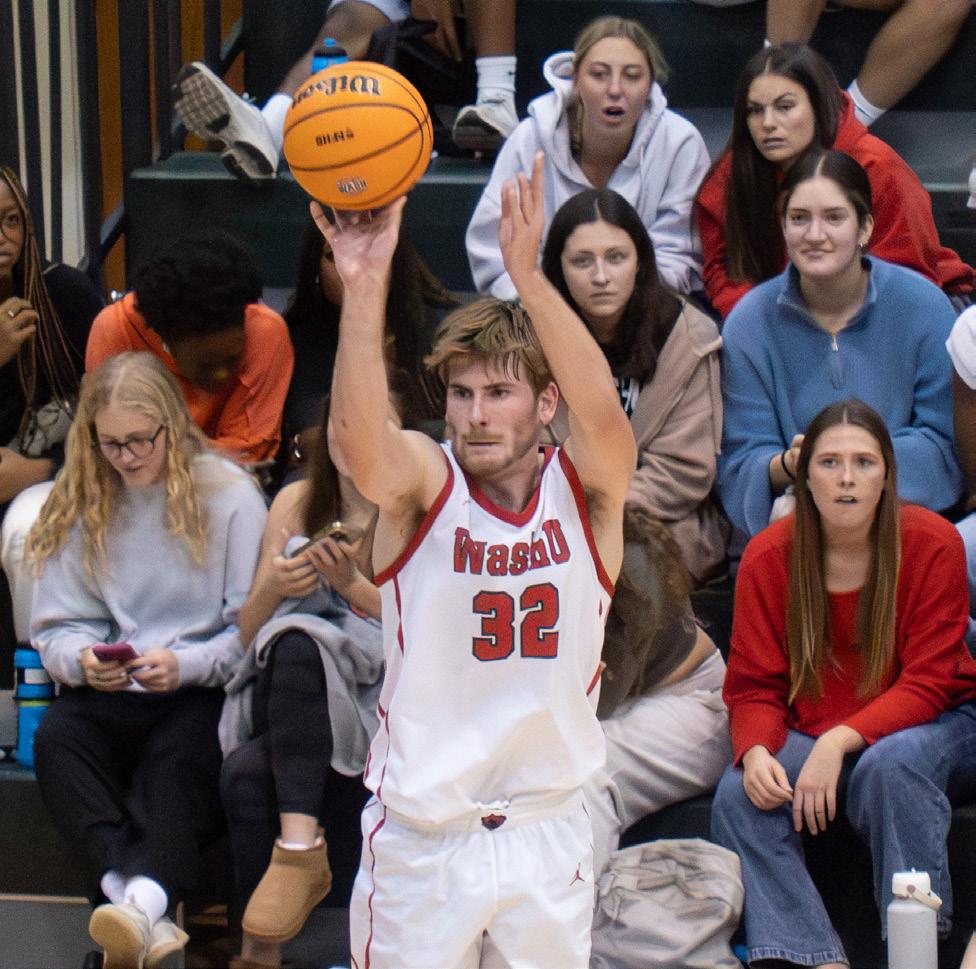
BEN GANZ | STAFF PHOTOGRAPHER Senior Will Grudzinski takes an uncontested 3-point shot in a game earlier this season.
to go. Despite the run from the Spartans, the Bears responded accordingly. Several key buckets from May, Cohen, and Oliff allowed the Bears to maintain a relatively comfortable lead going into the final moments.
A dagger layup from Rocca sealed the deal with 0:15 remaining, and WashU defeated Case Western in a highscoring barn burner, 100-93.
Every member of the WashU squad showed up in the Bears’ Sunday victory, with Rocca notching a career-high 19 points in just 19 minutes. Cohen, Oliff, Przybilla, and May followed closely behind with 17, 16, 14, and 14 points, respectively.
The Bears now sit at 11-3 overall and 1-2 in conference play. They play next on Friday, Jan. 23, when they will host New York University.
Clemons named D-III women’s soccer player of the year
MATT EISNER MANAGING SPORTS EDITOR
After leading the WashU women’s soccer team to a second consecutive national championship, sophomore forward Olivia Clemons was named the United Soccer Coaches Division III National Player of the Year on Dec. 16. She was also named a finalist for the D-III Honda Athlete of the Year award, awarded to the best female athlete across D-III, on Jan. 6.
“I’m grateful for this
recognition and proud of my team for all of our accomplishments this season,” Clemons wrote in a statement in a WashU Athletics press release.
Clemons’ national award is the culmination of a highly decorated individual season. The striker from Kansas City was named a United Soccer Coaches first-team AllAmerican, was named to the All-Tournament team for D-III women’s soccer, and won the University Athletic Association (UAA) Offensive Player of
the Year award for the second consecutive year.
Clemons broke out in her first collegiate season. Her 22 goals were more than any other first-year in program history, despite coming off the bench in every game. She scored in the national championship game against William Smith College and was named the Most Outstanding Offensive Player of the NCAA tournament. Clemons was named UAA Rookie of the Year in 2024, the sixth WashU player to receive
“Olivia is a player with special gifts, but her greatest gift is her selflessness.”
that honor in program history and the first since Sidney Conner in 2021. As a sophomore, Clemons was a star once again. She led the Bears with 17 goals and tied
for the third-most assists on the roster. Through two seasons with WashU, Clemons has scored 39 goals. Though she is only a sophomore, Clemons is already the eighth-leading scorer in WashU women’s soccer history. As a member of the sophomore class, which has led WashU to two consecutive national championships, Clemons has never lost a game as a member of the WashU women’s soccer team.
“Olivia is a player with special gifts, but her greatest gift is her selflessness,” women’s soccer head coach Jim Conlon wrote in a statement to Student Life. “She is an unbelievable teammate as well as an unbelievable soccer player that can score goals and create chances for her teammates.”
WashU athletes have won the D-III Honda Athlete of the Year award five times, most recently when women’s soccer goalkeeper Lizzy Crist won the 2017 award. Clemons will attempt
JONAH GLASS | STAFF PHOTOGRAPHER
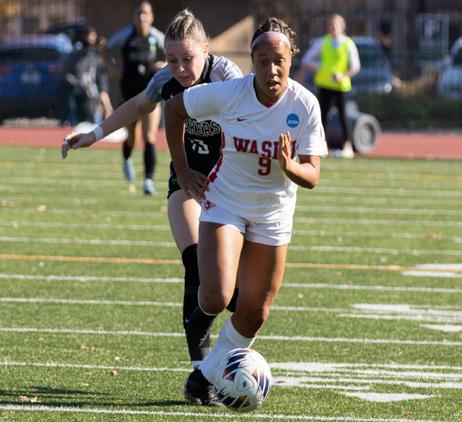
National Player of the Year Olivia Clemons speeds past a Wilmington College defender in an NCAA tournament game this season.
No. 8 men’s and No. 11 women’s swim and dive sweep UMSL and Quincy
In the final home tune-ups for WashU’s swim and dive program, the No. 8 men’s and No. 11 women’s teams faced two Division II opponents, the University of Missouri–St. Louis and Quincy University, on Jan. 16 and 17, respectively. Both squads had a victorious weekend, winning both of their meets, which served as valuable minutes in preparation for the University Athletic Association (UAA) Championships in February.
No. 8 men’s swim and dive UMSL
The men’s match against UMSL, a team which the Bears have beat four years in a row, ended in a 124.00-72.00 victory and nine first-place finishes.
First-year Parker Chan and junior Marco Minai each won two races on the day, leading the team in individual victories. Chan, along with first-years Kevin Raghunathan and Robin Koehler and senior Matthew Walker, placed first in the 200yard medley relay in 1:33.22. Chan also won the 200-yard freestyle, finishing with a time of 1:42.57 to add on to his impressive first season.
Minai took home victories in the 200-yard individual medley (IM) and 100-yard butterfly and shared his thoughts on his performances.
“I was happy with my swims,” Minai said. “I wasn’t super happy with how I swam towards the end of the last semester, so I think [there] were good signs of me getting back in shape and getting ready for conference that’s
coming up in about a month.”
First-year Gavin Coggan placed first in the 1000-yard freestyle. First-year Jackson Heether won the 100-yard freestyle, making it three first-years to get race wins in this meet. Graduate student Mikey Thurk won the 50-yard freestyle in a time of 21.23.
In addition, seniors Andy Zhu and Orluke Borjigin finished first in the 100-yard backstroke and 500-yard freestyle, respectively, to cap off the win against UMSL.
Quincy
The next day, the Bears beat Quincy University 160.00-99.00 after facing them for the first time in program history. This was also the squad’s Senior Day, as the men recognized nine of their own who are graduating.
Minai talked about the fantastic atmosphere during Senior Day and how it helped push him and the team.
“It’s really awesome to be able to look up into the stands and see a completely packed house,” he said. “While you’re racing, you feel that energy and it helps you perform better. And I think within the team itself, we’ve had some really great energy this season. I think in Florida during our training trip, we got some really great work done, but also had a really great attitude in approaching that work … Because we’re all united on a common front, we’re supporting each other as a team and that’s where you really need to succeed.”
Minai continued his winning form, pacing the team with four victories against the Hawks. He, along with Chan, Raghunathan, and Thurk, placed first in the 200-yard
medley relay in 1:32.30.
Minai came first in the 200-yard freestyle, finishing in 1:41.76, as well as the 200-yard butterfly. His fourth win of the day and sixth of the weekend came in the 400-yard IM with a time of 3:56.73.
Sophomore Ben Scott claimed first in two races, the 100-yard and 200-yard breaststroke. Chan picked up another win in the 1000-yard freestyle in 9:16.66. The Bears had three more first-place finishes: Walker in the 100yard butterfly, sophomore Nicholas Frank in the 100yard backstroke, and first-year Caleb Collins in the 500-yard freestyle.
These victories represent a winning end to the team’s home season as they bounced back from their defeat at McKendree University last week.
No. 11 women’s swim and dive UMSL
Against UMSL, whom the women’s team has also never lost to, the Bears picked up nine first-place finishes, led by two each from firstyear Ayaan Olasewere and junior Shanze Karimi, to win 160.00-73.00.
Olasewere, along with senior Andrea Leng and juniors Hannah Lee and Izzie Gattone, won the 200-yard medley relay with a time of 1:48.19. She also placed first in the 50-yard freestyle in 24.62.
The team had four other victories in sprint events.
Junior Rachel Bello won the 200-yard IM in 2:12.07.
Junior Peyton Watson took home first in the 100-yard butterfly with a time of
58.19. Sophomore Iris Qi won the 100-yard freestyle in 53.72, and fellow sophomore Rachel Kravtsov won the 100yard backstroke finishing in 1:01.17.
Senior Ali Roche won the 1000-yard freestyle in 10:41.57. Karimi then came away victorious in both the 1-meter and 3-meter diving events with scores of 430.05 and 260.55, sweeping the dive portion individually.
Quincy
Women’s swim and dive then beat Quincy in convincing fashion on Saturday by a score of 219.00-59.00 while honoring eight senior swimmers. The team earned 12 first-place finishes against the Hawks.
Senior Nicole Caruso shared what the Senior Day celebrations meant to her. “I’ll start by saying I love our tradition that the juniors make the seniors a poster,” she said. “It’s very much the ‘to be seen or to be known is to be loved’ because seeing my teammate make a poster of me and have all of my interests and some inside jokes in there is just really touching. And I want to focus on my gratitude as much as possible, because swimming is … at least the part of my identity that I celebrate most about myself.”
Olasewere, once again, finished first in the 50-yard freestyle with the same time she swam against UMSL, 24.62 seconds. Roche, firstyear Kerry Frey, Watson, and Leng took home the 200-yard medley in 1:50.39.
Caruso then won the 1000yard freestyle in 10:54.16.
Junior Kiera Johnson was victorious in two events, the 200-yard butterfly in 2:08.55
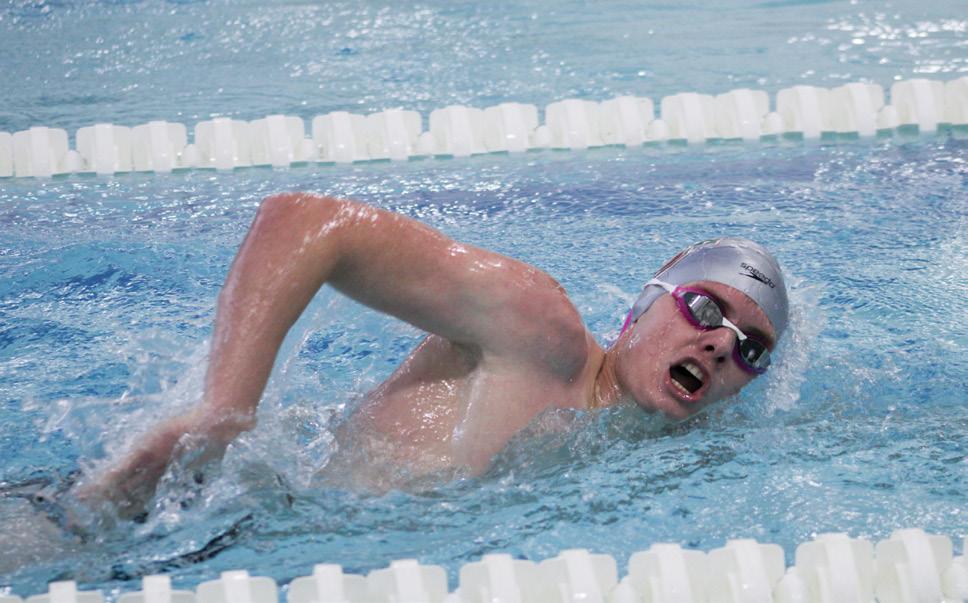
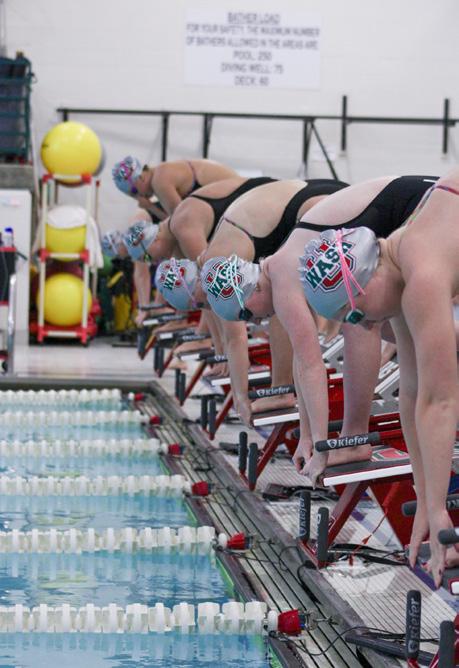
WashU’s women’s and men’s swim and dive teams swept weekend meets against Division II opponents.
and 200-yard backstroke in 2:07.63.
Junior Holly Gmelich also picked up two wins herself, with the 200-yard freestyle in 1:56.86 and the 500-yard freestyle in 5:18.03.
The Bears’ final three victories in the swim event came from senior Avery Dixon in the 100-yard breaststroke, Watson in the 100-yard freestyle, and Lee in the 200-yard breaststroke. Just as against UMSL, Karimi took home first in both diving events to round out a successful day in the water for the Bears.
The women’s team added to their winning momentum, with these wins making it three in a row in dual meets. Both squads will have one final tune-up away at DePauw University on Jan. 31 before
traveling to UChicago for the UAA Championships taking place Feb. 11-14. Caruso also shared what these next few weeks will look like before conference championships.
“We’ve gone through so many months of training that if you weren’t trying your very best, there’s nothing that these next few weeks could possibly do to rectify or change that,” Caruso said. “But similarly, if you have put in the work, there is nothing that two weeks could possibly change. So it’s just about maintaining confidence and having a good mindset going into conference and also just being supportive of your teammates and recognizing that their success is also yours.”