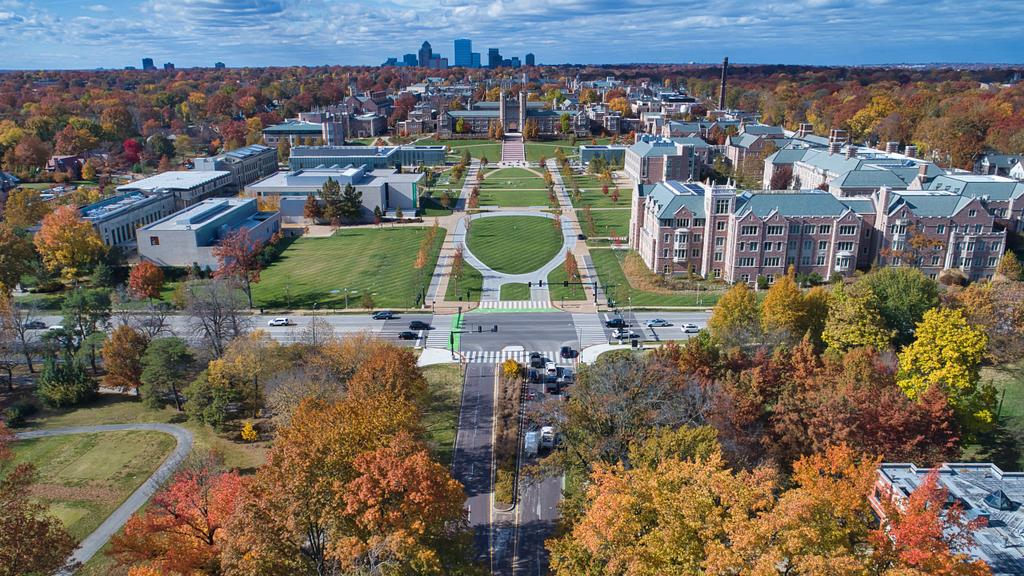
This Newsletter highlights stories from August 2024August 2025. Articles and news featured are shared from the Source, The Record, WashU Arts & Sciences, or have been written exclusively by the Chemistry Department.
Newsletter created, edited, and designed by Jasmyn Manuel-Nilsson.
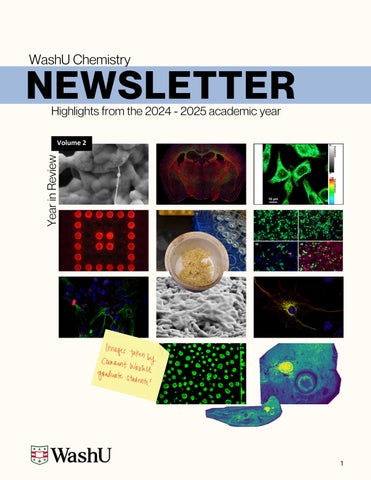
ONTHE COVER
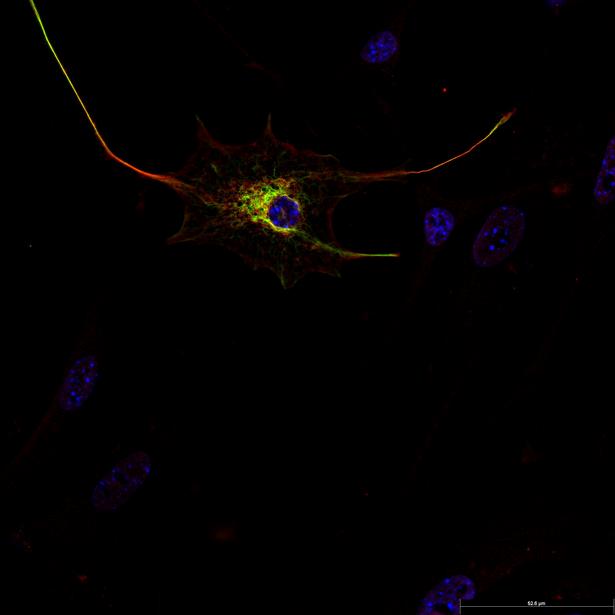
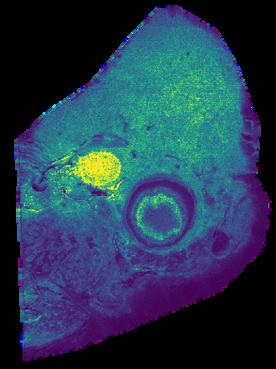
Highlighting our amazing graduate students and their research projects
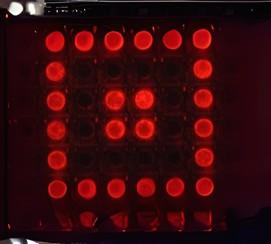
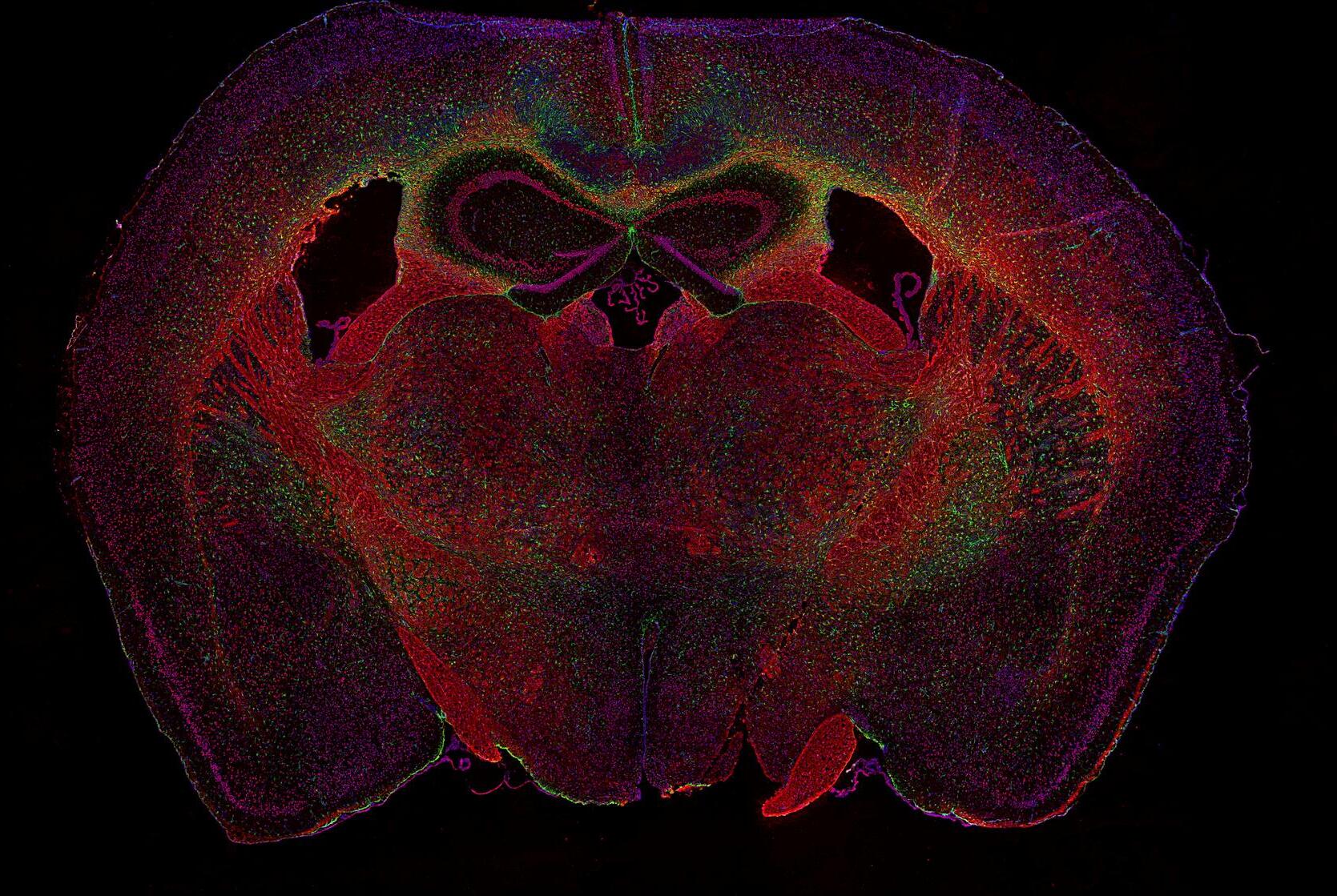
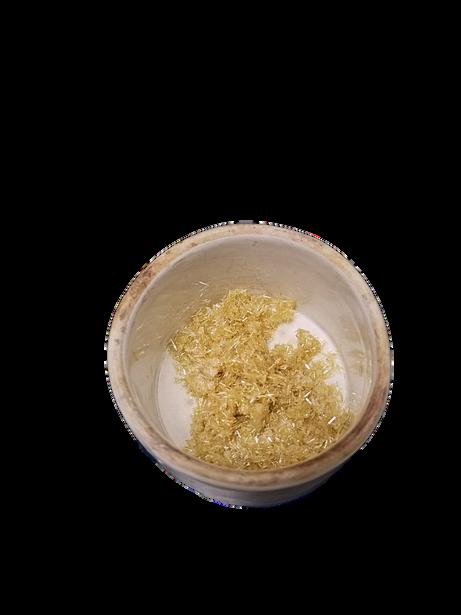
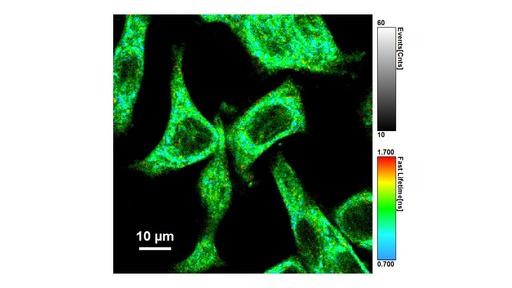
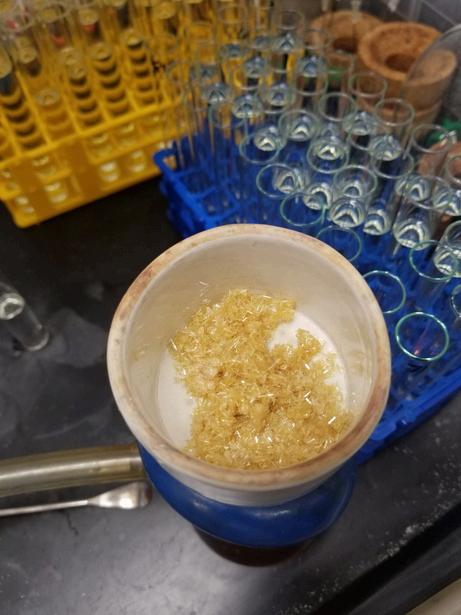
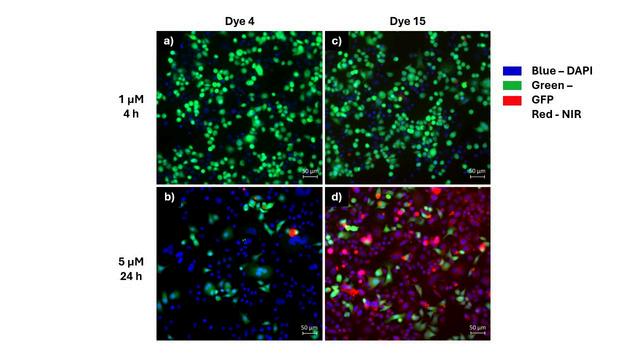
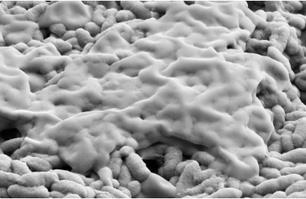
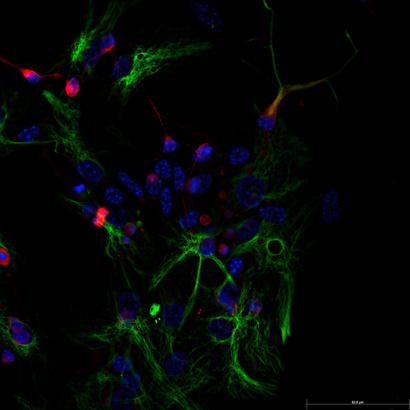
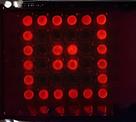
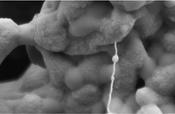
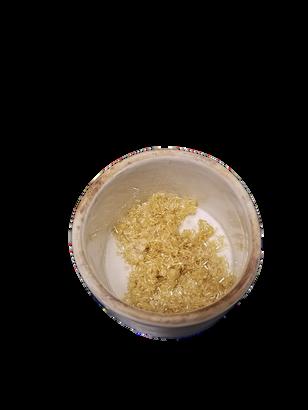
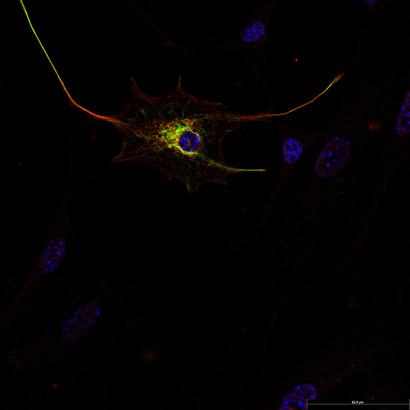
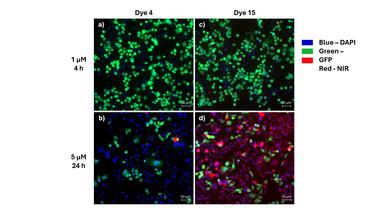
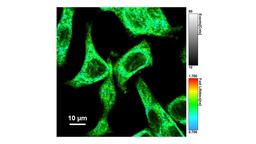
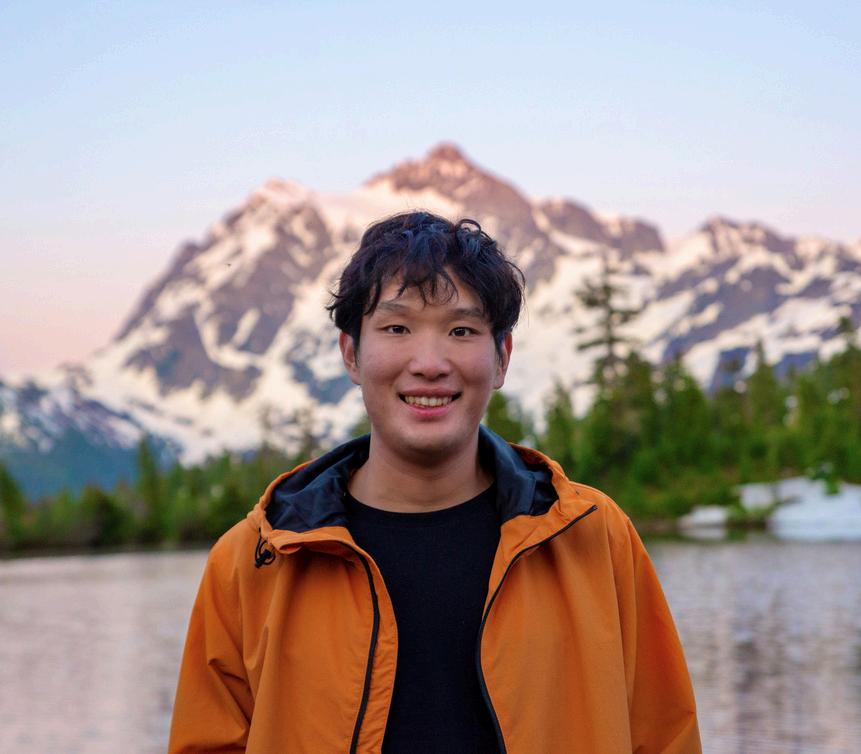
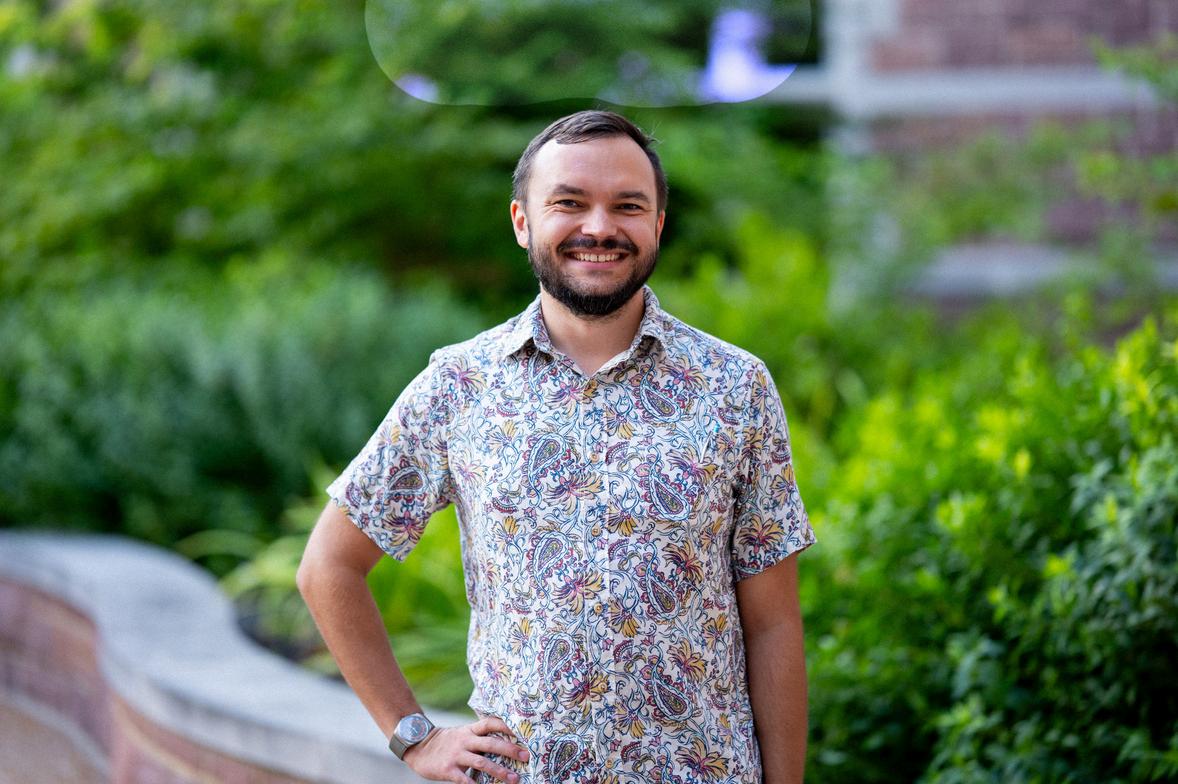
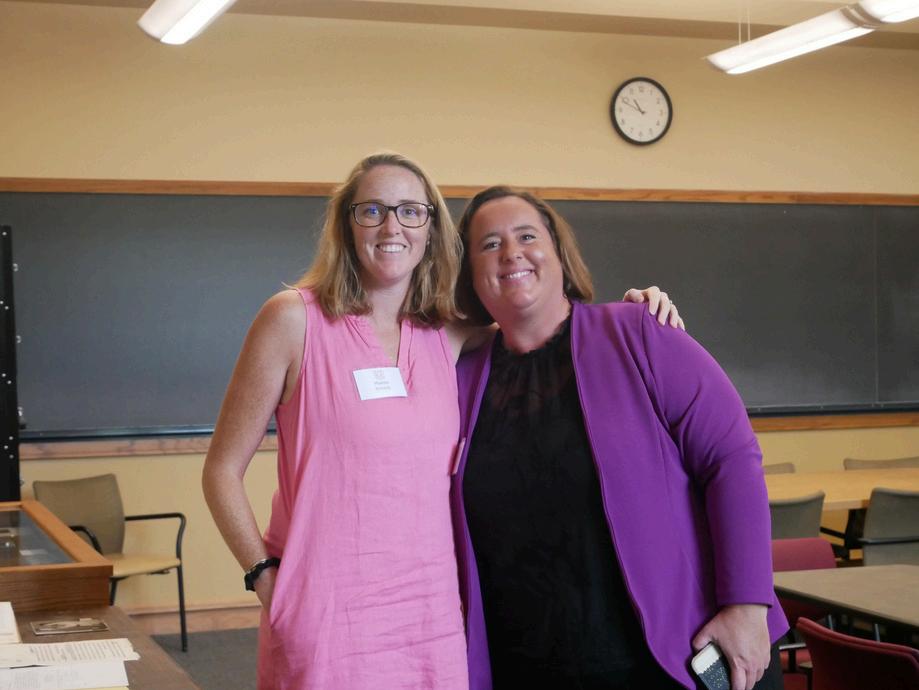
These photos were taken and provided by various graduate students in the Department:
Photos 1, 8: Kathy Duong (Reichhardt Lab)
Photos 2, 7, 9, and 11: Kayla Adkins-Travis (Patti Lab)
3, 6:
Photos
Isaac Fuentes (Birman Lab)
Photo 4: Yu-Chia Chang (Moeller Lab)
Photo 5: Sheila Tran (Barnes Lab)
Photo 10: Kristen Amyx-Sherer (Reichhardt Lab)
AMESSAGE FROMTHE CHAIR
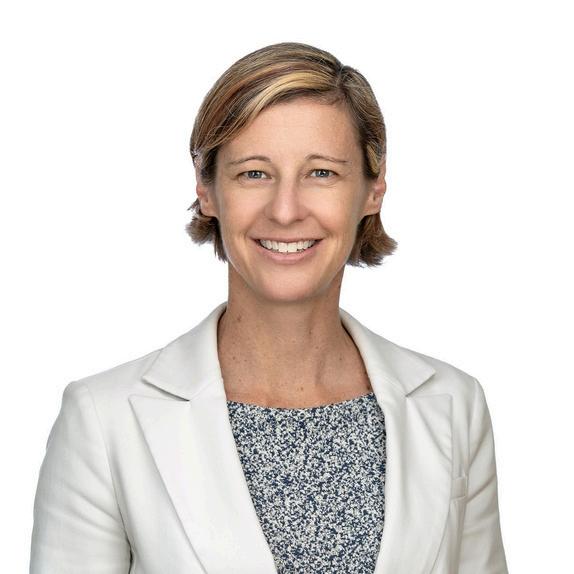
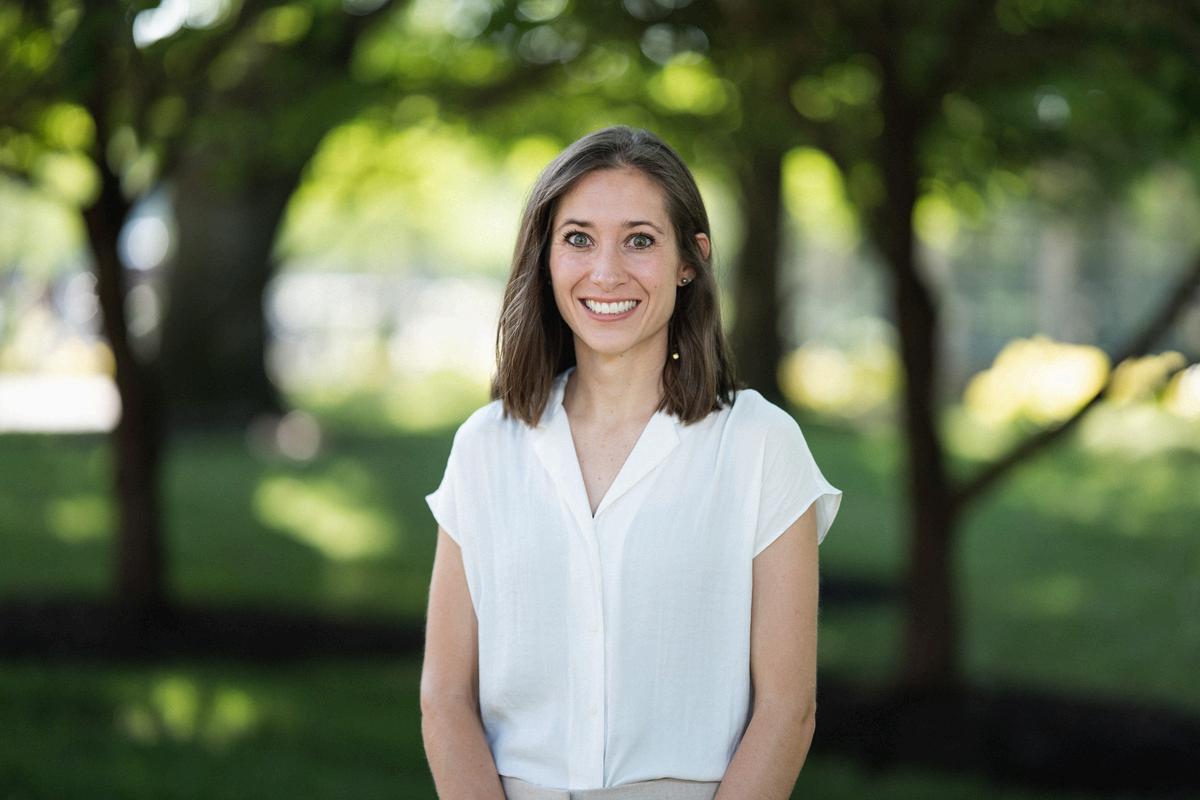
Dr. Jen Heemstra
Dear Alumni and Friends,
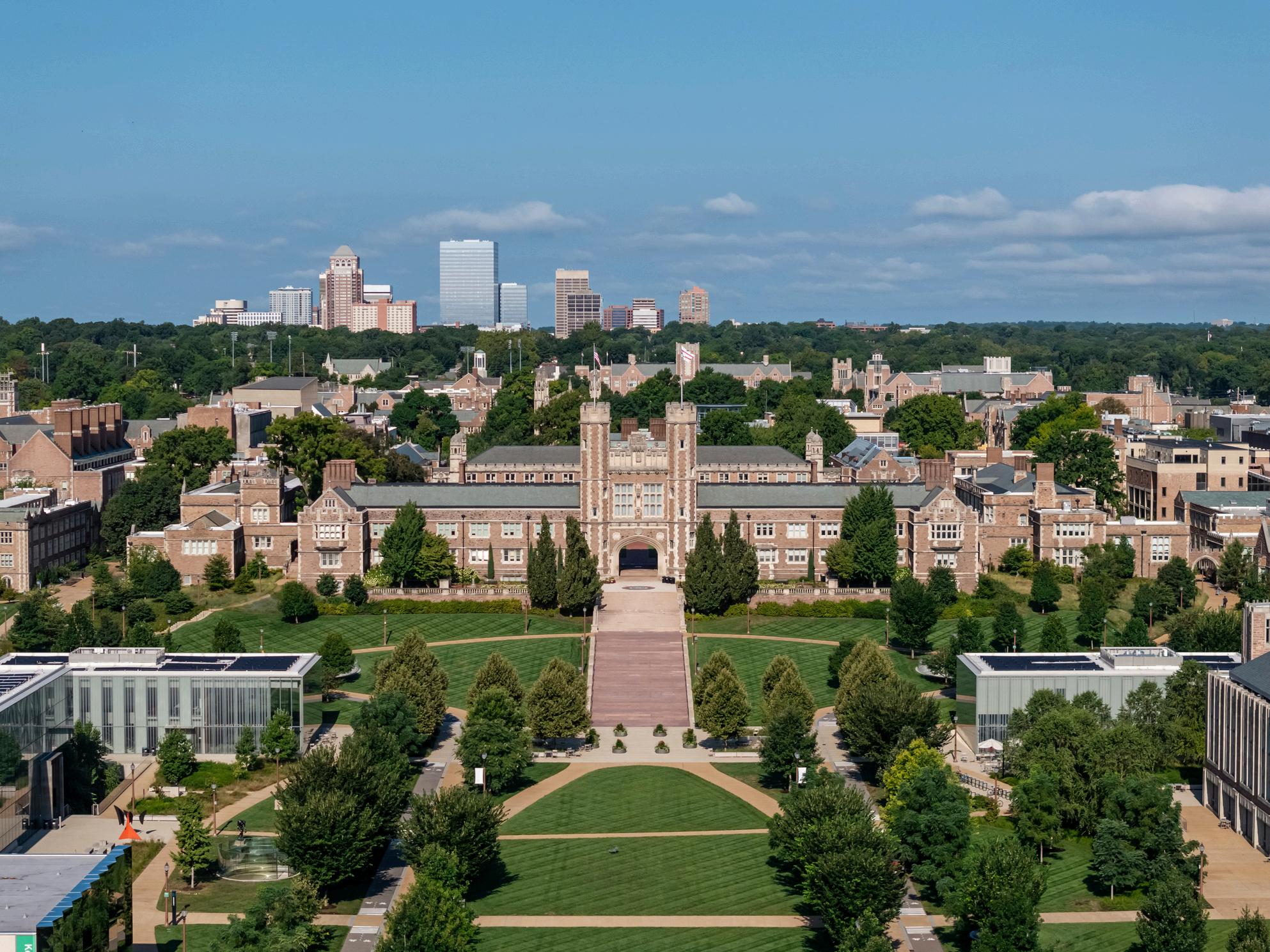
Walking across our beautiful WashU campus and seeing students and colleagues engaged in thoughtful discussions or fun activities, I’m struck by the contrast between this bucolic setting and the turbulence that is so pervasive in the world right now
No matter where you live or where your career has taken you, I recognize that you may be personally experiencing this turbulence. You’re not alone. In higher education and across science, the challenges are significant.
At the same time, our WashU Chemistry community is a tremendous source of hope.
Whether it is witnessing the creativity and drive of our current students, seeing our faculty and staff innovating to improve research and education, or hearing from you as alumni and friends about all of the ways you are creating positive change in the world (why we're launching the Distinguished Alumni Award!), I know that together we are doing amazing things. May the stories in this newsletter bring you the same sense of hope!
Sincerely,
Jennifer M. Heemstra, PhD
Charles Allen Thomas Professor and Chair Department of Chemistry
STAY CONNECTED!
NewLinkedIn AlumniPage
Join our new Alum on LinkedIn to kee us, reconnect with peer, or expand yo professional netwo
All members of this group are required to be alumni who have received a degree from the Department of Chemistry or be current students, faculty or staff in the Department. If you are interested in joining the group, we kindly request that you please have your degree and year listed in your LinkedIn profile.
Interested in hosting an alumni event?
Contact Jasmyn!
Jasmyn Manuel-Nilsson Community Engagement Coordinator jasmyn@wustl edu
Nominations for 2026 awards will remain open until January 12, 2026
Faculty and Department News
REICHHARDT WINS NIH MIR
Courtney Reichhardt, assista of chemistry, has been awar tigious Maximizing Investiga search Award (MIRA) from t Institute of General Medical part of the National Institute The award is intended to pro and flexibility to early-career implications for disease diagnosis, treatment, and prevention Read more on the Ampersand
RECOGNIZING OUTSTANDING FACULTY AND STAFF
At a ceremony and reception held in Holmes Lounge, members of the Arts & Sciences community gathered to recognize recipients of the annual faculty and staff awards. Each recipient made exceptional contributions to the university through service, leadership, or teaching Timothy Wencewicz, associate professor of chemistry, was recognized for the Emerging Leadership Award The Emerging Leadership Award is a new award given to a rising faculty leader who has shown tremendous service to the university and Arts & Sciences. Read more on the Ampersand
NATIONAL ACADEMIES REPORT HIGHLIGHTS HIGH
MAGNETIC FIELD SCIENCE
At the request of the National Science Foundation, the National Academies of Sciences, Engineering and Medicine recently organized a study to identify scientific opportunities and key applications for highmagnetic-field science for the next decade and beyond. Sophia Hayes, vice dean of graduate education and a professor of chemistry, both in Arts & Sciences, helped conduct the study and spoke at the national report release briefing. Read more on the Record
WEXLER TESTS CHEMISTRY AT THE COMPUTER
Not all chemists work with pipettes and bubbling flasks Robert Wexler, an assistant professor of chemistry, uses the principles of quantum physics and high-powered computing to predict and design new materials that could help fuel a revolution in green energy Through digital chemistry, Wexler can tinker with compounds and discover new combinations without ever entering a lab. “Running simulations of different materials isn’t just useful for discovery,” he said. “It’s really helpful for understanding how a material works at the atomic level ” Wexler previously a postdoctoral resear Princeton University, came to W 2022 under Arts & Sciences’ digi transformation initiative. Read m at the Ampersand
NCEWICZ WINS AMERICAN CHEMICAL SOCIETY AWARD
Timothy ncewicz, an associate professor of chemistry and director of duate studies in chemistry in Arts & Sciences at WashU, is the ner of the American Chemical Society (ACS)’s Saint Louis Award ncewicz. The honor is given annually to an individual who has de outstanding contributions to the profession of chemistry and monstrated potential to further the advancement of the fession. Wencewicz is a chemist who is focused on addressing the biotic resistance crisis by studying the biosynthesis of natural ducts and elucidating new antibiotic strategies. Read more at the ord
UNTANGLING THE ROOTS OF DISEASE
As a principal investigator of a five-year, $50 million National Institutes of Health (NIH) project, Gary Patti will collaborate with researchers across the United States to address one of the fundamental mysteries of human health: Why, exactly, do some people develop serious diseases while others stay relatively healthy? The project, which includes about $20 million for WashU, will convene a consortium of 53 scientists to break down the fundamental causes of disease, including the potential role of environmental chemicals. WashU will serve as the hub for the project Read more at the Record
GRANT
WILL FUND DEVELOPMENT OF VACCINES TO PREVENT DEMENTIA With a $2 9 million grant from the National Institute on Aging, researchers Jai Rudra, PhD, an associate professor of biomedical engineering at the McKelvey School of Engineering, and Meredith Jackrel, PhD, an associate professor of
-igns that don’t induce inflammation as it is a constant challenge for the field to counter the chronic inflammation that comes with age. Read more at the Source chemistry in Arts & Sciences, will design vaccines that generate antiamyloid beta and anti-tau antibodies using Rudra’s vaccine platform of peptide nanofi-bers. Key to the sucess of this project are vaccine des
DE LA CRUZ SELECTED AS 2024 EMERSON EXCELLENCE IN TEACHING AWARD
RECIPIENT Maria de la Cruz, senior lecturer in chemistry and Organic Chemistry Lab director, was recognized as one of the Emerson Excellence in Teaching Awardees This program is among the most recognized teacher recognition programs in the St Louis region WashU honorees are chosen annually by the deans of their schools and by the university’s Center for Teaching and
Learning for their achievements and leadership in teaching Read more at the Source
BERKLAND RECEIVES GRANT FOR INNOVATIVE CANCER RESEARCH
The American Cancer Society (ACS) and venture capital firm Yosemite have selected five Washington University in St Louis faculty, including Cory Berkland, to receive the inaugural ACS-Yosemite research grants The new funding opportunity supports 20 creative scientists around the country who are advancing immuno-oncology, cell therapy or artificial intelligence approaches to preventing, diagnosing or treating cancer. Each scholar receives $330,000. Read more at the Source
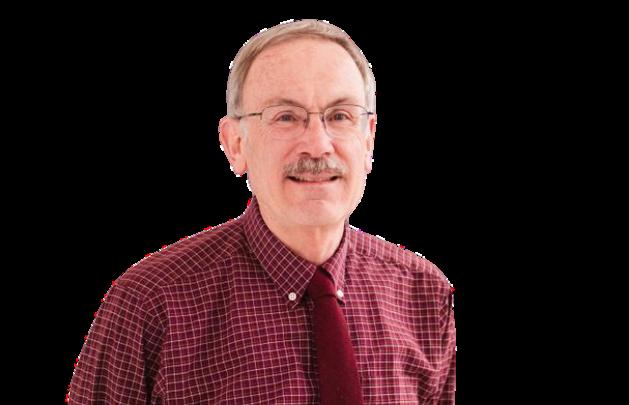
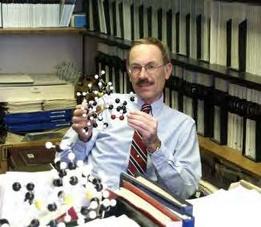
Heespeciallyappreciatedhislastingandmeaningfulrelationshipswiththe graduate students who joined his group “Twenty-four outstanding students obtained their PhDs under my guidance,” he said. “While research results matter, students are the most important legacy.” In retirement, he and his wife look forward to spending time at their vacation home on Lake Michigan and traveling during the academic year, when tourist crowds are typically smaller Read more at the Ampersand
CHRISTINEKIRMAIER &DEWEYHOLTEN
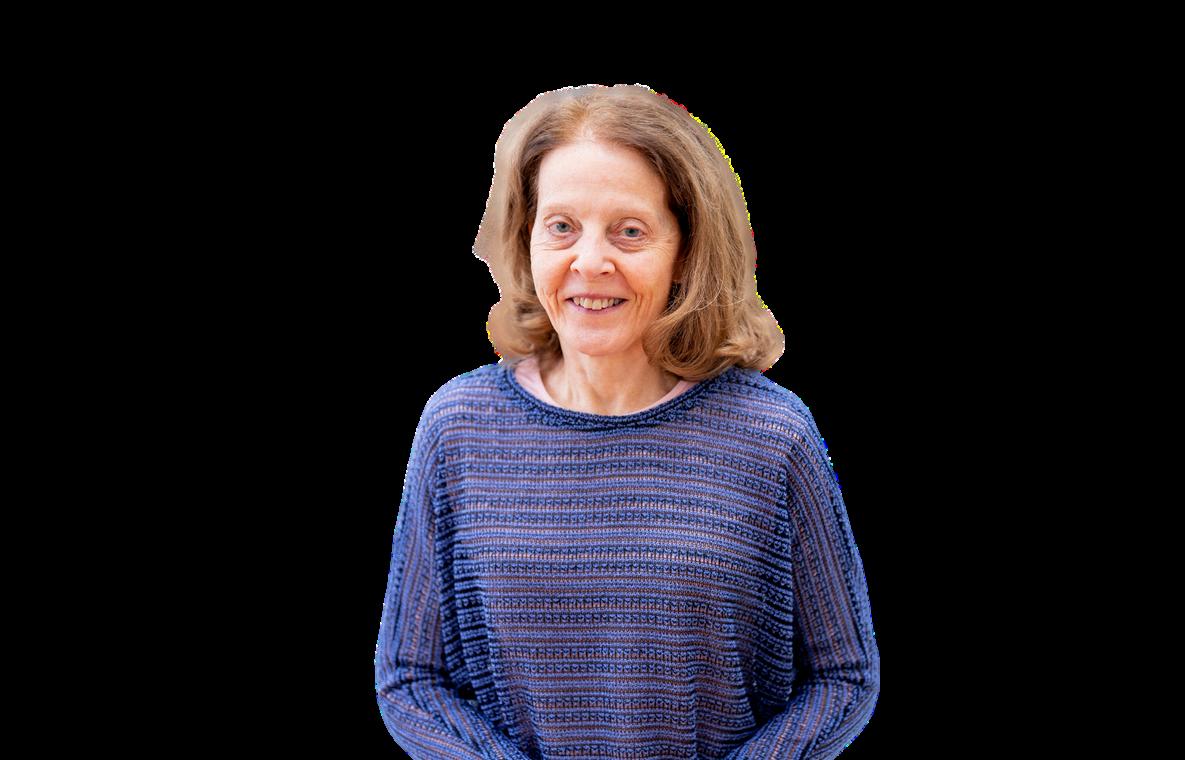
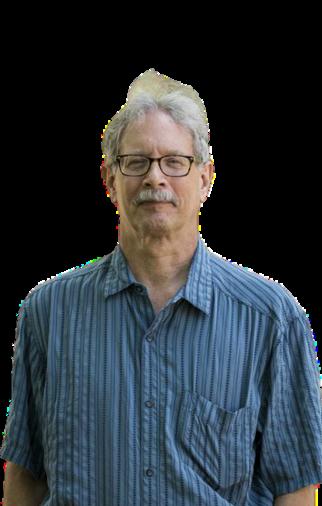
Dewey Holten and Christine Kirmaier, a married couple, joined the Department of Chemistry together in 1980. They immediately got to work studying the photophysics of photosynthesis and related natural and synthetic pigments. “We really enjoyed doing research together,” Kirmaier said In retirement, they are looking forward to gardening together. Holten will also enjoy finishing projects around their house, and Kirmaier will continue to volunteer with the Bring Conservation Home program of the St Louis Audubon Society. Read more at the Ampersand
LUO SELECTED FOR EXCELLENCE IN TEACHING AWARD Jia Luo was selected for the 2025 Excellence in Teaching Award This award was established to honor and publicly recognize an outstanding faculty member in Arts & Sciences for exceptional teaching Arts & Sciences has a long history of distinguished educators and innovative teaching that enriches the lives of undergraduate and graduate students In addition to teaching, Dr Luo also oversees the Chemistry Peer Mentoring Program (as a part of the Transition Program) to provide academic support to first-year students who lack high school chemistry preparation Read more at the Ampersand
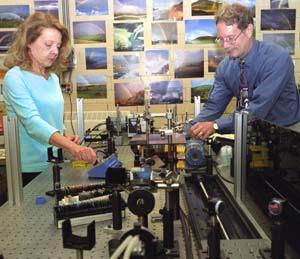
CELEBRATING 50 YEARS OF SERVICE: JON ELSON Jon Elson is one of just a few at WashU who have achieved the milestone of 50 years of service. Elson, a research engineer, has worked at WashU since 1975. Over the years, Elson has helped with a number of projects, including developing a system to log data from a device using beta particles to gauge the added thickness of particulates collected on filter paper through which gas has passed, as well as advancing technologies for the detection of ionizing radiation Elson has been a coauthor on nearly 250 papers that have garnered over 10,000 citations Read more at the Department News Page
NOW OPEN!: WASHU CHEMISTRY POLYMER CORE FACILITY
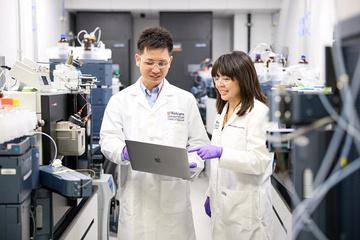
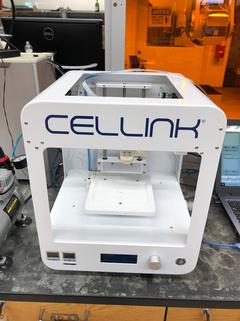
The new Polymer Core Facility is now open The facility, managed by Dr Yi Yi, is located at 443 Louderman and offers a range of services for polymer research. These services include custom polymer synthesis and polymer characterization. The capabilities of custom synthesis include polymers with different architectures, micro- and nanoparticles (e.g., polymer, SiO2), hydrogels, and small molecules (ligands, dyes, etc.). Polymer characterization service includes molecular weight and molecular weight distribution (GPC, MALDI-TOF MS, etc.) as well as rheological properties. Additionally, the facility has several advanced 3D printers for additive manufacturing services The rate and usage information are available online Read more at the Department Website
HAYES NAMED AS NATIONAL ACADEMY OF INVENTORS SENIOR MEMBER
Five researchers from WashU, including Sophia Hayes, vice dean of graduate education and a professor of chemistry, have been named senior members of the National Academy of Inventors (NAI) Hayes has spearheaded efforts to grow innovation and technology transfer broadly, helping to create a culture of research with commercial potential and that can be leveraged for societal benefit A professor of chemistry and an expert in nuclear magnetic resonance spectroscopy, Hayes is also a principal investigator for WashU’s National Science Foundation research traineeship program, LinQ: Linking Quantum Sensing Technologies across Disciplines Read more at the Record
A RESOURCES FOR ‘ACCIDENTAL LEADERS’
With her new book, “Labwork to Leadership: A Concise Guide to Thriving in the Science Job You Weren’t Trained For” (Harvard University Press, Aug. 5, 2025). Jen Heemstra aims to help create a healthier academic culture and support the next generation of leaders. For Heemstra, learning conflict-resolution skills and a whole suite of other “people skills.” Now, Heemstra believes that anyone independent of whether they hold a formal title or think of themselves as a leader can learn and develop the skills to be an excellent one Read more at the Source
DASCHBACH AND LOOMIS RECIPIENTS OF THE STUDENT NOMINATED “EXCELLENCE IN TEACHING AWARD” FOR THE THIRD YEAR
The students of the WashU College of Arts and Sciences have selected Dr Megan Daschbach and Dr Richard Loomis as the recipients of the Excellence in Teaching Award in Science for the second year in a row The Excellence in Teaching Award was established to recognize faculty members in Arts & Sciences for their exceptional teaching and significant contributions to student success. Read more at the Department News Page
Meet our new faculty member: Dr. Zhiling “Zach” Zheng”
NEXT FRONTIERS IN RADIO CHEMISTRY TEAM WINS AN NIH GRANT TO STUDY BACTERIAL INFECTIONS OF MEDICAL IMPLANTS
An Incubator for Transdisciplinary Futures-funded team has won a $427,625 grant from the National Institutes of Health to study novel ways to detect bacterial infections that form around medical implants The group features principal investigator and associate professor of radiology Daniel Thorek, as well as co-investigators Deborah Veis (professor of medicine and pathology and immunology) and Timothy Wencewicz (associate professor of chemistry). For this project, they will focus their attention on biofilms that form on medical devices like catheters and joint replacements once they are implanted in the human body. Read more on the Ampersand
SPEAKER EVENTS Every Thursday, the Department welcomes esteemed speakers and presenters from various disciplines of chemistry to our Seminar Series. For our named lecture series, we were honored to host Dr. Squire Brooks from Pennsylvania State University (Kennedy Lecture Series), Dr Jack W Szostak from the University of Chicago (Weissman Lecture Series), and Dr Hsian-Rong Tseng from the University of California, Los Angeles (Marcus Lecture Series) Our newest named lecture series, the Armendarez Lecture Series, was unveiled in 2024 with Dr. Carlos Bustamante from the University of California, Berkeley, as the inaugural speaker. For more information about our seminars, visit the Department’s Events page
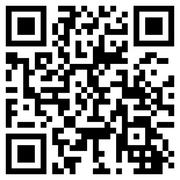
Interested in more news? Visit our news page using the QR code below!
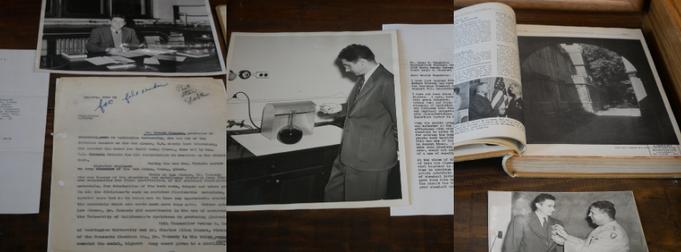
Dedication of the display honoring Professor Joseph W. Kennedy
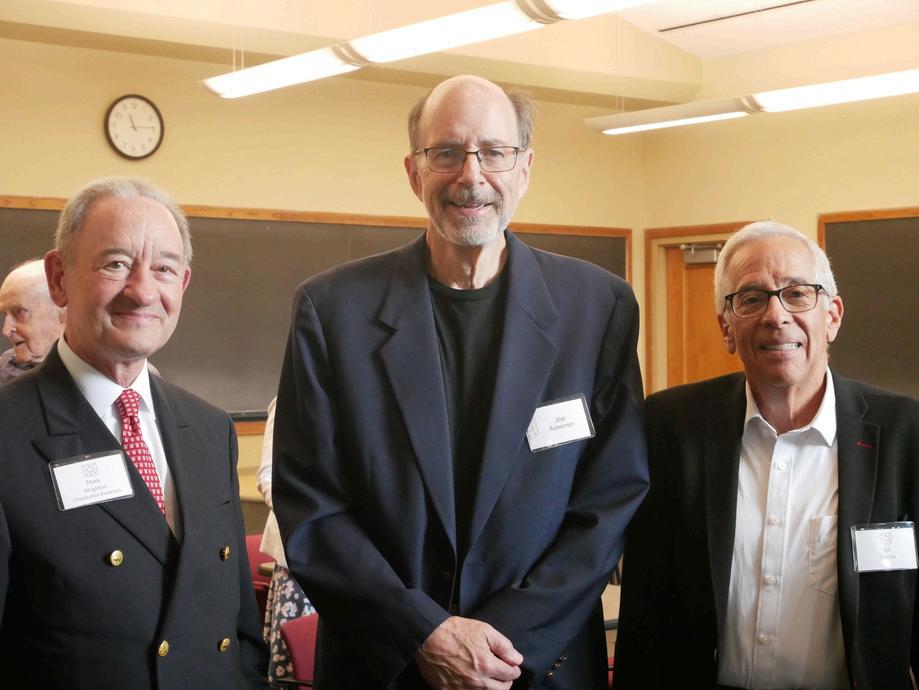
On July 23 ,2024, the Chemistry Department rd held a dedication of the display honoring Professor Joseph W. Kennedy's legacy to the Chemistry Department, WashU campus, and his contribution to the scientific community at large.
Along with his colleagues Arthur C. Wahl and Glenn T. Seaborg, Professor Kennedy made history in 1941 by discovering the element plutonium. Professor Kennedy served as chairman of the Chemistry Department at Washington University from 1946 - 1956. His research interests included determining the chemical properties of new elements and applying isotopic-tracer techniques to examine the diffusion of reaction kinetics. The Chemistry Department's annual Kennedy Lecture Series is also named after the professor. Read more at the Department News Page
Prof Mark Wrighton (Chancellor Emeritus), Prof Joesph Ackerman (Emeritus Professor of Chemistry), and Prof Ed Macias ( Provost Emeritus)
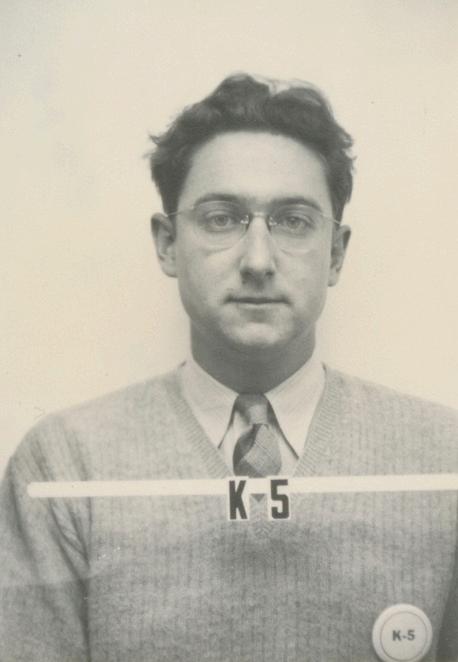
Badge from Los Alamos Laboratory
During World War II, Professor Kennedy worked on the Manhattan Project and led the Chemistry and Metallurgy Division as the Division Leader from 1943 until 1945. In 1946, President Truman awarded Professor Kennedy the Medal of Merit, the highest civilian decoration of the United States. The Medal of Merit
display.
Graduate student & postdoc highlights
WAGNER SELECTED AS THE RECIPIENT OF THE 2024 DEAN’S AWARD FOR GRADUATE RESEARCH EXCELLENCE Faculty and university leadership selected Wesley Wagner, a graduate student from the Gross Lab, as the winner of the 2024 Dean’s Award for Graduate Research Excellence. Finalists for the 2024 Dean’s Award for Graduate Research Excellence
had the opportunity to present their work to faculty and university leadership, including members of the Arts & Sciences National Council. After rounds of lightning talks, the council selected Wesley as the prize winner. Read more at the Ampersand
PEER SAFETY COMMITTEE RECEIVES THE OUTSTANDING ACS STUDENT COMMUNITY AWARD The WashU Chemistry Peer Safety Committee (PSC) has received the Outstanding ACS Student Community Award for the 2023-2024 academic year. This award comes in recognition of PCS's innovative activities, leadership excellence, and forward-thinking and inclusive approach to safety in the department and campus community overall. The PSC continually strives to establish a bottom-up safety culture within the department. Read more at the Department News Page
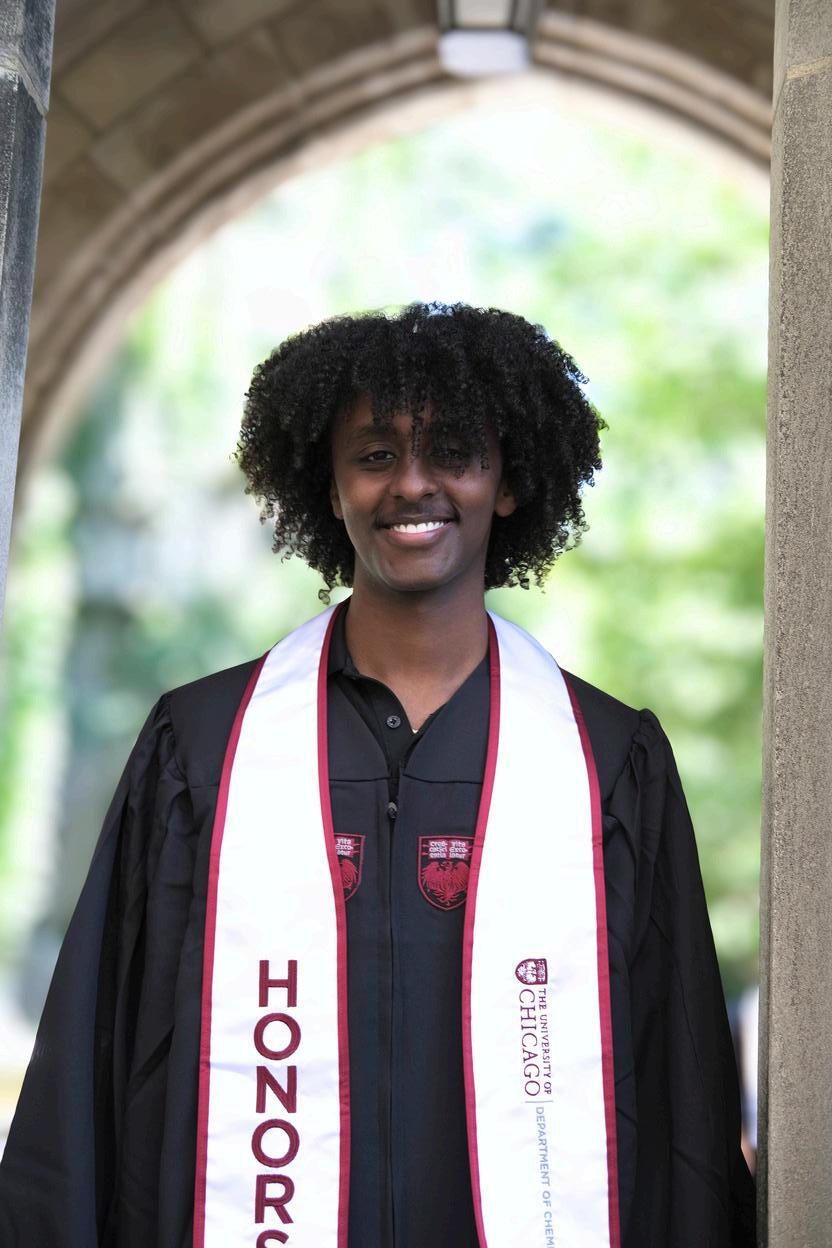
TEWELDE RECEIVES THE DEAN’S DISTINGUISHED GRADUATE FELLOWSHIP
Eyob Tewelde, a graduate student in the Wexler Group, was selected as one of the 2024 Dean's Distinguished Graduate Fellows
Tewelde is a passionate chemist dedicated to advancing renewable energy Eyob draws inspiration from the critical energy shortages that stifle technological innovation in developing countries like his home country, Ethiopia. He is committed to creating sustain-
HARFMANN SELECTED FOR NDSEEG FELLOWSHIP AWARD Brent Harfmann, a graduate student in the Barnes Group, is the recipient of the Department of Defense National Defense Science and Engineering Graduate (NDSEG) Fellowship Brent was selected for the Fellowship from a pool of over 3700 applicants The NDSEG Fellowship Program was established in 1989 by the Department of Defense (DoD) to encourage promising U.S. scientists to pursue doctoral degrees in designated research disciplines. Read more at the Department News Page able solutions to address these challenges. Read more at the Office of Graduate Studies
RESEARCH REVEALS HOW FRUCTOSE IN DIET ENHANCES
TUMOR GROWTH New research from Washington University in St. Louis shows that dietary fructose promotes tumor growth in animal models of melanoma, breast cancer and cervical cancer. However, fructose does not directly fuel tumors, according to the study published Dec. 4 in the journal Nature. Instead, WashU scientists discovered that the liver converts fructose into usable nutrients for cancer cells, a compelling finding that could open up new avenues for care and treatment of many different types of cancer “Our initial expectation was that tumor cells metabolize fructose just like glucose, directly utilizing its atoms to build new cellular components such as DNA We were surprised that fructose was barely metabolized in the tumor types we tested,” said the study’s first author, Ronald Fowle-Grider, a postdoctoral fellow in Patti’s lab Read more at the Source
BERRY AND YANG INDUCTED INTO THE BOUCHET HONOR SOCIETY
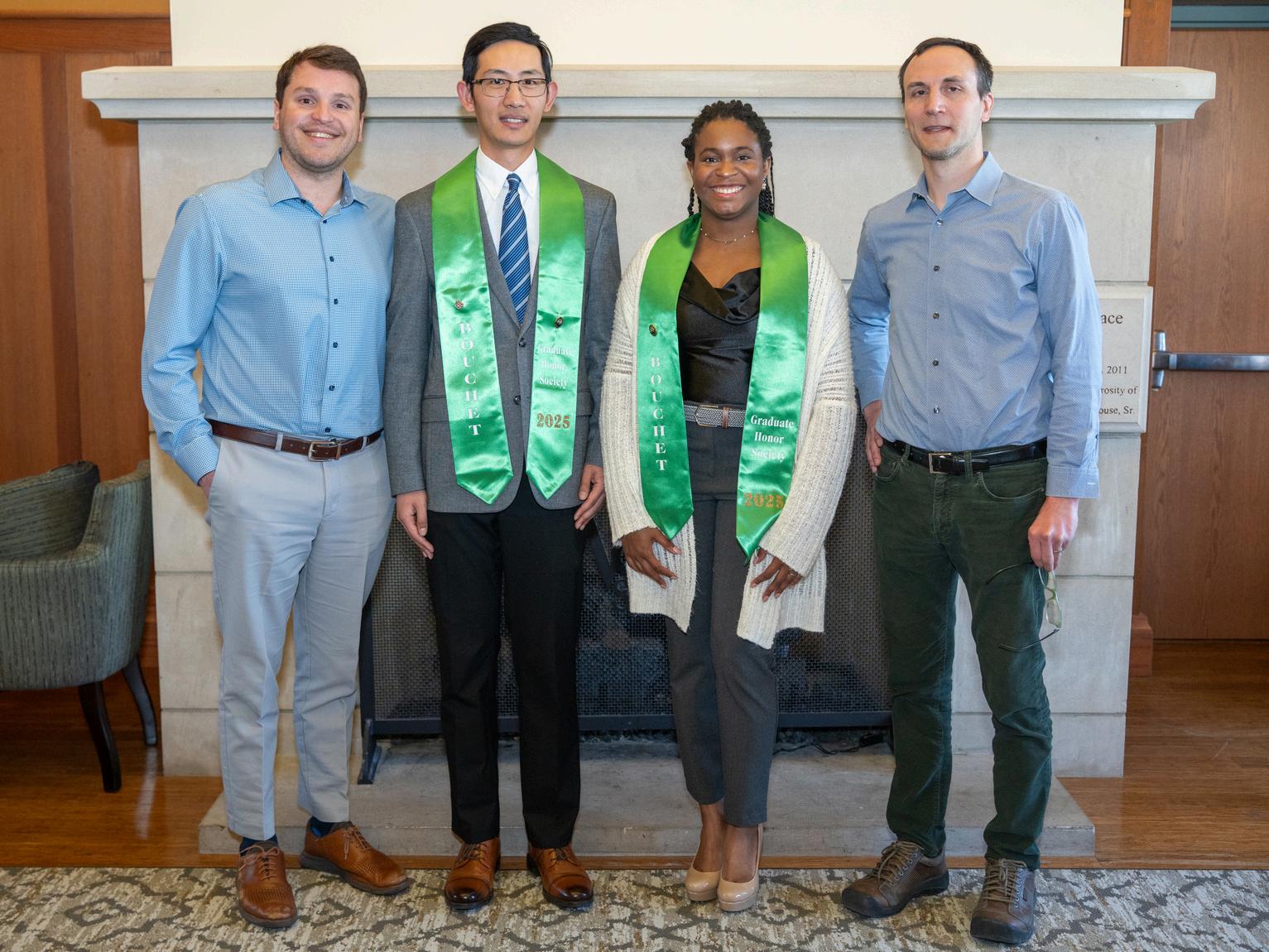
Ashlynn Berry, a graduate student in the Sadtler group, and Ray Yang, a postdoctoral research associate in the Wexler group, have been inducted into the Bouchet Graduate Honor Society Named after the first African American doctoral recipient in the United States, Edward Alexander Bouchet, the Bouchet Graduate Honor Society recognizes outstanding scholarly achievement and the promotion of diversity and excellence in doctoral education and the professoriate. Read more at the Department News Page
WINKLER RECEIVES RAO PRIZE Valerie Winkler, a graduate student Fournier Lab, is one of three recipients of the 2025 Rao Prizes awarded at the International Symposium on Molecular Spectroscopy (ISMS). Valer talk highlighted her recent research efforts that utilized time-resolved spectroscopy methods developed in the Fournier Lab to probe the reaction dynamics and kinetics within complex organic molecules initiate by the absorption of light She was able to reveal the complex, four-step process involved in the self-cyclization of a ring-chain compound, 4-(1,3-dithiolan-2-ylidene)1,7-diphenyl-1,6-heptadiene-3, 5-dione, into a bicyclic ring, bicyclo[3 2 0]heptane-2, 4-dione, within just 500 picose Read more at the Department News Page
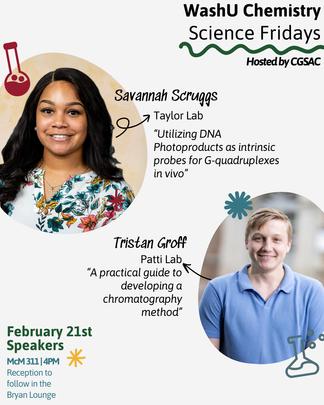
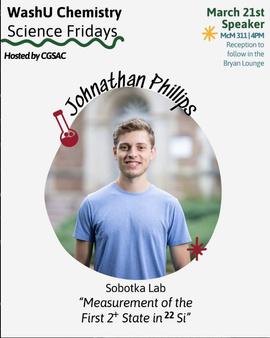
SPOTLIGHT: CGSAC SCIENCE FRIDAYS
The CGSAC Science Fridays seminar series was established in the Fall of 2024 by the Chemistry Graduate Student Advisory Committee (CGSAC) Every other Friday, a current chemistry graduate student or postdoc hosts a seminar highlighting their current research project. This series aims to help students and postdocs practice giving talks, receive constructive feedback, and allows students to practice their presentations for pre-thesis or dissertation purposes.
CGSAC informs and advises the Department on the needs and concerns of our graduate students. The Committee aims to provide representation and community within the grad student population while fostering an environment of equity and inclusivity to help all individuals feel welcome and heard in the Department The 2024-2025 CGSAC members were Nolan McLaughlin (5th yr, Gross Lab), Collin Merrick (4th yr, Wencewicz Lab), Kristen Amyx-Sherer (3rd yr, Reichhardt Lab), Isaac Fuentes (2nd yr, Birman Lab), and Yarielis Lopez (1st year, Powderly Lab)
QUILLIN RECEIVES 2025 JOHN E. MAJORS AWARD Alex Quillin, a graduate student in the Heemstra Lab, is the recipient of the 2025 John E. Majors Award. Alex's work in developing the first test for tracking edited RNAs in cells, EndoV Immunostaining Assay (EndoVIA), was previously published in the journal ACS Central Science The John E Majors Award was created in 2018 to recognize outstanding accomplishments in research and teaching Read more at the Department News Page
WASHU, MILLIPORESIGMA SIGN COLLABORATION AGREEMENT Together, MilliporeSigma and WashU aim to accelerate the transition from lab discoveries to clinical applications and help eventually bring life-saving therapies to patients faster One of the first scientists to participate in the new collaboration with MilliporeSigma is Alex Quillin She is working to commercialize a tool that can be used to track crucial RNA modifications in cells an advance that could lead to a new understanding of the origins of many illnesses Read more at the Source
CHEMISTRY DEPARTMENT UNVEILSNEWNAMED LECTURESERIES
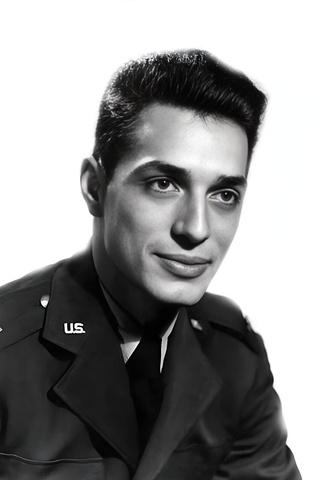
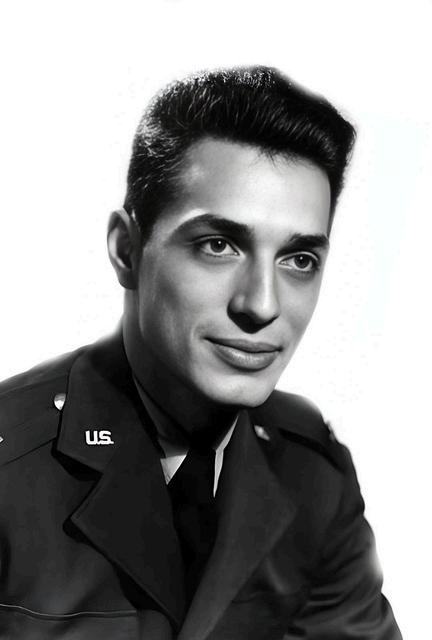
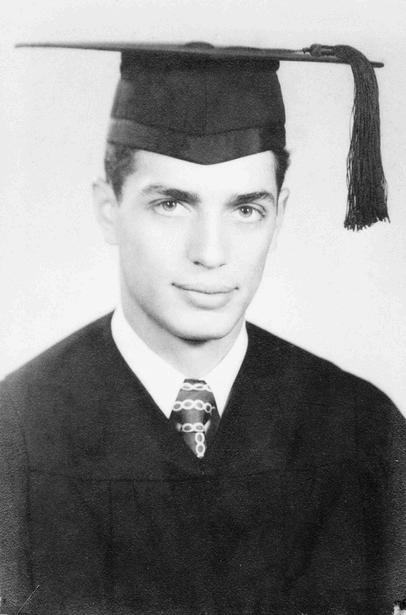
This lecture series honors the late Professor Peter Xavier Armendarez, the first Hispanic graduate student in the Department of Chemistry. The creation of this lecture series was spearheaded by Isaac Fuentes (a graduate student in the Birman group) and the Chemistry Graduate Student Advisory Committee (CGSAC).
Dr. Armendarez was a first-generation college student who joined the Air Force after graduating from Loyola Marymount University. Originally a nuclear scientist in the Air Force, his military career sent him to Washington University in St. Louis, where he joined Arthur Wahl's lab as a graduate student. After earning his master's degree from WashU, Peter continued his education at the University of Arizona, where he earned his PhD in physical chemistry
Read more about the Armendarez Lecture Series and the other Named Lecture Series here
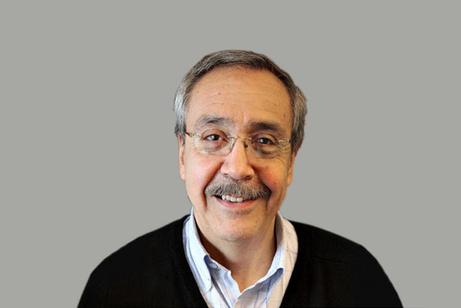
Professor Carlos Bustamante from UC Berkeley was the Inaugural Speaker for the new Armendarez Seminar Series.
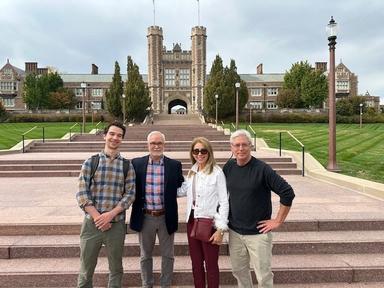
Photos of Dr Armendarez provided by his family members
Professor Bustamante
The Armendarez family
CATALYSTS FOR CHANGE (C4C) 2025
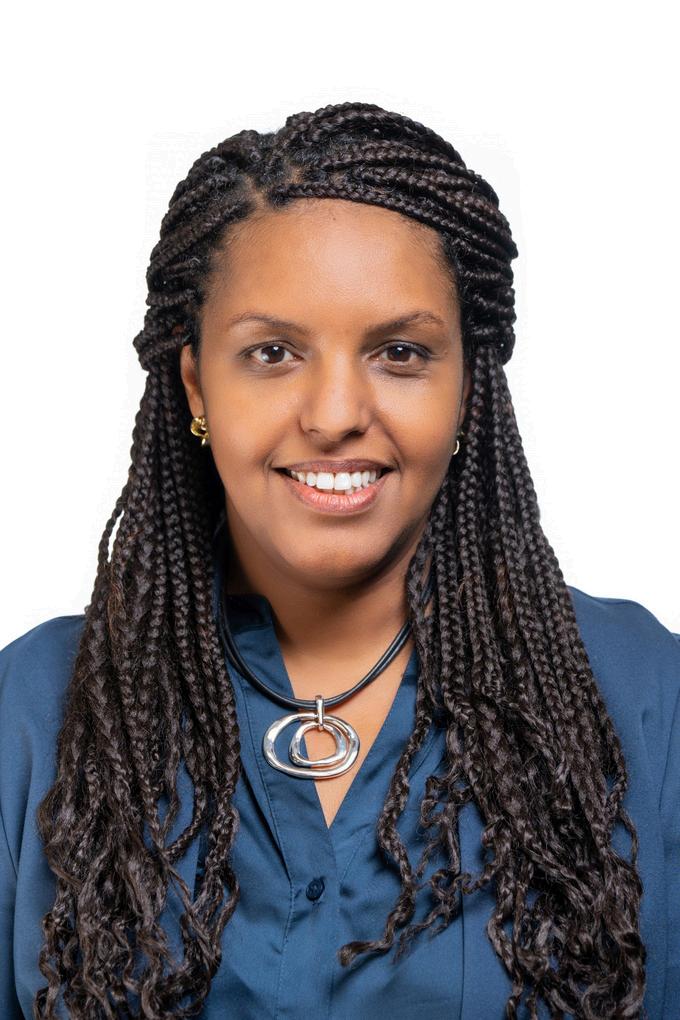
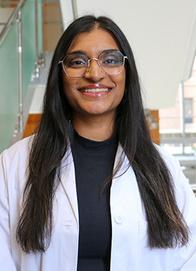
Every year, a group of our graduate students hosts C4C for 9th-grade students from various St. Louis high schools to participate in biology, chemistry, physics, and engineering labs focused on raising awareness of women in STEM. The event, held over two weekends in the WashU Chemistry Department, aimed to provide a well-rounded STEM experience. This year, the C4C committee invited Dr. Eden Tesfu (a WashU Chem alum!) from Bayer Crop Sciences, and Dr. Megha Gupta, a Neurology Resident Physician at Barnes-Jewish Hospital, to speak with the high school students. Both speakers shared their personal experiences, expert insights, challenges they faced, and how they found their support systems and communities within their respective careers Read more at the Catalysts For Change website
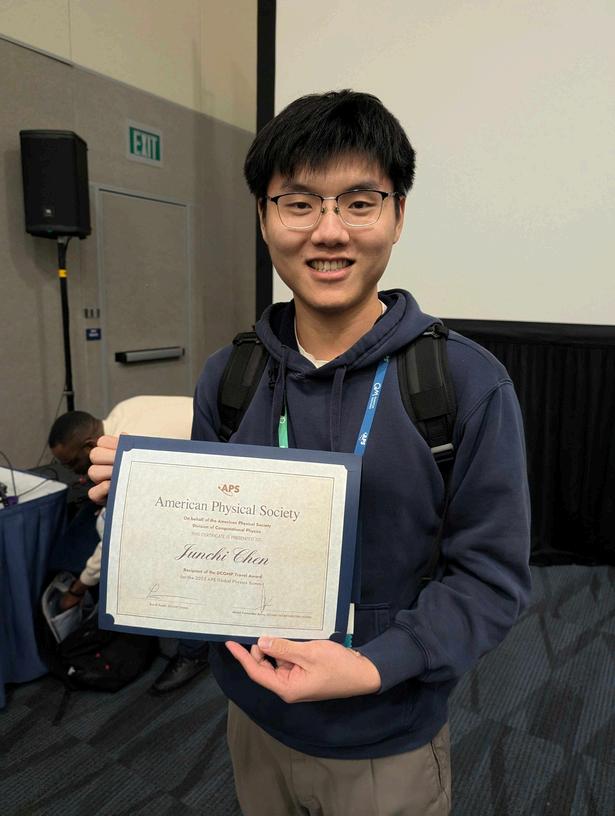
CHEN RECEIVES APS TRAVEL AWARD.
Junchi Chen, a graduate student in the Wexler lab, received the APS Division of Computational Physics (DCOMP) Travel Award at the APS Global Physics Summit The DCOMP
UMAR PRESENTS AT APS
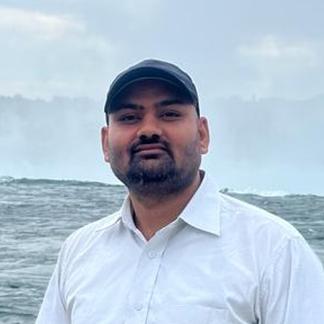
anish Kumar, a postoctoral associate in the exler lab was selected to rticipate in the 2025 GERA ergy Workshop at the merican Physical Society (APS) Global Physics Summit Travel Award program was established to support the professional development of student and postdoctoral researchers The award provides up to $800 in travel reimbursements Read more about the Wexler’s research
During the workshop, Dr Kumar delivered the oral presentation titled “Computationally Driven Design of Ca-Ce-Ti-Mn Oxide Perovskites for Solar Thermochemical Hydrogen Generation ” Read more about the Wexler’s research
NEW GRADUATE STUDENT LOUNGE
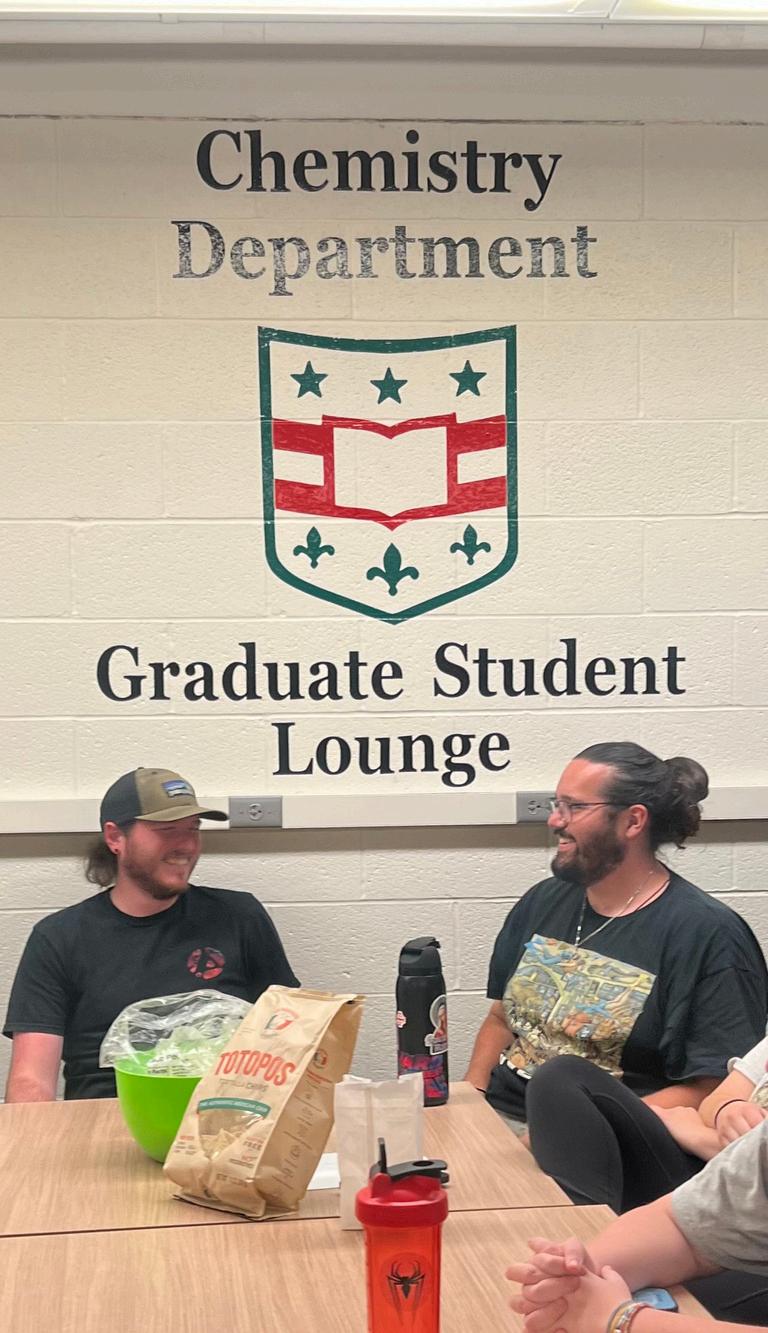
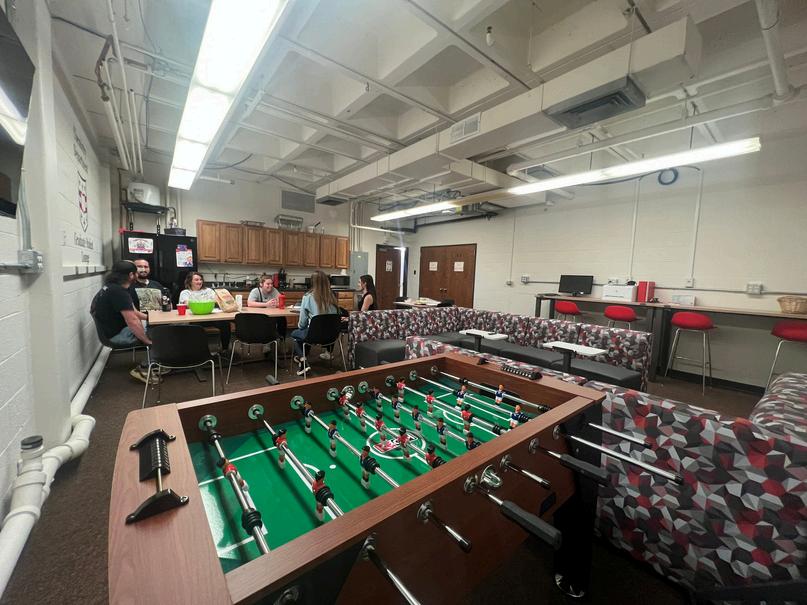
The newly renovated Graduate Student Lounge opened in the spring 2025 semester. Tay Birchfield, the chemistry building supervisor, led the renovation. The newly built, open-floor-plan space includes study and lounge areas, charging stations, printers, a foosball table, and a kitchenette for students. The Lounge is intended to be used as a "third space" for focused study, social connection, and relaxation, offering graduate students a dedicated, comfortable environment away from classes and the lab.
Two WashU undergraduate students, Peter Ha and Susie Sun, have spearheaded the reactivation of the ACS Student Chapter at WashU The Chapter was last active in 1981, almost 50 years ago This Chapter is open to all undergraduate majors and aims to build community, support research goals, and provide students with professional development opportunities within ACS, including career resources and outreach activities. For more information about the Student Chapter and their upcoming events, visit their Instagram page @acs washu
LEE NAMED BECKMAN SCHOLAR David Lee, a junior majoring in chemistry, has been chosen to participate in WashU’s Beckman Scholars Program Created by the Arnold and Mabel Beckman Foundation, the program is intended to provide “indepth, sustained undergraduate research experiences for exceptionally talented, full-time undergraduate students ” Lee will receive $21,000 to cover the cost of scientific supplies, travel to symposia, and a student stipend Mentors for each student will also receive $5,000 Lee studies apolipoprotein E (ApoE), a protein that has been linked to the development of Alzheimer’s disease. He was nominated by his mentor Meredith Jackrel, an associate professor of chemistry. Read more at the Record
MORIN AND EVANOFF RECIPIENTS OF THE HARRIET K. SWITZER LEADERSHIP AWARD Emmy Morin and Samantha “Sam” Evanoff, 4th-year undergraduate students, have been awarded the 2025 Harriet K. Switzer Leadership Award. The Harriet K. Switzer Leadership Award, distributed by the Women’s Society of Washington University (WSWU), is granted to graduating seniors for their outstanding and significant contributions to the university as undergraduates and have demonstrated exceptional leadership After receiving many nominations, WSWU selected three final awardees, with Emmy and Sam receiving nominations from Chemistry faculty Read more at the Department News Page
LEWIS SELECTED AS 2025 ARTS & SCIENCES STUDENT MARSHAL James Lewis, a 4th-year undergraduate student majoring in chemistry and East Asian languages and cultures, was one of three Arts & Sciences students selected to represent the College at the Spring 2025 Commencement ceremony. Student marshals are selected based on their exemplary academic and leadership efforts in their respective fields and are tasked with logistical roles during the ceremony. Read more about the student marshals and Lewis’s plans after graduation at the A&S Graduation website
Emmy Morin Sam Evanoff
The Washington University Chemistry Tournament (WUCT) WashU undergraduate students led their annual WUCT during the Spring 2025 semester, with over 200 high-school students in attendance Each year, the tournament brings hundreds of high school students to the Danforth campus to participate in a series of individual and team-based chemistry exams, engage with WashU students and faculty, and earn recognition at an awards ceremony Read more at WUCT’s website
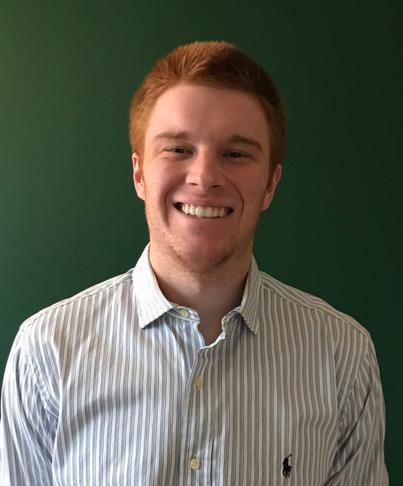
LEFFLER AND LI RECOGNIZED FOR NSF GRADUATE RESEARCH FELLOWSHIP PROGRAM Mason Leffler and Wanji Li, graduating seniors, were recognized for this year's Graduate Research Fellowship Program (GRFP). Mason, a chemistry major (biochemistry concentration) and undergraduate researcher in the Heemstra Lab, received an Honorary Mention. Wanji, a double major in chemical engineering and chemistry (biochemistry concentration) and undergraduate researcher in the Zhang Lab, was awarded the Fellowship As a GRFP awardee, Wanji will receive three years of funding support over a five-year fellowship period for graduate education Read more at the Department News Page
Remembrance written by Prof Lee Sobotka Ronald A. Lovett passed away after a long illness Friday, April 18, 2025. Ron was a brilliant theorist from the Kirkwood school of statistical mechanics. Following his PhD with Frank P. Buff at the University of Rochester, Ron went to Bell Labs (The “Idea Factory”), where he worked with Frank H. Stillinger. In 1967, Ron came to Washington University, where he joined the Department of Chemistry as its second theorist. Throughout his career, Ron worked on subtle interfacial phase issues. Ron was a superb mathematician, a creative programmer, and at times an innovative experimentalist. For years, he taught advanced statistical mechanics, quantum mechanics, and the PChem laboratory. His response to questions was always the same: enough discussion to define the question, he then disappeared for a few days, returning with TeXed notes, with Mathematica plots inserted, explaining the subject with clarity rarely found outside of the texts written by Landau-Lifshitz and Feynman. Some of us cherish notebooks filled with these “Lovett notes”.
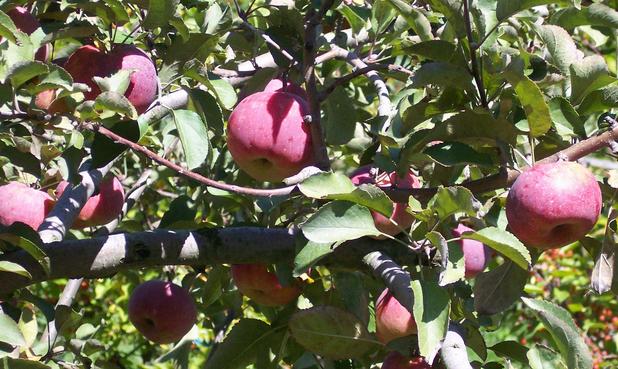
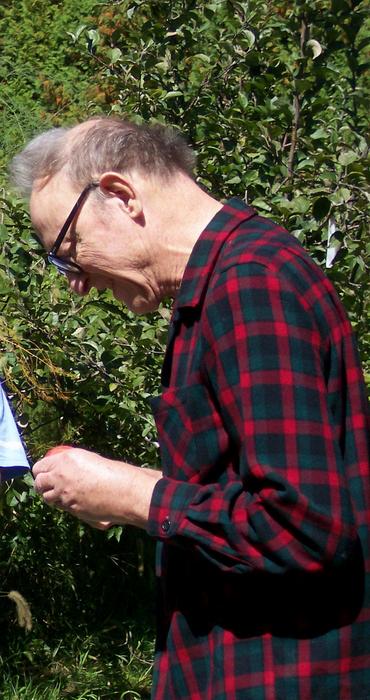
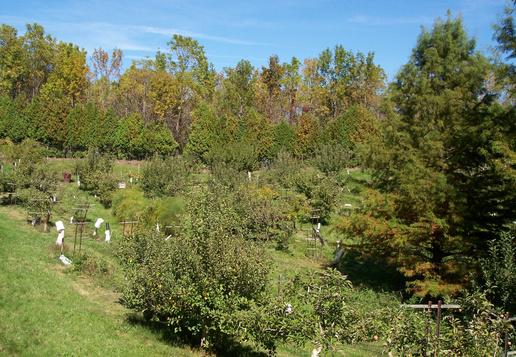
Ron was an avid sportsman who would regularly play basketball, handball, and hockey as well as orchardist with a farm in Calhoun County. He and his wife Eva grew dozens of apple varieties, some experimental and others not enjoyed for generations. Trips to Eva and Ron’s farm generated life-long memories for many.
Photos of Dr. Ronald Lovett and his orchard provided by Prof Sobotka
,
Telephone: (314) 935-6530
l lowusonoursocials!
WE WANT TO HEAR FROM YOU!
Interested in being the next alumni spotlight or want to update us on what you’ve been doing? Fill out this form here
CURRENT JOB OPENINGS IN WASHU CHEMISTRY
The Department has multiple postdoc positions open. Please reach out to the specific lab and faculty member you are interested in for further information. Our full faculty page can be found here.
ALUMNI JOB BOARD
Interested in having your job posting listed in our newsletter or sent to our students/postdocs? Contact Jasmyn ManuelNilsson at jasmyn@wustl edu